


Matthew Trueblood
-
Posts
2,481 -
Joined
-
Last visited
-
Days Won
2
Content Type
Profiles
Joomla Posts 1
Chicago Cubs Videos
Chicago Cubs Free Agent & Trade Rumors, Notes, & Tidbits
2026 Chicago Cubs Top Prospects Ranking
News
2023 Chicago Cubs Draft Picks
Guides & Resources
2024 Chicago Cubs Draft Picks
The Chicago Cubs Players Project
2025 Chicago Cubs Draft Pick Tracker
2026 Chicago Cubs Draft Tracker: Picks & Bonuses
Blogs
Events
Forums
Store
Gallery
Everything posted by Matthew Trueblood
-
Adbert Alzolay and the Bolivar Slider Are Impervious to Pressure
Matthew Trueblood posted an article in Cubs
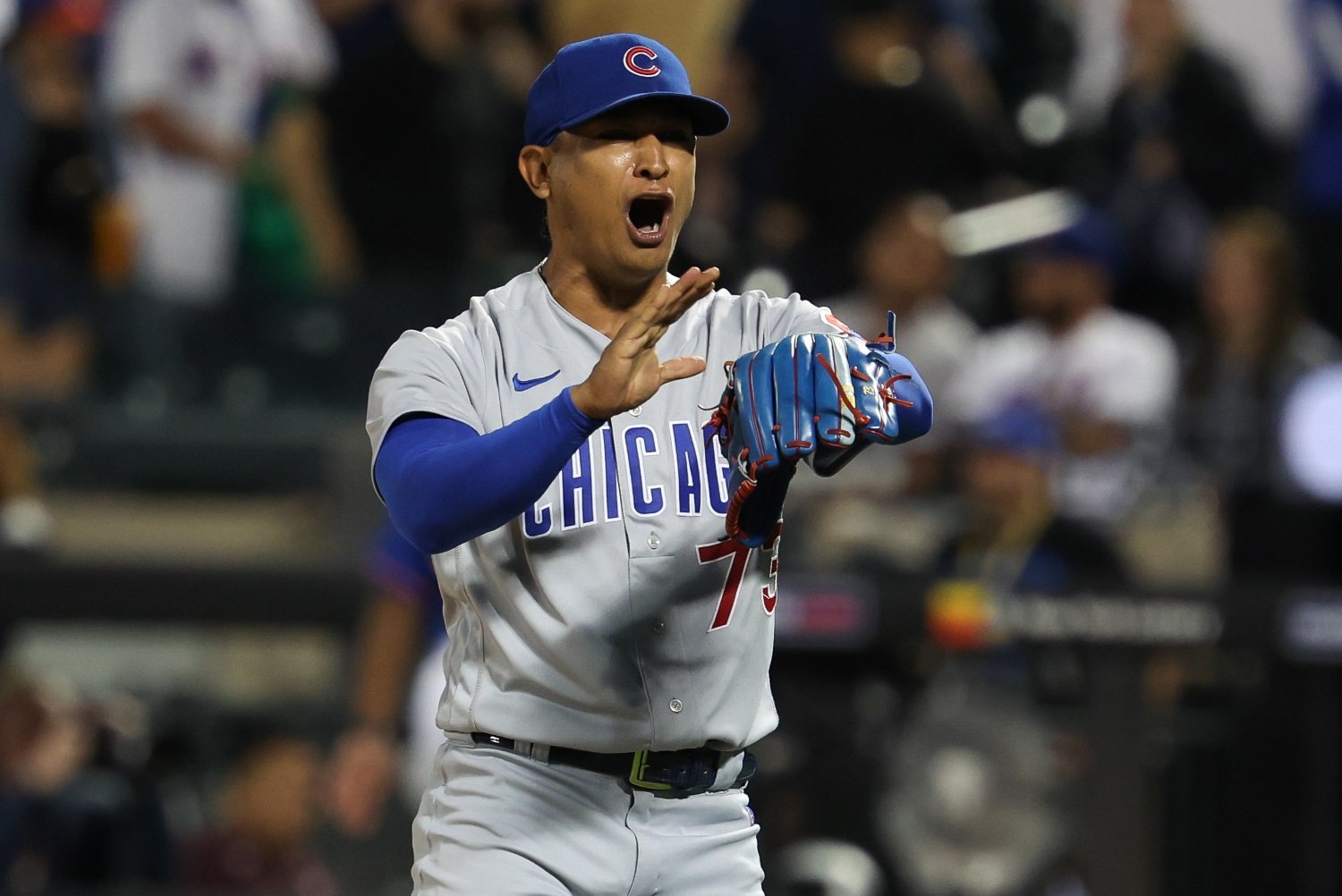 The maturation and evolution of Adbert Alzolay over the course of this season have been stunning. Two years ago, he was a half-successful starting pitcher, but he got hurt, and when he came back at the end of 2022, it was only in a long relief role, which still afforded him ample rest between outings. Before 2023, he had never made an MLB appearance on fewer than two days' rest. Now, he's made 21 such appearances. Of them, perhaps none was more impressive than Tuesday night's. Alzolay had last pitched Sunday, when (working on a second consecutive day and third out of four) he went through the meat of the Atlanta lineup to close out Chicago's series win. He had to do the same, now, but on the road, and with only a one-run lead with which to work. Worse, he had to go through Pete Alonso, who is one of the 10 most dangerous hitters in baseball and has a special knack for mashing Cubs pitching. The league is scoring 4.59 runs per game this season. That number is slightly goosed by the automatic runners in extra innings, so let's call the real number 4.50. That still means that each inning begins with a 0.50 run expectancy, on average. Alzolay was working, again, on a third day out of four. Francisco Lindor and Alonso are not average, ordinary hitters. There's a good case to be made that Cubs fans (and Mets fans, too) should have narrowly expected New York to at least tie the game in that situation. Instead, Alzolay ripped right through them. He didn't miss bats quite the way he does when he's fresh, but he still retired the Mets easily, including starting the game-ending 1-6-3 double play with poise. For the last two-plus months, this has been the pattern. Alzolay just keeps growing more confident, and he just keeps coming up with big outs, even though he's now 50 innings into a season of doing a more intense job and enjoying less (and less-predictable) rest than ever before. The secret to his success, of course, is the Bolivar Slider. Around the time he really came into his own as a dominant closer, Alzolay became an unrelenting slider monster. It's been the key to his confidence and the inability of opponents to do anything with him. He's throwing the pitch well over half the time, yet, he's pounding the strike zone. He's honed the strike-to-ball slider beautifully, but he's also hitting the corners with both his four-seamer and his sinker. With just seven walks in over 50 innings, he boasts the ninth-best walk rate of 388 pitchers who have logged 30 or more innings this season. He's been overwhelmingly good. Alzolay has also claimed a privileged place in the Cubs clubhouse, and in the Cubs zeitgeist. He's developed a signature fist pump when he completes a save, but it's not the work of a man mad with ego. On Twitter and beyond, Alzolay hypes up his teammates as much as himself. His years-long friendship with Justin Steele has been well documented. He loves to talk about Steele's "Mississippi fastball" and Drew Smyly's "Arkansas curve," and that makes him more perfect for this team, still. When he made that great play to finish the win Tuesday night, he incorporated a loving exultation of the back of his glove into his celebration, an homage to Marcus Stroman, who does the same thing whenever he makes a good defensive play. His energy and his awareness of what makes his teammates great makes Alzolay a catalyst for the burgeoning chemistry in that clubhouse. The 2023 Cubs have a sense of place, and of identity, but it's made up of distinct and intact places and identities. The pitchers have cleaved to this trend of modifying the key pitches certain of their cohort by putting their home state or town in front of it. The hitters are, unexpectedly, led by Mike "the Palatine Pounder" Tauchman, and by Cody Bellinger, whose name is synonymous with Los Angeles and the Dodgers dynasty. Dansby Swanson left his hometown team to sign here over the winter. Jeimer Candelario, although without his own agency in the decision, has gotten a chance to come back to his first baseball home. To some extent, this season will be defined by one place--the one in which the Cubs finish in the NL Central standings. Alzolay, though, is the most brilliant exemplar for the way this team has already met reasonable criteria to be called a success. They're packing Wrigley Field, ensuring that that place once again defines and embraces the team. They're gelling into a group that can represent both the neighborhoods that take pride in being Cubs enclaves and the wide, diverse diaspora of Cubs fans. They have fun, and they have swagger, but none of that would matter or last very long if they weren't winning. Alzolay is a terrific source of the first two, and he can be that way because he's contributed so much to the third.
 -
Though the Cubs led on the scoreboard, you could make a strong case that the Mets were a coin flip to win the game entering the bottom of the ninth inning Tuesday night. Nine pitches later, the game was over, thanks to the Cubs' dominant closer. Image courtesy of © Vincent Carchietta-USA TODAY Sports The maturation and evolution of Adbert Alzolay over the course of this season have been stunning. Two years ago, he was a half-successful starting pitcher, but he got hurt, and when he came back at the end of 2022, it was only in a long relief role, which still afforded him ample rest between outings. Before 2023, he had never made an MLB appearance on fewer than two days' rest. Now, he's made 21 such appearances. Of them, perhaps none was more impressive than Tuesday night's. Alzolay had last pitched Sunday, when (working on a second consecutive day and third out of four) he went through the meat of the Atlanta lineup to close out Chicago's series win. He had to do the same, now, but on the road, and with only a one-run lead with which to work. Worse, he had to go through Pete Alonso, who is one of the 10 most dangerous hitters in baseball and has a special knack for mashing Cubs pitching. The league is scoring 4.59 runs per game this season. That number is slightly goosed by the automatic runners in extra innings, so let's call the real number 4.50. That still means that each inning begins with a 0.50 run expectancy, on average. Alzolay was working, again, on a third day out of four. Francisco Lindor and Alonso are not average, ordinary hitters. There's a good case to be made that Cubs fans (and Mets fans, too) should have narrowly expected New York to at least tie the game in that situation. Instead, Alzolay ripped right through them. He didn't miss bats quite the way he does when he's fresh, but he still retired the Mets easily, including starting the game-ending 1-6-3 double play with poise. For the last two-plus months, this has been the pattern. Alzolay just keeps growing more confident, and he just keeps coming up with big outs, even though he's now 50 innings into a season of doing a more intense job and enjoying less (and less-predictable) rest than ever before. The secret to his success, of course, is the Bolivar Slider. Around the time he really came into his own as a dominant closer, Alzolay became an unrelenting slider monster. It's been the key to his confidence and the inability of opponents to do anything with him. He's throwing the pitch well over half the time, yet, he's pounding the strike zone. He's honed the strike-to-ball slider beautifully, but he's also hitting the corners with both his four-seamer and his sinker. With just seven walks in over 50 innings, he boasts the ninth-best walk rate of 388 pitchers who have logged 30 or more innings this season. He's been overwhelmingly good. Alzolay has also claimed a privileged place in the Cubs clubhouse, and in the Cubs zeitgeist. He's developed a signature fist pump when he completes a save, but it's not the work of a man mad with ego. On Twitter and beyond, Alzolay hypes up his teammates as much as himself. His years-long friendship with Justin Steele has been well documented. He loves to talk about Steele's "Mississippi fastball" and Drew Smyly's "Arkansas curve," and that makes him more perfect for this team, still. When he made that great play to finish the win Tuesday night, he incorporated a loving exultation of the back of his glove into his celebration, an homage to Marcus Stroman, who does the same thing whenever he makes a good defensive play. His energy and his awareness of what makes his teammates great makes Alzolay a catalyst for the burgeoning chemistry in that clubhouse. The 2023 Cubs have a sense of place, and of identity, but it's made up of distinct and intact places and identities. The pitchers have cleaved to this trend of modifying the key pitches certain of their cohort by putting their home state or town in front of it. The hitters are, unexpectedly, led by Mike "the Palatine Pounder" Tauchman, and by Cody Bellinger, whose name is synonymous with Los Angeles and the Dodgers dynasty. Dansby Swanson left his hometown team to sign here over the winter. Jeimer Candelario, although without his own agency in the decision, has gotten a chance to come back to his first baseball home. To some extent, this season will be defined by one place--the one in which the Cubs finish in the NL Central standings. Alzolay, though, is the most brilliant exemplar for the way this team has already met reasonable criteria to be called a success. They're packing Wrigley Field, ensuring that that place once again defines and embraces the team. They're gelling into a group that can represent both the neighborhoods that take pride in being Cubs enclaves and the wide, diverse diaspora of Cubs fans. They have fun, and they have swagger, but none of that would matter or last very long if they weren't winning. Alzolay is a terrific source of the first two, and he can be that way because he's contributed so much to the third. View full article
-
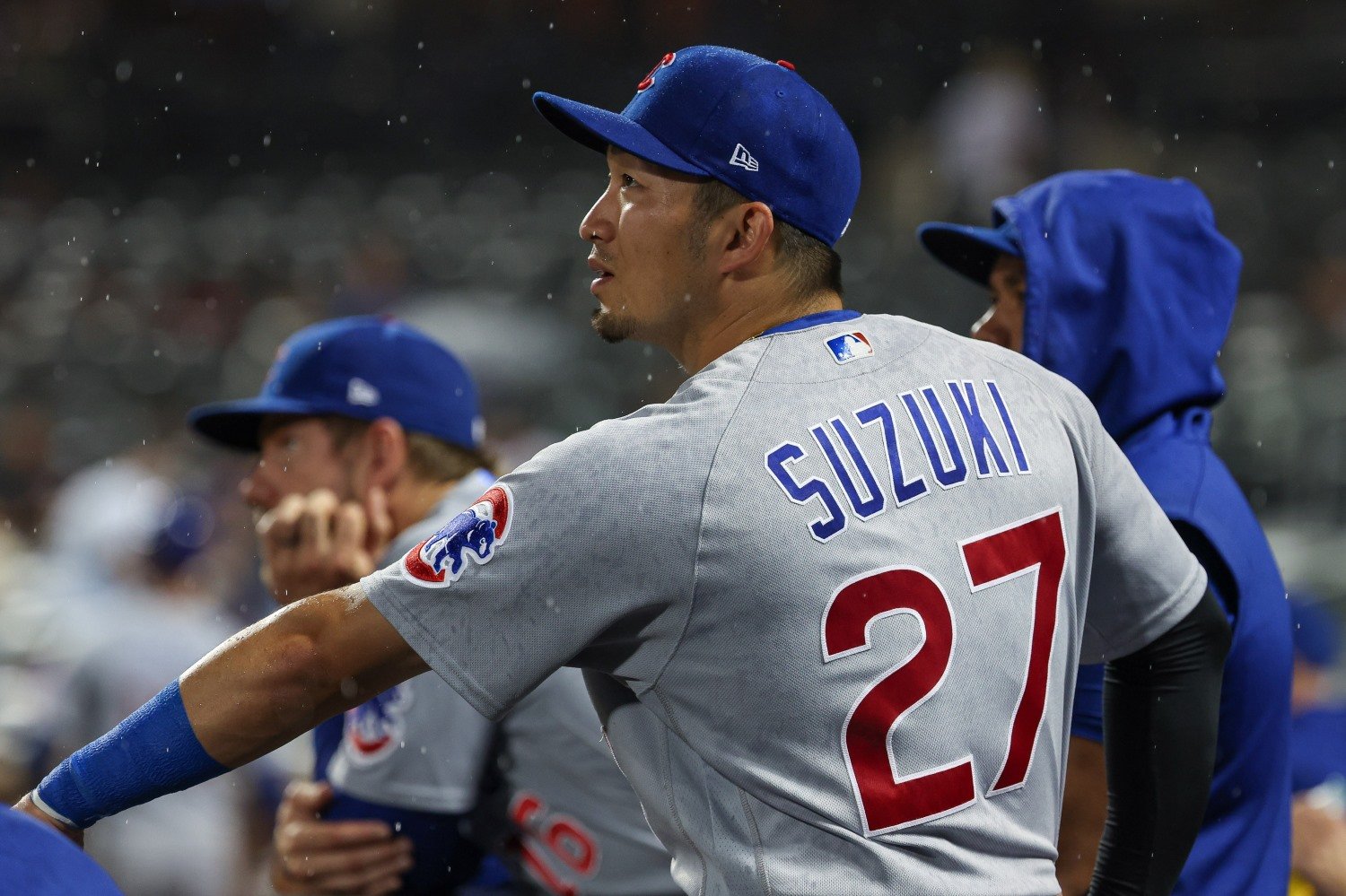 Of the seven starting lineups David Ross has drawn up since the arrival of Jeimer Candelario, only two have included Seiya Suzuki. The Cubs' incumbent right fielder has lost his regular gig, at least for the time being. Mike Tauchman has started the other five games in right, with Cody Bellinger in center field and Candelario at first base. It's awkward for everyone involved, but less than two full seasons into a five-year deal on which they spent over $100 million, Suzuki is going to have to earn and fight for playing time the rest of the way. It took a long period of struggle to unseat Suzuki from his position. He's batted just .207/.268/.307 since June 15, and one of his three home runs during that span was against a position player pitching in a blowout. In years past, big commitments have paralyzed the Cubs when it comes to redistributing playing time, but that's not what kept Suzuki in the lineup for so long. Rather, it was a combination of a lack of better options, and the fact that Suzuki is persistently, enigmatically less than the sum of his parts. When the other options at first base included only Trey Mancini and Patrick Wisdom, Ross was inclined to use Bellinger there most of the time. That necessarily meant putting Tauchman in center, and left right open for Suzuki. After the team acquired Candelario, though, the constellation of possibilities shifted. Suzuki still wasn't producing at the plate, so it made sense to move him to the bench in favor of the more consistent Tauchman. It's maddeningly difficult to pin down what's ailing Suzuki, and it feels as though he should recover at any moment, but it's been a long drought for him. Let's take a look at what's happening. Firstly, Suzuki is undergoing a prolonged power outage. He consistently drove the ball early in the season, but that punch has faded badly as the year has progressed. Seiya Suzuki, Average Exit Velocity Over Time, 2023 Month Avg Exit Velocity (MPH) April 93.5 May 91.4 June 93.2 s. July 1 89.7 That's bad, but Suzuki is the kind of hitter who can usually weather some missing pop. He draws many walks, and puts the ball in play at a pretty high rate--or at least, he used to. Seiya Suzuki, Whiffs Per Pitch Over Time, 2023 Month Whiffs% (All pitches) April 8.9 May 7.5 June 6.8 s. July 1 12.1 That whiff rate since the start of July is still a hair below the league average. Even going on a per-swing basis, Suzuki is only a bit worse than the average, whiffing on 28.2 percent of swings since July started, while the league whiffs on 25.8 percent of them. With his extremely patient approach, though, Suzuki is always going to take a lot of called strikes. He can only afford to swing and miss at even an average rate if he's doing damage when he makes contact, and recently, he simply isn't doing so. Our Matt Ostrowski wrote about this issue last month. Suzuki's problem is that too much of his hard contact comes on the ground, where the chance that it becomes an out is substantial and the chance that it becomes an extra-base hit is virtually nil. That's a perennial problem for him. Right now, though, there's more going on. It looks, to me, like Suzuki is struggling with his timing and pulling off the ball too often as a result. Last year, he hit the ball to right field 33.1 percent of the time, significantly more than an average hitter. He's still capable of hammering outside pitches the other way, too. That was on display as recently as early June, in Anaheim. 6a87fefc-11a6-498d-ab40-3ce19c54e209.mp4 This season, however, Suzuki is only using right field 19.6 percent of the time, far below the league average. It's not because he's bailing out or selling out for power; his timing is just way off. Suzuki's bat path requires him to clear his hips fairly early, to generate bat speed, but that always creates the risk (if he guesses wrong on pitch type or location, or if his rhythm is just wrong) that he'll pull off and get the ball out on the end of the bat. That results in a lot of weak contact to left and center fields, and that's exactly the problem he's run into over the last month and a half. 02feecd3-6abd-44f9-a309-bb723a7858e6.mp4 Fixing that kind of problem can be difficult--especially without regular reps. Alas, the Cubs can't give Suzuki those reps right now. They have to make up ground in order to claim a playoff berth, and Suzuki doesn't give them their best chance to do so, offensively. There's still a role for him. His defense has been excellent, and he clearly has utility at the plate in certain matchups and situations. Until he can demonstrate having cured his timing problems or being better able to outguess opponents, though, he'll have to try to rediscover himself in inconsistent playing time. Hopefully, the Cubs can help him smooth things out via work in the cage or during on-field BP. In the meantime, Suzuki will continue to play mostly as a platoon bat and late-game tactical substitute.
 -
Over this season's final 49 games, the Cubs have to give themselves the best possible chance to win every day. In the week since the trade deadline, they've done so--but it's necessitated a drastic choice. Image courtesy of © Vincent Carchietta-USA TODAY Sports Of the seven starting lineups David Ross has drawn up since the arrival of Jeimer Candelario, only two have included Seiya Suzuki. The Cubs' incumbent right fielder has lost his regular gig, at least for the time being. Mike Tauchman has started the other five games in right, with Cody Bellinger in center field and Candelario at first base. It's awkward for everyone involved, but less than two full seasons into a five-year deal on which they spent over $100 million, Suzuki is going to have to earn and fight for playing time the rest of the way. It took a long period of struggle to unseat Suzuki from his position. He's batted just .207/.268/.307 since June 15, and one of his three home runs during that span was against a position player pitching in a blowout. In years past, big commitments have paralyzed the Cubs when it comes to redistributing playing time, but that's not what kept Suzuki in the lineup for so long. Rather, it was a combination of a lack of better options, and the fact that Suzuki is persistently, enigmatically less than the sum of his parts. When the other options at first base included only Trey Mancini and Patrick Wisdom, Ross was inclined to use Bellinger there most of the time. That necessarily meant putting Tauchman in center, and left right open for Suzuki. After the team acquired Candelario, though, the constellation of possibilities shifted. Suzuki still wasn't producing at the plate, so it made sense to move him to the bench in favor of the more consistent Tauchman. It's maddeningly difficult to pin down what's ailing Suzuki, and it feels as though he should recover at any moment, but it's been a long drought for him. Let's take a look at what's happening. Firstly, Suzuki is undergoing a prolonged power outage. He consistently drove the ball early in the season, but that punch has faded badly as the year has progressed. Seiya Suzuki, Average Exit Velocity Over Time, 2023 Month Avg Exit Velocity (MPH) April 93.5 May 91.4 June 93.2 s. July 1 89.7 That's bad, but Suzuki is the kind of hitter who can usually weather some missing pop. He draws many walks, and puts the ball in play at a pretty high rate--or at least, he used to. Seiya Suzuki, Whiffs Per Pitch Over Time, 2023 Month Whiffs% (All pitches) April 8.9 May 7.5 June 6.8 s. July 1 12.1 That whiff rate since the start of July is still a hair below the league average. Even going on a per-swing basis, Suzuki is only a bit worse than the average, whiffing on 28.2 percent of swings since July started, while the league whiffs on 25.8 percent of them. With his extremely patient approach, though, Suzuki is always going to take a lot of called strikes. He can only afford to swing and miss at even an average rate if he's doing damage when he makes contact, and recently, he simply isn't doing so. Our Matt Ostrowski wrote about this issue last month. Suzuki's problem is that too much of his hard contact comes on the ground, where the chance that it becomes an out is substantial and the chance that it becomes an extra-base hit is virtually nil. That's a perennial problem for him. Right now, though, there's more going on. It looks, to me, like Suzuki is struggling with his timing and pulling off the ball too often as a result. Last year, he hit the ball to right field 33.1 percent of the time, significantly more than an average hitter. He's still capable of hammering outside pitches the other way, too. That was on display as recently as early June, in Anaheim. 6a87fefc-11a6-498d-ab40-3ce19c54e209.mp4 This season, however, Suzuki is only using right field 19.6 percent of the time, far below the league average. It's not because he's bailing out or selling out for power; his timing is just way off. Suzuki's bat path requires him to clear his hips fairly early, to generate bat speed, but that always creates the risk (if he guesses wrong on pitch type or location, or if his rhythm is just wrong) that he'll pull off and get the ball out on the end of the bat. That results in a lot of weak contact to left and center fields, and that's exactly the problem he's run into over the last month and a half. 02feecd3-6abd-44f9-a309-bb723a7858e6.mp4 Fixing that kind of problem can be difficult--especially without regular reps. Alas, the Cubs can't give Suzuki those reps right now. They have to make up ground in order to claim a playoff berth, and Suzuki doesn't give them their best chance to do so, offensively. There's still a role for him. His defense has been excellent, and he clearly has utility at the plate in certain matchups and situations. Until he can demonstrate having cured his timing problems or being better able to outguess opponents, though, he'll have to try to rediscover himself in inconsistent playing time. Hopefully, the Cubs can help him smooth things out via work in the cage or during on-field BP. In the meantime, Suzuki will continue to play mostly as a platoon bat and late-game tactical substitute. View full article
-
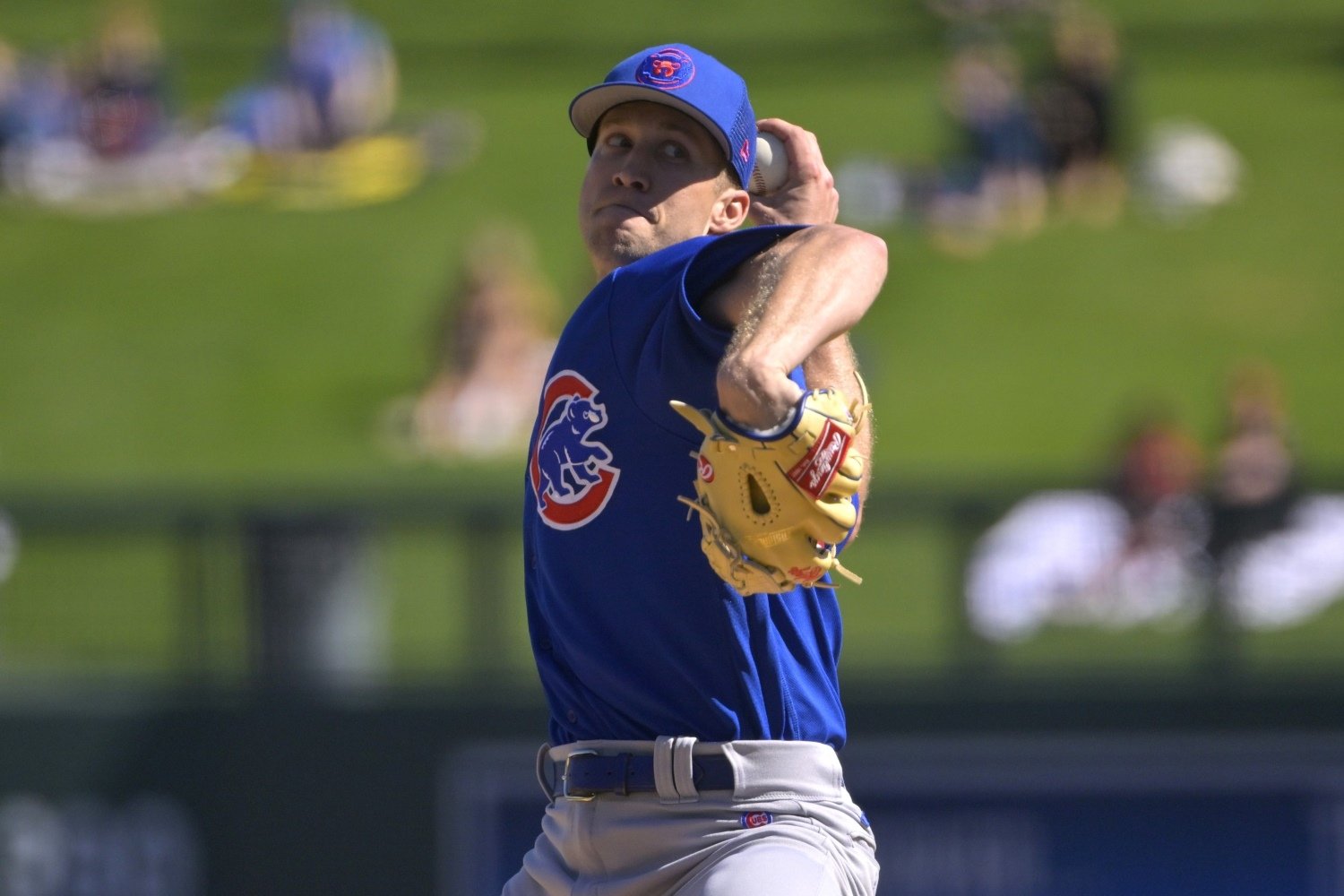 After the front office elected not to pony up for a left-handed reliever last week, it seemed like they intended to place a bit more trust in southpaw Anthony Kay, the only lefty in their bullpen at the time. Kay has minor-league options, though, and after he had a couple of tough, draining outings during the team's weeklong home stand, they sent him down. In his stead, they recalled Caleb Kilian, who will get one more chance to prove his utility to a big-league pitching staff. In neither of his previous stints with the parent club has Kilian been an effective pitcher. Last year, after a disastrous audition in the majors, he couldn't even get outs upon his return to Triple-A Iowa. He had some superficial things going for him, but none of the things that really make a pitcher successful in MLB in this day and age. He didn't throw hard enough to overcome the lack of movement on his heat. He didn't have enough command of his secondary offerings to weaponize them or keep hitters off that fastball. Some of that might have changed, and changed very recently. He's 4-0 in his last seven starts with the I-Cubs, allowing just a .565 OPS over that span, but it's in his most recent start on Aug. 1 that some things really seemed to click. He pitched six innings of one-run ball that day, allowing five hits and one walk but striking out six. He did it by completing what has been a slow evolution into a pitcher who offers opposing hitters tougher angles, achieves more effective movement, and can better overpower people when needed. Kilian has steadily raised his release point, getting behind the ball better with his four-seamer and creating a steeper angle from his hand to home plate. That change is part of a group of subtle but important mechanical tweaks, the sum effect of which is to make his breaking stuff much better differentiated from his heater in terms of movement without sacrificing anything in terms of deception. Here are his release points by month and pitch type throughout the portion of his professional career that has been tracked by PITCHf/x. This month is in the blue box. As you can see, he's never been so close to releasing the ball over the center of the rubber, and he's never released it higher. Those changes have wrought gains in movement and life on the fastball, which was Kilian's problem the last couple times he saw big-league hitters. They've also unlocked a bit more sheer velocity. He's throwing harder as this year goes on, with his average velocity in his lone August start up a full tick even since May. There's more horizontal and vertical movement on Kilian's four-seamer, which lets it better set up the cutter (the pitch he used to notch his final strikeout of that start last week, as seen above). He's not elite in terms of that movement, but he's gone from below- to above-average by making these adjustments. A guy with a four-seamer that sits 96 and can often touch 99, with average-plus movement, is a lot more effective than what Kilian showed before his last several outings. Just as importantly, he's been able to integrate these adjustments while balancing his four-seamer with his sinker. It's been tough for Kilian to balance his two fastballs and find the utility of each, but he's started to figure it out as he's made these mechanical improvements. His sinker has more rising action now, too. It's a close cousin to the sinkers Javier Assad, Mark Leiter Jr., and Adbert Alzolay use, now, which seems to augur well. Now that he's joining the big-league team, Kilian is likely to fill a long relief role. In fact, we could see him as a piggyback for Drew Smyly right away Monday night. Unofficially, he seems to slot into the same role Assad was in before he was pressed into starting duty. There's no reason, other than the possible mental block of having failed in the majors in each of his previous opportunities, why Kilian can't be similarly effective. It's easy to call him the last arm on the roster, but given the obvious weariness of the guys higher on the food chain, Kilian is still important to this team for the foreseeable future. Happily, there are at least this handful of reasons to think he's ready for that responsibility.
 -
Before earning their series victory over Atlanta on Sunday, the Cubs made a notable roster move. To a pitching staff that got little reinforcement at the trade deadline and that needs some for the stretch run, they added a surprising but familiar name. Image courtesy of © Jayne Kamin-Oncea-USA TODAY Sports After the front office elected not to pony up for a left-handed reliever last week, it seemed like they intended to place a bit more trust in southpaw Anthony Kay, the only lefty in their bullpen at the time. Kay has minor-league options, though, and after he had a couple of tough, draining outings during the team's weeklong home stand, they sent him down. In his stead, they recalled Caleb Kilian, who will get one more chance to prove his utility to a big-league pitching staff. In neither of his previous stints with the parent club has Kilian been an effective pitcher. Last year, after a disastrous audition in the majors, he couldn't even get outs upon his return to Triple-A Iowa. He had some superficial things going for him, but none of the things that really make a pitcher successful in MLB in this day and age. He didn't throw hard enough to overcome the lack of movement on his heat. He didn't have enough command of his secondary offerings to weaponize them or keep hitters off that fastball. Some of that might have changed, and changed very recently. He's 4-0 in his last seven starts with the I-Cubs, allowing just a .565 OPS over that span, but it's in his most recent start on Aug. 1 that some things really seemed to click. He pitched six innings of one-run ball that day, allowing five hits and one walk but striking out six. He did it by completing what has been a slow evolution into a pitcher who offers opposing hitters tougher angles, achieves more effective movement, and can better overpower people when needed. Kilian has steadily raised his release point, getting behind the ball better with his four-seamer and creating a steeper angle from his hand to home plate. That change is part of a group of subtle but important mechanical tweaks, the sum effect of which is to make his breaking stuff much better differentiated from his heater in terms of movement without sacrificing anything in terms of deception. Here are his release points by month and pitch type throughout the portion of his professional career that has been tracked by PITCHf/x. This month is in the blue box. As you can see, he's never been so close to releasing the ball over the center of the rubber, and he's never released it higher. Those changes have wrought gains in movement and life on the fastball, which was Kilian's problem the last couple times he saw big-league hitters. They've also unlocked a bit more sheer velocity. He's throwing harder as this year goes on, with his average velocity in his lone August start up a full tick even since May. There's more horizontal and vertical movement on Kilian's four-seamer, which lets it better set up the cutter (the pitch he used to notch his final strikeout of that start last week, as seen above). He's not elite in terms of that movement, but he's gone from below- to above-average by making these adjustments. A guy with a four-seamer that sits 96 and can often touch 99, with average-plus movement, is a lot more effective than what Kilian showed before his last several outings. Just as importantly, he's been able to integrate these adjustments while balancing his four-seamer with his sinker. It's been tough for Kilian to balance his two fastballs and find the utility of each, but he's started to figure it out as he's made these mechanical improvements. His sinker has more rising action now, too. It's a close cousin to the sinkers Javier Assad, Mark Leiter Jr., and Adbert Alzolay use, now, which seems to augur well. Now that he's joining the big-league team, Kilian is likely to fill a long relief role. In fact, we could see him as a piggyback for Drew Smyly right away Monday night. Unofficially, he seems to slot into the same role Assad was in before he was pressed into starting duty. There's no reason, other than the possible mental block of having failed in the majors in each of his previous opportunities, why Kilian can't be similarly effective. It's easy to call him the last arm on the roster, but given the obvious weariness of the guys higher on the food chain, Kilian is still important to this team for the foreseeable future. Happily, there are at least this handful of reasons to think he's ready for that responsibility. View full article
-
- 2
-

-
- caleb kilian
- drew smyly
- (and 2 more)
-
How the Cubs Can Survive Marcus Stroman's Injured List Stint
Matthew Trueblood posted an article in Cubs
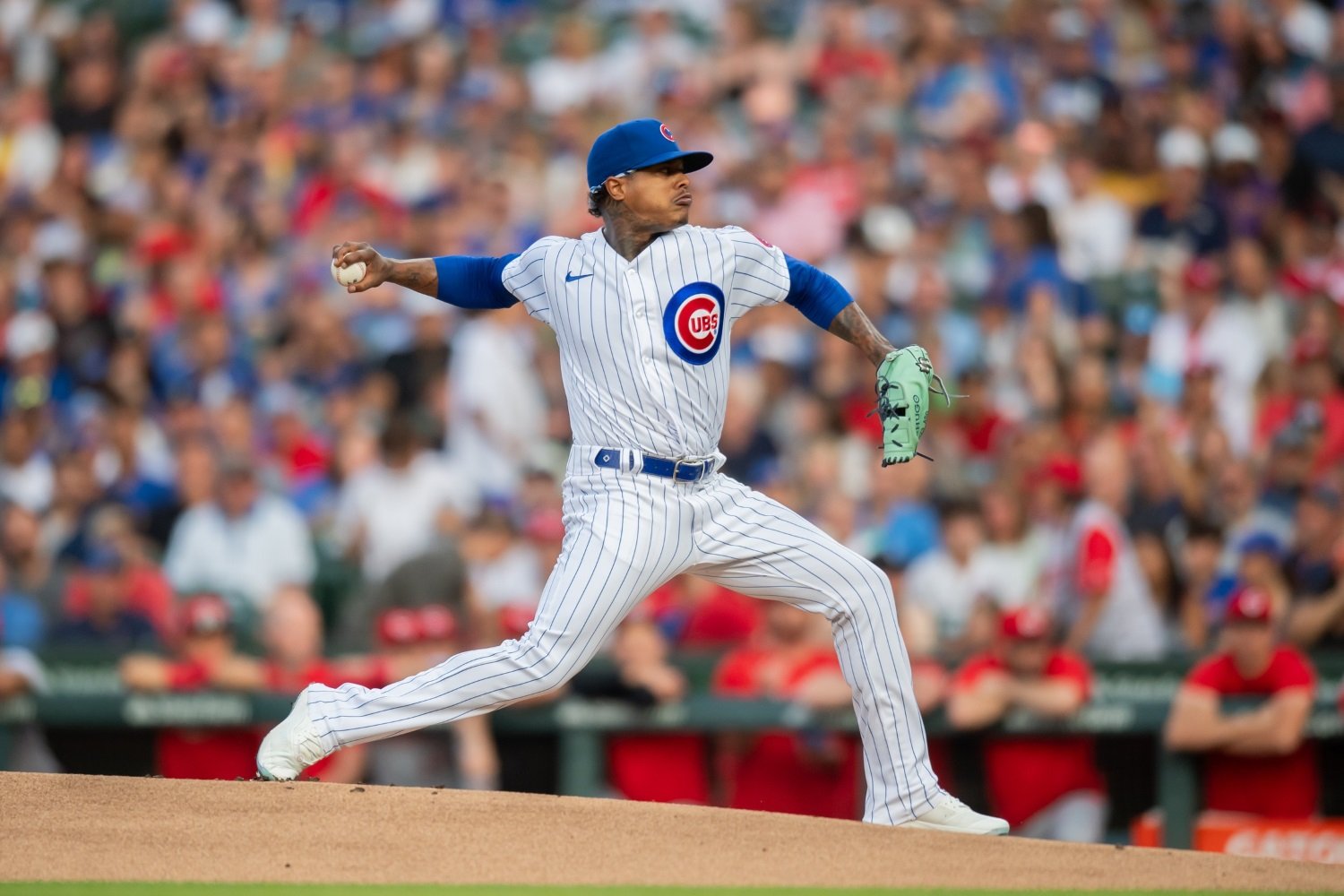 Back in April, the narrative held that starting pitching was the strength of this team, and it was half-true. Justin Steele and Marcus Stroman had such tremendous months to open the season that it felt almost like an automatic win each time either of them took the mound. For most of April and May, Drew Smyly was nearly as good. He had a 2.60 ERA and 3.60 FIP through his 10th start, on May 23. Over that first month and a half, though, the rotation spots carved out for Jameson Taillon and for Hayden Wesneski were a constant source of agita. Taillon, of course, had a few uneven starts, then spent two and a half weeks on the injured list. When he returned, things were even worse. He ran a 6.93 ERA over his first 14 starts, of which the Cubs lost 12, before the gem at Yankee Stadium just before the All-Star break that seems to have turned around bis season. Meanwhile, Wesneski struggled to find consistency, and had to be optioned to Iowa in mid-May. The Cubs turned, at that point, to Kyle Hendricks, who made it back from the shoulder injury that had cut his 2022 season short. Immediately, Hendricks stabilized one of the two rotation spots that felt like scars on the schedule--but just as immediately, Smyly came undone. Since Hendricks's return on May 25, Smyly has a 6.75 ERA and is allowing a .964 OPS, in 12 outings. As I said, Taillon has been much closer to his true self since the beginning of July. That coincides almost perfectly, though, with the moment when Stroman went to pieces. Since his last start in June, Stroman has a 9.00 ERA. The Cubs have only won two of his seven starts, and one of those was very much despite his effort, rather than because of it. Now, he's on the shelf with hip inflammation, meaning that that rotation spot will be up for grabs for at least another week and a half. It was Taillon and Wesneski in April and May. It was Taillon and Smyly in June. It's been Smyly and Stroman ever since. At no point in this season have the Cubs had fewer than two dysfunctional rotation spots, and that's a tough way to win. It puts too much pressure on the offense and the bullpen, and even on the starters who are performing well. If two games out of every five feel like nearly automatic losses, a team has to win all of the other three just to stay above water. The Cubs' offense and bullpen have been up to the challenge at times, and since the All-Star break, they've been so good as to make it possible to forget just how rough things are. Now, the team needs to find a way to actually solve this problem, so that there's less pressure on both of those units down the stretch. Smyly's slot is the harder to fix, oddly enough. He's doing what his aging body can, and a move into full-time short relief (with Javier Assad stretching out to start in his place) is not an option, because Smyly just wouldn't be able to reliably get warm and be sharp on the kind of schedule relievers must keep. The team twice tried out an opener ahead of Smyly, during the last month, but they did it wrong. The best way to bail him out is to get it right, this time. With both Michael Fulmer and Wesneski, David Ross used his opener for one full turn through the Cardinals' (it was the Cardinals, both times) batting order. He clearly meant to give Smyly as clear a starting point as possible, so he could prepare almost normally. The Cardinals did, as the Cubs would have hoped, set their lineup differently than they would have if Smyly had started. By only bringing Smyly in to start the second trip through that batting order, though, Ross neutralized part of the Cubs' advantage. One part of the rationale for the opener is that a starter doesn't see the top of the lineup first. By starting halfway through the order, they minimize any issues with getting settled (you're less likely to give up a run or two in your first few batters faced if those are hitters 6-9 than if they're hitters 1-4) and don't start to experience the times through the order penalty within the game until the second time they face those weak batters. A starter working behind an opener should be able to go five-plus innings without seeing the best hitters in the opposing lineup a third time. The Cubs either didn't understand that, or misapplied the principle because of their secondary concern about the Cardinals' left-handed bench bats late in the game. Either way, they should put an opener in front of Smyly again. They just need to execute the strategy better. That might not turn that rotation spot into a match for the consistency and excellence of Steele, but it should at least stave off five-run deficits. Filling Stroman's slot is tougher, even though the hope is that his absence will be a brief one. Wesneski is the most natural candidate to get another shot, but he's yet to really solve his problem with getting lefties out. Even since he first returned from Iowa at the end of May, he's allowing a .656 slugging average to left-handed hitters. Until he fixes that. he needs to be deployed tactically, and shielded from lefties in situations where the Cubs could get hurt by a home run. Assad is the better choice. In his last nine appearances (dating back to late June), he has a 0.40 ERA, and is allowing a minuscule .426 OPS. He's accomplished that, in part, by paring down his pitch mix to mostly sinkers and cutters, and that's not necessarily an approach that would work in a long start, but he could give them four or five decent innings each time out. If they used Mark Leiter Jr. as an opener ahead of him, they could get to the late stages of the game with a chance to win more often than not. The best outcome, though, will be if Stroman does come back on a relatively quick timetable, at something closer to his early-season levels. Not all of the above needs to work. The Cubs have materially improved their offense, and although they missed their chance to do the same in the bullpen, Thursday night's outing from Leiter is a reminder that they still have some solid depth out there. They can survive one dysfunctional rotation spot. They just can't have two for these final 53 games, if they hope to make up the ground they still need to cover in order to win the NL Central or claim a Wild Card berth.
 -
Over the last three weeks, the Cubs' offense has been a well-oiled machine. It's even been good enough to cover up the fact that, all year, the Cubs have been getting by with three functional rotation slots, and two in chaos. Image courtesy of © Patrick Gorski-USA TODAY Sports Back in April, the narrative held that starting pitching was the strength of this team, and it was half-true. Justin Steele and Marcus Stroman had such tremendous months to open the season that it felt almost like an automatic win each time either of them took the mound. For most of April and May, Drew Smyly was nearly as good. He had a 2.60 ERA and 3.60 FIP through his 10th start, on May 23. Over that first month and a half, though, the rotation spots carved out for Jameson Taillon and for Hayden Wesneski were a constant source of agita. Taillon, of course, had a few uneven starts, then spent two and a half weeks on the injured list. When he returned, things were even worse. He ran a 6.93 ERA over his first 14 starts, of which the Cubs lost 12, before the gem at Yankee Stadium just before the All-Star break that seems to have turned around bis season. Meanwhile, Wesneski struggled to find consistency, and had to be optioned to Iowa in mid-May. The Cubs turned, at that point, to Kyle Hendricks, who made it back from the shoulder injury that had cut his 2022 season short. Immediately, Hendricks stabilized one of the two rotation spots that felt like scars on the schedule--but just as immediately, Smyly came undone. Since Hendricks's return on May 25, Smyly has a 6.75 ERA and is allowing a .964 OPS, in 12 outings. As I said, Taillon has been much closer to his true self since the beginning of July. That coincides almost perfectly, though, with the moment when Stroman went to pieces. Since his last start in June, Stroman has a 9.00 ERA. The Cubs have only won two of his seven starts, and one of those was very much despite his effort, rather than because of it. Now, he's on the shelf with hip inflammation, meaning that that rotation spot will be up for grabs for at least another week and a half. It was Taillon and Wesneski in April and May. It was Taillon and Smyly in June. It's been Smyly and Stroman ever since. At no point in this season have the Cubs had fewer than two dysfunctional rotation spots, and that's a tough way to win. It puts too much pressure on the offense and the bullpen, and even on the starters who are performing well. If two games out of every five feel like nearly automatic losses, a team has to win all of the other three just to stay above water. The Cubs' offense and bullpen have been up to the challenge at times, and since the All-Star break, they've been so good as to make it possible to forget just how rough things are. Now, the team needs to find a way to actually solve this problem, so that there's less pressure on both of those units down the stretch. Smyly's slot is the harder to fix, oddly enough. He's doing what his aging body can, and a move into full-time short relief (with Javier Assad stretching out to start in his place) is not an option, because Smyly just wouldn't be able to reliably get warm and be sharp on the kind of schedule relievers must keep. The team twice tried out an opener ahead of Smyly, during the last month, but they did it wrong. The best way to bail him out is to get it right, this time. With both Michael Fulmer and Wesneski, David Ross used his opener for one full turn through the Cardinals' (it was the Cardinals, both times) batting order. He clearly meant to give Smyly as clear a starting point as possible, so he could prepare almost normally. The Cardinals did, as the Cubs would have hoped, set their lineup differently than they would have if Smyly had started. By only bringing Smyly in to start the second trip through that batting order, though, Ross neutralized part of the Cubs' advantage. One part of the rationale for the opener is that a starter doesn't see the top of the lineup first. By starting halfway through the order, they minimize any issues with getting settled (you're less likely to give up a run or two in your first few batters faced if those are hitters 6-9 than if they're hitters 1-4) and don't start to experience the times through the order penalty within the game until the second time they face those weak batters. A starter working behind an opener should be able to go five-plus innings without seeing the best hitters in the opposing lineup a third time. The Cubs either didn't understand that, or misapplied the principle because of their secondary concern about the Cardinals' left-handed bench bats late in the game. Either way, they should put an opener in front of Smyly again. They just need to execute the strategy better. That might not turn that rotation spot into a match for the consistency and excellence of Steele, but it should at least stave off five-run deficits. Filling Stroman's slot is tougher, even though the hope is that his absence will be a brief one. Wesneski is the most natural candidate to get another shot, but he's yet to really solve his problem with getting lefties out. Even since he first returned from Iowa at the end of May, he's allowing a .656 slugging average to left-handed hitters. Until he fixes that. he needs to be deployed tactically, and shielded from lefties in situations where the Cubs could get hurt by a home run. Assad is the better choice. In his last nine appearances (dating back to late June), he has a 0.40 ERA, and is allowing a minuscule .426 OPS. He's accomplished that, in part, by paring down his pitch mix to mostly sinkers and cutters, and that's not necessarily an approach that would work in a long start, but he could give them four or five decent innings each time out. If they used Mark Leiter Jr. as an opener ahead of him, they could get to the late stages of the game with a chance to win more often than not. The best outcome, though, will be if Stroman does come back on a relatively quick timetable, at something closer to his early-season levels. Not all of the above needs to work. The Cubs have materially improved their offense, and although they missed their chance to do the same in the bullpen, Thursday night's outing from Leiter is a reminder that they still have some solid depth out there. They can survive one dysfunctional rotation spot. They just can't have two for these final 53 games, if they hope to make up the ground they still need to cover in order to win the NL Central or claim a Wild Card berth. View full article
-
A decade ago, the Cubs picked up a right-handed reliever with an uneven track record and a tilted cap in a July trade. This week, they did it again. Will things pan out as nicely this time? Image courtesy of © Michael McLoone-USA TODAY Sports The similarities between Pedro Strop at the time the Cubs acquired him and Jose Cuas now are obvious. It's almost eerie. Like Strop, Cuas is a stocky, strong Dominican right-hander with a nasty slider. Both bloomed and established themselves in MLB at an advanced age. Strop had 144 appearances and 128 innings of experience in the majors before the trade that brought him to the Cubs from Baltimore in 2013, with a 4.14 ERA. Cuas, 29, is a year older than Strop was then, but had a 4.08 ERA in his 79 innings with the Royals. Both guys were held back by control problems in their early phase, but the Cubs were able to help Strop straighten things out. If they can do the same with Cuas, the payoff could be just as exciting. The upside for Cuas is to emerge as a high-leverage reliever before this season even concludes. That's because Cuas has a unique release point, and some pitch characteristics that could make him viciously difficult to handle for opposing hitters. Here's a plot of the horizontal and vertical release points of every pitcher who has thrown at least 500 pitches in the big leagues this year. The only right-handed reliever who comes from as far toward third base (in terms of position on the rubber and arm slot) than Cuas is Giants submariner Tyler Rogers. The angle Cuas creates for opposing hitters is extremely difficult. That's not only true because of how far toward third base he is, though. Coming from the low arm slot he uses, his ability to use the top of the zone with his fastball makes him unique, too. The most-hyped pitch data this year centers on Vertical Approach Angle (VAA)--a factor of a pitch's velocity, its location, and the pitcher's release point. Breaking balls need steep VAA. Fastballs, and especially four-seamers, need flat ones. Of the 389 pitchers who have thrown at least 100 four-seam fastballs this year, only Adam Cimber has a flatter VAA than Cuas. With that same extreme arm angle, Cuas creates one of the more extreme Horizonal Approach Angles (HAA) in baseball on his sinker and his slider. That constellation of weapons and traits gives him huge upside. Reaching it is largely a matter of commanding and controlling his stuff, but it will also require some careful calibration. When the Cubs dealt for Cuas, some expected him to go to the minor leagues, or even to the team's spring complex in Arizona. There was some thought that he would be reengineered altogether, in the Cubs' so-called pitch lab. Instead, he was activated right away, and that's the right call. He wasn't dominating with the Royals, but he was in the big leagues with them, and he's already on the doorstep of 30. That he has minor-league options is terrific, because it adds flexibility to a somewhat rigidly-constructed bullpen, but sending Cuas down should only be a way of navigating the difficult task of keeping enough fresh arms available late in a season. If he's going to iron out the things that have prevented him from dominating big-league batters, he's likely to do it from the big-league roster. Already, we can see how he might tweak his approach, and we have some tiny insight into how the Cubs would prefer that he do so. In mid-May, he started throwing his four-seamer, something he had previously abandoned in favor of a strictly sinker-slider attack. We've already talked about how, due to his release point, Cuas's four-seamer could be overpowering. On the other hand, though, that four-seamer has proved hard for Cuas to command. Given the way he throws, that's not surprising. Maybe that's why he stuck to the sinker in his first appearance with the Cubs; maybe they feel he can be most effective by focusing on two pitches. It's too early to know that, either way, but it's one plausible way for him to unlock the potential of his unique delivery and pitch movement. Speaking of movement, we saw some immediate indications that Cuas might change the shape of his slider. Eventually, the separation between his four-seamer and his sinker could allow him to use them both, but pair them with the slider under different circumstances. Against most righties, he'll be better off with the lateral contrast between the sinker and slider. Against many lefties, though, he can use the elevated four-seamer to set up the slider down--especially since he showed extra depth on the offering in his Cubs debut. Strop was an improbable success. Replicating what they did with him, 10 years later, will be extremely difficult. The default assumption should be that if Cuas could do what Strop did, he'd have done it by now. Still, this will be worth watching throughout the home stretch. Better bullpen depth will be key to the Cubs' hopes of reaching the postseason, and certainly to making a run if they get there. At this point, Cuas has good a chance as anyone of emerging as that next useful arm. View full article
-
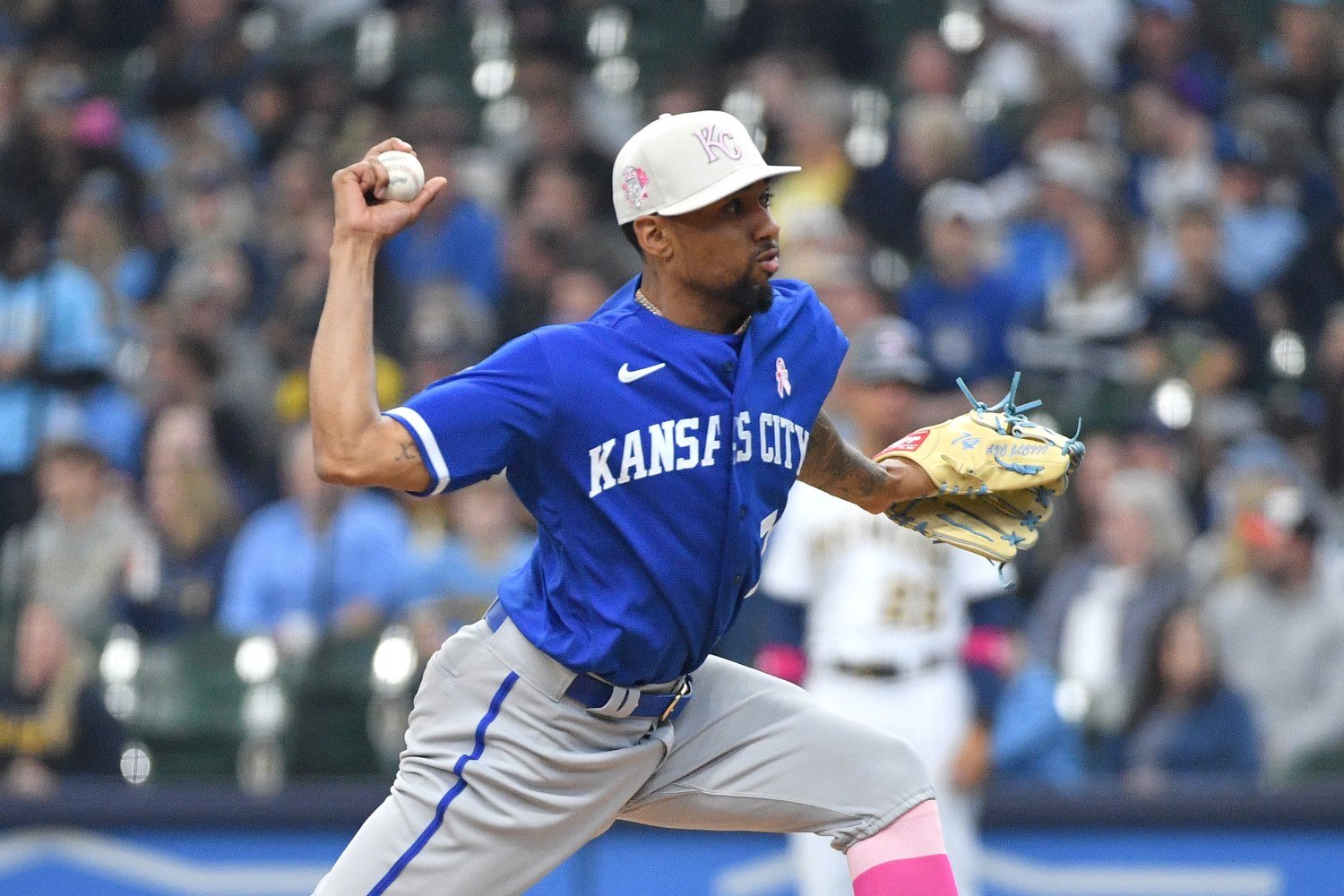 The similarities between Pedro Strop at the time the Cubs acquired him and Jose Cuas now are obvious. It's almost eerie. Like Strop, Cuas is a stocky, strong Dominican right-hander with a nasty slider. Both bloomed and established themselves in MLB at an advanced age. Strop had 144 appearances and 128 innings of experience in the majors before the trade that brought him to the Cubs from Baltimore in 2013, with a 4.14 ERA. Cuas, 29, is a year older than Strop was then, but had a 4.08 ERA in his 79 innings with the Royals. Both guys were held back by control problems in their early phase, but the Cubs were able to help Strop straighten things out. If they can do the same with Cuas, the payoff could be just as exciting. The upside for Cuas is to emerge as a high-leverage reliever before this season even concludes. That's because Cuas has a unique release point, and some pitch characteristics that could make him viciously difficult to handle for opposing hitters. Here's a plot of the horizontal and vertical release points of every pitcher who has thrown at least 500 pitches in the big leagues this year. The only right-handed reliever who comes from as far toward third base (in terms of position on the rubber and arm slot) than Cuas is Giants submariner Tyler Rogers. The angle Cuas creates for opposing hitters is extremely difficult. That's not only true because of how far toward third base he is, though. Coming from the low arm slot he uses, his ability to use the top of the zone with his fastball makes him unique, too. The most-hyped pitch data this year centers on Vertical Approach Angle (VAA)--a factor of a pitch's velocity, its location, and the pitcher's release point. Breaking balls need steep VAA. Fastballs, and especially four-seamers, need flat ones. Of the 389 pitchers who have thrown at least 100 four-seam fastballs this year, only Adam Cimber has a flatter VAA than Cuas. With that same extreme arm angle, Cuas creates one of the more extreme Horizonal Approach Angles (HAA) in baseball on his sinker and his slider. That constellation of weapons and traits gives him huge upside. Reaching it is largely a matter of commanding and controlling his stuff, but it will also require some careful calibration. When the Cubs dealt for Cuas, some expected him to go to the minor leagues, or even to the team's spring complex in Arizona. There was some thought that he would be reengineered altogether, in the Cubs' so-called pitch lab. Instead, he was activated right away, and that's the right call. He wasn't dominating with the Royals, but he was in the big leagues with them, and he's already on the doorstep of 30. That he has minor-league options is terrific, because it adds flexibility to a somewhat rigidly-constructed bullpen, but sending Cuas down should only be a way of navigating the difficult task of keeping enough fresh arms available late in a season. If he's going to iron out the things that have prevented him from dominating big-league batters, he's likely to do it from the big-league roster. Already, we can see how he might tweak his approach, and we have some tiny insight into how the Cubs would prefer that he do so. In mid-May, he started throwing his four-seamer, something he had previously abandoned in favor of a strictly sinker-slider attack. We've already talked about how, due to his release point, Cuas's four-seamer could be overpowering. On the other hand, though, that four-seamer has proved hard for Cuas to command. Given the way he throws, that's not surprising. Maybe that's why he stuck to the sinker in his first appearance with the Cubs; maybe they feel he can be most effective by focusing on two pitches. It's too early to know that, either way, but it's one plausible way for him to unlock the potential of his unique delivery and pitch movement. Speaking of movement, we saw some immediate indications that Cuas might change the shape of his slider. Eventually, the separation between his four-seamer and his sinker could allow him to use them both, but pair them with the slider under different circumstances. Against most righties, he'll be better off with the lateral contrast between the sinker and slider. Against many lefties, though, he can use the elevated four-seamer to set up the slider down--especially since he showed extra depth on the offering in his Cubs debut. Strop was an improbable success. Replicating what they did with him, 10 years later, will be extremely difficult. The default assumption should be that if Cuas could do what Strop did, he'd have done it by now. Still, this will be worth watching throughout the home stretch. Better bullpen depth will be key to the Cubs' hopes of reaching the postseason, and certainly to making a run if they get there. At this point, Cuas has good a chance as anyone of emerging as that next useful arm.
 -
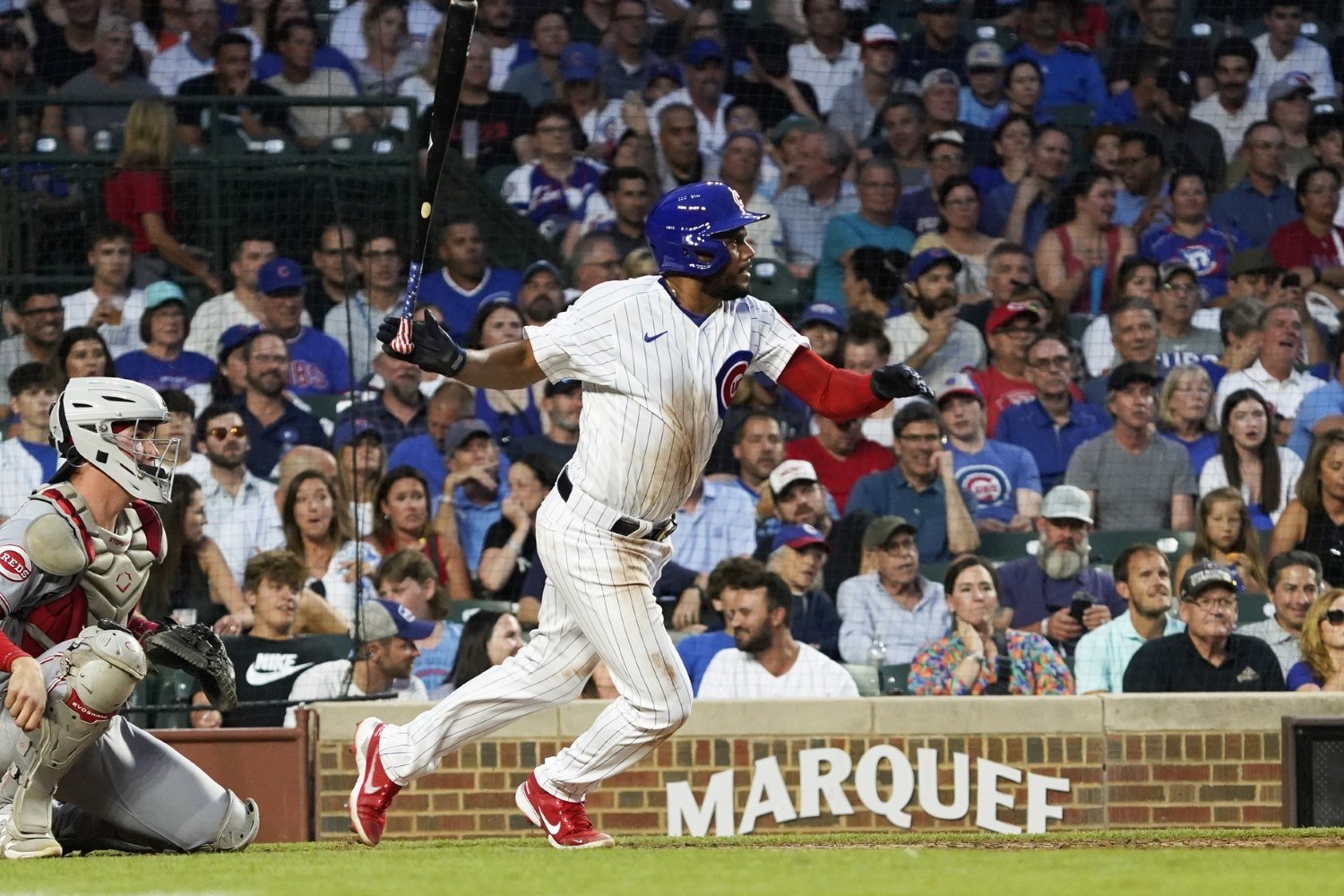 That's not a comment on the team's financial inflexibility--although one of the moves they did make before the deadline does seem to reflect their need to move some money around. Rather, it's about talent, and the amount of it Jed Hoyer and his front office were willing to expend to improve the possibilities for a team that reached the end of July at exactly .500. Clearly, they settled on the idea that the roster needed and deserved an upgrade, but that making them genuine favorites in either the NL Central or the overall NL playoff bracket was impractical. Let's run through the guys they did acquire, and how they can help. Jeimer Candelario, 1B/3B We've already broken down the Candelario addition in multiple posts, but this is a good chance to discuss the surprising updates that have filtered through since the move was announced. Tuesday on 670 The Score in Chicago, David Ross said Candelario will mostly play first base. That's not what most expected, but it reflects the team's significant and burgeoning faith in Nick Madrigal as a regular third baseman. They determined, in the end, that Candelario can better help them by solving what has been a year-long problem at first base. If Candelario notches four hits in every game, as he did in his first game back with the Cubs Tuesday night, that'll certainly pay off. Seriously, though, it's a clever move. Candelario showed fine hands and footwork at first on Tuesday, and is comfortable playing the position. If you buy into Madrigal's solid play at the hot corner over the last couple months, then the team is already in position to get roughly league-average production from that position the rest of the way. The Cubs clearly do, which made their lousy non-Cody Bellinger first base options a far more pressing concern. Candelario is equally capable of filling either, so he's perfect. This choice gives the team a great deal of flexibility the rest of the way, too. Bellinger can still come back in from center field to play first, and will probably do so on a semi-regular basis again when the team feels like Seiya Suzuki is back on track. Alternatively, if they call up Pete Crow-Armstrong in September, he could force Bellinger back to first (and Candelario across to third) even with Mike Tauchman starting in right field. Jose Cuas, RHP This, too, we have covered in its own post, and there's another whole post to write about him. For now, though, suffice it to say that Cuas is the good kind of project reliever. He has a unique release point, a fun backstory, and several remaining seasons of team control, should the Cubs want him around for that long. He also has minor-league options, and will be optionable again next year. That's always valuable and important when filling out the middle relief corps. Josh Roberson, RHP In a small trade that was largely about clearing some minor-league roster space and the remainder of Adrian Sampson's $1.9-million salary, the Cubs did get back an interesting reliever. Roberson isn't on the 40-man roster and is already 27 years old. He has ugly numbers in the high minors, including some rough walk rates. However, he throws 97 miles per hour, and his slider misses bats, at least in Triple A. If the control improvements he made over his final six weeks or so in the Rays organization stick, he could be another solid reliever. The front office was not willing to go over the luxury tax threshold to improve this year's roster. They weren't willing, either, to trade any of their top prospects, at least for the talent they could buy at this deadline. Instead, they made moves to clear their decks and books a bit, and they got the best bat they could find to boost an increasingly competent lineup, using only prospects they were unlikely to retain beyond this November, anyway. It's not an all-in move, but nor did they fold. We'll all just have to see how the cards fall from here.
 -
By Monday, we all knew the Cubs would be buyers at the MLB trade deadline. When the dust settled on Tuesday evening, it was easy to see that they were buyers on a budget. Image courtesy of © David Banks-USA TODAY Sports That's not a comment on the team's financial inflexibility--although one of the moves they did make before the deadline does seem to reflect their need to move some money around. Rather, it's about talent, and the amount of it Jed Hoyer and his front office were willing to expend to improve the possibilities for a team that reached the end of July at exactly .500. Clearly, they settled on the idea that the roster needed and deserved an upgrade, but that making them genuine favorites in either the NL Central or the overall NL playoff bracket was impractical. Let's run through the guys they did acquire, and how they can help. Jeimer Candelario, 1B/3B We've already broken down the Candelario addition in multiple posts, but this is a good chance to discuss the surprising updates that have filtered through since the move was announced. Tuesday on 670 The Score in Chicago, David Ross said Candelario will mostly play first base. That's not what most expected, but it reflects the team's significant and burgeoning faith in Nick Madrigal as a regular third baseman. They determined, in the end, that Candelario can better help them by solving what has been a year-long problem at first base. If Candelario notches four hits in every game, as he did in his first game back with the Cubs Tuesday night, that'll certainly pay off. Seriously, though, it's a clever move. Candelario showed fine hands and footwork at first on Tuesday, and is comfortable playing the position. If you buy into Madrigal's solid play at the hot corner over the last couple months, then the team is already in position to get roughly league-average production from that position the rest of the way. The Cubs clearly do, which made their lousy non-Cody Bellinger first base options a far more pressing concern. Candelario is equally capable of filling either, so he's perfect. This choice gives the team a great deal of flexibility the rest of the way, too. Bellinger can still come back in from center field to play first, and will probably do so on a semi-regular basis again when the team feels like Seiya Suzuki is back on track. Alternatively, if they call up Pete Crow-Armstrong in September, he could force Bellinger back to first (and Candelario across to third) even with Mike Tauchman starting in right field. Jose Cuas, RHP This, too, we have covered in its own post, and there's another whole post to write about him. For now, though, suffice it to say that Cuas is the good kind of project reliever. He has a unique release point, a fun backstory, and several remaining seasons of team control, should the Cubs want him around for that long. He also has minor-league options, and will be optionable again next year. That's always valuable and important when filling out the middle relief corps. Josh Roberson, RHP In a small trade that was largely about clearing some minor-league roster space and the remainder of Adrian Sampson's $1.9-million salary, the Cubs did get back an interesting reliever. Roberson isn't on the 40-man roster and is already 27 years old. He has ugly numbers in the high minors, including some rough walk rates. However, he throws 97 miles per hour, and his slider misses bats, at least in Triple A. If the control improvements he made over his final six weeks or so in the Rays organization stick, he could be another solid reliever. The front office was not willing to go over the luxury tax threshold to improve this year's roster. They weren't willing, either, to trade any of their top prospects, at least for the talent they could buy at this deadline. Instead, they made moves to clear their decks and books a bit, and they got the best bat they could find to boost an increasingly competent lineup, using only prospects they were unlikely to retain beyond this November, anyway. It's not an all-in move, but nor did they fold. We'll all just have to see how the cards fall from here. View full article
-
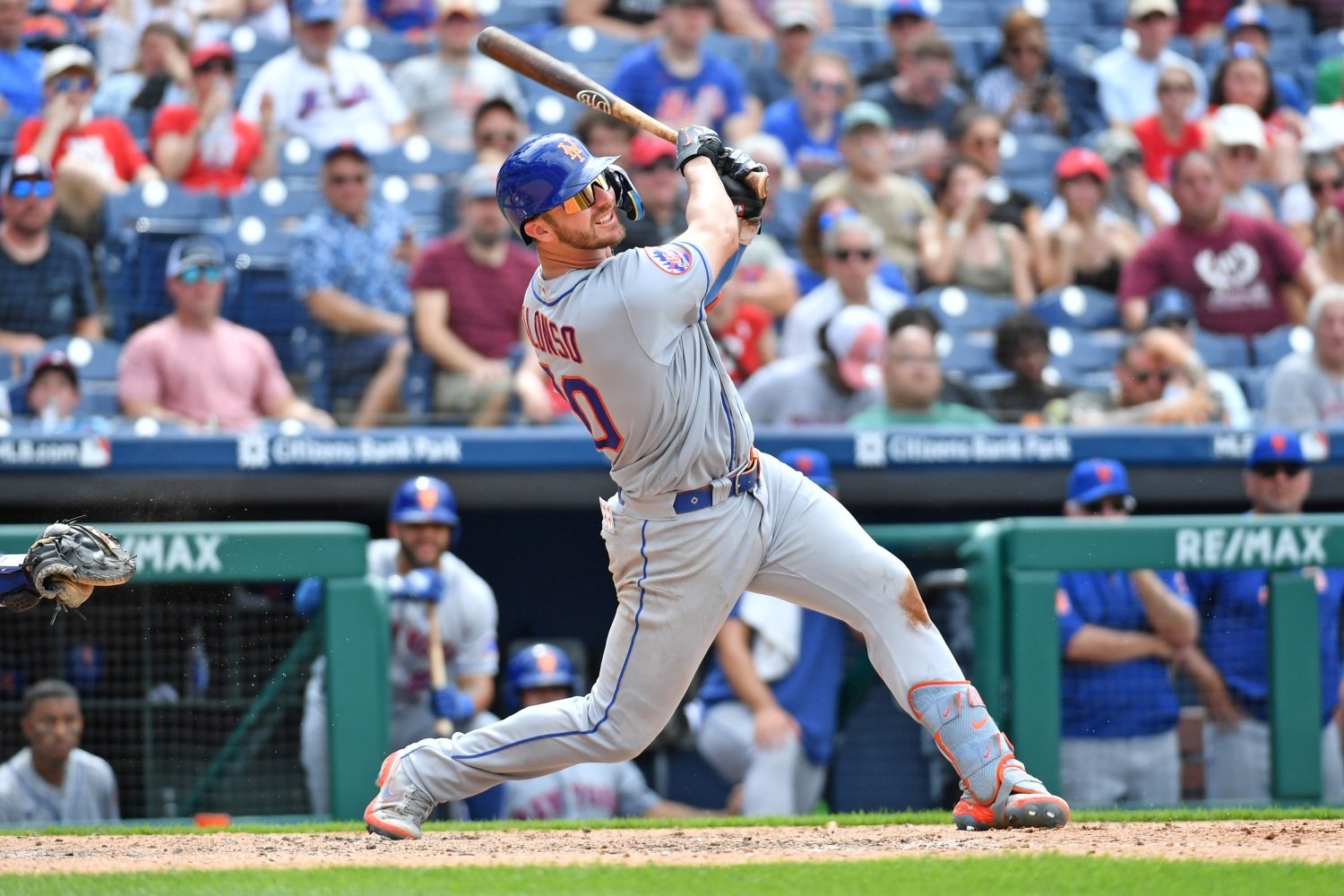 In a big story with just over 90 minutes left before the deadline, Ken Rosenthal reports that the Mets are committing to a step back in 2024, the better to contend in 2025 and beyond. The details here are numerous and unmistakable. This has to make the odds of a Pete Alonso trade shoot through the roof. Alonso is only under team control through 2024. It's time to take this notion from the land of idle thought to the realm of very serious consideration: What should the Cubs be willing to give up to make Alonso their first baseman for the next year and a half?
 -
In a big story with just over 90 minutes left before the deadline, Ken Rosenthal reports that the Mets are committing to a step back in 2024, the better to contend in 2025 and beyond. The details here are numerous and unmistakable. This has to make the odds of a Pete Alonso trade shoot through the roof. Alonso is only under team control through 2024. It's time to take this notion from the land of idle thought to the realm of very serious consideration: What should the Cubs be willing to give up to make Alonso their first baseman for the next year and a half? View full rumor
-
The Cubs' Playoff Odds, and Why They Only Halfway Matter
Matthew Trueblood posted an article in Cubs
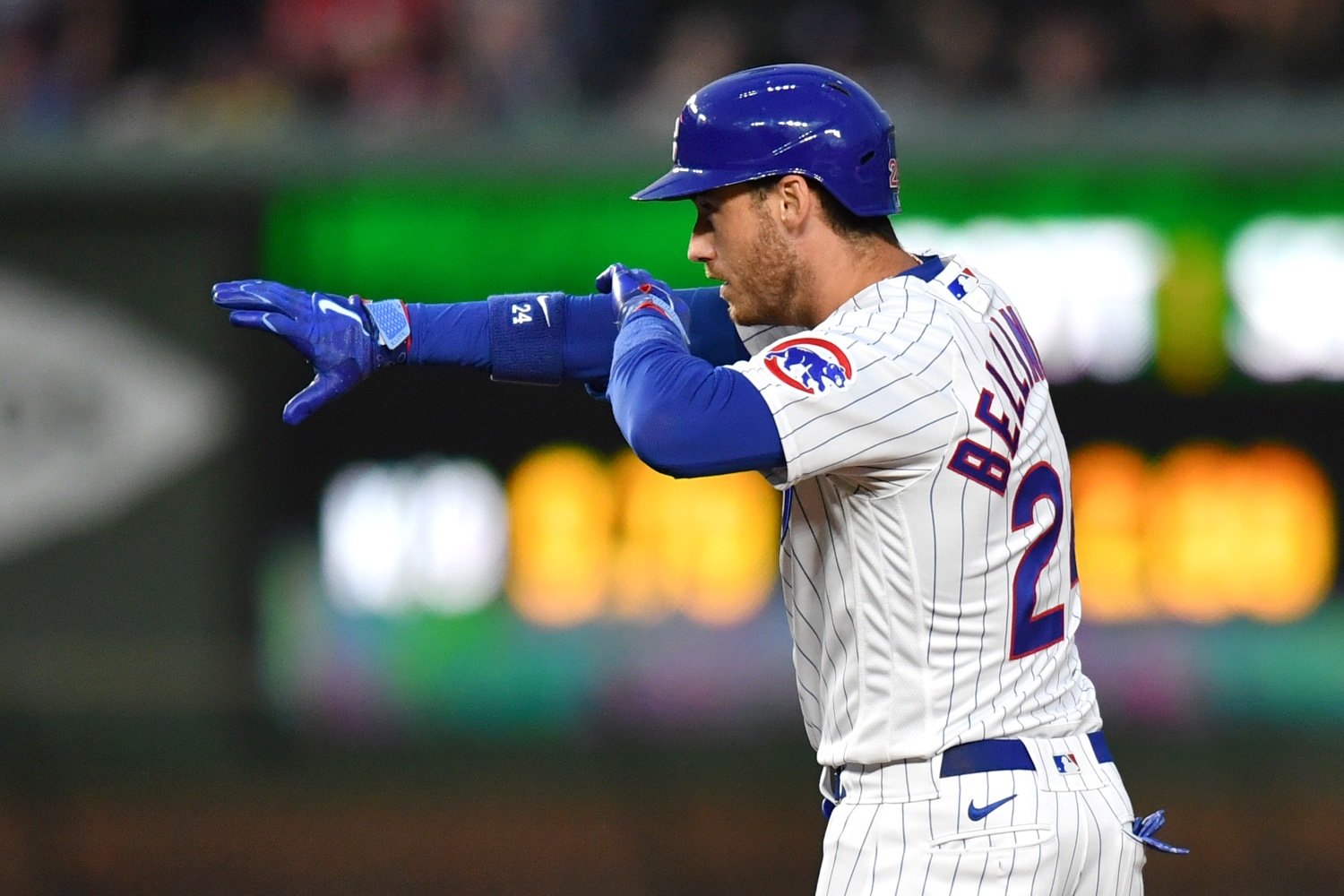 The Cubs still lag two teams in the NL Central standings, and would need to climb over even more in order to claim a Wild Card berth in the National League. Yet, they went out and got Jeimer Candelario yesterday, and they're poised to add further help today. Why? Because Playoff Odds are probabilities, but this team isn't playing to maximize those. They ended up in a position where the payoffs on relative remote chances of winning were worth chasing, even if the chase proves futile. Here are their reported odds at the three sites who provide daily Playoff Odds reports, as of this morning. Baseball Prospectus: 14.6 % to win the division, 26.1 % to make the postseason FanGraphs: 14.9 % to win the division, 24.5 % to make the postseason Baseball Reference: 28.1 % to win the division, 45 % to make the postseason Notably, while Baseball Prospectus and FanGraphs each utilize projection systems to generate their playoff odds, Baseball Reference operates very differently. They use a strength-of-schedule-adjusted rating system based on runs and wins over a team's last 100 games, and don't lean on individual player projections at all. Obviously, there can be arguments in favor of either kind of projection, but Baseball Prospectus and FanGraphs are generally regarded as more mathematically robust and scientific. If you're looking at all these numbers, then, slightly favor the more pessimistic ones. They even reflect the arrival of Candelario. Despite that, they report that it's a long shot for the Cubs to make it to October in 2023. Anyone who says the team has much better than the chance of rolling a particular number on a standard die is trying to sell you something. That doesn't really matter now, though. If the Cubs were sellers again at this deadline, Jed Hoyer's and David Ross's seats both would have heated up quickly. More importantly, though fans have come back to Wrigley Field in response to a strong start and some encouraging offseason moves, the Ricketts family knows that they can't afford much more abject losing. Once the team reeled off several consecutive wins last week, the thing was cinched. Buying at this deadline made much more sense than selling, or even than standing pat, because the Cubs (as a corporation, as a baseball franchise, and as a fan base) will gain much more in the event that they succeed in this race than they will lose in the event that they fail. Obviously, there has to be a mental restrictor plate there for Hoyer and Carter Hawkins. They need to gauge whether particular opportunities allow them to be in better position than this at this time next year, because they can't afford to go backward in a desperate attempt to cash in on this one imperfect opportunity. Still, making the attempt is important, and they will certainly not have a good chance of success if they don't finish the job they've started and bolster the pitching staff before 5 PM Central.
 -
As the Cubs make their final moves before the MLB trade deadline, it's worth taking a moment to examine their playoff odds. At the same time, when it comes to driving decisions for this particular team, probabilities have given way to payoffs. Image courtesy of © Patrick Gorski-USA TODAY Sports The Cubs still lag two teams in the NL Central standings, and would need to climb over even more in order to claim a Wild Card berth in the National League. Yet, they went out and got Jeimer Candelario yesterday, and they're poised to add further help today. Why? Because Playoff Odds are probabilities, but this team isn't playing to maximize those. They ended up in a position where the payoffs on relative remote chances of winning were worth chasing, even if the chase proves futile. Here are their reported odds at the three sites who provide daily Playoff Odds reports, as of this morning. Baseball Prospectus: 14.6 % to win the division, 26.1 % to make the postseason FanGraphs: 14.9 % to win the division, 24.5 % to make the postseason Baseball Reference: 28.1 % to win the division, 45 % to make the postseason Notably, while Baseball Prospectus and FanGraphs each utilize projection systems to generate their playoff odds, Baseball Reference operates very differently. They use a strength-of-schedule-adjusted rating system based on runs and wins over a team's last 100 games, and don't lean on individual player projections at all. Obviously, there can be arguments in favor of either kind of projection, but Baseball Prospectus and FanGraphs are generally regarded as more mathematically robust and scientific. If you're looking at all these numbers, then, slightly favor the more pessimistic ones. They even reflect the arrival of Candelario. Despite that, they report that it's a long shot for the Cubs to make it to October in 2023. Anyone who says the team has much better than the chance of rolling a particular number on a standard die is trying to sell you something. That doesn't really matter now, though. If the Cubs were sellers again at this deadline, Jed Hoyer's and David Ross's seats both would have heated up quickly. More importantly, though fans have come back to Wrigley Field in response to a strong start and some encouraging offseason moves, the Ricketts family knows that they can't afford much more abject losing. Once the team reeled off several consecutive wins last week, the thing was cinched. Buying at this deadline made much more sense than selling, or even than standing pat, because the Cubs (as a corporation, as a baseball franchise, and as a fan base) will gain much more in the event that they succeed in this race than they will lose in the event that they fail. Obviously, there has to be a mental restrictor plate there for Hoyer and Carter Hawkins. They need to gauge whether particular opportunities allow them to be in better position than this at this time next year, because they can't afford to go backward in a desperate attempt to cash in on this one imperfect opportunity. Still, making the attempt is important, and they will certainly not have a good chance of success if they don't finish the job they've started and bolster the pitching staff before 5 PM Central. View full article
-
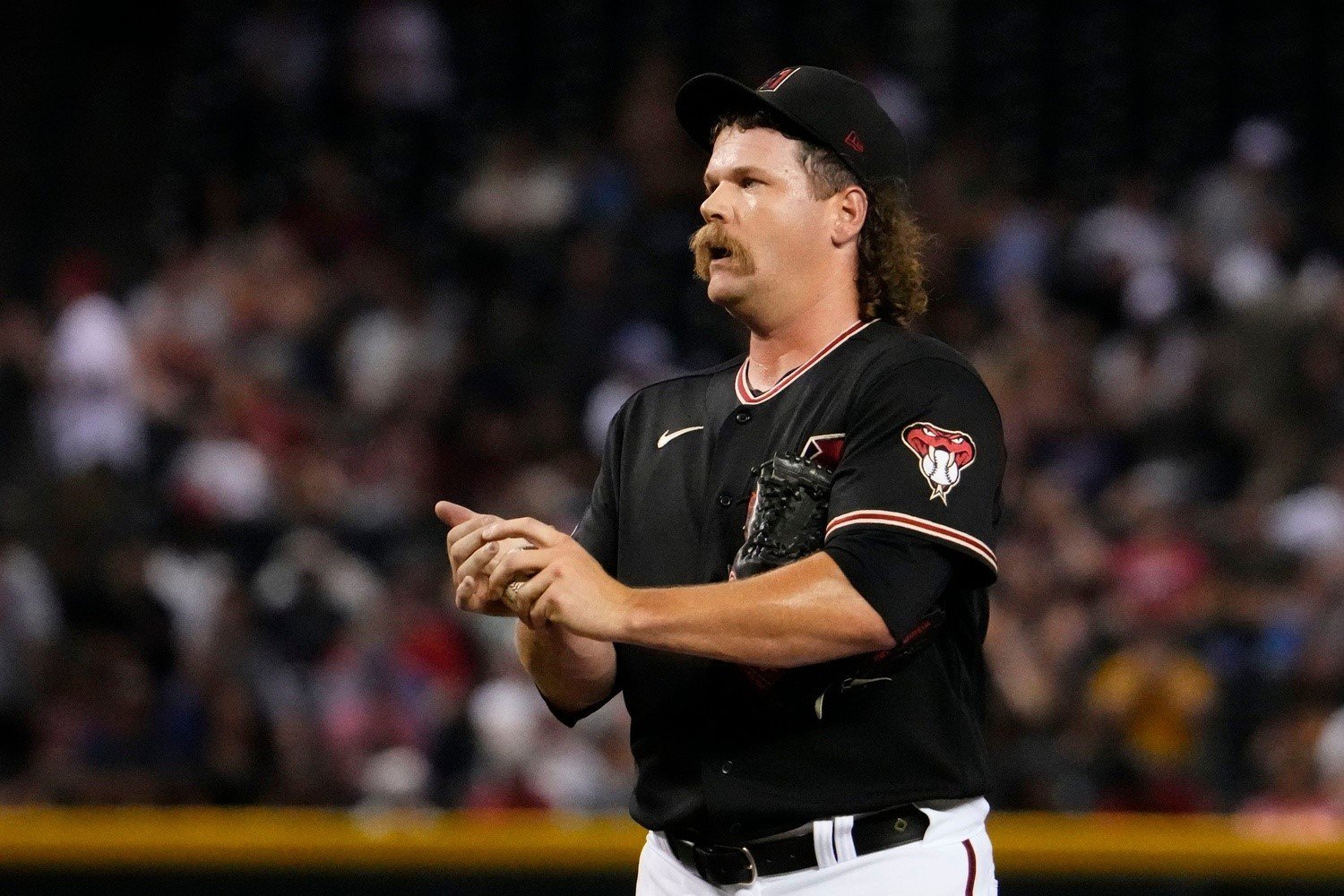 The Cubs (along with the Brewers and Twins) are among potential landing spots for Arizona Diamondbacks reliever Andrew Chafin, according to a tweet from Jon Heyman. There's no question the Cubs are in the market for a lefty reliever, and old friend and failed starter Chafin would be like slipping into a comfortable pair of old sneakers. I think, though, that the Cubs are trying to buy a new pair instead. This feels like a fallback maneuver, should their pursuit of both Aaron Bummer and Brooks Raley come to naught. In fact, that might be the case for all three of the teams Heyman listed. What do you think? A return engagement for Chafin?
 -
The Cubs (along with the Brewers and Twins) are among potential landing spots for Arizona Diamondbacks reliever Andrew Chafin, according to a tweet from Jon Heyman. There's no question the Cubs are in the market for a lefty reliever, and old friend and failed starter Chafin would be like slipping into a comfortable pair of old sneakers. I think, though, that the Cubs are trying to buy a new pair instead. This feels like a fallback maneuver, should their pursuit of both Aaron Bummer and Brooks Raley come to naught. In fact, that might be the case for all three of the teams Heyman listed. What do you think? A return engagement for Chafin? View full rumor
-
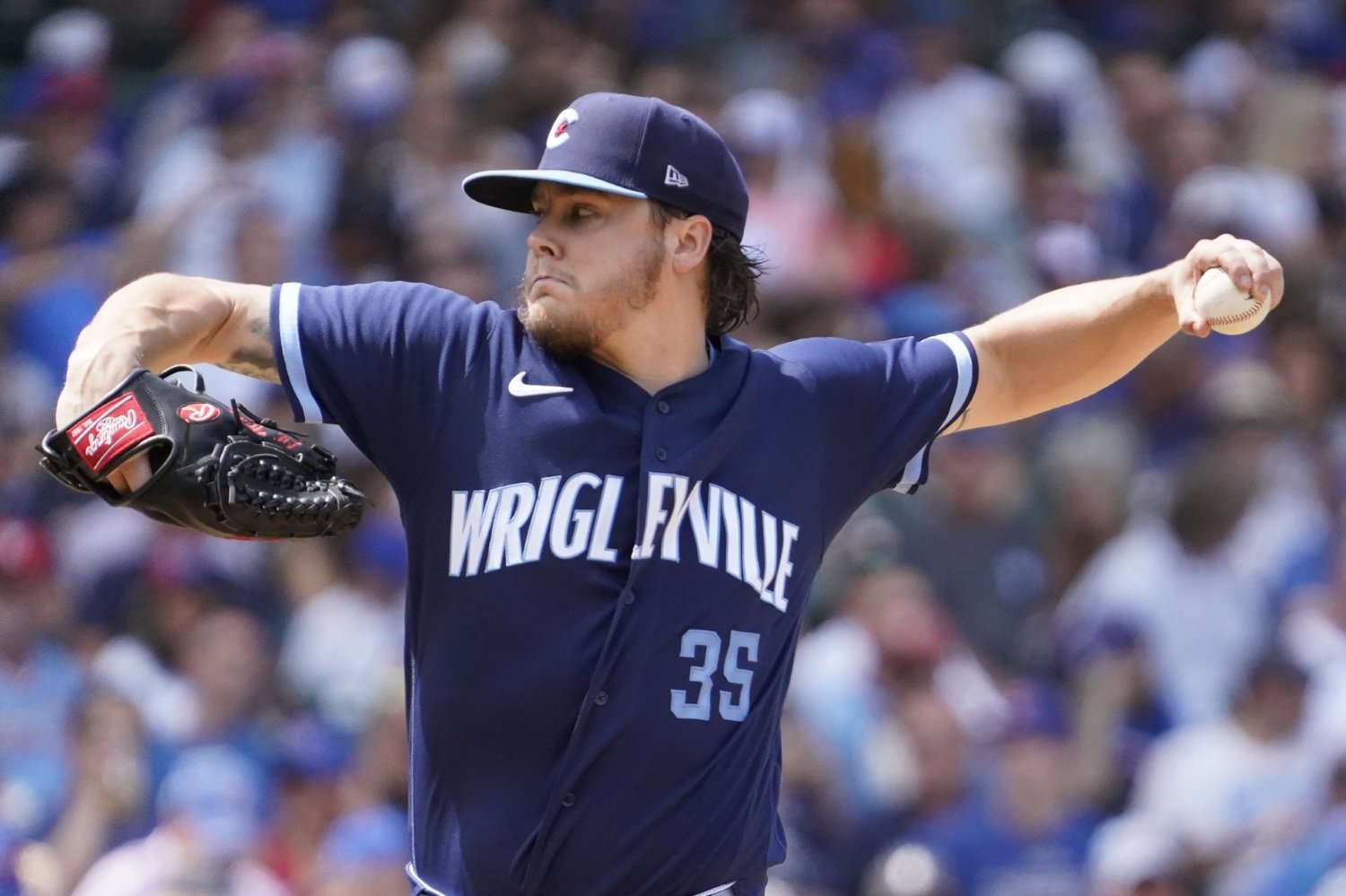 Had the Cubs been more consistent throughout David Ross's tenure, or even within this season, things might be different. Had Marcus Stroman stopped his personal skid last night, rather than exacerbating the fan base's well-founded fears that he's becoming unreliable, things might be different. As it stands, though, the Cubs currently ride a two-game losing streak. That it comes on the back of an eight-game winning streak is cold comfort, because the Cubs dug themselves too deep a hole in May to lose three in a row (including two home games to the first-place Reds) now. The pressure of meaningful baseball in the dog days of summer is part of the fun. It's a minor burden but a major privilege. It's not a bad thing that, for the first time since 2019, a packed house at Wrigley Field will cheer on a team that truly needs to win a particular game. It's just a nervous feeling, because on that previous occasion, the Cubs got their backs and spirits broken by the eventual division champion Cardinals. The time before that series, in October 2018, they lost back-to-back must-win games to the Brewers and Rockies and saw their season end in frustration. Those were lousy enough feelings, but they came at the ends of the respective seasons, and both of those teams were depleted by injury and the vagaries of the schedule. This team just had a jolt of a trade deadline, adding multiple valuable pieces in order to gear up for a charge to the top of the table. This team has two more months of games in front of them, no matter what. It would be even more cruelly and painfully deflating to flop in this pivotal series than it was to lose those games late in 2018 and 2019. The better precedent for the danger the team faces now is 2001, when they acquired Fred McGriff to bolster an anemic lineup and try to hold onto first place, only to come unraveled and begin tumbling out of the race in August. This team can be better than that one was. That team was made of Sammy Sosa and baling wire. This team sends its All-Star ace, Justin Steele, to the mound tonight, and will offer its new-look lineup in answer to the Reds' proffer of journeyman hurler Ben Lively. The ghosts and the demons don't need to rule anything. The Cubs can and should win tonight. They should arrest this brief moment of negative momentum and reverse it, beginning the project of at least splitting (and ideally, still, winning) this series and eventually catching the Reds. Steele needs to be sharp. He met the moment last week in St. Louis, and he figures to be ready tonight. The crowd should be in full throat again, because despite the aggravations and disappointments of Monday night's loss--another enervating Stroman dud, and several missed offensive opportunities late, resulting in a one-run defeat--they were supportive and undaunted Monday night. The players in the dugout have talent and confidence. The fans have healthily elevated expectations. Now (gulp) the team just has to deliver on them.
 -
It's usually a throwaway term. It's usually true that there are no must-win games in August. On Tuesday night at Wrigley Field, though, the Cubs play a must-win game. That's a privilege, and they have to embrace it. Image courtesy of © David Banks-USA TODAY Sports Had the Cubs been more consistent throughout David Ross's tenure, or even within this season, things might be different. Had Marcus Stroman stopped his personal skid last night, rather than exacerbating the fan base's well-founded fears that he's becoming unreliable, things might be different. As it stands, though, the Cubs currently ride a two-game losing streak. That it comes on the back of an eight-game winning streak is cold comfort, because the Cubs dug themselves too deep a hole in May to lose three in a row (including two home games to the first-place Reds) now. The pressure of meaningful baseball in the dog days of summer is part of the fun. It's a minor burden but a major privilege. It's not a bad thing that, for the first time since 2019, a packed house at Wrigley Field will cheer on a team that truly needs to win a particular game. It's just a nervous feeling, because on that previous occasion, the Cubs got their backs and spirits broken by the eventual division champion Cardinals. The time before that series, in October 2018, they lost back-to-back must-win games to the Brewers and Rockies and saw their season end in frustration. Those were lousy enough feelings, but they came at the ends of the respective seasons, and both of those teams were depleted by injury and the vagaries of the schedule. This team just had a jolt of a trade deadline, adding multiple valuable pieces in order to gear up for a charge to the top of the table. This team has two more months of games in front of them, no matter what. It would be even more cruelly and painfully deflating to flop in this pivotal series than it was to lose those games late in 2018 and 2019. The better precedent for the danger the team faces now is 2001, when they acquired Fred McGriff to bolster an anemic lineup and try to hold onto first place, only to come unraveled and begin tumbling out of the race in August. This team can be better than that one was. That team was made of Sammy Sosa and baling wire. This team sends its All-Star ace, Justin Steele, to the mound tonight, and will offer its new-look lineup in answer to the Reds' proffer of journeyman hurler Ben Lively. The ghosts and the demons don't need to rule anything. The Cubs can and should win tonight. They should arrest this brief moment of negative momentum and reverse it, beginning the project of at least splitting (and ideally, still, winning) this series and eventually catching the Reds. Steele needs to be sharp. He met the moment last week in St. Louis, and he figures to be ready tonight. The crowd should be in full throat again, because despite the aggravations and disappointments of Monday night's loss--another enervating Stroman dud, and several missed offensive opportunities late, resulting in a one-run defeat--they were supportive and undaunted Monday night. The players in the dugout have talent and confidence. The fans have healthily elevated expectations. Now (gulp) the team just has to deliver on them. View full article
-
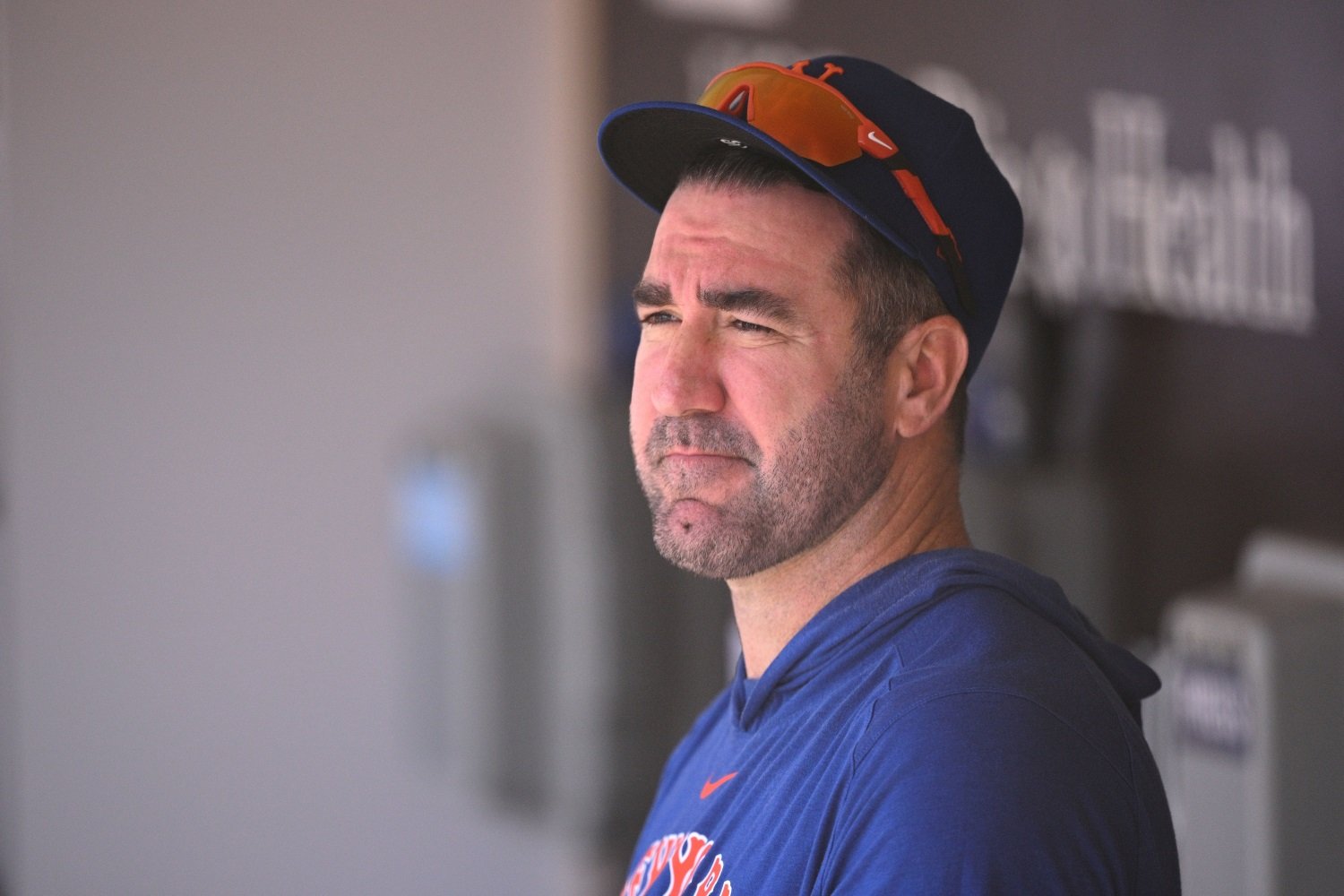 There are mystery teams in the mix for Mets starter and future Hall of Famer Justin Verlander as the trade deadline nears, according to Jon Heyman. He lists the Dodgers and Astros as the non-mystery suitors, so maybe the mystery team is really just the Orioles, who have been mentioned in connection with him elsewhere. Still, it's worth a mention that the Mets paid down Max Scherzer's deal enormously in order to juice the prospect return in their recent trade with the Rangers. In fact, Steve Cohen is making a habit of that tactic, continuing to carry the salaries even of players shipped off to other teams. He's bearing the luxury tax burden even as the team is disassembled, to maximize the talent the team can acquire. If the Mets are willing to do that with Verlander's humongous 2023 salary, and to eat a chunk of his $43 million and change in 2024, would you give up one of the Cubs system's top prospects to (finally) make Verlander a Cub? It sounds crazy, but since this wouldn't be a pure rental and it would be a difference-maker in the NL Central, I'm not sure at all that it is. Photo Credit: © Orlando Ramirez-USA TODAY Sports
 -
There are mystery teams in the mix for Mets starter and future Hall of Famer Justin Verlander as the trade deadline nears, according to Jon Heyman. He lists the Dodgers and Astros as the non-mystery suitors, so maybe the mystery team is really just the Orioles, who have been mentioned in connection with him elsewhere. Still, it's worth a mention that the Mets paid down Max Scherzer's deal enormously in order to juice the prospect return in their recent trade with the Rangers. In fact, Steve Cohen is making a habit of that tactic, continuing to carry the salaries even of players shipped off to other teams. He's bearing the luxury tax burden even as the team is disassembled, to maximize the talent the team can acquire. If the Mets are willing to do that with Verlander's humongous 2023 salary, and to eat a chunk of his $43 million and change in 2024, would you give up one of the Cubs system's top prospects to (finally) make Verlander a Cub? It sounds crazy, but since this wouldn't be a pure rental and it would be a difference-maker in the NL Central, I'm not sure at all that it is. Photo Credit: © Orlando Ramirez-USA TODAY Sports View full rumor
-
The Cubs' lineup has tended toward underachievement and dysfunction too often over the last two years. By acquiring Jeimer Candelario Monday night, they hope they've put an end to that prolonged period of frustration. Image courtesy of © Brad Mills-USA TODAY Sports Sadly, Jeimer Candelario has rarely had a talented lineup to call his own since matriculating to the major leagues. He was only very briefly part of the championship-era Cubs, and then only as a fill-in. Once he was traded to the Tigers, he was fully marooned. Detroit didn't immediately collapse, but by the time Candelario found his role with the team, they were well into the decline phase of what was such a good run for the team, from 2011-14. When he's part of a good lineup, though, Candelario is the type of hitter who amplifies the punch and value of others in that group. He's a classic cog-in-the-machine guy. He walks at a high rate, puts the ball in play at an average-plus rate, and hits for healthy (though not gaudy) power. He's more likely to split a gap than clear the fence, but more likely to get a hit than to strike out, too. During his best seasons, he's always been one of his team's two best hitters, but as the third- or fourth-best in a given group, he can really shine. That should be where he fits in, if the Cubs are a functional offense down the stretch. Ever since the World Series-winning core began to deteriorate, the lineup's big weakness has been a dearth of true stars, but it's possible to make up for that with sufficient depth. A balanced lineup without major holes can be as good as one with a few formidable sluggers. Candelario nicely rounds out a group that fits that description, at long last--like a rotation without a Cy Young-caliber ace, but with more strength in the fourth and fifth spots than the competition has. With versatility in his offensive skill set and his defensive positions, Candelario can be especially useful to this fairly modular roster. Against most right-handed pitchers, he should bat second and play third base, with Nico Hoerner sliding down to the sixth or seventh spot in the batting order. Against lefties, he should bat third and play first base, pushing Ian Happ and Yan Gomes down out of the top five in the lineup. In each case, it's an important upgrade. Nick Madrigal is forced from the lineup against righties, and Trey Mancini moves fully into a bench role, rather than playing ineffectually against virtually all lefties. Madrigal has blossomed into a very good defensive third baseman, to the surprise of nearly everyone, so Candelario might be only a small upgrade there. He's a much bigger improvement over Patrick Wisdom, though, and it would seem to be Wisdom or third catcher Miguel Amaya whose roster spot he most directly threatens. Amaya, in particular, will suffer from the fact that Gomes is not likely to be used as often as the designated hitter, making it much less necessary to carry an extra backstop. Of course, the most popular cannon fodder (from the perspective of most Cubs fans) would be Mancini, but that seems plausible only if the Cubs find a taker for the big first baseman's contract. That's not going to happen without Chicago kicking in some prospect talent and getting very little in return, so the better bets are that Wisdom or Amaya will become jetsam in the short term. This deal comes far short of guaranteeing the Cubs a playoff berth, let alone a division title or any kind of October glory. The team still needs to (and will) make further upgrades in the bullpen before the trade deadline officially hits in about 20 hours. This was a tremendous start, though, and Candelario should make the team more fun and more consistently competitive over the final two months of this campaign. View full article
-
 Sadly, Jeimer Candelario has rarely had a talented lineup to call his own since matriculating to the major leagues. He was only very briefly part of the championship-era Cubs, and then only as a fill-in. Once he was traded to the Tigers, he was fully marooned. Detroit didn't immediately collapse, but by the time Candelario found his role with the team, they were well into the decline phase of what was such a good run for the team, from 2011-14. When he's part of a good lineup, though, Candelario is the type of hitter who amplifies the punch and value of others in that group. He's a classic cog-in-the-machine guy. He walks at a high rate, puts the ball in play at an average-plus rate, and hits for healthy (though not gaudy) power. He's more likely to split a gap than clear the fence, but more likely to get a hit than to strike out, too. During his best seasons, he's always been one of his team's two best hitters, but as the third- or fourth-best in a given group, he can really shine. That should be where he fits in, if the Cubs are a functional offense down the stretch. Ever since the World Series-winning core began to deteriorate, the lineup's big weakness has been a dearth of true stars, but it's possible to make up for that with sufficient depth. A balanced lineup without major holes can be as good as one with a few formidable sluggers. Candelario nicely rounds out a group that fits that description, at long last--like a rotation without a Cy Young-caliber ace, but with more strength in the fourth and fifth spots than the competition has. With versatility in his offensive skill set and his defensive positions, Candelario can be especially useful to this fairly modular roster. Against most right-handed pitchers, he should bat second and play third base, with Nico Hoerner sliding down to the sixth or seventh spot in the batting order. Against lefties, he should bat third and play first base, pushing Ian Happ and Yan Gomes down out of the top five in the lineup. In each case, it's an important upgrade. Nick Madrigal is forced from the lineup against righties, and Trey Mancini moves fully into a bench role, rather than playing ineffectually against virtually all lefties. Madrigal has blossomed into a very good defensive third baseman, to the surprise of nearly everyone, so Candelario might be only a small upgrade there. He's a much bigger improvement over Patrick Wisdom, though, and it would seem to be Wisdom or third catcher Miguel Amaya whose roster spot he most directly threatens. Amaya, in particular, will suffer from the fact that Gomes is not likely to be used as often as the designated hitter, making it much less necessary to carry an extra backstop. Of course, the most popular cannon fodder (from the perspective of most Cubs fans) would be Mancini, but that seems plausible only if the Cubs find a taker for the big first baseman's contract. That's not going to happen without Chicago kicking in some prospect talent and getting very little in return, so the better bets are that Wisdom or Amaya will become jetsam in the short term. This deal comes far short of guaranteeing the Cubs a playoff berth, let alone a division title or any kind of October glory. The team still needs to (and will) make further upgrades in the bullpen before the trade deadline officially hits in about 20 hours. This was a tremendous start, though, and Candelario should make the team more fun and more consistently competitive over the final two months of this campaign.
 -
We knew the Cubs wouldn't be done when they acquired Jeimer Candelario earlier tonight. Now, they've made what is likely to be the first of multiple moves to bolster and deepen their bullpen. When he's right--and especially when he has control of all that funk and that raw stuff--Cuas can be nasty. He's as much a project as an immediate-impact addition, but this is a nimble bit of 40-man roster management. On the heels of the announcement earlier Monday that Pete Crow-Armstrong is headed to Iowa to join the Triple-A roster, this deal moves Velazquez out of the I-Cubs' crowded outfield picture, keeps the 40-man picture balanced, and lets the Cubs' pitching development infrastructure dig in with a pitcher who gives them plenty with which to work. View full article
