


Matthew Trueblood
-
Posts
2,481 -
Joined
-
Last visited
-
Days Won
2
Content Type
Profiles
Joomla Posts 1
Chicago Cubs Videos
Chicago Cubs Free Agent & Trade Rumors, Notes, & Tidbits
2026 Chicago Cubs Top Prospects Ranking
News
2023 Chicago Cubs Draft Picks
Guides & Resources
2024 Chicago Cubs Draft Picks
The Chicago Cubs Players Project
2025 Chicago Cubs Draft Pick Tracker
2026 Chicago Cubs Draft Tracker: Picks & Bonuses
Blogs
Events
Forums
Store
Gallery
Everything posted by Matthew Trueblood
-
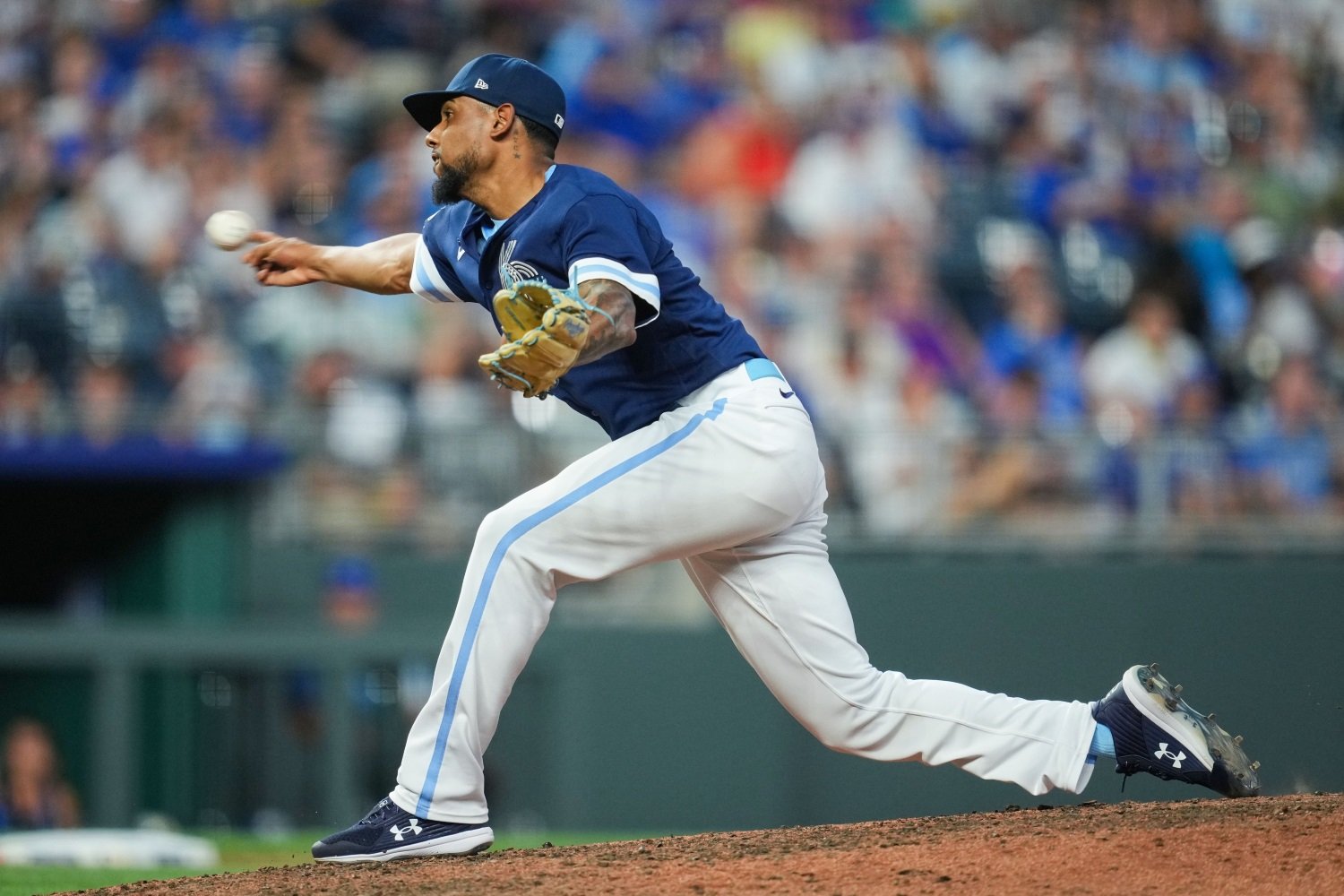 The prize here is a low-wattage one, but Jose Cuas will slot into the middle relief group from the right side. To get him, the team had to bid adieu to Nelson Velazquez, whose promising power was never quite at his full command, due to the holes in his game Cuas, 29, theoretically has the same five and a half years of club control remaining as has Velazquez, but in reality, neither is the type of player who is likely to achieve six-year free agency. Cuas doesn't have especially impressive numbers this year, or a track record that makes him a natural target. The first thing to ask about players like that is: what did the Cubs see in him? In this case, though, that's not too hard to answer. When he's right--and especially when he has control of all that funk and that raw stuff--Cuas can be nasty. He's as much a project as an immediate-impact addition, but this is a nimble bit of 40-man roster management. On the heels of the announcement earlier Monday that Pete Crow-Armstrong is headed to Iowa to join the Triple-A roster, this deal moves Velazquez out of the I-Cubs' crowded outfield picture, keeps the 40-man picture balanced, and lets the Cubs' pitching development infrastructure dig in with a pitcher who gives them plenty with which to work.
 -
The Cubs front office has thrown down the gauntlet. They're not only holding onto Cody Bellinger, but acquiring the best impending free-agent hitter on the trade market, instead. As I wrote in the aforementioned piece, Candelario is a galvanizing addition to a lineup that already led baseball in runs scored during July. His arrival only exacerbates the uncertainty around Nick Madrigal and Patrick Wisdom, but they become much less important figures, which is the point of a trade like this at this stage of a pennant race. Candelario can credibly bat in the top half of the batting order against both lefties and righties. He adds power that Madrigal couldn't and is an on-base threat Wisdom can't be. He's a more experienced defender than either, and though defensive metrics have had a mercurial relationship with him, the eye test says he's smoother and lower-effort there than either of the incumbents. He's also enjoying one of his good years, by those inconstant numbers. What a difference a year makes, for everyone involved in this deal. Candelario was non-tendered by the Tigers this past winter, after a brutal season in which he batted .217/.272/.361. This year, however, he's batting .258/.342/.481. On the flip side, both Made and Herz had some helium at this time last year, but neither has distinguished themselves in their tests in 2023. Each still has upside--Made as a glove-first shortstop, Herz as a stuff-over-command fourth starter or a very interesting reliever--but they're no longer the somewhat shiny objects they were a year ago. It's funny, how nicely Candelario has grown into exactly the player he projected to be when many of us became aware of him as a Cubs farmhand over a decade ago. He draws walks, he hits more doubles than home runs, and he acquits himself in the field. He's a solidly above-average (though rarely star-caliber) third baseman, with the same shape of production one would have guessed he would provide by watching him in Tennessee or Iowa in 2016. Now, the Cubs will be the ones reaping the rewards of that successful development. View full article
-
TRADE: Cubs Acquire Jeimer Candelario from Washington Nationals
Matthew Trueblood posted an article in Cubs
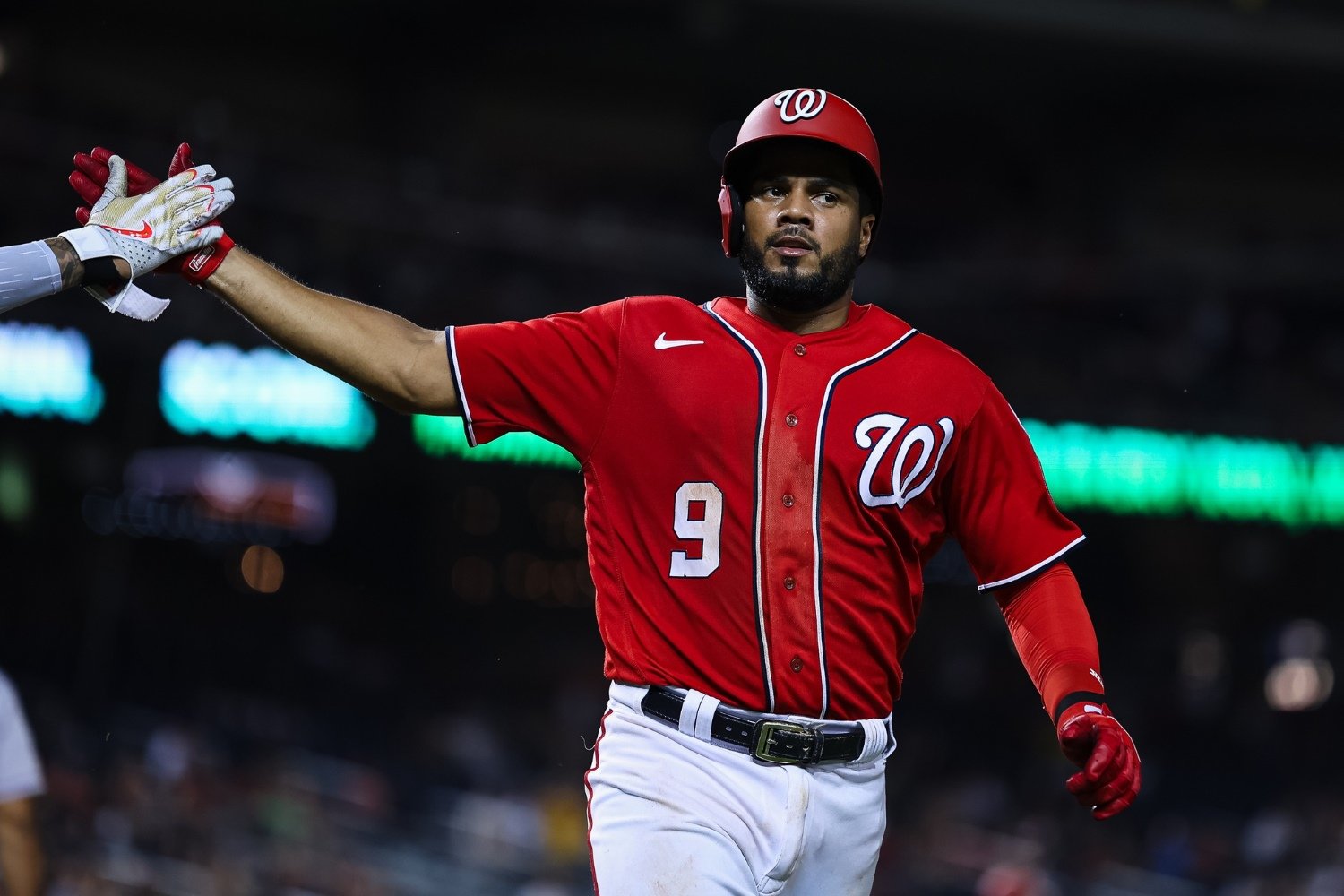 Six years after being traded to the Tigers, Jeimer Candelario returns to the Cubs organization, where he'll become the everyday third baseman as the Cubs pursue an NL Central crown. As I wrote in the aforementioned piece, Candelario is a galvanizing addition to a lineup that already led baseball in runs scored during July. His arrival only exacerbates the uncertainty around Nick Madrigal and Patrick Wisdom, but they become much less important figures, which is the point of a trade like this at this stage of a pennant race. Candelario can credibly bat in the top half of the batting order against both lefties and righties. He adds power that Madrigal couldn't and is an on-base threat Wisdom can't be. He's a more experienced defender than either, and though defensive metrics have had a mercurial relationship with him, the eye test says he's smoother and lower-effort there than either of the incumbents. He's also enjoying one of his good years, by those inconstant numbers. What a difference a year makes, for everyone involved in this deal. Candelario was non-tendered by the Tigers this past winter, after a brutal season in which he batted .217/.272/.361. This year, however, he's batting .258/.342/.481. On the flip side, both Made and Herz had some helium at this time last year, but neither has distinguished themselves in their tests in 2023. Each still has upside--Made as a glove-first shortstop, Herz as a stuff-over-command fourth starter or a very interesting reliever--but they're no longer the somewhat shiny objects they were a year ago. It's funny, how nicely Candelario has grown into exactly the player he projected to be when many of us became aware of him as a Cubs farmhand over a decade ago. He draws walks, he hits more doubles than home runs, and he acquits himself in the field. He's a solidly above-average (though rarely star-caliber) third baseman, with the same shape of production one would have guessed he would provide by watching him in Tennessee or Iowa in 2016. Now, the Cubs will be the ones reaping the rewards of that successful development.
 -
Yeah I'm having trouble reading that market. There are a lot of suitors, but they all seem less than desperate. Maybe we're guessing at how good a poker player Mike Rizzo is.
-
Oh, it’s *definitely* not the case that I expect anyone to think one is a star, least of all a particular one. I think there’s a good chance one of them is a helpful regular, and I think the Cubs need to figure out which one and act decisively, and I think that’s hard because they’re out of time and their information is deeply imperfect. So. 🤷🏼♂️.
-
After going 11-5 in the decisive space between the All-Star break and July 31, the Cubs no longer have a tough decision in whether to buy or sell. Now, they face a more daunting, complicated one, with the same deadline on it. Image courtesy of © David Banks-USA TODAY Sports A year and a half ago, it felt very much as though the Cubs might need to choose between Nico Hoerner and Nick Madrigal. One would be their second baseman of the future, but the other would struggle to find any long-term home, and might need to be jettisoned in order to build a functional roster. Not since the 1990s have teams' pitching usage choices allowed for a pure backup second baseman, after all. Then, the 2022 season happened. Madrigal endured frustration and injury, and although he finished strong, he made no compelling case for himself as a starting regular in the majors. Yet, Hoerner left the door open, by proving that he had the capacity to acquit himself at shortstop, in addition to hitting enough to bat near the top of the order on a credible team. That's why Madrigal was able to get a meaningful September audition, in which he looked good, and in turn, that's why he stuck with the Cubs even after the team added Dansby Swanson over the winter. Because Hoerner could be the backup shortstop from his position at second, Madrigal could be a bench player even while largely limited to second base. Obviously, much has changed even since then. Madrigal has, when healthy, had a much better 2023, especially over the last two months. That's the span during which, because of Patrick Wisdom's injuries and inconsistency, Madrigal has become the team's apparent top choice to play third base. It wouldn't have occurred to anyone to put the diminutive Madrigal at third base if exigency hadn't demanded it, but (after a few rocky showings at the start) he's demonstrated above-average ability at that spot. He's also batting .323/.397/.462 since he took over this role on June 9, although that sample is fewer than 80 plate appearances, because he missed most of a month with a hamstring strain. The rub lies in the fact that Madrigal seems (and certainly believes, based on his comments earlier this year during a sojourn in Iowa) to need to be in the lineup almost daily in order to stay in the rhythm necessary to have success with his approach and skill set--to wit, his lack of any power of which to speak. A player who can only play well if they play very often puts more pressure on themselves and the team, because they have to be allotted a daily spot in a way that modern rosters usually do only for stars. Worse, Madrigal is not durable, so to build the best version of this team around him at third base requires having a second, competent third baseman on hand who can be more successful in limited playing time. Here we reach the new dilemma facing the organization. The Cubs no longer need to choose between Madrigal and Hoerner; that would now be a cruelly easy choice. Instead, they need to choose between Madrigal and Christopher Morel. It's not a direct position battle, per se, because the Cubs have proven (and Morel has affirmed, with his play when called upon in semi-emergencies) that Morel is not a third baseman in their eyes. Still, his recent production has forced them to put him in the lineup nearly every day. Often, he's the designated hitter. At this point, because Trey Mancini's contract is a hurdle in dealing with first base or in adding high-salary players at this deadline, third base and DH are the two places where the team can plausibly upgrade the lineup. That means moving on from either Morel (despite his raw production, he's been so up-and-down, and his lack of a position hurts the team's modularity and flexibility) or Madrigal (whose success, on both sides of the ledger, seems so fragile, and who could get hurt again at any moment). They could trade for some slightly better version of Wisdom and banish the current iteration, but if both Morel and Madrigal have to play every day, what would that really achieve? For the balance of this season, it might work to have Morel and Madrigal continue in their roles. However, this deadline is an opportunity to answer a couple of medium-term questions at low cost, or even at a profit, without hurting the 2023 club's chances. To miss that window would be a failure. Thus, the front office has to consider trading one of the two, as part of a maneuver in which they acquire some veteran bat and a controllable pitcher to bolster the staff. Choosing between these two is like choosing between apples and garlic. They're so different, and they offer such different sets of possible rewards and challenges, that it feels strange to set them in rivalry with one another. If the Cubs are going to make a decisive, organization-building, winning move at this deadline, though, it will probably have to involve knowing which of these two is part of their long-term plans. View full article
-
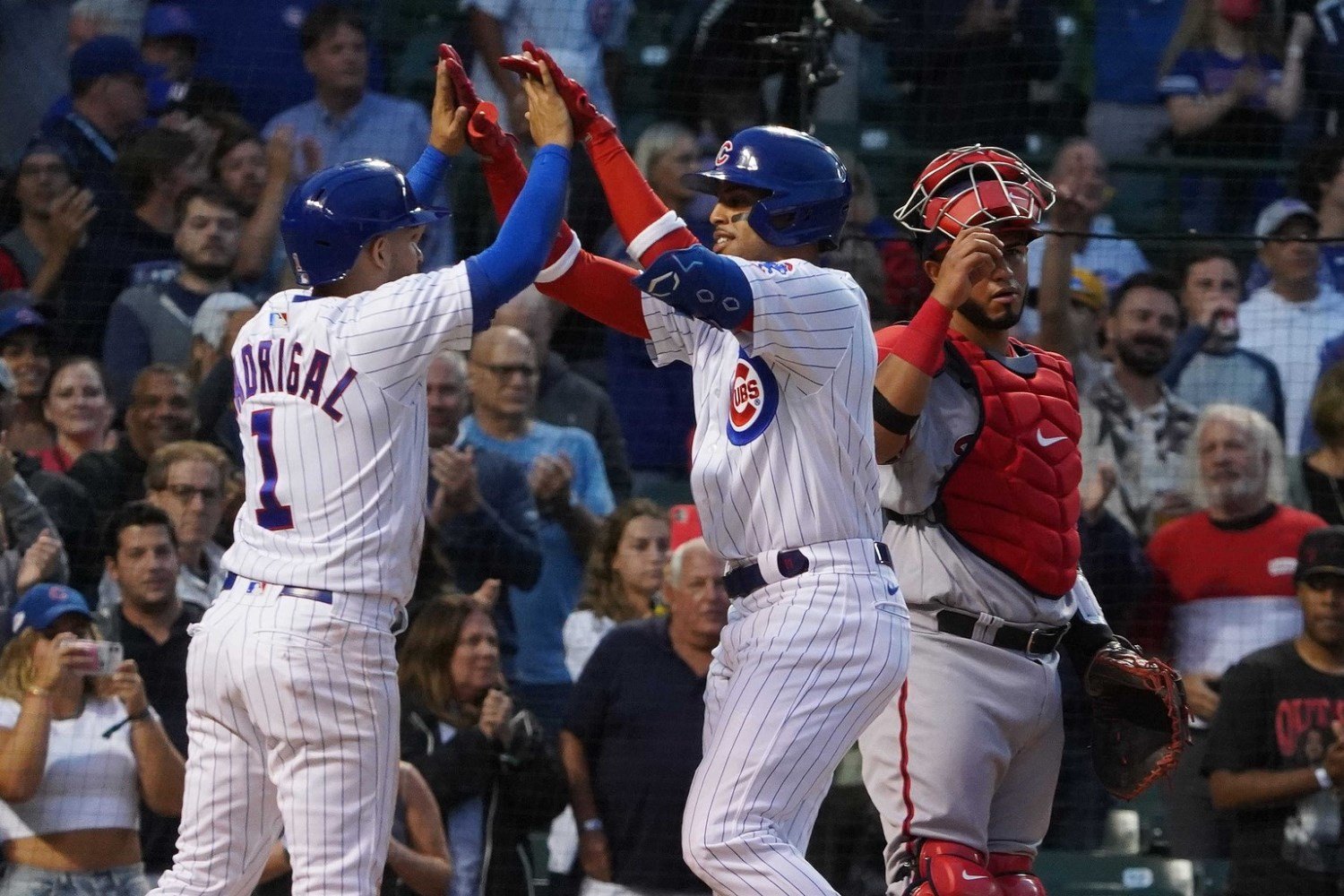 A year and a half ago, it felt very much as though the Cubs might need to choose between Nico Hoerner and Nick Madrigal. One would be their second baseman of the future, but the other would struggle to find any long-term home, and might need to be jettisoned in order to build a functional roster. Not since the 1990s have teams' pitching usage choices allowed for a pure backup second baseman, after all. Then, the 2022 season happened. Madrigal endured frustration and injury, and although he finished strong, he made no compelling case for himself as a starting regular in the majors. Yet, Hoerner left the door open, by proving that he had the capacity to acquit himself at shortstop, in addition to hitting enough to bat near the top of the order on a credible team. That's why Madrigal was able to get a meaningful September audition, in which he looked good, and in turn, that's why he stuck with the Cubs even after the team added Dansby Swanson over the winter. Because Hoerner could be the backup shortstop from his position at second, Madrigal could be a bench player even while largely limited to second base. Obviously, much has changed even since then. Madrigal has, when healthy, had a much better 2023, especially over the last two months. That's the span during which, because of Patrick Wisdom's injuries and inconsistency, Madrigal has become the team's apparent top choice to play third base. It wouldn't have occurred to anyone to put the diminutive Madrigal at third base if exigency hadn't demanded it, but (after a few rocky showings at the start) he's demonstrated above-average ability at that spot. He's also batting .323/.397/.462 since he took over this role on June 9, although that sample is fewer than 80 plate appearances, because he missed most of a month with a hamstring strain. The rub lies in the fact that Madrigal seems (and certainly believes, based on his comments earlier this year during a sojourn in Iowa) to need to be in the lineup almost daily in order to stay in the rhythm necessary to have success with his approach and skill set--to wit, his lack of any power of which to speak. A player who can only play well if they play very often puts more pressure on themselves and the team, because they have to be allotted a daily spot in a way that modern rosters usually do only for stars. Worse, Madrigal is not durable, so to build the best version of this team around him at third base requires having a second, competent third baseman on hand who can be more successful in limited playing time. Here we reach the new dilemma facing the organization. The Cubs no longer need to choose between Madrigal and Hoerner; that would now be a cruelly easy choice. Instead, they need to choose between Madrigal and Christopher Morel. It's not a direct position battle, per se, because the Cubs have proven (and Morel has affirmed, with his play when called upon in semi-emergencies) that Morel is not a third baseman in their eyes. Still, his recent production has forced them to put him in the lineup nearly every day. Often, he's the designated hitter. At this point, because Trey Mancini's contract is a hurdle in dealing with first base or in adding high-salary players at this deadline, third base and DH are the two places where the team can plausibly upgrade the lineup. That means moving on from either Morel (despite his raw production, he's been so up-and-down, and his lack of a position hurts the team's modularity and flexibility) or Madrigal (whose success, on both sides of the ledger, seems so fragile, and who could get hurt again at any moment). They could trade for some slightly better version of Wisdom and banish the current iteration, but if both Morel and Madrigal have to play every day, what would that really achieve? For the balance of this season, it might work to have Morel and Madrigal continue in their roles. However, this deadline is an opportunity to answer a couple of medium-term questions at low cost, or even at a profit, without hurting the 2023 club's chances. To miss that window would be a failure. Thus, the front office has to consider trading one of the two, as part of a maneuver in which they acquire some veteran bat and a controllable pitcher to bolster the staff. Choosing between these two is like choosing between apples and garlic. They're so different, and they offer such different sets of possible rewards and challenges, that it feels strange to set them in rivalry with one another. If the Cubs are going to make a decisive, organization-building, winning move at this deadline, though, it will probably have to involve knowing which of these two is part of their long-term plans.
 -
On Sunday, the Cubs finally lost a game, but they'd already spent the previous week securing their position as buyers at this trade deadline. Two players were the subjects of Cubs-specific rumors that day. Are they the right fits? In an appearance on Marquee Network, 670 The Score baseball reporter Bruce Levine further turned up the heat of those rumors, naming the same two players in an independent way. Both guys could have the same source, of course, but it's impossible to dismiss either mention, in light of the other. It's surprising that we've reached this point with Bednar rumors, because a deal that satisfies the Pirates with the notion of sending an elite reliever to a division rival (while not turning the stomachs of the Cubs front office or their fans) seems so difficult to cobble together. He's a dominant arm. He's struck out over 32 percent of the batters he's faced since the start of 2021, without the complicating walk problems that usually come with stuff that overwhelming. His four-seamer, curveball, and splitter form an almost Platonic ideal of the closer's repertoire, and he commands all three offerings well. Presumably, the Pirates wouldn't even be open to moving him, but for the fact that he will reach arbitration eligibility this winter and start making significant money. Even given that willingness to listen, though, you have to figure Pittsburgh would set a prohibitive price on him when a team like the Cubs calls. The Bucs have to be hoping that they'll be contenders again within the term of Bednar's team control, and they don't want to run into Bednar in the ninth inning of some division-deciding September showdown in 2025. That hypothetical concern might be surmountable, but because it exists, the Pirates would want more for Bednar than the Cubs seem likely to pay. After all, flipping the idea on its head, the Cubs wouldn't want to have Kevin Alcantara hit a game-winning home run against them in two years, be it off Bednar or (because relievers are unreliable and injuries happen and who knows?) someone worse to whom they'd had to turn. Let's set all that irrationality aside a moment, though. When we do so, we can say: Bednar would be a perfect, even sensational addition to this roster. The Cubs need better bullpen depth, and adding to the top of the hierarchy (moving even the impressive Adbert Alzolay down a rung) is more effective and tempting than plugging someone new into the third or fourth place in line. The window of team control is a perfect match for the Cubs' hoped-for rise to sustainable excellence, and it's the perfect time for a closer (rewarded, if anything, too much by the arbitration system) to move from a small-market team to one of the biggest-market ones in baseball. Imagine, then, that the Cubs pay some hefty prospect price for Bednar. Now, further imagine that they pony up the (lesser) price for Candelario, completing a lineup that already looks increasingly viable. Assuming (as one should, if they really made this twinned move) that the team doesn't subtract meaningfully from their big-league roster in the process, adding those two to the current roster would make the Cubs not only credible co-favorites in the NL Central, but viable threats to the Dodgers and to Atlanta if they advance in October. For various reasons, it's unlikely that we see either player don a Cubs uniform this week. There are many other suitors for Candelario, and we've already amply explored the externalities that might prevent a Bednar deal. Still, given the fits, the depth of the Cubs' farm system, and these two reports from people who rarely raise true red herrings, this is the scenario that intrigues me most as the deadline rushes toward us. For my money, there's no realistic haul the team could manage that would be more exciting or helpful. View full article
-
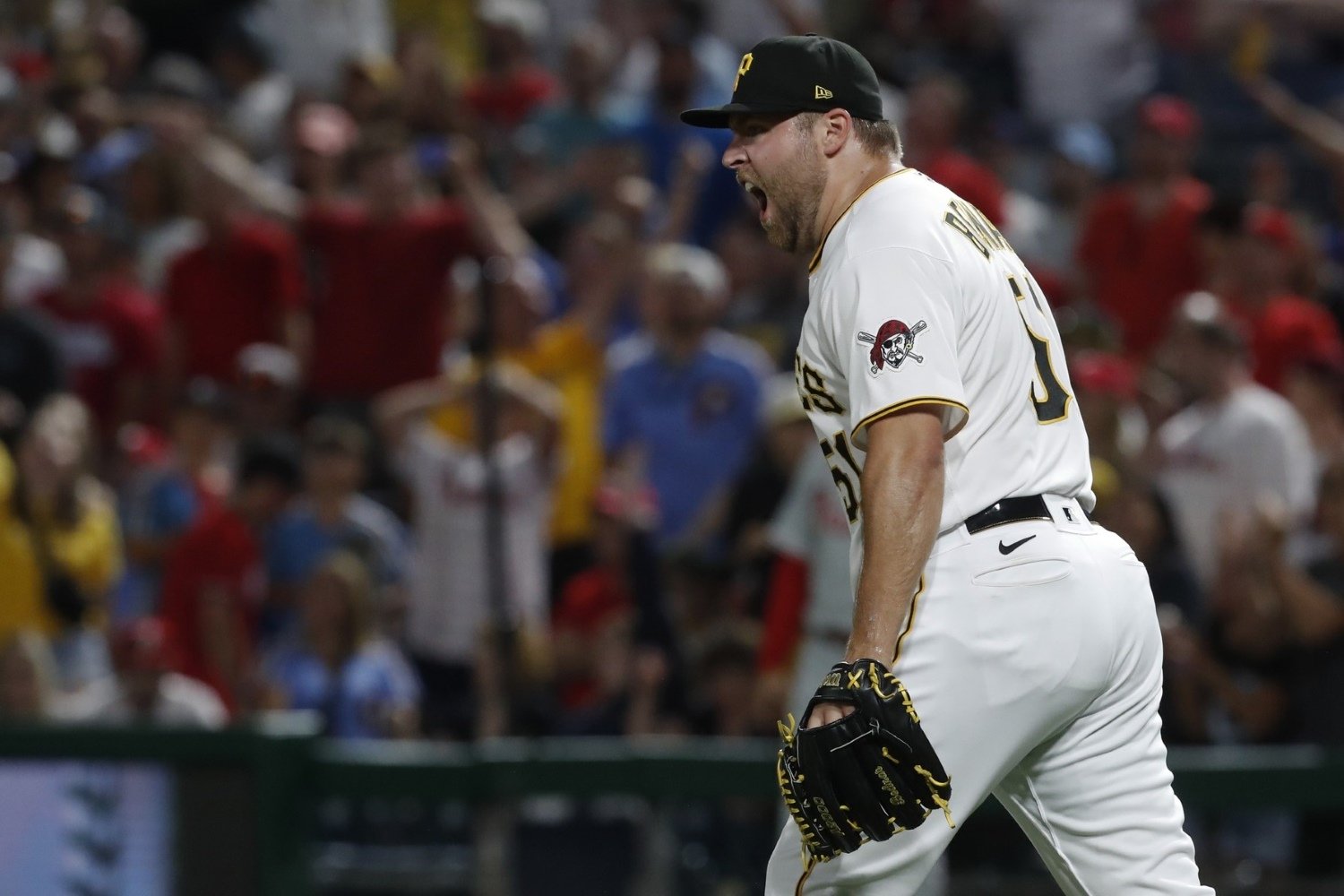 In a pair of tweets Sunday, Mike Rodriguez of The DR Baseball Show reported that the Cubs were targeting Pirates closer David Bednar and Nationals third baseman Jeimer Candelario in trade discussions. Rodriguez does much of his writing and reporting in Spanish and flies well below the radar of most anglophone fans, but he's based in Chicago and has a history of being plugged into Cubs affairs, so those reports carried some weight on their own. In an appearance on Marquee Network, 670 The Score baseball reporter Bruce Levine further turned up the heat of those rumors, naming the same two players in an independent way. Both guys could have the same source, of course, but it's impossible to dismiss either mention, in light of the other. It's surprising that we've reached this point with Bednar rumors, because a deal that satisfies the Pirates with the notion of sending an elite reliever to a division rival (while not turning the stomachs of the Cubs front office or their fans) seems so difficult to cobble together. He's a dominant arm. He's struck out over 32 percent of the batters he's faced since the start of 2021, without the complicating walk problems that usually come with stuff that overwhelming. His four-seamer, curveball, and splitter form an almost Platonic ideal of the closer's repertoire, and he commands all three offerings well. Presumably, the Pirates wouldn't even be open to moving him, but for the fact that he will reach arbitration eligibility this winter and start making significant money. Even given that willingness to listen, though, you have to figure Pittsburgh would set a prohibitive price on him when a team like the Cubs calls. The Bucs have to be hoping that they'll be contenders again within the term of Bednar's team control, and they don't want to run into Bednar in the ninth inning of some division-deciding September showdown in 2025. That hypothetical concern might be surmountable, but because it exists, the Pirates would want more for Bednar than the Cubs seem likely to pay. After all, flipping the idea on its head, the Cubs wouldn't want to have Kevin Alcantara hit a game-winning home run against them in two years, be it off Bednar or (because relievers are unreliable and injuries happen and who knows?) someone worse to whom they'd had to turn. Let's set all that irrationality aside a moment, though. When we do so, we can say: Bednar would be a perfect, even sensational addition to this roster. The Cubs need better bullpen depth, and adding to the top of the hierarchy (moving even the impressive Adbert Alzolay down a rung) is more effective and tempting than plugging someone new into the third or fourth place in line. The window of team control is a perfect match for the Cubs' hoped-for rise to sustainable excellence, and it's the perfect time for a closer (rewarded, if anything, too much by the arbitration system) to move from a small-market team to one of the biggest-market ones in baseball. Imagine, then, that the Cubs pay some hefty prospect price for Bednar. Now, further imagine that they pony up the (lesser) price for Candelario, completing a lineup that already looks increasingly viable. Assuming (as one should, if they really made this twinned move) that the team doesn't subtract meaningfully from their big-league roster in the process, adding those two to the current roster would make the Cubs not only credible co-favorites in the NL Central, but viable threats to the Dodgers and to Atlanta if they advance in October. For various reasons, it's unlikely that we see either player don a Cubs uniform this week. There are many other suitors for Candelario, and we've already amply explored the externalities that might prevent a Bednar deal. Still, given the fits, the depth of the Cubs' farm system, and these two reports from people who rarely raise true red herrings, this is the scenario that intrigues me most as the deadline rushes toward us. For my money, there's no realistic haul the team could manage that would be more exciting or helpful.
 -
They were never the sexiest or most natural targets for the Cubs, but two players who could have slotted into this still-flawed contender are now off the trade block. Where do Jed Hoyer and Carter Hawkins turn? Image courtesy of © Ron Chenoy-USA TODAY Sports To maximize the utility of Randal Grichuk, you really want to have an outfield corner position open for him. The Cubs don't. Nor does C.J. Cron do anything different than what Trey Mancini is supposed to do, but hasn't been able to do, for this team. In that way, neither was ever an ideal balm for what ails this offense at times, barring the Rockies being willing to take back Mancini in a Cron trade or something. Still and all, it stings to see two potential upgrades to the fringes of the roster removed from the table in one swoop. The Angels traded two pitching prospects to the Rockies to get the deal done, but neither has pitched above Low A ball. They're the kinds of arms of which the Cubs have perhaps 10, so sparing two wouldn't have been especially tough. If this is a signal that the market for rental hitters is less supply-starved and seller-friendly than expected, that's welcome news, but the Cubs now have two fewer such players to pursue, and maybe the lack of available options will now ratchet up prices throughout the league. Now, the Cubs need to find a different way to improve upon what Mancini, Miguel Amaya, and Patrick Wisdom give them from the bottom three spots on the position player hierarchy. (We're assuming, for now, that Tucker Barnhart is going to stick around, even if Amaya would be the more aggressive and potentially rewarding use of the backup catcher's roster spot.) One obvious avenue remains open, in the form of the much-discussed Jeimer Candelario, but it's not yet clear whether the Cubs really want to move Nick Madrigal back into a part-time role. Mark Canha is more akin to Grichuk, with more on-base skills but less power and defensive value. Mets teammate and sometime Cubs farmhand Daniel Vogelbach could do everything Mancini does in terms of hitting and fielding, and then some, but his left-handedness makes him an awkward fit into the puzzle. The buyers so outnumber the sellers at this point that, having missed out on Cron and Grichuk in a single Tweet, the Cubs might now be better-served to start seriously considering which of their internal options (guys like Matt Mervis, Yonathan Perlaza, Nelson Velazquez, or even David Bote) could constitute some worthwhile change from the mix they have right now. There are just under 44 hours left to see how the front office solves this riddle. They might need to get very creative, or they might simply have to overpay for Candelario. In any case, while understandable for multiple reasons, it was a bummer to see them whiff on both Cron and Grichuk, particularly because they just didn't cost anything the Cubs could not afford to have surrendered. View full article
-
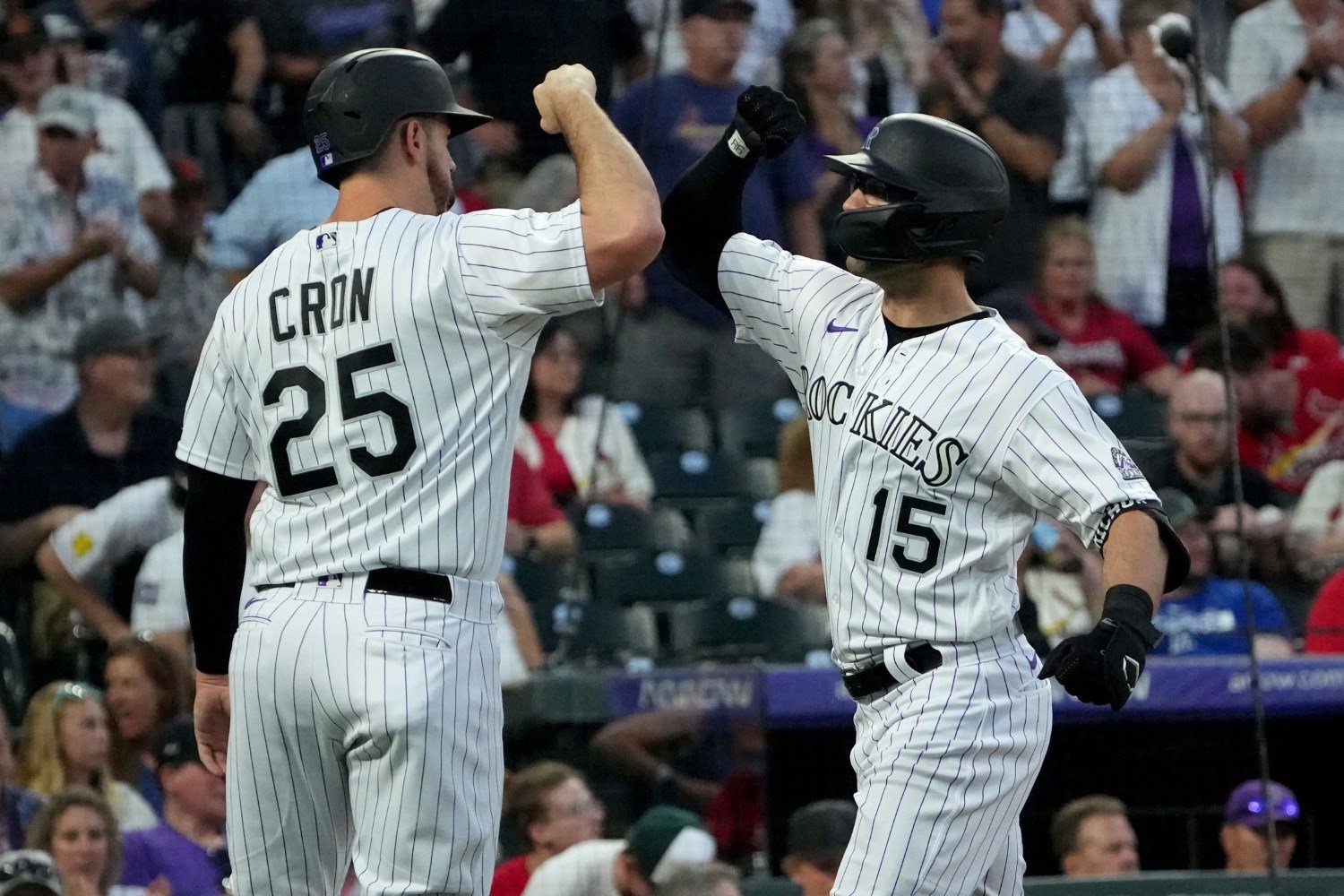 To maximize the utility of Randal Grichuk, you really want to have an outfield corner position open for him. The Cubs don't. Nor does C.J. Cron do anything different than what Trey Mancini is supposed to do, but hasn't been able to do, for this team. In that way, neither was ever an ideal balm for what ails this offense at times, barring the Rockies being willing to take back Mancini in a Cron trade or something. Still and all, it stings to see two potential upgrades to the fringes of the roster removed from the table in one swoop. The Angels traded two pitching prospects to the Rockies to get the deal done, but neither has pitched above Low A ball. They're the kinds of arms of which the Cubs have perhaps 10, so sparing two wouldn't have been especially tough. If this is a signal that the market for rental hitters is less supply-starved and seller-friendly than expected, that's welcome news, but the Cubs now have two fewer such players to pursue, and maybe the lack of available options will now ratchet up prices throughout the league. Now, the Cubs need to find a different way to improve upon what Mancini, Miguel Amaya, and Patrick Wisdom give them from the bottom three spots on the position player hierarchy. (We're assuming, for now, that Tucker Barnhart is going to stick around, even if Amaya would be the more aggressive and potentially rewarding use of the backup catcher's roster spot.) One obvious avenue remains open, in the form of the much-discussed Jeimer Candelario, but it's not yet clear whether the Cubs really want to move Nick Madrigal back into a part-time role. Mark Canha is more akin to Grichuk, with more on-base skills but less power and defensive value. Mets teammate and sometime Cubs farmhand Daniel Vogelbach could do everything Mancini does in terms of hitting and fielding, and then some, but his left-handedness makes him an awkward fit into the puzzle. The buyers so outnumber the sellers at this point that, having missed out on Cron and Grichuk in a single Tweet, the Cubs might now be better-served to start seriously considering which of their internal options (guys like Matt Mervis, Yonathan Perlaza, Nelson Velazquez, or even David Bote) could constitute some worthwhile change from the mix they have right now. There are just under 44 hours left to see how the front office solves this riddle. They might need to get very creative, or they might simply have to overpay for Candelario. In any case, while understandable for multiple reasons, it was a bummer to see them whiff on both Cron and Grichuk, particularly because they just didn't cost anything the Cubs could not afford to have surrendered.
 -
Yeah, the names in this piece are explicitly the bare minimum. Although also, doing any more/getting anyone better might be so difficult as to be indistinguishable from impossible. Hard to tell whether anyone actually good is actually available.
-
This has gotten simple in a big hurry. The Cubs aren't overly optimistic fence-sitters or a buyer/seller hybrid. They're playoff contenders, and they need to spend the next two days getting better. Image courtesy of © Jeff Curry-USA TODAY Sports The front office of the 2023 Chicago Cubs isn't in a tough spot. The front office of the 1997 White Sox was. That was a team that tumbled to below .500 by losing six of seven games during the final third of July. That team had a negative run differential, and they just got Robin Ventura back a week before the trade deadline, after he missed nearly 100 games due to injury. That front office made the infamous White Flag Trade that July 31, sending two of the team's key starting pitchers and its closer to the Giants. That might or might not have been the right call, but it was (rightfully) wildly unpopular. That's because a ball club, however much owners and jaded media members might insist otherwise, is a public trust, and the chance to win a division or reach the postseason is a sacred one that the stewards of a club are obligated to respect. To abdicate that duty is to betray the fan base, even if there's a rational, farsighted case for doing it. Now, thanks to their first eight-game winning streak since the year they won the World Series, the Cubs have one of those sacred opportunities. They're not burdened by mixed signals from the team on the field, either in the whole data set of the season or in their recent play. This team is now two games over .500, with the winning streak just part of the reason why their playoff odds are steadily rising. They have four games against the Reds at home this week. They bookend August with home series against the Reds and Brewers, and they bookend September with road series against the Reds and Brewers. They're not on any reasonably drawn borderline between buyer and seller. They're way too in this not to give it their best. That doesn't mean they need to plow under their fields to try to build a dream in this one season. The hope is that this is the first of several competitive seasons over the next decade, and it would be foolish to fritter that chance away by calling too big on a flush draw. I don't like the extent to which we've made deadline activity a defining and primary indicator for every team, every year, anyway. It only means that Hoyer and Carter Hawkins (not to mention the Ricketts family) have a fiduciary duty to make an earnest effort here, and not in the direction of trading Marcus Stroman--or anyone else who can help this team win. We've already written about whom the team could target to upgrade their bullpen (from both the left and the right side), how they might acquire a controllable starter, and a few bats who could hold unique appeal. Now, though, it's time to talk about what a successful big-picture deadline strategy should comprise. Firstly, the Cubs do need relief reinforcements. Gambling on the consistency and reliability of Michael Fulmer, Julian Merryweather, Mark Leiter Jr., and several younger arms is a recipe for heartbreak at the end of the season. Besides, the Cubs are running out of healthy spare arms on their 40-man roster. They can't have a successful deadline without adding at least one helpful reliever. Secondly, the team should definitely stay engaged on (and eventually acquire) another bat to add to their mix. That could take the form of a bigger-ticket item, but C.J. Cron, Randal Grichuk, Mark Canha, Ramon Laureano, and Daniel Vogelbach are all candidates to help them. The bare minimum expectation should be that, over the next two days, the team makes these two small improvements. The only question left, to my eye, is whether or not a starting pitcher the team deems worth splurging on will become available at an appropriate cost. Drew Smyly shouldn't be relied upon, except in long or situational relief, down the stretch, but the team might not find a palatable price in this seller's market for a direct replacement for him. One way or another, the team just needs to demonstrate its resolve, by giving the team the buttresses they'll need to serious threaten to beat the Dodgers or Atlanta in the playoffs, should they get that far. They've run out of acceptable excuses not to do so. View full article
-
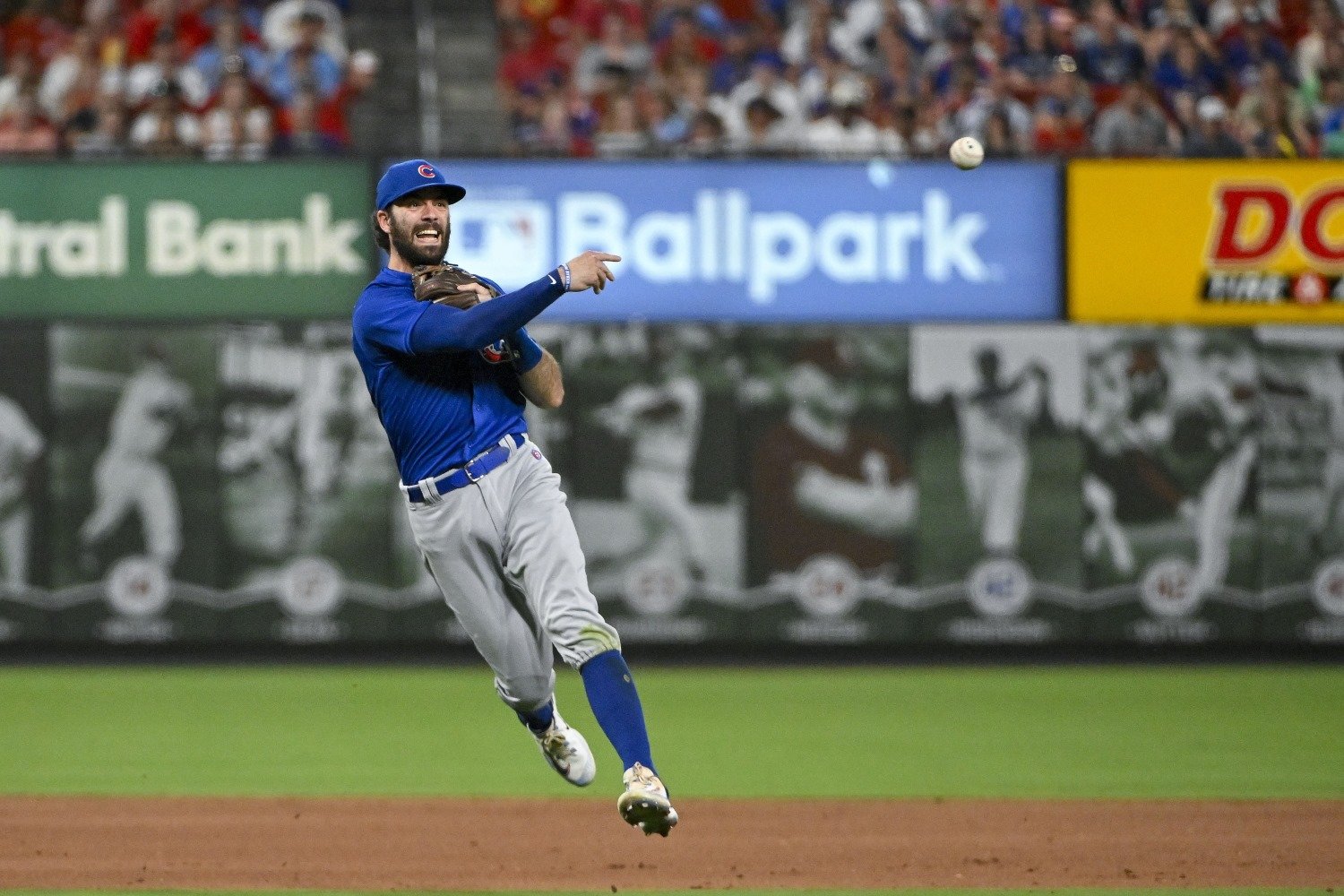 The front office of the 2023 Chicago Cubs isn't in a tough spot. The front office of the 1997 White Sox was. That was a team that tumbled to below .500 by losing six of seven games during the final third of July. That team had a negative run differential, and they just got Robin Ventura back a week before the trade deadline, after he missed nearly 100 games due to injury. That front office made the infamous White Flag Trade that July 31, sending two of the team's key starting pitchers and its closer to the Giants. That might or might not have been the right call, but it was (rightfully) wildly unpopular. That's because a ball club, however much owners and jaded media members might insist otherwise, is a public trust, and the chance to win a division or reach the postseason is a sacred one that the stewards of a club are obligated to respect. To abdicate that duty is to betray the fan base, even if there's a rational, farsighted case for doing it. Now, thanks to their first eight-game winning streak since the year they won the World Series, the Cubs have one of those sacred opportunities. They're not burdened by mixed signals from the team on the field, either in the whole data set of the season or in their recent play. This team is now two games over .500, with the winning streak just part of the reason why their playoff odds are steadily rising. They have four games against the Reds at home this week. They bookend August with home series against the Reds and Brewers, and they bookend September with road series against the Reds and Brewers. They're not on any reasonably drawn borderline between buyer and seller. They're way too in this not to give it their best. That doesn't mean they need to plow under their fields to try to build a dream in this one season. The hope is that this is the first of several competitive seasons over the next decade, and it would be foolish to fritter that chance away by calling too big on a flush draw. I don't like the extent to which we've made deadline activity a defining and primary indicator for every team, every year, anyway. It only means that Hoyer and Carter Hawkins (not to mention the Ricketts family) have a fiduciary duty to make an earnest effort here, and not in the direction of trading Marcus Stroman--or anyone else who can help this team win. We've already written about whom the team could target to upgrade their bullpen (from both the left and the right side), how they might acquire a controllable starter, and a few bats who could hold unique appeal. Now, though, it's time to talk about what a successful big-picture deadline strategy should comprise. Firstly, the Cubs do need relief reinforcements. Gambling on the consistency and reliability of Michael Fulmer, Julian Merryweather, Mark Leiter Jr., and several younger arms is a recipe for heartbreak at the end of the season. Besides, the Cubs are running out of healthy spare arms on their 40-man roster. They can't have a successful deadline without adding at least one helpful reliever. Secondly, the team should definitely stay engaged on (and eventually acquire) another bat to add to their mix. That could take the form of a bigger-ticket item, but C.J. Cron, Randal Grichuk, Mark Canha, Ramon Laureano, and Daniel Vogelbach are all candidates to help them. The bare minimum expectation should be that, over the next two days, the team makes these two small improvements. The only question left, to my eye, is whether or not a starting pitcher the team deems worth splurging on will become available at an appropriate cost. Drew Smyly shouldn't be relied upon, except in long or situational relief, down the stretch, but the team might not find a palatable price in this seller's market for a direct replacement for him. One way or another, the team just needs to demonstrate its resolve, by giving the team the buttresses they'll need to serious threaten to beat the Dodgers or Atlanta in the playoffs, should they get that far. They've run out of acceptable excuses not to do so.
 -
Mike Tauchman and the Cubs' Best Walkoff Moments of This Century
Matthew Trueblood posted an article in Cubs
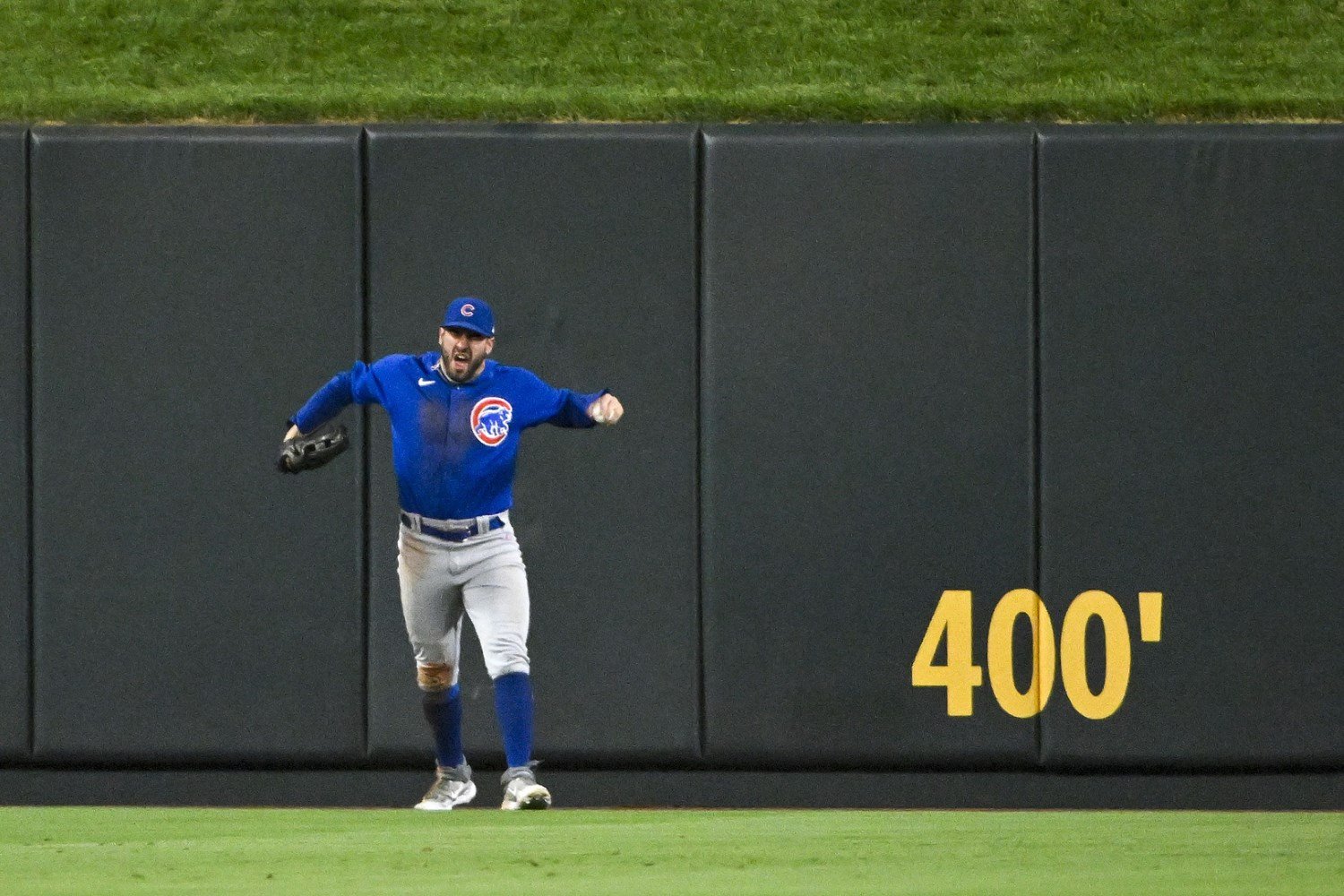 In late July, the trade deadline can take over the minds and hearts of baseball fans so much that games themselves slip by almost unnoticed. No such problem with Friday night's game in St. Louis. How good was Mike Tauchman's winning play, and how does it compare to walkoff wins the Cubs have enjoyed since 2000? The only reasonable way to do this, I think, is to offer a top 10, and then everyone can debate which is their personal favorite. To me, there are more good candidates than that, but these are the true contenders for any kind of top spot. Briefly, though, a couple criteria. Firstly, the seasonal context matters. Obviously. Not every walkoff memory needs to be part of a narrative that ends with a championship, but it's very hard to place, say, the walkoff win that closed the 2012 season and made the Cubs 61-101 on the same level as a huge hit or big play in the heat of a pennant race. Also, although I'm obviously opening the door to certain plays on the road by starting this discussion with Tauchman's, only hits and difficult defensive plays are going to count here. It was awesome when Wade Davis got the final out of Game 5 of the 2017 NLDS, but it didn't have that same moment of suspense that comes with the crack of the bat and the switch of the TV camera and the baserunners in motion. Thirdly, it's about that one moment itself, when the play was made. No extra credit for wild comebacks, except insofar as they contributed to the energy of the final play. There was a great comeback win in September 2007, when the Cubs walked off the Reds, but it ended on an infield single by Mark DeRosa with the bases loaded and one out. The excitement and the drama played out over the whole inning, and little of it was packed into that one play. Ok, here goes. 10. Anthony Rizzo Beats the Dodgers on Trophy Night The 2017 home opener was like a second coronation for the 2016 champions. The long walk from the bullpen gate to the infield in which Rizzo held the trophy aloft under the thunder of the crowd, then cradled it like a toddler, was pure triumph. That the Cubs' leader would finish that game with a two-out, opposite-field walkoff single only seemed fitting, and at that moment, it felt like the team had sent a message to the Dodgers that the NL would belong to Chicago for a while longer. 9. Back-to-Back to Beat the Reds, April 2004 If you can bear a bit of Chip Caray on a Saturday morning, savor this highlight. In a truly bonkers game that saw ejections and a wild comeback, the Cubs caught the Reds on a full-count, opposite-field home run by Sammy Sosa in the bottom of the ninth. The next batter was Moises Alou, and before the crowd could stop buzzing and shouting or Danny Graves could get his legs back under him, Alou pulverized a ball to win it. It was only April, but that was a huge and exhilarating moment. 8. Addison Russell Saves a Win Over the Cardinals, September 2015 It is, alas, not much fun to celebrate the good things Russell did on the field for the Cubs anymore, understanding how things would eventually turn out and what might have been happening behind the scenes even as he played the hero for that team. One of the galvanizing choices of the second half of that magical 2015 season, though, came when Joe Maddon flipped Russell to shortstop and took Starlin Castro out of his full-time role. By September, it was often Javier Baez playing second alongside Russell, and it was Baez to whom Russell flipped to end a bizarre ninth inning against the division-leading Cardinals--one that featured an ejection for an obviously unintentional plunking. It remains one of the great defensive plays I've ever seen. 1. Aramis Ramirez Extends a Different Winning Streak to Seven, June 2007 There's a certain delight to be taken in the fact that Tauchman's catch extended the Cubs' season-saving winning streak to seven games, too, because so did this landmark moment. That game had even more pathos behind it, with the home crowd humming as the team worked its way back from a 5-0 deficit, and Ramirez capped it with such style that this one might never be topped in Cubs annals. I'm eager to hear what people think of these rankings. There are plenty of good potential entries that didn't even make the cut, but these feel, to me, like the biggest and most worthy ones to celebrate.
 -
They weren't at home and had to do it in the field, but Friday night's Cubs win was, spiritually, a walkoff. It had walkoff energy. Was it the best of their last quarter-century? 1. Aramis Ramirez Extends a Different Winning Streak to Seven, June 2007 There's a certain delight to be taken in the fact that Tauchman's catch extended the Cubs' season-saving winning streak to seven games, too, because so did this landmark moment. That game had even more pathos behind it, with the home crowd humming as the team worked its way back from a 5-0 deficit, and Ramirez capped it with such style that this one might never be topped in Cubs annals. I'm eager to hear what people think of these rankings. There are plenty of good potential entries that didn't even make the cut, but these feel, to me, like the biggest and most worthy ones to celebrate. View full article
-
3 Right-Handed Relievers Who Could Save This Weary Cubs Bullpen
Matthew Trueblood posted an article in Cubs
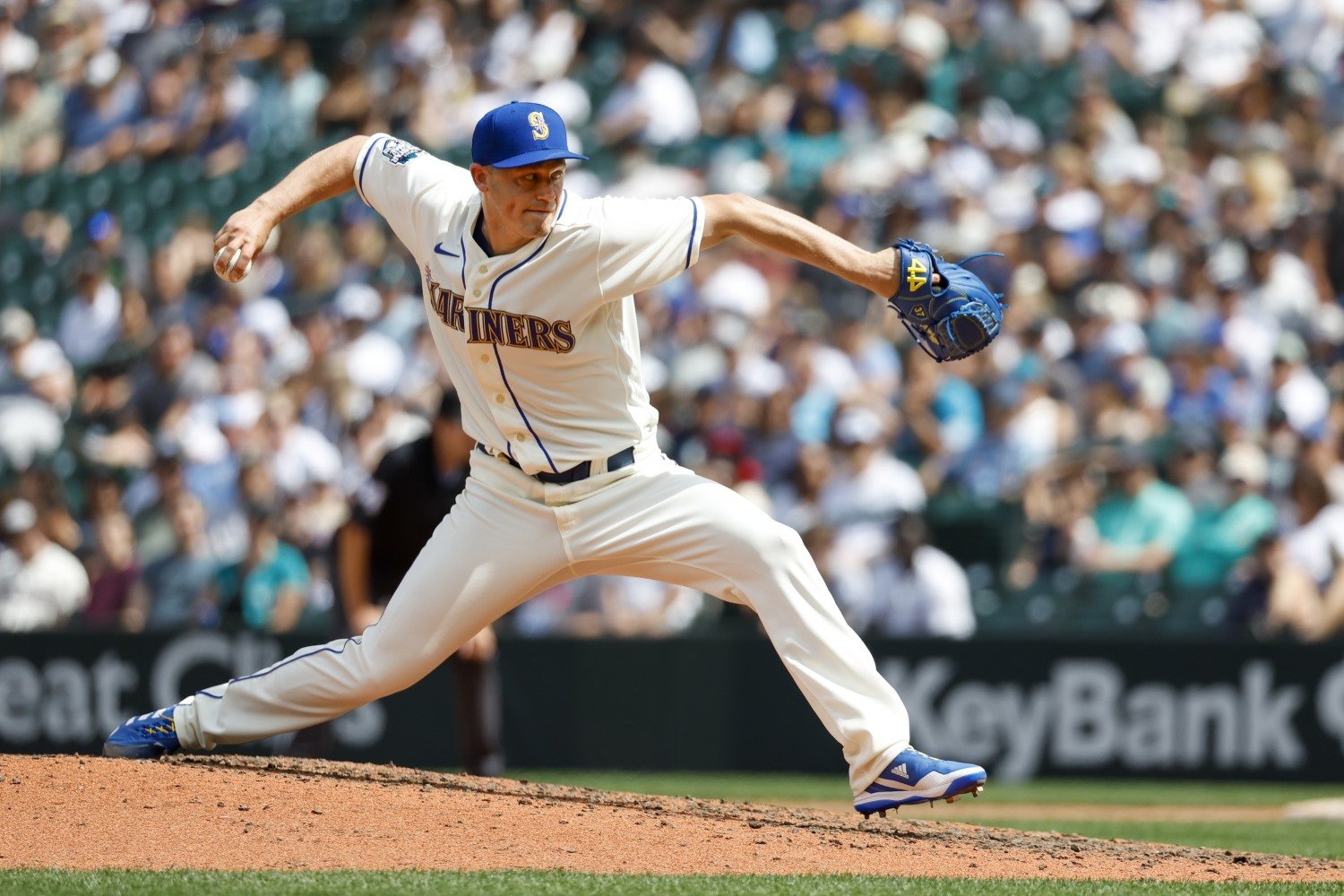 There's no way to give Nico Hoerner, Dansby Swanson, and Mike Tauchman the official save for Friday night's dramatic win over the Cardinals, but they earned it every bit as much as Adbert Alzolay did. While Alzolay has been tremendous and fun to watch this year, he's still learning to navigate and handle the workload of a high-leverage short reliever, and occasionally, that becomes suddenly and painfully clear. The Cardinals hit him hard Friday night, and he was fortunate to escape. More importantly, though, Alzolay doesn't have much of a supporting cast in the Chicago relief corps right now. Michael Fulmer has been more good than bad, especially in the last month or so, but Julian Merryweather and Mark Leiter Jr. seem to have used up most of the pixie dust that turned them into dominant middle relievers for a couple of months. They still have good nights, but they need to slide down the bullpen chart to find a home where there's margin for error in most of their appearances. In order for David Ross to do that, Jed Hoyer and Carter Hawkins need to give him better alternatives. With that in mind, here are a few of the right-handed relievers who could be available and who would make a big difference for the Cubs. Paul Sewald, RHP, Mariners Late Friday night, Joel Sherman of the New York Post tweeted that two MLB executives think the Mariners are open to trading Sewald. That made some sense, given the reporting from Ken Rosenthal Thursday night about the unusual situation Seattle faced heading into the deadline, and the unusual approach Jerry Dipoto is taking. It's immediately worth following, because Sewald, 33, is a top-notch reliever with a year and a half of club control remaining. He's already saved 21 games with a 2.93 ERA for the M's this year, fanning 60 batters in 43 innings pitched. All Sewald has is a four-seamer and a slider, and he only throws 92-93 miles per hour with the heat. Why, then, is he so devastatingly effective? If you've seen him pitch before, you know. If not, here you go. 895d1b22-3d29-4100-8df3-1cfc247fa15d.mp4 From a release point that low and an arm slot that sidearm, his fastball seems to rise and explode like Tom Seaver's. He spins the ball well, utilizes the deception of that warp-speed delivery beautifully, and sets up each of his pitches well using the other. He'd be a big enough acquisition to nudge Alzolay back into a setup role, but if the Cubs prefer, they could also make Sewald the eighth-inning bridge to Alzolay just as easily. This isn't a guy with a reputation and a track record that demand a narrow usage pattern. Adam Ottavino, RHP, Mets Like Sewald, only more so, Ottavino is a low-angle righty whose slider is his main weapon, well into his 30s but still finding ways to get outs. Unlike Sewald, he's showing signs of fading this year, which is why he would cost significantly less in trade. He's gotten a ton of ground balls with his sinker-slider attack this season, though, and the foundation of his previous, more dominant self seems to remain intact. He would be a lower-impact addition, but could still deepen the pitching staff nicely. He has a $6.75-million player option for next season, after a $7.75-million salary (plus some reachable incentives) this year, but that shouldn't be prohibitive for the Cubs. Luis Garcia, RHP, Padres As with Ottavino, here, the Cubs would be taking in a pitcher having a slightly frustrating, disappointing season. Garcia was supposed to be a high-leverage weapon for the high-powered Padres bullpen, but he's struggled this year. After two straight seasons of posting excellent walk rates, he's issued too many free passes. However, he's a flamethrower whose fastball can still touch 99. His slider is still a whiff machine against right-handed batters, and he still induces a lot of weak contact on the ground. He'd be a terrific fit for the Cubs, and the two-year deal he signed with San Diego before 2022 is dirt cheap. As a pure rental, he's unlikely to cost as much as Sewald, though obviously, he'd be a riskier acquisition, overall. Any of these three could have a major impact on the Cubs' bullpen, and they're now a team with clear and serious postseason hopes, so the bullpen matters a lot. Without overpaying and overextending himself, Hoyer needs to make some upgrades to that group.
 -
The Cubs' thrilling seven-game winning streak should make them unequivocal buyers over the next three and a half days. To make the gamble of chasing a playoff spot pay off, though, they need to bolster their bullpen--significantly. Image courtesy of © Joe Nicholson-USA TODAY Sports There's no way to give Nico Hoerner, Dansby Swanson, and Mike Tauchman the official save for Friday night's dramatic win over the Cardinals, but they earned it every bit as much as Adbert Alzolay did. While Alzolay has been tremendous and fun to watch this year, he's still learning to navigate and handle the workload of a high-leverage short reliever, and occasionally, that becomes suddenly and painfully clear. The Cardinals hit him hard Friday night, and he was fortunate to escape. More importantly, though, Alzolay doesn't have much of a supporting cast in the Chicago relief corps right now. Michael Fulmer has been more good than bad, especially in the last month or so, but Julian Merryweather and Mark Leiter Jr. seem to have used up most of the pixie dust that turned them into dominant middle relievers for a couple of months. They still have good nights, but they need to slide down the bullpen chart to find a home where there's margin for error in most of their appearances. In order for David Ross to do that, Jed Hoyer and Carter Hawkins need to give him better alternatives. With that in mind, here are a few of the right-handed relievers who could be available and who would make a big difference for the Cubs. Paul Sewald, RHP, Mariners Late Friday night, Joel Sherman of the New York Post tweeted that two MLB executives think the Mariners are open to trading Sewald. That made some sense, given the reporting from Ken Rosenthal Thursday night about the unusual situation Seattle faced heading into the deadline, and the unusual approach Jerry Dipoto is taking. It's immediately worth following, because Sewald, 33, is a top-notch reliever with a year and a half of club control remaining. He's already saved 21 games with a 2.93 ERA for the M's this year, fanning 60 batters in 43 innings pitched. All Sewald has is a four-seamer and a slider, and he only throws 92-93 miles per hour with the heat. Why, then, is he so devastatingly effective? If you've seen him pitch before, you know. If not, here you go. 895d1b22-3d29-4100-8df3-1cfc247fa15d.mp4 From a release point that low and an arm slot that sidearm, his fastball seems to rise and explode like Tom Seaver's. He spins the ball well, utilizes the deception of that warp-speed delivery beautifully, and sets up each of his pitches well using the other. He'd be a big enough acquisition to nudge Alzolay back into a setup role, but if the Cubs prefer, they could also make Sewald the eighth-inning bridge to Alzolay just as easily. This isn't a guy with a reputation and a track record that demand a narrow usage pattern. Adam Ottavino, RHP, Mets Like Sewald, only more so, Ottavino is a low-angle righty whose slider is his main weapon, well into his 30s but still finding ways to get outs. Unlike Sewald, he's showing signs of fading this year, which is why he would cost significantly less in trade. He's gotten a ton of ground balls with his sinker-slider attack this season, though, and the foundation of his previous, more dominant self seems to remain intact. He would be a lower-impact addition, but could still deepen the pitching staff nicely. He has a $6.75-million player option for next season, after a $7.75-million salary (plus some reachable incentives) this year, but that shouldn't be prohibitive for the Cubs. Luis Garcia, RHP, Padres As with Ottavino, here, the Cubs would be taking in a pitcher having a slightly frustrating, disappointing season. Garcia was supposed to be a high-leverage weapon for the high-powered Padres bullpen, but he's struggled this year. After two straight seasons of posting excellent walk rates, he's issued too many free passes. However, he's a flamethrower whose fastball can still touch 99. His slider is still a whiff machine against right-handed batters, and he still induces a lot of weak contact on the ground. He'd be a terrific fit for the Cubs, and the two-year deal he signed with San Diego before 2022 is dirt cheap. As a pure rental, he's unlikely to cost as much as Sewald, though obviously, he'd be a riskier acquisition, overall. Any of these three could have a major impact on the Cubs' bullpen, and they're now a team with clear and serious postseason hopes, so the bullpen matters a lot. Without overpaying and overextending himself, Hoyer needs to make some upgrades to that group. View full article
-
Here’s something interesting, given the Rosenthal stuff yesterday:
-
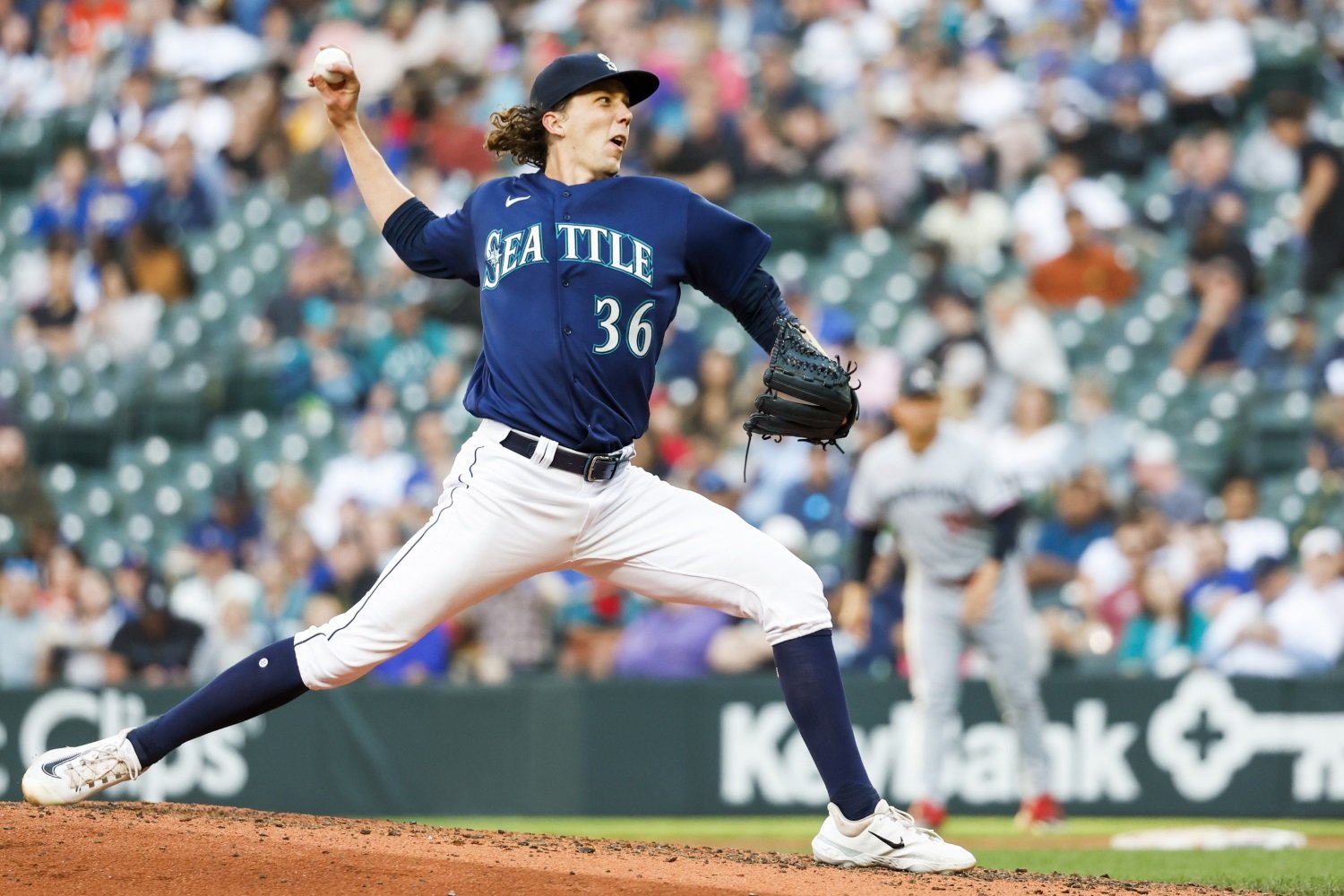 In Ken Rosenthal's latest notes column at The Athletic, he focuses on the Mariners, who might be in an even weirder, more challenging spot than the Cubs. According to Rosenthal, Jerry Dipoto is open to trading one of the team's several good, controllable, young starting pitchers, but only in a deal that would increase (or at least preserve) the team's chances for 2023. Good luck, Jerry. That's a reasonable position to take, hut it makes an actual move involving any of Seattle's starters unlikely. Still, if such a move were to happen, the Cubs could be a fascinating fit. They could make Marcus Stroman an important (though secondary) piece of a deal for, say, Logan Gilbert. The Cubs have young pitching almost as promising as the Mariners' stuff, but a year or two behind them. One of those guys (Cade Horton, Ben Brown, Jordan Wicks, or even Hayden Wesneski) could be the foundation of a trade. There are other, even wilder fits, too. Christopher Morel could play second base for the Mariners, and that seems to be his best defensive home, by a mile. The Cubs could also inquire on the (presumably very high) price of closer Paul Sewald, who'd be a superb addition to their bullpen and is under team control for 2024, and on the (likely much more realistic) cost of Teoscar Hernandez, who would be a strong right-handed bat for the middle of the lineup. We're going to see fewer pure buy/sell trades this deadline, because there are several teams right where the Cubs and Mariners are. That could make for some interesting trades (and trade rumors) over the coming days, though.
 -
In Ken Rosenthal's latest notes column at The Athletic, he focuses on the Mariners, who might be in an even weirder, more challenging spot than the Cubs. According to Rosenthal, Jerry Dipoto is open to trading one of the team's several good, controllable, young starting pitchers, but only in a deal that would increase (or at least preserve) the team's chances for 2023. Good luck, Jerry. That's a reasonable position to take, hut it makes an actual move involving any of Seattle's starters unlikely. Still, if such a move were to happen, the Cubs could be a fascinating fit. They could make Marcus Stroman an important (though secondary) piece of a deal for, say, Logan Gilbert. The Cubs have young pitching almost as promising as the Mariners' stuff, but a year or two behind them. One of those guys (Cade Horton, Ben Brown, Jordan Wicks, or even Hayden Wesneski) could be the foundation of a trade. There are other, even wilder fits, too. Christopher Morel could play second base for the Mariners, and that seems to be his best defensive home, by a mile. The Cubs could also inquire on the (presumably very high) price of closer Paul Sewald, who'd be a superb addition to their bullpen and is under team control for 2024, and on the (likely much more realistic) cost of Teoscar Hernandez, who would be a strong right-handed bat for the middle of the lineup. We're going to see fewer pure buy/sell trades this deadline, because there are several teams right where the Cubs and Mariners are. That could make for some interesting trades (and trade rumors) over the coming days, though. View full rumor
-
Rumor: Could Aaron Civale Be a Cubs Trade Deadline Target?
Matthew Trueblood posted an article in Cubs
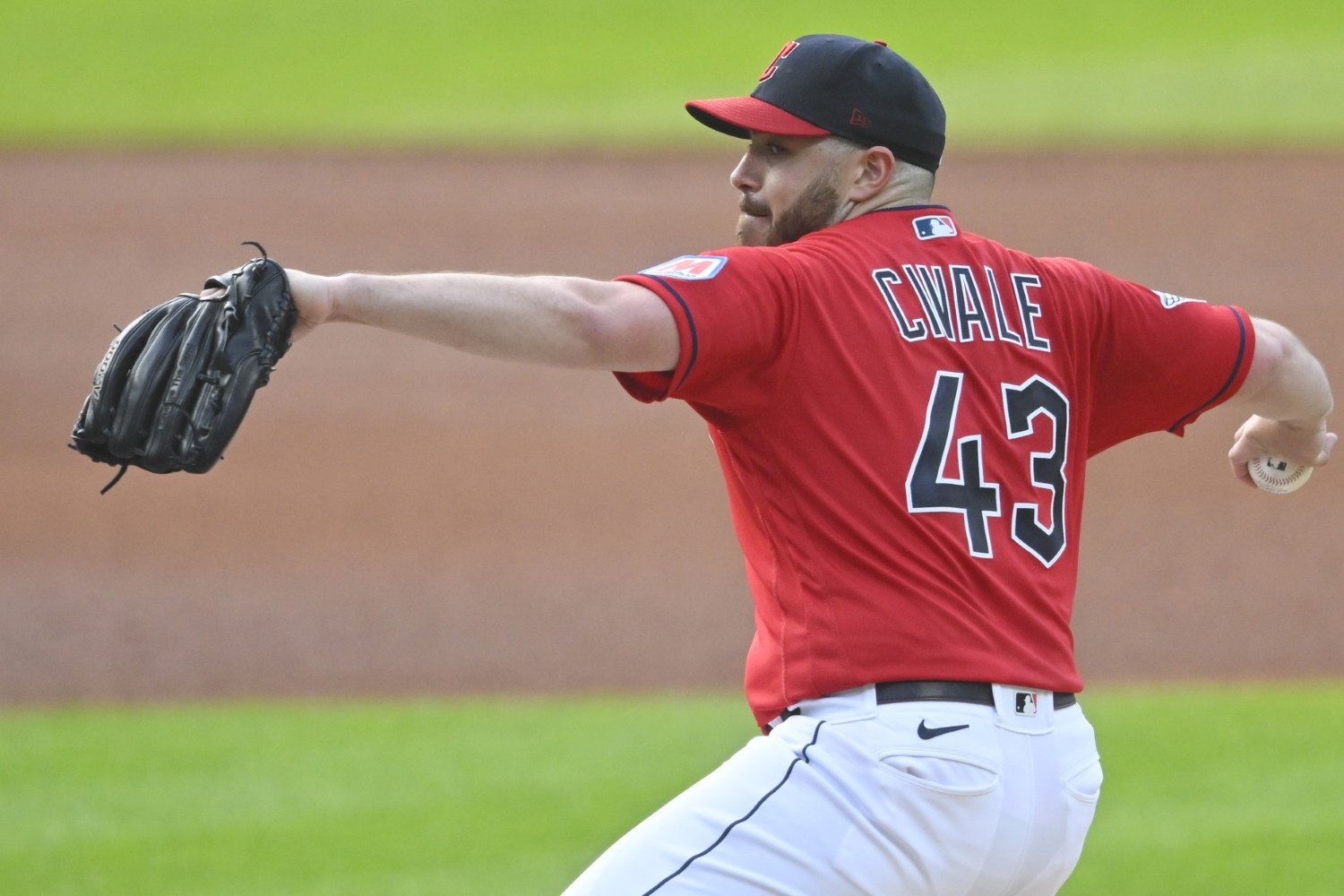 Tom Loxas, the former prominent Cubs blogger and current host of the podcast "Beers and Beat Guys," tweeted Thursday morning that the Cubs are scouting the Cleveland Guardians ahead of Tuesday's MLB trade deadline. Whenever Tom drops a little nugget like that, I perk up, because he only shares leads and pieces of intel that pass his sniff test, and because his reports tend to be unsexy but substantial--as opposed to the fluffy bait laid out in hopes of catching clicks or engagement by many others around this time of year. This concept makes sense, too, because while the Guardians still have some hope of catching the Twins in the AL Central, they've signaled some willingness to make lateral moves and look beyond 2023. Meanwhile, the Cubs really do need pitching help, and a name that has already come up in the national rumor mill this month headlines Cleveland's crop of potentially available hurlers. Right now, the Guardians have control of Aaron Civale's services for two more seasons, in addition to this one. Civale turned 28 last month, so he loosely counts as a young, controllable starter. He's not as exciting a name as guys like Logan Gilbert or even Mitch Keller, especially because he doesn't have the velocity or bat-missing stuff typical of above-average starters. He's quietly effective, though, and he could be a good fit for the Cubs' organizational pitching predilections. Civale has a 2.54 ERA in 12 starts for the Guardians, but that significantly overstates his value. He's a mid-rotation starter, and most years, his ERA will hover within the half-run on either side of 4.00. Still, that's valuable, and Civale has made some material adjustments this year. He's developed his cutter into a primary, trusted weapon against both righties and lefties. He's learning to elevate with his high-rise four-seam fastball, which doesn't need to be overpowering in its sheer speed because hitters have to sit on the cutter, instead. Presumably, the cost on Civale will hurt, because the Guardians don't have much reason to move him absent a solid return. On the other hand, though, he's a fourth starter in a good rotation, and a fifth starter in an especially good one. Perhaps Cleveland's bigger concern is paying a backend starter real money, as Civale is set to make over the final two years of his arbitration eligibility. The Cubs could probably get a good conversation started with one of their impressive outfielders at the upper levels--an Owen Caissie, or an Alexander Canario. The former feels too rich for a Civale deal, though, and the latter not enough so. Nelson Velazquez and Yonathan Perlaza might be able to help Cleveland with their outfield bats down the stretch this year, but neither is the type who can lead a trade even for a sub-steller player like Civale. It would make some sense to add Civale as a stabilizing force for the back half of the rotation, in 2023 and over the following two seasons. Acquiring him would be as much a play for 2024 and 2025 (gaining some rough cost certainty and making it easier to decline Kyle Hendricks's club option) as for this year. Figuring out how to land him without denting the 2023 team's chances, though, could be tough.
 -
An interesting report popped up on Twitter early Thursday. It wasn't from one of the big, national reporters, but sometimes, that's the surest sign that there's real meat on the bone. Whenever Tom drops a little nugget like that, I perk up, because he only shares leads and pieces of intel that pass his sniff test, and because his reports tend to be unsexy but substantial--as opposed to the fluffy bait laid out in hopes of catching clicks or engagement by many others around this time of year. This concept makes sense, too, because while the Guardians still have some hope of catching the Twins in the AL Central, they've signaled some willingness to make lateral moves and look beyond 2023. Meanwhile, the Cubs really do need pitching help, and a name that has already come up in the national rumor mill this month headlines Cleveland's crop of potentially available hurlers. Right now, the Guardians have control of Aaron Civale's services for two more seasons, in addition to this one. Civale turned 28 last month, so he loosely counts as a young, controllable starter. He's not as exciting a name as guys like Logan Gilbert or even Mitch Keller, especially because he doesn't have the velocity or bat-missing stuff typical of above-average starters. He's quietly effective, though, and he could be a good fit for the Cubs' organizational pitching predilections. Civale has a 2.54 ERA in 12 starts for the Guardians, but that significantly overstates his value. He's a mid-rotation starter, and most years, his ERA will hover within the half-run on either side of 4.00. Still, that's valuable, and Civale has made some material adjustments this year. He's developed his cutter into a primary, trusted weapon against both righties and lefties. He's learning to elevate with his high-rise four-seam fastball, which doesn't need to be overpowering in its sheer speed because hitters have to sit on the cutter, instead. Presumably, the cost on Civale will hurt, because the Guardians don't have much reason to move him absent a solid return. On the other hand, though, he's a fourth starter in a good rotation, and a fifth starter in an especially good one. Perhaps Cleveland's bigger concern is paying a backend starter real money, as Civale is set to make over the final two years of his arbitration eligibility. The Cubs could probably get a good conversation started with one of their impressive outfielders at the upper levels--an Owen Caissie, or an Alexander Canario. The former feels too rich for a Civale deal, though, and the latter not enough so. Nelson Velazquez and Yonathan Perlaza might be able to help Cleveland with their outfield bats down the stretch this year, but neither is the type who can lead a trade even for a sub-steller player like Civale. It would make some sense to add Civale as a stabilizing force for the back half of the rotation, in 2023 and over the following two seasons. Acquiring him would be as much a play for 2024 and 2025 (gaining some rough cost certainty and making it easier to decline Kyle Hendricks's club option) as for this year. Figuring out how to land him without denting the 2023 team's chances, though, could be tough. View full article
-
Wednesday night's comeback on the South Side was the win of the year for the Cubs. They head into St. Louis as buyers, even if the risk that that will change lingers. Jed Hoyer shouldn't wait any longer. Image courtesy of © Junfu Han / USA TODAY NETWORK One thing is becoming increasingly clear, as the Cubs approach the deadline: they're not the team we thought they were. Two months ago, it could not have been clearer that this team's strength was its starting rotation. The offense was inconsistent, the bullpen was uncertain, and the defense was insufficient, but the starters were in good shape. That's no longer clear, at all. In fact, the identity of this team is very much up for debate again, even as they play their best baseball of the season. Already this week, we've documented the woes of Drew Smyly over the past several weeks. Jameson Taillon is getting right, but it's clear that he's not going to be more than a mid-rotation guy for the balance of this season. Since the All-Star break, and even in the few starts before it, even Marcus Stroman and Justin Steele have looked less impressive. Stroman's showing Wednesday night, a second consecutive clunker when the chips were down, is especially concerning. Hoyer still needs to go find a bat to add to this group, but perhaps the more pressing need is on the pitching staff. Javier Assad's reemergence as a versatile relief option is a welcome development, and I've already stated my belief that Smyly would be effective in a short relief role from the left side. Still, this team needs a high-leverage reliever, and they need a starter, too. The Detroit Tigers have plenty of pitching on offer. They're one of the few sellers left on the landscape, and are in need of a further infusion of talent for a merely average farm system that needs to feed a below-average roster. The Cubs could bid on either of two members of the Detroit rotation, and even tie in rental reliever Jose Cisnero as part of any potential deal. The more famous name of the Tigers' trade candidate starters is Eduardo Rodriguez, the former Red Sox southpaw who signed a five-year deal two offseasons ago. Rodriguez can opt out of the balance of his deal at the end of the season, and barring an injury, he's almost certain to do so. He's posted a 2.95 ERA in 15 starts this year, with a strikeout rate right around 26 percent and a walk rate of just 6 percent. With the zip that was missing from his fastball last season back and with excellent command of his cutter to both sides of home plate, he's regained his All-Star form. Earlier this year, I wrote multiple pieces about the Cubs' damaging deficiency in missing bats within the strike zone--especially their starters. Rodriguez is a potential balm for that condition. Of the 153 starters who have induced 300 swings on pitches within the zone this year, every Cubs starter ranks 84th (Jameson Taillon) or lower in whiff rate on such swings. Rodriguez ranks 36th. He fills up the zone, but hitters don't relentlessly put the ball in play when he does. Rodriguez would be a costly acquisition, and a modestly risky one, because should he get hurt or collapse down the stretch, he'd be able to opt in for $49 million over the next three seasons. That very risk might mitigate the acquisition cost a bit, but the Cubs would probably need the Tigers to cover a portion of Rodriguez's 2023 salary in order to stay under the luxury-tax threshold, so count on paying full freight for him if that's the avenue the club pursues. A cheaper (in terms of both money and the talent he could command in trade) alternative might be Michael Lorenzen. On a one-year deal worth $8.5 million, Lorenzen has been a revelation for the Tigers. After a brief misfire early in the season during which he was trying to throw the kitchen sink at everyone, Lorenzen has simplified his approach and found terrific success. He doesn't strike batters out at nearly the rate Rodriguez does, but Lorenzen is pounding the zone more consistently than he ever has before, and he's honed a unique pitch mix that has hitters on the defensive. For some pitchers, the sweeper is a weapon against same-handed batters, and the slider is a different one, needed only against opposite-handed ones. For others, the two pitches are really just slight variations on one another--a bit more depth on one, a bit firmer with the other, that kind of thing. Lorenzen has done something highly unusual, though. His sweeper and his slider are both key to his attack against righties, and they're totally distinct pitches. Their spin directions, and the movement variation from what one would expect based on that spin, are different. Adjusting from one batter to the next, Lorenzen will sometimes pair his sinker with his sweeper, and sometimes use the same four-seamer and slider duo that works for him against lefties. It's a new approach for him, but he's shown admirable feel for it. Against lefties, Lorenzen has found the best way to utilize his extraordinary changeup. He doesn't kill spin on that pitch, the way most pitchers do. The ball doesn't move in an unexpected way based on the direction of his spin, either. He just manages to cut down velocity, without an obvious change in arm speed, and deception does all the work for him. Lorenzen lacks Rodriguez's pedigree. He's also already thrown 101 innings this season, which has to make any acquiring team nervous, because he last topped 115 total innings pitched in 2015. Still, he'll command something valuable, because the market for starting pitchers is always robust and because his improvements seem legitimate. To justify the likely cost of either Rodriguez or Lorenzen, then, the Cubs are going to need to do some one-stop shopping. Jose Cisnero, like Rodriguez and Lorenzen, can become a free agent at the end of this season. He'd be a good fit for the Cubs, with his unusually deep reliever's arsenal and the ability to induce relatively low-value contact most of the time. He's fanned 25.7 percent of opposing batters this year, and he has reverse platoon splits. It's a seller's market. The Cubs would have to give up a better package than we're likely to be comfortable with, no matter which starter is tied to Cisnero. Still, the Cubs' depth on the farm allows us to ponder some very plausible deals. The right range depends on what the Tigers prioritize, but the cost would probably have to include a prospect in the bottom half of the team's top 10 list, as well as a flier further down. That could mean someone as high-ceiling as Owen Caissie, and it could take a bite out of the team's depth at lower levels--pitchers like Michael Arias, Drew Gray, and Brandon Birdsell. Whatever move the team makes on the pitching side needs to leave a little bit of room (especially financially) for a hitter who can supplement the roster. With Nico Hoerner heating back up and the lineup feeling fully functional again, though, the highest-impact move might be to deepen both the rotation and the bullpen for what could be a grueling stretch run. View full article
-
- 1
-

-
- 2023 trade deadline
- eduardo rodriguez
- (and 2 more)
-
A Trade a Day: The Cubs Should Go Add Two Tigers Pitchers
Matthew Trueblood posted an article in Cubs
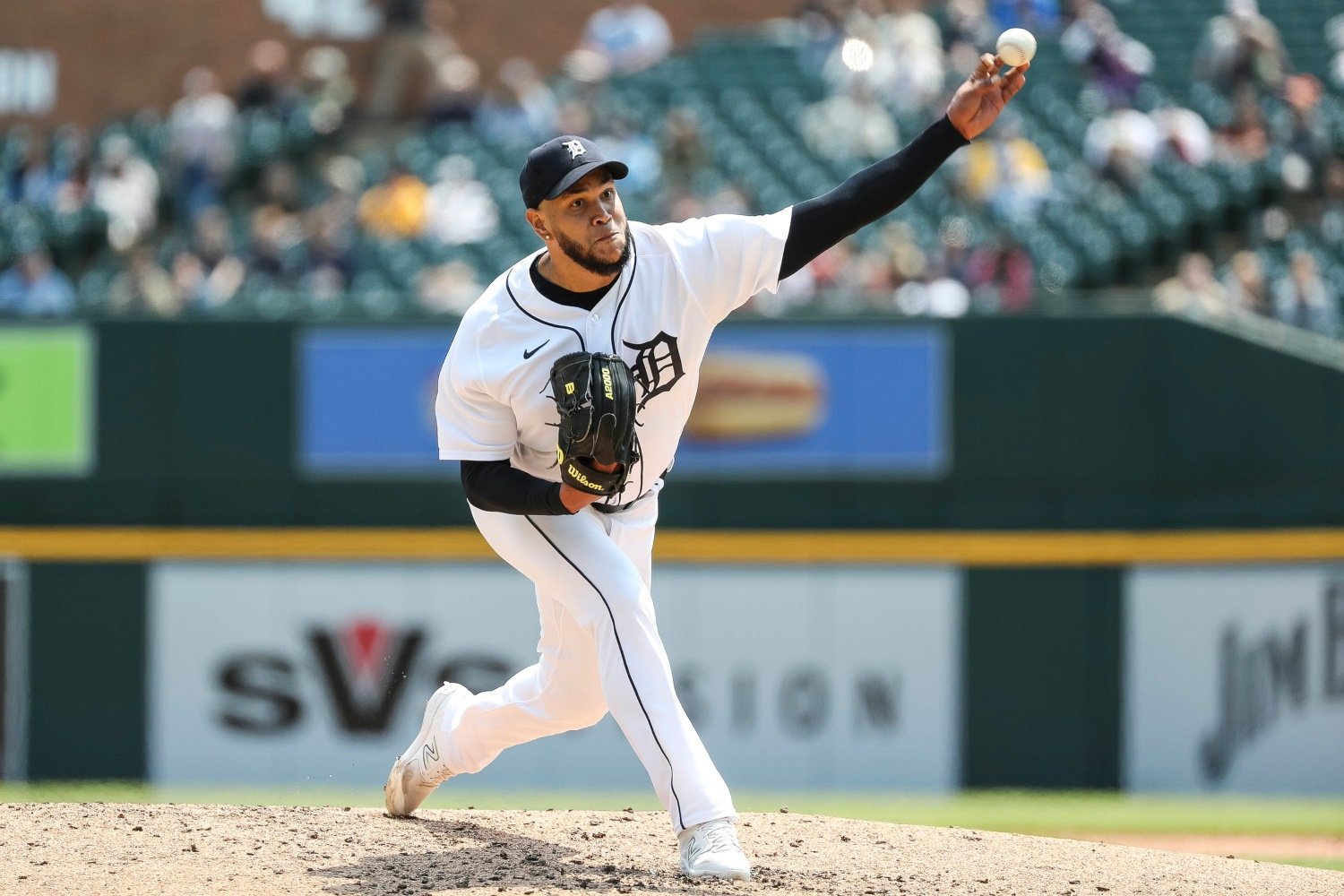 One thing is becoming increasingly clear, as the Cubs approach the deadline: they're not the team we thought they were. Two months ago, it could not have been clearer that this team's strength was its starting rotation. The offense was inconsistent, the bullpen was uncertain, and the defense was insufficient, but the starters were in good shape. That's no longer clear, at all. In fact, the identity of this team is very much up for debate again, even as they play their best baseball of the season. Already this week, we've documented the woes of Drew Smyly over the past several weeks. Jameson Taillon is getting right, but it's clear that he's not going to be more than a mid-rotation guy for the balance of this season. Since the All-Star break, and even in the few starts before it, even Marcus Stroman and Justin Steele have looked less impressive. Stroman's showing Wednesday night, a second consecutive clunker when the chips were down, is especially concerning. Hoyer still needs to go find a bat to add to this group, but perhaps the more pressing need is on the pitching staff. Javier Assad's reemergence as a versatile relief option is a welcome development, and I've already stated my belief that Smyly would be effective in a short relief role from the left side. Still, this team needs a high-leverage reliever, and they need a starter, too. The Detroit Tigers have plenty of pitching on offer. They're one of the few sellers left on the landscape, and are in need of a further infusion of talent for a merely average farm system that needs to feed a below-average roster. The Cubs could bid on either of two members of the Detroit rotation, and even tie in rental reliever Jose Cisnero as part of any potential deal. The more famous name of the Tigers' trade candidate starters is Eduardo Rodriguez, the former Red Sox southpaw who signed a five-year deal two offseasons ago. Rodriguez can opt out of the balance of his deal at the end of the season, and barring an injury, he's almost certain to do so. He's posted a 2.95 ERA in 15 starts this year, with a strikeout rate right around 26 percent and a walk rate of just 6 percent. With the zip that was missing from his fastball last season back and with excellent command of his cutter to both sides of home plate, he's regained his All-Star form. Earlier this year, I wrote multiple pieces about the Cubs' damaging deficiency in missing bats within the strike zone--especially their starters. Rodriguez is a potential balm for that condition. Of the 153 starters who have induced 300 swings on pitches within the zone this year, every Cubs starter ranks 84th (Jameson Taillon) or lower in whiff rate on such swings. Rodriguez ranks 36th. He fills up the zone, but hitters don't relentlessly put the ball in play when he does. Rodriguez would be a costly acquisition, and a modestly risky one, because should he get hurt or collapse down the stretch, he'd be able to opt in for $49 million over the next three seasons. That very risk might mitigate the acquisition cost a bit, but the Cubs would probably need the Tigers to cover a portion of Rodriguez's 2023 salary in order to stay under the luxury-tax threshold, so count on paying full freight for him if that's the avenue the club pursues. A cheaper (in terms of both money and the talent he could command in trade) alternative might be Michael Lorenzen. On a one-year deal worth $8.5 million, Lorenzen has been a revelation for the Tigers. After a brief misfire early in the season during which he was trying to throw the kitchen sink at everyone, Lorenzen has simplified his approach and found terrific success. He doesn't strike batters out at nearly the rate Rodriguez does, but Lorenzen is pounding the zone more consistently than he ever has before, and he's honed a unique pitch mix that has hitters on the defensive. For some pitchers, the sweeper is a weapon against same-handed batters, and the slider is a different one, needed only against opposite-handed ones. For others, the two pitches are really just slight variations on one another--a bit more depth on one, a bit firmer with the other, that kind of thing. Lorenzen has done something highly unusual, though. His sweeper and his slider are both key to his attack against righties, and they're totally distinct pitches. Their spin directions, and the movement variation from what one would expect based on that spin, are different. Adjusting from one batter to the next, Lorenzen will sometimes pair his sinker with his sweeper, and sometimes use the same four-seamer and slider duo that works for him against lefties. It's a new approach for him, but he's shown admirable feel for it. Against lefties, Lorenzen has found the best way to utilize his extraordinary changeup. He doesn't kill spin on that pitch, the way most pitchers do. The ball doesn't move in an unexpected way based on the direction of his spin, either. He just manages to cut down velocity, without an obvious change in arm speed, and deception does all the work for him. Lorenzen lacks Rodriguez's pedigree. He's also already thrown 101 innings this season, which has to make any acquiring team nervous, because he last topped 115 total innings pitched in 2015. Still, he'll command something valuable, because the market for starting pitchers is always robust and because his improvements seem legitimate. To justify the likely cost of either Rodriguez or Lorenzen, then, the Cubs are going to need to do some one-stop shopping. Jose Cisnero, like Rodriguez and Lorenzen, can become a free agent at the end of this season. He'd be a good fit for the Cubs, with his unusually deep reliever's arsenal and the ability to induce relatively low-value contact most of the time. He's fanned 25.7 percent of opposing batters this year, and he has reverse platoon splits. It's a seller's market. The Cubs would have to give up a better package than we're likely to be comfortable with, no matter which starter is tied to Cisnero. Still, the Cubs' depth on the farm allows us to ponder some very plausible deals. The right range depends on what the Tigers prioritize, but the cost would probably have to include a prospect in the bottom half of the team's top 10 list, as well as a flier further down. That could mean someone as high-ceiling as Owen Caissie, and it could take a bite out of the team's depth at lower levels--pitchers like Michael Arias, Drew Gray, and Brandon Birdsell. Whatever move the team makes on the pitching side needs to leave a little bit of room (especially financially) for a hitter who can supplement the roster. With Nico Hoerner heating back up and the lineup feeling fully functional again, though, the highest-impact move might be to deepen both the rotation and the bullpen for what could be a grueling stretch run.
