


Matthew Trueblood
-
Posts
2,483 -
Joined
-
Last visited
-
Days Won
2
Content Type
Profiles
Joomla Posts 1
Chicago Cubs Videos
Chicago Cubs Free Agent & Trade Rumors, Notes, & Tidbits
2026 Chicago Cubs Top Prospects Ranking
News
2023 Chicago Cubs Draft Picks
Guides & Resources
2024 Chicago Cubs Draft Picks
The Chicago Cubs Players Project
2025 Chicago Cubs Draft Pick Tracker
2026 Chicago Cubs Draft Tracker: Picks & Bonuses
Blogs
Events
Forums
Store
Gallery
Everything posted by Matthew Trueblood
-
Wednesday night's comeback on the South Side was the win of the year for the Cubs. They head into St. Louis as buyers, even if the risk that that will change lingers. Jed Hoyer shouldn't wait any longer. Image courtesy of © Junfu Han / USA TODAY NETWORK One thing is becoming increasingly clear, as the Cubs approach the deadline: they're not the team we thought they were. Two months ago, it could not have been clearer that this team's strength was its starting rotation. The offense was inconsistent, the bullpen was uncertain, and the defense was insufficient, but the starters were in good shape. That's no longer clear, at all. In fact, the identity of this team is very much up for debate again, even as they play their best baseball of the season. Already this week, we've documented the woes of Drew Smyly over the past several weeks. Jameson Taillon is getting right, but it's clear that he's not going to be more than a mid-rotation guy for the balance of this season. Since the All-Star break, and even in the few starts before it, even Marcus Stroman and Justin Steele have looked less impressive. Stroman's showing Wednesday night, a second consecutive clunker when the chips were down, is especially concerning. Hoyer still needs to go find a bat to add to this group, but perhaps the more pressing need is on the pitching staff. Javier Assad's reemergence as a versatile relief option is a welcome development, and I've already stated my belief that Smyly would be effective in a short relief role from the left side. Still, this team needs a high-leverage reliever, and they need a starter, too. The Detroit Tigers have plenty of pitching on offer. They're one of the few sellers left on the landscape, and are in need of a further infusion of talent for a merely average farm system that needs to feed a below-average roster. The Cubs could bid on either of two members of the Detroit rotation, and even tie in rental reliever Jose Cisnero as part of any potential deal. The more famous name of the Tigers' trade candidate starters is Eduardo Rodriguez, the former Red Sox southpaw who signed a five-year deal two offseasons ago. Rodriguez can opt out of the balance of his deal at the end of the season, and barring an injury, he's almost certain to do so. He's posted a 2.95 ERA in 15 starts this year, with a strikeout rate right around 26 percent and a walk rate of just 6 percent. With the zip that was missing from his fastball last season back and with excellent command of his cutter to both sides of home plate, he's regained his All-Star form. Earlier this year, I wrote multiple pieces about the Cubs' damaging deficiency in missing bats within the strike zone--especially their starters. Rodriguez is a potential balm for that condition. Of the 153 starters who have induced 300 swings on pitches within the zone this year, every Cubs starter ranks 84th (Jameson Taillon) or lower in whiff rate on such swings. Rodriguez ranks 36th. He fills up the zone, but hitters don't relentlessly put the ball in play when he does. Rodriguez would be a costly acquisition, and a modestly risky one, because should he get hurt or collapse down the stretch, he'd be able to opt in for $49 million over the next three seasons. That very risk might mitigate the acquisition cost a bit, but the Cubs would probably need the Tigers to cover a portion of Rodriguez's 2023 salary in order to stay under the luxury-tax threshold, so count on paying full freight for him if that's the avenue the club pursues. A cheaper (in terms of both money and the talent he could command in trade) alternative might be Michael Lorenzen. On a one-year deal worth $8.5 million, Lorenzen has been a revelation for the Tigers. After a brief misfire early in the season during which he was trying to throw the kitchen sink at everyone, Lorenzen has simplified his approach and found terrific success. He doesn't strike batters out at nearly the rate Rodriguez does, but Lorenzen is pounding the zone more consistently than he ever has before, and he's honed a unique pitch mix that has hitters on the defensive. For some pitchers, the sweeper is a weapon against same-handed batters, and the slider is a different one, needed only against opposite-handed ones. For others, the two pitches are really just slight variations on one another--a bit more depth on one, a bit firmer with the other, that kind of thing. Lorenzen has done something highly unusual, though. His sweeper and his slider are both key to his attack against righties, and they're totally distinct pitches. Their spin directions, and the movement variation from what one would expect based on that spin, are different. Adjusting from one batter to the next, Lorenzen will sometimes pair his sinker with his sweeper, and sometimes use the same four-seamer and slider duo that works for him against lefties. It's a new approach for him, but he's shown admirable feel for it. Against lefties, Lorenzen has found the best way to utilize his extraordinary changeup. He doesn't kill spin on that pitch, the way most pitchers do. The ball doesn't move in an unexpected way based on the direction of his spin, either. He just manages to cut down velocity, without an obvious change in arm speed, and deception does all the work for him. Lorenzen lacks Rodriguez's pedigree. He's also already thrown 101 innings this season, which has to make any acquiring team nervous, because he last topped 115 total innings pitched in 2015. Still, he'll command something valuable, because the market for starting pitchers is always robust and because his improvements seem legitimate. To justify the likely cost of either Rodriguez or Lorenzen, then, the Cubs are going to need to do some one-stop shopping. Jose Cisnero, like Rodriguez and Lorenzen, can become a free agent at the end of this season. He'd be a good fit for the Cubs, with his unusually deep reliever's arsenal and the ability to induce relatively low-value contact most of the time. He's fanned 25.7 percent of opposing batters this year, and he has reverse platoon splits. It's a seller's market. The Cubs would have to give up a better package than we're likely to be comfortable with, no matter which starter is tied to Cisnero. Still, the Cubs' depth on the farm allows us to ponder some very plausible deals. The right range depends on what the Tigers prioritize, but the cost would probably have to include a prospect in the bottom half of the team's top 10 list, as well as a flier further down. That could mean someone as high-ceiling as Owen Caissie, and it could take a bite out of the team's depth at lower levels--pitchers like Michael Arias, Drew Gray, and Brandon Birdsell. Whatever move the team makes on the pitching side needs to leave a little bit of room (especially financially) for a hitter who can supplement the roster. With Nico Hoerner heating back up and the lineup feeling fully functional again, though, the highest-impact move might be to deepen both the rotation and the bullpen for what could be a grueling stretch run. View full article
-
- 1
-

-
- 2023 trade deadline
- eduardo rodriguez
- (and 2 more)
-
A Trade a Day: The Cubs Should Go Add Two Tigers Pitchers
Matthew Trueblood posted an article in Cubs
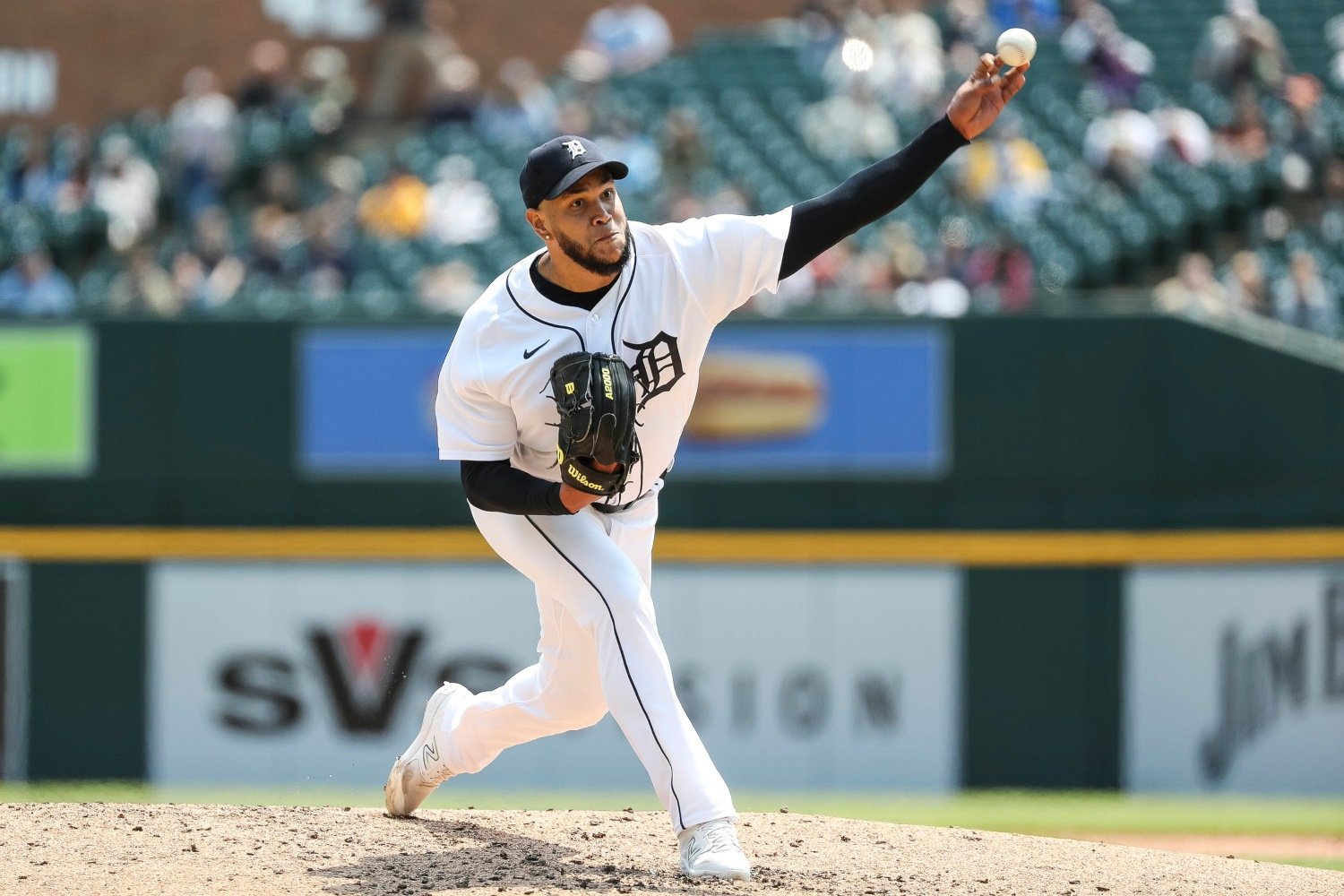 One thing is becoming increasingly clear, as the Cubs approach the deadline: they're not the team we thought they were. Two months ago, it could not have been clearer that this team's strength was its starting rotation. The offense was inconsistent, the bullpen was uncertain, and the defense was insufficient, but the starters were in good shape. That's no longer clear, at all. In fact, the identity of this team is very much up for debate again, even as they play their best baseball of the season. Already this week, we've documented the woes of Drew Smyly over the past several weeks. Jameson Taillon is getting right, but it's clear that he's not going to be more than a mid-rotation guy for the balance of this season. Since the All-Star break, and even in the few starts before it, even Marcus Stroman and Justin Steele have looked less impressive. Stroman's showing Wednesday night, a second consecutive clunker when the chips were down, is especially concerning. Hoyer still needs to go find a bat to add to this group, but perhaps the more pressing need is on the pitching staff. Javier Assad's reemergence as a versatile relief option is a welcome development, and I've already stated my belief that Smyly would be effective in a short relief role from the left side. Still, this team needs a high-leverage reliever, and they need a starter, too. The Detroit Tigers have plenty of pitching on offer. They're one of the few sellers left on the landscape, and are in need of a further infusion of talent for a merely average farm system that needs to feed a below-average roster. The Cubs could bid on either of two members of the Detroit rotation, and even tie in rental reliever Jose Cisnero as part of any potential deal. The more famous name of the Tigers' trade candidate starters is Eduardo Rodriguez, the former Red Sox southpaw who signed a five-year deal two offseasons ago. Rodriguez can opt out of the balance of his deal at the end of the season, and barring an injury, he's almost certain to do so. He's posted a 2.95 ERA in 15 starts this year, with a strikeout rate right around 26 percent and a walk rate of just 6 percent. With the zip that was missing from his fastball last season back and with excellent command of his cutter to both sides of home plate, he's regained his All-Star form. Earlier this year, I wrote multiple pieces about the Cubs' damaging deficiency in missing bats within the strike zone--especially their starters. Rodriguez is a potential balm for that condition. Of the 153 starters who have induced 300 swings on pitches within the zone this year, every Cubs starter ranks 84th (Jameson Taillon) or lower in whiff rate on such swings. Rodriguez ranks 36th. He fills up the zone, but hitters don't relentlessly put the ball in play when he does. Rodriguez would be a costly acquisition, and a modestly risky one, because should he get hurt or collapse down the stretch, he'd be able to opt in for $49 million over the next three seasons. That very risk might mitigate the acquisition cost a bit, but the Cubs would probably need the Tigers to cover a portion of Rodriguez's 2023 salary in order to stay under the luxury-tax threshold, so count on paying full freight for him if that's the avenue the club pursues. A cheaper (in terms of both money and the talent he could command in trade) alternative might be Michael Lorenzen. On a one-year deal worth $8.5 million, Lorenzen has been a revelation for the Tigers. After a brief misfire early in the season during which he was trying to throw the kitchen sink at everyone, Lorenzen has simplified his approach and found terrific success. He doesn't strike batters out at nearly the rate Rodriguez does, but Lorenzen is pounding the zone more consistently than he ever has before, and he's honed a unique pitch mix that has hitters on the defensive. For some pitchers, the sweeper is a weapon against same-handed batters, and the slider is a different one, needed only against opposite-handed ones. For others, the two pitches are really just slight variations on one another--a bit more depth on one, a bit firmer with the other, that kind of thing. Lorenzen has done something highly unusual, though. His sweeper and his slider are both key to his attack against righties, and they're totally distinct pitches. Their spin directions, and the movement variation from what one would expect based on that spin, are different. Adjusting from one batter to the next, Lorenzen will sometimes pair his sinker with his sweeper, and sometimes use the same four-seamer and slider duo that works for him against lefties. It's a new approach for him, but he's shown admirable feel for it. Against lefties, Lorenzen has found the best way to utilize his extraordinary changeup. He doesn't kill spin on that pitch, the way most pitchers do. The ball doesn't move in an unexpected way based on the direction of his spin, either. He just manages to cut down velocity, without an obvious change in arm speed, and deception does all the work for him. Lorenzen lacks Rodriguez's pedigree. He's also already thrown 101 innings this season, which has to make any acquiring team nervous, because he last topped 115 total innings pitched in 2015. Still, he'll command something valuable, because the market for starting pitchers is always robust and because his improvements seem legitimate. To justify the likely cost of either Rodriguez or Lorenzen, then, the Cubs are going to need to do some one-stop shopping. Jose Cisnero, like Rodriguez and Lorenzen, can become a free agent at the end of this season. He'd be a good fit for the Cubs, with his unusually deep reliever's arsenal and the ability to induce relatively low-value contact most of the time. He's fanned 25.7 percent of opposing batters this year, and he has reverse platoon splits. It's a seller's market. The Cubs would have to give up a better package than we're likely to be comfortable with, no matter which starter is tied to Cisnero. Still, the Cubs' depth on the farm allows us to ponder some very plausible deals. The right range depends on what the Tigers prioritize, but the cost would probably have to include a prospect in the bottom half of the team's top 10 list, as well as a flier further down. That could mean someone as high-ceiling as Owen Caissie, and it could take a bite out of the team's depth at lower levels--pitchers like Michael Arias, Drew Gray, and Brandon Birdsell. Whatever move the team makes on the pitching side needs to leave a little bit of room (especially financially) for a hitter who can supplement the roster. With Nico Hoerner heating back up and the lineup feeling fully functional again, though, the highest-impact move might be to deepen both the rotation and the bullpen for what could be a grueling stretch run.
 -
Heh. See the bottom section of my piece. I agree. The logic of it is sound, but the reality is messy.
-
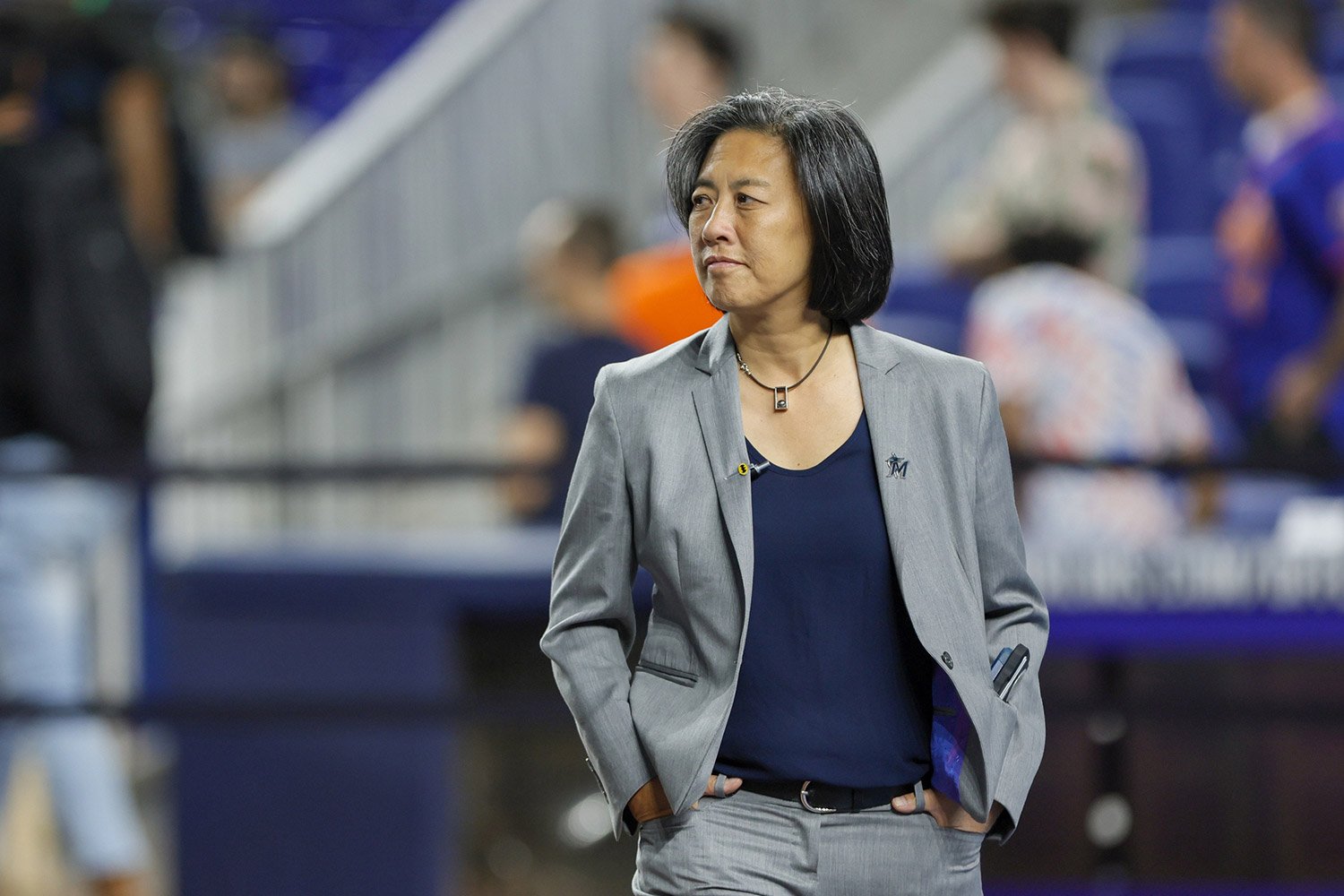 According to Jon Morosi, the Marlins are among the teams looking into Cody Bellinger this week. That’s a new and surprising suitor, but with Jazz Chisholm Jr. nursing a strained oblique, the need is there. A realistic fit is trickier. The Cubs are playing their way further and further from seller status. Unless the Marlins included one of their top prospects—arms Max Meyer (on the road back from Tommy John surgery) or Jake Eder, or Cuban emigre and tool shed shortstop Yiddi Cappe—it’s hard to see it working out. Still, it’s an intriguing option, because the Marlins are a hungry (maybe desperate) enough team to overpay a bit. If the Cubs keep winning, this could all be academic. We’re not there yet, though.
 -
According to Jon Morosi, the Marlins are among the teams looking into Cody Bellinger this week. That’s a new and surprising suitor, but with Jazz Chisholm Jr. nursing a strained oblique, the need is there. A realistic fit is trickier. The Cubs are playing their way further and further from seller status. Unless the Marlins included one of their top prospects—arms Max Meyer (on the road back from Tommy John surgery) or Jake Eder, or Cuban emigre and tool shed shortstop Yiddi Cappe—it’s hard to see it working out. Still, it’s an intriguing option, because the Marlins are a hungry (maybe desperate) enough team to overpay a bit. If the Cubs keep winning, this could all be academic. We’re not there yet, though. View full rumor
-
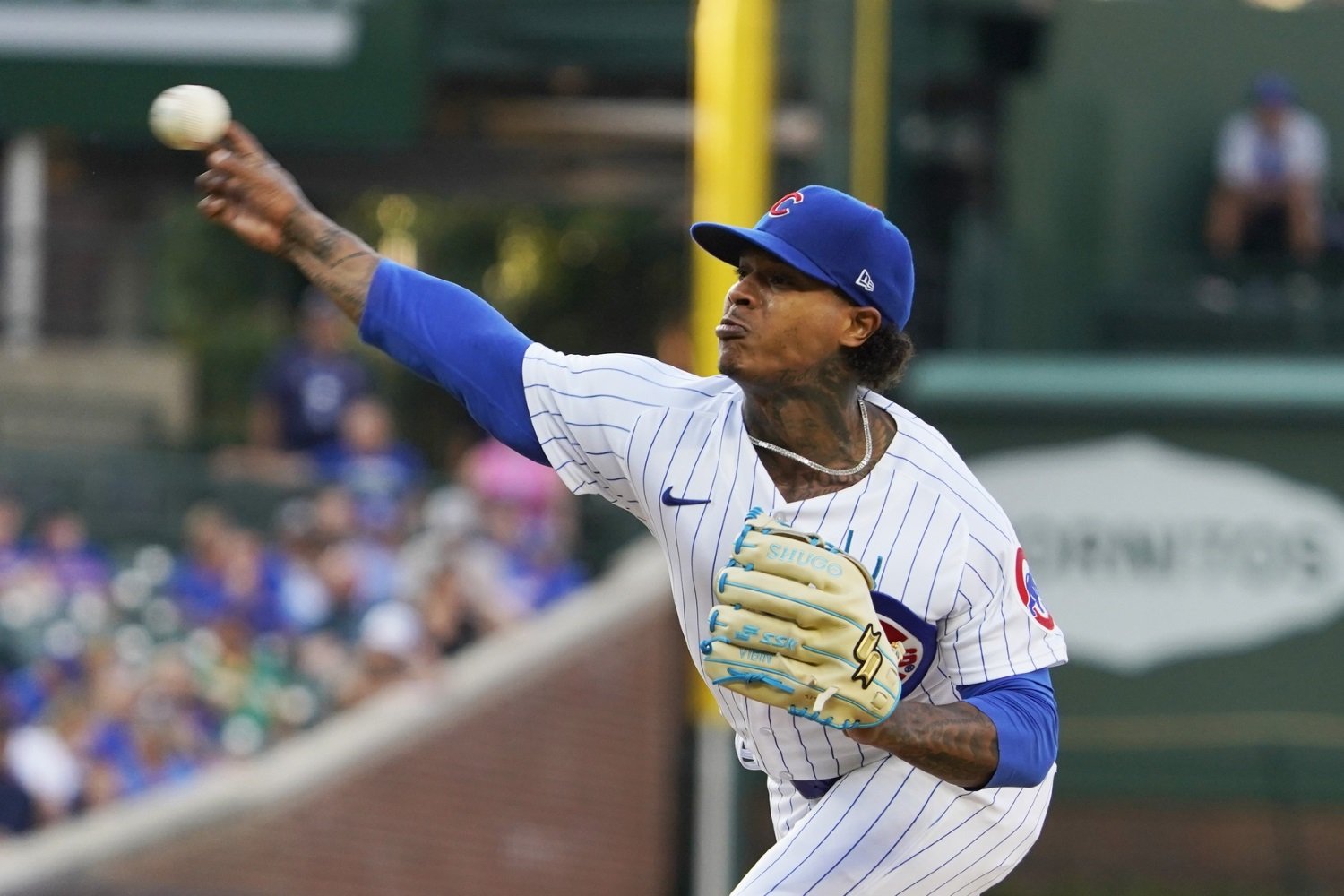 Over the weekend, The Score 670's Bruce Levine reported that the Cubs are more likely to trade Marcus Stroman than to deal Cody Bellinger. Those two are the Cubs' most famous and intriguing trade chips, should they undertake any version of selling at the deadline, but it's Bellinger (and his scorching July) who has generated more widespread buzz. Still, Levine is plugged-in, and his report was not to be taken lightly. Sure enough, during an appearance on the same station Tuesday, Jon Morosi said the same thing. Morosi mentioned that "at least seven or eight" teams are in the market for rental starting pitchers, whereas finding a fit for a position player is always a bit trickier. He also highlighted the fact that, unlike Stroman, Bellinger is eligible to receive a qualifying offer after this season, giving the Cubs an opportunity to get something back for him even if they don't trade him. To complete the trifecta, Ken Rosenthal sounded the same notes in his latest notes piece on The Athletic. When those three people say the same thing, it's a good bet that it's a sound report. Notably, none of them said that the Cubs won't trade Bellinger, and none said they will definitely trade Stroman. They only sketched the probabilities of either deal by setting them in relation to each other. We have no reason to doubt them, but the door is still wide open to them all being wrong. For now, though, let's grant that they're right, and discuss whether and why that makes sense. It's easy to identify the fact that Bellinger can be tagged with the QO and that Stroman can't, which makes for a handy talking point. Further, Stroman effectively has a $21-million player option for 2024, so dealing him would pass the risk that he gets hurt and ends up as dead money on next year's books to his new team. Those lines of thinking overlook the payoffs of each possible trade, though. That the Cubs can give Bellinger the QO sets a floor for their asking price, and the fact that he can't unilaterally opt for big money on this deal next season ensures that that asking price won't be dampened by any teams who get queasy in the face of a little risk. Stroman's circumstances give the Cubs much less leverage. We saw the Giants hold onto Carlos Rodon at last year's deadline, because a similarly pricey option deterred teams from paying what San Francisco wanted for him. Stroman isn't nearly the injury risk that Rodon was (and always is), but interested teams will certainly use Stroman's option against Jed Hoyer and Carter Hawkins. If the Cubs end up as sellers, Bellinger will bring back a much stronger return than will Stroman. Thus, if they're sellers, they should absolutely trade Bellinger, even more certainly than they should trade Stroman. If they're buyers, though, they should absolutely retain Bellinger, because they can't stay in contention without him and because they can always get a draft pick for him after the season, whether their bid for the postseason pans out or not. That leaves the question of whether trading Stroman could still make sense for a buying version of the Cubs. That's a thorny question, for multiple reasons. Firstly, from a logistical perspective, a Cubs team positioned to contend and trying to reach the playoffs would need to have a replacement for Stroman in order to deal him. Presumably, an acquiring team would be unwilling to provide that player, because they'd be getting Stroman for that very reason. That leaves two possibilities: A separate deal to acquire a starter (probably one with more team control) from a team not looking to contend this year; or Calling up at least one of Jordan Wicks, Ben Brown, and Hayden Wesneski to fill out the rotation. I wrote on Sunday that Wesneski should take Drew Smyly's place in the rotation, anyway, so promoting him might fall into the category of necessary but not sufficient. The team would be taking a huge leap of faith by inserting a rookie, no matter which one it be, into the rotation vacancy left by one of their co-aces, in the heat of what they would be hoping would develop into a pennant race. Wicks has only recently reached Triple A, and Brown has been tantalizing but brutally inconsistent there. Thus, the most realistic scenario in which the Cubs trade Stroman but not Bellinger is also one in which they go make a trade to land an established, controllable starter to take his place. That's viable, because the team has depth and an impending roster crunch in the farm system, and because trading Stroman would only add to their trove of prospects. However, it's a delicate balance to attempt to strike. The 2021 Mariners traded Kendall Graveman, their closer, to the rival Astros, and though they acquired a useful reliever in that very deal, the move torpedoed the esprit de corps and led to their failure to end their 20-year playoff drought. The 2022 Brewers learned nothing from that, and traded Josh Hader for useful pieces, including a viable replacement for Hader. It had an equally deleterious effect on morale. Maybe the Cubs are materially mentally tougher than those teams, but they're just as actually thin as those teams proved to be. Trade Stroman, and the planning fallacy comes into play in a huge way. They might acquire an ostensibly or plausibly solid replacement for him, but there's a good chance that the gambit would turn out badly, and that the team would have set itself back by trying to be too clever. The front office's position is unenviable. They have five more games, really, to make a decision about whether to buy or sell, and those five games are taking on an artificially inflated importance that could lead to bad decisions. They do have a few potential avenues that involve a middle ground between buying and selling, but those options are fraught. Stroman is more likely than Bellinger to be dealt, but in reality, it ought to be either both or neither who wear Cubs uniforms on the other side of August 1.
 -
With the MLB trade deadline just six days away, the Cubs are hotter than they have been since mid-June. They've won six of their last seven games, and have five more against weak opponents before the deadline. That's creating a lot of uncertainty about what they might do, but national reports are starting to bring their thinking into focus. Image courtesy of © David Banks-USA TODAY Sports Over the weekend, The Score 670's Bruce Levine reported that the Cubs are more likely to trade Marcus Stroman than to deal Cody Bellinger. Those two are the Cubs' most famous and intriguing trade chips, should they undertake any version of selling at the deadline, but it's Bellinger (and his scorching July) who has generated more widespread buzz. Still, Levine is plugged-in, and his report was not to be taken lightly. Sure enough, during an appearance on the same station Tuesday, Jon Morosi said the same thing. Morosi mentioned that "at least seven or eight" teams are in the market for rental starting pitchers, whereas finding a fit for a position player is always a bit trickier. He also highlighted the fact that, unlike Stroman, Bellinger is eligible to receive a qualifying offer after this season, giving the Cubs an opportunity to get something back for him even if they don't trade him. To complete the trifecta, Ken Rosenthal sounded the same notes in his latest notes piece on The Athletic. When those three people say the same thing, it's a good bet that it's a sound report. Notably, none of them said that the Cubs won't trade Bellinger, and none said they will definitely trade Stroman. They only sketched the probabilities of either deal by setting them in relation to each other. We have no reason to doubt them, but the door is still wide open to them all being wrong. For now, though, let's grant that they're right, and discuss whether and why that makes sense. It's easy to identify the fact that Bellinger can be tagged with the QO and that Stroman can't, which makes for a handy talking point. Further, Stroman effectively has a $21-million player option for 2024, so dealing him would pass the risk that he gets hurt and ends up as dead money on next year's books to his new team. Those lines of thinking overlook the payoffs of each possible trade, though. That the Cubs can give Bellinger the QO sets a floor for their asking price, and the fact that he can't unilaterally opt for big money on this deal next season ensures that that asking price won't be dampened by any teams who get queasy in the face of a little risk. Stroman's circumstances give the Cubs much less leverage. We saw the Giants hold onto Carlos Rodon at last year's deadline, because a similarly pricey option deterred teams from paying what San Francisco wanted for him. Stroman isn't nearly the injury risk that Rodon was (and always is), but interested teams will certainly use Stroman's option against Jed Hoyer and Carter Hawkins. If the Cubs end up as sellers, Bellinger will bring back a much stronger return than will Stroman. Thus, if they're sellers, they should absolutely trade Bellinger, even more certainly than they should trade Stroman. If they're buyers, though, they should absolutely retain Bellinger, because they can't stay in contention without him and because they can always get a draft pick for him after the season, whether their bid for the postseason pans out or not. That leaves the question of whether trading Stroman could still make sense for a buying version of the Cubs. That's a thorny question, for multiple reasons. Firstly, from a logistical perspective, a Cubs team positioned to contend and trying to reach the playoffs would need to have a replacement for Stroman in order to deal him. Presumably, an acquiring team would be unwilling to provide that player, because they'd be getting Stroman for that very reason. That leaves two possibilities: A separate deal to acquire a starter (probably one with more team control) from a team not looking to contend this year; or Calling up at least one of Jordan Wicks, Ben Brown, and Hayden Wesneski to fill out the rotation. I wrote on Sunday that Wesneski should take Drew Smyly's place in the rotation, anyway, so promoting him might fall into the category of necessary but not sufficient. The team would be taking a huge leap of faith by inserting a rookie, no matter which one it be, into the rotation vacancy left by one of their co-aces, in the heat of what they would be hoping would develop into a pennant race. Wicks has only recently reached Triple A, and Brown has been tantalizing but brutally inconsistent there. Thus, the most realistic scenario in which the Cubs trade Stroman but not Bellinger is also one in which they go make a trade to land an established, controllable starter to take his place. That's viable, because the team has depth and an impending roster crunch in the farm system, and because trading Stroman would only add to their trove of prospects. However, it's a delicate balance to attempt to strike. The 2021 Mariners traded Kendall Graveman, their closer, to the rival Astros, and though they acquired a useful reliever in that very deal, the move torpedoed the esprit de corps and led to their failure to end their 20-year playoff drought. The 2022 Brewers learned nothing from that, and traded Josh Hader for useful pieces, including a viable replacement for Hader. It had an equally deleterious effect on morale. Maybe the Cubs are materially mentally tougher than those teams, but they're just as actually thin as those teams proved to be. Trade Stroman, and the planning fallacy comes into play in a huge way. They might acquire an ostensibly or plausibly solid replacement for him, but there's a good chance that the gambit would turn out badly, and that the team would have set itself back by trying to be too clever. The front office's position is unenviable. They have five more games, really, to make a decision about whether to buy or sell, and those five games are taking on an artificially inflated importance that could lead to bad decisions. They do have a few potential avenues that involve a middle ground between buying and selling, but those options are fraught. Stroman is more likely than Bellinger to be dealt, but in reality, it ought to be either both or neither who wear Cubs uniforms on the other side of August 1. View full article
-
Sure, that’s an interesting alternative. Related to my proposal that they pursue Kirilloff for Bellinger, earlier this month. I don’t know that Wallner helps a lot for the balance of this season, because he can’t presently play first base, but it’s a good option. Where I draw a distinction is that if you get a Wallner (who comes with plenty of risk, short term and long term), that’s pretty much all you get. I’m still envisioning them getting a solid prospect in addition to Garver, in the version I described.
-
Well, probably not the first thing, though. No one who wants Bellinger is going to trade a productive full-time player for him. You trade for Garver (and this is obviously just one example) because that’s about as good/important a player as any contender is likely to give up for a guy who’s only around for a few months. Otherwise, they’re neutering their own move to improve. Then you take the rest of the value you’re in position to demand in the form of a prospect.
-
I can offer one gently used Nick Madrigal, and an exciting young arm named Horn.
- 1 reply
-
- 1
-

-
- 2023 trade deadline
- brent suter
- (and 2 more)
-
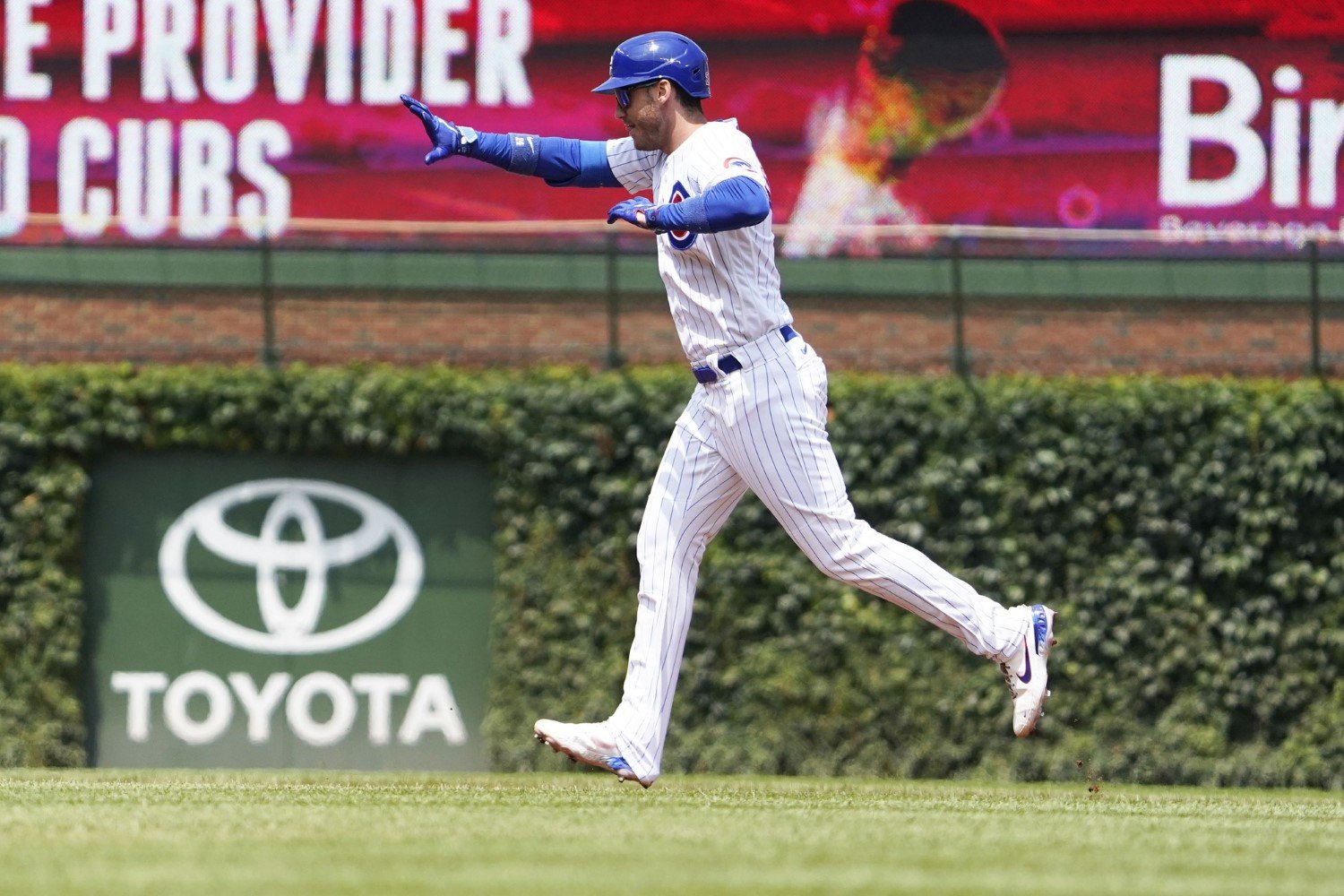 On the surface, any trade of Cody Bellinger would seem to signal that the Cubs are letting go of the idea of winning anything in 2023. If they're serious about reaching the postseason, trading a player as productive and as obviously talented as Bellinger seems hilariously misguided. No matter what, though, Bellinger is going to hit free agency when this season ends. That's why the team is even considering trading him. He's not going to sign an extension. The chance of that isn't 1 percent or 0.1 percent. It's not 0.001 percent. It's zero. He might re-sign with the Cubs, eventually, but only after testing the market and determining his full value. That doesn't mean that there's no value in keeping him now, from the perspective of wanting him around for the long run. Trading a player makes it less likely that they will be back the following year; the only thing that varies is the magnitude of that effect. In Bellinger's case, especially, holding onto him would confer an advantage on the Cubs, because they'd be able to issue him the qualifying offer, making signing him more expensive (however slightly) to everyone else than to them. So, if the Cubs are going to trade Bellinger, it needs to be because they get more in exchange than the prospect value of the draft pick they'd get if they lost him via free agency. The assumption has been that it also needs to be because they're out of the fight for the playoffs, but is there a version of a Bellinger deal that would allow them to compete even after his departure? To answer that question, start with this information: Pete Crow-Armstrong is hitting .282/.361/.507 at Double-A Tennessee. Since the All-Star break, in an admittedly minuscule sample, he's hitting .367/.424/.767, with seven extra-base hits, three walks, and just four strikeouts in 33 plate appearances. I'm generally against rushing prospects at all, and there's little doubt that Crow-Armstrong has more to learn in the minors, but that's rather tempting. Say, then, that the Cubs found the right fit for Bellinger in Texas. With Corey Seager on the injured list, the AL West-leading Rangers are down a key left-handed bat, and they're regularly starting Travis Jankowski in left field. If Jed Hoyer and Carter Hawkins could get the Rangers to include Mitch Garver in the return for Bellinger (as a throw-in, with the Cubs getting a quality prospect, too), the Cubs would have dealt Bellinger and added a useful right-handed bat at the same time. That's a need for the current Cubs roster, and into the breach left by trading Bellinger, the team could then plug Crow-Armstrong. This would be a high-risk maneuver. Getting back a piece like Garver would dramatically decrease the prospect value the Cubs could get for Bellinger, and Crow-Armstrong might not hit, which would leave the team damaged in both the short and the long term. Given the team's stuck-in-the-middle status, though, this move might also maximize their upside. They could get (a little) better in the long run, and they'd give themselves a chance to be a more functional, productive roster in the short term. They'd be improving their defense, even over Bellinger's fine glove work in center field, and they'd have a lineup of similar overall quality, with one fewer dynamic power hitter but one more lefty masher and one more true speedster. Being caught in the new purgatory created by MLB's bloated postseason format is not an enviable position. One way or another, the Cubs face some dilemmas this week. A Bellinger trade that both bolsters the farm system and preserves the potential for the team to chase down one of those playoff spots over the final two months could be the best way to thread this narrow-eyed needle.
 -
The most daunting question facing the Cubs for the next week is whether or not they should trade Cody Bellinger. That question is bigger and more complex than whether or not the team is in contention, for various reasons. Still, a deal that netted the team immediate help would be easier to justify and execute. Image courtesy of © David Banks-USA TODAY Sports On the surface, any trade of Cody Bellinger would seem to signal that the Cubs are letting go of the idea of winning anything in 2023. If they're serious about reaching the postseason, trading a player as productive and as obviously talented as Bellinger seems hilariously misguided. No matter what, though, Bellinger is going to hit free agency when this season ends. That's why the team is even considering trading him. He's not going to sign an extension. The chance of that isn't 1 percent or 0.1 percent. It's not 0.001 percent. It's zero. He might re-sign with the Cubs, eventually, but only after testing the market and determining his full value. That doesn't mean that there's no value in keeping him now, from the perspective of wanting him around for the long run. Trading a player makes it less likely that they will be back the following year; the only thing that varies is the magnitude of that effect. In Bellinger's case, especially, holding onto him would confer an advantage on the Cubs, because they'd be able to issue him the qualifying offer, making signing him more expensive (however slightly) to everyone else than to them. So, if the Cubs are going to trade Bellinger, it needs to be because they get more in exchange than the prospect value of the draft pick they'd get if they lost him via free agency. The assumption has been that it also needs to be because they're out of the fight for the playoffs, but is there a version of a Bellinger deal that would allow them to compete even after his departure? To answer that question, start with this information: Pete Crow-Armstrong is hitting .282/.361/.507 at Double-A Tennessee. Since the All-Star break, in an admittedly minuscule sample, he's hitting .367/.424/.767, with seven extra-base hits, three walks, and just four strikeouts in 33 plate appearances. I'm generally against rushing prospects at all, and there's little doubt that Crow-Armstrong has more to learn in the minors, but that's rather tempting. Say, then, that the Cubs found the right fit for Bellinger in Texas. With Corey Seager on the injured list, the AL West-leading Rangers are down a key left-handed bat, and they're regularly starting Travis Jankowski in left field. If Jed Hoyer and Carter Hawkins could get the Rangers to include Mitch Garver in the return for Bellinger (as a throw-in, with the Cubs getting a quality prospect, too), the Cubs would have dealt Bellinger and added a useful right-handed bat at the same time. That's a need for the current Cubs roster, and into the breach left by trading Bellinger, the team could then plug Crow-Armstrong. This would be a high-risk maneuver. Getting back a piece like Garver would dramatically decrease the prospect value the Cubs could get for Bellinger, and Crow-Armstrong might not hit, which would leave the team damaged in both the short and the long term. Given the team's stuck-in-the-middle status, though, this move might also maximize their upside. They could get (a little) better in the long run, and they'd give themselves a chance to be a more functional, productive roster in the short term. They'd be improving their defense, even over Bellinger's fine glove work in center field, and they'd have a lineup of similar overall quality, with one fewer dynamic power hitter but one more lefty masher and one more true speedster. Being caught in the new purgatory created by MLB's bloated postseason format is not an enviable position. One way or another, the Cubs face some dilemmas this week. A Bellinger trade that both bolsters the farm system and preserves the potential for the team to chase down one of those playoff spots over the final two months could be the best way to thread this narrow-eyed needle. View full article
-
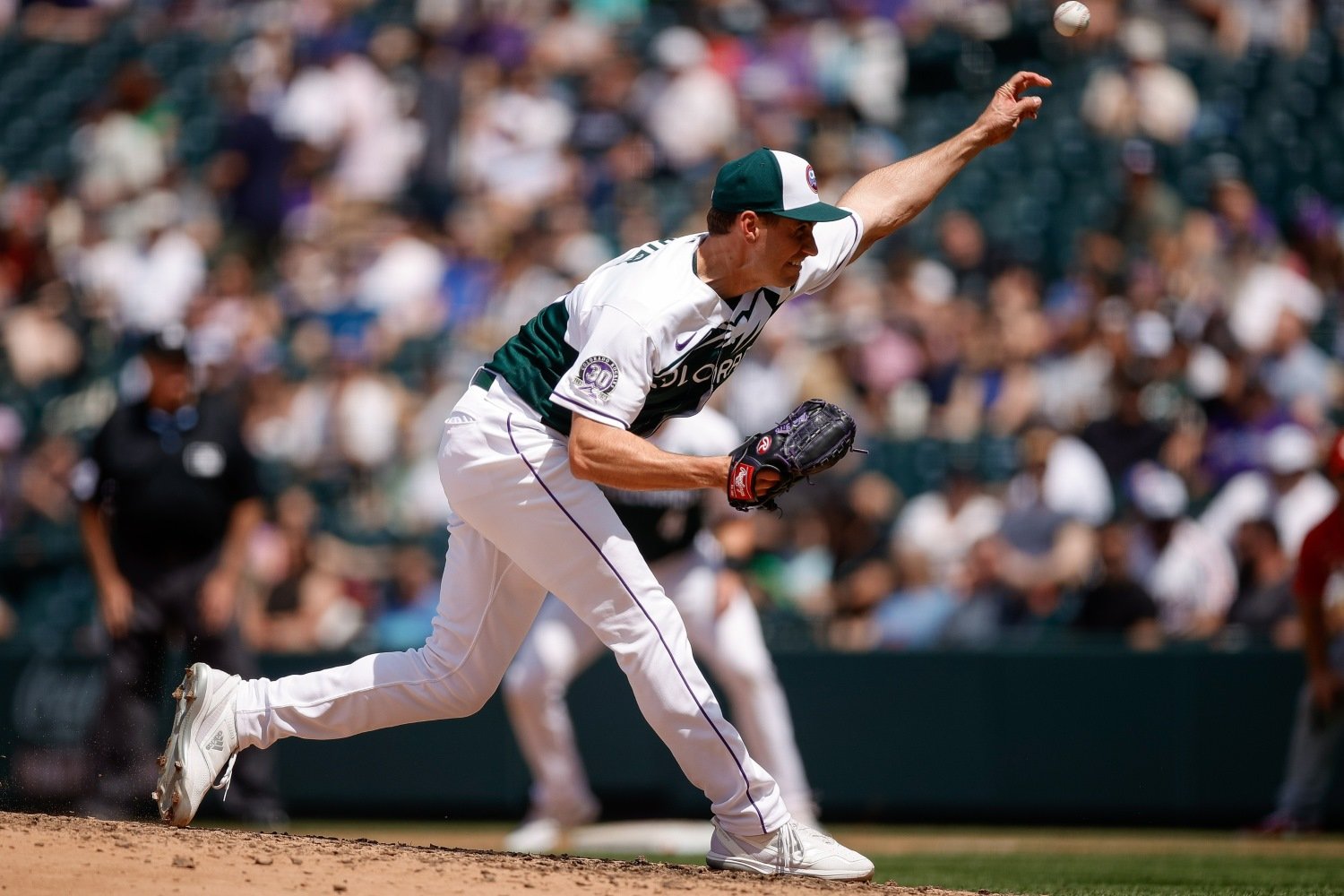 Even in the process of winning five of their last six, the Cubs showed the vulnerability of their bullpen. Julian Merryweather and Mark Leiter Jr. look much less reliable lately than they did a month ago, and the underbelly of that relief corps has always been a problem. Since it became clear that Brandon Hughes was compromised by his balky knee, it's been especially urgent that they find a lefty to get important outs in middle relief. Here, then, are three guys who could fit that role, and in whom the Cubs should have interest between now and next Tuesday. Brent Suter, LHP, Rockies The famously soft-tossing Suter is not going to rack up strikeouts, but he's posted a dazzling 2.62 ERA even while calling Coors Field home. He has one of the league's most deceptive deliveries; excellent extension that makes his velocity play up toward average; a great changeup that misses bats against righties; and a new blend of four-seam fastballs and sinkers that seems to have fully neutralized hitters. His opponents' average exit velocity is the lowest in baseball and of his career, south of 84 miles per hour. He can move his four-seamer around the zone according to the handedness of the opposing hitter and the pitches he's trying to set up, and his sinker's action is surprisingly nasty. A free agent at the end of this year, Suter should be relatively easy to acquire, though his shiny numbers will draw multiple suitors. Reports are that the Rockies do expect to trade him. Matt Moore, LHP, Angels If the Angels scuffle on the road trip on which they've embarked for this week, they'll end up needing to sell pieces at the deadline, however strongly they might prefer to cleave to contention while they still have Shohei Ohtani. Moore would be an attractive trade chip, in that scenario. Since converting to the bullpen for good at the start of 2022, he's run an ERA around 2.00, striking out over 25 percent of opponents and inducing a good amount of weak contact. This version of Moore throws about 94, with good life on the fastball. His changeup and curveball both miss bats. His command isn't what one might wish it were, but he's still a solid setup option from the port side. Aaron Bummer, LHP, White Sox It's a good time to buy low on Bummer. His ERA for the year is 6.82. That doesn't come close to matching his skills or even his actual performance, though. He's not a relief ace, but he'll strike out batters at a high rate and get lots of ground balls with his famously heavy sinker. Bummer walks too many batters, but he'd be useful as a middle reliever who can induce a key double play or come up with a clutch strikeout against an imposing lefty batter. None of these guys should cost the Cubs a high-end prospect, but Bummer could come closest, because he's under team control for 2024. The right to control a non-elite reliever for one extra season isn't all that valuable, so if the White Sox set a high price on Bummer because of that status, the Cubs need to move on. If they can obtain him at a price that reflects his uneven results, though, it could be a great way to balance and deepen the bullpen.
 -
As we continue to ponder whether the Cubs should become buyers or sellers over the next week, it's important to identify the glaring needs for the team, should they lean toward buying. After all, while the team earned the right to be talked about as contenders for a few more days after their strong finish to the recent home stand, we know they're not good enough to win the NL Central without some reinforcements. Image courtesy of © Isaiah J. Downing-USA TODAY Sports Even in the process of winning five of their last six, the Cubs showed the vulnerability of their bullpen. Julian Merryweather and Mark Leiter Jr. look much less reliable lately than they did a month ago, and the underbelly of that relief corps has always been a problem. Since it became clear that Brandon Hughes was compromised by his balky knee, it's been especially urgent that they find a lefty to get important outs in middle relief. Here, then, are three guys who could fit that role, and in whom the Cubs should have interest between now and next Tuesday. Brent Suter, LHP, Rockies The famously soft-tossing Suter is not going to rack up strikeouts, but he's posted a dazzling 2.62 ERA even while calling Coors Field home. He has one of the league's most deceptive deliveries; excellent extension that makes his velocity play up toward average; a great changeup that misses bats against righties; and a new blend of four-seam fastballs and sinkers that seems to have fully neutralized hitters. His opponents' average exit velocity is the lowest in baseball and of his career, south of 84 miles per hour. He can move his four-seamer around the zone according to the handedness of the opposing hitter and the pitches he's trying to set up, and his sinker's action is surprisingly nasty. A free agent at the end of this year, Suter should be relatively easy to acquire, though his shiny numbers will draw multiple suitors. Reports are that the Rockies do expect to trade him. Matt Moore, LHP, Angels If the Angels scuffle on the road trip on which they've embarked for this week, they'll end up needing to sell pieces at the deadline, however strongly they might prefer to cleave to contention while they still have Shohei Ohtani. Moore would be an attractive trade chip, in that scenario. Since converting to the bullpen for good at the start of 2022, he's run an ERA around 2.00, striking out over 25 percent of opponents and inducing a good amount of weak contact. This version of Moore throws about 94, with good life on the fastball. His changeup and curveball both miss bats. His command isn't what one might wish it were, but he's still a solid setup option from the port side. Aaron Bummer, LHP, White Sox It's a good time to buy low on Bummer. His ERA for the year is 6.82. That doesn't come close to matching his skills or even his actual performance, though. He's not a relief ace, but he'll strike out batters at a high rate and get lots of ground balls with his famously heavy sinker. Bummer walks too many batters, but he'd be useful as a middle reliever who can induce a key double play or come up with a clutch strikeout against an imposing lefty batter. None of these guys should cost the Cubs a high-end prospect, but Bummer could come closest, because he's under team control for 2024. The right to control a non-elite reliever for one extra season isn't all that valuable, so if the White Sox set a high price on Bummer because of that status, the Cubs need to move on. If they can obtain him at a price that reflects his uneven results, though, it could be a great way to balance and deepen the bullpen. View full article
-
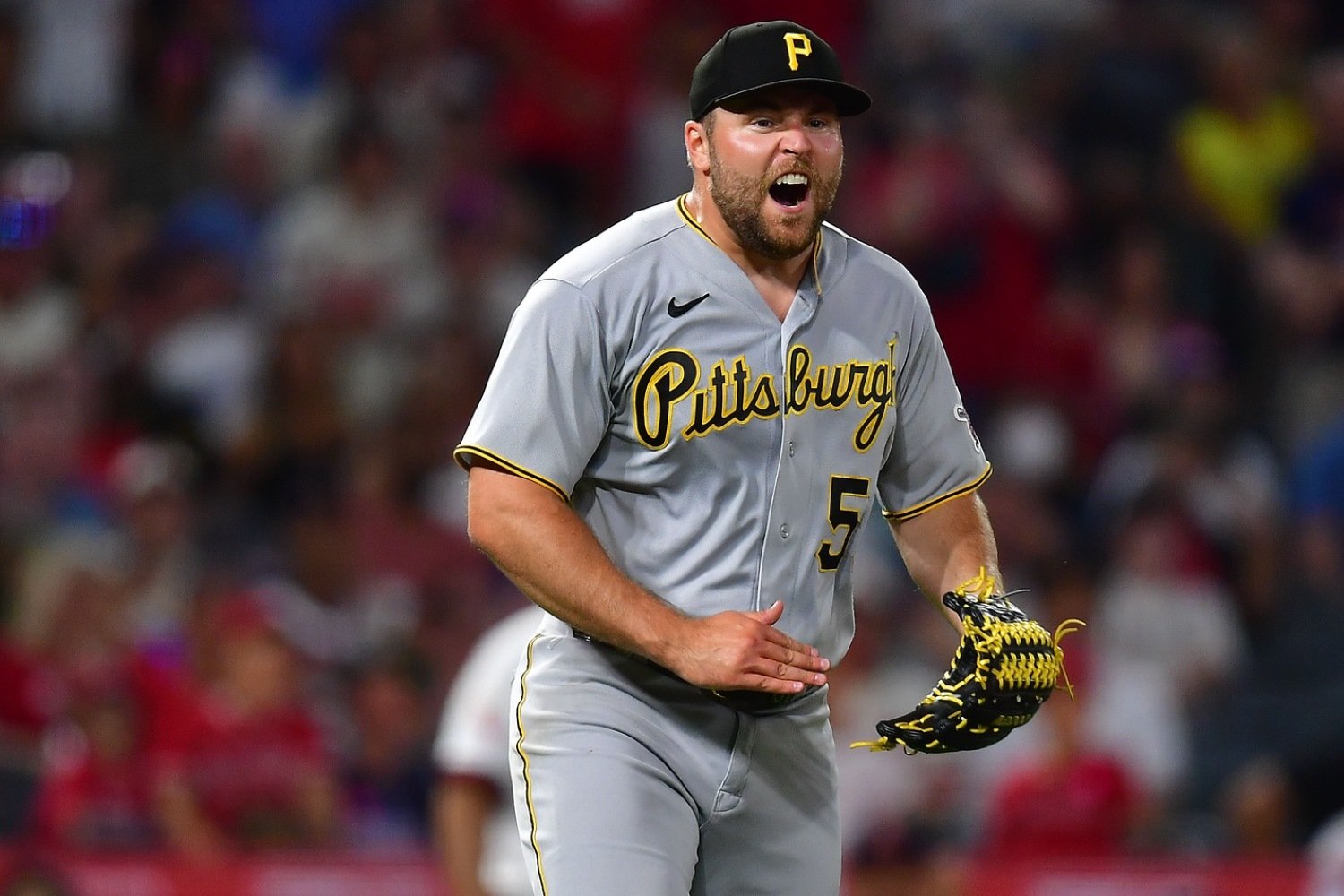 For a month or so, the 2023 Pirates had us fooled. They stayed in first place about that long, and they hung around on the periphery of the NL Central race for most of May. Since then, it's been a true downward spiral, and as a result, Pittsburgh is a seller again at this year's trade deadline. Intriguingly, according to both Jon Heyman and Ken Rosenthal, the team is open to trading both elite closer David Bednar and All-Star starter Mitch Keller. The fit here is, obviously, awkward and unlikely. The Pirates will command high prices to actually trade either of the two, with Bednar under team control for three seasons beyond this one and Keller still controllable for two. It's only fair that the Cubs will flinch at the notion of giving up sufficient young talent to pry them away, knowing those players could be playing in Pittsburgh for several more years. For their part, the Pirates probably don't want either the real disadvantage or the fan blowback that would come with trading a key piece to a division rival who might use them to stay ahead of Pittsburgh as that team tries to turn the corner and return to contention. Still, it's worth dreaming on a little bit. Bednar, 28, is one of the half-dozen best relievers in baseball. He's consistently fanned over 30 percent of opponents over the last three seasons, and this year, he's adding plus command to his resume, walking fewer batters and making fewer mistakes over the heart of the plate. He'd be the anchor of the bullpen for years to come, and a significant boost for the very thin group the Cubs have here in 2023. Keller took longer to reach a high level of performance, with a couple of false starts, but he's enjoyed a bat-missing breakout in 2023 and his team control could make him a very appealing bridge from the Kyle Hendricks and Marcus Stroman Era to the Cade Horton and Jackson Ferris Era. Intradivisional dynamics might nix these targets, but they're the kind of players the Cubs do need to consider as they seek creative solutions to their medium-term problems.
 -
For a month or so, the 2023 Pirates had us fooled. They stayed in first place about that long, and they hung around on the periphery of the NL Central race for most of May. Since then, it's been a true downward spiral, and as a result, Pittsburgh is a seller again at this year's trade deadline. Intriguingly, according to both Jon Heyman and Ken Rosenthal, the team is open to trading both elite closer David Bednar and All-Star starter Mitch Keller. The fit here is, obviously, awkward and unlikely. The Pirates will command high prices to actually trade either of the two, with Bednar under team control for three seasons beyond this one and Keller still controllable for two. It's only fair that the Cubs will flinch at the notion of giving up sufficient young talent to pry them away, knowing those players could be playing in Pittsburgh for several more years. For their part, the Pirates probably don't want either the real disadvantage or the fan blowback that would come with trading a key piece to a division rival who might use them to stay ahead of Pittsburgh as that team tries to turn the corner and return to contention. Still, it's worth dreaming on a little bit. Bednar, 28, is one of the half-dozen best relievers in baseball. He's consistently fanned over 30 percent of opponents over the last three seasons, and this year, he's adding plus command to his resume, walking fewer batters and making fewer mistakes over the heart of the plate. He'd be the anchor of the bullpen for years to come, and a significant boost for the very thin group the Cubs have here in 2023. Keller took longer to reach a high level of performance, with a couple of false starts, but he's enjoyed a bat-missing breakout in 2023 and his team control could make him a very appealing bridge from the Kyle Hendricks and Marcus Stroman Era to the Cade Horton and Jackson Ferris Era. Intradivisional dynamics might nix these targets, but they're the kind of players the Cubs do need to consider as they seek creative solutions to their medium-term problems. View full rumor
-
Mastro, Mancini, and Wisdom in right! Yes, they’ve done some wild horsefeathers that way. The difference is that I think they felt they had no choice in those situations, but they *are* fairly comfortable with Wisdom, Mastro, and Madrigal as defensive 3B even while still trying to contend. Again, I’m with you. I just see a distinction they might be drawing there, between being cornered and proactively choosing a risky alignment.
-
This is Not a Rebuild, Episode 39: The Infamous Live Episode
Matthew Trueblood posted an article in Cubs
 This is the long-awaited special episode, recorded from the unofficial podcast headquarters in bucolic Homewood, Ill. It's a late-nighter, and it shows. Let's get weird. Together in one room for the first time in the podcast's short history, the four co-hosts discuss whether Marcus Stroman, Justin Steele, Cody Bellinger, and other Cubs should be traded before next week's MLB trade deadline; bemoan the frustrating Thursday night loss they attended together; and try to widen the lens to take better stock of the long-term position of the organization. Within that are questions of who is to blame for the team's disparity between talent level and record; the relative merits of various minor-league replacements for Patrick Wisdom or Julian Merryweather; and the best players to wear the number 39 in Cubs history. It's a bit contentious, a bit bizarre, and very much a circuitous conversation. We had fun, though, and so can you.
 -
In the latest episode of the weirdest Cubs podcast on the web, we gain a sponsor (kind of) but lose (most of) our hope. It's live, it's thrilling, and it's very much a rebuild. Check it out. Image courtesy of Matt Trueblood via Spotify for Podcasters This is the long-awaited special episode, recorded from the unofficial podcast headquarters in bucolic Homewood, Ill. It's a late-nighter, and it shows. Let's get weird. Together in one room for the first time in the podcast's short history, the four co-hosts discuss whether Marcus Stroman, Justin Steele, Cody Bellinger, and other Cubs should be traded before next week's MLB trade deadline; bemoan the frustrating Thursday night loss they attended together; and try to widen the lens to take better stock of the long-term position of the organization. Within that are questions of who is to blame for the team's disparity between talent level and record; the relative merits of various minor-league replacements for Patrick Wisdom or Julian Merryweather; and the best players to wear the number 39 in Cubs history. It's a bit contentious, a bit bizarre, and very much a circuitous conversation. We had fun, though, and so can you. View full article
-
Mmm. Except the Cubs didn't do that until 2022, when they were bad and knew they would be bad and the focus was solely on that kind of development project. They won't (and I think shouldn't) do the same as they did with Happ unless or until they fall out of contention, I would guess. I do agree that that's what you'd need to find out about Morel once and for all, and you need the data that that stability would generate about his offense, too. I'm just not sure they feel like they're in a position to take the risk that comes with it at the moment. Much could change in a week, though.
-
Depends on a *lot* of things, right? I think it’s clear that the Cubs have deep and well-founded reservations about Morel’s defense at third. Candelario, by contrast, is more or less reliable there, though without plus range. Offensively, he’s way, way more of a sure thing, but we’ve seen Morel’s upside and it’s tantalizing. I do think it’s telling that even now that Swanson is back, the default seems to be putting Morel at DH and using Wisdom or Mastrobuoni at 3B. We don’t have to agree with them, but if either the FO or the coaching staff simply don’t trust Morel at third, then he’s not a solution or an option at that position.
-
Oh for sure. To be clear, if it’s Herz, that’s as a secondary piece in a package of three guys, probably, but yeah. This is the benefit of a deep farm system. The Cubs can better part with that crop of guys than many teams can.
-
In finishing a must-win homestand 6-4, the Cubs gained little clarity about next week's MLB trade deadline. That they avoided becoming outright sellers constitutes that win they needed, though, and it gives us cause to talk about what acquiring a valuable rental bat would look like. Image courtesy of © Matt Marton-USA TODAY Sports Cody Bellinger hit so well over the last week and a half that he has simultaneously cemented himself as the best impending free-agent hitter who could be traded at this deadline, and decreased the likelihood that he actually will be. If we nix Bellinger (at least for the purposes of this discussion) as a trade candidate, then the guy who emerges as the top rental bat on the market is former Cub (and especially Cubs prospect) Jeimer Candelario. Non-tendered by the Tigers after a miserable 2022, Candelario has regained the form he showed in 2021 this year with the Nationals. The Cubs saw just how dangerous he can be last week. He only collected three hits in 14 plate appearances during Washington's stop at Wrigley Field, but two of them left the park. On the year, he's hitting .254/.333/.474, with 27 doubles, two triples, and 15 home runs. In over 800 plate appearances in 2020-21, he batted .278/.356/.458, so this isn't a new level for him. It's just a return to what he's demonstrated the ability to do in the past. Candelario's defense is always a bit of a Rorschach test. He gives you things to like and things to dislike, and even defensive metrics tend to give mixed or contradictory reports on him. In that way, he's not dissimilar from the Cubs' incumbents at the hot corner, Nick Madrigal, Patrick Wisdom, and Christopher Morel. By and large, though, he's looked better this year than in the last two, and he wouldn't in any way compromise the defensive phalanx the Cubs have strived to create. Nor is it hard to see how Candelario would fit into the lineup. He's been consistently better as a left-handed batter, against right-handed pitchers, but he's not bootless against lefties, either. The batting orders in the wake of a trade for Candelario could shake out something like this: vs. RHP vs. LHP 1 Tauchman - DH Hoerner - 2B 2 Happ - LF Suzuki - RF 3 Candelario - 3B Candelario - 3B 4 Bellinger - CF Swanson - SS 5 Suzuki - RF Bellinger - CF 6 Swanson - SS Happ - LF 7 Mervis - 1B Gomes - C 8 Gomes - C Wisdom - DH 9 Hoerner - 2B Mancini - 1B The improvement in each of those, relative to the team's current options, is obvious and immense. Candelario isn't the transformational masher Cubs fans would most love to see the team find somewhere, but he's a superb lengthener of a lineup like this one. He'd give the Cubs the occasional home run, but also fit well into their perpetual plan to draw walks, hit doubles, and apply pressure by stringing together hits. Of course, even after that encouraging weekend against the lowly Cardinals, it feels a bit odd to talk about the team landing a player who would be a true rental. Candelario will hit free agency after this season, and the Cubs would probably have to give the Nationals something commensurate with the value of a compensatory draft pick, because (like Bellinger) he's played his way from being cut by one team to being worthy of a qualifying offer from another one in less than a year. That's just to enter the bidding; the final price would have to beat the offers likely to come in from a handful of other contenders in need of an offensive boost. Part of the price for Candelario could be one of the third basemen the Cubs have already used this year: Wisdom, Madrigal, or Morel. If it were the latter, surely, that would be all Chicago would be willing to give up, and even it would feel awfully rich. Morel's lack of a clear defensive home and his streakiness during long exchanges of adjustment with MLB pitchers make him risky to keep, but his power, speed, and overall upside make him risky to trade, especially for a short-term asset. He has five years of team control left after 2023, and won't reach arbitration eligibility until 2026 because of the Cubs' choice to keep him in Iowa for almost six weeks to start this year. Wisdom, believe it or not, has some trade value, because he'll still have three years of team control (albeit as an over-30, arbitration-eligible slugger whose homers might inflate his earning power past his usefulness) left when this season ends. So might Madrigal, despite his ups and downs and even despite his relentless battles with injuries. Neither could carry a trade for Candelario on their own, though. The Cubs do have a laundry list of players who make sense in a deal like this one, though. This winter, they face tough decisions about whether to add several players to their 40-man roster, or expose them to the Rule 5 Draft. These include Triple-A hitters Jake Slaughter, Luis Vazquez, and Yonathan Perlaza, and Double-A arms DJ Herz, Kohl Franklin, Richard Gallardo, Carlos Guzman, Porter Hodge, and Luke Little. The Nationals would have to add any of those guys (or Michael Arias, whom I mentioned in yesterday's post about trading with the woebegone Royals for starter Brady Singer) to their roster this winter, too, of course, but they have much more deadweight and space on their projected roster to fit them. The Cubs could pair one of their controllable big-league pieces with one of those guys to put together a competitive offer, or go a step further and include B.J. Murray--a kind of mini-Candelario, who seems to be passing the Double-A test with flying colors in his second full pro season and who looks like an imminently useful big-league hitter. Murray doesn't need to be added to the 40-man until after next season, and would be an appealing trade chip for a Washington team trying to assemble a more competitive roster in the medium term. That Candelario is only a short-term addition will hold his price down, even as teams vie for the right to land him. The Cubs wouldn't need to part with any of their top-tier talent to get him. Giving up Morel would really sting, but a package of Wisdom, Hodge, and Murray has some chance of getting the deal done. Again, it's bizarre to talk about trading for a rental player while trade rumors still swirl around Stroman, Bellinger, and others, but the Cubs earned themselves and their fans the right to think about it for (at least) a couple more days. View full article
-
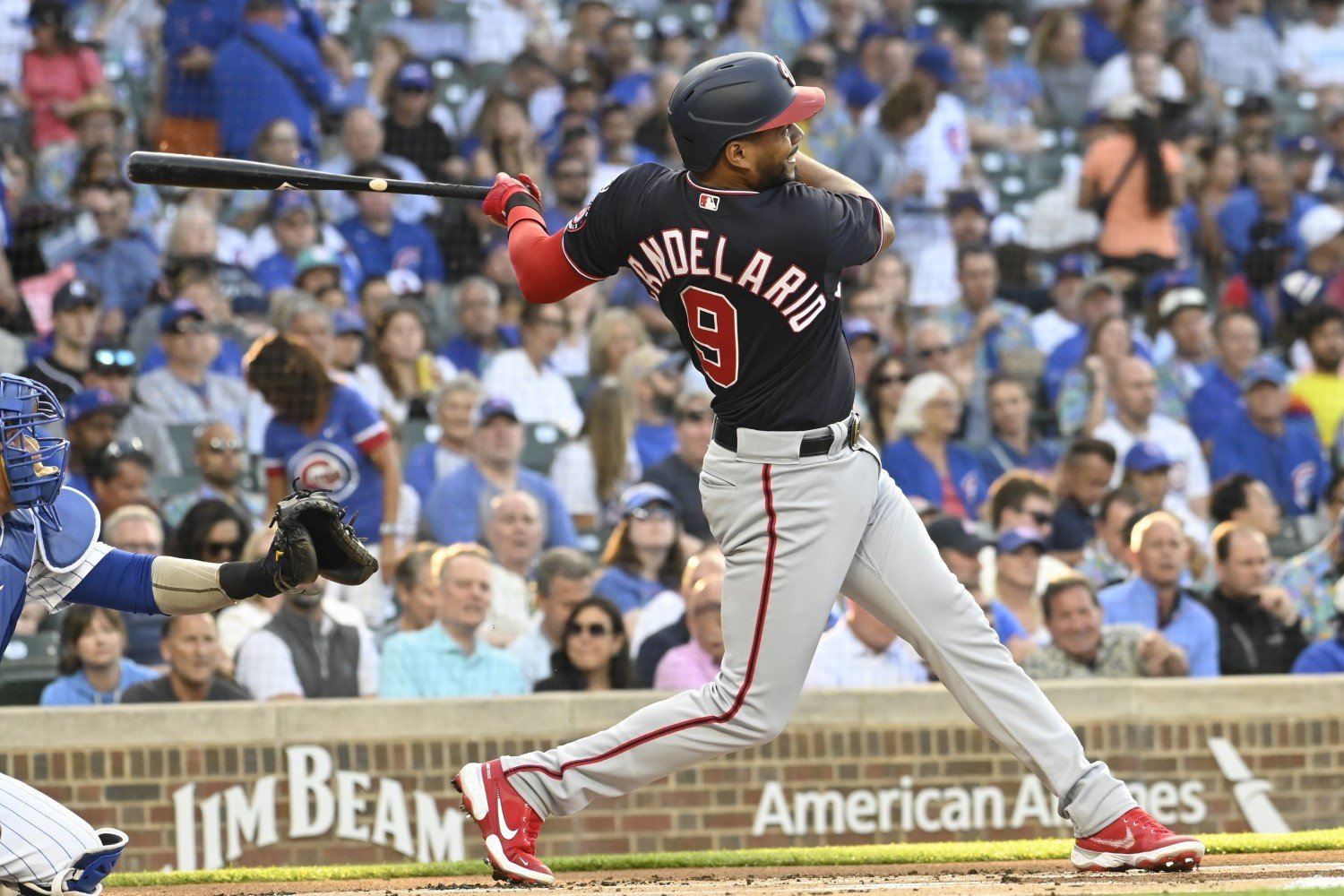 Cody Bellinger hit so well over the last week and a half that he has simultaneously cemented himself as the best impending free-agent hitter who could be traded at this deadline, and decreased the likelihood that he actually will be. If we nix Bellinger (at least for the purposes of this discussion) as a trade candidate, then the guy who emerges as the top rental bat on the market is former Cub (and especially Cubs prospect) Jeimer Candelario. Non-tendered by the Tigers after a miserable 2022, Candelario has regained the form he showed in 2021 this year with the Nationals. The Cubs saw just how dangerous he can be last week. He only collected three hits in 14 plate appearances during Washington's stop at Wrigley Field, but two of them left the park. On the year, he's hitting .254/.333/.474, with 27 doubles, two triples, and 15 home runs. In over 800 plate appearances in 2020-21, he batted .278/.356/.458, so this isn't a new level for him. It's just a return to what he's demonstrated the ability to do in the past. Candelario's defense is always a bit of a Rorschach test. He gives you things to like and things to dislike, and even defensive metrics tend to give mixed or contradictory reports on him. In that way, he's not dissimilar from the Cubs' incumbents at the hot corner, Nick Madrigal, Patrick Wisdom, and Christopher Morel. By and large, though, he's looked better this year than in the last two, and he wouldn't in any way compromise the defensive phalanx the Cubs have strived to create. Nor is it hard to see how Candelario would fit into the lineup. He's been consistently better as a left-handed batter, against right-handed pitchers, but he's not bootless against lefties, either. The batting orders in the wake of a trade for Candelario could shake out something like this: vs. RHP vs. LHP 1 Tauchman - DH Hoerner - 2B 2 Happ - LF Suzuki - RF 3 Candelario - 3B Candelario - 3B 4 Bellinger - CF Swanson - SS 5 Suzuki - RF Bellinger - CF 6 Swanson - SS Happ - LF 7 Mervis - 1B Gomes - C 8 Gomes - C Wisdom - DH 9 Hoerner - 2B Mancini - 1B The improvement in each of those, relative to the team's current options, is obvious and immense. Candelario isn't the transformational masher Cubs fans would most love to see the team find somewhere, but he's a superb lengthener of a lineup like this one. He'd give the Cubs the occasional home run, but also fit well into their perpetual plan to draw walks, hit doubles, and apply pressure by stringing together hits. Of course, even after that encouraging weekend against the lowly Cardinals, it feels a bit odd to talk about the team landing a player who would be a true rental. Candelario will hit free agency after this season, and the Cubs would probably have to give the Nationals something commensurate with the value of a compensatory draft pick, because (like Bellinger) he's played his way from being cut by one team to being worthy of a qualifying offer from another one in less than a year. That's just to enter the bidding; the final price would have to beat the offers likely to come in from a handful of other contenders in need of an offensive boost. Part of the price for Candelario could be one of the third basemen the Cubs have already used this year: Wisdom, Madrigal, or Morel. If it were the latter, surely, that would be all Chicago would be willing to give up, and even it would feel awfully rich. Morel's lack of a clear defensive home and his streakiness during long exchanges of adjustment with MLB pitchers make him risky to keep, but his power, speed, and overall upside make him risky to trade, especially for a short-term asset. He has five years of team control left after 2023, and won't reach arbitration eligibility until 2026 because of the Cubs' choice to keep him in Iowa for almost six weeks to start this year. Wisdom, believe it or not, has some trade value, because he'll still have three years of team control (albeit as an over-30, arbitration-eligible slugger whose homers might inflate his earning power past his usefulness) left when this season ends. So might Madrigal, despite his ups and downs and even despite his relentless battles with injuries. Neither could carry a trade for Candelario on their own, though. The Cubs do have a laundry list of players who make sense in a deal like this one, though. This winter, they face tough decisions about whether to add several players to their 40-man roster, or expose them to the Rule 5 Draft. These include Triple-A hitters Jake Slaughter, Luis Vazquez, and Yonathan Perlaza, and Double-A arms DJ Herz, Kohl Franklin, Richard Gallardo, Carlos Guzman, Porter Hodge, and Luke Little. The Nationals would have to add any of those guys (or Michael Arias, whom I mentioned in yesterday's post about trading with the woebegone Royals for starter Brady Singer) to their roster this winter, too, of course, but they have much more deadweight and space on their projected roster to fit them. The Cubs could pair one of their controllable big-league pieces with one of those guys to put together a competitive offer, or go a step further and include B.J. Murray--a kind of mini-Candelario, who seems to be passing the Double-A test with flying colors in his second full pro season and who looks like an imminently useful big-league hitter. Murray doesn't need to be added to the 40-man until after next season, and would be an appealing trade chip for a Washington team trying to assemble a more competitive roster in the medium term. That Candelario is only a short-term addition will hold his price down, even as teams vie for the right to land him. The Cubs wouldn't need to part with any of their top-tier talent to get him. Giving up Morel would really sting, but a package of Wisdom, Hodge, and Murray has some chance of getting the deal done. Again, it's bizarre to talk about trading for a rental player while trade rumors still swirl around Stroman, Bellinger, and others, but the Cubs earned themselves and their fans the right to think about it for (at least) a couple more days.
