


Matthew Trueblood
-
Posts
2,483 -
Joined
-
Last visited
-
Days Won
2
Content Type
Profiles
Joomla Posts 1
Chicago Cubs Videos
Chicago Cubs Free Agent & Trade Rumors, Notes, & Tidbits
2026 Chicago Cubs Top Prospects Ranking
News
2023 Chicago Cubs Draft Picks
Guides & Resources
2024 Chicago Cubs Draft Picks
The Chicago Cubs Players Project
2025 Chicago Cubs Draft Pick Tracker
2026 Chicago Cubs Draft Tracker: Picks & Bonuses
Blogs
Events
Forums
Store
Gallery
Everything posted by Matthew Trueblood
-
Obviously, the return for him would be basically zilch. BUT: Carson Kelly since the start of 2022: .207/.271/.321. Tucker Barnhart since the start of 2022: .215/.287/.265. And he hits lefty! They genuinely might be helped by having him, however incrementally.
-
The Arizona Diamondbacks are reeling, and they took another painful hit Sunday. Rookie catcher Gabriel Moreno, the prized acquisition of their offseason and a key part of their strong first half, landed on the 10-day injured list with shoulder inflammation. Moreno has been playing through that problem for a while now, and his diminished performance has been one small part of the team's major slide throughout this month. The D'Backs could be an interesting fit for a trade involving Yan Gomes, or even one for Tucker Barnhart, depending on Moreno's prognosis. Because it's been a while since they were relevant in the Dodgers-dominated NL West, Arizona will try to make the most of the opportunity this season presents. They feel a bit like the 2015 Cubs: loaded with talent, but skidding the wrong direction at the deadline and not inclined to sell the farm in order to get this particular club over the top. They're just entering what they hope will be a years-long winning window. However, GM Mike Hazen did say they would be aggressive in their search for upgrades, and they've been creative traders in the past. Zac Gallen came to Arizona in a challenge trade for Jazz Chisholm, Jr. The deal that brought Moreno to the desert this winter in exchange for Daulton Varsho was similarly bold and (in an era of boring, buyer/seller, value-focused dealing) unusual. Could that mean that this emergent need creates an opening for packaging Gomes with a pitcher like Michael Fulmer or Marcus Stroman to give the Diamondbacks help on two fronts, in exchange for one of the more exciting prospects in their strong system? I already wrote about what trading Fulmer to Arizona could look like last week, and I also covered the possibility of packaging Stroman and Gomes. This one bears watching, even as the Cubs walk the line between buying and selling. View full rumor
-
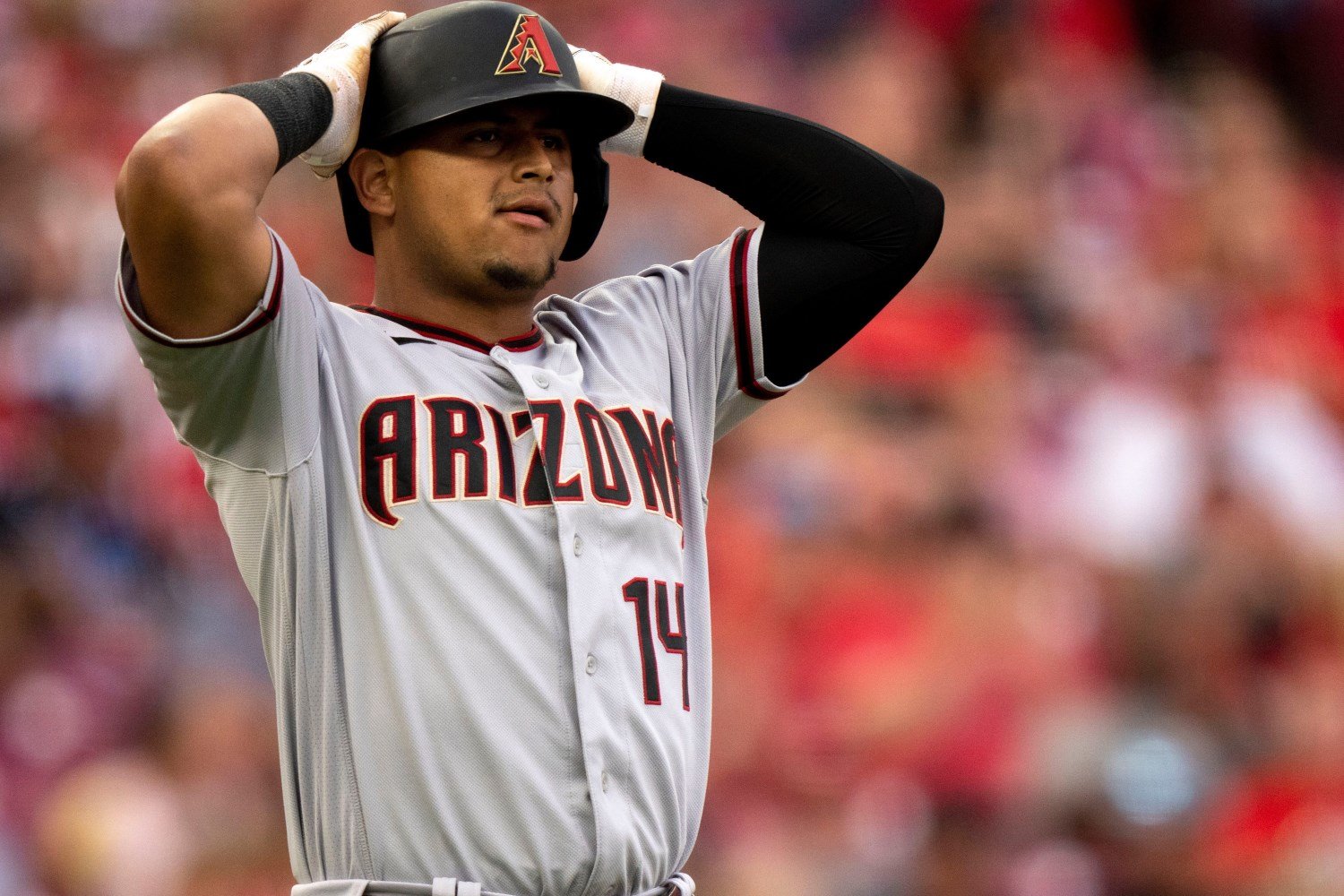 The Arizona Diamondbacks are reeling, and they took another painful hit Sunday. Rookie catcher Gabriel Moreno, the prized acquisition of their offseason and a key part of their strong first half, landed on the 10-day injured list with shoulder inflammation. Moreno has been playing through that problem for a while now, and his diminished performance has been one small part of the team's major slide throughout this month. The D'Backs could be an interesting fit for a trade involving Yan Gomes, or even one for Tucker Barnhart, depending on Moreno's prognosis. Because it's been a while since they were relevant in the Dodgers-dominated NL West, Arizona will try to make the most of the opportunity this season presents. They feel a bit like the 2015 Cubs: loaded with talent, but skidding the wrong direction at the deadline and not inclined to sell the farm in order to get this particular club over the top. They're just entering what they hope will be a years-long winning window. However, GM Mike Hazen did say they would be aggressive in their search for upgrades, and they've been creative traders in the past. Zac Gallen came to Arizona in a challenge trade for Jazz Chisholm, Jr. The deal that brought Moreno to the desert this winter in exchange for Daulton Varsho was similarly bold and (in an era of boring, buyer/seller, value-focused dealing) unusual. Could that mean that this emergent need creates an opening for packaging Gomes with a pitcher like Michael Fulmer or Marcus Stroman to give the Diamondbacks help on two fronts, in exchange for one of the more exciting prospects in their strong system? I already wrote about what trading Fulmer to Arizona could look like last week, and I also covered the possibility of packaging Stroman and Gomes. This one bears watching, even as the Cubs walk the line between buying and selling.
 -
The runs allowed would, in a vacuum, suggest that the Cubs' pitching plan didn't work well against the Cardinals Saturday. Considering how bad a matchup the Cardinals are for Drew Smyly and the Cubs bullpen, though, it was par for the course. Next time through the rotation, it's time to try something more like a real solution. Image courtesy of © John Hefti-USA TODAY Sports It's been a steady but inexorable tumble for Drew Smyly, since his strong start to the season. His seasonal ERA is up to 4.69, but that doesn't even begin to tell the full tale of his woes. Over his last 10 appearances, he's thrown 48 1/3 innings, with an ERA of 7.08. Opposing hitters are hitting .327/.397/.599, When Smyly takes the mound, the whole league is hitting like likely NL MVP Ronald Acuna, Jr. Smyly still flashes the ability to get outs. He's not completely washed up. In fact, he has 12 strikeouts and just two walks over his last two appearances. He's just not able to get through entire outings without breaking down a bit and getting hit hard. Whether the Cubs can stay in contention for the balance of this month or not, then, it's time to demote Smyly to the bullpen. By using Michael Fulmer for the first full turn through the St. Louis order Saturday, the Cubs signaled that they're aware of that fact--even if the primary motivation for doing it was really the Cardinals' uniquely deep and platoon-capable bench, which gave David Ross trouble Saturday in a game started by fellow southpaw Justin Steele. Just as the Cubs finished their rain-disrupted win at Wrigley, Hayden Wesneski took the mound in Iowa. He twirled five scoreless innings, allowing just four hits and striking out eight, without walking a batter. For Wesneski, it was the next in a line of starts in which he's been as good as Smyly has been bad. Going all the way back to when he was first optioned to Triple A in mid-May, Wesneski now has 12 appearances between that level and the big leagues. Over that span, he's fired 41 1/3 innings, and he's running a 2.83 ERA. He's fanned 49 batters and walked 14, and opponents are hitting .182/.261/.338. He's had some good batted-ball luck, but when he's right, he manages contact quality well, anyway. Right now, he's very much right. One major adjustment for Wesneski has been turning into primarily a four-seam fastball guy, rather than the primarily sinker guy he was last year and to open this season. He's still utilizing slightly different release points for his four-seamer and cutter than for his sinker, sweeping slider, and changeup, but he's found better ways to be deceptive and effective while doing so. For one thing, he's slid back toward the first-base side of the rubber, after trending toward the third-base side early this year. For another, he's getting more comfortable shaping his slider, using it more as a true sweeper against righties and getting more depth on it against lefties. Perhaps most helpfully, though, Wesneski is starting to use the top of the strike zone with that four-seamer. Because his heater lacks elite rise, he'd been very reluctant to do that in the past, but the result was that hitters could cover his whole arsenal without having to commit to one offering or another. He's creating better contrast with better location now, and it's made a huge difference. Regardless of whether the rest of the Cubs' season needs to be spent evaluating players for the future or whether they become surprising contenders with another surge through the deadline, Wesneski is the right man for the fifth spot in the starting rotation. The team won't need to get cute or creative every fifth day. They just need to make Smyly the lefty reliever missing from their bullpen, and promote Wesneski back to the majors. View full article
-
Hayden Wesneski Should Take Drew Smyly's Next Turn in the Rotation
Matthew Trueblood posted an article in Cubs
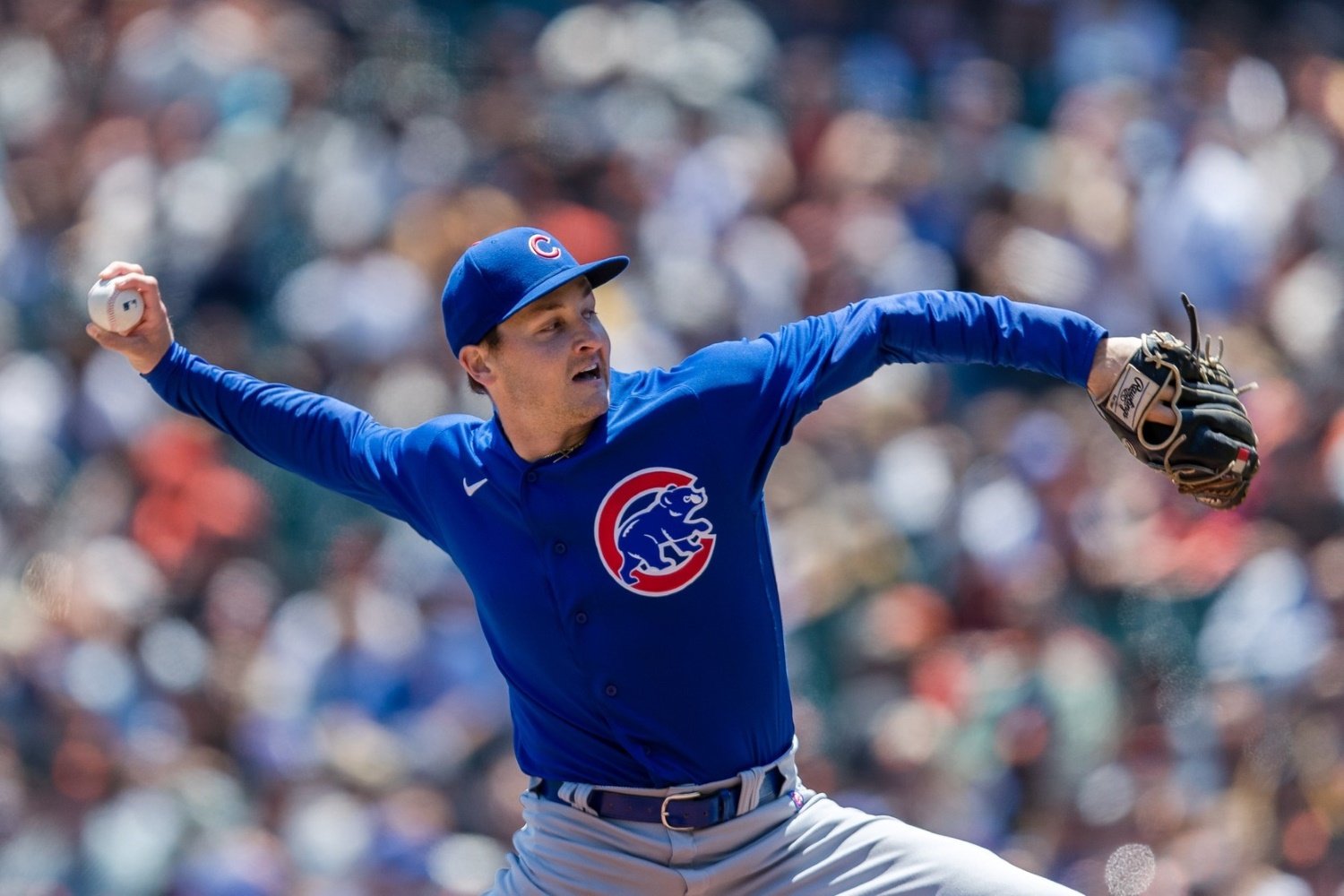 It's been a steady but inexorable tumble for Drew Smyly, since his strong start to the season. His seasonal ERA is up to 4.69, but that doesn't even begin to tell the full tale of his woes. Over his last 10 appearances, he's thrown 48 1/3 innings, with an ERA of 7.08. Opposing hitters are hitting .327/.397/.599, When Smyly takes the mound, the whole league is hitting like likely NL MVP Ronald Acuna, Jr. Smyly still flashes the ability to get outs. He's not completely washed up. In fact, he has 12 strikeouts and just two walks over his last two appearances. He's just not able to get through entire outings without breaking down a bit and getting hit hard. Whether the Cubs can stay in contention for the balance of this month or not, then, it's time to demote Smyly to the bullpen. By using Michael Fulmer for the first full turn through the St. Louis order Saturday, the Cubs signaled that they're aware of that fact--even if the primary motivation for doing it was really the Cardinals' uniquely deep and platoon-capable bench, which gave David Ross trouble Saturday in a game started by fellow southpaw Justin Steele. Just as the Cubs finished their rain-disrupted win at Wrigley, Hayden Wesneski took the mound in Iowa. He twirled five scoreless innings, allowing just four hits and striking out eight, without walking a batter. For Wesneski, it was the next in a line of starts in which he's been as good as Smyly has been bad. Going all the way back to when he was first optioned to Triple A in mid-May, Wesneski now has 12 appearances between that level and the big leagues. Over that span, he's fired 41 1/3 innings, and he's running a 2.83 ERA. He's fanned 49 batters and walked 14, and opponents are hitting .182/.261/.338. He's had some good batted-ball luck, but when he's right, he manages contact quality well, anyway. Right now, he's very much right. One major adjustment for Wesneski has been turning into primarily a four-seam fastball guy, rather than the primarily sinker guy he was last year and to open this season. He's still utilizing slightly different release points for his four-seamer and cutter than for his sinker, sweeping slider, and changeup, but he's found better ways to be deceptive and effective while doing so. For one thing, he's slid back toward the first-base side of the rubber, after trending toward the third-base side early this year. For another, he's getting more comfortable shaping his slider, using it more as a true sweeper against righties and getting more depth on it against lefties. Perhaps most helpfully, though, Wesneski is starting to use the top of the strike zone with that four-seamer. Because his heater lacks elite rise, he'd been very reluctant to do that in the past, but the result was that hitters could cover his whole arsenal without having to commit to one offering or another. He's creating better contrast with better location now, and it's made a huge difference. Regardless of whether the rest of the Cubs' season needs to be spent evaluating players for the future or whether they become surprising contenders with another surge through the deadline, Wesneski is the right man for the fifth spot in the starting rotation. The team won't need to get cute or creative every fifth day. They just need to make Smyly the lefty reliever missing from their bullpen, and promote Wesneski back to the majors.
 -
And if the project didn’t take, Singer would be a potentially killer reliever, too, with that two-pitch mix and the possibility of his stuff playing up in shorter bursts. A nice fallback plan if you invest in him.
-
The velocity is a limiting factor for him, no doubt. Worth noting. I think you probably unlock an extra tick if you get him throwing a four-seamer, but that’s speculative. I think I agree with your note about the prospects who’d be involved, too. It’s tough. I didn’t want to list off the entire Tennessee rotation, and I didn’t dig into position players, but yeah, guys like Herz, Hodge, McGeary could just as easily be parts of the discussion.
-
A Trade a Day: Trying to Save a Lost Pitching Soul from the Royals
Matthew Trueblood posted an article in Cubs
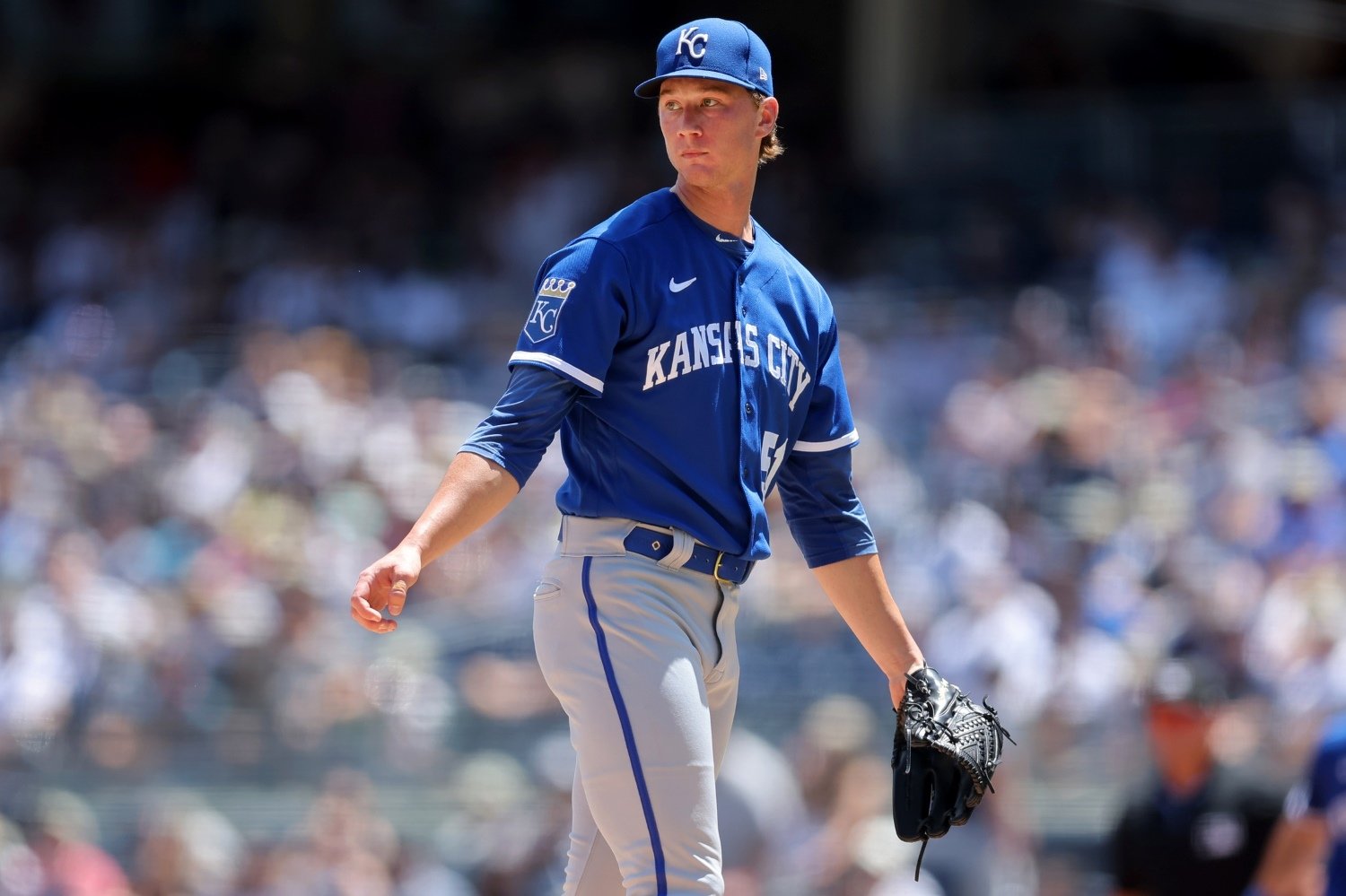 Whether the Cubs trade one of their veteran starters this month or not, they need to keep in mind the need for more rotation help going into 2024. Though their starters have been their most vaunted and hyped position group this year, they've been merely average in that department over the last two months. Drew Smyly, as we'll discuss later today, doesn't look like a serious rotation candidate for the rest of this year, let alone for a 2024 club that hopes to take a firmer competitive stance. It's hard to know what the team will get from Jameson Taillon. There's a need here. Happily, the Cubs do have young starters on the way, for a change. Hayden Wesneski, Jordan Wicks, Ben Brown and Cade Horton all project to figure into their rotation plans at some point in 2024. Injuries or unexpected developmental hiccups could easily thwart those plans, though, and even if that quartet stays healthy and matriculates over the course of next season, the team will need more quality veteran innings in order to push for the NL Central crown. Last year, Royals right-hander Brady Singer was one of the team's few untouchables at the trade deadline. It wasn't even worth discussing a deal that would extract Singer from Kansas City, because he was having a solid season, had four-plus years of remaining team control, and seemed like a building block for the floundering club. He finished 2022 with a 3.23 ERA, and though his true talent level was probably a bit worse than that, he had made clear and exciting strides. He struck out over 24 percent of opposing hitters, and seemed to have a reliable two-pitch mix with which to sustain that success. None of that has carried over to 2023. Singer has an ERA of 5.55, and hitters are teeing off on him relentlessly. His strikeout rate has cratered, but even more dauntingly, over half of the batted balls he's allowed have had an exit velocity north of 95 miles per hour. He's a mess, and with just three years of team control remaining after this, he no longer feels like a long-term cornerstone for the Royals. Here's the thing: the Royals are terrible at developing and coaching pitchers. There might not be another team in MLB doing worse. They've failed to convince Singer to do any of the things that he clearly needs to do, in order to get right. While he's never going to become an ace, Singer could rebound to the status of a mid-rotation workhorse, and the Cubs seem like good candidates to fix him. The cost to acquire Singer would be a bit uncomfortable, because whatever his warts, the Royals have seen his upside quite recently. They would be giving up three years of a pitcher who was a first-round pick and a silver lining during a couple of very dark seasons for the franchise. That said, the cost would also reflect the fact that the Royals won't want to pay Singer to progress through arbitration, given that he is already making $2.95 million as a Super Two-eligible player this year, and that his surface-level numbers are ugly right now. I think we could safely cross off all of the Cubs' top prospects. The Royals aren't in position to ask for a pitcher like Wicks or Brown for Singer, let alone Horton. They would surely want some pitcher with a chance to make it in the majors, though, so the Cubs would have to put together a couple of their lower-ceiling starting options in order to get him--Caleb Kilian and Carlos Guzman, perhaps, or Riley Thompson and Richard Gallardo. Because the Cubs have a 40-man roster crunch coming this winter and need to consolidate, giving up a couple of pieces to get Singer is no problem. It could even make sense to give up a higher-upside player like Michael Arias, who is only in South Bend but becomes eligible for the Rule 5 Draft after this year. Singer has a slider that he commands brilliantly, and which can miss bats consistently. He has one of the game's heaviest sinkers. Right now, he doesn't have a third pitch, and he's been oddly stubborn about adding one. He's also not using the upper half of the zone much at all, making it too easy for hitters to lock in on his favored locations and pummel the ball. The Cubs can do more to fix those problems than can the Royals, though, not only because they're better at pitcher development, but because the trade itself would force Singer to accept the fact that he's no longer a prized asset. They also seem like a good organization to help him better conceptualize his sinker usage. He seems more comfortable locating that pitch to the glove side (the first-base edge of home plate), which is very unusual for a sinker from a right-handed pitcher, and speaks to some latent skills that match beautifully with the Cubs' organizational strengths. Because Singer has two minor-league options left, the Cubs could send him to Iowa while they tinker with his arsenal and try to unlock his best self. That's what they did upon acquiring Jake Arrieta in 2013, and while the ceiling is lower here, the concept is the same. Then, he would still be optionable in 2024, adding flexibility to a rotation that has rarely enjoyed that advantage over the last several seasons. Trading for Singer would not proscribe trading Marcus Stroman or Kyle Hendricks. In fact, it would be a logical tandem maneuver. It would slightly cushion whatever hit the Cubs' remote playoff odds would take by trading one of those guys. It would relieve the aforementioned crunch in the minors, which trading either of those guys would only exacerbate. It would also give them more leverage and more cost certainty as they head into the offseason, including leverage in negotiations to bring Stroman back via free agency. This is the kind of risky acquisition from which Jed Hoyer habitually shies, but sooner or later, the Cubs need to take a few more chances. Singer would be a good target, because while he's superficially unattractive and unlikely to come at an intimidating cost, he could improve tremendously under better instruction.
 -
The upside to being stuck in the gray area between buying and selling is that the Chicago Cubs can be open-minded and flexible as the MLB trade deadline approaches. Even as they shop Marcus Stroman and Kyle Hendricks, for instance, they could look to acquire a controllable starting pitcher to take their place. Singer has a slider that he commands brilliantly, and which can miss bats consistently. He has one of the game's heaviest sinkers. Right now, he doesn't have a third pitch, and he's been oddly stubborn about adding one. He's also not using the upper half of the zone much at all, making it too easy for hitters to lock in on his favored locations and pummel the ball. The Cubs can do more to fix those problems than can the Royals, though, not only because they're better at pitcher development, but because the trade itself would force Singer to accept the fact that he's no longer a prized asset. They also seem like a good organization to help him better conceptualize his sinker usage. He seems more comfortable locating that pitch to the glove side (the first-base edge of home plate), which is very unusual for a sinker from a right-handed pitcher, and speaks to some latent skills that match beautifully with the Cubs' organizational strengths. Because Singer has two minor-league options left, the Cubs could send him to Iowa while they tinker with his arsenal and try to unlock his best self. That's what they did upon acquiring Jake Arrieta in 2013, and while the ceiling is lower here, the concept is the same. Then, he would still be optionable in 2024, adding flexibility to a rotation that has rarely enjoyed that advantage over the last several seasons. Trading for Singer would not proscribe trading Marcus Stroman or Kyle Hendricks. In fact, it would be a logical tandem maneuver. It would slightly cushion whatever hit the Cubs' remote playoff odds would take by trading one of those guys. It would relieve the aforementioned crunch in the minors, which trading either of those guys would only exacerbate. It would also give them more leverage and more cost certainty as they head into the offseason, including leverage in negotiations to bring Stroman back via free agency. This is the kind of risky acquisition from which Jed Hoyer habitually shies, but sooner or later, the Cubs need to take a few more chances. Singer would be a good target, because while he's superficially unattractive and unlikely to come at an intimidating cost, he could improve tremendously under better instruction. View full article
- 6 replies
-
- 1
-

-
- 2023 trade deadline
- michael arias
- (and 3 more)
-
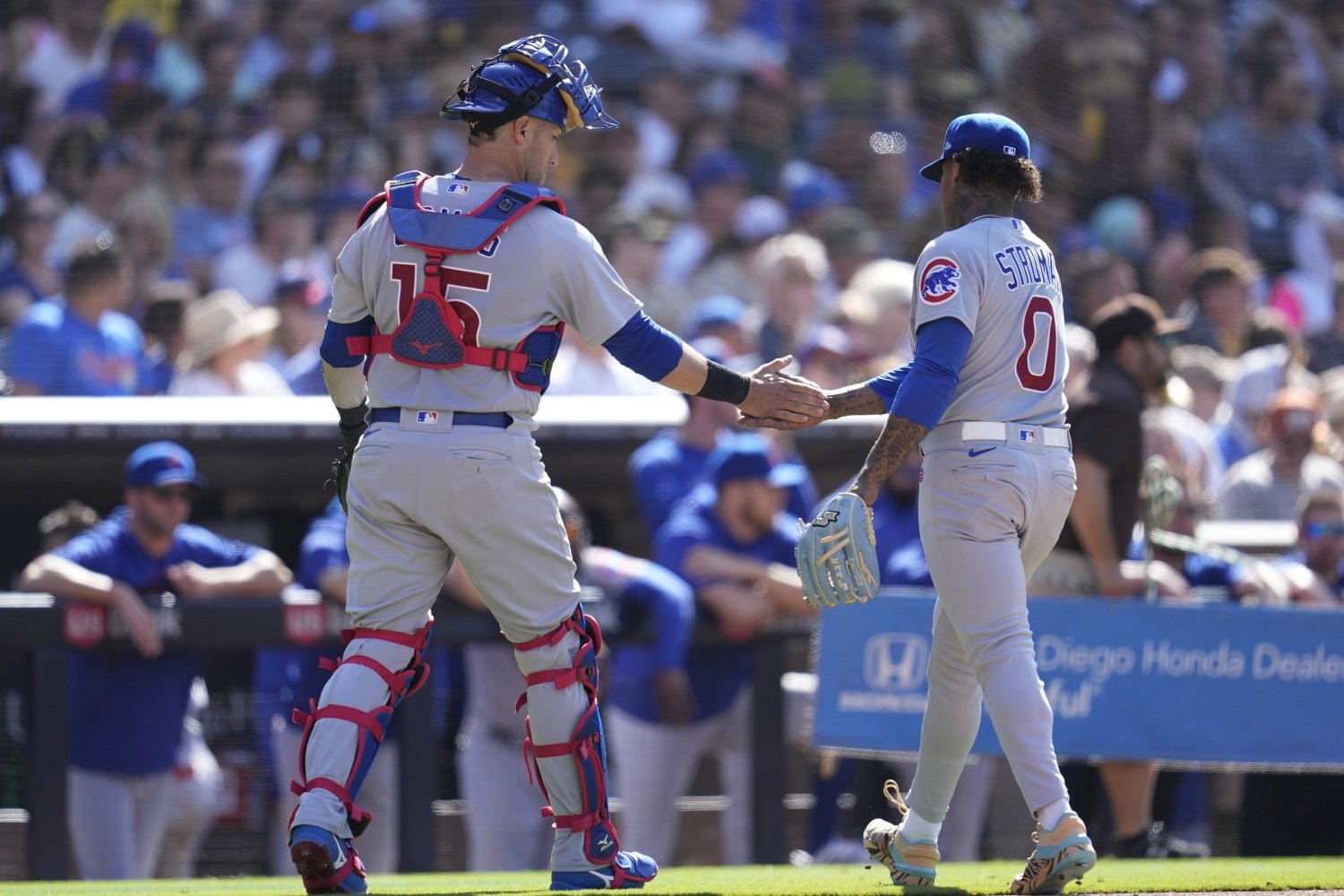 We already know that Marcus Stroman has drawn interest from the Rays this month. He'd be a good fit, because despite being famous for their pitching depth, the Rays have suffered so many injuries that they need more help in the starting rotation. The Rays are an extremely rational buyer in trades like these, though, and wouldn't give up any of the prospects the Cubs might truly covet in a straight-up deal for a rental player like Stroman. On Thursday, though, Rays catcher Francisco Mejia sprained the MCL in his left knee. Mejia was in a timeshare behind the plate for Tampa, with Christian Bethancourt. Now, the Rays are dependent upon Bethancourt, who was splitting time with Mejia for a reason. They're thin at catcher overall. That could create an opening to package Yan Gomes with Stroman and send both to the Rays. Gomes has that very attractive $6-million club option for 2024. He's a good contributor to the run prevention effort, and he's having a terrific year at the plate, too. The Rays would love him, and the price the Cubs could extract for a Stroman-Gomes pairing would be much higher than the one they could get for Stroman alone. This is akin to the deal the team struck with the Mets in 2021, in that they threw in Trevor Williams (who was under team control through 2022, and filled a glaring need for optionable starting pitching depth) along with Javier Baez in order to get Pete Crow-Armstrong. The Rays have an entire tier of prospect talent that could come into play once the Cubs agree to include Gomes and Stroman, though any deal would probably need to include some insurance for the Rays against Stroman getting hurt and exercising his $21-million player option for 2024. While Junior Caminero has become too good and too heralded a prospect to acquire even for both Stroman and Gomes, putting both of them on the table would make it at least plausible to discuss Curtis Mead, Kyle Manzardo, or Jonathan Aranda. Mead is an Australian, with some of the rough edges that come with going through the process of amateur development in a context much different than the one that produces prospects in the Northern Hemisphere. However, he's an absolute monster at the plate. His 2022 season ended early due to an elbow injury, and his 2023 has been interrupted by a broken wrist that occurred when he was hit by a pitch. Despite that, he's hitting .306/.370/.493 as a 22-year-old in Triple A. He might end up at first base, but even if he does, he projects to be the kind of hitter who can be valuable in that role. If he sticks at third base, he would solve a lot of problems for the Cubs in a short time. Manzardo, 23, is a pure first baseman, and has been since college. It was a mild surprise to see the Rays spend a second-round pick on him in 2021, because they usually favor athletic, versatile players, but Manzardo has made it clear why they took the chance. He's a left-handed hitter with a patient approach. He gets the ball in the air, but doesn't strike out often. His numbers at Triple A this year reflect the need for him to slightly adjust his approach to use the big part of the field more, but he's likely to bat .300 a few times in the majors before all is said and done, and he should have 20-homer power based on his ability to elevate. While no longer technically a prospect on the big lists, Aranda, 25, still has six years of team control left, and he's wasting away in Durham behind the stacked Rays infield group. He has his warts--including lousy defense, no matter where he plays on the infield--but he also shows an excellent, all-fields approach. He's struck out far too often in his very limited exposure to MLB pitching, but that hasn't been a problem for him in even the high minors, and his swing doesn't suggest that whiffs should be a long-term problem. He's put up stupid numbers in Triple A over the last two seasons: .328/.419/.552, with 45 doubles, a triple, and 35 home runs in 802 plate appearances. Acquiring Mead would be a bet on solving third base with a plus bat for the long term, even if there's a lot to smooth out defensively. Landing Manzardo or Aranda would be something more on the order of ensuring that first base is solved, by adding one of them to Matt Mervis and knowing that the odds favor one or the other panning out sometime very soon. If it were Stroman and Gomes in the deal, the Cubs should also be able to get some low-level lottery ticket from Tampa to go with Manzardo or Aranda. Moving on even from Stroman would be painful for Cubs fans. Gomes is valuable, not only for his right-handed bat and veteran presence, but because of that year of cheap team control remaining. Last week, we saw the Braves extend the contract of Travis d'Arnaud, making it even tougher on teams who will be hunting for catching help this winter. If the Cubs can bear it, including Gomes could let them grab a lineup-altering bat for the long term. It would mean a real reconfiguration is ahead for this roster, but that's necessary anyway.
 -
The MLB trade deadline looms, and while the Cubs hung on to win a tough game Friday against the Cardinals, they still look like sellers. That's a bummer, but whichever way things break, the front office needs to be aggressive and creative. A recent injury for a top contender might have opened the door to that kind of move. Image courtesy of © Ray Acevedo-USA TODAY Sports We already know that Marcus Stroman has drawn interest from the Rays this month. He'd be a good fit, because despite being famous for their pitching depth, the Rays have suffered so many injuries that they need more help in the starting rotation. The Rays are an extremely rational buyer in trades like these, though, and wouldn't give up any of the prospects the Cubs might truly covet in a straight-up deal for a rental player like Stroman. On Thursday, though, Rays catcher Francisco Mejia sprained the MCL in his left knee. Mejia was in a timeshare behind the plate for Tampa, with Christian Bethancourt. Now, the Rays are dependent upon Bethancourt, who was splitting time with Mejia for a reason. They're thin at catcher overall. That could create an opening to package Yan Gomes with Stroman and send both to the Rays. Gomes has that very attractive $6-million club option for 2024. He's a good contributor to the run prevention effort, and he's having a terrific year at the plate, too. The Rays would love him, and the price the Cubs could extract for a Stroman-Gomes pairing would be much higher than the one they could get for Stroman alone. This is akin to the deal the team struck with the Mets in 2021, in that they threw in Trevor Williams (who was under team control through 2022, and filled a glaring need for optionable starting pitching depth) along with Javier Baez in order to get Pete Crow-Armstrong. The Rays have an entire tier of prospect talent that could come into play once the Cubs agree to include Gomes and Stroman, though any deal would probably need to include some insurance for the Rays against Stroman getting hurt and exercising his $21-million player option for 2024. While Junior Caminero has become too good and too heralded a prospect to acquire even for both Stroman and Gomes, putting both of them on the table would make it at least plausible to discuss Curtis Mead, Kyle Manzardo, or Jonathan Aranda. Mead is an Australian, with some of the rough edges that come with going through the process of amateur development in a context much different than the one that produces prospects in the Northern Hemisphere. However, he's an absolute monster at the plate. His 2022 season ended early due to an elbow injury, and his 2023 has been interrupted by a broken wrist that occurred when he was hit by a pitch. Despite that, he's hitting .306/.370/.493 as a 22-year-old in Triple A. He might end up at first base, but even if he does, he projects to be the kind of hitter who can be valuable in that role. If he sticks at third base, he would solve a lot of problems for the Cubs in a short time. Manzardo, 23, is a pure first baseman, and has been since college. It was a mild surprise to see the Rays spend a second-round pick on him in 2021, because they usually favor athletic, versatile players, but Manzardo has made it clear why they took the chance. He's a left-handed hitter with a patient approach. He gets the ball in the air, but doesn't strike out often. His numbers at Triple A this year reflect the need for him to slightly adjust his approach to use the big part of the field more, but he's likely to bat .300 a few times in the majors before all is said and done, and he should have 20-homer power based on his ability to elevate. While no longer technically a prospect on the big lists, Aranda, 25, still has six years of team control left, and he's wasting away in Durham behind the stacked Rays infield group. He has his warts--including lousy defense, no matter where he plays on the infield--but he also shows an excellent, all-fields approach. He's struck out far too often in his very limited exposure to MLB pitching, but that hasn't been a problem for him in even the high minors, and his swing doesn't suggest that whiffs should be a long-term problem. He's put up stupid numbers in Triple A over the last two seasons: .328/.419/.552, with 45 doubles, a triple, and 35 home runs in 802 plate appearances. Acquiring Mead would be a bet on solving third base with a plus bat for the long term, even if there's a lot to smooth out defensively. Landing Manzardo or Aranda would be something more on the order of ensuring that first base is solved, by adding one of them to Matt Mervis and knowing that the odds favor one or the other panning out sometime very soon. If it were Stroman and Gomes in the deal, the Cubs should also be able to get some low-level lottery ticket from Tampa to go with Manzardo or Aranda. Moving on even from Stroman would be painful for Cubs fans. Gomes is valuable, not only for his right-handed bat and veteran presence, but because of that year of cheap team control remaining. Last week, we saw the Braves extend the contract of Travis d'Arnaud, making it even tougher on teams who will be hunting for catching help this winter. If the Cubs can bear it, including Gomes could let them grab a lineup-altering bat for the long term. It would mean a real reconfiguration is ahead for this roster, but that's necessary anyway. View full article
-
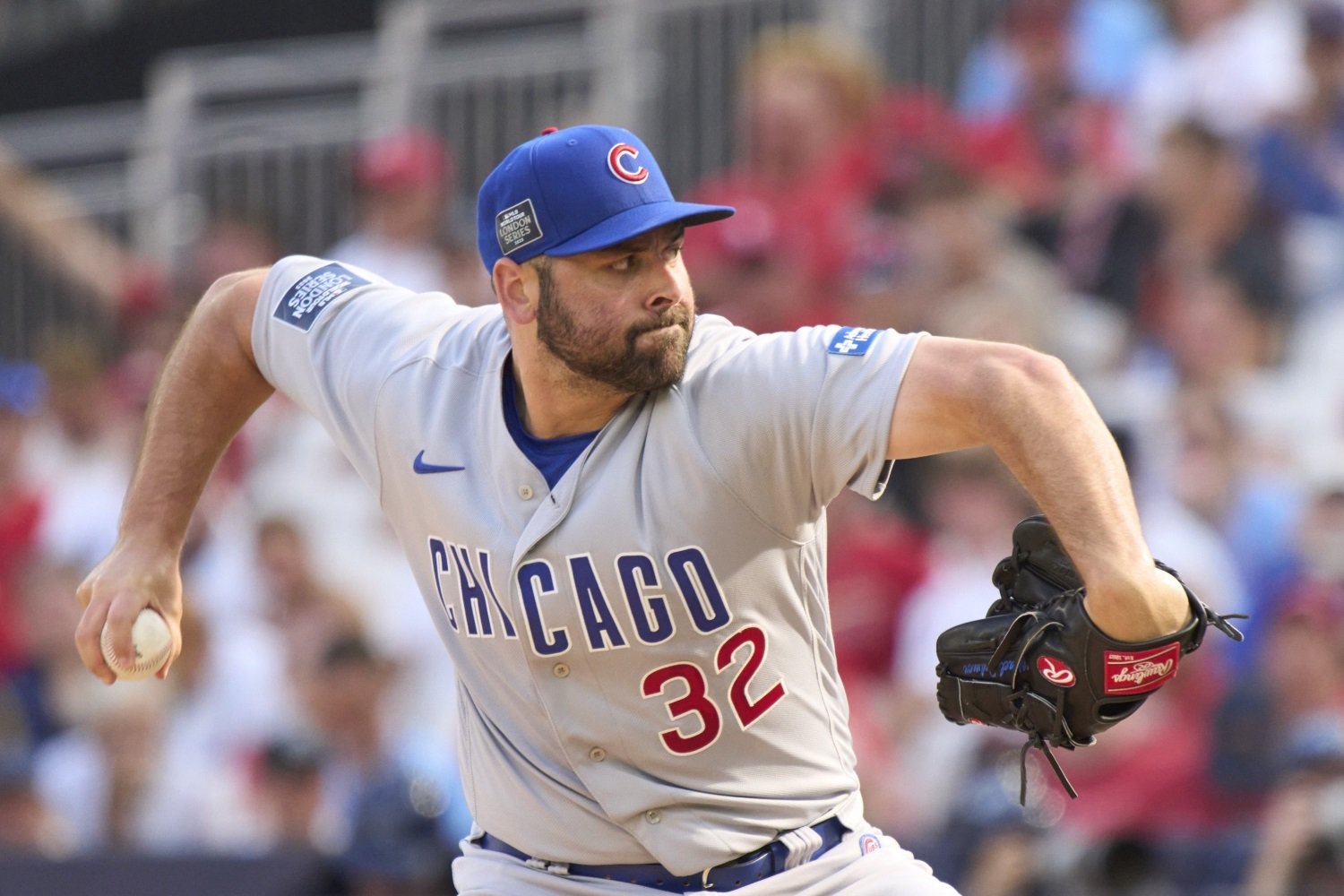 It's been an up-and-down season for Michael Fulmer, but from the perspective of a team trying to get a little bit of value for him in a trade, it's taken the right shape. After a brutal start, Fulmer has been brilliant since the start of June. He's made 17 appearances in the last month and a half, totaling just over 20 innings pitched. He's running an ERA of 1.33 during that span, and allowing opponents to bat just .141/.240/.234. He's fanned 20 of the 75 batters he's faced, and fixed the home run problem he had early in the season. That said, the Cubs should get a solid (if small) return for Fulmer, who will be a free agent again at season's end. He's not only effective, but affordable, and it's easy to see why. After tinkering with his new sweeper and trying to make things work with both a four- and a two-seam fastball, a changeup, his primary slider and the sweeping one, he's acknowledged that much of that wasn't working and stripped things down. He's now, primarily, a four-seamer and slider guy, and it's both allowed him to execute more consistently and helped him find success against left-handed batters, which eluded him early on. Since everyone wants to boost their bullpen at the deadline, the Cubs should have plenty of suitors for Fulmer. He's not an elite arm, and there will be clearly superior relievers available, but the team should still be able to find a modestly valuable return for him somewhere in the marketplace. Where, though? Well, the most obvious place might be the Arizona Diamondbacks, who lag the Dodgers by two games in the three-team fight for the NL West. The upstarts in the desert have a surprisingly strong lineup, but need help in both the rotation and the bullpen. Fulmer would be one of the best hurlers in their pen as soon as he arrived. The Diamondbacks also have a fairly deep farm system, with plenty of players who might constitute fair value for a player like Fulmer. That means that they'll have warts. The most talented players the Cubs might acquire in a deal like this would be far-off young hitters in Low A, and the team should be open-minded about that. Despite the perception that the Cubs will need to contend in 2024 and should focus only on players who can clearly help them do so, the bigger-picture truth here is that the team needs to acquire talent and make progress. Whatever shape that takes, it needs to be done, and the Cubs aren't in a strong enough position to draw lines between the young talent they want and that which they don't. However, considering the risk involved, I think the best scenario for a trade sending Fulmer to the Diamondbacks would bring back a starting pitcher in Triple A. In fact, there are two arms at Arizona's Reno affiliate who merit some discussion here. One is soft-tossing, lanky five-pitch lefty Blake Walston. He's working with a fastball much more about movement and location than about velocity, and it's uncomfortable to imagine trying to bring along a clone of Rich Hill in the pitching environment of 2023. That Walston is running a dangerously low strikeout rate and posting an ERA north of 4.50 in Reno speaks to that. On the other hand, Walston has a very Cubs kind of vibe, and his repertoire is evolving nicely as he tries to weaponize his good command. More conventionally attractive, by modern standards, is Slade Cecconi, a hard-throwing 6-foot-4 righty with a plus slider. Arizona has cleaned up his delivery a bit, but they haven't yet gotten him over the Reno hump, either. Both guys become eligible to be taken in the Rule 5 Draft this fall if not added to the 40-man roster, so they're just the kinds of players teams like Arizona try to move in deals like these in July. That doesn't mean they're trash that would simply be dumped on the Cubs, though, and if the front office spots things they could work with on either hurler, they could become instant candidates for the back end of the rotation next year. Unlike some of the others who will crowd that competition, too, they're each good candidates to move to the bullpen if needed--especially Cecconi, whose stuff could play up enormously. There might be a deal packaging Marcus Stroman with Fulmer that would allow the Cubs to target the higher-ceiling players in the Arizona farm system, but that feels unlikely. Fulmer is more likely to yield a player with some work left to do, and that's ok. The Cubs can still use whatever they get in return, be it as further trade capital this winter or by seeking out players whom they can develop better than their current teams have done.
 -
Now 3-4 on a 10-game homestand in which they needed at least six wins to avoid becoming sellers, the Cubs are 10 days from the trade deadline and almost sure to be trading away short-term pieces. Some of those will be high-impact moves, if done correctly, but there are also small moves that need to be undertaken. Here's one of them. Image courtesy of Peter van den Berg-USA TODAY Sports It's been an up-and-down season for Michael Fulmer, but from the perspective of a team trying to get a little bit of value for him in a trade, it's taken the right shape. After a brutal start, Fulmer has been brilliant since the start of June. He's made 17 appearances in the last month and a half, totaling just over 20 innings pitched. He's running an ERA of 1.33 during that span, and allowing opponents to bat just .141/.240/.234. He's fanned 20 of the 75 batters he's faced, and fixed the home run problem he had early in the season. That said, the Cubs should get a solid (if small) return for Fulmer, who will be a free agent again at season's end. He's not only effective, but affordable, and it's easy to see why. After tinkering with his new sweeper and trying to make things work with both a four- and a two-seam fastball, a changeup, his primary slider and the sweeping one, he's acknowledged that much of that wasn't working and stripped things down. He's now, primarily, a four-seamer and slider guy, and it's both allowed him to execute more consistently and helped him find success against left-handed batters, which eluded him early on. Since everyone wants to boost their bullpen at the deadline, the Cubs should have plenty of suitors for Fulmer. He's not an elite arm, and there will be clearly superior relievers available, but the team should still be able to find a modestly valuable return for him somewhere in the marketplace. Where, though? Well, the most obvious place might be the Arizona Diamondbacks, who lag the Dodgers by two games in the three-team fight for the NL West. The upstarts in the desert have a surprisingly strong lineup, but need help in both the rotation and the bullpen. Fulmer would be one of the best hurlers in their pen as soon as he arrived. The Diamondbacks also have a fairly deep farm system, with plenty of players who might constitute fair value for a player like Fulmer. That means that they'll have warts. The most talented players the Cubs might acquire in a deal like this would be far-off young hitters in Low A, and the team should be open-minded about that. Despite the perception that the Cubs will need to contend in 2024 and should focus only on players who can clearly help them do so, the bigger-picture truth here is that the team needs to acquire talent and make progress. Whatever shape that takes, it needs to be done, and the Cubs aren't in a strong enough position to draw lines between the young talent they want and that which they don't. However, considering the risk involved, I think the best scenario for a trade sending Fulmer to the Diamondbacks would bring back a starting pitcher in Triple A. In fact, there are two arms at Arizona's Reno affiliate who merit some discussion here. One is soft-tossing, lanky five-pitch lefty Blake Walston. He's working with a fastball much more about movement and location than about velocity, and it's uncomfortable to imagine trying to bring along a clone of Rich Hill in the pitching environment of 2023. That Walston is running a dangerously low strikeout rate and posting an ERA north of 4.50 in Reno speaks to that. On the other hand, Walston has a very Cubs kind of vibe, and his repertoire is evolving nicely as he tries to weaponize his good command. More conventionally attractive, by modern standards, is Slade Cecconi, a hard-throwing 6-foot-4 righty with a plus slider. Arizona has cleaned up his delivery a bit, but they haven't yet gotten him over the Reno hump, either. Both guys become eligible to be taken in the Rule 5 Draft this fall if not added to the 40-man roster, so they're just the kinds of players teams like Arizona try to move in deals like these in July. That doesn't mean they're trash that would simply be dumped on the Cubs, though, and if the front office spots things they could work with on either hurler, they could become instant candidates for the back end of the rotation next year. Unlike some of the others who will crowd that competition, too, they're each good candidates to move to the bullpen if needed--especially Cecconi, whose stuff could play up enormously. There might be a deal packaging Marcus Stroman with Fulmer that would allow the Cubs to target the higher-ceiling players in the Arizona farm system, but that feels unlikely. Fulmer is more likely to yield a player with some work left to do, and that's ok. The Cubs can still use whatever they get in return, be it as further trade capital this winter or by seeking out players whom they can develop better than their current teams have done. View full article
- 1 reply
-
- 2
-
-
- michael fulmer
- slade cecconi
- (and 1 more)
-
Pete Crow-ArmstrongJordan WicksJames TriantosCade HortonKevin AlcantaraMatt ShawMiguel AmayaOwen CaissieBen BrownAlexander CanarioMoises BallesterosDaniel PalenciaMatt MervisHaydn McGearyJackson FerrisJosh RiveraCristian HernandezJaxon WigginsJefferson RojasWill Sanders
-
A Trade a Day: How the Cubs Could Buy Big for 2024, in 2023
Matthew Trueblood posted an article in Cubs
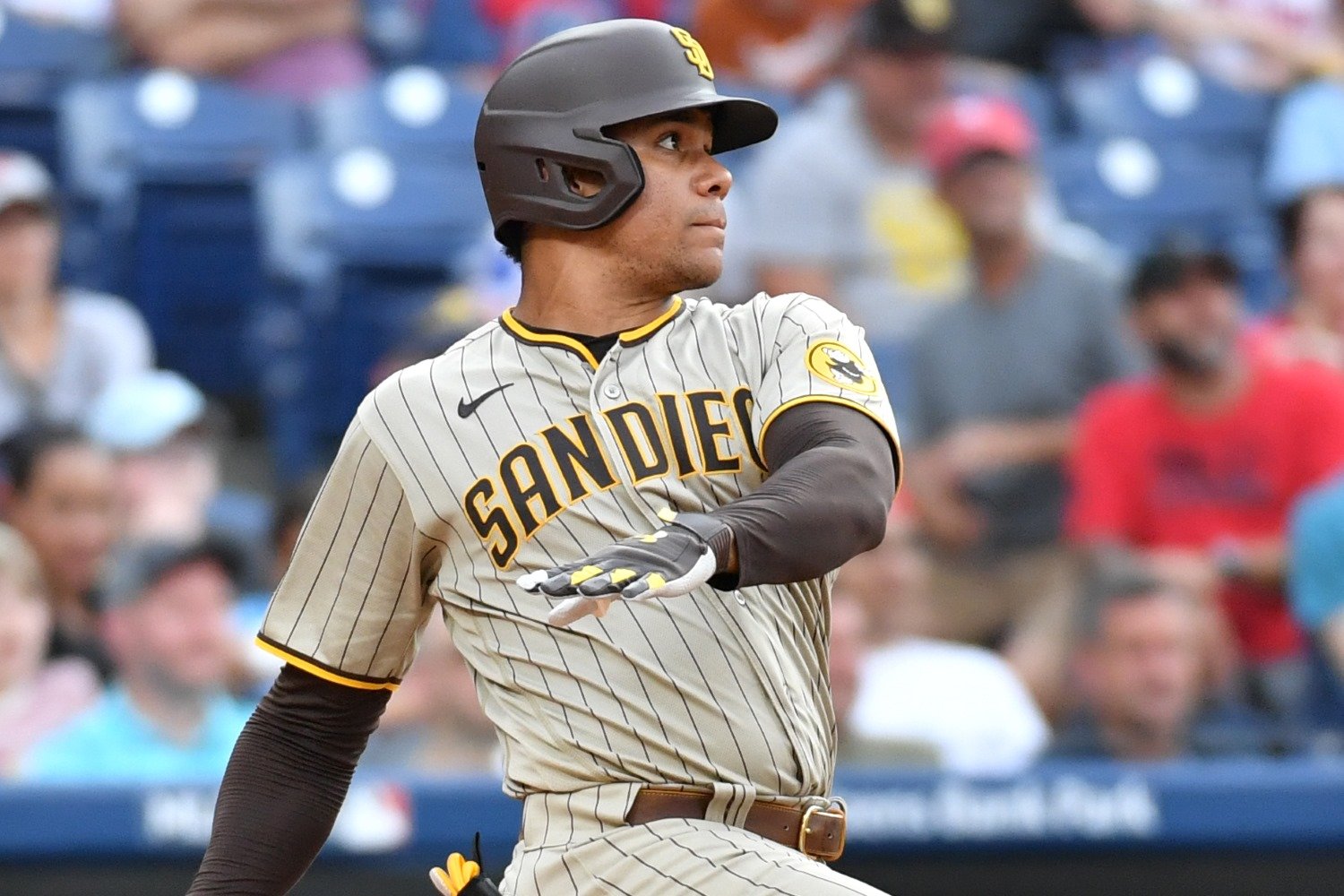 One year ago, the San Diego Padres beat the rest of the market and hauled in Juan Soto from the sinking ship of the post-2019 Washington Nationals. Soto was in the midst of an off year, but it was broadly understood that he was still one of the game's three or four most brilliant young hitters, and he had two and a half years of team control remaining. With Soto in the heart of their lineup, San Diego came within two wins of their first pennant since 1998. Alas, the magic has not lasted into 2023. Soto is having a more typical season. Fernando Tatis, Jr. is back at the top of their lineup, doing dynamic things on both offense and defense. They have as deep a roster of stars as any team in baseball. Yet, they enter play Wednesday at 45-50. They're 10 games out and in fourth place in the NL West. They're seven games out of the final Wild Card spot, currently held by the Phillies, and the Marlins and the Reds are both between Philadelphia and San Diego in the standings, too. Yes, this is a "the Cubs should trade for Juan Soto" post, in 2023. By no means are the Padres ready to blow up the huge and expensive experiment they began a few years ago, when general manager A.J. Preller started trading for every good player who became available, especially if they had multiple years of team control remaining. To borrow a poker term, the Friars are pot-committed. However, the aforementioned expensiveness of this gambit might already be catching up to them a bit. They look unlikely to generate the buzz or the fevered ticket-buying for which they'd hoped, for the balance of this year, and while tickets sold last winter are already locked in, the team can't even afford absenteeism on the part of paid ticketholders based on their current model. That's because the local TV rights bubble has popped, and the Padres were the first victims. Bally Sports walked away from their obligations to broadcast Padres games, and while MLB has won enough in court to secure the majority of the payments that were due to the team (in addition to picking up the slack in actually producing the games), the short- and long-term costs are enormous. The Padres suddenly face extraordinary uncertainty in a part of their budget in which teams have become accustomed to lucrative certitude. That's not to say that Soto will hit the market at all, and certainly not to say that Preller will sell him cheap. It's just an important foundational fact. Soto is making $23 million in 2023, and that's just in Year Three of his four seasons of arbitration eligibility. He'll push close to $30 million in salary for 2024. He's a hefty line item on the bloated Padres payroll, and if the talent coming back were sufficient, Preller would be derelict if he didn't listen. How could the Cubs be the ones to land Soto? It starts with either Ian Happ or Seiya Suzuki. Much depends on which of those two players the Padres value more highly, and some depends on which of the two the Cubs could convince to waive their no-trade clauses, but that's how the trade begins. Both players are good, and both should be even better than they've been thus far this season. Either would slide nicely into Soto's place on the Padres, hitting lower in their much stronger batting order but playing his vacated left field better and saving San Diego substantial money. The Padres' hopes for 2023 are dim, but they remain a potential favorite for 2024, and Happ or Suzuki could keep it that way. Just as importantly, from Preller's always-hungry perspective, both Happ and Suzuki are under team control through 2026. The Soto acquisition last summer was typical of Preller, not only because it was big and splashy, but because it prioritized long-term control. Preller spent almost as lavishly, in terms of prospect capital, for the likes of Mike Clevinger, Austin Nola, Joe Musgrove, Blake Snell, and Yu Darvish, at various times. He doesn't like acquiring rentals. He wants to acquire players with medium-term team control. Obviously, though, neither that love of lengthy commitments nor the Padres' mild financial crunch will make Preller jump at a straight-up swap of Soto for Happ or Suzuki. Those two just get a different, more productive conversation started between the teams, relative to a team who might call and offer only prospects for Soto. The Cubs would have to add a prospect of significant value, like Kevin Alcantara or Cade Horton, in order to make a potential trade come into clearer focus. Pete Crow-Armstrong's inclusion would really grease the wheels, but that's likely to be anathema to the Cubs front office, and even to fans. Giving up one of the anchors of the current roster and one of the tentpole talents of the farm system would sting, and the Cubs might even need to include more to finish off a deal for Soto. Even so, it'd be worth it. In a scenario in which the Cubs did this, they'd probably retain at least one of Marcus Stroman and Cody Bellinger, too. They'd give themselves a markedly better chance of catching the Reds and Brewers in the NL Central, just as the Mets nearly caught up in the playoff hunt four years ago. New York was even further from a playoff berth than the Cubs are when they made that Stroman trade, but as it turned out, they acquired him just a few games into a streak in which they won 15 of 16. Were it not for a late swoon, the team might have made the postseason that year, even though the concept of the trade was to gear up for 2020. Soto would be a transformational acquisition for the Cubs. He'd alter their lineup overnight, augmenting their grinding, patient offense (first in MLB in pitches seen per plate appearance) and adding major power thereto. He's the superstar outsider who can accelerate a slog from rebuilding to contention--the mirror image of the Jon Lester signing from 2015. He's hitting .265/417/.491, with 17 home runs and 23 doubles this year, and as always, he's leading MLB in walks. He'd replace Happ's or Suzuki's patience, but with better contact skills and more consistent pop. He'd only be under team control through 2024, but that's fine. The Cubs need to be focused on winning in 2024, right now, and that might not mean trading away valuable players at this deadline--which could yield the most talent only if the team is willing to take guys who might not contribute for another two or three years. Rather, it might best be achieved by adding someone who could also help them make a desperate run in 2023, and then gearing up to make them the centerpiece of a 2024 winner.
 -
In 2019, the Mets stunned baseball by being the team who traded for Marcus Stroman ahead of the trade deadline. At the time of that trade, they were 49-55. They were eager to demonstrate their commitment to winning, though, and they viewed adding Stroman as a key step toward contending in 2020. Can the Cubs pull off an even bolder stroke? Image courtesy of © Eric Hartline-USA TODAY Sports One year ago, the San Diego Padres beat the rest of the market and hauled in Juan Soto from the sinking ship of the post-2019 Washington Nationals. Soto was in the midst of an off year, but it was broadly understood that he was still one of the game's three or four most brilliant young hitters, and he had two and a half years of team control remaining. With Soto in the heart of their lineup, San Diego came within two wins of their first pennant since 1998. Alas, the magic has not lasted into 2023. Soto is having a more typical season. Fernando Tatis, Jr. is back at the top of their lineup, doing dynamic things on both offense and defense. They have as deep a roster of stars as any team in baseball. Yet, they enter play Wednesday at 45-50. They're 10 games out and in fourth place in the NL West. They're seven games out of the final Wild Card spot, currently held by the Phillies, and the Marlins and the Reds are both between Philadelphia and San Diego in the standings, too. Yes, this is a "the Cubs should trade for Juan Soto" post, in 2023. By no means are the Padres ready to blow up the huge and expensive experiment they began a few years ago, when general manager A.J. Preller started trading for every good player who became available, especially if they had multiple years of team control remaining. To borrow a poker term, the Friars are pot-committed. However, the aforementioned expensiveness of this gambit might already be catching up to them a bit. They look unlikely to generate the buzz or the fevered ticket-buying for which they'd hoped, for the balance of this year, and while tickets sold last winter are already locked in, the team can't even afford absenteeism on the part of paid ticketholders based on their current model. That's because the local TV rights bubble has popped, and the Padres were the first victims. Bally Sports walked away from their obligations to broadcast Padres games, and while MLB has won enough in court to secure the majority of the payments that were due to the team (in addition to picking up the slack in actually producing the games), the short- and long-term costs are enormous. The Padres suddenly face extraordinary uncertainty in a part of their budget in which teams have become accustomed to lucrative certitude. That's not to say that Soto will hit the market at all, and certainly not to say that Preller will sell him cheap. It's just an important foundational fact. Soto is making $23 million in 2023, and that's just in Year Three of his four seasons of arbitration eligibility. He'll push close to $30 million in salary for 2024. He's a hefty line item on the bloated Padres payroll, and if the talent coming back were sufficient, Preller would be derelict if he didn't listen. How could the Cubs be the ones to land Soto? It starts with either Ian Happ or Seiya Suzuki. Much depends on which of those two players the Padres value more highly, and some depends on which of the two the Cubs could convince to waive their no-trade clauses, but that's how the trade begins. Both players are good, and both should be even better than they've been thus far this season. Either would slide nicely into Soto's place on the Padres, hitting lower in their much stronger batting order but playing his vacated left field better and saving San Diego substantial money. The Padres' hopes for 2023 are dim, but they remain a potential favorite for 2024, and Happ or Suzuki could keep it that way. Just as importantly, from Preller's always-hungry perspective, both Happ and Suzuki are under team control through 2026. The Soto acquisition last summer was typical of Preller, not only because it was big and splashy, but because it prioritized long-term control. Preller spent almost as lavishly, in terms of prospect capital, for the likes of Mike Clevinger, Austin Nola, Joe Musgrove, Blake Snell, and Yu Darvish, at various times. He doesn't like acquiring rentals. He wants to acquire players with medium-term team control. Obviously, though, neither that love of lengthy commitments nor the Padres' mild financial crunch will make Preller jump at a straight-up swap of Soto for Happ or Suzuki. Those two just get a different, more productive conversation started between the teams, relative to a team who might call and offer only prospects for Soto. The Cubs would have to add a prospect of significant value, like Kevin Alcantara or Cade Horton, in order to make a potential trade come into clearer focus. Pete Crow-Armstrong's inclusion would really grease the wheels, but that's likely to be anathema to the Cubs front office, and even to fans. Giving up one of the anchors of the current roster and one of the tentpole talents of the farm system would sting, and the Cubs might even need to include more to finish off a deal for Soto. Even so, it'd be worth it. In a scenario in which the Cubs did this, they'd probably retain at least one of Marcus Stroman and Cody Bellinger, too. They'd give themselves a markedly better chance of catching the Reds and Brewers in the NL Central, just as the Mets nearly caught up in the playoff hunt four years ago. New York was even further from a playoff berth than the Cubs are when they made that Stroman trade, but as it turned out, they acquired him just a few games into a streak in which they won 15 of 16. Were it not for a late swoon, the team might have made the postseason that year, even though the concept of the trade was to gear up for 2020. Soto would be a transformational acquisition for the Cubs. He'd alter their lineup overnight, augmenting their grinding, patient offense (first in MLB in pitches seen per plate appearance) and adding major power thereto. He's the superstar outsider who can accelerate a slog from rebuilding to contention--the mirror image of the Jon Lester signing from 2015. He's hitting .265/417/.491, with 17 home runs and 23 doubles this year, and as always, he's leading MLB in walks. He'd replace Happ's or Suzuki's patience, but with better contact skills and more consistent pop. He'd only be under team control through 2024, but that's fine. The Cubs need to be focused on winning in 2024, right now, and that might not mean trading away valuable players at this deadline--which could yield the most talent only if the team is willing to take guys who might not contribute for another two or three years. Rather, it might best be achieved by adding someone who could also help them make a desperate run in 2023, and then gearing up to make them the centerpiece of a 2024 winner. View full article
-
Every loss brings the Cubs closer to selling off pieces at the trade deadline, which now lurks just two lines down on the calendar. At this point, they'd need more than a surge to avoid being in position to sell; they'd need an outright streak of seven or eight wins. Failing that, though, there's a chance for them to repeat the process that brought them their top prospect two years ago. Image courtesy of © David Banks-USA TODAY Sports Already, we've heard that the Dodgers have interest in Marcus Stroman. That makes sense. Despite their very impressive depth and seeming ability to turn fifth-rounders into mid-rotation guys at will, the Dodgers always seem to be wrestling with the injury bear, and they're losing that fight this year. Though they've pulled out to a two-game lead in the NL West, they have an entire rotation's worth of starters on the injured list, and there are three untested rookies in their rotation at the moment. One of their ostensibly reliable veterans, at the moment, is the oft-injured Tony Gonsolin. The most obvious course could be for the Cubs to target one of those three rookie starters--Bobby Miller, Emmet Sheehan, and Michael Grove--in a potential Stroman trade. That's slightly fraught, though, because the Dodgers could see Julio Urias, Clayton Kershaw, and others depart as free agents this winter, so they might prefer to cleave to their young hurlers for now. Just as importantly, the Cubs face a likely future without Stroman, and perhaps one without Kyle Hendricks or Drew Smyly as viable starters in 2024. They might not want to add another rookie to a rotation that figures to feature at least two of Ben Brown, Jordan Wicks, and Hayden Wesneski, anyway. Perhaps, then, both sides would consider a trade that would give the Cubs the power missing from their outfield, even though it would need to wait until mid-2024. In a deal with echoes of the one that brought Pete Crow-Armstrong into the fold two years ago, the Cubs could trade Stroman to the Dodgers for a package headlined by outfield prospect Andy Pages. Alas, the most obvious similarity to the Crow-Armstrong trade is in the status of the two prospects at the time of the deals (one real, one (so far) merely imagined). Pages tore the labrum in his shoulder in his first game at Triple A earlier this year, and is out for the season. That's the same injury (there are subtle differences, but PCA also had a labral tear and the prognosis for recovery was good in each case) that had sidelined Crow-Armstrong two months before the Cubs landed him in the trade that sent Javier Baez to the Mets. If Crow-Armstrong had been healthy at the time, he wouldn't have been available in a deal for an impending free agent like Baez. If Pages were healthy, he would probably already be knocking loudly on the door of the big-league roster, and the Dodgers wouldn't consider trading him for a player like Stroman--who can become a free agent at season's end, and who could opt in for $21 million next year if he happens to get hurt down the stretch. Since Pages is hurt, though, there's now some extra risk involved in projecting his career, and it might be enough to make him available in exchange for the market's best starting pitcher. Getting him would be a minor coup, too, because he's exactly what is missing from the Cubs lineup. Before getting hurt this season, he was one of the most surefire (though not one of the highest-ceiling) power prospects in baseball. Almost no hitter in professional baseball, on any level, focuses as much on lifting the ball to the pull field as does Pages, and he's consistently successful doing so. He hit 57 home runs, 54 doubles, and four triples across two levels in 2021 and 2022, in just over 1,100 combined plate appearances. He strikes out fairly often, but not unmanageably, and he draws a ton of walks, because pitchers know they'll pay if they make a mistake over the inner two-thirds of the plate, and Pages knows how to spot the junk they throw just off the outside edge. Obviously, since he's gotten virtually zero time in at Triple A thanks to the injury, he'll need to open next season in the minors. If he comes back with his strength and his approach intact, though, he should be a quick study there, and he could debut in the big leagues by midseason. That's another key difference from the Crow-Armstrong deal: proximity. Pages isn't going to end up a viable center fielder, but given that Crow-Armstrong should beat him to MLB, anyway, that's no problem. Fitting him into the team's plans in the corner outfield is tricky, but far from impossible. He could rotate through both corners, with Ian Happ and Seiya Suzuki getting some time at designated hitter. Alternatively, of course, the Cubs could shop one of their incumbent corner men this winter. At Wrigley Field, a right-handed power hitter who can consistently lift the ball to his pull field should be a perennial threat to hit 35 home runs. It's how Ernie Banks hit 500 home runs, and how Kris Bryant won an MVP award. Pages comes with risk, but he could become the dangerous middle-of-the-order bat that the Cubs have sorely lacked since the 2021 trade deadline. They could do much worse than acquiring him for another rental player at this one. View full article
-
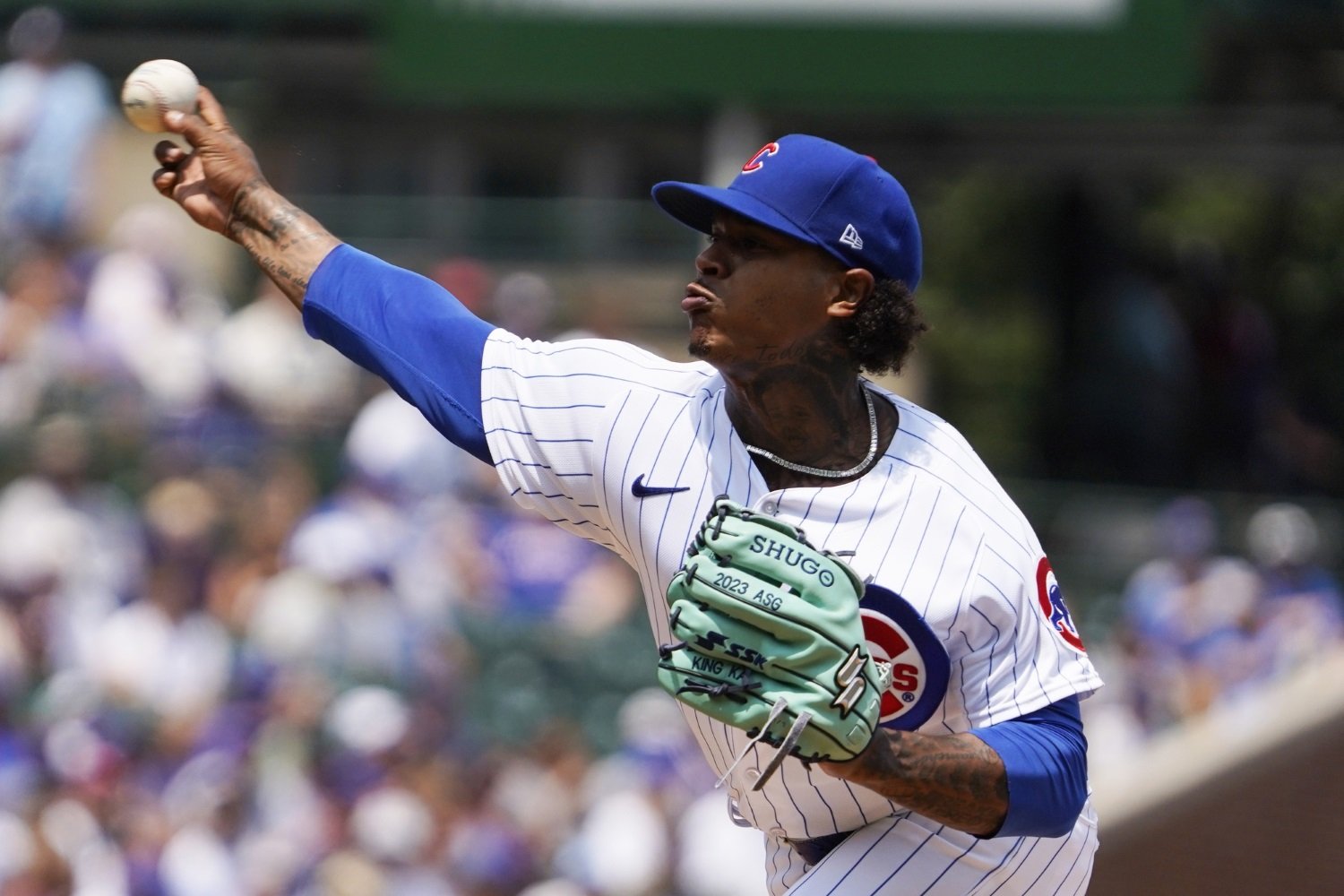 Already, we've heard that the Dodgers have interest in Marcus Stroman. That makes sense. Despite their very impressive depth and seeming ability to turn fifth-rounders into mid-rotation guys at will, the Dodgers always seem to be wrestling with the injury bear, and they're losing that fight this year. Though they've pulled out to a two-game lead in the NL West, they have an entire rotation's worth of starters on the injured list, and there are three untested rookies in their rotation at the moment. One of their ostensibly reliable veterans, at the moment, is the oft-injured Tony Gonsolin. The most obvious course could be for the Cubs to target one of those three rookie starters--Bobby Miller, Emmet Sheehan, and Michael Grove--in a potential Stroman trade. That's slightly fraught, though, because the Dodgers could see Julio Urias, Clayton Kershaw, and others depart as free agents this winter, so they might prefer to cleave to their young hurlers for now. Just as importantly, the Cubs face a likely future without Stroman, and perhaps one without Kyle Hendricks or Drew Smyly as viable starters in 2024. They might not want to add another rookie to a rotation that figures to feature at least two of Ben Brown, Jordan Wicks, and Hayden Wesneski, anyway. Perhaps, then, both sides would consider a trade that would give the Cubs the power missing from their outfield, even though it would need to wait until mid-2024. In a deal with echoes of the one that brought Pete Crow-Armstrong into the fold two years ago, the Cubs could trade Stroman to the Dodgers for a package headlined by outfield prospect Andy Pages. Alas, the most obvious similarity to the Crow-Armstrong trade is in the status of the two prospects at the time of the deals (one real, one (so far) merely imagined). Pages tore the labrum in his shoulder in his first game at Triple A earlier this year, and is out for the season. That's the same injury (there are subtle differences, but PCA also had a labral tear and the prognosis for recovery was good in each case) that had sidelined Crow-Armstrong two months before the Cubs landed him in the trade that sent Javier Baez to the Mets. If Crow-Armstrong had been healthy at the time, he wouldn't have been available in a deal for an impending free agent like Baez. If Pages were healthy, he would probably already be knocking loudly on the door of the big-league roster, and the Dodgers wouldn't consider trading him for a player like Stroman--who can become a free agent at season's end, and who could opt in for $21 million next year if he happens to get hurt down the stretch. Since Pages is hurt, though, there's now some extra risk involved in projecting his career, and it might be enough to make him available in exchange for the market's best starting pitcher. Getting him would be a minor coup, too, because he's exactly what is missing from the Cubs lineup. Before getting hurt this season, he was one of the most surefire (though not one of the highest-ceiling) power prospects in baseball. Almost no hitter in professional baseball, on any level, focuses as much on lifting the ball to the pull field as does Pages, and he's consistently successful doing so. He hit 57 home runs, 54 doubles, and four triples across two levels in 2021 and 2022, in just over 1,100 combined plate appearances. He strikes out fairly often, but not unmanageably, and he draws a ton of walks, because pitchers know they'll pay if they make a mistake over the inner two-thirds of the plate, and Pages knows how to spot the junk they throw just off the outside edge. Obviously, since he's gotten virtually zero time in at Triple A thanks to the injury, he'll need to open next season in the minors. If he comes back with his strength and his approach intact, though, he should be a quick study there, and he could debut in the big leagues by midseason. That's another key difference from the Crow-Armstrong deal: proximity. Pages isn't going to end up a viable center fielder, but given that Crow-Armstrong should beat him to MLB, anyway, that's no problem. Fitting him into the team's plans in the corner outfield is tricky, but far from impossible. He could rotate through both corners, with Ian Happ and Seiya Suzuki getting some time at designated hitter. Alternatively, of course, the Cubs could shop one of their incumbent corner men this winter. At Wrigley Field, a right-handed power hitter who can consistently lift the ball to his pull field should be a perennial threat to hit 35 home runs. It's how Ernie Banks hit 500 home runs, and how Kris Bryant won an MVP award. Pages comes with risk, but he could become the dangerous middle-of-the-order bat that the Cubs have sorely lacked since the 2021 trade deadline. They could do much worse than acquiring him for another rental player at this one.
 -
Yeah, I think an oblique can linger all year, but it’s a really good bet that when it heals, power is boosted in a big way on the other end. Soler comes to mind. Question is, how long does it linger or how often does it recur?
-
They absolutely should be giving Mervis that second look. But it’s worth something along those lines that the evaluations of prospect writers before he came up marry nicely with the engines of his struggles when he was in MLB. The doubters aren’t conclusively right, but I give their opinions a bit more weight after seeing him for a stretch at the highest level—enough so, anyway, that I’d be fine bringing in another LHH with a well-rounded skill set, especially since he could DH or play a corner OF spot if Mervis takes off.
-
That’s a great set of points. Although it does feel a little like the O’s pose a rare and very fleeting opportunity. A couple of the prospects named here will slide in for the likes of Austin Hays and Anthony Santander next year, and the Orioles will find trade partners for one or more of the more expensive, less controllable, lower-ceiling guys on the current roster.
-
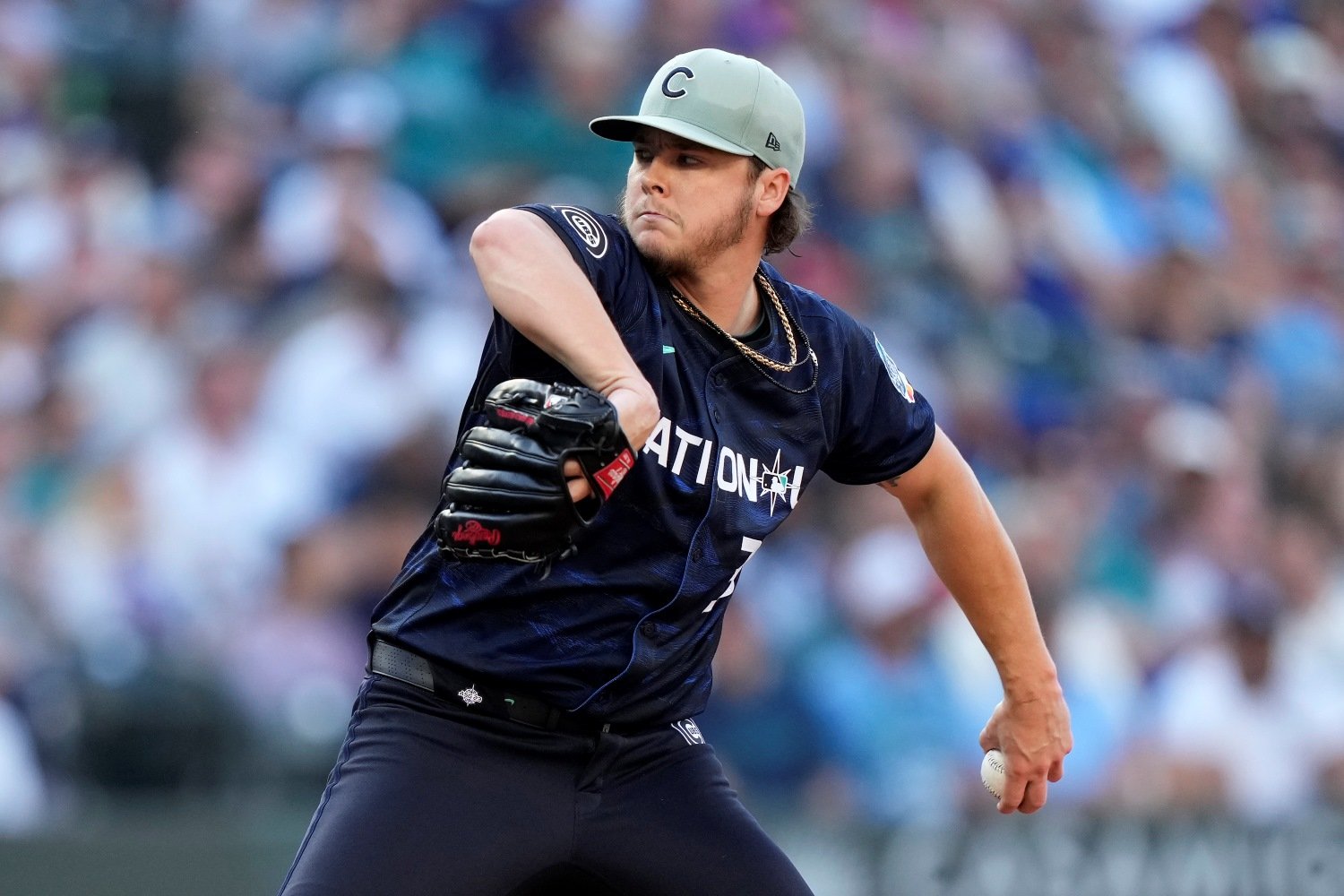 This piece is in honor of longtime reader and Twitter compadre Matt White. When Daniel Burnham wrote, "Make no little plans; they have no magic to stir men's blood," something deep inside one of Matt's forebears stirred at the very ambition of it. He's a good follow for denizens of Cubs Twitter, precisely because his mind is always in motion, and because he's unafraid of turning over big notions like this one in his head. Way back on July 1, Matt emailed me with one of those thoughts: Why not explore trading Steele this month, as an alternative to doing so with Marcus Stroman? He made some strong points, too. To summarize them: It might be the team's best chance to break out of the quagmire in which they've seemed stuck since 2019. Steele would give the Cubs access to high-ceiling young hitters, in a way any other trade chip would be unlikely to do. Steele, for all his strengths, shares the signature shortcoming of the Cubs' starters, in that he really doesn't miss bats within the strike zone. They need to remake their rotation and address that specific issue in the medium and long term, so why not get proactive about it while his value is sky-high? Before anyone jumps on Matt for the sense of backward momentum this type of deal would seem to imply, know that he specifically mentioned extending Stroman this month as part of the maneuver. (This was well before we heard virtually ironclad confirmation that that won't happen.) He also recommended focusing on either immediate or imminent contributors, such that it wouldn't feel too much like a selling move. To be sure, Steele (who's going to become arbitration-eligible for the first of four times this winter) has the sheer value in trade to land someone good, and someone on whom the Cubs wouldn't have to wait long at all. The fit that leaps to mind for me is the Orioles, a clear contender who could even dream on a trip to the World Series this year, but who are also positioned to be good for the balance of Steele's term of team control. Baltimore's farm system is deep, and its depth leans toward position players. Not even an All-Star starter whom the team can retain for at least four years will pry loose Gunnar Henderson or Jackson Holliday, but the Cubs could still talk to the O's about Colton Cowser, Jordan Westburg, Coby Mayo, and Heston Kjerstad. Depending on whom you ask, Mayo or Kjerstad could be the best fits. Each is now in Triple-A Norfolk, and each has already raked in Double A at a very young age. They're the controllable power bats the Cubs have been lacking, even if they each come with warts. Is this likely to happen? Not at all. Steele is the linchpin of the Cubs rotation, especially with Stroman set either to depart or to get a significant pay raise for 2024. To trade him, the Cubs would need to acknowledge the risk that comes with his two-pitch mix; the unique but not traditionally dominant characteristics of his fastball; his shaky health record, as he nears 30; and the dearth of whiffs in the strike zone that we've already discussed. They'd need to have major faith in the combination of Jordan Wicks, Cade Horton, and Ben Brown, and while this is a good moment to feel good about just about all of them, the danger of that gambit is obvious. Still, it's a fascinating concept. The Orioles have the combination of urgent need, use for all of Steele's years of control, and depth on the farm to supply the Cubs with some very exciting talent in exchange for Steele. Failing that, the Cubs could raid the systems of any of a few other pitching-needy contenders, like the Dodgers, Astros, or Rays--the last of whom, in addition to having just as deep and impressive a reserve of potential sluggers as Baltimore, would love to get ahold of a cost-controlled star. Talking about a trade like this--even a wholly hypothetical one--can be frustrating. It doesn't feel like something the Cubs should be in a position to even ponder. It doesn't seem right that they might need to let the greatest success story for their pitching development pipeline in over a decade go elsewhere just to make up for a shortfall elsewhere. That's not the fault of the idea, though. The frequent lament, "How can you get closer to winning by trading away good players?" misses the point. A few good players can't ensure a good team, as the 2023 Cubs prove on a daily basis. There is some price, even if it's not a good bet that anyone will meet it, at which trading Steele would move the Cubs forward, because they would be breaking the cycle of mediocrity that has so aggravated fans in the first place. The excruciating facts are that the Cubs are not succeeding right now, and that they're a bit hemmed in by what were either poor evaluations or poor developmental plans for some key players on whom they've spent a lot of money that will remain on their payroll in coming years. To work around that, they'll have to bear some pain somewhere. Unless you believe the Ricketts family is ready to run a $300-million payroll, it's likely that wince-inducing trades will be part of that, eventually. Moving Steele right now, while he's healthy and running a sub-3.00 ERA, is a concept with a lot of merit, even if it causes you to break out in hives that look exactly like Tom Ricketts's face.
 -
The best trade ideas to kick around in July are the ones that feel slightly off-the-wall. They're aggressive, fascinating--and wildly unlikely. Still, those kinds of deals have transformative potential missing from some more traditional moves. So what would it take to get you interested in trading Justin Steele? Image courtesy of © Stephen Brashear-USA TODAY Sports This piece is in honor of longtime reader and Twitter compadre Matt White. When Daniel Burnham wrote, "Make no little plans; they have no magic to stir men's blood," something deep inside one of Matt's forebears stirred at the very ambition of it. He's a good follow for denizens of Cubs Twitter, precisely because his mind is always in motion, and because he's unafraid of turning over big notions like this one in his head. Way back on July 1, Matt emailed me with one of those thoughts: Why not explore trading Steele this month, as an alternative to doing so with Marcus Stroman? He made some strong points, too. To summarize them: It might be the team's best chance to break out of the quagmire in which they've seemed stuck since 2019. Steele would give the Cubs access to high-ceiling young hitters, in a way any other trade chip would be unlikely to do. Steele, for all his strengths, shares the signature shortcoming of the Cubs' starters, in that he really doesn't miss bats within the strike zone. They need to remake their rotation and address that specific issue in the medium and long term, so why not get proactive about it while his value is sky-high? Before anyone jumps on Matt for the sense of backward momentum this type of deal would seem to imply, know that he specifically mentioned extending Stroman this month as part of the maneuver. (This was well before we heard virtually ironclad confirmation that that won't happen.) He also recommended focusing on either immediate or imminent contributors, such that it wouldn't feel too much like a selling move. To be sure, Steele (who's going to become arbitration-eligible for the first of four times this winter) has the sheer value in trade to land someone good, and someone on whom the Cubs wouldn't have to wait long at all. The fit that leaps to mind for me is the Orioles, a clear contender who could even dream on a trip to the World Series this year, but who are also positioned to be good for the balance of Steele's term of team control. Baltimore's farm system is deep, and its depth leans toward position players. Not even an All-Star starter whom the team can retain for at least four years will pry loose Gunnar Henderson or Jackson Holliday, but the Cubs could still talk to the O's about Colton Cowser, Jordan Westburg, Coby Mayo, and Heston Kjerstad. Depending on whom you ask, Mayo or Kjerstad could be the best fits. Each is now in Triple-A Norfolk, and each has already raked in Double A at a very young age. They're the controllable power bats the Cubs have been lacking, even if they each come with warts. Is this likely to happen? Not at all. Steele is the linchpin of the Cubs rotation, especially with Stroman set either to depart or to get a significant pay raise for 2024. To trade him, the Cubs would need to acknowledge the risk that comes with his two-pitch mix; the unique but not traditionally dominant characteristics of his fastball; his shaky health record, as he nears 30; and the dearth of whiffs in the strike zone that we've already discussed. They'd need to have major faith in the combination of Jordan Wicks, Cade Horton, and Ben Brown, and while this is a good moment to feel good about just about all of them, the danger of that gambit is obvious. Still, it's a fascinating concept. The Orioles have the combination of urgent need, use for all of Steele's years of control, and depth on the farm to supply the Cubs with some very exciting talent in exchange for Steele. Failing that, the Cubs could raid the systems of any of a few other pitching-needy contenders, like the Dodgers, Astros, or Rays--the last of whom, in addition to having just as deep and impressive a reserve of potential sluggers as Baltimore, would love to get ahold of a cost-controlled star. Talking about a trade like this--even a wholly hypothetical one--can be frustrating. It doesn't feel like something the Cubs should be in a position to even ponder. It doesn't seem right that they might need to let the greatest success story for their pitching development pipeline in over a decade go elsewhere just to make up for a shortfall elsewhere. That's not the fault of the idea, though. The frequent lament, "How can you get closer to winning by trading away good players?" misses the point. A few good players can't ensure a good team, as the 2023 Cubs prove on a daily basis. There is some price, even if it's not a good bet that anyone will meet it, at which trading Steele would move the Cubs forward, because they would be breaking the cycle of mediocrity that has so aggravated fans in the first place. The excruciating facts are that the Cubs are not succeeding right now, and that they're a bit hemmed in by what were either poor evaluations or poor developmental plans for some key players on whom they've spent a lot of money that will remain on their payroll in coming years. To work around that, they'll have to bear some pain somewhere. Unless you believe the Ricketts family is ready to run a $300-million payroll, it's likely that wince-inducing trades will be part of that, eventually. Moving Steele right now, while he's healthy and running a sub-3.00 ERA, is a concept with a lot of merit, even if it causes you to break out in hives that look exactly like Tom Ricketts's face. View full article
-
It's such a weird fit. The Jays' rotation is actually pretty robust. Levine mentioned this in his article about Stro not expecting an extension, and said the two teams "have done their due diligence about the strength of each other's farm systems," which, hmm. Maybe the Cubs add a lesser prospect to Stro (cushioning the Jays against the risk that he gets hurt and opts in for 2024 as something like dead money), and that gives them access to a prospect the caliber of Ricky Tiedemann or Addison Barger? I dunno. Just thought that was an interesting note to season the stew of this one.
-
Plenty of caveats, but using FanGraphs's Farm Rankings, Astros are 21st, the Yankees are 16th, and the Twins are 13th. You'd love to have an overflowing farm teeming with can't-miss dudes from which to pick, I guess, but there's plenty in those three orgs to target if it comes to it. Most of the truly dire systems belong to teams who are also sellers this year, so if they make a trade with anyone but the Braves, they will at least have some good names about which to inquire.
