Matthew Trueblood
-
Posts
2,481 -
Joined
-
Last visited
-
Days Won
2
Content Type
Profiles
Joomla Posts 1
Chicago Cubs Videos
Chicago Cubs Free Agent & Trade Rumors, Notes, & Tidbits
2026 Chicago Cubs Top Prospects Ranking
News
2023 Chicago Cubs Draft Picks
Guides & Resources
2024 Chicago Cubs Draft Picks
The Chicago Cubs Players Project
2025 Chicago Cubs Draft Pick Tracker
2026 Chicago Cubs Draft Tracker: Picks & Bonuses
Blogs
Events
Forums
Store
Gallery
Everything posted by Matthew Trueblood
-
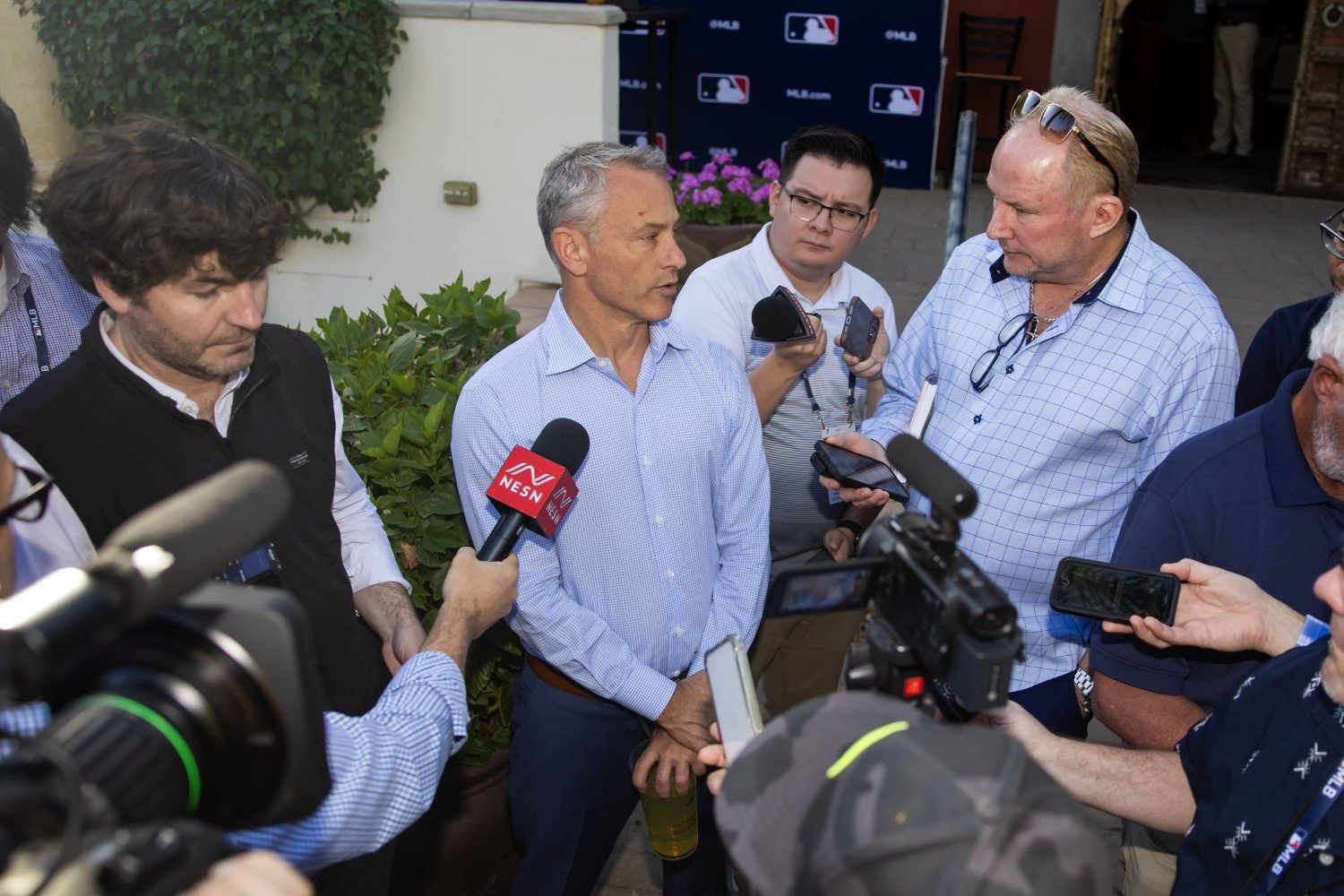 It's a dispositional thing, with Jed Hoyer. He spent almost a decade as Theo Epstein's top lieutenant and an occasional public mouthpiece, and he's been the man in charge for the Cubs since late 2020, and it's time to stop thinking he's been hiding the ball that whole time. Hoyer doesn't have the iron stomach needed to win bidding wars at the top end of the free-agent market. Heck, he doesn't even have an interest in trying it. By Hoyer's reckoning, superstars don't win championships. He prefers the steady, serious, tireless work of building a great organization from top to bottom, with depth on the roster and excellent processes throughout baseball operations. It's an axiom for him. Even though he can recognize the need for high-end talent and will pursue it when the opportunity comes, he insists upon it being on terms friendly to his paradigm. No one who thinks that way is ever going to end up with a Shohei Ohtani-caliber player again, except by the extraordinary and unforeseeable good luck of developing such a player. If we didn't understand that clearly enough when the Cubs bowed out of the negotiations for Ohtani himself, Sahadev Sharma of The Athletic underscored it on MLB Network by reporting that the Cubs have largely fallen out of the mix for Yoshinobu Yamamoto, too. Ohtani's contract was one thing. Whatever number you prefer to assign to it, its practical impact exceeds half a billion dollars, and although Ohtani has been one of the greatest players in baseball history for the last three years, there's risk the size of Lake Michigan in throwing that much money at him just as he begins the process of rehabbing from what amounts to a second Tommy John surgery on his elbow. He's also almost 30 years old, so even though he didn't elect a contract as long as those signed by Trea Turner and Xander Bogaerts last winter, he'll be nearly 40 when the deal wraps up. None of that is true of Yamamoto. He's not a unicorn, and he's racked up heavier workloads than any MLB team would allow a pitcher to incur by the age of 25, but then again, he's only 25. He's one of the world's most accomplished starting pitchers, and signing him will come at a purely financial cost--no draft picks will be taken away. nor international free-agent spending ability curtailed, for whichever team signs him. If the Cubs won't venture past $300 million for him, for whom will they do so? The answer should be obvious by now: it's no one. That's just not going to happen under Hoyer's leadership. Maybe that's ok. Epstein and Hoyer's second half-decade at the helm of the organization saw too much slippage in the good foundations they had laid during the first few years. They were betrayed and undermined by ownership, but they also failed. They were supposed to come to Chicago and turn an inconsistent franchise into a perennial contender, for the first time since before World War II. They didn't do it. Hoyer is trying to get that heavy lift right this time, and perhaps that's laudable. It's possible to win without high-priced superstars. It might even be the wiser course in many cases, and especially so for the Cubs. They face the same stiff penalties other big-market teams do when they exceed the luxury tax thresholds, and they don't receive any of the little benefits that help small-market teams compete, but unlike every other big-market team in baseball (unless you count the White Sox as one), the Cubs are competing exclusively against small-market teams. They would take on a lot of risk by building around superstars, given the head start on sustainability the current rules give to the Reds, Brewers, Pirates, and even Cardinals. Still, Cubs fans are within their rights to be frustrated by this way of doing things. Hoyer hasn't yet proved good enough at his more conservative way of building a team to be one of those teams who wins without stars, and it's not fun to root for a team who has such an overabundance of resources--many of them extracted directly from fans, via high prices on absolutely everything--and harbors them so jealously, when they don't even offer the solace of consistent playoff appearances. The essential question is this: Is Hoyer's conservatism the only thing stopping the team from playing for Yamamoto-like boondoggles? If so, then fans can console themselves with the knowledge that they'll soon see either a turn in the team's fortunes or a change of its course. If it's just that Hoyer doesn't like putting too many eggs in one basket, then (if the team doesn't win something big, and soon) he'll be replaced by an executive who's more disposed to do so. Eventually, if it's just Hoyer between the Cubs and a Yamamoto, an Ohtani, or a Juan Soto, then either his plan will work, or it won't, and the next person will land the team's first true megadeal. Alas, that's just one possibility, and the other is more pernicious. Hoyer probably isn't even asking Tom Ricketts for the right to truly swing with the Dodgers, Yankees, Mets, Phillies, and Padres on contracts like the ones the highest-profile free agents have signed over the last few winters. The nightmare scenario is one in which the Cubs can't get over the hump (without star power) in 2024 or 2025, Hoyer is dismissed, and a new executive tries to bring in the kind of generational player Hoyer neglected--only to be told that the owner was never going to permit that kind of major move, anyway. The biggest drawback to Hoyer's conservatism is that it prevents us from updating our information on Ricketts's willingness to do what it takes to win. If the team keeps making good progress in its scouting and player development, maybe it will never matter that much. If the team turns Pete Crow-Armstrong and Cade Horton into the next Corbin Carroll and Gerrit Cole, they won't need to shell out $300 million to keep them. They'll have a chance to get aggressive and sign them long-term for half that much, or less. If not, though, we need to know whether Ricketts is even open to paying the irrational price the market sets on elite talent. We can't get that answer while Hoyer stands in the way.
 -
The Structure of the Shohei Ohtani Contract Can't Hurt You
Matthew Trueblood posted an article in Cubs
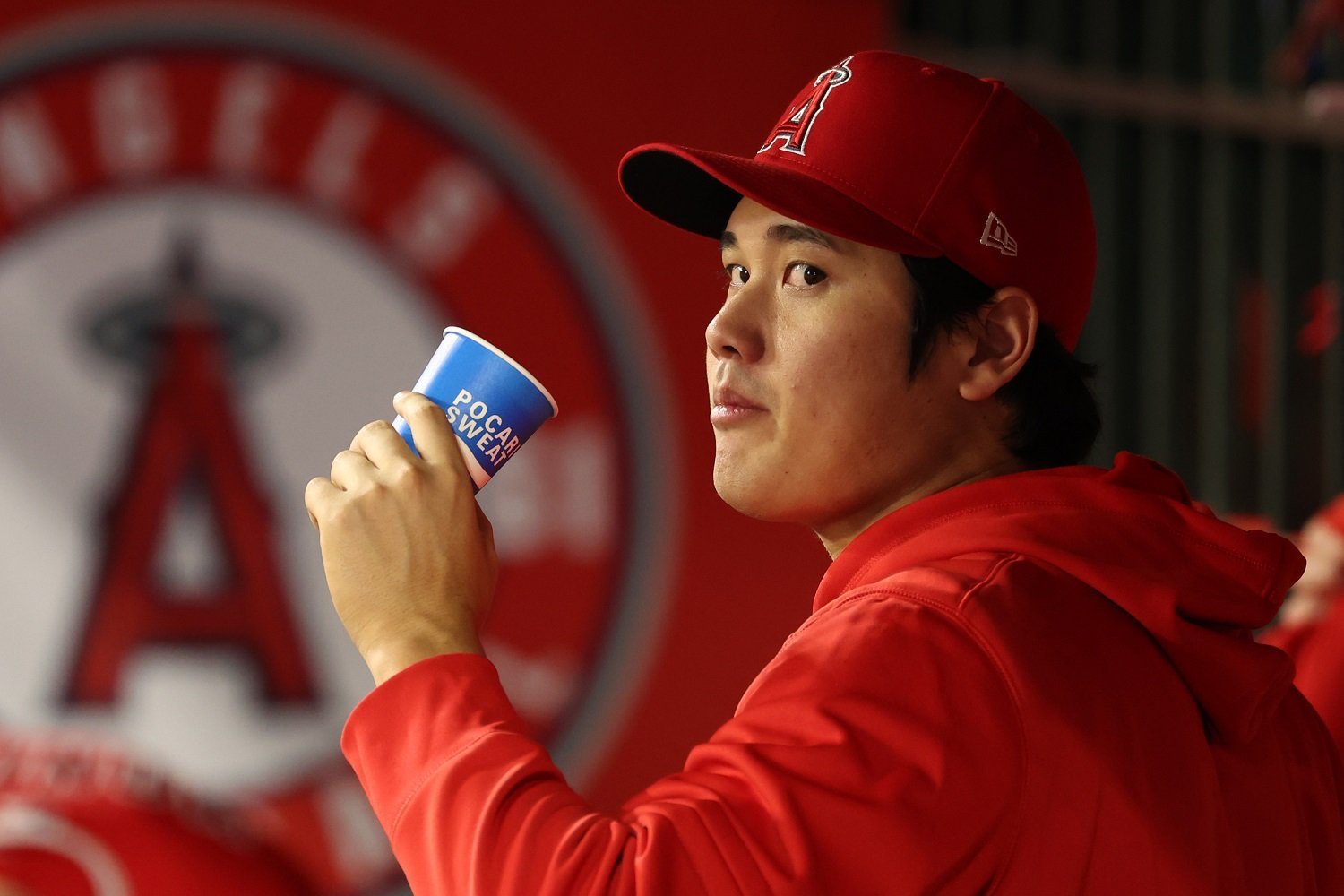 After a couple days spent finalizing the details and clearing the necessary roster spots for the Los Angeles Dodgers, Shohei Ohtani's megadeal became official Monday. In the process, reporters laid out the particulars of the deferral structure that was alluded to in less exact terms on Saturday, upon the first reports of the deal. Ohtani will only be paid $2 million per year for the 10-year life of the contract. Then, for the following 10 years, he'll receive a staggering $68 million per year. As a result of that extreme structure, Ohtani's deal has an annual average value of just over $46 million, for luxury-tax purposes. That set of a torrent of outrage on Twitter, wherein the Dodgers were accused of all manner of manipulation of the tax. Many wailed that the MLB Players Association has been derelict in allowing this to become a legal deal, and that the loophole it represents is sure to cause greater friction in the next round of negotiations for a collective bargaining agreement. The general feeling seems to be that, whether legal or not, ethical or not, the Dodgers got away with something here. It's just not true, and it's tiresome that people are so insistent that this is a problem. We can explain the confusion, easily enough. Since the deal was initially reported as $700 million over 10 years (and after some sloppy initial reporting by a few people who specialize in the math around these types of deals), it's causing the weirdest case of reverse sticker shock in human history as fans come to grips with the fact that the Dodgers will only face that $46 million in annual weight on their competitive-balance tax payroll. All the trouble there is in your head, though. Even as the deal was first announced, every major reporter stressed that there were major deferrals involved. This is the most extreme deferral structure in modern baseball history, but it's just a slight exaggeration of the terms everyone should have envisioned in the wake of the initial news. The contract was never going to be worth $700 million in real, present value. We knew the deferrals were going to be the majority of Ohtani's salary, which meant that the actual deal was falling right in the range everyone expected before the eye-popping 7s hit our eyeballs on Saturday afternoon: comfortably north of $500 million, but south of $600 million. While the league and the union have an agreed-upon interest rate they apply to deferrals and a formula for the CBT hit of a deal, we don't have to accept that net present value figure as a simple statement of the value of the contract. To Ohtani, who doesn't need to sweat the time value of money because he makes upward of $40 million per year through endorsements and other off-field income streams, this structure is worth much more than $460 million. He has a chance to limit his tax liability for the $680 million that will be paid after the contract ends, by moving out of California to any number of potential tax havens. He also has a chance to borrow against that money even before he actually receives it, if necessary, and thus invest and add to his mountains of cash. It just doesn't matter that much, to him, when he's paid. Nor should it matter much to fans of other teams. The Dodgers derive a small advantage here, because the extremity of these deferrals pushes that CBT hit down, but even by that calculation, Ohtani will be the highest-paid player in baseball, with a cushion of over $2 million on second place. If the deferrals were more along the lines we expected, the hit would be something like $53 million. That difference is small. It can buy the Dodgers an extra platoon bat or setup man each year, but it's small potatoes, really. The fact that they will be making such a small actual outlay to Ohtani during that time certainly helps, but only for bean counters. The CBA's rules penalizing big-market teams for repeatedly exceeding the CBT (especially the second, third, and fourth thresholds) will still be there. For most of the next 10 years, the Dodgers will have their first draft pick pushed back 10 spots. For most of them, they will lose international free agency spending power. They will pay high tax rates on their overages, and their overages will not be inconsiderable. This coming year, they'll lose two of their top five draft picks and a significant chunk of their IFA money--with the latter becoming especially restrictive if Roki Sasaki succeeds in convincing his NPB team to post him to MLB next winter. These impacts will be felt, even if they're getting an apparently tremendous bargain in the short term on Ohtani. Then, they'll have to pay him $680 million while (almost surely, given the unique demands and physical stresses of the unique thing he does) he retires to somewhere beyond the reach of the American IRS. It's fine to be mad that the Dodgers went so much further than the Cubs were willing to. It's fine to feel that the system is rigged, and that the league should revisit revenue-sharing rules to give more teams a chance to compete with the elite earners in the biggest coastal markets. Let's just stay focused on those real concerns. The particular structure of this deal doesn't make things as easy for the Dodgers as many have claimed, and it's not a circumvention or a subversion of anything. It's just a radical solution to the problem of paying a player $700 million.
 -
When is $700 million not $700 million? When it's less. However, that doesn't mean it's only $460 million, either. And by the way, what is 'only' doing in that sentence? Image courtesy of © Kiyoshi Mio-USA TODAY Sports After a couple days spent finalizing the details and clearing the necessary roster spots for the Los Angeles Dodgers, Shohei Ohtani's megadeal became official Monday. In the process, reporters laid out the particulars of the deferral structure that was alluded to in less exact terms on Saturday, upon the first reports of the deal. Ohtani will only be paid $2 million per year for the 10-year life of the contract. Then, for the following 10 years, he'll receive a staggering $68 million per year. As a result of that extreme structure, Ohtani's deal has an annual average value of just over $46 million, for luxury-tax purposes. That set of a torrent of outrage on Twitter, wherein the Dodgers were accused of all manner of manipulation of the tax. Many wailed that the MLB Players Association has been derelict in allowing this to become a legal deal, and that the loophole it represents is sure to cause greater friction in the next round of negotiations for a collective bargaining agreement. The general feeling seems to be that, whether legal or not, ethical or not, the Dodgers got away with something here. It's just not true, and it's tiresome that people are so insistent that this is a problem. We can explain the confusion, easily enough. Since the deal was initially reported as $700 million over 10 years (and after some sloppy initial reporting by a few people who specialize in the math around these types of deals), it's causing the weirdest case of reverse sticker shock in human history as fans come to grips with the fact that the Dodgers will only face that $46 million in annual weight on their competitive-balance tax payroll. All the trouble there is in your head, though. Even as the deal was first announced, every major reporter stressed that there were major deferrals involved. This is the most extreme deferral structure in modern baseball history, but it's just a slight exaggeration of the terms everyone should have envisioned in the wake of the initial news. The contract was never going to be worth $700 million in real, present value. We knew the deferrals were going to be the majority of Ohtani's salary, which meant that the actual deal was falling right in the range everyone expected before the eye-popping 7s hit our eyeballs on Saturday afternoon: comfortably north of $500 million, but south of $600 million. While the league and the union have an agreed-upon interest rate they apply to deferrals and a formula for the CBT hit of a deal, we don't have to accept that net present value figure as a simple statement of the value of the contract. To Ohtani, who doesn't need to sweat the time value of money because he makes upward of $40 million per year through endorsements and other off-field income streams, this structure is worth much more than $460 million. He has a chance to limit his tax liability for the $680 million that will be paid after the contract ends, by moving out of California to any number of potential tax havens. He also has a chance to borrow against that money even before he actually receives it, if necessary, and thus invest and add to his mountains of cash. It just doesn't matter that much, to him, when he's paid. Nor should it matter much to fans of other teams. The Dodgers derive a small advantage here, because the extremity of these deferrals pushes that CBT hit down, but even by that calculation, Ohtani will be the highest-paid player in baseball, with a cushion of over $2 million on second place. If the deferrals were more along the lines we expected, the hit would be something like $53 million. That difference is small. It can buy the Dodgers an extra platoon bat or setup man each year, but it's small potatoes, really. The fact that they will be making such a small actual outlay to Ohtani during that time certainly helps, but only for bean counters. The CBA's rules penalizing big-market teams for repeatedly exceeding the CBT (especially the second, third, and fourth thresholds) will still be there. For most of the next 10 years, the Dodgers will have their first draft pick pushed back 10 spots. For most of them, they will lose international free agency spending power. They will pay high tax rates on their overages, and their overages will not be inconsiderable. This coming year, they'll lose two of their top five draft picks and a significant chunk of their IFA money--with the latter becoming especially restrictive if Roki Sasaki succeeds in convincing his NPB team to post him to MLB next winter. These impacts will be felt, even if they're getting an apparently tremendous bargain in the short term on Ohtani. Then, they'll have to pay him $680 million while (almost surely, given the unique demands and physical stresses of the unique thing he does) he retires to somewhere beyond the reach of the American IRS. It's fine to be mad that the Dodgers went so much further than the Cubs were willing to. It's fine to feel that the system is rigged, and that the league should revisit revenue-sharing rules to give more teams a chance to compete with the elite earners in the biggest coastal markets. Let's just stay focused on those real concerns. The particular structure of this deal doesn't make things as easy for the Dodgers as many have claimed, and it's not a circumvention or a subversion of anything. It's just a radical solution to the problem of paying a player $700 million. View full article
-
The Joyously Uncomplicated Possibility of Emmanuel Clase
Matthew Trueblood posted an article in Cubs
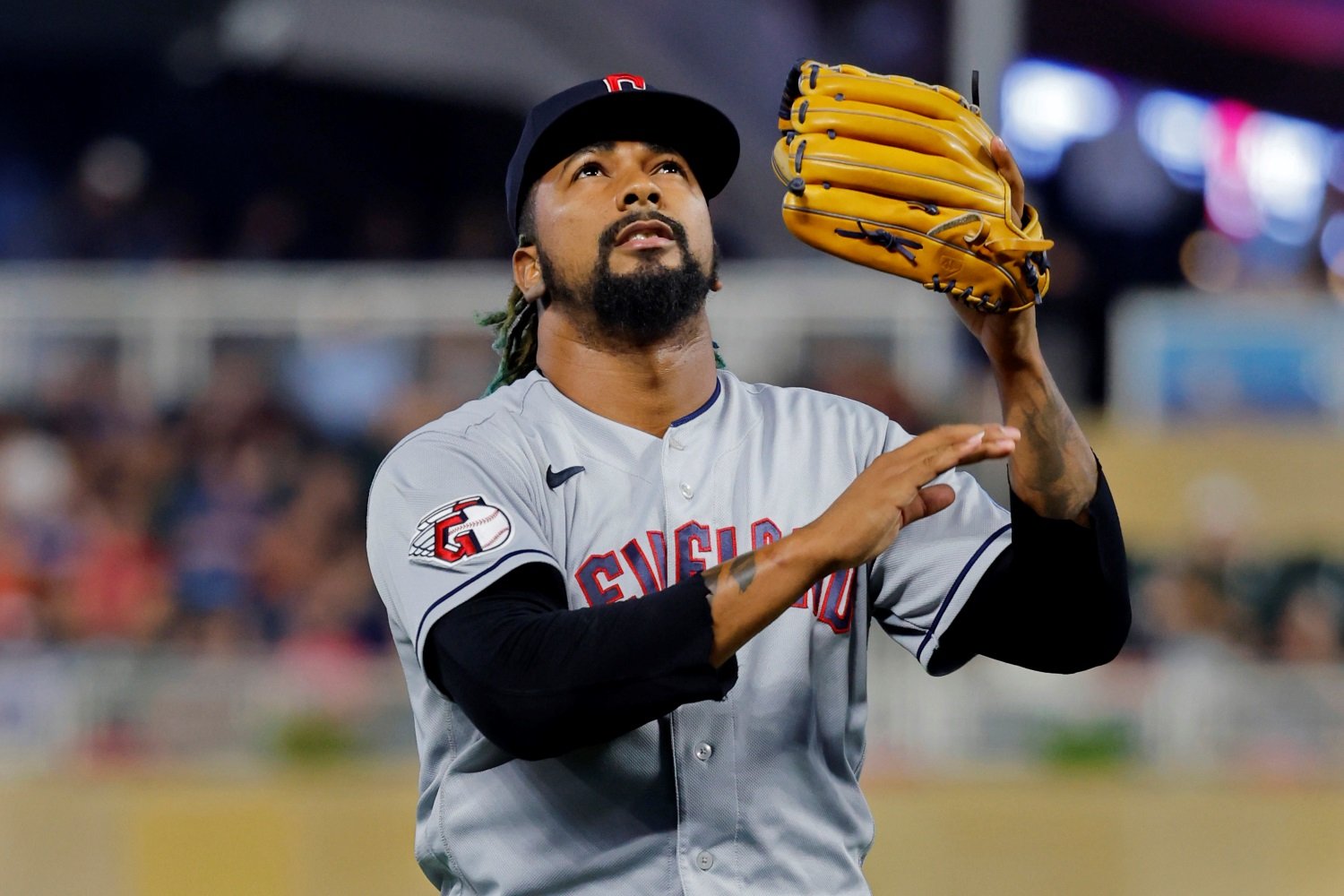 There's nothing complicated about Emmanuel Clase. The Guardians' closer is just a rear-back-and-fire guy. He throws a cutter and a slider, and the cutter hums in at very nearly 100 miles per hour. It takes little more than that to be an elite relief pitcher, and for the last three years, that's what Clase has been. He's been an All-Star the last two seasons and led the American League in saves each year. He's also had a rubber arm, with seven more appearances than any other pitcher in baseball since the start of 2022. Nothing is ever quite as simple as it looks. Even though he's still touching triple digits with that cutter, Clase did lose half a tick in 2023, and with it went too many of his strikeouts. Somehow, he lost the mystical thing that makes one slider miss bats when dipping off the trajectory of a sizzling fastball, and fell in with the likes of the ones who make the same veer but don't earn the same result. Even so, Clase pounds the strike zone in a way few other closers in the sport do, and he has one of the best ground-ball rates in the game. That cutter stubbornly resists being barreled up, and hitters manage lots of weak dribblers. Yet, he did get hit harder in 2023, as his command of the cutter got a bit loose against lefties (more balls out over the plate, away from them, rather than crowding them inside) and he left his slider up too often against righties (where hitters could get underneath it a bit). Between fewer missed bats and more high-value contact, it's no great surprise that his ERA rose from just over 1.30 for the two previous seasons to 3.22. The very simplicity of his approach makes it a little hard to fix Clase, if we admit that he got broken last year. So much of his success depends on consistently executing those two dazzling pitches, with the intensity and physical electricity of his delivery, that the question of his value boils down almost solely to repeating well. It's not that he doesn't utilize sequencing or psychology at all; it's just that it plays a relatively small role in his game. Clase has extraordinary stuff, and the variable that controls his value is whether he can throw it where he wants to. Perhaps the variable that controls that, in turn, is the degree to which Clase's arm is currently under the assault of such heavy use. In the last few years of Terry Francona's career, he rode Clase hard. That wasn't callousness; he had little choice. Still, calling on Clase so often surely led to some of his fraying in terms of command and control. With a bit more protection from appearances on back-to-back days and multiple-inning outings, Clase might bounce right back to his unassailably elite level in 2024. That's why he'd be a great target for the Cubs. They can't count on Adbert Alzolay, alone, to hold down the back end of their bullpen. He, Julian Merryweather, and Mark Leiter, Jr. form the foundation of a decent bullpen, but Clase would round it out gorgeously. The team has enough pitching depth to keep the pressure of a heavy workload off Clase, and a better offense than Cleveland has had during his career. They also have Craig Counsell, who has plenty of experience keeping elite relief weapons fresh and who has proved exceptionally deft at it. With three more seasons of guaranteed money left on his deal and another two club options beyond that, Clase is a phenomenally valuable asset. He'd cost the Cubs a huge haul on his own--let alone as part of a package with Shane Bieber, Josh Naylor, or both, as some have mused. The Cubs would have to let the Guardians pick at least two pieces from the top end of their farm system, and they might need to surrender a young player from the big-league roster, too. Nonetheless, Clase's compelling. He's the rare closer with a truly transformational upside, and the combination of years and affordability on his contract means the impact would be long-lasting. Unless and until the Cubs expend trade capital to land a different star, he should be on your radar. The situation is a bit complicated, but the player himself and the value he promises are wondrously simple.
 -
Baseball is hard. That's ok. It should be hard. Life is hard. It's complicated, too. Often, so is baseball. The very best things in life are the simplest, though, and the same is true of baseball. Image courtesy of © Bruce Kluckhohn-USA TODAY Sports There's nothing complicated about Emmanuel Clase. The Guardians' closer is just a rear-back-and-fire guy. He throws a cutter and a slider, and the cutter hums in at very nearly 100 miles per hour. It takes little more than that to be an elite relief pitcher, and for the last three years, that's what Clase has been. He's been an All-Star the last two seasons and led the American League in saves each year. He's also had a rubber arm, with seven more appearances than any other pitcher in baseball since the start of 2022. Nothing is ever quite as simple as it looks. Even though he's still touching triple digits with that cutter, Clase did lose half a tick in 2023, and with it went too many of his strikeouts. Somehow, he lost the mystical thing that makes one slider miss bats when dipping off the trajectory of a sizzling fastball, and fell in with the likes of the ones who make the same veer but don't earn the same result. Even so, Clase pounds the strike zone in a way few other closers in the sport do, and he has one of the best ground-ball rates in the game. That cutter stubbornly resists being barreled up, and hitters manage lots of weak dribblers. Yet, he did get hit harder in 2023, as his command of the cutter got a bit loose against lefties (more balls out over the plate, away from them, rather than crowding them inside) and he left his slider up too often against righties (where hitters could get underneath it a bit). Between fewer missed bats and more high-value contact, it's no great surprise that his ERA rose from just over 1.30 for the two previous seasons to 3.22. The very simplicity of his approach makes it a little hard to fix Clase, if we admit that he got broken last year. So much of his success depends on consistently executing those two dazzling pitches, with the intensity and physical electricity of his delivery, that the question of his value boils down almost solely to repeating well. It's not that he doesn't utilize sequencing or psychology at all; it's just that it plays a relatively small role in his game. Clase has extraordinary stuff, and the variable that controls his value is whether he can throw it where he wants to. Perhaps the variable that controls that, in turn, is the degree to which Clase's arm is currently under the assault of such heavy use. In the last few years of Terry Francona's career, he rode Clase hard. That wasn't callousness; he had little choice. Still, calling on Clase so often surely led to some of his fraying in terms of command and control. With a bit more protection from appearances on back-to-back days and multiple-inning outings, Clase might bounce right back to his unassailably elite level in 2024. That's why he'd be a great target for the Cubs. They can't count on Adbert Alzolay, alone, to hold down the back end of their bullpen. He, Julian Merryweather, and Mark Leiter, Jr. form the foundation of a decent bullpen, but Clase would round it out gorgeously. The team has enough pitching depth to keep the pressure of a heavy workload off Clase, and a better offense than Cleveland has had during his career. They also have Craig Counsell, who has plenty of experience keeping elite relief weapons fresh and who has proved exceptionally deft at it. With three more seasons of guaranteed money left on his deal and another two club options beyond that, Clase is a phenomenally valuable asset. He'd cost the Cubs a huge haul on his own--let alone as part of a package with Shane Bieber, Josh Naylor, or both, as some have mused. The Cubs would have to let the Guardians pick at least two pieces from the top end of their farm system, and they might need to surrender a young player from the big-league roster, too. Nonetheless, Clase's compelling. He's the rare closer with a truly transformational upside, and the combination of years and affordability on his contract means the impact would be long-lasting. Unless and until the Cubs expend trade capital to land a different star, he should be on your radar. The situation is a bit complicated, but the player himself and the value he promises are wondrously simple. View full article
-
Not sure if you're serious. I think not? But to be safe, let's rattle off a non-exhaustive list, so everyone has a sense of just how big a payoff there is for speculating in this kind of market when you have a good dev staff in place. Jeffrey Springs. Robert Stephenson. Evan Phillips. Max Muncy. Isaac Paredes. Tyler Glasnow. Chris Taylor. Ryan Pressly. Marwin Gonzalez. Tyler Anderson. Randy Arozarena.
-
This is a widely-held opinion, and it comes from the right mental place. But I would counter with: you're *never* out of the "find a guy and fix him" business, if you're a smart team. The Dodgers and Rays and Astros still find and fix guys just about every year. It's the kind of thing you keep doing even while also spending big to upgrade the top of the roster. Your other point--that there might not be much opportunity for Turnbull with the Cubs--is a good one, but it depends, right? A trade could change that. Using a six-man rotation could change that.
-
I hear you on that, but I don't think a move like this one would come with much financial or opportunity cost. He's not optionable, though, to answer that question. Once Detroit agreed to grant that full year of ST, he rose above 5 years, which automatically removes options. (For future reference, yes, non-tendered players still carry their options to new destinations. If they still have them, they can be optioned after signing with a new team. Obviously, it's relatively rare that a non-tendered player still has options, but in cases where they do, that action doesn't pulverize them.)
-
One way or another, the Cubs are likely to add at least one starting pitcher before spring training. It would be best to add two, with one of them being an expensive but high-value addition to the front end and one being a depth option. Let's talk about one especially intriguing depth option. Things did not end well between the Tigers and Spencer Turnbull. The 2014 second-rounder out of Alabama climbed through the Detroit farm system over the next few years, and was occasionally impressive for his first few years in MLB. Early in 2021, though, he seemed to have turned a corner. That May, he threw a no-hitter. He was emerging as a star. Then, Tommy John surgery ruined everything. Turnbull missed the final four months of 2021 and all of 2022. In 2023, he made his return, but he was nowhere near as exciting or even as consistent as he had been before the injury. The team optioned him to the minors even though he claimed to be battling injuries to his neck and foot. After the season, Turnbull was vindicated, as the Tigers agreed to give him a full year of services time for 2023 despite having used the options to send him down. That was just a parting gift from Detroit, though. They non-tendered Turnbull, who is now a free agent a year (or two, had the service time not been restored to him) earlier than expected. Free agency won't be a lucrative exercise for him, at least this time, but he's on the market. The Cubs could swoop down and scoop him up as a swingman or sixth starter, and give him the season to rehabilitate his value. Obviously, if his sole interest is rebuilding that value and trying to hit free agency next year as a much-sought-after star with multi-year offers, Turnbull might prefer a team with less pitching depth than the Cubs have. If the Cubs can sell him on the value of their pitching instruction and development group, though, they might gain a leg up. There's plenty with which to work, and Turnbull does have untapped upside if someone can help him sort some things out. What Turnbull's arsenal looks like depends a little on whom you ask. Both Baseball Savant and Brooks Baseball show him making use of a slider, a sinker, a changeup, and a curveball, but his most-used pitch is listed as a four-seam fastball at Savant and as a cutter at Brooks. That's an important distinction, not only to projecting his performance but to understanding his recent struggles. Whatever you call that 93-mile-per-hour offering that fronts Turnbull's repertoire, he throws it with extreme cutting action (it would be 96th-percentile cut) and extremely heavy vertical movement (97th percentile) for a four-seamer. For a cutter, though, it's extreme in its lack of glove-side movement, and has more rising action than the average. Here's what his overall movement profile looked like in 2023. Turnbull's big problem is that, coming from a relatively low arm slot but opening up to an extreme extent with his stride toward the plate, he leaves the ball on the wrong side of the plate for his stuff on far too regular a basis. His primary offering really makes more sense as a cutter, especially in tandem with the rest of his stuff, but it ends up on the arm side of the plate as often as not. One reading of that location map could be, "Well, that's a four-seamer, then. It's just a four-seamer he throws at the top of the zone to chase whiffs." That almost works, but here are the locations of his slider in 2023. Again, this is largely a mechanical problem. Turnbull's open stride and arm slot combine to cause a lot of pitches released a hair too soon, missing arm-side. That's true for all his stuff, but especially the stuff that needs to be moving to the glove side instead. At this stage of a player's career, it's not as simple as pointing that out to him and expecting an instantaneous, effective change, but the fix here is not overwhelmingly complex. If Turnbull does make that fairly major adjustment, everything else might fall into place. If he could command the cutter to the glove side, his heavy sinker would become much more of a weapon, and he'd still be able to change eye levels against right-handed batters thanks to the depth on his slider. Against lefties, he was very reliant on the cutter/fastball in 2023, because his breaking stuff didn't work at all against them with the locations of his various offerings. A tweak to his delivery or position on the mound could effect a huge change against opposite-handed hitters. He'd probably only be interested in a one-year deal, because his value is pretty low at the moment. If the Cubs worked out such a pact with him, though, Turnbull could be a compelling complement to Hayden Wesneski and Javier Assad--or, should either of them be traded this winter as the team addresses other needs, a smart replacement for them. What do you think of Turnbull as an under-the-radar target for the Cubs? Who else are you keeping an eye on as a low-risk, high-reward guy? View full article
-
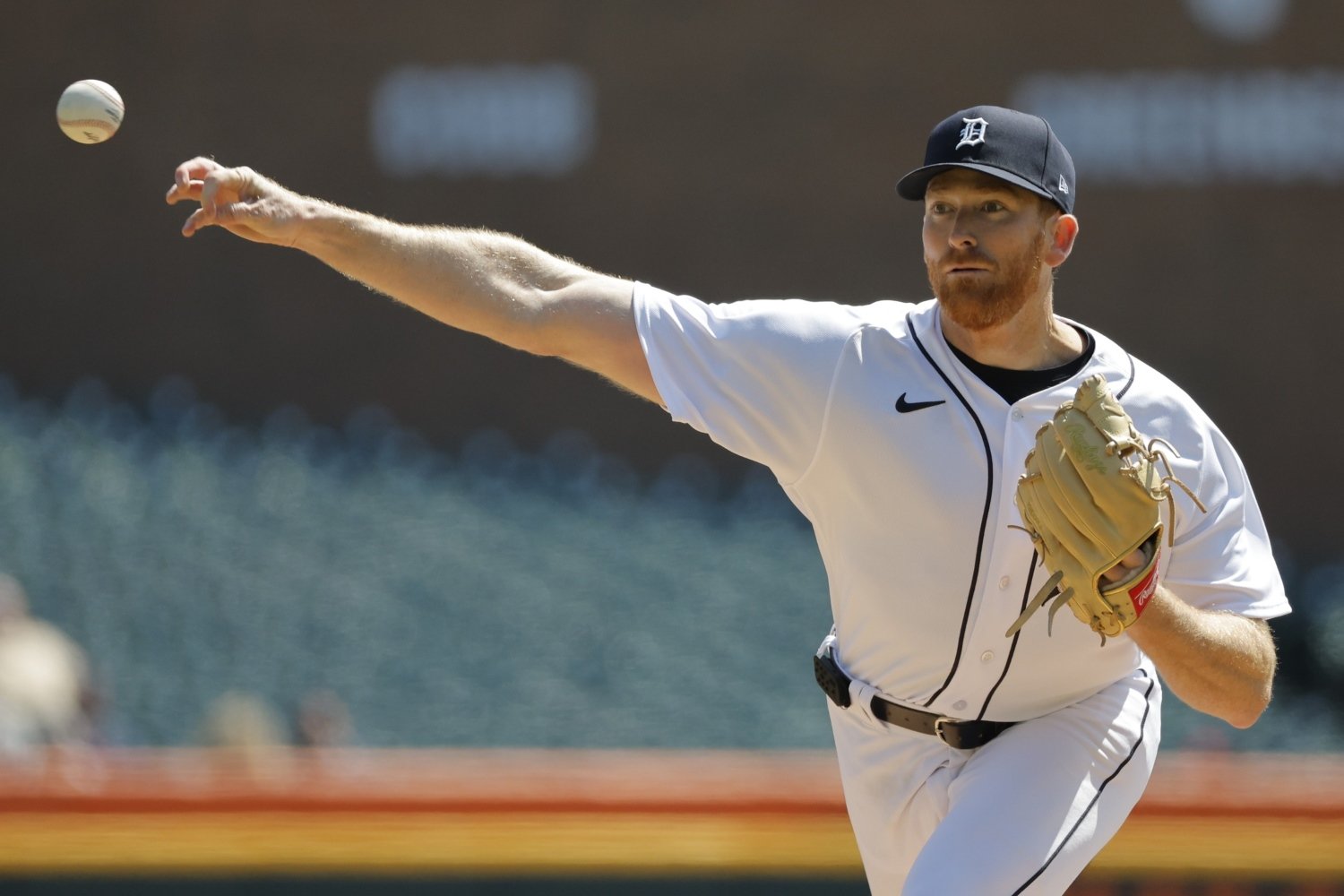 Things did not end well between the Tigers and Spencer Turnbull. The 2014 second-rounder out of Alabama climbed through the Detroit farm system over the next few years, and was occasionally impressive for his first few years in MLB. Early in 2021, though, he seemed to have turned a corner. That May, he threw a no-hitter. He was emerging as a star. Then, Tommy John surgery ruined everything. Turnbull missed the final four months of 2021 and all of 2022. In 2023, he made his return, but he was nowhere near as exciting or even as consistent as he had been before the injury. The team optioned him to the minors even though he claimed to be battling injuries to his neck and foot. After the season, Turnbull was vindicated, as the Tigers agreed to give him a full year of services time for 2023 despite having used the options to send him down. That was just a parting gift from Detroit, though. They non-tendered Turnbull, who is now a free agent a year (or two, had the service time not been restored to him) earlier than expected. Free agency won't be a lucrative exercise for him, at least this time, but he's on the market. The Cubs could swoop down and scoop him up as a swingman or sixth starter, and give him the season to rehabilitate his value. Obviously, if his sole interest is rebuilding that value and trying to hit free agency next year as a much-sought-after star with multi-year offers, Turnbull might prefer a team with less pitching depth than the Cubs have. If the Cubs can sell him on the value of their pitching instruction and development group, though, they might gain a leg up. There's plenty with which to work, and Turnbull does have untapped upside if someone can help him sort some things out. What Turnbull's arsenal looks like depends a little on whom you ask. Both Baseball Savant and Brooks Baseball show him making use of a slider, a sinker, a changeup, and a curveball, but his most-used pitch is listed as a four-seam fastball at Savant and as a cutter at Brooks. That's an important distinction, not only to projecting his performance but to understanding his recent struggles. Whatever you call that 93-mile-per-hour offering that fronts Turnbull's repertoire, he throws it with extreme cutting action (it would be 96th-percentile cut) and extremely heavy vertical movement (97th percentile) for a four-seamer. For a cutter, though, it's extreme in its lack of glove-side movement, and has more rising action than the average. Here's what his overall movement profile looked like in 2023. Turnbull's big problem is that, coming from a relatively low arm slot but opening up to an extreme extent with his stride toward the plate, he leaves the ball on the wrong side of the plate for his stuff on far too regular a basis. His primary offering really makes more sense as a cutter, especially in tandem with the rest of his stuff, but it ends up on the arm side of the plate as often as not. One reading of that location map could be, "Well, that's a four-seamer, then. It's just a four-seamer he throws at the top of the zone to chase whiffs." That almost works, but here are the locations of his slider in 2023. Again, this is largely a mechanical problem. Turnbull's open stride and arm slot combine to cause a lot of pitches released a hair too soon, missing arm-side. That's true for all his stuff, but especially the stuff that needs to be moving to the glove side instead. At this stage of a player's career, it's not as simple as pointing that out to him and expecting an instantaneous, effective change, but the fix here is not overwhelmingly complex. If Turnbull does make that fairly major adjustment, everything else might fall into place. If he could command the cutter to the glove side, his heavy sinker would become much more of a weapon, and he'd still be able to change eye levels against right-handed batters thanks to the depth on his slider. Against lefties, he was very reliant on the cutter/fastball in 2023, because his breaking stuff didn't work at all against them with the locations of his various offerings. A tweak to his delivery or position on the mound could effect a huge change against opposite-handed hitters. He'd probably only be interested in a one-year deal, because his value is pretty low at the moment. If the Cubs worked out such a pact with him, though, Turnbull could be a compelling complement to Hayden Wesneski and Javier Assad--or, should either of them be traded this winter as the team addresses other needs, a smart replacement for them. What do you think of Turnbull as an under-the-radar target for the Cubs? Who else are you keeping an eye on as a low-risk, high-reward guy?
 -
On Saturday, the record for the biggest contract in MLB history was nearly lapped. In one Instagram post, the Cubs got their definitive answer, after the most mysterious free agency in recent memory. Now, they can move on. Image courtesy of © David Richard-USA TODAY Sports At $700 million (even given massive deferrals), Shohei Ohtani was not a fit for the Cubs. I would argue that he's not even a fit for the Dodgers at that number, but they have it to spend and he's an extraordinary player, so now, he's a Dodger. The Cubs didn't land Ohtani despite their second earnest effort to court him, but if it was going to cost anything like this much money, they made the right choice by not overextending to win the bidding war. Perfect rationality is no way for a baseball team to live, but this contract represents a degree of irrationality that was always going to be insupportable. With that roadblock out of the way, though, the Cubs can now begin their offseason, for real. Over the next 10 days (before things begin to wind down for the holidays), there will be a flurry of moves throughout MLB. Chicago's chances of landing Yoshinobu Yamamoto are very slim, just as they were with Ohtani. It feels very much as though Yamamoto will end up with the Yankees or Mets, on a deal that could reach $400 million in total expenditures after accounting for the posting fee. There are plenty of other stars who will soon change teams, though, and the Cubs figure to be in on several of them. Tyler Glasnow's name keeps coming up in connection with the Cubs, but the Dodgers just gained about 700 million more reasons to be aggressive about a deal to bolster their rotation for exactly one year, so the competition there will be stiff. The Cubs' best bet to upgrade their own starting staff might yet be a Japanese phenom, because they're still being mentioned as a suitor for Shota Imanaga, and Imanaga has a chance to be the sneakily low-priced ace on this increasingly crazy market. Remember, a week ago, we heard rumors of the Cubs being interested in Jordan Montgomery. They could now get serious in pursuit of him, although you'd figure it's either Montgomery or Imanaga, rather than both. The fit with either makes sense, and probably more sense than the one with Glasnow, but any of the three would be a boon to the rotation. The team does need that, and would have even if they'd signed Ohtani. At the moment, though, the next move I would bet on from the Cubs is a trade with the Guardians. They've been linked to Shane Bieber, Emmanuel Clase, and Josh Naylor, and all three of them make sense for Chicago. They will not acquire all three, but various combinations of them have been kicked around by the two sides, and there are other interesting pieces who could flow each way. While Cubs fans all agree on the need for more swing-and-miss from the rotation, and while Bieber doesn't exactly promise to deliver that, we have to keep in mind that the Cubs have concrete preferences in their starters, and reasons for those preferences. Bieber fits those preferences. Clase would be an interesting pickup for the bullpen. He's obviously one of the game's best closers, but just as obviously, he pitched his arm off for Terry Francona at times during the last few seasons. I don't think Francona was consciously trading Clase's future for his own present, but the aging skipper turned to his All-Star relief ace so often to hold thin leads cobbled together by an anemic offense that Clase did wear down under the burden as last season progressed. When he's right, though, he's overpowering, and building a bullpen in front of him would feel like a breeze, compared to the difficulty of assembling a usable committee each year over the last few. Naylor is a brilliant fit for the Cubs, but the Guardians aren't yet clearly ready to trade him. He's such a heartbeat of that team that they can't easily let him go, even if they have pressure coming from the farm system in the form of top prospect Kyle Manzardo. The idea of Naylor's slashing left-handed offense and solid glove at first base is highly appealing, though. There are all of those options, and plenty more. The Cubs could pivot to trying to trade for one of the Marlins' controllable starting pitchers, although whether any of them represent a sufficient short-term upgrade over the team's options of Ben Brown and Cade Horton to justify their cost is a reasonable question. They could try to sign a player they did once woo as a coveted international free agent, in Jorge Soler, or swoop in to collect the Dodgers' jetsam after J.D. Martinez's time as the designated hitter in Los Angeles was semi-officially ended by Ohtani's signing. They could engage with Rhys Hoskins on a short-term deal, or Matt Chapman on a longer one. There might be a couple of interesting trade targets in Minnesota, where the Twins need to unload the salary of either Jorge Polanco or Max Kepler and want starting pitching. Ryan McMahon could be a really nice complementary piece and long-term addition, if trading for him were only the third-biggest move of the winter. He'd only be disappointing as a headline move for the team. The Padres might look to offload even more salary, before they go about reassembling a competitive team. The Mariners have Logan Gilbert, who might be available for a deal centered on young hitters. Opportunities abound. Jed Hoyer is just getting started, after this chance slid by. He might have a slightly narrower road to success from here, but he has multiple forms of currency with him and there are still jewels to find. Which direction do you want to see him go? View full article
- 30 replies
-
- 3
-

-
- shohei ohtani
- rhys hoskins
- (and 5 more)
-
Shohei Ohtani Will Not Be a Cub. That's Probably for the Best.
Matthew Trueblood posted an article in Cubs
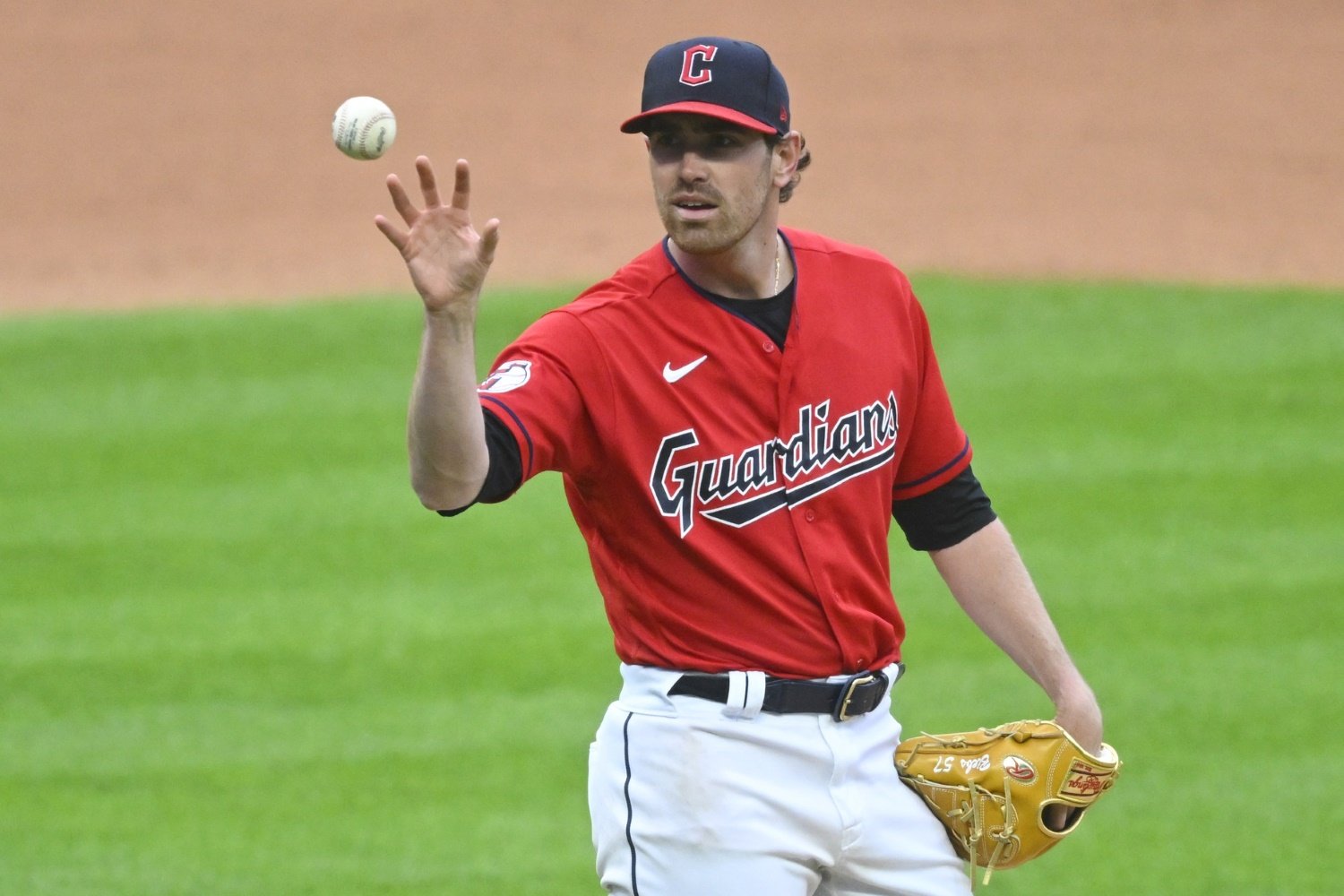 At $700 million (even given massive deferrals), Shohei Ohtani was not a fit for the Cubs. I would argue that he's not even a fit for the Dodgers at that number, but they have it to spend and he's an extraordinary player, so now, he's a Dodger. The Cubs didn't land Ohtani despite their second earnest effort to court him, but if it was going to cost anything like this much money, they made the right choice by not overextending to win the bidding war. Perfect rationality is no way for a baseball team to live, but this contract represents a degree of irrationality that was always going to be insupportable. With that roadblock out of the way, though, the Cubs can now begin their offseason, for real. Over the next 10 days (before things begin to wind down for the holidays), there will be a flurry of moves throughout MLB. Chicago's chances of landing Yoshinobu Yamamoto are very slim, just as they were with Ohtani. It feels very much as though Yamamoto will end up with the Yankees or Mets, on a deal that could reach $400 million in total expenditures after accounting for the posting fee. There are plenty of other stars who will soon change teams, though, and the Cubs figure to be in on several of them. Tyler Glasnow's name keeps coming up in connection with the Cubs, but the Dodgers just gained about 700 million more reasons to be aggressive about a deal to bolster their rotation for exactly one year, so the competition there will be stiff. The Cubs' best bet to upgrade their own starting staff might yet be a Japanese phenom, because they're still being mentioned as a suitor for Shota Imanaga, and Imanaga has a chance to be the sneakily low-priced ace on this increasingly crazy market. Remember, a week ago, we heard rumors of the Cubs being interested in Jordan Montgomery. They could now get serious in pursuit of him, although you'd figure it's either Montgomery or Imanaga, rather than both. The fit with either makes sense, and probably more sense than the one with Glasnow, but any of the three would be a boon to the rotation. The team does need that, and would have even if they'd signed Ohtani. At the moment, though, the next move I would bet on from the Cubs is a trade with the Guardians. They've been linked to Shane Bieber, Emmanuel Clase, and Josh Naylor, and all three of them make sense for Chicago. They will not acquire all three, but various combinations of them have been kicked around by the two sides, and there are other interesting pieces who could flow each way. While Cubs fans all agree on the need for more swing-and-miss from the rotation, and while Bieber doesn't exactly promise to deliver that, we have to keep in mind that the Cubs have concrete preferences in their starters, and reasons for those preferences. Bieber fits those preferences. Clase would be an interesting pickup for the bullpen. He's obviously one of the game's best closers, but just as obviously, he pitched his arm off for Terry Francona at times during the last few seasons. I don't think Francona was consciously trading Clase's future for his own present, but the aging skipper turned to his All-Star relief ace so often to hold thin leads cobbled together by an anemic offense that Clase did wear down under the burden as last season progressed. When he's right, though, he's overpowering, and building a bullpen in front of him would feel like a breeze, compared to the difficulty of assembling a usable committee each year over the last few. Naylor is a brilliant fit for the Cubs, but the Guardians aren't yet clearly ready to trade him. He's such a heartbeat of that team that they can't easily let him go, even if they have pressure coming from the farm system in the form of top prospect Kyle Manzardo. The idea of Naylor's slashing left-handed offense and solid glove at first base is highly appealing, though. There are all of those options, and plenty more. The Cubs could pivot to trying to trade for one of the Marlins' controllable starting pitchers, although whether any of them represent a sufficient short-term upgrade over the team's options of Ben Brown and Cade Horton to justify their cost is a reasonable question. They could try to sign a player they did once woo as a coveted international free agent, in Jorge Soler, or swoop in to collect the Dodgers' jetsam after J.D. Martinez's time as the designated hitter in Los Angeles was semi-officially ended by Ohtani's signing. They could engage with Rhys Hoskins on a short-term deal, or Matt Chapman on a longer one. There might be a couple of interesting trade targets in Minnesota, where the Twins need to unload the salary of either Jorge Polanco or Max Kepler and want starting pitching. Ryan McMahon could be a really nice complementary piece and long-term addition, if trading for him were only the third-biggest move of the winter. He'd only be disappointing as a headline move for the team. The Padres might look to offload even more salary, before they go about reassembling a competitive team. The Mariners have Logan Gilbert, who might be available for a deal centered on young hitters. Opportunities abound. Jed Hoyer is just getting started, after this chance slid by. He might have a slightly narrower road to success from here, but he has multiple forms of currency with him and there are still jewels to find. Which direction do you want to see him go?
 -
The Cubs continue their pursuits of stars and high-caliber, high-certainty answers in various areas of the roster. That exercise remains important. Maybe, though, we're all letting the time dilation inherent to baseball fandom exaggerate that importance for us. Image courtesy of © MATTIE NERETIN / USA TODAY NETWORK Being a sports fan is a funny thing. There's a season, and there's an offseason, and while plenty happens during the offseason, they don't call it the "low season," as opposed to the "high season". No. Baseball is a binary condition. It's either being played, or it isn't. (Plainly, it's not that simple, either, because there are winter leagues and developmental leagues, but you get what I'm saying. Except insofar as they affect a team's talent level and readiness, things that happen during the offseason don't count.) Yet, we fans are alive all winter. We watch and root in the offseason about as ardently as we do during the season. That can create a strange sensation--a tension between our lived reality and the baseball reality. For instance, because there are several months and a few important developmental hurdles to clear before the Cubs' farm system (one of the best in the game, by general acclaim) can deliver much value for the 2024 roster, the strong tendency for Cubs fans is to discount and even dismiss that value. It's so far away as to feel unreal, in addition to feeling (in a much more deserved way) uncertain. In reality (baseball reality), though, the time when Pete Crow-Armstrong will make a major contribution to the Cubs is right around the corner. Ditto for Ben Brown and Owen Caissie. Cade Horton, James Triantos, Kevin Alcantara, and Matt Shaw are not far behind. While a few might have more immediate (in the real-world concept of time) value as trade chips this winter, and while others will inevitably struggle or even outright fail, it's perfectly rational to expect that at least two or three people from that group will be worth more than one win above replacement for the 2024 Cubs. Here, now, in a December darkened by the nine-mile shadow of Shohei Ohtani, those contributions feel far away. Move yourself forward in time, though, to July 4, 2024. Nearly seven months have elapsed, but only three of them were full of baseball games that count in the standings--and those only make up about half of the total schedule. It's very possible--we shouldn't say 50 percent, but it's north of 10 percent--that if the Cubs hold onto Caissie and Horton this winter, one of them will have already been in the big leagues and providing a much-needed spark or reinforcement for a month by then. The offseason means the Statcast cameras and the turnstiles are turned off, but not that the players are. The Cubs have worked hard to create an environment of year-round player development and improvement. Between winter work and spring training, there are plenty of ways that guys like Triantos and Shaw can gain ground on the league they want to join and in which they want to have success, before the clock of the season itself starts ticking again at the end of March. I mention all of this merely as a reminder that the Cubs' farm system, though it lacks a surefire star or the obviously MLB-ready talent of some of the other upper-echelon systems in baseball at the moment, does not lack short-term impact potential. That doesn't mean Cubs fans shouldn't want or expect big moves from the front office. Those are still needed. That need is blunted and softened, though, by the fact that Horton might step into the middle of the rotation by Memorial Day. It's made less glaring by the fact that even if Crow-Armstrong stumbles in spring or in the early going of the season, the team has not only veteran Mike Tauchman to whom to turn, but Alexander Canario and Alcántara looming as alternatives to plug in as stopgaps. We baseball fans didn't always have such an overeager, anxious relationship with the hot stove season. It feels fairly new, a product of modern technology and the way the world consumes not only news but entertainment, sometimes commingling them until they're unfortunately indistinguishable. Then again, the game also didn't used to have quite as great a lag between the continuous clock of a living organism and the stop-start clock of a seasonal enterprise, either. That's because player development used to take longer, and be more fraught with error. Some rules changes have made those processes more efficient, and obviously, technology and better comprehension of the human body have improved instruction and training. The contraction of the minor leagues has also forced the acceleration of top prospects' progress, to some extent. Great young talents spend less time in the minor leagues than they used to. If Shaw debuts with the 2024 Cubs, he won't really be seen as ahead of schedule. He'll merely be a collegiate pick who panned out. Don't overlook the value of the Cubs' depth or their commitment to the farm system. It shouldn't neutralize your desire for them to sign Ohtani, or to make a valuable veteran addition to the starting rotation, or to try to find a stronger middle of the batting order. It's just that the fruits of the franchise's labor to build up that young talent might come sooner than it feels, right now. View full article
-
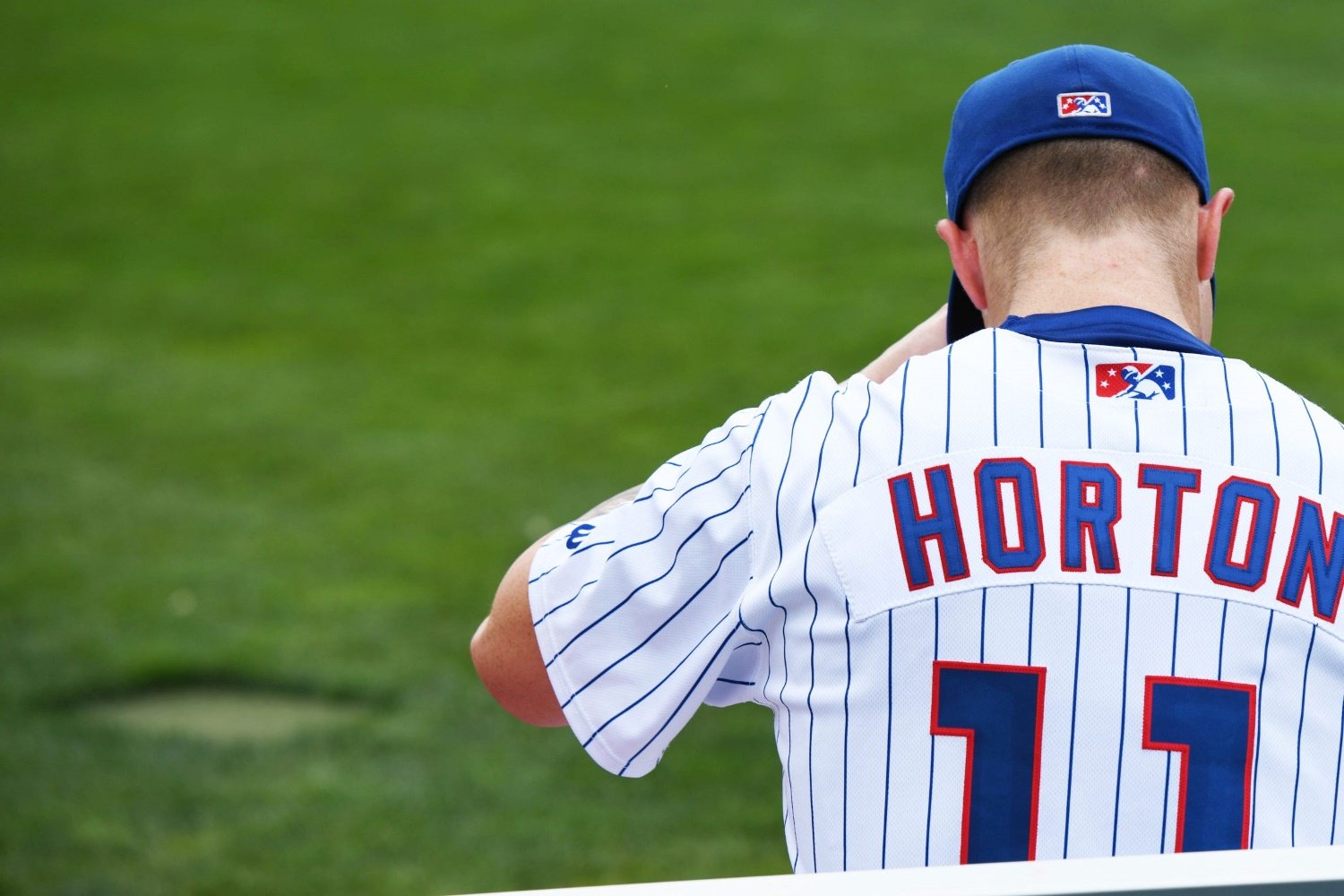 Being a sports fan is a funny thing. There's a season, and there's an offseason, and while plenty happens during the offseason, they don't call it the "low season," as opposed to the "high season". No. Baseball is a binary condition. It's either being played, or it isn't. (Plainly, it's not that simple, either, because there are winter leagues and developmental leagues, but you get what I'm saying. Except insofar as they affect a team's talent level and readiness, things that happen during the offseason don't count.) Yet, we fans are alive all winter. We watch and root in the offseason about as ardently as we do during the season. That can create a strange sensation--a tension between our lived reality and the baseball reality. For instance, because there are several months and a few important developmental hurdles to clear before the Cubs' farm system (one of the best in the game, by general acclaim) can deliver much value for the 2024 roster, the strong tendency for Cubs fans is to discount and even dismiss that value. It's so far away as to feel unreal, in addition to feeling (in a much more deserved way) uncertain. In reality (baseball reality), though, the time when Pete Crow-Armstrong will make a major contribution to the Cubs is right around the corner. Ditto for Ben Brown and Owen Caissie. Cade Horton, James Triantos, Kevin Alcantara, and Matt Shaw are not far behind. While a few might have more immediate (in the real-world concept of time) value as trade chips this winter, and while others will inevitably struggle or even outright fail, it's perfectly rational to expect that at least two or three people from that group will be worth more than one win above replacement for the 2024 Cubs. Here, now, in a December darkened by the nine-mile shadow of Shohei Ohtani, those contributions feel far away. Move yourself forward in time, though, to July 4, 2024. Nearly seven months have elapsed, but only three of them were full of baseball games that count in the standings--and those only make up about half of the total schedule. It's very possible--we shouldn't say 50 percent, but it's north of 10 percent--that if the Cubs hold onto Caissie and Horton this winter, one of them will have already been in the big leagues and providing a much-needed spark or reinforcement for a month by then. The offseason means the Statcast cameras and the turnstiles are turned off, but not that the players are. The Cubs have worked hard to create an environment of year-round player development and improvement. Between winter work and spring training, there are plenty of ways that guys like Triantos and Shaw can gain ground on the league they want to join and in which they want to have success, before the clock of the season itself starts ticking again at the end of March. I mention all of this merely as a reminder that the Cubs' farm system, though it lacks a surefire star or the obviously MLB-ready talent of some of the other upper-echelon systems in baseball at the moment, does not lack short-term impact potential. That doesn't mean Cubs fans shouldn't want or expect big moves from the front office. Those are still needed. That need is blunted and softened, though, by the fact that Horton might step into the middle of the rotation by Memorial Day. It's made less glaring by the fact that even if Crow-Armstrong stumbles in spring or in the early going of the season, the team has not only veteran Mike Tauchman to whom to turn, but Alexander Canario and Alcántara looming as alternatives to plug in as stopgaps. We baseball fans didn't always have such an overeager, anxious relationship with the hot stove season. It feels fairly new, a product of modern technology and the way the world consumes not only news but entertainment, sometimes commingling them until they're unfortunately indistinguishable. Then again, the game also didn't used to have quite as great a lag between the continuous clock of a living organism and the stop-start clock of a seasonal enterprise, either. That's because player development used to take longer, and be more fraught with error. Some rules changes have made those processes more efficient, and obviously, technology and better comprehension of the human body have improved instruction and training. The contraction of the minor leagues has also forced the acceleration of top prospects' progress, to some extent. Great young talents spend less time in the minor leagues than they used to. If Shaw debuts with the 2024 Cubs, he won't really be seen as ahead of schedule. He'll merely be a collegiate pick who panned out. Don't overlook the value of the Cubs' depth or their commitment to the farm system. It shouldn't neutralize your desire for them to sign Ohtani, or to make a valuable veteran addition to the starting rotation, or to try to find a stronger middle of the batting order. It's just that the fruits of the franchise's labor to build up that young talent might come sooner than it feels, right now.
 -
Do they have to mess with his swing? Or just where and how much he swings? I think the distinction matters. But I get what you mean.
-
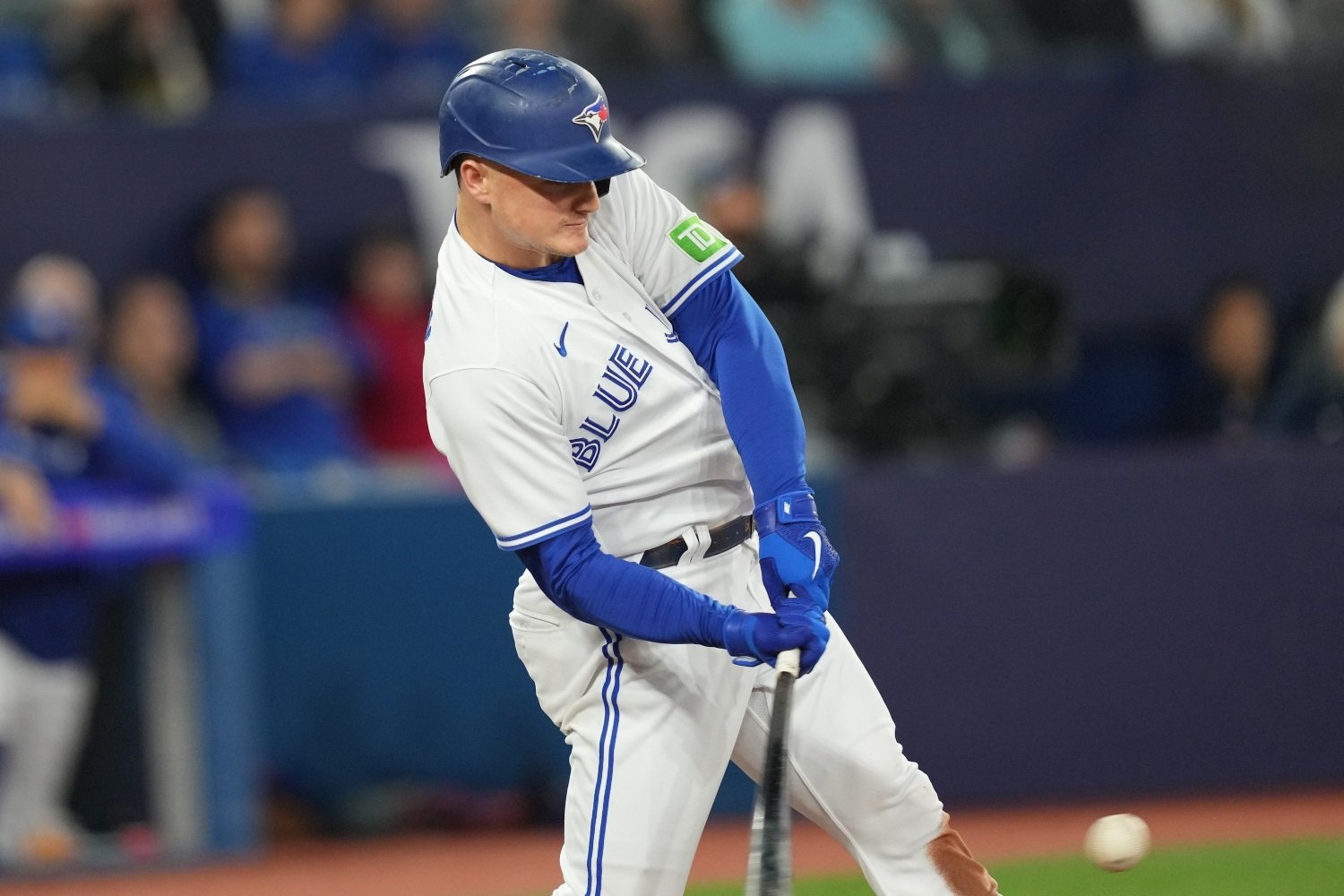 It's hard not to see the match between the Cubs' roster construction and free-agent third baseman Matt Chapman. Last winter, faced with a market that priced them out of the elite offense they had wanted to build, the team pivoted and tried to win by assembling an elite defense, instead. Dansby Swanson and Nico Hoerner each won Gold Glove Awards this past season, and in 2024, the organization hopes to install Pete Crow-Armstrong as the regular center fielder. Chapman would be a hand-in-glove fit for that approach. Although Nick Madrigal proved to be a defensive whiz at the hot corner in his own right, he's not a third baseman, really. He can't be. He doesn't hit enough, and his arm isn't strong enough. With two Fielding Bible Awards as the best third baseman in baseball and plenty of seasons as one of the two or three best, Chapman is on another level. He'll turn 31 in April, but he should age fine, defensively. He's built for the spot, and there's nothing about the position at which he's less than excellent. The questions, of course, are about his bat and his price tag. Though he's a .240/.329/.461 career hitter and has occasionally looked like a superstar slugger in the mold of fellow defensive ace Nolan Arenado, he's been badly inconsistent over the last few years, and his power dried up in an ugly way in 2023. In particular, despite relatively even career platoon splits (identical isolated power, very similar walk and strikeout rates), Chapman has struck out about 30 percent of the time against right-handed pitchers over the last three years. He's limited by that vulnerability, in a way he wasn't obviously limited before. One thing no one questions is the quality of Chapman's contact. Few hitters hit the ball hard as regularly as Chapman does, and he gets the ball in the air at a high rate, too. In fact, only hitting 17 homers in 2023 was a somewhat stunning shortfall, relative to the production one should expect based on the way he attacks pitches. In part, that problem stems from Chapman not pulling the ball all that much, especially in the air. Hitting long fly balls is great, but doing so to center field and the other way is less valuable, on average, than pulling it. It's clear that Chapman has the swing talent to generate huge power and/or a high batting average on balls in play. Maybe the issue we need to tackle is one of approach. Could changing the level of Chapman's selective aggressiveness help him get fuller value from that talent? Last month at Baseball Prospectus, Robert Orr came up with a brilliant, more nuanced way to measure the quality of players' approaches at the plate. Dubbed SEAGER, in honor of its exemplar, the model improves upon the simple question of whether a hitter differentiates between balls and strikes with their swing rates. It punishes hitters who let hittable pitches go by, especially in certain counts, and it more subtly but more accurately rewards hitters who show smart selectivity. Chapman is one of the best hitters in baseball at simply swinging a lot in the zone and laying off pitches outside it. By SEAGER's reckoning, though, he's not quite as good at balancing the twin mandates of hitting as his in- and out-of-zone swing rates would imply. Maybe Chapman is, in part, leaving damage on the table by watching too many strikes go by. Taking a patient approach at the plate, which is a major focus for Chapman, requires one to let the ball travel a bit. That's why, by and large, more patient hitters tend to use the opposite field more. It's an extreme not quite in evidence here, but recall Joe Mauer and the way teams would wheel around toward left field against him, because he was so reluctant to swing at bad pitches that even good swings usually just pushed the ball into left field. Once one gets used to letting the ball get deep and hitting to the big part of the field, one also starts tending to swing more often at pitches on the outer part of the plate. That was true of Chapman in 2023. With all the bat speed and leverage in his swing, though, using the big part of the field and attacking the ball on the outer third isn't actually the optimal way to hit. Chapman does better not on all those pitches he looks for over the outer half, but when he can cleanly turn on the inside offering. So, the picture is coming into focus. Chapman is covering the strike zone as well as he can, given his relatively high baseline whiff rates, and he draws plenty of walks and he hits the horsefeathers out of the ball. What he's not doing is honing in correctly on the pitches he can best handle. His bat path is unfriendly, especially, to hitting the ball against right-handed pitchers when they locate up in the zone or out away from him, and he's not being aggressive enough on the inner half to avoid needing to cover the outer half. Alas, all of this good information falls somewhere short of answering our vital questions. We can diagnose Chapman's problems, but to what extent any of them are tractable (or whether the Cubs are the right team to help him make the needed adjustments, if they're possible) is very hard to say. It seems like new approaches could be available. It seems like Chapman could pull the ball more without too many of those pulled balls being on the ground. It seems like he could clear the left-field wall at Wrigley Field 30-plus times a year. Double alas: things are not always as they seem. Chapman's defense sets a high short-term floor for his value, but his ceiling is unclear. How much would you be willing to pay to slot him in alongside Swanson and Hoerner? Would Chapman be an adequate primary addition this winter? Let's break it down.
 -
If the Cubs aren't going to land Shohei Ohtani or Yoshinobu Yamamoto, they need to find another way to add an excellent player to the top of their roster. One of the increasingly obvious options is a fraught one. Let's explore it. Image courtesy of © Nick Turchiaro-USA TODAY Sports It's hard not to see the match between the Cubs' roster construction and free-agent third baseman Matt Chapman. Last winter, faced with a market that priced them out of the elite offense they had wanted to build, the team pivoted and tried to win by assembling an elite defense, instead. Dansby Swanson and Nico Hoerner each won Gold Glove Awards this past season, and in 2024, the organization hopes to install Pete Crow-Armstrong as the regular center fielder. Chapman would be a hand-in-glove fit for that approach. Although Nick Madrigal proved to be a defensive whiz at the hot corner in his own right, he's not a third baseman, really. He can't be. He doesn't hit enough, and his arm isn't strong enough. With two Fielding Bible Awards as the best third baseman in baseball and plenty of seasons as one of the two or three best, Chapman is on another level. He'll turn 31 in April, but he should age fine, defensively. He's built for the spot, and there's nothing about the position at which he's less than excellent. The questions, of course, are about his bat and his price tag. Though he's a .240/.329/.461 career hitter and has occasionally looked like a superstar slugger in the mold of fellow defensive ace Nolan Arenado, he's been badly inconsistent over the last few years, and his power dried up in an ugly way in 2023. In particular, despite relatively even career platoon splits (identical isolated power, very similar walk and strikeout rates), Chapman has struck out about 30 percent of the time against right-handed pitchers over the last three years. He's limited by that vulnerability, in a way he wasn't obviously limited before. One thing no one questions is the quality of Chapman's contact. Few hitters hit the ball hard as regularly as Chapman does, and he gets the ball in the air at a high rate, too. In fact, only hitting 17 homers in 2023 was a somewhat stunning shortfall, relative to the production one should expect based on the way he attacks pitches. In part, that problem stems from Chapman not pulling the ball all that much, especially in the air. Hitting long fly balls is great, but doing so to center field and the other way is less valuable, on average, than pulling it. It's clear that Chapman has the swing talent to generate huge power and/or a high batting average on balls in play. Maybe the issue we need to tackle is one of approach. Could changing the level of Chapman's selective aggressiveness help him get fuller value from that talent? Last month at Baseball Prospectus, Robert Orr came up with a brilliant, more nuanced way to measure the quality of players' approaches at the plate. Dubbed SEAGER, in honor of its exemplar, the model improves upon the simple question of whether a hitter differentiates between balls and strikes with their swing rates. It punishes hitters who let hittable pitches go by, especially in certain counts, and it more subtly but more accurately rewards hitters who show smart selectivity. Chapman is one of the best hitters in baseball at simply swinging a lot in the zone and laying off pitches outside it. By SEAGER's reckoning, though, he's not quite as good at balancing the twin mandates of hitting as his in- and out-of-zone swing rates would imply. Maybe Chapman is, in part, leaving damage on the table by watching too many strikes go by. Taking a patient approach at the plate, which is a major focus for Chapman, requires one to let the ball travel a bit. That's why, by and large, more patient hitters tend to use the opposite field more. It's an extreme not quite in evidence here, but recall Joe Mauer and the way teams would wheel around toward left field against him, because he was so reluctant to swing at bad pitches that even good swings usually just pushed the ball into left field. Once one gets used to letting the ball get deep and hitting to the big part of the field, one also starts tending to swing more often at pitches on the outer part of the plate. That was true of Chapman in 2023. With all the bat speed and leverage in his swing, though, using the big part of the field and attacking the ball on the outer third isn't actually the optimal way to hit. Chapman does better not on all those pitches he looks for over the outer half, but when he can cleanly turn on the inside offering. So, the picture is coming into focus. Chapman is covering the strike zone as well as he can, given his relatively high baseline whiff rates, and he draws plenty of walks and he hits the horsefeathers out of the ball. What he's not doing is honing in correctly on the pitches he can best handle. His bat path is unfriendly, especially, to hitting the ball against right-handed pitchers when they locate up in the zone or out away from him, and he's not being aggressive enough on the inner half to avoid needing to cover the outer half. Alas, all of this good information falls somewhere short of answering our vital questions. We can diagnose Chapman's problems, but to what extent any of them are tractable (or whether the Cubs are the right team to help him make the needed adjustments, if they're possible) is very hard to say. It seems like new approaches could be available. It seems like Chapman could pull the ball more without too many of those pulled balls being on the ground. It seems like he could clear the left-field wall at Wrigley Field 30-plus times a year. Double alas: things are not always as they seem. Chapman's defense sets a high short-term floor for his value, but his ceiling is unclear. How much would you be willing to pay to slot him in alongside Swanson and Hoerner? Would Chapman be an adequate primary addition this winter? Let's break it down. View full article
-
Shoved into trade rumor after trade rumor. Moved around the diamond endlessly, but somehow, less than the team wants. The Cubs' most enticing young slugger is also their most enigmatic value proposition. Let's pin it all down. Image courtesy of © Matt Marton-USA TODAY Sports There's an uncomfortable (and, perhaps, ultimately unreconcilable) tension between Christopher Morel's approach to baseball and the milieu of the modern game. Morel is a smart player, but he keeps things simple. He swings hard. He runs hard. He throws hard. He doesn't have Javier Baez's physical genius for the game, or Ian Happ's calculated, carefully-calibrated approach to maximizing his own value. He works hard to be in great shape, and he studies enough to know what kind of meatball he's hunting. Meanwhile, baseball becomes an increasingly complex and closely-dissected exercise. Morel is a square peg for a shifted elliptical hole. Given that gap between player and broad situation, it's hard to evaluate Morel, and hard to predict his future. That's why, even after two seasons in which he's steadily produced at an above-average rate and delivered power that fits gorgeously with the Cubs' needs, the team might be lukewarm on him for the long term. In 854 career plate appearances, he's hit 42 home runs and equally as many doubles and triples, but he's also struck out in 31.6 percent of his career plate appearances. It still feels like his profile could collapse and his future go dark at any moment. Some of that might be our own problem. Not all feelings are reality. Morel did shore up his contact rate a bit within the strike zone in 2023, as that number rose from 65.2 to 72 percent. He only chases at an average rate outside the zone, so he's able to draw walks at a solid rate, in addition to crashing into the ball with the force of an 'L' train on a pretty regular basis. He can produce pretty valuable offense while running a high strikeout rate. Still. Still! It's hard not to sweat a little when you review those whiff rates, and you can bet teams who might be acquiring him in trade would feel that same unease--or at least pretend it, to gain significant leverage against the Cubs front office. O the 626 player-seasons in which a hitter has had at least 500 swings within the zone over the last three years, Morel's 2022 had the highest whiff rate. That significantly improved 2023 rate? It was still the 18th-worst on this list. It's fair to call his swing-and-miss disastrous, even if it's part of his constellation of traits and (perhaps) a necessary tradeoff for the jolt he puts into the ball. Interestingly, though, that vulnerability isn't as easily exploitable as such things often are. Morel has been extremely consistent against right-handed pitchers across his first two seasons, in a way that defies any conventional wisdom about righty hitters with huge whiff issues. h/t Baseball Reference That means that he can be played (as long as he can stay ahead of the adjustment curve) most days, rather than having to be hidden from tough matchups or tucked away into a platoon. That should really goose his utility to any team, including the Cubs. As baffling as his array of extreme characteristics feels, I've become reasonably confident that Morel will continue to hit at an above-average level in the big leagues. Even last year (as he improved significantly by doing better against left-handed pitchers and against offspeed pitches in general), though, he went into long slumps so rough that he felt unplayable for a fortnight at a time. That brings us to the other, larger, less answerable question about Morel: What is his short- and long-term non-batting value? Infamously, the Cubs' request that Morel get some time at first base in the Dominican Winter League have gone for naught. Unlike affiliated minor leagues, LIDOM is a competitive environment--an analog of MLB, not a serf to it. Morel's team is using him in the way they think gives them the best chance to win, and not based on any developmental prerogatives. Here's what's interesting: it's there, in LIDOM, that Morel is being entrusted with more defensive responsibility. Often, it feels like teams want a player to try a new position to give them greater positional or replacement value, but the Cubs are trying to prep Morel for a job that would put pressure on his bat to improve from where it's been in his first two seasons, while Aguilas Cibaenas are playing him most at third base and a bit at shortstop. That the Cubs would regard that as bad news reflects such a profound and ironclad conviction in Morel's inability to man the left side of the infield in MLB that it forces one to pause and worry. Morel's arm is a rocket. He's a good enough athlete and a seasoned enough infielder that it feels like third base should be the perfect fit, for him and for a team who currently plans to use Patrick Wisdom and Nick Madrigal at the hot corner for 2024. Whence comes their certainty that he will never learn the footwork or achieve the accuracy on throws required to stick at third? And if they're right about it, how can Morel really be part of their plans beyond this season? Most people who have familiarized themselves with Morel seem to agree that his best position is second base. Obviously, that spot is spoken-for with the Cubs for the next few years. That makes it pretty easy, in one sense. The Cubs can best utilize Morel by trading him. Where, and for what, is the big question. What do you see in Morel? What's your level of confidence in his stick, and what do you make of him as a defender and athlete? Jump into the conversation. View full article
-
Let's Establish the Ground Truth Around Christopher Morel
Matthew Trueblood posted an article in Cubs
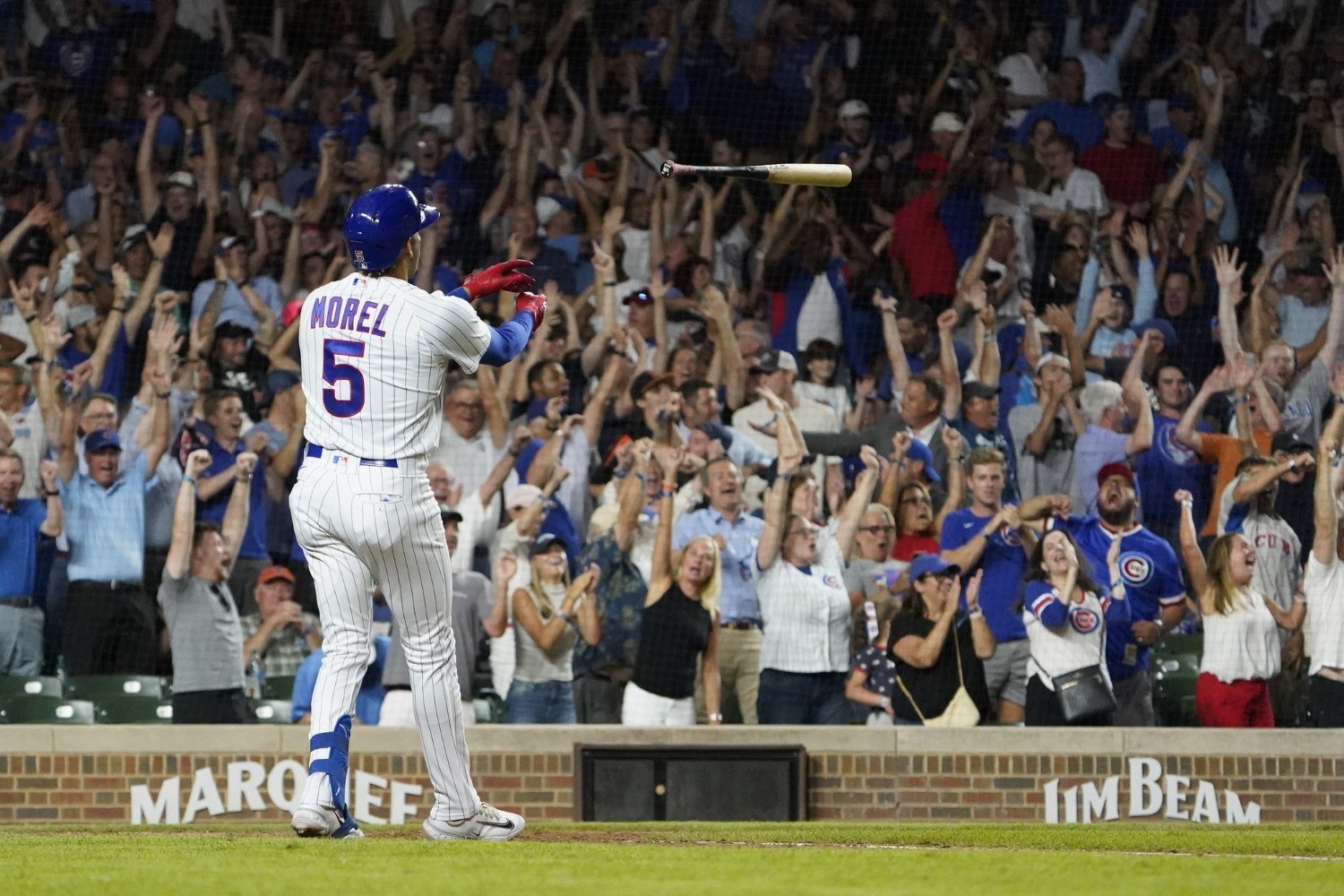 There's an uncomfortable (and, perhaps, ultimately unreconcilable) tension between Christopher Morel's approach to baseball and the milieu of the modern game. Morel is a smart player, but he keeps things simple. He swings hard. He runs hard. He throws hard. He doesn't have Javier Baez's physical genius for the game, or Ian Happ's calculated, carefully-calibrated approach to maximizing his own value. He works hard to be in great shape, and he studies enough to know what kind of meatball he's hunting. Meanwhile, baseball becomes an increasingly complex and closely-dissected exercise. Morel is a square peg for a shifted elliptical hole. Given that gap between player and broad situation, it's hard to evaluate Morel, and hard to predict his future. That's why, even after two seasons in which he's steadily produced at an above-average rate and delivered power that fits gorgeously with the Cubs' needs, the team might be lukewarm on him for the long term. In 854 career plate appearances, he's hit 42 home runs and equally as many doubles and triples, but he's also struck out in 31.6 percent of his career plate appearances. It still feels like his profile could collapse and his future go dark at any moment. Some of that might be our own problem. Not all feelings are reality. Morel did shore up his contact rate a bit within the strike zone in 2023, as that number rose from 65.2 to 72 percent. He only chases at an average rate outside the zone, so he's able to draw walks at a solid rate, in addition to crashing into the ball with the force of an 'L' train on a pretty regular basis. He can produce pretty valuable offense while running a high strikeout rate. Still. Still! It's hard not to sweat a little when you review those whiff rates, and you can bet teams who might be acquiring him in trade would feel that same unease--or at least pretend it, to gain significant leverage against the Cubs front office. O the 626 player-seasons in which a hitter has had at least 500 swings within the zone over the last three years, Morel's 2022 had the highest whiff rate. That significantly improved 2023 rate? It was still the 18th-worst on this list. It's fair to call his swing-and-miss disastrous, even if it's part of his constellation of traits and (perhaps) a necessary tradeoff for the jolt he puts into the ball. Interestingly, though, that vulnerability isn't as easily exploitable as such things often are. Morel has been extremely consistent against right-handed pitchers across his first two seasons, in a way that defies any conventional wisdom about righty hitters with huge whiff issues. h/t Baseball Reference That means that he can be played (as long as he can stay ahead of the adjustment curve) most days, rather than having to be hidden from tough matchups or tucked away into a platoon. That should really goose his utility to any team, including the Cubs. As baffling as his array of extreme characteristics feels, I've become reasonably confident that Morel will continue to hit at an above-average level in the big leagues. Even last year (as he improved significantly by doing better against left-handed pitchers and against offspeed pitches in general), though, he went into long slumps so rough that he felt unplayable for a fortnight at a time. That brings us to the other, larger, less answerable question about Morel: What is his short- and long-term non-batting value? Infamously, the Cubs' request that Morel get some time at first base in the Dominican Winter League have gone for naught. Unlike affiliated minor leagues, LIDOM is a competitive environment--an analog of MLB, not a serf to it. Morel's team is using him in the way they think gives them the best chance to win, and not based on any developmental prerogatives. Here's what's interesting: it's there, in LIDOM, that Morel is being entrusted with more defensive responsibility. Often, it feels like teams want a player to try a new position to give them greater positional or replacement value, but the Cubs are trying to prep Morel for a job that would put pressure on his bat to improve from where it's been in his first two seasons, while Aguilas Cibaenas are playing him most at third base and a bit at shortstop. That the Cubs would regard that as bad news reflects such a profound and ironclad conviction in Morel's inability to man the left side of the infield in MLB that it forces one to pause and worry. Morel's arm is a rocket. He's a good enough athlete and a seasoned enough infielder that it feels like third base should be the perfect fit, for him and for a team who currently plans to use Patrick Wisdom and Nick Madrigal at the hot corner for 2024. Whence comes their certainty that he will never learn the footwork or achieve the accuracy on throws required to stick at third? And if they're right about it, how can Morel really be part of their plans beyond this season? Most people who have familiarized themselves with Morel seem to agree that his best position is second base. Obviously, that spot is spoken-for with the Cubs for the next few years. That makes it pretty easy, in one sense. The Cubs can best utilize Morel by trading him. Where, and for what, is the big question. What do you see in Morel? What's your level of confidence in his stick, and what do you make of him as a defender and athlete? Jump into the conversation.
 -
Everybody calm down! Now. There. Let's all take a deep breath, here. It's been a bit of a day. Time to reset things a bit. Image courtesy of © Kamil Krzaczynski-USA TODAY Sports In the blizzard, the absolute onslaught of things that have been said and slung about the Cubs' pursuit of Shohei Ohtani as that pursuit has gained steam in the last week, there's something that ought to have been said just a bit more persistently: the Cubs aren't likely to sign Shohei Ohtani. I'm not breaking news with this. As of this writing, the team isn't out on Ohtani or officially moving on to other business. I'm just reinforcing what, perhaps, we all ought to have reinforced more, sooner: The Cubs were never actually likely to sign Ohtani. Even if there weren't an overwhelming favorite to win the bidding, in the long-lurking Dodgers, winning a bidding war like this one (not that there has ever been a bidding war quite like this one) could never be a sound bet. There are too many variables, and some of those variables are billion-dollar franchises who want to beat you, and some of the variables won't even tell you their dog's name. No, you could never rationally believe that a given team (least of all the Cubs) is in a majority position to land Ohtani. So, let's say the Cubs are slowly fading from the bidding. Or let's not; choose your preferred truth. In either case, what we should do is talk about how insane everything went on Tuesday afternoon and evening, and then discuss what the Cubs will do next if and when Ohtani signs elsewhere. After a couple of bad reports from Bob Nightengale on Tuesday, chaos rained down on Cubs Twitter, and several adjacent Twitters. (Never, ever listen to or credit Bob Nightengale. It's not that hard!) Nightengale's report suggested that the Cubs were all but eliminated from the Ohtani sweepstakes, and that it was because they balked at the price tag involved after it exceeded $500 million over 10 years. That would have been worthy of outrage, but it's pretty clear it wasn't true. Between that report and another one from Nightengale about the availability of Christopher Morel in Tyler Glasnow trade talks, Jed Hoyer got rather heated when he encountered Nightengale just ahead of Hoyer's evening press availability. This is the kind of circus that first put the Winter Meetings on the map, decades ago, but every now and then, we need a good reminder that neither we fans nor the (smarter-dressed, better-educated) people behind the curtains and the suite doors have really changed. Nightengale screwed up, twice. Fans reacted like rabid squirrels. Hoyer reacted roughly like the very drunken, red-ass ex-players who used to fill his job, despite what we can safely assume was a sober mind and a nice pair of chinos obscuring the color of his posterior. Once the dust settled, though, the truth that emerged from the haze turned out not to be dreadfully far from what Nightengale said. Patrick Mooney and Sahadev Sharma of The Athletic published a late story talking about how the Cubs will pivot, since their hopes of reeling in the market's biggest fish are dwindling. It's possible for Nightengale to have been wrong, and to have bungled the story in a hurried effort to tell it, without his being far from the reality of the situation at all. The Cubs do seem to be, slowly, bowing out of the Ohtani frenzy, and while it's not because they blanched at spending $500 million, it can't be entirely separated from the money that has been offered to him. As Mooney and Sharma were quick to point out, moving on from Ohtani (last time I'll so qualify this: if they really are moving on) doesn't mean plunging everything into Yoshinobu Yamamoto. On the contrary, and in keeping with the tone of national reporting for the last week and a half, they affirmed that Yamamoto is probably New York-bound, and that the unstoppable inflation of his market has taken him out of the range where the Cubs are likely to have interest. The big question left, after all that, is: Uh-oh. What now? (Yes, the uh-oh is part of the question.) It seems as though the first answer to that question is Glasnow. The Cubs really do seem infatuated with him. The rumors connecting them to the Rays on Glasnow deals haven't abated for over two weeks, and the fit is a pretty intriguing one--even if Glasnow isn't the type of starter in whom the Cubs usually prefer to invest. Morel, we can now safely say, is not part of those conversations. If a deal comes to fruition, it will center on the Cubs' bevy of young pitchers. Glasnow, alone, doesn't move the needle much. Even those who have been very excited at the prospect of landing him for the last month (or for much longer) will admit that he was always part of a multi-move maneuver, in their heads. The Cubs need to bolster their lineup, add another solid arm for the rotation (especially if they trade a viable one to acquire Glasnow), and beef up their bullpen. That's been true all along, and isn't dependent on their interest in Ohtani. Without Ohtani (or Yamamoto, or Juan Soto--who seems most likely to end up with the Yankees) as the crown jewel of the winter, though, it becomes more daunting. It feels like a very heavy lift, and the thing is, it's been that kind of lift this whole time, but Ohtanimania has been distracting many people from that fact. We got rumors connecting the Cubs to Rhys Hoskins yesterday. That one makes a world of sense. We got speculation about them having interest in Matt Chapman, contingent upon Ohtani going elsewhere, which makes a moderate amount of sense. Hoskins's power and the Cubs' need at first base make them perfect potential partners. Chapman's asking price is going to be so much higher as to make the fit much more complicated, but he's a right-handed power hitter at a position of need for the team, too, and he adds phenomenal defense to the stew. At the end of the night, a handful of relievers had signed on a trickle of short-term deals elsewhere in the league. Each was below any threshold at which you can plausibly get mad at a team for not jumping in and snagging a player instead, even if you love them. The Cubs'major relief targets remain on the open market. So does possible trade target Emmanuel Clase. In addition to Glasnow, Shane Bieber, Logan Gilbert, Framber Valdez, and others remain on their incumbent teams, with varying degrees of expectation that they'll be traded. My favorite free-agent target of the moment, and really of the last month, is Shota Imanaga, the less expensive (admittedly, older, less well-rounded, and riskier) alternative to Yamamoto for high-dollar import shoppers. Mooney and Sharma mentioned the Cubs taking a more active interest in him, as they turn away from Ohtani and Yamamoto. Other good free agents also remain, though, including the likes of Jordan Montgomery. Because the Cubs are far from being alone in having had their offseason held hostage for the last month by Ohtani's bizarre approach to this process, they also haven't seen any avenues they were especially interested in exploring be closed to them yet. The next week will be critical, but nothing is lost, yet. Today, any dreams of the team signing the biggest stars on the market should be a bit dimmed, but then, they never should have been held quite as brightly as many were holding them. Here, in reality, there are plenty of non-glowing but acceptable options available. View full article
-
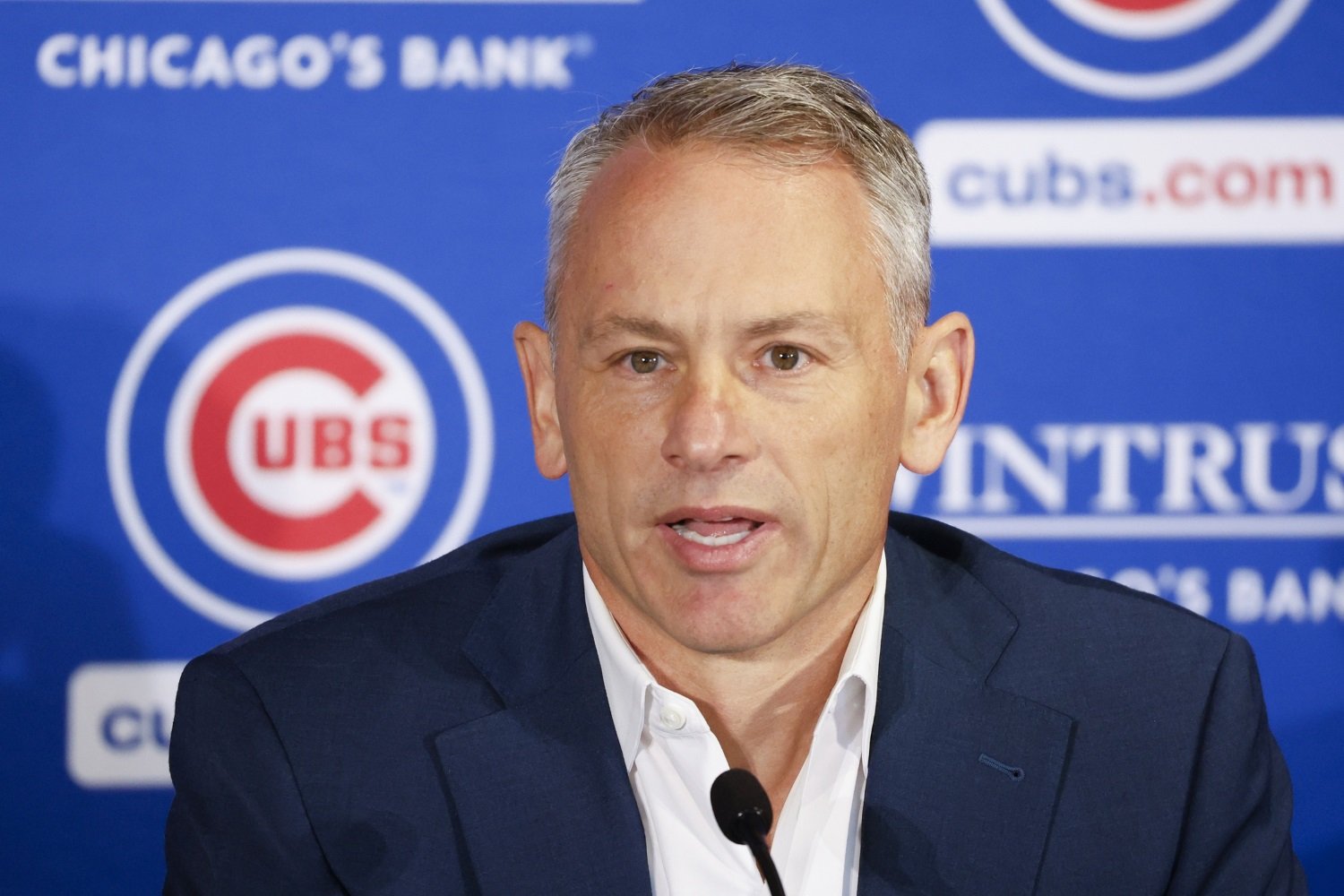 In the blizzard, the absolute onslaught of things that have been said and slung about the Cubs' pursuit of Shohei Ohtani as that pursuit has gained steam in the last week, there's something that ought to have been said just a bit more persistently: the Cubs aren't likely to sign Shohei Ohtani. I'm not breaking news with this. As of this writing, the team isn't out on Ohtani or officially moving on to other business. I'm just reinforcing what, perhaps, we all ought to have reinforced more, sooner: The Cubs were never actually likely to sign Ohtani. Even if there weren't an overwhelming favorite to win the bidding, in the long-lurking Dodgers, winning a bidding war like this one (not that there has ever been a bidding war quite like this one) could never be a sound bet. There are too many variables, and some of those variables are billion-dollar franchises who want to beat you, and some of the variables won't even tell you their dog's name. No, you could never rationally believe that a given team (least of all the Cubs) is in a majority position to land Ohtani. So, let's say the Cubs are slowly fading from the bidding. Or let's not; choose your preferred truth. In either case, what we should do is talk about how insane everything went on Tuesday afternoon and evening, and then discuss what the Cubs will do next if and when Ohtani signs elsewhere. After a couple of bad reports from Bob Nightengale on Tuesday, chaos rained down on Cubs Twitter, and several adjacent Twitters. (Never, ever listen to or credit Bob Nightengale. It's not that hard!) Nightengale's report suggested that the Cubs were all but eliminated from the Ohtani sweepstakes, and that it was because they balked at the price tag involved after it exceeded $500 million over 10 years. That would have been worthy of outrage, but it's pretty clear it wasn't true. Between that report and another one from Nightengale about the availability of Christopher Morel in Tyler Glasnow trade talks, Jed Hoyer got rather heated when he encountered Nightengale just ahead of Hoyer's evening press availability. This is the kind of circus that first put the Winter Meetings on the map, decades ago, but every now and then, we need a good reminder that neither we fans nor the (smarter-dressed, better-educated) people behind the curtains and the suite doors have really changed. Nightengale screwed up, twice. Fans reacted like rabid squirrels. Hoyer reacted roughly like the very drunken, red-ass ex-players who used to fill his job, despite what we can safely assume was a sober mind and a nice pair of chinos obscuring the color of his posterior. Once the dust settled, though, the truth that emerged from the haze turned out not to be dreadfully far from what Nightengale said. Patrick Mooney and Sahadev Sharma of The Athletic published a late story talking about how the Cubs will pivot, since their hopes of reeling in the market's biggest fish are dwindling. It's possible for Nightengale to have been wrong, and to have bungled the story in a hurried effort to tell it, without his being far from the reality of the situation at all. The Cubs do seem to be, slowly, bowing out of the Ohtani frenzy, and while it's not because they blanched at spending $500 million, it can't be entirely separated from the money that has been offered to him. As Mooney and Sharma were quick to point out, moving on from Ohtani (last time I'll so qualify this: if they really are moving on) doesn't mean plunging everything into Yoshinobu Yamamoto. On the contrary, and in keeping with the tone of national reporting for the last week and a half, they affirmed that Yamamoto is probably New York-bound, and that the unstoppable inflation of his market has taken him out of the range where the Cubs are likely to have interest. The big question left, after all that, is: Uh-oh. What now? (Yes, the uh-oh is part of the question.) It seems as though the first answer to that question is Glasnow. The Cubs really do seem infatuated with him. The rumors connecting them to the Rays on Glasnow deals haven't abated for over two weeks, and the fit is a pretty intriguing one--even if Glasnow isn't the type of starter in whom the Cubs usually prefer to invest. Morel, we can now safely say, is not part of those conversations. If a deal comes to fruition, it will center on the Cubs' bevy of young pitchers. Glasnow, alone, doesn't move the needle much. Even those who have been very excited at the prospect of landing him for the last month (or for much longer) will admit that he was always part of a multi-move maneuver, in their heads. The Cubs need to bolster their lineup, add another solid arm for the rotation (especially if they trade a viable one to acquire Glasnow), and beef up their bullpen. That's been true all along, and isn't dependent on their interest in Ohtani. Without Ohtani (or Yamamoto, or Juan Soto--who seems most likely to end up with the Yankees) as the crown jewel of the winter, though, it becomes more daunting. It feels like a very heavy lift, and the thing is, it's been that kind of lift this whole time, but Ohtanimania has been distracting many people from that fact. We got rumors connecting the Cubs to Rhys Hoskins yesterday. That one makes a world of sense. We got speculation about them having interest in Matt Chapman, contingent upon Ohtani going elsewhere, which makes a moderate amount of sense. Hoskins's power and the Cubs' need at first base make them perfect potential partners. Chapman's asking price is going to be so much higher as to make the fit much more complicated, but he's a right-handed power hitter at a position of need for the team, too, and he adds phenomenal defense to the stew. At the end of the night, a handful of relievers had signed on a trickle of short-term deals elsewhere in the league. Each was below any threshold at which you can plausibly get mad at a team for not jumping in and snagging a player instead, even if you love them. The Cubs'major relief targets remain on the open market. So does possible trade target Emmanuel Clase. In addition to Glasnow, Shane Bieber, Logan Gilbert, Framber Valdez, and others remain on their incumbent teams, with varying degrees of expectation that they'll be traded. My favorite free-agent target of the moment, and really of the last month, is Shota Imanaga, the less expensive (admittedly, older, less well-rounded, and riskier) alternative to Yamamoto for high-dollar import shoppers. Mooney and Sharma mentioned the Cubs taking a more active interest in him, as they turn away from Ohtani and Yamamoto. Other good free agents also remain, though, including the likes of Jordan Montgomery. Because the Cubs are far from being alone in having had their offseason held hostage for the last month by Ohtani's bizarre approach to this process, they also haven't seen any avenues they were especially interested in exploring be closed to them yet. The next week will be critical, but nothing is lost, yet. Today, any dreams of the team signing the biggest stars on the market should be a bit dimmed, but then, they never should have been held quite as brightly as many were holding them. Here, in reality, there are plenty of non-glowing but acceptable options available.
 -
He's definitely a "Don't let the perfect become the enemy of the good" kind of candidate to sign. That, as it happens, is my motto for baseball offseasons. We all fall in love with particular avenues or solutions, and I think it's right and desirable for teams to identify guys they genuinely believe in when making big investments. But often, 12 other teams also want a given guy, and it's important to develop second and third options you like, at the right prices. The sign of a team that consistently wins is always having and nimbly plucking those fallback plans.
-
In an unbearably arid news desert, the latest mirage that has fans pouring sand into their mouths like water is a report connecting the Cubs to the erstwhile Phillies slugger. It's interesting, right up front, that the sides have considered deals that run longer than a single season. That underscores a key difference between Hoskins and the player to whom he has most often been compared in the first month of his free agency, Cody Bellinger. Unlike Bellinger, who needed to prove he could regain some measure of the greatness he achieved before a couple of seasons marred by injuries, Hoskins isn't coming off a down year. Rather, he's coming off one that was deleted by injury altogether, but in a way that teams can feel confident will be fully behind him by the time he reports to spring training. Whereas Bellinger had previously-demonstrated MVP upside and humongous upside if he could get back to free agency after showcasing it (soon to be affirmed by a payday around $200 million this winter), Hoskins is much older (31 next March, while Bellinger was 27 last winter) and has a much lower ceiling. On the other hand, he figures to continue to be an above-average hitter with very good power for at least the next few years, so the starting point of any conversation about his services for 2024 is relatively high. He doesn't need to make good, the way Bellinger did, and indeed, there's much less to gain by his trying to do so. Therefore, a multi-year partnership is plausible. From the Cubs' perspective, it might even be preferable. Because the chance of a huge year that earns him a Kyle Schwarber- or Nick Castellanos-level slugger contract still exists, though, Hoskins (via Boras) is likely to want the right to opt out after a year, just as Conforto had that right built into the two-year deal he signed with the Giants last winter. Let's set aside the question of what kind of deal would actually come together, for the moment. Instead, we can focus on what Hoskins would bring to the table for the Cubs. Beyond filling the team's current hole at first base, Hoskins would deliver the combination of power and patience that was missing from the lineup for long stretches of last season. For his career, he has a walk rate of 13.5 percent, and he's never been south of 10 percent in a season. He strikes out more than an average hitter, but not by as much as one would expect, given his power and the willingness to work such deep counts. The specific thing that makes Hoskins a great fit for the Cubs is that he hits the ball hard, in the air, to his pull field with great regularity. That (along, ideally, with a disciplined approach, which he also possesses) is the recipe for sustainable slugging, especially for a right-handed hitter who can take aim at Wrigley Field's shallow left-center power alley. It's how Hoskins has swatted 148 career homers, and why he should continue to be a 30-homer bopper for at least a few more seasons. Let's illustrate the point, and how he derives the benefits of that approach at a lesser cost than most. Here's a scatter plot of all hitters with at least 250 batted balls since the start of 2022. Along the x-axis, we have the percentage of their batted balls that were pulled at a launch angle of 10 degrees or higher. On the y-axis, we have their average exit velocity on such batted balls. The red star (enlarged to make sure he stands out) is Hoskins, who ranks higher than most in generating those batted balls and in how hard he hits them when he gets them. To the right of it, in red, note Patrick Wisdom. As you can infer from the identity of that point, there's a cost to selling out for any more pulled fly balls than Hoskins generates. Wisdom strikes out at a rate that perpetually threatens his viability in the everyday lineup. Hoskins is able to keep his relatively low, for someone with so much power, by not overdoing it. Below and slightly left of the star is another red point, partially obscured. That's Cody Bellinger. He doesn't sell out to pull fly balls as much as Hoskins does, but by trying so hard to avoid striking out, he gives up velocity. He averaged just over 91 miles per hour on his pulled flies, which is still within the realm where pulling it in the air is valuable but not to the point where the ball is usually going to go when you get ahold of it. Finally, look well to the left of the star, but slightly above it. That red point is Christopher Morel. Far from being obsessed with pulling or launching the ball in a particular angle, Morel is all about maximizing exit velocity. That's why he averages nearly 97 miles per hour when he connects to the pull field and in the air, and that's why most of the balls he hits that way are no-doubt doubles or homers. Because it's not what he's going up looking to do, though, he doesn't do it all that often. Hoskins, then, represents the sweet spot. That's true in this very narrow regard, but it's also true in a broader, more important way. He could be the perfect target for the Cubs in free agency, because he fits their situation, their ballpark, and their team approach. If this deal eventually comes to fruition, set expectations a little lower than what we just saw from Bellinger, but slot him right into the cleanup or fifth spot in the batting order and feel confident about it. What do you think of Hoskins? Would you prefer a one-year deal with him, or a commitment of three years or more, if he's open to doing one without opt-outs? Is there another first baseman you'd prioritize? Leave a comment to further the discussion. View full article
-
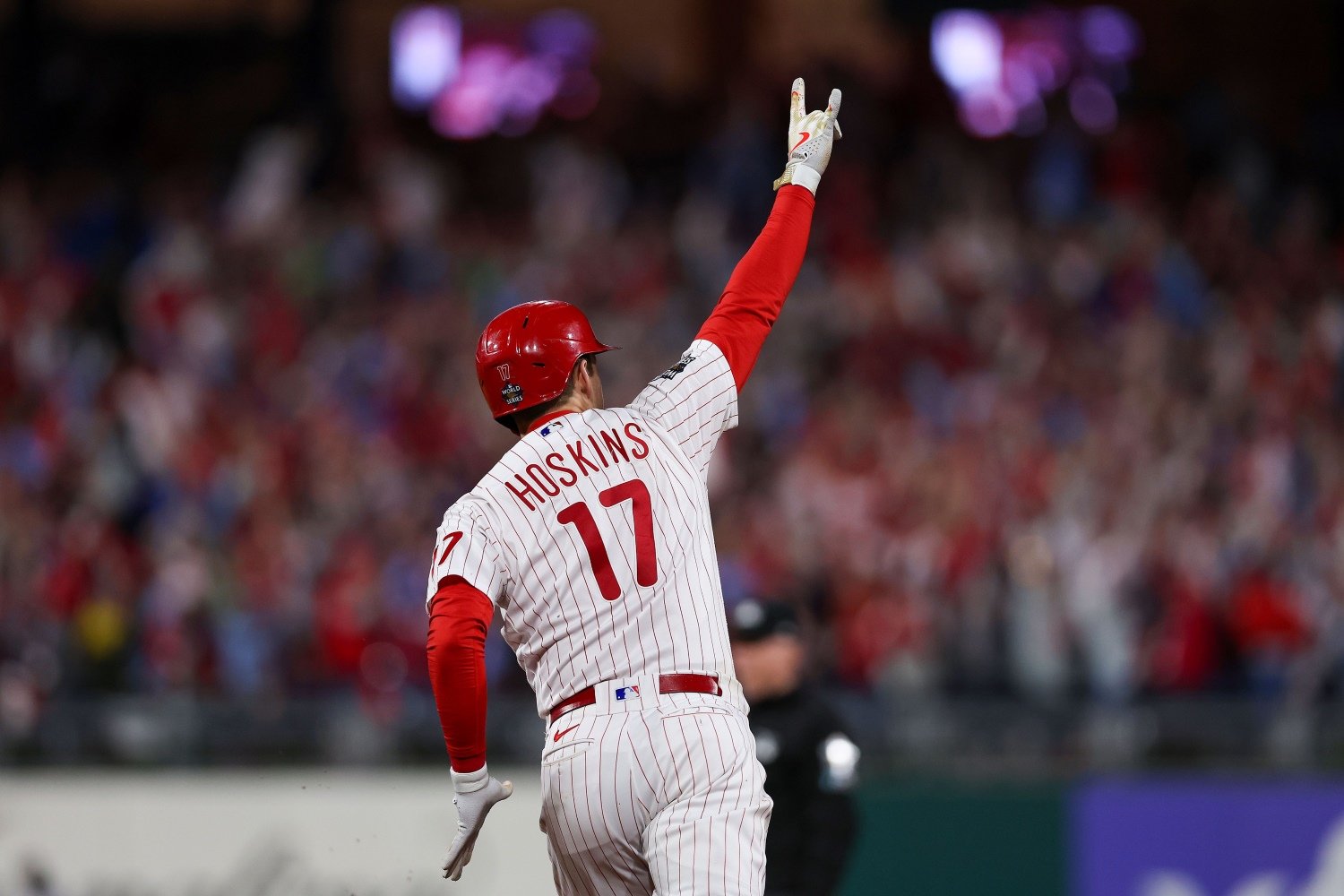 According to Jon Morosi of MLB Network and FOX Sports, the Cubs and Rhys Hoskins's representation (i.e., the Boras Corporation) have discussed both one- and multi-year deals. Hoskins, of course, is this year's Michael Conforto, a talented player with clear strengths and weaknesses who missed the entire previous season with a severe injury. It's interesting, right up front, that the sides have considered deals that run longer than a single season. That underscores a key difference between Hoskins and the player to whom he has most often been compared in the first month of his free agency, Cody Bellinger. Unlike Bellinger, who needed to prove he could regain some measure of the greatness he achieved before a couple of seasons marred by injuries, Hoskins isn't coming off a down year. Rather, he's coming off one that was deleted by injury altogether, but in a way that teams can feel confident will be fully behind him by the time he reports to spring training. Whereas Bellinger had previously-demonstrated MVP upside and humongous upside if he could get back to free agency after showcasing it (soon to be affirmed by a payday around $200 million this winter), Hoskins is much older (31 next March, while Bellinger was 27 last winter) and has a much lower ceiling. On the other hand, he figures to continue to be an above-average hitter with very good power for at least the next few years, so the starting point of any conversation about his services for 2024 is relatively high. He doesn't need to make good, the way Bellinger did, and indeed, there's much less to gain by his trying to do so. Therefore, a multi-year partnership is plausible. From the Cubs' perspective, it might even be preferable. Because the chance of a huge year that earns him a Kyle Schwarber- or Nick Castellanos-level slugger contract still exists, though, Hoskins (via Boras) is likely to want the right to opt out after a year, just as Conforto had that right built into the two-year deal he signed with the Giants last winter. Let's set aside the question of what kind of deal would actually come together, for the moment. Instead, we can focus on what Hoskins would bring to the table for the Cubs. Beyond filling the team's current hole at first base, Hoskins would deliver the combination of power and patience that was missing from the lineup for long stretches of last season. For his career, he has a walk rate of 13.5 percent, and he's never been south of 10 percent in a season. He strikes out more than an average hitter, but not by as much as one would expect, given his power and the willingness to work such deep counts. The specific thing that makes Hoskins a great fit for the Cubs is that he hits the ball hard, in the air, to his pull field with great regularity. That (along, ideally, with a disciplined approach, which he also possesses) is the recipe for sustainable slugging, especially for a right-handed hitter who can take aim at Wrigley Field's shallow left-center power alley. It's how Hoskins has swatted 148 career homers, and why he should continue to be a 30-homer bopper for at least a few more seasons. Let's illustrate the point, and how he derives the benefits of that approach at a lesser cost than most. Here's a scatter plot of all hitters with at least 250 batted balls since the start of 2022. Along the x-axis, we have the percentage of their batted balls that were pulled at a launch angle of 10 degrees or higher. On the y-axis, we have their average exit velocity on such batted balls. The red star (enlarged to make sure he stands out) is Hoskins, who ranks higher than most in generating those batted balls and in how hard he hits them when he gets them. To the right of it, in red, note Patrick Wisdom. As you can infer from the identity of that point, there's a cost to selling out for any more pulled fly balls than Hoskins generates. Wisdom strikes out at a rate that perpetually threatens his viability in the everyday lineup. Hoskins is able to keep his relatively low, for someone with so much power, by not overdoing it. Below and slightly left of the star is another red point, partially obscured. That's Cody Bellinger. He doesn't sell out to pull fly balls as much as Hoskins does, but by trying so hard to avoid striking out, he gives up velocity. He averaged just over 91 miles per hour on his pulled flies, which is still within the realm where pulling it in the air is valuable but not to the point where the ball is usually going to go when you get ahold of it. Finally, look well to the left of the star, but slightly above it. That red point is Christopher Morel. Far from being obsessed with pulling or launching the ball in a particular angle, Morel is all about maximizing exit velocity. That's why he averages nearly 97 miles per hour when he connects to the pull field and in the air, and that's why most of the balls he hits that way are no-doubt doubles or homers. Because it's not what he's going up looking to do, though, he doesn't do it all that often. Hoskins, then, represents the sweet spot. That's true in this very narrow regard, but it's also true in a broader, more important way. He could be the perfect target for the Cubs in free agency, because he fits their situation, their ballpark, and their team approach. If this deal eventually comes to fruition, set expectations a little lower than what we just saw from Bellinger, but slot him right into the cleanup or fifth spot in the batting order and feel confident about it. What do you think of Hoskins? Would you prefer a one-year deal with him, or a commitment of three years or more, if he's open to doing one without opt-outs? Is there another first baseman you'd prioritize? Leave a comment to further the discussion.