Brandon Glick
-
Posts
1,153 -
Joined
-
Last visited
Content Type
Profiles
Joomla Posts 1
Chicago Cubs Videos
Chicago Cubs Free Agent & Trade Rumors, Notes, & Tidbits
2026 Chicago Cubs Top Prospects Ranking
News
2023 Chicago Cubs Draft Picks
Guides & Resources
2024 Chicago Cubs Draft Picks
The Chicago Cubs Players Project
2025 Chicago Cubs Draft Pick Tracker
2026 Chicago Cubs Draft Tracker: Picks & Bonuses
Blogs
Events
Forums
Store
Gallery
Everything posted by Brandon Glick
-
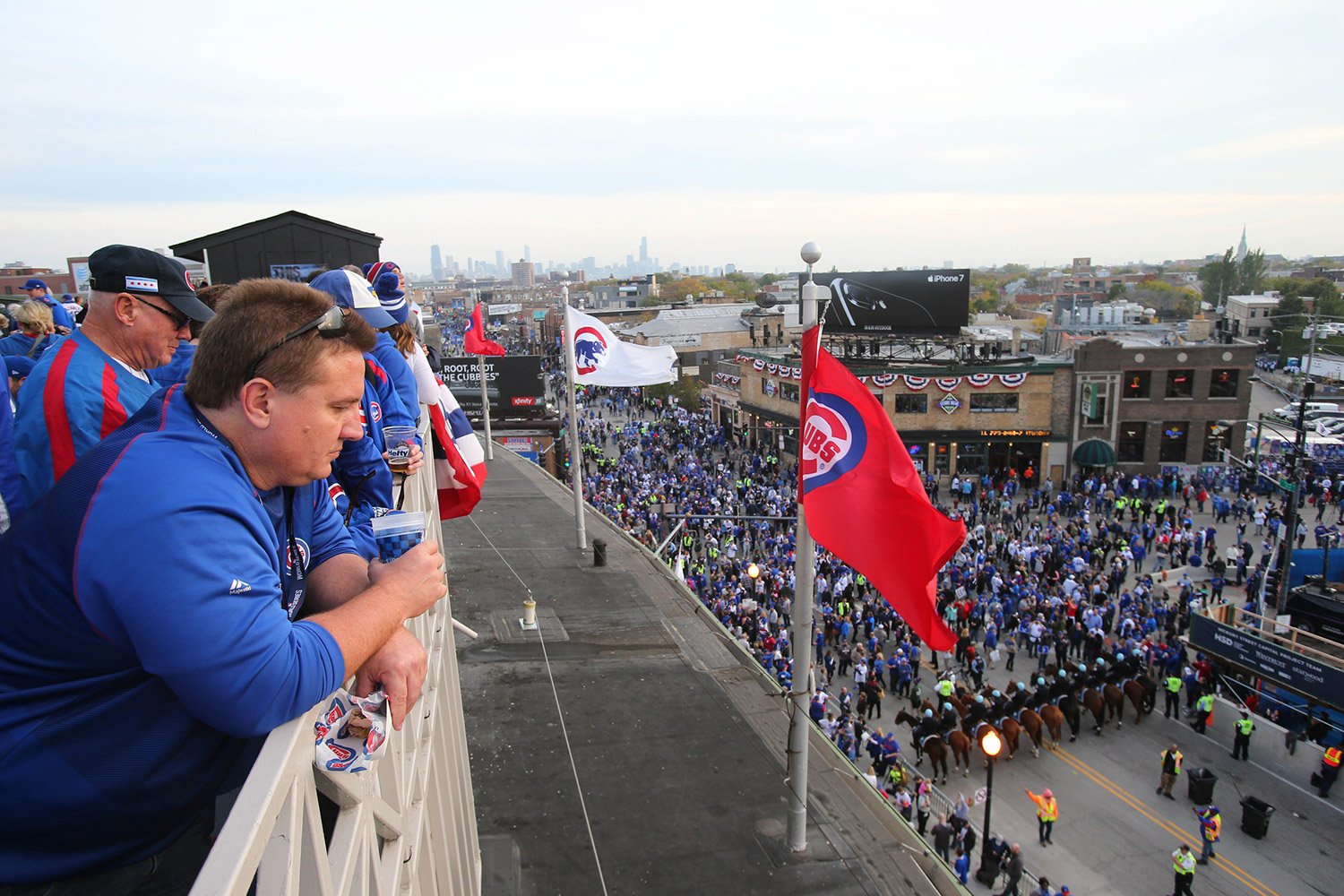 First, it's worth checking out if you haven’t seen the report yet. It’s a fascinating discussion that re-emphasizes the human element of the tidal wave of transactions throughout the year. I’ll go out on a limb and predict that most around here have effusive praise for Chicago; hell, I live in New York nowadays, and I still tell everyone who asks that it doesn’t even belong in the same conversation as the Windy City. Chicago has so much to offer to anyone and everyone that it’s hard to believe players would consciously hold it against the Cubs for playing there. I won’t pull up crime statistics or engage with political talking points here. They are important topics that deserve our undivided attention, and they’d obscure the smaller discussion we’re having now. Data points are pointing both ways on this. Shohei Ohtani reportedly didn’t even visit the Cubs during his free agency saga, maybe because he knew he wanted to remain in Los Angeles with the Dodgers from the onset. Dansby Swanson repeatedly said how much he wanted to come to Chicago after signing with the Cubs, though perhaps he was merely incentivized to do so because his wife, Mallory, is a star forward for the Chicago Red Stars of the National Women’s Soccer League. It’s hard to pinpoint any consensus on a broad topic, especially given that a player’s decision of where to play is rooted in personal preference. Players - both as Cubs and as Cubs’ opponents - have routinely lauded the Cubs faithful as among the best fans in baseball. Though it’s practically impossible not to engage in confirmation bias with such a statement, it feels grounded in some reality. The Cubs routinely rank near the top of attendance rankings year in and year out, regardless of whether they’re World Series contenders or amid another rebuild. The surrounding area of Wrigley Field, particularly Wrigleyville, is often cited by players as one of their favorite places in the city. It’s relatively serene, and the Chicagoans are usually respectful toward players and their privacy. Remember when Ben Zobrist rode his bike, in full uniform, to a game at Wrigley? Not to bury the lede, but winning matters, too, especially for older free agents. Though the Cubs have had some really, really (really) high-highs over the last decade, they’ve sandwiched that window of contention with two separate rebuilds. For a team in such a big market, that kind of rapid vacillation between the elite contenders and bottom-feeders of the league could be a huge turn-off to guys who are singularly motivated by winning. Again, there is so much more to say in this conversation. Illinois income tax rates, North Side vs. South Side benefits (and drawbacks), the political leanings of Chicago, the harsh winters, and a near-infinite myriad of other subjects factor into the at-large discussion. For the sake of this article - and keeping it within the context of the report on the Giants - it’s fair to say that Chicago, for all of its unique features, also will rub certain players the wrong way. Of course, the same can be said about any city. And, not for nothing, money often talks most during the pursuit of players. A player may not be in love with coming to Chicago, but if the Cubs’ are the highest bidder for their services, their attitude might change quickly. Now, if only the Cubs would flex their financial might and spend some darn money.
 -
It's also worth noting that the way the MLB is currently constructed (via the CBA) is that teams like the Cubs are EXPECTED to spend big. The small market teams get compensation draft picks, extra international signing bonus pools, revenue sharing dollars, etc. The Cubs are actively putting themselves at a disadvantage by not spending.
-
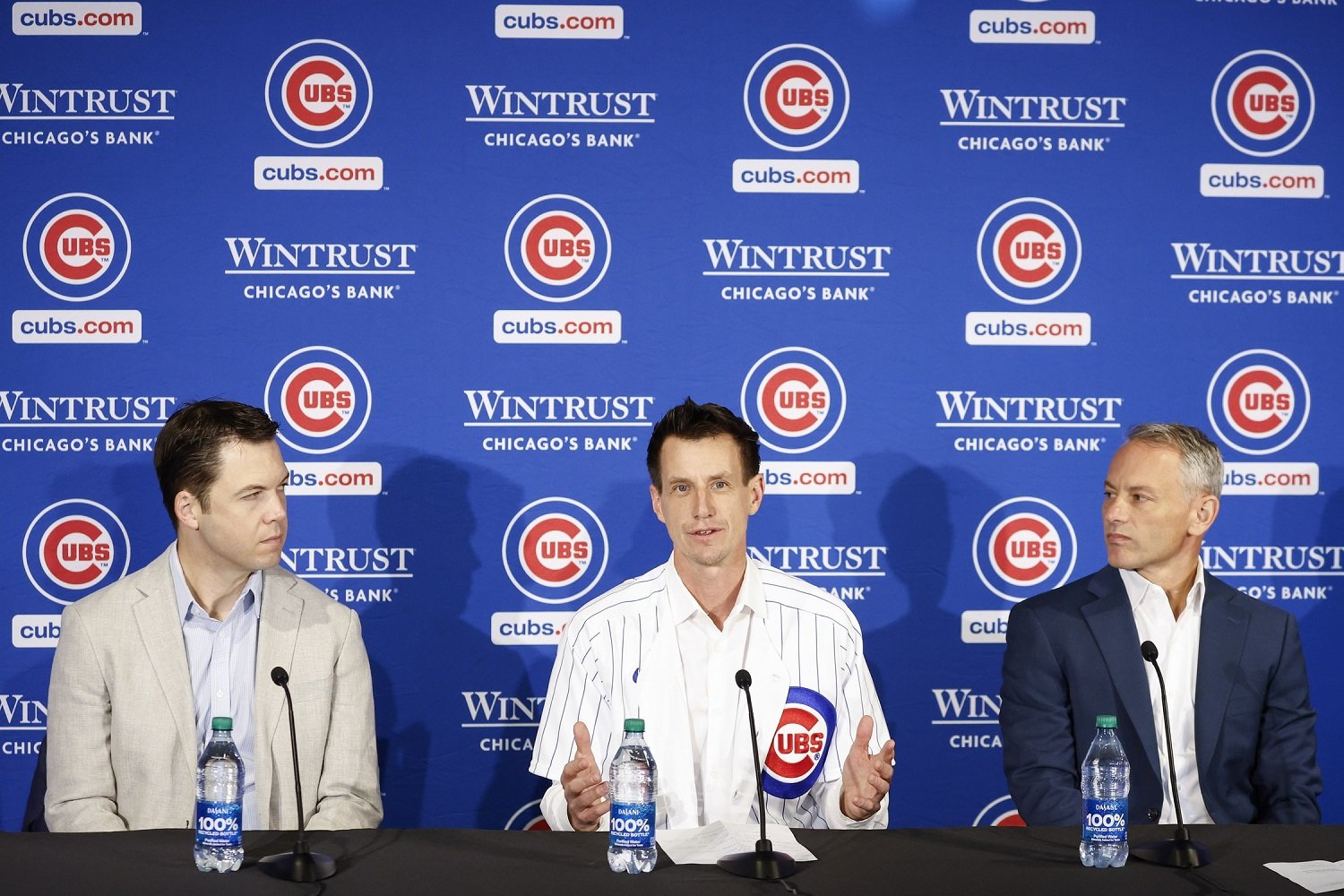
Jed Hoyer has a reputation for being patient. It often serves the Cubs well. This offseason, however, Jed’s greatest virtue might be betraying him and the team. Image courtesy of Kamil Krzaczynski, USA Today This is a companion piece to another I wrote regarding the Cubs’ modus operandi of sticking close to their internal player valuations. There, I was fair and holistic, analyzing how the organization-wide patience has both helped and hurt the Cubs in the past and present. This follow-up, however, is a condemnation of the Cubs for their inflexibility and unwillingness to adapt to the baseball landscape around them. Depending on whom you consult, the proverb “patience is a virtue” dates to at least the 1300s, and perhaps as far back as the fifth century (from the epic poem, Psychomachia). That little history lesson may not be entirely relevant to the Chicago Cubs of Major League Baseball in the year 2024, but it is a useful reminder that, in most disciplines in life, patience is a good quality to have. Sports are not like most disciplines. When the monetary value of the dollar increases rapidly in the real world, it skyrockets in the sphere of athletics. Valuations of sports teams long ago left the stratosphere, now entering territory that feels as much imaginary as merely gaudy. Year Value of Chicago Cubs 2003 $335 million 2013 $1 billion 2023 $4.1 billion Shohei Ohtani just signed a contract worth $700 million (your jokes about deferrals are appreciated), and then the same team that signed hhim turned around and handed Tyler Glasnow $136 million and Yoshinobu Yamamoto $325 million. Making “smart” deals is good business, but refusing to rescale your budget as the market shifts is not. In a vacuum, it’s easy to make a case that none of those three players are worth the money the Dodgers gave them. Ohtani’s pitching future is in doubt after a second Tommy John surgery, Glasnow has never thrown more than 120 innings in a year, and Yamomoto just earned the most expensive contract for a pitcher in MLB history even though he’s never thrown a pitch in the league before. That’s an obscene amount of risk on a $1.15 billion investment. Now, in the same breath, take a look at every roster in the National League. There isn’t a single team that can compete with the raw star power of the Dodgers, and only the Atlanta Braves deserve to even be mentioned in the same conversation of the NL’s true hegemon. Yes, the Dodgers have won the division every year since 2012 (besides 2021) and only won the World Series once (during the pandemic season), but what they’ve done should be the goal of every team: putting together an exceptionally competitive roster. Naturally, this is a good place for one of Jed’s favorite disclaimers: winning the offseason does not guarantee winning the season. In an interview with The Athletic before the Winter Meetings this year, Hoyer explained his approach. “As I’ve said a lot of times over the years, winning the offseason is probably more curse than blessing. Cody Bellinger wasn’t exactly a move that people were lauding tremendously last year, and it was probably one of the best free-agent signings on the market," he said. "You just don’t know where the best deals are going to come from. Certainly, there are immensely talented players on the market, but I think if you go in thinking it’s one of those guys or bust, you can make some really bad long-term decisions.” That attitude has helped the Cubs avoid onerous deals that clog up the payroll, like Anthony Rendon on the Angels or Carlos Rodón on the Yankees. It’s also the reason the Cubs began last season with Eric Hosmer, Luis Torrens, and Trey Mancini eating starts at first base and designated hitter, which probably cost them a couple of games in a year where they fell one game shy of the last Wild Card berth. There’s still a number of good players available, to be sure. Blake Snell, Jordan Montgomery, and Shota Imanaga are a trio of lefties with high-end starter upside. Josh Hader, David Robertson, and Jordan Hicks are a few late-game relievers with a track record of being a closer. Bellinger, Matt Chapman, and J.D. Martinez have the power and pedigree that could help transform the Cubs lineup, and each of them play positions at which the Cubs desperately need reinforcements. In a vacuum, signing any of those guys would make a lot of sense for the Cubs. But baseball doesn’t happen in a vacuum. There are other teams bidding for these players' services, each of which are only getting more antsy as each talented player comes off the board. And in a year in which the NL Central is wide open, the Cubs have done absolutely nothing to establish themselves as the cream of the crop. The Cubs can continue to be patient. In all likelihood, they will. Winning the offseason doesn’t guarantee winning the actual season, after all. But while the Dodgers and Braves can rest on their laurels, armed with as much leverage and talent as any organization in baseball, the Cubs will be forced to scour the remains of the market, battling it out in the trenches with other teams growing as desperate as they are. And they only have themselves to blame. View full article
- 55 replies
-
- 1
-

-
- chicago cubs
- jed hoyer
- (and 3 more)
-
 This is a companion piece to another I wrote regarding the Cubs’ modus operandi of sticking close to their internal player valuations. There, I was fair and holistic, analyzing how the organization-wide patience has both helped and hurt the Cubs in the past and present. This follow-up, however, is a condemnation of the Cubs for their inflexibility and unwillingness to adapt to the baseball landscape around them. Depending on whom you consult, the proverb “patience is a virtue” dates to at least the 1300s, and perhaps as far back as the fifth century (from the epic poem, Psychomachia). That little history lesson may not be entirely relevant to the Chicago Cubs of Major League Baseball in the year 2024, but it is a useful reminder that, in most disciplines in life, patience is a good quality to have. Sports are not like most disciplines. When the monetary value of the dollar increases rapidly in the real world, it skyrockets in the sphere of athletics. Valuations of sports teams long ago left the stratosphere, now entering territory that feels as much imaginary as merely gaudy. Year Value of Chicago Cubs 2003 $335 million 2013 $1 billion 2023 $4.1 billion Shohei Ohtani just signed a contract worth $700 million (your jokes about deferrals are appreciated), and then the same team that signed hhim turned around and handed Tyler Glasnow $136 million and Yoshinobu Yamamoto $325 million. Making “smart” deals is good business, but refusing to rescale your budget as the market shifts is not. In a vacuum, it’s easy to make a case that none of those three players are worth the money the Dodgers gave them. Ohtani’s pitching future is in doubt after a second Tommy John surgery, Glasnow has never thrown more than 120 innings in a year, and Yamomoto just earned the most expensive contract for a pitcher in MLB history even though he’s never thrown a pitch in the league before. That’s an obscene amount of risk on a $1.15 billion investment. Now, in the same breath, take a look at every roster in the National League. There isn’t a single team that can compete with the raw star power of the Dodgers, and only the Atlanta Braves deserve to even be mentioned in the same conversation of the NL’s true hegemon. Yes, the Dodgers have won the division every year since 2012 (besides 2021) and only won the World Series once (during the pandemic season), but what they’ve done should be the goal of every team: putting together an exceptionally competitive roster. Naturally, this is a good place for one of Jed’s favorite disclaimers: winning the offseason does not guarantee winning the season. In an interview with The Athletic before the Winter Meetings this year, Hoyer explained his approach. “As I’ve said a lot of times over the years, winning the offseason is probably more curse than blessing. Cody Bellinger wasn’t exactly a move that people were lauding tremendously last year, and it was probably one of the best free-agent signings on the market," he said. "You just don’t know where the best deals are going to come from. Certainly, there are immensely talented players on the market, but I think if you go in thinking it’s one of those guys or bust, you can make some really bad long-term decisions.” That attitude has helped the Cubs avoid onerous deals that clog up the payroll, like Anthony Rendon on the Angels or Carlos Rodón on the Yankees. It’s also the reason the Cubs began last season with Eric Hosmer, Luis Torrens, and Trey Mancini eating starts at first base and designated hitter, which probably cost them a couple of games in a year where they fell one game shy of the last Wild Card berth. There’s still a number of good players available, to be sure. Blake Snell, Jordan Montgomery, and Shota Imanaga are a trio of lefties with high-end starter upside. Josh Hader, David Robertson, and Jordan Hicks are a few late-game relievers with a track record of being a closer. Bellinger, Matt Chapman, and J.D. Martinez have the power and pedigree that could help transform the Cubs lineup, and each of them play positions at which the Cubs desperately need reinforcements. In a vacuum, signing any of those guys would make a lot of sense for the Cubs. But baseball doesn’t happen in a vacuum. There are other teams bidding for these players' services, each of which are only getting more antsy as each talented player comes off the board. And in a year in which the NL Central is wide open, the Cubs have done absolutely nothing to establish themselves as the cream of the crop. The Cubs can continue to be patient. In all likelihood, they will. Winning the offseason doesn’t guarantee winning the actual season, after all. But while the Dodgers and Braves can rest on their laurels, armed with as much leverage and talent as any organization in baseball, the Cubs will be forced to scour the remains of the market, battling it out in the trenches with other teams growing as desperate as they are. And they only have themselves to blame.
- 55 comments
-
- 1
-
-
- chicago cubs
- jed hoyer
- (and 3 more)
-
Hi all. Hope you have a Merry Christmas/Happy Holidays/Good New Years. Excited for 2024 and what's to come for the Cubs and NSBB!
-
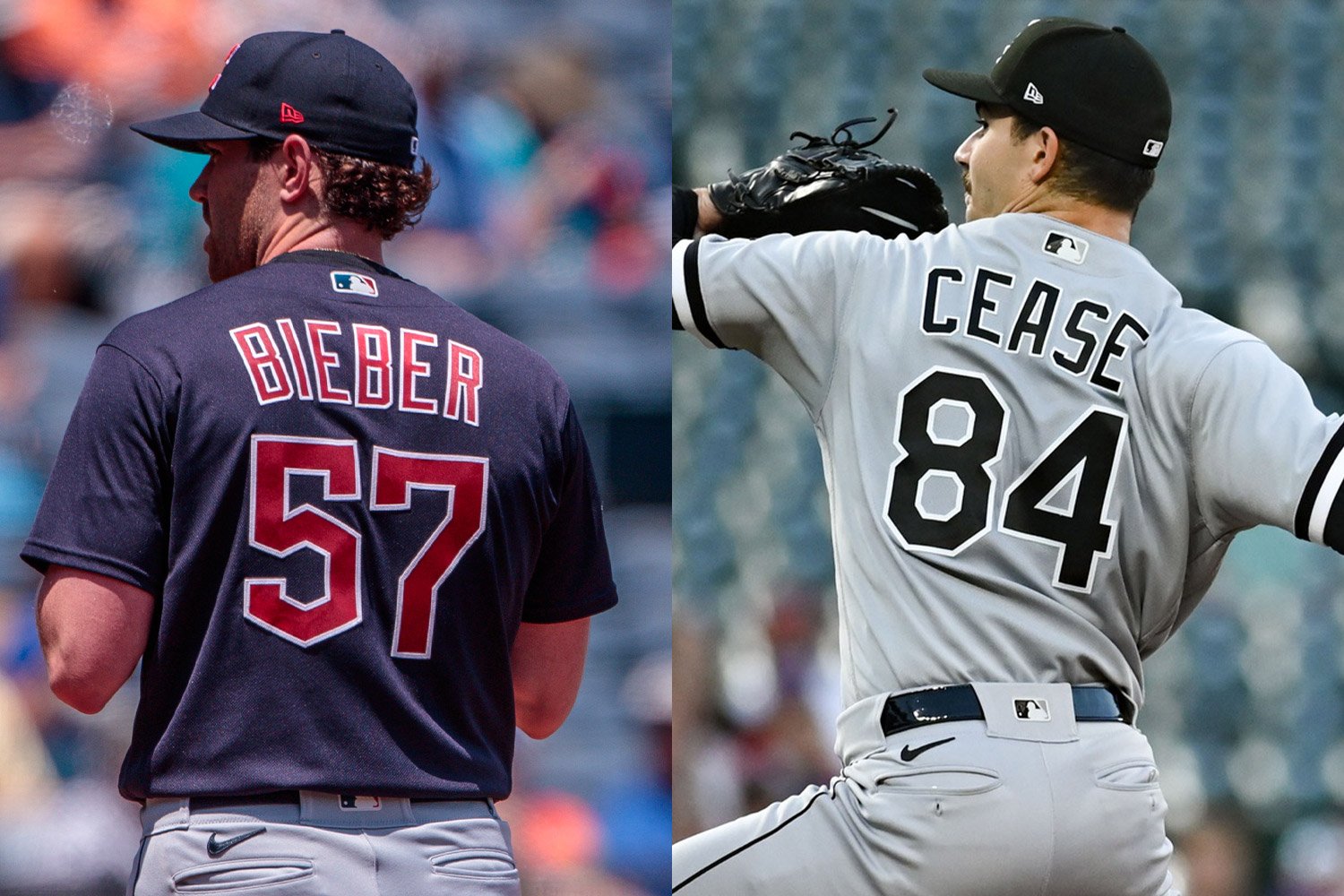 The good news is that the Cubs aren’t the only team that has sat out the free agent market entirely so far; by mid-December, they are one of eight teams not to spend a guaranteed dollar on a free agent. It is worth noting, however, that many teams in that bunch have participated in the trade market, like the Yankees and Padres in their blockbuster Juan Soto trade. Rarely has a Cubs’ transaction over the last half-decade been perfunctory. Not all moves work out, of course. That’s the nature of the game, and why retrospectives exist in the first place; the goal is to be right as often as possible, rather than being perfect. At this exact moment, both in the 2023-2024 offseason and the general baseball zeitgeist, it feels like the Cubs aren’t getting enough done. While the Dodgers flex their financial muscles by shelling out over $1 billion to two (exceptionally and uniquely talented) players and the Yankees trade a king’s ransom for Soto, the Cubs are being patient. So far, the only moves the Cubs have made have been of the minor-league free-agent variety, with the most notable being Jorge Alfaro’s signing, designed to shore up the depth at catcher. The Cubs, as has been lamented by fans all offseason, are in a unique position to add to their team aggressively: the accounting books are relatively clean for the foreseeable future, and the division is wide open for the taking. As each subsequent Cubs’ target comes off the board, the desperation grows, the anxiousness in the fanbase becoming more and more palpable. For better or worse, the constant clamoring from fans won’t sway the front office. Last offseason, when rumors began to spread that the Cubs may target TWO of free agency’s “big four” shortstops - Xander Bogaerts, Dansby Swanson, Carlos Correa, and Trea Turner - the team held firm, sticking to their internal valuation of each player rather than adjusting on the fly to the market’s sudden preference for longer-term, lower average annual value deals. Eventually, the Cubs got Swanson at their preferred price point, and the move worked out pretty well for them in year one of the deal. Of course, there comes a point where monetary values for players shift irrevocably, and limiting the franchise’s willingness to pay at yesterday’s prices means the Cubs won’t get today’s product. Shohei Ohtani and Yoshinobu Yamamoto were so unique in their profiles for a myriad of reasons (not the least of which was that both reportedly wanted to go to the Dodgers all along), and blaming the Cubs for securing neither is an exercise in futility. However, missing out on Tyler Glasnow is a little less acceptable, even if his extension with the Dodgers was quite generous. Not acquiring Shane Bieber, Dylan Cease, or some other high-upside arm will be an abject failure in the face of the current roster’s needs. The team also needs consistent, run-producing bats at first base and designated hitter. Another year of an Eric Hosmer or Trey Mancini-style experiment would cause a mutiny on social media. The offseason is far from over. Plenty of players are still on the board, both in free agency and on the trade market. The Cubs have a consensus top-three farm system with which to dangle bait, and they have upwards of $50+ million to shell out. There’s no reason to expect the roster to remain as it is today, even if it feels more like blind faith than empirically backed confidence. How the Cubs recover from a disappointing first half of the offseason is anyone’s guess, but the team knows there’s an impending clock. Jed Hoyer may be as patient as any executive in baseball, but even he can’t wait out the market forever. The team is on the cusp of breaching into the second-tier of contenders in the National League (behind the juggernauts on the coasts, the Dodgers and Braves), and as many teams before them have shown, anything can happen once you make the playoffs. The offseason is still young, but it won’t last forever. Tick, tick.
 -
The 2023 offseason has been trudging along in earnest for some time now, and the Cubs have been patiently sitting on their hands. Though it left fans antsy for any news, Jed Hoyer and company have long prided themselves on being calculated rather than reactionary. Image courtesy of © Tommy Gilligan-USA TODAY Sports The good news is that the Cubs aren’t the only team that has sat out the free agent market entirely so far; by mid-December, they are one of eight teams not to spend a guaranteed dollar on a free agent. It is worth noting, however, that many teams in that bunch have participated in the trade market, like the Yankees and Padres in their blockbuster Juan Soto trade. Rarely has a Cubs’ transaction over the last half-decade been perfunctory. Not all moves work out, of course. That’s the nature of the game, and why retrospectives exist in the first place; the goal is to be right as often as possible, rather than being perfect. At this exact moment, both in the 2023-2024 offseason and the general baseball zeitgeist, it feels like the Cubs aren’t getting enough done. While the Dodgers flex their financial muscles by shelling out over $1 billion to two (exceptionally and uniquely talented) players and the Yankees trade a king’s ransom for Soto, the Cubs are being patient. So far, the only moves the Cubs have made have been of the minor-league free-agent variety, with the most notable being Jorge Alfaro’s signing, designed to shore up the depth at catcher. The Cubs, as has been lamented by fans all offseason, are in a unique position to add to their team aggressively: the accounting books are relatively clean for the foreseeable future, and the division is wide open for the taking. As each subsequent Cubs’ target comes off the board, the desperation grows, the anxiousness in the fanbase becoming more and more palpable. For better or worse, the constant clamoring from fans won’t sway the front office. Last offseason, when rumors began to spread that the Cubs may target TWO of free agency’s “big four” shortstops - Xander Bogaerts, Dansby Swanson, Carlos Correa, and Trea Turner - the team held firm, sticking to their internal valuation of each player rather than adjusting on the fly to the market’s sudden preference for longer-term, lower average annual value deals. Eventually, the Cubs got Swanson at their preferred price point, and the move worked out pretty well for them in year one of the deal. Of course, there comes a point where monetary values for players shift irrevocably, and limiting the franchise’s willingness to pay at yesterday’s prices means the Cubs won’t get today’s product. Shohei Ohtani and Yoshinobu Yamamoto were so unique in their profiles for a myriad of reasons (not the least of which was that both reportedly wanted to go to the Dodgers all along), and blaming the Cubs for securing neither is an exercise in futility. However, missing out on Tyler Glasnow is a little less acceptable, even if his extension with the Dodgers was quite generous. Not acquiring Shane Bieber, Dylan Cease, or some other high-upside arm will be an abject failure in the face of the current roster’s needs. The team also needs consistent, run-producing bats at first base and designated hitter. Another year of an Eric Hosmer or Trey Mancini-style experiment would cause a mutiny on social media. The offseason is far from over. Plenty of players are still on the board, both in free agency and on the trade market. The Cubs have a consensus top-three farm system with which to dangle bait, and they have upwards of $50+ million to shell out. There’s no reason to expect the roster to remain as it is today, even if it feels more like blind faith than empirically backed confidence. How the Cubs recover from a disappointing first half of the offseason is anyone’s guess, but the team knows there’s an impending clock. Jed Hoyer may be as patient as any executive in baseball, but even he can’t wait out the market forever. The team is on the cusp of breaching into the second-tier of contenders in the National League (behind the juggernauts on the coasts, the Dodgers and Braves), and as many teams before them have shown, anything can happen once you make the playoffs. The offseason is still young, but it won’t last forever. Tick, tick. View full article
-
The Cubs have been a haven for Japanese players in recent years, winning the Yu Darvish free agency tour and convincing Seiya Suzuki to make his MLB debut in the blue pinstripes. Before them, however, was Kosuke Fukodome. Kosuke Fukodome was a star for the Chunichi Dragons of the Nippon Professional Baseball League (NPB) after being drafted by them in the first round of the 1998 NPB draft. He helped lead them to a championship in his rookie season and famously stopped another Japanese baseball icon, Hideki Matsui, from winning the league Triple Crown in 2002 by winning the batting title with a .343 average. Eventually, he would go on to win the Central League MVP award in 2006, after he hit .351 with 31 home runs and 104 RBIs. After his star turn in the NPB, Fukodome became a free agent after the 2007 season, and he signed with the Cubs on December 11 of that same year. The Cubs gave him a four-year, $48 million contract to be their primary right fielder, as he was set to replace Jacque Jones (traded to Detroit) and Cliff Floyd (contract option declined). Fukodome told reporters at the time that he chose the Cubs specifically because he wanted to be remembered as the first Japanese-born player to play for the historic franchise. Kosuke would make his MLB debut on March 31, 2008 against the Brewers. His debut was a choice one: he went three-for-three that featured a double on the first pitch he saw, and of course he hit a legendary game-tying, three-run homer off Eric Gagné (the only relief pitcher of the last 30 years to win a Cy Young award) in the bottom of the ninth. In what is perhaps the single-most niche trivia answer of all time, Kosuke Fukodome is the only batter to ever hit a home run on opening day off of a relief pitcher who had previously won a Cy Young award. Fukodome earned an all-star selection for his first-half efforts, and would eventually go on to finish sixth in the rookie of the year balloting. However, much like the modern Cubs' Japanese-born star, Seiya Suzuki, Fukodome had a hot start to his debut season that fizzled out as the year wore on. He batted .327 in April of 2008, and then each subsequent month had a lower batting average than the last, culminating in a ghastly .178 batting average in September of his rookie season (he was also helpless against the Dodgers in the NLDS that year, going just one-for-ten with four strikeouts at the plate). Though he never quite lived up to the promise that first month showed, he was a valuable part of the roster in the years that followed. In his sophomore season, Kosuke moved to center field after the Cubs traded for Milton Bradley [in hindsight: yikes], and eventually usurped Alfonso Soriano for the leadoff gig in the batting order. Despite putting up a rather mediocre 4.7 WAR in four seasons with the Cubs, he was a fan favorite for his energy and love of the game, and his jersey was actually the best selling on the Cubs for multiple months during the 2010 season. Fukodome's tenure with the franchise ended when they traded him to the now-Cleveland Guardians at the 2011 trade deadline, receiving outfield prospect Abner Abreu and pitching prospect Carlton Smith in return. He would go on to finish his stateside career with the White Sox (on a major-league deal) and Yankees (minor-league deal) in 2012. He returned to the NPB and played for the Hanshin Tigers (where he had a late-career resurgence), before ultimately ending his career with two more years with his original team, the Dragons. Fukodome retired on September 23, 2022 at the age of 45. In a slightly-more interesting trivia fact, he was the final active player in the NPB who had played at least one game in the 1990s. Of course, Fukodome's impact on the Cubs stretches far, far beyond whatever on-field value he provided the team. He paved the way for many more Japanese stars to follow, especially in relation to the Cubs. He helped the team make pitches to both Yu Darvish and Suzuki, and though it's unclear if he's doing the same in the Cubs' pursuit of Shohei Ohtani, his comfortability with and love of Chicago and Cubs fans have made the team a premier destination for NPB stars. It may be a rudimentary assessment of things (someone was going to the be the first Japanese player on the Cubs), but without Fukodome, there’s no telling if the Cubs would have ever had So Taguchi, Koji Uehara, Hisanori Takashi, Munenori Kawaski, Darvish, Kyuji Fujikawa, Tsuyoshi Wada, or Suzuki. That pipeline, even more than his time with the team, is Kosuke Fukodome’s Cubs legacy. View full article
-
Remember Some Cubs: Before Darvish and Suzuki, There was Kosuke
Brandon Glick posted an article in History
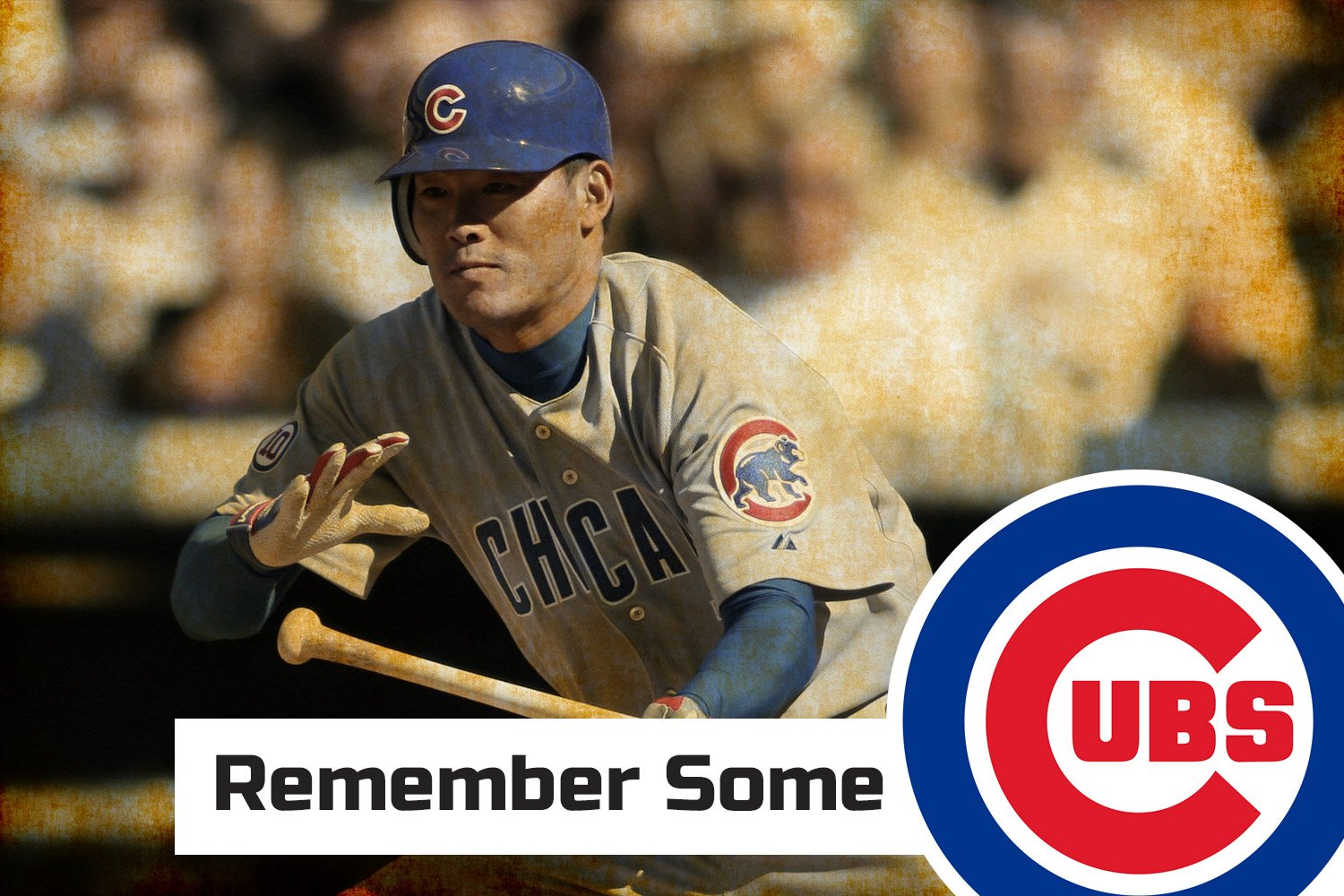 Kosuke Fukodome was a star for the Chunichi Dragons of the Nippon Professional Baseball League (NPB) after being drafted by them in the first round of the 1998 NPB draft. He helped lead them to a championship in his rookie season and famously stopped another Japanese baseball icon, Hideki Matsui, from winning the league Triple Crown in 2002 by winning the batting title with a .343 average. Eventually, he would go on to win the Central League MVP award in 2006, after he hit .351 with 31 home runs and 104 RBIs. After his star turn in the NPB, Fukodome became a free agent after the 2007 season, and he signed with the Cubs on December 11 of that same year. The Cubs gave him a four-year, $48 million contract to be their primary right fielder, as he was set to replace Jacque Jones (traded to Detroit) and Cliff Floyd (contract option declined). Fukodome told reporters at the time that he chose the Cubs specifically because he wanted to be remembered as the first Japanese-born player to play for the historic franchise. Kosuke would make his MLB debut on March 31, 2008 against the Brewers. His debut was a choice one: he went three-for-three that featured a double on the first pitch he saw, and of course he hit a legendary game-tying, three-run homer off Eric Gagné (the only relief pitcher of the last 30 years to win a Cy Young award) in the bottom of the ninth. In what is perhaps the single-most niche trivia answer of all time, Kosuke Fukodome is the only batter to ever hit a home run on opening day off of a relief pitcher who had previously won a Cy Young award. Fukodome earned an all-star selection for his first-half efforts, and would eventually go on to finish sixth in the rookie of the year balloting. However, much like the modern Cubs' Japanese-born star, Seiya Suzuki, Fukodome had a hot start to his debut season that fizzled out as the year wore on. He batted .327 in April of 2008, and then each subsequent month had a lower batting average than the last, culminating in a ghastly .178 batting average in September of his rookie season (he was also helpless against the Dodgers in the NLDS that year, going just one-for-ten with four strikeouts at the plate). Though he never quite lived up to the promise that first month showed, he was a valuable part of the roster in the years that followed. In his sophomore season, Kosuke moved to center field after the Cubs traded for Milton Bradley [in hindsight: yikes], and eventually usurped Alfonso Soriano for the leadoff gig in the batting order. Despite putting up a rather mediocre 4.7 WAR in four seasons with the Cubs, he was a fan favorite for his energy and love of the game, and his jersey was actually the best selling on the Cubs for multiple months during the 2010 season. Fukodome's tenure with the franchise ended when they traded him to the now-Cleveland Guardians at the 2011 trade deadline, receiving outfield prospect Abner Abreu and pitching prospect Carlton Smith in return. He would go on to finish his stateside career with the White Sox (on a major-league deal) and Yankees (minor-league deal) in 2012. He returned to the NPB and played for the Hanshin Tigers (where he had a late-career resurgence), before ultimately ending his career with two more years with his original team, the Dragons. Fukodome retired on September 23, 2022 at the age of 45. In a slightly-more interesting trivia fact, he was the final active player in the NPB who had played at least one game in the 1990s. Of course, Fukodome's impact on the Cubs stretches far, far beyond whatever on-field value he provided the team. He paved the way for many more Japanese stars to follow, especially in relation to the Cubs. He helped the team make pitches to both Yu Darvish and Suzuki, and though it's unclear if he's doing the same in the Cubs' pursuit of Shohei Ohtani, his comfortability with and love of Chicago and Cubs fans have made the team a premier destination for NPB stars. It may be a rudimentary assessment of things (someone was going to the be the first Japanese player on the Cubs), but without Fukodome, there’s no telling if the Cubs would have ever had So Taguchi, Koji Uehara, Hisanori Takashi, Munenori Kawaski, Darvish, Kyuji Fujikawa, Tsuyoshi Wada, or Suzuki. That pipeline, even more than his time with the team, is Kosuke Fukodome’s Cubs legacy.
 -
Throughout baseball history, two pitchers have won three Silver Slugger Awards and have at least three top-five Cy Young award finishes in their careers. One of those players is Hall of Famer Tom Glavine. The other? The Cubs' very own Carlos Zambrano. Image courtesy of North Side Baseball & Brock Beauchamp The Cubs signed Carlos Zambrano out of Puerto Cabello, Venezuela, on July 12, 1997. By his third year in pro ball, he was a reliever at Triple-A Iowa, leading to his highest prospect ranking of 68 by Baseball America. Zambrano debuted in August of 2001 and would become a fixture in the Cubs’ rotation for the next decade. The pitcher affectionately referred to as “Big Z,” threw 209+ innings in five consecutive seasons from 2003-2007, combining workhorse stamina with occasionally elite results. He led the league in walks allowed in 2006 and 2007 (not to mention when he led the league in hit-by-pitch with 20 in 2004). Still, he was also uniquely gifted at keeping the ball in the ballpark, only allowing more than one home run per nine innings once in his Cubs tenure (his final season with the team). Zambrano earned All-Star selections in 2004, 2006, and 2008, which was a reflection of his pitching prowess. However, Zambrano was also known as a legitimate threat at the plate, with three seasons of a .300+ batting average. He also had three years of leading all pitchers in home runs hit, each of which coincided with his three Silver Slugger awards. The Cubs re-signed Zambrano to a five-year, $91.5 million extension in August of 2007, still the most lucrative in-house extension the Cubs have ever handed out. Though Zambrano’s best days were behind him at this point, he was still the ace of a team that won the NL Central in 2008 with 97 wins and was the number one seed in the National League that season. “El Toro” was a consistently good pitcher through some important years in Cubs history, but Cubs fans loved him for his temperament and emotions on the mound. He had several famous outbursts pointed at umpires, opponents, and teammates alike, as his passion for baseball was plain to see. From home runs to postseason starts, Zambrano had several memorable highlights with the Cubs. However, his no-hitter on September 14, 2008, against the Houston Astros permeates fans’ memories to this day. The circumstances surrounding that game were wild enough - Hurricane Ike had forced the Cubs and Astros to play at Miller Park (making it the only no-hitter in MLB history to be pitched at a neutral site) - though the historical context was just as incredible. It was the first no-hitter for the Cubs since Milt Pappas’ near-perfect game in 1972 against the Padres, ending the second-longest drought between no-hitters in franchise history. Zambrano’s Cubs tenure officially ended when the Cubs traded him to the Miami Marlins on January 5, 2012, in exchange for Chris Volstad. However, his foot was already out the door after being placed on the “disqualified players list” in August of the previous season following one of his patented emotional outbursts. That season with the Marlins was his final year in the majors, though he attempted failed comebacks in 2013 (with the Phillies) and 2018 (in independent ball). One of the few successfully developed pitching prospects the franchise has had in recent decades, Big Z never quite reached the stratospheric heights some believed he was capable of. However, his big personality at the plate and on the mound endeared him to a generation of Cubs fans, hence his popularity today. View full article
-
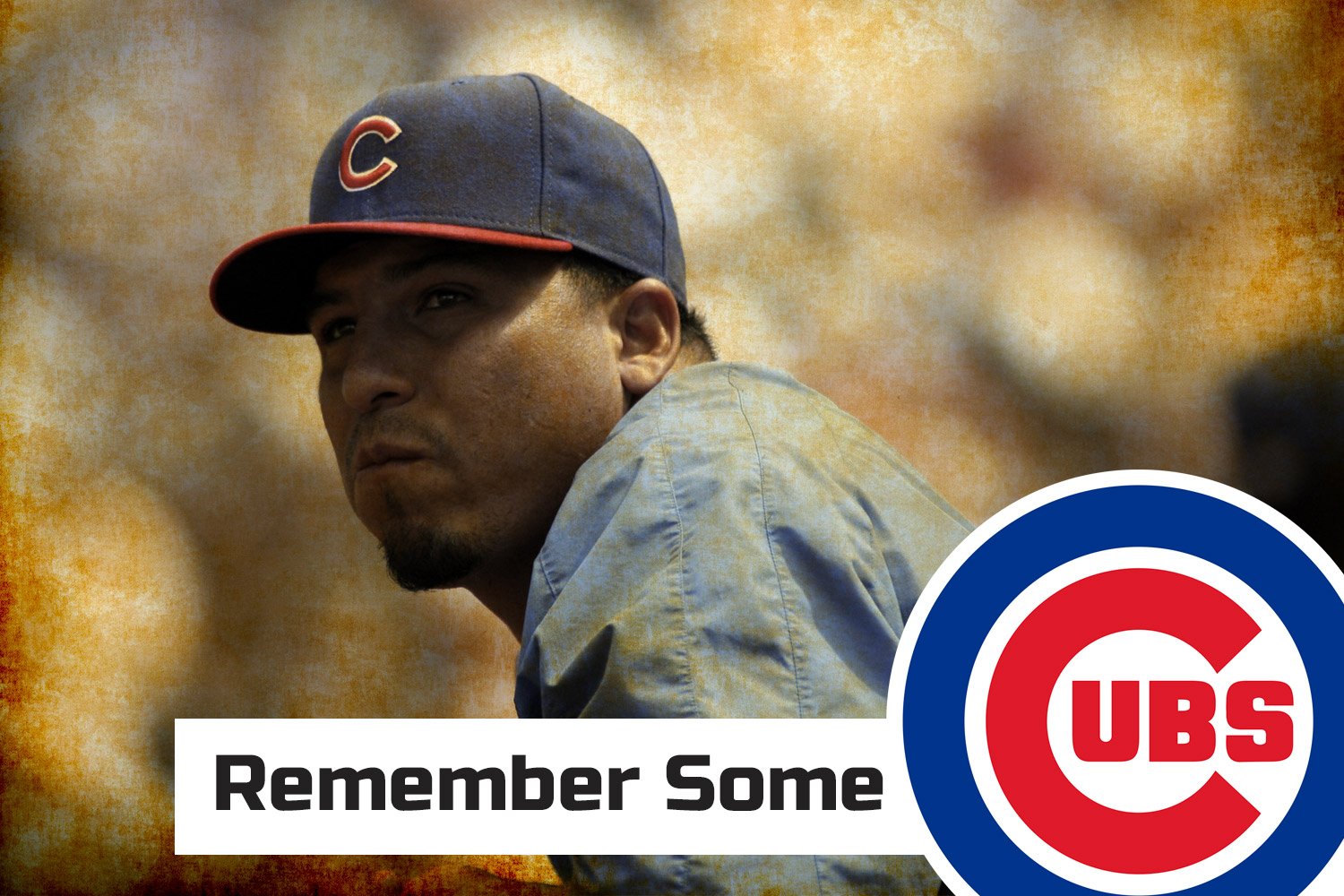 The Cubs signed Carlos Zambrano out of Puerto Cabello, Venezuela, on July 12, 1997. By his third year in pro ball, he was a reliever at Triple-A Iowa, leading to his highest prospect ranking of 68 by Baseball America. Zambrano debuted in August of 2001 and would become a fixture in the Cubs’ rotation for the next decade. The pitcher affectionately referred to as “Big Z,” threw 209+ innings in five consecutive seasons from 2003-2007, combining workhorse stamina with occasionally elite results. He led the league in walks allowed in 2006 and 2007 (not to mention when he led the league in hit-by-pitch with 20 in 2004). Still, he was also uniquely gifted at keeping the ball in the ballpark, only allowing more than one home run per nine innings once in his Cubs tenure (his final season with the team). Zambrano earned All-Star selections in 2004, 2006, and 2008, which was a reflection of his pitching prowess. However, Zambrano was also known as a legitimate threat at the plate, with three seasons of a .300+ batting average. He also had three years of leading all pitchers in home runs hit, each of which coincided with his three Silver Slugger awards. The Cubs re-signed Zambrano to a five-year, $91.5 million extension in August of 2007, still the most lucrative in-house extension the Cubs have ever handed out. Though Zambrano’s best days were behind him at this point, he was still the ace of a team that won the NL Central in 2008 with 97 wins and was the number one seed in the National League that season. “El Toro” was a consistently good pitcher through some important years in Cubs history, but Cubs fans loved him for his temperament and emotions on the mound. He had several famous outbursts pointed at umpires, opponents, and teammates alike, as his passion for baseball was plain to see. From home runs to postseason starts, Zambrano had several memorable highlights with the Cubs. However, his no-hitter on September 14, 2008, against the Houston Astros permeates fans’ memories to this day. The circumstances surrounding that game were wild enough - Hurricane Ike had forced the Cubs and Astros to play at Miller Park (making it the only no-hitter in MLB history to be pitched at a neutral site) - though the historical context was just as incredible. It was the first no-hitter for the Cubs since Milt Pappas’ near-perfect game in 1972 against the Padres, ending the second-longest drought between no-hitters in franchise history. Zambrano’s Cubs tenure officially ended when the Cubs traded him to the Miami Marlins on January 5, 2012, in exchange for Chris Volstad. However, his foot was already out the door after being placed on the “disqualified players list” in August of the previous season following one of his patented emotional outbursts. That season with the Marlins was his final year in the majors, though he attempted failed comebacks in 2013 (with the Phillies) and 2018 (in independent ball). One of the few successfully developed pitching prospects the franchise has had in recent decades, Big Z never quite reached the stratospheric heights some believed he was capable of. However, his big personality at the plate and on the mound endeared him to a generation of Cubs fans, hence his popularity today.
 -
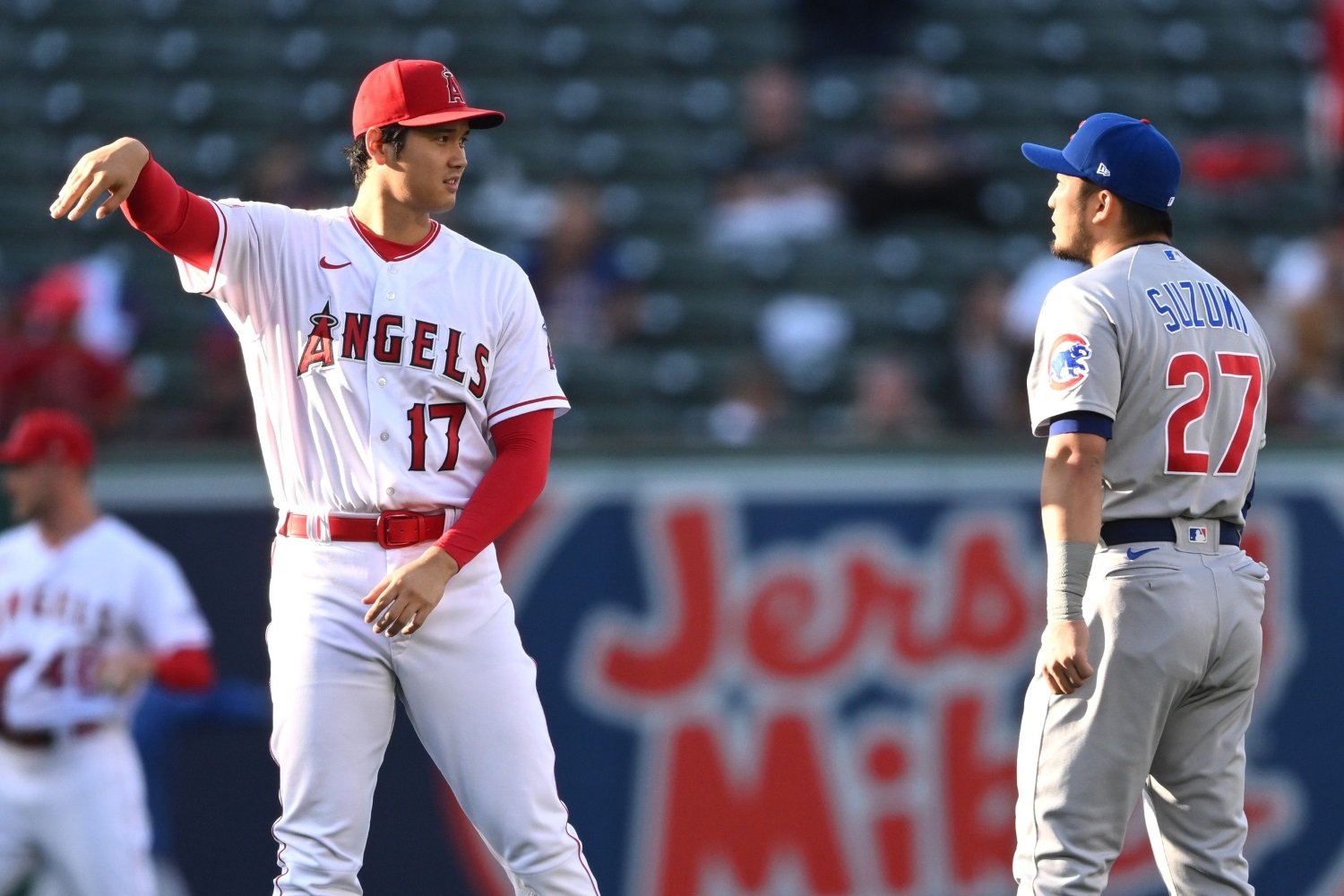 Rumor Roundup Shohei Ohtani - Perhaps the single most sought-after free agent in the history of the sport (even if his arm injury dampened the hype somewhat), Ohtani is playing his tour of interested teams extremely close to the vest. Rumors suggest that he'll actually punish teams who leak information about his meetings, though perhaps that plays into the Cubs' hands. Jed Hoyer and company have always been stealthy when it comes to transactions (see: Craig Counsell hiring). Right now, everything we know about Ohtani still suggests the Dodgers are the favorite (MLB insider Mark Feinsand even said that he'd take the Dodgers over the field when predicting Ohtani's next team), but the Cubs are a "serious threat to land him". He's undoubtedly the cog that's jamming the proverbial transaction machine right now, and once he decides where he'll ply his trade for the next decade, teams can begin to chart the rest of their offseason course. Yoshinobu Yamamato/Shoto Imanaga - Two more Japanese icons are free agents this winter, though they're coming over via the posting system from the Nippon Professional Baseball League. Yamamoto is likely to receive a contract in excess of $200 million, while many experts are forecasting a contract similar to the one Kodai Senga got from the Mets last year for Imanaga. Yamamoto is probably going to be many teams' Plan 1-B to Ohtani's 1-A, though he should have a greater volume of interested teams thanks to his age (he's currently 25), his health (no major injuries or surgeries yet), and his contract demands (the total value of his contract is likely to be less than half of Ohtani's, even with the posting fee). Imanaga is older and less dominant, though he's just as much of a known quantity, with strikingly consistent results. He's in the Sonny Gray tier of starters and should not be considered a mere "consolation prize". The Cubs have been heavily connected to both, though Imanaga is a much more likely target regardless of if they strike out on Ohtani. If they do land Shohei, it remains to be seen if the Cubs would even be willing to play in Imanaga's expected average annual value range. Shane Bieber/Tyler Glasnow - The Cubs are known suitors of two of the available aces on the trade market, with the Rays a particular fit given their desire for a young, controllable starting pitcher who has already reached the major leagues. The Cubs have Hayden Wesneski, Javier Assad, and Jordan Wicks, who all fit that mold, though Wicks is probably too much for Glasnow alone. The Reds, Red Sox and Braves have also been commonly-mentioned pursuers of those hurlers, and teams with deep farm systems and pockets like the Yankees and Dodgers shouldn't be ruled out if the free-agent class shows them the cold shoulder. Each pitcher only has one year of control remaining: Glasnow has a $25 million salary in 2024, while Bieber is projected at $12 million in his final year of arbitration. An extension with either would likely be a priority for whoever snags them, but their proximity to free agency should drive the prospect cost to acquire them down. Team Needs: Corner Infield - With Cody Bellinger and Jeimer Candelario both free agents--and both rumored not be priorities for the Cubs heading into the offseason--the Cubs desperately need to shore up what's been a problem spot on the roster since Anthony Rizzo and Kris Bryant were jettisoned two years ago. Players like Justin Turner, Brandon Belt, and Evan Longoria are long-established MLB veterans who can capably play either third or first base, on what would likely be a relatively cheap one-year deal. The Cubs can offer them a legit chance to play for a playoff contender. More glamorous options exist on the trade market, Pete Alonso and Alex Bregman chief among them. They’ve both reportedly been dangled ahead of their final year before hitting free agency, and the Cubs would love to add that kind of right-handed power to the middle of the lineup. It’s been reported that the Cubs will leverage the trade market to apply pressure to free agents, so these kinds of blockbuster deals (or a Juan Soto trade) will likely have to wait until the latter half of the offseason. Starting Pitcher - While the Cubs need a staff ace (hence their pursuits of Bieber, Glasnow, Imanaga, and Yamamoto), they'll probably look to sign a mid-rotation arm to replace the quality innings Marcus Stroman gave them over the last two years. The market is deep with pitchers in this tier: Lucas Giolito, Frankie Montas, Jordan Montgomery, Jack Flaherty, Hyun Jin Ryu, and James Paxton are just a few of the names on the market. Obviously, not all of those pitchers are created equal (Montas missed all of last season with injury, for instance, while Montgomery was the de facto staff ace on the World Series-winning Rangers), but they’re all veterans with upside who shouldn’t command a contract on par with Blake Snell or Yamamoto. The Cubs do have a lot of young starting pitching depth, but they have to go into next season with more known quantities. Bullpen Help - Under the stewardship of Hoyer, the Cubs haven't been keen to dive into the deep end of the reliever free-agent pool. The last multi-year deal they gave to a reliever was Craig Kimbrel's infamous mid-season, three-year contract, and the last one they handed out during an offseason was to Brian Duensing in 2017 (which was only a two-year, $7-million contract). However, rumors have spread that the Cubs believe Counsell has a particular acumen for maximizing his relievers, and perhaps they'd be willing to shell out big money for the right guys. Josh Hader is probably going to be too big of a jump for the front office (despite his familiarity with Counsell), but the fact the Cubs are even being mentioned in his market is telling. Guys like Hector Neris, Jakob Junis, and old friends Andrew Chafin and David Robertson would be good fits and shouldn't break the bank. Third Catcher - It’s not going to be a priority for Hoyer or GM Carter Hawkins, but finding a solid, dependable third option behind the plate is paramount, especially since Yan Gomes is heading into his age-36 season. Mitch Garver is a name that’s been thrown around, but he’ll likely receive a contract that’s too rich for the Cubs’ blood, thanks to his bat. It’s more likely the Cubs sign someone closer to Spring Training on a minor-league deal, but don’t be surprised if they sneak a veteran catcher signing onto the transaction sheet in Tennessee. Miscellaneous Notes: Coaching Staff - There are still openings on Counsell's staff, though the bench coach role was just filled by Ryan Flaherty. It may not be as big of a priority as, say, Ohtani or Glasnow, but the longer the Cubs wait, the less likely they are to get their preferred options. They retained a lot of in-house coaching talent after the transition from David Ross, but getting a few more of "Counsell's guys" in the clubhouse would only help. Roster Crunch - The Cubs have 37 players currently on their 40-man roster, before any outside additions are made this offseason. Those three free slots will fill up quickly, after which the Cubs will have some difficult decisions to make on roster bubble guys like Patrick Wisdom and Nick Madrigal. Who gets designated for assignment or traded first will likely point to which positions the Cubs are being most aggressive on in trades and free agency. International Prospect Signings - The international signing period resets on December 15th. The Cubs reportedly signed four players with their remaining bonus pool money this year, and they are currently projected as the favorites to land top international prospect Fernando Cruz once the next window opens. Rule 5 Draft - The Cubs left a few players exposed for the Rule 5 Draft, including catcher Pablo Aliendo and pitcher Kohl Franklin, though none are particularly likely to be selected (and if they are, it’s possible they won’t meet the requirement of sticking on the drafting team’s major league roster for the full 2024 season). It’s also unlikely the Cubs will select anyone when their turn in the draft order arrives (they haven’t done so since they picked Trevor Megill in 2019), but it’s possible there’s a versatile bench bat or power arm they believe they can work with. Or maybe they’re still scarred from the famous under-the-table Josh Hamilton deal with the Reds. MLB Draft Lottery - For the second time, this event will lend some automatic fun and intrigue to the Meetings. The Cubs are most likely to pick 16th or 17th, but the lottery gives them a small chance to pick in the top six. The Nationals, who had a worse record than the Cubs last year and would theoretically have better lottery odds, are excluded from the process this year because they picked 2nd in 2023 and are revenue sharing payers. The Mets and Padres will both have their positions pushed back 10 picks because of their aggressive 2023 spending, and it's likely (though not guaranteed) that that pushes at least the Padres past the Cubs in any draft order. It would take extraordinary luck for the Cubs to pick in the top six, but some chance does exist.
-
- 2
-
-
- shohei ohtani
- yoshinobu yamamoto
- (and 4 more)
-
The Winter Meetings, which will be held this year in Nashville from December 4th-7th, are nearly upon us. The annual convention of players, agents, executives, and managers is often rife with rumors and a time of concentrated transactions that promise to shift the baseball landscape in the upcoming season. Before the proceedings begin, let’s take a look at what’s on the Cubs agenda. Image courtesy of © Jayne Kamin-Oncea-USA TODAY Sports Rumor Roundup Shohei Ohtani - Perhaps the single most sought-after free agent in the history of the sport (even if his arm injury dampened the hype somewhat), Ohtani is playing his tour of interested teams extremely close to the vest. Rumors suggest that he'll actually punish teams who leak information about his meetings, though perhaps that plays into the Cubs' hands. Jed Hoyer and company have always been stealthy when it comes to transactions (see: Craig Counsell hiring). Right now, everything we know about Ohtani still suggests the Dodgers are the favorite (MLB insider Mark Feinsand even said that he'd take the Dodgers over the field when predicting Ohtani's next team), but the Cubs are a "serious threat to land him". He's undoubtedly the cog that's jamming the proverbial transaction machine right now, and once he decides where he'll ply his trade for the next decade, teams can begin to chart the rest of their offseason course. Yoshinobu Yamamato/Shoto Imanaga - Two more Japanese icons are free agents this winter, though they're coming over via the posting system from the Nippon Professional Baseball League. Yamamoto is likely to receive a contract in excess of $200 million, while many experts are forecasting a contract similar to the one Kodai Senga got from the Mets last year for Imanaga. Yamamoto is probably going to be many teams' Plan 1-B to Ohtani's 1-A, though he should have a greater volume of interested teams thanks to his age (he's currently 25), his health (no major injuries or surgeries yet), and his contract demands (the total value of his contract is likely to be less than half of Ohtani's, even with the posting fee). Imanaga is older and less dominant, though he's just as much of a known quantity, with strikingly consistent results. He's in the Sonny Gray tier of starters and should not be considered a mere "consolation prize". The Cubs have been heavily connected to both, though Imanaga is a much more likely target regardless of if they strike out on Ohtani. If they do land Shohei, it remains to be seen if the Cubs would even be willing to play in Imanaga's expected average annual value range. Shane Bieber/Tyler Glasnow - The Cubs are known suitors of two of the available aces on the trade market, with the Rays a particular fit given their desire for a young, controllable starting pitcher who has already reached the major leagues. The Cubs have Hayden Wesneski, Javier Assad, and Jordan Wicks, who all fit that mold, though Wicks is probably too much for Glasnow alone. The Reds, Red Sox and Braves have also been commonly-mentioned pursuers of those hurlers, and teams with deep farm systems and pockets like the Yankees and Dodgers shouldn't be ruled out if the free-agent class shows them the cold shoulder. Each pitcher only has one year of control remaining: Glasnow has a $25 million salary in 2024, while Bieber is projected at $12 million in his final year of arbitration. An extension with either would likely be a priority for whoever snags them, but their proximity to free agency should drive the prospect cost to acquire them down. Team Needs: Corner Infield - With Cody Bellinger and Jeimer Candelario both free agents--and both rumored not be priorities for the Cubs heading into the offseason--the Cubs desperately need to shore up what's been a problem spot on the roster since Anthony Rizzo and Kris Bryant were jettisoned two years ago. Players like Justin Turner, Brandon Belt, and Evan Longoria are long-established MLB veterans who can capably play either third or first base, on what would likely be a relatively cheap one-year deal. The Cubs can offer them a legit chance to play for a playoff contender. More glamorous options exist on the trade market, Pete Alonso and Alex Bregman chief among them. They’ve both reportedly been dangled ahead of their final year before hitting free agency, and the Cubs would love to add that kind of right-handed power to the middle of the lineup. It’s been reported that the Cubs will leverage the trade market to apply pressure to free agents, so these kinds of blockbuster deals (or a Juan Soto trade) will likely have to wait until the latter half of the offseason. Starting Pitcher - While the Cubs need a staff ace (hence their pursuits of Bieber, Glasnow, Imanaga, and Yamamoto), they'll probably look to sign a mid-rotation arm to replace the quality innings Marcus Stroman gave them over the last two years. The market is deep with pitchers in this tier: Lucas Giolito, Frankie Montas, Jordan Montgomery, Jack Flaherty, Hyun Jin Ryu, and James Paxton are just a few of the names on the market. Obviously, not all of those pitchers are created equal (Montas missed all of last season with injury, for instance, while Montgomery was the de facto staff ace on the World Series-winning Rangers), but they’re all veterans with upside who shouldn’t command a contract on par with Blake Snell or Yamamoto. The Cubs do have a lot of young starting pitching depth, but they have to go into next season with more known quantities. Bullpen Help - Under the stewardship of Hoyer, the Cubs haven't been keen to dive into the deep end of the reliever free-agent pool. The last multi-year deal they gave to a reliever was Craig Kimbrel's infamous mid-season, three-year contract, and the last one they handed out during an offseason was to Brian Duensing in 2017 (which was only a two-year, $7-million contract). However, rumors have spread that the Cubs believe Counsell has a particular acumen for maximizing his relievers, and perhaps they'd be willing to shell out big money for the right guys. Josh Hader is probably going to be too big of a jump for the front office (despite his familiarity with Counsell), but the fact the Cubs are even being mentioned in his market is telling. Guys like Hector Neris, Jakob Junis, and old friends Andrew Chafin and David Robertson would be good fits and shouldn't break the bank. Third Catcher - It’s not going to be a priority for Hoyer or GM Carter Hawkins, but finding a solid, dependable third option behind the plate is paramount, especially since Yan Gomes is heading into his age-36 season. Mitch Garver is a name that’s been thrown around, but he’ll likely receive a contract that’s too rich for the Cubs’ blood, thanks to his bat. It’s more likely the Cubs sign someone closer to Spring Training on a minor-league deal, but don’t be surprised if they sneak a veteran catcher signing onto the transaction sheet in Tennessee. Miscellaneous Notes: Coaching Staff - There are still openings on Counsell's staff, though the bench coach role was just filled by Ryan Flaherty. It may not be as big of a priority as, say, Ohtani or Glasnow, but the longer the Cubs wait, the less likely they are to get their preferred options. They retained a lot of in-house coaching talent after the transition from David Ross, but getting a few more of "Counsell's guys" in the clubhouse would only help. Roster Crunch - The Cubs have 37 players currently on their 40-man roster, before any outside additions are made this offseason. Those three free slots will fill up quickly, after which the Cubs will have some difficult decisions to make on roster bubble guys like Patrick Wisdom and Nick Madrigal. Who gets designated for assignment or traded first will likely point to which positions the Cubs are being most aggressive on in trades and free agency. International Prospect Signings - The international signing period resets on December 15th. The Cubs reportedly signed four players with their remaining bonus pool money this year, and they are currently projected as the favorites to land top international prospect Fernando Cruz once the next window opens. Rule 5 Draft - The Cubs left a few players exposed for the Rule 5 Draft, including catcher Pablo Aliendo and pitcher Kohl Franklin, though none are particularly likely to be selected (and if they are, it’s possible they won’t meet the requirement of sticking on the drafting team’s major league roster for the full 2024 season). It’s also unlikely the Cubs will select anyone when their turn in the draft order arrives (they haven’t done so since they picked Trevor Megill in 2019), but it’s possible there’s a versatile bench bat or power arm they believe they can work with. Or maybe they’re still scarred from the famous under-the-table Josh Hamilton deal with the Reds. MLB Draft Lottery - For the second time, this event will lend some automatic fun and intrigue to the Meetings. The Cubs are most likely to pick 16th or 17th, but the lottery gives them a small chance to pick in the top six. The Nationals, who had a worse record than the Cubs last year and would theoretically have better lottery odds, are excluded from the process this year because they picked 2nd in 2023 and are revenue sharing payers. The Mets and Padres will both have their positions pushed back 10 picks because of their aggressive 2023 spending, and it's likely (though not guaranteed) that that pushes at least the Padres past the Cubs in any draft order. It would take extraordinary luck for the Cubs to pick in the top six, but some chance does exist. View full article
-
Following a tumultuous 2023 season for the division, an important offseason looms for all five NL Central squads. However, before any groundbreaking moves are made, are the Cubs already the favorites to take home the division crown in 2024? Image courtesy of © Kamil Krzaczynski-USA TODAY Sports The Cubs finished 2023 with 83 wins, finishing second in the division and nine games behind the first-place Brewers. They'll be retaining a majority of their roster; however, as is starting pitcher Marcus Stroman, reigning National League Comeback Player of the Year Cody Bellinger is likely to depart in free agency. Rumors have spread like wildfire about some players the Cubs will seriously pursue, including the "Big Three" Japanese free agents: Shohei Ohtani, Yoshinobu Yamamoto, and Shota Imanaga. Of course, the Cubs have already made one of their most significant offseason moves, as they stunned the baseball world by signing manager Craig Counsell away from the Brewers. How that move improves the team has been discussed at length, but it's safe to say Counsell coming to Chicago not only makes the Cubs better but also makes the Brewers worse. Add that to the recent Brandon Woodruff non-tender (which was injury-related) and the rumors swirling around a potential Corbin Burnes trade (with the Cubs even mentioned as possible suitors), and you have the makings of Milwaukee taking a step back in 2024. Elsewhere in the central, the Reds finished just a game behind the Cubs last season, and they possess some truly exciting talent, led by a glut of infield prospects. Elly De La Cruz is the name that garners the most buzz (and for good reason), but they also have Spencer Steer, Christian Encarnacion-Strand, Matt McLain, and others. The issue in Cincinnati is the pitching or lack thereof. Reds pitchers had an unsightly 4.83 ERA last year, which ranked 25th in the league, and their lack of movement at the deadline (only trading for stop-gap reliever Sam Moll) despite their midseason surge was telling. It's unlikely they'll be that complacent this offseason, but the Reds have never been big spenders, and pitcher salaries are only increasing. Speaking of, what the hell is going on in St. Louis? They just signed back-of-the-rotation arms Kyle Gibson and Lance Lynn to $10+ million deals, following a season in which their pitchers had a 4.81 ERA (only one spot ahead of the Reds). The only pitcher in the rotation with any recent track record of success is Miles Mikolas, and all of us around here know the problems Willson Contreras has on the defensive and game-planning side of the plate. St. Louis has an impressive offense led by Contreras, Nolan Arenado, and 2022 NL MVP Paul Goldschmidt, but that only got them to a last-place finish in the central last year. Barring a massive overhaul to the major league pitching staff - with a budget that also lands No. 2 on the list flux because of the Diamond Sports RSN bankruptcy - it’s hard to peg the Cardinals as anything more than fringe Wild Card contenders heading into next season. Lastly, the Pirates finished fourth in the NL Central in 2023, though they are the team least likely to make any substantial outside additions this winter. They have a strong farm system and a load of young talent at the big league level (not to mention the return of wunderkind Oneil Cruz from injury), yet the whole of the team doesn’t pose much of a threat. As is a running theme in this division, the Pirates also yearn for more consistent pitching, as only starter Mitch Keller and closer (and trade candidate) David Bednar have proven their major league bonafides. Admittedly, this early-offseason preview paints a less-than-rosy picture of the NL Central gamut heading into 2024. No team stands out as an apparent divisional favorite, let alone a World Series contender. However, the Cubs can’t control what division they play in, and as things currently stand, it’s hard to argue they aren’t the most complete team of the bunch. Though winning the division is the first step toward something bigger, it isn’t enough to be the least dull knife in the kitchen. Hopefully, the Cubs will press their foot down on the gas pedal this offseason and enter next year as the resounding favorites to own the National League Central. View full article
-
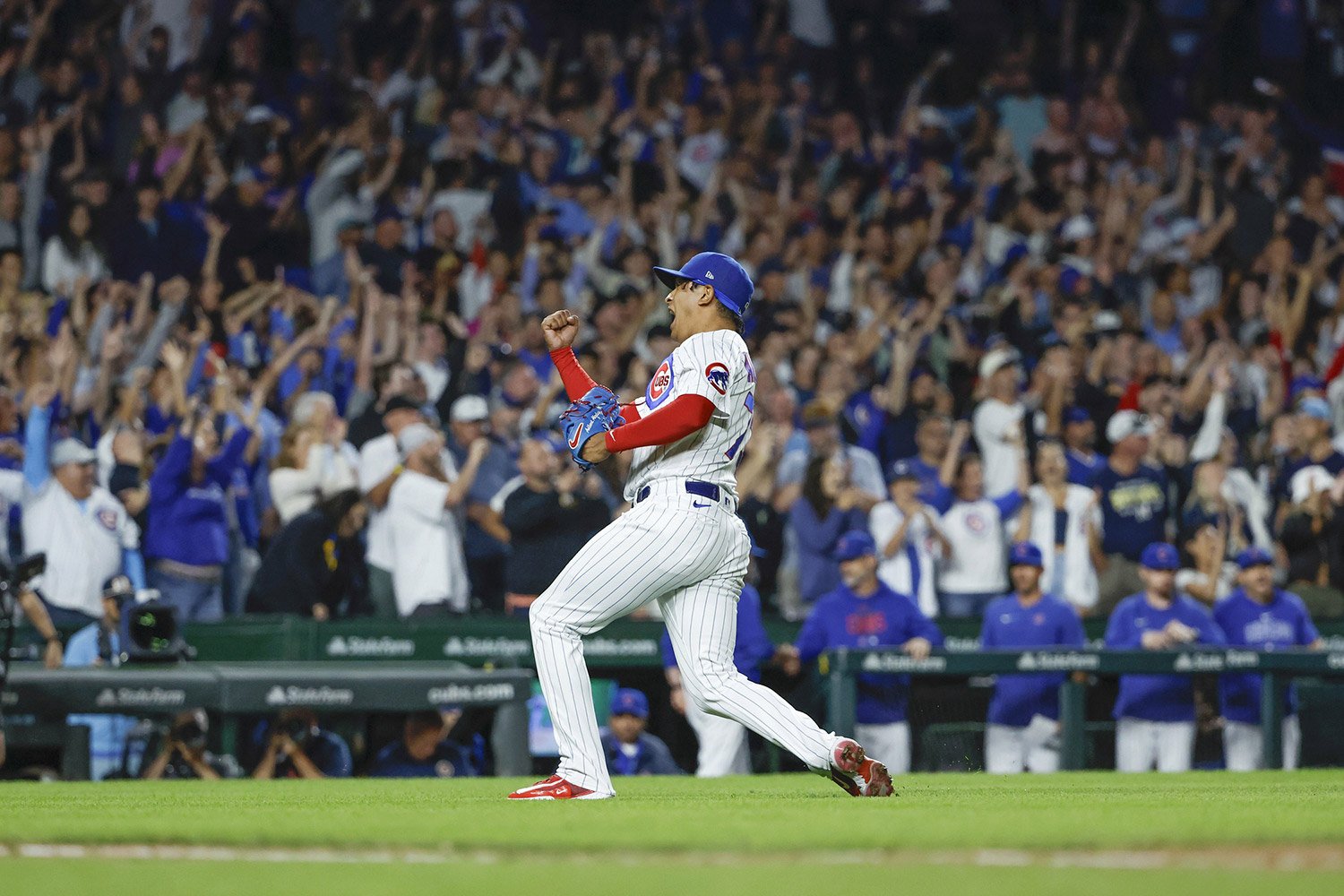 The Cubs finished 2023 with 83 wins, finishing second in the division and nine games behind the first-place Brewers. They'll be retaining a majority of their roster; however, as is starting pitcher Marcus Stroman, reigning National League Comeback Player of the Year Cody Bellinger is likely to depart in free agency. Rumors have spread like wildfire about some players the Cubs will seriously pursue, including the "Big Three" Japanese free agents: Shohei Ohtani, Yoshinobu Yamamoto, and Shota Imanaga. Of course, the Cubs have already made one of their most significant offseason moves, as they stunned the baseball world by signing manager Craig Counsell away from the Brewers. How that move improves the team has been discussed at length, but it's safe to say Counsell coming to Chicago not only makes the Cubs better but also makes the Brewers worse. Add that to the recent Brandon Woodruff non-tender (which was injury-related) and the rumors swirling around a potential Corbin Burnes trade (with the Cubs even mentioned as possible suitors), and you have the makings of Milwaukee taking a step back in 2024. Elsewhere in the central, the Reds finished just a game behind the Cubs last season, and they possess some truly exciting talent, led by a glut of infield prospects. Elly De La Cruz is the name that garners the most buzz (and for good reason), but they also have Spencer Steer, Christian Encarnacion-Strand, Matt McLain, and others. The issue in Cincinnati is the pitching or lack thereof. Reds pitchers had an unsightly 4.83 ERA last year, which ranked 25th in the league, and their lack of movement at the deadline (only trading for stop-gap reliever Sam Moll) despite their midseason surge was telling. It's unlikely they'll be that complacent this offseason, but the Reds have never been big spenders, and pitcher salaries are only increasing. Speaking of, what the hell is going on in St. Louis? They just signed back-of-the-rotation arms Kyle Gibson and Lance Lynn to $10+ million deals, following a season in which their pitchers had a 4.81 ERA (only one spot ahead of the Reds). The only pitcher in the rotation with any recent track record of success is Miles Mikolas, and all of us around here know the problems Willson Contreras has on the defensive and game-planning side of the plate. St. Louis has an impressive offense led by Contreras, Nolan Arenado, and 2022 NL MVP Paul Goldschmidt, but that only got them to a last-place finish in the central last year. Barring a massive overhaul to the major league pitching staff - with a budget that also lands No. 2 on the list flux because of the Diamond Sports RSN bankruptcy - it’s hard to peg the Cardinals as anything more than fringe Wild Card contenders heading into next season. Lastly, the Pirates finished fourth in the NL Central in 2023, though they are the team least likely to make any substantial outside additions this winter. They have a strong farm system and a load of young talent at the big league level (not to mention the return of wunderkind Oneil Cruz from injury), yet the whole of the team doesn’t pose much of a threat. As is a running theme in this division, the Pirates also yearn for more consistent pitching, as only starter Mitch Keller and closer (and trade candidate) David Bednar have proven their major league bonafides. Admittedly, this early-offseason preview paints a less-than-rosy picture of the NL Central gamut heading into 2024. No team stands out as an apparent divisional favorite, let alone a World Series contender. However, the Cubs can’t control what division they play in, and as things currently stand, it’s hard to argue they aren’t the most complete team of the bunch. Though winning the division is the first step toward something bigger, it isn’t enough to be the least dull knife in the kitchen. Hopefully, the Cubs will press their foot down on the gas pedal this offseason and enter next year as the resounding favorites to own the National League Central.
 -
The 1615 hits stat was specifically before he turned 30-years old (it ranks 47th all time before a player's 30th birthday).
-
In a new series here at North Side Baseball, we’ll be taking a retrospective look at some of the players who helped the Cubs during some of the “leaner” years of their history. Next up, the Cubs number one prospect in 2010. Image courtesy of North Side Baseball & Brock Beauchamp Technically speaking, some lists, like this one from Fangraphs, dispute Starlin Castro’s ranking as the best prospect in the Cubs system at the time, though most prospect gurus agreed the teenage shortstop was the best they had (side note: take a look at the rest of that list. It’s depressing… and an important reminder that even a system’s best prospects might not work out). Castro had a ton of helium following two seasons in the minor leagues where he did nothing but hit, and on May 7th, 2010, Castro was called up directly from Double-A Tennessee to make his Major League debut. Speaking of his debut: holy crap, what a debut it was! The first player born in the 1990s to play in an MLB game [feel old yet?], Castro drove in a record six runs against the Cincinnati Reds, homering in his first at-bat off of Homer Bailey. Castro would go on to have a fine rookie season, finishing with a .300/.347/.408 slash line and a fifth-place finish in the Rookie of the Year voting. The debut was impressive from a mere 20-year-old, especially considering the struggles of the rest of the lineup in a down year for the Cubs. He kept it going from there, too, leading the National League in hits with 207 and earning the first of four All-Star appearances in his career (three with the Cubs, one with the Yankees). Castro was something of an ironman, a stat-sheet stuffer in his time with the Cubs, leading the National League in at-bats in three consecutive seasons (2011, 2012, 2013), playing all 162 games in both 2012 and 2019 (with Miami), and also posting double-digit stolen bases in each of his first three seasons in the majors (though he led the NL in caught stealing attempts in 2012). He was a ubiquitous presence on the Cubs during Theo Epstein’s rebuild, finally seeing his commitment to the team yield some success as he manned second base on the way to the 2015 NLCS. During his tenure on the team, the fanbase was split on Castro. Though he was an annual .300 batting average threat, his lack of plate discipline and fielding troubles (20-plus errors in each of his first four seasons) sometimes made his impact feel empty. He was also questioned for his focus during games, though in hindsight, those platitudes were more reactionary than grounded in empirical fact. For every down moment, there were several highlights that Castro would produce. Castro’s Cubs career ended once Epstein’s rebuild began to bear fruit, as he was traded away on December 8th, 2015, to the Yankees for Adam Warren and Brendan Ryan. Of course, fans knew at the time the move was really to free up some cash and a roster spot for Ben Zobrist, a favorite of manager Joe Maddon’s and long an apple of the front office’s eye. From there, Castro would finish his career with the Yankees, Marlins, and Nationals, leaving Major League Baseball after some personal troubles and serious allegations were levied against him. Though it was an unceremonious and troubled curtain call to a once-promising career, Castro delivered on the hype he had as a prospect. He ranks in the top 50 all-time with 1615 hits before turning 30, 991 of which were accrued with the Cubs. Starlin Castro may have been the face of the Cubs during some of the franchise’s most prolific losing seasons, but he was always there. Odds are, if you went to a ballgame at Wrigley between 2010 and 2015, Castro was starting in the middle infield for the Cubs. Though he wasn’t a part of the team that did win it all in 2016, his chapter in Cubs history will be remembered fondly. View full article
-
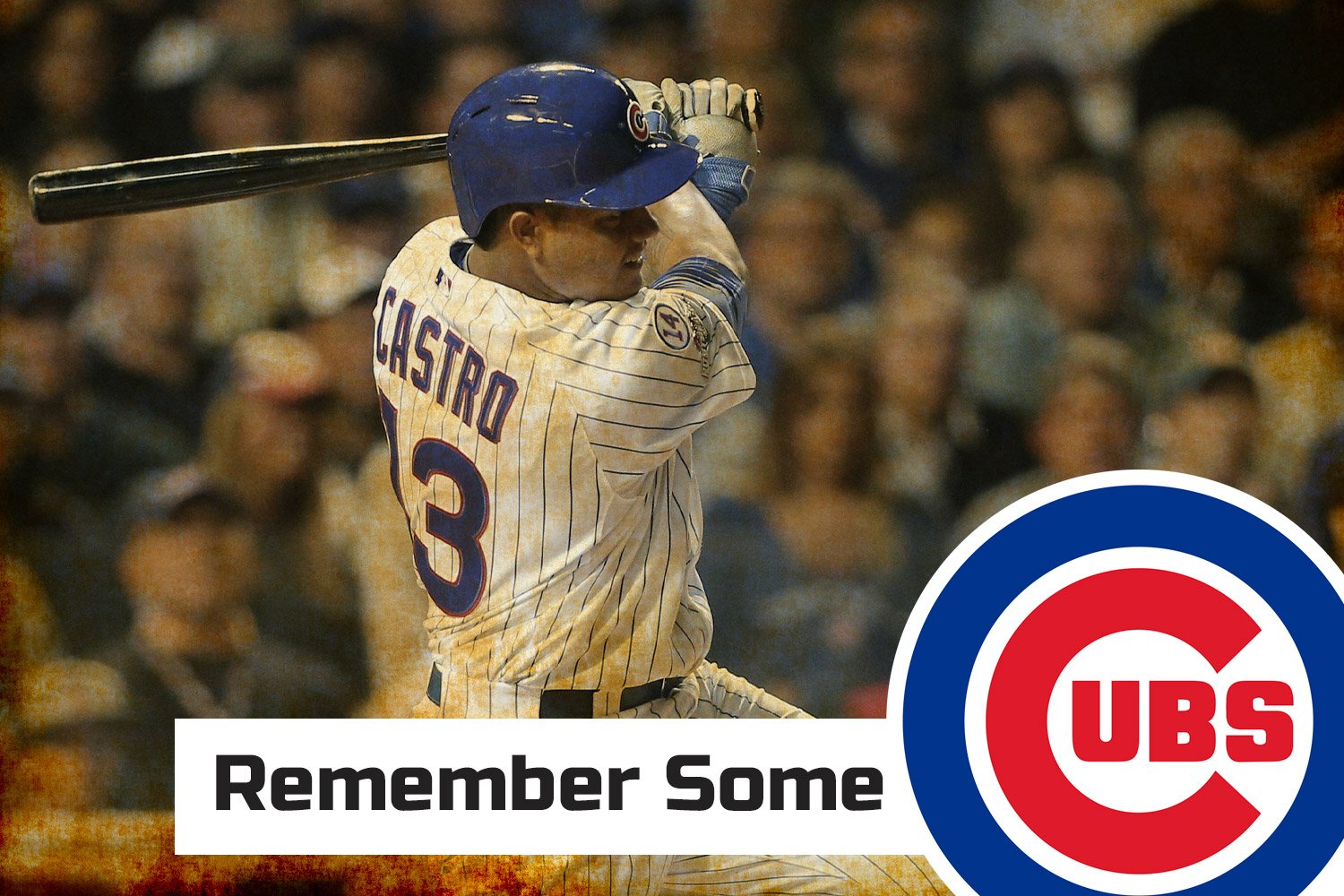 Technically speaking, some lists, like this one from Fangraphs, dispute Starlin Castro’s ranking as the best prospect in the Cubs system at the time, though most prospect gurus agreed the teenage shortstop was the best they had (side note: take a look at the rest of that list. It’s depressing… and an important reminder that even a system’s best prospects might not work out). Castro had a ton of helium following two seasons in the minor leagues where he did nothing but hit, and on May 7th, 2010, Castro was called up directly from Double-A Tennessee to make his Major League debut. Speaking of his debut: holy crap, what a debut it was! The first player born in the 1990s to play in an MLB game [feel old yet?], Castro drove in a record six runs against the Cincinnati Reds, homering in his first at-bat off of Homer Bailey. Castro would go on to have a fine rookie season, finishing with a .300/.347/.408 slash line and a fifth-place finish in the Rookie of the Year voting. The debut was impressive from a mere 20-year-old, especially considering the struggles of the rest of the lineup in a down year for the Cubs. He kept it going from there, too, leading the National League in hits with 207 and earning the first of four All-Star appearances in his career (three with the Cubs, one with the Yankees). Castro was something of an ironman, a stat-sheet stuffer in his time with the Cubs, leading the National League in at-bats in three consecutive seasons (2011, 2012, 2013), playing all 162 games in both 2012 and 2019 (with Miami), and also posting double-digit stolen bases in each of his first three seasons in the majors (though he led the NL in caught stealing attempts in 2012). He was a ubiquitous presence on the Cubs during Theo Epstein’s rebuild, finally seeing his commitment to the team yield some success as he manned second base on the way to the 2015 NLCS. During his tenure on the team, the fanbase was split on Castro. Though he was an annual .300 batting average threat, his lack of plate discipline and fielding troubles (20-plus errors in each of his first four seasons) sometimes made his impact feel empty. He was also questioned for his focus during games, though in hindsight, those platitudes were more reactionary than grounded in empirical fact. For every down moment, there were several highlights that Castro would produce. Castro’s Cubs career ended once Epstein’s rebuild began to bear fruit, as he was traded away on December 8th, 2015, to the Yankees for Adam Warren and Brendan Ryan. Of course, fans knew at the time the move was really to free up some cash and a roster spot for Ben Zobrist, a favorite of manager Joe Maddon’s and long an apple of the front office’s eye. From there, Castro would finish his career with the Yankees, Marlins, and Nationals, leaving Major League Baseball after some personal troubles and serious allegations were levied against him. Though it was an unceremonious and troubled curtain call to a once-promising career, Castro delivered on the hype he had as a prospect. He ranks in the top 50 all-time with 1615 hits before turning 30, 991 of which were accrued with the Cubs. Starlin Castro may have been the face of the Cubs during some of the franchise’s most prolific losing seasons, but he was always there. Odds are, if you went to a ballgame at Wrigley between 2010 and 2015, Castro was starting in the middle infield for the Cubs. Though he wasn’t a part of the team that did win it all in 2016, his chapter in Cubs history will be remembered fondly.
 -
It's that time of year, folks. In the spirit of Thanksgiving, let's look at the Cubs and discuss what we must be thankful for as fans. The Gold Glove Middle Infield Nico Hoerner was drafted in the first round by the Cubs in 2018, making it to the big leagues just a year later for a cup of coffee in 2019. It took a few seasons after that, but in 2022, Hoerner established himself as a star up the middle, owning both second base and shortstop in his first full season in Chicago. Rumors spread last offseason that the Cubs wanted one of the "big four" star shortstops to pair with Nico, and on December 21, 2022, Dansby Swanson inked the second biggest contract in Cubs history. Nico moved on to second base full-time and eventually signed a three-year extension of his own. Thus began an era of defensive dominance in the middle of the infield at Wrigley, with 2023 merely the first course in what should be a long and satisfying meal. Hoerner and Swanson had solid seasons at the plate this past season, with Nico posting a .729 OPS and Swanson earning his second career All-Star appearance. Though both could improve their offensive contributions, their combined gold glove defense should make for many highlights - and smaller ERAs for Cubs' pitchers - in the coming years. At Long Last, Homegrown Pitching Unless you just became a fan after Theo Epstein left the front office, you know that the Cubs have struggled to draft and develop pitchers internally for a long time (and even that's an understatement). However, over the last few years, the Cubs have fortified and heavily invested in their pitching infrastructure, and their labor is starting to bear fruit. Plenty of relievers have quickly ascended through the Cubs' farm system, with young studs like Daniel Palencia and Adbert Alzolay converting from starting to become lockdown bullpen arms. The well is far from running dry on this front as Bailey Horn, Luke Little, Zac Leigh, and others try to establish themselves in the Wrigley Field home pen. Of course, the true gains have come from the starters, as Jordan Wicks, Javier Assad, Cade Horton, and lower-level prospects are all in or knocking down the door to the major leagues. Justin Steele is the obvious poster child for this new era of successful homegrown pitching, though how much depth the Cubs have will also depend on how capable they are in developing the arms they traded for. Ben Brown, Hayden Wesneski, and Caleb Killian are the top names that come to mind, and if any of them should succeed, it'll be another win for the player development staff on the Cubs. The Farm System is Replete with Talent Many years ago, the Cubs stocked their farm system with a bevy of talented young hitters. As the core came up together and the farm system was depleted even more through trades, the Cubs tumbled down aggregate prospect ranking lists. Now, some four-plus years after Jed Hoyer took command of the front office, the Cubs are back on top of the farm system rankings. Unlike a decade ago, the team hasn't loaded up on any one strength in particular. Now, there's depth at every position, and different prospects offer different skill sets. Need big power? Alexander Canario is waiting for his chance at the big league level. How about a stud defender in the middle of the outfield? Pete Crow-Armstrong is ready to roll. The Cubs system finally has everything from pitchers to utility men to first base/designated hitter types. Now, what the Cubs decide to do with this enviable prospect depth is up to them. Plenty of them will be used as trade ammunition as the Cubs hunt down star talent, and even more will be maintained as organizational depth should an injury arise or the team need a jolt of youthful energy. Regardless of the final destination for each of these prospects, however, the Cubs are facing a good problem to have. The Promise of Tomorrow Cubs fans are no strangers to "lean" seasons. Without earning it, you don't get saddled with the "lovable losers" moniker. The last few years pale compared to some of the worst in the franchise's history, though the rough patch has been difficult to bear after the first stretch of real success, the team has seen in a very long time. "There's always next season" was a phrase that fans used to display their hope when things seemed like they would never get better. It was a beacon of light for a franchise trapped in eternal darkness. Well over a half-decade after ending the most prolonged championship drought in professional sports history, the Cubs' future is as bright as ever. There's money to spend, prospects funneling through the pipeline, and changes being made to the sport of baseball that keep it all fresh. Maybe Shohei Ohtani will be donning Cubbie blue next year, or maybe a reunion with the beloved Cody Bellinger will launch the Cubs in the championship hunt. Whatever happens over the rest of the offseason, it's an excellent time to be a Cubs fan. If nothing else, it's easy to be thankful for that. View full article
-
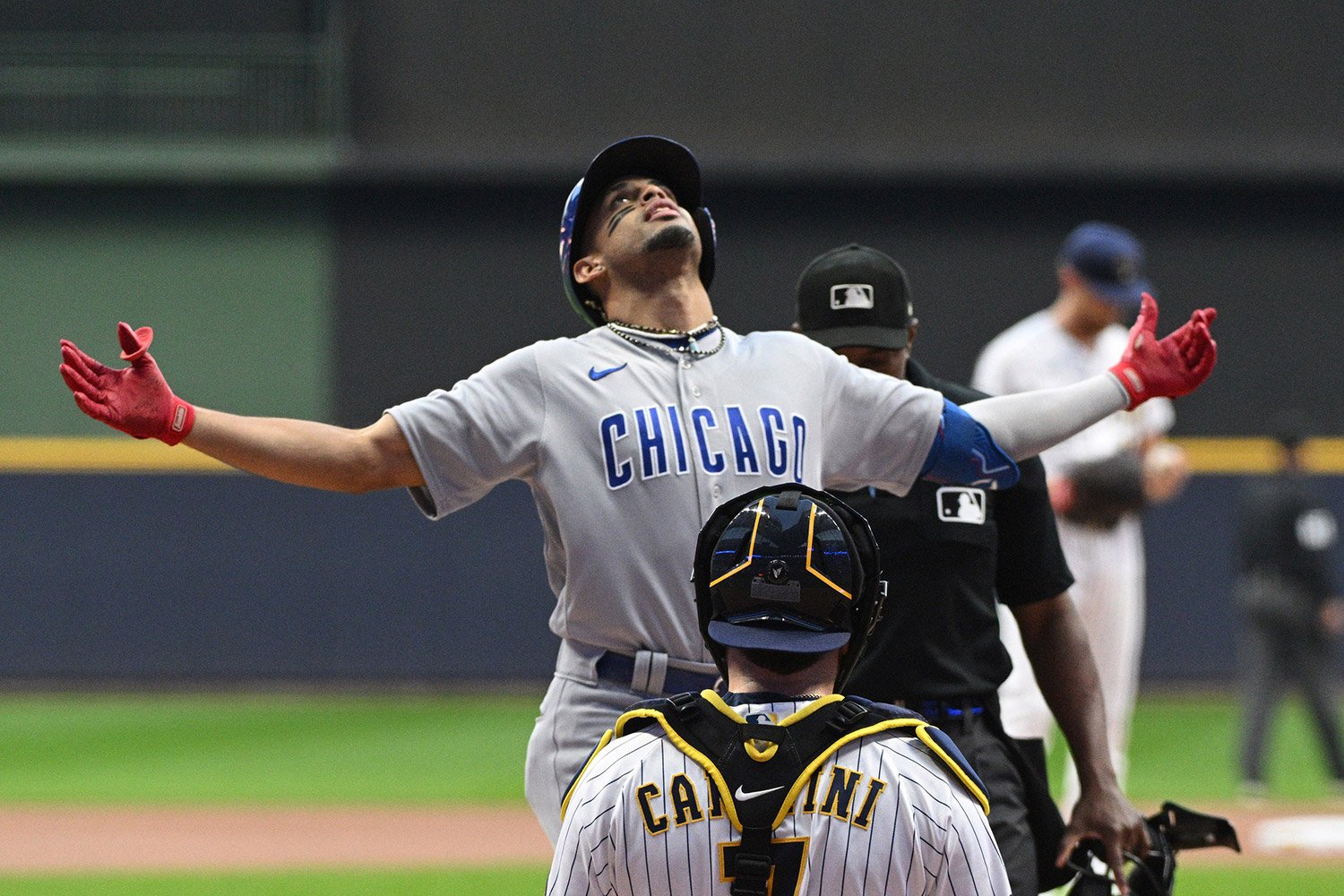 The Gold Glove Middle Infield Nico Hoerner was drafted in the first round by the Cubs in 2018, making it to the big leagues just a year later for a cup of coffee in 2019. It took a few seasons after that, but in 2022, Hoerner established himself as a star up the middle, owning both second base and shortstop in his first full season in Chicago. Rumors spread last offseason that the Cubs wanted one of the "big four" star shortstops to pair with Nico, and on December 21, 2022, Dansby Swanson inked the second biggest contract in Cubs history. Nico moved on to second base full-time and eventually signed a three-year extension of his own. Thus began an era of defensive dominance in the middle of the infield at Wrigley, with 2023 merely the first course in what should be a long and satisfying meal. Hoerner and Swanson had solid seasons at the plate this past season, with Nico posting a .729 OPS and Swanson earning his second career All-Star appearance. Though both could improve their offensive contributions, their combined gold glove defense should make for many highlights - and smaller ERAs for Cubs' pitchers - in the coming years. At Long Last, Homegrown Pitching Unless you just became a fan after Theo Epstein left the front office, you know that the Cubs have struggled to draft and develop pitchers internally for a long time (and even that's an understatement). However, over the last few years, the Cubs have fortified and heavily invested in their pitching infrastructure, and their labor is starting to bear fruit. Plenty of relievers have quickly ascended through the Cubs' farm system, with young studs like Daniel Palencia and Adbert Alzolay converting from starting to become lockdown bullpen arms. The well is far from running dry on this front as Bailey Horn, Luke Little, Zac Leigh, and others try to establish themselves in the Wrigley Field home pen. Of course, the true gains have come from the starters, as Jordan Wicks, Javier Assad, Cade Horton, and lower-level prospects are all in or knocking down the door to the major leagues. Justin Steele is the obvious poster child for this new era of successful homegrown pitching, though how much depth the Cubs have will also depend on how capable they are in developing the arms they traded for. Ben Brown, Hayden Wesneski, and Caleb Killian are the top names that come to mind, and if any of them should succeed, it'll be another win for the player development staff on the Cubs. The Farm System is Replete with Talent Many years ago, the Cubs stocked their farm system with a bevy of talented young hitters. As the core came up together and the farm system was depleted even more through trades, the Cubs tumbled down aggregate prospect ranking lists. Now, some four-plus years after Jed Hoyer took command of the front office, the Cubs are back on top of the farm system rankings. Unlike a decade ago, the team hasn't loaded up on any one strength in particular. Now, there's depth at every position, and different prospects offer different skill sets. Need big power? Alexander Canario is waiting for his chance at the big league level. How about a stud defender in the middle of the outfield? Pete Crow-Armstrong is ready to roll. The Cubs system finally has everything from pitchers to utility men to first base/designated hitter types. Now, what the Cubs decide to do with this enviable prospect depth is up to them. Plenty of them will be used as trade ammunition as the Cubs hunt down star talent, and even more will be maintained as organizational depth should an injury arise or the team need a jolt of youthful energy. Regardless of the final destination for each of these prospects, however, the Cubs are facing a good problem to have. The Promise of Tomorrow Cubs fans are no strangers to "lean" seasons. Without earning it, you don't get saddled with the "lovable losers" moniker. The last few years pale compared to some of the worst in the franchise's history, though the rough patch has been difficult to bear after the first stretch of real success, the team has seen in a very long time. "There's always next season" was a phrase that fans used to display their hope when things seemed like they would never get better. It was a beacon of light for a franchise trapped in eternal darkness. Well over a half-decade after ending the most prolonged championship drought in professional sports history, the Cubs' future is as bright as ever. There's money to spend, prospects funneling through the pipeline, and changes being made to the sport of baseball that keep it all fresh. Maybe Shohei Ohtani will be donning Cubbie blue next year, or maybe a reunion with the beloved Cody Bellinger will launch the Cubs in the championship hunt. Whatever happens over the rest of the offseason, it's an excellent time to be a Cubs fan. If nothing else, it's easy to be thankful for that.
 -
How Much Does Shohei Ohtani Shift the Cubs on the Competitive Curve?
Brandon Glick posted an article in Cubs
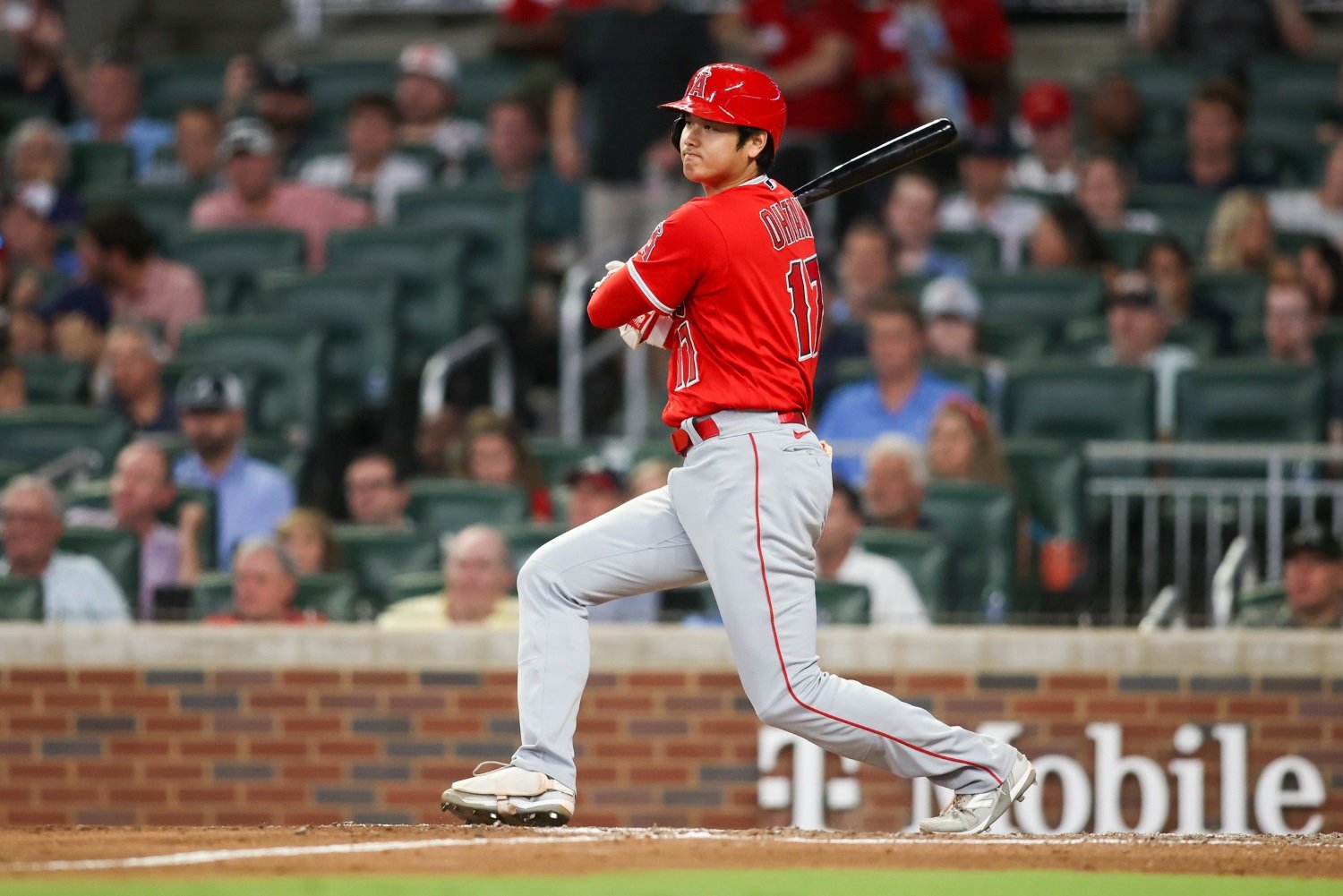 Let's be clear right off the top: Regardless of whether Shohei Ohtani is wearing Cubs pinstripes come March 2024, the Cubs will be expected to compete for at least an NLCS berth. They’re going to have a lavish offseason no matter what--or at least, that’s the expectation, after the shocking decision to hire Craig Counsell in place of David Ross in early November. However, if Ohtani does decide to come to Chicago, what exactly will that mean for the team in the near and foreseeable future? No More Bellinger The most obvious change to the composition of the Cubs will be in regard to their own in-house free agents. Ohtani is all but certain to receive a record-setting contract (most projections have him in the ten-year, $500-million range) and will alter the Cubs’ balance sheet for a while. You can check this handy breakdown from Spotrac for in-depth details, but the big-picture numbers are as follows: the Cubs currently have about $160 million dedicated to their 2024 luxury tax, with another $24 million or so projected in arbitration and pre-arbitration salaries, which would leave them about $52 million under the first tier of the Competitive Balance Tax threshold. Now, rumors are that the Cubs are going to spend, and that they will be willing to do so beyond the first tier of the CBT. Major League Baseball defines the tiers of the CBT as follows: “$20 million to $40 million [above base tier of $237 million]: 12 percent surcharge; $40 million to $60 million: 42.5 percent surcharge for first year; 45 percent for each consecutive year after that; $60 million or more: 60 percent surcharge. Clubs that are $40 million or more above the threshold shall have their highest selection in the next Rule 4 Draft moved back 10 places, unless the pick falls in the top six. In that case, the team will have its second-highest selection moved back 10 places instead.” There are also penalties for consecutive years spent over the CBT threshold and more egregious penalties placed on big-market teams like the Cubs (full details can be found here), but for now, let’s assume the Cubs will be willing to spend up to that first tier (an extra $20 million in room on the luxury tax). If you expect Ohtani to cost roughly $50 million in AAV, that only leaves the Cubs about $22 million with which to operate across the rest of the offseason and through next season, assuming no salaries are moved out via trade (more on that in a moment). Cody Bellinger is going to command at least that much on his next deal following his Comeback Player of the Year campaign, which will put him out of the Cubs' range. The team is going to need reinforcements in both the bullpen and rotation, which will leave little room for other expenditures. Trades Galore? So how, pray tell, will the Cubs make those additions with such little room to maneuver? Well, the trade market will be flush with options, and chances are that with so many high-profile starting pitchers on the market this winter, trade costs may be kept at bay (though the number of potential buyers on the market could prove to be a boon for sellers). Rumors have had the Cubs in on Juan Soto this offseason, though that’s likely a contingency if plan A (Ohtani) falls through. It is possible the Cubs will be willing to exceed the next tier of the CBT to put Ohtani and Soto on the same roster in 2024, though they’d almost certainly try to shed long-term salary from there (in a separate deal; the Padres will not be taking back any money if they trade Soto). More likely, the Cubs will try to buy a couple of under-the-radar bullpen additions, like they did at the trade deadline with José Cuas, while perhaps trying to use their top-ranked farm system to buy a young, controllable starting pitcher. That depth the team has been cultivating in the minors will prove extremely useful, should the Cubs get Ohtani, either as valuable trade bait or as cost-efficient talent. Guys like Pete Crow-Armstrong and Cade Horton will be sticking around, but almost any other prospect in the organization feels like fair game this offseason--a sentiment that only grows more likely if Ohtani is indeed a Cub. Beyond 2024 Of course, signing Shohei Ohtani isn’t a one-year deal (no, he isn’t taking a “prove-it deal” à la Bellinger while he rehabs his arm post-Tommy John surgery). He’ll likely return to the mound at some point in 2025, giving whatever team signs him an ace-caliber starting pitcher on top of his usual dominance at the plate. His contract is going to swallow a team’s payroll for the next decade or so, which will make the ancillary moves made around him all the more important. Signing Ohtani is somewhat akin to the LeBron James free agency tour: you need to surround your new north star with some complementary talent. Luckily, the Cubs are well-prepared in that department, with the likes of PCA, Horton, Jordan Wicks, Christopher Morel (if he isn’t traded), and more poised to be long-term contributors while under team control. But the Cubs (literally) won’t be able to afford to swing and miss on their medium-term moves, like they did with Edwin Jackson a decade ago or what is potentially happening right now with Jameson Taillon (though he was much better in the second half in 2023). The spotlight will be on the “role players” to play up to expectations, while Ohtani garners the attention of the national pundits. No matter what, signing Ohtani would be among the biggest organizational victories in the Cubs’ storied history. For all the legendary talents whp have called Wrigley Field home, it would be hard to argue that any of them had the magnitude of talent that Ohtani does. Perhaps, for that matter, no one in the history of baseball has, either. The signing would make the Cubs the epicenter of the baseball world again, and, with some smart planning, it would finally give Ohtani something he’s somehow never had in his career: a chance to play for a World Series contender.
 -
There’s no denying who the best free agent on the market is this year: Shohei Ohtani. If the Cubs were to land their white whale, how would that change the future trajectory of the team? Image courtesy of © Brett Davis-USA TODAY Sports Let's be clear right off the top: Regardless of whether Shohei Ohtani is wearing Cubs pinstripes come March 2024, the Cubs will be expected to compete for at least an NLCS berth. They’re going to have a lavish offseason no matter what--or at least, that’s the expectation, after the shocking decision to hire Craig Counsell in place of David Ross in early November. However, if Ohtani does decide to come to Chicago, what exactly will that mean for the team in the near and foreseeable future? No More Bellinger The most obvious change to the composition of the Cubs will be in regard to their own in-house free agents. Ohtani is all but certain to receive a record-setting contract (most projections have him in the ten-year, $500-million range) and will alter the Cubs’ balance sheet for a while. You can check this handy breakdown from Spotrac for in-depth details, but the big-picture numbers are as follows: the Cubs currently have about $160 million dedicated to their 2024 luxury tax, with another $24 million or so projected in arbitration and pre-arbitration salaries, which would leave them about $52 million under the first tier of the Competitive Balance Tax threshold. Now, rumors are that the Cubs are going to spend, and that they will be willing to do so beyond the first tier of the CBT. Major League Baseball defines the tiers of the CBT as follows: “$20 million to $40 million [above base tier of $237 million]: 12 percent surcharge; $40 million to $60 million: 42.5 percent surcharge for first year; 45 percent for each consecutive year after that; $60 million or more: 60 percent surcharge. Clubs that are $40 million or more above the threshold shall have their highest selection in the next Rule 4 Draft moved back 10 places, unless the pick falls in the top six. In that case, the team will have its second-highest selection moved back 10 places instead.” There are also penalties for consecutive years spent over the CBT threshold and more egregious penalties placed on big-market teams like the Cubs (full details can be found here), but for now, let’s assume the Cubs will be willing to spend up to that first tier (an extra $20 million in room on the luxury tax). If you expect Ohtani to cost roughly $50 million in AAV, that only leaves the Cubs about $22 million with which to operate across the rest of the offseason and through next season, assuming no salaries are moved out via trade (more on that in a moment). Cody Bellinger is going to command at least that much on his next deal following his Comeback Player of the Year campaign, which will put him out of the Cubs' range. The team is going to need reinforcements in both the bullpen and rotation, which will leave little room for other expenditures. Trades Galore? So how, pray tell, will the Cubs make those additions with such little room to maneuver? Well, the trade market will be flush with options, and chances are that with so many high-profile starting pitchers on the market this winter, trade costs may be kept at bay (though the number of potential buyers on the market could prove to be a boon for sellers). Rumors have had the Cubs in on Juan Soto this offseason, though that’s likely a contingency if plan A (Ohtani) falls through. It is possible the Cubs will be willing to exceed the next tier of the CBT to put Ohtani and Soto on the same roster in 2024, though they’d almost certainly try to shed long-term salary from there (in a separate deal; the Padres will not be taking back any money if they trade Soto). More likely, the Cubs will try to buy a couple of under-the-radar bullpen additions, like they did at the trade deadline with José Cuas, while perhaps trying to use their top-ranked farm system to buy a young, controllable starting pitcher. That depth the team has been cultivating in the minors will prove extremely useful, should the Cubs get Ohtani, either as valuable trade bait or as cost-efficient talent. Guys like Pete Crow-Armstrong and Cade Horton will be sticking around, but almost any other prospect in the organization feels like fair game this offseason--a sentiment that only grows more likely if Ohtani is indeed a Cub. Beyond 2024 Of course, signing Shohei Ohtani isn’t a one-year deal (no, he isn’t taking a “prove-it deal” à la Bellinger while he rehabs his arm post-Tommy John surgery). He’ll likely return to the mound at some point in 2025, giving whatever team signs him an ace-caliber starting pitcher on top of his usual dominance at the plate. His contract is going to swallow a team’s payroll for the next decade or so, which will make the ancillary moves made around him all the more important. Signing Ohtani is somewhat akin to the LeBron James free agency tour: you need to surround your new north star with some complementary talent. Luckily, the Cubs are well-prepared in that department, with the likes of PCA, Horton, Jordan Wicks, Christopher Morel (if he isn’t traded), and more poised to be long-term contributors while under team control. But the Cubs (literally) won’t be able to afford to swing and miss on their medium-term moves, like they did with Edwin Jackson a decade ago or what is potentially happening right now with Jameson Taillon (though he was much better in the second half in 2023). The spotlight will be on the “role players” to play up to expectations, while Ohtani garners the attention of the national pundits. No matter what, signing Ohtani would be among the biggest organizational victories in the Cubs’ storied history. For all the legendary talents whp have called Wrigley Field home, it would be hard to argue that any of them had the magnitude of talent that Ohtani does. Perhaps, for that matter, no one in the history of baseball has, either. The signing would make the Cubs the epicenter of the baseball world again, and, with some smart planning, it would finally give Ohtani something he’s somehow never had in his career: a chance to play for a World Series contender. View full article
-
The Cubs’ President of Baseball Operations followed in the footsteps of his predecessor last week, firing his incumbent manager in favor of one renowned around the league. The move doesn’t just make the Cubs a better team; it bought Jed Hoyer a lot of time. Image courtesy of © Kamil Krzaczynski-USA TODAY Sports “Loyalty is but a whim those who struggle to deploy confidence rely on for support.” - Lao Tzu There’s been a lot said, written, tweeted, and reposted (by fans, national pundits and bloggers alike) in regard to the Cubs shocking move to hire Craig Counsell last week. How Counsell makes the Cubs better, why the Cubs needed to move on from David Ross, what the Cubs will miss with Ross gone… all topics covered and analyzed from every perspective. What’s been lost in the shuffle, however, is that the man making the final call on such a pivotal transaction may be the biggest beneficiary of everyone involved. I’m no Jed Hoyer apologist--I can be objective enough to say he’s made plenty of good and bad moves--and his utter lack of transparency with fans can go from meme-worthy during the best of times to downright unacceptable when the going gets rough. And for all of the lauding many (including myself) have done for the Cubs’ brazenness in firing an under-contract David Ross for Counsell, there’s no guarantee that this move will work out. The Cubs just became more of a destination, thanks to Counsell’s stellar reputation, but regular-season success in Milwaukee doesn’t necessarily portend World Series parades in Chicago. “It’s easy, really, to hope those who choose us do so because they see our potential and wish to invest in it. In reality, people will move on when your maximum [ceiling] rubs against another’s failure [floor].” - David Hume There’s no doubt that Hoyer made this move because it was in the best interest of the Cubs. He said as much himself after the news broke: “My job is to figure out how to win as many games as we can in the short term and the long term and there was nothing about this move that I felt like didn’t meet that criteria.” It’s no secret the Cubs liked David Ross. In conjunction with Theo Epstein, Hoyer selected him for the role once Joe Maddon was shown the door. It just shouldn’t surprise anyone that they loved Counsell. They watched him routinely pick them apart with brilliant in-game decision making for nine years at “Wrigley North,” and the chance to bring that to Wrigley Field was too alluring to pass up. However, sports are a cruel business, where recent performance trumps any goodwill built in the past. The Cubs have struggled over the last three years and are going to need to start having real postseason success as soon as this upcoming season for people to consider this most recent rebuild a success. As much as Counsell makes attaining that goal more likely, there’s always ulterior motives to moves like these. For Hoyer, he and Counsell are now inextricably linked, both between the stunning dismissal of Ross and the record-breaking, market-setting contract Counsell received. If Ross, still a fledgling manager in his own right, struggled again as the Cubs faceplanted in this upcoming season, the calls for Hoyer’s job would begin. Though more of a “lukewarm” seat than a hot one, pressure would mount. To be sure, the expectations for the Cubs have only gone up since hiring Counsell, but now Counsell is Hoyer’s guy. A failure with Ross almost certainly accelerates Hoyer’s personal timeline. With Counsell, the future success or failure of the Cubs will be pinned on them both (fairly or unfairly), and you can be sure Hoyer will be equally happy to share the blame or credit regardless of whether the ship floats or sinks. “Loyalty in the eyes of the public is not the same thing as our loyalty in private. Our words promise actions, but only our actions speak.” -Plato Now, none of this is to say that Hoyer is invulnerable because of the Counsell contract. Surely, any incoming executive would be thrilled to have someone as steady as the long-time Brewers skipper leading the way. But front offices like to bring in their own people, especially when the product on the field directly determines the stability of their day job. Counsell isn’t going anywhere for the foreseeable future (the money on his deal, if nothing else, will ensure that), and that, too, gives Hoyer more leniency than he otherwise might have had, following five tough years (at the MLB level) in the most prominent role on the Cubs. Expectations are escalating for the Cubs this offseason, in part because of the boldness of the Counsell hire that has been discussed ad nauseum. They will need to start stacking a lot of wins for the national media not to declare them failures. In Chicago, however, Hoyer should start making himself comfortable, at least for the next five seasons. With his new, hand-picked choice leading the way, Hoyer has quite literally bought himself some extra job security. View full article
-
- 2
-
-
- jed hoyer
- david ross
- (and 2 more)
-
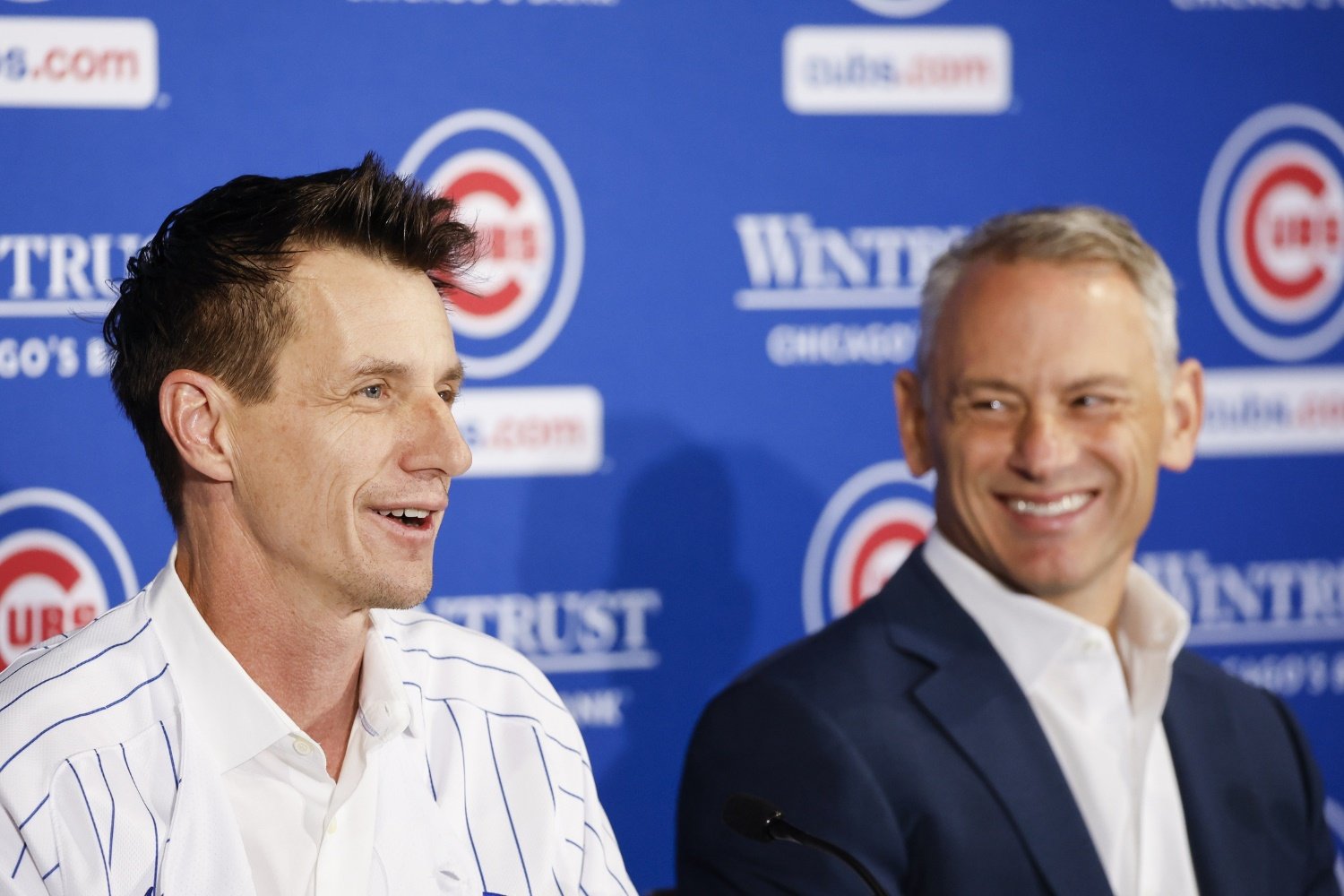 “Loyalty is but a whim those who struggle to deploy confidence rely on for support.” - Lao Tzu There’s been a lot said, written, tweeted, and reposted (by fans, national pundits and bloggers alike) in regard to the Cubs shocking move to hire Craig Counsell last week. How Counsell makes the Cubs better, why the Cubs needed to move on from David Ross, what the Cubs will miss with Ross gone… all topics covered and analyzed from every perspective. What’s been lost in the shuffle, however, is that the man making the final call on such a pivotal transaction may be the biggest beneficiary of everyone involved. I’m no Jed Hoyer apologist--I can be objective enough to say he’s made plenty of good and bad moves--and his utter lack of transparency with fans can go from meme-worthy during the best of times to downright unacceptable when the going gets rough. And for all of the lauding many (including myself) have done for the Cubs’ brazenness in firing an under-contract David Ross for Counsell, there’s no guarantee that this move will work out. The Cubs just became more of a destination, thanks to Counsell’s stellar reputation, but regular-season success in Milwaukee doesn’t necessarily portend World Series parades in Chicago. “It’s easy, really, to hope those who choose us do so because they see our potential and wish to invest in it. In reality, people will move on when your maximum [ceiling] rubs against another’s failure [floor].” - David Hume There’s no doubt that Hoyer made this move because it was in the best interest of the Cubs. He said as much himself after the news broke: “My job is to figure out how to win as many games as we can in the short term and the long term and there was nothing about this move that I felt like didn’t meet that criteria.” It’s no secret the Cubs liked David Ross. In conjunction with Theo Epstein, Hoyer selected him for the role once Joe Maddon was shown the door. It just shouldn’t surprise anyone that they loved Counsell. They watched him routinely pick them apart with brilliant in-game decision making for nine years at “Wrigley North,” and the chance to bring that to Wrigley Field was too alluring to pass up. However, sports are a cruel business, where recent performance trumps any goodwill built in the past. The Cubs have struggled over the last three years and are going to need to start having real postseason success as soon as this upcoming season for people to consider this most recent rebuild a success. As much as Counsell makes attaining that goal more likely, there’s always ulterior motives to moves like these. For Hoyer, he and Counsell are now inextricably linked, both between the stunning dismissal of Ross and the record-breaking, market-setting contract Counsell received. If Ross, still a fledgling manager in his own right, struggled again as the Cubs faceplanted in this upcoming season, the calls for Hoyer’s job would begin. Though more of a “lukewarm” seat than a hot one, pressure would mount. To be sure, the expectations for the Cubs have only gone up since hiring Counsell, but now Counsell is Hoyer’s guy. A failure with Ross almost certainly accelerates Hoyer’s personal timeline. With Counsell, the future success or failure of the Cubs will be pinned on them both (fairly or unfairly), and you can be sure Hoyer will be equally happy to share the blame or credit regardless of whether the ship floats or sinks. “Loyalty in the eyes of the public is not the same thing as our loyalty in private. Our words promise actions, but only our actions speak.” -Plato Now, none of this is to say that Hoyer is invulnerable because of the Counsell contract. Surely, any incoming executive would be thrilled to have someone as steady as the long-time Brewers skipper leading the way. But front offices like to bring in their own people, especially when the product on the field directly determines the stability of their day job. Counsell isn’t going anywhere for the foreseeable future (the money on his deal, if nothing else, will ensure that), and that, too, gives Hoyer more leniency than he otherwise might have had, following five tough years (at the MLB level) in the most prominent role on the Cubs. Expectations are escalating for the Cubs this offseason, in part because of the boldness of the Counsell hire that has been discussed ad nauseum. They will need to start stacking a lot of wins for the national media not to declare them failures. In Chicago, however, Hoyer should start making himself comfortable, at least for the next five seasons. With his new, hand-picked choice leading the way, Hoyer has quite literally bought himself some extra job security.
 -
In a new series here at North Side Baseball, we’ll be taking a retrospective look at some of the players who helped the Cubs during some of the “leaner” years of their history. First up, a guy who played first base for one season at Wrigley Field. Image courtesy of North Side Baseball & Brock Beauchamp Now, that’s an unceremonious way to introduce Carlos Pena, he of 286 career home runs and two top-10 MVP finishes. He’s most certainly remembered more fondly for his tenure with the Tampa Bay [Devil] Rays, averaging 32 homers and 92 RBIs over five seasons. However, Peña would go on to sign a one-year, $10 million deal with the Cubs in free agency following the departure of long-time staple Derrek Lee (who will eventually get some love in his own addition to this series), with the Cubs hoping to provide Aramis Ramirez (ditto for him) some left-handed protection in the lineup. In retrospect, the Cubs have done well for themselves at first base over the last 15 or so years. Lee signed a successful five-year, $65 million deal that lasted until the 2010 deadline, and by the end of 2012, Anthony Rizzo was entrenched as the everyday man at the “cold corner.” In 2011, though, Peña held that role, giving the Cubs exactly what they wanted: 28 home runs, 80 RBIs, and an .819 OPS across 153 games. He was reliable and powerful and seamlessly helped the Cubs transition between franchise first basemen. His uppercut, lefty swing is somewhat reminiscent of an old Cubs heel, Brewers legend Prince Fielder, though Peña was always (ironically) a better fielder than Fielder. He won a Gold Glove with the Rays and was widely considered among the best defensive first basemen., Though the Cubs may have gotten him while he was aging out of his prime, Peña was a fun Cub to watch. The 2011 Cubs flamed out early and finished fifth in the division that year (out of sixth since the last-place Astros had yet to defect to the AL West). Theo Epstein would come in the next season and clean house, beginning his fabled “five-year plan” to build a World Series winner. Peña and the other veterans on the team were shown the door for the incoming youth movement, though their contributions to a fledgling team mired in a century-long curse were noteworthy. Of all the players throughout the storied history of the Cubs, Peña is an oddball choice to kick off a series like this. A one-year tenured player whose best days were with other franchises may not sound like a “legend” in the colloquial sense of the word, but Peña encapsulated so much of the “lovable losers” charm. Though fans nowadays will know him more for his occasional comments on Marquee, Peña was still a productive Cub. It also doesn’t hurt that he was one of the first players I remember considering a “favorite” as I was growing up a Cubs fan. And, hey, isn’t reminiscing on “our” guys the purpose of a series like this in the first place? If you have any Cubs players, executives, or coaches - historically noteworthy or otherwise - that you’d like to see get this treatment, please leave a comment below! View full article
-
- 1
-
-
- carlos pena
- derrek lee
- (and 2 more)