


Brandon Glick
-
Posts
1,163 -
Joined
-
Last visited
Content Type
Profiles
Joomla Posts 1
Chicago Cubs Videos
Chicago Cubs Free Agent & Trade Rumors, Notes, & Tidbits
2026 Chicago Cubs Top Prospects Ranking
News
2023 Chicago Cubs Draft Picks
Guides & Resources
2024 Chicago Cubs Draft Picks
The Chicago Cubs Players Project
2025 Chicago Cubs Draft Pick Tracker
2026 Chicago Cubs Draft Tracker: Picks & Bonuses
Blogs
Events
Forums
Store
Gallery
Everything posted by Brandon Glick
-
Will Top Prospect Jordan Wicks Debut This Weekend for the Cubs?
Brandon Glick posted an article in Cubs
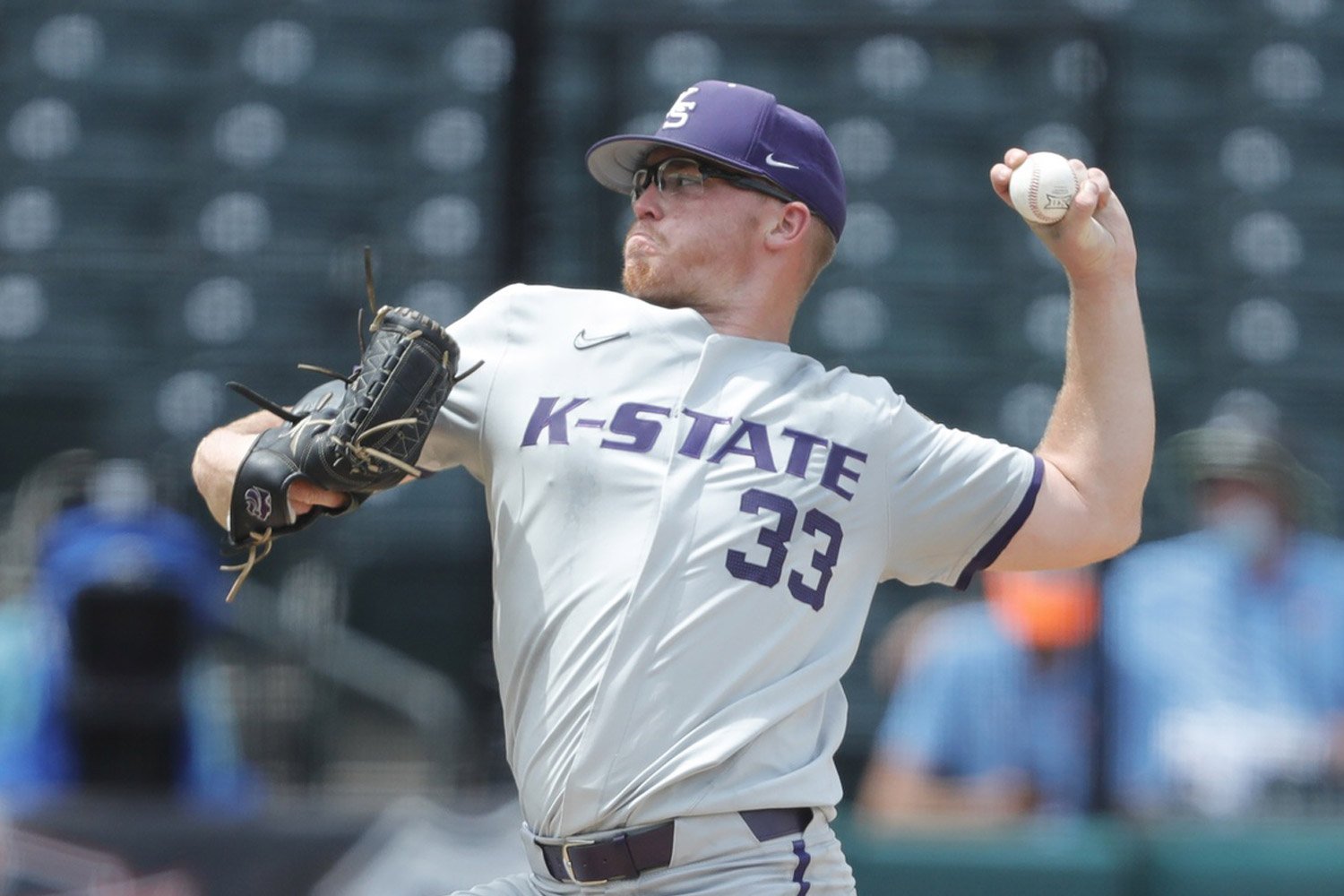 According to reports, Jordan Wicks has departed from the Iowa Cubs and is likely heading to Pittsburgh to join the big league squad this weekend. Wicks is the top left-handed pitching prospect in the Cubs’ farm system, and depending on which composite ranking site you trust, is the second-best pitching prospect the Cubs have behind Cade Horton (or third behind Ben Brown). He’s equipped with a mid-90s fastball and a wholly dominant changeup that allows him to handle hitters on both sides of the plate. I made the case for him as the best option for the Cubs to fortify their rotation down the stretch here. There’s a much longer scouting report on Wicks that is worth perusing, but the gist of his profile is that he’s got above-average control and a solid four-pitch mix (he has a slider and curveball to go along with his fastball and changeup). He has a 2.29 ERA over his last four starts at Iowa, including a spike in his strikeout rate. In essence, he’s hot, talented, and the Cubs are desperate for competent innings out of their fifth starter. The roster implications are pretty simple, as the Cubs have a couple of spots open on the 40-man roster. He’ll have to bump someone off the active major league roster - perhaps Keegan Thompson will be shuttled up-and-down the rest of the year between Iowa and Chicago - but he won’t cause any DFAs or other roster maneuvers. The former 2021 first-round pick might not be up for the rest of the season, though he should draw at least a couple of starts through the next few turns in the rotation. If he pitches Saturday, he’ll draw the Pirates, Reds, and Giants over his first three starts if everyone in the rotation makes their scheduled appearances. The Pirates and Giants shouldn’t be too much of a challenge (.702 and .682 OPS versus left-handed pitching, respectively), but the Reds are certainly a threat (.743 OPS versus left-handed pitching). Ultimately, the Cubs can’t hope for Wicks to come up and dominate the way Eury Perez has for the Marlins this year. However, he should be able to provide steady innings and keep the team in the games that Drew Smyly was pitching them out of his in last few turns as a starter. If nothing else, Wicks should provide a little excitement as one of the first of (what will hopefully be) many homegrown pitchers to quickly reach the majors under the team’s new pitching infrastructure.
 -
It sounds like one of the Cubs' top pitching prospects is on his way to the majors for his first career start this weekend against the Pirates. Image courtesy of © Alonzo Adams-USA TODAY Sports According to reports, Jordan Wicks has departed from the Iowa Cubs and is likely heading to Pittsburgh to join the big league squad this weekend. Wicks is the top left-handed pitching prospect in the Cubs’ farm system, and depending on which composite ranking site you trust, is the second-best pitching prospect the Cubs have behind Cade Horton (or third behind Ben Brown). He’s equipped with a mid-90s fastball and a wholly dominant changeup that allows him to handle hitters on both sides of the plate. I made the case for him as the best option for the Cubs to fortify their rotation down the stretch here. There’s a much longer scouting report on Wicks that is worth perusing, but the gist of his profile is that he’s got above-average control and a solid four-pitch mix (he has a slider and curveball to go along with his fastball and changeup). He has a 2.29 ERA over his last four starts at Iowa, including a spike in his strikeout rate. In essence, he’s hot, talented, and the Cubs are desperate for competent innings out of their fifth starter. The roster implications are pretty simple, as the Cubs have a couple of spots open on the 40-man roster. He’ll have to bump someone off the active major league roster - perhaps Keegan Thompson will be shuttled up-and-down the rest of the year between Iowa and Chicago - but he won’t cause any DFAs or other roster maneuvers. The former 2021 first-round pick might not be up for the rest of the season, though he should draw at least a couple of starts through the next few turns in the rotation. If he pitches Saturday, he’ll draw the Pirates, Reds, and Giants over his first three starts if everyone in the rotation makes their scheduled appearances. The Pirates and Giants shouldn’t be too much of a challenge (.702 and .682 OPS versus left-handed pitching, respectively), but the Reds are certainly a threat (.743 OPS versus left-handed pitching). Ultimately, the Cubs can’t hope for Wicks to come up and dominate the way Eury Perez has for the Marlins this year. However, he should be able to provide steady innings and keep the team in the games that Drew Smyly was pitching them out of his in last few turns as a starter. If nothing else, Wicks should provide a little excitement as one of the first of (what will hopefully be) many homegrown pitchers to quickly reach the majors under the team’s new pitching infrastructure. View full article
-
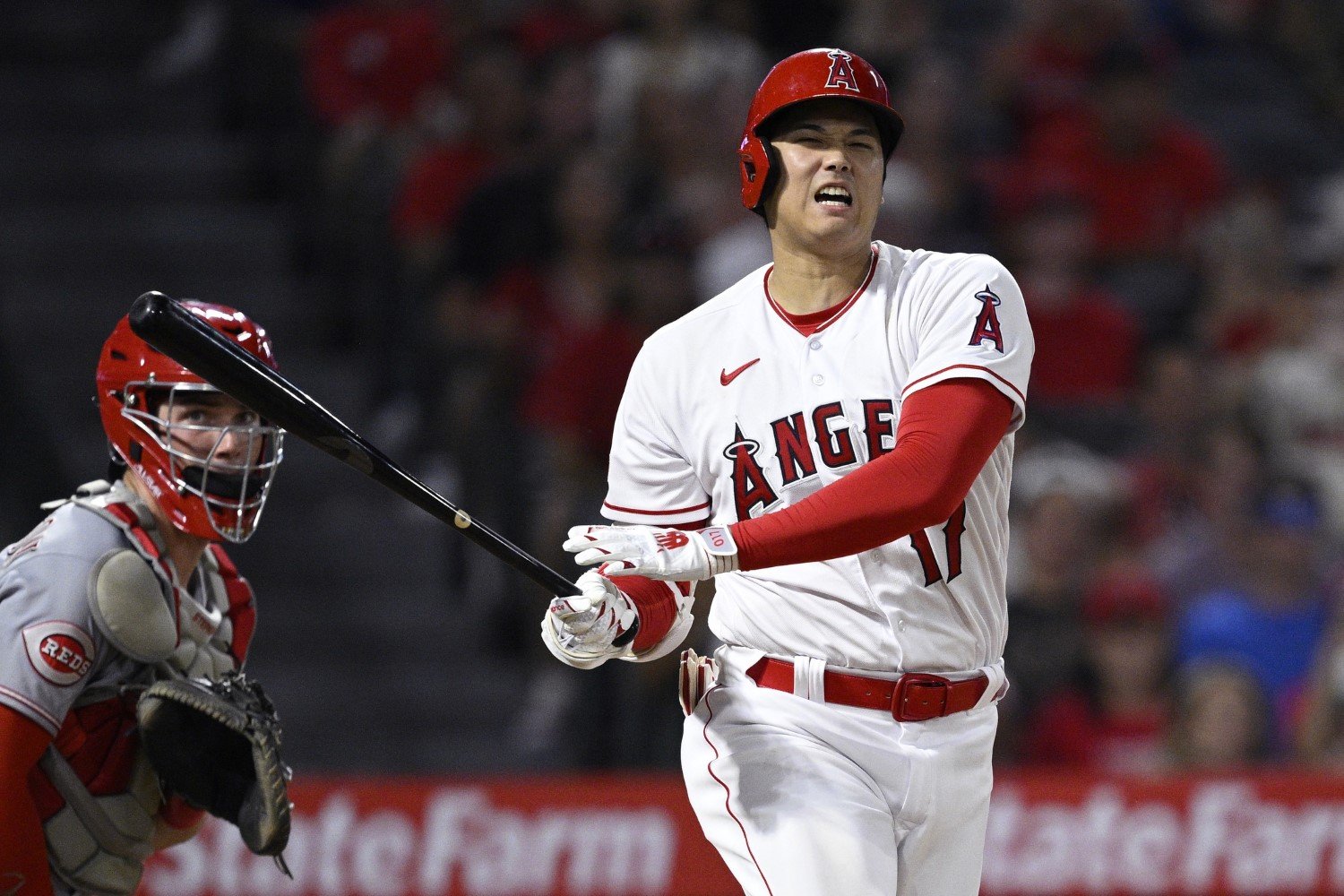 If you somehow missed the report, Shohei Ohtani reportedly has a torn UCL for the second time in his already-luminous career. He’s currently seeking a second opinion, but there's a chance Ohtani will have to undergo Tommy John surgery for a second time. There really is no way to overstate the impact of this on the baseball landscape. What was going to be the most lucrative and frantic free-agent pursuit of all time has now been mired in a swamp of uncertainty. Ohtani’s unique value of being both a top-five hitter and an above-average starting pitcher in the league could be a relic of the past--a dizzying reminder of just how fragile the status of being upper-echelon in this sport really is. If this is the end of his pitching career, or even merely the end of his Cy Young contending days, his fall from the mountaintop will be as rapid and precipitous as his climb was to get there. There will be hundreds of reports written from beat writers, national columnists, team doctors, fan blogs and every other corner of the baseball world about the fallout of this news. This was supposed to be the Winter of Ohtani. Contracts in the $500 million range began to sound like low-ball offers. He was going to break every single record for monetary value among athlete contracts in the major American sports. And at the center of it all: the few teams who had both the financial wherewithal and national spotlight to make a genuine run at the greatest player this sport has ever seen. I’ll leave the other favorites (namely, the Dodgers, Giants, Yankees, Mets, and Padres) out of the discussion for now. Their own fan bases will be taking all the time they need to plot their team’s best course of action. I’ll also note that the Cubs were never the favorites for Ohtani, but they were always in the periphery of the discussion. They’ve been skirting the luxury tax all season in the hopes that Ohtani would force them to go over it for the next several years. But now, just what kind of contract Ohtani will get is a question. Perhaps he’ll take a one-year rehab deal, akin to Cody Bellinger this season, playing out 2024 as some team’s DH before re-entering free agency with the promise that his best days on the mound are somehow still in front of him. Odds are, though, some team will swallow the unfathomable risk associated with the combustible profile of Ohtani’s unicorn talents and a second major elbow injury, giving Ohtani a contract that still dwarfs anything we’ve ever seen. The question at hand is: should the Cubs be that team? The Carlos Correa saga last offseason was enough to keep the Cubs at bay and led them to focus on Dansby Swanson. Is this Ohtani news enough to get the Cubs to reconsider their offseason plans around their in-house superstar? The latest reports had them waiting out Cody Bellinger until the Ohtani market came into focus. In other words, the Cubs wouldn’t seriously negotiate with Bellinger’s camp until they knew they were out on Ohtani (or if they somehow signed him, they would move on from Bellinger). To be completely candid, I have no idea what the answer to that question should be. The Cubs will have an Ohtani-sized hole burning in their wallet if they go stagnant this offseason, a path that would be morally reprehensible given the progress the team has seen this year. Jed Hoyer and company have always been a risk-mitigating bunch, but perhaps there is now a surplus value to be extracted from a market that may be too wary of an injury on an otherwise super-heroic titan of the game. If I can indulge somewhat briefly, and we take Thomas Rawls’ famous “Original Position” thought experiment (or “Veil of Ignorance”, for the classically trained) and extrapolate it to the Cubs’ offseason plans, the obvious answer is that the Cubs should probably play it safe and re-sign Bellinger, forgoing a serious Ohtani pursuit. Then again, how “safe” would a Bellinger re-signing campaign be, now that he may be the most sought-after player on the market? The questions will continue to come. Ohtani will still make more money than almost any athlete who ever lived. Bellinger will be an oasis in an otherwise barren free agent landscape for position players. What the Cubs do is anyone’s guess--including, probably, the Cubs' themselves.
 -
With the devastating injury news sweeping the baseball landscape late Wednesday night, what does Shohei Ohtani’s uncertain future mean for the Cubs and their offseason plans? Image courtesy of © Orlando Ramirez-USA TODAY Sports If you somehow missed the report, Shohei Ohtani reportedly has a torn UCL for the second time in his already-luminous career. He’s currently seeking a second opinion, but there's a chance Ohtani will have to undergo Tommy John surgery for a second time. There really is no way to overstate the impact of this on the baseball landscape. What was going to be the most lucrative and frantic free-agent pursuit of all time has now been mired in a swamp of uncertainty. Ohtani’s unique value of being both a top-five hitter and an above-average starting pitcher in the league could be a relic of the past--a dizzying reminder of just how fragile the status of being upper-echelon in this sport really is. If this is the end of his pitching career, or even merely the end of his Cy Young contending days, his fall from the mountaintop will be as rapid and precipitous as his climb was to get there. There will be hundreds of reports written from beat writers, national columnists, team doctors, fan blogs and every other corner of the baseball world about the fallout of this news. This was supposed to be the Winter of Ohtani. Contracts in the $500 million range began to sound like low-ball offers. He was going to break every single record for monetary value among athlete contracts in the major American sports. And at the center of it all: the few teams who had both the financial wherewithal and national spotlight to make a genuine run at the greatest player this sport has ever seen. I’ll leave the other favorites (namely, the Dodgers, Giants, Yankees, Mets, and Padres) out of the discussion for now. Their own fan bases will be taking all the time they need to plot their team’s best course of action. I’ll also note that the Cubs were never the favorites for Ohtani, but they were always in the periphery of the discussion. They’ve been skirting the luxury tax all season in the hopes that Ohtani would force them to go over it for the next several years. But now, just what kind of contract Ohtani will get is a question. Perhaps he’ll take a one-year rehab deal, akin to Cody Bellinger this season, playing out 2024 as some team’s DH before re-entering free agency with the promise that his best days on the mound are somehow still in front of him. Odds are, though, some team will swallow the unfathomable risk associated with the combustible profile of Ohtani’s unicorn talents and a second major elbow injury, giving Ohtani a contract that still dwarfs anything we’ve ever seen. The question at hand is: should the Cubs be that team? The Carlos Correa saga last offseason was enough to keep the Cubs at bay and led them to focus on Dansby Swanson. Is this Ohtani news enough to get the Cubs to reconsider their offseason plans around their in-house superstar? The latest reports had them waiting out Cody Bellinger until the Ohtani market came into focus. In other words, the Cubs wouldn’t seriously negotiate with Bellinger’s camp until they knew they were out on Ohtani (or if they somehow signed him, they would move on from Bellinger). To be completely candid, I have no idea what the answer to that question should be. The Cubs will have an Ohtani-sized hole burning in their wallet if they go stagnant this offseason, a path that would be morally reprehensible given the progress the team has seen this year. Jed Hoyer and company have always been a risk-mitigating bunch, but perhaps there is now a surplus value to be extracted from a market that may be too wary of an injury on an otherwise super-heroic titan of the game. If I can indulge somewhat briefly, and we take Thomas Rawls’ famous “Original Position” thought experiment (or “Veil of Ignorance”, for the classically trained) and extrapolate it to the Cubs’ offseason plans, the obvious answer is that the Cubs should probably play it safe and re-sign Bellinger, forgoing a serious Ohtani pursuit. Then again, how “safe” would a Bellinger re-signing campaign be, now that he may be the most sought-after player on the market? The questions will continue to come. Ohtani will still make more money than almost any athlete who ever lived. Bellinger will be an oasis in an otherwise barren free agent landscape for position players. What the Cubs do is anyone’s guess--including, probably, the Cubs' themselves. View full article
-
I know we've already had the "context" discourse so I won't re-open that rabbit hole, but again, the dude is coming off two literal career-threatening injuries at the same time. The fact he isn't showing MORE rust and problems with his results is a miracle. The goal with a roster move this late in the year is just to catch a guy on a heater. You're not going to add anyone at this point that's legitimately going to change the dynamic of a team. If Canario is on one of his patented home run binges for the new few weeks, better for that to happen in Chicago than Iowa, no? And if he struggles in a 50 at-bat cup of coffee? Them's the brakes. He'll learn from it. This team should be good enough to withstand a cold stretch from a prospect occupying the 9th spot in the lineup anyways. The hope is that he helps around the margins, maybe adding an extra win or two to the ledger. No one's asking him to be a superstar yet.
-
Sharing this because it shamelessly feeds the narrative:
-
I guarantee you right now that if you promised the Rockies every single one of their hitters next season would post an OPS 100 points over league average, they would take that in a heartbeat and laugh all the way out the door.
-
Yes, they've been on something of a hot stretch with the long ball, but a lot of those have come in blowouts (and against opposing position players). And there isn't one guy in the lineup right now, perhaps besides Bellinger, who I think you legitimately believe can hit one out any time he steps to the plate. PCA is absolutely the top choice. There shouldn't be a question there. But if the 40-man crunch is tighter than we realize, Canario would get a longer look than most think.
-
This is a take I can't defend. What do you want the guy to do? Post a 1.500 OPS? Hit a home run every single game? By wRC+, he's been 40% better than the average than the average hitter across all of Triple A (park adjusted) for a month. Source: Again, he's far from a finished product. But this kid can clearly hit the ball. A 1.000 OPS coming off multiple major injuries speaks to his potential.
-
This is an awesome analysis and a great point about Canario's skillset. What I want to be sure is clear is that IF Canario were to come up, he would be HEAVILY match-up protected, much in the same way Wisdom has been the last 2+ months. He'd almost never be in the lineup against righties, and lefties with good changeups (a pitch Canario has struggled with for some time) would probably keep him on the bench too. Calling up the 28th man in September during a playoff race isn't about finding the next every day starter - it's about finding someone who fills a very specific need on a roster already built to compete. There are plenty of options at Iowa, PCA among them. But if the issue with PCA (in general) is that he's redundant on a team with great outfield defense and good speed, Canario fits the mold being a slugger with a great eye.
-
This is mostly what I've been getting at - Canario still has a ton of development left in the minors, but he's hitting right now. The Cubs chose to buy at the deadline and need to reinforce this team however they can, even if their chances of winning the world series remain marginally slim. If Canario is the hottest hitter in the system in two weeks time, and the lineup is continuing to be desperate for power, there's a case to be made for someone with his skillset as a bench/platoon option.
-
IF Boxberger is healthy, then I think he'll be first choice. If only because of his former major league success. But I'd love to see Little get his shot if they think he's ready. He's a DUDE.
-
Maybe you should keep talking bad about him - he's using you as motivation😅
-
Oh absolutely PCA is as ready as anyone - I think Canario might just fit better as a lefty-masher. But PCA is the guy I'll clamor for most
-
They only get two extra roster spots in September, and only one of which can be a pitcher. There is no way the Cubs don't add to the pen, especially with how taxed all their arms currently are.
-
Absolutely valid take on Canario. His development is the most important factor in play. But the Cubs stink against left-handed pitching (they have a 90 wRC+ against them since the all-star break). Canario could platoon/pinch-hit and still draw enough playing time to learn the ins-and-outs of the majors. And his position of already being on the 40-man is a huge leg up in his favor.
-
I tend to think this is what the Cubs will actually do. It's really just a question of if the Cubs want Perlaza on the 40-man all offseason (as opposed to taking the chance and trying to resign him as a priority minor league free agent).
-
He certainly has high strikeout numbers - it's just a part of his game no doubt. But this Cubs team actually won't be burned by that. All of Madrigal, Happ, Hoerner, Swanson, Bellinger and even Seiya have above-average contact rates. A little trade-off for some extra pop (like Morel is) could balance out the lineup. Plus the team is just horrendous against lefties right now, and Canario crushes them.
- 65 replies
-
- 1
-

-
- alexander canario
- matt mervis
- (and 2 more)
-
In September, the Cubs roster will expand to 28 players. What should the Cubs do with those precious extra roster spots in the heat of a playoff race? Image courtesy of © Bryon Houlgrave/The Register / USA TODAY NETWORK Right off the bat, we should note that the Cubs will add one pitcher and one hitter once the calendar flips to September. Among the possibilities, there are some high-profile players currently on the injured list who may be healthy enough to return in time for the stretch run. That group is highlighted by a quintet of pitchers: Marcus Stroman, Brandon Hughes, Brad Boxberger, Nick Burdi, and prospect Ben Brown. The middle three in that list could prove exceptionally valuable to a bullpen that is already overtaxing its best arms, while Stroman and Brown have a chance to make some critical starts in the final series or two of the season. However, the 14th pitcher on the roster is not the focus for today. Instead, I want to hone in on the extra bat the Cubs will be able to add. Miraculously, the Cubs have no positional prospects on the injured list with any proximity to the major leagues at the moment, meaning that they should be able to choose among their treasure trove of talented bats at Triple-A Iowa (Brennen Davis is on the 40-man roster and currently on a rehab assignment, but he’s lightyears away from his MLB debut as he tries to overcome the injuries that have plagued him this year and last). The case for Pete Crow-Armstrong has already been made (and in the comments on that article, the case for Matt Mervis was debated as well), and indeed, I do think PCA is the best option for the Cubs at the moment, given his elite defense, speed, and red-hot bat. However, this Cubs team isn’t lacking in those departments: they rank 6th in stolen bases in the majors and have numerous gold glovers patrolling spots in both the infield and outfield. What these Cubs need is power. The team ranks 13th in home runs and 11th in slugging, though even those middling rankings are boosted by the 22-12 stretch the team has had since the All-Star break (which has featured more than a couple of pseudo-batting practices against opposing position players on the mound in blowouts). Assuming Mervis isn’t getting the call with Jeimer Candelario blocking his path at first base, the Cubs will have a few options from among whom to pick. Both Yonathan Perlaza and Jake Slaughter lead the Iowa Cubs with 19 home runs, and Perlaza especially deserves a look following his breakout year (and .945 OPS). But what if the Cubs want to go for broke, throwing caution to the wind as they hunt down a Wild Card spot? I rise to speak for Alexander Canario, he of true 60-grade (or better) power and hitter of 37 home runs (across three levels) last season. If you’ve kept up at all with the farm system over the last 12 months, you know Canario’s deal. He was engaged in a wicked race with Mervis for the home run crown among all minor leaguers last season, before a devastating injury in winter ball shelved him until the middle of July. There were myriad questions regarding how he’d look upon his return, as he tried to maintain the elite athleticism that generated so much easy torque and power in his swing while recovering from upper- and lower-body injuries. Those questions are still there, but there have been positive signs recently. Though he’s posted a meager .753 OPS in 28 games (~125 at-bats) at Iowa, he’s hit four homers, and they have certainly not been cheap ones. His power--his true carrying tool--is still there, even if he’s working through plenty of rust and understandable timing issues. And the work he’s putting in is already paying dividends: In August, Canario has hit three of his home runs and posted an .848 OPS in just 62 at-bats. Canario, like Perlaza, is a true corner outfielder, though his 60-grade arm (his other high-end tool) makes him better suited for right field than his Iowa teammate. PCA, meanwhile, is a center fielder through and through, though his immaculate glove will play well anywhere there’s grass. The final consideration to this whole equation is the 40-man roster crunch: the Cubs currently have 38 players on the roster, with five more players (all pitchers) on the 60-day IL (who do not account for a spot on 40-man until they are activated off of the Injured List). Want to guess which of the three outfielders listed above is already on the 40-man? It’s Canario. It may seem haphazard and a little short-sighted to bring a prospect who’s only just returning from a career-threatening injury up to the big leagues in the midst of a playoff push, but come on. Have you seen what this guy does to baseballs? Even if only as a right-handed power bat off the bench, or a platoon or matchup protection for one of the everyday starters, Canario can offer this Cubs team some value in a space in which it’s not particularly dominant. The Cubs already blew our minds by electing to buy at the deadline; why not keep the good times rolling? And by “good times”, I mean bring moonshots like these to Clark and Addison. View full article
-
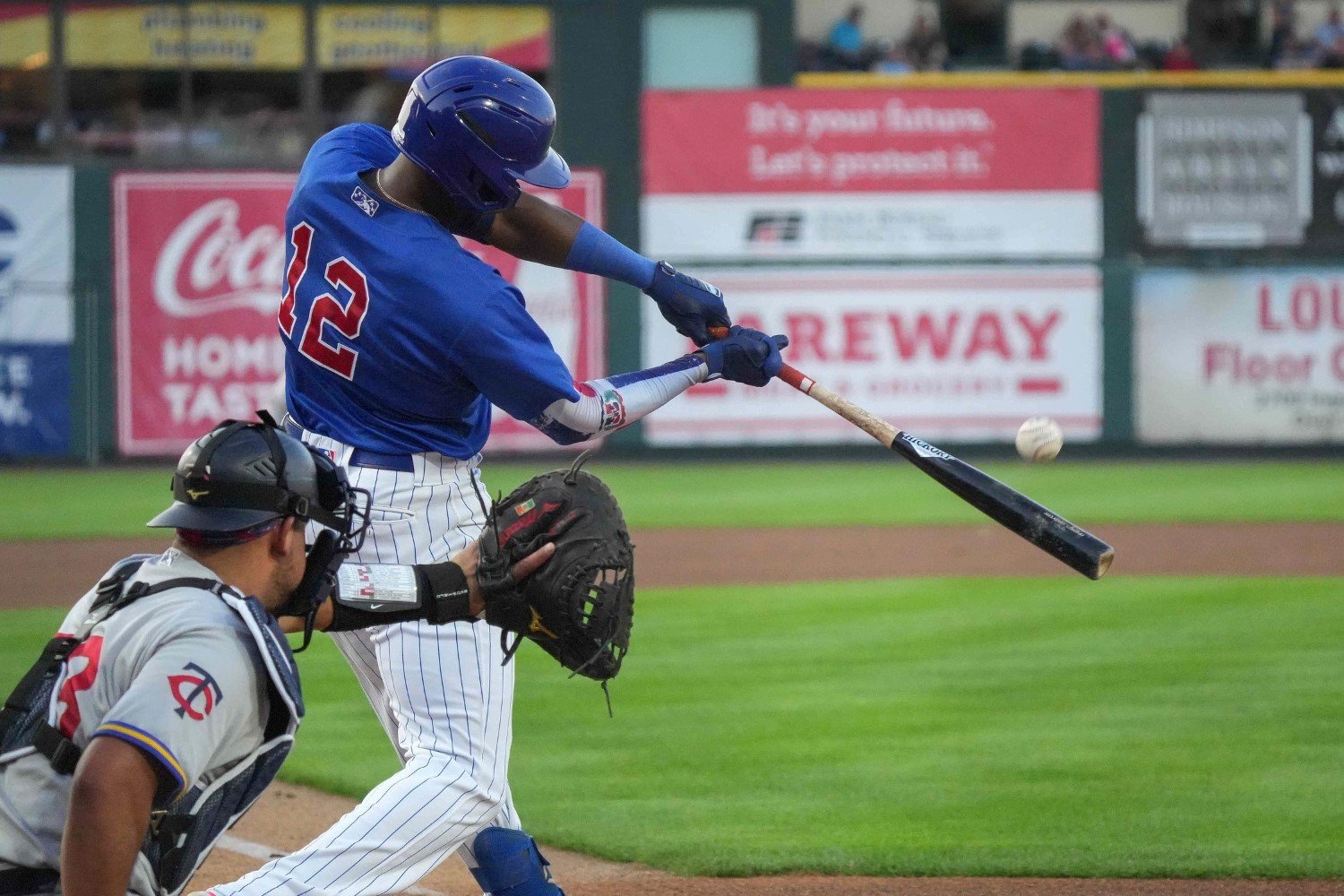 Right off the bat, we should note that the Cubs will add one pitcher and one hitter once the calendar flips to September. Among the possibilities, there are some high-profile players currently on the injured list who may be healthy enough to return in time for the stretch run. That group is highlighted by a quintet of pitchers: Marcus Stroman, Brandon Hughes, Brad Boxberger, Nick Burdi, and prospect Ben Brown. The middle three in that list could prove exceptionally valuable to a bullpen that is already overtaxing its best arms, while Stroman and Brown have a chance to make some critical starts in the final series or two of the season. However, the 14th pitcher on the roster is not the focus for today. Instead, I want to hone in on the extra bat the Cubs will be able to add. Miraculously, the Cubs have no positional prospects on the injured list with any proximity to the major leagues at the moment, meaning that they should be able to choose among their treasure trove of talented bats at Triple-A Iowa (Brennen Davis is on the 40-man roster and currently on a rehab assignment, but he’s lightyears away from his MLB debut as he tries to overcome the injuries that have plagued him this year and last). The case for Pete Crow-Armstrong has already been made (and in the comments on that article, the case for Matt Mervis was debated as well), and indeed, I do think PCA is the best option for the Cubs at the moment, given his elite defense, speed, and red-hot bat. However, this Cubs team isn’t lacking in those departments: they rank 6th in stolen bases in the majors and have numerous gold glovers patrolling spots in both the infield and outfield. What these Cubs need is power. The team ranks 13th in home runs and 11th in slugging, though even those middling rankings are boosted by the 22-12 stretch the team has had since the All-Star break (which has featured more than a couple of pseudo-batting practices against opposing position players on the mound in blowouts). Assuming Mervis isn’t getting the call with Jeimer Candelario blocking his path at first base, the Cubs will have a few options from among whom to pick. Both Yonathan Perlaza and Jake Slaughter lead the Iowa Cubs with 19 home runs, and Perlaza especially deserves a look following his breakout year (and .945 OPS). But what if the Cubs want to go for broke, throwing caution to the wind as they hunt down a Wild Card spot? I rise to speak for Alexander Canario, he of true 60-grade (or better) power and hitter of 37 home runs (across three levels) last season. If you’ve kept up at all with the farm system over the last 12 months, you know Canario’s deal. He was engaged in a wicked race with Mervis for the home run crown among all minor leaguers last season, before a devastating injury in winter ball shelved him until the middle of July. There were myriad questions regarding how he’d look upon his return, as he tried to maintain the elite athleticism that generated so much easy torque and power in his swing while recovering from upper- and lower-body injuries. Those questions are still there, but there have been positive signs recently. Though he’s posted a meager .753 OPS in 28 games (~125 at-bats) at Iowa, he’s hit four homers, and they have certainly not been cheap ones. His power--his true carrying tool--is still there, even if he’s working through plenty of rust and understandable timing issues. And the work he’s putting in is already paying dividends: In August, Canario has hit three of his home runs and posted an .848 OPS in just 62 at-bats. Canario, like Perlaza, is a true corner outfielder, though his 60-grade arm (his other high-end tool) makes him better suited for right field than his Iowa teammate. PCA, meanwhile, is a center fielder through and through, though his immaculate glove will play well anywhere there’s grass. The final consideration to this whole equation is the 40-man roster crunch: the Cubs currently have 38 players on the roster, with five more players (all pitchers) on the 60-day IL (who do not account for a spot on 40-man until they are activated off of the Injured List). Want to guess which of the three outfielders listed above is already on the 40-man? It’s Canario. It may seem haphazard and a little short-sighted to bring a prospect who’s only just returning from a career-threatening injury up to the big leagues in the midst of a playoff push, but come on. Have you seen what this guy does to baseballs? Even if only as a right-handed power bat off the bench, or a platoon or matchup protection for one of the everyday starters, Canario can offer this Cubs team some value in a space in which it’s not particularly dominant. The Cubs already blew our minds by electing to buy at the deadline; why not keep the good times rolling? And by “good times”, I mean bring moonshots like these to Clark and Addison.
- 65 comments
-
- 1
-
-
- alexander canario
- matt mervis
- (and 2 more)
-
In September, the Cubs roster will expand to 28 players. What should the Cubs do with those precious extra roster spots in the heat of a playoff race? Right off the bat, we should note that the Cubs will add one pitcher and one hitter once the calendar flips to September. I already made cases for Alexander Canario and Pete Crow-Armstrong (here and here) to be the position player the Cubs call up in September. But what about the ever-so-valuable 14th pitcher on the roster? Among the possibilities, there are some high-profile players currently on the injured list who may be healthy enough in time to return for the stretch run. That group is highlighted by a quintuplet of pitchers: Marcus Stroman, Brandon Hughes, Brad Boxberger, Nick Burdi, and prospect Ben Brown. The middle three in that list could prove exceptionally valuable to a bullpen that is already overtaxing its best arms, while Stroman and Brown have a chance to make some critical starts in the final series of the season. There are also other options already on the 40-man roster, including Jeremiah Estrada, lefty Anthony Kay, a resurgent Keegan Thompson, swingman Caleb Kilian, and the recently-claimed Edwin Uceta. You can be sure a number of these players will shuffle up-and-down between Triple-A Iowa and the big league team, as the Cubs desperately try to lighten the workload on their most trusted arms out of the bullpen. If you were to take a quick gander at the Cubs current bullpen, two things would really stand out: the Cubs have REALLY overtaxed their best relievers (four guys are already over 50 appearances this season), and the Cubs have all of zero lefties available (assuming Drew Smyly is back in the rotation for good). That latter issue is particularly a problem, especially for a team with postseason aspirations. Mark Leiter Jr. is the nominal “lefty” out of the bullpen right now, thanks to a split-finger fastball that stays remarkably straight on the vertical plane (~50% less horizontal movement than the average splitter in baseball in 2023). And make no mistake, it’s a role he’s thrived in tremendously this year: in 135 at-bats, lefties are batting a paltry .141/.215/.252 against Leiter Jr. (righties are up to a .259/.366/.448 slash line against him in just 58 at-bats). Yet there’s still something to be said for having an actual left-handed pitcher out the bullpen, especially for a Cubs team that places inordinate value on giving opposing hitters different looking pitcher deliveries and arm slots (it’s what made sidearm guys like Scott Effross and now José Cuas so valuable to them). Hence, I wager that Luke Little, the prospect just this month promoted to Triple-A Iowa, is the pitcher the Cubs should be looking to promote and lean on down the stretch. The only two lefties currently on the 40-man roster that are not already on the Chicago Cubs are Hughes and Kay; neither has been particularly effective in their limited opportunities out of the pen this year, and Hughes is working his way back from multiple injuries. Little, while not on the 40-man currently, will need to be placed there after the season for Rule 5 protection - something the Cubs will assuredly do anyways given his dominance this season. Speaking of his dominance, feast your eyes on his season stats: across three levels, he has a 2.33 ERA and 1.28 WHIP with a preposterous 95 strikeouts in just 58 innings. His batting average against is also a minuscule .182 in Iowa through four games, and he’s a multi-inning weapon out of the pen (his 58 innings have come in just 32 appearances this season). Walks are Little’s biggest problem, as he’s issued 81 free passes in just 135 innings in his minor league career. However, he counters that tendency with an absurd home run rate, having given up just one all of this season (after somehow giving up zero in 65 innings last season). To put it plainly, Little is flat-out unhittable. When you watch him pitch, it makes sense: he’s a 6’8” lefty with a cross-fire delivery and mid-90s fastball. The amount of guys like that on the mound in any given season is often in the proximity of zero. There are a ton of refinements left for him to make, not the least of which is learning how to pitch “backwards” more effectively by commanding his curveball better early in counts. The road between him and sustainable dominance in the major leagues is a long one, but it’s not insurmountable. Both the Cubs and Little could benefit greatly from a cup of coffee in the majors; Little could see just how effectively his stuff plays up against the best players in the world (and in turn, learn what he needs to refine as a pitcher), while the Cubs could add another weapon out of the bullpen who should be a little fresher than most of their current late-innings options. The upcoming games on the schedule are the most important ones the Cubs have had in a long while. It’s time to pull out all the stops. View full article
-
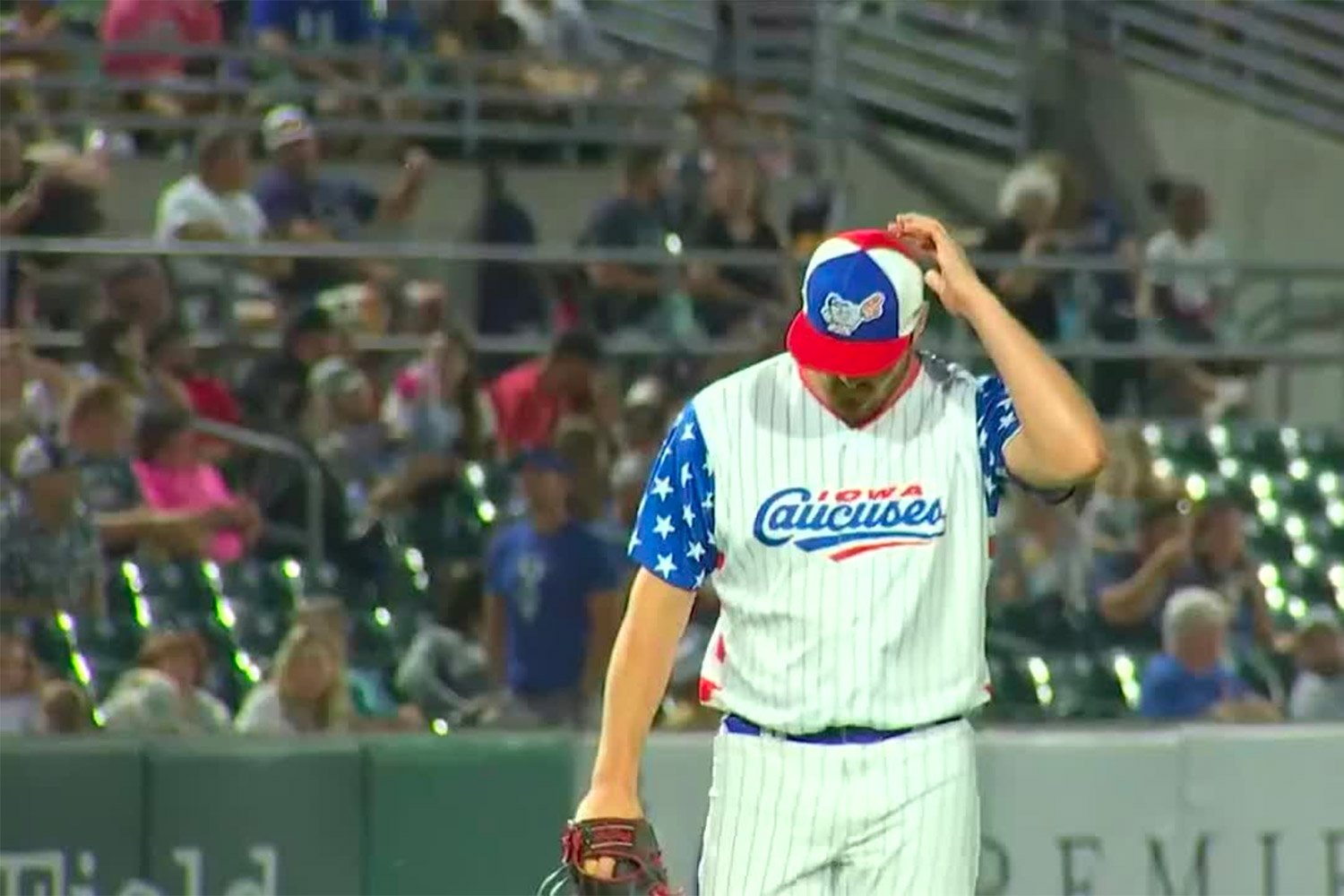 Right off the bat, we should note that the Cubs will add one pitcher and one hitter once the calendar flips to September. I already made cases for Alexander Canario and Pete Crow-Armstrong (here and here) to be the position player the Cubs call up in September. But what about the ever-so-valuable 14th pitcher on the roster? Among the possibilities, there are some high-profile players currently on the injured list who may be healthy enough in time to return for the stretch run. That group is highlighted by a quintuplet of pitchers: Marcus Stroman, Brandon Hughes, Brad Boxberger, Nick Burdi, and prospect Ben Brown. The middle three in that list could prove exceptionally valuable to a bullpen that is already overtaxing its best arms, while Stroman and Brown have a chance to make some critical starts in the final series of the season. There are also other options already on the 40-man roster, including Jeremiah Estrada, lefty Anthony Kay, a resurgent Keegan Thompson, swingman Caleb Kilian, and the recently-claimed Edwin Uceta. You can be sure a number of these players will shuffle up-and-down between Triple-A Iowa and the big league team, as the Cubs desperately try to lighten the workload on their most trusted arms out of the bullpen. If you were to take a quick gander at the Cubs current bullpen, two things would really stand out: the Cubs have REALLY overtaxed their best relievers (four guys are already over 50 appearances this season), and the Cubs have all of zero lefties available (assuming Drew Smyly is back in the rotation for good). That latter issue is particularly a problem, especially for a team with postseason aspirations. Mark Leiter Jr. is the nominal “lefty” out of the bullpen right now, thanks to a split-finger fastball that stays remarkably straight on the vertical plane (~50% less horizontal movement than the average splitter in baseball in 2023). And make no mistake, it’s a role he’s thrived in tremendously this year: in 135 at-bats, lefties are batting a paltry .141/.215/.252 against Leiter Jr. (righties are up to a .259/.366/.448 slash line against him in just 58 at-bats). Yet there’s still something to be said for having an actual left-handed pitcher out the bullpen, especially for a Cubs team that places inordinate value on giving opposing hitters different looking pitcher deliveries and arm slots (it’s what made sidearm guys like Scott Effross and now José Cuas so valuable to them). Hence, I wager that Luke Little, the prospect just this month promoted to Triple-A Iowa, is the pitcher the Cubs should be looking to promote and lean on down the stretch. The only two lefties currently on the 40-man roster that are not already on the Chicago Cubs are Hughes and Kay; neither has been particularly effective in their limited opportunities out of the pen this year, and Hughes is working his way back from multiple injuries. Little, while not on the 40-man currently, will need to be placed there after the season for Rule 5 protection - something the Cubs will assuredly do anyways given his dominance this season. Speaking of his dominance, feast your eyes on his season stats: across three levels, he has a 2.33 ERA and 1.28 WHIP with a preposterous 95 strikeouts in just 58 innings. His batting average against is also a minuscule .182 in Iowa through four games, and he’s a multi-inning weapon out of the pen (his 58 innings have come in just 32 appearances this season). Walks are Little’s biggest problem, as he’s issued 81 free passes in just 135 innings in his minor league career. However, he counters that tendency with an absurd home run rate, having given up just one all of this season (after somehow giving up zero in 65 innings last season). To put it plainly, Little is flat-out unhittable. When you watch him pitch, it makes sense: he’s a 6’8” lefty with a cross-fire delivery and mid-90s fastball. The amount of guys like that on the mound in any given season is often in the proximity of zero. There are a ton of refinements left for him to make, not the least of which is learning how to pitch “backwards” more effectively by commanding his curveball better early in counts. The road between him and sustainable dominance in the major leagues is a long one, but it’s not insurmountable. Both the Cubs and Little could benefit greatly from a cup of coffee in the majors; Little could see just how effectively his stuff plays up against the best players in the world (and in turn, learn what he needs to refine as a pitcher), while the Cubs could add another weapon out of the bullpen who should be a little fresher than most of their current late-innings options. The upcoming games on the schedule are the most important ones the Cubs have had in a long while. It’s time to pull out all the stops.
 -
Appreciate that! I definitely agree - this team gives me vibes more akin to a couple of the more fun/playful contenders of decades past than the hyper-competitive window under Theo. But still, I think a foundation is in place. If the prospects can supplement what is already a surprisingly good roster, the Cubs should be competitive for the next half-decade (or longer) in the NL.
-
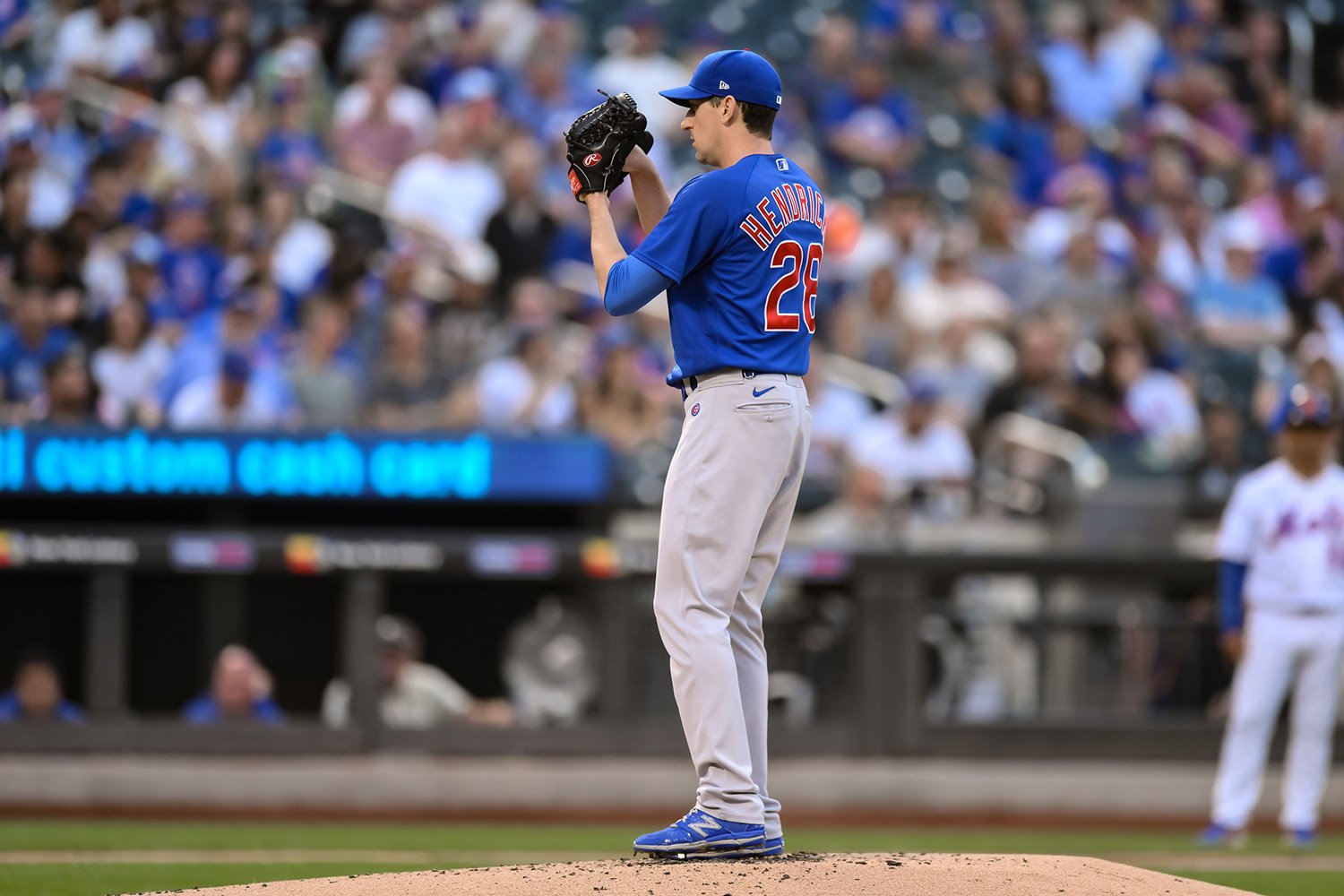 The premise behind this is simple: at each position, we’ll take a look at which roster had the better player(s). As you’d expect, the World Series winning roster will look a bit more stacked than the Wild Card hopeful one, but it’s an exercise meant to demonstrate that one size does not fit all when it comes to contending for the championship. The Cubs 2016 roster data is from Baseball Almanac; the up-to-date Cubs 2023 roster data is from The Athletic. All stats are current through August 17, 2023. This is part three of a three-part series. Part one, featuring infielders, is available here. Part two, featuring outfielders, is available here. STARTING PITCHERS Jon Lester/Jake Arrieta/Kyle Hendricks/John Lackey/Jason Hammel v.s. Justin Steele/Marcus Stroman/Kyle Hendricks/Jameson Taillon/Javier Assad There’s just too much going on here to judge the entire conglomerate of starters against one another, so we’ll go one by one. The Lefty Ace: Lester v.s. Steele Lester finished 2016 second in the NL Cy Young voting; a placement Steele may be on pace to match this year. Lester posted a 2.44 ERA in 202 and ⅔ innings, while Steele has a 2.79 ERA in 126 innings so far this year. Their walk and strikeout rates are nearly identical, and they both have an ERA+ within points of each other (164 for Steele, 171 for Lester). Lester’s FIP was higher (3.41 compared to 3.20 for Steele), but he pitched to the strengths of his defense, much like how Steele does now. This is exceptionally close, and the goal of this exercise is simply to look at where the players are in their respective careers in 2016 or 2023. That being said, part of why Lester was signed was his legendary postseason resume, and until Steele proves he has the same resolve under the brightest lights, it’s hard not to give the edge to #34. Advantage: 2016 Cubs The Right-Handed Sidekick: Arrieta v.s. Stroman Calling either of these guys a sidekick is probably a disservice to them, but Arrieta followed Lester by starting Game 2 of the World Series, something Stroman would recreate behind Steele should the Cubs somehow get to that stage this year. Stroman is currently injured, and he’s struggled badly recently. However, he was off to an incredible start this season, earning an all-star selection on the back of a 2.96 ERA in 112 and ⅔ first-half innings. He’s among the best groundball pitchers in the league (a good quality to have in front of one of the best infield defenses in the majors), and he takes pride in pitching deep into ball games. That said, Arrieta was still near the peak of his powers in 2016. Though nothing could match his historic finish to the 2015 season, a 3.10 ERA and 190 strikeouts in 197 and ⅓ innings in 2016 wasn’t too shabby. He was also tremendous in the World Series against Cleveland, going 2-0 with a 2.38 ERA in 11 and ⅓ innings across two starts in Games 2 and 6. Advantage: 2016 Cubs The Kyle Hendricks Bowl: Hendricks v.s. Hendricks The final remaining member of that World Series team, Hendricks, is still plugging away in 2023 as an effective mid-rotation starter. The Hendricks of 2016, on the other hand, was a bonafide ace, winning the ERA title that year with a 2.13 mark in 190 innings and finishing third in Cy Young voting (right behind Lester). It would be fun to dissect how Hendricks has evolved as a soft-tossing, control-first pitcher, but “The Professor” is no longer the same player he once was. Though he’s still a valuable contributor to this day, he isn’t the guy that threw nearly five innings of one-run ball in Game 7 of the World Series. Advantage: 2016 Cubs The Veteran Free Agent with a $17 million AAV: Lackey v.s. Taillon I already know what the big complaint for this matchup will be: “Um, technically, Lackey only made $32 million across two years with the Cubs, meaning his AAV was only $16 million.” In response, I remind you Ken Rosenthal initially tweeted that the deal was worth $34 million and that I like the mirroring thing we have going on here. So deal with it. Lackey was a great #4 starter for the Cubs, putting up a 3.35 ERA with 180 strikeouts across 188 and ⅓ innings. Taillon’s rebuttal? A 5.71 ERA in 104 innings. However, that stat is marred by a truly horrendous first half, where he posted a 6.15 ERA in 71 and ⅔ innings. Regardless, this isn’t much of a competition. Lackey was still pitching like a near-ace in his first year with the Cubs, while Taillon struggled to find his footing for an ailing Cubs rotation. The 2016 Cubs are turning this into a blowout. Advantage: 2016 Cubs The 5th Starter: Hammel v.s. Assad Man, oh man, did the Cubs ever have some ludicrous stability in their rotation in 2016? Every single one of their five rotation members made at least 29 starts and pitched at least 165 innings. The Cubs of 2023 have shuffled through numerous pitchers, including both Hayden Wesneski and Drew Smyly making double-digit starts. This is probably the closest of all the starting pitcher competitions, not including Lester v. Steele, but Hammel still takes it going away. Assad was great in long relief for most of this year, but he’s wholly unproven as a starting pitcher. Meanwhile, Hammel put up a 3.83 ERA (good for a 109 ERA+ in 2016) while taking the ball every fifth day. Hard to ask for much more from your fifth guy. Advantage: 2016 Cubs RELIEF PITCHERS Aroldis Chapman/Carl Edwards Jr./Justin Grimm/Pedro Strop/Héctor Rondón/Mike Montgomery/Travis Wood v.s. Michael Fulmer/Julian Merryweather/Mark Leiter Jr./Adbert Alzolay/Drew Smyly/Hayden Wesneski/José Cuas/Daniel Palencia/Michael Rucker We won’t break this down like we did with the rotation (too many moving parts in a bullpen throughout the season), and I’ll note that I used the World Series roster bullpen for the 2016 team (rather than the roster at the end of the regular season). This is probably closer than you think, given the names in the 2016 pen, though many will remember just how much Joe Maddon’s “circle of trust” got overworked in the run to the title. The Cubs were ninth in the majors in bullpen ERA in 2016 with a 3.56 mark, though that ranking improved to sixth following the Chapman trade. Likewise, the Cubs currently rank 12th with a 3.97 ERA this year, though they are in the top five since the calendar has flipped to June. Also worth noting is that the bullpen was mediocre in the playoffs with a 3.94 ERA that was over a run and a half worse than Cleveland, though again, that mark is inflated thanks to Maddon’s mismanagement of guys like Chapman and Strop. The Cubs of late have put together some really impressive relief corps for relative pittances, but that 2016 ‘pen held things together behind a dominant rotation. With a little more year-over-year stability next to homegrown closer Adbert Alzolay, the modern Cubs could make a case for the advantage here, but the cap leans left toward the 2016 squad for now. Advantage: 2016 Cubs FINAL TALLY Offense: 2016 Cubs = 3, 2023 Cubs = 4, 1 Tie Pitching: 2016 Cubs = 6, 2023 Cubs = 0 Total: 2016 Cubs = 9, 2023 Cubs = 4, 1 Tie So what have we learned here today? Well, for starters (no pun intended), having a dominant rotation that never gets hurt and pitches in front of an elite defense seems to be a good recipe for success. Oh, and having multiple guys that finish top five in both MVP and Cy Young voting probably doesn’t hurt, either. In all seriousness, the real takeaway should be that while the 2023 Cubs would probably get swept in a seven-game series against their 2016 counterparts, this team isn’t that far off from being legitimately competitive with the best of the best. There are reinforcements coming from the minor leagues in the form of both pitchers and hitters, and the team will have some salary wiggle room to add a couple of the missing pieces to the formula. Hopefully, these Cubs can ensure there doesn’t need to be a drought before reaching the mountaintop again.
 -
Back in 2016, the Chicago Cubs made history. Now, the team is merely just trying to return to the playoffs. How does this year’s roster compare to the drought-busting legends of then? Image courtesy of © John Jones-USA TODAY Sports The premise behind this is simple: at each position, we’ll take a look at which roster had the better player(s). As you’d expect, the World Series winning roster will look a bit more stacked than the Wild Card hopeful one, but it’s an exercise meant to demonstrate that one size does not fit all when it comes to contending for the championship. The Cubs 2016 roster data is from Baseball Almanac; the up-to-date Cubs 2023 roster data is from The Athletic. All stats are current through August 17, 2023. This is part three of a three-part series. Part one, featuring infielders, is available here. Part two, featuring outfielders, is available here. STARTING PITCHERS Jon Lester/Jake Arrieta/Kyle Hendricks/John Lackey/Jason Hammel v.s. Justin Steele/Marcus Stroman/Kyle Hendricks/Jameson Taillon/Javier Assad There’s just too much going on here to judge the entire conglomerate of starters against one another, so we’ll go one by one. The Lefty Ace: Lester v.s. Steele Lester finished 2016 second in the NL Cy Young voting; a placement Steele may be on pace to match this year. Lester posted a 2.44 ERA in 202 and ⅔ innings, while Steele has a 2.79 ERA in 126 innings so far this year. Their walk and strikeout rates are nearly identical, and they both have an ERA+ within points of each other (164 for Steele, 171 for Lester). Lester’s FIP was higher (3.41 compared to 3.20 for Steele), but he pitched to the strengths of his defense, much like how Steele does now. This is exceptionally close, and the goal of this exercise is simply to look at where the players are in their respective careers in 2016 or 2023. That being said, part of why Lester was signed was his legendary postseason resume, and until Steele proves he has the same resolve under the brightest lights, it’s hard not to give the edge to #34. Advantage: 2016 Cubs The Right-Handed Sidekick: Arrieta v.s. Stroman Calling either of these guys a sidekick is probably a disservice to them, but Arrieta followed Lester by starting Game 2 of the World Series, something Stroman would recreate behind Steele should the Cubs somehow get to that stage this year. Stroman is currently injured, and he’s struggled badly recently. However, he was off to an incredible start this season, earning an all-star selection on the back of a 2.96 ERA in 112 and ⅔ first-half innings. He’s among the best groundball pitchers in the league (a good quality to have in front of one of the best infield defenses in the majors), and he takes pride in pitching deep into ball games. That said, Arrieta was still near the peak of his powers in 2016. Though nothing could match his historic finish to the 2015 season, a 3.10 ERA and 190 strikeouts in 197 and ⅓ innings in 2016 wasn’t too shabby. He was also tremendous in the World Series against Cleveland, going 2-0 with a 2.38 ERA in 11 and ⅓ innings across two starts in Games 2 and 6. Advantage: 2016 Cubs The Kyle Hendricks Bowl: Hendricks v.s. Hendricks The final remaining member of that World Series team, Hendricks, is still plugging away in 2023 as an effective mid-rotation starter. The Hendricks of 2016, on the other hand, was a bonafide ace, winning the ERA title that year with a 2.13 mark in 190 innings and finishing third in Cy Young voting (right behind Lester). It would be fun to dissect how Hendricks has evolved as a soft-tossing, control-first pitcher, but “The Professor” is no longer the same player he once was. Though he’s still a valuable contributor to this day, he isn’t the guy that threw nearly five innings of one-run ball in Game 7 of the World Series. Advantage: 2016 Cubs The Veteran Free Agent with a $17 million AAV: Lackey v.s. Taillon I already know what the big complaint for this matchup will be: “Um, technically, Lackey only made $32 million across two years with the Cubs, meaning his AAV was only $16 million.” In response, I remind you Ken Rosenthal initially tweeted that the deal was worth $34 million and that I like the mirroring thing we have going on here. So deal with it. Lackey was a great #4 starter for the Cubs, putting up a 3.35 ERA with 180 strikeouts across 188 and ⅓ innings. Taillon’s rebuttal? A 5.71 ERA in 104 innings. However, that stat is marred by a truly horrendous first half, where he posted a 6.15 ERA in 71 and ⅔ innings. Regardless, this isn’t much of a competition. Lackey was still pitching like a near-ace in his first year with the Cubs, while Taillon struggled to find his footing for an ailing Cubs rotation. The 2016 Cubs are turning this into a blowout. Advantage: 2016 Cubs The 5th Starter: Hammel v.s. Assad Man, oh man, did the Cubs ever have some ludicrous stability in their rotation in 2016? Every single one of their five rotation members made at least 29 starts and pitched at least 165 innings. The Cubs of 2023 have shuffled through numerous pitchers, including both Hayden Wesneski and Drew Smyly making double-digit starts. This is probably the closest of all the starting pitcher competitions, not including Lester v. Steele, but Hammel still takes it going away. Assad was great in long relief for most of this year, but he’s wholly unproven as a starting pitcher. Meanwhile, Hammel put up a 3.83 ERA (good for a 109 ERA+ in 2016) while taking the ball every fifth day. Hard to ask for much more from your fifth guy. Advantage: 2016 Cubs RELIEF PITCHERS Aroldis Chapman/Carl Edwards Jr./Justin Grimm/Pedro Strop/Héctor Rondón/Mike Montgomery/Travis Wood v.s. Michael Fulmer/Julian Merryweather/Mark Leiter Jr./Adbert Alzolay/Drew Smyly/Hayden Wesneski/José Cuas/Daniel Palencia/Michael Rucker We won’t break this down like we did with the rotation (too many moving parts in a bullpen throughout the season), and I’ll note that I used the World Series roster bullpen for the 2016 team (rather than the roster at the end of the regular season). This is probably closer than you think, given the names in the 2016 pen, though many will remember just how much Joe Maddon’s “circle of trust” got overworked in the run to the title. The Cubs were ninth in the majors in bullpen ERA in 2016 with a 3.56 mark, though that ranking improved to sixth following the Chapman trade. Likewise, the Cubs currently rank 12th with a 3.97 ERA this year, though they are in the top five since the calendar has flipped to June. Also worth noting is that the bullpen was mediocre in the playoffs with a 3.94 ERA that was over a run and a half worse than Cleveland, though again, that mark is inflated thanks to Maddon’s mismanagement of guys like Chapman and Strop. The Cubs of late have put together some really impressive relief corps for relative pittances, but that 2016 ‘pen held things together behind a dominant rotation. With a little more year-over-year stability next to homegrown closer Adbert Alzolay, the modern Cubs could make a case for the advantage here, but the cap leans left toward the 2016 squad for now. Advantage: 2016 Cubs FINAL TALLY Offense: 2016 Cubs = 3, 2023 Cubs = 4, 1 Tie Pitching: 2016 Cubs = 6, 2023 Cubs = 0 Total: 2016 Cubs = 9, 2023 Cubs = 4, 1 Tie So what have we learned here today? Well, for starters (no pun intended), having a dominant rotation that never gets hurt and pitches in front of an elite defense seems to be a good recipe for success. Oh, and having multiple guys that finish top five in both MVP and Cy Young voting probably doesn’t hurt, either. In all seriousness, the real takeaway should be that while the 2023 Cubs would probably get swept in a seven-game series against their 2016 counterparts, this team isn’t that far off from being legitimately competitive with the best of the best. There are reinforcements coming from the minor leagues in the form of both pitchers and hitters, and the team will have some salary wiggle room to add a couple of the missing pieces to the formula. Hopefully, these Cubs can ensure there doesn’t need to be a drought before reaching the mountaintop again. View full article
