Brandon Glick
-
Posts
1,153 -
Joined
-
Last visited
Content Type
Profiles
Joomla Posts 1
Chicago Cubs Videos
Chicago Cubs Free Agent & Trade Rumors, Notes, & Tidbits
2026 Chicago Cubs Top Prospects Ranking
News
2023 Chicago Cubs Draft Picks
Guides & Resources
2024 Chicago Cubs Draft Picks
The Chicago Cubs Players Project
2025 Chicago Cubs Draft Pick Tracker
2026 Chicago Cubs Draft Tracker: Picks & Bonuses
Blogs
Events
Forums
Store
Gallery
Everything posted by Brandon Glick
-
This is what I'm most worried about too. There's been some disappointments to be sure (Suzuki, 2nd half stroman, smyly, etc.) but most of the guys on the team are producing in like their 70th-80th percentile outcomes. It would suck if this isn't enough. But at the same time, this is still a team fresh out of a rebuild. There are plenty of pieces still to put together. I'm glad we're competitive with the parts we have.
-
Well put. I definitely think people are going to come at this (come the end of the season) with very rigid/inflexible parameters that will determine their answer. I wanted to pose the question now just so that we can all remember that, no matter what goes down these next two months, at least we got a team worth rooting for again.
-
I think you hit the nail on the head. There's obviously quite a few games left to be played and the season is far from done. I just remember how rough it's been since ~2019, knowing that the team wasn't going to make any noise. It almost became a chore to watch as the old core grew stale (I still LOVE those guys, but it was clear everything had run its course in Chicago). It's nice to have a fun team playing competitive games again. Hopefully that means they'll get to the playoffs and test their mettle against the best, but if nothing else, this year has been a refreshing change of pace.
-
There's a tense final stretch ahead for the 2023 Cubs, who find themselves in a playoff race. Now, we just have to agree on where the finish line is. Image courtesy of © David Banks-USA TODAY Sports The Cubs are, as of this writing prior to the games of August 9, in possession of the third Wild Card in the National League (by percentage points over the Reds) and just a game and a half back of the Brewers for first in the division. Had you told that to any Cubs fan on Opening Day of the season, odds are that they would have taken this outcome and run. Is that, alone, enough to call this season a success? How about the way the Cubs came out firing on all cylinders after the All-Star break, going 17-8 with recent statement series wins against the (then-)division-leading Reds and the superb Braves? Would the fact that the Cubs defied all the odds and national prognostications that they would be sellers for the third year in a row (instead buying the best rental bat on the market, in Jeimer Candelario) be enough to convince you that this season, no matter how it ends, was a good one? What, ultimately, defines a successful season? How does one fan base attempt to establish the parameters that would aid them in arriving at a consensus? There’s no doubt that question--whether the season was a success or not--will be easier to answer come October. If the Cubs are in the playoffs, it would be a pretty open-and-shut case that this season was positive. If they absolutely implode, cratering closer to the first pick in the draft than first in the division, then most would probably call it a failure. But what happens if the club remains competitive, finishes the season above .500 and misses out on the last Wild Card by a game or two? After watching Frank Schwindel and the Great Minor League Home Run Race of 2022 (between Alexander Canario and Matt Mervis) be the predominant storylines in Cubs fandom in the second half of the last two seasons, isn’t simply having competitive baseball in August and September again a success? This entire discussion is about the Major League team, but there have been important developments down on the farm this year, too--from Owen Cassie’s explosion to Pete Crow-Armstrong cementing himself as a true blue-chip prospect. Further, although the Cubs didn’t add any notable prospect talent at the trade deadline, they also didn’t deal anything away that isn’t from an area of significant strength in this organization. (I will still miss you, Kevin Made.) No matter what, this is not a lost season. It's not anything akin to the utter dysfunction going down on the South Side (sorry, White Sox fans). However, the Cubs have a chance to do something special right now, and falling short of even the first rung on that ladder will feel exceptionally disappointing. The only thing we as fans can do--and the same goes for the players on the team--is take it one game at a time. We can scoreboard-watch like hawks, incessantly and meticulously combing over the schedules of every other National League contender to see exactly how the Cubs can make their way into the big dance, and drive ourselves crazy. There are still two months of games to be played, after all. Maybe the fact that these two months matter so much is enough--or maybe, these two months are just the appetizer for something much bigger. View full article
-
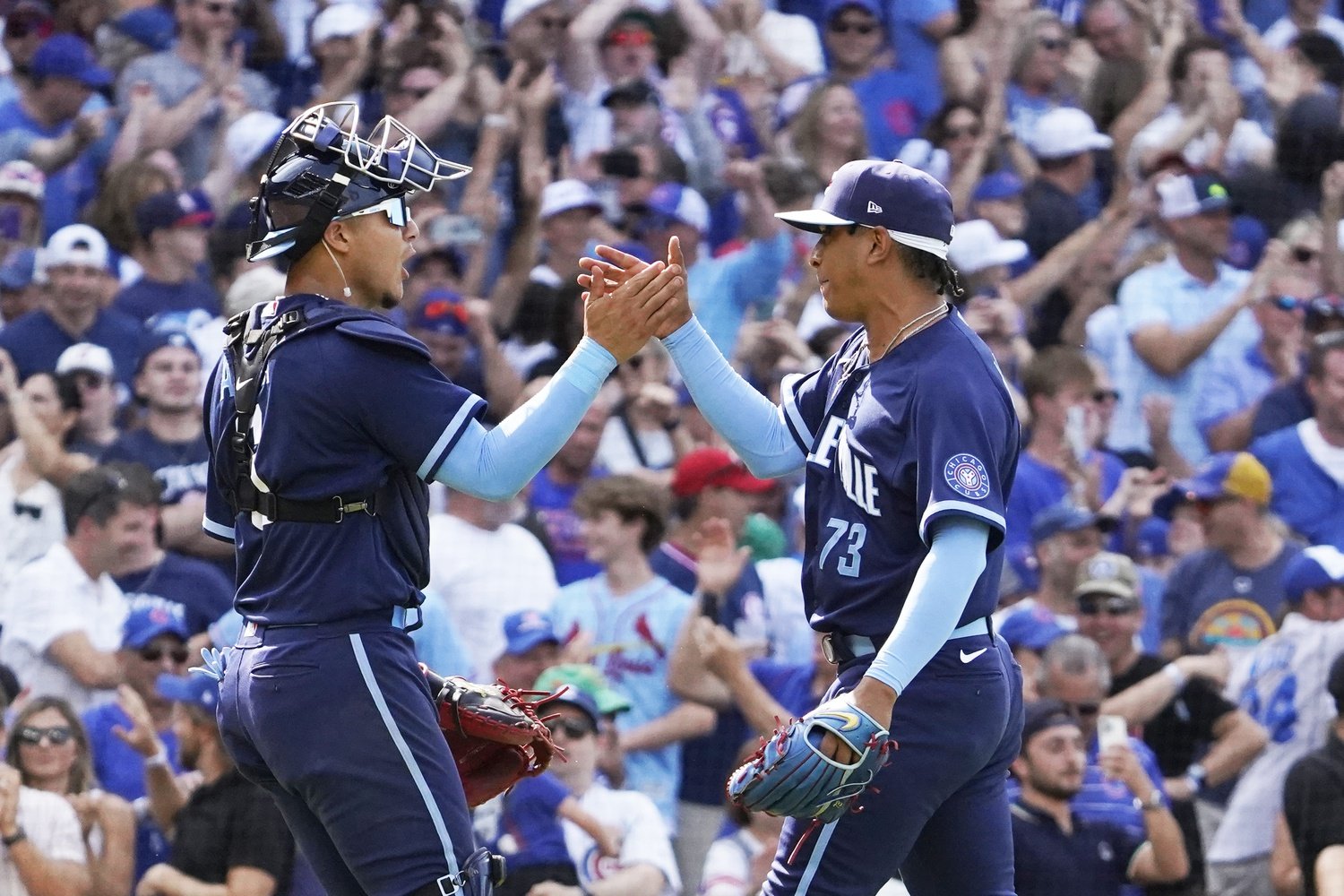 The Cubs are, as of this writing prior to the games of August 9, in possession of the third Wild Card in the National League (by percentage points over the Reds) and just a game and a half back of the Brewers for first in the division. Had you told that to any Cubs fan on Opening Day of the season, odds are that they would have taken this outcome and run. Is that, alone, enough to call this season a success? How about the way the Cubs came out firing on all cylinders after the All-Star break, going 17-8 with recent statement series wins against the (then-)division-leading Reds and the superb Braves? Would the fact that the Cubs defied all the odds and national prognostications that they would be sellers for the third year in a row (instead buying the best rental bat on the market, in Jeimer Candelario) be enough to convince you that this season, no matter how it ends, was a good one? What, ultimately, defines a successful season? How does one fan base attempt to establish the parameters that would aid them in arriving at a consensus? There’s no doubt that question--whether the season was a success or not--will be easier to answer come October. If the Cubs are in the playoffs, it would be a pretty open-and-shut case that this season was positive. If they absolutely implode, cratering closer to the first pick in the draft than first in the division, then most would probably call it a failure. But what happens if the club remains competitive, finishes the season above .500 and misses out on the last Wild Card by a game or two? After watching Frank Schwindel and the Great Minor League Home Run Race of 2022 (between Alexander Canario and Matt Mervis) be the predominant storylines in Cubs fandom in the second half of the last two seasons, isn’t simply having competitive baseball in August and September again a success? This entire discussion is about the Major League team, but there have been important developments down on the farm this year, too--from Owen Cassie’s explosion to Pete Crow-Armstrong cementing himself as a true blue-chip prospect. Further, although the Cubs didn’t add any notable prospect talent at the trade deadline, they also didn’t deal anything away that isn’t from an area of significant strength in this organization. (I will still miss you, Kevin Made.) No matter what, this is not a lost season. It's not anything akin to the utter dysfunction going down on the South Side (sorry, White Sox fans). However, the Cubs have a chance to do something special right now, and falling short of even the first rung on that ladder will feel exceptionally disappointing. The only thing we as fans can do--and the same goes for the players on the team--is take it one game at a time. We can scoreboard-watch like hawks, incessantly and meticulously combing over the schedules of every other National League contender to see exactly how the Cubs can make their way into the big dance, and drive ourselves crazy. There are still two months of games to be played, after all. Maybe the fact that these two months matter so much is enough--or maybe, these two months are just the appetizer for something much bigger.
 -
Saw that too. It'll be an ongoing discussion for fans and the front office alike as long as the Cubs remain competitive. There are two spots on the 40-man right now, but keeping those into the offseason could prove extremely valuable.
-
No matter what side you take, this entire discussion was worth it just to get here
-
Oh trust me, it was intended. All the way. I've been doing the prospect thing for a while now. I've seen enough "can't miss" guys fail and enough "who the hell is he" guys succeed to know it's a crapshoot. And really, that's all it is. A crapshoot. You just gotta keep throwing darts at the board to see what sticks. And that's the point: you have to at least throw the dart. You can't prevent yourself from doing so just because the odds are it won't work. Yea, it'd be great if the Cubs could just have a guaranteed 4 WAR guy at every position on the diamond. But those guys are expensive and you can't just buy every surefire player on the market (at least not this side of George Steinbrenner). You need young guys to come up and produce. Mervis could be one of them. He just needs a chance. That's all I want for him (and every other guy who produces enough at the highest level of the minors to deserve it).
-
Tiger's response is basically perfect (at least in terms of my own opinions on the matter), but to add very quickly: Just because LaHair flamed out doesn't mean Mervis will. It's kinda like going into a new relationship expecting to get cheated on because your ex cheated on you. Like yea, you're gonna protect your heart from the chances it happens again, but the past with someone else doesn't determine the future with someone new (this makes me sound like I love Matt Mervis... don't get me wrong, I'm sure he's swell, but I'd at least like him to take me out to dinner first).
-
New merch idea for the Obvious Shirt store???
-
I don't know. I get what you're saying about Mervis not being an elite prospect and not forming our team plan around him. That's fine and well (and true). But, I mean, what else is the guy supposed to do? He's doing everything at the top-end (like 90th percentile outcome) of his profile in the minors. I'm not advocating the Cubs give him the next two years to figure things out. They HAVE to go into next year with more than what they did this year at first. Obviously. But how in the world is the guy supposed to prove whether he belongs in the majors if he never gets a chance in the majors? He had 99 PA. That's it. And as has been pointed out by others, there are innumerable guys who struggled deeply at first only to improve with more exposure to the bigs (I mean, that's literally the whole point of being a prospect. Adjusting to a new level and then adjusting to that level's adjustments against you.). He won't be Rizzo or Judge or Trout or likely any of the other guys who stumbled badly at first only to become stars later. But every winning team has "good" players who fall short of being elite. Mervis can absolutely become a good player. He just needs a chance. Not an infinite amount of leash. But a chance. And if isn't with the Cubs, it'll be elsewhere.
-
I was debating writing an article on Horton, but seeing where the comments have gone I think I should write one on Brailyn Marquez if I want to steer the discussion in that direction 😅
-
But how do you know if a guy can play in the majors if he doesn't get a chance in the majors? We already know he's better than the competition at Triple A. That question has been answered. The jump from Triple A to the Majors is, by FAR, the biggest developmental curve any player will ever face. It takes so many guys multiple chances to figure it out, and most never do. I'm not saying the Cubs have to give Mervis a terribly long leash, but he already proved what he can at Triple A. Eventually, he has to come back up to the big leagues and see if he can sustain his success there.
-
I think if the Cubs had sold at the deadline this year, Mervis is up right now and playing every single day, trying to work through the last hurdles to become a solid every day player. The Cubs have just found themselves in the fortunate position of needing guys who are 100% ready to go now. Mervis is a futures play. He's more upside than finished product right now. Most guys in the minors are. But you can only know if he'll succeed in the majors by giving him extended run (eventually). If he sucks out of the gate next year, fine. Hopefully the FO has enough foresight to have a backup plan in place. But this kid is a developmental win for the organization. Gotta give him a chance when not in the heat of a playoff push to see if he can become a guy you want during the next playoff chase.
-
Basically the same conclusion I think I've arrived at. This tank wasn't as profound (or elongated) as the Epstein years, but that means the team doesn't have the same top-end talent. Doesn't mean they can't become a true contender in time, but the window isn't as obviously open as before.
-
The only question is will they spend like the Cubs did to supplement such a good, young roster. The Angelos are... frivolous, to put it kindly.
-
I think this is the idea. These Cubs are almost never going to be world series favorites given the lack of impact talent at the top of the farm. But if they can become a consistent threat to get into the postseason, maybe they can catch a lightning in a bottle run.
-
Well put. I agree this team doesn't have the young talent pipeline ready to explode into the majors just yet. But I think this rebuild is ending quicker than the original. There's going to be more cracks as they try to compete on the fly rather than on a planned schedule. Hopefully enough guys stick to make these Cubs competitive for the next 5+ years.
-
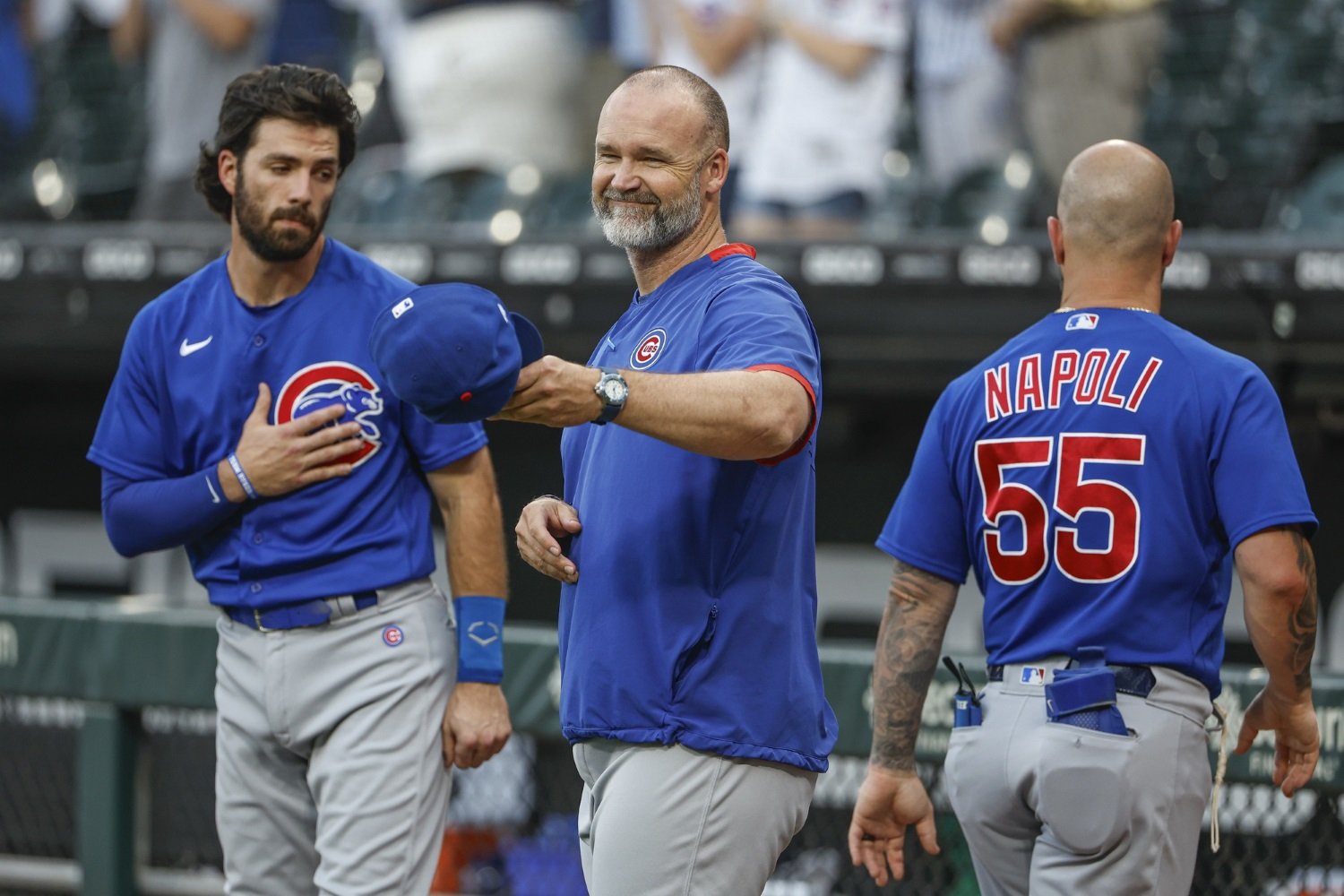 Back in 2015, the Chicago Cubs were on the upswing, in Year Four of then-President of Baseball Operations Theo Epstein’s master five-year plan. Their treasure trove of top prospects–from eventual Rookie of the Year Kris Bryant to the electric Javier Baez–were up in the big leagues and producing the way their scouting reports had promised. It felt as though the team arrived a year early, but those Cubs were ready to prove they belonged, walking into the trade deadline seven games over .500 at 54-47 (though still over 10 games behind the Cardinals for the division lead). That Cubs team, much like this year’s, acted as “soft” buyers at the trade deadline, with their only real, notable move being a small trade to acquire Dan Haren from the Marlins to shore up the fifth spot in their rotation. Nevertheless, they went on to take the NL by storm, riding Jake Arrieta’s otherworldly second half to an easy victory over the Pirates in the NL Wild Card Game. Then, of course, the Cubs announced their arrival to the upper echelon of contenders, finally slaying their bitter rivals, the St. Louis Cardinals, 3-1 in the 2015 NLDS. Now, similar feelings have been evoked after the Cubs bought at the deadline, acquiring corner infielder Jeimer Candelario and relief pitcher José Cuas. Though their record is slightly worse than it was at this time eight years ago, they are actually in better position in both the division and Wild Card standings, thanks to a generally down year across the NL. Certain differences distinguish this year’s team from that legendary 2015 squad. Most of the key contributors on offense this year are established veterans, rather than wildly-hyped prospects. Manager David Ross is still navigating the ins and outs of leading a clubhouse, whereas Joe Maddon was already an established, championship-caliber skipper. Finally, of course, the Cubs were led by Epstein, rather than his protege Jed Hoyer. Yet, there are myriad similarities, too, including the lefty-righty dual aces fronting the rotation (Jon Lester and Arrieta then, Justin Steele and Marcus Stroman now); a power-swinging lefty veteran leading the way in the lineup (Anthony Rizzo and Cody Bellinger); and a formerly anonymous relief pitcher turning himself into a dominant closer almost overnight (Héctor Rondón and Adbert Alzolay). Judging by the difference in young talent leading the way back in 2015, it’s fair to say those Cubs were better positioned for sustained success than this year’s. However, the current Cubs have been careful to avoid the pitfalls that caused that meticulously-constructed roster to collapse. The farm system is deeper now than it was at any point during Epstein’s tenure, notably prioritizing homegrown pitching so as to avoid the prohibitively expensive contracts (or prospect costs in trades) that star pitchers generally demand. This team is also much better at crafting effective bullpens out of scraps, no doubt a lesson learned from the way Maddon abused Aroldis Chapman’s arm in that run to the 2016 title. It remains to be seen what happens the rest of this year, but the deadline should be telling with regard to the Cubs’ strategy going forward: They are ready to win. Much like the three down years that began Epstein’s reign (seasons that featured some prolific trade deadline firesales), the last two years have weighed on Hoyer and Cubs fans alike. Whether the Cubs are truly all-in and target Shohei Ohtani, or whether they prefer to be a little more patient as top prospects Pete Crow-Armstrong, Cade Horton and others rise to the majors, is a mystery for the offseason. Plenty of people compared this winter’s Dansby Swanson signing to the Lester one back in the 2014-2015 offseason (an unofficial declaration that the Cubs were serious about ending their historic championship drought), and perhaps the front office felt the same way. These Cubs, more plucky than electrifying, have long odds staring them down as they try to just make their way into the playoffs. For the first time in years, though, the excitement is palpable on the North Side. Though the teams are constructed differently, and the men in charge of captaining this ship to the promised land have been shifted around in the internal hierarchy, there’s a sense that these Cubs have finally emerged from Rebuild 2.0, eight years after the team that gave them the blueprint on how to go from “Lovable Losers” to World Series contenders.
 -
Was the dress black and blue, or gold and white? What ever happened to those poor llamas? Is Mike Tauchman the new Chris Denorfia? These are the questions of our time. Image courtesy of © Kamil Krzaczynski-USA TODAY Sports Back in 2015, the Chicago Cubs were on the upswing, in Year Four of then-President of Baseball Operations Theo Epstein’s master five-year plan. Their treasure trove of top prospects–from eventual Rookie of the Year Kris Bryant to the electric Javier Baez–were up in the big leagues and producing the way their scouting reports had promised. It felt as though the team arrived a year early, but those Cubs were ready to prove they belonged, walking into the trade deadline seven games over .500 at 54-47 (though still over 10 games behind the Cardinals for the division lead). That Cubs team, much like this year’s, acted as “soft” buyers at the trade deadline, with their only real, notable move being a small trade to acquire Dan Haren from the Marlins to shore up the fifth spot in their rotation. Nevertheless, they went on to take the NL by storm, riding Jake Arrieta’s otherworldly second half to an easy victory over the Pirates in the NL Wild Card Game. Then, of course, the Cubs announced their arrival to the upper echelon of contenders, finally slaying their bitter rivals, the St. Louis Cardinals, 3-1 in the 2015 NLDS. Now, similar feelings have been evoked after the Cubs bought at the deadline, acquiring corner infielder Jeimer Candelario and relief pitcher José Cuas. Though their record is slightly worse than it was at this time eight years ago, they are actually in better position in both the division and Wild Card standings, thanks to a generally down year across the NL. Certain differences distinguish this year’s team from that legendary 2015 squad. Most of the key contributors on offense this year are established veterans, rather than wildly-hyped prospects. Manager David Ross is still navigating the ins and outs of leading a clubhouse, whereas Joe Maddon was already an established, championship-caliber skipper. Finally, of course, the Cubs were led by Epstein, rather than his protege Jed Hoyer. Yet, there are myriad similarities, too, including the lefty-righty dual aces fronting the rotation (Jon Lester and Arrieta then, Justin Steele and Marcus Stroman now); a power-swinging lefty veteran leading the way in the lineup (Anthony Rizzo and Cody Bellinger); and a formerly anonymous relief pitcher turning himself into a dominant closer almost overnight (Héctor Rondón and Adbert Alzolay). Judging by the difference in young talent leading the way back in 2015, it’s fair to say those Cubs were better positioned for sustained success than this year’s. However, the current Cubs have been careful to avoid the pitfalls that caused that meticulously-constructed roster to collapse. The farm system is deeper now than it was at any point during Epstein’s tenure, notably prioritizing homegrown pitching so as to avoid the prohibitively expensive contracts (or prospect costs in trades) that star pitchers generally demand. This team is also much better at crafting effective bullpens out of scraps, no doubt a lesson learned from the way Maddon abused Aroldis Chapman’s arm in that run to the 2016 title. It remains to be seen what happens the rest of this year, but the deadline should be telling with regard to the Cubs’ strategy going forward: They are ready to win. Much like the three down years that began Epstein’s reign (seasons that featured some prolific trade deadline firesales), the last two years have weighed on Hoyer and Cubs fans alike. Whether the Cubs are truly all-in and target Shohei Ohtani, or whether they prefer to be a little more patient as top prospects Pete Crow-Armstrong, Cade Horton and others rise to the majors, is a mystery for the offseason. Plenty of people compared this winter’s Dansby Swanson signing to the Lester one back in the 2014-2015 offseason (an unofficial declaration that the Cubs were serious about ending their historic championship drought), and perhaps the front office felt the same way. These Cubs, more plucky than electrifying, have long odds staring them down as they try to just make their way into the playoffs. For the first time in years, though, the excitement is palpable on the North Side. Though the teams are constructed differently, and the men in charge of captaining this ship to the promised land have been shifted around in the internal hierarchy, there’s a sense that these Cubs have finally emerged from Rebuild 2.0, eight years after the team that gave them the blueprint on how to go from “Lovable Losers” to World Series contenders. View full article
-
I think it's fairly obvious that there are differing opinions on Mervis - both between fans and I'm sure in the FO. It's more than reasonable to not think he's the next big thing at first. But he has to be given more of a chance. Even on a competitive team next year. He's been smoking Triple A pitching for over a year now. He's not the next Rizzo (as I said), but he can be a valuable player on a good team. Giving up on him because "other guys like him have failed before" or because "he's not an exact replica of Rizzo" isn't going to help this team in the long run. If he busts, he busts. Better the Cubs be the team that figures that out.
-
I think Tiger is on the money here. I think calling Mervis a bust after 99 plate appearances in the majors (ESPECIALLY given how prodigious he's been against Triple A pitching) is way too soon. The list of superstars who struggled at first is much longer than the list of guys who came up swinging and never stopped. He's always had his questions - hence why he wasn't even picked (although he almost certainly would've been taken in the sixth round (like Rizzo!) had the 2020 draft not been five rounds). And anyone who suggests that the Cubs go into the offseason with the plan of gifting 1b to Mervis is wrong. And I think the Cubs absolutely want him to seize it. They do not "agree" that he's a bust. They're simply more competitive now than expected. They can't afford for first base to continue being a black hole if Mervis still has to work through some things (or never comes around at all). Trading for Candy was the right move. Giving Mervis more time develop is the right move. Dismissing Mervis because he struggled in a cup of coffee in the middle of May and June is not.
-
If this is how the offseason/next season works out, I owe you however many drinks you can stomach lol. I am completely aboard this train. (Failing the Ohtani signing and ROY wins, re-signing Belli and an Aaron Nola prove it deal would be a nice offseason).
-
I hear what you're saying. It's nice to have the elite teenage prospects with great projectability. But Mervis is 25 now. Rizzo was 22 at the time of the trade to the Cubs. He didn't become an all-star until his age 25 season (in 2014). And Rizzo was a pick straight out of high school in '07 (Mervis was signed out of college). I think the comp, while not exact (Rizzo was always a top prospect, Mervis barely ever got Top 100 consideration), is valid, given they both had monster numbers in Triple A for an extended time and struggled badly in the majors at first. Mervis will never be Rizzo, but to give up on him simply because he's an older prospect would be organizational malpractice.
-
I don't think the Cubs are ready to give up on Mervis - he had 99 PA and his underlying metrics (hard hit rate, barrel %) were above league average. You CANNOT count on him to become the guy at first base, but he needs more chances (don't forget Rizzo was AWFUL for the Padres before the Cubs got him for Cashner and turned him around). I'd love to see Candy re-signed if it's reasonable, but I think Belli is the bigger priority.