Brandon Glick
-
Posts
1,153 -
Joined
-
Last visited
Content Type
Profiles
Joomla Posts 1
Chicago Cubs Videos
Chicago Cubs Free Agent & Trade Rumors, Notes, & Tidbits
2026 Chicago Cubs Top Prospects Ranking
News
2023 Chicago Cubs Draft Picks
Guides & Resources
2024 Chicago Cubs Draft Picks
The Chicago Cubs Players Project
2025 Chicago Cubs Draft Pick Tracker
2026 Chicago Cubs Draft Tracker: Picks & Bonuses
Blogs
Events
Forums
Store
Gallery
Everything posted by Brandon Glick
-
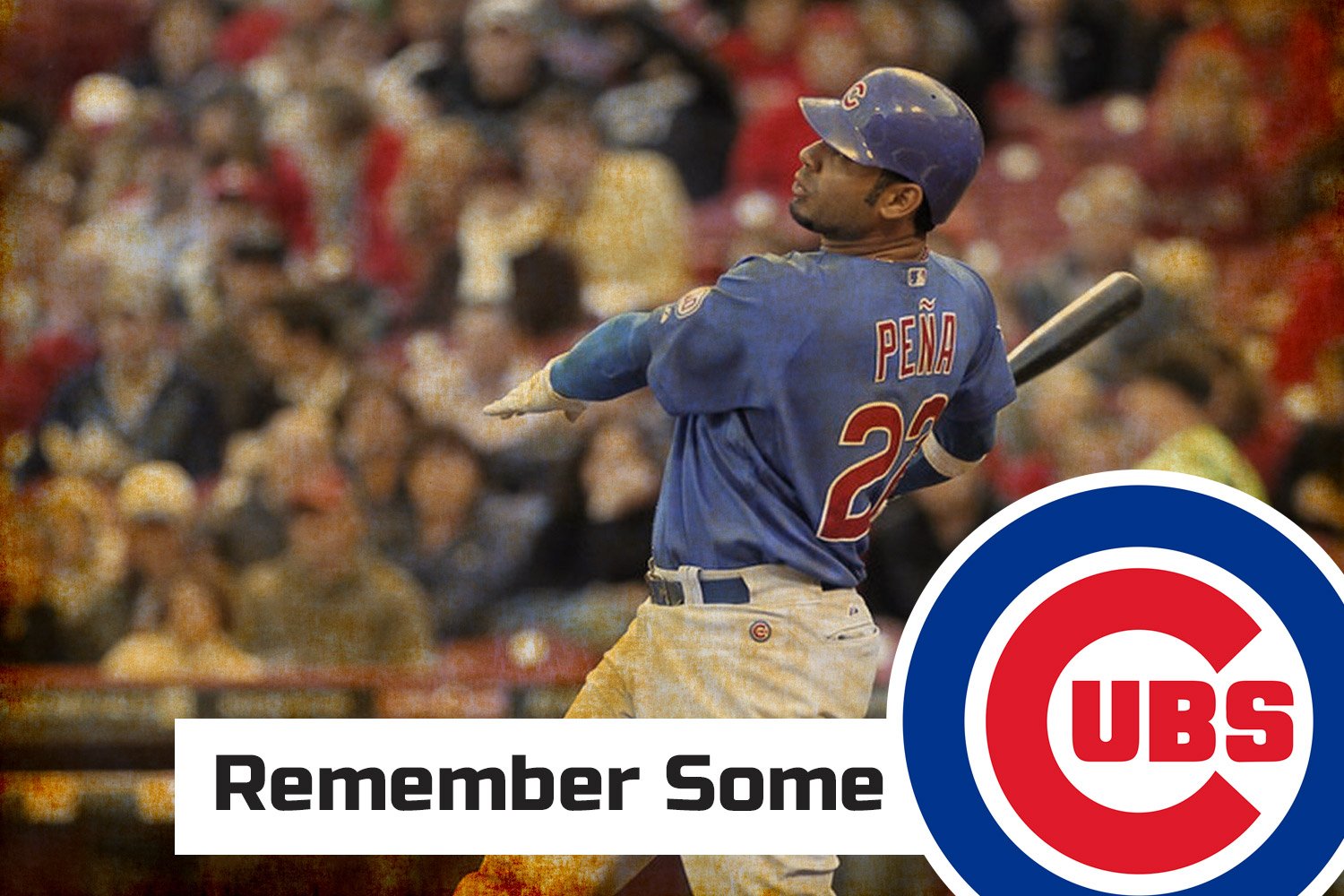 Now, that’s an unceremonious way to introduce Carlos Pena, he of 286 career home runs and two top-10 MVP finishes. He’s most certainly remembered more fondly for his tenure with the Tampa Bay [Devil] Rays, averaging 32 homers and 92 RBIs over five seasons. However, Peña would go on to sign a one-year, $10 million deal with the Cubs in free agency following the departure of long-time staple Derrek Lee (who will eventually get some love in his own addition to this series), with the Cubs hoping to provide Aramis Ramirez (ditto for him) some left-handed protection in the lineup. In retrospect, the Cubs have done well for themselves at first base over the last 15 or so years. Lee signed a successful five-year, $65 million deal that lasted until the 2010 deadline, and by the end of 2012, Anthony Rizzo was entrenched as the everyday man at the “cold corner.” In 2011, though, Peña held that role, giving the Cubs exactly what they wanted: 28 home runs, 80 RBIs, and an .819 OPS across 153 games. He was reliable and powerful and seamlessly helped the Cubs transition between franchise first basemen. His uppercut, lefty swing is somewhat reminiscent of an old Cubs heel, Brewers legend Prince Fielder, though Peña was always (ironically) a better fielder than Fielder. He won a Gold Glove with the Rays and was widely considered among the best defensive first basemen., Though the Cubs may have gotten him while he was aging out of his prime, Peña was a fun Cub to watch. The 2011 Cubs flamed out early and finished fifth in the division that year (out of sixth since the last-place Astros had yet to defect to the AL West). Theo Epstein would come in the next season and clean house, beginning his fabled “five-year plan” to build a World Series winner. Peña and the other veterans on the team were shown the door for the incoming youth movement, though their contributions to a fledgling team mired in a century-long curse were noteworthy. Of all the players throughout the storied history of the Cubs, Peña is an oddball choice to kick off a series like this. A one-year tenured player whose best days were with other franchises may not sound like a “legend” in the colloquial sense of the word, but Peña encapsulated so much of the “lovable losers” charm. Though fans nowadays will know him more for his occasional comments on Marquee, Peña was still a productive Cub. It also doesn’t hurt that he was one of the first players I remember considering a “favorite” as I was growing up a Cubs fan. And, hey, isn’t reminiscing on “our” guys the purpose of a series like this in the first place? If you have any Cubs players, executives, or coaches - historically noteworthy or otherwise - that you’d like to see get this treatment, please leave a comment below!
 -
Like Rick Renteria before him, David Ross has been backstabbed by a publicly supportive front office, which spurned him for a small-market wunderkind. Though cruel, the team will reap the benefits for years to come. Image courtesy of © Allan Henry-USA TODAY Sports When I wrote my piece advocating for the Cubs to fire David Ross, I did it with the pretense that it was more suggestive than practical. In that article, I mentioned my love for Ross, the person, and my appreciation for what he had done leading the team through that soul-crushing firesale in 2021. However, the statement I ended with has proven prescient: “The Cubs are ready to be competitive again right now. Hoyer has put together a roster with a window in the process of being propped open. The time for Ross to improve as a manager is up. If he’s not ready now, the Cubs need to move on.”. Well, move on, the Cubs have, as they announced the stunning hire of former Milwaukee Brewers manager Craig Counsell on Monday afternoon. In my follow-up to that first article (where the comment section was NOT in agreement with me), I said, "A decade ago, during the first rebuild under Theo Epstein, Rick Renteria was brought in as manager to help guide the Cubs through some lean rebuilding years. Then, [Joe] Maddon was made available by the Rays, and the Cubs capitalized and brought him in despite previously promising that Renteria would return for the 2015 season. The move worked quite well, as the Cubs went to three straight National League Championship Series under the stewardship of Maddon. There may not be a free agent coach of that caliber available this winter (unless Craig Counsell spurns both the Brewers and new Mets’ boss David Stearns to join the Cubs), but there are better options than Ross.”. I’m not here to toot my own horn, though. There’s an actual human cost to moves like this, and I’m sure Ross was blindsided by the sudden betrayal of a front office that had defended him at every turn. He’s beloved in the clubhouse and will always be a Chicago legend for helping guide that legendary 2016 team to the title. As fans, though, we want what’s best for the team. I wrote those articles advocating for the firing of Ross not because he was a bad manager but because he wasn’t a particularly good one. Craig Counsell is indeed a good one. I do not doubt that some Cubs fans will have a sour taste in their mouth from the proceedings of all this. It’s eerily similar to the Renteria-Maddon situation, though Renteria was only with the Cubs for a year and wasn’t a beloved player beforehand. Ross got specifically selected for this job by Hoyer once Maddon was let go, and the Cubs made sure everyone understood that it was a long-term play. Ross was a baseball lifer with much to offer, but much like a prospect rising to the majors, he would need time to develop and hone his craft. Unfortunately for Ross, the timeline of a franchise isn’t inextricable from the development of its head coach. The Cubs accelerated their competitive window with the Dansby Swanson signing last offseason, doubled down on it with the Jeimer Candelario trade at the 2023 trade deadline, and then proceeded to watch the team that usurped them in the playoff standings go on to win the National League pennant. The Cubs could have easily run it back with Ross following another aggressive offseason, putting a “playoffs-or-bust” ultimatum on his head before the season. The clubhouse, the front office, the media, and the fans were all familiar with Ross and his cadences, and no one in the national media was lighting them up for keeping their incumbent (even if I was). Instead, the Cubs declined the comfortability of Ross, electing to put a target on their backs by stealing one of the best managers in baseball from their division rival. There will be plenty of complaining from teams (if not publicly, then privately) about the Cubs willingly resetting the managerial market with the enormous price tag for Counsell. The deal is enormous, but it won’t count on the Cubs’ bottom line for the luxury tax. It’s a savvy way of greatly improving the team without hampering their flexibility to make other player-related moves. The hope is the Cubs will continue to flex that financial muscle over the offseason, though even if they’re more skittish than they were with Counsell, the Cubs have yanked their contention window wide open. It’s a loud and boisterous move, rather than the more subtle climb to contention teams like the Diamondbacks and Orioles showcased this year, but it’s effective all the same (don’t forget the Rangers quite literally bought their way to a title this year). It’ll be many, many years before the final receipts on this decision can be graded. Perhaps Ross will go elsewhere and become the manager the Cubs front office always envisioned he could be, or maybe he’ll refrain from managing following this. Counsell might follow in the footsteps of Maddon, or he could become a cautionary tale in spending big on a manager when you already have a competent one in place. No matter how this all plays out, though, the Cubs just proved to everyone that they are serious. No stone will be left unturned as the team tries to maneuver its way into annual title contention. That, more than anything, is why the Counsell move had to happen - it’s why the Cubs had to fire David Ross once Counsell became available. The team is ready to win, and now the rest of the league knows that too. View full article
-
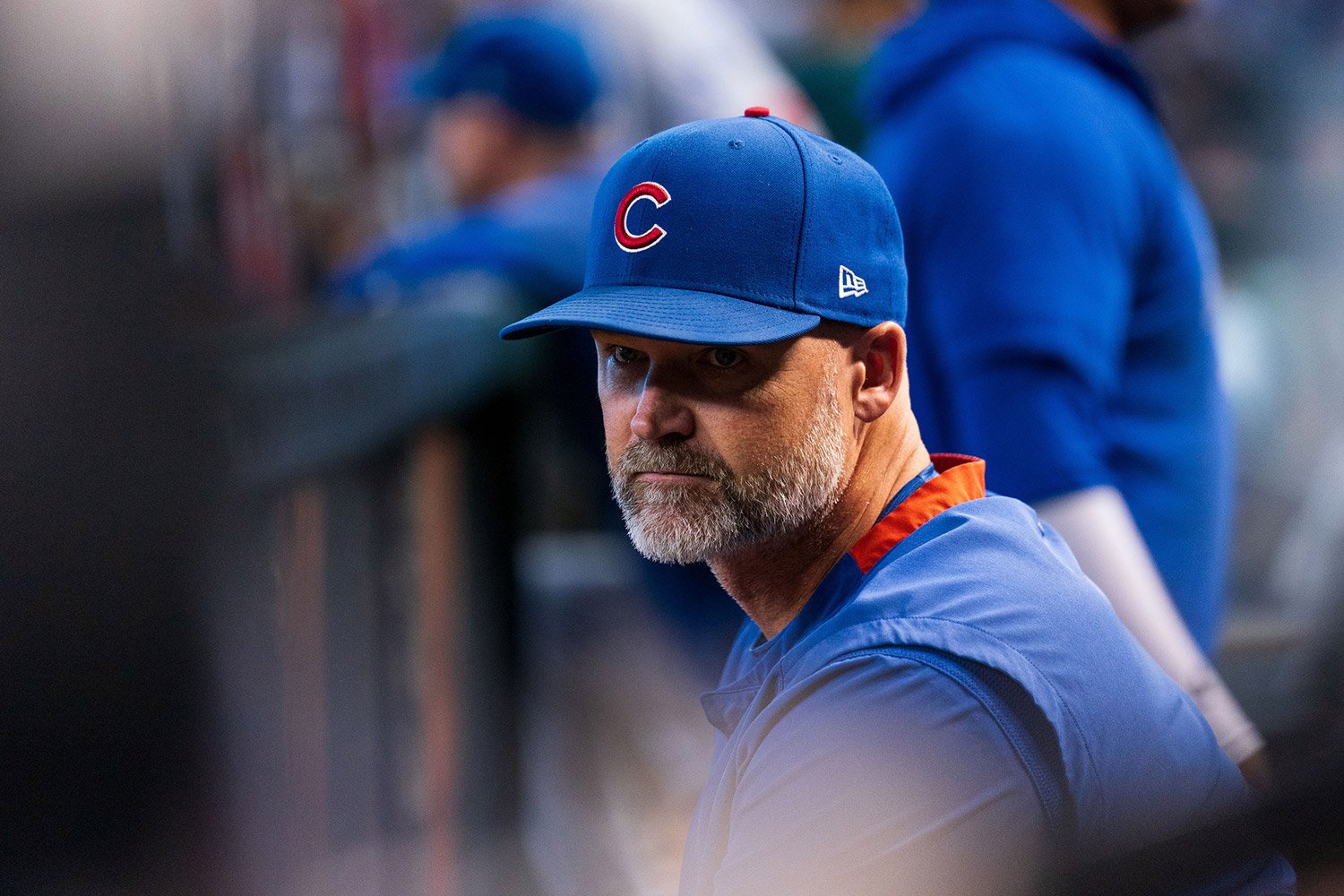 When I wrote my piece advocating for the Cubs to fire David Ross, I did it with the pretense that it was more suggestive than practical. In that article, I mentioned my love for Ross, the person, and my appreciation for what he had done leading the team through that soul-crushing firesale in 2021. However, the statement I ended with has proven prescient: “The Cubs are ready to be competitive again right now. Hoyer has put together a roster with a window in the process of being propped open. The time for Ross to improve as a manager is up. If he’s not ready now, the Cubs need to move on.”. Well, move on, the Cubs have, as they announced the stunning hire of former Milwaukee Brewers manager Craig Counsell on Monday afternoon. In my follow-up to that first article (where the comment section was NOT in agreement with me), I said, "A decade ago, during the first rebuild under Theo Epstein, Rick Renteria was brought in as manager to help guide the Cubs through some lean rebuilding years. Then, [Joe] Maddon was made available by the Rays, and the Cubs capitalized and brought him in despite previously promising that Renteria would return for the 2015 season. The move worked quite well, as the Cubs went to three straight National League Championship Series under the stewardship of Maddon. There may not be a free agent coach of that caliber available this winter (unless Craig Counsell spurns both the Brewers and new Mets’ boss David Stearns to join the Cubs), but there are better options than Ross.”. I’m not here to toot my own horn, though. There’s an actual human cost to moves like this, and I’m sure Ross was blindsided by the sudden betrayal of a front office that had defended him at every turn. He’s beloved in the clubhouse and will always be a Chicago legend for helping guide that legendary 2016 team to the title. As fans, though, we want what’s best for the team. I wrote those articles advocating for the firing of Ross not because he was a bad manager but because he wasn’t a particularly good one. Craig Counsell is indeed a good one. I do not doubt that some Cubs fans will have a sour taste in their mouth from the proceedings of all this. It’s eerily similar to the Renteria-Maddon situation, though Renteria was only with the Cubs for a year and wasn’t a beloved player beforehand. Ross got specifically selected for this job by Hoyer once Maddon was let go, and the Cubs made sure everyone understood that it was a long-term play. Ross was a baseball lifer with much to offer, but much like a prospect rising to the majors, he would need time to develop and hone his craft. Unfortunately for Ross, the timeline of a franchise isn’t inextricable from the development of its head coach. The Cubs accelerated their competitive window with the Dansby Swanson signing last offseason, doubled down on it with the Jeimer Candelario trade at the 2023 trade deadline, and then proceeded to watch the team that usurped them in the playoff standings go on to win the National League pennant. The Cubs could have easily run it back with Ross following another aggressive offseason, putting a “playoffs-or-bust” ultimatum on his head before the season. The clubhouse, the front office, the media, and the fans were all familiar with Ross and his cadences, and no one in the national media was lighting them up for keeping their incumbent (even if I was). Instead, the Cubs declined the comfortability of Ross, electing to put a target on their backs by stealing one of the best managers in baseball from their division rival. There will be plenty of complaining from teams (if not publicly, then privately) about the Cubs willingly resetting the managerial market with the enormous price tag for Counsell. The deal is enormous, but it won’t count on the Cubs’ bottom line for the luxury tax. It’s a savvy way of greatly improving the team without hampering their flexibility to make other player-related moves. The hope is the Cubs will continue to flex that financial muscle over the offseason, though even if they’re more skittish than they were with Counsell, the Cubs have yanked their contention window wide open. It’s a loud and boisterous move, rather than the more subtle climb to contention teams like the Diamondbacks and Orioles showcased this year, but it’s effective all the same (don’t forget the Rangers quite literally bought their way to a title this year). It’ll be many, many years before the final receipts on this decision can be graded. Perhaps Ross will go elsewhere and become the manager the Cubs front office always envisioned he could be, or maybe he’ll refrain from managing following this. Counsell might follow in the footsteps of Maddon, or he could become a cautionary tale in spending big on a manager when you already have a competent one in place. No matter how this all plays out, though, the Cubs just proved to everyone that they are serious. No stone will be left unturned as the team tries to maneuver its way into annual title contention. That, more than anything, is why the Counsell move had to happen - it’s why the Cubs had to fire David Ross once Counsell became available. The team is ready to win, and now the rest of the league knows that too.
- 6 comments
-
- 1
-

-
- david ross
- craig counsell
- (and 3 more)
-
In a reprise of the same moment in 2014, the Chicago Cubs have hired a small-market guru in favor of the incumbent manager they’d previously publicly supported. Will the Craig Counsell move yield similar dividends to the Joe Maddon hire, or will the baseball gods deliver the Cubs their karmic comeuppance? Image courtesy of © Benny Sieu-USA TODAY Sports Normally, when I get a text from my father on a Monday afternoon, it’s related to our juggernaut fantasy football team (eight finals appearances in eleven years… don’t ask me about our record in said finals) or laughing at the weekly incompetence of the New York Jets and Giants. So when I got a text from him that read “Ross we hardly knew ya,” I was confused, to say the least. Before I could respond with a simple question mark, his next text came through: “Hello Craig Counsell.” While I can’t share more from our conversation beyond that (my responses may or may not have included some NSFW language), suffice it to say that my head was spinning. I wrote a companion article to this one as a topper to my on-the-fly trilogy about David Ross, so I won’t belabor the issues I had with him as a manager here. What I will say is that the Cubs improved a lot with this move. It’s hard to quantify the exact value a manager or head coach brings to his team in any sport, but baseball is arguably the hardest. There are intangible qualities that the average fan never sees. Nor do they make an obvious impact on any single game. Characteristics like being communicative with the front office and managing players' egos and personalities (things at which Ross excelled) are more about the “culture” of a team. That vague-seeming phrase means a lot of things in a lot of contexts, but for all of Ross’s faults as a manager, there’s no denying that he led the Cubs admirably through some tough times and lean years. Now, though, the Cubs are on the doorstep of annual contention, falling one win shy of the playoffs (the team they finished just below, the Arizona Diamondbacks, went on to win the National League pennant in case you slept through October). This move announces the Cubs not only as serious about winning, but also as serious players in a topheavy free agent class and trading market. Counsell is very highly regarded around the game. That's why the secrecy behind the move stunned as many as it did. It’s rare to see a coach be courted with the fervor and publicity that Counsell received, especially given his ties to other big-market organizations with managerial openings (David Stearns and the New York Mets). If you want to see more about exactly what Counsell does so well, check out Matt Trueblood’s article here, but regardless of the improvement he brings to the team’s win-loss record, the move is symbolic of the team’s direction. When the Cubs made their move for Joe Maddon almost exactly nine years ago, it was perceived around the sport as the team’s first foray into serious contention under the stewardship of Theo Epstein. Now, the same can be said for Counsell and Jed Hoyer. David Ross and Rick Renteria aren’t equals in Cubs lore, but they do pose as strikingly similar sacrifices for the “good of the team”. As Hoyer pointed out in his press conference at the GM meetings on Tuesday, over the last four full seasons, the lowest seed has won the National League pennant. While the pressure ratchets up in August and September (which we saw with the Cubs' collapse this year), the wins mean just as much in April and May. Simply making the playoffs is enough to be considered a “true title threat” nowadays; as such, consistently making it every year is the goal. Counsell may not have a World Series trophy on his mantle just yet, but neither did Maddon when he signed a then-record contract with the Cubs in 2014. Some fans will love this move, while others will merely shrug their shoulders. A select few will pan it, complaining about the hefty contract Counsell got (five years, $40 million, the most ever for a manager in baseball) and his previous postseason failures. While I can’t speak for everyone, I can say this: Cubs baseball feels rejuvenated today. The Cubs finally posted a record above .500 again, and yet the year fell flat due to the awful baseball played in the 2023 season’s most important weeks. There was hope that the Cubs would spend enough to amplify this roster to the point of being the favorite in the NL Central, but questions remained following the spending spree last offseason. Now, though? Now the Cubs are back in business. The front office fired its hand-picked guy, going full Evil Empire-era Yankees and pulling a big-market flex by signing Counsell away from their division rival. Though you can’t guarantee this move will work out, the Cubs wouldn’t have made it if they didn’t like their chances. The Cubs will be aggressive this offseason. They’ll trade prospects and hand out money to brand-name free agents. Hopefully, this Counsell signing means the end of the Eric Hosmer-style reclamation project days, and instead ushers in a new era of sustained Cubs dominance--one in which the players, much like their new manager, want to be in Chicago. From here, all fans can do is wait for the (hopefully) transaction-heavy offseason and the start of next year. Expectations will return for a team that now just has one remaining member of the 2016 squad (Kyle Hendricks), though they have the right man in place to run the show. Counsell may be supplanting a franchise icon, but he’ll have plenty of time to write a Cubs legacy of his own. View full article
-
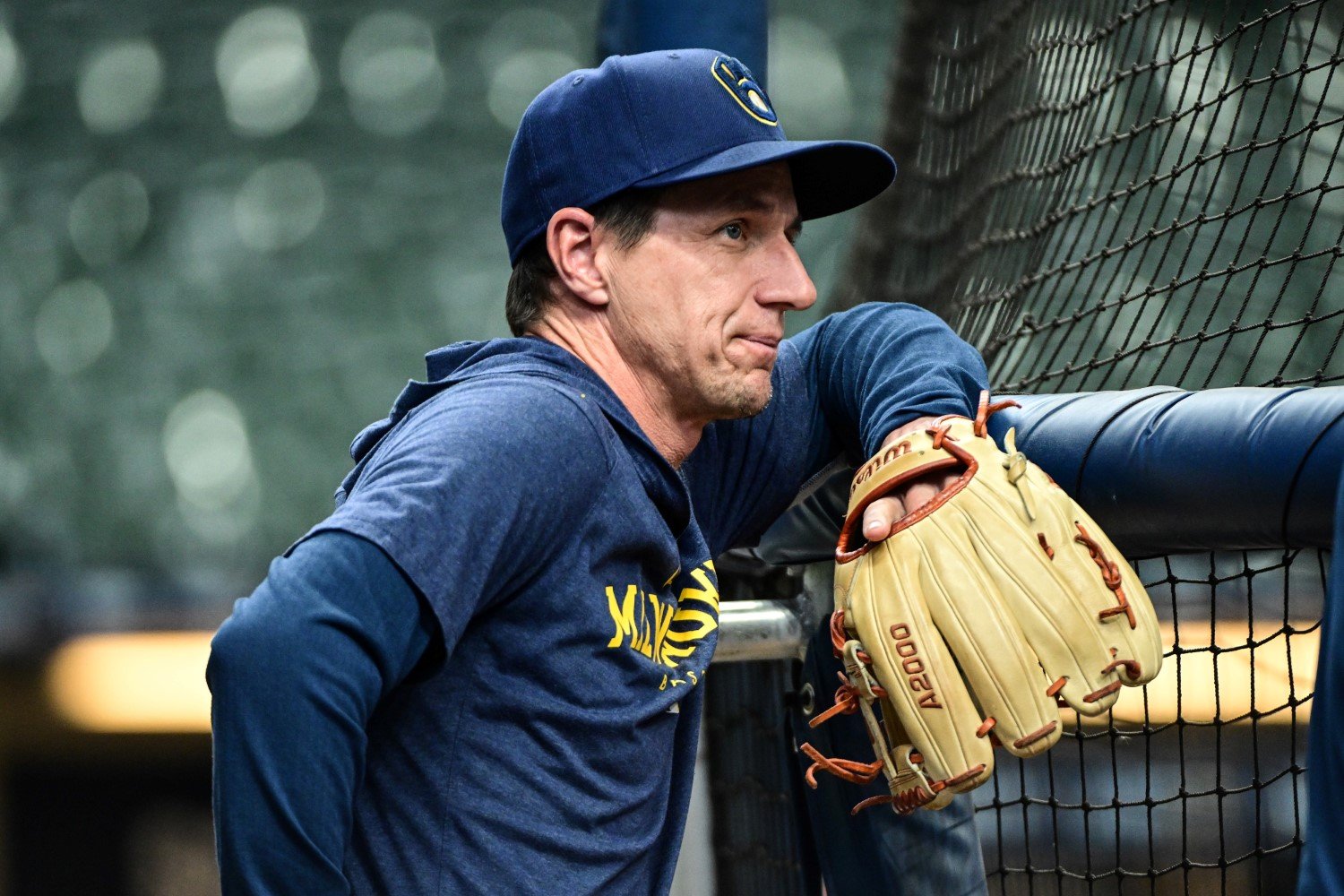 Normally, when I get a text from my father on a Monday afternoon, it’s related to our juggernaut fantasy football team (eight finals appearances in eleven years… don’t ask me about our record in said finals) or laughing at the weekly incompetence of the New York Jets and Giants. So when I got a text from him that read “Ross we hardly knew ya,” I was confused, to say the least. Before I could respond with a simple question mark, his next text came through: “Hello Craig Counsell.” While I can’t share more from our conversation beyond that (my responses may or may not have included some NSFW language), suffice it to say that my head was spinning. I wrote a companion article to this one as a topper to my on-the-fly trilogy about David Ross, so I won’t belabor the issues I had with him as a manager here. What I will say is that the Cubs improved a lot with this move. It’s hard to quantify the exact value a manager or head coach brings to his team in any sport, but baseball is arguably the hardest. There are intangible qualities that the average fan never sees. Nor do they make an obvious impact on any single game. Characteristics like being communicative with the front office and managing players' egos and personalities (things at which Ross excelled) are more about the “culture” of a team. That vague-seeming phrase means a lot of things in a lot of contexts, but for all of Ross’s faults as a manager, there’s no denying that he led the Cubs admirably through some tough times and lean years. Now, though, the Cubs are on the doorstep of annual contention, falling one win shy of the playoffs (the team they finished just below, the Arizona Diamondbacks, went on to win the National League pennant in case you slept through October). This move announces the Cubs not only as serious about winning, but also as serious players in a topheavy free agent class and trading market. Counsell is very highly regarded around the game. That's why the secrecy behind the move stunned as many as it did. It’s rare to see a coach be courted with the fervor and publicity that Counsell received, especially given his ties to other big-market organizations with managerial openings (David Stearns and the New York Mets). If you want to see more about exactly what Counsell does so well, check out Matt Trueblood’s article here, but regardless of the improvement he brings to the team’s win-loss record, the move is symbolic of the team’s direction. When the Cubs made their move for Joe Maddon almost exactly nine years ago, it was perceived around the sport as the team’s first foray into serious contention under the stewardship of Theo Epstein. Now, the same can be said for Counsell and Jed Hoyer. David Ross and Rick Renteria aren’t equals in Cubs lore, but they do pose as strikingly similar sacrifices for the “good of the team”. As Hoyer pointed out in his press conference at the GM meetings on Tuesday, over the last four full seasons, the lowest seed has won the National League pennant. While the pressure ratchets up in August and September (which we saw with the Cubs' collapse this year), the wins mean just as much in April and May. Simply making the playoffs is enough to be considered a “true title threat” nowadays; as such, consistently making it every year is the goal. Counsell may not have a World Series trophy on his mantle just yet, but neither did Maddon when he signed a then-record contract with the Cubs in 2014. Some fans will love this move, while others will merely shrug their shoulders. A select few will pan it, complaining about the hefty contract Counsell got (five years, $40 million, the most ever for a manager in baseball) and his previous postseason failures. While I can’t speak for everyone, I can say this: Cubs baseball feels rejuvenated today. The Cubs finally posted a record above .500 again, and yet the year fell flat due to the awful baseball played in the 2023 season’s most important weeks. There was hope that the Cubs would spend enough to amplify this roster to the point of being the favorite in the NL Central, but questions remained following the spending spree last offseason. Now, though? Now the Cubs are back in business. The front office fired its hand-picked guy, going full Evil Empire-era Yankees and pulling a big-market flex by signing Counsell away from their division rival. Though you can’t guarantee this move will work out, the Cubs wouldn’t have made it if they didn’t like their chances. The Cubs will be aggressive this offseason. They’ll trade prospects and hand out money to brand-name free agents. Hopefully, this Counsell signing means the end of the Eric Hosmer-style reclamation project days, and instead ushers in a new era of sustained Cubs dominance--one in which the players, much like their new manager, want to be in Chicago. From here, all fans can do is wait for the (hopefully) transaction-heavy offseason and the start of next year. Expectations will return for a team that now just has one remaining member of the 2016 squad (Kyle Hendricks), though they have the right man in place to run the show. Counsell may be supplanting a franchise icon, but he’ll have plenty of time to write a Cubs legacy of his own.
 -
Shame you guys didn't read the article. Maybe you would have seen the move coming!
-
For the second year in a row, the Philadelphia Phillies are in the NLCS, and they’re the favorites to win what would be their second consecutive National League pennant. The way they’ve assembled their embarrassment of riches should provide the Cubs with all the answers they need to return to the biggest stage in baseball. Image courtesy of © Bill Streicher-USA TODAY Sports Even if you didn’t know it, you probably wouldn’t be surprised to learn that the guy running the Phillies is Dave Dombrowski. The eccentric executive has long been known for his wheeling and dealing, in both the trade and free-agent markets. He’s got something of a reputation for “draining and ditching,” whereby he spends all of a team’s budget and blows up the farm system in search of the very best players in baseball in an all-out hunt for a World Series title. That framing sounds pessimistic, and fans of teams whose farm fields he has left fallow do genuinely feel jilted, but the approach has yielded some pretty impressive results. He was the architect of the 2000s and early 2010s Detroit Tigers, teams who went to multiple World Series and had multiple MVPs and Cy Youngs on the roster at all times. Following that, he helmed the ship for the 2018 Boston Red Sox, who watched as MVP Mookie Betts and superstar Chris Sale shepherded them to their fourth title in 15 years. Dombrowski is also credited as the guy who assembled most of the Miami Marlins’ cores that won in 1997 and 2003. The track record is undeniable, and the Phillies are now the beneficiaries of Dombrowski’s go-for-broke style. This piece isn’t a request that the Cubs replace Jed Hoyer with Dombrowski--there’s no world in which that happens, for several reasons. Rather, I want to look at how the Cubs can replicate the consistent success Dombrowski has had at each of his stops. After the Phillies beat the Braves in the NLDS this year (in a carbon copy from last year’s 3-1 series win), Bryce Harper had this to say about the Phillies loaded roster: “That’s why you spend the money, baby.”. Those are sentiments echoed by Dombrowski many times over the years, from his blockbuster trades for Miguel Cabrera (from the Marlins to the Tigers) and Sale (from the Chicago White Sox to the Red Sox) to his lucrative free-agent signings like Prince Fielder, David Price, and Trea Turner. Dombrowski has also always done a commendable job flanking those franchise faces with other stars, like Victor Martinez on the Tigers or JD Martinez on the Red Sox--or, now, Nick Castellanos and Kyle Schwarber with the Phillies. It’s an approach reminiscent of the George Steinbrenner New York Yankees days, where the motto was simply: “Get all the best players and figure it out later”. It’s the stars that often dominate baseball’s biggest stage. For every Cinderella run fueled by an unsung hero, there are three teams being carried to glory by their annual awards candidates. The fun and pluckiness of this year’s Arizona Diamondbacks (themselves charged by the star power of rookie sensation Corbin Carroll and ace Zac Gallen) pales in comparison to the raw talent of the Texas Rangers, Houston Astros and Phillies. The Cubs have the capacity to spend on par with, if not beyond, all of those teams. Their looming decision with Cody Bellinger (expertly explored in this Athletic piece) is a big one, and should they let him walk, their decision will be even more in question following this year’s World Series, which is guaranteed to feature one of Corey Seager or Yordan Alvarez likely adding to their legendary postseason resumes with monster World Series performances. Hoyer (and, by proxy, the rest of the Cubs front office) is more deliberate in his team-building than the free-spending nature of the Phillies or Rangers. The Cubs are trying to emulate teams like the Los Angeles Dodgers and, dare I say, rival St. Louis Cardinals, in their annual and seemingly perpetual excellence. Yet, for all the regular-season and historical success of those teams, they’ve combined for the same number of World Series wins as the Cubs over the last decade (one). Their formula is clearly potent, but a lot of that magic seems to wear off once the calendar flips to October. Baseball is different from basketball or even football in the sense that “ring culture” doesn’t permeate everything. As Giannis Antentokoumpo would say: “a season isn’t a failure just because you don’t win it all”. The baseball season is long. Keeping fans engaged with a fun team full of exciting players is still a “win” in the sports-entertainment business, even if the season doesn’t end on a win in the World Series. However, that’s still the ultimate goal. That’s why we’re fans, why the players train so hard and why the front office is employed. That’s what the collective that forms a team and its fanbase is working towards. The Cubs don’t need to penny-pinch, nor overly protect every prospect in a trade negotiation. They won’t spend like Dombrowski, but they can’t operate like the Oakland Athletics. The Cubs proved this season that they’re capable and ready to make it back to the postseason. Hopefully, there’s enough foresight from Hoyer and company to build a roster capable of winning once the Cubs are back there. View full article
-
The Phillies are the Blueprint for the Cubs: Buy Stars, Figure it Out Later
Brandon Glick posted an article in Cubs
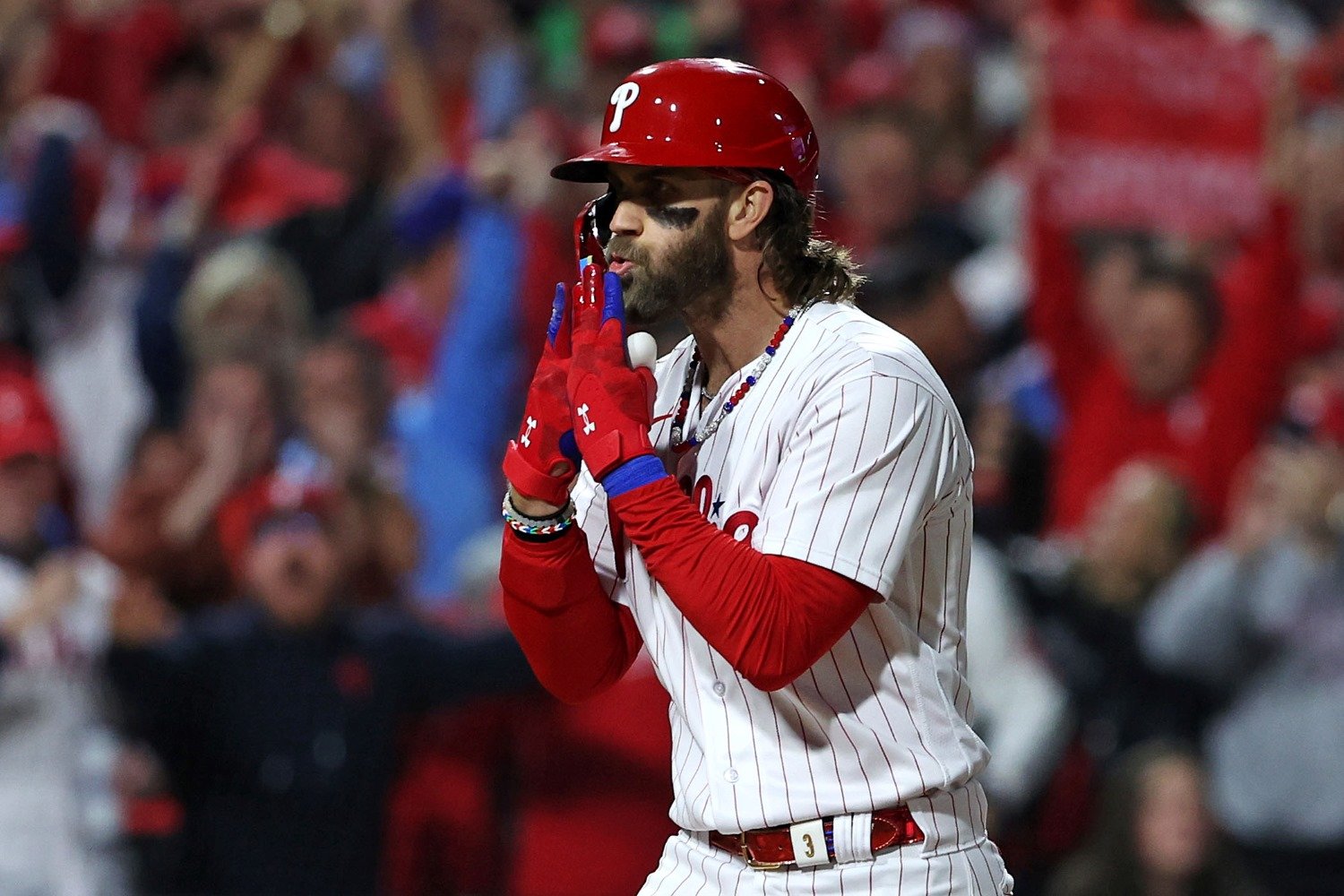 Even if you didn’t know it, you probably wouldn’t be surprised to learn that the guy running the Phillies is Dave Dombrowski. The eccentric executive has long been known for his wheeling and dealing, in both the trade and free-agent markets. He’s got something of a reputation for “draining and ditching,” whereby he spends all of a team’s budget and blows up the farm system in search of the very best players in baseball in an all-out hunt for a World Series title. That framing sounds pessimistic, and fans of teams whose farm fields he has left fallow do genuinely feel jilted, but the approach has yielded some pretty impressive results. He was the architect of the 2000s and early 2010s Detroit Tigers, teams who went to multiple World Series and had multiple MVPs and Cy Youngs on the roster at all times. Following that, he helmed the ship for the 2018 Boston Red Sox, who watched as MVP Mookie Betts and superstar Chris Sale shepherded them to their fourth title in 15 years. Dombrowski is also credited as the guy who assembled most of the Miami Marlins’ cores that won in 1997 and 2003. The track record is undeniable, and the Phillies are now the beneficiaries of Dombrowski’s go-for-broke style. This piece isn’t a request that the Cubs replace Jed Hoyer with Dombrowski--there’s no world in which that happens, for several reasons. Rather, I want to look at how the Cubs can replicate the consistent success Dombrowski has had at each of his stops. After the Phillies beat the Braves in the NLDS this year (in a carbon copy from last year’s 3-1 series win), Bryce Harper had this to say about the Phillies loaded roster: “That’s why you spend the money, baby.”. Those are sentiments echoed by Dombrowski many times over the years, from his blockbuster trades for Miguel Cabrera (from the Marlins to the Tigers) and Sale (from the Chicago White Sox to the Red Sox) to his lucrative free-agent signings like Prince Fielder, David Price, and Trea Turner. Dombrowski has also always done a commendable job flanking those franchise faces with other stars, like Victor Martinez on the Tigers or JD Martinez on the Red Sox--or, now, Nick Castellanos and Kyle Schwarber with the Phillies. It’s an approach reminiscent of the George Steinbrenner New York Yankees days, where the motto was simply: “Get all the best players and figure it out later”. It’s the stars that often dominate baseball’s biggest stage. For every Cinderella run fueled by an unsung hero, there are three teams being carried to glory by their annual awards candidates. The fun and pluckiness of this year’s Arizona Diamondbacks (themselves charged by the star power of rookie sensation Corbin Carroll and ace Zac Gallen) pales in comparison to the raw talent of the Texas Rangers, Houston Astros and Phillies. The Cubs have the capacity to spend on par with, if not beyond, all of those teams. Their looming decision with Cody Bellinger (expertly explored in this Athletic piece) is a big one, and should they let him walk, their decision will be even more in question following this year’s World Series, which is guaranteed to feature one of Corey Seager or Yordan Alvarez likely adding to their legendary postseason resumes with monster World Series performances. Hoyer (and, by proxy, the rest of the Cubs front office) is more deliberate in his team-building than the free-spending nature of the Phillies or Rangers. The Cubs are trying to emulate teams like the Los Angeles Dodgers and, dare I say, rival St. Louis Cardinals, in their annual and seemingly perpetual excellence. Yet, for all the regular-season and historical success of those teams, they’ve combined for the same number of World Series wins as the Cubs over the last decade (one). Their formula is clearly potent, but a lot of that magic seems to wear off once the calendar flips to October. Baseball is different from basketball or even football in the sense that “ring culture” doesn’t permeate everything. As Giannis Antentokoumpo would say: “a season isn’t a failure just because you don’t win it all”. The baseball season is long. Keeping fans engaged with a fun team full of exciting players is still a “win” in the sports-entertainment business, even if the season doesn’t end on a win in the World Series. However, that’s still the ultimate goal. That’s why we’re fans, why the players train so hard and why the front office is employed. That’s what the collective that forms a team and its fanbase is working towards. The Cubs don’t need to penny-pinch, nor overly protect every prospect in a trade negotiation. They won’t spend like Dombrowski, but they can’t operate like the Oakland Athletics. The Cubs proved this season that they’re capable and ready to make it back to the postseason. Hopefully, there’s enough foresight from Hoyer and company to build a roster capable of winning once the Cubs are back there.
 -
There were a number of debuts for the Cubs this season, as top prospects and long-time draft-and-stash players alike made their way to the major leagues in a competitive season. Today, we recognize and congratulate the best rookie performances for the Cubs in 2023. Image courtesy of Nick Turchiaro-USA TODAY Sports The Cubs have not had a National League Rookie of the Year winner since Kris Bryant’s electric debut in 2015. That… will not change here in 2023, though for the first time in a while, there were serious contributions to the major league team from the Cubs’ rookie class (even if there could have been more had a certain manager been willing to play them more, but I digress). Even if there won’t be any league-wide hardware bestowed upon the Cubs’ rookies, they still deserve a shout-out for their performance this season. Below are the top vote-getters in the annual North Side Baseball end-of-season award ceremony for the Cubs Rookie of the Year. Before getting into the top three, here are some others that received votes. All stats shown are only those accrued in the major leagues this year. The number indicated next to each player's name is their age at the conclusion of the 2023 regular season. Honorable Mentions RHP Hayden Wesneski, 25: 34 G, 11 GS, 89.1 IP, 82 H, 32 BB, 83 K, 4.63 ERA, 1.276 WHIP, 3.2 BB/9, 8.4 K/9 Wesneski was brilliant at the end of last season and Spring Training this year, winning the competition for the fifth starter spot out of the gate in 2023. Then, the wheels came off, and Wesneski was relegated to the minors, where he tinkered with everything to try and find a combination of pitches to get lefties out. Upon his return, “Wesnasty” was used primarily as a right-on-right matchup reliever out of the bullpen, and it’s a role he’s more than capable of filling for years to come (righties hit a paltry .202/.269/.348 off him this year). However, the Cubs need him to get back to his starting pitcher capabilities; it will be a make-or-break year next season for the righty. UTIL Miles Mastrobuoni, 27: 60 G, .241/.308/.301, .609 OPS, 1 HR, 5 RBI, 13 SB The Cubs like themselves some utility players, and Mastrobuoni fits that definition like a glove. Like many of the Cubs’ bench pieces this season, Mastrobuoni crushed Triple-A pitching and struggled at the major league level, and it wasn’t until a late-season surge in September that the lefty looked anything like a capable hitter at the plate. His rookie season with the Cubs provides some optimism as a super-utility type. However, you shouldn’t be shocked if he’s among the first players displaced during a potential 40-man roster crunch this offseason. OF Pete Crow-Armstrong, 21: 13 G, .000/.176/.000, .176 OPS, 0 HR, 1 RBI, 2 SB Akin to Daniel Palencia getting second place in the Minor League Reliever of the Year vote thanks to his major league results; PCA is being rewarded here for his (excellent) work in the minors as opposed to his production, or lack thereof, in the majors. If you want a full write-up on the Cubs’ top prospect's terrific season, you can see that in the Minor League Hitter of the Year article, where the outfielder got a deserved second-place distinction. For the sake of this article, wait until next year when PCA will be the resounding favorite to take home the Cubs’ top rookie award. Others Receiving Votes None. This was a pretty cut-and-dry category for North Side Baseball contributors. Cubs Rookie of the Year Here are the top three vote-getters for the Cubs Rookie of the Year. 3. C Miguel Amaya, 24: 53 G, .214/.329/.359, .688 OPS, 5 HR, 18 RBI, 0 SB What a journey it’s been for Amaya, as he somehow overcame Tommy John surgery and a fracture in his left foot in back-to-back seasons to return this year (all of that was on top of him missing all of 2020 as well since the minor leagues were halted during the pandemic season). The Cubs’ top prospect back in 2019, Amaya has reestablished himself as an important piece of the future, and his role should evolve next year as Yan Gomes passes the torch of the starting catcher designation. Amaya’s bat wasn’t terrific in his rookie year. However, catcher is a notoriously weak position for offensive contributions anyway, and he’s had limited development at the plate thanks to his aforementioned injury luck. The most promising sign for Amaya at the plate was his plate discipline, as he worked 12 walks and an astonishing 11 hit by pitches in just 156 plate appearances this year. If his power can return to full strength after another year removed from his injuries and his eye continues to develop (or he continues wearing whatever magnet kept attracting balls to him), Amaya should be among the best offensive catchers in the sport before long. More importantly, given how the Cubs have prioritized defense from the catcher spot after letting fan favorite Willson Contreras go, Amaya was routinely lauded for his feel for the pitching staff and ability to call a game for his pitchers. Gomes’ mentorship only helps in that regard, and an entire offseason with the big league staff should make Amaya even more comfortable behind the dish. Though the counting stats may have been lacking, it was a successful rookie year for the Cubs’ catcher of the future. 2. LHP Jordan Wicks, 24: 7 G, 7 GS, 34.2 IP, 33 H, 11 BB, 24 K, 4.41 ERA, 1.269 WHIP, 2.9 BB/9, 6.2 K/9 What an unbelievable performance from Wicks at the end of this season. As the starting rotation crawled to the finish line and the bullpen collapsed down the stretch, Wicks became one of the Cubs’ most reliable arms in their first playoff push since 2020. He had some genuinely great starts (his debut against the Pirates, in particular, stood out), though his consistency in taking the ball every fifth day and keeping the Cubs competitive when he was on the mound earned him this spot. As I mentioned in the Minor League Starting Pitcher of the Year article (where Wicks earned another second-place award), some will compare this performance by Wicks to Wesneski’s end-of-year tear in 2022. Luckily for Cubs fans, it’s not the same situation. Wesneski was pitching for a team that was already out of contention by the time he arrived, and he dominated on the back of opposing players having limited exposure to a unique pitch (his sweeper). Wicks came up and was nails for a team in postseason contention, showcasing a much deeper arsenal and better feel for his pitches than Wesneski ever did. Wicks definitely has a lower ceiling, but his floor should be much higher than other starting pitching prospects. If you want further analysis of Wicks’ future and potential role with the Cubs in the coming year, you can check out his section in the Minor League Starting Pitcher of the Year article. 1. RHP Javier Assad, 26: 32 G, 10 GS, 109.1 IP, 93 H, 41 BB, 94 K, 3.05 ERA, 1.226 WHIP, 3.4 BB/9, 7.7 K/9 There is no praise too effusive for the season Assad just had. He edged out Adrian Sampson and Keegan Thompson for the long-man role in the bullpen during Spring Training, and he seamlessly converted to starting once Marcus Stroman was lost to injury during a crucial six-week stretch in August and September. His flexibility was invaluable to an ailing pitching staff down the stretch, potentially hinting at his future role with the club. Unfortunately, nothing can be assumed with Thompson anymore following his lost year, though if he returns to his 2022 self, you can be assured that Assad will have an inside track on a job in the starting rotation. If not, Assad proved his worth out of the ‘pen this year, and a guy who can give you four-plus shutdown innings every three or four days is nearly the equivalent of having a quality sixth starter in the rotation anyway. Assad doesn’t have overpowering stuff, nor is his command Kyle Hendricks-esque. He gets by on a very deep arsenal and a ton of confidence in each of his many pitches. His ability and willingness to throw any pitch in any count is his best quality, which should only improve as he gets further exposure (and has further success) against major league hitters. Before the season started, I’m not sure if anyone in their right mind would have bet on Assad being the Cubs' best rookie in 2023 (and if he were, they’d probably assume something went horribly wrong during the year). Yet, that’s exactly what happened, and the Cubs are better as an organization for it. Congratulations to Javier Assad on being the inaugural North Side Baseball Rookie of the Year! Each of the players written about today deserves to be recognized and discussed. How do you feel about the selection of Assad, and how would you rank the Cubs' top rookies in 2023? View full article
-
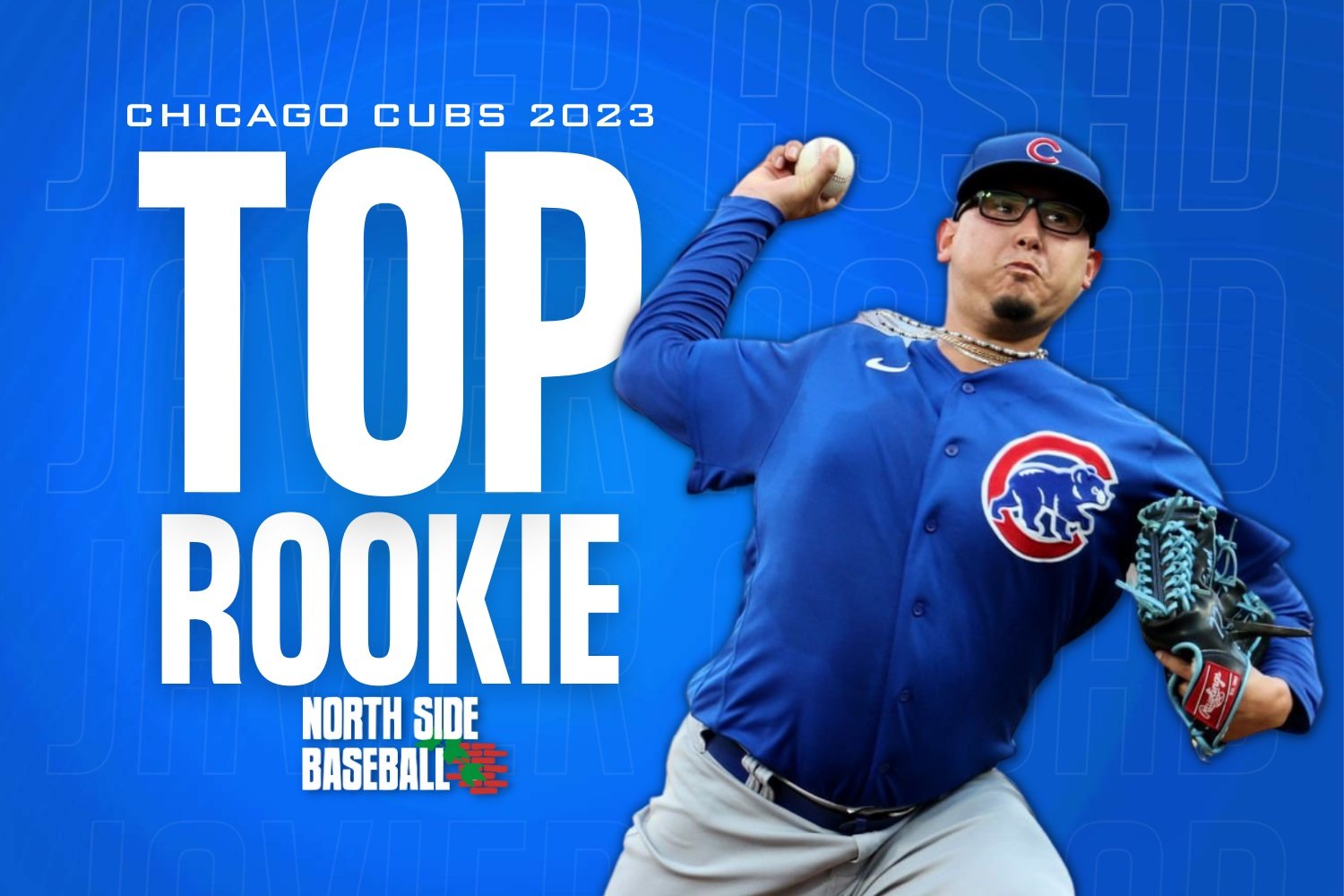 The Cubs have not had a National League Rookie of the Year winner since Kris Bryant’s electric debut in 2015. That… will not change here in 2023, though for the first time in a while, there were serious contributions to the major league team from the Cubs’ rookie class (even if there could have been more had a certain manager been willing to play them more, but I digress). Even if there won’t be any league-wide hardware bestowed upon the Cubs’ rookies, they still deserve a shout-out for their performance this season. Below are the top vote-getters in the annual North Side Baseball end-of-season award ceremony for the Cubs Rookie of the Year. Before getting into the top three, here are some others that received votes. All stats shown are only those accrued in the major leagues this year. The number indicated next to each player's name is their age at the conclusion of the 2023 regular season. Honorable Mentions RHP Hayden Wesneski, 25: 34 G, 11 GS, 89.1 IP, 82 H, 32 BB, 83 K, 4.63 ERA, 1.276 WHIP, 3.2 BB/9, 8.4 K/9 Wesneski was brilliant at the end of last season and Spring Training this year, winning the competition for the fifth starter spot out of the gate in 2023. Then, the wheels came off, and Wesneski was relegated to the minors, where he tinkered with everything to try and find a combination of pitches to get lefties out. Upon his return, “Wesnasty” was used primarily as a right-on-right matchup reliever out of the bullpen, and it’s a role he’s more than capable of filling for years to come (righties hit a paltry .202/.269/.348 off him this year). However, the Cubs need him to get back to his starting pitcher capabilities; it will be a make-or-break year next season for the righty. UTIL Miles Mastrobuoni, 27: 60 G, .241/.308/.301, .609 OPS, 1 HR, 5 RBI, 13 SB The Cubs like themselves some utility players, and Mastrobuoni fits that definition like a glove. Like many of the Cubs’ bench pieces this season, Mastrobuoni crushed Triple-A pitching and struggled at the major league level, and it wasn’t until a late-season surge in September that the lefty looked anything like a capable hitter at the plate. His rookie season with the Cubs provides some optimism as a super-utility type. However, you shouldn’t be shocked if he’s among the first players displaced during a potential 40-man roster crunch this offseason. OF Pete Crow-Armstrong, 21: 13 G, .000/.176/.000, .176 OPS, 0 HR, 1 RBI, 2 SB Akin to Daniel Palencia getting second place in the Minor League Reliever of the Year vote thanks to his major league results; PCA is being rewarded here for his (excellent) work in the minors as opposed to his production, or lack thereof, in the majors. If you want a full write-up on the Cubs’ top prospect's terrific season, you can see that in the Minor League Hitter of the Year article, where the outfielder got a deserved second-place distinction. For the sake of this article, wait until next year when PCA will be the resounding favorite to take home the Cubs’ top rookie award. Others Receiving Votes None. This was a pretty cut-and-dry category for North Side Baseball contributors. Cubs Rookie of the Year Here are the top three vote-getters for the Cubs Rookie of the Year. 3. C Miguel Amaya, 24: 53 G, .214/.329/.359, .688 OPS, 5 HR, 18 RBI, 0 SB What a journey it’s been for Amaya, as he somehow overcame Tommy John surgery and a fracture in his left foot in back-to-back seasons to return this year (all of that was on top of him missing all of 2020 as well since the minor leagues were halted during the pandemic season). The Cubs’ top prospect back in 2019, Amaya has reestablished himself as an important piece of the future, and his role should evolve next year as Yan Gomes passes the torch of the starting catcher designation. Amaya’s bat wasn’t terrific in his rookie year. However, catcher is a notoriously weak position for offensive contributions anyway, and he’s had limited development at the plate thanks to his aforementioned injury luck. The most promising sign for Amaya at the plate was his plate discipline, as he worked 12 walks and an astonishing 11 hit by pitches in just 156 plate appearances this year. If his power can return to full strength after another year removed from his injuries and his eye continues to develop (or he continues wearing whatever magnet kept attracting balls to him), Amaya should be among the best offensive catchers in the sport before long. More importantly, given how the Cubs have prioritized defense from the catcher spot after letting fan favorite Willson Contreras go, Amaya was routinely lauded for his feel for the pitching staff and ability to call a game for his pitchers. Gomes’ mentorship only helps in that regard, and an entire offseason with the big league staff should make Amaya even more comfortable behind the dish. Though the counting stats may have been lacking, it was a successful rookie year for the Cubs’ catcher of the future. 2. LHP Jordan Wicks, 24: 7 G, 7 GS, 34.2 IP, 33 H, 11 BB, 24 K, 4.41 ERA, 1.269 WHIP, 2.9 BB/9, 6.2 K/9 What an unbelievable performance from Wicks at the end of this season. As the starting rotation crawled to the finish line and the bullpen collapsed down the stretch, Wicks became one of the Cubs’ most reliable arms in their first playoff push since 2020. He had some genuinely great starts (his debut against the Pirates, in particular, stood out), though his consistency in taking the ball every fifth day and keeping the Cubs competitive when he was on the mound earned him this spot. As I mentioned in the Minor League Starting Pitcher of the Year article (where Wicks earned another second-place award), some will compare this performance by Wicks to Wesneski’s end-of-year tear in 2022. Luckily for Cubs fans, it’s not the same situation. Wesneski was pitching for a team that was already out of contention by the time he arrived, and he dominated on the back of opposing players having limited exposure to a unique pitch (his sweeper). Wicks came up and was nails for a team in postseason contention, showcasing a much deeper arsenal and better feel for his pitches than Wesneski ever did. Wicks definitely has a lower ceiling, but his floor should be much higher than other starting pitching prospects. If you want further analysis of Wicks’ future and potential role with the Cubs in the coming year, you can check out his section in the Minor League Starting Pitcher of the Year article. 1. RHP Javier Assad, 26: 32 G, 10 GS, 109.1 IP, 93 H, 41 BB, 94 K, 3.05 ERA, 1.226 WHIP, 3.4 BB/9, 7.7 K/9 There is no praise too effusive for the season Assad just had. He edged out Adrian Sampson and Keegan Thompson for the long-man role in the bullpen during Spring Training, and he seamlessly converted to starting once Marcus Stroman was lost to injury during a crucial six-week stretch in August and September. His flexibility was invaluable to an ailing pitching staff down the stretch, potentially hinting at his future role with the club. Unfortunately, nothing can be assumed with Thompson anymore following his lost year, though if he returns to his 2022 self, you can be assured that Assad will have an inside track on a job in the starting rotation. If not, Assad proved his worth out of the ‘pen this year, and a guy who can give you four-plus shutdown innings every three or four days is nearly the equivalent of having a quality sixth starter in the rotation anyway. Assad doesn’t have overpowering stuff, nor is his command Kyle Hendricks-esque. He gets by on a very deep arsenal and a ton of confidence in each of his many pitches. His ability and willingness to throw any pitch in any count is his best quality, which should only improve as he gets further exposure (and has further success) against major league hitters. Before the season started, I’m not sure if anyone in their right mind would have bet on Assad being the Cubs' best rookie in 2023 (and if he were, they’d probably assume something went horribly wrong during the year). Yet, that’s exactly what happened, and the Cubs are better as an organization for it. Congratulations to Javier Assad on being the inaugural North Side Baseball Rookie of the Year! Each of the players written about today deserves to be recognized and discussed. How do you feel about the selection of Assad, and how would you rank the Cubs' top rookies in 2023?
 -
Jed Hoyer confirmed to reporters that David Ross will return as the Cubs manager in 2024. Keeping the status quo may sound promising for a team that improved by nine wins this year, but it’s a move that will haunt the Cubs for years to come. The decision was expounded on in an article at The Athletic by Patrick Mooney and Sahadev Sharma: “A manager has to have those rare interpersonal skills, a feel for the clubhouse and the ability to connect with analysts, support staff, the media and corporate partners. Ross took the job with that kind of confidence and charisma. The relationships within the organization are meaningful. The emotional connection to Wrigley Field is genuine.” All of those intangible qualities that Ross brings to the table are exceptionally important. There’s a ton of characteristics that Ross has that are never seen by the fans, from managing big personalities to gauging player fatigue and injuries. As a long-time big leaguer himself, Ross understands better than most the ebbs and flows of a full season, and the tolls it takes on a player’s mind and body. Those are valuable traits for a manager to have, and Ross apparently has them in spades. It’s what Ross lacks that should frighten Cubs fans. There has been a startling lack of growth in the quality of his in-game decision-making, as Ross has infamously halted the momentum of Cubs rallies with ill-timed calls for bunts or bringing relievers into the game on no rest while keeping fresh arms seated in the bullpen. He kept well-regarded rookies like Pete Crow-Armstrong and Alexander Canario on the bench, even as everyday starters were struggling badly at the plate (or playing through injuries) during the stretch run this year. There is a stubbornness in his managerial mindset that has been hurting the Cubs for years, and he has shown no evolution with it, even as he’s had to navigate historical events like the 2020 pandemic season and 2021 Trade Deadline fire sale. Joe Maddon, Ross’s predecessor, was fired after the Cubs collapsed in September 2019, in very similar fashion to what happened this year. The team collectively realized that core had run its course, and Maddon was shown the door so Ross could be brought in early enough to mature through the upcoming rebuild. That rebuild, however, is over. Ross is not the right guy for what is going to be the Cubs’ next competitive window--and as we saw with the last core back in 2016, that window of World Series contention can slam shut fast. There’s precedent for all of this. A decade ago, during the first rebuild under Theo Epstein, Rick Renteria was brought in as manager to help guide the Cubs through some lean rebuilding years. Then, Maddon was made available by the Rays, and the Cubs capitalized and brought him in despite previously promising that Renteria would return for the 2015 season. The move worked quite well, as the Cubs went to three straight National League Championship Series under the stewardship of Maddon. There may not be a free agent coach of that caliber available this winter (unless Craig Counsell spurns both the Brewers and new Mets’ boss David Stearns to join the Cubs), but there are better options than Ross. Perhaps an analogy to another sport could help illustrate the urgency of the problem at hand. People around here know the situation with the Chicago Bears, with Matt Eberflus looking utterly incompetent as a head coach and Luke Getsy seemingly having a personal vendetta against Justin Fields’s development as a quarterback. Yet it's the Yinzers in Pittsburgh that I think mirrors the Cubs’ situation most. A talented team that just brought in a lot of free agents and has drafted well (in recent years, but also seemingly in perpetuity), the Steelers have had one of the most stable coaching positions in the history of sports. In the Super Bowl Era (since 1969) the Steelers have had only three head coaches: Chuck Noll, Bill Cowher, and Mike Tomlin. That kind of stability is a virtue--but only when the ship is on course. If you’re out of the loop with them this year, the Steelers have a second-year first-round quarterback in Kenny Pickett, who is struggling badly. A lot of that blame is falling on offensive coordinator Matt Canada (who, indeed, is an atrocious play caller), but also Tomlin, who has enabled and defended Canada at every turn despite being in charge of the hiring and firing process of his coaching staff. Tomlin cited “continuity” as his reason for holding onto Canada through this past offseason, despite mounting evidence that he was a detriment to the team. That decision has backfired and is now destroying the Steelers' hopes, not only for this year, but also beyond, as they will have to reset yet again at quarterback with Pickett’s development taking a nosedive. Now, it’s not an exact one-to-one comparison, but the Tomlin-Canada relationship is very similar to the Hoyer-Ross one. The Cubs are built to win. Next season is the beginning of their World Series window. Wasting one of those years on Ross won’t just hurt them in 2024; it’ll set them back for years to come. Ross won’t negatively affect the development of the Cubs’ top prospects like Canada has ruined Pickett, but “maintaining continuity” isn’t good enough for a team that fell apart at the end of the season and missed the playoffs despite having a 92% chance to make it early in September. Much like Tomlin handpicked Canada to be his OC, Hoyer and the front office specifically chose Ross as “their guy”. They have a vested interest in seeing him develop into the manager they’ve been swearing to Cubs fans that he can be. Ross deftly guided this team through some emotionally difficult years; that doesn’t mean he knows how to win as a manager in the biggest moments. In fact, this year proved he’s still got a ways to go on that learning curve. I hope I’m wrong about this. I’m a Cubs fan and I’m ready for them to win again, just like all of you are. Hopefully, Ross is the guy, and 2024 sees the Cubs not just make the playoffs, but also make a deep run once there. If that doesn’t happen, articles like this won’t have to be written next season: Ross will be ousted, but not before having wasted a prime year for the Cubs to win. View full article
-
The Cubs’ Decision to Retain David Ross Will Set the Franchise Back
Brandon Glick posted an article in Cubs
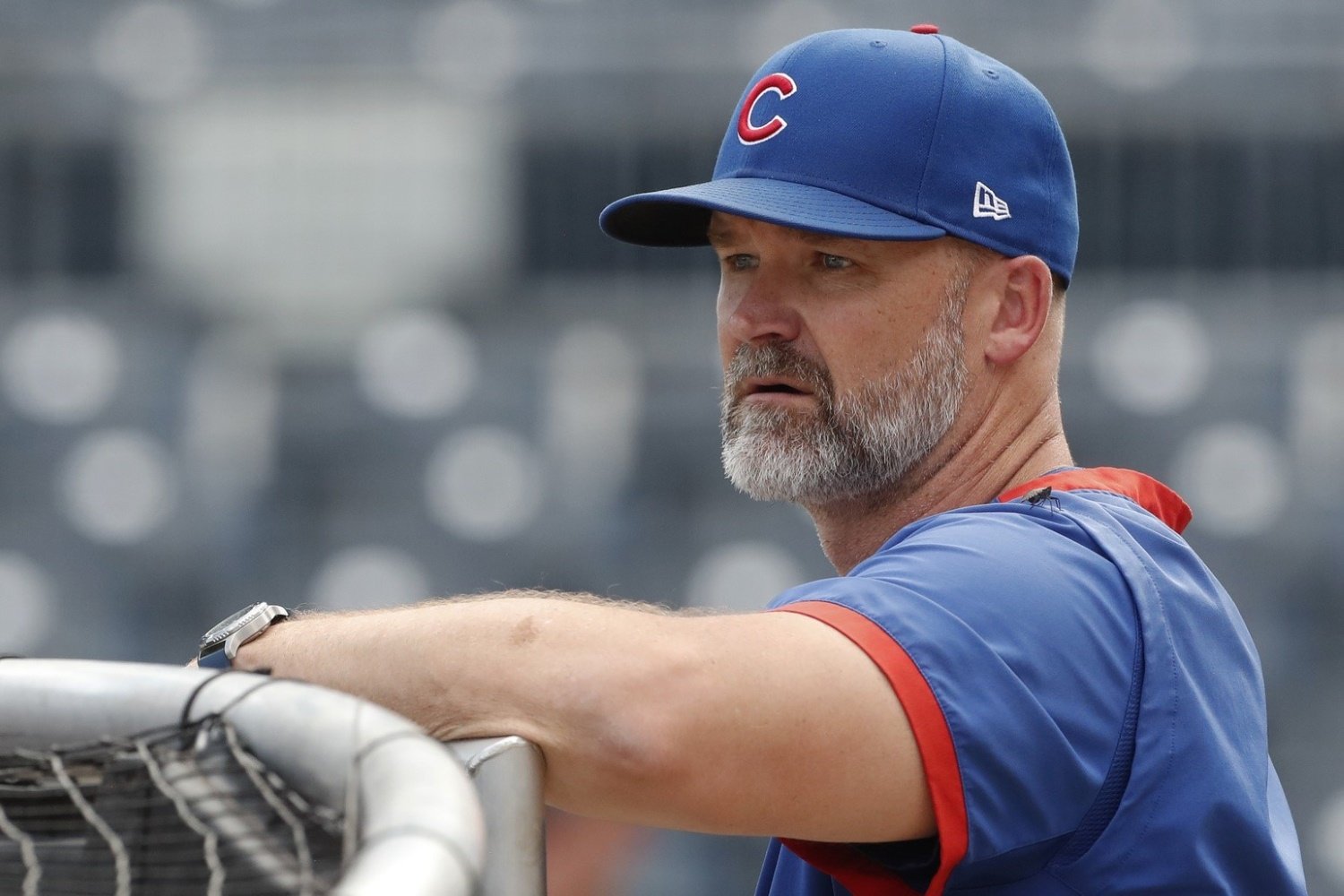 This is effectively a part two to my article advocating for the Cubs to fire Ross following their embarrassing September collapse, though clearly the people in charge of our favorite franchise skipped over that piece (or disagreed with my argument). In case you didn’t see it, Jed Hoyer confirmed in his annual end-of-year conference that David Ross will be back for the 2024 season. You can view Hoyer's entire press conference here. The decision was expounded on in an article at The Athletic by Patrick Mooney and Sahadev Sharma: “A manager has to have those rare interpersonal skills, a feel for the clubhouse and the ability to connect with analysts, support staff, the media and corporate partners. Ross took the job with that kind of confidence and charisma. The relationships within the organization are meaningful. The emotional connection to Wrigley Field is genuine.” All of those intangible qualities that Ross brings to the table are exceptionally important. There’s a ton of characteristics that Ross has that are never seen by the fans, from managing big personalities to gauging player fatigue and injuries. As a long-time big leaguer himself, Ross understands better than most the ebbs and flows of a full season, and the tolls it takes on a player’s mind and body. Those are valuable traits for a manager to have, and Ross apparently has them in spades. It’s what Ross lacks that should frighten Cubs fans. There has been a startling lack of growth in the quality of his in-game decision-making, as Ross has infamously halted the momentum of Cubs rallies with ill-timed calls for bunts or bringing relievers into the game on no rest while keeping fresh arms seated in the bullpen. He kept well-regarded rookies like Pete Crow-Armstrong and Alexander Canario on the bench, even as everyday starters were struggling badly at the plate (or playing through injuries) during the stretch run this year. There is a stubbornness in his managerial mindset that has been hurting the Cubs for years, and he has shown no evolution with it, even as he’s had to navigate historical events like the 2020 pandemic season and 2021 Trade Deadline fire sale. Joe Maddon, Ross’s predecessor, was fired after the Cubs collapsed in September 2019, in very similar fashion to what happened this year. The team collectively realized that core had run its course, and Maddon was shown the door so Ross could be brought in early enough to mature through the upcoming rebuild. That rebuild, however, is over. Ross is not the right guy for what is going to be the Cubs’ next competitive window--and as we saw with the last core back in 2016, that window of World Series contention can slam shut fast. There’s precedent for all of this. A decade ago, during the first rebuild under Theo Epstein, Rick Renteria was brought in as manager to help guide the Cubs through some lean rebuilding years. Then, Maddon was made available by the Rays, and the Cubs capitalized and brought him in despite previously promising that Renteria would return for the 2015 season. The move worked quite well, as the Cubs went to three straight National League Championship Series under the stewardship of Maddon. There may not be a free agent coach of that caliber available this winter (unless Craig Counsell spurns both the Brewers and new Mets’ boss David Stearns to join the Cubs), but there are better options than Ross. Perhaps an analogy to another sport could help illustrate the urgency of the problem at hand. People around here know the situation with the Chicago Bears, with Matt Eberflus looking utterly incompetent as a head coach and Luke Getsy seemingly having a personal vendetta against Justin Fields’s development as a quarterback. Yet it's the Yinzers in Pittsburgh that I think mirrors the Cubs’ situation most. A talented team that just brought in a lot of free agents and has drafted well (in recent years, but also seemingly in perpetuity), the Steelers have had one of the most stable coaching positions in the history of sports. In the Super Bowl Era (since 1969) the Steelers have had only three head coaches: Chuck Noll, Bill Cowher, and Mike Tomlin. That kind of stability is a virtue--but only when the ship is on course. If you’re out of the loop with them this year, the Steelers have a second-year first-round quarterback in Kenny Pickett, who is struggling badly. A lot of that blame is falling on offensive coordinator Matt Canada (who, indeed, is an atrocious play caller), but also Tomlin, who has enabled and defended Canada at every turn despite being in charge of the hiring and firing process of his coaching staff. Tomlin cited “continuity” as his reason for holding onto Canada through this past offseason, despite mounting evidence that he was a detriment to the team. That decision has backfired and is now destroying the Steelers' hopes, not only for this year, but also beyond, as they will have to reset yet again at quarterback with Pickett’s development taking a nosedive. Now, it’s not an exact one-to-one comparison, but the Tomlin-Canada relationship is very similar to the Hoyer-Ross one. The Cubs are built to win. Next season is the beginning of their World Series window. Wasting one of those years on Ross won’t just hurt them in 2024; it’ll set them back for years to come. Ross won’t negatively affect the development of the Cubs’ top prospects like Canada has ruined Pickett, but “maintaining continuity” isn’t good enough for a team that fell apart at the end of the season and missed the playoffs despite having a 92% chance to make it early in September. Much like Tomlin handpicked Canada to be his OC, Hoyer and the front office specifically chose Ross as “their guy”. They have a vested interest in seeing him develop into the manager they’ve been swearing to Cubs fans that he can be. Ross deftly guided this team through some emotionally difficult years; that doesn’t mean he knows how to win as a manager in the biggest moments. In fact, this year proved he’s still got a ways to go on that learning curve. I hope I’m wrong about this. I’m a Cubs fan and I’m ready for them to win again, just like all of you are. Hopefully, Ross is the guy, and 2024 sees the Cubs not just make the playoffs, but also make a deep run once there. If that doesn’t happen, articles like this won’t have to be written next season: Ross will be ousted, but not before having wasted a prime year for the Cubs to win.
 -
It wasn't meant to serve as a "full prospect write up". I had three paragraphs to commend the season Caissie had - I wasn't going to use them deriding his flaws (especially since he was the winner of our vote). Almost every list out there is going to have Horton 1, Shaw 2, and then either Caissie or Alcantara 3 (not including PCA). I think there's enough potential in Caissie's bat for him to at least deserve an argument that those placements are interchangeable. He's young and has been rapidly improving every year. I expect an even further breakout next season from him.
-
There were a lot of really strong offensive performances in the Cubs organization this season. Today, we recognize and congratulate the best hitters in the Cubs minor-league system in 2023. Under Theo Epstein, the Cubs’ design philosophy was to prioritize elite college hitters and projectable high school athletes, leading them to build the best farm system in baseball after a few years of rebuilding. That system was highlighted by position player prospects, from Kris Bryant to Javier Baez to Kyle Schwarber and more. Nowadays, the Cubs have shifted their mentality to focus more on the pitching-side of drafting-and-developing prospects, though the team has still seen breakout performances from a number of players in the batter's box and in the field this year. Below are the top vote-getters in the annual North Side Baseball end-of-season award ceremony for the Cubs Minor League Hitter of the Year. Before getting into the top three, here are a couple of others that received votes. The level indicated next to each player’s name is where they finished the 2023 season, and all stats shown are only those accrued in the minor leagues this year. Honorable Mentions 1B Jared Young, 28 (Chicago Cubs) 90 G, .310/.417/.577, .995 OPS, 21 HR, 72 RBI, 7 SB Young shuttled up-and-down between the minors and majors this year, serving as valuable depth at a position where the Cubs got infamously limited contributions from the likes of Eric Hosmer and Trey Mancini. Although he’s a much older prospect and is dangerously close to wearing the dreaded “Quadruple-A” prospect label, Young was unbelievable at Iowa this year, nearly posting a 1.000 OPS in just 310 at-bats. He’ll likely make it through the offseason on the 40-man roster and compete for a bench job in 2024, though don’t be surprised if the Cubs try to sneak him through waivers during the busiest time of the winter. SS Jefferson Rojas, 18 (Myrtle Beach Pelicans) 71 G, .266/.342/.400, .742 OPS, 7 HR, 31 RBI, 13 SB This guy is going to start flying up prospects lists as soon as this offseason, on the back of being a teenager with a projectable body type and above-average offensive contributions already. There’s still a long way to go for Rojas, especially in a system loaded with middle infielders, but a .750 OPS at Single-A in your first year stateside is nothing to scoff at. He has the speed and power to be an annual 20-20 threat down the line, and most scouts seem to agree he should be able to stick at shortstop long-term, though a move to third base may help him rise quicker. If you wanted to place a bet on it, odds are this kid is the top prospect in the system by 2025. 1B Matt Mervis, 25 (Iowa Cubs) 100 G, .282/.399/.533, .932 OPS, 22 HR, 78 RBI, 2 SB Another year, another dominant season from Matt Mervis at Iowa. After his home run bonanza last year, Mervis was more well-rounded at the plate this season, showing even greater discipline than before and staying more consistent with his all-fields approach. There’s questions about his major league viability after he struggled following a hyped-up promotion in May, though he’ll enter Spring Training next season as a candidate for everyday at-bats, save for a move for Pete Alonso or someone of his ilk. OF Yonathan Perlaza, 24 (Iowa Cubs) 121 G, .284/.389/.534, .922 OPS, 23 HR, 85 RBI, 13 SB Arguably THE breakout season for hitters in the Cubs’ farm system this year, Perlaza finally put it all together for a full season and his numbers do his improvements justice. He pretty much has to be placed on the 40-man roster this offseason, lest the Cubs wish to lose another outfielder with a major-league quality bat. There won’t be a ton of opportunities in the Chicago outfield for the foreseeable future, what with Pete Crow-Armstrong and Alexander Canario joining Ian Happ and Seiya Suzuki in the majors, though if anyone in the system is going to push those guys for at-bats early next year, it’s probably Perlaza. OF Kevin Alcantara, 21 (Tennessee Smokies) 102 G, .284/.345/.466, .810 OPS, 13 HR, 71 RBI, 15 SB The centerpiece of the Cubs’ return in the Anthony Rizzo trade with the Yankees, Alcantara impressed everyone in spring training and maintained his momentum all the way through July, when he left a game with a lower leg injury. His season-long numbers still look good for a guy who is two years younger than the average player at Double-A, and some time in the Arizona Fall League and Winter Ball should only help keep his stock on the rise. Given the crowded outfield situation we just discussed, it’s highly unlikely Alcantara makes his debut next season, though he may be the most talented of the entire bunch. With some better health and further refinement to his plate approach, the Cubs may have their "other" center fielder of the future at Wrigley Field soon. Others Receiving Votes 1B/3B B.J. Murray, 23 (Tennessee Smokies): 124 G, .263/.382/.462, .844 OPS, 16 HR, 74 RBI, 14 SB C Moises Ballesteros, 19 (Tennessee Smokies): 117 G, .285/.375/.449, .823 OPS, 14 HR, 64 RBI, 7 SB C/1B/DH Haydn McGeary, 23 (Tennessee Smokies): 124 G, .275/.397/.462, .859 OPS, 19 HR, 88 RBI, 7 SB 1B/3B Brian Kalmer, 23 (Myrtle Beach Pelicans): 35 G, .357/.426/.667, 1.092 OPS, 10 HR, 42 RBI, 0 SB Cubs Minor League Hitter of the Year Here are the top three vote-getters for Cubs Minor League Hitter of the Year. 3. SS/2B Matt Shaw, 21 (Tennessee Smokies) 38 G, .357/.400/.618, 1.018 OPS, 8 HR, 28 RBI, 15 SB The Cubs’ first round pick this summer, Shaw lit the world on fire after an aggressive assignment right out of the gate, making it all the way to Double-A in his first partial season as a pro. Like Rojas, Shaw has the fielding ability to stick at shortstop long-term, but if his bat demands it, he’ll get called to the majors as early as next season as the third baseman flanking Dansby Swanson on the left side of the infield for the Cubs. Shaw possesses some of the best hand-eye coordination and bat-to-ball skills in all of the minor leagues already, and his pure hitting ability will get him placed around the 50 spot on most league-wide prospect ranking lists this offseason. His bat speed isn’t tremendous, at least not compared to some of the Cubs’ prospects of old like Baez, but his preternatural ability to recognize spin out of a pitcher's hand allows him to make swing decisions much quicker than most. With time and refinement at the plate, Shaw should post some lofty on-base percentage numbers, with the capacity to hover around a consistent .400 OBP at his ceiling. The most impressive part of Shaw’s season was his desire and willingness to attack pitchers even as he climbed the ranks. He said after being drafted he was going to “hunt for failure” in an effort to conquer the learning curve of pro baseball as quickly as possible, though he never met his match in 2023. With a big Spring Training, Shaw could debut at Triple-A at the start of next season, potentially putting a summer call-up on the table. It’s early, but it looks like the Cubs nailed their first pick in the 2023 draft. 2. OF Pete-Crow Armstrong, 21 (Chicago Cubs) 107 G, .283/.365/.511, .876 OPS, 20 HR, 82 RBI, 37 SB The top prospect for the Cubs struggled badly through sporadic playing time during his cup of coffee in September, failing to get his first big league hit in 14 at-bats and going two for four on stolen base attempts. That being said, his minor league season was a resounding success, as he nearly put up a 20/40 season in just over 100 games played. The major league numbers don’t count for the purposes of this list, and they shouldn’t scare away anyone who is dreaming on PCA’s potential. His glovework is outstanding at its worst, with “historically great” within legitimate reach. He has enough speed to be a constant threat on the base paths and he should consistently post stolen base totals in the high 30’s (if not more given the increased emphasis on steals with the larger bases). Even if PCA settles below his median outcome at the plate and tops out as a league-average bat, his fielding and running skills will make him an annual 3+ WAR player at worst. How the Cubs view PCA’s readiness will be among the biggest questions this offseason, as Cody Bellinger (and, by proximity, Jeimer Candelario) will be free agents come November. If the Cubs feel comfortable handing the center field reins to their top prospect, one or both of Bellinger and Candelario can be allowed to walk. If the Cubs want to give PCA more time to develop in the minors, odds are they’ll be more aggressive with their in-house free agents. Regardless of how next season’s Opening Day depth chart appears, though, PCA should be patrolling center field at Wrigley for the next decade-plus. 1. OF Owen Caissie, 21 (Tennessee Smokies) 120 G, .289/.399/.519, .918 OPS, 22 HR, 84 RBI, 7 SB The first thing to note about Caissie is that he actually had a sub-50 percent success rate on stolen bases this year, getting thrown out in nine of his sixteen attempts this year. Other than that, it’s hard to find any flaws in the prodigious season the 21-year-old put together. His glove work improved (mostly playing right field) and should make him a viable option in the corners when his bat is ready for the majors. He has a tremendous eye and uncanny plate discipline for such a young player, reminiscent of Juan Soto when he was flying through the National’s farm system (disclaimer: I’m not saying Caissie will ever come close to reaching the heights Soto has, I’m simply comparing their shared elite skill of being a patient hitter). Caissie has arguably the most raw power of any prospect in the organization, and he should immediately become a middle-of-the-order bat once he’s recalled, likely some time at the beginning of the 2025 season. Caissie topped out at a 117 miles per hour exit velocity this year, a number that would rank in the 99th percentile in the major leagues this season. The pop is real. Once PCA graduates, Caissie will be my number one prospect in the system, ahead of even Shaw and Cade Horton. The potential for greatness is here, and I for one am going to let myself dream on Caissie’s potential after his breakout season. Congratulations to the 2023 Cubs Minor League Hitter of the Year and the rest of the minor leaguers written about today. All deserved the honor after a strong season. Feel free to discuss Owen Caissie, the rest of these hitters and even how you would rank their 2023 seasons. View full article
-
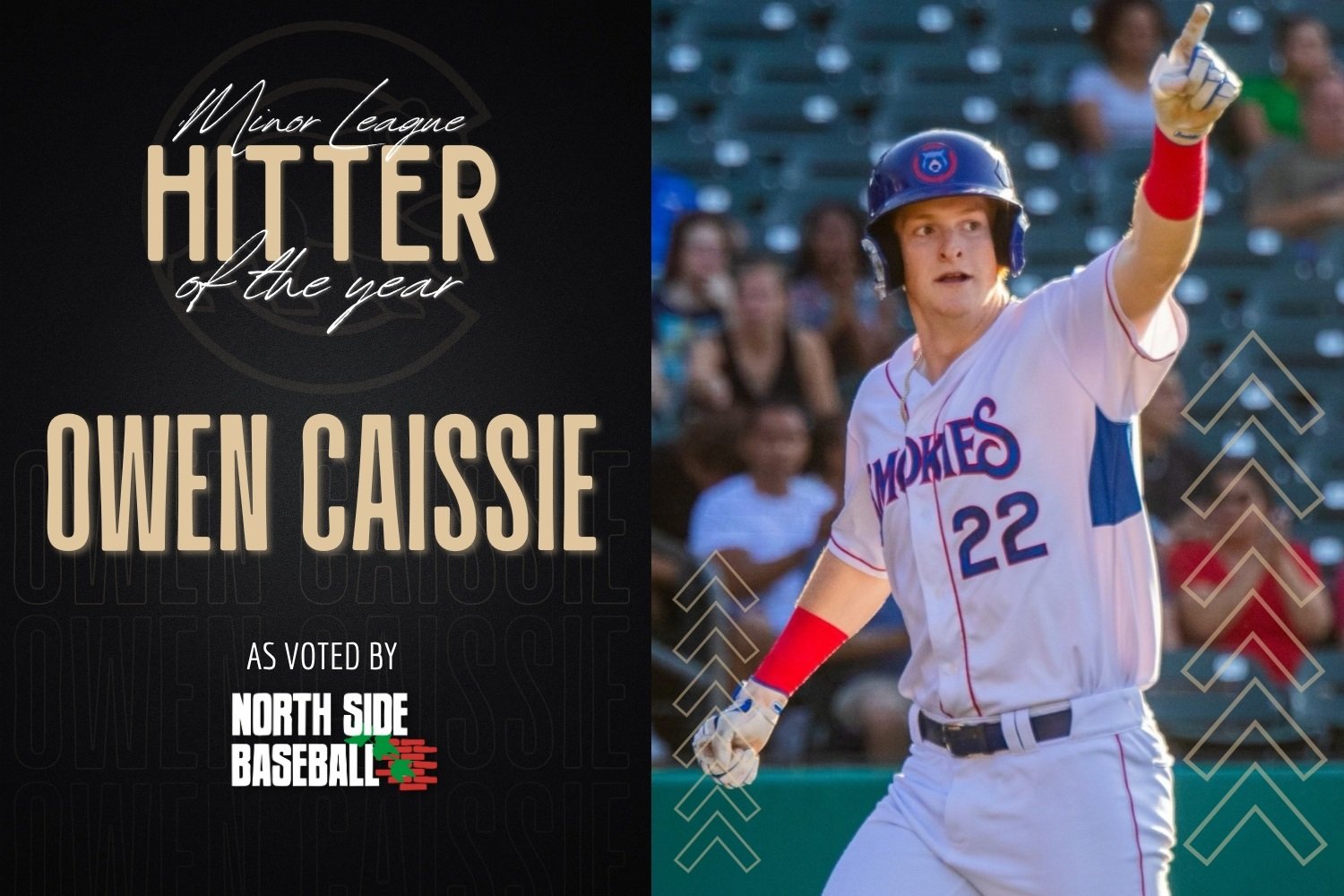 Under Theo Epstein, the Cubs’ design philosophy was to prioritize elite college hitters and projectable high school athletes, leading them to build the best farm system in baseball after a few years of rebuilding. That system was highlighted by position player prospects, from Kris Bryant to Javier Baez to Kyle Schwarber and more. Nowadays, the Cubs have shifted their mentality to focus more on the pitching-side of drafting-and-developing prospects, though the team has still seen breakout performances from a number of players in the batter's box and in the field this year. Below are the top vote-getters in the annual North Side Baseball end-of-season award ceremony for the Cubs Minor League Hitter of the Year. Before getting into the top three, here are a couple of others that received votes. The level indicated next to each player’s name is where they finished the 2023 season, and all stats shown are only those accrued in the minor leagues this year. Honorable Mentions 1B Jared Young, 28 (Chicago Cubs) 90 G, .310/.417/.577, .995 OPS, 21 HR, 72 RBI, 7 SB Young shuttled up-and-down between the minors and majors this year, serving as valuable depth at a position where the Cubs got infamously limited contributions from the likes of Eric Hosmer and Trey Mancini. Although he’s a much older prospect and is dangerously close to wearing the dreaded “Quadruple-A” prospect label, Young was unbelievable at Iowa this year, nearly posting a 1.000 OPS in just 310 at-bats. He’ll likely make it through the offseason on the 40-man roster and compete for a bench job in 2024, though don’t be surprised if the Cubs try to sneak him through waivers during the busiest time of the winter. SS Jefferson Rojas, 18 (Myrtle Beach Pelicans) 71 G, .266/.342/.400, .742 OPS, 7 HR, 31 RBI, 13 SB This guy is going to start flying up prospects lists as soon as this offseason, on the back of being a teenager with a projectable body type and above-average offensive contributions already. There’s still a long way to go for Rojas, especially in a system loaded with middle infielders, but a .750 OPS at Single-A in your first year stateside is nothing to scoff at. He has the speed and power to be an annual 20-20 threat down the line, and most scouts seem to agree he should be able to stick at shortstop long-term, though a move to third base may help him rise quicker. If you wanted to place a bet on it, odds are this kid is the top prospect in the system by 2025. 1B Matt Mervis, 25 (Iowa Cubs) 100 G, .282/.399/.533, .932 OPS, 22 HR, 78 RBI, 2 SB Another year, another dominant season from Matt Mervis at Iowa. After his home run bonanza last year, Mervis was more well-rounded at the plate this season, showing even greater discipline than before and staying more consistent with his all-fields approach. There’s questions about his major league viability after he struggled following a hyped-up promotion in May, though he’ll enter Spring Training next season as a candidate for everyday at-bats, save for a move for Pete Alonso or someone of his ilk. OF Yonathan Perlaza, 24 (Iowa Cubs) 121 G, .284/.389/.534, .922 OPS, 23 HR, 85 RBI, 13 SB Arguably THE breakout season for hitters in the Cubs’ farm system this year, Perlaza finally put it all together for a full season and his numbers do his improvements justice. He pretty much has to be placed on the 40-man roster this offseason, lest the Cubs wish to lose another outfielder with a major-league quality bat. There won’t be a ton of opportunities in the Chicago outfield for the foreseeable future, what with Pete Crow-Armstrong and Alexander Canario joining Ian Happ and Seiya Suzuki in the majors, though if anyone in the system is going to push those guys for at-bats early next year, it’s probably Perlaza. OF Kevin Alcantara, 21 (Tennessee Smokies) 102 G, .284/.345/.466, .810 OPS, 13 HR, 71 RBI, 15 SB The centerpiece of the Cubs’ return in the Anthony Rizzo trade with the Yankees, Alcantara impressed everyone in spring training and maintained his momentum all the way through July, when he left a game with a lower leg injury. His season-long numbers still look good for a guy who is two years younger than the average player at Double-A, and some time in the Arizona Fall League and Winter Ball should only help keep his stock on the rise. Given the crowded outfield situation we just discussed, it’s highly unlikely Alcantara makes his debut next season, though he may be the most talented of the entire bunch. With some better health and further refinement to his plate approach, the Cubs may have their "other" center fielder of the future at Wrigley Field soon. Others Receiving Votes 1B/3B B.J. Murray, 23 (Tennessee Smokies): 124 G, .263/.382/.462, .844 OPS, 16 HR, 74 RBI, 14 SB C Moises Ballesteros, 19 (Tennessee Smokies): 117 G, .285/.375/.449, .823 OPS, 14 HR, 64 RBI, 7 SB C/1B/DH Haydn McGeary, 23 (Tennessee Smokies): 124 G, .275/.397/.462, .859 OPS, 19 HR, 88 RBI, 7 SB 1B/3B Brian Kalmer, 23 (Myrtle Beach Pelicans): 35 G, .357/.426/.667, 1.092 OPS, 10 HR, 42 RBI, 0 SB Cubs Minor League Hitter of the Year Here are the top three vote-getters for Cubs Minor League Hitter of the Year. 3. SS/2B Matt Shaw, 21 (Tennessee Smokies) 38 G, .357/.400/.618, 1.018 OPS, 8 HR, 28 RBI, 15 SB The Cubs’ first round pick this summer, Shaw lit the world on fire after an aggressive assignment right out of the gate, making it all the way to Double-A in his first partial season as a pro. Like Rojas, Shaw has the fielding ability to stick at shortstop long-term, but if his bat demands it, he’ll get called to the majors as early as next season as the third baseman flanking Dansby Swanson on the left side of the infield for the Cubs. Shaw possesses some of the best hand-eye coordination and bat-to-ball skills in all of the minor leagues already, and his pure hitting ability will get him placed around the 50 spot on most league-wide prospect ranking lists this offseason. His bat speed isn’t tremendous, at least not compared to some of the Cubs’ prospects of old like Baez, but his preternatural ability to recognize spin out of a pitcher's hand allows him to make swing decisions much quicker than most. With time and refinement at the plate, Shaw should post some lofty on-base percentage numbers, with the capacity to hover around a consistent .400 OBP at his ceiling. The most impressive part of Shaw’s season was his desire and willingness to attack pitchers even as he climbed the ranks. He said after being drafted he was going to “hunt for failure” in an effort to conquer the learning curve of pro baseball as quickly as possible, though he never met his match in 2023. With a big Spring Training, Shaw could debut at Triple-A at the start of next season, potentially putting a summer call-up on the table. It’s early, but it looks like the Cubs nailed their first pick in the 2023 draft. 2. OF Pete-Crow Armstrong, 21 (Chicago Cubs) 107 G, .283/.365/.511, .876 OPS, 20 HR, 82 RBI, 37 SB The top prospect for the Cubs struggled badly through sporadic playing time during his cup of coffee in September, failing to get his first big league hit in 14 at-bats and going two for four on stolen base attempts. That being said, his minor league season was a resounding success, as he nearly put up a 20/40 season in just over 100 games played. The major league numbers don’t count for the purposes of this list, and they shouldn’t scare away anyone who is dreaming on PCA’s potential. His glovework is outstanding at its worst, with “historically great” within legitimate reach. He has enough speed to be a constant threat on the base paths and he should consistently post stolen base totals in the high 30’s (if not more given the increased emphasis on steals with the larger bases). Even if PCA settles below his median outcome at the plate and tops out as a league-average bat, his fielding and running skills will make him an annual 3+ WAR player at worst. How the Cubs view PCA’s readiness will be among the biggest questions this offseason, as Cody Bellinger (and, by proximity, Jeimer Candelario) will be free agents come November. If the Cubs feel comfortable handing the center field reins to their top prospect, one or both of Bellinger and Candelario can be allowed to walk. If the Cubs want to give PCA more time to develop in the minors, odds are they’ll be more aggressive with their in-house free agents. Regardless of how next season’s Opening Day depth chart appears, though, PCA should be patrolling center field at Wrigley for the next decade-plus. 1. OF Owen Caissie, 21 (Tennessee Smokies) 120 G, .289/.399/.519, .918 OPS, 22 HR, 84 RBI, 7 SB The first thing to note about Caissie is that he actually had a sub-50 percent success rate on stolen bases this year, getting thrown out in nine of his sixteen attempts this year. Other than that, it’s hard to find any flaws in the prodigious season the 21-year-old put together. His glove work improved (mostly playing right field) and should make him a viable option in the corners when his bat is ready for the majors. He has a tremendous eye and uncanny plate discipline for such a young player, reminiscent of Juan Soto when he was flying through the National’s farm system (disclaimer: I’m not saying Caissie will ever come close to reaching the heights Soto has, I’m simply comparing their shared elite skill of being a patient hitter). Caissie has arguably the most raw power of any prospect in the organization, and he should immediately become a middle-of-the-order bat once he’s recalled, likely some time at the beginning of the 2025 season. Caissie topped out at a 117 miles per hour exit velocity this year, a number that would rank in the 99th percentile in the major leagues this season. The pop is real. Once PCA graduates, Caissie will be my number one prospect in the system, ahead of even Shaw and Cade Horton. The potential for greatness is here, and I for one am going to let myself dream on Caissie’s potential after his breakout season. Congratulations to the 2023 Cubs Minor League Hitter of the Year and the rest of the minor leaguers written about today. All deserved the honor after a strong season. Feel free to discuss Owen Caissie, the rest of these hitters and even how you would rank their 2023 seasons.
- 4 comments
-
- 1
-

-
- owen caissie
- pete crow armstrong
- (and 3 more)
-
After reviewing the 2023 seasons of the top starting pitchers in the Cubs minor-league system yesterday, today we look at the top relief pitchers during the season. The Cubs have been among the leaders of the bullpen revolution that’s taken over the baseball landscape during the last decade, often finding ways to put together highly efficient groups of relievers for relative pittances. Part of that process has been developing relief prospects internally; whether converting a starting pitcher with dominant stuff and lacking command (or a smaller pitch repertoire) or honing the elite velocities of true relief prospects, the Cubs have placed a premium on getting the most out of their in-house relievers. This year, thankfully, has been no different. Below are the top vote-getters in the annual North Side Baseball end-of-season award ceremony for the Cubs Minor League Relief Pitcher of the Year. Before getting into the top three, here are a couple of others that received votes. The level indicated next to each player’s name is where they finished the 2023 season, and all stats shown are only those accrued in the minor leagues this year. Honorable Mentions RHP Frankie Scalzo, 23 (Tennessee Smokies): 39 G, 72.2 IP, 53 H, 25 BB, 73 K, 2.35 ERA, 1.07 WHIP, 3.1 BB/9, 9.0 K/9 I’ve written about Scalzo a few times this year, and the true relief prospect deserves his flowers for a breakout season. After giving up 25 walks in just 44 innings last year, he gave up the same number in more than 70 innings this season, reflecting on his hard work on improving his command and focusing his pitch mix. The Cubs have done an excellent job in recent years of bringing relievers through the system quickly, and Scalzo has the potential to be the next reliever to make it to Wrigley. He’ll almost certainly start 2024 in Triple-A, with a mid-season (or injury-related) promotion on the horizon. RHP Saul Gonzales, 23 (Myrtle Beach Pelicans): 15 G, 27 IP, 24 H, 6 BB, 29 K, 2.67 ERA, 1.11 WHIP, 2.0 BB/9, 9.7 K/9 The returning piece in the Mychal Givens trade at the 2022 deadline, Gonzales converted to full-time relief this year and looked good when healthy. Most importantly his strikeout rate stayed steady from last year (10.0 K/9 in 2022) while he slashed his walk rate in half (4.0 BB/9 in 2022), giving the large righty a foundation to build from. Given his age, he’ll have to move through the system quickly next year to stay on the radar, though he could mirror Daniel Palencia’s rapid rise after he too converted from starting to the bullpen. RHP Chris Clarke, 25 (Iowa Cubs): 35 G, 11 GS, 75.1 IP, 87 H, 27 BB, 66 K, 4.90 ERA, 1.51 WHIP, 3.2 BB, 7.9 K/9 I’m not entirely sure if one of Clarke’s family members snuck into our voting process or if someone really appreciated the right-hander serving as an opener eleven times during the season, but Clarke received a single vote on the tally (almost exactly like when Ryan Tepera got an accidental, single MVP vote back in 2020). Clarke’s season wasn’t anything to write home about, and he should continue to serve as organizational depth in 2024 should the Cubs elect to retain him. Others Receiving Votes None. This was a pretty cut-and-dry category for North Side Baseball contributors. Cubs Minor League Relief Pitcher of the Year Here are the top three vote-getters for Cubs Minor League Relief Pitcher of the Year. 3. RHP Zac Leigh, 25 (Tennessee Smokies) 29 G, 3 Saves, 39.1 IP, 26 H, 17 BB, 58 K, 3.66 ERA, 1.09 WHIP, 3.9 BB/9, 13.3 K/9 I’ve been open about my favoritism of Leigh before, so it’s reassuring to see others commend him for the season he had. Leigh’s found nothing but success since being a 16th round pick in 2021, and he’s generally been great since being promoted to Tennessee earlier this year. In 24 2/3 innings there this year through August, he had a 2.92 ERA and 34 strikeouts. Much like the big league bullpen, he ran a little out of gas towards the end of the year, though his season as a whole was promising. Leigh has a mid-90s fastball that he can pump up to as much as 99, and he has a starter’s pitch mix thanks to his time as a starter while at Texas State. The most promising development this year for him was the continuance of his massive strikeout rate, even as he improved his command (he had 16 walks in just 34 innings last year). Questions will persist about his ability to hold up over a full season as he has yet to reach 40 innings in any season in his time with the Cubs, though it should assuage some concerns that he nearly reached 90 innings pitched in his final season in college. Leigh has firmly put himself on the radar heading into his age-26 season next year, and he should begin 2024 as a candidate for Iowa’s closer gig, while staring down a potential late season call-up to the big leagues if his run of success continues. 2. RHP Daniel Palencia, 23 (Chicago Cubs) 18 G, 5 GS, 29 IP, 24 H, 16 BB, 36 K, 6.83 ERA, 1.38 WHIP, 5.0 BB/9, 11.2 K/9 The stats for Palencia in the minors this year were rough - the only reason I can surmise he made it this high on the list is that voters accounted for his MLB success (4.45 ERA in 28 1/3 innings) while drawing up their final ballot. However, his numbers improved in the minors after he struggled badly out of the gate as a starting pitcher, which finally prompted the Cubs to transition him to the bullpen where his electric fastball plays up in shorter spurts. If you saw any of his appearances out of the big league ‘pen this year, you know the book on Palencia: big-time fastball, flashes above-average breaking balls, can completely lose his command out of nowhere. That last point is a big reason why the Cubs moved him out of the rotation, as the hope was that he could more efficiently work around his problematic control in more limited exposure. The stuff is absolutely there to be a late-inning weapon, but Palencia is going to have to be able to string together consistently efficient outings to earn any trust from David Ross (or whomever may be managing the Cubs down the road). Since Palencia and Clarke probably took spots on this list that were arguably undeserved given their respective minor-league performances this year, I do want to shout out one more guy: Blake Whitney. The 27-year-old righty put up a 3.20 ERA in 70 innings as the Tennessee Smokies’ de facto closer, and he should get one more chance next year to prove that he can pitch at that level at Triple-A. He’s been too up-and-down to be on the prospect radar, though he is a name worth watching should the Cubs get desperate for bullpen help again next season. 1. LHP Luke Little, 23 (Chicago Cubs) 36 G, 63.2 IP, 40 H, 42 BB, 105 K, 2.12 ERA, 1.29 WHIP, 5.9 BB/9, 14.8K/9 Like Palencia, we aren’t including any major league stats here, though it’s worth noting Little was every bit as dominant in the majors, giving up zero runs and striking out twelve in 6 2/3 innings. The massive lefty should be a fixture with the big league bullpen for a long time. As for the minor league season that Little had, the numbers speak for themselves. The command is problematic, though he’s simply been impossible to hit. Little preposterously gave up zero home runs in over 65 innings last season, and he followed that up by surrendering only one in 70 total innings this year. The way he leverages his massive 6’8” frame is genuinely akin to Hall of Famer Randy Johnson, who was nicknamed the “Big Unit” for his imposing presence on the mound. Little relentlessly attacks hitters, completely unafraid of anyone who steps in the batter’s box. If he ever hones his control of the strike zone, Little could put up a season like Zack Britton’s legendary 2016 season, when the then-Orioles reliever posted a 0.54 ERA in 67 innings (and finished fourth in Cy Young voting). Little does pose as an interesting case study for the Palencia believers out there, as the lefty has little issue (no pun intended) working around the traffic he introduces on the base-paths. If he can teach Palencia how to keep the ball in the ballpark in perpetuity, the Cubs may have their own version of the Andrew Miller-Cody Allen dual closers they faced in the 2016 World Series. Congratulations to Luke Little on a terrific 2023 season. Each of these pitchers mentioned today deserve the recognition they've received and more. How do you feel about our selection of Little, and how would you rank them? View full article
-
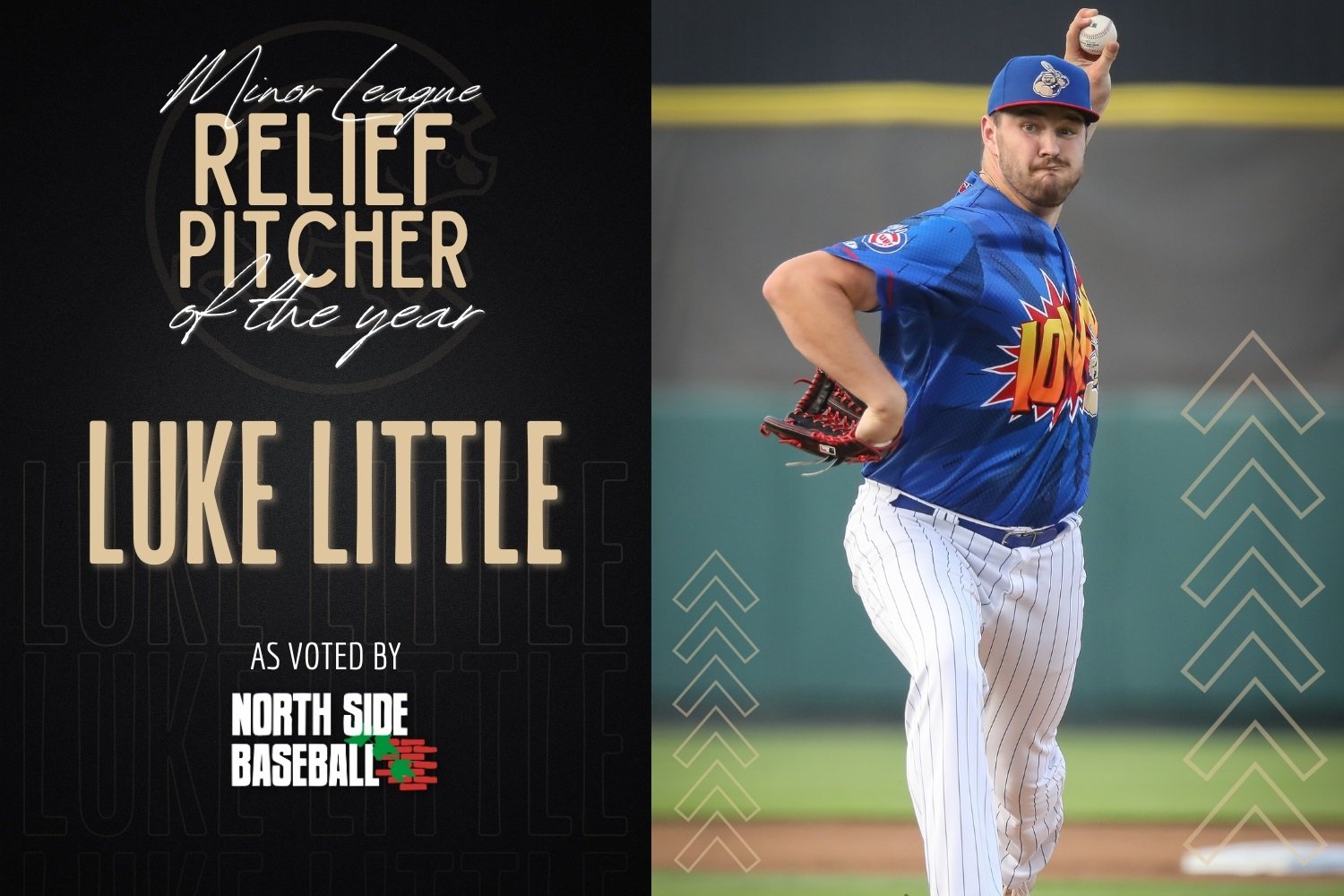 The Cubs have been among the leaders of the bullpen revolution that’s taken over the baseball landscape during the last decade, often finding ways to put together highly efficient groups of relievers for relative pittances. Part of that process has been developing relief prospects internally; whether converting a starting pitcher with dominant stuff and lacking command (or a smaller pitch repertoire) or honing the elite velocities of true relief prospects, the Cubs have placed a premium on getting the most out of their in-house relievers. This year, thankfully, has been no different. Below are the top vote-getters in the annual North Side Baseball end-of-season award ceremony for the Cubs Minor League Relief Pitcher of the Year. Before getting into the top three, here are a couple of others that received votes. The level indicated next to each player’s name is where they finished the 2023 season, and all stats shown are only those accrued in the minor leagues this year. Honorable Mentions RHP Frankie Scalzo, 23 (Tennessee Smokies): 39 G, 72.2 IP, 53 H, 25 BB, 73 K, 2.35 ERA, 1.07 WHIP, 3.1 BB/9, 9.0 K/9 I’ve written about Scalzo a few times this year, and the true relief prospect deserves his flowers for a breakout season. After giving up 25 walks in just 44 innings last year, he gave up the same number in more than 70 innings this season, reflecting on his hard work on improving his command and focusing his pitch mix. The Cubs have done an excellent job in recent years of bringing relievers through the system quickly, and Scalzo has the potential to be the next reliever to make it to Wrigley. He’ll almost certainly start 2024 in Triple-A, with a mid-season (or injury-related) promotion on the horizon. RHP Saul Gonzales, 23 (Myrtle Beach Pelicans): 15 G, 27 IP, 24 H, 6 BB, 29 K, 2.67 ERA, 1.11 WHIP, 2.0 BB/9, 9.7 K/9 The returning piece in the Mychal Givens trade at the 2022 deadline, Gonzales converted to full-time relief this year and looked good when healthy. Most importantly his strikeout rate stayed steady from last year (10.0 K/9 in 2022) while he slashed his walk rate in half (4.0 BB/9 in 2022), giving the large righty a foundation to build from. Given his age, he’ll have to move through the system quickly next year to stay on the radar, though he could mirror Daniel Palencia’s rapid rise after he too converted from starting to the bullpen. RHP Chris Clarke, 25 (Iowa Cubs): 35 G, 11 GS, 75.1 IP, 87 H, 27 BB, 66 K, 4.90 ERA, 1.51 WHIP, 3.2 BB, 7.9 K/9 I’m not entirely sure if one of Clarke’s family members snuck into our voting process or if someone really appreciated the right-hander serving as an opener eleven times during the season, but Clarke received a single vote on the tally (almost exactly like when Ryan Tepera got an accidental, single MVP vote back in 2020). Clarke’s season wasn’t anything to write home about, and he should continue to serve as organizational depth in 2024 should the Cubs elect to retain him. Others Receiving Votes None. This was a pretty cut-and-dry category for North Side Baseball contributors. Cubs Minor League Relief Pitcher of the Year Here are the top three vote-getters for Cubs Minor League Relief Pitcher of the Year. 3. RHP Zac Leigh, 25 (Tennessee Smokies) 29 G, 3 Saves, 39.1 IP, 26 H, 17 BB, 58 K, 3.66 ERA, 1.09 WHIP, 3.9 BB/9, 13.3 K/9 I’ve been open about my favoritism of Leigh before, so it’s reassuring to see others commend him for the season he had. Leigh’s found nothing but success since being a 16th round pick in 2021, and he’s generally been great since being promoted to Tennessee earlier this year. In 24 2/3 innings there this year through August, he had a 2.92 ERA and 34 strikeouts. Much like the big league bullpen, he ran a little out of gas towards the end of the year, though his season as a whole was promising. Leigh has a mid-90s fastball that he can pump up to as much as 99, and he has a starter’s pitch mix thanks to his time as a starter while at Texas State. The most promising development this year for him was the continuance of his massive strikeout rate, even as he improved his command (he had 16 walks in just 34 innings last year). Questions will persist about his ability to hold up over a full season as he has yet to reach 40 innings in any season in his time with the Cubs, though it should assuage some concerns that he nearly reached 90 innings pitched in his final season in college. Leigh has firmly put himself on the radar heading into his age-26 season next year, and he should begin 2024 as a candidate for Iowa’s closer gig, while staring down a potential late season call-up to the big leagues if his run of success continues. 2. RHP Daniel Palencia, 23 (Chicago Cubs) 18 G, 5 GS, 29 IP, 24 H, 16 BB, 36 K, 6.83 ERA, 1.38 WHIP, 5.0 BB/9, 11.2 K/9 The stats for Palencia in the minors this year were rough - the only reason I can surmise he made it this high on the list is that voters accounted for his MLB success (4.45 ERA in 28 1/3 innings) while drawing up their final ballot. However, his numbers improved in the minors after he struggled badly out of the gate as a starting pitcher, which finally prompted the Cubs to transition him to the bullpen where his electric fastball plays up in shorter spurts. If you saw any of his appearances out of the big league ‘pen this year, you know the book on Palencia: big-time fastball, flashes above-average breaking balls, can completely lose his command out of nowhere. That last point is a big reason why the Cubs moved him out of the rotation, as the hope was that he could more efficiently work around his problematic control in more limited exposure. The stuff is absolutely there to be a late-inning weapon, but Palencia is going to have to be able to string together consistently efficient outings to earn any trust from David Ross (or whomever may be managing the Cubs down the road). Since Palencia and Clarke probably took spots on this list that were arguably undeserved given their respective minor-league performances this year, I do want to shout out one more guy: Blake Whitney. The 27-year-old righty put up a 3.20 ERA in 70 innings as the Tennessee Smokies’ de facto closer, and he should get one more chance next year to prove that he can pitch at that level at Triple-A. He’s been too up-and-down to be on the prospect radar, though he is a name worth watching should the Cubs get desperate for bullpen help again next season. 1. LHP Luke Little, 23 (Chicago Cubs) 36 G, 63.2 IP, 40 H, 42 BB, 105 K, 2.12 ERA, 1.29 WHIP, 5.9 BB/9, 14.8K/9 Like Palencia, we aren’t including any major league stats here, though it’s worth noting Little was every bit as dominant in the majors, giving up zero runs and striking out twelve in 6 2/3 innings. The massive lefty should be a fixture with the big league bullpen for a long time. As for the minor league season that Little had, the numbers speak for themselves. The command is problematic, though he’s simply been impossible to hit. Little preposterously gave up zero home runs in over 65 innings last season, and he followed that up by surrendering only one in 70 total innings this year. The way he leverages his massive 6’8” frame is genuinely akin to Hall of Famer Randy Johnson, who was nicknamed the “Big Unit” for his imposing presence on the mound. Little relentlessly attacks hitters, completely unafraid of anyone who steps in the batter’s box. If he ever hones his control of the strike zone, Little could put up a season like Zack Britton’s legendary 2016 season, when the then-Orioles reliever posted a 0.54 ERA in 67 innings (and finished fourth in Cy Young voting). Little does pose as an interesting case study for the Palencia believers out there, as the lefty has little issue (no pun intended) working around the traffic he introduces on the base-paths. If he can teach Palencia how to keep the ball in the ballpark in perpetuity, the Cubs may have their own version of the Andrew Miller-Cody Allen dual closers they faced in the 2016 World Series. Congratulations to Luke Little on a terrific 2023 season. Each of these pitchers mentioned today deserve the recognition they've received and more. How do you feel about our selection of Little, and how would you rank them?
 -
Pete Crow-ArmstrongOwen CaissieCade HortonKevin AlcantaraMatt ShawBen BrownJordan WicksJackson FerrisMoises BallesterosJefferson RojasJames TriantosMatt MervisAlexander CanarioBrandon BirdsellJosh RiveraMichael AriasCristian HernandezLuke LittleHaydn McGearyJaxon Wiggins
-
Pete Crow-ArmstrongOwen CaissieCade HortonKevin AlcantaraMatt ShawBen BrownJordan WicksJackson FerrisMoises BallesterosJefferson RojasJames TriantosMatt MervisAlexander CanarioBrandon BirdsellJosh RiveraMichael AriasCristian HernandezLuke LittleHaydn McGearyJaxon Wiggins
-
It's time to hand out (proverbially) some (proverbial) hardware for the 2023 Chicago Cubs season. Today, we start by reviewing and recognizing the starting pitchers who performance this year. Check out our list and let us know what you think. The Cubs have done a lot of work since their infamous 2019 draft in overhauling their organizational pitching infrastructure, introducing the Pitch Lab during the pandemic and hiring luminaries of the pitching world like Carter Hawkins for prominent positions (General Manager in Hawkins’ case). The Cubs’ labor has begun to finally bear fruit, with a number of standout pitching performances across the organization. While the major league team saw breakouts from the likes of Justin Steele and Javier Assad, the farm system saw similar developments from some of its top arms. Below are the top vote-getters in the inaugural North Side Baseball end-of-season award ceremony for the Cubs Minor League Starting Pitcher of the Year. Before getting into the top three, here are a couple of others that received votes. The level indicated next to each player’s name is where they finished the 2023 season, and all stats shown are only those accrued in the minor leagues this year. Honorable Mentions RHP Brandon Birdsell, 23 (Tennessee Smokies) 24 G, 24 GS, 107.1 IP, 90 H, 32 BB, 97 K, 2.77 ERA, 1.14 WHIP, 2.7 BB/9, 8,1 K/9 The Cubs’ selection of Birdsell in the fifth round of the 2022 draft is proving to be fortuitous as the right-hander had a terrific debut season that ended in Double-A. He’s moving fast through the system, and a late 2024 debut in the bullpen is possible if he comes out of the gates next year on fire. For now, assume he’ll do most of his work at Triple-A next season, with an eye on one of the backend spots in the 2025 rotation and beyond. RHP Ben Brown, 24 (Iowa Cubs) 26 G, 19 GS, 92.2 IP, 73 H, 57 BB, 130 K, 4.27 ERA, 1.40 WHIP, 5.5 BB/9, 12.6 K/9 Brown’s steady diet of fastballs and curveballs destroyed Double-A at the beginning of the season. He struck out nearly everyone in sight and earned a quick promotion to Iowa. He struggled with command at the highest level of the minors though, and an injury derailed the latter half of his summer. He’ll come into 2024 spring training with an eye on the fifth spot in the rotation, and he should be one the favorites barring a blockbuster move by the Cubs this offseason. A long-term move to the bullpen is still in play if Brown can’t hone his command, but his results since coming to the Cubs from the Phillies have been good enough to justify continuing to invest in his development as a starter. Cubs Minor League Starting Pitcher of the Year Here are the top three vote-getters for Cubs Minor League Starting Pitcher of the Year. 3. LHP Jackson Ferris, 19 (Myrtle Beach Pelicans) 18 G, 18 GS, 56 IP, 35 H, 33 BB, 77 K, 3.38 ERA, 1.21 WHIP, 5.3 BB/9, 12.4 K/9 The Cubs drafted Ferris in the second-round of the 2022 draft and went well over-slot to sign him after going under-slot to sign their first-round pick, Cade Horton (spoiler alert: more on him in a bit). Those two rewarded the Cubs’ decision-making process, as Horton rapidly rose through the system and Ferris was terrific in his first full season in pro baseball. Ferris is a tall, lanky lefty with plenty of room to fill out, and in time the Cubs should help him quiet what has long been a rather complicated delivery. He has three plus-pitches, and much like fellow lefty Jordan Wicks before him, has an advanced feel for his changeup that allows him to be productive against both righties and lefties. While the numbers show that the command absolutely needs work, especially as Ferris climbs the ranks and faces hitters with better plate discipline, the most promising part of his season was his ability to work around the free passes he allowed. That kind of “pitch-ability” is invaluable for a starter, and he should be able to keep his lofty strikeout numbers up with his stature and pitch mix. If he can keep the hit-suppression talent he showcased this year as part of his profile, there’s no reason Ferris can’t be a mid-rotation starter in the majors. There’s a lot of development left to go for the teenager, but right now the best estimates are an early 2026 debut for Ferris. Before then, don’t be surprised if he bursts onto the scene as the organization’s top pitching prospect once Horton graduates. 2. LHP Jordan Wicks, 24 (Chicago Cubs): 20 G, 20 GS, 91.1 IP, 75 H, 32 BB, 99 K, 3.55 ERA, 1.17 WHIP, 3.2 BB/9, 9.8 K/9 It’s important to keep in mind that the numbers here only reflect what Wicks did in Triple-A this year, and do not include the impressive performance he had with the Cubs in September. That cup of coffee did, however, reinforce the notion that Wicks can be a capable third or fourth starter in the majors, which should give the Cubs some peace of mind as they navigate a pitcher-heavy free agent class this winter. Wicks’ numbers in the minors alone were still good enough to earn this second-place distinction, as he tied with Ferris in the overall total number of votes received from North Side Baseball contributors. If you watched any of his starts when he was with the Cubs, you know that he flashes two plus-pitches: his sinker and, of course, his dominant changeup. He possesses some of the better command in the system as reflected by his walk totals, and Wicks does an excellent job in remaining consistent from start to start. The biggest questions surrounding Wicks right now include his ability to pitch deep into games (he averaged 4.5 innings per start in the minors this year) and whether or not he can avoid the dreaded “blow-up” inning that has plagued much of his time while in the minor leagues. It’ll be an important offseason for Wicks, as he will come into Spring Training next year with an inside track on the fifth spot in the rotation (assuming Justin Steele, Marcus Stroman, Jameson Taillon, and Kyle Hendricks are the top four). Some may fear that his situation is eerily similar to that of Hayden Wesneski’s, who likewise performed well at the end of a season before his disastrous performance in the rotation at the beginning of this year. It’ll be fascinating to watch how the Cubs approach Wicks’ development differently - it’s possible he’ll start next season as a long-man in the bullpen, like Javier Assad did this year. 1. RHP Cade Horton, 22 (Tennessee Smokies) 21 G, 21 GS, 88.1 IP, 61 H, 27 BB, 117 K, 2.65 ERA, 1.00 WHIP, 2.8 BB/9, 11.9 K/9 What a season from the Cubs’ top pitching prospect. I’ll admit that I didn’t love the original pick of Horton at seventh overall when so many talented position player prospects were sitting right there for the Cubs (namely, catcher Kevin Parada, now a top prospect in the Mets’ system), but I’m thrilled that Horton has more than proved me wrong. His power-slider is among the best singular pitches in all of Minor League Baseball, and his feel and command of his top three pitches (the slider, and his fastball and changeup) are light years ahead of where they should be for a guy who threw so few innings in college. Some may balk at Horton’s lack of innings this year, though those worries are unfounded. Horton only converted to full-time pitching in his senior year at Oklahoma University - this was by far the most amount of innings he’s thrown across a single season. The Cubs also are overly cautious with their starting pitching prospects (see: Jordan Wicks above), often keeping them at two times through the order to limit injury risk and help focus each starter’s plan of attack. Horton is healthy and able, and he should blow past 100 innings next season if all goes according to plan. The former Sooner rose rapidly in his first full season with the Cubs, and a debut in 2024 is now more likely than not. Perhaps the most important thing about Horton, besides the limited mileage on his arm, is that he poses little-to-no reliever risk. In a system that is constantly converting guys with dominant stuff into bullpen arms because of a lack of command, Horton’s control of the strike zone should make him an annual fixture atop the rotation at Wrigley Field for years to come. Congratulations to Cade Horton on being the first North Side Baseball Minor League Starting Pitcher of the Year! Each of the starters written about today deserves to be recognized and discussed. How do you feel about the selection of Horton, and how would you rank the top starting pitchers in the Cubs organization? View full article
-
 The Cubs have done a lot of work since their infamous 2019 draft in overhauling their organizational pitching infrastructure, introducing the Pitch Lab during the pandemic and hiring luminaries of the pitching world like Carter Hawkins for prominent positions (General Manager in Hawkins’ case). The Cubs’ labor has begun to finally bear fruit, with a number of standout pitching performances across the organization. While the major league team saw breakouts from the likes of Justin Steele and Javier Assad, the farm system saw similar developments from some of its top arms. Below are the top vote-getters in the inaugural North Side Baseball end-of-season award ceremony for the Cubs Minor League Starting Pitcher of the Year. Before getting into the top three, here are a couple of others that received votes. The level indicated next to each player’s name is where they finished the 2023 season, and all stats shown are only those accrued in the minor leagues this year. Honorable Mentions RHP Brandon Birdsell, 23 (Tennessee Smokies) 24 G, 24 GS, 107.1 IP, 90 H, 32 BB, 97 K, 2.77 ERA, 1.14 WHIP, 2.7 BB/9, 8,1 K/9 The Cubs’ selection of Birdsell in the fifth round of the 2022 draft is proving to be fortuitous as the right-hander had a terrific debut season that ended in Double-A. He’s moving fast through the system, and a late 2024 debut in the bullpen is possible if he comes out of the gates next year on fire. For now, assume he’ll do most of his work at Triple-A next season, with an eye on one of the backend spots in the 2025 rotation and beyond. RHP Ben Brown, 24 (Iowa Cubs) 26 G, 19 GS, 92.2 IP, 73 H, 57 BB, 130 K, 4.27 ERA, 1.40 WHIP, 5.5 BB/9, 12.6 K/9 Brown’s steady diet of fastballs and curveballs destroyed Double-A at the beginning of the season. He struck out nearly everyone in sight and earned a quick promotion to Iowa. He struggled with command at the highest level of the minors though, and an injury derailed the latter half of his summer. He’ll come into 2024 spring training with an eye on the fifth spot in the rotation, and he should be one the favorites barring a blockbuster move by the Cubs this offseason. A long-term move to the bullpen is still in play if Brown can’t hone his command, but his results since coming to the Cubs from the Phillies have been good enough to justify continuing to invest in his development as a starter. Cubs Minor League Starting Pitcher of the Year Here are the top three vote-getters for Cubs Minor League Starting Pitcher of the Year. 3. LHP Jackson Ferris, 19 (Myrtle Beach Pelicans) 18 G, 18 GS, 56 IP, 35 H, 33 BB, 77 K, 3.38 ERA, 1.21 WHIP, 5.3 BB/9, 12.4 K/9 The Cubs drafted Ferris in the second-round of the 2022 draft and went well over-slot to sign him after going under-slot to sign their first-round pick, Cade Horton (spoiler alert: more on him in a bit). Those two rewarded the Cubs’ decision-making process, as Horton rapidly rose through the system and Ferris was terrific in his first full season in pro baseball. Ferris is a tall, lanky lefty with plenty of room to fill out, and in time the Cubs should help him quiet what has long been a rather complicated delivery. He has three plus-pitches, and much like fellow lefty Jordan Wicks before him, has an advanced feel for his changeup that allows him to be productive against both righties and lefties. While the numbers show that the command absolutely needs work, especially as Ferris climbs the ranks and faces hitters with better plate discipline, the most promising part of his season was his ability to work around the free passes he allowed. That kind of “pitch-ability” is invaluable for a starter, and he should be able to keep his lofty strikeout numbers up with his stature and pitch mix. If he can keep the hit-suppression talent he showcased this year as part of his profile, there’s no reason Ferris can’t be a mid-rotation starter in the majors. There’s a lot of development left to go for the teenager, but right now the best estimates are an early 2026 debut for Ferris. Before then, don’t be surprised if he bursts onto the scene as the organization’s top pitching prospect once Horton graduates. 2. LHP Jordan Wicks, 24 (Chicago Cubs): 20 G, 20 GS, 91.1 IP, 75 H, 32 BB, 99 K, 3.55 ERA, 1.17 WHIP, 3.2 BB/9, 9.8 K/9 It’s important to keep in mind that the numbers here only reflect what Wicks did in Triple-A this year, and do not include the impressive performance he had with the Cubs in September. That cup of coffee did, however, reinforce the notion that Wicks can be a capable third or fourth starter in the majors, which should give the Cubs some peace of mind as they navigate a pitcher-heavy free agent class this winter. Wicks’ numbers in the minors alone were still good enough to earn this second-place distinction, as he tied with Ferris in the overall total number of votes received from North Side Baseball contributors. If you watched any of his starts when he was with the Cubs, you know that he flashes two plus-pitches: his sinker and, of course, his dominant changeup. He possesses some of the better command in the system as reflected by his walk totals, and Wicks does an excellent job in remaining consistent from start to start. The biggest questions surrounding Wicks right now include his ability to pitch deep into games (he averaged 4.5 innings per start in the minors this year) and whether or not he can avoid the dreaded “blow-up” inning that has plagued much of his time while in the minor leagues. It’ll be an important offseason for Wicks, as he will come into Spring Training next year with an inside track on the fifth spot in the rotation (assuming Justin Steele, Marcus Stroman, Jameson Taillon, and Kyle Hendricks are the top four). Some may fear that his situation is eerily similar to that of Hayden Wesneski’s, who likewise performed well at the end of a season before his disastrous performance in the rotation at the beginning of this year. It’ll be fascinating to watch how the Cubs approach Wicks’ development differently - it’s possible he’ll start next season as a long-man in the bullpen, like Javier Assad did this year. 1. RHP Cade Horton, 22 (Tennessee Smokies) 21 G, 21 GS, 88.1 IP, 61 H, 27 BB, 117 K, 2.65 ERA, 1.00 WHIP, 2.8 BB/9, 11.9 K/9 What a season from the Cubs’ top pitching prospect. I’ll admit that I didn’t love the original pick of Horton at seventh overall when so many talented position player prospects were sitting right there for the Cubs (namely, catcher Kevin Parada, now a top prospect in the Mets’ system), but I’m thrilled that Horton has more than proved me wrong. His power-slider is among the best singular pitches in all of Minor League Baseball, and his feel and command of his top three pitches (the slider, and his fastball and changeup) are light years ahead of where they should be for a guy who threw so few innings in college. Some may balk at Horton’s lack of innings this year, though those worries are unfounded. Horton only converted to full-time pitching in his senior year at Oklahoma University - this was by far the most amount of innings he’s thrown across a single season. The Cubs also are overly cautious with their starting pitching prospects (see: Jordan Wicks above), often keeping them at two times through the order to limit injury risk and help focus each starter’s plan of attack. Horton is healthy and able, and he should blow past 100 innings next season if all goes according to plan. The former Sooner rose rapidly in his first full season with the Cubs, and a debut in 2024 is now more likely than not. Perhaps the most important thing about Horton, besides the limited mileage on his arm, is that he poses little-to-no reliever risk. In a system that is constantly converting guys with dominant stuff into bullpen arms because of a lack of command, Horton’s control of the strike zone should make him an annual fixture atop the rotation at Wrigley Field for years to come. Congratulations to Cade Horton on being the first North Side Baseball Minor League Starting Pitcher of the Year! Each of the starters written about today deserves to be recognized and discussed. How do you feel about the selection of Horton, and how would you rank the top starting pitchers in the Cubs organization?
-
- 1
-
-
- brandon birdsell
- ben brown
- (and 3 more)
-
The Cubs are clinging to a Wild Card spot, hanging on for dear life as they push through the final week of the 2023 regular season. With fluctuating performances from almost everyone on the roster, it’s been left to one man to provide consistent excellence at the plate. Image courtesy of © David Banks-USA TODAY Sports Yes, this is in response to that drop yesterday. No matter what people say, and regardless of how the rest of this season progresses, the Cubs wouldn’t be here, fighting with the Marlins, Reds and others for a Wild Card spot, if it weren’t for the heroic contributions of their right fielder. The book on Seiya Suzuki is still being written, though the first few chapters of his Cubs tenure have been tumultuous (to say the least). He was good last year, his rookie season in the majors, posting a .770 OPS in 111 games, though that’s really all he was. His defense faltered, relative to his sparkling reputation and decorated status in Japan. He had blazing hot streaks (like the first month of his career) and long cold patches (like the two months that followed), and the injury bug caught him a few times. Heading into the offseason, Cubs fans had plenty of questions about his viability as the team’s long-term right fielder, especially once the team made the play to give Cody Bellinger a one-year prove-it deal to play (primarily) center field. Those doubts only deepened as the season began, as Ian Happ was rewarded with a three-year extension and top prospect Pete Crow-Armstrong came out of the gates strong. Just as he did in his first season Stateside, Suzuki has had very high peaks and very low valleys this year, all of which culminated in a brief benching in early August after the Cubs went out and acquired Jeimer Candelario. That trade led Bellinger back to manning his spot in center field, pushing Mike Tauchman to right field, leaving no spot in the everyday lineup for the team's $85-million man. How Suzuki would respond to that was anyone’s guess, though I’d imagine no one predicted the outcome we’ve gotten. Since that benching, across 189 plate appearances, Suzuki has slashed .351/.402/.690, which adds up to a preposterous 186 wRC+. That slugging percentage ranks first in the majors over that stretch (his wRC+ is third). In other words, Suzuki is performing beyond an MVP level right now. For reference, Cody Bellinger posted a 161 wRC+ in his 2019 MVP-winning season. This sizzling stretch has his season-long numbers looking good, too: a .283/.354/.485 slash line, good for a 125 wRC+. His fWAR is up to 3.0, which ranks 50th among all National League players, pitchers included. He’s also showing out in right field with the glove again: His metrics, even with the drop yesterday, are well into positive territory--which isn’t a surprise, given his five Golden Gloves during his time in NPB (Nippon Professional Baseball). While Bellinger, Justin Steele and Nico Hoerner have been better over the course of the season, no one has been as hot or important to the team’s success over the last six weeks as Suzuki. So much of the lineup, from Dansby Swanson to Candelario to Tauchman, has been struggling down the stretch, making Suzuki’s rise back to his peak potential all the more important for a Cubs team that has been wavering in the final weeks of the season. This is what the Cubs envisioned when they handed Suzuki a five-year, $85 million contract as he came over from Japan. The hope was that he’d be a middle-of-the-order bat, and after plenty of struggles in adjusting to MLB pitching, he’s finally delivering on that promise. If the Cubs can overcome that gaffe in the outfield Tuesday night and are playing beyond October 1st, fans owe a lot of gratitude to the team’s second-half MVP. View full article
-
Seiya Suzuki, Muff and All, is Still the Cubs’ Second-Half MVP
Brandon Glick posted an article in Cubs
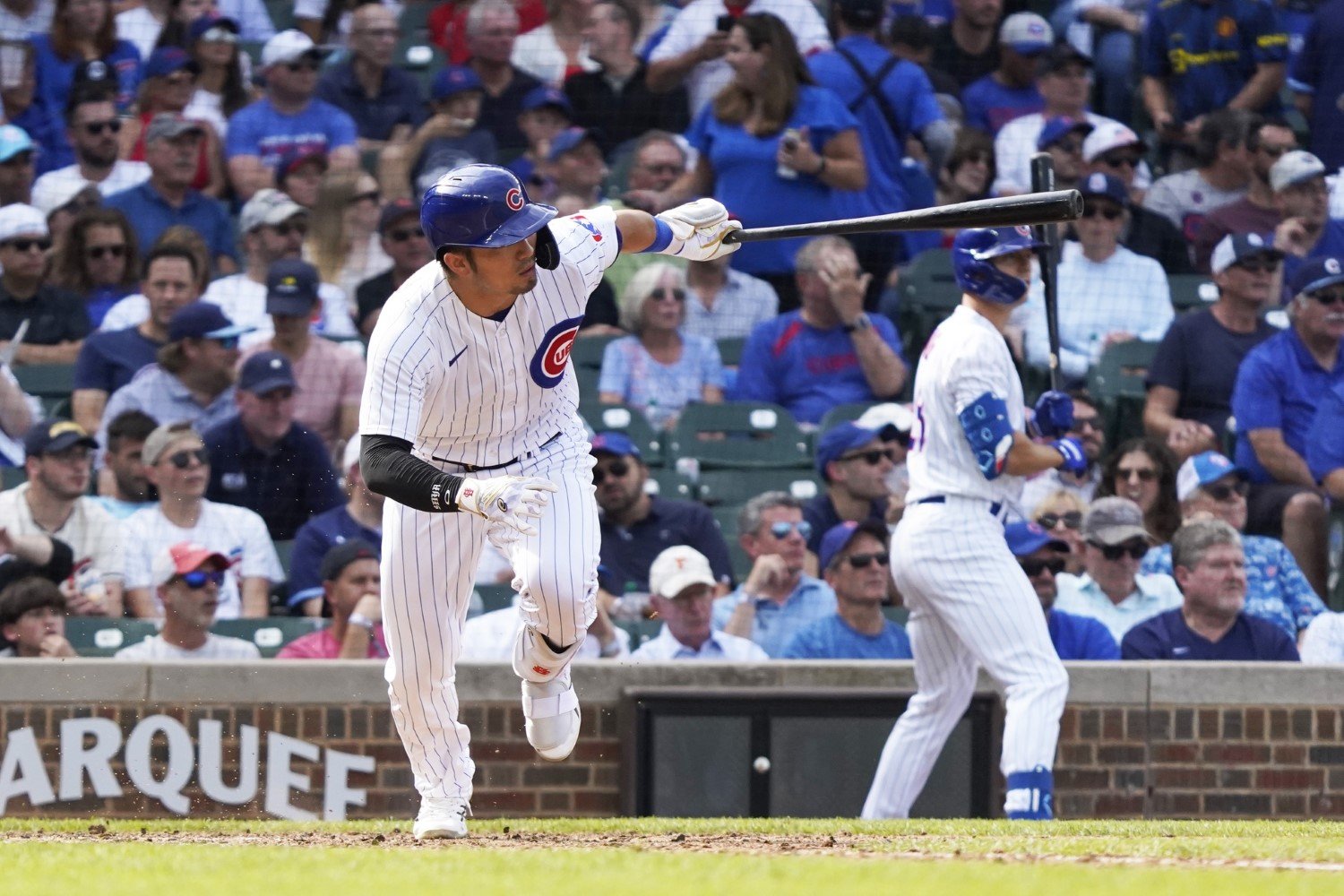 Yes, this is in response to that drop yesterday. No matter what people say, and regardless of how the rest of this season progresses, the Cubs wouldn’t be here, fighting with the Marlins, Reds and others for a Wild Card spot, if it weren’t for the heroic contributions of their right fielder. The book on Seiya Suzuki is still being written, though the first few chapters of his Cubs tenure have been tumultuous (to say the least). He was good last year, his rookie season in the majors, posting a .770 OPS in 111 games, though that’s really all he was. His defense faltered, relative to his sparkling reputation and decorated status in Japan. He had blazing hot streaks (like the first month of his career) and long cold patches (like the two months that followed), and the injury bug caught him a few times. Heading into the offseason, Cubs fans had plenty of questions about his viability as the team’s long-term right fielder, especially once the team made the play to give Cody Bellinger a one-year prove-it deal to play (primarily) center field. Those doubts only deepened as the season began, as Ian Happ was rewarded with a three-year extension and top prospect Pete Crow-Armstrong came out of the gates strong. Just as he did in his first season Stateside, Suzuki has had very high peaks and very low valleys this year, all of which culminated in a brief benching in early August after the Cubs went out and acquired Jeimer Candelario. That trade led Bellinger back to manning his spot in center field, pushing Mike Tauchman to right field, leaving no spot in the everyday lineup for the team's $85-million man. How Suzuki would respond to that was anyone’s guess, though I’d imagine no one predicted the outcome we’ve gotten. Since that benching, across 189 plate appearances, Suzuki has slashed .351/.402/.690, which adds up to a preposterous 186 wRC+. That slugging percentage ranks first in the majors over that stretch (his wRC+ is third). In other words, Suzuki is performing beyond an MVP level right now. For reference, Cody Bellinger posted a 161 wRC+ in his 2019 MVP-winning season. This sizzling stretch has his season-long numbers looking good, too: a .283/.354/.485 slash line, good for a 125 wRC+. His fWAR is up to 3.0, which ranks 50th among all National League players, pitchers included. He’s also showing out in right field with the glove again: His metrics, even with the drop yesterday, are well into positive territory--which isn’t a surprise, given his five Golden Gloves during his time in NPB (Nippon Professional Baseball). While Bellinger, Justin Steele and Nico Hoerner have been better over the course of the season, no one has been as hot or important to the team’s success over the last six weeks as Suzuki. So much of the lineup, from Dansby Swanson to Candelario to Tauchman, has been struggling down the stretch, making Suzuki’s rise back to his peak potential all the more important for a Cubs team that has been wavering in the final weeks of the season. This is what the Cubs envisioned when they handed Suzuki a five-year, $85 million contract as he came over from Japan. The hope was that he’d be a middle-of-the-order bat, and after plenty of struggles in adjusting to MLB pitching, he’s finally delivering on that promise. If the Cubs can overcome that gaffe in the outfield Tuesday night and are playing beyond October 1st, fans owe a lot of gratitude to the team’s second-half MVP.
 -
The Cubs made a big acquisition at the Trade Deadline this year, bringing back old friend Jeimer Candelario from the Nationals in exchange for a couple of prospects. However, since his hot start with his original club, Candelario hasn’t provided any return on investment. His impending return from a back injury is as important as any development for the Cubs in the final week of the regular season. Image courtesy of © Ron Chenoy-USA TODAY Sports Stop me if you’ve heard this before: the Cubs have a third base problem. Patrick Wisdom, the nominal starter at the hot corner, has been relegated to match-up duty for months. Nick Madrigal is currently on the IL with a hamstring issue and may not return until the postseason (if the Cubs even get there). Miles Mastrobuoni has played admirably over the last week or so as a fill-in, but his season long numbers don’t inspire much confidence. As such, it’s incredibly important for the Cubs to get Jeimer Candelario back and operating at peak performance as soon as possible. Candelario was shelved from Sept. 10 until Wednesday with a lower back strain. Even before hitting the injured list, though, it was clear that that injury was hampering the sometime slugger. Now that he's returned, though, the Cubs need Candelario to be far better than he was for the team following his acquisition. The corner infielder was scorching hot over his first few days back with the organization, garnering nine hits and 12 total bases across 12 at-bats in that first series against Cincinnati. Since then, he’s been ice cold at the plate, unable to keep his initial momentum going. As Bleacher Nation’s Michael Cerami lays out: “Cut out just his first two games with the team in early August (two games that featured some lucky/flukey hits/extra bases), and Candelario has slashed just .183/.278/.385 (79 wRC+) with a 26.2% strikeout rate over 126 PAs. He had been particularly cold since August 28, with just three hits, six walks, and 14 strikeouts in 44 PAs: .083/.227/.278 (41 wRC+).” You can likely chalk up some of that performance to the initial effects of what was described as a “lingering” back issue, though those stats are uncomfortably close to how he performed last year with the Detroit Tigers - a season so rough it got him non-tendered by a rebuilding franchise. Yet, it’s not like the Cubs can sit him. He provides valuable positional versatility as a capable defender at both first and third base, positions at which the Cubs have infamously struggled offensively this year. It’s uncertain if he’s ready to play every day, especially since he won’t have the chance for a rehab assignment this late in the year, but it’s all hands on deck at this point; if Candelario is healthy enough, he’s going to be in the lineup. He's batting seventh as the first baseman Wednesday night. If Candelario can get back to the player he was with the Nationals this year (he posted a .261/.337/.478 slash line with them, good for an .815 OPS), then the Cubs will solidify another spot in their lineup ahead of this final push for the playoffs. Even if he struggles with rust or lingering ailments from his back troubles, though, just having him as an option at the corners of the infield makes the Cubs a better team. The trade for Candelario marked the unofficial end of the Cubs’ Rebuild 2.0, this time under the stewardship of Jed Hoyer. It would be rather poetic if his return from the Injured List led to the team’s first successful playoff push since that rebuild began. View full article
-
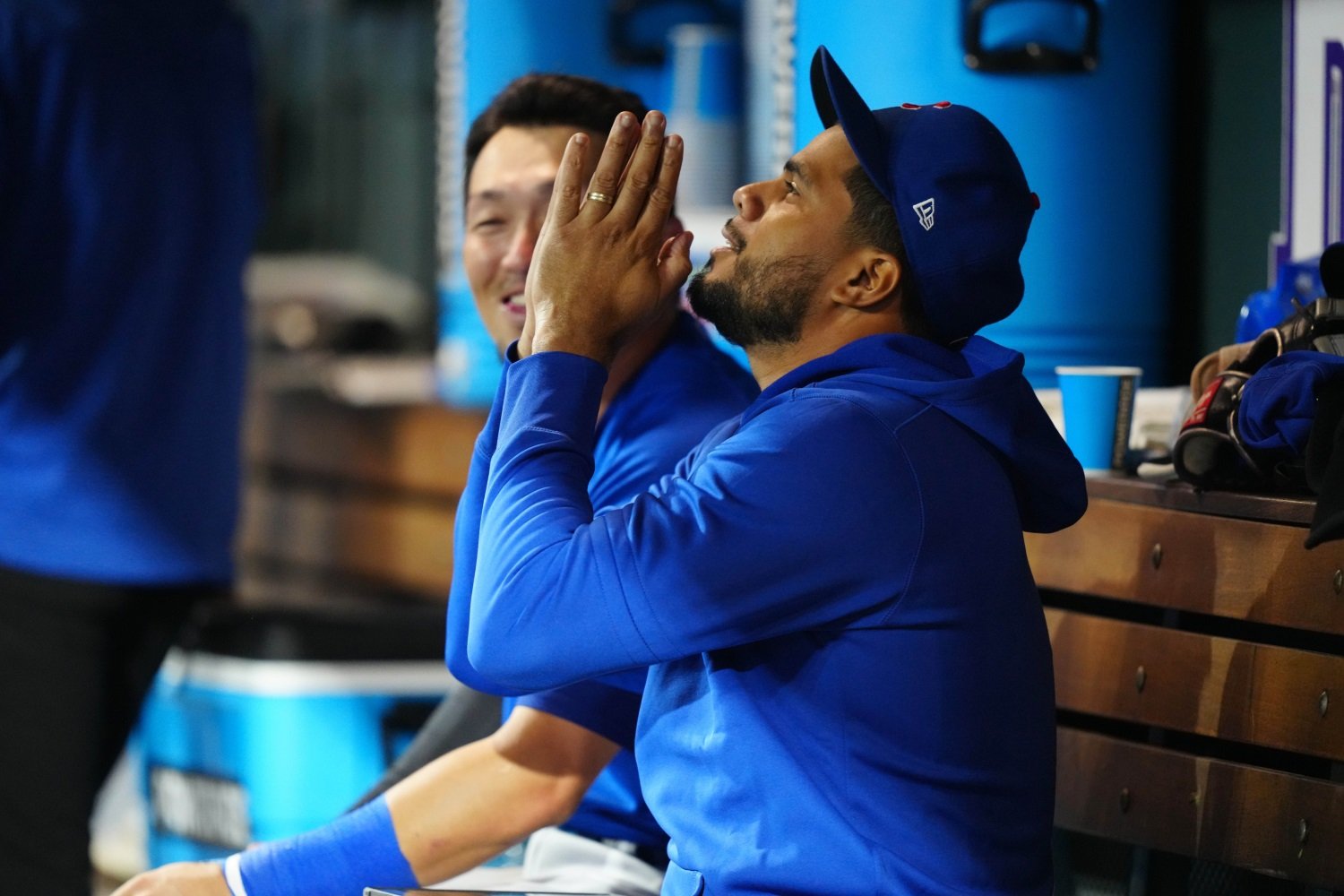 Stop me if you’ve heard this before: the Cubs have a third base problem. Patrick Wisdom, the nominal starter at the hot corner, has been relegated to match-up duty for months. Nick Madrigal is currently on the IL with a hamstring issue and may not return until the postseason (if the Cubs even get there). Miles Mastrobuoni has played admirably over the last week or so as a fill-in, but his season long numbers don’t inspire much confidence. As such, it’s incredibly important for the Cubs to get Jeimer Candelario back and operating at peak performance as soon as possible. Candelario was shelved from Sept. 10 until Wednesday with a lower back strain. Even before hitting the injured list, though, it was clear that that injury was hampering the sometime slugger. Now that he's returned, though, the Cubs need Candelario to be far better than he was for the team following his acquisition. The corner infielder was scorching hot over his first few days back with the organization, garnering nine hits and 12 total bases across 12 at-bats in that first series against Cincinnati. Since then, he’s been ice cold at the plate, unable to keep his initial momentum going. As Bleacher Nation’s Michael Cerami lays out: “Cut out just his first two games with the team in early August (two games that featured some lucky/flukey hits/extra bases), and Candelario has slashed just .183/.278/.385 (79 wRC+) with a 26.2% strikeout rate over 126 PAs. He had been particularly cold since August 28, with just three hits, six walks, and 14 strikeouts in 44 PAs: .083/.227/.278 (41 wRC+).” You can likely chalk up some of that performance to the initial effects of what was described as a “lingering” back issue, though those stats are uncomfortably close to how he performed last year with the Detroit Tigers - a season so rough it got him non-tendered by a rebuilding franchise. Yet, it’s not like the Cubs can sit him. He provides valuable positional versatility as a capable defender at both first and third base, positions at which the Cubs have infamously struggled offensively this year. It’s uncertain if he’s ready to play every day, especially since he won’t have the chance for a rehab assignment this late in the year, but it’s all hands on deck at this point; if Candelario is healthy enough, he’s going to be in the lineup. He's batting seventh as the first baseman Wednesday night. If Candelario can get back to the player he was with the Nationals this year (he posted a .261/.337/.478 slash line with them, good for an .815 OPS), then the Cubs will solidify another spot in their lineup ahead of this final push for the playoffs. Even if he struggles with rust or lingering ailments from his back troubles, though, just having him as an option at the corners of the infield makes the Cubs a better team. The trade for Candelario marked the unofficial end of the Cubs’ Rebuild 2.0, this time under the stewardship of Jed Hoyer. It would be rather poetic if his return from the Injured List led to the team’s first successful playoff push since that rebuild began.