


Matthew Trueblood
-
Posts
2,477 -
Joined
-
Last visited
-
Days Won
2
Content Type
Profiles
Joomla Posts 1
Chicago Cubs Videos
Chicago Cubs Free Agent & Trade Rumors, Notes, & Tidbits
2026 Chicago Cubs Top Prospects Ranking
News
2023 Chicago Cubs Draft Picks
Guides & Resources
2024 Chicago Cubs Draft Picks
The Chicago Cubs Players Project
2025 Chicago Cubs Draft Pick Tracker
2026 Chicago Cubs Draft Tracker: Picks & Bonuses
Blogs
Events
Forums
Store
Gallery
Everything posted by Matthew Trueblood
-
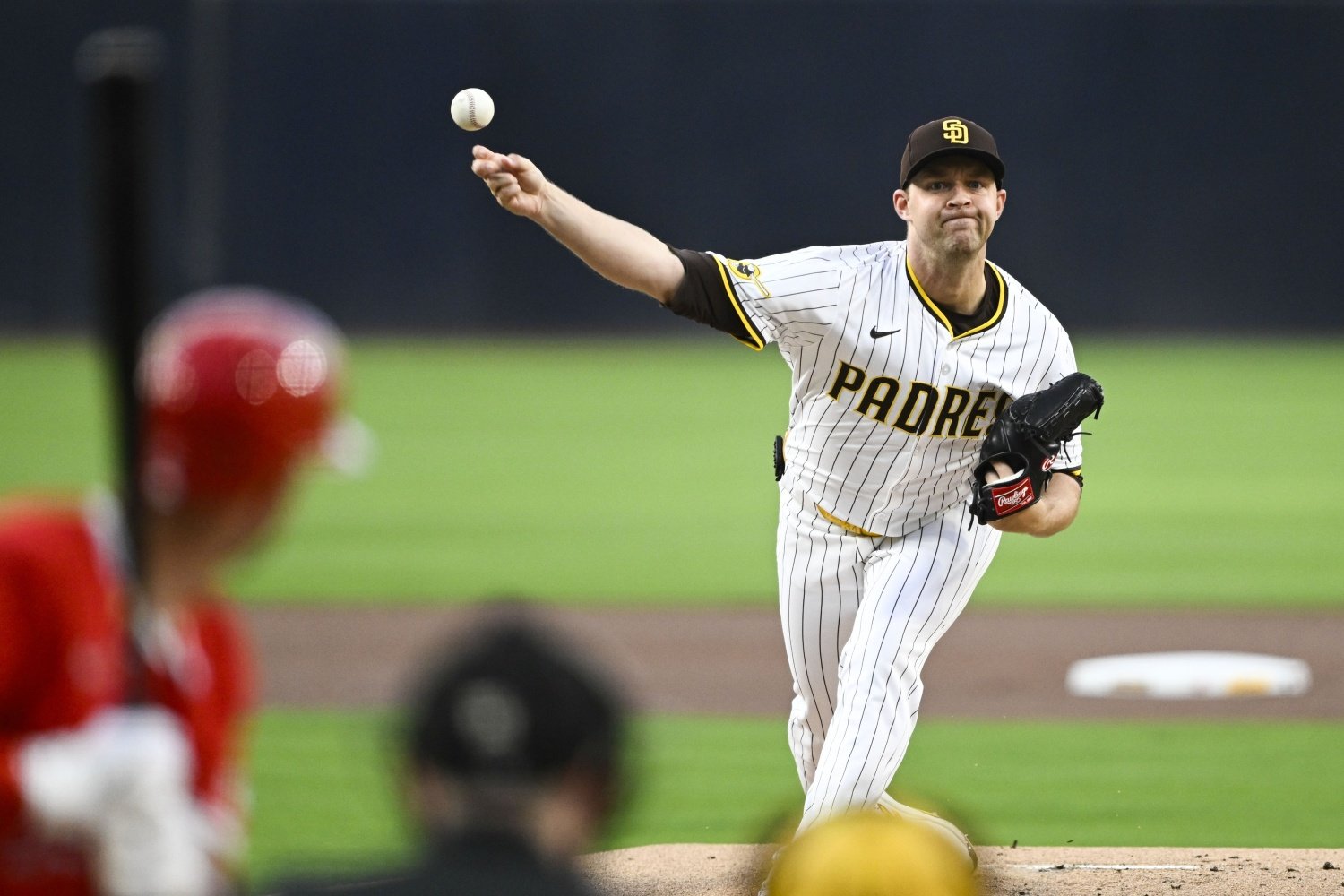 The Cubs were interested in Michael King at the outset of this offseason. After they got a sense of his initial asking price (approaching $100 million on a four-year deal, according to one source), they backed away, but once it was clear that King wouldn't net quite that rich a contract, they circled back to him. Ultimately, King re-signed with the Padres Thursday night, on a remarkably player-friendly deal that guarantees him up to $75 million over three years and gives him the right to opt out after either of the first two. A source familiar with the team's thinking said they were open to signing King on a short-term deal, but were unwilling to offer him both that high an annual average value and the pair of opt-outs that enticed him to return to San Diego. That's a sensible stance. King is coming off a season disrupted by injury, and his health history is spotty. He passed a physical to finalize his deal with the Padres, but the risk the team is assuming on that deal is a bit unwieldy, from the Cubs' perspective. This is the luxury the team has afforded itself, with the holidays looming and big names coming off the board but some desirable options left. By signing relievers Phil Maton, Caleb Thielbar and Hoby Milner and right-handed slugger Tyler Austin on low-cost deals, Jed Hoyer has set a floor that allows him to eschew further additions to the bullpen or the bench until he resolves more pressing business. He has roughly $40 million in 2026 salary available to him, if the right opportunities are there, but he's bought the ability to be patient and take a strong negotiating position. Before he signed with the Phillies for $22 million over two years, Brad Keller came to the Cubs and expressed a willingness to sign for less, according to two sources with knowledge of the conversation. The Cubs passed. They were not serious suitors for Luke Weaver, either, as he signed a similar deal with the Mets. Though they would still welcome improvements to their relief corps, the club now has its sights set on upgrading the lineup and the front half of the starting rotation, and they believe their current depth allows them to keep their focus there until they get resolution of situations just like the one that transpired with King. Among players still on the market, Zac Gallen and Tatsuya Imai are highest on the Cubs' radar as starters; they prefer those players (at their expected prices) to Ranger Suárez or Framber Valdez. They're also staying in the mix for four position players of note, sources said. It's down to the last three days of Munetaka Murakami's posting period, and the offers the left-handed slugger hoped would materialize are not forthcoming. Initially looking for $200 million or more on a long-term deal, Murakami is increasingly open to shorter-term deals that could include opt-outs and/or club options to convert an initial contract worth under $100 million into something more lucrative. The Cubs have been in contact with Murakami's agent, Casey Close, about the possibility of such a deal. They're also keeping tabs on the market for fellow impending Japanese import Kazuma Okamoto, whose market has developed slowly but who is expected to get a robust offer once Murakami signs and the picture crystallizes for teams still seeking a right-handed bat. The other two players the team has shown interest in, according to a league source, are extremely familiar names to Cubs fans: Alex Bregman and Cody Bellinger. Agent Scott Boras has been dissatisfied with the offers for both hitters thus far, though Bellinger is expected to wait out the market and sign sometime in January, anyway. The arguments for and against signing either player are well-documented, by now, but the Cubs are taking an opportunistic stance on each—as well as on Gallen, Imai, Murakami and Okamoto. In all likelihood, the team will only sign one of those six players. They would be stretching their budget near its breaking point to land more than one, and they generally prefer to keep some powder dry into mid-January. No matter which of their targets they sign, though, they should be left with some surplus talent on their roster, and Hoyer could then try to land a second difference-making player via trade. Signing Bregman, Murakami or Okamoto could beget a trade sending Matt Shaw elsewhere for pitching help. Signing Bellinger could free up Owen Caissie or Moisés Ballesteros to be dealt. One way or another, the Cubs will land a big fish, and they're likely to do it soon. They've passed on some opportunities already, believing a better one is waiting for them and that their small, early moves this winter have given them the leverage to hold out. That's a bit of a tightrope act, but by now (for better or worse), Hoyer is comfortable on that wire.
 -
Image courtesy of © Denis Poroy-Imagn Images The Cubs were interested in Michael King at the outset of this offseason. After they got a sense of his initial asking price (approaching $100 million on a four-year deal, according to one source), they backed away, but once it was clear that King wouldn't net quite that rich a contract, they circled back to him. Ultimately, King re-signed with the Padres Thursday night, on a remarkably player-friendly deal that guarantees him up to $75 million over three years and gives him the right to opt out after either of the first two. A source familiar with the team's thinking said they were open to signing King on a short-term deal, but were unwilling to offer him both that high an annual average value and the pair of opt-outs that enticed him to return to San Diego. That's a sensible stance. King is coming off a season disrupted by injury, and his health history is spotty. He passed a physical to finalize his deal with the Padres, but the risk the team is assuming on that deal is a bit unwieldy, from the Cubs' perspective. This is the luxury the team has afforded itself, with the holidays looming and big names coming off the board but some desirable options left. By signing relievers Phil Maton, Caleb Thielbar and Hoby Milner and right-handed slugger Tyler Austin on low-cost deals, Jed Hoyer has set a floor that allows him to eschew further additions to the bullpen or the bench until he resolves more pressing business. He has roughly $40 million in 2026 salary available to him, if the right opportunities are there, but he's bought the ability to be patient and take a strong negotiating position. Before he signed with the Phillies for $22 million over two years, Brad Keller came to the Cubs and expressed a willingness to sign for less, according to two sources with knowledge of the conversation. The Cubs passed. They were not serious suitors for Luke Weaver, either, as he signed a similar deal with the Mets. Though they would still welcome improvements to their relief corps, the club now has its sights set on upgrading the lineup and the front half of the starting rotation, and they believe their current depth allows them to keep their focus there until they get resolution of situations just like the one that transpired with King. Among players still on the market, Zac Gallen and Tatsuya Imai are highest on the Cubs' radar as starters; they prefer those players (at their expected prices) to Ranger Suárez or Framber Valdez. They're also staying in the mix for four position players of note, sources said. It's down to the last three days of Munetaka Murakami's posting period, and the offers the left-handed slugger hoped would materialize are not forthcoming. Initially looking for $200 million or more on a long-term deal, Murakami is increasingly open to shorter-term deals that could include opt-outs and/or club options to convert an initial contract worth under $100 million into something more lucrative. The Cubs have been in contact with Murakami's agent, Casey Close, about the possibility of such a deal. They're also keeping tabs on the market for fellow impending Japanese import Kazuma Okamoto, whose market has developed slowly but who is expected to get a robust offer once Murakami signs and the picture crystallizes for teams still seeking a right-handed bat. The other two players the team has shown interest in, according to a league source, are extremely familiar names to Cubs fans: Alex Bregman and Cody Bellinger. Agent Scott Boras has been dissatisfied with the offers for both hitters thus far, though Bellinger is expected to wait out the market and sign sometime in January, anyway. The arguments for and against signing either player are well-documented, by now, but the Cubs are taking an opportunistic stance on each—as well as on Gallen, Imai, Murakami and Okamoto. In all likelihood, the team will only sign one of those six players. They would be stretching their budget near its breaking point to land more than one, and they generally prefer to keep some powder dry into mid-January. No matter which of their targets they sign, though, they should be left with some surplus talent on their roster, and Hoyer could then try to land a second difference-making player via trade. Signing Bregman, Murakami or Okamoto could beget a trade sending Matt Shaw elsewhere for pitching help. Signing Bellinger could free up Owen Caissie or Moisés Ballesteros to be dealt. One way or another, the Cubs will land a big fish, and they're likely to do it soon. They've passed on some opportunities already, believing a better one is waiting for them and that their small, early moves this winter have given them the leverage to hold out. That's a bit of a tightrope act, but by now (for better or worse), Hoyer is comfortable on that wire. View full article
-
Image courtesy of © Michael McLoone-Imagn Images The Chicago Cubs have agreed to a one-year, major-league deal with first baseman Tyler Austin, according to a report from ESPN's Jeff Passan. Austin, 34, carried a colossal 36.9% strikeout rate over parts of four previous seasons in the majors, and last appeared in the States in 2019. Since then, he's played for the Yokohama Bay Stars of Nippon Professional Baseball. When last he did play in the American majors, Austin was one of Craig Counsell's charges for the Brewers. He drifted around in his final years before going to Japan, but found a home and made some major improvements as a balanced slugger in NPB. According to Yakyu Cosmopolitan, which keeps advanced NPB stats, Austin made contact on 85.1% of his swings within the strike zone in 2025, and chased fewer than 20% of pitches outside it. Even before going to Japan, he was an exceptional hitter against left-handed pitching, with a .253/.345/.539 line in 255 plate appearances against them. That will be virtually his only role for the 2026 Cubs. He profiles gorgeously as a lefty-mashing right-handed complement to star slugger Michael Busch, a lefty who struggles against southpaws. He can also find playing time as the designated hitter against lefties, moving Seiya Suzuki to right field and avoiding the need to play either Moisés Ballesteros or Owen Caissie against them, should Counsell prefer Busch to one of the two on a given day. He figures to come off the bench to pinch-hit for one of those three lefty batters fairly frequently, too, as long as his return to the States works out. Austin will come much cheaper than previous players the team has signed to fill the same role, a cast that includes Justin Turner ($6 million for 2025) and Trey Mancini ($14 million over the two previous seasons). Jon Heyman reports that he'll receive just $1.25 million, before incentives, making that roster spot a cheap one and leaving the team ample resources as they pursue a middle-of-the-order bat and an upgrade for the front half of their starting rotation. If they do achieve a major upgrade to the lineup, it's likely to come at third base, anyway, so Austin does nothing to materially gum things up on that front. He occupies a roster spot that will have little defensive value or flexibility, but which also demands little. As the team ponders ways to make the remaining improvements they need, this move saves money in one place for spending in another—while capturing some matchup-based upside. View full article
-
NEWS: Cubs Sign First Baseman Tyler Austin to Big-League Deal
Matthew Trueblood posted an article in Cubs
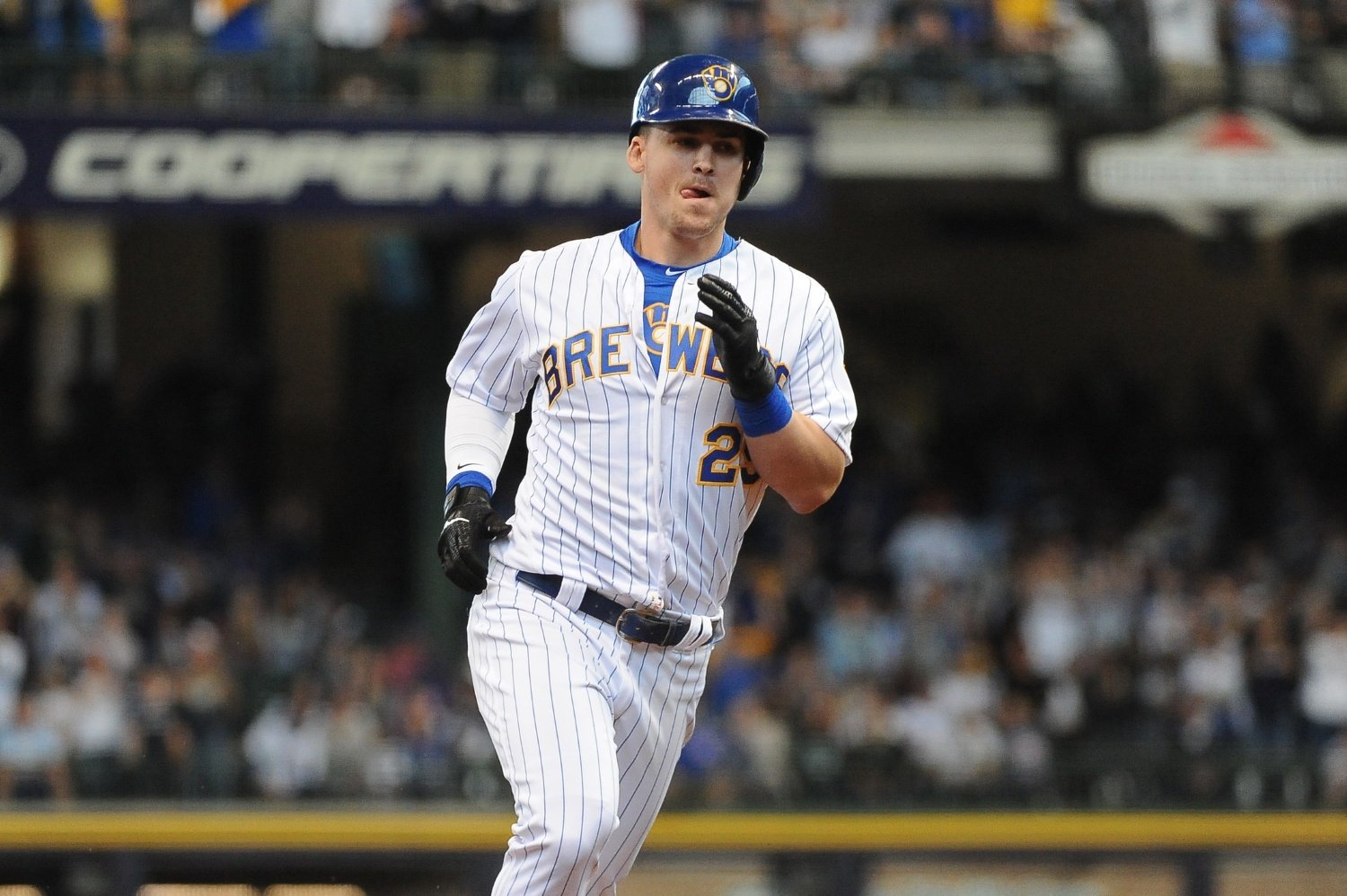 The Chicago Cubs have agreed to a one-year, major-league deal with first baseman Tyler Austin, according to a report from ESPN's Jeff Passan. Austin, 34, carried a colossal 36.9% strikeout rate over parts of four previous seasons in the majors, and last appeared in the States in 2019. Since then, he's played for the Yokohama Bay Stars of Nippon Professional Baseball. When last he did play in the American majors, Austin was one of Craig Counsell's charges for the Brewers. He drifted around in his final years before going to Japan, but found a home and made some major improvements as a balanced slugger in NPB. According to Yakyu Cosmopolitan, which keeps advanced NPB stats, Austin made contact on 85.1% of his swings within the strike zone in 2025, and chased fewer than 20% of pitches outside it. Even before going to Japan, he was an exceptional hitter against left-handed pitching, with a .253/.345/.539 line in 255 plate appearances against them. That will be virtually his only role for the 2026 Cubs. He profiles gorgeously as a lefty-mashing right-handed complement to star slugger Michael Busch, a lefty who struggles against southpaws. He can also find playing time as the designated hitter against lefties, moving Seiya Suzuki to right field and avoiding the need to play either Moisés Ballesteros or Owen Caissie against them, should Counsell prefer Busch to one of the two on a given day. He figures to come off the bench to pinch-hit for one of those three lefty batters fairly frequently, too, as long as his return to the States works out. Austin will come much cheaper than previous players the team has signed to fill the same role, a cast that includes Justin Turner ($6 million for 2025) and Trey Mancini ($14 million over the two previous seasons). Jon Heyman reports that he'll receive just $1.25 million, before incentives, making that roster spot a cheap one and leaving the team ample resources as they pursue a middle-of-the-order bat and an upgrade for the front half of their starting rotation. If they do achieve a major upgrade to the lineup, it's likely to come at third base, anyway, so Austin does nothing to materially gum things up on that front. He occupies a roster spot that will have little defensive value or flexibility, but which also demands little. As the team ponders ways to make the remaining improvements they need, this move saves money in one place for spending in another—while capturing some matchup-based upside.
 -
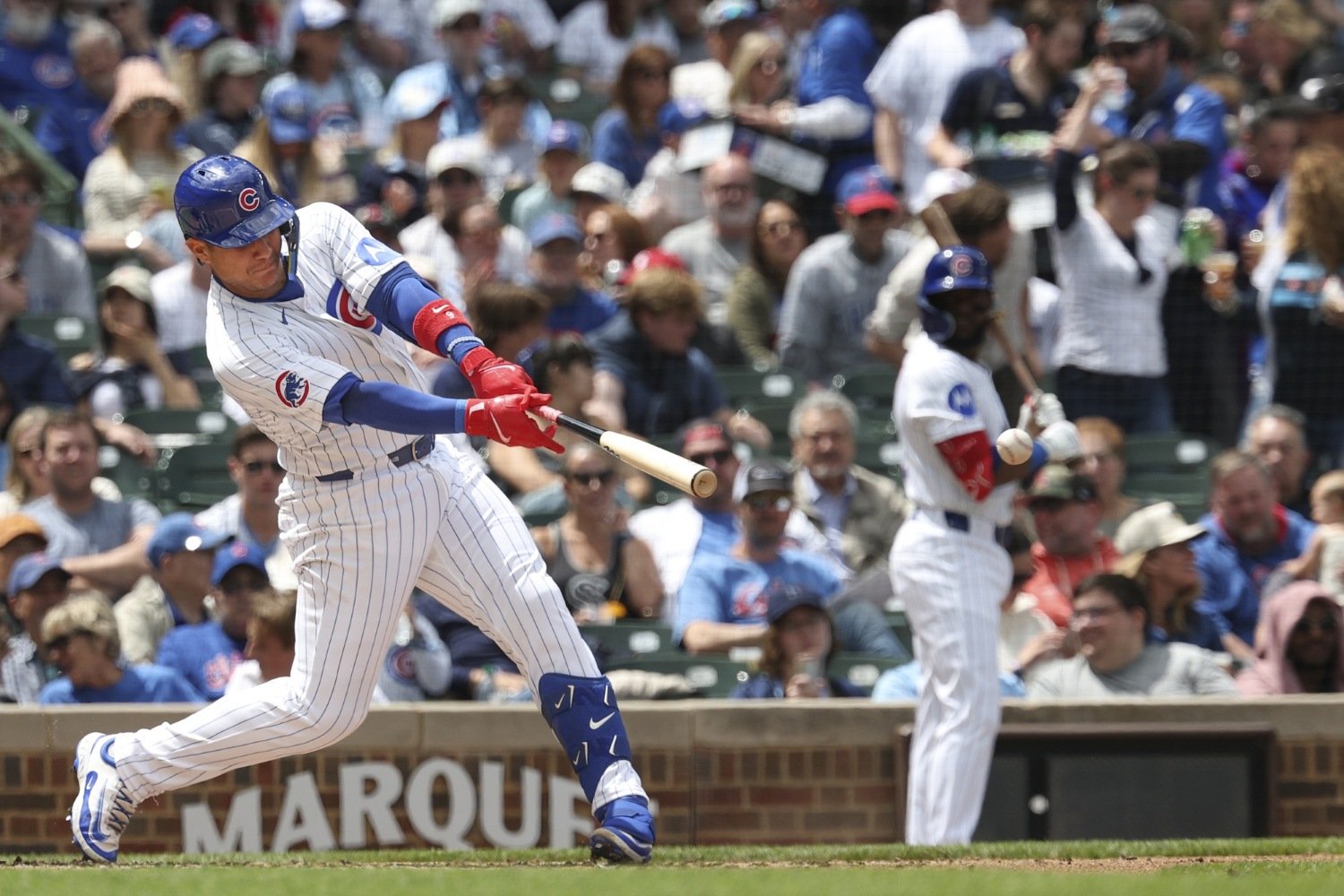 Miguel Amaya played exceptionally well in 2025. He batted .281/.314/.500. He hit a huge early-season home run in a comeback win against the Dodgers at Wrigley Field, which held up as one of the year's great, dramatic Cubs moments. He cleaned up the exchange from his mitt to the throwing hand when throwing out runners, and significantly improved his pop time as a result. He looked like a budding star, and exactly what the Cubs needed him to be. You already know the 'but' that comes after all that, though. Amaya got hurt on a throw in Cincinnati in May, suffering a significant oblique strain that took him out of action until mid-August. Upon his return, he immediately suffered a gruesome-looking (though, thankfully, moderate) ankle injury while trying to beat out an infield hit in Toronto. He only took 103 plate appearances in the majors all season. After a 2024 campaign that provided some hope for his durability, this year was a sad reversion to his broader career pattern: lots of promise, and an injury to thwart every would-be breakout. Thankfully, Carson Kelly had an exceptional season, even if much of that value was packed into the same period during which Amaya was healthy and effective. Kelly batted .249/.333/.428 in a much more robust sample of 421 plate appearances. He got a de facto promotion from splitting time behind the plate to playing as regularly as your typical starter, and although that ate into his production as the season wore on, he stayed healthy and delivered what was needed. He was especially good defensively. Jed Hoyer and his staff have plenty of holes to fill and weaknesses to address as they try to build the 2026 Cubs and get to a second consecutive postseason. Because Kelly was so good and Amaya is still under team control, catcher will not be a priority for the front office this winter. Kelly and Amaya are likely to be the team's go-to options as the season begins. As good as they were in 2025, though, running it back with them next year carries a huge amount of risk. Even when healthy, Amaya has been a bit of a chameleon. He's talented and dedicated, but he's also a tinkerer—and his tools are volatile. Amaya was one of the first darlings of bat-tracking data for the Cubs, when that suite of data rolled out in 2024. As the first half of that season wore on, though, he lost bat speed, struggling to find ways to make consistent contact. He made a major swing and stance overhaul in the middle of that season, which yielded terrific results, but he came back in 2025 with yet another swing. Season Month Bat Speed Swing Tilt Attack Angle Attack Direction Contact Point (in.) Depth in Box (in.) Dist. Off Plate (in.) 2023 July 73.5 26.7 12.4 -10.2 37.6 26.9 30.7 2023 August 74.0 29.0 10.2 -9.0 36.5 26.5 29.6 2023 September 73.5 27.7 8.0 -0.9 32.0 27.8 30.0 2024 April 72.9 32.0 9.3 -1.7 34.1 29.4 30.5 2024 May 72.4 29.8 9.6 -5.6 36.5 29.5 28.5 2024 June 71.8 31.4 9.1 -3.4 33.1 31.0 28.1 2024 July 73.5 34.0 8.4 -6.0 32.1 29.5 26.1 2024 August 73.8 32.0 7.0 -5.6 28.1 28.6 26.3 2024 September 73.1 31.1 5.7 -4.0 26.6 27.5 26.4 2025 April 72.1 34.6 11.7 -12.7 31.6 29.0 27.2 2025 May 72.4 35.5 10.0 -8.4 30.0 29.5 26.5 After getting more aggressive with his swing but letting the ball get deeper in the hitting zone before contact in the second half of 2024, Amaya gave up a little bit of those gains in swing speed to open 2025, as he reegineered his swing to be steeper and catch the ball farther in front of his body. He became more of a pull hitter and caught the ball with the bat working uphill more, which led to a much lower ground-ball rate and fed that surge in power marked neatly by the homer against the Dodgers. Had he stayed healthy, this version of Amaya probably would have hit 20 home runs, even in the limited playing time he was getting. He was a true and dangerous slugger, after years of being more of a slashing, balanced hitter and putting too many balls on the ground to tap into the value of his bat speed. Now, though, the question is whether that version of him will stick around. Each time he gets hurt (and even when he gets extended playing time without getting hurt), Amaya makes major changes to his process at the plate. By sticking with their existing catching corps, the Cubs are accepting substantial risk of regression. Kelly is likely due for some, given his age and track record. Amaya is, unavoidably, an enigma. He just had great success during a stint to open the season, but unfortunately, that's not a guarantee that he can (or will) come back in 2026 doing the same things. Still, it's smarter to make that bet than to spend some of their resources on that position this winter, so Amaya will be one of the most important players to watch in spring training and early-season play in 2026—and that's ok.
 -
Image courtesy of © Kamil Krzaczynski-Imagn Images Miguel Amaya played exceptionally well in 2025. He batted .281/.314/.500. He hit a huge early-season home run in a comeback win against the Dodgers at Wrigley Field, which held up as one of the year's great, dramatic Cubs moments. He cleaned up the exchange from his mitt to the throwing hand when throwing out runners, and significantly improved his pop time as a result. He looked like a budding star, and exactly what the Cubs needed him to be. You already know the 'but' that comes after all that, though. Amaya got hurt on a throw in Cincinnati in May, suffering a significant oblique strain that took him out of action until mid-August. Upon his return, he immediately suffered a gruesome-looking (though, thankfully, moderate) ankle injury while trying to beat out an infield hit in Toronto. He only took 103 plate appearances in the majors all season. After a 2024 campaign that provided some hope for his durability, this year was a sad reversion to his broader career pattern: lots of promise, and an injury to thwart every would-be breakout. Thankfully, Carson Kelly had an exceptional season, even if much of that value was packed into the same period during which Amaya was healthy and effective. Kelly batted .249/.333/.428 in a much more robust sample of 421 plate appearances. He got a de facto promotion from splitting time behind the plate to playing as regularly as your typical starter, and although that ate into his production as the season wore on, he stayed healthy and delivered what was needed. He was especially good defensively. Jed Hoyer and his staff have plenty of holes to fill and weaknesses to address as they try to build the 2026 Cubs and get to a second consecutive postseason. Because Kelly was so good and Amaya is still under team control, catcher will not be a priority for the front office this winter. Kelly and Amaya are likely to be the team's go-to options as the season begins. As good as they were in 2025, though, running it back with them next year carries a huge amount of risk. Even when healthy, Amaya has been a bit of a chameleon. He's talented and dedicated, but he's also a tinkerer—and his tools are volatile. Amaya was one of the first darlings of bat-tracking data for the Cubs, when that suite of data rolled out in 2024. As the first half of that season wore on, though, he lost bat speed, struggling to find ways to make consistent contact. He made a major swing and stance overhaul in the middle of that season, which yielded terrific results, but he came back in 2025 with yet another swing. Season Month Bat Speed Swing Tilt Attack Angle Attack Direction Contact Point (in.) Depth in Box (in.) Dist. Off Plate (in.) 2023 July 73.5 26.7 12.4 -10.2 37.6 26.9 30.7 2023 August 74.0 29.0 10.2 -9.0 36.5 26.5 29.6 2023 September 73.5 27.7 8.0 -0.9 32.0 27.8 30.0 2024 April 72.9 32.0 9.3 -1.7 34.1 29.4 30.5 2024 May 72.4 29.8 9.6 -5.6 36.5 29.5 28.5 2024 June 71.8 31.4 9.1 -3.4 33.1 31.0 28.1 2024 July 73.5 34.0 8.4 -6.0 32.1 29.5 26.1 2024 August 73.8 32.0 7.0 -5.6 28.1 28.6 26.3 2024 September 73.1 31.1 5.7 -4.0 26.6 27.5 26.4 2025 April 72.1 34.6 11.7 -12.7 31.6 29.0 27.2 2025 May 72.4 35.5 10.0 -8.4 30.0 29.5 26.5 After getting more aggressive with his swing but letting the ball get deeper in the hitting zone before contact in the second half of 2024, Amaya gave up a little bit of those gains in swing speed to open 2025, as he reegineered his swing to be steeper and catch the ball farther in front of his body. He became more of a pull hitter and caught the ball with the bat working uphill more, which led to a much lower ground-ball rate and fed that surge in power marked neatly by the homer against the Dodgers. Had he stayed healthy, this version of Amaya probably would have hit 20 home runs, even in the limited playing time he was getting. He was a true and dangerous slugger, after years of being more of a slashing, balanced hitter and putting too many balls on the ground to tap into the value of his bat speed. Now, though, the question is whether that version of him will stick around. Each time he gets hurt (and even when he gets extended playing time without getting hurt), Amaya makes major changes to his process at the plate. By sticking with their existing catching corps, the Cubs are accepting substantial risk of regression. Kelly is likely due for some, given his age and track record. Amaya is, unavoidably, an enigma. He just had great success during a stint to open the season, but unfortunately, that's not a guarantee that he can (or will) come back in 2026 doing the same things. Still, it's smarter to make that bet than to spend some of their resources on that position this winter, so Amaya will be one of the most important players to watch in spring training and early-season play in 2026—and that's ok. View full article
-
Image courtesy of © Rick Osentoski-Imagn Images The Chicago Cubs have agreed to a one-year deal with free-agent lefty Caleb Thielbar, a league source confirmed to North Side Baseball. The news was first reported by Jesse Rogers of ESPN, on Twitter. Thielbar, who will turn 39 in January, returns after a strong season as a setup man for the 2025 Cubs. As improbable a 10-year major leaguer as you'll find, Thielbar was an 18th-round pick in 2009 by the Brewers, but was released the following December. He spent a summer in independent ball, eventually catching the attention of his hometown Minnesota Twins. He pitched parts of three seasons with Minnesota, but flamed out in 2015. He was claimed by the Padres, but never pitched for them in the majors. He signed with the Marlins in late 2016, but didn't make their team in 2017 and was cut. He spent all of 2016 and 2017 on the indy circuit and all of 2018 and 2019 in the minors with Detroit and Atlanta. Just as he was finally set to move on from playing and take a coaching role, however, the Twins called again. Thielbar revived his career and pitched parts of five more seasons with Minnesota, before signing with the Cubs last winter on a paltry deal. However peripatetic and perilous his professional career has been, though, Thielbar's fundamentals as a pitcher are very strong. He's gone against the grain of the typical aging curve, with his velocity increasing more often than it decreases. Work at Driveline Baseball helped him turn from a soft-tosser getting by on command and guile into a more legitimate candidate to work in high-leverage situations. He now sits around 93 miles per hour, with the ability to touch 95, all from a deceptive left-handed delivery. Multiple breaking balls make him a versatile weapon, rather than a strict matchup option. Bringing back a true slider (to work as a complement to both his sweeper and his big, slow vertical curveball) was a key change for 2025, allowing Thielbar to better manage contact and fill up the strike zone. Alongside newcomer Hoby Milner, Thielbar figures to anchor the left side of the Cubs' bullpen depth chart, with fringy arms Luke Little and Riley Martin as secondary options and swingman Jordan Wicks a candidate to slot in for longer work. Chicago had interest in fellow southpaw Foster Griffin, returning from a sojourn in Japan, but Griffin will get a chance to start for the Washington Nationals, which he would have had little chance to do in Chicago. Once Griffin elected to sign with Washington, the Cubs pivoted to the reunion with Thielbar. View full article
-
BREAKING: Cubs Re-Sign Left-Handed Reliever Caleb Thielbar
Matthew Trueblood posted an article in Cubs
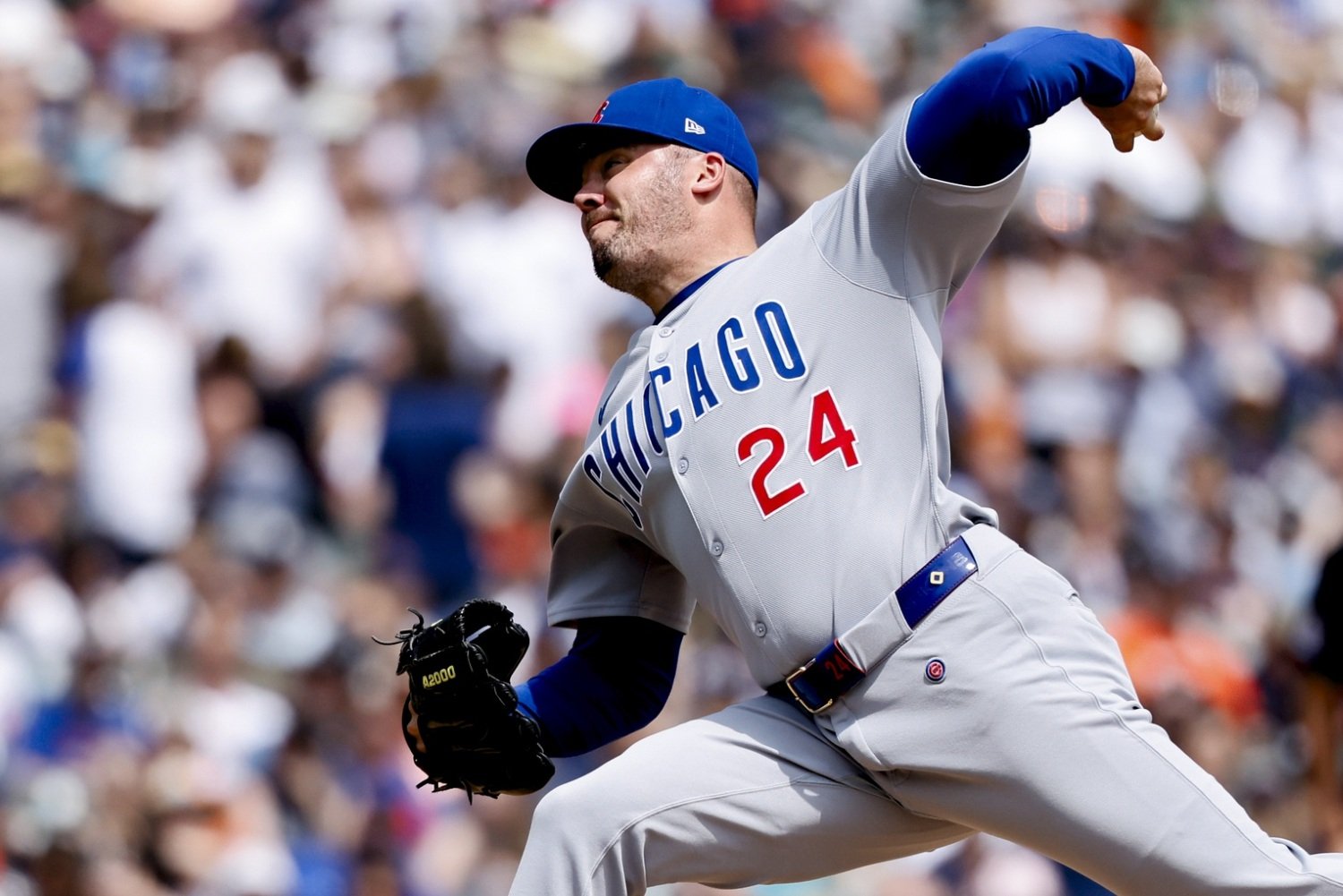 The Chicago Cubs have agreed to a one-year deal with free-agent lefty Caleb Thielbar, a league source confirmed to North Side Baseball. The news was first reported by Jesse Rogers of ESPN, on Twitter. Thielbar, who will turn 39 in January, returns after a strong season as a setup man for the 2025 Cubs. As improbable a 10-year major leaguer as you'll find, Thielbar was an 18th-round pick in 2009 by the Brewers, but was released the following December. He spent a summer in independent ball, eventually catching the attention of his hometown Minnesota Twins. He pitched parts of three seasons with Minnesota, but flamed out in 2015. He was claimed by the Padres, but never pitched for them in the majors. He signed with the Marlins in late 2016, but didn't make their team in 2017 and was cut. He spent all of 2016 and 2017 on the indy circuit and all of 2018 and 2019 in the minors with Detroit and Atlanta. Just as he was finally set to move on from playing and take a coaching role, however, the Twins called again. Thielbar revived his career and pitched parts of five more seasons with Minnesota, before signing with the Cubs last winter on a paltry deal. However peripatetic and perilous his professional career has been, though, Thielbar's fundamentals as a pitcher are very strong. He's gone against the grain of the typical aging curve, with his velocity increasing more often than it decreases. Work at Driveline Baseball helped him turn from a soft-tosser getting by on command and guile into a more legitimate candidate to work in high-leverage situations. He now sits around 93 miles per hour, with the ability to touch 95, all from a deceptive left-handed delivery. Multiple breaking balls make him a versatile weapon, rather than a strict matchup option. Bringing back a true slider (to work as a complement to both his sweeper and his big, slow vertical curveball) was a key change for 2025, allowing Thielbar to better manage contact and fill up the strike zone. Alongside newcomer Hoby Milner, Thielbar figures to anchor the left side of the Cubs' bullpen depth chart, with fringy arms Luke Little and Riley Martin as secondary options and swingman Jordan Wicks a candidate to slot in for longer work. Chicago had interest in fellow southpaw Foster Griffin, returning from a sojourn in Japan, but Griffin will get a chance to start for the Washington Nationals, which he would have had little chance to do in Chicago. Once Griffin elected to sign with Washington, the Cubs pivoted to the reunion with Thielbar.
 -
The Chicago Cubs have agreed to a deal with free-agent relief pitcher Hoby Milner, according to a report from Bleacher Nation's Michael Cerami. Milner, 34, fills a key need for the bullpen-needy Cubs, who saw both Drew Pomeranz and Caleb Thielbar hit free agency after playing huge roles for them in 2025. A source told North Side Baseball that it's a one-year, guaranteed contract. A late-blooming journeyman who throws from a true sidearm angle, Milner became a revelation for the Brewers under now-Cubs manager Craig Counsell in 2022 and 2023. He's a soft-tosser who has never racked up strikeouts, but he excels at managing contact and has historically been one of the league's best strike-throwers. He took a step back in 2024, leading the Brewers to non-tender him last November. He signed a one-year deal with the Rangers, where he rebounded in some ways but struggled in others; his walk rate rose and his strikeout rate fell. However, Milner remains one of the least comfortable at-bats in the majors for left-handed batters, and he's an affable and helpful clubhouse presence. He induces ground balls exceptionally well, and when he can command all four of his pitches, he can dominate in the right matchups. More so than Pomeranz or Thielbar, he's also exceptionally durable. As of earlier this week, sources said there was mutual interest in a return engagement between the Cubs and Pomeranz, whose stuff profile is different enough from Milner to make it plausible that the team will roster both. For now, though, the club has filled one of the many vacancies on their 40-man roster, and one of the many holes in a bullpen that had been evacuated at season's end. UPDATE 12:45 PM: Milner will earn a $3.75-million base salary, a source confirmed. He can earn up to $250,000 in incentives based on games pitched. Mark Feinsand of MLB.com reported the nominal terms. View full article
-
BREAKING: Cubs Agree to Sign Left-Handed Reliever Hoby Milner
Matthew Trueblood posted an article in Cubs
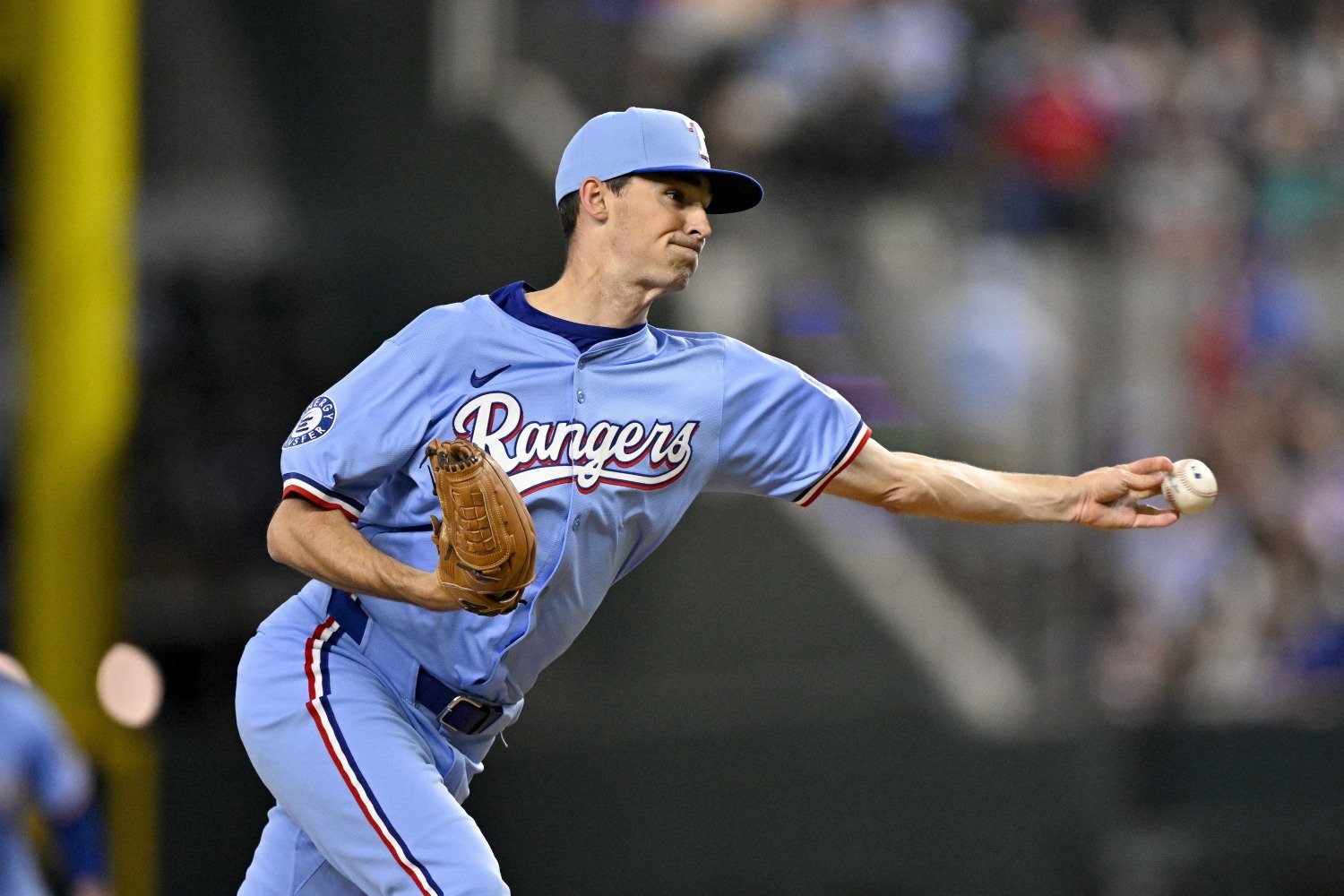 The Chicago Cubs have agreed to a deal with free-agent relief pitcher Hoby Milner, according to a report from Bleacher Nation's Michael Cerami. Milner, 34, fills a key need for the bullpen-needy Cubs, who saw both Drew Pomeranz and Caleb Thielbar hit free agency after playing huge roles for them in 2025. A source told North Side Baseball that it's a one-year, guaranteed contract. A late-blooming journeyman who throws from a true sidearm angle, Milner became a revelation for the Brewers under now-Cubs manager Craig Counsell in 2022 and 2023. He's a soft-tosser who has never racked up strikeouts, but he excels at managing contact and has historically been one of the league's best strike-throwers. He took a step back in 2024, leading the Brewers to non-tender him last November. He signed a one-year deal with the Rangers, where he rebounded in some ways but struggled in others; his walk rate rose and his strikeout rate fell. However, Milner remains one of the least comfortable at-bats in the majors for left-handed batters, and he's an affable and helpful clubhouse presence. He induces ground balls exceptionally well, and when he can command all four of his pitches, he can dominate in the right matchups. More so than Pomeranz or Thielbar, he's also exceptionally durable. As of earlier this week, sources said there was mutual interest in a return engagement between the Cubs and Pomeranz, whose stuff profile is different enough from Milner to make it plausible that the team will roster both. For now, though, the club has filled one of the many vacancies on their 40-man roster, and one of the many holes in a bullpen that had been evacuated at season's end. UPDATE 12:45 PM: Milner will earn a $3.75-million base salary, a source confirmed. He can earn up to $250,000 in incentives based on games pitched. Mark Feinsand of MLB.com reported the nominal terms.
 -
Image courtesy of © Patrick Gorski-Imagn Images Ten of the 30 teams who make up MLB have a full 40-man roster. Eight more have 39 players on that reserve list, and six more have 38. The other six teams break down as follows: Yankees, Padres, 36; Phillies, Rangers, Angels, 35; Cubs, 31. Chicago not only has fewer players on their big-league roster than any of their 29 competitors, but four fewer than the trio of teams who would otherwise represent the extreme low end of the distribution. Having that many vacancies provides lots of flexibility, but it also stands as a reminder of how much work lies ahead of Jed Hoyer this winter. The circumstance is a result of the team having lost a startling number of players to free agency—Kyle Tucker, Willi Castro, Justin Turner, Carlos Santana, Drew Pomeranz, Caleb Thielbar, Brad Keller, Michael Soroka, Aaron Civale and Reese McGuire all finished the season with the team but were eligible for free agency after the World Series or (in McGuire's case) were non-tendered last month. However, it's also a result of the team's failure to build a deep farm system. Chicago left several players off their 40-man roster when the deadline came to protect them from the Rule 5 Draft, but when that draft happened Wednesday, they didn't lose any of the guys in question. Even some of the players who are currently on the roster (James Triantos, Pedro Ramirez, Riley Martin, Luke Little, Ethan Roberts, Gavin Hollowell, Jack Neely) are fringe pieces with little immediate value to the parent club, and a few more (Jordan Wicks, Javier Assad, Owen Caissie, Moisés Ballesteros, Kevin Alcántara) either haven't yet gotten a chance to prove themselves or have seemed not to have the full confidence of the organization. Where there should be robust reserves of homegrown talent to reinforce the roster, right now, there are blank spaces. Again, that has its upsides. The Cubs signed right-handed reliever Collin Snider to a minor-league deal Wednesday. Snider, 30, is a funky, low-slot hurler who could become the 2026 answer to Tyson Miller in the Chicago pen. They were in good position to land him on such a deal, because with all that open space, Snider can reasonably expect that there will be a 40-man spot for him to win if he shows well during spring training. The Cubs can also take on players on a trade partner's 40-man roster, if needed, without needing to shuffle as much or remove players from their own roster the way other teams might. Generally, though, the Cubs have let the opportunities afforded by keeping a skeleton crew in November and December drift by. They didn't trade for any prospects who needed to be added to overstuffed 40-man rosters last month, or snap up anyone who stood to be non-tendered because of another club's roster crunch. They also, downright stunningly, didn't take anyone in Wednesday's Rule 5 Draft. They're actively choosing to hold open so many roster spots that it's conspicuous, despite having a very limited set of non-roster players with any real upside for 2026. In other words, the team is setting itself up for a spending spree in free agency—but also leaving themselves no other choice. Though the internal preference of the front office is to add top-flight pitching via trade, rather than via free agency, any deal that would net them the caliber of player they're looking for would have to include one of Matt Shaw, Ballesteros, Caissie, or Alcántara. They've talked to other teams about various deals that would send out Nico Hoerner, Jameson Taillon, or Ben Brown. By not snatching up players via waiver claims, trades or the Rule 5, Hoyer and company have eschewed chances to chart a more balanced course through the offseason. At this point, the Cubs will almost surely sign at least four more players to big-league deals this winter. That's good news, and so is the underlying reason why they're doing this: they have set high goals for the player types they hope will fill those slots. The team is pursuing above-average starting pitchers, high-leverage reliever candidates, and top-tier bats. They've been active in trade talks regarding MacKenzie Gore and Edward Cabrera, and they've talked to Alex Bregman and Pete Alonso. They've extensively scouted Kazuma Okamoto, Munetaka Murakami and Tatsuya Imai, and talked to the representatives for all three. They're hunting serious, impactful talent. The risk, however, is obvious. Those nine open places on the roster speak to the thinness of the organization and the difficulty the team will have in maintaining leverage, should any more of their top targets come off the board before they begin to flesh themselves out. This is a highwire act of a hot stove strategy. Hoyer will be active; there will be headline-grabbing moves. However, the Cubs have cornered themselves a bit, and getting better will be an expensive endeavor because of the more cost-effective opportunities they've chosen not to pursue. View full article
-
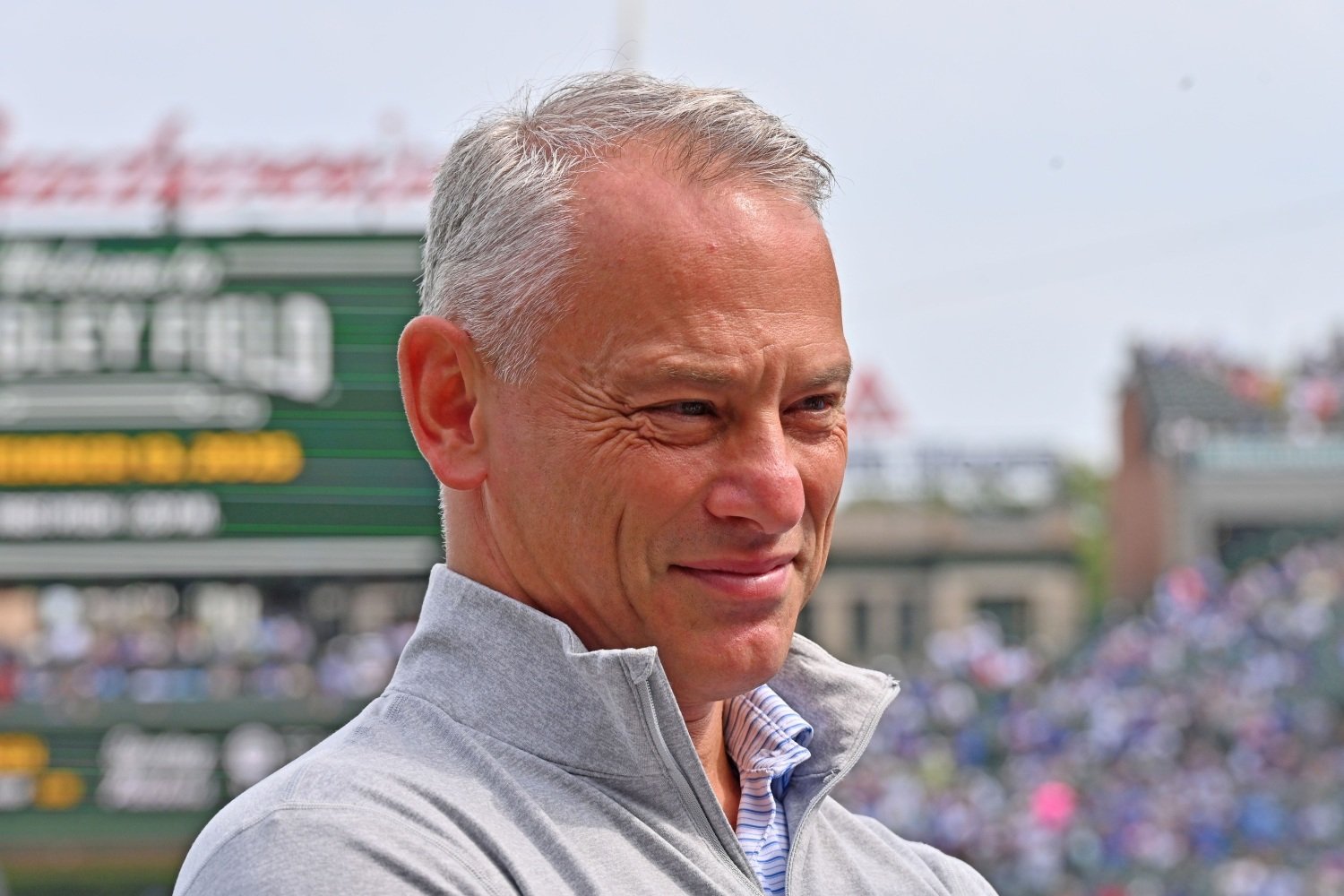 Ten of the 30 teams who make up MLB have a full 40-man roster. Eight more have 39 players on that reserve list, and six more have 38. The other six teams break down as follows: Yankees, Padres, 36; Phillies, Rangers, Angels, 35; Cubs, 31. Chicago not only has fewer players on their big-league roster than any of their 29 competitors, but four fewer than the trio of teams who would otherwise represent the extreme low end of the distribution. Having that many vacancies provides lots of flexibility, but it also stands as a reminder of how much work lies ahead of Jed Hoyer this winter. The circumstance is a result of the team having lost a startling number of players to free agency—Kyle Tucker, Willi Castro, Justin Turner, Carlos Santana, Drew Pomeranz, Caleb Thielbar, Brad Keller, Michael Soroka, Aaron Civale and Reese McGuire all finished the season with the team but were eligible for free agency after the World Series or (in McGuire's case) were non-tendered last month. However, it's also a result of the team's failure to build a deep farm system. Chicago left several players off their 40-man roster when the deadline came to protect them from the Rule 5 Draft, but when that draft happened Wednesday, they didn't lose any of the guys in question. Even some of the players who are currently on the roster (James Triantos, Pedro Ramirez, Riley Martin, Luke Little, Ethan Roberts, Gavin Hollowell, Jack Neely) are fringe pieces with little immediate value to the parent club, and a few more (Jordan Wicks, Javier Assad, Owen Caissie, Moisés Ballesteros, Kevin Alcántara) either haven't yet gotten a chance to prove themselves or have seemed not to have the full confidence of the organization. Where there should be robust reserves of homegrown talent to reinforce the roster, right now, there are blank spaces. Again, that has its upsides. The Cubs signed right-handed reliever Collin Snider to a minor-league deal Wednesday. Snider, 30, is a funky, low-slot hurler who could become the 2026 answer to Tyson Miller in the Chicago pen. They were in good position to land him on such a deal, because with all that open space, Snider can reasonably expect that there will be a 40-man spot for him to win if he shows well during spring training. The Cubs can also take on players on a trade partner's 40-man roster, if needed, without needing to shuffle as much or remove players from their own roster the way other teams might. Generally, though, the Cubs have let the opportunities afforded by keeping a skeleton crew in November and December drift by. They didn't trade for any prospects who needed to be added to overstuffed 40-man rosters last month, or snap up anyone who stood to be non-tendered because of another club's roster crunch. They also, downright stunningly, didn't take anyone in Wednesday's Rule 5 Draft. They're actively choosing to hold open so many roster spots that it's conspicuous, despite having a very limited set of non-roster players with any real upside for 2026. In other words, the team is setting itself up for a spending spree in free agency—but also leaving themselves no other choice. Though the internal preference of the front office is to add top-flight pitching via trade, rather than via free agency, any deal that would net them the caliber of player they're looking for would have to include one of Matt Shaw, Ballesteros, Caissie, or Alcántara. They've talked to other teams about various deals that would send out Nico Hoerner, Jameson Taillon, or Ben Brown. By not snatching up players via waiver claims, trades or the Rule 5, Hoyer and company have eschewed chances to chart a more balanced course through the offseason. At this point, the Cubs will almost surely sign at least four more players to big-league deals this winter. That's good news, and so is the underlying reason why they're doing this: they have set high goals for the player types they hope will fill those slots. The team is pursuing above-average starting pitchers, high-leverage reliever candidates, and top-tier bats. They've been active in trade talks regarding MacKenzie Gore and Edward Cabrera, and they've talked to Alex Bregman and Pete Alonso. They've extensively scouted Kazuma Okamoto, Munetaka Murakami and Tatsuya Imai, and talked to the representatives for all three. They're hunting serious, impactful talent. The risk, however, is obvious. Those nine open places on the roster speak to the thinness of the organization and the difficulty the team will have in maintaining leverage, should any more of their top targets come off the board before they begin to flesh themselves out. This is a highwire act of a hot stove strategy. Hoyer will be active; there will be headline-grabbing moves. However, the Cubs have cornered themselves a bit, and getting better will be an expensive endeavor because of the more cost-effective opportunities they've chosen not to pursue.
 -
Image courtesy of © Mady Mertens-Imagn Images The Chicago Cubs are among the teams "involved in the mix" as the Miami Marlins entertain trade offers for Edward Cabrera, a source with knowledge of talks said early Wednesday. It's not clear whether Chicago is the current frontrunner, but the Baltimore Orioles are also pursuing Cabrera, for whom the Marlins seek multiple pieces. In July, Cabrera was the Cubs' top priority as they focused on controllable starting pitchers ahead of the trade deadline. They didn't ultimately land him (or any such player), but the talks between the teams then have rekindled this winter, according to multiple sources. Miami has long coveted Owen Caissie, the left-handed slugger and a candidate to take over right field for the Cubs in 2026. Caissie would have been the main return if the two teams had completed a deal they nearly finalized last winter, which would have sent left-handed starter Jesús Luzardo to Chicago. That deal fell apart only because of medical concerns (on both sides), and Caissie showed in 2025 that he could bounce back after the sports hernia that hampered him in late 2024 and required surgery. Cabrera has three years of team control remaining, and will turn 28 years old in April. He's the kind of hard-throwing, bat-missing starter Chicago has been missing for the last few seasons, and in 2025, he made huge improvements in his control, which had been the stumbling block for him before that. He'd walked 13.3% of opposing batters through 2024, but that number was 8.3% this year. He achieved that leap without losing the strikeouts, which stayed north of 25% of opponents. When he's on the mound, Cabrera has the ability to dominate. Unfortunately, he wasn't as successful in shaking off the other big knock on him: that he's injury-prone. Cabrera did pitch a career-high 137 2/3 innings, but he missed the first fortnight of the year with a blister and three weeks in September with an elbow sprain. In 2023 and 2024, he was hampered by shoulder impingements, though he avoided major structural damage or surgery. The elbow issue from late in 2025, in particular, could complicate the Marlins' efforts to extract top value for him. Cabrera altered his arm slot this season to alleviate the strain on his shoulder and shore up his control, but if that just passed the problem down to his elbow, he could be in danger of blowing out as he accumulates a greater workload with the new delivery. Caissie could be one piece in a Cabrera trade, but not the only one. The Cubs will have to outbid teams (including the Orioles) who also have good young bats to trade, and the years of control and upside of Cabrera will make him expensive. Therefore, even as they remain engaged with Miami, the team has made inquiries with the Washington Nationals about MacKenzie Gore. The left-handed Gore has one fewer year of team control and (perhaps) a lower ceiling, but he also has a better track record when it comes to durability. The Nationals prefer Matt Shaw to Caissie, according to one source, so a deal for Gore could be part of a two-pronged maneuver: acquire the top-flight starter in a trade centered around Shaw, then sign one of Alex Bregman or Eugenio Suárez to take over at third base for multiple years. A source within a different front office speculated, based on the Cubs' recent activity behind the scenes, that the team wants to ensure they land one of Cabrera, Gore or Zac Gallen. The latter, of course, is a free agent, and his asking price remains higher than Chicago is willing to go. They can wait Scott Boras out a while, but Jed Hoyer would prefer to make a trade for one of the team-controlled starters and spend his money on a slugger. That would seem to better balance the team's dual mandates for this winter, too. While the Winter Meetings haven't yet yielded the big trades that made them famous, the Cubs (and plenty of other teams) have gotten deep into discussions on deals that could come to fruition in the next few days. With other items on their checklist (a key offensive infusion, bench and bullpen help), Hoyer and company want to get a starter as soon as possible—but they rarely allow that sense of urgency to force them into a move. They'll be patient, at least until more of their top targets come off the board. View full article
-
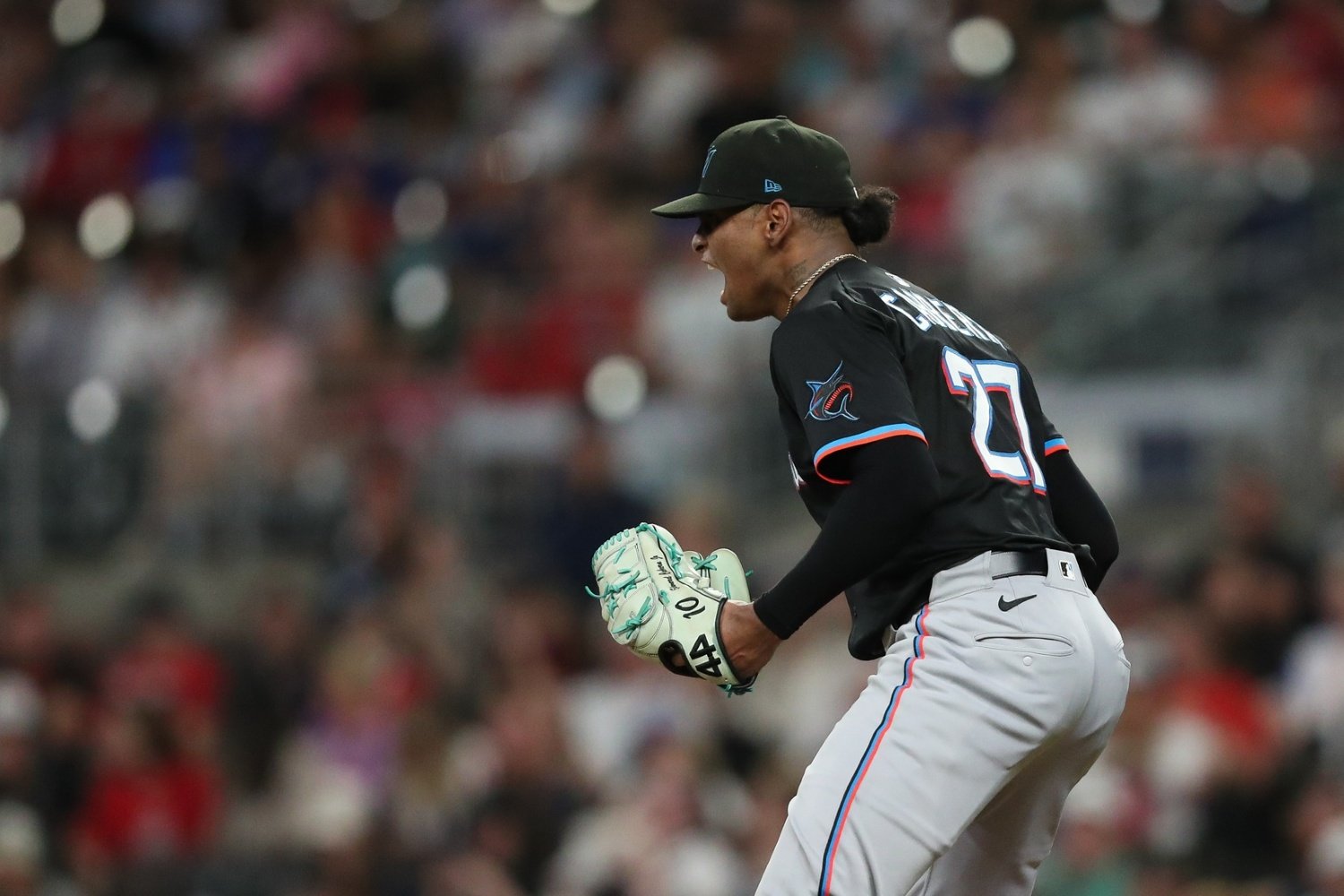 The Chicago Cubs are among the teams "involved in the mix" as the Miami Marlins entertain trade offers for Edward Cabrera, a source with knowledge of talks said early Wednesday. It's not clear whether Chicago is the current frontrunner, but the Baltimore Orioles are also pursuing Cabrera, for whom the Marlins seek multiple pieces. In July, Cabrera was the Cubs' top priority as they focused on controllable starting pitchers ahead of the trade deadline. They didn't ultimately land him (or any such player), but the talks between the teams then have rekindled this winter, according to multiple sources. Miami has long coveted Owen Caissie, the left-handed slugger and a candidate to take over right field for the Cubs in 2026. Caissie would have been the main return if the two teams had completed a deal they nearly finalized last winter, which would have sent left-handed starter Jesús Luzardo to Chicago. That deal fell apart only because of medical concerns (on both sides), and Caissie showed in 2025 that he could bounce back after the sports hernia that hampered him in late 2024 and required surgery. Cabrera has three years of team control remaining, and will turn 28 years old in April. He's the kind of hard-throwing, bat-missing starter Chicago has been missing for the last few seasons, and in 2025, he made huge improvements in his control, which had been the stumbling block for him before that. He'd walked 13.3% of opposing batters through 2024, but that number was 8.3% this year. He achieved that leap without losing the strikeouts, which stayed north of 25% of opponents. When he's on the mound, Cabrera has the ability to dominate. Unfortunately, he wasn't as successful in shaking off the other big knock on him: that he's injury-prone. Cabrera did pitch a career-high 137 2/3 innings, but he missed the first fortnight of the year with a blister and three weeks in September with an elbow sprain. In 2023 and 2024, he was hampered by shoulder impingements, though he avoided major structural damage or surgery. The elbow issue from late in 2025, in particular, could complicate the Marlins' efforts to extract top value for him. Cabrera altered his arm slot this season to alleviate the strain on his shoulder and shore up his control, but if that just passed the problem down to his elbow, he could be in danger of blowing out as he accumulates a greater workload with the new delivery. Caissie could be one piece in a Cabrera trade, but not the only one. The Cubs will have to outbid teams (including the Orioles) who also have good young bats to trade, and the years of control and upside of Cabrera will make him expensive. Therefore, even as they remain engaged with Miami, the team has made inquiries with the Washington Nationals about MacKenzie Gore. The left-handed Gore has one fewer year of team control and (perhaps) a lower ceiling, but he also has a better track record when it comes to durability. The Nationals prefer Matt Shaw to Caissie, according to one source, so a deal for Gore could be part of a two-pronged maneuver: acquire the top-flight starter in a trade centered around Shaw, then sign one of Alex Bregman or Eugenio Suárez to take over at third base for multiple years. A source within a different front office speculated, based on the Cubs' recent activity behind the scenes, that the team wants to ensure they land one of Cabrera, Gore or Zac Gallen. The latter, of course, is a free agent, and his asking price remains higher than Chicago is willing to go. They can wait Scott Boras out a while, but Jed Hoyer would prefer to make a trade for one of the team-controlled starters and spend his money on a slugger. That would seem to better balance the team's dual mandates for this winter, too. While the Winter Meetings haven't yet yielded the big trades that made them famous, the Cubs (and plenty of other teams) have gotten deep into discussions on deals that could come to fruition in the next few days. With other items on their checklist (a key offensive infusion, bench and bullpen help), Hoyer and company want to get a starter as soon as possible—but they rarely allow that sense of urgency to force them into a move. They'll be patient, at least until more of their top targets come off the board.
 -
 Last week, the Chicago Cubs traded low-level minor leaguer Nico Zeglin to the Houston Astros, in exchange for $250,000 in spending allotments for the 2025 international free agent period. Zeglin, 25, is essentially a non-prospect, and ostensibly, the right to spend an extra $250,000 on (mostly) teenagers from Latin America is low in value, too. There's little time left to spend that money; the signing period ends on December 15. After a one-month pause, the 2026 IFA period will open on January 15, but that will be a different budget. The Cubs can't roll over any savings. Ostensibly, then, they have some plan to shell out a small amount of money (in baseball terms) to a couple of late-blooming players who are already eligible, before the window closes for 2025. As a revenue-sharing payor, the Cubs cycle only from the bottom tier to the middle of the pack from year to year, in terms of the amount they're allowed to spend in the international free-agent space. For 2026, they'll enjoy a relatively robust budget of $6.68 million, but that's about $1 million less than (for instance) the Brewers have. Interestingly, too, despite having that flexibility, the Cubs haven't been tied to any of the top 30 projected bonus earners for the upcoming class, via Baseball America or MLB Pipeline. (Those lists overlap, but not perfectly, so in effect, the Cubs appear to be frozen out on the top 35 bonus babies of the coming year.) Taken together, that small trade with Houston and the fact that the Cubs appear poised to spread their bonus money pretty widely next year point in a particular direction: the team might be looking to diversify more and chase high-end talent less in Latin America. That would be good news, because it sure seems like that's the best way to efficiently extract value from the endeavor of signing young players from those nations. Strict limits on the number of players a team can have on their roster and inside the United States make it harder than it was a decade ago to stockpile talent and get quality from quantity in the minor leagues. One remaining way to do that, though, is by signing a glut of youngsters from the Dominican Republic, Venezuela, and other countries in the Caribbean basin, who can be retained much more easily until they're ready for Stateside assignments. Furthermore, splashing money on the highest-paid players each year comes with more concentrated risk; a case of age or performance-enhancing drug fraud can bait a team into a bad spend. Teams commit to these players so young that a player's stock is sometimes on the wane by the time they actually, officially sign, even if they've been tied irrevocably to a team for 18 months by then. The Cubs would not be the first team to move away from focusing on those players who appear to merit seven-figure bonuses and toward accumulating talent at low individual costs. It's a case of "fast follow" on a trend gaining momentum throughout the league. They appear to have a player or two in mind for a last-second pickup before the end of this international signing window. When the next one opens, they'll continue to rebuild what has been an underperforming international amateur scouting and development operation—not one player at a time, perhaps, but in bunches and bundles.
 -
Image courtesy of © David Banks-Imagn Images Last week, the Chicago Cubs traded low-level minor leaguer Nico Zeglin to the Houston Astros, in exchange for $250,000 in spending allotments for the 2025 international free agent period. Zeglin, 25, is essentially a non-prospect, and ostensibly, the right to spend an extra $250,000 on (mostly) teenagers from Latin America is low in value, too. There's little time left to spend that money; the signing period ends on December 15. After a one-month pause, the 2026 IFA period will open on January 15, but that will be a different budget. The Cubs can't roll over any savings. Ostensibly, then, they have some plan to shell out a small amount of money (in baseball terms) to a couple of late-blooming players who are already eligible, before the window closes for 2025. As a revenue-sharing payor, the Cubs cycle only from the bottom tier to the middle of the pack from year to year, in terms of the amount they're allowed to spend in the international free-agent space. For 2026, they'll enjoy a relatively robust budget of $6.68 million, but that's about $1 million less than (for instance) the Brewers have. Interestingly, too, despite having that flexibility, the Cubs haven't been tied to any of the top 30 projected bonus earners for the upcoming class, via Baseball America or MLB Pipeline. (Those lists overlap, but not perfectly, so in effect, the Cubs appear to be frozen out on the top 35 bonus babies of the coming year.) Taken together, that small trade with Houston and the fact that the Cubs appear poised to spread their bonus money pretty widely next year point in a particular direction: the team might be looking to diversify more and chase high-end talent less in Latin America. That would be good news, because it sure seems like that's the best way to efficiently extract value from the endeavor of signing young players from those nations. Strict limits on the number of players a team can have on their roster and inside the United States make it harder than it was a decade ago to stockpile talent and get quality from quantity in the minor leagues. One remaining way to do that, though, is by signing a glut of youngsters from the Dominican Republic, Venezuela, and other countries in the Caribbean basin, who can be retained much more easily until they're ready for Stateside assignments. Furthermore, splashing money on the highest-paid players each year comes with more concentrated risk; a case of age or performance-enhancing drug fraud can bait a team into a bad spend. Teams commit to these players so young that a player's stock is sometimes on the wane by the time they actually, officially sign, even if they've been tied irrevocably to a team for 18 months by then. The Cubs would not be the first team to move away from focusing on those players who appear to merit seven-figure bonuses and toward accumulating talent at low individual costs. It's a case of "fast follow" on a trend gaining momentum throughout the league. They appear to have a player or two in mind for a last-second pickup before the end of this international signing window. When the next one opens, they'll continue to rebuild what has been an underperforming international amateur scouting and development operation—not one player at a time, perhaps, but in bunches and bundles. View full article
-
Image courtesy of © Charles LeClaire-Imagn Images As he focuses on shoring up a pitching staff in need of significant reinforcement, Cubs president of baseball operations Jed Hoyer also knows that he has work to do on the positional side. With Kyle Tucker unlikely to re-sign with Chicago, there's a hole in the heart of the batting order that helped the team win 92 games in 2025. Hoyer must find a way to enter 2026 with confidence in the production he'll get from the middle of Craig Counsell's lineup, but he has some competing imperatives to consider, too. Firstly, of course, the Cubs have pressing needs on the pitching side, too. They need at least two more above-average, reliable pitchers, be they starters or relievers. That will take up a major chunk of the spending capacity Hoyer has for this winter—although there's a lot of money available to him, after the team had a remarkably lucrative year. Whether he ultimately plunges financial resources into those additions or finds a way to swing a key trade, Hoyer will use some of his hot stove fuel bolstering the staff, leaving him with constraints when it comes to the offense. Secondly, he must figure out how to leave space for whichever of the team's top prospects remain with the Cubs come Opening Day. Another year in Triple A would be a waste of time and talent for Moisés Ballesteros and Owen Caissie, and although Kevin Alcántara has one more option year (thanks to time missed because of injuries), he, too, needs the challenge of some big-league work. The Cubs need to finish 2026 having a much clearer idea of the future roles for each of those three players. There are many ways to achieve that—making Caissie and Ballesteros pieces of a three-player platoon across two roles, along with Seiya Suzuki; letting Alcántara sponge up at-bats as a platoon partner for Pete Crow-Armstrong and a backup to Ian Happ; and/or trying out Ballesteros or Caissie at first base, to spell Michael Busch—but none of them are perfect or obvious solutions. Speaking of Suzuki and Happ, Hoyer also has a major background problem to navigate. Both of those sluggers will hit free agency after 2026. So will second baseman Nico Hoerner. It seems unlikely that the team will extend more than one of those three, so they'll need to replace two key hitters for 2027—in an offseason bereft of big-name bats, and under the haze of confusion caused by a likely winter lockout. That doubles the importance of making sure Caissie, Ballesteros and Alcántara are known quantities; one of the set is likely to be asked to take over an everyday place in the heart of the order by 2027. If it can be two, that would be perfect, but the team can't project that without seeing what they can do over larger samples next year. That need to play the kids stands in some tension with an equally powerful mandate, though. The 2026 Cubs need to win. They need to build upon what they did in 2025 and compete for another NL Wild Card berth. Playing Caissie, Ballesteros or Alcántara every day (or even letting them share a job, but using up two or three roster spots at a time all year) would be a big risk, for a team with high expectations. Average offensive output wouldn't be enough, either. The team needs a batter who's worth something like 20 runs above average, and it's hard to trust that any or all of those three can be that guy. It's a dilemma for Hoyer, which means that there's no perfect solution. In all likelihood, the team will end up charting some middle course. It's unlikely that they'll sign Alex Bregman or Eugenio Suárez, but either is certainly possible. Those guys would displace Matt Shaw, at least part of the time, but they'd be with the club for multiple seasons, so they would cushion the eventual losses of Suzuki and/or Happ—or, perhaps, even Hoerner, with Shaw moving to second base in 2027. They're a better fit for players with youth and upside, like Munetaka Murakami and CJ Abrams, but those guys' price tags are very uncertain and much will hinge on whether they can be had at palatable costs. Remaining competitive on a consistent basis over several years is difficult. The Cubs, a large-market team in a sport where large markets have tended to dominate, haven't met that standard over a full decade since before World War II. To change that, they have to get the balance just right this winter. Hoyer will have to find a way to infuse new talent into his lineup, without creating a morass for Counsell when filling out the lineup card or thwarting the development of key long-term pieces. View full article
-
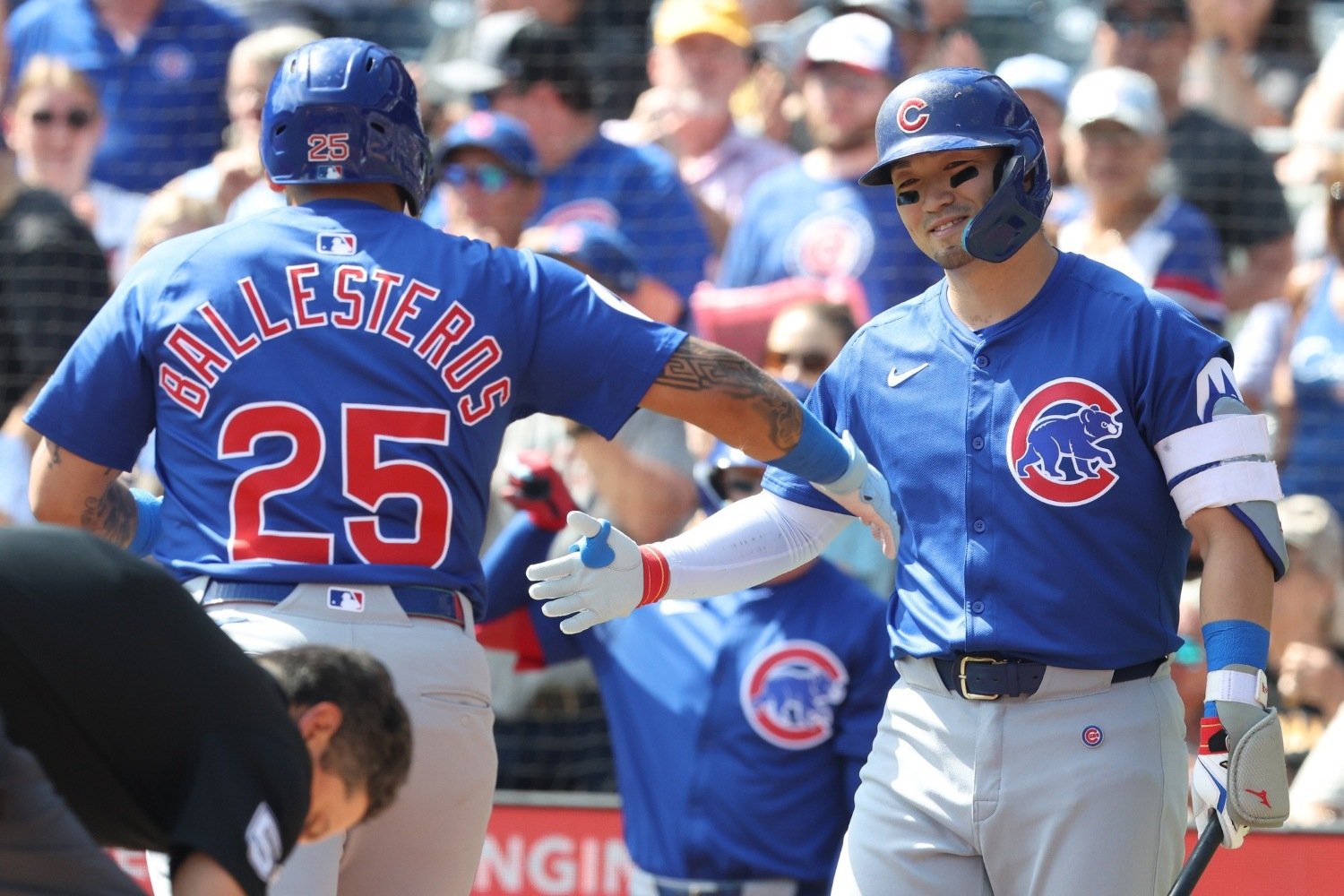 As he focuses on shoring up a pitching staff in need of significant reinforcement, Cubs president of baseball operations Jed Hoyer also knows that he has work to do on the positional side. With Kyle Tucker unlikely to re-sign with Chicago, there's a hole in the heart of the batting order that helped the team win 92 games in 2025. Hoyer must find a way to enter 2026 with confidence in the production he'll get from the middle of Craig Counsell's lineup, but he has some competing imperatives to consider, too. Firstly, of course, the Cubs have pressing needs on the pitching side, too. They need at least two more above-average, reliable pitchers, be they starters or relievers. That will take up a major chunk of the spending capacity Hoyer has for this winter—although there's a lot of money available to him, after the team had a remarkably lucrative year. Whether he ultimately plunges financial resources into those additions or finds a way to swing a key trade, Hoyer will use some of his hot stove fuel bolstering the staff, leaving him with constraints when it comes to the offense. Secondly, he must figure out how to leave space for whichever of the team's top prospects remain with the Cubs come Opening Day. Another year in Triple A would be a waste of time and talent for Moisés Ballesteros and Owen Caissie, and although Kevin Alcántara has one more option year (thanks to time missed because of injuries), he, too, needs the challenge of some big-league work. The Cubs need to finish 2026 having a much clearer idea of the future roles for each of those three players. There are many ways to achieve that—making Caissie and Ballesteros pieces of a three-player platoon across two roles, along with Seiya Suzuki; letting Alcántara sponge up at-bats as a platoon partner for Pete Crow-Armstrong and a backup to Ian Happ; and/or trying out Ballesteros or Caissie at first base, to spell Michael Busch—but none of them are perfect or obvious solutions. Speaking of Suzuki and Happ, Hoyer also has a major background problem to navigate. Both of those sluggers will hit free agency after 2026. So will second baseman Nico Hoerner. It seems unlikely that the team will extend more than one of those three, so they'll need to replace two key hitters for 2027—in an offseason bereft of big-name bats, and under the haze of confusion caused by a likely winter lockout. That doubles the importance of making sure Caissie, Ballesteros and Alcántara are known quantities; one of the set is likely to be asked to take over an everyday place in the heart of the order by 2027. If it can be two, that would be perfect, but the team can't project that without seeing what they can do over larger samples next year. That need to play the kids stands in some tension with an equally powerful mandate, though. The 2026 Cubs need to win. They need to build upon what they did in 2025 and compete for another NL Wild Card berth. Playing Caissie, Ballesteros or Alcántara every day (or even letting them share a job, but using up two or three roster spots at a time all year) would be a big risk, for a team with high expectations. Average offensive output wouldn't be enough, either. The team needs a batter who's worth something like 20 runs above average, and it's hard to trust that any or all of those three can be that guy. It's a dilemma for Hoyer, which means that there's no perfect solution. In all likelihood, the team will end up charting some middle course. It's unlikely that they'll sign Alex Bregman or Eugenio Suárez, but either is certainly possible. Those guys would displace Matt Shaw, at least part of the time, but they'd be with the club for multiple seasons, so they would cushion the eventual losses of Suzuki and/or Happ—or, perhaps, even Hoerner, with Shaw moving to second base in 2027. They're a better fit for players with youth and upside, like Munetaka Murakami and CJ Abrams, but those guys' price tags are very uncertain and much will hinge on whether they can be had at palatable costs. Remaining competitive on a consistent basis over several years is difficult. The Cubs, a large-market team in a sport where large markets have tended to dominate, haven't met that standard over a full decade since before World War II. To change that, they have to get the balance just right this winter. Hoyer will have to find a way to infuse new talent into his lineup, without creating a morass for Counsell when filling out the lineup card or thwarting the development of key long-term pieces.
 -
Why Chicago Cubs Should Trade for Nationals Infielder CJ Abrams
Matthew Trueblood posted an article in Cubs
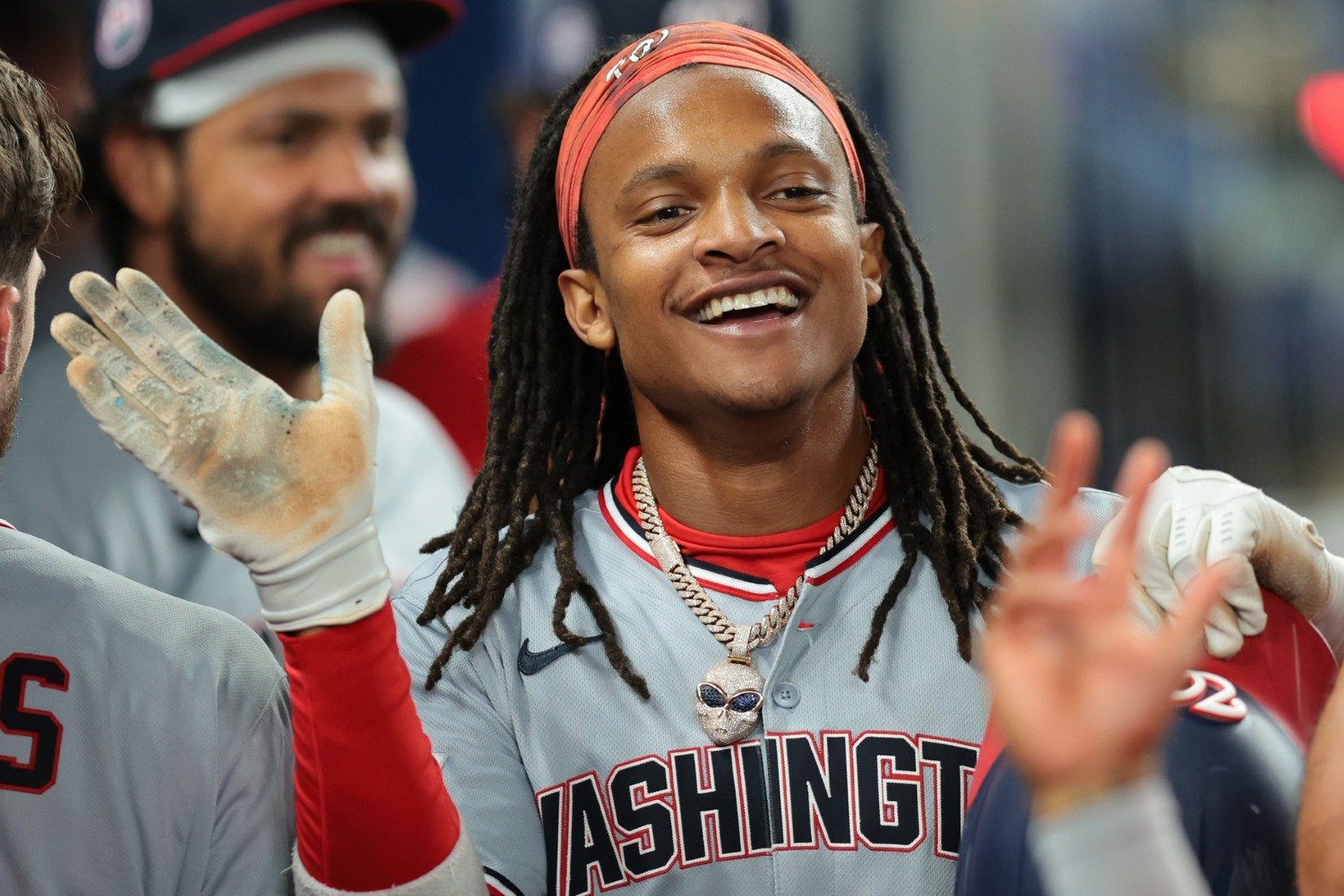 For a year or so, there have been rumors about the Washington Nationals trading left-handed starter MacKenzie Gore, one of the centerpieces of the trade that sent Juan Soto to the Padres three and a half years ago. Gore, who will turn 27 in February, has two years of team control remaining, and the quality of his stuff and sequencing suggest he's worth over 25 runs per year, relative to an average starting pitcher. He's a hot commodity, and naturally, the Cubs will be involved if he's available. They had interest in him at the trade deadline in July. However, the other key player from the Soto deal appears to be on the block, too. CJ Abrams, 25, was an All-Star in 2024, and he's coming off two straight seasons as an above-average, left-handed batter with a blend of power and speed. He has three years of team control remaining, and although his most famous connection to the Cubs is the unhappy incident in which he was demoted to the minors after the team discovered that he had gambled all night at a Chicago casino before a day game at Wrigley Field, he might be as good a fit for Chicago as Gore is. There's a lot to like about Abrams. The one thing not to like is his defense at shortstop, because he's not good at that position. His arm doesn't hold up on throws from deep in the hole, and despite his plus speed and good overall athleticism, he struggles to maximize his range. As a third baseman, though, he would be terrific. He's lanky enough to cover the position well, and has quick feet for the hot corner. Most of his throws would come on the move toward his target, if he slid to third. He'd go from a defensive liability to an asset with a switch to the hot corner, and his bat plays at that spot, too. There's plenty to clean up with Abrams, in terms of approach. However, he has good feel for contact and slightly above-average bat speed. He's young enough to make any of several more adjustments, but as a flat-swing lefty who hits line drives and can use his speed to generate extra bases, he's a better fit for Wrigley Field than a more lofted-swing, power-dependent left-handed batter would be. Abrams would infuse the Cubs lineup with dynamism and upside, on medium-term team control. He could fit as a complement to Matt Shaw, rather than a replacement, making him more similar as a target to Munetaka Murakami and Sung Mun Song than to Kazuma Okamoto, Eugenio Suárez or Alex Bregman. He's younger, though, than any of those players—even Murakami. The Cubs would have to trade significant prospect capital to acquire him, but as a first-year arbitration-eligible player moving down the defensive spectrum, he'd be relatively cheap in a financial sense, for 2026 and beyond. He would provide the team with insurance against the departure of Nico Hoerner via free agency, and maybe even the opportunity to trade Hoerner if the right offer comes to them. The real question, then, is what Abrams would cost. The Nationals would begin by demanding Shaw as the headliner of a deal for Abrams, and that shouldn't be a dealbreaker from Chicago's side. Though much cheaper and further from free agency, Shaw is only one year younger than Abrams. He doesn't have Abrams's tools or track record. For the moment, however, let's consider what a deal without Shaw as the anchor might look like. The Cubs' top four prospects are catcher (or, perhaps designated hitter) Moisés Ballesteros, outfielder Owen Caissie, right-handed pitcher Jaxon Wiggins and shortstop Jefferson Rojas. The order of that quartet might depend on preference, but it's hard to push any of the players in the tier below them (most notably, Kevin Alcántara and 2025 first-round pick Ethan Conrad) into the mix with those four. Washington is unlikely to accept any of the big four straight-up for Abrams, and after they traded reliever Jose A. Ferrer to the Mariners for catching prospect Harry Ford, perhaps they're also a poor fit for Ballesteros. Caissie, Wiggins and Rojas would all appeal to Washington, though. Pairing either of the first two with Rojas would make an interesting package. Rojas, first baseman Jonathon Long and either Ben Brown or Javier Assad would form an interesting one, too. Abrams is so young and so talented that, despite occasional (overblown, according to two league sources) questions about his makeup, he's a huge upside play for any team who can pry him loose from the developmentally deficient Nationals. With three years of team control left and the chance to buy in before his production catches up to his tools, he presents a tantalizing opportunity to catalyze a lineup that already features a great blend of speed, power, and discipline. While the Cubs' interest in Gore remains real and is growing increasingly urgent, they might do better to turn their attention to Abrams—and let the money they save by bolstering their lineup that way land with one of the top arms in free agency, instead.
 -
Image courtesy of © Sam Navarro-Imagn Images For a year or so, there have been rumors about the Washington Nationals trading left-handed starter MacKenzie Gore, one of the centerpieces of the trade that sent Juan Soto to the Padres three and a half years ago. Gore, who will turn 27 in February, has two years of team control remaining, and the quality of his stuff and sequencing suggest he's worth over 25 runs per year, relative to an average starting pitcher. He's a hot commodity, and naturally, the Cubs will be involved if he's available. They had interest in him at the trade deadline in July. However, the other key player from the Soto deal appears to be on the block, too. CJ Abrams, 25, was an All-Star in 2024, and he's coming off two straight seasons as an above-average, left-handed batter with a blend of power and speed. He has three years of team control remaining, and although his most famous connection to the Cubs is the unhappy incident in which he was demoted to the minors after the team discovered that he had gambled all night at a Chicago casino before a day game at Wrigley Field, he might be as good a fit for Chicago as Gore is. There's a lot to like about Abrams. The one thing not to like is his defense at shortstop, because he's not good at that position. His arm doesn't hold up on throws from deep in the hole, and despite his plus speed and good overall athleticism, he struggles to maximize his range. As a third baseman, though, he would be terrific. He's lanky enough to cover the position well, and has quick feet for the hot corner. Most of his throws would come on the move toward his target, if he slid to third. He'd go from a defensive liability to an asset with a switch to the hot corner, and his bat plays at that spot, too. There's plenty to clean up with Abrams, in terms of approach. However, he has good feel for contact and slightly above-average bat speed. He's young enough to make any of several more adjustments, but as a flat-swing lefty who hits line drives and can use his speed to generate extra bases, he's a better fit for Wrigley Field than a more lofted-swing, power-dependent left-handed batter would be. Abrams would infuse the Cubs lineup with dynamism and upside, on medium-term team control. He could fit as a complement to Matt Shaw, rather than a replacement, making him more similar as a target to Munetaka Murakami and Sung Mun Song than to Kazuma Okamoto, Eugenio Suárez or Alex Bregman. He's younger, though, than any of those players—even Murakami. The Cubs would have to trade significant prospect capital to acquire him, but as a first-year arbitration-eligible player moving down the defensive spectrum, he'd be relatively cheap in a financial sense, for 2026 and beyond. He would provide the team with insurance against the departure of Nico Hoerner via free agency, and maybe even the opportunity to trade Hoerner if the right offer comes to them. The real question, then, is what Abrams would cost. The Nationals would begin by demanding Shaw as the headliner of a deal for Abrams, and that shouldn't be a dealbreaker from Chicago's side. Though much cheaper and further from free agency, Shaw is only one year younger than Abrams. He doesn't have Abrams's tools or track record. For the moment, however, let's consider what a deal without Shaw as the anchor might look like. The Cubs' top four prospects are catcher (or, perhaps designated hitter) Moisés Ballesteros, outfielder Owen Caissie, right-handed pitcher Jaxon Wiggins and shortstop Jefferson Rojas. The order of that quartet might depend on preference, but it's hard to push any of the players in the tier below them (most notably, Kevin Alcántara and 2025 first-round pick Ethan Conrad) into the mix with those four. Washington is unlikely to accept any of the big four straight-up for Abrams, and after they traded reliever Jose A. Ferrer to the Mariners for catching prospect Harry Ford, perhaps they're also a poor fit for Ballesteros. Caissie, Wiggins and Rojas would all appeal to Washington, though. Pairing either of the first two with Rojas would make an interesting package. Rojas, first baseman Jonathon Long and either Ben Brown or Javier Assad would form an interesting one, too. Abrams is so young and so talented that, despite occasional (overblown, according to two league sources) questions about his makeup, he's a huge upside play for any team who can pry him loose from the developmentally deficient Nationals. With three years of team control left and the chance to buy in before his production catches up to his tools, he presents a tantalizing opportunity to catalyze a lineup that already features a great blend of speed, power, and discipline. While the Cubs' interest in Gore remains real and is growing increasingly urgent, they might do better to turn their attention to Abrams—and let the money they save by bolstering their lineup that way land with one of the top arms in free agency, instead. View full article
-
Ay, but therein lies the rub: I really don't think it's Jed Hoyer's goal to feel good about closing a game on Day 1. I know how pretty much everyone outside Wrigley's offices feels about that, but they just feel fine about spending March, April and May feeling out the bullpen. It's not their priority, at any point in any winter, to go into the season with a lockdown pen.
-
Image courtesy of © Brad Penner-Imagn Images After signing right-handed reliever Phil Maton to a two-year deal last month, the Chicago Cubs continue to talk to relievers who could round out their thin bullpen, sources say. One name on their radar, in whom they've had active interest in the past, as well: Ryne Stanek. A burly righty with the ability to top 100 miles per hour with his fastball, Stanek, 34, had an ugly 5.30 ERA in 2025, but his stuff is intact and the team believes they can fix what went wrong for him with the Mets. Because of his rocky season, Stanek should come relatively cheaply. This would be a signing in the realm of last year's pickup of Caleb Thielbar, another aging reliever whose prior-year surface-level stats had been ugly. According to a source familiar with the team's thinking, they're likely to supplement their pen with a hurler at that tier. They could aim higher—they haven't closed the door on a reunion with Brad Keller, for example. However, because they view Ben Brown as a reliever and are hoping to fill lout a starting rotation robust enough to push Colin Rea into the pen, they're unlikely to make more than one more addition to the pen in the form of guaranteed, big-league deals. Daniel Palencia, Maton, Brown and Porter Hodge are penciled into the 2026 bullpen right now. Depending on how the offseason unfolds, they could end up pushing any of Rea, Javier Assad or Jordan Wicks into relief, too. They also have fringy but intriguing (to various degrees) arms running low on minor-league options and time to prove themselves, in Luke Little, Jack Neely, Ethan Roberts, Gavin Hollowell, and 40-man roster newcomer Riley Martin. Ideally, perhaps, the team would add a lefty to complement their stash of sturdy right-handers. Little, Martin and Wicks are left-handed, but none are reliable big-leaguers. The team is interested in bringing Drew Pomeranz or Thielbar back, but only if they can be had at terms similar to the extremely inexpensive ones for which they acquired each in 2025, a source said. The team is likely to leave themselves some room to get contributions from minor-league signings and waiver claims, as they did when they ended up getting so much value from Keller and Pomeranz. A Stanek signing wouldn't excite most fans, but a cohort of Palencia, Maton and Stanek at the back end of the pen would be an interesting one—especially if, as the team certainly hopes, Brown can flourish in a bullpen role. Chicago has had interest in Stanek multiple times in the past, and this year, the price might be right. View full article
-
 After signing right-handed reliever Phil Maton to a two-year deal last month, the Chicago Cubs continue to talk to relievers who could round out their thin bullpen, sources say. One name on their radar, in whom they've had active interest in the past, as well: Ryne Stanek. A burly righty with the ability to top 100 miles per hour with his fastball, Stanek, 34, had an ugly 5.30 ERA in 2025, but his stuff is intact and the team believes they can fix what went wrong for him with the Mets. Because of his rocky season, Stanek should come relatively cheaply. This would be a signing in the realm of last year's pickup of Caleb Thielbar, another aging reliever whose prior-year surface-level stats had been ugly. According to a source familiar with the team's thinking, they're likely to supplement their pen with a hurler at that tier. They could aim higher—they haven't closed the door on a reunion with Brad Keller, for example. However, because they view Ben Brown as a reliever and are hoping to fill lout a starting rotation robust enough to push Colin Rea into the pen, they're unlikely to make more than one more addition to the pen in the form of guaranteed, big-league deals. Daniel Palencia, Maton, Brown and Porter Hodge are penciled into the 2026 bullpen right now. Depending on how the offseason unfolds, they could end up pushing any of Rea, Javier Assad or Jordan Wicks into relief, too. They also have fringy but intriguing (to various degrees) arms running low on minor-league options and time to prove themselves, in Luke Little, Jack Neely, Ethan Roberts, Gavin Hollowell, and 40-man roster newcomer Riley Martin. Ideally, perhaps, the team would add a lefty to complement their stash of sturdy right-handers. Little, Martin and Wicks are left-handed, but none are reliable big-leaguers. The team is interested in bringing Drew Pomeranz or Thielbar back, but only if they can be had at terms similar to the extremely inexpensive ones for which they acquired each in 2025, a source said. The team is likely to leave themselves some room to get contributions from minor-league signings and waiver claims, as they did when they ended up getting so much value from Keller and Pomeranz. A Stanek signing wouldn't excite most fans, but a cohort of Palencia, Maton and Stanek at the back end of the pen would be an interesting one—especially if, as the team certainly hopes, Brown can flourish in a bullpen role. Chicago has had interest in Stanek multiple times in the past, and this year, the price might be right.
 -
Image courtesy of © Charles LeClaire-Imagn Images There are plenty of valid criticisms to level at Jed Hoyer, as a top executive in baseball operations. He was hired by the Ricketts family to replace his predecessor and mentor, Theo Epstein, partially because he's a more fiscally cautious, more easily managed version of Epstein. From a fan's perspective, Hoyer's inability to manage up and massage more money out of the ownership group is a problem. It's an obstacle to the sustained success the Cubs and their fans have never enjoyed, and which should be their goal. Hoyer also hasn't built as strong a player development or scouting operation as he has attempted to construct, putting more pressure on expensive acquisitions to power each year's version of his team. That might be beginning to change, but it's already taken longer to do so than it was supposed to, and Hoyer's track record in that area is shaky. Like Epstein, he's generally been good at allocating resources toward those departments, but unspectacular when it comes to actually finding or retaining excellent people to do that work. (Perhaps, in Dan Kantrovitz and Tyler Zombro (and before Zombro, Craig Breslow), we're beginning to see that change, too.) One thing Hoyer receives considerable guff for, however, really isn't fair. Fans tend to catastrophize, and because the catastrophe most often facing the Cubs is a lack of star power stemming from ownership's refusal to spend the type of money the Dodgers, Yankees, Mets, Phillies and Blue Jays do, many people accuse Hoyer of being habitually inactive in building his teams. That's just not the case. While he's limited by his own natural conservatism; a lack of Epstein's excellence at getting into the room and wooing a player he wants; and the Ricketts' greed, Hoyer never lets an opportunity to improve his team pass without substantial action. When he took over in the fall of 2020, there was bad business at hand. The Rickettses put him under the gun, budget-wise, and to make payroll work, Hoyer had to make some unwelcome decisions. He non-tendered Kyle Schwarber, and traded Yu Darvish. However, that Darvish trade was a big thing, in which the team received (among others) Owen Caissie. He also got Zach Davies in that deal, at least partially stabilizing his weakened rotation. When the Rickettses made a midwinter course correction and let him spend some money after all, it was too late to get Schwarber back, but Hoyer splashed that cash around as best he could, signing players like Joc Pederson, Jake Arrieta and Andrew Chafin. At the 2021 trade deadline, of course, Hoyer was equally aggressive, painful though it was. By gutting a team that fell apart in late June, he got not only Pete Crow-Armstrong, but Kevin Alcántara and Daniel Palencia (among a much bigger group of players, many of whom didn't pan out). He was decisive and aggressive. In the lockout winter of 2021-22, he started to build the contender he envisioned, not necessarily in 2022 but especially in 2023. Even in a year when he knew the team would still be rebuilding, he signed Marcus Stroman (three years, $71 million) and Seiya Suzuki (five years, $85 million) to noteworthy deals. Those guys became parts of his medium-term plan, and they were solid moves for a team that was not yet ready to make a bigger splash. Suzuki, of course, has paid off in especially impressive fashion, figuring out American big-league pitching just in time to be instrumental for the team's resurgence. The following offseason, sensing that his team was close to ready for a forward surge, Hoyer got more aggressive. He gave Jameson Taillon four years and $68 million and Dansby Swanson seven years and $177 million, in addition to rolling the dice on Cody Bellinger at one year and $17 million. Those weren't the even bigger moves many fans wanted to see, but Hoyer did (generally) get them right, and they represented major investments in the team. Bellinger, especially, gave him a wonderful return on investment, and Taillon and Swanson have cleared the most important bar for deals of those kinds: three years later, they're not regrettable moves. The 2023 team came up short of its goals, for which Hoyer bears plenty of blame. He responded, though, with another strong and very active winter. The proactive, opportunistic trade for Michael Busch might be remembered as the best move he ever made. Later in the offseason, he pounced on the somewhat underrated Shota Imanaga, and the deal to which he inked him turned out to be team-friendly in multiple ways. After waiting out Bellinger's market well into February, he got him back on shockingly good terms, too. Last winter, after another season of frustration for the team, he pressed the pedal down even harder. He signed Matthew Boyd for two years and $29 million, and while those numbers didn't lead anyone to expect a great deal out of him, a great deal is exactly what Boyd has proved to be. His bigger, bolder move, of course, was the trade for Kyle Tucker, wherein he used players acquired at the 2022 (Hayden Wesneski) and 2024 (Isaac Paredes) trade deadlines to land a genuine superstar. These lists of transactions aren't exhaustive, either. Along the way, Hoyer has been fairly active (though not always very accurate) in his efforts to round out the roster each winter, with signings and trade acquisitions like Tucker Barnhart, Trey Mancini, Héctor Neris, Carson Kelly, Colin Rea, Caleb Thielbar and Justin Turner. These are the kinds of moves for which no executive needs to be given much credit, and for which they shouldn't receive much blame, either; they're the table stakes for the offseason in the modern game. But many teams stop with moves like those. Hoyer has made it a habit to acquire two much higher-level players than that every winter, and while some fans would gladly trade one or two of the deals he's signed to make the bigger splash (signing Trea Turner instead of Swanson, for instance, or landing Yoshinobu Yamamoto instead of Imanaga), Hoyer's slow and steady approach means the Cubs get better between Halloween and Easter, each and every winter. Does this mean fans should give Hoyer the benefit of the doubt, in all cases? I would be a strange courier to deliver that message. He has some profound and important weaknesses as an executive, too. However, worries that the Cubs won't do anything more notable this winter than signing Phil Maton—or, indeed, that they won't do at least two things much more notable than that—simply aren't supported by facts. Hoyer's track record says he will make big moves this winter. They just might not be as big as you'd like. View full article
-
 There are plenty of valid criticisms to level at Jed Hoyer, as a top executive in baseball operations. He was hired by the Ricketts family to replace his predecessor and mentor, Theo Epstein, partially because he's a more fiscally cautious, more easily managed version of Epstein. From a fan's perspective, Hoyer's inability to manage up and massage more money out of the ownership group is a problem. It's an obstacle to the sustained success the Cubs and their fans have never enjoyed, and which should be their goal. Hoyer also hasn't built as strong a player development or scouting operation as he has attempted to construct, putting more pressure on expensive acquisitions to power each year's version of his team. That might be beginning to change, but it's already taken longer to do so than it was supposed to, and Hoyer's track record in that area is shaky. Like Epstein, he's generally been good at allocating resources toward those departments, but unspectacular when it comes to actually finding or retaining excellent people to do that work. (Perhaps, in Dan Kantrovitz and Tyler Zombro (and before Zombro, Craig Breslow), we're beginning to see that change, too.) One thing Hoyer receives considerable guff for, however, really isn't fair. Fans tend to catastrophize, and because the catastrophe most often facing the Cubs is a lack of star power stemming from ownership's refusal to spend the type of money the Dodgers, Yankees, Mets, Phillies and Blue Jays do, many people accuse Hoyer of being habitually inactive in building his teams. That's just not the case. While he's limited by his own natural conservatism; a lack of Epstein's excellence at getting into the room and wooing a player he wants; and the Ricketts' greed, Hoyer never lets an opportunity to improve his team pass without substantial action. When he took over in the fall of 2020, there was bad business at hand. The Rickettses put him under the gun, budget-wise, and to make payroll work, Hoyer had to make some unwelcome decisions. He non-tendered Kyle Schwarber, and traded Yu Darvish. However, that Darvish trade was a big thing, in which the team received (among others) Owen Caissie. He also got Zach Davies in that deal, at least partially stabilizing his weakened rotation. When the Rickettses made a midwinter course correction and let him spend some money after all, it was too late to get Schwarber back, but Hoyer splashed that cash around as best he could, signing players like Joc Pederson, Jake Arrieta and Andrew Chafin. At the 2021 trade deadline, of course, Hoyer was equally aggressive, painful though it was. By gutting a team that fell apart in late June, he got not only Pete Crow-Armstrong, but Kevin Alcántara and Daniel Palencia (among a much bigger group of players, many of whom didn't pan out). He was decisive and aggressive. In the lockout winter of 2021-22, he started to build the contender he envisioned, not necessarily in 2022 but especially in 2023. Even in a year when he knew the team would still be rebuilding, he signed Marcus Stroman (three years, $71 million) and Seiya Suzuki (five years, $85 million) to noteworthy deals. Those guys became parts of his medium-term plan, and they were solid moves for a team that was not yet ready to make a bigger splash. Suzuki, of course, has paid off in especially impressive fashion, figuring out American big-league pitching just in time to be instrumental for the team's resurgence. The following offseason, sensing that his team was close to ready for a forward surge, Hoyer got more aggressive. He gave Jameson Taillon four years and $68 million and Dansby Swanson seven years and $177 million, in addition to rolling the dice on Cody Bellinger at one year and $17 million. Those weren't the even bigger moves many fans wanted to see, but Hoyer did (generally) get them right, and they represented major investments in the team. Bellinger, especially, gave him a wonderful return on investment, and Taillon and Swanson have cleared the most important bar for deals of those kinds: three years later, they're not regrettable moves. The 2023 team came up short of its goals, for which Hoyer bears plenty of blame. He responded, though, with another strong and very active winter. The proactive, opportunistic trade for Michael Busch might be remembered as the best move he ever made. Later in the offseason, he pounced on the somewhat underrated Shota Imanaga, and the deal to which he inked him turned out to be team-friendly in multiple ways. After waiting out Bellinger's market well into February, he got him back on shockingly good terms, too. Last winter, after another season of frustration for the team, he pressed the pedal down even harder. He signed Matthew Boyd for two years and $29 million, and while those numbers didn't lead anyone to expect a great deal out of him, a great deal is exactly what Boyd has proved to be. His bigger, bolder move, of course, was the trade for Kyle Tucker, wherein he used players acquired at the 2022 (Hayden Wesneski) and 2024 (Isaac Paredes) trade deadlines to land a genuine superstar. These lists of transactions aren't exhaustive, either. Along the way, Hoyer has been fairly active (though not always very accurate) in his efforts to round out the roster each winter, with signings and trade acquisitions like Tucker Barnhart, Trey Mancini, Héctor Neris, Carson Kelly, Colin Rea, Caleb Thielbar and Justin Turner. These are the kinds of moves for which no executive needs to be given much credit, and for which they shouldn't receive much blame, either; they're the table stakes for the offseason in the modern game. But many teams stop with moves like those. Hoyer has made it a habit to acquire two much higher-level players than that every winter, and while some fans would gladly trade one or two of the deals he's signed to make the bigger splash (signing Trea Turner instead of Swanson, for instance, or landing Yoshinobu Yamamoto instead of Imanaga), Hoyer's slow and steady approach means the Cubs get better between Halloween and Easter, each and every winter. Does this mean fans should give Hoyer the benefit of the doubt, in all cases? I would be a strange courier to deliver that message. He has some profound and important weaknesses as an executive, too. However, worries that the Cubs won't do anything more notable this winter than signing Phil Maton—or, indeed, that they won't do at least two things much more notable than that—simply aren't supported by facts. Hoyer's track record says he will make big moves this winter. They just might not be as big as you'd like.
- 1 comment
-
- 1
-

-
- jed hoyer
- seiya suzuki
- (and 8 more)
