Matthew Trueblood
-
Posts
2,477 -
Joined
-
Last visited
-
Days Won
2
Content Type
Profiles
Joomla Posts 1
Chicago Cubs Videos
Chicago Cubs Free Agent & Trade Rumors, Notes, & Tidbits
2026 Chicago Cubs Top Prospects Ranking
News
2023 Chicago Cubs Draft Picks
Guides & Resources
2024 Chicago Cubs Draft Picks
The Chicago Cubs Players Project
2025 Chicago Cubs Draft Pick Tracker
2026 Chicago Cubs Draft Tracker: Picks & Bonuses
Blogs
Events
Forums
Store
Gallery
Everything posted by Matthew Trueblood
-
Image courtesy of © Rick Scuteri-Imagn Images If you merely consult a spreadsheet that shows the guaranteed dollars for which the Chicago Cubs are on the hook, you might think that they've walked right up to the competitive-balance tax threshold, but declined to step over the line. If that were true, it would be a complication for them, as they stare down two key decisions this spring: whether to put non-roster free-agent signing Michael Conforto on the Opening Day roster (thus guaranteeing him $2 million), and whether to extend star center fielder Pete Crow-Armstrong. Frustrating though it might (rightfully) be to many fans, the CBT line is a real and important factor in teams' decision-making. All teams have budgets, and those budgets aren't technically anchored to the CBT line, but going over the line (especially in consecutive seasons) means higher costs, draft-pick and international free agency penalties. It has to be part of the calculation about marginal spending whenever a team is hovering near the line between not being a payer and being one, or between two of the several thresholds at which penalties and tax rates rise. Here's the thing, though: the Cubs are already over the tax line. It's not that close, either. They have not only Conforto, but a handful of other experienced non-roster invitees in camp, from outfielders Chas McCormick and Dylan Carlson to relievers like Trent Thornton and Kyle Wright. Christian Bethancourt, who's likely to go to Triple-A Iowa if both Carson Kelly and Miguel Amaya are healthy at the end of camp, will make $1.6 million if added to the big-league roster at some point to backfill because of injuries. Any dollar over the league minimum earned by any of the above pushes the Cubs closer to (or, in actuality, well past) the line, since they're currently just under $500,000 below the threshold. Even if none of those players makes the roster and the team rolls with guys who play for the minimum (say, Kevin Alcántara and Ryan Rolison), though, they're going to end up over the line. Kelly and Matthew Boyd signed two-year deals last winter that included up to $500,000 per year in performance bonuses based on playing time, and each maxed out those bonuses in 2025. It's unlikely they'll do so again in 2026, but they'll get another $200,000 or more from the team based on those clauses. Then, the team signed five free-agent relievers this winter to deals that include substantial performance bonuses. Hunter Harvey, alone, can earn over $1 million in bonuses. Phil Maton, Caleb Thielbar, Jacob Webb and Hoby Milner can each earn about $250,000 more than their base salaries. Those guys won't max out their earning power, but to push the Cubs over the line, none of them has to. In some wild scenario in which none of those bonuses have to be paid, the team will be in scramble mode early, and will end up spnding money on someone else to patch holes in their pitching staff. No, the Cubs are already over the CBT line. That's good news. With the CBT not really an active consideration (but the second threshold a solid $12-15 million in guarantees away), the Cubs could go scoop up another starter before the season starts, to bolster a strong but injury-shadowed starting rotation. They can also freely negotiate with Crow-Armstrong, who sounds very interested in a long-term deal with the club. Signing him for the long haul would earn the team tons of good will with their fans, and they'd also have cost certainty for the next handful of years, rather than risking his salary skyrocketing via arbitration. Locking up Crow-Armstrong would mean giving him a boost in salary ahead of schedule, albeit a modest one, in 2026. It would also mean a signing bonus, which would be spread over the life of the deal but would be a cost incurred up front. Crow-Armstrong's CBT hit would rise sharply, because it would reflect the annual average value of the deal. That's why not having to think about staying below that line matters. Last season, the Cubs couldn't seriously consider any expensive extensions, because they didn't have clearance to surpass the CBT threshold or the breathing room to increase their number at the last second. Things are much more conducive to that kind of spending this spring. One way or another, the Cubs probably aren't done spending money this offseason. Be it a team-friendly extension for a young player or a market-rate one to keep one of Nico Hoerner, Ian Happ and Seiya Suzuki from becoming free agents in November, there will be lots of conversations around the team's existing players—and there's still room to spend a bit on more pitching help, if they decide that they need it. View full article
-
The Cubs Are Already Over the Luxury Tax, and Should Act Like It
Matthew Trueblood posted an article in Cubs
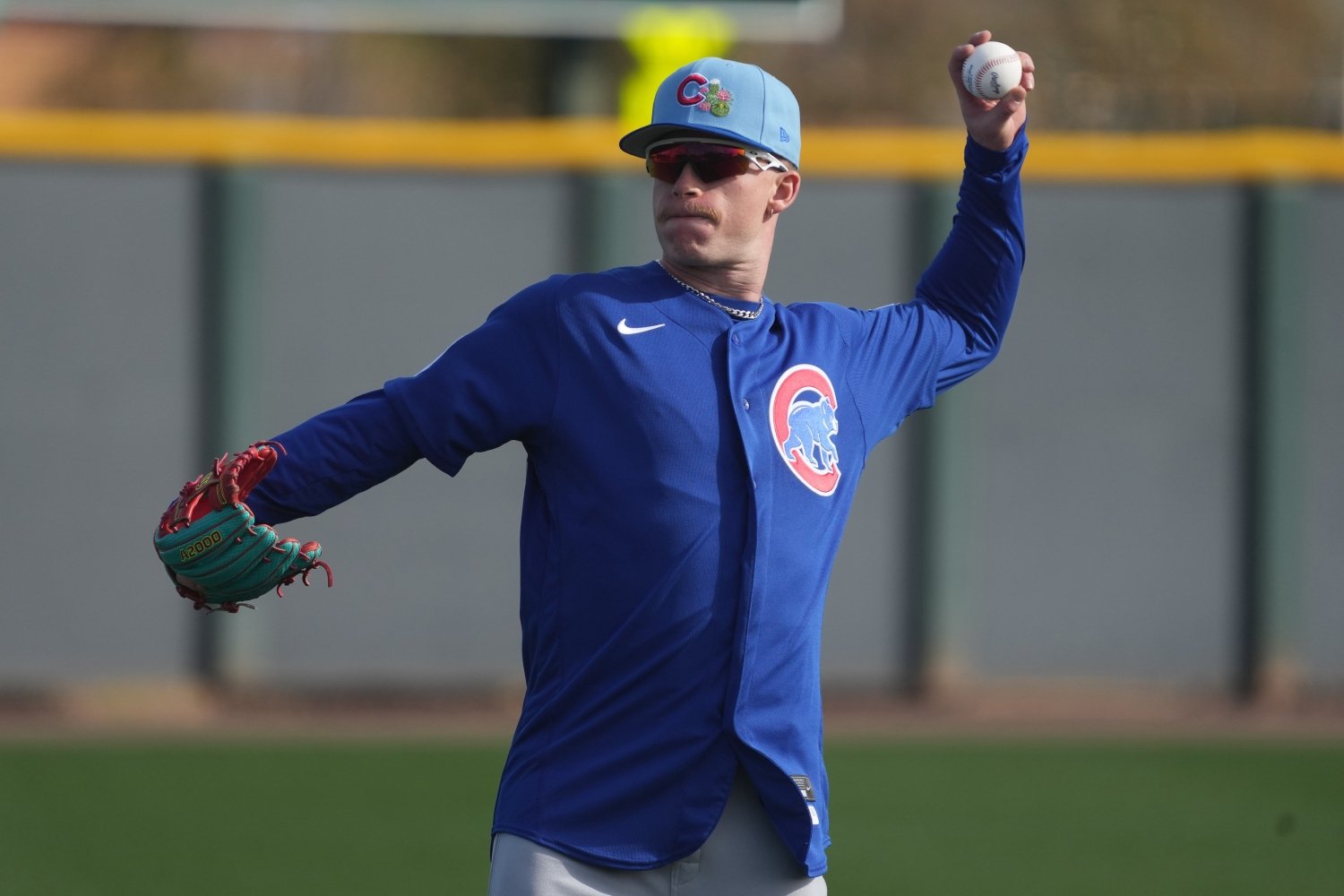 If you merely consult a spreadsheet that shows the guaranteed dollars for which the Chicago Cubs are on the hook, you might think that they've walked right up to the competitive-balance tax threshold, but declined to step over the line. If that were true, it would be a complication for them, as they stare down two key decisions this spring: whether to put non-roster free-agent signing Michael Conforto on the Opening Day roster (thus guaranteeing him $2 million), and whether to extend star center fielder Pete Crow-Armstrong. Frustrating though it might (rightfully) be to many fans, the CBT line is a real and important factor in teams' decision-making. All teams have budgets, and those budgets aren't technically anchored to the CBT line, but going over the line (especially in consecutive seasons) means higher costs, draft-pick and international free agency penalties. It has to be part of the calculation about marginal spending whenever a team is hovering near the line between not being a payer and being one, or between two of the several thresholds at which penalties and tax rates rise. Here's the thing, though: the Cubs are already over the tax line. It's not that close, either. They have not only Conforto, but a handful of other experienced non-roster invitees in camp, from outfielders Chas McCormick and Dylan Carlson to relievers like Trent Thornton and Kyle Wright. Christian Bethancourt, who's likely to go to Triple-A Iowa if both Carson Kelly and Miguel Amaya are healthy at the end of camp, will make $1.6 million if added to the big-league roster at some point to backfill because of injuries. Any dollar over the league minimum earned by any of the above pushes the Cubs closer to (or, in actuality, well past) the line, since they're currently just under $500,000 below the threshold. Even if none of those players makes the roster and the team rolls with guys who play for the minimum (say, Kevin Alcántara and Ryan Rolison), though, they're going to end up over the line. Kelly and Matthew Boyd signed two-year deals last winter that included up to $500,000 per year in performance bonuses based on playing time, and each maxed out those bonuses in 2025. It's unlikely they'll do so again in 2026, but they'll get another $200,000 or more from the team based on those clauses. Then, the team signed five free-agent relievers this winter to deals that include substantial performance bonuses. Hunter Harvey, alone, can earn over $1 million in bonuses. Phil Maton, Caleb Thielbar, Jacob Webb and Hoby Milner can each earn about $250,000 more than their base salaries. Those guys won't max out their earning power, but to push the Cubs over the line, none of them has to. In some wild scenario in which none of those bonuses have to be paid, the team will be in scramble mode early, and will end up spnding money on someone else to patch holes in their pitching staff. No, the Cubs are already over the CBT line. That's good news. With the CBT not really an active consideration (but the second threshold a solid $12-15 million in guarantees away), the Cubs could go scoop up another starter before the season starts, to bolster a strong but injury-shadowed starting rotation. They can also freely negotiate with Crow-Armstrong, who sounds very interested in a long-term deal with the club. Signing him for the long haul would earn the team tons of good will with their fans, and they'd also have cost certainty for the next handful of years, rather than risking his salary skyrocketing via arbitration. Locking up Crow-Armstrong would mean giving him a boost in salary ahead of schedule, albeit a modest one, in 2026. It would also mean a signing bonus, which would be spread over the life of the deal but would be a cost incurred up front. Crow-Armstrong's CBT hit would rise sharply, because it would reflect the annual average value of the deal. That's why not having to think about staying below that line matters. Last season, the Cubs couldn't seriously consider any expensive extensions, because they didn't have clearance to surpass the CBT threshold or the breathing room to increase their number at the last second. Things are much more conducive to that kind of spending this spring. One way or another, the Cubs probably aren't done spending money this offseason. Be it a team-friendly extension for a young player or a market-rate one to keep one of Nico Hoerner, Ian Happ and Seiya Suzuki from becoming free agents in November, there will be lots of conversations around the team's existing players—and there's still room to spend a bit on more pitching help, if they decide that they need it.
 -
Image courtesy of © Rick Scuteri-Imagn Images When Brad Keller toed the rubber for the Cubs last spring and started touching 98 miles per hour with his fastball, I didn't believe it. Hot radar guns aren't much of a problem in the modern game; Statcast is much less vulnerable to either error or manipulation than old-fashioned stadium or broadcast readings. Still, it was hard to buy into that level of heat from Keller, who had been a sturdy but not especially hard-throwing starter until moving into long relief the previous summer. As it turned out, though, Keller's newfound Howitzer was for real. He had averaged 93.8 miles per hour on his four-seamer in 2024; that number shot up to 97.2 MPH in 2025. More intense stuff fueled his breakout as the team's first-half relief ace. He was the exemplar in the latest round of minor developmental miracle-making from the Cubs in the bullpen. On Monday, we might have gotten another glimpse of that magic. Lefty reliever Ryan Rolison was a waiver claim this winter, after pitching in the majors for the first time at age 27 in 2025. Arguably, he only got as much time as he did (31 appearances and 42 1/3 innings) because he had the good fortune to land on one of the worst pitching teams of all time: the 2025 Rockies. Even if you take some of the air out of his 7.02 ERA because he was pitching in mop-up duty at Coors Field (in front of a lousy defense), he doesn't exactly look like a big-league arm. That version of Rolison averaged just 92.9 MPH with his four-seam fastball, which has the cut-ride shape the Cubs love. His fastest heater in the majors hummed in at 94.8. Monday's version of him is a different beast. Rolison threw just four fastballs in his outing against the Royals, as he recorded his three outs on just eight total pitches. Here are the velocities of those four heaters, though: 96.3 MPH 95.7 95.7 95.2 If Rolison is a guy who sits 95 and touches higher from his high three-quarter left-handed slot, he's a very valuable, flexible piece of the team's bullpen depth chart. His two distinct breaking pitches play nicely off that heat, and he has a useful changeup, so he can even neutralize right-handed batters. The Cubs don't really need him, if everyone is healthy when they break camp next month, but unlike Keller, they also don't have to stuff him onto the roster in order to keep him. Rolison has a remaining year of being optionable, so they could stash him in Triple-A if Caleb Thielbar and Hoby Milner are both healthy. That said, a harder-throwing Rolison could be a strong third southpaw for the pen, even if the team is at full strength. He offers some of the things the team lost when they allowed Drew Pomeranz to walk via free agency, with a high-rise heater and good depth on his curveball. When the team claimed him, he appeared to be a simple scoop off the wire, based solely on the ability to shuttle him to the minors at a moment's notice. Now, it's possible to see real upside here. Rolison just might blossom into a high-leverage weapon in a playoff-aspiring bullpen. He's made the adjustments needed to tap into a new vein of electricity in his arm, and if he can show enough command, he might deliver enormous bang for the few bucks the team forked over to bring him in. View full article
-
Buy Stock in Cubs Reliever Ryan Rolison While You Still Can
Matthew Trueblood posted an article in Cubs
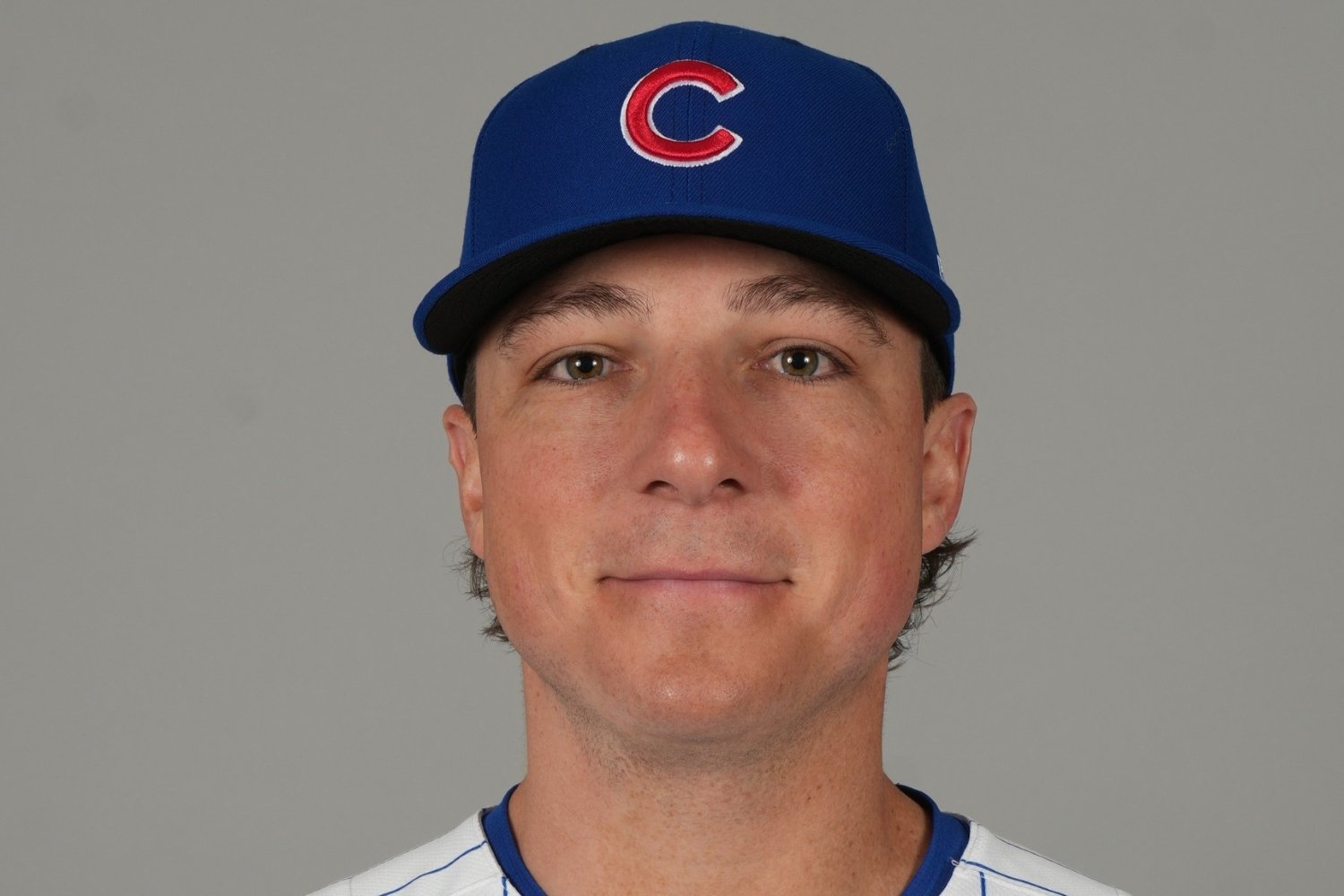 When Brad Keller toed the rubber for the Cubs last spring and started touching 98 miles per hour with his fastball, I didn't believe it. Hot radar guns aren't much of a problem in the modern game; Statcast is much less vulnerable to either error or manipulation than old-fashioned stadium or broadcast readings. Still, it was hard to buy into that level of heat from Keller, who had been a sturdy but not especially hard-throwing starter until moving into long relief the previous summer. As it turned out, though, Keller's newfound Howitzer was for real. He had averaged 93.8 miles per hour on his four-seamer in 2024; that number shot up to 97.2 MPH in 2025. More intense stuff fueled his breakout as the team's first-half relief ace. He was the exemplar in the latest round of minor developmental miracle-making from the Cubs in the bullpen. On Monday, we might have gotten another glimpse of that magic. Lefty reliever Ryan Rolison was a waiver claim this winter, after pitching in the majors for the first time at age 27 in 2025. Arguably, he only got as much time as he did (31 appearances and 42 1/3 innings) because he had the good fortune to land on one of the worst pitching teams of all time: the 2025 Rockies. Even if you take some of the air out of his 7.02 ERA because he was pitching in mop-up duty at Coors Field (in front of a lousy defense), he doesn't exactly look like a big-league arm. That version of Rolison averaged just 92.9 MPH with his four-seam fastball, which has the cut-ride shape the Cubs love. His fastest heater in the majors hummed in at 94.8. Monday's version of him is a different beast. Rolison threw just four fastballs in his outing against the Royals, as he recorded his three outs on just eight total pitches. Here are the velocities of those four heaters, though: 96.3 MPH 95.7 95.7 95.2 If Rolison is a guy who sits 95 and touches higher from his high three-quarter left-handed slot, he's a very valuable, flexible piece of the team's bullpen depth chart. His two distinct breaking pitches play nicely off that heat, and he has a useful changeup, so he can even neutralize right-handed batters. The Cubs don't really need him, if everyone is healthy when they break camp next month, but unlike Keller, they also don't have to stuff him onto the roster in order to keep him. Rolison has a remaining year of being optionable, so they could stash him in Triple-A if Caleb Thielbar and Hoby Milner are both healthy. That said, a harder-throwing Rolison could be a strong third southpaw for the pen, even if the team is at full strength. He offers some of the things the team lost when they allowed Drew Pomeranz to walk via free agency, with a high-rise heater and good depth on his curveball. When the team claimed him, he appeared to be a simple scoop off the wire, based solely on the ability to shuttle him to the minors at a moment's notice. Now, it's possible to see real upside here. Rolison just might blossom into a high-leverage weapon in a playoff-aspiring bullpen. He's made the adjustments needed to tap into a new vein of electricity in his arm, and if he can show enough command, he might deliver enormous bang for the few bucks the team forked over to bring him in.
 -
Image courtesy of © Michael McLoone-Imagn Images In his first action of the 2026 Cactus League season, Ben Brown needed just 30 pitches to get through two breezy, scoreless innings. He held the Royals to two hits and didn't issue a walk, while striking out three. That's just part of the story, though. For Brown, the bigger questions were bound to be about stuff and developmental progress—and on that front, there was even more good news. Brown threw 12 curveballs, but of his other 18 offerings, only eight were his formerly standard four-seam fastball. The other 10 were, pretty unequivocally, sinkers—or, more precisely, two-seamers. The pitches still had quite a bit of carry, but they ran much more to Brown's arm side, toward right-handed batters. This is not the kind of third pitch Cubs fans have been waiting and hoping for Brown to add to his repertoire over the last two years. He's experimented with different breaking-ball shapes to complement his hard curveball and with various forms of the changeup; those offerings would be the ones he could use to turn a lineup card over better and thrive as a starter. This pitch is something else. Brown throws from a high three-quarter arm slot. Last year, he averaged a 45° arm angle, significantly higher than the big-league average. From that slot, hitters are virtually always looking for a four-seamer. Sinkers from such an angle are very rare. However, there's no sign that Brown has lowered that angle this year. Spring games don't come with arm angle data, at least right away, and Monday's game wasn't broadcast on video, but the video we do have shows Brown operating from at least as high a slot. Brown faced almost exclusively right-handed batters Monday, which is probably why we didn't see him try out a cutter or test-drive this year's flavor of changeup. It was still illustrative, though, because we got to se him use both the four-seamer (7 times) and the sinker (10) against batters of the same handedness. He was, plainly, using the sinker as a lane-changer, commanding the inner half of the plate with that pitch and the outer half with the four-seamer. The curve can play off each pitch; he just needs to prove to opposing righties that he can throw strikes on both sides of the dish. Most sinkers come from lower-than-average arm slots, but the high-slot, running two-seamer is coming more into vogue. Last season, 15 pitchers threw at last 300 sinkers from arm angles of 45° or higher. Most notably, José Alvarado of the Phillies and Félix Bautista of the Orioles use high slots, but throw running, high-velocity heaters with which batters can hardly do anything. Brown also sat 97 in his outing Monday. That's the key to all of this. At that high a velocity, in two- or three-inning stints, he can be a monster, especially if utilizing multiple fastball shapes opens up the whole zone for him and forces hitters to chase his curve more frequently. The presence of a sinker does not make him a good candidate to start, per se, and we need to see whether he's made any progress with pitches that neutralize left-handed batters before getting excited. If Brown does end up in a stretched-out relief role, though, the sinker he showed Monday could be the key that unlocks his seemingly limitless potential. A version of him that mixes elite extension and average-plus command of both fastballs with that hammer curve is the second-best reliever in the Cubs bullpen, trailing only Daniel Palencia. Even if they keep trying to make things work for him as a starter, having the sinker in his mix will come in handy. If nothing else, he's showing a new and vital skill that had previously been missing from his scouting report: adaptability. View full article
-
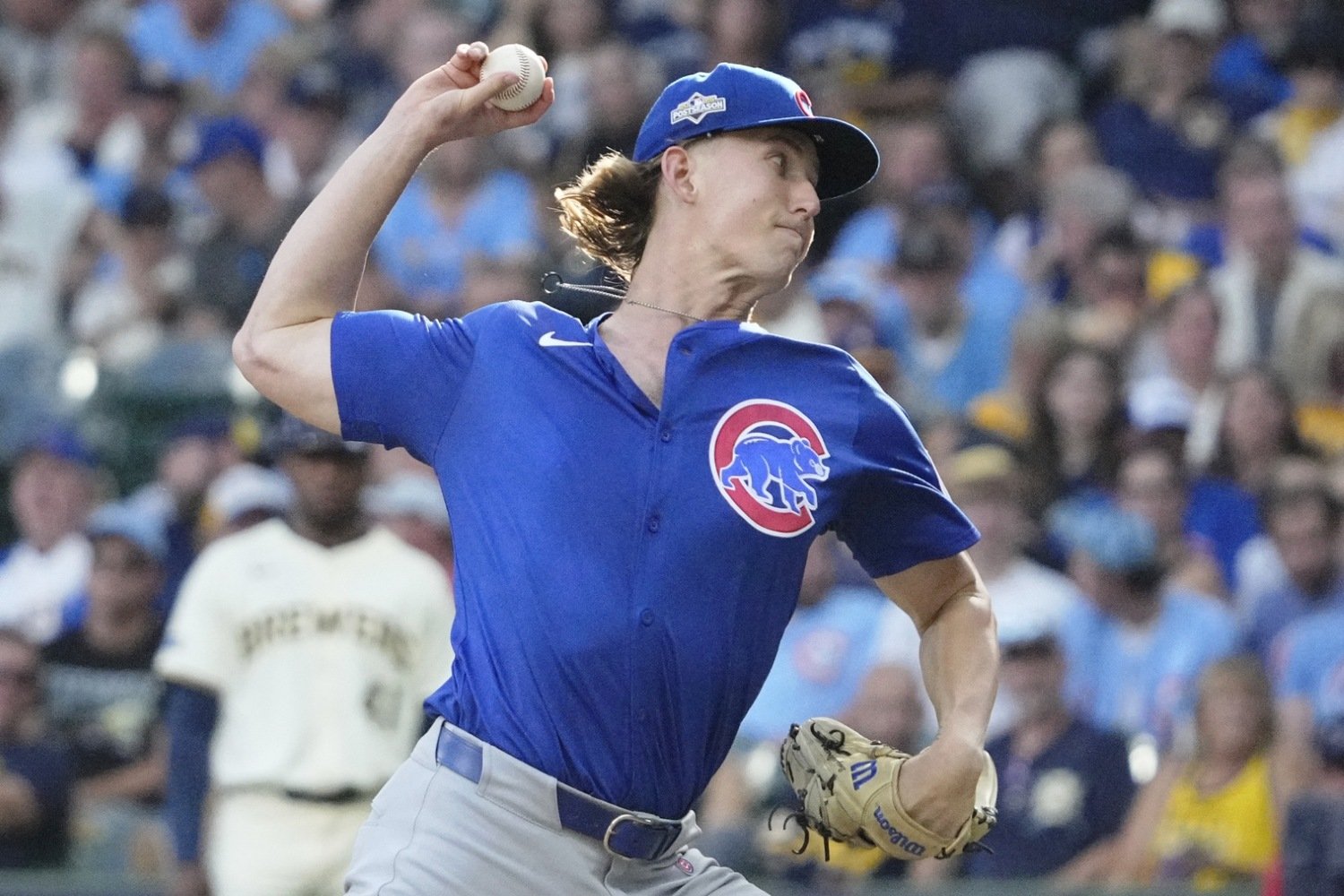 In his first action of the 2026 Cactus League season, Ben Brown needed just 30 pitches to get through two breezy, scoreless innings. He held the Royals to two hits and didn't issue a walk, while striking out three. That's just part of the story, though. For Brown, the bigger questions were bound to be about stuff and developmental progress—and on that front, there was even more good news. Brown threw 12 curveballs, but of his other 18 offerings, only eight were his formerly standard four-seam fastball. The other 10 were, pretty unequivocally, sinkers—or, more precisely, two-seamers. The pitches still had quite a bit of carry, but they ran much more to Brown's arm side, toward right-handed batters. This is not the kind of third pitch Cubs fans have been waiting and hoping for Brown to add to his repertoire over the last two years. He's experimented with different breaking-ball shapes to complement his hard curveball and with various forms of the changeup; those offerings would be the ones he could use to turn a lineup card over better and thrive as a starter. This pitch is something else. Brown throws from a high three-quarter arm slot. Last year, he averaged a 45° arm angle, significantly higher than the big-league average. From that slot, hitters are virtually always looking for a four-seamer. Sinkers from such an angle are very rare. However, there's no sign that Brown has lowered that angle this year. Spring games don't come with arm angle data, at least right away, and Monday's game wasn't broadcast on video, but the video we do have shows Brown operating from at least as high a slot. Brown faced almost exclusively right-handed batters Monday, which is probably why we didn't see him try out a cutter or test-drive this year's flavor of changeup. It was still illustrative, though, because we got to se him use both the four-seamer (7 times) and the sinker (10) against batters of the same handedness. He was, plainly, using the sinker as a lane-changer, commanding the inner half of the plate with that pitch and the outer half with the four-seamer. The curve can play off each pitch; he just needs to prove to opposing righties that he can throw strikes on both sides of the dish. Most sinkers come from lower-than-average arm slots, but the high-slot, running two-seamer is coming more into vogue. Last season, 15 pitchers threw at last 300 sinkers from arm angles of 45° or higher. Most notably, José Alvarado of the Phillies and Félix Bautista of the Orioles use high slots, but throw running, high-velocity heaters with which batters can hardly do anything. Brown also sat 97 in his outing Monday. That's the key to all of this. At that high a velocity, in two- or three-inning stints, he can be a monster, especially if utilizing multiple fastball shapes opens up the whole zone for him and forces hitters to chase his curve more frequently. The presence of a sinker does not make him a good candidate to start, per se, and we need to see whether he's made any progress with pitches that neutralize left-handed batters before getting excited. If Brown does end up in a stretched-out relief role, though, the sinker he showed Monday could be the key that unlocks his seemingly limitless potential. A version of him that mixes elite extension and average-plus command of both fastballs with that hammer curve is the second-best reliever in the Cubs bullpen, trailing only Daniel Palencia. Even if they keep trying to make things work for him as a starter, having the sinker in his mix will come in handy. If nothing else, he's showing a new and vital skill that had previously been missing from his scouting report: adaptability.
 -
Image courtesy of © Kiyoshi Mio-Imagn Images The Cubs need more depth in left-handed hitting, especially with prospective starting designated hitter Moisés Ballesteros delayed in his ramp-up due to visa issues this spring. Overnight, they agreed to sign veteran outfielder Michael Conforto to address that need, according to Jon Heyman of the New York Post. Conforto, 32, hit just .199/.305/.333 last season with the Dodgers, though he held onto a steady enough role to collect 486 plate appearances. Formerly an All-Star-caliber corner bat, he's been diminished by injuries and no longer gets to much of his raw power, but he still has high-end bat speed and a patient approach at the plate. He would be a major defensive downgrade in either outfield corner; expect him to serve only as a DH. Even then, the extent to which he's actually used will hinge somewhat on Ballesteros's readiness. View full article
-
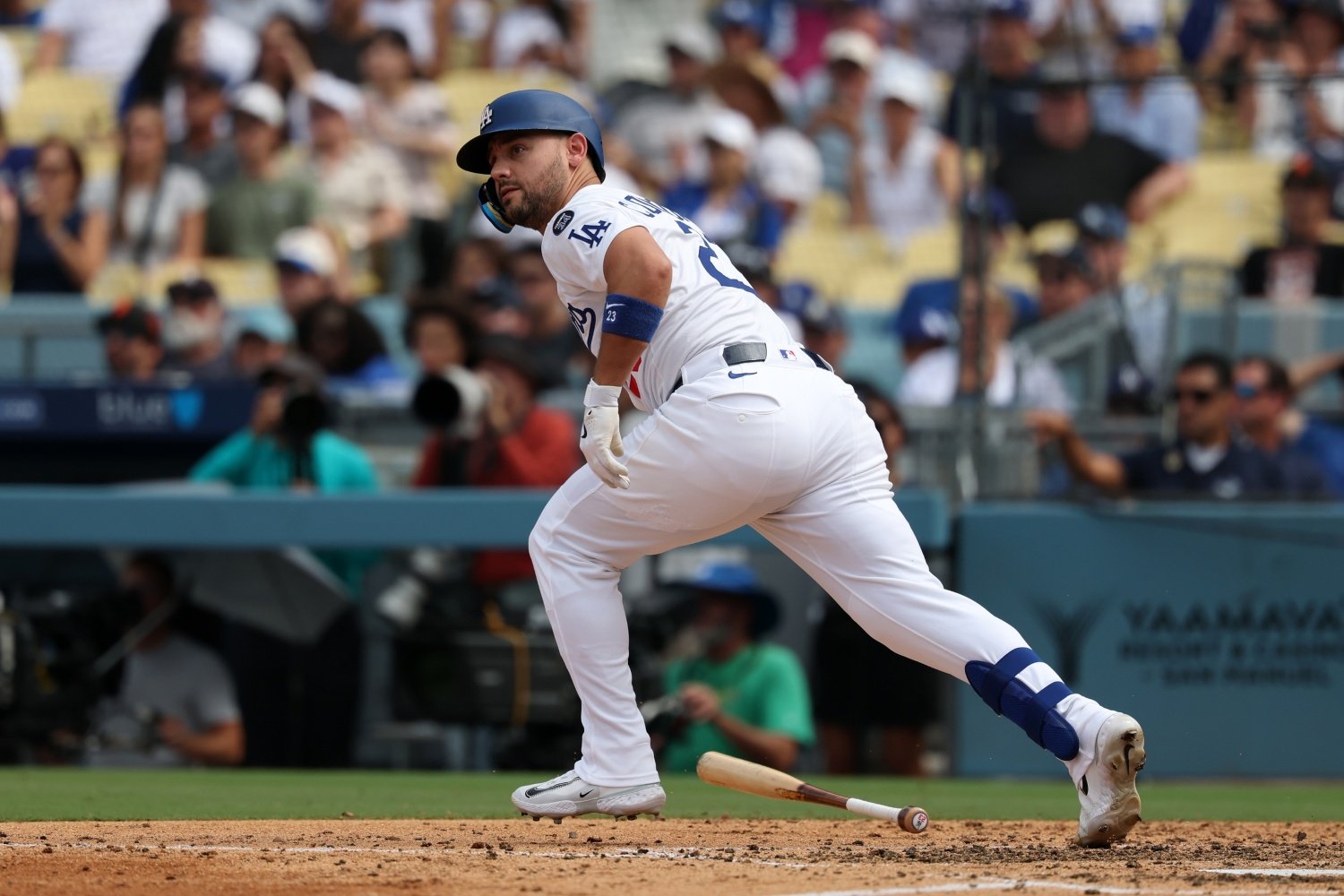 The Cubs need more depth in left-handed hitting, especially with prospective starting designated hitter Moisés Ballesteros delayed in his ramp-up due to visa issues this spring. Overnight, they agreed to sign veteran outfielder Michael Conforto to address that need, according to Jon Heyman of the New York Post. Conforto, 32, hit just .199/.305/.333 last season with the Dodgers, though he held onto a steady enough role to collect 486 plate appearances. Formerly an All-Star-caliber corner bat, he's been diminished by injuries and no longer gets to much of his raw power, but he still has high-end bat speed and a patient approach at the plate. He would be a major defensive downgrade in either outfield corner; expect him to serve only as a DH. Even then, the extent to which he's actually used will hinge somewhat on Ballesteros's readiness.
 -
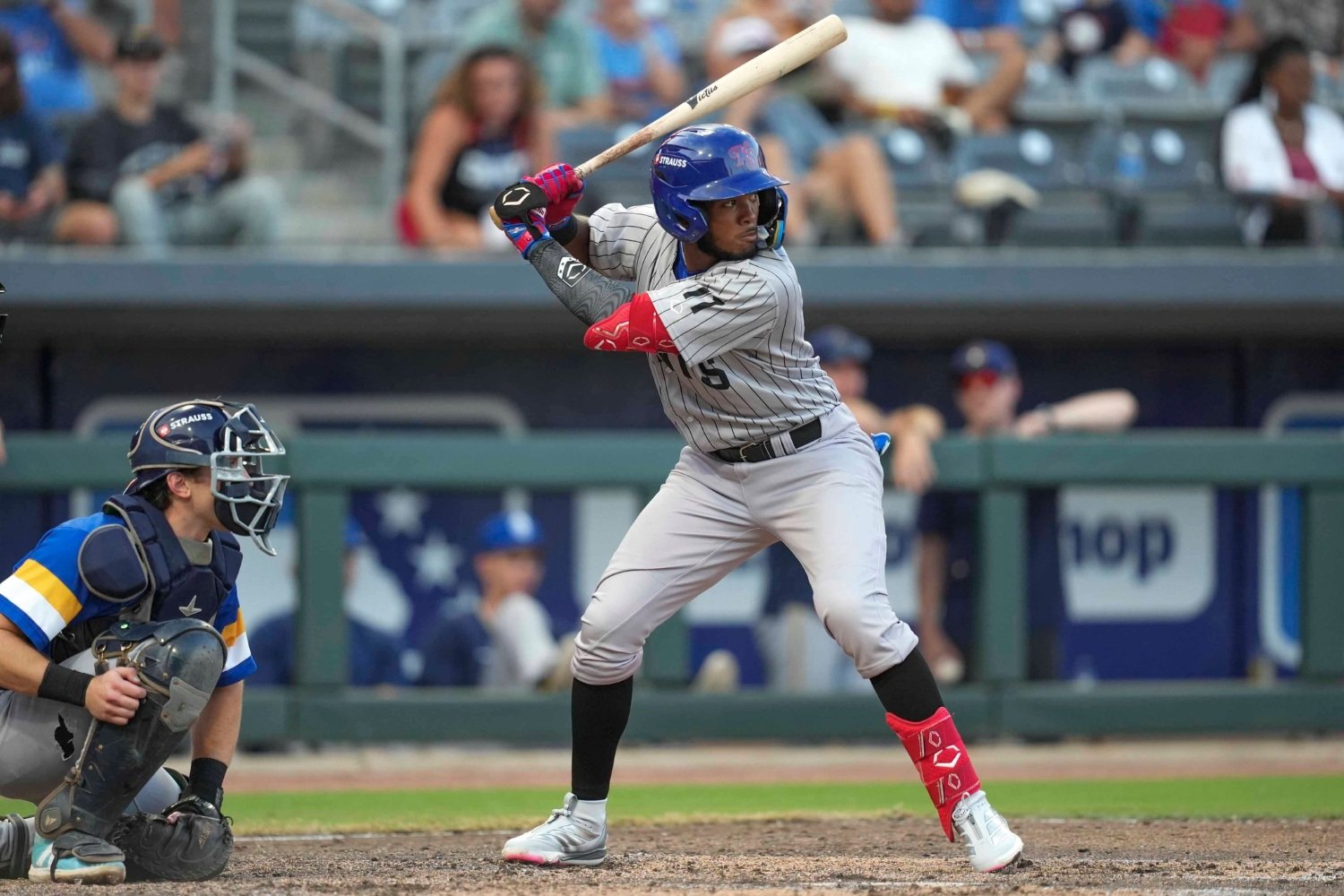 In a key at-bat last September, Nico Hoerner sat on a fastball and got one in his wheelhouse. He had the advantage of being ahead 2-0 on the Rays' Bryan Baker, and there were two outs and nobody on in the bottom of the eighth inning. The score was 4-4. Never have all the incentives been more aligned for a player to swing from his heels, and Hoerner did just that. The ball was a searing line drive into the left-field corner—a double, not a homer, but only because he hadn't lifted it enough. That was the hardest Hoerner had hit a ball all season, by a good margin. It jumped off his bat at 108.1 miles per hour; he hadn't hit any other ball even 106 miles per hour all season. Locked in, sitting on one pitch and one location and looking for extra-base juice, he set a new season high for batted-ball ferocity. akQ5NEFfWGw0TUFRPT1fVlFVSFYxQUdYMVFBQVFNS0JRQUhBZ0VEQUZsV0FsSUFCUU1CQkZCVUJBcGNBbFFB.mp4 Three days later, he nearly matched himself, although the result was much less impressive. Again, he was trying to ambush something—this time, a first-pitch splinker from Paul Skenes of the Pirates. Michael Busch had just hit a leadoff homer, and Hoerner was trying to catch Skenes reeling a bit. He nearly did it, too. The ball had more of the plate and stayed up more than Skenes probably would have liked. However, it had just enough run and dip to catch the underside of Hoerner's barrel. He rapped it sharply to shortstop, 107.3 miles per hour off the bat, but this time with no luck. NnkzN1dfWGw0TUFRPT1fQWdBQ1Z3RldWbE1BREFSV0JBQUhBRmRlQUZrRVZsWUFCVmNHVVZjRkNBSUVBQVJS (1).mp4 Maybe you're worried about me, right now. Maybe you're thinking I mistakenly headlined this Nico Hoerner article with something about Jefferson Rojas. Calm your fears, though. This is very much a Jefferson Rojas article. See, those two batted balls were the only ones Hoerner produced that topped 106 miles per hour last season. On Saturday, in the second game of Cactus League play, Jefferson Rojas matched that number. First, he scalded a line drive to center field to drive in a run, as clean a single as you'll ever see. It perfectly matched Hoerner's maximum exit velocity from 2025, at 108.1 MPH. Two innings later, he hit another rocket, this time at 106.2 MPH. It had too little air under it, and became a groundout, too, but it's a nifty match for the ball Hoerner hit against Skenes. In Friday's Cactus League opener, he'd also smashed a single at 100.3 MPH, against the White Sox. So far, Rojas only hits the ball hard, and all three of the pitchers against whom he made such solid contact (Kumar Rocker, Cal Quantrill, and Tyler Schweitzer) pitched in the majors last year. This is not meant, of course, to directly compare Rojas to Hoerner. They're very different players. Besides, Hoerner managed to pull a ball at 98 MPH from Baker for that double; that makes his hit more impressive than Rojas's. The young shortstop prospect has a lot left to learn. He hit .236/.343/.387 in High A and Double A last season for a reason. Still, this is a very pleasing proof of concept. Hoerner has 30-grade game power; it's his only weakness. Rojas, whom FanGraphs nonetheless ranked as the Cubs' top prospect entering this season, is only listed as having 30-grade game power at present. The prospect team at FanGraphs does give Rojas a 50 future grade on power, though, and having seen him step into the box two months shy of his 21st birthday and hit three balls the way he's hit them this weekend, it's fair to say that he's making progress toward that eventual ceiling. It's important not to get carried away with this kind of comp, but Rojas should remind you a bit of Starlin Castro. There's the same blend of quick hands and sinewy strength as Castro brought right to the big leagues in 2010, at age 20. Massive makeup issues (and, perhaps relatedly, an overly aggressive approach at the plate) stopped Castro from reaching his full potential, but the athleticism of Rojas is very similar, and so far, there are no reports of Rojas being similarly immature and dangerous off the field. Given the calamitous .164/.279/.205 line he put up in 39 games with Double-A Knoxville last summer, Rojas is surely slated to head back there this spring. However, his upside is beginning to shine against even big-league competition. He could well get back onto the fast track to the majors, with a strong start in Knoxville begetting a June promotion to Iowa. He'll be Rule 5-eligible this fall, so the Cubs have no reason not to let him force his way to the big leagues if this season goes the way he hopes. It's only been two spring games, but he's one of the most important players in the organization, and he's off to a great start in a pivotal season. Heck, since the infield picture in Chicago is crowded and Hoerner is a free agent this fall, maybe this is kind of a Nico Hoerner article, after all. If this keeps up, Rojas is coming for a spot that currently belongs to Hoerner, but showing he can match Hoerner on the veteran's weakest front is just the first small step toward supplanting him.
 -
Image courtesy of © Angelina Alcantar/News Sentinel / USA TODAY NETWORK via Imagn Images In a key at-bat last September, Nico Hoerner sat on a fastball and got one in his wheelhouse. He had the advantage of being ahead 2-0 on the Rays' Bryan Baker, and there were two outs and nobody on in the bottom of the eighth inning. The score was 4-4. Never have all the incentives been more aligned for a player to swing from his heels, and Hoerner did just that. The ball was a searing line drive into the left-field corner—a double, not a homer, but only because he hadn't lifted it enough. That was the hardest Hoerner had hit a ball all season, by a good margin. It jumped off his bat at 108.1 miles per hour; he hadn't hit any other ball even 106 miles per hour all season. Locked in, sitting on one pitch and one location and looking for extra-base juice, he set a new season high for batted-ball ferocity. akQ5NEFfWGw0TUFRPT1fVlFVSFYxQUdYMVFBQVFNS0JRQUhBZ0VEQUZsV0FsSUFCUU1CQkZCVUJBcGNBbFFB.mp4 Three days later, he nearly matched himself, although the result was much less impressive. Again, he was trying to ambush something—this time, a first-pitch splinker from Paul Skenes of the Pirates. Michael Busch had just hit a leadoff homer, and Hoerner was trying to catch Skenes reeling a bit. He nearly did it, too. The ball had more of the plate and stayed up more than Skenes probably would have liked. However, it had just enough run and dip to catch the underside of Hoerner's barrel. He rapped it sharply to shortstop, 107.3 miles per hour off the bat, but this time with no luck. NnkzN1dfWGw0TUFRPT1fQWdBQ1Z3RldWbE1BREFSV0JBQUhBRmRlQUZrRVZsWUFCVmNHVVZjRkNBSUVBQVJS (1).mp4 Maybe you're worried about me, right now. Maybe you're thinking I mistakenly headlined this Nico Hoerner article with something about Jefferson Rojas. Calm your fears, though. This is very much a Jefferson Rojas article. See, those two batted balls were the only ones Hoerner produced that topped 106 miles per hour last season. On Saturday, in the second game of Cactus League play, Jefferson Rojas matched that number. First, he scalded a line drive to center field to drive in a run, as clean a single as you'll ever see. It perfectly matched Hoerner's maximum exit velocity from 2025, at 108.1 MPH. Two innings later, he hit another rocket, this time at 106.2 MPH. It had too little air under it, and became a groundout, too, but it's a nifty match for the ball Hoerner hit against Skenes. In Friday's Cactus League opener, he'd also smashed a single at 100.3 MPH, against the White Sox. So far, Rojas only hits the ball hard, and all three of the pitchers against whom he made such solid contact (Kumar Rocker, Cal Quantrill, and Tyler Schweitzer) pitched in the majors last year. This is not meant, of course, to directly compare Rojas to Hoerner. They're very different players. Besides, Hoerner managed to pull a ball at 98 MPH from Baker for that double; that makes his hit more impressive than Rojas's. The young shortstop prospect has a lot left to learn. He hit .236/.343/.387 in High A and Double A last season for a reason. Still, this is a very pleasing proof of concept. Hoerner has 30-grade game power; it's his only weakness. Rojas, whom FanGraphs nonetheless ranked as the Cubs' top prospect entering this season, is only listed as having 30-grade game power at present. The prospect team at FanGraphs does give Rojas a 50 future grade on power, though, and having seen him step into the box two months shy of his 21st birthday and hit three balls the way he's hit them this weekend, it's fair to say that he's making progress toward that eventual ceiling. It's important not to get carried away with this kind of comp, but Rojas should remind you a bit of Starlin Castro. There's the same blend of quick hands and sinewy strength as Castro brought right to the big leagues in 2010, at age 20. Massive makeup issues (and, perhaps relatedly, an overly aggressive approach at the plate) stopped Castro from reaching his full potential, but the athleticism of Rojas is very similar, and so far, there are no reports of Rojas being similarly immature and dangerous off the field. Given the calamitous .164/.279/.205 line he put up in 39 games with Double-A Knoxville last summer, Rojas is surely slated to head back there this spring. However, his upside is beginning to shine against even big-league competition. He could well get back onto the fast track to the majors, with a strong start in Knoxville begetting a June promotion to Iowa. He'll be Rule 5-eligible this fall, so the Cubs have no reason not to let him force his way to the big leagues if this season goes the way he hopes. It's only been two spring games, but he's one of the most important players in the organization, and he's off to a great start in a pivotal season. Heck, since the infield picture in Chicago is crowded and Hoerner is a free agent this fall, maybe this is kind of a Nico Hoerner article, after all. If this keeps up, Rojas is coming for a spot that currently belongs to Hoerner, but showing he can match Hoerner on the veteran's weakest front is just the first small step toward supplanting him. View full article
-
Image courtesy of © Rick Scuteri-Imagn Images For all the good Jed Hoyer does as the president of baseball operations for the Chicago Cubs, he makes some big mistakes, over and over. He's a good seeker of bargains in free agency and a tough negotiator. He's assembled an improved scouting and player development infrastructure. He assiduously avoids bad risks, and gets his biggest moves directionally right almost every time. However, he's not good at the vital, detail-oriented job of building a functional roster. That's the biggest reason why the Brewers have finished ahead of the Cubs in every season of Hoyer's tenure as the team's top executive, and it could be what holds back a talented 2026 club, too. 'Directionally right' might be the operative term, and one that cuts both ways—or, rather, doesn't. Hoyer signed Alex Bregman to take over at third base this season, and he replaced departing free agent Justin Turner with righty slugger Tyler Austin. He also traded Owen Caissie to the Marlins in the Edward Cabrera deal. Moisés Ballesteros is, broadly speaking, set to replace the departed Kyle Tucker, slotting in as the designated hitter most of the time and pushing Seiya Suzuki back to regular work in right field. Even if you're high on Ballesteros, though, he's not a Tucker-caliber hitter. It's really Bregman who will be asked to bolster the batting order, bumping Matt Shaw from the lineup but providing the production Tucker brought to the table. In other words, the Cubs got more right-handed this winter, when it comes to scoring runs. They have three everyday players who bat left-handed (at least against right-handed pitchers), in Pete Crow-Armstrong, Michael Busch and Ian Happ. In theory, Ballesteros is the fourth lefty bat in the lineup against righties. There are two problems here: While Busch is a star-caliber slugger, Happ's offensive profile is more steady than spectacular. Crow-Armstrong has the whole world dreaming on his upside after a terrific start to 2025, but he was one of the worst hitters in baseball after the All-Star break, and his approach is a major constraint on any optimism about his bat. He's in the lineup every day, but more for his glove than his bat. Ballesteros, in addition to being unproven after getting just 66 plate appearances in his first taste of the majors last year, has yet to arrive in Cubs camp. This is not his fault; his visa is being held up as he tries to return from his native Venezuela. Nonetheless, it's a problem, for a player who needs a full camp's worth of reps and exposure to prepare for his first full season in the bigs. As of Wednesday, FanGraphs projects only 36.5% of the Cubs' total plate appearances to go to players who have the ability to bat left-handed, including the switch-hitting Happ. They're a very right-leaning offense, with both catchers and all three non-first base infielders batting righty. Suzuki, Austin, Shaw and all of the candidates for the remaining bench spot bat right-handed. Last year, 47.8% of the Cubs' plate appearances went to left-handed or switch-hitting batters. That's a healthier number, and even with Tucker out of the mix, the team needs to be ready to give at least 40% of its playing time to guys who can bat lefty against righty pitchers. That's not the case right now, and even the current projections are probably too generous to the team. Ballesteros is slated for 382 plate appearances, which should certainly be the goal, but if he can't get going in camp until four weeks before Opening Day, the risk that he has to spend a significant chunk of the season at Triple-A Iowa is substantial. There's not really a good solution out there, at this point—at least in free agency. The Cubs could explore a trade to add a lefty bat, but it's late in the game on that front. Every worthwhile free-agent hitter has signed. There are likely to be times, especially early in the season, when the Cubs feel locked into bad matchups with parades of opposing right-handed pitchers. To win enough games to get past Milwaukee this time around, the Cubs need to be more efficient than they've been in the past. Right now, they're not in a position to do that, which is a major problem, and there might not be a solution to that problem available. The team doesn't even have a dark-horse candidate for a roster spot in camp who bats left-handed. Hoyer hasn't built a roster that hums the way it will need to, and if he waits until the trade deadline to address his shortage of good lefty bats, it might be too late. View full article
-
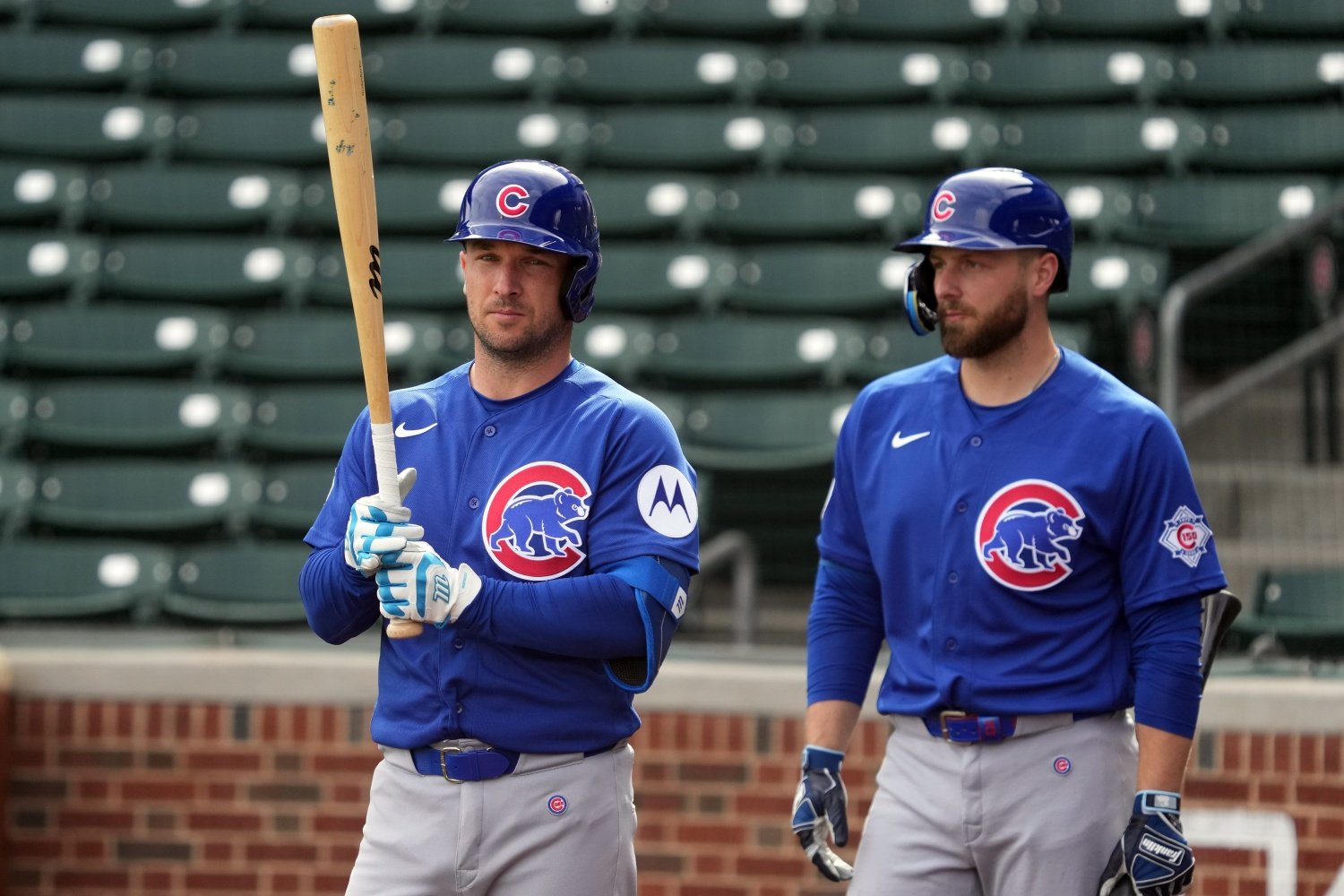 For all the good Jed Hoyer does as the president of baseball operations for the Chicago Cubs, he makes some big mistakes, over and over. He's a good seeker of bargains in free agency and a tough negotiator. He's assembled an improved scouting and player development infrastructure. He assiduously avoids bad risks, and gets his biggest moves directionally right almost every time. However, he's not good at the vital, detail-oriented job of building a functional roster. That's the biggest reason why the Brewers have finished ahead of the Cubs in every season of Hoyer's tenure as the team's top executive, and it could be what holds back a talented 2026 club, too. 'Directionally right' might be the operative term, and one that cuts both ways—or, rather, doesn't. Hoyer signed Alex Bregman to take over at third base this season, and he replaced departing free agent Justin Turner with righty slugger Tyler Austin. He also traded Owen Caissie to the Marlins in the Edward Cabrera deal. Moisés Ballesteros is, broadly speaking, set to replace the departed Kyle Tucker, slotting in as the designated hitter most of the time and pushing Seiya Suzuki back to regular work in right field. Even if you're high on Ballesteros, though, he's not a Tucker-caliber hitter. It's really Bregman who will be asked to bolster the batting order, bumping Matt Shaw from the lineup but providing the production Tucker brought to the table. In other words, the Cubs got more right-handed this winter, when it comes to scoring runs. They have three everyday players who bat left-handed (at least against right-handed pitchers), in Pete Crow-Armstrong, Michael Busch and Ian Happ. In theory, Ballesteros is the fourth lefty bat in the lineup against righties. There are two problems here: While Busch is a star-caliber slugger, Happ's offensive profile is more steady than spectacular. Crow-Armstrong has the whole world dreaming on his upside after a terrific start to 2025, but he was one of the worst hitters in baseball after the All-Star break, and his approach is a major constraint on any optimism about his bat. He's in the lineup every day, but more for his glove than his bat. Ballesteros, in addition to being unproven after getting just 66 plate appearances in his first taste of the majors last year, has yet to arrive in Cubs camp. This is not his fault; his visa is being held up as he tries to return from his native Venezuela. Nonetheless, it's a problem, for a player who needs a full camp's worth of reps and exposure to prepare for his first full season in the bigs. As of Wednesday, FanGraphs projects only 36.5% of the Cubs' total plate appearances to go to players who have the ability to bat left-handed, including the switch-hitting Happ. They're a very right-leaning offense, with both catchers and all three non-first base infielders batting righty. Suzuki, Austin, Shaw and all of the candidates for the remaining bench spot bat right-handed. Last year, 47.8% of the Cubs' plate appearances went to left-handed or switch-hitting batters. That's a healthier number, and even with Tucker out of the mix, the team needs to be ready to give at least 40% of its playing time to guys who can bat lefty against righty pitchers. That's not the case right now, and even the current projections are probably too generous to the team. Ballesteros is slated for 382 plate appearances, which should certainly be the goal, but if he can't get going in camp until four weeks before Opening Day, the risk that he has to spend a significant chunk of the season at Triple-A Iowa is substantial. There's not really a good solution out there, at this point—at least in free agency. The Cubs could explore a trade to add a lefty bat, but it's late in the game on that front. Every worthwhile free-agent hitter has signed. There are likely to be times, especially early in the season, when the Cubs feel locked into bad matchups with parades of opposing right-handed pitchers. To win enough games to get past Milwaukee this time around, the Cubs need to be more efficient than they've been in the past. Right now, they're not in a position to do that, which is a major problem, and there might not be a solution to that problem available. The team doesn't even have a dark-horse candidate for a roster spot in camp who bats left-handed. Hoyer hasn't built a roster that hums the way it will need to, and if he waits until the trade deadline to address his shortage of good lefty bats, it might be too late.
 -
Image courtesy of © Michael McLoone-Imagn Images On Friday, the Cubs signed right-handed reliever Shelby Miller to a two-year, guaranteed big-league deal. It's a rare step for a team to take to secure the services of a pitcher who won't take the mound in the first year of the contract. Miller underwent Tommy John surgery near the end of the 2025 season and won't pitch for the Cubs until 2027, if at all. Most of the time, a pitcher in their mid-30s signs a minor-league deal while the recuperate from this kind of operation. For instance, after his Cubs career ended on a surgeon's slab, Adbert Alzolay signed a two-year minor-league deal with the New York Mets. In this case, though, the Cubs went the extra mile. Doing that has short- and long-term implications. The Cubs will have to designate someone for assignment to slot Miller onto their 40-man roster, even though they'll pass him directly through that list and onto the 60-day injured list. That's fine, in that the team has plenty of players on the fringes of the roster whom they can lose without being especially upset. It still means that acquiring Miller now was more important to them than seeing a few spring outings from whichever arm gets the axe—likely someone like Gavin Hollowell, Luke Little or Ryan Rolison. It also means that Miller will take up a 40-man roster spot all next winter. Given how many current Cubs are set to hit free agency after the World Series, that, too, is an acceptable tradeoff, but it's a real cost. These considerations are why few teams sign players like this to deals like this one. Why did the Cubs take that extraordinary step? In part, at least, it's because of their neighbors to the north—their foremost rivals, not only for division titles but for under-the-radar pitching help. Miller was the Milwaukee Brewers' top trade deadline acquisition last summer, and though he didn't last with the team long before his elbow blew out, he and Milwaukee had mutual interest in a reunion this winter. Miller is the kind of pitcher the Brewers like, which means he's the kind of pitcher the Cubs like. In the five seasons since 2021, the following pitchers have twirled for both the Cubs and the Crew: Brad Boxberger Andrew Chafin Aaron Civale Trevor Megill Wade Miley Shelby Miller Tyson Miller Hoby Milner* Daniel Norris Enoli Paredes Drew Pomeranz Colin Rea Taylor Rogers In a sense, even that list isn't exhaustive. It doesn't include players each team has brought into camp who had pitched for the other during the same span, but who never appeared with the second club—or cases like that of Bryan Hudson, the ex-Cubs farmhand whom the Brewers scooped up and briefly turned into a strong lefty setup man. It'll suffice, though, to demonstrate the point: these teams look for a lot of the same things and compete for a lot of the same pitchers. The Brewers love a three-fastball mix. They prize pitchers who can use a four-seamer, a sinker and a cutter to positive effects, and ask their guys to lean on those offerings. The Cubs don't preach using all three of those varietals together as consistently, but they like the cut-ride fastball, which is often a way of getting the benefits of a four-seamer and a cutter from one pitch, thereby simplifying the mix for the pitcher (but putting a bit more pressure on their secondary weapon(s)). That's an important commonality, even if the two sides each think of it differently. Both teams, too, assiduously build strong defenses, and they try to get the most of them by bringing in pitchers who manage contact, rather than dodging it. Each team prefers more of their resources to be allocated to position players, so they don't often take big swings on pitching in the draft or splurge on high-priced hurlers with whiffs-forward arsenals. They're trying to prevent runs, and they're happy to do that a slightly more cost-efficient way (by sacrificing offense at one or two positions to maximize defense, and being excellent on balls in play, rather than racking up strikeouts). The overlap is not perfect, in either philosophy or execution. The Brewers have to attack things this way when it comes to external acquisitions, but they focus on accumulating depth via internal development and team control. They don't use first-round picks on pitchers, but they spend more time, energy and money on the later rounds of the draft than the Cubs do, and it shows. They're better than Chicago at pitching development, and that difference gets exaggerated by the way they go about team building over multi-year periods. Milwaukee also maximizes their chances to get that kind of development right, though, through deals like the one they made earlier this month. In trading their starting third baseman (Caleb Durbin) and two backup infielders, they created a small hole they had to patch, but also reinforced their pitching depth admirably with two new lefties. Chicago, by contrast, is willing to walk the tightrope with a more expensive and less flexible (but more proven) pitching staff. They've paid a price for that, at times, but they've also reaped the benefits of it. Since these teams tend to prefer finding and using similar pitchers at different stages of their careers, it's not surprising that they end up employing a lot of the same guys. It does add a sense of silliness to the ostensibly heated rivalry between the sides, though. Few teams in baseball are more similar than these two, in the ways they try to win games—especially on the mound. The seeds of an eventual divergence between them have been planted, in the Cubs' hiring and promotion of Tyler Zombro, who has some slightly different predilections than the Brewers', but even then, there's overlap. If one of the two clubs likes you, the other is likely to like you, too. Being a Brewer, especially, is a leading indicator of eventually being a Cub. The teams sometimes vie unexpectedly hard for the same otherwise forgettable players, which is a big part of why Miller has a 40-man roster spot right now. At least twice in the last two offseasons, both teams have pursued a pitcher who ended up signing a minor-league deal with one or the other; they often end up at the top of the market for hurlers the rest of the league is less high on. As much as each side might want to beat the other, they show considerable tacit respect for one another by so often locking in on the same targets. View full article
-
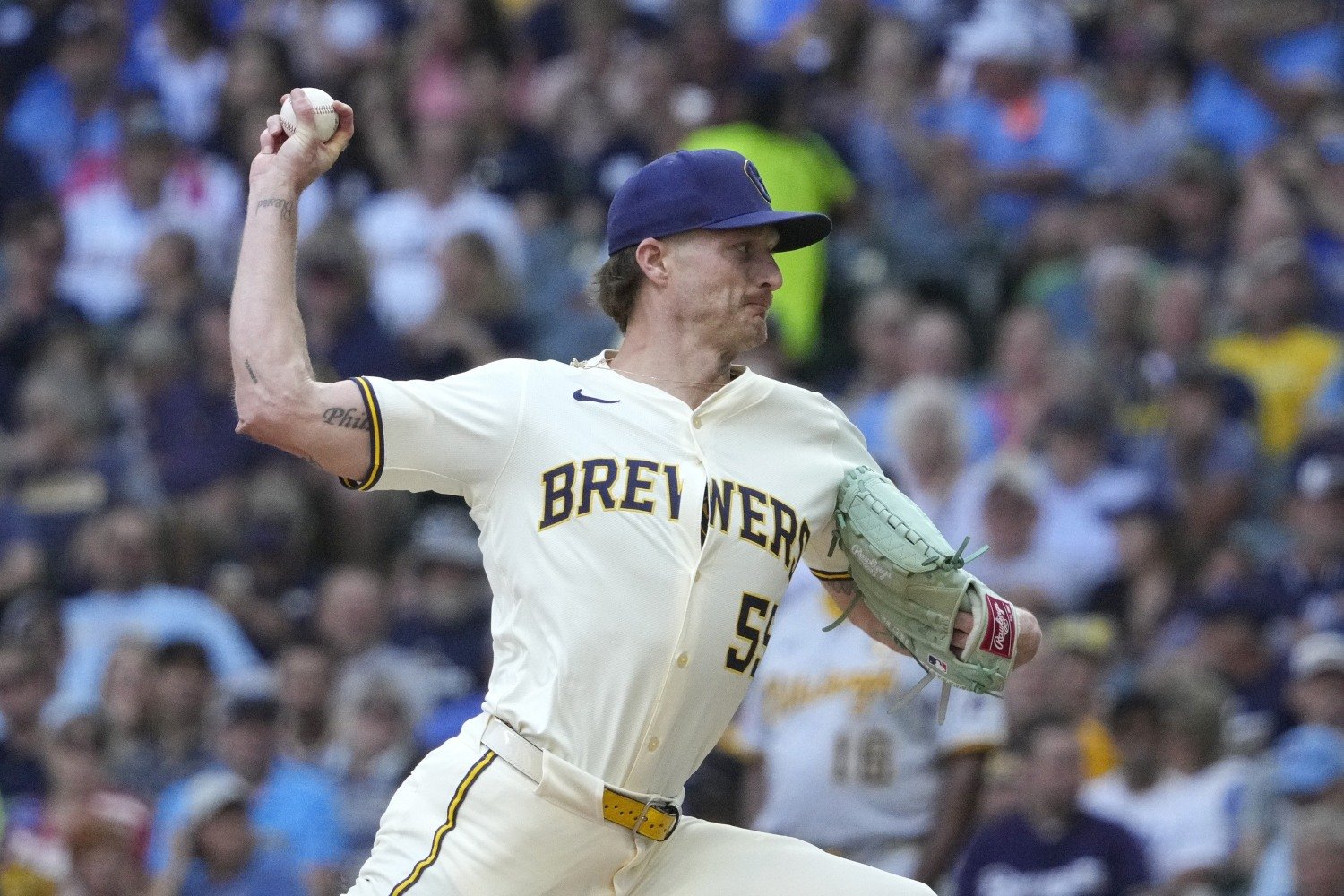 On Friday, the Cubs signed right-handed reliever Shelby Miller to a two-year, guaranteed big-league deal. It's a rare step for a team to take to secure the services of a pitcher who won't take the mound in the first year of the contract. Miller underwent Tommy John surgery near the end of the 2025 season and won't pitch for the Cubs until 2027, if at all. Most of the time, a pitcher in their mid-30s signs a minor-league deal while the recuperate from this kind of operation. For instance, after his Cubs career ended on a surgeon's slab, Adbert Alzolay signed a two-year minor-league deal with the New York Mets. In this case, though, the Cubs went the extra mile. Doing that has short- and long-term implications. The Cubs will have to designate someone for assignment to slot Miller onto their 40-man roster, even though they'll pass him directly through that list and onto the 60-day injured list. That's fine, in that the team has plenty of players on the fringes of the roster whom they can lose without being especially upset. It still means that acquiring Miller now was more important to them than seeing a few spring outings from whichever arm gets the axe—likely someone like Gavin Hollowell, Luke Little or Ryan Rolison. It also means that Miller will take up a 40-man roster spot all next winter. Given how many current Cubs are set to hit free agency after the World Series, that, too, is an acceptable tradeoff, but it's a real cost. These considerations are why few teams sign players like this to deals like this one. Why did the Cubs take that extraordinary step? In part, at least, it's because of their neighbors to the north—their foremost rivals, not only for division titles but for under-the-radar pitching help. Miller was the Milwaukee Brewers' top trade deadline acquisition last summer, and though he didn't last with the team long before his elbow blew out, he and Milwaukee had mutual interest in a reunion this winter. Miller is the kind of pitcher the Brewers like, which means he's the kind of pitcher the Cubs like. In the five seasons since 2021, the following pitchers have twirled for both the Cubs and the Crew: Brad Boxberger Andrew Chafin Aaron Civale Trevor Megill Wade Miley Shelby Miller Tyson Miller Hoby Milner* Daniel Norris Enoli Paredes Drew Pomeranz Colin Rea Taylor Rogers In a sense, even that list isn't exhaustive. It doesn't include players each team has brought into camp who had pitched for the other during the same span, but who never appeared with the second club—or cases like that of Bryan Hudson, the ex-Cubs farmhand whom the Brewers scooped up and briefly turned into a strong lefty setup man. It'll suffice, though, to demonstrate the point: these teams look for a lot of the same things and compete for a lot of the same pitchers. The Brewers love a three-fastball mix. They prize pitchers who can use a four-seamer, a sinker and a cutter to positive effects, and ask their guys to lean on those offerings. The Cubs don't preach using all three of those varietals together as consistently, but they like the cut-ride fastball, which is often a way of getting the benefits of a four-seamer and a cutter from one pitch, thereby simplifying the mix for the pitcher (but putting a bit more pressure on their secondary weapon(s)). That's an important commonality, even if the two sides each think of it differently. Both teams, too, assiduously build strong defenses, and they try to get the most of them by bringing in pitchers who manage contact, rather than dodging it. Each team prefers more of their resources to be allocated to position players, so they don't often take big swings on pitching in the draft or splurge on high-priced hurlers with whiffs-forward arsenals. They're trying to prevent runs, and they're happy to do that a slightly more cost-efficient way (by sacrificing offense at one or two positions to maximize defense, and being excellent on balls in play, rather than racking up strikeouts). The overlap is not perfect, in either philosophy or execution. The Brewers have to attack things this way when it comes to external acquisitions, but they focus on accumulating depth via internal development and team control. They don't use first-round picks on pitchers, but they spend more time, energy and money on the later rounds of the draft than the Cubs do, and it shows. They're better than Chicago at pitching development, and that difference gets exaggerated by the way they go about team building over multi-year periods. Milwaukee also maximizes their chances to get that kind of development right, though, through deals like the one they made earlier this month. In trading their starting third baseman (Caleb Durbin) and two backup infielders, they created a small hole they had to patch, but also reinforced their pitching depth admirably with two new lefties. Chicago, by contrast, is willing to walk the tightrope with a more expensive and less flexible (but more proven) pitching staff. They've paid a price for that, at times, but they've also reaped the benefits of it. Since these teams tend to prefer finding and using similar pitchers at different stages of their careers, it's not surprising that they end up employing a lot of the same guys. It does add a sense of silliness to the ostensibly heated rivalry between the sides, though. Few teams in baseball are more similar than these two, in the ways they try to win games—especially on the mound. The seeds of an eventual divergence between them have been planted, in the Cubs' hiring and promotion of Tyler Zombro, who has some slightly different predilections than the Brewers', but even then, there's overlap. If one of the two clubs likes you, the other is likely to like you, too. Being a Brewer, especially, is a leading indicator of eventually being a Cub. The teams sometimes vie unexpectedly hard for the same otherwise forgettable players, which is a big part of why Miller has a 40-man roster spot right now. At least twice in the last two offseasons, both teams have pursued a pitcher who ended up signing a minor-league deal with one or the other; they often end up at the top of the market for hurlers the rest of the league is less high on. As much as each side might want to beat the other, they show considerable tacit respect for one another by so often locking in on the same targets.
 -
Image courtesy of © Rick Scuteri-Imagn Images There's a certain tension between what Cade Horton throws and what he says (or thinks) he throws. Ask Horton, and he'll tell you he has a four-seam fastball, a changeup, a slider and a curveball, and that he worked in a sinker with some success in 2025. Baseball Savant reflects that. However, Baseball Prospectus has a wider array of potential tags for pitch types, and does a better job of classifying pitches—sometimes even contravening the identifications the hurler themselves assign to their offerings. For them, Horton throws a hard cutter (what he calls the fastball), a sweeper (what he calls his slider), a slider (what he calls his curve), and the changeup and sinker. Horton is such an extreme natural supinator that even though he doesn't consciously throw a cutter or a sweeper, those are the shapes his fastball and slider approach. Everything he throws moves to the glove side more than one would expect, based on his three-quarter arm slot. Only a handful of pitchers in the league are more unusual in this way, and most of them throw from lower slots, so Horton gives hitters a unique set of problems to solve. This should sound familiar. As we've discussed before, Horton is very much like fellow Cubs starter Justin Steele, who has thrived as one of the best pitchers in the National League for the last half-decade with a brace of pitches that won't stop moving toward right-handed batters. He, too, has what he calls a four-seam fastball but what acts like a cutter, and a slider that sweeps so much that Prospectus classifies it that way. There are three key differences, though: Steele is left-handed; Horton is a righty. Steele has largely kept his secondary breaking ball, a true curve, in his holster. He'll throw it, but it's not a major part of his approach to either right- or left-handed batters. Horton is much more comfortable with that power curve (or slider) than Steele is with his bigger breaker. Horton's changeup is a better pitch than any offspeed offering Steele has come up with to date. The first of those three things works in Steele's favor, when it comes to the other two. Left-handed batters are less used to facing lefty hurlers than right-handed batters are to facing righties. Thus, the natural platoon split for a southpaw is wider. When Steele starts, opposing managers tend to stack their lineups with right-handed bats. However, even without the platoon advantage, Steele finds an advantage based on handedness. His stuff profile bullies those hitters, steering everything in on their hands or toward their back knee. It's a set of pitch shapes a lefty batter would be much more comfortable seeing from a righty pitcher, because they have more reps against righties than even righty batters have against lefties—especially ones who pitch like Steele, A lack of familiarity or comfort makes Steele a tough matchup. Horton is unusual, too, but not in a way that stumps opponents quite as thoroughly as Steele can. Thus, whereas Steele can survive (and even dominate) by attacking hitters with that cutter-sweeper mix, Horton has to do more things well. Happily, he's already adjusted to that reality. He throws his curve/slider much more than his slider/sweeper to lefty batters, and he no sooner found this highly effective changeup than made it an important part of his repertoire against them. He has to be more well-rounded and versatile than Steele, but luckily, he's proving to be. It doesn't hurt that he throws about 4 miles per hour harder than Steele does. There's a question worth asking here, though. Horton has that second breaking ball, with more depth and just as much velocity as the sweepier one. He uses it against righties, because righties would (frankly) wreck the sweeper. But he only threw the curve/slider 18% of the time when facing lefties as a rookie. He threw the changeup a bit more, but that still left him going to the four-seamer/cutter 55% of the time. That might be too much. In his first whirlwind tour of the majors, lefties didn't really get to him, but they certainly had a better time of things than righties did. Horton v. RHH: 228 PA, .184/.260/.301, 51 K, 16 BB Horton v. LHH: 248 PA, .251/.302/.361, 46 K, 17 BB If he makes no significant adjustment, it seems fair to say that he's going to experience unpleasant regression against lefty batters in 2026. To avoid it, Horton needs to go to the curve/slider more. There's a minor problem with that plan, though, which we should also talk about: he needs to better understand his own fastball. Here, from a good approximation of a lefty batter's vantage point, are the average trajectories of Horton's three main pitches against them in 2025. You're not a professional hitter, and you're not seeing what those hitters would actually see, anyway, but you're seeing an animated representation thereof. You probably see the issue: The curve comes out of a slightly higher release point and then stays higher than the fastball. One thing Horton does not have, because of the slot he employs and the way his arm works within it, is carry on the fastball or that valuable flatness on the heater at the top of the strike zone. Without that, and with the curve/slider popping out high like that, hitters can distinguish the two offerings fairly early. That works fine if you execute perfectly, and if you've outsmarted the batter. If Horton catches a hitter looking for a fastball but throws them a curve/slider, they're very unlikely to swing. That's bad news if it's a strike-to-ball breaker, but if he throws one that's intended to drop right into the zone and earn a called strike, he'll succeed. If the opponent is sitting on that breaking ball and spots it out of the hand, it might still work, if Horton has thrown a really good strike-to-ball version of the pitch. That's how he can get chases and whiffs with that pitch. However, the fastball's lack of hop means that if a hitter is looking for that pitch and it's not in the zone, they can probably still lay off it. If they're looking for the curve/slider and they get the heater, they're likely to be late, but this is the other problem with his current mix: the fastball isn't always in the right location to properly punish a hitter for being late. For that (and, in general, with a heater that moves toward the glove side, at least relative to almost every other similar fastball), you want to attack the first-base side of the plate. The ball should be boring in on a lefty batter, the same way Steele's hard cutter does. Instead, not quite understanding that he throws a cutter and thinking of it as a four-seamer, Horton mostly keeps the pitch away from lefties. Even without good rising action on the heater, you want to elevate it more than this, to set up the changeup and the vertical breaking ball. You certainly want to attack the inner third with it, at least at times. Horton hasn't found either the right mechanics or the conviction to do that yet. More of that power curve or slider will be vital, for Horton to do as well against lefties as he did in 2025. It'll certainly be necessary, if he wants to improve upon his rookie campaign and prove himself to be the ace of a World Series-caliber team. To properly utilize it, though, he needs to better disguise it out of the hand. That might mean a small amount of specialized mechanical work, but it mostly means practicing attacking the glove side with that glove-side heat, and then having enough confidence to execute a multi-dimensional plan on the mound. He has all the makings of a Cy Young Award contender. If you're expecting him to scale those heights in 2026, though, spend the spring watching how he mixes and locates his stuff to lefty batters. View full article
-
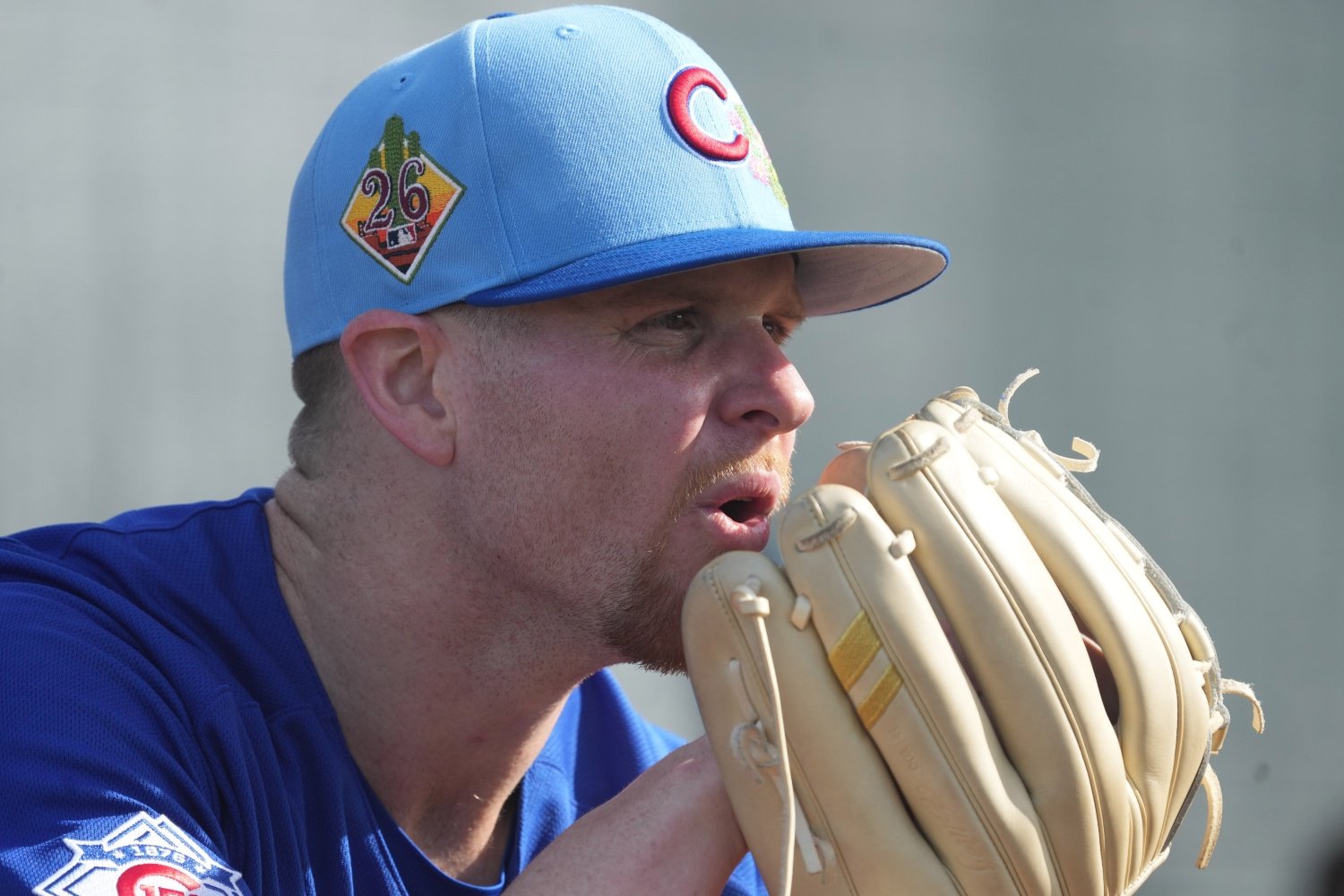 There's a certain tension between what Cade Horton throws and what he says (or thinks) he throws. Ask Horton, and he'll tell you he has a four-seam fastball, a changeup, a slider and a curveball, and that he worked in a sinker with some success in 2025. Baseball Savant reflects that. However, Baseball Prospectus has a wider array of potential tags for pitch types, and does a better job of classifying pitches—sometimes even contravening the identifications the hurler themselves assign to their offerings. For them, Horton throws a hard cutter (what he calls the fastball), a sweeper (what he calls his slider), a slider (what he calls his curve), and the changeup and sinker. Horton is such an extreme natural supinator that even though he doesn't consciously throw a cutter or a sweeper, those are the shapes his fastball and slider approach. Everything he throws moves to the glove side more than one would expect, based on his three-quarter arm slot. Only a handful of pitchers in the league are more unusual in this way, and most of them throw from lower slots, so Horton gives hitters a unique set of problems to solve. This should sound familiar. As we've discussed before, Horton is very much like fellow Cubs starter Justin Steele, who has thrived as one of the best pitchers in the National League for the last half-decade with a brace of pitches that won't stop moving toward right-handed batters. He, too, has what he calls a four-seam fastball but what acts like a cutter, and a slider that sweeps so much that Prospectus classifies it that way. There are three key differences, though: Steele is left-handed; Horton is a righty. Steele has largely kept his secondary breaking ball, a true curve, in his holster. He'll throw it, but it's not a major part of his approach to either right- or left-handed batters. Horton is much more comfortable with that power curve (or slider) than Steele is with his bigger breaker. Horton's changeup is a better pitch than any offspeed offering Steele has come up with to date. The first of those three things works in Steele's favor, when it comes to the other two. Left-handed batters are less used to facing lefty hurlers than right-handed batters are to facing righties. Thus, the natural platoon split for a southpaw is wider. When Steele starts, opposing managers tend to stack their lineups with right-handed bats. However, even without the platoon advantage, Steele finds an advantage based on handedness. His stuff profile bullies those hitters, steering everything in on their hands or toward their back knee. It's a set of pitch shapes a lefty batter would be much more comfortable seeing from a righty pitcher, because they have more reps against righties than even righty batters have against lefties—especially ones who pitch like Steele, A lack of familiarity or comfort makes Steele a tough matchup. Horton is unusual, too, but not in a way that stumps opponents quite as thoroughly as Steele can. Thus, whereas Steele can survive (and even dominate) by attacking hitters with that cutter-sweeper mix, Horton has to do more things well. Happily, he's already adjusted to that reality. He throws his curve/slider much more than his slider/sweeper to lefty batters, and he no sooner found this highly effective changeup than made it an important part of his repertoire against them. He has to be more well-rounded and versatile than Steele, but luckily, he's proving to be. It doesn't hurt that he throws about 4 miles per hour harder than Steele does. There's a question worth asking here, though. Horton has that second breaking ball, with more depth and just as much velocity as the sweepier one. He uses it against righties, because righties would (frankly) wreck the sweeper. But he only threw the curve/slider 18% of the time when facing lefties as a rookie. He threw the changeup a bit more, but that still left him going to the four-seamer/cutter 55% of the time. That might be too much. In his first whirlwind tour of the majors, lefties didn't really get to him, but they certainly had a better time of things than righties did. Horton v. RHH: 228 PA, .184/.260/.301, 51 K, 16 BB Horton v. LHH: 248 PA, .251/.302/.361, 46 K, 17 BB If he makes no significant adjustment, it seems fair to say that he's going to experience unpleasant regression against lefty batters in 2026. To avoid it, Horton needs to go to the curve/slider more. There's a minor problem with that plan, though, which we should also talk about: he needs to better understand his own fastball. Here, from a good approximation of a lefty batter's vantage point, are the average trajectories of Horton's three main pitches against them in 2025. You're not a professional hitter, and you're not seeing what those hitters would actually see, anyway, but you're seeing an animated representation thereof. You probably see the issue: The curve comes out of a slightly higher release point and then stays higher than the fastball. One thing Horton does not have, because of the slot he employs and the way his arm works within it, is carry on the fastball or that valuable flatness on the heater at the top of the strike zone. Without that, and with the curve/slider popping out high like that, hitters can distinguish the two offerings fairly early. That works fine if you execute perfectly, and if you've outsmarted the batter. If Horton catches a hitter looking for a fastball but throws them a curve/slider, they're very unlikely to swing. That's bad news if it's a strike-to-ball breaker, but if he throws one that's intended to drop right into the zone and earn a called strike, he'll succeed. If the opponent is sitting on that breaking ball and spots it out of the hand, it might still work, if Horton has thrown a really good strike-to-ball version of the pitch. That's how he can get chases and whiffs with that pitch. However, the fastball's lack of hop means that if a hitter is looking for that pitch and it's not in the zone, they can probably still lay off it. If they're looking for the curve/slider and they get the heater, they're likely to be late, but this is the other problem with his current mix: the fastball isn't always in the right location to properly punish a hitter for being late. For that (and, in general, with a heater that moves toward the glove side, at least relative to almost every other similar fastball), you want to attack the first-base side of the plate. The ball should be boring in on a lefty batter, the same way Steele's hard cutter does. Instead, not quite understanding that he throws a cutter and thinking of it as a four-seamer, Horton mostly keeps the pitch away from lefties. Even without good rising action on the heater, you want to elevate it more than this, to set up the changeup and the vertical breaking ball. You certainly want to attack the inner third with it, at least at times. Horton hasn't found either the right mechanics or the conviction to do that yet. More of that power curve or slider will be vital, for Horton to do as well against lefties as he did in 2025. It'll certainly be necessary, if he wants to improve upon his rookie campaign and prove himself to be the ace of a World Series-caliber team. To properly utilize it, though, he needs to better disguise it out of the hand. That might mean a small amount of specialized mechanical work, but it mostly means practicing attacking the glove side with that glove-side heat, and then having enough confidence to execute a multi-dimensional plan on the mound. He has all the makings of a Cy Young Award contender. If you're expecting him to scale those heights in 2026, though, spend the spring watching how he mixes and locates his stuff to lefty batters.
 -
Image courtesy of © David Banks-Imagn Images To hit for power in the major leagues, you have to be pretty strong. Baseball isn't a contact sport, but if you've ever faced competitive pitching, you know that it can feel like one in the batter's box. Making solid contact—let alone hard contact, which sounds like a synonym but really requires that solidity of contact to be combined with good bat speed, a hard thing to muster in the tiny amount of time a good pitch leaves you to accelerate—requires as fierce an explosive movement as getting by an offensive tackle or finishing through a foul at the rim. There's a baseline a hitter must clear to produce any meaningful pop, and it's higher than it looks on TV. However, once you're clear of that baseline, driving the ball comes down to some of the clever ways you can create more space or time to accelerate with the barrel. Not every hitter can top out at 80 miles an hour of swing speed, but each hitter can tweak their setup, timing mechanism and swing mechanics to pursue power by getting off their 'A' swing more often. Specifically, a hitter who wants to hit lots of homers but lacks elite bat speed can do two important things: Make sure to be working uphill at contact, as steeply as possible; and Catch the ball far out in front of their body. In fact, these two things are correlated to each other, anyway. Every swing starts with a hitter twisting their trunk and slashing their barrel down into the hitting zone, from its starting point behind their head. At some point, any big-league swing begins to work upward, instead of down, but that comes at a different point in every swing. The more steeply the hitter tilts their bat as they swing, the earlier the barrel starts to move uphill, and the faster their attack angle changes as they rotate. The greater your attack angle at the contact point, the more likely it is that the barrel is now well out in front of you. The further in front of you contact comes, the more awkwardly you would have to be waving at the ball not to be swinging upward. Pete Crow-Armstrong is a medium-height, slender lefty batter with good-not-great bat speed—although that number was closer to great from mid-May through the end of 2025 than it had been before that, so he's trending up. He hit 31 home runs last season, and was on pace for more like 40 before a late-summer slump. That caught the baseball world by surprise. It's not what you expect when you glance at Crow-Armstrong. He found all that power (not just the homers, but 37 doubles and four triples, to boot) by being extremely optimized for that outcome. He had a 15° average attack angle on swings in 2025, which put him in the 89th percentile of the league in that statistic. His contact point (a stat that captures both actual contact and the theoretical intercept point of the swing and the ball on swings that come up empty) was 35.6 inches in front of the center of his mass, a 95th-percentile number. He was in go-get-it mode, and when he got it, he was swinging upward steeply enough to produce clean, hard-hit, pulled fly balls. Only six qualifying hitters put a higher percentage of their batted balls in the air to the pull field than did Crow-Armstrong. He was a volume shooter, and it worked like a charm. As his disastrous late-season swoon proves, though, that kind of swing optimization includes some pretty hefty sacrifices. From the start of August through the end of the regular season, Crow-Armstrong hit just .188/.237/.295. The reason is pretty simple: when you swing with the dual goals of maximizing attack angle and catching the ball well in front of your frame, you're committing to everything early. To see what I mean, compare Crow-Armstrong's swing to that of Cardinals would-be slugger Nolan Gorman, another lefty who stands 6 feet tall and who has almost identical bat speed, average attack angles and swing tilt. Here are two visualizations of each of their swings at crucial moments. On the top, we have the moment at which each hitter's swing hits its nadir and starts to move upward. On the bottom, we have them each in the frame nearest their contact point. Crow-Armstrong is already a better hitter than Gorman, so don't think of this as an aspirational comparison for him. However, it highlights some of the extremes to which Crow-Armstrong pushes his approach, via his mechanics. Note how much farther Crow-Armstrong (again, the same height as Gorman) strides. Note, too, how his front shoulder and hip have rotated farther in both snapshots than Gorman's have at the same points. Gorman would be better if he could rotate a bit farther, to match Crow-Armstrong, but Crow-Armstrong's long stride and reaching swing mean he's committed to his swing extremely early. This swing optimization virtually forces Crow-Armstrong into the hyperaggressive approach that is often his undoing at the plate. It's why he had a low OBP (given his other numbers) even at his best, and why he was utterly lost at the plate once the good times ceased to roll. It's a double-edged sword. It makes him lethal in the box, when he gets things right, in a way that belies his frame and his reputation as a glove-first star. However, it also puts his barrel far from his body at the moment when he hopes to make contact. That means lots of whiffs, and even more importantly, it means deciding early and triggering the swing so as to get the barrel out there where he wants it. To tap into better consistent, overall production, Crow-Armstrong will have to rein in his reaching swing just a bit. Even if he and the Cubs were willing to tolerate the low OBP and embrace all that power, sustaining that production with such an aggressive approach and a contact point so far from his body is unlikely. He'll need to find ways to slightly modulate what he's doing, to make slightly more contact, chase slightly fewer bad pitches, and stay through the ball a bit longer. Crucially, though, he can't sacrifice all of that optimization. This is a tricky moment in the development of the could-be superstar. He enters 2026 looking to make an adjustment just big enough to unlock the next level of production and consistency—no bigger, but no smaller, either. View full article
-
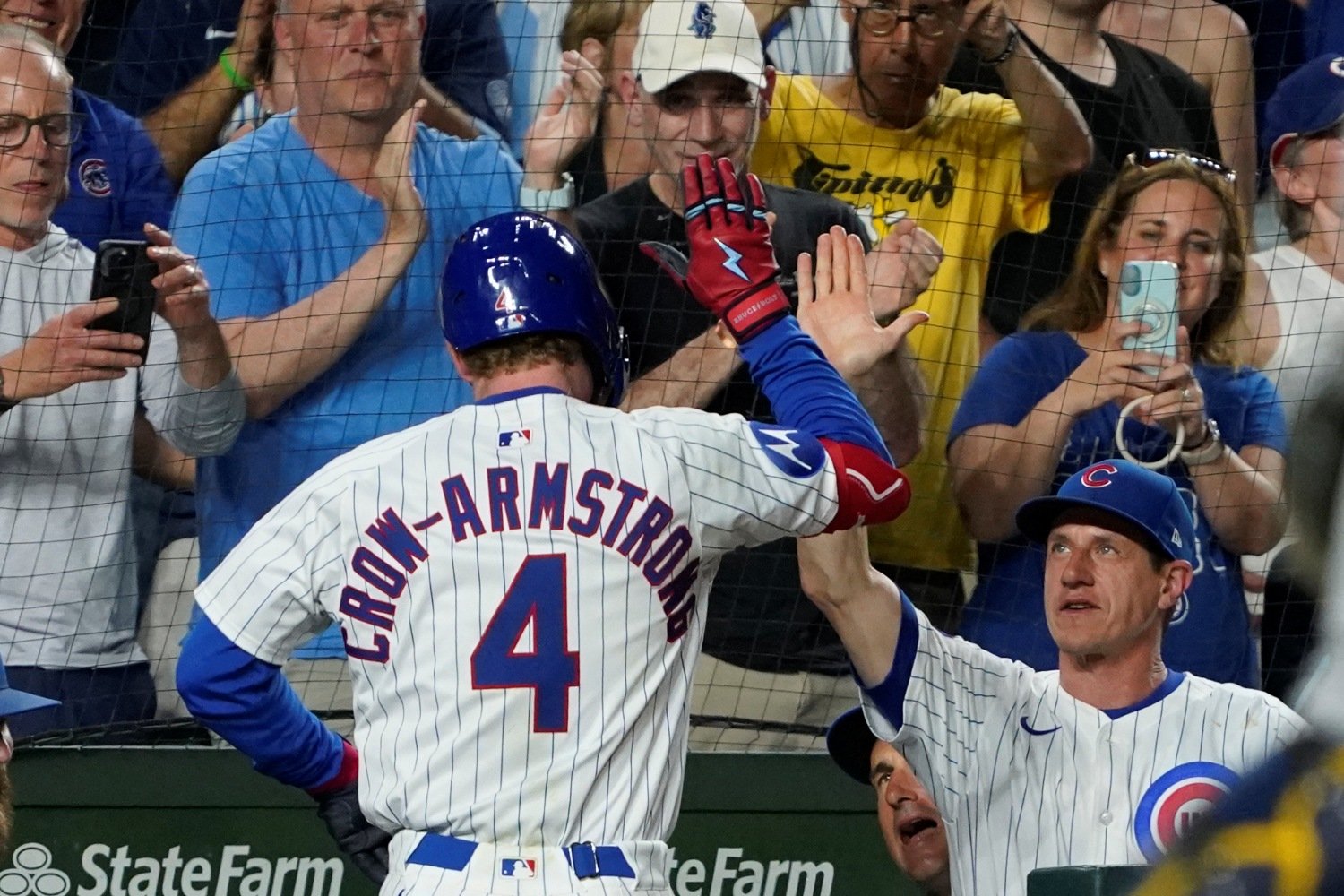 To hit for power in the major leagues, you have to be pretty strong. Baseball isn't a contact sport, but if you've ever faced competitive pitching, you know that it can feel like one in the batter's box. Making solid contact—let alone hard contact, which sounds like a synonym but really requires that solidity of contact to be combined with good bat speed, a hard thing to muster in the tiny amount of time a good pitch leaves you to accelerate—requires as fierce an explosive movement as getting by an offensive tackle or finishing through a foul at the rim. There's a baseline a hitter must clear to produce any meaningful pop, and it's higher than it looks on TV. However, once you're clear of that baseline, driving the ball comes down to some of the clever ways you can create more space or time to accelerate with the barrel. Not every hitter can top out at 80 miles an hour of swing speed, but each hitter can tweak their setup, timing mechanism and swing mechanics to pursue power by getting off their 'A' swing more often. Specifically, a hitter who wants to hit lots of homers but lacks elite bat speed can do two important things: Make sure to be working uphill at contact, as steeply as possible; and Catch the ball far out in front of their body. In fact, these two things are correlated to each other, anyway. Every swing starts with a hitter twisting their trunk and slashing their barrel down into the hitting zone, from its starting point behind their head. At some point, any big-league swing begins to work upward, instead of down, but that comes at a different point in every swing. The more steeply the hitter tilts their bat as they swing, the earlier the barrel starts to move uphill, and the faster their attack angle changes as they rotate. The greater your attack angle at the contact point, the more likely it is that the barrel is now well out in front of you. The further in front of you contact comes, the more awkwardly you would have to be waving at the ball not to be swinging upward. Pete Crow-Armstrong is a medium-height, slender lefty batter with good-not-great bat speed—although that number was closer to great from mid-May through the end of 2025 than it had been before that, so he's trending up. He hit 31 home runs last season, and was on pace for more like 40 before a late-summer slump. That caught the baseball world by surprise. It's not what you expect when you glance at Crow-Armstrong. He found all that power (not just the homers, but 37 doubles and four triples, to boot) by being extremely optimized for that outcome. He had a 15° average attack angle on swings in 2025, which put him in the 89th percentile of the league in that statistic. His contact point (a stat that captures both actual contact and the theoretical intercept point of the swing and the ball on swings that come up empty) was 35.6 inches in front of the center of his mass, a 95th-percentile number. He was in go-get-it mode, and when he got it, he was swinging upward steeply enough to produce clean, hard-hit, pulled fly balls. Only six qualifying hitters put a higher percentage of their batted balls in the air to the pull field than did Crow-Armstrong. He was a volume shooter, and it worked like a charm. As his disastrous late-season swoon proves, though, that kind of swing optimization includes some pretty hefty sacrifices. From the start of August through the end of the regular season, Crow-Armstrong hit just .188/.237/.295. The reason is pretty simple: when you swing with the dual goals of maximizing attack angle and catching the ball well in front of your frame, you're committing to everything early. To see what I mean, compare Crow-Armstrong's swing to that of Cardinals would-be slugger Nolan Gorman, another lefty who stands 6 feet tall and who has almost identical bat speed, average attack angles and swing tilt. Here are two visualizations of each of their swings at crucial moments. On the top, we have the moment at which each hitter's swing hits its nadir and starts to move upward. On the bottom, we have them each in the frame nearest their contact point. Crow-Armstrong is already a better hitter than Gorman, so don't think of this as an aspirational comparison for him. However, it highlights some of the extremes to which Crow-Armstrong pushes his approach, via his mechanics. Note how much farther Crow-Armstrong (again, the same height as Gorman) strides. Note, too, how his front shoulder and hip have rotated farther in both snapshots than Gorman's have at the same points. Gorman would be better if he could rotate a bit farther, to match Crow-Armstrong, but Crow-Armstrong's long stride and reaching swing mean he's committed to his swing extremely early. This swing optimization virtually forces Crow-Armstrong into the hyperaggressive approach that is often his undoing at the plate. It's why he had a low OBP (given his other numbers) even at his best, and why he was utterly lost at the plate once the good times ceased to roll. It's a double-edged sword. It makes him lethal in the box, when he gets things right, in a way that belies his frame and his reputation as a glove-first star. However, it also puts his barrel far from his body at the moment when he hopes to make contact. That means lots of whiffs, and even more importantly, it means deciding early and triggering the swing so as to get the barrel out there where he wants it. To tap into better consistent, overall production, Crow-Armstrong will have to rein in his reaching swing just a bit. Even if he and the Cubs were willing to tolerate the low OBP and embrace all that power, sustaining that production with such an aggressive approach and a contact point so far from his body is unlikely. He'll need to find ways to slightly modulate what he's doing, to make slightly more contact, chase slightly fewer bad pitches, and stay through the ball a bit longer. Crucially, though, he can't sacrifice all of that optimization. This is a tricky moment in the development of the could-be superstar. He enters 2026 looking to make an adjustment just big enough to unlock the next level of production and consistency—no bigger, but no smaller, either.
 -
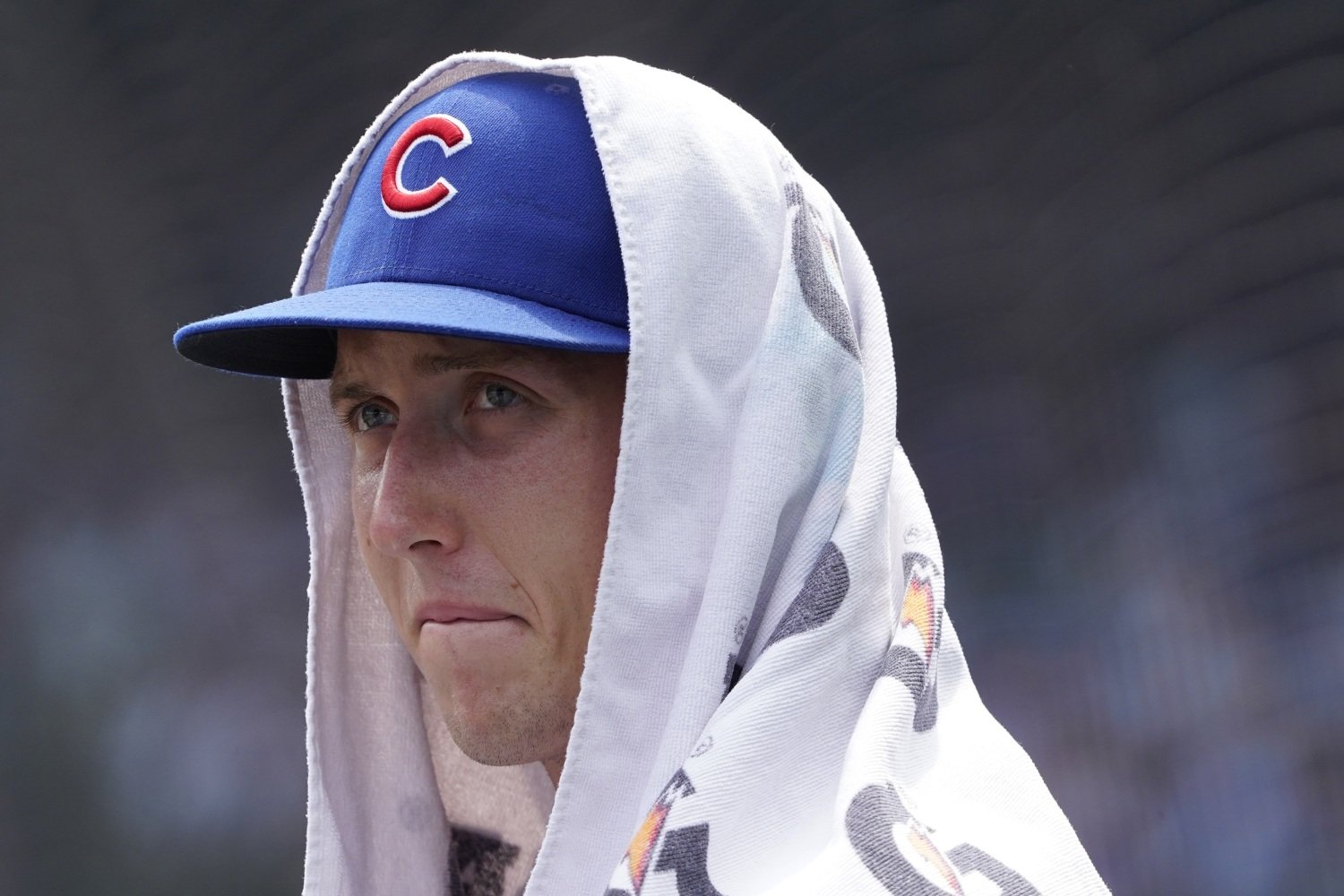 Despite his failure to thrive as one in 2025, the Chicago Cubs still see Ben Brown as a starting pitcher heading into 2026. That was the most important insight offered by pitching coach Tommy Hottovy when he appeared Saturday on 670 The Score's "Inside the Clubhouse" and was asked about the 26-year-old righthander. "I mean, Ben Brown should be an established big-league starter," Hottovy said. "In my mind, he's got the stuff there to be able to do it." Brown has, indeed, flashed plus stuff in the 40 games and 162 innings he's pitched in the majors. Since the Cubs acquired him from the Phillies in exchange for David Robertson in 2022, he's flashed huge upside, powered by a fastball that reaches the upper 90s and a sharp breaking ball. He struck out 25.6% of opposing batters in 2025 and walked just 6.8%. However, Brown's heater flattens out and becomes exceptionally hittable any time it sags below 97 miles per hour, because of the combination of its shape and his high arm slot. Working as a starter, he's struggled to keep his velocity that high, and has thus been hit hard. He had a 5.92 ERA last year, despite the strong strikeout and walk numbers. For most of his career, he's also utterly lacked a functional third pitch. He has a reliever's arsenal, and a reliever's need for sheer velocity. Hottovy's optimism about him in a starting role stems in large part from what he's seeing in the club's efforts to help Brown expand that arsenal. "Our goal is to get him stretched out, continue to develop the changeup, working on a few other pitches, and continue to build out his repertoire and let him go be a dominant pitcher for us," he said Saturday. Therein lies the upside, if he's to stay in the rotation. Brown must tap into a changeup that works, and/or widen his arsenal to include a sinker or a slider with more lateral movement. His efforts to do that over the last two seasons have yielded mixed results, but late last year, there was a breakthrough. That pale green offering is a kick-change, the same pitch that unlocked things for Jameson Taillon last spring. It's a pitch with a better chance to be consistently effective for Brown than his old changeup had, because he's more likely to be able to command it—not in terms of location, but in terms of execution and movement. Whether hitters will ever chase the pitch out of the zone often enough for it to play as well as it grades is an open question, but one that probably hinges more on his command of his other two offerings than on that one. Though he's coming up on two years of service time, Brown still has one minor-league option year remaining. The Cubs could choose to stash him in Iowa this spring and keep him stretched out as an emergency starter. That, however, feels like a waste of a high-powered, high-upside arm. To get the most out of Brown, the team needs to either help him turn the corner and become a useful big-league starter now; convert him to a relief role, where he could be a stellar setup man; or trade him. Hottovy's faith in Brown is admirable, but he hasn't yet earned that faith. The talent is there, but it also has limits of which we should take note. The fastball shape is a constraint on his upside. So is the lack of a breaking ball with more side-to-side movement. Most of all, he needs a changeup he trusts, so he can force hitters (especially lefties) to respect that pitch more. As pitchers and catchers officially report to camp, Brown might be the most interesting Cub on site. He could be hugely helpful to the team this year, either as a trade chip or by directly contributing to their pursuit of a division title. If he doesn't take a big step forward this year, though, he's unlikely ever to do so.
 -
Image courtesy of © David Banks-Imagn Images Despite his failure to thrive as one in 2025, the Chicago Cubs still see Ben Brown as a starting pitcher heading into 2026. That was the most important insight offered by pitching coach Tommy Hottovy when he appeared Saturday on 670 The Score's "Inside the Clubhouse" and was asked about the 26-year-old righthander. "I mean, Ben Brown should be an established big-league starter," Hottovy said. "In my mind, he's got the stuff there to be able to do it." Brown has, indeed, flashed plus stuff in the 40 games and 162 innings he's pitched in the majors. Since the Cubs acquired him from the Phillies in exchange for David Robertson in 2022, he's flashed huge upside, powered by a fastball that reaches the upper 90s and a sharp breaking ball. He struck out 25.6% of opposing batters in 2025 and walked just 6.8%. However, Brown's heater flattens out and becomes exceptionally hittable any time it sags below 97 miles per hour, because of the combination of its shape and his high arm slot. Working as a starter, he's struggled to keep his velocity that high, and has thus been hit hard. He had a 5.92 ERA last year, despite the strong strikeout and walk numbers. For most of his career, he's also utterly lacked a functional third pitch. He has a reliever's arsenal, and a reliever's need for sheer velocity. Hottovy's optimism about him in a starting role stems in large part from what he's seeing in the club's efforts to help Brown expand that arsenal. "Our goal is to get him stretched out, continue to develop the changeup, working on a few other pitches, and continue to build out his repertoire and let him go be a dominant pitcher for us," he said Saturday. Therein lies the upside, if he's to stay in the rotation. Brown must tap into a changeup that works, and/or widen his arsenal to include a sinker or a slider with more lateral movement. His efforts to do that over the last two seasons have yielded mixed results, but late last year, there was a breakthrough. That pale green offering is a kick-change, the same pitch that unlocked things for Jameson Taillon last spring. It's a pitch with a better chance to be consistently effective for Brown than his old changeup had, because he's more likely to be able to command it—not in terms of location, but in terms of execution and movement. Whether hitters will ever chase the pitch out of the zone often enough for it to play as well as it grades is an open question, but one that probably hinges more on his command of his other two offerings than on that one. Though he's coming up on two years of service time, Brown still has one minor-league option year remaining. The Cubs could choose to stash him in Iowa this spring and keep him stretched out as an emergency starter. That, however, feels like a waste of a high-powered, high-upside arm. To get the most out of Brown, the team needs to either help him turn the corner and become a useful big-league starter now; convert him to a relief role, where he could be a stellar setup man; or trade him. Hottovy's faith in Brown is admirable, but he hasn't yet earned that faith. The talent is there, but it also has limits of which we should take note. The fastball shape is a constraint on his upside. So is the lack of a breaking ball with more side-to-side movement. Most of all, he needs a changeup he trusts, so he can force hitters (especially lefties) to respect that pitch more. As pitchers and catchers officially report to camp, Brown might be the most interesting Cub on site. He could be hugely helpful to the team this year, either as a trade chip or by directly contributing to their pursuit of a division title. If he doesn't take a big step forward this year, though, he's unlikely ever to do so. View full article
-
Image courtesy of © Dale Zanine-Imagn Images The Chicago Cubs and right-handed pitcher Kyle Wright are in agreement on a minor-league deal that includes an invitation to major-league spring training, a team source told North Side Baseball. Wright, 30, hasn't pitched in the majors since 2023. He missed the last two years after suffering a torn shoulder capsule that required a career-threatening surgery. After being a buzzy pitching prospect but then a modest disappointment early in his big-league career, Wright underwent a dramatic mechanical change in 2022 and broke out. That year, he pitched 180 1/3 innings over 30 starts and posted a 3.19 ERA, winning 21 games for a dominant Atlanta team. By going to a lower arm slot and emphasizing his sinker instead of his four-seam fastball, he tapped into an extremely effective five-pitch mix. In a handful of appearances in the Royals' farm system last season, Wright didn't show the same electric stuff. His fastball had pushed up to 95 miles per hour during his breakout campaign; it sat around 92 in 2025. Another year removed from the operation, though, he could well get some velocity back, and the pitch shapes that made him good four years ago appear to be intact. It's unlikely that Wright will reestablish himself as a big-league starter on this side of such a massive injury, but he comes to camp as another candidate to be a low-slot right-handed option out of the bullpen. He's out of minor-league options, but should he make the roster, he would be under team control through 2027. For the Cubs, it's yet another fine flier. For Wright, it's a chance to spend the spring with a highly respected pitching coach who knows what it takes to succeed from a low arm slot, in Tommy Hottovy. The Cubs will send a handful of pitchers out to pitch for their countries in the World Baseball Classic, so innings should be available in the early Cactus League games. Whereas some pitchers are likely to stick around and wait for the right chance with the Cubs even if they don't make the team, Wright will probably pursue the first big-league shot he gets. The Cubs have secured the privilege of being first to decide about him, but if he doesn't crack the roster, he'll leave, with no hard feelings. At this time of year, deals with injury cases like Wright are win-win moves for the parties involved. If he does get some velocity back on the fastball and sticks in the Opening Day bullpen, Wright will be a high-upside reclamation project. View full article
-
Cubs Sign Right-Handed Pitcher Kyle Wright to Minor-League Deal
Matthew Trueblood posted an article in Cubs
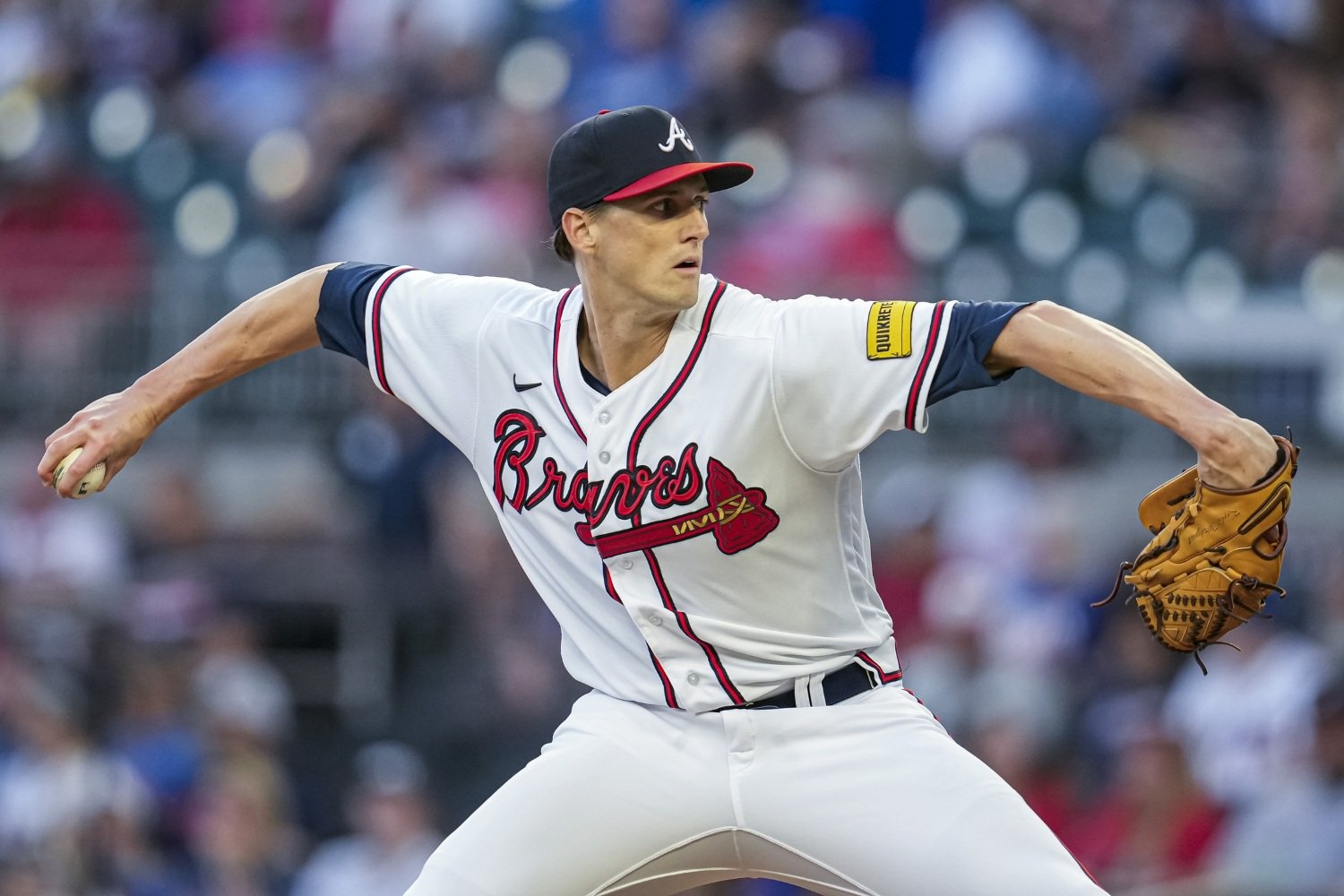 The Chicago Cubs and right-handed pitcher Kyle Wright are in agreement on a minor-league deal that includes an invitation to major-league spring training, a team source told North Side Baseball. Wright, 30, hasn't pitched in the majors since 2023. He missed the last two years after suffering a torn shoulder capsule that required a career-threatening surgery. After being a buzzy pitching prospect but then a modest disappointment early in his big-league career, Wright underwent a dramatic mechanical change in 2022 and broke out. That year, he pitched 180 1/3 innings over 30 starts and posted a 3.19 ERA, winning 21 games for a dominant Atlanta team. By going to a lower arm slot and emphasizing his sinker instead of his four-seam fastball, he tapped into an extremely effective five-pitch mix. In a handful of appearances in the Royals' farm system last season, Wright didn't show the same electric stuff. His fastball had pushed up to 95 miles per hour during his breakout campaign; it sat around 92 in 2025. Another year removed from the operation, though, he could well get some velocity back, and the pitch shapes that made him good four years ago appear to be intact. It's unlikely that Wright will reestablish himself as a big-league starter on this side of such a massive injury, but he comes to camp as another candidate to be a low-slot right-handed option out of the bullpen. He's out of minor-league options, but should he make the roster, he would be under team control through 2027. For the Cubs, it's yet another fine flier. For Wright, it's a chance to spend the spring with a highly respected pitching coach who knows what it takes to succeed from a low arm slot, in Tommy Hottovy. The Cubs will send a handful of pitchers out to pitch for their countries in the World Baseball Classic, so innings should be available in the early Cactus League games. Whereas some pitchers are likely to stick around and wait for the right chance with the Cubs even if they don't make the team, Wright will probably pursue the first big-league shot he gets. The Cubs have secured the privilege of being first to decide about him, but if he doesn't crack the roster, he'll leave, with no hard feelings. At this time of year, deals with injury cases like Wright are win-win moves for the parties involved. If he does get some velocity back on the fastball and sticks in the Opening Day bullpen, Wright will be a high-upside reclamation project.
 -
PECOTA Says the Cubs Will Win the 2026 NL Central Title—in a Rout
Matthew Trueblood posted an article in Cubs
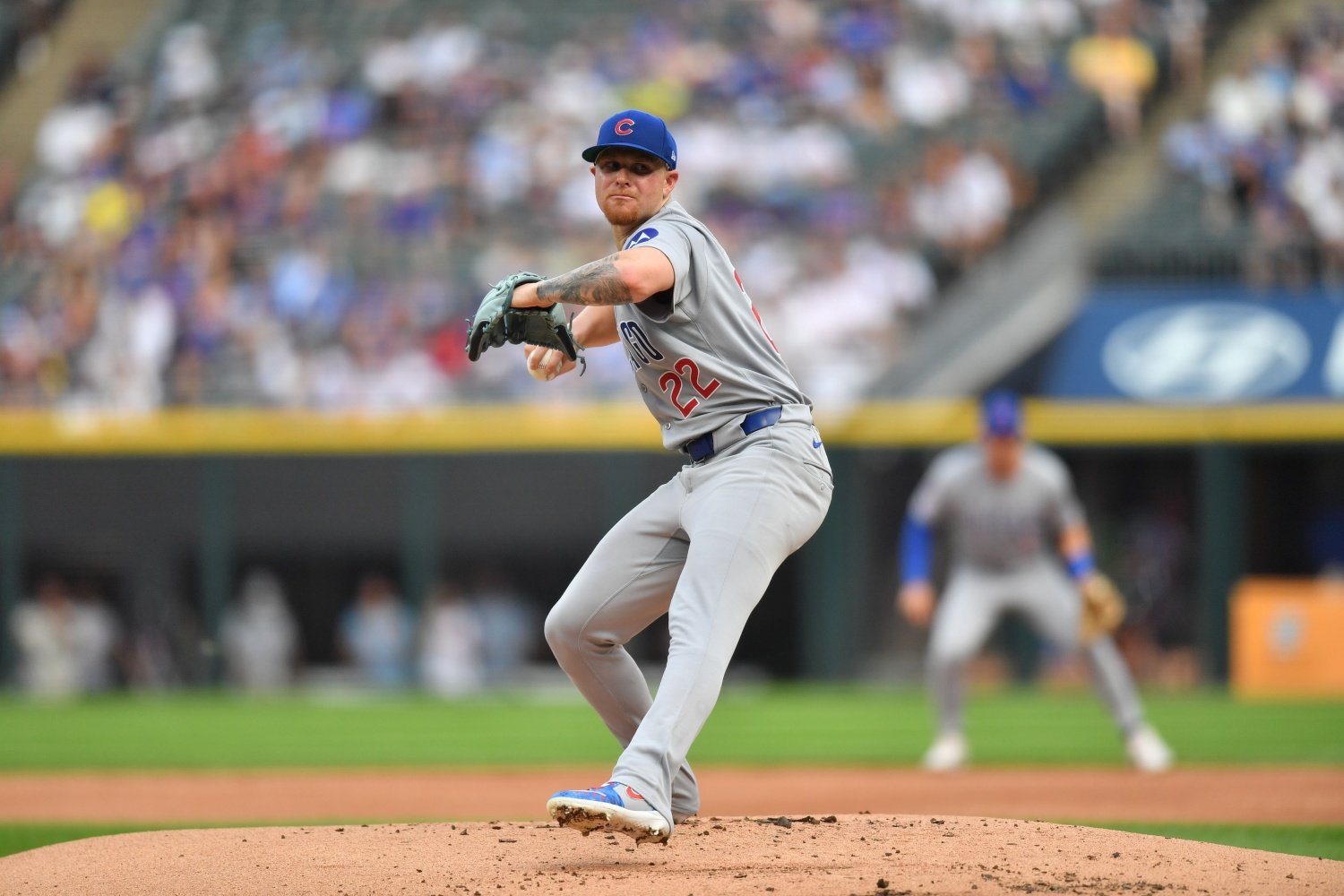 The Chicago Cubs had a good 2025 season, and they've built on that success this winter. On Tuesday, Baseball Prospectus rolled out their PECOTA projection system for 2026, complete with projected standings and playoff odds. The Cubs are the top dogs in the NL Central, and according to this model, they have no close competition. PECOTA predicts 90.5 wins for Chicago, which is technically fewer than the 92 they won last year—but which is a very strong number for any team to bring into spring training in projection systems, which are inherently conservative in that regard. It's not just the Cubs' forecasted win total that stands out, though. The Brewers are projected second-best in the division, and they're all the way back at 80.5 wins. Though we're still weeks away from a pitch being thrown toward this end, PECOTA already pegs the Cubs at 73.9% likely to win the Central and 87.7% likely to make the postseason. As the computer sees it, this will not just be the year the Cubs reclaim their primacy in the Central, but their easiest division win since 2016. Of course, they don't play the games inside the computers. It's not hard to see why the model likes the North Siders so much, though. It projects all six of their top starting pitchers (Cade Horton, Matthew Boyd, Edward Cabrera, Jameson Taillon, Shota Imanaga and Justin Steele) to be better than average, and thinks six of their key relievers to fall on the right side of that line, too. It forecasts above-average offense from six positions, and the only three where it sees them as below-average at the plate (catcher, shortstop and center field) are defense-first spots where they have solid defensive projections. FanGraphs published their own projected standings and playoff odds last week, and saw a muddier picture in the Central. They expect the Cubs to win 85.9 games, with the Pirates (82.8) and Brewers (82.0) much closer behind. That still leaves Chicago as a slight favorite, but with less than a coin flip's chance to win the division. In that model, they make the playoffs more like five times out of every eight simulations, instead of seven out of eight. It didn't hurt that the Brewers traded their starting third baseman Monday, in a move that bolstered their already considerable pitching depth but raises some big questions about their lineup. Still, based on sheer talent and projectable performance, the Cubs have ascended. They're the team to beat in the Central, for the first time since before the pandemic. With more than a month left before Opening Day, injuries could always shake up this picture—but so could further moves to reinforce the roster, to which the Cubs remain very much open. For now, they're in a very strong position.
 -
Image courtesy of © Patrick Gorski-Imagn Images The Chicago Cubs had a good 2025 season, and they've built on that success this winter. On Tuesday, Baseball Prospectus rolled out their PECOTA projection system for 2026, complete with projected standings and playoff odds. The Cubs are the top dogs in the NL Central, and according to this model, they have no close competition. PECOTA predicts 90.5 wins for Chicago, which is technically fewer than the 92 they won last year—but which is a very strong number for any team to bring into spring training in projection systems, which are inherently conservative in that regard. It's not just the Cubs' forecasted win total that stands out, though. The Brewers are projected second-best in the division, and they're all the way back at 80.5 wins. Though we're still weeks away from a pitch being thrown toward this end, PECOTA already pegs the Cubs at 73.9% likely to win the Central and 87.7% likely to make the postseason. As the computer sees it, this will not just be the year the Cubs reclaim their primacy in the Central, but their easiest division win since 2016. Of course, they don't play the games inside the computers. It's not hard to see why the model likes the North Siders so much, though. It projects all six of their top starting pitchers (Cade Horton, Matthew Boyd, Edward Cabrera, Jameson Taillon, Shota Imanaga and Justin Steele) to be better than average, and thinks six of their key relievers to fall on the right side of that line, too. It forecasts above-average offense from six positions, and the only three where it sees them as below-average at the plate (catcher, shortstop and center field) are defense-first spots where they have solid defensive projections. FanGraphs published their own projected standings and playoff odds last week, and saw a muddier picture in the Central. They expect the Cubs to win 85.9 games, with the Pirates (82.8) and Brewers (82.0) much closer behind. That still leaves Chicago as a slight favorite, but with less than a coin flip's chance to win the division. In that model, they make the playoffs more like five times out of every eight simulations, instead of seven out of eight. It didn't hurt that the Brewers traded their starting third baseman Monday, in a move that bolstered their already considerable pitching depth but raises some big questions about their lineup. Still, based on sheer talent and projectable performance, the Cubs have ascended. They're the team to beat in the Central, for the first time since before the pandemic. With more than a month left before Opening Day, injuries could always shake up this picture—but so could further moves to reinforce the roster, to which the Cubs remain very much open. For now, they're in a very strong position. View full article
-
Image courtesy of © David Banks-Imagn Images It's the rumor that will not die. At several points over the last two years, Nico Hoerner's name has become a hot one in trade discussions. In particular, since Alex Bregman signed a five-year deal with the team last month, the Cubs have received calls from several teams about Hoerner. Initially, they were more inclined to retain Hoerner and to trade Matt Shaw, who is under long-term team control and would net a similar return despite being a worse player than Hoerner. However, that might no longer be true. Early this winter, the Seattle Mariners pivoted away from previous pursuits of Hoerner and focused on the Cardinals' Brendan Donovan. The Mariners and Cubs did touch base about Hoerner after the Bregman deal, according to a source familiar with the conversation, but never came close to finding a match. The Giants were more persistently interested in Hoerner, and that interest picked up after the Bregman signing, but the Cubs refused to consider a deal in which they didn't receive top Giants infield prospect Josuar Gonzalez, so the talks fizzled. It seemed as though the market for Hoerner (along with that for Shaw) was beginning to disappear. On Monday, the Red Sox became the latest team who had reached out to Chicago about Hoerner to move on to Plan B, trading for the Brewers' Caleb Durbin instead. However, according to two league sources, there remain a couple of potential suitors for Hoerner, and the Cubs haven't shut down those talks. If they get the right offer, they'll trade the impending free agent, despite the fact that he's a fan favorite and a beloved piece of the clubhouse. That might send a shiver down the spine of some fans, but it's important to emphasize the condition in that conditional statement. The team is not desperately looking to offload salary. They're not eager to push Hoerner out of the way to give Shaw the second base job. They'll only trade Hoerner if they get the right offer. So, naturally, we must attempt to answer the question: What's the right offer? According to sources with knowledge of the team's demands in discussions with the three teams named above and two more, there are three key elements Jed Hoyer and Carter Hawkins view as essential in any deal that sees them part with their two-time Gold Glover. A useful big-league infielder, at an affordable price. This player would effectively replace Shaw as the backup at second, third and (ideally) shortstop, with Shaw taking over as the starting second baseman. In all likelihood, they'd be a fringe regular better suited to backup work, but with multiple years of team control remaining. A top prospect—probably a pitcher. The Cubs' farm system is thin right now, especially when it comes to hurlers. Adding an arm who can have a significant impact on the 2027-31 Cubs remains on the team's wish list as spring training gets underway. This would be one way to acquire that kind of pitcher, and although it would come with significant risk, they understand that they'll eventually have to take that kind of chance, anyway. Pitching help for 2026, in one form or another. If Chicago becomes more optimistic than they are right now about signing Zac Gallen, they might be more open to trading Hoerner for a package that focuses on the first two of the above elements. Spending another $15 million or more for 2026 might have to mean trading some salary, so in that scenario, Hoerner's $12 million could become the budgetary casualty that paves the way for a final pitching boost. Alternatively, though, the team could target an optionable or versatile pitcher on the trade partner's roster and achieve a similar, more direct upgrade to the pitching staff in the deal. That's a rich ransom, for a player who can become a free agent at the end of the 2026 World Series. So far, the Cubs haven't gotten a sufficiently appealing offer that checks each box. Most teams are willing to satisfy items 1 and 3, but reluctant to trade a player with big potential long-term value for one they might lose after one season. At this point, the likelihood of a trade is still low, especially because there are only a few interested teams left in the picture. Nonetheless, a move can't be ruled out. Looking at the roster through a wider lens, it's easy to see how a deal that checks each of those boxes could make sense for the Cubs. They've methodically converted long-term value into short-term value over the last few years, but that subpar farm system is a reminder that their shift into contention mode could leave them lurching back toward rebuilding by the end of the decade. To avoid that, they might need to reverse the flow and move a player under short-term control for someone who can be kept longer and cheaper. With Shaw on hand to replace him, Hoerner is a viable candidate for that treatment. The team needs pitching help for this season. and free-agent prices on the dwindling number of key arms are higher than they'd hoped. They certainly can't afford to get any weaker in right field or at DH, so a trade of Ian Happ or Seiya Suzuki is hard to fathom. Hoerner is the guy who can be moved without leaving an unfillable hole, and who could fetch enough to patch the holes that still exist. This would be Hoerner's seventh full season with Chicago. He's been ubiquitous for the post-COVID Cubs, and his blend of contact skills, speed and defensive aptitude have been key parts of the team's identity the last few years. They don't want to trade him. If a team gets desperate enough to check all three of their boxes, though, it could still happen. View full article