Matthew Trueblood
-
Posts
2,479 -
Joined
-
Last visited
-
Days Won
2
Content Type
Profiles
Joomla Posts 1
Chicago Cubs Videos
Chicago Cubs Free Agent & Trade Rumors, Notes, & Tidbits
2026 Chicago Cubs Top Prospects Ranking
News
2023 Chicago Cubs Draft Picks
Guides & Resources
2024 Chicago Cubs Draft Picks
The Chicago Cubs Players Project
2025 Chicago Cubs Draft Pick Tracker
2026 Chicago Cubs Draft Tracker: Picks & Bonuses
Blogs
Events
Forums
Store
Gallery
Everything posted by Matthew Trueblood
-
Image courtesy of © Rick Scuteri-Imagn Images We're seeing something special—something rare. Not since Ryne Sandberg, Shawon Dunston and Mark Grace have the Cubs had three key players spend the majority of a decade together on the field, at positions and in places in the lineup where their connectedness and mutual importance were obvious and determined the fate of the team each year. With Nico Hoerner agreeing to a deal Thursday that will extend his tenure with the Cubs through 2032, that's exactly what we're going to see, again. In fact, this core could be deeper and even longer-lasting than the Sandberg-Dunston-Grace group, to which Sammy Sosa was added late in a long run. Hoerner and Dansby Swanson have been teamed up around the keystone for the Cubs since the start of 2023, and Swanson's seven-year deal doesn't end until the fall of 2029. Pete Crow-Armstrong joined the mix at the tail end of 2023, but the trio only started two games together that year. Between Crow-Armstrong's inconsistency and some nagging injuries to Hoerner and Swanson, by the middle of 2024, they'd only played another 20 times alongside one another. From June 22 through the end of 2024, though, they made 76 shared starts. In 2025, they started together another 144 times, as Crow-Armstrong established himself and Hoerner enjoyed a career year. Already, then, they've made 243 starts as a group, counting Opening Day's lineup against the Nationals. Though injuries will surely intercede at some point in the next four years, there's a solid chance for these three to end up playing 800 times together as Cubs—especially if they make the playoffs multiple times in those years and make deep runs. Swanson and Hoerner are each notable for their willingness to play through minor injuries, and they're relatively good at it. Together, those three anchor the Cubs' elite defense, and they'll continue to do so for the balance of the decade. Look for more than two players showing up on the lineup card together, and the frequency of occurrences diminishes quickly. It's just the nature of baseball. Even in their first few years together, before Dunston's role changed and injuries began to limit Sandberg, the aforementioned trio of infielders usually appeared together only 120-130 times a year. Last season's incredible stability won't be the norm, but Swanson, Hoerner and Crow-Armstrong are all high-volume players. Remarkably, they're in position to spend over half a decade together as regulars, and Swanson and Hoerner could surpass Dunston and Sandberg in terms of their tenure together as a double-play combination. Just as notably, this essentially locks in the team's infield for the next four years. Michael Busch can't become a free agent until after 2029, like Swanson. He and Alex Bregman (under contract through 2030) are set at the corners, with Swanson and Hoerner up the middle. This will be the closest the Cubs have ever come to the famously long-lasting Dodgers infield of Ron Cey, Bill Russell, Davey Lopes and Steve Garvey. That group was intact for over eight years; this one won't get that far. Their overlap will be historic, though, within the context of the Cubs. It's also a bit of a balm to the hurt of many Cubs fans, who held out hope that the core of Anthony Rizzo, Kris Bryant, Javier Báez and others would stick around this way. Swanson, Hoerner, Crow-Armstrong, Bregman, Busch, and even Ian Happ (part of the last core, as well as this one, and likely to depart after this season), Matt Shaw and Moisés Ballesteros could form the remarkably stable group of good players that the last decade promised, but couldn't quite deliver. Of course, that Rizzo-led group did something this team has yet to do: win a World Series. For that matter, this group has yet to win their own division. Since Swanson's arrival, the team has not finished below .500, and it's increasingly likely that they'll remain a winning club for the rest of his contract, but they're yet to catch and pass the Brewers. That could change this season, but the front office didn't wait to see whether it would do so before committing long-term dollars to Crow-Armstrong and Hoerner, to go along with Bregman and Swanson. They've taken a leap of faith, just as the Ricketts family did by extending Jed Hoyer last summer. The players who will determine the success or failure of the Cubs for the next half-decade are all here, now. They're being given a chance to do something special together, and to build an unusually excellent bond with the fan base along the way. No one said it would be easy, though. View full article
-
Nico Hoerner Extension Gives Cubs a Chance for Historic Core Stability
Matthew Trueblood posted an article in Cubs
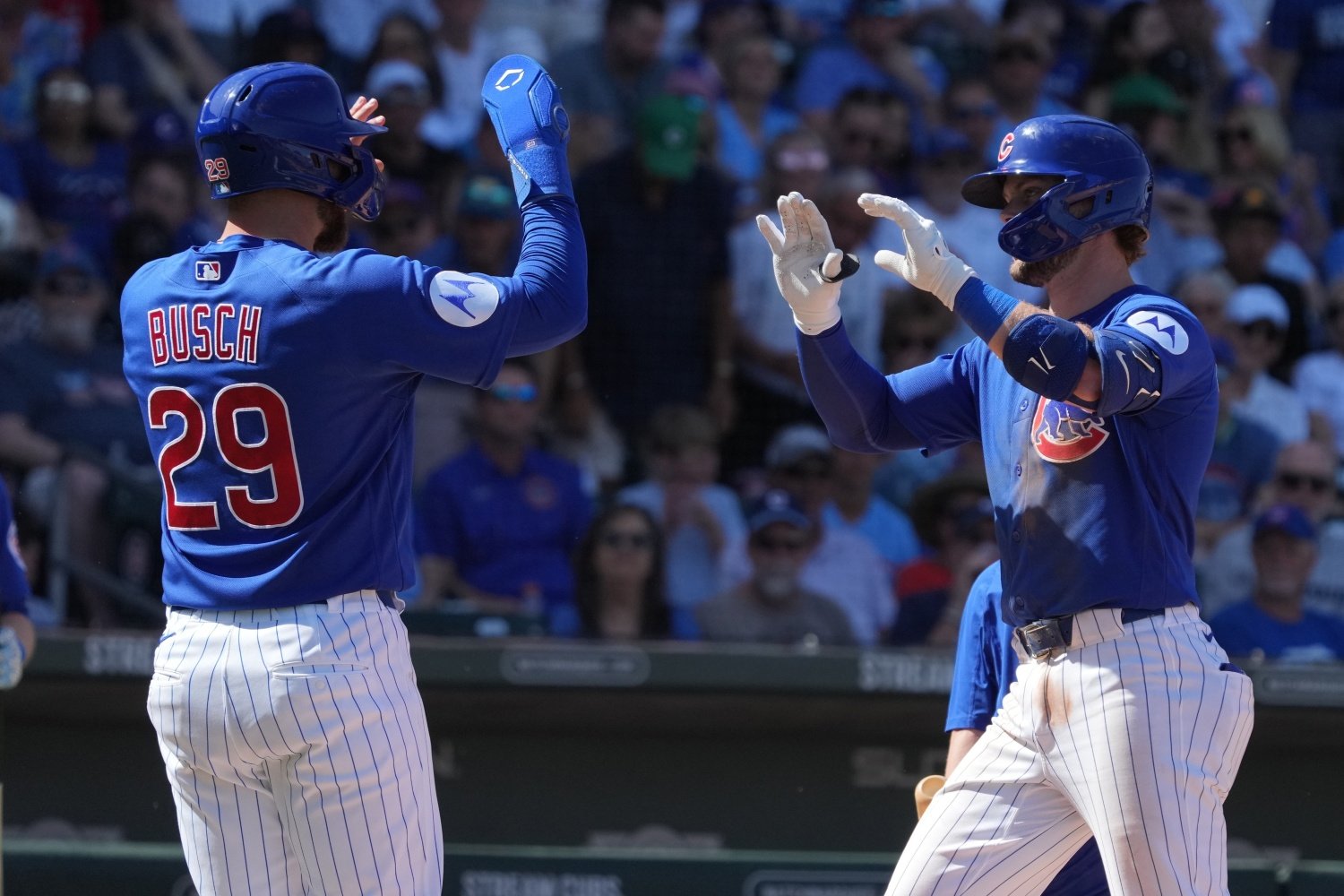 We're seeing something special—something rare. Not since Ryne Sandberg, Shawon Dunston and Mark Grace have the Cubs had three key players spend the majority of a decade together on the field, at positions and in places in the lineup where their connectedness and mutual importance were obvious and determined the fate of the team each year. With Nico Hoerner agreeing to a deal Thursday that will extend his tenure with the Cubs through 2032, that's exactly what we're going to see, again. In fact, this core could be deeper and even longer-lasting than the Sandberg-Dunston-Grace group, to which Sammy Sosa was added late in a long run. Hoerner and Dansby Swanson have been teamed up around the keystone for the Cubs since the start of 2023, and Swanson's seven-year deal doesn't end until the fall of 2029. Pete Crow-Armstrong joined the mix at the tail end of 2023, but the trio only started two games together that year. Between Crow-Armstrong's inconsistency and some nagging injuries to Hoerner and Swanson, by the middle of 2024, they'd only played another 20 times alongside one another. From June 22 through the end of 2024, though, they made 76 shared starts. In 2025, they started together another 144 times, as Crow-Armstrong established himself and Hoerner enjoyed a career year. Already, then, they've made 243 starts as a group, counting Opening Day's lineup against the Nationals. Though injuries will surely intercede at some point in the next four years, there's a solid chance for these three to end up playing 800 times together as Cubs—especially if they make the playoffs multiple times in those years and make deep runs. Swanson and Hoerner are each notable for their willingness to play through minor injuries, and they're relatively good at it. Together, those three anchor the Cubs' elite defense, and they'll continue to do so for the balance of the decade. Look for more than two players showing up on the lineup card together, and the frequency of occurrences diminishes quickly. It's just the nature of baseball. Even in their first few years together, before Dunston's role changed and injuries began to limit Sandberg, the aforementioned trio of infielders usually appeared together only 120-130 times a year. Last season's incredible stability won't be the norm, but Swanson, Hoerner and Crow-Armstrong are all high-volume players. Remarkably, they're in position to spend over half a decade together as regulars, and Swanson and Hoerner could surpass Dunston and Sandberg in terms of their tenure together as a double-play combination. Just as notably, this essentially locks in the team's infield for the next four years. Michael Busch can't become a free agent until after 2029, like Swanson. He and Alex Bregman (under contract through 2030) are set at the corners, with Swanson and Hoerner up the middle. This will be the closest the Cubs have ever come to the famously long-lasting Dodgers infield of Ron Cey, Bill Russell, Davey Lopes and Steve Garvey. That group was intact for over eight years; this one won't get that far. Their overlap will be historic, though, within the context of the Cubs. It's also a bit of a balm to the hurt of many Cubs fans, who held out hope that the core of Anthony Rizzo, Kris Bryant, Javier Báez and others would stick around this way. Swanson, Hoerner, Crow-Armstrong, Bregman, Busch, and even Ian Happ (part of the last core, as well as this one, and likely to depart after this season), Matt Shaw and Moisés Ballesteros could form the remarkably stable group of good players that the last decade promised, but couldn't quite deliver. Of course, that Rizzo-led group did something this team has yet to do: win a World Series. For that matter, this group has yet to win their own division. Since Swanson's arrival, the team has not finished below .500, and it's increasingly likely that they'll remain a winning club for the rest of his contract, but they're yet to catch and pass the Brewers. That could change this season, but the front office didn't wait to see whether it would do so before committing long-term dollars to Crow-Armstrong and Hoerner, to go along with Bregman and Swanson. They've taken a leap of faith, just as the Ricketts family did by extending Jed Hoyer last summer. The players who will determine the success or failure of the Cubs for the next half-decade are all here, now. They're being given a chance to do something special together, and to build an unusually excellent bond with the fan base along the way. No one said it would be easy, though.
 -
Image courtesy of © Mark J. Rebilas-Imagn Images You can safely get used to this Cubs core. It's going to be here a while. The team agreed to a six-year extension with (formerly) impending free agent Nico Hoerner Thursday, according to multiple reports. Jesse Rogers of ESPN was first with the news, on Twitter. Hoerner, 28, was due to become a free agent at the end of this season, at the conclusion of the three-year extension to which he and the Cubs agreed almost exactly three years ago. Instead, he'll stick around through at least 2031, locking in a fourth member of the team's positional core for the medium term. Unlike the deal Chicago agreed to with Pete Crow-Armstrong earlier this week, this one is a major surprise, and a game-changer for the team's future. Hoerner was much closer to free agency, and his possible departure made it easy to see how a number of players' futures with the organization might go. Dansby Swanson could have moved to second base as soon as 2027. Jefferson Rojas, the team's burgeoning shortstop prospect, could have taken over at short. Alternatively, Matt Shaw could have taken over for Hoerner next year, since he's been displaced from third base by the arrival of Alex Bregman. Now, none of that is in play. Swanson's contract runs through 2029, as he heads into his mid-30s. Hoerner, Swanson, Bregman and Michael Busch are overwhelmingly likely to make up the team's infield for the next four seasons, which could get the trio of Swanson, Hoerner and Busch close to 1,000 games together before Swanson or Busch hits free agency. Meanwhile, the pathway to playing time for Rojas and Shaw just got murkier, and the likelihood of a similar extension for Ian Happ or Seiya Suzuki plunged toward zero. Hoerner is, by every account, a great fit in the clubhouse and an asset in the community. He plays with energy and smarts, and became the best version of himself last year, providing hope that he might be entering his prime as a perennial All-Star-caliber second baseman. This extension introduces some tough questions, since there will be defensive degradation to consider and the team needs ways to develop and install new blood, but it's an exhilarating moment, too. Hoerner, Busch, Swanson, Bregman, and Crow-Armstrong will be the spine of this team for the majority of a decade, by the time they're done playing together. Moisés Ballesteros could end up being a sixth in that collection of talent, and Cade Horton, Edward Cabrera and Daniel Palencia offer a pitching-side reflection of that abundance. Suddenly, the Cubs' future is much more clear, and even if there are some reasons to be wary of locking them all in, there is also much reason to celebrate. From a fan's perspective, keeping a group with such a history of and dedication to winning together for such a long time augurs well for the organization. View full article
-
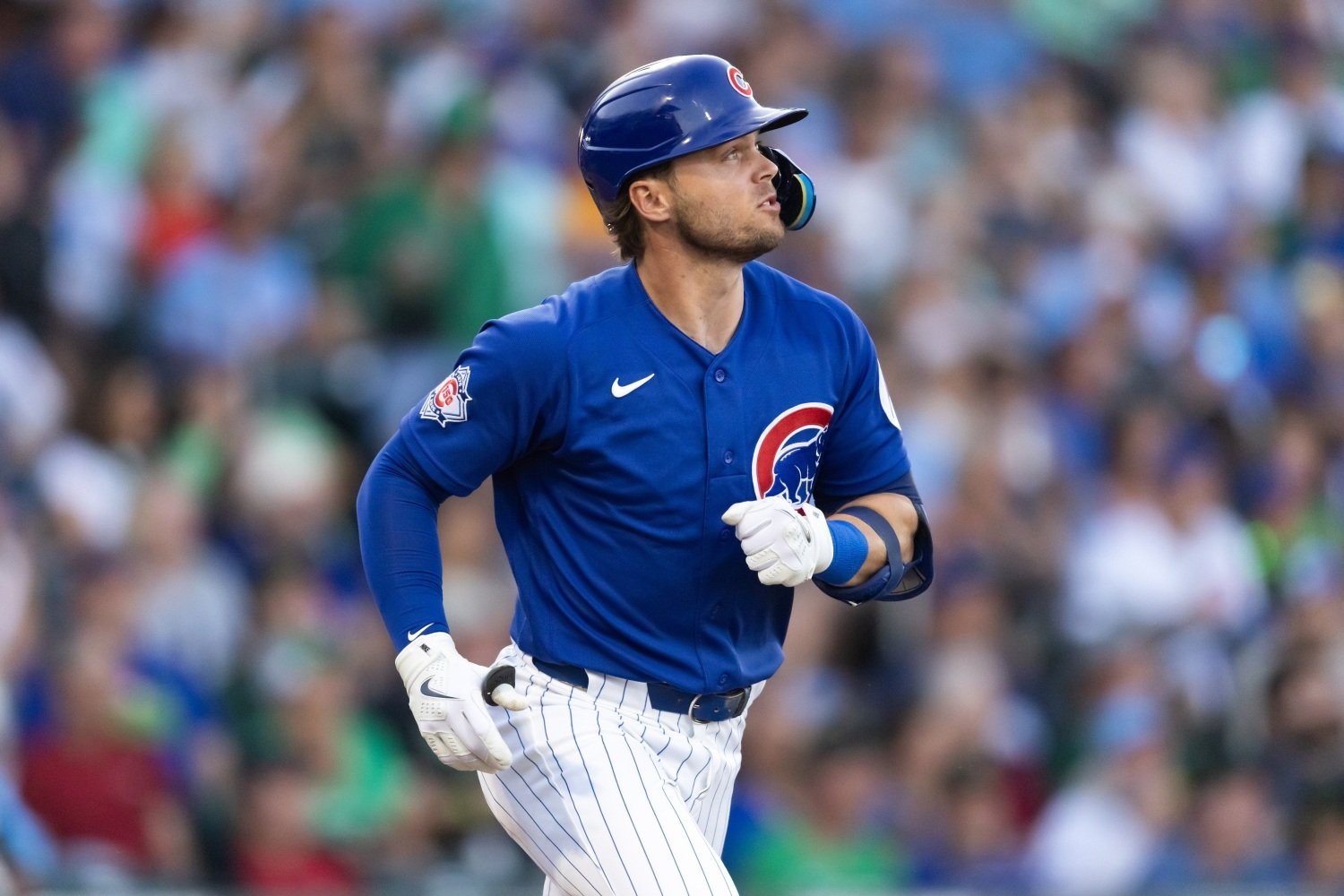 You can safely get used to this Cubs core. It's going to be here a while. The team agreed to a six-year extension with (formerly) impending free agent Nico Hoerner Thursday, according to multiple reports. Jesse Rogers of ESPN was first with the news, on Twitter. Hoerner, 28, was due to become a free agent at the end of this season, at the conclusion of the three-year extension to which he and the Cubs agreed almost exactly three years ago. Instead, he'll stick around through at least 2031, locking in a fourth member of the team's positional core for the medium term. Unlike the deal Chicago agreed to with Pete Crow-Armstrong earlier this week, this one is a major surprise, and a game-changer for the team's future. Hoerner was much closer to free agency, and his possible departure made it easy to see how a number of players' futures with the organization might go. Dansby Swanson could have moved to second base as soon as 2027. Jefferson Rojas, the team's burgeoning shortstop prospect, could have taken over at short. Alternatively, Matt Shaw could have taken over for Hoerner next year, since he's been displaced from third base by the arrival of Alex Bregman. Now, none of that is in play. Swanson's contract runs through 2029, as he heads into his mid-30s. Hoerner, Swanson, Bregman and Michael Busch are overwhelmingly likely to make up the team's infield for the next four seasons, which could get the trio of Swanson, Hoerner and Busch close to 1,000 games together before Swanson or Busch hits free agency. Meanwhile, the pathway to playing time for Rojas and Shaw just got murkier, and the likelihood of a similar extension for Ian Happ or Seiya Suzuki plunged toward zero. Hoerner is, by every account, a great fit in the clubhouse and an asset in the community. He plays with energy and smarts, and became the best version of himself last year, providing hope that he might be entering his prime as a perennial All-Star-caliber second baseman. This extension introduces some tough questions, since there will be defensive degradation to consider and the team needs ways to develop and install new blood, but it's an exhilarating moment, too. Hoerner, Busch, Swanson, Bregman, and Crow-Armstrong will be the spine of this team for the majority of a decade, by the time they're done playing together. Moisés Ballesteros could end up being a sixth in that collection of talent, and Cade Horton, Edward Cabrera and Daniel Palencia offer a pitching-side reflection of that abundance. Suddenly, the Cubs' future is much more clear, and even if there are some reasons to be wary of locking them all in, there is also much reason to celebrate. From a fan's perspective, keeping a group with such a history of and dedication to winning together for such a long time augurs well for the organization.
 -
In Opening Day Clunker, Matthew Boyd Can't Outguess Nationals Batters
Matthew Trueblood posted an article in Cubs
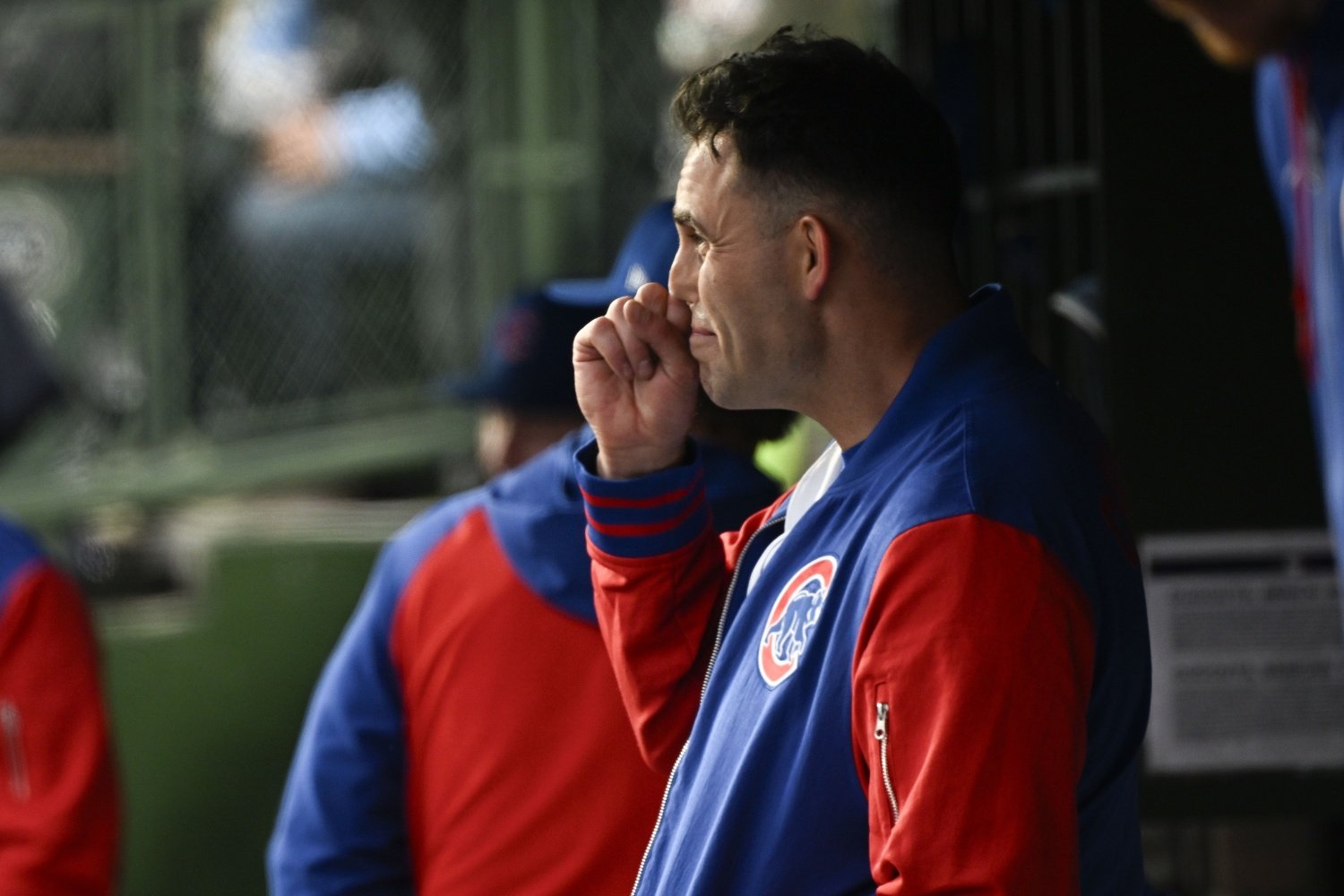 The Nationals pulled off a shocking Opening Day blowout against the Chicago Cubs Thursday, winning 10-4. They chased starter Matthew Boyd in the fourth inning, and tacked on runs via late long balls to put away the much better Chicago club. For Boyd, the problem was not an inability to miss bats, but a fatal attraction to the Nationals batters' barrels. Five Washington batted balls against Boyd were 103.8 MPH ore harder, including three crucial hits that contributed to their scoring against him. He was a bit lucky that the line wasn't worse, given how hard the visitors were hitting him when they made contact. Some good defense and a bad baserunning play gave Boyd three of the four outs recorded on balls in play. That wasn't because of a lack of sheer stuff. Boyd's fastball was right in line with last year in terms of velocity, and his changeup, slider and curve all showed similar movement to their norms. In fact, Boyd got whiffs on over half the swings Nationals batters took against him, leading to seven strikeouts. Washington's plan was extremely guess-heavy; they were locking in and sitting on specific pitches in specific counts and situations. When they were wrong, Boyd fooled them badly and racked up whiffs. When they were right, though, they were all over him. Boyd got barreled up on a first-pitch fastball to CJ Abrams and on an 0-1 slider to Daylen Lile. He also got burned trying to sneak a fastball past Brady House on a 2-2 count, and Joey Wiemer took advantage of a good but guessable changeup in a 1-1 count to hit a long home run. Boyd doesn't have unusually intense stuff, but he's hard to read and his pitches have a wide variety of movement. What they don't have is unexpected movement. Thus, if you carefully plan to commit to a given pitch type from him and you get it—especially if it's roughly in the location you expect—he becomes hittable. Of course, if you're wrong, you won't merely slightly mishit the ball, but come up empty altogether. The gameplan worked for the Nationals Thursday. Boyd will have to make some adjustments for his next start, to be less predictable in both sequence and location. This problem isn't entirely new. In the second half of last season, Boyd ran into it somewhat often, and was vulnerable to just this kind of roughing-up. He and Carson Kelly might need to collaborate to develop a different strategy. Last year, opponents had a .620 OPS when either Miguel Amaya or Reese McGuire worked with Boyd, but a .673 mark when the southpaw was paired with Kelly. Opponents hit 16 oif their 22 homers on the year off Boyd in the starts in which he and Kelly worked together. It's just one game, and one loss. For Boyd and the Cubs, though, every game has to be precious this year. The loss Thursday served notice that while much of what he does still works, he'll have to make further adjustments to stop the league from guessing right often enough to hurt him.
 -
Image courtesy of © Matt Marton-Imagn Images The Nationals pulled off a shocking Opening Day blowout against the Chicago Cubs Thursday, winning 10-4. They chased starter Matthew Boyd in the fourth inning, and tacked on runs via late long balls to put away the much better Chicago club. For Boyd, the problem was not an inability to miss bats, but a fatal attraction to the Nationals batters' barrels. Five Washington batted balls against Boyd were 103.8 MPH ore harder, including three crucial hits that contributed to their scoring against him. He was a bit lucky that the line wasn't worse, given how hard the visitors were hitting him when they made contact. Some good defense and a bad baserunning play gave Boyd three of the four outs recorded on balls in play. That wasn't because of a lack of sheer stuff. Boyd's fastball was right in line with last year in terms of velocity, and his changeup, slider and curve all showed similar movement to their norms. In fact, Boyd got whiffs on over half the swings Nationals batters took against him, leading to seven strikeouts. Washington's plan was extremely guess-heavy; they were locking in and sitting on specific pitches in specific counts and situations. When they were wrong, Boyd fooled them badly and racked up whiffs. When they were right, though, they were all over him. Boyd got barreled up on a first-pitch fastball to CJ Abrams and on an 0-1 slider to Daylen Lile. He also got burned trying to sneak a fastball past Brady House on a 2-2 count, and Joey Wiemer took advantage of a good but guessable changeup in a 1-1 count to hit a long home run. Boyd doesn't have unusually intense stuff, but he's hard to read and his pitches have a wide variety of movement. What they don't have is unexpected movement. Thus, if you carefully plan to commit to a given pitch type from him and you get it—especially if it's roughly in the location you expect—he becomes hittable. Of course, if you're wrong, you won't merely slightly mishit the ball, but come up empty altogether. The gameplan worked for the Nationals Thursday. Boyd will have to make some adjustments for his next start, to be less predictable in both sequence and location. This problem isn't entirely new. In the second half of last season, Boyd ran into it somewhat often, and was vulnerable to just this kind of roughing-up. He and Carson Kelly might need to collaborate to develop a different strategy. Last year, opponents had a .620 OPS when either Miguel Amaya or Reese McGuire worked with Boyd, but a .673 mark when the southpaw was paired with Kelly. Opponents hit 16 oif their 22 homers on the year off Boyd in the starts in which he and Kelly worked together. It's just one game, and one loss. For Boyd and the Cubs, though, every game has to be precious this year. The loss Thursday served notice that while much of what he does still works, he'll have to make further adjustments to stop the league from guessing right often enough to hurt him. View full article
-
Image courtesy of © Mark J. Rebilas-Imagn Images Opening Day is the philosopher's holiday, for it's much more about questions than answers. We won't instantly have complete insight into the 2026 Chicago Cubs after Thursday's season opener; we'll merely have a lone game of data to which to cling as we scramble to reinforce our prior beliefs. Even a week or a month from now, answers about who and what this team is will be elusive; that's the nature of a 162-game marathon. Thus, Opening Day is primarily about agreeing on which questions matter most. Here are five things Cubs fans should watch and wonder about, beginning Thursday and stretching slowly across the spring and summer. 1. Will the Cubs Get Edward Cabrera Right? At the risk of triggering many Cubs fans who lived through the unhappy denouement of the last miniature Cubs dynasty, the player who looms as a warning against full-fledged enthusiasm about Cabrera is former high-profile, electric-armed acquisition Tyler Chatwood. The Cubs front office was very excited to get ahold of Chatwood, but his awful command compromised his awesome raw stuff. Cabrera should be better than Chatwood was, but tapping into the best version of him means getting some key developmental dilemmas just right. The good version of Cabrera is neck-and-neck with Cade Horton for the title of ace in this rotation, and could strike out 250 batters. The bad version runs into so many problems with his suboptimal fastball shape and average-minus command that his ERA balloons toward 5.00, even if he stays healthy. The Cubs spent the spring trying to help him find the version of his fastball that can set up the rest of his arsenal, but we won't know how successful that experiment was for some time. 2. Which Version of Pete Crow-Armstrong's Offensive Profile is the Real Deal? He's officially the face of the franchise, now. He's one of the best defenders in baseball. He's only 24 years old. Crow-Armstrong is the Cub with transformational, superstar potential—but ultimately, he had a .287 OBP last year. His lack of plate discipline became a real and serious problem; we don't yet know whether he can be a consistently effective hitter. All the power-speed dynamism he's demonstrated makes Crow-Armstrong the centerpiece of this lineup, if he's the best version of himself. That version of him has to be one with a more consistent plan in the batter's box, though. 3. Does Dansby Swanson Have Time Left at Shortstop? The Cubs have to be pleased to have gotten three years into a seven-year pact with Swanson without having to even consider moving him off the position they signed him to play. He's been a consistently above-average shortstop and the anchor of a team defense that lies at the heart of their overall team-building philosophy. But that can't last forever. Regular shortstops who stay at that position into their mid-30s are virtually unheard-of in the modern game, and Swanson is now 32. He'll still play there this season, but whether he can remain a plus glove is a very fair question—and a very important one, to this year's team. 4. Can Matt Shaw Handle His New Role? It was a highly productive spring for Shaw, who learned to play the outfield and showed off a blessedly simplified setup in the batter's box. The Cubs need that to translate to the games that count, but the challenge ahead of Shaw is even greater than the one behind him. He'll be finding his playing time one game at a time this season, but he's an important part of the team's plans. Without sturdy contributions from him on both sides of the runs ledger, the lineup's depth won't match that of the Brewers. If Shaw takes a big step forward, though, he could be a catalyst for the ascendancy of the whole club. Here's the problem: For any player, succeeding while moving between positions and sitting at least one or two days a week is difficult. For a young guy who's shown shaky pitch recognition and whose mechanics are always in danger of unproductive digression, it's doubly so. Shaw has to prove himself unusually good at a tricky balancing act. 5. Will the Bullpen Be as Good as Its Less Proven Previous Editions? By Jed Hoyer standards, the Cubs made big investments in the bullpen this winter. It was an overhaul of the relief corps, and one that leaves them with few optionable arms. On the other hand, they have lots of proven dudes out there, in Phil Maton, Hunter Harvey, Caleb Thielbar, Hoby Milner, and Jacob Webb. It's a group the team should be able to count on not to implode, as some recent acquisitions have (Héctor Neris, Ryan Pressly), but the upside is a bit limited. Even acknowledging the emergence of Daniel Palencia as a true relief ace, the team needs someone to take an unexpected step forward in order to get a championship-caliber performance from this pen. That makes Ben Brown a pivotal arm. Relegated to the pen by a healthy and deep starting rotation, Brown has a chance to be that wipeout multi-inning reliever that has so often been the signature of Craig Counsell's bullpen management. But Brown still carries real risk, and the team still needs someone from the rest of the mix (perhaps Harvey, whose stuff stands out from the crowd) to have something better than their average outcome this year. This team has 100-win upside, and should be over .500 even in a relatively unlucky world. They're a legitimate threat to the hegemony of the Brewers in the NL Central. They still face some big questions on Opening Day, but the answers to those questions look likely to be positive. View full article
-
5 Questions That Will Determine the Direction of the 2026 Chicago Cubs
Matthew Trueblood posted an article in Cubs
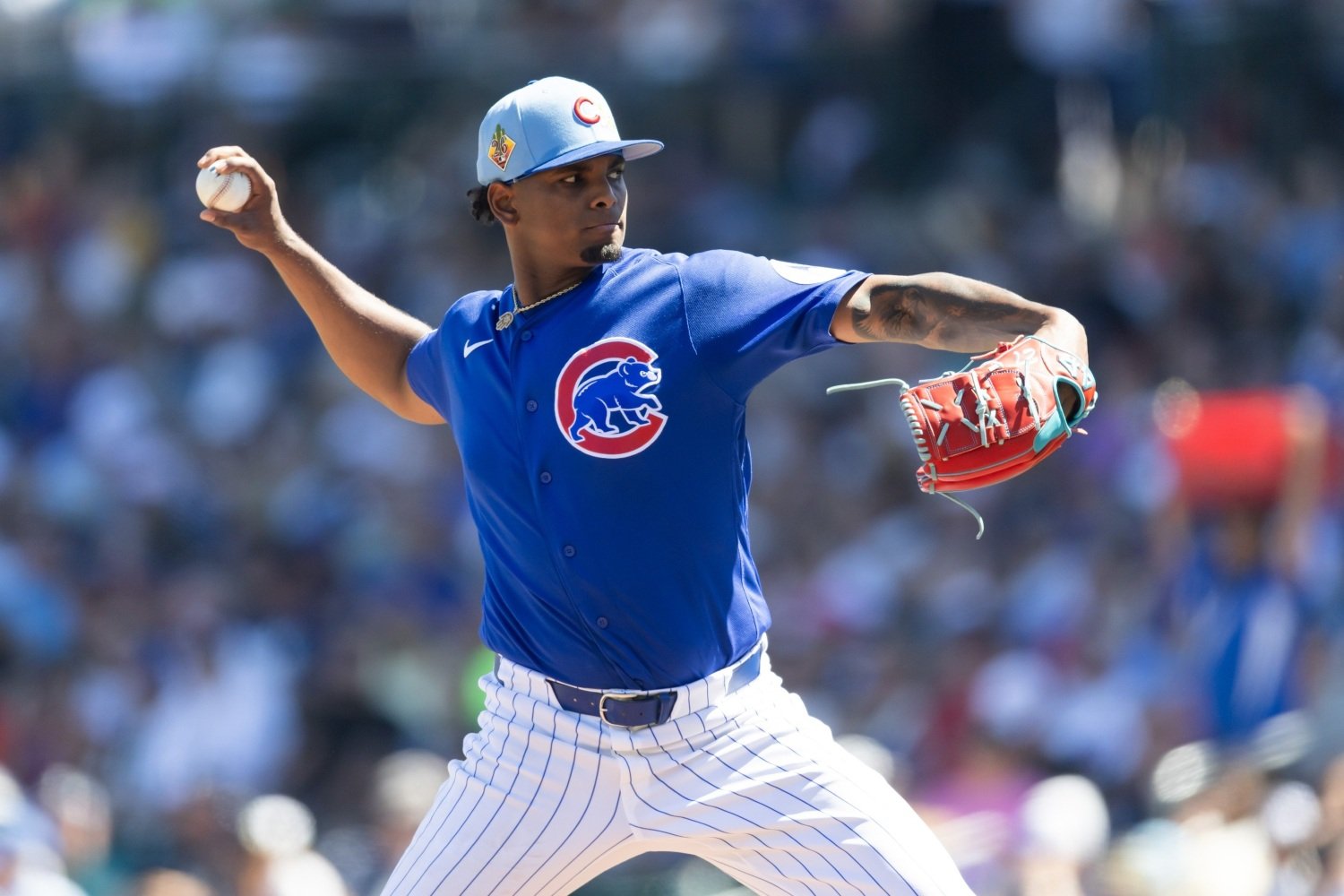 Opening Day is the philosopher's holiday, for it's much more about questions than answers. We won't instantly have complete insight into the 2026 Chicago Cubs after Thursday's season opener; we'll merely have a lone game of data to which to cling as we scramble to reinforce our prior beliefs. Even a week or a month from now, answers about who and what this team is will be elusive; that's the nature of a 162-game marathon. Thus, Opening Day is primarily about agreeing on which questions matter most. Here are five things Cubs fans should watch and wonder about, beginning Thursday and stretching slowly across the spring and summer. 1. Will the Cubs Get Edward Cabrera Right? At the risk of triggering many Cubs fans who lived through the unhappy denouement of the last miniature Cubs dynasty, the player who looms as a warning against full-fledged enthusiasm about Cabrera is former high-profile, electric-armed acquisition Tyler Chatwood. The Cubs front office was very excited to get ahold of Chatwood, but his awful command compromised his awesome raw stuff. Cabrera should be better than Chatwood was, but tapping into the best version of him means getting some key developmental dilemmas just right. The good version of Cabrera is neck-and-neck with Cade Horton for the title of ace in this rotation, and could strike out 250 batters. The bad version runs into so many problems with his suboptimal fastball shape and average-minus command that his ERA balloons toward 5.00, even if he stays healthy. The Cubs spent the spring trying to help him find the version of his fastball that can set up the rest of his arsenal, but we won't know how successful that experiment was for some time. 2. Which Version of Pete Crow-Armstrong's Offensive Profile is the Real Deal? He's officially the face of the franchise, now. He's one of the best defenders in baseball. He's only 24 years old. Crow-Armstrong is the Cub with transformational, superstar potential—but ultimately, he had a .287 OBP last year. His lack of plate discipline became a real and serious problem; we don't yet know whether he can be a consistently effective hitter. All the power-speed dynamism he's demonstrated makes Crow-Armstrong the centerpiece of this lineup, if he's the best version of himself. That version of him has to be one with a more consistent plan in the batter's box, though. 3. Does Dansby Swanson Have Time Left at Shortstop? The Cubs have to be pleased to have gotten three years into a seven-year pact with Swanson without having to even consider moving him off the position they signed him to play. He's been a consistently above-average shortstop and the anchor of a team defense that lies at the heart of their overall team-building philosophy. But that can't last forever. Regular shortstops who stay at that position into their mid-30s are virtually unheard-of in the modern game, and Swanson is now 32. He'll still play there this season, but whether he can remain a plus glove is a very fair question—and a very important one, to this year's team. 4. Can Matt Shaw Handle His New Role? It was a highly productive spring for Shaw, who learned to play the outfield and showed off a blessedly simplified setup in the batter's box. The Cubs need that to translate to the games that count, but the challenge ahead of Shaw is even greater than the one behind him. He'll be finding his playing time one game at a time this season, but he's an important part of the team's plans. Without sturdy contributions from him on both sides of the runs ledger, the lineup's depth won't match that of the Brewers. If Shaw takes a big step forward, though, he could be a catalyst for the ascendancy of the whole club. Here's the problem: For any player, succeeding while moving between positions and sitting at least one or two days a week is difficult. For a young guy who's shown shaky pitch recognition and whose mechanics are always in danger of unproductive digression, it's doubly so. Shaw has to prove himself unusually good at a tricky balancing act. 5. Will the Bullpen Be as Good as Its Less Proven Previous Editions? By Jed Hoyer standards, the Cubs made big investments in the bullpen this winter. It was an overhaul of the relief corps, and one that leaves them with few optionable arms. On the other hand, they have lots of proven dudes out there, in Phil Maton, Hunter Harvey, Caleb Thielbar, Hoby Milner, and Jacob Webb. It's a group the team should be able to count on not to implode, as some recent acquisitions have (Héctor Neris, Ryan Pressly), but the upside is a bit limited. Even acknowledging the emergence of Daniel Palencia as a true relief ace, the team needs someone to take an unexpected step forward in order to get a championship-caliber performance from this pen. That makes Ben Brown a pivotal arm. Relegated to the pen by a healthy and deep starting rotation, Brown has a chance to be that wipeout multi-inning reliever that has so often been the signature of Craig Counsell's bullpen management. But Brown still carries real risk, and the team still needs someone from the rest of the mix (perhaps Harvey, whose stuff stands out from the crowd) to have something better than their average outcome this year. This team has 100-win upside, and should be over .500 even in a relatively unlucky world. They're a legitimate threat to the hegemony of the Brewers in the NL Central. They still face some big questions on Opening Day, but the answers to those questions look likely to be positive.
- 6 comments
-
- 1
-

-
- matt shaw
- dansby swanson
- (and 3 more)
-
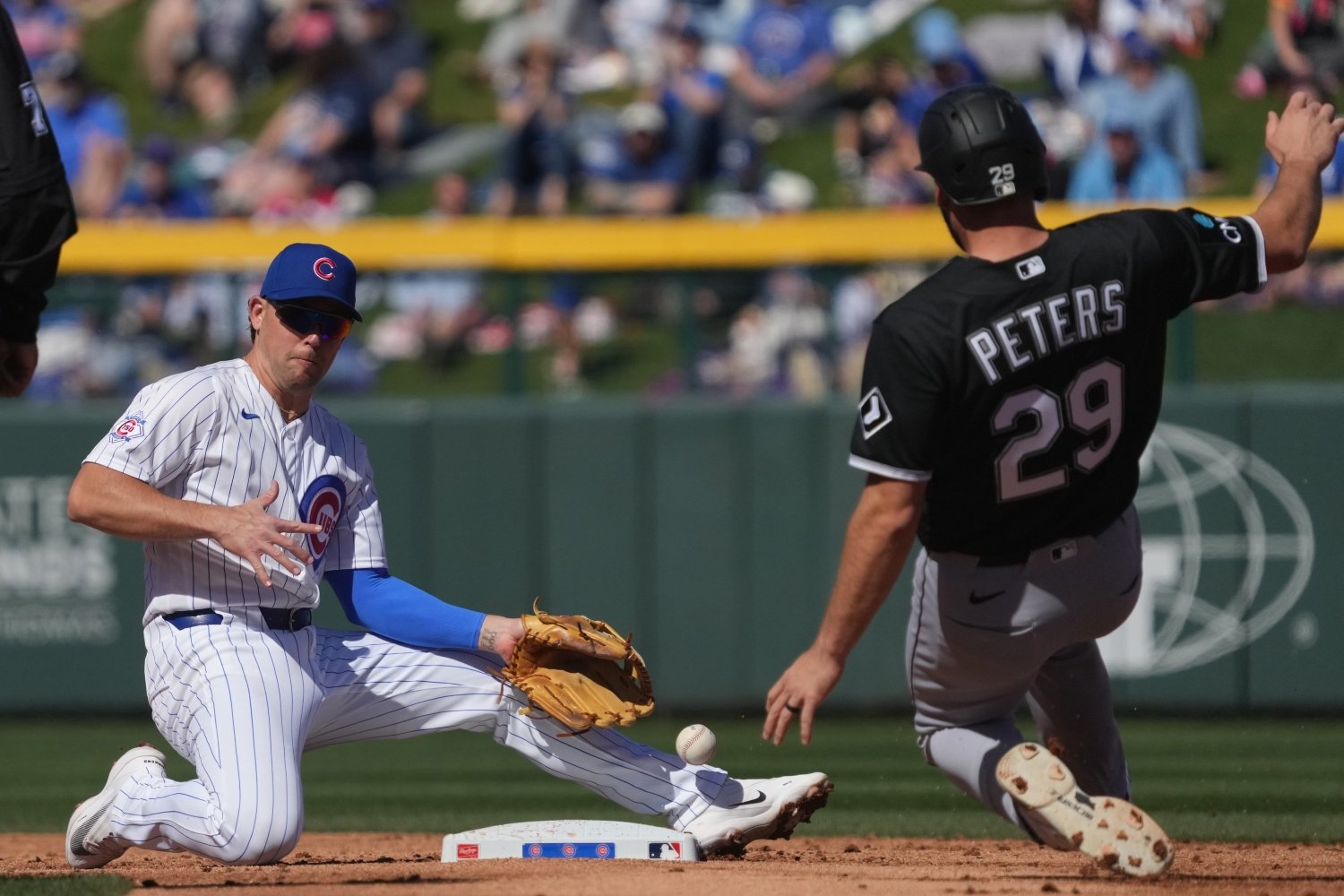 Jed Hoyer has been in charge of building the Chicago Cubs roster since late 2020, when Theo Epstein resigned and Hoyer was promoted to president of baseball operations. The 2026 campaign, then, will be his sixth as the architect of the club. He's 0-for-6, so far, when it comes to building a solid bench. This year, the glaring, flashing beacon of Hoyer's annual failure is Scott Kingery. Set to turn 32 next month, Kingery has 1,156 career plate appearances and a .227/.278/.382 batting line. He's a solid but unremarkable defender at any of a handful of positions. He is, by any definition, below the replacement level for a team with any semblance of developmental competence or resources to spend. By now, though, Cubs fans have become accustomed to having someone essentially unplayable keeping a portion of the bench warm each spring. In 2021, Eric Sogard played 78 games for the Cubs, despite batting .249/.283/.314 and being unimpressive at each position where David Ross played him. In 2022, the team tried out Jonathan Villar, Michael Hermosillo, and Clint Frazier in stints of varying lengths. Those were rebuilding years, but those weren't players who came in via July trades; they were the team's Plan A for bench spots. Nor did things improve as (in theory) the Cubs pivoted toward contention in 2023. That was the year of Trey Mancini, Eric Hosmer and Edwin Rios, Though the 2023 Cubs' failures of depth were responsible for their missing the postseason, Hoyer learned nothing. In 2024, he brought back all three of Patrick Wisdom, Miles Mastrobuoni, and Nick Madrigal, when even a generous assessment and an optimistic vision would only have justified keeping two of them. He also sought a mulligan on his repeated failures at first base by signing Garrett Cooper. In 2025, having failed spectacularly again, he invested more resources in addressing the bench—but came up just as empty, because Justin Turner, Gage Workman and Vidal Bruján were uncannily, unaccountably similar to the players who had flopped in their very roles over the previous three years. This winter, though, Hoyer did nothing better to deepen his positional roster. He's falling into a pattern that stretches across his tenure as the leader of the team: paying strict attention to detail in choosing big moves and mostly getting them right, but neglecting the bench or making the same mistakes there over and over. In fact, his approach to the bench has been very similar to the one he takes with the bullpen. It's worked like a charm for the relief corps, which might be giving the team false confidence about applying the same plan to the bench—where they've had no success whatsoever. Under Hoyer, the Cubs have signed major free agents (Seiya Suzuki, Dansby Swanson, Cody Bellinger and Alex Bregman) and extended key contributors (Ian Happ, Nico Hoerner, Pete Crow-Armstrong). They've done well with those moves, and they build a solid starting lineup almost every year. But their lower-level moves have missed much more often than they've hit; the only mild exceptions are catchers Yan Gomes and Carson Kelly. This winter, Hoyer signed veteran slugger Tyler Austin, who was penciled into one spot on the bench. After he was hurt early in camp, though, the team scrambled a bit. They scooped up Michael Conforto, to complement the winner of a competition between minor-league signees Dylan Carlson and Chas McCormick for the fourth outfield spot. If Austin had been the team's only spring loss, they might have slotted Matt Shaw in as their backup infielder, but once Suzuki went down with a sprained PCL, the path opened for an extra infielder, with Shaw getting more time in right field. Thus, Kingery will sponge up a spot on a team with playoff aspirations, for the first time in his entire career. He was once a moderately hyped prospect, but he was a bust, and his only significant playing time since the pandemic came with last year's Angels. It's a galling error in team-building to have Kingery on the roster, even if it's only for a fortnight. It's a stark reminder of Hoyer's consistent inability to keep up with (among others) the rival Milwaukee Brewers, who perennially find lots of value at the bottom of their roster and with low-level pickups. That's why the Brewers have run circles around the Cubs for the last half-decade, and if they beat Chicago out for a fourth straight division title in 2026, it will be for the same reason. Kingery didn't even play well this spring, except by drawing a fistful of walks and stealing some bases once he got on. He's on the roster solely because, when two players were hurt in the preseason, Hoyer's creaky construction of the roster was immediately exposed. It shouldn't be long before Kingery is pushed out, but even once he is, Conforto and Carlson will have relatively safe jobs—and neither is an especially good bet to have a good 2026. The Cubs must do better at this, but they extended Hoyer last summer, so the decision-maker will remain the same. Hoyer needs to do some serious self-evaluation and improve as a reinforcer of his positional core, but it's already too late to put the pieces in place as well as he should have for this year.
 -
Image courtesy of © Rick Scuteri-Imagn Images Jed Hoyer has been in charge of building the Chicago Cubs roster since late 2020, when Theo Epstein resigned and Hoyer was promoted to president of baseball operations. The 2026 campaign, then, will be his sixth as the architect of the club. He's 0-for-6, so far, when it comes to building a solid bench. This year, the glaring, flashing beacon of Hoyer's annual failure is Scott Kingery. Set to turn 32 next month, Kingery has 1,156 career plate appearances and a .227/.278/.382 batting line. He's a solid but unremarkable defender at any of a handful of positions. He is, by any definition, below the replacement level for a team with any semblance of developmental competence or resources to spend. By now, though, Cubs fans have become accustomed to having someone essentially unplayable keeping a portion of the bench warm each spring. In 2021, Eric Sogard played 78 games for the Cubs, despite batting .249/.283/.314 and being unimpressive at each position where David Ross played him. In 2022, the team tried out Jonathan Villar, Michael Hermosillo, and Clint Frazier in stints of varying lengths. Those were rebuilding years, but those weren't players who came in via July trades; they were the team's Plan A for bench spots. Nor did things improve as (in theory) the Cubs pivoted toward contention in 2023. That was the year of Trey Mancini, Eric Hosmer and Edwin Rios, Though the 2023 Cubs' failures of depth were responsible for their missing the postseason, Hoyer learned nothing. In 2024, he brought back all three of Patrick Wisdom, Miles Mastrobuoni, and Nick Madrigal, when even a generous assessment and an optimistic vision would only have justified keeping two of them. He also sought a mulligan on his repeated failures at first base by signing Garrett Cooper. In 2025, having failed spectacularly again, he invested more resources in addressing the bench—but came up just as empty, because Justin Turner, Gage Workman and Vidal Bruján were uncannily, unaccountably similar to the players who had flopped in their very roles over the previous three years. This winter, though, Hoyer did nothing better to deepen his positional roster. He's falling into a pattern that stretches across his tenure as the leader of the team: paying strict attention to detail in choosing big moves and mostly getting them right, but neglecting the bench or making the same mistakes there over and over. In fact, his approach to the bench has been very similar to the one he takes with the bullpen. It's worked like a charm for the relief corps, which might be giving the team false confidence about applying the same plan to the bench—where they've had no success whatsoever. Under Hoyer, the Cubs have signed major free agents (Seiya Suzuki, Dansby Swanson, Cody Bellinger and Alex Bregman) and extended key contributors (Ian Happ, Nico Hoerner, Pete Crow-Armstrong). They've done well with those moves, and they build a solid starting lineup almost every year. But their lower-level moves have missed much more often than they've hit; the only mild exceptions are catchers Yan Gomes and Carson Kelly. This winter, Hoyer signed veteran slugger Tyler Austin, who was penciled into one spot on the bench. After he was hurt early in camp, though, the team scrambled a bit. They scooped up Michael Conforto, to complement the winner of a competition between minor-league signees Dylan Carlson and Chas McCormick for the fourth outfield spot. If Austin had been the team's only spring loss, they might have slotted Matt Shaw in as their backup infielder, but once Suzuki went down with a sprained PCL, the path opened for an extra infielder, with Shaw getting more time in right field. Thus, Kingery will sponge up a spot on a team with playoff aspirations, for the first time in his entire career. He was once a moderately hyped prospect, but he was a bust, and his only significant playing time since the pandemic came with last year's Angels. It's a galling error in team-building to have Kingery on the roster, even if it's only for a fortnight. It's a stark reminder of Hoyer's consistent inability to keep up with (among others) the rival Milwaukee Brewers, who perennially find lots of value at the bottom of their roster and with low-level pickups. That's why the Brewers have run circles around the Cubs for the last half-decade, and if they beat Chicago out for a fourth straight division title in 2026, it will be for the same reason. Kingery didn't even play well this spring, except by drawing a fistful of walks and stealing some bases once he got on. He's on the roster solely because, when two players were hurt in the preseason, Hoyer's creaky construction of the roster was immediately exposed. It shouldn't be long before Kingery is pushed out, but even once he is, Conforto and Carlson will have relatively safe jobs—and neither is an especially good bet to have a good 2026. The Cubs must do better at this, but they extended Hoyer last summer, so the decision-maker will remain the same. Hoyer needs to do some serious self-evaluation and improve as a reinforcer of his positional core, but it's already too late to put the pieces in place as well as he should have for this year. View full article
-
Image courtesy of © Thomas Shea-Imagn Images When you watch Pete Crow-Armstrong hit, 'optimized' isn't the first word that springs to mind. Because he swings at practically everything, the Cubs' young center fielder is forever displaying his warts. He often looks like a mess up there, because when we think about players who are exceptionally efficient at the plate, we think first about swing decisions. That's the internet's shared inheritance, having witnessed Moneyball and the change it wrought throughout professional baseball. Crow-Armstrong is an extremely aggressive hitter; his approach has plenty of rough edges. Break down his actual swing, though, and you're forced to admit that there's a method beneath the madness. Far from flailing at the ball the way many free swingers do, Crow-Armstrong spent 2025 drawing a bead on the ball and attacking it in a very calculated way—without the restraint of a Juan Soto or a Kyle Schwarber, but very much with their level of lethal barrel accuracy and timing. Only six qualifying hitters pulled the ball in the air on a higher percentage of their batted balls than Crow-Armstrong did in 2025, and every name makes it a bit clearer how important that skill is: Isaac Paredes - 38.5% Cal Raleigh - 38.4% Spencer Torkelson - 31.8% Max Muncy - 31.5% Kyle Schwarber - 31.1% José Ramírez - 30.9% Pete Crow-Armstrong - 30.2% Raleigh and Schwarber, of course, led their leagues in homers last season. Of these seven players, only Paredes and Muncy failed to crack 30 homers, and then only because each of them missed a substantial portion of the season. Though lithe and speedy, Crow-Armstrong's swing is as geared for power as the game's elite sluggers—and that was no accident. Crow-Armstrong entered last season knowing he needed to tap into more of his power. He'll never be a Schwarberesque home-run hitter, because Schwarber is much stronger and has about two grades better raw power than Crow-Armstrong does. However, Crow-Armstrong knew that he could produce at least average pop, as measured by 90th-percentile exit velocity. That number is a better indicator of power than a player's average EV, and the league's median EV90 last year was 105.1 miles per hour. In a limited stint at Triple-A iowa in 2024, Crow-Armstrong had put up an EV90 of 105.7 MPH, but in an uneven year in the majors, that number was just 101.2. Worse, the percentage of his plate appearances that ended in a pulled fly ball was a robust 17.9% in the minors, but an unimposing 10.9% in the majors. Thus, he came to camp in 2025 ready to attack the ball more ferociously, but also to lift it and maximize the damage done by the contact he made. Firstly, he developed a more spread-out stance, but didn't shorten his stride accordingly. Though starting deeper in the batter's box, he began catching the ball farther in front of his body, thanks to the aggressiveness of his lower half. Although Crow-Armstrong's swing is steeper, slower and targeted differently than Juan Soto's, it's a bit instructive to compare the way he gets into his lower half to the way Soto does so. With his new stance and stride, Crow-Armstrong—like Soto—stretches the elastic aspects of the body and maximizes the torque he eventually produces. His swing speed increased by nearly 2 MPH in 2025, but it wasn't because of dedicated bat speed training. He just got much more aggressive, forcing his body into a position where it had to fire a harder swing. Compare his 2024 (left) and 2025 (right) swings at three crucial moments, and you can see the differences. The wider base created more torque right from the beginning of his swing last year. That opened his front side sooner, which allowed (and, indeed, compelled) him to get around the ball more, even as he began to work up through the ball, rather than down into the hitting zone. By the time he made contact, his barrel was almost 4 inches farther in front of his frame, oriented more toward right-center field, and working more steeply uphill. Swinging harder and catching it farther in front meant that Crow-Armstrong's EV90 jumped right back up to the league's average over his first full season in the majors in 2025, at 105.2 MPH. Obviously, though, his power played at much more than an average level. That's because a whopping 18.9% of his plate appearances ended in pulled fly balls. As the leaderboard above hinted, he'd optimized his swing. It unleashed a version of him with plus-plus overall power, including not just the 31 home runs but 72 total extra-base hits. To visualize this another way, consider the distributions of Crow-Armstrong's batted balls by exit velocity for both 2024 and 2025. Here's the first of those years. I've colored the chart by expected batting average, based on exit velocity and launch angle. As you can see (and would guess), the best results came when he hit the ball over 100 MPH, but he was more likely to hit it in the upper 70s. This is an interesting distribution—not unique, but unusual. Most players' histograms show something closer to a normal distribution. This one is a reminder that even as a rookie, Crow-Armstrong was prone to either click on a ball or miss fairly badly, leading to those mishit balls with 75-85 MPH exit velocities. He had a similar distribution in 2025, but note the important differences. Firstly, this is closer to a distribution curve with a hard rightward skew, rather than a bimodal distribution. Crow-Armstrong got better at missing by smaller margins. He also hit more balls hard, especially above 105 MPH. Just as importantly, though, look at the red glow of those tall bars where the plurality of his batted balls still fall. By pulling it and lifting it more often, he got a lot more mileage out of those balls on which he made middling contact, too. He found many more hits by hitting low fly balls and flared line drives at those exit velocities than he had by hitting them (mostly) on the ground in 2024. He also collected several RBIs on sacrifice flies by operating that way. Crow-Armstrong has only average raw power, as even he knows. He has below-average feel for contact, and below-average plate discipline. By optimizing his swing path, though, he exploded into being a plus power threat with average hit-tool utility last year. If he can figure out how to better control the strike zone—a somewhat pie-in-the-sky hope, but one of which there was some evidence this spring—he can take a further step toward greatness. For now, though, his swing and his approach have turned him into a sufficiently dynamic offensive weapon to make him worth a long, nine-figure deal with the Cubs. Even amid his breakout, early last summer, his frankness and advanced understanding of his own game were gratifying. Now, that polish—in however unorthodox a form—has borne fruit for him. The Cubs are buying into the ongoing optimization of their elite outfield athlete. It's a big gamble, but one he's already shown them he can make worthwhile. View full article
-
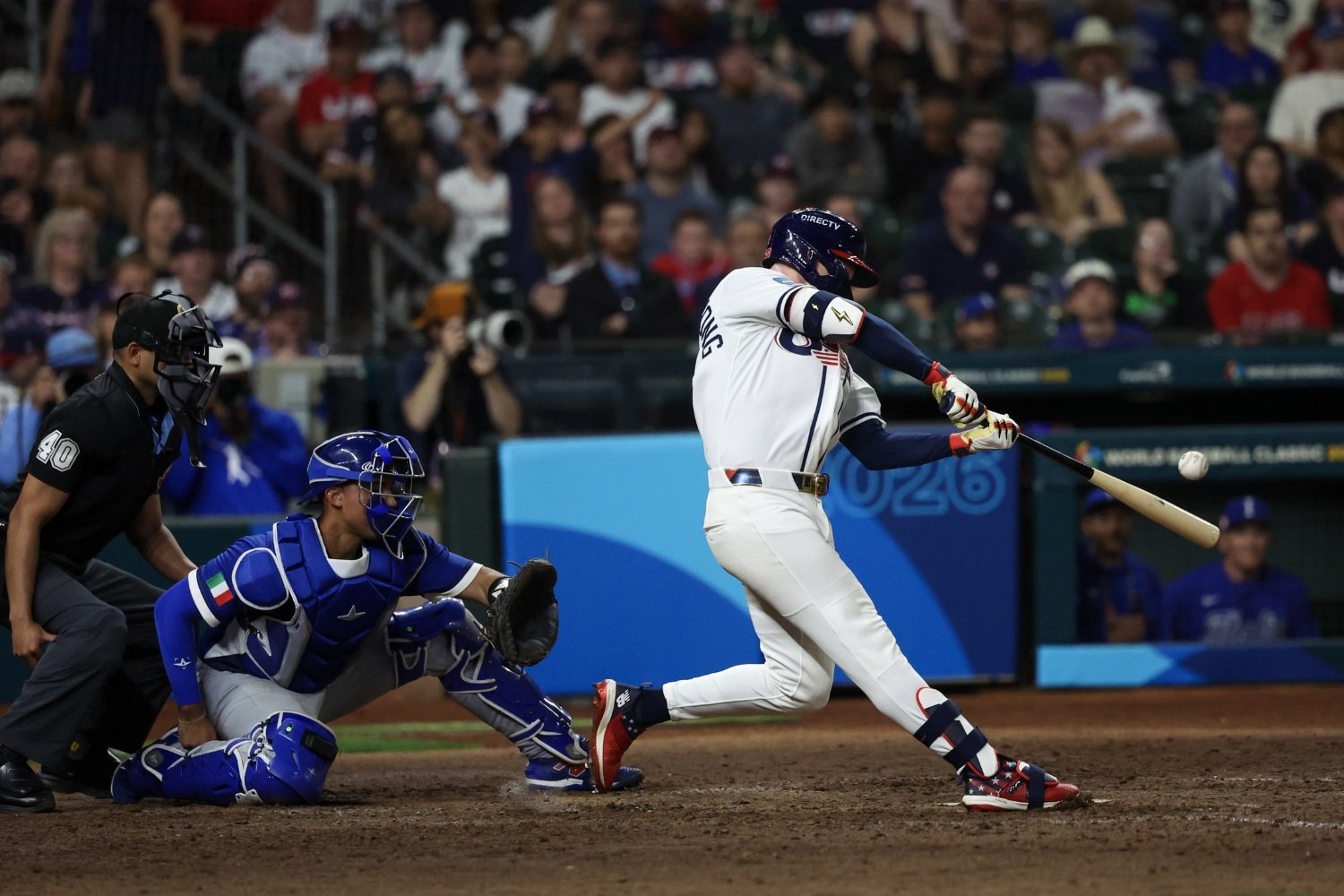 When you watch Pete Crow-Armstrong hit, 'optimized' isn't the first word that springs to mind. Because he swings at practically everything, the Cubs' young center fielder is forever displaying his warts. He often looks like a mess up there, because when we think about players who are exceptionally efficient at the plate, we think first about swing decisions. That's the internet's shared inheritance, having witnessed Moneyball and the change it wrought throughout professional baseball. Crow-Armstrong is an extremely aggressive hitter; his approach has plenty of rough edges. Break down his actual swing, though, and you're forced to admit that there's a method beneath the madness. Far from flailing at the ball the way many free swingers do, Crow-Armstrong spent 2025 drawing a bead on the ball and attacking it in a very calculated way—without the restraint of a Juan Soto or a Kyle Schwarber, but very much with their level of lethal barrel accuracy and timing. Only six qualifying hitters pulled the ball in the air on a higher percentage of their batted balls than Crow-Armstrong did in 2025, and every name makes it a bit clearer how important that skill is: Isaac Paredes - 38.5% Cal Raleigh - 38.4% Spencer Torkelson - 31.8% Max Muncy - 31.5% Kyle Schwarber - 31.1% José Ramírez - 30.9% Pete Crow-Armstrong - 30.2% Raleigh and Schwarber, of course, led their leagues in homers last season. Of these seven players, only Paredes and Muncy failed to crack 30 homers, and then only because each of them missed a substantial portion of the season. Though lithe and speedy, Crow-Armstrong's swing is as geared for power as the game's elite sluggers—and that was no accident. Crow-Armstrong entered last season knowing he needed to tap into more of his power. He'll never be a Schwarberesque home-run hitter, because Schwarber is much stronger and has about two grades better raw power than Crow-Armstrong does. However, Crow-Armstrong knew that he could produce at least average pop, as measured by 90th-percentile exit velocity. That number is a better indicator of power than a player's average EV, and the league's median EV90 last year was 105.1 miles per hour. In a limited stint at Triple-A iowa in 2024, Crow-Armstrong had put up an EV90 of 105.7 MPH, but in an uneven year in the majors, that number was just 101.2. Worse, the percentage of his plate appearances that ended in a pulled fly ball was a robust 17.9% in the minors, but an unimposing 10.9% in the majors. Thus, he came to camp in 2025 ready to attack the ball more ferociously, but also to lift it and maximize the damage done by the contact he made. Firstly, he developed a more spread-out stance, but didn't shorten his stride accordingly. Though starting deeper in the batter's box, he began catching the ball farther in front of his body, thanks to the aggressiveness of his lower half. Although Crow-Armstrong's swing is steeper, slower and targeted differently than Juan Soto's, it's a bit instructive to compare the way he gets into his lower half to the way Soto does so. With his new stance and stride, Crow-Armstrong—like Soto—stretches the elastic aspects of the body and maximizes the torque he eventually produces. His swing speed increased by nearly 2 MPH in 2025, but it wasn't because of dedicated bat speed training. He just got much more aggressive, forcing his body into a position where it had to fire a harder swing. Compare his 2024 (left) and 2025 (right) swings at three crucial moments, and you can see the differences. The wider base created more torque right from the beginning of his swing last year. That opened his front side sooner, which allowed (and, indeed, compelled) him to get around the ball more, even as he began to work up through the ball, rather than down into the hitting zone. By the time he made contact, his barrel was almost 4 inches farther in front of his frame, oriented more toward right-center field, and working more steeply uphill. Swinging harder and catching it farther in front meant that Crow-Armstrong's EV90 jumped right back up to the league's average over his first full season in the majors in 2025, at 105.2 MPH. Obviously, though, his power played at much more than an average level. That's because a whopping 18.9% of his plate appearances ended in pulled fly balls. As the leaderboard above hinted, he'd optimized his swing. It unleashed a version of him with plus-plus overall power, including not just the 31 home runs but 72 total extra-base hits. To visualize this another way, consider the distributions of Crow-Armstrong's batted balls by exit velocity for both 2024 and 2025. Here's the first of those years. I've colored the chart by expected batting average, based on exit velocity and launch angle. As you can see (and would guess), the best results came when he hit the ball over 100 MPH, but he was more likely to hit it in the upper 70s. This is an interesting distribution—not unique, but unusual. Most players' histograms show something closer to a normal distribution. This one is a reminder that even as a rookie, Crow-Armstrong was prone to either click on a ball or miss fairly badly, leading to those mishit balls with 75-85 MPH exit velocities. He had a similar distribution in 2025, but note the important differences. Firstly, this is closer to a distribution curve with a hard rightward skew, rather than a bimodal distribution. Crow-Armstrong got better at missing by smaller margins. He also hit more balls hard, especially above 105 MPH. Just as importantly, though, look at the red glow of those tall bars where the plurality of his batted balls still fall. By pulling it and lifting it more often, he got a lot more mileage out of those balls on which he made middling contact, too. He found many more hits by hitting low fly balls and flared line drives at those exit velocities than he had by hitting them (mostly) on the ground in 2024. He also collected several RBIs on sacrifice flies by operating that way. Crow-Armstrong has only average raw power, as even he knows. He has below-average feel for contact, and below-average plate discipline. By optimizing his swing path, though, he exploded into being a plus power threat with average hit-tool utility last year. If he can figure out how to better control the strike zone—a somewhat pie-in-the-sky hope, but one of which there was some evidence this spring—he can take a further step toward greatness. For now, though, his swing and his approach have turned him into a sufficiently dynamic offensive weapon to make him worth a long, nine-figure deal with the Cubs. Even amid his breakout, early last summer, his frankness and advanced understanding of his own game were gratifying. Now, that polish—in however unorthodox a form—has borne fruit for him. The Cubs are buying into the ongoing optimization of their elite outfield athlete. It's a big gamble, but one he's already shown them he can make worthwhile.
 -
Image courtesy of © Kamil Krzaczynski-Imagn Images The Cubs aren't letting their next core slip out the door the way the last one did. They've agreed to a long-term deal with star center fielder Pete Crow-Armstrong, according to a source with knowledge of the deal. Jeff Passan of ESPN was first to report the news, on Twitter. Crow-Armstrong, who will turn 24 on Wednesday, was already under team control through 2030, but was due to reach arbitration eligibility next winter as a Super Two player. He batted .247/.287/.481 in a breakthrough 2025 campaign, with 37 doubles, 4 triples, 31 home runs and 35 stolen bases. He continues to struggle with plate discipline, but is arguably the best defensive center fielder in baseball. Playing for Team USA in the World Baseball Classic, he hit two home runs and had a .965 OPS, elevating what had already become an international profile during last year's Tokyo Series against the Dodgers. The deal is not yet finalized, but is expected to extend the Cubs' control of Crow-Armstrong by at least two seasons, a source said. The structure will be different, but the terms are believed to be similar to those to which the Diamondbacks and Corbin Carroll agreed in 2023, and to those on which Jackson Merrill and the Padres got together last spring. Those deals were for $111 million over eight years and $135 million over nine years, respectively, though each of those players had less service time than Crow-Armstrong has and were further from arbitration eligibility. This deal, then, could include more guaranteed money but compensate by giving the Cubs an extra club option. Though similarly dynamic, Crow-Armstrong is less well-rounded at the plate than are Carroll and Merrill, making the comparison instructive but imperfect. As we reported last April, Crow-Armstrong and the Cubs had extension talks before his breakout season, but they didn't come especially close to agreeing at the time. Crow-Armstrong's camp sought a nine-figure guarantee, and were only willing to come to the table if at least $80 million were guaranteed and half that much again were attainable via incentives and options. The Cubs, by contrast, offered him a deal that could have topped out around $80 million, but which was only set to guarantee him a bit over $50 million. In 11 months, he more than doubled his earning power. Though they could structure the deal to begin in 2027, a league source said the Cubs will absorb the hit to their competitive-balance tax payroll figure for 2026, pushing them deeper into the first tier but not to the threshold of the second tier of tax penalties. That will soften the blow in future years by lengthening the deal and lowering its annual average value. The team still faces open questions about whether to extend Nico Hoerner, Ian Happ or Seiya Suzuki—all due to become free agents this fall. However, Crow-Armstrong is now locked in as the center-field centerpiece of what the team hopes will be its next championship core. View full article
-
BREAKING: Pete Crow-Armstrong, Cubs Agree on Long-Term Contract
Matthew Trueblood posted an article in Cubs
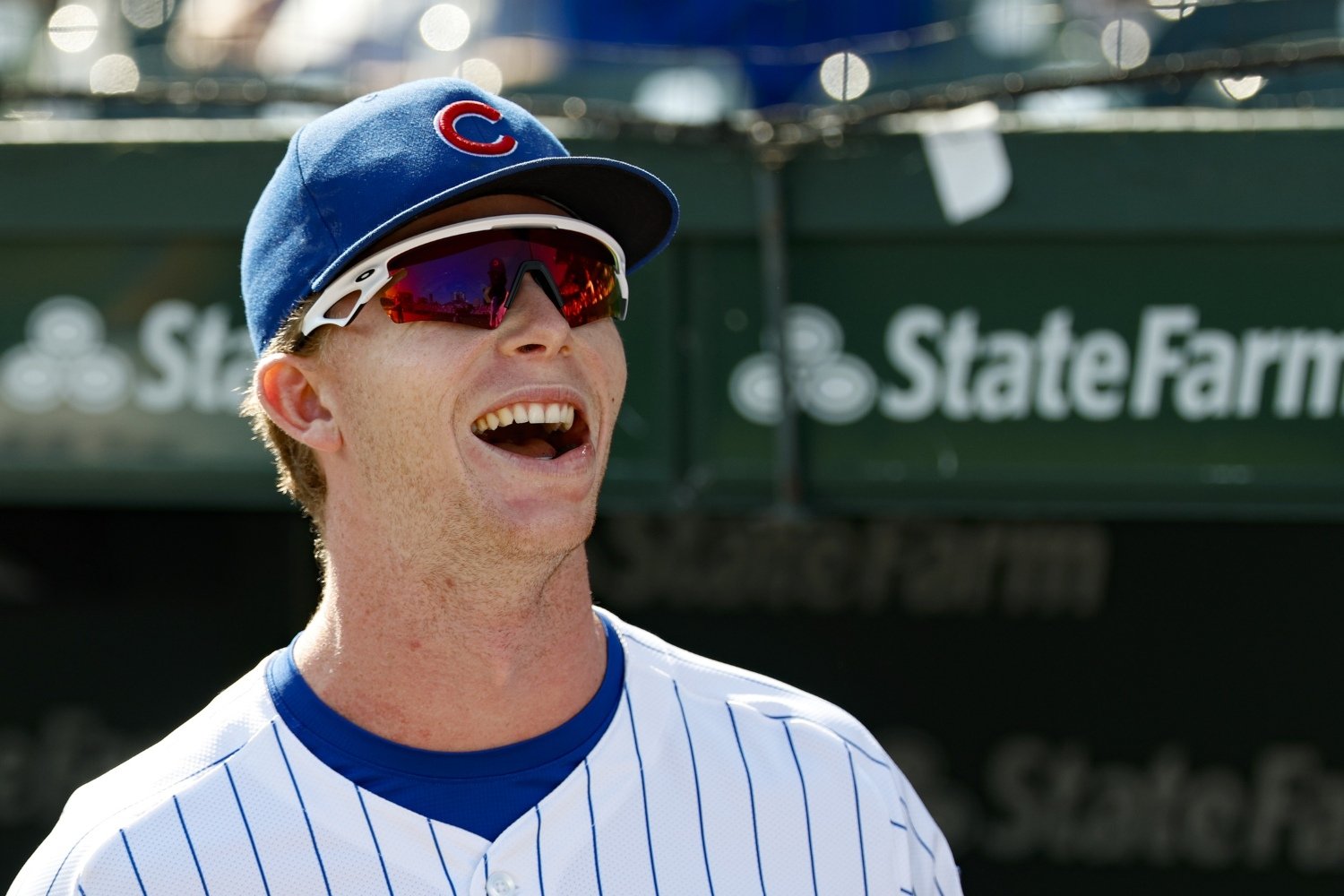 The Cubs aren't letting their next core slip out the door the way the last one did. They've agreed to a long-term deal with star center fielder Pete Crow-Armstrong, according to a source with knowledge of the deal. Jeff Passan of ESPN was first to report the news, on Twitter. Crow-Armstrong, who will turn 24 on Wednesday, was already under team control through 2030, but was due to reach arbitration eligibility next winter as a Super Two player. He batted .247/.287/.481 in a breakthrough 2025 campaign, with 37 doubles, 4 triples, 31 home runs and 35 stolen bases. He continues to struggle with plate discipline, but is arguably the best defensive center fielder in baseball. Playing for Team USA in the World Baseball Classic, he hit two home runs and had a .965 OPS, elevating what had already become an international profile during last year's Tokyo Series against the Dodgers. The deal is not yet finalized, but is expected to extend the Cubs' control of Crow-Armstrong by at least two seasons, a source said. The structure will be different, but the terms are believed to be similar to those to which the Diamondbacks and Corbin Carroll agreed in 2023, and to those on which Jackson Merrill and the Padres got together last spring. Those deals were for $111 million over eight years and $135 million over nine years, respectively, though each of those players had less service time than Crow-Armstrong has and were further from arbitration eligibility. This deal, then, could include more guaranteed money but compensate by giving the Cubs an extra club option. Though similarly dynamic, Crow-Armstrong is less well-rounded at the plate than are Carroll and Merrill, making the comparison instructive but imperfect. As we reported last April, Crow-Armstrong and the Cubs had extension talks before his breakout season, but they didn't come especially close to agreeing at the time. Crow-Armstrong's camp sought a nine-figure guarantee, and were only willing to come to the table if at least $80 million were guaranteed and half that much again were attainable via incentives and options. The Cubs, by contrast, offered him a deal that could have topped out around $80 million, but which was only set to guarantee him a bit over $50 million. In 11 months, he more than doubled his earning power. Though they could structure the deal to begin in 2027, a league source said the Cubs will absorb the hit to their competitive-balance tax payroll figure for 2026, pushing them deeper into the first tier but not to the threshold of the second tier of tax penalties. That will soften the blow in future years by lengthening the deal and lowering its annual average value. The team still faces open questions about whether to extend Nico Hoerner, Ian Happ or Seiya Suzuki—all due to become free agents this fall. However, Crow-Armstrong is now locked in as the center-field centerpiece of what the team hopes will be its next championship core.
 -
Image courtesy of © Jordan Godfree-Imagn Images Ben Brown doesn't lack confidence. The tweaks he made this winter changed the righty's profile as a pitcher, and he firmly believes that he's tapped into the fullness of his potential for the first time. "This is the best I have ever http://been," Brown told 104.3 The Score's Bruce Levine earlier this month. "It should be clear to anyone [who] has watched me. So regardless of anyone’s opinion of me, it shouldn’t change how I feel about myself.” That comment spoke to Brown's fierce desire to be part of the big-league team as they head north this week, and on Monday, that wish was fulfilled. The Cubs optioned Javier Assad to Triple-A Iowa, shortly after having reassigned Corbin Martin and Collin Snider to minor-league camp. Brown has made the Opening Day roster, as the team's second long reliever. He and Colin Rea will be the team's fallback starter options, as well as going multiple innings at a time out of the bullpen when needed. Assad will be assigned what would have been the alternative role available to Brown, serving as a starter in Iowa and staying ready for an injury that might shelve one of the team's top five starters. Brown's sinker garnered lots of attention right from the start of camp this year, and it seems to have transformed his game in an interesting way. More important than the addition of the sinker, though, is the fact that his fastball has sat at 97 MPH this spring, after averaging under 96 MPH last season. His heater works so much better at the higher end of his velocity range than at the lower end that seeing his velocity tick up carries more weight than it would for a typical pitcher. That's borne out by the results he's achieved this spring, despite what seems like a degradation in shape on the four-seamer that has diminished his grades within some stuff models. Here's a comparison of his stuff from 2025 to what he's shown this spring, in a vacuum. Interestingly, in studying video, Brown doesn't seem to have lowered his arm slot this year, which makes it somewhat difficult to explain the loss of carry on his four-seamer and the decreased depth on his knuckle-curve. With the sinker in the mix, though, the four-seamer is running less to his arm side, so there's more consistency in his shape. Brown appears to be less focused on maximizing extension and getting down the mound this year, having exchanged some of that intensity of movement for better posture at release. That's led to better command and the newfound ability to differentiate the sinker from the four-seamer. As a result, while each pitch might grade worse in certain computer models, Brown is missing more bats this spring. The difference lies as much in the variability in locations he can reach with his altered arsenal as in the sheer power or intensity of his stuff. Here's where he located each of his pitches against both lefties and righties in 2025. Here's where he's located his pitches this spring. That he's locating the four-seamer higher than he did last year (to both lefties and righties) only makes it an even more intriguing mystery that he's getting less carry, because on average, the higher a pitcher's target, the higher their induced vertical break will be. However, it also underscores that Brown's change in posture and mechanical efficiency increases his ability to hit specific targets, and the introduction of the sinker creates a whole different look for right-handed batters than he offered last season. This is the best version of Brown—not just (or even mainly) because of the new pitch, but because he's throwing harder and locating better at the same time. He did that all spring while stretching out with an eye toward starting, so if he can get the fastball to tick up still higher in relief—without giving back the improved control and execution—things can go another level higher. For now, the Cubs made the right choice, because Assad is the guy who needs to stay ready for a mid-season rotation assignment. Brown, if things go perfectly, should stay in the bullpen and continue to cultivate the improvements we glimpsed this year during Cactus League play. View full article
-
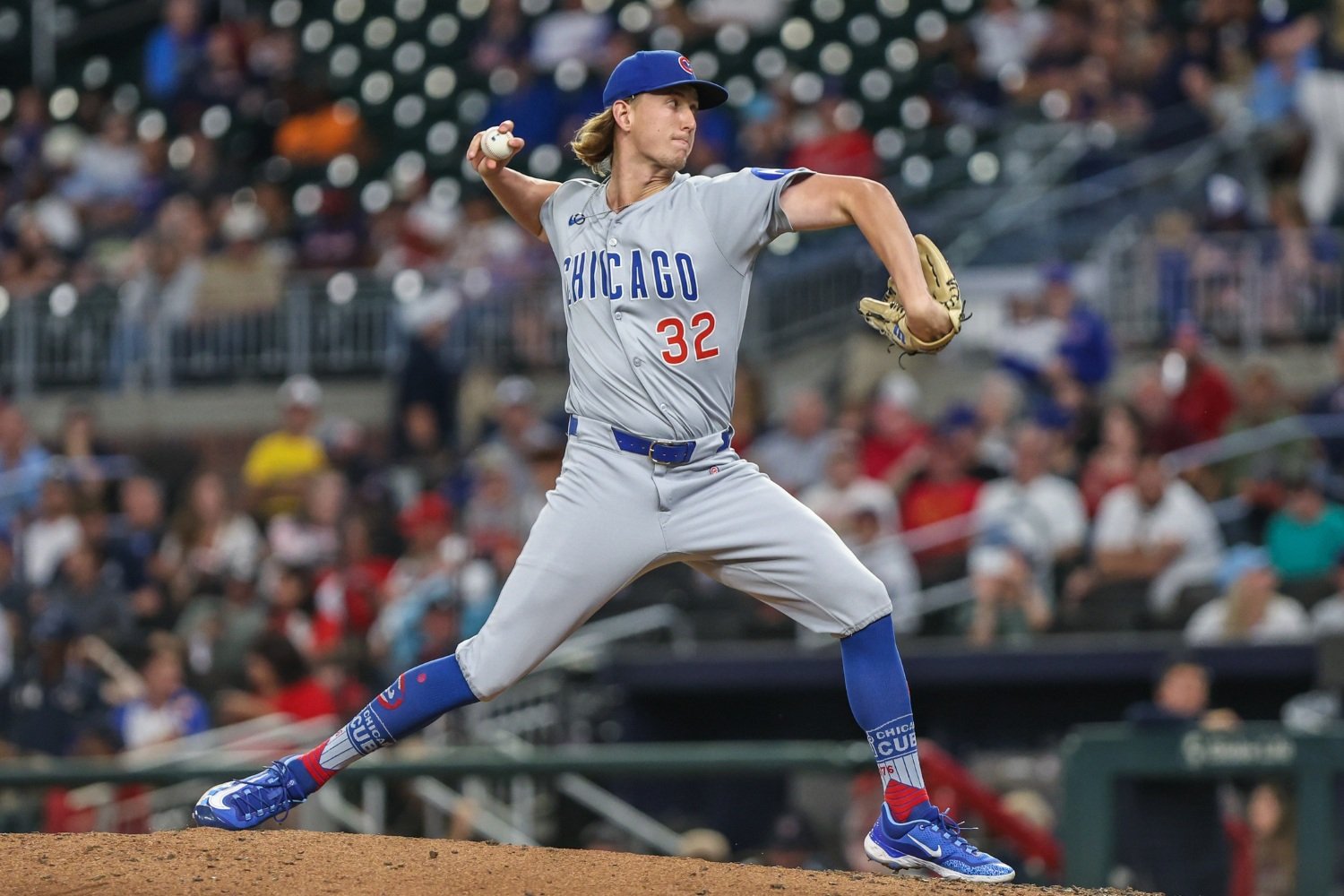 Ben Brown doesn't lack confidence. The tweaks he made this winter changed the righty's profile as a pitcher, and he firmly believes that he's tapped into the fullness of his potential for the first time. "This is the best I have ever http://been," Brown told 104.3 The Score's Bruce Levine earlier this month. "It should be clear to anyone [who] has watched me. So regardless of anyone’s opinion of me, it shouldn’t change how I feel about myself.” That comment spoke to Brown's fierce desire to be part of the big-league team as they head north this week, and on Monday, that wish was fulfilled. The Cubs optioned Javier Assad to Triple-A Iowa, shortly after having reassigned Corbin Martin and Collin Snider to minor-league camp. Brown has made the Opening Day roster, as the team's second long reliever. He and Colin Rea will be the team's fallback starter options, as well as going multiple innings at a time out of the bullpen when needed. Assad will be assigned what would have been the alternative role available to Brown, serving as a starter in Iowa and staying ready for an injury that might shelve one of the team's top five starters. Brown's sinker garnered lots of attention right from the start of camp this year, and it seems to have transformed his game in an interesting way. More important than the addition of the sinker, though, is the fact that his fastball has sat at 97 MPH this spring, after averaging under 96 MPH last season. His heater works so much better at the higher end of his velocity range than at the lower end that seeing his velocity tick up carries more weight than it would for a typical pitcher. That's borne out by the results he's achieved this spring, despite what seems like a degradation in shape on the four-seamer that has diminished his grades within some stuff models. Here's a comparison of his stuff from 2025 to what he's shown this spring, in a vacuum. Interestingly, in studying video, Brown doesn't seem to have lowered his arm slot this year, which makes it somewhat difficult to explain the loss of carry on his four-seamer and the decreased depth on his knuckle-curve. With the sinker in the mix, though, the four-seamer is running less to his arm side, so there's more consistency in his shape. Brown appears to be less focused on maximizing extension and getting down the mound this year, having exchanged some of that intensity of movement for better posture at release. That's led to better command and the newfound ability to differentiate the sinker from the four-seamer. As a result, while each pitch might grade worse in certain computer models, Brown is missing more bats this spring. The difference lies as much in the variability in locations he can reach with his altered arsenal as in the sheer power or intensity of his stuff. Here's where he located each of his pitches against both lefties and righties in 2025. Here's where he's located his pitches this spring. That he's locating the four-seamer higher than he did last year (to both lefties and righties) only makes it an even more intriguing mystery that he's getting less carry, because on average, the higher a pitcher's target, the higher their induced vertical break will be. However, it also underscores that Brown's change in posture and mechanical efficiency increases his ability to hit specific targets, and the introduction of the sinker creates a whole different look for right-handed batters than he offered last season. This is the best version of Brown—not just (or even mainly) because of the new pitch, but because he's throwing harder and locating better at the same time. He did that all spring while stretching out with an eye toward starting, so if he can get the fastball to tick up still higher in relief—without giving back the improved control and execution—things can go another level higher. For now, the Cubs made the right choice, because Assad is the guy who needs to stay ready for a mid-season rotation assignment. Brown, if things go perfectly, should stay in the bullpen and continue to cultivate the improvements we glimpsed this year during Cactus League play.
 -
Image courtesy of © Sam Navarro-Imagn Images Signing relievers to multi-year deals is not typically part of the Cubs' team-building plan. Even a modest two-year commitment to Phil Maton this winter was a relatively significant investment, by Jed Hoyer's standards; he prefers to cobble together a relief corps without using up a meaningful share of his total resources. It might be worth making Daniel Palencia the exception to that rule. The Cubs' closer, 26, is still five years from reaching free agency based on service time. However, he'll reach arbitration eligibility next winter. He had 22 saves last year, and will probably save more games this season. The arbitration system infamously underpays middle relievers, but rewards those who rack up high saves totals. Palencia is in line, absent any change, to go through the arbitration process four times, and his salary will rise steeply because of his role. Instead of risking seeing him push toward an eight-figure salary by 2030 and being in a position where his earning power diminishes their interest in retaining him, the Cubs could lock Palencia up right now, to an exceptionally team-friendly deal. He only received a $10,000 signing bonus when he joined the Athletics organization in 2020. As a reliever, he has to reckon with the inherent volatility of his role, and unlike most big-leaguers, he's not set for life. A contract extension for Palencia wouldn't need to include massive guarantees. Instead, the Cubs could lock up Palencia for the balance of his five years of team control, and add one or two club options that would extend their control. The cost would be trivial, from the team's perspective. Here's one possible structure: 2026: $1 million + $2-million signing bonus 2027: $2.5 million 2028: $4 million 2029: $5.5 million 2030: $7 million 2031: $11 million - club option with $1-million buyout 2032: $12 million - club option with $2-million buyout This structure would guarantee Palencia $23 million, with the opportunity to earn as much as $45 million if the team options are exercised. It's not dissimilar from the deal to which Cleveland signed now-disgraced closer Emmanuel Clase in early 2022. That deal also included incentives, which Palencia's could, too, but he doesn't have quite as strong a track record as Clase had when he signed, and the Cubs have more leverage over Palencia (based on his age and amateur signing bonus) than the Guardians had with Clase, so the incentives could be muted. A deal like this would ensure that the Cubs don't end up owing huge money to Palencia in 2029 or 2030. It's not terribly uncommon for high-end relievers to reach eight figures in arbitration, especially if they become Super Two-eligible, as Palencia will next winter. Astros closer Josh Hader made over $25 million in his final two years of arbitration, alone, and got $4.1 million in his first year as a Super Two guy. Palencia, again, is not quite on Hader's level, but that illustrates how much a closer can rack up money via arbitration. The Cubs have every incentive to gain some cost certainty, given their lack of power arms waiting in the wings in the minors. Palencia, for his part, would have a hard time passing up over $20 million in guaranteed money, since he's one elbow surgery from ending up as a free agent next winter with less than $2 million in total career earnings. Although deals with Pete Crow-Armstrong, Nico Hoerner or others would be more impactful, the Cubs could secure Palencia's services pretty cheaply, and it could resolve some of their perennial uncertainty in the bullpen without eating into their ability to do anything else. The two sides should be talking, and try to hammer out a deal before Opening Day. View full article
-
Why the Cubs Should Sign Closer Daniel Palencia to a Contract Extension
Matthew Trueblood posted an article in Cubs
 Signing relievers to multi-year deals is not typically part of the Cubs' team-building plan. Even a modest two-year commitment to Phil Maton this winter was a relatively significant investment, by Jed Hoyer's standards; he prefers to cobble together a relief corps without using up a meaningful share of his total resources. It might be worth making Daniel Palencia the exception to that rule. The Cubs' closer, 26, is still five years from reaching free agency based on service time. However, he'll reach arbitration eligibility next winter. He had 22 saves last year, and will probably save more games this season. The arbitration system infamously underpays middle relievers, but rewards those who rack up high saves totals. Palencia is in line, absent any change, to go through the arbitration process four times, and his salary will rise steeply because of his role. Instead of risking seeing him push toward an eight-figure salary by 2030 and being in a position where his earning power diminishes their interest in retaining him, the Cubs could lock Palencia up right now, to an exceptionally team-friendly deal. He only received a $10,000 signing bonus when he joined the Athletics organization in 2020. As a reliever, he has to reckon with the inherent volatility of his role, and unlike most big-leaguers, he's not set for life. A contract extension for Palencia wouldn't need to include massive guarantees. Instead, the Cubs could lock up Palencia for the balance of his five years of team control, and add one or two club options that would extend their control. The cost would be trivial, from the team's perspective. Here's one possible structure: 2026: $1 million + $2-million signing bonus 2027: $2.5 million 2028: $4 million 2029: $5.5 million 2030: $7 million 2031: $11 million - club option with $1-million buyout 2032: $12 million - club option with $2-million buyout This structure would guarantee Palencia $23 million, with the opportunity to earn as much as $45 million if the team options are exercised. It's not dissimilar from the deal to which Cleveland signed now-disgraced closer Emmanuel Clase in early 2022. That deal also included incentives, which Palencia's could, too, but he doesn't have quite as strong a track record as Clase had when he signed, and the Cubs have more leverage over Palencia (based on his age and amateur signing bonus) than the Guardians had with Clase, so the incentives could be muted. A deal like this would ensure that the Cubs don't end up owing huge money to Palencia in 2029 or 2030. It's not terribly uncommon for high-end relievers to reach eight figures in arbitration, especially if they become Super Two-eligible, as Palencia will next winter. Astros closer Josh Hader made over $25 million in his final two years of arbitration, alone, and got $4.1 million in his first year as a Super Two guy. Palencia, again, is not quite on Hader's level, but that illustrates how much a closer can rack up money via arbitration. The Cubs have every incentive to gain some cost certainty, given their lack of power arms waiting in the wings in the minors. Palencia, for his part, would have a hard time passing up over $20 million in guaranteed money, since he's one elbow surgery from ending up as a free agent next winter with less than $2 million in total career earnings. Although deals with Pete Crow-Armstrong, Nico Hoerner or others would be more impactful, the Cubs could secure Palencia's services pretty cheaply, and it could resolve some of their perennial uncertainty in the bullpen without eating into their ability to do anything else. The two sides should be talking, and try to hammer out a deal before Opening Day.
 -
Image courtesy of © Mark J. Rebilas-Imagn Images In a perfect world, you could fly to the ballpark every day to watch your favorite team fire a perfect game against their chief rival. Your favorite pitcher would never give up a hit or a run, and you'd win every game by 18 runs. But that would be dreadfully boring, after no more than a week. I even think you'd get sick of flying. Gravity defines us as a species. So does adversity. Without pressure and difficulty, there would be no gratification in the grace and victory that make sports fun. Shota Imanaga is perfect, for this blessedly imperfect world. He's a fierce, intelligent, crafty competitor on the mound, but he never invites you to forget that baseball is difficult. He doesn't throw that hard. He gives up home runs in bunches at times. Last season, he struggled mightily down the stretch and was virtually unpitchable in the Division Series against the Brewers. He's back for 2026, but the Cubs (wisely) ensured that he would be no more than their fourth starter heading into the year. The Cactus League season has been no kinder to Imanaga, results-wise, than was the end of 2025. He racked up eight strikeouts against the Angels on Tuesday, but even that was no spotless outing. For the spring, he has a 4.85 ERA. He's given up five home runs, and though he's only walked one batter, the biggest worry for most Cubs fans—that opponents will tee off on Imanaga in a way that constantly seems to confirm supporters' secret dread that he's been figured out—has not been assuaged at all. To those fans most in crisis, I offer this consolation: Imanaga has some tricks up his sleeve. As has already been thoroughly documented here (and elsewhere), Imanaga is throwing harder this spring. That matters. As much as velocity has become overrated in the modern game, it's inarguably important, and Imanaga's heater is humming in at 92.5 MPH this spring. That's up by almost 2 MPH from last year, when it was clear (especially after the All-Star break) that he never really got right in the wake of an early-May hamstring strain. He's retained the ride on his heater, too, which is as important to his overall effectiveness as the sheer speed. Imanaga has also made a small but significant change in his starting point on the mound this spring. Last year, he worked from the far first-base edge of the rubber. That was designed to maximize the deceptiveness of his funky delivery, especially by making his splitter as it first began to diverge from his four-seam heater. However, that didn't always work, and it came with some negative side effects, anyway. Imanaga has great command, but for any pitcher with natural arm-side run on the fastball, the danger of starting on the arm side of the rubber is that the ball will too often run off the plate. Uk9HUjNfWGw0TUFRPT1fQmdGUlV3Y0hCUW9BV1ZJSEFnQUhWUTVTQUZnRVVsVUFBQWRVQWdFRFVBQmRBUXNG.mp4 The solution to that issue is as simple as you'd guess it is. This spring, Imanaga has moved to the middle of the rubber, as you can see clearly in this (otherwise grainy) screenshot from Tuesday's appearance. A good pitcher like Imanaga can manipulate their arm to get the ball where it needs to go from almost anywhere on the rubber, but there's a limit on how much of that manipulation one generally wants to do. The more you alter your delivery or force the ball to a given spot, the less widely you can vary your shapes and locations without giving yourself away. Instead of trying to stay where he was and change how he pitches, therefore, Imanaga moved to the center of the mound, where his stuff can play more naturally to all the places where he needs it to go. This is also going to benefit him in generating deception against right-handed batters. Compare these two 3-D animations of the trajectories of Imanaga's pitches, from the approximate vantage point of identical right-handed batters. The top image is from his appearance against Milwaukee last October; the bottom one is from Tuesday. Moving over makes it look less like the fastball in is coming right at the righty batter, but that's not a pitch Imanaga leans on, anyway. For the heater away, up or down, being closer to the center line of the lane from the plate to the mound creates more deception. The splitter plays off his fastball better, and his curveball can play to righties a bit, which it has rarely done during his time in the States. Imanaga still might run into homer trouble once the regular season begins. This adjustment isn't guaranteed to fix that issue, and in fact, the increased velocity is more important to that project, in terms of pitch shape and forcing less aggressive swings. However, another important goal is to minimize walks and avoid getting into unduly hitter-friendly counts. This move on the mound should help with that, and with getting some of the chases that Imanaga struggled to induce late in 2025. View full article
-
 In a perfect world, you could fly to the ballpark every day to watch your favorite team fire a perfect game against their chief rival. Your favorite pitcher would never give up a hit or a run, and you'd win every game by 18 runs. But that would be dreadfully boring, after no more than a week. I even think you'd get sick of flying. Gravity defines us as a species. So does adversity. Without pressure and difficulty, there would be no gratification in the grace and victory that make sports fun. Shota Imanaga is perfect, for this blessedly imperfect world. He's a fierce, intelligent, crafty competitor on the mound, but he never invites you to forget that baseball is difficult. He doesn't throw that hard. He gives up home runs in bunches at times. Last season, he struggled mightily down the stretch and was virtually unpitchable in the Division Series against the Brewers. He's back for 2026, but the Cubs (wisely) ensured that he would be no more than their fourth starter heading into the year. The Cactus League season has been no kinder to Imanaga, results-wise, than was the end of 2025. He racked up eight strikeouts against the Angels on Tuesday, but even that was no spotless outing. For the spring, he has a 4.85 ERA. He's given up five home runs, and though he's only walked one batter, the biggest worry for most Cubs fans—that opponents will tee off on Imanaga in a way that constantly seems to confirm supporters' secret dread that he's been figured out—has not been assuaged at all. To those fans most in crisis, I offer this consolation: Imanaga has some tricks up his sleeve. As has already been thoroughly documented here (and elsewhere), Imanaga is throwing harder this spring. That matters. As much as velocity has become overrated in the modern game, it's inarguably important, and Imanaga's heater is humming in at 92.5 MPH this spring. That's up by almost 2 MPH from last year, when it was clear (especially after the All-Star break) that he never really got right in the wake of an early-May hamstring strain. He's retained the ride on his heater, too, which is as important to his overall effectiveness as the sheer speed. Imanaga has also made a small but significant change in his starting point on the mound this spring. Last year, he worked from the far first-base edge of the rubber. That was designed to maximize the deceptiveness of his funky delivery, especially by making his splitter as it first began to diverge from his four-seam heater. However, that didn't always work, and it came with some negative side effects, anyway. Imanaga has great command, but for any pitcher with natural arm-side run on the fastball, the danger of starting on the arm side of the rubber is that the ball will too often run off the plate. Uk9HUjNfWGw0TUFRPT1fQmdGUlV3Y0hCUW9BV1ZJSEFnQUhWUTVTQUZnRVVsVUFBQWRVQWdFRFVBQmRBUXNG.mp4 The solution to that issue is as simple as you'd guess it is. This spring, Imanaga has moved to the middle of the rubber, as you can see clearly in this (otherwise grainy) screenshot from Tuesday's appearance. A good pitcher like Imanaga can manipulate their arm to get the ball where it needs to go from almost anywhere on the rubber, but there's a limit on how much of that manipulation one generally wants to do. The more you alter your delivery or force the ball to a given spot, the less widely you can vary your shapes and locations without giving yourself away. Instead of trying to stay where he was and change how he pitches, therefore, Imanaga moved to the center of the mound, where his stuff can play more naturally to all the places where he needs it to go. This is also going to benefit him in generating deception against right-handed batters. Compare these two 3-D animations of the trajectories of Imanaga's pitches, from the approximate vantage point of identical right-handed batters. The top image is from his appearance against Milwaukee last October; the bottom one is from Tuesday. Moving over makes it look less like the fastball in is coming right at the righty batter, but that's not a pitch Imanaga leans on, anyway. For the heater away, up or down, being closer to the center line of the lane from the plate to the mound creates more deception. The splitter plays off his fastball better, and his curveball can play to righties a bit, which it has rarely done during his time in the States. Imanaga still might run into homer trouble once the regular season begins. This adjustment isn't guaranteed to fix that issue, and in fact, the increased velocity is more important to that project, in terms of pitch shape and forcing less aggressive swings. However, another important goal is to minimize walks and avoid getting into unduly hitter-friendly counts. This move on the mound should help with that, and with getting some of the chases that Imanaga struggled to induce late in 2025.
 -
 Seiya Suzuki suffered a sprain of the posterior cruciate ligament in his right knee, the Cubs announced this week. It's not great news, in that Suzuki has a tangible injury that will require recovery and a slight reset of his preparation for the regular season, but the diagnosis could be far worse. A sprained PCL is usually a fairly minor injury in a baseball player; the severe form of the injury usually involves a traumatic collision, like an awkward tackle on the football field. Kyle Schwarber tore both his ACL and his PCL in 2016, as fans might remember, but that was because he and Dexter Fowler collided so brutally in the outfield at Chase Field in Arizona. Suzuki suffered no such incident, and his sprain is considered mild. Before delving deeper into the prognosis for a player dealing with a PCL sprain, we should pause to make a clarification, because the Cubs ended up having to do the same on Tuesday. Initially, Suzuki's injury was reported as a strain of the PCL, which left anyone with substantial familiarity with sports medicine a bit confused. Sprains and strains are similar, but they're different. A strain is a stretching or tearing of either muscles or tendons—the latter being, as you might remember from high-school biology, the tissues that connect bones to muscles. Sprains, by contrast, are exclusive to ligaments, which connect bones to other bones and are the most important tissues in stabilizing joints. Because of their respective jobs, ligaments are a bit more likely to be stretched (and thus sprained) than tendons are to be strained. Any sudden roll or twist of your shoulder, ankle, elbow, wrist or knee is liable to produce a mild sprain of a ligament, and those can cause discomfort, lost range of motion, or weakness in the joint. Because they exist to absorb those stresses and keep joints functioning, though, ligaments handle mild sprains well, and recovery can be quick. By contrast, a strain of a tendon usually signifies a somewhat less natural or frequent movement. They're more likely to be overuse injuries. Muscle strains, of course, range from micro-tearing that merely allows our tissues to grow and strengthen to full ruptures, but they reflect the pushing of that muscle to a point of failure, whether through repetitive stress or an especially acute exertion of an unready tissue. No sports fans have been led into a deeper forest of confusion about these related injury types more than baseball lovers, because of the nature of elbow injuries in pitchers. The most infamous elbow injury is the torn ulnar collateral ligament, which you might think would begin as a sprain. Sometimes, it does. However, diagnoses of elbow sprains are relatively rare, compared to diagnoses of strains of the flexor tendon in the forearm or the muscles of the forearm or the biceps. Often, before a pitcher's UCL gives way, they're diagnosed with a strain, so when the UCL then tears and they undergo Tommy John surgery, 'strain' is still in the air around them. Fans attach that term to the injury that sent them to the surgeon's slab. In reality, because the combined forces applied to the arm throughout the pitching motion are so violent, most pitchers pitch with a sprained (frayed or stretched) UCL much of the time. Sometimes, it's the point at which the muscles and tendons around the ligament can no longer absorb the excess force when the UCL finally tears. What does all of this mean for Suzuki? Well, partially, it's just a good opportunity to clarify the terminology of injuries, There's certainly a real set of implications, though. It's a good thing that Suzuki doesn't have a strained hamstring or quad, or even damage to a tendon or the meniscus in his knee. A PCL sprain, in particular, is relatively easy to recover from for a rotational athlete like Suzuki. You'd rather have him dealing with this than with a muscle strain, and you'd rather it be the PCL (in the back of the knee) than the MCL or ACL. I combed through Baseball Prospectus's Recovery Dashboard to create a useful guide by which we can estimate when Suzuki will return to play. The dashboard allows you to isolate injuries to the knee and to search the keyword "sprain", but that still leaves a bit of pruning to do. I cut out players who suffered their injuries in September, October, or over the offseason; those muddy any understanding of real recovery time. I went through and, where possible, removed players who turned out to have full tears of their ligaments after initially being diagnosed with a sprain. (That happened, for instance, with Dexter Fowler in 2021.) I also removed players I could verify were dealing with ACL or MCL injuries, leaving all cases of PCL trouble and the ones that were never publicly specified that well. Finally, I took catchers out of the sample. Any catcher dealing with a knee issue has a different checklist for returning to play than do other players, especially outfielder/designated hitter types like Suzuki. Here are the relevant comps I was left with, going back to the start of the 2021 season. Obviously, every injury is unique, just as every human body is. It would be foolish to overfit this data onto Suzuki's experience. (It also feels like something bigger was going on with Richie Palacios, doesn't it? If you strip out his tragic experience with this injury, the median and mean tighten even more, to 21 and 23 days, respectively.) However, these are fairly direct comps to Suzuki, and they tell a pretty clear story. Suzuki got hurt on March 14. We should expect him to miss anywhere from 3 weeks to a month of action, and since the team is pushing a fairly optimistic tone, we can aim for the early end of that window. Suzuki probably won't be ready for Opening Day, but he could be back in the lineup as soon as the second week of April, without having obviously rushed anything. It feels like a good bet that he'll be the DH for a bit as he returns, though. He'll be able to get back into the lineup faster if he doesn't push himself to be ready to play right field regularly before doing so. Besides, Michael Conforto looks likely to make the team, so he can play right field while Suzuki is unavailable. If Suzuki does come back primarily as a DH, it will cramp the Cubs' style a bit when it comes to Moisés Ballesteros. This injury might end up nudging Ballesteros to Triple-A Iowa to begin the season, where he can soak up reps as a catcher and prepare to play that role for the parent club either later in this season or in ones to come. In the meantime, the Opening Day roster could include Conforto, the winner of the Dylan Carlson-Chas McCormick battle, and even Kevin Alcántara. When Suzuki returns, Alcántara could go back to Iowa, and once Suzuki is ready to resume active duty in the outfield, the team could jettison either Conforto or the Carlson/McCormick victor, calling up Ballesteros. That arrangement would come with an ancillary benefit for the Cubs. If Ballesteros spends about 45 days in the minors this year, he'll come up short of a full year of service time by the end of the season, and the team will retain control of his services for 2033. It sounds like a small thing, but an extra year of team control is always a serious consideration for a team handling a top prospect. Suzuki won't be out an especially long time. It's just a sprain, and a mild one. His trajectory for the first six weeks of the season has been altered, though, and so might the Cubs' roster plans be.
 -
Image courtesy of © Sam Navarro-Imagn Images Seiya Suzuki suffered a sprain of the posterior cruciate ligament in his right knee, the Cubs announced this week. It's not great news, in that Suzuki has a tangible injury that will require recovery and a slight reset of his preparation for the regular season, but the diagnosis could be far worse. A sprained PCL is usually a fairly minor injury in a baseball player; the severe form of the injury usually involves a traumatic collision, like an awkward tackle on the football field. Kyle Schwarber tore both his ACL and his PCL in 2016, as fans might remember, but that was because he and Dexter Fowler collided so brutally in the outfield at Chase Field in Arizona. Suzuki suffered no such incident, and his sprain is considered mild. Before delving deeper into the prognosis for a player dealing with a PCL sprain, we should pause to make a clarification, because the Cubs ended up having to do the same on Tuesday. Initially, Suzuki's injury was reported as a strain of the PCL, which left anyone with substantial familiarity with sports medicine a bit confused. Sprains and strains are similar, but they're different. A strain is a stretching or tearing of either muscles or tendons—the latter being, as you might remember from high-school biology, the tissues that connect bones to muscles. Sprains, by contrast, are exclusive to ligaments, which connect bones to other bones and are the most important tissues in stabilizing joints. Because of their respective jobs, ligaments are a bit more likely to be stretched (and thus sprained) than tendons are to be strained. Any sudden roll or twist of your shoulder, ankle, elbow, wrist or knee is liable to produce a mild sprain of a ligament, and those can cause discomfort, lost range of motion, or weakness in the joint. Because they exist to absorb those stresses and keep joints functioning, though, ligaments handle mild sprains well, and recovery can be quick. By contrast, a strain of a tendon usually signifies a somewhat less natural or frequent movement. They're more likely to be overuse injuries. Muscle strains, of course, range from micro-tearing that merely allows our tissues to grow and strengthen to full ruptures, but they reflect the pushing of that muscle to a point of failure, whether through repetitive stress or an especially acute exertion of an unready tissue. No sports fans have been led into a deeper forest of confusion about these related injury types more than baseball lovers, because of the nature of elbow injuries in pitchers. The most infamous elbow injury is the torn ulnar collateral ligament, which you might think would begin as a sprain. Sometimes, it does. However, diagnoses of elbow sprains are relatively rare, compared to diagnoses of strains of the flexor tendon in the forearm or the muscles of the forearm or the biceps. Often, before a pitcher's UCL gives way, they're diagnosed with a strain, so when the UCL then tears and they undergo Tommy John surgery, 'strain' is still in the air around them. Fans attach that term to the injury that sent them to the surgeon's slab. In reality, because the combined forces applied to the arm throughout the pitching motion are so violent, most pitchers pitch with a sprained (frayed or stretched) UCL much of the time. Sometimes, it's the point at which the muscles and tendons around the ligament can no longer absorb the excess force when the UCL finally tears. What does all of this mean for Suzuki? Well, partially, it's just a good opportunity to clarify the terminology of injuries, There's certainly a real set of implications, though. It's a good thing that Suzuki doesn't have a strained hamstring or quad, or even damage to a tendon or the meniscus in his knee. A PCL sprain, in particular, is relatively easy to recover from for a rotational athlete like Suzuki. You'd rather have him dealing with this than with a muscle strain, and you'd rather it be the PCL (in the back of the knee) than the MCL or ACL. I combed through Baseball Prospectus's Recovery Dashboard to create a useful guide by which we can estimate when Suzuki will return to play. The dashboard allows you to isolate injuries to the knee and to search the keyword "sprain", but that still leaves a bit of pruning to do. I cut out players who suffered their injuries in September, October, or over the offseason; those muddy any understanding of real recovery time. I went through and, where possible, removed players who turned out to have full tears of their ligaments after initially being diagnosed with a sprain. (That happened, for instance, with Dexter Fowler in 2021.) I also removed players I could verify were dealing with ACL or MCL injuries, leaving all cases of PCL trouble and the ones that were never publicly specified that well. Finally, I took catchers out of the sample. Any catcher dealing with a knee issue has a different checklist for returning to play than do other players, especially outfielder/designated hitter types like Suzuki. Here are the relevant comps I was left with, going back to the start of the 2021 season. Obviously, every injury is unique, just as every human body is. It would be foolish to overfit this data onto Suzuki's experience. (It also feels like something bigger was going on with Richie Palacios, doesn't it? If you strip out his tragic experience with this injury, the median and mean tighten even more, to 21 and 23 days, respectively.) However, these are fairly direct comps to Suzuki, and they tell a pretty clear story. Suzuki got hurt on March 14. We should expect him to miss anywhere from 3 weeks to a month of action, and since the team is pushing a fairly optimistic tone, we can aim for the early end of that window. Suzuki probably won't be ready for Opening Day, but he could be back in the lineup as soon as the second week of April, without having obviously rushed anything. It feels like a good bet that he'll be the DH for a bit as he returns, though. He'll be able to get back into the lineup faster if he doesn't push himself to be ready to play right field regularly before doing so. Besides, Michael Conforto looks likely to make the team, so he can play right field while Suzuki is unavailable. If Suzuki does come back primarily as a DH, it will cramp the Cubs' style a bit when it comes to Moisés Ballesteros. This injury might end up nudging Ballesteros to Triple-A Iowa to begin the season, where he can soak up reps as a catcher and prepare to play that role for the parent club either later in this season or in ones to come. In the meantime, the Opening Day roster could include Conforto, the winner of the Dylan Carlson-Chas McCormick battle, and even Kevin Alcántara. When Suzuki returns, Alcántara could go back to Iowa, and once Suzuki is ready to resume active duty in the outfield, the team could jettison either Conforto or the Carlson/McCormick victor, calling up Ballesteros. That arrangement would come with an ancillary benefit for the Cubs. If Ballesteros spends about 45 days in the minors this year, he'll come up short of a full year of service time by the end of the season, and the team will retain control of his services for 2033. It sounds like a small thing, but an extra year of team control is always a serious consideration for a team handling a top prospect. Suzuki won't be out an especially long time. It's just a sprain, and a mild one. His trajectory for the first six weeks of the season has been altered, though, and so might the Cubs' roster plans be. View full article
-
Image courtesy of © David Banks-Imagn Images No pitcher in baseball last season produced as much horizontal separation between their four-seam fastball and their changeup as did Cubs righthander Cade Horton. What he calls a four-seamer (but which, in fairness, Pitch Info tags as a hard cutter) is a pitch with an extreme amount of relative cut for a fastball, which is part of the equation. Still, the 13.1 inches of difference between the lateral movement of his fastball and his offspeed pitch paced the league. In fact, only a handful of pitchers even come close. Freddy Peralta (then of the Brewers, now of the Mets) achieves a solid foot of separation, thanks to a much lower arm slot than Horton's and the ability to generate more sheer run on the changeup. That has led Peralta, who functionally lacked a changeup until 2021, to use the pitch more each season since, until it became his most reliable complement for the fastball last year. There's a simple reason for that: a changeup that can even vaguely mimic the fastball out of the hand but move that much is bound to end up generating lots of whiffs, and lots of weak contact even when the batter connects. That's why, as his rookie campaign unfolded, Horton, too, went to his change more and more often. By season's end, over 47% of swings against it had resulted in whiffs. Like Peralta, Horton was late in developing the changeup. When he entered pro ball, the headliners were his fastball and his slider, with a sharp curveball coming along for the ride. He's tightened his command and comprehension of each of those pitches, but it's the changeup that has transformed him. As he prepares for his first full season in the majors, he's a dark-horse candidate for the NL Cy Young Award, for the same reason why Paul Skenes exploded into that caliber of pitcher sooner and more completely than pundits predicted: because great players find unexpected ways to improve. Skenes added a splinker that changed his scouting report for the better, even after being the first overall pick in 2023. Because of injuries (and a bit less raw talent), it took longer for Horton to unlock his game-changing new weapon, but his changeup is just that. Yankees lefty Max Fried does technically have more separation between his changeup and his primary fastball (a cutter, and more of a true cutter than Horton's, with less ride on it) than does Horton. He has an even deeper arsenal than Horton's burgeoning five-pitch mix, too. Horton, however, uses his change much more than Fried does, akin to the amount that Peralta uses it. After he laid waste to the Guardians with the pitch in his penultimate spring tuneup Monday night, we might see his reliance on that offering rise even more this year. Note, too, that Horton's so-called four-seamer is two miles per hour harder than Fried's cutter, so hitters have less time to react to the gulf between his heater and his changeup than they do with Fried. More similar in their relative usages and plans are Horton and Twins righty David Festa, who operates with a higher-carry four-seamer but gets lots of depth on the change. Festa's ability to do that, though, reflects the motor preference of his arm, which generates so much arm-side movement and allows him to command a two-seamer but doesn't allow him to move the ball to the glove side very much. Horton, more like Fried and Peralta, can move the ball all the way from east to west. Unlike Peralta, though, he does it from a high arm slot where the horizontal movement on both his sweeper/slider and his changeup surprise the batter more, and unlike Fried, he has two-plane separation between his heater and his changeup, because he gets more carry on his fastball than Fried does on his cutter. In short, Horton's changeup has turned him into a unicorn. He won't strike out 10 batters very often, because his stuff is geared more toward outs than toward whiffs. He's still unlikely to win the Cy Young Award this year; Skenes and Logan Webb are early favorites. However, this development—this ability to make the last pitch he brought along (save his little-used sinker) his best one, even though it works opposite the movement pattern that comes most naturally to him—has unlocked the next level of success for him. Don't be surprised if Horton is the Cubs' ace this season, letting his former fourth pitch emerge as his signature weapon. View full article
-
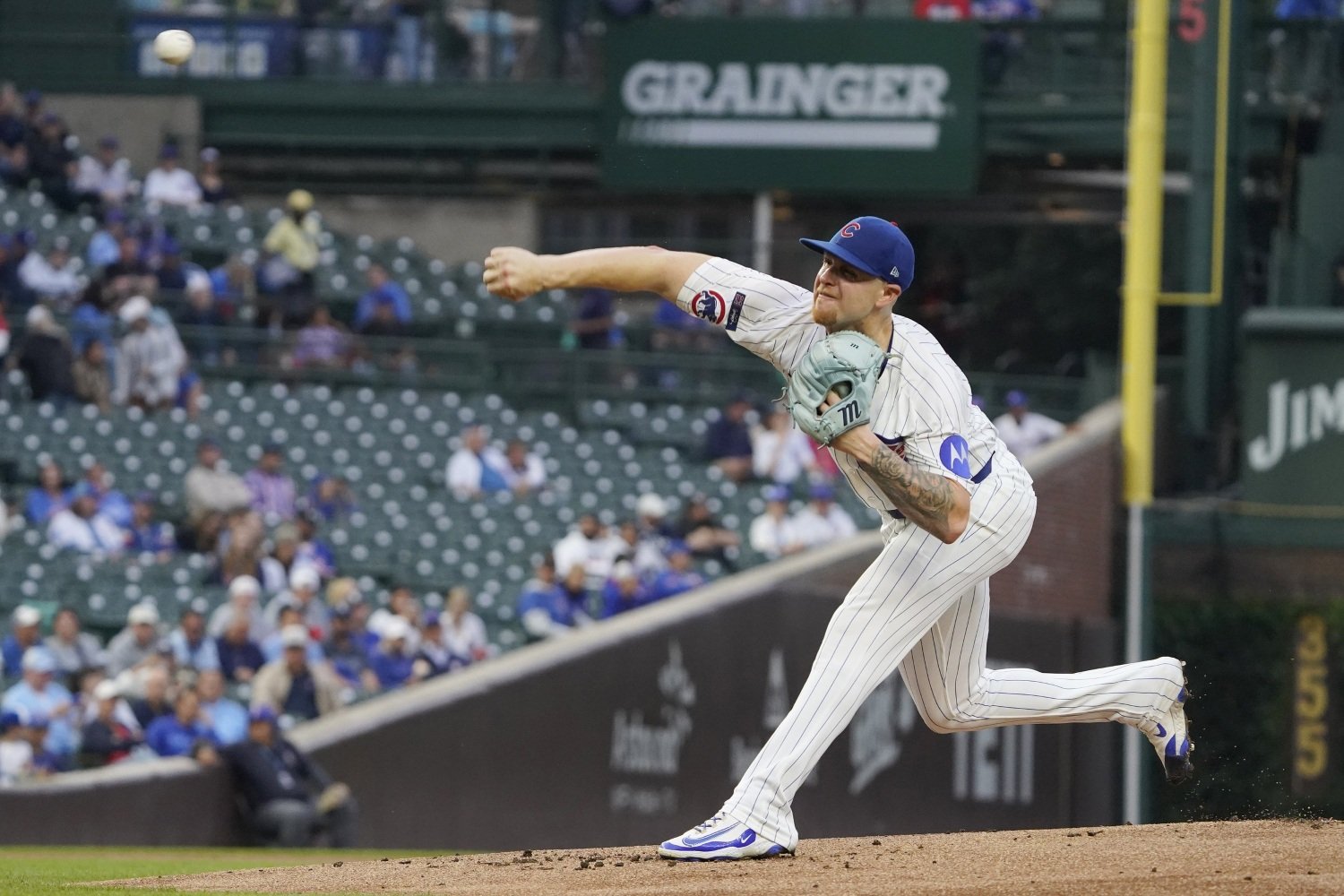 No pitcher in baseball last season produced as much horizontal separation between their four-seam fastball and their changeup as did Cubs righthander Cade Horton. What he calls a four-seamer (but which, in fairness, Pitch Info tags as a hard cutter) is a pitch with an extreme amount of relative cut for a fastball, which is part of the equation. Still, the 13.1 inches of difference between the lateral movement of his fastball and his offspeed pitch paced the league. In fact, only a handful of pitchers even come close. Freddy Peralta (then of the Brewers, now of the Mets) achieves a solid foot of separation, thanks to a much lower arm slot than Horton's and the ability to generate more sheer run on the changeup. That has led Peralta, who functionally lacked a changeup until 2021, to use the pitch more each season since, until it became his most reliable complement for the fastball last year. There's a simple reason for that: a changeup that can even vaguely mimic the fastball out of the hand but move that much is bound to end up generating lots of whiffs, and lots of weak contact even when the batter connects. That's why, as his rookie campaign unfolded, Horton, too, went to his change more and more often. By season's end, over 47% of swings against it had resulted in whiffs. Like Peralta, Horton was late in developing the changeup. When he entered pro ball, the headliners were his fastball and his slider, with a sharp curveball coming along for the ride. He's tightened his command and comprehension of each of those pitches, but it's the changeup that has transformed him. As he prepares for his first full season in the majors, he's a dark-horse candidate for the NL Cy Young Award, for the same reason why Paul Skenes exploded into that caliber of pitcher sooner and more completely than pundits predicted: because great players find unexpected ways to improve. Skenes added a splinker that changed his scouting report for the better, even after being the first overall pick in 2023. Because of injuries (and a bit less raw talent), it took longer for Horton to unlock his game-changing new weapon, but his changeup is just that. Yankees lefty Max Fried does technically have more separation between his changeup and his primary fastball (a cutter, and more of a true cutter than Horton's, with less ride on it) than does Horton. He has an even deeper arsenal than Horton's burgeoning five-pitch mix, too. Horton, however, uses his change much more than Fried does, akin to the amount that Peralta uses it. After he laid waste to the Guardians with the pitch in his penultimate spring tuneup Monday night, we might see his reliance on that offering rise even more this year. Note, too, that Horton's so-called four-seamer is two miles per hour harder than Fried's cutter, so hitters have less time to react to the gulf between his heater and his changeup than they do with Fried. More similar in their relative usages and plans are Horton and Twins righty David Festa, who operates with a higher-carry four-seamer but gets lots of depth on the change. Festa's ability to do that, though, reflects the motor preference of his arm, which generates so much arm-side movement and allows him to command a two-seamer but doesn't allow him to move the ball to the glove side very much. Horton, more like Fried and Peralta, can move the ball all the way from east to west. Unlike Peralta, though, he does it from a high arm slot where the horizontal movement on both his sweeper/slider and his changeup surprise the batter more, and unlike Fried, he has two-plane separation between his heater and his changeup, because he gets more carry on his fastball than Fried does on his cutter. In short, Horton's changeup has turned him into a unicorn. He won't strike out 10 batters very often, because his stuff is geared more toward outs than toward whiffs. He's still unlikely to win the Cy Young Award this year; Skenes and Logan Webb are early favorites. However, this development—this ability to make the last pitch he brought along (save his little-used sinker) his best one, even though it works opposite the movement pattern that comes most naturally to him—has unlocked the next level of success for him. Don't be surprised if Horton is the Cubs' ace this season, letting his former fourth pitch emerge as his signature weapon.
 -
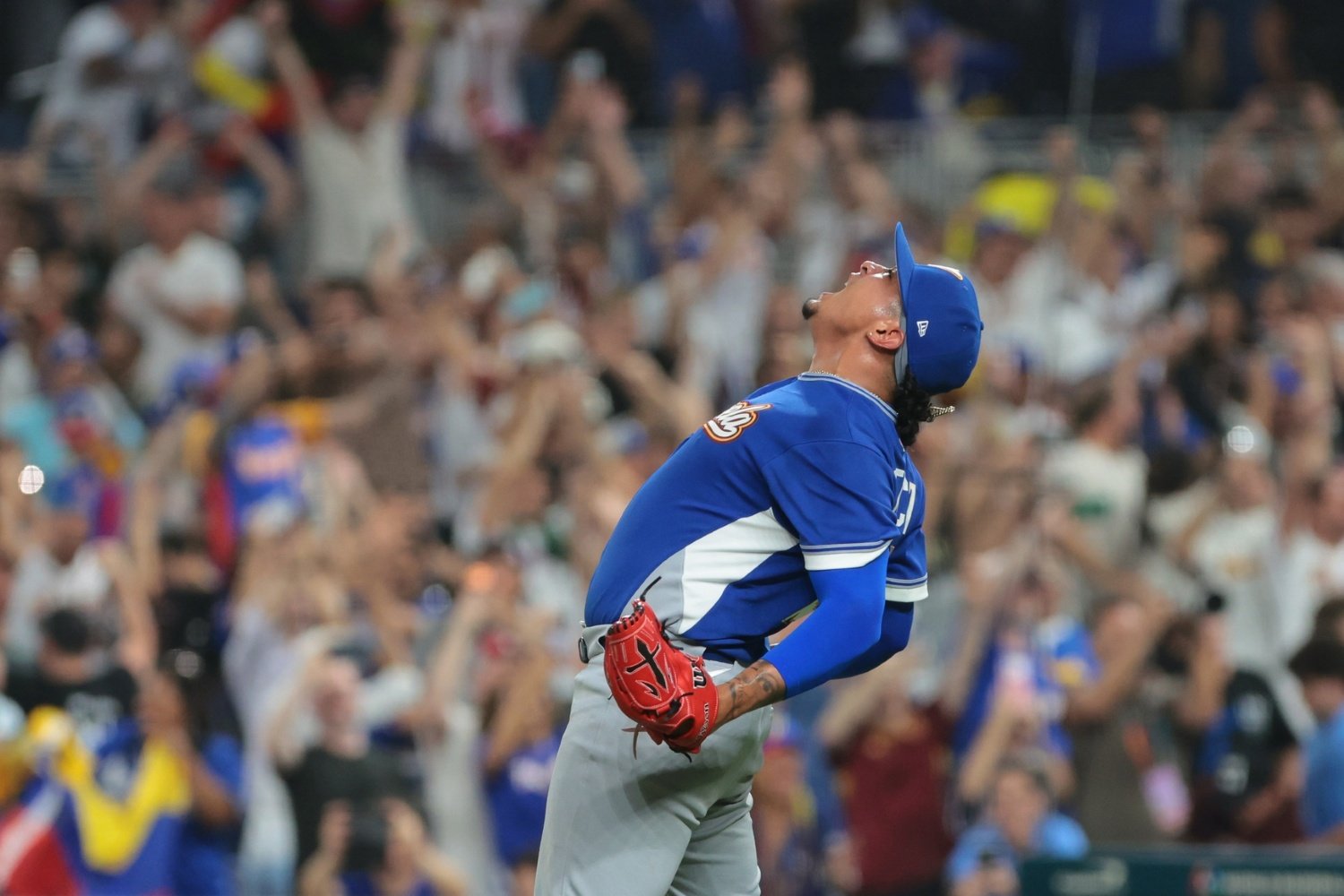 Daniel Palencia has pitched seven scoreless innings this spring. The first three were virtually meaningless Cactus League warmups. The last four have been some of the biggest games of his life, serving as the closer for Team Venezuela in its first-ever run to the finals of the World Baseball Classic. He closed down wins for his country in both the quarterfinals against Japan on Saturday and the semifinals against Italy on Monday. Now, there's a tough question at hand. Relievers don't work three times in four days during March. That simply doesn't happen. It's not even something rubber-armed guys do to get ready for that pattern when it arises during the regular season; it's viewed as a greater risk than it's worth. However, Palencia has pitched twice in the last three days, including Monday night. If Venezuela has a late lead it needs to protect, will he be available to pitch? The answer isn't clear. Team USA closer Mason Miller is in a similar situation, having pitched both Thursday and Saturday, but he has an extra day of rest in his would-be three-appearance window—and still, neither he nor the team is yet committing to him being able to go. Miller did need a combined 40 pitches to get through his outings Thursday and Saturday, though. Palencia has yet to throw more than 17 pitches in a WBC game, and only needed 13 and 15 to mow down Japan and Italy, respectively. With hard throwers, in particular, a heavy early workload feels risky. There's no getting around the fact that Cubs fans have divided allegiances, because for many of them, the top priority is having Palencia healthy for the full regular season and (they hope) postseason ahead. Indeed, realistically, that's the nature of the relationship between MLB and international baseball right now: the latter is subservient to the former. Major League Baseball puts on the WBC; the event has little hope of real independence from the league. In my opinion, though, if the right moment comes, Palencia has to be on that mound. The Cubs should contact Venezuelan manager Omar López expressly to tell him that he has their blessing to go to his closer. This could easily be the biggest baseball moment of Palencia's life—even bigger than winning a World Series in the States. He deserves the opportunity, and international baseball needs that boost in legitimacy. Players take extended breaks from the top soccer clubs in the world several times each season to reunite with their national teams for various competitions and qualifiers. Sometimes, guys get hurt during international duty, as happened to Seiya Suzuki in the quarterfinals of the WBC. Other times, when a player needed a true break, playing for their country further wears them out instead, and they need to be lightly used for a period after returning from abroad. It's never fun when these things happen, but there's little expectation from fans that clubs will exercise power over the player or some national federation to prevent them from playing. That's the culture we need to pursue with baseball. If players want to play winter ball in Australia or in the Caribbean, they shouldn't need their MLB team's permission. When players join their national teams for the WBC or the Olympics, they shouldn't be constrained in usage by the dictates of their home club. We can move forward, toward a less MLB-centric baseball world. It can be a more vibrant world, and a more immersive one. Injury risk is a part of the game, but it should be a shared burden, and letting players and lesser leagues have more power to decide when and how players are used would do that—while also fostering the growth of shared benefits, like a game with greater global popularity and a more year-round calendar. It's clear that pitching for Venezuela is important to Palencia. He looks strong. He's been efficient. He has a chance to create the memory of a lifetime Tuesday night, if the right situation arises. If that happens, López should give him that chance, and the Cubs and their fans should be rooting unreservedly for a showdown between Palencia and Alex Bregman or Pete Crow-Armstrong with everything on the line.