Matthew Trueblood
-
Posts
2,477 -
Joined
-
Last visited
-
Days Won
2
Content Type
Profiles
Joomla Posts 1
Chicago Cubs Videos
Chicago Cubs Free Agent & Trade Rumors, Notes, & Tidbits
2026 Chicago Cubs Top Prospects Ranking
News
2023 Chicago Cubs Draft Picks
Guides & Resources
2024 Chicago Cubs Draft Picks
The Chicago Cubs Players Project
2025 Chicago Cubs Draft Pick Tracker
2026 Chicago Cubs Draft Tracker: Picks & Bonuses
Blogs
Events
Forums
Store
Gallery
Everything posted by Matthew Trueblood
-
Image courtesy of © Rick Scuteri-Imagn Images Signing Alex Bregman was primarily about adding a missing ingredient to the Cubs' batting order. Since Bregman agreed to a deal Saturday night, we've covered his fit into the lineup and his new home park, and we've dissected how well he approaches at-bats in big situations. Bregman also has an important defensive role to play, though. He'll be the team's starting third baseman for the foreseeable future. Thus, it would be wise for us to get to know him as a fielder. Bregman has consistently rated as an above-average defender at the hot corner. That's the headline. In nine of his 10 seasons in the majors, he's been average or better, according to both Defensive Runs Saved (DRS) from Sports Info Solutions and Deserved Runs Prevented from Baseball Prospectus. Somewhat surprisingly, he's even gotten better as his career has progressed. Whereas most players' defense peaks in their early 20s, Bregman won his first Gold Glove in 2024, at age 30. Two of his three best seasons by DRS came in 2023 (5) and 2024 (6), and he posted 1 DRS in 2025, despite missing a significant chunk of the season. The key to his unusually late peak has been improving steadily on plays down the third-base line, even as he's lost a bit of his ability to range to his left and take plays away from his shortstops. Plays Saved Season To His Right Straight On To His Left 2016 0 0 6 2017 -5 0 4 2018 1 -3 3 2019 1 2 8 2020 -1 1 0 2021 -3 1 4 2022 -2 0 -5 2023 5 -2 2 2024 8 0 -2 2025 1 -1 1 That might come as a minor surprise, to some, because Bregman is small for a third baseman (5-foot-11, 190 pounds) and doesn't have an elite arm. One way for third basemen to guard the foul line is the step-and-a-dive plan, but Bregman doesn't make many of those plays, and lacks the length for them. He does throw harder, on average, than Dansby Swanson or Nico Hoerner, and is right near shortstops Trea Turner and Bo Bichette on Statcast's arm strength leaderboards, but those are the guys whose arms put them at risk of having to move off short. For the long throw from the line behind third to first base, most players need above-average raw arm strength. That was the one strength of Christopher Morel, during his stint at third. A lack of arm strength prompted Nick Madrigal to play close to the line and deep, so that his throws could come with as much momentum toward first as possible. Playing deep was also Matt Shaw's way of providing more time to process the ball off the bat and cover ground; it allowed him a gentler transition from his previous homes in the middle infield. How, then, has Bregman gotten better at closing down the plays to his right, without completely compromising his ability to range to his left? Firstly, he's moved a step closer to third, on average. Here are his average depth and angle (relative to second base, where 45° would be right at third base and 0° would be right at second) of positioning, based on handedness and infield alignment, since 2021. For a stylistic comparison, I've also included Matt Shaw's positioning data for 2025. RHB LHB No Shift/Shade Shift/Shade No Shift/Shade Shift/Shade Season Depth (ft.) Angle (deg.) Depth (ft.) Angle (deg.) Depth (ft.) Angle (deg.) Depth (ft.) Angle (deg.) 2021 118 36 120 38 105 28 130 12 2022 118 36 119 37 101 29 131 13 2023 117 36 117 37 104 27 129 23 2024 120 36 122 37 102 28 129 22 2025 117 37 117 37 104 28 128 21 Matt Shaw - 2025 122 35 122 37 112 27 125 21 Remember, after 2022, the rules changed and severely restricted where teams could move infielders. Bregman was one of the players whose role significantly changed at that point. When the shift was allowed, the Astros used it extremely heavily, and Bregman was often playing a de facto shortstop against left-handed batters. Over the last three years, he's experimented with different ways to have an impact on the game, continuing to view himself as a shortstop-caliber defender even though he hasn't officially played there since 2019. Compared to Shaw, Bregman plays shallower, except when the infield plays a lefty to pull. In 2025, he also played a bit closer to the line in his default position against righties than he had before, whereas Shaw cheated slightly more toward the hole. In general, smaller players play deeper at third base, trying to use their speed to cut off the ball and leaving as much space as possible to get up to speed before it reaches them. Bregman is the exception. Like any good defender, he has figured out how to use his immutable traits to his advantage, rather than let them hurt him. Exceptionally quick with the first step, he doesn't need the extra five or 10 feet he could often have to get to balls a few steps to either side of him. Because he's not tall, he's often able to field the ball without much bend, partially because he plays shallow. A sharply hit ball will often be at the peak height of its first bounce when Bregman encounters it, and that means he can play it waist-high. The way he addresses the ball increases the utility of his arm; he can get off throws faster and with less wasted movement than most third basemen. NHlNOU5fV0ZRVkV3dEdEUT09X0FWQUhBZ0FNVTFRQVd3TldBZ0FIVndRSEFBQURVRk1BVVYwTUJGY05BRkFCQlZBSA== (1).mp4 That doesn't mean he's incapable of getting down for balls when he needs to. Moving closer to the line last year made that easier, not just because he had reduced the ground he needed to cover before getting down but because he was doing so under greater body control, making it easier to get back up and fire the ball across the diamond quickly. WEQyT05fWGw0TUFRPT1fRGdnQVVBSlhWVk1BREZJQVVBQUhBUThFQUZoWFZ3Y0FWRkJYVkZJSEExZFRVd0VG.mp4 That doesn't mean he's a perfect defender at third, or that moving toward the line hasn't cost him anything. Ranging toward shortstop now requires a bit more of his speed, and he's not always as smooth as he needs to be when embarking on those long journeys to his left. Shaw excelled at this last year, which helped cover for the slow diminishment of Swanson's speed and arm. Bregman and Swanson will have to develop a good rapport that allows them to know which is best-positioned to make a play on each and every ball hit into the hole, to make up for a dearth of the sheer athleticism you see from most good duos on the left side of an infield. WnhyNE9fWGw0TUFRPT1fVUFVQ1ZGQUhVVmNBRFZBR0FnQUhBd1FDQUFNR1Z3QUFBd0ZYQUF0VEJ3ZFdBZ1lG (1).mp4 On balance, though, Bregman is much more of a playmaker than Shaw, Madrigal, Morel, Patrick Wisdom, or any other Cub who has consistently manned third base in this century. Much of it shows up against left-handed batters, because he moves much closer to shortstop than Shaw did and can make plays like a true shortstop. WU9rNFdfWGw0TUFRPT1fQVFRQ0JRWUFWMUVBREZVQ1VnQUhWdzVlQUFNQVUxTUFWd2RSQVZJRVVBUmRCZ1Jl.mp4 It also has to do with the smaller things his sure hands and high baseball IQ bring to the table, though. Bregman loves to play shallow and take away the bunt, and part of that is being willing and able to take down the lead runner when a batter tries a sacrifice. It's fundamentals, but between positioning, footwork and the chutzpah to try it, many defenders cop out and throw to first when they have a play at second in the modern game. Not Bregman. NXlhUktfWGw0TUFRPT1fRDFJQVV3WUJVbEFBQ2xJRUJ3QUhWMUpSQUFNRkFRSUFVd0VCVlZVREF3QlJBVk5U.mp4 Chicago's defense will need to adapt a bit. They not only shaded left-handed batters about a third less often than did the Red Sox last year, but weren't as aggressive about pulling Shaw toward the middle of the diamond to make plays as the Sox were with Bregman. If Craig Counsell, Bregman and Swanson are on the same page, this move can augment the team's defense, as well as its offense. Bregman is not your typical third baseman, and he's not your typical 32-year-old. There is value left in his leather. View full article
-
Image courtesy of © Patrick Gorski-Imagn Images For much of this winter, one of the storylines around the Chicago Cubs was the sheer lack of bodies. They spent several weeks with eight or nine open spots on their 40-man roster. Even during the offseason, that's extremely unusual. With the signing of Alex Bregman and the pickups of outfielder Justin Dean and left-handed reliever Ryan Rolison on waivers in the last fistful of days, though, the team is now up to 39 players on their 40-man roster. They've filled the slate, with a combination of trades, several small signings, and the Bregman deal, which feels like a capstone to a great offseason. As we know, though, the offseason isn't over. The team is weighing its options with Matt Shaw and Nico Hoerner in the wake of signing Bregman, who gives them a crowded infield to go with their crowded starting rotation and a bullpen that (if not quite overloaded) is a bit short on flexibility. Let's run through the roster, reaching beyond the 40-man, even, to understand what the team has, what it needs, and what lies ahead for them. Locked-in Regulars This category includes only the players who have an ironclad role on the team for the coming season. We know not only that they will be on the team come Opening Day, but roughly what they'll be doing. They're expected to be trusted members of the core all year, if they're healthy enough for that. Position Players Miguel Amaya Tyler Austin Moisés Ballesteros Alex Bregman Michael Busch Pete Crow-Armstrong Ian Happ Carson Kelly Seiya Suzuki Dansby Swanson Starting Pitchers Cade Horton Shota Imanaga Matthew Boyd Edward Cabrera Jameson Taillon Relief Pitchers Daniel Palencia Phil Maton Caleb Thielbar Hoby Milner Hunter Harvey Jacob Webb This is a large group, given that it's only the middle of January. Trading for Edward Cabrera and signing Bregman clarified the plan for Moisés Ballesteros to serve as the regular designated hitter, pushing Seiya Suzuki to right field. The big moves created uncertainty for some individuals, as we'll discuss next, but they brought the vision of a playoff-caliber team into focus. The Displaced Five incumbent Cubs players are left with more questions than they had before, after adding Bregman and Cabrera to the mix but losing Owen Caissie. At least two have become prominent trade chips; at least one probably just got a step closer to his dreams. Nico Hoerner - Like it or not, the team has had serious discussions about trading Hoerner in three of the last four major transaction windows (offseasons and the run-up to the July trade deadline). That doesn't mean they've ever been especially close to dealing him, or that they'll do so now, but they've had chances to quash any such talk and head off rumors, and they've never really taken them. Because of Hoerner's limitations as a player (especially his lack of power at the plate), they've always understood his to be one place in their lineup where an upgrade was possible, even though they've also always loved him for what he does on the field and who he is in the dugout and the clubhouse. All of that remains true. Matt Shaw - Bregman directly knocked Shaw out of his comfortable nest at third base. He could be left to drift and figure things out on the fly, backing up both Hoerner and Bregman, or he could be installed as the second baseman in the wake of a Hoerner trade. He could also be traded, to any of a handful of interested teams, if the price is right. Kevin Alcántara - COVID and injuries conspired to give the Cubs a fourth option year on Alcántara, who is really starting to feel wasted in Triple A. That doesn't mean he'll be a star in the majors, though, and indeed, there's plenty of doubt both inside the Cubs organization and throughout the industry that he'll ever harness his tools well enough to be a regular. That might finally break in his favor this year. With Caissie off the roster, there's a more open path to a bench role for Alcántara, platooning with Pete Crow-Armstrong and (indirectly) with Ballesteros. Given that he looks increasingly like a fourth outfielder, anyway, the Cubs might feel it's the right time to give him some opportunities in the majors and not to prioritize him playing every day in Iowa. Then again, they could prefer to keep him in a rhythm, in case an injury forces them to turn to him full-time for any stretch. Colin Rea - When he signed an extension with the Cubs, Rea probably thought he had a firmer grasp on a rotation spot than he'd had when he signed with them for 2025. No such luck. After Shota Imanaga accepted the qualifying offer and the team dealt for Cabrera, Rea is now on the bubble. He'll only pitch in the rotation if someone gets hurt or the team elects to use six starters. It's more likely that he'll fill a swingman role all year, starting when needed and working in flexible, medium-leverage relief. Javier Assad - Still able to be optioned to the minors, Assad could spend much of his age-28 season in Des Moines. That's not really fair to him, but the injuries that sidelined him throughout last season put him out of sight and out of mind when the team drew up its plans. He's their seventh starter entering camp, and even if attrition renders him their fifth for a while, Justin Steele is slated to return during the summer and Jaxon Wiggins will start knocking loudly on the door by the trade deadline. Optionable Big-League Depth To their credit, the Cubs have accumulated quite a few plausibly useful big-leaguers (especially pitchers) whom they can send to the minors to maintain roster flexibility all year. Position Players Justin Dean - Picked up on waivers from the Giants, after they'd picked him up on waivers from the Dodgers, Dean is a great story. He scrapped for a decade, often playing independent ball and in the Mexican League, before getting to the majors for the first time last year—with the World Series-winning Dodgers. He's already set to receive a championship ring. The Cubs snagged him with an eye on his good speed and defense; he's extremely light-hitting. As a righty batter behind a fairly left-handed collection of outfielders, though, he could spend some time on the big-league roster as a fifth outfielder. He can be optioned and stashed, which makes him useful on a team light on outfield depth. James Triantos Pedro Ramírez - Both Triantos and Ramírez were added to the 40-man in November to protect them from the Rule 5 Draft. They're the current depth options, should the Cubs trade either Hoerner or Shaw, but it's most likely that even if Hoyer moves one of his would-be starters, he'd bring in someone to fill that bench role, leaving these two to ready themselves for the majors in Triple A. Pitchers Ben Brown - It's not going to work as a starter. The Cubs essentially acknowledged that much by the end of last season. Yet, Brown could begin the season as a starter in Iowa, stretched out to forestall calamity. By midsummer, if the depth in the rotation appears likely to hold, he should be converted to short relief, permanently. Porter Hodge - On one hand, the Cubs would love if Hodge asserted himself as a legitimate setup man again. On the other hand, he'd then become a de facto locked-in guy, like Palencia, where the availability of an option doesn't actually help. They need flexibility, to survive the heavy usage every bullpen runs into at some point in the long season. Hodge, the up-and-down guy, at least comes with some pedigree and upside when it's his turn to rotate through the final reliever slot. Gavin Hollowell Luke Little Riley Martin Jack Neely Ethan Roberts Ryan Rolison Jordan Wicks - Useful because he can deliver long relief or make a spot start, Wicks is nonetheless disappointing. A first-round pick taken for his high floor, he's turning out to have a floor of being the 11th-best starter in a contending depth chart and the eighth-best lefty reliever in that mix. Not on the 40-Man, But Could Be Minor-league signings shield a team from both injuries in camp or early in the season and the thorny roster rules that make it so hard to rotate enough solid relievers through the bullpen. The Cubs have made five important ones, and one that probably won't matter. Position Players Christian Bethancourt - With Ballesteros as the only third catcher on the 40-man, it's vital to have a trustworthy veteran backstop you can keep around in Triple A in case of an injury. Reese McGuire proved the value of this role last summer, though Bethancourt is not as good as McGuire was. Scott Kingery - This is the one that shouldn't matter. Unless the team trades one of Shaw and Hoerner and doesn't do anything to replace them, he's just filler, keeping spots warm in Des Moines and being ready in case of emergency. Pitchers Tyler Beede Jeff Brigham Corbin Martin Collin Snider - None of these four have minor-league options, so once they go onto the 40-man, they have to stay with the big-league team. That makes it most desirable that at least one pitches well this spring, doesn't make the roster, but agrees to go to Iowa and wait for a shot. At least three of these four have the right to opt out of their deal if not added to the 40-man by a certain date, so expect them to compete for the final spot in the pen. The Cubs can still make other additions this winter, but they might need to come with subtractions. Picking up Rolison (the sixth lefty reliever on the 40-man, counting Wicks) leaves them teeming with fringy arms, any one of whom they can cut if the need arises and an opportunity to improve presents itself, but this group has a lot of utility. If the season started tomorrow, the Cubs would be ready. View full article
-
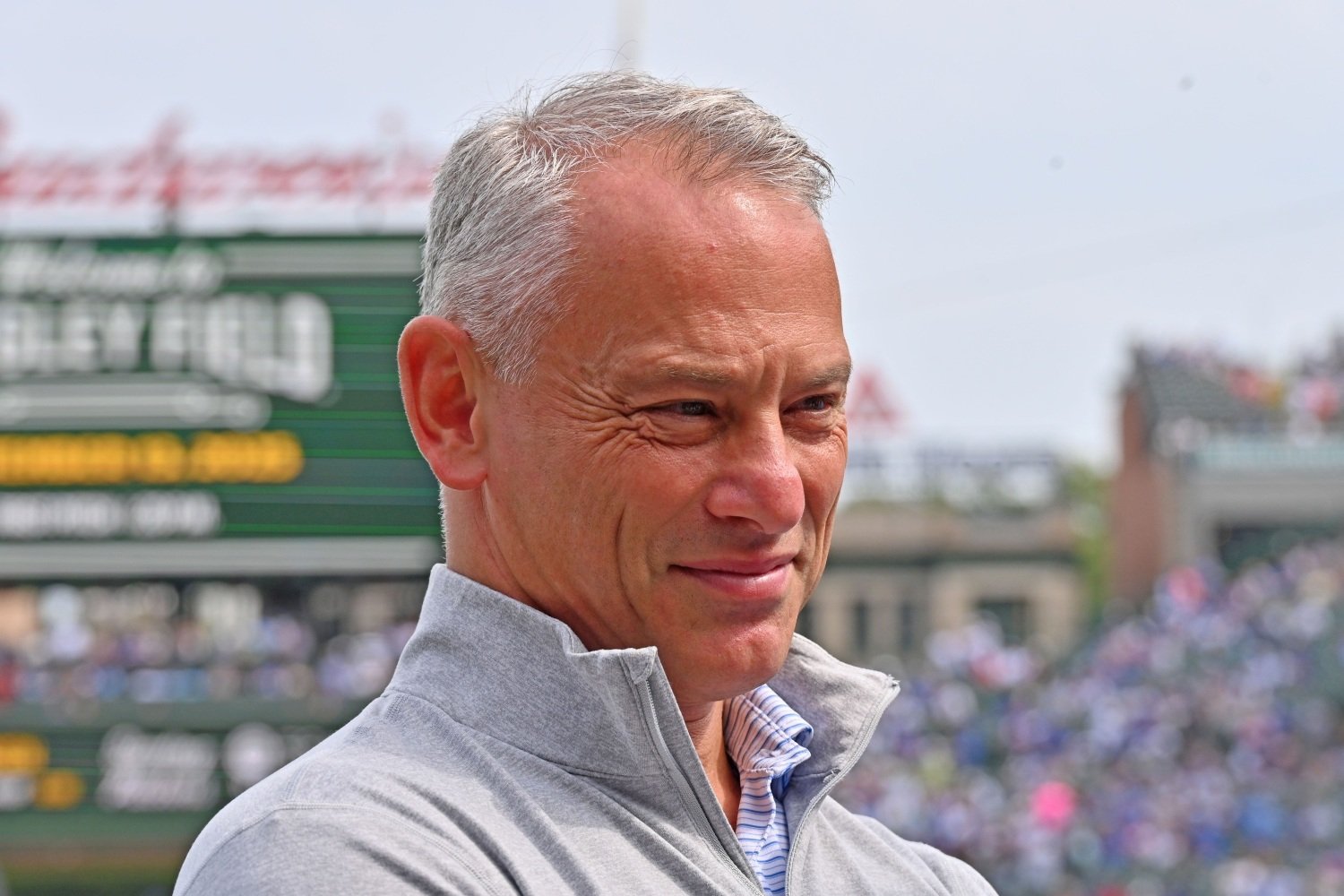 For much of this winter, one of the storylines around the Chicago Cubs was the sheer lack of bodies. They spent several weeks with eight or nine open spots on their 40-man roster. Even during the offseason, that's extremely unusual. With the signing of Alex Bregman and the pickups of outfielder Justin Dean and left-handed reliever Ryan Rolison on waivers in the last fistful of days, though, the team is now up to 39 players on their 40-man roster. They've filled the slate, with a combination of trades, several small signings, and the Bregman deal, which feels like a capstone to a great offseason. As we know, though, the offseason isn't over. The team is weighing its options with Matt Shaw and Nico Hoerner in the wake of signing Bregman, who gives them a crowded infield to go with their crowded starting rotation and a bullpen that (if not quite overloaded) is a bit short on flexibility. Let's run through the roster, reaching beyond the 40-man, even, to understand what the team has, what it needs, and what lies ahead for them. Locked-in Regulars This category includes only the players who have an ironclad role on the team for the coming season. We know not only that they will be on the team come Opening Day, but roughly what they'll be doing. They're expected to be trusted members of the core all year, if they're healthy enough for that. Position Players Miguel Amaya Tyler Austin Moisés Ballesteros Alex Bregman Michael Busch Pete Crow-Armstrong Ian Happ Carson Kelly Seiya Suzuki Dansby Swanson Starting Pitchers Cade Horton Shota Imanaga Matthew Boyd Edward Cabrera Jameson Taillon Relief Pitchers Daniel Palencia Phil Maton Caleb Thielbar Hoby Milner Hunter Harvey Jacob Webb This is a large group, given that it's only the middle of January. Trading for Edward Cabrera and signing Bregman clarified the plan for Moisés Ballesteros to serve as the regular designated hitter, pushing Seiya Suzuki to right field. The big moves created uncertainty for some individuals, as we'll discuss next, but they brought the vision of a playoff-caliber team into focus. The Displaced Five incumbent Cubs players are left with more questions than they had before, after adding Bregman and Cabrera to the mix but losing Owen Caissie. At least two have become prominent trade chips; at least one probably just got a step closer to his dreams. Nico Hoerner - Like it or not, the team has had serious discussions about trading Hoerner in three of the last four major transaction windows (offseasons and the run-up to the July trade deadline). That doesn't mean they've ever been especially close to dealing him, or that they'll do so now, but they've had chances to quash any such talk and head off rumors, and they've never really taken them. Because of Hoerner's limitations as a player (especially his lack of power at the plate), they've always understood his to be one place in their lineup where an upgrade was possible, even though they've also always loved him for what he does on the field and who he is in the dugout and the clubhouse. All of that remains true. Matt Shaw - Bregman directly knocked Shaw out of his comfortable nest at third base. He could be left to drift and figure things out on the fly, backing up both Hoerner and Bregman, or he could be installed as the second baseman in the wake of a Hoerner trade. He could also be traded, to any of a handful of interested teams, if the price is right. Kevin Alcántara - COVID and injuries conspired to give the Cubs a fourth option year on Alcántara, who is really starting to feel wasted in Triple A. That doesn't mean he'll be a star in the majors, though, and indeed, there's plenty of doubt both inside the Cubs organization and throughout the industry that he'll ever harness his tools well enough to be a regular. That might finally break in his favor this year. With Caissie off the roster, there's a more open path to a bench role for Alcántara, platooning with Pete Crow-Armstrong and (indirectly) with Ballesteros. Given that he looks increasingly like a fourth outfielder, anyway, the Cubs might feel it's the right time to give him some opportunities in the majors and not to prioritize him playing every day in Iowa. Then again, they could prefer to keep him in a rhythm, in case an injury forces them to turn to him full-time for any stretch. Colin Rea - When he signed an extension with the Cubs, Rea probably thought he had a firmer grasp on a rotation spot than he'd had when he signed with them for 2025. No such luck. After Shota Imanaga accepted the qualifying offer and the team dealt for Cabrera, Rea is now on the bubble. He'll only pitch in the rotation if someone gets hurt or the team elects to use six starters. It's more likely that he'll fill a swingman role all year, starting when needed and working in flexible, medium-leverage relief. Javier Assad - Still able to be optioned to the minors, Assad could spend much of his age-28 season in Des Moines. That's not really fair to him, but the injuries that sidelined him throughout last season put him out of sight and out of mind when the team drew up its plans. He's their seventh starter entering camp, and even if attrition renders him their fifth for a while, Justin Steele is slated to return during the summer and Jaxon Wiggins will start knocking loudly on the door by the trade deadline. Optionable Big-League Depth To their credit, the Cubs have accumulated quite a few plausibly useful big-leaguers (especially pitchers) whom they can send to the minors to maintain roster flexibility all year. Position Players Justin Dean - Picked up on waivers from the Giants, after they'd picked him up on waivers from the Dodgers, Dean is a great story. He scrapped for a decade, often playing independent ball and in the Mexican League, before getting to the majors for the first time last year—with the World Series-winning Dodgers. He's already set to receive a championship ring. The Cubs snagged him with an eye on his good speed and defense; he's extremely light-hitting. As a righty batter behind a fairly left-handed collection of outfielders, though, he could spend some time on the big-league roster as a fifth outfielder. He can be optioned and stashed, which makes him useful on a team light on outfield depth. James Triantos Pedro Ramírez - Both Triantos and Ramírez were added to the 40-man in November to protect them from the Rule 5 Draft. They're the current depth options, should the Cubs trade either Hoerner or Shaw, but it's most likely that even if Hoyer moves one of his would-be starters, he'd bring in someone to fill that bench role, leaving these two to ready themselves for the majors in Triple A. Pitchers Ben Brown - It's not going to work as a starter. The Cubs essentially acknowledged that much by the end of last season. Yet, Brown could begin the season as a starter in Iowa, stretched out to forestall calamity. By midsummer, if the depth in the rotation appears likely to hold, he should be converted to short relief, permanently. Porter Hodge - On one hand, the Cubs would love if Hodge asserted himself as a legitimate setup man again. On the other hand, he'd then become a de facto locked-in guy, like Palencia, where the availability of an option doesn't actually help. They need flexibility, to survive the heavy usage every bullpen runs into at some point in the long season. Hodge, the up-and-down guy, at least comes with some pedigree and upside when it's his turn to rotate through the final reliever slot. Gavin Hollowell Luke Little Riley Martin Jack Neely Ethan Roberts Ryan Rolison Jordan Wicks - Useful because he can deliver long relief or make a spot start, Wicks is nonetheless disappointing. A first-round pick taken for his high floor, he's turning out to have a floor of being the 11th-best starter in a contending depth chart and the eighth-best lefty reliever in that mix. Not on the 40-Man, But Could Be Minor-league signings shield a team from both injuries in camp or early in the season and the thorny roster rules that make it so hard to rotate enough solid relievers through the bullpen. The Cubs have made five important ones, and one that probably won't matter. Position Players Christian Bethancourt - With Ballesteros as the only third catcher on the 40-man, it's vital to have a trustworthy veteran backstop you can keep around in Triple A in case of an injury. Reese McGuire proved the value of this role last summer, though Bethancourt is not as good as McGuire was. Scott Kingery - This is the one that shouldn't matter. Unless the team trades one of Shaw and Hoerner and doesn't do anything to replace them, he's just filler, keeping spots warm in Des Moines and being ready in case of emergency. Pitchers Tyler Beede Jeff Brigham Corbin Martin Collin Snider - None of these four have minor-league options, so once they go onto the 40-man, they have to stay with the big-league team. That makes it most desirable that at least one pitches well this spring, doesn't make the roster, but agrees to go to Iowa and wait for a shot. At least three of these four have the right to opt out of their deal if not added to the 40-man by a certain date, so expect them to compete for the final spot in the pen. The Cubs can still make other additions this winter, but they might need to come with subtractions. Picking up Rolison (the sixth lefty reliever on the 40-man, counting Wicks) leaves them teeming with fringy arms, any one of whom they can cut if the need arises and an opportunity to improve presents itself, but this group has a lot of utility. If the season started tomorrow, the Cubs would be ready.
- 2 comments
-
- 1
-

-
- alex bregman
- edward cabrera
- (and 4 more)
-
Image courtesy of © Patrick Gorski-Imagn Images In public and behind the scenes, conflicting information is flying back and forth in the wake of the Cubs' signing of third baseman Alex Bregman. The arrival of Bregman displaces third baseman Matt Shaw, pushing him (for now, at least) into a utility role for the 2026 Cubs. As the team ponders the endgame of its offseason, however, the front office has received multiple calls about both Nico Hoerner and Matt Shaw. How likely either is to move depends almost entirely on whom you ask, and the rest of the equation is when you ask them. This is a fluid situation—perhaps surprisingly so. Sources familiar with the team's thinking say Chicago would prefer to deal Shaw, all else being equal. Though Hoerner can become a free agent after 2026 and will cost them $12 million this year, the level of organizational faith in him is much higher than in Shaw, whose uneven 2025 campaign called into question both the magnitude of his talent and his makeup. The younger player's stock is down slightly after a year in which he got a false start in the majors, found his footing in late spring, and got hot just after the All-Star break, but which ended with a thud in late September and October. Still, his trade value is higher than Hoerner's, and after trading top prospects (Zyhir Hope, Cam Smith and Owen Caissie, most notably) in multiple deals over the past two years, the Cubs could use an infusion of talent in their farm system to go with the core they've built at the big-league level. Trading Shaw could get them a player who helps in 2026 (for instance, they need better optionable pitching depth) and a prospect who bolsters that farm. One team stands out as the top candidate to match up with the Cubs on a trade for Shaw: the Kansas City Royals. They need help at second base, where Jonathan India is penciled in for this season. India batted .233/.323/.346 in 2025, struggling mightily after an early-season plunking that briefly sidelined him with a concussion. Though only entering his age-29 season, India is aging rapidly at the plate, and he's barely a viable defender at second base. Shaw projects to hit .240/.310/.408 this year, according to early and simple Marcel projections. India projects to hit .242/.335/.381, with his superior on-base skills making up for less slugging, but Shaw is a far better defender and baserunner. The Royals have the left side of their infield locked up for the long haul, and in Vinnie Pasquantino and Jac Caglianone, they appear set for a handoff at first base sometime in the next three years. A young, controllable second baseman would finish the puzzle for them. Kansas City also has interesting pieces to offer in trade. The Cubs were interested in both of the Royals' first-round picks last summer, had they slid into the second round. Outfielder Sean Gamble and shortstop Josh Hammond were both plucked from the high-school ranks, and neither will be ready for the majors any time in the next two years, but the Cubs' system needs better depth, and those guys are the caliber of prospect available in a deal like this one, where the team trading them is getting a long-term, big-league piece, but not a star. If Chicago could pry loose Gamble, Hammond or catching prospect Blake Mitchell, it would get a conversation started. The negotiation would then have to pivot to the player who would replace Shaw on the big-league roster and help the Cubs in their push toward a pennant this season. Utility man Nick Loftin is the kind of bench piece Chicago would need if they jettisoned Shaw, but he has limited value because he's not a candidate to play everyday for a contender. Starter Kris Bubic, in whom the Cubs had interest last summer before his elbow began barking and the Royals pulled him off the trade market, has just one year of team control remaining, but his pitch mix appeals to the Cubs' coaching and analytics staff. However surprising it might be to most big-market fans, though, the Royals are in win-now mode. They want to maximize the value of their time with Bobby Witt Jr., Maikel García and ace starter Cole Ragans. Although they might not be in a position to take on his full salary, the team would prefer Hoerner to Shaw. The Cubs would have to get more help for 2026 to give up Hoerner—perhaps both Bubic and Loftin—but the Royals are one team who might pay the required premium. For Hoerner, the Cubs would have to get a difference-making pitcher to pull the trigger on a deal, while trading Shaw would be more about aligning things better and amassing talent. The Red Sox, Twins, Yankees and Giants all could have interest in one of the two infielders, in the right deals. Other teams could enter the mix, depending on how some free-agent sweepstakes turn out, but a source in another front office said Wednesday that the Cubs are gathering information quickly, with an eye toward making a decision soon about whether to trade either infielder or proceed with the roster as-is. In that context, the Royals are perhaps the team with whom they could most easily line up. It's more likely that both players are still Cubs come Opening Day than that they're dealt, but if that changes, keep an eye on the Royals. View full article
-
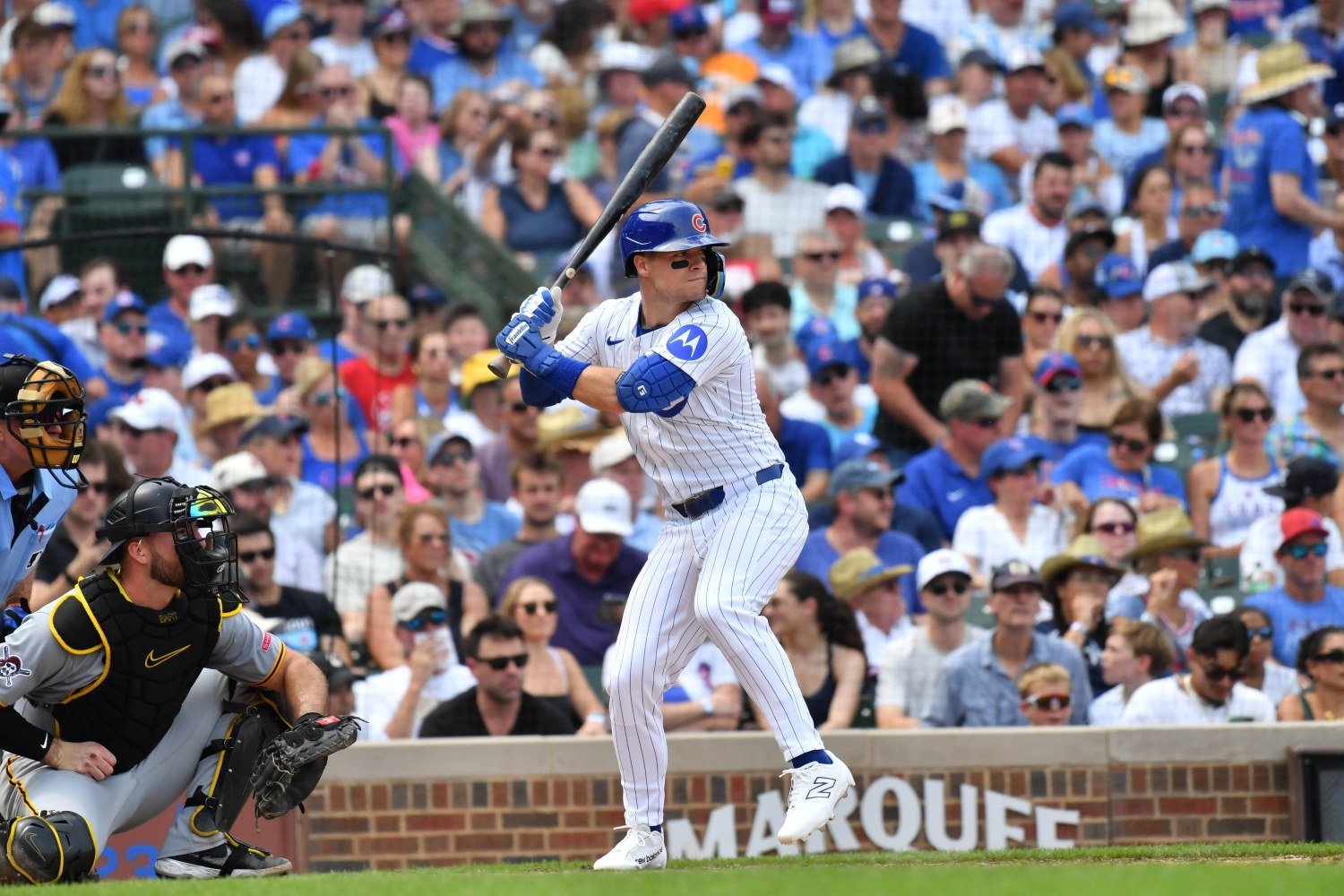 In public and behind the scenes, conflicting information is flying back and forth in the wake of the Cubs' signing of third baseman Alex Bregman. The arrival of Bregman displaces third baseman Matt Shaw, pushing him (for now, at least) into a utility role for the 2026 Cubs. As the team ponders the endgame of its offseason, however, the front office has received multiple calls about both Nico Hoerner and Matt Shaw. How likely either is to move depends almost entirely on whom you ask, and the rest of the equation is when you ask them. This is a fluid situation—perhaps surprisingly so. Sources familiar with the team's thinking say Chicago would prefer to deal Shaw, all else being equal. Though Hoerner can become a free agent after 2026 and will cost them $12 million this year, the level of organizational faith in him is much higher than in Shaw, whose uneven 2025 campaign called into question both the magnitude of his talent and his makeup. The younger player's stock is down slightly after a year in which he got a false start in the majors, found his footing in late spring, and got hot just after the All-Star break, but which ended with a thud in late September and October. Still, his trade value is higher than Hoerner's, and after trading top prospects (Zyhir Hope, Cam Smith and Owen Caissie, most notably) in multiple deals over the past two years, the Cubs could use an infusion of talent in their farm system to go with the core they've built at the big-league level. Trading Shaw could get them a player who helps in 2026 (for instance, they need better optionable pitching depth) and a prospect who bolsters that farm. One team stands out as the top candidate to match up with the Cubs on a trade for Shaw: the Kansas City Royals. They need help at second base, where Jonathan India is penciled in for this season. India batted .233/.323/.346 in 2025, struggling mightily after an early-season plunking that briefly sidelined him with a concussion. Though only entering his age-29 season, India is aging rapidly at the plate, and he's barely a viable defender at second base. Shaw projects to hit .240/.310/.408 this year, according to early and simple Marcel projections. India projects to hit .242/.335/.381, with his superior on-base skills making up for less slugging, but Shaw is a far better defender and baserunner. The Royals have the left side of their infield locked up for the long haul, and in Vinnie Pasquantino and Jac Caglianone, they appear set for a handoff at first base sometime in the next three years. A young, controllable second baseman would finish the puzzle for them. Kansas City also has interesting pieces to offer in trade. The Cubs were interested in both of the Royals' first-round picks last summer, had they slid into the second round. Outfielder Sean Gamble and shortstop Josh Hammond were both plucked from the high-school ranks, and neither will be ready for the majors any time in the next two years, but the Cubs' system needs better depth, and those guys are the caliber of prospect available in a deal like this one, where the team trading them is getting a long-term, big-league piece, but not a star. If Chicago could pry loose Gamble, Hammond or catching prospect Blake Mitchell, it would get a conversation started. The negotiation would then have to pivot to the player who would replace Shaw on the big-league roster and help the Cubs in their push toward a pennant this season. Utility man Nick Loftin is the kind of bench piece Chicago would need if they jettisoned Shaw, but he has limited value because he's not a candidate to play everyday for a contender. Starter Kris Bubic, in whom the Cubs had interest last summer before his elbow began barking and the Royals pulled him off the trade market, has just one year of team control remaining, but his pitch mix appeals to the Cubs' coaching and analytics staff. However surprising it might be to most big-market fans, though, the Royals are in win-now mode. They want to maximize the value of their time with Bobby Witt Jr., Maikel García and ace starter Cole Ragans. Although they might not be in a position to take on his full salary, the team would prefer Hoerner to Shaw. The Cubs would have to get more help for 2026 to give up Hoerner—perhaps both Bubic and Loftin—but the Royals are one team who might pay the required premium. For Hoerner, the Cubs would have to get a difference-making pitcher to pull the trigger on a deal, while trading Shaw would be more about aligning things better and amassing talent. The Red Sox, Twins, Yankees and Giants all could have interest in one of the two infielders, in the right deals. Other teams could enter the mix, depending on how some free-agent sweepstakes turn out, but a source in another front office said Wednesday that the Cubs are gathering information quickly, with an eye toward making a decision soon about whether to trade either infielder or proceed with the roster as-is. In that context, the Royals are perhaps the team with whom they could most easily line up. It's more likely that both players are still Cubs come Opening Day than that they're dealt, but if that changes, keep an eye on the Royals.
 -
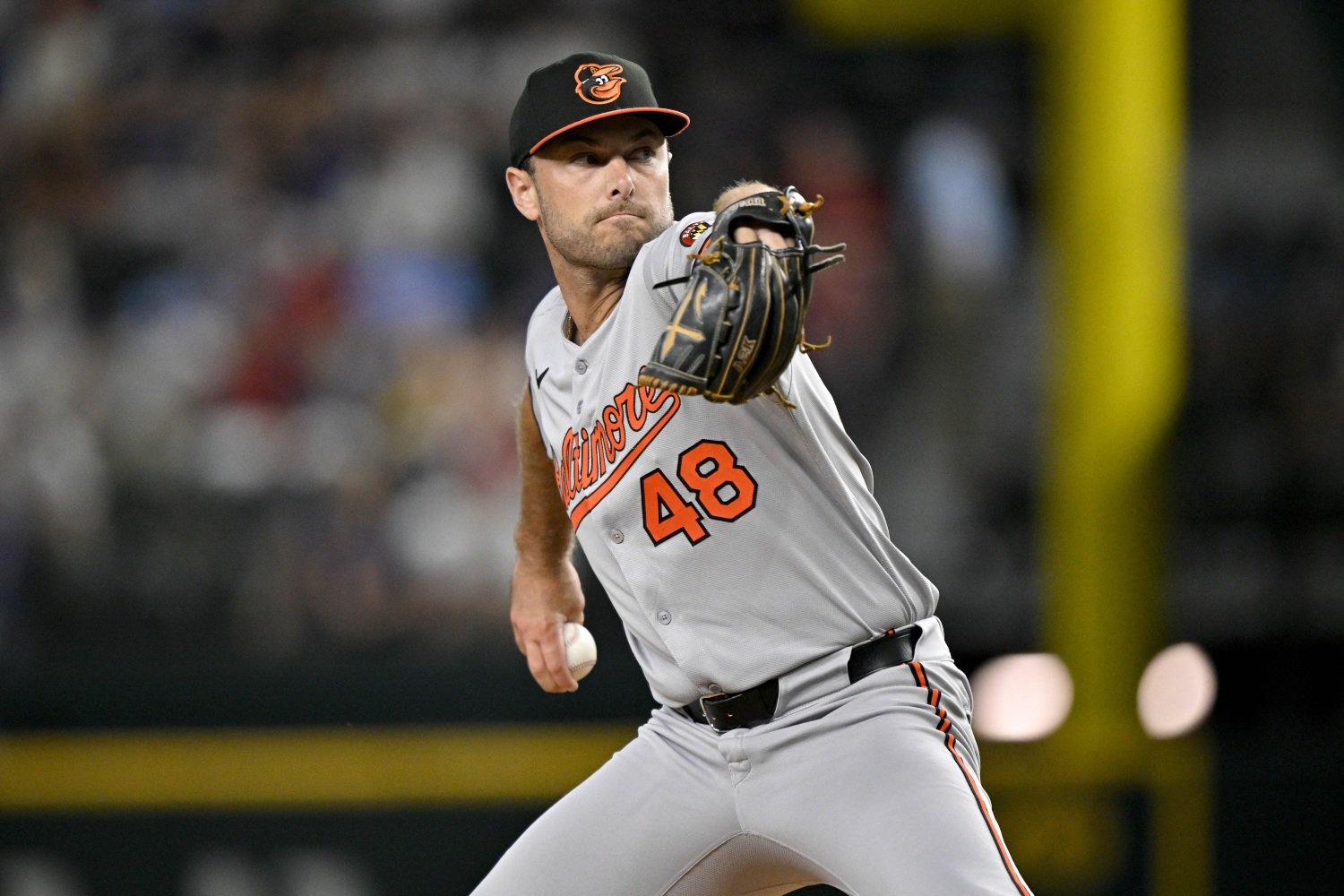 In their latest bid to add depth and upside to their bullpen mix, the Cubs signed right-handed pitcher Corbin Martin to a minor-league deal. The agreement includes an invitation to big-league spring training, where Martin will compete for a job in the bullpen for a Cubs team still piecing depth back together after an autumn exodus from their relief unit. Martin, 30, is perhaps best known as one of the key pieces of the trade that sent Zack Greinke from the Diamondbacks to the Astros in 2019. Major injuries have derailed a once-promising career, keeping him off the mound for all of 2020 and 2023 and for long stretches of 2021 and 2024. Fully converted to relief work, he reemerged as an intriguing arm in 2025, with a fastball that sat just over 95 miles per hour and had the cut-ride shape the Cubs love from pitchers of his ilk. To it, he adds a hard cutter and a sharp 12-to-6 curveball that dramatically improved after he changed his grip and the pitch's shape midseason. Previously, he'd thrown a pitch much more akin to a sweeper or slurve, but this version of the offering is better. The cutter sits 91-92 on the gun, so it's a firm pitch with little movement or velocity separation from the fastball. By leading with those two pitches, though, he sets up the curveball well. Despite ugly raw numbers, he put up a 94 DRA- at Triple-A Norfolk and in the majors for the Orioles in 2025. He comes with four years of team control, if things pan out especially well, but he does not have any minor-league options remaining, so if he makes the team, he'll need to stay on the active roster or the injured list or be exposed to waivers. As fliers like these go, Martin is a solid one. His velocity and shape on the three key pitches in his arsenal promise some better results on contact, and he can miss bats. The question will be whether he can throw enough strikes to ensure that that matters; walks have haunted him over the last two seasons. A healthy Martin showing a semblance of command could be a strong contributor to the Cubs' middle-relief corps. For now, this is just a bit of spaghetti to throw against the wall, but as was true of Brad Keller last winter, there's more than the usual amount of reason to admire the fit and hope that this piece sticks.
 -
Image courtesy of © Matt Marton-Imagn Images In the modern game, teams work hard to build not only strong offenses, but ones with a wide array of strengths and weaknesses. Just as it's become popular to assemble a bullpen featuring pitchers with different arm slots and pitch shapes, as well as handedness, teams are trying to build lineups with varied skill sets—including swing paths. Platoon balance is a familiar need, and clubs have always craved a mix of power and speed, but the new hotness is loading up with players who can neutralize the constellation of looks pitching staffs will throw at you within a given game or series. The Cubs have had a good mix of left- and right-handed offense over the last three seasons. They've employed sluggers and speedsters. They've had guys who specialize in drawing walks and those who emphasize avoiding strikeouts. Last season, though, they had one glaring deficiency in lineup diversity: swing path. There are three key variables in a player's swing, just as there are with a pitcher's throw. For pitches, those vsriables are velocity, horizontal movement and vertical movement, though as we now know, there are other key characteristics, too: spin rate, arm angle and extension toward the plate at release. For hitters, the main variables are bat speed, swing tilt, and contact point. Again, there are secondary traits that also matter (attack angle and direction, depth in the batter's box, and swing decisions), but those are controlled by the primary traits. To visualize the way Cubs hitters map on this basis, I've charted swing tilt and contact point (relative to the batter's center of mass) for 2025. The points in this scatter plot are colored by the player's average exit velocity, as a proxy (admittedly, an imperfect one) for swing speed. This includes all the team's regulars last season, plus a few selected players for comparison. As you can see, the Cubs strongly favor steeper swings. The average swing tilt for big-league hitters is around 32°. Last year, the only frequent contributors to the team who were on the flatter side of that midpoint were Matt Shaw and Seiya Suzuki, and for Suzuki, it wasn't by much. They also leaned toward catching the ball farther out in front of themselves than most hitters do. The two exceptions to the latter rule were Kyle Tucker and Nico Hoerner, but Tucker then hit free agency. Earlier this month, we discussed the possibility that the team would pursue Bo Bichette, who catches the ball as deep as just about any hitter in baseball—but as you can see, he also would have been another of the team's steep swingers. This move goes the other way. The team traded Christopher Morel (an exceptionally flat swinger) for Isaac Paredes in 2024, but then shipped Paredes to the Astros as part of the deal for Tucker in December of that year. Paredes's extreme go-get-the-ball contact point contributes to his reliance on pulling the ball right down the line. The fact that Bregman lets the ball travel much longer explains his ability to hit for power to left-center field, where Wrigley Field will be much friendlier to him. Indeed, Bregman hit 13 balls over the last two seasons that were not home runs at the parks where he was playing, but which would leave Wrigley by clearing the wall at the shallow part of the left-center power alley. Shaw was the different swing the team needed to balance out the rest of their crew, but only when he was going well. For most of the season, he was a mess at the plate, with a disorganized approach and little feel for barreling the ball. Bregman doesn't swing as fast as Shaw, but he makes hard contact more often, because he has what Shaw is missing: an extremely polished plan at the plate and plus-plus feel for contact. Bregman and Moisés Ballesteros now give the Cubs the flat swings their lineup lacked last season. Mixing Bregman, Ballesteros, Busch, Happ, Suzuki, Crow-Armstrong and Hoerner into the top seven spots in the batting order each day will give the Cubs two true speed threats; as many as four 25-homer hitters; three lefties, three righties and a switch-hitter. Now, they also have a greater diversity of swing shapes, which leaves fewer pitchers able to pick their way through the lineup without hitting a buzzsaw. Bregman is a risky signing, entering his mid-30s and a bit light on power, but he boosts both the depth and the versatility of what the team hopes is a championship-caliber offense. Consider this glimpse at the swings of four Cubs hitters: Bregman, Busch, Hoerner and Suzuki. The difference in swing plane between Bregman and both Hoerner and Busch is visible to the naked eye, as well as in the measurement at the bottom right corner. Harder to pick up at a glance (but just as important) is the fact that Bregman hits by getting his hips and shoulders more open by the contact point than the others. That ensures that, despite his flatter swing, he's working uphill at contact more than Hoerner or Suzuki are. Finally, look at his hands; that's where his offensive genius lies. Whereas any of the other three would be on the point of breaking their wrists and rolling over by the time they get to the same point in the arc of the swing, Bregman is capable of cutting smoothly through the ball throughout a wide timing window. Compare his right wrist to Suzuki's, at the same point. In Suzuki's swing, his wrist is already at full extension by then, and there's no way to resist rolling them if he's a hair early. For Bregman, there's still flexion in the wrist of that top hand, and the bottom hand operates brilliantly, too. Because of the flatness of his swing, Bregman doesn't have to turn his left wrist over until very late, either. That's where the signature finish on his swing comes from, and it's why he makes contact at an elite rate even while averaging such a high attack angle and a high launch angle on his batted balls. All of that makes it hard to manipulate Bregman, and explains why he's a perennially tough out. He's struggled against sinkers (a little) and sweepers (sometimes a lot), but he consistently has positive run values against four-seam fastballs, changeups, curveballs, sliders and cutters, because his swing is so adaptable. Given his superb plate discipline, he's a terrific fit for Chicago's lineup, on multiple levels. In a vacuum, Bichette would have been a more desirable signing, because he's younger, more athletic and more likely to have peak seasons in front of him. However, the team needed a swing just like Bregman's to mix into their everyday lineup. View full article
-
Alex Bregman's Swing is Exactly What Cubs Lineup Was Missing
Matthew Trueblood posted an article in Cubs
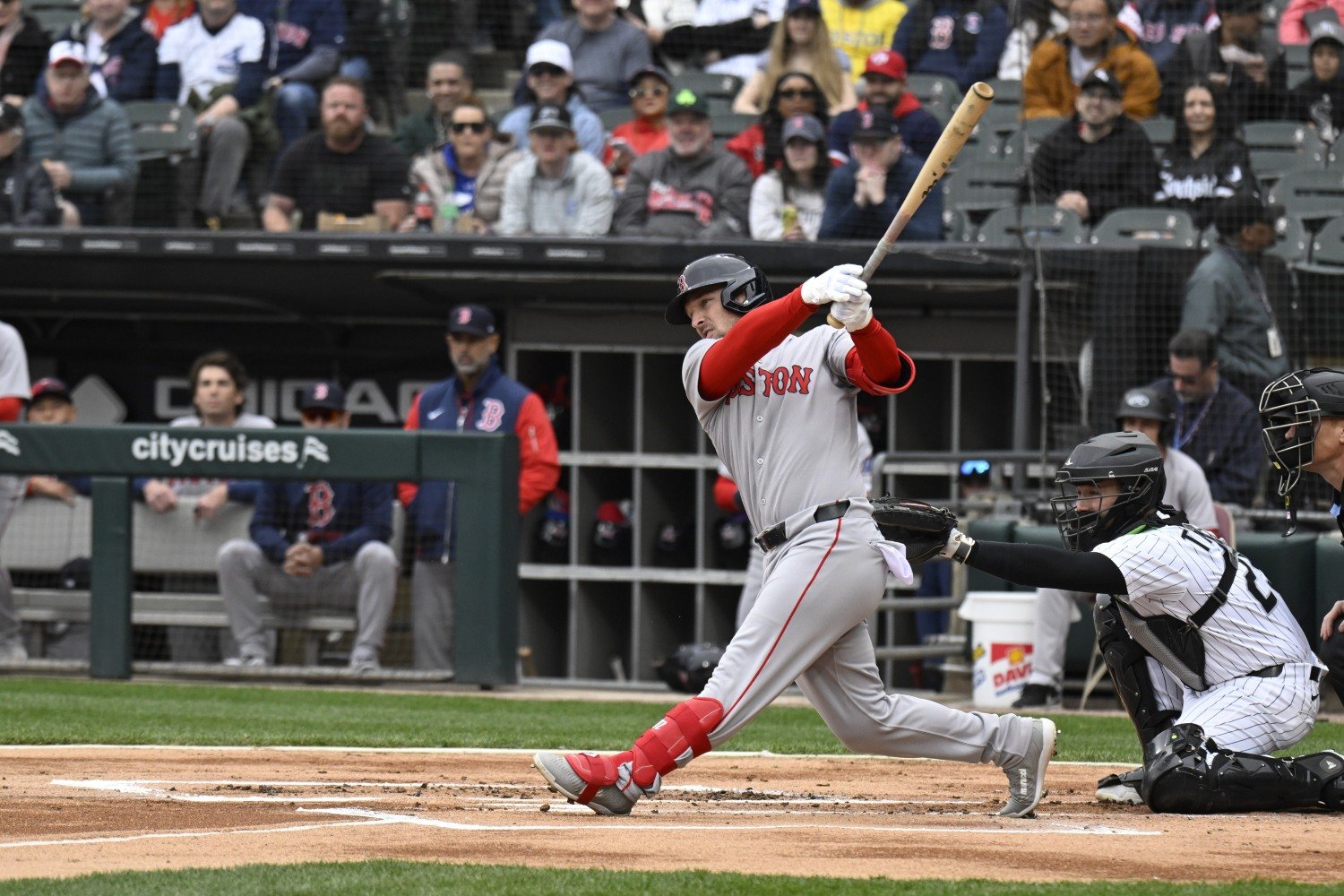 In the modern game, teams work hard to build not only strong offenses, but ones with a wide array of strengths and weaknesses. Just as it's become popular to assemble a bullpen featuring pitchers with different arm slots and pitch shapes, as well as handedness, teams are trying to build lineups with varied skill sets—including swing paths. Platoon balance is a familiar need, and clubs have always craved a mix of power and speed, but the new hotness is loading up with players who can neutralize the constellation of looks pitching staffs will throw at you within a given game or series. The Cubs have had a good mix of left- and right-handed offense over the last three seasons. They've employed sluggers and speedsters. They've had guys who specialize in drawing walks and those who emphasize avoiding strikeouts. Last season, though, they had one glaring deficiency in lineup diversity: swing path. There are three key variables in a player's swing, just as there are with a pitcher's throw. For pitches, those vsriables are velocity, horizontal movement and vertical movement, though as we now know, there are other key characteristics, too: spin rate, arm angle and extension toward the plate at release. For hitters, the main variables are bat speed, swing tilt, and contact point. Again, there are secondary traits that also matter (attack angle and direction, depth in the batter's box, and swing decisions), but those are controlled by the primary traits. To visualize the way Cubs hitters map on this basis, I've charted swing tilt and contact point (relative to the batter's center of mass) for 2025. The points in this scatter plot are colored by the player's average exit velocity, as a proxy (admittedly, an imperfect one) for swing speed. This includes all the team's regulars last season, plus a few selected players for comparison. As you can see, the Cubs strongly favor steeper swings. The average swing tilt for big-league hitters is around 32°. Last year, the only frequent contributors to the team who were on the flatter side of that midpoint were Matt Shaw and Seiya Suzuki, and for Suzuki, it wasn't by much. They also leaned toward catching the ball farther out in front of themselves than most hitters do. The two exceptions to the latter rule were Kyle Tucker and Nico Hoerner, but Tucker then hit free agency. Earlier this month, we discussed the possibility that the team would pursue Bo Bichette, who catches the ball as deep as just about any hitter in baseball—but as you can see, he also would have been another of the team's steep swingers. This move goes the other way. The team traded Christopher Morel (an exceptionally flat swinger) for Isaac Paredes in 2024, but then shipped Paredes to the Astros as part of the deal for Tucker in December of that year. Paredes's extreme go-get-the-ball contact point contributes to his reliance on pulling the ball right down the line. The fact that Bregman lets the ball travel much longer explains his ability to hit for power to left-center field, where Wrigley Field will be much friendlier to him. Indeed, Bregman hit 13 balls over the last two seasons that were not home runs at the parks where he was playing, but which would leave Wrigley by clearing the wall at the shallow part of the left-center power alley. Shaw was the different swing the team needed to balance out the rest of their crew, but only when he was going well. For most of the season, he was a mess at the plate, with a disorganized approach and little feel for barreling the ball. Bregman doesn't swing as fast as Shaw, but he makes hard contact more often, because he has what Shaw is missing: an extremely polished plan at the plate and plus-plus feel for contact. Bregman and Moisés Ballesteros now give the Cubs the flat swings their lineup lacked last season. Mixing Bregman, Ballesteros, Busch, Happ, Suzuki, Crow-Armstrong and Hoerner into the top seven spots in the batting order each day will give the Cubs two true speed threats; as many as four 25-homer hitters; three lefties, three righties and a switch-hitter. Now, they also have a greater diversity of swing shapes, which leaves fewer pitchers able to pick their way through the lineup without hitting a buzzsaw. Bregman is a risky signing, entering his mid-30s and a bit light on power, but he boosts both the depth and the versatility of what the team hopes is a championship-caliber offense. Consider this glimpse at the swings of four Cubs hitters: Bregman, Busch, Hoerner and Suzuki. The difference in swing plane between Bregman and both Hoerner and Busch is visible to the naked eye, as well as in the measurement at the bottom right corner. Harder to pick up at a glance (but just as important) is the fact that Bregman hits by getting his hips and shoulders more open by the contact point than the others. That ensures that, despite his flatter swing, he's working uphill at contact more than Hoerner or Suzuki are. Finally, look at his hands; that's where his offensive genius lies. Whereas any of the other three would be on the point of breaking their wrists and rolling over by the time they get to the same point in the arc of the swing, Bregman is capable of cutting smoothly through the ball throughout a wide timing window. Compare his right wrist to Suzuki's, at the same point. In Suzuki's swing, his wrist is already at full extension by then, and there's no way to resist rolling them if he's a hair early. For Bregman, there's still flexion in the wrist of that top hand, and the bottom hand operates brilliantly, too. Because of the flatness of his swing, Bregman doesn't have to turn his left wrist over until very late, either. That's where the signature finish on his swing comes from, and it's why he makes contact at an elite rate even while averaging such a high attack angle and a high launch angle on his batted balls. All of that makes it hard to manipulate Bregman, and explains why he's a perennially tough out. He's struggled against sinkers (a little) and sweepers (sometimes a lot), but he consistently has positive run values against four-seam fastballs, changeups, curveballs, sliders and cutters, because his swing is so adaptable. Given his superb plate discipline, he's a terrific fit for Chicago's lineup, on multiple levels. In a vacuum, Bichette would have been a more desirable signing, because he's younger, more athletic and more likely to have peak seasons in front of him. However, the team needed a swing just like Bregman's to mix into their everyday lineup.
 -
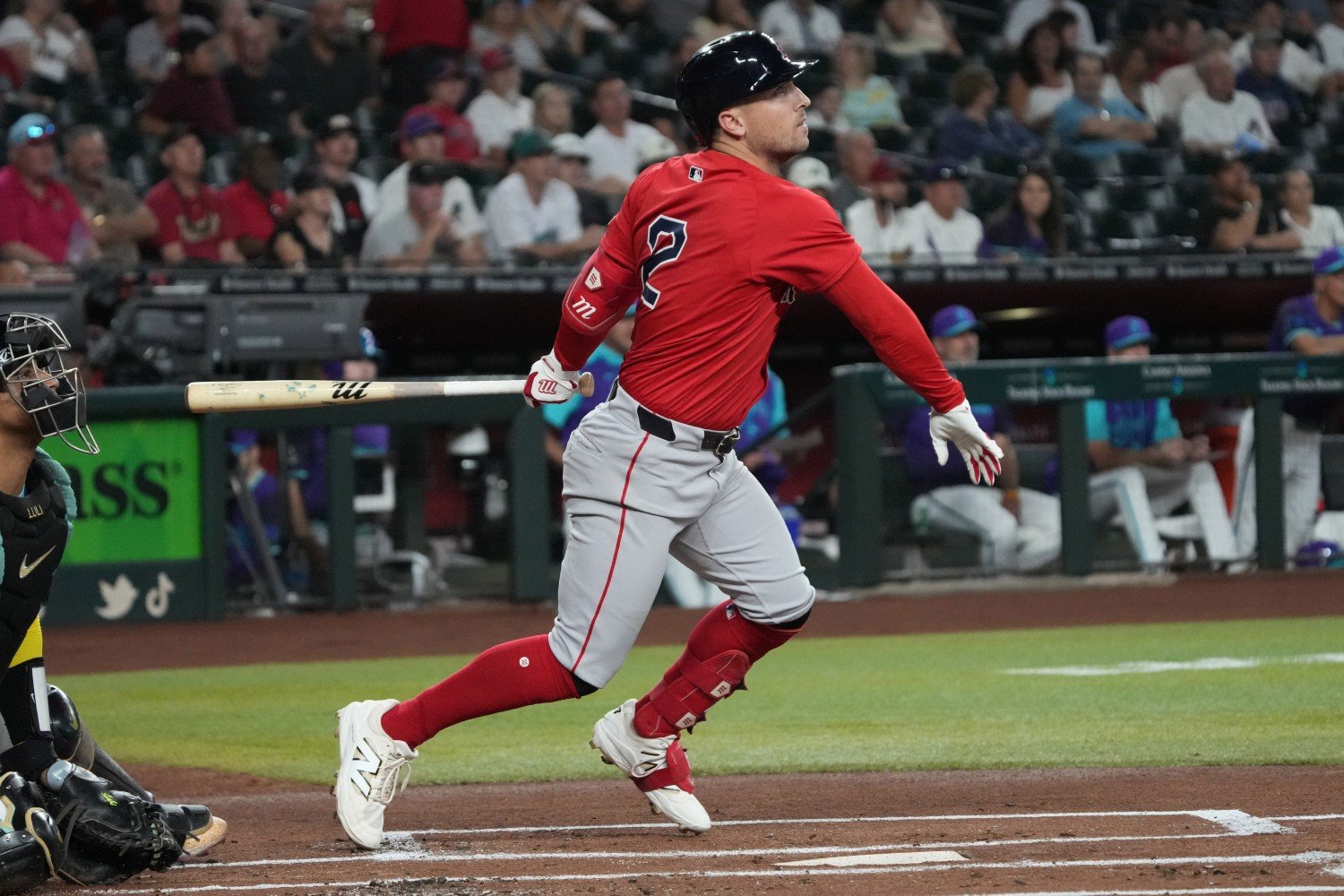 Alex Bregman will be the straw that stirs the drink for the Cubs over the balance of this decade. He joins the team as a dynamic offensive force designed to make up for the team's otherwise left-leaning core pieces, and as a forceful personality who fits perfectly into their clubhouse. Craig Counsell's daily duty of filling out the lineup card just got a lot easier. Let's project a few ways the team's batting order could take shape each day, based on matchups and the talent they've collected over the last handful of years. First, when they face a right-handed starter, things seem likely to shake out in pretty straightforward fashion: Michael Busch - 1b Alex Bregman - 3b Ian Happ - lf Seiya Suzuki - rf Moisés Ballesteros - dh Nico Hoerner - 2b Pete Crow-Armstrong - cf Miguel Amaya - c Dansby Swanson - ss This (effectively) has the Cubs alternating left- and right-handed batters all the way down to the bottom of the order, where righties Miguel Amaya and Dansby Swanson double up. It gives them four extremely well-established on-base standouts at the top of the order, each with 20-homer power, and it leaves lots of upside clustered into the remaining spots. Bregman's arrival takes considerable pressure off Moisés Ballesteros, pushing him down to fifth in this configuration of the lineup. Speaking of which, against lefties, Ballesteros might not need to start at all. Here's one way the team could set up against southpaw starters. Nico Hoerner - 2b Ian Happ - lf Alex Bregman - 3b Seiya Suzuki - dh Tyler Austin - 1b Dansby Swanson - ss Carson Kelly - c Kevin Alcántara - rf Pete Crow-Armstrong - cf Swapping out Michael Busch and Ballesteros for Tyler Austin and Kevin Alcántara makes the team very stout against lefties. Bregman's .280/.372/.489 career line against lefties comes with more walks (196) than strikeouts (181); he's the lefty-masher the lineup needed in its upper half. Subbing Busch in for Austin as soon as the opponent goes to a righty would still leave him protected by righty sluggers Suzuki and Swanson, so the opposing manager would be in a tough spot if they sought to bring in another lefty to face Busch the next time around. One notable name doesn't appear in either of the formulations above. Thus, let's consider a third setup, most likely to be deployed against lefties but designed to maximize different strengths, and perhaps platoon-neutral. Nico Hoerner - 2b Alex Bregman - dh Ian Happ - lf Seiya Suzuki - rf Michael Busch - 1b Dansby Swanson - ss Pete Crow-Armstrong - cf Miguel Amaya - c Matt Shaw - 3b Bregman is a good enough hitter to add value even when he doesn't play the field. Sliding him to the DH spot occasionally makes room in the lineup for Matt Shaw, whose opportunities will otherwise be limited for a team now loaded with infield options. Shaw had an uneven rookie season, but he's developed into a plus defender at the hot corner, and when going well, he can be a boost at the bottom of the batting order, too. This is probably the best defensive alignment the team can muster, though to truly maximize that, they could swap Alcántara in for Suzuki in right field. Without Bregman, lots of these potential setups left Ballesteros or Austin batting cleanup, or Busch in a key lineup spot against lefties. They were likely to be reliant on getting the good things they've seen from Pete Crow-Armstrong, Miguel Amaya and Shaw over the last two years, without the bad. That's a lot to hope for, and they no longer need to pray on those dice rolls with the same fervor. Bregman ties the lineup together, and even if the group lacks an elite power hitter, they've achieved depth they had lacked ever since they traded away the core of their championship team.
 -
Image courtesy of © Rick Scuteri-Imagn Images Alex Bregman will be the straw that stirs the drink for the Cubs over the balance of this decade. He joins the team as a dynamic offensive force designed to make up for the team's otherwise left-leaning core pieces, and as a forceful personality who fits perfectly into their clubhouse. Craig Counsell's daily duty of filling out the lineup card just got a lot easier. Let's project a few ways the team's batting order could take shape each day, based on matchups and the talent they've collected over the last handful of years. First, when they face a right-handed starter, things seem likely to shake out in pretty straightforward fashion: Michael Busch - 1b Alex Bregman - 3b Ian Happ - lf Seiya Suzuki - rf Moisés Ballesteros - dh Nico Hoerner - 2b Pete Crow-Armstrong - cf Miguel Amaya - c Dansby Swanson - ss This (effectively) has the Cubs alternating left- and right-handed batters all the way down to the bottom of the order, where righties Miguel Amaya and Dansby Swanson double up. It gives them four extremely well-established on-base standouts at the top of the order, each with 20-homer power, and it leaves lots of upside clustered into the remaining spots. Bregman's arrival takes considerable pressure off Moisés Ballesteros, pushing him down to fifth in this configuration of the lineup. Speaking of which, against lefties, Ballesteros might not need to start at all. Here's one way the team could set up against southpaw starters. Nico Hoerner - 2b Ian Happ - lf Alex Bregman - 3b Seiya Suzuki - dh Tyler Austin - 1b Dansby Swanson - ss Carson Kelly - c Kevin Alcántara - rf Pete Crow-Armstrong - cf Swapping out Michael Busch and Ballesteros for Tyler Austin and Kevin Alcántara makes the team very stout against lefties. Bregman's .280/.372/.489 career line against lefties comes with more walks (196) than strikeouts (181); he's the lefty-masher the lineup needed in its upper half. Subbing Busch in for Austin as soon as the opponent goes to a righty would still leave him protected by righty sluggers Suzuki and Swanson, so the opposing manager would be in a tough spot if they sought to bring in another lefty to face Busch the next time around. One notable name doesn't appear in either of the formulations above. Thus, let's consider a third setup, most likely to be deployed against lefties but designed to maximize different strengths, and perhaps platoon-neutral. Nico Hoerner - 2b Alex Bregman - dh Ian Happ - lf Seiya Suzuki - rf Michael Busch - 1b Dansby Swanson - ss Pete Crow-Armstrong - cf Miguel Amaya - c Matt Shaw - 3b Bregman is a good enough hitter to add value even when he doesn't play the field. Sliding him to the DH spot occasionally makes room in the lineup for Matt Shaw, whose opportunities will otherwise be limited for a team now loaded with infield options. Shaw had an uneven rookie season, but he's developed into a plus defender at the hot corner, and when going well, he can be a boost at the bottom of the batting order, too. This is probably the best defensive alignment the team can muster, though to truly maximize that, they could swap Alcántara in for Suzuki in right field. Without Bregman, lots of these potential setups left Ballesteros or Austin batting cleanup, or Busch in a key lineup spot against lefties. They were likely to be reliant on getting the good things they've seen from Pete Crow-Armstrong, Miguel Amaya and Shaw over the last two years, without the bad. That's a lot to hope for, and they no longer need to pray on those dice rolls with the same fervor. Bregman ties the lineup together, and even if the group lacks an elite power hitter, they've achieved depth they had lacked ever since they traded away the core of their championship team. View full article
-
BREAKING: Cubs Sign Third Baseman Alex Bregman to Five-Year Deal
Matthew Trueblood posted an article in Cubs
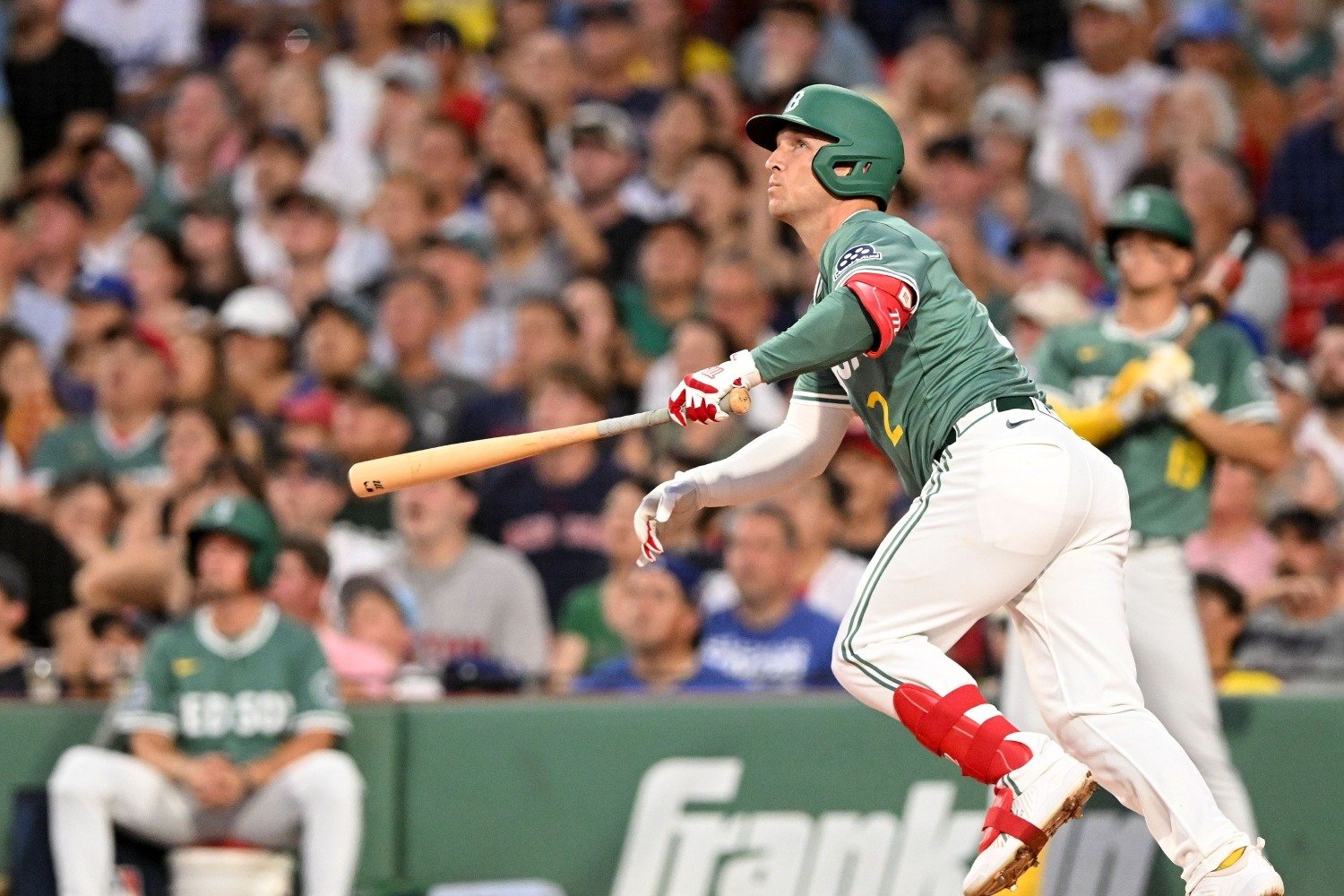 The Chicago Cubs and third baseman Alex Bregman have agreed to a five year, $175-million deal, sources confirmed to North Side Baseball. Bregman, who will turn 32 in March, gets the largest AAV in Cubs history, at $35 million. The deal spares the team from having to spread money out into Bregman's late 30s and early 40s, though it almost guarantees that they will surpass the competitive-balance tax threshold for 2026—and perhaps years to come. In exchange for that, the Cubs get a player who fits their offensive philosophy perfectly. Bregman makes exceptionally good swing decisions and has run superb contact rates almost throughout his career. He lacks high-end bat speed, but creates power by excelling at pulling the ball in the air. He also plays a sturdy third base, and his arrival carries interesting implications for Matt Shaw and Nico Hoerner. Things were very different for Bregman this year, untethered from the qualifying offer but one year older and with a platform season in which he hit brilliantly early, got hurt, then struggled at times in the second half. Instead of being open to flexible structures and locking in on deals that offered him quick paths back to free agency, Bregman and agent Scott Boras sought a lucrative long-term deal. The Red Sox, who wooed Bregman with a deferral structure and multiple opt-outs last winter, were willing to go longer than the Cubs in terms of years, but refused to pay the high AAV the Cubs offered. Once he landed Edward Cabrera in a trade earlier this week, Hoyer got permission from ownership to exceed the CBT threshold in order to sign either Bregman or Bo Bichette, a source familiar with the team's plans said. That allowed Chicago to scale up its offer to Bregman, and helped them land the player they hoped would be the capstone to their offseason last year. In 10 big-league seasons, Bregman has had an on-base percentage under .350 just twice: in 2016 and in 2024. After being in the Astros organization for nearly a decade, he signed with the Red Sox in February and batted .273/.360/.462 in 495 plate appearances. That marked his highest slugging average since 2019, and with the deep well at Wrigley Field replacing the Green Monster in left field for his home games this year, don't expect him to slug as much for the Cubs. However, he adds a much-needed right-handed threat to their lineup, and will spend lots of time hitting between Michael Busch and Ian Happ or Moisés Ballesteros, giving the Cubs terrific lineup depth and balance. With Bregman locked up (and locked in, with a full no-trade clause, a source said), the team's infield is in for a shakeup. Dansby Swanson will be the shortstop for at least another year or two, but Matt Shaw has been displaced from the lineup. That could be a temporary change, with Nico Hoerner a free agent after 2026, but it could also prove to be permanent. Bregman is likely to stay at third base. Shaw could slide to second if Hoerner is traded, but the team could also plan to rotate him in as a backup at both second and third (with Hoerner sometimes spelling Swanson at shortstop) and/or to use Bregman as the designated hitter on a semi-regular basis, especially against left-handed pitchers. The ramifications of the deal will spread out and become clearer in the weeks ahead. For now, what we can say for sure is that the Cubs are serious about challenging the Brewers in the NL Central—and in 2026, they might just overtake them.
 -
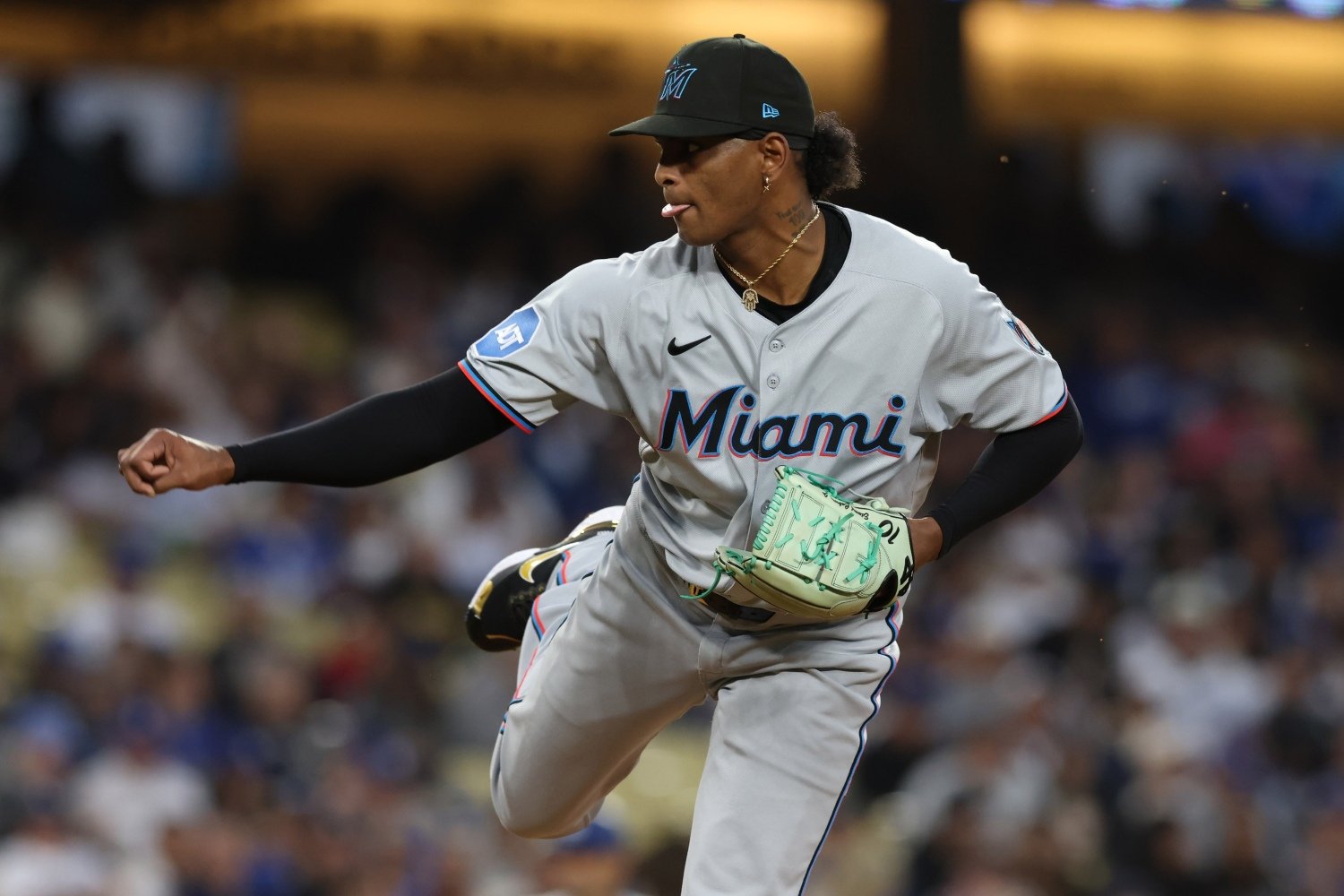 Essentially, Jameson Taillon throws two different curveballs. He rarely uses one of them—the slanting, two-plane breaker that twists away from right-handed batters—and leans much more on the other, but there really are two different pitches. The hook he throws to righties is just a rare variant on his much more common sweeper, to force hitters to look for something else. The one he throws to lefties is more vertical, and he throws it to the other side of the plate. Jameson Taillon Curveballs Split Velocity (MPH) Hor. Mvmt. (in.) Vert. Mvmt. (in.) Spin Rate (RPM) Spin Axis Arm Angle (Deg.) v. RHH 79.2 11.8 -6.9 2691 7:37 48.5 v. LHH 79.7 9.2 -9.5 2573 7:21 49.3 Taillon's curveball is his main breaking ball to lefties. He throws his four-seamer to the upper, outer quadrant of the zone against them, and his new kick-change and that curve play off that pitch. The changeup fades to the edge of the plate, or off of it. The curve dives to the bottom of the zone, after looking like a ball out of the hand. It's meant to lock up lefties and earn called strikes, and it did that job quite well in 2025. Taillon, though, just got pushed down to fifth in a healthy Cubs rotation for 2026. If everyone is going well, Cade Horton, Edward Cabrera, Matthew Boyd and Shota Imanaga will be ahead of Taillon in the pecking order, and if and when Justin Steele returns, only other absences will save Taillon a place in the rotation. Why, then, am I telling you about Taillon's curve and its peculiarities? Here's the first part of the reason: This is the number of times each right-handed pitcher threw a curveball for a called strike to a left-handed batter in each season from 2023-25, charted against the percentage of all their curveballs to lefties that had that result. In other words, among righthanders who throw the curveball reasonably often against lefties, how often are they not only landing it in the zone, but freezing a batter for a strike with it? This is one of the two main ways that a curveball works. Some curves are designed to get chases on pitches outside the zone, and to miss bats when the hitter swings. Others, though, are meant to steal strikes without even letting the batter get the lumber off their shoulder. Bigger-breaking curves can be easier to spot out of the hand for opponents, but if done correctly, that can prompt them to take the pitch, because they were primed for a fastball or aren't able to adjust their timing well enough to get off a good swing on the much slower pitch. That hasn't always been Taillon, but as part of his constellation of adjustments in 2025, he got much better at it. As you can see, he was fairly middling in this regard in 2023, and in 2024, he dipped down into the neighborhood of Ben Brown, a classic chase-and-miss curveball guy who doesn't get called strikes with that pitch often at all. Last season, though, he shot up the list. Because they overlapped perfectly, I had to highlight Aaron Civale's 2024 instead of Taillon, but that same dot belongs to Taillon's 2025. He got there, in part, by observing and making some tweaks to mirror the changes Colin Rea made and the way he executed his curve to lefties. Rea is very much a change-of-pace, called-strike curveball guy. That's how he uses the pitch, and why the Cubs were excited about changing Rea's pitch mix to feature the four-seam fastball instead of his sinker. All else equal, the Cubs love a backdoor curveball artist. They want that guy who drops it into the zone in ways the opponent isn't ready for at all. That brings me to the second reason why I brought this up, in the first place. I removed the highlight on Civale's 2024, because it would have made the one for Cabrera harder to read. I also didn't highlight his 2023, because it's right next to that Civale/Taillon dot and would have left a muddle of text, too. The point is still plenty clear: Cabrera has always been this kind of curveball guy. Rather than a pitch designed to rack up whiffs, Cabrera's curve to lefties steals strikes with huge movement. It also misses bats at a dazzling rate (over 45% of swings against it last year), but he goes to that big, freeze-up curve often. This is a gorgeous match between team and new pitcher. Cabrera is, in some other ways, a bit of a push against the grain for the Cubs. They don't normally pay handsomely for velocity and strikeout rate, as they've done here. They normally prize durability, but are rolling the dice on a guy with a long injury history. This illuminates, a bit, why they made this change of tack. Cabrera might not look like a typical Cubs starter on the surface, but in small and important ways, he is one. His breaking stuff also includes a good slider, but the curve is the featured piece, and it fits into the team's preferred plan for curves (especially to opposite-handed batters) perfectly.
 -
Image courtesy of © Jason Parkhurst-Imagn Images Essentially, Jameson Taillon throws two different curveballs. He rarely uses one of them—the slanting, two-plane breaker that twists away from right-handed batters—and leans much more on the other, but there really are two different pitches. The hook he throws to righties is just a rare variant on his much more common sweeper, to force hitters to look for something else. The one he throws to lefties is more vertical, and he throws it to the other side of the plate. Jameson Taillon Curveballs Split Velocity (MPH) Hor. Mvmt. (in.) Vert. Mvmt. (in.) Spin Rate (RPM) Spin Axis Arm Angle (Deg.) v. RHH 79.2 11.8 -6.9 2691 7:37 48.5 v. LHH 79.7 9.2 -9.5 2573 7:21 49.3 Taillon's curveball is his main breaking ball to lefties. He throws his four-seamer to the upper, outer quadrant of the zone against them, and his new kick-change and that curve play off that pitch. The changeup fades to the edge of the plate, or off of it. The curve dives to the bottom of the zone, after looking like a ball out of the hand. It's meant to lock up lefties and earn called strikes, and it did that job quite well in 2025. Taillon, though, just got pushed down to fifth in a healthy Cubs rotation for 2026. If everyone is going well, Cade Horton, Edward Cabrera, Matthew Boyd and Shota Imanaga will be ahead of Taillon in the pecking order, and if and when Justin Steele returns, only other absences will save Taillon a place in the rotation. Why, then, am I telling you about Taillon's curve and its peculiarities? Here's the first part of the reason: This is the number of times each right-handed pitcher threw a curveball for a called strike to a left-handed batter in each season from 2023-25, charted against the percentage of all their curveballs to lefties that had that result. In other words, among righthanders who throw the curveball reasonably often against lefties, how often are they not only landing it in the zone, but freezing a batter for a strike with it? This is one of the two main ways that a curveball works. Some curves are designed to get chases on pitches outside the zone, and to miss bats when the hitter swings. Others, though, are meant to steal strikes without even letting the batter get the lumber off their shoulder. Bigger-breaking curves can be easier to spot out of the hand for opponents, but if done correctly, that can prompt them to take the pitch, because they were primed for a fastball or aren't able to adjust their timing well enough to get off a good swing on the much slower pitch. That hasn't always been Taillon, but as part of his constellation of adjustments in 2025, he got much better at it. As you can see, he was fairly middling in this regard in 2023, and in 2024, he dipped down into the neighborhood of Ben Brown, a classic chase-and-miss curveball guy who doesn't get called strikes with that pitch often at all. Last season, though, he shot up the list. Because they overlapped perfectly, I had to highlight Aaron Civale's 2024 instead of Taillon, but that same dot belongs to Taillon's 2025. He got there, in part, by observing and making some tweaks to mirror the changes Colin Rea made and the way he executed his curve to lefties. Rea is very much a change-of-pace, called-strike curveball guy. That's how he uses the pitch, and why the Cubs were excited about changing Rea's pitch mix to feature the four-seam fastball instead of his sinker. All else equal, the Cubs love a backdoor curveball artist. They want that guy who drops it into the zone in ways the opponent isn't ready for at all. That brings me to the second reason why I brought this up, in the first place. I removed the highlight on Civale's 2024, because it would have made the one for Cabrera harder to read. I also didn't highlight his 2023, because it's right next to that Civale/Taillon dot and would have left a muddle of text, too. The point is still plenty clear: Cabrera has always been this kind of curveball guy. Rather than a pitch designed to rack up whiffs, Cabrera's curve to lefties steals strikes with huge movement. It also misses bats at a dazzling rate (over 45% of swings against it last year), but he goes to that big, freeze-up curve often. This is a gorgeous match between team and new pitcher. Cabrera is, in some other ways, a bit of a push against the grain for the Cubs. They don't normally pay handsomely for velocity and strikeout rate, as they've done here. They normally prize durability, but are rolling the dice on a guy with a long injury history. This illuminates, a bit, why they made this change of tack. Cabrera might not look like a typical Cubs starter on the surface, but in small and important ways, he is one. His breaking stuff also includes a good slider, but the curve is the featured piece, and it fits into the team's preferred plan for curves (especially to opposite-handed batters) perfectly. View full article
-
Image courtesy of © Mandy Mertens-Imagn Images The Chicago Cubs have agreed to a trade to acquire right-handed pitcher Edward Cabrera from the Miami Marlins, a source confirmed to North Side Baseball Wednesday. Michael Cerami of Bleacher Nation had the news first, on Twitter. Owen Caissie will be part of the package going to the Marlins, who nearly acquired him from Chicago last winter in exchange for lefty starter Jesús Luzardo. Cabrera, who will turn 28 in April, comes with three years of team control, and is eligible for arbitration this winter. He made 26 starts and posted a 3.53 ERA in 2025, the best and healthiest season of his career. Long plagued by shoulder injuries, he lowered his arm slot, resulting not only in more durability (though he dealt with elbow issues, instead) but better control. Without missing fewer bats (his strikeout rate held steady at 25.8%), Cabrera used his altered delivery to reduce his walk rate from a career mark of 13.3% before 2025 to 8.3%. He boasts two fastballs that sit in the upper 90s, but is one of the least fastball-reliant starting pitchers in baseball. Instead, he leans heavily on his plus changeup and curveball, also mixing in a slider and an occasional sweeper. The changeup is famous for clocking in as high as 96 miles per hour, thrown with ferocity but achieving great fade and tumble. Given that profile, it's clear what Cabrera adds that the Cubs had previously lacked: a right-handed power arm at the front end of the rotation, to complement Cade Horton. He misses bats with multiple offerings and could still have more in the tank, as he finds a rhythm by staying healthy more consistently. The Cubs could have him throw the heater more than Miami did, but he's a different type of hurler than they have relied on over the last decade—and that's a good thing. For the Marlins, the key piece of the deal is Caissie, who had been slated to take over a significant role in the Cubs' lineup for 2026. Long on raw power and more athletic than his frame suggests, Caissie nonetheless comes with concerns about his ability to actualize that pop (he rarely pulled the ball in the air, for instance, even in a second tour of Triple A in 2025) and about strikeouts. His stock dipped slightly league-wide despite good numbers on the farm last year, and the Cubs entertained trading him in July, when the Marlins were also interested in acquiring him. A source indicated that there will be two other pieces going to Miami to complete the trade. With Caissie heading to Miami, the Cubs are left with an even more glaring set of questions about their offense for 2026. That was already an area of focus for them for the balance of the offseason, and it now becomes their top priority. Cabrera is projected to earn $3.7 million this season, far less than the team would have paid to land either Tatsuya Imai or one of the top domestic starting pitchers via free agency. That leaves them with plenty of spending power. Seiya Suzuki can move back to right field in the absence of Caissie, but that puts extra pressure on the bat of prospective DH Moisés Ballesteros. The Cubs are in contact with the agents for both Alex Bregman and Bo Bichette, who would lessen that pressure by becoming infield options who also spend time at DH, and who could anchor the team's lineup for multiple seasons. Reunions with Kyle Tucker or Cody Bellinger remain unlikely, a source said. Cabrera gives the Cubs one of the best starting rotations in the National League, pending the possibility that they trade one of their incumbent options. (Indeed, they could include one such player in this very deal; Miami has had interest in Javier Assad in the past.) This is a momentous deal, and an exceptionally aggressive one by Jed Hoyer and company. It's also likely to be the first of a multi-transaction move to make the team a more serious challenger to the NL Central hegemons in Milwaukee. View full article
-
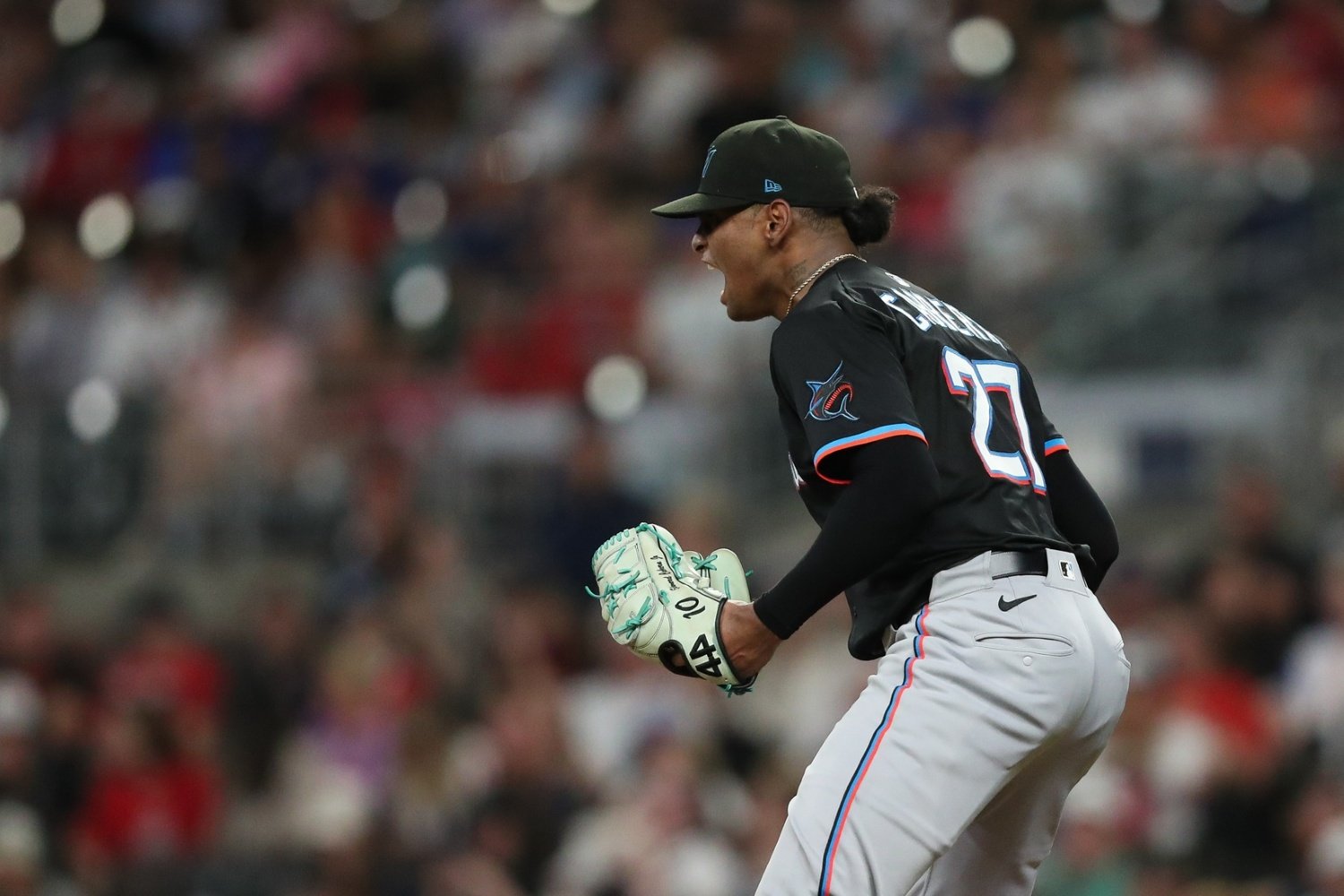 The Chicago Cubs have agreed to a trade to acquire right-handed pitcher Edward Cabrera from the Miami Marlins, a source confirmed to North Side Baseball Wednesday. Michael Cerami of Bleacher Nation had the news first, on Twitter. Owen Caissie will be part of the package going to the Marlins, who nearly acquired him from Chicago last winter in exchange for lefty starter Jesús Luzardo. Cabrera, who will turn 28 in April, comes with three years of team control, and is eligible for arbitration this winter. He made 26 starts and posted a 3.53 ERA in 2025, the best and healthiest season of his career. Long plagued by shoulder injuries, he lowered his arm slot, resulting not only in more durability (though he dealt with elbow issues, instead) but better control. Without missing fewer bats (his strikeout rate held steady at 25.8%), Cabrera used his altered delivery to reduce his walk rate from a career mark of 13.3% before 2025 to 8.3%. He boasts two fastballs that sit in the upper 90s, but is one of the least fastball-reliant starting pitchers in baseball. Instead, he leans heavily on his plus changeup and curveball, also mixing in a slider and an occasional sweeper. The changeup is famous for clocking in as high as 96 miles per hour, thrown with ferocity but achieving great fade and tumble. Given that profile, it's clear what Cabrera adds that the Cubs had previously lacked: a right-handed power arm at the front end of the rotation, to complement Cade Horton. He misses bats with multiple offerings and could still have more in the tank, as he finds a rhythm by staying healthy more consistently. The Cubs could have him throw the heater more than Miami did, but he's a different type of hurler than they have relied on over the last decade—and that's a good thing. For the Marlins, the key piece of the deal is Caissie, who had been slated to take over a significant role in the Cubs' lineup for 2026. Long on raw power and more athletic than his frame suggests, Caissie nonetheless comes with concerns about his ability to actualize that pop (he rarely pulled the ball in the air, for instance, even in a second tour of Triple A in 2025) and about strikeouts. His stock dipped slightly league-wide despite good numbers on the farm last year, and the Cubs entertained trading him in July, when the Marlins were also interested in acquiring him. A source indicated that there will be two other pieces going to Miami to complete the trade. With Caissie heading to Miami, the Cubs are left with an even more glaring set of questions about their offense for 2026. That was already an area of focus for them for the balance of the offseason, and it now becomes their top priority. Cabrera is projected to earn $3.7 million this season, far less than the team would have paid to land either Tatsuya Imai or one of the top domestic starting pitchers via free agency. That leaves them with plenty of spending power. Seiya Suzuki can move back to right field in the absence of Caissie, but that puts extra pressure on the bat of prospective DH Moisés Ballesteros. The Cubs are in contact with the agents for both Alex Bregman and Bo Bichette, who would lessen that pressure by becoming infield options who also spend time at DH, and who could anchor the team's lineup for multiple seasons. Reunions with Kyle Tucker or Cody Bellinger remain unlikely, a source said. Cabrera gives the Cubs one of the best starting rotations in the National League, pending the possibility that they trade one of their incumbent options. (Indeed, they could include one such player in this very deal; Miami has had interest in Javier Assad in the past.) This is a momentous deal, and an exceptionally aggressive one by Jed Hoyer and company. It's also likely to be the first of a multi-transaction move to make the team a more serious challenger to the NL Central hegemons in Milwaukee.
 -
If Cubs Add Another Starting Pitcher, Will They Also Look to Trade One?
Matthew Trueblood posted an article in Cubs
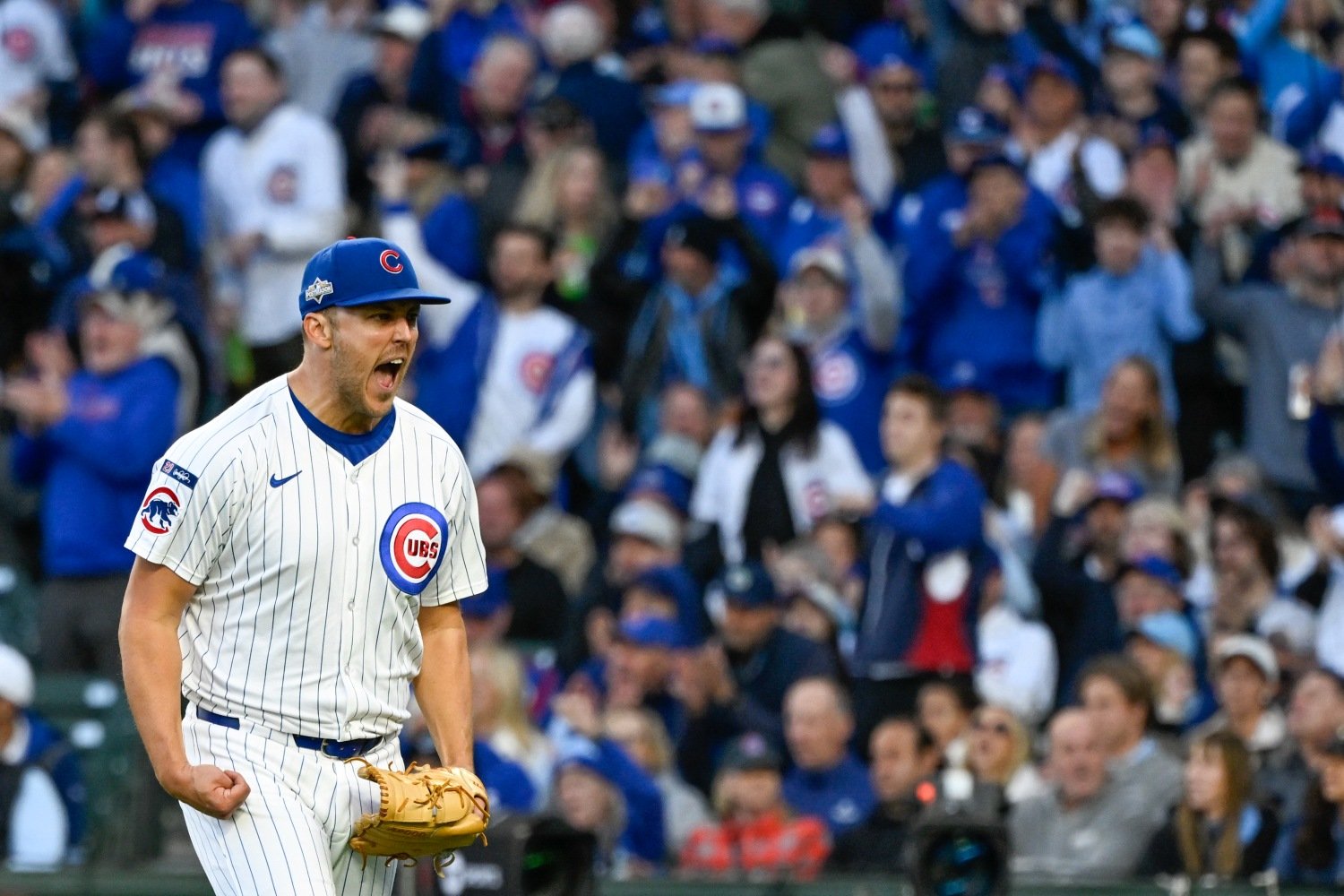 The Chicago Cubs bowed out early in the bidding for top starting pitcher Dylan Cease. They came much nearer to landing Japanese import Tatsuya Imai, but ultimately, Imai signed with the Astros instead. Michael King re-signed with the Padres, and Merrill Kelly returned to the Diamondbacks after they traded him to Texas in July. Trades have moved Mike Burrows to Houston and Sonny Gray and Johan Oviedo to Boston, Some of the top reclamation projects and below-the-radar starters (Dustin May, Tyler Mahle, Cody Ponce, and more) have found their new homes. The market has moved, and the only movements the Cubs have made with it were the proactive choice to extend Colin Rea and the half-welcomed return of Shota Imanaga. In Rea, Imanaga, Cade Horton, Matthew Boyd and Jameson Taillon, the Cubs have five pitchers penciled into their rotation for the coming season. A healthy Javier Assad and a returning Justin Steele would push that number to seven. By the end of last season, that group was insufficient to power the team past the Brewers in the NLDS, but the biggest reasons for that (Horton getting hurt in mid-September and Steele having undergone elbow surgery in April) will be out of the way by the middle of this year. Boyd will pitch for Team USA in the World Baseball Classic in March, further reducing what were already slim chances of another 180-inning campaign from him. Imanaga inspired so little confidence in October that the team didn't use him at all in the decisive Game 5 of that NLDS, but they did then make the decision to extend him the qualifying offer, so they have demonstrated some faith in his durability and performance. It's not hard to find places where the team might still need innings from a starter, but there's no obvious vacancy in that corps. In fact, with Jaxon Wiggins on the cusp of the majors and more pitchers capable of providing length already in the mix, their depth is their strength. As we've discussed several times this winter, that doesn't mean Jed Hoyer shouldn't or won't add another starter. The Cubs remain engaged in both trade and free-agent starter markets, because beyond Horton, their starters all come with important questions about either durability or quality. Should they bring in a starter like Zac Gallen, Ranger Suárez or MacKenzie Gore, though, they'd begin to face a roster crunch in the rotation—especially because they've committed themselves to several out-of-options relief pitchers this winter. Let's imagine, then, that they do make an addition. Will it come with a subtraction? Trading a starter could give the team a much-needed crumb of added depth in the farm system; free up some money for the offensive improvements they also want to make before Opening Day; and clarify the plan for the starting rotation in 2026. It would be complicated, but it might be necessary. Imanaga can't be traded without his permission until June 15; he was technically a free agent before accepting the qualifying offer. Rea doesn't enjoy that protection, but he would save the team less money than most of the alternatives and they've already made an active decision to retain him. Boyd is the type of pitcher the Cubs systematically value more highly than the rest of the league, and was so important to last year's team that trading him feels unimaginable. Trading Horton actually is unimaginable. Steele, coming off surgery, would be hard to trade and isn't going to make that much money, either. The candidates to be dealt are Taillon and Assad. Entering the last year of his four-year deal with the team, Taillon has made some important strides, increasing the utility of his cutter and discovering the kick-change that changed his game in 2025. He's due $18 million this year, and he only has partial no-trade protection, in the form of a 10-team list he can tweak each fall and to which he can block deals. He makes the most sense as a trade chip, because his low strikeout rate and multiple minor injuries in 2025 leave more question marks about his future than are attached to most of the team's other options. Assad comes with just as many questions, but his salary for 2026 will be much lower than Taillon's. He can be traded without restriction, and he has three years of team control remaining, so his trade value will be higher. The key downside of moving him is simple: Assad can be optioned to the minors. He's the most flexible piece of their projected rotation picture, so dealing him would leave them with very little optionality. Because they re-signed Rea and fell back into a short-term arrangement with Imanaga, the Cubs aren't desperate to improve their rotation. Arguably, they should be, but that hasn't been the sense either agents or teams discussing trade candidates with Chicago have gotten. Instead, Hoyer appears to be focused on finding the right way to bolster his offense and build more medium-term upside for a team facing a fistful of free-agent departures after 2026. The team is still open to adding a starter, though, and if they do, it could mean a Taillon trade is in the offing. Such a trade would probably feel much like a salary dump than a win in itself, the same way the team traded Cody Bellinger for little return last winter. In doing that, though, they upgraded from Bellinger to Kyle Tucker, which helped them reach the NLDS for the first time since 2017. This time, the upgrade could be from Taillon to a player like Gallen or Suárez, giving them more team control, this time, as well as a short-term increase in playoff odds.
 -
Image courtesy of © Matt Marton-Imagn Images The Chicago Cubs bowed out early in the bidding for top starting pitcher Dylan Cease. They came much nearer to landing Japanese import Tatsuya Imai, but ultimately, Imai signed with the Astros instead. Michael King re-signed with the Padres, and Merrill Kelly returned to the Diamondbacks after they traded him to Texas in July. Trades have moved Mike Burrows to Houston and Sonny Gray and Johan Oviedo to Boston, Some of the top reclamation projects and below-the-radar starters (Dustin May, Tyler Mahle, Cody Ponce, and more) have found their new homes. The market has moved, and the only movements the Cubs have made with it were the proactive choice to extend Colin Rea and the half-welcomed return of Shota Imanaga. In Rea, Imanaga, Cade Horton, Matthew Boyd and Jameson Taillon, the Cubs have five pitchers penciled into their rotation for the coming season. A healthy Javier Assad and a returning Justin Steele would push that number to seven. By the end of last season, that group was insufficient to power the team past the Brewers in the NLDS, but the biggest reasons for that (Horton getting hurt in mid-September and Steele having undergone elbow surgery in April) will be out of the way by the middle of this year. Boyd will pitch for Team USA in the World Baseball Classic in March, further reducing what were already slim chances of another 180-inning campaign from him. Imanaga inspired so little confidence in October that the team didn't use him at all in the decisive Game 5 of that NLDS, but they did then make the decision to extend him the qualifying offer, so they have demonstrated some faith in his durability and performance. It's not hard to find places where the team might still need innings from a starter, but there's no obvious vacancy in that corps. In fact, with Jaxon Wiggins on the cusp of the majors and more pitchers capable of providing length already in the mix, their depth is their strength. As we've discussed several times this winter, that doesn't mean Jed Hoyer shouldn't or won't add another starter. The Cubs remain engaged in both trade and free-agent starter markets, because beyond Horton, their starters all come with important questions about either durability or quality. Should they bring in a starter like Zac Gallen, Ranger Suárez or MacKenzie Gore, though, they'd begin to face a roster crunch in the rotation—especially because they've committed themselves to several out-of-options relief pitchers this winter. Let's imagine, then, that they do make an addition. Will it come with a subtraction? Trading a starter could give the team a much-needed crumb of added depth in the farm system; free up some money for the offensive improvements they also want to make before Opening Day; and clarify the plan for the starting rotation in 2026. It would be complicated, but it might be necessary. Imanaga can't be traded without his permission until June 15; he was technically a free agent before accepting the qualifying offer. Rea doesn't enjoy that protection, but he would save the team less money than most of the alternatives and they've already made an active decision to retain him. Boyd is the type of pitcher the Cubs systematically value more highly than the rest of the league, and was so important to last year's team that trading him feels unimaginable. Trading Horton actually is unimaginable. Steele, coming off surgery, would be hard to trade and isn't going to make that much money, either. The candidates to be dealt are Taillon and Assad. Entering the last year of his four-year deal with the team, Taillon has made some important strides, increasing the utility of his cutter and discovering the kick-change that changed his game in 2025. He's due $18 million this year, and he only has partial no-trade protection, in the form of a 10-team list he can tweak each fall and to which he can block deals. He makes the most sense as a trade chip, because his low strikeout rate and multiple minor injuries in 2025 leave more question marks about his future than are attached to most of the team's other options. Assad comes with just as many questions, but his salary for 2026 will be much lower than Taillon's. He can be traded without restriction, and he has three years of team control remaining, so his trade value will be higher. The key downside of moving him is simple: Assad can be optioned to the minors. He's the most flexible piece of their projected rotation picture, so dealing him would leave them with very little optionality. Because they re-signed Rea and fell back into a short-term arrangement with Imanaga, the Cubs aren't desperate to improve their rotation. Arguably, they should be, but that hasn't been the sense either agents or teams discussing trade candidates with Chicago have gotten. Instead, Hoyer appears to be focused on finding the right way to bolster his offense and build more medium-term upside for a team facing a fistful of free-agent departures after 2026. The team is still open to adding a starter, though, and if they do, it could mean a Taillon trade is in the offing. Such a trade would probably feel much like a salary dump than a win in itself, the same way the team traded Cody Bellinger for little return last winter. In doing that, though, they upgraded from Bellinger to Kyle Tucker, which helped them reach the NLDS for the first time since 2017. This time, the upgrade could be from Taillon to a player like Gallen or Suárez, giving them more team control, this time, as well as a short-term increase in playoff odds. View full article
-
 If you're feeling open-minded, Bo Bichette is the perfect fit for a Chicago Cubs team struggling to find the right one this winter. They made only passive overtures to infielder Kazuma Okamoto before he signed with the Blue Jays, but they met with Pete Alonso in December, and have had multiple discussions with and about Alex Bregman this offseason. Upgrading their offense—and, specifically, bringing in a solidly above-average right-handed batter to balance and deepen the lineup—is part of Jed Hoyer's offseason plan. Bichette is a unicorn, with a swing unlike that of any other right-handed batter in the league. His steep stroke (37.5° of swing tilt this season) is unusual for righty hitters, but the fact that he also lets the ball travel very deep into the hitting zone before making contact (meeting it 24.5 inches in front of his center of mass) sets him apart even from those otherwise roughly similar. Here are all the other hitters with a swing plane of at least 36° and a contact point no more than 28 inches in front of their frame in 2025: Dillon Dingler Adam Frazier Freddie Freeman Nick Kurtz Brandon Marsh Zach McKinstry Ryan McMahon Jackson Merrill Shohei Ohtani That's a highly varied set of hitters, but they almost all share one trait: left-handedness. Only Dingler is a righty batter. Here's a composite animation of Bichette's swing from last season. It's highly unusual. Bo Bichette 2025.mp4 His extreme counterrotation with the shoulder makes him a lashing line-drive hitter, and his exceptional feel for contact makes him dangerous despite his lack of high-end raw swing speed. This is the kind of player the Cubs like to bring in, when they make a major investment, because he lacks some of the measurables (especially swing speed and power potential) that invite larger-market teams to make bids so high that Chicago loses interest. With Nico Hoerner set to hit free agency after 2026, Bichette also fits the positional and timeline sweet spots for the Cubs. He could play third base this season and second base thereafter; he could stay at third and play alongside Hoerner and Dansby Swanson for another half-decade. He'll only turn 28 years old in March; he has plenty of prime years left. He'd be a plus defender at second and at least an average one at third, even though he was markedly worse than average at shortstop over the last few seasons of his tenure in Toronto. Signing Bichette would get the Cubs out of a tense chess match with Scott Boras. With him in the fold, the team wouldn't need to sweat the rising likelihood that Alex Bregman returns to the Red Sox, and they could trade either Hoerner or Matt Shaw in their pursuit of help in the starting rotation. Bichette would become the team's big financial outlay, and the displacement he would create on their roster would bring them pitching help on a more cost-controlled basis. The rub, of course, is that Bichette is still likely to cost more than the Cubs are willing to pay. He's remained on the market this long and drawn the Cubs' attention at all because the $250-million deal once imagined isn't out there, but he will still get to choose between a deal that would be the richest in Cubs history (likely eclipsing $200 million) or one that would come with massive flexibility and expected value, with a shorter term but multiple opt-outs and an annual average value over $30 million. Hoyer is trying to avoid that grand an outlay, and a source familiar with the team's thinking indicated that they do not view Bichette as the same kind of special case (a confluence of ability and personal trustworthiness) that Swanson was when they signed him to a seven-year deal two winters ago. That doesn't mean they won't sign Bichette to a similar, even larger deal. He's been more consistently productive at the plate than Swanson, and is a year younger than Swanson was when he signed with the team. The Cubs are in a stronger financial and competitive position now than when they signed Swanson. Still, with several other big spenders in on him, Bichette has a robust market. The fit here is perfect. He would unlock some of their most desirable paths forward, not just for 2026 but through the end of the decade. To make it happen, though, Hoyer and company would have to do something uncharacteristic. Their disciplined valuations would have to tell them that the market was a bit too low on the slowish-swinging not-quite-shortstop, and they would have to feel confident that they could execute the other half of a large and complicated double-move, trading young talent for a pitcher whose arrival would dovetail with Bichette's to form the next set of pillars for this ever-evolving roster.
 -
Image courtesy of © Nick Turchiaro-Imagn Images If you're feeling open-minded, Bo Bichette is the perfect fit for a Chicago Cubs team struggling to find the right one this winter. They made only passive overtures to infielder Kazuma Okamoto before he signed with the Blue Jays, but they met with Pete Alonso in December, and have had multiple discussions with and about Alex Bregman this offseason. Upgrading their offense—and, specifically, bringing in a solidly above-average right-handed batter to balance and deepen the lineup—is part of Jed Hoyer's offseason plan. Bichette is a unicorn, with a swing unlike that of any other right-handed batter in the league. His steep stroke (37.5° of swing tilt this season) is unusual for righty hitters, but the fact that he also lets the ball travel very deep into the hitting zone before making contact (meeting it 24.5 inches in front of his center of mass) sets him apart even from those otherwise roughly similar. Here are all the other hitters with a swing plane of at least 36° and a contact point no more than 28 inches in front of their frame in 2025: Dillon Dingler Adam Frazier Freddie Freeman Nick Kurtz Brandon Marsh Zach McKinstry Ryan McMahon Jackson Merrill Shohei Ohtani That's a highly varied set of hitters, but they almost all share one trait: left-handedness. Only Dingler is a righty batter. Here's a composite animation of Bichette's swing from last season. It's highly unusual. Bo Bichette 2025.mp4 His extreme counterrotation with the shoulder makes him a lashing line-drive hitter, and his exceptional feel for contact makes him dangerous despite his lack of high-end raw swing speed. This is the kind of player the Cubs like to bring in, when they make a major investment, because he lacks some of the measurables (especially swing speed and power potential) that invite larger-market teams to make bids so high that Chicago loses interest. With Nico Hoerner set to hit free agency after 2026, Bichette also fits the positional and timeline sweet spots for the Cubs. He could play third base this season and second base thereafter; he could stay at third and play alongside Hoerner and Dansby Swanson for another half-decade. He'll only turn 28 years old in March; he has plenty of prime years left. He'd be a plus defender at second and at least an average one at third, even though he was markedly worse than average at shortstop over the last few seasons of his tenure in Toronto. Signing Bichette would get the Cubs out of a tense chess match with Scott Boras. With him in the fold, the team wouldn't need to sweat the rising likelihood that Alex Bregman returns to the Red Sox, and they could trade either Hoerner or Matt Shaw in their pursuit of help in the starting rotation. Bichette would become the team's big financial outlay, and the displacement he would create on their roster would bring them pitching help on a more cost-controlled basis. The rub, of course, is that Bichette is still likely to cost more than the Cubs are willing to pay. He's remained on the market this long and drawn the Cubs' attention at all because the $250-million deal once imagined isn't out there, but he will still get to choose between a deal that would be the richest in Cubs history (likely eclipsing $200 million) or one that would come with massive flexibility and expected value, with a shorter term but multiple opt-outs and an annual average value over $30 million. Hoyer is trying to avoid that grand an outlay, and a source familiar with the team's thinking indicated that they do not view Bichette as the same kind of special case (a confluence of ability and personal trustworthiness) that Swanson was when they signed him to a seven-year deal two winters ago. That doesn't mean they won't sign Bichette to a similar, even larger deal. He's been more consistently productive at the plate than Swanson, and is a year younger than Swanson was when he signed with the team. The Cubs are in a stronger financial and competitive position now than when they signed Swanson. Still, with several other big spenders in on him, Bichette has a robust market. The fit here is perfect. He would unlock some of their most desirable paths forward, not just for 2026 but through the end of the decade. To make it happen, though, Hoyer and company would have to do something uncharacteristic. Their disciplined valuations would have to tell them that the market was a bit too low on the slowish-swinging not-quite-shortstop, and they would have to feel confident that they could execute the other half of a large and complicated double-move, trading young talent for a pitcher whose arrival would dovetail with Bichette's to form the next set of pillars for this ever-evolving roster. View full article
-
As New Year Begins, Scott Boras Controls Cubs Offseason Yet Again
Matthew Trueblood posted an article in Cubs
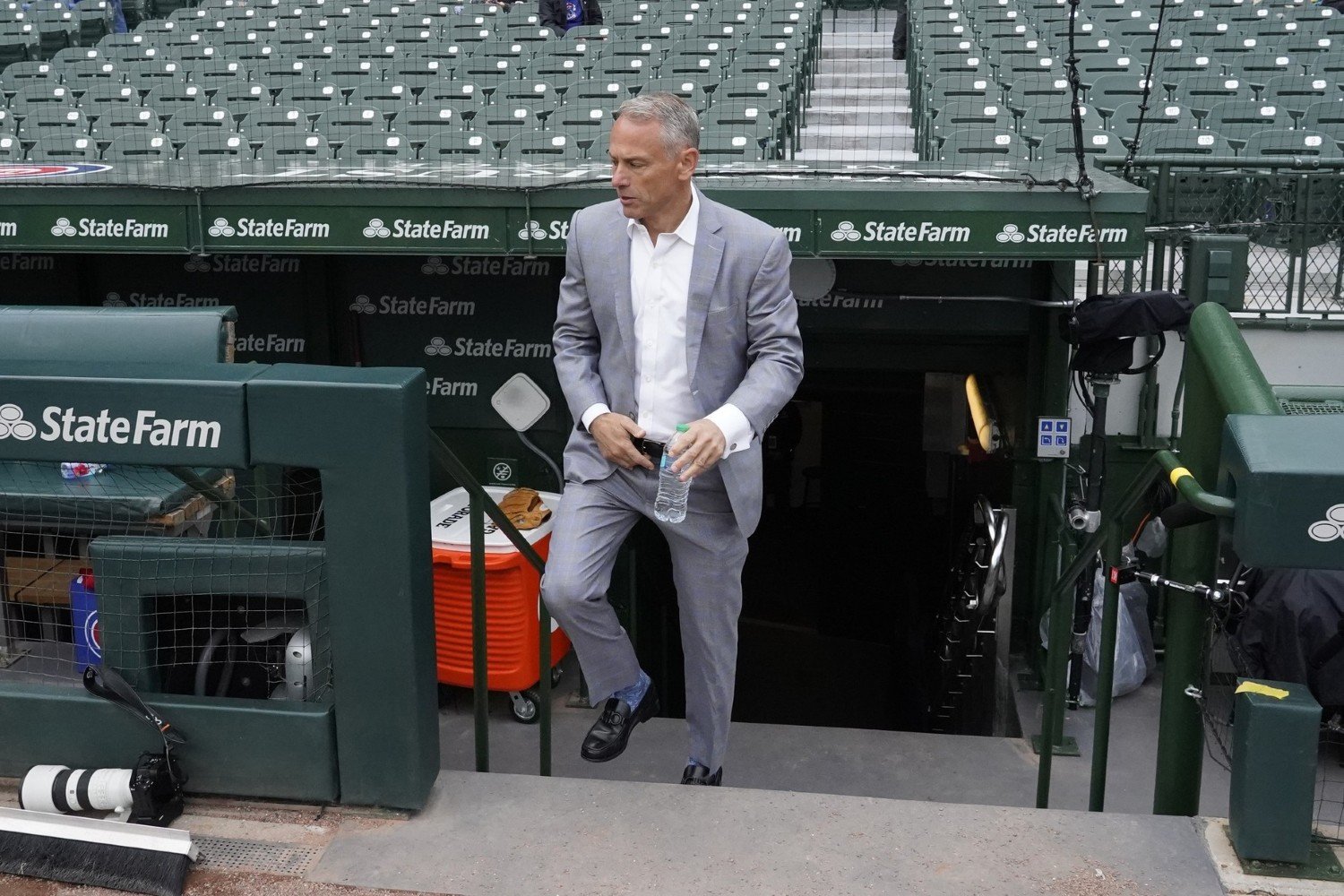 For the third year running, the Cubs' offseason is coming down to a staring contest between frequent but unhappy collaborators Jed Hoyer and Scott Boras. Boras inflicted a painful loss on Hoyer and company this week, as his client Tatsuya Imai signed a three-year deal with the Astros worth up to $63 million. The Cubs thought they had a deal all but complete with Imai, only to have Boras leverage their last offer into one from Houston that included one of the key provisions on which Hoyer wouldn't budge: an opt-out after 2026. Naturally, Chicago isn't pleased with Boras's tactics, and this isn't the first time in the last few years that that has been true. For any of their objections, though, Boras has two reasonable and forceful rejoinders: They're not ultimately making the strongest bids; they're trying to win free-agent sweepstakes only on their terms; and Where else are they going to go? Last year, Chicago refused to offer Alex Bregman as many opt-outs as the Red Sox did, even though they did propose a longer deal with a higher net present value. They also declined to consider the deferral structure that allowed Bregman and Boras (however misleadingly) to label the deal as being worth $40 million annually. This time around, Chicago wanted Imai, but not on a deal that allowed him to opt out after 2026. While the benefits of deferring money accrue mostly to the team and are a matter more of style than substance, Hoyer's intransigence on certain opt-out opportunities meant that the deals signed by Bregman last winter and Imai this time had expected values at least as high as what the Cubs offered, and greater flexibility from the player's side. It's still understandable that the Cubs feel chapped by Boras's order of operations with Imai, but as Boras and Hoyer both know, giving the agent any kind of cold shoulder is not an option now. One of the reasons why the Cubs were reluctant to consider shorter and higher-AAV structures for Imai is that they want to keep 2026 payroll available for the other top target of their offseason: Bregman, again. Now that they've missed on Imai, if they make a meaningful upgrade to the rotation, it will almost surely have to come in the person of either Zac Gallen or Ranger Suárez. We talked at length about why Suárez holds obvious appeal for the Cubs, and about why they were tied closely to Gallen by a rumor earlier this offseason. The thing is, both are Boras clients, too. Framber Valdez is not in the Cubs' wheelhouse; he's not coming. The team's three top targets in free agency are Bregman, Gallen and Suárez. That leaves Hoyer little leverage in negotiations with Boras, and is one reason why Boras was also happy to steer Imai to Houston: It leaves one of the top landing spots for his other three key free agents hungry. The trade market is an alternative, of course, and the Cubs would just as soon pursue improvement down that road, but discussions with teams like the Nationals (MacKenzie Gore, CJ Abrams) and Marlins (Edward Cabrera, Sandy Alcantara) have gone nowhere recently. A trade for Gore or Cabrera would almost certainly have to be paired with a Bregman signing, making up for the offense lost when the team parts with one of their top young hitters in exchange for a starter. That would only sharpen Hoyer's position on the winter chessboard and leave Boras with even more leverage in that negotiation. In the winter of 2023-24, Hoyer won a showdown with Boras when he got Cody Bellinger back on a three-year deal with a reasonable AAV (and opt-outs after each season). He signed Boras client Matthew Boyd early last winter, and then stayed engaged with the super-agent the rest of the winter about Bregman. Ultimately, though, the Cubs have never signed a Boras client to a deal richer than the $80 million Bellinger could have earned over the full course of his three-year deal. For that matter, Boyd's is the second-richest deal they've struck with him. Boras dislikes the Cubs almost as much as they dislike him at this moment, because they were one of the first big-market teams to consistently block his signature end run to ownership on top-tier free agents, and because they spend so much less than they could and should. Already, it seems clear that the Yankees or Mets will outbid Chicago on Bellinger; the fit there is imperfect, anyway. Bregman could very well return to the Red Sox, though the Cubs remain locked in on him, much as they were at this time last year. There are still enough teams who need a starter to ensure a robust market for Gallen and Suárez, now that their agencymate Imai is out of the way. Hoyer is relentlessly value-focused in his free-agent shopping. That has led to a high batting average on significant investments. He's signed seven players to free-agent deals with eight-figure AAVs, and they've delivered an average of 10.4 runs above average per season during their time with the team on those deals, according to Baseball Reference. That might not sound like a huge win, but it is. Nor does that count Nico Hoerner and Ian Happ, who have averaged over 20 runs above average per year since their salaries crested $10 million. The only below-average season turned in by any player in this cohort was Jameson Taillon's 2023. That said, refusing to go the extra year or the extra dollar to land an even higher tier of talent has kept a relatively low ceiling on the Cubs. If they want to elbow past the Brewers in 2026, they need to tilt their projection at least 40 more runs to the good, and that means either hitting big on one of their young players or making multiple significant additions between now and Opening Day. To do the former, they have to be better at player development than they've yet proved themselves to be. To do the latter, they have to swallow their pride and win a Scott Boras bidding war.
 -
Image courtesy of © David Banks-Imagn Images For the third year running, the Cubs' offseason is coming down to a staring contest between frequent but unhappy collaborators Jed Hoyer and Scott Boras. Boras inflicted a painful loss on Hoyer and company this week, as his client Tatsuya Imai signed a three-year deal with the Astros worth up to $63 million. The Cubs thought they had a deal all but complete with Imai, only to have Boras leverage their last offer into one from Houston that included one of the key provisions on which Hoyer wouldn't budge: an opt-out after 2026. Naturally, Chicago isn't pleased with Boras's tactics, and this isn't the first time in the last few years that that has been true. For any of their objections, though, Boras has two reasonable and forceful rejoinders: They're not ultimately making the strongest bids; they're trying to win free-agent sweepstakes only on their terms; and Where else are they going to go? Last year, Chicago refused to offer Alex Bregman as many opt-outs as the Red Sox did, even though they did propose a longer deal with a higher net present value. They also declined to consider the deferral structure that allowed Bregman and Boras (however misleadingly) to label the deal as being worth $40 million annually. This time around, Chicago wanted Imai, but not on a deal that allowed him to opt out after 2026. While the benefits of deferring money accrue mostly to the team and are a matter more of style than substance, Hoyer's intransigence on certain opt-out opportunities meant that the deals signed by Bregman last winter and Imai this time had expected values at least as high as what the Cubs offered, and greater flexibility from the player's side. It's still understandable that the Cubs feel chapped by Boras's order of operations with Imai, but as Boras and Hoyer both know, giving the agent any kind of cold shoulder is not an option now. One of the reasons why the Cubs were reluctant to consider shorter and higher-AAV structures for Imai is that they want to keep 2026 payroll available for the other top target of their offseason: Bregman, again. Now that they've missed on Imai, if they make a meaningful upgrade to the rotation, it will almost surely have to come in the person of either Zac Gallen or Ranger Suárez. We talked at length about why Suárez holds obvious appeal for the Cubs, and about why they were tied closely to Gallen by a rumor earlier this offseason. The thing is, both are Boras clients, too. Framber Valdez is not in the Cubs' wheelhouse; he's not coming. The team's three top targets in free agency are Bregman, Gallen and Suárez. That leaves Hoyer little leverage in negotiations with Boras, and is one reason why Boras was also happy to steer Imai to Houston: It leaves one of the top landing spots for his other three key free agents hungry. The trade market is an alternative, of course, and the Cubs would just as soon pursue improvement down that road, but discussions with teams like the Nationals (MacKenzie Gore, CJ Abrams) and Marlins (Edward Cabrera, Sandy Alcantara) have gone nowhere recently. A trade for Gore or Cabrera would almost certainly have to be paired with a Bregman signing, making up for the offense lost when the team parts with one of their top young hitters in exchange for a starter. That would only sharpen Hoyer's position on the winter chessboard and leave Boras with even more leverage in that negotiation. In the winter of 2023-24, Hoyer won a showdown with Boras when he got Cody Bellinger back on a three-year deal with a reasonable AAV (and opt-outs after each season). He signed Boras client Matthew Boyd early last winter, and then stayed engaged with the super-agent the rest of the winter about Bregman. Ultimately, though, the Cubs have never signed a Boras client to a deal richer than the $80 million Bellinger could have earned over the full course of his three-year deal. For that matter, Boyd's is the second-richest deal they've struck with him. Boras dislikes the Cubs almost as much as they dislike him at this moment, because they were one of the first big-market teams to consistently block his signature end run to ownership on top-tier free agents, and because they spend so much less than they could and should. Already, it seems clear that the Yankees or Mets will outbid Chicago on Bellinger; the fit there is imperfect, anyway. Bregman could very well return to the Red Sox, though the Cubs remain locked in on him, much as they were at this time last year. There are still enough teams who need a starter to ensure a robust market for Gallen and Suárez, now that their agencymate Imai is out of the way. Hoyer is relentlessly value-focused in his free-agent shopping. That has led to a high batting average on significant investments. He's signed seven players to free-agent deals with eight-figure AAVs, and they've delivered an average of 10.4 runs above average per season during their time with the team on those deals, according to Baseball Reference. That might not sound like a huge win, but it is. Nor does that count Nico Hoerner and Ian Happ, who have averaged over 20 runs above average per year since their salaries crested $10 million. The only below-average season turned in by any player in this cohort was Jameson Taillon's 2023. That said, refusing to go the extra year or the extra dollar to land an even higher tier of talent has kept a relatively low ceiling on the Cubs. If they want to elbow past the Brewers in 2026, they need to tilt their projection at least 40 more runs to the good, and that means either hitting big on one of their young players or making multiple significant additions between now and Opening Day. To do the former, they have to be better at player development than they've yet proved themselves to be. To do the latter, they have to swallow their pride and win a Scott Boras bidding war. View full article
-
Image courtesy of © Benny Sieu-Imagn Images Since being a first-round pick out of high school in 2013, Hunter Harvey has pitched 453 innings. That's not 453 innings in the majors, or 453 innings in the last five years. In parts of 13 professional seasons, Harvey has pitched a total of 453 innings. Since moving to the bullpen in 2020, he's been consistently good, with a fastball that reaches the upper 90s, a good splitter and a sometimes devastating slider. Even in that limited role, though, he's had no success staying healthy. The closest Harvey has ever come to pitching a full season was in 2023, when he piled up 60 innings in the Nationals bullpen and "only" missed a month with an elbow strain. In 2025, he dealt with a teres major strain that kept him out until after the All-Star break and an adductor strain that knocked him out for good in mid-August. He made less than $4 million this year, and only managed to pitch 10 2/3 innings in 12 games for Kansas City. He's averaged just 34 innings at the big-league level over the last five seasons. It's peculiar, therefore, that the Cubs ponied up $6 million in guaranteed money to sign Harvey, according to ESPN. He's an above-average reliever, when healthy, but he's very rarely healthy, and at age 31, it's unlikely that that will change. He's had at least four separate elbow injuries; three different shoulder issues; an oblique strain; and multiple leg injuries as a pro. The Cubs have plenty of money left to spend this winter, but their budget is not limitless. On the contrary, they're unlikely to be allowed to spend more than about $230 million on their 2026 roster, and that figure is already over $190 million, after the commitment to Harvey. This isn't a wise expenditure of resources. It's the kind of thing the Dodgers or Mets might do—paying for a pitcher with a chance to work in high-leverage moments in October, but rolling the dice on an exceptionally fraught health record. The Dodgers and Mets, though, will each spend about $100 million more than the Cubs will in 2026. Unlike the Dodgers, too, the Cubs have little chance of winning their division. Harvey is the wrong kind of luxury item—like a high-maintenance sports car that doesn't even impress people all that much between its too-frequent breakdowns. Harvey really is a fine middle reliever, as these things go. He's struck out 26.8% of opposing batters and walked just 6.8% of them in his time in the majors. Still, signing him to a guaranteed deal needlessly ossifies Chicago's bullpen, and giving him a substantial sum (more than Phil Maton will make in 2026, though he's guaranteed a second season and has a chance to see his salary rise further via incentives) risks tying their hands financially. As it stands, the Cubs' relief corps features five hurlers—Maton, Harvey, Caleb Thielbar, Hoby Milner, and Jacob Webb—who can't be optioned to the minors. Daniel Palencia can theoretically be sent down, but in any scenario wherein the Cubs entertain doing so, their bullpen is in big trouble, anyway. In theory, that leaves two spots for optionable arms, but in reality, the Cubs are still likely to add a starting pitcher this offseason, pushing Colin Rea into a long relief role. Rea, too, is locked into the roster, so they would then have just one spot with real flexibility remaining. In one sense, that part is a minor concern, because Harvey is so likely to spend so much time on the injured list that he barely clogs the pipeline. Still, spending both a roster spot and a meaningful amount of money on him seems like a bizarre decision. He's the level of player and risk where, if signing him costs them a chance to do anything else they might wish to do, it was a mistake. The Cubs must believe they'll unlock something in him, either by taking his game to another level or by keeping him healthy, where all his previous employers have failed to do so. They shouldn't have had to put such stakes on that kind of wager, though, and the smart money says they'll rue the choice to do so sometime next summer. View full article
-
Why on Earth are the Cubs Paying Hunter Harvey $6 Million Next Season?
Matthew Trueblood posted an article in Cubs
 Since being a first-round pick out of high school in 2013, Hunter Harvey has pitched 453 innings. That's not 453 innings in the majors, or 453 innings in the last five years. In parts of 13 professional seasons, Harvey has pitched a total of 453 innings. Since moving to the bullpen in 2020, he's been consistently good, with a fastball that reaches the upper 90s, a good splitter and a sometimes devastating slider. Even in that limited role, though, he's had no success staying healthy. The closest Harvey has ever come to pitching a full season was in 2023, when he piled up 60 innings in the Nationals bullpen and "only" missed a month with an elbow strain. In 2025, he dealt with a teres major strain that kept him out until after the All-Star break and an adductor strain that knocked him out for good in mid-August. He made less than $4 million this year, and only managed to pitch 10 2/3 innings in 12 games for Kansas City. He's averaged just 34 innings at the big-league level over the last five seasons. It's peculiar, therefore, that the Cubs ponied up $6 million in guaranteed money to sign Harvey, according to ESPN. He's an above-average reliever, when healthy, but he's very rarely healthy, and at age 31, it's unlikely that that will change. He's had at least four separate elbow injuries; three different shoulder issues; an oblique strain; and multiple leg injuries as a pro. The Cubs have plenty of money left to spend this winter, but their budget is not limitless. On the contrary, they're unlikely to be allowed to spend more than about $230 million on their 2026 roster, and that figure is already over $190 million, after the commitment to Harvey. This isn't a wise expenditure of resources. It's the kind of thing the Dodgers or Mets might do—paying for a pitcher with a chance to work in high-leverage moments in October, but rolling the dice on an exceptionally fraught health record. The Dodgers and Mets, though, will each spend about $100 million more than the Cubs will in 2026. Unlike the Dodgers, too, the Cubs have little chance of winning their division. Harvey is the wrong kind of luxury item—like a high-maintenance sports car that doesn't even impress people all that much between its too-frequent breakdowns. Harvey really is a fine middle reliever, as these things go. He's struck out 26.8% of opposing batters and walked just 6.8% of them in his time in the majors. Still, signing him to a guaranteed deal needlessly ossifies Chicago's bullpen, and giving him a substantial sum (more than Phil Maton will make in 2026, though he's guaranteed a second season and has a chance to see his salary rise further via incentives) risks tying their hands financially. As it stands, the Cubs' relief corps features five hurlers—Maton, Harvey, Caleb Thielbar, Hoby Milner, and Jacob Webb—who can't be optioned to the minors. Daniel Palencia can theoretically be sent down, but in any scenario wherein the Cubs entertain doing so, their bullpen is in big trouble, anyway. In theory, that leaves two spots for optionable arms, but in reality, the Cubs are still likely to add a starting pitcher this offseason, pushing Colin Rea into a long relief role. Rea, too, is locked into the roster, so they would then have just one spot with real flexibility remaining. In one sense, that part is a minor concern, because Harvey is so likely to spend so much time on the injured list that he barely clogs the pipeline. Still, spending both a roster spot and a meaningful amount of money on him seems like a bizarre decision. He's the level of player and risk where, if signing him costs them a chance to do anything else they might wish to do, it was a mistake. The Cubs must believe they'll unlock something in him, either by taking his game to another level or by keeping him healthy, where all his previous employers have failed to do so. They shouldn't have had to put such stakes on that kind of wager, though, and the smart money says they'll rue the choice to do so sometime next summer.
 -
Image courtesy of © Michael McLoone-Imagn Images Dansby Swanson had a strong 2025 season. He only batted .244/.300/.417, with that middle number—the most important one, his on-base percentage—sagging alarmingly, but he cracked 24 home runs, stole 20 bases and made good adjustments, even as he endured some wretched luck and sequencing. His DRC+, according to Baseball Prospectus, was 113, marking him as well above average by process, even if his results were average or worse. That was the best DRC+ of his Cubs tenure, and an especially important bump from the 104 he posted in 2024. As he ages, Swanson continues a negotiation with his own skill set and with opposing pitchers—though the latter, of course, is a highly adversarial one, so it can't be as calm or simple as the one with himself. He'll turn 32 in February, and he's made significant adjustments to deal with the way his athletic baseline has changed and with things like the lingering core muscle injuries through which he played in 2024. Those adjustments paid off in 2025, in the form of more hard-hit balls, fewer grounders, and a stronger tendency to pull the ball in the air—all of which could (and perhaps even should) have led to more increased production than we really saw. To see both what a material and valuable change he made and why it might not be sufficient, consider these charts of Swanson's swing rate by pitch location for both 2024 and 2025. Swanson shifted his sights slightly upward in 2025, but only slightly. The focal point of his approach was still right around the same place it was last year, just above the belt and just on the inside half of the plate. However, he swung more almost throughout his swing range than he had the year before. He's not a guy who will get fooled badly and chase wildly, far outside the zone. He will, however, slightly expand, and he will try to cover the whole zone. Using Statcast's Attack Zone breakdown tells the story. Here are Swanson's swing rate rankings among hitters with a substantial number of pitches seen in each Attack Zone category, for 2025: Heart of Zone: 11th of 161 Shadow (Edges): 85th of 282 Chase and Waste (far out of the zone): 144th of 185 He leaned more into those tendencies in 2025 than he had the year before. That was partially because he was healthier than in 2024, and felt better swinging the bat, but it was also partially because his skills are evolving (and, to a mild extent, eroding). Swanson didn't feel like he could be as discerning; he didn't want to end up in unduly deep counts or miss his pitch to hit when it came. According to SEAGER, a system devised by Robert Orr (then of Baseball Prospectus) to assess a hitter's ability to balance selectivity and aggressiveness, Swanson got much better at that skill in 2025. SEAGER is made up of two components: Selectivity: the percentage of a hitter's good swing decisions (those with positive expected value based on the pitch's location) that took the form of good takes on bad pitches to hit Hittable Pitch Take Rate: the percentage of a hitter's takes (all pitches on which they didn't swing) that came on pitches with positive expected value for swings—thereby making them bad takes. Somewhat counterintuitively (if you just glance at the heat maps above), Swanson's selectivity rating changed very little from 2024 to 2025. In both years, just under half his good swing decisions were takes on bad pitches. His SEAGER shot up, though, because his take rate on pitches begging to be hit went down sharply, from 33.3% in 2024 to 27.9% in 2025. He didn't let good pitches go by nearly as often. This is why he found the gap in left-center field more often, especially later in the season. It's a big part of his improved contact profile. However, Swanson will have to adjust again in 2026, in multiple facets. Unfortunately, though those tweaks were admirable responses to the challenges of hitting well as one ages, new challenges are right around the corner, and these tweaks won't be enough to keep him a competent hitter. He's never been good at making contact on swings outside the zone, and in 2025, that figure plummeted to 44.3%, the worst mark of his career. Without a change in approach, that will continue to get worse; out-of-zone contact has a steep aging curve. So does bat speed, once a hitter turns 32. Swanson is at what the broader population experiences as a major inflection point for the loss of swing speed, so he's going to struggle to generate the same power we saw in 2025 unless he can tighten up his zone and lock in on pitches he can drive. Getting more aggressive was key to his improvements this year, but next year, both the alarming share of those extra swings that already came up empty and the fact that a slower stick is likely to reduce his margin for error mean he will need to get more patient, instead. Hitters decline at Swanson's age. It's a fact of life, in an extremely difficult game played at an extraordinary level of sheer athleticism. The Cubs, however, can ill afford to have Swanson take a step back. They need every bit of the production they got from him in 2025, for at least one more season. They can't offer him a move off shortstop to make maintaining his offense easier, at least until 2027. They can't reduce his workload much in terms of games played or started. They need Swanson to keep delivering big hits and tough at-bats, even though he's reached the stage of his career where he needs to oscillate increasingly widely and make bigger and bigger changes each year, just to tread water at the dish. He's between a rock and a hard cutter on the hands, and next season will be an exercise in very difficult extrication. View full article
-
Dansby Swanson Made a Bunch of Good Adjustments, but Has to Make More
Matthew Trueblood posted an article in Cubs
 Dansby Swanson had a strong 2025 season. He only batted .244/.300/.417, with that middle number—the most important one, his on-base percentage—sagging alarmingly, but he cracked 24 home runs, stole 20 bases and made good adjustments, even as he endured some wretched luck and sequencing. His DRC+, according to Baseball Prospectus, was 113, marking him as well above average by process, even if his results were average or worse. That was the best DRC+ of his Cubs tenure, and an especially important bump from the 104 he posted in 2024. As he ages, Swanson continues a negotiation with his own skill set and with opposing pitchers—though the latter, of course, is a highly adversarial one, so it can't be as calm or simple as the one with himself. He'll turn 32 in February, and he's made significant adjustments to deal with the way his athletic baseline has changed and with things like the lingering core muscle injuries through which he played in 2024. Those adjustments paid off in 2025, in the form of more hard-hit balls, fewer grounders, and a stronger tendency to pull the ball in the air—all of which could (and perhaps even should) have led to more increased production than we really saw. To see both what a material and valuable change he made and why it might not be sufficient, consider these charts of Swanson's swing rate by pitch location for both 2024 and 2025. Swanson shifted his sights slightly upward in 2025, but only slightly. The focal point of his approach was still right around the same place it was last year, just above the belt and just on the inside half of the plate. However, he swung more almost throughout his swing range than he had the year before. He's not a guy who will get fooled badly and chase wildly, far outside the zone. He will, however, slightly expand, and he will try to cover the whole zone. Using Statcast's Attack Zone breakdown tells the story. Here are Swanson's swing rate rankings among hitters with a substantial number of pitches seen in each Attack Zone category, for 2025: Heart of Zone: 11th of 161 Shadow (Edges): 85th of 282 Chase and Waste (far out of the zone): 144th of 185 He leaned more into those tendencies in 2025 than he had the year before. That was partially because he was healthier than in 2024, and felt better swinging the bat, but it was also partially because his skills are evolving (and, to a mild extent, eroding). Swanson didn't feel like he could be as discerning; he didn't want to end up in unduly deep counts or miss his pitch to hit when it came. According to SEAGER, a system devised by Robert Orr (then of Baseball Prospectus) to assess a hitter's ability to balance selectivity and aggressiveness, Swanson got much better at that skill in 2025. SEAGER is made up of two components: Selectivity: the percentage of a hitter's good swing decisions (those with positive expected value based on the pitch's location) that took the form of good takes on bad pitches to hit Hittable Pitch Take Rate: the percentage of a hitter's takes (all pitches on which they didn't swing) that came on pitches with positive expected value for swings—thereby making them bad takes. Somewhat counterintuitively (if you just glance at the heat maps above), Swanson's selectivity rating changed very little from 2024 to 2025. In both years, just under half his good swing decisions were takes on bad pitches. His SEAGER shot up, though, because his take rate on pitches begging to be hit went down sharply, from 33.3% in 2024 to 27.9% in 2025. He didn't let good pitches go by nearly as often. This is why he found the gap in left-center field more often, especially later in the season. It's a big part of his improved contact profile. However, Swanson will have to adjust again in 2026, in multiple facets. Unfortunately, though those tweaks were admirable responses to the challenges of hitting well as one ages, new challenges are right around the corner, and these tweaks won't be enough to keep him a competent hitter. He's never been good at making contact on swings outside the zone, and in 2025, that figure plummeted to 44.3%, the worst mark of his career. Without a change in approach, that will continue to get worse; out-of-zone contact has a steep aging curve. So does bat speed, once a hitter turns 32. Swanson is at what the broader population experiences as a major inflection point for the loss of swing speed, so he's going to struggle to generate the same power we saw in 2025 unless he can tighten up his zone and lock in on pitches he can drive. Getting more aggressive was key to his improvements this year, but next year, both the alarming share of those extra swings that already came up empty and the fact that a slower stick is likely to reduce his margin for error mean he will need to get more patient, instead. Hitters decline at Swanson's age. It's a fact of life, in an extremely difficult game played at an extraordinary level of sheer athleticism. The Cubs, however, can ill afford to have Swanson take a step back. They need every bit of the production they got from him in 2025, for at least one more season. They can't offer him a move off shortstop to make maintaining his offense easier, at least until 2027. They can't reduce his workload much in terms of games played or started. They need Swanson to keep delivering big hits and tough at-bats, even though he's reached the stage of his career where he needs to oscillate increasingly widely and make bigger and bigger changes each year, just to tread water at the dish. He's between a rock and a hard cutter on the hands, and next season will be an exercise in very difficult extrication.