


RandallPnkFloyd
-
Posts
513 -
Joined
-
Last visited
Content Type
Profiles
Joomla Posts 1
Chicago Cubs Videos
Chicago Cubs Free Agent & Trade Rumors, Notes, & Tidbits
2026 Chicago Cubs Top Prospects Ranking
News
2023 Chicago Cubs Draft Picks
Guides & Resources
2024 Chicago Cubs Draft Picks
The Chicago Cubs Players Project
2025 Chicago Cubs Draft Pick Tracker
2026 Chicago Cubs Draft Tracker: Picks & Bonuses
Blogs
Events
Forums
Store
Gallery
Everything posted by RandallPnkFloyd
-
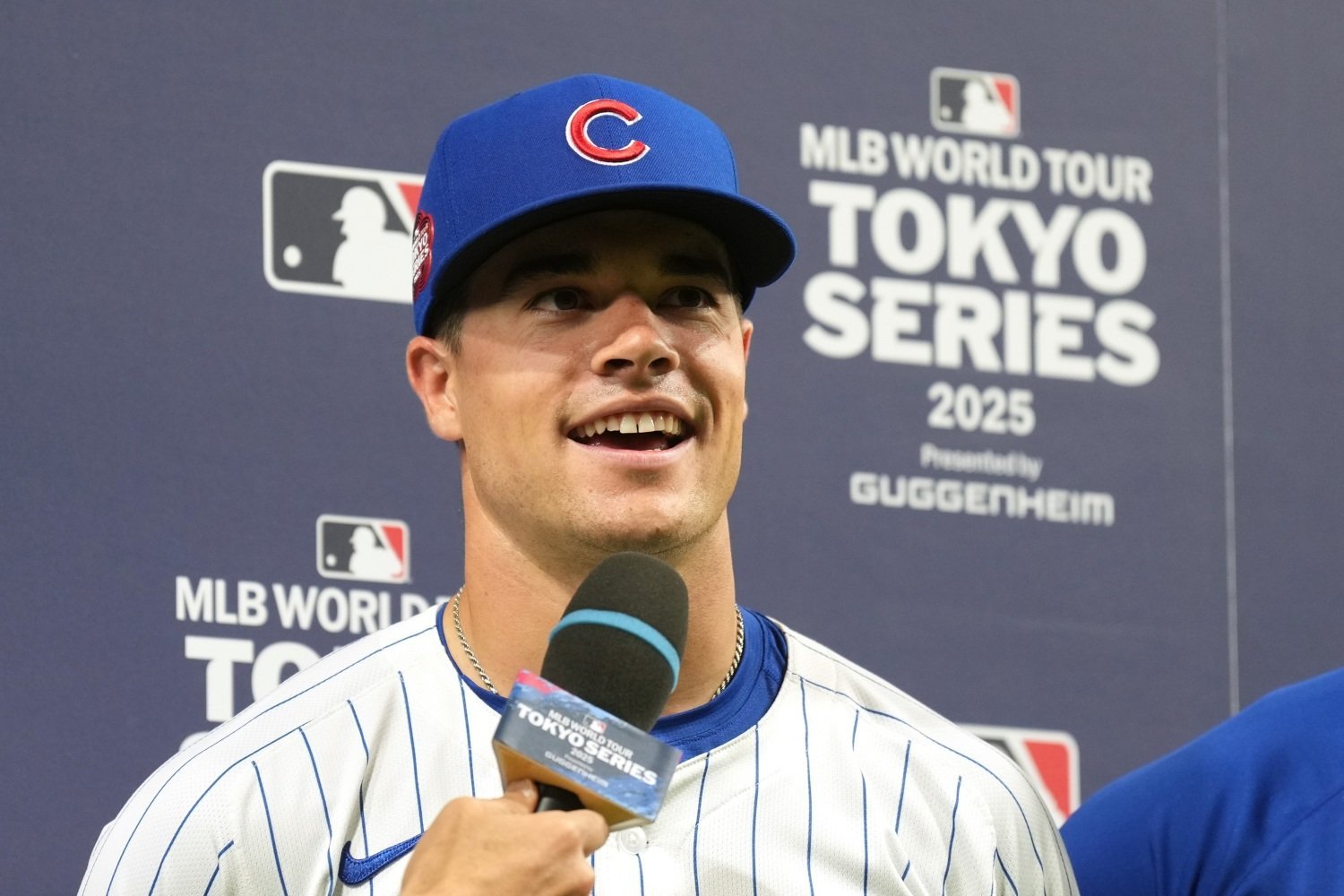 The 2025 Chicago Cubs have, thus far, proven to be a much more offensively-adept team than their predecessors from last year. Even with cold temperatures attempting to pin down the offense, they still sit 10th in ISO (.163), are walking at the league's second-highest rate (12.4 percent), and might just be the best baserunning team in baseball (25 steals against a single caught stealing). That doesn't mean it's been flawless, though. Especially in when it comes to their rookie third baseman. The success of the collective has certainly helped to minimize the impact of Matt Shaw's early struggles. Coming out of Tokyo, we noted his slow bat while expressing concern over the subsequent soft contact. Through nearly 60 plate appearances, it hasn't completely changed. His Baseball Savant percentile chart looks like he's taking swings on the planet Hoth, while his wRC+ checks in well below average, at 77. Many of the same concerns from before are currently reflected throughout Shaw's stat sheet. The bat speed is in the 13th percentile, his 34.0 percent whiff rate is in the 14th, and he has just a single barrel to his name. His plate discipline, however, has checked in at a fairly admirable quality this early in his career. Whether that's reality or perception, however, is a reasonable question. Shaw's swing rate on pitches inside of the strike zone currently sits at 57.3 percent. That ranks as the 158th lowest among 179 qualified hitters. His overall Swing% (42.3) comes in at 141st. His Chase% (27.7) lands closer to the middle of the pack (52nd percentile). Those have the potential to be encouraging figures. A top prospect coming up and not wildly hacking out of discomfort or anxiety would typically check in as a positive. However: Despite a level of patience even on pitches inside the zone, Shaw isn't making contact with those at which he does swing. Only three players have a higher whiff rate on such pitches than his 31.7 percent clip. Perhaps even worse is that over 34 percent of those misses in the zone have come on fastballs. It's narrowly behind his work against breaking balls (36.4 percent), but he's also getting only 45 percent of fastballs inside the zone to begin with. For him to be whiffing on fastballs represents a concern, especially given the bat speed figures. That's another factor to consider, but not necessarily one for our purposes here. The game right now is discipline. And while the bat speed does likely cause some of the woes we're seeing in actionable output at the plate, the lack of contact in itself could indicate an absence of intentionality at the plate—there is such a thing as being too patient. If Shaw were making more contact inside the zone, perhaps we could dispel the idea that he is. As it stands, however, it's likely problematic. Of Shaw's contemporaries battling a similar zone-whiff conflict, only George Springer (62.1) and Byron Buxton (63.5) are even a little bit close to Shaw's actual swing rate inside the zone. The issues facing the others around him speak more to overall contact issues. For Shaw, though, it seems more rooted in a reluctance to swing manifesting in a direct inability to turn those rare swings into contact given a certain lack of experience. On the positive side, though, the overall swing-and-miss does appear to be settling down: That chart doesn't discern the difference between a whiff outside the zone versus one inside. But a relative downward trend should bode well for him in the coming days, as he becomes more accustomed to this level. That should, ideally, lead to more consistent contact across various zones. So, while Shaw's current discipline may not be on purpose, it's possible he's starting to reach a point where it very well could be.
 -
The Cubs had some concerns about Matt Shaw after Tokyo. A few weeks later, new ones have emerged. Image courtesy of © Darren Yamashita-Imagn Images The 2025 Chicago Cubs have, thus far, proven to be a much more offensively-adept team than their predecessors from last year. Even with cold temperatures attempting to pin down the offense, they still sit 10th in ISO (.163), are walking at the league's second-highest rate (12.4 percent), and might just be the best baserunning team in baseball (25 steals against a single caught stealing). That doesn't mean it's been flawless, though. Especially in when it comes to their rookie third baseman. The success of the collective has certainly helped to minimize the impact of Matt Shaw's early struggles. Coming out of Tokyo, we noted his slow bat while expressing concern over the subsequent soft contact. Through nearly 60 plate appearances, it hasn't completely changed. His Baseball Savant percentile chart looks like he's taking swings on the planet Hoth, while his wRC+ checks in well below average, at 77. Many of the same concerns from before are currently reflected throughout Shaw's stat sheet. The bat speed is in the 13th percentile, his 34.0 percent whiff rate is in the 14th, and he has just a single barrel to his name. His plate discipline, however, has checked in at a fairly admirable quality this early in his career. Whether that's reality or perception, however, is a reasonable question. Shaw's swing rate on pitches inside of the strike zone currently sits at 57.3 percent. That ranks as the 158th lowest among 179 qualified hitters. His overall Swing% (42.3) comes in at 141st. His Chase% (27.7) lands closer to the middle of the pack (52nd percentile). Those have the potential to be encouraging figures. A top prospect coming up and not wildly hacking out of discomfort or anxiety would typically check in as a positive. However: Despite a level of patience even on pitches inside the zone, Shaw isn't making contact with those at which he does swing. Only three players have a higher whiff rate on such pitches than his 31.7 percent clip. Perhaps even worse is that over 34 percent of those misses in the zone have come on fastballs. It's narrowly behind his work against breaking balls (36.4 percent), but he's also getting only 45 percent of fastballs inside the zone to begin with. For him to be whiffing on fastballs represents a concern, especially given the bat speed figures. That's another factor to consider, but not necessarily one for our purposes here. The game right now is discipline. And while the bat speed does likely cause some of the woes we're seeing in actionable output at the plate, the lack of contact in itself could indicate an absence of intentionality at the plate—there is such a thing as being too patient. If Shaw were making more contact inside the zone, perhaps we could dispel the idea that he is. As it stands, however, it's likely problematic. Of Shaw's contemporaries battling a similar zone-whiff conflict, only George Springer (62.1) and Byron Buxton (63.5) are even a little bit close to Shaw's actual swing rate inside the zone. The issues facing the others around him speak more to overall contact issues. For Shaw, though, it seems more rooted in a reluctance to swing manifesting in a direct inability to turn those rare swings into contact given a certain lack of experience. On the positive side, though, the overall swing-and-miss does appear to be settling down: That chart doesn't discern the difference between a whiff outside the zone versus one inside. But a relative downward trend should bode well for him in the coming days, as he becomes more accustomed to this level. That should, ideally, lead to more consistent contact across various zones. So, while Shaw's current discipline may not be on purpose, it's possible he's starting to reach a point where it very well could be. View full article
-
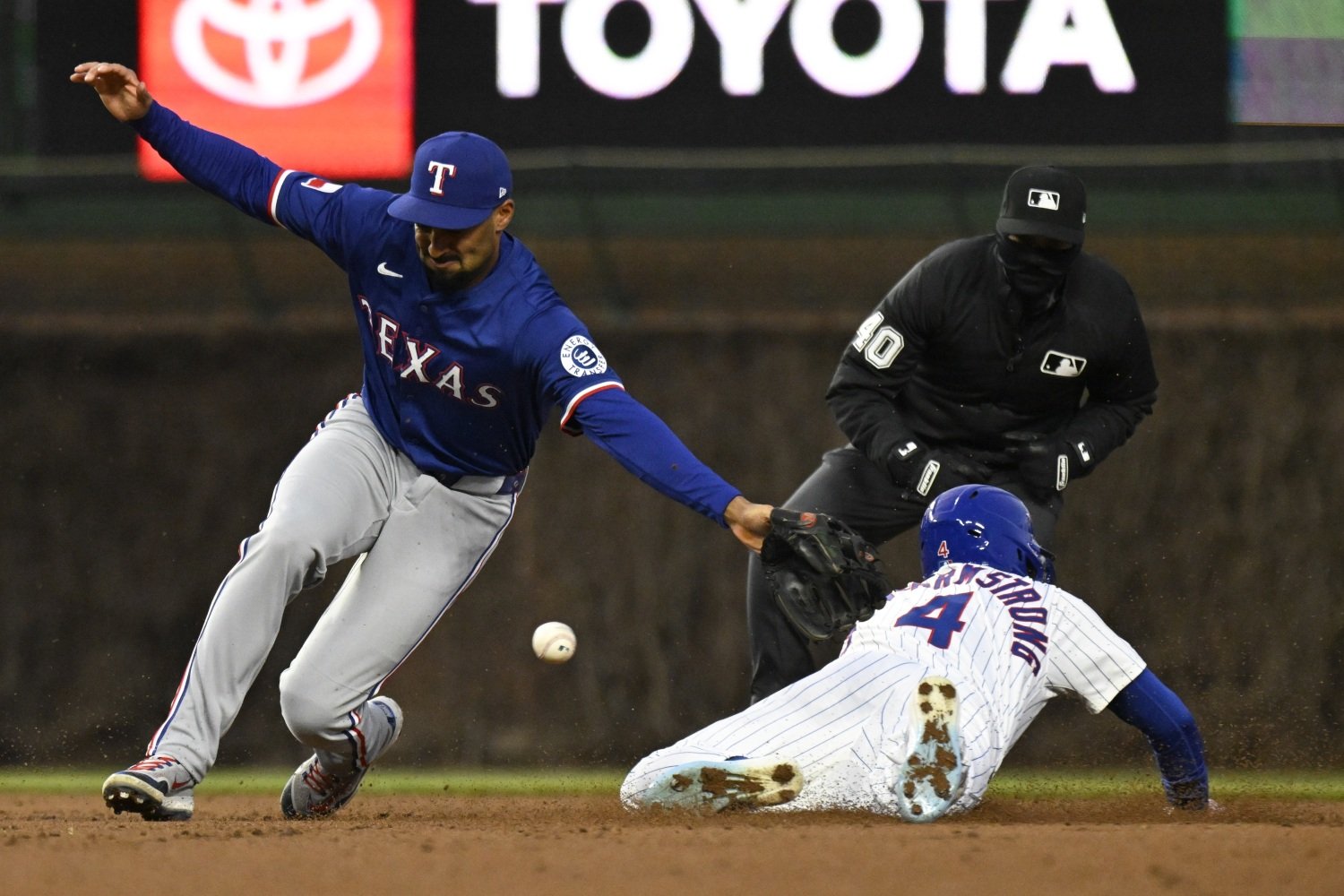 The 2024 Chicago Cubs weren't a bad offensive baseball team. They were 12th in the league in runs scored (736), eighth in steals (143), and were top 10 in on-base percentage (.317). But they also lacked impact. Their team ISO (.151) sat 21st, while they made contact at the league's 16th-best rate (76.8 percent). Two weeks into the 2025 season, I'm not thinking about last year's group anymore. But while I thought Kyle Tucker's addition and Seiya Suzuki's subsequent move to a (physically) safer role as the designated hitter would correlate with an increase of "impact," the team is generating runs in a way that perhaps I didn't initially expect. This iteration of the Cubs is one carried by their offense. A team that ranks just 16th in starting ERA (3.81) and features the 24th-ranked bullpen ERA (5.21) hasn't really been fazed by their shortcomings on that side of the ball—not when they've scored more runs and stolen more bases than anyone else in the league, by a pretty wide margin. These two things are related. Nobody in the league has scored more runs than these Cubs, whose 94 sit well ahead of the second-place New York Yankees (78). They also feature the league's fourth-best strikeout rate (19.3%), best walk rate (13.0%), and are running the ninth-best ISO (.170). Yes, the Cubs have a couple of extra games on their line, but it's not as if they were stuffing the sheet with those two games in Tokyo. Perhaps most notable, though, is the fact that they've also stolen 25 bags, which leads the league. Better still, they've only been caught once. Boston hasn't been caught yet, and each of the Giants and Angels have been caught once, as well, but those three teams have combined for 34 steals. Pete Crow-Armstrong is an obvious culprit here. He only has a .300 OBP through 60-ish plate appearances, but it seems like he's working his way on base in other ways (fielder's choices, etc.). He's stolen six. Nico Hoerner is tied atop the leaderboard, though, with six of his own. Jon Berti has swiped five in limited service, while each of Kyle Tucker, Dansby Swanson, Ian Happ, Michael Busch, and Seiya Suzuki have at least one steal on the books. Monday night's game against the Texas Rangers demonstrated the team's ability to take advantage of in-game context. They were able to take advantage of a slow-to-the-plate Nathan Eovaldi and stole five bases in that game alone. Given the Cubs' standing last year in the stolen base rankings, it's not a surprise. But it feels like the additions of Tucker and Berti, in particular, give them additional personnel to feel comfortable in making the attempts. But it's not just the steals that are working for the Cubs. It's their overall aggression and efficiency. Statcast has the Cubs as attempting advances on 46 percent of their opportunities. That comes in above their estimated advance attempts, and is the highest rate of attempts in all of baseball. They've been safe on such advances 38 times. The raw number trails only Boston and Arizona, while their success rate per opportunity is ahead of the entire league. In a more comprehensive sense, FanGraphs's baserunning metric (BsR) measures baserunning runs that take into account extra bases, outs on bases, steals, and contact into double plays. The Cubs are at a 3.2 there, which is also tops in the league. For context, they finished at a 10.6 last year. It certainly helps that the Cubs are, in fact, fast. We know about Crow-Armstrong. However, I'd like to submit the following into evidence: Crow-Armstrong is a boon to your team's baserunning output. But getting Suzuki, Matt Shaw, Dansby Swanson, and Nico Hoerner at the higher end of their positional groups means that over half the Cubs' lineup is among the fastest at their position. And it's not as if the rest are all slow. Busch and Happ sit right about average in their speed. The book on Tucker has long been that he's not fast, but he's smart. So the collective is one built to do exactly what the team is doing, considering their only slow and bad baserunners come from the position that is supposed to be slow and bad at baserunning. We knew the Cubs would be better on offense. It'd be really difficult to add someone like Tucker and get worse. But while we expected a bit more on the impact side to manifest in terms of power given the factors noted at the top, it's actually been the baserunning driving the bus—which is a good thing! For two reasons. First, it's sustainable. Unlike hitting into some batted-ball luck or performing outside a career trend, it's an element over which you can exert control. Second, and perhaps more importantly, it's cold. If you're setting the stage for generating offense at a point in the calendar where power production is going to be pinned down by the temperature, the warmer temps to come should almost serve as something of a bonus.
 -
Who needs power, when you have efficiency? Image courtesy of © Matt Marton-Imagn Images The 2024 Chicago Cubs weren't a bad offensive baseball team. They were 12th in the league in runs scored (736), eighth in steals (143), and were top 10 in on-base percentage (.317). But they also lacked impact. Their team ISO (.151) sat 21st, while they made contact at the league's 16th-best rate (76.8 percent). Two weeks into the 2025 season, I'm not thinking about last year's group anymore. But while I thought Kyle Tucker's addition and Seiya Suzuki's subsequent move to a (physically) safer role as the designated hitter would correlate with an increase of "impact," the team is generating runs in a way that perhaps I didn't initially expect. This iteration of the Cubs is one carried by their offense. A team that ranks just 16th in starting ERA (3.81) and features the 24th-ranked bullpen ERA (5.21) hasn't really been fazed by their shortcomings on that side of the ball—not when they've scored more runs and stolen more bases than anyone else in the league, by a pretty wide margin. These two things are related. Nobody in the league has scored more runs than these Cubs, whose 94 sit well ahead of the second-place New York Yankees (78). They also feature the league's fourth-best strikeout rate (19.3%), best walk rate (13.0%), and are running the ninth-best ISO (.170). Yes, the Cubs have a couple of extra games on their line, but it's not as if they were stuffing the sheet with those two games in Tokyo. Perhaps most notable, though, is the fact that they've also stolen 25 bags, which leads the league. Better still, they've only been caught once. Boston hasn't been caught yet, and each of the Giants and Angels have been caught once, as well, but those three teams have combined for 34 steals. Pete Crow-Armstrong is an obvious culprit here. He only has a .300 OBP through 60-ish plate appearances, but it seems like he's working his way on base in other ways (fielder's choices, etc.). He's stolen six. Nico Hoerner is tied atop the leaderboard, though, with six of his own. Jon Berti has swiped five in limited service, while each of Kyle Tucker, Dansby Swanson, Ian Happ, Michael Busch, and Seiya Suzuki have at least one steal on the books. Monday night's game against the Texas Rangers demonstrated the team's ability to take advantage of in-game context. They were able to take advantage of a slow-to-the-plate Nathan Eovaldi and stole five bases in that game alone. Given the Cubs' standing last year in the stolen base rankings, it's not a surprise. But it feels like the additions of Tucker and Berti, in particular, give them additional personnel to feel comfortable in making the attempts. But it's not just the steals that are working for the Cubs. It's their overall aggression and efficiency. Statcast has the Cubs as attempting advances on 46 percent of their opportunities. That comes in above their estimated advance attempts, and is the highest rate of attempts in all of baseball. They've been safe on such advances 38 times. The raw number trails only Boston and Arizona, while their success rate per opportunity is ahead of the entire league. In a more comprehensive sense, FanGraphs's baserunning metric (BsR) measures baserunning runs that take into account extra bases, outs on bases, steals, and contact into double plays. The Cubs are at a 3.2 there, which is also tops in the league. For context, they finished at a 10.6 last year. It certainly helps that the Cubs are, in fact, fast. We know about Crow-Armstrong. However, I'd like to submit the following into evidence: Crow-Armstrong is a boon to your team's baserunning output. But getting Suzuki, Matt Shaw, Dansby Swanson, and Nico Hoerner at the higher end of their positional groups means that over half the Cubs' lineup is among the fastest at their position. And it's not as if the rest are all slow. Busch and Happ sit right about average in their speed. The book on Tucker has long been that he's not fast, but he's smart. So the collective is one built to do exactly what the team is doing, considering their only slow and bad baserunners come from the position that is supposed to be slow and bad at baserunning. We knew the Cubs would be better on offense. It'd be really difficult to add someone like Tucker and get worse. But while we expected a bit more on the impact side to manifest in terms of power given the factors noted at the top, it's actually been the baserunning driving the bus—which is a good thing! For two reasons. First, it's sustainable. Unlike hitting into some batted-ball luck or performing outside a career trend, it's an element over which you can exert control. Second, and perhaps more importantly, it's cold. If you're setting the stage for generating offense at a point in the calendar where power production is going to be pinned down by the temperature, the warmer temps to come should almost serve as something of a bonus. View full article
-
Is Justin Turner Michael Busch's Backup, Or His Platoon Partner?
RandallPnkFloyd posted an article in Cubs
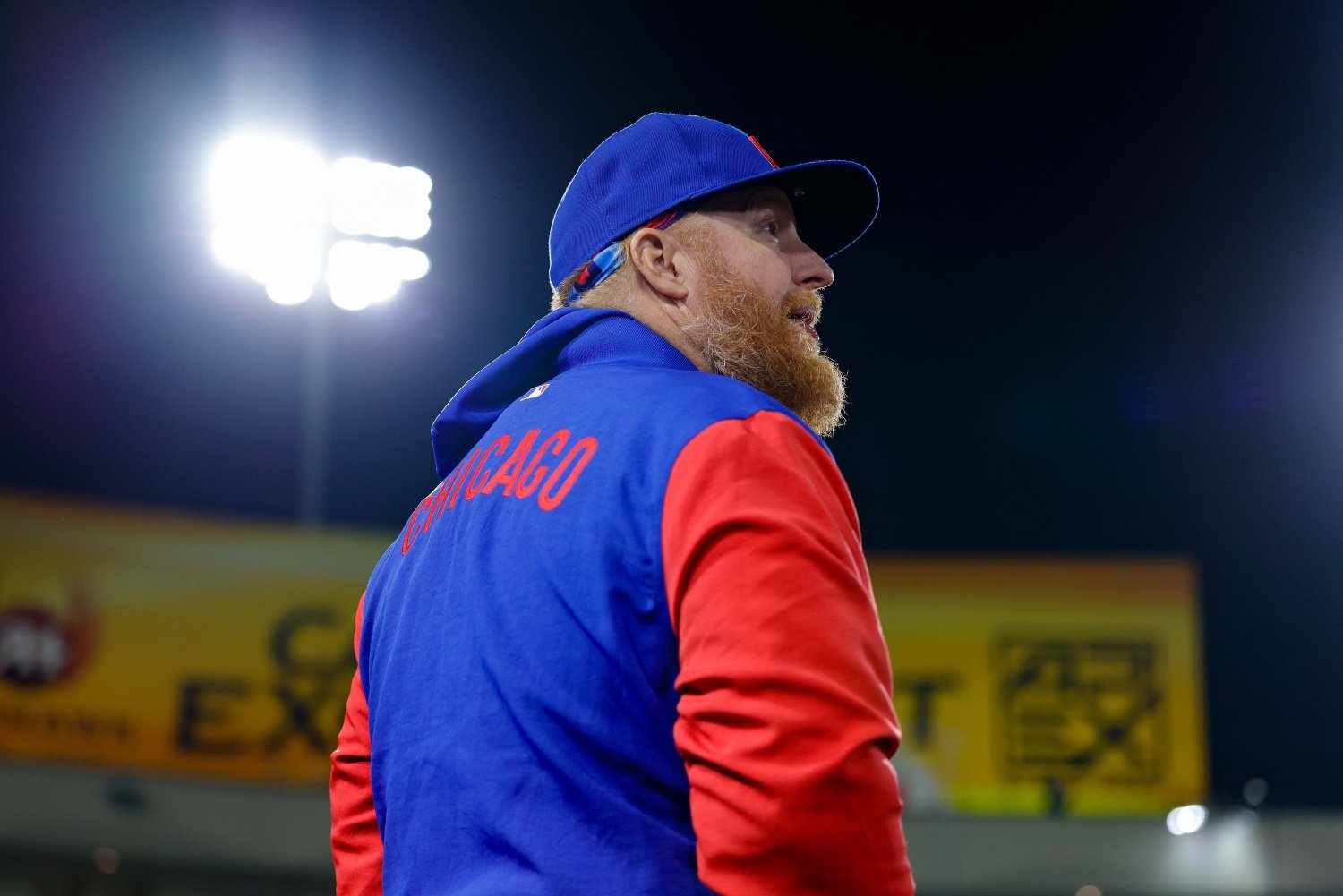 On March 30th, Justin Turner got the start against the Arizona Diamondbacks' lone lefty starter, Eduardo Rodríguez. On April 4th, Turner pinch-hit for Michael Busch against Athletics reliever T.J. MacFarland in the seventh inning of a 6-4 game. The next day, it was Turner in the starting lineup again, facing southpaw Jeffrey Springs. Things got really interesting over the weekend, though. On Friday, Turner hit for Busch in the fifth inning of an even 1-1 tilt, as the San Diego Padres sent Yuki Matsui to the mound. Yes, the Chicago Cubs' starting first baseman was removed halfway through the game for a pinch-hitter. Turner was back in the starting lineup on Sunday against Kyle Hart, and committed a rather egregious error that allowed the go-ahead run to cross the plate in the top of the ninth. He also struck out to end the game. The Sunday notes may be unfair to Turner; he has largely come in and succeeded when tasked with entering late or starting against a left-handed arm. He has two hits in two pinch-hit opportunities (that were not in Tokyo), and was hitting .429 vs. lefties in nine plate appearances heading into that series finale. Busch, meanwhile, has had only four opportunities against lefties this season. He's 1-for-4 with a double and a pair of strikeouts in those four chances. Seeing Turner get about 70% of the plate appearances available to that lineup spot against lefties is surprising, though. It feels like more than the role that was projected for him when he signed. After all, it's not as if Busch has been especially bad against pitchers of the same handedness. He has a 113 career wRC+ against right-handed pitchers, and a mark of 93 going the other way. He's actually hit for a higher average (.250) against southpaws than against right-handers (.235). The primary differences are in the power (.192 ISO vs. RHP; .120 vs. LHP) and the walk rate (11.8% vs. RHP; 6.7% vs. LHP). But we're not talking about a guy who is egregiously terrible against pitchers of the same handedness. In a vacuum, though, this is not an illogical deployment of either Busch or Turner. Busch is worse against left-handed pitching; Turner is better against it. But even Turner's own career trends aren't stark. He's actually put up a slightly higher wRC+ against righties (127) than against lefties (125). The ISO is roughly 20 points higher (.186) against the latter than the former (.167), but much of his line looks consistent, regardless of handedness. Our ability to estimate individual batters' platoon skills is very limited, but both Busch and Turner exhibit the few traits we tend to associate with small splits (like catching the ball farther out front against same-handed pitchers). Neither player needs to be platooned, per se. If you're looking for an argument in favor of Counsell's deployment of them, it's possible that the Cubs are trying to give Busch a bit of a breather, given a slow start to the year. He's hit only .235 through 39 plate appearances, and has been quiet on the power side (.118 ISO). But he's also walking about as often as he did last year; is striking out less often; and has run into some poor batted-ball luck—although that could be fueled by a sharp rise in his groundball rate (52.0%). Even that doesn't entirely hold water, because a lot of the underlying stuff is similar to what was an impressive rookie campaign in 2024. That's to say nothing of a very strong spring training performance. From a performance standpoint, there's plenty of logic to be found. But taking a long-term outlook, it's a bit less clear. Michael Busch was able to bring some stability to a position that has lacked it since Anthony Rizzo's departure. He demonstrated an increased level of maturity in his approach as the year wore on, while providing above-average defense for much of the season. Presumably, the Cubs (who raved about Busch all offseason) still view him as a fixture at the position for the next few years. That is ultimately the question here. If Craig Counsell plans to platoon Busch with a right-handed hitting veteran, he might squeeze a bit more production out of the position. If that was the plan when the team signed Turner, though, it raises some new questions about their offseason strategy and their valuation of Busch.
 -
When the Chicago Cubs signed Justin Turner late in the offseason, the assumption was that he'd be a capable bench bat and a supplement to Michael Busch at first base against particularly tough left-handed pitchers. It turns out that "tough" might've meant "all". Image courtesy of © Sergio Estrada-Imagn Images On March 30th, Justin Turner got the start against the Arizona Diamondbacks' lone lefty starter, Eduardo Rodríguez. On April 4th, Turner pinch-hit for Michael Busch against Athletics reliever T.J. MacFarland in the seventh inning of a 6-4 game. The next day, it was Turner in the starting lineup again, facing southpaw Jeffrey Springs. Things got really interesting over the weekend, though. On Friday, Turner hit for Busch in the fifth inning of an even 1-1 tilt, as the San Diego Padres sent Yuki Matsui to the mound. Yes, the Chicago Cubs' starting first baseman was removed halfway through the game for a pinch-hitter. Turner was back in the starting lineup on Sunday against Kyle Hart, and committed a rather egregious error that allowed the go-ahead run to cross the plate in the top of the ninth. He also struck out to end the game. The Sunday notes may be unfair to Turner; he has largely come in and succeeded when tasked with entering late or starting against a left-handed arm. He has two hits in two pinch-hit opportunities (that were not in Tokyo), and was hitting .429 vs. lefties in nine plate appearances heading into that series finale. Busch, meanwhile, has had only four opportunities against lefties this season. He's 1-for-4 with a double and a pair of strikeouts in those four chances. Seeing Turner get about 70% of the plate appearances available to that lineup spot against lefties is surprising, though. It feels like more than the role that was projected for him when he signed. After all, it's not as if Busch has been especially bad against pitchers of the same handedness. He has a 113 career wRC+ against right-handed pitchers, and a mark of 93 going the other way. He's actually hit for a higher average (.250) against southpaws than against right-handers (.235). The primary differences are in the power (.192 ISO vs. RHP; .120 vs. LHP) and the walk rate (11.8% vs. RHP; 6.7% vs. LHP). But we're not talking about a guy who is egregiously terrible against pitchers of the same handedness. In a vacuum, though, this is not an illogical deployment of either Busch or Turner. Busch is worse against left-handed pitching; Turner is better against it. But even Turner's own career trends aren't stark. He's actually put up a slightly higher wRC+ against righties (127) than against lefties (125). The ISO is roughly 20 points higher (.186) against the latter than the former (.167), but much of his line looks consistent, regardless of handedness. Our ability to estimate individual batters' platoon skills is very limited, but both Busch and Turner exhibit the few traits we tend to associate with small splits (like catching the ball farther out front against same-handed pitchers). Neither player needs to be platooned, per se. If you're looking for an argument in favor of Counsell's deployment of them, it's possible that the Cubs are trying to give Busch a bit of a breather, given a slow start to the year. He's hit only .235 through 39 plate appearances, and has been quiet on the power side (.118 ISO). But he's also walking about as often as he did last year; is striking out less often; and has run into some poor batted-ball luck—although that could be fueled by a sharp rise in his groundball rate (52.0%). Even that doesn't entirely hold water, because a lot of the underlying stuff is similar to what was an impressive rookie campaign in 2024. That's to say nothing of a very strong spring training performance. From a performance standpoint, there's plenty of logic to be found. But taking a long-term outlook, it's a bit less clear. Michael Busch was able to bring some stability to a position that has lacked it since Anthony Rizzo's departure. He demonstrated an increased level of maturity in his approach as the year wore on, while providing above-average defense for much of the season. Presumably, the Cubs (who raved about Busch all offseason) still view him as a fixture at the position for the next few years. That is ultimately the question here. If Craig Counsell plans to platoon Busch with a right-handed hitting veteran, he might squeeze a bit more production out of the position. If that was the plan when the team signed Turner, though, it raises some new questions about their offseason strategy and their valuation of Busch. View full article
-
Kyle Tucker hit .100 in spring training. He was 1-for-9 in Tokyo. Remember that? Elite hitters are elite hitters for a reason. A rough spring or a stumbling out of the gate is rendered somewhat meaningless when you're talking about a 162-game season. And for the Chicago Cubs' star right fielder, that's exactly what we're looking at. After starting the domestic slate 1-for-10 in Arizona, Tucker has reached base multiple times in each game since. He recorded three hits on Saturday, four on Monday, and two more on Tuesday. On Wednesday, he was 0-for-3 but walked twice. That five-game stretch featured a four-game home run streak. In total, Tucker's run his slash line up to include a .324 average and .444 on-base percentage, with a 229 wRC+ through the season's first 45 plate appearances. He's obviously been quite good. As advertised, you could say. But there are a couple of interlocking factors here that are leading him to excel: plate discipline and barrels. Tucker has long been a guy capable of drawing a walk. He drew free passes at a shade over 16 percent last year and is off to a 17.8 percent clip in BB% this year. While his Swing% is up this year (albeit extremely modestly), his chase rate continues to drop: Fangraphs has him at the sixth-lowest swing rate on pitches outside of the strike zone. Conversely, his in-zone swing percentage is up from 67.7 percent last year to 72.1 thus far in 2025. Even on those rare occasions where he does chase, though, he's not missing. His chase & miss rate is at 33.3%, which would represent the lowest rate of his career. To say Tucker is locked in would be underselling it. There's such an intense awareness of the strike zone that appears to exceed even his typically upper-tier approach. That's a positive on its own. Value exists in discipline in a vacuum. But being able to maximize that value through impact isn't a given. Except in Tucker's case, where he's making something out of it: As a result of his discipline, Tucker's Barrel% has skyrocketed. He's at 25.8 percent thus far, which sits almost double his 12.9 percent mark in 2024. Given his previous marks, it remains to be seen how sustainable it is. But it's worth noting that Aaron Judge carried a (league-leading) 26.9 Brls/BBE% (barrels per batted ball event) through all of '24. Given where Tucker landed last year in the barrel game, this increased concentration should continue to bode well: The visual itself isn't any kind of surprise. The idea that a hitter is going to generate barrel contact on pitches inside of the zone seems like a fairly obvious concept. But the discipline with which Tucker is proceeding this year should allow him to maintain such a high rate of barrel contact. Especially given his seven percent cut in chase rate, as depicted above. Another factor worth noting is in Tucker's bat speed. His average swing speed remains similar to the two previous years for which we have data available (72.7 MPH). But he's also demonstrated a higher rate of fast swings this year. Tucker's at a 33.3 percent clip for fast swing rate, up significantly from 22.8 last year. It all speaks to a comfort with which Tucker is currently approaching each plate appearance. Discipline isn't a foreign concept. But there's something about a guy who knows exactly what he's looking for and is able to execute that search within each plate appearance. The Cubs have hung 35 runs on the board over their last three games. Kyle Tucker has been entrenched in the middle of that. It's hard to imagine that changes anytime soon. View full article
-
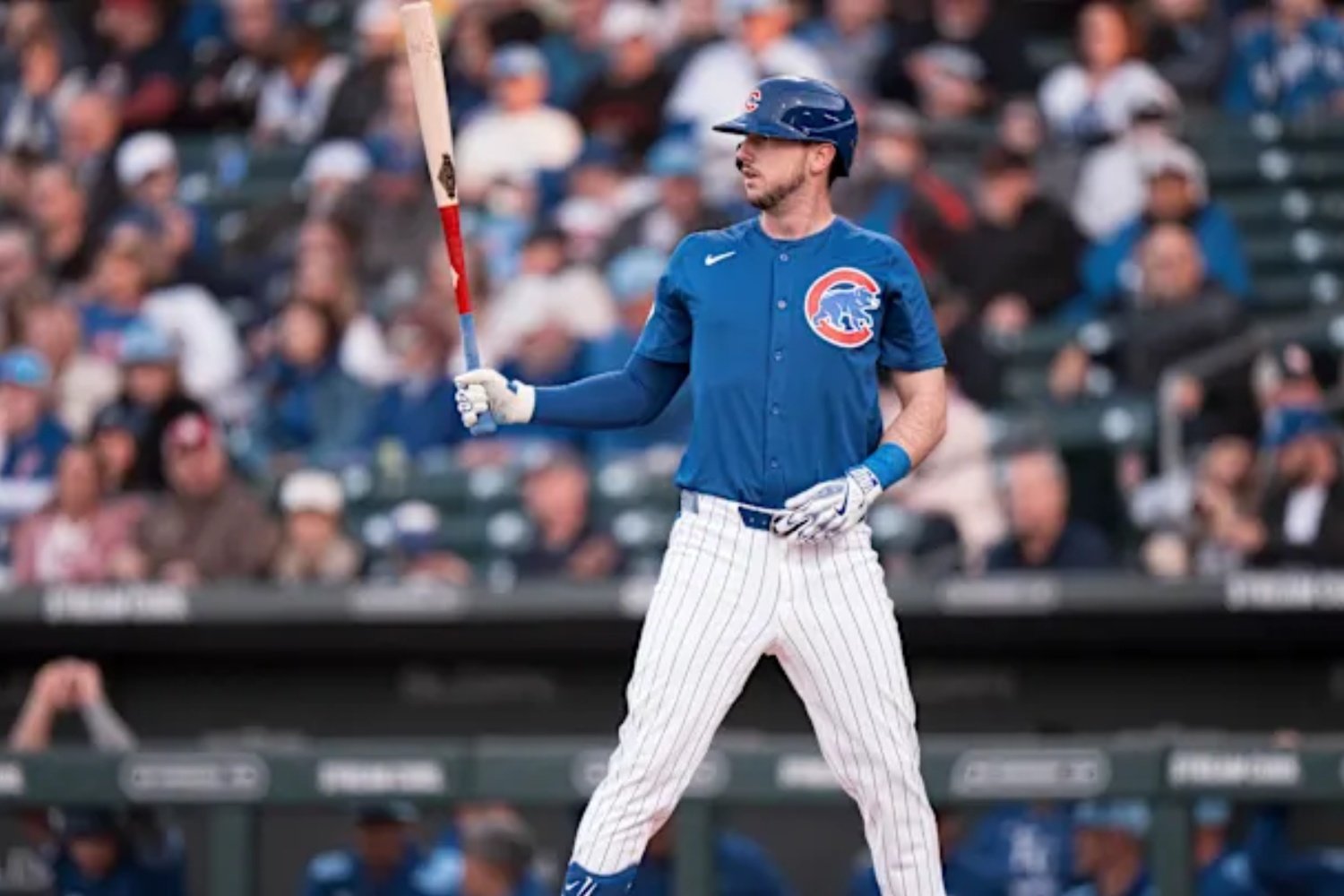 Elite hitters are elite hitters for a reason. A rough spring or a stumbling out of the gate is rendered somewhat meaningless when you're talking about a 162-game season. And for the Chicago Cubs' star right fielder, that's exactly what we're looking at. After starting the domestic slate 1-for-10 in Arizona, Tucker has reached base multiple times in each game since. He recorded three hits on Saturday, four on Monday, and two more on Tuesday. On Wednesday, he was 0-for-3 but walked twice. That five-game stretch featured a four-game home run streak. In total, Tucker's run his slash line up to include a .324 average and .444 on-base percentage, with a 229 wRC+ through the season's first 45 plate appearances. He's obviously been quite good. As advertised, you could say. But there are a couple of interlocking factors here that are leading him to excel: plate discipline and barrels. Tucker has long been a guy capable of drawing a walk. He drew free passes at a shade over 16 percent last year and is off to a 17.8 percent clip in BB% this year. While his Swing% is up this year (albeit extremely modestly), his chase rate continues to drop: Fangraphs has him at the sixth-lowest swing rate on pitches outside of the strike zone. Conversely, his in-zone swing percentage is up from 67.7 percent last year to 72.1 thus far in 2025. Even on those rare occasions where he does chase, though, he's not missing. His chase & miss rate is at 33.3%, which would represent the lowest rate of his career. To say Tucker is locked in would be underselling it. There's such an intense awareness of the strike zone that appears to exceed even his typically upper-tier approach. That's a positive on its own. Value exists in discipline in a vacuum. But being able to maximize that value through impact isn't a given. Except in Tucker's case, where he's making something out of it: As a result of his discipline, Tucker's Barrel% has skyrocketed. He's at 25.8 percent thus far, which sits almost double his 12.9 percent mark in 2024. Given his previous marks, it remains to be seen how sustainable it is. But it's worth noting that Aaron Judge carried a (league-leading) 26.9 Brls/BBE% (barrels per batted ball event) through all of '24. Given where Tucker landed last year in the barrel game, this increased concentration should continue to bode well: The visual itself isn't any kind of surprise. The idea that a hitter is going to generate barrel contact on pitches inside of the zone seems like a fairly obvious concept. But the discipline with which Tucker is proceeding this year should allow him to maintain such a high rate of barrel contact. Especially given his seven percent cut in chase rate, as depicted above. Another factor worth noting is in Tucker's bat speed. His average swing speed remains similar to the two previous years for which we have data available (72.7 MPH). But he's also demonstrated a higher rate of fast swings this year. Tucker's at a 33.3 percent clip for fast swing rate, up significantly from 22.8 last year. It all speaks to a comfort with which Tucker is currently approaching each plate appearance. Discipline isn't a foreign concept. But there's something about a guy who knows exactly what he's looking for and is able to execute that search within each plate appearance. The Cubs have hung 35 runs on the board over their last three games. Kyle Tucker has been entrenched in the middle of that. It's hard to imagine that changes anytime soon.
 -
The runup to Opening Day contains a strange cocktail of intrigue, anticipation, and eerie calm. It's a combination that spikes the ol' anxiety in someone such as myself. Image courtesy of © Darren Yamashita-Imagn Images I catastrophize. Mostly over smaller scale, trivial things. But the physical response is the same as if it were a big thing. The anticipation element of the day before Opening Day stems from the fact that we don't actually know what'll unfold over the course of 162 games. While the postseason itself may end up rather "chalky," getting there requires navigating a series of unknowns and singular moments that create a collective, coherent season—a story. The possibilities exist in the abstract until we have late-summer certainty. It's the abstract with which I struggle, in particular. And it's the abstract in which I find myself thinking about this year's group. Given that, it's no surprise that as roster news trickles out about the fringes of major-league rosters, my thoughts about the 2025 Chicago Cubs have begun to spiral. The following is where my anxieties have taken me, ahead of the big day. What If? #1: What if Cam Smith is incredible? This is something that I—and virtually anyone else with any association with this organization—have been turning over in my mind in the latter stages of the spring. The Cubs sent Smith to Houston as part of the package to acquire Kyle Tucker, with the assumption that Tucker would provide more immediate value on the offensive side. Of course, Smith then went on to hit .342, reach base at a .419 clip, and post a 186 wRC+ across 43 spring plate appearances, leaving himself entrenched in right field for the Astros to start 2025. In a vacuum, the Cubs are not going to regret trading 2025 Cam Smith for 2025 Kyle Tucker. The latter is one of the best dozen hitters in Major League Baseball, and the type of catalyst they've lacked in recent years. He's the superior player; we'd be kidding ourselves to think otherwise. But the trade doesn't exist in a vacuum. If Smith can reach any level of stardom in 2025 while Tucker plays out a single year on the North Side—all while Jed Hoyer failed to push chips in further for the season—then things get a little bit questionable. A long-term contract for Tucker becomes imperative. Will the team even approach him about an extension? Will they even talk long-term next winter? It sure feels like this is a one-and-done type of thing at present, and that feeling is going to paint the deal in a wildly unfavorable light given the additional context. The paradox of enjoying the one year of Tucker while being aware of Smith is going to require an Olympic gold-worthy routine of mental gymnastics for some. I'm worried I'm among them. What If? #2: What if Pete Crow-Armstrong can't stop swinging? Despite the positional difference, it isn't a stretch to compare Pete Crow-Armstrong and Javier Báez. Elite defensive tools, incredible vibes, offensive upside, and a complete inability to stop swinging the bat. As the heading indicates, it's the last bit that I'm a little concerned about. Through 436 career plate appearances, Crow-Armstrong owns a strikeout rate of 24.8%. Only three hitters with more than 400 trips to the plate last year had a higher swing rate than Crow-Armstrong's 59.2%. Only six chased more than his 43.5% of pitches outside the zone. And while he was able to maintain decent contact rates, we watched him start the year in Tokyo swinging at over 70 percent of the pitches he saw across seven plate appearances. It's something that has the potential to become entirely untenable within this lineup. While the defensive and baserunning value will help to keep his profile viable, there's an upside here that could be completely stifled if he can't rein it in at least somewhat. He's capable of it. We saw him tone things down in a pretty successful August. To this point, though, we have no reason to believe it can be sustained quite yet. What If? #3: What if Matt Shaw isn't the guy? This is a natural concern about any prospect, and just because he isn't the guy at third base immediately doesn't at all mean he can't be the guy at third base later on. If the latter rings true, though, the Cubs are going to have a massive short-term problem on their hands. I've mentioned the absence of a safety net on multiple occasions. While the team had indicated they'd let Shaw "earn" the job, it was always his following the trade of Isaac Paredes. We've seen Shaw in two "real" games, wherein he was able to record his first hit. But the bat looked slow and he looked overmatched. Should he prove to need a bit more developmental time or require a reset in Iowa, I'm not exactly sure in which direction the Cubs could turn. Their depth options include Jon Berti and Gage Workman. Berti is a light-hitting utility player, and Workman has decent upside but exactly zero big-league experience. To say Shaw's rookie campaign is crucial to the collective almost becomes an understatement. If he's not the guy right away, he may be fine. But I'm not sure the team will be. What If? #4: What if the Cubs are just...mid all over again? The Cubs did quite a lot this winter. But did they do enough? Ahead of the 2024 season, we were in a particularly frustrating place. The team came out hot in hiring Craig Counsell, and then proceeded to do very little to support their new manager from a personnel standpoint. This year, the Cubs struck fast and loud by acquiring Tucker, but other areas of need were left unaddressed, or only lightly upgraded. The rotation has some depth, but it's ultimately a collection of lower-velocity types reliant on location and movement. Which is fine! You'd still like to see at least a little velo coming out at the start of games, though. Not landing Alex Bregman really felt like the pivotal failure. Ultimately, this anxiety is not about whether or not the Cubs did enough. It's what happens if they didn't do enough. Jed Hoyer's contract is up at the end of the season. Tucker's a free agent. Nico Hoerner, Ian Happ, and Seiya Suzuki each have one year remaining after this one. The pitching staff isn't exactly young. The timeline on even the upper-level prospects remains unclear. It has the potential to get a bit messy. The Cubs are favorites, by most accounts, to win the division. Objectively, they should win the division. One imagines they'll be active at the trade deadline if they are, in fact, contending. But there's also a troubling absence of any certainty beyond 2025, especially if the success for which they are projected doesn't come to fruition. To clarify, I'm not worried about the Cubs being bad. But only three teams in the league have a longer active drought between playoff wins than this one. They've been hovering in sports purgatory for the last handful of years already. Another middling season could force them into a more permanent residence. View full article
-
Verbalizing Some Last-Minute Anxieties About the 2025 Chicago Cubs
RandallPnkFloyd posted an article in Cubs
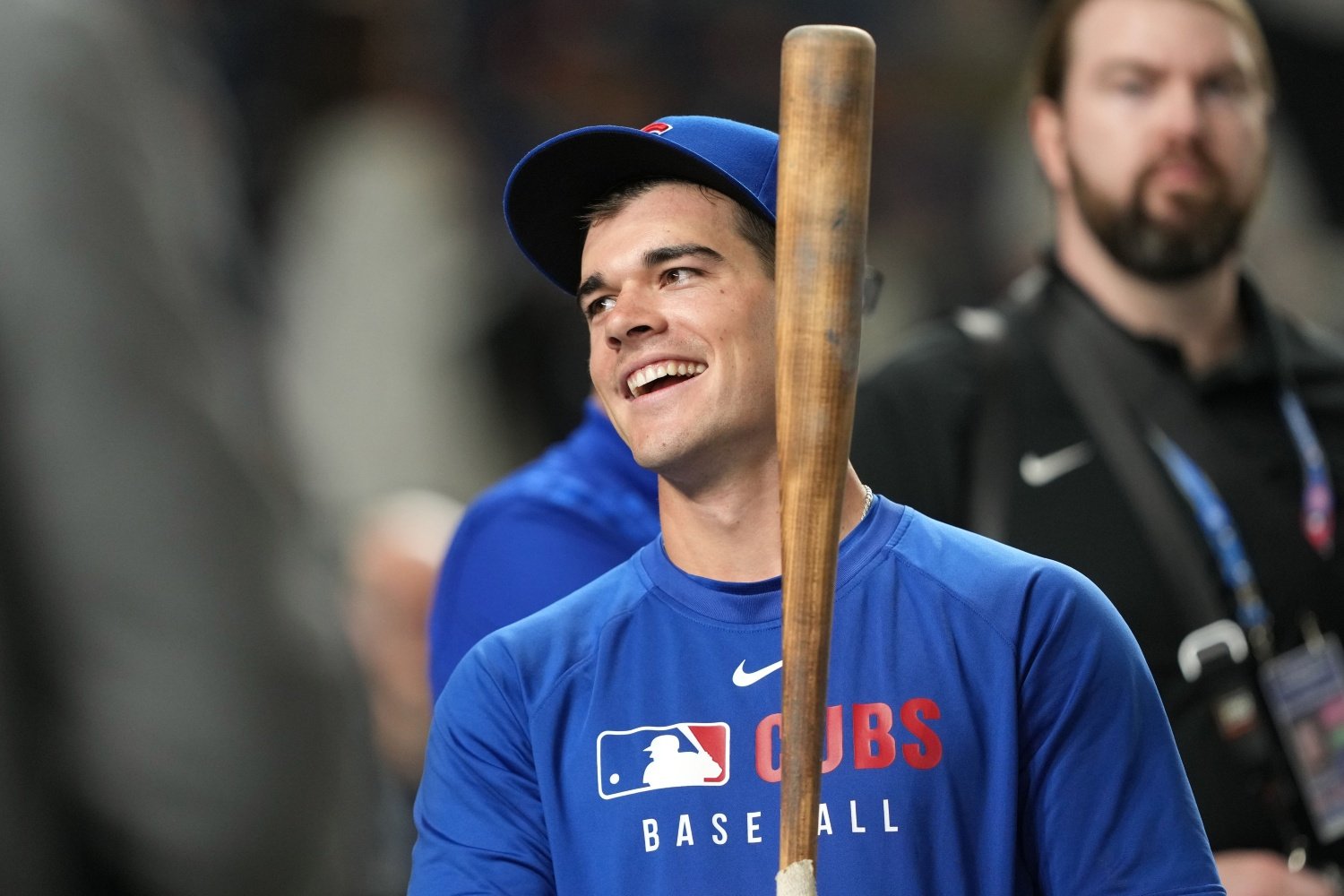 I catastrophize. Mostly over smaller scale, trivial things. But the physical response is the same as if it were a big thing. The anticipation element of the day before Opening Day stems from the fact that we don't actually know what'll unfold over the course of 162 games. While the postseason itself may end up rather "chalky," getting there requires navigating a series of unknowns and singular moments that create a collective, coherent season—a story. The possibilities exist in the abstract until we have late-summer certainty. It's the abstract with which I struggle, in particular. And it's the abstract in which I find myself thinking about this year's group. Given that, it's no surprise that as roster news trickles out about the fringes of major-league rosters, my thoughts about the 2025 Chicago Cubs have begun to spiral. The following is where my anxieties have taken me, ahead of the big day. What If? #1: What if Cam Smith is incredible? This is something that I—and virtually anyone else with any association with this organization—have been turning over in my mind in the latter stages of the spring. The Cubs sent Smith to Houston as part of the package to acquire Kyle Tucker, with the assumption that Tucker would provide more immediate value on the offensive side. Of course, Smith then went on to hit .342, reach base at a .419 clip, and post a 186 wRC+ across 43 spring plate appearances, leaving himself entrenched in right field for the Astros to start 2025. In a vacuum, the Cubs are not going to regret trading 2025 Cam Smith for 2025 Kyle Tucker. The latter is one of the best dozen hitters in Major League Baseball, and the type of catalyst they've lacked in recent years. He's the superior player; we'd be kidding ourselves to think otherwise. But the trade doesn't exist in a vacuum. If Smith can reach any level of stardom in 2025 while Tucker plays out a single year on the North Side—all while Jed Hoyer failed to push chips in further for the season—then things get a little bit questionable. A long-term contract for Tucker becomes imperative. Will the team even approach him about an extension? Will they even talk long-term next winter? It sure feels like this is a one-and-done type of thing at present, and that feeling is going to paint the deal in a wildly unfavorable light given the additional context. The paradox of enjoying the one year of Tucker while being aware of Smith is going to require an Olympic gold-worthy routine of mental gymnastics for some. I'm worried I'm among them. What If? #2: What if Pete Crow-Armstrong can't stop swinging? Despite the positional difference, it isn't a stretch to compare Pete Crow-Armstrong and Javier Báez. Elite defensive tools, incredible vibes, offensive upside, and a complete inability to stop swinging the bat. As the heading indicates, it's the last bit that I'm a little concerned about. Through 436 career plate appearances, Crow-Armstrong owns a strikeout rate of 24.8%. Only three hitters with more than 400 trips to the plate last year had a higher swing rate than Crow-Armstrong's 59.2%. Only six chased more than his 43.5% of pitches outside the zone. And while he was able to maintain decent contact rates, we watched him start the year in Tokyo swinging at over 70 percent of the pitches he saw across seven plate appearances. It's something that has the potential to become entirely untenable within this lineup. While the defensive and baserunning value will help to keep his profile viable, there's an upside here that could be completely stifled if he can't rein it in at least somewhat. He's capable of it. We saw him tone things down in a pretty successful August. To this point, though, we have no reason to believe it can be sustained quite yet. What If? #3: What if Matt Shaw isn't the guy? This is a natural concern about any prospect, and just because he isn't the guy at third base immediately doesn't at all mean he can't be the guy at third base later on. If the latter rings true, though, the Cubs are going to have a massive short-term problem on their hands. I've mentioned the absence of a safety net on multiple occasions. While the team had indicated they'd let Shaw "earn" the job, it was always his following the trade of Isaac Paredes. We've seen Shaw in two "real" games, wherein he was able to record his first hit. But the bat looked slow and he looked overmatched. Should he prove to need a bit more developmental time or require a reset in Iowa, I'm not exactly sure in which direction the Cubs could turn. Their depth options include Jon Berti and Gage Workman. Berti is a light-hitting utility player, and Workman has decent upside but exactly zero big-league experience. To say Shaw's rookie campaign is crucial to the collective almost becomes an understatement. If he's not the guy right away, he may be fine. But I'm not sure the team will be. What If? #4: What if the Cubs are just...mid all over again? The Cubs did quite a lot this winter. But did they do enough? Ahead of the 2024 season, we were in a particularly frustrating place. The team came out hot in hiring Craig Counsell, and then proceeded to do very little to support their new manager from a personnel standpoint. This year, the Cubs struck fast and loud by acquiring Tucker, but other areas of need were left unaddressed, or only lightly upgraded. The rotation has some depth, but it's ultimately a collection of lower-velocity types reliant on location and movement. Which is fine! You'd still like to see at least a little velo coming out at the start of games, though. Not landing Alex Bregman really felt like the pivotal failure. Ultimately, this anxiety is not about whether or not the Cubs did enough. It's what happens if they didn't do enough. Jed Hoyer's contract is up at the end of the season. Tucker's a free agent. Nico Hoerner, Ian Happ, and Seiya Suzuki each have one year remaining after this one. The pitching staff isn't exactly young. The timeline on even the upper-level prospects remains unclear. It has the potential to get a bit messy. The Cubs are favorites, by most accounts, to win the division. Objectively, they should win the division. One imagines they'll be active at the trade deadline if they are, in fact, contending. But there's also a troubling absence of any certainty beyond 2025, especially if the success for which they are projected doesn't come to fruition. To clarify, I'm not worried about the Cubs being bad. But only three teams in the league have a longer active drought between playoff wins than this one. They've been hovering in sports purgatory for the last handful of years already. Another middling season could force them into a more permanent residence.
 -
Ben Brown Wins Chicago Cubs' Starting Rotation Battle Over Colin Rea
RandallPnkFloyd posted an article in Cubs
 When I'm watching a Major League Baseball game, sometimes I am watching specifically for the arm up on the bump. Other times, I'm watching for the guys behind the arm, with the pitcher becoming a mere facilitator for the more interesting parts of the game—as the founders of the sport would have had it. It's rarely both. This is the contrast that existed when it came to the Chicago Cubs' final two options for the fifth spot in their rotation. When spring camp opened, the widely-held assumption was that Javier Assad would get the fifth spot. He'd been solid in his time with the Cubs and, while unspectacular, he provided a certain level of stability. After an oblique injury (one that'll cost him at least a good chunk of April) slowed him in camp, that assumption immediately flipped over to new-but-old face Colin Rea as the guy for the No. 5 slot. As the exhibition season unfolded, though, the whispers of Ben Brown began to disturb and tickle the East Mesa airwaves. On Tuesday, we got our confirmation: The other two bits of notes there are obviously significant in matters of the Opening Day roster (and gosh, what a bummer about Vidal Bruján's elbow, funny how that worked out). But the news of Brown grabbing the fifth starter job is massive. In case you forgot (which is entirely possible, if you live in a western time zone and essentially woke up in the middle of the night to watch the Cubs in Tokyo), we've already seen Brown this season. He followed Shōta Imanaga's four hitless innings in the opener with 2 2/3 frames of his own. The results weren't terrific—four hits, three walks, and three runs allowed—but the stuff was there. Brown struck out five Dodger hitters, inducing 14 whiffs in his appearance. The fastball velocity was down from 96.7 in 2024 to 95.6 in the outing, but 13 of the 14 whiffs came on his knuckle-curve (a.k.a. the pitch we actually care about). While we'll have to monitor the velocity, given its importance in allowing Brown to work off and toward his nasty breaking pitch, the fact that the hook was on point is all the encouragement we needed. That speaks to what makes Brown being in this rotation interesting in the first place. While his fastball was just about average last year, his Stuff+ on the knuckle-curve came in at 124. That's considered to be well above average for a pitch of that variety. Would it be nice to see him develop a third pitch? Sure—especially when we talk about his long-term outlook as a starting pitcher. But the allure of even that particular two-pitch mix isn't something I'm willing to overlook, when you consider the aesthetic appeal of Brown versus that of Rea. Here is Brown's Baseball Savant percentile distribution: And heres Rea's: Brown's is, obviously, quite imperfect. You'd like to see far less 'hard contact against him and a bit more harnessing of the command. But the velocity and bat-missing you're getting out of him is tantalizing, especially when you're considering him against someone as straightforward as Rea. There's an intrigue and aesthetic appeal that Brown brings, and that is utterly absent with Rea. The veteran righty's greatest strength is control, which is valuable but insufficient in assembling a starter's suite of skills and value sources. Aside from my own visual preference for watching Brown over Rea, there's a matter of roles here that is entirely logical. Despite the absence of a third pitch, settling Brown into a rotation spot now gives him a bit of stability within his continued development. You keep him on a certain routine, instead of deploying him in a variety of roles as he's attempting to get some longer-term footing. He might fail, for reasons having to do with the limited arsenal or with durability, but it's much easier to switch him to the pen midseason than to stretch him back out if he were to make a move to the pen now. Rea, meanwhile, is accustomed to this kind of work. In his 2020 work with the Cubs, Rea appeared in nine games while starting two. In 2021 and 2022, with Fukuoka of Nippon Professional Baseball, he combined for 22 starts across 29 appearances. He started 49 of 58 for Milwaukee over the last two campaigns. He's primarily been a starter, but serving as a swingman role (and perhaps as a piggyback option for Brown or Matthew Boyd, at times) will not be unfamiliar or uncomfortable for him. It's going to be clunky at times for Brown, perhaps deeper into the season than we're comfortable with, but nobody can deny the upside. Nor can they balk at the electricity he has the potential to bring. Between Brown and Rea as your option for the last spot, Brown brings that upside and the aesthetic appeal. Conversely, Rea is exactly the type of boring arm who can ply his trade in work for which he's particularly well-suited. Everybody wins. But mostly our collective eyeballs. They're the big winners here.
 -
Sometimes, you just have to trust the stuff. The other two bits of notes there are obviously significant in matters of the Opening Day roster (and gosh, what a bummer about Vidal Bruján's elbow, funny how that worked out). But the news of Brown grabbing the fifth starter job is massive. In case you forgot (which is entirely possible, if you live in a western time zone and essentially woke up in the middle of the night to watch the Cubs in Tokyo), we've already seen Brown this season. He followed Shōta Imanaga's four hitless innings in the opener with 2 2/3 frames of his own. The results weren't terrific—four hits, three walks, and three runs allowed—but the stuff was there. Brown struck out five Dodger hitters, inducing 14 whiffs in his appearance. The fastball velocity was down from 96.7 in 2024 to 95.6 in the outing, but 13 of the 14 whiffs came on his knuckle-curve (a.k.a. the pitch we actually care about). While we'll have to monitor the velocity, given its importance in allowing Brown to work off and toward his nasty breaking pitch, the fact that the hook was on point is all the encouragement we needed. That speaks to what makes Brown being in this rotation interesting in the first place. While his fastball was just about average last year, his Stuff+ on the knuckle-curve came in at 124. That's considered to be well above average for a pitch of that variety. Would it be nice to see him develop a third pitch? Sure—especially when we talk about his long-term outlook as a starting pitcher. But the allure of even that particular two-pitch mix isn't something I'm willing to overlook, when you consider the aesthetic appeal of Brown versus that of Rea. Here is Brown's Baseball Savant percentile distribution: And heres Rea's: Brown's is, obviously, quite imperfect. You'd like to see far less 'hard contact against him and a bit more harnessing of the command. But the velocity and bat-missing you're getting out of him is tantalizing, especially when you're considering him against someone as straightforward as Rea. There's an intrigue and aesthetic appeal that Brown brings, and that is utterly absent with Rea. The veteran righty's greatest strength is control, which is valuable but insufficient in assembling a starter's suite of skills and value sources. Aside from my own visual preference for watching Brown over Rea, there's a matter of roles here that is entirely logical. Despite the absence of a third pitch, settling Brown into a rotation spot now gives him a bit of stability within his continued development. You keep him on a certain routine, instead of deploying him in a variety of roles as he's attempting to get some longer-term footing. He might fail, for reasons having to do with the limited arsenal or with durability, but it's much easier to switch him to the pen midseason than to stretch him back out if he were to make a move to the pen now. Rea, meanwhile, is accustomed to this kind of work. In his 2020 work with the Cubs, Rea appeared in nine games while starting two. In 2021 and 2022, with Fukuoka of Nippon Professional Baseball, he combined for 22 starts across 29 appearances. He started 49 of 58 for Milwaukee over the last two campaigns. He's primarily been a starter, but serving as a swingman role (and perhaps as a piggyback option for Brown or Matthew Boyd, at times) will not be unfamiliar or uncomfortable for him. It's going to be clunky at times for Brown, perhaps deeper into the season than we're comfortable with, but nobody can deny the upside. Nor can they balk at the electricity he has the potential to bring. Between Brown and Rea as your option for the last spot, Brown brings that upside and the aesthetic appeal. Conversely, Rea is exactly the type of boring arm who can ply his trade in work for which he's particularly well-suited. Everybody wins. But mostly our collective eyeballs. They're the big winners here. View full article
-
The temptation to make more than we should out of the first few games of a new season is always strong, and when those games take place under the bright lights of an international showcase, it's even stronger. Still, one thing from the Tokyo Series does deserve a closer look. Image courtesy of © Darren Yamashita-Imagn Images In the weeks leading up to the series in Japan, there was plenty of curiosity as to whether or not Matt Shaw would even make the trip. An oblique injury stalled him early in camp, allowing only six Cactus League games under his belt before the team departed Arizona. But Shaw fared well in that small sample. He notched five hits across 19 plate appearances (.313 AVG), walked three times (.421 OBP), and only struck out once. Sample size be damned, it was clearly what the team wanted to see from him before making a call on his involvement overseas. The Cubs' intention has long been to insert Shaw as their starting third baseman. As long as he was healthy, the team likely didn't want to be down two of their infield starters. When Shaw was able to succeed with minimal adjustment across those six games, it made it an easy call. Even with the performance, though, there's an argument to be made that the absence of Nico Hoerner likely pushed Shaw not only onto the plane, but into the starting lineup. His inclusion, in particular, gave us plenty of reason to watch the early-morning tilts, even beyond all of the fanfare. You're talking about a potential lineup fixture at a position of need making his debut. That's extremely noteworthy, in itself. The overall anticipation of the series itself gave way to our own little mini-excitement over Shaw's first official taste of MLB action. That was, of course, until the results came through. Shaw was able to record the first hit of his big-league career: an infield single off the glove of Jack Dreyer, which probably should have been called an error. It was, however, Shaw's only hit in the series, as he went 1-for-9 with four strikeouts. Those are just numbers, but the at-bats looked bad, too. Here's Game 1: And here's Game 2: Game 1 featured (at least) something of an approach, with some pitches taken and others fouled off. Game 2 represented something of a contrast to that, as Shaw was more aggressive and whiffed at a handful of pitches inside of the strike zone. He seemed to get anxious. Nothing here sets off alarm bells, of course. Stepping into the box for the first time against this vaunted Dodgers staff isn't a trivial challenge. In the rare instances when Shaw did make contact, though, the resulting contact was enough to generate at least a little bit of concern. Matt's post speaks to the main issue with Shaw in his first big-league work: he looked slow. In the first game, Shaw took four of the team's nine slowest swings. He owned four of the seven slowest in the second. His work combined for an xBA of just .185, and that number includes an expected batting average of .500 on a groundout in the first game. His lone hit of the series had an xBA of only .060. To say that he looked overmatched would be an understatement. The results aren't worrisome, but the indicators of his process might be. If he stepped in and was making quality contact (while still throwing in a few whiffs) across those nine plate appearances, you're probably feeling alright about where he's at. Instead, the bat speed and the resulting exit velocities painted a picture of a player who wasn't quite ready for the moment. With any prospect, you want a kind of tangible starting point following that first action. If Shaw had come out, swung at tons of junk outside the zone or taken an inordinate number of called strikes while not reaching base at all, you'd have clear adjustments to make. Had he come out on the other end of the spectrum, with consistent contact and inspiring bat speed figures, then you'd want him to find ways to build on it. Shaw looking discombobulated and slow presents a more intractable problem he now needs to solve. It isn't ideal. Not that we're rushing to any actual panic over two games, played thousands of miles away from home. It's not that we don't think Shaw is capable of adjusting. He demonstrated an ability to do just that upon reaching each new level of the minor leagues. We certainly aren't ready to draw any bigger-picture conclusions about Shaw's major-league ability after exactly two (2) games. The slow swings might not be a lasting aspect of his game; they might just indicate that the oblique flared up again and he was being cautious. It's just something to monitor. It's noteworthy either way. If it snowballs, one can't help but wonder how long the team will ride it out before giving him a reset in Iowa, and what the pivot looks like. We have, after all, already noted that the safety net doesn't exist. But should he head the other direction, where he quickly gains some traction, that'll also be worth dissecting. We win as viewers either way. The hope, though, is that the Cubs win as a result of what comes next for Matt Shaw. View full article
-
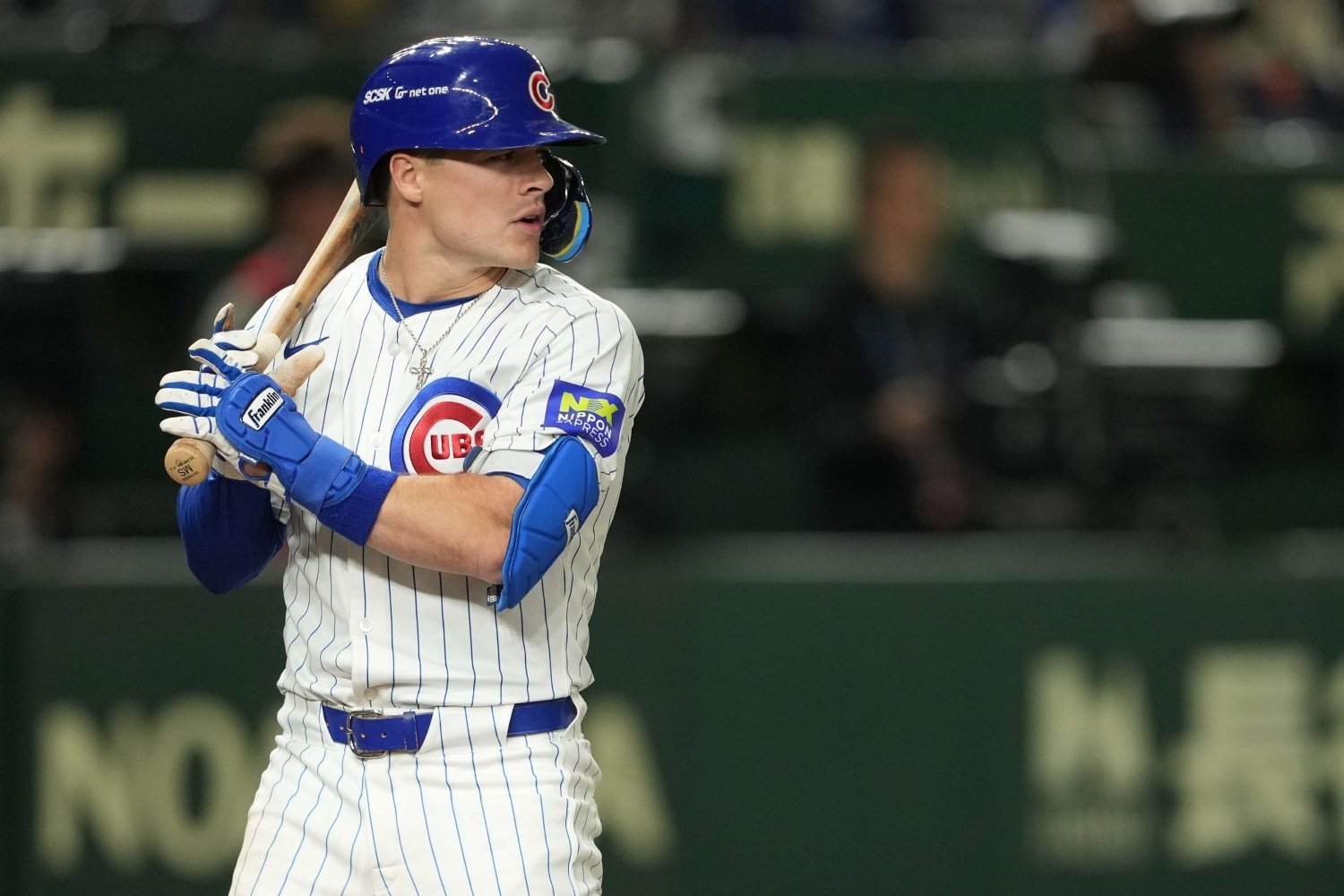 In the weeks leading up to the series in Japan, there was plenty of curiosity as to whether or not Matt Shaw would even make the trip. An oblique injury stalled him early in camp, allowing only six Cactus League games under his belt before the team departed Arizona. But Shaw fared well in that small sample. He notched five hits across 19 plate appearances (.313 AVG), walked three times (.421 OBP), and only struck out once. Sample size be damned, it was clearly what the team wanted to see from him before making a call on his involvement overseas. The Cubs' intention has long been to insert Shaw as their starting third baseman. As long as he was healthy, the team likely didn't want to be down two of their infield starters. When Shaw was able to succeed with minimal adjustment across those six games, it made it an easy call. Even with the performance, though, there's an argument to be made that the absence of Nico Hoerner likely pushed Shaw not only onto the plane, but into the starting lineup. His inclusion, in particular, gave us plenty of reason to watch the early-morning tilts, even beyond all of the fanfare. You're talking about a potential lineup fixture at a position of need making his debut. That's extremely noteworthy, in itself. The overall anticipation of the series itself gave way to our own little mini-excitement over Shaw's first official taste of MLB action. That was, of course, until the results came through. Shaw was able to record the first hit of his big-league career: an infield single off the glove of Jack Dreyer, which probably should have been called an error. It was, however, Shaw's only hit in the series, as he went 1-for-9 with four strikeouts. Those are just numbers, but the at-bats looked bad, too. Here's Game 1: And here's Game 2: Game 1 featured (at least) something of an approach, with some pitches taken and others fouled off. Game 2 represented something of a contrast to that, as Shaw was more aggressive and whiffed at a handful of pitches inside of the strike zone. He seemed to get anxious. Nothing here sets off alarm bells, of course. Stepping into the box for the first time against this vaunted Dodgers staff isn't a trivial challenge. In the rare instances when Shaw did make contact, though, the resulting contact was enough to generate at least a little bit of concern. Matt's post speaks to the main issue with Shaw in his first big-league work: he looked slow. In the first game, Shaw took four of the team's nine slowest swings. He owned four of the seven slowest in the second. His work combined for an xBA of just .185, and that number includes an expected batting average of .500 on a groundout in the first game. His lone hit of the series had an xBA of only .060. To say that he looked overmatched would be an understatement. The results aren't worrisome, but the indicators of his process might be. If he stepped in and was making quality contact (while still throwing in a few whiffs) across those nine plate appearances, you're probably feeling alright about where he's at. Instead, the bat speed and the resulting exit velocities painted a picture of a player who wasn't quite ready for the moment. With any prospect, you want a kind of tangible starting point following that first action. If Shaw had come out, swung at tons of junk outside the zone or taken an inordinate number of called strikes while not reaching base at all, you'd have clear adjustments to make. Had he come out on the other end of the spectrum, with consistent contact and inspiring bat speed figures, then you'd want him to find ways to build on it. Shaw looking discombobulated and slow presents a more intractable problem he now needs to solve. It isn't ideal. Not that we're rushing to any actual panic over two games, played thousands of miles away from home. It's not that we don't think Shaw is capable of adjusting. He demonstrated an ability to do just that upon reaching each new level of the minor leagues. We certainly aren't ready to draw any bigger-picture conclusions about Shaw's major-league ability after exactly two (2) games. The slow swings might not be a lasting aspect of his game; they might just indicate that the oblique flared up again and he was being cautious. It's just something to monitor. It's noteworthy either way. If it snowballs, one can't help but wonder how long the team will ride it out before giving him a reset in Iowa, and what the pivot looks like. We have, after all, already noted that the safety net doesn't exist. But should he head the other direction, where he quickly gains some traction, that'll also be worth dissecting. We win as viewers either way. The hope, though, is that the Cubs win as a result of what comes next for Matt Shaw.
 -
Could Cubs' Opponents Dictate How They Divvy Up Playing Time at Catcher?
RandallPnkFloyd posted an article in Cubs
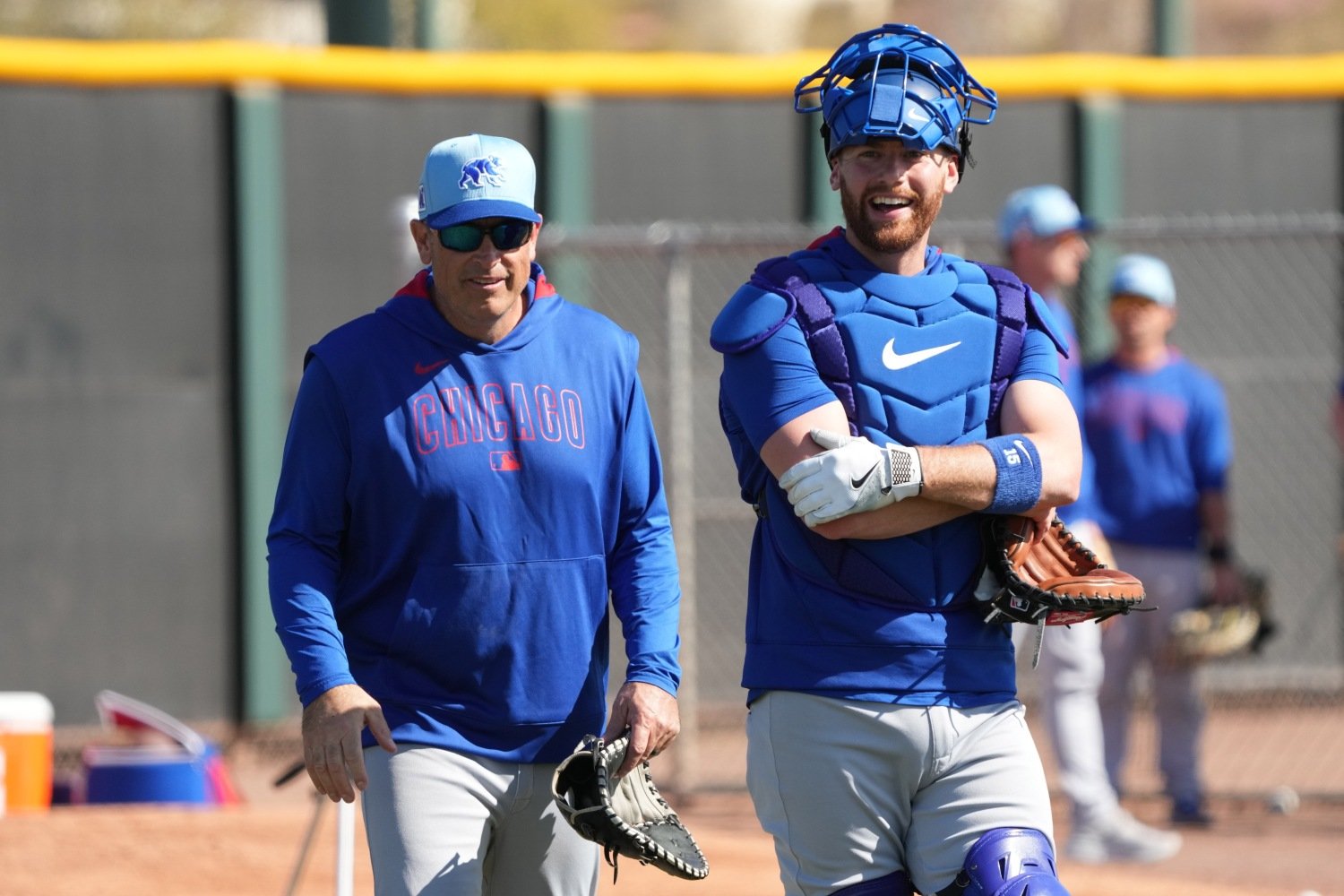 Midway through February, we took a look at the Chicago Cubs' potential distribution of playing time for their two catchers. As we prepare for the season-opening two-game set in Tokyo (with an eye on domestic Opening Day, just over a week away), has anything changed on that front? Since the signing of Carson Kelly back in December, we've known that he'd be in something of a timeshare with the twam's young incumbent, Miguel Amaya. While we still aren't sure of the exact distribution, we at least have a level of certainty in what each provides. Amaya presents the higher upside at the plate, while Kelly is better behind it. But from February through our current, amorphous stage of the exhibition season, it's been a little unclear as to exactly what the split will look like. They could be attached to specific pitchers or specific matchups. To that end, though, the depth charts across the landscape still look virtually the same as they did a month ago. Baseball Prospectus has Amaya at 50 percent of the playing time, to Kelly's 45%; FanGraphs is at 51% for Amaya and 47% for Kelly. The only change is a barely perceptible increase for each of them in the latter, with Moises Ballesteros's previous glimpse of a chance for time behind the plate disappearing entirely. While it's difficult to project exactly who gets the nod on a given day (at least until we start to see a trend with specific arms), one has to wonder what impact the schedule could have on the playing time split in the early going. At one point, it felt somewhat safe to assume Amaya would maintain an edge, given his offensive growth and longer tenure in the clubhouse, but as we reach the point where looking at the schedule becomes a worthwhile thing (and not something happening in the distant abstract), the quality of baserunning in their opponents could have something to say about who's behind the dish with more regularity. The two games in Tokyo notwithstanding, the Cubs will open the season with four games against the Diamondbacks in Arizona. Beyond that, notable April tilts for our discussion here include six against the San Diego Padres, five more against the Dodgers, another three against the Diamondbacks at Wrigley, and the Philadelphia Phillies for three. In May, they'll get Milwaukee for three, Cincinnati for five, and Miami for six. Those games account for 35 of the team's first 56 games (again, not including the two in Tokyo). What makes those opponents particularly notable, though, is that each finished in the top half of the league in steals last year. The Brewers, Reds, and Phillies each finished in the top six, with the Dodgers at 10th. Each of the Marlins, Padres, and Diamondbacks fitted themselves into the top 15. It's worth noting that the Cubs will also play the New York Mets and Pittsburgh Pirates in the season's first two months. Those clubs finished 16th and 17th in steals, respectively, in 2024. There's also a discernible gap between the No. 15 team in Arizona, who finished with 119 steals, and the Mets and Pirates, who each came in at 106. They'll also play the Giants and White Sox (much less adept teams when it comes to the running game) by the end of May. Some of the teams at the back end of the league's top half for steals last year, like Arizona, also feature a certain level of efficiency. While the Padres sat 14th, for example, they also had an 81% success rate on their attempts. The Snakes were at 80%. It's not just that the Cubs are going to face teams with high-volume steal numbers early in the year. They're also going against teams that are legitimately good at it, without a whole lot of roster turnover in that aspect of their game. (Heck, most of the league is good at stealing, these days, thanks to the altered rule set that has launched so many steals the last two years.) Does that mean we should expect the Cubs to deploy Kelly more often, to defend against the running game early on? Kelly's Caught Stealing Above Average sat at 4, which landed him in the league's top 10. His 1.97-second average pop time ranked only 47th, but still came in above average. Amaya finished 53rd (-3) and 79th (2.04) in the two categories. Not that this is new information. We know Kelly to be more skilled behind the plate in general, but especially in matters of thwarting would-be thieves. On a Marquee broadcast earlier this spring, Craig Counsell was asked how he envisions this positional timeshare playing out. He estimated that it would be an even split, but he'll be noting the matchups against certain teams and their top threats to steal early. We could, therefore, see the veteran Kelly get more than half the starts over that stretch. While the distribution will likely even out over the course of a full season (especially if Amaya's bat ends up hot), the schedule early on could have more to say about the distribution of the time than we might've initially thought.
 -
They say you have to bat in more than you let in. At catcher, you also have to get to second more often than you let the other team take it. Image courtesy of © Rick Scuteri-Imagn Images Midway through February, we took a look at the Chicago Cubs' potential distribution of playing time for their two catchers. As we prepare for the season-opening two-game set in Tokyo (with an eye on domestic Opening Day, just over a week away), has anything changed on that front? Since the signing of Carson Kelly back in December, we've known that he'd be in something of a timeshare with the twam's young incumbent, Miguel Amaya. While we still aren't sure of the exact distribution, we at least have a level of certainty in what each provides. Amaya presents the higher upside at the plate, while Kelly is better behind it. But from February through our current, amorphous stage of the exhibition season, it's been a little unclear as to exactly what the split will look like. They could be attached to specific pitchers or specific matchups. To that end, though, the depth charts across the landscape still look virtually the same as they did a month ago. Baseball Prospectus has Amaya at 50 percent of the playing time, to Kelly's 45%; FanGraphs is at 51% for Amaya and 47% for Kelly. The only change is a barely perceptible increase for each of them in the latter, with Moises Ballesteros's previous glimpse of a chance for time behind the plate disappearing entirely. While it's difficult to project exactly who gets the nod on a given day (at least until we start to see a trend with specific arms), one has to wonder what impact the schedule could have on the playing time split in the early going. At one point, it felt somewhat safe to assume Amaya would maintain an edge, given his offensive growth and longer tenure in the clubhouse, but as we reach the point where looking at the schedule becomes a worthwhile thing (and not something happening in the distant abstract), the quality of baserunning in their opponents could have something to say about who's behind the dish with more regularity. The two games in Tokyo notwithstanding, the Cubs will open the season with four games against the Diamondbacks in Arizona. Beyond that, notable April tilts for our discussion here include six against the San Diego Padres, five more against the Dodgers, another three against the Diamondbacks at Wrigley, and the Philadelphia Phillies for three. In May, they'll get Milwaukee for three, Cincinnati for five, and Miami for six. Those games account for 35 of the team's first 56 games (again, not including the two in Tokyo). What makes those opponents particularly notable, though, is that each finished in the top half of the league in steals last year. The Brewers, Reds, and Phillies each finished in the top six, with the Dodgers at 10th. Each of the Marlins, Padres, and Diamondbacks fitted themselves into the top 15. It's worth noting that the Cubs will also play the New York Mets and Pittsburgh Pirates in the season's first two months. Those clubs finished 16th and 17th in steals, respectively, in 2024. There's also a discernible gap between the No. 15 team in Arizona, who finished with 119 steals, and the Mets and Pirates, who each came in at 106. They'll also play the Giants and White Sox (much less adept teams when it comes to the running game) by the end of May. Some of the teams at the back end of the league's top half for steals last year, like Arizona, also feature a certain level of efficiency. While the Padres sat 14th, for example, they also had an 81% success rate on their attempts. The Snakes were at 80%. It's not just that the Cubs are going to face teams with high-volume steal numbers early in the year. They're also going against teams that are legitimately good at it, without a whole lot of roster turnover in that aspect of their game. (Heck, most of the league is good at stealing, these days, thanks to the altered rule set that has launched so many steals the last two years.) Does that mean we should expect the Cubs to deploy Kelly more often, to defend against the running game early on? Kelly's Caught Stealing Above Average sat at 4, which landed him in the league's top 10. His 1.97-second average pop time ranked only 47th, but still came in above average. Amaya finished 53rd (-3) and 79th (2.04) in the two categories. Not that this is new information. We know Kelly to be more skilled behind the plate in general, but especially in matters of thwarting would-be thieves. On a Marquee broadcast earlier this spring, Craig Counsell was asked how he envisions this positional timeshare playing out. He estimated that it would be an even split, but he'll be noting the matchups against certain teams and their top threats to steal early. We could, therefore, see the veteran Kelly get more than half the starts over that stretch. While the distribution will likely even out over the course of a full season (especially if Amaya's bat ends up hot), the schedule early on could have more to say about the distribution of the time than we might've initially thought. View full article
-
The Cubs' Rule 5 draft pick is establishing himself as a keeper in spring training. How far should the team be willing to go to keep him on the roster? Image courtesy of Matt Dirksen/Chicago Cubs/Getty Images The Chicago Cubs entered the spring exhibition slate with a steady backlog of bench options. This jam was the result not of legitimate options holding Major League track records, but of light-hitting, at-one-point-possessing-offensive-upside, versatile names sprinkled throughout the spring invites. That logjam was cleared up somewhat with the reassignment of Nicky Lopez to minor league camp over the weekend. Lopez is expected to pivot toward an opt-out in the coming weeks and explore other opportunities to nab a utility job. With that reassignment, though, we have a clearer picture of the bench group bound for Japan this week. Given the reassignment, it’s now a group that will include Rule 5 selection Gage Workman. With Carson Kelly, Jon Berti, and Justin Turner all already locked into bench spots, the Arizona State product had been battling the likes of Lopez and Vidal Bruján for a utility spot on the roster. To say nothing of outfield depth options like Travis Jankowski and Greg Allen. While the slightly expanded rosters permitted upon the international contest will give the Cubs a longer runway to make their decision between Workman and, ultimately, Bruján, the decision to hold onto Workman for the immediate future speaks to not only his spring performance, but to the upside he possesses. To this point in the spring, Workman has turned in a .414/.455/.759/1.213 line across 33 plate appearances. He’s struck out at a 21.2 percent clip while walking 9.1 percent of the time. His ISO for the exhibition season checks in at a wild .345, with a pair of steals to compliment the power. In short, he’s been spectacular. A small sample, but very much worthy of praise given the context in which he’s performed (as a Rule 5 position player without an inning above Double-A to his name). And make no mistake, this is a guy who does still possess offensive upside. He repeated Double-A in 2024 after making the transition from switch hitting to a full-time left-handed stroke. With the Tigers’ affiliate in Erie, his ’24 slash included a .280 average and .366 OBP, with a .197 ISO that was his highest since High-A back in 2021. The strikeout rate did remain high (27.5 percent), but came down off the 33.7 K% he’d posted between High-A & Double-A in 2023. The strikeouts remain the most damning component of his game. Contact becomes especially important when you’re talking about a bench bat operating within a smaller sample than a positional regular. When you consider his more recent string of success, though (which also included a decrease in the overall strikeout numbers), you have to consider Workman to be the more interesting bench option over his counterpart in Bruján. A veteran of parts of four separate Major League seasons, Bruján hasn’t come close to showcasing the same type of ability at the plate that Workman has in the last calendar year. He makes more contact overall, but when you combine a low quality of contact with heavy groundball tendencies, the two work to cancel each other out. It’s not as if he’s more of a threat on the bases, either. Despite three minor league seasons with over 40 swipes, Workman has three of at least 30 to his own credit. If there’s an advantage we could attach to Bruján, it’s that he’s played centerfield throughout his career. The Cubs have only Jon Berti who could step into the role should Pete Crow-Armstrong miss time for any reason. However, the team has also mixed Workman onto the outfield grass. One imagines his athleticism could suit him for the role in short stints as well as it could Bruján. The pitting of Workman against Bruján is simply due to the fact that one will be on the roster and the other will likely be out of the organization. Workman must be offered back to Detroit in the event the Cubs choose to cut him; Bruján is out of options and would have to clear waivers to be outrighted off the 40-man before heading to Iowa. It’s very much an either/or at this point. In any case, the choice between the two is becoming clear. Workman not only has more upside — he’s flashed it more recently. Bruján has had a decent enough exhibition campaign on both sides of the ball, but it’s been a minute since we’ve seen a shred of offensive upside from him. Especially given that he’s gotten actual run at the highest level in a way that Workman has not. If there’s a chance for Workman to further cement his status as the better option, it could come in Tokyo. With Matt Shaw’s status up in the air given his delayed start to the spring, there’s an outside shot the Rule 5 pick could nab a start (or two) in his stead. While Workman has shown his chops at the plate against legitimate arms in Arizona, doing so on a big stage against one of the most threatening staffs in baseball could leave the Cubs without a question regarding their final roster spot. View full article
-
 The Chicago Cubs entered the spring exhibition slate with a steady backlog of bench options. This jam was the result not of legitimate options holding Major League track records, but of light-hitting, at-one-point-possessing-offensive-upside, versatile names sprinkled throughout the spring invites. That logjam was cleared up somewhat with the reassignment of Nicky Lopez to minor league camp over the weekend. Lopez is expected to pivot toward an opt-out in the coming weeks and explore other opportunities to nab a utility job. With that reassignment, though, we have a clearer picture of the bench group bound for Japan this week. Given the reassignment, it’s now a group that will include Rule 5 selection Gage Workman. With Carson Kelly, Jon Berti, and Justin Turner all already locked into bench spots, the Arizona State product had been battling the likes of Lopez and Vidal Bruján for a utility spot on the roster. To say nothing of outfield depth options like Travis Jankowski and Greg Allen. While the slightly expanded rosters permitted upon the international contest will give the Cubs a longer runway to make their decision between Workman and, ultimately, Bruján, the decision to hold onto Workman for the immediate future speaks to not only his spring performance, but to the upside he possesses. To this point in the spring, Workman has turned in a .414/.455/.759/1.213 line across 33 plate appearances. He’s struck out at a 21.2 percent clip while walking 9.1 percent of the time. His ISO for the exhibition season checks in at a wild .345, with a pair of steals to compliment the power. In short, he’s been spectacular. A small sample, but very much worthy of praise given the context in which he’s performed (as a Rule 5 position player without an inning above Double-A to his name). And make no mistake, this is a guy who does still possess offensive upside. He repeated Double-A in 2024 after making the transition from switch hitting to a full-time left-handed stroke. With the Tigers’ affiliate in Erie, his ’24 slash included a .280 average and .366 OBP, with a .197 ISO that was his highest since High-A back in 2021. The strikeout rate did remain high (27.5 percent), but came down off the 33.7 K% he’d posted between High-A & Double-A in 2023. The strikeouts remain the most damning component of his game. Contact becomes especially important when you’re talking about a bench bat operating within a smaller sample than a positional regular. When you consider his more recent string of success, though (which also included a decrease in the overall strikeout numbers), you have to consider Workman to be the more interesting bench option over his counterpart in Bruján. A veteran of parts of four separate Major League seasons, Bruján hasn’t come close to showcasing the same type of ability at the plate that Workman has in the last calendar year. He makes more contact overall, but when you combine a low quality of contact with heavy groundball tendencies, the two work to cancel each other out. It’s not as if he’s more of a threat on the bases, either. Despite three minor league seasons with over 40 swipes, Workman has three of at least 30 to his own credit. If there’s an advantage we could attach to Bruján, it’s that he’s played centerfield throughout his career. The Cubs have only Jon Berti who could step into the role should Pete Crow-Armstrong miss time for any reason. However, the team has also mixed Workman onto the outfield grass. One imagines his athleticism could suit him for the role in short stints as well as it could Bruján. The pitting of Workman against Bruján is simply due to the fact that one will be on the roster and the other will likely be out of the organization. Workman must be offered back to Detroit in the event the Cubs choose to cut him; Bruján is out of options and would have to clear waivers to be outrighted off the 40-man before heading to Iowa. It’s very much an either/or at this point. In any case, the choice between the two is becoming clear. Workman not only has more upside — he’s flashed it more recently. Bruján has had a decent enough exhibition campaign on both sides of the ball, but it’s been a minute since we’ve seen a shred of offensive upside from him. Especially given that he’s gotten actual run at the highest level in a way that Workman has not. If there’s a chance for Workman to further cement his status as the better option, it could come in Tokyo. With Matt Shaw’s status up in the air given his delayed start to the spring, there’s an outside shot the Rule 5 pick could nab a start (or two) in his stead. While Workman has shown his chops at the plate against legitimate arms in Arizona, doing so on a big stage against one of the most threatening staffs in baseball could leave the Cubs without a question regarding their final roster spot.
 -
Pete Crow-Armstrong Will Break Out In 2025, Regardless Of The Naysayers
RandallPnkFloyd posted an article in Cubs
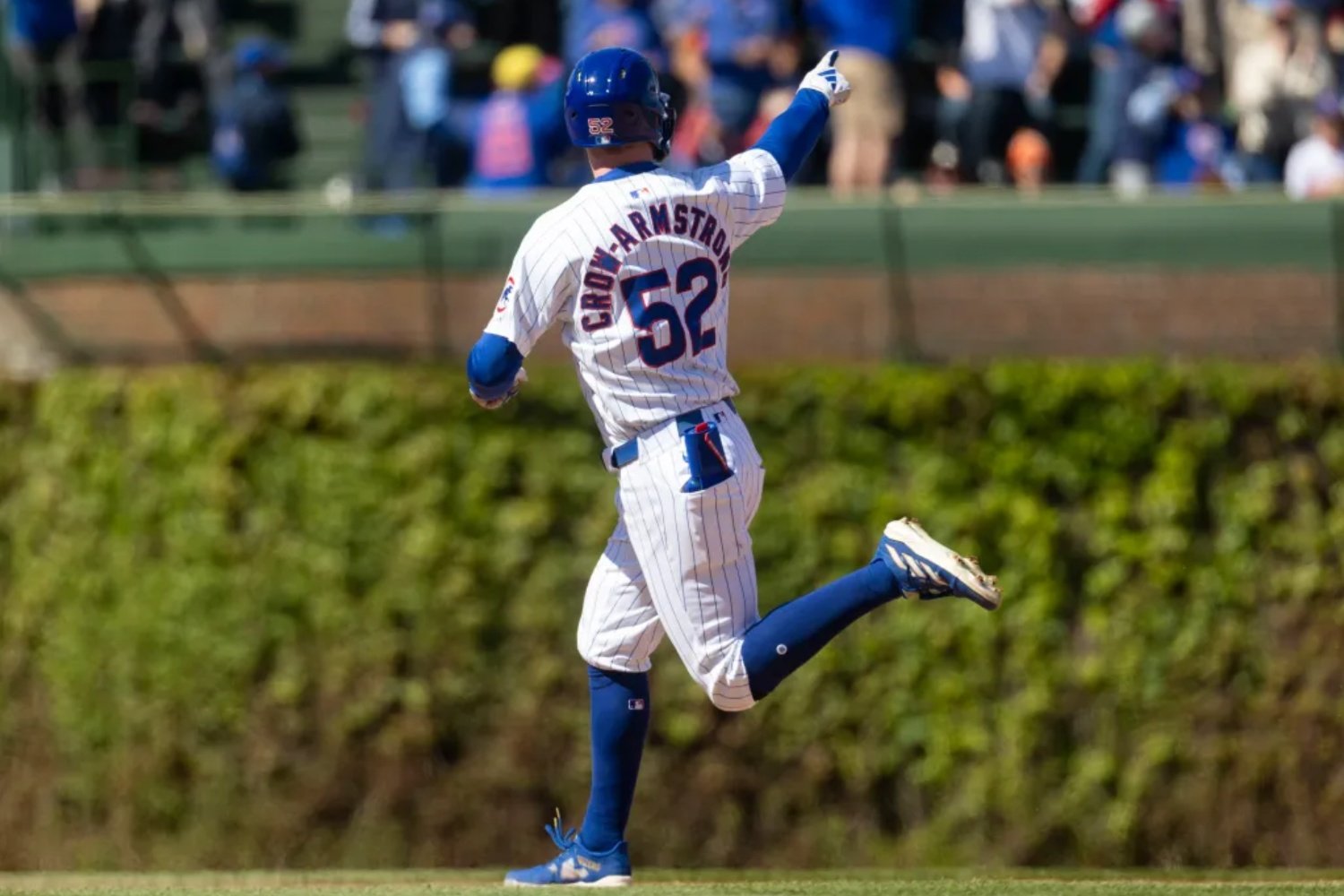 Pete Crow-Armstrong may never be the Chicago Cubs’ “best” player. But it probably doesn’t matter. In his time with the Cubs, there were two occasions in which Javier Báez led the team by various Wins Above Replacement metrics. But in the organization’s previous era, he hardly would’ve been labeled their best player given the more outright stability provided by some of his contemporaries from the championship and championship-adjacent seasons. I don’t know that Crow-Armstrong will ever reach even those heights on the stat sheet. He does, however, represent as integral a presence as Báez provided during his stay on the North Side. For eerily similar reasons. Because what Pete Crow-Armstrong can provide goes beyond the stat sheet. In the same way that it did with Javy. It’s a certain level of can’t-miss excitement that exists within a paradox of very in-your-face drawbacks. We’ve seen that in action this spring. He’s turned a steal of second into a run scored. Taking third on a wild pitch turned into another. A single to left resulted in a little league home run of its own. And when the speed isn’t on display, the power has been. Just last week, we saw a multi-homer game that included a grand slam. In what has been a wildly successful exhibition slate for the collective, it’s been PCA grabbing our attention rather forcefully. The spring numbers are reflective of that, too. Crow-Armstrong has slashed an absurd .520/.500/1.040/1.540 with a hefty .520 ISO. On the other side of that, of course, resides his 26.9 K% and 0.0 BB%. That’s not a misprint. Crow-Armstrong has not recorded a walk in 26 plate appearances. Which speaks to the fact that the wart(s) in his game are still there. While we saw him rein in the free-swinging ways for a short stint last August, it’s not something that we should expect to be permanent. Heck, it didn’t even make it to the end of the season. More contact? Sure. But the approach isn’t likely going to change too radically in a way that turns him into some kind of walk machine. It’s why we aren’t likely to see PCA atop the lineup anytime soon. But like we saw in Javy’s time with the organization, you can compensate plenty for hacking irresponsibly if you have the other components of your game in order. And you can make people forget about it altogether if you do things in a manner that keeps their eyeballs happy and their anxiety up just a touch. The Cubs aren’t an organization known for possessing head-turning talent. Not that those players grow on trees; it’s almost like they’re limited to a few organizations. Even the higher-quality Cub teams of the last decade have had fundamentally sound foundations with which to work, even with occasional charisma thrown in. But only Báez represented the type of talent that led other fanbases to tune into what was happening within a given situation involving the Cubs. There was obscene flair, wrought by instinct and a natural showmanship. It highlighted the things he did well and led us to ignore the things he didn’t. Pete Crow-Armstrong is an exceptional defender. He was tied as the league’s second-best position player by FRV (16) despite only appearing in 123 games. He’s an elite baserunner, borne not only out of the aforementioned instincts but by 99th percentile sprint speed. If the spring season is to be believed, there’s more power in there, too. The type of value a player like PCA can bring — assuming we get the breakout that appears legitimately on the cusp — is and is not quantifiable. We’ll look to some of the approach figures. The defensive analytics. But we’ll also recognize the ability shift a game by forcing a mistake on the bases or closing an inning with an incredible defensive play. Those less-quantifiable elements offer the type of presence that the team has not had since they sent Baéz to Queens. The Cubs have a solid roster, top to bottom. They have plenty of upper tier names on either side of the ball. They even have an Actually Elite™ player on their roster with Kyle Tucker’s addition. But Pete Crow-Armstrong is the guy who can turn a game around with one play, for better or worse. With plenty to get jazzed about with the season so close, it’s the potential explosion of a new volatile star on the North Side that stands above the rest.
 -
The Cubs' young center fielder has impressed thus far in spring training, attracting his fair share of critics. Will he defy their expectations and become the team's next superstar? Image courtesy of Brian Cassella/Chicago Tribune Pete Crow-Armstrong may never be the Chicago Cubs’ “best” player. But it probably doesn’t matter. In his time with the Cubs, there were two occasions in which Javier Báez led the team by various Wins Above Replacement metrics. But in the organization’s previous era, he hardly would’ve been labeled their best player given the more outright stability provided by some of his contemporaries from the championship and championship-adjacent seasons. I don’t know that Crow-Armstrong will ever reach even those heights on the stat sheet. He does, however, represent as integral a presence as Báez provided during his stay on the North Side. For eerily similar reasons. Because what Pete Crow-Armstrong can provide goes beyond the stat sheet. In the same way that it did with Javy. It’s a certain level of can’t-miss excitement that exists within a paradox of very in-your-face drawbacks. We’ve seen that in action this spring. He’s turned a steal of second into a run scored. Taking third on a wild pitch turned into another. A single to left resulted in a little league home run of its own. And when the speed isn’t on display, the power has been. Just last week, we saw a multi-homer game that included a grand slam. In what has been a wildly successful exhibition slate for the collective, it’s been PCA grabbing our attention rather forcefully. The spring numbers are reflective of that, too. Crow-Armstrong has slashed an absurd .520/.500/1.040/1.540 with a hefty .520 ISO. On the other side of that, of course, resides his 26.9 K% and 0.0 BB%. That’s not a misprint. Crow-Armstrong has not recorded a walk in 26 plate appearances. Which speaks to the fact that the wart(s) in his game are still there. While we saw him rein in the free-swinging ways for a short stint last August, it’s not something that we should expect to be permanent. Heck, it didn’t even make it to the end of the season. More contact? Sure. But the approach isn’t likely going to change too radically in a way that turns him into some kind of walk machine. It’s why we aren’t likely to see PCA atop the lineup anytime soon. But like we saw in Javy’s time with the organization, you can compensate plenty for hacking irresponsibly if you have the other components of your game in order. And you can make people forget about it altogether if you do things in a manner that keeps their eyeballs happy and their anxiety up just a touch. The Cubs aren’t an organization known for possessing head-turning talent. Not that those players grow on trees; it’s almost like they’re limited to a few organizations. Even the higher-quality Cub teams of the last decade have had fundamentally sound foundations with which to work, even with occasional charisma thrown in. But only Báez represented the type of talent that led other fanbases to tune into what was happening within a given situation involving the Cubs. There was obscene flair, wrought by instinct and a natural showmanship. It highlighted the things he did well and led us to ignore the things he didn’t. Pete Crow-Armstrong is an exceptional defender. He was tied as the league’s second-best position player by FRV (16) despite only appearing in 123 games. He’s an elite baserunner, borne not only out of the aforementioned instincts but by 99th percentile sprint speed. If the spring season is to be believed, there’s more power in there, too. The type of value a player like PCA can bring — assuming we get the breakout that appears legitimately on the cusp — is and is not quantifiable. We’ll look to some of the approach figures. The defensive analytics. But we’ll also recognize the ability shift a game by forcing a mistake on the bases or closing an inning with an incredible defensive play. Those less-quantifiable elements offer the type of presence that the team has not had since they sent Baéz to Queens. The Cubs have a solid roster, top to bottom. They have plenty of upper tier names on either side of the ball. They even have an Actually Elite™ player on their roster with Kyle Tucker’s addition. But Pete Crow-Armstrong is the guy who can turn a game around with one play, for better or worse. With plenty to get jazzed about with the season so close, it’s the potential explosion of a new volatile star on the North Side that stands above the rest. View full article
-
With Pete Crow-Armstrong locked into center field for the foreseeable future, the Cubs have a linchpin in the outfield. Do they have enough depth to cover for him on his days off? Image courtesy of © Isaiah J. Downing-Imagn Images Even with the addition of Kyle Tucker, the middle of the Chicago Cubs’ 2025 outfield trio has the potential to be the most thrilling component of a very solid roster. This is, of course, due to the second-half emergence of Pete Crow-Armstrong. Crow-Armstrong doesn’t just represent upper-90s percentile in speed, baserunning, and defense. He flashed offensive upside last year that could serve as an effective enough supplement to the elite parts of his game to make him one of the very best outfielders in the sport. That might seem like hyperbole. But the tools that are there are loud. If he can hit well enough, then he immediately becomes a must-watch player for a team that hasn’t really had one since Javier Báez. I’m not sure to what extent the Cubs’ 2025 fortunes rest on the shoulders of PCA. But I do know that his performance in the upcoming season could go a long way toward contention. CUBS CENTER FIELDERS AT A GLANCE Starter: Pete Crow-Armstrong Backup: Vidal Bruján (?) Depth: Jon Berti, Travis Jankowski Prospects: Kevin Alcántara Cubs fWAR Ranking Last Year: 9th (3.0) Cubs fWAR Projection This Year: 3.2 THE GOOD By fWAR (in a minuscule sample), only a dozen position players were better than Pete Crow-Armstrong last August. He accumulated a 1.4 figure during the month, slashing .314/.375/.558/.933. His strikeout rate came in at a season-low 14.3%, while his walk rate was his best in an individual month (8.2 percent). He ISO’d .244. The entire offensive performance culminated in a 154 wRC+. He fell back off in September, but that end-of-July-into-August stretch has compounded with a strong start to the spring (pre-hamstring tightness) to generate some really high expectations. We know the defense is elite. We know the baserunning is there, too, given the 99th percentile sprint speed. PCA can be a four-plus win player on the merits of those components alone. But if he can be even a sliver of the player he was at the tail-end of the summer, you’re looking at a special player manning the center of the outfield grass for the next several years on the North Side. THE BAD Of course, the caveat to all of that lies in the approach. In the article linked above, @Matthew Trueblood dove into PCA’s tendencies in September, when he’d regressed following that torrid August stretch. At the very least. there was still an all-fields approach that should serve him well moving forward. His (lack of) discipline, however, remains a source of concern. Among hitters with at least 400 plate appearances, PCA’s 59.2 Swing% was the fourth-highest of a group that includes 207 position players. His 43.5 Chase% was the seventh-highest. Neither his 15.8 Whiff% and 73.2 Contact% were in places in which you’d like to live. During August, he cut the chase down to 36.0 percent and bumped the contact up to nearly 80. It showed that with a more measured, patient approach, Crow-Armstrong can maximize his offensive production. The extent to which that comes to fruition, though, is very much a matter that falls under "to be determined". THE BOTTOM LINE There is a fairly strong expectation of growth from Pete Crow-Armstrong in 2025. We know what he can do with the glove, and we know what his speed looks like on the bases. There’s tremendous value there. Even if the bat is a zero, he can be a strong contributor on a contending team. But now that we’ve seen what he can do with a more refined approach, expectations should shift. Improving the plate discipline is an imperative for the young outfielder. The good news attached to that is that PCA seems very much like the type of cerebral player capable of implementing such improvement over a longer stretch. If that happens, the takeoff will be real. View full article
-
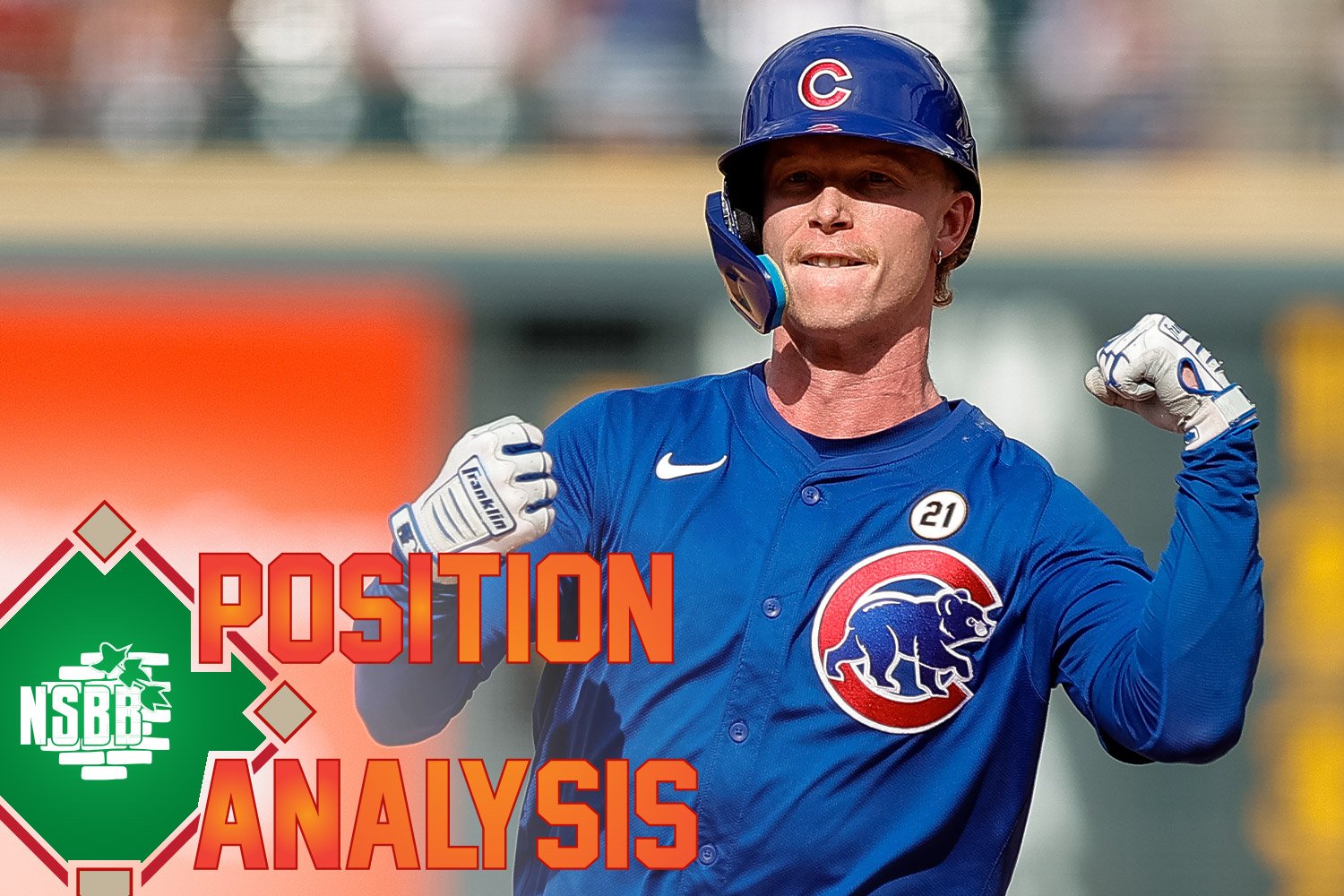 Even with the addition of Kyle Tucker, the middle of the Chicago Cubs’ 2025 outfield trio has the potential to be the most thrilling component of a very solid roster. This is, of course, due to the second-half emergence of Pete Crow-Armstrong. Crow-Armstrong doesn’t just represent upper-90s percentile in speed, baserunning, and defense. He flashed offensive upside last year that could serve as an effective enough supplement to the elite parts of his game to make him one of the very best outfielders in the sport. That might seem like hyperbole. But the tools that are there are loud. If he can hit well enough, then he immediately becomes a must-watch player for a team that hasn’t really had one since Javier Báez. I’m not sure to what extent the Cubs’ 2025 fortunes rest on the shoulders of PCA. But I do know that his performance in the upcoming season could go a long way toward contention. CUBS CENTER FIELDERS AT A GLANCE Starter: Pete Crow-Armstrong Backup: Vidal Bruján (?) Depth: Jon Berti, Travis Jankowski Prospects: Kevin Alcántara Cubs fWAR Ranking Last Year: 9th (3.0) Cubs fWAR Projection This Year: 3.2 THE GOOD By fWAR (in a minuscule sample), only a dozen position players were better than Pete Crow-Armstrong last August. He accumulated a 1.4 figure during the month, slashing .314/.375/.558/.933. His strikeout rate came in at a season-low 14.3%, while his walk rate was his best in an individual month (8.2 percent). He ISO’d .244. The entire offensive performance culminated in a 154 wRC+. He fell back off in September, but that end-of-July-into-August stretch has compounded with a strong start to the spring (pre-hamstring tightness) to generate some really high expectations. We know the defense is elite. We know the baserunning is there, too, given the 99th percentile sprint speed. PCA can be a four-plus win player on the merits of those components alone. But if he can be even a sliver of the player he was at the tail-end of the summer, you’re looking at a special player manning the center of the outfield grass for the next several years on the North Side. THE BAD Of course, the caveat to all of that lies in the approach. In the article linked above, @Matthew Trueblood dove into PCA’s tendencies in September, when he’d regressed following that torrid August stretch. At the very least. there was still an all-fields approach that should serve him well moving forward. His (lack of) discipline, however, remains a source of concern. Among hitters with at least 400 plate appearances, PCA’s 59.2 Swing% was the fourth-highest of a group that includes 207 position players. His 43.5 Chase% was the seventh-highest. Neither his 15.8 Whiff% and 73.2 Contact% were in places in which you’d like to live. During August, he cut the chase down to 36.0 percent and bumped the contact up to nearly 80. It showed that with a more measured, patient approach, Crow-Armstrong can maximize his offensive production. The extent to which that comes to fruition, though, is very much a matter that falls under "to be determined". THE BOTTOM LINE There is a fairly strong expectation of growth from Pete Crow-Armstrong in 2025. We know what he can do with the glove, and we know what his speed looks like on the bases. There’s tremendous value there. Even if the bat is a zero, he can be a strong contributor on a contending team. But now that we’ve seen what he can do with a more refined approach, expectations should shift. Improving the plate discipline is an imperative for the young outfielder. The good news attached to that is that PCA seems very much like the type of cerebral player capable of implementing such improvement over a longer stretch. If that happens, the takeoff will be real.
 -
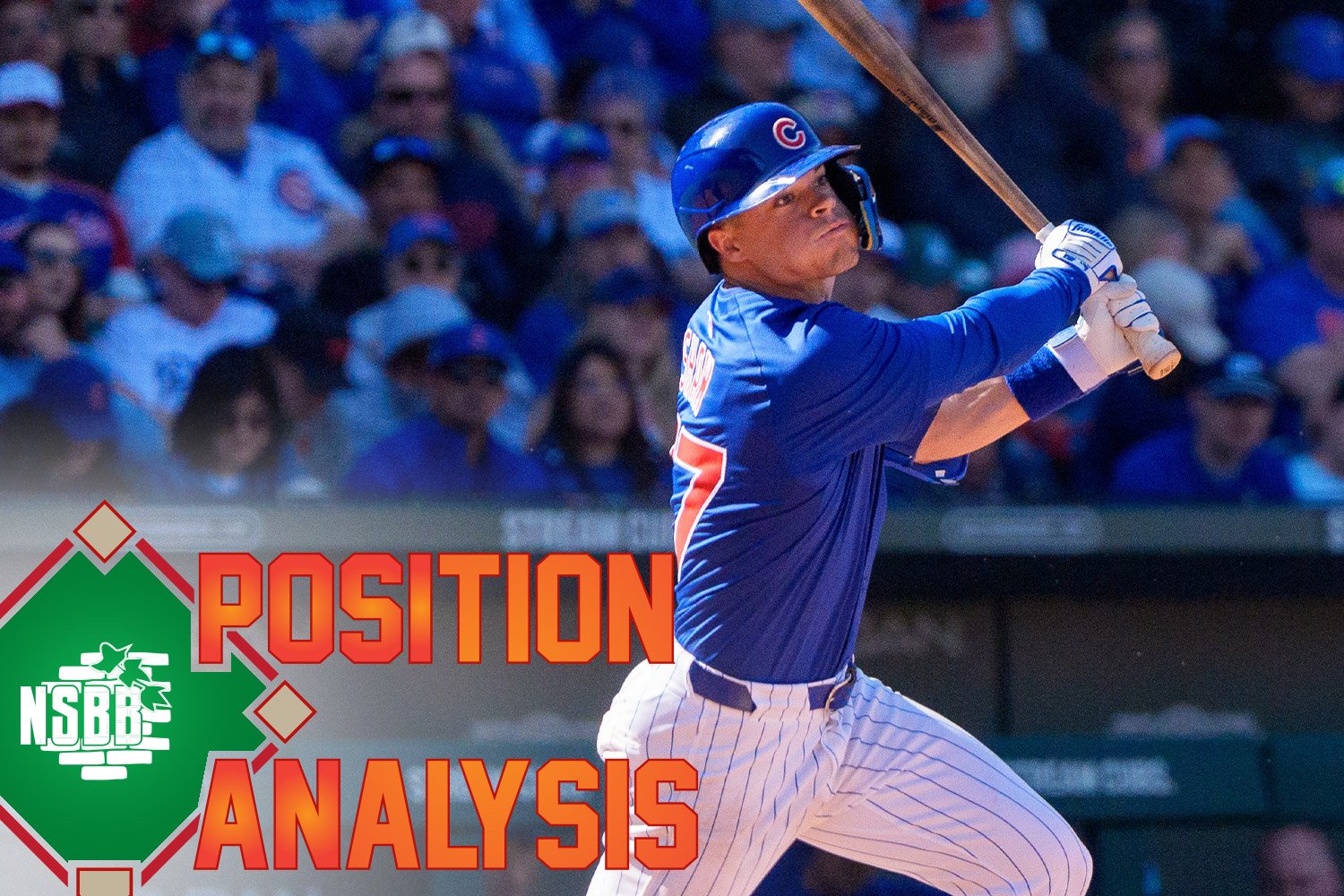 Leading up to and well into the 2024 season, I spilled a lot of ink parsing through the Chicago Cubs’ situation at the hot corner. While a fan of the idea of giving Christopher Morel extended ride at the spot given his offensive profile, that experiment quickly wore itself out. The glove was bad. The arm, despite its impressive strength, was erratic. While the Cubs were able to stomach such eccentricity within someone like Javier Báez, the defensive upside that their former middle infielder possessed was nowhere to be found. Worse yet, Nick Madrigal’s impressive defensive debut from 2023 didn’t carry over to the new year (in those rare moments he was healthy). In total, the team rotated six different players for more than two games at the position. David Bote was average defensively; Miles Mastrobuoni was slightly above. The team acquired Isaac Paredes in exchange for Morel, aiming to get a little more stability on defense while still maintaining some quality on the other side of the ball. We know how that turned out. His offensive profile wasn’t super suited for Wrigley Field and the Cubs were able to flip him as part of the package for Kyle Tucker. Of course, that leaves the Cubs in a familiar position of uncertainty regarding an outfield corner. CUBS THIRD BASEMEN AT A GLANCE Starter: Matt Shaw Backup: Jon Berti Depth: Gage Workman, Justin Turner Prospects: Pedro Ramirez Cubs fWAR Ranking Last Year: 26th (0.0) Cubs fWAR Projection This Year: 2.9 THE GOOD The trade of Paredes and the failed pursuit of Alex Bregman leaves a spot open for Matt Shaw. Shaw represents one of the top offensive prospects in the sport, possessing a mix of approach, contact ability, and power that make him an extremely enticing player to watch. That profile also ignores his speed and instincts on the bases. He hit 21 homers and stole 31 bases between Double-A and Triple-A last season. He’s been prone to an adjustment period, but his skill set has allowed him to minimize that actual timeline and turn in quality production regardless of level. While we’re unsure how his defense will translate to being a full-time Major League third baseman — mostly due to his arm being the lowest-graded of his tools — but the opportunity here is a really exciting thought. The Cubs aren’t generally the team with the exciting young player who breaks out in a loud way. At least not since, like, 2015. But Shaw has a clear and legitimate opportunity to be that guy for them in 2025. THE BAD The trade of Paredes and the failed pursuit of Alex Bregman leaves a spot open for Matt Shaw. There isn’t a safety net here. Even beyond Bregman, a signing of someone like Josh Rojas or Yoán Moncada could have made some sense in order to provide one. And we don’t know to what extent the Cubs pursued such an avenue. Shaw struggling out of the gate isn’t a concern. At each level, the natural adjustment period ran its course and Shaw proved to be adept at handling the additional challenge. But should reaching the top level turn into something more prolonged, it’s unclear as to how the team will handle the position should he need to return to Iowa for a spell. The options beyond Shaw are fine defenders, but notably questionable on the offensive side. Rule 5 pick Gage Workman has had a stellar spring but has yet to appear in a regular season game above Double-A. Even if he sticks around, you’re looking at a much lower offensive ceiling than that of the team’s top prospect. Options like Jon Berti or Vidal Bruján or non-roster invite Nicky Lopez can handle the position defensively but have bats that linger around average to (far) below. It isn’t an outright concern just yet. We have no reason to think that Shaw won’t be able to hit in the way that he has each time he’s leveled up. But staring down the barrel of uncertainty if things need to go past him would represent a real challenge for this year’s group. THE BOTTOM LINE Even with those lingering negative thoughts at the back of one’s mind, the third base position has a chance to be a real exciting element of the 2025 Chicago Cubs. After hearing so much of the vaunted farm system over the last few years, opportunities are finally opening up for us to see the upper-tier prospects in action at the highest level. The Cubs haven’t necessarily been known to be aggressive in promoting, but Matt Shaw has shown enough to say that the gig is his until it isn’t. Ultimately, his defense will be immaterial. And while the projections don’t expect him to go off to the tune of Rookie of the Year candidacy, most of them have him falling in the 13-15 homer, 15-20 steal range. That would be enough to be a solid contributor, with the on-base stuff ideally following in the years to come.
 -
The Cubs are betting big on their top prospect to handle third base with aplomb in 2025. Do they have any safety valves in case that bet goes sideways? Image courtesy of © Allan Henry-Imagn Images Leading up to and well into the 2024 season, I spilled a lot of ink parsing through the Chicago Cubs’ situation at the hot corner. While a fan of the idea of giving Christopher Morel extended ride at the spot given his offensive profile, that experiment quickly wore itself out. The glove was bad. The arm, despite its impressive strength, was erratic. While the Cubs were able to stomach such eccentricity within someone like Javier Báez, the defensive upside that their former middle infielder possessed was nowhere to be found. Worse yet, Nick Madrigal’s impressive defensive debut from 2023 didn’t carry over to the new year (in those rare moments he was healthy). In total, the team rotated six different players for more than two games at the position. David Bote was average defensively; Miles Mastrobuoni was slightly above. The team acquired Isaac Paredes in exchange for Morel, aiming to get a little more stability on defense while still maintaining some quality on the other side of the ball. We know how that turned out. His offensive profile wasn’t super suited for Wrigley Field and the Cubs were able to flip him as part of the package for Kyle Tucker. Of course, that leaves the Cubs in a familiar position of uncertainty regarding an outfield corner. CUBS THIRD BASEMEN AT A GLANCE Starter: Matt Shaw Backup: Jon Berti Depth: Gage Workman, Justin Turner Prospects: Pedro Ramirez Cubs fWAR Ranking Last Year: 26th (0.0) Cubs fWAR Projection This Year: 2.9 THE GOOD The trade of Paredes and the failed pursuit of Alex Bregman leaves a spot open for Matt Shaw. Shaw represents one of the top offensive prospects in the sport, possessing a mix of approach, contact ability, and power that make him an extremely enticing player to watch. That profile also ignores his speed and instincts on the bases. He hit 21 homers and stole 31 bases between Double-A and Triple-A last season. He’s been prone to an adjustment period, but his skill set has allowed him to minimize that actual timeline and turn in quality production regardless of level. While we’re unsure how his defense will translate to being a full-time Major League third baseman — mostly due to his arm being the lowest-graded of his tools — but the opportunity here is a really exciting thought. The Cubs aren’t generally the team with the exciting young player who breaks out in a loud way. At least not since, like, 2015. But Shaw has a clear and legitimate opportunity to be that guy for them in 2025. THE BAD The trade of Paredes and the failed pursuit of Alex Bregman leaves a spot open for Matt Shaw. There isn’t a safety net here. Even beyond Bregman, a signing of someone like Josh Rojas or Yoán Moncada could have made some sense in order to provide one. And we don’t know to what extent the Cubs pursued such an avenue. Shaw struggling out of the gate isn’t a concern. At each level, the natural adjustment period ran its course and Shaw proved to be adept at handling the additional challenge. But should reaching the top level turn into something more prolonged, it’s unclear as to how the team will handle the position should he need to return to Iowa for a spell. The options beyond Shaw are fine defenders, but notably questionable on the offensive side. Rule 5 pick Gage Workman has had a stellar spring but has yet to appear in a regular season game above Double-A. Even if he sticks around, you’re looking at a much lower offensive ceiling than that of the team’s top prospect. Options like Jon Berti or Vidal Bruján or non-roster invite Nicky Lopez can handle the position defensively but have bats that linger around average to (far) below. It isn’t an outright concern just yet. We have no reason to think that Shaw won’t be able to hit in the way that he has each time he’s leveled up. But staring down the barrel of uncertainty if things need to go past him would represent a real challenge for this year’s group. THE BOTTOM LINE Even with those lingering negative thoughts at the back of one’s mind, the third base position has a chance to be a real exciting element of the 2025 Chicago Cubs. After hearing so much of the vaunted farm system over the last few years, opportunities are finally opening up for us to see the upper-tier prospects in action at the highest level. The Cubs haven’t necessarily been known to be aggressive in promoting, but Matt Shaw has shown enough to say that the gig is his until it isn’t. Ultimately, his defense will be immaterial. And while the projections don’t expect him to go off to the tune of Rookie of the Year candidacy, most of them have him falling in the 13-15 homer, 15-20 steal range. That would be enough to be a solid contributor, with the on-base stuff ideally following in the years to come. View full article
-
With Michael Busch entrenched at the cold corner, just how rosy are the first base projections for the Chicago Cubs in 2025? What a difference a year makes. The first base position on the North Side was extremely uncertain ahead of the 2024 season. The Chicago Cubs had gone plug-and-play in the two years following Anthony Rizzo’s deadline departure. The 2022 group was led by Alfonso Rivas’ 81 games at the spot, with a smattering of Frank Schwindel, P.J. Higgins, and Patrick Wisdom behind him. The succeeding team in ’23 wasn’t terribly improved. They saw a hodgepodge of Eric Hosmer, Trey Mancini, and (eventually, courtesy of injury) Cody Bellinger rotate through. In total, seven different players logged at least a dozen appearances at first base. There were some Pete Alonso rumors at one point, but the position itself lived almost entirely in the abstract given the excessive turnover and lack of notable prospects in the wake of Rizzo’s departure. Enter Michael Busch. A castoff of the Los Angeles Dodgers’ crowded farm system, Busch was a bat without a position during his days as part of their organization. The Cubs entrenched him at first base from the jump and the results were… actually quite good. His bat was uneven, but the approach matured as the season wore on. Perhaps more importantly (given the offensive pedigree already possessed), his defense improved as the season progressed. He ultimately finished as an above-average defender. Busch’s presence leaves no doubt as to the immediate future of the position. He’s under team control through 2027 and has added muscle in pursuit of additional power. Beyond him, however, things get a little bit murky. CUBS FIRST BASEMEN AT A GLANCE Starter: Michael Busch Backup: Justin Turner Depth: Jon Berti Prospects: Jonathon Long, Moises Ballesteros Cubs fWAR Ranking Last Year: 11th (2.2) Cubs fWAR Projection This Year: 2.0 THE GOOD There’s stability here now. That is perhaps the most important thing about Busch’s emergence in ’24. And while he was already a quality offensive prospect upon arrival, he showcased maturity as the year trudged on. After peaking in May, Busch’s K% dropped in each succeeding month. He closed the year with his lowest rate of the season, at 20.9 percent in September. With the exception of August (97), he was above average in each individual month by wRC+. Even with brutal batted ball luck (.212 BABIP) in September, he still posted a 117 figure and put down his highest ISO (.243) of the campaign. He capped the season on a high note, demonstrating enough growth as to not even make the position a conversation over the winter after so much uncertainty in the few previous years. The next steps for Busch are smaller components within the overall offensive profile. He posted upper-percentile chase, walk, and barrel rates. But he also sat in the 28th percentile in Whiff% and 46th in Hard-hit%. So, while he was making mostly good swing decisions, his contact quality was suboptimal. His swing also sat in the 24th percentile in bat speed. You can live with the whiffs not coming down if it means the added muscle will contribute to higher-end driving of the baseball. And if the Cubs can get that out of him, even at the expense of the overall contact rate, there’s likely another level to be reached here. THE BAD Prior to the Cubs’ signing Justin Turner, there were questions about the depth here. His addition, however, changes the calculus at the position. A career third baseman, Turner has largely been seen only at first in the last two years. His advanced approach — even with a sharp decline in his power output — should be a boon for several players on the roster, including Busch. He also provides a decent enough safety net should Busch face any sort of regression or injury. Given that, it’s difficult to pinpoint an exact weakness within the first base position. Longer-term, you’re obviously banking on Busch being a dude in the lineup even beyond 2027. Jonathon Long has a strong offensive profile, but likely isn’t the defender that Busch is. Moises Ballesteros may be forced over to first by virtue of his defensive trajectory as a catcher. Outside of those long-term, abstract possibilities, you’re looking at a position that finally has some certainty to it. THE BOTTOM LINE This is Michael Busch’s spot until it isn’t. While a hole at third base and a potential trade of Nico Hoerner prompted some brief discussion of his athleticism moving him elsewhere (even if on a temporary basis), the additional strength and consistent month-to-month improvement makes him a fascinating player to project as we creep closer to the 2025 season. View full article

