


-
Posts
545 -
Joined
-
Last visited
3 Followers


Randy Holt's Achievements






-
 Image courtesy of Matt Marton-Imagn Images The Chicago Cubs were bounced from Major League Baseball's 2026 postseason with extreme prejudice. They scored one run in two games against the San Diego Padres, and headed home with far more questions than answers. While most of those questions were about the men on the mound, that the offense scored just one run across 18 innings raised a significant issue in its own right—one the team will need to address moving forward. Run production had already waned toward the end of September, for the team that scored more runs than anyone else in the league for the entirety of 2026. The Cubs' 850 runs were 18 more than the second-place Milwaukee Brewers, a rare standings win for the Cubs over their division rivals. They were sixth in the league in batting average (.251), second in on-base percentage (.339), and paced the league in isolated power (.177) and wRC+ (114). It was an offense that, by all accounts, should have been quite a bit better across even as small a sample as the Wild Card round. Sadly, though, there's a case that what happened is exactly what fans should have expected, under the circumstances. Pete Crow-Armstrong (the presumptive runaway winner for National League MVP) and second-half star Alex Bregman went a combined 0-for-15 with eight strikeouts and a walk. Those two, occasionally along with Seiya Suzuki, were the engine of the team's offensive structure. As went those two (or three), so went the offense as a whole. It's not that the Cubs were entirely reliant on two bats. A team doesn't lead the league in runs scored on the strength of a pair of hitters. However, Crow-Armstrong and Bregman did provide the only sustained production we saw from the team's lineup. This is where the Cubs stood production-wise from a month-to-month standpoint in 2026: March/April: 169 R (3rd), .261 AVG (4th), .353 OBP (1st), .166 ISO (7th), 119 wRC+ (3rd) May: 115 R (19th), .217 AVG (28th), .315 OBP (14th), .128 ISO (26th), 87 wRC+ (21st) June: 141 R (7th), .250 AVG (17th), .343 OBP (5th), .194 ISO (5th), 120 wRC+ (4th) July: 139 R (3rd), .266 AVG (4th), .342 OBP (3rd), .176 ISO (9th), 118 wRC+ (3rd) August: 178 R (1st), .271 AVG (1st), .349 OBP (2nd), .243 ISO (1st), 137 wRC+ (1st) September: 108 R (15th), .242 AVG (18th), .329 OBP (8th), .153 ISO (19th), 103 wRC+ (14th) There were only two months wherein the offense average-ish or worse. In May, for instance, each of Suzuki, Dansby Swanson, Carson Kelly, and Nico Hoerner fell below 80 in wRC+. Kelly's 78 was highest; Swanson's 30 was a true black hole in the batting order. In September, Kelly took his turn being helpless (48 wRC+) as, once again, four starters fell well below the average threshold. Ian Happ's 85 paced that quartet. Ironically, Michael Busch's best work came when the team was otherwise struggling, but overall, he did more to weigh down the offense than to buoy it. From April through September, here's where each of the team's starters fell by wRC+ (organized alphabetically): Bregman: 104, 94, 92, 127, 177, 195 Busch: 68, 167, 118, 96, 104, 117 Crow-Armstrong: 87, 115, 235, 171, 185, 145 Happ: 126, 127, 90, 89, 108, 85 Hoerner: 130, 59, 62, 93, 105, 66 Kelly: 143, 78, 129, 68, 133, 48 Suzuki: 177, 51, 158, 160, 163, 107 Swanson: 118, 30, 127, 93, 125, 52 Crow-Armstrong and Bregman started the season slowly. Once they found their footing, though, they were locked in for the remainder of the year; Crow-Armstrong paced the league in fWAR by a wide margin (10.6), while Bregman went on to finish seventh (5.5). The remainder of the group, however, was largely unable to provide steadiness in terms of their production. Down the stretch, the only reliable help those two got came from Suzuki. With the exception of a brutal May and a closer-to-average September, he had another season of sustained production. However, while Crow-Armstrong and Bregman were each able to produce across a variety of situations, Suzuki ran into some trouble in the form of a ballooning strikeout rate (touching 26% even in strong months) and underperformance with runners in scoring position (.213 batting average for the season). He's as close a third member of the team's run production squad as the Cubs had this year, but there are always those small stretches that stop him from completely emerging as a slugging superstar. Only four regulars provided regular value at the plate, and much of Busch's was wrapped up in a career-best 13% walk rate considering; his ISO figure dropped more than 100 points from 2025. Bregman's percentile distribution looks as it always has. Crow-Armstrong's in illustrative of an MVP-caliber season. Suzuki has his approach and some other figures working his way. The rest are a smattering of limited skill sets that, as indicated by their run value, are unable to sustain production over a long stretch. Much of the positive work Swanson, Happ and Hoerner did came in April and May, too. By the end of the year, none of those three brought much to the table. That's where the 2026 Cubs ran into trouble. The floor for this group is high. But the ceiling is not especially impressive. The group, as a whole, is too streaky to have been expected to find success in the absence of production from Crow-Armstrong and Bregman. Each popped for a two-week or a month-long stretch. Big picture, though, this was always a two-man show, starring two top 10 fWAR players, with Suzuki occasionally popping in. As we saw in the final stretch of the year, that was ever going to be enough for the Cubs to compensate for their woeful assembly of the pitching staff. View full article
 -
The 2026 Cubs Were Always a Two- (or Three-)Man Show at the Plate
Randy Holt posted an article in Cubs
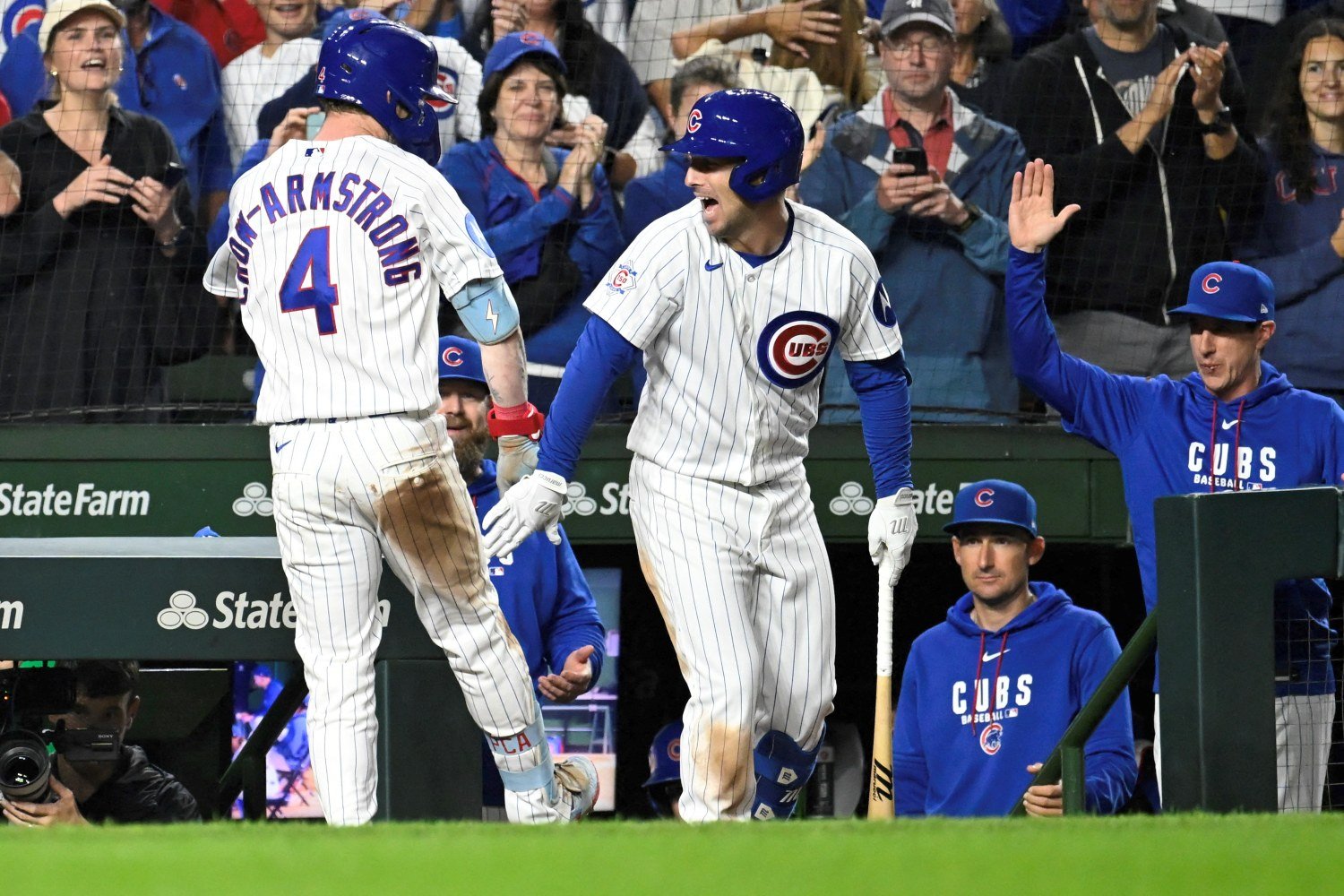 The Chicago Cubs were bounced from Major League Baseball's 2026 postseason with extreme prejudice. They scored one run in two games against the San Diego Padres, and headed home with far more questions than answers. While most of those questions were about the men on the mound, that the offense scored just one run across 18 innings raised a significant issue in its own right—one the team will need to address moving forward. Run production had already waned toward the end of September, for the team that scored more runs than anyone else in the league for the entirety of 2026. The Cubs' 850 runs were 18 more than the second-place Milwaukee Brewers, a rare standings win for the Cubs over their division rivals. They were sixth in the league in batting average (.251), second in on-base percentage (.339), and paced the league in isolated power (.177) and wRC+ (114). It was an offense that, by all accounts, should have been quite a bit better across even as small a sample as the Wild Card round. Sadly, though, there's a case that what happened is exactly what fans should have expected, under the circumstances. Pete Crow-Armstrong (the presumptive runaway winner for National League MVP) and second-half star Alex Bregman went a combined 0-for-15 with eight strikeouts and a walk. Those two, occasionally along with Seiya Suzuki, were the engine of the team's offensive structure. As went those two (or three), so went the offense as a whole. It's not that the Cubs were entirely reliant on two bats. A team doesn't lead the league in runs scored on the strength of a pair of hitters. However, Crow-Armstrong and Bregman did provide the only sustained production we saw from the team's lineup. This is where the Cubs stood production-wise from a month-to-month standpoint in 2026: March/April: 169 R (3rd), .261 AVG (4th), .353 OBP (1st), .166 ISO (7th), 119 wRC+ (3rd) May: 115 R (19th), .217 AVG (28th), .315 OBP (14th), .128 ISO (26th), 87 wRC+ (21st) June: 141 R (7th), .250 AVG (17th), .343 OBP (5th), .194 ISO (5th), 120 wRC+ (4th) July: 139 R (3rd), .266 AVG (4th), .342 OBP (3rd), .176 ISO (9th), 118 wRC+ (3rd) August: 178 R (1st), .271 AVG (1st), .349 OBP (2nd), .243 ISO (1st), 137 wRC+ (1st) September: 108 R (15th), .242 AVG (18th), .329 OBP (8th), .153 ISO (19th), 103 wRC+ (14th) There were only two months wherein the offense average-ish or worse. In May, for instance, each of Suzuki, Dansby Swanson, Carson Kelly, and Nico Hoerner fell below 80 in wRC+. Kelly's 78 was highest; Swanson's 30 was a true black hole in the batting order. In September, Kelly took his turn being helpless (48 wRC+) as, once again, four starters fell well below the average threshold. Ian Happ's 85 paced that quartet. Ironically, Michael Busch's best work came when the team was otherwise struggling, but overall, he did more to weigh down the offense than to buoy it. From April through September, here's where each of the team's starters fell by wRC+ (organized alphabetically): Bregman: 104, 94, 92, 127, 177, 195 Busch: 68, 167, 118, 96, 104, 117 Crow-Armstrong: 87, 115, 235, 171, 185, 145 Happ: 126, 127, 90, 89, 108, 85 Hoerner: 130, 59, 62, 93, 105, 66 Kelly: 143, 78, 129, 68, 133, 48 Suzuki: 177, 51, 158, 160, 163, 107 Swanson: 118, 30, 127, 93, 125, 52 Crow-Armstrong and Bregman started the season slowly. Once they found their footing, though, they were locked in for the remainder of the year; Crow-Armstrong paced the league in fWAR by a wide margin (10.6), while Bregman went on to finish seventh (5.5). The remainder of the group, however, was largely unable to provide steadiness in terms of their production. Down the stretch, the only reliable help those two got came from Suzuki. With the exception of a brutal May and a closer-to-average September, he had another season of sustained production. However, while Crow-Armstrong and Bregman were each able to produce across a variety of situations, Suzuki ran into some trouble in the form of a ballooning strikeout rate (touching 26% even in strong months) and underperformance with runners in scoring position (.213 batting average for the season). He's as close a third member of the team's run production squad as the Cubs had this year, but there are always those small stretches that stop him from completely emerging as a slugging superstar. Only four regulars provided regular value at the plate, and much of Busch's was wrapped up in a career-best 13% walk rate considering; his ISO figure dropped more than 100 points from 2025. Bregman's percentile distribution looks as it always has. Crow-Armstrong's in illustrative of an MVP-caliber season. Suzuki has his approach and some other figures working his way. The rest are a smattering of limited skill sets that, as indicated by their run value, are unable to sustain production over a long stretch. Much of the positive work Swanson, Happ and Hoerner did came in April and May, too. By the end of the year, none of those three brought much to the table. That's where the 2026 Cubs ran into trouble. The floor for this group is high. But the ceiling is not especially impressive. The group, as a whole, is too streaky to have been expected to find success in the absence of production from Crow-Armstrong and Bregman. Each popped for a two-week or a month-long stretch. Big picture, though, this was always a two-man show, starring two top 10 fWAR players, with Suzuki occasionally popping in. As we saw in the final stretch of the year, that was ever going to be enough for the Cubs to compensate for their woeful assembly of the pitching staff.
 -
Image courtesy of Denis Poroy-Imagn Images The Chicago Cubs lost Game 1 of the National League Wild Card Series to the San Diego Padres. A loss, in itself, is obviously bad. But it's a short series, and the Cubs feature an offense that could turn things back in their favor on Wednesday night. What Game 1 didn't do, however, is leave much room for optimism that they actually can. Michael King was dominant on the hill for the Padres. That part isn't surprising. While his strikeout numbers are down in 2026, he's routinely been able to turn in six (or so) innings of excellent run prevention, courtesy of soft contact and a rising groundball rate. For an offense like the Cubs' to reach the seventh inning before notching their first hit, though, is indicative of how much their top hitters failed to rise to the occasion in the 8-0 loss. That sets up some legitimate concerns heading into Game 2. Pete-Crow Armstrong, for example, was 0-for-3 with a walk. He struck out three times and whiffed at five of the eight pitches at which he swung. Alex Bregman posted a similar line, going 0-for-4 with a trio of punchouts. He swung the bat 11 times and whiffed on six of them. These are two of the best hitters in the National League. Crow-Armstrong will be the NL's runaway Most Valuable Player, following a 45-homer, 41-steal, 10.6 fWAR season. (He did, at least, contribute a well-worked walk and steal a base in the loss.) Bregman rode a scorching second half to a 5.5-fWAR campaign that made him the seventh-most-valuable position player the sport had to offer. But King and the Padres had the book on each of them from the start. Crow-Armstrong swung at two sweepers on the evening and whiffed on both. Bregman had the bat moving at seven of them and whiffed on five. For both hitters this year, the breaking pitch has served as their highest source of swing-and-miss; Crow-Armstrong's gone for a whiff rate of 31.3%, while Bregman's done so at a 26.3% clip. Both hitters have had success on contact, but they make that contact when a pitcher leaves their breaking stuff in the zone. Burying the sweeper as effectively as King did on Tuesday stifled each. The hitters beyond the top two may have not whiffed at it in quite the same fashion, but only Carson Kelly registered a hard-hit ball on a breaking pitch, while the lefties were peppered with sinkers. There was simply no path to generating offense for a team that has ranked 20th in the league in runs scored over the past two weeks. The larger problem for the Cubs is now they have to turn around and face a pitcher (Nick Pivetta) who leans heavily on a curveball against lefties and more of a sweeper shape against right-handed hitters. It's not quite the same upside as King, but the profile isn't dissimilar enough that the Cubs will see an entirely different look. If Pivetta is able to locate remotely as well as his comrade in the Padres' rotation, the path to success against the Cubs has already been set forth. The good news is that Pivetta isn't King, in a few important ways. He works from a high arm slot, so his misses are vertical, more than horizontal. Historically, he misses within the zone fairly often, and he gives up homers. It's likely that he makes some mistakes on which Crow-Armstrong and Bregman can prey. If he takes his cue from his teammate and executes equally well, though, the Cubs' season could be over by the stroke of midnight. View full article
-
Chicago Cubs' Game 1 Loss Revealed the Playbook Against Their Top Hitters
Randy Holt posted an article in Cubs
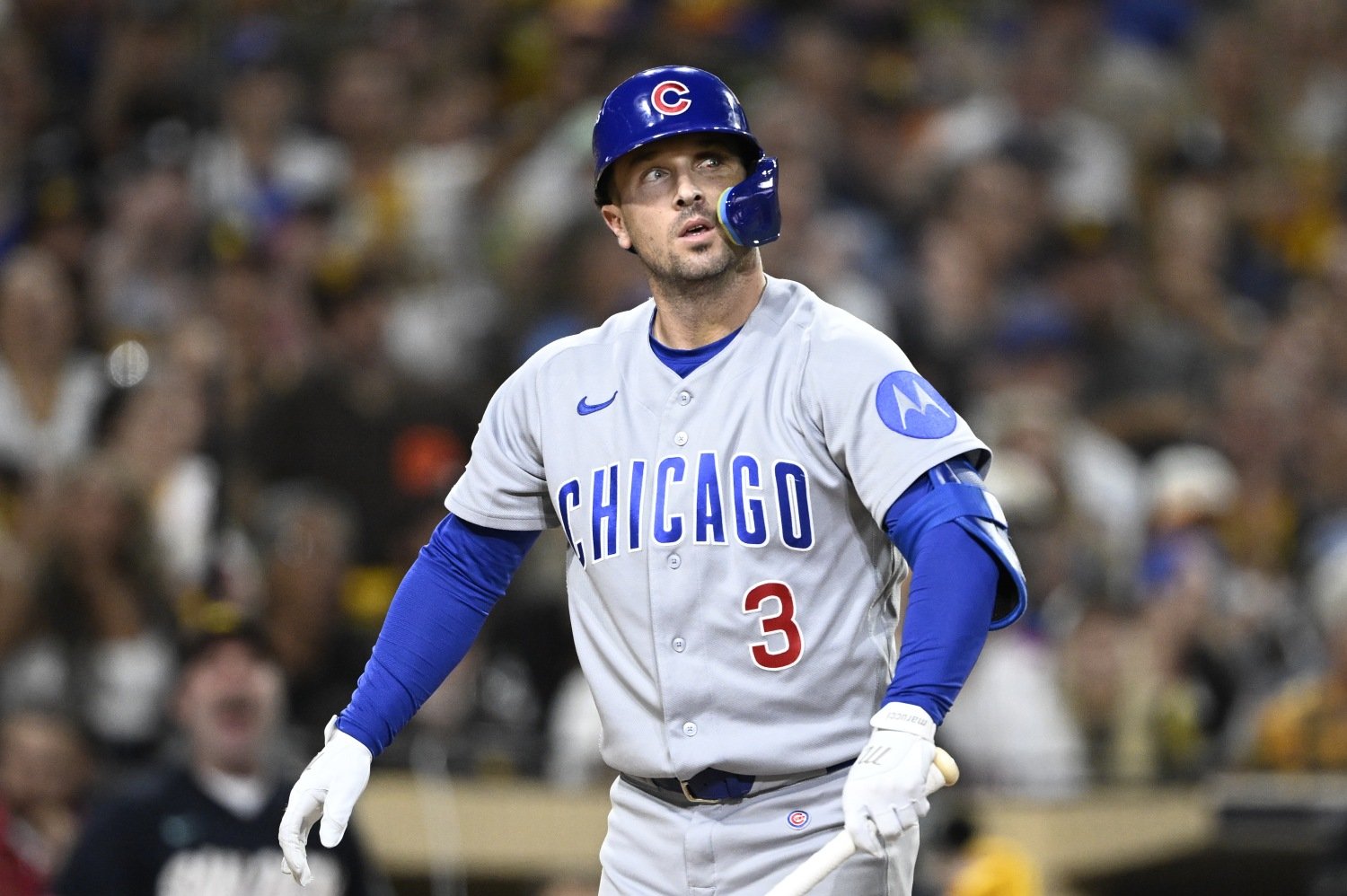 The Chicago Cubs lost Game 1 of the National League Wild Card Series to the San Diego Padres. A loss, in itself, is obviously bad. But it's a short series, and the Cubs feature an offense that could turn things back in their favor on Wednesday night. What Game 1 didn't do, however, is leave much room for optimism that they actually can. Michael King was dominant on the hill for the Padres. That part isn't surprising. While his strikeout numbers are down in 2026, he's routinely been able to turn in six (or so) innings of excellent run prevention, courtesy of soft contact and a rising groundball rate. For an offense like the Cubs' to reach the seventh inning before notching their first hit, though, is indicative of how much their top hitters failed to rise to the occasion in the 8-0 loss. That sets up some legitimate concerns heading into Game 2. Pete-Crow Armstrong, for example, was 0-for-3 with a walk. He struck out three times and whiffed at five of the eight pitches at which he swung. Alex Bregman posted a similar line, going 0-for-4 with a trio of punchouts. He swung the bat 11 times and whiffed on six of them. These are two of the best hitters in the National League. Crow-Armstrong will be the NL's runaway Most Valuable Player, following a 45-homer, 41-steal, 10.6 fWAR season. (He did, at least, contribute a well-worked walk and steal a base in the loss.) Bregman rode a scorching second half to a 5.5-fWAR campaign that made him the seventh-most-valuable position player the sport had to offer. But King and the Padres had the book on each of them from the start. Crow-Armstrong swung at two sweepers on the evening and whiffed on both. Bregman had the bat moving at seven of them and whiffed on five. For both hitters this year, the breaking pitch has served as their highest source of swing-and-miss; Crow-Armstrong's gone for a whiff rate of 31.3%, while Bregman's done so at a 26.3% clip. Both hitters have had success on contact, but they make that contact when a pitcher leaves their breaking stuff in the zone. Burying the sweeper as effectively as King did on Tuesday stifled each. The hitters beyond the top two may have not whiffed at it in quite the same fashion, but only Carson Kelly registered a hard-hit ball on a breaking pitch, while the lefties were peppered with sinkers. There was simply no path to generating offense for a team that has ranked 20th in the league in runs scored over the past two weeks. The larger problem for the Cubs is now they have to turn around and face a pitcher (Nick Pivetta) who leans heavily on a curveball against lefties and more of a sweeper shape against right-handed hitters. It's not quite the same upside as King, but the profile isn't dissimilar enough that the Cubs will see an entirely different look. If Pivetta is able to locate remotely as well as his comrade in the Padres' rotation, the path to success against the Cubs has already been set forth. The good news is that Pivetta isn't King, in a few important ways. He works from a high arm slot, so his misses are vertical, more than horizontal. Historically, he misses within the zone fairly often, and he gives up homers. It's likely that he makes some mistakes on which Crow-Armstrong and Bregman can prey. If he takes his cue from his teammate and executes equally well, though, the Cubs' season could be over by the stroke of midnight.
 -
Image courtesy of Katie Stratman-Imagn Images The Chicago Cubs look likely to be without Alex Bregman for a period of time following a freak accident on Sunday in which a foul ball from Michael Busch caught Bregman in the face while Bregman was standing in the on-deck circle. The timeline itself, however, remains unclear as Bregman is set to undergo additional testing. With such a tight window before the start of the postseason, though, the team has to at least plan to play playoff games without their star third baseman. If Bregman is out for the duration, big questions immediately emerge. He hasn't just been good since rebounding from a slow start, but exceptional—to the point where he's currently top-10 in position-player fWAR for all of Major League Baseball, at 5.2. Removing a player on this kind of heater is a catastrophe for the Cubs, regardless of Pete Crow-Armstrong's exploits or how good they've been at the plate as a collective. There are certainly broader implications for an extended absence from Bregman, but the immediate question shifts to how the Cubs will handle third base in his stead. When Bregman left the game on Sunday, Matt Shaw stepped in at his spot in the order, but with Pedro Ramírez flipping from the keystone over to third base. One imagines that it'll be some combination of these two manning the position for however long Bregman remains out. Given what each offers against the second-half production from Bregman, how big a dropoff are we looking at, here? Ramírez has logged 245 plate appearances this year with a .266/.324/.419 line (104 wRC+) and has played steady defense in a 101-inning sample at the position. Shaw, meanwhile, spent a great deal of time on the Injured List and has gone .238/.330/.419 (109 wRC+) in 188 plate appearances. He's only spent 35 innings at third this year, but he was a plus defender there last season. There's no tremendous disparity between the two right now. Ramírez has grown as a hitter throughout the year, with his second-half numbers (110 wRC+) proving better than the first (85 wRC+). Shaw offers a bit more in the shape of on-base, but it's dependent on a higher walk rate. Could they fit together as a platoon with Bregman-like upside? Against left-handed pitchers, Ramírez has offered a wRC+ of 172 in 2026. Against righties, however, he's only at 89. The samples are small and distorted, though; he's probably a better hitter as a lefty. Shaw's distribution is similar, which makes more sense in his case, since he's solely a right-handed batter. He owns a 132 wRC+ against southpaws and a mark of only 86 against right-handed throwers. If Craig Counsell were forced to make a decision over who gets the bulk of the work at third today, the edge may very well go to Ramírez. The upside he offers at the plate is more than that of Shaw, and against righties, he's likely to make pitchers more uncomfortable, even if he hasn't actually produced more in those matchups than Shaw has. It would also continue a season-long pattern of usage for each. Of Shaw's 73 games this year, only 40 have been starts. Counsell has preferred to use him as a bat off the bench and a late-game defensive substitute, mostly in the outfield. Defensively, these two should be adequate replacements for Bregman; the team won't suffer the same degree of fielding degradation they felt while Swanson was out. The question of whether the lineup can remain afloat is much more difficult to answer. This is one position where the team has wonderful depth; few clubs would have better stopgaps ready in the case of this kind of loss. But Bregman was such a linchpin of the offense's second-half surge that it's hard to imagine them sustaining their run production without him. Specifically, neither Shaw nor Ramírez brings the same kind of power Bregman has tapped into over the last two months. To go anywhere in October, the Cubs will need Crow-Armstrong to continue his torrid pace and get the kind of up-and-down-the-lineup contribution they got in Sunday's series finale against Cincinnati. If they want to win the World Series, though, they need this injury to be much less damaging than it looked, either immediately or in Bregman's later social media post. Either that, or Shaw and Ramírez need to become folk heroes on par with some of the most celebrated in team history. View full article
-
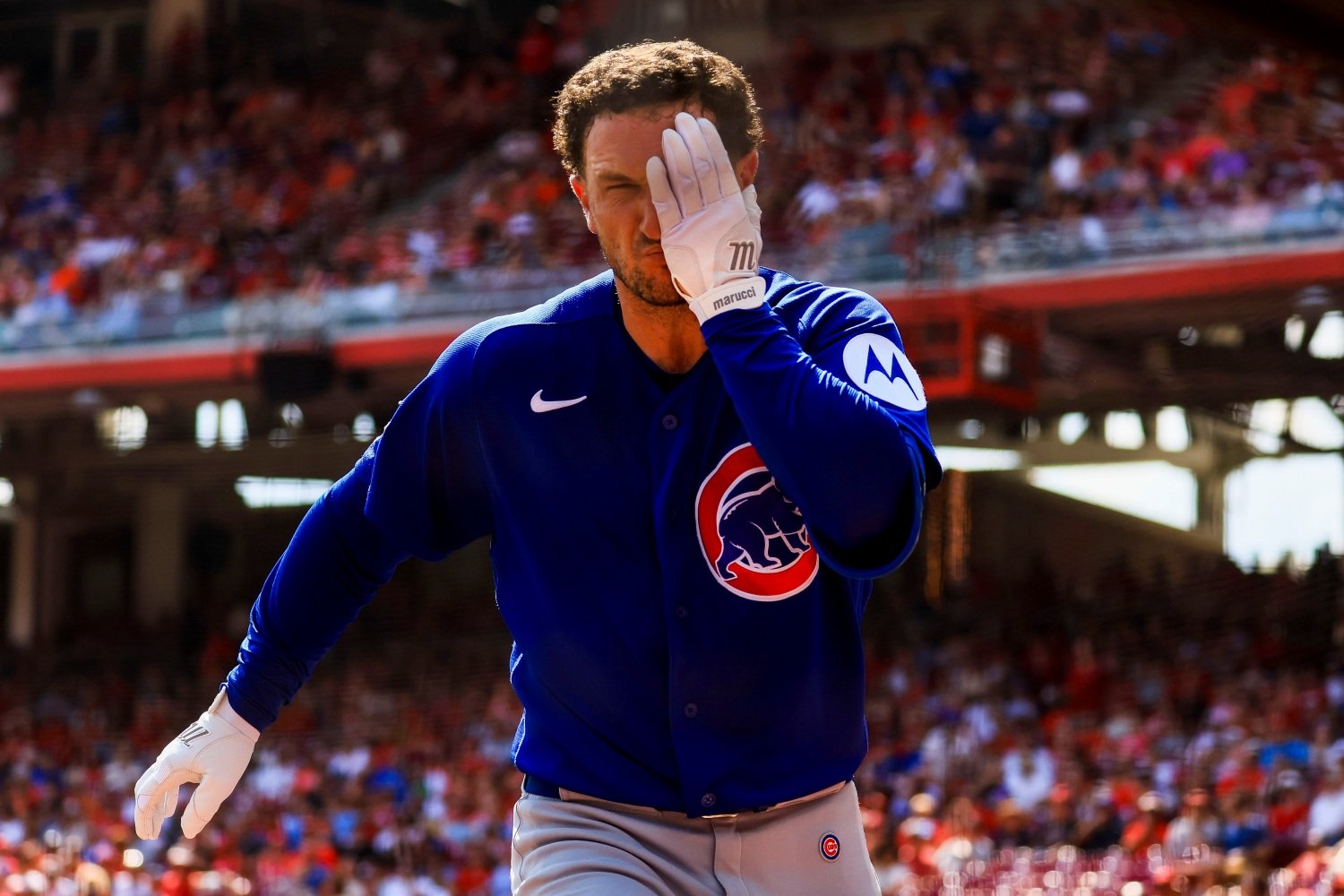 The Chicago Cubs look likely to be without Alex Bregman for a period of time following a freak accident on Sunday in which a foul ball from Michael Busch caught Bregman in the face while Bregman was standing in the on-deck circle. The timeline itself, however, remains unclear as Bregman is set to undergo additional testing. With such a tight window before the start of the postseason, though, the team has to at least plan to play playoff games without their star third baseman. If Bregman is out for the duration, big questions immediately emerge. He hasn't just been good since rebounding from a slow start, but exceptional—to the point where he's currently top-10 in position-player fWAR for all of Major League Baseball, at 5.2. Removing a player on this kind of heater is a catastrophe for the Cubs, regardless of Pete Crow-Armstrong's exploits or how good they've been at the plate as a collective. There are certainly broader implications for an extended absence from Bregman, but the immediate question shifts to how the Cubs will handle third base in his stead. When Bregman left the game on Sunday, Matt Shaw stepped in at his spot in the order, but with Pedro Ramírez flipping from the keystone over to third base. One imagines that it'll be some combination of these two manning the position for however long Bregman remains out. Given what each offers against the second-half production from Bregman, how big a dropoff are we looking at, here? Ramírez has logged 245 plate appearances this year with a .266/.324/.419 line (104 wRC+) and has played steady defense in a 101-inning sample at the position. Shaw, meanwhile, spent a great deal of time on the Injured List and has gone .238/.330/.419 (109 wRC+) in 188 plate appearances. He's only spent 35 innings at third this year, but he was a plus defender there last season. There's no tremendous disparity between the two right now. Ramírez has grown as a hitter throughout the year, with his second-half numbers (110 wRC+) proving better than the first (85 wRC+). Shaw offers a bit more in the shape of on-base, but it's dependent on a higher walk rate. Could they fit together as a platoon with Bregman-like upside? Against left-handed pitchers, Ramírez has offered a wRC+ of 172 in 2026. Against righties, however, he's only at 89. The samples are small and distorted, though; he's probably a better hitter as a lefty. Shaw's distribution is similar, which makes more sense in his case, since he's solely a right-handed batter. He owns a 132 wRC+ against southpaws and a mark of only 86 against right-handed throwers. If Craig Counsell were forced to make a decision over who gets the bulk of the work at third today, the edge may very well go to Ramírez. The upside he offers at the plate is more than that of Shaw, and against righties, he's likely to make pitchers more uncomfortable, even if he hasn't actually produced more in those matchups than Shaw has. It would also continue a season-long pattern of usage for each. Of Shaw's 73 games this year, only 40 have been starts. Counsell has preferred to use him as a bat off the bench and a late-game defensive substitute, mostly in the outfield. Defensively, these two should be adequate replacements for Bregman; the team won't suffer the same degree of fielding degradation they felt while Swanson was out. The question of whether the lineup can remain afloat is much more difficult to answer. This is one position where the team has wonderful depth; few clubs would have better stopgaps ready in the case of this kind of loss. But Bregman was such a linchpin of the offense's second-half surge that it's hard to imagine them sustaining their run production without him. Specifically, neither Shaw nor Ramírez brings the same kind of power Bregman has tapped into over the last two months. To go anywhere in October, the Cubs will need Crow-Armstrong to continue his torrid pace and get the kind of up-and-down-the-lineup contribution they got in Sunday's series finale against Cincinnati. If they want to win the World Series, though, they need this injury to be much less damaging than it looked, either immediately or in Bregman's later social media post. Either that, or Shaw and Ramírez need to become folk heroes on par with some of the most celebrated in team history.
 -
Image courtesy of Matt Marton-Imagn Images Early season struggles are not necessarily new to Alex Bregman. Throughout his career, the season has generally played out in varying levels of fine in the early-going before the production catches fire in July & August. In his first season with the Chicago Cubs, though, things certainly reached a point where we were all left wondering if that typical summer ascent was actually going to manifest. While Bregman's numbers were otherwise respectable throughout those first three months of the year, he also wasn't providing much in terms of impact. A .243/.343/.347 line kept him close to respectability (97 wRC+), but he also maintained an ISO of only .103 across more than 380 plate appearances. We heard plenty about adjustments being made, but the absence of notable contributions for a player consistently hitting in the two, three, or four holes in the lineup became a glaring shortcoming for the team. That was particularly true after June. In that month, Bregman slashed just .200/.348/.300 with a 16.5 percent walk rate serving as effectively the one thing keeping him afloat production-wise. Batted ball luck didn't help either, with Bregman going for a BABIP of just .211. Something happened when the calendar flipped over to July, though. Bregman has caught fire in a way that very few players throughout the league could match. In roughly 300 plate appearances since July 1, he's at a .291/.368/.598 line with 19 homers, a gaudy .307 ISO, and a 163 wRC+. He's been one of the best hitters the sport has to offer over that stretch, to the point where the whole season numbers land him in fifth among National League position players in fWAR (5.2). What's even wilder about the turnaround is that there haven't been a whole host of mechanical changes to indicate such a torrid pace since July, which one might typically expect when hearing a term like "adjustments." Instead, the mechanics have remained steady. Bregman's bat speed and tilt are each identical between his plate appearances into the end of June and the ones that have come since the start of July. His attack angle and attack direction have each shifted by about two degrees, with the swing getting flatter (15 degrees through June 30 vs. 13 degrees since) and favoring a direction closer to center (six degrees through June 30th and four degrees since). It's not a tremendous difference, but one that speaks to his biggest shift (to which we'll get in a moment) on some level. Further, he's moved within the box but only slightly, with each of his depth and distance from the plate increasing by barely more than an inch. None of these numbers are particularly notable in the grand scheme of things. Had the player been performing at a consistent level throughout the season, we may not have even noticed them at all. Instead, Bregman's shift since his inflection point at the June-July point in the calendar looks to be the result of timing more than anything else. This is Bregman's swing timing against the three main pitch groups through June 30th: Bregman was largely in the proper windows against fastballs, but struggles began to present themselves against the other two types. Notably, he was early on off-speed and breaking pitches while some of the contact against breaking pitches specifically spilled toward the end of the bat more frequently than one might like. Which is why it's no surprise that his ability to make quality contact was stifled quite a bit; in April & June, his hard-hit rate against breaking pitches checked in at only 25.9 percent. You're not going to find any level of batted ball luck that way. Here, however, is Bregman since July 1: The vertical component of his timing was never really in question against any pitch group. What Bregman has managed to do, though, is rein in the horizontal point of contact and generate swings that are more on time in terms of his bat's placement within the zone upon contact. The two subsequent months saw him increase his rate of hard contact against breaking pitches. In general, though, this is just a professional hitter doing professional hitter things. At no point this year has Bregman gotten out of his approach or overhauled his mechanics to look for a solution that didn't necessarily need to be found. The approach remained intact and continues to get even better, considering he's walking nearly twice as often this month (11.5 percent) as he's striking out (6.6 percent). This was almost all a matter of timing. It's not purely that—consider the slight change in his bat path—but it's allowed those changes that would otherwise be marginal or entirely unnoticed to actually have some level of impact. The reality is that we were always going to see this form from Alex Bregman eventually. Maybe not to this extent on the power side of things, but while we may have this perception of two different version of Bregman in 2026, he remains very much the same player he's always been. View full article
-
Alex Bregman's Jekyll-and-Hyde Season Hasn't Actually Been That Confusing
Randy Holt posted an article in Cubs
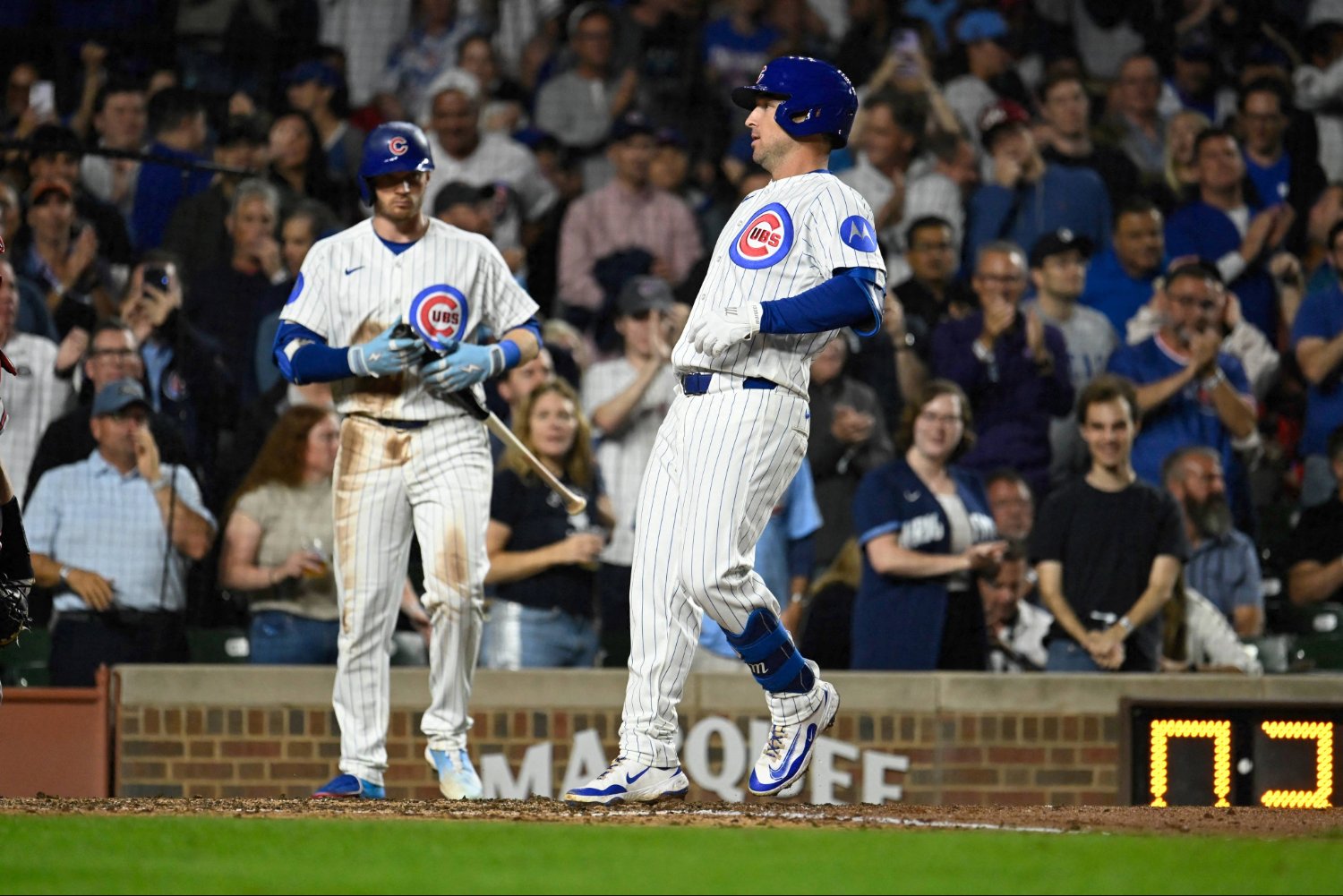 Early season struggles are not necessarily new to Alex Bregman. Throughout his career, the season has generally played out in varying levels of fine in the early-going before the production catches fire in July & August. In his first season with the Chicago Cubs, though, things certainly reached a point where we were all left wondering if that typical summer ascent was actually going to manifest. While Bregman's numbers were otherwise respectable throughout those first three months of the year, he also wasn't providing much in terms of impact. A .243/.343/.347 line kept him close to respectability (97 wRC+), but he also maintained an ISO of only .103 across more than 380 plate appearances. We heard plenty about adjustments being made, but the absence of notable contributions for a player consistently hitting in the two, three, or four holes in the lineup became a glaring shortcoming for the team. That was particularly true after June. In that month, Bregman slashed just .200/.348/.300 with a 16.5 percent walk rate serving as effectively the one thing keeping him afloat production-wise. Batted ball luck didn't help either, with Bregman going for a BABIP of just .211. Something happened when the calendar flipped over to July, though. Bregman has caught fire in a way that very few players throughout the league could match. In roughly 300 plate appearances since July 1, he's at a .291/.368/.598 line with 19 homers, a gaudy .307 ISO, and a 163 wRC+. He's been one of the best hitters the sport has to offer over that stretch, to the point where the whole season numbers land him in fifth among National League position players in fWAR (5.2). What's even wilder about the turnaround is that there haven't been a whole host of mechanical changes to indicate such a torrid pace since July, which one might typically expect when hearing a term like "adjustments." Instead, the mechanics have remained steady. Bregman's bat speed and tilt are each identical between his plate appearances into the end of June and the ones that have come since the start of July. His attack angle and attack direction have each shifted by about two degrees, with the swing getting flatter (15 degrees through June 30 vs. 13 degrees since) and favoring a direction closer to center (six degrees through June 30th and four degrees since). It's not a tremendous difference, but one that speaks to his biggest shift (to which we'll get in a moment) on some level. Further, he's moved within the box but only slightly, with each of his depth and distance from the plate increasing by barely more than an inch. None of these numbers are particularly notable in the grand scheme of things. Had the player been performing at a consistent level throughout the season, we may not have even noticed them at all. Instead, Bregman's shift since his inflection point at the June-July point in the calendar looks to be the result of timing more than anything else. This is Bregman's swing timing against the three main pitch groups through June 30th: Bregman was largely in the proper windows against fastballs, but struggles began to present themselves against the other two types. Notably, he was early on off-speed and breaking pitches while some of the contact against breaking pitches specifically spilled toward the end of the bat more frequently than one might like. Which is why it's no surprise that his ability to make quality contact was stifled quite a bit; in April & June, his hard-hit rate against breaking pitches checked in at only 25.9 percent. You're not going to find any level of batted ball luck that way. Here, however, is Bregman since July 1: The vertical component of his timing was never really in question against any pitch group. What Bregman has managed to do, though, is rein in the horizontal point of contact and generate swings that are more on time in terms of his bat's placement within the zone upon contact. The two subsequent months saw him increase his rate of hard contact against breaking pitches. In general, though, this is just a professional hitter doing professional hitter things. At no point this year has Bregman gotten out of his approach or overhauled his mechanics to look for a solution that didn't necessarily need to be found. The approach remained intact and continues to get even better, considering he's walking nearly twice as often this month (11.5 percent) as he's striking out (6.6 percent). This was almost all a matter of timing. It's not purely that—consider the slight change in his bat path—but it's allowed those changes that would otherwise be marginal or entirely unnoticed to actually have some level of impact. The reality is that we were always going to see this form from Alex Bregman eventually. Maybe not to this extent on the power side of things, but while we may have this perception of two different version of Bregman in 2026, he remains very much the same player he's always been.
 -
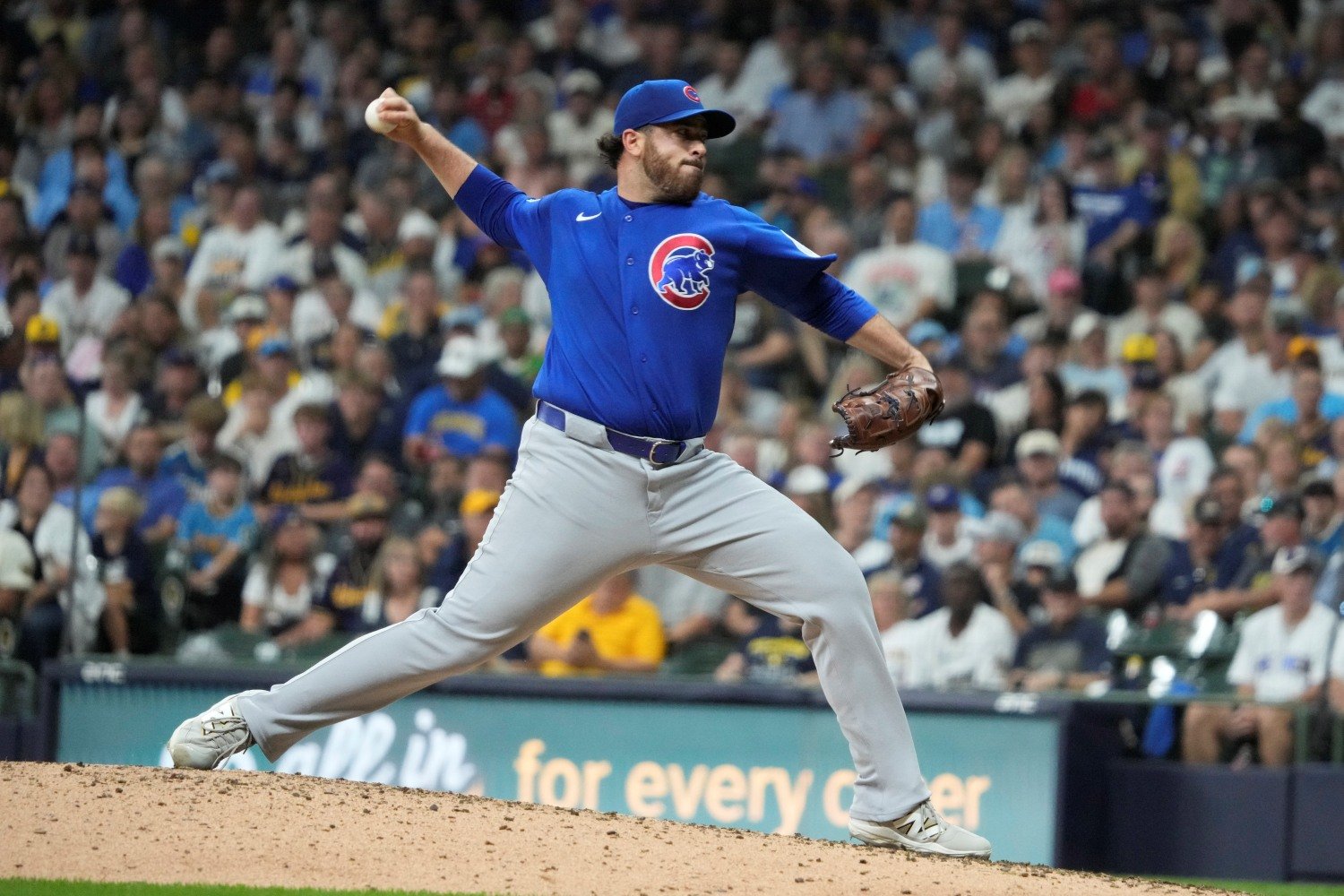 As good as the Chicago Cubs have been at the plate and in the field in 2026, their pitching staff has consistently set them back. Decimated by injury in both the rotation and the bullpen early, the team has had to navigate continued Injured List trips and questionable performance as the season progressed. Jed Hoyer addressed the team's needs much more robustly and directly than we're accustomed to seeing, within a season—not so much because he wanted to, as because the circumstances left him no choice. Given how dire things were, particularly on the starting side, the work began early. Former New York Met David Peterson was acquired at the end of June. The team added Kevin Gausman, Clay Holmes, and Ryan Zeferjahn closer to the August 3 deadline. There was also an Aaron Civale pickup in the mix there somewhere; he arrived after the Athletics designated him for assignment in mid-July. That's five arms serving a significant role for the 2026 Cubs who were not in the organization when the season began, or even on Memorial Day. The most notable thing about that group, though, is how four of them specifically shape the team's fWAR leaderboard in the second half of the season. Among Cubs pitchers who have thrown at all in the second half (of which there are 24), this is the top four in fWAR: David Peterson (0.6) Kevin Gausman (0.6) Clay Holmes (0.5) Aaron Civale (0.4) It's a small sample, and it's not as if these are the only four arms on the team's staff who have provided value in the second half, but it does indicate a couple of things about the construction of the Cubs' 2026 staff. First, the positive: The front office targeted the right arms as the season wore on. Peterson and his 54.9% groundball rate have benefited from playing in front of a much better defense in Chicago, on his way to a 4.41 ERA. Holmes is a similar case with an even higher groundball rate (66.0%). Gausman has averaged nearly six innings per start (5.8), through some tough luck that indicates his actual production should be a touch better than we've seen (4.37 ERA vs. 3.70 xERA through six starts). Civale and his 1.27 ERA have stabilized the relief corps over a number of multi-inning outings. These are all, objectively, good things. But that the Cubs have had to rely almost exclusively on outside additions to derive value out of their staff at this stage of a playoff race speaks to two looming negatives. Obviously, that includes the injuries with which the Cubs have had to contend. Shota Imanaga is the only pitcher with enough work to qualify for the league's leaderboards, as seemingly every arm (starter or reliever) has had to spend at least a bit of time on the shelf. That part, at least, makes the recovery provided by the new arms that much more essential. But this is also an indictment of the group the front office assembled in the first place. Even if we take away the injuries, the combination of the team's marquee additions and mainstays—the likes of Edward Cabrera, Phil Maton, Hunter Harvey, Caleb Thielbar, and Jameson Taillon (prior to his DFA)—have underperformed and underwhelmed. Even with perfect health, it's not clear that this group would be good enough. It doesn't look like this organization has caught up to the pack in terms of pitching development and evaluation. That's a major problem. The good news is that, at least for now, they can take solace in the work being done by the reinforcements. The bad news is that this state of affairs feels likely to stop them from playing deep into October, and that they still have a lot of work to do in building a good pitching infrastructure.
 -
Image courtesy of Michael McLoone-Imagn Images As good as the Chicago Cubs have been at the plate and in the field in 2026, their pitching staff has consistently set them back. Decimated by injury in both the rotation and the bullpen early, the team has had to navigate continued Injured List trips and questionable performance as the season progressed. Jed Hoyer addressed the team's needs much more robustly and directly than we're accustomed to seeing, within a season—not so much because he wanted to, as because the circumstances left him no choice. Given how dire things were, particularly on the starting side, the work began early. Former New York Met David Peterson was acquired at the end of June. The team added Kevin Gausman, Clay Holmes, and Ryan Zeferjahn closer to the August 3 deadline. There was also an Aaron Civale pickup in the mix there somewhere; he arrived after the Athletics designated him for assignment in mid-July. That's five arms serving a significant role for the 2026 Cubs who were not in the organization when the season began, or even on Memorial Day. The most notable thing about that group, though, is how four of them specifically shape the team's fWAR leaderboard in the second half of the season. Among Cubs pitchers who have thrown at all in the second half (of which there are 24), this is the top four in fWAR: David Peterson (0.6) Kevin Gausman (0.6) Clay Holmes (0.5) Aaron Civale (0.4) It's a small sample, and it's not as if these are the only four arms on the team's staff who have provided value in the second half, but it does indicate a couple of things about the construction of the Cubs' 2026 staff. First, the positive: The front office targeted the right arms as the season wore on. Peterson and his 54.9% groundball rate have benefited from playing in front of a much better defense in Chicago, on his way to a 4.41 ERA. Holmes is a similar case with an even higher groundball rate (66.0%). Gausman has averaged nearly six innings per start (5.8), through some tough luck that indicates his actual production should be a touch better than we've seen (4.37 ERA vs. 3.70 xERA through six starts). Civale and his 1.27 ERA have stabilized the relief corps over a number of multi-inning outings. These are all, objectively, good things. But that the Cubs have had to rely almost exclusively on outside additions to derive value out of their staff at this stage of a playoff race speaks to two looming negatives. Obviously, that includes the injuries with which the Cubs have had to contend. Shota Imanaga is the only pitcher with enough work to qualify for the league's leaderboards, as seemingly every arm (starter or reliever) has had to spend at least a bit of time on the shelf. That part, at least, makes the recovery provided by the new arms that much more essential. But this is also an indictment of the group the front office assembled in the first place. Even if we take away the injuries, the combination of the team's marquee additions and mainstays—the likes of Edward Cabrera, Phil Maton, Hunter Harvey, Caleb Thielbar, and Jameson Taillon (prior to his DFA)—have underperformed and underwhelmed. Even with perfect health, it's not clear that this group would be good enough. It doesn't look like this organization has caught up to the pack in terms of pitching development and evaluation. That's a major problem. The good news is that, at least for now, they can take solace in the work being done by the reinforcements. The bad news is that this state of affairs feels likely to stop them from playing deep into October, and that they still have a lot of work to do in building a good pitching infrastructure. View full article
-
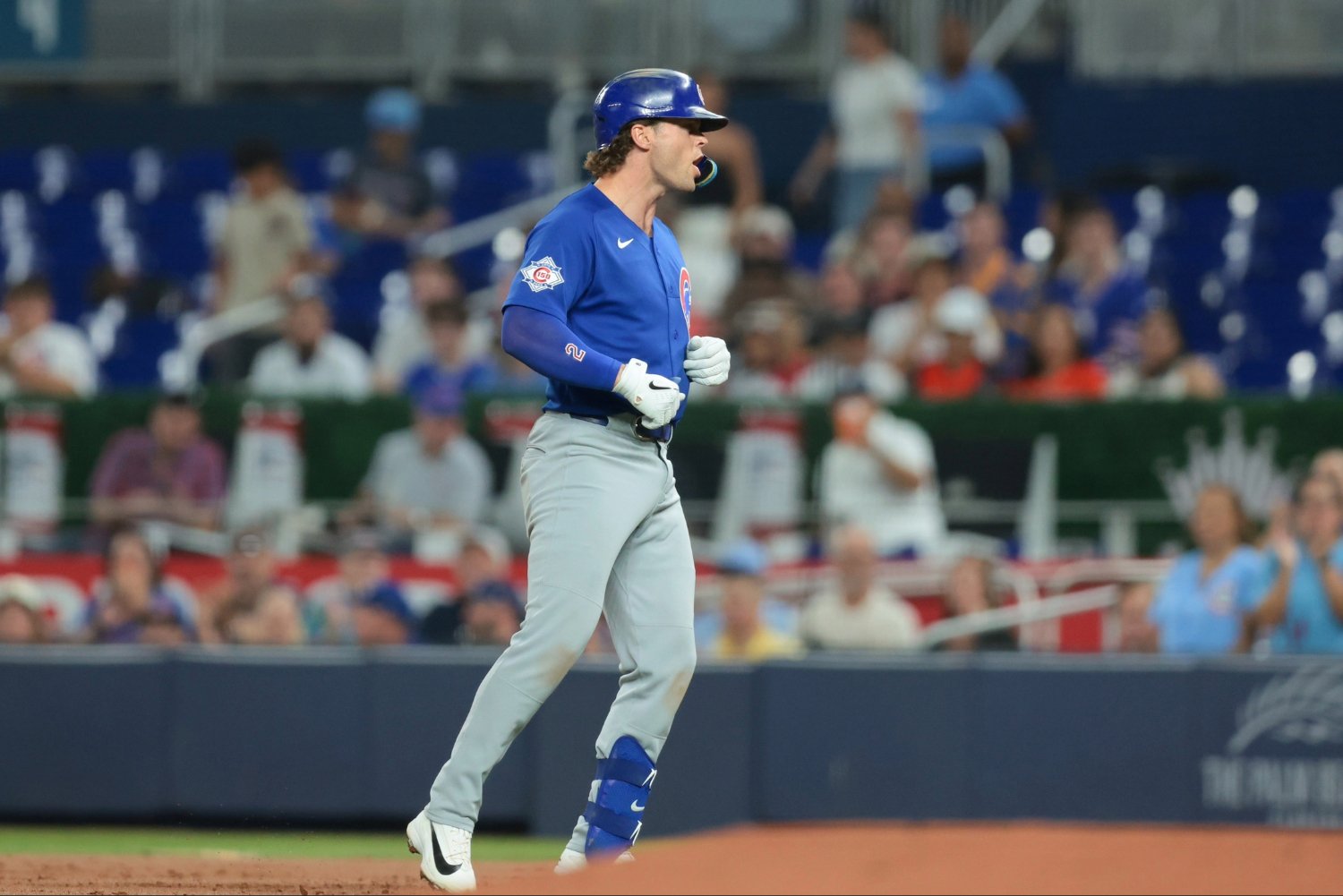
Image courtesy of © Sam Navarro-Imagn Images It's been a weird season for Chicago Cubs second baseman Nico Hoerner. He came out hot. So hot that early MVP discussion began to swirl as he ended April at a .291/.370/.449 line with a 130 wRC+ and seven stolen bases. In addition to an uptick in his modest power (.157 ISO for the month), he was walking more (8.9 percent) while keeping his strikeout rate characteristically low. Throw in some casually elite defense and you have, objectively, one of the best players the National League has to offer. Then, he hit a wall. In May, Hoerner's batted ball luck plummeted (.217 BABIP), and everything else came along with it. His wRC+ fell to less than half of the season's first month (59). He walked more than we're accustomed to seeing, at 11.1 percent, but virtually nothing else happened to maximize the value of an increase in patience. Those trends continued on into June, where his wRC+ sat at just 62 with the walk aspect also disappearing as Hoerner tried to hit his way out of his struggles. It's the "hit his way out of his struggles" component that we're most interested in, because Hoerner has largely recovered since bottoming out in May & June. He slashed .301/.320/.376 in July and .295/.325/.419 in August, with his work in the latter month getting him back over the above-average side of the wRC+ threshold (105). The production isn't in question, but the fact is that he's become increasingly aggressive as the season has worn on in an effort to stave off that early-to-mid-summer swoon: As the calendar flipped over to July, Hoerner (apparently) decided that the best way for him to get out of the struggle was to start swinging at as much as he could. His 55.4 percent swing rate in July ranked 21st in the league and was his highest mark in an individual month since September of 2024. While he's come back down a bit on the overall hacks, the underlying element of freely swinging at pitches both inside and outside the zone has not. Hoerner has remained absurdly aggressive at the plate, leading to walk rates of just 3.1 and 3.5 percent in July and August. Thus far in September (23 plate appearances), he hasn't recorded a single walk. In terms of raw count, we're looking at 185 second-half plate appearances and five walks on the stat sheet. It's not that Hoerner needs to walk to be successful. His walk rate generally lingers between six and seven percent, with his chase rate generally ranking among the bottom-third of qualified hitters. However, it's also proven to be an effective supplement within his game. In Hoerner's best month this season, he walked 8.9 percent of the time. In his best month last year, he was around six. He doesn't need to do it a lot, but the occasional bout of patience would allow him to use his baserunning prowess more frequently than relying purely on contact skills. At the same time, there's a bit of a paradox at play. In September of 2024, he walked 3.1 percent of the time but wRC+'d a gaudy 145. In 2023, his top month (April) featured a wRC+ of 121 but a walk rate of just 5.5 percent. So, again, we're not talking about a player that absolutely has to walk in order to be successful. The idea is simply that the occasional free pass can be an effective supplement for a player like Hoerner. The batted ball luck is going to go through stretches where it dries up; we saw that earlier this spring and summer. But a keen eye (in addition to his defense) allowed Hoerner to maintain value throughout a brutal stretch before that eye eventually led him back into the favor of the batted ball gods. It's a tool for the back pocket, and as the postseason creeps nearer, it may behoove Hoerner to flex that tool once or twice in a while, just to make sure it's still functional. View full article
-
 It's been a weird season for Chicago Cubs second baseman Nico Hoerner. He came out hot. So hot that early MVP discussion began to swirl as he ended April at a .291/.370/.449 line with a 130 wRC+ and seven stolen bases. In addition to an uptick in his modest power (.157 ISO for the month), he was walking more (8.9 percent) while keeping his strikeout rate characteristically low. Throw in some casually elite defense and you have, objectively, one of the best players the National League has to offer. Then, he hit a wall. In May, Hoerner's batted ball luck plummeted (.217 BABIP), and everything else came along with it. His wRC+ fell to less than half of the season's first month (59). He walked more than we're accustomed to seeing, at 11.1 percent, but virtually nothing else happened to maximize the value of an increase in patience. Those trends continued on into June, where his wRC+ sat at just 62 with the walk aspect also disappearing as Hoerner tried to hit his way out of his struggles. It's the "hit his way out of his struggles" component that we're most interested in, because Hoerner has largely recovered since bottoming out in May & June. He slashed .301/.320/.376 in July and .295/.325/.419 in August, with his work in the latter month getting him back over the above-average side of the wRC+ threshold (105). The production isn't in question, but the fact is that he's become increasingly aggressive as the season has worn on in an effort to stave off that early-to-mid-summer swoon: As the calendar flipped over to July, Hoerner (apparently) decided that the best way for him to get out of the struggle was to start swinging at as much as he could. His 55.4 percent swing rate in July ranked 21st in the league and was his highest mark in an individual month since September of 2024. While he's come back down a bit on the overall hacks, the underlying element of freely swinging at pitches both inside and outside the zone has not. Hoerner has remained absurdly aggressive at the plate, leading to walk rates of just 3.1 and 3.5 percent in July and August. Thus far in September (23 plate appearances), he hasn't recorded a single walk. In terms of raw count, we're looking at 185 second-half plate appearances and five walks on the stat sheet. It's not that Hoerner needs to walk to be successful. His walk rate generally lingers between six and seven percent, with his chase rate generally ranking among the bottom-third of qualified hitters. However, it's also proven to be an effective supplement within his game. In Hoerner's best month this season, he walked 8.9 percent of the time. In his best month last year, he was around six. He doesn't need to do it a lot, but the occasional bout of patience would allow him to use his baserunning prowess more frequently than relying purely on contact skills. At the same time, there's a bit of a paradox at play. In September of 2024, he walked 3.1 percent of the time but wRC+'d a gaudy 145. In 2023, his top month (April) featured a wRC+ of 121 but a walk rate of just 5.5 percent. So, again, we're not talking about a player that absolutely has to walk in order to be successful. The idea is simply that the occasional free pass can be an effective supplement for a player like Hoerner. The batted ball luck is going to go through stretches where it dries up; we saw that earlier this spring and summer. But a keen eye (in addition to his defense) allowed Hoerner to maintain value throughout a brutal stretch before that eye eventually led him back into the favor of the batted ball gods. It's a tool for the back pocket, and as the postseason creeps nearer, it may behoove Hoerner to flex that tool once or twice in a while, just to make sure it's still functional.
 -
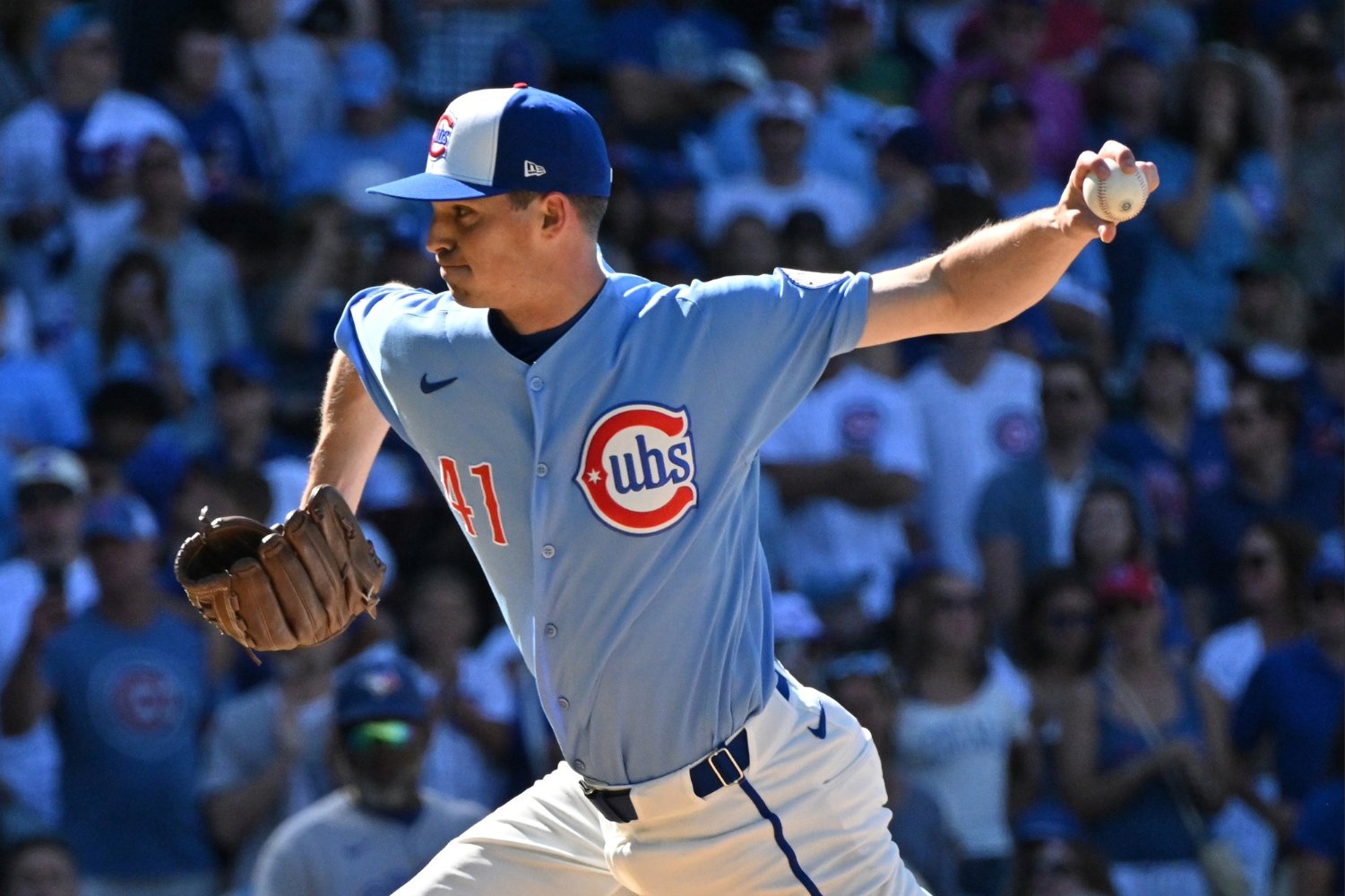
Image courtesy of © Patrick Gorski-Imagn Images Update: A correction has been issued. Milner has been placed on waivers, but was not DFA'd. If he goes unclaimed, he will remain with the Cubs. If he is claimed, that team would assume the remainder of his contract in full. Original article as follows. On Friday afternoon, it was announced that the Chicago Cubs are designating veteran relief pitcher Hoby Milner for assignment. Milner hadn't appeared in a game for the Cubs since June 25 following an appendectomy. He'd been working his way back from that in recent weeks, but his 30-day rehabilitation window was set to expire having started that process at the end of July. Milner was a key left-handed arm for Craig Counsell—with whom he shared a history in Milwaukee—earlier in the year. He threw 15 innings in March & April as the bullpen battled through their early injury woes, pitching to a 2.40 ERA across various forms of leverage. He followed that up with exactly 10.1 innings in each of the two subsequent months, but had taken a step back in June prior to the need for his procedure. Up until that June 25 date, he'd pitched to a 6.10 ERA as opposing hitters torched him for a .417 wOBA. It's important to note, though, that much of that damage came in one specific outing wherein he allowed six runs in just one-third of an inning. In large part, he'd been exactly what the Cubs expected: meager at gathering whiffs, but otherwise producing strong numbers thanks to his ability to prevent free passes and avoid hard contact. In total, he pitched 35.2 innings across 38 appearances with a 3.53 ERA to his name. The Cubs are cutting bait with Milner just before rosters expand. Without a lot of option-ability throughout the rest of the relief corps, the front office decided that their current setup is more worthwhile than one that results in a departure from a different arm that has seen more recent action. That leaves breakout arm Ryan Rolison alongside Caleb Thielbar as the team's two left-handed arms in relief, with a pitcher featuring more flexibility likely on the way early next week. The Cubs will place Milner on waivers as a part of the DFA process. Given that we're past the trade deadline and close to the August 31 postseason eligibility threshold, it's entirely possible that another team snags him off waivers and gives the Cubs a bit of relief on his modest $3.75 million salary through the end of 2026. View full article
-
 Update: A correction has been issued. Milner has been placed on waivers, but was not DFA'd. If he goes unclaimed, he will remain with the Cubs. If he is claimed, that team would assume the remainder of his contract in full. Original article as follows. On Friday afternoon, it was announced that the Chicago Cubs are designating veteran relief pitcher Hoby Milner for assignment. Milner hadn't appeared in a game for the Cubs since June 25 following an appendectomy. He'd been working his way back from that in recent weeks, but his 30-day rehabilitation window was set to expire having started that process at the end of July. Milner was a key left-handed arm for Craig Counsell—with whom he shared a history in Milwaukee—earlier in the year. He threw 15 innings in March & April as the bullpen battled through their early injury woes, pitching to a 2.40 ERA across various forms of leverage. He followed that up with exactly 10.1 innings in each of the two subsequent months, but had taken a step back in June prior to the need for his procedure. Up until that June 25 date, he'd pitched to a 6.10 ERA as opposing hitters torched him for a .417 wOBA. It's important to note, though, that much of that damage came in one specific outing wherein he allowed six runs in just one-third of an inning. In large part, he'd been exactly what the Cubs expected: meager at gathering whiffs, but otherwise producing strong numbers thanks to his ability to prevent free passes and avoid hard contact. In total, he pitched 35.2 innings across 38 appearances with a 3.53 ERA to his name. The Cubs are cutting bait with Milner just before rosters expand. Without a lot of option-ability throughout the rest of the relief corps, the front office decided that their current setup is more worthwhile than one that results in a departure from a different arm that has seen more recent action. That leaves breakout arm Ryan Rolison alongside Caleb Thielbar as the team's two left-handed arms in relief, with a pitcher featuring more flexibility likely on the way early next week. The Cubs will place Milner on waivers as a part of the DFA process. Given that we're past the trade deadline and close to the August 31 postseason eligibility threshold, it's entirely possible that another team snags him off waivers and gives the Cubs a bit of relief on his modest $3.75 million salary through the end of 2026.
 -
Image courtesy of © Rick Scuteri-Imagn Images When you've got a team with hitters performing at either end of the offensive spectrum at a given point in the year, it becomes easy to ignore the steady ones. In the case of the Chicago Cubs, the bulk of 2026 has been spent marveling at the work of Pete Crow-Armstrong & the second half of Alex Bregman, or worrying about the sustained early summer slump from Nico Hoerner or woeful stretches from Ian Happ. Which means that Seiya Suzuki has been left somewhere else, lost in the shuffle. Suzuki is in the midst of yet another above-average offensive season for the Cubs. While 2025 saw him eclipse the 30-homer mark for the first time against a modest step back in batted ball luck (reflected in a .245 average), this year has represented a bit of the inverse. His isolated power has fallen from a career-high .233 last year to a still-quality .209, while he's bumped his average way up to .270, with a .364 on-base percentage that is nearly 40 points higher than it was last season. It'd be hard to characterize one season as better than the other. Either way, you're getting a good run of production that just happens to manifest in slightly different ways. If there's one thing that sets the 2026 iteration of Suzuki apart from 2025 and the two seasons prior, though, it's that he's been just a touch more aggressive. Suzuki's 22.4 percent chase rate is roughly two percent higher than each of the last two seasons. That may not seem like a tremendous difference from prior rates, especially while he's made the same amount of overall contact on just about the same rate of swings. However, it's just enough of a difference for a hitter that was previously labeled as too patient to throw some things off. Each of his barrel and hard-hit rates have slipped, but he's still managed to remain productive given almost no mechanical change (save a slight closing of his front foot in his stance). The trade-off has come in the form of losing some of his run value in the heart of the zone (which has dropped from +10 to +3) while accruing gains in the shadow of the zone; his run value on the edges has been a combined -38 in the last two years, while sitting at -15 this year (his best since 2023). This is all a somewhat complicated way of noting the continued quality Seiya Suzuki displays, despite some drops in a handful of underlying factors. Nevertheless, he's turned in a .270/.364/.478 line with a 134 wRC+ that represents exactly the type of year we'd expect from him, even if everything in those trends was completely aboveboard. In fact, let's look at where Suzuki stands throughout his time with the Cubs. There are 286 hitters with enough playing time to qualify for the leaderboard since 2023. Suzuki's 130 wRC+ over that time ranks 21st. He's 44th in average (.270), 35th in OBP (.352), and 37th in ISO (.211). In short, he's been one of the best hitters the league has had to offer since he entered it. Even in the midst of some defensive woes across his first three seasons, Suzuki has still managed to accumulate 13.0 fWAR (good for 37th). With that element of his game back on track (five Outs Above Average this year), his 3.7 fWAR in 2026 specifically has him at 26th this year. The value of a player with that level of consistency can't really be overstated. Sure, there are stretches where he's disappeared or that overly patient approach becomes a detriment to his game. But the long and short of it is that there are very few players as steady in what they provide as Suzuki. Which brings us to a very important consideration. Suzuki and Ian Happ are both free agents at the end of 2026. It'd be difficult to see the Cubs retain both of them (though a world does exist where that is the case). Happ is enduring his worst offensive season since 2021, slashing .220/.327/.426 with a strikeout rate a touch over 30 percent. While he's on pace to exceed his previous career high in home runs, his inability to create regular contact (despite a patient approach), below average baserunning, and overstated defensive competence against less-favorable metrics all work against him. Suzuki, meanwhile, has turned in that remarkable steadiness and has ascended defensively. If you could only re-sign one on a new deal, it'd be tough to turn on the broader consistency that Suzuki offers, even in the eyes of Happ's longevity with the organization. Whether or not that comes to pass is a matter for another day. In the meantime, there's a certain marveling that should be happening over the steadiness that Seiya Suzuki possesses. It doesn't always manifest on a daily basis, but the fact that he can be relied upon to drop virtually the same line year-over-year is a rare quality worthy of celebration, even if he's always flying a bit under the radar. View full article
