Matthew Trueblood
-
Posts
2,481 -
Joined
-
Last visited
-
Days Won
2
Content Type
Profiles
Joomla Posts 1
Chicago Cubs Videos
Chicago Cubs Free Agent & Trade Rumors, Notes, & Tidbits
2026 Chicago Cubs Top Prospects Ranking
News
2023 Chicago Cubs Draft Picks
Guides & Resources
2024 Chicago Cubs Draft Picks
The Chicago Cubs Players Project
2025 Chicago Cubs Draft Pick Tracker
2026 Chicago Cubs Draft Tracker: Picks & Bonuses
Blogs
Events
Forums
Store
Gallery
Everything posted by Matthew Trueblood
-
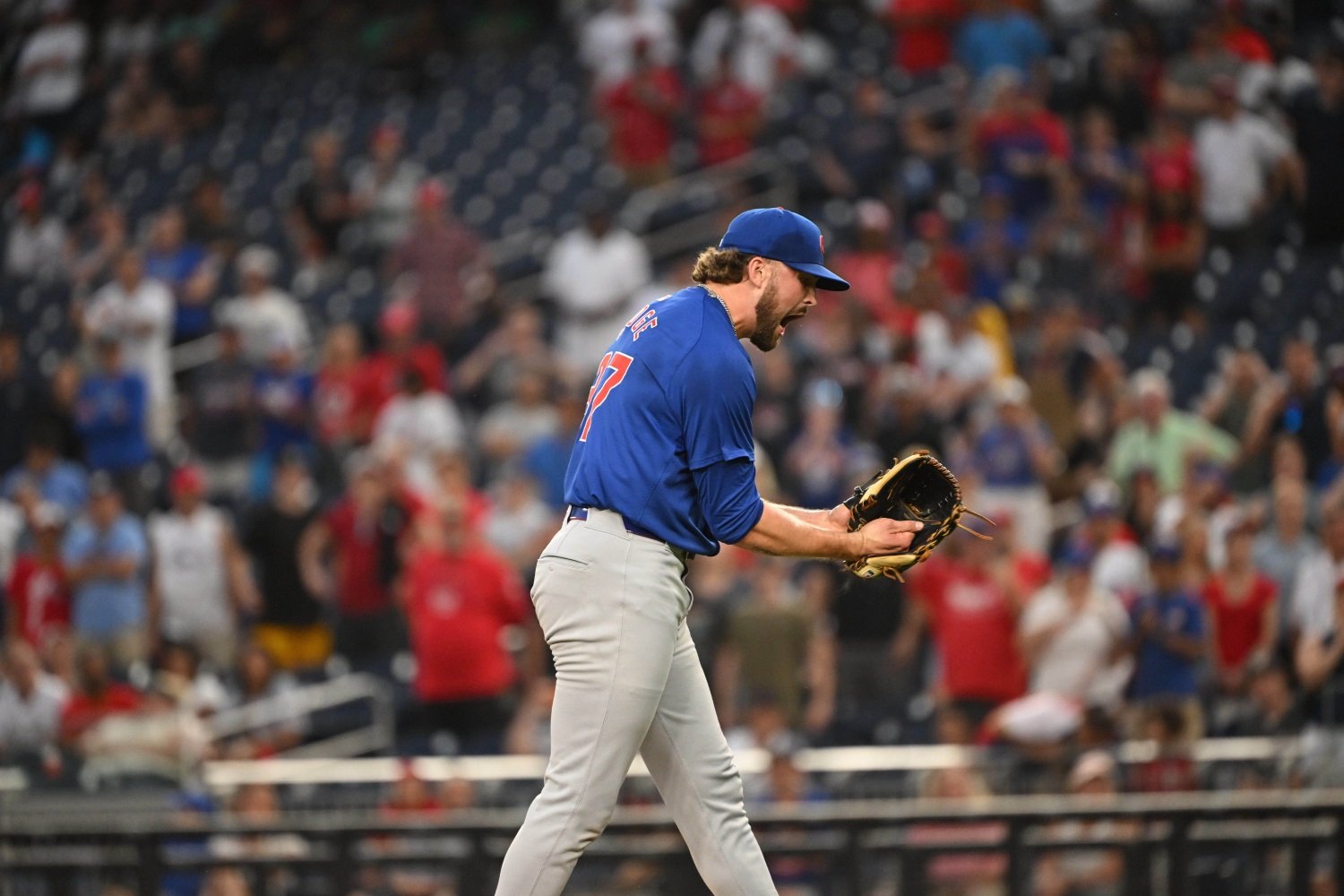 The worry, if you were a Cubs fan long about mid-June, was that Craig Counsell's magic doesn't work without an elite bullpen--that the team's failure to build a great relief corps would doom them in their first season under their new $40-million skipper. They still might be doomed for 2024, but thanks to Porter Hodge, we have a fresh reminder that Counsell brings the magic with him wherever he goes. Hodge, 23, debuted on May 22. His first three appearances were all low-leverage affairs, and after a rough showing on Jun. 6, he made a brief sojourn back to Triple-A Iowa. Since returning, though, he has slowly established himself as one of the best relief pitchers in baseball--and the kind of bullpen catalyst Counsell specializes in developing and empowering. Now up to 31 appearances with the big-league team, Hodge has had 27 scoreless outings. That 87.1% rate is second-best in MLB, among hurlers with at least 15 relief appearances. Only the Guardians' Hunter Gaddis edges him out, and then only narrowly, at 87.7%. Hodge has fanned 33.6% of opposing batters and owns a 1.80 ERA. Since he made it back from Iowa on Jun. 21, opponents have a .433 OPS against him. He's become, if not the sole closer, an implicitly trusted relief weapon, and the linchpin of the league's best relief corps. Indeed, since Jun. 1, the Cubs lead MLB in Scoreless Appearance Rate (SAR) from relievers, at 75.4%. Through the end of May, their SAR of 63.7% was better only than those of the Rockies and White Sox. It took time for this bullpen to come together, and the story is about much more than just Hodge, but he's the most important piece of the puzzle--not just because he's performed so well, but because he's a walking affirmation of the staying power of Counsell's capacity for turning rookies into relief aces. Pitching in high-leverage relief in MLB is excruciatingly hard--both physically and mentally. Few pitchers can meet both types of challenge and succeed as closers or high-usage setup men right away when they arrive in the majors, but under Counsell, that miniature baseball miracle has happened numerous times. Josh Hader and Devin Williams are the famous examples, but not even the only ones. Now, he's demonstrating the same ability to manage a young pitcher through the minefield of a rookie campaign under the pressure of backend bullpen work, in a new place and without a coaching staff in which he had much say. Whether the Cubs can pull off the comeback from their dismal first half or not, Hodge's breakout season is a testament to the value of their manager, and to the mental toughness of the hurler himself. It's also a reinforcement of the organization's belief that they've come a long way in terms of pitching development. All of those things are important, but if the team can string together enough winning streaks to sneak into the postseason, they'll be doubly so, and much of the credit will belong to the pairing of veteran manager and inexperienced flamethrower.
 -
You can't spell 'Craigtember' without 'C-R-A'. Meet the Cubs' Counsell Relief Ace, and quake in fear, rest of the National League. Image courtesy of © Rafael Suanes-USA TODAY Sports The worry, if you were a Cubs fan long about mid-June, was that Craig Counsell's magic doesn't work without an elite bullpen--that the team's failure to build a great relief corps would doom them in their first season under their new $40-million skipper. They still might be doomed for 2024, but thanks to Porter Hodge, we have a fresh reminder that Counsell brings the magic with him wherever he goes. Hodge, 23, debuted on May 22. His first three appearances were all low-leverage affairs, and after a rough showing on Jun. 6, he made a brief sojourn back to Triple-A Iowa. Since returning, though, he has slowly established himself as one of the best relief pitchers in baseball--and the kind of bullpen catalyst Counsell specializes in developing and empowering. Now up to 31 appearances with the big-league team, Hodge has had 27 scoreless outings. That 87.1% rate is second-best in MLB, among hurlers with at least 15 relief appearances. Only the Guardians' Hunter Gaddis edges him out, and then only narrowly, at 87.7%. Hodge has fanned 33.6% of opposing batters and owns a 1.80 ERA. Since he made it back from Iowa on Jun. 21, opponents have a .433 OPS against him. He's become, if not the sole closer, an implicitly trusted relief weapon, and the linchpin of the league's best relief corps. Indeed, since Jun. 1, the Cubs lead MLB in Scoreless Appearance Rate (SAR) from relievers, at 75.4%. Through the end of May, their SAR of 63.7% was better only than those of the Rockies and White Sox. It took time for this bullpen to come together, and the story is about much more than just Hodge, but he's the most important piece of the puzzle--not just because he's performed so well, but because he's a walking affirmation of the staying power of Counsell's capacity for turning rookies into relief aces. Pitching in high-leverage relief in MLB is excruciatingly hard--both physically and mentally. Few pitchers can meet both types of challenge and succeed as closers or high-usage setup men right away when they arrive in the majors, but under Counsell, that miniature baseball miracle has happened numerous times. Josh Hader and Devin Williams are the famous examples, but not even the only ones. Now, he's demonstrating the same ability to manage a young pitcher through the minefield of a rookie campaign under the pressure of backend bullpen work, in a new place and without a coaching staff in which he had much say. Whether the Cubs can pull off the comeback from their dismal first half or not, Hodge's breakout season is a testament to the value of their manager, and to the mental toughness of the hurler himself. It's also a reinforcement of the organization's belief that they've come a long way in terms of pitching development. All of those things are important, but if the team can string together enough winning streaks to sneak into the postseason, they'll be doubly so, and much of the credit will belong to the pairing of veteran manager and inexperienced flamethrower. View full article
-
There's a funny little freedom in the fact that this team already seems to be stuck paying the luxury tax. Image courtesy of © Robert Edwards-USA TODAY Sports The San Francisco Giants have placed left-handed reliever Taylor Rogers on outright waivers, making him available to teams to claim, if they're willing to take on the balance of his contract. Rogers, 33, is a somewhat complicated case, that way, because his contract is hefty. After signing a three-year, $33-million deal prior to 2023, the southpaw is still due about $14 million: $2 million for the rest of this year, and $12 million in 2025. That's more than most teams are willing to take on, at this time of year. Most teams aren't in the unique, uncomfortable position the Cubs are in, though. Already likely to pay competitive-balance taxes this year (by the reckoning of their own chief decision-maker) and now chasing a remote playoff chance with full knowledge that falling just short would be a worst-case scenario for their season, the team should be both highly motivated to improve and only lightly discouraged by the money attached to Rogers. If they feel he can help them, they should pounce. And they should feel he can help him. Rogers has pared down to become strictly a sinker-sweeper guy, in this later phase of his career. He's a good one, too. His 2.45 ERA overstates his excellence, cushioned as it is by the fact that he pitches at home in San Francisco, but he has a strong strikeout rate (28.2%) and limits walks (7.7%). He's very, very good at spin mirroring; hitters don't get a good chance to discern the difference between his two offerings. Yet, they move very differently. A former closer for the Twins and Padres, Rogers has settled into more of a middle relief role for the Giants. He's pretty expensive for that kind of arm, but he would represent a roughly cost-neutral upgrade from Drew Smyly as a left-handed relief weapon for the Cubs going into next season. In the meantime, he'd help them in September, too, because Smyly is the only lefty on whom the team can count in the bullpen right now. Snapping up Rogers right now is a no-brainer. It would save the team the trouble, uncertainty, and thorny market realities of the winter ahead, when they will have plenty of money to spend but could easily end up giving a multi-year deal to a pitcher just like Rogers, or another misbegotten deal for roughly the same amount on a one-year deal to a lesser hurler, like Héctor Neris. Shoring up the highly fluid relief corps a bit right now would make things easier as the team tries to build a more robust contender for 2025, and it would incrementally improve their odds of making an improbable run to October this year, too--at which point Rogers would also have huge value for them. If the team is going to pay the luxury tax this year, anyway, they should eagerly add the paltry remaining money for Rogers to their rolls, knowing that Smyly, Kyle Hendricks, Tucker Barnhart, Trey Mancini, and plenty of others are coming off their books going into the winter. They have money to spend. They have an immediate and a medium-term need for relief help. They have an opportunity to use their flexibility to fill their needs and make it easier to focus on more important things. They should seize this moment. View full article
-
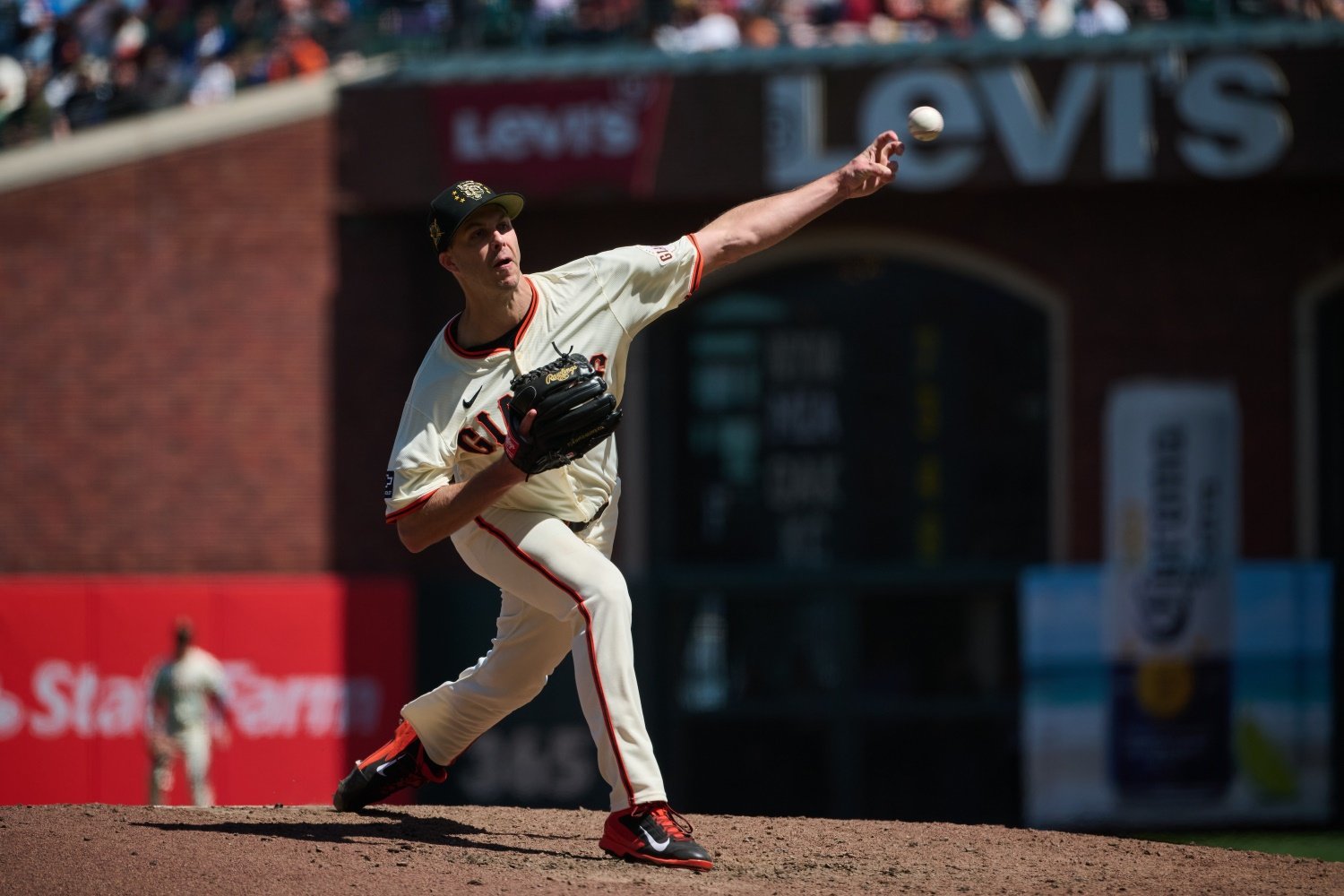 The San Francisco Giants have placed left-handed reliever Taylor Rogers on outright waivers, making him available to teams to claim, if they're willing to take on the balance of his contract. Rogers, 33, is a somewhat complicated case, that way, because his contract is hefty. After signing a three-year, $33-million deal prior to 2023, the southpaw is still due about $14 million: $2 million for the rest of this year, and $12 million in 2025. That's more than most teams are willing to take on, at this time of year. Most teams aren't in the unique, uncomfortable position the Cubs are in, though. Already likely to pay competitive-balance taxes this year (by the reckoning of their own chief decision-maker) and now chasing a remote playoff chance with full knowledge that falling just short would be a worst-case scenario for their season, the team should be both highly motivated to improve and only lightly discouraged by the money attached to Rogers. If they feel he can help them, they should pounce. And they should feel he can help him. Rogers has pared down to become strictly a sinker-sweeper guy, in this later phase of his career. He's a good one, too. His 2.45 ERA overstates his excellence, cushioned as it is by the fact that he pitches at home in San Francisco, but he has a strong strikeout rate (28.2%) and limits walks (7.7%). He's very, very good at spin mirroring; hitters don't get a good chance to discern the difference between his two offerings. Yet, they move very differently. A former closer for the Twins and Padres, Rogers has settled into more of a middle relief role for the Giants. He's pretty expensive for that kind of arm, but he would represent a roughly cost-neutral upgrade from Drew Smyly as a left-handed relief weapon for the Cubs going into next season. In the meantime, he'd help them in September, too, because Smyly is the only lefty on whom the team can count in the bullpen right now. Snapping up Rogers right now is a no-brainer. It would save the team the trouble, uncertainty, and thorny market realities of the winter ahead, when they will have plenty of money to spend but could easily end up giving a multi-year deal to a pitcher just like Rogers, or another misbegotten deal for roughly the same amount on a one-year deal to a lesser hurler, like Héctor Neris. Shoring up the highly fluid relief corps a bit right now would make things easier as the team tries to build a more robust contender for 2025, and it would incrementally improve their odds of making an improbable run to October this year, too--at which point Rogers would also have huge value for them. If the team is going to pay the luxury tax this year, anyway, they should eagerly add the paltry remaining money for Rogers to their rolls, knowing that Smyly, Kyle Hendricks, Tucker Barnhart, Trey Mancini, and plenty of others are coming off their books going into the winter. They have money to spend. They have an immediate and a medium-term need for relief help. They have an opportunity to use their flexibility to fill their needs and make it easier to focus on more important things. They should seize this moment.
 -
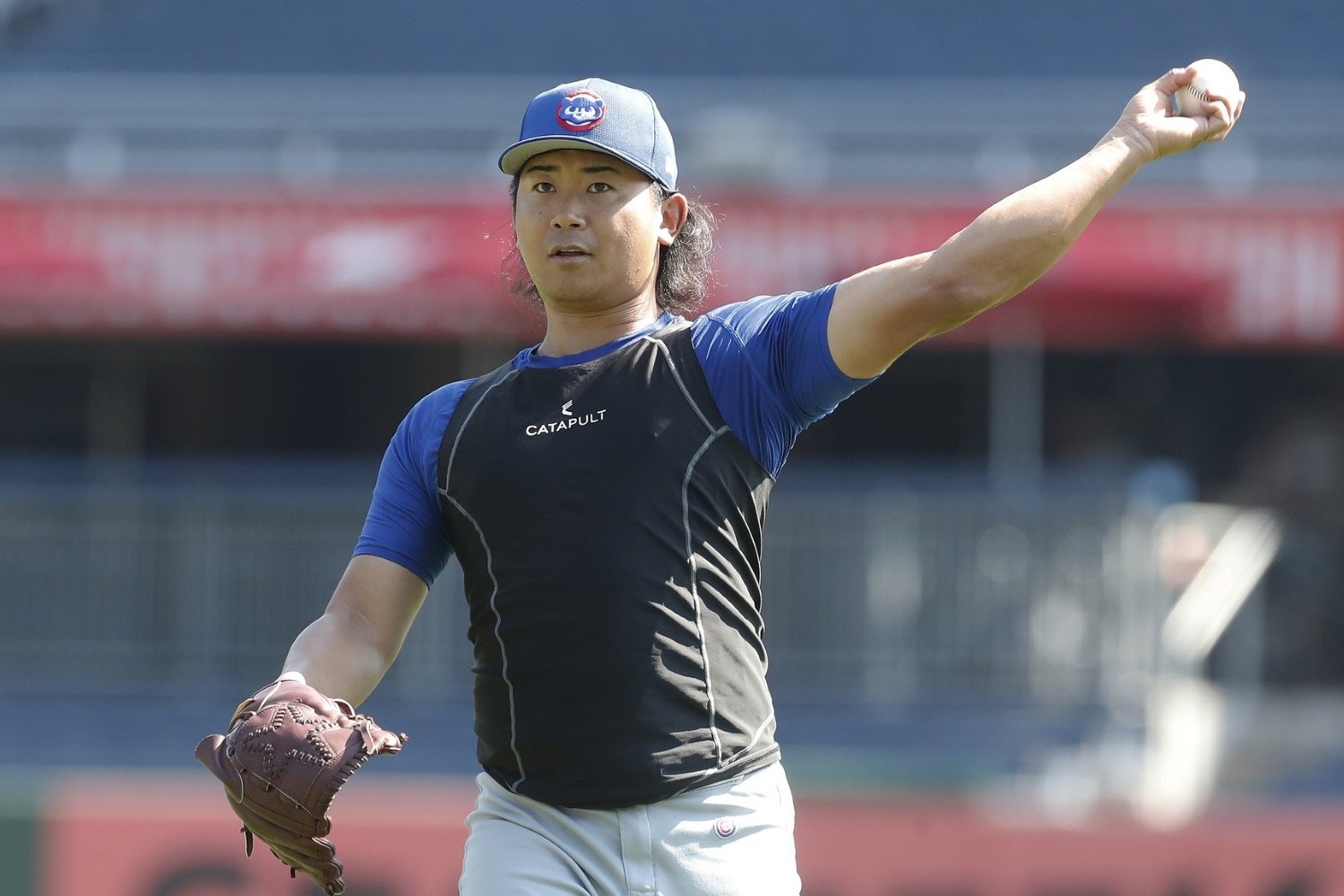 It's easy to miss just how roughly big-league batters have treated Shota Imanaga lately. Because he put up such gaudy numbers prior to his first rough start at the end of May, his full-season stats still look good. Since May 29, Imanaga has made 15 starts, and while he's struck out 82 batters and walked just 13, he's also surrendered 19 home runs. Imanaga's ERA over that span is 4.47. His last start that didn't include surrendering a home run came Jul. 10 in Baltimore. This weekend, in nearby Washington, D.C., he'll try to demonstrate anew the abikity to keep the ball in the park. Simply put, the league has adjusted to Imanaga. That hasn't rendered him a bad pitcher, but he's been more like Jameson Taillon than Justin Steele. He's a control artist, right now, capable of missing some bats but not of avoiding the occasional ambush. Hitters have learned what to expect from him, and they're going to the plate ready to swing the bats. It's one thing to be a pitcher who fills up the zone and forces opponents to swing. It's quite another to be literally the pitcher against whom batters swing most often. That's probably not a good thing, in Imanaga's case. He throws too many flat-VAA fastballs, tough to square up but a boon to hitters when they do; and too many splitters, which miss bats like crazy when well-executed but have a higher error rate in terms of movement and location than most sliders or curveballs would. He's been a subtle, perpetual, and assiduous tinkerer, but Imanaga has stuck pretty closely to those two pitches this year. They're his bread and butter, and he insists upon being able to trust and lean on them. It's made him deleteriously predictable, though--or at least, it's made things too easy on the opponent, because they can craft a swing that handles both the fastball and the splitter. Familiarity has also caused trouble for Imanaga. Even as he's begun to diversify his arsenal, he's also begun seeing teams a second or third team within the season. Hitters have made adjustments upon getting an extra look at him, and not just from start to start. Here's a chart showing the times through the order penalty for all pitchers with at least 15 starts this year, with the increase in batters' production from the first to the second trip through the order on the x-axis and that from the second to the third time through on the y-axis. The extra lines on the grid are the league average for each stat, so players (like Steele) in the lower right quadrant suffer more the second time through, relative to their peers, but less the third time. Imanaga is in the upper right portion, seeing a greater loss of effectiveness with both turns of the lineup card than an average starter. Some of that might be management of fatigue, as he's spent the season adapting to a new schedule and pitching on a shorter average rotation than he did while he toiled in Japan. However, if you've watched Imanaga pitch this year, you know it also feels like the hitters are just seeing him better and more ready to combat that splitter as games unfold. His next adjustment needs to be bolder implementation of one of his tertiary weapons, to keep hitters a bit more off-balance and make them swing with less frequency or confidence after the first time through the order. Those adjustments will wait, at least in part, until the winter. The Philosopher and his coaching staff will need time to digest and reflect on his first year with the Cubs, and they can more readily make sweeping, baseline gameplan changes heading into spring training. However, some of it needs to start now. Remote though their chances are, the Cubs have some semblance of hope to climb back into the NL playoff hunt. Since one of their top priorities this September should be the development and further preparation of Imanaga for 2025, anyway, the team should be working with him to alter the plan of attack right away. Imanaga's not a true-talent 4.47 ERA pitcher. Then again, neither is he the guy whose ERA stayed south of 1.00 for two solid months to open the season. Down the stretch, the Cubs need him to find a productive place between those two figures, informed by the need to get hitters a little less trigger-happy when they step into the box--particularly in the middle and late innings. If they can get something more akin to April and May Imanaga over his final half-dozen starts of the season, they'll enjoy both improved chances to make something of this desperate season and greater confidence about their rotation picture heading into the offseason.
 -
The savvy southpaw's first Stateside summer has seen some ups and downs. Hitters see his stuff coming and swing wildly--although with very mixed results. Image courtesy of © Charles LeClaire-USA TODAY Sports It's easy to miss just how roughly big-league batters have treated Shota Imanaga lately. Because he put up such gaudy numbers prior to his first rough start at the end of May, his full-season stats still look good. Since May 29, Imanaga has made 15 starts, and while he's struck out 82 batters and walked just 13, he's also surrendered 19 home runs. Imanaga's ERA over that span is 4.47. His last start that didn't include surrendering a home run came Jul. 10 in Baltimore. This weekend, in nearby Washington, D.C., he'll try to demonstrate anew the abikity to keep the ball in the park. Simply put, the league has adjusted to Imanaga. That hasn't rendered him a bad pitcher, but he's been more like Jameson Taillon than Justin Steele. He's a control artist, right now, capable of missing some bats but not of avoiding the occasional ambush. Hitters have learned what to expect from him, and they're going to the plate ready to swing the bats. It's one thing to be a pitcher who fills up the zone and forces opponents to swing. It's quite another to be literally the pitcher against whom batters swing most often. That's probably not a good thing, in Imanaga's case. He throws too many flat-VAA fastballs, tough to square up but a boon to hitters when they do; and too many splitters, which miss bats like crazy when well-executed but have a higher error rate in terms of movement and location than most sliders or curveballs would. He's been a subtle, perpetual, and assiduous tinkerer, but Imanaga has stuck pretty closely to those two pitches this year. They're his bread and butter, and he insists upon being able to trust and lean on them. It's made him deleteriously predictable, though--or at least, it's made things too easy on the opponent, because they can craft a swing that handles both the fastball and the splitter. Familiarity has also caused trouble for Imanaga. Even as he's begun to diversify his arsenal, he's also begun seeing teams a second or third team within the season. Hitters have made adjustments upon getting an extra look at him, and not just from start to start. Here's a chart showing the times through the order penalty for all pitchers with at least 15 starts this year, with the increase in batters' production from the first to the second trip through the order on the x-axis and that from the second to the third time through on the y-axis. The extra lines on the grid are the league average for each stat, so players (like Steele) in the lower right quadrant suffer more the second time through, relative to their peers, but less the third time. Imanaga is in the upper right portion, seeing a greater loss of effectiveness with both turns of the lineup card than an average starter. Some of that might be management of fatigue, as he's spent the season adapting to a new schedule and pitching on a shorter average rotation than he did while he toiled in Japan. However, if you've watched Imanaga pitch this year, you know it also feels like the hitters are just seeing him better and more ready to combat that splitter as games unfold. His next adjustment needs to be bolder implementation of one of his tertiary weapons, to keep hitters a bit more off-balance and make them swing with less frequency or confidence after the first time through the order. Those adjustments will wait, at least in part, until the winter. The Philosopher and his coaching staff will need time to digest and reflect on his first year with the Cubs, and they can more readily make sweeping, baseline gameplan changes heading into spring training. However, some of it needs to start now. Remote though their chances are, the Cubs have some semblance of hope to climb back into the NL playoff hunt. Since one of their top priorities this September should be the development and further preparation of Imanaga for 2025, anyway, the team should be working with him to alter the plan of attack right away. Imanaga's not a true-talent 4.47 ERA pitcher. Then again, neither is he the guy whose ERA stayed south of 1.00 for two solid months to open the season. Down the stretch, the Cubs need him to find a productive place between those two figures, informed by the need to get hitters a little less trigger-happy when they step into the box--particularly in the middle and late innings. If they can get something more akin to April and May Imanaga over his final half-dozen starts of the season, they'll enjoy both improved chances to make something of this desperate season and greater confidence about their rotation picture heading into the offseason. View full article
-
It comes down to this. The Cubs have left themselves a 28-game season, in which a merely winning record is not remotely good enough. They'll have to get scorching hot to redeem this season, but there's no turning back now. Image courtesy of © Charles LeClaire-USA TODAY Sports Winning series wasn't good enough. The Cubs needed a genuine hot streak, and a genuine hot streak means sweeping some people. With a scintillating comeback Wednesday afternoon, the team asserted itself, finishing off a three-game sweep in Pittsburgh that launches them into an off day on a surge of momentum. They've won four straight series, are 17-9 since the trade deadline, and have made much of this headway on the strength of strong performances from their young players. The odds against this late surge amounting to anything are long. The Cubs trail Atlanta by 5.5 games, and you can count it as 6.0, because Atlanta holds the tiebreaker. In that hot month of play, they've only gained a game on the Braves in the standings. If the team goes anything less than 20-8 the rest of the way, they have almost no chance to make the postseason--and crucially, finishing just outside the playoffs for a second straight season would be a worst-case scenario. Last year, the Cubs drafted 13th, after an ultimately unhelpful strong finish to 2022 and a bit of bad luck in the Draft Lottery. They picked 14th this July, after their late charge fell two games shy of the playoffs in 2023. Some better fortune or a truly nightmarish September could put them back in the top 10 next summer, but right now, they're angling toward another pick in the same range. For a team reluctant to spend the way big-market behemoths should and facing four division rivals who all get extra picks to bolster their Draft classes each year, that would be a disaster. The team is trending too much toward the recent patterns traced by the Bulls, in the NBA: be competitive, draw fans, settle into the unhappy medium of the league, and wallow perpetually in averageness. To break free of that bad cycle, they need to convert this year's fake rally to a playoff spot, and that's a very tall order. They've made these difficult circumstances for themselves, and have only themselves to blame, but that doesn't matter, now. They can't afford to think conservatively. For the next 28 games (or however many they play before cooling off again and tumbling out of the race), the Cubs are running for their lives, and they need to act like it. When the 2018 Cubs entered September, they held a reasonably comfortable lead over Craig Counsell's Brewers. They didn't collapse, either. From Sept. 1 through the end of the scheduled regular season, Joe Maddon's team went 16-12. Counsell's Crew went 19-7, though, to close the gap and force a Game 163--which, of course, they also won. Counsell led Milwaukee to a 20-7 record after the calendar turned to September again the next year, to seize a place in the Wild Card Game. They started calling it Craigtember, in Wisconsin. The Cubs' kick began in August, but it has to stay just as strong from here. The cruel facts are that even that kind of heater won't be enough this time. The Cubs need Counsell to work his magic, but they have to do it even better, and they'd still need more help than the Brewers got from the Cubs in catching them six years ago. Since they've locked themselves out of the cellar, though, the only place to go is forward. Two 20-7 months made Counsell famous. Pushing that to 21-7 on the third go-round might just get them across the line in time to qualify for the playoffs. We might as well see if he's capable of helping a team find that one more tick of greatness, when it really counts. View full article
-
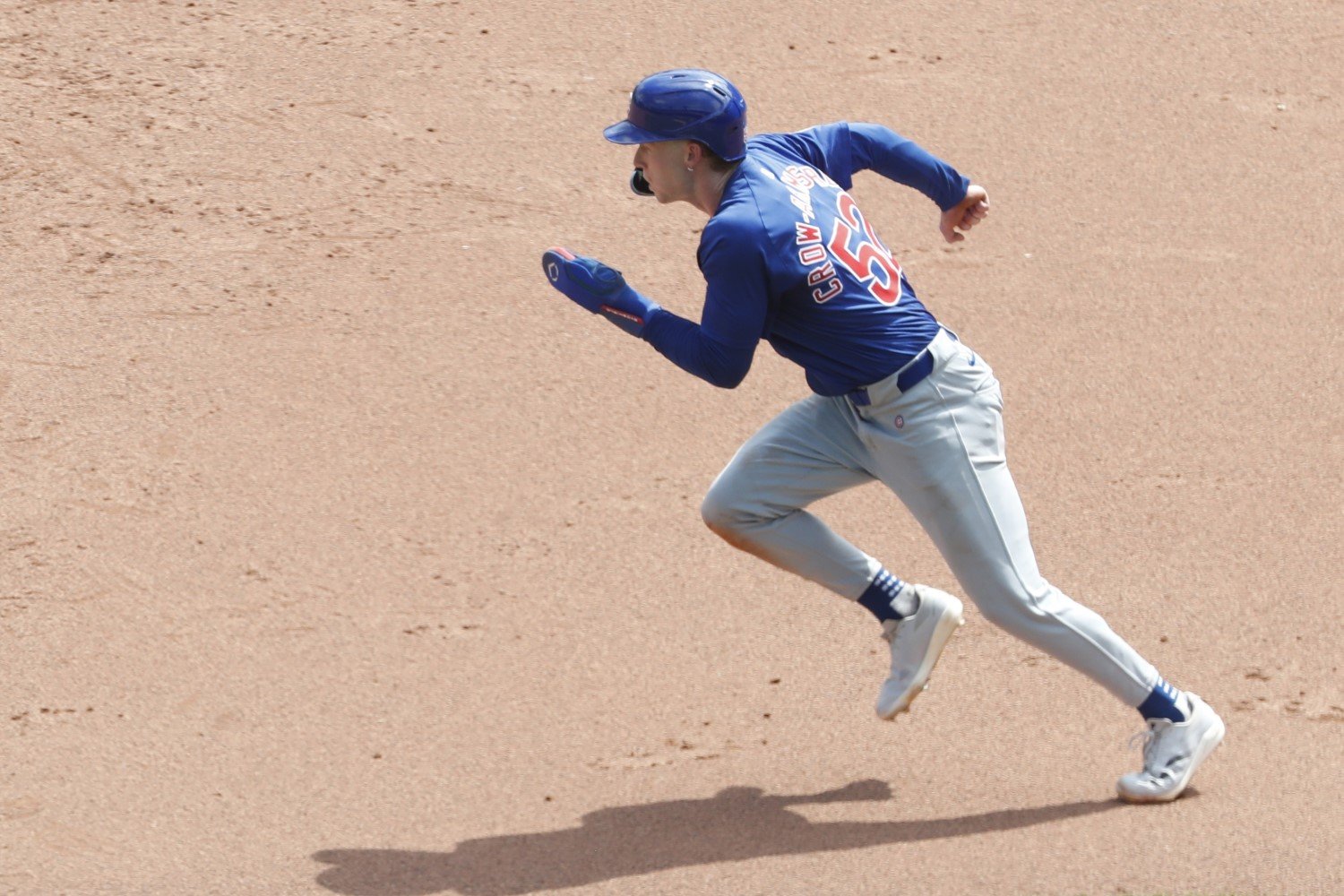 Winning series wasn't good enough. The Cubs needed a genuine hot streak, and a genuine hot streak means sweeping some people. With a scintillating comeback Wednesday afternoon, the team asserted itself, finishing off a three-game sweep in Pittsburgh that launches them into an off day on a surge of momentum. They've won four straight series, are 17-9 since the trade deadline, and have made much of this headway on the strength of strong performances from their young players. The odds against this late surge amounting to anything are long. The Cubs trail Atlanta by 5.5 games, and you can count it as 6.0, because Atlanta holds the tiebreaker. In that hot month of play, they've only gained a game on the Braves in the standings. If the team goes anything less than 20-8 the rest of the way, they have almost no chance to make the postseason--and crucially, finishing just outside the playoffs for a second straight season would be a worst-case scenario. Last year, the Cubs drafted 13th, after an ultimately unhelpful strong finish to 2022 and a bit of bad luck in the Draft Lottery. They picked 14th this July, after their late charge fell two games shy of the playoffs in 2023. Some better fortune or a truly nightmarish September could put them back in the top 10 next summer, but right now, they're angling toward another pick in the same range. For a team reluctant to spend the way big-market behemoths should and facing four division rivals who all get extra picks to bolster their Draft classes each year, that would be a disaster. The team is trending too much toward the recent patterns traced by the Bulls, in the NBA: be competitive, draw fans, settle into the unhappy medium of the league, and wallow perpetually in averageness. To break free of that bad cycle, they need to convert this year's fake rally to a playoff spot, and that's a very tall order. They've made these difficult circumstances for themselves, and have only themselves to blame, but that doesn't matter, now. They can't afford to think conservatively. For the next 28 games (or however many they play before cooling off again and tumbling out of the race), the Cubs are running for their lives, and they need to act like it. When the 2018 Cubs entered September, they held a reasonably comfortable lead over Craig Counsell's Brewers. They didn't collapse, either. From Sept. 1 through the end of the scheduled regular season, Joe Maddon's team went 16-12. Counsell's Crew went 19-7, though, to close the gap and force a Game 163--which, of course, they also won. Counsell led Milwaukee to a 20-7 record after the calendar turned to September again the next year, to seize a place in the Wild Card Game. They started calling it Craigtember, in Wisconsin. The Cubs' kick began in August, but it has to stay just as strong from here. The cruel facts are that even that kind of heater won't be enough this time. The Cubs need Counsell to work his magic, but they have to do it even better, and they'd still need more help than the Brewers got from the Cubs in catching them six years ago. Since they've locked themselves out of the cellar, though, the only place to go is forward. Two 20-7 months made Counsell famous. Pushing that to 21-7 on the third go-round might just get them across the line in time to qualify for the playoffs. We might as well see if he's capable of helping a team find that one more tick of greatness, when it really counts.
 -
After stealing eight bags against the hapless Pirates Monday night, the Cubs rank eighth in MLB with 120 steals this year. They need to run much, much more, though. Image courtesy of © Charles LeClaire-USA TODAY Sports You can do lots of math around the breakeven success rate on stolen base attempts. In some situations, the odds are in a team's favor even if they're only 68% to succeed when sending a runner. In other situations, the number creeps past 75%. Much depends on the game state, but the identities of the batter (and those due up behind them) and the pitcher count for something, too. The weather conditions matter. Injury risk has to be priced in, at times. It's a tricky calculation. Let's start, then, with a simpler one: Divide 120 by 143, and you get 0.839. That's the Cubs' success rate on steals in 2024: 83.9%. You can do lots and lots of math with breakeven rates, but they all come in well below that. The Cubs are eighth in MLB in Go Rate, a metric that divides steal attempts by plate appearances in which a player had a clear opportunity to attempt a steal. Based on the frequency with which they've succeeded, they should be thinking more about Go and less about Rates. Obviously, not everyone can or should steal bases. However, as the season has unfolded, it's become increasingly clear that the Cubs have several players capable of thievery--and that they're coaching them up well. Seiya Suzuki was a downright bad basestealer over his first two seasons in MLB. With 15 steals and 12 times caught stealing, he was actively hurting the team by taking off. He was caught on his first attempt this spring, on Apr. 14, too. Since then, though, he's 11-for-15, a respectable 73.3% success rate. Ian Happ is now 11-for-13 on the season, and 9-for-10 since Jun. 1. You already know about the exploits of Pete Crow-Armstrong, Nico Hoerner, and even Dansby Swanson, who has made speed a newly important part of his game over the last five weeks. In the modern game, with the pitch clock as a subtle mechanism for timing a pitcher up and the rules against disengagements as a deterrent to throwing over to limit leads, it doesn't require blinding speed to effectively steal bases. The Twins, for instance, are one of the slowest teams in the league, but some of even their slowest players are also their best basestealers. They simply catch pitchers, not napping, but triaging their tasks and sliding the slow-footed runner down their mental priority list. Anthony Rizzo used to exploit this brilliantly. During one stretch of more frequent play earlier this year, Patrick Wisdom did it well, too. Michael Busch might be the next project for the coaching staff. A good on-base guy whose feel for baserunning is better than it seems, he's shown no comfort at all stealing bases so far this year. He should have that ability, though. He just needs to learn to use it. Just 2-for-3 so far this year, he would be a good candidate to sneakily take a half-dozen bags down the stretch, if the team can help him commit to the bit--even if it means getting caught a couple of times, for learning purposes. The thing is, if you're getting caught as infrequently as the Cubs are and hitting for power as inconsistently as the Cubs are, you need to be running even more. The team is third in MLB in Go Rate in the month of August, but there's room to push further, and they should explore it. For as long as the team remains theoretically in the playoff race, every run counts, and their aggressive style on the bases is paying dividends. Those dividends could be even bigger, if the team got even more ruthlessly daring. View full article
-
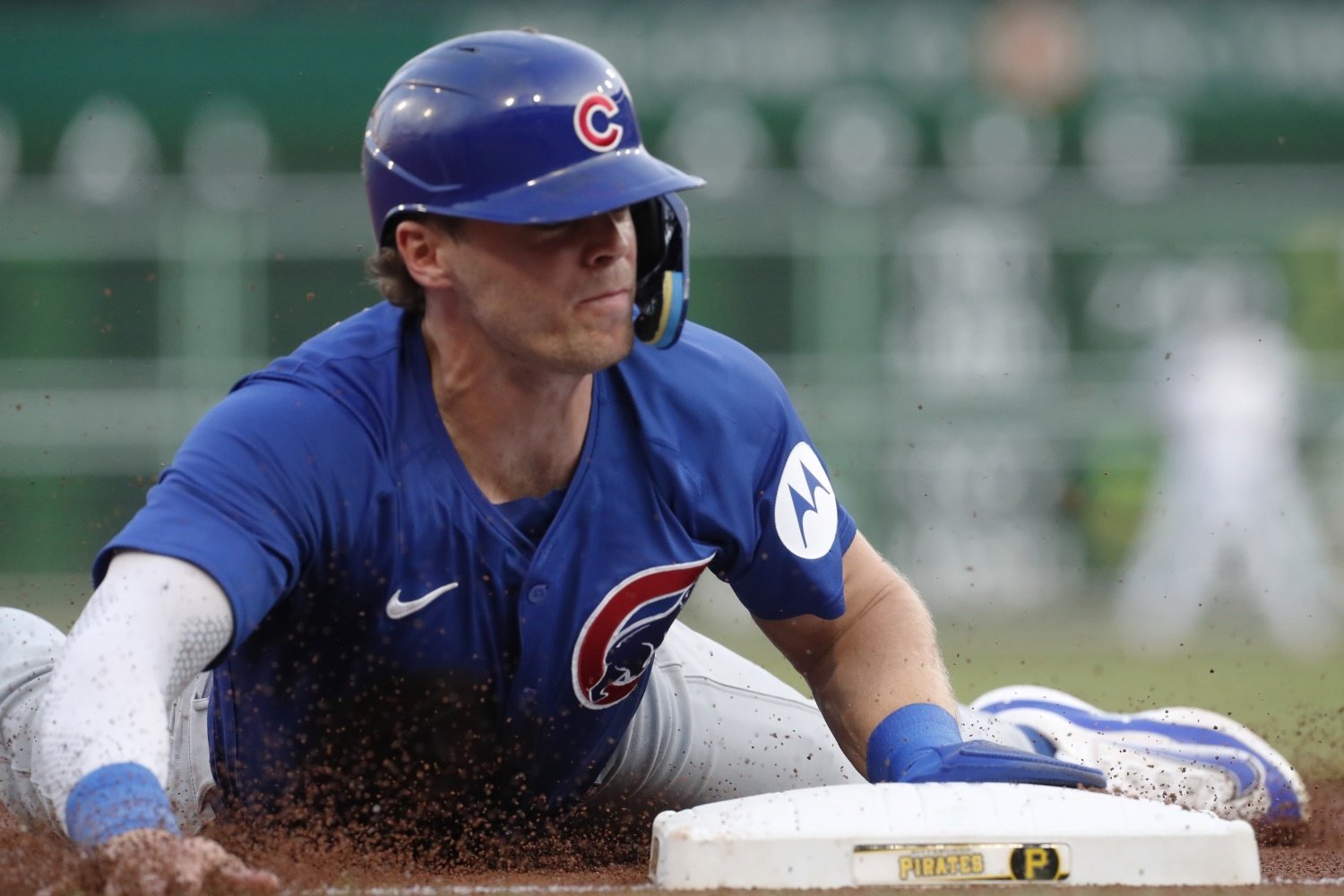 You can do lots of math around the breakeven success rate on stolen base attempts. In some situations, the odds are in a team's favor even if they're only 68% to succeed when sending a runner. In other situations, the number creeps past 75%. Much depends on the game state, but the identities of the batter (and those due up behind them) and the pitcher count for something, too. The weather conditions matter. Injury risk has to be priced in, at times. It's a tricky calculation. Let's start, then, with a simpler one: Divide 120 by 143, and you get 0.839. That's the Cubs' success rate on steals in 2024: 83.9%. You can do lots and lots of math with breakeven rates, but they all come in well below that. The Cubs are eighth in MLB in Go Rate, a metric that divides steal attempts by plate appearances in which a player had a clear opportunity to attempt a steal. Based on the frequency with which they've succeeded, they should be thinking more about Go and less about Rates. Obviously, not everyone can or should steal bases. However, as the season has unfolded, it's become increasingly clear that the Cubs have several players capable of thievery--and that they're coaching them up well. Seiya Suzuki was a downright bad basestealer over his first two seasons in MLB. With 15 steals and 12 times caught stealing, he was actively hurting the team by taking off. He was caught on his first attempt this spring, on Apr. 14, too. Since then, though, he's 11-for-15, a respectable 73.3% success rate. Ian Happ is now 11-for-13 on the season, and 9-for-10 since Jun. 1. You already know about the exploits of Pete Crow-Armstrong, Nico Hoerner, and even Dansby Swanson, who has made speed a newly important part of his game over the last five weeks. In the modern game, with the pitch clock as a subtle mechanism for timing a pitcher up and the rules against disengagements as a deterrent to throwing over to limit leads, it doesn't require blinding speed to effectively steal bases. The Twins, for instance, are one of the slowest teams in the league, but some of even their slowest players are also their best basestealers. They simply catch pitchers, not napping, but triaging their tasks and sliding the slow-footed runner down their mental priority list. Anthony Rizzo used to exploit this brilliantly. During one stretch of more frequent play earlier this year, Patrick Wisdom did it well, too. Michael Busch might be the next project for the coaching staff. A good on-base guy whose feel for baserunning is better than it seems, he's shown no comfort at all stealing bases so far this year. He should have that ability, though. He just needs to learn to use it. Just 2-for-3 so far this year, he would be a good candidate to sneakily take a half-dozen bags down the stretch, if the team can help him commit to the bit--even if it means getting caught a couple of times, for learning purposes. The thing is, if you're getting caught as infrequently as the Cubs are and hitting for power as inconsistently as the Cubs are, you need to be running even more. The team is third in MLB in Go Rate in the month of August, but there's room to push further, and they should explore it. For as long as the team remains theoretically in the playoff race, every run counts, and their aggressive style on the bases is paying dividends. Those dividends could be even bigger, if the team got even more ruthlessly daring.
 -
The quintessential throwback shortstop of his time is throwing his game back to a style he's never actually played before. Image courtesy of © David Richard-USA TODAY Sports The constant in Dansby Swanson's game--the meat in the sandwich, around which toppings and bread styles can change without the essence materially doing so--is his defense. His offensive contributions have always been variable, prone to long slumps and impressively long streaks. However, the shape of that production has been fairly consistent. Swanson is a power-over-OBP guy. He hits for average, maybe, sometimes, as a product of hitting the ball hard when he's seeing it well, but he runs a high strikeout rate and a low-to-average walk rate. His strength at the plate lies in his ability to rack up extra bases more often than many shortstops. In his final three seasons with Atlanta, when he came into his own at the plate, he had a .265/.324/.451 slash line. He averaged 21 home runs and almost 50 extra-base hits per year, even though one of those seasons was the pandemic-shortened 2020. That power--the foundation of his offensive game, at his peak--has been missing for a long time, now. It was a crisis that threatened his viability as an everyday player. He batted .212/.282/.350 in the first half of 2024, after going .212/.297/.346 over his final 200 plate appearances in 2023. The batting averages there drag down both of the other numbers, but viewed another way, the fact that his isolated power fell from .186 over a three-season stretch in Atlanta to .137 over a full season's worth of games from August of last year through the break this year indicates a lower quality of contact. He wasn't hitting for average for the same reason he wasn't hitting for power: too many rolled-over ground balls, too many whiffs, not enough juice behind the ball when he hit it. Those are three different problems, but they're also related. They're about what you're looking for, as well as how your body moves. Fixing them is difficult, because when you're experiencing all of them, you're very much in multi-system failure. Like a knot that has been pulled tighter and compounded by tangling and time, it's hard to get the situation unwound even far enough to identify and tackle the underlying issue. For the moment, it seems like Swanson has given up on trying to be his whole, natural self at the plate. That sounds bad, but it might be exactly what the moment demanded of him. Since the All-Star break, Swanson is batting .268/.339/.366, a combination of modest-but-solid batting average and below-average power you just never see from him. He's commanding the strike zone much better, with his strikeout rate down from 27.0% before the break to 20.5% and his walk rate up from 8.3% to 10.2%, but his batted-ball data all says that those changes are a matter of giving up power to put the ball in play. That jibes, too, with what I broke down on Swanson almost three weeks ago. As that article pointed out, Swanson is getting on base with some dribblers and some bloopers recently. Even his double in Sunday's finale in Miami was a space-finder, rather than a wall-banger. He's become an effective hitter, for a little over a month now, purely piling up singles and walks. The key to making that a dynamic offensive profile, though, is speed. It takes a little bit of it to reach on those choppers to the left side, and a little bit of it to get to second on those maybe-doubles that require some courage and hustle. It also takes a good deal of it (and another helping of nerve) to steal bases. Swanson isn't slow, per se, but he's not especially fast, and he has absolutely never made that a substantial part of his game in the big leagues. He did steal a career-high 18 bases in his walk year with Atlanta (almost everyone lucky enough to reach what can be readily identified as a walk year will set their career high in steals in that season; it's just good business), but he was caught seven times in the process, washing out most of that value. Remove that year from the equation, and Swanson has never stolen more than 10 bases in the big leagues--at least, he hadn't, before now. At the All-Star break, Swanson (whom many believe has been hampered this season by a nagging knee injury that might require further intervention this offseason) was just 5-for-8 in steal attempts on the year. He took bags in back-to-back games in the team's mid-June trip to San Francisco, but otherwise, he hadn't even attempted a steal since May 1. After swiping third after hitting a double Sunday afternoon, Swanson now has nine steals in as many tries over the last five weeks. He's up to 14 on the year. In the first half, Swanson attempted steals in 6.2% of his opportunities. Since the break, that rate has more than doubled, to 14.3%. He is, in one way of looking at it, pretty much what Nico Hoerner has been for the last few years--not quite what Hoerner has been when he's been going well, but what he's been overall. There's a solid batting average and good plate discipline here. There is, suddenly, a huge speed element. Power is still absent, and that should concern us. The fact that Swanson has come out of the break running so well and so eagerly is encouraging, since it would seem to tell us that his knee is feeling better after five days off--but the fact that his power didn't come back might mean that it's gone in a more lasting way than we previously guessed. For now, what matters is that Swanson is finding ways to make big and valuable contributions to the team, even in the absence of what has typically been his signature offensive skill. Maybe he can come out on the other side of these struggles as a better and more well-rounded hitter than ever, but in all likelihood, what we're really looking at is just a great competitor getting creative in the pursuit of utility. That leaves a whole universe of possible futures on the table. View full article
-
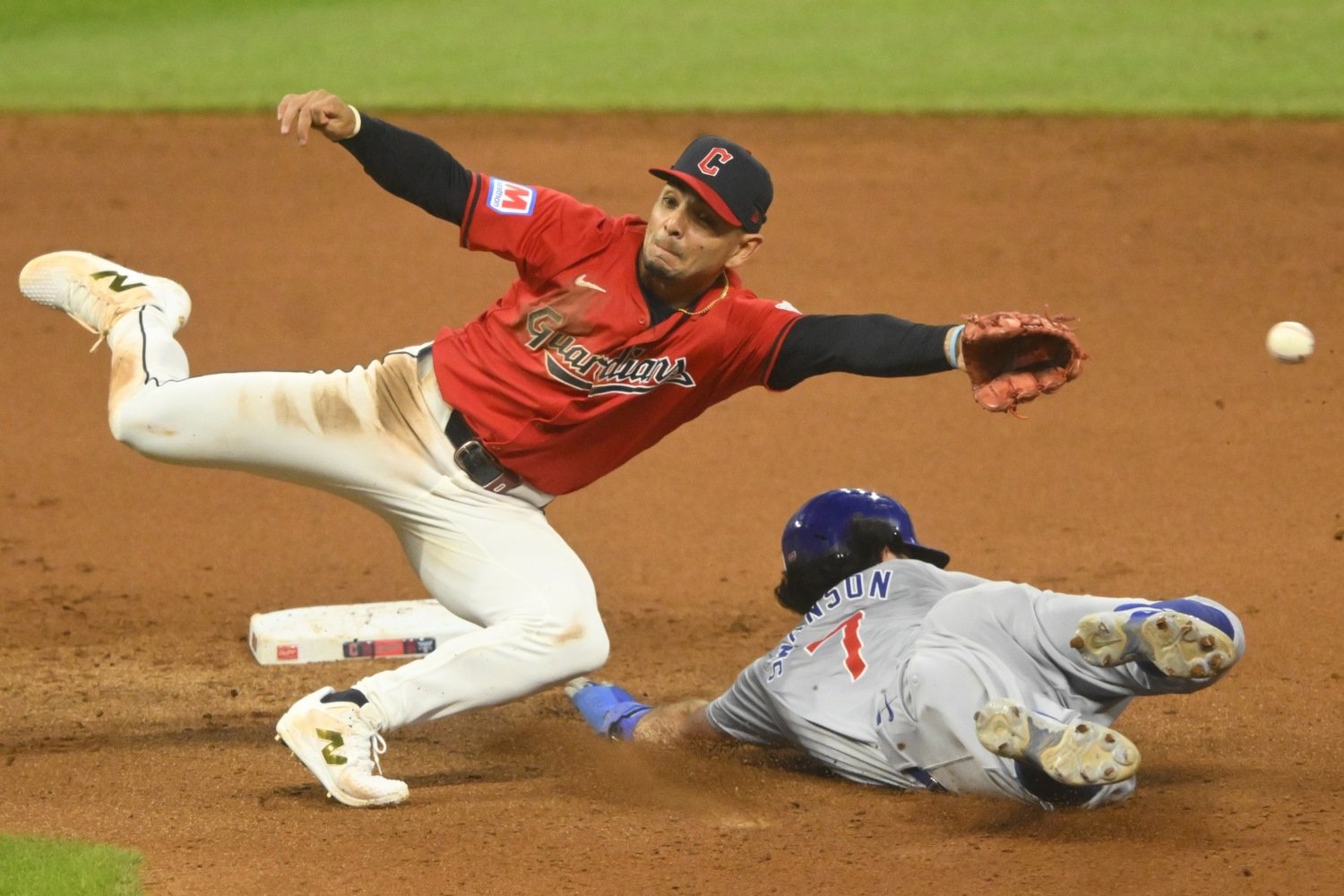 The constant in Dansby Swanson's game--the meat in the sandwich, around which toppings and bread styles can change without the essence materially doing so--is his defense. His offensive contributions have always been variable, prone to long slumps and impressively long streaks. However, the shape of that production has been fairly consistent. Swanson is a power-over-OBP guy. He hits for average, maybe, sometimes, as a product of hitting the ball hard when he's seeing it well, but he runs a high strikeout rate and a low-to-average walk rate. His strength at the plate lies in his ability to rack up extra bases more often than many shortstops. In his final three seasons with Atlanta, when he came into his own at the plate, he had a .265/.324/.451 slash line. He averaged 21 home runs and almost 50 extra-base hits per year, even though one of those seasons was the pandemic-shortened 2020. That power--the foundation of his offensive game, at his peak--has been missing for a long time, now. It was a crisis that threatened his viability as an everyday player. He batted .212/.282/.350 in the first half of 2024, after going .212/.297/.346 over his final 200 plate appearances in 2023. The batting averages there drag down both of the other numbers, but viewed another way, the fact that his isolated power fell from .186 over a three-season stretch in Atlanta to .137 over a full season's worth of games from August of last year through the break this year indicates a lower quality of contact. He wasn't hitting for average for the same reason he wasn't hitting for power: too many rolled-over ground balls, too many whiffs, not enough juice behind the ball when he hit it. Those are three different problems, but they're also related. They're about what you're looking for, as well as how your body moves. Fixing them is difficult, because when you're experiencing all of them, you're very much in multi-system failure. Like a knot that has been pulled tighter and compounded by tangling and time, it's hard to get the situation unwound even far enough to identify and tackle the underlying issue. For the moment, it seems like Swanson has given up on trying to be his whole, natural self at the plate. That sounds bad, but it might be exactly what the moment demanded of him. Since the All-Star break, Swanson is batting .268/.339/.366, a combination of modest-but-solid batting average and below-average power you just never see from him. He's commanding the strike zone much better, with his strikeout rate down from 27.0% before the break to 20.5% and his walk rate up from 8.3% to 10.2%, but his batted-ball data all says that those changes are a matter of giving up power to put the ball in play. That jibes, too, with what I broke down on Swanson almost three weeks ago. As that article pointed out, Swanson is getting on base with some dribblers and some bloopers recently. Even his double in Sunday's finale in Miami was a space-finder, rather than a wall-banger. He's become an effective hitter, for a little over a month now, purely piling up singles and walks. The key to making that a dynamic offensive profile, though, is speed. It takes a little bit of it to reach on those choppers to the left side, and a little bit of it to get to second on those maybe-doubles that require some courage and hustle. It also takes a good deal of it (and another helping of nerve) to steal bases. Swanson isn't slow, per se, but he's not especially fast, and he has absolutely never made that a substantial part of his game in the big leagues. He did steal a career-high 18 bases in his walk year with Atlanta (almost everyone lucky enough to reach what can be readily identified as a walk year will set their career high in steals in that season; it's just good business), but he was caught seven times in the process, washing out most of that value. Remove that year from the equation, and Swanson has never stolen more than 10 bases in the big leagues--at least, he hadn't, before now. At the All-Star break, Swanson (whom many believe has been hampered this season by a nagging knee injury that might require further intervention this offseason) was just 5-for-8 in steal attempts on the year. He took bags in back-to-back games in the team's mid-June trip to San Francisco, but otherwise, he hadn't even attempted a steal since May 1. After swiping third after hitting a double Sunday afternoon, Swanson now has nine steals in as many tries over the last five weeks. He's up to 14 on the year. In the first half, Swanson attempted steals in 6.2% of his opportunities. Since the break, that rate has more than doubled, to 14.3%. He is, in one way of looking at it, pretty much what Nico Hoerner has been for the last few years--not quite what Hoerner has been when he's been going well, but what he's been overall. There's a solid batting average and good plate discipline here. There is, suddenly, a huge speed element. Power is still absent, and that should concern us. The fact that Swanson has come out of the break running so well and so eagerly is encouraging, since it would seem to tell us that his knee is feeling better after five days off--but the fact that his power didn't come back might mean that it's gone in a more lasting way than we previously guessed. For now, what matters is that Swanson is finding ways to make big and valuable contributions to the team, even in the absence of what has typically been his signature offensive skill. Maybe he can come out on the other side of these struggles as a better and more well-rounded hitter than ever, but in all likelihood, what we're really looking at is just a great competitor getting creative in the pursuit of utility. That leaves a whole universe of possible futures on the table.
 -
The Cubs' 2023 first-round pick is a good player, and he's hit very well in the upper minors this season. That said, there are big adjustments (and therefore, plenty of risk) left to make for him, and it's premature to hope he can help the big-league team any time before the middle of next season. Image courtesy of © Cody Scanlan/The Register / USA TODAY NETWORK One of the privileges of living in our time is that we all have considerable access to highlights of even minor-league players. It's easier to get tangibly excited, and to gain a real sense of a player's strengths, than it was for fans who wanted to follow top prospects a decade or two ago--let alone those who sought to do so in the 20th century. We've had that ever-growing treasury of highlights for several years now, as decent broadcasts proliferated through the minor leagues and intrepid Twitter users learned to clip them and share short videos. Only very recently, though, have we also gained advanced data on some players in the minors, so we can try to marry up what we see on Twitter with what the numbers say. This is a crucial step. No one shares highlights of a great pitching prospect giving up two ringing doubles in one inning, or of a future slugger striking out three times. We can, and do, get carried away when we focus only on highlights. The numbers ground us, and for players who reach Triple A, we have better numbers than ever. If that preamble has you a little bit nervous about what I'm here to say about Matt Shaw... well, good, actually. That's appropriate. While Shaw is a legitimate and solid prospect, Twitter hype around him is getting out of control, and the major purpose of this piece will be to rein it in a bit. Shaw, 22, has had a very good first full season in professional baseball, but there are big questions remaining and some important things he will need to work hard to change this winter, if he hopes to contribute to the Cubs at the MLB level any time before next year's All-Star break. Shaw has 433 total plate appearances this season: 371 at Double-A Tennessee, and 62 at Triple-A Iowa. For the Smokies, he batted .279/.373/.468, and since his promotion, he's barely missed a beat, hitting .255/.387/.451. The highlights are flying, fast and furious. Ah, but when it comes to the minor leagues, neither the highlights nor the surface-level success tell a full story. After all, the question for Cubs fans is: Will Shaw soon, or eventually, be able to hit the best pitching in the world? And the problem with the International League, as a place to seek answers to that question, is that those aren't the best pitchers in the world. If you want to know how Shaw will fare when he does encounter that level of competition, you have to look under the hood--and you have to watch the highlights with a critical eye, rather than a merely excited one. Here's one important data point: Shaw is whiffing on 29.9% of his swings so far against Triple-A pitching. He's done better against fastballs, but that only underscores the problem here. His whiff rate on offspeed and breaking pitches is around 42%. We don't have pitch-type breakdowns for his time in Double-A, but we can say that his overall whiff rate there was a more manageable 23.2%. That's good, but not exceptional, and probably not good enough for a hitter most people expected to be a hit-over-power player in the big leagues. Then again, Shaw has shown a bit more pop than those same people might have expected. He only has 32 extra-base hits on the season, but 17 of them have cleared the wall. In his short time in Iowa, he's hit 13 balls at more than 100 miles per hour off the bat, and his 90th-percentile exit velocity is 106.2 miles per hour. It's impressive that, in just a few weeks at the level, he already has at least one batted ball with a triple-digit exit velocity and a positive launch angle against five different pitch types. Is there a whole lot more power here than was projected from Shaw? In short: probably not. That's a slightly cruel pun, but a necessary one. Shaw is listed at 5-foot-9, which might be generous. Being short does not disqualify one from hitting for power, of course. José Altuve does alright for himself. So did Dustin Pedroia, to whom Shaw has drawn the odd comparison anyway. The smaller you are, though, the more work has to go into generating power. So far, in his professional career, Shaw is doing that work with a huge leg kick. You can see it in the video above. You can also see how vulnerable that will be to elite stuff, especially from more polished and wily pitchers. Shaw false starts while waiting for the pitcher to kick and fire. That can happen, if a hitter is balanced and very talented, which Shaw proves himself to be by staying through the ball and driving it the way he does. Still, pitchers with more looks at him and more, better pitches at their disposal will wreck him until he creates a more balanced timing element for his swing. When we talk about timing in hitting, we tend to think of making a fast enough swing to keep up with the fastball, and about having hands smart enough to adjust the bat path when it turns out not to be a fastball coming. It's really more than that, though. The fight to get timing right starts before the pitcher even delivers the ball. It's an adversarial dance between batter and pitcher, and when you use a leg kick as big as Shaw's, you can pretty easily be forced out of step. Moreover, we shouldn't fail to notice the low number of overall extra-base hits, just because more than half have cleared the shallower fences of the minor leagues. If Shaw can't consistently produce gap power, the pressure on his profile increases. He'll have to either adopt an Isaac Paredes- or Altuve-style pull-heavy approach designed to get him to 20-plus homers (unlikely to work, in his case), or dramatically increase those contact rates. Doing the latter with the leg kick intact is even more unlikely than Shaw maturing into a surprise slugger. Athletes good enough to find success this far up the competitive chain have already been through some adjustments, and know they'll have to make more. Shaw might very well make a big set of changes this winter, quieting his leg kick or modifying the way he balances his body during it, and come to camp next year ready to compete for a roster spot. He's nowhere near ready to have success in the majors yet, though, and in fact, it would be wise to keep a lid on optimism about him for the time being. He's likely to be a big-leaguer, but paradoxically, his success in his pro stops so far doesn't actually augur stardom. Rather, pro pitchers have shown him what he'll have to do to catch up to and eventually beat their betters. Hopefully, Shaw and the Cubs see that writing on the walls, even as fly balls keep carrying over them off Shaw's bat. View full article
-
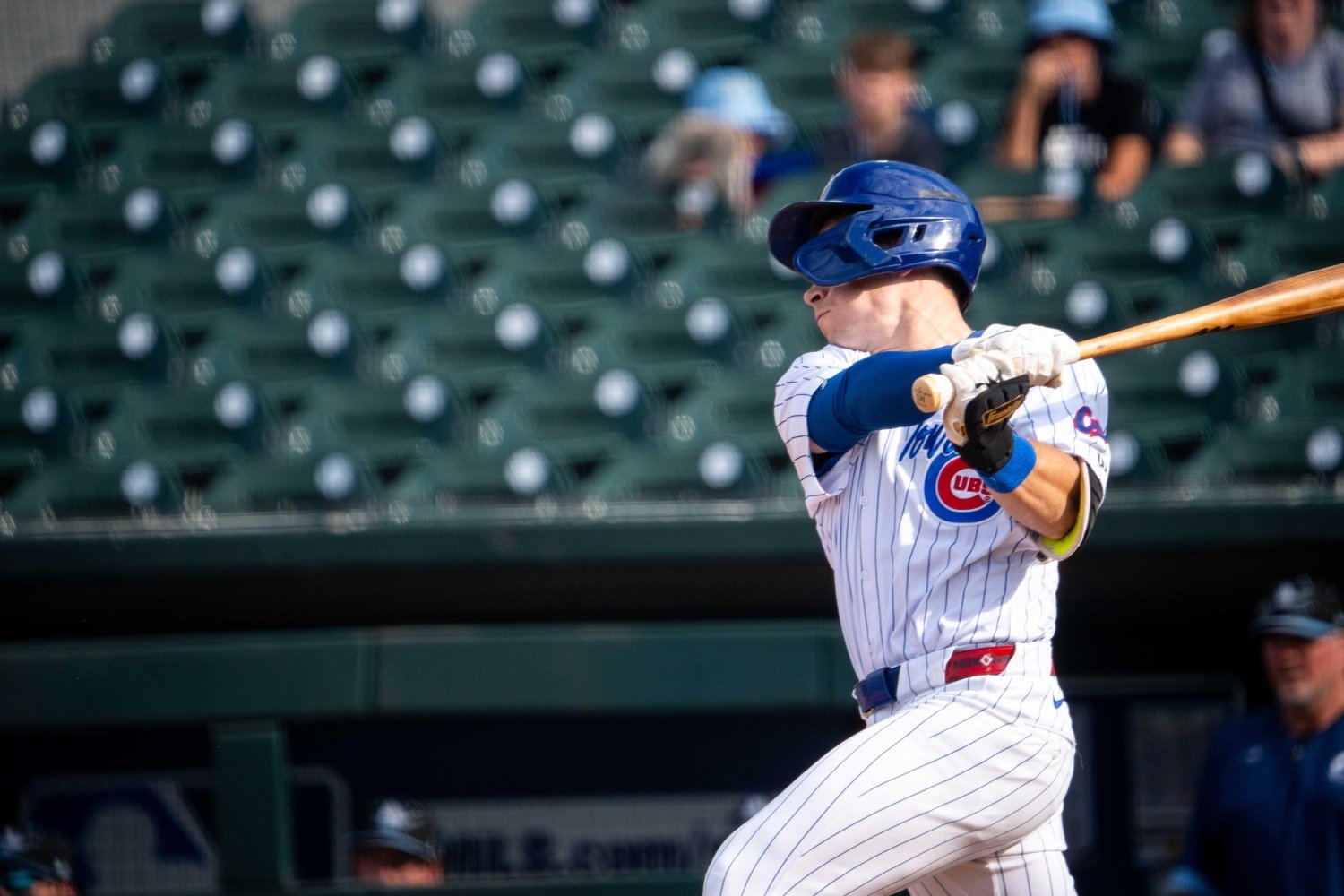 One of the privileges of living in our time is that we all have considerable access to highlights of even minor-league players. It's easier to get tangibly excited, and to gain a real sense of a player's strengths, than it was for fans who wanted to follow top prospects a decade or two ago--let alone those who sought to do so in the 20th century. We've had that ever-growing treasury of highlights for several years now, as decent broadcasts proliferated through the minor leagues and intrepid Twitter users learned to clip them and share short videos. Only very recently, though, have we also gained advanced data on some players in the minors, so we can try to marry up what we see on Twitter with what the numbers say. This is a crucial step. No one shares highlights of a great pitching prospect giving up two ringing doubles in one inning, or of a future slugger striking out three times. We can, and do, get carried away when we focus only on highlights. The numbers ground us, and for players who reach Triple A, we have better numbers than ever. If that preamble has you a little bit nervous about what I'm here to say about Matt Shaw... well, good, actually. That's appropriate. While Shaw is a legitimate and solid prospect, Twitter hype around him is getting out of control, and the major purpose of this piece will be to rein it in a bit. Shaw, 22, has had a very good first full season in professional baseball, but there are big questions remaining and some important things he will need to work hard to change this winter, if he hopes to contribute to the Cubs at the MLB level any time before next year's All-Star break. Shaw has 433 total plate appearances this season: 371 at Double-A Tennessee, and 62 at Triple-A Iowa. For the Smokies, he batted .279/.373/.468, and since his promotion, he's barely missed a beat, hitting .255/.387/.451. The highlights are flying, fast and furious. Ah, but when it comes to the minor leagues, neither the highlights nor the surface-level success tell a full story. After all, the question for Cubs fans is: Will Shaw soon, or eventually, be able to hit the best pitching in the world? And the problem with the International League, as a place to seek answers to that question, is that those aren't the best pitchers in the world. If you want to know how Shaw will fare when he does encounter that level of competition, you have to look under the hood--and you have to watch the highlights with a critical eye, rather than a merely excited one. Here's one important data point: Shaw is whiffing on 29.9% of his swings so far against Triple-A pitching. He's done better against fastballs, but that only underscores the problem here. His whiff rate on offspeed and breaking pitches is around 42%. We don't have pitch-type breakdowns for his time in Double-A, but we can say that his overall whiff rate there was a more manageable 23.2%. That's good, but not exceptional, and probably not good enough for a hitter most people expected to be a hit-over-power player in the big leagues. Then again, Shaw has shown a bit more pop than those same people might have expected. He only has 32 extra-base hits on the season, but 17 of them have cleared the wall. In his short time in Iowa, he's hit 13 balls at more than 100 miles per hour off the bat, and his 90th-percentile exit velocity is 106.2 miles per hour. It's impressive that, in just a few weeks at the level, he already has at least one batted ball with a triple-digit exit velocity and a positive launch angle against five different pitch types. Is there a whole lot more power here than was projected from Shaw? In short: probably not. That's a slightly cruel pun, but a necessary one. Shaw is listed at 5-foot-9, which might be generous. Being short does not disqualify one from hitting for power, of course. José Altuve does alright for himself. So did Dustin Pedroia, to whom Shaw has drawn the odd comparison anyway. The smaller you are, though, the more work has to go into generating power. So far, in his professional career, Shaw is doing that work with a huge leg kick. You can see it in the video above. You can also see how vulnerable that will be to elite stuff, especially from more polished and wily pitchers. Shaw false starts while waiting for the pitcher to kick and fire. That can happen, if a hitter is balanced and very talented, which Shaw proves himself to be by staying through the ball and driving it the way he does. Still, pitchers with more looks at him and more, better pitches at their disposal will wreck him until he creates a more balanced timing element for his swing. When we talk about timing in hitting, we tend to think of making a fast enough swing to keep up with the fastball, and about having hands smart enough to adjust the bat path when it turns out not to be a fastball coming. It's really more than that, though. The fight to get timing right starts before the pitcher even delivers the ball. It's an adversarial dance between batter and pitcher, and when you use a leg kick as big as Shaw's, you can pretty easily be forced out of step. Moreover, we shouldn't fail to notice the low number of overall extra-base hits, just because more than half have cleared the shallower fences of the minor leagues. If Shaw can't consistently produce gap power, the pressure on his profile increases. He'll have to either adopt an Isaac Paredes- or Altuve-style pull-heavy approach designed to get him to 20-plus homers (unlikely to work, in his case), or dramatically increase those contact rates. Doing the latter with the leg kick intact is even more unlikely than Shaw maturing into a surprise slugger. Athletes good enough to find success this far up the competitive chain have already been through some adjustments, and know they'll have to make more. Shaw might very well make a big set of changes this winter, quieting his leg kick or modifying the way he balances his body during it, and come to camp next year ready to compete for a roster spot. He's nowhere near ready to have success in the majors yet, though, and in fact, it would be wise to keep a lid on optimism about him for the time being. He's likely to be a big-leaguer, but paradoxically, his success in his pro stops so far doesn't actually augur stardom. Rather, pro pitchers have shown him what he'll have to do to catch up to and eventually beat their betters. Hopefully, Shaw and the Cubs see that writing on the walls, even as fly balls keep carrying over them off Shaw's bat.
 -
A major mechanical change made early last month has drawn a lot of attention, but it might be a bit of a red herring. Image courtesy of © Patrick Gorski-USA TODAY Sports As baseball fans, it can be frustratingly difficult to see the difference between a player making good moves on the mound or at the plate, and one who's failing. So many of the mechanical separators, in this game of inches played on several acres, are subtle enough to completely slip by even a relatively engaged fan. It's not an easy game to love, sometimes. That's why, as fans, we get especially excited when a player makes a successful adjustment that runs toward the broad and obvious. It's reassuring. The game opens up for us a bit, because we feel like we can see what's happening. It's hard to figure out why Kyle Hendricks's sinker won't quite tuck into the landing spot he was aiming for anymore, but it's easy to see what changed for Miguel Amaya during the first week of July. For those who missed the story, it was well-documented by Marquee's Andy Martinez. During an interregnum in which they gave backup catcher Tomás Nido three straight starts to reset their young catcher, the Cubs coaching staff approached Amaya about utilizing a toe drag--another name for it might be a toe turn; it involves turning the heel of the batter's front foot skyward and the sole of their cleat toward the pitcher--instead of the leg kick that had been his way of getting into his stride for his whole life to that point. Amaya felt deeply uncomfortable, but he agreed to try it--not just because, as Martinez reported, the team asked Nelson Cruz to endorse the mechanical tweak, but because (as Cruz basically relayed to the youngster) there really wasn't much to lose. From mid-April through the time of that change, Amaya batted .164/.234/.207, in 155 plate appearances. He was, in a sense, very lucky the Cubs had no real alternatives to him throughout that time. That's a slump long and deep enough to terminate a career. As I wrote when Statcast began publishing bat-tracking data in early May, Amaya was one of the stars of that reveal, from a Cubs perspective. However, the headline of that very article lays bare what held him back: "Miguel Amaya Has to Rediscover His Plate Discipline." He was swinging at everything, and that was holding him back, far more than any mechanical element. That said, there's no doubt that mechanics and approach have a relationship to one another. Let's turn around the concept for a moment, to demonstrate. Here's Amaya, from early June, being frozen on a breaking ball up in the zone, the kind of pitch he should have hit and that was in the zone from the moment it left the pitcher's hand. Amaya Frozen.mp4 Let a lot of pitches like that one go, and you don't last long in the league. The problem was that, with the leg kick, Amaya was wired into one particular pitch type every time he dug into the box. He had to guess along with pitchers, because his timing was not very adaptable. If he got the breaking ball when he was sitting on a heater, he either flailed hopelessly at it or locked up completely. Relatedly, pitchers could beat him with even mediocre fastballs on the inner half, because in order to leave anything for the breaking ball, he had to start a little bit too late to get to inside heat. Amaya Whiff June on Sinker.mp4 One of the chief advantages of the toe drag is that it's a very balanced, adaptable timing mechanism. Cruz is not its most famous practitioner, by a longshot: it's what Shohei Ohtani does in the box. Making the change to a toe drag has, by any reasonable criteria, worked gorgeously. Since being reinstalled in the lineup with his new setup and timing mechanism on Jul. 7, Amaya is hitting .299/.341/.506, in 85 plate appearances. He's cut his strikeout rate nearly in half. His grand slam on Thursday afternoon was an affirmation of his huge progress over the last month and a half. There are two natural questions to ask, in the wake of this turnaround. The first is much more important: Can he sustain this? The second is purely for our intellectual curiosity: Is the improvement a direct result of the mechanical change? Unfortunately, I'm not sure the answer to either question is "yes," at least so far. Let's dig in on it. We can start with good news. Remember that high-and-away slider that locked up Amaya with his old moves in the box? Here's a similar pitch, on the other side of his change. Amaya w Toe Turn.mp4 You can see that extra balance, and the ability to slightly alter when he fires his hands, while tracking the ball well. This is why he's made more contact since the change, and why he's able to hit for average with the new swing--at least so far. With a smaller set of moves in his lower half, Amaya can also get his barrel cleanly through and hit the inside fastball more squarely. Amaya Gets Hands In.mp4 That's two different problems we could clearly identify in his attack before going to the toe drag, at least partially solved by the switch thereto. That's exciting, especially as mere anecdotes within the broader context of those gaudy numbers since the change. Why, then, should anyone think the mechanical change inessential to the improved results? Well, consider this chart, showing the rolling average of Amaya's chase rate by week throughout the season. This is the percentage of pitches outside the strike zone at which he swings. As we discussed above, there is almost always some relationship between mechanics and approach. Still, what the right side of this chart suggests most to me is not an epiphany about plate discipline fueled by a mechanical cleanup. Rather, it looks like an overly aggressive hitter swung less often for a while, due to a deep discomfort with a new physical swing. We don't even really have to speculate to say that. In the piece by Martinez linked above, coaches acknowledged that the transition was difficult for Amaya. If he's going to go back to swinging at nearly 40% of the non-strikes he sees now that he's comfortable in his swing again, as has been the case for much of August, the good times are not going to last. On the other hand, swinging more because one is more comfortable can be a good thing. It can mean one has figured out how to really use a new or modified swing. In that case, it would be a good thing to see a hitter change their swing rate, within reason. They might just take off as a slugger. Indeed, Amaya and the coaches talked about his feeling weak and unable to generate power when he first made the switch to the toe drag. The cage work was uneasy, because he couldn't get the force he wanted to--the force he was used to--into his swing. Over the last few weeks, that's changed. That cavernous drop in his rolling average swing speed for the early part of July is Amaya really struggling to generate the bat speed that is a huge part of his game. The new swing was not an easy install. The big jump to a level beyond the one he established early this season after that, though, says he's gotten through that difficult period of adjustment. He's figured out, even without the near-superhuman strength that allowed Cruz and allows Ohtani to do it, how to create lethal bat speed with the toe drag in place of the leg kick. The homers he's hit over the last week are clear evidence of his consolidating talent. Amaya w Toe Turn on Heat.mp4 That said and shown, though, Amaya's average and high-end exit velocities are both down since the change. Even now that he's creating more bat speed than ever, he's not squaring the ball up measurably more than he did with his old swing, in terms of getting actual exit velocity out of his swing speed. Furthermore, since ratcheting the speed of his swing back up, he's also whiffing and chasing more. Here, then, is a grand unified theory of the Miguel Amaya Renaissance, complete with a forecast of its future: Amaya needed a change that would spark a turnaround, not primarily in his address of the ball, but in his pitch selection and plate approach. Multiple mechanical changes might have accomplished this, because part of the effect was designed to be akin to a placebo: Boost his confidence, so he can regain a sense of control and take a more focused tack in the box. However, the toe drag nicely facilitates Amaya's natural power, as evidenced by some of its other famous users. It also directly addressed the major vulnerability of his swing, which was manipulable timing, which made the fit felicitous. Some of what we've seen since the change is the result of better swing decisions, which could just as easily have been made without the mechanical tweaks. Importantly, that improved decision-making has eroded recently. Most of his future viability as a first-division backstop depends on those swing decisions. Still, the simultaneous increase in swing speed and swing rate recently tells us Amaya is getting more comfortable with the new setup. In the long run, that's a good thing. Will Amaya finish turning the corner and enter the offseason as the team's clear first-string catcher for 2025? It's hard to guess, right now. However, with this better understanding of what's been happening since he made his swing change, we can reasonably hope to have a better sense of it by the end of the season. Six more weeks to study the integration of hitting concepts with this still-new timing signature should give us some real and meaningful insight into Amaya, and either way, that insight is highly valuable. His toe drag might not be a panacea, but it's an important step in both his development and his long-term evaluation. View full article
-
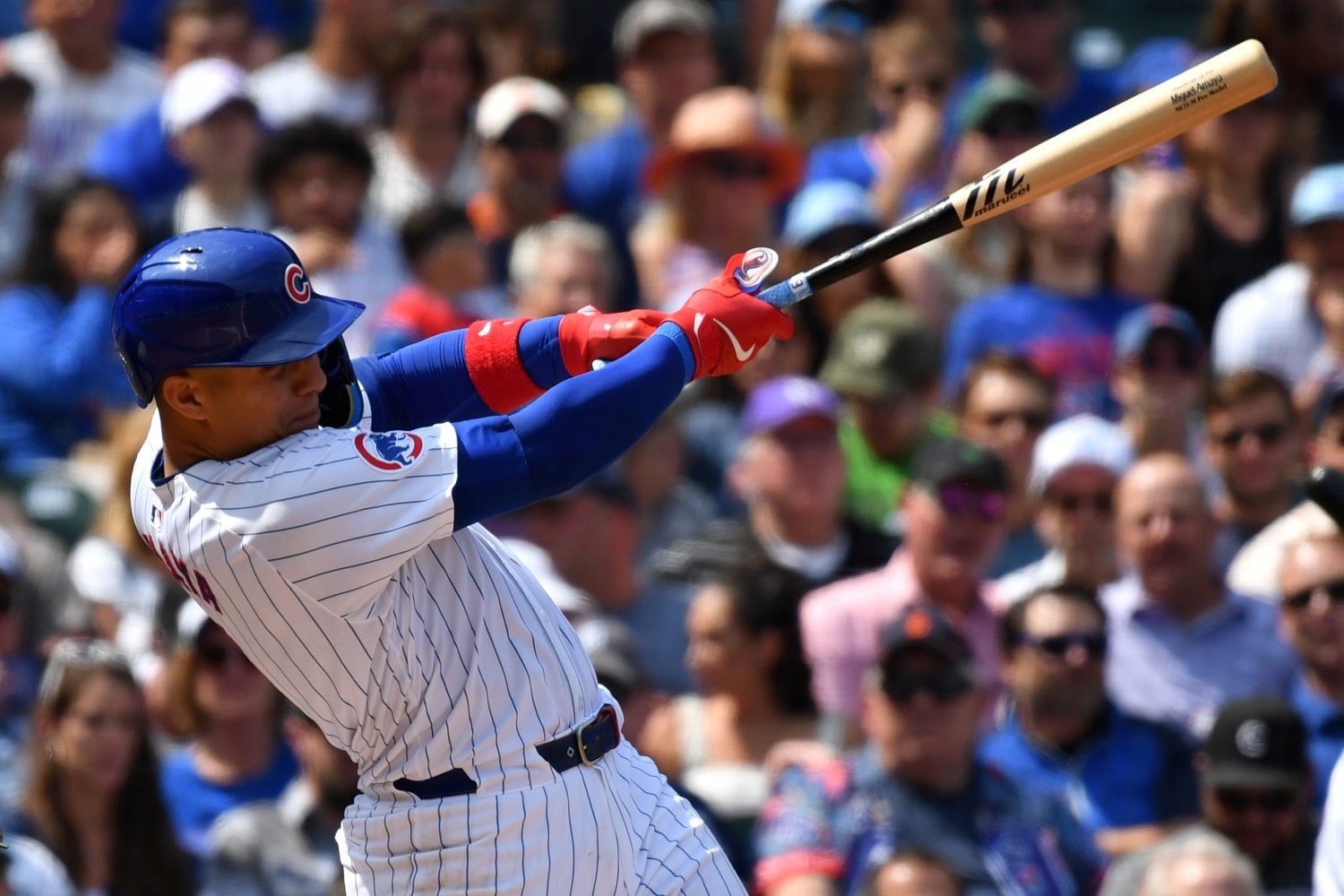 As baseball fans, it can be frustratingly difficult to see the difference between a player making good moves on the mound or at the plate, and one who's failing. So many of the mechanical separators, in this game of inches played on several acres, are subtle enough to completely slip by even a relatively engaged fan. It's not an easy game to love, sometimes. That's why, as fans, we get especially excited when a player makes a successful adjustment that runs toward the broad and obvious. It's reassuring. The game opens up for us a bit, because we feel like we can see what's happening. It's hard to figure out why Kyle Hendricks's sinker won't quite tuck into the landing spot he was aiming for anymore, but it's easy to see what changed for Miguel Amaya during the first week of July. For those who missed the story, it was well-documented by Marquee's Andy Martinez. During an interregnum in which they gave backup catcher Tomás Nido three straight starts to reset their young catcher, the Cubs coaching staff approached Amaya about utilizing a toe drag--another name for it might be a toe turn; it involves turning the heel of the batter's front foot skyward and the sole of their cleat toward the pitcher--instead of the leg kick that had been his way of getting into his stride for his whole life to that point. Amaya felt deeply uncomfortable, but he agreed to try it--not just because, as Martinez reported, the team asked Nelson Cruz to endorse the mechanical tweak, but because (as Cruz basically relayed to the youngster) there really wasn't much to lose. From mid-April through the time of that change, Amaya batted .164/.234/.207, in 155 plate appearances. He was, in a sense, very lucky the Cubs had no real alternatives to him throughout that time. That's a slump long and deep enough to terminate a career. As I wrote when Statcast began publishing bat-tracking data in early May, Amaya was one of the stars of that reveal, from a Cubs perspective. However, the headline of that very article lays bare what held him back: "Miguel Amaya Has to Rediscover His Plate Discipline." He was swinging at everything, and that was holding him back, far more than any mechanical element. That said, there's no doubt that mechanics and approach have a relationship to one another. Let's turn around the concept for a moment, to demonstrate. Here's Amaya, from early June, being frozen on a breaking ball up in the zone, the kind of pitch he should have hit and that was in the zone from the moment it left the pitcher's hand. Amaya Frozen.mp4 Let a lot of pitches like that one go, and you don't last long in the league. The problem was that, with the leg kick, Amaya was wired into one particular pitch type every time he dug into the box. He had to guess along with pitchers, because his timing was not very adaptable. If he got the breaking ball when he was sitting on a heater, he either flailed hopelessly at it or locked up completely. Relatedly, pitchers could beat him with even mediocre fastballs on the inner half, because in order to leave anything for the breaking ball, he had to start a little bit too late to get to inside heat. Amaya Whiff June on Sinker.mp4 One of the chief advantages of the toe drag is that it's a very balanced, adaptable timing mechanism. Cruz is not its most famous practitioner, by a longshot: it's what Shohei Ohtani does in the box. Making the change to a toe drag has, by any reasonable criteria, worked gorgeously. Since being reinstalled in the lineup with his new setup and timing mechanism on Jul. 7, Amaya is hitting .299/.341/.506, in 85 plate appearances. He's cut his strikeout rate nearly in half. His grand slam on Thursday afternoon was an affirmation of his huge progress over the last month and a half. There are two natural questions to ask, in the wake of this turnaround. The first is much more important: Can he sustain this? The second is purely for our intellectual curiosity: Is the improvement a direct result of the mechanical change? Unfortunately, I'm not sure the answer to either question is "yes," at least so far. Let's dig in on it. We can start with good news. Remember that high-and-away slider that locked up Amaya with his old moves in the box? Here's a similar pitch, on the other side of his change. Amaya w Toe Turn.mp4 You can see that extra balance, and the ability to slightly alter when he fires his hands, while tracking the ball well. This is why he's made more contact since the change, and why he's able to hit for average with the new swing--at least so far. With a smaller set of moves in his lower half, Amaya can also get his barrel cleanly through and hit the inside fastball more squarely. Amaya Gets Hands In.mp4 That's two different problems we could clearly identify in his attack before going to the toe drag, at least partially solved by the switch thereto. That's exciting, especially as mere anecdotes within the broader context of those gaudy numbers since the change. Why, then, should anyone think the mechanical change inessential to the improved results? Well, consider this chart, showing the rolling average of Amaya's chase rate by week throughout the season. This is the percentage of pitches outside the strike zone at which he swings. As we discussed above, there is almost always some relationship between mechanics and approach. Still, what the right side of this chart suggests most to me is not an epiphany about plate discipline fueled by a mechanical cleanup. Rather, it looks like an overly aggressive hitter swung less often for a while, due to a deep discomfort with a new physical swing. We don't even really have to speculate to say that. In the piece by Martinez linked above, coaches acknowledged that the transition was difficult for Amaya. If he's going to go back to swinging at nearly 40% of the non-strikes he sees now that he's comfortable in his swing again, as has been the case for much of August, the good times are not going to last. On the other hand, swinging more because one is more comfortable can be a good thing. It can mean one has figured out how to really use a new or modified swing. In that case, it would be a good thing to see a hitter change their swing rate, within reason. They might just take off as a slugger. Indeed, Amaya and the coaches talked about his feeling weak and unable to generate power when he first made the switch to the toe drag. The cage work was uneasy, because he couldn't get the force he wanted to--the force he was used to--into his swing. Over the last few weeks, that's changed. That cavernous drop in his rolling average swing speed for the early part of July is Amaya really struggling to generate the bat speed that is a huge part of his game. The new swing was not an easy install. The big jump to a level beyond the one he established early this season after that, though, says he's gotten through that difficult period of adjustment. He's figured out, even without the near-superhuman strength that allowed Cruz and allows Ohtani to do it, how to create lethal bat speed with the toe drag in place of the leg kick. The homers he's hit over the last week are clear evidence of his consolidating talent. Amaya w Toe Turn on Heat.mp4 That said and shown, though, Amaya's average and high-end exit velocities are both down since the change. Even now that he's creating more bat speed than ever, he's not squaring the ball up measurably more than he did with his old swing, in terms of getting actual exit velocity out of his swing speed. Furthermore, since ratcheting the speed of his swing back up, he's also whiffing and chasing more. Here, then, is a grand unified theory of the Miguel Amaya Renaissance, complete with a forecast of its future: Amaya needed a change that would spark a turnaround, not primarily in his address of the ball, but in his pitch selection and plate approach. Multiple mechanical changes might have accomplished this, because part of the effect was designed to be akin to a placebo: Boost his confidence, so he can regain a sense of control and take a more focused tack in the box. However, the toe drag nicely facilitates Amaya's natural power, as evidenced by some of its other famous users. It also directly addressed the major vulnerability of his swing, which was manipulable timing, which made the fit felicitous. Some of what we've seen since the change is the result of better swing decisions, which could just as easily have been made without the mechanical tweaks. Importantly, that improved decision-making has eroded recently. Most of his future viability as a first-division backstop depends on those swing decisions. Still, the simultaneous increase in swing speed and swing rate recently tells us Amaya is getting more comfortable with the new setup. In the long run, that's a good thing. Will Amaya finish turning the corner and enter the offseason as the team's clear first-string catcher for 2025? It's hard to guess, right now. However, with this better understanding of what's been happening since he made his swing change, we can reasonably hope to have a better sense of it by the end of the season. Six more weeks to study the integration of hitting concepts with this still-new timing signature should give us some real and meaningful insight into Amaya, and either way, that insight is highly valuable. His toe drag might not be a panacea, but it's an important step in both his development and his long-term evaluation.
 -
Accidental close “Heart Attack” Héctor Neris is out, and with the focus shifting to the Cubs’ future, it’s time to identify and install the Cubs’ next closing pitcher. Image courtesy of © Darren Yamashita-USA TODAY Sports Bullpen depth, health, and reliability have eluded Craig Counsell’s squad at some critical junctures of the 2024 campaign. Yet, amid a late-season renaissance from the unit, the North Siders’ next long-term shutdown closer just might already be on the roster. Let’s take a look at the standout candidates. Porter Hodge Splashing onto the scene earlier this summer, the sturdy 23-year-old righthander wields a terse but effective pitch arsenal, featuring a nasty fastball employed 66.2% of the time. With his penchant for throwing strikes and an ERA of 2.08, Hodge can blow it by opposing batters as well as anyone on the team this season, but his youth is what could make him a serious threat for years to come. It’s probably too early to tell, but the possibilities are tantalizing. Tyson Miller Don't mess with the Chicken Man. Since coming over from the Mariners, Miller has more than impressed. Though he is just over half a decade older than Hodge, Miller is elite when it comes to keeping other teams’ batters from reaching base, ranking in the 98th percentile. Versus Miller, opposing hitters have only managed an average exit velocity of 87.5 MPH, and a barrel rate of 7.0%. When Adbert Alzolay was at his best, he forced a ton of ground balls and got hitters out faster than the Old Style kegs run out at Bernie’s. Albeit with quirkier, less overpowering stuff, Miller can do much of the same. Jorge López Far from being a “horrible teammate”, Lopez has been a revelation since moving to the “City of Broad Shoulders”. With an ERA of 2.44 and a WHIP of 1.25, López looks inspired right now. His off-speed stuff dazzles, set up by a sinker he deploys 37.7% of the time. He is a longer shot for this role, especially considering his past performances, impending free agency, and age (31), when compared to his fellow closer candidates, but he touts a level of maturity and consistency that piques your interest. Honorable Mention Drew Smyly Smyly is not a viable candidate to be the Cubs’ closer of the future, but, he’s delivered a striking number of quality, low-stress appearances for the Cubs in 2024. This year, in 50 innings of work, Smyly lays claim to 43 punchouts, and is yet another Cubs’ pitcher with a sub-3 ERA of 2.88. His veteran presence and steadiness are an example of the confidence and stability needed in the Cubs’ next elite closer. The fact that Héctor Neris is no longer a Cub feels like one of the biggest wins of the season, purely from the standpoint that increasingly disgruntled fans wanted him gone--and so, too, did the Cubs’ brass, evidently. The Cubs need a closer who can get the final three outs better than anyone else in their division, and hopefully, better than the whole rest of the league. Is he already on the team, or will a winter shopping spree be the remedy? View full article
-
Even after leading the month with a walkoff double and a home run the next day, the team's erstwhile fourth outfielder has been virtually invisible. Image courtesy of © David Banks-USA TODAY Sports Back in spring training, Craig Counsell was proactive and firm. He sat down with Mike Tauchman right away to tell him he would be on the team, because Counsell rightly saw the immense value of Tauchman's offensive stability and defensive versatility. A high-OBP left-handed hitter who can acquit himself at all three outfield spots when the need arises, Tauchman was a perfect fit for the Cubs early in the season. While he was sidelined by a groin strain in June and July, though, the ground shifted. Firstly, it's become increasingly clear that the team itself understands the fact that Seiya Suzuki needs to be an everyday DH. That created some opportunity for Tauchman earlier in the year, but with the team trying hard to give a long runway to Pete Crow-Armstrong and evaluate him for a future role, it's ultimately squeezed him. With Crow-Armstrong in center and Michael Busch firmly established at first base, Cody Bellinger has taken over in right field. For as long as Busch, Crow-Armstrong, Ian Happ, Suzuki and Bellinger are healthy, it's clear that Counsell sees no room in the lineup for Tauchman. Entering Wednesday night's game, Tauchman has only 16 plate appearances in August. He last started on Aug. 7, and even pinch-hit opportunities have been scarce. The player Counsell was so excited to install as a heavily used rotational piece is now an afterthought at the far end of the bench. Some of this is planned obsolescence, of course. The team hoped Crow-Armstrong and Busch would assert themselves, and if they did, it was bound to make it tough to find playing time in the outfield and DH spots. Still, it's surprising, not least because the Cubs could have traded Tauchman to a contender at last month's deadline, giving him a chance to play a role like this on a team with a chance to win a World Series--and picking up some minor prospect in the exchange. If they were going to keep Tauchman, it seemed to make sense to create at least a modicum of playing time for him down the stretch, so they can make a more informed decision about retaining him on an arbitration-determined salary for next season. By stashing him as deep in the dugout as they have, they're missing that opportunity, after letting the chance to get even a fringe prospect in return for him slide by the boards. Injuries, sustained failure from Crow-Armstrong, or an unexpected opt-out by Bellinger could restore Tauchman's relevance going into 2025. Even if Crow-Armstrong flames out, the team would probably next hand off center field to Kevin Alcántara, but having Tauchman as a platoon partner and cushion for the young player could come in handy. A Bellinger departure would open up a lot of left-handed playing time. That makes it reasonable to keep Tauchman, but then, the team also has to make room for Owen Caissie on the 40-man roster come November, and if Caissie turns out to be a capable regular, he's likely to get there by the middle of next season. In other words, in even the rosiest scenario for Tauchman, he probably spends another first half floating around to find playing time, and then gets marginalized again next June or July. In that case, he would no longer have any trade value, so the Cubs have missed their penultimate chance to move him. Their last one will come this winter, by which time they surely hope to have a clearer idea of how Crow-Armstrong, Bellinger, Suzuki, Happ, Busch, Caissie, Alcántara, and Moisés Ballesteros can help them in 2025. What they probably won't have, though, is much good intel on what Tauchman can offer them. It's hard to demonstrate positive or negative future value with one's arms folded over the dugout railing. View full article
-
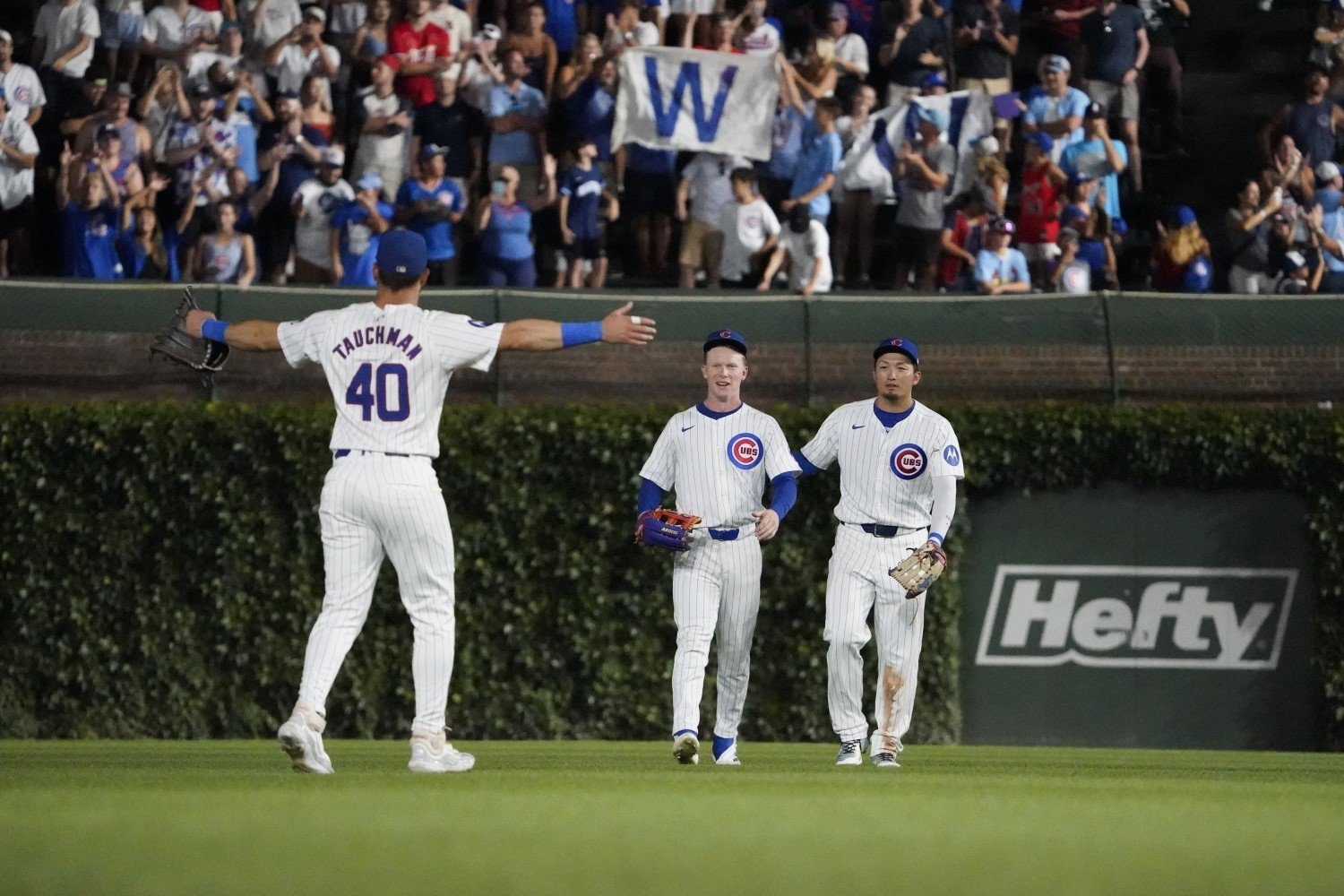 Back in spring training, Craig Counsell was proactive and firm. He sat down with Mike Tauchman right away to tell him he would be on the team, because Counsell rightly saw the immense value of Tauchman's offensive stability and defensive versatility. A high-OBP left-handed hitter who can acquit himself at all three outfield spots when the need arises, Tauchman was a perfect fit for the Cubs early in the season. While he was sidelined by a groin strain in June and July, though, the ground shifted. Firstly, it's become increasingly clear that the team itself understands the fact that Seiya Suzuki needs to be an everyday DH. That created some opportunity for Tauchman earlier in the year, but with the team trying hard to give a long runway to Pete Crow-Armstrong and evaluate him for a future role, it's ultimately squeezed him. With Crow-Armstrong in center and Michael Busch firmly established at first base, Cody Bellinger has taken over in right field. For as long as Busch, Crow-Armstrong, Ian Happ, Suzuki and Bellinger are healthy, it's clear that Counsell sees no room in the lineup for Tauchman. Entering Wednesday night's game, Tauchman has only 16 plate appearances in August. He last started on Aug. 7, and even pinch-hit opportunities have been scarce. The player Counsell was so excited to install as a heavily used rotational piece is now an afterthought at the far end of the bench. Some of this is planned obsolescence, of course. The team hoped Crow-Armstrong and Busch would assert themselves, and if they did, it was bound to make it tough to find playing time in the outfield and DH spots. Still, it's surprising, not least because the Cubs could have traded Tauchman to a contender at last month's deadline, giving him a chance to play a role like this on a team with a chance to win a World Series--and picking up some minor prospect in the exchange. If they were going to keep Tauchman, it seemed to make sense to create at least a modicum of playing time for him down the stretch, so they can make a more informed decision about retaining him on an arbitration-determined salary for next season. By stashing him as deep in the dugout as they have, they're missing that opportunity, after letting the chance to get even a fringe prospect in return for him slide by the boards. Injuries, sustained failure from Crow-Armstrong, or an unexpected opt-out by Bellinger could restore Tauchman's relevance going into 2025. Even if Crow-Armstrong flames out, the team would probably next hand off center field to Kevin Alcántara, but having Tauchman as a platoon partner and cushion for the young player could come in handy. A Bellinger departure would open up a lot of left-handed playing time. That makes it reasonable to keep Tauchman, but then, the team also has to make room for Owen Caissie on the 40-man roster come November, and if Caissie turns out to be a capable regular, he's likely to get there by the middle of next season. In other words, in even the rosiest scenario for Tauchman, he probably spends another first half floating around to find playing time, and then gets marginalized again next June or July. In that case, he would no longer have any trade value, so the Cubs have missed their penultimate chance to move him. Their last one will come this winter, by which time they surely hope to have a clearer idea of how Crow-Armstrong, Bellinger, Suzuki, Happ, Busch, Caissie, Alcántara, and Moisés Ballesteros can help them in 2025. What they probably won't have, though, is much good intel on what Tauchman can offer them. It's hard to demonstrate positive or negative future value with one's arms folded over the dugout railing.
 -
Drew Smyly Keeps Getting Away With This. Can He Get Away From the Cubs?
Matthew Trueblood posted an article in Cubs
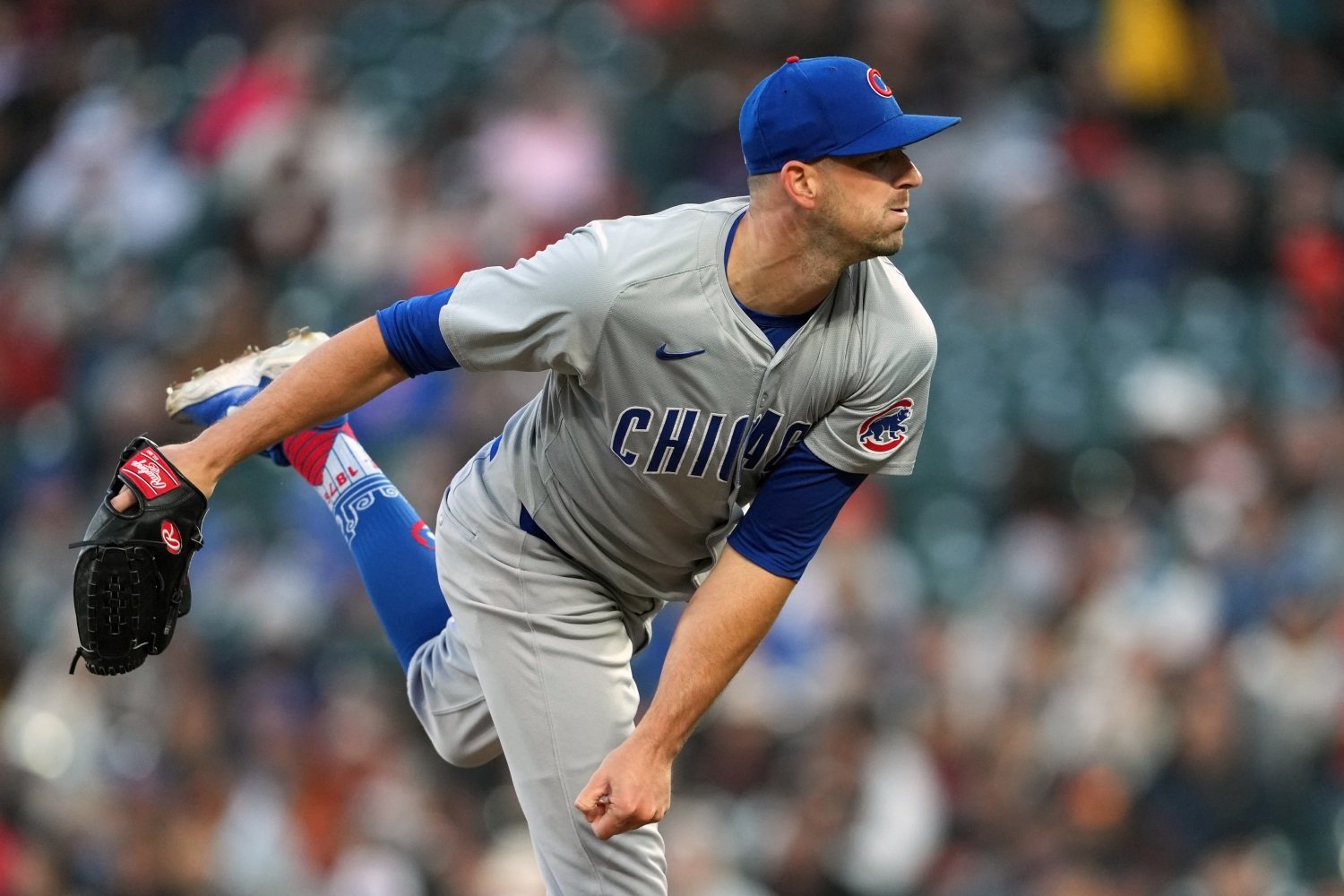 In their series-opening win over the Tigers at Wrigley Field Tuesday night, the Cubs turned the eighth inning over to an unlikely setup man: Drew Smyly. With a two-run lead, it was a medium-leverage appearance, rather than an exceptionally high one, but it still marked an unusual usage for the veteran southpaw. Smyly had only entered with the Cubs in the lead in the eighth or later and holding a lead of fewer than four runs one other time this year--in mid-June, when he tried to rescue the team from a Colten Brewer meltdown in San Francisco but failed, giving up the game. This time, working with a clean inning, Smyly mowed down the Tigers. He allowed a single and loosed a wild pitch, but he ended up with three strikeouts and a relatively worry-free 15-pitch frame. That brought Smyly's ERA for the season down to 2.88. In 50 innings spread across 38 relief appearances, Smyly has been a fairly valuable reliever. It's not quite clear how. His FIP is a much less encouraging 4.68. He's only struck out 20.8% of opposing batters, and he's walked 8.2% of them. Of the 180 pitchers who have made at least 30 relief appearances this year, Smyly ranks 142nd in strikeout rate and 138th in SO%-BB%. Some pitchers without a great strikeout rate or overall command profile have similarly solid ERAs, and fully earn them. The Tigers' Tyler Holton has a strikeout rate right in line with Smyly's, but doesn't walk people. The Athletics' Scott Alexander has similar strikeout and walk rates, but keeps the ball on the ground exceptionally well and keeps the ball in the park twice as well as Smyly does. That doesn't quite mean that Smyly is just a luck monster, though. Famously, he throws a unique pitch mix, with a sinker that acts much more like a four-seam fastball--in fact, that has trended that direction in an especially notable way this year, departing from last season to hold more of a vertical shape--and a curveball that has funky, fadeaway action for right-handed batters. He's designed, when pitching at his best, to induce some weak and unthreatening contact. Because the various third pitches he's attempted to add over the years have failed to blossom into real weapons, Smyly's value is confined to short or medium-length relief, but as long as that's his role, he does have the stuff to keep hitters off-balance and induce a good amount of weak contact. Hitters hit a lot of lazy fly balls and pop-ups against him, and interestingly, they rarely get jammed--which can lead to the flares that land just beyond the infield for frustrating hits. Note the absence of balls in shallow center field, here. He's not letting hitters use the big part of the field against him. The .248 BABIP opponents have run against him this year probably isn't sustainable, but Smyly's expected numbers suggest that he's tapped into something real. Last year, after his belated move to the bullpen, he racked up strikeouts, but he also issued more walks and ran into more hard contact. After offseason work at Driveline that has effected a change in his fastball movement, he's earning more batted balls that are automatic outs, or nearly so. Since moving to the pen last year, Smyly's actual opponent batting average is .221. His expected one is just .224. Opponents' expected .384 slugging average is a tad higher than their expected .381 mark. The gaps are wider if you lock in on this season, because there aren't as many strikeouts on which expected production is .000, but he's genuinely controlled contact well. That said, there have been a fistful of batted balls like these that found gloves for him this season. Smyly Special.mp4 Smyly's true talent level is not a 2.88 ERA, but it probably is below 4.00. He's a wily veteran, and has shown fairly impressive stamina and availability since his on-the-fly moves to the pen. Were I running a team in contention and in need of relief help, I would be eager to snag him for the middle of a bullpen hierarchy. Teams tend to be more circumspect about relievers without high-end velocity than I am, though--especially when they don't have great strikeout rates. They're also wary of taking on salary, even late in the season, and Smyly comes with a not-insignificant salary obligation. He's making $8.5 million this year, and because of the buyout on an option for 2025, he counts for $9.5 million against the competitive-balance tax figure for the Cubs. In among those numbers lives an opportunity, though. The Cubs should, at the very least, waive Smyly and see if any team wants to claim him. If anyone did, within the next few days, the Cubs could save almost $2 million in calculated salary, especially if they're able to replace Smyly with a player already being paid as a big-leaguer while on the injured list, like Jordan Wicks. It might not get them beneath the luxury-tax threshold, but then again, it might. We don't really know where they stand, and it seems like it will be very close, either way. Meanwhile, a team not worried about the tax threshold taking on Smyly would owe him about $200,000 less the rest of the way than the Cubs would effectively dump if he were claimed. That makes him fractionally easier to claim, for a team like the Twins, Red Sox, Royals, or Phillies. It's possible Smyly has already been waived, and not claimed. We might well not have heard about that, if it happened. If he were to be waived and go unclaimed, unlike Héctor Neris, he should stick around for the balance of the season. He's been better than Neris, is more versatile, has been part of the organization longer, and comes with a mutual option for 2025 that might actually hold some appeal for the Cubs. If they haven't already done so, though, the Cubs should certainly give waiving Smyly a shot. They could yet end up as non-payors of the luxury tax for 2024, which would come with some small ancillary benefits, and if nothing else, Smyly might appreciate a chance to land with a team who might make a run in October. He's an unorthodox bullpen success story, but not a smoke-and-mirrors one--or at least, in addition to the smoke and mirrors, there's also a little bit of real magic.
 -
The sub-.500 Cubs jettisoned one expensive and unwanted reliever Tuesday. Could they try to shed another, in the hope of sneaking underneath the luxury tax threshold after all? Image courtesy of © Darren Yamashita-USA TODAY Sports In their series-opening win over the Tigers at Wrigley Field Tuesday night, the Cubs turned the eighth inning over to an unlikely setup man: Drew Smyly. With a two-run lead, it was a medium-leverage appearance, rather than an exceptionally high one, but it still marked an unusual usage for the veteran southpaw. Smyly had only entered with the Cubs in the lead in the eighth or later and holding a lead of fewer than four runs one other time this year--in mid-June, when he tried to rescue the team from a Colten Brewer meltdown in San Francisco but failed, giving up the game. This time, working with a clean inning, Smyly mowed down the Tigers. He allowed a single and loosed a wild pitch, but he ended up with three strikeouts and a relatively worry-free 15-pitch frame. That brought Smyly's ERA for the season down to 2.88. In 50 innings spread across 38 relief appearances, Smyly has been a fairly valuable reliever. It's not quite clear how. His FIP is a much less encouraging 4.68. He's only struck out 20.8% of opposing batters, and he's walked 8.2% of them. Of the 180 pitchers who have made at least 30 relief appearances this year, Smyly ranks 142nd in strikeout rate and 138th in SO%-BB%. Some pitchers without a great strikeout rate or overall command profile have similarly solid ERAs, and fully earn them. The Tigers' Tyler Holton has a strikeout rate right in line with Smyly's, but doesn't walk people. The Athletics' Scott Alexander has similar strikeout and walk rates, but keeps the ball on the ground exceptionally well and keeps the ball in the park twice as well as Smyly does. That doesn't quite mean that Smyly is just a luck monster, though. Famously, he throws a unique pitch mix, with a sinker that acts much more like a four-seam fastball--in fact, that has trended that direction in an especially notable way this year, departing from last season to hold more of a vertical shape--and a curveball that has funky, fadeaway action for right-handed batters. He's designed, when pitching at his best, to induce some weak and unthreatening contact. Because the various third pitches he's attempted to add over the years have failed to blossom into real weapons, Smyly's value is confined to short or medium-length relief, but as long as that's his role, he does have the stuff to keep hitters off-balance and induce a good amount of weak contact. Hitters hit a lot of lazy fly balls and pop-ups against him, and interestingly, they rarely get jammed--which can lead to the flares that land just beyond the infield for frustrating hits. Note the absence of balls in shallow center field, here. He's not letting hitters use the big part of the field against him. The .248 BABIP opponents have run against him this year probably isn't sustainable, but Smyly's expected numbers suggest that he's tapped into something real. Last year, after his belated move to the bullpen, he racked up strikeouts, but he also issued more walks and ran into more hard contact. After offseason work at Driveline that has effected a change in his fastball movement, he's earning more batted balls that are automatic outs, or nearly so. Since moving to the pen last year, Smyly's actual opponent batting average is .221. His expected one is just .224. Opponents' expected .384 slugging average is a tad higher than their expected .381 mark. The gaps are wider if you lock in on this season, because there aren't as many strikeouts on which expected production is .000, but he's genuinely controlled contact well. That said, there have been a fistful of batted balls like these that found gloves for him this season. Smyly Special.mp4 Smyly's true talent level is not a 2.88 ERA, but it probably is below 4.00. He's a wily veteran, and has shown fairly impressive stamina and availability since his on-the-fly moves to the pen. Were I running a team in contention and in need of relief help, I would be eager to snag him for the middle of a bullpen hierarchy. Teams tend to be more circumspect about relievers without high-end velocity than I am, though--especially when they don't have great strikeout rates. They're also wary of taking on salary, even late in the season, and Smyly comes with a not-insignificant salary obligation. He's making $8.5 million this year, and because of the buyout on an option for 2025, he counts for $9.5 million against the competitive-balance tax figure for the Cubs. In among those numbers lives an opportunity, though. The Cubs should, at the very least, waive Smyly and see if any team wants to claim him. If anyone did, within the next few days, the Cubs could save almost $2 million in calculated salary, especially if they're able to replace Smyly with a player already being paid as a big-leaguer while on the injured list, like Jordan Wicks. It might not get them beneath the luxury-tax threshold, but then again, it might. We don't really know where they stand, and it seems like it will be very close, either way. Meanwhile, a team not worried about the tax threshold taking on Smyly would owe him about $200,000 less the rest of the way than the Cubs would effectively dump if he were claimed. That makes him fractionally easier to claim, for a team like the Twins, Red Sox, Royals, or Phillies. It's possible Smyly has already been waived, and not claimed. We might well not have heard about that, if it happened. If he were to be waived and go unclaimed, unlike Héctor Neris, he should stick around for the balance of the season. He's been better than Neris, is more versatile, has been part of the organization longer, and comes with a mutual option for 2025 that might actually hold some appeal for the Cubs. If they haven't already done so, though, the Cubs should certainly give waiving Smyly a shot. They could yet end up as non-payors of the luxury tax for 2024, which would come with some small ancillary benefits, and if nothing else, Smyly might appreciate a chance to land with a team who might make a run in October. He's an unorthodox bullpen success story, but not a smoke-and-mirrors one--or at least, in addition to the smoke and mirrors, there's also a little bit of real magic. View full article
-
This is going to be fascinating. It might be insane, or it might just be ugly, but it won't be boring. Image courtesy of Somerset Patriots On Tuesday, the Cubs cut Héctor Neris loose, designating him for assignment and immediately releasing him, after he'd previously cleared waivers. The move makes way for the addition of Jack Neely, the tall, mustachioed, hard-throwing reliever the team acquired in exchange for Mark Leiter Jr. just before last month's MLB trade deadline. Neely. 24, stands 6-foot-8, with a fastball that sits at 96 miles per hour and touches 98. He's an imposing and impressive mound presence, and since the Cubs got him, he's pitched 6 2/3 innings for the Iowa Cubs, giving up just one unearned run. In 25 batters faced, he had one walk, allowed four hits, and racked up 13 strikeouts. It's not the fastball that should garner the greatest attention for Neely, though. After arriving in the Cubs organization, he changed something about his gyro-style slider, and it now has a chance to be a bat-missing mega-weapon--or a total disaster. Neely really only throws the fastball and slider; he keeps things very simple that way. The Cubs haven't introduced a new pitch to the mix, and they haven't attempted a major change of fastball shape. As you can see, his pitches have moved in largely the same way since he changed organizations, with just a slight increase in the depth on some of the sliders he's thrown since coming to the Cubs. The Cubs also haven't made a major change in his mechanics; his horizontal and vertical release points and his extension at release are all virtually identical from his time in the Yankees system this year to his tenure with Iowa. However, there has been a change to his slider, which runs a bit deeper than the sheer movement on it. Here's the spin direction of the ball out of Neely's hand for each of his pitches, from the pitcher's perspective, for each of the organizations with whom he's pitched this year. That's a meaningful change, explaining the difference of a couple of inches in vertical movement on the slider, on average. (Note that he's also made an adjustment to stay behind the ball and get a bit truer backspin on his fastball.) Neely has always had a low-spin, gyro slider, meaning the pitch relies on cement-mixer spin direction to get its downward movement. A bit more of that spin pointing downward, though, would figure to be a good thing. Indeed, Neely's whiff rate and batted-ball data on the slider have improved this month, in the limited time he had at Iowa. He's throwing the pitch at exactly the same velocity he was before, so naturally, more downward movement is yielding more extreme outcomes. Here's where things get a bit crazy. Above, you saw the spin direction out of Neely's hand--the spin he imparted on the ball as he let it go each time. Here, by contrast, is the same histogram, but for the direction of the pitches' actual break. In other words, regardless of what initial spin direction might have predicted, this is where the ball actually went. The plot on the right shows that, thanks to that gyro action, Neely's slider consistently resisted the effects of gravity during his time with the Yankees' affiliate in Scranton-Wilkes Barre. This only shows the frequency of each direction of break; it doesn't show you that that resistance was very slight. Nonetheless, the pitch had a consistent shape. The plot on the left is chaos. It's pure chaos. With slightly higher spin rates and a hair more in the way of downward sidespin, Neely has the slider breaking in utterly unpredictable fashion. It's also not as controllable, but that doesn't necessarily matter. If it's sufficiently difficult for hitters to pick it up, they won't be able to hit it, and if he can throw his fastball for enough strikes, they won't be able to lay off the slider, either. As has been said by your favorite color commentator dozens of times (no matter who your favorite color commentator is), if you could reliably throw a backup slider, it would be one of the nastiest pitches in baseball. That's kind of what Neely is flirting with. Here's a scatterplot showing the break direction of Neely's pitches, by pitch type and organization. It's similar to the chart above, but gives you a greater understanding of how widely the slider break varies since he came to the Cubs. Average movement numbers, obviously, can't capture this turn toward chaos--at least, not very well. It's the variation that makes it so hard for a hitter to anticipate what's coming. Here, for the sake of a different kind of comparison, is how Pirates reliever Hunter Stratton (whose average spin direction and break direction on the slider are almost identical to Neely's) slider moves. Stratton's slider comes out of the hand with very similarly clustered tilt to that of Neely: sidespin toward the glove side, slightly downward. It's just that once it leaves Stratton's hand, it reliably takes just a little extra lift, acting like a traditional, tight gyro slider. We could look at the same plots for momentary Cubs pickup Vinny Nittoli, or for Brewers starter Freddy Peralta, and we'd see similar things: a fairly tight cluster of spin direction out of the hand, more lift and a bit more scatter to the break direction, but basically a gyro slider, swerving off the path of the fastball. The wide variance in the direction of break and in the overall spin rate is especially wild. It sure looks like there was a grip change, and now, Neely is throwing a chaos ball. Will that mean an extraordinary number of strikeouts, or will it just mean a struggle to hit spots? Will hitters pick up a pattern in all this noise on which they can lock in, to make hard contact against the breaking ball? Will Neely throw enough strikes at the top of the zone with his fastball to make use of this unique breaking ball? It's hard to say. Chaos means more questions than answers. The difficulty in testing the efficacy of this change by any means other than introducing it to big-league batters only augmented the urgency of bringing up Neely, though, which helps explain the timing of this move. Over the final six weeks, we'll see whether the Cubs have a new and strange weapon at the back end of their bullpen, or just another weird arm whom the league will forget about within a year or two. View full article
-
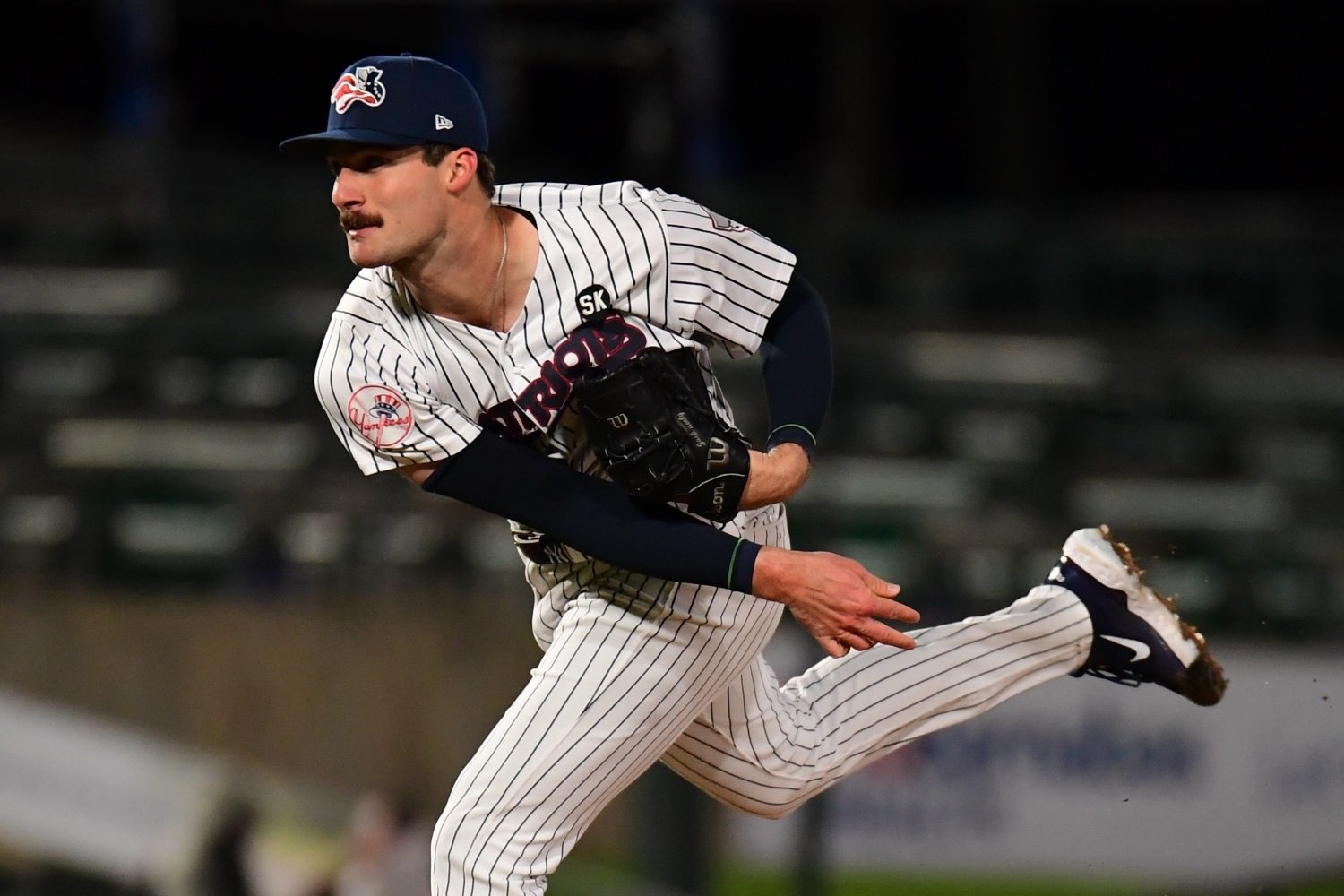 On Tuesday, the Cubs cut Héctor Neris loose, designating him for assignment and immediately releasing him, after he'd previously cleared waivers. The move makes way for the addition of Jack Neely, the tall, mustachioed, hard-throwing reliever the team acquired in exchange for Mark Leiter Jr. just before last month's MLB trade deadline. Neely. 24, stands 6-foot-8, with a fastball that sits at 96 miles per hour and touches 98. He's an imposing and impressive mound presence, and since the Cubs got him, he's pitched 6 2/3 innings for the Iowa Cubs, giving up just one unearned run. In 25 batters faced, he had one walk, allowed four hits, and racked up 13 strikeouts. It's not the fastball that should garner the greatest attention for Neely, though. After arriving in the Cubs organization, he changed something about his gyro-style slider, and it now has a chance to be a bat-missing mega-weapon--or a total disaster. Neely really only throws the fastball and slider; he keeps things very simple that way. The Cubs haven't introduced a new pitch to the mix, and they haven't attempted a major change of fastball shape. As you can see, his pitches have moved in largely the same way since he changed organizations, with just a slight increase in the depth on some of the sliders he's thrown since coming to the Cubs. The Cubs also haven't made a major change in his mechanics; his horizontal and vertical release points and his extension at release are all virtually identical from his time in the Yankees system this year to his tenure with Iowa. However, there has been a change to his slider, which runs a bit deeper than the sheer movement on it. Here's the spin direction of the ball out of Neely's hand for each of his pitches, from the pitcher's perspective, for each of the organizations with whom he's pitched this year. That's a meaningful change, explaining the difference of a couple of inches in vertical movement on the slider, on average. (Note that he's also made an adjustment to stay behind the ball and get a bit truer backspin on his fastball.) Neely has always had a low-spin, gyro slider, meaning the pitch relies on cement-mixer spin direction to get its downward movement. A bit more of that spin pointing downward, though, would figure to be a good thing. Indeed, Neely's whiff rate and batted-ball data on the slider have improved this month, in the limited time he had at Iowa. He's throwing the pitch at exactly the same velocity he was before, so naturally, more downward movement is yielding more extreme outcomes. Here's where things get a bit crazy. Above, you saw the spin direction out of Neely's hand--the spin he imparted on the ball as he let it go each time. Here, by contrast, is the same histogram, but for the direction of the pitches' actual break. In other words, regardless of what initial spin direction might have predicted, this is where the ball actually went. The plot on the right shows that, thanks to that gyro action, Neely's slider consistently resisted the effects of gravity during his time with the Yankees' affiliate in Scranton-Wilkes Barre. This only shows the frequency of each direction of break; it doesn't show you that that resistance was very slight. Nonetheless, the pitch had a consistent shape. The plot on the left is chaos. It's pure chaos. With slightly higher spin rates and a hair more in the way of downward sidespin, Neely has the slider breaking in utterly unpredictable fashion. It's also not as controllable, but that doesn't necessarily matter. If it's sufficiently difficult for hitters to pick it up, they won't be able to hit it, and if he can throw his fastball for enough strikes, they won't be able to lay off the slider, either. As has been said by your favorite color commentator dozens of times (no matter who your favorite color commentator is), if you could reliably throw a backup slider, it would be one of the nastiest pitches in baseball. That's kind of what Neely is flirting with. Here's a scatterplot showing the break direction of Neely's pitches, by pitch type and organization. It's similar to the chart above, but gives you a greater understanding of how widely the slider break varies since he came to the Cubs. Average movement numbers, obviously, can't capture this turn toward chaos--at least, not very well. It's the variation that makes it so hard for a hitter to anticipate what's coming. Here, for the sake of a different kind of comparison, is how Pirates reliever Hunter Stratton (whose average spin direction and break direction on the slider are almost identical to Neely's) slider moves. Stratton's slider comes out of the hand with very similarly clustered tilt to that of Neely: sidespin toward the glove side, slightly downward. It's just that once it leaves Stratton's hand, it reliably takes just a little extra lift, acting like a traditional, tight gyro slider. We could look at the same plots for momentary Cubs pickup Vinny Nittoli, or for Brewers starter Freddy Peralta, and we'd see similar things: a fairly tight cluster of spin direction out of the hand, more lift and a bit more scatter to the break direction, but basically a gyro slider, swerving off the path of the fastball. The wide variance in the direction of break and in the overall spin rate is especially wild. It sure looks like there was a grip change, and now, Neely is throwing a chaos ball. Will that mean an extraordinary number of strikeouts, or will it just mean a struggle to hit spots? Will hitters pick up a pattern in all this noise on which they can lock in, to make hard contact against the breaking ball? Will Neely throw enough strikes at the top of the zone with his fastball to make use of this unique breaking ball? It's hard to say. Chaos means more questions than answers. The difficulty in testing the efficacy of this change by any means other than introducing it to big-league batters only augmented the urgency of bringing up Neely, though, which helps explain the timing of this move. Over the final six weeks, we'll see whether the Cubs have a new and strange weapon at the back end of their bullpen, or just another weird arm whom the league will forget about within a year or two.
 -
 Whether Javier Báez is easy to root for, for you, depends a lot on what you want from a baseball player. No player in modern memory was more capable of taking your breath away than Báez, and at his best, few players in the last decade were better. Báez blended a bunch of unsubtle and typical baseball skills--top-of-the-scale raw power, better contact ability than you'd guess, and a throwing arm you had to see to believe--with some extremely subtle, even almost invisible skills that made him unique. That much of that has to be put in the past tense, though, makes the whole thing even more bittersweet than it might be otherwise. His talent was obvious even before he was drafted, back in 2011, and at his peak, it was crazy loud. The combination of a dancer's feet and a heavyweight's hands made him an extraordinary power hitter and defender at shortstop. His aggressiveness--he might have been, for a few years, the most aggressive all-phases player of the game I have ever seen--made the field and the crowd buzz with electricity whenever he was around the ball. His hot streak of stolen bases, extra bases taken against sleepy or too-slow defenses, and sensational, explosive defensive plays in 2018 was a tour de force more exhilarating and more valuable than Sammy Sosa's 20-home run month in 1998. Because it was slightly harder to capture it in statistics, it's not remembered this way, but it might well be the most incandescent stretch in Cubs history. He took over baseball games that summer in a complete and imperious way, possible most of the time only for starting pitchers--but more often than starting pitchers could do it. His game gave off tidal waves of heat and light. At times, of course, it all ran too hot. Báez's aggressiveness in the batter's box slightly ate into the utility of his hit tool, which has been drastically underrated across the years because of that fact. His fearlessness on defense led to some errors of enthusiasm, and the same on the bases (though it led to miraculously few bad outs) occasionally led to injuries, and while he played through lots of mostly unmentioned injuries over the years, he didn't always help his team by doing so. Sometimes, he was too compromised to be the version of himself that deserved to play, especially on the deeper iterations of the Cubs with whom he toiled. That's a full paragraph of forgivable foibles. The less easily comprehensible times were the ones when the switch on that 1,000-watt bulb that is his baseball IQ seemed to have been left in the "OFF" position for the day. He lost track of the outs while on the bases more often than is remotely explicable, given how smart and tenacious he was the rest of the time. He had some indefensibly uncompetitive at-bats, on days like those, where even the reverse thrusters he usually engaged to push against the drag of his lousy plate discipline seemed not to be there. Báez needed the crowd, the external cues to deepen his concentration. That's why he folded in 2020, much more so than the lack of available video to review in the dugout, and it's why the Cubs ultimately abandoned their efforts to keep him beyond 2021. It is part, but not the whole, of the explanation for his calamitous tenure with the Tigers. There's so much to the person of Báez. He's a kid who lost his dad at a young age, who moved from home in Puerto Rico to gain his best possible future opportunity by playing ball in Florida. He's not well-educated, because quietly, Florida spends a lot of time manufacturing ballplayers in schools that are an insult to that word. He's also a big brother to a sister who lived with disability her whole life, and whom his family lost just as his career was about to take off. He's a family man, unstained by any accusations of ugly personal behavior. He's a smart and passionate person, but not necessarily the kind of person the baseball world demands that someone be, in order to maximize on-field success. He's not as ebullient off the field as the brilliance of his game on the field would imply, and at times, that made things hard for him--with fans, with teammates, and with the media. Báez worked hard to become an exceptional player. He did it. He's done little to earn real enmity or frustration from any fan base. Yet, his work hasn't always been directed to improving the right things, and the way his career has cratered is just plain sad, for anyone who considers themselves a baseball fan. The kid who caught and played center field in the two halves of doubleheaders when he was a teenager never stopped wanting to be right in the center of the action, and it visibly pains him not to be able to contribute meaningfully to the struggling Tigers now, even while playing as central a position as MLB has. It's getting hard to remember how he reshaped the game. The way he broke down Will Craig of the Pirates on that May day in 2021 will live forever, because the internet has gotten its teeth deep into it, but that was just the most extreme example. Much more easily forgotten, especially as layers of dust and years of a sub-.500 OPS cake on top of them, are the time he let a soft liner drop to turn one out into two--during the NLCS; or the multiple times he played cat-and-mouse the almost equally brilliant Lorenzo Cain on balls that made their way out to center while Cain was there and Báez was coming around to third base--and then, suddenly, home. His showy but simple plays, like the tag he made while pointing in at Yadier Molina in the 2017 World Baseball Classic or any number of swim moves on slides into bases, remain vivid because they show up on Twitter and YouTube, but it's easier to forget the times (in a crucial late-season game in Pittsburgh in 2015, and again in NLDS Game 5 in 2017) when he picked a grounder cleanly and came home with a Statcast-breaking throw to nail a runner whom everyone had assumed would score fairly easily. The titanic home runs and the mouthing off with Amir Garrett have highlight value, but the way he waited back on an 0-2 pitch and varied his lower-half timing to hit an opposite-field, game-winning homer in 2019 receives much less remembered attention. bldqOWRfWGw0TUFRPT1fVndKVEJnWlZWQVlBRDFkUVh3QUFVd0VEQUFNRldnUUFCd01FVWxkWFZRTURBVkFD.mp4 If you're looking for a perfect ballplayer, keep looking. The Cubs of the era to which Báez belonged had better players, overall--or at least, guys who contributed more consistent value over half a decade and change. In history, there have been some Cubs (Sosa, Ron Santo, young Ernie Banks) who were similarly great even to peak Báez. None of them set baseball on a new angle on the table before you, though, to make it possible to see it in new light and understand new facets of it. Báez did. It's one of the great tragedies of the baseball moment that that version of Báez seems to be so far gone, so soon, but it will still be good to see him at Wrigley Field again.
 -
There have been better players in Cubs history. There has never been one who altered the game--who drew the entire miniature world of the diamond into his, and reoriented the entire sport into something new and more thrilling--quite like him. It's good, and sad, to see him again. Image courtesy of © Steven Bisig-USA TODAY Sports Whether Javier Báez is easy to root for, for you, depends a lot on what you want from a baseball player. No player in modern memory was more capable of taking your breath away than Báez, and at his best, few players in the last decade were better. Báez blended a bunch of unsubtle and typical baseball skills--top-of-the-scale raw power, better contact ability than you'd guess, and a throwing arm you had to see to believe--with some extremely subtle, even almost invisible skills that made him unique. That much of that has to be put in the past tense, though, makes the whole thing even more bittersweet than it might be otherwise. His talent was obvious even before he was drafted, back in 2011, and at his peak, it was crazy loud. The combination of a dancer's feet and a heavyweight's hands made him an extraordinary power hitter and defender at shortstop. His aggressiveness--he might have been, for a few years, the most aggressive all-phases player of the game I have ever seen--made the field and the crowd buzz with electricity whenever he was around the ball. His hot streak of stolen bases, extra bases taken against sleepy or too-slow defenses, and sensational, explosive defensive plays in 2018 was a tour de force more exhilarating and more valuable than Sammy Sosa's 20-home run month in 1998. Because it was slightly harder to capture it in statistics, it's not remembered this way, but it might well be the most incandescent stretch in Cubs history. He took over baseball games that summer in a complete and imperious way, possible most of the time only for starting pitchers--but more often than starting pitchers could do it. His game gave off tidal waves of heat and light. At times, of course, it all ran too hot. Báez's aggressiveness in the batter's box slightly ate into the utility of his hit tool, which has been drastically underrated across the years because of that fact. His fearlessness on defense led to some errors of enthusiasm, and the same on the bases (though it led to miraculously few bad outs) occasionally led to injuries, and while he played through lots of mostly unmentioned injuries over the years, he didn't always help his team by doing so. Sometimes, he was too compromised to be the version of himself that deserved to play, especially on the deeper iterations of the Cubs with whom he toiled. That's a full paragraph of forgivable foibles. The less easily comprehensible times were the ones when the switch on that 1,000-watt bulb that is his baseball IQ seemed to have been left in the "OFF" position for the day. He lost track of the outs while on the bases more often than is remotely explicable, given how smart and tenacious he was the rest of the time. He had some indefensibly uncompetitive at-bats, on days like those, where even the reverse thrusters he usually engaged to push against the drag of his lousy plate discipline seemed not to be there. Báez needed the crowd, the external cues to deepen his concentration. That's why he folded in 2020, much more so than the lack of available video to review in the dugout, and it's why the Cubs ultimately abandoned their efforts to keep him beyond 2021. It is part, but not the whole, of the explanation for his calamitous tenure with the Tigers. There's so much to the person of Báez. He's a kid who lost his dad at a young age, who moved from home in Puerto Rico to gain his best possible future opportunity by playing ball in Florida. He's not well-educated, because quietly, Florida spends a lot of time manufacturing ballplayers in schools that are an insult to that word. He's also a big brother to a sister who lived with disability her whole life, and whom his family lost just as his career was about to take off. He's a family man, unstained by any accusations of ugly personal behavior. He's a smart and passionate person, but not necessarily the kind of person the baseball world demands that someone be, in order to maximize on-field success. He's not as ebullient off the field as the brilliance of his game on the field would imply, and at times, that made things hard for him--with fans, with teammates, and with the media. Báez worked hard to become an exceptional player. He did it. He's done little to earn real enmity or frustration from any fan base. Yet, his work hasn't always been directed to improving the right things, and the way his career has cratered is just plain sad, for anyone who considers themselves a baseball fan. The kid who caught and played center field in the two halves of doubleheaders when he was a teenager never stopped wanting to be right in the center of the action, and it visibly pains him not to be able to contribute meaningfully to the struggling Tigers now, even while playing as central a position as MLB has. It's getting hard to remember how he reshaped the game. The way he broke down Will Craig of the Pirates on that May day in 2021 will live forever, because the internet has gotten its teeth deep into it, but that was just the most extreme example. Much more easily forgotten, especially as layers of dust and years of a sub-.500 OPS cake on top of them, are the time he let a soft liner drop to turn one out into two--during the NLCS; or the multiple times he played cat-and-mouse the almost equally brilliant Lorenzo Cain on balls that made their way out to center while Cain was there and Báez was coming around to third base--and then, suddenly, home. His showy but simple plays, like the tag he made while pointing in at Yadier Molina in the 2017 World Baseball Classic or any number of swim moves on slides into bases, remain vivid because they show up on Twitter and YouTube, but it's easier to forget the times (in a crucial late-season game in Pittsburgh in 2015, and again in NLDS Game 5 in 2017) when he picked a grounder cleanly and came home with a Statcast-breaking throw to nail a runner whom everyone had assumed would score fairly easily. The titanic home runs and the mouthing off with Amir Garrett have highlight value, but the way he waited back on an 0-2 pitch and varied his lower-half timing to hit an opposite-field, game-winning homer in 2019 receives much less remembered attention. bldqOWRfWGw0TUFRPT1fVndKVEJnWlZWQVlBRDFkUVh3QUFVd0VEQUFNRldnUUFCd01FVWxkWFZRTURBVkFD.mp4 If you're looking for a perfect ballplayer, keep looking. The Cubs of the era to which Báez belonged had better players, overall--or at least, guys who contributed more consistent value over half a decade and change. In history, there have been some Cubs (Sosa, Ron Santo, young Ernie Banks) who were similarly great even to peak Báez. None of them set baseball on a new angle on the table before you, though, to make it possible to see it in new light and understand new facets of it. Báez did. It's one of the great tragedies of the baseball moment that that version of Báez seems to be so far gone, so soon, but it will still be good to see him at Wrigley Field again. View full article