


Matthew Trueblood
-
Posts
2,481 -
Joined
-
Last visited
-
Days Won
2
Content Type
Profiles
Joomla Posts 1
Chicago Cubs Videos
Chicago Cubs Free Agent & Trade Rumors, Notes, & Tidbits
2026 Chicago Cubs Top Prospects Ranking
News
2023 Chicago Cubs Draft Picks
Guides & Resources
2024 Chicago Cubs Draft Picks
The Chicago Cubs Players Project
2025 Chicago Cubs Draft Pick Tracker
2026 Chicago Cubs Draft Tracker: Picks & Bonuses
Blogs
Events
Forums
Store
Gallery
Everything posted by Matthew Trueblood
-
It's going to be a good winter to be a rich team willing to help poor teams solve their payroll problems. The Cubs should be aggressive in that vein, and one recent trade partner is the most obvious place to start. Image courtesy of © Kim Klement Neitzel-Imagn Images I've said it several times already, and will continue to say it, even as we transition from the postseason to the offseason over the coming fortnight: The Cubs have a wide range of needs and problems, but an equally varied array of potentially strong solutions this winter. There is no dearth of available talent or creative opportunities. The team's constraints are the limits of Jed Hoyer's bold vision and Tom Ricketts's willingness to spend like a big-market owner should. Signing top-tier free agents is always difficult, and it requires a stronger stomach than Hoyer has typically shown during his tenure as the Cubs' top decision-maker. That doesn't mean the team won't make significant free-agent additions, but they'll probably need to supplement whatever shopping they do in that market with improvements via trade--and that might be where the most compelling opportunities lie, anyway. With every long-term deal to which the Tampa Bay Rays sign a player, it's fairly easy to spot the season in which they intend to trade that player. The deals are almost universally team-friendly contract extensions, and within those, there's nearly always a year in which the player's scheduled salary increases by 50 percent or more. Study the year-to-year dollars in the deal, spot that season when their earning spike, and you've found the time when the Rays will deal them away. That pattern will not abate this offseason. It was never going to, because it's a vital part of the team's paradigm for building consistent winners in a small market, an outdated and unreachable ballpark, and under ownership focused on maintaining both perennial competitiveness and a strong profit margin. Any doubt can be laid to rest, though, in light of the fact that the team's local TV deal is likely to lose value this year, alongside those of most of the league's non-premium tames--and of the fact that their in-person gameday revenue could crater after Tropicana Field was devastated by Hurricane Milton. It's tragic that something so huge and so profoundly painful for the region will also shape the direction of the club's offseason, but it's hard to imagine that that won't be the case. Besides, there are a handful of players who were likely to be on their trade block even if they hadn't suddenly been plunged into uncertainty about where they can play home games next year. These three, in particular, would be superb fits for the Cubs and should be high on Hoyer's list of guys about whom to inquire. Brandon Lowe, 2B/RF Club options for $10.5 million ($1 million buyout) and $11.5 million ($500,000 buyout) for 2025-26 Lowe will turn 31 next July. He was a superstar-caliber slugger in 2020 and 2021, but since then, he's been much more limited. Even so, he's been a clearly above-average hitter. He will strike out a lot, but also takes his walks, hits the ball hard, pulls and lifts it. When shielded from left-handed pitchers, he's especially effective. Defensively versatile early in his career, he's principally a second baseman now, but he has experience in both outfield corners and at first base. He would be a perfectly qualified DH option against righties and a backup to Michael Busch at first, but most importantly, he'd become an offense-first, left-handed complement to the defense-first, right-handed profile of Nico Hoerner. The Cubs don't have to trade Hoerner this winter to improve at second, if they're willing to spend eight figures on a player who can take some of the more unfavorable matchups from him and make him more available to spell Dansby Swanson at shortstop. Because he's earning a significant chunk of money on a team that figures to be looking not to spend it, Lowe shouldn't cost premium talent, but he'll certainly have a meaningful trade cost. The Cubs would have to be willing to part with one of their top seven or eight prospects and take the inevitable jokes after throwing in a second piece--probably a pitcher. Yandy Díaz, 1B/DH/3B Owed $10 million for 2025, with $12 million option for 2026; $1 million bonus paid by acquiring team if traded When you specify that the acquiring team has to pay the assignment bonus in a contract like this, it's a pretty sure sign that you intend to eventually trade that contract. Sure enough, Díaz made $14 million in total over the first two years of this deal, but will get into eight figures for each of the next two years if the option is picked up. This is the moment for the Rays to move him. Having turned 33 late this summer, Díaz is no spring chicken, and he slipped to a .706 OPS against right-handed pitchers in 2024. However, in all of baseball, there are few more reliable lefty-mashers, and even against righties, he has some valuable, stable skills. He hits the ball hard, but infamously, it's very often on the ground. He makes a ton of contact, but doesn't draw many walks. He'd need to be carefully deployed, in terms of shelter from some right-handed pitchers and placement within the batting order. He can only play third base in emergencies and is not even a good defender at the cold corner. He'd be a platoon partner for Busch and a DH option against most hurlers, and he should come at a fairly low acquisition cost. Jeffrey Springs, LHP Owed $10.5 million each in 2025-26, $15 million option with $750,000 buyout for 2027 The above salaries represent a doubling of the $5.25 million Springs made in 2024, and he's had little time to prove that he'll be worth that much of the team's money. He came up as a reliever with the Rangers, then the Red Sox, before the Rays converted him to a starter in 2022. In April 2023, he underwent Tommy John surgery. When he's right, though, Springs is a really good three-pitch lefty, with plenty of upside in a starting role. He only sits 90 and touches 93 with his four-seamer, but it's a pitch with two-plane ride and good life up in the zone. His slider keeps hitters honest, and his changeup is a bat-missing out pitch, with excellent depth and a big velocity differential relative to the heater. Springs has also tinkered with a cutter and a sweeper over the years. He and Shota Imanaga would have a lot to learn from each other, and each is an above-average starter when healthy--although Springs has to prove he can take the ball every fifth or sixth day. His recent injury history and relatively hefty contract should keep Springs's price tag reasonable, but he would certainly only be a target if the Cubs see the upside I do in him. Given how well they've instructed and developed similar pitchers recently. there's good cause for optimism there. Not every year is there such a cornucopia of options for teams who need to make major changes. Nor does every team in such a position have all the resources the Cubs should have at their disposal this winter. They don't necessarily need to acquire any of the players above, but they should be proactive and turn over their roster in a meaningful way--and these are three players who would check boxes they should have on their list. View full article
-
Cubs Should Target These 3 Rays Stars Due for Contract Raises
Matthew Trueblood posted an article in Cubs
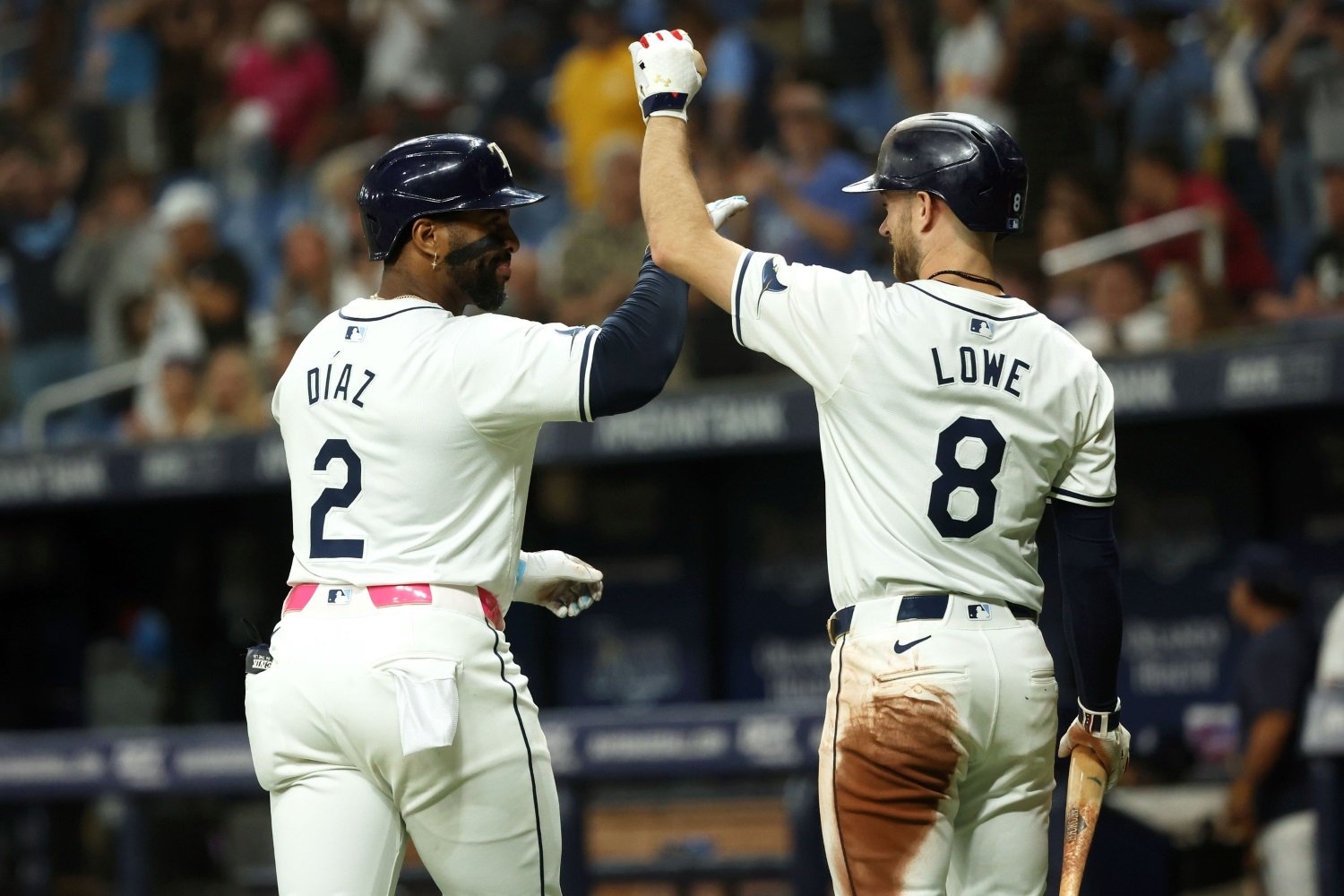 I've said it several times already, and will continue to say it, even as we transition from the postseason to the offseason over the coming fortnight: The Cubs have a wide range of needs and problems, but an equally varied array of potentially strong solutions this winter. There is no dearth of available talent or creative opportunities. The team's constraints are the limits of Jed Hoyer's bold vision and Tom Ricketts's willingness to spend like a big-market owner should. Signing top-tier free agents is always difficult, and it requires a stronger stomach than Hoyer has typically shown during his tenure as the Cubs' top decision-maker. That doesn't mean the team won't make significant free-agent additions, but they'll probably need to supplement whatever shopping they do in that market with improvements via trade--and that might be where the most compelling opportunities lie, anyway. With every long-term deal to which the Tampa Bay Rays sign a player, it's fairly easy to spot the season in which they intend to trade that player. The deals are almost universally team-friendly contract extensions, and within those, there's nearly always a year in which the player's scheduled salary increases by 50 percent or more. Study the year-to-year dollars in the deal, spot that season when their earning spike, and you've found the time when the Rays will deal them away. That pattern will not abate this offseason. It was never going to, because it's a vital part of the team's paradigm for building consistent winners in a small market, an outdated and unreachable ballpark, and under ownership focused on maintaining both perennial competitiveness and a strong profit margin. Any doubt can be laid to rest, though, in light of the fact that the team's local TV deal is likely to lose value this year, alongside those of most of the league's non-premium tames--and of the fact that their in-person gameday revenue could crater after Tropicana Field was devastated by Hurricane Milton. It's tragic that something so huge and so profoundly painful for the region will also shape the direction of the club's offseason, but it's hard to imagine that that won't be the case. Besides, there are a handful of players who were likely to be on their trade block even if they hadn't suddenly been plunged into uncertainty about where they can play home games next year. These three, in particular, would be superb fits for the Cubs and should be high on Hoyer's list of guys about whom to inquire. Brandon Lowe, 2B/RF Club options for $10.5 million ($1 million buyout) and $11.5 million ($500,000 buyout) for 2025-26 Lowe will turn 31 next July. He was a superstar-caliber slugger in 2020 and 2021, but since then, he's been much more limited. Even so, he's been a clearly above-average hitter. He will strike out a lot, but also takes his walks, hits the ball hard, pulls and lifts it. When shielded from left-handed pitchers, he's especially effective. Defensively versatile early in his career, he's principally a second baseman now, but he has experience in both outfield corners and at first base. He would be a perfectly qualified DH option against righties and a backup to Michael Busch at first, but most importantly, he'd become an offense-first, left-handed complement to the defense-first, right-handed profile of Nico Hoerner. The Cubs don't have to trade Hoerner this winter to improve at second, if they're willing to spend eight figures on a player who can take some of the more unfavorable matchups from him and make him more available to spell Dansby Swanson at shortstop. Because he's earning a significant chunk of money on a team that figures to be looking not to spend it, Lowe shouldn't cost premium talent, but he'll certainly have a meaningful trade cost. The Cubs would have to be willing to part with one of their top seven or eight prospects and take the inevitable jokes after throwing in a second piece--probably a pitcher. Yandy Díaz, 1B/DH/3B Owed $10 million for 2025, with $12 million option for 2026; $1 million bonus paid by acquiring team if traded When you specify that the acquiring team has to pay the assignment bonus in a contract like this, it's a pretty sure sign that you intend to eventually trade that contract. Sure enough, Díaz made $14 million in total over the first two years of this deal, but will get into eight figures for each of the next two years if the option is picked up. This is the moment for the Rays to move him. Having turned 33 late this summer, Díaz is no spring chicken, and he slipped to a .706 OPS against right-handed pitchers in 2024. However, in all of baseball, there are few more reliable lefty-mashers, and even against righties, he has some valuable, stable skills. He hits the ball hard, but infamously, it's very often on the ground. He makes a ton of contact, but doesn't draw many walks. He'd need to be carefully deployed, in terms of shelter from some right-handed pitchers and placement within the batting order. He can only play third base in emergencies and is not even a good defender at the cold corner. He'd be a platoon partner for Busch and a DH option against most hurlers, and he should come at a fairly low acquisition cost. Jeffrey Springs, LHP Owed $10.5 million each in 2025-26, $15 million option with $750,000 buyout for 2027 The above salaries represent a doubling of the $5.25 million Springs made in 2024, and he's had little time to prove that he'll be worth that much of the team's money. He came up as a reliever with the Rangers, then the Red Sox, before the Rays converted him to a starter in 2022. In April 2023, he underwent Tommy John surgery. When he's right, though, Springs is a really good three-pitch lefty, with plenty of upside in a starting role. He only sits 90 and touches 93 with his four-seamer, but it's a pitch with two-plane ride and good life up in the zone. His slider keeps hitters honest, and his changeup is a bat-missing out pitch, with excellent depth and a big velocity differential relative to the heater. Springs has also tinkered with a cutter and a sweeper over the years. He and Shota Imanaga would have a lot to learn from each other, and each is an above-average starter when healthy--although Springs has to prove he can take the ball every fifth or sixth day. His recent injury history and relatively hefty contract should keep Springs's price tag reasonable, but he would certainly only be a target if the Cubs see the upside I do in him. Given how well they've instructed and developed similar pitchers recently. there's good cause for optimism there. Not every year is there such a cornucopia of options for teams who need to make major changes. Nor does every team in such a position have all the resources the Cubs should have at their disposal this winter. They don't necessarily need to acquire any of the players above, but they should be proactive and turn over their roster in a meaningful way--and these are three players who would check boxes they should have on their list.
 -
The Chicago Cubs can only sit at home and watch as the 2024 MLB postseason unfolds. While they're at it, though, they can learn plenty about how to build a juggernaut for 2025 and beyond. Image courtesy of © Wendell Cruz-Imagn Images It's not uncommon to hear, in vague terms, that superstars provide a team with extra value beyond their raw production. Often, those truisms are a bit oversold. The ideas, for instance, that an elite hitter or two changes the way an opponent approaches the whole lineup or that those hitters are more likely to come through in clutch situations tend not to hold up under objective scrutiny. After all, unlike in other sports, a team can't electively allocate their offensive opportunities to give their best hitters extra opportunities. In watching this postseason play out, though, there have been several cases in which the semi-hidden added value of those stars shines through. The hits they collect and the runs they create, in and of themselves, are obvious sources of value, but the very best hitters at the top end of the batting order do two other, subtler things: Stretch the game by getting on base, even if many of the rallies they start don't directly lead to scoring. Make it more dangerous and costly to opponents when they let the players in the bottom half of the lineup get on base. The Guardians clogged the bases, but were unable to score early in Game 2 of the ALCS against the Yankees. They threatened and strained Gerrit Cole, but didn't break through in the first four innings of that contest. By forcing him to face 18 batters in those four frames, though, the team put New York manager Aaron Boone in a dilemma: lift his ace with a three-run lead and 15 more outs to get, or ask said ace to pitch to the top of the Guardians batting order a third time. Boone left Cole in the game, and although the visitors weren't able to break through enough to tie things up, they did get to Cole, drawing the deficit down to a lone run. Much is made, every October, of the need for power, because it's so hard to string together enough hits and walks to post a crooked number against the best pitching staffs in baseball. No single or walk is wasted, though, because they each lengthen the game and provide an advantage. They cycle the decision point a skipper faces with the starter's third trip through the lineup forward by a frame, or--and this one is critical--assure that the top of the lineup will get a fifth turn in the late innings. That's the big way that a lethal top of the order, like Shohei Ohtani and Mookie Betts, makes everyone around them better. Every hit, walk, hit batsman, or would-be double play beaten out from the likes of Enrique Hernández, Gavin Lux, or Tommy Edman matters, because it makes it incrementally more likely that Ohtani, Betts, and Freddie Freeman come up an extra time--and those guys' excellence makes that extra flip of the lineup card more valuable than, say, Ian Happ, Seiya Suzuki, and Cody Bellinger do. There are teams with worse top thirds of the order than the one the Cubs have deployed the last year or two, but the spotlight here goes on how much better the likes of the Dodgers' and Yankees' are. Most teams do get the top of their batting order up to bat a fifth time in most games, but often, it's just that top segment that gets its turn. This season, the average team got at least one plate appearance the fifth time through the order within the first nine innings (not counting turns against position players acting as pitchers) in 122.5 games. However, they only averaged 2.6 plate appearances per game under those conditions, despite hitting .253/.328/.415 in those settings. In other words, most of the time, even if you do get your best hitters a fifth turn, they don't have many outs to work with at that point. The Cubs were fifth in MLB, with 128 contests in which they got to the fifth time through the order. However, they weren't as good at cashing in on those chances as some of their peers. The Dodgers batted .309/.405/.540 the fifth time through. The Diamondbacks, Brewers, and Phillies also excelled. Arizona drove in 92 late-game runs in those situations. The Dodgers drove in 81. The Cubs were at 61. If your lineup has stars, they'll often do half the work of giving themselves a fifth shot at the other team's pitching staff within a game. But they also deserve credit for the value they create when those fifth chances come; they make the little lineup-lengthening depth pieces more important than they could be on their own. As Arizona's presence in the conversation indicates, finding value this way doesn't require a team to have a 50-homer slugger like Ohtani or Judge. The Mets have come up with some season-altering rallies over the last month and change on the strength of singles and doubles by the likes of Francisco Lindor, Starling Marte, Mark Vientos, and Pete Alonso. Lengthening the game is important, but becomes more so when players with broad, high-level skill sets lurk at the end of the other team's quest for the 27th out. If Happ and Suzuki could just be the second- and third-best hitters in the top part of the Cubs lineup next season, rather than the best and second-best, it would alter the character of their offense. The number of players they could acquire this winter who would effect that much change is small, and they might not be able to do it. As the postseason has gone on without them, though, the team has gotten plenty of chances to see exactly why it would be worth doing. View full article
-
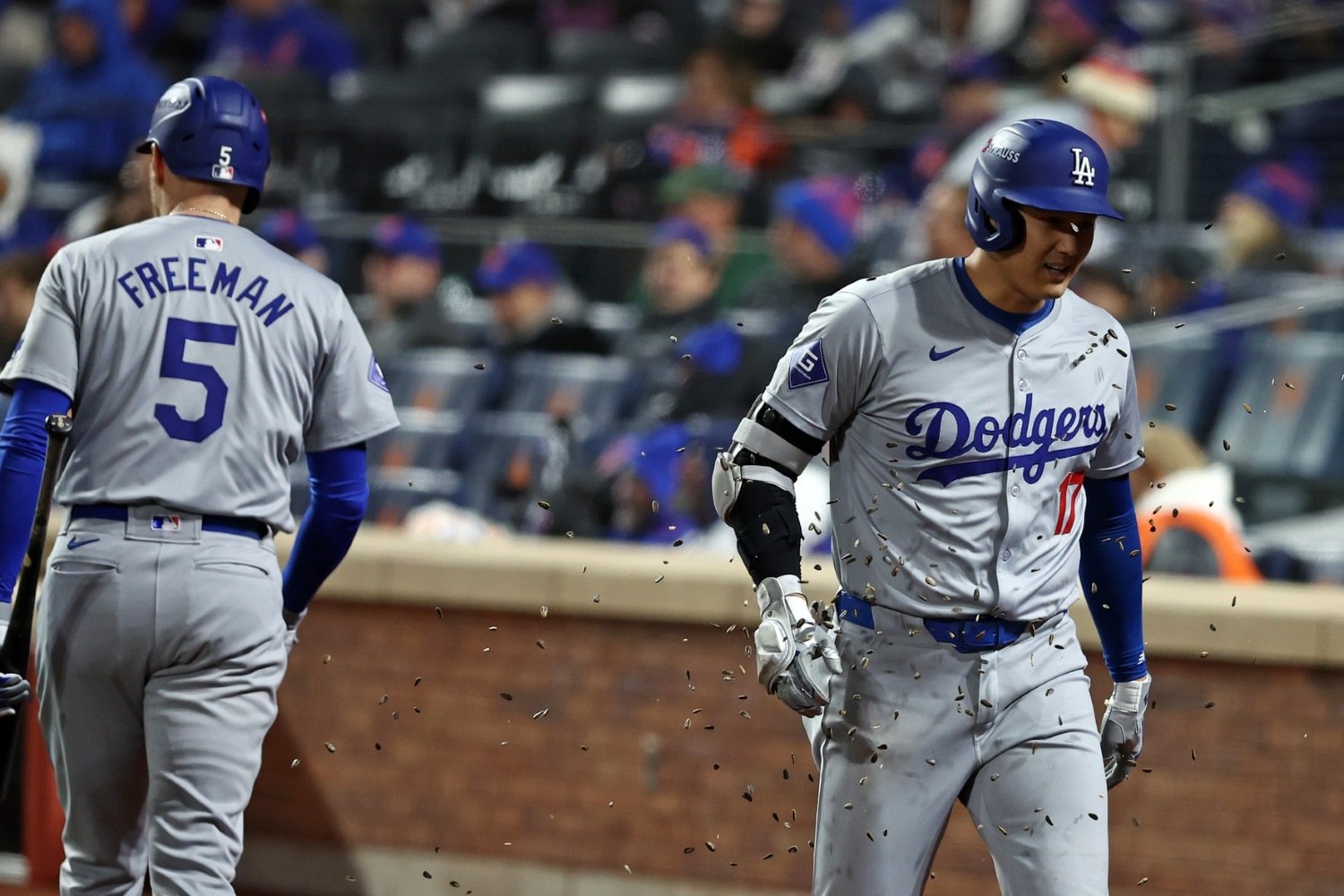 It's not uncommon to hear, in vague terms, that superstars provide a team with extra value beyond their raw production. Often, those truisms are a bit oversold. The ideas, for instance, that an elite hitter or two changes the way an opponent approaches the whole lineup or that those hitters are more likely to come through in clutch situations tend not to hold up under objective scrutiny. After all, unlike in other sports, a team can't electively allocate their offensive opportunities to give their best hitters extra opportunities. In watching this postseason play out, though, there have been several cases in which the semi-hidden added value of those stars shines through. The hits they collect and the runs they create, in and of themselves, are obvious sources of value, but the very best hitters at the top end of the batting order do two other, subtler things: Stretch the game by getting on base, even if many of the rallies they start don't directly lead to scoring. Make it more dangerous and costly to opponents when they let the players in the bottom half of the lineup get on base. The Guardians clogged the bases, but were unable to score early in Game 2 of the ALCS against the Yankees. They threatened and strained Gerrit Cole, but didn't break through in the first four innings of that contest. By forcing him to face 18 batters in those four frames, though, the team put New York manager Aaron Boone in a dilemma: lift his ace with a three-run lead and 15 more outs to get, or ask said ace to pitch to the top of the Guardians batting order a third time. Boone left Cole in the game, and although the visitors weren't able to break through enough to tie things up, they did get to Cole, drawing the deficit down to a lone run. Much is made, every October, of the need for power, because it's so hard to string together enough hits and walks to post a crooked number against the best pitching staffs in baseball. No single or walk is wasted, though, because they each lengthen the game and provide an advantage. They cycle the decision point a skipper faces with the starter's third trip through the lineup forward by a frame, or--and this one is critical--assure that the top of the lineup will get a fifth turn in the late innings. That's the big way that a lethal top of the order, like Shohei Ohtani and Mookie Betts, makes everyone around them better. Every hit, walk, hit batsman, or would-be double play beaten out from the likes of Enrique Hernández, Gavin Lux, or Tommy Edman matters, because it makes it incrementally more likely that Ohtani, Betts, and Freddie Freeman come up an extra time--and those guys' excellence makes that extra flip of the lineup card more valuable than, say, Ian Happ, Seiya Suzuki, and Cody Bellinger do. There are teams with worse top thirds of the order than the one the Cubs have deployed the last year or two, but the spotlight here goes on how much better the likes of the Dodgers' and Yankees' are. Most teams do get the top of their batting order up to bat a fifth time in most games, but often, it's just that top segment that gets its turn. This season, the average team got at least one plate appearance the fifth time through the order within the first nine innings (not counting turns against position players acting as pitchers) in 122.5 games. However, they only averaged 2.6 plate appearances per game under those conditions, despite hitting .253/.328/.415 in those settings. In other words, most of the time, even if you do get your best hitters a fifth turn, they don't have many outs to work with at that point. The Cubs were fifth in MLB, with 128 contests in which they got to the fifth time through the order. However, they weren't as good at cashing in on those chances as some of their peers. The Dodgers batted .309/.405/.540 the fifth time through. The Diamondbacks, Brewers, and Phillies also excelled. Arizona drove in 92 late-game runs in those situations. The Dodgers drove in 81. The Cubs were at 61. If your lineup has stars, they'll often do half the work of giving themselves a fifth shot at the other team's pitching staff within a game. But they also deserve credit for the value they create when those fifth chances come; they make the little lineup-lengthening depth pieces more important than they could be on their own. As Arizona's presence in the conversation indicates, finding value this way doesn't require a team to have a 50-homer slugger like Ohtani or Judge. The Mets have come up with some season-altering rallies over the last month and change on the strength of singles and doubles by the likes of Francisco Lindor, Starling Marte, Mark Vientos, and Pete Alonso. Lengthening the game is important, but becomes more so when players with broad, high-level skill sets lurk at the end of the other team's quest for the 27th out. If Happ and Suzuki could just be the second- and third-best hitters in the top part of the Cubs lineup next season, rather than the best and second-best, it would alter the character of their offense. The number of players they could acquire this winter who would effect that much change is small, and they might not be able to do it. As the postseason has gone on without them, though, the team has gotten plenty of chances to see exactly why it would be worth doing.
-
- 1
-

-
- seiya suzuki
- ian happ
- (and 5 more)
-
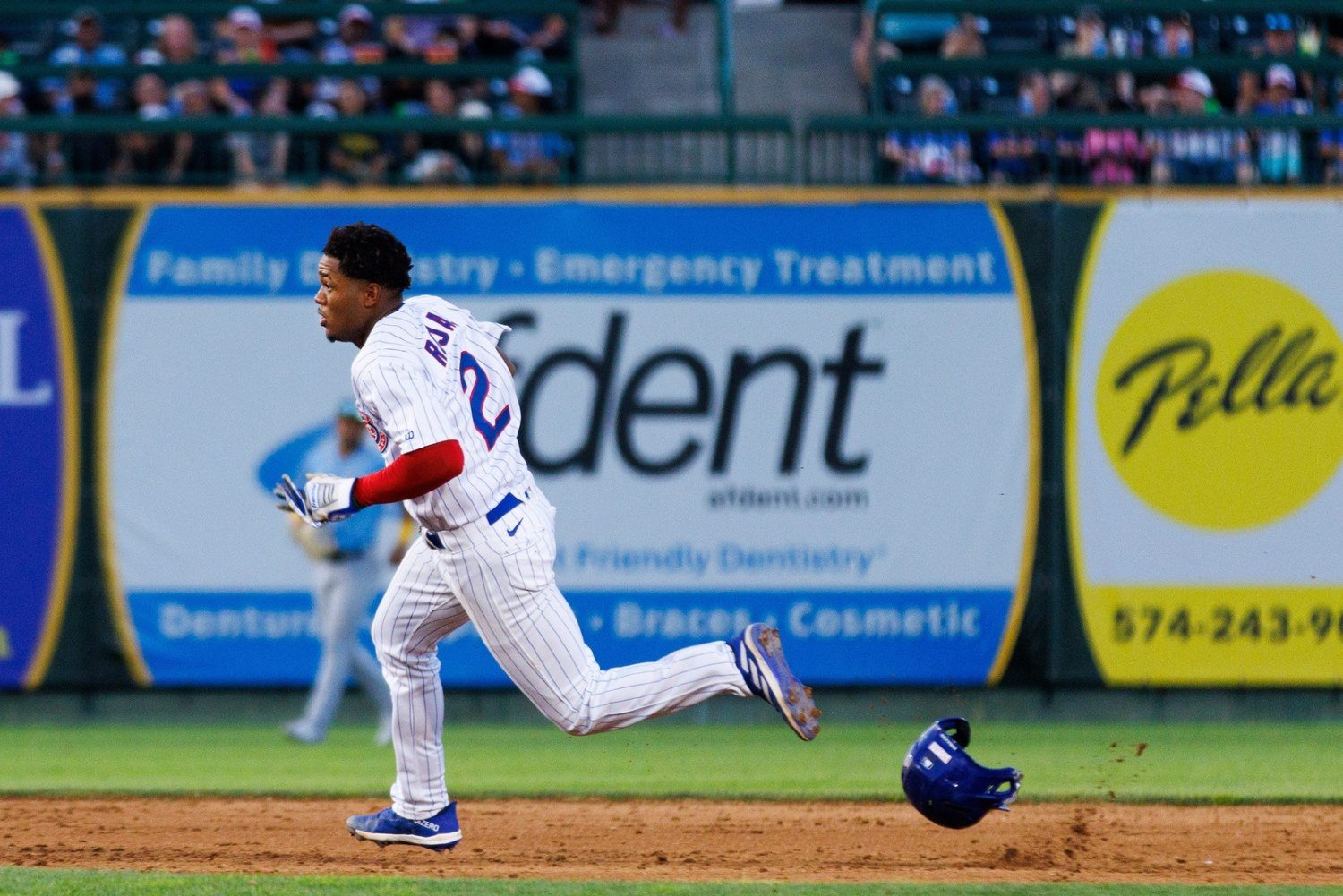 It would be unfair to suggest that the Cubs haven't gotten contributions from homegrown players signed as amateur international free agents over the last decade. Three such players amassed at least 2 wins above average for the team at age 27 or younger from 2010-24: Welington Castillo, Willson Contreras, and Javier Assad. Beyond them, there are players whom the team traded for key pieces of their various contending teams, from Starlin Castro to Gleyber Torres, Eloy Jiménez, Jeimer Candelario, and Isaac Paredes--two of whom have come back to the team later on in their careers. The Cubs front office has decided to trade a few of the successful prospects they've developed after signing them from the Dominican Republic, Venezuela, and Mexico, rather than holding onto them and trying to realize that latent value by developing them into homegrown stars. Still, this is a bad track record. If we can slough some of the blame for players who were traded and then failed to live up to their ceilings off onto the organizations who acquired them, we also have to acknowledge that the Cubs haven't even turned the international prospects they've signed and kept into useful role players--let alone stars. Castillo and Contreras were both signed before the Ricketts family even bought the team, and Castillo never became a true star, even for a moment. Injuries derailed countless promising players, but so did systematic failures of scouting, acquisition, and development. We live in an era defined by Ronald Acuna Jr., Juan Soto, Fernando Tatis Jr., Jackson Chourio, Elly De La Cruz, Rafael Devers, Yordan Alvarez, Vladimir Guerrero Jr., José Ramírez, Starling Marte, Julio Rodríguez, Ketel Marte, Sandy Alcántara, and Luis Castillo. That list isn't even close to exhaustive, but it exhaustively demonstrates the point. There is huge, often unmatchable value in finding and developing stars through this market. The Cubs are disastrously bad at it. Every year, a division rival seems to call up a new player who poses long-term problems for the Cubs. In 2023, it was De La Cruz. In 2024, it was Chourio. The team is lucky that the Cardinals misevaluated Adolis García and Randy Arozarena. Otherwise, they might already have fallen even further behind the curve. Oneil Cruz, though initially signed by the Dodgers, was traded to Pittsburgh when he was 18 and is now finding himself as a budding star for the Pirates. That Cruz and Alvarez were both signed first by the Dodgers--and that Jasson Dominguez is a member of the Yankees--reminds us that getting ahold of top talent doesn't have to be a priority only for smaller-market teams. The rules changes around signing international amateur free agents that took effect in 2012 did make it harder for big-market teams to compete for top talent, but they've kept finding it, and some of those teams are doing much better work than the Cubs when it comes to developing the players they acquire. Hype has not been in short supply. The team signed Cristian Hernandez to a high-dollar bonus in 2021; Jefferson Rojas to one in 2022; Derniche Valdez to yet another in 2023; and Fernando Cruz for $4 million earlier this year. It's too early to fully assess any of those players, but Hernandez and Rojas have given the team consecutive seasons of the same experience: Hot young prospect wows many over offseason, is talked about as potential superstar and breakout player. Hot young prospect gets aggressive assignment when minor-league season begins. Hot young prospect essentially flops, and their star dims going into next season. Development need not be linear; the team could help these guys turn things around and fully tap into their tools. Alas, in the modern game, it's not a good sign when it takes a while for young player to catch fire in the low minors. Chourio, Tatis, Rodríguez, and Acuna didn't need to survive sidetrack seasons; they were good big-leaguers by Hernandez's current age. Has the team's investment in the international market gone only press release-deep? Are they funneling almost all their bonus money to one high-profile prospect, to make news and generate some hype, without real hope of getting a return on that investment? Or do they view that as the best way to turn things around and find a homegrown star? Either way, the results suggest that a change in tack is needed. Since Theo Epstein took over the team after the 2011 season, the only unmitigated, wire-to-wire success--the only guy they identified and acquired as an amateur, helped along and extracted real production from, and then signed to a deal to keep around into the middle of their career--is Ian Happ, who cost the team a valuable, non-renewable resource: a top-10 first-round pick. This organization desperately needs a star they create out of almost nothing, and then retain as a difference-maker for 10 years, the way all the teams who found and developed the long list of superstars above had a chance to do. Until that happens, it's hard to take their stated ambition to be a perennial contender seriously. The lack of just that kind of player and cost confluence is what's holding them back from it.
 -
One of the first pet projects of the Ricketts family after assuming ownership of the Chicago Cubs was an academy in the Dominican Republic. It remains virtually the last concrete evidence of the team's commitment to mining an essential vein of talent in the modern game. Image courtesy of © MICHAEL CLUBB/SOUTH BEND TRIBUNE / USA TODAY NETWORK It would be unfair to suggest that the Cubs haven't gotten contributions from homegrown players signed as amateur international free agents over the last decade. Three such players amassed at least 2 wins above average for the team at age 27 or younger from 2010-24: Welington Castillo, Willson Contreras, and Javier Assad. Beyond them, there are players whom the team traded for key pieces of their various contending teams, from Starlin Castro to Gleyber Torres, Eloy Jiménez, Jeimer Candelario, and Isaac Paredes--two of whom have come back to the team later on in their careers. The Cubs front office has decided to trade a few of the successful prospects they've developed after signing them from the Dominican Republic, Venezuela, and Mexico, rather than holding onto them and trying to realize that latent value by developing them into homegrown stars. Still, this is a bad track record. If we can slough some of the blame for players who were traded and then failed to live up to their ceilings off onto the organizations who acquired them, we also have to acknowledge that the Cubs haven't even turned the international prospects they've signed and kept into useful role players--let alone stars. Castillo and Contreras were both signed before the Ricketts family even bought the team, and Castillo never became a true star, even for a moment. Injuries derailed countless promising players, but so did systematic failures of scouting, acquisition, and development. We live in an era defined by Ronald Acuna Jr., Juan Soto, Fernando Tatis Jr., Jackson Chourio, Elly De La Cruz, Rafael Devers, Yordan Alvarez, Vladimir Guerrero Jr., José Ramírez, Starling Marte, Julio Rodríguez, Ketel Marte, Sandy Alcántara, and Luis Castillo. That list isn't even close to exhaustive, but it exhaustively demonstrates the point. There is huge, often unmatchable value in finding and developing stars through this market. The Cubs are disastrously bad at it. Every year, a division rival seems to call up a new player who poses long-term problems for the Cubs. In 2023, it was De La Cruz. In 2024, it was Chourio. The team is lucky that the Cardinals misevaluated Adolis García and Randy Arozarena. Otherwise, they might already have fallen even further behind the curve. Oneil Cruz, though initially signed by the Dodgers, was traded to Pittsburgh when he was 18 and is now finding himself as a budding star for the Pirates. That Cruz and Alvarez were both signed first by the Dodgers--and that Jasson Dominguez is a member of the Yankees--reminds us that getting ahold of top talent doesn't have to be a priority only for smaller-market teams. The rules changes around signing international amateur free agents that took effect in 2012 did make it harder for big-market teams to compete for top talent, but they've kept finding it, and some of those teams are doing much better work than the Cubs when it comes to developing the players they acquire. Hype has not been in short supply. The team signed Cristian Hernandez to a high-dollar bonus in 2021; Jefferson Rojas to one in 2022; Derniche Valdez to yet another in 2023; and Fernando Cruz for $4 million earlier this year. It's too early to fully assess any of those players, but Hernandez and Rojas have given the team consecutive seasons of the same experience: Hot young prospect wows many over offseason, is talked about as potential superstar and breakout player. Hot young prospect gets aggressive assignment when minor-league season begins. Hot young prospect essentially flops, and their star dims going into next season. Development need not be linear; the team could help these guys turn things around and fully tap into their tools. Alas, in the modern game, it's not a good sign when it takes a while for young player to catch fire in the low minors. Chourio, Tatis, Rodríguez, and Acuna didn't need to survive sidetrack seasons; they were good big-leaguers by Hernandez's current age. Has the team's investment in the international market gone only press release-deep? Are they funneling almost all their bonus money to one high-profile prospect, to make news and generate some hype, without real hope of getting a return on that investment? Or do they view that as the best way to turn things around and find a homegrown star? Either way, the results suggest that a change in tack is needed. Since Theo Epstein took over the team after the 2011 season, the only unmitigated, wire-to-wire success--the only guy they identified and acquired as an amateur, helped along and extracted real production from, and then signed to a deal to keep around into the middle of their career--is Ian Happ, who cost the team a valuable, non-renewable resource: a top-10 first-round pick. This organization desperately needs a star they create out of almost nothing, and then retain as a difference-maker for 10 years, the way all the teams who found and developed the long list of superstars above had a chance to do. Until that happens, it's hard to take their stated ambition to be a perennial contender seriously. The lack of just that kind of player and cost confluence is what's holding them back from it. View full article
-
A stronger bench and platoon presence from the right side is a must for the 2025 Cubs. One avenue through which they could pursue that needed improvement is the trade market, where other teams' reluctance to spend money could benefit Chicago. Image courtesy of © Matt Krohn-Imagn Images As good as Michael Busch was in 2024, there are very, very few left-handed hitters in baseball who aren't good candidates for at least occasional relegation to the bench. For the season, Busch batted .246/.336/.452 against righties, but a relatively paltry .258/.330/.382 against lefties--and that counts as holding up exceptionally well against southpaws. Adjusting for park effects, Busch's numbers were 14 percent better than average for a left-handed batter against left-handed pitchers. That's how much most lefties struggle with southpaws. There is some evidence that keeping one or two left-handed hitters in the lineup against a left-handed starting pitcher is valuable, because it forces them to break up their rhythm and pitch mix more than if a team runs a lineup full of right-handed bats at them. Given that Busch hangs in there well, maybe you want him to start even against lefties, along with Pete Crow-Armstrong (whose value resides mostly in his glove, and is therefore less sensitive to offensive matchups on a day-to-day basis). It's important not to bat Busch as high in the order against lefties as you would against righties, though, and that means having a good right-handed complement to him--someone who can play first base or be the DH, and who might come off the bench to pinch-hit in a key situation against a lefty on the days when he doesn't start. That sounds like a small role, but it's easy for such a player to find 300-400 plate appearances in a season, once you bake in injuries all over the roster and some rest for regulars. Last year, the Cubs gave this job mostly to Patrick Wisdom, but unfortunately, Wisdom wasn't able to sustain the success he's occasionally found in starting roles when shifted into a less routine-oriented job. They need an upgrade. As with the three left-handed infield bats I identified as potential targets Monday, the following three hitters are arbitration-eligible, and their teams could easily choose to retain them. For various reasons, though, that seems unlikely, and they might be available at a discount--but they might also have a bunch of upside left. Andrew Vaughn, 1B, White Sox Two years of team control remaining, MLB Trade Rumors projected arbitration earnings for 2025: $6.4 million As underwhelming as his numbers have been throughout his big-league career, Vaughn has shown plenty of signs of being a competent slugger. He's been a victim, in part, of one of the worst organizations in baseball, into whom he was conscripted by the 2019 Draft. The White Sox have failed to develop him into a player of substantial value, but the parts of a legitimate hitter are here. Vuaghn makes high-quality contact. He ranked in the 83rd percentile among hitters in the percentage of his swings that resulted in contact with an exit velocity of at least 100 miles per hour last year, and for the first time in his career, he consistently lifted the ball. He's not the pull hitter who might theoretically profile best at Wrigley Field, but his approach permits him to generate hard contact at a high rate without striking out as often as most hitters who do so. Last season, he batted a deeply problematic .234/.287/.387 against right-handed pitchers, but against lefties, he went .281/.327/.445. He'd be perfect in a slightly reduced role, shielded from many right-handed pitchers but placed prominently against lefties. Because the woeful White Sox are looking to get cheaper instead of better next season, he's also bound to be near the top of their trade list, since he's due more than $6 million via arbitration. The Cubs could probably acquire him pretty cheaply, and by the end of next season, it could look like a steal. His floor as a lefty-mashing bench bat and platoon partner to Busch and (should he opt in) Cody Bellinger is sturdy, and his ceiling is higher than those who have only seen him play for a disastrous series of coaches and managers are likely to realize. Ty France, 1B/DH, Reds One year of team control left, est. 2025 salary: $8.6 million As I wrote yesterday with regard to Josh Rojas, Seattle was a poisoned hitting environment in 2024. Whether it was a sightline issue at T-Mobile Field, some kind of atmospheric phenomenon, calamitous coaching, or a cocktail of the lot, nothing worked for most of the season for the Mariners. France, 30, became the poster boy for that, after the team gave up and cut him outright after the trade deadline. He batted an anemic .223/.312/.350 for them, with eight home runs in 340 plate appearances. Claimed by the Reds, he promptly socked three homers in his first fortnight, and in his first 163 plate appearances with the team, he batted .287/.325/.433. A 2-for-29 slump to end the season torpedoed his small-sample stats in a Reds uniform, and the combination of a hefty expected arbitration price tag and the expected returns of Christian Encarnacion-Strand and Matt McLain next year will make him eminently expendable for them this winter. In fact, France is probably a non-tender candidate, but the Cubs could jump that line and avoid the risk of having some other team offer him a multi-year deal. Whereas Vaughn would cost something in trade, landing France would require them to surrender nothing of importance; Cincinnati is sure to want to shed the salary obligation. He's a lower-upside play, but a cheaper one, in terms of acquisition cost if not in terms of dollars. Ryan Mountcastle, 1B, Orioles Two years of team control remaining, est. 2025 salary: $6.6 million The Orioles might be the only team with more interesting, voluminous and varied arbitration decisions ahead of them than the Cubs this year. They've been a very inexpensive contending team over the last two seasons, but they'll have to scale up and become one of the top spenders in the game over the next two, or else lose their perch as a playoff-caliber powerhouse in the highly competitive AL East. Mountcastle is not quite superfluous, but the team will have to make hard choices somewhere on their roster, and he would be a logical piece to move to save some money and open some playing time for young players like Coby Mayo. He batted .271/.308/.425 in 2024, continuing a trend of showing a good nose for hard contact, a bit too little plate discipline to blossom into a real star, and the ill effects on power of hitting the ball toward the cavern in left field at Camden Yards. For his career, he's a lethal .285/.338/.503 hitter against left-handed pitching, making him a perfect fit for the Cubs' needs. Obviously, he'd also get some help from hitting at Wrigley Field, rather than in Walltimore. To justify the cost of trading for Mountcastle, the Cubs would probably want to carve a role involving roughly 500 plate appearances out for him. That's likely possible only if Cody Bellinger opts out, so this proposal is a bit dependent on that possibility, but if it comes to fruition, the team should make a call about the slugging righty bat. The Cubs need more reliable power production in the heart of the lineup against lefties, and they need better depth of power threats against righties. Adding one of these three hitters could accomplish both, by giving them the odd power jolt from the (say) seventh spot against a righty while pushing Busch down the order and beefing up the cleanup or fifth spot against a lefty. As long as that comes at a moderate overall cost, it's worth serious exploration. View full article
-
 As good as Michael Busch was in 2024, there are very, very few left-handed hitters in baseball who aren't good candidates for at least occasional relegation to the bench. For the season, Busch batted .246/.336/.452 against righties, but a relatively paltry .258/.330/.382 against lefties--and that counts as holding up exceptionally well against southpaws. Adjusting for park effects, Busch's numbers were 14 percent better than average for a left-handed batter against left-handed pitchers. That's how much most lefties struggle with southpaws. There is some evidence that keeping one or two left-handed hitters in the lineup against a left-handed starting pitcher is valuable, because it forces them to break up their rhythm and pitch mix more than if a team runs a lineup full of right-handed bats at them. Given that Busch hangs in there well, maybe you want him to start even against lefties, along with Pete Crow-Armstrong (whose value resides mostly in his glove, and is therefore less sensitive to offensive matchups on a day-to-day basis). It's important not to bat Busch as high in the order against lefties as you would against righties, though, and that means having a good right-handed complement to him--someone who can play first base or be the DH, and who might come off the bench to pinch-hit in a key situation against a lefty on the days when he doesn't start. That sounds like a small role, but it's easy for such a player to find 300-400 plate appearances in a season, once you bake in injuries all over the roster and some rest for regulars. Last year, the Cubs gave this job mostly to Patrick Wisdom, but unfortunately, Wisdom wasn't able to sustain the success he's occasionally found in starting roles when shifted into a less routine-oriented job. They need an upgrade. As with the three left-handed infield bats I identified as potential targets Monday, the following three hitters are arbitration-eligible, and their teams could easily choose to retain them. For various reasons, though, that seems unlikely, and they might be available at a discount--but they might also have a bunch of upside left. Andrew Vaughn, 1B, White Sox Two years of team control remaining, MLB Trade Rumors projected arbitration earnings for 2025: $6.4 million As underwhelming as his numbers have been throughout his big-league career, Vaughn has shown plenty of signs of being a competent slugger. He's been a victim, in part, of one of the worst organizations in baseball, into whom he was conscripted by the 2019 Draft. The White Sox have failed to develop him into a player of substantial value, but the parts of a legitimate hitter are here. Vuaghn makes high-quality contact. He ranked in the 83rd percentile among hitters in the percentage of his swings that resulted in contact with an exit velocity of at least 100 miles per hour last year, and for the first time in his career, he consistently lifted the ball. He's not the pull hitter who might theoretically profile best at Wrigley Field, but his approach permits him to generate hard contact at a high rate without striking out as often as most hitters who do so. Last season, he batted a deeply problematic .234/.287/.387 against right-handed pitchers, but against lefties, he went .281/.327/.445. He'd be perfect in a slightly reduced role, shielded from many right-handed pitchers but placed prominently against lefties. Because the woeful White Sox are looking to get cheaper instead of better next season, he's also bound to be near the top of their trade list, since he's due more than $6 million via arbitration. The Cubs could probably acquire him pretty cheaply, and by the end of next season, it could look like a steal. His floor as a lefty-mashing bench bat and platoon partner to Busch and (should he opt in) Cody Bellinger is sturdy, and his ceiling is higher than those who have only seen him play for a disastrous series of coaches and managers are likely to realize. Ty France, 1B/DH, Reds One year of team control left, est. 2025 salary: $8.6 million As I wrote yesterday with regard to Josh Rojas, Seattle was a poisoned hitting environment in 2024. Whether it was a sightline issue at T-Mobile Field, some kind of atmospheric phenomenon, calamitous coaching, or a cocktail of the lot, nothing worked for most of the season for the Mariners. France, 30, became the poster boy for that, after the team gave up and cut him outright after the trade deadline. He batted an anemic .223/.312/.350 for them, with eight home runs in 340 plate appearances. Claimed by the Reds, he promptly socked three homers in his first fortnight, and in his first 163 plate appearances with the team, he batted .287/.325/.433. A 2-for-29 slump to end the season torpedoed his small-sample stats in a Reds uniform, and the combination of a hefty expected arbitration price tag and the expected returns of Christian Encarnacion-Strand and Matt McLain next year will make him eminently expendable for them this winter. In fact, France is probably a non-tender candidate, but the Cubs could jump that line and avoid the risk of having some other team offer him a multi-year deal. Whereas Vaughn would cost something in trade, landing France would require them to surrender nothing of importance; Cincinnati is sure to want to shed the salary obligation. He's a lower-upside play, but a cheaper one, in terms of acquisition cost if not in terms of dollars. Ryan Mountcastle, 1B, Orioles Two years of team control remaining, est. 2025 salary: $6.6 million The Orioles might be the only team with more interesting, voluminous and varied arbitration decisions ahead of them than the Cubs this year. They've been a very inexpensive contending team over the last two seasons, but they'll have to scale up and become one of the top spenders in the game over the next two, or else lose their perch as a playoff-caliber powerhouse in the highly competitive AL East. Mountcastle is not quite superfluous, but the team will have to make hard choices somewhere on their roster, and he would be a logical piece to move to save some money and open some playing time for young players like Coby Mayo. He batted .271/.308/.425 in 2024, continuing a trend of showing a good nose for hard contact, a bit too little plate discipline to blossom into a real star, and the ill effects on power of hitting the ball toward the cavern in left field at Camden Yards. For his career, he's a lethal .285/.338/.503 hitter against left-handed pitching, making him a perfect fit for the Cubs' needs. Obviously, he'd also get some help from hitting at Wrigley Field, rather than in Walltimore. To justify the cost of trading for Mountcastle, the Cubs would probably want to carve a role involving roughly 500 plate appearances out for him. That's likely possible only if Cody Bellinger opts out, so this proposal is a bit dependent on that possibility, but if it comes to fruition, the team should make a call about the slugging righty bat. The Cubs need more reliable power production in the heart of the lineup against lefties, and they need better depth of power threats against righties. Adding one of these three hitters could accomplish both, by giving them the odd power jolt from the (say) seventh spot against a righty while pushing Busch down the order and beefing up the cleanup or fifth spot against a lefty. As long as that comes at a moderate overall cost, it's worth serious exploration.
 -
I agree with this, I think. There are four bench spots. One has to be the secondary catcher; that clearly needs to be upgraded. Of the other three, two need to be much higher-utility than they were this year. If the last is reserved for the guy who walks into camp as an NRI and goes Tauchman or the prospect who dazzles, that's fine. All four spots were insufficiently staffed in 2024.
-
He's going to have to quiet the leg kick down, or MLB pitchers are going to eat him for lunch. And once he does quiet it down, what's left is a 5-foot-9 dude who might REALLY struggle to generate consistent power, against the much better stuff of big-league pitchers. We tend to think only about the way big-leaguers can miss your bat or entice you to chase, but they also tend to have better heat and/or deeper arsenals, both of which tend to mean that you also don't hit the ball as squarely or sharply as you can against lesser arms. Shaw will have to find ways to consistently hit the ball hard against much better pitchers, after making adjustments that will compromise the way he's generated power against those lesser arms so far in his career. This is not new information, and it doesn't make him a non-prospect. It's just an important reminder of how great the gap left to bridge is. It's why he was available at No. 13 last summer, rather than being in the top 5-10 conversation. He was a safe pick in the middle of the first round. Expecting stardom from him would be outrageous, especially in the short term. He's much more likely to look the way most mid-first round college bats do, which is to say, he's likely to settle in around average--and that more likely in 2026 than in 2025. I mention this often, but don't think people like to hear it, so it sometimes goes unabsorbed: we have a major problem with prospect ranking creep lately. All the major outlets have gone, stepwise, from one top-100 list per year to two or three full-fledged re-rankings, all of which people treat as equivalent data points to what we had in the past. It ain't so. It's not the same thing to slide up into the top 30 of a prospect list by September as it is to be in that position in March, and the public isn't yet doing a good job of digesting the faster rankings cycle. Shaw is a bit overrated right now, but that's not a knock on his skill set. It's a product of how the minors work right now and of the prospect-ranking industry changing in some fun but sometimes misleading ways.
-
I think you guys are a little too high on the farm system in general, and Shaw in particular. The way he's succeeded so far in the minors will not work in the majors. Lot of changes left to make, and wouldn't be shocked if he ends up a pretty low-ceiling dude by the time they're complete. I certainly don't think they should wait around and count on his contributions toward winning in 2025, unless it be as part of a broader retooling that I don't foresee.
-
One way to leverage the advantage of being a big-market team with money coming off the books is to seek out teams with talented players whose salaries are rising while the payroll is not. Image courtesy of © Stephen Brashear-Imagn Images As the offseason looms, there's a veneer of homeostasis around the Cubs' infield. Michael Busch established himself as a strong first baseman in his rookie campaign. Nico Hoerner and Dansby Swanson are signed to multi-year deals with eight-figure annual salaries, and Isaac Paredes is a two-time All-Star acquired just three months ago, who still has team control remaining. In truth, though, there's a chance the team will seek out significant changes to the infield mix this winter, even if none of them come at the direct expense of any of those presumptive starters. Paredes had a very rocky first month with the club. Swanson and Hoerner were almost invisible until the final two months, by which time the season was lost. Based on his profile, it's easy to envision wanting Busch in a prominent lineup position against right-handed pitchers, but not wanting him in the lineup at all against most lefties. Each of these promising and talented players has warts, and even if they didn't, reinforcements would be needed. No team gets through a season without incurring injuries to each unit of their roster, and the Cubs' reserve infielders weren't good enough in 2024. With Miles Mastrobuoni, Patrick Wisdom, and others crying out to be replaced by better options, the team needs to head into the winter planning to upgrade their depth on the dirt. There are players high in the team's farm system who could contribute as the season progresses, but it's important that the team not depend on that outcome. Yet, it's hard to recruit free agents of especially high quality when you don't have a starting job to offer them. Try to fill secondary roles via MLB free agency, and you end up with deals like the Daniel Descalso disaster. So, the creative solution is to look around the trade market and identify players who are good fits for your needs, but who might not be good fits for their own organization--not because they're too deeply flawed, but because those teams have limited spending power and they're due for salary bumps via arbitration that might not be deemed affordable. Here are three lefty-hitting infielders who fit those criteria for the Cubs as the hot stove season draws near. Josh Rojas, 3B, Mariners Two years of team control remaining, est. 2025 salary: $4.3 million, per MLB Trade Rumors A late-blooming underdog, Rojas didn't fully establish himself until his age-27 season with Arizona. Dealt to Seattle in the Paul Sewald trade at the 2023 deadline, he's been an underwhelming contributor for the Mariners. However, he just turned 30 at the end of June, and he still has several features to recommend him as a complementary piece for this infield. A lefty batter, Rojas could be a partial platoon partner to both Hoerner and Paredes, based on matchups and the team's day-to-day defensive needs. He's a fine defender at the hot corner, and a passable one at the keystone. He only batted .240/.318/.370 against righties this season, but that undersells him significantly. Seattle's home park is the only one that played tougher for batters than did Wrigley Field in 2024, but that's just part of the story. Rojas struck out just 20.8% of the time and walked 9.8% of the time against righties, with an above-average hard-hit rate and plenty of line drives and fly balls. Against righties, he's a balanced, average-plus hitter, with below-average power but above-average ability in all other aspects of offense. Rojas just needs to be sheltered from left-handed pitchers. The Cubs would be in position to make 90 percent of his plate appearances come against right-handed ones, and they can benefit from his defensive flexibility, too. If the Mariners don't want to pay an average salary for a player who can't quite hack it as an everyday option, the Cubs should be first in line to nab him. Willi Castro, UTIL, Twins One year of team control remaining, est. 2025 salary: $6.2 million One of the most unlikely All-Stars of the season, Castro blossomed gorgeously in his second season with the Twins, after he was so raw and frustrating that the Tigers non-tendered him in 2022. He flailed and sputtered down the stretch, playing more often and in a wider variety of places than almost anyone else in the league, but the overall picture is still one of a player who does a lot of things well. Castro will only turn 28 next April, and in addition to the dynamism of his offensive game, he brings value with his glove and his legs--although the latter has proved somewhat fickle. After stealing 33 bases in 38 tries in 2023, Castro was caught nine times and stole just 14 in 2024. He also made more bad baserunning mistakes this year, but in general, his speed and aggressiveness are still assets. He's also as versatile a defender as almost anyone in the game, having appeared at least 25 times at five different positions last year: second base, third base, shortstop, left field, and center field. The switch-hitter handles righties better than lefties, but isn't helpless when batting right-handed. He's a slightly better and much more flexible bat than Rojas, and his capability at so many spots makes up for a lack of brilliance at any particular one. The downsides are that he will cost more money, be under team control one fewer year, and perhaps still cost more in a trade than Rojas, but the Cubs can weigh their options and select the superior deal--as long as they're proactive about ascertaining the availability of each. The Twins' payroll has no room to inflate next season, so Castro's waiting payday will be mildly onerous for them, unless they can move him. Luis García Jr., 2B, Nationals Three years of team control left, est. 2025 salary: $4.8 million More so than with Rojas or Castro, getting García might require really ponying up, but he could very well be worth it. A top prospect heading into 2020, García was rushed to the majors rather than have his season wasted, but it's slowed his development into a mature big-league hitter. Just 24 years old even after playing parts of five seasons, he really figured some things out in 2024. Over 140 games and 528 plate appearances, García hit .282/.318/.444, with 18 home runs and 22 stolen bases. He's a left-handed hitter and a fine baserunner, although a subpar defensive second baseman. His bat is so potent--especially against right-handed pitchers, whom he clubbed to the tune of a .469 slugging average--that he'd be a transformational situational upgrade over Swanson (.361), Hoerner (.359), or Paredes (.360), none of whom slugged within 100 points of him off righties. Whereas the Mariners don't view Rojas as a core piece and the Twins need to move so much money that Castro is a tough fit, Washington could plausibly hold onto their second baseman. In all likelihood, García would require a trade package rich enough to leave the team feeling an obligation to play him nearly every day. He could find some of that time at designated hitter, some as a bench bat, and some in place of Paredes, but he'd have to heavily cannibalize Hoerner's playing time to rack up 550 or more plate appearances. These are three distinct player types, but they would all functionally take up the same roster spot for the team next year. Rojas would be a platoon player and defensive specialist. Castro would be a super-sub and chaos creator at the bottom of the lineup, keeping everyone fresh and catalyzing an offense that often lacked that very ingredient last year. García is the one with the star-caliber upside and the power so many fans crave, but he'd also be markedly more costly than the others--with a hefty arbitration-driven price tag over the next three years, plus an acquisition cost much like those of Paredes and Busch. Maybe none of these three come to fruition, but each represents the kind of upside the team needs to seek as they round out their roster for 2025. Whether or not they successfully upgrade any of their nominal starting positions, they have to be deeper than they were this year, when Craig Counsell increasingly stuck to his trusted nine every day over the final two months--not because they were world-beaters, but because no one on his bench was a credible alternative even when his weaker starters faced bad matchups. Jed Hoyer's job this winter is to make a roster that overflows with talent, and these three trade targets are exemplars of the player type the front office should be pursuing: overqualified role players or perfectly adequate regulars, should the need for that arise. That they're all available as much for financial as for baseball reasons should only make the Cubs more eager to pounce. View full article
-
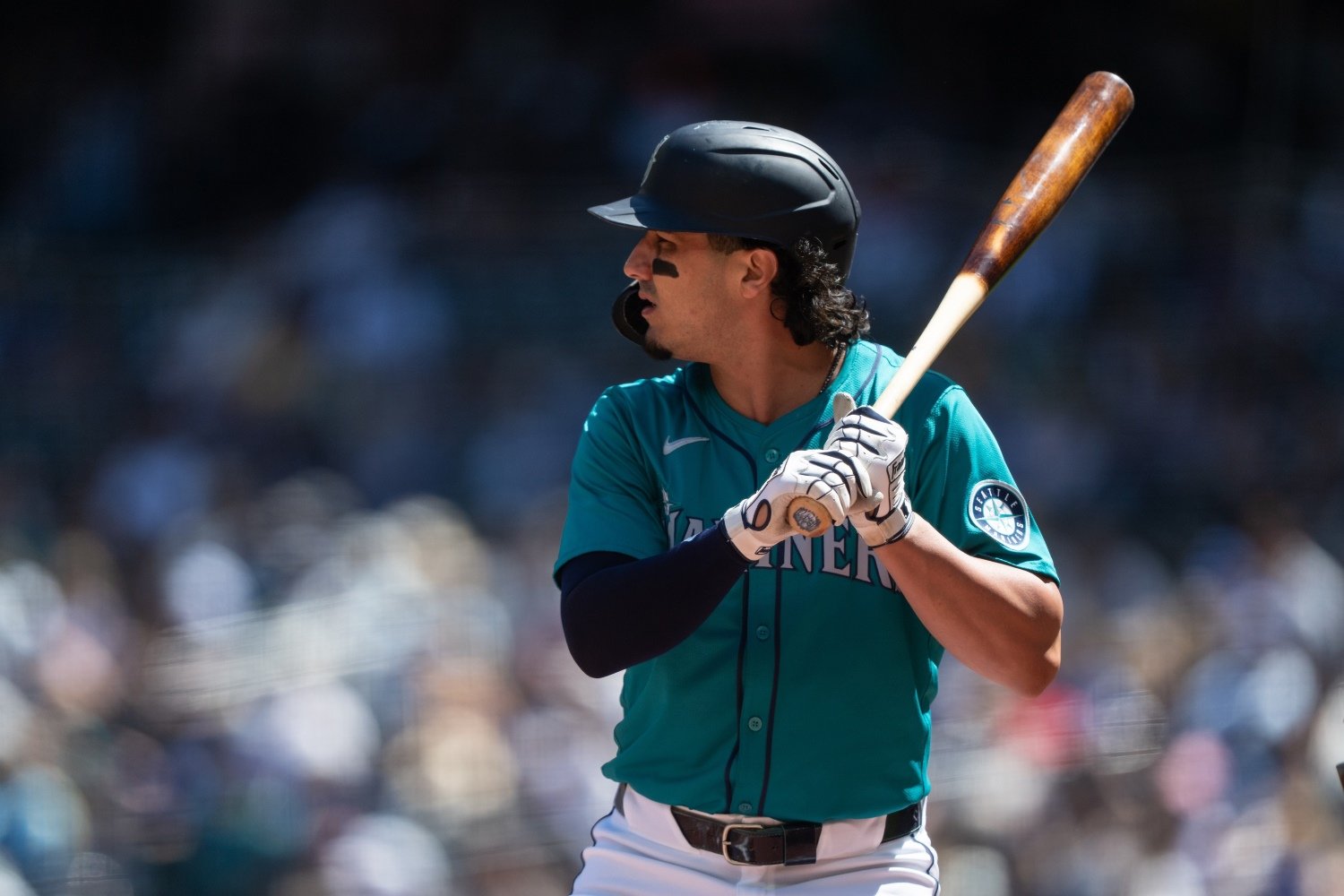 As the offseason looms, there's a veneer of homeostasis around the Cubs' infield. Michael Busch established himself as a strong first baseman in his rookie campaign. Nico Hoerner and Dansby Swanson are signed to multi-year deals with eight-figure annual salaries, and Isaac Paredes is a two-time All-Star acquired just three months ago, who still has team control remaining. In truth, though, there's a chance the team will seek out significant changes to the infield mix this winter, even if none of them come at the direct expense of any of those presumptive starters. Paredes had a very rocky first month with the club. Swanson and Hoerner were almost invisible until the final two months, by which time the season was lost. Based on his profile, it's easy to envision wanting Busch in a prominent lineup position against right-handed pitchers, but not wanting him in the lineup at all against most lefties. Each of these promising and talented players has warts, and even if they didn't, reinforcements would be needed. No team gets through a season without incurring injuries to each unit of their roster, and the Cubs' reserve infielders weren't good enough in 2024. With Miles Mastrobuoni, Patrick Wisdom, and others crying out to be replaced by better options, the team needs to head into the winter planning to upgrade their depth on the dirt. There are players high in the team's farm system who could contribute as the season progresses, but it's important that the team not depend on that outcome. Yet, it's hard to recruit free agents of especially high quality when you don't have a starting job to offer them. Try to fill secondary roles via MLB free agency, and you end up with deals like the Daniel Descalso disaster. So, the creative solution is to look around the trade market and identify players who are good fits for your needs, but who might not be good fits for their own organization--not because they're too deeply flawed, but because those teams have limited spending power and they're due for salary bumps via arbitration that might not be deemed affordable. Here are three lefty-hitting infielders who fit those criteria for the Cubs as the hot stove season draws near. Josh Rojas, 3B, Mariners Two years of team control remaining, est. 2025 salary: $4.3 million, per MLB Trade Rumors A late-blooming underdog, Rojas didn't fully establish himself until his age-27 season with Arizona. Dealt to Seattle in the Paul Sewald trade at the 2023 deadline, he's been an underwhelming contributor for the Mariners. However, he just turned 30 at the end of June, and he still has several features to recommend him as a complementary piece for this infield. A lefty batter, Rojas could be a partial platoon partner to both Hoerner and Paredes, based on matchups and the team's day-to-day defensive needs. He's a fine defender at the hot corner, and a passable one at the keystone. He only batted .240/.318/.370 against righties this season, but that undersells him significantly. Seattle's home park is the only one that played tougher for batters than did Wrigley Field in 2024, but that's just part of the story. Rojas struck out just 20.8% of the time and walked 9.8% of the time against righties, with an above-average hard-hit rate and plenty of line drives and fly balls. Against righties, he's a balanced, average-plus hitter, with below-average power but above-average ability in all other aspects of offense. Rojas just needs to be sheltered from left-handed pitchers. The Cubs would be in position to make 90 percent of his plate appearances come against right-handed ones, and they can benefit from his defensive flexibility, too. If the Mariners don't want to pay an average salary for a player who can't quite hack it as an everyday option, the Cubs should be first in line to nab him. Willi Castro, UTIL, Twins One year of team control remaining, est. 2025 salary: $6.2 million One of the most unlikely All-Stars of the season, Castro blossomed gorgeously in his second season with the Twins, after he was so raw and frustrating that the Tigers non-tendered him in 2022. He flailed and sputtered down the stretch, playing more often and in a wider variety of places than almost anyone else in the league, but the overall picture is still one of a player who does a lot of things well. Castro will only turn 28 next April, and in addition to the dynamism of his offensive game, he brings value with his glove and his legs--although the latter has proved somewhat fickle. After stealing 33 bases in 38 tries in 2023, Castro was caught nine times and stole just 14 in 2024. He also made more bad baserunning mistakes this year, but in general, his speed and aggressiveness are still assets. He's also as versatile a defender as almost anyone in the game, having appeared at least 25 times at five different positions last year: second base, third base, shortstop, left field, and center field. The switch-hitter handles righties better than lefties, but isn't helpless when batting right-handed. He's a slightly better and much more flexible bat than Rojas, and his capability at so many spots makes up for a lack of brilliance at any particular one. The downsides are that he will cost more money, be under team control one fewer year, and perhaps still cost more in a trade than Rojas, but the Cubs can weigh their options and select the superior deal--as long as they're proactive about ascertaining the availability of each. The Twins' payroll has no room to inflate next season, so Castro's waiting payday will be mildly onerous for them, unless they can move him. Luis García Jr., 2B, Nationals Three years of team control left, est. 2025 salary: $4.8 million More so than with Rojas or Castro, getting García might require really ponying up, but he could very well be worth it. A top prospect heading into 2020, García was rushed to the majors rather than have his season wasted, but it's slowed his development into a mature big-league hitter. Just 24 years old even after playing parts of five seasons, he really figured some things out in 2024. Over 140 games and 528 plate appearances, García hit .282/.318/.444, with 18 home runs and 22 stolen bases. He's a left-handed hitter and a fine baserunner, although a subpar defensive second baseman. His bat is so potent--especially against right-handed pitchers, whom he clubbed to the tune of a .469 slugging average--that he'd be a transformational situational upgrade over Swanson (.361), Hoerner (.359), or Paredes (.360), none of whom slugged within 100 points of him off righties. Whereas the Mariners don't view Rojas as a core piece and the Twins need to move so much money that Castro is a tough fit, Washington could plausibly hold onto their second baseman. In all likelihood, García would require a trade package rich enough to leave the team feeling an obligation to play him nearly every day. He could find some of that time at designated hitter, some as a bench bat, and some in place of Paredes, but he'd have to heavily cannibalize Hoerner's playing time to rack up 550 or more plate appearances. These are three distinct player types, but they would all functionally take up the same roster spot for the team next year. Rojas would be a platoon player and defensive specialist. Castro would be a super-sub and chaos creator at the bottom of the lineup, keeping everyone fresh and catalyzing an offense that often lacked that very ingredient last year. García is the one with the star-caliber upside and the power so many fans crave, but he'd also be markedly more costly than the others--with a hefty arbitration-driven price tag over the next three years, plus an acquisition cost much like those of Paredes and Busch. Maybe none of these three come to fruition, but each represents the kind of upside the team needs to seek as they round out their roster for 2025. Whether or not they successfully upgrade any of their nominal starting positions, they have to be deeper than they were this year, when Craig Counsell increasingly stuck to his trusted nine every day over the final two months--not because they were world-beaters, but because no one on his bench was a credible alternative even when his weaker starters faced bad matchups. Jed Hoyer's job this winter is to make a roster that overflows with talent, and these three trade targets are exemplars of the player type the front office should be pursuing: overqualified role players or perfectly adequate regulars, should the need for that arise. That they're all available as much for financial as for baseball reasons should only make the Cubs more eager to pounce.
 -
The 2024 Cubs needed a better relief ace, or at least to find their way to one sooner. But as the postseason has reminded everyone, the next-level challenge is to build a bullpen that contains several reliable hurlers with versatile skill sets. Image courtesy of © Charles LeClaire-Imagn Images With each passing year, the postseason becomes more about pockets. Cubs fans who have watched years of Joe Maddon, David Ross and Craig Counsell know what those pockets are: stretches within one team's lineup that their opponent believes they can exploit with a particular pitcher, based on handedness, arsenal, and swing paths. Teams increasingly lean into the strategy of getting their starters out of games before damage can be inflicted once the postseason comes, and that means that successfully finding and creating favorable matchups decides games and series. However, if you only have one or two relievers you trust against a given pocket of a lineup, you quickly run into a problem in series longer than three games: the repeat-reliever effect. As closely studied by David Gordon and explored at length by Ben Lindbergh last fall, the more times a pitcher works within a series, the more danger there is of the same exposure effect that makes starters less effective as the lineup card turns over within a single game. It's a real effect, and a significant one, and teams who have tried to bullpen their way through the Division Series this year have run into it, already. Building great bullpens is a difficult business, fraught with volatility. Building ones containing six or seven pitchers capable of getting out multiple profiles of playoff-caliber hitter is downright vicious work, and because the Cubs currently lack either a starting rotation or a lineup sufficient to the task of reaching the postseason, it can't be their top priority. However, it also can't be neglected. Teams like to collect relievers who give hitters a wide array of different looks, and that's a valid approach. If a club leans too much into its favorite profile of hurler, they risk being exposed if they come up against a hitter or two in the opposing lineup who handle that set of release points and pitch shapes well. The Cubs, for instance, like to have guys like Tyson Miller, Jose Cuas, and Luke Little, who have outlier arm slots and release points as wide of the center of the rubber as anyone in the league, but that makes the counterbalances of Julian Merryweather and Drew Smyly important: they give hitters very different, over-the-top looks. Obviously, though, it can't just be about creating varied looks. First of all, the pitchers have to be good--better, if we're being blunt, than Smyly or Cuas are, and ideally more consistent and durable than Little or Merryweather. Secondly, if we embrace the concept of the repeat-reliever effect, we also have to admit the importance of having more than one pitcher who can attack each important pocket. You don't want to have to turn to the same relievers over and over within a series, but you especially don't want to have to use the same relievers against the same sets of hitters over and over. The Tigers' Beau Brieske struck out Guardians slugger David Fry in the ninth inning of Game 2 of the ALDS on Monday. He struck him out again in the fifth inning of Game 3 Wednesday night. In Game 4, though, with the tying run on base and two outs in the seventh frame, A.J. Hinch went back to Brieske to face Fry--and Fry hit a game-winning two-run homer that eventually forced a Game 5. Hinch doesn't trust regular-season closer Jason Foley very much against the key hitters in the Cleveland lineup. He hasn't turned to him at all in this series. Foley's pitch mix consists primarily of a sinker that favors arm-side run over sinking action and a tight, gyro-style slider. Fry struggles more against sweepier right-handed breaking balls, so Brieske was (all else equal) the better matchup against him. All else wasn't equal, though. Fry got his third look at Brieske in four days, and the dynamic changed. Hinch was worried that if Foley didn't get Fry, he would have to face Jose Ramirez and Josh Naylor, against whom his mix is an even worse, downright disastrous matchup, so his choice to try his luck with Brieske was defensible. But it underscores the fact that what the team really needed, in that moment, was one more pitcher akin to Brieske on whom Hinch could call instead. You can't collect doubles of every good pitcher you have, but throughout these playoffs, we've been reminded of the fact that it's vital to have relievers who throw both left- and right-handed, and who have a wide variety of pitch types and shapes at their disposal. It might even be valuable to seek out more hurlers who have unusually deep repertoires, for that role, so that more of them can be called upon against more pockets of a good lineup. If you have a reliever who relies on just two pitches, he has only a fair chance of matching up well against a given hitter. If your pitcher throws three different offerings with some confidence, there's an exponentially better shot of their fitting nicely. They might need to leave one of their pitches out of the mix against a given hitter, but they should be able to work off two of them. Maybe it's just one pitch they can turn to against one batter, but they have two or three that work against the hitter on either side of them in the order. All of this needs to be in the forefront of Jed Hoyer's mind as he and his staff set about building a great bullpen for the 2025 Cubs. Balance, depth and dominance all matter, and while the relief corps will surely need to be refueled and reinforced on the fly--that happens to every team, every year--starting with a foundation of all those things will be critical. After all, during the regular season, there aren't even the extra days off that dot the postseason schedule. Using the same relievers every game isn't even a hypothetical option. You have to have more than one guy who can do everything that might need doing. The Cubs didn't meet that standard for the first two months of last season, and it torpedoed their whole campaign. To first get to and then thrive in the playoffs, they have to take a more comprehensive and aggressive approach to bullpen-building this winter. View full article
-
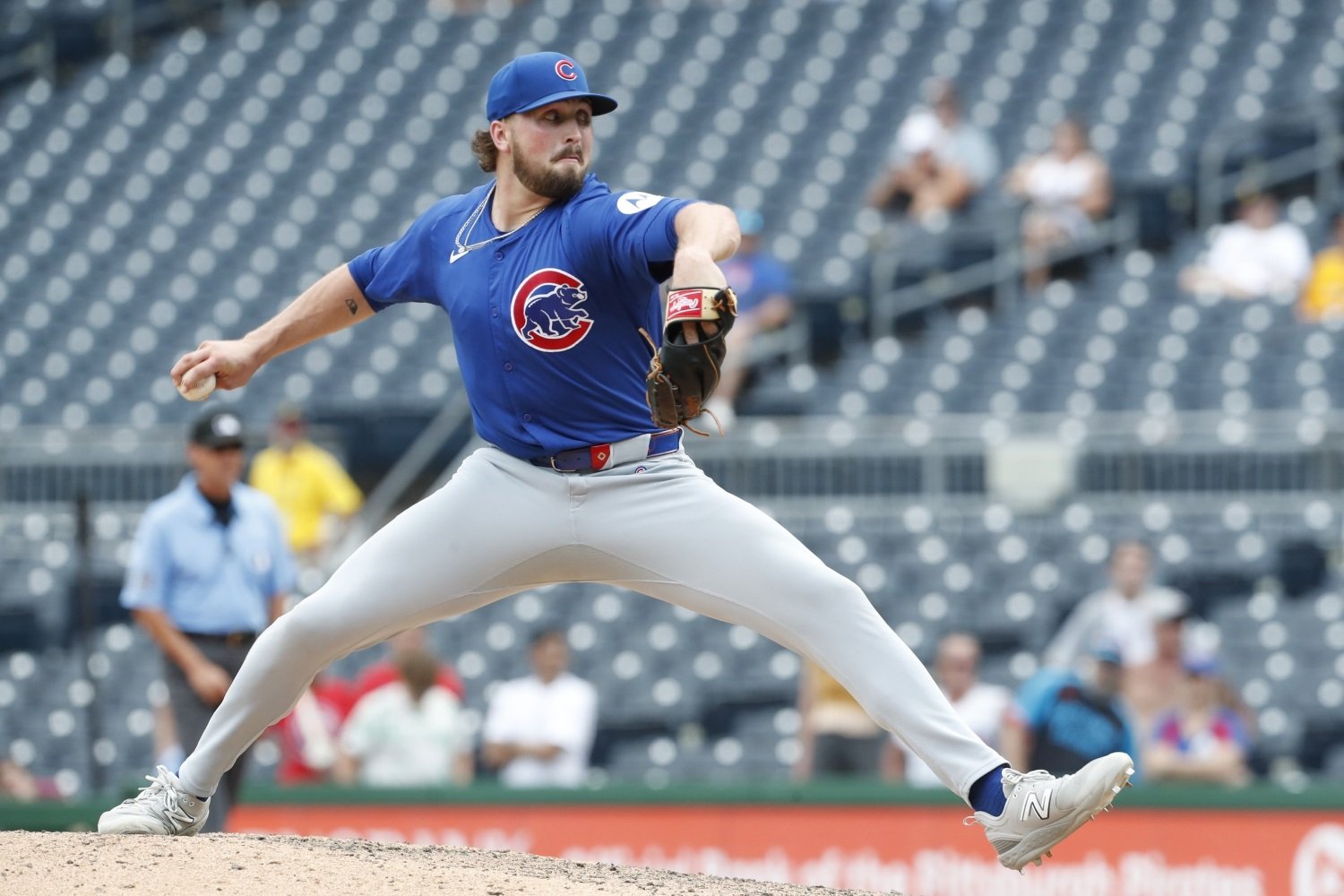 With each passing year, the postseason becomes more about pockets. Cubs fans who have watched years of Joe Maddon, David Ross and Craig Counsell know what those pockets are: stretches within one team's lineup that their opponent believes they can exploit with a particular pitcher, based on handedness, arsenal, and swing paths. Teams increasingly lean into the strategy of getting their starters out of games before damage can be inflicted once the postseason comes, and that means that successfully finding and creating favorable matchups decides games and series. However, if you only have one or two relievers you trust against a given pocket of a lineup, you quickly run into a problem in series longer than three games: the repeat-reliever effect. As closely studied by David Gordon and explored at length by Ben Lindbergh last fall, the more times a pitcher works within a series, the more danger there is of the same exposure effect that makes starters less effective as the lineup card turns over within a single game. It's a real effect, and a significant one, and teams who have tried to bullpen their way through the Division Series this year have run into it, already. Building great bullpens is a difficult business, fraught with volatility. Building ones containing six or seven pitchers capable of getting out multiple profiles of playoff-caliber hitter is downright vicious work, and because the Cubs currently lack either a starting rotation or a lineup sufficient to the task of reaching the postseason, it can't be their top priority. However, it also can't be neglected. Teams like to collect relievers who give hitters a wide array of different looks, and that's a valid approach. If a club leans too much into its favorite profile of hurler, they risk being exposed if they come up against a hitter or two in the opposing lineup who handle that set of release points and pitch shapes well. The Cubs, for instance, like to have guys like Tyson Miller, Jose Cuas, and Luke Little, who have outlier arm slots and release points as wide of the center of the rubber as anyone in the league, but that makes the counterbalances of Julian Merryweather and Drew Smyly important: they give hitters very different, over-the-top looks. Obviously, though, it can't just be about creating varied looks. First of all, the pitchers have to be good--better, if we're being blunt, than Smyly or Cuas are, and ideally more consistent and durable than Little or Merryweather. Secondly, if we embrace the concept of the repeat-reliever effect, we also have to admit the importance of having more than one pitcher who can attack each important pocket. You don't want to have to turn to the same relievers over and over within a series, but you especially don't want to have to use the same relievers against the same sets of hitters over and over. The Tigers' Beau Brieske struck out Guardians slugger David Fry in the ninth inning of Game 2 of the ALDS on Monday. He struck him out again in the fifth inning of Game 3 Wednesday night. In Game 4, though, with the tying run on base and two outs in the seventh frame, A.J. Hinch went back to Brieske to face Fry--and Fry hit a game-winning two-run homer that eventually forced a Game 5. Hinch doesn't trust regular-season closer Jason Foley very much against the key hitters in the Cleveland lineup. He hasn't turned to him at all in this series. Foley's pitch mix consists primarily of a sinker that favors arm-side run over sinking action and a tight, gyro-style slider. Fry struggles more against sweepier right-handed breaking balls, so Brieske was (all else equal) the better matchup against him. All else wasn't equal, though. Fry got his third look at Brieske in four days, and the dynamic changed. Hinch was worried that if Foley didn't get Fry, he would have to face Jose Ramirez and Josh Naylor, against whom his mix is an even worse, downright disastrous matchup, so his choice to try his luck with Brieske was defensible. But it underscores the fact that what the team really needed, in that moment, was one more pitcher akin to Brieske on whom Hinch could call instead. You can't collect doubles of every good pitcher you have, but throughout these playoffs, we've been reminded of the fact that it's vital to have relievers who throw both left- and right-handed, and who have a wide variety of pitch types and shapes at their disposal. It might even be valuable to seek out more hurlers who have unusually deep repertoires, for that role, so that more of them can be called upon against more pockets of a good lineup. If you have a reliever who relies on just two pitches, he has only a fair chance of matching up well against a given hitter. If your pitcher throws three different offerings with some confidence, there's an exponentially better shot of their fitting nicely. They might need to leave one of their pitches out of the mix against a given hitter, but they should be able to work off two of them. Maybe it's just one pitch they can turn to against one batter, but they have two or three that work against the hitter on either side of them in the order. All of this needs to be in the forefront of Jed Hoyer's mind as he and his staff set about building a great bullpen for the 2025 Cubs. Balance, depth and dominance all matter, and while the relief corps will surely need to be refueled and reinforced on the fly--that happens to every team, every year--starting with a foundation of all those things will be critical. After all, during the regular season, there aren't even the extra days off that dot the postseason schedule. Using the same relievers every game isn't even a hypothetical option. You have to have more than one guy who can do everything that might need doing. The Cubs didn't meet that standard for the first two months of last season, and it torpedoed their whole campaign. To first get to and then thrive in the playoffs, they have to take a more comprehensive and aggressive approach to bullpen-building this winter.
 -
Can I interest you in a trade that would bolster the Cubs' rotation by drawing from the Twins' bullpen, and upgrade the Twins' big-league outfield while also giving them payroll flexibility? The first thing you need to know about this potential trade is that it's just a sketch, meant to bring light to a couple of more important issues affecting each team. While I would find this specific trade proposal compelling, it's unlikely that either side would actually pull the trigger on it, and that itself is part of the story. The second thing you need to know is that Griffin Jax wants to be a starting pitcher again, after spending the last two seasons becoming increasingly dominant at the back end of the Minnesota Twins bullpen. The third thing you need to know is that Kevin Alcántara is blocked in Chicago and in need of an outlet to the big leagues. Let's stop counting, now, but here's some other vital information about these two teams and their fit on a potential trade this winter: The Twins continue to face self-inflicted, self-destructive payroll constraints, making it functionally impossible for them to keep both Christian Vázquez and Ryan Jeffers, whom they've deployed in an unprecedentedly even timeshare over the last two seasons but who will cost roughly $15 million as a duo in 2025. The Cubs enter the offseason with money to spend on a big bat somewhere in their lineup, but they also need to get creative about improving the front end of their starting rotation. Specifically, they suffer from a lack of sheer velocity and overall stuff from their starters, and the problem runs much deeper than Kyle Hendricks. Chicago helped Miguel Amaya unlock his offensive upside last season, but he's a subpar defender behind the plate, and the Cubs front office is unlikely to accept below-average work from that position--arguably the most important on the diamond for run prevention, other than pitcher. Ok, enough throat-clearing. Let's lay out the trade I think would help both of these teams quite a bit, and then expand on the reasons why I think so. Cubs Get: Griffin Jax, RHP: Will turn 30 years old next month. Three years of team control remaining. MLB Trade Rumors projected arbitration earnings for 2025: $2.6 million. Christian Vázquez, Catcher: 34 years old. Entering final season of three-year, $30-million deal. Will make $10 million in 2025. Twins Get: Kevin Alcántara, OF: 22 years old. No. 27 overall prospect in baseball, according to FanGraphs. Already on 40-man roster, but can be optioned for one more season. Got a cup of coffee to close this season. Brody McCullough, RHP: 24 years old. No. 13 prospect in Cubs system, according to FanGraphs. Has made only a very brief appearance at Double A, but also doesn't need to be added to 40-man roster for protection from Rule 5 Draft until after 2025. This trade would clear as much as $13 million in expected salary for the 2025 Twins, and it would immediately fill a critical role for them. Alcántara is a right-handed hitter who's essentially ready for the majors, and is a plus defensive center fielder. He's not currently ready to be an average-plus hitter in the big leagues, but he has All-Star upside and six years of team control left. He would be the fallback plan for Byron Buxton in center field, a platoon partner for both Trevor Larnach and Matt Wallner in the corners, and an important step toward making the brutally slow, unathletic Twins a more dynamic team. He's a premium piece, despite his lack of offensive refinement. McCullough is a throw-in, but an interesting one. Knee surgery ended his 2023 season, and after a late start, his 2024 season had an abrupt, premature end with another injury. When he's been on the mound, though, the 2022 draftee has been very impressive, and he could fall in line with the rest of the flowing Twins pitching pipeline, if he can just get healthy enough to benefit from the team's superb pitching development system. That's what the Twins stand to gain: a role player with humongous upside and flexible team control, a 40-man roster spot to play with, and some serious spending power. For the Cubs, it's a much more present-focused move, but no less variable. The key to this proposal is that Jax wouldn't come in as a prospective relief ace for next year's team, alongside Porter Hodge. Instead, he'd convert back to the starting rotation, taking with him much of the velocity he gained when he first moved from that unit to the bullpen in 2022. That's because that bump isn't all about his compressed workload since becoming a reliever. He's also made major mechanical improvements over that span. Chris Langin, the director of pitching for Driveline, laid out the case for Jax as a starter earlier this year, in a compelling YouTube video: Jax is already 30, but his arm isn't. Because his service in the Air Force kept him away from the game for stretches throughout his ascent through the minors, and because of the move to the pen upon reaching the big leagues, he's thrown fewer than 600 total professional innings--despite not having notable injury problems at any point. Even if you bake in his collegiate work, he's thrown fewer than 1,000 innings of competitive baseball through the end of his 20s. That doesn't mean Jax will be good until he's 40, but for the three seasons of team control he has left, there's good reason to hope he could be the next Garrett Crochet, Reynaldo López, or Seth Lugo. He throws five different pitches, including both a sweeper and a changeup that can be devastating. Even if his fastball shrinks back from sitting 97 and touching 99 to sitting 95 and touching 97, he has the profile of a starter with elite upside. In this scenario, the Cubs would give up one of their top prospects, but they'd do it with the idea that they can slot Jax in alongside Justin Steele, Shota Imanaga, Jameson Taillon and Javier Assad in a fully-stocked, top-tier rotation for the next two or three years. There would be injuries and failures, but Jordan Wicks, Cade Horton, Ben Brown, and Brandon Birdsell would be available to backfill when those breaches took place. The team would also solve its catching conundrum, because Vázquez is the perfect complement to Amaya. Since Amaya is still making the league-minimum salary, he and Vázquez would represent a reasonable investment in the position, and Vázquez is a good enough all-around defender--good framer, fine thrower, excellent handler of pitchers both in terms of game-planning and in terms of managing difficult innings or outings--to justify more playing time than a true scrap-heap pickup like this year's Christian Bethancourt and Tomás Nido experiments could. His contract has negative value, especially to the cash-strapped Twins, but the Cubs could take it on easily. Unlike the Twins, they can win without efficiently spending every remaining dime. The Twins could just keep Jax, but they don't need him as a starter, and therefore, they don't need to take the risks that still exist if he does try to move back into that role. He could anchor their bullpen and they could trade Jhoan Durán, who actually projects to make anywhere from $1 million to $1.5 million more than Jax, but Durán's diminished velocity this year will have teams asking careful questions before turning over top talent for him. Nor will any team trade as much for a pure reliever, like Durán, as they would for a player they would view as a starter. If you doubt this, note the surprise that met the deals signed by López, Jordan Hicks, and Lugo last winter. Those free agents had been considered relievers, so when they signed for guaranteed amounts ranging from $30 million to $45 million, fans were briefly shocked--until each team announced their intentions to move those players into starting roles. Now, two of those deals look like bargains. The Cubs could shop Alcántara for starters who have already proved their ability to stay healthy and succeed in that role. Jax hasn't yet done that, which is why he should be available for a prospect package starting with Alcántara, rather than Matt Shaw. However, this move is perfect for them, because it allows them to leverage their wealth advantage without plunging into free agency and locking into a long-term deal. Thought they would receive Vázquez, taking on his salary would effectively be a benefit to the Twins, like throwing in another prospect alongside Alcántara and McCullough. Each side would be accepting significant risk, because that deal is a loser for the Cubs if Jax doesn't make it as a starter, and it's a loser for the Twins if Alcántara doesn't figure out how to lift the ball and/or make more consistent contact. Each side also faces difficult constraints and/or substantial risks associated with inaction, too, though. The Cubs don't have the available playing time to give all their intriguing position players enough run to prove themselves, and they need to win now, not wait around. The Twins need to clear Vázquez's salary so that they can address other needs on their roster, and they need to turn away from the plodding, pull-and-lift, defensively limited player profile they've clung to for the last few years. Again, I really like this framework, but it's only an outline. The idea is to illustrate the creative options each side needs to ready themselves to pursue this winter, and the way their respective needs and surpluses might overlap. It's not designed to be a done deal, as-is. I'm posting this piece at both North Side Baseball and Twins Daily, in a rare bit of cross-posting to get both of our communities talking. If you don't think your side comes out well enough in this trade, you might be right--but check out the other version of the article, where you might see fans of the other team saying the same thing. View full article
-
A Big, Creative Cubs-Twins Trade That Just Might Work for Everyone
Matthew Trueblood posted an article in Cubs
.png.6946eb4a342c14828efff16f09fde688.png) The first thing you need to know about this potential trade is that it's just a sketch, meant to bring light to a couple of more important issues affecting each team. While I would find this specific trade proposal compelling, it's unlikely that either side would actually pull the trigger on it, and that itself is part of the story. The second thing you need to know is that Griffin Jax wants to be a starting pitcher again, after spending the last two seasons becoming increasingly dominant at the back end of the Minnesota Twins bullpen. The third thing you need to know is that Kevin Alcántara is blocked in Chicago and in need of an outlet to the big leagues. Let's stop counting, now, but here's some other vital information about these two teams and their fit on a potential trade this winter: The Twins continue to face self-inflicted, self-destructive payroll constraints, making it functionally impossible for them to keep both Christian Vázquez and Ryan Jeffers, whom they've deployed in an unprecedentedly even timeshare over the last two seasons but who will cost roughly $15 million as a duo in 2025. The Cubs enter the offseason with money to spend on a big bat somewhere in their lineup, but they also need to get creative about improving the front end of their starting rotation. Specifically, they suffer from a lack of sheer velocity and overall stuff from their starters, and the problem runs much deeper than Kyle Hendricks. Chicago helped Miguel Amaya unlock his offensive upside last season, but he's a subpar defender behind the plate, and the Cubs front office is unlikely to accept below-average work from that position--arguably the most important on the diamond for run prevention, other than pitcher. Ok, enough throat-clearing. Let's lay out the trade I think would help both of these teams quite a bit, and then expand on the reasons why I think so. Cubs Get: Griffin Jax, RHP: Will turn 30 years old next month. Three years of team control remaining. MLB Trade Rumors projected arbitration earnings for 2025: $2.6 million. Christian Vázquez, Catcher: 34 years old. Entering final season of three-year, $30-million deal. Will make $10 million in 2025. Twins Get: Kevin Alcántara, OF: 22 years old. No. 27 overall prospect in baseball, according to FanGraphs. Already on 40-man roster, but can be optioned for one more season. Got a cup of coffee to close this season. Brody McCullough, RHP: 24 years old. No. 13 prospect in Cubs system, according to FanGraphs. Has made only a very brief appearance at Double A, but also doesn't need to be added to 40-man roster for protection from Rule 5 Draft until after 2025. This trade would clear as much as $13 million in expected salary for the 2025 Twins, and it would immediately fill a critical role for them. Alcántara is a right-handed hitter who's essentially ready for the majors, and is a plus defensive center fielder. He's not currently ready to be an average-plus hitter in the big leagues, but he has All-Star upside and six years of team control left. He would be the fallback plan for Byron Buxton in center field, a platoon partner for both Trevor Larnach and Matt Wallner in the corners, and an important step toward making the brutally slow, unathletic Twins a more dynamic team. He's a premium piece, despite his lack of offensive refinement. McCullough is a throw-in, but an interesting one. Knee surgery ended his 2023 season, and after a late start, his 2024 season had an abrupt, premature end with another injury. When he's been on the mound, though, the 2022 draftee has been very impressive, and he could fall in line with the rest of the flowing Twins pitching pipeline, if he can just get healthy enough to benefit from the team's superb pitching development system. That's what the Twins stand to gain: a role player with humongous upside and flexible team control, a 40-man roster spot to play with, and some serious spending power. For the Cubs, it's a much more present-focused move, but no less variable. The key to this proposal is that Jax wouldn't come in as a prospective relief ace for next year's team, alongside Porter Hodge. Instead, he'd convert back to the starting rotation, taking with him much of the velocity he gained when he first moved from that unit to the bullpen in 2022. That's because that bump isn't all about his compressed workload since becoming a reliever. He's also made major mechanical improvements over that span. Chris Langin, the director of pitching for Driveline, laid out the case for Jax as a starter earlier this year, in a compelling YouTube video: Jax is already 30, but his arm isn't. Because his service in the Air Force kept him away from the game for stretches throughout his ascent through the minors, and because of the move to the pen upon reaching the big leagues, he's thrown fewer than 600 total professional innings--despite not having notable injury problems at any point. Even if you bake in his collegiate work, he's thrown fewer than 1,000 innings of competitive baseball through the end of his 20s. That doesn't mean Jax will be good until he's 40, but for the three seasons of team control he has left, there's good reason to hope he could be the next Garrett Crochet, Reynaldo López, or Seth Lugo. He throws five different pitches, including both a sweeper and a changeup that can be devastating. Even if his fastball shrinks back from sitting 97 and touching 99 to sitting 95 and touching 97, he has the profile of a starter with elite upside. In this scenario, the Cubs would give up one of their top prospects, but they'd do it with the idea that they can slot Jax in alongside Justin Steele, Shota Imanaga, Jameson Taillon and Javier Assad in a fully-stocked, top-tier rotation for the next two or three years. There would be injuries and failures, but Jordan Wicks, Cade Horton, Ben Brown, and Brandon Birdsell would be available to backfill when those breaches took place. The team would also solve its catching conundrum, because Vázquez is the perfect complement to Amaya. Since Amaya is still making the league-minimum salary, he and Vázquez would represent a reasonable investment in the position, and Vázquez is a good enough all-around defender--good framer, fine thrower, excellent handler of pitchers both in terms of game-planning and in terms of managing difficult innings or outings--to justify more playing time than a true scrap-heap pickup like this year's Christian Bethancourt and Tomás Nido experiments could. His contract has negative value, especially to the cash-strapped Twins, but the Cubs could take it on easily. Unlike the Twins, they can win without efficiently spending every remaining dime. The Twins could just keep Jax, but they don't need him as a starter, and therefore, they don't need to take the risks that still exist if he does try to move back into that role. He could anchor their bullpen and they could trade Jhoan Durán, who actually projects to make anywhere from $1 million to $1.5 million more than Jax, but Durán's diminished velocity this year will have teams asking careful questions before turning over top talent for him. Nor will any team trade as much for a pure reliever, like Durán, as they would for a player they would view as a starter. If you doubt this, note the surprise that met the deals signed by López, Jordan Hicks, and Lugo last winter. Those free agents had been considered relievers, so when they signed for guaranteed amounts ranging from $30 million to $45 million, fans were briefly shocked--until each team announced their intentions to move those players into starting roles. Now, two of those deals look like bargains. The Cubs could shop Alcántara for starters who have already proved their ability to stay healthy and succeed in that role. Jax hasn't yet done that, which is why he should be available for a prospect package starting with Alcántara, rather than Matt Shaw. However, this move is perfect for them, because it allows them to leverage their wealth advantage without plunging into free agency and locking into a long-term deal. Thought they would receive Vázquez, taking on his salary would effectively be a benefit to the Twins, like throwing in another prospect alongside Alcántara and McCullough. Each side would be accepting significant risk, because that deal is a loser for the Cubs if Jax doesn't make it as a starter, and it's a loser for the Twins if Alcántara doesn't figure out how to lift the ball and/or make more consistent contact. Each side also faces difficult constraints and/or substantial risks associated with inaction, too, though. The Cubs don't have the available playing time to give all their intriguing position players enough run to prove themselves, and they need to win now, not wait around. The Twins need to clear Vázquez's salary so that they can address other needs on their roster, and they need to turn away from the plodding, pull-and-lift, defensively limited player profile they've clung to for the last few years. Again, I really like this framework, but it's only an outline. The idea is to illustrate the creative options each side needs to ready themselves to pursue this winter, and the way their respective needs and surpluses might overlap. It's not designed to be a done deal, as-is. I'm posting this piece at both North Side Baseball and Twins Daily, in a rare bit of cross-posting to get both of our communities talking. If you don't think your side comes out well enough in this trade, you might be right--but check out the other version of the article, where you might see fans of the other team saying the same thing.
The first thing you need to know about this potential trade is that it's just a sketch, meant to bring light to a couple of more important issues affecting each team. While I would find this specific trade proposal compelling, it's unlikely that either side would actually pull the trigger on it, and that itself is part of the story. The second thing you need to know is that Griffin Jax wants to be a starting pitcher again, after spending the last two seasons becoming increasingly dominant at the back end of the Minnesota Twins bullpen. The third thing you need to know is that Kevin Alcántara is blocked in Chicago and in need of an outlet to the big leagues. Let's stop counting, now, but here's some other vital information about these two teams and their fit on a potential trade this winter: The Twins continue to face self-inflicted, self-destructive payroll constraints, making it functionally impossible for them to keep both Christian Vázquez and Ryan Jeffers, whom they've deployed in an unprecedentedly even timeshare over the last two seasons but who will cost roughly $15 million as a duo in 2025. The Cubs enter the offseason with money to spend on a big bat somewhere in their lineup, but they also need to get creative about improving the front end of their starting rotation. Specifically, they suffer from a lack of sheer velocity and overall stuff from their starters, and the problem runs much deeper than Kyle Hendricks. Chicago helped Miguel Amaya unlock his offensive upside last season, but he's a subpar defender behind the plate, and the Cubs front office is unlikely to accept below-average work from that position--arguably the most important on the diamond for run prevention, other than pitcher. Ok, enough throat-clearing. Let's lay out the trade I think would help both of these teams quite a bit, and then expand on the reasons why I think so. Cubs Get: Griffin Jax, RHP: Will turn 30 years old next month. Three years of team control remaining. MLB Trade Rumors projected arbitration earnings for 2025: $2.6 million. Christian Vázquez, Catcher: 34 years old. Entering final season of three-year, $30-million deal. Will make $10 million in 2025. Twins Get: Kevin Alcántara, OF: 22 years old. No. 27 overall prospect in baseball, according to FanGraphs. Already on 40-man roster, but can be optioned for one more season. Got a cup of coffee to close this season. Brody McCullough, RHP: 24 years old. No. 13 prospect in Cubs system, according to FanGraphs. Has made only a very brief appearance at Double A, but also doesn't need to be added to 40-man roster for protection from Rule 5 Draft until after 2025. This trade would clear as much as $13 million in expected salary for the 2025 Twins, and it would immediately fill a critical role for them. Alcántara is a right-handed hitter who's essentially ready for the majors, and is a plus defensive center fielder. He's not currently ready to be an average-plus hitter in the big leagues, but he has All-Star upside and six years of team control left. He would be the fallback plan for Byron Buxton in center field, a platoon partner for both Trevor Larnach and Matt Wallner in the corners, and an important step toward making the brutally slow, unathletic Twins a more dynamic team. He's a premium piece, despite his lack of offensive refinement. McCullough is a throw-in, but an interesting one. Knee surgery ended his 2023 season, and after a late start, his 2024 season had an abrupt, premature end with another injury. When he's been on the mound, though, the 2022 draftee has been very impressive, and he could fall in line with the rest of the flowing Twins pitching pipeline, if he can just get healthy enough to benefit from the team's superb pitching development system. That's what the Twins stand to gain: a role player with humongous upside and flexible team control, a 40-man roster spot to play with, and some serious spending power. For the Cubs, it's a much more present-focused move, but no less variable. The key to this proposal is that Jax wouldn't come in as a prospective relief ace for next year's team, alongside Porter Hodge. Instead, he'd convert back to the starting rotation, taking with him much of the velocity he gained when he first moved from that unit to the bullpen in 2022. That's because that bump isn't all about his compressed workload since becoming a reliever. He's also made major mechanical improvements over that span. Chris Langin, the director of pitching for Driveline, laid out the case for Jax as a starter earlier this year, in a compelling YouTube video: Jax is already 30, but his arm isn't. Because his service in the Air Force kept him away from the game for stretches throughout his ascent through the minors, and because of the move to the pen upon reaching the big leagues, he's thrown fewer than 600 total professional innings--despite not having notable injury problems at any point. Even if you bake in his collegiate work, he's thrown fewer than 1,000 innings of competitive baseball through the end of his 20s. That doesn't mean Jax will be good until he's 40, but for the three seasons of team control he has left, there's good reason to hope he could be the next Garrett Crochet, Reynaldo López, or Seth Lugo. He throws five different pitches, including both a sweeper and a changeup that can be devastating. Even if his fastball shrinks back from sitting 97 and touching 99 to sitting 95 and touching 97, he has the profile of a starter with elite upside. In this scenario, the Cubs would give up one of their top prospects, but they'd do it with the idea that they can slot Jax in alongside Justin Steele, Shota Imanaga, Jameson Taillon and Javier Assad in a fully-stocked, top-tier rotation for the next two or three years. There would be injuries and failures, but Jordan Wicks, Cade Horton, Ben Brown, and Brandon Birdsell would be available to backfill when those breaches took place. The team would also solve its catching conundrum, because Vázquez is the perfect complement to Amaya. Since Amaya is still making the league-minimum salary, he and Vázquez would represent a reasonable investment in the position, and Vázquez is a good enough all-around defender--good framer, fine thrower, excellent handler of pitchers both in terms of game-planning and in terms of managing difficult innings or outings--to justify more playing time than a true scrap-heap pickup like this year's Christian Bethancourt and Tomás Nido experiments could. His contract has negative value, especially to the cash-strapped Twins, but the Cubs could take it on easily. Unlike the Twins, they can win without efficiently spending every remaining dime. The Twins could just keep Jax, but they don't need him as a starter, and therefore, they don't need to take the risks that still exist if he does try to move back into that role. He could anchor their bullpen and they could trade Jhoan Durán, who actually projects to make anywhere from $1 million to $1.5 million more than Jax, but Durán's diminished velocity this year will have teams asking careful questions before turning over top talent for him. Nor will any team trade as much for a pure reliever, like Durán, as they would for a player they would view as a starter. If you doubt this, note the surprise that met the deals signed by López, Jordan Hicks, and Lugo last winter. Those free agents had been considered relievers, so when they signed for guaranteed amounts ranging from $30 million to $45 million, fans were briefly shocked--until each team announced their intentions to move those players into starting roles. Now, two of those deals look like bargains. The Cubs could shop Alcántara for starters who have already proved their ability to stay healthy and succeed in that role. Jax hasn't yet done that, which is why he should be available for a prospect package starting with Alcántara, rather than Matt Shaw. However, this move is perfect for them, because it allows them to leverage their wealth advantage without plunging into free agency and locking into a long-term deal. Thought they would receive Vázquez, taking on his salary would effectively be a benefit to the Twins, like throwing in another prospect alongside Alcántara and McCullough. Each side would be accepting significant risk, because that deal is a loser for the Cubs if Jax doesn't make it as a starter, and it's a loser for the Twins if Alcántara doesn't figure out how to lift the ball and/or make more consistent contact. Each side also faces difficult constraints and/or substantial risks associated with inaction, too, though. The Cubs don't have the available playing time to give all their intriguing position players enough run to prove themselves, and they need to win now, not wait around. The Twins need to clear Vázquez's salary so that they can address other needs on their roster, and they need to turn away from the plodding, pull-and-lift, defensively limited player profile they've clung to for the last few years. Again, I really like this framework, but it's only an outline. The idea is to illustrate the creative options each side needs to ready themselves to pursue this winter, and the way their respective needs and surpluses might overlap. It's not designed to be a done deal, as-is. I'm posting this piece at both North Side Baseball and Twins Daily, in a rare bit of cross-posting to get both of our communities talking. If you don't think your side comes out well enough in this trade, you might be right--but check out the other version of the article, where you might see fans of the other team saying the same thing. -
Unlike his more famous fellow up-the-middle youngster, the Cubs' backstop did a lot of things you figure will last en route to a brilliant second half. Alas, unlike his teammate, he also has dubious defensive value, and that's a problem. Image courtesy of © David Banks-USA TODAY Sports After his brief benching for a reset and a mechanical adjustment in early July, Miguel Amaya got a whole lot better, in a way that figures to be sticky going into 2025--at least to some extent. Whereas Pete Crow-Armstrong's torrid August gave way to a September that reminded everyone how much he still has to work on, the remade Amaya is capable of some very impressive things in the batter's box. In August, I wrote about Amaya's changes, and the way they followed a logical, almost linear pattern: At the behest of his coaching staff, he ditched the leg kick in his load phase. He struggled for a while to generate the same bat speed or exit velocity that he'd shown with his old mechanics. Over time, though, he rediscovered that explosiveness, and was able to integrate it into a better overall setup, with less swing-and-miss. Nothing stays exactly the same over a stretch as long as the one we're talking about, especially for a young hitter, but Amaya would continue his impressive hitting over the final five weeks. It sure looks like he can be consistently above-average at the plate with his altered mechanics and a cleaned-up approach. Span PA AVG OBP SLG In-Zone Swing % Chase % Contact % LA > 2 deg. % wSSEV Through June 187 .189 .253 .260 71.8 33.1 74.7 59.8 84.8 July-Sept. 176 .277 .326 .459 77.1 33.8 80.6 65.5 93.1 Amaya is an aggressive hitter, but well within the realm of average or normal--as opposed to Crow-Armstrong, whose free-swinging tendencies are as extreme as almost any hitter in the league. Once he tweaked his swing to simultaneously emphasize loft and make more contact, he really took off, and it didn't require anything crazy to happen. He ran a sub-.300 BABIP even in his strong second half. To explain the rightmost columns above quickly: the truly calamitous batted-ball outcomes are on low-hit grounders--balls hit not only on the ground, but actually downward or on a straight line off the bat. There's merit in both line drives and fly balls, and even in the high-trajectory grounder, since those get through the infield considerably more often than others. Amaya was fairly extreme in his tendency to hit low-trajectory grounders in the first half of the season. Thereafter, his launch angle distribution got much more healthy. That's also reflected in my homespun weighted sweet spot exit velocity (wSSEV), which correlates with real run production as well as almost any metric you could cook up. It's the hitter's average exit velocity on batted balls with a launch angle between 10 and 35 degrees, weighted according to the per-at-bat frequency of generating such batted balls. A good wSSEV is in the high 80s or low 90s; Amaya went from subpar to excellent in this regard. All of the offensive adjustments are encouraging, even if the real Amaya is most likely to be somewhere between his disastrous first half and his stellar second. It's not unreasonable to envision using him as a major part of the catching corps next year, in terms of getting offensive jolt from that position. However, we have to talk about Amaya, the defender, too. Of the 59 catchers who played at least 250 innings this season, Amaya ranked 40th in Baseball Prospectus's Deserved Runs Prevented. Prospectus rated him as 2.7 runs below average as a pitch framer, and while he came out as the best blocker of errant pitches in the majors, that skill is relatively low-value: he only saved an estimated 1.5 runs that way. He also cost the team that same amount, per Prospectus, as the third-worst throwing catcher in the league, better only than Jonah Heim and Yasmani Grandal. That tracks, because Statcast pegs Amaya with the fifth-slowest pop time on steal attempts among 83 qualifying catchers. If you believe in both his bat and his intangible skills as a game-caller and partner to pitchers, Amaya can still be a productive player with this relatively mild defensive deficiency. However, as the league adapts to the new rules of the pitch timer era, Amaya's inability to control the running game will only get more glaring. If he were a plus framer, it would be easier to work around that weakness, but he's settling in on the wrong side of average there, too. Defensively, the future doesn't look especially bright for him. Given the market they'll face this winter, the Cubs probably can't and shouldn't move on from Amaya. While they further groom Moises Ballesteros and hope he sticks at the position, though, they should bring in a stout defensive partner for Amaya in the short term. If he was as well-liked as he appeared to be within the clubhouse. Christian Bethancourt would be a fine re-signing. He has the very thing Amaya lacks: an excellent arm behind the dish. He could come in as a catching relief specialist, which would also give Craig Counsell an excuse to take Amaya down for left-handed pinch-hitters in some good situations. That would be a creative and novel use of a roster spot, but Bethancourt isn't a fully qualified timeshare catcher, so the plan would need to be to start Amaya a lot and counteract his early workload by phasing in either Ballesteros or some external acquisition during the season. The catcher's spot is still a question mark for the Cubs this winter, but the tone of the question is a bit more hopeful and a bit less resigned than it might have been a few months ago. Amaya has earned some form of extended opportunity. Unless there's a very eager trade partner out there, that will mean starting the season as the Cubs' primary catcher. It just leaves a lot of important work to do in filling the secondary catcher's role. View full article
-
 After his brief benching for a reset and a mechanical adjustment in early July, Miguel Amaya got a whole lot better, in a way that figures to be sticky going into 2025--at least to some extent. Whereas Pete Crow-Armstrong's torrid August gave way to a September that reminded everyone how much he still has to work on, the remade Amaya is capable of some very impressive things in the batter's box. In August, I wrote about Amaya's changes, and the way they followed a logical, almost linear pattern: At the behest of his coaching staff, he ditched the leg kick in his load phase. He struggled for a while to generate the same bat speed or exit velocity that he'd shown with his old mechanics. Over time, though, he rediscovered that explosiveness, and was able to integrate it into a better overall setup, with less swing-and-miss. Nothing stays exactly the same over a stretch as long as the one we're talking about, especially for a young hitter, but Amaya would continue his impressive hitting over the final five weeks. It sure looks like he can be consistently above-average at the plate with his altered mechanics and a cleaned-up approach. Span PA AVG OBP SLG In-Zone Swing % Chase % Contact % LA > 2 deg. % wSSEV Through June 187 .189 .253 .260 71.8 33.1 74.7 59.8 84.8 July-Sept. 176 .277 .326 .459 77.1 33.8 80.6 65.5 93.1 Amaya is an aggressive hitter, but well within the realm of average or normal--as opposed to Crow-Armstrong, whose free-swinging tendencies are as extreme as almost any hitter in the league. Once he tweaked his swing to simultaneously emphasize loft and make more contact, he really took off, and it didn't require anything crazy to happen. He ran a sub-.300 BABIP even in his strong second half. To explain the rightmost columns above quickly: the truly calamitous batted-ball outcomes are on low-hit grounders--balls hit not only on the ground, but actually downward or on a straight line off the bat. There's merit in both line drives and fly balls, and even in the high-trajectory grounder, since those get through the infield considerably more often than others. Amaya was fairly extreme in his tendency to hit low-trajectory grounders in the first half of the season. Thereafter, his launch angle distribution got much more healthy. That's also reflected in my homespun weighted sweet spot exit velocity (wSSEV), which correlates with real run production as well as almost any metric you could cook up. It's the hitter's average exit velocity on batted balls with a launch angle between 10 and 35 degrees, weighted according to the per-at-bat frequency of generating such batted balls. A good wSSEV is in the high 80s or low 90s; Amaya went from subpar to excellent in this regard. All of the offensive adjustments are encouraging, even if the real Amaya is most likely to be somewhere between his disastrous first half and his stellar second. It's not unreasonable to envision using him as a major part of the catching corps next year, in terms of getting offensive jolt from that position. However, we have to talk about Amaya, the defender, too. Of the 59 catchers who played at least 250 innings this season, Amaya ranked 40th in Baseball Prospectus's Deserved Runs Prevented. Prospectus rated him as 2.7 runs below average as a pitch framer, and while he came out as the best blocker of errant pitches in the majors, that skill is relatively low-value: he only saved an estimated 1.5 runs that way. He also cost the team that same amount, per Prospectus, as the third-worst throwing catcher in the league, better only than Jonah Heim and Yasmani Grandal. That tracks, because Statcast pegs Amaya with the fifth-slowest pop time on steal attempts among 83 qualifying catchers. If you believe in both his bat and his intangible skills as a game-caller and partner to pitchers, Amaya can still be a productive player with this relatively mild defensive deficiency. However, as the league adapts to the new rules of the pitch timer era, Amaya's inability to control the running game will only get more glaring. If he were a plus framer, it would be easier to work around that weakness, but he's settling in on the wrong side of average there, too. Defensively, the future doesn't look especially bright for him. Given the market they'll face this winter, the Cubs probably can't and shouldn't move on from Amaya. While they further groom Moises Ballesteros and hope he sticks at the position, though, they should bring in a stout defensive partner for Amaya in the short term. If he was as well-liked as he appeared to be within the clubhouse. Christian Bethancourt would be a fine re-signing. He has the very thing Amaya lacks: an excellent arm behind the dish. He could come in as a catching relief specialist, which would also give Craig Counsell an excuse to take Amaya down for left-handed pinch-hitters in some good situations. That would be a creative and novel use of a roster spot, but Bethancourt isn't a fully qualified timeshare catcher, so the plan would need to be to start Amaya a lot and counteract his early workload by phasing in either Ballesteros or some external acquisition during the season. The catcher's spot is still a question mark for the Cubs this winter, but the tone of the question is a bit more hopeful and a bit less resigned than it might have been a few months ago. Amaya has earned some form of extended opportunity. Unless there's a very eager trade partner out there, that will mean starting the season as the Cubs' primary catcher. It just leaves a lot of important work to do in filling the secondary catcher's role.
 -
With the softest-tossing starter in the league on the way out the door, the North Siders have a chance to turn a new page and get back into the velocity game. Image courtesy of © Benny Sieu-Imagn Images From Aug. 1 through the end of the season, the Cubs' average fastball--as a team--hummed in at 92.1 miles per hour. A decade ago, that would have been acceptable, and two decades ago, it might have made them one of the more formidable staffs in the big leagues. This season, though, and specifically over that stretch to end it, the team not only had the least hot average heat in the majors, but lagged 29th place by a full mile per hour--or the same amount by which that team, the Rangers, trailed the 11th-place Milwaukee Brewers. You can do a lot without velocity, even now. Kyle Hendricks is delightful proof of that. Then again, though, the team is likely to part ways with Hendricks after the season, and for good reason. His ERA was just under 6.00 for the campaign, and that largely because everyone treated the penultimate game of the season as a getaway day before a getaway day, allowing him to slice through the Reds for 7 1/3 scoreless innings. Having Hendricks around for the last decade has been a good reminder of the value of movement, deception, sequencing, and location, but at plenty of times, he's also been a reminder of what it looks like to pursue outs against the huge, powerful hitters who make up the modern game, without the ability to overpower them. Nor will the problem leave along with Hendricks. If you simply take him out of the equation for that final two-month stretch--if you take the slowest thrower in any MLB rotation out of the Cubs' sample and leave everyone else's as is--the team still had slower fastballs than every other club, albeit by a smaller margin. That can't continue. It's just too important to throw hard, in the modern game. Velocity explains about 40 percent of variation from one pitcher to another in whiff rate on four-seamers and sinkers, and there's no correlation between velocity and exit velocity--meaning the old saw that harder fastballs get hit harder, too, is just false. It is a bit harder to throw strikes for harder throwers, but they also benefit from more chases on non-fastballs outside the zone, setting other things equal. As I've written a few times this year, the Cubs are cognizant of the problem, except that they don't necessarily view it as one. Their goal is to minimize injury risk and maximize pitchability by prioritizing traits other than velocity, and it's a noble cause, if those ends are attainable. Just as often, lately, they haven't been. Rather than erratic, injury-prone hard throwers, the team has had... erratic, injury-prone soft-tossers. The bizarre weather patterns at Wrigley Field this past season partially cloaked the issue, but the pitching staff simply wasn't good enough in 2024, and that was partially because they didn't throw hard enough. Eighteenth in MLB in strikeout rate on the season, they were fifth-worst in that crucial category from Aug. 1 onward. They traded one hard thrower (Hunter Bigge) and one distinctly non-hard thrower (Mark Leiter Jr.) at the deadline, and collected two hard throwers, in Nate Pearson and Jack Neely. Nonetheless, they were unimpressive. Happily, the team can easily address this with some offseason shopping. No fewer than six impending free agents threw at least 400 pitches at or above 95 miles per hour last season. Signing any of them could be a superb move, at the right price, and a few are sufficiently interesting as reclamation projects. The group consists of: Corbin Burnes, well-known ace Blake Snell, very much the same Nathan Eovaldi, aging stalwart fireballer Luis Severino, the Mets' wildly successful turnaround man in the rotation this year Frankie Montas, who retains something like ace upside but has only tapped into it in spams during his career Yusei Kikuchi, whose velocity is often underrated. Most of these are aging arms, as players tend to be when you get ahold of them via free agency. Jameson Taillon has already lost a tick on his fastballs since joining the Cubs, though he's been effective, anyway. It wouldn't be wise to put all the team's velocity-upgrading eggs into any of these baskets. They need to maintain their balance of softer-tossing players with extra funk in their arsenal or delivery with flamethrowers like Daniel Palencia, and eventually, they need to have more guys like Palencia. However, in the short term, any of the above starters could help the team climb the fastball velocity and strikeout leaderboards for next season. So can internal options, of course. Of the 178 starters who threw at least 200 four-seamers last year, Ben Brown ranked 11th in velocity. Alas, there's not yet any evidence that Brown can hold up over a long season, but for as long as he's around, he can help the team throw more heat and enjoy the benefits thereof. Pearson was an intriguing pickup in July and could certainly play a role in reversing this trend. Triple-A live arm Michael Arias touches 99 with his sinker and could matriculate to MLB next year, if his command improves. Cade Horton, the team's top pitching prospect, throws hard--just not freakishly hard, the way a prospect must in order to garner much hype these days. Still, the team needs to replace innings in their rotation this winter, and they need to sign at least one reliable veteran to do that job. They might as well kill two birds with one stone. Many of these pitchers will be enviable bargain buys, anyway--not in that they won't get paid handsomely, but in that the market is likely to bear less than they're truly worth, Throwing hard will probably never be the top criterion by which Tommy Hottovy or Hottovy-led coaching groups will judge a pitcher, but it needs to take on a larger role in their evaluations than it has had for the last several seasons. These six names fling open the door for that kind of change. View full article
-
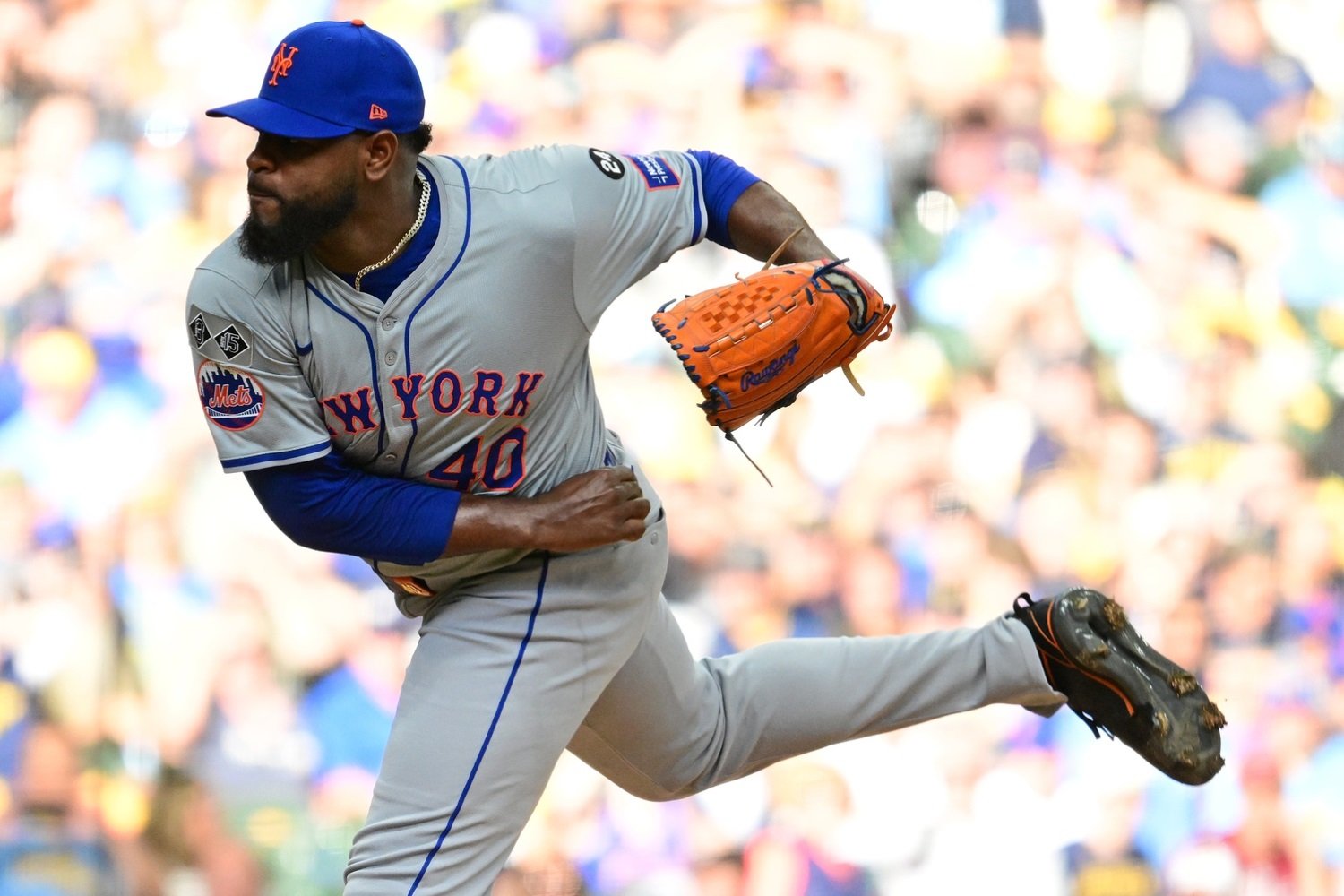 From Aug. 1 through the end of the season, the Cubs' average fastball--as a team--hummed in at 92.1 miles per hour. A decade ago, that would have been acceptable, and two decades ago, it might have made them one of the more formidable staffs in the big leagues. This season, though, and specifically over that stretch to end it, the team not only had the least hot average heat in the majors, but lagged 29th place by a full mile per hour--or the same amount by which that team, the Rangers, trailed the 11th-place Milwaukee Brewers. You can do a lot without velocity, even now. Kyle Hendricks is delightful proof of that. Then again, though, the team is likely to part ways with Hendricks after the season, and for good reason. His ERA was just under 6.00 for the campaign, and that largely because everyone treated the penultimate game of the season as a getaway day before a getaway day, allowing him to slice through the Reds for 7 1/3 scoreless innings. Having Hendricks around for the last decade has been a good reminder of the value of movement, deception, sequencing, and location, but at plenty of times, he's also been a reminder of what it looks like to pursue outs against the huge, powerful hitters who make up the modern game, without the ability to overpower them. Nor will the problem leave along with Hendricks. If you simply take him out of the equation for that final two-month stretch--if you take the slowest thrower in any MLB rotation out of the Cubs' sample and leave everyone else's as is--the team still had slower fastballs than every other club, albeit by a smaller margin. That can't continue. It's just too important to throw hard, in the modern game. Velocity explains about 40 percent of variation from one pitcher to another in whiff rate on four-seamers and sinkers, and there's no correlation between velocity and exit velocity--meaning the old saw that harder fastballs get hit harder, too, is just false. It is a bit harder to throw strikes for harder throwers, but they also benefit from more chases on non-fastballs outside the zone, setting other things equal. As I've written a few times this year, the Cubs are cognizant of the problem, except that they don't necessarily view it as one. Their goal is to minimize injury risk and maximize pitchability by prioritizing traits other than velocity, and it's a noble cause, if those ends are attainable. Just as often, lately, they haven't been. Rather than erratic, injury-prone hard throwers, the team has had... erratic, injury-prone soft-tossers. The bizarre weather patterns at Wrigley Field this past season partially cloaked the issue, but the pitching staff simply wasn't good enough in 2024, and that was partially because they didn't throw hard enough. Eighteenth in MLB in strikeout rate on the season, they were fifth-worst in that crucial category from Aug. 1 onward. They traded one hard thrower (Hunter Bigge) and one distinctly non-hard thrower (Mark Leiter Jr.) at the deadline, and collected two hard throwers, in Nate Pearson and Jack Neely. Nonetheless, they were unimpressive. Happily, the team can easily address this with some offseason shopping. No fewer than six impending free agents threw at least 400 pitches at or above 95 miles per hour last season. Signing any of them could be a superb move, at the right price, and a few are sufficiently interesting as reclamation projects. The group consists of: Corbin Burnes, well-known ace Blake Snell, very much the same Nathan Eovaldi, aging stalwart fireballer Luis Severino, the Mets' wildly successful turnaround man in the rotation this year Frankie Montas, who retains something like ace upside but has only tapped into it in spams during his career Yusei Kikuchi, whose velocity is often underrated. Most of these are aging arms, as players tend to be when you get ahold of them via free agency. Jameson Taillon has already lost a tick on his fastballs since joining the Cubs, though he's been effective, anyway. It wouldn't be wise to put all the team's velocity-upgrading eggs into any of these baskets. They need to maintain their balance of softer-tossing players with extra funk in their arsenal or delivery with flamethrowers like Daniel Palencia, and eventually, they need to have more guys like Palencia. However, in the short term, any of the above starters could help the team climb the fastball velocity and strikeout leaderboards for next season. So can internal options, of course. Of the 178 starters who threw at least 200 four-seamers last year, Ben Brown ranked 11th in velocity. Alas, there's not yet any evidence that Brown can hold up over a long season, but for as long as he's around, he can help the team throw more heat and enjoy the benefits thereof. Pearson was an intriguing pickup in July and could certainly play a role in reversing this trend. Triple-A live arm Michael Arias touches 99 with his sinker and could matriculate to MLB next year, if his command improves. Cade Horton, the team's top pitching prospect, throws hard--just not freakishly hard, the way a prospect must in order to garner much hype these days. Still, the team needs to replace innings in their rotation this winter, and they need to sign at least one reliable veteran to do that job. They might as well kill two birds with one stone. Many of these pitchers will be enviable bargain buys, anyway--not in that they won't get paid handsomely, but in that the market is likely to bear less than they're truly worth, Throwing hard will probably never be the top criterion by which Tommy Hottovy or Hottovy-led coaching groups will judge a pitcher, but it needs to take on a larger role in their evaluations than it has had for the last several seasons. These six names fling open the door for that kind of change.
 -
No, not at all! Just riffing. Yeah, the number of variables involved in this kind of question is one of the fun things about baseball, in that it makes it so inscrutable--unsolvable.
-
And to do that, you'd have to capture God in a birdcage and make him tell you what they all are. 😄 Yes. My method is not the end-all, be-all. Just a way of breaking things down to gain a clearer sense of what was going on, however imperfect that sense remains.
-
With a Clearing-Out of the Coaching Staff, Cubs Offseason is Underway
Matthew Trueblood posted an article in Cubs
 On the day after the end of the season, the Cubs dismissed coaches Mike Napoli, Jim Adduci, and Darren Holmes--among others. Jesse Rogers of ESPN reported that the firings also included strength coaches, on the heels of a season in which injuries were a significant hurdle to success. The early indications, ahead of Jed Hoyer's season-summarizing press conference Tuesday morning, are that the rest of the staff is likely to remain intact. If anything, it might be more surprising that there haven't been more dismissals, but the team believes strongly in--and Craig Counsell worked well and established rapid rapport with--Ryan Flaherty, Tommy Hottovy, and others. Last November, the team surprised everyone--including, in some senses, itself--by firing David Ross and replacing him with Counsell. It gave them what they viewed as a newfound competitive advantage, because Counsell is arguably the best skipper in baseball. However, changing managers relatively late in the game's annual hiring cycle made it difficult for the team to make more than cosmetic changes to the staff working beneath Counsell, and the positions they did turn over had to go to whoever was available. There will be more time, more latitude, and more leverage for the team this time. They might or might not pry away some of the coaches with whom Counsell worked during his tenure with the Milwaukee Brewers, like Chris Hook, Ozzie Timmons, Jim Henderson, Quintin Berry, or Walker McKinven. Even if they can't or don't want to do so, though, they'll be able to chase the best possible coaching talent. The market is not as dried up, not as constrained as it was last fall. Coaches, of course, are not wizards. The Cubs' problems this year--maybe even the ones that aren't explainable by their talent shortfalls, the ones that seemed to come from maddening failures of approach or preparation--can not necessarily be solved even by superb coaching, and since hiring coaches is an inexact science, we can't even really know whether the Cubs will end up with a better staff than they had this past season. That said, they never believed they had the right, final, permanent mix in the coaching staff they pulled together for Counsell's first season. And while it's important not to oversell the extent to which their underachievement on the field was attributable to coaching, it's equally important to understand that great coaching is a force multiplier, helping teams get more out of their talent, rather than less. Organizationally, the team has viewed a few changes to this staff as a critical step in an offseason that will need to include a lot of change, and this barrage of dismissals lays the groundwork for the transformations they've been envisioning. A manager is an extremely valuable member of a big-league organization. Some fans and analysts don't believe that, but plainly, the Cubs do. That's why they ponied up for Counsell. However, in the job title of the manager, you can sense what's really going on. A manager's effectiveness and their impact are bounded by the talent with which you surround them, including player talent and coaching talent, and by their familiarity and ability to work with all that talent. The Cubs will have a manager who's had more time to get familiar with and more chances to shape his own staff next season, and that should be substantially valuable. It doesn't diminish what they need to do to upgrade their roster, but it's still an important development at the front end of their offseason.
 -
One secondary cost of signing a free-agent manager at the last moment, last winter, was that the Cubs didn't get to build the coaching staff their new skipper might want in the long run. Now, they've cleared their path to doing so. Image courtesy of © Benny Sieu-Imagn Images On the day after the end of the season, the Cubs dismissed coaches Mike Napoli, Jim Adduci, and Darren Holmes--among others. Jesse Rogers of ESPN reported that the firings also included strength coaches, on the heels of a season in which injuries were a significant hurdle to success. The early indications, ahead of Jed Hoyer's season-summarizing press conference Tuesday morning, are that the rest of the staff is likely to remain intact. If anything, it might be more surprising that there haven't been more dismissals, but the team believes strongly in--and Craig Counsell worked well and established rapid rapport with--Ryan Flaherty, Tommy Hottovy, and others. Last November, the team surprised everyone--including, in some senses, itself--by firing David Ross and replacing him with Counsell. It gave them what they viewed as a newfound competitive advantage, because Counsell is arguably the best skipper in baseball. However, changing managers relatively late in the game's annual hiring cycle made it difficult for the team to make more than cosmetic changes to the staff working beneath Counsell, and the positions they did turn over had to go to whoever was available. There will be more time, more latitude, and more leverage for the team this time. They might or might not pry away some of the coaches with whom Counsell worked during his tenure with the Milwaukee Brewers, like Chris Hook, Ozzie Timmons, Jim Henderson, Quintin Berry, or Walker McKinven. Even if they can't or don't want to do so, though, they'll be able to chase the best possible coaching talent. The market is not as dried up, not as constrained as it was last fall. Coaches, of course, are not wizards. The Cubs' problems this year--maybe even the ones that aren't explainable by their talent shortfalls, the ones that seemed to come from maddening failures of approach or preparation--can not necessarily be solved even by superb coaching, and since hiring coaches is an inexact science, we can't even really know whether the Cubs will end up with a better staff than they had this past season. That said, they never believed they had the right, final, permanent mix in the coaching staff they pulled together for Counsell's first season. And while it's important not to oversell the extent to which their underachievement on the field was attributable to coaching, it's equally important to understand that great coaching is a force multiplier, helping teams get more out of their talent, rather than less. Organizationally, the team has viewed a few changes to this staff as a critical step in an offseason that will need to include a lot of change, and this barrage of dismissals lays the groundwork for the transformations they've been envisioning. A manager is an extremely valuable member of a big-league organization. Some fans and analysts don't believe that, but plainly, the Cubs do. That's why they ponied up for Counsell. However, in the job title of the manager, you can sense what's really going on. A manager's effectiveness and their impact are bounded by the talent with which you surround them, including player talent and coaching talent, and by their familiarity and ability to work with all that talent. The Cubs will have a manager who's had more time to get familiar with and more chances to shape his own staff next season, and that should be substantially valuable. It doesn't diminish what they need to do to upgrade their roster, but it's still an important development at the front end of their offseason. View full article
.png.6946eb4a342c14828efff16f09fde688.png)
