Matthew Trueblood
-
Posts
2,481 -
Joined
-
Last visited
-
Days Won
2
Content Type
Profiles
Joomla Posts 1
Chicago Cubs Videos
Chicago Cubs Free Agent & Trade Rumors, Notes, & Tidbits
2026 Chicago Cubs Top Prospects Ranking
News
2023 Chicago Cubs Draft Picks
Guides & Resources
2024 Chicago Cubs Draft Picks
The Chicago Cubs Players Project
2025 Chicago Cubs Draft Pick Tracker
2026 Chicago Cubs Draft Tracker: Picks & Bonuses
Blogs
Events
Forums
Store
Gallery
Everything posted by Matthew Trueblood
-
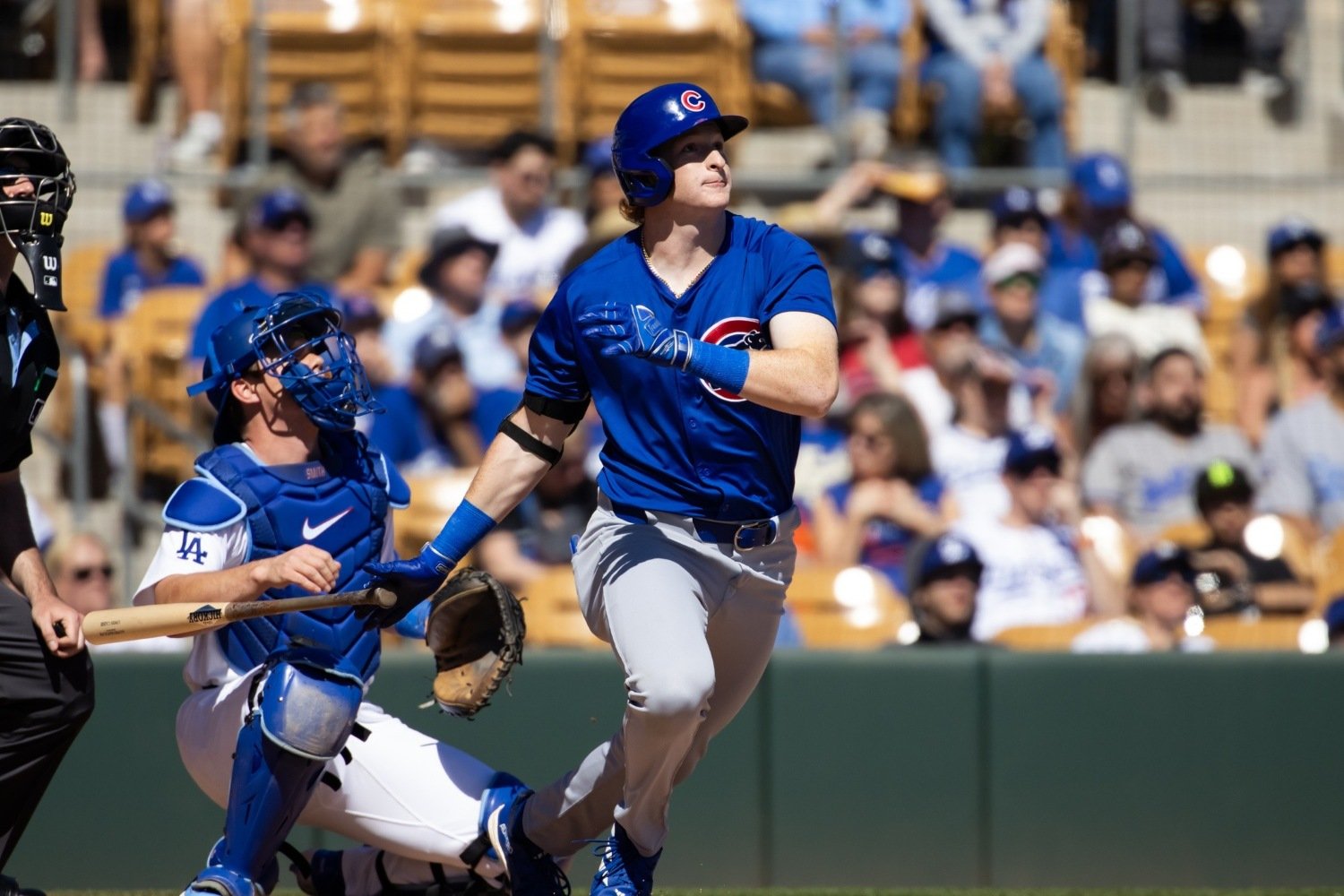 If the Cubs are going to end up getting meaningful value out of the Yu Darvish trade, it will come in the form of Owen Caissie—be that as a middle-of-the-order bat for years to come, or as a trade chip in the near future. Caissie, 22, has gotten a full season of playing time at each of the top two levels of the minor leagues, at a young age. Since the start of 2023, he's batted .283/.387/.495, with 41 home runs in 1,077 plate appearances. Those are strong numbers, especially accounting for his youth. The news is not all good, though, which is why Caissie's stature on most industry rankings of top prospects is moving in the wrong direction. Eric Longenhagen and the prospect team at FanGraphs reduced his Future Value grade from 50 in 2024 to 45 on this year's list, which is basically their way of saying he no longer profiles as a first-division starter in the majors. He was 65th on Baseball Prospectus's 2024 Top 101 prospects list, but dipped back to 77th this year, in what is his fourth appearance on their list. (Usually, making that list four times is a mixed blessing; really successful prospects nearly always graduate before getting that far.) Caissie was 47th on Baseball America's Top 100 list for 2024, but fell to 64th for 2025. He was also 47th on MLB Pipeline's list last year, and slid to 54th for them. He did not even make Keith Law's top 100 list for The Athletic, which was true last season, too. It's not as though he's become a non-prospect, but Caissie is no longer a premium prospect, either. The hopes for future stardom are dimming. At the root of those doubts lies Caissie's trouble with strikeouts. He's fanned 29.7% of the time since the start of last year, and while he actually slightly reduced that number in climbing from Double A to Triple A in 2024, it was still a high number. He walks a lot, at 13.6% over the last two years, but big-league pitchers tend to attack a player and fill up the strike zone much more than even guys in the high minors can. Caissie's whiff rate of 21.5% on swings at pitches within the strike zone last year placed him in the 24th percentile among Triple-A hitters. That isn't such a catastrophic miss rate as to be disqualifying, but it puts a lot of pressure on a player's swing decisions and power utility. Being in the bottom quartile for contact in the majors is fine, but Caissie was in that range among a cohort that contains plenty of guys with no real future in the majors—and against pitchers considerably worse than the ones he'll face when he matriculates to MLB. Worse, right now, Caissie's swing decisions and power utility simply aren't elite, the way you'd like them to be for a player of his profile. He chased 27.3% of pitches outside the zone last year. That was slightly better than an average Triple-A hitter, but again, that's not the preferred measuring stick when looking at a player who will need to excel in that area. He did post a maximum exit velocity of 115.4 miles per hour, and has gotten at least that high in each of the last three years as a pro, which attests to the raw power in his huge frame and fast swing. However, his 90th-percentile exit velocity was just 106.7 miles per hour. That's fine, too—but the dream with Caissie was that he would mature into a top-of-the-scale power guy, and that number is not top-of-the-scale. To put that figure in an even more intimate context, Matt Shaw (in a much smaller sample, to be fair) had a 90th-percentile exit velocity of 106.3 miles per hour in Iowa. If you wondered for even a moment why the Cubs' moves this winter made room for the more versatile, well-rounded Shaw instead of Caissie, paradoxically, this might be the number to look at. Power is not at the core of Shaw's game, the way it is for Caissie, yet he's nearly Caissie's equal in actually getting to power. None of this has to be permanent. One reason why many analysts like to note and track maximum exit velocities is because they reliably reflect a player's potential, and Caissie's potential is certainly greater than Shaw's. The latter had a maximum exit velocity of just 109.5 MPH in Iowa last year. Caissie definitely has the ability to tap into elite power; it's just a probability problem. He doesn't seem especially likely, at this moment, to reach that ceiling. An underrated athlete, Caissie is a playable corner outfielder, although his speed has already diminished and seems likely to further erode as he carves out his niche in the majors. He isn't so plodding as to be useless if he doesn't hit 40 homers per season. Right now, though, he projects to be more of a 20-homer guy, with his value undercut by the strikeout vulnerability and a likely need to be sheltered from left-handed pitchers. He's very young; this can change. He still has a chance to consolidate his skills better and better match his expected value to his tools-based upside. Whether that will happen with the Cubs is another question. Depending on how this season unfolds—on the outside chance of a Kyle Tucker extension, on the further progress and establishment of Pete Crow-Armstrong, and on Kevin Alcántara's development, among other things—Caissie could be a solid trade chip, either in the next few weeks or during the summer. The likelihood that he's dealt is no higher than that Alcántara is, perhaps, but it's probably higher than (say) the 12% estimate I continue to give on the chances of a long-term deal with Tucker. It's good for any system to have an Owen Caissie in it, and it will be interesting (if, indeed, he's in the organization next month) to see whether he plays a lot of first base this spring. By no means is he a goner, and his future value is real. It's just a bit less certain, or a bit less exciting, than it looked a year or two ago.
 -
The strapping left-handed Canadian slugger seems to have his stock arrow pointing in the wrong direction entering 2025. It's not an unfair development, but it doesn't have to be permanent. Image courtesy of © Mark J. Rebilas-USA TODAY Sports If the Cubs are going to end up getting meaningful value out of the Yu Darvish trade, it will come in the form of Owen Caissie—be that as a middle-of-the-order bat for years to come, or as a trade chip in the near future. Caissie, 22, has gotten a full season of playing time at each of the top two levels of the minor leagues, at a young age. Since the start of 2023, he's batted .283/.387/.495, with 41 home runs in 1,077 plate appearances. Those are strong numbers, especially accounting for his youth. The news is not all good, though, which is why Caissie's stature on most industry rankings of top prospects is moving in the wrong direction. Eric Longenhagen and the prospect team at FanGraphs reduced his Future Value grade from 50 in 2024 to 45 on this year's list, which is basically their way of saying he no longer profiles as a first-division starter in the majors. He was 65th on Baseball Prospectus's 2024 Top 101 prospects list, but dipped back to 77th this year, in what is his fourth appearance on their list. (Usually, making that list four times is a mixed blessing; really successful prospects nearly always graduate before getting that far.) Caissie was 47th on Baseball America's Top 100 list for 2024, but fell to 64th for 2025. He was also 47th on MLB Pipeline's list last year, and slid to 54th for them. He did not even make Keith Law's top 100 list for The Athletic, which was true last season, too. It's not as though he's become a non-prospect, but Caissie is no longer a premium prospect, either. The hopes for future stardom are dimming. At the root of those doubts lies Caissie's trouble with strikeouts. He's fanned 29.7% of the time since the start of last year, and while he actually slightly reduced that number in climbing from Double A to Triple A in 2024, it was still a high number. He walks a lot, at 13.6% over the last two years, but big-league pitchers tend to attack a player and fill up the strike zone much more than even guys in the high minors can. Caissie's whiff rate of 21.5% on swings at pitches within the strike zone last year placed him in the 24th percentile among Triple-A hitters. That isn't such a catastrophic miss rate as to be disqualifying, but it puts a lot of pressure on a player's swing decisions and power utility. Being in the bottom quartile for contact in the majors is fine, but Caissie was in that range among a cohort that contains plenty of guys with no real future in the majors—and against pitchers considerably worse than the ones he'll face when he matriculates to MLB. Worse, right now, Caissie's swing decisions and power utility simply aren't elite, the way you'd like them to be for a player of his profile. He chased 27.3% of pitches outside the zone last year. That was slightly better than an average Triple-A hitter, but again, that's not the preferred measuring stick when looking at a player who will need to excel in that area. He did post a maximum exit velocity of 115.4 miles per hour, and has gotten at least that high in each of the last three years as a pro, which attests to the raw power in his huge frame and fast swing. However, his 90th-percentile exit velocity was just 106.7 miles per hour. That's fine, too—but the dream with Caissie was that he would mature into a top-of-the-scale power guy, and that number is not top-of-the-scale. To put that figure in an even more intimate context, Matt Shaw (in a much smaller sample, to be fair) had a 90th-percentile exit velocity of 106.3 miles per hour in Iowa. If you wondered for even a moment why the Cubs' moves this winter made room for the more versatile, well-rounded Shaw instead of Caissie, paradoxically, this might be the number to look at. Power is not at the core of Shaw's game, the way it is for Caissie, yet he's nearly Caissie's equal in actually getting to power. None of this has to be permanent. One reason why many analysts like to note and track maximum exit velocities is because they reliably reflect a player's potential, and Caissie's potential is certainly greater than Shaw's. The latter had a maximum exit velocity of just 109.5 MPH in Iowa last year. Caissie definitely has the ability to tap into elite power; it's just a probability problem. He doesn't seem especially likely, at this moment, to reach that ceiling. An underrated athlete, Caissie is a playable corner outfielder, although his speed has already diminished and seems likely to further erode as he carves out his niche in the majors. He isn't so plodding as to be useless if he doesn't hit 40 homers per season. Right now, though, he projects to be more of a 20-homer guy, with his value undercut by the strikeout vulnerability and a likely need to be sheltered from left-handed pitchers. He's very young; this can change. He still has a chance to consolidate his skills better and better match his expected value to his tools-based upside. Whether that will happen with the Cubs is another question. Depending on how this season unfolds—on the outside chance of a Kyle Tucker extension, on the further progress and establishment of Pete Crow-Armstrong, and on Kevin Alcántara's development, among other things—Caissie could be a solid trade chip, either in the next few weeks or during the summer. The likelihood that he's dealt is no higher than that Alcántara is, perhaps, but it's probably higher than (say) the 12% estimate I continue to give on the chances of a long-term deal with Tucker. It's good for any system to have an Owen Caissie in it, and it will be interesting (if, indeed, he's in the organization next month) to see whether he plays a lot of first base this spring. By no means is he a goner, and his future value is real. It's just a bit less certain, or a bit less exciting, than it looked a year or two ago. View full article
-
You can definitely make a case for prioritizing a backup 1B, and I know they've talked to a couple of people who might fill that role, too. But they don't dislike Berti, Ballesteros or Caissie as fallback 1B options as much as you do. I can see both sides of that argument.
-
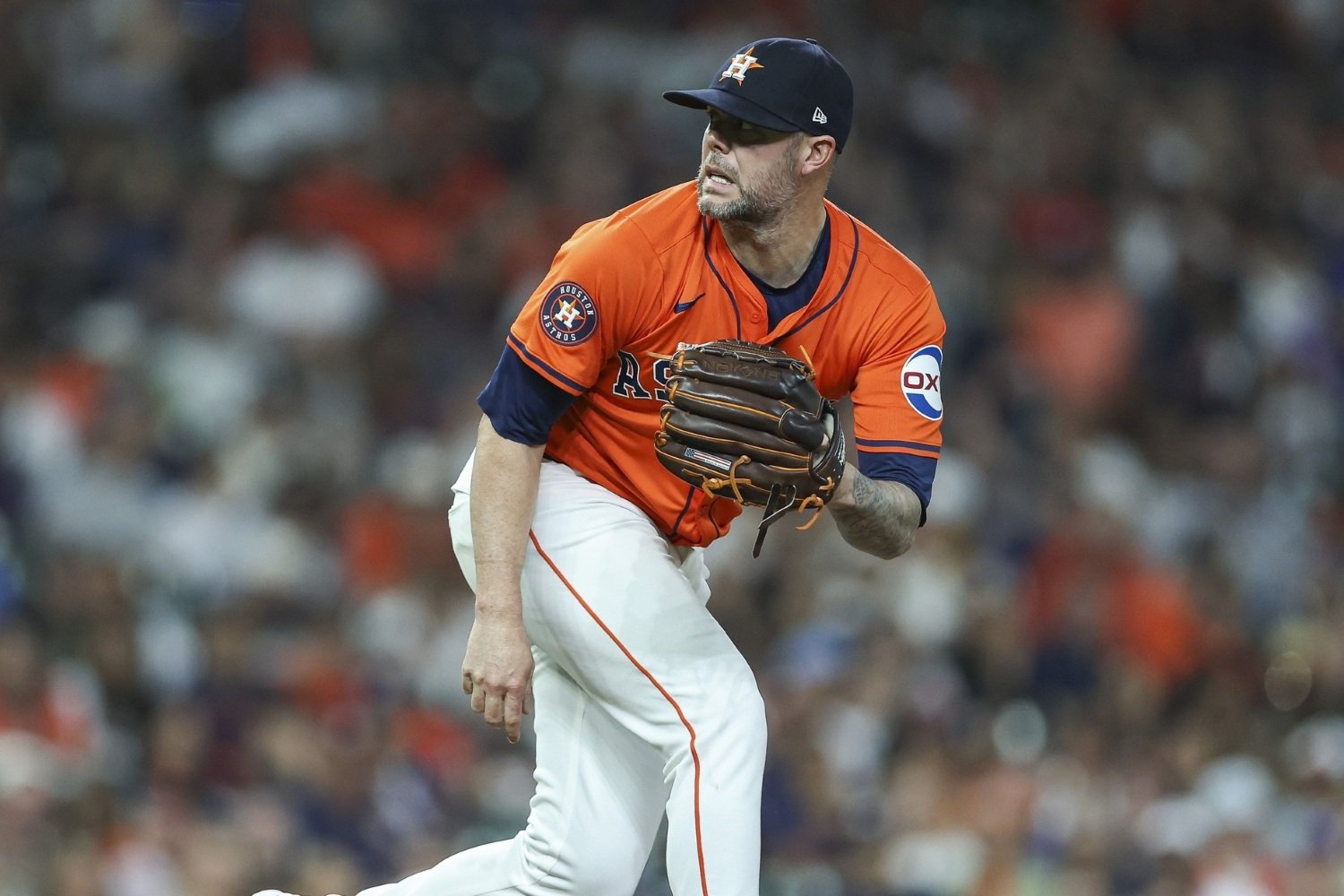 Thanks to the Astros eating a significant chunk of the money owed to Ryan Pressly for 2025, the Cubs' payroll after acquiring their new closer Sunday is just over $188 million. That's their projected 40-man roster payroll, in real dollars paid this year. Their competitive-balance tax number, which bakes in certain other benefits and contributions and takes the annual average value of all players' contracts, stands at $206.5 million. Sources have indicated that the team will not exceed the $241-million CBT threshold for 2025, and based on various ways that their CBT number could rise based on extensions, it's safe to say that the team will spend $15 million or less from here on external additions to their roster. That should be enough, though, to check the remaining boxes on Jed Hoyer's offseason shopping list. He's added depth to the team's starting rotation, and much of the same to the bullpen. He's remade the middle of the team's lineup by (effectively) trading Cody Bellinger and Isaac Paredes for Kyle Tucker and Matt Shaw. He's swapped out key role players at catcher and on the infield, by non-tendering or otherwise cutting several recent bench players and replacing them with Carson Kelly and Jon Berti. While the rest of the winter could play out in any of several ways, including with some bigger moves for someone like Dylan Cease or Alex Bregman, the overwhelming likelihood is that Hoyer and his staff intend to add two more role players: another reliever to bolster the pen, and an outfielder who could provide better stability off the bench. As reported by 670 The Score's Bruce Levine, the team has recently been in contact with both David Robertson and Ryne Stanek, two of the better remaining right-handed relievers on the market. Sources said the team has also monitored the market for Kyle Finnegan, but the feeling there is that Finnegan will command an asking price the Cubs don't feel is prudent; that's part of why they pivoted to Pressly, a similar caliber of pitcher who was available more cheaply and without a multi-year commitment. Roster crowding is becoming a mild problem, as the Cubs have six starters, and with Pressly joining Tyson Miller, Caleb Thielbar and Julian Merryweather, four of their likely bullpen jobs are assigned to pitchers with no remaining options. On the other hand, they have a surfeit of optionable hurlers, including not only recent trade acquisitions Eli Morgan, Nate Pearson, Cody Poteet and Jack Neely, but key pitchers who might spend some of the season in Iowa, like Porter Hodge, Javier Assad, Daniel Palencia, Jordan Wicks and Ben Brown. They have the flexibility to add Robertson, Stanek or someone similar without worrying much about the roster crunch. I wrote last week about the possibility of the Cubs taking an interest in Harrison Bader, a good backup center-field option with offensive upside in a short-side platoon role. A source also said the Cubs have had discussions with free agent Dylan Carlson, whom the Rays non-tendered in November. Carlson, 26, has not looked like a viable big-league hitter for most of his career, but he has both youth and a sterling defensive track record to recommend him. The Cubs could look to snag him on a split deal or a small one-year pact, and he has minor-league options remaining—a key issue when it comes to the positional side of the roster, because current fringe position players Miguel Amaya, Kelly, Berti, Alexander Canario and Vidal Bruján are all out of options, and Rule 5 Draft selection Gage Workman can't be optioned this season without being offered back to the Tigers. Another trade could still be coming. Though their construction doesn't actually cost them a lot of flexibility, the Cubs' 40-man roster is overloaded. They'll have to cut two players just to make the Berti signing and the Pressly deal official, and while that's not yet any kind of problem—they can and will eventually cut Bruján, Matt Festa, Rob Zastryzny, Caleb Kilian, and Keegan Thompson, perhaps among others—there's a better way to align their resources. Adding one or two more players via free agency, then Shaw when he makes the team in March, then possibly one of their minor-league signings, will necessitate even more spaces being opened up, and a trade with a team that has 40-man spots to burn (hello, San Diego!) could be the best way to do so. In any event, the Cubs' roster is coming into focus, and it's a solid team. They aren't yet at the level of the best teams in the NL East or West, but they're becoming fairly clear (if far from prohibitive) favorites to win the 2025 NL Central.
- 3 comments
-
- 1
-

-
- ryan pressly
- ryne stanek
- (and 4 more)
-
This is starting to look like a real baseball team, and they still have both the capacity and the inclination to make further improvements. Image courtesy of © Troy Taormina-Imagn Images Thanks to the Astros eating a significant chunk of the money owed to Ryan Pressly for 2025, the Cubs' payroll after acquiring their new closer Sunday is just over $188 million. That's their projected 40-man roster payroll, in real dollars paid this year. Their competitive-balance tax number, which bakes in certain other benefits and contributions and takes the annual average value of all players' contracts, stands at $206.5 million. Sources have indicated that the team will not exceed the $241-million CBT threshold for 2025, and based on various ways that their CBT number could rise based on extensions, it's safe to say that the team will spend $15 million or less from here on external additions to their roster. That should be enough, though, to check the remaining boxes on Jed Hoyer's offseason shopping list. He's added depth to the team's starting rotation, and much of the same to the bullpen. He's remade the middle of the team's lineup by (effectively) trading Cody Bellinger and Isaac Paredes for Kyle Tucker and Matt Shaw. He's swapped out key role players at catcher and on the infield, by non-tendering or otherwise cutting several recent bench players and replacing them with Carson Kelly and Jon Berti. While the rest of the winter could play out in any of several ways, including with some bigger moves for someone like Dylan Cease or Alex Bregman, the overwhelming likelihood is that Hoyer and his staff intend to add two more role players: another reliever to bolster the pen, and an outfielder who could provide better stability off the bench. As reported by 670 The Score's Bruce Levine, the team has recently been in contact with both David Robertson and Ryne Stanek, two of the better remaining right-handed relievers on the market. Sources said the team has also monitored the market for Kyle Finnegan, but the feeling there is that Finnegan will command an asking price the Cubs don't feel is prudent; that's part of why they pivoted to Pressly, a similar caliber of pitcher who was available more cheaply and without a multi-year commitment. Roster crowding is becoming a mild problem, as the Cubs have six starters, and with Pressly joining Tyson Miller, Caleb Thielbar and Julian Merryweather, four of their likely bullpen jobs are assigned to pitchers with no remaining options. On the other hand, they have a surfeit of optionable hurlers, including not only recent trade acquisitions Eli Morgan, Nate Pearson, Cody Poteet and Jack Neely, but key pitchers who might spend some of the season in Iowa, like Porter Hodge, Javier Assad, Daniel Palencia, Jordan Wicks and Ben Brown. They have the flexibility to add Robertson, Stanek or someone similar without worrying much about the roster crunch. I wrote last week about the possibility of the Cubs taking an interest in Harrison Bader, a good backup center-field option with offensive upside in a short-side platoon role. A source also said the Cubs have had discussions with free agent Dylan Carlson, whom the Rays non-tendered in November. Carlson, 26, has not looked like a viable big-league hitter for most of his career, but he has both youth and a sterling defensive track record to recommend him. The Cubs could look to snag him on a split deal or a small one-year pact, and he has minor-league options remaining—a key issue when it comes to the positional side of the roster, because current fringe position players Miguel Amaya, Kelly, Berti, Alexander Canario and Vidal Bruján are all out of options, and Rule 5 Draft selection Gage Workman can't be optioned this season without being offered back to the Tigers. Another trade could still be coming. Though their construction doesn't actually cost them a lot of flexibility, the Cubs' 40-man roster is overloaded. They'll have to cut two players just to make the Berti signing and the Pressly deal official, and while that's not yet any kind of problem—they can and will eventually cut Bruján, Matt Festa, Rob Zastryzny, Caleb Kilian, and Keegan Thompson, perhaps among others—there's a better way to align their resources. Adding one or two more players via free agency, then Shaw when he makes the team in March, then possibly one of their minor-league signings, will necessitate even more spaces being opened up, and a trade with a team that has 40-man spots to burn (hello, San Diego!) could be the best way to do so. In any event, the Cubs' roster is coming into focus, and it's a solid team. They aren't yet at the level of the best teams in the NL East or West, but they're becoming fairly clear (if far from prohibitive) favorites to win the 2025 NL Central. View full article
- 3 replies
-
- 1
-
-
- ryan pressly
- ryne stanek
- (and 4 more)
-
The Chicago Cubs continued their offseason project to overhaul the relief corps Friday night, finalizing a deal to acquire a two-time All-Star and World Series champion reliever. Image courtesy of © John Froschauer-Imagn Images The Houston Astros signed Josh Hader last offseason, displacing Ryan Pressly from his longtime role as their closer. Now, Pressly becomes the prospective closer for the Cubs, after the teams agreed to a deal Friday to send Pressly to the Cubs. Pressly agreed to waive his no-trade clause Sunday, allowing the deal to become official. Pressly, 36, is owed $14 million in 2025, the vested option year of an extension he signed with Houston in April 2022. He has 112 career saves, most of them coming from 2020-23, when he served as the closer for the Astros. From 2018-22, he was one of the most dominant relievers in baseball, with a 33.6% strikeout rate, 6.5% walk rate, and .572 opponent OPS. Those numbers took sharp turns in the wrong direction in 2023 and 2024, as he's posted a 25.8% strikeout rate, 6.6% walk rate and .668 opponent OPS. Nonetheless, he's a clearly above-average short-burst reliever. I wrote about the possibility that the Cubs would target Pressly as part of the Kyle Tucker trade in mid-December, describing his drop in velocity and declining peripherals in the process, but the conclusion drawn then holds now: Pressly's unusually deep arsenal sets a high floor for his performance and should permit him to keep getting hitters out, despite his inability to overpower them the way he did a few years ago. The Cubs are taking on most of the salary owed to Pressly in this deal, which is the bulk of the value the Astros get out of it. Clearing Pressly's money will allow them to get more serious in their pursuit of a reunion with Alex Bregman, while landing Pressly checks arguably the top box left on Jed Hoyer's winter checklist. Pressly will be the team's presumptive closer heading into spring training, with Porter Hodge, Tyson Miller, Nate Pearson, Caleb Thielbar and Eli Morgan in support of him. None of those six pitchers were on the big-league roster on Opening Day 2024, and the Cubs might not be done adding to their pen, either. Pressly's steep overhand arm slot has always given him good carry on his fastball, but (as many high-slot pitchers do, especially relievers in their mid-30s) he's had a hard time sustaining that recently. The heat has lost a tick or two, and it's also lost some ride. At the same time, his sharp curveball has lost some of its depth, making both pitches less likely to induce whiffs. On the other hand, Pressly continues to have cutting action on his fastball, and the addition of the changeup and sinker to his repertoire has kept batters off-balance. He's not Héctor Neris redux, despite the similar age and the common thread of coming from Houston. Pressly is still capable of filling up the strike zone and mixing things up enough to age gracefully. Because Texas does not levy state income taxes, Pressly will get more money added to his salary to make up for what he stands to lose by playing for the Cubs and paying Illinois taxes. He'll also have his no-trade clause reinstated, so that (in the unlikely event that the team is in sell mode come July and wants to move him ahead of the trade deadline) he can continue to control where and for whom he pitches. One reason why the Astros are including money in the trade is to offset the increased financial obligations and the flexibility shortfall the trade brings for the Cubs, although those conditions are not especially problematic for Chicago. Houston will get a prospect in the deal, still unnamed publicly, but the cost will not be steep for the Cubs. Pressly has real value, despite his contractual status, but won't return a top talent for Houston. Indeed, it looks like 20-year-old righthander Juan Bello will be part of the return. Bello pitched for Low-A Myrtle Beach in 2024 and put up a solid 3.21 ERA, with a 25% strikeout rate. He's not without promise, but nor is he viewed as one of the team's better prospects. He's a slender Colombian who signed just shy of his 18th birthday in early 2022, and while he possesses a plausibly MLB-caliber four-pitch mix, there aren't yet any signs that he will take off and become a frontline starter. Bello's was not the first name I heard the Cubs might include in this deal, so we'll have to wait to see whether he will be the full return or not. The trade changed slightly in structure once it became clear that Pressly would waive his no-trade clause only if he could be further compensated, forcing the teams to alter their plan for moving money from Houston to Chicago. View full article
-
TRADE: Chicago Cubs Acquire Relief Ace Ryan Pressly in Deal With Astros
Matthew Trueblood posted an article in Cubs
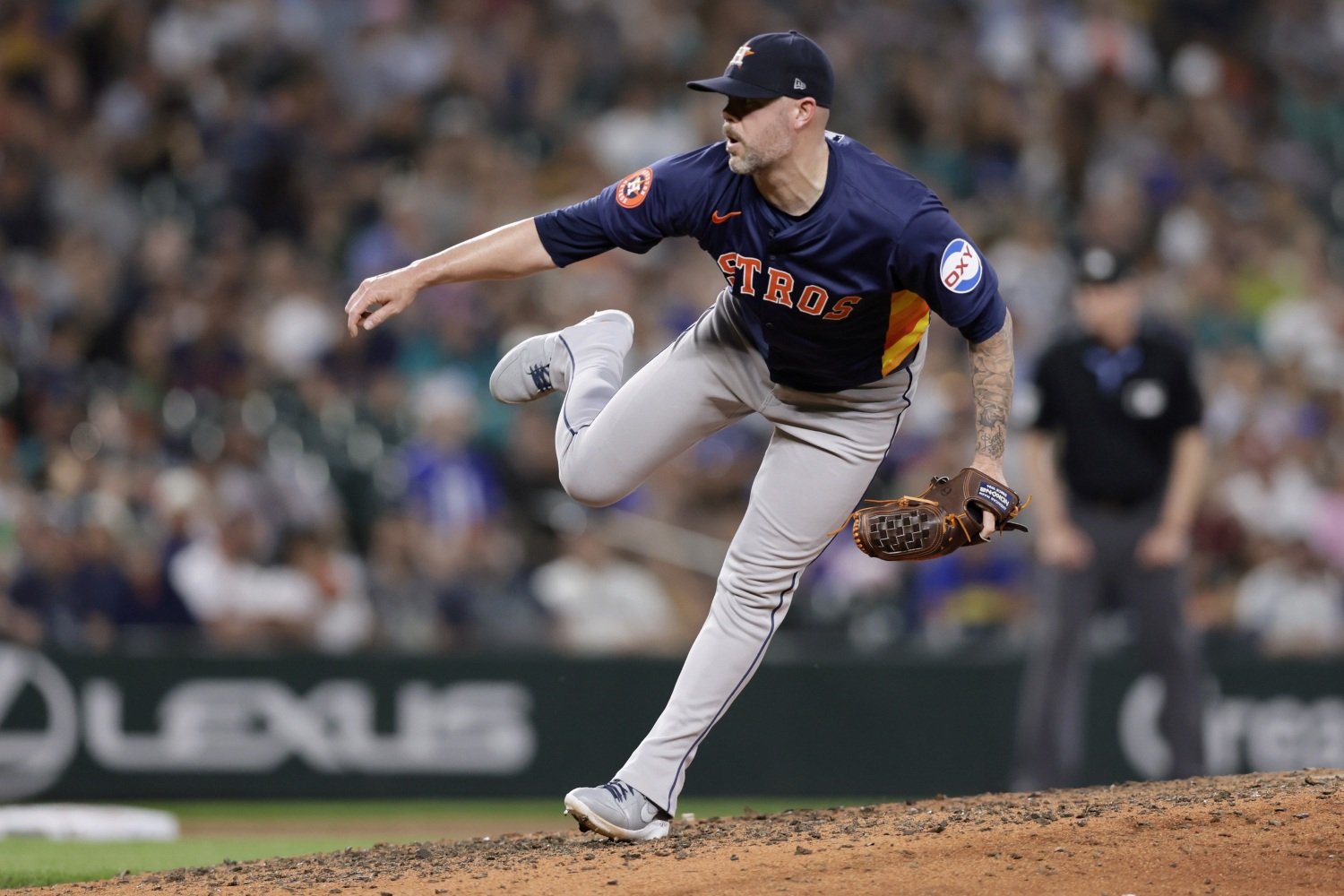 The Houston Astros signed Josh Hader last offseason, displacing Ryan Pressly from his longtime role as their closer. Now, Pressly becomes the prospective closer for the Cubs, after the teams agreed to a deal Friday to send Pressly to the Cubs. Pressly agreed to waive his no-trade clause Sunday, allowing the deal to become official. Pressly, 36, is owed $14 million in 2025, the vested option year of an extension he signed with Houston in April 2022. He has 112 career saves, most of them coming from 2020-23, when he served as the closer for the Astros. From 2018-22, he was one of the most dominant relievers in baseball, with a 33.6% strikeout rate, 6.5% walk rate, and .572 opponent OPS. Those numbers took sharp turns in the wrong direction in 2023 and 2024, as he's posted a 25.8% strikeout rate, 6.6% walk rate and .668 opponent OPS. Nonetheless, he's a clearly above-average short-burst reliever. I wrote about the possibility that the Cubs would target Pressly as part of the Kyle Tucker trade in mid-December, describing his drop in velocity and declining peripherals in the process, but the conclusion drawn then holds now: Pressly's unusually deep arsenal sets a high floor for his performance and should permit him to keep getting hitters out, despite his inability to overpower them the way he did a few years ago. The Cubs are taking on most of the salary owed to Pressly in this deal, which is the bulk of the value the Astros get out of it. Clearing Pressly's money will allow them to get more serious in their pursuit of a reunion with Alex Bregman, while landing Pressly checks arguably the top box left on Jed Hoyer's winter checklist. Pressly will be the team's presumptive closer heading into spring training, with Porter Hodge, Tyson Miller, Nate Pearson, Caleb Thielbar and Eli Morgan in support of him. None of those six pitchers were on the big-league roster on Opening Day 2024, and the Cubs might not be done adding to their pen, either. Pressly's steep overhand arm slot has always given him good carry on his fastball, but (as many high-slot pitchers do, especially relievers in their mid-30s) he's had a hard time sustaining that recently. The heat has lost a tick or two, and it's also lost some ride. At the same time, his sharp curveball has lost some of its depth, making both pitches less likely to induce whiffs. On the other hand, Pressly continues to have cutting action on his fastball, and the addition of the changeup and sinker to his repertoire has kept batters off-balance. He's not Héctor Neris redux, despite the similar age and the common thread of coming from Houston. Pressly is still capable of filling up the strike zone and mixing things up enough to age gracefully. Because Texas does not levy state income taxes, Pressly will get more money added to his salary to make up for what he stands to lose by playing for the Cubs and paying Illinois taxes. He'll also have his no-trade clause reinstated, so that (in the unlikely event that the team is in sell mode come July and wants to move him ahead of the trade deadline) he can continue to control where and for whom he pitches. One reason why the Astros are including money in the trade is to offset the increased financial obligations and the flexibility shortfall the trade brings for the Cubs, although those conditions are not especially problematic for Chicago. Houston will get a prospect in the deal, still unnamed publicly, but the cost will not be steep for the Cubs. Pressly has real value, despite his contractual status, but won't return a top talent for Houston. Indeed, it looks like 20-year-old righthander Juan Bello will be part of the return. Bello pitched for Low-A Myrtle Beach in 2024 and put up a solid 3.21 ERA, with a 25% strikeout rate. He's not without promise, but nor is he viewed as one of the team's better prospects. He's a slender Colombian who signed just shy of his 18th birthday in early 2022, and while he possesses a plausibly MLB-caliber four-pitch mix, there aren't yet any signs that he will take off and become a frontline starter. Bello's was not the first name I heard the Cubs might include in this deal, so we'll have to wait to see whether he will be the full return or not. The trade changed slightly in structure once it became clear that Pressly would waive his no-trade clause only if he could be further compensated, forcing the teams to alter their plan for moving money from Houston to Chicago.
 -
Did the Kyle Tucker Trade Upgrade the Cubs at One Position, or Two?
Matthew Trueblood posted an article in Cubs
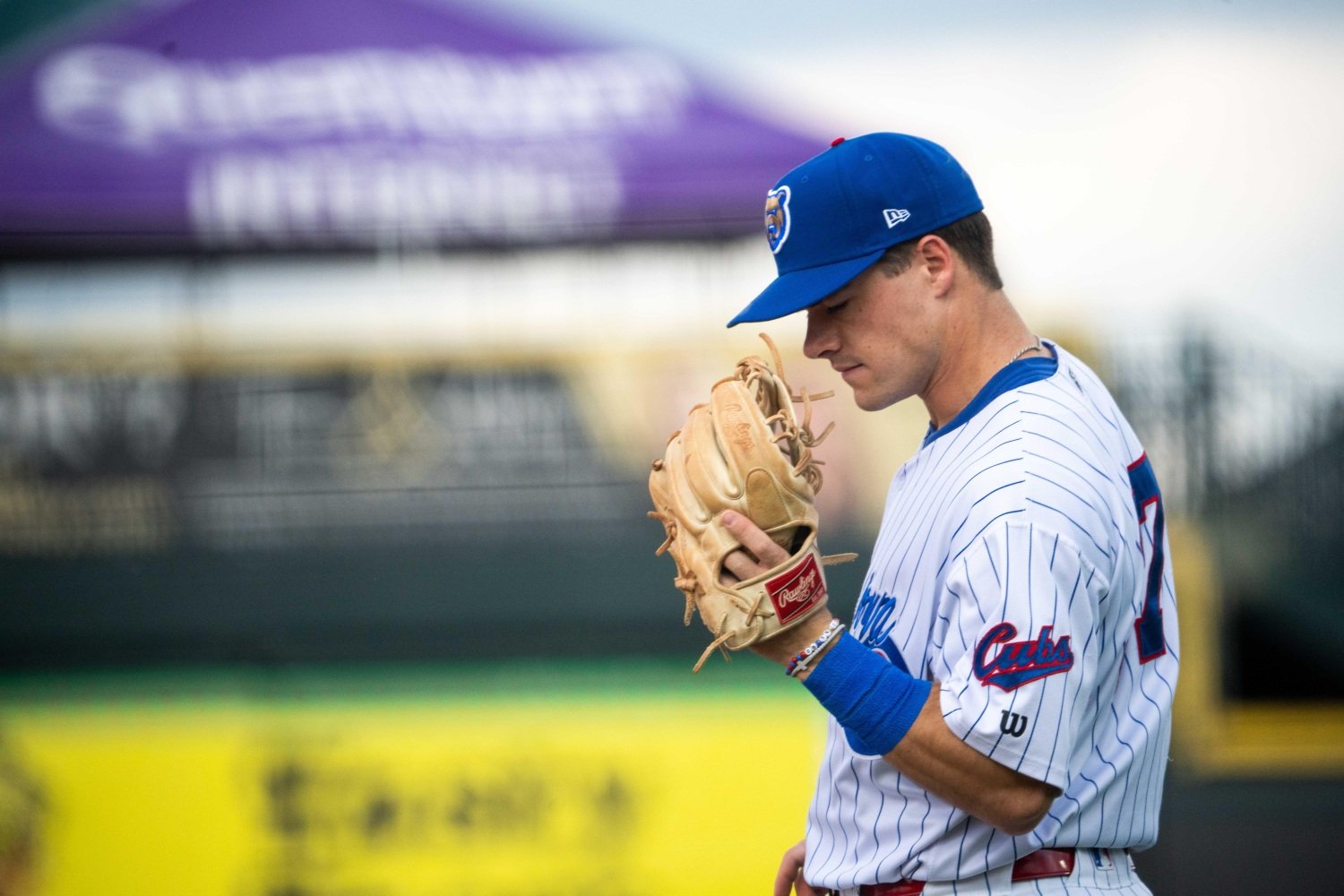 Because of the (needlessly confining) payroll limits placed on the front office by the Ricketts family, the Chicago Cubs knew they would need to trade Cody Bellinger after they acquired Kyle Tucker. In truth, Bellinger would have been a fairly poor fit for the roster after Tucker's arrival, anyway, but because the front office entered the winter determined to make substantial upgrades to the pitching staff and had a smaller budget with which to work than they enjoyed the year before, they were left without much choice but to move Bellinger for pitching depth as part of the maneuver by which they acquired a superstar for the first time in Jed Hoyer's tenure. To get Tucker, they gave up top draft pick Cam Smith and intriguing hurler Hayden Wesneski, but they also sent the Astros Isaac Paredes, whom they had just acquired in July, ahead of the 2024 MLB trade deadline. Giving up Paredes meant installing Matt Shaw at third base, and ever since the two-step move of trading for Tucker and offloading Bellinger to the Yankees was completed, we've been slowly acclimating to the idea: Shaw is The Plan for this season at the hot corner. Hoyer did agree to sign Jon Berti for infield depth Wednesday night, and there's always a chance of some other unexpected move, but Berti is very much a bench piece; he's not meant to truly buffet the risk of Shaw not being able to hit the ground running in the majors. While the Cubs got markedly better in right field, then, the key question about this trade might turn out to be: How well will it turn out to facilitate the installation and empowerment of the Cubs' young hitters? In short: Can Shaw outperform Paredes? At first blush, that seems to be asking a lot—maybe too much. The Steamer projections for Paredes are .244/.346/.439, with 25 home runs. Specifically, that system expects Paredes to be about 17 runs better than an average hitter. It also marks him as a below-average baserunner (giving back two of those runs) and a good-not-great defender (0 runs above or below), but still, the former All-Star is very much in his prime and being 15 runs above average at a position is tough to improve upon. Shaw's projections aren't bad, by any means. Steamer forecasts .250/.319/.410, with 15 home runs in under 500 plate appearances. For a guy who has never played a day in the majors, that's an ambitious projection. It's only good for about 4 more runs than an average hitter in the same playing time, though, and the system thinks he'll be more or less average both on the bases and in the field. There are reasons, though, to believe Shaw can be a bit better than this—and, for that matter, to expect Paredes to be a bit worse. He was not the same player for the final four months of 2024 that he had been over the previous two years, and while players are allowed to slump, his unique profile led to extra layers of worry when he ran into trouble. We could easily imagine, I think, Shaw closing the gap between them on offense to about five runs, by making adjustments quickly and claiming more playing time than expected, while Paredes continues a slight regression. Then, we turn to baserunning and defense. I think it's plausible—maybe even probable—that Shaw returns a lot more value in those areas than a projection system is going to project him to. I'm on the record as a moderate skeptic of Shaw's bat, at least in his rookie season, but he has talked a blue streak about his own dedication to third base this winter, and he looked plenty good there in the high minors last year, playing over 550 innings. With his athleticism, I think he's probably five runs better than Paredes on the dirt, and you could bid me up from there. Shaw was also very aggressive on the bases in 2024, swiping 31 bases in 42 tries. That success rate is discouraging, but I'm a big believer in the two Yankees staffers (Jose Javier and Matt Talarico) the Cubs hired away this winter, who specialize in baserunning and helping players rack up steals. I think Shaw could be five runs better than Paredes on the bases, too, if he's on often enough. If all this sounds too good to be true, keep in mind: it could be. The tough adjustments the majors will require of Shaw (who is used to using a very high leg kick to generate power and is likely to be forced into something different mechanically against the best pitchers in the world) are very real. Still, on balance, there are good reasons to think Shaw might be 12-15 runs better than an average player this season, and if that's the case, the team probably got better at third in the Tucker trade, in addition to adding one of the game's best right fielders.
 -
When the Cubs decided to trade their prospective right fielder for a much better one, they knew it would mean accepting more risk at another position. As things are panning out, their 2025 fortunes could hinge on whether or not they also got better at third base in the process. Image courtesy of © Cody Scanlan/The Register / USA TODAY NETWORK Because of the (needlessly confining) payroll limits placed on the front office by the Ricketts family, the Chicago Cubs knew they would need to trade Cody Bellinger after they acquired Kyle Tucker. In truth, Bellinger would have been a fairly poor fit for the roster after Tucker's arrival, anyway, but because the front office entered the winter determined to make substantial upgrades to the pitching staff and had a smaller budget with which to work than they enjoyed the year before, they were left without much choice but to move Bellinger for pitching depth as part of the maneuver by which they acquired a superstar for the first time in Jed Hoyer's tenure. To get Tucker, they gave up top draft pick Cam Smith and intriguing hurler Hayden Wesneski, but they also sent the Astros Isaac Paredes, whom they had just acquired in July, ahead of the 2024 MLB trade deadline. Giving up Paredes meant installing Matt Shaw at third base, and ever since the two-step move of trading for Tucker and offloading Bellinger to the Yankees was completed, we've been slowly acclimating to the idea: Shaw is The Plan for this season at the hot corner. Hoyer did agree to sign Jon Berti for infield depth Wednesday night, and there's always a chance of some other unexpected move, but Berti is very much a bench piece; he's not meant to truly buffet the risk of Shaw not being able to hit the ground running in the majors. While the Cubs got markedly better in right field, then, the key question about this trade might turn out to be: How well will it turn out to facilitate the installation and empowerment of the Cubs' young hitters? In short: Can Shaw outperform Paredes? At first blush, that seems to be asking a lot—maybe too much. The Steamer projections for Paredes are .244/.346/.439, with 25 home runs. Specifically, that system expects Paredes to be about 17 runs better than an average hitter. It also marks him as a below-average baserunner (giving back two of those runs) and a good-not-great defender (0 runs above or below), but still, the former All-Star is very much in his prime and being 15 runs above average at a position is tough to improve upon. Shaw's projections aren't bad, by any means. Steamer forecasts .250/.319/.410, with 15 home runs in under 500 plate appearances. For a guy who has never played a day in the majors, that's an ambitious projection. It's only good for about 4 more runs than an average hitter in the same playing time, though, and the system thinks he'll be more or less average both on the bases and in the field. There are reasons, though, to believe Shaw can be a bit better than this—and, for that matter, to expect Paredes to be a bit worse. He was not the same player for the final four months of 2024 that he had been over the previous two years, and while players are allowed to slump, his unique profile led to extra layers of worry when he ran into trouble. We could easily imagine, I think, Shaw closing the gap between them on offense to about five runs, by making adjustments quickly and claiming more playing time than expected, while Paredes continues a slight regression. Then, we turn to baserunning and defense. I think it's plausible—maybe even probable—that Shaw returns a lot more value in those areas than a projection system is going to project him to. I'm on the record as a moderate skeptic of Shaw's bat, at least in his rookie season, but he has talked a blue streak about his own dedication to third base this winter, and he looked plenty good there in the high minors last year, playing over 550 innings. With his athleticism, I think he's probably five runs better than Paredes on the dirt, and you could bid me up from there. Shaw was also very aggressive on the bases in 2024, swiping 31 bases in 42 tries. That success rate is discouraging, but I'm a big believer in the two Yankees staffers (Jose Javier and Matt Talarico) the Cubs hired away this winter, who specialize in baserunning and helping players rack up steals. I think Shaw could be five runs better than Paredes on the bases, too, if he's on often enough. If all this sounds too good to be true, keep in mind: it could be. The tough adjustments the majors will require of Shaw (who is used to using a very high leg kick to generate power and is likely to be forced into something different mechanically against the best pitchers in the world) are very real. Still, on balance, there are good reasons to think Shaw might be 12-15 runs better than an average player this season, and if that's the case, the team probably got better at third in the Tucker trade, in addition to adding one of the game's best right fielders. View full article
-
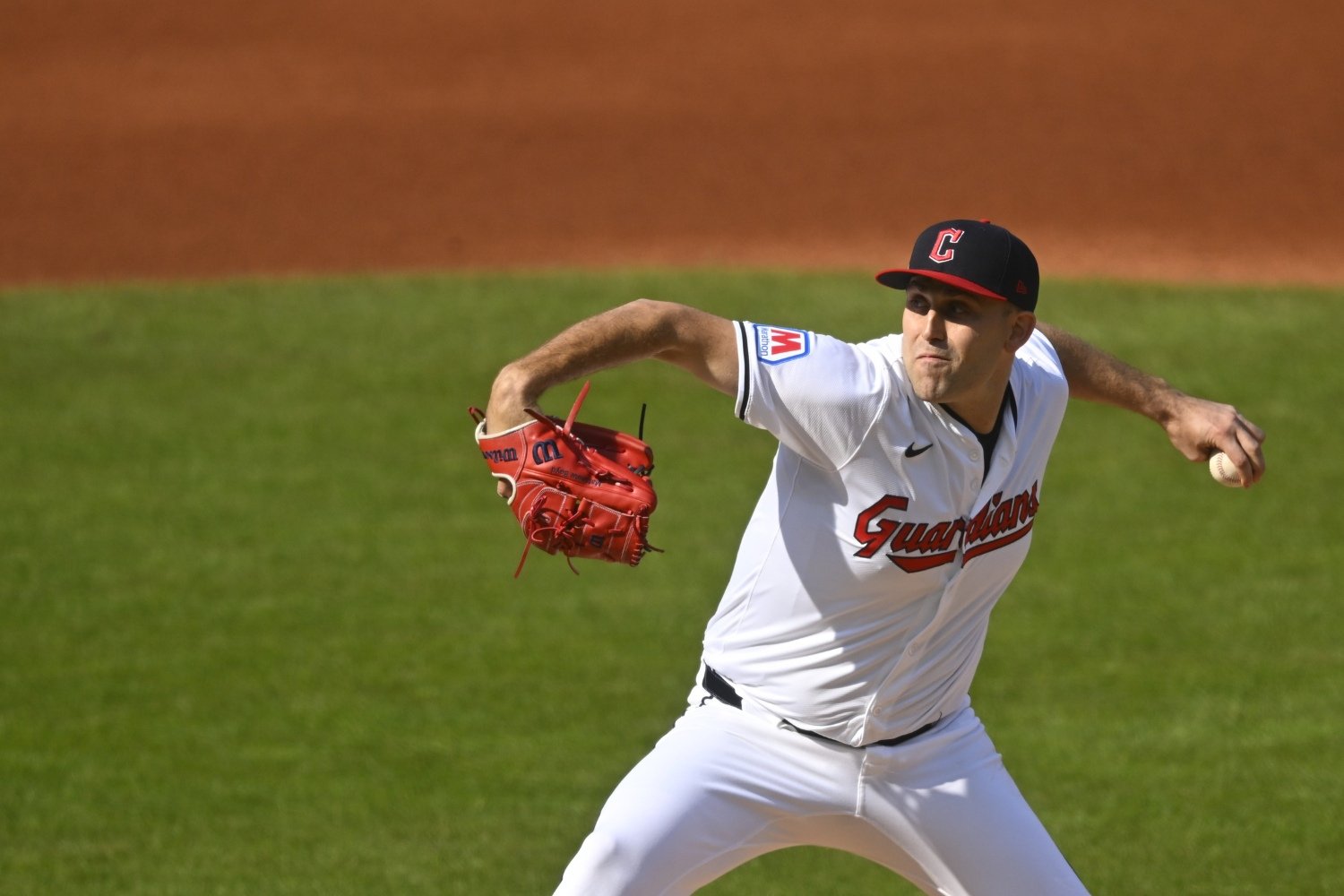 The Cubs signed Matthew Boyd knowing he would be unlikely to deliver a full 30-start share in their 2025 rotation, and that he has historically been extremely vulnerable to home runs, limiting his ceiling. He earned his two-year, $29-million deal by evolving impressively in 2024, though, including steadily increased usage of steadily improving tertiary weapons. He's long had an exceptional slider and a lively four-seam fastball, but he relied more heavily on his changeup (against right-handed batters) and his sinker (against lefties) in 2024, under the guidance of a pitching development team in Cleveland that shares much organizational DNA with the Cubs. It's nearly always a good thing to boost one's usage of solid secondary pitches, and indeed, Boyd kept opposing hitters in the park (2.4% of opponent plate appearances ended in a home run, a career-low mark for any season in which he pitched any meaningful amount) and piled up strikeouts (27.7% strikeout rate, the second-highest of his career) without walking any more batters than usual (7.8%, right in line with his career average). He was an impressively complete pitcher, with five usable pitches and good command of each. Boyd's slider found more depth and more sweep in 2024; I've placed the three dots representing the months in which he pitched in 2024 in a box to distinguish them from all the other months of his career. More depth on the breaking ball and (thanks to the change and sinker becoming more prominent) less need for it is a potent combination; it vaulted Boyd to new heights last year. There's even more to the story, though. Boyd didn't just use his changeup more in 2024. He also used it better, by taking advantage of hitters who tried to sit on his fastball in hitter-friendly counts. Here's a chart showing Boyd's pitch usage by count for 2022 and 2023. Now, here's the same chart for 2024. Despite a deeper and more balanced arsenal overall, note that Boyd actually got more fastball-heavy at the front ends of at-bats last year. When he fell behind, however, he started sharply violating hitters' expectations. In 1-1, 2-0, and 2-1 counts (especially the latter two), he leaned hard on the changeup. Not only did he not throw the fastball in fastball counts, but he got hitters primed for that and then gave them the very pitch that subverted those expectations. As a result, his Run Value was better in those three counts in 2024 than in any of the other four seasons since 2019 in which he pitched more than a handful of innings. He didn't exactly pitch backward; he was out there establishing the fastball and getting ahead early in counts. But he refused to give in when he fell behind, and predictably, hitters struggled to adjust. There will have to be a next wave of adjustments, even for Boyd, a wily veteran heading into his mid-30s. Once hitters know you might be apt to throw them slop in a meatball count, they'll alter their approach and force you to alter yours. With batters feeling him out, Boyd's early-count fastball-forwardness didn't hurt him last year, as hitters only swung at 41.1% of the heaters they saw within the first two pitches of an at-bat. That number was 45.8% just one year earlier, though, and you can expect it to spike again in 2025, forcing Boyd to reshuffle his cards just to get to those counts where he can unleash the unexpected changeup. All told, though, this is a sketch of a pitcher getting comfortable in his own pitching skin almost for the first time, a decade into his career. Boyd will probably spend some time on the injured list, but when he's healthy enough to take the mound, the Cubs expect bigger things from him than most fans do—and they have good reasons, big and small, to hold those expectations.
 -
Step 1: Develop your underused third or fourth pitch. Step 2: Be brave. Throw it when no one's expecting it. Image courtesy of © David Richard-Imagn Images The Cubs signed Matthew Boyd knowing he would be unlikely to deliver a full 30-start share in their 2025 rotation, and that he has historically been extremely vulnerable to home runs, limiting his ceiling. He earned his two-year, $29-million deal by evolving impressively in 2024, though, including steadily increased usage of steadily improving tertiary weapons. He's long had an exceptional slider and a lively four-seam fastball, but he relied more heavily on his changeup (against right-handed batters) and his sinker (against lefties) in 2024, under the guidance of a pitching development team in Cleveland that shares much organizational DNA with the Cubs. It's nearly always a good thing to boost one's usage of solid secondary pitches, and indeed, Boyd kept opposing hitters in the park (2.4% of opponent plate appearances ended in a home run, a career-low mark for any season in which he pitched any meaningful amount) and piled up strikeouts (27.7% strikeout rate, the second-highest of his career) without walking any more batters than usual (7.8%, right in line with his career average). He was an impressively complete pitcher, with five usable pitches and good command of each. Boyd's slider found more depth and more sweep in 2024; I've placed the three dots representing the months in which he pitched in 2024 in a box to distinguish them from all the other months of his career. More depth on the breaking ball and (thanks to the change and sinker becoming more prominent) less need for it is a potent combination; it vaulted Boyd to new heights last year. There's even more to the story, though. Boyd didn't just use his changeup more in 2024. He also used it better, by taking advantage of hitters who tried to sit on his fastball in hitter-friendly counts. Here's a chart showing Boyd's pitch usage by count for 2022 and 2023. Now, here's the same chart for 2024. Despite a deeper and more balanced arsenal overall, note that Boyd actually got more fastball-heavy at the front ends of at-bats last year. When he fell behind, however, he started sharply violating hitters' expectations. In 1-1, 2-0, and 2-1 counts (especially the latter two), he leaned hard on the changeup. Not only did he not throw the fastball in fastball counts, but he got hitters primed for that and then gave them the very pitch that subverted those expectations. As a result, his Run Value was better in those three counts in 2024 than in any of the other four seasons since 2019 in which he pitched more than a handful of innings. He didn't exactly pitch backward; he was out there establishing the fastball and getting ahead early in counts. But he refused to give in when he fell behind, and predictably, hitters struggled to adjust. There will have to be a next wave of adjustments, even for Boyd, a wily veteran heading into his mid-30s. Once hitters know you might be apt to throw them slop in a meatball count, they'll alter their approach and force you to alter yours. With batters feeling him out, Boyd's early-count fastball-forwardness didn't hurt him last year, as hitters only swung at 41.1% of the heaters they saw within the first two pitches of an at-bat. That number was 45.8% just one year earlier, though, and you can expect it to spike again in 2025, forcing Boyd to reshuffle his cards just to get to those counts where he can unleash the unexpected changeup. All told, though, this is a sketch of a pitcher getting comfortable in his own pitching skin almost for the first time, a decade into his career. Boyd will probably spend some time on the injured list, but when he's healthy enough to take the mound, the Cubs expect bigger things from him than most fans do—and they have good reasons, big and small, to hold those expectations. View full article
-
FWIW, the only way the Cubs will land Yates is if he fails a physical with the Dodgers and his price falls precipitously. They weren't even really in for him at the end.
-
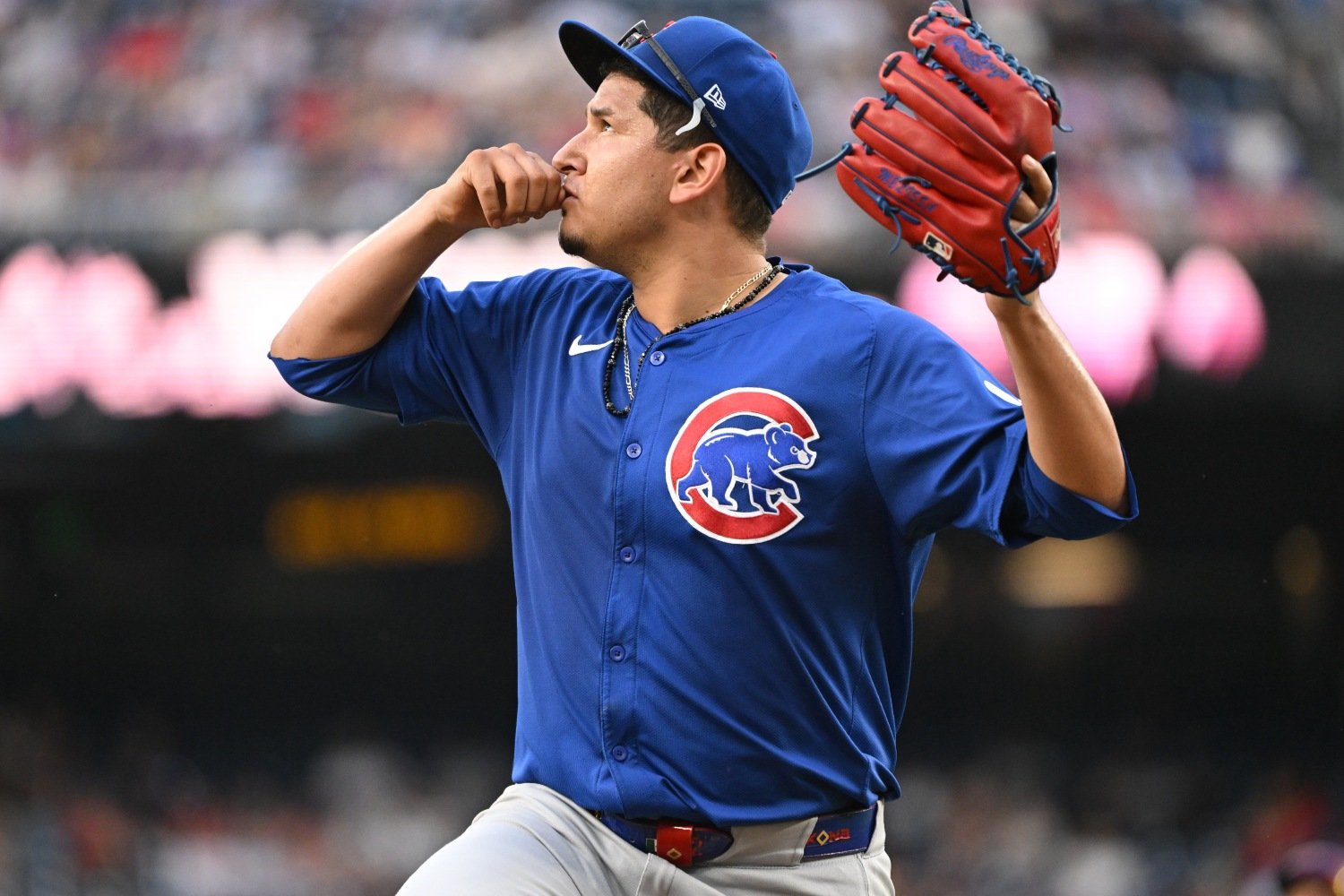 Jon Berti hasn't officially signed with the Cubs yet, but he'll become their utility infielder when that deal gets formally signed in the coming days. That will have to mean removing someone from the 40-man roster. Then, in the middle of March, the team will have to add Matt Shaw to their 40-man group, en route to installing him as their regular third baseman; that means jettisoning someone else. That's one dimension of the roster crunch facing the team, as they try to further round out a team that can win the NL Central and make a credible showing in the postseason. Another is having enough flexibility to keep good players who provide much-needed depth in the minors, while optimizing the talent on the 26-man roster. That means managing the roster carefully with regard to minor-league options, and some of the players at the fringes are out of them. We've surveyed that group already this winter, but now is a good time to do so again; more moves are forthcoming. Position Players Gage Workman is a Rule 5 pick who will have to stick on the active roster in order to remain with the team; that gives him a leg up in the competition for the final bench spot. Alexander Canario is out of options, so he, too, has to make the roster in order to stay in the organization, but he's less athletic than Workman, and the last proactive choice the Cubs made to affirm their faith in Canario was acquiring him in the first place, three and a half years ago. Workman is more versatile and the team just brought him in. The catching corps is set, with Miguel Amaya and Carson Kelly, but the team has also reinforced it well with minor-league deals, signing (first) Carlos Pérez and (Wednesday) Reese McGuire. Mix in Moises Ballesteros, who doesn't yet have to be on the 40-man, and you have a robust cadre of upper-level catching. In fact, there just might be room for the team to consider trading Amaya (or Ballesteros) in the right trade over the next few weeks. The Padres need a catcher, and are a promising trade partner. Eventually, of course, McGuire would have to be added to the 40-man if Amaya were traded, but that would work just fine. Vidal Bruján is the most likely casualty of the Berti signing. It's his role Berti most clearly makes redundant, and like Canario, he's out of options. He could be cut immediately, or he could survive a round, but he's now very unlikely to last the winter. Pitchers Whereas there's some chance (if a small one) that Berti is the last addition to the position-player group, we know for sure there will be more pitchers coming in. Whether that be via free agency, trade, or both, the hurler or hurlers added are unlikely to have options remaining, and that will apply some new pressure. The team has five starters and three relievers fully locked into the roster—both lacking options and indispensable to the pitching staff, anyway: Shota Imanaga, Justin Steele, Jameson Taillon, Matthew Boyd, Colin Rea, Tyson Miller, Caleb Thielbar, and Julian Merryweather. Javier Assad can still be sent to the minors, and so can Tyson Miller, Nate Pearson, and Eli Morgan. Each of those guys is also an important part of the mix right now, but that could change with the right moves or the wrong kind of spring training. You can all but say goodbye to Rob Zastryzny now. He's a lefty, made redundant by the presence of both Thielbar and Luke Little ahead of him on the depth chart and without options remaining. Keegan Thompson and Matt Festa aren't much better off, since they each lack options, too. Caleb Kilian and Ethan Roberts form a class above Thompson, Festa and Zastryzny in roster value, but below the one occupied by (deep intake of breath) Jordan Wicks, Ben Brown, Cody Poteet, Daniel Palencia, Jack Neely, Gavin Hollowell, and Little. All nine of those guys have options left, but the latter seven are clearly better than the first two. That matters, too, because at the moment, it seems likely that one or two roster spots will have to be created by the time the team flies to Japan to open the season against the Dodgers. Trevor Richards recently joined Ben Heller, Brooks Kriske and Phil Bickford as high-profile non-roster invitees to spring training who could contribute to the bullpen. The question with each is their opt-out date, because that could influence whether and when the team adds any of them to the roster. With Imanaga, Steele, Taillon, Boyd, Rea, Assad, Wicks, Brown and Poteet in line for chances to start, it would be a shock if either Cade Horton or Brandon Birdsell were called upon early in the season, and neither is yet on the 40-man roster, but each is a consideration for mid-season promotion as needed. In such a case, another 40-man spot would have to be opened up. More so than on the positional side, there's a lot of good depth here. As we've talked about at length, the need is for a better back end of the bullpen, or a high-end starter. That could be costly and come with its own logistical problems, but it probably actually stands to solve some of the team's roster-crunch problems; it should involve some natural consolidation. A trade could send two players out the door and bring back just one, with more upside. The Padres, who have six open spots on their 40-man roster, again look like a great match. The Cubs have plenty of work left to do this winter, even after signing Berti. Each move will displace someone, but that's alright. That's what this roster is designed for, at the moment.
 -
The Cubs agreed to one addition to their roster Wednesday night, but more of them loom. With their roster full, how will they make room for the right guys? Image courtesy of © Rafael Suanes-Imagn Images Jon Berti hasn't officially signed with the Cubs yet, but he'll become their utility infielder when that deal gets formally signed in the coming days. That will have to mean removing someone from the 40-man roster. Then, in the middle of March, the team will have to add Matt Shaw to their 40-man group, en route to installing him as their regular third baseman; that means jettisoning someone else. That's one dimension of the roster crunch facing the team, as they try to further round out a team that can win the NL Central and make a credible showing in the postseason. Another is having enough flexibility to keep good players who provide much-needed depth in the minors, while optimizing the talent on the 26-man roster. That means managing the roster carefully with regard to minor-league options, and some of the players at the fringes are out of them. We've surveyed that group already this winter, but now is a good time to do so again; more moves are forthcoming. Position Players Gage Workman is a Rule 5 pick who will have to stick on the active roster in order to remain with the team; that gives him a leg up in the competition for the final bench spot. Alexander Canario is out of options, so he, too, has to make the roster in order to stay in the organization, but he's less athletic than Workman, and the last proactive choice the Cubs made to affirm their faith in Canario was acquiring him in the first place, three and a half years ago. Workman is more versatile and the team just brought him in. The catching corps is set, with Miguel Amaya and Carson Kelly, but the team has also reinforced it well with minor-league deals, signing (first) Carlos Pérez and (Wednesday) Reese McGuire. Mix in Moises Ballesteros, who doesn't yet have to be on the 40-man, and you have a robust cadre of upper-level catching. In fact, there just might be room for the team to consider trading Amaya (or Ballesteros) in the right trade over the next few weeks. The Padres need a catcher, and are a promising trade partner. Eventually, of course, McGuire would have to be added to the 40-man if Amaya were traded, but that would work just fine. Vidal Bruján is the most likely casualty of the Berti signing. It's his role Berti most clearly makes redundant, and like Canario, he's out of options. He could be cut immediately, or he could survive a round, but he's now very unlikely to last the winter. Pitchers Whereas there's some chance (if a small one) that Berti is the last addition to the position-player group, we know for sure there will be more pitchers coming in. Whether that be via free agency, trade, or both, the hurler or hurlers added are unlikely to have options remaining, and that will apply some new pressure. The team has five starters and three relievers fully locked into the roster—both lacking options and indispensable to the pitching staff, anyway: Shota Imanaga, Justin Steele, Jameson Taillon, Matthew Boyd, Colin Rea, Tyson Miller, Caleb Thielbar, and Julian Merryweather. Javier Assad can still be sent to the minors, and so can Tyson Miller, Nate Pearson, and Eli Morgan. Each of those guys is also an important part of the mix right now, but that could change with the right moves or the wrong kind of spring training. You can all but say goodbye to Rob Zastryzny now. He's a lefty, made redundant by the presence of both Thielbar and Luke Little ahead of him on the depth chart and without options remaining. Keegan Thompson and Matt Festa aren't much better off, since they each lack options, too. Caleb Kilian and Ethan Roberts form a class above Thompson, Festa and Zastryzny in roster value, but below the one occupied by (deep intake of breath) Jordan Wicks, Ben Brown, Cody Poteet, Daniel Palencia, Jack Neely, Gavin Hollowell, and Little. All nine of those guys have options left, but the latter seven are clearly better than the first two. That matters, too, because at the moment, it seems likely that one or two roster spots will have to be created by the time the team flies to Japan to open the season against the Dodgers. Trevor Richards recently joined Ben Heller, Brooks Kriske and Phil Bickford as high-profile non-roster invitees to spring training who could contribute to the bullpen. The question with each is their opt-out date, because that could influence whether and when the team adds any of them to the roster. With Imanaga, Steele, Taillon, Boyd, Rea, Assad, Wicks, Brown and Poteet in line for chances to start, it would be a shock if either Cade Horton or Brandon Birdsell were called upon early in the season, and neither is yet on the 40-man roster, but each is a consideration for mid-season promotion as needed. In such a case, another 40-man spot would have to be opened up. More so than on the positional side, there's a lot of good depth here. As we've talked about at length, the need is for a better back end of the bullpen, or a high-end starter. That could be costly and come with its own logistical problems, but it probably actually stands to solve some of the team's roster-crunch problems; it should involve some natural consolidation. A trade could send two players out the door and bring back just one, with more upside. The Padres, who have six open spots on their 40-man roster, again look like a great match. The Cubs have plenty of work left to do this winter, even after signing Berti. Each move will displace someone, but that's alright. That's what this roster is designed for, at the moment. View full article
-
Cubs Sign Speed Demon Jon Berti as Second-Base Stopgap and Utility Man
Matthew Trueblood posted an article in Cubs
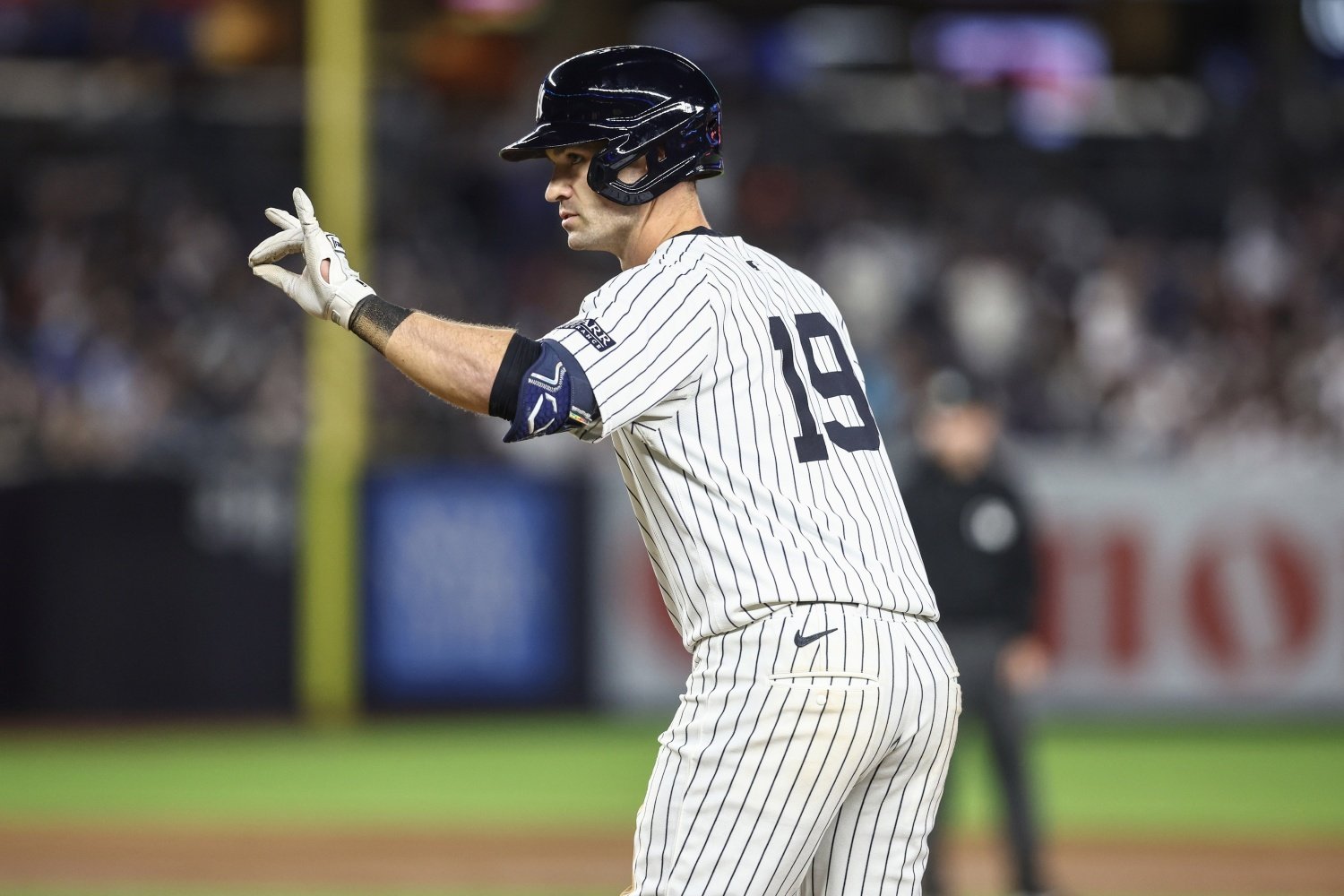 The Chicago Cubs signed utility man Jon Berti to a one-year deal Wednesday night, a source confirmed. Robert Murray of FanSided was the first to break the news. Berti, who turned 35 Wednesday, will make $2 million on the one-year deal. He's a .269/.337/.366 career hitter, and hit .268.335/.368 since the start of 2022. He remains one of the fastest players in baseball, even at this advanced age, and is 62-for-74 stealing bases over that same three-year span. His Statcast sprint speed for 2024 was 29.0 feet per second, an impressive number even before accounting for the facts of his age and his injury issues; he lost much of last year to groin and calf strains. Obviously, this is a quintessential bench piece, a guy whom you slot in only when a primary option is unavailable. His price reflects that, though, and the good news is twofold: Berti, unlike other versions of this player type the Cubs have tried in recent years, has a track record of getting on base, where the ability to run so well can make a real difference. Nick Madrigal (.304) and Miles Mastrobuoni (.283) never ran OBPs that allowed their other skills to have much value. Berti should. It's clear that the Cubs expect to run early and often in 2025. They're going to get aggressive. Berti fits that approach, not only because he's so fast, but because he's spent last season in the Yankees organization, from which the Cubs just hired baserunning gurus Jose Javier and Matt Talarico. Presumably, Berti will be able to act as a player conduit for the unique base-stealing ideas those two coaches bring to the organization. By signing Berti on such a cheap deal, one might fairly hope, the Cubs gain the option of spending more freely to upgrade the pitching staff than they otherwise would. Whether that turns out to be true will determine how good anyone should feel about Berti's arrival, but given the pressing need for infield reinforcements and the frustration of watching Madrigal and Mastrobuoni fail to clear the low offensive bar for that role over the last few seasons, this is a perfectly sensible signing. It's not a needle-mover, but it does improve the team.
 -
With Nico Hoerner's status for Opening Day much in doubt, one thing the Cubs wanted to do as they rounded out their roster was sign a capable second baseman who could stand in for him over the first few weeks. Wednesday night, they did so. Image courtesy of © Wendell Cruz-Imagn Images The Chicago Cubs signed utility man Jon Berti to a one-year deal Wednesday night, a source confirmed. Robert Murray of FanSided was the first to break the news. Berti, who turned 35 Wednesday, will make $2 million on the one-year deal. He's a .269/.337/.366 career hitter, and hit .268.335/.368 since the start of 2022. He remains one of the fastest players in baseball, even at this advanced age, and is 62-for-74 stealing bases over that same three-year span. His Statcast sprint speed for 2024 was 29.0 feet per second, an impressive number even before accounting for the facts of his age and his injury issues; he lost much of last year to groin and calf strains. Obviously, this is a quintessential bench piece, a guy whom you slot in only when a primary option is unavailable. His price reflects that, though, and the good news is twofold: Berti, unlike other versions of this player type the Cubs have tried in recent years, has a track record of getting on base, where the ability to run so well can make a real difference. Nick Madrigal (.304) and Miles Mastrobuoni (.283) never ran OBPs that allowed their other skills to have much value. Berti should. It's clear that the Cubs expect to run early and often in 2025. They're going to get aggressive. Berti fits that approach, not only because he's so fast, but because he's spent last season in the Yankees organization, from which the Cubs just hired baserunning gurus Jose Javier and Matt Talarico. Presumably, Berti will be able to act as a player conduit for the unique base-stealing ideas those two coaches bring to the organization. By signing Berti on such a cheap deal, one might fairly hope, the Cubs gain the option of spending more freely to upgrade the pitching staff than they otherwise would. Whether that turns out to be true will determine how good anyone should feel about Berti's arrival, but given the pressing need for infield reinforcements and the frustration of watching Madrigal and Mastrobuoni fail to clear the low offensive bar for that role over the last few seasons, this is a perfectly sensible signing. It's not a needle-mover, but it does improve the team. View full article
-
They absolutely should and probably will trade or DFA Canario, anyway. He's out of options, he can't make enough contact to get to his power, and he can't play center field.
-
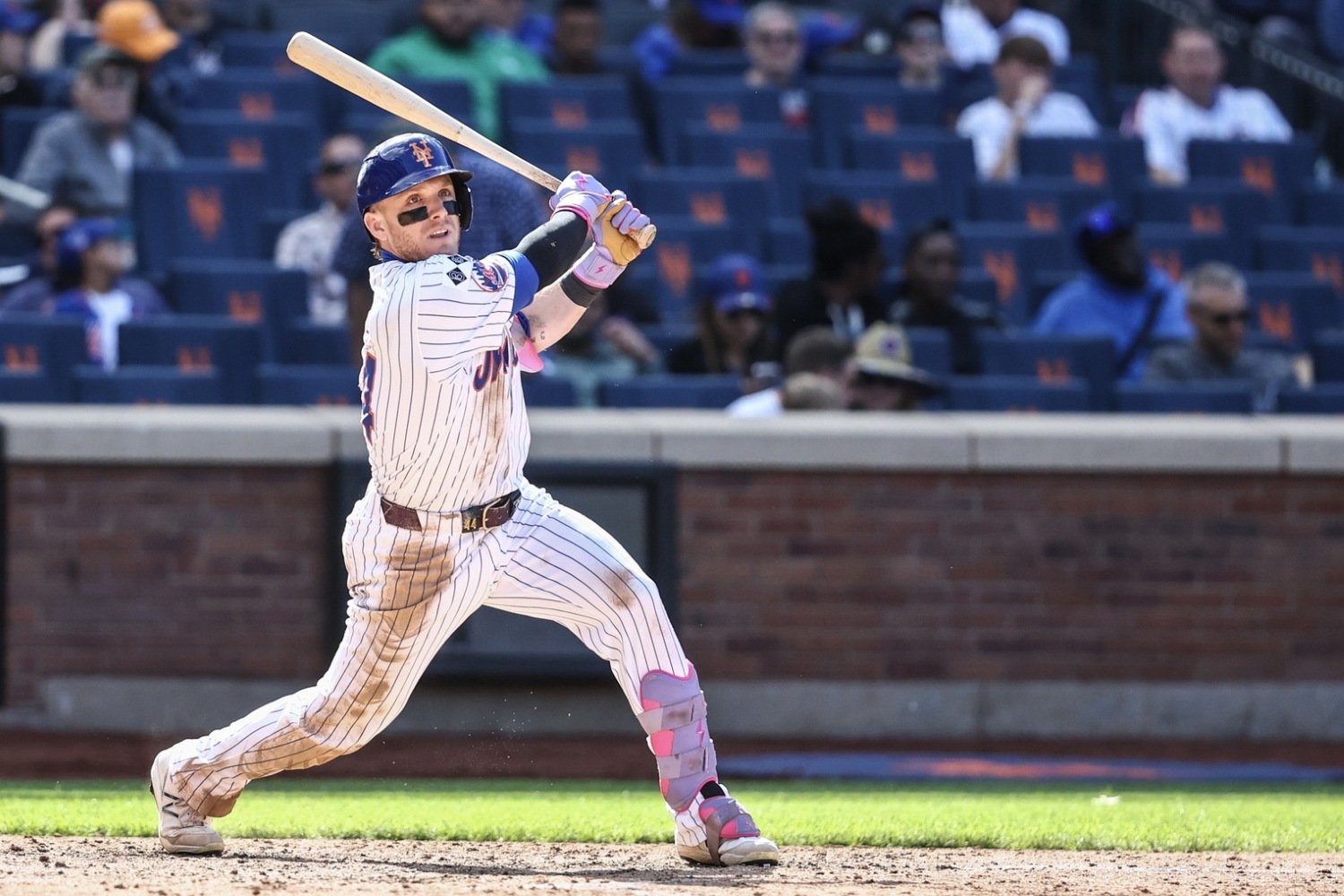 Now a few years into the peripatetic phase of his career, Harrison Bader had a fine but forgettable 2024 campaign with the New York Mets. In 437 plate appearances, he batted .236/.284/.373, with 12 home runs and 17 stolen bases. That's as underwhelming as it sounds, even if you give him more credit than defensive metrics did last year for his defensive chops in center field. The very fact that Bader, 30, can acquit himself in center has to count for something. The Cubs need a strong backup and potential platoon partner for Pete Crow-Armstrong, and Bader still seems able to be that guy. His numbers were disastrous against lefties in 2024, but for his career, he's a .249/.315/.461 hitter against southpaws. He's never really been a platoon guy—the 35% of his plate appearances that came against lefties in 2024 was the highest share of his career—and it's possible that the reason he's still a free agent is a belief and hope that he'll find a full-time job somewhere. He won't. Whenever he becomes more amenable to a part-time role, you could see the Cubs pounce, because Bader would be a great fit as the fourth outfielder behind a group that includes two lefty hitters (Crow-Armstrong and Kyle Tucker) and a switch-hitter (Ian Happ) who has generally been much better against righties during his career. Bader also has some upside, yet, and should one of the starters go down for a prolonged period, he could capably handle stepping into a full-time job for a stretch. In such a scenario, the Cubs might prefer to give an extended look to one of Owen Caissie or Kevin Alcántara, but Bader would give them insurance, matchup value, and flexibility, especially in case the need for a replacement comes earlier in the season than they care to promote either of their top outfield prospects. Right now, I'm working on a parallel plane, on a piece about the relationship between swing speed, swing acceleration (i.e., how quickly one can get the bat up to that final speed), and swing length, for Baseball Prospectus. In the process, I searched for hitters who showed the ability to generate very high swing speeds with short swings, even a handful of times, in 2024. Bader is one such player. He had five swings with a speed of at least 75 miles per hour and a swing length under 6.5 feet, showing that his bat speed hasn't yet faded in any meaningful way. Happ had the most such swings by a Cub, at seven, and that was in far more playing time than Bader got. I also developed a way to estimate the swing acceleration we would expect based on a hitter's swing speed, and Bader was in the top quartile of the league (right next to Seiya Suzuki), with swing acceleration about 25 feet per second per second better than we would have expected based on his swing speed. He needs to make better swing decisions, but one thing I discovered is that good accelerators usually can do that, because their ability to get the bat up to speed faster lets them start a hair later without losing the ability to hit the ball hard. With good coaching, Bader is a candidate to improve substantially at the plate in 2025. Investing in the bench makes sense for this team, because they have so much youth in their projected lineup. With Matt Shaw, Miguel Amaya, Michael Busch and Crow-Armstrong set to start most days, the team is embracing some risk that these players' development will prove the wrong kind of non-linear, and a player with a track record and a balanced skill set like Bader's can be especially helpful. It would be just one small move in what still needs to be a series of them, but the team should try to bring in Bader.
 -
Jed Hoyer intends to upgrade the Cubs' bench before spring training begins next month. One of the best ways he could do so would be to sign a former center-field stalwart for the team's chief rivals. Image courtesy of © Wendell Cruz-Imagn Images Now a few years into the peripatetic phase of his career, Harrison Bader had a fine but forgettable 2024 campaign with the New York Mets. In 437 plate appearances, he batted .236/.284/.373, with 12 home runs and 17 stolen bases. That's as underwhelming as it sounds, even if you give him more credit than defensive metrics did last year for his defensive chops in center field. The very fact that Bader, 30, can acquit himself in center has to count for something. The Cubs need a strong backup and potential platoon partner for Pete Crow-Armstrong, and Bader still seems able to be that guy. His numbers were disastrous against lefties in 2024, but for his career, he's a .249/.315/.461 hitter against southpaws. He's never really been a platoon guy—the 35% of his plate appearances that came against lefties in 2024 was the highest share of his career—and it's possible that the reason he's still a free agent is a belief and hope that he'll find a full-time job somewhere. He won't. Whenever he becomes more amenable to a part-time role, you could see the Cubs pounce, because Bader would be a great fit as the fourth outfielder behind a group that includes two lefty hitters (Crow-Armstrong and Kyle Tucker) and a switch-hitter (Ian Happ) who has generally been much better against righties during his career. Bader also has some upside, yet, and should one of the starters go down for a prolonged period, he could capably handle stepping into a full-time job for a stretch. In such a scenario, the Cubs might prefer to give an extended look to one of Owen Caissie or Kevin Alcántara, but Bader would give them insurance, matchup value, and flexibility, especially in case the need for a replacement comes earlier in the season than they care to promote either of their top outfield prospects. Right now, I'm working on a parallel plane, on a piece about the relationship between swing speed, swing acceleration (i.e., how quickly one can get the bat up to that final speed), and swing length, for Baseball Prospectus. In the process, I searched for hitters who showed the ability to generate very high swing speeds with short swings, even a handful of times, in 2024. Bader is one such player. He had five swings with a speed of at least 75 miles per hour and a swing length under 6.5 feet, showing that his bat speed hasn't yet faded in any meaningful way. Happ had the most such swings by a Cub, at seven, and that was in far more playing time than Bader got. I also developed a way to estimate the swing acceleration we would expect based on a hitter's swing speed, and Bader was in the top quartile of the league (right next to Seiya Suzuki), with swing acceleration about 25 feet per second per second better than we would have expected based on his swing speed. He needs to make better swing decisions, but one thing I discovered is that good accelerators usually can do that, because their ability to get the bat up to speed faster lets them start a hair later without losing the ability to hit the ball hard. With good coaching, Bader is a candidate to improve substantially at the plate in 2025. Investing in the bench makes sense for this team, because they have so much youth in their projected lineup. With Matt Shaw, Miguel Amaya, Michael Busch and Crow-Armstrong set to start most days, the team is embracing some risk that these players' development will prove the wrong kind of non-linear, and a player with a track record and a balanced skill set like Bader's can be especially helpful. It would be just one small move in what still needs to be a series of them, but the team should try to bring in Bader. View full article
-
Tuesday evening will bring the results of the 2025 National Baseball Hall of Fame BBWAA election. Before that happens, here are my 10 selections from the annual ballot, and the reasons why I chose each—and why I excluded some other candidates. Image courtesy of © Bob DeChiara-Imagn Images I hew to a few key principles when considering who I think deserves to enter the National Baseball Hall of Fame. It doesn't really matter, of course, because I don't have a vote, but I go through some version of the exercise each year, because I can't evaluate the choices made by the tenured members of the Baseball Writers Association of America without coming to my own conclusions about who should go in and why. Here are my main thoughts about the ballot as it exists these days, in no particular order: By and large, I'm a "big Hall" guy. There are, for my money, more important and wonderful players on the outside of Cooperstown looking in than guys who have plaques but didn't exactly merit them. Off-field matters notwithstanding, I tend to err on the side of letting in players who don't check all of some old-fashioned voters' boxes but who brightened the field with their presence over long careers. I'll usually favor peak over longevity, but I think some public discourse has run too far in that direction. We ought to value the desire, dedication, and adaptability to stay helpful for more than a decade, even if a player had a truly elite seven- or eight-year peak. I'm unwilling to exclude a player for using performance-enhancing drugs. I do discount players' numbers slightly if we know that they used, but the problem was huge and systemic and while each person bears personal responsibility for the choices they made about how to seek competitive edges during that era, I don't feel that using those drugs (or, in Carlos Beltrán's case, being the focal point of the investigation into the Astros' sign-stealing scandal) should keep a deserving player out of the Hall. On the other hand, I'm something of a hardliner when it comes to more egregious and (in my opinion) serious failures of character. This is the highest honor that can be conferred on a member of this profession, and it's my feeling that we should deny that honor to people who (most especially) inflict violence on family members, intimate partners, or any other group, especially if they were repeat offenders. That also goes for people who espouse hateful things (no Curt Schilling for me, when he was eligible) and those who drink and drive and don't learn from the egregious, wantonly dangerous misdeed (no Todd Helton for me, either, though I lost that argument). That should give you some clues as to whose names are about to appear below. Without further ado, here we go. CC Sabathia A no-brainer. Sabathia pitched 19 seasons as a workhorse, and not just an innings-eater, but an ace. He was, arguably, the last great pitcher of his kind, a threat to go eight innings every time he toed the rubber. Sabathia made 134 starts in which he went at least 7 1/3, which is not only the fifth-most since 1995, but 22 more than the most by any active hurler. (Justin Verlander sits at 112.) I heartily recommend his memoir, Till The End, which documents not only his career, but his long battle with alcohol dependence. He was larger than life on the mound, a great postseason pitcher, and late in his career, a big enough man to admit that he was hurting a great many people he loved by destroying himself. His journey to sobriety is as inspiring to many as his incredible talent and phenomenal performances. Ichiro Suzuki The most singular player in modern baseball history. Suzuki didn't even come to the States until he was 27, which hid some of his greatest brilliance from us, and yet, no one who ever watched him doubted he was a Hall of Famer. His feel for contact—especially the ability to hit the ball deep enough to the left side of the infield to secure a single almost every time, even if the shortstop managed to keep it on the dirt—was breathtaking, and his arm in right field was the most entertaining of his generation. That was true not only because he threw so well, but because he did it with such a whipsaw grace, from a small frame, and because he augmented the utility of his sheer arm strength by charging every single with fluid speed and confidence. He's one of the 25 best baseball players ever, if we widen our lens to remember that his skill set probably peaked during his final few years in Japan. If you've never looked up his NPB numbers, do so. His lowest full-season average there was .342, and he left after batting .387/.460/.539 in 2000. Alex Rodríguez Is he truly likable? No. Is he obnoxious on FOX broadcasts now? Yes. Did he use steroids, even after testing went into effect and everyone understood them to be taboo? Absolutely. But unlike (say) Barry Bonds and Roger Clemens, Rodríguez was never accused of being violent or criminally inappropriate toward women, and while he might have had a vague reputation as a self-satisfied jerk off the field, his sins outside the lines are relatively tame. They don't remotely erase the fact that, along with Bonds and Willie Mays and Henry Aaron, Rodríguez has a very strong case as the best player of all time. His pwoer and speed were incredible, but some players could loosely match those tools. What no one ever matched was the way he blended those loud tools with subtle but equally valuable refined skills, from an intelligent and adaptable approach at the plate to clever and dazzling defense. Carlos Beltrán I mentally bin Beltrán with Scott Rolen. While they were different in several obvious ways, both were extremely well-rounded—so much so that it was sometimes regrettably easy to overlook their greatest strengths in favor of marveling at their lack of weaknesses. Beltrán's raw numbers are slightly diminished by the mix of parks and league run environments he encountered over the years, and even so, they're gaudy. He was also, throughout his 20s, one of the best defensive center fielders of his generation, which often got lumped in and treated like an afterthought, given the balanced offensive dynamism he offered as a switch-hitter. That he helped engineer the banging scheme in 2017 is a shame, but not a dark enough mark on his record to make me think twice about wanting to see him enter the Hall. He found so many ways to be good late in his career, and was so respected by teammates throughout that career, that I'm more inclined to give him bonus points for baseball character than to strike him from the list for cheating in his senescence. Félix Hernández I think that, because he came up so young and was thus in decline by his age-30 season, people remember Hernández's peak as shorter than it really was. From 2009-15, Hernández made six All-Star teams, won a Cy Young Award, finished twice two other times and was in the top 10 for the honor thrice more. He averaged 228 innings and 221 strikeouts per season and had a 2.83 ERA. If those seven years were his whole peak, this would be a thorny conversation. In reality, though, he had come up in the middle of 2005 and had three full, perfectly solid campaigns before really hitting his stride in that 2009 campaign. He also pitched with personality, and was a bit of a throwback: he didn't have to strike you out for you to feel as though you had no chance when he was done with you. Andy Pettitte Yes, he used HGH, and yes, I hold that against him—almost more than I do for hitters, because one of the chief challenges for pitchers is to stay healthy and I consider things that artificially reduce that risk an especially egregious sin against the game. Pettitte was an emblem of an era, though. Every October, you'd turn on the TV, and he would be there, with the cap pulled so low over his eyes that his face was just a black abyss behind his glove. He'd be coming off a strong regular season, but there would be questions about him—and then he'd answer them with a resounding performance that helped vault his teams to one World Series after another. Pitchers deserve some extra credit for holding up under the hot lights, and for achieving longevity even when piling up extra innings after lots of their counterparts had gone home each fall. Chase Utley Like Beltrán, Utley was a winner, because he did everything well and sought the edge everywhere it could be found. He bordered on dirty, but if the rest of the league were as dedicated to playing the game ferociously as he was, they wouldn't have been in any danger from him. He was ruthless, and he was everywhere. During his peak, he hit for average, drew walks, stole bases more efficiently than anyone else in baseball, and played better defense at second base than anyone else in baseball. The thing people overlooked too often, because he tended to hit more doubles than homers, was his power. He averaged 27 homers and 67 total extra-base hits per year from 2005-10, and he also perfected the art of being hit by pitches. The second half of his career was underwhelming, but he should have won two MVPs (which, in a testament to him, went to teammtes instead) before that decline began. Billy Wagner I love the story of Wagner breaking his right arm playing hat football when he was a kid, and thus becoming an accidental lefty. It speaks not only to his resourcefulness, but to his passion for the sport; he couldn't be without baseball long enough to let an injury heal all the way. He just switched arms and kept hucking it. You'd like to see more volume, even from a reliever, to put them in. Yet, Wagner had more strikeouts than either Trevor Hoffman or Mariano Rivera, even though they had roughly 180 and 350 more career innings than he did, respectively. You'd like to see a better postseason track record, too. But the fact is that Wagner struck out 33.2% of opposing batters for his career, which would be an elite rate for a single season even now—and that was at a time when the baseline for strikeouts was about 20% lower than it is now. When he came in to close out a game against your team, you knew he was a Hall of Famer. Russell Martin For me, this is not as controversial as some have made it. Martin was a unique athlete who could have stuck on the infield if he'd insisted upon it, but instead, he made himself a great catcher—one of the best defenders at the most important non-pitching position on the field, in an era full of great defensive catchers. That so much of his value comes from pitch framing inevitably dings him for many, but I love framing and believe its value is real and should be acknowledged. Martin also brought a modicum of power and unusual speed to the position, and you didn't have to make the big tradeoffs that so many catchers force their teams to make. He was well-rounded, an average-plus hitter and a terrific run preventer, as well as a beloved teammate whose teams were a truly wild 212 games over .500 when he started during his career. In 11 different seasons, his team was at least 11 games to the good. Ben Zobrist This one, admittedly, is a fringy case. I'd like to see Zobrist stick around on the ballot, as much as I'd like to see him actually inducted. He's the guy who probably did have too short a career to make a compelling Hall case, but from 2009-16, he defined an evolving role for the whole league, playing all over the diamond (and being above-average at each spot) and hitting .271/.366/.439, despite a lot of those seasons being fallow ones for offense throughout the league. I also give him some extra credit for being instrumental in two straight World Series runs by teams he was on, the 2015 Royals and the 2016 Cubs. Excluded here, but worth a quick mention, are the following: Bobby Abreu makes a very strong case, and once Beltrán gets in, I think it will be easier to fairly judge him and for some voters to find room for him on their ballots. Andruw Jones, Manny Ramírez, Francisco Rodríguez, and Omar Vizquel were not considered, as I consider all of them to have been disqualifyingly violent and/or cruel away from the field. Dustin Pedroia is very close to Utley as a candidate, and probably could have gotten his slot. I'll certainly be taking another close look at him next year. Brian McCann is a similar candidate to Martin, but I want to advocate Martin first. David Wright and Troy Tulowitzki were clearly Hall of Fame talents. I'm not yet sure I can get them over the line, based on how truncated by injuries their careers were, but they're legitimate candidates. There's my ballot. It's imperfect; all ballots are. It was fun to put it together, though, and I'd love to hear what you think of it, as well as whom you would support. View full article
-
Hall of Fame Day: My Imaginary Ballot, and the Reasons for My Choices
Matthew Trueblood posted an article in Cubs
 I hew to a few key principles when considering who I think deserves to enter the National Baseball Hall of Fame. It doesn't really matter, of course, because I don't have a vote, but I go through some version of the exercise each year, because I can't evaluate the choices made by the tenured members of the Baseball Writers Association of America without coming to my own conclusions about who should go in and why. Here are my main thoughts about the ballot as it exists these days, in no particular order: By and large, I'm a "big Hall" guy. There are, for my money, more important and wonderful players on the outside of Cooperstown looking in than guys who have plaques but didn't exactly merit them. Off-field matters notwithstanding, I tend to err on the side of letting in players who don't check all of some old-fashioned voters' boxes but who brightened the field with their presence over long careers. I'll usually favor peak over longevity, but I think some public discourse has run too far in that direction. We ought to value the desire, dedication, and adaptability to stay helpful for more than a decade, even if a player had a truly elite seven- or eight-year peak. I'm unwilling to exclude a player for using performance-enhancing drugs. I do discount players' numbers slightly if we know that they used, but the problem was huge and systemic and while each person bears personal responsibility for the choices they made about how to seek competitive edges during that era, I don't feel that using those drugs (or, in Carlos Beltrán's case, being the focal point of the investigation into the Astros' sign-stealing scandal) should keep a deserving player out of the Hall. On the other hand, I'm something of a hardliner when it comes to more egregious and (in my opinion) serious failures of character. This is the highest honor that can be conferred on a member of this profession, and it's my feeling that we should deny that honor to people who (most especially) inflict violence on family members, intimate partners, or any other group, especially if they were repeat offenders. That also goes for people who espouse hateful things (no Curt Schilling for me, when he was eligible) and those who drink and drive and don't learn from the egregious, wantonly dangerous misdeed (no Todd Helton for me, either, though I lost that argument). That should give you some clues as to whose names are about to appear below. Without further ado, here we go. CC Sabathia A no-brainer. Sabathia pitched 19 seasons as a workhorse, and not just an innings-eater, but an ace. He was, arguably, the last great pitcher of his kind, a threat to go eight innings every time he toed the rubber. Sabathia made 134 starts in which he went at least 7 1/3, which is not only the fifth-most since 1995, but 22 more than the most by any active hurler. (Justin Verlander sits at 112.) I heartily recommend his memoir, Till The End, which documents not only his career, but his long battle with alcohol dependence. He was larger than life on the mound, a great postseason pitcher, and late in his career, a big enough man to admit that he was hurting a great many people he loved by destroying himself. His journey to sobriety is as inspiring to many as his incredible talent and phenomenal performances. Ichiro Suzuki The most singular player in modern baseball history. Suzuki didn't even come to the States until he was 27, which hid some of his greatest brilliance from us, and yet, no one who ever watched him doubted he was a Hall of Famer. His feel for contact—especially the ability to hit the ball deep enough to the left side of the infield to secure a single almost every time, even if the shortstop managed to keep it on the dirt—was breathtaking, and his arm in right field was the most entertaining of his generation. That was true not only because he threw so well, but because he did it with such a whipsaw grace, from a small frame, and because he augmented the utility of his sheer arm strength by charging every single with fluid speed and confidence. He's one of the 25 best baseball players ever, if we widen our lens to remember that his skill set probably peaked during his final few years in Japan. If you've never looked up his NPB numbers, do so. His lowest full-season average there was .342, and he left after batting .387/.460/.539 in 2000. Alex Rodríguez Is he truly likable? No. Is he obnoxious on FOX broadcasts now? Yes. Did he use steroids, even after testing went into effect and everyone understood them to be taboo? Absolutely. But unlike (say) Barry Bonds and Roger Clemens, Rodríguez was never accused of being violent or criminally inappropriate toward women, and while he might have had a vague reputation as a self-satisfied jerk off the field, his sins outside the lines are relatively tame. They don't remotely erase the fact that, along with Bonds and Willie Mays and Henry Aaron, Rodríguez has a very strong case as the best player of all time. His pwoer and speed were incredible, but some players could loosely match those tools. What no one ever matched was the way he blended those loud tools with subtle but equally valuable refined skills, from an intelligent and adaptable approach at the plate to clever and dazzling defense. Carlos Beltrán I mentally bin Beltrán with Scott Rolen. While they were different in several obvious ways, both were extremely well-rounded—so much so that it was sometimes regrettably easy to overlook their greatest strengths in favor of marveling at their lack of weaknesses. Beltrán's raw numbers are slightly diminished by the mix of parks and league run environments he encountered over the years, and even so, they're gaudy. He was also, throughout his 20s, one of the best defensive center fielders of his generation, which often got lumped in and treated like an afterthought, given the balanced offensive dynamism he offered as a switch-hitter. That he helped engineer the banging scheme in 2017 is a shame, but not a dark enough mark on his record to make me think twice about wanting to see him enter the Hall. He found so many ways to be good late in his career, and was so respected by teammates throughout that career, that I'm more inclined to give him bonus points for baseball character than to strike him from the list for cheating in his senescence. Félix Hernández I think that, because he came up so young and was thus in decline by his age-30 season, people remember Hernández's peak as shorter than it really was. From 2009-15, Hernández made six All-Star teams, won a Cy Young Award, finished twice two other times and was in the top 10 for the honor thrice more. He averaged 228 innings and 221 strikeouts per season and had a 2.83 ERA. If those seven years were his whole peak, this would be a thorny conversation. In reality, though, he had come up in the middle of 2005 and had three full, perfectly solid campaigns before really hitting his stride in that 2009 campaign. He also pitched with personality, and was a bit of a throwback: he didn't have to strike you out for you to feel as though you had no chance when he was done with you. Andy Pettitte Yes, he used HGH, and yes, I hold that against him—almost more than I do for hitters, because one of the chief challenges for pitchers is to stay healthy and I consider things that artificially reduce that risk an especially egregious sin against the game. Pettitte was an emblem of an era, though. Every October, you'd turn on the TV, and he would be there, with the cap pulled so low over his eyes that his face was just a black abyss behind his glove. He'd be coming off a strong regular season, but there would be questions about him—and then he'd answer them with a resounding performance that helped vault his teams to one World Series after another. Pitchers deserve some extra credit for holding up under the hot lights, and for achieving longevity even when piling up extra innings after lots of their counterparts had gone home each fall. Chase Utley Like Beltrán, Utley was a winner, because he did everything well and sought the edge everywhere it could be found. He bordered on dirty, but if the rest of the league were as dedicated to playing the game ferociously as he was, they wouldn't have been in any danger from him. He was ruthless, and he was everywhere. During his peak, he hit for average, drew walks, stole bases more efficiently than anyone else in baseball, and played better defense at second base than anyone else in baseball. The thing people overlooked too often, because he tended to hit more doubles than homers, was his power. He averaged 27 homers and 67 total extra-base hits per year from 2005-10, and he also perfected the art of being hit by pitches. The second half of his career was underwhelming, but he should have won two MVPs (which, in a testament to him, went to teammtes instead) before that decline began. Billy Wagner I love the story of Wagner breaking his right arm playing hat football when he was a kid, and thus becoming an accidental lefty. It speaks not only to his resourcefulness, but to his passion for the sport; he couldn't be without baseball long enough to let an injury heal all the way. He just switched arms and kept hucking it. You'd like to see more volume, even from a reliever, to put them in. Yet, Wagner had more strikeouts than either Trevor Hoffman or Mariano Rivera, even though they had roughly 180 and 350 more career innings than he did, respectively. You'd like to see a better postseason track record, too. But the fact is that Wagner struck out 33.2% of opposing batters for his career, which would be an elite rate for a single season even now—and that was at a time when the baseline for strikeouts was about 20% lower than it is now. When he came in to close out a game against your team, you knew he was a Hall of Famer. Russell Martin For me, this is not as controversial as some have made it. Martin was a unique athlete who could have stuck on the infield if he'd insisted upon it, but instead, he made himself a great catcher—one of the best defenders at the most important non-pitching position on the field, in an era full of great defensive catchers. That so much of his value comes from pitch framing inevitably dings him for many, but I love framing and believe its value is real and should be acknowledged. Martin also brought a modicum of power and unusual speed to the position, and you didn't have to make the big tradeoffs that so many catchers force their teams to make. He was well-rounded, an average-plus hitter and a terrific run preventer, as well as a beloved teammate whose teams were a truly wild 212 games over .500 when he started during his career. In 11 different seasons, his team was at least 11 games to the good. Ben Zobrist This one, admittedly, is a fringy case. I'd like to see Zobrist stick around on the ballot, as much as I'd like to see him actually inducted. He's the guy who probably did have too short a career to make a compelling Hall case, but from 2009-16, he defined an evolving role for the whole league, playing all over the diamond (and being above-average at each spot) and hitting .271/.366/.439, despite a lot of those seasons being fallow ones for offense throughout the league. I also give him some extra credit for being instrumental in two straight World Series runs by teams he was on, the 2015 Royals and the 2016 Cubs. Excluded here, but worth a quick mention, are the following: Bobby Abreu makes a very strong case, and once Beltrán gets in, I think it will be easier to fairly judge him and for some voters to find room for him on their ballots. Andruw Jones, Manny Ramírez, Francisco Rodríguez, and Omar Vizquel were not considered, as I consider all of them to have been disqualifyingly violent and/or cruel away from the field. Dustin Pedroia is very close to Utley as a candidate, and probably could have gotten his slot. I'll certainly be taking another close look at him next year. Brian McCann is a similar candidate to Martin, but I want to advocate Martin first. David Wright and Troy Tulowitzki were clearly Hall of Fame talents. I'm not yet sure I can get them over the line, based on how truncated by injuries their careers were, but they're legitimate candidates. There's my ballot. It's imperfect; all ballots are. It was fun to put it together, though, and I'd love to hear what you think of it, as well as whom you would support.
 -
The Chicago Bears hired Ben Johnson as their new head coach Monday afternoon. It's a good reminder to Cubs fans that they also have a much-prized leader in their dugout, and that the team's ceiling might be set in part by a reshaped coaching staff, in addition to their raw talent. Image courtesy of © Benny Sieu-Imagn Images It's not apples-to-apples, of course. Neither a manager nor a hitting coach nor a pitching coach can have as great a direct and easily traceable impact on a team's efficacy in baseball as can a head coach or coordinator in football. When the Cubs hired Craig Counsell 14 months ago, though, their hope was that he would engender better performances from his players than David Ross had from his, and that the team could pair continued increases in talent with improvements that go a bit beyond baseline talent level. Even when a manager and coaching staff have such an impact, it's harder to see in baseball than in football, and it's hard to say whether Counsell and his slapdash group did so in 2024. They rebuilt a portion of that staff this winter, though, and it's fairly clear that they believe the changes are for the better. While they've also augmented the roster and will continue to do so, they want to see players outperform their projections, too, and some of that depends on great coaches. Hence the investment they've made, not only in Counsell, but in new faces Quintin Berry, Jose Javier, and last year's top adds, Ryan Flaherty and Mark Strittmatter. They promoted Casey Jacobson from the player-development group to join that field staff, but have backfilled there by hiring Tyler Zombro, and they've also added key voices Matt Talarico and Jerry Weinstein to the front office as player development specialists. The common thread—with Berry, Javier, Talarico, and Weinstein, especially—is not a relationship with Counsell, but an emphasis on excellent execution of the little things. These hires reflect a new dedication to being better at positioning defenders, especially in the outfield; running the bases, especially taking advantage of the rules changes that happened in 2023; and pitch framing. Meanwhile, replacing the departed Daniel Moskos with Jacobson as the lieutenant to Tommy Hottovy is designed to ensure that the team continues to get a bit more out of seemingly low-ceiling pitchers than the numbers forecast. Is any of this an excuse not to spend money, or for the Cubs not to further improve their roster via trades or free agency in the next month? By no means. Because the Ricketts family sets too tight a budget for the front office to bring in sufficient talent to dominate the division or threaten the Mets or Dodgers, though, they do need to be more than the sum of their parts—or at least, more than the apparent sum based on uncertain evaluations of each individual part. That's an important thing to keep in mind in the weeks ahead. We know that the team hired Javier and Talarico to port the Yankees' innovations in base-stealing to a younger, faster club, and that tells us that if they can get Pete Crow-Armstrong on base a bit more, they're going to ask him to steal more than 50 bases. Crow-Armstrong and Miguel Amaya were last year's most obvious wins for the trio of hitting coaches (Dustin Kelly, Juan Cabreja, and John Mallee), but not the only ones, and that group will also be tasked with smoothing out the transition for Matt Shaw as he joins the big-league team. Amaya and Carson Kelly will be expected to improve and excel defensively, not only because Kelly has a reputation as a strong defender anyway, but because Strittmatter and Weinstein are in the fold specifically to upgrade their infrastructure in that department. Counsell, Hottovy and Jacobson will be asked to sift quickly through a ton of options for their pitching staff this spring, and then to position high-upside hurlers like Ben Brown and Nate Pearson to have the greatest possible impact. The Brewers have beaten the Cubs out for two straight division titles, and have been the most successful team in the NL Central over the last seven years. Most of that was under Counsell, and none of it was because they had the most raw talent in the division. On the contrary, Milwaukee dominated partially through superb coaching. Their hitting department is underrated. Pitching coach Chris Hook has enjoyed a good tenure with trusted lieutenants, just like Hottovy, and his staffs have overachieved. They were, arguably, the best team in baseball at teaching pitch framing and at positioning defenders over the last several campaigns. The Cubs needed to close that gap, just as they needed to close the one between the two teams in talent in 2021 and 2022. By hiring Counsell away and bolstering his staff this winter, they've done much of that work. We'll see whether that shows up on the field in 2025, but it will be harder to judge it than it will be to tell whether the front office gave them good enough players to work with in the first place. View full article
-
 It's not apples-to-apples, of course. Neither a manager nor a hitting coach nor a pitching coach can have as great a direct and easily traceable impact on a team's efficacy in baseball as can a head coach or coordinator in football. When the Cubs hired Craig Counsell 14 months ago, though, their hope was that he would engender better performances from his players than David Ross had from his, and that the team could pair continued increases in talent with improvements that go a bit beyond baseline talent level. Even when a manager and coaching staff have such an impact, it's harder to see in baseball than in football, and it's hard to say whether Counsell and his slapdash group did so in 2024. They rebuilt a portion of that staff this winter, though, and it's fairly clear that they believe the changes are for the better. While they've also augmented the roster and will continue to do so, they want to see players outperform their projections, too, and some of that depends on great coaches. Hence the investment they've made, not only in Counsell, but in new faces Quintin Berry, Jose Javier, and last year's top adds, Ryan Flaherty and Mark Strittmatter. They promoted Casey Jacobson from the player-development group to join that field staff, but have backfilled there by hiring Tyler Zombro, and they've also added key voices Matt Talarico and Jerry Weinstein to the front office as player development specialists. The common thread—with Berry, Javier, Talarico, and Weinstein, especially—is not a relationship with Counsell, but an emphasis on excellent execution of the little things. These hires reflect a new dedication to being better at positioning defenders, especially in the outfield; running the bases, especially taking advantage of the rules changes that happened in 2023; and pitch framing. Meanwhile, replacing the departed Daniel Moskos with Jacobson as the lieutenant to Tommy Hottovy is designed to ensure that the team continues to get a bit more out of seemingly low-ceiling pitchers than the numbers forecast. Is any of this an excuse not to spend money, or for the Cubs not to further improve their roster via trades or free agency in the next month? By no means. Because the Ricketts family sets too tight a budget for the front office to bring in sufficient talent to dominate the division or threaten the Mets or Dodgers, though, they do need to be more than the sum of their parts—or at least, more than the apparent sum based on uncertain evaluations of each individual part. That's an important thing to keep in mind in the weeks ahead. We know that the team hired Javier and Talarico to port the Yankees' innovations in base-stealing to a younger, faster club, and that tells us that if they can get Pete Crow-Armstrong on base a bit more, they're going to ask him to steal more than 50 bases. Crow-Armstrong and Miguel Amaya were last year's most obvious wins for the trio of hitting coaches (Dustin Kelly, Juan Cabreja, and John Mallee), but not the only ones, and that group will also be tasked with smoothing out the transition for Matt Shaw as he joins the big-league team. Amaya and Carson Kelly will be expected to improve and excel defensively, not only because Kelly has a reputation as a strong defender anyway, but because Strittmatter and Weinstein are in the fold specifically to upgrade their infrastructure in that department. Counsell, Hottovy and Jacobson will be asked to sift quickly through a ton of options for their pitching staff this spring, and then to position high-upside hurlers like Ben Brown and Nate Pearson to have the greatest possible impact. The Brewers have beaten the Cubs out for two straight division titles, and have been the most successful team in the NL Central over the last seven years. Most of that was under Counsell, and none of it was because they had the most raw talent in the division. On the contrary, Milwaukee dominated partially through superb coaching. Their hitting department is underrated. Pitching coach Chris Hook has enjoyed a good tenure with trusted lieutenants, just like Hottovy, and his staffs have overachieved. They were, arguably, the best team in baseball at teaching pitch framing and at positioning defenders over the last several campaigns. The Cubs needed to close that gap, just as they needed to close the one between the two teams in talent in 2021 and 2022. By hiring Counsell away and bolstering his staff this winter, they've done much of that work. We'll see whether that shows up on the field in 2025, but it will be harder to judge it than it will be to tell whether the front office gave them good enough players to work with in the first place.
 -
 This move won't make anyone less hungry for a true relief ace, but as the Cubs try hard to avoid the depth shortfalls that exposed and cost them in the first half of 2024, they took another small step toward safety Monday by signing right-handed reliever Trevor Richards. Aram Leighton of Just Baseball broke the news. Richards's fastball is a fairly pedestrian offering, averaging 92 miles per hour. It has a lot of carry at the top of the zone, but from his overhand slot, it doesn't generate much deception or induce many swings and misses. The key to his two-pitch attack, though, is that changeup, with lots of depth and a bit of run to the arm side, to boot. When he's going well, Richards does pile up strikeouts, because the changeup is a swing-and-miss pitch. He nearly always walks more batters than you'd like, though, and of his seven big-league seasons, only 2021 saw him actually run a good ERA and consistently get hitters out. He's a limited pitcher who must be used carefully, but he does have reverse platoon splits, somewhat like erstwhile Cubs middle reliever Mark Leiter Jr. They're funky splits, though. Here are his career numbers: vs. RHH: .248/.320/.432, 26.5% K, 9.2% BB vs. LHH: .221/.315/.372, 24.1% K, 11.8% BB In other words, across samples of more than 1,000 batters faced from each side, Richards has been reliably better against lefties—but he's struck out more and walked fewer against righties. It's only against lefties that he seems able to limit quality of contact. That's bizarre, and helps explain why he's struggled more than he's thrived throughout his career. If Richards makes the roster, he could eventually be some version of what Leiter was for the Cubs, but the ceiling feels lower. In the meantime, he faces a long climb to make the team at all. This is a nice pickup and camp check-in, lest the team can unlock something for him the way they did with Leiter. It's not the big addition they still need to make to their bullpen, though. It only further crowds the competition for the final spot or two on the Opening Day roster.
 -
We've talked about the Cubs being near their limit for sheer depth options at the fringes of their bullpen, but apparently, they're not quite there yet. On Monday afternoon, they agreed to bring aboard a high-slot changeup specialist who could fit into a situational role near the bottom of their depth chart. Image courtesy of © Jesse Johnson-Imagn Images This move won't make anyone less hungry for a true relief ace, but as the Cubs try hard to avoid the depth shortfalls that exposed and cost them in the first half of 2024, they took another small step toward safety Monday by signing right-handed reliever Trevor Richards. Aram Leighton of Just Baseball broke the news. Richards's fastball is a fairly pedestrian offering, averaging 92 miles per hour. It has a lot of carry at the top of the zone, but from his overhand slot, it doesn't generate much deception or induce many swings and misses. The key to his two-pitch attack, though, is that changeup, with lots of depth and a bit of run to the arm side, to boot. When he's going well, Richards does pile up strikeouts, because the changeup is a swing-and-miss pitch. He nearly always walks more batters than you'd like, though, and of his seven big-league seasons, only 2021 saw him actually run a good ERA and consistently get hitters out. He's a limited pitcher who must be used carefully, but he does have reverse platoon splits, somewhat like erstwhile Cubs middle reliever Mark Leiter Jr. They're funky splits, though. Here are his career numbers: vs. RHH: .248/.320/.432, 26.5% K, 9.2% BB vs. LHH: .221/.315/.372, 24.1% K, 11.8% BB In other words, across samples of more than 1,000 batters faced from each side, Richards has been reliably better against lefties—but he's struck out more and walked fewer against righties. It's only against lefties that he seems able to limit quality of contact. That's bizarre, and helps explain why he's struggled more than he's thrived throughout his career. If Richards makes the roster, he could eventually be some version of what Leiter was for the Cubs, but the ceiling feels lower. In the meantime, he faces a long climb to make the team at all. This is a nice pickup and camp check-in, lest the team can unlock something for him the way they did with Leiter. It's not the big addition they still need to make to their bullpen, though. It only further crowds the competition for the final spot or two on the Opening Day roster. View full article