


Brandon Glick
-
Posts
1,153 -
Joined
-
Last visited
Content Type
Profiles
Joomla Posts 1
Chicago Cubs Videos
Chicago Cubs Free Agent & Trade Rumors, Notes, & Tidbits
2026 Chicago Cubs Top Prospects Ranking
News
2023 Chicago Cubs Draft Picks
Guides & Resources
2024 Chicago Cubs Draft Picks
The Chicago Cubs Players Project
2025 Chicago Cubs Draft Pick Tracker
2026 Chicago Cubs Draft Tracker: Picks & Bonuses
Blogs
Events
Forums
Store
Gallery
Everything posted by Brandon Glick
-
The first pitcher injury of 2025 has struck the Cubs, with Javier Assad nursing a mild oblique strain. Have the Cubs added enough depth over the winter to weather a potential injury storm?
-
Hey all, I wanted to officially introduce myself to those who don't know me, especially in the forums part of the site. My name is Brandon Glick, and I've been writing Front Page articles for North Side Baseball for almost two years. I do lots of sports work for other outlets too, including FanSided, Pro Football Network, GiveMeSport, Yardbarker, and more. If you've ever taken a look at the site's Players Project, that's a part of the site I'm already co-managing with Brock. Now, I'm taking on a bit more responsibility to help Brock out as he tries to manage five sites under our banner (NSBB, Twins Daily, Brewer Fanatic, Jays Centre and Talk Sox). I've been reading the forums and blogs ever since I got here, but I haven't been much of an active participant in the comments. I wanted to gather advice from the community on the best places to frequent so that 1) I can participate more actively in the salient conversations going on around here and 2) I can be a bit of a mediator should any issues arise between users (or between a user and the site). Brock is obviously still around to do all the things he normally does, but I'd like to get more involved in 2025 as I step into a role beyond just being a content creator. Please let me know your thoughts on this stuff. My DMs are always open, too, if you'd like to strike up a conversation on the side. Thanks all!
-
Carlos Manuel Villanueva Paulino played professional baseball for 11 seasons, spending eight years in the NL Central with the Chicago Cubs and their biggest rivals. Originally signed as an international free agent by the San Francisco Giants in 2002, Villanueva was traded to the Milwaukee Brewers in 2004. After getting an initial call-up in 2006, the big right-hander spent five seasons with the Brew Crew, compiling a 4.34 ERA (4.43 FIP) over 230 games (425.0 IP), 27 of which were starts. Despite his value as a jack-of-all-trades swingman — he performed every role for the Brewers' pitching staff, from starter to middle relief to fill-in closer — Milwaukee dumped him onto the Toronto Blue Jays following the 2010 season. He spent the next two years in Canada, appearing in 71 games and making 29 starts while honing his role as do-everything pitcher. Finally hitting free agency following the 2012 season, Villanueva signed with the Cubs on a two-year, $10 million contract. He initially won the fifth starter job out of camp that spring as Jake Arrieta (acquired at the 2012 trade deadline) was dealing with shoulder stiffness. That 2013 Opening Day rotation shook out as thus: Jeff Samardzija Travis Wood Edwin Jackson Jason Hammel Carlos Villanueva Not exactly a group of world-beaters, but each of those players contributed in some way to the 2016 core, whether they were traded for key pieces of that team or they actually won a ring with the curse-busting squad. Each of them also have write-ups currently on the Players Project, save for Jackson (who will get his own "Remember Some Cubs" article in due time). Over two seasons with the Cubs, Villanueva would go on to make 20 starts (15 in 2013) while appearing in 69 additional games out of the bullpen, running up a 4.27 ERA (3.59 FIP) and 175 strikeouts in 206 1/3 innings. He was frequently found in trade rumors during the 2014 season, but the Cubs peculiarly held onto him through the end of his contract, even as they wrapped up that campaign with a 73-89 record, good for dead last in the NL Central. Despite some relative success with in his tenure with the Cubs, Villanueva found a frigid winter market, eventually settling for a minor league deal with the St. Louis Cardinals deep into the offseason. Of course, the team applied some of its patented Devil Magic and turned Villanueva into the best version of himself, as the starter-reliever hybrid dominated out of the Cardinals' bullpen in 2015, posting a 2.95 ERA (3.74) FIP in 35 appearances as a set-up man. All's well that ends well, though, as the Cubs beat Villanueva and the Cardinals in the NLDS, though the right-hander did at least throw two scoreless innings in his only appearance in the series. Villanueva wrapped up his career with the San Diego Padres (in 2016) and Hanwha Eagles of the KBO League (in 2017). He retired following his short stint in the KBO. He now serves as a Special Assistant to the General Manager/Player Development Team for the Brewers. View full player
-
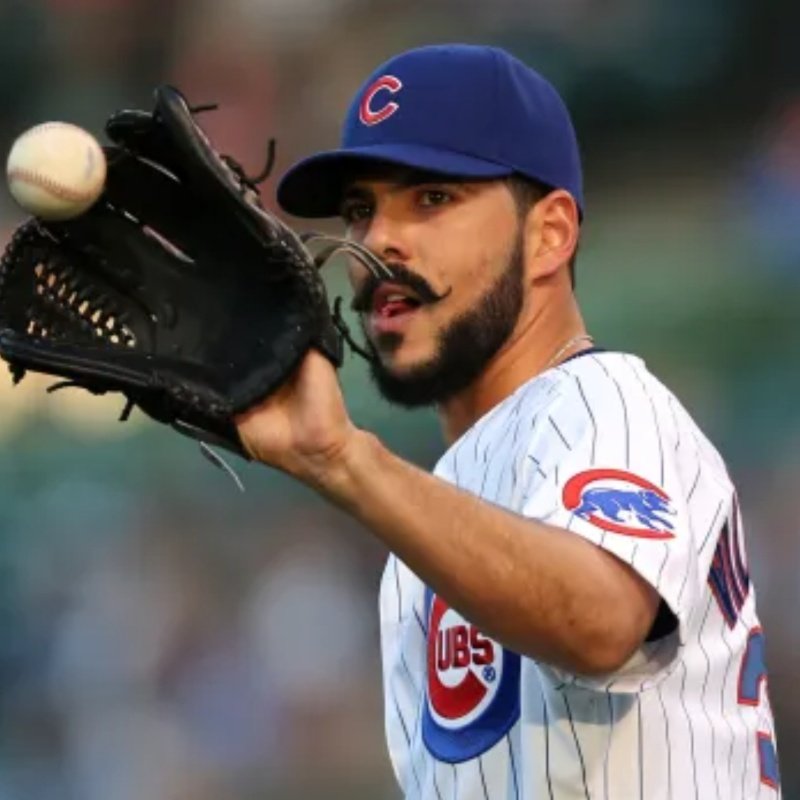 Carlos Manuel Villanueva Paulino played professional baseball for 11 seasons, spending eight years in the NL Central with the Chicago Cubs and their biggest rivals. Originally signed as an international free agent by the San Francisco Giants in 2002, Villanueva was traded to the Milwaukee Brewers in 2004. After getting an initial call-up in 2006, the big right-hander spent five seasons with the Brew Crew, compiling a 4.34 ERA (4.43 FIP) over 230 games (425.0 IP), 27 of which were starts. Despite his value as a jack-of-all-trades swingman — he performed every role for the Brewers' pitching staff, from starter to middle relief to fill-in closer — Milwaukee dumped him onto the Toronto Blue Jays following the 2010 season. He spent the next two years in Canada, appearing in 71 games and making 29 starts while honing his role as do-everything pitcher. Finally hitting free agency following the 2012 season, Villanueva signed with the Cubs on a two-year, $10 million contract. He initially won the fifth starter job out of camp that spring as Jake Arrieta (acquired at the 2012 trade deadline) was dealing with shoulder stiffness. That 2013 Opening Day rotation shook out as thus: Jeff Samardzija Travis Wood Edwin Jackson Jason Hammel Carlos Villanueva Not exactly a group of world-beaters, but each of those players contributed in some way to the 2016 core, whether they were traded for key pieces of that team or they actually won a ring with the curse-busting squad. Each of them also have write-ups currently on the Players Project, save for Jackson (who will get his own "Remember Some Cubs" article in due time). Over two seasons with the Cubs, Villanueva would go on to make 20 starts (15 in 2013) while appearing in 69 additional games out of the bullpen, running up a 4.27 ERA (3.59 FIP) and 175 strikeouts in 206 1/3 innings. He was frequently found in trade rumors during the 2014 season, but the Cubs peculiarly held onto him through the end of his contract, even as they wrapped up that campaign with a 73-89 record, good for dead last in the NL Central. Despite some relative success with in his tenure with the Cubs, Villanueva found a frigid winter market, eventually settling for a minor league deal with the St. Louis Cardinals deep into the offseason. Of course, the team applied some of its patented Devil Magic and turned Villanueva into the best version of himself, as the starter-reliever hybrid dominated out of the Cardinals' bullpen in 2015, posting a 2.95 ERA (3.74) FIP in 35 appearances as a set-up man. All's well that ends well, though, as the Cubs beat Villanueva and the Cardinals in the NLDS, though the right-hander did at least throw two scoreless innings in his only appearance in the series. Villanueva wrapped up his career with the San Diego Padres (in 2016) and Hanwha Eagles of the KBO League (in 2017). He retired following his short stint in the KBO. He now serves as a Special Assistant to the General Manager/Player Development Team for the Brewers.
 -
Ryan Dempster had a long, winding road in professional baseball before arriving in Chicago prior to the start of the 2004 season. Initially drafted by the Texas Rangers in the third round of the 1995 MLB Draft, Dempster was traded to the then-Florida Marlins in 1996 before making his big league debut. That would come a couple of years later, though he was shelled by the Cubs in first career start for five runs in 1 1/3 innings on June 1, 1998. After making the 2000 MLB All-Star Game, Dempster was traded to the Cincinnati Reds in 2002, though he pitched to a ghastly 6.39 ERA in 204 1/3 innings prior to needed Tommy John surgery in August 2003. Unwilling to wait out his recovery in the hopes of aiding the big righty in recapturing his former glory, the Reds released Dempster in the 2003-04 offseason. The Cubs swooped in quickly and brought the 27-year-old pitcher in, understanding that he wouldn't be ready until deep into the following season. Once he was ready to pitch again, the Cubs asked him to do something he had only done five times in his career up to that point: enter games out of the bullpen. That experiment worked wonders, as Dempster recorded 87 saves and a 4.10 ERA out of the 'pen from 2004-07. He took over as the team's full-time closer in 2005 as veteran LaTroy Hawkins faltered in the role. He is the only Cub and one of just three players ever to both start a game and collect 30 saves in the same season. In 2008, Dempster was moved into the starting rotation as Kerry Wood was moved to the closer gig in an attempt to prolong his career, and both players responded with an All-Star campaign. Dempster ultimately pitched to a 2.96 ERA (3.41 FIP) and 187 strikeouts in 206 2/3 innings, finishing sixth in NL Cy Young voting that season. From 2008-11, Dempster effectively had a second career with the Cubs as a starter, throwing at least 200.0 innings in every season while racking up a 3.81 ERA (3.80 FIP) and 13.8 bWAR. One of my favorite things about Dempster was his bizarre glove-wiggle during his wind-up. It was a move he claimed was done in order to prevent tipping opposing batters to his pitches, though I thought it was simply designed to throw hitters' timing off. Either way, it was a big reason in why his starts were always appointment viewing for me as a kid, especially during that absurd 2008 season. Dempster was involved in a ridiculous trade deadline saga in 2012 that involved a deal to the Braves that he effectively blocked as he sought out a future in Los Angeles with the Dodgers. In the end, Dempster was dealt to the Texas Rangers, the team that originally drafted him, later that July. In return, the Cubs received fringe top-100 prospect Christian Villanueva and a little-known minor-league pitcher by the name of Kyle Hendricks. Dempster struggled with the Rangers before departing for the Boston Red Sox in free agency. Similar to his frequent dust-ups with Ryan Braun during his time in the NL Central, Dempster became something of public enemy No. 1 in New York when he purposefully hit Alex Rodriguez after the star third baseman had been caught using steroids. Nevertheless, he finally won a World Series ring with the Red Sox in 2013, which led to him sitting out the 2014 season to spend time with family. The 16-year veteran ultimately retired on October 8, 2014. He was also the Chicago Cubs’ nominee for the Roberto Clemente Award for community service in 2006 and 2008. Dempster remains actively involved with the franchise, having served as a special assistant to Theo Epstein after his retirement, and the former pitcher now works as an on-air talent on Marquee Sports Network. View full player
- 1 reply
-
- 1
-

-
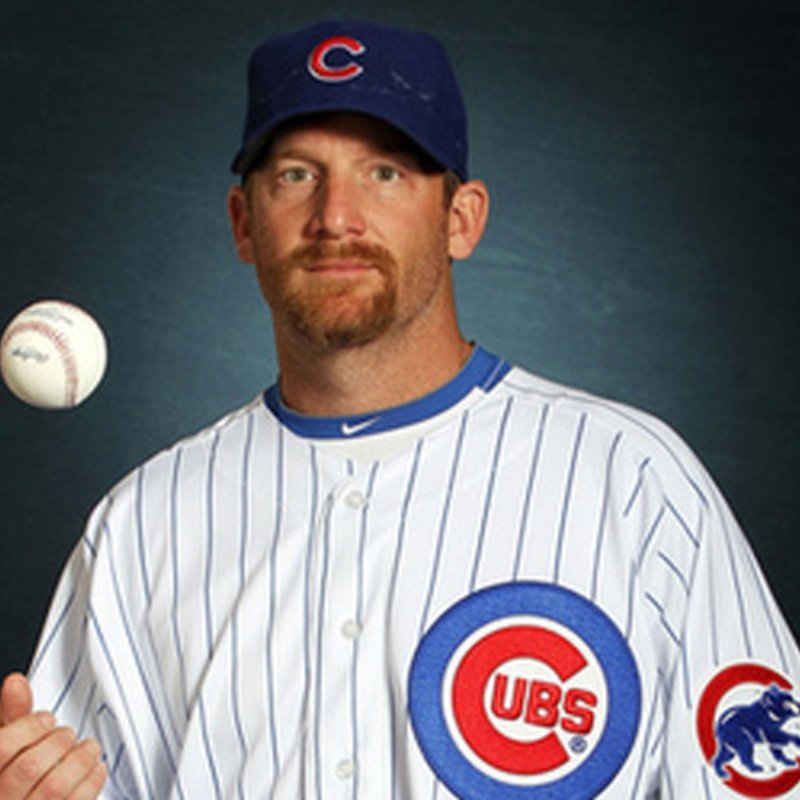 Ryan Dempster had a long, winding road in professional baseball before arriving in Chicago prior to the start of the 2004 season. Initially drafted by the Texas Rangers in the third round of the 1995 MLB Draft, Dempster was traded to the then-Florida Marlins in 1996 before making his big league debut. That would come a couple of years later, though he was shelled by the Cubs in first career start for five runs in 1 1/3 innings on June 1, 1998. After making the 2000 MLB All-Star Game, Dempster was traded to the Cincinnati Reds in 2002, though he pitched to a ghastly 6.39 ERA in 204 1/3 innings prior to needed Tommy John surgery in August 2003. Unwilling to wait out his recovery in the hopes of aiding the big righty in recapturing his former glory, the Reds released Dempster in the 2003-04 offseason. The Cubs swooped in quickly and brought the 27-year-old pitcher in, understanding that he wouldn't be ready until deep into the following season. Once he was ready to pitch again, the Cubs asked him to do something he had only done five times in his career up to that point: enter games out of the bullpen. That experiment worked wonders, as Dempster recorded 87 saves and a 4.10 ERA out of the 'pen from 2004-07. He took over as the team's full-time closer in 2005 as veteran LaTroy Hawkins faltered in the role. He is the only Cub and one of just three players ever to both start a game and collect 30 saves in the same season. In 2008, Dempster was moved into the starting rotation as Kerry Wood was moved to the closer gig in an attempt to prolong his career, and both players responded with an All-Star campaign. Dempster ultimately pitched to a 2.96 ERA (3.41 FIP) and 187 strikeouts in 206 2/3 innings, finishing sixth in NL Cy Young voting that season. From 2008-11, Dempster effectively had a second career with the Cubs as a starter, throwing at least 200.0 innings in every season while racking up a 3.81 ERA (3.80 FIP) and 13.8 bWAR. One of my favorite things about Dempster was his bizarre glove-wiggle during his wind-up. It was a move he claimed was done in order to prevent tipping opposing batters to his pitches, though I thought it was simply designed to throw hitters' timing off. Either way, it was a big reason in why his starts were always appointment viewing for me as a kid, especially during that absurd 2008 season. Dempster was involved in a ridiculous trade deadline saga in 2012 that involved a deal to the Braves that he effectively blocked as he sought out a future in Los Angeles with the Dodgers. In the end, Dempster was dealt to the Texas Rangers, the team that originally drafted him, later that July. In return, the Cubs received fringe top-100 prospect Christian Villanueva and a little-known minor-league pitcher by the name of Kyle Hendricks. Dempster struggled with the Rangers before departing for the Boston Red Sox in free agency. Similar to his frequent dust-ups with Ryan Braun during his time in the NL Central, Dempster became something of public enemy No. 1 in New York when he purposefully hit Alex Rodriguez after the star third baseman had been caught using steroids. Nevertheless, he finally won a World Series ring with the Red Sox in 2013, which led to him sitting out the 2014 season to spend time with family. The 16-year veteran ultimately retired on October 8, 2014. He was also the Chicago Cubs’ nominee for the Roberto Clemente Award for community service in 2006 and 2008. Dempster remains actively involved with the franchise, having served as a special assistant to Theo Epstein after his retirement, and the former pitcher now works as an on-air talent on Marquee Sports Network.
 -
In the mid 2000s, the Cubs needed stability at the back-end of their bullpen. They found it in a former starting pitcher... who would go on to be one of the team's most reliable starters years later. Image courtesy of Chris Graythen/Getty Images Before we dive into the nitty-gritty of Ryan Dempster's time with the Cubs, I want to note that this article (and others like it) is done in conjunction with North Side Baseball’s Chicago Cubs Players Project. It’s a wiki-style project that anyone—including you, dear reader—can contribute to. There, we’re chronicling the careers of every player who’s ever put on a Cubs uniform (including, for example, So Taguchi), and adding any personal memories or particularly favorite experiences fans have from that player’s tenure. It’s a community project, and we hope you’ll contribute to it. Ryan Dempster had a long, winding road in professional baseball before arriving in Chicago prior to the start of the 2004 season. Initially drafted by the Texas Rangers in the third round of the 1995 MLB Draft, Dempster was traded to the then-Florida Marlins in 1996 before making his big league debut. That would come a couple of years later, though he was shelled by the Cubs in first career start for five runs in 1 1/3 innings on June 1, 1998. After making the 2000 MLB All-Star Game, Dempster was traded to the Cincinnati Reds in 2002, though he pitched to a ghastly 6.39 ERA in 204 1/3 innings prior to needed Tommy John surgery in August 2003. Unwilling to wait out his recovery in the hopes of aiding the big righty in recapturing his former glory, the Reds released Dempster in the 2003-04 offseason. The Cubs swooped in quickly and brought the 27-year-old pitcher in, understanding that he wouldn't be ready until deep into the following season. Once he was ready to pitch again, the Cubs asked him to do something he had only done five times in his career up to that point: enter games out of the bullpen. That experiment worked wonders, as Dempster recorded 87 saves and a 4.10 ERA out of the 'pen from 2004-07. He took over as the team's full-time closer in 2005 as veteran LaTroy Hawkins faltered in the role. He is the only Cub and one of just three players ever to both start a game and collect 30 saves in the same season. In 2008, Dempster was moved into the starting rotation as Kerry Wood was moved to the closer gig in an attempt to prolong his career, and both players responded with an All-Star campaign. Dempster ultimately pitched to a 2.96 ERA (3.41 FIP) and 187 strikeouts in 206 2/3 innings, finishing sixth in NL Cy Young voting that season. From 2008-11, Dempster effectively had a second career with the Cubs as a starter, throwing at least 200.0 innings in every season while racking up a 3.81 ERA (3.80 FIP) and 13.8 bWAR. One of my favorite things about Dempster was his bizarre glove-wiggle during his wind-up. It was a move he claimed was done in order to prevent tipping opposing batters to his pitches, though I thought it was simply designed to throw hitters' timing off. Either way, it was a big reason in why his starts were always appointment viewing for me as a kid, especially during that absurd 2008 season. Nick Markakis 8/20/12" width="200"> Dempster was involved in a ridiculous trade deadline saga in 2012 that involved a deal to the Braves that he effectively blocked as he sought out a future in Los Angeles with the Dodgers. In the end, Dempster was dealt to the Texas Rangers, the team that originally drafted him, later that July. In return, the Cubs received fringe top-100 prospect Christian Villanueva and a little-known minor-league pitcher by the name of Kyle Hendricks. Dempster struggled with the Rangers before departing for the Boston Red Sox in free agency. Similar to his frequent dust-ups with Ryan Braun during his time in the NL Central, Dempster became something of public enemy No. 1 in New York when he purposefully hit Alex Rodriguez after the star third baseman had been caught using steroids. Nevertheless, he finally won a World Series ring with the Red Sox in 2013, which led to him sitting out the 2014 season to spend time with family. The 16-year veteran ultimately retired on October 8, 2014. He was also the Chicago Cubs’ nominee for the Roberto Clemente Award for community service in 2006 and 2008. Dempster remains actively involved with the franchise, having served as a special assistant to Theo Epstein after his retirement, and the former pitcher now works as an on-air talent on Marquee Sports Network. View full article
-
Remember Some Cubs: Ryan Dempster, Swingman Extraordinaire
Brandon Glick posted an article in History
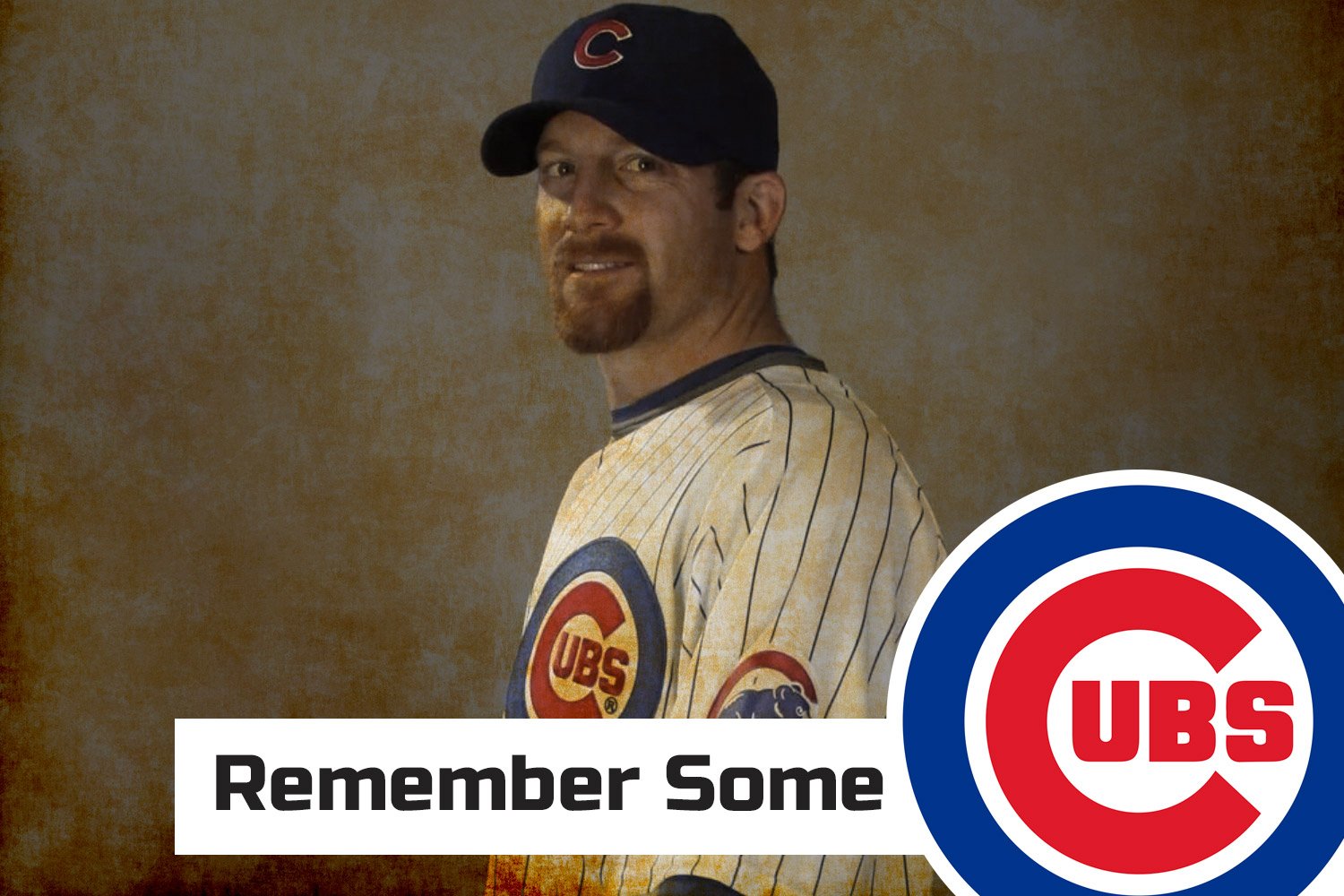 Before we dive into the nitty-gritty of Ryan Dempster's time with the Cubs, I want to note that this article (and others like it) is done in conjunction with North Side Baseball’s Chicago Cubs Players Project. It’s a wiki-style project that anyone—including you, dear reader—can contribute to. There, we’re chronicling the careers of every player who’s ever put on a Cubs uniform (including, for example, So Taguchi), and adding any personal memories or particularly favorite experiences fans have from that player’s tenure. It’s a community project, and we hope you’ll contribute to it. Ryan Dempster had a long, winding road in professional baseball before arriving in Chicago prior to the start of the 2004 season. Initially drafted by the Texas Rangers in the third round of the 1995 MLB Draft, Dempster was traded to the then-Florida Marlins in 1996 before making his big league debut. That would come a couple of years later, though he was shelled by the Cubs in first career start for five runs in 1 1/3 innings on June 1, 1998. After making the 2000 MLB All-Star Game, Dempster was traded to the Cincinnati Reds in 2002, though he pitched to a ghastly 6.39 ERA in 204 1/3 innings prior to needed Tommy John surgery in August 2003. Unwilling to wait out his recovery in the hopes of aiding the big righty in recapturing his former glory, the Reds released Dempster in the 2003-04 offseason. The Cubs swooped in quickly and brought the 27-year-old pitcher in, understanding that he wouldn't be ready until deep into the following season. Once he was ready to pitch again, the Cubs asked him to do something he had only done five times in his career up to that point: enter games out of the bullpen. That experiment worked wonders, as Dempster recorded 87 saves and a 4.10 ERA out of the 'pen from 2004-07. He took over as the team's full-time closer in 2005 as veteran LaTroy Hawkins faltered in the role. He is the only Cub and one of just three players ever to both start a game and collect 30 saves in the same season. In 2008, Dempster was moved into the starting rotation as Kerry Wood was moved to the closer gig in an attempt to prolong his career, and both players responded with an All-Star campaign. Dempster ultimately pitched to a 2.96 ERA (3.41 FIP) and 187 strikeouts in 206 2/3 innings, finishing sixth in NL Cy Young voting that season. From 2008-11, Dempster effectively had a second career with the Cubs as a starter, throwing at least 200.0 innings in every season while racking up a 3.81 ERA (3.80 FIP) and 13.8 bWAR. One of my favorite things about Dempster was his bizarre glove-wiggle during his wind-up. It was a move he claimed was done in order to prevent tipping opposing batters to his pitches, though I thought it was simply designed to throw hitters' timing off. Either way, it was a big reason in why his starts were always appointment viewing for me as a kid, especially during that absurd 2008 season. Nick Markakis 8/20/12" width="200"> Dempster was involved in a ridiculous trade deadline saga in 2012 that involved a deal to the Braves that he effectively blocked as he sought out a future in Los Angeles with the Dodgers. In the end, Dempster was dealt to the Texas Rangers, the team that originally drafted him, later that July. In return, the Cubs received fringe top-100 prospect Christian Villanueva and a little-known minor-league pitcher by the name of Kyle Hendricks. Dempster struggled with the Rangers before departing for the Boston Red Sox in free agency. Similar to his frequent dust-ups with Ryan Braun during his time in the NL Central, Dempster became something of public enemy No. 1 in New York when he purposefully hit Alex Rodriguez after the star third baseman had been caught using steroids. Nevertheless, he finally won a World Series ring with the Red Sox in 2013, which led to him sitting out the 2014 season to spend time with family. The 16-year veteran ultimately retired on October 8, 2014. He was also the Chicago Cubs’ nominee for the Roberto Clemente Award for community service in 2006 and 2008. Dempster remains actively involved with the franchise, having served as a special assistant to Theo Epstein after his retirement, and the former pitcher now works as an on-air talent on Marquee Sports Network.
 -
The trade for Ryan Brassier gives the Cubs their set-up man for recently-acquired closer Ryan Pressly. Brandon and Ethan discuss the latest move by Chicago's front office. View full video
-
The trade for Ryan Brassier gives the Cubs their set-up man for recently-acquired closer Ryan Pressly. Brandon and Ethan discuss the latest move by Chicago's front office.
-
The Chicago Cubs Players Project continues to receive various updates, including some notable players who spent their prime years with the Cubs' biggest rival. What is the Players Project? It's a community-driven, wiki-style project focusing on Cubs players of all stripes. It's open to all North Side Baseball users, and we've had contributions from current players, past players, and players who never even made the major leagues but played in the Cubs’ farm system. Create your favorite player today! Welcome back to our Players Project updates, everyone! The database continues to be filled with notable Cubs players, whether they played their prime years in Chicago or came to Wrigley Field to ride off into the sunset before retirement. This edition of the Players Project round up features a couple of outfielders more known for their exploits with the St. Louis Cardinals, as well as the reliever who served as the main compensation for the Cubs' acquisition of Theo Epstein. We also ask that members of the community who are interested in the project join us in the forums to discuss what the future of it should look like! So Taguchi played professional baseball for 20 seasons, splitting that time between the NPB (12 years) and MLB (eight years). He spent six games of that long career with the Chicago Cubs. Following World Series victories with the Cardinals (2006) and Philadelphia Phillies (2008), The Cubs signed Taguchi as a reserve outfielder, replacing Jim Edmonds' spot on the roster in an effort to give Kosuke Fukodome a teammate he could communicate with more easily. Taguchi slashed .273/.333/.364 (79 OPS+) in 12 plate appearances with the Cubs, becoming only the second player in franchise history to wear No. 99. Speaking of Jim Edmonds, the longtime Cardinals center fielder spent one season with the Cubs in 2008. He produced a 1.1 WAR, .937 OPS half-season in Chicago, even starting in all three of their postseason games in the NLDS where they were swept by the Dodgers. It remains incredibly odd to see him in a Cubs uniform in photos, as he spent most of his career terrorizing Cubs faithful (.930 OPS in 452 career at-bats against the Cubs). We'll wrap up with Chris Carpenter, not to be confused with the starting pitcher Chris Carpenter, yet another Cardinals icon from the 2000s who tortured Cubs fans for years. No, this Chris Carpenter was a reliever who didn't last long in the major leagues, but he was a notable prospect in the 2011 offseason when the Cubs traded him for Jair Bogaerts — Xander Bogaerts' twin brother. Of course, Jair never suited up for the Cubs, and instead, the lasting legacy of that trade is that Theo Epstein came to Chicago as an "unofficial" part of it. Of course, other entries, like Carlos González and Jerry Hairston Jr., continue filling up our database. The Chicago Cubs Players Project is open to all North Side Baseball users. If you're a Cubs history buff or just want to dive into the background of your favorite player, come on board! Please stop by the Players Project by hitting the button below! View full article
-
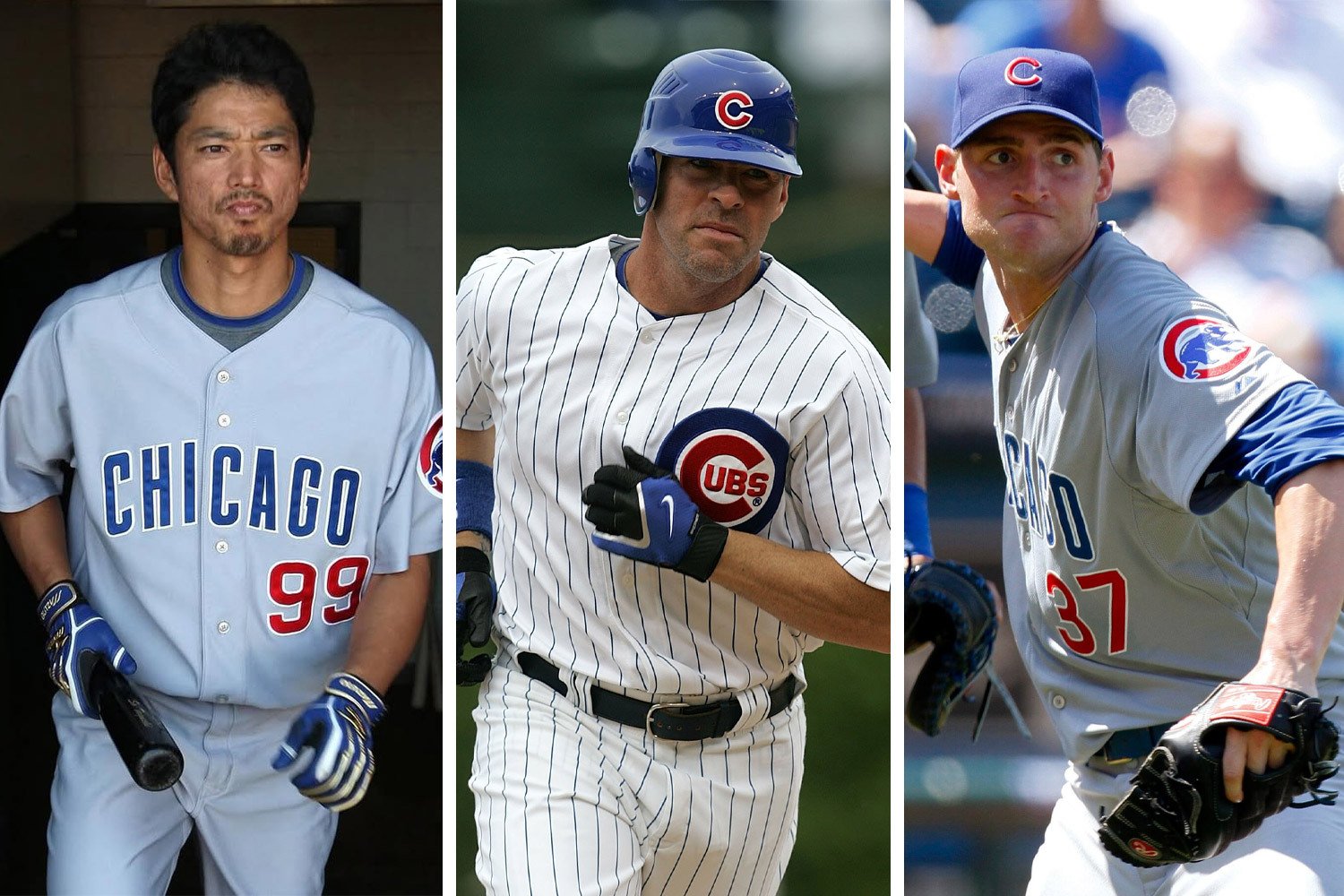 What is the Players Project? It's a community-driven, wiki-style project focusing on Cubs players of all stripes. It's open to all North Side Baseball users, and we've had contributions from current players, past players, and players who never even made the major leagues but played in the Cubs’ farm system. Create your favorite player today! Welcome back to our Players Project updates, everyone! The database continues to be filled with notable Cubs players, whether they played their prime years in Chicago or came to Wrigley Field to ride off into the sunset before retirement. This edition of the Players Project round up features a couple of outfielders more known for their exploits with the St. Louis Cardinals, as well as the reliever who served as the main compensation for the Cubs' acquisition of Theo Epstein. We also ask that members of the community who are interested in the project join us in the forums to discuss what the future of it should look like! So Taguchi played professional baseball for 20 seasons, splitting that time between the NPB (12 years) and MLB (eight years). He spent six games of that long career with the Chicago Cubs. Following World Series victories with the Cardinals (2006) and Philadelphia Phillies (2008), The Cubs signed Taguchi as a reserve outfielder, replacing Jim Edmonds' spot on the roster in an effort to give Kosuke Fukodome a teammate he could communicate with more easily. Taguchi slashed .273/.333/.364 (79 OPS+) in 12 plate appearances with the Cubs, becoming only the second player in franchise history to wear No. 99. Speaking of Jim Edmonds, the longtime Cardinals center fielder spent one season with the Cubs in 2008. He produced a 1.1 WAR, .937 OPS half-season in Chicago, even starting in all three of their postseason games in the NLDS where they were swept by the Dodgers. It remains incredibly odd to see him in a Cubs uniform in photos, as he spent most of his career terrorizing Cubs faithful (.930 OPS in 452 career at-bats against the Cubs). We'll wrap up with Chris Carpenter, not to be confused with the starting pitcher Chris Carpenter, yet another Cardinals icon from the 2000s who tortured Cubs fans for years. No, this Chris Carpenter was a reliever who didn't last long in the major leagues, but he was a notable prospect in the 2011 offseason when the Cubs traded him for Jair Bogaerts — Xander Bogaerts' twin brother. Of course, Jair never suited up for the Cubs, and instead, the lasting legacy of that trade is that Theo Epstein came to Chicago as an "unofficial" part of it. Of course, other entries, like Carlos González and Jerry Hairston Jr., continue filling up our database. The Chicago Cubs Players Project is open to all North Side Baseball users. If you're a Cubs history buff or just want to dive into the background of your favorite player, come on board! Please stop by the Players Project by hitting the button below!
 -
With reports from our Matt Trueblood that the Cubs have a unique offer out to Alex Bregman, Brandon and Ethan discuss if the Cubs should pull the trigger on signing the star third baseman. View full video
-
With reports from our Matt Trueblood that the Cubs have a unique offer out to Alex Bregman, Brandon and Ethan discuss if the Cubs should pull the trigger on signing the star third baseman.
-
Christopher John Carpenter, not be confused with St. Louis Cardinals rotation mainstay Chris Carpenter, spent two seasons in Major League Baseball, and is best known for being the main piece in the trade package for executive Theo Epstein. A third-round pick of the Chicago Cubs in the 2008 MLB Draft, Carpenter gradually worked his way through the minor leagues before making his MLB debut on June 14, 2011. A right-handed reliever, Carpenter was known for his 100 mph fastball but lacked the secondary offerings and control that other elite relievers have. His tenure in Chicago was short, as he pitched 9 2/3 innings across ten appearances in his debut season, though he was largely successful, logging a 2.79 ERA (4.89 FIP) and 0.2 bWAR. His thin 17.0% strikeout rate and ugly 14.9% walk rate certainly didn't portend the brightest future. Of course, Carpenter's Cubs legacy isn't for what he did or didn't accomplish on the diamond. His claim to fame remains the fact that he was the primary compensation (along with prospect Aaron Kurcz, who never made the major leagues) in the trade that landed Jair Bogaerts — Xander Bogaerts' twin brother — in Chicago. And while you may think I'm sort of burying the lede here, it's a fact that the Cubs couldn't directly trade for Theo Epstein in the 2011-12 offseason. There needed to be player personnel movement to make the deal legal in accordance with the then-current CBA, and the Carpenter trade was the "compensation" the Cubs sent in exchange for plucking Epstein out of Boston. Carpenter pitched even less for the Red Sox than he did for the Cubs, appearing in just eight games (6.0 IP) and recording a 9.00 ERA with an almost-unbelievable 2-10 strikeout-to-walk ratio. Yes, he really did walk 15.0 batters per nine innings in Boston. Safe to say he never got his command issues under control. And, fact is, he was the only player from the deal to even contribute to his big league team, as the Cubs released Jair Bogaerts before he ever suited up for the organization. Now, you don't need me to tell you that the deal worked out just fine for the Cubs regardless. Among many other achievements, Epstein was the chief front office executive behind the team's curse-busting core that the won the 2016 World Series. That's a pretty good return on a prospect who never made it past Triple-A and a reliever who was worth -0.2 WAR throughout the remainder of his career. After being DFA'd by the Red Sox prior to the 2013 season, Carpenter spent the 2014 season with the Yakult Swallows of the NPB and the 2015 season with the Cincinnati Reds' Triple-A affiliate before retiring from professional baseball. View full player
-
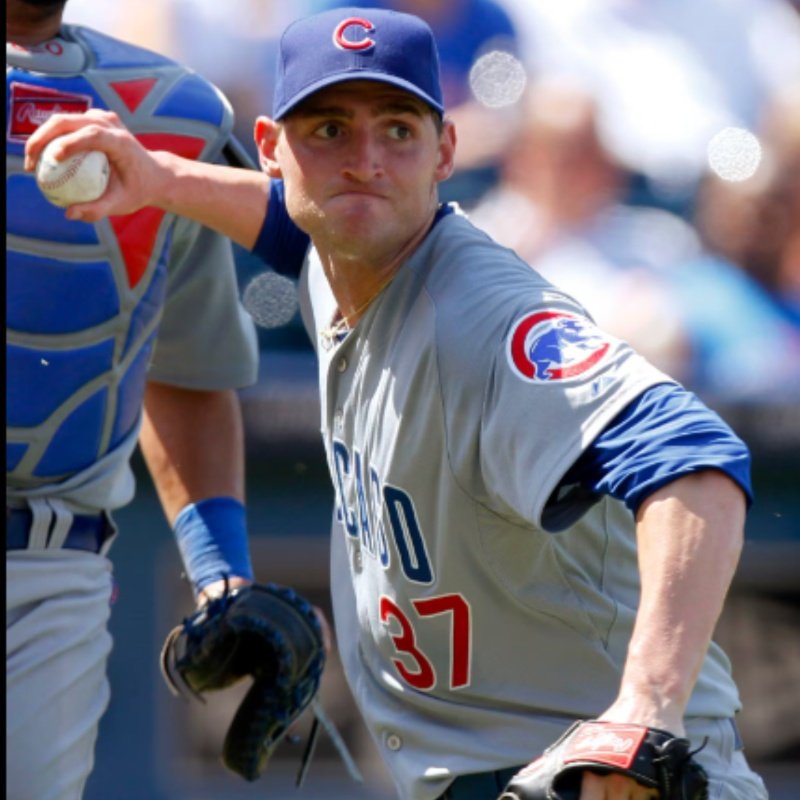 Christopher John Carpenter, not be confused with St. Louis Cardinals rotation mainstay Chris Carpenter, spent two seasons in Major League Baseball, and is best known for being the main piece in the trade package for executive Theo Epstein. A third-round pick of the Chicago Cubs in the 2008 MLB Draft, Carpenter gradually worked his way through the minor leagues before making his MLB debut on June 14, 2011. A right-handed reliever, Carpenter was known for his 100 mph fastball but lacked the secondary offerings and control that other elite relievers have. His tenure in Chicago was short, as he pitched 9 2/3 innings across ten appearances in his debut season, though he was largely successful, logging a 2.79 ERA (4.89 FIP) and 0.2 bWAR. His thin 17.0% strikeout rate and ugly 14.9% walk rate certainly didn't portend the brightest future. Of course, Carpenter's Cubs legacy isn't for what he did or didn't accomplish on the diamond. His claim to fame remains the fact that he was the primary compensation (along with prospect Aaron Kurcz, who never made the major leagues) in the trade that landed Jair Bogaerts — Xander Bogaerts' twin brother — in Chicago. And while you may think I'm sort of burying the lede here, it's a fact that the Cubs couldn't directly trade for Theo Epstein in the 2011-12 offseason. There needed to be player personnel movement to make the deal legal in accordance with the then-current CBA, and the Carpenter trade was the "compensation" the Cubs sent in exchange for plucking Epstein out of Boston. Carpenter pitched even less for the Red Sox than he did for the Cubs, appearing in just eight games (6.0 IP) and recording a 9.00 ERA with an almost-unbelievable 2-10 strikeout-to-walk ratio. Yes, he really did walk 15.0 batters per nine innings in Boston. Safe to say he never got his command issues under control. And, fact is, he was the only player from the deal to even contribute to his big league team, as the Cubs released Jair Bogaerts before he ever suited up for the organization. Now, you don't need me to tell you that the deal worked out just fine for the Cubs regardless. Among many other achievements, Epstein was the chief front office executive behind the team's curse-busting core that the won the 2016 World Series. That's a pretty good return on a prospect who never made it past Triple-A and a reliever who was worth -0.2 WAR throughout the remainder of his career. After being DFA'd by the Red Sox prior to the 2013 season, Carpenter spent the 2014 season with the Yakult Swallows of the NPB and the 2015 season with the Cincinnati Reds' Triple-A affiliate before retiring from professional baseball.
 -
Cubs Land Ryan Brasier: Why I love this move
Brandon Glick commented on ryanrc's blog entry in Robert Conan Ryan
Oh listen, I hope you're right. I'd love them to find a way to keep the gang together with Bregman in tow. I'd personally just be shocked if they did it that way. Based on everything we're hearing, it feels like moving Hoerner for more pitching is the play if they get another bat. Maybe's that changed since they added Pressly and Brasier, but his contract and position make the most sense to move off if they add another infielder, assuming the Cubs are serious about giving Shaw serious playing time in 2025. I'm all aboard the "trade Taillon" train. That would be my course of action as well. -
Cubs Land Ryan Brasier: Why I love this move
Brandon Glick commented on ryanrc's blog entry in Robert Conan Ryan
Agreed on everything. Landing Bregman absolutely makes this team better in the short-term, and is the exact kind of high-priced, big-talent free agent I've been wanting to see the team splurge on for five years. That said, I'd be stunned if the team didn't trade Hoerner immediately after a Bregman signing. I want him to stay as one of the last remaining vestiges of that old core (even if he wasn't on the championship team), but the money just won't work under the restrictions the Ricketts have supposedly laid down. They want Shaw to play now with the upside in his bat, and better to let him develop and find his swing while on a Pre-Arb contract than closer to free agency. Regardless, I think Hoyer's actually done a fine job this offseason. Brasier and Pressly were smart additions to the pen. Bregman would be the cherry on top. -
Hey everyone! @Brock Beauchampand I have been working diligently to get the Players Project up and running here on North Side, and I wanted to get a sense of what you all (the community) wants to see in order to participate in it. Don't get me wrong, I love writing up these players, from Tony La Russa's one-game cameo to Alfonso Soriano's monster contract, but I really want to see everyone else hop in and chime in on the players that they loved or hated for whatever particular reason. Is there something we can do to make it more accessible, or to incentivize participation? I know wiki-style databases aren't for everyone, but everyone has a different relationship to each player that's worn a Cubs uniform. Let me know your thoughts. Open-minded to any suggestions y'all have.
-
- 1
-

-
Cubs Land Ryan Brasier: Why I love this move
Brandon Glick commented on ryanrc's blog entry in Robert Conan Ryan
Nice write-up and perspective on the move. I'm not a huge fan — I continue to clamor for the Cubs to spend MORE on less guys rather a medium amount on a bunch of medium-tier guys — but insofar as this is the team-building philosophy, I think you're right on the money. Excited to see Brasier handle a leverage role, especially since it's just better than years past when guys like Yency Almonte and José Cuas were given those innings. -
Carlos Eduardo González, known affectionately as "CarGo" to baseball fans, spent a legendary career with the Colorado Rockies before ending his MLB career on the North Side of Chicago. González initially signed with the Arizona Diamondbacks out of Venezuela in 2002 and was part of a loaded farm system in the desert once he ascended to Top 100 prospect status in 2006. On December 14, 2007, the Diamondbacks traded González, Dana Eveland, Aaron Cunningham, Chris Carter, Brett Anderson, and Greg Smith to the Oakland Athletics for Dan Haren and Connor Robertson. He made his MLB debut for the A's in 2008, producing a .634 OPS and 1.1 bWAR in 316 plate appearances in his rookie season. Following his rookie campaign, he was dealt to the Rockies (along with Huston Street and Greg Smith) in exchange for Matt Holliday. Thus began the legend of CarGo in Colorado. He was a star during their 2009 NLDS series against the Philadelphia Phillies (hitting .588 in four games) and finished third in NL MVP voting in 2010 after finishing in the top 5 in home runs, batting average, RBIs, and runs scored in the National League. In one of the most memorable moments of his career, González hit for the cycle on July 31, 2010, against the Chicago Cubs. He completed the feat by hitting a gargantuan walk-off home run in the bottom of the ninth inning. In total, he spent 10 seasons in Colorado and produced three All-Star campaigns, three Gold Gloves, two Silver Sluggers, and won the 2010 NL Batting Title. He received something of an "injury prone" label as he only reached 150 games played in a season twice, but in truth, he was more prone to scratches and bruises than serious ailments. Excluding the 2014 season in which he played just 70 contests, CarGo averaged more than 130 games per season with the Rockies. He is one of just two players in franchise history to appear in three postseasons with the team (catcher Chris Iannetta being the other). The outfielder was allowed to walk prior to the 2019 season, and after a brief hiatus in Cleveland, he signed with the Cubs on a minor league deal on May 30. He was recalled on June 3 and made one of the best defensive plays of his career in his first game in a Cubs uniform. His bat lagged behind — he slashed .175/.306/.300 (58 wRC+) with three extra-base hits and a zero-percent success rate on stolen bases (0-for-2) — and he ultimately ended up sticking around for just 15 games (49 plate appearances) before getting designated for assignment at the end of June. Still, it was a joy to get watch one of the most aesthetically-pleasing left-handed swings in baseball suit up for the Cubs, even if he was well past his prime by the time it happened. [You have no idea how long it took to find that clip. I'm glad I did, but holy crap the Internet is going to explode eventually.] After his tenure with the Cubs, González signed a minor league deal with the Seattle Mariners prior to the 2020 season, though he never played at any level with the franchise due to the delayed season that resulted from the Covid-19 pandemic. He retired shortly after, and he failed to stay on the Hall of Fame ballot in 2025 in his first go around after receiving just 0.5% of the vote. View full player
-
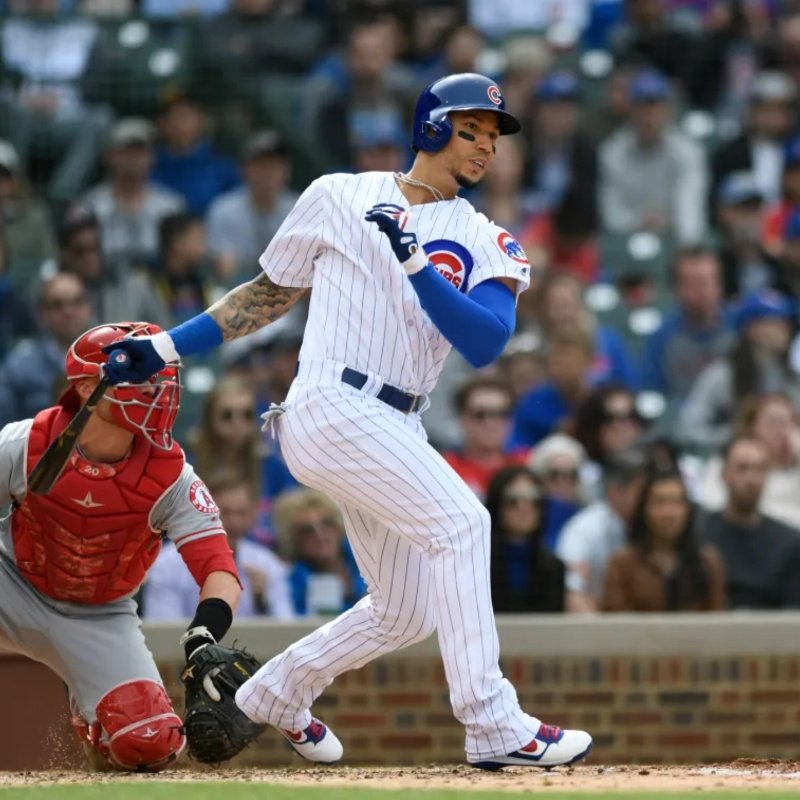 Carlos Eduardo González, known affectionately as "CarGo" to baseball fans, spent a legendary career with the Colorado Rockies before ending his MLB career on the North Side of Chicago. González initially signed with the Arizona Diamondbacks out of Venezuela in 2002 and was part of a loaded farm system in the desert once he ascended to Top 100 prospect status in 2006. On December 14, 2007, the Diamondbacks traded González, Dana Eveland, Aaron Cunningham, Chris Carter, Brett Anderson, and Greg Smith to the Oakland Athletics for Dan Haren and Connor Robertson. He made his MLB debut for the A's in 2008, producing a .634 OPS and 1.1 bWAR in 316 plate appearances in his rookie season. Following his rookie campaign, he was dealt to the Rockies (along with Huston Street and Greg Smith) in exchange for Matt Holliday. Thus began the legend of CarGo in Colorado. He was a star during their 2009 NLDS series against the Philadelphia Phillies (hitting .588 in four games) and finished third in NL MVP voting in 2010 after finishing in the top 5 in home runs, batting average, RBIs, and runs scored in the National League. In one of the most memorable moments of his career, González hit for the cycle on July 31, 2010, against the Chicago Cubs. He completed the feat by hitting a gargantuan walk-off home run in the bottom of the ninth inning. In total, he spent 10 seasons in Colorado and produced three All-Star campaigns, three Gold Gloves, two Silver Sluggers, and won the 2010 NL Batting Title. He received something of an "injury prone" label as he only reached 150 games played in a season twice, but in truth, he was more prone to scratches and bruises than serious ailments. Excluding the 2014 season in which he played just 70 contests, CarGo averaged more than 130 games per season with the Rockies. He is one of just two players in franchise history to appear in three postseasons with the team (catcher Chris Iannetta being the other). The outfielder was allowed to walk prior to the 2019 season, and after a brief hiatus in Cleveland, he signed with the Cubs on a minor league deal on May 30. He was recalled on June 3 and made one of the best defensive plays of his career in his first game in a Cubs uniform. His bat lagged behind — he slashed .175/.306/.300 (58 wRC+) with three extra-base hits and a zero-percent success rate on stolen bases (0-for-2) — and he ultimately ended up sticking around for just 15 games (49 plate appearances) before getting designated for assignment at the end of June. Still, it was a joy to get watch one of the most aesthetically-pleasing left-handed swings in baseball suit up for the Cubs, even if he was well past his prime by the time it happened. [You have no idea how long it took to find that clip. I'm glad I did, but holy crap the Internet is going to explode eventually.] After his tenure with the Cubs, González signed a minor league deal with the Seattle Mariners prior to the 2020 season, though he never played at any level with the franchise due to the delayed season that resulted from the Covid-19 pandemic. He retired shortly after, and he failed to stay on the Hall of Fame ballot in 2025 in his first go around after receiving just 0.5% of the vote.
 -
Didn't put it in the bio to cut down on the non-Cubs stuff, but absolutely the moment I think of most when I think of Lilly. What a call.
-
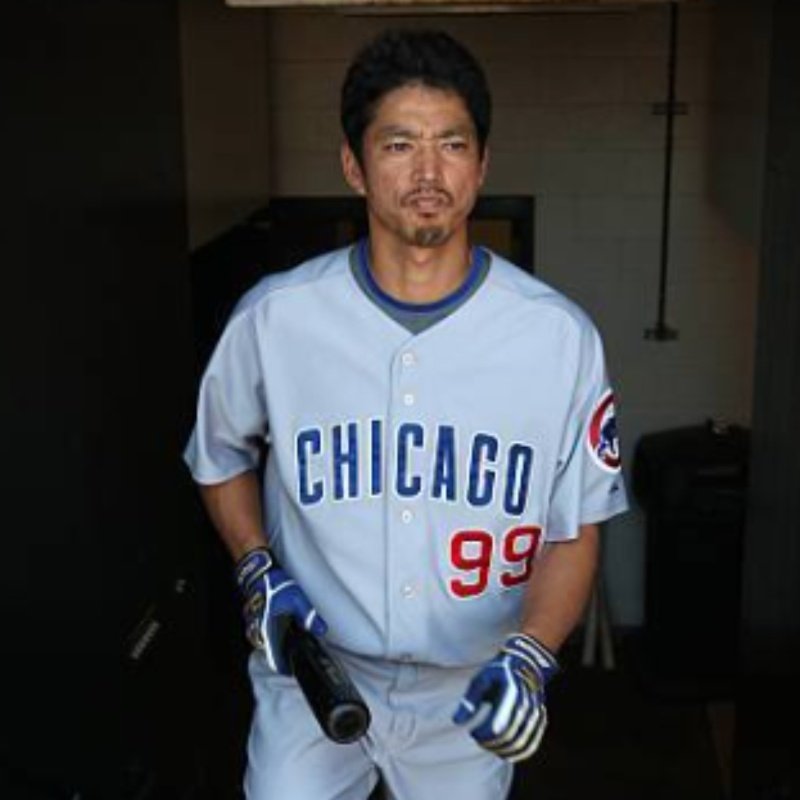 So Taguchi played professional baseball for 20 seasons, splitting that time between the NPB (12 years) and MLB (eight years). He spent six games of that long career with the Chicago Cubs. Taguchi starred for the Orix BlueWave (now Orix Buffaloes) of the NPB for a decade before making his way stateside at age-32, becoming the first (and only) Japanese player to play for the St. Louis Cardinals (not including Lars Nootbar, who is half Japanese but was born in the United States). He got the first hit of his major league career off the Chicago Cubs in 2002, and he put up a fine career in six seasons in Missouri, slashing .279/.332/.385 while accruing 2.5 bWAR and all 19 of his career home runs. In 2006, Taguchi won the World Series with the Cardinals, notably hitting the game-winning home run off Hall of Famer Billy Wager in Game 2 of the NLCS. Two years later, he became the first Japanese player to win the World Series with two teams, winning it all again with the Philadelphia Phillies. Following the 2008 season, his option was declined by Philadelphia, and Taguchi became a free agent. The Cubs signed Taguchi as a reserve outfielder, replacing Jim Edmonds' spot on the roster in an effort to give Kosuke Fukodome a teammate he could communicate with more easily. Taguchi spent nearly the entire 2009 season in the minor leagues, only making his Cubs debut in September after Sam Fuld and Alfonso Soriano went down with injuries. In six games (12 plate appearances) with the Cubs, Taguchi slashed .273/.333/.364 (79 OPS+), accumulating no other counting stats. Taguchi was one of two players in franchise history to wear No. 99 along with Todd Hundley, the son of 1970s Cubs stalwart Randy Hundley. The number hasn't been all too effective on the North Side, producing a cumulative -0.8 bWAR (-0.1 from Taguchi, -0.7 from Hundley). He took the number originally with the Cardinals because his NPB jersey number of No. 6 is retired for Stan Musial, No. 66 was worn by Rick Ankiel at the time, and the flipped number (No. 9) is retired for Enos Slaughter. He was generally well-liked by fans, players, and broadcasters alike, even bowing to umpires before at-bats as a sign of respect. Following his (incredibly brief) tenure in Chicago, Taguchi returned to the NPB to play for Buffaloes for two more seasons. He retired on July 31, 2012, announcing his decision on his personal blog.
 -
So Taguchi played professional baseball for 20 seasons, splitting that time between the NPB (12 years) and MLB (eight years). He spent six games of that long career with the Chicago Cubs. Taguchi starred for the Orix BlueWave (now Orix Buffaloes) of the NPB for a decade before making his way stateside at age-32, becoming the first (and only) Japanese player to play for the St. Louis Cardinals (not including Lars Nootbar, who is half Japanese but was born in the United States). He got the first hit of his major league career off the Chicago Cubs in 2002, and he put up a fine career in six seasons in Missouri, slashing .279/.332/.385 while accruing 2.5 bWAR and all 19 of his career home runs. In 2006, Taguchi won the World Series with the Cardinals, notably hitting the game-winning home run off Hall of Famer Billy Wager in Game 2 of the NLCS. Two years later, he became the first Japanese player to win the World Series with two teams, winning it all again with the Philadelphia Phillies. Following the 2008 season, his option was declined by Philadelphia, and Taguchi became a free agent. The Cubs signed Taguchi as a reserve outfielder, replacing Jim Edmonds' spot on the roster in an effort to give Kosuke Fukodome a teammate he could communicate with more easily. Taguchi spent nearly the entire 2009 season in the minor leagues, only making his Cubs debut in September after Sam Fuld and Alfonso Soriano went down with injuries. In six games (12 plate appearances) with the Cubs, Taguchi slashed .273/.333/.364 (79 OPS+), accumulating no other counting stats. Taguchi was one of two players in franchise history to wear No. 99 along with Todd Hundley, the son of 1970s Cubs stalwart Randy Hundley. The number hasn't been all too effective on the North Side, producing a cumulative -0.8 bWAR (-0.1 from Taguchi, -0.7 from Hundley). He took the number originally with the Cardinals because his NPB jersey number of No. 6 is retired for Stan Musial, No. 66 was worn by Rick Ankiel at the time, and the flipped number (No. 9) is retired for Enos Slaughter. He was generally well-liked by fans, players, and broadcasters alike, even bowing to umpires before at-bats as a sign of respect. Following his (incredibly brief) tenure in Chicago, Taguchi returned to the NPB to play for Buffaloes for two more seasons. He retired on July 31, 2012, announcing his decision on his personal blog. View full player
