Brandon Glick
-
Posts
1,153 -
Joined
-
Last visited
Content Type
Profiles
Joomla Posts 1
Chicago Cubs Videos
Chicago Cubs Free Agent & Trade Rumors, Notes, & Tidbits
2026 Chicago Cubs Top Prospects Ranking
News
2023 Chicago Cubs Draft Picks
Guides & Resources
2024 Chicago Cubs Draft Picks
The Chicago Cubs Players Project
2025 Chicago Cubs Draft Pick Tracker
2026 Chicago Cubs Draft Tracker: Picks & Bonuses
Blogs
Events
Forums
Store
Gallery
Everything posted by Brandon Glick
-
The Cubs fell to the Dodgers in both games in the season-opening series in Tokyo. Here's why it does (not) matter. View full video
-
The Cubs fell to the Dodgers in both games in the season-opening series in Tokyo. Here's why it does (not) matter.
-
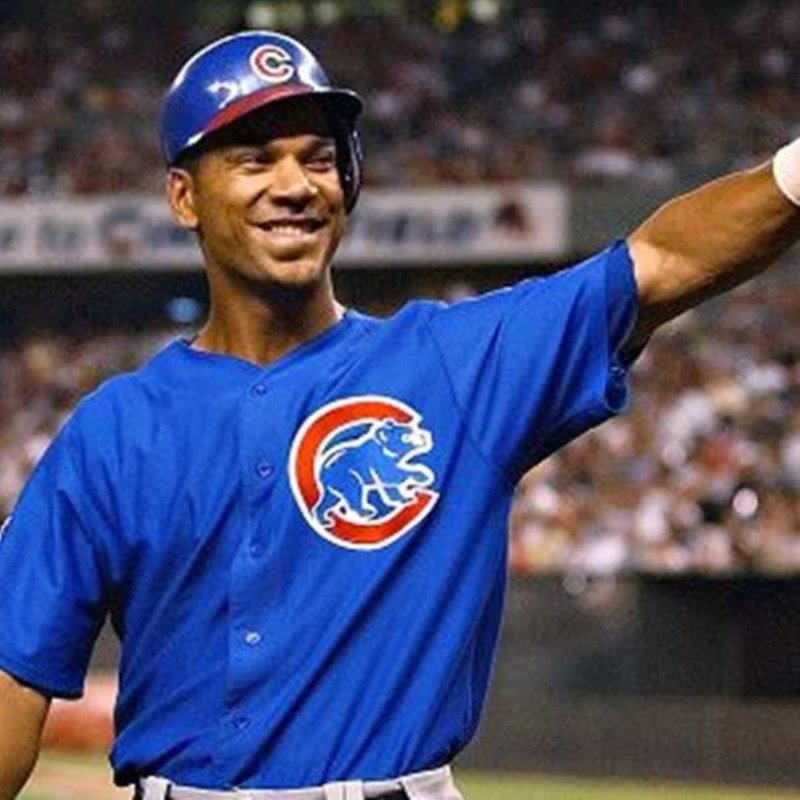 Moisés Alou spent just three years as the Cubs' left fielder, but they were among the most productive and drama-filled seasons the team had experienced in nearly two decades. Originally the second overall pick in the long-discarded MLB January Draft-Regular Phase in 1986, Alou was traded to the Montreal Expos shortly after making his MLB debut in 1990. He dealt with numerous injuries during his time in Canada, though he did explode onto the scene in 1994 under the stewardship of his father, Expos manager Felipe Alou, placing third in NL MVP voting in the strike-shortened season. Alou left Montreal following the 1996 season, signing with the then-Florida Marlins as a free agent. His regular season performance wasn't too notable outside of the fact that he played in 150 games, but then, in the postseason, he and the rest of the Marlins roster caught lightning in a bottle. Alou led the team by hitting .321 with 3 home runs and 9 RBI in the World Series (although pitcher Liván Hernández earned the World Series MVP thanks to his wins in Games 1 and 5). Alou then got traded to Houston, where he was unbelievable for three seasons from 1998-2001. Unfortunately, he missed the entirety of the 1999 season due a torn ACL sustained during a treadmill accident, but the .988 OPS he posted with the team was the highest of any stop in his career. Finally, after budgetary constraints pushed him out the door in Houston, Alou signed a three-year, $27 million contract with the Cubs at 34 years old. Serving as the team's primary left fielder for the duration of that deal, Alou didn't live up to that contract until the 2004 season when he slashed .293/.361/.557 with a career high 36 home runs. However, most Cubs fans remember him for his blistering 2003 postseason, when he had an OPS of .974 while driving in eight runs on the team's march towards the pennant. Of course, that pennant win never came to pass for the Cubs, in part because of the infamous Steve Bartman incident. I won't belabor that play here (lord knows we've heard it described every which way by now), but Alou did have a chance, however remote, at catching that ball. He's said so himself in interviews, even though he's waffled on it over the years while "trying to protect Bartman's feelings". I've long been of the opinion that it was actually the error by shortstop Alex Gonzalez that sent the whole inning (and series) tailspinning — which I wrote about at length in his bio on the Players Project — but Alou's tenure with the team has always been defined by that moment. On a happier note, one of my favorite (or least favorite, depending on how you look at it) facts about Alou was that he, supposedly, would urinate on his own hands in an effort to toughen them up. He disliked the feel of batting gloves, so the Ol' Number One was meant to serve as a "homemade" remedy to the wear-and-tear of facing major league pitching with bare hands. It clearly worked, considering he hit 332 home runs in his 17-year career, but I still question the validity of the locker room science to this day. At least he looked like a badass in the batter's box with no gloves on — which, to a kid watching his favorite team, was all that mattered at the time. Alou left the Cubs after the team didn't tender him a new contract following that brilliant 2004 campaign, which they publicly said was due to the outfielder's numerous feuds with umpires (Alou never backed down from that, by the way, repeatedly claiming that all umpires were "out to get him"). He reunited with his father on the San Francisco Giants for the 2005 and 2006 campaigns before wrapping up his career with two nondescript seasons with the New York Mets. Though he received just six votes (1.1%) in his lone season on the Hall of Fame ballot, Alou ended his career with a gaudy .303/.369/.516 batting line that would have looked a lot more impressive had he not played during the heart of the steroid era.
 -
Moisés Alou spent just three years as the Cubs' left fielder, but they were among the most productive and drama-filled seasons the team had experienced in nearly two decades. Originally the second overall pick in the long-discarded MLB January Draft-Regular Phase in 1986, Alou was traded to the Montreal Expos shortly after making his MLB debut in 1990. He dealt with numerous injuries during his time in Canada, though he did explode onto the scene in 1994 under the stewardship of his father, Expos manager Felipe Alou, placing third in NL MVP voting in the strike-shortened season. Alou left Montreal following the 1996 season, signing with the then-Florida Marlins as a free agent. His regular season performance wasn't too notable outside of the fact that he played in 150 games, but then, in the postseason, he and the rest of the Marlins roster caught lightning in a bottle. Alou led the team by hitting .321 with 3 home runs and 9 RBI in the World Series (although pitcher Liván Hernández earned the World Series MVP thanks to his wins in Games 1 and 5). Alou then got traded to Houston, where he was unbelievable for three seasons from 1998-2001. Unfortunately, he missed the entirety of the 1999 season due a torn ACL sustained during a treadmill accident, but the .988 OPS he posted with the team was the highest of any stop in his career. Finally, after budgetary constraints pushed him out the door in Houston, Alou signed a three-year, $27 million contract with the Cubs at 34 years old. Serving as the team's primary left fielder for the duration of that deal, Alou didn't live up to that contract until the 2004 season when he slashed .293/.361/.557 with a career high 36 home runs. However, most Cubs fans remember him for his blistering 2003 postseason, when he had an OPS of .974 while driving in eight runs on the team's march towards the pennant. Of course, that pennant win never came to pass for the Cubs, in part because of the infamous Steve Bartman incident. I won't belabor that play here (lord knows we've heard it described every which way by now), but Alou did have a chance, however remote, at catching that ball. He's said so himself in interviews, even though he's waffled on it over the years while "trying to protect Bartman's feelings". I've long been of the opinion that it was actually the error by shortstop Alex Gonzalez that sent the whole inning (and series) tailspinning — which I wrote about at length in his bio on the Players Project — but Alou's tenure with the team has always been defined by that moment. On a happier note, one of my favorite (or least favorite, depending on how you look at it) facts about Alou was that he, supposedly, would urinate on his own hands in an effort to toughen them up. He disliked the feel of batting gloves, so the Ol' Number One was meant to serve as a "homemade" remedy to the wear-and-tear of facing major league pitching with bare hands. It clearly worked, considering he hit 332 home runs in his 17-year career, but I still question the validity of the locker room science to this day. At least he looked like a badass in the batter's box with no gloves on — which, to a kid watching his favorite team, was all that mattered at the time. Alou left the Cubs after the team didn't tender him a new contract following that brilliant 2004 campaign, which they publicly said was due to the outfielder's numerous feuds with umpires (Alou never backed down from that, by the way, repeatedly claiming that all umpires were "out to get him"). He reunited with his father on the San Francisco Giants for the 2005 and 2006 campaigns before wrapping up his career with two nondescript seasons with the New York Mets. Though he received just six votes (1.1%) in his lone season on the Hall of Fame ballot, Alou ended his career with a gaudy .303/.369/.516 batting line that would have looked a lot more impressive had he not played during the heart of the steroid era. View full player
-
Moisés Alou spent just three years as the Cubs' left fielder, but they were among the most productive and drama-filled seasons the team had experienced in nearly two decades. This "Remember Some Cubs" piece is done in conjunction with the Chicago Cubs Players Project here on North Side Baseball. It is a free resource for all our users to look back on notable players from Cubs history, and most importantly, anyone can contribute to the database. Feel free to write up your favorite player(s) and discuss your favorite memories! This entry for Moisés Alou is No. 50 in our database, and we'd love to see that number skyrocket throughout the 2025 season! I'll give myself a quick pat on the back for that Severance-inspired title before discussing Moisés Alou, one of my absolute favorite Cubs players from my childhood. I've recently wrote up a number of players from that 2003 team for the Players Project, but I knew Alou was someone from that team who deserved to get the full-article treatment. Originally the second overall pick in the long-discarded MLB January Draft-Regular Phase in 1986, Alou was traded to the Montreal Expos shortly after making his MLB debut in 1990. He dealt with numerous injuries during his time in Canada, though he did explode onto the scene in 1994 under the stewardship of his father, Expos manager Felipe Alou, placing third in NL MVP voting in the strike-shortened season. Alou left Montreal following the 1996 season, signing with the then-Florida Marlins as a free agent. His regular season performance wasn't too notable outside of the fact that he played in 150 games, but then, in the postseason, he and the rest of the Marlins roster caught lightning in a bottle. Alou led the team by hitting .321 with 3 home runs and 9 RBI in the World Series (although pitcher Liván Hernández earned the World Series MVP thanks to his wins in Games 1 and 5). Alou then got traded to Houston, where he was unbelievable for three seasons from 1998-2001. Unfortunately, he missed the entirety of the 1999 season due a torn ACL sustained during a treadmill accident, but the .988 OPS he posted with the team was the highest of any stop in his career. Finally, after budgetary constraints pushed him out the door in Houston, Alou signed a three-year, $27 million contract with the Cubs at 34 years old. Serving as the team's primary left fielder for the duration of that deal, Alou didn't live up to that contract until the 2004 season when he slashed .293/.361/.557 with a career high 36 home runs. However, most Cubs fans remember him for his blistering 2003 postseason, when he had an OPS of .974 while driving in eight runs on the team's march towards the pennant. Of course, that pennant win never came to pass for the Cubs, in part because of the infamous Steve Bartman incident. I won't belabor that play here (lord knows we've heard it described every which way by now), but Alou did have a chance, however remote, at catching that ball. He's said so himself in interviews, even though he's waffled on it over the years while "trying to protect Bartman's feelings". I've long been of the opinion that it was actually the error by shortstop Alex Gonzalez that sent the whole inning (and series) tailspinning — which I wrote about at length in his bio on the Players Project — but Alou's tenure with the team has always been defined by that moment. On a happier note, one of my favorite (or least favorite, depending on how you look at it) facts about Alou was that he, supposedly, would urinate on his own hands in an effort to toughen them up. He disliked the feel of batting gloves, so the Ol' Number One was meant to serve as a "homemade" remedy to the wear-and-tear of facing major league pitching with bare hands. It clearly worked, considering he hit 332 home runs in his 17-year career, but I still question the validity of the locker room science to this day. At least he looked like a badass in the batter's box with no gloves on — which, to a kid watching his favorite team, was all that mattered at the time. Alou left the Cubs after the team didn't tender him a new contract following that brilliant 2004 campaign, which they publicly said was due to the outfielder's numerous feuds with umpires (Alou never backed down from that, by the way, repeatedly claiming that all umpires were "out to get him"). He reunited with his father on the San Francisco Giants for the 2005 and 2006 campaigns before wrapping up his career with two nondescript seasons with the New York Mets. Though he received just six votes (1.1%) in his lone season on the Hall of Fame ballot, Alou ended his career with a gaudy .303/.369/.516 batting line that would have looked a lot more impressive had he not played during the heart of the steroid era. View full article
-
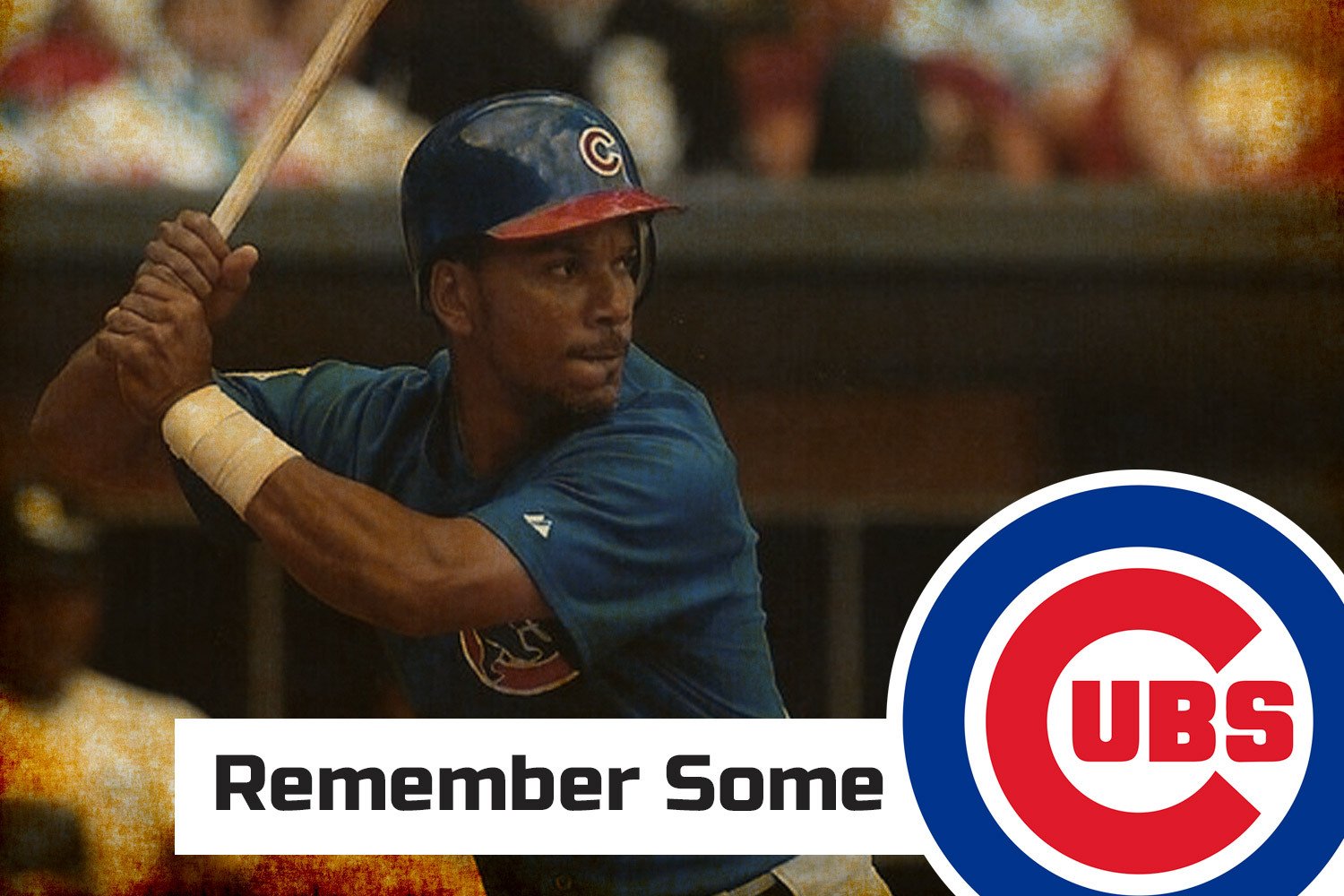 This "Remember Some Cubs" piece is done in conjunction with the Chicago Cubs Players Project here on North Side Baseball. It is a free resource for all our users to look back on notable players from Cubs history, and most importantly, anyone can contribute to the database. Feel free to write up your favorite player(s) and discuss your favorite memories! This entry for Moisés Alou is No. 50 in our database, and we'd love to see that number skyrocket throughout the 2025 season! I'll give myself a quick pat on the back for that Severance-inspired title before discussing Moisés Alou, one of my absolute favorite Cubs players from my childhood. I've recently wrote up a number of players from that 2003 team for the Players Project, but I knew Alou was someone from that team who deserved to get the full-article treatment. Originally the second overall pick in the long-discarded MLB January Draft-Regular Phase in 1986, Alou was traded to the Montreal Expos shortly after making his MLB debut in 1990. He dealt with numerous injuries during his time in Canada, though he did explode onto the scene in 1994 under the stewardship of his father, Expos manager Felipe Alou, placing third in NL MVP voting in the strike-shortened season. Alou left Montreal following the 1996 season, signing with the then-Florida Marlins as a free agent. His regular season performance wasn't too notable outside of the fact that he played in 150 games, but then, in the postseason, he and the rest of the Marlins roster caught lightning in a bottle. Alou led the team by hitting .321 with 3 home runs and 9 RBI in the World Series (although pitcher Liván Hernández earned the World Series MVP thanks to his wins in Games 1 and 5). Alou then got traded to Houston, where he was unbelievable for three seasons from 1998-2001. Unfortunately, he missed the entirety of the 1999 season due a torn ACL sustained during a treadmill accident, but the .988 OPS he posted with the team was the highest of any stop in his career. Finally, after budgetary constraints pushed him out the door in Houston, Alou signed a three-year, $27 million contract with the Cubs at 34 years old. Serving as the team's primary left fielder for the duration of that deal, Alou didn't live up to that contract until the 2004 season when he slashed .293/.361/.557 with a career high 36 home runs. However, most Cubs fans remember him for his blistering 2003 postseason, when he had an OPS of .974 while driving in eight runs on the team's march towards the pennant. Of course, that pennant win never came to pass for the Cubs, in part because of the infamous Steve Bartman incident. I won't belabor that play here (lord knows we've heard it described every which way by now), but Alou did have a chance, however remote, at catching that ball. He's said so himself in interviews, even though he's waffled on it over the years while "trying to protect Bartman's feelings". I've long been of the opinion that it was actually the error by shortstop Alex Gonzalez that sent the whole inning (and series) tailspinning — which I wrote about at length in his bio on the Players Project — but Alou's tenure with the team has always been defined by that moment. On a happier note, one of my favorite (or least favorite, depending on how you look at it) facts about Alou was that he, supposedly, would urinate on his own hands in an effort to toughen them up. He disliked the feel of batting gloves, so the Ol' Number One was meant to serve as a "homemade" remedy to the wear-and-tear of facing major league pitching with bare hands. It clearly worked, considering he hit 332 home runs in his 17-year career, but I still question the validity of the locker room science to this day. At least he looked like a badass in the batter's box with no gloves on — which, to a kid watching his favorite team, was all that mattered at the time. Alou left the Cubs after the team didn't tender him a new contract following that brilliant 2004 campaign, which they publicly said was due to the outfielder's numerous feuds with umpires (Alou never backed down from that, by the way, repeatedly claiming that all umpires were "out to get him"). He reunited with his father on the San Francisco Giants for the 2005 and 2006 campaigns before wrapping up his career with two nondescript seasons with the New York Mets. Though he received just six votes (1.1%) in his lone season on the Hall of Fame ballot, Alou ended his career with a gaudy .303/.369/.516 batting line that would have looked a lot more impressive had he not played during the heart of the steroid era.
 -
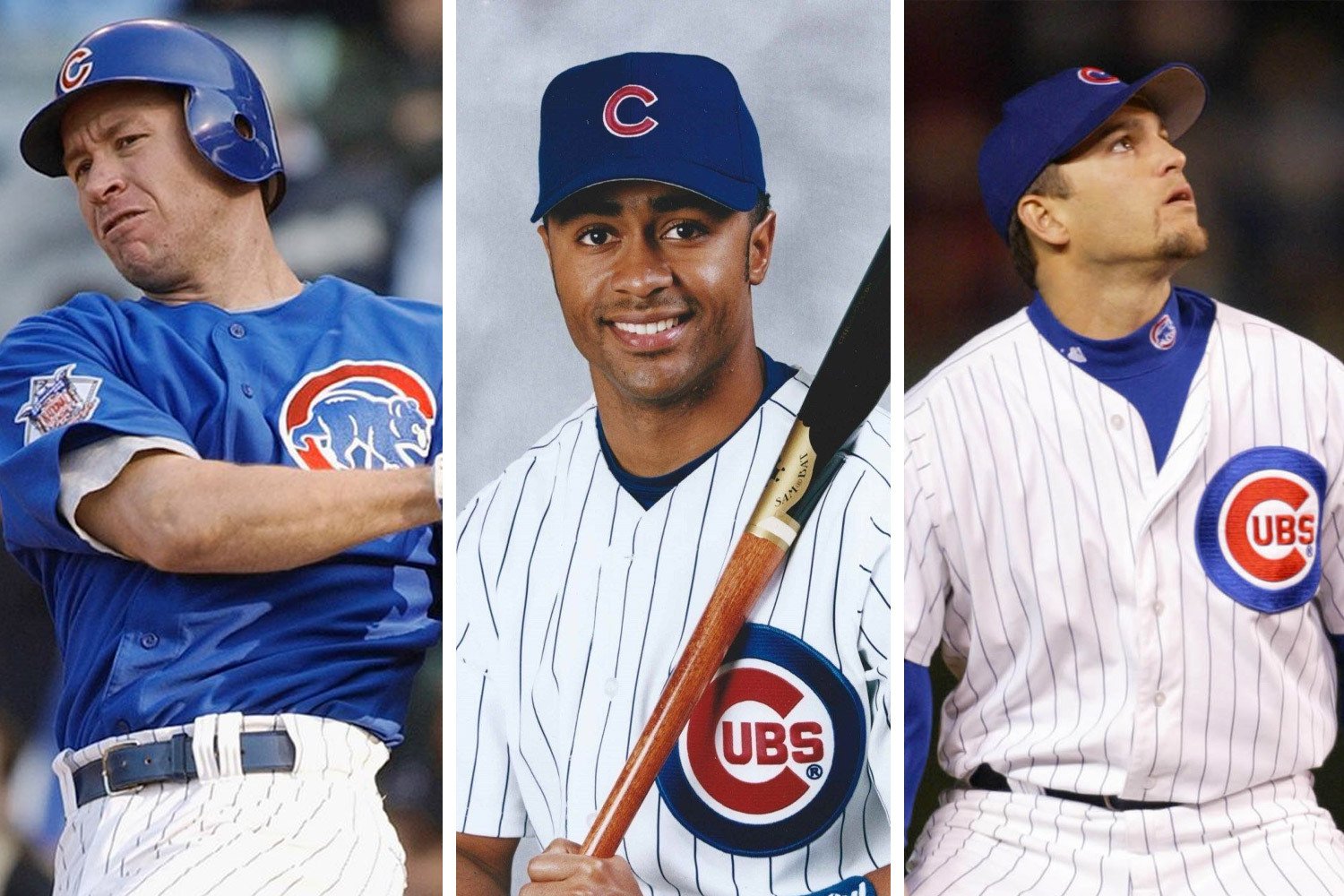 What is the Players Project? It's a community-driven, wiki-style project focusing on Cubs players of all stripes. It's open to all North Side Baseball users, and we've had contributions from current players, past players, and players who never even made the major leagues but played in the Cubs’ farm system. Create your favorite player today! Welcome back to our Players Project updates, everyone! The database continues to be filled with notable Cubs players, and we're now nearing 50 total entries! This edition of the Players Project round up features three players who played instrumental roles on the 2003 squad that fell just short of winning the National League pennant. We also ask that members of the community who are interested in the project join us in the forums to discuss what the future of it should look like! Corey Patterson was a darling of prospect gurus around the turn of the millennium, but it was in 2003 that he fully broke out and earned the Cubs' starting center fielder job. In one of the most prolific Opening Day performance in baseball history, Patterson went 4-for-6 in the first game of that season. In total, he hit two home runs and accrued seven RBIs as the Cubs went on to blast the New York Mets by a final score of 15-2. That was just the beginning of a breakout 2003 campaign for Patterson and the Cubs, as the outfielder slashed .298/.329/.511 with 13 home runs in 83 games before tearing his ACL in July. We all know how 2003 ended for the Cubs, but Patterson did return healthy in 2004, slashing .266/.320/.452 with 24 home runs and 32 steals, racking up 3.0 bWAR in his best individual season in a Cubs uniform. Damian Miller is perhaps best known for his decision to cross the picket line in 1994 that cost him his membership to the MLBPA (hence why so many know him as "Roger Chamberlain"), but the backstop had a strong 11-year career that included in his lone season as the Cubs' starting backstop in 2003. He was one of the better defensive catchers in the game that season and drove in two crucial runs during the postseason. Miller was traded to Oakland after the season for Michael Barrett. Alex Gonzalez had a weird career with the Cubs, despite only spending 331 games on the North Side. The shortstop, who hit 41 homers during his 2.5 seasons in Chicago, hit a preposterous five (!) walk-off home runs with the team. In fact, all of them came basically within the same calendar year, from May 6, 2002 through May 10, 2003. Those were the only walk-off home runs in his entire 13-year career. Oh, and he may or may not have committed the error that led to the Marlins coming back in Game 6 and ultimately winning that '03 NLCS. Whoops. Of course, other entries, like Tony Campana and Edwin Jackson, continue filling up our database. The Chicago Cubs Players Project is open to all North Side Baseball users. If you're a Cubs history buff or just want to dive into the background of your favorite player, come on board!
 -
More updates to the Chicago Cubs Player's Project have been filed, including a trio of notable contributors on the 2003 team that reached the NLCS. What is the Players Project? It's a community-driven, wiki-style project focusing on Cubs players of all stripes. It's open to all North Side Baseball users, and we've had contributions from current players, past players, and players who never even made the major leagues but played in the Cubs’ farm system. Create your favorite player today! Welcome back to our Players Project updates, everyone! The database continues to be filled with notable Cubs players, and we're now nearing 50 total entries! This edition of the Players Project round up features three players who played instrumental roles on the 2003 squad that fell just short of winning the National League pennant. We also ask that members of the community who are interested in the project join us in the forums to discuss what the future of it should look like! Corey Patterson was a darling of prospect gurus around the turn of the millennium, but it was in 2003 that he fully broke out and earned the Cubs' starting center fielder job. In one of the most prolific Opening Day performance in baseball history, Patterson went 4-for-6 in the first game of that season. In total, he hit two home runs and accrued seven RBIs as the Cubs went on to blast the New York Mets by a final score of 15-2. That was just the beginning of a breakout 2003 campaign for Patterson and the Cubs, as the outfielder slashed .298/.329/.511 with 13 home runs in 83 games before tearing his ACL in July. We all know how 2003 ended for the Cubs, but Patterson did return healthy in 2004, slashing .266/.320/.452 with 24 home runs and 32 steals, racking up 3.0 bWAR in his best individual season in a Cubs uniform. Damian Miller is perhaps best known for his decision to cross the picket line in 1994 that cost him his membership to the MLBPA (hence why so many know him as "Roger Chamberlain"), but the backstop had a strong 11-year career that included in his lone season as the Cubs' starting backstop in 2003. He was one of the better defensive catchers in the game that season and drove in two crucial runs during the postseason. Miller was traded to Oakland after the season for Michael Barrett. Alex Gonzalez had a weird career with the Cubs, despite only spending 331 games on the North Side. The shortstop, who hit 41 homers during his 2.5 seasons in Chicago, hit a preposterous five (!) walk-off home runs with the team. In fact, all of them came basically within the same calendar year, from May 6, 2002 through May 10, 2003. Those were the only walk-off home runs in his entire 13-year career. Oh, and he may or may not have committed the error that led to the Marlins coming back in Game 6 and ultimately winning that '03 NLCS. Whoops. Of course, other entries, like Tony Campana and Edwin Jackson, continue filling up our database. The Chicago Cubs Players Project is open to all North Side Baseball users. If you're a Cubs history buff or just want to dive into the background of your favorite player, come on board! View full article
-
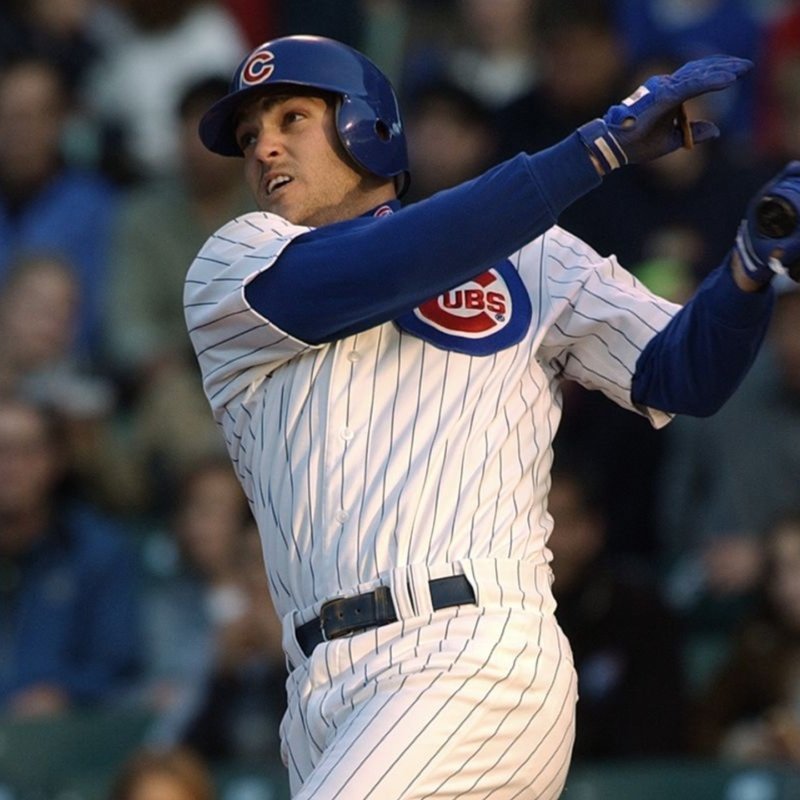 Alex Gonzalez is a 13-year MLB veteran who spent the majority of his career as the Toronto Blue Jays' shortstop, though he played a crucial role on the Chicago Cubs' division champion squad in 2003. After being drafted in the 13th round of the 1991 MLB Draft, Gonzalez became a cult hero in the Blue Jays' organization, making multiple All-Star teams and winning multiple Team MVP awards at his various stops in the minor leagues. He became the big league club's starting shortstop in 1995 and never looked back, appearing in 890 games from 1995-2001 with the franchise. After a decade with the organization, he was traded to the Cubs prior to the 2002 season for for Félix Heredia and minor leaguer James Deschaine. If your first memory of A-Gon with the Cubs is a walk-off home run, my question would be "which one?". The shortstop, who hit 41 homers during his 2.5 seasons in Chicago, hit a preposterous five (!) walk-off home runs with the team. In fact, all of them came basically within the same calendar year, from May 6, 2002 through May 10, 2003. Those were the only walk-off home runs in his entire 13-year career. The last one (against the St. Louis Cardinals) happened the day before the "Typhoon Game". In total, Gonzalez racked up just 1.3 WAR in 331 games with the Cubs, slashing .235/.297/.411 with impressive pop for a shortstop. He was especially effective in 2003, posting a .703 OPS and career-high 20 home runs in 152 games while providing middling defense (he never fully recovered his excellent throwing arm after a 1999 labrum surgery). However, it was in the postseason where he made his legacy, for both better and worse. He was brilliant at the plate — .966 OPS, four home runs in 40 at-bats — contributing key hits in Game 5 of the NLDS and Game 2 of the NLCS. In the field... well, he wasn't "brilliant". I encourage you to exercise caution before pressing play on this clip. People can say what they want about Steve Bartman, but this is the play that lost the '03 NLCS for the Cubs in my opinion. This was, at the very least, a second out in a crucial spot in the inning. At best, it was an inning-ending double play that would have put the Cubs three outs from their first World Series appearance since 1945. In the same way Yankees fans view that Aaron Judge dropped fly ball in Game 5 of the 2024 World Series, I think many Cubs fans view this bobbled ground-ball by Gonzalez as the turning point in the series against the Marlins. Alas, the Cubs went on to lose that series, and they would eventually trade Gonzalez at the 2004 trade deadline in a four-team deal that landed them Nomar Garciaparra. Gonzalez spent brief stints with the Montreal Expos and San Diego Padres to wrap up that season before playing for the Tampa Bay Rays in 2005 and Philadelphia Phillies in 2006. Gonzalez retired following the 2007 season after spending time in the Kansas City Royals and Washington Nationals organizations.
 -
Alex Gonzalez is a 13-year MLB veteran who spent the majority of his career as the Toronto Blue Jays' shortstop, though he played a crucial role on the Chicago Cubs' division champion squad in 2003. After being drafted in the 13th round of the 1991 MLB Draft, Gonzalez became a cult hero in the Blue Jays' organization, making multiple All-Star teams and winning multiple Team MVP awards at his various stops in the minor leagues. He became the big league club's starting shortstop in 1995 and never looked back, appearing in 890 games from 1995-2001 with the franchise. After a decade with the organization, he was traded to the Cubs prior to the 2002 season for for Félix Heredia and minor leaguer James Deschaine. If your first memory of A-Gon with the Cubs is a walk-off home run, my question would be "which one?". The shortstop, who hit 41 homers during his 2.5 seasons in Chicago, hit a preposterous five (!) walk-off home runs with the team. In fact, all of them came basically within the same calendar year, from May 6, 2002 through May 10, 2003. Those were the only walk-off home runs in his entire 13-year career. The last one (against the St. Louis Cardinals) happened the day before the "Typhoon Game". In total, Gonzalez racked up just 1.3 WAR in 331 games with the Cubs, slashing .235/.297/.411 with impressive pop for a shortstop. He was especially effective in 2003, posting a .703 OPS and career-high 20 home runs in 152 games while providing middling defense (he never fully recovered his excellent throwing arm after a 1999 labrum surgery). However, it was in the postseason where he made his legacy, for both better and worse. He was brilliant at the plate — .966 OPS, four home runs in 40 at-bats — contributing key hits in Game 5 of the NLDS and Game 2 of the NLCS. In the field... well, he wasn't "brilliant". I encourage you to exercise caution before pressing play on this clip. People can say what they want about Steve Bartman, but this is the play that lost the '03 NLCS for the Cubs in my opinion. This was, at the very least, a second out in a crucial spot in the inning. At best, it was an inning-ending double play that would have put the Cubs three outs from their first World Series appearance since 1945. In the same way Yankees fans view that Aaron Judge dropped fly ball in Game 5 of the 2024 World Series, I think many Cubs fans view this bobbled ground-ball by Gonzalez as the turning point in the series against the Marlins. Alas, the Cubs went on to lose that series, and they would eventually trade Gonzalez at the 2004 trade deadline in a four-team deal that landed them Nomar Garciaparra. Gonzalez spent brief stints with the Montreal Expos and San Diego Padres to wrap up that season before playing for the Tampa Bay Rays in 2005 and Philadelphia Phillies in 2006. Gonzalez retired following the 2007 season after spending time in the Kansas City Royals and Washington Nationals organizations. View full player
-
I remember watching the game on TV. It was such an ominous moment — I can't even imagine what it was like in person. That '03 season is such a tantalizing, painful memory.
-
Can't forget Jon Dowd being the Giants' best player...
-
The Cubs' center fielder is putting up numbers at a blistering pace in spring training. Is he ready for his star turn in 2025? View full video
-
The Cubs' center fielder is putting up numbers at a blistering pace in spring training. Is he ready for his star turn in 2025?
-
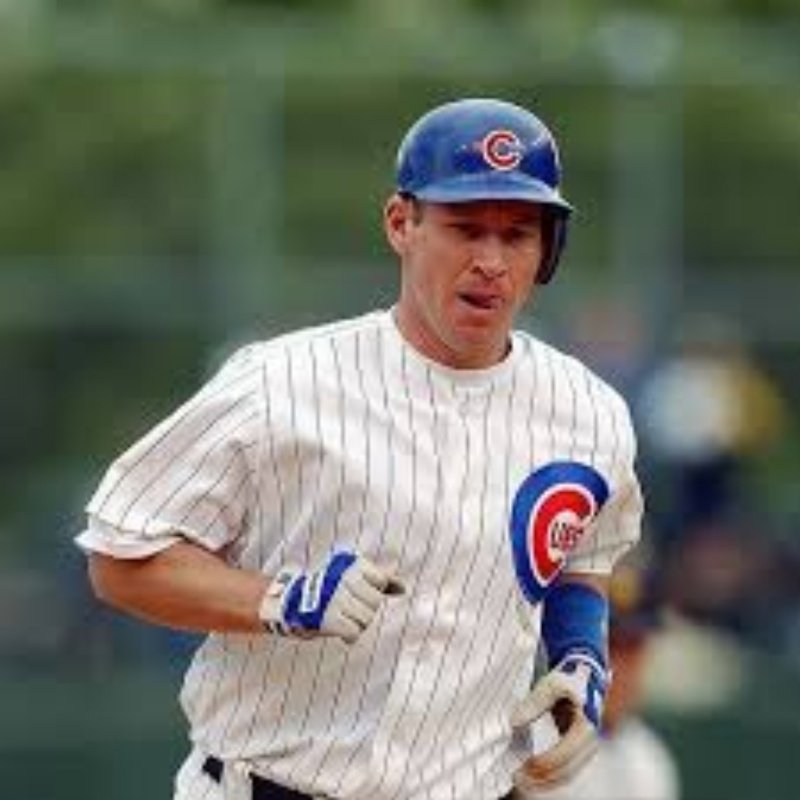 Damian Miller is a former professional baseball catcher, having played 11 seasons with five teams, including one crucial campaign as the Chicago Cubs' starting backstop during the 2003 NLCS run. Originally drafted by the Minnesota Twins in the 20th round of the 1990 MLB Draft, Miller didn't make his official debut until 1997 with the franchise. However, he was one of the ostracized "replacement players" during the 1994 MLB strike, which means that 1) he is not a member of the Major League Baseball Players' Association, 2) his stats from those 1994 games are rendered void and do not count, and 3) he can't appear on any official MLB/MLBPA merchandise or licensed content (as a result of #1). Therefore, he never appeared in an MLB video game, and he does not appear on any official commemorative merchandise from the Arizona Diamondbacks' 2001 World Series win. Besides that unique piece of trivia, Miller had a solid if unspectacular career. The Diamondbacks selected him in the 1998 expansion draft, and he blossomed into their starting catcher by the 2000 season. He played a pivotal role in the team's World Series triumph in 2001 and was named an All-Star for the only time in his career the following season. Then, on November 13, 2002, the Cubs acquired Miller from the Diamondbacks for Gary Johnson and Dave Noyce. He spent only one season in Chicago, but as the starting catcher on that fabled 2003 squad that fell just shy of the National League pennant, Miller is remembered fondly by Cubs fans. He slashed just .233/.310/.369 in 400 plate appearances, all of which were below his career norms. However, he did still post a positive WAR (0.3) thanks to his above-average defense. Miller also drove in two runs that postseason, including one in the crushing Game 7 loss to the then-Florida Marlins in the NLCS. After the season, the Cubs dealt him to the (should-still-be-Oakland) Athletics in exchange for Michael Barrett, who played three-and-a-half strong seasons in Chicago and won a Silver Slugger award in 2005. Miller played one season in Oakland before moving on to become the Milwaukee Brewers' catcher from 2005-07. The backstop retired after the 2007 season, rejecting contract offers from multiple teams in a bid to stay with his home-state Brewers.
 -
Damian Miller is a former professional baseball catcher, having played 11 seasons with five teams, including one crucial campaign as the Chicago Cubs' starting backstop during the 2003 NLCS run. Originally drafted by the Minnesota Twins in the 20th round of the 1990 MLB Draft, Miller didn't make his official debut until 1997 with the franchise. However, he was one of the ostracized "replacement players" during the 1994 MLB strike, which means that 1) he is not a member of the Major League Baseball Players' Association, 2) his stats from those 1994 games are rendered void and do not count, and 3) he can't appear on any official MLB/MLBPA merchandise or licensed content (as a result of #1). Therefore, he never appeared in an MLB video game, and he does not appear on any official commemorative merchandise from the Arizona Diamondbacks' 2001 World Series win. Besides that unique piece of trivia, Miller had a solid if unspectacular career. The Diamondbacks selected him in the 1998 expansion draft, and he blossomed into their starting catcher by the 2000 season. He played a pivotal role in the team's World Series triumph in 2001 and was named an All-Star for the only time in his career the following season. Then, on November 13, 2002, the Cubs acquired Miller from the Diamondbacks for Gary Johnson and Dave Noyce. He spent only one season in Chicago, but as the starting catcher on that fabled 2003 squad that fell just shy of the National League pennant, Miller is remembered fondly by Cubs fans. He slashed just .233/.310/.369 in 400 plate appearances, all of which were below his career norms. However, he did still post a positive WAR (0.3) thanks to his above-average defense. Miller also drove in two runs that postseason, including one in the crushing Game 7 loss to the then-Florida Marlins in the NLCS. After the season, the Cubs dealt him to the (should-still-be-Oakland) Athletics in exchange for Michael Barrett, who played three-and-a-half strong seasons in Chicago and won a Silver Slugger award in 2005. Miller played one season in Oakland before moving on to become the Milwaukee Brewers' catcher from 2005-07. The backstop retired after the 2007 season, rejecting contract offers from multiple teams in a bid to stay with his home-state Brewers. View full player
-
The Cubs' Rule 5 draft pick looks like a lock to make the trip to Tokyo following Nico Hoerner's injury and Nicky Lopez's reassignment. Will he have an impact off the bench this season? View full video
-
The Cubs' Rule 5 draft pick looks like a lock to make the trip to Tokyo following Nico Hoerner's injury and Nicky Lopez's reassignment. Will he have an impact off the bench this season?
-
Opening Day is nearly here! What baseball season traditions are you most excited for? View full video
-
Opening Day is nearly here! What baseball season traditions are you most excited for?
-
Yency Almonte has been re-signed by the Cubs. Will the reliever make an impact in 2025? View full video
-
Yency Almonte has been re-signed by the Cubs. Will the reliever make an impact in 2025?
-
If Patterson had his 2003 Opening Day performance in 2025, there would be a legion of Cubs fans dedicating their lives to him 😅
-
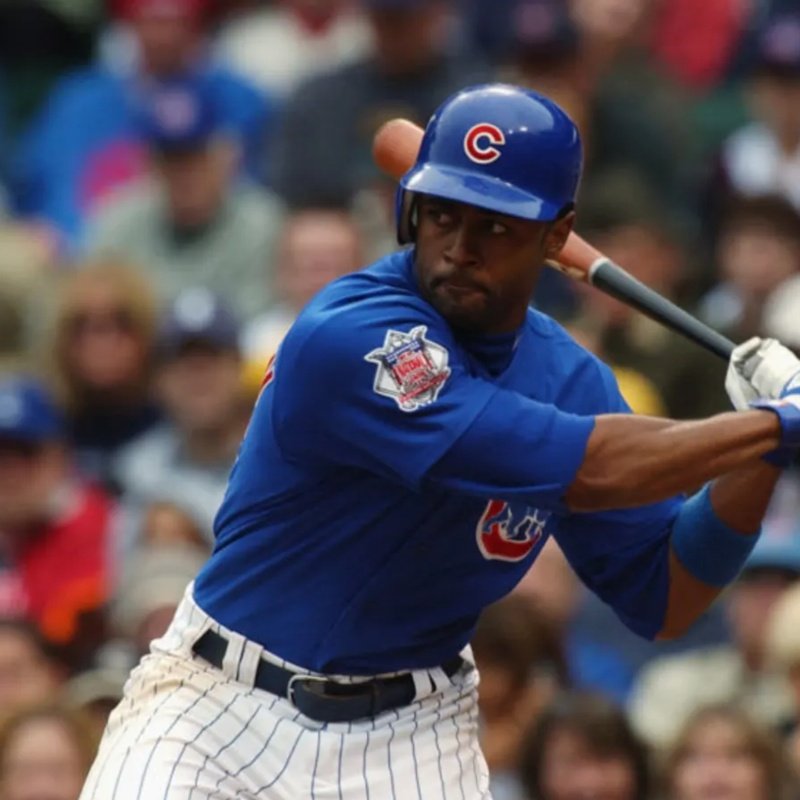 Corey Patterson is a former professional baseball outfielder who spent 12 seasons in Major League Baseball after the Chicago Cubs selected him No. 3 overall in the 1998 MLB Draft. Patterson quickly blossomed into one of baseball’s top prospects, earning All-Star selections at Class-A (Midwest League) and the Arizona Fall League in 1999 and Double-A (Southern League) in 2000. He was unbelievably well-rounded in the minors despite being a teenager, with his performance in the AFL — .368 batting average, four home runs, 24 RBIs, eight stolen bases in 35 games — remaining one of the most memorable in the league’s history. The center fielder made his MLB debut shortly after turning 21 at the end of the 2000 season. His first hit in the majors was a home run off Juan Acevedo. Patterson got sparse playing time for the Cubs over the next year and change before becoming a regular in 2002, but it was on Opening Day in 2003 when Patterson finally began to live up to the hype. In one of the most prolific Opening Day performance in baseball history, Patterson went 4-for-6 in a game started by Hall of Famer Tom Glavine. In total, he hit two home runs and accrued seven RBIs as the Cubs went on to blast the New York Mets by a final score of 15-2. That was just the beginning of a breakout 2003 season for Patterson and the Cubs, as the outfielder slashed .298/.329/.511 with 13 home runs in 83 games before tearing his ACL in July. That injury stung in the moment, but it did serve as the instigation for general manager Jim Hendry’s decision to trade for Kenny Lofton and Aramis Ramirez. We all know how 2003 ended for the Cubs, but Patterson did return healthy in 2004, slashing .266/.320/.452 with 24 home runs and 32 steals, racking up 3.0 bWAR in his best individual season in a Cubs uniform. Unfortunately, he struggled badly at the plate in 2005, which, coupled with declining defense that never recovered from his ACL injury, got Patterson demoted to the minor leagues in July 2005. He returned a month later, though he finished the campaign with a .602 OPS and fell out of favor with management. He was traded that offseason to the Baltimore Orioles for minor leaguers Nate Spears and Carlos Perez, neither of whom ever made it past Triple-A in the Cubs’ organization. He had a strong two years with the Orioles, including 2006, where he stole 45 bases and was worth 4.2 bWAR (his highest single-season total). After leaving Baltimore following the 2007 campaign, Patterson spent time with the Reds, Nationals, Brewers, Blue Jays, and Cardinals. He retired following the 2013 season, which he spent in the Yankees’ system. Patterson is currently the manager of the Brookhaven Bucks of the Sunbelt Baseball League.
 -
Corey Patterson is a former professional baseball outfielder who spent 12 seasons in Major League Baseball after the Chicago Cubs selected him No. 3 overall in the 1998 MLB Draft. Patterson quickly blossomed into one of baseball’s top prospects, earning All-Star selections at Class-A (Midwest League) and the Arizona Fall League in 1999 and Double-A (Southern League) in 2000. He was unbelievably well-rounded in the minors despite being a teenager, with his performance in the AFL — .368 batting average, four home runs, 24 RBIs, eight stolen bases in 35 games — remaining one of the most memorable in the league’s history. The center fielder made his MLB debut shortly after turning 21 at the end of the 2000 season. His first hit in the majors was a home run off Juan Acevedo. Patterson got sparse playing time for the Cubs over the next year and change before becoming a regular in 2002, but it was on Opening Day in 2003 when Patterson finally began to live up to the hype. In one of the most prolific Opening Day performance in baseball history, Patterson went 4-for-6 in a game started by Hall of Famer Tom Glavine. In total, he hit two home runs and accrued seven RBIs as the Cubs went on to blast the New York Mets by a final score of 15-2. That was just the beginning of a breakout 2003 season for Patterson and the Cubs, as the outfielder slashed .298/.329/.511 with 13 home runs in 83 games before tearing his ACL in July. That injury stung in the moment, but it did serve as the instigation for general manager Jim Hendry’s decision to trade for Kenny Lofton and Aramis Ramirez. We all know how 2003 ended for the Cubs, but Patterson did return healthy in 2004, slashing .266/.320/.452 with 24 home runs and 32 steals, racking up 3.0 bWAR in his best individual season in a Cubs uniform. Unfortunately, he struggled badly at the plate in 2005, which, coupled with declining defense that never recovered from his ACL injury, got Patterson demoted to the minor leagues in July 2005. He returned a month later, though he finished the campaign with a .602 OPS and fell out of favor with management. He was traded that offseason to the Baltimore Orioles for minor leaguers Nate Spears and Carlos Perez, neither of whom ever made it past Triple-A in the Cubs’ organization. He had a strong two years with the Orioles, including 2006, where he stole 45 bases and was worth 4.2 bWAR (his highest single-season total). After leaving Baltimore following the 2007 campaign, Patterson spent time with the Reds, Nationals, Brewers, Blue Jays, and Cardinals. He retired following the 2013 season, which he spent in the Yankees’ system. Patterson is currently the manager of the Brookhaven Bucks of the Sunbelt Baseball League. View full player