Brandon Glick
-
Posts
1,153 -
Joined
-
Last visited
Content Type
Profiles
Joomla Posts 1
Chicago Cubs Videos
Chicago Cubs Free Agent & Trade Rumors, Notes, & Tidbits
2026 Chicago Cubs Top Prospects Ranking
News
2023 Chicago Cubs Draft Picks
Guides & Resources
2024 Chicago Cubs Draft Picks
The Chicago Cubs Players Project
2025 Chicago Cubs Draft Pick Tracker
2026 Chicago Cubs Draft Tracker: Picks & Bonuses
Blogs
Events
Forums
Store
Gallery
Everything posted by Brandon Glick
-
The best free agent pitcher of 2025 meets the biggest free agent pitcher from 2024. Cubs could make a statement with a series win here.

-
Darwin Barney is a former Gold Glove-winning second baseman who spent parts of five MLB seasons with the Chicago Cubs. Barney was one of the best collegiate players in the country while starring for the Oregon State Beavers, who won back-to-back national championships with Barney manning the keystone in 2006 and 2007. He won numerous accolades and awards, ultimately positioning himself as a premier draft prospect. As such, the Cubs selected Barney with the 127th overall pick in the 2007 MLB Draft. He posted strong stats in the minors, never quite becoming a top prospect but remaining on the radar of everyone who followed the farm system at the time (for a modern equivalent, think someone like Alexander Canario or Matt Mervis). The middle-infielder made his big league debut on August 11, 2010, following the team's decision to trade Mike Fontenot to the San Francisco Giants. He didn't play much during that cup of coffee, earning just 79 at-bats in 30 appearances while splitting time at second base with rookie sensation Starlin Castro. However, he came out of the gates on fire next spring, winning the starting second base job over Jeff Baker and Blake DeWitt. He earned NL Rookie of the Month honors after hitting .326 with 14 RBIs in April, ultimately settling for seventh in NL Rookie of the Year voting. Of course, those who remember Barney remember that his prowess wasn't at the plate — it was in the field. Sure, the second baseman slashed a somewhat respectable .244/.290/.335 in 542 games on the North Side, but those numbers are hardly anything more than replacement-level production at second base. He posted a ridiculous 28 Defensive Runs Saved (DRS) in 155 games at the position in 2012, winning the first second base Gold Glove for the Cubs since Ryne Sandberg's nine-year reign from 1983 to 1991. In that season, he tied the MLB record for consecutive errorless games at second base with 141 games. He famously lost the Gold Glove to Brandon Phillips in 2013 in a narrow race. Unfortunately, that would be pretty much all she wrote for Barney in Chicago, as his waning defensive contributions (mostly due to nagging injuries) stopped being capable of masking his offensive deficiencies. He was designated for assignment in July 2014, getting traded to the Los Angeles Dodgers a week later for minor league pitcher Jonathan Martinez. Barney was wildly productive following that trade, posting an .895 OPS in 45 plate appearances, which earned him a one-year contract from the Dodgers in 2015. However, he struggled again, getting traded for the second time in a calendar year, this time to the Toronto Blue Jays. The cycle repeated, as a brilliant post-trade stint earned him a few more deals in Toronto, though he never recaptured that early-career magic he had with the Cubs. After failing to make the Texas Rangers' roster in 2018, Barney retired from professional baseball. Barney is now a coach at his alma mater Oregon State. He is also an investor in the Portland Diamond Project, a group dedicated to bringing a Major League Baseball franchise to Portland, Oregon. View full player
-
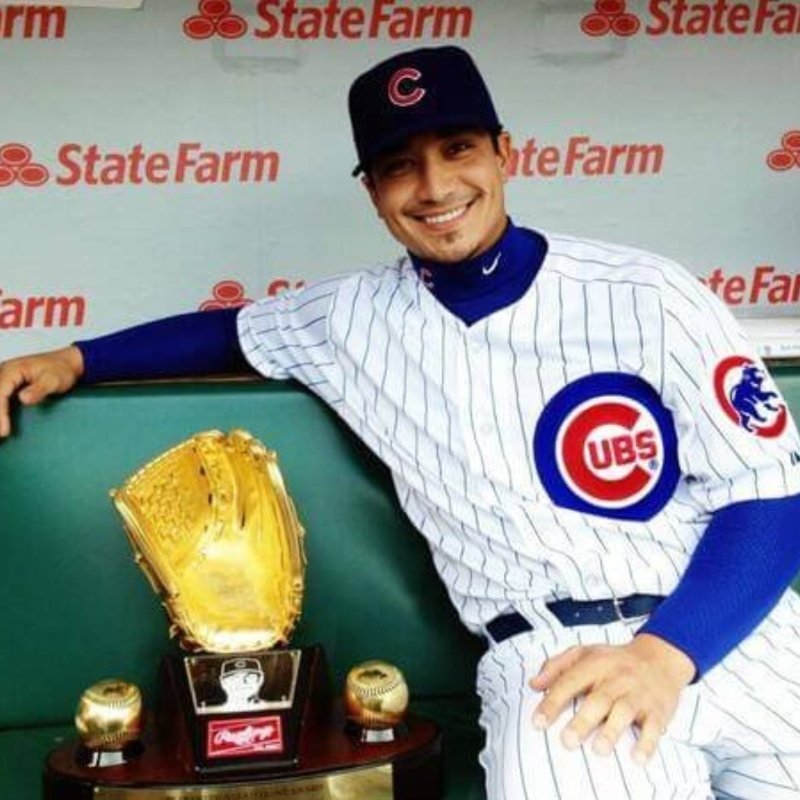 Darwin Barney is a former Gold Glove-winning second baseman who spent parts of five MLB seasons with the Chicago Cubs. Barney was one of the best collegiate players in the country while starring for the Oregon State Beavers, who won back-to-back national championships with Barney manning the keystone in 2006 and 2007. He won numerous accolades and awards, ultimately positioning himself as a premier draft prospect. As such, the Cubs selected Barney with the 127th overall pick in the 2007 MLB Draft. He posted strong stats in the minors, never quite becoming a top prospect but remaining on the radar of everyone who followed the farm system at the time (for a modern equivalent, think someone like Alexander Canario or Matt Mervis). The middle-infielder made his big league debut on August 11, 2010, following the team's decision to trade Mike Fontenot to the San Francisco Giants. He didn't play much during that cup of coffee, earning just 79 at-bats in 30 appearances while splitting time at second base with rookie sensation Starlin Castro. However, he came out of the gates on fire next spring, winning the starting second base job over Jeff Baker and Blake DeWitt. He earned NL Rookie of the Month honors after hitting .326 with 14 RBIs in April, ultimately settling for seventh in NL Rookie of the Year voting. Of course, those who remember Barney remember that his prowess wasn't at the plate — it was in the field. Sure, the second baseman slashed a somewhat respectable .244/.290/.335 in 542 games on the North Side, but those numbers are hardly anything more than replacement-level production at second base. He posted a ridiculous 28 Defensive Runs Saved (DRS) in 155 games at the position in 2012, winning the first second base Gold Glove for the Cubs since Ryne Sandberg's nine-year reign from 1983 to 1991. In that season, he tied the MLB record for consecutive errorless games at second base with 141 games. He famously lost the Gold Glove to Brandon Phillips in 2013 in a narrow race. Unfortunately, that would be pretty much all she wrote for Barney in Chicago, as his waning defensive contributions (mostly due to nagging injuries) stopped being capable of masking his offensive deficiencies. He was designated for assignment in July 2014, getting traded to the Los Angeles Dodgers a week later for minor league pitcher Jonathan Martinez. Barney was wildly productive following that trade, posting an .895 OPS in 45 plate appearances, which earned him a one-year contract from the Dodgers in 2015. However, he struggled again, getting traded for the second time in a calendar year, this time to the Toronto Blue Jays. The cycle repeated, as a brilliant post-trade stint earned him a few more deals in Toronto, though he never recaptured that early-career magic he had with the Cubs. After failing to make the Texas Rangers' roster in 2018, Barney retired from professional baseball. Barney is now a coach at his alma mater Oregon State. He is also an investor in the Portland Diamond Project, a group dedicated to bringing a Major League Baseball franchise to Portland, Oregon.
 -
A discussion on the Cubs' strong stretch following the Tokyo Series (and their fledgling bullpen) from Take Me Out To the Podcast. View full video
-
A discussion on the Cubs' strong stretch following the Tokyo Series (and their fledgling bullpen) from Take Me Out To the Podcast.
-
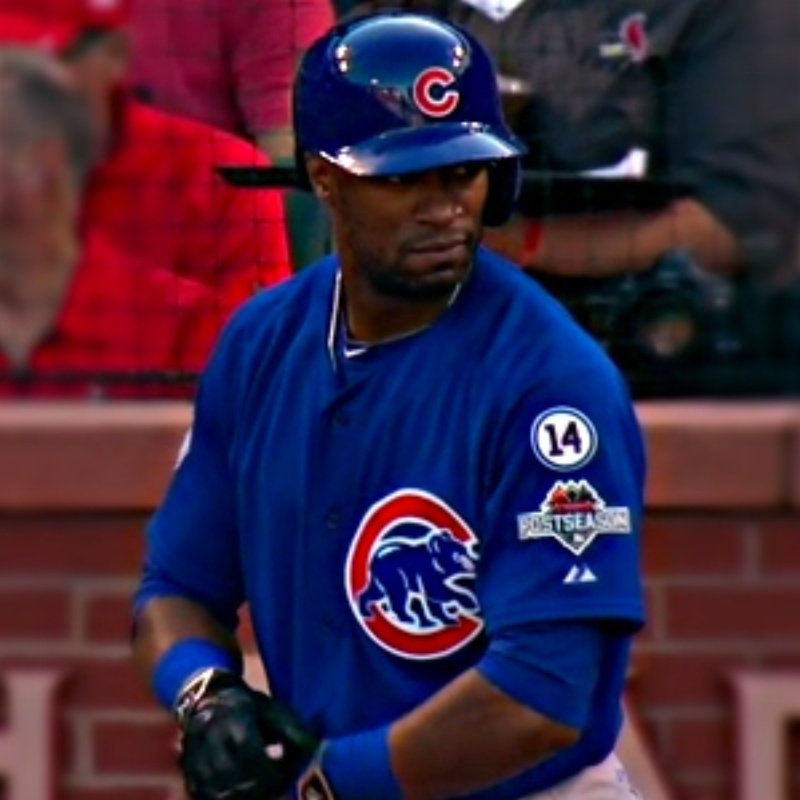 Austin Jackson is a former MLB outfielder who spent 29 oddly memorable games with the Chicago Cubs in 2015. For most of his life, Jackson was considered to be the premier baseball player in his age group in the country, though he spent even more time playing basketball in high school. Jackson was selected in the eighth round of the 2005 MLB Draft by the New York Yankees, foregoing college to play for one of his favorite childhood teams thanks to a record-signing bonus. Before even getting a chance in the majors with the Bronx Bombers, though, Jackson became a high-profile prospect and was dealt to Detroit Tigers for Curtis Granderson. Jackson led the AL in strikeouts in 2010 but still finished second in AL Rookie of the Year voting behind only Neftali Feliz. From 2010-12, he was a triples machine, leading the league in that category (31). He was also an extremely productive outfielder for a Tigers team on the rise, averaging 5.1 WAR per season and slashing .280/.346/.416 with 61 steals. For good measure, he also hit a clinching home run against the Yankees in the deciding Game 4 of the 2012 ALCS. From there, Jackson became a journeyman, as he was traded to the Seattle Mariners at the 2014 deadline in a three-team trade that sent Drew Smyly, Nick Franklin and Willy Adames to the Tampa Bay Rays, and David Price to the Tigers. A year later, he was traded to the Cubs on the now-defunct August 31 waiver trade deadline for a player to be named later and international signing bonus money, Not including of the very obvious winner, 2015 was my all-time favorite season of Cubs baseball. It was so exciting to watch the team emerge from that rebuild so spectacularly, with a toppling of the mighty St. Louis Cardinals in the NLDS as the cherry on top. And by God was Austin Jackson technically a component of that team. In 29 games for the Cubs, Jackson slashed .236/.304/.375, filling in mostly for Jorge Soler in the outfield. He also platooned with Jason Heyward and Chris Coghlan, while also spelling Dexter Fowler on the center fielder's days off. Jackson didn't do much in the 2015 postseason either, notching zero hits in eight at-bats, though he did tally a stolen base and a run against the Cardinals in the momentum-shifting Game 2 win in the NLDS. For some reason, Jackson visibly remains a Cubs in my mind, even though that was the stop he spent the least amount of time at in his career. His best years were obviously for the Tigers, and yet I can only envision him shagging down fly balls near the ivy in Wrigley. Clearly, that 2015 team left even more of an impression than I ever realized. After the 2015 season, Jackson gave the Cubs every chance to retain him, though they opted to re-sign Fowler in a widely-publicized move (remember him showing up announced to spring training?). Jackson moved on to the White Sox in 2016, the Guardians in 2017 (when he made one of the greatest catches of all time), and the Giants, Rangers, and Mets in 2018. He never actually retired, and he tried to make a comeback in 2020 that was stunted by the pandemic. Still, he hasn't played since 2018, so the book can all but be closed on an impressive career.
 -
Austin Jackson is a former MLB outfielder who spent 29 oddly memorable games with the Chicago Cubs in 2015. For most of his life, Jackson was considered to be the premier baseball player in his age group in the country, though he spent even more time playing basketball in high school. Jackson was selected in the eighth round of the 2005 MLB Draft by the New York Yankees, foregoing college to play for one of his favorite childhood teams thanks to a record-signing bonus. Before even getting a chance in the majors with the Bronx Bombers, though, Jackson became a high-profile prospect and was dealt to Detroit Tigers for Curtis Granderson. Jackson led the AL in strikeouts in 2010 but still finished second in AL Rookie of the Year voting behind only Neftali Feliz. From 2010-12, he was a triples machine, leading the league in that category (31). He was also an extremely productive outfielder for a Tigers team on the rise, averaging 5.1 WAR per season and slashing .280/.346/.416 with 61 steals. For good measure, he also hit a clinching home run against the Yankees in the deciding Game 4 of the 2012 ALCS. From there, Jackson became a journeyman, as he was traded to the Seattle Mariners at the 2014 deadline in a three-team trade that sent Drew Smyly, Nick Franklin and Willy Adames to the Tampa Bay Rays, and David Price to the Tigers. A year later, he was traded to the Cubs on the now-defunct August 31 waiver trade deadline for a player to be named later and international signing bonus money, Not including of the very obvious winner, 2015 was my all-time favorite season of Cubs baseball. It was so exciting to watch the team emerge from that rebuild so spectacularly, with a toppling of the mighty St. Louis Cardinals in the NLDS as the cherry on top. And by God was Austin Jackson technically a component of that team. In 29 games for the Cubs, Jackson slashed .236/.304/.375, filling in mostly for Jorge Soler in the outfield. He also platooned with Jason Heyward and Chris Coghlan, while also spelling Dexter Fowler on the center fielder's days off. Jackson didn't do much in the 2015 postseason either, notching zero hits in eight at-bats, though he did tally a stolen base and a run against the Cardinals in the momentum-shifting Game 2 win in the NLDS. For some reason, Jackson visibly remains a Cubs in my mind, even though that was the stop he spent the least amount of time at in his career. His best years were obviously for the Tigers, and yet I can only envision him shagging down fly balls near the ivy in Wrigley. Clearly, that 2015 team left even more of an impression than I ever realized. After the 2015 season, Jackson gave the Cubs every chance to retain him, though they opted to re-sign Fowler in a widely-publicized move (remember him showing up announced to spring training?). Jackson moved on to the White Sox in 2016, the Guardians in 2017 (when he made one of the greatest catches of all time), and the Giants, Rangers, and Mets in 2018. He never actually retired, and he tried to make a comeback in 2020 that was stunted by the pandemic. Still, he hasn't played since 2018, so the book can all but be closed on an impressive career. View full player
-
Dare I say it? The Cubs look like the best team in baseball right now. Could they notch another sweep before heading to L.A. to take on the mighty Dodgers?
-
The Cubs face Patrick Corbin tonight after a 7-0 win against Nate Eovaldi yesterday... I'd like to imagine a crooked number is coming.
-
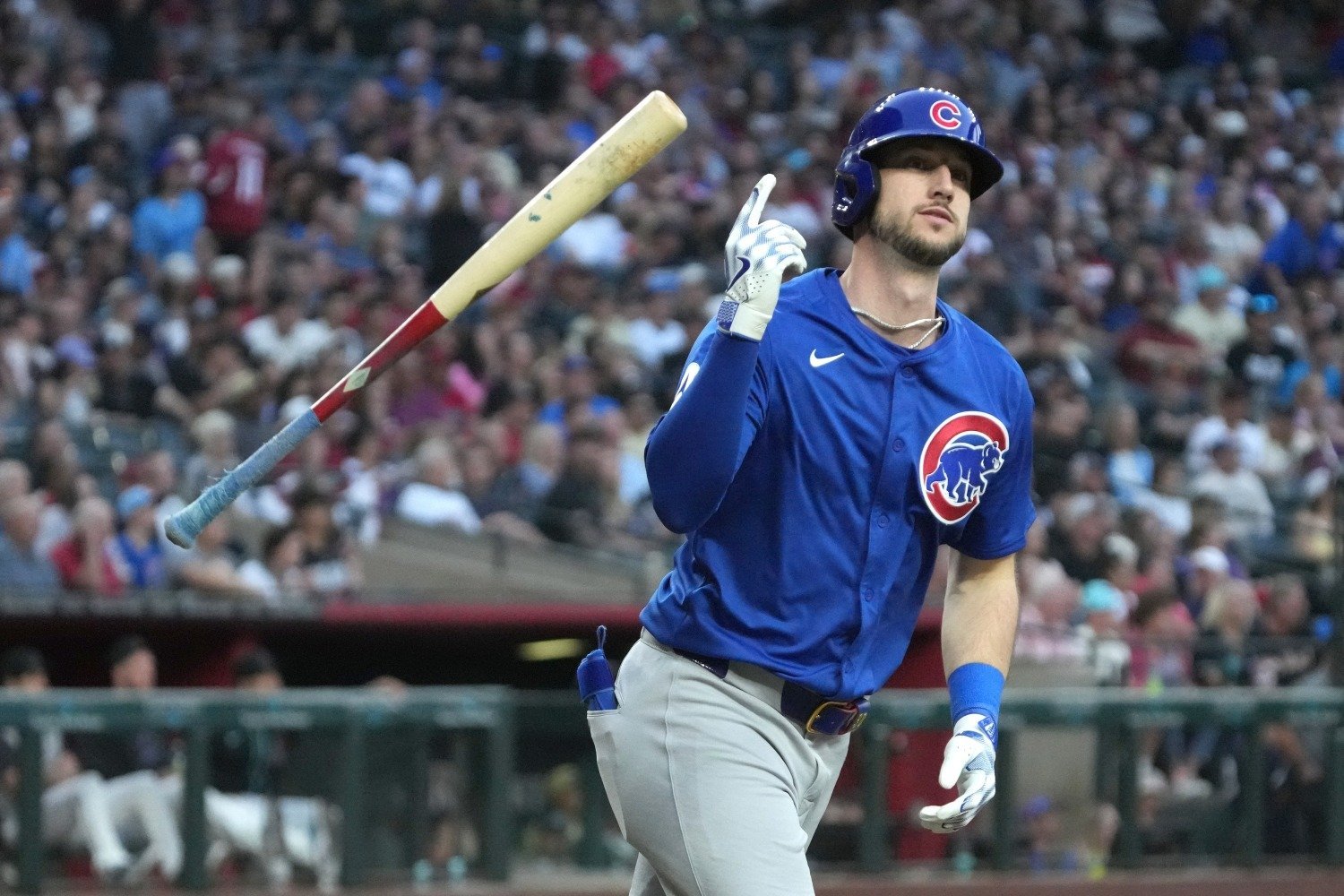 Had you consulted any aggregate list of the "Top 2025 MLB Free Agents" prior to this past weekend, you would have invariably seen two names at the top: Vladimir Guerrero Jr. and Kyle Tucker. Well, you can consider Tucker the last man standing, now that Guerrero and the Toronto Blue Jays have worked out a 14-year, $500 million contract extension. If that sounds like an obscene total for a player who has only had two truly great seasons, that's because it is. That $500 million figure is the third-largest sum ever given to a baseball player, behind just $700-million men Shohei Ohtani and Juan Soto. However, given the massive amount of deferred money in Ohtani's deal, Guerrero's contract is the second-biggest in terms of present value. At his peak, Guerrero's wRC+ was 166 in 2021 and 165 last season. In 2022 and 2023, he posted marks of 132 and 118, respectively. Those latter numbers are still solid, but there's a huge difference between being 20-30% better than the average hitter and 60% better. To illustrate the point: Guerrero's 165 wRC+ ranked sixth in baseball last year, just a few spots behind Soto and in the company of guys like Yordan Alvarez and Bobby Witt Jr. His new teammate, Anthony Santander, finished 26th with a 129 wRC+, earning a five-year, $92.5 million contract for that career year. Now, Guerrero isn't exactly the perfect touchstone for Tucker extension talks. Guerrero is more than two years Tucker's junior, and he also plays first base compared to right field. Likewise, the Blue Jays star has had higher highs than Tucker, who has earned his reputation as a consistently great player year over year. The ceiling on Tucker is lower—the variance is less—but the floor is much higher. Well, the variance was less, I should say. We spoke earlier this offseason about the two-year peak Tucker found himself in between 2023-24, and he's now blowing even those seasons out of the water in 2025. All of the small sample size caveats apply in spades here, but through his first 12 games with the Cubs (~13.5% of the season), Tucker is slashing .319/.458/.745, with a 233 OPS+. He currently leads the National League in WAR (1.0), runs (13), hits (15), home runs (5), RBIs (15), and OPS (1.202). This is even better than the ridiculous pace he set for himself last year, when he supplied 4.7 WAR to the Astros in just 78 games played. This version of Tucker is better than even the best version of Guerrero that we've seen, which is saying something: the Canadian slugger has a runner-up MVP finish on his résumé. Sure, he can't be expected to keep producing quite at this rate—this would literally be a top-five season of all time, if he does—but it does prove that Tucker is somehow still improving, which is kind of important when you're debating whether or not to pay a guy hundreds of millions of dollars for future production. So, let's readjust our expectations for what Tucker might be able to get on the open market, which he'll almost certainly hit now that Guerrero has set the bar at a height that even a non-frugal version of the Cubs would be terrified to match. In that piece about his peak and contract expectations, I compared Tucker's free agency to that of Bryce Harper's. That comparison might be even more prevalent now that Tucker looks to be on the precipice of posting a season similar to Harper's magical 2015 campaign, but the Cubs outfielder is going to get more than the 10 years and $400 million I originally forecasted if he keeps this up. Sure, being 29 by the time his next deal starts hurts his value. His age will likely preclude him from getting the same length of contract Harper (13 years) or Guerrero (14) signed, but Tucker's AAV should exceed the $35.7 million the latter just received. Could the right fielder push for $450 million over, say, 12 years? Maybe, especially if he's willing to take deferrals that would push down the present value (and AAV, in luxury tax calculations). My best guess would be to peg him at an 11-year deal (taking him through his age-40 season) that would be worth somewhere around $425 million, depending on deferrals. If that comes to pass... well, enjoy him while you have him, Cubs fans.
 -
The Cubs' right fielder is now the premier free agent on the market next offseason, following Vladimir Guerrero Jr.'s historic agreement. How much more expensive has he just gotten? Image courtesy of © Rick Scuteri-Imagn Images Had you consulted any aggregate list of the "Top 2025 MLB Free Agents" prior to this past weekend, you would have invariably seen two names at the top: Vladimir Guerrero Jr. and Kyle Tucker. Well, you can consider Tucker the last man standing, now that Guerrero and the Toronto Blue Jays have worked out a 14-year, $500 million contract extension. If that sounds like an obscene total for a player who has only had two truly great seasons, that's because it is. That $500 million figure is the third-largest sum ever given to a baseball player, behind just $700-million men Shohei Ohtani and Juan Soto. However, given the massive amount of deferred money in Ohtani's deal, Guerrero's contract is the second-biggest in terms of present value. At his peak, Guerrero's wRC+ was 166 in 2021 and 165 last season. In 2022 and 2023, he posted marks of 132 and 118, respectively. Those latter numbers are still solid, but there's a huge difference between being 20-30% better than the average hitter and 60% better. To illustrate the point: Guerrero's 165 wRC+ ranked sixth in baseball last year, just a few spots behind Soto and in the company of guys like Yordan Alvarez and Bobby Witt Jr. His new teammate, Anthony Santander, finished 26th with a 129 wRC+, earning a five-year, $92.5 million contract for that career year. Now, Guerrero isn't exactly the perfect touchstone for Tucker extension talks. Guerrero is more than two years Tucker's junior, and he also plays first base compared to right field. Likewise, the Blue Jays star has had higher highs than Tucker, who has earned his reputation as a consistently great player year over year. The ceiling on Tucker is lower—the variance is less—but the floor is much higher. Well, the variance was less, I should say. We spoke earlier this offseason about the two-year peak Tucker found himself in between 2023-24, and he's now blowing even those seasons out of the water in 2025. All of the small sample size caveats apply in spades here, but through his first 12 games with the Cubs (~13.5% of the season), Tucker is slashing .319/.458/.745, with a 233 OPS+. He currently leads the National League in WAR (1.0), runs (13), hits (15), home runs (5), RBIs (15), and OPS (1.202). This is even better than the ridiculous pace he set for himself last year, when he supplied 4.7 WAR to the Astros in just 78 games played. This version of Tucker is better than even the best version of Guerrero that we've seen, which is saying something: the Canadian slugger has a runner-up MVP finish on his résumé. Sure, he can't be expected to keep producing quite at this rate—this would literally be a top-five season of all time, if he does—but it does prove that Tucker is somehow still improving, which is kind of important when you're debating whether or not to pay a guy hundreds of millions of dollars for future production. So, let's readjust our expectations for what Tucker might be able to get on the open market, which he'll almost certainly hit now that Guerrero has set the bar at a height that even a non-frugal version of the Cubs would be terrified to match. In that piece about his peak and contract expectations, I compared Tucker's free agency to that of Bryce Harper's. That comparison might be even more prevalent now that Tucker looks to be on the precipice of posting a season similar to Harper's magical 2015 campaign, but the Cubs outfielder is going to get more than the 10 years and $400 million I originally forecasted if he keeps this up. Sure, being 29 by the time his next deal starts hurts his value. His age will likely preclude him from getting the same length of contract Harper (13 years) or Guerrero (14) signed, but Tucker's AAV should exceed the $35.7 million the latter just received. Could the right fielder push for $450 million over, say, 12 years? Maybe, especially if he's willing to take deferrals that would push down the present value (and AAV, in luxury tax calculations). My best guess would be to peg him at an 11-year deal (taking him through his age-40 season) that would be worth somewhere around $425 million, depending on deferrals. If that comes to pass... well, enjoy him while you have him, Cubs fans. View full article
-
Pressly has been in the majors for 11 years. There's no options left. To send him to Iowa would require DFA'ing him, and I guarantee another team would immediately scoop him up if the Cubs did that. Now, could they use the ol' phantom IL to get him a "rehab" stint down there? I'm not not suggesting that.
-
My Luke Little propaganda train is running on overdrive right now.
-
The Cubs (and Justin Steele) are seeking revenge for that opening series loss last year against the Rangers. Steele could use a good start to get back on track.
-
A discussion about the pivotal 2025 season in Chicago and what it could mean for the team's brass and young core, from Take Me Out To The Podcast. View full video
-
A discussion about the pivotal 2025 season in Chicago and what it could mean for the team's brass and young core, from Take Me Out To The Podcast.
-
They just can't stop winning. The Cubs could get their second straight sweep with a win over the Padres today.
-
There's more updates to the Chicago Cubs Players Project rounding out the database, including a trio of players who had strong legacies elsewhere before arriving in Chicago during the pandemic. What is the Players Project? It's a community-driven, wiki-style project focusing on Cubs players of all stripes. It's open to all North Side Baseball users, and we've had contributions from current players, past players, and players who never even made the major leagues but played in the Cubs’ farm system. Create your favorite player today! Welcome back to our Players Project updates, everyone! The database continues to be filled with notable Cubs players, whether they played their prime years in Chicago or came to Wrigley Field to ride off into the sunset before retirement. This edition of the Players Project round up features three players who many — including myself — probably forgot about after their brief cameos with the Cubs. We also ask that members of the community who are interested in the project join us in the forums to discuss what the future of it should look like! Jason Kipnis was one of the best second basemen of the 2010s, doing much of his damage for the Cleveland Guardians. Of course, as it relates to the Cubs, Kipnis was the starting second baseman for the opposition in the 2016 World Series. He was a huge thorn in the Cubs' side, slashing .290/.313/.581 with two home runs while playing all seven games. "If you can't beat 'em, join 'em" proved to be the mantra of his free agency, as Kipnis joined the Cubs on a minor league deal prior to the 2020 season. Of course, the Covid-19 pandemic then shut everything down for months, but Kipnis did make the 40-man roster once the season got going in July. It was a rather nondescript tenure, as the second baseman hit .237/.341/.404 in 44 games. Cameron Maybin had a long career after being selected tenth overall in the 2005 draft, filling the quintessential fourth outfielder role on numerous squads. During the 2020 trade deadline (which took place at the end of August), the Cubs acquired Maybin for infielder Zack Short. In 18 games (56 plate appearances), the forgotten Cubs outfielder slashed .250/.304/.365. He had more triples (one) than home runs (zero) and stole as many bases as walks he drew (three). Steven Souza Jr. is probably the least recognizable name here, though he did have a famous highlight in his rookie season with the Washington Nationals when he saved Jordan Zimmerman's no-hitter on the final day of the regular season with a miraculous diving grab. Needing more outfield depth in the wake of 2019 sensation Nick Castellanos' departure for the rival Cincinnati Reds, the Cubs signed Souza as a fourth outfielder in January 2020. Due to the pandemic schedule, Souza wouldn't make his debut with the team until July, though he did crack the Opening Day roster. He played in just 11 games for Chicago, slashing a pitiful .148/.258/.333 (58 OPS+) in 31 plate appearances. Of course, other entries, like Carlos González and Jerry Hairston Jr., continue filling up our database. The Chicago Cubs Players Project is open to all North Side Baseball users. If you're a Cubs history buff or just want to dive into the background of your favorite player, come on board! View full article
-
Chicago Cubs Players Project Update: A Trio of Forgotten 2020 Cameos
Brandon Glick posted an article in History
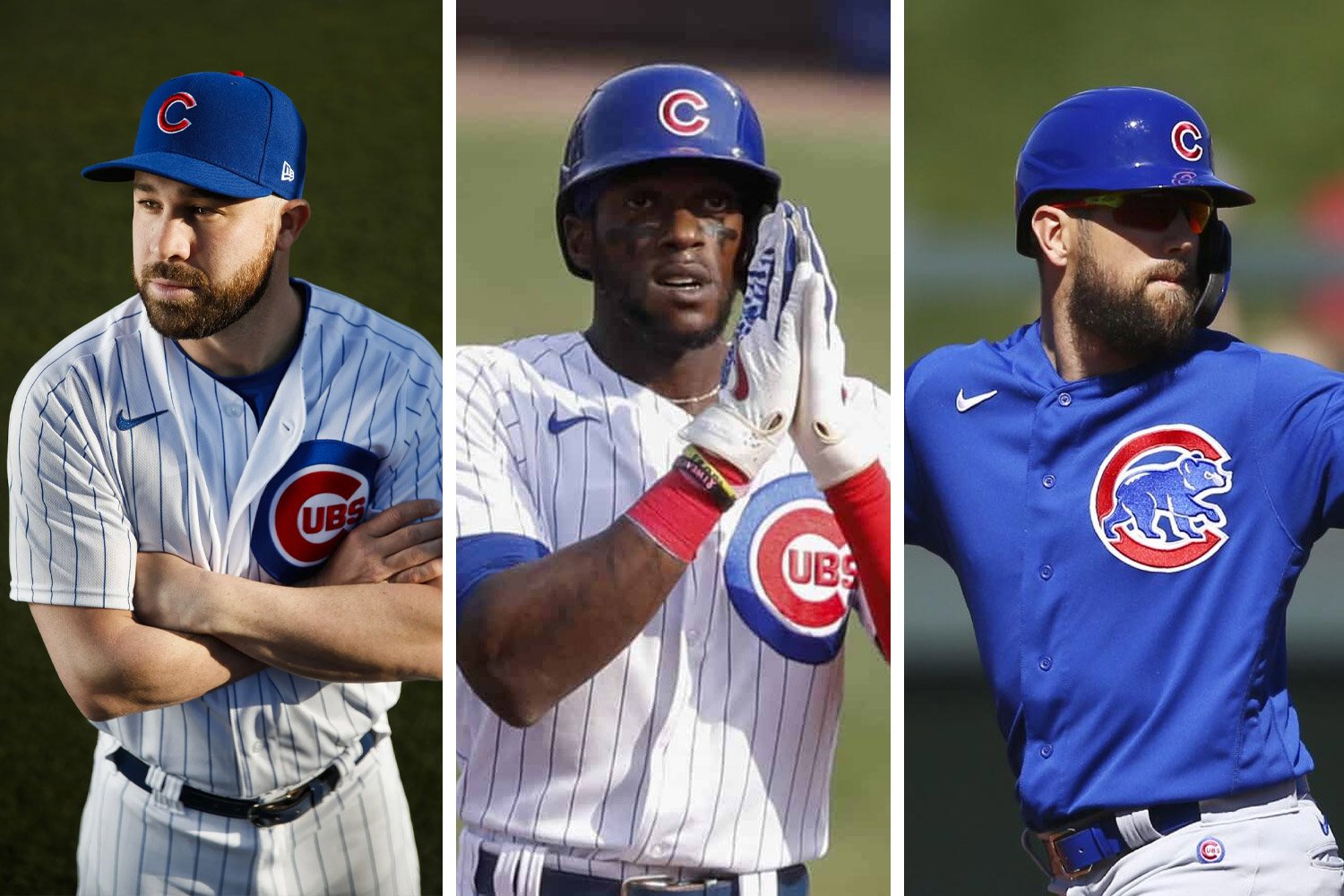 What is the Players Project? It's a community-driven, wiki-style project focusing on Cubs players of all stripes. It's open to all North Side Baseball users, and we've had contributions from current players, past players, and players who never even made the major leagues but played in the Cubs’ farm system. Create your favorite player today! Welcome back to our Players Project updates, everyone! The database continues to be filled with notable Cubs players, whether they played their prime years in Chicago or came to Wrigley Field to ride off into the sunset before retirement. This edition of the Players Project round up features three players who many — including myself — probably forgot about after their brief cameos with the Cubs. We also ask that members of the community who are interested in the project join us in the forums to discuss what the future of it should look like! Jason Kipnis was one of the best second basemen of the 2010s, doing much of his damage for the Cleveland Guardians. Of course, as it relates to the Cubs, Kipnis was the starting second baseman for the opposition in the 2016 World Series. He was a huge thorn in the Cubs' side, slashing .290/.313/.581 with two home runs while playing all seven games. "If you can't beat 'em, join 'em" proved to be the mantra of his free agency, as Kipnis joined the Cubs on a minor league deal prior to the 2020 season. Of course, the Covid-19 pandemic then shut everything down for months, but Kipnis did make the 40-man roster once the season got going in July. It was a rather nondescript tenure, as the second baseman hit .237/.341/.404 in 44 games. Cameron Maybin had a long career after being selected tenth overall in the 2005 draft, filling the quintessential fourth outfielder role on numerous squads. During the 2020 trade deadline (which took place at the end of August), the Cubs acquired Maybin for infielder Zack Short. In 18 games (56 plate appearances), the forgotten Cubs outfielder slashed .250/.304/.365. He had more triples (one) than home runs (zero) and stole as many bases as walks he drew (three). Steven Souza Jr. is probably the least recognizable name here, though he did have a famous highlight in his rookie season with the Washington Nationals when he saved Jordan Zimmerman's no-hitter on the final day of the regular season with a miraculous diving grab. Needing more outfield depth in the wake of 2019 sensation Nick Castellanos' departure for the rival Cincinnati Reds, the Cubs signed Souza as a fourth outfielder in January 2020. Due to the pandemic schedule, Souza wouldn't make his debut with the team until July, though he did crack the Opening Day roster. He played in just 11 games for Chicago, slashing a pitiful .148/.258/.333 (58 OPS+) in 31 plate appearances. Of course, other entries, like Carlos González and Jerry Hairston Jr., continue filling up our database. The Chicago Cubs Players Project is open to all North Side Baseball users. If you're a Cubs history buff or just want to dive into the background of your favorite player, come on board!
 -
The Cubs toppled the previously undefeated Padres in their home opener. Can they repeat the feat today?
-
The Yankees debuted a new bat to grand results against the Brewers during MLB's opening weekend. Is this the tush push of baseball? Should they even be legal?
-
The Yankees debuted a new bat to grand results against the Brewers during MLB's opening weekend. Is this the tush push of baseball? Should they even be legal? View full video
-
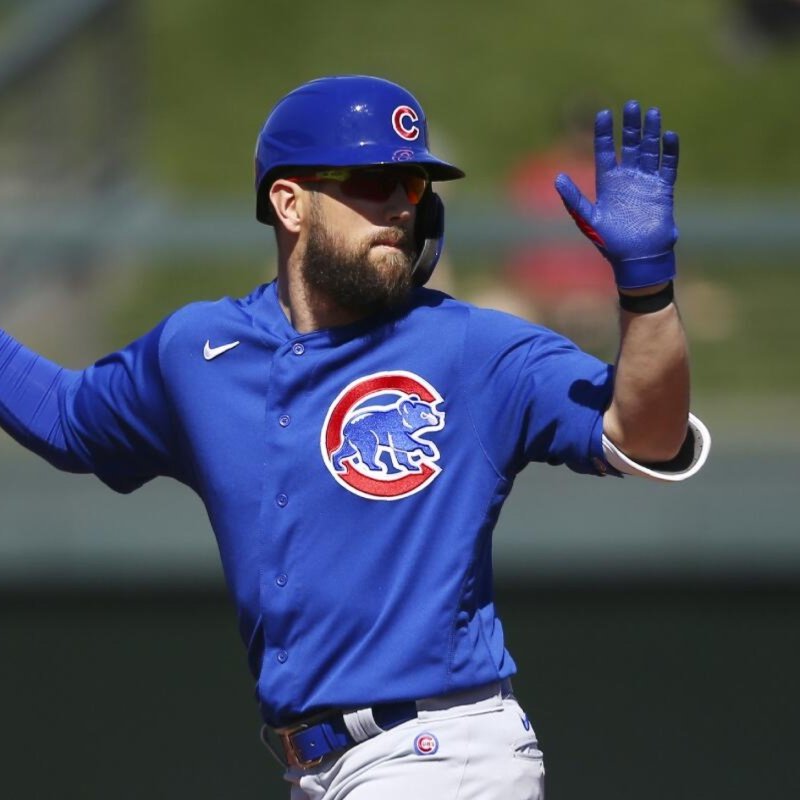 Steven Souza Jr. is a former MLB outfielder who spent eight years in the big leagues, including 11 games during the pandemic-shortened 2020 campaign with the Chicago Cubs. Originally drafted in the third round of the 2007 MLB Draft by the Washington Nationals, Souza faced plenty of trials and tribulations on the way to the major leagues. In 2010, he was selected to the South Atlantic League All-Star Game, though he faced a 50-game suspension for taking performance-enhancing substances shortly after. Then, in 2011, he received a suspension from his own Class-A team due to misconduct. He actually considered leaving the organization to play college football, though he stuck with baseball long enough to make his MLB debut on April 13, 2014. He played sparingly that year — he actually earned International League Most Valuable Player and Rookie of the Year honors at Triple-A in 2014 — though he did have his career highlight on the last game of the regular season. Jordan Zimmerman took the start for the Nationals against the Miami Marlins and threw 8 2/3 innings of no-hit ball before the final batter of the game laced a line drive to left center field. Souza ensured that Zimmerman would enter the history books as the first pitcher to throw a no-hitter for the franchise following their move to Washington D.C. Souza's heroics didn't keep him in town long, as he was dealt to the Tampa Bay Rays that offseason in the ridiculously complicated three-team Trea Turner deal. He had his best seasons in Tampa, including a 3.9 WAR campaign in 2017, and was then traded to the Arizona Diamondbacks prior to the 2018 season. The outfielder ended up playing just 72 games in the desert as he tore multiple ligaments in his knee in spring training in 2019, which would ultimately lead to Souza being non-tendered by the team. That's where the Cubs come in. Needing more outfield depth in the wake of 2019 sensation Nick Castellanos' departure for the rival Cincinnati Reds, the Cubs signed Souza as a fourth outfielder in January 2020. Due to the pandemic schedule, Souza wouldn't make his debut with the team until July, though he did crack the Opening Day roster. He played in just 11 games for Chicago, slashing a pitiful .148/.258/.333 (58 OPS+) in 31 plate appearances. He was one of quite a few players who got truncated Cubs tenures because of the Covid-19 pandemic — Jason Kipnis, Cameron Maybin, Josh Phegley, José Martinez, and others are in that club too — though Souza was arguably the most disappointing because he was 1) signed prior to the season on a major league contract in free agency and 2) had an actual track record of MLB success, even if it was prior to his ACL tear. Also, that list of players who only played part of the 2020 season with the Cubs just gave me flashbacks back to that season... I am glad we are not in 2020 anymore, both for the sake of the Cubs and the sake of the world. Ultimately, Souza was designated for assignment in early September, not even making it to the postseason with the team. After being DFA'd by the Cubs, Souza got stints with the Houston Astros (minor leagues), Los Angeles Dodgers, and Seattle Mariners. Beyond his three seasons in Tampa Bay, Souza played in just 127 major league contests. He retired in the middle of the 2022 season.
 -
Steven Souza Jr. is a former MLB outfielder who spent eight years in the big leagues, including 11 games during the pandemic-shortened 2020 campaign with the Chicago Cubs. Originally drafted in the third round of the 2007 MLB Draft by the Washington Nationals, Souza faced plenty of trials and tribulations on the way to the major leagues. In 2010, he was selected to the South Atlantic League All-Star Game, though he faced a 50-game suspension for taking performance-enhancing substances shortly after. Then, in 2011, he received a suspension from his own Class-A team due to misconduct. He actually considered leaving the organization to play college football, though he stuck with baseball long enough to make his MLB debut on April 13, 2014. He played sparingly that year — he actually earned International League Most Valuable Player and Rookie of the Year honors at Triple-A in 2014 — though he did have his career highlight on the last game of the regular season. Jordan Zimmerman took the start for the Nationals against the Miami Marlins and threw 8 2/3 innings of no-hit ball before the final batter of the game laced a line drive to left center field. Souza ensured that Zimmerman would enter the history books as the first pitcher to throw a no-hitter for the franchise following their move to Washington D.C. Souza's heroics didn't keep him in town long, as he was dealt to the Tampa Bay Rays that offseason in the ridiculously complicated three-team Trea Turner deal. He had his best seasons in Tampa, including a 3.9 WAR campaign in 2017, and was then traded to the Arizona Diamondbacks prior to the 2018 season. The outfielder ended up playing just 72 games in the desert as he tore multiple ligaments in his knee in spring training in 2019, which would ultimately lead to Souza being non-tendered by the team. That's where the Cubs come in. Needing more outfield depth in the wake of 2019 sensation Nick Castellanos' departure for the rival Cincinnati Reds, the Cubs signed Souza as a fourth outfielder in January 2020. Due to the pandemic schedule, Souza wouldn't make his debut with the team until July, though he did crack the Opening Day roster. He played in just 11 games for Chicago, slashing a pitiful .148/.258/.333 (58 OPS+) in 31 plate appearances. He was one of quite a few players who got truncated Cubs tenures because of the Covid-19 pandemic — Jason Kipnis, Cameron Maybin, Josh Phegley, José Martinez, and others are in that club too — though Souza was arguably the most disappointing because he was 1) signed prior to the season on a major league contract in free agency and 2) had an actual track record of MLB success, even if it was prior to his ACL tear. Also, that list of players who only played part of the 2020 season with the Cubs just gave me flashbacks back to that season... I am glad we are not in 2020 anymore, both for the sake of the Cubs and the sake of the world. Ultimately, Souza was designated for assignment in early September, not even making it to the postseason with the team. After being DFA'd by the Cubs, Souza got stints with the Houston Astros (minor leagues), Los Angeles Dodgers, and Seattle Mariners. Beyond his three seasons in Tampa Bay, Souza played in just 127 major league contests. He retired in the middle of the 2022 season. View full player
-
It's the Wrigley 2025 opener as Imanaga takes the mound. What could possibly go wrong against the *checks notes* undefeated Padres?