


Brandon Glick
-
Posts
1,153 -
Joined
-
Last visited
Content Type
Profiles
Joomla Posts 1
Chicago Cubs Videos
Chicago Cubs Free Agent & Trade Rumors, Notes, & Tidbits
2026 Chicago Cubs Top Prospects Ranking
News
2023 Chicago Cubs Draft Picks
Guides & Resources
2024 Chicago Cubs Draft Picks
The Chicago Cubs Players Project
2025 Chicago Cubs Draft Pick Tracker
2026 Chicago Cubs Draft Tracker: Picks & Bonuses
Blogs
Events
Forums
Store
Gallery
Everything posted by Brandon Glick
-
Tony Campana spent four seasons in Major League Baseball, including two as a fourth outfielder on the Chicago Cubs. After starring in college for the Cincinnati Bearcats, the Cubs selected Campana in the 13th round of the 2008 MLB Draft. He broke out in his third professional season for the Tennessee Smokies, slashing .319/.378/.384 with 39 RBI in 131 games in 2010. After gradually ascending the minor league ranks, he finally made his MLB debut for the Cubs on May 17, 2011. Campana spent a mostly unremarkable two seasons on the North Side of Chicago, accruing a very Nick Madrigal-esque .262/.306/.300 slash line (yes, his OBP was actually higher than his slugging percentage) in 347 plate appearances across 184 games. Still, he was worth 1.9 bWAR thanks to his speed (54 steals in 59 attempts) and defense in the outfield, and a fair share of his appearances in a Cubs uniform came either as a late-game pinch-runner or defensive substitute out in center field. At just 5'8" and 170 pounds, Campana simply didn't generate any power in his swing. He totaled just thirteen extra-base hits in his entire career. In fact, his only home run was an inside-the-park home run that required Cincinnati Reds left fielder Yonder Alonso to run into the protruding left field foul wall and laughably misplay a slap hit. He was Nick Madrigal with even less power but more speed — if you can imagine Ichiro Suzuki functioning on 10% of his power, that was Campana. Still, the outfielder was an integral part of a few bad Cubs teams. He was the ninth-most valuable position player on the 2011 squad that won 71 games, and somehow the seventh-most valuable hitter on the 2012 team. He never hit enough in the majors to make up for his lack of power, but he fit the Billy Hamilton mold of a quality defender with blazing speed. Unfortunately, the Cubs weren't a contending squad at that point, so they had less need for a utility/gadget player who only filled a niche role for a team that would often be winning late in ballgames. Campana was designated for assignment prior to spring training in 2013. After being DFA'd, Campana was traded to the Arizona Diamondbacks for right-handed pitchers Jesus Castillo and Erick Leal. He spent parts of two seasons there before continuing his career as a journeyman, playing stints in a myriad of organizations, including the Angels, White Sox (twice), and Nationals. The diminutive outfielder also spent time in the American Association of Independent Professional Baseball and Mexican League. He played in the Ed Bailey league in recent years, and also spends time working with cancer patients after undergoing treatment as a child for Non-Hodgkin's Lymphoma. View full player
-
 Tony Campana spent four seasons in Major League Baseball, including two as a fourth outfielder on the Chicago Cubs. After starring in college for the Cincinnati Bearcats, the Cubs selected Campana in the 13th round of the 2008 MLB Draft. He broke out in his third professional season for the Tennessee Smokies, slashing .319/.378/.384 with 39 RBI in 131 games in 2010. After gradually ascending the minor league ranks, he finally made his MLB debut for the Cubs on May 17, 2011. Campana spent a mostly unremarkable two seasons on the North Side of Chicago, accruing a very Nick Madrigal-esque .262/.306/.300 slash line (yes, his OBP was actually higher than his slugging percentage) in 347 plate appearances across 184 games. Still, he was worth 1.9 bWAR thanks to his speed (54 steals in 59 attempts) and defense in the outfield, and a fair share of his appearances in a Cubs uniform came either as a late-game pinch-runner or defensive substitute out in center field. At just 5'8" and 170 pounds, Campana simply didn't generate any power in his swing. He totaled just thirteen extra-base hits in his entire career. In fact, his only home run was an inside-the-park home run that required Cincinnati Reds left fielder Yonder Alonso to run into the protruding left field foul wall and laughably misplay a slap hit. He was Nick Madrigal with even less power but more speed — if you can imagine Ichiro Suzuki functioning on 10% of his power, that was Campana. Still, the outfielder was an integral part of a few bad Cubs teams. He was the ninth-most valuable position player on the 2011 squad that won 71 games, and somehow the seventh-most valuable hitter on the 2012 team. He never hit enough in the majors to make up for his lack of power, but he fit the Billy Hamilton mold of a quality defender with blazing speed. Unfortunately, the Cubs weren't a contending squad at that point, so they had less need for a utility/gadget player who only filled a niche role for a team that would often be winning late in ballgames. Campana was designated for assignment prior to spring training in 2013. After being DFA'd, Campana was traded to the Arizona Diamondbacks for right-handed pitchers Jesus Castillo and Erick Leal. He spent parts of two seasons there before continuing his career as a journeyman, playing stints in a myriad of organizations, including the Angels, White Sox (twice), and Nationals. The diminutive outfielder also spent time in the American Association of Independent Professional Baseball and Mexican League. He played in the Ed Bailey league in recent years, and also spends time working with cancer patients after undergoing treatment as a child for Non-Hodgkin's Lymphoma.
 -
As someone who played 17 MLB seasons with 14 different teams, Edwin Jackson is probably the player you'd see next to the word "journeyman" in the dictionary. Originally drafted out of high school as an outfielder by the Los Angeles Dodgers, Jackson converted to pitching as a teenager and becoming one of the league's premier pitching prospects. Making his MLB debut on his 20th birthday, Jackson out-dueled the four-time reigning NL Cy Young award winner, Randy Johnson, for his first career victory. He spent parts of the next few seasons in Los Angeles before getting dealt to the Tampa Bay Rays, beginning a wild nomadic baseball career. Three years with the Rays gave way to a trade to the Detroit Tigers, where Jackson lasted just one year but earned his only career All-Star appearance. He retired Yadier Molina, Ryan Zimmerman, and Hanley Ramírez on four pitches in his lone inning of work in the Midsummer Classic. That success in Detroit allowed him to become a key piece in the mind-bending Max Scherzer deal that sent Jackson to Arizona, where he pitched a no-hitter against his former team, the Rays. Still with me? Just weeks after that no-hitter, Jackson was dealt to the Chicago White Sox at the 2010 trade deadline for Daniel Hudson and David Holmberg. One year later, at the 2011 deadline, Jackson got shipped to the Toronto Blue Jays, who traded him to the St. Louis Cardinals on the same day they acquired him. After that season, he finally got to choose his next destination, signing a one-year deal with the Washington Nationals in free agency. Finally, after the 2012 season, Jackson signed a four-year, $52 million deal with the Cubs. So, just to recap, Jackson suited up for eight teams and was rostered by a ninth before his 30th birthday. We'll take a quick breather to recap his Cubs career, but the whiplash will continue after, so buckle up. There's so much to say about Jackson's time in Chicago, but so little of it is positive. In his 2.5 seasons with the Cubs, Jackson authored a 5.37 ERA in 347 innings, comprised of 82 appearances (58 of which were starts). His -3.5 bWAR was the lowest at any stop of his career, though that was only true because the Cubs held onto him for so much longer than most of his other employers. At the very least, his FIP (3.98) showed he was still a better pitcher than the results showed. But man, those results... his 2014 season remains one of the worst pitching displays I can remember from my lifetime. He finished the season with a 6–15 record, a 6.33 ERA over 140 2⁄3 IP, and allowed ALL OPPONENTS to hit .302 against him. That's preposterous. The collective slash line against him that season was .302/.373/.496. For context, the .869 OPS Jackson allowed that year would have ranked 13th among all MLB hitters. As you'd expect, the Cubs, who never eat dead money on contracts, released Jackson halfway through the 2015 season, accepting nearly $20 million going down the drain through 2016. With his disastrous tenure on the North Side behind him, Jackson signed with the Atlanta Braves for the remainder of the 2015 season. Finding marginal success there, he secured a one-year deal for the league minimum with the Miami Marlins in the offseason, only to be designated for assignment in May. He would spend the rest of the 2016 season with the San Diego Padres, starting 13 games with the Friars. That makes 11 teams for the peripatetic pitcher. His career would follow a similar pattern from then onward. Before the 2017 season began, he signed a minor league contract with the Baltimore Orioles and got menial playing time for the big league squad before getting DFA'd. He finished out the season with the Washington Nationals once again, marking his first repeat destination. It was in 2018 that Jackson finally tied Octavio Dotel's MLB record of playing for 13 different teams when he suited up for the then-Oakland Athletics. And, just in case you thought baseball wasn't poetry, Jackson was traded back to the Blue Jays in 2019 in order to break Dotel's record — of course, Dotel being the very man Jackson was traded for in 2011 when the Blue Jays acquired and dealt him on the same day from the White Sox and to the Cardinals. When he officially took a start with Toronto on May 15, 2019, his membership on their roster was no longer technical; it was official. Jackson remains the record holder for most teams played for in a career (14). Jackson wrapped up his big league career with another reunion tour in Detroit. He technically signed with the Diamondbacks for the 2020 season but didn't play due to the Covid-delayed season. After one year with the High Point Rockers of the Atlantic League of Professional Baseball, Jackson officially retired from professional baseball on September 10, 2022. So, let's recap. Jackson's career was the ultimate traveler's journey, with an unsung All-Star appearance and mind-boggling 149-pitch no-hitter along the way. He was awful with the Chicago Cubs — seriously, that contract was historically bad — and yet enough teams found enough to like about Jackson that he set the MLB record in franchises played for. It's a shame that his worst numbers had to come with the Cubs, but one out of the 14 teams was always going to earn that distinction. View full player
-
- 1
-

-
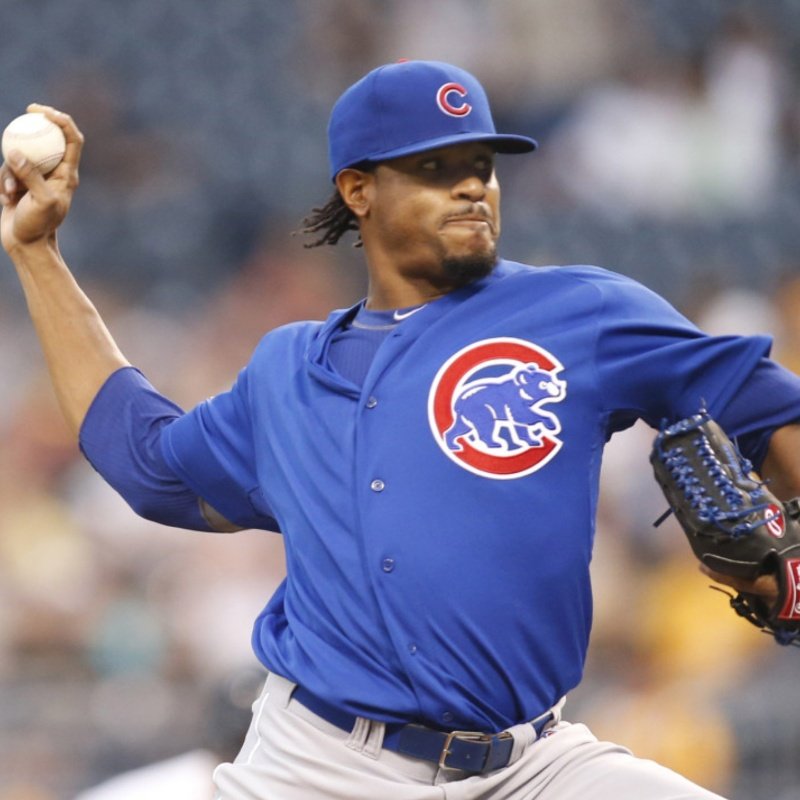 As someone who played 17 MLB seasons with 14 different teams, Edwin Jackson is probably the player you'd see next to the word "journeyman" in the dictionary. Originally drafted out of high school as an outfielder by the Los Angeles Dodgers, Jackson converted to pitching as a teenager and becoming one of the league's premier pitching prospects. Making his MLB debut on his 20th birthday, Jackson out-dueled the four-time reigning NL Cy Young award winner, Randy Johnson, for his first career victory. He spent parts of the next few seasons in Los Angeles before getting dealt to the Tampa Bay Rays, beginning a wild nomadic baseball career. Three years with the Rays gave way to a trade to the Detroit Tigers, where Jackson lasted just one year but earned his only career All-Star appearance. He retired Yadier Molina, Ryan Zimmerman, and Hanley Ramírez on four pitches in his lone inning of work in the Midsummer Classic. That success in Detroit allowed him to become a key piece in the mind-bending Max Scherzer deal that sent Jackson to Arizona, where he pitched a no-hitter against his former team, the Rays. Still with me? Just weeks after that no-hitter, Jackson was dealt to the Chicago White Sox at the 2010 trade deadline for Daniel Hudson and David Holmberg. One year later, at the 2011 deadline, Jackson got shipped to the Toronto Blue Jays, who traded him to the St. Louis Cardinals on the same day they acquired him. After that season, he finally got to choose his next destination, signing a one-year deal with the Washington Nationals in free agency. Finally, after the 2012 season, Jackson signed a four-year, $52 million deal with the Cubs. So, just to recap, Jackson suited up for eight teams and was rostered by a ninth before his 30th birthday. We'll take a quick breather to recap his Cubs career, but the whiplash will continue after, so buckle up. There's so much to say about Jackson's time in Chicago, but so little of it is positive. In his 2.5 seasons with the Cubs, Jackson authored a 5.37 ERA in 347 innings, comprised of 82 appearances (58 of which were starts). His -3.5 bWAR was the lowest at any stop of his career, though that was only true because the Cubs held onto him for so much longer than most of his other employers. At the very least, his FIP (3.98) showed he was still a better pitcher than the results showed. But man, those results... his 2014 season remains one of the worst pitching displays I can remember from my lifetime. He finished the season with a 6–15 record, a 6.33 ERA over 140 2⁄3 IP, and allowed ALL OPPONENTS to hit .302 against him. That's preposterous. The collective slash line against him that season was .302/.373/.496. For context, the .869 OPS Jackson allowed that year would have ranked 13th among all MLB hitters. As you'd expect, the Cubs, who never eat dead money on contracts, released Jackson halfway through the 2015 season, accepting nearly $20 million going down the drain through 2016. With his disastrous tenure on the North Side behind him, Jackson signed with the Atlanta Braves for the remainder of the 2015 season. Finding marginal success there, he secured a one-year deal for the league minimum with the Miami Marlins in the offseason, only to be designated for assignment in May. He would spend the rest of the 2016 season with the San Diego Padres, starting 13 games with the Friars. That makes 11 teams for the peripatetic pitcher. His career would follow a similar pattern from then onward. Before the 2017 season began, he signed a minor league contract with the Baltimore Orioles and got menial playing time for the big league squad before getting DFA'd. He finished out the season with the Washington Nationals once again, marking his first repeat destination. It was in 2018 that Jackson finally tied Octavio Dotel's MLB record of playing for 13 different teams when he suited up for the then-Oakland Athletics. And, just in case you thought baseball wasn't poetry, Jackson was traded back to the Blue Jays in 2019 in order to break Dotel's record — of course, Dotel being the very man Jackson was traded for in 2011 when the Blue Jays acquired and dealt him on the same day from the White Sox and to the Cardinals. When he officially took a start with Toronto on May 15, 2019, his membership on their roster was no longer technical; it was official. Jackson remains the record holder for most teams played for in a career (14). Jackson wrapped up his big league career with another reunion tour in Detroit. He technically signed with the Diamondbacks for the 2020 season but didn't play due to the Covid-delayed season. After one year with the High Point Rockers of the Atlantic League of Professional Baseball, Jackson officially retired from professional baseball on September 10, 2022. So, let's recap. Jackson's career was the ultimate traveler's journey, with an unsung All-Star appearance and mind-boggling 149-pitch no-hitter along the way. He was awful with the Chicago Cubs — seriously, that contract was historically bad — and yet enough teams found enough to like about Jackson that he set the MLB record in franchises played for. It's a shame that his worst numbers had to come with the Cubs, but one out of the 14 teams was always going to earn that distinction.
 -
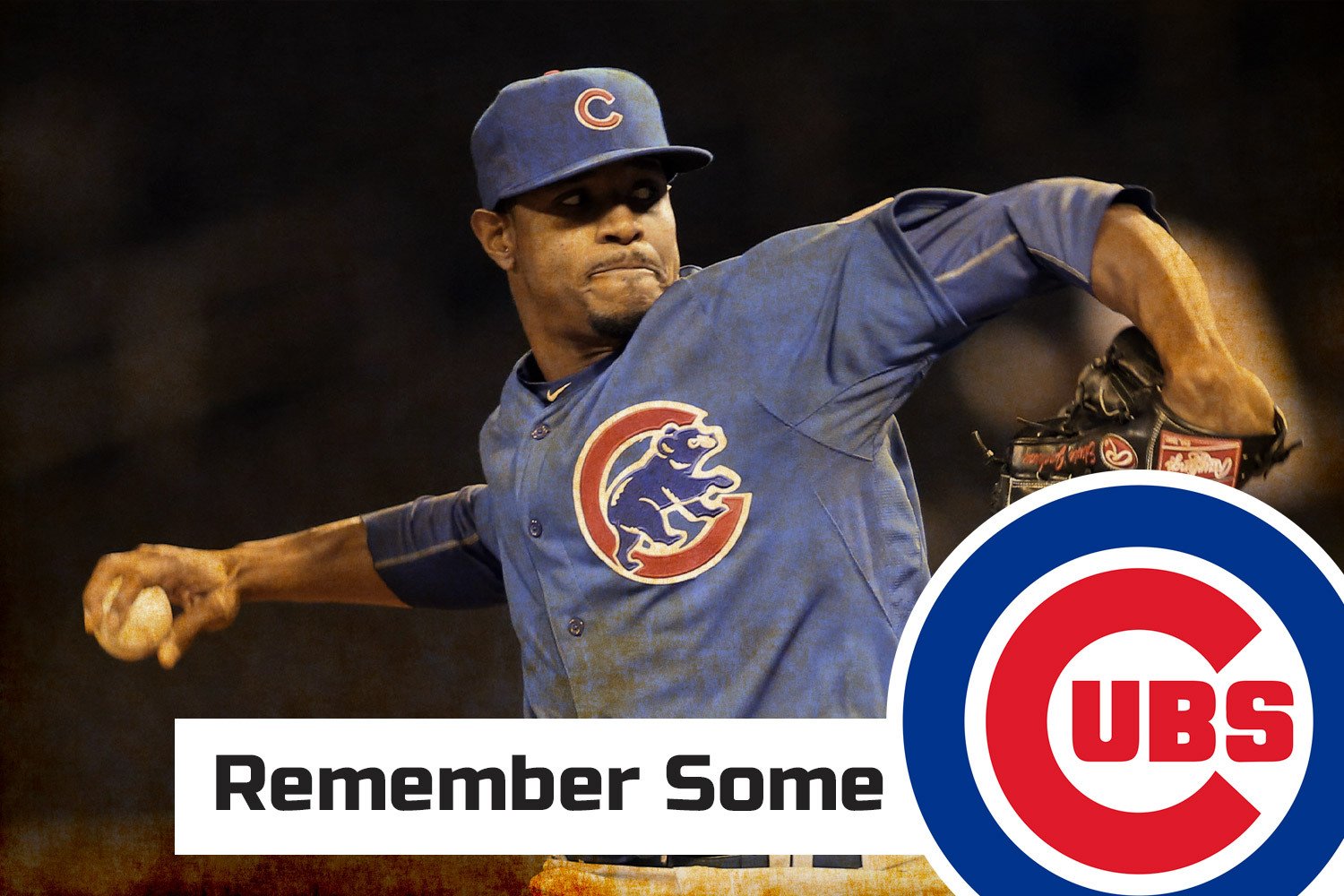 As some who played 17 MLB seasons with 14 different teams, Edwin Jackson is probably the player you'd see next to the word "journeyman" in the dictionary. Originally drafted out of high school as an outfielder by the Los Angeles Dodgers, Jackson converted to pitching as a teenager and becoming one of the league's premier pitching prospects. Making his MLB debut on his 20th birthday, Jackson out-dueled the four-time reigning NL Cy Young award winner, Randy Johnson, for his first career victory. He spent parts of the next few seasons in Los Angeles before getting dealt to the Tampa Bay Rays, beginning a wild nomadic baseball career. Three years with the Rays gave way to a trade to the Detroit Tigers, where Jackson lasted just one year but earned his only career All-Star appearance. He retired Yadier Molina, Ryan Zimmerman, and Hanley Ramírez on four pitches in his lone inning of work in the Midsummer Classic. That success in Detroit allowed him to become a key piece in the mind-bending Max Scherzer deal that sent Jackson to Arizona, where he pitched a no-hitter against his former team, the Rays. Still with me? Just weeks after that no-hitter, Jackson was dealt to the Chicago White Sox at the 2010 trade deadline for Daniel Hudson and David Holmberg. One year later, at the 2011 deadline, Jackson got shipped to the Toronto Blue Jays, who traded him to the St. Louis Cardinals on the same day they acquired him. After that season, he finally got to choose his next destination, signing a one-year deal with the Washington Nationals in free agency. Finally, after the 2012 season, Jackson signed a four-year, $52 million deal with the Cubs. So, just to recap, Jackson suited up for eight teams and was rostered by a ninth before his 30th birthday. We'll take a quick breather to recap his Cubs career, but the whiplash will continue after, so buckle up. There's so much to say about Jackson's time in Chicago, but so little of it is positive. In his 2.5 seasons with the Cubs, Jackson authored a 5.37 ERA in 347 innings, comprised of 82 appearances (58 of which were starts). His -3.5 bWAR was the lowest at any stop of his career, though that was only true because the Cubs held onto him for so much longer than most of his other employers. At the very least, his FIP (3.98) showed he was still a better pitcher than the results showed. But man, those results... his 2014 season remains one of the worst pitching displays I can remember from my lifetime. He finished the season with a 6–15 record, a 6.33 ERA over 140 2⁄3 IP, and allowed ALL OPPONENTS to hit .302 against him. That's preposterous. The collective slash line against him that season was .302/.373/.496. For context, the .869 OPS Jackson allowed that year would have ranked 13th among all MLB hitters. As you'd expect, the Cubs, who never eat dead money on contracts, released Jackson halfway through the 2015 season, accepting nearly $20 million going down the drain through 2016. With his disastrous tenure on the North Side behind him, Jackson signed with the Atlanta Braves for the remainder of the 2015 season. Finding marginal success there, he secured a one-year deal for the league minimum with the Miami Marlins in the offseason, only to be designated for assignment in May. He would spend the rest of the 2016 season with the San Diego Padres, starting 13 games with the Friars. That makes 11 teams for the peripatetic pitcher. His career would follow a similar pattern from then onward. Before the 2017 season began, he signed a minor league contract with the Baltimore Orioles and got menial playing time for the big league squad before getting DFA'd. He finished out the season with the Washington Nationals once again, marking his first repeat destination. It was in 2018 that Jackson finally tied Octavio Dotel's MLB record of playing for 13 different teams when he suited up for the then-Oakland Athletics. And, just in case you thought baseball wasn't poetry, Jackson was traded back to the Blue Jays in 2019 in order to break Dotel's record — of course, Dotel being the very man Jackson was traded for in 2011 when the Blue Jays acquired and dealt him on the same day from the White Sox and to the Cardinals. When he officially took a start with Toronto on May 15, 2019, his membership on their roster was no longer technical; it was official. Jackson remains the record holder for most teams played for in a career (14). Jackson wrapped up his big league career with another reunion tour in Detroit. He technically signed with the Diamondbacks for the 2020 season but didn't play due to the Covid-delayed season. After one year with the High Point Rockers of the Atlantic League of Professional Baseball, Jackson officially retired from professional baseball on September 10, 2022. So, let's recap. Jackson's career was the ultimate traveler's journey, with an unsung All-Star appearance and mind-boggling 149-pitch no-hitter along the way. He was awful with the Chicago Cubs — seriously, that contract was historically bad — and yet enough teams found enough to like about Jackson that he set the MLB record in franchises played for. It's a shame that his worst numbers had to come with the Cubs, but one out of the 14 teams was always going to earn that distinction.
 -
Though his contract will go down as one of the worst in franchise history, Edwin Jackson served an important role on the early-tenure, pro-tanking Theo Epstein teams. As some who played 17 MLB seasons with 14 different teams, Edwin Jackson is probably the player you'd see next to the word "journeyman" in the dictionary. Originally drafted out of high school as an outfielder by the Los Angeles Dodgers, Jackson converted to pitching as a teenager and becoming one of the league's premier pitching prospects. Making his MLB debut on his 20th birthday, Jackson out-dueled the four-time reigning NL Cy Young award winner, Randy Johnson, for his first career victory. He spent parts of the next few seasons in Los Angeles before getting dealt to the Tampa Bay Rays, beginning a wild nomadic baseball career. Three years with the Rays gave way to a trade to the Detroit Tigers, where Jackson lasted just one year but earned his only career All-Star appearance. He retired Yadier Molina, Ryan Zimmerman, and Hanley Ramírez on four pitches in his lone inning of work in the Midsummer Classic. That success in Detroit allowed him to become a key piece in the mind-bending Max Scherzer deal that sent Jackson to Arizona, where he pitched a no-hitter against his former team, the Rays. Still with me? Just weeks after that no-hitter, Jackson was dealt to the Chicago White Sox at the 2010 trade deadline for Daniel Hudson and David Holmberg. One year later, at the 2011 deadline, Jackson got shipped to the Toronto Blue Jays, who traded him to the St. Louis Cardinals on the same day they acquired him. After that season, he finally got to choose his next destination, signing a one-year deal with the Washington Nationals in free agency. Finally, after the 2012 season, Jackson signed a four-year, $52 million deal with the Cubs. So, just to recap, Jackson suited up for eight teams and was rostered by a ninth before his 30th birthday. We'll take a quick breather to recap his Cubs career, but the whiplash will continue after, so buckle up. There's so much to say about Jackson's time in Chicago, but so little of it is positive. In his 2.5 seasons with the Cubs, Jackson authored a 5.37 ERA in 347 innings, comprised of 82 appearances (58 of which were starts). His -3.5 bWAR was the lowest at any stop of his career, though that was only true because the Cubs held onto him for so much longer than most of his other employers. At the very least, his FIP (3.98) showed he was still a better pitcher than the results showed. But man, those results... his 2014 season remains one of the worst pitching displays I can remember from my lifetime. He finished the season with a 6–15 record, a 6.33 ERA over 140 2⁄3 IP, and allowed ALL OPPONENTS to hit .302 against him. That's preposterous. The collective slash line against him that season was .302/.373/.496. For context, the .869 OPS Jackson allowed that year would have ranked 13th among all MLB hitters. As you'd expect, the Cubs, who never eat dead money on contracts, released Jackson halfway through the 2015 season, accepting nearly $20 million going down the drain through 2016. With his disastrous tenure on the North Side behind him, Jackson signed with the Atlanta Braves for the remainder of the 2015 season. Finding marginal success there, he secured a one-year deal for the league minimum with the Miami Marlins in the offseason, only to be designated for assignment in May. He would spend the rest of the 2016 season with the San Diego Padres, starting 13 games with the Friars. That makes 11 teams for the peripatetic pitcher. His career would follow a similar pattern from then onward. Before the 2017 season began, he signed a minor league contract with the Baltimore Orioles and got menial playing time for the big league squad before getting DFA'd. He finished out the season with the Washington Nationals once again, marking his first repeat destination. It was in 2018 that Jackson finally tied Octavio Dotel's MLB record of playing for 13 different teams when he suited up for the then-Oakland Athletics. And, just in case you thought baseball wasn't poetry, Jackson was traded back to the Blue Jays in 2019 in order to break Dotel's record — of course, Dotel being the very man Jackson was traded for in 2011 when the Blue Jays acquired and dealt him on the same day from the White Sox and to the Cardinals. When he officially took a start with Toronto on May 15, 2019, his membership on their roster was no longer technical; it was official. Jackson remains the record holder for most teams played for in a career (14). Jackson wrapped up his big league career with another reunion tour in Detroit. He technically signed with the Diamondbacks for the 2020 season but didn't play due to the Covid-delayed season. After one year with the High Point Rockers of the Atlantic League of Professional Baseball, Jackson officially retired from professional baseball on September 10, 2022. So, let's recap. Jackson's career was the ultimate traveler's journey, with an unsung All-Star appearance and mind-boggling 149-pitch no-hitter along the way. He was awful with the Chicago Cubs — seriously, that contract was historically bad — and yet enough teams found enough to like about Jackson that he set the MLB record in franchises played for. It's a shame that his worst numbers had to come with the Cubs, but one out of the 14 teams was always going to earn that distinction. View full article
-
The Cubs' top prospect appears to have overcome his oblique issue and should be ready to play in Tokyo on March 18 and 19. View full video
-
The Cubs' top prospect appears to have overcome his oblique issue and should be ready to play in Tokyo on March 18 and 19.
-
There's more updates to the Chicago Cubs Players Project rounding out the database, including a few players with complicated legacies on the North Side. What is the Players Project? It's a community-driven, wiki-style project focusing on Cubs players of all stripes. It's open to all North Side Baseball users, and we've had contributions from current players, past players, and players who never even made the major leagues but played in the Cubs’ farm system. Create your favorite player today! Welcome back to our Players Project updates, everyone! The database continues to be filled with notable Cubs players, whether they played their prime years in Chicago or came to Wrigley Field to ride off into the sunset before retirement. This edition of the Players Project round up features the first Korean position player that played in the big leagues, as well as two non-key pieces to some key Cubs teams of the 2010s. We also ask that members of the community who are interested in the project join us in the forums to discuss what the future of it should look like! Hee-Seop Choi made his Major League debut against the Milwaukee Brewers in 2002 and became the first Korean-born position player to play in the major leagues. He was the Opening Day starter at first base for the Cubs in 2003, and he slashed .244/.389/.496 with seven homers through early June. He looked to be the team's cold corner star of the future, but a collision with Kerry Wood on a Jason Giambi pop fly on June 7 brought ambulances to Wrigley Field as Choi suffered a serious concussion. He was never the same after that collision, hitting just .164/.263/.269 in 77 plate appearances for the remainder of the season. Ultimately, Choi was traded for Derrek Lee, giving the Cubs the first base star they long hoped the Korean sensation would be. Carlos Villanueva made a name for himself with the Brewers before signing with the Cubs in free agency in 2012. He initially won the fifth starter job out of camp that spring as Jake Arrieta (acquired at the 2012 trade deadline) was dealing with shoulder stiffness. Through two seasons in Chicago, Villanueva would go on to make 20 starts (15 in 2013) while appearing in 69 additional games out of the bullpen, running up a 4.27 ERA (3.59 FIP) and 175 strikeouts in 206 1/3 innings. Tim Federowicz was originally drafted in the seventh round of the 2008 MLB Draft by the Boston Red Sox (at the time run by Theo Epstein) and served as a journeyman catcher before signing a minor league deal with the Cubs in January 2016. He was meant to serve as pure Triple-A depth that season, with Miguel Montero, Willson Contreras, and David Ross already on the roster. However, an early-season injury to Montero forced Federowicz into action as Contreras was still honing his plate approach at Triple-A. Though he struggled dearly, he did earn a World Series ring for his contributions to the squad. Of course, other entries, like Carlos González and Jerry Hairston Jr., continue filling up our database. The Chicago Cubs Players Project is open to all North Side Baseball users. If you're a Cubs history buff or just want to dive into the background of your favorite player, come on board! Please stop by the Players Project by hitting the button below! View full article
-
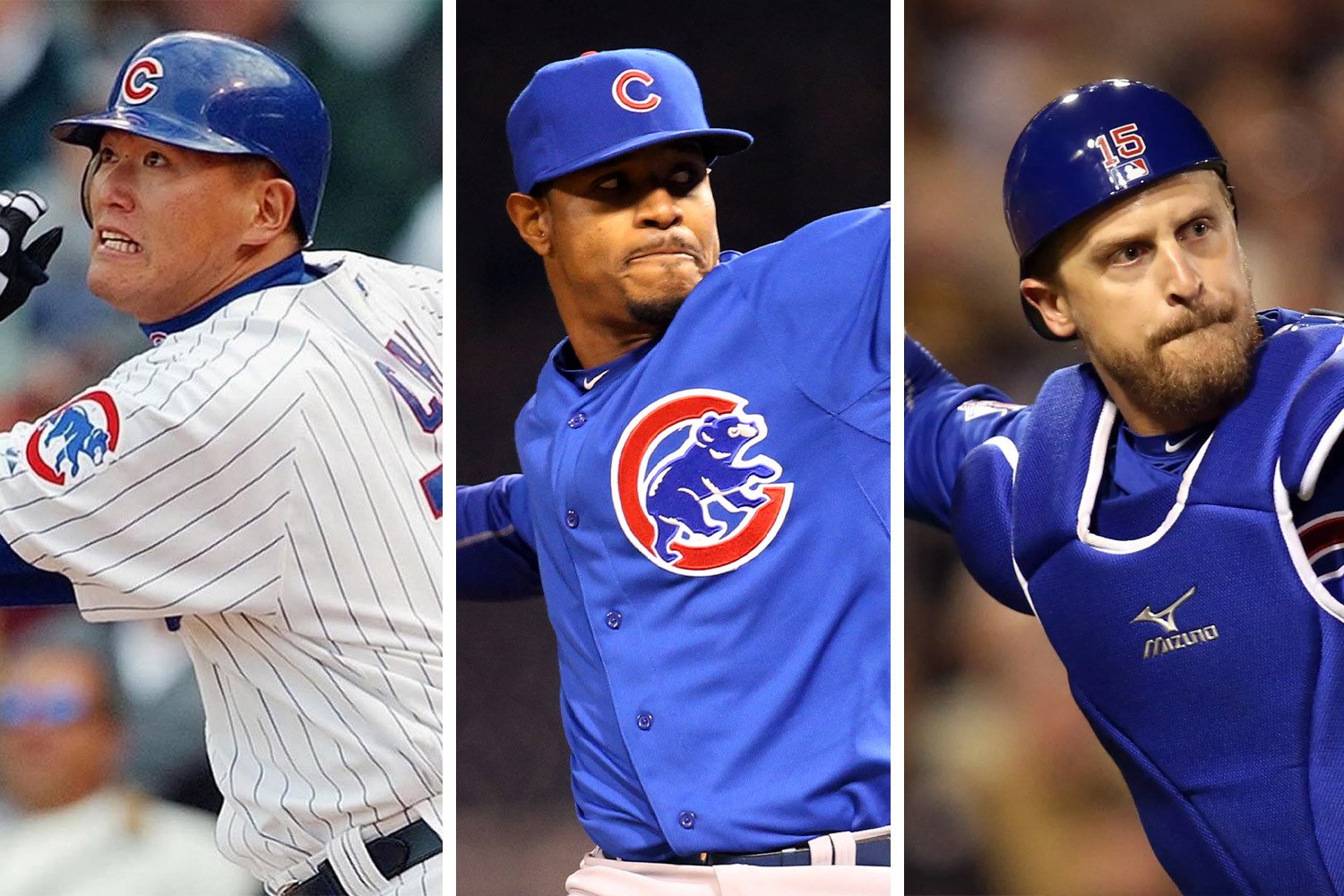 What is the Players Project? It's a community-driven, wiki-style project focusing on Cubs players of all stripes. It's open to all North Side Baseball users, and we've had contributions from current players, past players, and players who never even made the major leagues but played in the Cubs’ farm system. Create your favorite player today! Welcome back to our Players Project updates, everyone! The database continues to be filled with notable Cubs players, whether they played their prime years in Chicago or came to Wrigley Field to ride off into the sunset before retirement. This edition of the Players Project round up features the first Korean position player that played in the big leagues, as well as two non-key pieces to some key Cubs teams of the 2010s. We also ask that members of the community who are interested in the project join us in the forums to discuss what the future of it should look like! Hee-Seop Choi made his Major League debut against the Milwaukee Brewers in 2002 and became the first Korean-born position player to play in the major leagues. He was the Opening Day starter at first base for the Cubs in 2003, and he slashed .244/.389/.496 with seven homers through early June. He looked to be the team's cold corner star of the future, but a collision with Kerry Wood on a Jason Giambi pop fly on June 7 brought ambulances to Wrigley Field as Choi suffered a serious concussion. He was never the same after that collision, hitting just .164/.263/.269 in 77 plate appearances for the remainder of the season. Ultimately, Choi was traded for Derrek Lee, giving the Cubs the first base star they long hoped the Korean sensation would be. Carlos Villanueva made a name for himself with the Brewers before signing with the Cubs in free agency in 2012. He initially won the fifth starter job out of camp that spring as Jake Arrieta (acquired at the 2012 trade deadline) was dealing with shoulder stiffness. Through two seasons in Chicago, Villanueva would go on to make 20 starts (15 in 2013) while appearing in 69 additional games out of the bullpen, running up a 4.27 ERA (3.59 FIP) and 175 strikeouts in 206 1/3 innings. Tim Federowicz was originally drafted in the seventh round of the 2008 MLB Draft by the Boston Red Sox (at the time run by Theo Epstein) and served as a journeyman catcher before signing a minor league deal with the Cubs in January 2016. He was meant to serve as pure Triple-A depth that season, with Miguel Montero, Willson Contreras, and David Ross already on the roster. However, an early-season injury to Montero forced Federowicz into action as Contreras was still honing his plate approach at Triple-A. Though he struggled dearly, he did earn a World Series ring for his contributions to the squad. Of course, other entries, like Carlos González and Jerry Hairston Jr., continue filling up our database. The Chicago Cubs Players Project is open to all North Side Baseball users. If you're a Cubs history buff or just want to dive into the background of your favorite player, come on board! Please stop by the Players Project by hitting the button below!
 -
Nico Hoerner will miss the Cubs' opening series against the Dodgers in Tokyo, but new reports suggest he could return shortly after. View full video
-
Nico Hoerner will miss the Cubs' opening series against the Dodgers in Tokyo, but new reports suggest he could return shortly after.
-
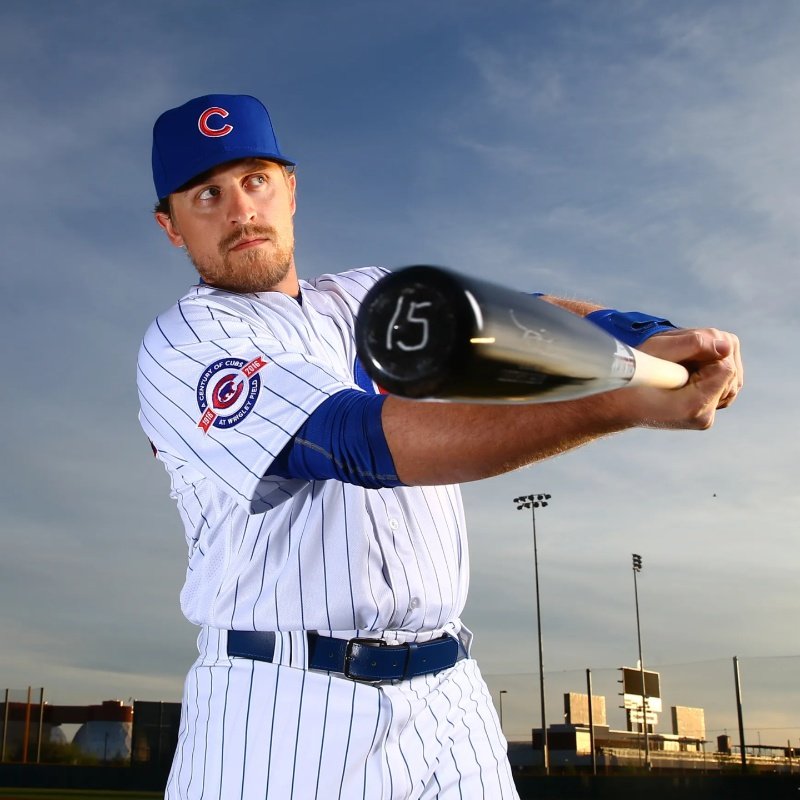 Tim Federowicz spent eight seasons in Major League Baseball as a catcher, including one brief stint with the Chicago Cubs in 2016. Originally drafted in the seventh round of the 2008 MLB Draft by the Boston Red Sox (at the time run by Theo Epstein), Federowicz was traded to the Los Angeles Dodgers before making his MLB debut in the three-team deal that sent Érik Bédard to the Red Sox. After making his big league debut on September 11, 2011, he spent the next three years in L.A. shuffling between the majors and Triple-A, often as the backup to Drew Butera and A.J. Ellis. He was then dealt to the San Diego Padres in the Matt Kemp deal, though he never ended up playing for the franchise. During a spring training game, Federowicz suffered a tear in the lateral meniscus in his right knee, which caused him to miss the entire 2015 season. Finally, Federowicz signed a minor league deal with the Cubs in January 2016. He was meant to serve as pure Triple-A depth that season, with Miguel Montero, Willson Contreras, and David Ross already on the roster. However, an early-season injury to Montero forced Federowicz into action as Contreras was still honing his plate approach at Triple-A, and the journeyman slashed .194/,212/.258 in 17 games on the North Side. To paint a picture of just how rough Federowicz's time in Chicago was, his -0.3 bWAR with the Cubs in 2016 was the worst among all position players that played for the team that season. Also bringing up the caboose was Montero with a fractionally higher WAR. John Lackey, who slashed .095/.123/.127 had a higher offensive WAR in 2016 than Federowicz did. Yikes. But while it's easy to pile on the backstop, he was still a member of the roster that ended the 108-year drought, and the catcher received a World Series ring for his time with the team. His presence also allowed Contreras to get more seasoning in the minors, which mattered a whole lot as the rookie catcher posted an .845 OPS once he was ready for the major leagues. He may be one of the most forgotten members of the 2016 team, but Federowicz still played a part in the team's success. After his time with the Cubs, the catcher had stints in the San Francisco Giants, Houston Astros, Cincinnati Reds, Cleveland Guardians, and Texas Rangers organizations. Federowicz retired from professional baseball on December 7, 2021. He worked as the Detroit Tigers' Triple-A manager for the 2024 season and will spend 2025 in the same role with the Baltimore Orioles' organization.
 -
Tim Federowicz spent eight seasons in Major League Baseball as a catcher, including one brief stint with the Chicago Cubs in 2016. Originally drafted in the seventh round of the 2008 MLB Draft by the Boston Red Sox (at the time run by Theo Epstein), Federowicz was traded to the Los Angeles Dodgers before making his MLB debut in the three-team deal that sent Érik Bédard to the Red Sox. After making his big league debut on September 11, 2011, he spent the next three years in L.A. shuffling between the majors and Triple-A, often as the backup to Drew Butera and A.J. Ellis. He was then dealt to the San Diego Padres in the Matt Kemp deal, though he never ended up playing for the franchise. During a spring training game, Federowicz suffered a tear in the lateral meniscus in his right knee, which caused him to miss the entire 2015 season. Finally, Federowicz signed a minor league deal with the Cubs in January 2016. He was meant to serve as pure Triple-A depth that season, with Miguel Montero, Willson Contreras, and David Ross already on the roster. However, an early-season injury to Montero forced Federowicz into action as Contreras was still honing his plate approach at Triple-A, and the journeyman slashed .194/,212/.258 in 17 games on the North Side. To paint a picture of just how rough Federowicz's time in Chicago was, his -0.3 bWAR with the Cubs in 2016 was the worst among all position players that played for the team that season. Also bringing up the caboose was Montero with a fractionally higher WAR. John Lackey, who slashed .095/.123/.127 had a higher offensive WAR in 2016 than Federowicz did. Yikes. But while it's easy to pile on the backstop, he was still a member of the roster that ended the 108-year drought, and the catcher received a World Series ring for his time with the team. His presence also allowed Contreras to get more seasoning in the minors, which mattered a whole lot as the rookie catcher posted an .845 OPS once he was ready for the major leagues. He may be one of the most forgotten members of the 2016 team, but Federowicz still played a part in the team's success. After his time with the Cubs, the catcher had stints in the San Francisco Giants, Houston Astros, Cincinnati Reds, Cleveland Guardians, and Texas Rangers organizations. Federowicz retired from professional baseball on December 7, 2021. He worked as the Detroit Tigers' Triple-A manager for the 2024 season and will spend 2025 in the same role with the Baltimore Orioles' organization. View full player
-
The Cubs and Dodgers will open the 2025 MLB season in Japan in the middle of March. What should fans be looking forward to during the series? View full video
-
The Cubs and Dodgers will open the 2025 MLB season in Japan in the middle of March. What should fans be looking forward to during the series?
-
After failing to reel in the former Houston Astros star, the Cubs settled for veteran Justin Turner on a one-year deal. How smart of a backup plan is the 40-year-old? View full video
-
After failing to reel in the former Houston Astros star, the Cubs settled for veteran Justin Turner on a one-year deal. How smart of a backup plan is the 40-year-old?
-
A former top prospect in the Cubs’ system, the southpaw armed with an elite changeup needs to produce a strong 2025 campaign in order to remain relevant in the organization. Image courtesy of © Kamil Krzaczynski-Imagn Images / © Rob Schumacher/The Republic / USA TODAY NETWORK Jordan Wicks has long been a favorite of mine, as he's steadily climbed the minor-league ranks since being picked 21st overall in the 2021 MLB Draft. I was extremely encouraged by his 2023 debut, before things came crashing down last year. The relatively soft-tossing lefty has a devastating changeup-curveball combination that enabled him to fill in admirably down the stretch (during a playoff push) that first year, and his six-pitch repertoire produced three pitches with an expected batting average below .225: the changeup (.212 xBA), the sinker (.224) and the curveball (.106). In that September cup of coffee, Wicks’s opponents' average exit velocity (88.1 mph), walk rate (7.5%), barrel percentage (6.3%), hard-hit percentage (33%), and groundball rate (50%) all would have been well above average, had he faced enough batters to qualify. Of course, 2024 was a different story, as Wicks pitched to a 5.48 ERA (5.32 FIP) in 46 innings. He dealt with numerous recurring injuries, and when he was healthy, he spent most of his time at Triple-A trying to correct issues that presented themselves over his first (roughly) 80 major-league frames. Now 25 years old and two years away from his first trip through arbitration, Wicks needs to figure out what kind of pitcher he will be in 2025. What Went Wrong In 2024? Mostly, injuries. He had three separate Injured List stints last year: one early in the season for his forearm issues that never totally went away, and two back-to-back oblique injuries throughout the summer and stretch run. As aforementioned, that severely limited his time on the mound last year, in what was supposed to be a crucial developmental year as he got lots of reps in the big leagues. Instead, he spent most of the campaign learning how to be efficient in his rehab without pushing too hard. Valuable skills for a pitcher, to be sure, but not exactly the kind of lessons the Cubs were hoping the 25-year-old was going to learn. Beyond that, Wicks simply never found a secondary offering beyond his profile-defining changeup, as outlined brilliantly by Matt Trueblood. He toyed with a few different versions of a slider that he simply didn’t get enough chances to throw to lefties last year, and he’s still trying to find out how to fool opposing right-handed hitters with his sinker-curveball mix. If the plan is for him to stick as a starter going forward — and by all accounts, it is — he has to develop another plus-offering behind his gradually-improving fastball and excellent changeup, lest he turn into another one-pitch-short reliever like Hayden Wesneski. What Can Go Right In 2025? While Wicks still hasn’t found that third “trust pitch” in his repertoire, his fastball and changeup are a pretty darn good foundation. Despite the incessant injury troubles, Wicks actually found an extra half-tick on his fastball in 2024 compared to his initial call-up in 2023. He threw 273 of them to righties last year (109 to lefties), generating a .328 wOBA (.391) and .335 xwOBA (.333). Compare that to 2023, when his fastball surrendered a ridiculous .470 wOBA/.406 xwOBA to righties and more reasonable .232 wOBA/.240 xwOBA to lefties. With a larger sample size, the hope is that his improvements when facing opposite-handed hitters can continue; his success against lefties with the fastball will likely be dependent on his ability to find the right version of his slider. His changeup needs no introduction. He threw it just 20 times to opposing lefties last year (7.1% of his total offerings to left-handed hitters), but it generated an impossible .000 wOBA. Righties actually made contact against it, but only barely. They had a .268 wOBA/.291 xwOBA and a laughable 42.1% whiff rate against the pitch in 200 attempts in 2024. The best-case scenario is Wicks finding a slider to throw against lefties and a curveball for righties, and becoming a key member of the rotation. Even if he doesn’t, though, a trip to the bullpen as a long-reliever/opener could make sense as the Cubs only have offseason addition Caleb Thielbar (and maybe Luke Little) in terms of southpaw bullpen options. How Will This Impact The Cubs in 2025? The Cubs spent the whole offseason adding depth on top of depth to their starting rotation. While many, including yours truly, clamored for them to add another ace, the team stayed true to their top three of Shota Imanaga, Justin Steele, and Jameson Taillon. Instead, they added Matthew Boyd, Colin Rea, and Cody Poteet to a back-end group that already included Javier Assad, Ben Brown, Brandon Birdsell, Caleb Kilian , Cade Horton, and Wicks. It would be an amazing story if Wicks developed into a surefire No. 4 starter, though that’s probably his ceiling given what we’ve seen from him so far. A world exists where he turns into a Keegan Thompson-esque swingman from the left side, dominating hitters from both sides of the plate with his two-pitch mix. Or, perhaps he’ll linger in Triple-A refining his arsenal, serving as “next man up” depth for whatever five starters Craig Counsell chooses on Opening Day. The Cubs did a good job this offseason ensuring their 2025 season doesn’t hinge on the development and health of guys like Wicks and Brown. It would just make their outlook a lot rosier — and their hopes of making the playoffs again a lot more likely — if Wicks can rediscover his top prospect form. View full article
-
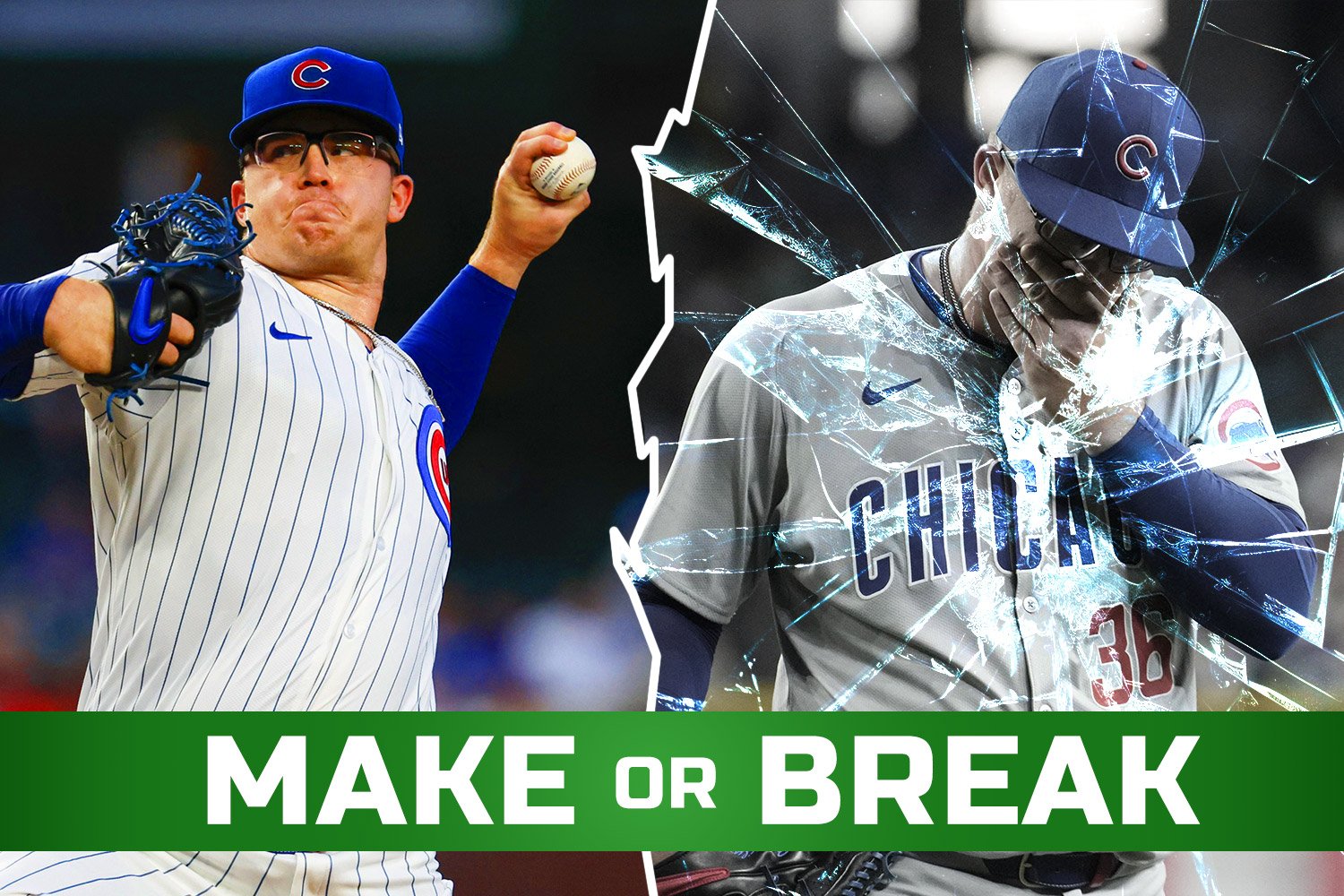 Jordan Wicks has long been a favorite of mine, as he's steadily climbed the minor-league ranks since being picked 21st overall in the 2021 MLB Draft. I was extremely encouraged by his 2023 debut, before things came crashing down last year. The relatively soft-tossing lefty has a devastating changeup-curveball combination that enabled him to fill in admirably down the stretch (during a playoff push) that first year, and his six-pitch repertoire produced three pitches with an expected batting average below .225: the changeup (.212 xBA), the sinker (.224) and the curveball (.106). In that September cup of coffee, Wicks’s opponents' average exit velocity (88.1 mph), walk rate (7.5%), barrel percentage (6.3%), hard-hit percentage (33%), and groundball rate (50%) all would have been well above average, had he faced enough batters to qualify. Of course, 2024 was a different story, as Wicks pitched to a 5.48 ERA (5.32 FIP) in 46 innings. He dealt with numerous recurring injuries, and when he was healthy, he spent most of his time at Triple-A trying to correct issues that presented themselves over his first (roughly) 80 major-league frames. Now 25 years old and two years away from his first trip through arbitration, Wicks needs to figure out what kind of pitcher he will be in 2025. What Went Wrong In 2024? Mostly, injuries. He had three separate Injured List stints last year: one early in the season for his forearm issues that never totally went away, and two back-to-back oblique injuries throughout the summer and stretch run. As aforementioned, that severely limited his time on the mound last year, in what was supposed to be a crucial developmental year as he got lots of reps in the big leagues. Instead, he spent most of the campaign learning how to be efficient in his rehab without pushing too hard. Valuable skills for a pitcher, to be sure, but not exactly the kind of lessons the Cubs were hoping the 25-year-old was going to learn. Beyond that, Wicks simply never found a secondary offering beyond his profile-defining changeup, as outlined brilliantly by Matt Trueblood. He toyed with a few different versions of a slider that he simply didn’t get enough chances to throw to lefties last year, and he’s still trying to find out how to fool opposing right-handed hitters with his sinker-curveball mix. If the plan is for him to stick as a starter going forward — and by all accounts, it is — he has to develop another plus-offering behind his gradually-improving fastball and excellent changeup, lest he turn into another one-pitch-short reliever like Hayden Wesneski. What Can Go Right In 2025? While Wicks still hasn’t found that third “trust pitch” in his repertoire, his fastball and changeup are a pretty darn good foundation. Despite the incessant injury troubles, Wicks actually found an extra half-tick on his fastball in 2024 compared to his initial call-up in 2023. He threw 273 of them to righties last year (109 to lefties), generating a .328 wOBA (.391) and .335 xwOBA (.333). Compare that to 2023, when his fastball surrendered a ridiculous .470 wOBA/.406 xwOBA to righties and more reasonable .232 wOBA/.240 xwOBA to lefties. With a larger sample size, the hope is that his improvements when facing opposite-handed hitters can continue; his success against lefties with the fastball will likely be dependent on his ability to find the right version of his slider. His changeup needs no introduction. He threw it just 20 times to opposing lefties last year (7.1% of his total offerings to left-handed hitters), but it generated an impossible .000 wOBA. Righties actually made contact against it, but only barely. They had a .268 wOBA/.291 xwOBA and a laughable 42.1% whiff rate against the pitch in 200 attempts in 2024. The best-case scenario is Wicks finding a slider to throw against lefties and a curveball for righties, and becoming a key member of the rotation. Even if he doesn’t, though, a trip to the bullpen as a long-reliever/opener could make sense as the Cubs only have offseason addition Caleb Thielbar (and maybe Luke Little) in terms of southpaw bullpen options. How Will This Impact The Cubs in 2025? The Cubs spent the whole offseason adding depth on top of depth to their starting rotation. While many, including yours truly, clamored for them to add another ace, the team stayed true to their top three of Shota Imanaga, Justin Steele, and Jameson Taillon. Instead, they added Matthew Boyd, Colin Rea, and Cody Poteet to a back-end group that already included Javier Assad, Ben Brown, Brandon Birdsell, Caleb Kilian , Cade Horton, and Wicks. It would be an amazing story if Wicks developed into a surefire No. 4 starter, though that’s probably his ceiling given what we’ve seen from him so far. A world exists where he turns into a Keegan Thompson-esque swingman from the left side, dominating hitters from both sides of the plate with his two-pitch mix. Or, perhaps he’ll linger in Triple-A refining his arsenal, serving as “next man up” depth for whatever five starters Craig Counsell chooses on Opening Day. The Cubs did a good job this offseason ensuring their 2025 season doesn’t hinge on the development and health of guys like Wicks and Brown. It would just make their outlook a lot rosier — and their hopes of making the playoffs again a lot more likely — if Wicks can rediscover his top prospect form.
 -
 Hee-Seop Choi is a former professional first baseman, having starred in both the KBO and MLB, including two seasons with the Chicago Cubs. Choi was a member of South Korea's second-place team at the 1998 Baseball World Cup. He signed with the Cubs shortly after in 1999. After four seasons of raking in the minor leagues, including 45 homers in 810 Triple-A at-bats, Baseball America named him the Cubs’ top prospect in 2003, while ranking him as the 22nd best prospect overall. Finally, on September 3, 2002, Choi made his Major League debut against the Milwaukee Brewers and became the first Korean-born position player to play in the major leagues. He was unimpressive in that initial debut, posting just a .601 OPS in 57 at-bats. Nevertheless, he was the Opening Day starter at first base for the Cubs in 2003, and he slashed .244/.389/.496 with seven homers through early June. He looked to be the team's cold corner star of the future, but a collision with Kerry Wood on a Jason Giambi pop fly on June 7 brought ambulances to Wrigley Field as Choi suffered a serious concussion. He was never the same after that collision, hitting just .164/.263/.269 in 77 plate appearances for the remainder of the season. "Big Choi", as manager Dusty Baker called him, was traded that offseason to the then-Florida Marlins for Derrek Lee. Of course, that deal worked out mostly in the Cubs favor as Lee made first base his home in Chicago for the next six years, but it was also ironic since Leon Lee, Derrek's father, was the scout who originally signed Choi with the Cubs. Choi was excellent for the Marlins in his lone half-season in Florida, hitting .270/.388/.495 with 15 homers. He didn't last long there, though, as he was the centerpiece in the deal that brought Brad Penny to Miami at the 2004 trade deadline. After initially struggling with the Dodgers, Choi thrived in Los Angeles in 2005, hitting another 15 home runs while posting a .789 OPS in 320 at-bats. He also made an appearance in the 2005 Home Run Derby, getting knocked out in the first round. With top prospect James Loney on the way and free agent addition Nomar Garciaparra taking over first base, Choi was once again ousted by a team he had success with, getting non-tendered following the 2005 season. Choi spent the 2006 season with the Boston Red Sox's Triple-A affiliate. He moved on to Tampa Bay the following spring training, though he elected to return to Korea after losing out on the starting first base job to Carlos Pena. He signed with the Kia Tigers of the KBO and starred with them from 2007-13, eventually retiring after a knee surgery.
 -
Hee-Seop Choi is a former professional first baseman, having starred in both the KBO and MLB, including two seasons with the Chicago Cubs. Choi was a member of South Korea's second-place team at the 1998 Baseball World Cup. He signed with the Cubs shortly after in 1999. After four seasons of raking in the minor leagues, including 45 homers in 810 Triple-A at-bats, Baseball America named him the Cubs’ top prospect in 2003, while ranking him as the 22nd best prospect overall. Finally, on September 3, 2002, Choi made his Major League debut against the Milwaukee Brewers and became the first Korean-born position player to play in the major leagues. He was unimpressive in that initial debut, posting just a .601 OPS in 57 at-bats. Nevertheless, he was the Opening Day starter at first base for the Cubs in 2003, and he slashed .244/.389/.496 with seven homers through early June. He looked to be the team's cold corner star of the future, but a collision with Kerry Wood on a Jason Giambi pop fly on June 7 brought ambulances to Wrigley Field as Choi suffered a serious concussion. He was never the same after that collision, hitting just .164/.263/.269 in 77 plate appearances for the remainder of the season. "Big Choi", as manager Dusty Baker called him, was traded that offseason to the then-Florida Marlins for Derrek Lee. Of course, that deal worked out mostly in the Cubs favor as Lee made first base his home in Chicago for the next six years, but it was also ironic since Leon Lee, Derrek's father, was the scout who originally signed Choi with the Cubs. Choi was excellent for the Marlins in his lone half-season in Florida, hitting .270/.388/.495 with 15 homers. He didn't last long there, though, as he was the centerpiece in the deal that brought Brad Penny to Miami at the 2004 trade deadline. After initially struggling with the Dodgers, Choi thrived in Los Angeles in 2005, hitting another 15 home runs while posting a .789 OPS in 320 at-bats. He also made an appearance in the 2005 Home Run Derby, getting knocked out in the first round. With top prospect James Loney on the way and free agent addition Nomar Garciaparra taking over first base, Choi was once again ousted by a team he had success with, getting non-tendered following the 2005 season. Choi spent the 2006 season with the Boston Red Sox's Triple-A affiliate. He moved on to Tampa Bay the following spring training, though he elected to return to Korea after losing out on the starting first base job to Carlos Pena. He signed with the Kia Tigers of the KBO and starred with them from 2007-13, eventually retiring after a knee surgery. View full player
-
Pitchers and catchers have reported to 2025 camp, and spring training is on the horizon. Which trio of youngsters offer breakout potential for the Cubs this year? View full video
-
Pitchers and catchers have reported to 2025 camp, and spring training is on the horizon. Which trio of youngsters offer breakout potential for the Cubs this year?
-
The first pitcher injury of 2025 has struck the Cubs, with Javier Assad nursing a mild oblique strain. Have the Cubs added enough depth over the winter to weather a potential injury storm? View full video

