


Matthew Trueblood
-
Posts
2,477 -
Joined
-
Last visited
-
Days Won
2
Content Type
Profiles
Joomla Posts 1
Chicago Cubs Videos
Chicago Cubs Free Agent & Trade Rumors, Notes, & Tidbits
2026 Chicago Cubs Top Prospects Ranking
News
2023 Chicago Cubs Draft Picks
Guides & Resources
2024 Chicago Cubs Draft Picks
The Chicago Cubs Players Project
2025 Chicago Cubs Draft Pick Tracker
2026 Chicago Cubs Draft Tracker: Picks & Bonuses
Blogs
Events
Forums
Store
Gallery
Everything posted by Matthew Trueblood
-
Wrote about this here, but yeah: I'm calling it 'controllable,' distinct from capital-C Controllable. They would have these guys next year. Not quite the same as a Detmers or a Kirby thing, but if the price difference is big enough.....
-
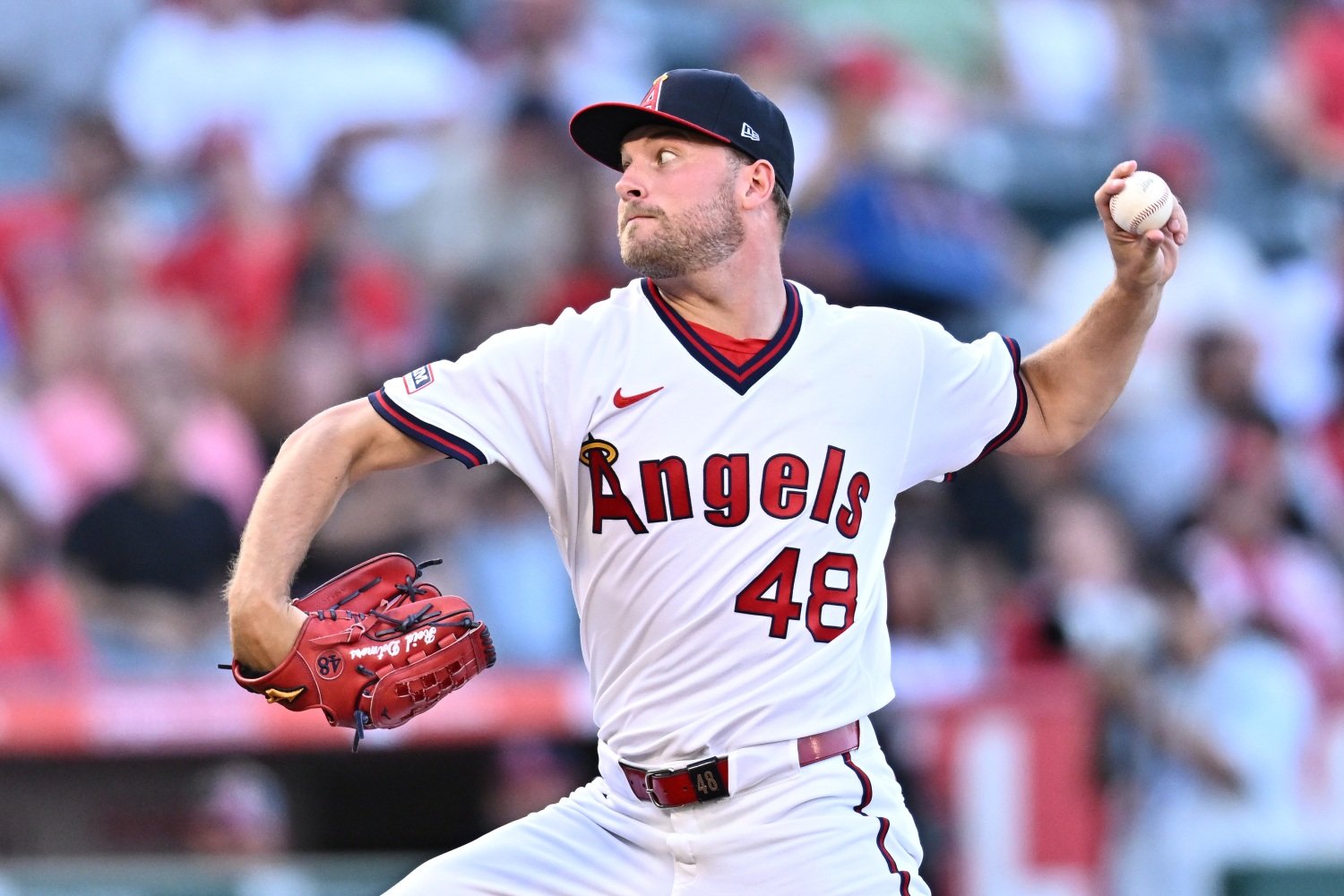
Image courtesy of © Jerome Miron-Imagn Images The Chicago Cubs view a relief upgrade as a must in the final few hours before the trade deadline, but because of a last-minute shift in the market, they're redoubling their efforts to grab a starting pitcher under club or contractual control through at least 2027, according to multiple league sources. After trading for Kevin Gausman Sunday night, the front office believed the most likely path forward through the trade deadline was to bolster their bullpen while they await the return of closer Daniel Palencia. They'll still try to do that before the deadline comes in a few hours. In their conversations with the Angels, they found interim GM John Mozeliak intractable in his demand for catching prospect Owen Ayers, whom the Cubs don't want to surrended to land Reid Detmers. To get a controllable starter, they needed leverage. This morning, they found some. Though the Mariners have largely taken Emerson Hancock off the market after trading Luis Castillo to the White Sox, they're still listening on George Kirby, a source said. The Cubs have long liked Kirby, who throws strikes and shows an ability to move the ball in multiple directions characteristic of the Mariners' pitching development system products. However, the fit between Chicago and Seattle on a Kirby deal is a bit tricky. The bigger development came elsewhere in the AL West. After a rough fortnight in which they've fallen out of the leadership of the division, the Texas Rangers informed teams this morning that they're shifting into sell mode. That means being open to a wide swath of possible moves, including trading de facto closer Jacob Latz (in whom the Cubs had already expressed interest) and any of their three highly-paid starting pitchers under contract or team control through 2027: Jacob deGrom, Nathan Eovaldi, and MacKenzie Gore. None of those three pitchers qualify as controllable in the same sense as it can be said of, for instance, Detmers or Kirby. They each offer just one more season of team control, over which looms at least some risk of games being lost due to the forthcoming lockout and labor battle. Indeed, some sources suggest that teams including the Angels, Rangers and Blue Jays have been more eager to sell than they might have otherwise been, with an eye toward the possibility that there will be less of a season next year in which to realize value from players under control only through that year. (For the record, I'm skeptical of this psoture, on multiple levels.) Still, the Cubs like the idea of picking up any hurler who can shield them from having to replace all of Shota Imanaga, Matthew Boyd, the already-departed Jameson Taillon, Gausman and possibly Colin Rea this winter. They also know they won't have Cade Horton until at least next June, and that the futures of Justin Steele and Ben Brown have to be punctuated by question marks, rather than exclamation points. Though they were happy to get Gausman for a price that kept their powder dry, they entered Monday hoping to find a way to secure help that stretches beyond the end of this year's World Series. Eovaldi, Gore and deGrom offer that. Eovaldi and deGrom are under contract at high prices for next season, and deGrom's contract is complicated but could extend past next year in a bad way. Gore will be arbitration-eligible for the final time this winter, so he'll be expensive, too. However, all three have mid-rotation pedigrees and front-line upside, even at the advanced ages of Eovaldi and deGrom. The Cubs like Eovaldi best in that group and are very unlikely to end up with deGrom, but they're excited to have this array of options. All these choices could lead back to Detmers, but give the Cubs the leverage they need to land him at a price they find more palatable. They're willing and ready to pay more for Detmers than for the Rangers trio. Like Kirby, Detmers is under team control through 2028. In a pinch, though, the team could move on to an alternative rotation addition who still helps them beyond 2026, in order to preserve the depth they feel they're starting to amass in the minor leagues. UPDATE: Ken Rosenthal of The Athletic reports that the Ranges approached deGrom about waiving his no-trade clause, but he refused. That makes a relatively small difference for the Cubs, who (as I said) were never as keen on deGrom as on the other options in the Texas rotation, but it's worth noting. View full article
-
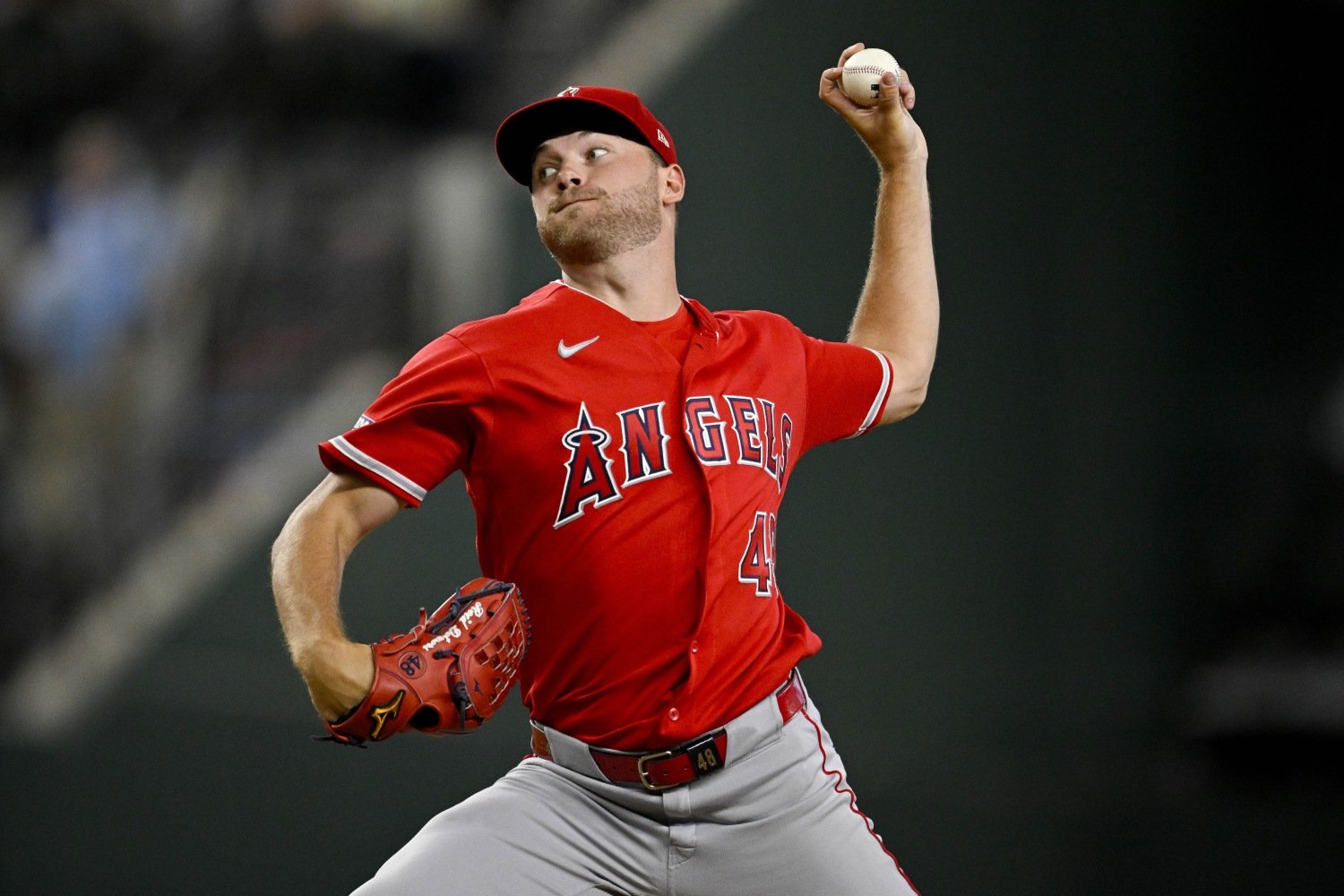 The Chicago Cubs view a relief upgrade as a must in the final few hours before the trade deadline, but because of a last-minute shift in the market, they're redoubling their efforts to grab a starting pitcher under club or contractual control through at least 2027, according to multiple league sources. After trading for Kevin Gausman Sunday night, the front office believed the most likely path forward through the trade deadline was to bolster their bullpen while they await the return of closer Daniel Palencia. They'll still try to do that before the deadline comes in a few hours. In their conversations with the Angels, they found interim GM John Mozeliak intractable in his demand for catching prospect Owen Ayers, whom the Cubs don't want to surrended to land Reid Detmers. To get a controllable starter, they needed leverage. This morning, they found some. Though the Mariners have largely taken Emerson Hancock off the market after trading Luis Castillo to the White Sox, they're still listening on George Kirby, a source said. The Cubs have long liked Kirby, who throws strikes and shows an ability to move the ball in multiple directions characteristic of the Mariners' pitching development system products. However, the fit between Chicago and Seattle on a Kirby deal is a bit tricky. The bigger development came elsewhere in the AL West. After a rough fortnight in which they've fallen out of the leadership of the division, the Texas Rangers informed teams this morning that they're shifting into sell mode. That means being open to a wide swath of possible moves, including trading de facto closer Jacob Latz (in whom the Cubs had already expressed interest) and any of their three highly-paid starting pitchers under contract or team control through 2027: Jacob deGrom, Nathan Eovaldi, and MacKenzie Gore. None of those three pitchers qualify as controllable in the same sense as it can be said of, for instance, Detmers or Kirby. They each offer just one more season of team control, over which looms at least some risk of games being lost due to the forthcoming lockout and labor battle. Indeed, some sources suggest that teams including the Angels, Rangers and Blue Jays have been more eager to sell than they might have otherwise been, with an eye toward the possibility that there will be less of a season next year in which to realize value from players under control only through that year. (For the record, I'm skeptical of this psoture, on multiple levels.) Still, the Cubs like the idea of picking up any hurler who can shield them from having to replace all of Shota Imanaga, Matthew Boyd, the already-departed Jameson Taillon, Gausman and possibly Colin Rea this winter. They also know they won't have Cade Horton until at least next June, and that the futures of Justin Steele and Ben Brown have to be punctuated by question marks, rather than exclamation points. Though they were happy to get Gausman for a price that kept their powder dry, they entered Monday hoping to find a way to secure help that stretches beyond the end of this year's World Series. Eovaldi, Gore and deGrom offer that. Eovaldi and deGrom are under contract at high prices for next season, and deGrom's contract is complicated but could extend past next year in a bad way. Gore will be arbitration-eligible for the final time this winter, so he'll be expensive, too. However, all three have mid-rotation pedigrees and front-line upside, even at the advanced ages of Eovaldi and deGrom. The Cubs like Eovaldi best in that group and are very unlikely to end up with deGrom, but they're excited to have this array of options. All these choices could lead back to Detmers, but give the Cubs the leverage they need to land him at a price they find more palatable. They're willing and ready to pay more for Detmers than for the Rangers trio. Like Kirby, Detmers is under team control through 2028. In a pinch, though, the team could move on to an alternative rotation addition who still helps them beyond 2026, in order to preserve the depth they feel they're starting to amass in the minor leagues. UPDATE: Ken Rosenthal of The Athletic reports that the Ranges approached deGrom about waiving his no-trade clause, but he refused. That makes a relatively small difference for the Cubs, who (as I said) were never as keen on deGrom as on the other options in the Texas rotation, but it's worth noting.
 -
Yep. My favorite name I've heard (save one wild rumor that came to nothing) connected to them the last couple days.
- 6 replies
-
- 1
-

-
- reid detmers
- owen ayers
- (and 7 more)
-
-
Chicago Cubs Names to Watch in Final Hours Before MLB Trade Deadline
Matthew Trueblood posted an article in Cubs
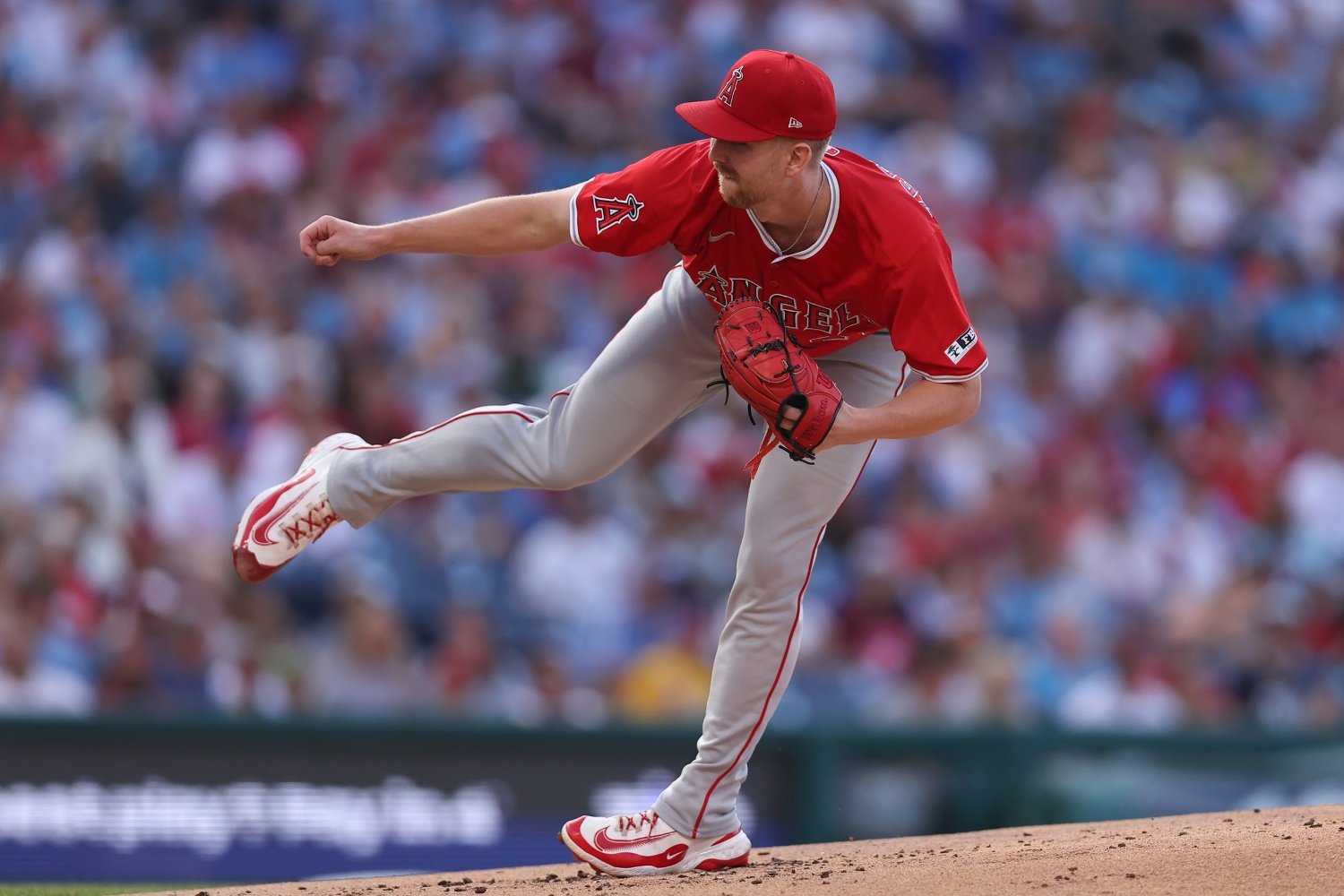 After the Angels sent starter José Soriano to the Blue Jays Monday morning in the first big trade of deadline day, multiple league sources indicated that the team is likely to trade Reid Detmers, too. The Chicago Cubs remain interested in Detmers, but are trying to find a way either to avoid giving up catching prospect Owen Ayers or to replace him by acquiring a different young backstop as part of a two-step maneuver if they must surrender Ayers to get the controllable starter they've craved. One source familiar with the Angels' plans said interim GM John Mozeliak is working hard to capitalize on the value of players with medium-term team control, believing that the nucleus of the next good Halos team is nestled in the team's farm system, rather than being found on the current big-league roster. That could mean that, in addition to Soriano and Detmers, reliever Ryan Zeferjahn is available. Zeferjahn, 28, has a 97-MPH fastball and a sweeper that has helped him rack up a 33.6% strikeout rate this year. He's the kind of power arm the Cubs bullpen currently lacks, though he also walks too many batters to feel like a legitimate relief ace. He's controllable even longer than Detmers, so a package deal would require a prospect haul from Chicago, but adding both of those hurlers would transform Chicago's pitching staff for the stretch run and raise their ceiling for the future, to boot. Jed Hoyer and Carter Hawkins won't wait around on that potential deal, though. They're also in active conversations with multiple other teams looking to move relievers, including the Orioles (a reunion with Andrew Kittredge is very much in play; the Cubs are also keen on Rico García), Reds (Pierce Johnson, Emilio Pagán, Caleb Ferguson and Brock Burke) and Rangers (Jacob Latz, a lefty with high-leverage experience already who's arriving late on the market). García might be the most intriguing and plausible of those options. He's not at all in the vein of Zeferjahn, but the journeyman has tapped into something impressive since joining the Orioles last summer and looks like a solid potential complement to Jacob Webb in support of the soon-returning Daniel Palencia. Finally, the team is checking in on available right-handed bats who could fit on their bench and take on platoon roles, sources say. They talked to the Royals about Lane Thomas before he was dealt to the team from outside Atlanta. They've also spoken with the Mets about outfielder Tyrone Taylor, and though they didn't choose to bundle in George Springer with Kevin Gausman when trading with the Blue Jays yesterday, they might yet revisit that possibility. An acquired batter could spell Ian Happ against left-handed pitchers, but it's more likely that they would find their playing time as a designated hitter. That gives the team a wide variety of ways to improve, but they still have to find the right fit for a team with a strong, set lineup full of veterans. Even after taking on Gausman's significant remaining salary Sunday, the Cubs can spend more money to get better today, a source said. They have identified their preferred avenues for doing so, but so many teams are acting in both buying and selling capacities (or leaning toward staying inactive altogether) that what comes next is even harder to predict than usual.
 -
Image courtesy of D. Ross Cameron-Imagn Images After the Angels sent starter José Soriano to the Blue Jays Monday morning in the first big trade of deadline day, multiple league sources indicated that the team is likely to trade Reid Detmers, too. The Chicago Cubs remain interested in Detmers, but are trying to find a way either to avoid giving up catching prospect Owen Ayers or to replace him by acquiring a different young backstop as part of a two-step maneuver if they must surrender Ayers to get the controllable starter they've craved. One source familiar with the Angels' plans said interim GM John Mozeliak is working hard to capitalize on the value of players with medium-term team control, believing that the nucleus of the next good Halos team is nestled in the team's farm system, rather than being found on the current big-league roster. That could mean that, in addition to Soriano and Detmers, reliever Ryan Zeferjahn is available. Zeferjahn, 28, has a 97-MPH fastball and a sweeper that has helped him rack up a 33.6% strikeout rate this year. He's the kind of power arm the Cubs bullpen currently lacks, though he also walks too many batters to feel like a legitimate relief ace. He's controllable even longer than Detmers, so a package deal would require a prospect haul from Chicago, but adding both of those hurlers would transform Chicago's pitching staff for the stretch run and raise their ceiling for the future, to boot. Jed Hoyer and Carter Hawkins won't wait around on that potential deal, though. They're also in active conversations with multiple other teams looking to move relievers, including the Orioles (a reunion with Andrew Kittredge is very much in play; the Cubs are also keen on Rico García), Reds (Pierce Johnson, Emilio Pagán, Caleb Ferguson and Brock Burke) and Rangers (Jacob Latz, a lefty with high-leverage experience already who's arriving late on the market). García might be the most intriguing and plausible of those options. He's not at all in the vein of Zeferjahn, but the journeyman has tapped into something impressive since joining the Orioles last summer and looks like a solid potential complement to Jacob Webb in support of the soon-returning Daniel Palencia. Finally, the team is checking in on available right-handed bats who could fit on their bench and take on platoon roles, sources say. They talked to the Royals about Lane Thomas before he was dealt to the team from outside Atlanta. They've also spoken with the Mets about outfielder Tyrone Taylor, and though they didn't choose to bundle in George Springer with Kevin Gausman when trading with the Blue Jays yesterday, they might yet revisit that possibility. An acquired batter could spell Ian Happ against left-handed pitchers, but it's more likely that they would find their playing time as a designated hitter. That gives the team a wide variety of ways to improve, but they still have to find the right fit for a team with a strong, set lineup full of veterans. Even after taking on Gausman's significant remaining salary Sunday, the Cubs can spend more money to get better today, a source said. They have identified their preferred avenues for doing so, but so many teams are acting in both buying and selling capacities (or leaning toward staying inactive altogether) that what comes next is even harder to predict than usual. View full article
- 6 replies
-
- 1
-
-
- reid detmers
- owen ayers
- (and 7 more)
-
Image courtesy of Denis Poroy-Imagn Images Needing a starting pitcher who offers a blend of durability, experience and the ability to miss bats, the Cubs hit the sweet spot with a trade for Blue Jays starter Kevin Gausman, a source familiar with negotiation said Sunday night. Ken Rosenthal and Mitch Bannon of The Athletic were first with the news, on Twitter. Gausman, 35, has a 4.38 ERA in a league-leading 23 starts for the Blue Jays this season. That, however, would be his worst ERA since 2019, and his peripheral numbers suggest he's still quite a bit better than the ERA suggests. He's striking out 23.5% of opposing batters and (as usual) walking very few opponents, with a 6.7% free-pass rate. He's in the final year of a five-year, $110-million signed with Toronto before the 2022 campaign. He also has a 3.83 ERA in 14 appearances and 56 1/3 career postseason innings. The Cubs will absorb the entirety of the $7 million and change still owed to him for the balance of the season, a club source said. It's a simple operation, but it can be extremely effective. Gausman has a standard three-quarters arm slot and good ride on his four-seam fastball, even though that offering only averages 94 miles per hour in velocity. He relies heavily on a splitter of which he has exceptional command, and mixes in a slider to keep righties from hunting the other two pitches too eagerly. He's pitched over 2,000 innings in the majors, and despite not having as deep an arsenal as is now typical of veteran starters, he thrives on his guile and his feel for pitching. For Chicago, he slots easily into the top part of the starting rotation. Whether he, Shota Imanaga or Matthew Boyd is the rightful ace of the staff depends on who has the best feel for their secondary offerings on a given day, but the trio make up a solid potential playoff rotation—even though none of them throw as hard or rack up as many strikeouts as some of the hurlers against whom they're likely to work in October. Unlike some past Cubs pickups ticketed for similar roles, Gausman also comes with a track record of such unblemished durability that it would be monumentally unlucky if he weren't available to take the ball and work deep into a game when the team needs him down the stretch. In return, the Cubs will send outfield prospect Brett Bateman and infield prospect Ty Southisene to Toronto. Bateman, 24, was an 8th-round pick out of Minnesota in 2023 and has made steady progress through the Cubs farm system. He's a smallish left-handed-hitting center fielder, unlikely to hit for enough power to hold down a regular role but well-suited to a bench job in the big leagues. He's hit well for Triple-A Iowa this season. Southisene, 21, is much further from the majors. The Cubs gave him an overslot bonus to buy him out of a college commitment as a Nevada high-school product in 2024, after selecting him in the 4th round. He's fast and twitchy, but even smaller than Bateman, and even less powerful at the plate. The Blue Jays were, plainly, happy to target and roll the dice on some speed and feel to hit in this deal. The Cubs, for whom those are two of the strengths of a generally thin farm system, pounced on the opportunity to exchange strength for strength. Gausman rounds out their projected postseason rotation, giving them roughly 20 hours to explore higher-upside moves for starters under medium-term club control from a place of leverage, rather than under pressure—and to address the bullpen. View full article
-
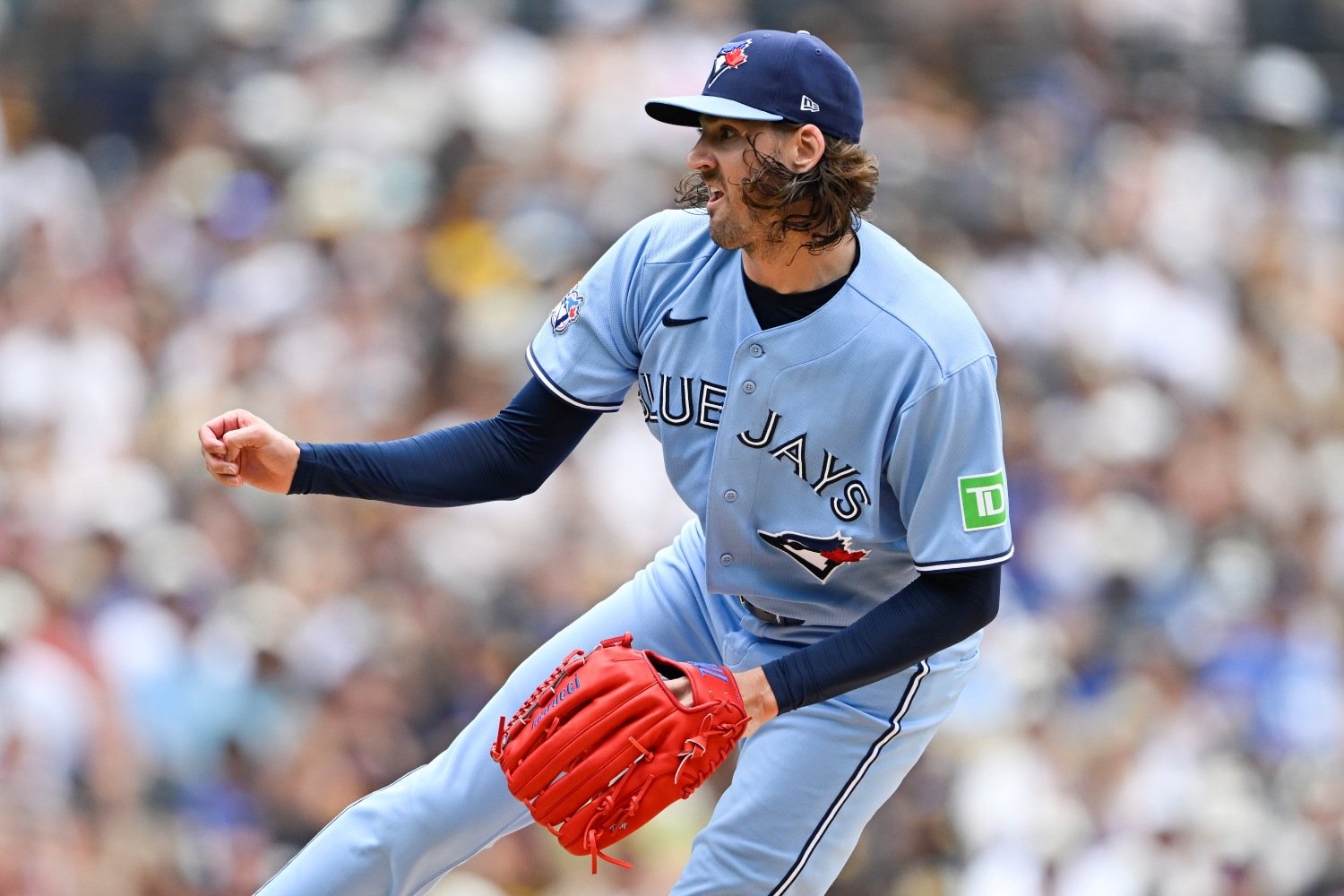 Needing a starting pitcher who offers a blend of durability, experience and the ability to miss bats, the Cubs hit the sweet spot with a trade for Blue Jays starter Kevin Gausman, a source familiar with negotiation said Sunday night. Ken Rosenthal and Mitch Bannon of The Athletic were first with the news, on Twitter. Gausman, 35, has a 4.38 ERA in a league-leading 23 starts for the Blue Jays this season. That, however, would be his worst ERA since 2019, and his peripheral numbers suggest he's still quite a bit better than the ERA suggests. He's striking out 23.5% of opposing batters and (as usual) walking very few opponents, with a 6.7% free-pass rate. He's in the final year of a five-year, $110-million signed with Toronto before the 2022 campaign. He also has a 3.83 ERA in 14 appearances and 56 1/3 career postseason innings. The Cubs will absorb the entirety of the $7 million and change still owed to him for the balance of the season, a club source said. It's a simple operation, but it can be extremely effective. Gausman has a standard three-quarters arm slot and good ride on his four-seam fastball, even though that offering only averages 94 miles per hour in velocity. He relies heavily on a splitter of which he has exceptional command, and mixes in a slider to keep righties from hunting the other two pitches too eagerly. He's pitched over 2,000 innings in the majors, and despite not having as deep an arsenal as is now typical of veteran starters, he thrives on his guile and his feel for pitching. For Chicago, he slots easily into the top part of the starting rotation. Whether he, Shota Imanaga or Matthew Boyd is the rightful ace of the staff depends on who has the best feel for their secondary offerings on a given day, but the trio make up a solid potential playoff rotation—even though none of them throw as hard or rack up as many strikeouts as some of the hurlers against whom they're likely to work in October. Unlike some past Cubs pickups ticketed for similar roles, Gausman also comes with a track record of such unblemished durability that it would be monumentally unlucky if he weren't available to take the ball and work deep into a game when the team needs him down the stretch. In return, the Cubs will send outfield prospect Brett Bateman and infield prospect Ty Southisene to Toronto. Bateman, 24, was an 8th-round pick out of Minnesota in 2023 and has made steady progress through the Cubs farm system. He's a smallish left-handed-hitting center fielder, unlikely to hit for enough power to hold down a regular role but well-suited to a bench job in the big leagues. He's hit well for Triple-A Iowa this season. Southisene, 21, is much further from the majors. The Cubs gave him an overslot bonus to buy him out of a college commitment as a Nevada high-school product in 2024, after selecting him in the 4th round. He's fast and twitchy, but even smaller than Bateman, and even less powerful at the plate. The Blue Jays were, plainly, happy to target and roll the dice on some speed and feel to hit in this deal. The Cubs, for whom those are two of the strengths of a generally thin farm system, pounced on the opportunity to exchange strength for strength. Gausman rounds out their projected postseason rotation, giving them roughly 20 hours to explore higher-upside moves for starters under medium-term club control from a place of leverage, rather than under pressure—and to address the bullpen.
 -
Sources: Cubs Attempting to Land Starter and Reliever in Package Deal
Matthew Trueblood posted an article in Cubs
 The Rays acquired Mets right-handed pitcher Freddy Peralta Sunday, according to multiple reports. After Luis Castillo and Tarik Skubal were dealt Saturday night, this trade makes three that constrict the market for starting pitchers as the clock ticks down toward 24 hours to the 5 PM CT Monday MLB trade deadline. The Cubs continue to prefer acquiring a controllable starter in a significant deal, sources familiar with the team's thinking say, but they're rapidly developing alternative plans. The Mets, Blue Jays, Cardinals and Tigers have all expressed a willingness to trade a rental starter and a relief pitcher in the same package deal, league sources said, and the Cubs have talked to all four about that possibility in the last few days. A trade with St. Louis is unlikely, because the Cubs will be loath to send the kind of package Chaim Bloom would demand for starter Dustin May and relievers JoJo Romero or Riley O'Brien to a division rival. However, the other three teams make easier fits, and there's mutual interest in a deal in each case. New York has already sent David Peterson to the Cubs, A.J. Minter to the Twins, and Peralta to the Rays this summer, but they're looking to trade Clay Holmes and willing to move Luke Weaver. In exchange for a strong package, they would move both together, a source with knowledge of their strategy said. Holmes is finishing up a rehab assignment, and should be ready to start again in the majors next week. Weaver is under contract for 2027, making him an especially tempting pickup for a Cubs team that expects to contend next season, too. Tying the two together would force the Cubs to open up their second tier of prospects to the Mets, but that's possible. Ditto for the similar but (arguably) stronger Blue Jays pairing of Kevin Gausman and Jeff Hoffman. Gausman is in the final year of the five-year deal he signed with Toronto and will be a free agent this fall, but in the meantime, he looks ready to pitch at the front end of a playoff series for a team like Chicago. Hoffman, like Weaver, will make an eight-figure salary as a short reliever next season. That's a hefty price tag for a Cubs team that likes to cobble together bullpens on the cheap, but like Weaver, he has a track record of dominating even in October and can miss bats at a level unmatched by any current Cubs reliever. The money involved in taking on both Gausman and Hoffman would mute the prospect return slightly, which the Cubs would welcome, but they'd still have to give up at least as much as for Holmes and Weaver. The wild card is the Tigers. Though they tried to talk about Tarik Skubal with former Cubs employee Scott Harris, the Cubs knew all along that they were better positioned to aim for Casey Mize. They were interested in now-Tigers reliever Kyle Finnegan both at last year's trade deadline and during the offseason, and could snap up both Mize and Finnegan (or Kenley Jansen, if they opt for more experience at the back end of a game) in a deal now that Skubal is off the board and out of the way. There's an almost inevitable overlap between what the Cubs would surrender to get both a starter and a reliever in the same deal and what they would trade to acquire a controllable starter like Reid Detmers. That creates a dilemma for the team: Should they hold out for a bigger prize, and risk not landing them? Or should they pay the freight to get their major shopping done in one swoop, knowing it means waiting until the winter to address the holes in their 2027 rotation? The answer could come down to whether they find an alternative on the relief market whom they can acquire cheaply enough to preserve their depth for a Detmers-or-similar trade—a tricky thing to figure, given the lack of depth in their farm system and the profundity of their need for a high-leverage reliever.
 -
Image courtesy of Kevin Sousa-Imagn Images The Rays acquired Mets right-handed pitcher Freddy Peralta Sunday, according to multiple reports. After Luis Castillo and Tarik Skubal were dealt Saturday night, this trade makes three that constrict the market for starting pitchers as the clock ticks down toward 24 hours to the 5 PM CT Monday MLB trade deadline. The Cubs continue to prefer acquiring a controllable starter in a significant deal, sources familiar with the team's thinking say, but they're rapidly developing alternative plans. The Mets, Blue Jays, Cardinals and Tigers have all expressed a willingness to trade a rental starter and a relief pitcher in the same package deal, league sources said, and the Cubs have talked to all four about that possibility in the last few days. A trade with St. Louis is unlikely, because the Cubs will be loath to send the kind of package Chaim Bloom would demand for starter Dustin May and relievers JoJo Romero or Riley O'Brien to a division rival. However, the other three teams make easier fits, and there's mutual interest in a deal in each case. New York has already sent David Peterson to the Cubs, A.J. Minter to the Twins, and Peralta to the Rays this summer, but they're looking to trade Clay Holmes and willing to move Luke Weaver. In exchange for a strong package, they would move both together, a source with knowledge of their strategy said. Holmes is finishing up a rehab assignment, and should be ready to start again in the majors next week. Weaver is under contract for 2027, making him an especially tempting pickup for a Cubs team that expects to contend next season, too. Tying the two together would force the Cubs to open up their second tier of prospects to the Mets, but that's possible. Ditto for the similar but (arguably) stronger Blue Jays pairing of Kevin Gausman and Jeff Hoffman. Gausman is in the final year of the five-year deal he signed with Toronto and will be a free agent this fall, but in the meantime, he looks ready to pitch at the front end of a playoff series for a team like Chicago. Hoffman, like Weaver, will make an eight-figure salary as a short reliever next season. That's a hefty price tag for a Cubs team that likes to cobble together bullpens on the cheap, but like Weaver, he has a track record of dominating even in October and can miss bats at a level unmatched by any current Cubs reliever. The money involved in taking on both Gausman and Hoffman would mute the prospect return slightly, which the Cubs would welcome, but they'd still have to give up at least as much as for Holmes and Weaver. The wild card is the Tigers. Though they tried to talk about Tarik Skubal with former Cubs employee Scott Harris, the Cubs knew all along that they were better positioned to aim for Casey Mize. They were interested in now-Tigers reliever Kyle Finnegan both at last year's trade deadline and during the offseason, and could snap up both Mize and Finnegan (or Kenley Jansen, if they opt for more experience at the back end of a game) in a deal now that Skubal is off the board and out of the way. There's an almost inevitable overlap between what the Cubs would surrender to get both a starter and a reliever in the same deal and what they would trade to acquire a controllable starter like Reid Detmers. That creates a dilemma for the team: Should they hold out for a bigger prize, and risk not landing them? Or should they pay the freight to get their major shopping done in one swoop, knowing it means waiting until the winter to address the holes in their 2027 rotation? The answer could come down to whether they find an alternative on the relief market whom they can acquire cheaply enough to preserve their depth for a Detmers-or-similar trade—a tricky thing to figure, given the lack of depth in their farm system and the profundity of their need for a high-leverage reliever. View full article
-
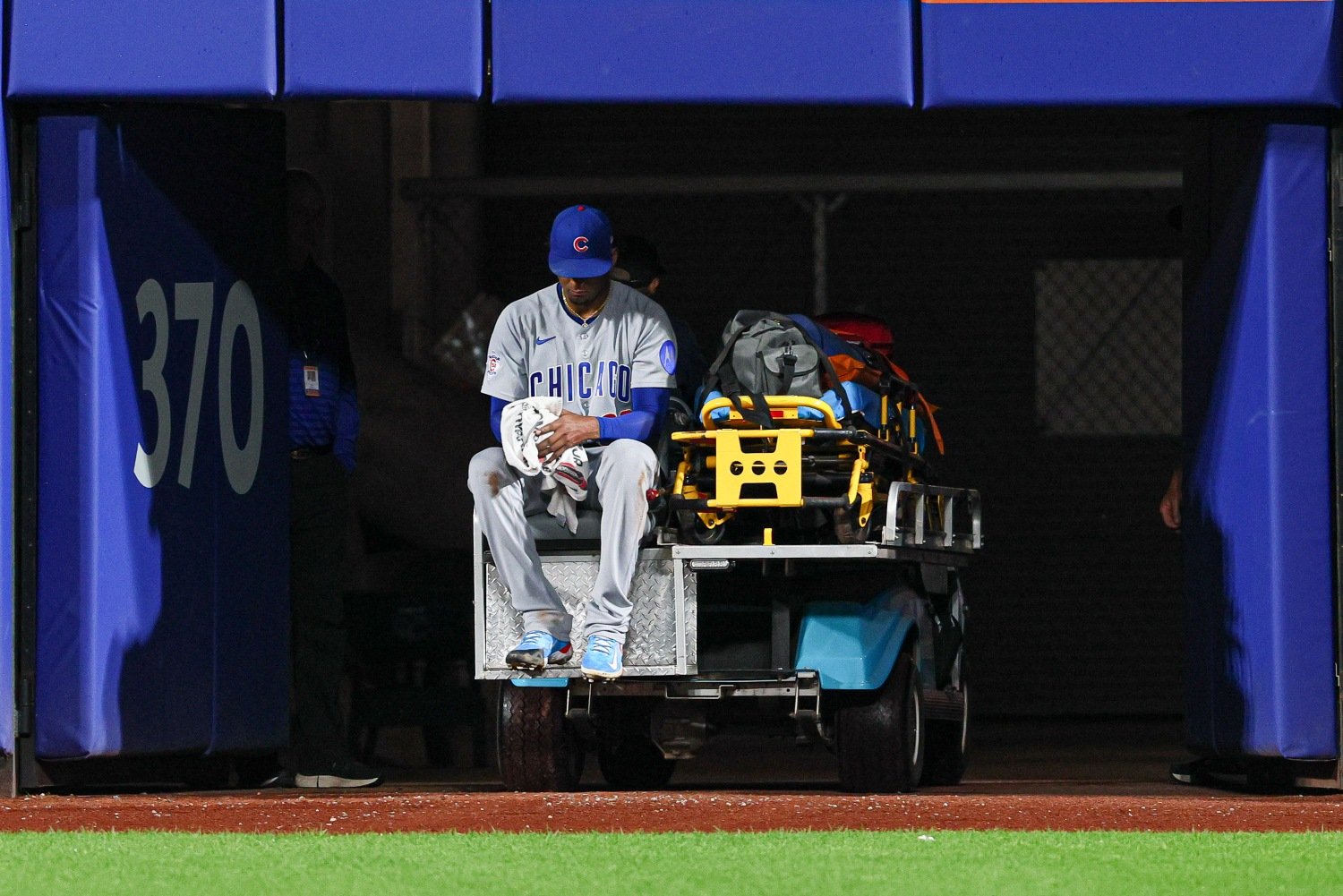
Image courtesy of William Liang-Imagn Images The Detroit Tigers traded Tarik Skubal to the Los Angeles Dodgers late Saturday night, for a package of three players headlined by former Cubs farmhand Zyhir Hope. The Cubs dealt Hope to Los Angeles in the deal that brought Michael Busch to Chicago in January 2024, so it was a good trade. Still, the coincidence was impossible to ignore. The Cubs didn't have anywhere near the firepower required to land Skubal, and one reason is that they'd already spent key prospect resources on trades like the Busch deal and the one that brought in Kyle Tucker in December 2024. Now that Skubal has changed places, the expectation is that the market will move pretty fluidly over the final day and a half before Monday's deadline at 5 PM CT. The Cubs, who knew all along they were not the favorites for Skubal, had been developing alternatives—but another of their preferred targets might have also come off the market shortly before Skubal did. The Mariners traded veteran starter Luis Castillo to the White Sox in a four-player deal. When the Cubs had talked with Seattle, they'd felt the nudge toward Castillo, but they remained focused on younger controllable arms Emerson Hancock and George Kirby, a source familiar with the conversations said. The Mariners have entertained the possibility of trading one of those hurlers to bolster their anemic offense. After they were able to move Castillo (and the huge amount of money they owed him), though, it's now much less likely that they trade either Kirby or Hancock, said a source briefed on their plans. They've resolved their logjam in the rotation and can now take on salary if needed to acquire a bat. That leaves the Cubs slightly in the lurch. They were already more likely to land Casey Mize from Detroit than to get into serious bidding on Skubal, but Mize (another impending free agent) comes with a moderate price tag and doesn't offer the same upside as a pitcher like Skubal, Hancock or Kirby would. They're still "very active" with the Mets on Freddy Peralta, Clay Holmes and multiple relievers, a source said, but other than righty reliever Luke Weaver, nothing New York can offer transforms the team into a legitimate threat to beat the Brewers or Dodgers in a long series come October. They've checked in with several other teams shopping high-end rental starters, including the Blue Jays (Kevin Gausman) and Giants (Robbie Ray), but found little initial traction. Increasingly, therefore, the team is "locked in on Reid Detmers," a source said. Neither Jed Hoyer nor Carter Hawkins ever forecloses options before it's necessary, and neither likes to negotiate from a position of weakness, so they'll hold a firm line on the price, but they view Detmers as the best fit and the surest way to improve their roster both this season and over the next two. The sticking point, so far, is that the Angels want two of the team's top prospects, including catcher Owen Ayers; the Cubs want to find a way to get the deal done without sending Ayers. That's a peculiar level of attachment to a 25-year-old who has climbed from High-A to Triple-A this season, but Chicago believes in Ayers's ability to catch and in his bat. They think he could be their starting catcher next season, and are eager to work out an alternative structure that gets them Detmers without losing him. They would sooner trade infielder Pedro Ramírez, but the Angels prefer Ayers, a source said. If this deadline is defined by one acquisition Hoyer and company make, it will probably be Detmers. However, it remains possible that this period will be defined instead by several moves. The Cubs believe they can scoop up three or four useful pieces—a back-end starter, multiple relievers and perhaps a backup outfielder—near the buzzer if needed; they've done so before. That diffuse approach to roster building can be frustrating for fans, and it's not always the right call, but this year's Cubs cry out for that kind of blanket coverage. They're thin in the starting rotation and even thinner in the bullpen. Detmers is the sexy option, but if the front office decides not to blink in its staredown with Anaheim, they might instead make three or four trades in quick succession, delivering the depth that is currently lacking for a team with World Series aspirations. View full article
-
 The Detroit Tigers traded Tarik Skubal to the Los Angeles Dodgers late Saturday night, for a package of three players headlined by former Cubs farmhand Zyhir Hope. The Cubs dealt Hope to Los Angeles in the deal that brought Michael Busch to Chicago in January 2024, so it was a good trade. Still, the coincidence was impossible to ignore. The Cubs didn't have anywhere near the firepower required to land Skubal, and one reason is that they'd already spent key prospect resources on trades like the Busch deal and the one that brought in Kyle Tucker in December 2024. Now that Skubal has changed places, the expectation is that the market will move pretty fluidly over the final day and a half before Monday's deadline at 5 PM CT. The Cubs, who knew all along they were not the favorites for Skubal, had been developing alternatives—but another of their preferred targets might have also come off the market shortly before Skubal did. The Mariners traded veteran starter Luis Castillo to the White Sox in a four-player deal. When the Cubs had talked with Seattle, they'd felt the nudge toward Castillo, but they remained focused on younger controllable arms Emerson Hancock and George Kirby, a source familiar with the conversations said. The Mariners have entertained the possibility of trading one of those hurlers to bolster their anemic offense. After they were able to move Castillo (and the huge amount of money they owed him), though, it's now much less likely that they trade either Kirby or Hancock, said a source briefed on their plans. They've resolved their logjam in the rotation and can now take on salary if needed to acquire a bat. That leaves the Cubs slightly in the lurch. They were already more likely to land Casey Mize from Detroit than to get into serious bidding on Skubal, but Mize (another impending free agent) comes with a moderate price tag and doesn't offer the same upside as a pitcher like Skubal, Hancock or Kirby would. They're still "very active" with the Mets on Freddy Peralta, Clay Holmes and multiple relievers, a source said, but other than righty reliever Luke Weaver, nothing New York can offer transforms the team into a legitimate threat to beat the Brewers or Dodgers in a long series come October. They've checked in with several other teams shopping high-end rental starters, including the Blue Jays (Kevin Gausman) and Giants (Robbie Ray), but found little initial traction. Increasingly, therefore, the team is "locked in on Reid Detmers," a source said. Neither Jed Hoyer nor Carter Hawkins ever forecloses options before it's necessary, and neither likes to negotiate from a position of weakness, so they'll hold a firm line on the price, but they view Detmers as the best fit and the surest way to improve their roster both this season and over the next two. The sticking point, so far, is that the Angels want two of the team's top prospects, including catcher Owen Ayers; the Cubs want to find a way to get the deal done without sending Ayers. That's a peculiar level of attachment to a 25-year-old who has climbed from High-A to Triple-A this season, but Chicago believes in Ayers's ability to catch and in his bat. They think he could be their starting catcher next season, and are eager to work out an alternative structure that gets them Detmers without losing him. They would sooner trade infielder Pedro Ramírez, but the Angels prefer Ayers, a source said. If this deadline is defined by one acquisition Hoyer and company make, it will probably be Detmers. However, it remains possible that this period will be defined instead by several moves. The Cubs believe they can scoop up three or four useful pieces—a back-end starter, multiple relievers and perhaps a backup outfielder—near the buzzer if needed; they've done so before. That diffuse approach to roster building can be frustrating for fans, and it's not always the right call, but this year's Cubs cry out for that kind of blanket coverage. They're thin in the starting rotation and even thinner in the bullpen. Detmers is the sexy option, but if the front office decides not to blink in its staredown with Anaheim, they might instead make three or four trades in quick succession, delivering the depth that is currently lacking for a team with World Series aspirations.
 -
Image courtesy of Vincent Carchietta-Imagn Images Injured Chicago Cubs starter Edward Cabrera began his rehab assignment with Triple-A Iowa Friday night. In the I-Cubs clubhouse, he might have bumped into teammates Ethan Roberts and Hoby Milner, who are each already on the same path back to the majors. Meanwhile, over the weekend, the Cubs will put Justin Steele and Daniel Palencia back on mounds at Wrigley Field, as each builds toward rehab assignments of their own. From their perches on the rubber, each hurler might spot Ben Brown, still on flat ground but throwing daily in his own quest to return this year. Out in Arizona, in the searing heat of the sun but removed a bit from the heat of the Chicago spotlight, Hunter Harvey and Shelby Miller are doing the same thing: steady buildup. Each is on a throwing program that gives them at least an outside shot of contributing down the stretch, although the fact that they're so geographically remote reflects the figurative distance between them and big-league readiness neatly. That's not a normal amount of important rehab work being done by pitchers for a playoff hopeful. Those are eight names, including three or four who would have appeared on any list of the 10 most important hurlers to the 2026 Cubs if you'd made such a tally in March. It's tempting to imagine a world in which even half of them—let's say Cabrera, as a starter, and Palencia, Milner and Steele as relievers—come back at full strength and transform a below-average pitching staff into a World Series-caliber one, just in the nick of time. No sooner can you conjure that mental image, though, than you surely flash on another, less welcome one. It's Monday evening, and you're watching Jed Hoyer's post-trade deadline press conference. And in your gut, you feel a cold fury you can't fully place, until his voice comes into focus and you hear it: "We obviously, you know, weren't able to get anything bigger across the finish line here, but we feel very confident about our pitching staff. We have a lot of guys coming back." With just over two days to go before the trade deadline Monday evening, the Cubs haven't yet made a notable addition to their pitching staff, save the emergency pickup of David Peterson in late June. Peterson has been good and looks like he'll stick in their rotation for the balance of the year, but the bullpen has received reinforcement only via minor moves, and the team has yet to pounce on a higher-end starting pitcher. It's far too early to worry much that they won't do so; they understand the scope and the urgency of their need for help on the mound. It's essential, though, that we all avoid falling into the trap of the planning fallacy. The plan, of course, is to have Cabrera make two or three more rehab starts—his first one didn't go great; it might not have moved him closer to a return—and then reinsert him into the rotation. The plan is for Milner (out since June after an emergency appendectomy) to be back in the big-league pen very soon, and for Roberts to follow, with each taking the place of journeymen whom you'll soon forget were ever Cubs. (Sorry to the Jake Woodford family, but it's true.) The plan is for Palencia to reclaim his place at the back end of the pen. None of that is guaranteed, though. The injury histories on Cabrera, Roberts and Palencia are way too checkered to depend on that at all. Milner's particular problem—physically recovering from a relatively serious internal surgery takes time, and he was never as imposing as your average pitcher, anyway—is intractable. Meanwhile, Steele, Brown, Harvey and Miller are all very high-upside potential boosts for the bullpen, but it's too much to say that any of them are even part of the plan. Even the Cubs themselves are merely holding out hope on those four, and the difference between a plan and hope is the difference between a house and a housefly. Nor are all the team's currently healthy options assured of staying that way. The ages and injury histories of guys like Matthew Boyd, Shota Imanaga and Javier Assad are not in their favor. Even if the team gets a couple of key arms back soon, they might lose a couple, at the same time or shortly before or after. The Cubs absolutely must make multiple, significant upgrades to their pitching staff via trade in the next two days, unless they're comfortable punting on this season and praying on next year instead. That position feels untenable, given where they are as an organization, so their urgency should remain very high. Adding a starter has to remain a priority. Adding a could-be closer should be next on the list. That's a tall order, and one that neither Hoyer nor the farm system from which he's attempting to deal is well-suited for. If the Cubs don't find a way to fill it, though, they'll make a disappointing and early October exit. Knowing all of that, they remain very active. The team has talked to the Mets not only about starters Freddy Peralta and Clay Holmes, but about right-handed relievers Luke Weaver and Huascar Brazobán and lefty Brooks Raley. They remain engaged with the Angels on Reid Detmers, and they've talked to the Tigers about multiple available pitchers, though sources familiar with the conversations said the team is more likely to obtain Casey Mize than Tarik Skubal if they end up making a deal with former Cubs front-office wonk Scott Harris. In a perfect world, the team would acquire Emerson Hancock of the Mariners, who is available if the return is big enough and if they get immediate help on offense. That would mean giving up Pedro Ramírez, but the Cubs would also have to add "at least" one more good piece (likely a prospect), according to a source familiar with Seattle's plans. Hoyer excels at casting wide nets. He doesn't do nearly as well at the more important task of hauling in his quarry. That has to change this weekend, because the Cubs can't afford to count on gettng healthy at the right time. The odds of that are far too long. View full article
-
 Injured Chicago Cubs starter Edward Cabrera began his rehab assignment with Triple-A Iowa Friday night. In the I-Cubs clubhouse, he might have bumped into teammates Ethan Roberts and Hoby Milner, who are each already on the same path back to the majors. Meanwhile, over the weekend, the Cubs will put Justin Steele and Daniel Palencia back on mounds at Wrigley Field, as each builds toward rehab assignments of their own. From their perches on the rubber, each hurler might spot Ben Brown, still on flat ground but throwing daily in his own quest to return this year. Out in Arizona, in the searing heat of the sun but removed a bit from the heat of the Chicago spotlight, Hunter Harvey and Shelby Miller are doing the same thing: steady buildup. Each is on a throwing program that gives them at least an outside shot of contributing down the stretch, although the fact that they're so geographically remote reflects the figurative distance between them and big-league readiness neatly. That's not a normal amount of important rehab work being done by pitchers for a playoff hopeful. Those are eight names, including three or four who would have appeared on any list of the 10 most important hurlers to the 2026 Cubs if you'd made such a tally in March. It's tempting to imagine a world in which even half of them—let's say Cabrera, as a starter, and Palencia, Milner and Steele as relievers—come back at full strength and transform a below-average pitching staff into a World Series-caliber one, just in the nick of time. No sooner can you conjure that mental image, though, than you surely flash on another, less welcome one. It's Monday evening, and you're watching Jed Hoyer's post-trade deadline press conference. And in your gut, you feel a cold fury you can't fully place, until his voice comes into focus and you hear it: "We obviously, you know, weren't able to get anything bigger across the finish line here, but we feel very confident about our pitching staff. We have a lot of guys coming back." With just over two days to go before the trade deadline Monday evening, the Cubs haven't yet made a notable addition to their pitching staff, save the emergency pickup of David Peterson in late June. Peterson has been good and looks like he'll stick in their rotation for the balance of the year, but the bullpen has received reinforcement only via minor moves, and the team has yet to pounce on a higher-end starting pitcher. It's far too early to worry much that they won't do so; they understand the scope and the urgency of their need for help on the mound. It's essential, though, that we all avoid falling into the trap of the planning fallacy. The plan, of course, is to have Cabrera make two or three more rehab starts—his first one didn't go great; it might not have moved him closer to a return—and then reinsert him into the rotation. The plan is for Milner (out since June after an emergency appendectomy) to be back in the big-league pen very soon, and for Roberts to follow, with each taking the place of journeymen whom you'll soon forget were ever Cubs. (Sorry to the Jake Woodford family, but it's true.) The plan is for Palencia to reclaim his place at the back end of the pen. None of that is guaranteed, though. The injury histories on Cabrera, Roberts and Palencia are way too checkered to depend on that at all. Milner's particular problem—physically recovering from a relatively serious internal surgery takes time, and he was never as imposing as your average pitcher, anyway—is intractable. Meanwhile, Steele, Brown, Harvey and Miller are all very high-upside potential boosts for the bullpen, but it's too much to say that any of them are even part of the plan. Even the Cubs themselves are merely holding out hope on those four, and the difference between a plan and hope is the difference between a house and a housefly. Nor are all the team's currently healthy options assured of staying that way. The ages and injury histories of guys like Matthew Boyd, Shota Imanaga and Javier Assad are not in their favor. Even if the team gets a couple of key arms back soon, they might lose a couple, at the same time or shortly before or after. The Cubs absolutely must make multiple, significant upgrades to their pitching staff via trade in the next two days, unless they're comfortable punting on this season and praying on next year instead. That position feels untenable, given where they are as an organization, so their urgency should remain very high. Adding a starter has to remain a priority. Adding a could-be closer should be next on the list. That's a tall order, and one that neither Hoyer nor the farm system from which he's attempting to deal is well-suited for. If the Cubs don't find a way to fill it, though, they'll make a disappointing and early October exit. Knowing all of that, they remain very active. The team has talked to the Mets not only about starters Freddy Peralta and Clay Holmes, but about right-handed relievers Luke Weaver and Huascar Brazobán and lefty Brooks Raley. They remain engaged with the Angels on Reid Detmers, and they've talked to the Tigers about multiple available pitchers, though sources familiar with the conversations said the team is more likely to obtain Casey Mize than Tarik Skubal if they end up making a deal with former Cubs front-office wonk Scott Harris. In a perfect world, the team would acquire Emerson Hancock of the Mariners, who is available if the return is big enough and if they get immediate help on offense. That would mean giving up Pedro Ramírez, but the Cubs would also have to add "at least" one more good piece (likely a prospect), according to a source familiar with Seattle's plans. Hoyer excels at casting wide nets. He doesn't do nearly as well at the more important task of hauling in his quarry. That has to change this weekend, because the Cubs can't afford to count on gettng healthy at the right time. The odds of that are far too long.
 -
Why Cubs Have Talked About 3 Buy-Low Starters Mired in Minor Leagues
Matthew Trueblood posted an article in Cubs
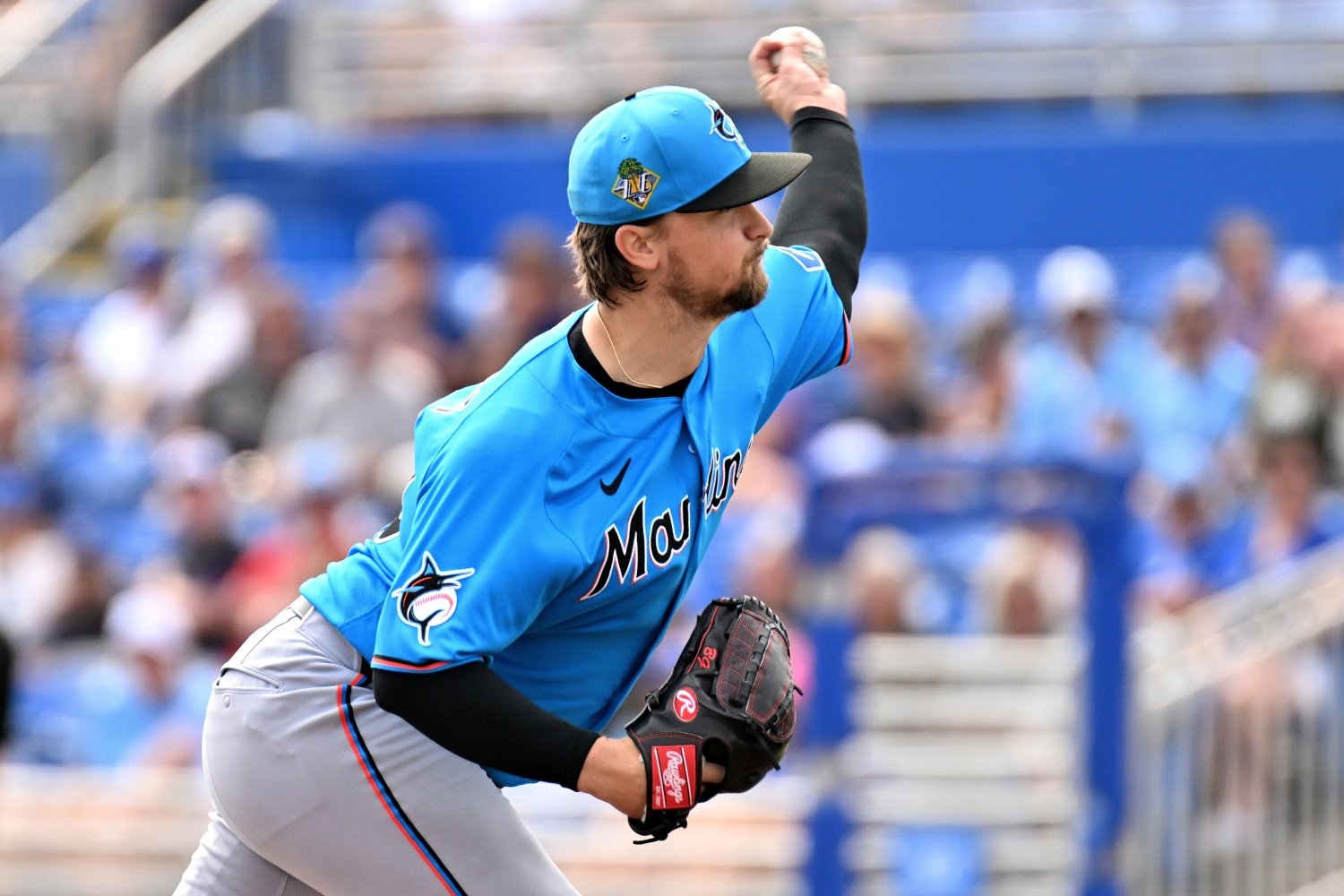 Despite varying levels of need, none of Jonah Tong, Andrew Painter or Braxton Garrett are even on the major-league roster of their NL East clubs right now. Yet, each have been subjects of inquiry by the Cubs ahead of Monday's trade deadline, as the team seeks ways to build a playoff-caliber starting rotation both now and for the balance of the decade. Sources familiar with the conversations said Chicago has sounded out several teams on hurlers under long-term team control, in creatively structured isolated deals or as part of larger packages. If the Cubs and Mets get together on a trade that nets the North Siders any of Freddy Peralta, Clay Holmes, Luke Weaver or Huascar Brazobán, Tong (or fellow minor-league assignee Tobias Myers) could also be part of the deal. For New York, adding a controllable arm to the deal would give access to the Cubs' top tier of young assets (other than Josiah Hartshorn, who's viewed as essentially untouchable during this period). For Chicago, getting a controllable arm as well as immediate help would soften the blow of shipping out a top prospect. Although Tong and Myers would each be longer-term plays, it's also possible that each could help the Cubs before the end of this season. The story is similar with Garrett, whose return from December 2024 Tommy John surgery has not gone smoothly. The Cubs have long had some level of interest in Sandy Alcantara, but the team might also try to scoop up Pete Fairbanks in a low-cost move while finding their immediate starting help elsewhere. If the Marlins want to get anything of value in return for Fairbanks, they could include Garrett, a lefty under medium-term team control whom the Cubs believe would improve under their care. A swap that nets Chicago Garrett would have to include a good young player going to Miami, but it would be a cheaper move than dealing for Reid Detmers or José Soriano. A trade for Painter is less likely, because the Phillies are likely to dangle him to teams who can directly give them offensive help, a source said. However, a variety of three-team possibilities could lead to the Cubs ending up with Painter, while they send a prospect or young big-leaguer to a seller who forwards a (probably) outfielder to Philadelphia. Like Detmers and Soriano, Garrett has just two years of team control left after this season. He also won't be eligible to be optioned to the minors next season, although the Cubs' belief is that they wouldn't need to consider that, anyway. Painter and Tong wiull each have six more years of team control after this year and multiple option years remaining; Myers falls in the middle. He'll have four more years of team control left, but can't be optioned beginning next spring. They represent a wide spectrum of possible approaches for the Cubs, who are keeping as many options open as possible. Many of the partners with whom they hope to engage on trades are still vacillating between buying and selling, or looking to do some of each. In a sense, the Cubs are, too, as they try not to leave themselves too much work to do this winter. If the right opportunity arises, they'll pounce on a chance to improve the 2027 and 2028 rotations, but the present is the top priority, so moves like these will happen only once they have enough clarity to be sure they won't compromise their efforts to prepare for October.
 -
Image courtesy of Jonathan Dyer-Imagn Images Despite varying levels of need, none of Jonah Tong, Andrew Painter or Braxton Garrett are even on the major-league roster of their NL East clubs right now. Yet, each have been subjects of inquiry by the Cubs ahead of Monday's trade deadline, as the team seeks ways to build a playoff-caliber starting rotation both now and for the balance of the decade. Sources familiar with the conversations said Chicago has sounded out several teams on hurlers under long-term team control, in creatively structured isolated deals or as part of larger packages. If the Cubs and Mets get together on a trade that nets the North Siders any of Freddy Peralta, Clay Holmes, Luke Weaver or Huascar Brazobán, Tong (or fellow minor-league assignee Tobias Myers) could also be part of the deal. For New York, adding a controllable arm to the deal would give access to the Cubs' top tier of young assets (other than Josiah Hartshorn, who's viewed as essentially untouchable during this period). For Chicago, getting a controllable arm as well as immediate help would soften the blow of shipping out a top prospect. Although Tong and Myers would each be longer-term plays, it's also possible that each could help the Cubs before the end of this season. The story is similar with Garrett, whose return from December 2024 Tommy John surgery has not gone smoothly. The Cubs have long had some level of interest in Sandy Alcantara, but the team might also try to scoop up Pete Fairbanks in a low-cost move while finding their immediate starting help elsewhere. If the Marlins want to get anything of value in return for Fairbanks, they could include Garrett, a lefty under medium-term team control whom the Cubs believe would improve under their care. A swap that nets Chicago Garrett would have to include a good young player going to Miami, but it would be a cheaper move than dealing for Reid Detmers or José Soriano. A trade for Painter is less likely, because the Phillies are likely to dangle him to teams who can directly give them offensive help, a source said. However, a variety of three-team possibilities could lead to the Cubs ending up with Painter, while they send a prospect or young big-leaguer to a seller who forwards a (probably) outfielder to Philadelphia. Like Detmers and Soriano, Garrett has just two years of team control left after this season. He also won't be eligible to be optioned to the minors next season, although the Cubs' belief is that they wouldn't need to consider that, anyway. Painter and Tong wiull each have six more years of team control after this year and multiple option years remaining; Myers falls in the middle. He'll have four more years of team control left, but can't be optioned beginning next spring. They represent a wide spectrum of possible approaches for the Cubs, who are keeping as many options open as possible. Many of the partners with whom they hope to engage on trades are still vacillating between buying and selling, or looking to do some of each. In a sense, the Cubs are, too, as they try not to leave themselves too much work to do this winter. If the right opportunity arises, they'll pounce on a chance to improve the 2027 and 2028 rotations, but the present is the top priority, so moves like these will happen only once they have enough clarity to be sure they won't compromise their efforts to prepare for October. View full article
-
I would guess one or two of them (specifically, Milner and probably Palencia) will be back. I don't think they can afford to count on any of them. At all. Miller, fwiw, is completely out of the picture.
-
Image courtesy of Joe Puetz-Imagn Images You could feel it coming. All night, in St. Louis Wednesday night, Pete Crow-Armstrong was just missing the big hit. He was getting off his 'A' swing, but not quite getting to his spot on time. In hitting, that's no small thing, but if you can generate the swing path and direction and bat speed that Crow-Armstrong was generating consistently Wednesday, you're dangerous. Eventually, as he has done all year, he was going to get that wrinkle ironed out and put an equally lethal swing on one, but not mishit it. It was just (pun intended) a matter of time. When it did happen, his timing—in a broader, different sense—could not have been better. The Cubs slogged to a scoreless draw through nine innings in the third game of their four-game set against the Cardinals. It took some brave escape-craft from Matthew Boyd to gut out seven frames, then sparkling showings from two vital relief arms (Jacob Webb and Caleb Thielbar) to push the game to extras. The offense was utterly stalled, though, and needed someone to come up with a thunderbolt. All year, that's what Crow-Armstrong has done, and he did it again. On an 0-1 pitch, Cardinals hurler Luis Gastelum got his changeup to dip just below the zone. It just needed to dip much farther. Crow-Armstrong sliced cleanly through the ball and hit a screaming, no-doubt, rising rocket of a homer to right-center. He knew it was gone the moment he made contact; he pimped the daylights out of it as he rounded the bases. He's earned every drop of that celebration, too. In late and close situations this year, he's batting .370/.453/.630, with three home runs, three doubles, and a triple in 64 plate appearances. Once he reaches base, in those spots, he's 6-for-6 stealing bases. In high-leverage at-bats, his OPS is 1.056. In medium-leverage ones, it's .996. Those types of splits don't tell us as much as we sometimes tell ourselves they do, about a player's character or clutchness, but it's a fact that Crow-Armstrong has been excellent when the team has needed him most this season. Ah, but you could also feel it coming, couldn't you? Boyd had spun his seven great innings, and Webb and Thielbar had taken their turns. Even as Crow-Armstrong homered, Trent Thornton was warming up to pitch the 10th inning. Unfortunately, that made sense. Here's the whole Cubs bullpen right now, from most to least trusted by Counsell: Webb Thielbar Ryan Rolison Thornton Gavin Hollowell Tyler Ferguson Aaron Civale Jake Woodford Rolison would have been working for a third time in four days, and the first two batters he would have faced (Lars Nootbaar and JJ Wetherholt) had just seen him Monday night. Hollowell and Ferguson also each pitched earlier in the series, so Thornton was the freshest of the three right-handed middle relievers. But Thornton isn't viable in high-leverage spots, and he rapidly showed why. To be fair, he got a little bit unlucky, in that one can normally expect better defensive support from Nico Hoerner than Thornton got to start the inning. On a 2-2 pitch, he executed a 96-MPH fastball above the zone to Nootbaar, who flattened out completely to reach the ball and hit it straight down. He hit it sharply, but it was a high chopper that ran out of steam as it bounced past Thornton. Hoerner raced to his right, but he slightly misread the ball. Had he seen the way the ball was dying after the high arc of its initial bounce, he would have realized he could make the play on his feet, then turn or jump-throw to retire Nootbaar. Instead, thinking it would maintain its speed more, Hoerner dove. He was able to knock it down, but only that. Keeping the ball on the infield stopped the automatic runner from scoring, but that run didn't matter. The play was to get there without going to the ground, leaving time to retire Nootbaar. Because the Cubs had shaded Nootbaar to pull, Dansby Swanson even would have had a chance to flag the ball down and throw for the out, had Hoerner not intercepted the ball. That read all has to happen in the blink of an eye, though, and Hoerner was fooled. The rest of the mess would be Thornton's own making. He walked Wetherholt, putting the winning run on base and the tying one into scoring position. After falling behind 3-0, he worked back to a full count with a pair of fastball strikes, but then he lost Wetherholt. He started Jordan Walker with two non-competitive misses, too, and this time, he got lucky: Walker bailed him out with a terrible 2-0 swing on a sweeper well out of the zone, then tapped out on another, much closer one, giving the Cubs one out and keeping the double play in order for Iván Herrera. Thornton just isn't the right guy to get that twin killing. Instead, on the first pitch, Herrera laced a double to the gap in left-center, bringing around the tying and winning runs with one stroke. When Crow-Armstrong homered, this game had a chance to be one of the best wins of the Cubs' season. Barely 10 minutes later, it was one of their worst losses, instead. The Sword of Mulholland has hung over Thornton all year. Entering Wednesday, he had a 2.50 ERA for the year, but his expected ERA was 5.13, because he has struck out just 15 of the 127 batters he's faced. Like former Cubs lefty Terry Mulholland, he just can't miss enough bats to be viable when the game is tight and the margin for error grows thin. That he's in the top half of the team's de facto bullpen hierarchy right now screams out the danger the team still faces. This is not the same pleasantly patchwork kind of relief corps the Cubs have so famously cultivated over the last handful of seasons. They're simply bad. This feels like the kind of bullpen fringe contenders used to assemble during the years just after the rapid expansion of the 1990s. Webb, Thielbar and Rolison are credible big-league relievers. Civale, Woodford and Thursday starter Javier Assad are fine long relievers, and that's what Colin Rea can become if the team makes multiple upgrades to its starting rotation before the trade deadline, too. However, none of those four long men has meaningful upside if condensed into a short relief role, and modern bullpens need five or six guys you can trust in short relief. No good team in the history of the sport has needed three or four you can use to sponge up innings in blowouts. Hollowell, Thornton and Ferguson represent the team's bigger batch of attempts to find a diamond in the rough for the year, and all of them (like Corbin Martin and Ethan Roberts, among others) have failed. From a playoff-ready bullpen, the Cubs are currently missing (approximately) the best, third-best and fifth-best arms. Adding a starter this week will allow them to shift someone into relief, but the Chicago front office has to add at least one high-end reliever and at least one supplemental arm capable of missing bats and/or keeping the ball on the ground in medium-leverage spots. A heavy lift awaits that front office over the next 100 hours or so. They have to get this right, and it's not going to be easy. As Wednesday reminded them forcefully, though, there's no alternative. The Cubs' current pitching staff is just plain insufficient. They need a lot of help, so they don't waste huge hits like Crow-Armstrong's—or, widening the lens a bit, the huge season Crow-Armstrong is having and the opportunity that has given them. View full article
-
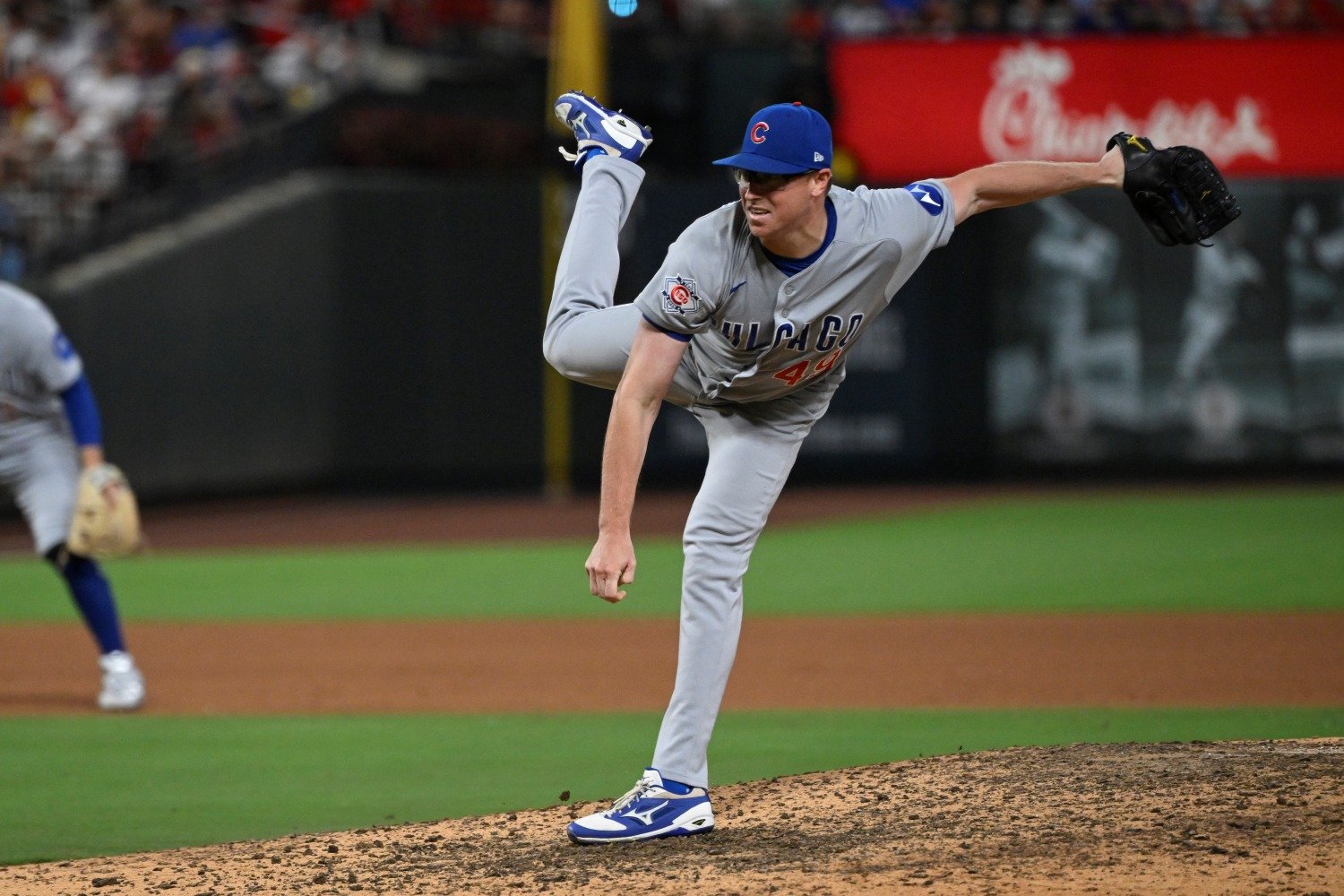 You could feel it coming. All night, in St. Louis Wednesday night, Pete Crow-Armstrong was just missing the big hit. He was getting off his 'A' swing, but not quite getting to his spot on time. In hitting, that's no small thing, but if you can generate the swing path and direction and bat speed that Crow-Armstrong was generating consistently Wednesday, you're dangerous. Eventually, as he has done all year, he was going to get that wrinkle ironed out and put an equally lethal swing on one, but not mishit it. It was just (pun intended) a matter of time. When it did happen, his timing—in a broader, different sense—could not have been better. The Cubs slogged to a scoreless draw through nine innings in the third game of their four-game set against the Cardinals. It took some brave escape-craft from Matthew Boyd to gut out seven frames, then sparkling showings from two vital relief arms (Jacob Webb and Caleb Thielbar) to push the game to extras. The offense was utterly stalled, though, and needed someone to come up with a thunderbolt. All year, that's what Crow-Armstrong has done, and he did it again. On an 0-1 pitch, Cardinals hurler Luis Gastelum got his changeup to dip just below the zone. It just needed to dip much farther. Crow-Armstrong sliced cleanly through the ball and hit a screaming, no-doubt, rising rocket of a homer to right-center. He knew it was gone the moment he made contact; he pimped the daylights out of it as he rounded the bases. He's earned every drop of that celebration, too. In late and close situations this year, he's batting .370/.453/.630, with three home runs, three doubles, and a triple in 64 plate appearances. Once he reaches base, in those spots, he's 6-for-6 stealing bases. In high-leverage at-bats, his OPS is 1.056. In medium-leverage ones, it's .996. Those types of splits don't tell us as much as we sometimes tell ourselves they do, about a player's character or clutchness, but it's a fact that Crow-Armstrong has been excellent when the team has needed him most this season. Ah, but you could also feel it coming, couldn't you? Boyd had spun his seven great innings, and Webb and Thielbar had taken their turns. Even as Crow-Armstrong homered, Trent Thornton was warming up to pitch the 10th inning. Unfortunately, that made sense. Here's the whole Cubs bullpen right now, from most to least trusted by Counsell: Webb Thielbar Ryan Rolison Thornton Gavin Hollowell Tyler Ferguson Aaron Civale Jake Woodford Rolison would have been working for a third time in four days, and the first two batters he would have faced (Lars Nootbaar and JJ Wetherholt) had just seen him Monday night. Hollowell and Ferguson also each pitched earlier in the series, so Thornton was the freshest of the three right-handed middle relievers. But Thornton isn't viable in high-leverage spots, and he rapidly showed why. To be fair, he got a little bit unlucky, in that one can normally expect better defensive support from Nico Hoerner than Thornton got to start the inning. On a 2-2 pitch, he executed a 96-MPH fastball above the zone to Nootbaar, who flattened out completely to reach the ball and hit it straight down. He hit it sharply, but it was a high chopper that ran out of steam as it bounced past Thornton. Hoerner raced to his right, but he slightly misread the ball. Had he seen the way the ball was dying after the high arc of its initial bounce, he would have realized he could make the play on his feet, then turn or jump-throw to retire Nootbaar. Instead, thinking it would maintain its speed more, Hoerner dove. He was able to knock it down, but only that. Keeping the ball on the infield stopped the automatic runner from scoring, but that run didn't matter. The play was to get there without going to the ground, leaving time to retire Nootbaar. Because the Cubs had shaded Nootbaar to pull, Dansby Swanson even would have had a chance to flag the ball down and throw for the out, had Hoerner not intercepted the ball. That read all has to happen in the blink of an eye, though, and Hoerner was fooled. The rest of the mess would be Thornton's own making. He walked Wetherholt, putting the winning run on base and the tying one into scoring position. After falling behind 3-0, he worked back to a full count with a pair of fastball strikes, but then he lost Wetherholt. He started Jordan Walker with two non-competitive misses, too, and this time, he got lucky: Walker bailed him out with a terrible 2-0 swing on a sweeper well out of the zone, then tapped out on another, much closer one, giving the Cubs one out and keeping the double play in order for Iván Herrera. Thornton just isn't the right guy to get that twin killing. Instead, on the first pitch, Herrera laced a double to the gap in left-center, bringing around the tying and winning runs with one stroke. When Crow-Armstrong homered, this game had a chance to be one of the best wins of the Cubs' season. Barely 10 minutes later, it was one of their worst losses, instead. The Sword of Mulholland has hung over Thornton all year. Entering Wednesday, he had a 2.50 ERA for the year, but his expected ERA was 5.13, because he has struck out just 15 of the 127 batters he's faced. Like former Cubs lefty Terry Mulholland, he just can't miss enough bats to be viable when the game is tight and the margin for error grows thin. That he's in the top half of the team's de facto bullpen hierarchy right now screams out the danger the team still faces. This is not the same pleasantly patchwork kind of relief corps the Cubs have so famously cultivated over the last handful of seasons. They're simply bad. This feels like the kind of bullpen fringe contenders used to assemble during the years just after the rapid expansion of the 1990s. Webb, Thielbar and Rolison are credible big-league relievers. Civale, Woodford and Thursday starter Javier Assad are fine long relievers, and that's what Colin Rea can become if the team makes multiple upgrades to its starting rotation before the trade deadline, too. However, none of those four long men has meaningful upside if condensed into a short relief role, and modern bullpens need five or six guys you can trust in short relief. No good team in the history of the sport has needed three or four you can use to sponge up innings in blowouts. Hollowell, Thornton and Ferguson represent the team's bigger batch of attempts to find a diamond in the rough for the year, and all of them (like Corbin Martin and Ethan Roberts, among others) have failed. From a playoff-ready bullpen, the Cubs are currently missing (approximately) the best, third-best and fifth-best arms. Adding a starter this week will allow them to shift someone into relief, but the Chicago front office has to add at least one high-end reliever and at least one supplemental arm capable of missing bats and/or keeping the ball on the ground in medium-leverage spots. A heavy lift awaits that front office over the next 100 hours or so. They have to get this right, and it's not going to be easy. As Wednesday reminded them forcefully, though, there's no alternative. The Cubs' current pitching staff is just plain insufficient. They need a lot of help, so they don't waste huge hits like Crow-Armstrong's—or, widening the lens a bit, the huge season Crow-Armstrong is having and the opportunity that has given them.
 -
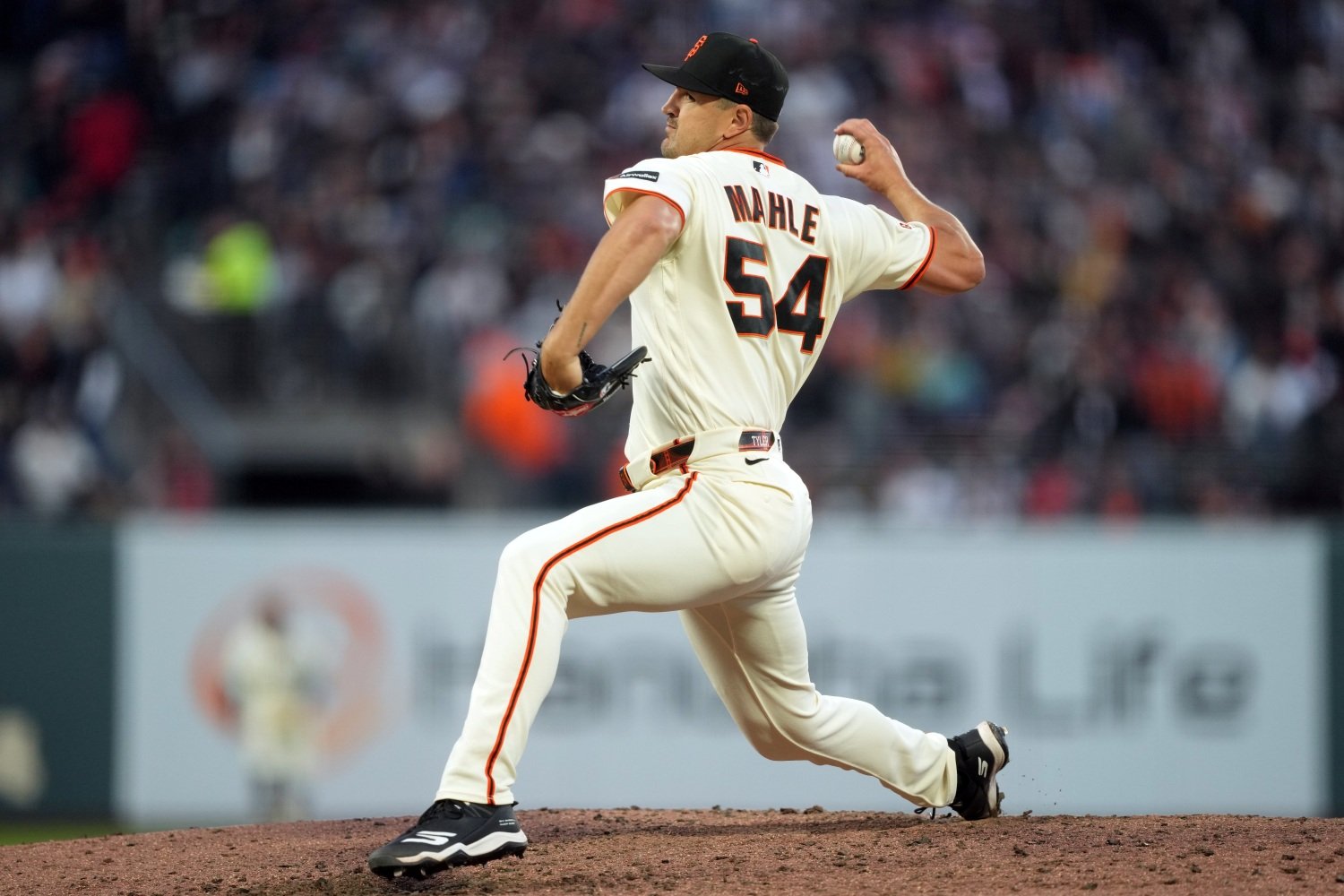 It wouldn't be a sexy pickup, but the Cubs have checked in with the Giants about right-handed starter Tyler Mahle and are "still interested" after gauging the price, a league source said. Mahle, 31, is an impending free agent who signed a one-year deal worth $10 million with San Francisco this winter. He has a 4.96 ERA in 89 innings over 17 starts, but little has changed about his profile from last year, when he had a 2.18 ERA in a similar amount of work. Mahle was never as good as the surface-level numbers he put up with the Rangers in 2025. Indeed, he hasn't been viewed as more than a back-end starter since roughly 2022, when he was a modestly hyped trade chip for the Reds but proved unable to stay healthy after being dealt to the Twins. However, he also hasn't deserved some of the ugly results that have befallen him this year, and he'd be much better in front of the Cubs' far superior team defense. He spun six scoreless innings in his latest start, Monday against the Brewers, to boost his trade stock a bit. One reason for the Cubs' interest in him is his contract, which they view as an opportunity to get a useful starter at a minimal cost in talent. Mahle's actual salary for this season is $7 million, but he's guaranteed a $3-million signing bonus that will be paid on January 15, according to Cot's Contracts. Incentives in his deal will earn him an extra $1.5 million if he pitches at least 36 innings the rest of the way. In total, despite nominally picking up a player whose prorated salary would be just $3.3 million for the final third of the year, the Cubs could end up paying Mahle twice that much, if they acquire him and he stays healthy the rest of the way. The Giants would like to get out of paying that money, a source familiar with their thinking said, which has led to a low asking price on Mahle as the trade deadline approaches. Mahle is the kind of pitcher you can run out there for a playoff game, but you'll want to have a quick hook ready. He wouldn't be a game-changer for Chicago, by any means. If they can get him cheaply and add him to the rotation mix, however, the front office could feel emboldened to make bigger or more long-term-focused moves. Whether that takes the form of giving up a top prospect for rental relief ace Adrián Morejón or trading for a controllable arm (think Reid Detmers, Emerson Hancock, or even more creative possibilities like Carmen Mlodzinski, Andrew Painter or Braxton Garrett), making a move to bring in a pitcher with a high ceiling will be easier if the team feels it has set a solid floor for a team hurtling toward the top Wild Card spot in the National League. As we've already discussed this week, the team has ownership's blessing to add payroll ahead of the deadline, although not in the form of onerous long-term deals. Mahle would be the perfect way to leverage that flexibility. He has an arsenal that suits Tommy Hottovy's predilections well and a pitch-to-contact profile that would feed the club's elite fielders. Before committing to that path, however, the team will want to see whether and how they can make a separate move to create more of a splash and upgrade the segments of the pitching staff on which they'll lean most heavily in the postseason.
 -
Image courtesy of Darren Yamashita-Imagn Images It wouldn't be a sexy pickup, but the Cubs have checked in with the Giants about right-handed starter Tyler Mahle and are "still interested" after gauging the price, a league source said. Mahle, 31, is an impending free agent who signed a one-year deal worth $10 million with San Francisco this winter. He has a 4.96 ERA in 89 innings over 17 starts, but little has changed about his profile from last year, when he had a 2.18 ERA in a similar amount of work. Mahle was never as good as the surface-level numbers he put up with the Rangers in 2025. Indeed, he hasn't been viewed as more than a back-end starter since roughly 2022, when he was a modestly hyped trade chip for the Reds but proved unable to stay healthy after being dealt to the Twins. However, he also hasn't deserved some of the ugly results that have befallen him this year, and he'd be much better in front of the Cubs' far superior team defense. He spun six scoreless innings in his latest start, Monday against the Brewers, to boost his trade stock a bit. One reason for the Cubs' interest in him is his contract, which they view as an opportunity to get a useful starter at a minimal cost in talent. Mahle's actual salary for this season is $7 million, but he's guaranteed a $3-million signing bonus that will be paid on January 15, according to Cot's Contracts. Incentives in his deal will earn him an extra $1.5 million if he pitches at least 36 innings the rest of the way. In total, despite nominally picking up a player whose prorated salary would be just $3.3 million for the final third of the year, the Cubs could end up paying Mahle twice that much, if they acquire him and he stays healthy the rest of the way. The Giants would like to get out of paying that money, a source familiar with their thinking said, which has led to a low asking price on Mahle as the trade deadline approaches. Mahle is the kind of pitcher you can run out there for a playoff game, but you'll want to have a quick hook ready. He wouldn't be a game-changer for Chicago, by any means. If they can get him cheaply and add him to the rotation mix, however, the front office could feel emboldened to make bigger or more long-term-focused moves. Whether that takes the form of giving up a top prospect for rental relief ace Adrián Morejón or trading for a controllable arm (think Reid Detmers, Emerson Hancock, or even more creative possibilities like Carmen Mlodzinski, Andrew Painter or Braxton Garrett), making a move to bring in a pitcher with a high ceiling will be easier if the team feels it has set a solid floor for a team hurtling toward the top Wild Card spot in the National League. As we've already discussed this week, the team has ownership's blessing to add payroll ahead of the deadline, although not in the form of onerous long-term deals. Mahle would be the perfect way to leverage that flexibility. He has an arsenal that suits Tommy Hottovy's predilections well and a pitch-to-contact profile that would feed the club's elite fielders. Before committing to that path, however, the team will want to see whether and how they can make a separate move to create more of a splash and upgrade the segments of the pitching staff on which they'll lean most heavily in the postseason. View full article
-
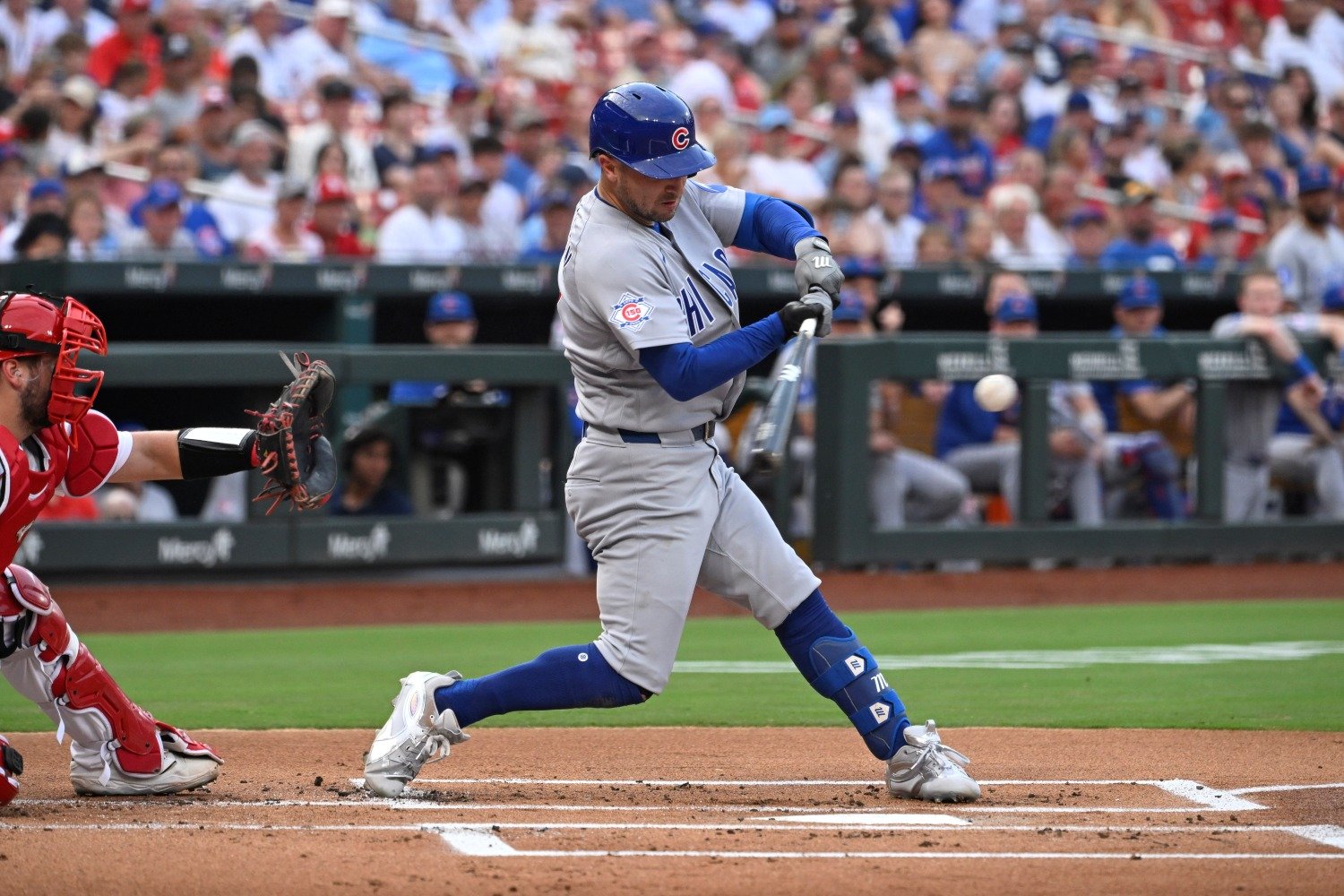 The differences aren't huge and obvious. In baseball, 'huge and obvious' is usually quickly re-rendered 'desperate and exploitable'. Alex Bregman is a better hitter now than he was a month ago, but the changes he's made have all been subtle. He's a couple inches farther off the plate, but only that much. He's slightly more closed in his stance, but only that much. The one glaring alteration isn't in anything he's doing that pitchers can force him not to do; it's in how deep he lets the ball travel. His average intercept point in the month of July is about 2.5 inches deeper than it was in the previous two months, which is something like adding a mile per hour to your fastball: helpful, and hard to counter. Bregman has hit the ball especially well since the All-Star break, but truthfully, his process has been ahead of his results all season, and he started to round into form even before the break. He used the Cubs' off day at home on July 2 as a chance to implement some changes to his stance, stride and timing in the batter's box, and ever since, he's been much more like the player the Cubs hoped they had signed to a five-year deal over the winter. Bregman's bat speed is down. That might not be permanent, but it's turned out to be persistent. As a result, he's spent much of the season hunting for the adjustments that would let him hit the way he's always hit despite a bit less explosive rotation. It took a long time to find it. Here's where he finally did. These are visuals depicting Bregman's stance, stride and average contact point on swings in May (left) and July (right): What he eventually figured out was that hitting the same way he always has isn't currently possible. There might be a lingering physical limitation tied to last year's quad strain, or this might just be Bregman's new normal, but to be a successful and well-rounded hitter at this point, he needs to so some things differently. Thus, this month, he's moved slightly away from the plate, and turned slightly inward to close his stance. That gives him more room to get on plane while the bat is behind his body, and a better chance of getting it into the hitting zone on time and square to the incoming pitch. He's been less susceptible to changes of speeds this month because of this. However, that comes at some cost. Were Bregman to try to keep hitting the ball out in front of himself by the same amount as he did in the past with this adjustment to his stance, he would be late on most fastballs and too early on most breaking stuff. Instead, as you can see by the yellow dots in the visuals above, he's letting the ball travel a bit more. It's not about starting later; it's about knowing that he has a bit more work to do to get to the ball and square it up well. Bregman has also shortened his stride, which keeps him a bit more engaged through the core and makes it easier to stay through the ball and drive it to all fields from his default hitting position. He's had several opposite-field extra-base hits this month, and that's not a coincidence; it's a product of his altered approach and setup. ZFh2enpfWGw0TUFRPT1fVkFJRlZWQlJBd2NBQ2xNR1Z3QUhDUUZRQUFCV1dnVUFBVlFOQ1FjTUJnSUVBbGRl.mp4 This is a huge deal for the Cubs. They need to pour all of their time and energy over the next five days into adding pitching before the MLB trade deadline. They couldn't afford to upgrade their lineup, even if it were obvious exactly where an extra bat would fit without cramping the style of Craig Counsell. Offensively, they need to be carried the rest of the way by the guys already on the roster, and Bregman has been arguably the most glaring underachiever in the lineup this year. If he's now turning things on—if this shift in where and how he stands and where he tries to catch the ball in the path of his swing continues to work—it transforms the team. A fully operational Bregman makes this batting order brutal for an opposing pitcher. He's still not quite that guy right now, but it's getting easier to see that guy showing up by September and October with each passing day.
 -
Image courtesy of Joe Puetz-Imagn Images The differences aren't huge and obvious. In baseball, 'huge and obvious' is usually quickly re-rendered 'desperate and exploitable'. Alex Bregman is a better hitter now than he was a month ago, but the changes he's made have all been subtle. He's a couple inches farther off the plate, but only that much. He's slightly more closed in his stance, but only that much. The one glaring alteration isn't in anything he's doing that pitchers can force him not to do; it's in how deep he lets the ball travel. His average intercept point in the month of July is about 2.5 inches deeper than it was in the previous two months, which is something like adding a mile per hour to your fastball: helpful, and hard to counter. Bregman has hit the ball especially well since the All-Star break, but truthfully, his process has been ahead of his results all season, and he started to round into form even before the break. He used the Cubs' off day at home on July 2 as a chance to implement some changes to his stance, stride and timing in the batter's box, and ever since, he's been much more like the player the Cubs hoped they had signed to a five-year deal over the winter. Bregman's bat speed is down. That might not be permanent, but it's turned out to be persistent. As a result, he's spent much of the season hunting for the adjustments that would let him hit the way he's always hit despite a bit less explosive rotation. It took a long time to find it. Here's where he finally did. These are visuals depicting Bregman's stance, stride and average contact point on swings in May (left) and July (right): What he eventually figured out was that hitting the same way he always has isn't currently possible. There might be a lingering physical limitation tied to last year's quad strain, or this might just be Bregman's new normal, but to be a successful and well-rounded hitter at this point, he needs to so some things differently. Thus, this month, he's moved slightly away from the plate, and turned slightly inward to close his stance. That gives him more room to get on plane while the bat is behind his body, and a better chance of getting it into the hitting zone on time and square to the incoming pitch. He's been less susceptible to changes of speeds this month because of this. However, that comes at some cost. Were Bregman to try to keep hitting the ball out in front of himself by the same amount as he did in the past with this adjustment to his stance, he would be late on most fastballs and too early on most breaking stuff. Instead, as you can see by the yellow dots in the visuals above, he's letting the ball travel a bit more. It's not about starting later; it's about knowing that he has a bit more work to do to get to the ball and square it up well. Bregman has also shortened his stride, which keeps him a bit more engaged through the core and makes it easier to stay through the ball and drive it to all fields from his default hitting position. He's had several opposite-field extra-base hits this month, and that's not a coincidence; it's a product of his altered approach and setup. ZFh2enpfWGw0TUFRPT1fVkFJRlZWQlJBd2NBQ2xNR1Z3QUhDUUZRQUFCV1dnVUFBVlFOQ1FjTUJnSUVBbGRl.mp4 This is a huge deal for the Cubs. They need to pour all of their time and energy over the next five days into adding pitching before the MLB trade deadline. They couldn't afford to upgrade their lineup, even if it were obvious exactly where an extra bat would fit without cramping the style of Craig Counsell. Offensively, they need to be carried the rest of the way by the guys already on the roster, and Bregman has been arguably the most glaring underachiever in the lineup this year. If he's now turning things on—if this shift in where and how he stands and where he tries to catch the ball in the path of his swing continues to work—it transforms the team. A fully operational Bregman makes this batting order brutal for an opposing pitcher. He's still not quite that guy right now, but it's getting easier to see that guy showing up by September and October with each passing day. View full article
-
Image courtesy of Patrick Gorski-Imagn Images Before this season, Jed Hoyer and the rest of the front office secured permission from the Cubs' ownership group to spend beyond the first threshold of the competitive-balance tax, in order to sign Alex Bregman. Now, after injuries to the pitching staff threatened to derail their season, ownership has doubled down, according a team source. The Cubs can "spend whatever they want" as they hunt for upgrades to the roster over the next six days, according to a source briefed on the team's plans and discussions between ownership and baseball operations leaders. If Hoyer and Carter Hawkins eventually decide to make a move that would result in a major payroll increase, they would still circle back to Tom Ricketts and others to inform them of the plan, but the team has made room in its budget to bolster a roster that badly needs reinforcement. Right now, the Cubs sit halfway between the first and second thresholds of the competitive-balance tax ladder, according to Cot's Contracts, which projects their CBT payroll number to be around $254 million. The first threshold is $244 million; the second is at $264 million. The only increase in penalties for surpassing the second threshold, though, is a slightly larger surcharge on expenditures beyond that $264 million number. Other penalties (like receiving worse draft picks in return for departing free agents and repeater penalties if the team is over the threshold again in 2027) are unaffected by whether or not they exceed any secondary thresholds. Though long-range planning conversations do occasionally happen between Hoyer and ownership figures including Tom Ricketts and team president Crane Kenney, the same source indicated that no firm answer has been established as to whether the team will be allowed to exceed the tax threshold again in 2027. Any deal that brings in a player with a locked-in salary for that year will have to fit "into the broader plan," according to another source, but the Cubs have ample room to maneuver as they look toward the winter. Seiya Suzuki, Ian Happ, Shota Imanaga, Jameson Taillon and Matthew Boyd all have eight-figure salaries that come off the books this fall. The team will have to replace a lot of talent via free agency and trades, because their farm system isn't ready to backfill such heavy losses, but the team views this week as an opportunity to get a head start on that very work. By trading for a player (or two) under team control beyond this year, they hope to check one or more boxes off their offseason shopping list, gaining cost certainty and a planning advantage heading into a winter that will be disrupted by a lockout. This marks a minor departure from this winter, when the club was very focused on 2026 and some could-be trade partners felt they were assigning little value to 2027 and 2028 in their negotiations. It's possible that the extensions to which they signed Nico Hoerner and Pete Crow-Armstrong this spring shifted the team's thinking, and that Crow-Armstrong's emergence as a superstar capable of carrying a team into October has altered their ambitions for the medium-term future. Having this freedom to spend gives the team some flexibility in the days ahead. In deals for starters like Seth Lugo, Michael Wacha, Sandy Alcantara or Robbie Ray, one way the team could reduce the prospect cost would be to absorb the whole of those players' remaining salaries. Knowing they can spend more than $10 million for the balance of the year if needed also makes it much easier to bring in multiple players. Relievers Antonio Senzatela ($12 million) and Luke Weaver ($9.5 million) have substantial salaries this year and would still be owed a few million apiece when acquired; having spending room means such players still fit into a plan even after prioritizing a starter. Again, players (like Lugo, Wacha and Weaver) with 2027 obligations are slightly more complicated cases, but because so much money is coming off the Cubs' books, the team should be able to take on at least one such deal without flinching. All will depend on their evaluations of those players and their ability to help the team, of course, but it's good to know that money won't stand in the way of a valuable short-term upgrade. View full article
