


Matthew Trueblood
-
Posts
2,479 -
Joined
-
Last visited
-
Days Won
2
Content Type
Profiles
Joomla Posts 1
Chicago Cubs Videos
Chicago Cubs Free Agent & Trade Rumors, Notes, & Tidbits
2026 Chicago Cubs Top Prospects Ranking
News
2023 Chicago Cubs Draft Picks
Guides & Resources
2024 Chicago Cubs Draft Picks
The Chicago Cubs Players Project
2025 Chicago Cubs Draft Pick Tracker
2026 Chicago Cubs Draft Tracker: Picks & Bonuses
Blogs
Events
Forums
Store
Gallery
Everything posted by Matthew Trueblood
-
Cubs Trade Rumors Galore: What We're Hearing as Trade Season Dawns
Matthew Trueblood posted an article in Cubs
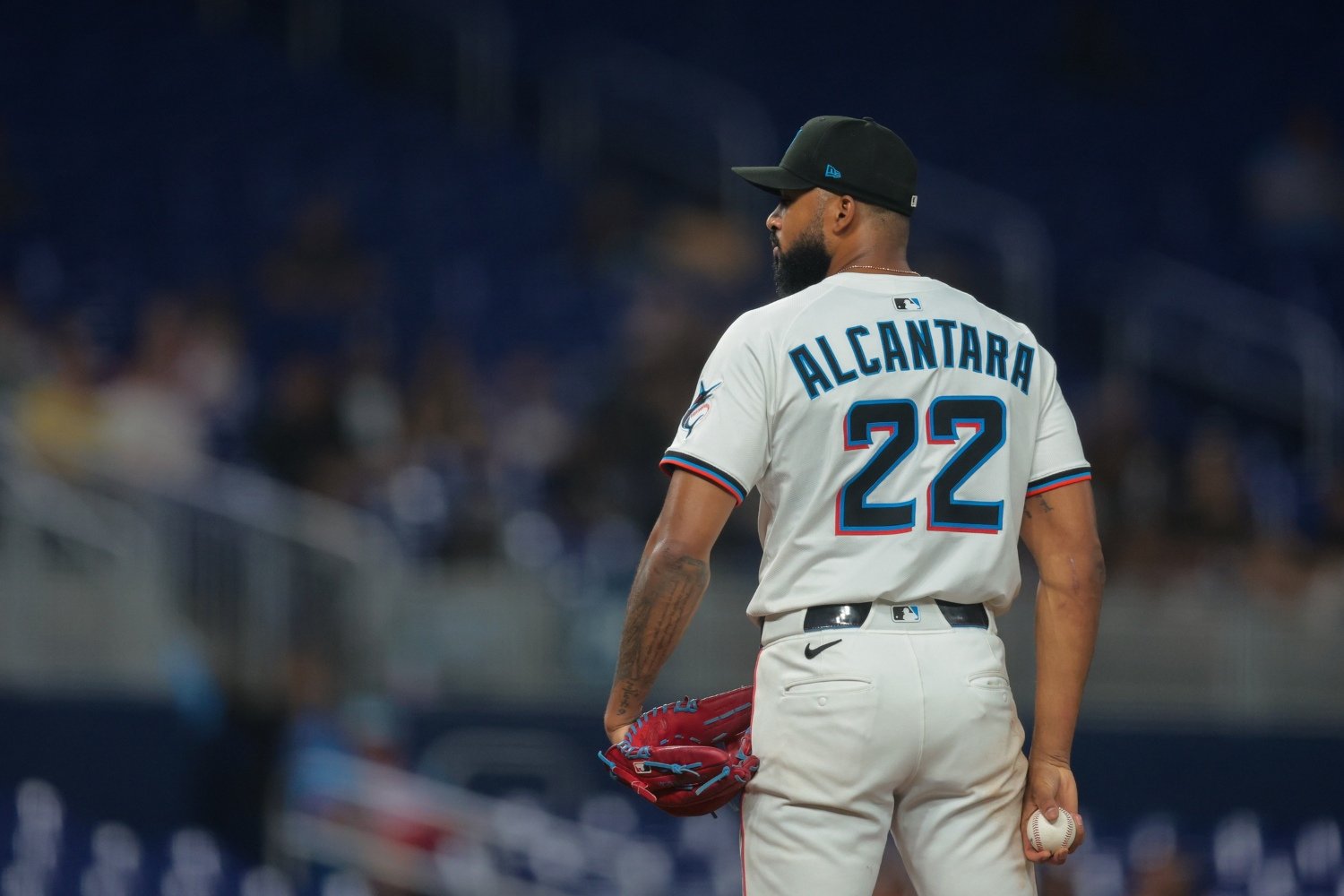 Although trade season tends not to get going until after the MLB Draft (pushed back, for the last several years, to the middle of July), the Chicago Cubs have kept in touch with several teams about starting pitchers who could bolster Chicago's push toward their first true postseason berth since 2017, sources with multiple teams said this week. Among the clubs with whom Jed Hoyer's front office has had direct contact are the Atlanta Braves, Tampa Bay Rays, Arizona Diamondbacks, and Texas Rangers, in addition to more obvious sellers like the Colorado Rockies and the division-rival Pittsburgh Pirates. Miami Marlins starter Sandy Alcántara was expected to be the belle of the trade deadline ball this summer, but his difficult start to this season has slowed down the process of shopping him from the seller's side. Alcántara's stuff is only minimally down, relative to his Cy Young-caliber peak, but so far, his command (especially of secondary offerings) has not been as good as it was before he suffered a torn UCL and underwent Tommy John surgery. Location+ is a system that uses advanced modeling to grade the locations of pitchers' offerings, on a scale whereby 100 is average and higher is better. The difference from pre- to post-injury for Alcántara's slider and changeup is stark. Season Fastball Loc+ Sinker Loc+ Slider Loc+ Changeup Loc+ 2022 107 101 106 101 2023 115 102 101 104 2025 100 101 77 93 Teams can look past even a 7.89 ERA (in a 12-start sample, for a lousy team) when developing a trade target in the modern game, but Miami will try to wait until Alcántara's level of performance (and therefore, the price they can command) rises before seriously engaging in trade discussions. Nonetheless, the Cubs have repeatedly checked in on Alcántara, who's under contract through 2027 (including a team option for that year) on the extension he signed with Miami in late 2021. Chicago has plenty of space beneath the competitive-balance tax threshold for midseason acquisitions, and sources said the RIcketts family has given Hoyer the green light to use that cushion if relatively expensive players who can improve the team's chances at a deep playoff run are available. That would, for instance, ensure that the Cubs wouldn't have to give up extra prospect value in a deal for Alcántara; they wouldn't ask Miami to absorb any of the approximately $29 million still owed on that deal. The same freedom to volunteer their spending power contributed to the team's interest in Ryan McMahon, of the moribund Rockies, this spring. Colorado owes McMahon about $39 million over the two-plus seasons remaining on the extension to which they signed him in 2022. The slugging third baseman does have ugly topline numbers this year and is a superficially strange fit for a team now enjoying the resurgence of rookie Matt Shaw. However, sources said the Cubs have been open with teams about their willingness to be creative and the possibility that they'll make multiple moves in conjunction with one another between now and the end of July. In other words, McMahon (a lockdown defensive third baseman who would add another power bat to the lineup and is under contract through 2027) would come in as the team sent Nico Hoerner (whose contract runs only through next season) out in a separate deal to upgrade their pitching staff, or to replace Shaw if the team finds an unexpected high-end starter available and the deal can't get done without including Shaw. That possibility is remote, but it's interesting to note that the team has explicitly considered it. As he has across the last 18 months, Hoyer is still trying to strike a balance, both acting aggressively to make the team better in the short term and preserving some of the young talent that has brightened the longer-term outlook for the team over the last few years. The Cubs have talked to the Pirates about their available starting pitchers, and even inquired about buying low on Pittsburgh fixture and closer David Bednar, sources also said. Paul Skenes is off-limits—to everyone, right now, but especially to any team within the division. However, the Bucs are more open to moving starter Mitch Keller, to whom they have a long-term commitment, too. (They signed him to a five-year extension last spring.) It's unclear whether the Cubs are actively interested in Keller, or whether they would only pounce if his price is constrained by the money owed to him. Either way, one source with another team in the division indicated, it's much more likely that Chicago ultimately acquires veteran lefty Andrew Heaney. Pittsburgh, Colorado and Miami are all clear about their status as sellers. So are the Washington Nationals, despite their reasonably competitive start to this season. However, two league sources said Washington president of baseball operations Mike Rizzo will not entertain trade offers for MacKenzie Gore, the frontrunner for this year's NL Cy Young Award. Although the Juan Soto trade offers precedent for Rizzo trading away a team-controlled superstar two and a half years before they reached free agency, the sense both within and outside the Nationals sphere is that they can be highly competitive as soon as next year, with Gore atop their rotation. That wasn't as true when Rizzo dealt away Soto, and acquired Gore in the process. The Cubs have a better chance of engaging the Nationals about reliever Kyle Finnegan, but that kind of deal would take place much closer to the end of July. As interesting as the natural sellers are those teams currently plunged into a possible seller's space by their dreadful starts to this season, although not all of them are yet willing to think of themselves in those terms. The Cubs have been in contact with the Rangers, who have multiple veteran starting pitchers they might trade if they continue to flounder. Jacob deGrom is not going to be dealt, and Nathan Eovaldi both has a full no-trade clause and is currently on the injured list. Impending free agent Tyler Mahle, however, has only limited no-trade language in his deal. He'd be a similar acquisition to Heaney, from the Cubs' perspective: helpful, but uninspiring. If they go that route, it will be because they can acquire the hurler in question at a highly appealing price. That said, the team is not as focused on acquiring a truly top-end starter as many fans are, sources with direct knowledge of their mindset said. While they'd love to land a pitcher like Alcántara or Atlanta's Chris Sale (another member of a team not yet sure they're willing to act as sellers), the Cubs have also put out feelers about many lower-wattage, controllable arms. Before he had to undergo Tommy John surgery himself, Atlanta hurler AJ Smith-Shawver was very much on their radar. They've also monitored the availability of Rockies righty Ryan Feltner. Finally, both the Rays (33-29, but playing before tiny crowds and in a sweltering home park for the balance of the season, and always open to shifting resources, anyway) and Diamondbacks (31-31, in fourth place in the NL West and staring down the barrel of possible elbow surgery for Corbin Burnes) have multiple arms to whom the Cubs will be correctly connected in the coming weeks. Zac Gallen's regression this year has dented his market, and Arizona might ultimately prefer to hold onto him unless he gets back on track under their watch. They can extend him a qualifying offer this fall, as he hits free agency, and recuperate draft picks if he signs elsewhere. To acquire him now, a team still has to top the value of that compensation, and then some. However, Merrill Kelly is also due to become a free agent this autumn, and his literal price tag (just $4 million or so, for the balance of this year) will help Arizona move him for good value. Kelly would slot into the middle or back of the Cubs' rotation, but his style suits theirs, and he's a good bet to stay healthy and soak up innings, without making you nervous once the playoffs roll around (the way, for instance, Colin Rea does). Tampa's rotation includes multiple players who might be available, too. Zack Littell is the most obvious, a rental starter who has taken the ball consistently and maintained a sub-4.00 ERA across more than 300 innings since the Rays moved him to the rotation in July 2023. The Cubs are slightly wary of Tampa starters, who lean heavily on their secondary pitches. (No team in the league is more fastball-forward than the Cubs.) However, Littell has been a topic of conversation between the teams. So, according to one source, has been Drew Rasmussen, who can be controlled all the way through 2027 on an affordable extension he signed in January. Rasmussen, who has a fascinating history of betting on himself and of returning from a litany of injuries, is a phenomenal strike-thrower. At 29, he has a career ERA of 2.82. Because of myriad health issues, though, he's still shy of 375 career innings. Already, the 63 innings he's pitched this year are more than he's thrown in any campaign since 2022. The Cubs like his stuff profile, which includes five average or better pitches, but they might not be willing to match Tampa's asking price for a pitcher so fraught with breakdown risk. Hoyer has been forthcoming about the fact that the team will add to its pitching staff this summer. That much is not up for debate. What shape that acquisition takes, however, is still anyone's guess. There have been more active conversations between the Cubs and other teams than is typical for this time of year, but that might not translate into actual action for another month or more. When it does, it might not take the splashy form many fans are hoping for, but those options do still exist.
- 5 comments
-
- 1
-

-
- sandy alcantara
- mitch keller
- (and 5 more)
-
Image courtesy of © Sam Navarro-Imagn Images Although trade season tends not to get going until after the MLB Draft (pushed back, for the last several years, to the middle of July), the Chicago Cubs have kept in touch with several teams about starting pitchers who could bolster Chicago's push toward their first true postseason berth since 2017, sources with multiple teams said this week. Among the clubs with whom Jed Hoyer's front office has had direct contact are the Atlanta Braves, Tampa Bay Rays, Arizona Diamondbacks, and Texas Rangers, in addition to more obvious sellers like the Colorado Rockies and the division-rival Pittsburgh Pirates. Miami Marlins starter Sandy Alcántara was expected to be the belle of the trade deadline ball this summer, but his difficult start to this season has slowed down the process of shopping him from the seller's side. Alcántara's stuff is only minimally down, relative to his Cy Young-caliber peak, but so far, his command (especially of secondary offerings) has not been as good as it was before he suffered a torn UCL and underwent Tommy John surgery. Location+ is a system that uses advanced modeling to grade the locations of pitchers' offerings, on a scale whereby 100 is average and higher is better. The difference from pre- to post-injury for Alcántara's slider and changeup is stark. Season Fastball Loc+ Sinker Loc+ Slider Loc+ Changeup Loc+ 2022 107 101 106 101 2023 115 102 101 104 2025 100 101 77 93 Teams can look past even a 7.89 ERA (in a 12-start sample, for a lousy team) when developing a trade target in the modern game, but Miami will try to wait until Alcántara's level of performance (and therefore, the price they can command) rises before seriously engaging in trade discussions. Nonetheless, the Cubs have repeatedly checked in on Alcántara, who's under contract through 2027 (including a team option for that year) on the extension he signed with Miami in late 2021. Chicago has plenty of space beneath the competitive-balance tax threshold for midseason acquisitions, and sources said the RIcketts family has given Hoyer the green light to use that cushion if relatively expensive players who can improve the team's chances at a deep playoff run are available. That would, for instance, ensure that the Cubs wouldn't have to give up extra prospect value in a deal for Alcántara; they wouldn't ask Miami to absorb any of the approximately $29 million still owed on that deal. The same freedom to volunteer their spending power contributed to the team's interest in Ryan McMahon, of the moribund Rockies, this spring. Colorado owes McMahon about $39 million over the two-plus seasons remaining on the extension to which they signed him in 2022. The slugging third baseman does have ugly topline numbers this year and is a superficially strange fit for a team now enjoying the resurgence of rookie Matt Shaw. However, sources said the Cubs have been open with teams about their willingness to be creative and the possibility that they'll make multiple moves in conjunction with one another between now and the end of July. In other words, McMahon (a lockdown defensive third baseman who would add another power bat to the lineup and is under contract through 2027) would come in as the team sent Nico Hoerner (whose contract runs only through next season) out in a separate deal to upgrade their pitching staff, or to replace Shaw if the team finds an unexpected high-end starter available and the deal can't get done without including Shaw. That possibility is remote, but it's interesting to note that the team has explicitly considered it. As he has across the last 18 months, Hoyer is still trying to strike a balance, both acting aggressively to make the team better in the short term and preserving some of the young talent that has brightened the longer-term outlook for the team over the last few years. The Cubs have talked to the Pirates about their available starting pitchers, and even inquired about buying low on Pittsburgh fixture and closer David Bednar, sources also said. Paul Skenes is off-limits—to everyone, right now, but especially to any team within the division. However, the Bucs are more open to moving starter Mitch Keller, to whom they have a long-term commitment, too. (They signed him to a five-year extension last spring.) It's unclear whether the Cubs are actively interested in Keller, or whether they would only pounce if his price is constrained by the money owed to him. Either way, one source with another team in the division indicated, it's much more likely that Chicago ultimately acquires veteran lefty Andrew Heaney. Pittsburgh, Colorado and Miami are all clear about their status as sellers. So are the Washington Nationals, despite their reasonably competitive start to this season. However, two league sources said Washington president of baseball operations Mike Rizzo will not entertain trade offers for MacKenzie Gore, the frontrunner for this year's NL Cy Young Award. Although the Juan Soto trade offers precedent for Rizzo trading away a team-controlled superstar two and a half years before they reached free agency, the sense both within and outside the Nationals sphere is that they can be highly competitive as soon as next year, with Gore atop their rotation. That wasn't as true when Rizzo dealt away Soto, and acquired Gore in the process. The Cubs have a better chance of engaging the Nationals about reliever Kyle Finnegan, but that kind of deal would take place much closer to the end of July. As interesting as the natural sellers are those teams currently plunged into a possible seller's space by their dreadful starts to this season, although not all of them are yet willing to think of themselves in those terms. The Cubs have been in contact with the Rangers, who have multiple veteran starting pitchers they might trade if they continue to flounder. Jacob deGrom is not going to be dealt, and Nathan Eovaldi both has a full no-trade clause and is currently on the injured list. Impending free agent Tyler Mahle, however, has only limited no-trade language in his deal. He'd be a similar acquisition to Heaney, from the Cubs' perspective: helpful, but uninspiring. If they go that route, it will be because they can acquire the hurler in question at a highly appealing price. That said, the team is not as focused on acquiring a truly top-end starter as many fans are, sources with direct knowledge of their mindset said. While they'd love to land a pitcher like Alcántara or Atlanta's Chris Sale (another member of a team not yet sure they're willing to act as sellers), the Cubs have also put out feelers about many lower-wattage, controllable arms. Before he had to undergo Tommy John surgery himself, Atlanta hurler AJ Smith-Shawver was very much on their radar. They've also monitored the availability of Rockies righty Ryan Feltner. Finally, both the Rays (33-29, but playing before tiny crowds and in a sweltering home park for the balance of the season, and always open to shifting resources, anyway) and Diamondbacks (31-31, in fourth place in the NL West and staring down the barrel of possible elbow surgery for Corbin Burnes) have multiple arms to whom the Cubs will be correctly connected in the coming weeks. Zac Gallen's regression this year has dented his market, and Arizona might ultimately prefer to hold onto him unless he gets back on track under their watch. They can extend him a qualifying offer this fall, as he hits free agency, and recuperate draft picks if he signs elsewhere. To acquire him now, a team still has to top the value of that compensation, and then some. However, Merrill Kelly is also due to become a free agent this autumn, and his literal price tag (just $4 million or so, for the balance of this year) will help Arizona move him for good value. Kelly would slot into the middle or back of the Cubs' rotation, but his style suits theirs, and he's a good bet to stay healthy and soak up innings, without making you nervous once the playoffs roll around (the way, for instance, Colin Rea does). Tampa's rotation includes multiple players who might be available, too. Zack Littell is the most obvious, a rental starter who has taken the ball consistently and maintained a sub-4.00 ERA across more than 300 innings since the Rays moved him to the rotation in July 2023. The Cubs are slightly wary of Tampa starters, who lean heavily on their secondary pitches. (No team in the league is more fastball-forward than the Cubs.) However, Littell has been a topic of conversation between the teams. So, according to one source, has been Drew Rasmussen, who can be controlled all the way through 2027 on an affordable extension he signed in January. Rasmussen, who has a fascinating history of betting on himself and of returning from a litany of injuries, is a phenomenal strike-thrower. At 29, he has a career ERA of 2.82. Because of myriad health issues, though, he's still shy of 375 career innings. Already, the 63 innings he's pitched this year are more than he's thrown in any campaign since 2022. The Cubs like his stuff profile, which includes five average or better pitches, but they might not be willing to match Tampa's asking price for a pitcher so fraught with breakdown risk. Hoyer has been forthcoming about the fact that the team will add to its pitching staff this summer. That much is not up for debate. What shape that acquisition takes, however, is still anyone's guess. There have been more active conversations between the Cubs and other teams than is typical for this time of year, but that might not translate into actual action for another month or more. When it does, it might not take the splashy form many fans are hoping for, but those options do still exist. View full article
- 5 replies
-
- 2
-
-
- sandy alcantara
- mitch keller
- (and 5 more)
-
Image courtesy of © Matt Marton-Imagn Images Rather than simply having Ben Brown start Saturday, the Cubs used Drew Pomeranz in the first inning, and had Brown come in to begin squaring off with the Reds in the second. With no starter officially announced for Colin Rea's rotation spot Thursday, expect to see an opener again. It could be Pomeranz once more, or (since he didn't see the top of the Nationals order in his appearance Tuesday night) Caleb Thielbar could take a turn. The opener has multiple benefits. The more oft-discussed one, lately, is that the starter who comes in after the opener effectively begins their day with the middle of the opposing order, rather than the top of it. Therefore, they end up seeing the middle and lower thirds of that order as their, say, 19th through 25th batters faced in the game. As we've already documented here, Craig Counsell has been assiduous in his commitment to getting length even from starters who are having a tough game, but that's much easier (and less potentially damaging) if said starter doesn't have to face the top three hitters in an opponent's lineup in the process. Brown, for instance, faced 20 batters in his (non-)start Saturday. Elly De La Cruz was the ninth and the 18th of those. Given the flow of the game, it made sense to lift Brown after six strong innings, but he could have worked seven that day without getting back to the top of the Reds order (with TJ Friedl, Santiago Espinal and De La Cruz) for a third time. Because the times-through-the-order penalty helps drive offense in the late and middle phases of a game, it's highly valuable to avoid having a backend starter face the best hitters in an opposing lineup a third time. The other, less heralded advantage the opener confers, though, is a matchup-based one. In fact, only when you can exploit platoon matchups with the strategy does it fully offset whatever inconveniences it inflicts. That's why using Pomeranz against the Reds made sense. Friedl bats left-handed, and De La Cruz is a much better hitter from the left side than he is when he turns around to bat right-handed against southpaws. Among the top hitters in the Reds' lineup, only Espinal is a danger to lefty pitchers, and that's relatively speaking; he's the worst hitter in that group anyway. The Nationals are, if anything, a more extreme proposition. With CJ Abrams, James Wood and Nathaniel Lowe as the typical top of their order and their three best hitters, they're profoundly vulnerable to a switcheroo that takes a righty out of their line of fire and forces them to face a lefty. Like Brown, Colin Rea runs into trouble against left-handed batters, especially later in games, so not having him face those three a third time and guaranteeing one matchup between those three and one of the Cubs' trio of lefty relievers is a no-brainer. Washington could shake up their lineup in reply, of course. They do typically use some platoons and move people around the batting order when a lefty starts. If they do so, however, Counsell will have other options later in the game. Rea worked behind an opener five total times in his last two seasons with the Brewers, with great results (24 2/3 innings, 6 earned runs) in those appearances. He's a good fit for the strategy, and so is the arsenal-limited Brown. Having three lefties in the pen whom Counsell can trust with at least medium-leverage work is a tremendous luxury, especially given what Rea and Brown can (and can't) do on the mound. Tuesday was the first of 26 games in 27 days for the Cubs, with some tough opponents on the schedule during that stretch. They'll hope to get Shota Imanaga back during the second half of that window, but for now, they have some juggling to do. For the first time all year, the sheer number of games and the dearth of off days will put some pressure on this pitching staff. The depth they've worked hard to assemble and the creativity of the man tasked with deploying them well will need to shine through. View full article
-
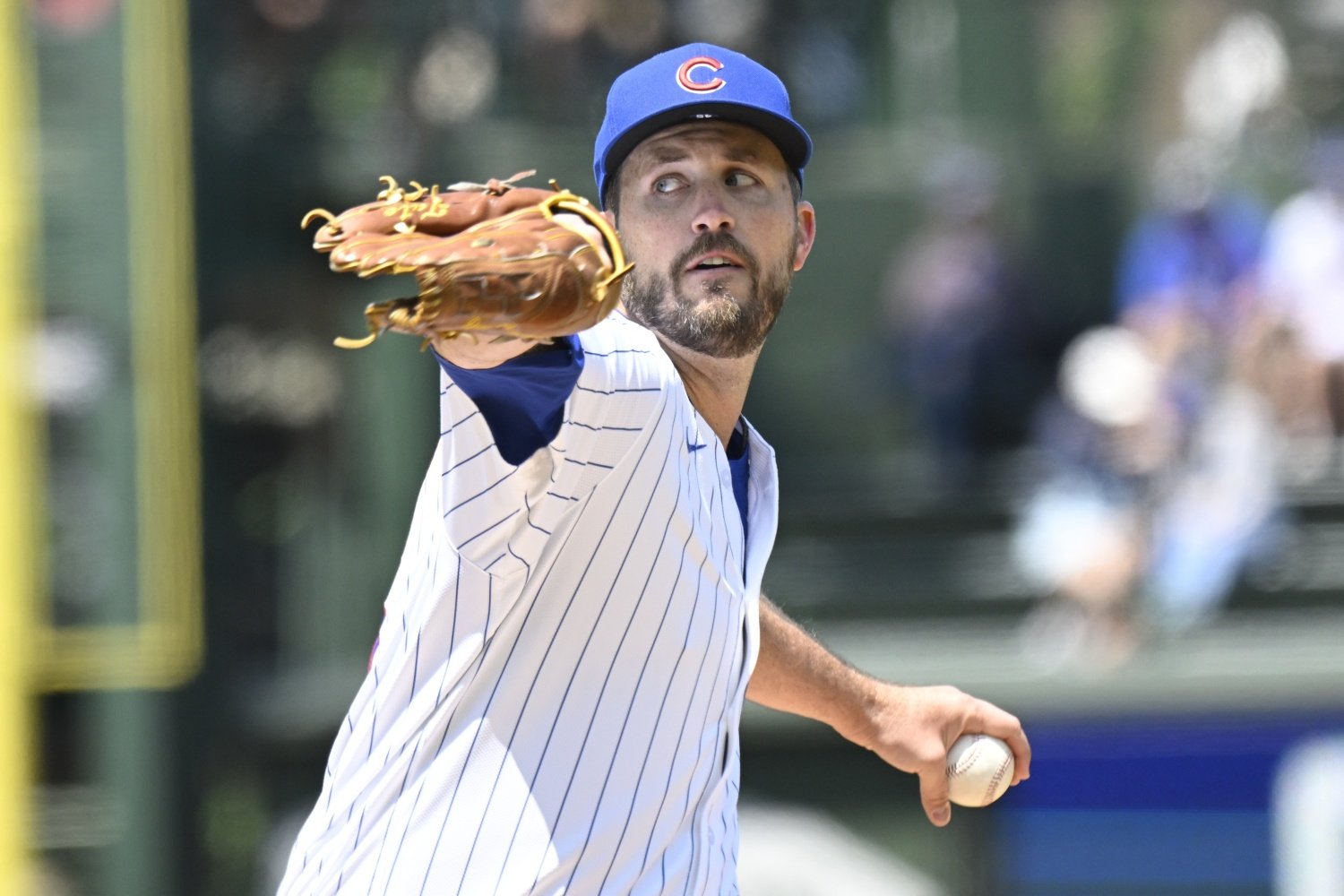 Rather than simply having Ben Brown start Saturday, the Cubs used Drew Pomeranz in the first inning, and had Brown come in to begin squaring off with the Reds in the second. With no starter officially announced for Colin Rea's rotation spot Thursday, expect to see an opener again. It could be Pomeranz once more, or (since he didn't see the top of the Nationals order in his appearance Tuesday night) Caleb Thielbar could take a turn. The opener has multiple benefits. The more oft-discussed one, lately, is that the starter who comes in after the opener effectively begins their day with the middle of the opposing order, rather than the top of it. Therefore, they end up seeing the middle and lower thirds of that order as their, say, 19th through 25th batters faced in the game. As we've already documented here, Craig Counsell has been assiduous in his commitment to getting length even from starters who are having a tough game, but that's much easier (and less potentially damaging) if said starter doesn't have to face the top three hitters in an opponent's lineup in the process. Brown, for instance, faced 20 batters in his (non-)start Saturday. Elly De La Cruz was the ninth and the 18th of those. Given the flow of the game, it made sense to lift Brown after six strong innings, but he could have worked seven that day without getting back to the top of the Reds order (with TJ Friedl, Santiago Espinal and De La Cruz) for a third time. Because the times-through-the-order penalty helps drive offense in the late and middle phases of a game, it's highly valuable to avoid having a backend starter face the best hitters in an opposing lineup a third time. The other, less heralded advantage the opener confers, though, is a matchup-based one. In fact, only when you can exploit platoon matchups with the strategy does it fully offset whatever inconveniences it inflicts. That's why using Pomeranz against the Reds made sense. Friedl bats left-handed, and De La Cruz is a much better hitter from the left side than he is when he turns around to bat right-handed against southpaws. Among the top hitters in the Reds' lineup, only Espinal is a danger to lefty pitchers, and that's relatively speaking; he's the worst hitter in that group anyway. The Nationals are, if anything, a more extreme proposition. With CJ Abrams, James Wood and Nathaniel Lowe as the typical top of their order and their three best hitters, they're profoundly vulnerable to a switcheroo that takes a righty out of their line of fire and forces them to face a lefty. Like Brown, Colin Rea runs into trouble against left-handed batters, especially later in games, so not having him face those three a third time and guaranteeing one matchup between those three and one of the Cubs' trio of lefty relievers is a no-brainer. Washington could shake up their lineup in reply, of course. They do typically use some platoons and move people around the batting order when a lefty starts. If they do so, however, Counsell will have other options later in the game. Rea worked behind an opener five total times in his last two seasons with the Brewers, with great results (24 2/3 innings, 6 earned runs) in those appearances. He's a good fit for the strategy, and so is the arsenal-limited Brown. Having three lefties in the pen whom Counsell can trust with at least medium-leverage work is a tremendous luxury, especially given what Rea and Brown can (and can't) do on the mound. Tuesday was the first of 26 games in 27 days for the Cubs, with some tough opponents on the schedule during that stretch. They'll hope to get Shota Imanaga back during the second half of that window, but for now, they have some juggling to do. For the first time all year, the sheer number of games and the dearth of off days will put some pressure on this pitching staff. The depth they've worked hard to assemble and the creativity of the man tasked with deploying them well will need to shine through.
 -
Image courtesy of © David Banks-Imagn Images The Cubs were quick to snatch up certain personnel for their coaching staff last fall. Quintin Berry was a priority; Craig Counsell convinced him to follow him down to Chicago from their previous collaboration in Milwaukee. So, too, were Jose Javier and Matt Talarico. Javier is the team's first-base coach and infield instructor, while Berry is their third-base coach and outfield instructor. Both Javier and Berry, however, have their hands deep in the team's baserunning, which has been a catalytic force for the league's most dynamic offense thus far. Talarico, for his part, preaches the same emphases and fundamentals of baserunning throughout the team's farm system. This was nothing short of an overhaul in the team's approach to running the bases, with special attention paid to making sure they would be as dangerous as possible when stealing bags. It's worked, in eye-popping fashion. Only the Rays and the Brewers have more steals than the Cubs' 76 so far, and even that is just because those much weaker offenses need the running game much more than the Cubs do. Chicago has been caught fewer times and enjoys a higher success rate than either of the small-market teams just ahead of them in terms of stealing bases. The Cubs are a baserunning juggernaut. Some of that is down to the new rules that govern the game, going back to 2023, of course. The running game is far more accessible and uncontrollable since the advent of the pitch timer, with its attendant limits on pitcher disengagements with the rubber. Another part is the team Jed Hoyer and his staff have cobbled together, with Pete Crow-Armstrong and Nico Hoerner as the tip of the spear and Kyle Tucker joining them in sowing chaos after the offseason trade that folded him into the mix. The final ingredient, though, is the shared and accumulated wisdom of Javier and Berry, and the way they've helped the whole crew level up. On their 90 stolen-base attempts this year, the Cubs have averaged 12.5 feet of lead distance gained from the pitcher's first move to their release of the pitch. That's good for second-best in the league, trailing only the Yankees. (That's no coincidence; both Javier and Talarico were pilfered from the Yankees specifically because they helped develop the Bombers' ability to establish bouncing, extra-length leads.) They're 25.1 feet from the base they're leaving behind by the time the hurler cuts the ball loose, second only to the Padres in that area, and with the speed and skill of the trio of Crow-Armstrong, Tucker and Hoerner, that's a head start for which opponents have no chance to make up. Here's one of the times when Hoerner didn't even get a perfect jump, but had enough margin for error to take a base, anyway, thanks to the system installed by Berry and Javier and with their tutelage on getting reads. QndvemxfVjBZQUhRPT1fVlFCWlVsTUVBd0VBQzFRTFZBQUhVQU1DQUFNSFZBSUFBbFVIQTFZRkF3RURBUVZS.mp4 Other examples are even more stark, though. Tucker specializes in catching opponents sleeping, which is something the coaches have helped the whole team spot better. Here, with two outs and Tucker already on second, the pitcher becomes inattentive. Sure, you don't want to be thrown out there, but if you get a jump like this one, there's literally zero chance of that—and by moving up, you put yourself in position to score more easily on an outfield hit or to come home on a wild pitch, passed ball or infield single. R0I2azlfWGw0TUFRPT1fVUFKU1VGd0FVbGNBRHdNRUFnQUhCdzREQUFOWFZnTUFVMXdEVWdvQkIxQmNCVk1I.mp4 The Cubs are also thoroughly ruthless with opponents if and when a pitcher uses up their two allotted unsuccessful pickoff attempts. Here's Tucker, after Sean Burke had exhausted his within one at-bat, taking off so aggressively he nearly fooled himself. a0Q5bzlfVjBZQUhRPT1fQVFkVlUxQUZWVkVBQUFNQkJRQUhBbFVIQUFBRFZGY0FWRjBDQ1ZWVVZBRUJWQVJV.mp4 The team has also broken out the double-steal frequently, perhaps more so than any other team in the league. Here, notice (by following the bouncing helmet right off the bottom edge of the shot) the humongous head start Ian Happ gets, leaving only the tougher option of throwing to try to nail the trailing runner. Double-steals are underrated offensive plays. When the opportunity arises, executing one is a great way to increase the chances of a crooked number. bmJNUTdfVjBZQUhRPT1fQjFBRUFRWlFVMUVBQ0ZZRVV3QUhWMUpVQUFNQ0IxVUFWMVZYQUFRTUJGVldBbEJY.mp4 Nor do the Cubs reserve these lessons and their value for the guys who run most often. Here's a pivotal, high-leverage steal by Michael Busch, made possible by the techniques for timing a lead and a jump that Berry and Javier have helped the whole team understand. RDFBNFhfWGw0TUFRPT1fRGdNQ1Zsd0hVd3NBWGxNR0FnQUhBZ1JSQUFCWFVBQUFDMTBFVkF0VVZBdFVCQVpW.mp4 The Cubs have not only been successful a huge share of the time, but often taken bases without drawing a throw. That's especially valuable, and a testament to what Berry and Javier have done for them. It might not seem like it matters by what margin a player is safe, but easy steals come with lower risks of injuries and leave a wider margin for error. They also require a smaller share of a player's energy, because one can let up a bit going into the bag. Racking up easy steals means frequent advancement without the tradeoffs that deter teams from seeking as many of those advancements as they could. The Cubs are the best in baseball at finding easy steals. Both offensively and defensively, Berry has been a tremendous asset for the Cubs this season. They're a talented team with some depth, but things like great defensive positioning and lots of baserunning value explain their current position better than that sheer talent does. They're more than the sum of their parts, so far, thanks in no small part to the contributions of their new coaches. View full article
-
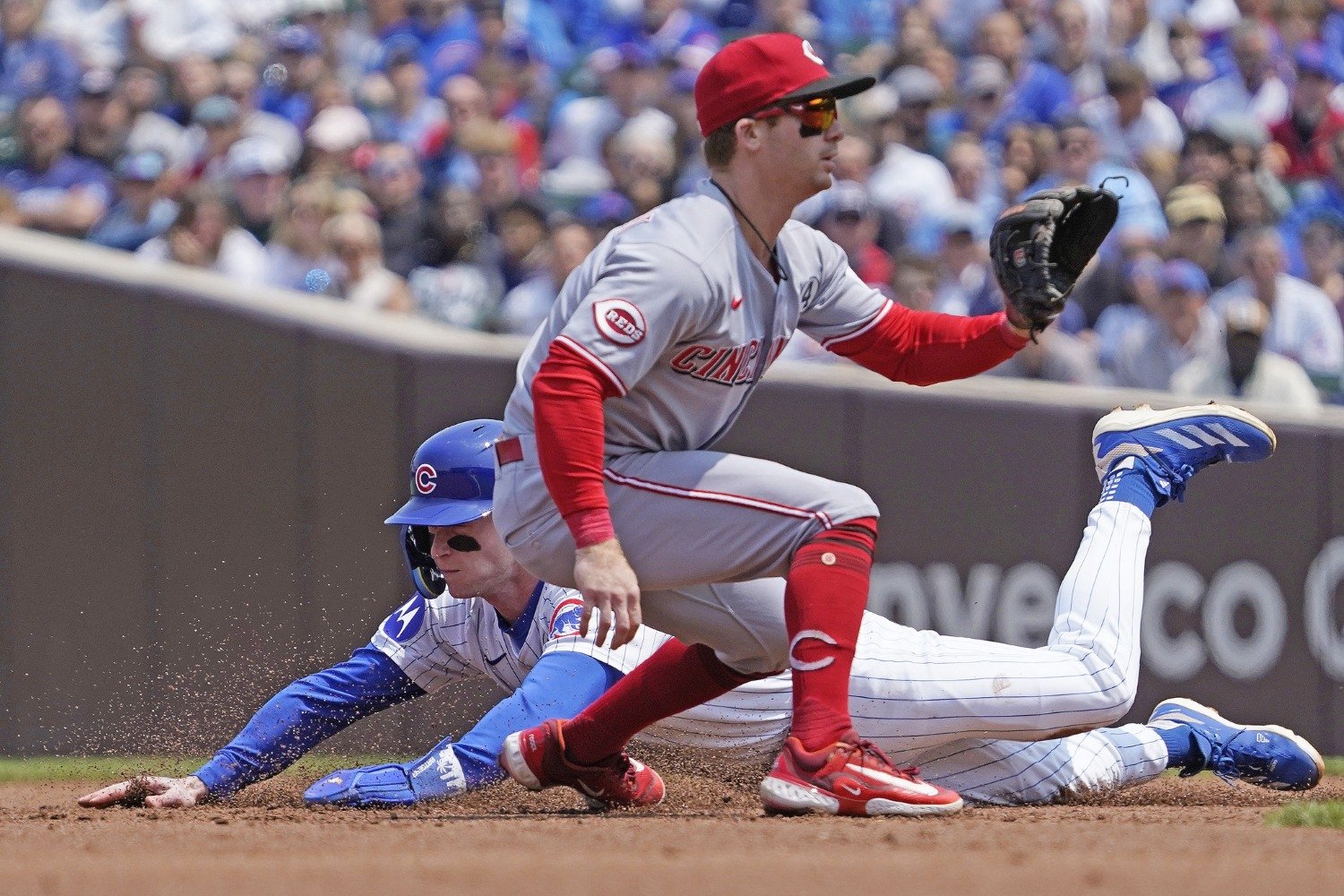 The Cubs were quick to snatch up certain personnel for their coaching staff last fall. Quintin Berry was a priority; Craig Counsell convinced him to follow him down to Chicago from their previous collaboration in Milwaukee. So, too, were Jose Javier and Matt Talarico. Javier is the team's first-base coach and infield instructor, while Berry is their third-base coach and outfield instructor. Both Javier and Berry, however, have their hands deep in the team's baserunning, which has been a catalytic force for the league's most dynamic offense thus far. Talarico, for his part, preaches the same emphases and fundamentals of baserunning throughout the team's farm system. This was nothing short of an overhaul in the team's approach to running the bases, with special attention paid to making sure they would be as dangerous as possible when stealing bags. It's worked, in eye-popping fashion. Only the Rays and the Brewers have more steals than the Cubs' 76 so far, and even that is just because those much weaker offenses need the running game much more than the Cubs do. Chicago has been caught fewer times and enjoys a higher success rate than either of the small-market teams just ahead of them in terms of stealing bases. The Cubs are a baserunning juggernaut. Some of that is down to the new rules that govern the game, going back to 2023, of course. The running game is far more accessible and uncontrollable since the advent of the pitch timer, with its attendant limits on pitcher disengagements with the rubber. Another part is the team Jed Hoyer and his staff have cobbled together, with Pete Crow-Armstrong and Nico Hoerner as the tip of the spear and Kyle Tucker joining them in sowing chaos after the offseason trade that folded him into the mix. The final ingredient, though, is the shared and accumulated wisdom of Javier and Berry, and the way they've helped the whole crew level up. On their 90 stolen-base attempts this year, the Cubs have averaged 12.5 feet of lead distance gained from the pitcher's first move to their release of the pitch. That's good for second-best in the league, trailing only the Yankees. (That's no coincidence; both Javier and Talarico were pilfered from the Yankees specifically because they helped develop the Bombers' ability to establish bouncing, extra-length leads.) They're 25.1 feet from the base they're leaving behind by the time the hurler cuts the ball loose, second only to the Padres in that area, and with the speed and skill of the trio of Crow-Armstrong, Tucker and Hoerner, that's a head start for which opponents have no chance to make up. Here's one of the times when Hoerner didn't even get a perfect jump, but had enough margin for error to take a base, anyway, thanks to the system installed by Berry and Javier and with their tutelage on getting reads. QndvemxfVjBZQUhRPT1fVlFCWlVsTUVBd0VBQzFRTFZBQUhVQU1DQUFNSFZBSUFBbFVIQTFZRkF3RURBUVZS.mp4 Other examples are even more stark, though. Tucker specializes in catching opponents sleeping, which is something the coaches have helped the whole team spot better. Here, with two outs and Tucker already on second, the pitcher becomes inattentive. Sure, you don't want to be thrown out there, but if you get a jump like this one, there's literally zero chance of that—and by moving up, you put yourself in position to score more easily on an outfield hit or to come home on a wild pitch, passed ball or infield single. R0I2azlfWGw0TUFRPT1fVUFKU1VGd0FVbGNBRHdNRUFnQUhCdzREQUFOWFZnTUFVMXdEVWdvQkIxQmNCVk1I.mp4 The Cubs are also thoroughly ruthless with opponents if and when a pitcher uses up their two allotted unsuccessful pickoff attempts. Here's Tucker, after Sean Burke had exhausted his within one at-bat, taking off so aggressively he nearly fooled himself. a0Q5bzlfVjBZQUhRPT1fQVFkVlUxQUZWVkVBQUFNQkJRQUhBbFVIQUFBRFZGY0FWRjBDQ1ZWVVZBRUJWQVJV.mp4 The team has also broken out the double-steal frequently, perhaps more so than any other team in the league. Here, notice (by following the bouncing helmet right off the bottom edge of the shot) the humongous head start Ian Happ gets, leaving only the tougher option of throwing to try to nail the trailing runner. Double-steals are underrated offensive plays. When the opportunity arises, executing one is a great way to increase the chances of a crooked number. bmJNUTdfVjBZQUhRPT1fQjFBRUFRWlFVMUVBQ0ZZRVV3QUhWMUpVQUFNQ0IxVUFWMVZYQUFRTUJGVldBbEJY.mp4 Nor do the Cubs reserve these lessons and their value for the guys who run most often. Here's a pivotal, high-leverage steal by Michael Busch, made possible by the techniques for timing a lead and a jump that Berry and Javier have helped the whole team understand. RDFBNFhfWGw0TUFRPT1fRGdNQ1Zsd0hVd3NBWGxNR0FnQUhBZ1JSQUFCWFVBQUFDMTBFVkF0VVZBdFVCQVpW.mp4 The Cubs have not only been successful a huge share of the time, but often taken bases without drawing a throw. That's especially valuable, and a testament to what Berry and Javier have done for them. It might not seem like it matters by what margin a player is safe, but easy steals come with lower risks of injuries and leave a wider margin for error. They also require a smaller share of a player's energy, because one can let up a bit going into the bag. Racking up easy steals means frequent advancement without the tradeoffs that deter teams from seeking as many of those advancements as they could. The Cubs are the best in baseball at finding easy steals. Both offensively and defensively, Berry has been a tremendous asset for the Cubs this season. They're a talented team with some depth, but things like great defensive positioning and lots of baserunning value explain their current position better than that sheer talent does. They're more than the sum of their parts, so far, thanks in no small part to the contributions of their new coaches.
 -
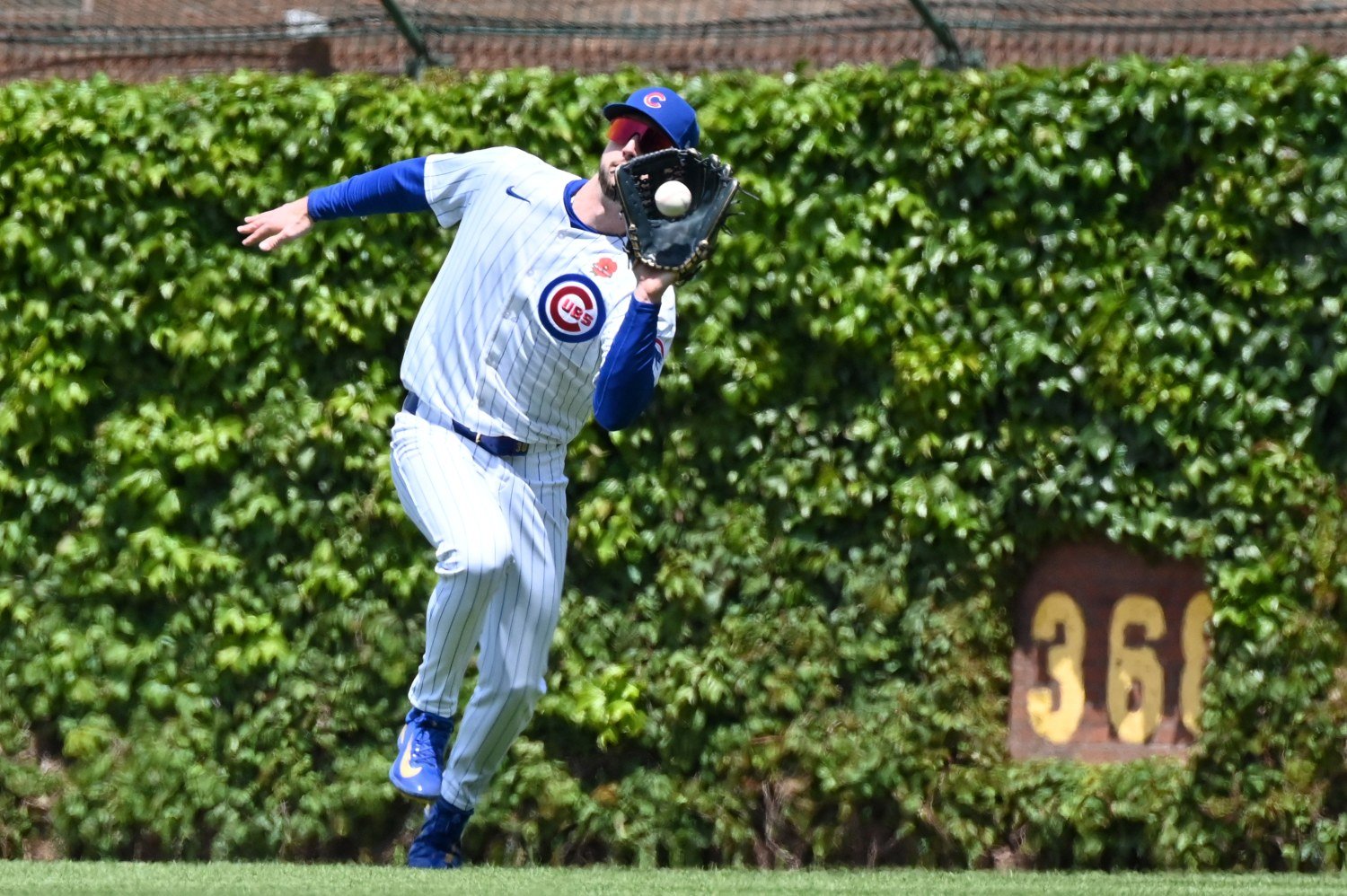 On Saturday, Daniel Palencia had to close out a 2-0 game for the Cubs, with the top of the Reds order coming up. If even one batter reached base, Elly De La Cruz would come to the plate representing the tying run. Palencia dispatched Matt McLain on a routine fly ball, but TJ Friedl then hit a sinking line drive to left-center field. Against a lot of defenses, that ball is a hit. In fact, Statcast estimates an .850 expected batting average for balls with that combination of exit velocity and launch angle, and if you search for batted balls like it that turned into outs, you'll mostly find balls that happened to be hit right at a fielder. Instead, of course, we got to see Pete Crow-Armstrong's skills on full display. The Cubs center fielder broke perfectly on the ball, sprinted to his right and dove, scooping the ball neatly, shin-high, as it nosed downward toward the grass. NXkyNDFfWGw0TUFRPT1fRHdaWVZ3WUJVUXNBQUFFS0FBQUhBMU5mQUFCVFdnSUFCVkpXQkFSUlZBc0hCQVpV.mp4 The only unfamiliar thing about that, by now, was that Crow-Armstrong even needed to leave his feet. This year, it has become routine to see him make dazzling plays look fairly easy. He's made five catches in nine opportunities rated by Statcast as 5-star efforts, which means that the system estimated a success rate of under 25% on the ball. No other outfielder has made even four such catches, and defending Fielding Bible Award winner for center field (and two-time defending NL Gold Glover, if you're into the inferior fielding laurels) Brenton Doyle is 0-for-11 in his chances to make such catches this year. Crow-Armstrong has caught multiple sharp liners like that one by Friedl, and stolen extra-base hits from others on longer drives that nonetheless didn't stretch his range all that far. Remarkably, Crow-Armstrong is outperforming every other outfielder in the sport, without having to fling himself belly-first onto many warning tracks or scale walls to bring back home runs. He's looked downright comfortable making plays other outfielders wouldn't even come close to making. eHk5UWtfWGw0TUFRPT1fVXdZREFWUURBRkVBQUZkWEFnQUhVQVZWQUZnQVYxUUFDbGNDVVFFSFVnQlZBZ3RX.mp4 The secret behind his success (other than a unique cocktail of talent and work ethic) is one that extends beyond Crow-Armstrong, to the Cubs' other outfielders, too. According to Sports Info Solutions, the Cubs have saved 5 runs this year based on their outfield positioning, alone. That ranks second in the majors, trailing only the Detroit Tigers. For that, Cubs fans can thank Quintin Berry, the man the team hired away from the Brewers last fall to help them tighten up both their baserunning and their outfield defense. Under Berry's stewardship, the team has become as good as anyone at putting their guys where the ball is likely to go—a small advantage rendered huge by the scope of Crow-Armstrong's talent. That liner from Friedl was hit to an unusual place; Friedl hits more of his catchable flies and liners either deeper to the gap in left-center or to right field. Thus, the Cubs had to position Kyle Tucker a bit toward the line in right field, and Crow-Armstrong was slightly offset toward right, to cover the gap in right-center. Ian Happ was well off the left-field line, the better to cut off balls hit toward the gap, but he was never going to get to this ball before it landed. In this case, in other words, there was no way for the Cubs to have wisely set up to make this catch easy. All they could do was line up to make catching it possible—and that's what they did. A similar thing happened on that long drive by Jung Hoo Lee in early May. That ball was hit well, and relatively low, to the gap, and Lee hits such balls to either side. The center fielder has to play him deep, but laterally neutral. Crow-Armstrong did, and thus, a ball that could never have been easy remained playable. Every team uses extremely detailed scouting reports and a wealth of data to position players, these days. Berry, however, is a big believer in preparing his guys by having them work throughout the spring on making plays by feel and through great communication. That way, as he later installs information-driven positioning plans, they're already accustomed to making small adjustments on the fly, based on weather, the pitcher and pitch selection, situation, and so on. You can see why that makes a difference with a player like Crow-Armstrong, who combines excellent jumps with unique athletic ability. Moving his starting point a bit more than other teams might extends his range until he can cover practically any hit a batter can manage. To see the difference, first, compare Crow-Armstrong's array of starting positions (and the corresponding Outs Above Average rating for each): to those of Doyle, the Rockies' formidable center fielder: With the privilege of being able to roam the gaps more and worry about depth a bit less (since Wrigley Field is so much more snug a center field than Coors Field has), Crow-Armstrong varies his starting places more than Doyle does. He also varies those positions more than he himself did last year, a testament to Berry's influence. As a result, we can see how his range (the lighter lines here, on this superimposed image comparing the two) exceeds that of Doyle. Crow-Armstrong can get to more stuff, because he starts in slightly more aggressive positions, closer to balls that would be at the edge of either of their ranges. The implications for this subtle expertise Berry has demonstrated run much deeper than Crow-Armstrong's individual brilliance, though. Great positioning has consistently put Seiya Suzuki closer to balls that strain his shaky capacity as an outfielder this year, resulting in some good plays turned in despite imperfect reads and reactions. RDFBTWJfWGw0TUFRPT1fQTFJRVhRWUhVQWNBV2xVQUFBQUhBbE1EQUFBTkFRSUFWd0VEVmxBQVVnQlNCVlpU.mp4 Kyle Tucker is now a markedly below-average runner and can't actively add value with his range in right field, but put him in good positions, and he can make plays on the ball. ckQ4M1BfWGw0TUFRPT1fVlZCWVVBQUJWRkFBV2djTFVnQUhWMUpYQUFOVUJsSUFCbElEVkZjQUNWWUFCZ05U.mp4 Ian Happ hits the sweet spot among the four outfielders, in that his defense has always been more sound than Suzuki's and he's a better athlete than Tucker, but he's not a range-extender like Crow-Armstrong. Good positioning allows him to make the plays that would normally be just beyond his reach, specifically because he's not especially good at the truly dazzling finish. He needs to be able to draw a bead on the ball, and the Cubs have him doing that as regularly as ever. At 30, he might win his fourth straight Gold Glove this year. QndvemxfWGw0TUFRPT1fQXdsU1VWUUFWZ0lBQ0FRTFhnQUhWRklIQUFCWFZRSUFWRmNHQndZR1VGQURWQUZV.mp4 Positioning is a subtle science. The line drive right to an outfielder is an easy way to see it in action, but sometimes, that's blind luck. By contrast, sometimes the running or even sliding catch is the sign that a team set their unit perfectly, to cover as wide a spectrum of possible hits by that particular batter as possible. The Cubs are creating ample value in the field just by being well-coached (and responsive to that coaching). Tomorrow, we'll dig into how Berry has also (with help) turned up the dials on their baserunning and the value they get therefrom.
 -
Image courtesy of © Patrick Gorski-Imagn Images On Saturday, Daniel Palencia had to close out a 2-0 game for the Cubs, with the top of the Reds order coming up. If even one batter reached base, Elly De La Cruz would come to the plate representing the tying run. Palencia dispatched Matt McLain on a routine fly ball, but TJ Friedl then hit a sinking line drive to left-center field. Against a lot of defenses, that ball is a hit. In fact, Statcast estimates an .850 expected batting average for balls with that combination of exit velocity and launch angle, and if you search for batted balls like it that turned into outs, you'll mostly find balls that happened to be hit right at a fielder. Instead, of course, we got to see Pete Crow-Armstrong's skills on full display. The Cubs center fielder broke perfectly on the ball, sprinted to his right and dove, scooping the ball neatly, shin-high, as it nosed downward toward the grass. NXkyNDFfWGw0TUFRPT1fRHdaWVZ3WUJVUXNBQUFFS0FBQUhBMU5mQUFCVFdnSUFCVkpXQkFSUlZBc0hCQVpV.mp4 The only unfamiliar thing about that, by now, was that Crow-Armstrong even needed to leave his feet. This year, it has become routine to see him make dazzling plays look fairly easy. He's made five catches in nine opportunities rated by Statcast as 5-star efforts, which means that the system estimated a success rate of under 25% on the ball. No other outfielder has made even four such catches, and defending Fielding Bible Award winner for center field (and two-time defending NL Gold Glover, if you're into the inferior fielding laurels) Brenton Doyle is 0-for-11 in his chances to make such catches this year. Crow-Armstrong has caught multiple sharp liners like that one by Friedl, and stolen extra-base hits from others on longer drives that nonetheless didn't stretch his range all that far. Remarkably, Crow-Armstrong is outperforming every other outfielder in the sport, without having to fling himself belly-first onto many warning tracks or scale walls to bring back home runs. He's looked downright comfortable making plays other outfielders wouldn't even come close to making. eHk5UWtfWGw0TUFRPT1fVXdZREFWUURBRkVBQUZkWEFnQUhVQVZWQUZnQVYxUUFDbGNDVVFFSFVnQlZBZ3RX.mp4 The secret behind his success (other than a unique cocktail of talent and work ethic) is one that extends beyond Crow-Armstrong, to the Cubs' other outfielders, too. According to Sports Info Solutions, the Cubs have saved 5 runs this year based on their outfield positioning, alone. That ranks second in the majors, trailing only the Detroit Tigers. For that, Cubs fans can thank Quintin Berry, the man the team hired away from the Brewers last fall to help them tighten up both their baserunning and their outfield defense. Under Berry's stewardship, the team has become as good as anyone at putting their guys where the ball is likely to go—a small advantage rendered huge by the scope of Crow-Armstrong's talent. That liner from Friedl was hit to an unusual place; Friedl hits more of his catchable flies and liners either deeper to the gap in left-center or to right field. Thus, the Cubs had to position Kyle Tucker a bit toward the line in right field, and Crow-Armstrong was slightly offset toward right, to cover the gap in right-center. Ian Happ was well off the left-field line, the better to cut off balls hit toward the gap, but he was never going to get to this ball before it landed. In this case, in other words, there was no way for the Cubs to have wisely set up to make this catch easy. All they could do was line up to make catching it possible—and that's what they did. A similar thing happened on that long drive by Jung Hoo Lee in early May. That ball was hit well, and relatively low, to the gap, and Lee hits such balls to either side. The center fielder has to play him deep, but laterally neutral. Crow-Armstrong did, and thus, a ball that could never have been easy remained playable. Every team uses extremely detailed scouting reports and a wealth of data to position players, these days. Berry, however, is a big believer in preparing his guys by having them work throughout the spring on making plays by feel and through great communication. That way, as he later installs information-driven positioning plans, they're already accustomed to making small adjustments on the fly, based on weather, the pitcher and pitch selection, situation, and so on. You can see why that makes a difference with a player like Crow-Armstrong, who combines excellent jumps with unique athletic ability. Moving his starting point a bit more than other teams might extends his range until he can cover practically any hit a batter can manage. To see the difference, first, compare Crow-Armstrong's array of starting positions (and the corresponding Outs Above Average rating for each): to those of Doyle, the Rockies' formidable center fielder: With the privilege of being able to roam the gaps more and worry about depth a bit less (since Wrigley Field is so much more snug a center field than Coors Field has), Crow-Armstrong varies his starting places more than Doyle does. He also varies those positions more than he himself did last year, a testament to Berry's influence. As a result, we can see how his range (the lighter lines here, on this superimposed image comparing the two) exceeds that of Doyle. Crow-Armstrong can get to more stuff, because he starts in slightly more aggressive positions, closer to balls that would be at the edge of either of their ranges. The implications for this subtle expertise Berry has demonstrated run much deeper than Crow-Armstrong's individual brilliance, though. Great positioning has consistently put Seiya Suzuki closer to balls that strain his shaky capacity as an outfielder this year, resulting in some good plays turned in despite imperfect reads and reactions. RDFBTWJfWGw0TUFRPT1fQTFJRVhRWUhVQWNBV2xVQUFBQUhBbE1EQUFBTkFRSUFWd0VEVmxBQVVnQlNCVlpU.mp4 Kyle Tucker is now a markedly below-average runner and can't actively add value with his range in right field, but put him in good positions, and he can make plays on the ball. ckQ4M1BfWGw0TUFRPT1fVlZCWVVBQUJWRkFBV2djTFVnQUhWMUpYQUFOVUJsSUFCbElEVkZjQUNWWUFCZ05U.mp4 Ian Happ hits the sweet spot among the four outfielders, in that his defense has always been more sound than Suzuki's and he's a better athlete than Tucker, but he's not a range-extender like Crow-Armstrong. Good positioning allows him to make the plays that would normally be just beyond his reach, specifically because he's not especially good at the truly dazzling finish. He needs to be able to draw a bead on the ball, and the Cubs have him doing that as regularly as ever. At 30, he might win his fourth straight Gold Glove this year. QndvemxfWGw0TUFRPT1fQXdsU1VWUUFWZ0lBQ0FRTFhnQUhWRklIQUFCWFZRSUFWRmNHQndZR1VGQURWQUZV.mp4 Positioning is a subtle science. The line drive right to an outfielder is an easy way to see it in action, but sometimes, that's blind luck. By contrast, sometimes the running or even sliding catch is the sign that a team set their unit perfectly, to cover as wide a spectrum of possible hits by that particular batter as possible. The Cubs are creating ample value in the field just by being well-coached (and responsive to that coaching). Tomorrow, we'll dig into how Berry has also (with help) turned up the dials on their baserunning and the value they get therefrom. View full article
-
Image courtesy of © David Banks-Imagn Images Chicago Cubs right fielder Kyle Tucker slid very awkwardly into second base on a steal attempt early in Sunday's rubber match with the Cincinnati Reds. Tucker's left hand hit the dirt earlier than he intended, with threw off his balance and led to a crashing flop into the base. Whether he was trying to make an adjustment to avoid an incoming tag or just miscalculated as he launched himself downward and toward the pillow, Tucker ended up rolling over his right hand a bit, and his head bonked into the ground with an uncomfortable-looking, helmet-displacing whack. Tucker moved fluidly through the lurching one-car traffic accident, absorbing the force of the ground and rolling through it. An uneasy but depressurizing turn of his neck and a quick swim of that momentarily trapped right hand saved him from the most obvious sources of possible damage, but he still looked moderately shaken up. As he made his way back to the dugout, he seemed to shake out each hand a bit, but it was his face and head that attracted most attention thereafter. The risk there is a minor whiplash incident, leading to a concussive impact between one's head and the ground. Tucker wouldn't be the first player to suffer a concussion in exactly such a self-inflicted way, in fact. Still, he stayed in initially, and only after a fourth-inning at-bat in which he also fouled a ball off his own toe did he depart. That introduces a second source of worry, since a foul ball on which he broke his own shin cost him the second half of 2024—an injury he suffered, in fact, in the first week of June. Whatever led Tucker to be removed from the game, it doesn't appear to have been as serious as any of the above. It wouldn't be surprising to learn that the team simply lifted him for precautionary reasons, with a day off coming Monday and a four-run cushion with which to work. Still, this situation demands monitoring. If the Cubs do end up being without Tucker for any meaningful period, they'll need the rest of their key hitters to step up in major ways. We'll update this piece when more information emerges. UPDATE: According to the Cubs, Tucker was removed with a jammed right ring finger. We can safely assume that that happened somewhere in the process of that strange slide, where he landed on the right hand in a way sliding mitts aren't especially adept at absorbing. We'll wait to see whether he goes for any X-rays to check for a break, but tentatively, this reads as good news. It was an ugly play, but doesn't seem to have unduly cost Tucker or the team. View full article
-
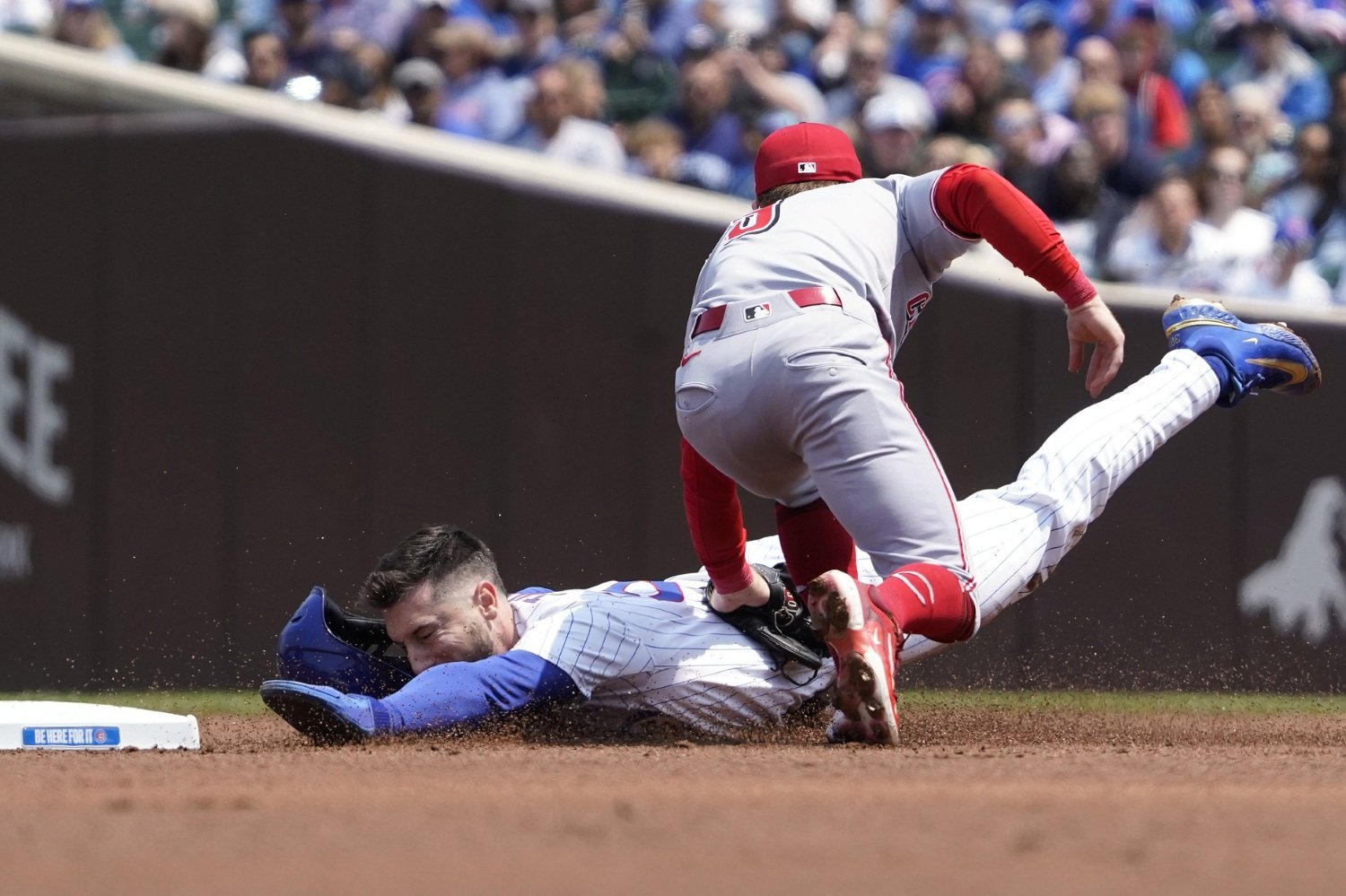 Chicago Cubs right fielder Kyle Tucker slid very awkwardly into second base on a steal attempt early in Sunday's rubber match with the Cincinnati Reds. Tucker's left hand hit the dirt earlier than he intended, with threw off his balance and led to a crashing flop into the base. Whether he was trying to make an adjustment to avoid an incoming tag or just miscalculated as he launched himself downward and toward the pillow, Tucker ended up rolling over his right hand a bit, and his head bonked into the ground with an uncomfortable-looking, helmet-displacing whack. Tucker moved fluidly through the lurching one-car traffic accident, absorbing the force of the ground and rolling through it. An uneasy but depressurizing turn of his neck and a quick swim of that momentarily trapped right hand saved him from the most obvious sources of possible damage, but he still looked moderately shaken up. As he made his way back to the dugout, he seemed to shake out each hand a bit, but it was his face and head that attracted most attention thereafter. The risk there is a minor whiplash incident, leading to a concussive impact between one's head and the ground. Tucker wouldn't be the first player to suffer a concussion in exactly such a self-inflicted way, in fact. Still, he stayed in initially, and only after a fourth-inning at-bat in which he also fouled a ball off his own toe did he depart. That introduces a second source of worry, since a foul ball on which he broke his own shin cost him the second half of 2024—an injury he suffered, in fact, in the first week of June. Whatever led Tucker to be removed from the game, it doesn't appear to have been as serious as any of the above. It wouldn't be surprising to learn that the team simply lifted him for precautionary reasons, with a day off coming Monday and a four-run cushion with which to work. Still, this situation demands monitoring. If the Cubs do end up being without Tucker for any meaningful period, they'll need the rest of their key hitters to step up in major ways. We'll update this piece when more information emerges. UPDATE: According to the Cubs, Tucker was removed with a jammed right ring finger. We can safely assume that that happened somewhere in the process of that strange slide, where he landed on the right hand in a way sliding mitts aren't especially adept at absorbing. We'll wait to see whether he goes for any X-rays to check for a break, but tentatively, this reads as good news. It was an ugly play, but doesn't seem to have unduly cost Tucker or the team.
 -
Image courtesy of © Patrick Gorski-Imagn Images The baseball is alarmingly dead in the major leagues this season. If you're a Cubs fan (which seems likely, if you're reading this), you might be forgiven for not having even heard of this, but it's true. Even as Kyle Tucker, Pete Crow-Armstrong, Seiya Suzuki and Dansby Swanson have each marched out to paces for more than 30 home runs, much of the league has fought in vain to generate those very homers. In a modern game much more reliant on power as the engine of offensive value than previous iterations, it's a miniature crisis, affecting the entire league. The league's collective slugging average is a weak .394, but we don't need to depend on outcomes to tell us whether the ball has changed. At Baseball Savant, a site owned and operated by Major League Baseball itself, there's a Drag Dashboard that shows the daily average values for drag on the ball, calculated using the loss of velocity from release to home plate on four-seam fastballs—and a cursory check of it will tell you that drag is way, way up in 2025. Not even a partial season within the last 10 has matched the first two months of this year in this regard. Combining this information with some gathered in other, previous studies, we can say with some confidence that the ball is flying less well this year than at any time since at least 2014—when the league was mired in a trough of low offense, from which it wouldn't emerge until the second half of 2015. Suzuki, like a few of his Cubs teammates, does not care. He's hitting .273/.333/.569 this year, enjoying the bump from great to truly excellent at the plate. Oddly, too, he's doing it by hitting for much more power than in the past, even when the very interactions between the ball and the air would tend to deflate the value of power. Suzuki used to derive a much greater share of his value from getting on base, but just when the league is becoming less friendly to sluggers, he's leaning hard into slugging. Why is this working? It's not a swing change, per se. Suzuki has made some small changes to his stance and stride, but his swing speed and tilt are close to identical to last season's. However, we can still use the new swing-tracking data from Statcast (via the aforementioned Baseball Savant) to understand what has changed. First of all, it's safe to say that Suzuki is making his swing decision a hair earlier. That's made his decisions in the box a hair more erratic—he's chasing a bit more often, without swinging noticeably more within the zone—but it's a deliberate adjustment, with a clear intention: getting around on the ball more, to create some pull. In 2023, when he squared the ball up (meaning, in this case, when he got a clean enough piece of the ball that his exit velocity was at least 80% of the possible maximum, given his swing speed and the velocity of the pitch he was hitting), Suzuki averaged a 4° attack angle, and a 1° attack direction toward the opposite field. That's not as productive a set of numbers as you'd like, though it's far from unusual. Batters are most likely to meet the ball most squarely when they time it such that their swing has just begun to work uphill before contact. That's often relatively deep in the hitting zone, and can often be before the hitter has gotten their barrel past the point of perpendicularity to the incoming pitch. You'd love to see a slightly steeper attack angle, when we preselect for balls met well like this, to maximize a hitter's chances to hit for power. Most of the time, though, guys who meet their squared-up balls at a steep angle are more prone to whiffs or ugly mishits. A flatter attack angle means the hitter had a bit of margin for error in their approach. Meanwhile, staying behind the ball carries the same implications. The biggest consolation, in Suzuki's case, was his average swing speed on those balls, over 73 miles per hour. A swing that fast squaring up the ball usually means good things, even if a lot of those good things are hard singles. In 2024, Suzuki slightly increased that attack angle on squared-up balls, to 6°, and his attack direction swung to 1° to the pull side. Those are significant changes, telling us he was starting to time his best swings to find the ball a bit farther out in front of himself. His swing speed stayed essentially the same, and thus, his average exit velocity on squared-up balls (99 mph) did, too, but his average launch angle on those batted balls rose from 12° to 16°, which counts for something. This season, though, that adjustment has reached a new gear. Suzuki's attack angle is up to 7°, on a swing with no more or less generalized steepness than in the past. He's not swinging harder, but by catching it a bit farther in front (34 inches in front of his center of mass, up from 32.3 last year and 30.7 in 2023), Suzuki is getting through the hitting zone a bit farther before running into the ball. The result is another tick of exit velocity (99.7 mph), a hair more lift (17° launch angle), and most importantly, the newfound proclivity to pull the ball. His pull rate on squared-up batted balls was 36.5% in 2023 and 38.5% in 2024. This year, that figure is 43.4%. That's why, suddenly, his power is on full display. Back in March, I wrote a bit about the unfortunate pattern that was Suzuki's tendency to hit his hardest and best batted balls to center field, especially in the air. He's fixed that this season. The percentage of his batted balls grading out as Pulled AIR balls, according to Statcast, is up from 15% the last two years to 25.5% in 2025. By being a bit earlier, even though he's not swinging measurably faster or with a more pronounced uppercut, Suzuki is finally making the most of his power. Yes, he can drive it with authority to all fields, but in the majors, most power utility has to be found to one's pull field. It's just not possible to beat the pitchers and defenders teams boast these days without thinking that way. Now, Suzuki is doing just that. The ball might not be carrying as far as it did a few years ago, but Suzuki is one exemplar of the ways the Cubs have dedicated themselves to not being dependent on the ball. They're hammering it, in the air and to the pull field, where even a bit of extra drag can't hold them back. We've never been better able to see that process at work. View full article
-
How Seiya Suzuki's Bat is So Lively, in a Season of Deadened Baseballs
Matthew Trueblood posted an article in Cubs
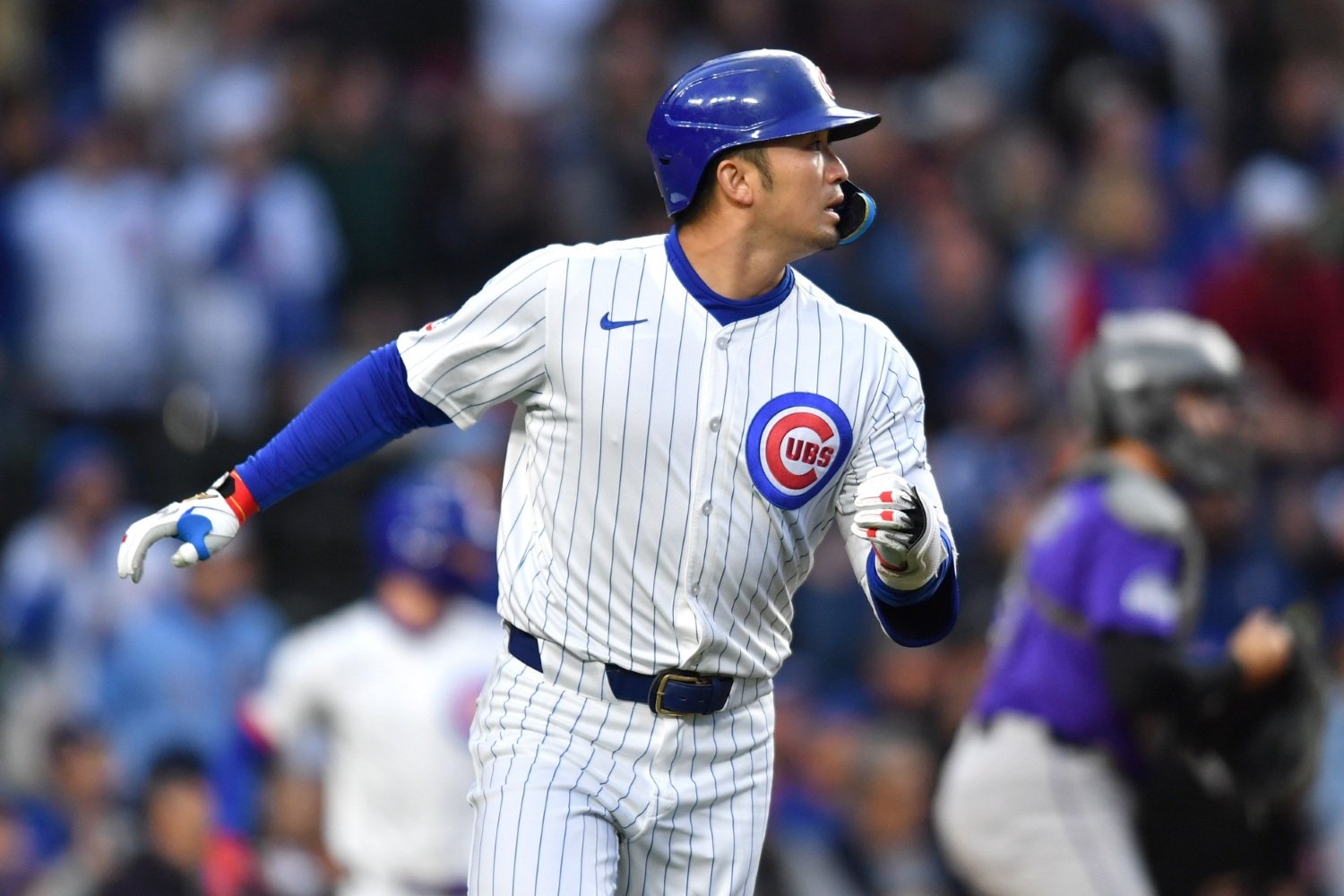 The baseball is alarmingly dead in the major leagues this season. If you're a Cubs fan (which seems likely, if you're reading this), you might be forgiven for not having even heard of this, but it's true. Even as Kyle Tucker, Pete Crow-Armstrong, Seiya Suzuki and Dansby Swanson have each marched out to paces for more than 30 home runs, much of the league has fought in vain to generate those very homers. In a modern game much more reliant on power as the engine of offensive value than previous iterations, it's a miniature crisis, affecting the entire league. The league's collective slugging average is a weak .394, but we don't need to depend on outcomes to tell us whether the ball has changed. At Baseball Savant, a site owned and operated by Major League Baseball itself, there's a Drag Dashboard that shows the daily average values for drag on the ball, calculated using the loss of velocity from release to home plate on four-seam fastballs—and a cursory check of it will tell you that drag is way, way up in 2025. Not even a partial season within the last 10 has matched the first two months of this year in this regard. Combining this information with some gathered in other, previous studies, we can say with some confidence that the ball is flying less well this year than at any time since at least 2014—when the league was mired in a trough of low offense, from which it wouldn't emerge until the second half of 2015. Suzuki, like a few of his Cubs teammates, does not care. He's hitting .273/.333/.569 this year, enjoying the bump from great to truly excellent at the plate. Oddly, too, he's doing it by hitting for much more power than in the past, even when the very interactions between the ball and the air would tend to deflate the value of power. Suzuki used to derive a much greater share of his value from getting on base, but just when the league is becoming less friendly to sluggers, he's leaning hard into slugging. Why is this working? It's not a swing change, per se. Suzuki has made some small changes to his stance and stride, but his swing speed and tilt are close to identical to last season's. However, we can still use the new swing-tracking data from Statcast (via the aforementioned Baseball Savant) to understand what has changed. First of all, it's safe to say that Suzuki is making his swing decision a hair earlier. That's made his decisions in the box a hair more erratic—he's chasing a bit more often, without swinging noticeably more within the zone—but it's a deliberate adjustment, with a clear intention: getting around on the ball more, to create some pull. In 2023, when he squared the ball up (meaning, in this case, when he got a clean enough piece of the ball that his exit velocity was at least 80% of the possible maximum, given his swing speed and the velocity of the pitch he was hitting), Suzuki averaged a 4° attack angle, and a 1° attack direction toward the opposite field. That's not as productive a set of numbers as you'd like, though it's far from unusual. Batters are most likely to meet the ball most squarely when they time it such that their swing has just begun to work uphill before contact. That's often relatively deep in the hitting zone, and can often be before the hitter has gotten their barrel past the point of perpendicularity to the incoming pitch. You'd love to see a slightly steeper attack angle, when we preselect for balls met well like this, to maximize a hitter's chances to hit for power. Most of the time, though, guys who meet their squared-up balls at a steep angle are more prone to whiffs or ugly mishits. A flatter attack angle means the hitter had a bit of margin for error in their approach. Meanwhile, staying behind the ball carries the same implications. The biggest consolation, in Suzuki's case, was his average swing speed on those balls, over 73 miles per hour. A swing that fast squaring up the ball usually means good things, even if a lot of those good things are hard singles. In 2024, Suzuki slightly increased that attack angle on squared-up balls, to 6°, and his attack direction swung to 1° to the pull side. Those are significant changes, telling us he was starting to time his best swings to find the ball a bit farther out in front of himself. His swing speed stayed essentially the same, and thus, his average exit velocity on squared-up balls (99 mph) did, too, but his average launch angle on those batted balls rose from 12° to 16°, which counts for something. This season, though, that adjustment has reached a new gear. Suzuki's attack angle is up to 7°, on a swing with no more or less generalized steepness than in the past. He's not swinging harder, but by catching it a bit farther in front (34 inches in front of his center of mass, up from 32.3 last year and 30.7 in 2023), Suzuki is getting through the hitting zone a bit farther before running into the ball. The result is another tick of exit velocity (99.7 mph), a hair more lift (17° launch angle), and most importantly, the newfound proclivity to pull the ball. His pull rate on squared-up batted balls was 36.5% in 2023 and 38.5% in 2024. This year, that figure is 43.4%. That's why, suddenly, his power is on full display. Back in March, I wrote a bit about the unfortunate pattern that was Suzuki's tendency to hit his hardest and best batted balls to center field, especially in the air. He's fixed that this season. The percentage of his batted balls grading out as Pulled AIR balls, according to Statcast, is up from 15% the last two years to 25.5% in 2025. By being a bit earlier, even though he's not swinging measurably faster or with a more pronounced uppercut, Suzuki is finally making the most of his power. Yes, he can drive it with authority to all fields, but in the majors, most power utility has to be found to one's pull field. It's just not possible to beat the pitchers and defenders teams boast these days without thinking that way. Now, Suzuki is doing just that. The ball might not be carrying as far as it did a few years ago, but Suzuki is one exemplar of the ways the Cubs have dedicated themselves to not being dependent on the ball. They're hammering it, in the air and to the pull field, where even a bit of extra drag can't hold them back. We've never been better able to see that process at work.
 -
Image courtesy of © David Banks-Imagn Images Since his blowup in Miami 10 days ago, Daniel Palencia has locked things down at the back ends of games. He collected his fourth save Wednesday night, and with each chance to secure a save, he looks a bit more confident—a bit more secure. Palencia seemed a bit too tightly wound for high-leverage work at times over his first two seasons, but he's settling into a role that typically defies settling. Palencia still cuts loose with his roaring exuberance once he records the final out, but until then, he seems to have figured out how to slow things down and keep his heart rate under control. The result has been better control, and with better control, Palencia could emerge as an irrefutable relief ace. That's because his fastball shape, which is becoming more consistent this season, is as rare as his velocity. Now that he's learning to pump it into the zone, he's blossoming into a unicorn. In the Statcast era, no pitcher has had quite the combination of movement and velocity Palencia is demonstrating, and it seems likely that no one's thrown quite this type of fastball, ever. Palencia's four-seamer is averaging 15.9 inches of induced vertical break (IVB) and 12.6 inches of arm-side run this year. With a slightly lower arm slot, he's found more of that horizontal movement, without giving up any significant amount of ride. Vertically speaking, it's a pretty flat fastball, but the run on the pitch is much greater than most fastballs, especially those that manage to maintain average vertical movement. Equally importantly, though, of course, is the fact that he throws the pitch nearly 100 miles per hour, with above-average extension, to boot. A triple-digit heater with that kind of run overpowers hitters. It's almost impossible to catch up to, let alone to hit while working uphill at all. The Cubs like fastballs that can do that. Justin Steele, Porter Hodge and Cade Horton all throw cut-ride fastballs that work in on the hands of opposite-handed batters and away from same-handed ones, with much more lateral than vertical movement. Palencia's is just the mirror image of theirs. It runs in on same-handed batters and away from opposite-handed ones, but unlike most hard pitches with plus run in that direction (the lion's share of which are sinkers), it rides like a four-seamer. That's why Palencia can induce similarly flattened, late swings on his heater to the ones Hodge, Horton, Steele and Brad Keller have drawn. Living on either end of this graph is better than being in the middle. Caleb Thielbar's fastball has elite vertical movement, but little horizontal wiggle. Hitters can get around on his 92-mph heat, but are usually underneath it. Palencia, Keller, Hodge, Steele and Horton force hitters to swing late and flat, thanks to that great horizontal movement. It's when a four-seamer moves more predictably that hitters tend to square it up best. The only pitcher whose fastball has held a shape similar to Palencia's current one at a velocity north of 97 miles per hour is the Reds' Hunter Greene, and even he rarely gets so much horizontal movement on the offering. In effect, Palencia throws a fastball no one else in the majors has, because he can get up to 102 mph and still has such lively movement. Palencia's slider is the pitch that will consistently miss more bats for Palencia, and because hitters have to respect his velocity so much, they also don't hit the ball hard against it. His slider is the out pitch in his arsenal, in the long term. Nonetheless, after making that change to his slot and getting himself a hair more under control on the mound, Palencia's fastball has gone to a new level. It's a monster of a pitch, and armed with three offerings that work, he's become something better than the highest-upside pitcher in the Chicago bullpen: the best one. View full article
-
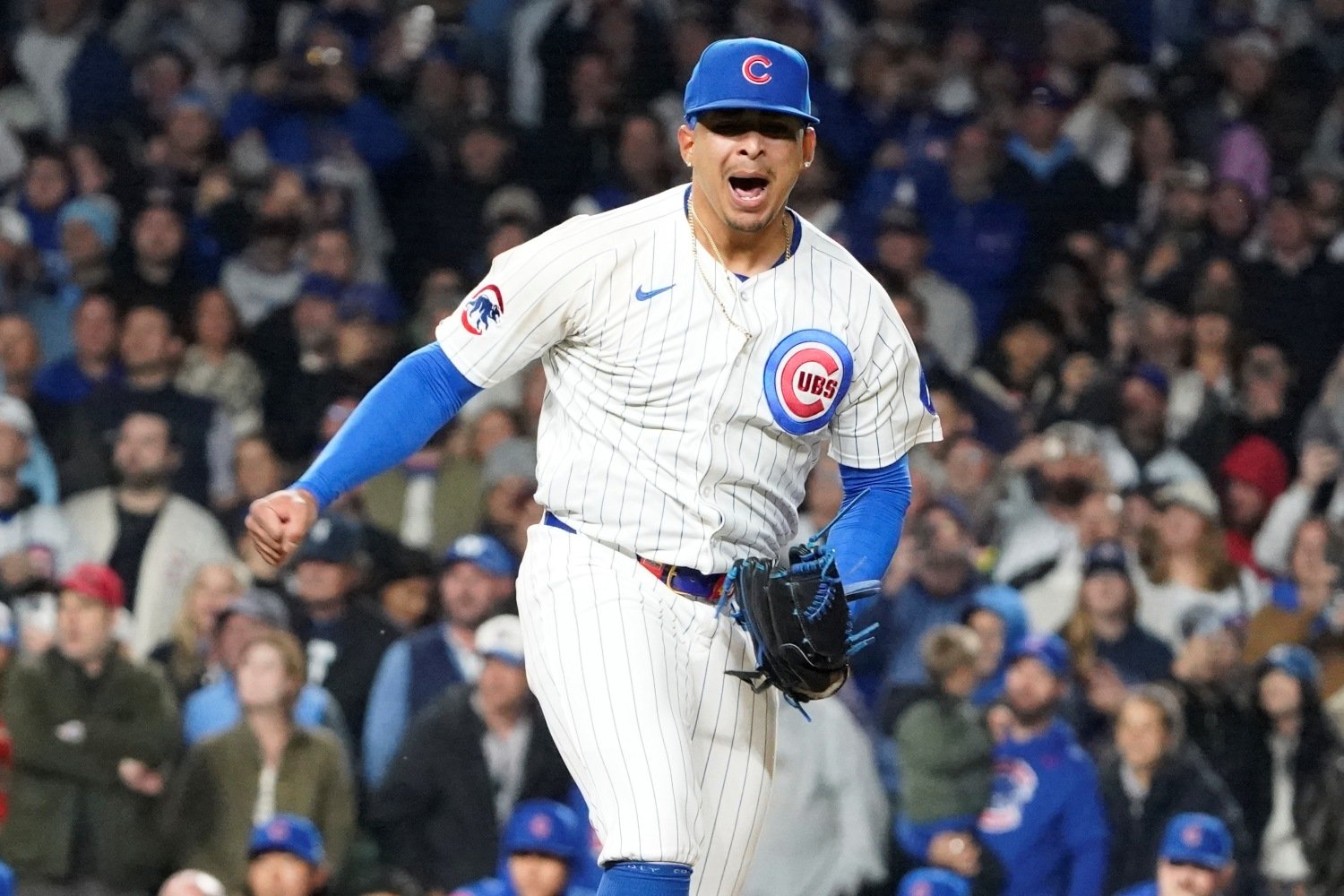 Since his blowup in Miami 10 days ago, Daniel Palencia has locked things down at the back ends of games. He collected his fourth save Wednesday night, and with each chance to secure a save, he looks a bit more confident—a bit more secure. Palencia seemed a bit too tightly wound for high-leverage work at times over his first two seasons, but he's settling into a role that typically defies settling. Palencia still cuts loose with his roaring exuberance once he records the final out, but until then, he seems to have figured out how to slow things down and keep his heart rate under control. The result has been better control, and with better control, Palencia could emerge as an irrefutable relief ace. That's because his fastball shape, which is becoming more consistent this season, is as rare as his velocity. Now that he's learning to pump it into the zone, he's blossoming into a unicorn. In the Statcast era, no pitcher has had quite the combination of movement and velocity Palencia is demonstrating, and it seems likely that no one's thrown quite this type of fastball, ever. Palencia's four-seamer is averaging 15.9 inches of induced vertical break (IVB) and 12.6 inches of arm-side run this year. With a slightly lower arm slot, he's found more of that horizontal movement, without giving up any significant amount of ride. Vertically speaking, it's a pretty flat fastball, but the run on the pitch is much greater than most fastballs, especially those that manage to maintain average vertical movement. Equally importantly, though, of course, is the fact that he throws the pitch nearly 100 miles per hour, with above-average extension, to boot. A triple-digit heater with that kind of run overpowers hitters. It's almost impossible to catch up to, let alone to hit while working uphill at all. The Cubs like fastballs that can do that. Justin Steele, Porter Hodge and Cade Horton all throw cut-ride fastballs that work in on the hands of opposite-handed batters and away from same-handed ones, with much more lateral than vertical movement. Palencia's is just the mirror image of theirs. It runs in on same-handed batters and away from opposite-handed ones, but unlike most hard pitches with plus run in that direction (the lion's share of which are sinkers), it rides like a four-seamer. That's why Palencia can induce similarly flattened, late swings on his heater to the ones Hodge, Horton, Steele and Brad Keller have drawn. Living on either end of this graph is better than being in the middle. Caleb Thielbar's fastball has elite vertical movement, but little horizontal wiggle. Hitters can get around on his 92-mph heat, but are usually underneath it. Palencia, Keller, Hodge, Steele and Horton force hitters to swing late and flat, thanks to that great horizontal movement. It's when a four-seamer moves more predictably that hitters tend to square it up best. The only pitcher whose fastball has held a shape similar to Palencia's current one at a velocity north of 97 miles per hour is the Reds' Hunter Greene, and even he rarely gets so much horizontal movement on the offering. In effect, Palencia throws a fastball no one else in the majors has, because he can get up to 102 mph and still has such lively movement. Palencia's slider is the pitch that will consistently miss more bats for Palencia, and because hitters have to respect his velocity so much, they also don't hit the ball hard against it. His slider is the out pitch in his arsenal, in the long term. Nonetheless, after making that change to his slot and getting himself a hair more under control on the mound, Palencia's fastball has gone to a new level. It's a monster of a pitch, and armed with three offerings that work, he's become something better than the highest-upside pitcher in the Chicago bullpen: the best one.
 -
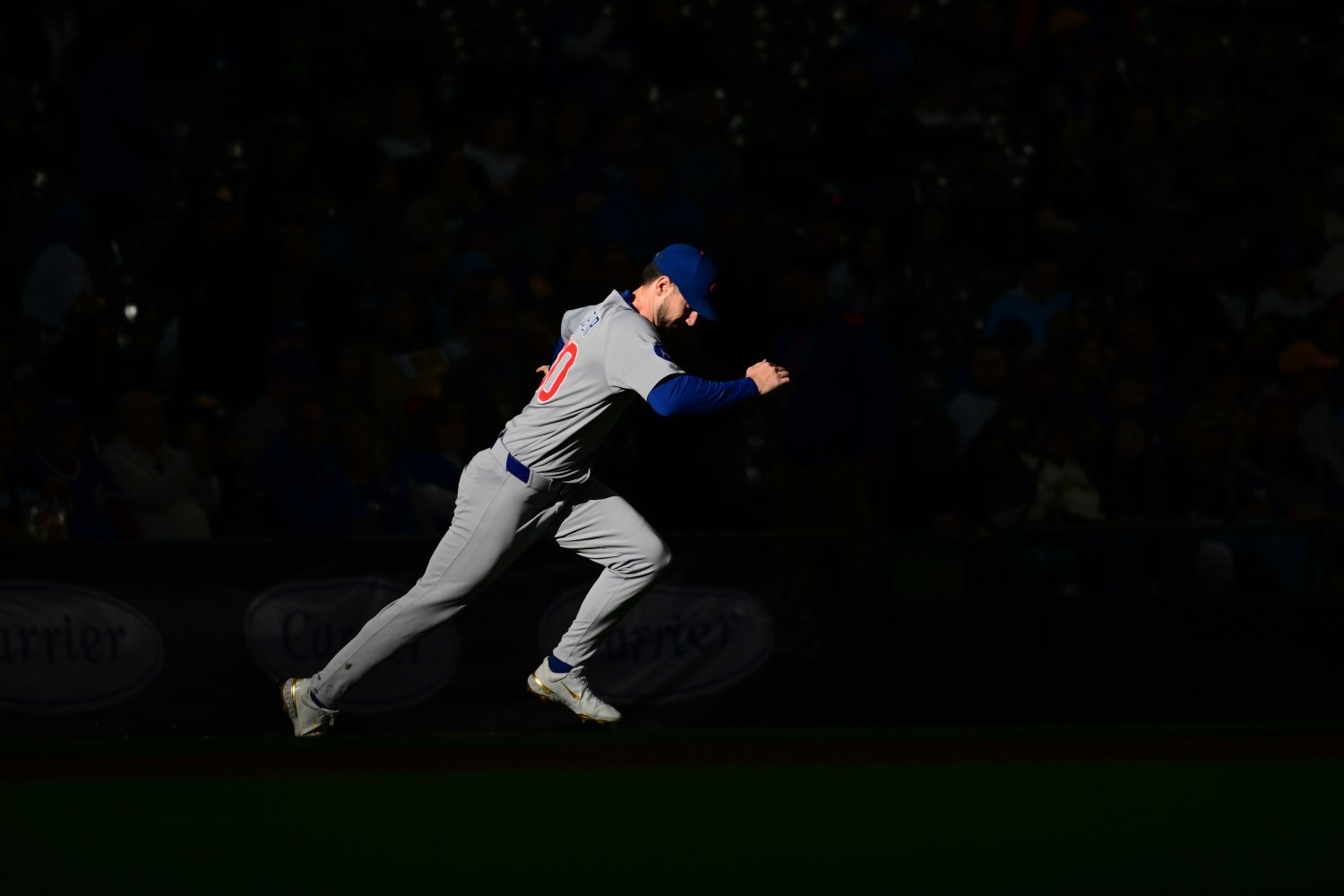 It took a combination of good things for Kyle Tucker to race all the way around and notch that first tally for the Cubs. With one out in the bottom of the first, the first responsibility of the runner there is to make sure the ball is going to get down. Tucker made an immediate read. To give himself a good chance of getting the green light from Quintin Berry at third base, though, Tucker also had to be confident in that read and keep running, rather than freezing to watch as the line drive sailed toward the fence. He did. Finally, with his acceleration uninterrupted and the ball safely down, the race was on. Tucker's final challenges were to cut the bag smoothly and sharply at third, and to maintain his pace all the way to the plate. He did so, and easily beat the relay toward home. Seiya Suzuki had his RBI, and the Cubs had most of what they'd need for a fourth straight win and a sweep of the Rockies. That was the first time Tucker had actually been on first when a double was hit, all year, and he scored. He's been on second for singles 10 times, and scored six. He's not excelling at taking the extra base on balls in play, because he doesn't have high-end speed. However, he hasn't made an out on the bases all year, because when he does go, it's after making a strong read and it comes with excellent efficiency of movement. Tucker also has 15 stolen bases, in 15 tries. He's been all over the place for the Cubs, after reaching base—and, of course, he's practically always on base, with a .388 on-base percentage. He's notched four triples, too, and one of his nine doubles required him to get out of the box quickly and think double right away. Despite being a markedly below-average runner, Tucker adds a lot of value with his legs. It's a matter of great instincts and technique, and a bit of opportunism. He's on pace for more than 40 steals. He hasn't been caught stealing since Sept. 11, 2023, which was 28 thefts ago. As a team, the Cubs rank third in baseball with 72 steals, trailing only the Rays (76) and Brewers (74). They're 16 ahead of the Pirates, who rank fourth in the league, and they've been caught fewer times than anyone else in the top seven. Tucker is at the forefront of their plan, which is to keep pressure on opponents at all times. He takes 4.5 seconds to get from the left-handed batter's box to first base, and he's slow enough to be persistently stretched thin as a right fielder. When action is afoot, though, Tucker is making plays, and not just when it's his turn to swing the bat.
 -
Image courtesy of © Benny Sieu-Imagn Images It took a combination of good things for Kyle Tucker to race all the way around and notch that first tally for the Cubs. With one out in the bottom of the first, the first responsibility of the runner there is to make sure the ball is going to get down. Tucker made an immediate read. To give himself a good chance of getting the green light from Quintin Berry at third base, though, Tucker also had to be confident in that read and keep running, rather than freezing to watch as the line drive sailed toward the fence. He did. Finally, with his acceleration uninterrupted and the ball safely down, the race was on. Tucker's final challenges were to cut the bag smoothly and sharply at third, and to maintain his pace all the way to the plate. He did so, and easily beat the relay toward home. Seiya Suzuki had his RBI, and the Cubs had most of what they'd need for a fourth straight win and a sweep of the Rockies. That was the first time Tucker had actually been on first when a double was hit, all year, and he scored. He's been on second for singles 10 times, and scored six. He's not excelling at taking the extra base on balls in play, because he doesn't have high-end speed. However, he hasn't made an out on the bases all year, because when he does go, it's after making a strong read and it comes with excellent efficiency of movement. Tucker also has 15 stolen bases, in 15 tries. He's been all over the place for the Cubs, after reaching base—and, of course, he's practically always on base, with a .388 on-base percentage. He's notched four triples, too, and one of his nine doubles required him to get out of the box quickly and think double right away. Despite being a markedly below-average runner, Tucker adds a lot of value with his legs. It's a matter of great instincts and technique, and a bit of opportunism. He's on pace for more than 40 steals. He hasn't been caught stealing since Sept. 11, 2023, which was 28 thefts ago. As a team, the Cubs rank third in baseball with 72 steals, trailing only the Rays (76) and Brewers (74). They're 16 ahead of the Pirates, who rank fourth in the league, and they've been caught fewer times than anyone else in the top seven. Tucker is at the forefront of their plan, which is to keep pressure on opponents at all times. He takes 4.5 seconds to get from the left-handed batter's box to first base, and he's slow enough to be persistently stretched thin as a right fielder. When action is afoot, though, Tucker is making plays, and not just when it's his turn to swing the bat. View full article
-
Image courtesy of © Gregory Fisher-Imagn Images It's been a while since Génesis Cabrera flashed the relief ace upside that made him a hot commodity for a year or two around the time of the pandemic. Part of the trade that sent Tommy Pham to the Rays, Cabrera, 28, spent a few years as part of a fearsome but erratic knot of leverage relievers in a chaotic Cardinals bullpen. He was part of an even smaller trade in July 2023, heading to the Blue Jays, but they cut him loose at the end of 2024. Cabrera signed with the Mets, but made just six appearances for them before being designated for assignment. Once he cleared waivers, Cabrera had the right to elect free agency, and did so. The Cubs signed him to a one-year, big-league deal, and he'll now join a bullpen that already has two established lefty arms (Caleb Thielbar and Drew Pomeranz) but can always use more depth. He's still an intriguing arm, with a sinker that sits on the high side of 96 miles per hour; a hard, cutterish slider that isn't what it used to be but works in the right sequences; a curveball with more depth; and a high-riding four-seamer that occasionally straightens out on him too much. It's a fine mix, and deeper than you see from most hard-throwing lefty relievers. His biggest problem, historically, has been controlling it. For his career, he's walked 11.3% of opposing batters. The good news is that Cabrera does seem to be getting more comfortable with a reengineered version of himself, centered more around the slider and sinker and less around the four-seamer that was never especially well-controlled. He's taken good advice in his last two stops, with the Blue Jays and Mets, and might be on the verge of unlocking something that would let his arsenal play up nicely in the short term, given wise usage. Cabrera is ineligible to be optioned to the minors, so he doesn't bring roster flexibility, but he's a more obviously tough matchup for (especially) lefty batters than some of the softer tossers the team has used. If he quickly makes it into a game, he'll be the 25th pitcher the Cubs have used already this season. Until 2012, the only seasons in their history in which they'd used 25 pitchers were the first two years after the last expansion, in 1998 and 1999. The team record for pitchers used in one campaign is 43, set in 2022. With any luck, these Cubs won't break that record, but they're going to use somewhere near 40 arms before the season is out. Cabrera, with his remaining upside, is a nice addition—but he's unlikely to become a staple. View full article
-
- 1
-
-
- genesis cabrera
- caleb thielbar
- (and 1 more)
-
Cubs Sign Left-Handed Reliever Génesis Cabrera to Bolster Bullpen Depth
Matthew Trueblood posted an article in Cubs
 It's been a while since Génesis Cabrera flashed the relief ace upside that made him a hot commodity for a year or two around the time of the pandemic. Part of the trade that sent Tommy Pham to the Rays, Cabrera, 28, spent a few years as part of a fearsome but erratic knot of leverage relievers in a chaotic Cardinals bullpen. He was part of an even smaller trade in July 2023, heading to the Blue Jays, but they cut him loose at the end of 2024. Cabrera signed with the Mets, but made just six appearances for them before being designated for assignment. Once he cleared waivers, Cabrera had the right to elect free agency, and did so. The Cubs signed him to a one-year, big-league deal, and he'll now join a bullpen that already has two established lefty arms (Caleb Thielbar and Drew Pomeranz) but can always use more depth. He's still an intriguing arm, with a sinker that sits on the high side of 96 miles per hour; a hard, cutterish slider that isn't what it used to be but works in the right sequences; a curveball with more depth; and a high-riding four-seamer that occasionally straightens out on him too much. It's a fine mix, and deeper than you see from most hard-throwing lefty relievers. His biggest problem, historically, has been controlling it. For his career, he's walked 11.3% of opposing batters. The good news is that Cabrera does seem to be getting more comfortable with a reengineered version of himself, centered more around the slider and sinker and less around the four-seamer that was never especially well-controlled. He's taken good advice in his last two stops, with the Blue Jays and Mets, and might be on the verge of unlocking something that would let his arsenal play up nicely in the short term, given wise usage. Cabrera is ineligible to be optioned to the minors, so he doesn't bring roster flexibility, but he's a more obviously tough matchup for (especially) lefty batters than some of the softer tossers the team has used. If he quickly makes it into a game, he'll be the 25th pitcher the Cubs have used already this season. Until 2012, the only seasons in their history in which they'd used 25 pitchers were the first two years after the last expansion, in 1998 and 1999. The team record for pitchers used in one campaign is 43, set in 2022. With any luck, these Cubs won't break that record, but they're going to use somewhere near 40 arms before the season is out. Cabrera, with his remaining upside, is a nice addition—but he's unlikely to become a staple.
 -
 We talked a lot about Matt Shaw's struggles during the first few weeks of the big-league season, before he was optioned to Triple-A Iowa for five weeks. His leg kick didn't seem to work especially well against big-league hurlers, which was predictable. Less predictable, though, was that he didn't give himself a chance to work around that limitation—literally. By setting up farther from the plate than all but a fistful of other hitters in the majors (most of them a good five or six inches taller than he is), Shaw made it almost impossible to reach the ball on the outer part of the plate with his barrel. With an overlong stride that carried him out of the hitting zone too soon, he often couldn't even touch those pitches. Reaching that ball on the outer third has been much easier for Shaw since coming back, though. Why? He's gotten deeper in the batter's box, but closer to the plate—and his stride is much more controlled. Shaw's front foot is actually traveling about as far as it did before, but that's because he's starting with his feet closer together. Overall, his feet are ending up closer at contact, meaning he has more of his weight beneath him. He's closer to the plate, so he can deliver that barrel to the ball even on the edge. On pitches away from him, he's swinging 1.5 miles per hour faster (68.5 MPH vs. 67.0), but whiffing far less often (20.8%, down from 37.9%). That's how he's produced the opposite-field doubles that are the symbol of his renaissance, so far. That doesn't mean Shaw will be slotting back into the middle of the order any time soon. The Cubs' offense still depends on him only to keep the line moving and create jams for opponents against the better hitters at the top of the order. Now that Shaw has moved closer to the plate and shortened his stride a bit, though, he can actually accomplish that. He's in a stronger position to hit, and he's also benefiting from improving confidence on the heels of those adjustments. For the balance of the season, he looks like a viable (if not yet star-caliber) component of the team.
 -
Image courtesy of © Katie Stratman-Imagn Images We talked a lot about Matt Shaw's struggles during the first few weeks of the big-league season, before he was optioned to Triple-A Iowa for five weeks. His leg kick didn't seem to work especially well against big-league hurlers, which was predictable. Less predictable, though, was that he didn't give himself a chance to work around that limitation—literally. By setting up farther from the plate than all but a fistful of other hitters in the majors (most of them a good five or six inches taller than he is), Shaw made it almost impossible to reach the ball on the outer part of the plate with his barrel. With an overlong stride that carried him out of the hitting zone too soon, he often couldn't even touch those pitches. Reaching that ball on the outer third has been much easier for Shaw since coming back, though. Why? He's gotten deeper in the batter's box, but closer to the plate—and his stride is much more controlled. Shaw's front foot is actually traveling about as far as it did before, but that's because he's starting with his feet closer together. Overall, his feet are ending up closer at contact, meaning he has more of his weight beneath him. He's closer to the plate, so he can deliver that barrel to the ball even on the edge. On pitches away from him, he's swinging 1.5 miles per hour faster (68.5 MPH vs. 67.0), but whiffing far less often (20.8%, down from 37.9%). That's how he's produced the opposite-field doubles that are the symbol of his renaissance, so far. That doesn't mean Shaw will be slotting back into the middle of the order any time soon. The Cubs' offense still depends on him only to keep the line moving and create jams for opponents against the better hitters at the top of the order. Now that Shaw has moved closer to the plate and shortened his stride a bit, though, he can actually accomplish that. He's in a stronger position to hit, and he's also benefiting from improving confidence on the heels of those adjustments. For the balance of the season, he looks like a viable (if not yet star-caliber) component of the team. View full article
-
 Quietly, without making a grand show of it (or, perhaps, going as far as they should have, if this was the goal), the Cubs have spent the last two seasons stacking a lot of chips onto the table for 2025. This is the hand on which they were ready to go all-in, and not just because they might only have Kyle Tucker for one year. Indeed, Tucker was as much capstone as cornerstone, in their eyes. Their big expenditures on Seiya Suzuki and Dansby Swanson; the extensions they gave to Ian Happ and Nico Hoerner; and their steady investment in the pitching staff (bringing in Marcus Stroman, Jameson Taillon, Shota Imanaga and Matthew Boyd in successive offseasons) have all led them in this direction. When Jed Hoyer felt the pressure beginning to mount at the end of 2023, he got more willing to trade the future for a better present, dealing Jackson Ferris and Zyhir Hope for Michael Busch and Yency Almonte; then Christopher Morel, Hunter Bigge and Ty Johnson for Isaac Paredes; then Paredes, Cam Smith and Hayden Wesneski for Tucker. At each turn, he's tried to slightly mitigate the way those moves have drawn him toward commitment to this single campaign, with fringe maneuvers like swapping out Mark Leiter Jr. to restock the team with upper-level reliever depth last July and spending a rare Rule 5 Draft selection on the upside of Gage Workman this winter. That was also one motivating factor for the Cody Bellinger trade: to get back a pitcher whom the team felt would offset the loss of Wesneski. Here's the problem: the other half of the motivation for the Bellinger deal was to free up money to be spent on high-profile supplemental talent. Then, Hoyer couldn't get anyone to take his money. He made offers with higher net present value than the ones the players eventually signed to both Tanner Scott and Alex Bregman. He had two trades that would have supplemented the team's starting rotation at the goal line, but each was thwarted by medical concerns. The Ricketts family should be more willing to let Hoyer get irrational in bidding wars for key free agents, but Hoyer had enough freedom to land either Scott or Bregman. He simply didn't get it done. He also couldn't scramble well enough to complete a more robust upgrade of the team's starting rotation. Having to settle for Colin Rea, Ryan Pressly, Ryan Brasier and Justin Turner was not Plan A, or even Plan B—though, to various extents, those guys have been ok, and the players who might have held their jobs in alternate universes have had their own travails. Now, with Justin Steele out for the year and medium-term injuries really piling up, Hoyer is in a pickle. Trading Hope, Ferris and the rest over the last two years has thinned the farm system, especially in the middle levels. So has drafting in the middle of the first round each year, after too many respectable but unexciting seasons and without the benefit of any extra picks from the competitive-balance pool. Re-signing Bellinger (although to a deal that had little chance of actively hurting the team) cost them a chance to get a pick and restock themselves a bit last year. This year, they'll have a below-average bonus pool yet again. This roster is good enough to win the NL Central, but they need to do more than that to get the lasting surge of fan engagement (and the attendant revenue) the Rickettses crave. To make a deep run in October, they need outside help, which Hoyer has already acknowledged—but it's not clear that they can actually execute their plan and acquire that help. Hoyer's track record for pulling the trigger on the big move in July is spotty. He doesn't have a deep farm system from which to trade, and some of the pieces he might be willing and able to move would erode the team's depth even as it raised their ceiling. Already, they're seeing the dangers of diminished depth, anyway, with the likes of Reese McGuire and Chris Flexen having been called upon to take on significant roles as the guys they thought they'd be leaning on have gone down. Hoyer said last week that reinforcements would have to wait, because moves involving notable players simply don't happen very often before mid-July. That's true, to some extent, but if the team were in a stronger overall position, they could force the issue. If Brandon Birdsell were healthy, or if they were having more success with the final polish on Kevin Alcántara, Owen Caissie and Moisés Ballesteros, or if their big-money international amateur free agents didn't have a nasty tendency to run into a wall when they get to High A, the Cubs might be able to make a June trade, be it for a big name or for someone they merely believe they can turn into a star in short order. Instead, they'll have to sit patiently at their table, seeing what's on offer when the auction begins. Even when that happens, they won't have the heaviest purse in the room, so they're unlikely to bag the most coveted items. The 2025 Cubs are all-in, but they probably also have to get as far as they can with (more or less) what they already have. It's exciting that they're in position to make the postseason for the first (real) time since 2017, but they've had to stretch themselves thinner than they meant to to get this far.
 -
Image courtesy of © David Banks-Imagn Images Quietly, without making a grand show of it (or, perhaps, going as far as they should have, if this was the goal), the Cubs have spent the last two seasons stacking a lot of chips onto the table for 2025. This is the hand on which they were ready to go all-in, and not just because they might only have Kyle Tucker for one year. Indeed, Tucker was as much capstone as cornerstone, in their eyes. Their big expenditures on Seiya Suzuki and Dansby Swanson; the extensions they gave to Ian Happ and Nico Hoerner; and their steady investment in the pitching staff (bringing in Marcus Stroman, Jameson Taillon, Shota Imanaga and Matthew Boyd in successive offseasons) have all led them in this direction. When Jed Hoyer felt the pressure beginning to mount at the end of 2023, he got more willing to trade the future for a better present, dealing Jackson Ferris and Zyhir Hope for Michael Busch and Yency Almonte; then Christopher Morel, Hunter Bigge and Ty Johnson for Isaac Paredes; then Paredes, Cam Smith and Hayden Wesneski for Tucker. At each turn, he's tried to slightly mitigate the way those moves have drawn him toward commitment to this single campaign, with fringe maneuvers like swapping out Mark Leiter Jr. to restock the team with upper-level reliever depth last July and spending a rare Rule 5 Draft selection on the upside of Gage Workman this winter. That was also one motivating factor for the Cody Bellinger trade: to get back a pitcher whom the team felt would offset the loss of Wesneski. Here's the problem: the other half of the motivation for the Bellinger deal was to free up money to be spent on high-profile supplemental talent. Then, Hoyer couldn't get anyone to take his money. He made offers with higher net present value than the ones the players eventually signed to both Tanner Scott and Alex Bregman. He had two trades that would have supplemented the team's starting rotation at the goal line, but each was thwarted by medical concerns. The Ricketts family should be more willing to let Hoyer get irrational in bidding wars for key free agents, but Hoyer had enough freedom to land either Scott or Bregman. He simply didn't get it done. He also couldn't scramble well enough to complete a more robust upgrade of the team's starting rotation. Having to settle for Colin Rea, Ryan Pressly, Ryan Brasier and Justin Turner was not Plan A, or even Plan B—though, to various extents, those guys have been ok, and the players who might have held their jobs in alternate universes have had their own travails. Now, with Justin Steele out for the year and medium-term injuries really piling up, Hoyer is in a pickle. Trading Hope, Ferris and the rest over the last two years has thinned the farm system, especially in the middle levels. So has drafting in the middle of the first round each year, after too many respectable but unexciting seasons and without the benefit of any extra picks from the competitive-balance pool. Re-signing Bellinger (although to a deal that had little chance of actively hurting the team) cost them a chance to get a pick and restock themselves a bit last year. This year, they'll have a below-average bonus pool yet again. This roster is good enough to win the NL Central, but they need to do more than that to get the lasting surge of fan engagement (and the attendant revenue) the Rickettses crave. To make a deep run in October, they need outside help, which Hoyer has already acknowledged—but it's not clear that they can actually execute their plan and acquire that help. Hoyer's track record for pulling the trigger on the big move in July is spotty. He doesn't have a deep farm system from which to trade, and some of the pieces he might be willing and able to move would erode the team's depth even as it raised their ceiling. Already, they're seeing the dangers of diminished depth, anyway, with the likes of Reese McGuire and Chris Flexen having been called upon to take on significant roles as the guys they thought they'd be leaning on have gone down. Hoyer said last week that reinforcements would have to wait, because moves involving notable players simply don't happen very often before mid-July. That's true, to some extent, but if the team were in a stronger overall position, they could force the issue. If Brandon Birdsell were healthy, or if they were having more success with the final polish on Kevin Alcántara, Owen Caissie and Moisés Ballesteros, or if their big-money international amateur free agents didn't have a nasty tendency to run into a wall when they get to High A, the Cubs might be able to make a June trade, be it for a big name or for someone they merely believe they can turn into a star in short order. Instead, they'll have to sit patiently at their table, seeing what's on offer when the auction begins. Even when that happens, they won't have the heaviest purse in the room, so they're unlikely to bag the most coveted items. The 2025 Cubs are all-in, but they probably also have to get as far as they can with (more or less) what they already have. It's exciting that they're in position to make the postseason for the first (real) time since 2017, but they've had to stretch themselves thinner than they meant to to get this far. View full article
-
Image courtesy of © Matt Marton-Imagn Images How many times have you heard a color commentator say it, over the years? It was a favorite saw of Steve Stone at the peak of his considerable powers, and the holster is always unfastened so that Jim Deshaies can whip it out when needed, too, so if you're a Cubs fan of almost any recent vintage, it's probably very familiar: If pitchers could master the backup slider and reliably reproduce it, they'd do it all the time. Well, maybe Matthew Boyd has cracked that code. After a full decade in the majors and through several iterations, he's meandered right into an awfully interesting slider this season. That pitch has, at times in the past, been his signature, anyway, but it's fascinating to see the way the pitch has changed in 2025. It's firmer, and it's moving less, and it's really sort of a cement-mixer. Hitters, however, can't do a blessed thing with it. Last year, there was far more active spin on Boyd's slider. A solid 53% of the spin on that pitch helped create movement, which is why it got a little sweepy and began to resemble his bigger, much slower curveball at times. This season, that active spin is down to 28%. He's spinning the ball right through the heart of the zone, too. This is not, ordinarily, where you want a red spot to show up on the location heat map for a breaking ball. Yet, Boyd is thriving with the pitch, getting righties and lefties out with it, just spinning that backup slide-piece into the heart of the zone without repercussions. How? Well, for one thing, he's dropping way down on it, which seems to be throwing people off. With almost a sidearm slider, batters are expecting way, way more horizontal movement than they're actually getting. As a result, they're either locking up on it or jumping at the ball—and now, we can document that in a neat new way. Baseball Savant's new suite of swing detail metrics give us insight into the shape and timing of batters' swings. It's obviously of the greatest use when analyzing hitters, but we can also use it to examine the way hitters react to particular pitchers and their offerings. For instance, we can take all pitchers and their individual pitch types, and plot the average attack angle (the upward angle of the sweet spot of the bat, relative to the ground, at the intercept point for that swing) and attack direction (the horizontal angle of movement of that same spot on the bat at the same moment) against them. Aha. We've got something interesting here. Because looking at attack angle and direction from the pitcher's side eliminates the quirks and quiddities of any given hitter's swing, the two metrics move in almost perfect unison for hurlers. If guys tend to have a greater pull-side attack direction against a given pitch type from a particular pitcher, they almost uniformly also have a steeper attack angle. It's just the nature of swings, if you take them as a composite. There aren't many things in baseball that are as tightly correlated as attack direction and angle on specific pitch types. There are three truly notable exceptions, here. One is Fernando Cruz's splitter, which we've long known is a unicorn of a pitch; he kills spin on it so well that it's almost a knuckleball. Another is Tyler Rogers, whose dirt-scraping release point just plain weirds people out. The other is Boyd, on his slider. Look at how far he lies outside the very tight cluster that is all these other pitchers and their pitch types, including the rest of his own. Even if you isolate sliders, Boyd stands out. There just aren't other pitchers who tamp down the average attack angle on their slide-piece while inducing hitters to get so far around the ball. The low release angle and the funky movement—the lack of movement, really—has lefties surrounding the ball, by accident. It has righties trying to flatten out their swings to find what they're reading as something more like a sinker. It has everyone swinging just a little bit wrong. That's helped Boyd miss more bats with the pitch than you'd expect, based on the attack angle hitters are reaching: But it's also just forcing a lot of weak contact. The average exit velocity against Boyd's slider this year is 77 mph, an anemic number that reflects the confused swings it's drawing from batters. Can he keep this up all season? That's impossible to guess, just by using these numbers. The dropdown angle is an interesting wrinkle, but as the scouting reports get updated league-wide, hitters might lock onto it a bit. They might even be able to train their eyes not to expect the big sweep implied by the spin they see and the arm angle. For now, though, Boyd is enjoying being a step ahead. As long as he can stay healthy, the Cubs will continue to reap the rewards of his unique veteran savvy. View full article
-
 How many times have you heard a color commentator say it, over the years? It was a favorite saw of Steve Stone at the peak of his considerable powers, and the holster is always unfastened so that Jim Deshaies can whip it out when needed, too, so if you're a Cubs fan of almost any recent vintage, it's probably very familiar: If pitchers could master the backup slider and reliably reproduce it, they'd do it all the time. Well, maybe Matthew Boyd has cracked that code. After a full decade in the majors and through several iterations, he's meandered right into an awfully interesting slider this season. That pitch has, at times in the past, been his signature, anyway, but it's fascinating to see the way the pitch has changed in 2025. It's firmer, and it's moving less, and it's really sort of a cement-mixer. Hitters, however, can't do a blessed thing with it. Last year, there was far more active spin on Boyd's slider. A solid 53% of the spin on that pitch helped create movement, which is why it got a little sweepy and began to resemble his bigger, much slower curveball at times. This season, that active spin is down to 28%. He's spinning the ball right through the heart of the zone, too. This is not, ordinarily, where you want a red spot to show up on the location heat map for a breaking ball. Yet, Boyd is thriving with the pitch, getting righties and lefties out with it, just spinning that backup slide-piece into the heart of the zone without repercussions. How? Well, for one thing, he's dropping way down on it, which seems to be throwing people off. With almost a sidearm slider, batters are expecting way, way more horizontal movement than they're actually getting. As a result, they're either locking up on it or jumping at the ball—and now, we can document that in a neat new way. Baseball Savant's new suite of swing detail metrics give us insight into the shape and timing of batters' swings. It's obviously of the greatest use when analyzing hitters, but we can also use it to examine the way hitters react to particular pitchers and their offerings. For instance, we can take all pitchers and their individual pitch types, and plot the average attack angle (the upward angle of the sweet spot of the bat, relative to the ground, at the intercept point for that swing) and attack direction (the horizontal angle of movement of that same spot on the bat at the same moment) against them. Aha. We've got something interesting here. Because looking at attack angle and direction from the pitcher's side eliminates the quirks and quiddities of any given hitter's swing, the two metrics move in almost perfect unison for hurlers. If guys tend to have a greater pull-side attack direction against a given pitch type from a particular pitcher, they almost uniformly also have a steeper attack angle. It's just the nature of swings, if you take them as a composite. There aren't many things in baseball that are as tightly correlated as attack direction and angle on specific pitch types. There are three truly notable exceptions, here. One is Fernando Cruz's splitter, which we've long known is a unicorn of a pitch; he kills spin on it so well that it's almost a knuckleball. Another is Tyler Rogers, whose dirt-scraping release point just plain weirds people out. The other is Boyd, on his slider. Look at how far he lies outside the very tight cluster that is all these other pitchers and their pitch types, including the rest of his own. Even if you isolate sliders, Boyd stands out. There just aren't other pitchers who tamp down the average attack angle on their slide-piece while inducing hitters to get so far around the ball. The low release angle and the funky movement—the lack of movement, really—has lefties surrounding the ball, by accident. It has righties trying to flatten out their swings to find what they're reading as something more like a sinker. It has everyone swinging just a little bit wrong. That's helped Boyd miss more bats with the pitch than you'd expect, based on the attack angle hitters are reaching: But it's also just forcing a lot of weak contact. The average exit velocity against Boyd's slider this year is 77 mph, an anemic number that reflects the confused swings it's drawing from batters. Can he keep this up all season? That's impossible to guess, just by using these numbers. The dropdown angle is an interesting wrinkle, but as the scouting reports get updated league-wide, hitters might lock onto it a bit. They might even be able to train their eyes not to expect the big sweep implied by the spin they see and the arm angle. For now, though, Boyd is enjoying being a step ahead. As long as he can stay healthy, the Cubs will continue to reap the rewards of his unique veteran savvy.
 -
Image courtesy of © Sam Navarro-Imagn Images Although his new colleague has caught more headlines early this season, Miguel Amaya has been phenomenal at the plate. Carson Kelly is still slowly coming down from his extraordinarily hot start, but even as he does, Amaya is emerging as the backstop with the higher long-term offensive upside. Last season, we saw a glimpse of this, as he tapped into a vein of exceptional contact skills during the second half. In early July, with his career dangling in front of him by a thread, Amaya agreed to eliminate his leg kick and adopt a minimalist lower-half swing mechanic. For the balance of the campaign, he hit .282/.331/.468. In 173 plate appearances, he had 16 extra-base hits and only struck out 20 times. His plate discipline wobbled, and he went off the rails a bit in the final month of his first full major-league season, but Amaya demonstrated a real and valuable offensive adaptability. There was a minor problem, though. Amaya's new setup and lower-half move didn't necessarily fit his fast (but flat) swing path. He came up as one of the Cubs' best hitters in terms of raw bat speed, but without much loft in the swing. The result was a lot of relatively low-value batted balls, with inefficient contact resulting in some of that swing speed being wasted. He didn't find the launch-angle sweet spot very often, with a few too many pop-ups in 2023 and too many grounders in 2024. Nor was he pulling the ball as much as you want a player with above-average bat speed to do so. Ditching the leg kick gave him the opportunity to be earlier, but in practice, he just started later. He started elevating the ball better late last year, but he didn't start pulling it consistently. As you can see, that's changed this year. In fact, it's radically different. Amaya is now a dead-pull hitter, and he's also hitting the ball on the ground less often than he has since the very start of his career, two full years ago. That's how he's managed to generate a .287/.323/.529 line over his first 94 plate appearances of this season, despite not hitting the ball as hard as he did last year; striking out more than he did last year; and walking very rarely. The fascinating thing, though, is how he transformed that batted-ball profile, physically. Thanks to Statcast's new swing path, attack angle and attack direction metrics, we have a newly expanded ability to visualize hitters' swings and quantify their movements. In Amaya's case, this is especially revealing. Let's start with the headlines: One of the new numbers rolled out at Baseball Savant this week (Swing Path Tilt) can be thought of as the swing-change number. If a hitter has altered how they're hitting the ball, they might have changed their swing, or they might merely have changed their timing and their approach. To see which, check their swing tilt. If it's unchanged, the hitter hasn't really changed their swing. Swing path tilt gives the degrees by which a hitter's bat angles downward from an imaginary line running through the handle of the bat, parallel to the ground. The league's average tilt is 32°. Very flat swings sit in the mid- to high 20s, while very steep swings get to around 45°. Obviously, how much hitters tilt their swings varies based on which pitches they're swinging at (low pitches require more tilt; high ones demand a flat pass), but this one number can tell you whether the bat is moving materially differently than it has in the past. Amaya's has certainly changed. So, we're looking at an inarguably steeper swing, but importantly, this change didn't take hold as soon as Amaya made his stride change last summer. In August and September, his swing path tilt was just 31°, so he didn't steepen his swing when he altered the movement of his lower half. We can also study his Attack Angle, which gives the vertical angle of movement of the barrel of the bat at the contact point. A steep swing will beget a steep attack angle, of course, although they aren't perfectly correlated. Attack angle tells us not how the hitter orients their bat, but how they address the ball within the hitting zone. It is, in some ways, a timing metric, because the attack angle will change fairly dramatically throughout a swing, so if a hitter meets the ball just a bit farther in front of their body, the angle might be much higher—whereas if they start to catch it deeper, the attack angle will shrink toward 0°. Last summer, when Amaya changed his stance and stride, he only saw his attack angle go down. That's not necessarily bad news. Remember, he did strike out very rarely in the second half of last year, thanks to a huge boost in contact rate. Swings with flatter attack angles tend to be the ones you hear about as "long through the zone", with room for error on timing. You might mistime a swing with a flat attack angle, but instead of whiffing, merely mishit the ball. Still, it's noteworthy that the attack angles have jumped for him this year. We'll get back to that. Finally, there's attack direction—the horizontal angle of travel of the barrel at the contact point. In other words, has your bat yet passed the point where it's perpendicular to the incoming pitch, or not, and by how much? This is expressed in degrees, too, to either the pull side (if the bat has already passed that point of being perfectly square to the ball) or the opposite field. Amaya had, on average, met the ball slightly on the pull side, through the end of last year. This spring, there's nothing slight about that tendency. This isn't surprising, of course; we saw the spik in his pull rate, far above. Still, it's telling by how much the attack direction of the bat itself has changed. Let's talk about how he's moving in more detail, though. Statcast also furnished new visualizations this week, allowing us to see a hitter's swing from beginning (more or less, the moment their front foot lands in its final position) to end. That can help us see how, exactly, a hitter's swing path tilt, attack angle or attack direction might have changed. Here's what Amaya looked like in 2024 (left) and what he looks like in 2025, at the start of his swing. There's already a couple of slight differences here. Can you spot them? As you'd guess, for a player who has quieted his stride, we see that Amaya is more upright and less spread-out this year. He's got more weight left on his back side, and his front hip and foot haven't opened up as much as they did right away last year. Now, here's the moment in each season when his attack angle gets to 0°. Every swing has to start downward, of course, so it's good to check when a hitter's bat stops that angled descent and begins to get "on plane," as hitting people put it, with the pitch—and what their body looks like at that instant. We're starting to see the steepening of Amaya's swing come into play, here. Note that this year, his bat is not up to the same speed by the time he gets to attack angle 0. Indeed, his overall swing speed is down this year. Yet, he's closer to attack direction 0 already—and, crucially, look at the right side of each snapshot. The animated ball has entered the frame for 2024 Amaya. By the time he got on plane, last year, the ball was almost on top of him. This year, he's still working with some time. The steeper swing means that his arms aren't yet as extended and his bat isn't as fast, but he's going to be on plane better by the time the ball arrives, because he's started bringing the bat onto that plane earlier in the flight of the pitch. Now, here he is at contact, both last year and this year. Even at contact, Amaya's arms aren't as extended this year. In theory, that means less power—or at least, less exit velocity. We have seen that. Since his bat has been working uphill just a bit longer and is just a bit more past its point of flatness to the incoming pitch horizontally, though, he's pulling it more often—and specifically, pulling it in the air, much more often. His season-by-season Pulled Air%, according to Statcast, tells the story. 2023: 24.7% of batted balls in the air to the pull field 2024: 13.1% 2025: 30.9% As a pitcher must think about what happens if they miss their spot, too, hitters have to think about what happens if their timing is wrong. With his old swing, if Amaya was late, he was likely to hit a ground ball up the middle or to the right side. With his new one, that's almost impossible. A late Amaya will still line it up the middle or push the ball the other way. Here's the percentage of all his batted balls that have been grounders up the middle or to the opposite field, for each year of his career. 2023: 20.5% 2024: 24.1% 2025: 13.3% Meanwhile, if last year's Amaya was early, he'd have a chance to hit a hard line drive or fly ball—but it would probably be to center or left-center. He'd also be more likely to roll over and hit a grounder, because hey, look again at that contact point snapshot above: last year, he was closer to full extension and to rolling his wrists than he is at contact this season. This year, an early Amaya is more likely to loft the ball to left field, and while that can generate a few lazy fly balls, it can also generate this. MnJPazVfWGw0TUFRPT1fQVFaV1ZsVUhYZ29BQVFGUVVnQUhBMVZSQUZoUlVRSUFBVkpRQWdFRkJ3QUdBMWNB.mp4 Amaya has hit a bunch of balls better than that this year. He'll hit a bunch more. But if you build a steep, still-fast swing with a pull orientation and you're a bit early, you have a chance to occasionally mishit a home run. Last year, Amaya wasn't going to mishit a ball out of the park. Kelly's production has been a godsend to the Cubs. Amaya still has plenty to work on, including and especially plate discipline. After last year's change to his lower-half mechanics, though, we're seeing a true swing change in 2025, and it's turned Amaya into a much more dangerous hitter. View full article
