

.png.396d29669b786f3e4cefa11ecc4b9eac.png)

Brian Kelder
-
Posts
291 -
Joined
-
Last visited
Content Type
Profiles
Joomla Posts 1
Chicago Cubs Videos
Chicago Cubs Free Agent & Trade Rumors, Notes, & Tidbits
2026 Chicago Cubs Top Prospects Ranking
News
2023 Chicago Cubs Draft Picks
Guides & Resources
2024 Chicago Cubs Draft Picks
The Chicago Cubs Players Project
2025 Chicago Cubs Draft Pick Tracker
2026 Chicago Cubs Draft Tracker: Picks & Bonuses
Blogs
Events
Forums
Store
Gallery
Everything posted by Brian Kelder
-
Image courtesy of © Kamil Krzaczynski-Imagn Images As has been thoroughly discussed, covered, and screamed about on talk radio, Kyle Tucker did indeed have a fracture on his hand in June. Everyone knows that he's been scuffling. Consensus has not been achieved, however, on whom to be angry at during this saga. Jed Hoyer? Tucker himself? The training staff? There's a combination of that group to be considered, and a little bit of nuance needed—as there is in most things. Tucker chose to play, and the Cubs chose to let him. Both sides knew about the injury. The training staff is not to blame here. It seems as if the fracture was diagnosed, and the stakeholders were all notified. They really had little to do with the decision to continue to run Tucker out there. Tucker took an enormous risk here, one that (if you believe this injury is the root cause of his problems) could cost him hundreds of millions of dollars if he doesn't get his season back on track. It's not hard to see why he would want to continue playing. First of all, missing time with another injury after missing half of last season would give teams pause about his durability during a long-term contract. Second. he slashed .311/.404/.578 in June, after he was diagnosed with the fracture. With his best month of the season in progress, he obviously wanted to continue playing. To fully heal, a hairline fracture requires a splint and 6-8 weeks of rest, according to the American Academy of Orthopaedic Surgeons. This timeline would have had Tucker shelved for the guts of June and July, and even then, there would have been residual stiffness and/or swelling. A hairline fracture is essentially a stress fracture, and the violence of a swing would irritate the area even after the bone healed. Of course, in hindsight, Tucker probably should have sat for at least two or three weeks. (Again, we can't know for sure how big a role the injury has played in his slump, but it seems implausible that it wasn't a major factor.) But who would have filled in? This is another piece of the puzzle. Depth has been an issue all year, with the team's bench producing shockingly little. The Cubs really could have used an all-purpose substitute—one who can hit lefties, play all across the outfield, and have generally solid production. When your prized right fielder needs time off, it would behoove a team to have a solid, productive option to plug in. Obviously, the team could (and perhaps should) have found a way to bring up Kevin Alcántara or Owen Caissie much sooner, to fill in for Tucker. They also could have retained Cody Bellinger this winter, which would have interfered with some of their other late-winter spending but given them a stopgap solution behind Tucker (this injury), Pete Crow-Armstrong (overuse and a lack of plate discipline) and Ian Happ (a difficult season, overall). But Mike Tauchman was the true whiff here. The left-handed bat signed a $1.95-million deal with the crosstown White Sox, and has been exactly what the Cubs needed. He's played all three outfield spots and is sporting a solid .787 OPS and 123 WRC+, 23% above league average. The Cubs decided they didn't want to spend something closer to $3 million in arbitration, and were left with Vidal Bruján as their sole backup in the outfield. This is a Jed Hoyer issue. When Bellinger was dealt, the money was supposed to be repurposed. It simply wasn't. Quality depth was not added to augment the lineup, and days off have not been available. This recent offensive downturn comes on the heels of a 26 games-in-27 days stretch, and the team embarks on a West Coast trip after playing five games in four days with the Brewers. Hoyer had more money to spend than he succeeded in spending, failing to land (among others) Alex Bregman. Having thus faltered, he also didn't promote Alcántara or Caissie to give Craig Counsell more viable ways to rest Tucker. A stretch like this was always the danger. So, whom should we be mad at? Well, probably nobody, if you want to preserve your mental health. But if you have ire that must go somewhere, it should be directed at the front office. Their failure to spend their allocated money to keep solid players left them with little option but to go along with Tucker's wishes to continue playing. As previously stated, it's a complicated issue. With Tauchman in the fold, the Cubs could have insisted that Tucker shut it down at the first sign that the injury was hurting his performance. But too soon, and the Cubs risked missing his best stretch of the season, and (in Tucker's perspective) costing him multiple millions. It's possible this was an unavoidable problem, but that won't satisfy anyone—and it shouldn't, either. Tell me in the comments. Who should we cast our blame upon? View full article
-
Kyle Tucker Has Been Playing Poorly Through an Injury. Whose Fault is That?
Brian Kelder posted an article in Cubs
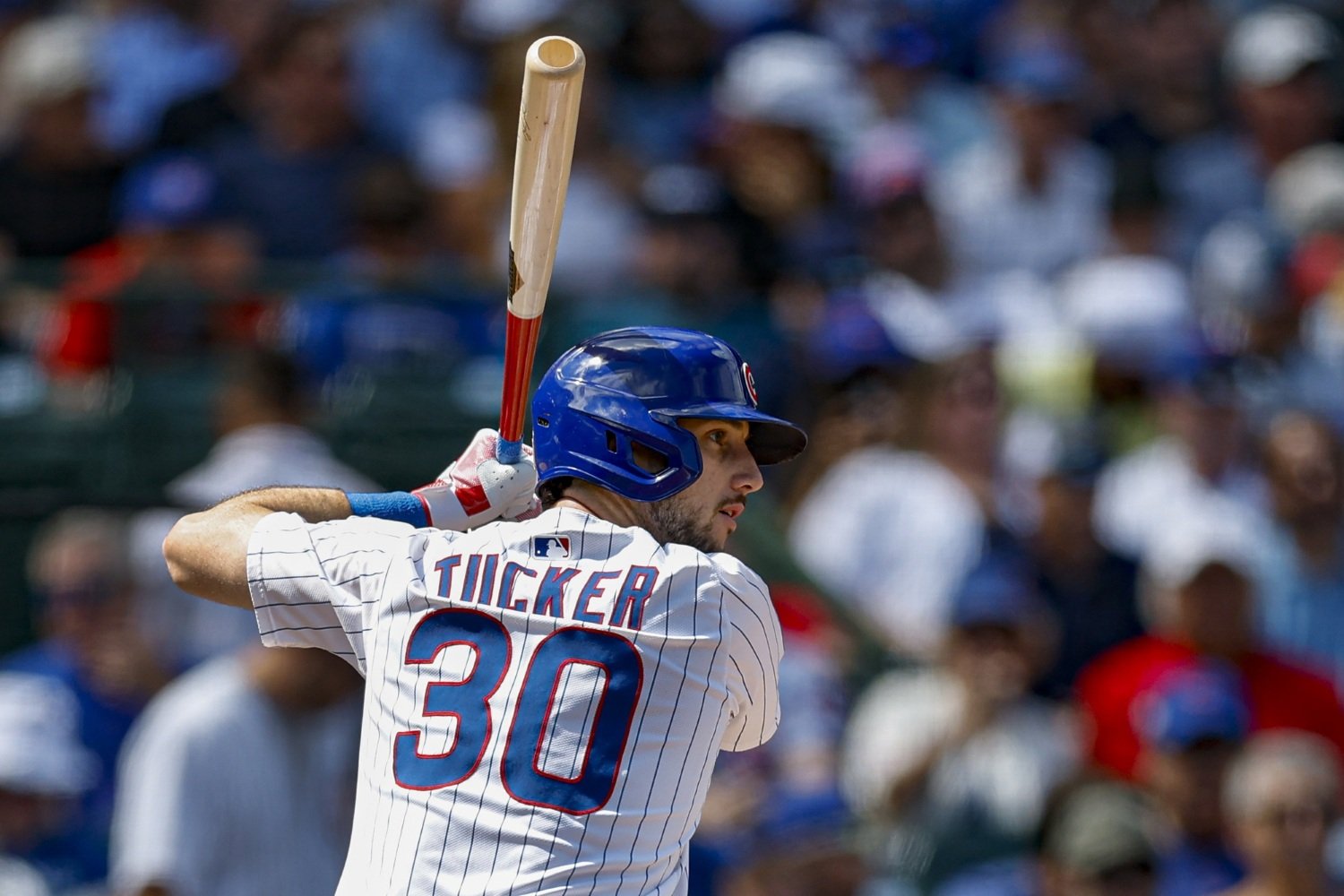 As has been thoroughly discussed, covered, and screamed about on talk radio, Kyle Tucker did indeed have a fracture on his hand in June. Everyone knows that he's been scuffling. Consensus has not been achieved, however, on whom to be angry at during this saga. Jed Hoyer? Tucker himself? The training staff? There's a combination of that group to be considered, and a little bit of nuance needed—as there is in most things. Tucker chose to play, and the Cubs chose to let him. Both sides knew about the injury. The training staff is not to blame here. It seems as if the fracture was diagnosed, and the stakeholders were all notified. They really had little to do with the decision to continue to run Tucker out there. Tucker took an enormous risk here, one that (if you believe this injury is the root cause of his problems) could cost him hundreds of millions of dollars if he doesn't get his season back on track. It's not hard to see why he would want to continue playing. First of all, missing time with another injury after missing half of last season would give teams pause about his durability during a long-term contract. Second. he slashed .311/.404/.578 in June, after he was diagnosed with the fracture. With his best month of the season in progress, he obviously wanted to continue playing. To fully heal, a hairline fracture requires a splint and 6-8 weeks of rest, according to the American Academy of Orthopaedic Surgeons. This timeline would have had Tucker shelved for the guts of June and July, and even then, there would have been residual stiffness and/or swelling. A hairline fracture is essentially a stress fracture, and the violence of a swing would irritate the area even after the bone healed. Of course, in hindsight, Tucker probably should have sat for at least two or three weeks. (Again, we can't know for sure how big a role the injury has played in his slump, but it seems implausible that it wasn't a major factor.) But who would have filled in? This is another piece of the puzzle. Depth has been an issue all year, with the team's bench producing shockingly little. The Cubs really could have used an all-purpose substitute—one who can hit lefties, play all across the outfield, and have generally solid production. When your prized right fielder needs time off, it would behoove a team to have a solid, productive option to plug in. Obviously, the team could (and perhaps should) have found a way to bring up Kevin Alcántara or Owen Caissie much sooner, to fill in for Tucker. They also could have retained Cody Bellinger this winter, which would have interfered with some of their other late-winter spending but given them a stopgap solution behind Tucker (this injury), Pete Crow-Armstrong (overuse and a lack of plate discipline) and Ian Happ (a difficult season, overall). But Mike Tauchman was the true whiff here. The left-handed bat signed a $1.95-million deal with the crosstown White Sox, and has been exactly what the Cubs needed. He's played all three outfield spots and is sporting a solid .787 OPS and 123 WRC+, 23% above league average. The Cubs decided they didn't want to spend something closer to $3 million in arbitration, and were left with Vidal Bruján as their sole backup in the outfield. This is a Jed Hoyer issue. When Bellinger was dealt, the money was supposed to be repurposed. It simply wasn't. Quality depth was not added to augment the lineup, and days off have not been available. This recent offensive downturn comes on the heels of a 26 games-in-27 days stretch, and the team embarks on a West Coast trip after playing five games in four days with the Brewers. Hoyer had more money to spend than he succeeded in spending, failing to land (among others) Alex Bregman. Having thus faltered, he also didn't promote Alcántara or Caissie to give Craig Counsell more viable ways to rest Tucker. A stretch like this was always the danger. So, whom should we be mad at? Well, probably nobody, if you want to preserve your mental health. But if you have ire that must go somewhere, it should be directed at the front office. Their failure to spend their allocated money to keep solid players left them with little option but to go along with Tucker's wishes to continue playing. As previously stated, it's a complicated issue. With Tauchman in the fold, the Cubs could have insisted that Tucker shut it down at the first sign that the injury was hurting his performance. But too soon, and the Cubs risked missing his best stretch of the season, and (in Tucker's perspective) costing him multiple millions. It's possible this was an unavoidable problem, but that won't satisfy anyone—and it shouldn't, either. Tell me in the comments. Who should we cast our blame upon?
 -
Image courtesy of © Patrick Gorski-Imagn Images In baseball, as in the general state of human existence, reputations can be hard to shake. Whether good or bad, what other people think of you sticks, well beyond the period where it may apply. The Cubs' defense is no exception. Around the league, they have a tremendous rep with the glove. Does it hold up? Statcast OAA, or Outs Above Average, was the inspiration for this article. Pete Crow-Armstrong (18) and Nico Hoerner (11) have stellar numbers. However, no other Cub has registered more than two. Of the regulars, only Dansby Swanson has a positive number, and even his is reduced from last season. Gold Glove winners Ian Happ and Kyle Tucker have a negative value, as does youngster Matt Shaw. What in the name of Clark the Cub is going on with these defensive numbers? DANSBY SWANSON Well, this is disturbing, isn’t it? An average bat, paid handsomely for his glove, needs to be that glove guy. Fangraphs' defensive value ranks him as the 35th-best defensive player in baseball, a far cry from the top ten he usually is. Swanson’s nearest shortstop peer is Corey Seager on their metric. To the more traditionally-minded fan, his six errors lead the team. Of course, defensive metrics in a 100 game or so sample aren’t wholly reliable, but one seems to be confirming the eye test: Dansby Swanson has seen his range diminish. In 2024, Statcast ranked him in the 98th percentile for defense; he’s down to the 69th this season overall. His range is reduced 18 points by the same system. Baseball Reference’s Total Zone Rating has decreased from 17 two seasons ago to a -1 this season, and his Range Factor per Nine is the second-lowest of his career. Unfortunately, Swanson cannot explain his slight decline last season on his abdominal injury. He might just, as he enters his 30s, be slowing down. He’s still a heady, sure-handed shortstop, but with eight shortstops ahead of him statistically, he’s no longer a Gold Glove one. CORNER OUTFIELDERS This one is not as concerning. OAA does not have a positional adjustment, so Kyle Tucker and Ian Hall in this statistic are being graded on the same curve as center fielders. Fangraphs, who does scale by position, has both of these players as above average. DRS also looks favorably upon these two, For left and right field, Kyle Tucker and Ian Happ are just fine defensively. CATCHERS Carson Kelly has some solid metrics as well, but is knocked down for his pitch framing. Anecdotally, I’m writing this watching Kelly catch, and his pitch framing just seems like it does more harm than good. His glove moves farther than any catchers' I have seen this year. How can the umpire call a close pitch when it’s being jerked into the zone that far? It used to be pitch framing was subtle, like holding the pitch and maybe, just maybe moving the ball subtly into the zone. Kelly is too extreme with his framing, and the metrics support it. It’s not easy to measure a catcher and his defensive impact, and he’s been solid in other areas. Just stop jerking that glove around, Carson! So, there’s no need to fret about your viewing acumen. Your eyes aren’t deceiving you. The Cubs actually are a good defensive team, Pete Crow-Armstrong is a top defender in the game, and all is well in the field. Enjoy a top flight defensive team, and hope Swanson can find that missing range for October. View full article
-
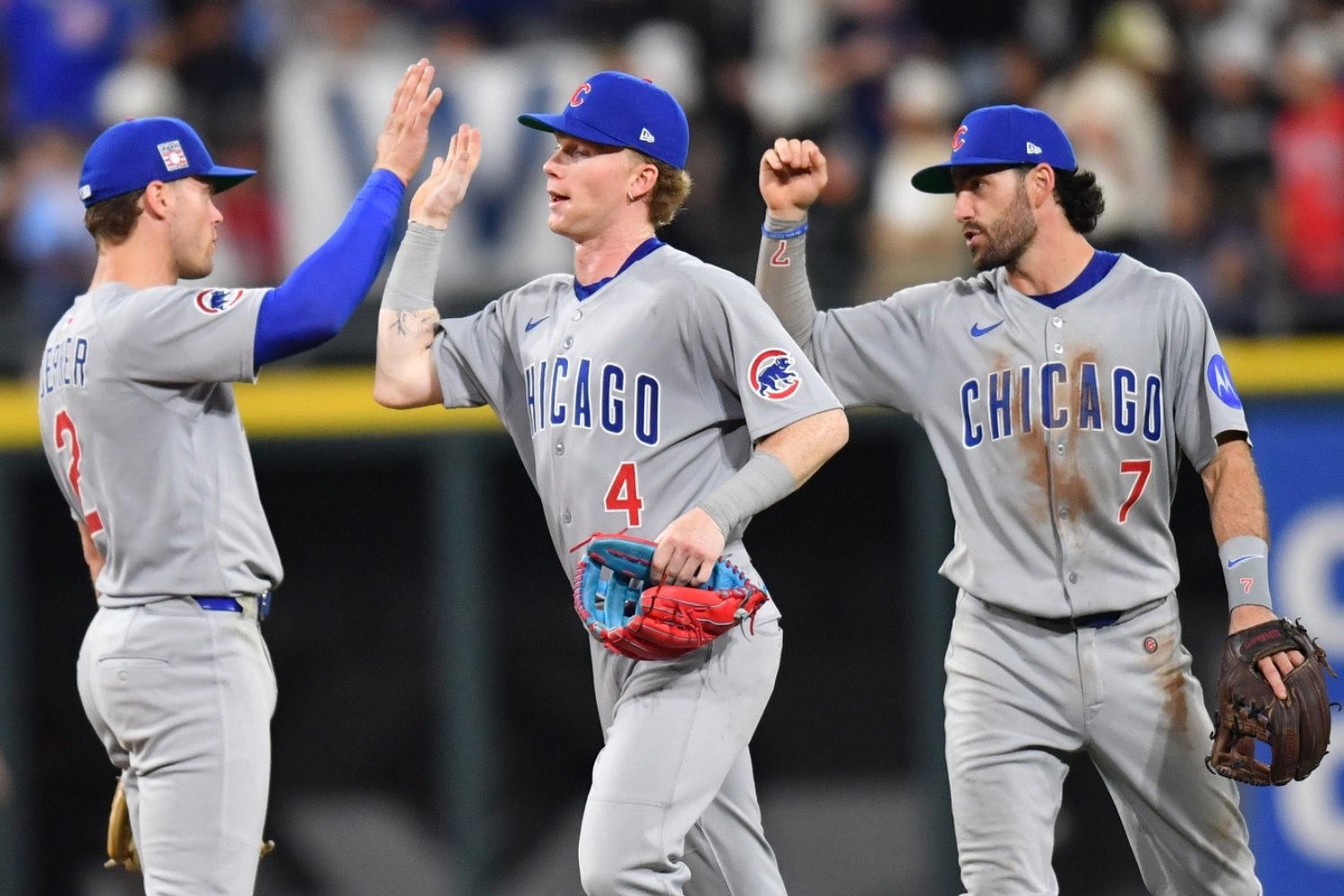 In baseball, as in the general state of human existence, reputations can be hard to shake. Whether good or bad, what other people think of you sticks, well beyond the period where it may apply. The Cubs' defense is no exception. Around the league, they have a tremendous rep with the glove. Does it hold up? Statcast OAA, or Outs Above Average, was the inspiration for this article. Pete Crow-Armstrong (18) and Nico Hoerner (11) have stellar numbers. However, no other Cub has registered more than two. Of the regulars, only Dansby Swanson has a positive number, and even his is reduced from last season. Gold Glove winners Ian Happ and Kyle Tucker have a negative value, as does youngster Matt Shaw. What in the name of Clark the Cub is going on with these defensive numbers? DANSBY SWANSON Well, this is disturbing, isn’t it? An average bat, paid handsomely for his glove, needs to be that glove guy. Fangraphs' defensive value ranks him as the 35th-best defensive player in baseball, a far cry from the top ten he usually is. Swanson’s nearest shortstop peer is Corey Seager on their metric. To the more traditionally-minded fan, his six errors lead the team. Of course, defensive metrics in a 100 game or so sample aren’t wholly reliable, but one seems to be confirming the eye test: Dansby Swanson has seen his range diminish. In 2024, Statcast ranked him in the 98th percentile for defense; he’s down to the 69th this season overall. His range is reduced 18 points by the same system. Baseball Reference’s Total Zone Rating has decreased from 17 two seasons ago to a -1 this season, and his Range Factor per Nine is the second-lowest of his career. Unfortunately, Swanson cannot explain his slight decline last season on his abdominal injury. He might just, as he enters his 30s, be slowing down. He’s still a heady, sure-handed shortstop, but with eight shortstops ahead of him statistically, he’s no longer a Gold Glove one. CORNER OUTFIELDERS This one is not as concerning. OAA does not have a positional adjustment, so Kyle Tucker and Ian Hall in this statistic are being graded on the same curve as center fielders. Fangraphs, who does scale by position, has both of these players as above average. DRS also looks favorably upon these two, For left and right field, Kyle Tucker and Ian Happ are just fine defensively. CATCHERS Carson Kelly has some solid metrics as well, but is knocked down for his pitch framing. Anecdotally, I’m writing this watching Kelly catch, and his pitch framing just seems like it does more harm than good. His glove moves farther than any catchers' I have seen this year. How can the umpire call a close pitch when it’s being jerked into the zone that far? It used to be pitch framing was subtle, like holding the pitch and maybe, just maybe moving the ball subtly into the zone. Kelly is too extreme with his framing, and the metrics support it. It’s not easy to measure a catcher and his defensive impact, and he’s been solid in other areas. Just stop jerking that glove around, Carson! So, there’s no need to fret about your viewing acumen. Your eyes aren’t deceiving you. The Cubs actually are a good defensive team, Pete Crow-Armstrong is a top defender in the game, and all is well in the field. Enjoy a top flight defensive team, and hope Swanson can find that missing range for October.
 -
Image courtesy of Thieres Rabelo The Cubs' lineup in July was a bit of a whack-a-mole. One guy would heat up, and another would slump. Despite losing a share of first place in the NL Central, a 14-9 record on the month is still solid, and the position group top to bottom is as good as there is in the league. Despite a middling trade deadline performance, the architect of this team was extended for several years. Whatever you think of Jed Hoyer, he will be the head of this ship. So, each person for this month was selected first and foremost for his July performance, but also for how their performance helped Hoyer get his extension. 3rd Place: Nico Hoerner (.284/.347/.375, 107 wRC+) Hoerner was a steadying force in the lineup. He’s now the leadoff hitter against lefties, and slashed .284/.347/.375 in July. Power obviously isn’t part of the profile, but extreme bat control is. All season long, Hoerner has been at the top of the percentile rankings for strikeout and whiff rate. He simply has a tremendous understanding of the strike zone to pair with his otherworldly hand-eye coordination, and surely is frustrating to pitch to. One of the first big moves in the incremental rebuild that was never called a rebuild centered around Hoerner. He’s a solid shortstop. Good, even. In 2022, he was worth a whopping 13 Outs Above Average, which gave him significant value towards his 4.2 WAR. His main position that year was short, and the Cubs could have continued with a solid shortstop for years to come. But opportunity arose to sign Dansby Swanson, a superior defender, to an (expensive) deal. Nico slid to second, and has played Gold Glove-caliber defense since, winning it in 2023. Jed Hoyer built the best middle-infield defense in the game. Months like July show why he was smart to do so. 2nd Place: Carson Kelly (.290/.370/.581, 162 wRC+) Alright Carson, settle down. We all thought you were going to collapse, and for a bit you did. But then, to quote Dumb and Dumber, you go and “totally redeem yourself!” A 3.2 WAR for Kelly this season is one of the many “over-performing projections” scenarios Jed Hoyer has hit on for this year. What a great signing for the Cubs, especially given how unexpected this performance has been in Miguel Amaya's stead. This incredible season from Kelly is emblematic of Hoyer’s hot free agent streak last offseason. Kelly has had a career year already, regardless of how he finishes. Matthew Boyd and Caleb Thielbar similarly have contributed with great baseball. Confidence is due to Hoyer as we go forward (at least in regard to bargain bin free agent signings), and the benefit of the doubt will be given by this writer. MVPete: Pete Crow-Armstrong (.308/.347/.637, 171 wRC+) Should we just rename the award at this point? It’s simply incredible, and he’s not slowing down. Do you see that slugging percentage? .637? It’s been a pleasure to be proved wrong by Crow-Armstrong. The position players have been ridden hard this season, and will continue to play as many innings as their bodies allowed. Willi Castro could provide rest to most of them, and is insurance against the Annual Seiya Suzuki Oblique Injury or some other calamity. Still, Craig Counsell is doing his best Tom Thibodeau impression with his starters this year. It's not entirely relevant to his brilliant month, but the fact that Javier Baez was dealt for Crow-Armstrong still stands as the best move the Cubs have made in a long time. The teardown in 2021 is still a flashpoint, but this one acquisition has been a success. Another oft-forgotten trade was Daniel Palencia coming in return for Andrew Chafin. Not every trade has returned that level of value, or any value for that matter. That’s not how teardowns work, and why they aren’t an enjoyable part of the fan experience. Tom Ricketts, however, is not completely opposed to the idea. In his mind, the return is already worth the sell-off. More than any other move made during his tenure, Hoyer earned his extension with this one. What do you think of our list? Are there any other players that you think deserve recognition for their excellent July performances? View full article
-
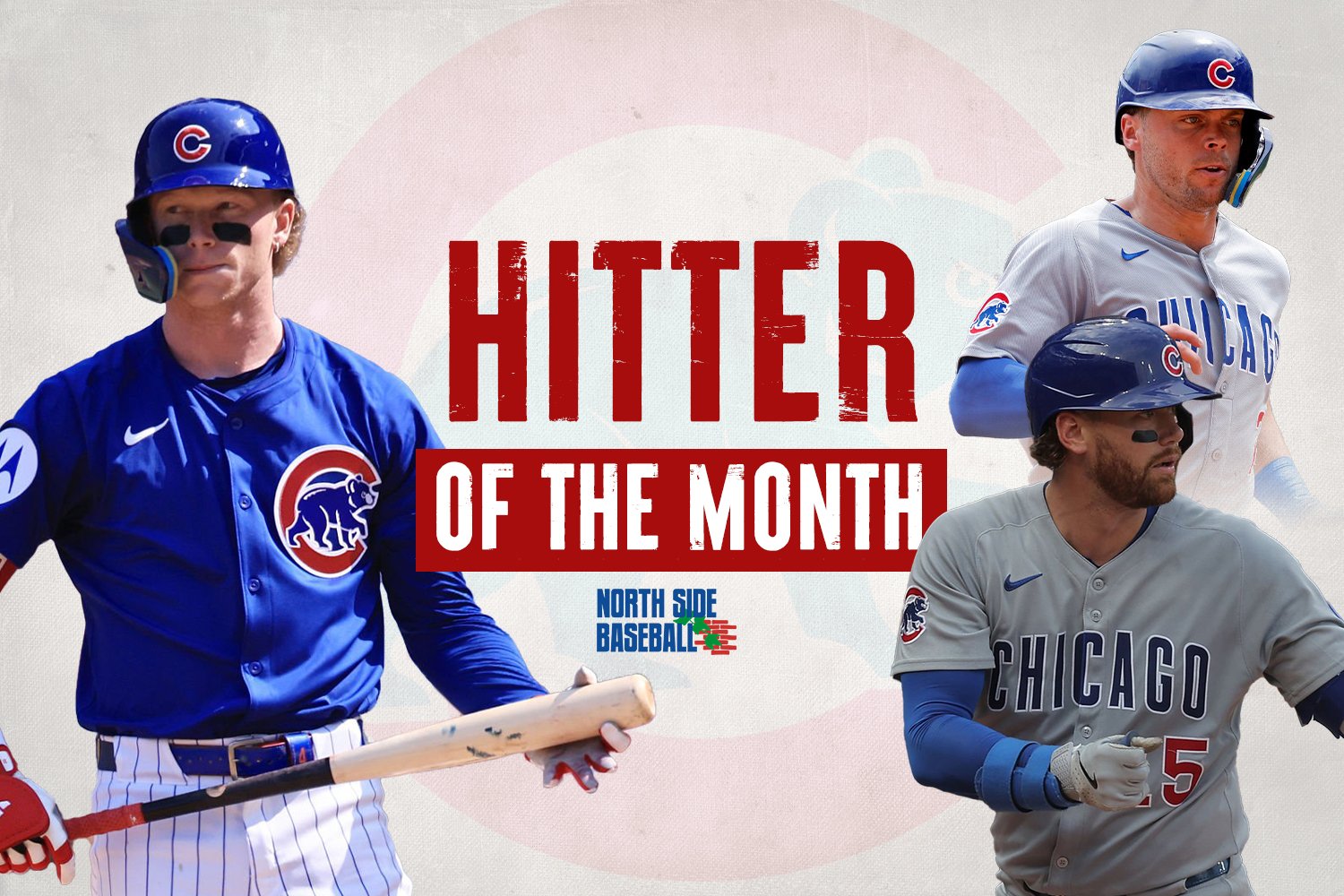 The Cubs' lineup in July was a bit of a whack-a-mole. One guy would heat up, and another would slump. Despite losing a share of first place in the NL Central, a 14-9 record on the month is still solid, and the position group top to bottom is as good as there is in the league. Despite a middling trade deadline performance, the architect of this team was extended for several years. Whatever you think of Jed Hoyer, he will be the head of this ship. So, each person for this month was selected first and foremost for his July performance, but also for how their performance helped Hoyer get his extension. 3rd Place: Nico Hoerner (.284/.347/.375, 107 wRC+) Hoerner was a steadying force in the lineup. He’s now the leadoff hitter against lefties, and slashed .284/.347/.375 in July. Power obviously isn’t part of the profile, but extreme bat control is. All season long, Hoerner has been at the top of the percentile rankings for strikeout and whiff rate. He simply has a tremendous understanding of the strike zone to pair with his otherworldly hand-eye coordination, and surely is frustrating to pitch to. One of the first big moves in the incremental rebuild that was never called a rebuild centered around Hoerner. He’s a solid shortstop. Good, even. In 2022, he was worth a whopping 13 Outs Above Average, which gave him significant value towards his 4.2 WAR. His main position that year was short, and the Cubs could have continued with a solid shortstop for years to come. But opportunity arose to sign Dansby Swanson, a superior defender, to an (expensive) deal. Nico slid to second, and has played Gold Glove-caliber defense since, winning it in 2023. Jed Hoyer built the best middle-infield defense in the game. Months like July show why he was smart to do so. 2nd Place: Carson Kelly (.290/.370/.581, 162 wRC+) Alright Carson, settle down. We all thought you were going to collapse, and for a bit you did. But then, to quote Dumb and Dumber, you go and “totally redeem yourself!” A 3.2 WAR for Kelly this season is one of the many “over-performing projections” scenarios Jed Hoyer has hit on for this year. What a great signing for the Cubs, especially given how unexpected this performance has been in Miguel Amaya's stead. This incredible season from Kelly is emblematic of Hoyer’s hot free agent streak last offseason. Kelly has had a career year already, regardless of how he finishes. Matthew Boyd and Caleb Thielbar similarly have contributed with great baseball. Confidence is due to Hoyer as we go forward (at least in regard to bargain bin free agent signings), and the benefit of the doubt will be given by this writer. MVPete: Pete Crow-Armstrong (.308/.347/.637, 171 wRC+) Should we just rename the award at this point? It’s simply incredible, and he’s not slowing down. Do you see that slugging percentage? .637? It’s been a pleasure to be proved wrong by Crow-Armstrong. The position players have been ridden hard this season, and will continue to play as many innings as their bodies allowed. Willi Castro could provide rest to most of them, and is insurance against the Annual Seiya Suzuki Oblique Injury or some other calamity. Still, Craig Counsell is doing his best Tom Thibodeau impression with his starters this year. It's not entirely relevant to his brilliant month, but the fact that Javier Baez was dealt for Crow-Armstrong still stands as the best move the Cubs have made in a long time. The teardown in 2021 is still a flashpoint, but this one acquisition has been a success. Another oft-forgotten trade was Daniel Palencia coming in return for Andrew Chafin. Not every trade has returned that level of value, or any value for that matter. That’s not how teardowns work, and why they aren’t an enjoyable part of the fan experience. Tom Ricketts, however, is not completely opposed to the idea. In his mind, the return is already worth the sell-off. More than any other move made during his tenure, Hoyer earned his extension with this one. What do you think of our list? Are there any other players that you think deserve recognition for their excellent July performances?
 -
Chicago Cubs Depth Chart Changes, After MLB Trade Deadline Moves
Brian Kelder posted an article in Cubs
 The trade deadline has come and gone. Our site has done a great job keeping current on the deals and the individual implications of each deal. This piece purports to update the depth chart implications. Willi Castro was not acquired to start. He will spell Matt Shaw, and act as insurance if he regresses to his pre-July level. Castro will also slot as the top backup at second base, and if Dansby Swanson needs a breather, Nico Hoerner can slide over with less of a drop-off. Castro is also a hedge against an outfield injury; he’s played the corner spots this year and even center in the past. In summary, Castro has become the top backup at four positions. Here’s how each position stands. LINEUP Catcher: Carson Kelly and Miguel Amaya (soon), Reese Maguire will lose out First Base: Michael Busch starts, Justin Turner against tough lefties Second Base: Nico Hoerner, Willi Castro top backup Shortstop: Dansby Swanson and Hoerner Third Base: Matt Shaw, Castro if he falters Left Field: Ian Happ, Seiya Suzuki first backup Center Field: Pete Crow-Armstrong, Castro taking over from Suzuki as the backup you hope to use sparingly Right Field: Kyle Tucker, Suzuki backing up Designated Hitter: The oft-mentioned Suzuki, Turner, Castro Break Glass in case of emergency: Jon Berti ROTATION Shota Imanaga Matthew Boyd Michael Soroka Cade Horton Colin Rea The Cubs surely hope that Jameson Taillon and Javier Assad make their long-awaited return and supplement this group. Already, though, moving Brown back out of the rotation is a win, effected by the arrival of Soroka. Between Soroka, Taillon and Assad, the team will try to nudge Rea into more relief work down the stretch, but also to manage Horton's innings total. BULLPEN Ryan Pressly is now but a piece of Cubs obscurist lore, and will surely be a low percentage answer in Immaculate Grid. Closer: Daniel Palencia Wait. Full stop. It would be a fool's errand to predict the pecking order of this bullpen. Craig Counsell will deploy them in a manner reflecting their current performance. Andrew Kittridge and Trevor Rogers will join the stable of mid-30s relievers on expiring deals the Cubs have built their bullpen around. I would expect Brad Keller to man the eighth as often as anyone else, but roles will be fluid. It wasn't the seismic trade deadline many hoped for, but Castro, Soroka, Kittredge and Rogers will take the places of the four lowest-utility players: Vidal Bruján, Ben Brown, Pressly and Gavin Hollowell. They also push a few more of the players who have been stretched all season into roles where they can be more successful. The functionality of their roster rose sharply, although its potential to blaze a trail of light through October didn't change much.
- 1 comment
-
- 1
-

-
- willi castro
- 2025 trade deadline
- (and 5 more)
-
Image courtesy of © Geoff Burke-Imagn Images The trade deadline has come and gone. Our site has done a great job keeping current on the deals and the individual implications of each deal. This piece purports to update the depth chart implications. Willi Castro was not acquired to start. He will spell Matt Shaw, and act as insurance if he regresses to his pre-July level. Castro will also slot as the top backup at second base, and if Dansby Swanson needs a breather, Nico Hoerner can slide over with less of a drop-off. Castro is also a hedge against an outfield injury; he’s played the corner spots this year and even center in the past. In summary, Castro has become the top backup at four positions. Here’s how each position stands. LINEUP Catcher: Carson Kelly and Miguel Amaya (soon), Reese Maguire will lose out First Base: Michael Busch starts, Justin Turner against tough lefties Second Base: Nico Hoerner, Willi Castro top backup Shortstop: Dansby Swanson and Hoerner Third Base: Matt Shaw, Castro if he falters Left Field: Ian Happ, Seiya Suzuki first backup Center Field: Pete Crow-Armstrong, Castro taking over from Suzuki as the backup you hope to use sparingly Right Field: Kyle Tucker, Suzuki backing up Designated Hitter: The oft-mentioned Suzuki, Turner, Castro Break Glass in case of emergency: Jon Berti ROTATION Shota Imanaga Matthew Boyd Michael Soroka Cade Horton Colin Rea The Cubs surely hope that Jameson Taillon and Javier Assad make their long-awaited return and supplement this group. Already, though, moving Brown back out of the rotation is a win, effected by the arrival of Soroka. Between Soroka, Taillon and Assad, the team will try to nudge Rea into more relief work down the stretch, but also to manage Horton's innings total. BULLPEN Ryan Pressly is now but a piece of Cubs obscurist lore, and will surely be a low percentage answer in Immaculate Grid. Closer: Daniel Palencia Wait. Full stop. It would be a fool's errand to predict the pecking order of this bullpen. Craig Counsell will deploy them in a manner reflecting their current performance. Andrew Kittridge and Trevor Rogers will join the stable of mid-30s relievers on expiring deals the Cubs have built their bullpen around. I would expect Brad Keller to man the eighth as often as anyone else, but roles will be fluid. It wasn't the seismic trade deadline many hoped for, but Castro, Soroka, Kittredge and Rogers will take the places of the four lowest-utility players: Vidal Bruján, Ben Brown, Pressly and Gavin Hollowell. They also push a few more of the players who have been stretched all season into roles where they can be more successful. The functionality of their roster rose sharply, although its potential to blaze a trail of light through October didn't change much. View full article
-
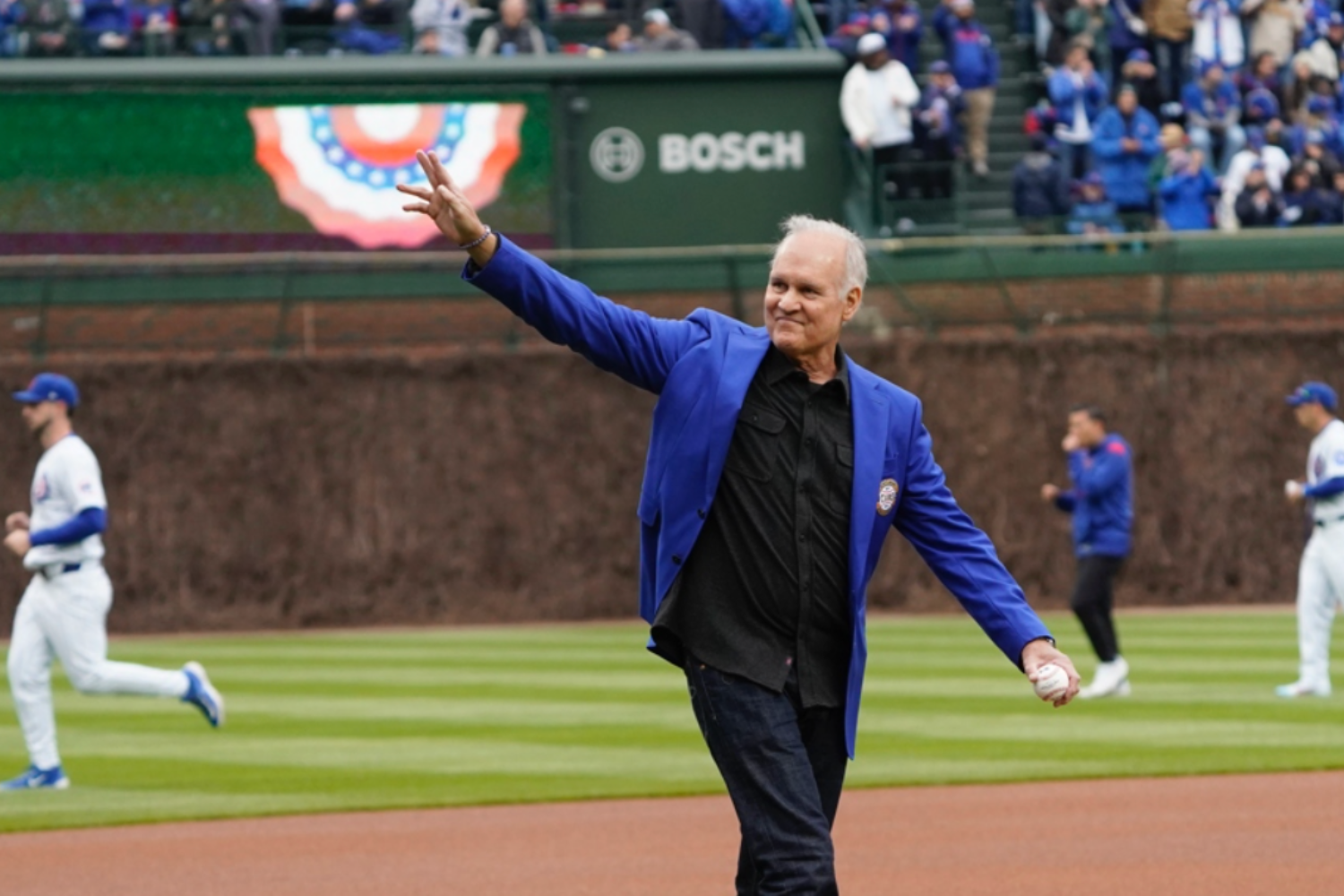 As you've no doubt heard by now, Ryne Sandberg passed away at age 65, finally succumbing to cancer. The Hall of Famer, nine-time Gold Glove winner, ten-time All-Star, 1984 MVP, and franchise icon will be missed as an integral part of canon lore for millions of Cub fans. Our @Matthew Trueblood covered his legenary career well, and you should read his outstanding tribute to gain an appreciation of what Sandberg was as a player. This is not that type of article. This is purely a tribute from a fan. Growing up in Kenosha, Wisconsin, WGN was available over the airwaves, and that’s where Ryne Sandberg became a part of my story. I was seven when the Cubs stormed the NL in 1984 and, pre-lights, was baby sat by Harry CarAy and Steve Stone. They would always point out this MVP season Sandberg was having, and thus, a lifelong fan was born. It is impossible to quantify what he meant, and will always mean to Cubs fans. Here are three stories from my life that show my version of this. Hopefully, it can stir memories of Ryno for you. August 1989: On my birthday, the 23rd of this month (yes 23 is my favorite number), I was in day two of my new school. Day two was ROUGH. No part of me wanted to walk to that place, where I was convinced everyone was staring at the new kid. So, I donned my big head caricature Sandberg t-shirt, manned up, and went since truancy was illegal. With my best shirt, representing the confidence of the star of a playoff-bound team, I walked in with the strut I’d been practicing. “Nice shirt,” some kid said, and from there, I found several Cub fans and fellow baseball card collectors, and I was off, That afternoon, I was surprised by my parents with the only childhood cake I can remember. A baseball diamond, complete with the Sandberg Starting Lineup figure sliding into second. Even though it was out of the packaging and lost all of its value, I still have the figure, and the memories of that day. I made friends in a new school and had a great birthday, and Sandberg communal fandom was the reason. March, 1995: Finally, my senior year, I made varsity. Yes, I played second, mainly because of Ryno, but fortuitous given my noodle arm. Once again, my childhood insecurities manifested, and I looked to gain respect from my teammates, proving that I belonged. When it came time to pick a jersey number, the good ones were taken... except 23. Snatched it up, heard a couple cracks about Michael Jordan from the coach. “Nah, Sandberg” I responded. Several nods of respect from my teammates, coach gave an approving smile. My reputation was secure. If someone was a Sandberg fan, that person had to be a heady, reliable player. I mean, it wasn’t enough to get me playing time, but man, was I a reliable practice player, and when I made a smart play, coach would always make a Sandberg comment, even though he was taking his gap year. And yes, I imagined myself at Wrigley, manning second base, every single practice. Fast forward to August 2013. Now married with two young kids and a very understanding wife, I made the trek to Cooperstown with my dad and brother to celebrate Dad’s 60th birthday. Of course, before any of us could tour the museum, we had to go to the famous plaques. Not many people get to see their favorite athlete in any sport inducted. I don’t remember all the exhibits, but I do vividly recall the picture of Ryno and Wade Boggs on their big day, and of course, the first floor plaque. I bought but one souvenir that day, a postcard of Sandberg. It remains framed at my desk, in the center of my sports memorabilia. It towers in stature if not size over my Jon Scheyer autographed photo and even my framed cereal box of RizzOs. And it’s been a teaching tool. East Carolina University and their stellar baseball program (Jeff Hoffman, Alec Burleson, and Gavin Williams are notable alumni) is huge in the school I work in. Kids are naturally drawn to my decorations, and as a result, Sandberg is a go-t0 legend in MLB The Show for all of them. I delight I hearing about his console pixelated exploits, and am doing my small part to keep his legend alive. Thanks for reading this self-indulgent article. I wrote this to sort out my feelings and memories of Sandberg, and also hope to trigger similar memories for you guys. Would love to see some in the comments. Now to set up a Strat-O-Matic series, 1984 Cubs vs. 1989. Let’s get to it!
 -
Image courtesy of © David Banks-Imagn Images As you've no doubt heard by now, Ryne Sandberg passed away at age 65, finally succumbing to cancer. The Hall of Famer, nine-time Gold Glove winner, ten-time All-Star, 1984 MVP, and franchise icon will be missed as an integral part of canon lore for millions of Cub fans. Our @Matthew Trueblood covered his legenary career well, and you should read his outstanding tribute to gain an appreciation of what Sandberg was as a player. This is not that type of article. This is purely a tribute from a fan. Growing up in Kenosha, Wisconsin, WGN was available over the airwaves, and that’s where Ryne Sandberg became a part of my story. I was seven when the Cubs stormed the NL in 1984 and, pre-lights, was baby sat by Harry CarAy and Steve Stone. They would always point out this MVP season Sandberg was having, and thus, a lifelong fan was born. It is impossible to quantify what he meant, and will always mean to Cubs fans. Here are three stories from my life that show my version of this. Hopefully, it can stir memories of Ryno for you. August 1989: On my birthday, the 23rd of this month (yes 23 is my favorite number), I was in day two of my new school. Day two was ROUGH. No part of me wanted to walk to that place, where I was convinced everyone was staring at the new kid. So, I donned my big head caricature Sandberg t-shirt, manned up, and went since truancy was illegal. With my best shirt, representing the confidence of the star of a playoff-bound team, I walked in with the strut I’d been practicing. “Nice shirt,” some kid said, and from there, I found several Cub fans and fellow baseball card collectors, and I was off, That afternoon, I was surprised by my parents with the only childhood cake I can remember. A baseball diamond, complete with the Sandberg Starting Lineup figure sliding into second. Even though it was out of the packaging and lost all of its value, I still have the figure, and the memories of that day. I made friends in a new school and had a great birthday, and Sandberg communal fandom was the reason. March, 1995: Finally, my senior year, I made varsity. Yes, I played second, mainly because of Ryno, but fortuitous given my noodle arm. Once again, my childhood insecurities manifested, and I looked to gain respect from my teammates, proving that I belonged. When it came time to pick a jersey number, the good ones were taken... except 23. Snatched it up, heard a couple cracks about Michael Jordan from the coach. “Nah, Sandberg” I responded. Several nods of respect from my teammates, coach gave an approving smile. My reputation was secure. If someone was a Sandberg fan, that person had to be a heady, reliable player. I mean, it wasn’t enough to get me playing time, but man, was I a reliable practice player, and when I made a smart play, coach would always make a Sandberg comment, even though he was taking his gap year. And yes, I imagined myself at Wrigley, manning second base, every single practice. Fast forward to August 2013. Now married with two young kids and a very understanding wife, I made the trek to Cooperstown with my dad and brother to celebrate Dad’s 60th birthday. Of course, before any of us could tour the museum, we had to go to the famous plaques. Not many people get to see their favorite athlete in any sport inducted. I don’t remember all the exhibits, but I do vividly recall the picture of Ryno and Wade Boggs on their big day, and of course, the first floor plaque. I bought but one souvenir that day, a postcard of Sandberg. It remains framed at my desk, in the center of my sports memorabilia. It towers in stature if not size over my Jon Scheyer autographed photo and even my framed cereal box of RizzOs. And it’s been a teaching tool. East Carolina University and their stellar baseball program (Jeff Hoffman, Alec Burleson, and Gavin Williams are notable alumni) is huge in the school I work in. Kids are naturally drawn to my decorations, and as a result, Sandberg is a go-t0 legend in MLB The Show for all of them. I delight I hearing about his console pixelated exploits, and am doing my small part to keep his legend alive. Thanks for reading this self-indulgent article. I wrote this to sort out my feelings and memories of Sandberg, and also hope to trigger similar memories for you guys. Would love to see some in the comments. Now to set up a Strat-O-Matic series, 1984 Cubs vs. 1989. Let’s get to it! View full article
-
ESPN posted a trade deadline piece, with many options and savvy moves posited. Cub fans can skip ahead to the juicy part: Could the Cubs be interested in Shane Bieber? Bieber, for all intents and purposes, missed the 2024 season (2 starts) with Tommy John surgery. After tearing up the lower levels to the tune of 14 strikeouts in seven innings, he threw 57 pitches in four innings, no walks, seven strikeouts, and eight whiffs in his latest appearance. His stuff seems ready, Bieber would be a flier similar to Matthew Boyd for Cleveland last season. He would not be an innings eater, but could be a lightning bolt similar to Rich Harden in 2008. Keep an eye on this possibility. View full rumor
-
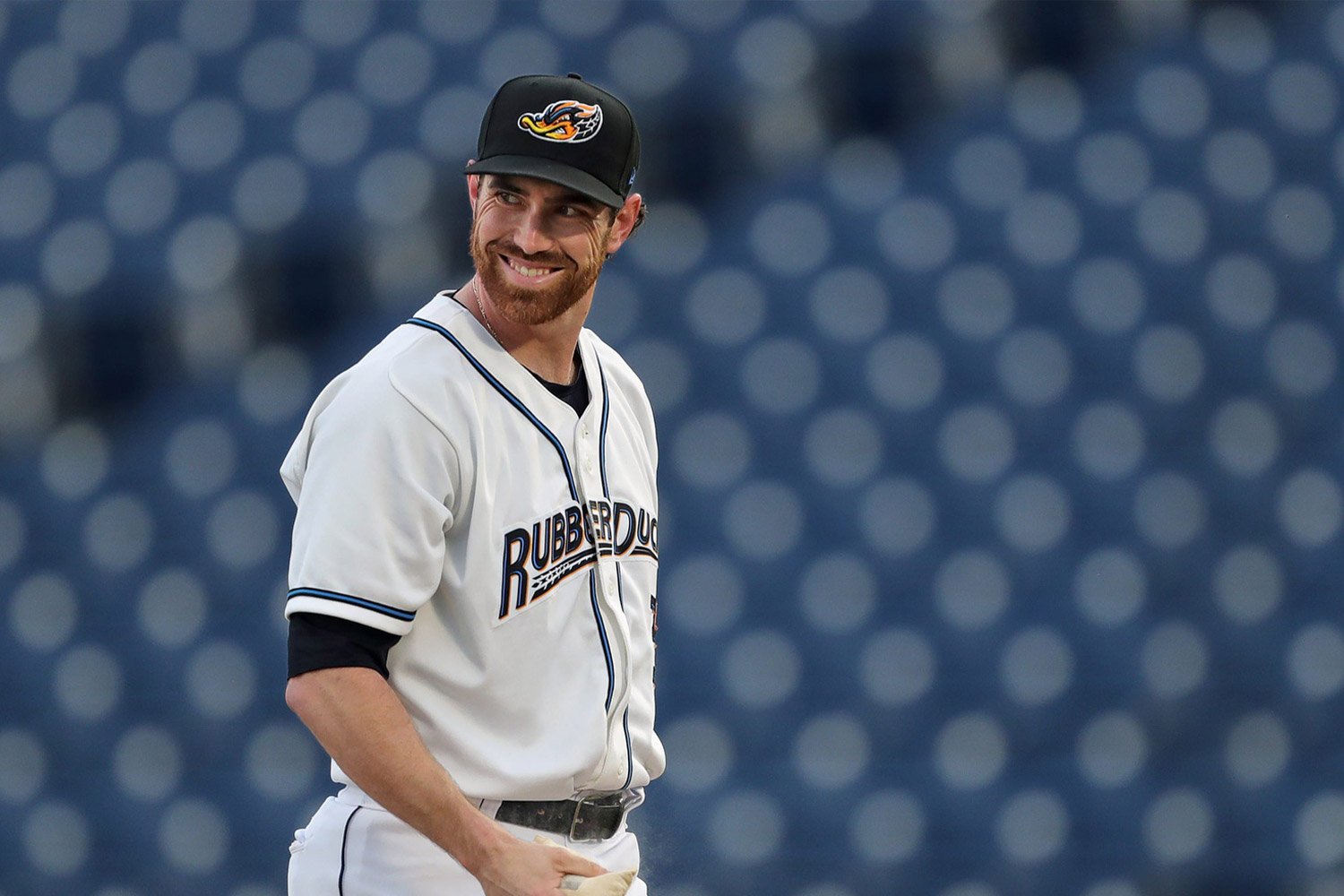 ESPN posted a trade deadline piece, with many options and savvy moves posited. Cub fans can skip ahead to the juicy part: Could the Cubs be interested in Shane Bieber? Bieber, for all intents and purposes, missed the 2024 season (2 starts) with Tommy John surgery. After tearing up the lower levels to the tune of 14 strikeouts in seven innings, he threw 57 pitches in four innings, no walks, seven strikeouts, and eight whiffs in his latest appearance. His stuff seems ready, Bieber would be a flier similar to Matthew Boyd for Cleveland last season. He would not be an innings eater, but could be a lightning bolt similar to Rich Harden in 2008. Keep an eye on this possibility.
 -
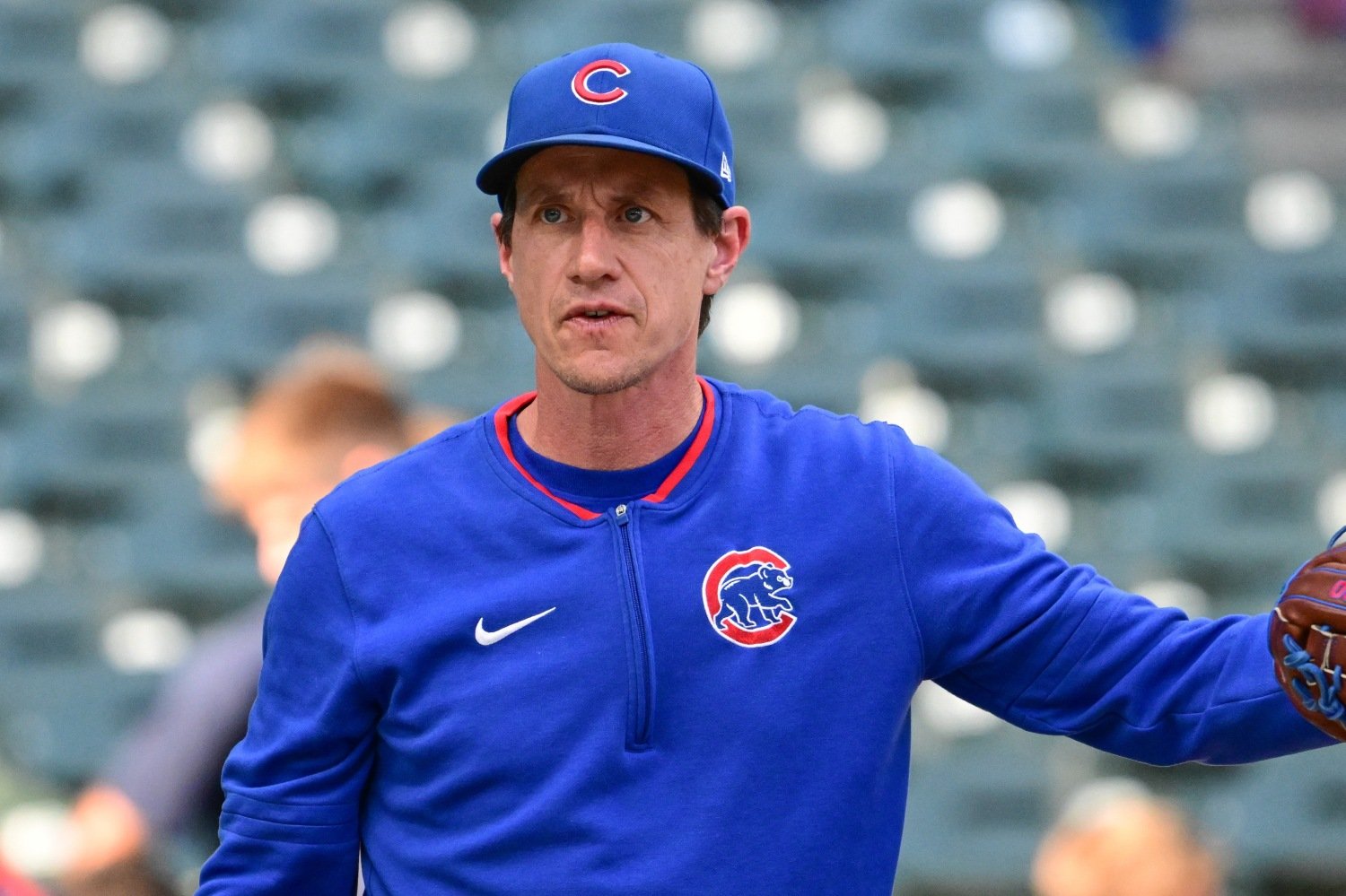 The Cubs' position player group has been blessed with fairly good health this season. Only Miguel Amaya has missed extended time due to injury. But look at recent seasons, and there’s reason to add to the outfielder group. Seiya Suzuki has missed a month or more in all three of his career seasons, and has not had that this season. Kyle Tucker missed extended time last season. Ian Happ, God bless him, might just need more breaks at almost age 31. Pete Crow-Armstrong sports a .232 OBP against lefties. There’s room for an outfielder in the mix. Who's realistically available and helpful—and on an expiring contract? The one-stop shop could be in Baltimore. Top Orioles decision-maker Mike Elias has telegraphed his desire to get a return on his impending free agents. The Orioles will be sitting out October; time to pillage some outfield depth. Cedric Mullins is in the last year of his deal and shouldn't have an exorbitant price tag. Mullins has two areas of appeal. First, he has a stellar defensive reputation. His range is a bit diminished, relative to his peak, but it remains solid. The overall package suggests a player who can fill in any outfield position, although he’s never played anywhere but center field. You may have wondered why I included Crow-Armstrong’s lefty splits. Mullins addresses this. He’s been a reverse splits guy, and has destroyed lefties to the tune of a .288/.380/.450 line this year. In the dog days of summer, an occasional day off for Crow-Armstrong would for sure be helpful. Mullins addresses some of these needs. Fellow Bird Ramón Laureano might be too good a player to be a backup depth guy. He’s sporting a .514 slugging percentage, good for a career high 133 wRC+. While his range has diminished at age 30, the arm continues to resemble a howitzer. If dealt, he surely would hope to be a starter. But what if the market fails to materialize and the Cubs swoop in? Laureano has been a corner outfield guy primarily, but has manned center often in his career. He would be a more-than-capable fill-in, if injury or prolonged Happ underperformance strikes. These aren’t particularly likely, though—especially if Willi Castro is available from the Twins. He would be able to cover the outfield, as well as the infield. There is one more option, too, but fans might respond to this poorly. Harrison Bader fits. I know, I know: he was terribly annoying as a Cardinal, with his beautiful golden locks and his constant tracking down of fly balls. He’s still really good at outfield defense in Minnesota, his fifth stop in the majors. Imagine that alongside the already Gold Glove-quality center fielder. Bader could make a difference in playoff games and down the stretch, and yes, he hits lefties. Outfield is not the top target for Jed Hoyer this week, but marginal adds like these can be important. Don’t rule out a surprise depth outfield acquisition before Thursday evening.
 -
Image courtesy of © Benny Sieu-Imagn Images The Cubs' position player group has been blessed with fairly good health this season. Only Miguel Amaya has missed extended time due to injury. But look at recent seasons, and there’s reason to add to the outfielder group. Seiya Suzuki has missed a month or more in all three of his career seasons, and has not had that this season. Kyle Tucker missed extended time last season. Ian Happ, God bless him, might just need more breaks at almost age 31. Pete Crow-Armstrong sports a .232 OBP against lefties. There’s room for an outfielder in the mix. Who's realistically available and helpful—and on an expiring contract? The one-stop shop could be in Baltimore. Top Orioles decision-maker Mike Elias has telegraphed his desire to get a return on his impending free agents. The Orioles will be sitting out October; time to pillage some outfield depth. Cedric Mullins is in the last year of his deal and shouldn't have an exorbitant price tag. Mullins has two areas of appeal. First, he has a stellar defensive reputation. His range is a bit diminished, relative to his peak, but it remains solid. The overall package suggests a player who can fill in any outfield position, although he’s never played anywhere but center field. You may have wondered why I included Crow-Armstrong’s lefty splits. Mullins addresses this. He’s been a reverse splits guy, and has destroyed lefties to the tune of a .288/.380/.450 line this year. In the dog days of summer, an occasional day off for Crow-Armstrong would for sure be helpful. Mullins addresses some of these needs. Fellow Bird Ramón Laureano might be too good a player to be a backup depth guy. He’s sporting a .514 slugging percentage, good for a career high 133 wRC+. While his range has diminished at age 30, the arm continues to resemble a howitzer. If dealt, he surely would hope to be a starter. But what if the market fails to materialize and the Cubs swoop in? Laureano has been a corner outfield guy primarily, but has manned center often in his career. He would be a more-than-capable fill-in, if injury or prolonged Happ underperformance strikes. These aren’t particularly likely, though—especially if Willi Castro is available from the Twins. He would be able to cover the outfield, as well as the infield. There is one more option, too, but fans might respond to this poorly. Harrison Bader fits. I know, I know: he was terribly annoying as a Cardinal, with his beautiful golden locks and his constant tracking down of fly balls. He’s still really good at outfield defense in Minnesota, his fifth stop in the majors. Imagine that alongside the already Gold Glove-quality center fielder. Bader could make a difference in playoff games and down the stretch, and yes, he hits lefties. Outfield is not the top target for Jed Hoyer this week, but marginal adds like these can be important. Don’t rule out a surprise depth outfield acquisition before Thursday evening. View full article
-
Jim Bowden: Can Jaxon Wiggins Land The Cubs Eugenio Suarez?
Brian Kelder replied to Brian Kelder's topic in Chicago Cubs Talk
Me or Bowden lol -
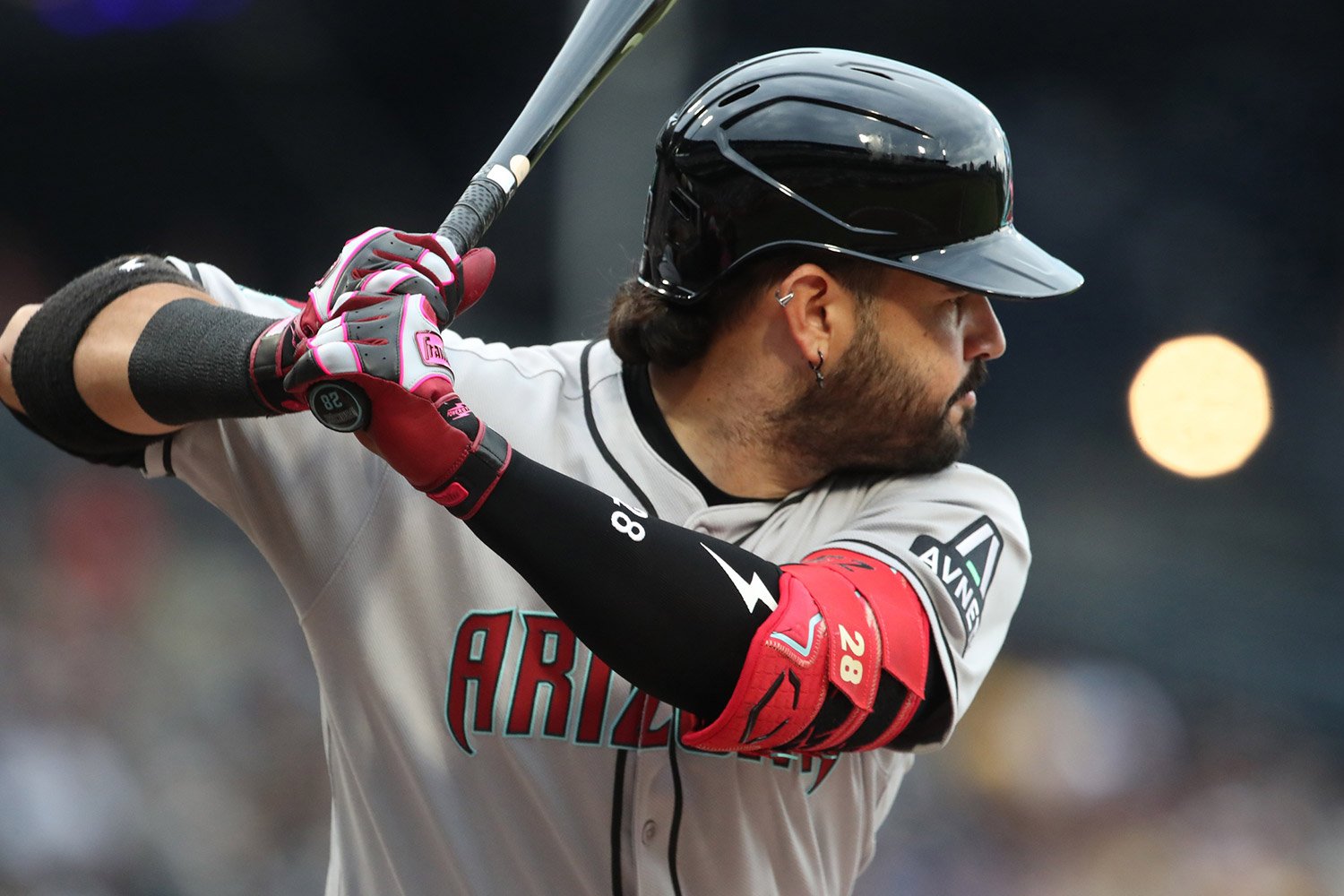 According to Jim Bowden of The Athletic, the Cubs continue to be in pursuit of Arizona star 3B Eugenio Suarez. He won’t come cheap, but no good player does. So, what would land Suarez? Bowden floats two names: Kevin Alcántara and Jaxon Wiggins. Alcántara, who has battled injuries and middling results in 2025, would be a part of a package deal. Bowden argues that Wiggins alone, however, could get Suarez. The newly minted top 100 prospect would be a steep price for a rental bat. The Cubs will have to balance this year's needs with the future in this specific trade discussion. Matt Shaw may be making the question moot; he’s hitting .444 with four home runs in the past two weeks. Wiggins, with his 99 MPH fastball, could also be a key part in keeping any contention window open. But Suarez is a 40-home run bat! We shall see. Going to be a fascinating decision.
 -
According to Jim Bowden of The Athletic, the Cubs continue to be in pursuit of Arizona star 3B Eugenio Suarez. He won’t come cheap, but no good player does. So, what would land Suarez? Bowden floats two names: Kevin Alcántara and Jaxon Wiggins. Alcántara, who has battled injuries and middling results in 2025, would be a part of a package deal. Bowden argues that Wiggins alone, however, could get Suarez. The newly minted top 100 prospect would be a steep price for a rental bat. The Cubs will have to balance this year's needs with the future in this specific trade discussion. Matt Shaw may be making the question moot; he’s hitting .444 with four home runs in the past two weeks. Wiggins, with his 99 MPH fastball, could also be a key part in keeping any contention window open. But Suarez is a 40-home run bat! We shall see. Going to be a fascinating decision. View full rumor
-
Image courtesy of © Kamil Krzaczynski-Imagn Images With the trade deadline just around the corner, the internet is awash with prospects on the Cubs trading block. But what if—just what if?—Jed Hoyer has a huge deal up his sleeve? He was in the front office for the Red Sox when they dealt Nomar Garciaparra in 2004. Just this year, Rafael Devers was dealt. It would behoove the Cubs to think a little more long-term than just this season. Here are the Cubs position players under team control after 2026: Pete Crow-Armstrong (yay) Michael Busch (sweet) Dansby Swanson (meh) If the front office isn't wise in their asset management, the risk is there of another complete teardown and/or selloff in a short time. Maybe, instead of a rental, Hoyer can get a high-level controllable player this month. The name isn’t even as important as the idea would be. The Cubs' prospects, while decent, are not enough to outbid everyone for the best players available at this deadline. There are just too many questions about each of them. Someone from the big-league team would have to be involved. So hear me out, I know you love these guys. Yes, they’ve been important pieces of what is currently the second-best team in baseball. But here are the players, and the reasons they could be sent packing unexpectedly. Justin Steele As a second piece in a major deal, Steele could be included, giving the Cubs' trade partner a pitcher with a front-end rotation track record and a couple more years of team control. It would be a smart, forward-thinking move. Chicago would get out of any decision about whether to extend an over-30 pitcher with extensive injuries in his past. It's unclear how many innings he'll be able to pitch next year, since he'll be fresh off Tommy John surgery and is unlikely to return to the mound until June or so. On the other side, though, some team could see him as a chance to get a relatively cheap, arbitration-eligible pitcher with a chance to contribute down the stretch next year and in 2027. The Cubs would be wise to explore avenues with their oft-injured erstwhile ace. Of course, he won’t be a headliner in a deal. Injured pitchers alone have very little value. One only has to look at Shane McClanahan to see an injury return go awry; Shane Bieber is another example. The idea in Steele is to put a deal over the top, the cherry on a trade sundae. He’s not helping this year, and probably not a huge chunk of next. That's why the Cubs have to be willing to part ways. An acquiring team would have to believe that whoever does headline the deal makes it worthwhile almost on their own, and that Steele has a good chance to make a medium-term contribution to a team that will be in a better position to win then than they are now. Cubs fans would hate to see him go, for sure. But long-term, he’s a chip, not an ace—not anymore, at the very least. Steele would be an enticing add-on to a deal. A Catcher Reese McGuire has played well. So have Carson Kelly and Miguel Amaya, when the latter was healthy. The issue is that they won’t keep three catchers, and a backstop-needy team would love to have a starting-quality player at that spot. This enviable depth (with Moisés Ballesteros lurking as well) gives the Cubs a unique option. Kelly likely stays, but the other two could fit into various trade permutations. Kelly would get the bulk of playoff at-bats as it currently stands, but McGuire does just enough things well to have some appeal elsewhere, and Amaya would be a high-upside inclusion in a big possible deal. Seiya Suzuki The hard reality is that even a designated hitter who's tapped into their long-awaited power only has so much value. The Cubs could find another way to get production from that spot down the stretch, if the need to do so presented itself, including bringing Ballesteros back for a longer stay. You'd almost certainly have to be acquiring another hitter of some stripe in order to justify this move, be it a controllable long-term piece or a rental like Eugenio Suárez, but if such a chance did arise, moving Suzuki (who's a free agent after 2026) to a team in need of thump in the corner outfield spots or at DH could net the team major talent that better fits their long-term plan. Any Relievers The bullpen is full of reclamation projects. Daniel Palencia should be the only untouchable at this point, and the Cubs shouldn’t hesitate to throw in a big-league reliever if it gets a big deal across the line. Not many are under contract for next season, though, and the guys on expiring deals share one thing in common: they’re old. Old relievers are fungible and unreliable, sometimes from game to game. Obviously, no one is going to trade the Cubs much for a rental reliever, but if the team were to acquire a starter and move Ben Brown permanently to the bullpen, they might like the idea of swapping out an aging veteran for someone like Jack Neely, or Brown - arms they've collected recently by dealing big-league relievers in July. Hoyer has consistently spoken on the need to be creative this summer. Fans have assumed that he just means trying to unearth unexpected targets, but a team president needs to factor in the future as well as the season at hand. He might be thinking about unexpected candidates to move, too. We won't dive in too deeply on the possibility of moving Nico Hoerner or Matt Shaw today, for instance, but there are certainly ways that could happen, too. This has been an exciting and encouraging season, so far. What the Cubs need to do is work to avoid the bottoming-out that has too closely followed other years like this one. Utilizing all their assets (major-league players and prospects, alike) wisely can help ensure that. View full article
-
Unexpected Trade Candidates Lurk Even on Chicago Cubs' Big-League Roster
Brian Kelder posted an article in Cubs
 With the trade deadline just around the corner, the internet is awash with prospects on the Cubs trading block. But what if—just what if?—Jed Hoyer has a huge deal up his sleeve? He was in the front office for the Red Sox when they dealt Nomar Garciaparra in 2004. Just this year, Rafael Devers was dealt. It would behoove the Cubs to think a little more long-term than just this season. Here are the Cubs position players under team control after 2026: Pete Crow-Armstrong (yay) Michael Busch (sweet) Dansby Swanson (meh) If the front office isn't wise in their asset management, the risk is there of another complete teardown and/or selloff in a short time. Maybe, instead of a rental, Hoyer can get a high-level controllable player this month. The name isn’t even as important as the idea would be. The Cubs' prospects, while decent, are not enough to outbid everyone for the best players available at this deadline. There are just too many questions about each of them. Someone from the big-league team would have to be involved. So hear me out, I know you love these guys. Yes, they’ve been important pieces of what is currently the second-best team in baseball. But here are the players, and the reasons they could be sent packing unexpectedly. Justin Steele As a second piece in a major deal, Steele could be included, giving the Cubs' trade partner a pitcher with a front-end rotation track record and a couple more years of team control. It would be a smart, forward-thinking move. Chicago would get out of any decision about whether to extend an over-30 pitcher with extensive injuries in his past. It's unclear how many innings he'll be able to pitch next year, since he'll be fresh off Tommy John surgery and is unlikely to return to the mound until June or so. On the other side, though, some team could see him as a chance to get a relatively cheap, arbitration-eligible pitcher with a chance to contribute down the stretch next year and in 2027. The Cubs would be wise to explore avenues with their oft-injured erstwhile ace. Of course, he won’t be a headliner in a deal. Injured pitchers alone have very little value. One only has to look at Shane McClanahan to see an injury return go awry; Shane Bieber is another example. The idea in Steele is to put a deal over the top, the cherry on a trade sundae. He’s not helping this year, and probably not a huge chunk of next. That's why the Cubs have to be willing to part ways. An acquiring team would have to believe that whoever does headline the deal makes it worthwhile almost on their own, and that Steele has a good chance to make a medium-term contribution to a team that will be in a better position to win then than they are now. Cubs fans would hate to see him go, for sure. But long-term, he’s a chip, not an ace—not anymore, at the very least. Steele would be an enticing add-on to a deal. A Catcher Reese McGuire has played well. So have Carson Kelly and Miguel Amaya, when the latter was healthy. The issue is that they won’t keep three catchers, and a backstop-needy team would love to have a starting-quality player at that spot. This enviable depth (with Moisés Ballesteros lurking as well) gives the Cubs a unique option. Kelly likely stays, but the other two could fit into various trade permutations. Kelly would get the bulk of playoff at-bats as it currently stands, but McGuire does just enough things well to have some appeal elsewhere, and Amaya would be a high-upside inclusion in a big possible deal. Seiya Suzuki The hard reality is that even a designated hitter who's tapped into their long-awaited power only has so much value. The Cubs could find another way to get production from that spot down the stretch, if the need to do so presented itself, including bringing Ballesteros back for a longer stay. You'd almost certainly have to be acquiring another hitter of some stripe in order to justify this move, be it a controllable long-term piece or a rental like Eugenio Suárez, but if such a chance did arise, moving Suzuki (who's a free agent after 2026) to a team in need of thump in the corner outfield spots or at DH could net the team major talent that better fits their long-term plan. Any Relievers The bullpen is full of reclamation projects. Daniel Palencia should be the only untouchable at this point, and the Cubs shouldn’t hesitate to throw in a big-league reliever if it gets a big deal across the line. Not many are under contract for next season, though, and the guys on expiring deals share one thing in common: they’re old. Old relievers are fungible and unreliable, sometimes from game to game. Obviously, no one is going to trade the Cubs much for a rental reliever, but if the team were to acquire a starter and move Ben Brown permanently to the bullpen, they might like the idea of swapping out an aging veteran for someone like Jack Neely, or Brown - arms they've collected recently by dealing big-league relievers in July. Hoyer has consistently spoken on the need to be creative this summer. Fans have assumed that he just means trying to unearth unexpected targets, but a team president needs to factor in the future as well as the season at hand. He might be thinking about unexpected candidates to move, too. We won't dive in too deeply on the possibility of moving Nico Hoerner or Matt Shaw today, for instance, but there are certainly ways that could happen, too. This has been an exciting and encouraging season, so far. What the Cubs need to do is work to avoid the bottoming-out that has too closely followed other years like this one. Utilizing all their assets (major-league players and prospects, alike) wisely can help ensure that.
 -
Third Base Trade Targets For Cubs To Replace Matt Shaw (For Now)
Brian Kelder posted an article in Cubs
 Matt Shaw is struggling and losing playing time to players like Jon Berti and Vidal Bruján. His 61 WRC+, lowest exit velocity in baseball, and troubling batted ball metrics are major contributors as to why Cubs third basemen are ranked 29th in MLB in WAR. This is a black hole in an otherwise deep and impressive lineup, and were it not for his impressive defense at the hot corner, there would be arguments that his rookie season profiles as the team's biggest disappointment in 2025. Assuming the front office isn't comfortable strolling into the playoffs with him at the hot corner, there are players available who can fill a short-term need at third base. These three players can do a fine job filling in while Shaw continues developing away from the spotlight of the postseason race. 1. Eugenio Suarez, Arizona Diamondbacks The only reason Suarez is possibly available is due to his pending free agency after this season. He’ll finish with 40+ home runs this year to go with his .911 OPS and 147 wRC+ before hitting the open market. He will have other suitors (the Yankees, Brewers, and Mariners are all in need of his player archetype) and the price will be steep. Cub fans can remember the early season series, where Suarez destroyed five home runs in seven games against the team. He is a noted Cub foe; in 132 career games against them, he’s hit .266 with 36 HR and 94 RBIs. He would be an exciting addition, one that signals an intention to contend in October this year. 2. Willi Castro, Minnesota Twins Another expiring contract, and given the fluid nature of the Twins ownership and unwillingness to add salary, Castro should be available. He would almost assuredly not cost a top 100 prospect, and he'd would add depth to the lineup and bench. In his career, Castro has played every position but first base or right field. The defense is more passable than difference-making, but Cubs fans know as well as anyone how valuable those guys can be (read: Ben Zobrist). Castro would be more of a part-time third baseman with ability to fill in around the diamond. You know, like Jon Berti was supposed to be. He’s cromulent. His .793 OPS is solid this season, and the metrics support his performance. The low price point and versatility move my needle toward his direction. 3. Luis Urias, Oakland A’s Urias has not lived up to the lofty minor league stats he reached as a farmhand in Milwaukee, but he is a dependable player. A consistent, almost-league-average bat is what we would be able to expect. His current .237 average and .678 OPS are right at his career levels. He would not be an upgrade defensively over Shaw (none of these three would) and the same could be said about his offense, but he's a very versatile player who could help relieve Shaw of everyday dutuies. Urias has played other positions around the infield and his flexibility would help, similar to Castro. Another benefit would be his great plate approach. He has an elite strikeout rate and whiff rate; clearly he has great bat control. His power numbers are the casualty of it, however, the Cubs have had success with players with similar profiles. Of course, the Cubs could just roll with Matt Shaw. It doesn’t take long to peruse the annals of Cub history to see a prospect struggle for an extended period and see results click. Whatever the team does at the trade deadline, moves need to be made with the goal of retaining their slim lead in the NL Central.
 -
Image courtesy of © Rick Scuteri-Imagn Images Matt Shaw is struggling and losing playing time to players like Jon Berti and Vidal Bruján. His 61 WRC+, lowest exit velocity in baseball, and troubling batted ball metrics are major contributors as to why Cubs third basemen are ranked 29th in MLB in WAR. This is a black hole in an otherwise deep and impressive lineup, and were it not for his impressive defense at the hot corner, there would be arguments that his rookie season profiles as the team's biggest disappointment in 2025. Assuming the front office isn't comfortable strolling into the playoffs with him at the hot corner, there are players available who can fill a short-term need at third base. These three players can do a fine job filling in while Shaw continues developing away from the spotlight of the postseason race. 1. Eugenio Suarez, Arizona Diamondbacks The only reason Suarez is possibly available is due to his pending free agency after this season. He’ll finish with 40+ home runs this year to go with his .911 OPS and 147 wRC+ before hitting the open market. He will have other suitors (the Yankees, Brewers, and Mariners are all in need of his player archetype) and the price will be steep. Cub fans can remember the early season series, where Suarez destroyed five home runs in seven games against the team. He is a noted Cub foe; in 132 career games against them, he’s hit .266 with 36 HR and 94 RBIs. He would be an exciting addition, one that signals an intention to contend in October this year. 2. Willi Castro, Minnesota Twins Another expiring contract, and given the fluid nature of the Twins ownership and unwillingness to add salary, Castro should be available. He would almost assuredly not cost a top 100 prospect, and he'd would add depth to the lineup and bench. In his career, Castro has played every position but first base or right field. The defense is more passable than difference-making, but Cubs fans know as well as anyone how valuable those guys can be (read: Ben Zobrist). Castro would be more of a part-time third baseman with ability to fill in around the diamond. You know, like Jon Berti was supposed to be. He’s cromulent. His .793 OPS is solid this season, and the metrics support his performance. The low price point and versatility move my needle toward his direction. 3. Luis Urias, Oakland A’s Urias has not lived up to the lofty minor league stats he reached as a farmhand in Milwaukee, but he is a dependable player. A consistent, almost-league-average bat is what we would be able to expect. His current .237 average and .678 OPS are right at his career levels. He would not be an upgrade defensively over Shaw (none of these three would) and the same could be said about his offense, but he's a very versatile player who could help relieve Shaw of everyday dutuies. Urias has played other positions around the infield and his flexibility would help, similar to Castro. Another benefit would be his great plate approach. He has an elite strikeout rate and whiff rate; clearly he has great bat control. His power numbers are the casualty of it, however, the Cubs have had success with players with similar profiles. Of course, the Cubs could just roll with Matt Shaw. It doesn’t take long to peruse the annals of Cub history to see a prospect struggle for an extended period and see results click. Whatever the team does at the trade deadline, moves need to be made with the goal of retaining their slim lead in the NL Central. View full article
-
Three Starting Pitchers The Cubs Should Target At The Trade Deadline
Brian Kelder posted an article in Cubs
 It is not a crisis. The alarm bells aren’t ringing. There is no need for panic. Yet. The Cubs' rotation is shockingly full of question marks for a team that is in first place at the break. Cade Horton is nearing his career high in innings. Matthew Boyd hasn’t gone this far in a season since 2019. Ben Brown is in Iowa with an ERA over six. Shota Imanaga can’t do it all, can he? Compounding this is the uncertainty for the staff in future years. Justin Steele is no sure bet to return at the same level as before his elbow malfunctioned. Matthew Boyd is 35 and has only one year left. In fact, after 2026, Cade Horton is the lone current member of the rotation under team control. The Cubs are expected to make a move for starting pitching. They have the prospect capital to acquire more than a rental; they will attempt to trade for a piece to close out this competitive window. With that in mind, here are some controllable pitchers from non-contending teams the Cubs should explore. And even better, I’ll explore them and tell Jed what he should do! Option 1: Sandy Alcantara Sandy has had a struggle coming back from Tommy John surgery. There are some factors in his favor. He’s still slinging the fastball at 97, but not getting strikeouts. He has never had a high strikeout rate, though. What’s appealing here is the 46% ground ball rate, given the elite nature of the Cubs' infield defense. Sandy would fit right in with his contact-first philosophy. At $17.3 million next year and a club option for 21, the contract should be affordable. The Cubs have also had success with players who have an elite pitch; Alcantara's is his sinker. If they acquire him, this pitch and the pitch labs' genius could help him regain his past glory. Jed Hoyer should pursue. A perfect target, not without risk, but nobody is. Option 2: Luis Severino As I sat to research Severino, the thought was that a guy with a 95+ heater would add some additional flaming hot spice to the rotation, adding some much-needed strikeout juice. Oops! An 8% strikeout rate and 3rd percentile whiff rate are more Colin Rea than Tarik Skubal (who’s not available). Adding Severino would be more of the same in terms of content. The flip side is that in his 38.2 innings, not in a minor league bandbox of a home field, he has a 0.93 ERA. That’s not without meaning. Also noteworthy is his two additional years at a relatively high salary of $ 47 million. Given his extensive injury history, he is not a good bet. Jed: Stay away from this one. Option 3: Mitch Keller Corner the market on Kellers! Brad has been successful, so why not another? Mitch is a long-term safety play. He’s signed to a reasonable deal through 2028, worth around $ 15 million per year, which is cheaper than Jameson Taillon and similarly productive. This is not an ace. This is a reliable innings-eater and start-maker. Over the last three seasons, he has had 29, 32, and 31 starts. This season, he’s on track to do the same with 20 starts to date. His XERA is a career low 3.81 (3.48 actual ERA). He’s also been healthy; the last injury was a fatigued shoulder in 2022. Keller might not be the fancy ace that wins a playoff series like Madison Bumgarner in 2014, but guys like him are necessary to get there. For innings fillers and out-getters, there are worse than Mitch Keller. Jed, go right ahead on this one. Many expiring pitchers could be acquired to provide help this season at a cheaper cost, both financially and in terms of prospects. If the Cubs are serious about sustainability beyond what seems to be a window that ends in 2026, they need to get some longer-term arms in the system. Time for Jed to get in the kitchen. Let’s see if he can cook.
 -
Image courtesy of © Katie Stratman-Imagn Images It is not a crisis. The alarm bells aren’t ringing. There is no need for panic. Yet. The Cubs' rotation is shockingly full of question marks for a team that is in first place at the break. Cade Horton is nearing his career high in innings. Matthew Boyd hasn’t gone this far in a season since 2019. Ben Brown is in Iowa with an ERA over six. Shota Imanaga can’t do it all, can he? Compounding this is the uncertainty for the staff in future years. Justin Steele is no sure bet to return at the same level as before his elbow malfunctioned. Matthew Boyd is 35 and has only one year left. In fact, after 2026, Cade Horton is the lone current member of the rotation under team control. The Cubs are expected to make a move for starting pitching. They have the prospect capital to acquire more than a rental; they will attempt to trade for a piece to close out this competitive window. With that in mind, here are some controllable pitchers from non-contending teams the Cubs should explore. And even better, I’ll explore them and tell Jed what he should do! Option 1: Sandy Alcantara Sandy has had a struggle coming back from Tommy John surgery. There are some factors in his favor. He’s still slinging the fastball at 97, but not getting strikeouts. He has never had a high strikeout rate, though. What’s appealing here is the 46% ground ball rate, given the elite nature of the Cubs' infield defense. Sandy would fit right in with his contact-first philosophy. At $17.3 million next year and a club option for 21, the contract should be affordable. The Cubs have also had success with players who have an elite pitch; Alcantara's is his sinker. If they acquire him, this pitch and the pitch labs' genius could help him regain his past glory. Jed Hoyer should pursue. A perfect target, not without risk, but nobody is. Option 2: Luis Severino As I sat to research Severino, the thought was that a guy with a 95+ heater would add some additional flaming hot spice to the rotation, adding some much-needed strikeout juice. Oops! An 8% strikeout rate and 3rd percentile whiff rate are more Colin Rea than Tarik Skubal (who’s not available). Adding Severino would be more of the same in terms of content. The flip side is that in his 38.2 innings, not in a minor league bandbox of a home field, he has a 0.93 ERA. That’s not without meaning. Also noteworthy is his two additional years at a relatively high salary of $ 47 million. Given his extensive injury history, he is not a good bet. Jed: Stay away from this one. Option 3: Mitch Keller Corner the market on Kellers! Brad has been successful, so why not another? Mitch is a long-term safety play. He’s signed to a reasonable deal through 2028, worth around $ 15 million per year, which is cheaper than Jameson Taillon and similarly productive. This is not an ace. This is a reliable innings-eater and start-maker. Over the last three seasons, he has had 29, 32, and 31 starts. This season, he’s on track to do the same with 20 starts to date. His XERA is a career low 3.81 (3.48 actual ERA). He’s also been healthy; the last injury was a fatigued shoulder in 2022. Keller might not be the fancy ace that wins a playoff series like Madison Bumgarner in 2014, but guys like him are necessary to get there. For innings fillers and out-getters, there are worse than Mitch Keller. Jed, go right ahead on this one. Many expiring pitchers could be acquired to provide help this season at a cheaper cost, both financially and in terms of prospects. If the Cubs are serious about sustainability beyond what seems to be a window that ends in 2026, they need to get some longer-term arms in the system. Time for Jed to get in the kitchen. Let’s see if he can cook. View full article
-
Image courtesy of © Troy Taormina-Imagn Images This weekend's series loss to the Houston Astros brought up, again, the fascinating trade the Cubs made to nab Kyle Tucker back in December. Cam Smith is batting cleanup for the first-place Astros in his first full professional season. His two home runs and general “gonna be a monster” vibes raise the question: Did the Cubs trade the wrong man? And if Tucker leaves, was this entire trade a bad idea? There are a few factors to consider, if we want to answer those questions. Let's tackle them. Factor 1: Kyle Tucker is a superstar. Just look at this list, sorted by wRC+, of Cubs batting seasons in the past 30 years Yes, at this point he clears every season from The Core, and only Sammy Sosa and Derrek Lee at their absolute best exceed his production. This is what an MVP candidate looks like. Factor 2: Cam Smith is also very good, and under long-term team control. Batting cleanup for a first-place team less than a calendar year after being drafted is quite the feat, even if batting cleanup doesn't mean quite what it used to and even if that team is in first place mainly because of their pitching. Smith tallied a .788 OPS in May and an .887 in June. For the season his wRC+ is 126, or 26% higher than the average player. Again, he is doing this after being drafted just last season. What a delightful, win-win trade. This one will be analyzed for years to come. However, there are two elephants in the room: Elephant 1: Matt Shaw is struggling. The rookie third baseman who made the Cubs so willing to give up both Isaac Paredes and Smith has done nothing well offensively at the major-league level, except put the ball in play a lot. The Astros love bat speed, and they were never going to accept Shaw instead of Smith. However, there might have been another structure the Cubs could have pursued, to hold onto Smith and replace him with multiple pieces or involve a third team. To this point, it’s clear that Smith is the superior player and should have been the highest-rated Cub prospect this offseason. In fairness, some outlets had it that way, all along. The Cubs couldn't have simply chosen Smith over Shaw, without losing their chance to add Tucker, and Smith is not an MLB-capable third baseman. But then again... Elephant 2: Kyle Tucker is unsigned past this season. The Cubs did actively choose Tucker over Smith. They cashed in an elite asset and received one back. But if they don’t sign Tucker after this season, they'll have paid a hefty price for a lone shot at contention, when it turns out (sort of) that they could have done pretty well even by simply standing pat. We have to acknowledge that there's no guarantee Smith would be playing this well if he were still in the Cubs system, or on their big-league roster. In fact, he probably wouldn't be. The Cubs aren't as good at player development as the Astros are, which is a glaring problem—and maybe a bigger one than whether or not they balanced present and future well enough in this deal. If Kyle Tucker walks, this trade could gnaw at Cubs fans for years. Some of that will just be in their heads, since again, Smith might not be this guy if he were still with the Cubs. Nonetheless, dealing a great prospect like Smith means the checkbook needs to be opened to keep Tucker around—if only for our collective mental health. View full article
-
Can the Kyle Tucker Trade Be a Success If He Leaves This Winter?
Brian Kelder posted an article in Cubs
 This weekend's series loss to the Houston Astros brought up, again, the fascinating trade the Cubs made to nab Kyle Tucker back in December. Cam Smith is batting cleanup for the first-place Astros in his first full professional season. His two home runs and general “gonna be a monster” vibes raise the question: Did the Cubs trade the wrong man? And if Tucker leaves, was this entire trade a bad idea? There are a few factors to consider, if we want to answer those questions. Let's tackle them. Factor 1: Kyle Tucker is a superstar. Just look at this list, sorted by wRC+, of Cubs batting seasons in the past 30 years Yes, at this point he clears every season from The Core, and only Sammy Sosa and Derrek Lee at their absolute best exceed his production. This is what an MVP candidate looks like. Factor 2: Cam Smith is also very good, and under long-term team control. Batting cleanup for a first-place team less than a calendar year after being drafted is quite the feat, even if batting cleanup doesn't mean quite what it used to and even if that team is in first place mainly because of their pitching. Smith tallied a .788 OPS in May and an .887 in June. For the season his wRC+ is 126, or 26% higher than the average player. Again, he is doing this after being drafted just last season. What a delightful, win-win trade. This one will be analyzed for years to come. However, there are two elephants in the room: Elephant 1: Matt Shaw is struggling. The rookie third baseman who made the Cubs so willing to give up both Isaac Paredes and Smith has done nothing well offensively at the major-league level, except put the ball in play a lot. The Astros love bat speed, and they were never going to accept Shaw instead of Smith. However, there might have been another structure the Cubs could have pursued, to hold onto Smith and replace him with multiple pieces or involve a third team. To this point, it’s clear that Smith is the superior player and should have been the highest-rated Cub prospect this offseason. In fairness, some outlets had it that way, all along. The Cubs couldn't have simply chosen Smith over Shaw, without losing their chance to add Tucker, and Smith is not an MLB-capable third baseman. But then again... Elephant 2: Kyle Tucker is unsigned past this season. The Cubs did actively choose Tucker over Smith. They cashed in an elite asset and received one back. But if they don’t sign Tucker after this season, they'll have paid a hefty price for a lone shot at contention, when it turns out (sort of) that they could have done pretty well even by simply standing pat. We have to acknowledge that there's no guarantee Smith would be playing this well if he were still in the Cubs system, or on their big-league roster. In fact, he probably wouldn't be. The Cubs aren't as good at player development as the Astros are, which is a glaring problem—and maybe a bigger one than whether or not they balanced present and future well enough in this deal. If Kyle Tucker walks, this trade could gnaw at Cubs fans for years. Some of that will just be in their heads, since again, Smith might not be this guy if he were still with the Cubs. Nonetheless, dealing a great prospect like Smith means the checkbook needs to be opened to keep Tucker around—if only for our collective mental health.

