.png.396d29669b786f3e4cefa11ecc4b9eac.png)

Brian Kelder
-
Posts
291 -
Joined
-
Last visited
Content Type
Profiles
Joomla Posts 1
Chicago Cubs Videos
Chicago Cubs Free Agent & Trade Rumors, Notes, & Tidbits
2026 Chicago Cubs Top Prospects Ranking
News
2023 Chicago Cubs Draft Picks
Guides & Resources
2024 Chicago Cubs Draft Picks
The Chicago Cubs Players Project
2025 Chicago Cubs Draft Pick Tracker
2026 Chicago Cubs Draft Tracker: Picks & Bonuses
Blogs
Events
Forums
Store
Gallery
Everything posted by Brian Kelder
-
Image courtesy of © Matt Marton-Imagn Images The Cubs are in the middle of a good season. While the Brewers are seemingly entrenched in first place, Chicago has a chance to secure home-field advantage in their inevitable best-of-3, as the Wild Card leader. But the schedule is about to flip. The Cubs are about to play games in 17 straight days, then one off day, then play another nine in a row. Teams they'll face in this stretch are designed to feast on weaker pitching: the Dodgers, Nationals, Yankees, and White Sox stand out as tough opponents. It’s not an exaggeration to say that this segment will dictate their October plans. This article isn’t going to talk about targets. Northside has that covered here and here (shout out to Sam Caulder, he’s been outstanding), and if you prefer to listen, it’s talked about right here. This is about the timing. Playing 26 in 27 days will stretch and tax any rotation, but the Cubs aren’t just any rotation. They are already using retreads like Aaron Civale and claiming DFA'd relievers left and right, hoping to find this year’s Drew Pomeranz. They clearly feel the urgency and the need. So, make a trade. Today. Put away the IVY model machine, forget the future value nitpicking, and try to keep this ship afloat. With 26 IL stints on the club this year from pitchers alone, this long stretch of games requires reinforcements on the hill. The Cubs have Matt Shaw, who has a lot of future value. Is it in Chicago? Probably, he’ll have more value somewhere else that doesn’t have their entire infield under contract, blocking him, for years. He’s a perfect example of a player the model values highly, but who won’t achieve that value unless moved to greener pastures. So whatever it is—controllable starter, high-leverage rental reliever—just do the trade now. Stop trying to extract maximum theoretical value in every move. Jed Hoyer has built an elite defensive team with a solid offense. He needs to cash in some chips to address the pitching staff. The next month will sorely test the Cubs;. Will they get reinforcements? They can’t risk another 30-game, 7-23 stretch. That could derail an interesting season. They need to gear up for the grind right this minute. View full article
-
Why Chicago Cubs Should Beat the Rush at MLB Trade Deadline and Buy Now
Brian Kelder posted an article in Cubs
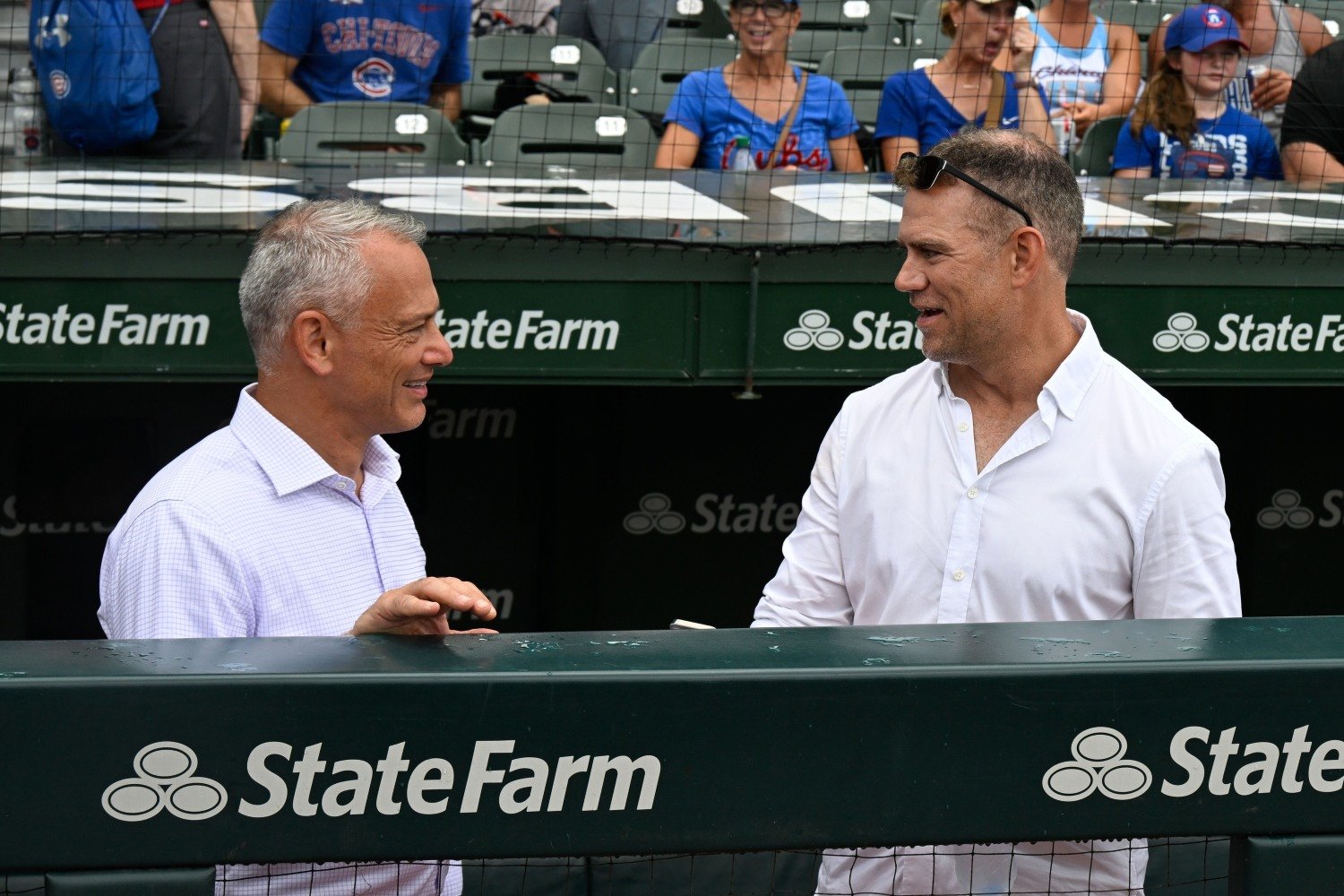 The Cubs are in the middle of a good season. While the Brewers are seemingly entrenched in first place, Chicago has a chance to secure home-field advantage in their inevitable best-of-3, as the Wild Card leader. But the schedule is about to flip. The Cubs are about to play games in 17 straight days, then one off day, then play another nine in a row. Teams they'll face in this stretch are designed to feast on weaker pitching: the Dodgers, Nationals, Yankees, and White Sox stand out as tough opponents. It’s not an exaggeration to say that this segment will dictate their October plans. This article isn’t going to talk about targets. Northside has that covered here and here (shout out to Sam Caulder, he’s been outstanding), and if you prefer to listen, it’s talked about right here. This is about the timing. Playing 26 in 27 days will stretch and tax any rotation, but the Cubs aren’t just any rotation. They are already using retreads like Aaron Civale and claiming DFA'd relievers left and right, hoping to find this year’s Drew Pomeranz. They clearly feel the urgency and the need. So, make a trade. Today. Put away the IVY model machine, forget the future value nitpicking, and try to keep this ship afloat. With 26 IL stints on the club this year from pitchers alone, this long stretch of games requires reinforcements on the hill. The Cubs have Matt Shaw, who has a lot of future value. Is it in Chicago? Probably, he’ll have more value somewhere else that doesn’t have their entire infield under contract, blocking him, for years. He’s a perfect example of a player the model values highly, but who won’t achieve that value unless moved to greener pastures. So whatever it is—controllable starter, high-leverage rental reliever—just do the trade now. Stop trying to extract maximum theoretical value in every move. Jed Hoyer has built an elite defensive team with a solid offense. He needs to cash in some chips to address the pitching staff. The next month will sorely test the Cubs;. Will they get reinforcements? They can’t risk another 30-game, 7-23 stretch. That could derail an interesting season. They need to gear up for the grind right this minute.
 -
Image courtesy of © Albert Cesare/The Enquirer / USA TODAY NETWORK via Imagn Images At the All-Star break, the Cubs are in a good spot in the race for the playoffs. Five games back in the division and in the first Wild Card spot, they have multiple paths and good odds to reach October. For this to sustain, though—and to overcome a disaster of a pitching situation—four hitters stand out as keys to the lineup. Here are four numbers that matter for those players, as we get back into action. 60 This is the number of games that Seiya Suzuki needs to play for the Cubs in the stretch run. This, of course, means avoiding any further injury; that’s the point. Suzuki tends to take a few weeks of ramp-up after injury—time the Cubs can ill afford this season. The lineup would struggle to sustain productivity and balance without Suzuki, especially with Matt Shaw on the shelf. Losing their best non-Pete Crow-Armstrong slugger even for 10 days, with his customary fortnight of struggle afterward, would give a month of lower production from a key bat. Suzuki needs to remain healthy for the Cubs. 25 This is the number of home runs Michael Busch needs to finish with, This year, the Cubs have only been successful during supernova performances by their bats. Nico Hoerner carried them early; Pete Crow-Armstrong and Dansby Swanson have done so lately. They'll need more of this going forward from someone. Busch hasn’t had his traditional five-homer week. In fact, he's only hit 11 all season. A home run per week needs to be his expectation, not the exception—and at some point, he needs to get hot. This isn’t to say Busch has been bad. His walks have been extremely valuable. But for the Cubs, a team that feeds on outlier performances, Busch needs to get that power back. .300 This is fairly obvious, but Nico Hoerner needs his luck to change. Yes, it is (at least partially) luck that has his batting average down in the .230s. He’s sporting the same contact metrics as always, but the BABIP has slid to .243. His previous four seasons? .300, .312, .297, .313. It’s just his batting average that has visibly slipped, especially when contrasted with how hot he was to start the season, Regression to the mean will help Hoerner contribute, and is surely what Cubs brass is banking on. There are genuine issues contributing to the struggles, too, though. We've discussed some of them recently. Even going by expected numbers, Hoerner has been struggling for a while now, going longer without a surge than he has in at least two years. He needs to turn it around coming out of the break. 22 Ian Happ has to reduce the strikeouts. Currently whiffing at a 31.5% rate is killing his batting average (.220). This is his highest whiff rate since 2018. In Happ's best seasons, his strikeout rate has averaged 22%. Aesthetically, it’s a bad look to whiff repeatedly instead of making contact, and for fans, it’s sticking in their memories. He isn’t a bad player, but if he can’t strike out less (well, even if he can, but you get my point), his time in Chicago could be running short. The Cubs are good, and these realistic outcomes would help put them firmly in the playoffs and contending for the division. What do you guys think? Who needs to step up for Chicago? View full article
-
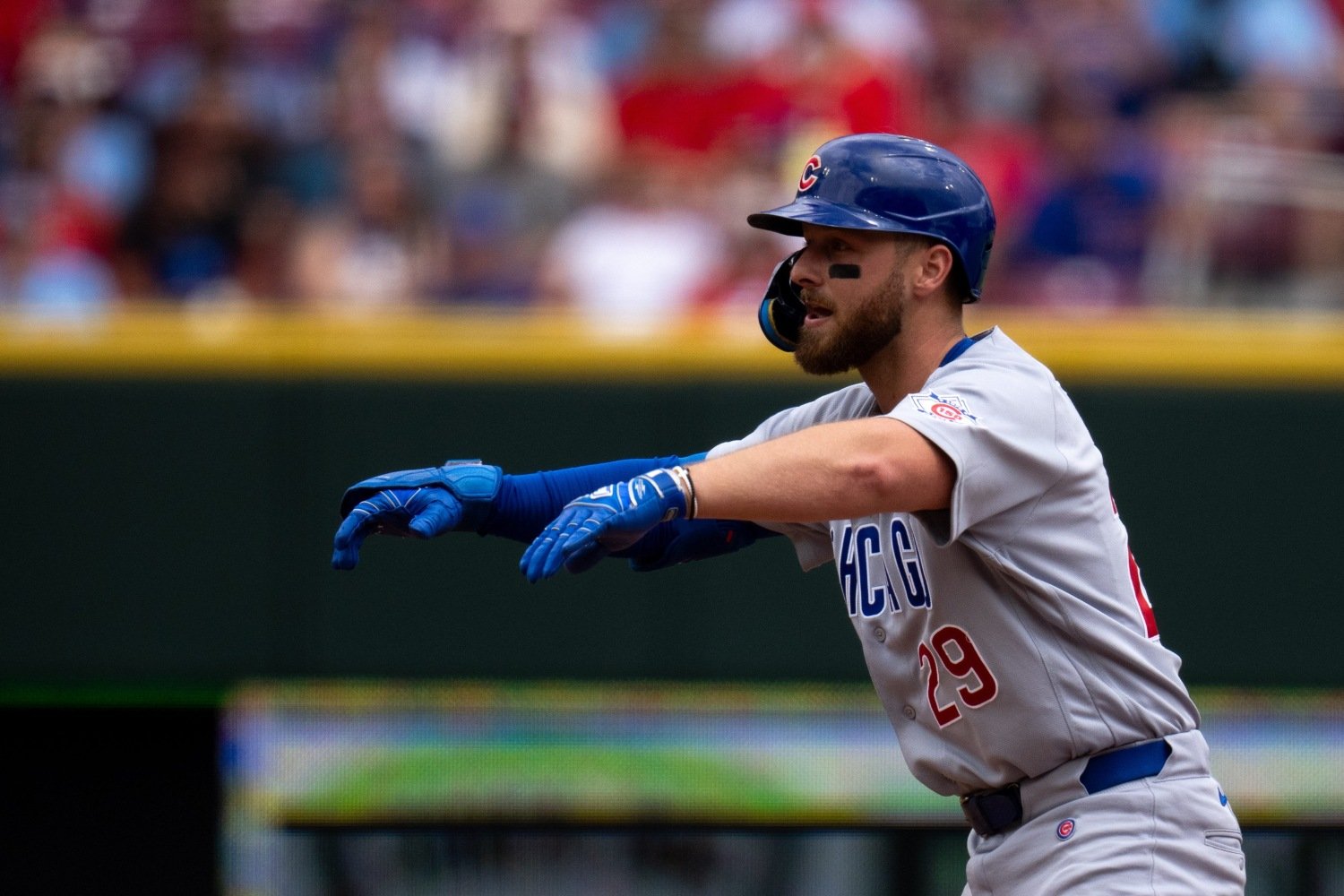 At the All-Star break, the Cubs are in a good spot in the race for the playoffs. Five games back in the division and in the first Wild Card spot, they have multiple paths and good odds to reach October. For this to sustain, though—and to overcome a disaster of a pitching situation—four hitters stand out as keys to the lineup. Here are four numbers that matter for those players, as we get back into action. 60 This is the number of games that Seiya Suzuki needs to play for the Cubs in the stretch run. This, of course, means avoiding any further injury; that’s the point. Suzuki tends to take a few weeks of ramp-up after injury—time the Cubs can ill afford this season. The lineup would struggle to sustain productivity and balance without Suzuki, especially with Matt Shaw on the shelf. Losing their best non-Pete Crow-Armstrong slugger even for 10 days, with his customary fortnight of struggle afterward, would give a month of lower production from a key bat. Suzuki needs to remain healthy for the Cubs. 25 This is the number of home runs Michael Busch needs to finish with, This year, the Cubs have only been successful during supernova performances by their bats. Nico Hoerner carried them early; Pete Crow-Armstrong and Dansby Swanson have done so lately. They'll need more of this going forward from someone. Busch hasn’t had his traditional five-homer week. In fact, he's only hit 11 all season. A home run per week needs to be his expectation, not the exception—and at some point, he needs to get hot. This isn’t to say Busch has been bad. His walks have been extremely valuable. But for the Cubs, a team that feeds on outlier performances, Busch needs to get that power back. .300 This is fairly obvious, but Nico Hoerner needs his luck to change. Yes, it is (at least partially) luck that has his batting average down in the .230s. He’s sporting the same contact metrics as always, but the BABIP has slid to .243. His previous four seasons? .300, .312, .297, .313. It’s just his batting average that has visibly slipped, especially when contrasted with how hot he was to start the season, Regression to the mean will help Hoerner contribute, and is surely what Cubs brass is banking on. There are genuine issues contributing to the struggles, too, though. We've discussed some of them recently. Even going by expected numbers, Hoerner has been struggling for a while now, going longer without a surge than he has in at least two years. He needs to turn it around coming out of the break. 22 Ian Happ has to reduce the strikeouts. Currently whiffing at a 31.5% rate is killing his batting average (.220). This is his highest whiff rate since 2018. In Happ's best seasons, his strikeout rate has averaged 22%. Aesthetically, it’s a bad look to whiff repeatedly instead of making contact, and for fans, it’s sticking in their memories. He isn’t a bad player, but if he can’t strike out less (well, even if he can, but you get my point), his time in Chicago could be running short. The Cubs are good, and these realistic outcomes would help put them firmly in the playoffs and contending for the division. What do you guys think? Who needs to step up for Chicago?
 -
Image courtesy of © Jeff Hanisch-Imagn Images The Chicago Cubs pitching staff, to put it gently, is in shambles as June comes to a close. The fact that the team is ten games over .500 with five starters, their closer, the anticipated set-up man, and hordes of others on the injured list is quite remarkable. Even more so, the pitching staff, patchwork as it is, somehow keeps holding its own, or at least isn’t preventing the team from winning recently. I still watch games with a certain whiff of dread, though. They simply are almost out of arms! The North Siders' race to October may simply devolve into a war of attrition against themselves. Nevertheless, these three pitchers were not only successful in June, but in their own ways emblematic of the team as a whole. Ranking Cubs' Best Pitchers in June 3rd Place: Shota Imanaga 1-0, 4.13 ERA, 1.09 WHIP, 28 IP, 5 BB, 23 K, 7 HR allowed The Good When you look at Imanaga’s June, he was battling on the mound. While he wasn’t involved in many decisions, the Cubs did go 4-1 in his five starts. Imanaga has also averaged just one walk per start, keeping runners off the bases. He also continues to be just a fun, expressive player; he’s easy to root for. As the last man standing from the projected rotation, Imanaga is quite important the rest of the way. The Impending Doom Seven home runs this months is emblematic of the staff as a whole. The Cubs lead the entire MLB in home runs allowed, and the new batch of 2019-style 'bouncy balls' won’t help. Wrigley winds seem to have gone back to their classic mode as well. Imanaga, a noted fly ball pitcher, will have to keep the ball on the infield dirt more to utilize the roster's brilliant defense. He, along with the rest of the staff, should realize that a good defense can’t catch balls that fly onto Waveland. 2nd Place: Ben Brown 2-0, 1.65 ERA, 0.98 WHIP, 16 IP, 12 K The Good Brown continued his breakout season last month... until a recurrence of his neck issue from two years ago derailed it. Many internet articles of the theme of “Where would the Cubs be without Ben Brown” were published. Well, I guess we’ll find out! He was putting up great numbers, though it would have been nice to see him maintain that performance across an entire season. At the very least, Brown will have a great Strat-0-Matic card if he takes a while to return tot he mound. The Impending Doom Brown, like the Cubs as a whole, was on a razor’s edge this season. Hard contact was always his bugaboo and his stats masked some troubling trends. Opponents slugged .339 against him in June, up from a stellar .176 in May. The eye test confirmed it as well; teams were starting to solve Ben Brown’s puzzle. The injury happened at the perfect time to preserve his stats and optimism about him as a starter. Razzball fantasy projections have Brown with a 3.72 ERA going forward if healthy. And that’s the rub with the Cubs' rotation: Most of these guys aren't great pitchers. They’re all capable of a solid stretch, but the most important guys are already injured. They can replace an average pitcher with another (at least close to) average guy in most cases. Brown was evolving beyond that threshold in 2026, but for now, the team will attempt to replace his production with David Peterson. Winner: Ryan Rolison 2-0, 1 save, 0.68 ERA, 15 K in 13 IP, 0.68 WHIP The Good Jed Hoyer found another reliever on the scrap heap, turning trash into treasure. Rolison has been an opener, closer, high-leverage guy, and overall godsend to the otherwise beleaguered bullpen. While not fully inspired with confidence so far, this seems to be the Brad Keller find of the offseason, and kudos to Hoyer for identifying the traits he had that led to his success so far. The Impending Doom Rolison could implode, joining the other failed signings of Hunter Harvey, Phil Maton, Hector Neris, and basically anyone Hoyer has signed to high-dollar relief deals. The bullpen's larger issues are being masked by the unlikely success that Rolison is having. Any regression or injury from the sterling southpaw, and the 'pen will implode even more than it is doing already. So there it is! There’s some good, but there’s impending doom in every area. This team will need to carry its pitching staff if they’re going to make a playoff run, though perhaps some better health in the second half (we should be so lucky) could flip the script. View full article
-
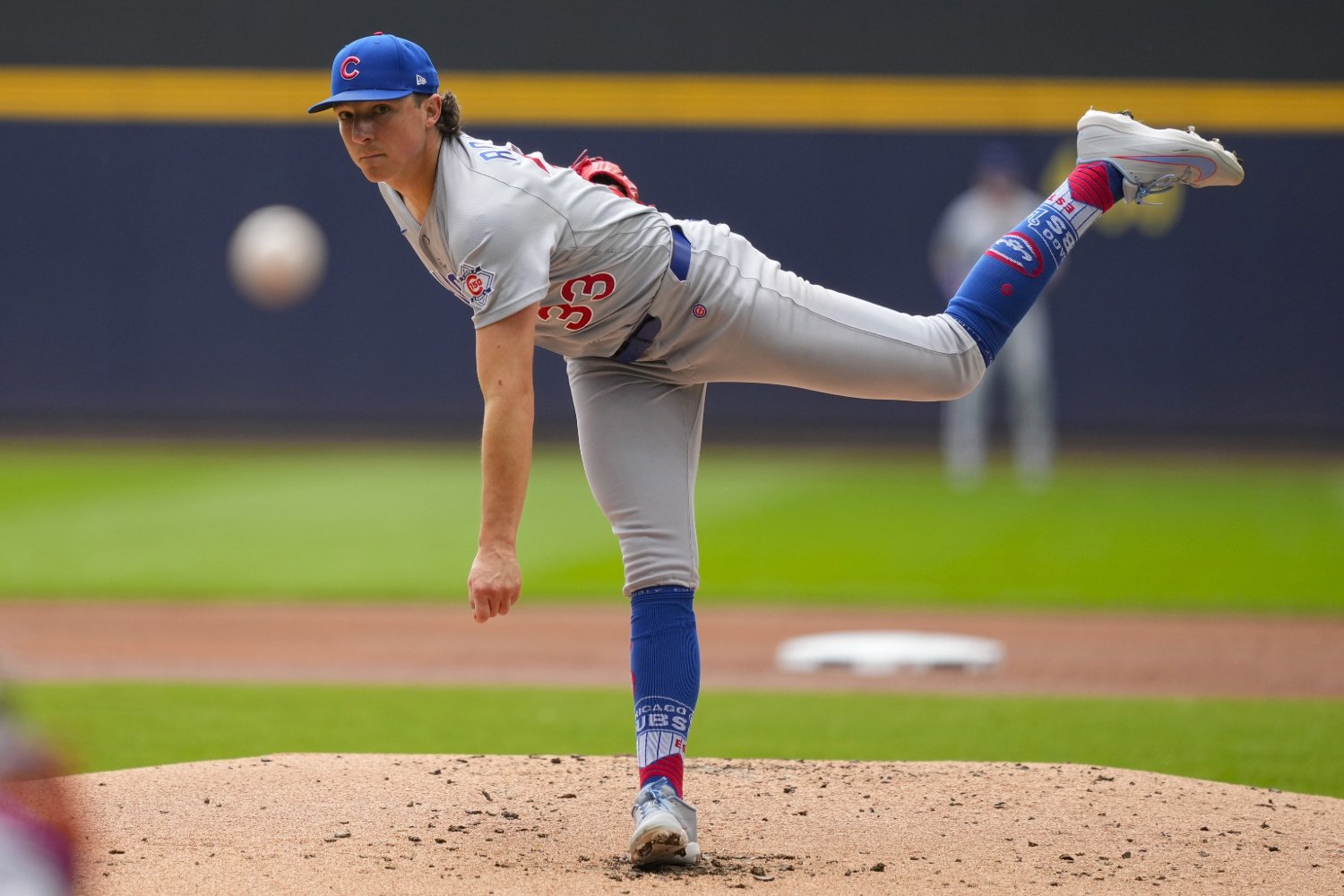 The Chicago Cubs pitching staff, to put it gently, is in shambles as June comes to a close. The fact that the team is ten games over .500 with five starters, their closer, the anticipated set-up man, and hordes of others on the injured list is quite remarkable. Even more so, the pitching staff, patchwork as it is, somehow keeps holding its own, or at least isn’t preventing the team from winning recently. I still watch games with a certain whiff of dread, though. They simply are almost out of arms! The North Siders' race to October may simply devolve into a war of attrition against themselves. Nevertheless, these three pitchers were not only successful in June, but in their own ways emblematic of the team as a whole. Ranking Cubs' Best Pitchers in June 3rd Place: Shota Imanaga 1-0, 4.13 ERA, 1.09 WHIP, 28 IP, 5 BB, 23 K, 7 HR allowed The Good When you look at Imanaga’s June, he was battling on the mound. While he wasn’t involved in many decisions, the Cubs did go 4-1 in his five starts. Imanaga has also averaged just one walk per start, keeping runners off the bases. He also continues to be just a fun, expressive player; he’s easy to root for. As the last man standing from the projected rotation, Imanaga is quite important the rest of the way. The Impending Doom Seven home runs this months is emblematic of the staff as a whole. The Cubs lead the entire MLB in home runs allowed, and the new batch of 2019-style 'bouncy balls' won’t help. Wrigley winds seem to have gone back to their classic mode as well. Imanaga, a noted fly ball pitcher, will have to keep the ball on the infield dirt more to utilize the roster's brilliant defense. He, along with the rest of the staff, should realize that a good defense can’t catch balls that fly onto Waveland. 2nd Place: Ben Brown 2-0, 1.65 ERA, 0.98 WHIP, 16 IP, 12 K The Good Brown continued his breakout season last month... until a recurrence of his neck issue from two years ago derailed it. Many internet articles of the theme of “Where would the Cubs be without Ben Brown” were published. Well, I guess we’ll find out! He was putting up great numbers, though it would have been nice to see him maintain that performance across an entire season. At the very least, Brown will have a great Strat-0-Matic card if he takes a while to return tot he mound. The Impending Doom Brown, like the Cubs as a whole, was on a razor’s edge this season. Hard contact was always his bugaboo and his stats masked some troubling trends. Opponents slugged .339 against him in June, up from a stellar .176 in May. The eye test confirmed it as well; teams were starting to solve Ben Brown’s puzzle. The injury happened at the perfect time to preserve his stats and optimism about him as a starter. Razzball fantasy projections have Brown with a 3.72 ERA going forward if healthy. And that’s the rub with the Cubs' rotation: Most of these guys aren't great pitchers. They’re all capable of a solid stretch, but the most important guys are already injured. They can replace an average pitcher with another (at least close to) average guy in most cases. Brown was evolving beyond that threshold in 2026, but for now, the team will attempt to replace his production with David Peterson. Winner: Ryan Rolison 2-0, 1 save, 0.68 ERA, 15 K in 13 IP, 0.68 WHIP The Good Jed Hoyer found another reliever on the scrap heap, turning trash into treasure. Rolison has been an opener, closer, high-leverage guy, and overall godsend to the otherwise beleaguered bullpen. While not fully inspired with confidence so far, this seems to be the Brad Keller find of the offseason, and kudos to Hoyer for identifying the traits he had that led to his success so far. The Impending Doom Rolison could implode, joining the other failed signings of Hunter Harvey, Phil Maton, Hector Neris, and basically anyone Hoyer has signed to high-dollar relief deals. The bullpen's larger issues are being masked by the unlikely success that Rolison is having. Any regression or injury from the sterling southpaw, and the 'pen will implode even more than it is doing already. So there it is! There’s some good, but there’s impending doom in every area. This team will need to carry its pitching staff if they’re going to make a playoff run, though perhaps some better health in the second half (we should be so lucky) could flip the script.
 -
Veteran Hoby Milner has hit the IL with appendicitis. His place is being filled by Gavin Hollowell. An unbelievable stretch of Cubs pitching injuries continues. Ben Brown (neck) and Edward Cabrera (splits, hamstring) went down this week, as did closer Daniel Palencia (elbow) and walking-earned run Phil Maton (ego, knee). The Cubs will continue to play games, with or without healthy pitchers. The staff is reeling, and at this point, all you can do is chuckle. View full rumor
-
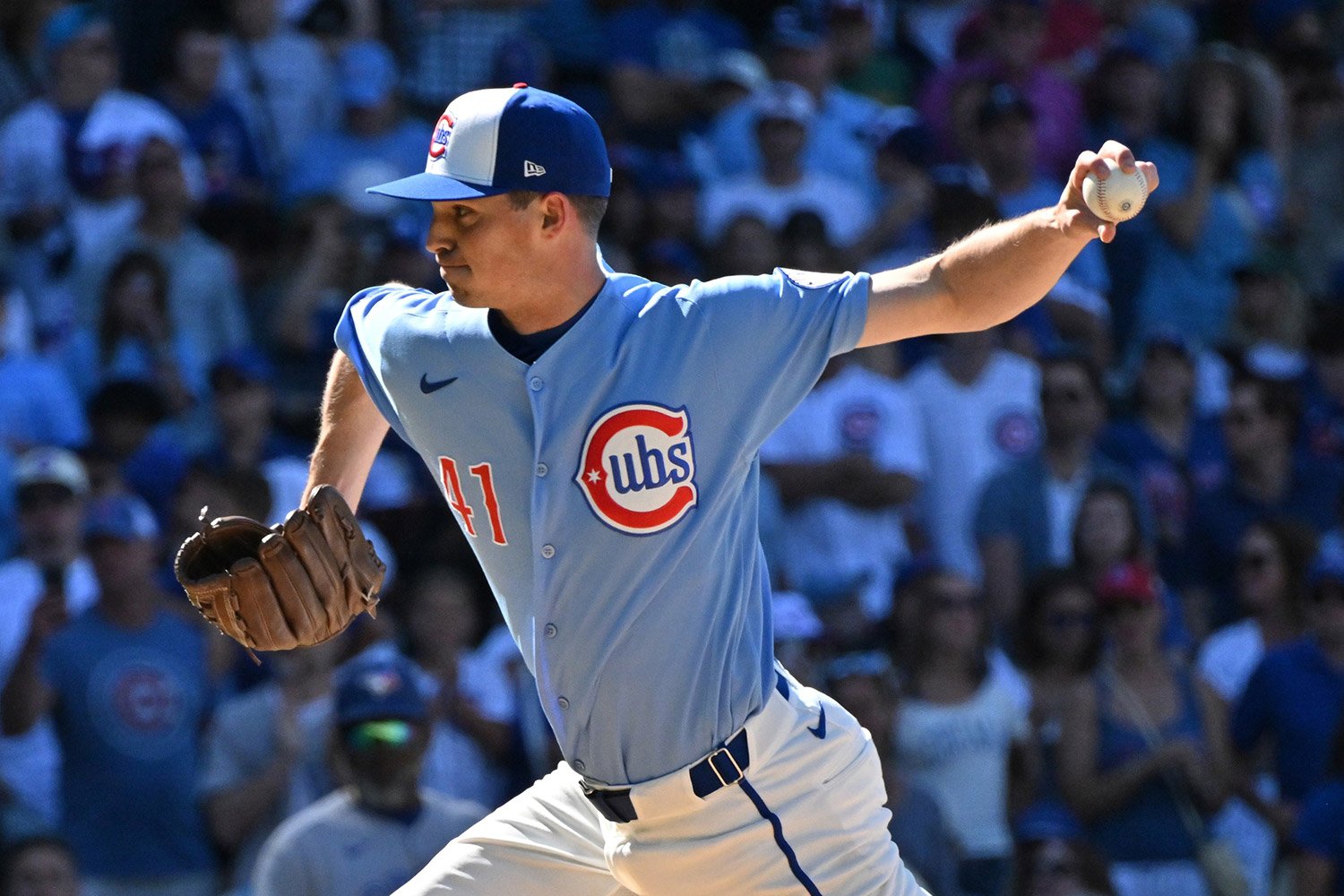 Veteran Hoby Milner has hit the IL with appendicitis. His place is being filled by Gavin Hollowell. An unbelievable stretch of Cubs pitching injuries continues. Ben Brown (neck) and Edward Cabrera (splits, hamstring) went down this week, as did closer Daniel Palencia (elbow) and walking-earned run Phil Maton (ego, knee). The Cubs will continue to play games, with or without healthy pitchers. The staff is reeling, and at this point, all you can do is chuckle.
 -
Every team does the models, but the Cubs have cut in-person scouting far too much IMO. They're missing crucial information somewhere and I'd start with that.
-
Image courtesy of © Charles LeClaire-Imagn Images One constant in the Jed Hoyer era, as middling as it has been, is the constant churn of bullpen arms. The Cubs have not been able to consistently develop arms internally, despite the much-ballyhooed Pitch Lab; Tyler Zombro being hired from Tread Athletics; and copious amounts of money poured into the IVY model. The bullpen has not been stable for years. So what's going on? Why do fans, year after year, have to watch a bullpen flounder for a couple of months? THE 2023 MIRAGE For an analytically savvy front office, they have a shocking history of bringing back relievers after a good season that was obviously an outlier, even in real time. Since 2023, there's been a parade of mediocre relievers brought back after career seasons: Mark Leiter, Jr.: Age 32, 77 K in 64 IP, 3.52 ERA. Next season: 4.21 ERA, traded to Yankees Julian Merryweather: Age 31, 3.38 ERA, 98 K in 72 IP. Due to injuries, has not pitched 72 innings in his other four seasons combined. Adbert Alzolay: 22 Saves, 67 K in 64 IP. Next season: 4.67 ERA, eventual Tommy John surgery Jose Cuas: 3.04 ERA, 19 K in 24 IP. Next season: released with 7.43 ERA in 13 IP These guys were the backbone of the 2023 surprise bullpen, and all were brought back for the next season. At the time, fans weren't exactly clamoring for them to be replaced. But they all had red flags. Alzolay and Merryweather had just completed the only healthy season in their careers. Cuas had always had massive control issues, and Leiter is simply not a high-leverage reliever. All were brought back in 2024, and their season was lost before the bullpen could be fixed. THE UNLEARNED LESSON Now, in 2024, they did save the pen with Tyson Miller and Jorge López, both of whom moved on and have not pitched consistently in the major leagues since then. But then: Porter Hodge: 1.88 ERA, 9 saves, 52 K in 43 IP. Since then: 33 IP, 6.27 ERA Héctor Neris: No. We don't want to relive that. But he was the big signing. Nate Pearson: deadline move, 2.73 ERA. Released in 2025 with a 9.20 ERA. So, this was supposed to be Hoyer's strong suit. Neris didn't work out and was cut loose. Hodge and a bunch of people off the scrap heap somehow cobbled together a solid bullpen. While the team in 2024 only won 83 games, it emboldened Hoyer to scrimp and save on the bullpen for another year. Now, an observer would notice that it did work, and also point to other pitchers' struggles as proof of concept for Hoyer. Tanner Scott, for example, pitched to just a 4.74 ERA after signing his four-year, $72-million deal in 2025. Bryan Abreu, long a co-ace in the Astros' pen, is struggling this year to a 7.17 ERA. Due to the nature of their work, even the most stalwart bullpen arms can have down seasons. Injuries are a huge factor, too. Edwin Díaz is on the shelf for months because of an elbow issue. Josh Hader just returned after spending the first two months on the IL. To counter this, at least Scott and Abreu had long bodies of work to support keeping them around. Guys like Leiter (4.62 career ERA) or Merryweather (yearly injuries to the pitching arm) were relied on for the Cubs at the same level that Scott is. And to be fair to Scott, he's rebounded this year with a 2.36 ERA and is serving as the Dodgers' first option at closer (even if that's only because of Díaz's absence). Reliable arms aren't cheap or sure things, but they are more reliable than pitchers like Hunter Harvey or Neris. The elite sheer stuff of those pitchers sets a high floor for them, too. When you gamble on Leiter's 90-MPH heater and floater of a curve (even if it comes with a great splitter), you're drawing to a straight. When you do it with a guy who throws 98 and has a plus slider, you're betting with a strong pair in the hole. THE 2025/26 LOOP CYCLE Now for some 2025 relievers: Caleb Thielbar: 38 years old, 2.64 ERA. This year: 4.20 ERA and 4 homers allowed in 15 IP Ryan Pressly (bad), Ryan Brasier (meh) and Drew Pomeranz (not bad) brought in at 36-37 years old. To the front office's credit, all now elsewhere. Even Colin Rea has pitched to a 4.59 ERA this season, after 3.95 last year. And do we have to mention Phil Maton, a 33-year-old on his sixth team in three seasons, or Hunter Harvey, who (of course) is injured? Hoby Milner at age 35, with an ERA over 4.00? Hoyer gets credit for the Jacob Webb signing, which is turning out nicely, and he did spend a bit of real money to bring in Maton and Harvey, whose track records are stronger than past targets. It's a bit like being told to clean your room and stuffing everything into drawers and closets, though, and we've seen that sitcom moment where the closet is opened and red rubber balls bounce out like they'd been stuffer in there with a pant and a heave. The common thread is expecting, or hoping, that relievers can repeat career years in their 30s. Bullpens are notoriously volatile; relievers in their mid-to-late 30s are even more so. Hoyer continues to treat temporary success as stable, repeatable production. Until this changes, Cub fans can expect to ride even more early-season roller coasters of relief production in the future. Until the team can shore up its pitching development infrastructure and build good, hard-throwing relievers from within, though, Hoyer has no choice but to do some version of this. He's claimed or purchased Doug Nikhazy, Tyler Ferguson, Luis Peralta, Eduarniel Nuñez and Christian Roa, just within the last six weeks. So, the questions are: Can any of those guys help this team survive this year? Will the Cubs ill-advisedly bring back any of them, if so? And (worst and scariest but certainly most important): Can a Hoyer-led front office ever fix the team's developmental woes? View full article
-
The Cubs' Constant Bullpen Problem: Endless Churn, Endless Trouble
Brian Kelder posted an article in Cubs
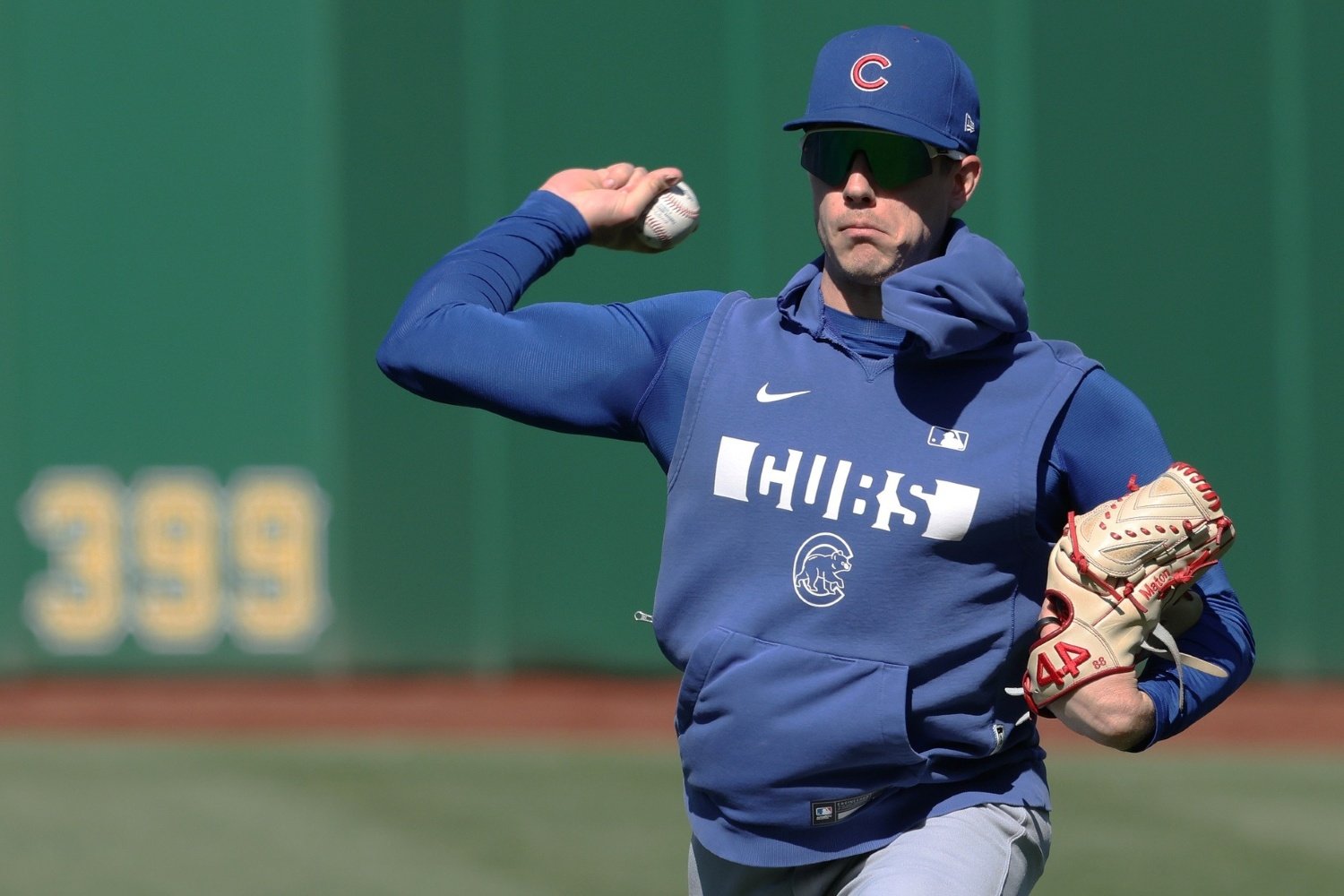 One constant in the Jed Hoyer era, as middling as it has been, is the constant churn of bullpen arms. The Cubs have not been able to consistently develop arms internally, despite the much-ballyhooed Pitch Lab; Tyler Zombro being hired from Tread Athletics; and copious amounts of money poured into the IVY model. The bullpen has not been stable for years. So what's going on? Why do fans, year after year, have to watch a bullpen flounder for a couple of months? THE 2023 MIRAGE For an analytically savvy front office, they have a shocking history of bringing back relievers after a good season that was obviously an outlier, even in real time. Since 2023, there's been a parade of mediocre relievers brought back after career seasons: Mark Leiter, Jr.: Age 32, 77 K in 64 IP, 3.52 ERA. Next season: 4.21 ERA, traded to Yankees Julian Merryweather: Age 31, 3.38 ERA, 98 K in 72 IP. Due to injuries, has not pitched 72 innings in his other four seasons combined. Adbert Alzolay: 22 Saves, 67 K in 64 IP. Next season: 4.67 ERA, eventual Tommy John surgery Jose Cuas: 3.04 ERA, 19 K in 24 IP. Next season: released with 7.43 ERA in 13 IP These guys were the backbone of the 2023 surprise bullpen, and all were brought back for the next season. At the time, fans weren't exactly clamoring for them to be replaced. But they all had red flags. Alzolay and Merryweather had just completed the only healthy season in their careers. Cuas had always had massive control issues, and Leiter is simply not a high-leverage reliever. All were brought back in 2024, and their season was lost before the bullpen could be fixed. THE UNLEARNED LESSON Now, in 2024, they did save the pen with Tyson Miller and Jorge López, both of whom moved on and have not pitched consistently in the major leagues since then. But then: Porter Hodge: 1.88 ERA, 9 saves, 52 K in 43 IP. Since then: 33 IP, 6.27 ERA Héctor Neris: No. We don't want to relive that. But he was the big signing. Nate Pearson: deadline move, 2.73 ERA. Released in 2025 with a 9.20 ERA. So, this was supposed to be Hoyer's strong suit. Neris didn't work out and was cut loose. Hodge and a bunch of people off the scrap heap somehow cobbled together a solid bullpen. While the team in 2024 only won 83 games, it emboldened Hoyer to scrimp and save on the bullpen for another year. Now, an observer would notice that it did work, and also point to other pitchers' struggles as proof of concept for Hoyer. Tanner Scott, for example, pitched to just a 4.74 ERA after signing his four-year, $72-million deal in 2025. Bryan Abreu, long a co-ace in the Astros' pen, is struggling this year to a 7.17 ERA. Due to the nature of their work, even the most stalwart bullpen arms can have down seasons. Injuries are a huge factor, too. Edwin Díaz is on the shelf for months because of an elbow issue. Josh Hader just returned after spending the first two months on the IL. To counter this, at least Scott and Abreu had long bodies of work to support keeping them around. Guys like Leiter (4.62 career ERA) or Merryweather (yearly injuries to the pitching arm) were relied on for the Cubs at the same level that Scott is. And to be fair to Scott, he's rebounded this year with a 2.36 ERA and is serving as the Dodgers' first option at closer (even if that's only because of Díaz's absence). Reliable arms aren't cheap or sure things, but they are more reliable than pitchers like Hunter Harvey or Neris. The elite sheer stuff of those pitchers sets a high floor for them, too. When you gamble on Leiter's 90-MPH heater and floater of a curve (even if it comes with a great splitter), you're drawing to a straight. When you do it with a guy who throws 98 and has a plus slider, you're betting with a strong pair in the hole. THE 2025/26 LOOP CYCLE Now for some 2025 relievers: Caleb Thielbar: 38 years old, 2.64 ERA. This year: 4.20 ERA and 4 homers allowed in 15 IP Ryan Pressly (bad), Ryan Brasier (meh) and Drew Pomeranz (not bad) brought in at 36-37 years old. To the front office's credit, all now elsewhere. Even Colin Rea has pitched to a 4.59 ERA this season, after 3.95 last year. And do we have to mention Phil Maton, a 33-year-old on his sixth team in three seasons, or Hunter Harvey, who (of course) is injured? Hoby Milner at age 35, with an ERA over 4.00? Hoyer gets credit for the Jacob Webb signing, which is turning out nicely, and he did spend a bit of real money to bring in Maton and Harvey, whose track records are stronger than past targets. It's a bit like being told to clean your room and stuffing everything into drawers and closets, though, and we've seen that sitcom moment where the closet is opened and red rubber balls bounce out like they'd been stuffer in there with a pant and a heave. The common thread is expecting, or hoping, that relievers can repeat career years in their 30s. Bullpens are notoriously volatile; relievers in their mid-to-late 30s are even more so. Hoyer continues to treat temporary success as stable, repeatable production. Until this changes, Cub fans can expect to ride even more early-season roller coasters of relief production in the future. Until the team can shore up its pitching development infrastructure and build good, hard-throwing relievers from within, though, Hoyer has no choice but to do some version of this. He's claimed or purchased Doug Nikhazy, Tyler Ferguson, Luis Peralta, Eduarniel Nuñez and Christian Roa, just within the last six weeks. So, the questions are: Can any of those guys help this team survive this year? Will the Cubs ill-advisedly bring back any of them, if so? And (worst and scariest but certainly most important): Can a Hoyer-led front office ever fix the team's developmental woes?
 -
The Cubs in the past few days have added a couple of relief options to their system. First from Dodgers reporter Fabian Ardaya. Ignore the Glasnow part unless you own him in fantasy, and the second sentence has it. Antoine Kelly has not pitched in the major leagues after beginning his career in 2019. This season, he's toiled in Triple-A Albuquerque, struggling to a 5.14 ERA in 21 innings pitched. In 2025 he was in the Rockies' system and performed similarly with a slightly worse 5.63 ERA. Kelly was acquired for cash considerations and will report to Triple-A Iowa, where he'll look to get his chance given all of the injuries the Cubs' staff has had. And second, from the Des Moines Register's Andrew Birch: Wantz, age 30, started in the Los Angeles Angels' system, toggling between the majors and minors since his debut in 2021. The Rays picked him up in 2024 after an elbow injury, and he was let go after allowing five runs in 1 2/3 innings on Saturday. Wantz does have some success in the highest level, striking out 127 in 120 innings pitched over his career. His strikeout rate has dipped though, and he will look to increase his metrics and his success in Iowa to start. If he can, there are ample opportunities to contribute to the big club if Wantz can handle it. View full rumor
-
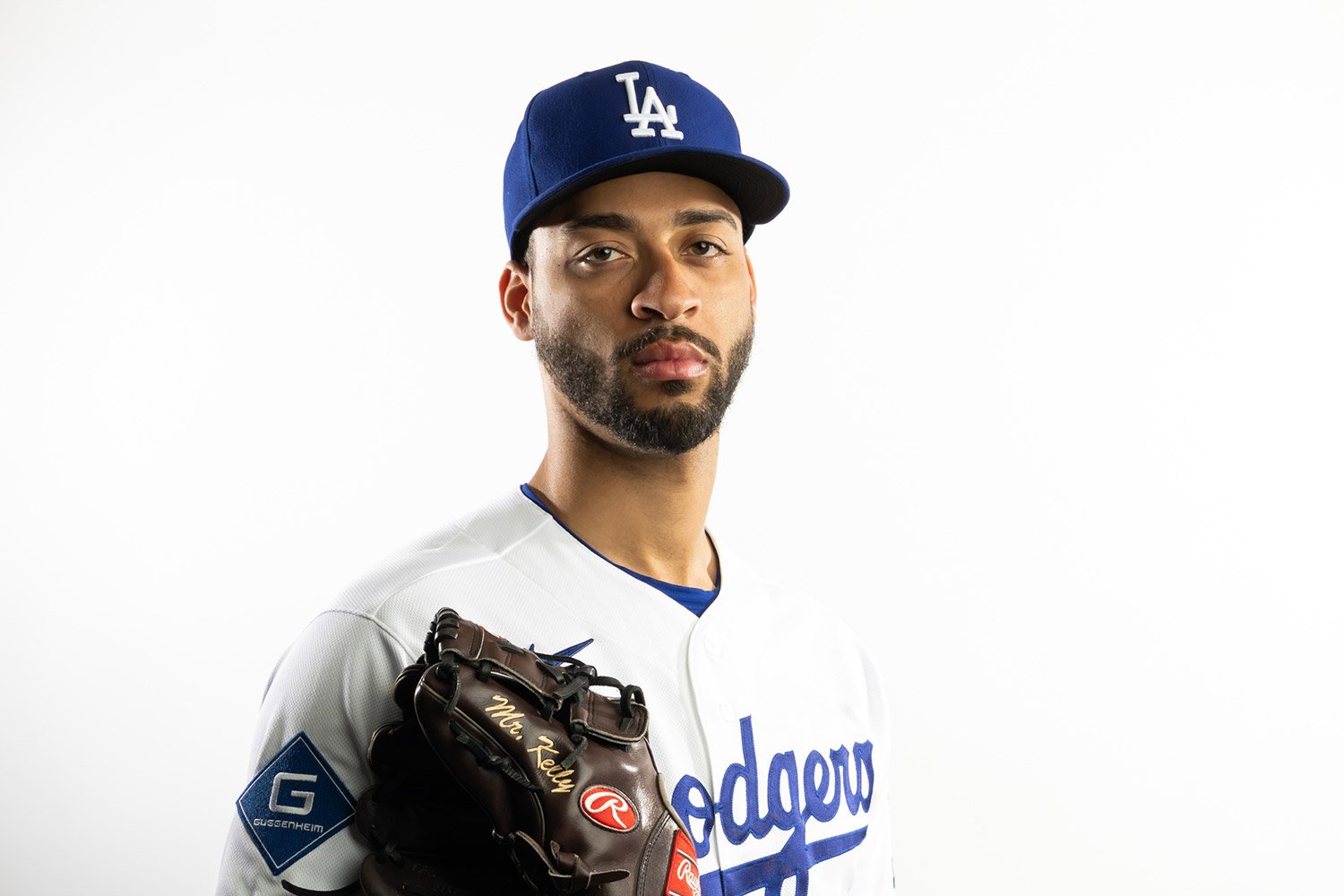 The Cubs in the past few days have added a couple of relief options to their system. First from Dodgers reporter Fabian Ardaya. Ignore the Glasnow part unless you own him in fantasy, and the second sentence has it. Antoine Kelly has not pitched in the major leagues after beginning his career in 2019. This season, he's toiled in Triple-A Albuquerque, struggling to a 5.14 ERA in 21 innings pitched. In 2025 he was in the Rockies' system and performed similarly with a slightly worse 5.63 ERA. Kelly was acquired for cash considerations and will report to Triple-A Iowa, where he'll look to get his chance given all of the injuries the Cubs' staff has had. And second, from the Des Moines Register's Andrew Birch: Wantz, age 30, started in the Los Angeles Angels' system, toggling between the majors and minors since his debut in 2021. The Rays picked him up in 2024 after an elbow injury, and he was let go after allowing five runs in 1 2/3 innings on Saturday. Wantz does have some success in the highest level, striking out 127 in 120 innings pitched over his career. His strikeout rate has dipped though, and he will look to increase his metrics and his success in Iowa to start. If he can, there are ample opportunities to contribute to the big club if Wantz can handle it.
 -
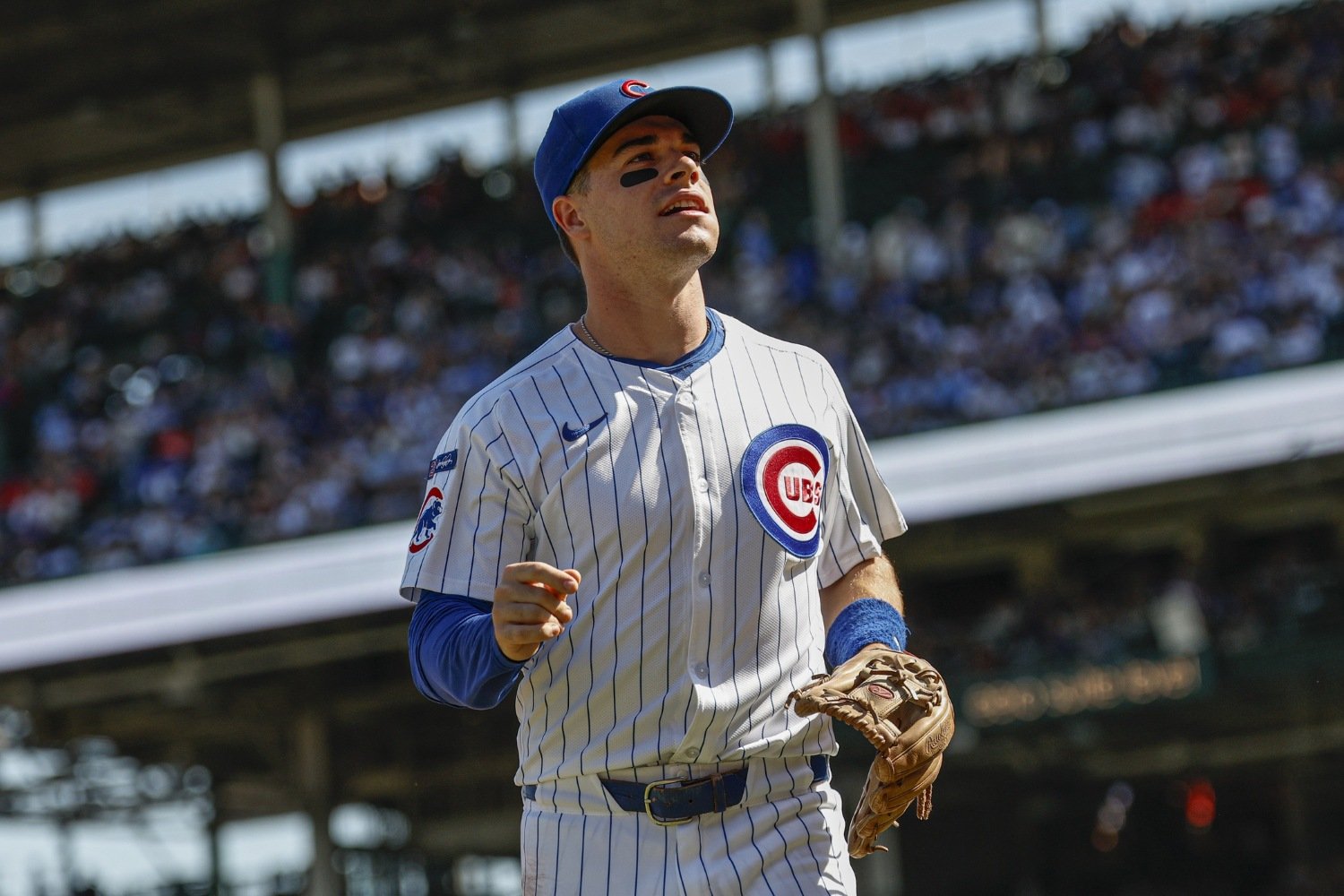 Matt Shaw is ready to return to Chicago, according to ESPN reporter Jesse Rogers: Shaw, nursing a sore back, will replace Kevin Alcantara on the big league roster. Currently, Shaw is hitting .242 with a .297 OBP in part-time work for the Cubs. In four rehab games, he hit .286 with a .375 OBP and zero home runs. Shaw will look to give struggling regulars like Alex Bregman, Nico Hoerner, and Dansby Swanson some rest as well as logging time in the outfield, where he played some in his brief rehab stint. Alcantara played sparingly in his 17 games in Chicago, and his baserunning gaffe late in Sunday's game likely was the last straw for manager Craig Counsell. He'll take a .111 batting average with him and look to further develop in Iowa, where he'll have consistent playing time.
 -
Matt Shaw is ready to return to Chicago, according to ESPN reporter Jesse Rogers: Shaw, nursing a sore back, will replace Kevin Alcantara on the big league roster. Currently, Shaw is hitting .242 with a .297 OBP in part-time work for the Cubs. In four rehab games, he hit .286 with a .375 OBP and zero home runs. Shaw will look to give struggling regulars like Alex Bregman, Nico Hoerner, and Dansby Swanson some rest as well as logging time in the outfield, where he played some in his brief rehab stint. Alcantara played sparingly in his 17 games in Chicago, and his baserunning gaffe late in Sunday's game likely was the last straw for manager Craig Counsell. He'll take a .111 batting average with him and look to further develop in Iowa, where he'll have consistent playing time. View full rumor
-
Justin Steele Timeline Updated - Still Not Throwing
Brian Kelder replied to Brian Kelder's topic in Chicago Cubs Talk
Go ahead and read my Dark Timeline article! -
Chicago Cubs Trade Deadline Scenarios: Welcome to the Darkest Timeline
Brian Kelder posted an article in Cubs
 Welcome to the Darkest Timeline. We pessimists live in fear of the Darkest Timeline. This year, we may be seeing it play out in real time. The Cubs haven't won a series in a month. The infield is struggling at the plate, concerning for players over or near 30. Cade Horton is hurt. Justin Steele is (still) hurt. If the Darkest Timeline persists, the Cubs may have to sell off some assets and do a reset. No, it's not a likely scenario. The Cubs project to be much better than this, and this is Jed Hoyer's Ode to the IVY Model. If there's any chance of a Wild Card berth, the Cubs will explore every avenue to achieve it. They were built to win this year. A selloff was not even supposed to be a passing thought. What would spawn the Darkest Timeline into existence? As of this writing, the Cubs are 5-18 since their last 10-game win streak. If they repeat this and are 10-36 over a quarter of the season, the division is out of reach and they likely will be out of the Wild Card hunt. Given the 12 potential free agents on the roster, losing out on any prospect capital to lose them for nothing is an unlikely scenario. It probably won't—can't—get that bad, but what if they go 15-30 over the next six weeks? That would put them completely into sell mode by the end of July. TRADE OPTION 1: MATTHEW BOYD If he can return from his meniscus injury (as the team currently hopes will happen late next week) and pitch effectively, Boyd would be an attractive commodity for, well, every team. Last season, the veteran averaged six innings per start and pitched beyond that point seven times, reaching 180 innings for the season. Any team that looks to contend into October can use a reliable arm. Boyd's trade value hinges on his health. He's only made five starts this year with a 6.00 ERA, has a current knee injury, and is not exactly a glowing beacon of durability. But teams will value an innings eater with playoff experience, especially on a contract they won't have to pay for next year. Boyd's contract ends this season and the team acquiring him would only be on the hook for part of his $14.5-million salary. Boyd would probably welcome a chance to pitch in meaningful games (remember, this is the Dark Timeline for the Cubs, not for everyone) to enhance his earning potential next offseason. Boyd would be the first domino to fall in a series of events. TRADE OPTION 2: IAN HAPP/SEIYA SUZUKI Yes, they have no-trade clauses, so the Dark Timeline has to account for that. This is the scenario that could lead either of these free agents-to-be to be dealt this summer: The Cubs, seeing their foundation crumble and not wanting to extend older outfielders, inform Happ and Suzuki that Matt Shaw and Kevin Alcántara will be prioritized, and they will not get consistent playing time the rest of this season. The team also tells them that they have zero intention to bring them back for 2027. The two outfielders then decide to move on, play meaningful games, and hopefully increase the value of their free agency for 2027. The Cubs, at this point, are short on arms in the minor leagues, as well as potential impact youngsters. Dealing Happ and Suzuki is almost akin to dealing Yu Darvish. They would need to get at least one legitimate prospect, much like the team received when they dealt Javier Báez to the Mets for Pete Crow-Armstrong. The idea would be to jump-start their flagging farm system. Both players would have appeal to contenders seeking middle-of-the-order bats without long-term commitments. Teams who miss out on bigger deadline names could view either outfielder as an important addition for a playoff push. TRADE OPTION 3: CALEB THIELBAR/JACOB WEBB/HOBY MILNER/ANY RELIEVER NOT NAMED PHIL MATON Bullpen arms are always in high demand at the deadline, especially expiring contracts. All of these players listed can be free agents next season, lessening risk to the acquiring team. For the Cubs, dealing relievers can result in high-upside arms. (Where would the team be without Ben Brown, whom they got for David Robertson in 2022?) None of these relievers would cost much in salary, either, and they've all been quite successful in Chicago. It would hurt to lose them for Jed Hoyer, but remember, this is the Dark Timeline, and they stink. So why keep aging relief pitchers on one-year contracts? The Dark Timeline dictates the Cubs disperse these valuable players to other teams, where their talents can be on a bigger October stage. Would all of these be painful, especially for the architect, Hoyer? Absolutely. But if the Cubs eventually want another true contender, they can't skip steps. They have to extract maximum value from their current assets if the season goes sideways. For better or for worse, the Cubs are married to their core of Alex Bregman, Dansby Swanson, Nico Hoerner, and Pete Crow-Armstrong for at least four more seasons, and how they build around their strengths and weaknesses will dictate the team's success. If the Dark Timeline becomes the actual timeline, the Chicago Cubs would look much different in September, and fans will be looking down the barrel of another retool, if not a full rebuild. Even here, in a timeline the darkness of which we don't yet know, it's starting to feel like the pies are burning.
 -
I shoulda wrote how Colson Montgomery went right after him. Doh!
-
Image courtesy of © Charles LeClaire-Imagn Images Sunday, May 31. The Cubs faithful sit in front of the screen, tuning in to NBC or Peacock, looking forward to a rivalry tilt against the Cardinals. High off of Pete Crow-Armstrong's epic Saturday night, momentum is there to be seized. All optimism was destroyed after looking at the starting pitcher. Jordan Wicks was tasked with taking the mound. Momentum is the next day's starting pitcher, and this one was a brick wall—a stopper, but for a winning streak, rather than a losing one. A competitive team like the Cubs cannot keep giving starts to guys that they clearly have no faith in. They (rightfully) distrust Jordan Wicks, and he proved that distrust correct, failing to reach the third inning and allowing three runs. After his even more disastrous first start, his ERA sits at an incredible 15.63. These were two throwaway starts, and a game or two can make a huge difference when the calendar flips to September. Don't get me wrong: Jordan Wicks isn't to blame. Jed Hoyer and the Cubs' failure to develop pitching depth are. But it's the injuries, right? No team can weather such a storm? Well, look north up I-94, and there's a perfect example. The Milwaukee Brewers, faced with a similar crunch on April 7 of last year, made an under-the-radar deal for Quinn Priester from the Boston Red Sox. He was more than solid; he finished 13-3 with a 3.32 ERA in his 24 starts. The Brewers saw a need, identified a target, and used excess prospects to get the player in, and it helped them to a first-place finish. This year, they are facing similar struggles—and are winning the division. Brandon Woodruff and young prospect Logan Henderson are on the shelf, and prize trade return Brandon Sproat (obtained for Freddy Peralta) was just called out from his manager with his current 6.24 ERA. But Coleman Crow has filled in with two solid starts and Chad Patrick with six (2.60 ERA overall). They can thrive in adversity, because they have built tremendous depth from the bottom of the minors to the major-league squad. The Brewers also went back to the well in Boston and traded for Kyle Harrison. Perhaps Boston needs to evaluate their trade process, and avoid Milwaukee? Harrison has been electric, pitching to a 1.57 ERA with 61 strikeouts in 51 innings so far. They dealt extra third baseman Chad Durbin for Harrison, a clear win already. By the by, they also got Shane Drohan, who made a strong (though short) start in their win Monday night, in that same deal. What the Brewers do is identify pitching depth and extract maximum value of the pitchers others overlook. It's the secret sauce to their recent stretch of division dominance. The Cubs, conversely, have not been able to build any pitching depth or develop healthy arms in their system. Jaxon Wiggins, currently injured, is their only top-10 organizational prospect who's a pitcher. Twenty of their top 30 prospects are hitters, and five of the pitchers who show up are in the 20-30 range for the system. Cade Horton had graduated, but the team couldn't figure out a way to outrun his injuries. Unlike other teams, they have zero arms they can call on from the minors to come up and compete. Compounding this issue is the inability to keep arms healthy. Cade Horton is already done this season and much of next, and Justin Steele is trending in that direction. Edward Cabrera has had diminished stuff as a Cub, as well as a blister issue keeping him on the IL. We've already discussed the lack of options in the minors. The Cubs need to be able to generate Chad Patrick-level players, at minimum, to win division titles. This has been their issue for years. Trading for an arm is also problematic. The Cubs don't have an excess of prospects from which to deal from MLB.com 23rd ranked system. They cannot afford to deal Moisés Ballesteros or Matt Shaw. They're too important to the team, regardless of slumps or injuries. And nobody else in the system is exciting enough to entice a team to jump. Cam Smith and Owen Caissie were dealt (for what now feel like underwhelming returns) already. The Cubs do have a few prospects, but none of the major ones are at all expendable; they're the only hope for the Cubs to develop a homegrown core. That's what made Sunday's game so frustrating. Wicks is a symptom of the disease plaguing the Cubs front office. When in desperate need of a major league-quality arm for a start or two, the team with playoff aspirations had nowhere else to turn. For a decade, the Cubs have struggled to produce the pitching depth the Brewers seem to effortlessly churn out. Until that changes, Wicks won't be the last emergency starter trotted out into an impossible situation. View full article
-
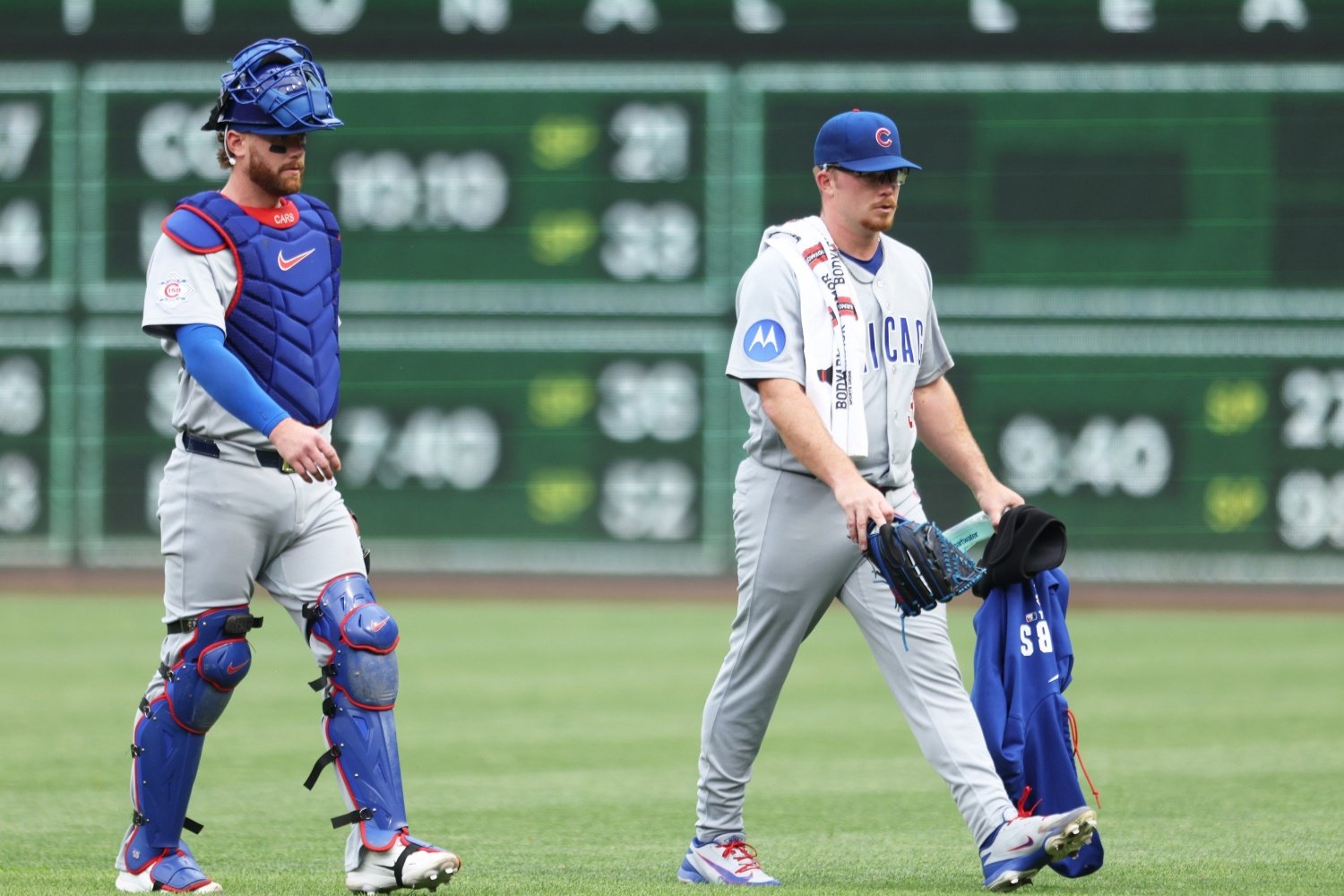 Sunday, May 31. The Cubs faithful sit in front of the screen, tuning in to NBC or Peacock, looking forward to a rivalry tilt against the Cardinals. High off of Pete Crow-Armstrong's epic Saturday night, momentum is there to be seized. All optimism was destroyed after looking at the starting pitcher. Jordan Wicks was tasked with taking the mound. Momentum is the next day's starting pitcher, and this one was a brick wall—a stopper, but for a winning streak, rather than a losing one. A competitive team like the Cubs cannot keep giving starts to guys that they clearly have no faith in. They (rightfully) distrust Jordan Wicks, and he proved that distrust correct, failing to reach the third inning and allowing three runs. After his even more disastrous first start, his ERA sits at an incredible 15.63. These were two throwaway starts, and a game or two can make a huge difference when the calendar flips to September. Don't get me wrong: Jordan Wicks isn't to blame. Jed Hoyer and the Cubs' failure to develop pitching depth are. But it's the injuries, right? No team can weather such a storm? Well, look north up I-94, and there's a perfect example. The Milwaukee Brewers, faced with a similar crunch on April 7 of last year, made an under-the-radar deal for Quinn Priester from the Boston Red Sox. He was more than solid; he finished 13-3 with a 3.32 ERA in his 24 starts. The Brewers saw a need, identified a target, and used excess prospects to get the player in, and it helped them to a first-place finish. This year, they are facing similar struggles—and are winning the division. Brandon Woodruff and young prospect Logan Henderson are on the shelf, and prize trade return Brandon Sproat (obtained for Freddy Peralta) was just called out from his manager with his current 6.24 ERA. But Coleman Crow has filled in with two solid starts and Chad Patrick with six (2.60 ERA overall). They can thrive in adversity, because they have built tremendous depth from the bottom of the minors to the major-league squad. The Brewers also went back to the well in Boston and traded for Kyle Harrison. Perhaps Boston needs to evaluate their trade process, and avoid Milwaukee? Harrison has been electric, pitching to a 1.57 ERA with 61 strikeouts in 51 innings so far. They dealt extra third baseman Chad Durbin for Harrison, a clear win already. By the by, they also got Shane Drohan, who made a strong (though short) start in their win Monday night, in that same deal. What the Brewers do is identify pitching depth and extract maximum value of the pitchers others overlook. It's the secret sauce to their recent stretch of division dominance. The Cubs, conversely, have not been able to build any pitching depth or develop healthy arms in their system. Jaxon Wiggins, currently injured, is their only top-10 organizational prospect who's a pitcher. Twenty of their top 30 prospects are hitters, and five of the pitchers who show up are in the 20-30 range for the system. Cade Horton had graduated, but the team couldn't figure out a way to outrun his injuries. Unlike other teams, they have zero arms they can call on from the minors to come up and compete. Compounding this issue is the inability to keep arms healthy. Cade Horton is already done this season and much of next, and Justin Steele is trending in that direction. Edward Cabrera has had diminished stuff as a Cub, as well as a blister issue keeping him on the IL. We've already discussed the lack of options in the minors. The Cubs need to be able to generate Chad Patrick-level players, at minimum, to win division titles. This has been their issue for years. Trading for an arm is also problematic. The Cubs don't have an excess of prospects from which to deal from MLB.com 23rd ranked system. They cannot afford to deal Moisés Ballesteros or Matt Shaw. They're too important to the team, regardless of slumps or injuries. And nobody else in the system is exciting enough to entice a team to jump. Cam Smith and Owen Caissie were dealt (for what now feel like underwhelming returns) already. The Cubs do have a few prospects, but none of the major ones are at all expendable; they're the only hope for the Cubs to develop a homegrown core. That's what made Sunday's game so frustrating. Wicks is a symptom of the disease plaguing the Cubs front office. When in desperate need of a major league-quality arm for a start or two, the team with playoff aspirations had nowhere else to turn. For a decade, the Cubs have struggled to produce the pitching depth the Brewers seem to effortlessly churn out. Until that changes, Wicks won't be the last emergency starter trotted out into an impossible situation.
 -
Image courtesy of © Jeff Curry-Imagn Images May was an interesting month for the Chicago Cubs, and ultimately a futile one. The team ended a second 10-game win streak, only to follow with a 10-game streak on the opposite side of the ledger. The lineup, of course, was a huge part of this, and many notable players struggled. Still, there are a few players worth giving some flowers to for trying to keep the offense afloat. Ranking Cubs' Best Hitters in May Carson Kelly: .269/.319/.299, 0 HR, 2 RBI No, these are not stellar stats, but Kelly gets the third place nod for his consistency compared to his expectations. He didn't underperform. Overall, he is providing the value expected of him, which this month was a wonderful blessing for Craig Counsell and the Cubs. While the power hasn't manifested this season, Kelly has been a rare beacon of consistency in May. In losses, he maintained a .391 OBP; in wins it was .386. Player stats tend to be lower in losses, so this is a rare win for the Cubs lineup. Another metric Kelly has done well with is batting with runners in scoring position. The veteran catcher has an .869 OPS in those situations, with a .289/.385/.467 slash line. By virtue of his consistency, and due to a lack of better options, Carson Kelly is third for this prestigious made-up award. Michael Busch: .300/.446/.510, 4 HRs, 24 RBIs Yes, Michael Busch is a good hitter, and he showed that this month. After a lackluster start (.576 OPS in April) when the rest of the lineup was clicking, Busch's stats went a bit under the radar due to the rest of the team struggling. Busch was the only consistent power bat for the month. Busch has adapted to playing every day against left-handed starters overall. He's getting on base against them at a solid clip, with a .338 OBP. Nothing else has been great, however; his batting average is just .197 against them, and his OPS dips 200 points, from .816 against RHP to .616 vs. LHP. Against starting pitchers, though, Busch has done well with his platoon disadvantage. He's hitting .296 against them with 3 homers in 58 plate appearances. That's solid! Relievers, though, pitching in higher-leverage spots and designed to maximize platoon advantages, have had his number. He's 1-20 against them. That is the only flaw so far in Busch's profile. Ian Happ: .230/.347/.480, 6 HRs, 19 RBIs No, these numbers aren't as good as Michael Busch. No, they aren't particularly close. But Happ, more than any other player, is representative of the struggles and successes of the Cubs as a whole. Happ's stats from May have hilarious splits. Last 7 Days: .323/.344/.710, 3 HR Last 14 Days: .216/.259/.471, 3 HR Happ tends to look awful at the plate for long stretches only to morph into Ted Williams at a moment's notice. Before his last seven-game heater, Happ was 1-for-20 in the week prior. He was so off, he got a couple of reset games, then came back strong last week. He's not the best hitter, but he does get the award due to being emblematic of the Cubs as a whole. Having ten-game win streaks and loss streaks consecutively is the definition of streaky; so is Happ, obviously. Overall, he'll end up with the same numbers, but the ride will of course be a wild one. So, as a nod to the Cubs' hot-to-cold nature, we'll give the award to their most notorious hot-to-cold hitter. To wrap this up, let's have a little extra fun with Happ. The main thing that stands out is that he hits cleanup, but is notably bad in clutch situations. It's not just noise either; Happ has awful numbers. He has 9 RBIs in the cleanup spot, which extrapolated to 162 games puts him on pace for around 40. His strikeout rate spikes to 40% (36% strikeout rate during the losing streak). It's not fair to compare Happ to other teams' cleanup hitters. That's simply a function of the position player group composed without an alpha bat. To make matters worse for Happ, he's notoriously bad when the team loses. When they're behind, he has 35 strikeouts in 76 at bats and just a .158 batting average. That type of production is covered over in wins, but when the team goes on a losing bender the memories of whiffs with runners on optically stands out. Happ will look to be more consistent, but don't expect it. Just expect a WRC+ between 116-122, walk rate around 15%, a .240 batting average, and 20 HR and you'll be satisfied. View full article
-
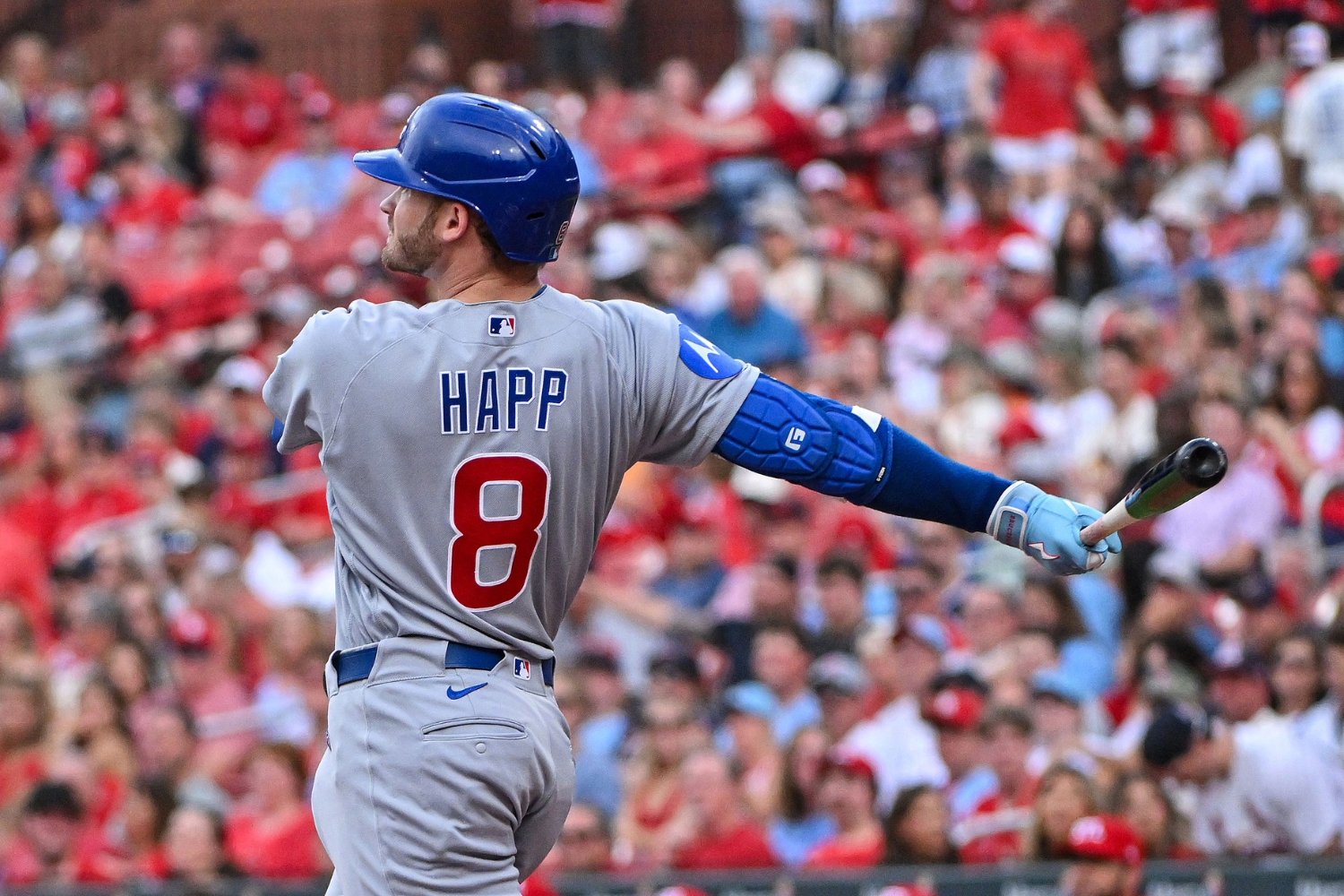 May was an interesting month for the Chicago Cubs, and ultimately a futile one. The team ended a second 10-game win streak, only to follow with a 10-game streak on the opposite side of the ledger. The lineup, of course, was a huge part of this, and many notable players struggled. Still, there are a few players worth giving some flowers to for trying to keep the offense afloat. Ranking Cubs' Best Hitters in May Carson Kelly: .269/.319/.299, 0 HR, 2 RBI No, these are not stellar stats, but Kelly gets the third place nod for his consistency compared to his expectations. He didn't underperform. Overall, he is providing the value expected of him, which this month was a wonderful blessing for Craig Counsell and the Cubs. While the power hasn't manifested this season, Kelly has been a rare beacon of consistency in May. In losses, he maintained a .391 OBP; in wins it was .386. Player stats tend to be lower in losses, so this is a rare win for the Cubs lineup. Another metric Kelly has done well with is batting with runners in scoring position. The veteran catcher has an .869 OPS in those situations, with a .289/.385/.467 slash line. By virtue of his consistency, and due to a lack of better options, Carson Kelly is third for this prestigious made-up award. Michael Busch: .300/.446/.510, 4 HRs, 24 RBIs Yes, Michael Busch is a good hitter, and he showed that this month. After a lackluster start (.576 OPS in April) when the rest of the lineup was clicking, Busch's stats went a bit under the radar due to the rest of the team struggling. Busch was the only consistent power bat for the month. Busch has adapted to playing every day against left-handed starters overall. He's getting on base against them at a solid clip, with a .338 OBP. Nothing else has been great, however; his batting average is just .197 against them, and his OPS dips 200 points, from .816 against RHP to .616 vs. LHP. Against starting pitchers, though, Busch has done well with his platoon disadvantage. He's hitting .296 against them with 3 homers in 58 plate appearances. That's solid! Relievers, though, pitching in higher-leverage spots and designed to maximize platoon advantages, have had his number. He's 1-20 against them. That is the only flaw so far in Busch's profile. Ian Happ: .230/.347/.480, 6 HRs, 19 RBIs No, these numbers aren't as good as Michael Busch. No, they aren't particularly close. But Happ, more than any other player, is representative of the struggles and successes of the Cubs as a whole. Happ's stats from May have hilarious splits. Last 7 Days: .323/.344/.710, 3 HR Last 14 Days: .216/.259/.471, 3 HR Happ tends to look awful at the plate for long stretches only to morph into Ted Williams at a moment's notice. Before his last seven-game heater, Happ was 1-for-20 in the week prior. He was so off, he got a couple of reset games, then came back strong last week. He's not the best hitter, but he does get the award due to being emblematic of the Cubs as a whole. Having ten-game win streaks and loss streaks consecutively is the definition of streaky; so is Happ, obviously. Overall, he'll end up with the same numbers, but the ride will of course be a wild one. So, as a nod to the Cubs' hot-to-cold nature, we'll give the award to their most notorious hot-to-cold hitter. To wrap this up, let's have a little extra fun with Happ. The main thing that stands out is that he hits cleanup, but is notably bad in clutch situations. It's not just noise either; Happ has awful numbers. He has 9 RBIs in the cleanup spot, which extrapolated to 162 games puts him on pace for around 40. His strikeout rate spikes to 40% (36% strikeout rate during the losing streak). It's not fair to compare Happ to other teams' cleanup hitters. That's simply a function of the position player group composed without an alpha bat. To make matters worse for Happ, he's notoriously bad when the team loses. When they're behind, he has 35 strikeouts in 76 at bats and just a .158 batting average. That type of production is covered over in wins, but when the team goes on a losing bender the memories of whiffs with runners on optically stands out. Happ will look to be more consistent, but don't expect it. Just expect a WRC+ between 116-122, walk rate around 15%, a .240 batting average, and 20 HR and you'll be satisfied.
 -
Justin Steele Timeline Updated - Still Not Throwing
Brian Kelder posted a topic in Chicago Cubs Talk
According to this article from The Athletic's Sahadev Sharma, Justin Steele is progressing from his elbow setback. While the veteran lefty is not throwing as of yet, he is progressing to some strengthening exercises. There is no timeline as of yet for his eventual return to throwing and a rehab assignment. The updated timeline puts any 2026 return for Steele in jeopardy. In a best-case scenario, he starts throwing again in June, with a lengthy ramp-up. This would potentially allow him to pitch in August, given no setbacks. Another flare-up of the elbow would end his season. Basically, the Cubs can't count on Steele to carry them down the stretch, which, given the state of the current rotation, would help the team a lot. Edward Cabrera is currently sidelined with blisters and has a checkered injury history. Matthew Boyd is no spring chicken either and has only pitched over 100 innings once this decade. Arms are always needed in a season, and the Cubs are no exception. Despite consternation about the Cubs' hitting, the rotation is the area with the lowest floor on the roster. Justin Steele will continue his own path to health. The Cubs need to hope this path leads to the mound in 2026. View full rumor -
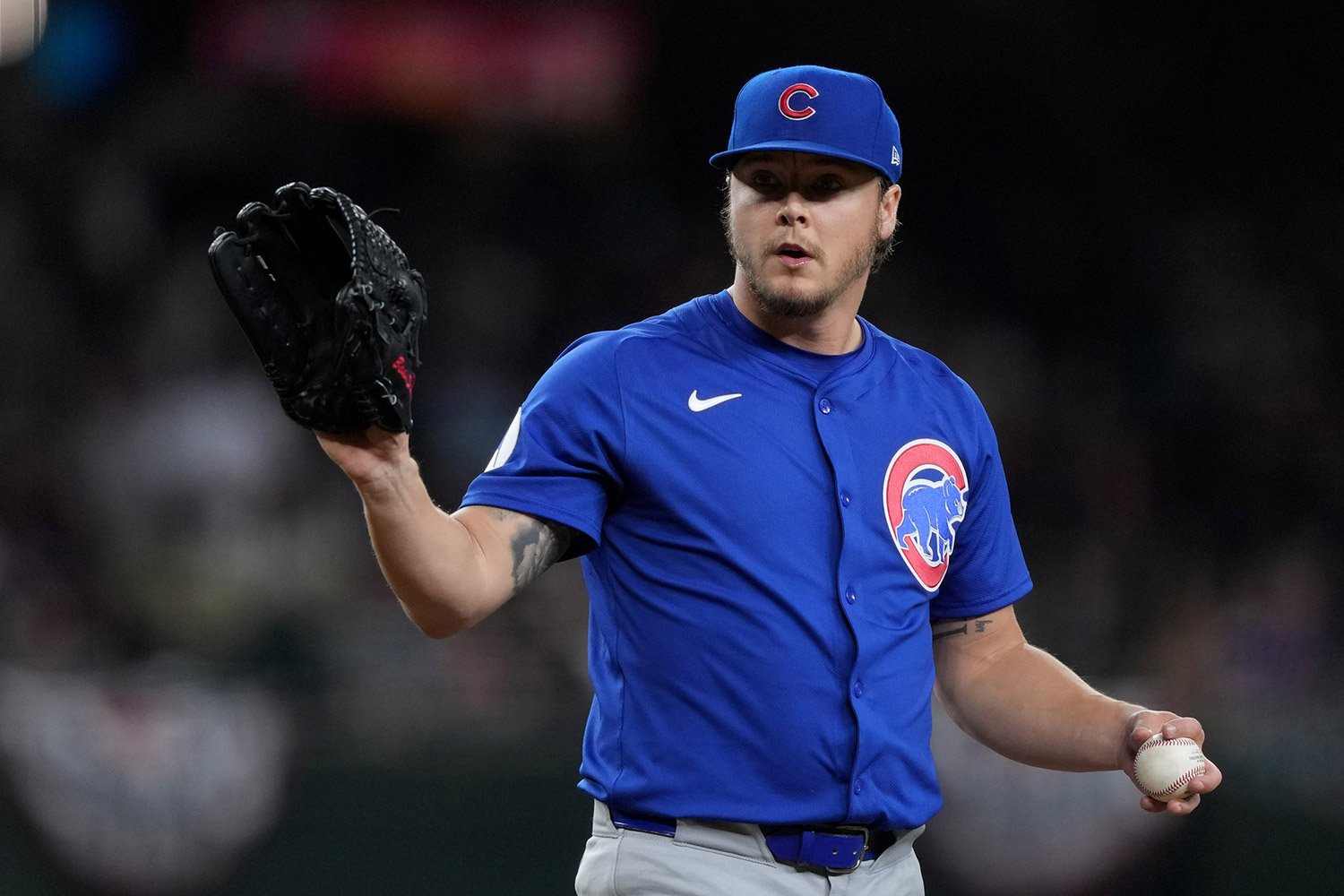 According to this article from The Athletic's Sahadev Sharma, Justin Steele is progressing from his elbow setback. While the veteran lefty is not throwing as of yet, he is progressing to some strengthening exercises. There is no timeline as of yet for his eventual return to throwing and a rehab assignment. The updated timeline puts any 2026 return for Steele in jeopardy. In a best-case scenario, he starts throwing again in June, with a lengthy ramp-up. This would potentially allow him to pitch in August, given no setbacks. Another flare-up of the elbow would end his season. Basically, the Cubs can't count on Steele to carry them down the stretch, which, given the state of the current rotation, would help the team a lot. Edward Cabrera is currently sidelined with blisters and has a checkered injury history. Matthew Boyd is no spring chicken either and has only pitched over 100 innings once this decade. Arms are always needed in a season, and the Cubs are no exception. Despite consternation about the Cubs' hitting, the rotation is the area with the lowest floor on the roster. Justin Steele will continue his own path to health. The Cubs need to hope this path leads to the mound in 2026.
 -
Jordan Wicks Will Get At Least One More Start
Brian Kelder replied to Brian Kelder's topic in Chicago Cubs Talk
I think he needs room to develop and some rope, but this team needs success, so the rope is pretty limited.