

.png.396d29669b786f3e4cefa11ecc4b9eac.png)

Brian Kelder
-
Posts
293 -
Joined
-
Last visited
Content Type
Profiles
Joomla Posts 1
Chicago Cubs Videos
Chicago Cubs Free Agent & Trade Rumors, Notes, & Tidbits
2026 Chicago Cubs Top Prospects Ranking
News
2023 Chicago Cubs Draft Picks
Guides & Resources
2024 Chicago Cubs Draft Picks
The Chicago Cubs Players Project
2025 Chicago Cubs Draft Pick Tracker
2026 Chicago Cubs Draft Tracker: Picks & Bonuses
Blogs
Events
Forums
Store
Gallery
Everything posted by Brian Kelder
-
Image courtesy of Matt Marton-Imagn Images For decades, Cubs fans have been conditioned to believe that any appearance in the playoffs constitutes a successful season. I can remember all the playoff teams from my childhood—though, granted, only 1984 and 1989 apply, so it isn't hard. Even the collapse years of 1969, 1973 and 2004 hold fond places in some fans' memories. Any year in which they avoided that kind of embarrassment was automatically a winner. At long last, this seems to have shifted. The team has made the playoffs seven times since 2015, which is one more trip they booked from 1984 to 2014. Obviously, it's gotten much easier to make the playoffs over that time, but still, the fans now consider reaching the postseason to be a bare minimum—the first criterion of a successful year, but not a final or sufficient one. So, was the entire 2026 season a failure? If so, for whom? Was it Craig Counsell's folly? Can Jed Hoyer build a true contender? Is it that cheap billionaire, Tom Ricketts? All I know is that it's no longer a success to just get in the playoffs. That should have been clearly true beginning in the late 1990s, but it finally seems to have become true since 2016. Fans expect not only to reach October, but to succeed there. Of course, as the team was forcefully reminded in each of the last two years, there's no simple formula for winning in the playoffs. The only reliable way to do so is to get there a lot, in as strong a seeded position as possible. That they've only gone to the tournament at all in two of the last seven seasons is the biggest problem; that they haven't made it with an intact starting rotation or as a division winner with home-field advantage on their side in the Division Series is the second-biggest. Jed Hoyer did his best work this year, despite his admission of failure in constructing the bullpen. This was his masterclass, and it wasn't enough. The spending was there, led by a hefty investment in Alex Bregman. He tried to be more proactive about the pen, and he traded for Edwin Cabrera. Three top-100 prospects were moved in attempts to bolster the team for this season. His best effort? Eighty-nine wins, and another distant second-place finish in the NL Central. The season was both a success and a failure. For the players on the field, there really can be no quibbles. They were a perfectly fine, entertaining team to watch. It didn't take much watching of other games to recognize just how good the Cubs' defense was, and many drops of water have cooled internet servers writing about the incredible season that Pete Crow-Armstrong submitted. They were successful in the roles they were placed in. The failure is on the front office. They quite simply have not achieved their goals. They spent a lot of money to build this team initially and supplemented it with trade deadline acquisitions. Their spot in the playoffs was never in jeopardy. But even before they arrived in San Diego, it seemed clear they would run out of steam before reaching the World Series. Once they were in, they didn't have the ammunition to do anything. Their pitching had no chance of holding up through the Wild Card and two other NL Series, let alone the Fall Classic. With the lowest pitching WAR in baseball, they ran out of quality arms in August. It's time to ask if Jed Hoyer is the man to run the Cubs. As he admitted Friday in his end-of-year press conference, the organization needs to completely overhaul the way it scouts, acquires and develops pitchers, as well as how it tries to keep them healthy. Meanwhile, they also have to replace three key departing position players and virtually their whole pitching staff—not philosophically, but actually, and quickly, in an offseason that will be complicated by a work stoppage. It's going to be a huge job for Hoyer to replace everything, and it's fair to question if he should be able to do it. The Cubs are in a tougher situation going forward than most people have realized. Theo Epstein took four years and had a contender; Hoyer has had six and seems to be running out of runway, while still trying to get his team off the ground. Celebrate the players, but hold the front office's feet to the fire. It's not been what was promised: sustained contention. In fact, that feels a long way off—especially given the way Cubs fans now demand to define that phrase. View full article
-
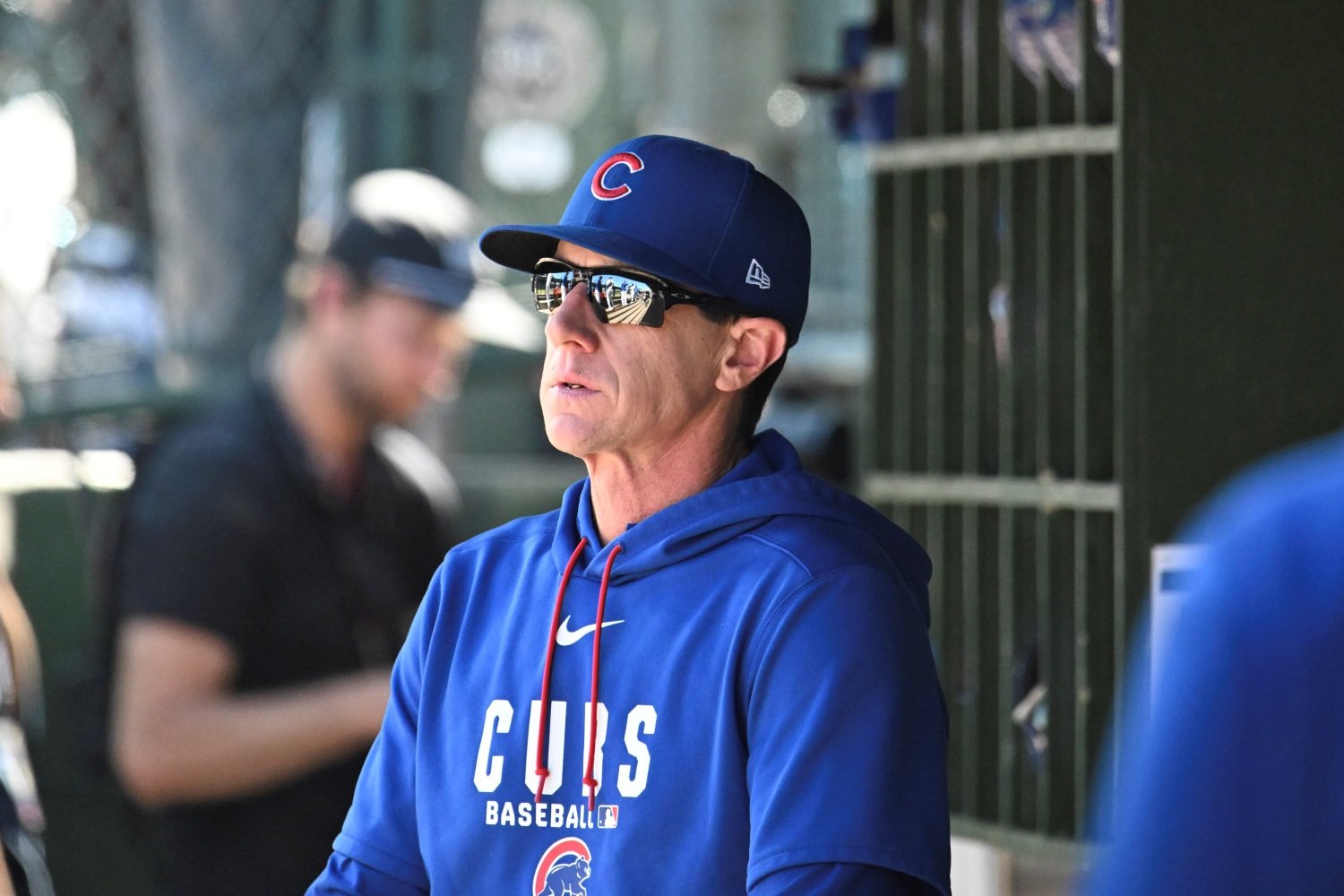 For decades, Cubs fans have been conditioned to believe that any appearance in the playoffs constitutes a successful season. I can remember all the playoff teams from my childhood—though, granted, only 1984 and 1989 apply, so it isn't hard. Even the collapse years of 1969, 1973 and 2004 hold fond places in some fans' memories. Any year in which they avoided that kind of embarrassment was automatically a winner. At long last, this seems to have shifted. The team has made the playoffs seven times since 2015, which is one more trip they booked from 1984 to 2014. Obviously, it's gotten much easier to make the playoffs over that time, but still, the fans now consider reaching the postseason to be a bare minimum—the first criterion of a successful year, but not a final or sufficient one. So, was the entire 2026 season a failure? If so, for whom? Was it Craig Counsell's folly? Can Jed Hoyer build a true contender? Is it that cheap billionaire, Tom Ricketts? All I know is that it's no longer a success to just get in the playoffs. That should have been clearly true beginning in the late 1990s, but it finally seems to have become true since 2016. Fans expect not only to reach October, but to succeed there. Of course, as the team was forcefully reminded in each of the last two years, there's no simple formula for winning in the playoffs. The only reliable way to do so is to get there a lot, in as strong a seeded position as possible. That they've only gone to the tournament at all in two of the last seven seasons is the biggest problem; that they haven't made it with an intact starting rotation or as a division winner with home-field advantage on their side in the Division Series is the second-biggest. Jed Hoyer did his best work this year, despite his admission of failure in constructing the bullpen. This was his masterclass, and it wasn't enough. The spending was there, led by a hefty investment in Alex Bregman. He tried to be more proactive about the pen, and he traded for Edwin Cabrera. Three top-100 prospects were moved in attempts to bolster the team for this season. His best effort? Eighty-nine wins, and another distant second-place finish in the NL Central. The season was both a success and a failure. For the players on the field, there really can be no quibbles. They were a perfectly fine, entertaining team to watch. It didn't take much watching of other games to recognize just how good the Cubs' defense was, and many drops of water have cooled internet servers writing about the incredible season that Pete Crow-Armstrong submitted. They were successful in the roles they were placed in. The failure is on the front office. They quite simply have not achieved their goals. They spent a lot of money to build this team initially and supplemented it with trade deadline acquisitions. Their spot in the playoffs was never in jeopardy. But even before they arrived in San Diego, it seemed clear they would run out of steam before reaching the World Series. Once they were in, they didn't have the ammunition to do anything. Their pitching had no chance of holding up through the Wild Card and two other NL Series, let alone the Fall Classic. With the lowest pitching WAR in baseball, they ran out of quality arms in August. It's time to ask if Jed Hoyer is the man to run the Cubs. As he admitted Friday in his end-of-year press conference, the organization needs to completely overhaul the way it scouts, acquires and develops pitchers, as well as how it tries to keep them healthy. Meanwhile, they also have to replace three key departing position players and virtually their whole pitching staff—not philosophically, but actually, and quickly, in an offseason that will be complicated by a work stoppage. It's going to be a huge job for Hoyer to replace everything, and it's fair to question if he should be able to do it. The Cubs are in a tougher situation going forward than most people have realized. Theo Epstein took four years and had a contender; Hoyer has had six and seems to be running out of runway, while still trying to get his team off the ground. Celebrate the players, but hold the front office's feet to the fire. It's not been what was promised: sustained contention. In fact, that feels a long way off—especially given the way Cubs fans now demand to define that phrase.
 -
Image courtesy of © Patrick Gorski-Imagn Images Matt Shaw was reinstated on Friday from the injured list, and his return bears watching. Craig Counsell has alluded to both Michael Busch and Ian Happ's struggles vs. left-handed pitching; Shaw has an .845 OPS from that side of the plate. Furthermore, Seiya Suzuki's price tag this offseason looks larger than the Chicago Cubs might feel comfortable paying on either side of the upcoming lockout, and of course Happ is an impending free agent as well. In other words, Shaw needs to have a good September to solidify himself in the Cubs' plans for next season and beyond. He has only hit .217 against right-handed pitching this year, which needs to improve for him to be a viable full-time starter, and defensively his value and position are still to be determined. He played a solid third base in 2025, but Alex Bregman isn't leaving. Neither is Nico Hoerner, for that matter. So, where could Shaw land? A Ben Zobrist type utility role is possible if they bring the entire band back. Shaw can play multiple positions, allowing the starters a day off or chance to DH. Shaw also could man the designated hitter spot for a spell, at least against southpaws. There's already a path to 300-plus plate appearances right there, but he and the Cubs would want a steady position. What could that role be? One option would be a platoon partner for Michael Busch. Busch has been disappointing this year, and Counsell alluded to a new plan for backup first base. Shaw would be a better option than Justin Turner last year, for instance. One thing to look for with Shaw is if he plays some first base down the stretch; if he does, it might be fair to say the team is preparing him for a stronger focus on the infield, which could open the fourth outfielder job for someone like Kevin Alcántara. If Shaw instead continues to play capably in the outfield corners upon his return, perhaps the Cubs would feel more comfortable moving on from one or both of Happ and Suzuki. The 24-year-old is a cheap, controlled option, allowing funds to be allocated to the pitching staff which currently has few dependable members under contract next season. Though the playoff picture is most important, Matt Shaw's performance in September will be quite important for the Cubs' future plans. Depending on what he's asked to handle (and how well he performs in those duties), the winter plans could hinge on what he shows during the stretch run. View full article
-
Matt Shaw's Return Is Equally Important for Cubs' Present and Future
Brian Kelder posted an article in Cubs
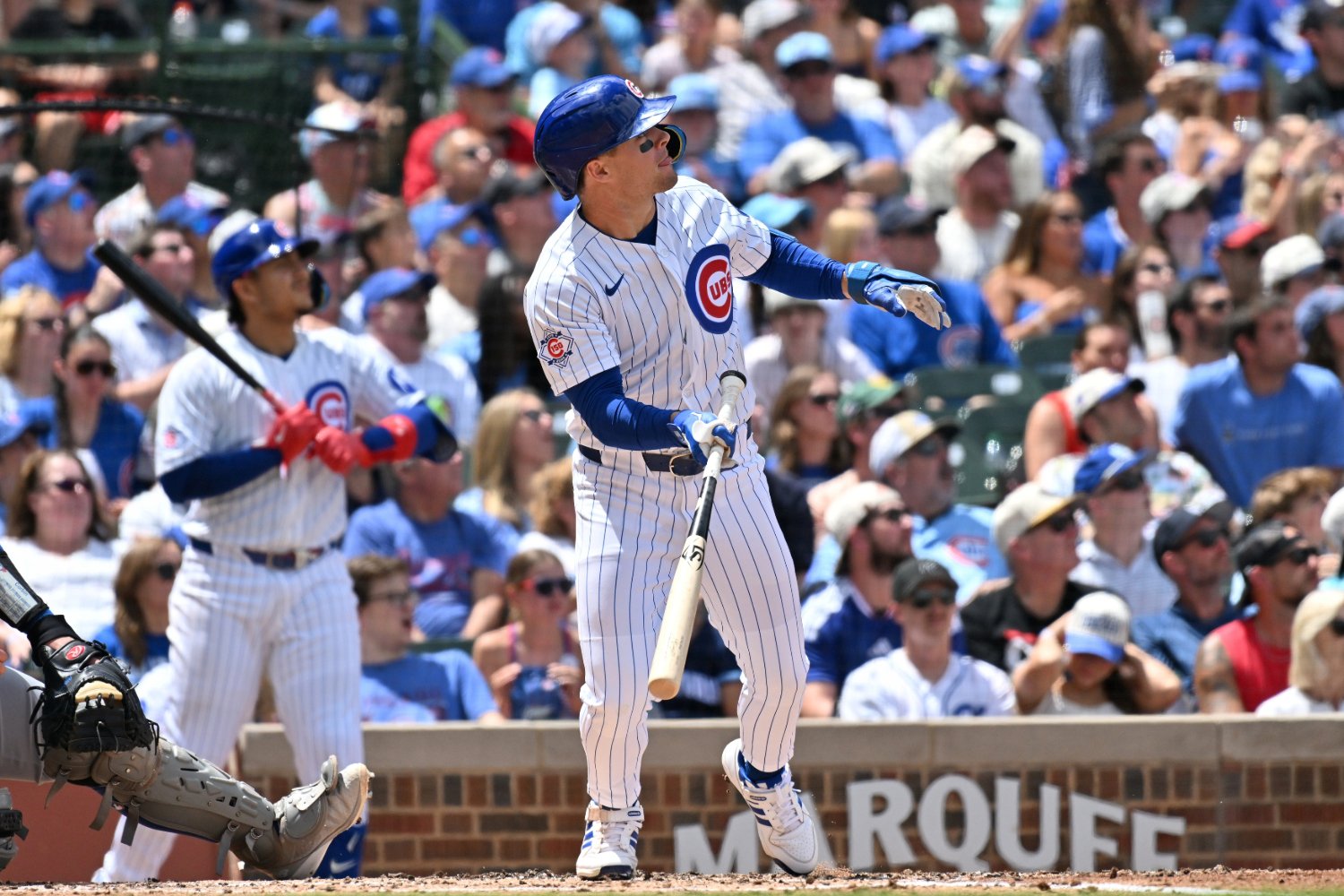 Matt Shaw was reinstated on Friday from the injured list, and his return bears watching. Craig Counsell has alluded to both Michael Busch and Ian Happ's struggles vs. left-handed pitching; Shaw has an .845 OPS from that side of the plate. Furthermore, Seiya Suzuki's price tag this offseason looks larger than the Chicago Cubs might feel comfortable paying on either side of the upcoming lockout, and of course Happ is an impending free agent as well. In other words, Shaw needs to have a good September to solidify himself in the Cubs' plans for next season and beyond. He has only hit .217 against right-handed pitching this year, which needs to improve for him to be a viable full-time starter, and defensively his value and position are still to be determined. He played a solid third base in 2025, but Alex Bregman isn't leaving. Neither is Nico Hoerner, for that matter. So, where could Shaw land? A Ben Zobrist type utility role is possible if they bring the entire band back. Shaw can play multiple positions, allowing the starters a day off or chance to DH. Shaw also could man the designated hitter spot for a spell, at least against southpaws. There's already a path to 300-plus plate appearances right there, but he and the Cubs would want a steady position. What could that role be? One option would be a platoon partner for Michael Busch. Busch has been disappointing this year, and Counsell alluded to a new plan for backup first base. Shaw would be a better option than Justin Turner last year, for instance. One thing to look for with Shaw is if he plays some first base down the stretch; if he does, it might be fair to say the team is preparing him for a stronger focus on the infield, which could open the fourth outfielder job for someone like Kevin Alcántara. If Shaw instead continues to play capably in the outfield corners upon his return, perhaps the Cubs would feel more comfortable moving on from one or both of Happ and Suzuki. The 24-year-old is a cheap, controlled option, allowing funds to be allocated to the pitching staff which currently has few dependable members under contract next season. Though the playoff picture is most important, Matt Shaw's performance in September will be quite important for the Cubs' future plans. Depending on what he's asked to handle (and how well he performs in those duties), the winter plans could hinge on what he shows during the stretch run.
 -
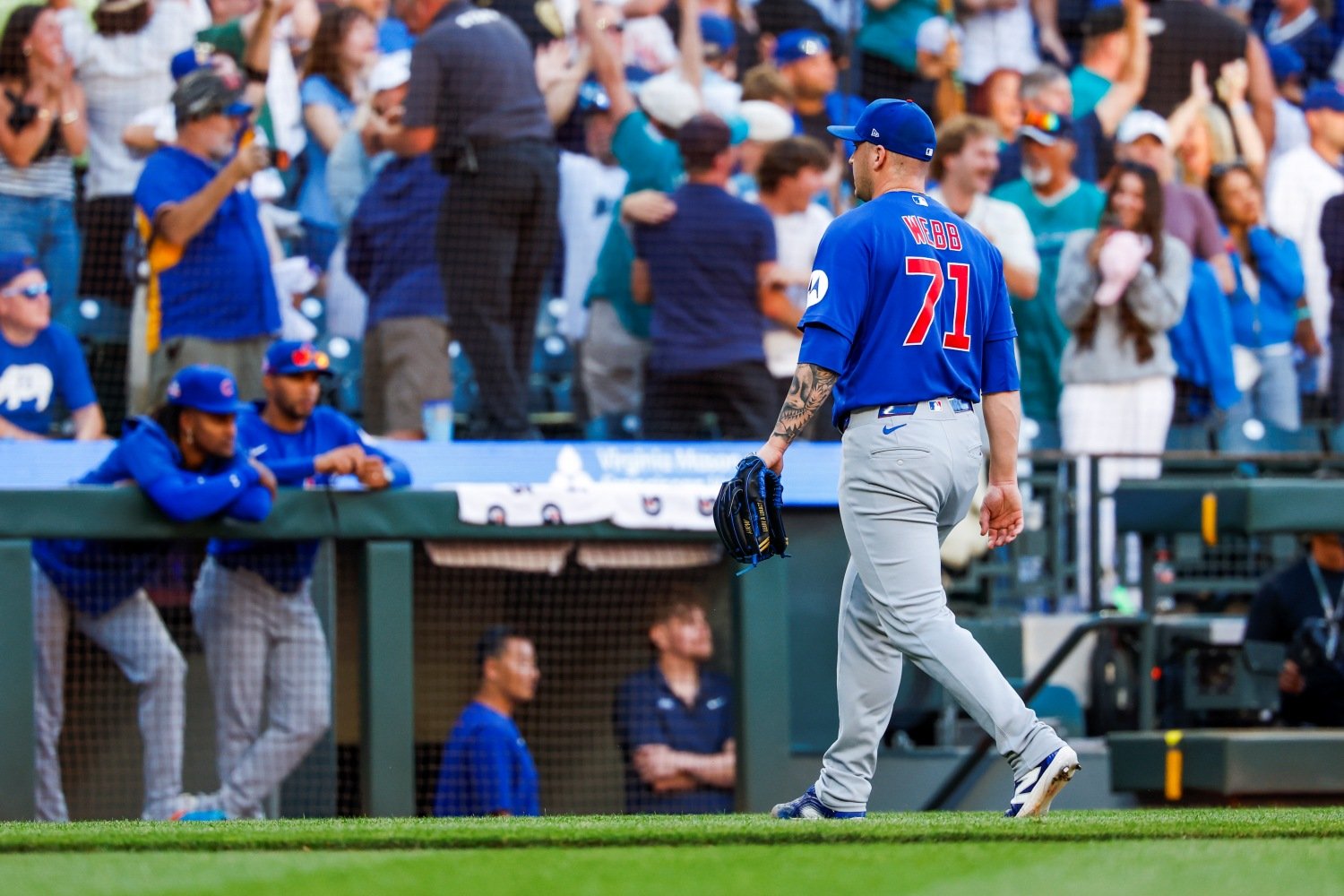 The Cubs bullpen has a swing-and-miss problem. Only three relievers on the Cubs have over a 25% strikeout rate, striking out one out of every four batters or better. This can work; the Cubs have what can be an all-time great defense. But comparing the team to their main competition (namely, the Dodgers and Brewers) illustrates a key flaw in Jed Hoyer's roster construction. The Dodgers have eight pitchers with over a 25% strikeout rate; the Brewers have five. These pitchers have a higher chance to end innings without the batter making contact. One only needs to watch the last couple of losses for the Cubs to see what a strikeout arm can do—or could do, if the team had enough of them. Saturday night's loss to the Seattle Mariners illustrates this perfectly. Jacob Webb (more on him below) retired the first two batters while protecting a two-run lead in the ninth. He then allowed a solid double to Weston Wilson, then a weakly hit single to right. Of course, then Randy Arozarena walked it off with a home run to ruin the Cubs' night—one where they led 4-2 and played otherwise solid baseball. The lack of swing-and-miss led to contact, leaving Webb subject to the vagaries of BABIP. Tuesday night, Diamondbacks catcher Gabriel Moreno doubled to right off of Daniel Palencia. Box score watchers miss the context; it was a weakly hit line-hugger the opposite way, on a checked swing. But the result was a double, which set up Arizona to come back for another gut punch for Chicago. Palencia did strike out one batter, but the contact allowed once again led to defeat snatched from the jaws of victory. We may be watching regression to the mean in real time. FIP compared to ERA shows nearly all of the Cubs pitchers are overperforming their metrics. If you assume that FIP is more predictive of future performance (and you should—empirically, that's true), the bullpen outlook is worrisome with October looming. Ryan Rolison, Hoby Milner, and Aaron Civale all have ERAs one full run below their FIP. Javier Assad is 1.50 ahead of what FIP would suggest, and Webb's FIP says his ERA should be nearer to 4.00 than his current 2.91. Even recently acquired Ryan Zeferjahn is half a run lower than his FIP of 6.93, and Caleb Thielbar is performing right where his 5.03 FIP suggests. The struggling pitchers don't look to have much hope to right their respective ships, and the heavily-used arms have overperformed all season. So, what should the Cubs and Craig Counsell do? They need to manage the game that's in front of them, not slavishly follow the analytic models they favor. A quick hook for relievers who don't have it that day will be a requirement. Counsell also needs to channel the era in which he played. The Cubs need to ride their starters until they can't. This week's sojourn in the Arizona desert showed what the Cubs' starters can do; Kevin Gausman, Clay Holmes, and Matthew Boyd all pitched deep into the game. The cost of facing a lineup for the third time is lower than the cost of exposing a weaker arm to playoff-level lineups. They'll need to ride their starters longer than they have in the past—assuming, of course, that their starters continue to handle that extra work well. Hoyer's bullpen has performed adequately for most of the season. When the impressive pen he though he'd assembled over the winter (including Phil Maton and Hunter Harvey, among others) fell apart, Hoyer rebuilt the unit around Webb, Rolison and Trent Thornton. The patchwork has worked. However, underlying metrics show it might not be quite as good as it seems. Counsell will have his hands full managing it, both for the balance of the regular season and in the playoffs. With the news that Ben Brown is likely to miss the rest of the season, the bullpen could be looked back upon as the Cubs' Achilles heel. The bullpen has survived despite mediocre swing-and-miss numbers. Its ERA has been better than its underlying indicators. The Cubs have lost games where weak contact turned into damaging rallies. And now, with Brown likely gone, they have fewer ways to compensate. They'll need to field the best defenses they can. They'll need to hope they can get someone who does rack up some strikeouts back into the mix, be that Shelby Miller, Justin Steele or the good versions of Zeferjahn and Palencia. Somehow, this team needs to assemble a solid bullpen for the third time this year—and hope that, this time, it holds up.
 -
Image courtesy of Joe Nicholson-Imagn Images The Cubs bullpen has a swing-and-miss problem. Only three relievers on the Cubs have over a 25% strikeout rate, striking out one out of every four batters or better. This can work; the Cubs have what can be an all-time great defense. But comparing the team to their main competition (namely, the Dodgers and Brewers) illustrates a key flaw in Jed Hoyer's roster construction. The Dodgers have eight pitchers with over a 25% strikeout rate; the Brewers have five. These pitchers have a higher chance to end innings without the batter making contact. One only needs to watch the last couple of losses for the Cubs to see what a strikeout arm can do—or could do, if the team had enough of them. Saturday night's loss to the Seattle Mariners illustrates this perfectly. Jacob Webb (more on him below) retired the first two batters while protecting a two-run lead in the ninth. He then allowed a solid double to Weston Wilson, then a weakly hit single to right. Of course, then Randy Arozarena walked it off with a home run to ruin the Cubs' night—one where they led 4-2 and played otherwise solid baseball. The lack of swing-and-miss led to contact, leaving Webb subject to the vagaries of BABIP. Tuesday night, Diamondbacks catcher Gabriel Moreno doubled to right off of Daniel Palencia. Box score watchers miss the context; it was a weakly hit line-hugger the opposite way, on a checked swing. But the result was a double, which set up Arizona to come back for another gut punch for Chicago. Palencia did strike out one batter, but the contact allowed once again led to defeat snatched from the jaws of victory. We may be watching regression to the mean in real time. FIP compared to ERA shows nearly all of the Cubs pitchers are overperforming their metrics. If you assume that FIP is more predictive of future performance (and you should—empirically, that's true), the bullpen outlook is worrisome with October looming. Ryan Rolison, Hoby Milner, and Aaron Civale all have ERAs one full run below their FIP. Javier Assad is 1.50 ahead of what FIP would suggest, and Webb's FIP says his ERA should be nearer to 4.00 than his current 2.91. Even recently acquired Ryan Zeferjahn is half a run lower than his FIP of 6.93, and Caleb Thielbar is performing right where his 5.03 FIP suggests. The struggling pitchers don't look to have much hope to right their respective ships, and the heavily-used arms have overperformed all season. So, what should the Cubs and Craig Counsell do? They need to manage the game that's in front of them, not slavishly follow the analytic models they favor. A quick hook for relievers who don't have it that day will be a requirement. Counsell also needs to channel the era in which he played. The Cubs need to ride their starters until they can't. This week's sojourn in the Arizona desert showed what the Cubs' starters can do; Kevin Gausman, Clay Holmes, and Matthew Boyd all pitched deep into the game. The cost of facing a lineup for the third time is lower than the cost of exposing a weaker arm to playoff-level lineups. They'll need to ride their starters longer than they have in the past—assuming, of course, that their starters continue to handle that extra work well. Hoyer's bullpen has performed adequately for most of the season. When the impressive pen he though he'd assembled over the winter (including Phil Maton and Hunter Harvey, among others) fell apart, Hoyer rebuilt the unit around Webb, Rolison and Trent Thornton. The patchwork has worked. However, underlying metrics show it might not be quite as good as it seems. Counsell will have his hands full managing it, both for the balance of the regular season and in the playoffs. With the news that Ben Brown is likely to miss the rest of the season, the bullpen could be looked back upon as the Cubs' Achilles heel. The bullpen has survived despite mediocre swing-and-miss numbers. Its ERA has been better than its underlying indicators. The Cubs have lost games where weak contact turned into damaging rallies. And now, with Brown likely gone, they have fewer ways to compensate. They'll need to field the best defenses they can. They'll need to hope they can get someone who does rack up some strikeouts back into the mix, be that Shelby Miller, Justin Steele or the good versions of Zeferjahn and Palencia. Somehow, this team needs to assemble a solid bullpen for the third time this year—and hope that, this time, it holds up. View full article
-
Image courtesy of Kamil Krzaczynski-Imagn Images Dansby Swanson, star defensive shortstop and linchpin of the Cubs' elite defense, will miss the lion's share of the remaining regular season, and even his availability for October is in doubt. He was diagnosed with a Grade 2 oblique strain, which makes it hard to see how he can return any sooner than late September. Nico Hoerner will man shortstop capably, if not as well as Swanson, who is in Gold Glove conversations yearly. Second base will be primarily Pedro Ramírez, with a smattering of Matt Shaw. The team just got worse at two defensive positions, and since Shaw might be needed to complement Michael Busch at first base, rest will be in short supply for Alex Bregman the rest of the way. This harkens back to 2019, when Addison Russell and Javier Báez switched spots in the double play combo. After Ruseell's shadow ban (and then official ban) for domestic violence, the team elected to let Báez handle shortstop and mixed Russell in (when he was available) with the likes of Ben Zobrist, Robel García (remember him?), Daniel Descalso and David Bote at second base. The stability at short was non-negotiable, but the defense was markedly worse for the swap. This is real adversity, even if it's a bit less disquieting than the cloud that hung over the team because of Russell's behavior back then. The last time the Cubs faced adversity to this level (when their pitching went to pieces in May and June), they went 7-23 in a 30-game stretch and nearly watched their season unravel. To avoid having that happen this time, the offense will have to heat up—Pete Crow-Armstrong's slump-busting virtuoso performance Monday was a good start—and the pitching staff will have to start missing more bats. Chicago is built around elite defense, and suddenly, they don't have one. If they want to catch the Brewers (or beat them in October), they have to play their best baseball, and that's harder to do without Swanson. They showed great resiliency (and surprising depth, especially in the persons of Ramírez, Jacob Webb and company) in recovering from their last stumble, but they have to avoid another one. That will be easier said than done. Unless and until Swanson returns, it's time to switch into survival mode. View full article
-
After Key Injury Shakes Up Infield, Cubs Face Adversity Yet Again
Brian Kelder posted an article in Cubs
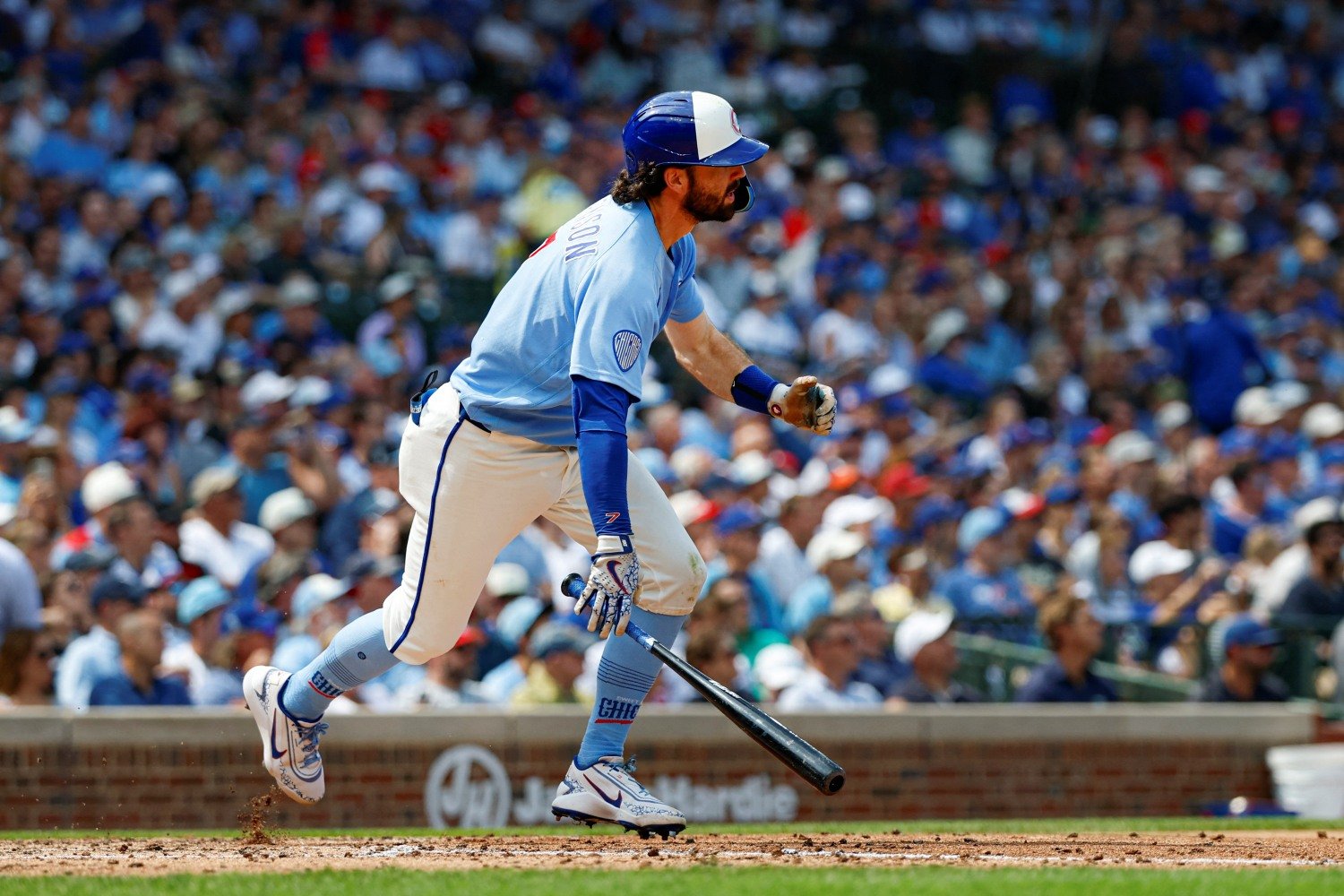 Dansby Swanson, star defensive shortstop and linchpin of the Cubs' elite defense, will miss the lion's share of the remaining regular season, and even his availability for October is in doubt. He was diagnosed with a Grade 2 oblique strain, which makes it hard to see how he can return any sooner than late September. Nico Hoerner will man shortstop capably, if not as well as Swanson, who is in Gold Glove conversations yearly. Second base will be primarily Pedro Ramírez, with a smattering of Matt Shaw. The team just got worse at two defensive positions, and since Shaw might be needed to complement Michael Busch at first base, rest will be in short supply for Alex Bregman the rest of the way. This harkens back to 2019, when Addison Russell and Javier Báez switched spots in the double play combo. After Ruseell's shadow ban (and then official ban) for domestic violence, the team elected to let Báez handle shortstop and mixed Russell in (when he was available) with the likes of Ben Zobrist, Robel García (remember him?), Daniel Descalso and David Bote at second base. The stability at short was non-negotiable, but the defense was markedly worse for the swap. This is real adversity, even if it's a bit less disquieting than the cloud that hung over the team because of Russell's behavior back then. The last time the Cubs faced adversity to this level (when their pitching went to pieces in May and June), they went 7-23 in a 30-game stretch and nearly watched their season unravel. To avoid having that happen this time, the offense will have to heat up—Pete Crow-Armstrong's slump-busting virtuoso performance Monday was a good start—and the pitching staff will have to start missing more bats. Chicago is built around elite defense, and suddenly, they don't have one. If they want to catch the Brewers (or beat them in October), they have to play their best baseball, and that's harder to do without Swanson. They showed great resiliency (and surprising depth, especially in the persons of Ramírez, Jacob Webb and company) in recovering from their last stumble, but they have to avoid another one. That will be easier said than done. Unless and until Swanson returns, it's time to switch into survival mode.
 -
Image courtesy of © Kamil Krzaczynski-Imagn Images The Chicago Cubs had a strong month of July, much of which was thanks to a terrific effort on a nightly basis from the lineup. Nearly everyone contributed something to the cause, positioning the team to be aggressive buyers at the trade deadline. Certain players flashed brighter than others, though, and they will be hereby bestowed the honor of our Cubs Hitter of the Month for July. Ranking Cubs' Best Hitters in July 3rd: Pedro Ramirez .386/.440/.545, 168 wRC+, 6 XBH, 8 RBIs, 2 SB Ramirez has made himself quite the valuable bench player so far. He’s been able to play defensively at second and third, giving the regulars DH days as he mans their positions. At the plate, he’s been outstanding over the past month as well. Trade season has come and gone, yet Ramirez remains. We should expect some regression; a .447 BABIP is unsustainable, and his lack of over-the-fence power holds him back. However, he does deserve a highlight for his value and ability to thrive in a part-time role. This type of player off the bench has been sorely missed in recent years. 2nd Place: Seiya Suzuki .275/.389/.549, 13 XBH, 21 RBIs, 1 SB When he remains healthy, Suzuki can have extended stretches of over .900 OPS baseball. This past month was one of those stretches. Craig Counsell follows the new-ish conventional reasoning that your top hitters are in the 1-2 spots in the order, and Suzuki has been trusted to fill the second spot. He may be pricing himself out of Chicago this offseason, or at least securing a hefty payday. Along with his offense, check out the advanced defensive metrics: +6 Fielding Run Value +4 Outs Above Average +11 Defensive Runs Saved +3 Arm Value He took last years’ DH role personally and has been a solid all-around player. As always, consistency will be important for the team as we move through the last third of the season. 1st Place: Pete Crow-Armstrong .278/.400/.611, 16 XBH, 17 RBIs, 6 SB Not much more to say about the MVP favorite, but what’s with all these walks? 16 in a month? Pitchers have tried to get him to expand his zone, and Crow-Armstrong refuses to give in. This is often a final step in an elite player's evolution. He's already the best defender in the league, and one of its best baserunners. If the offensive gains he's made are legit, then forget about it. This guy is going to be a perennial MVP candidate for years to come. The game has slowed down for Crow-Armstrong this summer, and don’t look for it to speed back up. This is his Mike Trout season, and the Cubs got a steal on his extension. Enjoy this guy for the next five seasons; he’s a unique and special player. View full article
-
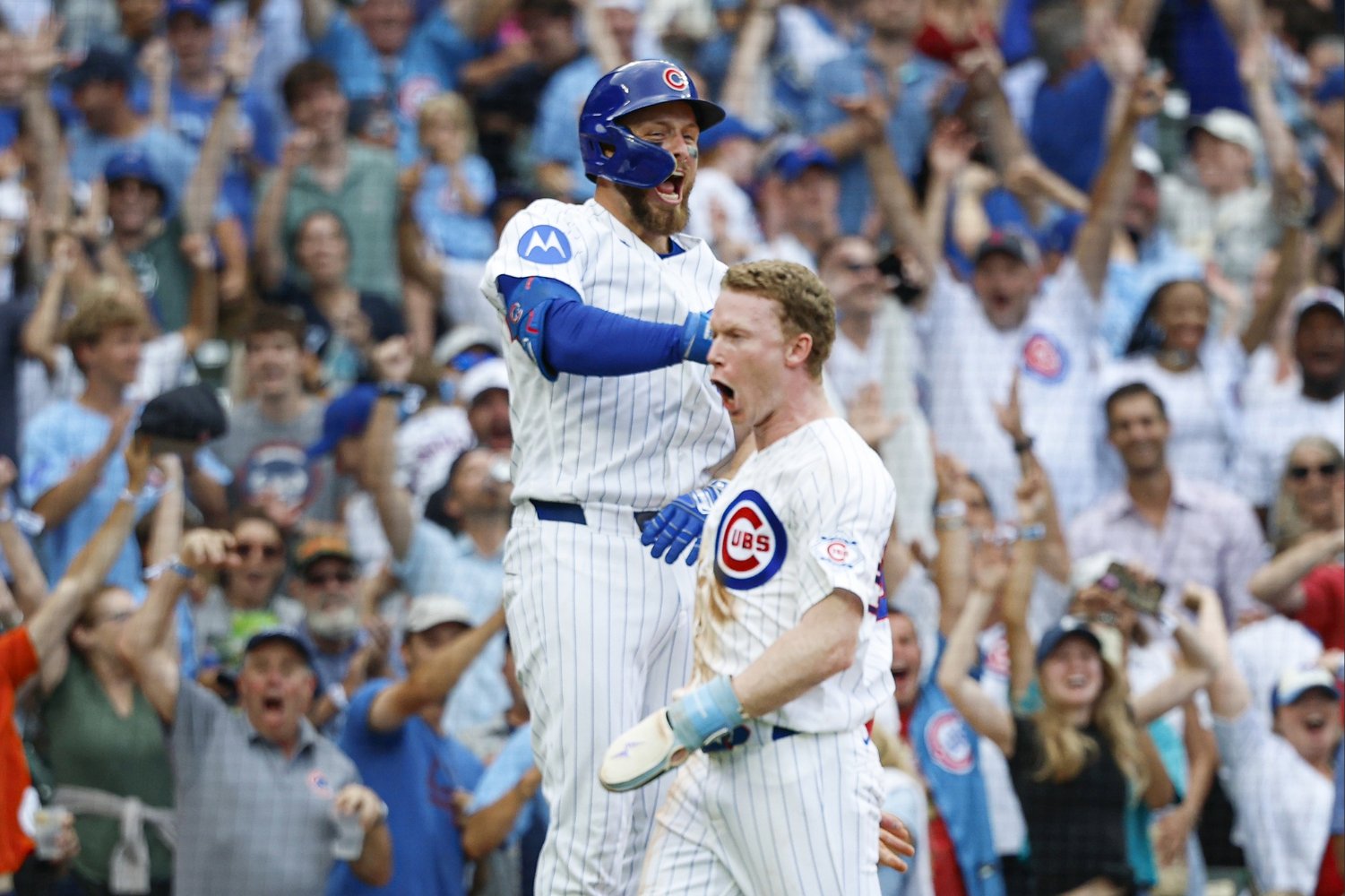 The Chicago Cubs had a strong month of July, much of which was thanks to a terrific effort on a nightly basis from the lineup. Nearly everyone contributed something to the cause, positioning the team to be aggressive buyers at the trade deadline. Certain players flashed brighter than others, though, and they will be hereby bestowed the honor of our Cubs Hitter of the Month for July. Ranking Cubs' Best Hitters in July 3rd: Pedro Ramirez .386/.440/.545, 168 wRC+, 6 XBH, 8 RBIs, 2 SB Ramirez has made himself quite the valuable bench player so far. He’s been able to play defensively at second and third, giving the regulars DH days as he mans their positions. At the plate, he’s been outstanding over the past month as well. Trade season has come and gone, yet Ramirez remains. We should expect some regression; a .447 BABIP is unsustainable, and his lack of over-the-fence power holds him back. However, he does deserve a highlight for his value and ability to thrive in a part-time role. This type of player off the bench has been sorely missed in recent years. 2nd Place: Seiya Suzuki .275/.389/.549, 13 XBH, 21 RBIs, 1 SB When he remains healthy, Suzuki can have extended stretches of over .900 OPS baseball. This past month was one of those stretches. Craig Counsell follows the new-ish conventional reasoning that your top hitters are in the 1-2 spots in the order, and Suzuki has been trusted to fill the second spot. He may be pricing himself out of Chicago this offseason, or at least securing a hefty payday. Along with his offense, check out the advanced defensive metrics: +6 Fielding Run Value +4 Outs Above Average +11 Defensive Runs Saved +3 Arm Value He took last years’ DH role personally and has been a solid all-around player. As always, consistency will be important for the team as we move through the last third of the season. 1st Place: Pete Crow-Armstrong .278/.400/.611, 16 XBH, 17 RBIs, 6 SB Not much more to say about the MVP favorite, but what’s with all these walks? 16 in a month? Pitchers have tried to get him to expand his zone, and Crow-Armstrong refuses to give in. This is often a final step in an elite player's evolution. He's already the best defender in the league, and one of its best baserunners. If the offensive gains he's made are legit, then forget about it. This guy is going to be a perennial MVP candidate for years to come. The game has slowed down for Crow-Armstrong this summer, and don’t look for it to speed back up. This is his Mike Trout season, and the Cubs got a steal on his extension. Enjoy this guy for the next five seasons; he’s a unique and special player.
 -
Image courtesy of USA TODAY Network via Reuters Connect Jed Hoyer’s reputation as a prospect-hoarding cheapskate is a bit overblown. He’ll take big swings when the chance arises and the numbers support his decision. What he is guilty of, perhaps, is letting value and circumstance rule him, rather than finding conviction in a particular evaluation. That might be a major factor in what the Cubs decide to do over the final 23 hours before the trade deadline. Tarik Skubal is a Dodger. FanGraphs now gives them a 30.4% chance of winning the World Series. In projections, that’s as close to a sure thing as you can reasonably build. Obviously, it's still a mile from being an actual sure thing. Even the chances of the Dodgers winning the pennant (44.3%) aren't prohibitive, and that's the number the Cubs have to worry about, anyway. Still, if this wasn't an all-in juggernaut before, it is now. Hoyer has built a team with one player performing as a superstar and a pitching staff beset by injuries. The defense is, of course, its own star, ruining the experience of watching lesser teams fumble the ball around on routine plays. The Cubs are good. But the numbers will never catch up to what the Dodgers have assembled. So what will the Cubs do? Find a cheap retread and hope he clicks, like they've done with David Peterson? Go for some relievers? Do nothing, counting on injury returns like Hoby Milner and Edward Cabrera to function as deadline acquisitions? No matter what Hoyer does, though, the Cubs will be heavy underdogs against the Dodgers. Going by odds of winning the pennant, Chicago (8.4%) also looks overmatched against Milwaukee (16.7%) and the team from outside Atlanta (13.5%). If he is to make fans happy and make a big splash, Hoyer will have to go against his history and his instincts. Hoyer talked about obtaining a first-round bye, the possibility of which would justify a heavy investment at the deadline. They aren’t likely to do that; they'd have to catch Milwaukee to do so. By the numbers, the opportunity he talked about wanting to see just isn't there. So where are we? Are the Cubs, as long rumored, happy to just make the playoffs and let it shake out? Or are they going to try to win the darn thing, 10 short years after the last one? Will they let the numbers intimidate them, or will they acknowledge that their odds will only be a dice-roll and roll those dice anyway? One answer, of course, could be to reject the premise of the numbers and say that there's more to chase in a baseball season than a title, anyway—that the real failure is a failure to become one's best self, without regard for who or what anyone else is. That would be a very un-Hoyer-like way to do business, though. Hoyer’s actions tonight and tomorrow will tell us a lot about his mindset. We wait with bated breath to see if his slavish devotion to projections extends further than anticipated. View full article
-
Tarik Skubal Trade Makes for Hard Trade Deadline Decision for Cubs
Brian Kelder posted an article in Cubs
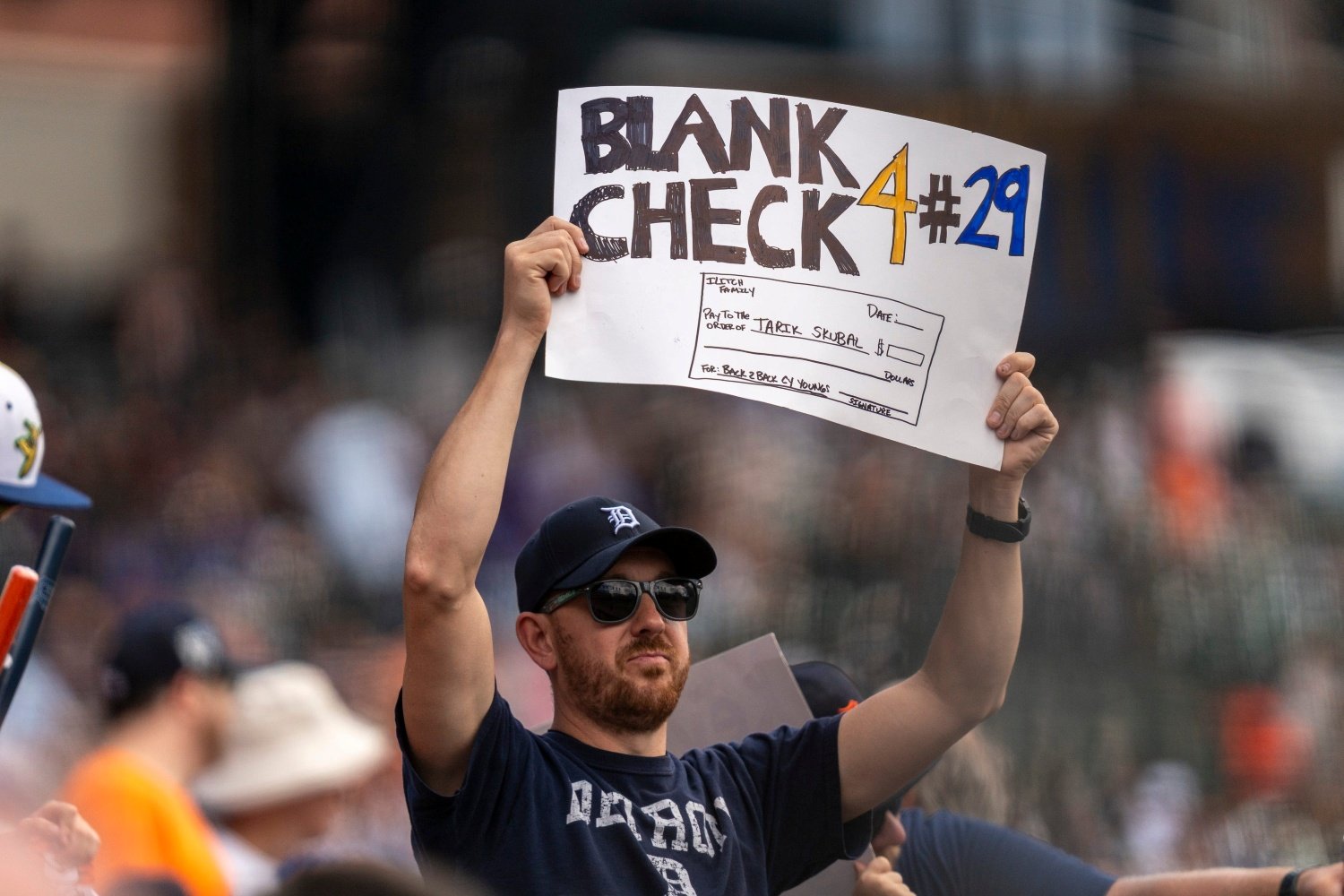 Jed Hoyer’s reputation as a prospect-hoarding cheapskate is a bit overblown. He’ll take big swings when the chance arises and the numbers support his decision. What he is guilty of, perhaps, is letting value and circumstance rule him, rather than finding conviction in a particular evaluation. That might be a major factor in what the Cubs decide to do over the final 23 hours before the trade deadline. Tarik Skubal is a Dodger. FanGraphs now gives them a 30.4% chance of winning the World Series. In projections, that’s as close to a sure thing as you can reasonably build. Obviously, it's still a mile from being an actual sure thing. Even the chances of the Dodgers winning the pennant (44.3%) aren't prohibitive, and that's the number the Cubs have to worry about, anyway. Still, if this wasn't an all-in juggernaut before, it is now. Hoyer has built a team with one player performing as a superstar and a pitching staff beset by injuries. The defense is, of course, its own star, ruining the experience of watching lesser teams fumble the ball around on routine plays. The Cubs are good. But the numbers will never catch up to what the Dodgers have assembled. So what will the Cubs do? Find a cheap retread and hope he clicks, like they've done with David Peterson? Go for some relievers? Do nothing, counting on injury returns like Hoby Milner and Edward Cabrera to function as deadline acquisitions? No matter what Hoyer does, though, the Cubs will be heavy underdogs against the Dodgers. Going by odds of winning the pennant, Chicago (8.4%) also looks overmatched against Milwaukee (16.7%) and the team from outside Atlanta (13.5%). If he is to make fans happy and make a big splash, Hoyer will have to go against his history and his instincts. Hoyer talked about obtaining a first-round bye, the possibility of which would justify a heavy investment at the deadline. They aren’t likely to do that; they'd have to catch Milwaukee to do so. By the numbers, the opportunity he talked about wanting to see just isn't there. So where are we? Are the Cubs, as long rumored, happy to just make the playoffs and let it shake out? Or are they going to try to win the darn thing, 10 short years after the last one? Will they let the numbers intimidate them, or will they acknowledge that their odds will only be a dice-roll and roll those dice anyway? One answer, of course, could be to reject the premise of the numbers and say that there's more to chase in a baseball season than a title, anyway—that the real failure is a failure to become one's best self, without regard for who or what anyone else is. That would be a very un-Hoyer-like way to do business, though. Hoyer’s actions tonight and tomorrow will tell us a lot about his mindset. We wait with bated breath to see if his slavish devotion to projections extends further than anticipated.
 -
Wait. No. You’re wrong they just have two. Four over 100
-
I’ll own that one. Might need to write an update
-
I am decidedly not a prospect guy to be fair
-
Might undercut the metric more!
-
Fair
-
I think my main point of them not having enough top end talent still is a good one
-
Fair! I just don’t see the lineup as an elite one, and of course they could go 7-23 again and have the entire offense disappear. As always we’ll see what happens. If I get egg on my face I’ll wear it
-
Fair, but note that I wrote this on Friday, so the stats obviously changed
-
To be fair I never said I wanted a Bregman signing!
- 40 replies
-
- 1
-

-
- nico hoerner
- dansby swanson
- (and 1 more)
-
To me, the issue is that they don’t have a better talent to hit in the middle of the order.
-
Thanks for calling me a man writer! I don’t see a Cubs website as having to be positive 100% of the time. I hope it comes across as honest stuff
-
Those are team stats. Individually though, you need that higher level of talent.
-
Thanks for reading! I should have written that the farm isn’t good enough to get an upgrade, like a real guy for the rotation, I do think they need a middle of the order bat, not for the season but for October.
