.png.396d29669b786f3e4cefa11ecc4b9eac.png)

Brian Kelder
-
Posts
291 -
Joined
-
Last visited
Content Type
Profiles
Joomla Posts 1
Chicago Cubs Videos
Chicago Cubs Free Agent & Trade Rumors, Notes, & Tidbits
2026 Chicago Cubs Top Prospects Ranking
News
2023 Chicago Cubs Draft Picks
Guides & Resources
2024 Chicago Cubs Draft Picks
The Chicago Cubs Players Project
2025 Chicago Cubs Draft Pick Tracker
2026 Chicago Cubs Draft Tracker: Picks & Bonuses
Blogs
Events
Forums
Store
Gallery
Everything posted by Brian Kelder
-
His metrics are absolutely awful, but it's a solid flyer.
-
Image courtesy of © Charles LeClaire-Imagn Images The Cubs are broken, and the system that they have relied on is the cause. For years, the team has sought to contend by eliminating risk. This year, the pendulum has swung to safety too much, and the IVY model cannot save it. Since the glory days of 10 years ago (or, rather, since five years before that; the transformation was well underway by the year they finally won the World Series), the Cubs have gradually drifted toward a modeling scouting system rather than old-school, boots-on-the-ground scouting. Sadahev Sharma and Patrick Mooney's article from the Athletic in 2024 will get you up to speed on this if you haven't been already. It's time for the Cubs to update their process by going in a more traditional direction—not as a way to turn back, but as a means of moving forward. Jed Hoyer has built a roster with a high floor. By design, the team has eschewed high-dollar contracts to the top talents in the game, seeking to raise the ceiling by first raising the floor. The issue comes when players age: much like the belly of an aging man, the floor drops with age. Skilled scouting in person would identify certain things that the models wouldn't be able to identify. All contracts are placed through a risk filter; any valuation deemed too risky by the computers leads the team to walk away from a could-be deal. Models are, of course, important. Every organization uses them for aging curves, swing path, contact profiles, and spin rate. But the Cubs increasingly look like a team wedded to their process, to the exclusion of the human elements of roster construction, development and communication. The roster was designed to not collapse. It is, ironically, doing so because of the roster design. The Cubs are filled with reliable veterans with a solid track record. But there is a hidden regression in older players that models can't always predict. As players age, they can go from "good" to "declining" quickly, and from there, it's not far to see "Ryan Pressly" in their player comparison. Nobody can project what a player will look like when their skills begin to decline perfectly. In-person scouts can see things that models miss: guessing on pitches, confidence in abilities, recovery from injury, adaptability to environments, and dealing with failure over a long season. It's hard to measure until they happen, and, as we saw last year with Pressly, once it happens it's sometimes too late. Pressly was brought in to be the steady closer. Scouting could have seen some of his decline coming ahead of time. Really, the Cubs did see it, but they let their evaluation systems sell them on trading for him, anyway. Intangibles cannot be measured by analytical models, either. Star players, regardless of their personality type, help a clubhouse. Pressure on lesser players is alleviated when players like Aaron Judge, Kyle Schwarber, and Bobby Witt, Jr. shoulder the lion's share of it. This team, though, the pressure seems to be felt by every player equally. When the offense is purring, great things (like 10-game winning streaks) can happen. But year after year, Jed Hoyer's approach leads to steep cliffs of run production—ones that spiral into a vortex of futility for weeks. Players all feel the pressure on themselves to break the team out of its funk, which makes sense because one weak link can destroy the chain. These are the human moments that in-person scouting can help figure out. This team, built largely to raise their floor, was not built to sustain any regression further than what could be projected. When Cade Horton was injured, there was no way to replace what he would have provided. Dansby Swanson and Alex Bregman are locked in for years. If their decline this year is real, this will age quite poorly. No model engine will churn out a prediction that Ian Happ and Seiya Suzuki go a fortnight without coming up with a big hit, but we just saw that happen. The Cubs invested heavily in their process, and they believe it's the best approach. Unfortunately, they have been overconfident in the models and underestimated the human side of baseball. The Brewers, for example, have a robust scouting system to validate their models. The Rays and Dodgers, noted for their intelligence, function similarly. Models are great for spitting out data and recommendations; how a player fits in the clubhouse and roster is where scouts are needed. The Cubs are a team built to accumulate WAR, not wins. They need to strike a better balance in their team-building approach going forward. Winning the division in PECOTA doesn't mean anything when the Brewers continually outclass the Cubs. In this season, one where the team was expected to contend for a World Series, the team has no model-based answer for what they need to do. As humans, they have to show it on the field. View full article
-
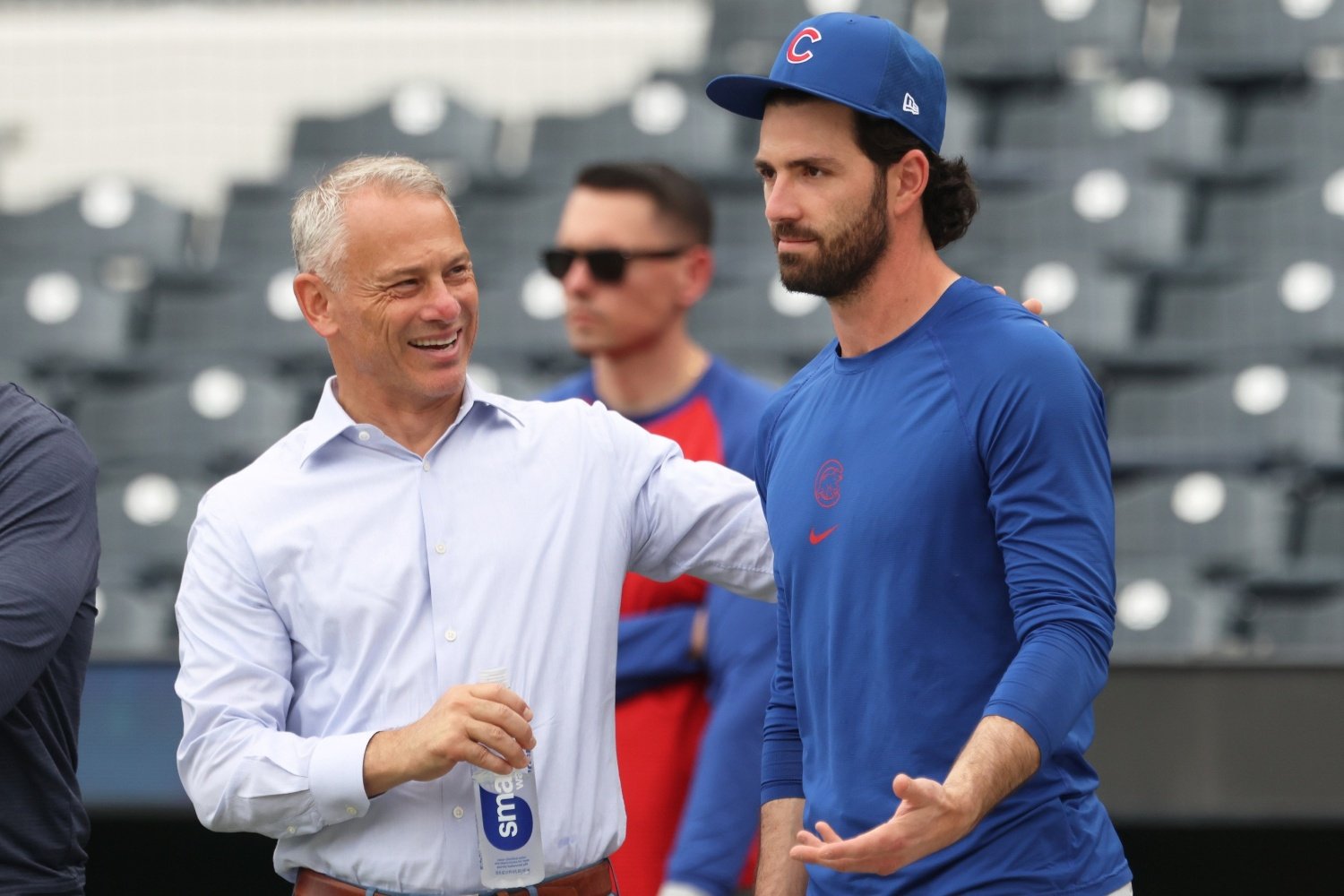 The Cubs are broken, and the system that they have relied on is the cause. For years, the team has sought to contend by eliminating risk. This year, the pendulum has swung to safety too much, and the IVY model cannot save it. Since the glory days of 10 years ago (or, rather, since five years before that; the transformation was well underway by the year they finally won the World Series), the Cubs have gradually drifted toward a modeling scouting system rather than old-school, boots-on-the-ground scouting. Sadahev Sharma and Patrick Mooney's article from the Athletic in 2024 will get you up to speed on this if you haven't been already. It's time for the Cubs to update their process by going in a more traditional direction—not as a way to turn back, but as a means of moving forward. Jed Hoyer has built a roster with a high floor. By design, the team has eschewed high-dollar contracts to the top talents in the game, seeking to raise the ceiling by first raising the floor. The issue comes when players age: much like the belly of an aging man, the floor drops with age. Skilled scouting in person would identify certain things that the models wouldn't be able to identify. All contracts are placed through a risk filter; any valuation deemed too risky by the computers leads the team to walk away from a could-be deal. Models are, of course, important. Every organization uses them for aging curves, swing path, contact profiles, and spin rate. But the Cubs increasingly look like a team wedded to their process, to the exclusion of the human elements of roster construction, development and communication. The roster was designed to not collapse. It is, ironically, doing so because of the roster design. The Cubs are filled with reliable veterans with a solid track record. But there is a hidden regression in older players that models can't always predict. As players age, they can go from "good" to "declining" quickly, and from there, it's not far to see "Ryan Pressly" in their player comparison. Nobody can project what a player will look like when their skills begin to decline perfectly. In-person scouts can see things that models miss: guessing on pitches, confidence in abilities, recovery from injury, adaptability to environments, and dealing with failure over a long season. It's hard to measure until they happen, and, as we saw last year with Pressly, once it happens it's sometimes too late. Pressly was brought in to be the steady closer. Scouting could have seen some of his decline coming ahead of time. Really, the Cubs did see it, but they let their evaluation systems sell them on trading for him, anyway. Intangibles cannot be measured by analytical models, either. Star players, regardless of their personality type, help a clubhouse. Pressure on lesser players is alleviated when players like Aaron Judge, Kyle Schwarber, and Bobby Witt, Jr. shoulder the lion's share of it. This team, though, the pressure seems to be felt by every player equally. When the offense is purring, great things (like 10-game winning streaks) can happen. But year after year, Jed Hoyer's approach leads to steep cliffs of run production—ones that spiral into a vortex of futility for weeks. Players all feel the pressure on themselves to break the team out of its funk, which makes sense because one weak link can destroy the chain. These are the human moments that in-person scouting can help figure out. This team, built largely to raise their floor, was not built to sustain any regression further than what could be projected. When Cade Horton was injured, there was no way to replace what he would have provided. Dansby Swanson and Alex Bregman are locked in for years. If their decline this year is real, this will age quite poorly. No model engine will churn out a prediction that Ian Happ and Seiya Suzuki go a fortnight without coming up with a big hit, but we just saw that happen. The Cubs invested heavily in their process, and they believe it's the best approach. Unfortunately, they have been overconfident in the models and underestimated the human side of baseball. The Brewers, for example, have a robust scouting system to validate their models. The Rays and Dodgers, noted for their intelligence, function similarly. Models are great for spitting out data and recommendations; how a player fits in the clubhouse and roster is where scouts are needed. The Cubs are a team built to accumulate WAR, not wins. They need to strike a better balance in their team-building approach going forward. Winning the division in PECOTA doesn't mean anything when the Brewers continually outclass the Cubs. In this season, one where the team was expected to contend for a World Series, the team has no model-based answer for what they need to do. As humans, they have to show it on the field.
 -
According to USA Today columnist Bob Nightengale, the Cubs have signed veteran reliever Aaron Bummer to a minor-league contract. Bummer was released from the Atlanta Braves in his third season there after struggling to a 7.63 ERA in 19 appearances. In 2025, he was much more successful, striking out almost a batter per inning with a 3.52 ERA. Bummer returns to Chicago, where he debuted back in 2017. For his career, his ERA is 3.44 with a 1.34 WHIP. His velocity has slipped in his age-32 season down to 90 mph from 93 just two seasons ago. Fans shouldn’t expect much, but he could play a role in Chicago if he can limit hard contact and walks. He’ll look to recapture his career success in Iowa’s bullpen. View full rumor
-
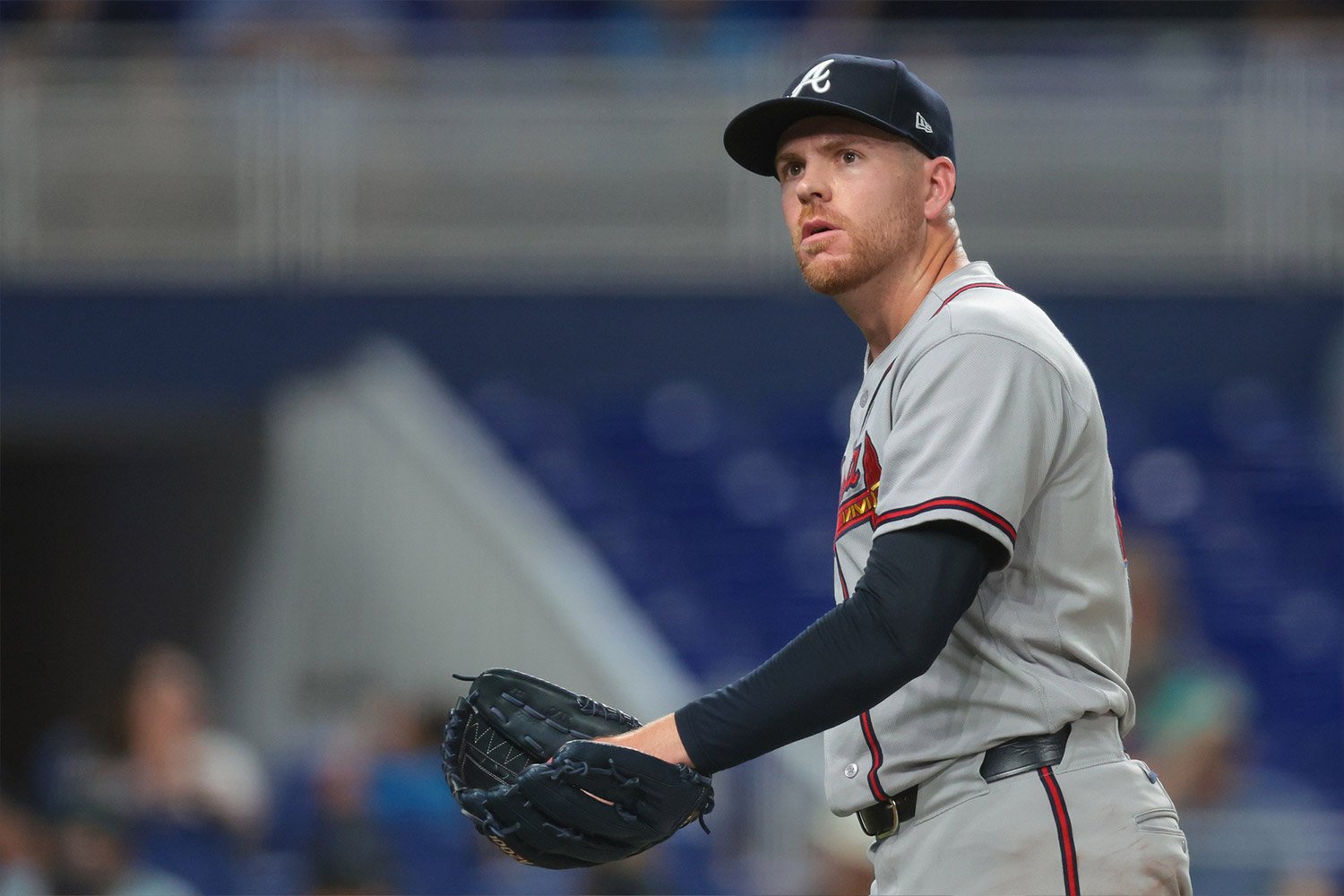 According to USA Today columnist Bob Nightengale, the Cubs have signed veteran reliever Aaron Bummer to a minor-league contract. Bummer was released from the Atlanta Braves in his third season there after struggling to a 7.63 ERA in 19 appearances. In 2025, he was much more successful, striking out almost a batter per inning with a 3.52 ERA. Bummer returns to Chicago, where he debuted back in 2017. For his career, his ERA is 3.44 with a 1.34 WHIP. His velocity has slipped in his age-32 season down to 90 mph from 93 just two seasons ago. Fans shouldn’t expect much, but he could play a role in Chicago if he can limit hard contact and walks. He’ll look to recapture his career success in Iowa’s bullpen.
 -
According to Bruce Levine of 670 The Score, Jordan Wicks will get another chance to prove himself this weekend. Wicks gave up eight runs in 4 2/3 innings in his first start, but with Matthew Boyd needing a rehab start, Wicks will toe the mound at least one more time. His numbers in Triple A Iowa were stellar in 2026: 12 strikeouts in 15 innings while allowing just seven hits and one earned run. The 26-year-old lefty is running out of time to cement a role in the Cubs staff, both this season and long term. He’ll need a good performance to regain momentum against the Cardinals this weekend. View full rumor
-
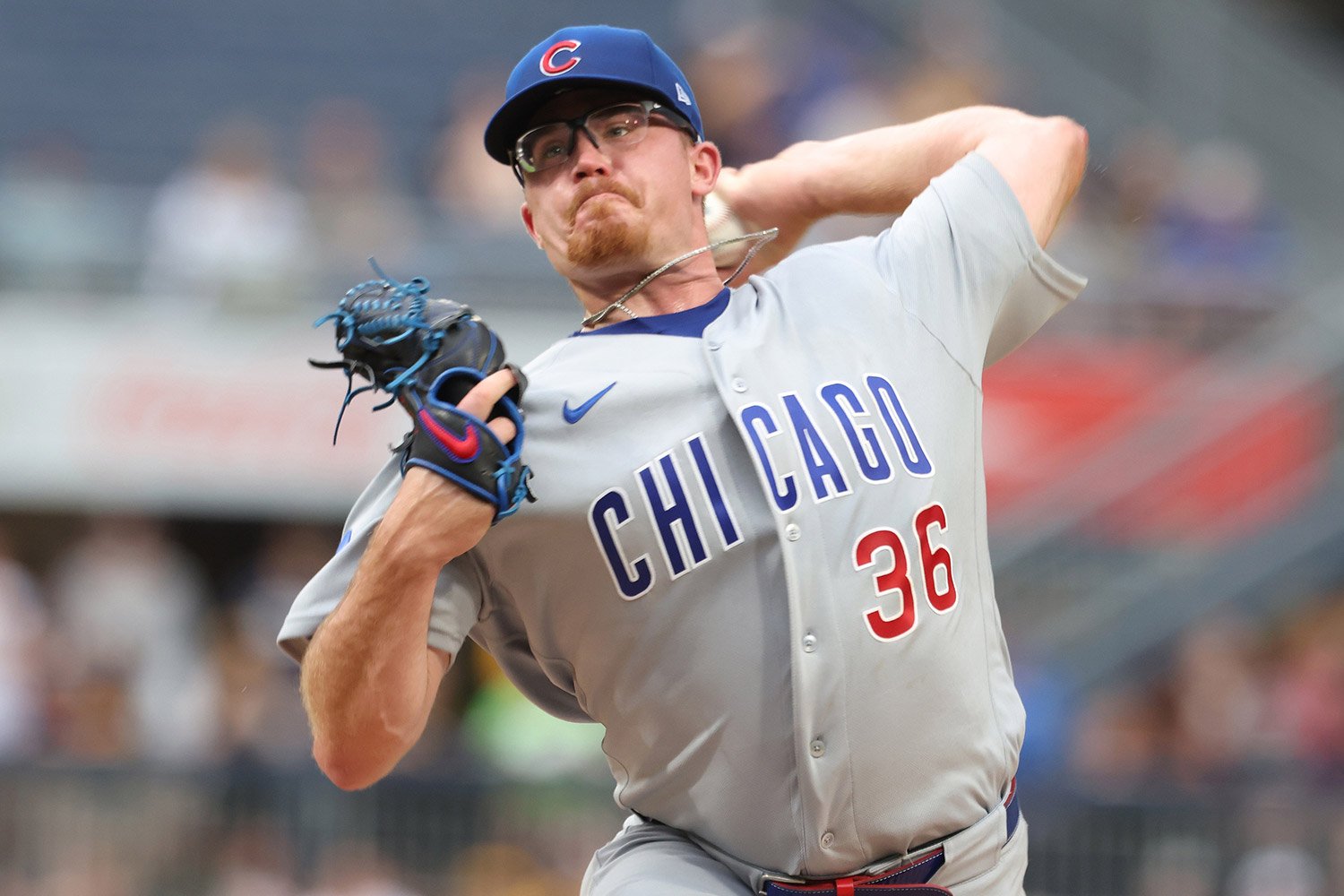 According to Bruce Levine of 670 The Score, Jordan Wicks will get another chance to prove himself this weekend. Wicks gave up eight runs in 4 2/3 innings in his first start, but with Matthew Boyd needing a rehab start, Wicks will toe the mound at least one more time. His numbers in Triple A Iowa were stellar in 2026: 12 strikeouts in 15 innings while allowing just seven hits and one earned run. The 26-year-old lefty is running out of time to cement a role in the Cubs staff, both this season and long term. He’ll need a good performance to regain momentum against the Cardinals this weekend.
 -
According to Britt Ghiroli of The Athletic, the Chicago Cubs are signing Liam Hendriks to a minor-league deal. Hendricks, now 37, has been a free agent since the Minnesota Twins granted his release. The righty pitcher's velocity was down to 93.4 miles per hour; it peaked in 2022 at 97. For Boston last year, he tallied a 6.59 ERA in 13.2 innings. It's purely an upside play that Hendricks has one more year to squeeze out of his arm. Since 2022, injuries and health have dominated Hendricks' story. He overcame cancer, only to succumb to Tommy John surgery in his return season. With numerous relievers on the shelf, the Cubs will look to catch lightning in a bottle with Liam Hendricks. He was one of the most dominant relievers in the sport from 2018-2022 and the Cubs will look to unlock some more magic for their late innings. View full rumor
-
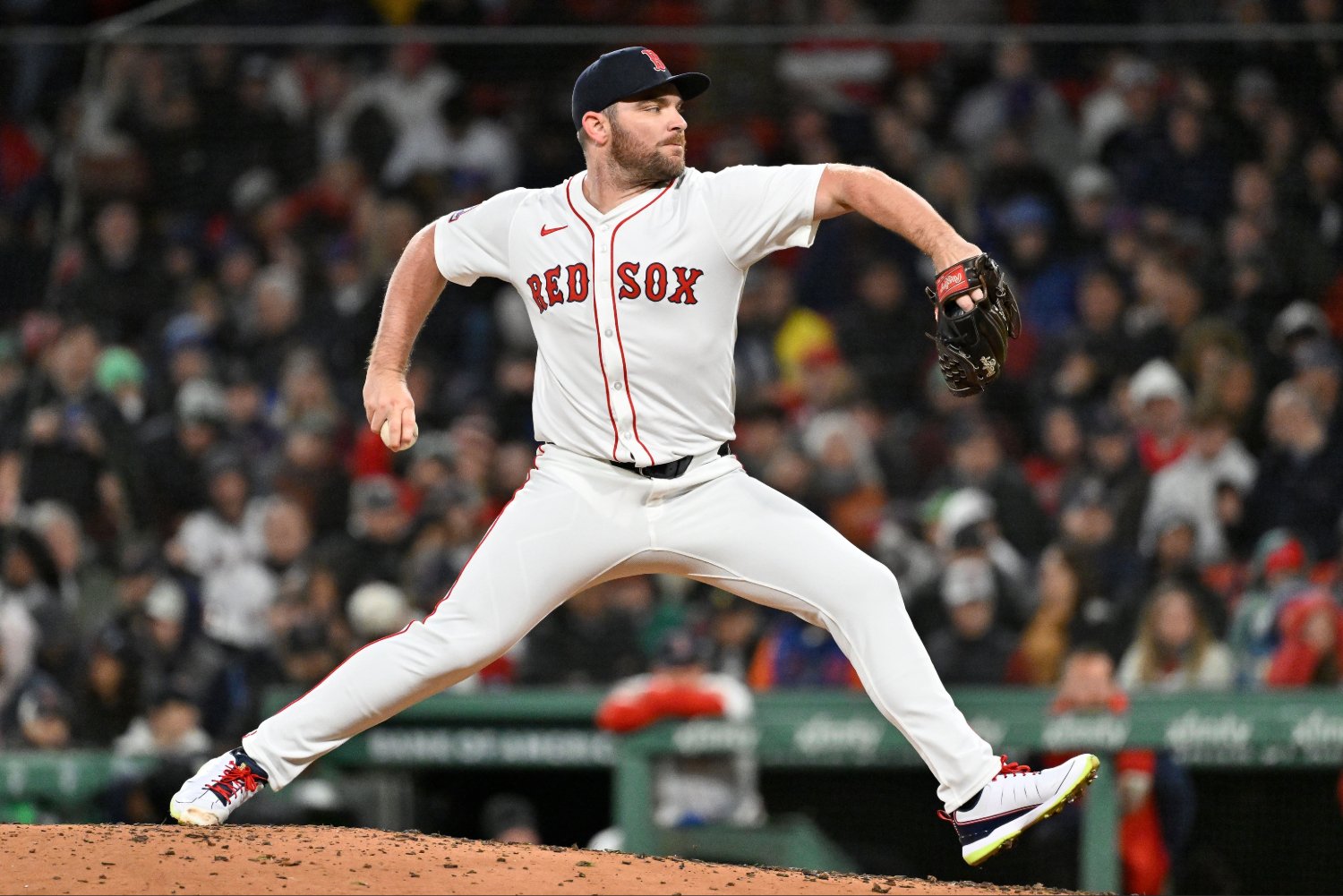 According to Britt Ghiroli of The Athletic, the Chicago Cubs are signing Liam Hendriks to a minor-league deal. Hendricks, now 37, has been a free agent since the Minnesota Twins granted his release. The righty pitcher's velocity was down to 93.4 miles per hour; it peaked in 2022 at 97. For Boston last year, he tallied a 6.59 ERA in 13.2 innings. It's purely an upside play that Hendricks has one more year to squeeze out of his arm. Since 2022, injuries and health have dominated Hendricks' story. He overcame cancer, only to succumb to Tommy John surgery in his return season. With numerous relievers on the shelf, the Cubs will look to catch lightning in a bottle with Liam Hendricks. He was one of the most dominant relievers in the sport from 2018-2022 and the Cubs will look to unlock some more magic for their late innings.
 -
Image courtesy of © Nathan Ray Seebeck-Imagn Images The Cubs' pitching depth has been annihilated by injuries. The bullpen has lost its projected closer and top three setup options. Cade Horton is done for the year, and Justin Steele just had a setback. The rotation in Iowa is so thin that they only have one traditional starter. This isn't luck. This is a risky plan gone awry. Let's look at the injuries one by one. You'll see the common thread: not randomness, but identifiable durability concerns. Cade Horton: Elbow; previous Tommy John surgery and shoulder issues Caleb Thielbar: Hamstring; 39 years old Hunter Harvey: Tricepts; pitched 15 innings combined the past two years Daniel Palencia: Lat strain; battled shoulder issues last year and throws a million miles an hour Ethan Roberts: Attacked by a falling vent; is not rich enough to have others do routine housework or to buy fancy no-slice vents Riley Martin: Elbow inflammation; is a pitcher Phil Maton: Knee, also older pitcher (now back on the roster) Matthew Boyd: Bicep strain; has been hurt more than healthy in career spanning over a decade (now back on the roster) Let's look at the bullpen first. Relying on two pitchers over age 35 as your high-leverage adds is always going to carry added risk. Their arms are sound, but the aches and pains and strains come fast and furious as you age. With Maton's knee and Thielbar's hamstring, this struck. Soft tissue and joint injuries become more common for older players. Added to the risk inherent in the pitchers' arms, this was always a gamble. The younger pitchers were also risky. Any contribution by Harvey was always going to be a bonus; that's why spending so much on him felt peculiar in the first place. Palencia is battling recurring shoulder issues, and even top-100 prospect Jaxon Wiggins is injured, taking away a possibility for help. Jed Hoyer tried to build a bullpen, but each player took a significant durability concern into the season. The Cubs put a huge amount of faith in Horton this year. That, too, was always a gamble. Horton came into his pro career having pitched 53 2/3 innings in college and coming off Tommy John surgery. He was then babied through a year in the minors, averaging barely four innings per start, only to injure his shoulder the next year. Horton is a prime example of the axiom that the best predictor of future injury is past injury, particularly when the injuries are all to the same pitching arm. The team babied him again in late 2025, and he still went down, again. The rest of the rotation has a similar risk. Edward Cabrera has been injured for parts of every year of his career. Boyd is 35 and has his own injury demons to counter. Colin Rea is 35, and Javier Assad had a lost season last year with an oblique issue. Shota Imanaga had a hamstring issue last year. Jameson Taillon had a calf strain and a groin strain. The Cubs didn't spend on Dylan Cease, who cost a premium because he never misses a start. Instead, they chose to spread their resources more evenly (and, of course, to spend less than the Blue Jays are spending on their roster, overall). This could work if arms are available to call up, but to this point, there are no reliable options in the minor leagues. Instead, they now have a cheaper but thinner rotation, and it's backfired. They'll have to spend either money or farm-system talent (the latter, at least, being in short supply at the moment) to reinforce this stuff before the trade deadline. This can all still work, given the Cubs' elite defense and deep offense. The Cubs should remain in contention this summer. But against good teams, both in the regular season and the playoffs, pitching reigns supreme. The Cubs, at this point, are lacking in that department, with few internal options to supplement. It's probably more a failure of the scouting and development side than anything else, but that's Hoyer's responsibility, just as his choices with regard to trades and free agency are. View full article
-
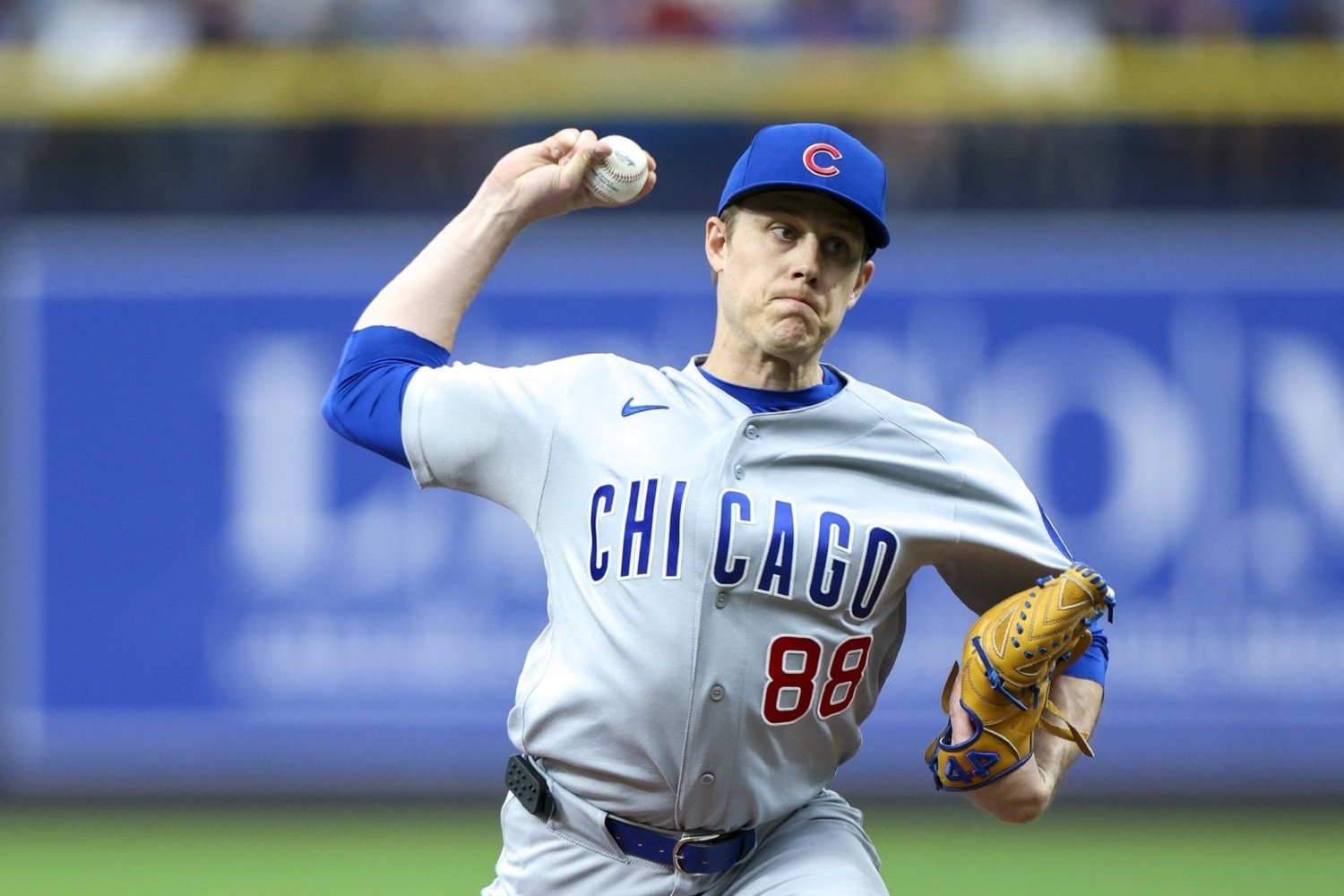 The Cubs' pitching depth has been annihilated by injuries. The bullpen has lost its projected closer and top three setup options. Cade Horton is done for the year, and Justin Steele just had a setback. The rotation in Iowa is so thin that they only have one traditional starter. This isn't luck. This is a risky plan gone awry. Let's look at the injuries one by one. You'll see the common thread: not randomness, but identifiable durability concerns. Cade Horton: Elbow; previous Tommy John surgery and shoulder issues Caleb Thielbar: Hamstring; 39 years old Hunter Harvey: Tricepts; pitched 15 innings combined the past two years Daniel Palencia: Lat strain; battled shoulder issues last year and throws a million miles an hour Ethan Roberts: Attacked by a falling vent; is not rich enough to have others do routine housework or to buy fancy no-slice vents Riley Martin: Elbow inflammation; is a pitcher Phil Maton: Knee, also older pitcher (now back on the roster) Matthew Boyd: Bicep strain; has been hurt more than healthy in career spanning over a decade (now back on the roster) Let's look at the bullpen first. Relying on two pitchers over age 35 as your high-leverage adds is always going to carry added risk. Their arms are sound, but the aches and pains and strains come fast and furious as you age. With Maton's knee and Thielbar's hamstring, this struck. Soft tissue and joint injuries become more common for older players. Added to the risk inherent in the pitchers' arms, this was always a gamble. The younger pitchers were also risky. Any contribution by Harvey was always going to be a bonus; that's why spending so much on him felt peculiar in the first place. Palencia is battling recurring shoulder issues, and even top-100 prospect Jaxon Wiggins is injured, taking away a possibility for help. Jed Hoyer tried to build a bullpen, but each player took a significant durability concern into the season. The Cubs put a huge amount of faith in Horton this year. That, too, was always a gamble. Horton came into his pro career having pitched 53 2/3 innings in college and coming off Tommy John surgery. He was then babied through a year in the minors, averaging barely four innings per start, only to injure his shoulder the next year. Horton is a prime example of the axiom that the best predictor of future injury is past injury, particularly when the injuries are all to the same pitching arm. The team babied him again in late 2025, and he still went down, again. The rest of the rotation has a similar risk. Edward Cabrera has been injured for parts of every year of his career. Boyd is 35 and has his own injury demons to counter. Colin Rea is 35, and Javier Assad had a lost season last year with an oblique issue. Shota Imanaga had a hamstring issue last year. Jameson Taillon had a calf strain and a groin strain. The Cubs didn't spend on Dylan Cease, who cost a premium because he never misses a start. Instead, they chose to spread their resources more evenly (and, of course, to spend less than the Blue Jays are spending on their roster, overall). This could work if arms are available to call up, but to this point, there are no reliable options in the minor leagues. Instead, they now have a cheaper but thinner rotation, and it's backfired. They'll have to spend either money or farm-system talent (the latter, at least, being in short supply at the moment) to reinforce this stuff before the trade deadline. This can all still work, given the Cubs' elite defense and deep offense. The Cubs should remain in contention this summer. But against good teams, both in the regular season and the playoffs, pitching reigns supreme. The Cubs, at this point, are lacking in that department, with few internal options to supplement. It's probably more a failure of the scouting and development side than anything else, but that's Hoyer's responsibility, just as his choices with regard to trades and free agency are.
 -
Craig Counsell had bad news for fans hoping Justin Steele could return soon and bolster the beleaguered pitching staff on 104.3 The Score. Brutal news all around. Steele, eligible to come off the 60-day injured list at the end of May, has a flexor strain in his left arm. He will be shut down for at least two weeks while the Cubs and his medical team determine the injury severity and next steps. Realistically, this takes Steele out of the rotation mix for most of this season, and at least the majority of the first half. Even a best-case scenario at this point would mean he starts a lengthy rehab assignment toward the end of June, which could maybe position him for a post-All-Star-Break season debut. View full rumor
-
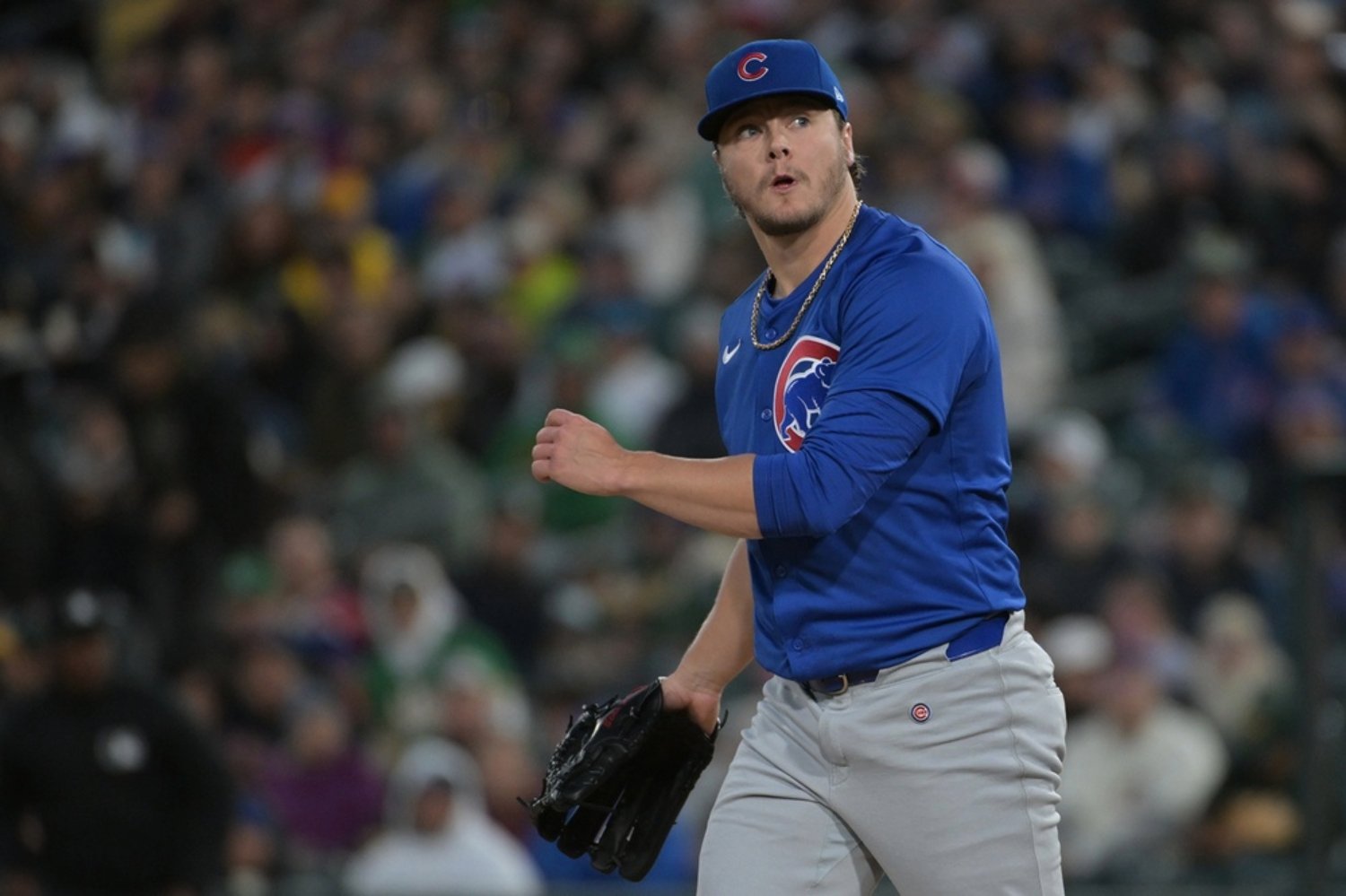 Craig Counsell had bad news for fans hoping Justin Steele could return soon and bolster the beleaguered pitching staff on 104.3 The Score. Brutal news all around. Steele, eligible to come off the 60-day injured list at the end of May, has a flexor strain in his left arm. He will be shut down for at least two weeks while the Cubs and his medical team determine the injury severity and next steps. Realistically, this takes Steele out of the rotation mix for most of this season, and at least the majority of the first half. Even a best-case scenario at this point would mean he starts a lengthy rehab assignment toward the end of June, which could maybe position him for a post-All-Star-Break season debut.
 -
According to ESPN's Jesse Rogers, the Cubs have acquired Nicky Lopez from the Colorado organization: Lopez has played this season for the Rockies' Triple-A squad, batting .333 with a home run in 54 at=bats. Last season, Lopez did play for the Cubs, but was ineffective at the plate with just one hit in 18 at-bats. The Cubs are looking for infield depth and a late-inning defensive replacement. There hasn't been a corresponding move, so it seems as if Lopez will start his time with the Iowa Cubs, not the big-league squad. He can play across the infield. Given the ineffectiveness Scott Kingery has displayed thus far, manager Craig Counsell may opt for Lopez going forward to improve the team's defensive depth. View full rumor
-
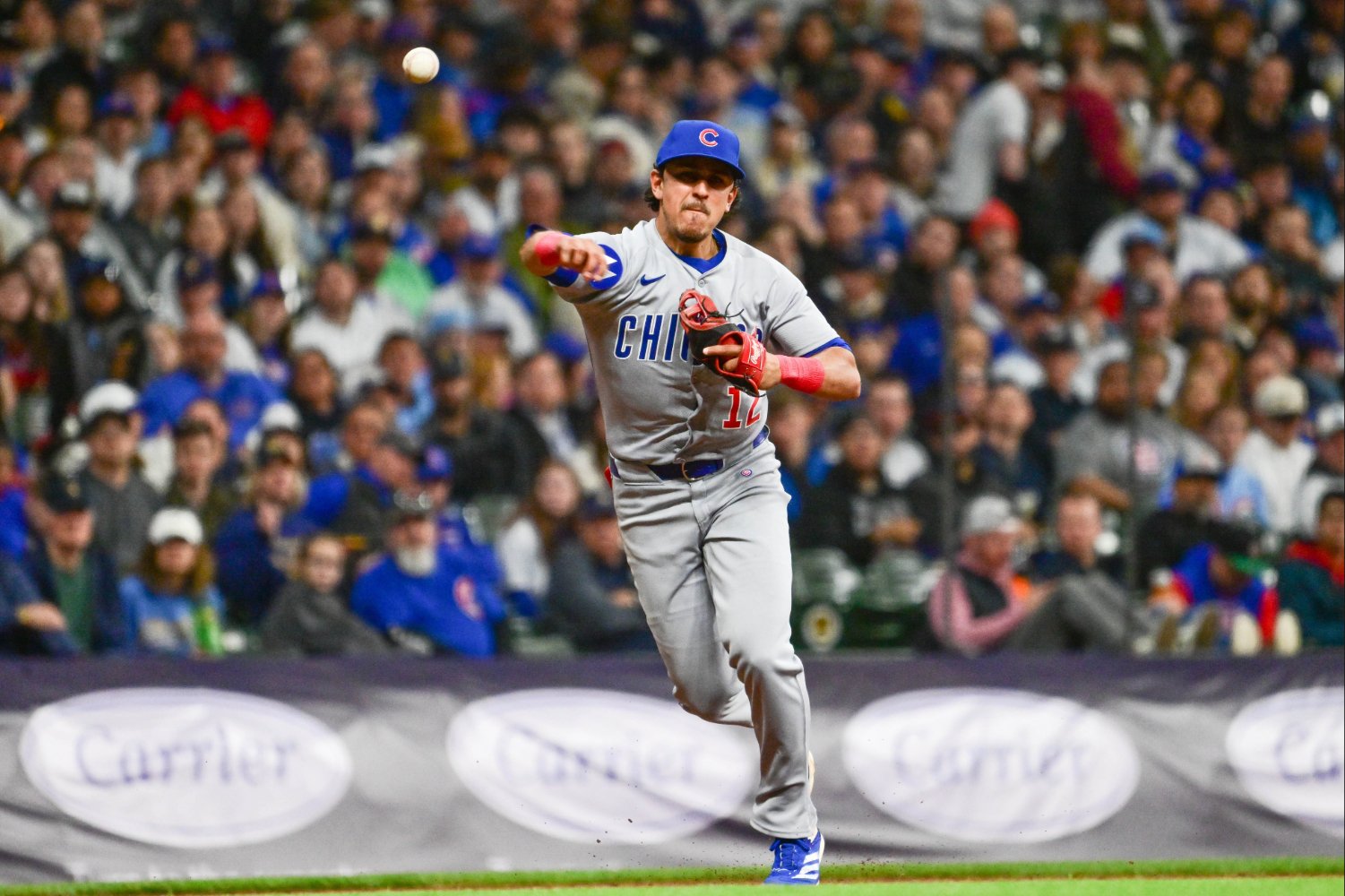 According to ESPN's Jesse Rogers, the Cubs have acquired Nicky Lopez from the Colorado organization: Lopez has played this season for the Rockies' Triple-A squad, batting .333 with a home run in 54 at=bats. Last season, Lopez did play for the Cubs, but was ineffective at the plate with just one hit in 18 at-bats. The Cubs are looking for infield depth and a late-inning defensive replacement. There hasn't been a corresponding move, so it seems as if Lopez will start his time with the Iowa Cubs, not the big-league squad. He can play across the infield. Given the ineffectiveness Scott Kingery has displayed thus far, manager Craig Counsell may opt for Lopez going forward to improve the team's defensive depth.
 -
Image courtesy of © Patrick Gorski-Imagn Images It's not just you. The Cubs' offense has been boom-or-bust this season. The offense is completely dependent on sequential hitting, which leads to some frustrating nights in front of the TV. The Cubs, who lack a reliable 40-homer hitter to anchor the lineup, rely on clusters of hits to score. They're more about depth than star power, even after making a splash by signing Alex Bregman this winter. That makes their performance with runners in scoring position even more important than it usually is. Overall, the Cubs' hitting with runners in scoring position (RISP for short) has been solid: they're 12th in the league with a .256/.346/.393 slash line. In their 15 wins, they've excelled. In their nine losses, though, yeesh: .118/.205/.147. That's uglier than looking at the Cubs pitching IL list. Of course, teams don't hit as well in losses as wins, but Chicago is the most volatile team in the league. Their batting average in losses plummets by .224, relative to their wins. By comparison, the league average is .088. The dynamic with OPS is the same, with a .661 difference (league average: .245). The Cubs aren't just streaky, they're the most boom-or-bust team in the entire league. With a lineup bereft of a legitimate superstar bat, when several players struggle, the entire offense can crater. Corner outfielders Ian Happ and Seiya Suzuki, for example, are really fighting it with RISP. Currently, they are 7-for-42 with 21 strikeouts in these situations. Michael Busch and Pete Crow-Armstrong are also scuffling to start the campaign, which cuts down the number of baserunners and makes the failures with RISP appear more stark. Any struggle in this lineup will make the offense sputter. What does this mean going forward? Probably not as much as one would think. The Cubs recently won a game 2-1 against the Mets, wherein they went 0-for-9 with RISP. With their elite defense and complementary pitching staff, they don't lack alternative ways to win games. They should be fine over the course of the remaining games, but don't be shocked if their offense cools off again for a stretch. After all, it's a reflection of how the roster is constructed. View full article
-
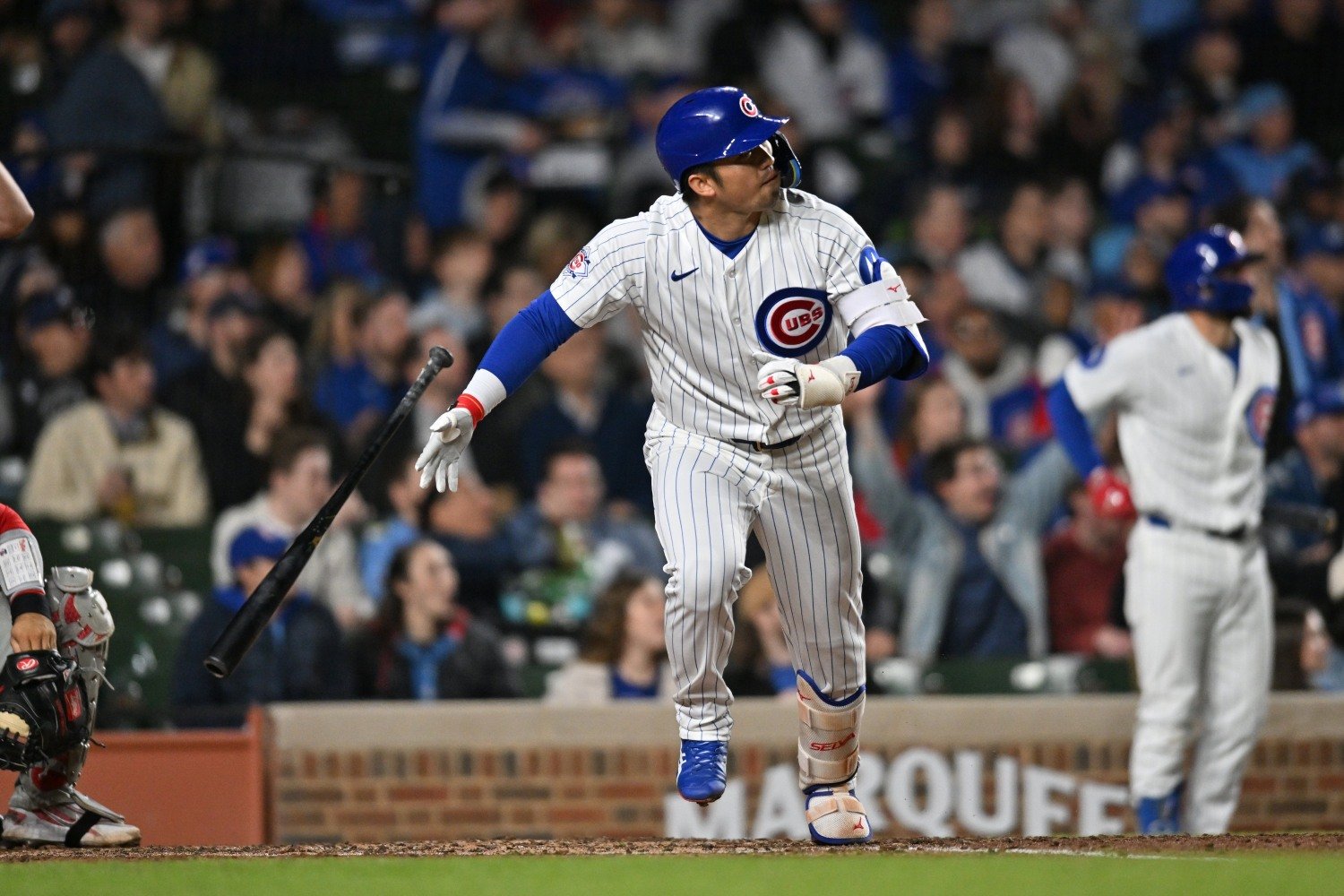 It's not just you. The Cubs' offense has been boom-or-bust this season. The offense is completely dependent on sequential hitting, which leads to some frustrating nights in front of the TV. The Cubs, who lack a reliable 40-homer hitter to anchor the lineup, rely on clusters of hits to score. They're more about depth than star power, even after making a splash by signing Alex Bregman this winter. That makes their performance with runners in scoring position even more important than it usually is. Overall, the Cubs' hitting with runners in scoring position (RISP for short) has been solid: they're 12th in the league with a .256/.346/.393 slash line. In their 15 wins, they've excelled. In their nine losses, though, yeesh: .118/.205/.147. That's uglier than looking at the Cubs pitching IL list. Of course, teams don't hit as well in losses as wins, but Chicago is the most volatile team in the league. Their batting average in losses plummets by .224, relative to their wins. By comparison, the league average is .088. The dynamic with OPS is the same, with a .661 difference (league average: .245). The Cubs aren't just streaky, they're the most boom-or-bust team in the entire league. With a lineup bereft of a legitimate superstar bat, when several players struggle, the entire offense can crater. Corner outfielders Ian Happ and Seiya Suzuki, for example, are really fighting it with RISP. Currently, they are 7-for-42 with 21 strikeouts in these situations. Michael Busch and Pete Crow-Armstrong are also scuffling to start the campaign, which cuts down the number of baserunners and makes the failures with RISP appear more stark. Any struggle in this lineup will make the offense sputter. What does this mean going forward? Probably not as much as one would think. The Cubs recently won a game 2-1 against the Mets, wherein they went 0-for-9 with RISP. With their elite defense and complementary pitching staff, they don't lack alternative ways to win games. They should be fine over the course of the remaining games, but don't be shocked if their offense cools off again for a stretch. After all, it's a reflection of how the roster is constructed.
 -
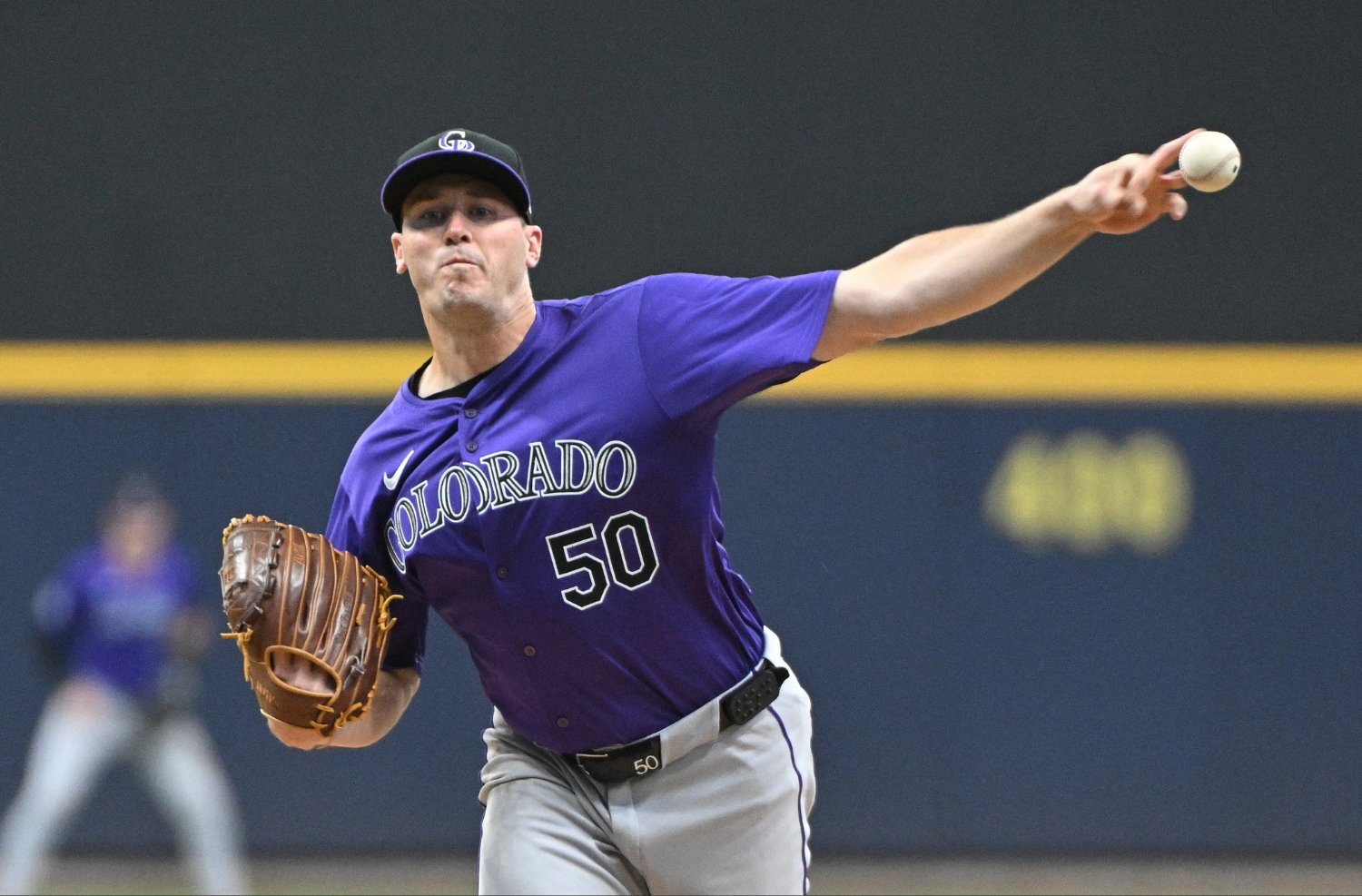 The Chicago Cubs and 35-year-old reliever Ty Blach have signed a minor-league deal, and he will report to Triple-A Iowa. The news was first reported by Tommy Birch: Blach last pitched in the major leagues for Colorado in 2022-2024. In his last season for the Rockies, his ERA was an elevated 6.94 with a 1.70 WHIP. Blach's most successful stretch came from 2016-2018 for the San Francisco Giants, where he threw 299 innings with a 4.36 ERA. In 2025, Blach toiled in the minors in the Rangers' system. Last season, Blach pitched 56 innings with a respectable 3.58 ERA. Command is his hallmark; the fastball doesn't top 89 on average. With such a slow fastball, his seven percent walk rate and 46% ground ball rate are important to his success. If he can limit hard contact, Blach could play a role at some point this season. In a season where the Cubs have eight pitchers on the IL, and two already lost to season-ending UCL injuries, Blach will serve as depth if needed in Chicago. The Cubs likely won't need him, but if injuries continue at this pace the signing could pay dividends.
 -
The Chicago Cubs and 35-year-old reliever Ty Blach have signed a minor-league deal, and he will report to Triple-A Iowa. The news was first reported by Tommy Birch: Blach last pitched in the major leagues for Colorado in 2022-2024. In his last season for the Rockies, his ERA was an elevated 6.94 with a 1.70 WHIP. Blach's most successful stretch came from 2016-2018 for the San Francisco Giants, where he threw 299 innings with a 4.36 ERA. In 2025, Blach toiled in the minors in the Rangers' system. Last season, Blach pitched 56 innings with a respectable 3.58 ERA. Command is his hallmark; the fastball doesn't top 89 on average. With such a slow fastball, his seven percent walk rate and 46% ground ball rate are important to his success. If he can limit hard contact, Blach could play a role at some point this season. In a season where the Cubs have eight pitchers on the IL, and two already lost to season-ending UCL injuries, Blach will serve as depth if needed in Chicago. The Cubs likely won't need him, but if injuries continue at this pace the signing could pay dividends. View full rumor
-
Image courtesy of © Kyle Ross-Imagn Images Cubs fans are waiting out an exceptionally cold stretch from Michael Busch, but it's one he will likely shake soon. The beginning of the season has made his incredible 2025 fade into memory. Busch, though, didn't just have a good 2025. For the season, he hit at the level of a top-10 offensive player, but he's not treated that way. Here are a couple of impressive lists about his offense, so we remember whom we're talking about. Only Qualifying Players With Higher 2025 wRC+ than Michael Busch Aaron Judge Shohei Ohtani George Springer Cal Raleigh Juan Soto Kyle Schwarber Ketel Marte Pete Alonso Only Players With Higher 2025 wRC+ than Michael Busch vs. RHP Judge Ohtani Springer Soto Alonso These lists are the best of the best in baseball. According to wRC+, Michael Busch was a top-10 hitter overall in 2025. With 34 home runs, an .866 OPS and four postseason home runs, Busch shouldn't be a source of consternation among Cubs fans, or nationally—even when he's at his worst. But offseason rankings paint a different picture. National writers didn't buy into Busch as a true top-10 hitter, and barely a top-10 first baseman. Buster Olney of ESPN, for example, rated Busch ninth at the position. MLB.com placed him ninth as well. And in fantasy baseball, Razzball placed him seventh in one list and 10th in another. He's not respected as an elite hitter or player. Maybe this slump is a reasonable reminder for us that he's actually a step below that tier. Busch, though, is a very good player. His above-average defensive metrics this year are good evidence of that. Obviously, the bat was more than solid last season. Cubs fans should look forward to the three seasons of team control the organization still has on Busch, after this year. What can Busch do this season to attain that respect nationally? Aside from avoiding an 0-for-30 stretch again, there are a couple of areas on which to focus. The Dreaded Platoon Busch has not started games against tough left-handed pitching. In the past week, Matt Shaw and Carson Kelly manned first base in those situations. Going back to 2025, Busch's OPS dropped to just .642 against southpaws, vs. .910 against righties. While he did play in 155 games, the perception of a platoon knocks his value down, and the difference in production is stark when placed side by side. He'll need to improve his platoon splits to get that level of respect. Defense Busch's defensive reputation lags behind his offense. At this point, though, his production is better than that reputation, anyway. According to FanGraphs, Busch has a positive defensive value rating, which includes a big negative adjustment for position. By comparison, Gold Glove winner Matt Olson last year was barely positive in that regard. If Busch can maintain even a neutral defensive rating at first base, that would be a boon to his overall value. Caveats abound, however. If you add an 0-for-30 stretch to Busch last year, the batting average dips to .247. He likely won't repeat his .261 from last year, but that's okay. Busch has the potential to be an All-Star, a fixture at first base that Cubs fans can be proud to watch. We'll see if he can narrow the gap between that reality and the perception of him, especially nationally, as this year unfolds. View full article
-
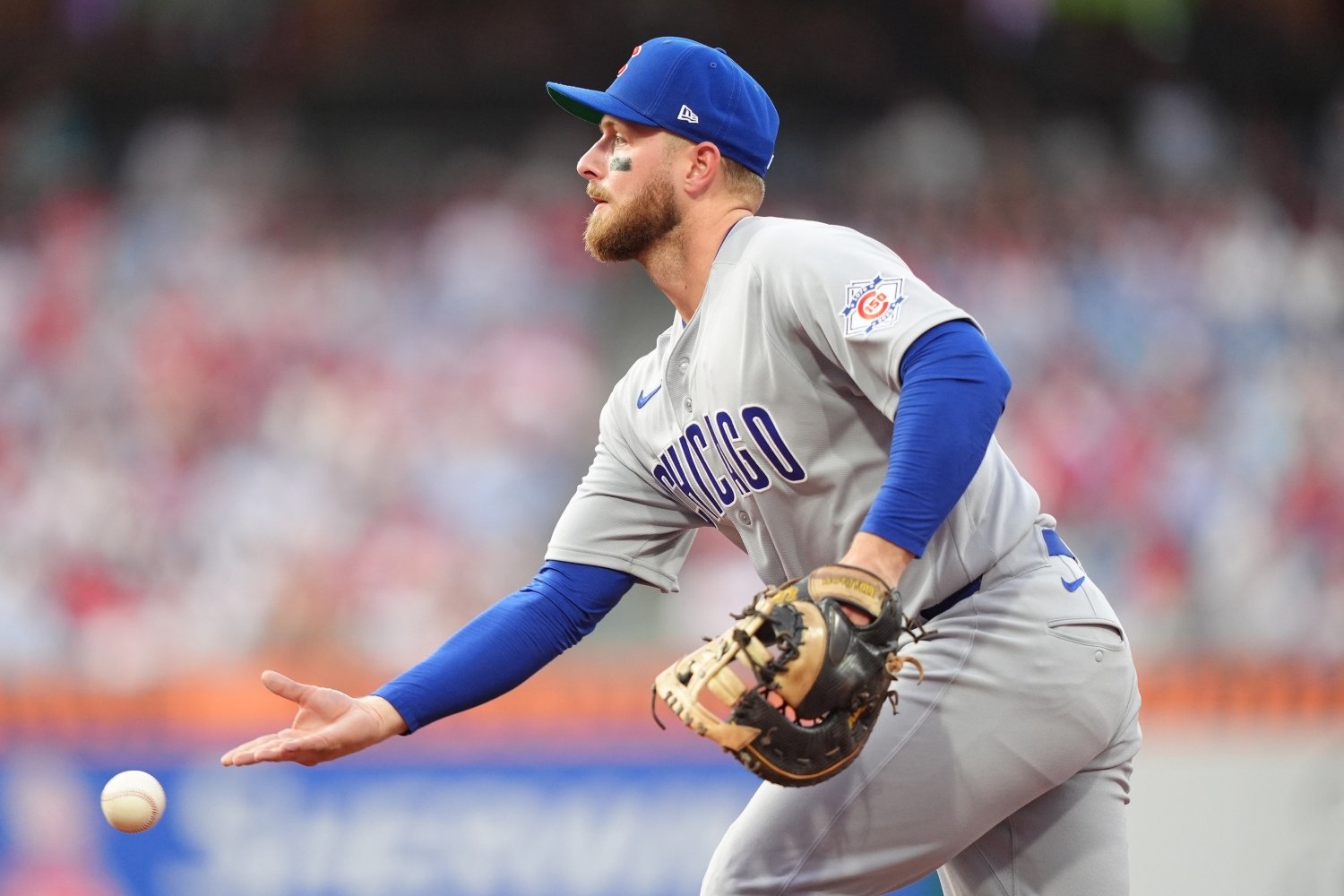 Cubs fans are waiting out an exceptionally cold stretch from Michael Busch, but it's one he will likely shake soon. The beginning of the season has made his incredible 2025 fade into memory. Busch, though, didn't just have a good 2025. For the season, he hit at the level of a top-10 offensive player, but he's not treated that way. Here are a couple of impressive lists about his offense, so we remember whom we're talking about. Only Qualifying Players With Higher 2025 wRC+ than Michael Busch Aaron Judge Shohei Ohtani George Springer Cal Raleigh Juan Soto Kyle Schwarber Ketel Marte Pete Alonso Only Players With Higher 2025 wRC+ than Michael Busch vs. RHP Judge Ohtani Springer Soto Alonso These lists are the best of the best in baseball. According to wRC+, Michael Busch was a top-10 hitter overall in 2025. With 34 home runs, an .866 OPS and four postseason home runs, Busch shouldn't be a source of consternation among Cubs fans, or nationally—even when he's at his worst. But offseason rankings paint a different picture. National writers didn't buy into Busch as a true top-10 hitter, and barely a top-10 first baseman. Buster Olney of ESPN, for example, rated Busch ninth at the position. MLB.com placed him ninth as well. And in fantasy baseball, Razzball placed him seventh in one list and 10th in another. He's not respected as an elite hitter or player. Maybe this slump is a reasonable reminder for us that he's actually a step below that tier. Busch, though, is a very good player. His above-average defensive metrics this year are good evidence of that. Obviously, the bat was more than solid last season. Cubs fans should look forward to the three seasons of team control the organization still has on Busch, after this year. What can Busch do this season to attain that respect nationally? Aside from avoiding an 0-for-30 stretch again, there are a couple of areas on which to focus. The Dreaded Platoon Busch has not started games against tough left-handed pitching. In the past week, Matt Shaw and Carson Kelly manned first base in those situations. Going back to 2025, Busch's OPS dropped to just .642 against southpaws, vs. .910 against righties. While he did play in 155 games, the perception of a platoon knocks his value down, and the difference in production is stark when placed side by side. He'll need to improve his platoon splits to get that level of respect. Defense Busch's defensive reputation lags behind his offense. At this point, though, his production is better than that reputation, anyway. According to FanGraphs, Busch has a positive defensive value rating, which includes a big negative adjustment for position. By comparison, Gold Glove winner Matt Olson last year was barely positive in that regard. If Busch can maintain even a neutral defensive rating at first base, that would be a boon to his overall value. Caveats abound, however. If you add an 0-for-30 stretch to Busch last year, the batting average dips to .247. He likely won't repeat his .261 from last year, but that's okay. Busch has the potential to be an All-Star, a fixture at first base that Cubs fans can be proud to watch. We'll see if he can narrow the gap between that reality and the perception of him, especially nationally, as this year unfolds.
 -
Iowa Cubs reporter Tommy Birch broke the news Tuesday that the Cubs are adding LHP Luke Little and RHP Ryan Rolison to their active roster. With Hunter Harvey (triceps) and Phil Maton (knee) on the shelf, and recently recalled Charlie Barnes unavailable due to pitching three innings of mop-up work, the Cubs' bullpen was in need of fresh arms. The 6-8 LHP Little has struggled with command in Triple-A Iowa, currently sporting a 1.96 WHIP paired with a 4.70 ERA. He has struck out nine batters in seven innings on the mound, but 10 walks in that time frame seem to indicate that he's slated for mop-up duty in Chicago. Rolison has a slightly lower 3.68 ERA, but a higher WHIP at 2.00. Walks are his bugaboo; he has six walks in just seven innings pitched. Rolison does have ten strikeouts, so maybe he can corral his electric stuff in Chicago. View full rumor
-
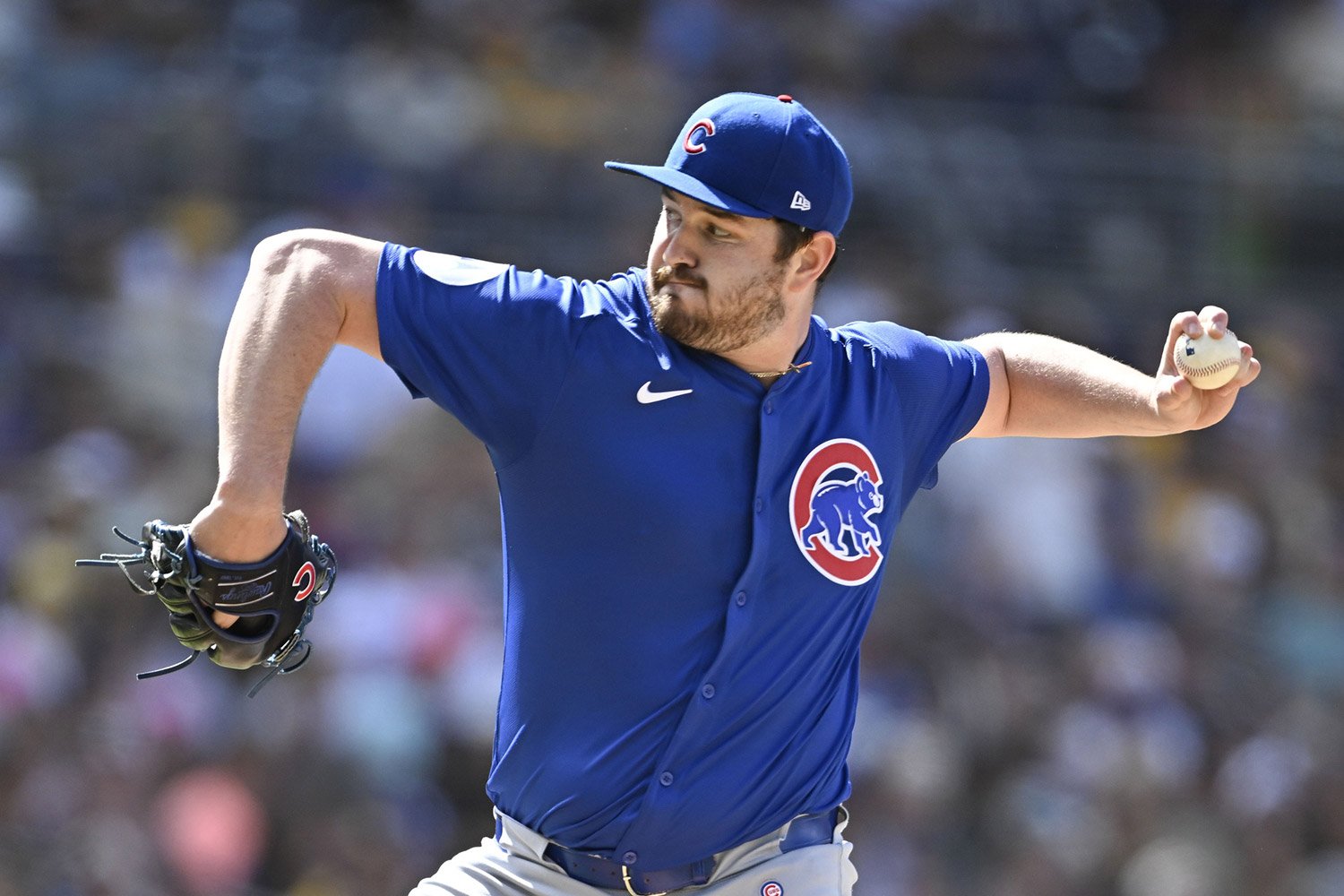 Iowa Cubs reporter Tommy Birch broke the news Tuesday that the Cubs are adding LHP Luke Little and RHP Ryan Rolison to their active roster. With Hunter Harvey (triceps) and Phil Maton (knee) on the shelf, and recently recalled Charlie Barnes unavailable due to pitching three innings of mop-up work, the Cubs' bullpen was in need of fresh arms. The 6-8 LHP Little has struggled with command in Triple-A Iowa, currently sporting a 1.96 WHIP paired with a 4.70 ERA. He has struck out nine batters in seven innings on the mound, but 10 walks in that time frame seem to indicate that he's slated for mop-up duty in Chicago. Rolison has a slightly lower 3.68 ERA, but a higher WHIP at 2.00. Walks are his bugaboo; he has six walks in just seven innings pitched. Rolison does have ten strikeouts, so maybe he can corral his electric stuff in Chicago.
 -
Matthew Boyd threw a bullpen session on Sunday and will make his second rehab start in Iowa later this week. Boyd, on the IL with a bicep injury, seems to have dodged a long-term issue. If all goes well, he'll be slated to pitch next week in a home series vs. the Philadelphia Phillies. Boyd's return will bolster a pitching staff that has been beset with injuries. Cade Horton is done for the season, and the bullpen lost Phil Maton (knee) and Hunter Harvey (arm) for a period of time. Their absence is particularly troublesome with the Cubs about to play 13 games in 13 days. View full rumor
-
 Matthew Boyd threw a bullpen session on Sunday and will make his second rehab start in Iowa later this week. Boyd, on the IL with a bicep injury, seems to have dodged a long-term issue. If all goes well, he'll be slated to pitch next week in a home series vs. the Philadelphia Phillies. Boyd's return will bolster a pitching staff that has been beset with injuries. Cade Horton is done for the season, and the bullpen lost Phil Maton (knee) and Hunter Harvey (arm) for a period of time. Their absence is particularly troublesome with the Cubs about to play 13 games in 13 days.