

.png.396d29669b786f3e4cefa11ecc4b9eac.png)

Brian Kelder
-
Posts
291 -
Joined
-
Last visited
Content Type
Profiles
Joomla Posts 1
Chicago Cubs Videos
Chicago Cubs Free Agent & Trade Rumors, Notes, & Tidbits
2026 Chicago Cubs Top Prospects Ranking
News
2023 Chicago Cubs Draft Picks
Guides & Resources
2024 Chicago Cubs Draft Picks
The Chicago Cubs Players Project
2025 Chicago Cubs Draft Pick Tracker
2026 Chicago Cubs Draft Tracker: Picks & Bonuses
Blogs
Events
Forums
Store
Gallery
Everything posted by Brian Kelder
-
Image courtesy of © Kamil Krzaczynski-Imagn Images Father's Day was a bit of a bust in my household. A nasty stomach bug laid me up, with no parties welcoming the contaminated and no tasty food or beverages. All there was to do was watch the Cubs and the Pirates in the afternoon. The game wasn't the main thing. Given my physical and mental state, it became more about the sorting of emotions of an old, curmudgeonly fan who still smarts about Kyle Schwarber's non-tender and the bungled negotiations with Anthony Rizzo, to finally accept this team as it is. This writer entered a Cubs fog after those two events, to the point of not watching a single inning after the teardown was complete in 2021. Then, in 2022, with little hope. baseball in the Kelder house was consumed by just watching national broadcasts. The cataracts fogging up the fandom continued, in a self-sustaining cycle of doubt and frustration. Between that game and Pete Crow-Armstrong's eighth inning against the Brewers last Tuesday night, though, clarity emerged. A new prescription was filled, and I fully embraced this team again. To further explore this clarity. you have to go back to Kenosha, Wis., and a six-year-old nerd who would watch every game he could on WGN. Ryne Sandberg was just breaking in, and (in 1984) breaking out on a national level. An all-time MLB legend was my favorite, and that of most Cubs fans I knew, too. I wore No. 23; I played second base (a good fit anyway, given my noodle arm) in high school after moving to Onalaska, Wis.; and when my dad, brother, and I went to Cooperstown, his was the first plaque I visited. Fast-forward to 1998 (and the Sammy Sosa era), if you will. Once again, a Cub was in the national spotlight. Similar to Sandberg, Sosa was revered by most fans, overlooking a few flaws for the experience of rooting for a cartoon-level superhero figure—another Wrigley Field hero. While he did fall, and recently has been restored, Sosa was a guy whom Cubs fans had to watch every time he went up to the plate. Derrek Lee, Anthony Rizzo (though that was more the team than one guy), Javier Báez, Ron Santo, Ernie Banks. Wrigley legends, all. They became synonymous with the experience of that park and its rowdy crowds, through the decades. And we've added another this year. Pete Crow-Armstrong is the Cubs. He's not just a statistical monster, although his numbers hold up well. It's the way the kid plays. He hustles. He plays with flair. He has the best bat flips in baseball, and then when interviewed, he shows a humility that is completely unexpected when watching him play. His dugout antics are hilarious, especially his relationship with Seiya Suzuki. He is everything you can ask for in a baseball player, and he's guaranteed to be a Chicago Cub for at least five more seasons. Cub fans who are (say) 15 and under have their Sandberg, their Sosa. And fans who remember these halcyon days can finally see the torch passed to a new player. The rest of baseball is watching. Pete Crow-Armstrong is the newest Wrigley Field hero, and with his rise has come a return of the feeling around Wrigley that never quite took root even over the last two, tried-and-failed summers. View full article
-
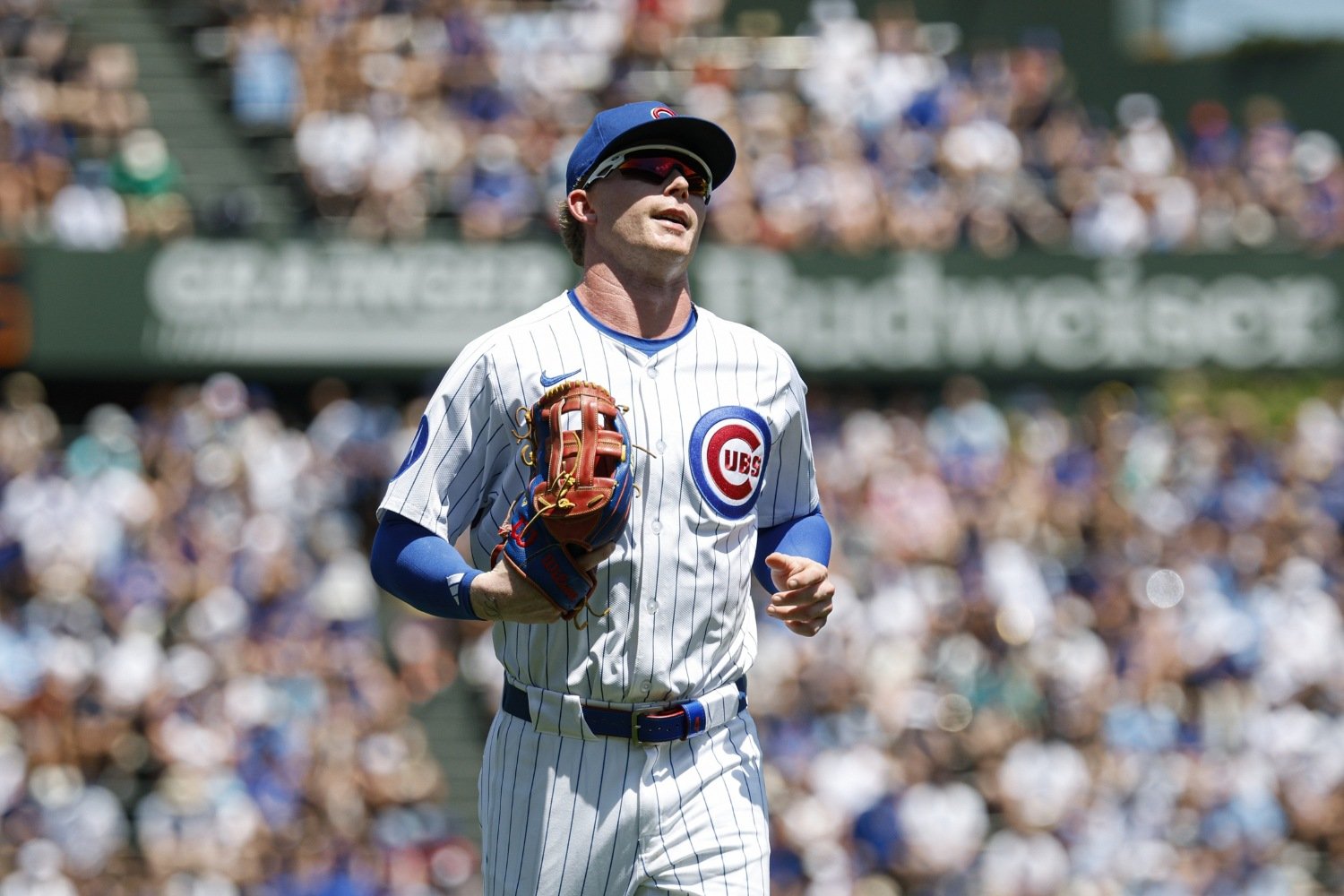 Father's Day was a bit of a bust in my household. A nasty stomach bug laid me up, with no parties welcoming the contaminated and no tasty food or beverages. All there was to do was watch the Cubs and the Pirates in the afternoon. The game wasn't the main thing. Given my physical and mental state, it became more about the sorting of emotions of an old, curmudgeonly fan who still smarts about Kyle Schwarber's non-tender and the bungled negotiations with Anthony Rizzo, to finally accept this team as it is. This writer entered a Cubs fog after those two events, to the point of not watching a single inning after the teardown was complete in 2021. Then, in 2022, with little hope. baseball in the Kelder house was consumed by just watching national broadcasts. The cataracts fogging up the fandom continued, in a self-sustaining cycle of doubt and frustration. Between that game and Pete Crow-Armstrong's eighth inning against the Brewers last Tuesday night, though, clarity emerged. A new prescription was filled, and I fully embraced this team again. To further explore this clarity. you have to go back to Kenosha, Wis., and a six-year-old nerd who would watch every game he could on WGN. Ryne Sandberg was just breaking in, and (in 1984) breaking out on a national level. An all-time MLB legend was my favorite, and that of most Cubs fans I knew, too. I wore No. 23; I played second base (a good fit anyway, given my noodle arm) in high school after moving to Onalaska, Wis.; and when my dad, brother, and I went to Cooperstown, his was the first plaque I visited. Fast-forward to 1998 (and the Sammy Sosa era), if you will. Once again, a Cub was in the national spotlight. Similar to Sandberg, Sosa was revered by most fans, overlooking a few flaws for the experience of rooting for a cartoon-level superhero figure—another Wrigley Field hero. While he did fall, and recently has been restored, Sosa was a guy whom Cubs fans had to watch every time he went up to the plate. Derrek Lee, Anthony Rizzo (though that was more the team than one guy), Javier Báez, Ron Santo, Ernie Banks. Wrigley legends, all. They became synonymous with the experience of that park and its rowdy crowds, through the decades. And we've added another this year. Pete Crow-Armstrong is the Cubs. He's not just a statistical monster, although his numbers hold up well. It's the way the kid plays. He hustles. He plays with flair. He has the best bat flips in baseball, and then when interviewed, he shows a humility that is completely unexpected when watching him play. His dugout antics are hilarious, especially his relationship with Seiya Suzuki. He is everything you can ask for in a baseball player, and he's guaranteed to be a Chicago Cub for at least five more seasons. Cub fans who are (say) 15 and under have their Sandberg, their Sosa. And fans who remember these halcyon days can finally see the torch passed to a new player. The rest of baseball is watching. Pete Crow-Armstrong is the newest Wrigley Field hero, and with his rise has come a return of the feeling around Wrigley that never quite took root even over the last two, tried-and-failed summers.
 -
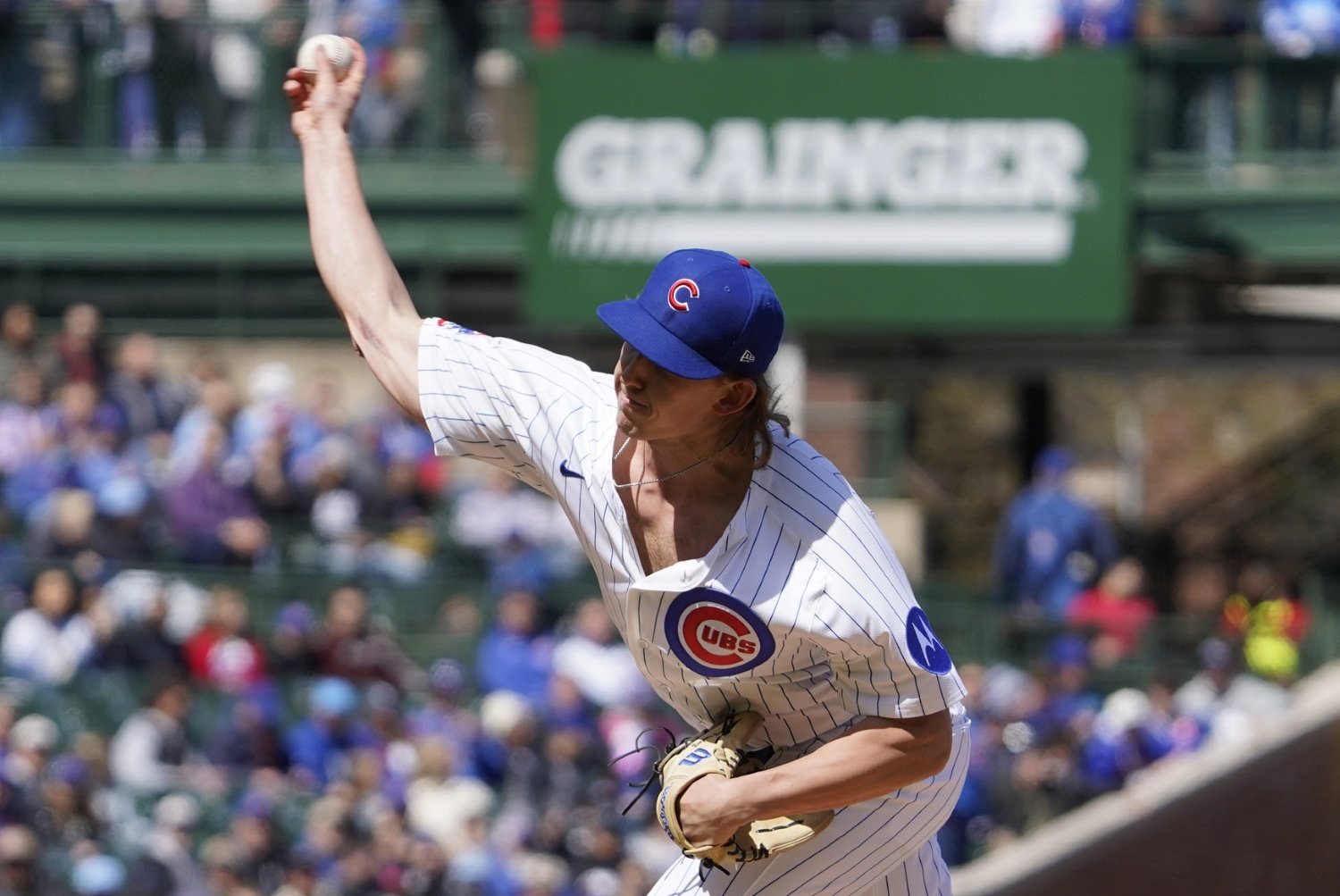 The Cubs are flying high, with a shiny 41-26 record and a five-game first-place cushion in the NL Central. It's a season with immediate and undeniable playoff vibes, one that harkens back to 1989, 1984, or 2008. With Kyle Tucker likely to walk at the end of the season, they can't waste this hot start, so it's time to address the elephant in the room: The starting rotation is patched together with Scotch tape and elephant glue. Let's assume that Shota Imanaga will return, healthy, and sustain his elite pitching. Also, assume that Jameson Taillon can maintain his control-based, pitch-to-contact profile, without having everything fly over the fence. These two are rock steady. Colin Rea is what he is, as well. Even treating those three as constants, though, the rest of the rotation proposes unanswered questions. And the answers could be thrilling! But they could also drag the season down. With the division ripe for the taking, these are the questions that need to be resolved for each arm. Matthew Boyd: How long does this last? Boyd is like a person of my advanced age going to a New Year's Eve party. You get there at nine. Everything's going great until around eleven, 30 minutes past your normal bedtime. After much yawning and internal debate, the partygoer decides to leave right at 12, after the ball drops. Success! Or is it? How do you think this partier feels the next day? The man pushed himself beyond what he was used to doing, and the results were diminished. Boyd could face a similar fate. He's already made 13 starts on the season. If he makes nine more, that's the total of his last two seasons combined. He's at around 75 innings on the season, compared to 39 in 2024. Boyd is two starts away from matching his highest games started since 2019. He's going to continue to party; can he maintain effectiveness as he gets further into a season than he has in five years? This is a concern. Boyd has been outstanding this year, quieting critics of the signing. He could very well continue on this path; in 2019, he did make 32 starts, and the season before that, he made 31. He does have a history of being a durable starter, then, although his results weren't this good even back then. At 35 years old, Boyd has to answer the question, at least, of whether he can still be a consistent rotation piece for more than a few months at a time. Cade Horton: Health, of course. 53 innings at Oklahoma 88 innings in the Cubs system 34 innings last season A Tommy John surgery in college and a nearly lost season to a shoulder issue in the minors Horton has proved he can be a viable major-league pitcher, from a pure performance standpoint. He certainly has not answered the durability question, and with a career high of 88 innings for any season, he's never had to figure out how to achieve effectiveness at an elevated innings count. The Cubs will have to carefully manage his health going forward, both to protect the asset and see an effective pitcher in October. Garret Crochet is an interesting comparison. He was an elite performer all season last year, his first as a pro starter, but he had a similar injury history. In order to protect the asset for a trade, he had his workload reduced. Horton isn't Crochet, and these Cubs are not last year's White Sox, but some kind of management plan is in order. Horton has become an exciting asset, but one that is not assured to maintain value. It's an open question if he can remain healthy enough and make the adjustments needed to be a rotation option in the playoffs. Ben Brown: What is real, the FIP or the ERA? A 5.37 ERA is not ideal. If Brown's FIP (representing his skill, independent of fielding support) of 3.13 can be attained, though, that would be quite useful. Do we split the difference and use his Statcast expected ERA of 4.23? It's all very confusing. Is he good or not? Brown is a strikeout pitcher with 78 punchouts in 64 innings. FIP loves strikeout pitchers, but ignores the quality of contact. Guys with high strikeouts tend to have lower FIPs, and also tend to be better pitchers. But what if FIP is misleading? Brown has been discussed often, like here, and also Randy Holt has a great take on it. From here, it seems like Brown has the stuff to punch people out, but when it doesn't work, the contact is hard. He's in the bottom 15% of big-league pitchers in hard-hit rate, and the bottom 7% in exit velocity (the bottom, here, meaning the highest numbers; he's among the worst in baseball at preventing loud contact). He's Adam Dunn, but for pitchers; it's either a rocket allowed or a strikeout. Brown has a ton of potential, and the Cubs paid Craig Counsell a hefty sum to help players like him reach it. He could be a traditional starter, a stretched-out reliever type, or a fireman. If he's the latter, the innings will need to be filled elsewhere. Jed Hoyer, to his credit, seems to understand the fragility here. On *The Show* podcast with Joel Sherman and Jon Heyman, he reiterated his desire to add pitching. It may not need to be a frontline ace, but it needs to be someone who can handle innings reliably. This isn’t a year to play it safe. The division is there. The team is fun. And the window—even if briefly—looks open. The Cubs have the chance to make this a party that doesn’t end early or with a headache. All they need to do is bring in some reinforcements before the clock strikes midnight.
 -
Image courtesy of © David Banks-Imagn Images The Cubs are flying high, with a shiny 41-26 record and a five-game first-place cushion in the NL Central. It's a season with immediate and undeniable playoff vibes, one that harkens back to 1989, 1984, or 2008. With Kyle Tucker likely to walk at the end of the season, they can't waste this hot start, so it's time to address the elephant in the room: The starting rotation is patched together with Scotch tape and elephant glue. Let's assume that Shota Imanaga will return, healthy, and sustain his elite pitching. Also, assume that Jameson Taillon can maintain his control-based, pitch-to-contact profile, without having everything fly over the fence. These two are rock steady. Colin Rea is what he is, as well. Even treating those three as constants, though, the rest of the rotation proposes unanswered questions. And the answers could be thrilling! But they could also drag the season down. With the division ripe for the taking, these are the questions that need to be resolved for each arm. Matthew Boyd: How long does this last? Boyd is like a person of my advanced age going to a New Year's Eve party. You get there at nine. Everything's going great until around eleven, 30 minutes past your normal bedtime. After much yawning and internal debate, the partygoer decides to leave right at 12, after the ball drops. Success! Or is it? How do you think this partier feels the next day? The man pushed himself beyond what he was used to doing, and the results were diminished. Boyd could face a similar fate. He's already made 13 starts on the season. If he makes nine more, that's the total of his last two seasons combined. He's at around 75 innings on the season, compared to 39 in 2024. Boyd is two starts away from matching his highest games started since 2019. He's going to continue to party; can he maintain effectiveness as he gets further into a season than he has in five years? This is a concern. Boyd has been outstanding this year, quieting critics of the signing. He could very well continue on this path; in 2019, he did make 32 starts, and the season before that, he made 31. He does have a history of being a durable starter, then, although his results weren't this good even back then. At 35 years old, Boyd has to answer the question, at least, of whether he can still be a consistent rotation piece for more than a few months at a time. Cade Horton: Health, of course. 53 innings at Oklahoma 88 innings in the Cubs system 34 innings last season A Tommy John surgery in college and a nearly lost season to a shoulder issue in the minors Horton has proved he can be a viable major-league pitcher, from a pure performance standpoint. He certainly has not answered the durability question, and with a career high of 88 innings for any season, he's never had to figure out how to achieve effectiveness at an elevated innings count. The Cubs will have to carefully manage his health going forward, both to protect the asset and see an effective pitcher in October. Garret Crochet is an interesting comparison. He was an elite performer all season last year, his first as a pro starter, but he had a similar injury history. In order to protect the asset for a trade, he had his workload reduced. Horton isn't Crochet, and these Cubs are not last year's White Sox, but some kind of management plan is in order. Horton has become an exciting asset, but one that is not assured to maintain value. It's an open question if he can remain healthy enough and make the adjustments needed to be a rotation option in the playoffs. Ben Brown: What is real, the FIP or the ERA? A 5.37 ERA is not ideal. If Brown's FIP (representing his skill, independent of fielding support) of 3.13 can be attained, though, that would be quite useful. Do we split the difference and use his Statcast expected ERA of 4.23? It's all very confusing. Is he good or not? Brown is a strikeout pitcher with 78 punchouts in 64 innings. FIP loves strikeout pitchers, but ignores the quality of contact. Guys with high strikeouts tend to have lower FIPs, and also tend to be better pitchers. But what if FIP is misleading? Brown has been discussed often, like here, and also Randy Holt has a great take on it. From here, it seems like Brown has the stuff to punch people out, but when it doesn't work, the contact is hard. He's in the bottom 15% of big-league pitchers in hard-hit rate, and the bottom 7% in exit velocity (the bottom, here, meaning the highest numbers; he's among the worst in baseball at preventing loud contact). He's Adam Dunn, but for pitchers; it's either a rocket allowed or a strikeout. Brown has a ton of potential, and the Cubs paid Craig Counsell a hefty sum to help players like him reach it. He could be a traditional starter, a stretched-out reliever type, or a fireman. If he's the latter, the innings will need to be filled elsewhere. Jed Hoyer, to his credit, seems to understand the fragility here. On *The Show* podcast with Joel Sherman and Jon Heyman, he reiterated his desire to add pitching. It may not need to be a frontline ace, but it needs to be someone who can handle innings reliably. This isn’t a year to play it safe. The division is there. The team is fun. And the window—even if briefly—looks open. The Cubs have the chance to make this a party that doesn’t end early or with a headache. All they need to do is bring in some reinforcements before the clock strikes midnight. View full article
-
May was a wonderful month for the Cubs fans, and also (not coincidentally) for the Cubs lineup. This is a contending team, one that measures up to any team in the National League. So, specifically, who really leveled up in the past 30 days? Hitter #3: Seiya Suzuki It's time to appreciate Suzuki for what he is: a consistent run producer. His 27 May RBIs is quite the impressive number, and he's on pace to tally an average of one per game for the season. While short of Hack Wilson's 191 from 1930, Lou Gehrig's 185, or other anti-Depression ball insanity, maybe he can eclipse Sammy Sosa's 160 from 2001. This RBI pace goes against the narrative for Suzuki. Don't let his occasional at-bats where he looks like he completely forgot how to play baseball affect your view of the big picture. He's a solid middle-of-the-order producer. Hitter #2: Dansby Swanson May Stats: .293/.360/.495, 6 HR, 18 R, 15 RBI, 3 steals, .855 OPS This is a rolling graph from FanGraphs displaying the streaky nature of the Cubs' sure-handed shortstop. We just exited one of the good streaks (3 for his last 23 with a 33% strikeout rate). It was always inevitable that he would slow down, but let's just appreciate the month he just had. That's the beauty of this lineup. Last season, there was a cluster of injuries and underperformance in May and June. This season, the Cubs have a sufficiently deep lineup to cover for slumps. And several Cubs did see a performance dip: Michael Busch: .892 OPS in April, .719 in May Carson Kelly: 1.347 OPS in April, .620 in May Kyle Tucker: .935 OPS in April, .882 in May Swanson's OPS was only .638 in April, but spiked to .855 last month. He helped cover for some guys whose production slipped, and carried the offense in some games. When coupled with the always-steady defense, Swanson was a tremendous asset in May. Winner: Pete Crow-Armstrong May Stats: .269/.296/.593, 9 HR, 20 R, 29 RBI, 5 SB, .888 OPS Stats aside, what Crow-Armstrong has done for Cub fans goes beyond baseball. He's the first Cub since Kris Bryant to generate this much national buzz. This one article places him as a future top-three player in the majors. Here's an article calling him MLB's next superstar. He's going in the top two rounds in fantasy drafts at this point. And I bought a Pete Crow-Armstrong shirt. The Cubs have a bona fide talent that is garnering attention nationally, and deservedly so. The numbers back it up: Pete Crow Armstrong is the MVP in the month of May, both for the Cubs and for the league as a whole. View full article
-
 May was a wonderful month for the Cubs fans, and also (not coincidentally) for the Cubs lineup. This is a contending team, one that measures up to any team in the National League. So, specifically, who really leveled up in the past 30 days? Hitter #3: Seiya Suzuki It's time to appreciate Suzuki for what he is: a consistent run producer. His 27 May RBIs is quite the impressive number, and he's on pace to tally an average of one per game for the season. While short of Hack Wilson's 191 from 1930, Lou Gehrig's 185, or other anti-Depression ball insanity, maybe he can eclipse Sammy Sosa's 160 from 2001. This RBI pace goes against the narrative for Suzuki. Don't let his occasional at-bats where he looks like he completely forgot how to play baseball affect your view of the big picture. He's a solid middle-of-the-order producer. Hitter #2: Dansby Swanson May Stats: .293/.360/.495, 6 HR, 18 R, 15 RBI, 3 steals, .855 OPS This is a rolling graph from FanGraphs displaying the streaky nature of the Cubs' sure-handed shortstop. We just exited one of the good streaks (3 for his last 23 with a 33% strikeout rate). It was always inevitable that he would slow down, but let's just appreciate the month he just had. That's the beauty of this lineup. Last season, there was a cluster of injuries and underperformance in May and June. This season, the Cubs have a sufficiently deep lineup to cover for slumps. And several Cubs did see a performance dip: Michael Busch: .892 OPS in April, .719 in May Carson Kelly: 1.347 OPS in April, .620 in May Kyle Tucker: .935 OPS in April, .882 in May Swanson's OPS was only .638 in April, but spiked to .855 last month. He helped cover for some guys whose production slipped, and carried the offense in some games. When coupled with the always-steady defense, Swanson was a tremendous asset in May. Winner: Pete Crow-Armstrong May Stats: .269/.296/.593, 9 HR, 20 R, 29 RBI, 5 SB, .888 OPS Stats aside, what Crow-Armstrong has done for Cub fans goes beyond baseball. He's the first Cub since Kris Bryant to generate this much national buzz. This one article places him as a future top-three player in the majors. Here's an article calling him MLB's next superstar. He's going in the top two rounds in fantasy drafts at this point. And I bought a Pete Crow-Armstrong shirt. The Cubs have a bona fide talent that is garnering attention nationally, and deservedly so. The numbers back it up: Pete Crow Armstrong is the MVP in the month of May, both for the Cubs and for the league as a whole.
 -
Image courtesy of © David Banks-Imagn Images Mike Piazza. Ivan Rodriguez. Johnny Bench. Carguel Kellaya. Apologies for the Harry Caray-esque name combination, but it seemed the most efficient way to capture the shared brilliance of Miguel Amaya and Carson Kelly. Those two have been, while not as significant as the Pete Crow-Armstrong breakout, one of the most significant carrying factors in the early season for Chicago. To grasp their impact, rewind to 2024. Cubs primary catchers last year (Amaya, Christian Bethancourt, Yan Gomes, Tomás Nido) totaled only 1.5 WAR, and Gomes and Nido were so bad they combined for -1.3. They had a .214 batting average, with 57 runs scored, 34 RBIs, and 14 home runs. That group's wRC+ (a holistic measure of offense in wbich 100 is average and higher is better) paints an even bleaker picture. The four backstops averaged approximately 53. This means they were 47% worse than average. Gomes was particularly damaging; he had an untenable 16 wRC+ in what looks likely to be his last gasp of big-league oxygen. The catching position in 2024 was an absolute black hole, a dead spot that was more damaging than any position group the Cubs fielded in 2024. Nowm let's fast forward to 2025, where the Cubs have essentially reincarnated Gabby Hartnett. Of course, they are splitting the playing time, and the counting stats won't look as impressive as one might think. Combine their production, though, and here are the full-season paces when you combine Amaya and Kelly. These are incredible numbers for the catching position. Runs: 116 Home Runs: 40 RBIs: 159 (put them together, and they're leading the league in ribbies, despite Amaya having a possible addition to the ledger thwarted Wednesday afternoon) .288 batting average 8.9 WAR 157 wRC+ This displays the discrepancy these numbers have, compared to their production at the position in 2024: Stat 2025 Cubs 2024 Cubs Runs 116 57 Home Runs 40 14 RBI 159 34 Batting Average .288 .214 WAR 8.9 1.5 wRC+ 157 53 This inspired a deep rabbit-hole dive of historical seasons from catchers who matched this level of offense. There have been some outstanding seasons, of course. If Kelly and Amaya can continue this, the Cubs' aggregate production would be at the level of these two: 1970 Johnny Bench: 97 R, 45 HR, 148 RBI, .293 AVG 1953 Roy Campanella: 125 RBIs, 41 HR, .312 AVG, 103 R Both of these Hall of Fame catchers won MVP awards in these seasons. The comparison isn't quite fair, since we're putting a composite of two players totaling 100% of the playing time up against two guys who had backup backstops and took some days off throughout the season, but it makes a fair point, right? This is elite catcher offense. Of course, it's not likely that they continue doing this. According to the fantasy baseball website Razzball, Kelly has already slowed down (.227/.320/.348 in the past 30 days), which was to be expected. Amaya is picking up the slack (.997 OPS in past 30 days), though, and his swing change success has carried over from August of 2024. But none of that matters, big picture. The Cubs have already received more production in late May than they received all last season at the position. Even with the expected regression to the mean, the catchers for 2025 are offensive assets, not holes in the lineup to patch over. This position has been instrumental to the current first-place iteration of the Cubs. Once a major weakness, the position has become one of the most significant reasons the Cubs sit atop the NL Central. View full article
-
Appreciate the Chicago Cubs' Catchers. They're Doing Something Special.
Brian Kelder posted an article in Cubs
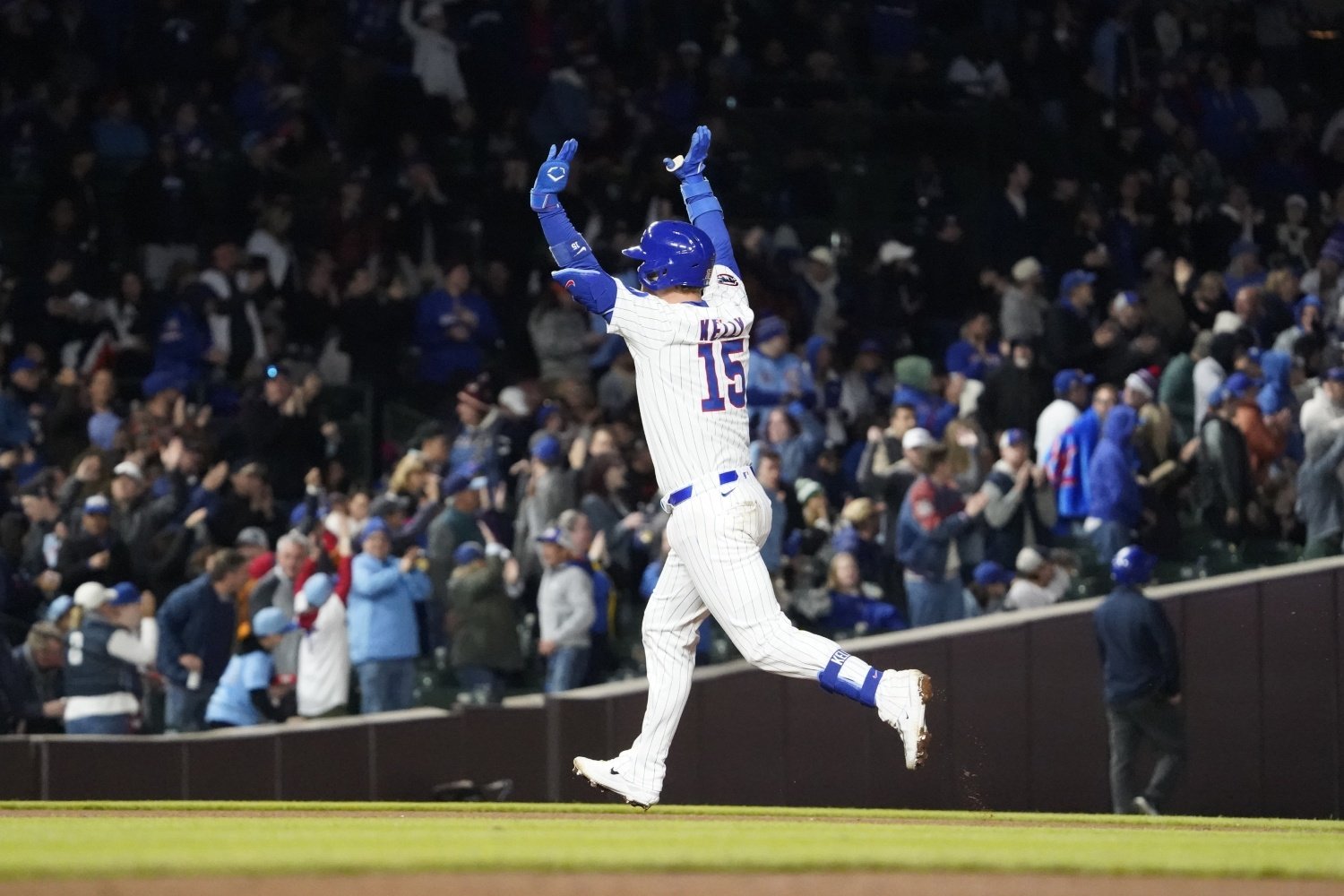 Mike Piazza. Ivan Rodriguez. Johnny Bench. Carguel Kellaya. Apologies for the Harry Caray-esque name combination, but it seemed the most efficient way to capture the shared brilliance of Miguel Amaya and Carson Kelly. Those two have been, while not as significant as the Pete Crow-Armstrong breakout, one of the most significant carrying factors in the early season for Chicago. To grasp their impact, rewind to 2024. Cubs primary catchers last year (Amaya, Christian Bethancourt, Yan Gomes, Tomás Nido) totaled only 1.5 WAR, and Gomes and Nido were so bad they combined for -1.3. They had a .214 batting average, with 57 runs scored, 34 RBIs, and 14 home runs. That group's wRC+ (a holistic measure of offense in wbich 100 is average and higher is better) paints an even bleaker picture. The four backstops averaged approximately 53. This means they were 47% worse than average. Gomes was particularly damaging; he had an untenable 16 wRC+ in what looks likely to be his last gasp of big-league oxygen. The catching position in 2024 was an absolute black hole, a dead spot that was more damaging than any position group the Cubs fielded in 2024. Nowm let's fast forward to 2025, where the Cubs have essentially reincarnated Gabby Hartnett. Of course, they are splitting the playing time, and the counting stats won't look as impressive as one might think. Combine their production, though, and here are the full-season paces when you combine Amaya and Kelly. These are incredible numbers for the catching position. Runs: 116 Home Runs: 40 RBIs: 159 (put them together, and they're leading the league in ribbies, despite Amaya having a possible addition to the ledger thwarted Wednesday afternoon) .288 batting average 8.9 WAR 157 wRC+ This displays the discrepancy these numbers have, compared to their production at the position in 2024: Stat 2025 Cubs 2024 Cubs Runs 116 57 Home Runs 40 14 RBI 159 34 Batting Average .288 .214 WAR 8.9 1.5 wRC+ 157 53 This inspired a deep rabbit-hole dive of historical seasons from catchers who matched this level of offense. There have been some outstanding seasons, of course. If Kelly and Amaya can continue this, the Cubs' aggregate production would be at the level of these two: 1970 Johnny Bench: 97 R, 45 HR, 148 RBI, .293 AVG 1953 Roy Campanella: 125 RBIs, 41 HR, .312 AVG, 103 R Both of these Hall of Fame catchers won MVP awards in these seasons. The comparison isn't quite fair, since we're putting a composite of two players totaling 100% of the playing time up against two guys who had backup backstops and took some days off throughout the season, but it makes a fair point, right? This is elite catcher offense. Of course, it's not likely that they continue doing this. According to the fantasy baseball website Razzball, Kelly has already slowed down (.227/.320/.348 in the past 30 days), which was to be expected. Amaya is picking up the slack (.997 OPS in past 30 days), though, and his swing change success has carried over from August of 2024. But none of that matters, big picture. The Cubs have already received more production in late May than they received all last season at the position. Even with the expected regression to the mean, the catchers for 2025 are offensive assets, not holes in the lineup to patch over. This position has been instrumental to the current first-place iteration of the Cubs. Once a major weakness, the position has become one of the most significant reasons the Cubs sit atop the NL Central.
 -
Image courtesy of © David Banks-Imagn Images When you enter a middle school, one thing you instantly notice is the aggression—especially when you talk about the boys. Look one direction, you see guys playing bloody knuckles. Another direction, there's juveniles slapping the top of doorways like they're dunking. Turn around again, you might see ear flicking. Do you see what I mean? Aggression is par for the course in that world. Jed Hoyer probably was not that type of aggressive when in grades seven or eight. But as I wrote last season, he isn't risk-averse, either. In 2025, we're seeing him at his most aggressive, and it's been a fun ride so far. Perhaps you shouldn't click on that link. Some of the takes haven't aged well at all! Already this week, Moisés Ballesteros has made his big-league debut. This is but the latest in a season wherein the Cubs are fully invested, and the roster moves have reflected that. Hoyer truly is embracing his gunslinger side. When the roster moves are evaluated, it becomes clear how aggressive and responsive the Cubs are being. Nate Pearson was considered a possible staple in the bullpen entering the season. After eight appearances with an ERA over 10.00 and a 7.73 FIP, the plug was pulled. Jordan Wicks has not been heard from since a difficult two-inning stint in April. Luke Little had a wild inning, and is now buried again in Iowa. The depth in the bullpen that the Cubs built this offseason has paid off. There are options when injury or struggles strike. So far, Hoyer and Craig Counsell have given no quarter to noncompetitive relievers. When Shota Imanaga went down with an injury, the expectation was that Chris Flexen or Jordan Wicks would make his next start. Past history would show that the guys on the 40-man roster generally get first crack at the job. As we all know, this was not Gunslinger Jed's plan. Cade Horton came up to fill the 4-inning out-getter role instead. Quite aggressive—and also, just much more fun as a fan. When Ian Happ went down with an oblique strain, most expected Kevin Alcántara or Owen Caissie to receive a cameo. Instead, Ballesteros was rewarded for his scorching (.368/.420/.522) Iowa stats, even though more roster machinations needed to be performed. Once again, Caissie and Alcántara were on the 40-man roster; they were bypassed by the player who was performing better. Roster gymnastics were performed, and the most deserving bat is being given a chance. The quick demotion of Matt Shaw is also instructive about the Cubs' mindset. He was simply not producing competitive at-bats. In this season, the patience cannot be afforded to let anyone struggle at the big-league level. Everyone is on notice—even first-round picks without an obvious alternative to them on the roster. This is my favorite iteration of Hoyer: Cold, calculated, swift, and ruthless. This is the urgency and aggressiveness fans have pined for during the past three seasons of half-measures and soft resets. With the trade deadline two and a half months away and a full holster of prospects, we can expect an exciting summer both on the field and off of it. Why does this matter? Well, the division is behaving much less like everything is on the line, but they're still hanging around. The Brewers have made a trade already to shore up their own pitching shortcomings. They're struggling, but still in the mix. The Cardinals are playing well and sit only one game back of the Cubs. The Pirates, however, are still Paul Skenes and a bunch of meh, and the Reds continue to flounder. An aggressive approach would solidify the Cubs' spot as a playoff team. This window won't remain open for long. Everyone knows Kyle Tucker will hit free agency; he's by no means certain to return. Seiya Suzuki, Ian Happ, and Dansby Swanson all are over 30, and their primes will not last forever. And frankly, some of the prospects are losing their sheen. James Triantos has dropped off the MLB.com top prospects list, and we've already discussed Caissie and Alcántara. The time for this group is now. A favorite gag of middle school kids is the jumping out of the open window, leaving class. While this is largely a relic of the past, Jed Hoyer's window for the playoffs remains wide open. We can all hope he continues to be aggressive and jump through. View full article
-
 When you enter a middle school, one thing you instantly notice is the aggression—especially when you talk about the boys. Look one direction, you see guys playing bloody knuckles. Another direction, there's juveniles slapping the top of doorways like they're dunking. Turn around again, you might see ear flicking. Do you see what I mean? Aggression is par for the course in that world. Jed Hoyer probably was not that type of aggressive when in grades seven or eight. But as I wrote last season, he isn't risk-averse, either. In 2025, we're seeing him at his most aggressive, and it's been a fun ride so far. Perhaps you shouldn't click on that link. Some of the takes haven't aged well at all! Already this week, Moisés Ballesteros has made his big-league debut. This is but the latest in a season wherein the Cubs are fully invested, and the roster moves have reflected that. Hoyer truly is embracing his gunslinger side. When the roster moves are evaluated, it becomes clear how aggressive and responsive the Cubs are being. Nate Pearson was considered a possible staple in the bullpen entering the season. After eight appearances with an ERA over 10.00 and a 7.73 FIP, the plug was pulled. Jordan Wicks has not been heard from since a difficult two-inning stint in April. Luke Little had a wild inning, and is now buried again in Iowa. The depth in the bullpen that the Cubs built this offseason has paid off. There are options when injury or struggles strike. So far, Hoyer and Craig Counsell have given no quarter to noncompetitive relievers. When Shota Imanaga went down with an injury, the expectation was that Chris Flexen or Jordan Wicks would make his next start. Past history would show that the guys on the 40-man roster generally get first crack at the job. As we all know, this was not Gunslinger Jed's plan. Cade Horton came up to fill the 4-inning out-getter role instead. Quite aggressive—and also, just much more fun as a fan. When Ian Happ went down with an oblique strain, most expected Kevin Alcántara or Owen Caissie to receive a cameo. Instead, Ballesteros was rewarded for his scorching (.368/.420/.522) Iowa stats, even though more roster machinations needed to be performed. Once again, Caissie and Alcántara were on the 40-man roster; they were bypassed by the player who was performing better. Roster gymnastics were performed, and the most deserving bat is being given a chance. The quick demotion of Matt Shaw is also instructive about the Cubs' mindset. He was simply not producing competitive at-bats. In this season, the patience cannot be afforded to let anyone struggle at the big-league level. Everyone is on notice—even first-round picks without an obvious alternative to them on the roster. This is my favorite iteration of Hoyer: Cold, calculated, swift, and ruthless. This is the urgency and aggressiveness fans have pined for during the past three seasons of half-measures and soft resets. With the trade deadline two and a half months away and a full holster of prospects, we can expect an exciting summer both on the field and off of it. Why does this matter? Well, the division is behaving much less like everything is on the line, but they're still hanging around. The Brewers have made a trade already to shore up their own pitching shortcomings. They're struggling, but still in the mix. The Cardinals are playing well and sit only one game back of the Cubs. The Pirates, however, are still Paul Skenes and a bunch of meh, and the Reds continue to flounder. An aggressive approach would solidify the Cubs' spot as a playoff team. This window won't remain open for long. Everyone knows Kyle Tucker will hit free agency; he's by no means certain to return. Seiya Suzuki, Ian Happ, and Dansby Swanson all are over 30, and their primes will not last forever. And frankly, some of the prospects are losing their sheen. James Triantos has dropped off the MLB.com top prospects list, and we've already discussed Caissie and Alcántara. The time for this group is now. A favorite gag of middle school kids is the jumping out of the open window, leaving class. While this is largely a relic of the past, Jed Hoyer's window for the playoffs remains wide open. We can all hope he continues to be aggressive and jump through.
 -
Image courtesy of © Gregory Fisher-Imagn Images For my brother-in-law's wedding in historic New Bern, NC (where Pepsi was invented), we stayed in a bed-and-breakfast. The house was old, and there were creepy photos on the wall in which you would swear the eyes were following you. During the night, we heard a loud shout and what sounded like a group of people marching. My wife and daughter heard it as well, and we figured it was just local drunks. Until the next morning. We asked around, and nobody had heard it but us. People down the hall did not. People in the next house over did not. The owner, crickets. There is but one explanation. We were haunted by ghosts. Much like Cubs fans with bullpens, in the past. After the weekend series loss to the New York Mets, the ghosts of the Cubs' bullpen once again came to the fore. When even nominal closer Porter Hodge gives up three runs, the ghosts of bullpens past haunt Cubs fans. Memories of Joe Borowski, LaTroy Hawkins, Dave Smith, and Antonio Alfonseca have scarred fans for life. Some readers will remember even Tim Stoddard, Rich Bordi, and the mustachioed George Frazier. But how is it, really, right now? To compare the current Cubs to 2024's crew, check out the article I wrote on that debacle over the winter. But that was last year. For this year, the stats will tell a different story. Just looking at the National League, the Cubs rank 12th in these areas: ERA, WHIP, and walks per nine innings. They are 14th in bullpen strikeout rate, and 11th in wild pitches. In terms of season-long performance, the Cubs are the bottom team of contenders in the NL. We can confidently say the Cubs outpace the Nationals (7.13 bullpen ERA), Diamondbacks (5.02 ERA, missing both of their closers due to injury), and the Marlins (don't care about baseball), even by looking at the big picture. But fans may be missing the mark on the bullpen. When the Nate Pearson, Eli Morgan, and Luke Little types are removed, the picture is much rosier. The current members of the bullpen are providing a 3.76 ERA, which would place them seventh in the league, smack dab between the Dodgers and the Cardinals. But then, let's get really fun and take out the Ryan Pressly Disaster Inning. When those nine earned runs are deleted, the current members sport a 2.95 ERA, as of May 13. That's second-best in the National League. Not bad! Obviously, you can't just undo the loss that outing inflicted on the club, but it's telling that it makes such a large difference. The Giants, as we saw, have an elite bullpen. The current Cubs pen is second only to that group. For further comparisons, here is a list of ERA and WHIP for several other contenders: Dodgers: 3.67 ERA, 1.26 WHIP Brewers: 4.65 ERA, 1.34 WHIP Mets: 3.16 ERA, 1.18 WHIP The Cubs bullpen has been and will continue to be a flashpoint for fans of the Cubs—and any baseball team, honestly. Try Googling "struggling bullpens." I did so, and immediately, Google AI spit out a list of articles with 10 teams, all of which have bullpen issues. But the current iteration is very much alive. Don't let the ghosts of the past haunt how you view the current crop, because they've got some juice. View full article
-
The Ghosts Are Gone: A Closer Look at the Cubs’ Bullpen Resurgence
Brian Kelder posted an article in Cubs
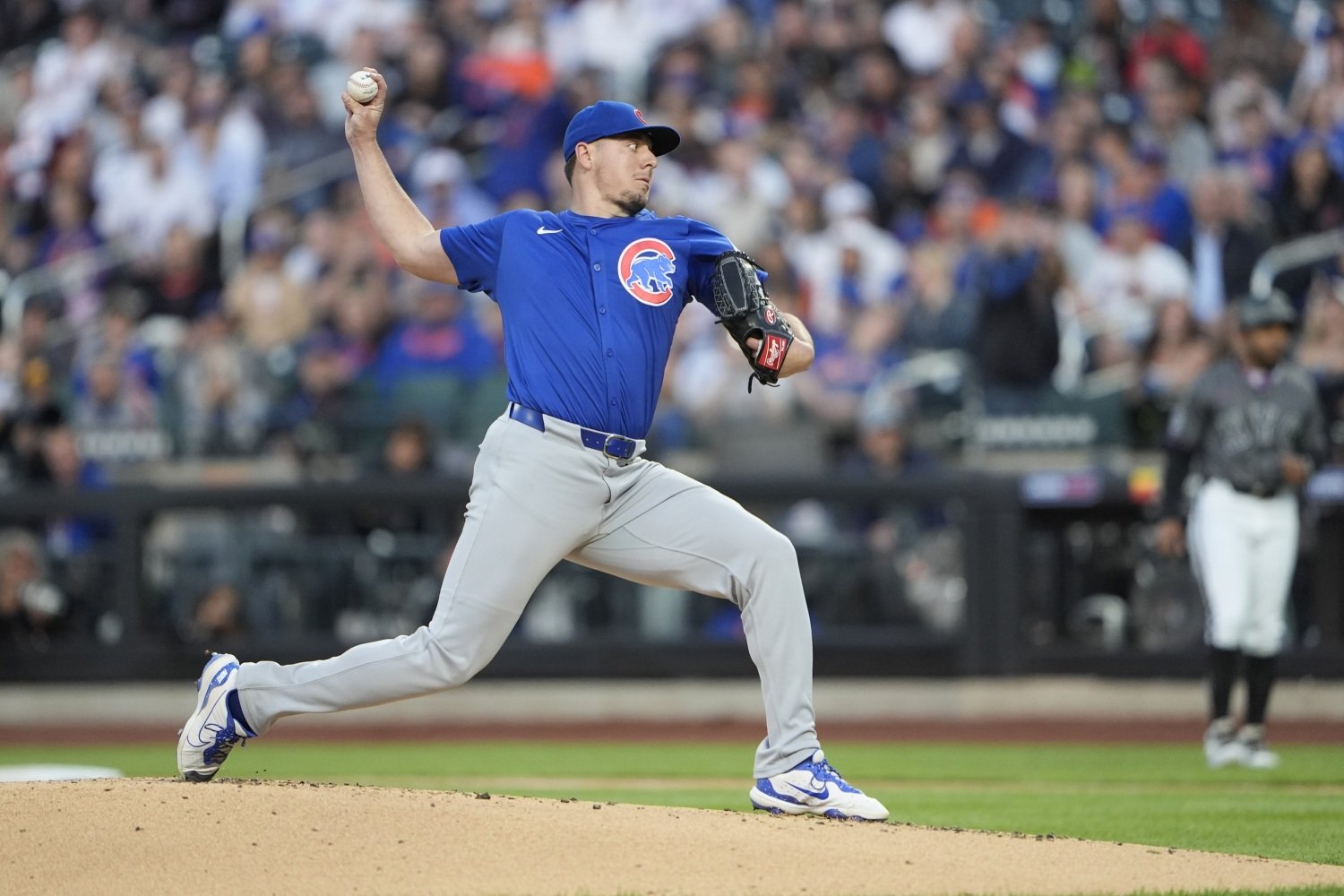 For my brother-in-law's wedding in historic New Bern, NC (where Pepsi was invented), we stayed in a bed-and-breakfast. The house was old, and there were creepy photos on the wall in which you would swear the eyes were following you. During the night, we heard a loud shout and what sounded like a group of people marching. My wife and daughter heard it as well, and we figured it was just local drunks. Until the next morning. We asked around, and nobody had heard it but us. People down the hall did not. People in the next house over did not. The owner, crickets. There is but one explanation. We were haunted by ghosts. Much like Cubs fans with bullpens, in the past. After the weekend series loss to the New York Mets, the ghosts of the Cubs' bullpen once again came to the fore. When even nominal closer Porter Hodge gives up three runs, the ghosts of bullpens past haunt Cubs fans. Memories of Joe Borowski, LaTroy Hawkins, Dave Smith, and Antonio Alfonseca have scarred fans for life. Some readers will remember even Tim Stoddard, Rich Bordi, and the mustachioed George Frazier. But how is it, really, right now? To compare the current Cubs to 2024's crew, check out the article I wrote on that debacle over the winter. But that was last year. For this year, the stats will tell a different story. Just looking at the National League, the Cubs rank 12th in these areas: ERA, WHIP, and walks per nine innings. They are 14th in bullpen strikeout rate, and 11th in wild pitches. In terms of season-long performance, the Cubs are the bottom team of contenders in the NL. We can confidently say the Cubs outpace the Nationals (7.13 bullpen ERA), Diamondbacks (5.02 ERA, missing both of their closers due to injury), and the Marlins (don't care about baseball), even by looking at the big picture. But fans may be missing the mark on the bullpen. When the Nate Pearson, Eli Morgan, and Luke Little types are removed, the picture is much rosier. The current members of the bullpen are providing a 3.76 ERA, which would place them seventh in the league, smack dab between the Dodgers and the Cardinals. But then, let's get really fun and take out the Ryan Pressly Disaster Inning. When those nine earned runs are deleted, the current members sport a 2.95 ERA, as of May 13. That's second-best in the National League. Not bad! Obviously, you can't just undo the loss that outing inflicted on the club, but it's telling that it makes such a large difference. The Giants, as we saw, have an elite bullpen. The current Cubs pen is second only to that group. For further comparisons, here is a list of ERA and WHIP for several other contenders: Dodgers: 3.67 ERA, 1.26 WHIP Brewers: 4.65 ERA, 1.34 WHIP Mets: 3.16 ERA, 1.18 WHIP The Cubs bullpen has been and will continue to be a flashpoint for fans of the Cubs—and any baseball team, honestly. Try Googling "struggling bullpens." I did so, and immediately, Google AI spit out a list of articles with 10 teams, all of which have bullpen issues. But the current iteration is very much alive. Don't let the ghosts of the past haunt how you view the current crop, because they've got some juice.
 -
Image courtesy of © Michael McLoone-Imagn Images Sunday afternoon, Shota Imanaga exited his start with a hamstring injury that could sideline him for about a month. Coupling this with Justin Steele's season-ending elbow surgery, stress has entered Cubs fans' hearts. There is no sugarcoating the news. It's a bad thing for any team to lose their top two pitchers at any time. The Cubs, though, may have constructed a team that can withstand it. Here are the necessary components to survive and thrive as a team during this challenging time. Component 1: Matthew Boyd must stay on the mound. A quick Google search can show the opinion on Matthew Boyd's signing, and this author agreed with many of them in thinking it was not a stellar move. He's done nothing but prove people wrong. Boyd can pitch. Despite a BABIP (.324)-influenced WHIP of 1.35, he's been outperforming projections to this point. What Boyd really needs to do is stay healthy and keep making his starts until Imanaga returns. Durability has not been a strong suit for Boyd, averaging only eight starts per season since 2021. It would be a wonderful thing for the Cubs if Boyd could continue pitching—and a necessary one, to maintain their position atop the NL Central. He's already gaining attention nationally as a great under-the-radar signing. Component 2: Colin Rea must prove this isn't a fluke. Tuesday night's outing against the Giants was rough. Before it, though, Rea's ERA was a gaudy 1.46, and his FIP was 2.50. What Rea has done is put his outstanding defense to work and avoid hard contact. He's controlling the variables that he can control. Rea does have a higher fly-ball rate than average, but the quality of contact has not been high. He doesn't strike out as many hitters as one might hope, but he's a control artist, with a walk rate of 5.7% this season and a 6.0% clip last year with Milwaukee. While his numbers are due for a dip when the weather warms up, Rea does have a history of durability. He started 27 games in 2024 and 22 the year before, pitching in key moments for a division champion. If he can simply replicate his performance this season, it would go a long way to solidifying the Cubs rotation. Component Number 3: Ben Brown needs to pitch like his team scored 10 runs. When Brown is loose and confident, he's getting ahead of hitters on the first pitch. A loose and confident Brown can pitch against any lineup, as evidenced by scoreless outings against the Dodgers and Brewers. When his command is off, he has had non-competitive starts. Brown needs to trust his stuff and let it work. Component Number 4: Let's give Cade Horton a test run. It's already being reported and speculated and questioned and pontificated that Horton would get a weekend start and short runway. He's the arm in the system with the highest potential for success. Over 29 innings in Iowa, he has 33 strikeouts, a 0.86 WHIP, and 1.24 ERA. The 13 walks are a concern, but when you have only allowed 12 hits, they don't look quite so worrisome. Triple-A hitters have only put the ball in play on 11.3% of their swings; Cade is overwhelming them. He's also throwing 80 pitches per game. The only thing left for him is to learn how to do this in the major leagues. Oh, and the health. Most Cubs fans know about the wasted season in 2024, due to a shoulder issue. Given the numbers and the fact that his heater has touched 98 mph this spring, it's reasonable to assume that he's healthy now. The arm is needed, and the bullets do not need to be spent toiling in Iowa. Horton's health is solid at the moment; it's time to see what he can do. The worst-case scenario is a couple of poor starts and a return to Iowa to apply those lessons. Component Number 5: Keep mashing and fielding. When scoring five or more runs last season, the Cubs were 61-12. With this offensive output, the Cubs should be able to roll out any cromulent arm and contend. Couple that with the league's second-best defensive team by Defensive Runs Saved, and the Cubs have strong points. They should be able to maintain them, and support even a diminished pitching staff. The Cubs should be just fine if they can do these realistic things. Did I miss anything? Any "constructive criticism?" Put it in the comments! View full article
-
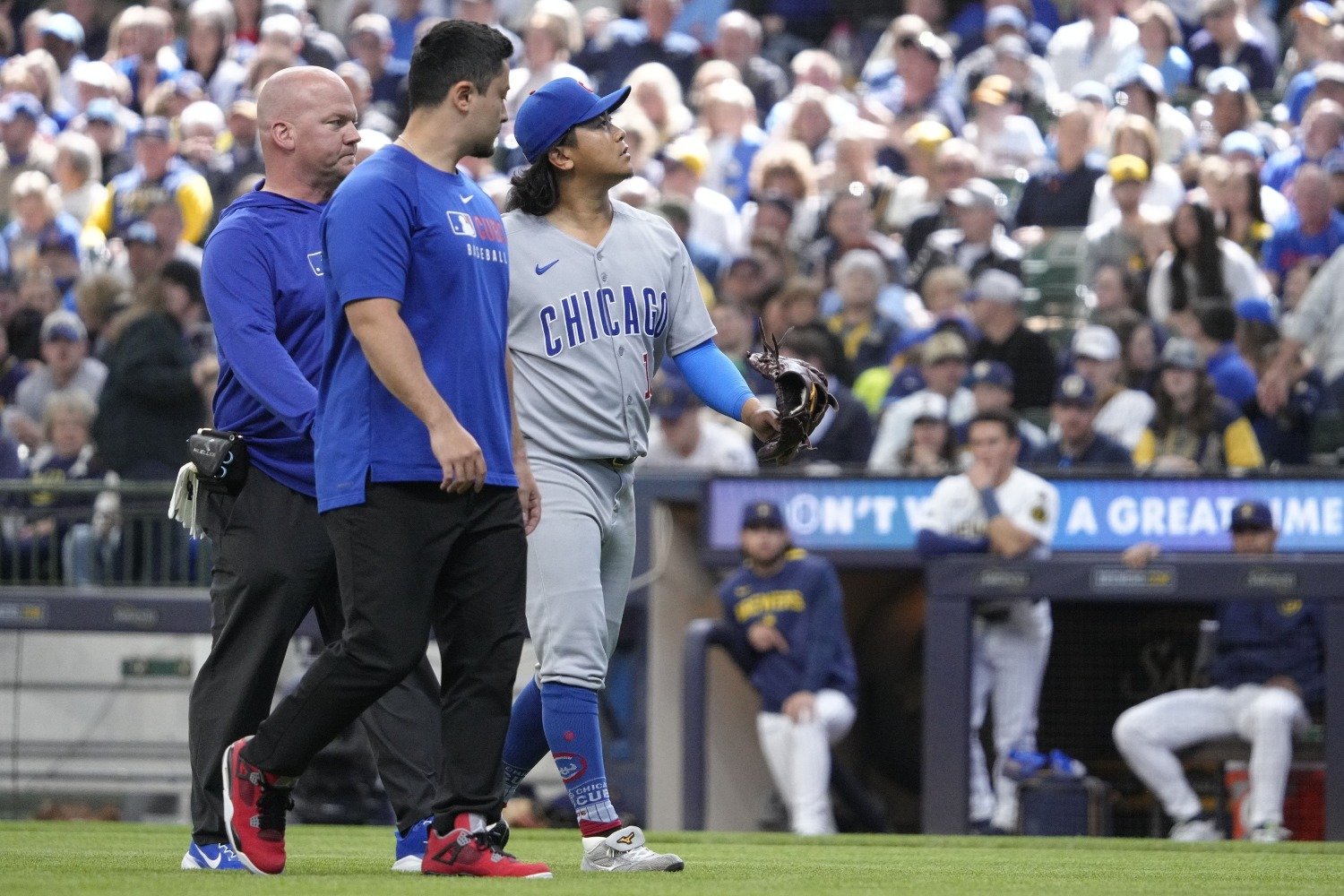 Sunday afternoon, Shota Imanaga exited his start with a hamstring injury that could sideline him for about a month. Coupling this with Justin Steele's season-ending elbow surgery, stress has entered Cubs fans' hearts. There is no sugarcoating the news. It's a bad thing for any team to lose their top two pitchers at any time. The Cubs, though, may have constructed a team that can withstand it. Here are the necessary components to survive and thrive as a team during this challenging time. Component 1: Matthew Boyd must stay on the mound. A quick Google search can show the opinion on Matthew Boyd's signing, and this author agreed with many of them in thinking it was not a stellar move. He's done nothing but prove people wrong. Boyd can pitch. Despite a BABIP (.324)-influenced WHIP of 1.35, he's been outperforming projections to this point. What Boyd really needs to do is stay healthy and keep making his starts until Imanaga returns. Durability has not been a strong suit for Boyd, averaging only eight starts per season since 2021. It would be a wonderful thing for the Cubs if Boyd could continue pitching—and a necessary one, to maintain their position atop the NL Central. He's already gaining attention nationally as a great under-the-radar signing. Component 2: Colin Rea must prove this isn't a fluke. Tuesday night's outing against the Giants was rough. Before it, though, Rea's ERA was a gaudy 1.46, and his FIP was 2.50. What Rea has done is put his outstanding defense to work and avoid hard contact. He's controlling the variables that he can control. Rea does have a higher fly-ball rate than average, but the quality of contact has not been high. He doesn't strike out as many hitters as one might hope, but he's a control artist, with a walk rate of 5.7% this season and a 6.0% clip last year with Milwaukee. While his numbers are due for a dip when the weather warms up, Rea does have a history of durability. He started 27 games in 2024 and 22 the year before, pitching in key moments for a division champion. If he can simply replicate his performance this season, it would go a long way to solidifying the Cubs rotation. Component Number 3: Ben Brown needs to pitch like his team scored 10 runs. When Brown is loose and confident, he's getting ahead of hitters on the first pitch. A loose and confident Brown can pitch against any lineup, as evidenced by scoreless outings against the Dodgers and Brewers. When his command is off, he has had non-competitive starts. Brown needs to trust his stuff and let it work. Component Number 4: Let's give Cade Horton a test run. It's already being reported and speculated and questioned and pontificated that Horton would get a weekend start and short runway. He's the arm in the system with the highest potential for success. Over 29 innings in Iowa, he has 33 strikeouts, a 0.86 WHIP, and 1.24 ERA. The 13 walks are a concern, but when you have only allowed 12 hits, they don't look quite so worrisome. Triple-A hitters have only put the ball in play on 11.3% of their swings; Cade is overwhelming them. He's also throwing 80 pitches per game. The only thing left for him is to learn how to do this in the major leagues. Oh, and the health. Most Cubs fans know about the wasted season in 2024, due to a shoulder issue. Given the numbers and the fact that his heater has touched 98 mph this spring, it's reasonable to assume that he's healthy now. The arm is needed, and the bullets do not need to be spent toiling in Iowa. Horton's health is solid at the moment; it's time to see what he can do. The worst-case scenario is a couple of poor starts and a return to Iowa to apply those lessons. Component Number 5: Keep mashing and fielding. When scoring five or more runs last season, the Cubs were 61-12. With this offensive output, the Cubs should be able to roll out any cromulent arm and contend. Couple that with the league's second-best defensive team by Defensive Runs Saved, and the Cubs have strong points. They should be able to maintain them, and support even a diminished pitching staff. The Cubs should be just fine if they can do these realistic things. Did I miss anything? Any "constructive criticism?" Put it in the comments!
 -
What to Make of Chicago Cubs' Wild Baseball Reference Playoff Odds
Brian Kelder posted an article in Cubs
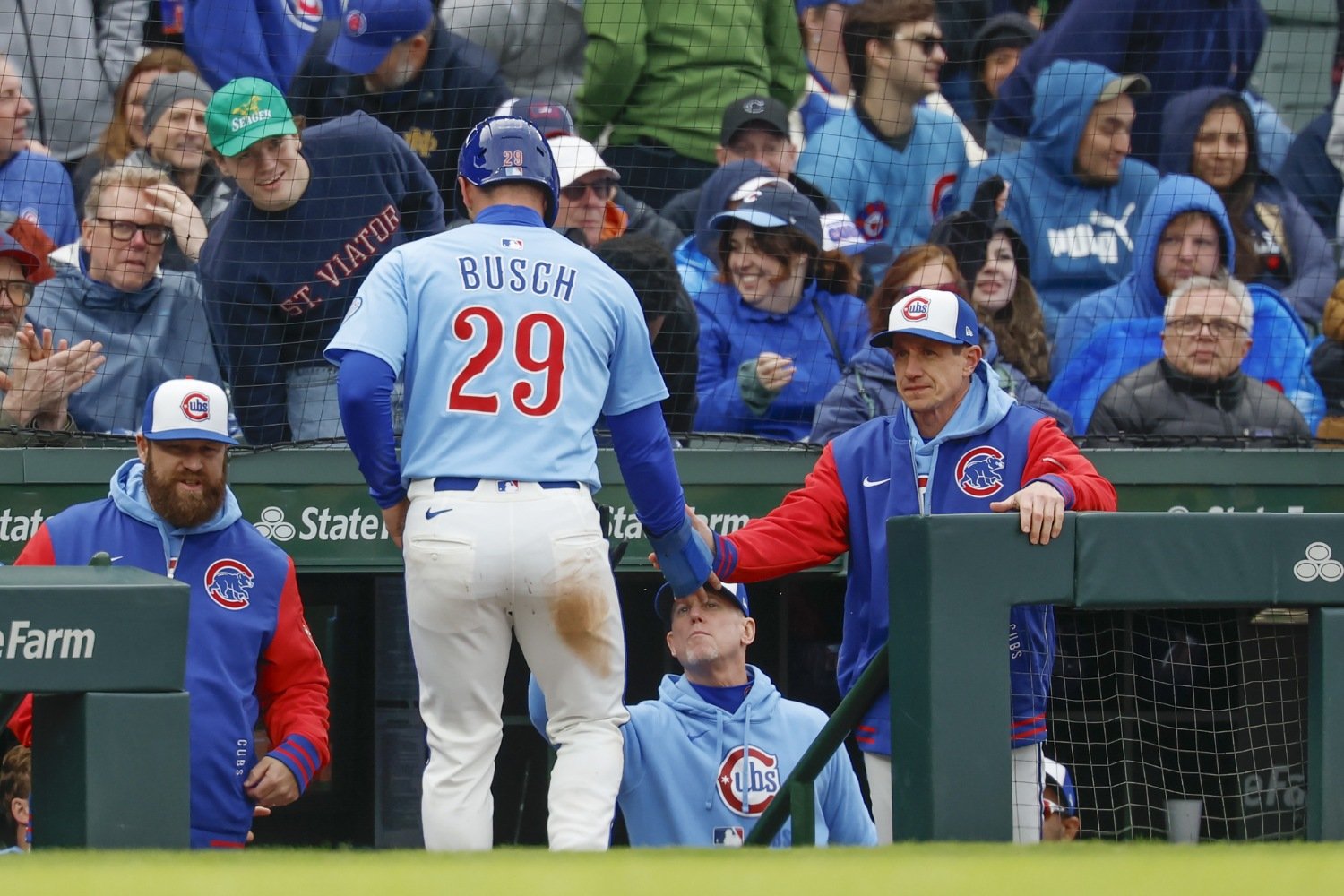 As you may have seen online, the Cubs have the highest odds to win the World Series, according to Baseball Reference. Unexpected? Yes. Does it make sense? Should Cub fans buy in? Let's take a look. Baseball Reference uses a system they call the Simple Rating System. There are two main components to this: strength of schedule and run differential. The Cubs have just finished the toughest stretch in baseball from strength of schedule. Currently, the run differential for the Cubs is +48, third in the league. When a team has a hard schedule and still produces a high run differential, the Baseball Reference formula will spit out a higher probability. Another major factor in the Reference formula is the team's record in their past 100 games. This can span seasons, and August and September were not bad months. The Cubs are 54-46 in their past 100 games, an 87-88 win pace. By comparison, the Brewers have been 56-44 (59.8% odds to make the postseason), and the Reds 62-38 (19% odds). So basically, the Cubs had a great month against great competition, and their playoff odds are now at 93% by Baseball Reference. This makes sense, given their respective schedules and results. It's just another measure of how good the Cubs have been to start the season. If you don't believe me, here's a link and then here's the words from that Baseball Reference page: What should we make of all this? Point One: The Cubs have had a great start. We all know this, and the Reference Odds are a good barometer. Point Two: It's going to get easier. In fact, the schedule for the remainder of the season is the easiest in baseball. This has the makings of one of those special seasons. (Here's a link to the schedule strength so far.) Point Three: The NL Central is not respected. Part of these odds are the higher chance that the Cubs win their division. The Brewers seem to have finally been affected by their talent drips from the past few years. The Reds don't have a stellar recent history, and we won't mention the Cardinals or Pirates. The Cubs are in the drivers' seat. Now, this is a statistics-based measurement, and the past two months of May were not happy for the Cubs. In 2023, the Cubs collapsed to a 10-18 record, and in 2024 they were 12-16. With divisional play heating up, the Cubs can ill afford another May cold stretch. And it is still a possibility. After Justin Steele's elbow reconstruction, the rotation is being held together by duct tape and elbow grease. If Colin Rea regresses to the mean, Matthew Boyd has his seemingly inevitable injury, or Ben Brown continues to have noncompetitive games, the pitching will not hold up, no matter who the opponent is. These odds don't speak to any of that, because unlike other Playoff Odds models (Baseball Prospectus's, fueled by PECOTA, or FanGraphs's, fueled by ZiPS and STEAMER), Baseball Reference's don't use individual player projections. They're solely rooted in the indices of recent past performance and schedule strength that we've already talked about. That makes them fundamentally different, and importantly so. Both of the projections-based systems are lower on the Cubs than this. But that's a hypothetical, negative outlook, and one that doesn't serve the thesis statement. This is a month for optimism. The Cubs are World Series favorites! It's a month to be celebrated, not one to worry about something that hasn't happened yet. And even then, Cade Horton is increasingly looking like an option sooner rather than later. Sit back, enjoy the ride, and know that at least statistically, the Cubs measure up with any team in baseball.
 -
Image courtesy of © Kamil Krzaczynski-Imagn Images As you may have seen online, the Cubs have the highest odds to win the World Series, according to Baseball Reference. Unexpected? Yes. Does it make sense? Should Cub fans buy in? Let's take a look. Baseball Reference uses a system they call the Simple Rating System. There are two main components to this: strength of schedule and run differential. The Cubs have just finished the toughest stretch in baseball from strength of schedule. Currently, the run differential for the Cubs is +48, third in the league. When a team has a hard schedule and still produces a high run differential, the Baseball Reference formula will spit out a higher probability. Another major factor in the Reference formula is the team's record in their past 100 games. This can span seasons, and August and September were not bad months. The Cubs are 54-46 in their past 100 games, an 87-88 win pace. By comparison, the Brewers have been 56-44 (59.8% odds to make the postseason), and the Reds 62-38 (19% odds). So basically, the Cubs had a great month against great competition, and their playoff odds are now at 93% by Baseball Reference. This makes sense, given their respective schedules and results. It's just another measure of how good the Cubs have been to start the season. If you don't believe me, here's a link and then here's the words from that Baseball Reference page: What should we make of all this? Point One: The Cubs have had a great start. We all know this, and the Reference Odds are a good barometer. Point Two: It's going to get easier. In fact, the schedule for the remainder of the season is the easiest in baseball. This has the makings of one of those special seasons. (Here's a link to the schedule strength so far.) Point Three: The NL Central is not respected. Part of these odds are the higher chance that the Cubs win their division. The Brewers seem to have finally been affected by their talent drips from the past few years. The Reds don't have a stellar recent history, and we won't mention the Cardinals or Pirates. The Cubs are in the drivers' seat. Now, this is a statistics-based measurement, and the past two months of May were not happy for the Cubs. In 2023, the Cubs collapsed to a 10-18 record, and in 2024 they were 12-16. With divisional play heating up, the Cubs can ill afford another May cold stretch. And it is still a possibility. After Justin Steele's elbow reconstruction, the rotation is being held together by duct tape and elbow grease. If Colin Rea regresses to the mean, Matthew Boyd has his seemingly inevitable injury, or Ben Brown continues to have noncompetitive games, the pitching will not hold up, no matter who the opponent is. These odds don't speak to any of that, because unlike other Playoff Odds models (Baseball Prospectus's, fueled by PECOTA, or FanGraphs's, fueled by ZiPS and STEAMER), Baseball Reference's don't use individual player projections. They're solely rooted in the indices of recent past performance and schedule strength that we've already talked about. That makes them fundamentally different, and importantly so. Both of the projections-based systems are lower on the Cubs than this. But that's a hypothetical, negative outlook, and one that doesn't serve the thesis statement. This is a month for optimism. The Cubs are World Series favorites! It's a month to be celebrated, not one to worry about something that hasn't happened yet. And even then, Cade Horton is increasingly looking like an option sooner rather than later. Sit back, enjoy the ride, and know that at least statistically, the Cubs measure up with any team in baseball. View full article
-
And yes I do get Danny Jansen and Carson Kelly confused. I’ll put the comment here before you guys do!
-
North Side Baseball's Cubs Hitter of the Month - March/April 2025
Brian Kelder posted an article in Cubs
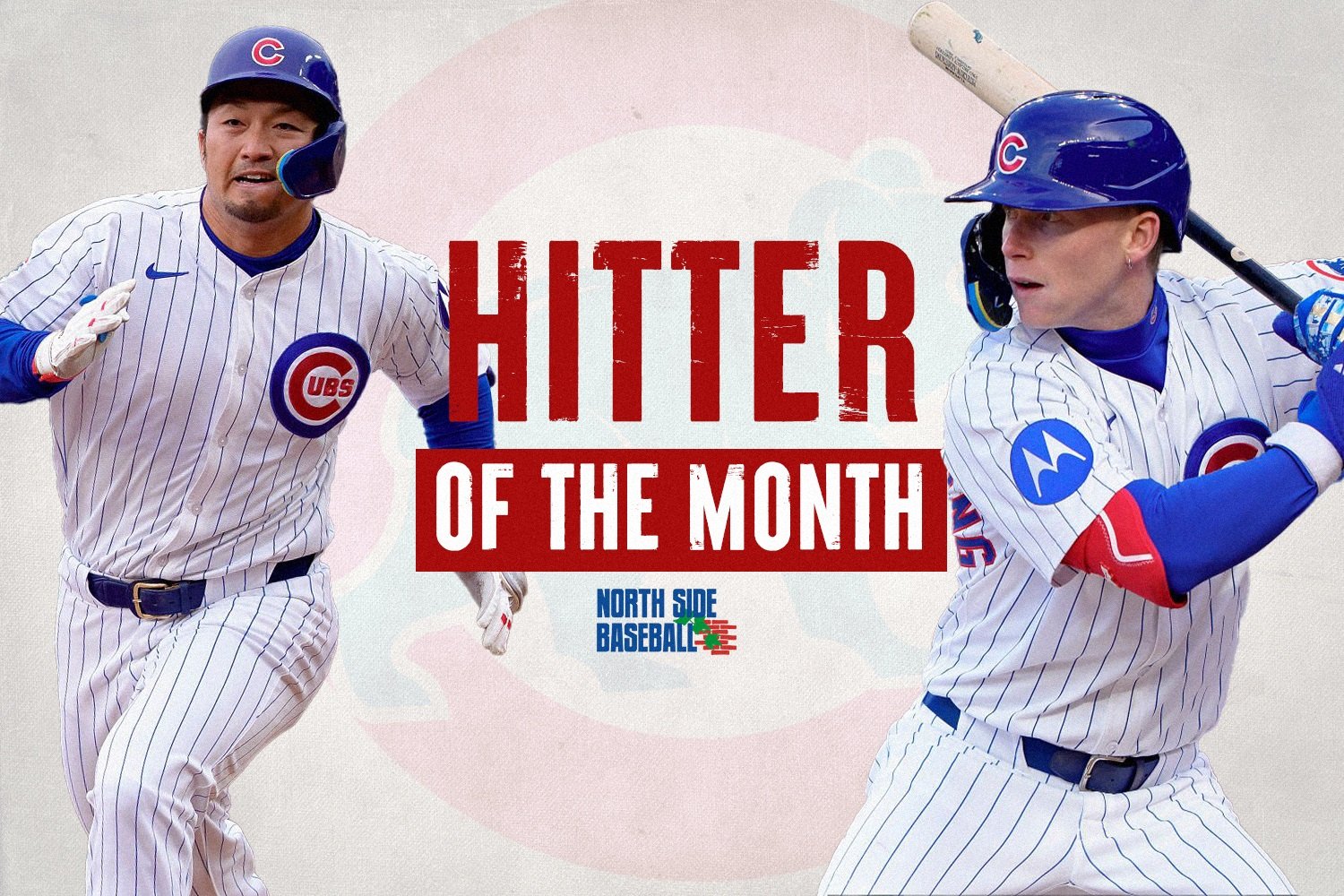 What a fun start of the season the Cubs lineup has had. They have the highest-rated offense in the National League, and they've made this article exceedingly hard to write. How do you pick an MVP from this squad? Is it the perennial MVP candidate? The upstart, breakout center fielder? The catcher who has seven home runs already? Good problems, these are. The Cubs offense is absolutely on fire. The team batting average is .263, second only to the Yankees. For long stretches of the last few years, the club has hit too few home runs, but they now rank fourth in the majors with 42. As a result, they rank second in OPS with a hearty .799. By any measure, this offense is clicking. Without further ado, the candidates for North Side Baseball's Cubs Hitter of the Month: Honorable Mention Seiya Suzuki (.298/.368/.596) Rate Stats Pace: 38 HR, 135 RBI, 92 Runs Michael Busch (.284/.382/.537) Rate Stats Pace: 27 HR, 86 RBI, 81 Runs These guys had to be mentioned, as they've been spectacular. Look at that pace for Seiya! For Busch, keep in mind that he's lost plate appearances due to Justin Turner somehow receiving 53 of them (with zero extra-base hits and a .446 OPS). I would expect his playing time to tick up. 3rd Place: Carson Kelly (.370/.524/.891) Rate Stats Pace: 38 HR, 113 RBI, 70 R, 83 Walks, all of this in 340 prorated plate appearances (Stats per 600 plate appearances: 67 HR, 200 RBI, 124 runs) Danny Jansen has been, as the kids say, good, right? While nobody should expect him to continue this level of production, he has these numbers already in the bank. With the negative offensive value the position created last season, Kelly and his fellow backstop Miguel Amaya (.283/.313/.483) have been massive sources of improvement over the first month. When Jed Hoyer makes his case for a new deal as the Cubs' president of baseball operations, Carson Kelly will be one of the feathers in his cap. 2nd Place: Kyle Tucker (.288/.397/.568) Rate Stats Pace: 38 HR, 140 RBI, 140 R, 43 steals There's no way that this guy really deserves a second place finish for this month. This is arguably a top-five bat in baseball. He's easily been worth giving up Cam Smith, even for just one year. Optimism has come for a possible extension during the season, and Cubs fans would rightfully revolt if ownership doesn't meet his demands. This writer, personally, doesn't want the uncertainty. Just give him what he wants. Then, we can fully enjoy what's going on in right field. THE FIRST MONTH MVP: Pete Crow-Armstrong (.284/.325/.543) Rate Stats Pace: 32 HR, 124 runs, 113 RBI, 65 steals If you watched the ESPN broadcast of the Sunday Night Baseball game against the Phillies, Crow-Armstrong was the main character. He had a delightful on-field interview, some hard-hit balls, and the announcers showered him with praise. I'm not saying this is a full breakout. But it is what a breakout looks like. Currently, Crow-Armstrong sports 1.9 WAR, second-highest in baseball. This is obviously a reflection of his defense, which Craig Counsell dubbed the best in the league, and the eye test more than measures up there. Statcast is less forgiving on his bat, but don't sweat that. He's not going to be a player always quantified by advanced metrics. Just watch the games; you'll see the impact he makes daily. To be a bit dramatic and meatball-like, Crow-Armstrong has become my favorite player in baseball, and finally nudged this slightly aging and cranky fan from the post-2021 selloff doldrums. The excitement this kid has provided makes the Cubs not just watchable, but must-see TV again. His breaking out is the most important thing besides a Tucker extension, and for that reason, Pete Crow-Armstrong receives this prestigious award—one which he probably will never know he earned. Thanks for reading, and let me know if you agree or disagree in the comments.
 -
What a fun start of the season the Cubs lineup has had. They have the highest-rated offense in the National League, and they've made this article exceedingly hard to write. How do you pick an MVP from this squad? Is it the perennial MVP candidate? The upstart, breakout center fielder? The catcher who has seven home runs already? Good problems, these are. The Cubs offense is absolutely on fire. The team batting average is .263, second only to the Yankees. For long stretches of the last few years, the club has hit too few home runs, but they now rank fourth in the majors with 42. As a result, they rank second in OPS with a hearty .799. By any measure, this offense is clicking. Without further ado, the candidates for North Side Baseball's Cubs Hitter of the Month: Honorable Mention Seiya Suzuki (.298/.368/.596) Rate Stats Pace: 38 HR, 135 RBI, 92 Runs Michael Busch (.284/.382/.537) Rate Stats Pace: 27 HR, 86 RBI, 81 Runs These guys had to be mentioned, as they've been spectacular. Look at that pace for Seiya! For Busch, keep in mind that he's lost plate appearances due to Justin Turner somehow receiving 53 of them (with zero extra-base hits and a .446 OPS). I would expect his playing time to tick up. 3rd Place: Carson Kelly (.370/.524/.891) Rate Stats Pace: 38 HR, 113 RBI, 70 R, 83 Walks, all of this in 340 prorated plate appearances (Stats per 600 plate appearances: 67 HR, 200 RBI, 124 runs) Danny Jansen has been, as the kids say, good, right? While nobody should expect him to continue this level of production, he has these numbers already in the bank. With the negative offensive value the position created last season, Kelly and his fellow backstop Miguel Amaya (.283/.313/.483) have been massive sources of improvement over the first month. When Jed Hoyer makes his case for a new deal as the Cubs' president of baseball operations, Carson Kelly will be one of the feathers in his cap. 2nd Place: Kyle Tucker (.288/.397/.568) Rate Stats Pace: 38 HR, 140 RBI, 140 R, 43 steals There's no way that this guy really deserves a second place finish for this month. This is arguably a top-five bat in baseball. He's easily been worth giving up Cam Smith, even for just one year. Optimism has come for a possible extension during the season, and Cubs fans would rightfully revolt if ownership doesn't meet his demands. This writer, personally, doesn't want the uncertainty. Just give him what he wants. Then, we can fully enjoy what's going on in right field. THE FIRST MONTH MVP: Pete Crow-Armstrong (.284/.325/.543) Rate Stats Pace: 32 HR, 124 runs, 113 RBI, 65 steals If you watched the ESPN broadcast of the Sunday Night Baseball game against the Phillies, Crow-Armstrong was the main character. He had a delightful on-field interview, some hard-hit balls, and the announcers showered him with praise. I'm not saying this is a full breakout. But it is what a breakout looks like. Currently, Crow-Armstrong sports 1.9 WAR, second-highest in baseball. This is obviously a reflection of his defense, which Craig Counsell dubbed the best in the league, and the eye test more than measures up there. Statcast is less forgiving on his bat, but don't sweat that. He's not going to be a player always quantified by advanced metrics. Just watch the games; you'll see the impact he makes daily. To be a bit dramatic and meatball-like, Crow-Armstrong has become my favorite player in baseball, and finally nudged this slightly aging and cranky fan from the post-2021 selloff doldrums. The excitement this kid has provided makes the Cubs not just watchable, but must-see TV again. His breaking out is the most important thing besides a Tucker extension, and for that reason, Pete Crow-Armstrong receives this prestigious award—one which he probably will never know he earned. Thanks for reading, and let me know if you agree or disagree in the comments. View full article
-
Cade HortonMoises BallesterosMatt ShawKevin AlcantaraCristian HernandezOwen CaissieJefferson RojasJonathon LongJames TriantosIvan BrethowrChristian FranklinJaxon WigginsBrandon BirdsellPedro RamirezCole MathisBJ Murray JrNazier MuleFernando CruzDrew GrayPablo Aliendo
-
Cade HortonMoises BallesterosMatt ShawKevin AlcantaraCristian HernandezOwen CaissieJefferson RojasJonathon LongJames TriantosIvan BrethowrChristian FranklinJaxon WigginsBrandon BirdsellPedro RamirezCole MathisBJ Murray JrNazier MuleFernando CruzDrew GrayPablo Aliendo
-
The Chicago Cubs are hammering left-handed pitching, but posting league-average numbers against righties. Is this a concern long-term, or a just an early season aberration? Image courtesy of © Kiyoshi Mio-Imagn Images The Cubs are destroying left-handed pitching this season, even with three of their main hitters batting on the weak platoon side. After Friday’s victory over the Phillies, the team's OPS was .917 versus left-handers. When a right-hander toes the rubber, the OPS slips to .776. Both of these are higher than the league average OPS of .712, but something is awry. Kyle Tucker is exempt from this, as he’s dropping an OPS over 1.000 against pitchers from both sides. Michael Busch is at a splendid 1.007 OPS against right-handed pitching, but it plummets to .697 against the other side, albeit with only nine plate appearances. Pete Crow-Armstrong also feasts against RHP with a .946 OPS. As you'd expect, the left-handed hitters in the lineup have the classic splits. Lets look at the culprits who are struggling versus right-handers. Below are each player's OPS numbers against right-handed pitching (OPS versus southpaws is in parentheses). Dansby Swanson: .503 (1.212) Nico Hoerner: .652 (.951) Matt Shaw: .339 (.984) Ian Happ: .687 (.812) Seiya Suzuki: .425 (1.754) Three of these five had over a .600 point difference, with Suzuki at over 1.300 taking the crown. While not a death knell to the lineup, there are a few implications here. First of all, the right-handed pitching the Cubs have faced this season has been outstanding, from Yomashiba Yamamoto to Nate Eovaldi to Tyler Glasnow and Dylan Cease. It doesn't matter who you are — those pitchers are going to keep your numbers down. The quality of starting pitching has simply been better from the right side so far this season. But, if you don’t believe me, here’s Bleacher Nation founder Brett Taylor: "Just noticed that on the list of the top four ERAs in baseball – Tyler Mahle (0.68), Yoshinobu Yamamoto (1.06), Hunter Brown (1.16), and Nick Pivetta (1.20) – the Cubs have faced them FIVE TIMES THIS YEAR. Yet they somehow still have put up huge offensive numbers overall. It almost feels like that shouldn’t be possible. Almost 20% of the time the Cubs have opened a game against a starting pitcher who has given up almost no runs this season. What?!" Craig Counsell has these splits in mind when he fills out the lineup card. Watch how the preferred lineup plays out with these splits in mind. Happ (better versus lefties) Tucker (destroyer of worlds) Seiya (better versus lefties) Busch (better versus righties) Dansby (better versus lefties) Nico (better versus lefties) PCA (better versus righties) See what he did? Given the three batter minimum for pitchers, the lineup alternates at least once each inning between left and right-handed advantages. There’s never a stretch of batters that are all dominant against the same-handed pitcher. Keep that in mind when you ask for PCA to move to fifth; putting him and Busch back-to-back just isn’t good lineup construction. Kudos to Craig Counsell for being ahead of these trends and adapting his lineup in this way, though hopefully he won't have to be so meticulous going forward as certain players find their groove against the side they're weaker against. In the months ahead, this will likely stabilize, and it hasn’t hindered the win-loss record to this point. It was an interesting study to see how the lineup reflects data and begin to understand the "why" behind Counsell's lineup construction. What are your thoughts about Counsell's lineups? Do you want him to change things up, or leave the status quo? Leave your thoughts in the comments! View full article
-
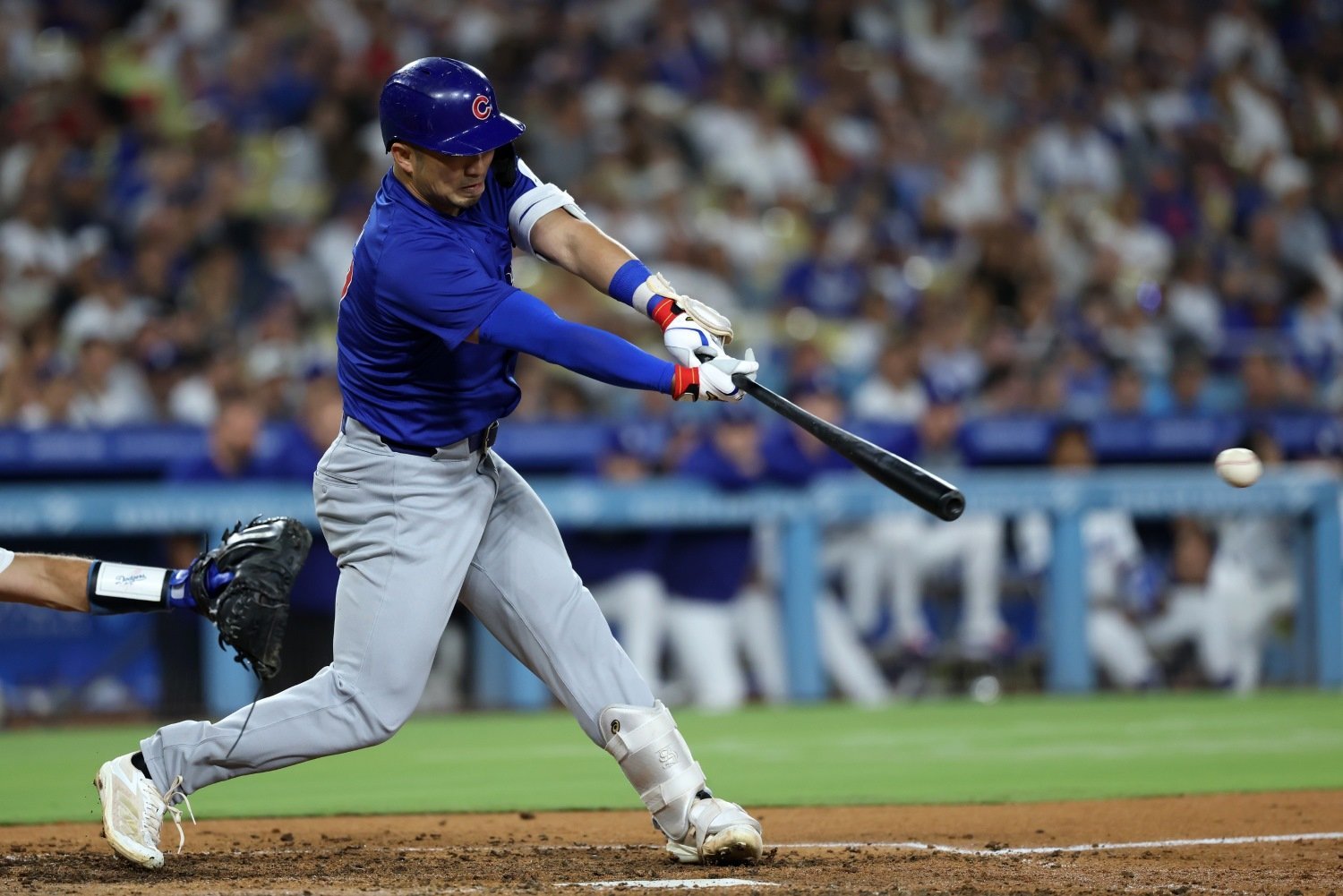 The Cubs are destroying left-handed pitching this season, even with three of their main hitters batting on the weak platoon side. After Friday’s victory over the Phillies, the team's OPS was .917 versus left-handers. When a right-hander toes the rubber, the OPS slips to .776. Both of these are higher than the league average OPS of .712, but something is awry. Kyle Tucker is exempt from this, as he’s dropping an OPS over 1.000 against pitchers from both sides. Michael Busch is at a splendid 1.007 OPS against right-handed pitching, but it plummets to .697 against the other side, albeit with only nine plate appearances. Pete Crow-Armstrong also feasts against RHP with a .946 OPS. As you'd expect, the left-handed hitters in the lineup have the classic splits. Lets look at the culprits who are struggling versus right-handers. Below are each player's OPS numbers against right-handed pitching (OPS versus southpaws is in parentheses). Dansby Swanson: .503 (1.212) Nico Hoerner: .652 (.951) Matt Shaw: .339 (.984) Ian Happ: .687 (.812) Seiya Suzuki: .425 (1.754) Three of these five had over a .600 point difference, with Suzuki at over 1.300 taking the crown. While not a death knell to the lineup, there are a few implications here. First of all, the right-handed pitching the Cubs have faced this season has been outstanding, from Yomashiba Yamamoto to Nate Eovaldi to Tyler Glasnow and Dylan Cease. It doesn't matter who you are — those pitchers are going to keep your numbers down. The quality of starting pitching has simply been better from the right side so far this season. But, if you don’t believe me, here’s Bleacher Nation founder Brett Taylor: "Just noticed that on the list of the top four ERAs in baseball – Tyler Mahle (0.68), Yoshinobu Yamamoto (1.06), Hunter Brown (1.16), and Nick Pivetta (1.20) – the Cubs have faced them FIVE TIMES THIS YEAR. Yet they somehow still have put up huge offensive numbers overall. It almost feels like that shouldn’t be possible. Almost 20% of the time the Cubs have opened a game against a starting pitcher who has given up almost no runs this season. What?!" Craig Counsell has these splits in mind when he fills out the lineup card. Watch how the preferred lineup plays out with these splits in mind. Happ (better versus lefties) Tucker (destroyer of worlds) Seiya (better versus lefties) Busch (better versus righties) Dansby (better versus lefties) Nico (better versus lefties) PCA (better versus righties) See what he did? Given the three batter minimum for pitchers, the lineup alternates at least once each inning between left and right-handed advantages. There’s never a stretch of batters that are all dominant against the same-handed pitcher. Keep that in mind when you ask for PCA to move to fifth; putting him and Busch back-to-back just isn’t good lineup construction. Kudos to Craig Counsell for being ahead of these trends and adapting his lineup in this way, though hopefully he won't have to be so meticulous going forward as certain players find their groove against the side they're weaker against. In the months ahead, this will likely stabilize, and it hasn’t hindered the win-loss record to this point. It was an interesting study to see how the lineup reflects data and begin to understand the "why" behind Counsell's lineup construction. What are your thoughts about Counsell's lineups? Do you want him to change things up, or leave the status quo? Leave your thoughts in the comments!
 -
Justin Steele's Injury Highlights Cubs' Razor Thin Margin For Error
Brian Kelder posted an article in Cubs
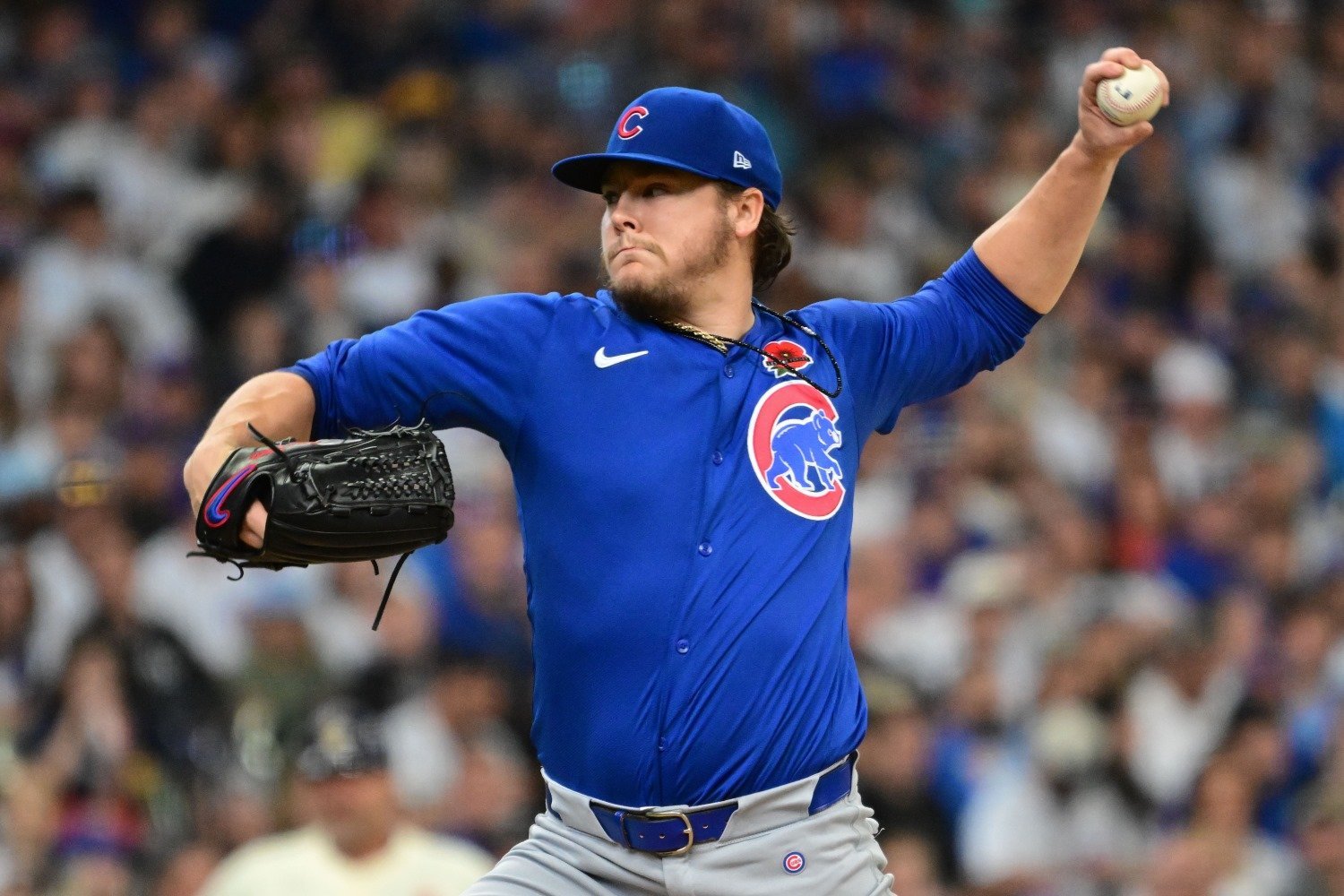 Despite having a deeper bench, the Cubs have several positions that lack adequate replacements if injury strikes. The bullpen has been shaky. The rotation is down two projected starters. The offense to this point has carried the team, of course, and the outlook of the season continues to be positive. It's the "what-ifs" that likely keep Jed Hoyer up at night. What If Number 1: What if there is an injury to Justin Steele or Shota Imanaga? I guess the answer to that will come quickly! Colin Rea was signed precisely for these moments as a swing arm. Jordan Wicks is struggling with a 1.76 WHIP in his first two starts in Iowa, Cade Horton isn't stretched out, and Chris Flexen also sports a WHIP over 1.70. There is not a pitcher in the system that can be expected to come near to Justin Steele's projected line. The Cubs gambled a lot of their season on Imanaga and Steele maintaining their elite level while, in Steele's case, increasing his workload. Matthew Boyd has been outstanding, also, which lessens the blow of Steele missing time. Even so, the team cannot afford to lose Steele for an extended period of time. They just weren't built to withstand his loss. Not to pile on the Cubs spending habits, but adding pitching would have been a solid use of funds saved from dumping Cody Bellinger. They were not actively pursuing any of the high-dollar, high-production pitchers. Time will tell if this backfires. What-If Number 2: What if Matt Shaw isn't ready? The obvious answer is ride it out with Shaw. Gage Workman, he of the 71.4% strikeout rate, isn't ready for this level. The team is off to a tremendous start offensively, averaging the third most runs per game in baseball. Shaw is holding his own—at least in terms of getting on base (.333 OBP)—and his defense, while not great, is at least better than what Christopher Morel offered, and we can be certain he won't do a bat flip on a double to center. All indications are that Shaw, while not ready to be a top-shelf player, will use his unusual stance and grit to carve out a long-term role. An injury, though, would derail the Cubs here. Jon Berti is good in his role, but would likely be exposed as an everyday guy. Workman has seemingly been exposed already. But that's worrying about a hypothetical. Just relax for now and watch Shaw develop. What-If Number 3: What if the bullpen doesn't have a single elite arm? Tuesday's game against the Rangers was encouraging and discouraging at the same time. On the positive side, the Cubs scored ten runs, rendering any bullpen shenanigans moot. On the other hand, Julian Merryweather and Porter Hodge were dinged, and Ryan Pressly was saved by Dansby Swanson and the defense in the ninth. That's a major difference from last season, where blown saves were plentiful. The Cubs simply outran the score needed for the relievers to finish the job. The bargain bin often looks nice on the shelf, but reality hits soon after when the purchased item breaks or is not as useful as you had hoped. The Cubs have not found a lockdown reliever (I'll concede on Hodge if you want to argue in his favor) and their newcomers have struggled. Big-armed farmhands Jack Neely, Daniel Palencia, and Luke Little will look to hone their command and reach Wrigley soon. Colin Rea is moving to the rotation, and two relievers have an ERA over ten at the moment. Caleb Theilbar sits over 6.00 in that stat, and Ryan Pressly's FIP sits at a ghastly 6.93. Going forward, the Cubs sorely need reliable arms. Brad Keller has been solid to start; perhaps that's the extra bridge they will need. Once again, the payroll situation has put the Cubs on the precipice of success, but a step in the wrong direction would put them in dire straits. Here's hoping they can thread the needle this summer.
 -
Justin Steele will miss time because of the same injury that he missed time with last season. He had the offseason to recover, and clearly more time will be needed. This is not good news, but it's a reflection of the Cubs' reality: their roster sits precariously on a razor's edge of success and failure. Image courtesy of © Benny Sieu-USA TODAY Sports Despite having a deeper bench, the Cubs have several positions that lack adequate replacements if injury strikes. The bullpen has been shaky. The rotation is down two projected starters. The offense to this point has carried the team, of course, and the outlook of the season continues to be positive. It's the "what-ifs" that likely keep Jed Hoyer up at night. What If Number 1: What if there is an injury to Justin Steele or Shota Imanaga? I guess the answer to that will come quickly! Colin Rea was signed precisely for these moments as a swing arm. Jordan Wicks is struggling with a 1.76 WHIP in his first two starts in Iowa, Cade Horton isn't stretched out, and Chris Flexen also sports a WHIP over 1.70. There is not a pitcher in the system that can be expected to come near to Justin Steele's projected line. The Cubs gambled a lot of their season on Imanaga and Steele maintaining their elite level while, in Steele's case, increasing his workload. Matthew Boyd has been outstanding, also, which lessens the blow of Steele missing time. Even so, the team cannot afford to lose Steele for an extended period of time. They just weren't built to withstand his loss. Not to pile on the Cubs spending habits, but adding pitching would have been a solid use of funds saved from dumping Cody Bellinger. They were not actively pursuing any of the high-dollar, high-production pitchers. Time will tell if this backfires. What-If Number 2: What if Matt Shaw isn't ready? The obvious answer is ride it out with Shaw. Gage Workman, he of the 71.4% strikeout rate, isn't ready for this level. The team is off to a tremendous start offensively, averaging the third most runs per game in baseball. Shaw is holding his own—at least in terms of getting on base (.333 OBP)—and his defense, while not great, is at least better than what Christopher Morel offered, and we can be certain he won't do a bat flip on a double to center. All indications are that Shaw, while not ready to be a top-shelf player, will use his unusual stance and grit to carve out a long-term role. An injury, though, would derail the Cubs here. Jon Berti is good in his role, but would likely be exposed as an everyday guy. Workman has seemingly been exposed already. But that's worrying about a hypothetical. Just relax for now and watch Shaw develop. What-If Number 3: What if the bullpen doesn't have a single elite arm? Tuesday's game against the Rangers was encouraging and discouraging at the same time. On the positive side, the Cubs scored ten runs, rendering any bullpen shenanigans moot. On the other hand, Julian Merryweather and Porter Hodge were dinged, and Ryan Pressly was saved by Dansby Swanson and the defense in the ninth. That's a major difference from last season, where blown saves were plentiful. The Cubs simply outran the score needed for the relievers to finish the job. The bargain bin often looks nice on the shelf, but reality hits soon after when the purchased item breaks or is not as useful as you had hoped. The Cubs have not found a lockdown reliever (I'll concede on Hodge if you want to argue in his favor) and their newcomers have struggled. Big-armed farmhands Jack Neely, Daniel Palencia, and Luke Little will look to hone their command and reach Wrigley soon. Colin Rea is moving to the rotation, and two relievers have an ERA over ten at the moment. Caleb Theilbar sits over 6.00 in that stat, and Ryan Pressly's FIP sits at a ghastly 6.93. Going forward, the Cubs sorely need reliable arms. Brad Keller has been solid to start; perhaps that's the extra bridge they will need. Once again, the payroll situation has put the Cubs on the precipice of success, but a step in the wrong direction would put them in dire straits. Here's hoping they can thread the needle this summer. View full article

