Brandon Glick
-
Posts
1,153 -
Joined
-
Last visited
Content Type
Profiles
Joomla Posts 1
Chicago Cubs Videos
Chicago Cubs Free Agent & Trade Rumors, Notes, & Tidbits
2026 Chicago Cubs Top Prospects Ranking
News
2023 Chicago Cubs Draft Picks
Guides & Resources
2024 Chicago Cubs Draft Picks
The Chicago Cubs Players Project
2025 Chicago Cubs Draft Pick Tracker
2026 Chicago Cubs Draft Tracker: Picks & Bonuses
Blogs
Events
Forums
Store
Gallery
Everything posted by Brandon Glick
-
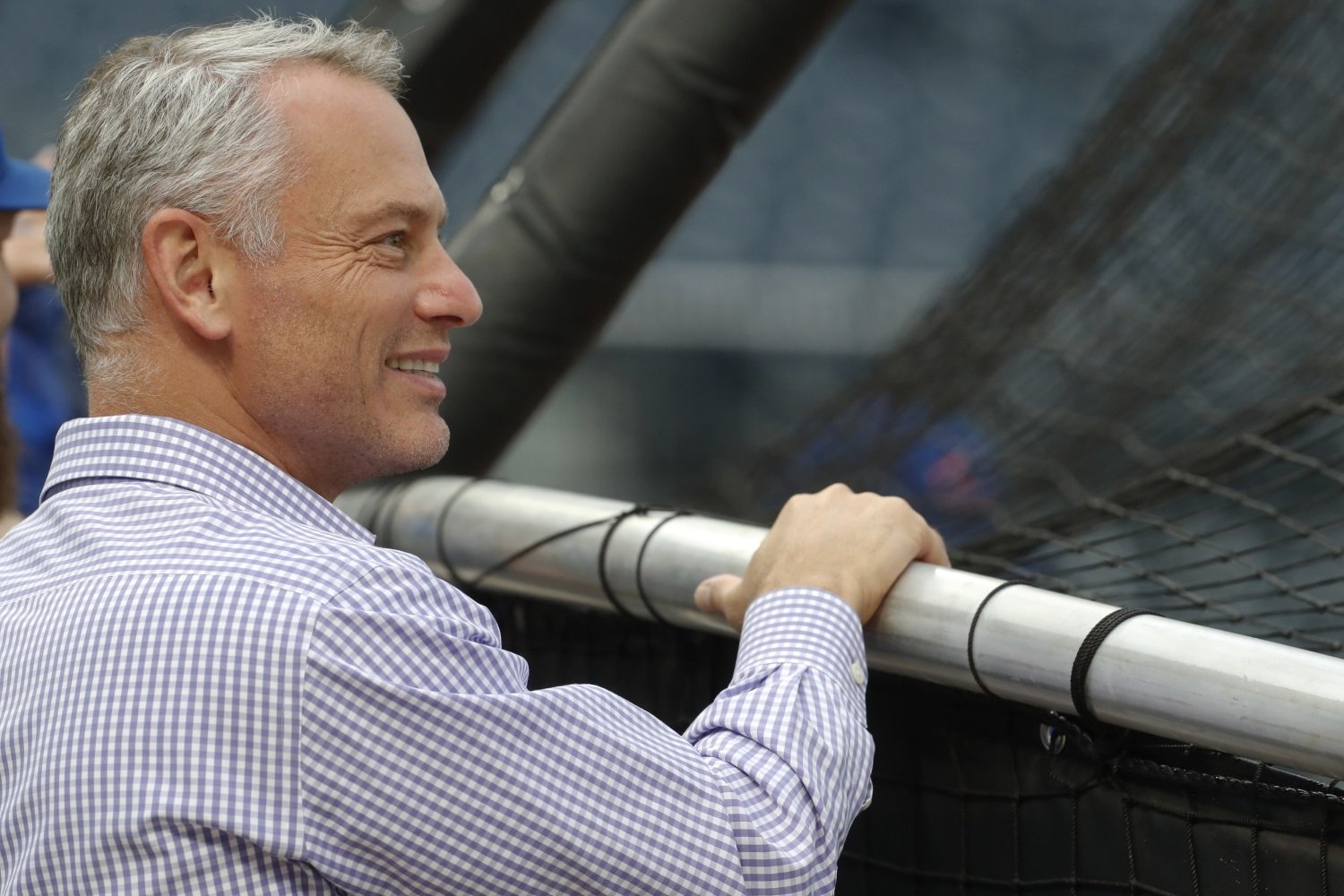 This is a topic I’ve juggled plenty in the past, having originally started with prospect rankings when I began writing about sports many moons ago. There was a lively discussion on a Pete Crow-Armstrong piece a few weeks ago (that ended up being mostly about how to evaluate Matt Mervis, for some reason), and it caused me to reflect on the topic of personal versus industry prospect evaluations. First things first: there is no such thing as a “consensus” ranking for a prospect, at least in the sense that everyone views one EXACTLY the same. Unless you’re a legend foretold like a prophecy, or the son of a seven-time all star, chances are you’re going to find different outlets ranking your future differently. Some scouts prioritize certain metrics to which other scouts barely pay perfunctory attention. Some prospecting websites might subscribe to the credo of “performance above all”, while others might be looking for under-the-hood, advanced analytical measurements that are meant to more accurately offer insight into a prospect’s ceiling and floor. With the influx of sabermetrics into the standard fan’s lexicon, there has never been a more bountiful time for all corners of the baseball globe to scrutinize every last detail of a player’s profile. However, this isn’t a piece about HOW to evaluate prospects. Again, that’s more of a “to each their own” proposition. Indeed, my own method of evaluating prospects is unique relative to the current zeitgeist, as I put extra emphasis on performance versus other top prospects, much in the same way “Quad 1 Wins” matter more for Selection Sunday in college basketball. Instead, I wanted to offer a reminder that, while these prospect rankings are important, they may be more so for fans than for the teams themselves. We’ll never truly know how a team feels about a player. There will always be in-house information on a prospect’s medical history, developmental timeline, makeup and character, and more that will never make its way to the public. In addition to that, the Cubs (at least under the stewardship of Jed Hoyer) have been notoriously coy with the media, rarely offering more than a bland or vague statement about any given player. Also, don’t forget that the Cubs just relaunched their entire scouting and player-development departments following the horrendous 2019 draft, with entire teams of people in the organization dedicated just to “swing decisions'' and “pitch shapes”. Their evaluative process, no matter how much of it is revealed to the public eye, will always be more in-depth and purposeful than a composite ranking of every farm system in baseball. All of that is why it’s important to remind ourselves that, no matter how we feel about current prospects, the team (hopefully) knows best. It hurt like hell to watch one of my favorite players in the system, Kevin Made, get traded at the deadline this year. Yet, the major-league team was competitive and ready to buy, and Made was a redundant asset for a team already loaded with middle-infield depth. The trade made sense, even if I thought Made was worth more than half of a prospect package for a rental bat. Now, teams will always miss on prospects in every sense. Organizations will pass over generational talents in favor of their own internal evaluations, much like when the Astros gifted Kris Bryant to the Cubs in the 2013 draft by drafting Mark Appel instead. Even teams with a preternatural gift for turning scraps into stars will make timeline-altering mistakes, like when the Cardinals traded eventual Cy Young award winner Sandy Alcantara for two seasons of Marcell Ozuna. Baseball, more than any other sport, is a guessing game of which prospects will pan out and which ones will burn out. Never has there been a more accurate characterization of an event than when we all started calling the MLB Draft a crapshoot. So, as a friendly reminder, the Cubs do not give a rat’s ass about your or my feelings about any prospect in particular. They also really don’t care for the external evaluations provided by sites like FanGraphs and Baseball Prospectus (unless they help provide additional leverage in a trade, of course). Odds are, they’ll give Mervis another chance in the big leagues, unless they truly believe he’s a scrub… in which case, he’ll be designated for assignment or traded, just like every prospect who failed before him. All of us fans have extremely high opinions on PCA… just like we did for Brailyn Marquez and Brennen Davis not too long ago. The prospecting game of baseball is a hard one. There is no exact formula, no textbook way of knowing which players will live up to the billing and which ones won’t. Sometimes, the science of evaluating prospects is more art than science. Finally, to answer the biggest question still on your mind: no, this is not me pre-coping before the Cubs inevitably trade Alexander Canario for a pitcher this winter. I promise. (Okay, maybe a little.)
 -
With midseason updates from every corner of the prospecting world at our fingertips, and more substantive evaluations around the corner during the offseason, the question remains: what do these external rankings actually mean to the Cubs? Image courtesy of © Charles LeClaire-USA TODAY Sports This is a topic I’ve juggled plenty in the past, having originally started with prospect rankings when I began writing about sports many moons ago. There was a lively discussion on a Pete Crow-Armstrong piece a few weeks ago (that ended up being mostly about how to evaluate Matt Mervis, for some reason), and it caused me to reflect on the topic of personal versus industry prospect evaluations. First things first: there is no such thing as a “consensus” ranking for a prospect, at least in the sense that everyone views one EXACTLY the same. Unless you’re a legend foretold like a prophecy, or the son of a seven-time all star, chances are you’re going to find different outlets ranking your future differently. Some scouts prioritize certain metrics to which other scouts barely pay perfunctory attention. Some prospecting websites might subscribe to the credo of “performance above all”, while others might be looking for under-the-hood, advanced analytical measurements that are meant to more accurately offer insight into a prospect’s ceiling and floor. With the influx of sabermetrics into the standard fan’s lexicon, there has never been a more bountiful time for all corners of the baseball globe to scrutinize every last detail of a player’s profile. However, this isn’t a piece about HOW to evaluate prospects. Again, that’s more of a “to each their own” proposition. Indeed, my own method of evaluating prospects is unique relative to the current zeitgeist, as I put extra emphasis on performance versus other top prospects, much in the same way “Quad 1 Wins” matter more for Selection Sunday in college basketball. Instead, I wanted to offer a reminder that, while these prospect rankings are important, they may be more so for fans than for the teams themselves. We’ll never truly know how a team feels about a player. There will always be in-house information on a prospect’s medical history, developmental timeline, makeup and character, and more that will never make its way to the public. In addition to that, the Cubs (at least under the stewardship of Jed Hoyer) have been notoriously coy with the media, rarely offering more than a bland or vague statement about any given player. Also, don’t forget that the Cubs just relaunched their entire scouting and player-development departments following the horrendous 2019 draft, with entire teams of people in the organization dedicated just to “swing decisions'' and “pitch shapes”. Their evaluative process, no matter how much of it is revealed to the public eye, will always be more in-depth and purposeful than a composite ranking of every farm system in baseball. All of that is why it’s important to remind ourselves that, no matter how we feel about current prospects, the team (hopefully) knows best. It hurt like hell to watch one of my favorite players in the system, Kevin Made, get traded at the deadline this year. Yet, the major-league team was competitive and ready to buy, and Made was a redundant asset for a team already loaded with middle-infield depth. The trade made sense, even if I thought Made was worth more than half of a prospect package for a rental bat. Now, teams will always miss on prospects in every sense. Organizations will pass over generational talents in favor of their own internal evaluations, much like when the Astros gifted Kris Bryant to the Cubs in the 2013 draft by drafting Mark Appel instead. Even teams with a preternatural gift for turning scraps into stars will make timeline-altering mistakes, like when the Cardinals traded eventual Cy Young award winner Sandy Alcantara for two seasons of Marcell Ozuna. Baseball, more than any other sport, is a guessing game of which prospects will pan out and which ones will burn out. Never has there been a more accurate characterization of an event than when we all started calling the MLB Draft a crapshoot. So, as a friendly reminder, the Cubs do not give a rat’s ass about your or my feelings about any prospect in particular. They also really don’t care for the external evaluations provided by sites like FanGraphs and Baseball Prospectus (unless they help provide additional leverage in a trade, of course). Odds are, they’ll give Mervis another chance in the big leagues, unless they truly believe he’s a scrub… in which case, he’ll be designated for assignment or traded, just like every prospect who failed before him. All of us fans have extremely high opinions on PCA… just like we did for Brailyn Marquez and Brennen Davis not too long ago. The prospecting game of baseball is a hard one. There is no exact formula, no textbook way of knowing which players will live up to the billing and which ones won’t. Sometimes, the science of evaluating prospects is more art than science. Finally, to answer the biggest question still on your mind: no, this is not me pre-coping before the Cubs inevitably trade Alexander Canario for a pitcher this winter. I promise. (Okay, maybe a little.) View full article
-
Definitely a worthwhile trip if you can make it happen! Lots of exciting prospects at all levels right now - could be cool to say you saw them before they made it to the bigs!
-
Cubs Minor League Relief Pitcher of the Month - August 2023
Brandon Glick posted an article in Minor Leagues
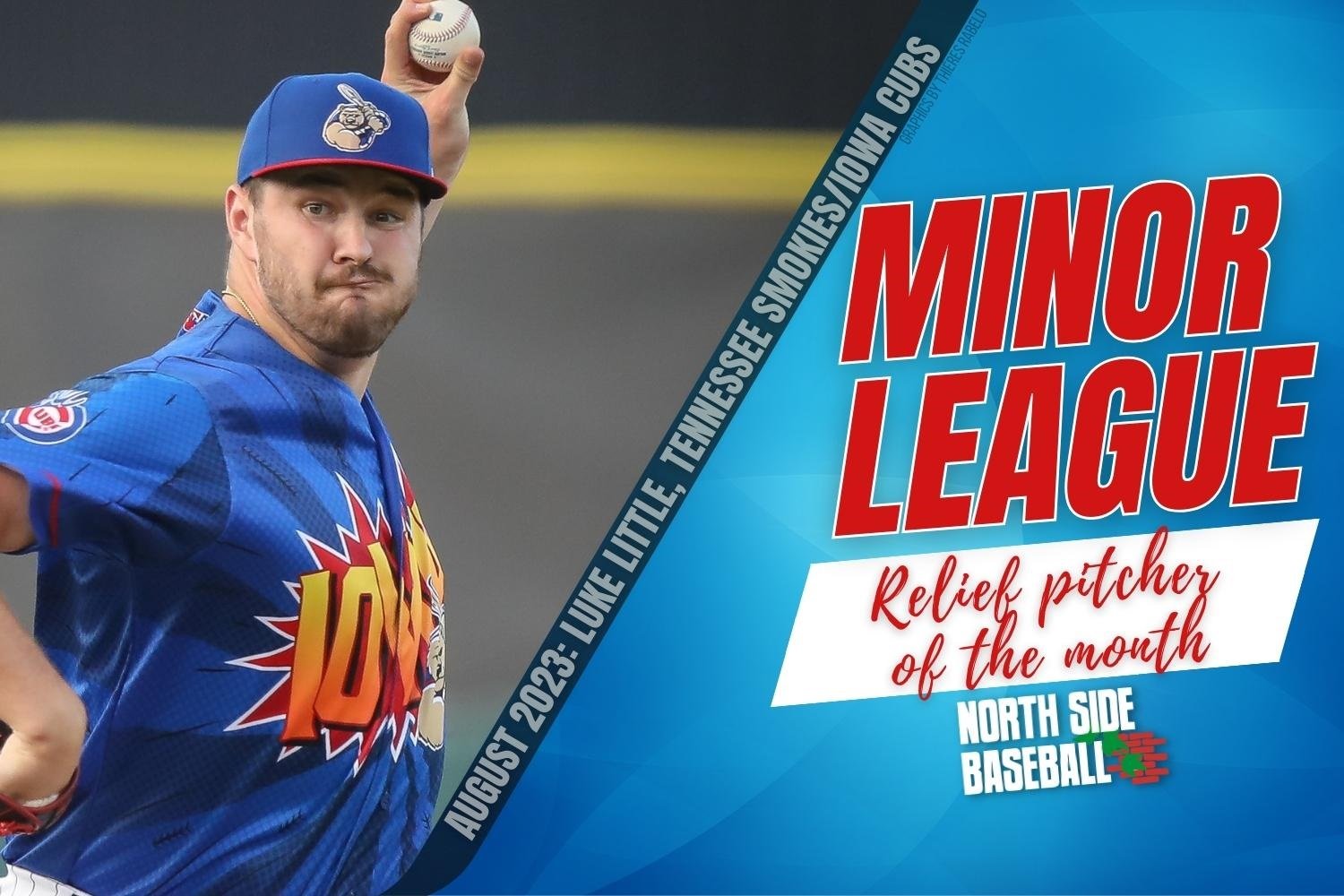 As a caveat before these rankings proceed, a player must have appeared in at least three games at any one level to earn consideration. Sample sizes, especially for relievers, over a one-month span are never large, but there needs to be some established data to properly analyze a player. Also, a player does not need to be considered a “prospect” to actually show up here; as long as he pitches for a Cubs’ affiliate and appeared in at least three games in August, that player has met the full criteria for consideration. With the logistics out of the way, let’s take a deep dive into the top five relievers from the Cubs’ minor league teams in the month of August. Honorable Mention: Frankie Scalzo Jr. (South Bend, High-A) - 7 Appearances, 10 IP, 1.80 ERA, 15 Ks, 3 BB Scalzo Jr. has been a true multi-inning weapon for South Bend this year, putting up 66 1/3 innings in just 35 appearances, including eight saves. His stuff has been improving as the year has gone on, and he’s taken a gigantic leap forward after a so-so season at Low-A Myrtle Beach in 2022 (4.63 ERA in 23 games). Most importantly, his walk rates and contact quality are improving, as both his batting average against and BB/9 are down significantly from last year. Also, Scalzo Jr. was just promoted to Double-A Tennessee at the end of August. Which honor do you think matters more to him: the promotion in his professional life or receiving the honorable mention on this list? I kid, I kid… it’s obviously this one. #4: Jose Romero (Myrtle Beach, Low-A) - 7 App., 15 1/3 IP, 1.17 ERA, 24 Ks, 1 BB The strikeout-to-walk ratio alone is gaudy, but when you realize Romero is doing it in more high-leverage situations than ever (he got his first two saves of the year this month), you know you’ve got a potential stud on your hands. Romero has been tested out in a variety of roles, from the traditional one-inning closer to a multi-inning reliever (in the mold of Keegan Thompson, for example), and the 22-year-old has proven malleable in the bullpen. He should be a candidate for a late-season promotion to High-A South Bend, and all expectations should be placed that he’ll start next year there with the potential to rise through the remainder of the system rapidly. #3: Zac Leigh (Tennessee, AA) - 8 App., 10 2/3 IP, 0.84 ERA, 16 Ks, 4 BB It brings me so much joy to put Leigh on this list. Yet, despite my favoritism, when your month-long WHIP is well below 1.00 (Leigh’s is 0.94 for August), you’ve earned your spot. Leigh’s found nothing but success since being a 16th round pick in 2021, and he’s generally been great since being promoted to Tennessee earlier this year. In 24 2/3 innings there this year, he has a 2.92 ERA and 34 strikeouts. He’s firmly put himself on the radar heading into his age-26 season next year, and he should begin 2024 as a candidate for Iowa’s closer gig, while staring down a potential midseason call-up to the big leagues. #2: Blake Whitney (Tennessee, AA) - 9 App., 14 1/3 IP, 0.00 ERA, 16 Ks, 1 BB Now, you’re probably looking at the above stat line and wondering how anyone did better this month than Whitney. Spoiler alert: no one did (the next guy on the list is in the number one spot because of his absurd recent hot streak and proximity to the majors). The Smokies’ newly-minted closer has been having an excellent season, with his ERA down to 2.15 over 62 2/3 innings pitched (and an impressive 71 strikeouts!). The 24th round pick from 2018 is already 27 years old, so his prospect clock is ticking (if not already expired), but his repeat of Double-A is going swimmingly so far. #1: Luke Little (Tennessee, AA and Iowa, AAA) - 7 App., 10 2/3 IP, 1.69 ERA, 21 Ks, 5 BB As I explained not long ago, Little’s time in Chicago is coming. Given that he’s Rule 5 eligible this offseason, he needs to be added to the 40-man roster regardless, and his recent performance since coming off the development list earlier in the summer has been jaw-dropping. The towering lefty is simply overpowering hitters with his 6’8” frame and mid-to-high-90s fastball. He needs to get his overall walk rate down, but Little’s preposterous strikeout and home run rates (he’s averaging almost two strikeouts an inning this season and has only given up one home run all year) should make him a viable option for the big league team right now. And with the heater he’s been on since being called up to Iowa (he’s got 18 strikeouts against just five walks in only 9 2/3 innings there this month), there’s no doubt that Little is currently the most tantalizing reliever in the farm system. What do you think? How would you rank your top minor league relief pitchers in August? Comment below.
 -
The Chicago Cubs farm system had an excellent month of August. There were many promotions and continued breakout performances from a number of prospects. Which relievers in the organization had the best performance over the last 30 days? Image courtesy of Dylan Heuer, Iowa Cubs As a caveat before these rankings proceed, a player must have appeared in at least three games at any one level to earn consideration. Sample sizes, especially for relievers, over a one-month span are never large, but there needs to be some established data to properly analyze a player. Also, a player does not need to be considered a “prospect” to actually show up here; as long as he pitches for a Cubs’ affiliate and appeared in at least three games in August, that player has met the full criteria for consideration. With the logistics out of the way, let’s take a deep dive into the top five relievers from the Cubs’ minor league teams in the month of August. Honorable Mention: Frankie Scalzo Jr. (South Bend, High-A) - 7 Appearances, 10 IP, 1.80 ERA, 15 Ks, 3 BB Scalzo Jr. has been a true multi-inning weapon for South Bend this year, putting up 66 1/3 innings in just 35 appearances, including eight saves. His stuff has been improving as the year has gone on, and he’s taken a gigantic leap forward after a so-so season at Low-A Myrtle Beach in 2022 (4.63 ERA in 23 games). Most importantly, his walk rates and contact quality are improving, as both his batting average against and BB/9 are down significantly from last year. Also, Scalzo Jr. was just promoted to Double-A Tennessee at the end of August. Which honor do you think matters more to him: the promotion in his professional life or receiving the honorable mention on this list? I kid, I kid… it’s obviously this one. #4: Jose Romero (Myrtle Beach, Low-A) - 7 App., 15 1/3 IP, 1.17 ERA, 24 Ks, 1 BB The strikeout-to-walk ratio alone is gaudy, but when you realize Romero is doing it in more high-leverage situations than ever (he got his first two saves of the year this month), you know you’ve got a potential stud on your hands. Romero has been tested out in a variety of roles, from the traditional one-inning closer to a multi-inning reliever (in the mold of Keegan Thompson, for example), and the 22-year-old has proven malleable in the bullpen. He should be a candidate for a late-season promotion to High-A South Bend, and all expectations should be placed that he’ll start next year there with the potential to rise through the remainder of the system rapidly. #3: Zac Leigh (Tennessee, AA) - 8 App., 10 2/3 IP, 0.84 ERA, 16 Ks, 4 BB It brings me so much joy to put Leigh on this list. Yet, despite my favoritism, when your month-long WHIP is well below 1.00 (Leigh’s is 0.94 for August), you’ve earned your spot. Leigh’s found nothing but success since being a 16th round pick in 2021, and he’s generally been great since being promoted to Tennessee earlier this year. In 24 2/3 innings there this year, he has a 2.92 ERA and 34 strikeouts. He’s firmly put himself on the radar heading into his age-26 season next year, and he should begin 2024 as a candidate for Iowa’s closer gig, while staring down a potential midseason call-up to the big leagues. #2: Blake Whitney (Tennessee, AA) - 9 App., 14 1/3 IP, 0.00 ERA, 16 Ks, 1 BB Now, you’re probably looking at the above stat line and wondering how anyone did better this month than Whitney. Spoiler alert: no one did (the next guy on the list is in the number one spot because of his absurd recent hot streak and proximity to the majors). The Smokies’ newly-minted closer has been having an excellent season, with his ERA down to 2.15 over 62 2/3 innings pitched (and an impressive 71 strikeouts!). The 24th round pick from 2018 is already 27 years old, so his prospect clock is ticking (if not already expired), but his repeat of Double-A is going swimmingly so far. #1: Luke Little (Tennessee, AA and Iowa, AAA) - 7 App., 10 2/3 IP, 1.69 ERA, 21 Ks, 5 BB As I explained not long ago, Little’s time in Chicago is coming. Given that he’s Rule 5 eligible this offseason, he needs to be added to the 40-man roster regardless, and his recent performance since coming off the development list earlier in the summer has been jaw-dropping. The towering lefty is simply overpowering hitters with his 6’8” frame and mid-to-high-90s fastball. He needs to get his overall walk rate down, but Little’s preposterous strikeout and home run rates (he’s averaging almost two strikeouts an inning this season and has only given up one home run all year) should make him a viable option for the big league team right now. And with the heater he’s been on since being called up to Iowa (he’s got 18 strikeouts against just five walks in only 9 2/3 innings there this month), there’s no doubt that Little is currently the most tantalizing reliever in the farm system. What do you think? How would you rank your top minor league relief pitchers in August? Comment below. View full article
- 2 replies
-
- 1
-

-
- jose romero
- zac leigh
- (and 3 more)
-
I'm with you - I think the biggest thing dinging Steele is that he doesn't pitch all that deep into games. Not once this year has he reached the 8th inning of a start. The 250 inning guys are of a bygone era, but part of being an ace is still going deep into starts to preserve the bullpen. If he catches fire over his last five starts, he'll have a legit chance. But it's a very crowded field this year with no one separating from the pack.
-
Definitely one of the biggest success stories from the team's new pitching infrastructure. If he can remain a viable 4/5 starter for the next five years, that's as big of a win in player development the Cubs have had in a long time. Also doesn't hurt that he's just plain fun to watch pitch!
-
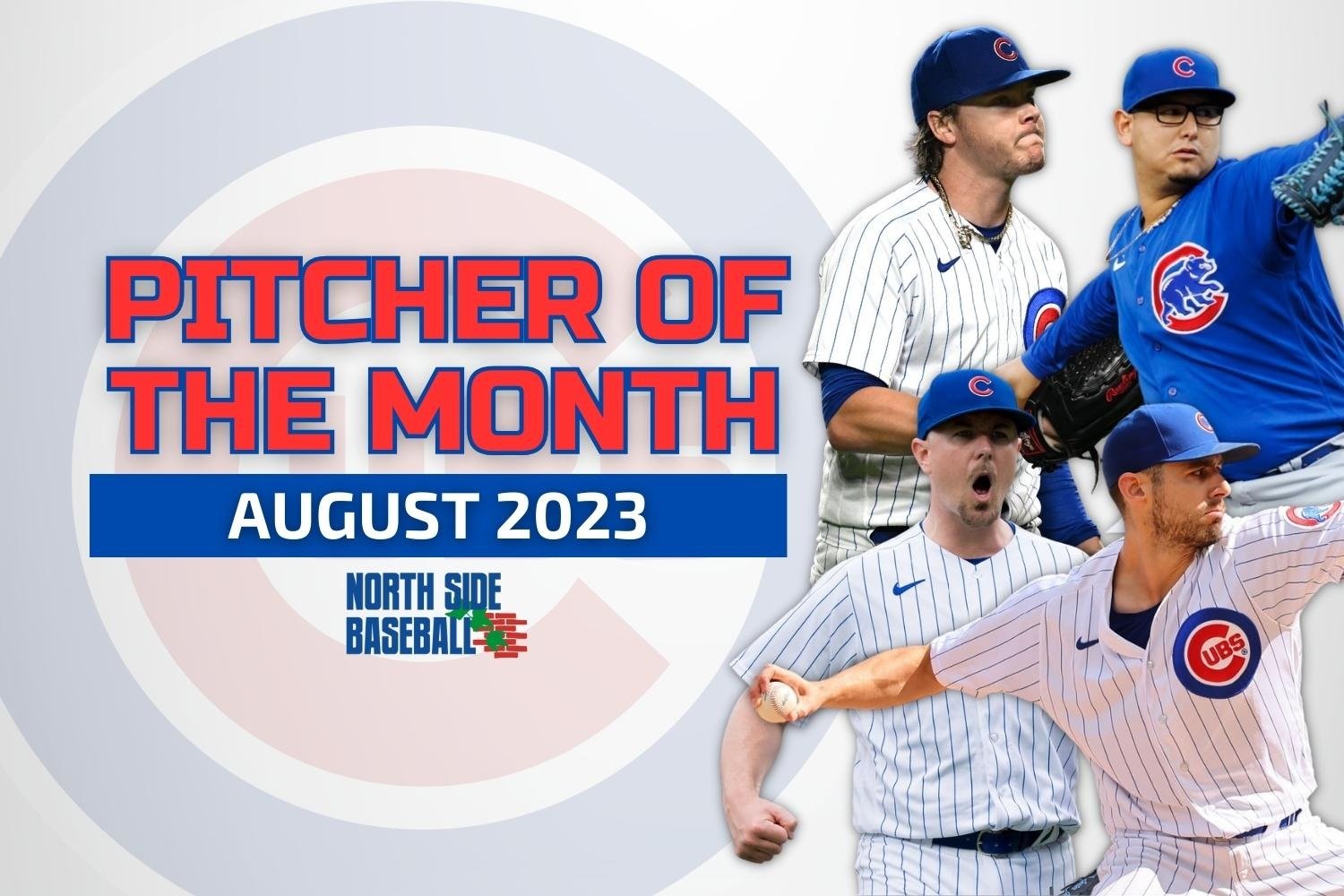 The Cubs went a scorching 18-9 in August, further solidifying themselves in the Wild Card race and garnering a legitimate shot at the division crown. The team also posted a 4.28 ERA throughout the month, good for 14th in the league. It wasn’t a dominant month from the mound, but the pitching staff is doing enough to keep the team in games. While… ahem, certain players won’t be appearing on this list, there were a number of candidates for the six slots below. Also note that, though they didn’t appear enough times to deserve serious consideration, it was amazing to see the debut of Jordan Wicks and the revival of Keegan Thompson this month. Those two developments could prove to be as important as any down the stretch. Honorable Mention: Kyle Hendricks - 6 Games Started, 33 IP, 4.09 ERA, 26 Strikeouts, 8 Walks Hendricks logged the second most innings of any pitcher on the staff this month, providing crucial competence to a rotation that is attempting to withstand the ebbs and flows of Jameson Taillon and the prolonged injury to Marcus Stroman (not to mention the utter implosion of Drew Smyly). He’s not giving the team as many Cy Young-caliber performances as the Hendricks of old did, but at this point, he’s probably the team’s number two starter in a playoff series. Honorable Mention #2: José Cuas - 10 Appearances, 11 IP, 0.82 ERA, 7 Ks, 10 BB Cuas has been sneakily dominant this month, posting the lowest ERA of anyone on the team with at least three appearances. He’s gotten it done despite a middling strikeout rate (5.7 K/9 in August) and alarming walk rate (8.2 BB/9 in August), but results are results. Nelson Velasquez has been doing well over in Kansas City, but so far this trade looks like a win-win for both sides. #4: Justin Steele - 6 GS, 34.1 IP, 3.41 ERA, 41 Ks, 7 BB The fact that this was a "down" month for the Cubs’ homegrown ace should tell you all you need to know about the season Steele is having. He probably cost himself a real shot at the Cy Young over the last 30 days, but that’s more by virtue of how crowded the field is than a reflection of any true struggles on Steele’s end (though that recent shutout performance against the Brewers may have reopened the door). Yet again Steele made all six of his scheduled starts and the Cubs posted a flawless 6-0 record in those games. He may not fit the bill of a traditional rotation leader, but Steele has been the most dependable starter on this team since Opening Day (save for maybe a brief hot stretch early in the year from Marcus Stroman). He’ll start Game 1 of any playoff series the Cubs make it to - and given the way things have gone this year for Steele, the Cubs have to like their odds when that game rolls around. #3: Julian Merryweather - 13 App., 14 IP, 1.93 ERA, 21 Ks, 4 BB With Michael Fulmer on the IL, Merryweather is now the set-up man to Adbert Alzolay. That may not be the most comforting sentence in the world, but Merryweather has been nothing short of excellent since April, and he’s got his season-long ERA down to 3.30 in 60 innings. He’s the most prolific strikeout artist the Cubs have out of the bullpen, and his steadily improving walk rate (2.6 BB/9 in August) is turning him into a true weapon. It remains to-be-seen just how much David Ross trusts Merryweather as his workload skyrockets and the games become more and more important, but he’s clearly one of the best relievers on the team. If anything should happen to Alzolay, Merryweather should be next in line for the closer’s gig. #2: Mark Leiter Jr. - 14 App., 12 IP, 2.25 ERA, 17 Ks, 4 BB Good lord - is this guy good or what? Just another stellar month in the bag for the man who is simply unstoppable right now, as I dove into more here. His season ERA is down to 2.84, and he’s working a healthy 3.89 K/BB ratio to back it up. Leiter Jr. is nails against lefties, and his season slash line against them this year is something to behold: lefties are hitting just .148/.223/.261 against Leiter Jr. in 2023. His splitter is among the best pitches in baseball right now, and the Cubs have helped unlock the rest of his arsenal that plays off of it. The only reason he isn’t treated as a more traditional set-up man is because he’s really the bullpen’s only weapon against left-handed hitters (at least until Luke Little is called up), but make no mistake that’s he as crucial to this team’s success as any reliever they have. Oh, and enjoy some highlights while you’re here: #1: Javier Assad - 5 GS, 29 IP, 2.48 ERA, 20 Ks, 9 BB What else can you say about Assad at this point? He won our Pitcher of the Month last month for his work in long relief, and now he’s done it again as the team’s best starting pitcher in the month of August. He’s doing it on the back of extraordinary contact management (.198 batting average against in August) and limiting walks (2.8 BB/9 in August). There’s no one pitch in his arsenal that’s carrying him, but the repertoire is so diverse that everything plays up anyways. The Cubs will want to watch his workload (already at 79 innings pitched this year) as they enter the final month of the season, but Assad is too important to the entire operation to be limited in any meaningful way. There are a ton of players having big seasons for the Cubs on the mound (Steele, Leiter Jr., Alzolay, etc.), but it’s the emergence of Javier Assad that stands above the rest again. What do you think? How would you rank your top Cubs pitchers of August? Comment below.
 -
In the heat of their first playoff run since 2020, the Chicago Cubs have needed their pitchers to hold down the fort more than ever. Who answered the call in August? The Cubs went a scorching 18-9 in August, further solidifying themselves in the Wild Card race and garnering a legitimate shot at the division crown. The team also posted a 4.28 ERA throughout the month, good for 14th in the league. It wasn’t a dominant month from the mound, but the pitching staff is doing enough to keep the team in games. While… ahem, certain players won’t be appearing on this list, there were a number of candidates for the six slots below. Also note that, though they didn’t appear enough times to deserve serious consideration, it was amazing to see the debut of Jordan Wicks and the revival of Keegan Thompson this month. Those two developments could prove to be as important as any down the stretch. Honorable Mention: Kyle Hendricks - 6 Games Started, 33 IP, 4.09 ERA, 26 Strikeouts, 8 Walks Hendricks logged the second most innings of any pitcher on the staff this month, providing crucial competence to a rotation that is attempting to withstand the ebbs and flows of Jameson Taillon and the prolonged injury to Marcus Stroman (not to mention the utter implosion of Drew Smyly). He’s not giving the team as many Cy Young-caliber performances as the Hendricks of old did, but at this point, he’s probably the team’s number two starter in a playoff series. Honorable Mention #2: José Cuas - 10 Appearances, 11 IP, 0.82 ERA, 7 Ks, 10 BB Cuas has been sneakily dominant this month, posting the lowest ERA of anyone on the team with at least three appearances. He’s gotten it done despite a middling strikeout rate (5.7 K/9 in August) and alarming walk rate (8.2 BB/9 in August), but results are results. Nelson Velasquez has been doing well over in Kansas City, but so far this trade looks like a win-win for both sides. #4: Justin Steele - 6 GS, 34.1 IP, 3.41 ERA, 41 Ks, 7 BB The fact that this was a "down" month for the Cubs’ homegrown ace should tell you all you need to know about the season Steele is having. He probably cost himself a real shot at the Cy Young over the last 30 days, but that’s more by virtue of how crowded the field is than a reflection of any true struggles on Steele’s end (though that recent shutout performance against the Brewers may have reopened the door). Yet again Steele made all six of his scheduled starts and the Cubs posted a flawless 6-0 record in those games. He may not fit the bill of a traditional rotation leader, but Steele has been the most dependable starter on this team since Opening Day (save for maybe a brief hot stretch early in the year from Marcus Stroman). He’ll start Game 1 of any playoff series the Cubs make it to - and given the way things have gone this year for Steele, the Cubs have to like their odds when that game rolls around. #3: Julian Merryweather - 13 App., 14 IP, 1.93 ERA, 21 Ks, 4 BB With Michael Fulmer on the IL, Merryweather is now the set-up man to Adbert Alzolay. That may not be the most comforting sentence in the world, but Merryweather has been nothing short of excellent since April, and he’s got his season-long ERA down to 3.30 in 60 innings. He’s the most prolific strikeout artist the Cubs have out of the bullpen, and his steadily improving walk rate (2.6 BB/9 in August) is turning him into a true weapon. It remains to-be-seen just how much David Ross trusts Merryweather as his workload skyrockets and the games become more and more important, but he’s clearly one of the best relievers on the team. If anything should happen to Alzolay, Merryweather should be next in line for the closer’s gig. #2: Mark Leiter Jr. - 14 App., 12 IP, 2.25 ERA, 17 Ks, 4 BB Good lord - is this guy good or what? Just another stellar month in the bag for the man who is simply unstoppable right now, as I dove into more here. His season ERA is down to 2.84, and he’s working a healthy 3.89 K/BB ratio to back it up. Leiter Jr. is nails against lefties, and his season slash line against them this year is something to behold: lefties are hitting just .148/.223/.261 against Leiter Jr. in 2023. His splitter is among the best pitches in baseball right now, and the Cubs have helped unlock the rest of his arsenal that plays off of it. The only reason he isn’t treated as a more traditional set-up man is because he’s really the bullpen’s only weapon against left-handed hitters (at least until Luke Little is called up), but make no mistake that’s he as crucial to this team’s success as any reliever they have. Oh, and enjoy some highlights while you’re here: #1: Javier Assad - 5 GS, 29 IP, 2.48 ERA, 20 Ks, 9 BB What else can you say about Assad at this point? He won our Pitcher of the Month last month for his work in long relief, and now he’s done it again as the team’s best starting pitcher in the month of August. He’s doing it on the back of extraordinary contact management (.198 batting average against in August) and limiting walks (2.8 BB/9 in August). There’s no one pitch in his arsenal that’s carrying him, but the repertoire is so diverse that everything plays up anyways. The Cubs will want to watch his workload (already at 79 innings pitched this year) as they enter the final month of the season, but Assad is too important to the entire operation to be limited in any meaningful way. There are a ton of players having big seasons for the Cubs on the mound (Steele, Leiter Jr., Alzolay, etc.), but it’s the emergence of Javier Assad that stands above the rest again. What do you think? How would you rank your top Cubs pitchers of August? Comment below. View full article
-
He certainly has the "set the world on fire" hot streak-ability in him to do it. I think expecting anything more than a nelson velasquez-type (for right now) is a dangerous game, but Canario is going to be the most electric prospect debut since Morel regardless.
-
Well said. Let's all hope he "doesn't suck".
-
Still a more legit source than Nightengale
-
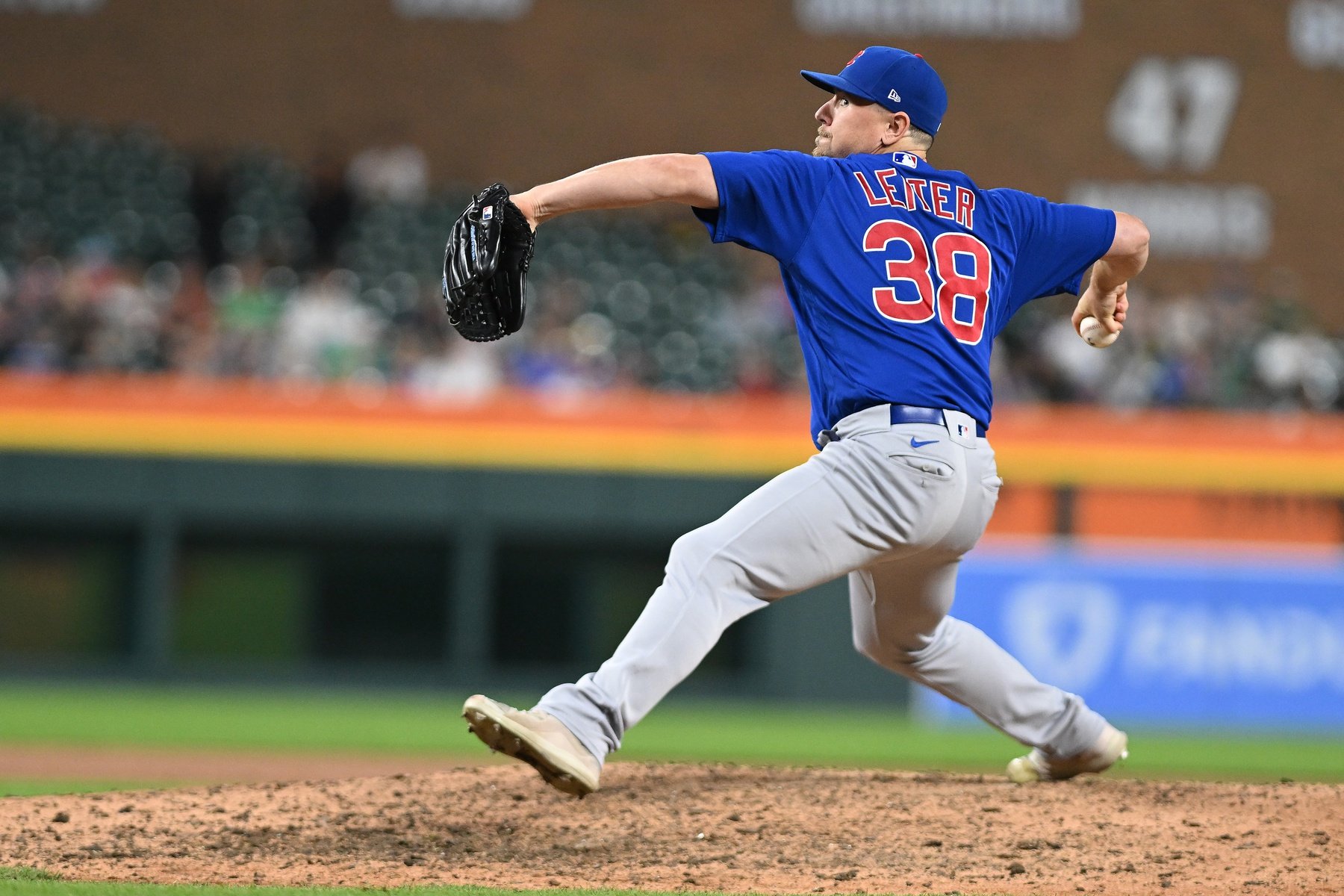 If you’ve been watching Cubs games over the last three months - or if you bothered to read the headline of this article - you know the answer is Mark Leiter Jr. The son of an 11-year MLB veteran (Mark Leiter Sr.) and the nephew of two-time World Series champion Al Leiter, Leiter Jr. comes from an impressive baseball lineage. Like his father and uncle before him, Leiter Jr. was a starting pitcher early in his career. Initially, he was a prospect with the Phillies after they drafted him in the 22nd round in 2013. He was then called up in 2017 without much fanfare, expected to fulfill a swingman/fifth starter job for as long as he could keep throwing strikes. Yet, he scuffled early and often as he tried to make a name for himself in the league, posting an unsightly 5.91 ERA across 137 innings in 2017 and 2018 with the Phillies and Blue Jays. In turn, he fell out of the league for a few years before attempting a comeback in the Tigers organization, which earned him a minor league deal with the Cubs heading into 2022. Leiter Jr. made six largely unsuccessful starts at Triple-A Iowa in 2022 (5.32 ERA in just 22 innings) before being recalled to the major leagues, where he made four fill-in starts for various members of an ailing rotation. The struggles continued, and the talented but miscast righty once again found his career on life support. It wasn’t until the Cubs made the move to have Leiter Jr. emulate his father’s late-career transition to the bullpen that the results finally started to come. Now, the younger Leiter is dominating major league hitters as a reliever. He’s been doing it on the back of perhaps baseball’s best split-finger fastball. This pitch is generating some truly mind-boggling advanced statistics: in 311 splitters thrown in 2023, Leiter Jr. has produced a .108 expected batting average against (xBA), a .212 expected slugging against (xSLG), a .195 expected weighted on-base average against (xWOBA), and an utterly preposterous 52% whiff rate. The pitch is averaging 84.7 miles per hour, which, when combined with its 33.0 inches of vertical drop (roughly league average for splitters) and only 6.2 inches of horizontal movement (~50% less than league average), makes Leiter Jr.’s splitter almost a facsimile of a power curveball but with more fade. It’s truly among the best singular pitches the Cubs have had since the days of Aroldis Chapman's legendary fastball. His repertoire goes deeper than just one pitch, though, as both his sinker and cutter have generated positive run value so far in 2023 (he also has a curveball and four-seam fastball, which have generated zero, or league-average, run value this year). It’s a starting pitcher’s mix with the out-pitch of a great reliever, which makes Leiter Jr. as versatile as anyone in the bullpen. If you’ve been watching late into Cubs games this year, odds are you’ve noticed that, for the most part, they haven’t had a lefty available in the bullpen. Anthony Kay has been up and down between the majors and minors, and Drew Smyly is in there now, but for most of the season, it’s been Leiter Jr. as the nominal “lefty out-getter.” And, surprise, it’s a role he’s thrived in, giving up a paltry .145/.217/.261 slash line against 152 opposing left-handed hitters (he’s allowed a .250/.356/.433 line against 73 opposing righties this year). As you’d imagine, it’s the splitter that is such a weapon against lefties, as the pitch has generated an unfathomable .095 xBA against left-handed hitters in 2023 (the whiff rate is 54.6%, just in case you were wondering and needed a laugh). With Adbert Alzolay firmly entrenched as the closer and Julian Merryweather and Michael Fulmer (when he’s healthy) crowned as the traditional set-up men, Leiter Jr. has been utilized more loosely than his late-reliever brethren, often being asked to clean up messy innings with inherited runners or shut down the two best left-handed hitters the opposing team has. It’s a job that may not be as ceremonious as the fist-pumping highlights the closer’s role creates, but Leiter Jr. is as important to this team’s success as any pitcher on the roster. It's quite a story for a guy who cleared waivers in January.
 -
The Cubs have been nails in close games recently. Who should we thank for this recent bullpen dominance run? Image courtesy of © Lon Horwedel-USA TODAY Sports If you’ve been watching Cubs games over the last three months - or if you bothered to read the headline of this article - you know the answer is Mark Leiter Jr. The son of an 11-year MLB veteran (Mark Leiter Sr.) and the nephew of two-time World Series champion Al Leiter, Leiter Jr. comes from an impressive baseball lineage. Like his father and uncle before him, Leiter Jr. was a starting pitcher early in his career. Initially, he was a prospect with the Phillies after they drafted him in the 22nd round in 2013. He was then called up in 2017 without much fanfare, expected to fulfill a swingman/fifth starter job for as long as he could keep throwing strikes. Yet, he scuffled early and often as he tried to make a name for himself in the league, posting an unsightly 5.91 ERA across 137 innings in 2017 and 2018 with the Phillies and Blue Jays. In turn, he fell out of the league for a few years before attempting a comeback in the Tigers organization, which earned him a minor league deal with the Cubs heading into 2022. Leiter Jr. made six largely unsuccessful starts at Triple-A Iowa in 2022 (5.32 ERA in just 22 innings) before being recalled to the major leagues, where he made four fill-in starts for various members of an ailing rotation. The struggles continued, and the talented but miscast righty once again found his career on life support. It wasn’t until the Cubs made the move to have Leiter Jr. emulate his father’s late-career transition to the bullpen that the results finally started to come. Now, the younger Leiter is dominating major league hitters as a reliever. He’s been doing it on the back of perhaps baseball’s best split-finger fastball. This pitch is generating some truly mind-boggling advanced statistics: in 311 splitters thrown in 2023, Leiter Jr. has produced a .108 expected batting average against (xBA), a .212 expected slugging against (xSLG), a .195 expected weighted on-base average against (xWOBA), and an utterly preposterous 52% whiff rate. The pitch is averaging 84.7 miles per hour, which, when combined with its 33.0 inches of vertical drop (roughly league average for splitters) and only 6.2 inches of horizontal movement (~50% less than league average), makes Leiter Jr.’s splitter almost a facsimile of a power curveball but with more fade. It’s truly among the best singular pitches the Cubs have had since the days of Aroldis Chapman's legendary fastball. His repertoire goes deeper than just one pitch, though, as both his sinker and cutter have generated positive run value so far in 2023 (he also has a curveball and four-seam fastball, which have generated zero, or league-average, run value this year). It’s a starting pitcher’s mix with the out-pitch of a great reliever, which makes Leiter Jr. as versatile as anyone in the bullpen. If you’ve been watching late into Cubs games this year, odds are you’ve noticed that, for the most part, they haven’t had a lefty available in the bullpen. Anthony Kay has been up and down between the majors and minors, and Drew Smyly is in there now, but for most of the season, it’s been Leiter Jr. as the nominal “lefty out-getter.” And, surprise, it’s a role he’s thrived in, giving up a paltry .145/.217/.261 slash line against 152 opposing left-handed hitters (he’s allowed a .250/.356/.433 line against 73 opposing righties this year). As you’d imagine, it’s the splitter that is such a weapon against lefties, as the pitch has generated an unfathomable .095 xBA against left-handed hitters in 2023 (the whiff rate is 54.6%, just in case you were wondering and needed a laugh). With Adbert Alzolay firmly entrenched as the closer and Julian Merryweather and Michael Fulmer (when he’s healthy) crowned as the traditional set-up men, Leiter Jr. has been utilized more loosely than his late-reliever brethren, often being asked to clean up messy innings with inherited runners or shut down the two best left-handed hitters the opposing team has. It’s a job that may not be as ceremonious as the fist-pumping highlights the closer’s role creates, but Leiter Jr. is as important to this team’s success as any pitcher on the roster. It's quite a story for a guy who cleared waivers in January. View full article
-
I think we're all happy campers after tonight.
-
Will Top Prospect Jordan Wicks Debut This Weekend for the Cubs?
Brandon Glick posted an article in Cubs
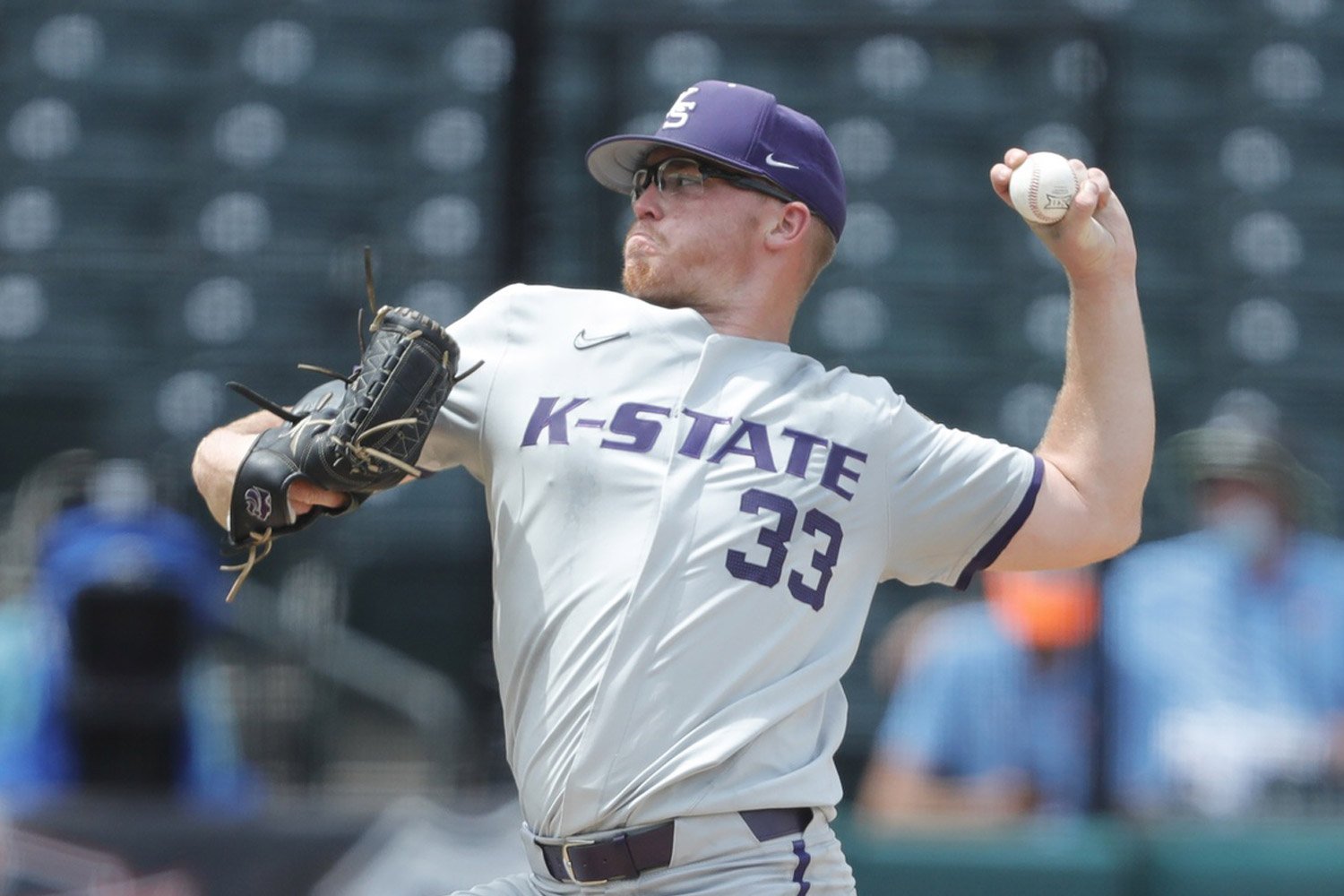 According to reports, Jordan Wicks has departed from the Iowa Cubs and is likely heading to Pittsburgh to join the big league squad this weekend. Wicks is the top left-handed pitching prospect in the Cubs’ farm system, and depending on which composite ranking site you trust, is the second-best pitching prospect the Cubs have behind Cade Horton (or third behind Ben Brown). He’s equipped with a mid-90s fastball and a wholly dominant changeup that allows him to handle hitters on both sides of the plate. I made the case for him as the best option for the Cubs to fortify their rotation down the stretch here. There’s a much longer scouting report on Wicks that is worth perusing, but the gist of his profile is that he’s got above-average control and a solid four-pitch mix (he has a slider and curveball to go along with his fastball and changeup). He has a 2.29 ERA over his last four starts at Iowa, including a spike in his strikeout rate. In essence, he’s hot, talented, and the Cubs are desperate for competent innings out of their fifth starter. The roster implications are pretty simple, as the Cubs have a couple of spots open on the 40-man roster. He’ll have to bump someone off the active major league roster - perhaps Keegan Thompson will be shuttled up-and-down the rest of the year between Iowa and Chicago - but he won’t cause any DFAs or other roster maneuvers. The former 2021 first-round pick might not be up for the rest of the season, though he should draw at least a couple of starts through the next few turns in the rotation. If he pitches Saturday, he’ll draw the Pirates, Reds, and Giants over his first three starts if everyone in the rotation makes their scheduled appearances. The Pirates and Giants shouldn’t be too much of a challenge (.702 and .682 OPS versus left-handed pitching, respectively), but the Reds are certainly a threat (.743 OPS versus left-handed pitching). Ultimately, the Cubs can’t hope for Wicks to come up and dominate the way Eury Perez has for the Marlins this year. However, he should be able to provide steady innings and keep the team in the games that Drew Smyly was pitching them out of his in last few turns as a starter. If nothing else, Wicks should provide a little excitement as one of the first of (what will hopefully be) many homegrown pitchers to quickly reach the majors under the team’s new pitching infrastructure.
 -
It sounds like one of the Cubs' top pitching prospects is on his way to the majors for his first career start this weekend against the Pirates. Image courtesy of © Alonzo Adams-USA TODAY Sports According to reports, Jordan Wicks has departed from the Iowa Cubs and is likely heading to Pittsburgh to join the big league squad this weekend. Wicks is the top left-handed pitching prospect in the Cubs’ farm system, and depending on which composite ranking site you trust, is the second-best pitching prospect the Cubs have behind Cade Horton (or third behind Ben Brown). He’s equipped with a mid-90s fastball and a wholly dominant changeup that allows him to handle hitters on both sides of the plate. I made the case for him as the best option for the Cubs to fortify their rotation down the stretch here. There’s a much longer scouting report on Wicks that is worth perusing, but the gist of his profile is that he’s got above-average control and a solid four-pitch mix (he has a slider and curveball to go along with his fastball and changeup). He has a 2.29 ERA over his last four starts at Iowa, including a spike in his strikeout rate. In essence, he’s hot, talented, and the Cubs are desperate for competent innings out of their fifth starter. The roster implications are pretty simple, as the Cubs have a couple of spots open on the 40-man roster. He’ll have to bump someone off the active major league roster - perhaps Keegan Thompson will be shuttled up-and-down the rest of the year between Iowa and Chicago - but he won’t cause any DFAs or other roster maneuvers. The former 2021 first-round pick might not be up for the rest of the season, though he should draw at least a couple of starts through the next few turns in the rotation. If he pitches Saturday, he’ll draw the Pirates, Reds, and Giants over his first three starts if everyone in the rotation makes their scheduled appearances. The Pirates and Giants shouldn’t be too much of a challenge (.702 and .682 OPS versus left-handed pitching, respectively), but the Reds are certainly a threat (.743 OPS versus left-handed pitching). Ultimately, the Cubs can’t hope for Wicks to come up and dominate the way Eury Perez has for the Marlins this year. However, he should be able to provide steady innings and keep the team in the games that Drew Smyly was pitching them out of his in last few turns as a starter. If nothing else, Wicks should provide a little excitement as one of the first of (what will hopefully be) many homegrown pitchers to quickly reach the majors under the team’s new pitching infrastructure. View full article
-
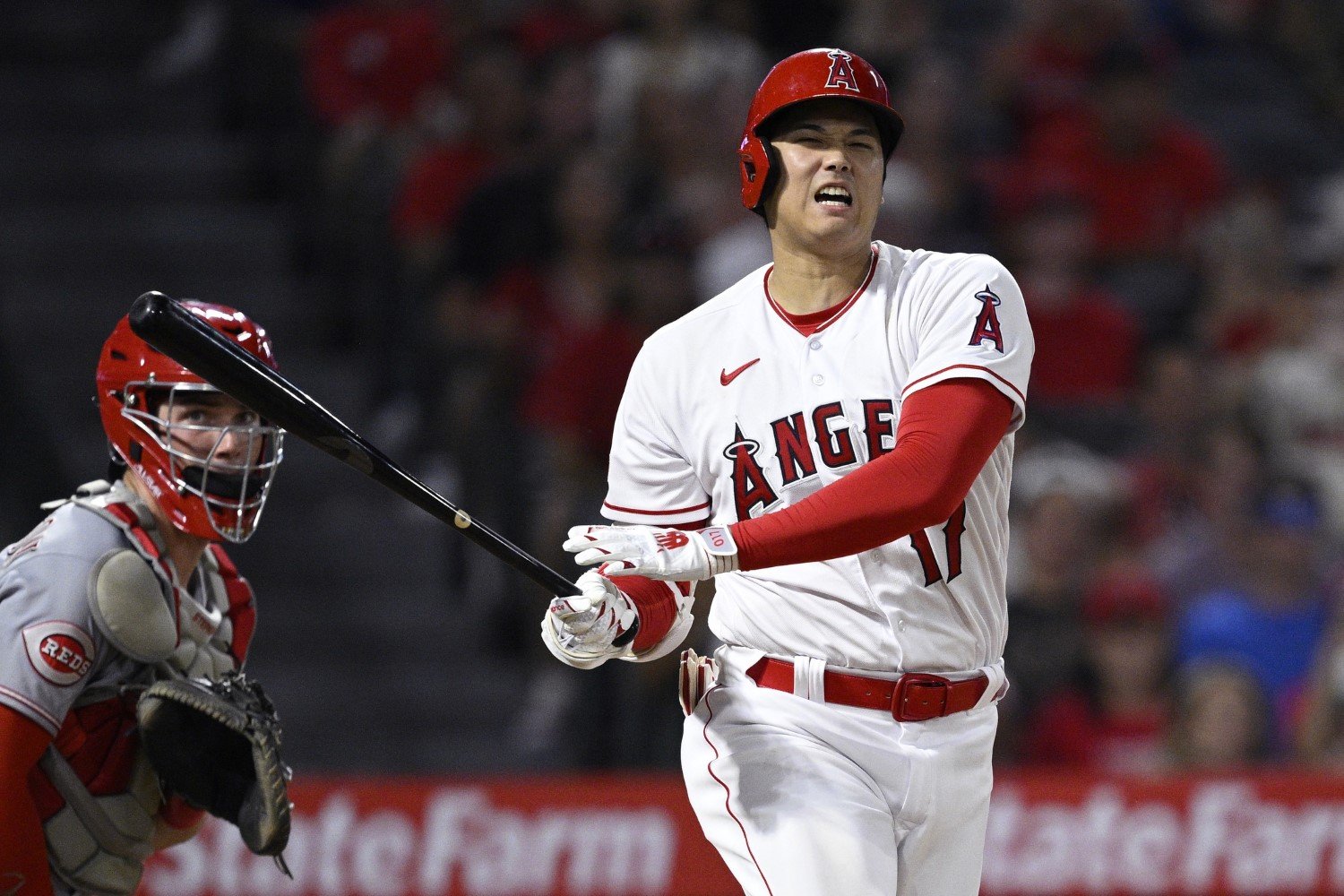 If you somehow missed the report, Shohei Ohtani reportedly has a torn UCL for the second time in his already-luminous career. He’s currently seeking a second opinion, but there's a chance Ohtani will have to undergo Tommy John surgery for a second time. There really is no way to overstate the impact of this on the baseball landscape. What was going to be the most lucrative and frantic free-agent pursuit of all time has now been mired in a swamp of uncertainty. Ohtani’s unique value of being both a top-five hitter and an above-average starting pitcher in the league could be a relic of the past--a dizzying reminder of just how fragile the status of being upper-echelon in this sport really is. If this is the end of his pitching career, or even merely the end of his Cy Young contending days, his fall from the mountaintop will be as rapid and precipitous as his climb was to get there. There will be hundreds of reports written from beat writers, national columnists, team doctors, fan blogs and every other corner of the baseball world about the fallout of this news. This was supposed to be the Winter of Ohtani. Contracts in the $500 million range began to sound like low-ball offers. He was going to break every single record for monetary value among athlete contracts in the major American sports. And at the center of it all: the few teams who had both the financial wherewithal and national spotlight to make a genuine run at the greatest player this sport has ever seen. I’ll leave the other favorites (namely, the Dodgers, Giants, Yankees, Mets, and Padres) out of the discussion for now. Their own fan bases will be taking all the time they need to plot their team’s best course of action. I’ll also note that the Cubs were never the favorites for Ohtani, but they were always in the periphery of the discussion. They’ve been skirting the luxury tax all season in the hopes that Ohtani would force them to go over it for the next several years. But now, just what kind of contract Ohtani will get is a question. Perhaps he’ll take a one-year rehab deal, akin to Cody Bellinger this season, playing out 2024 as some team’s DH before re-entering free agency with the promise that his best days on the mound are somehow still in front of him. Odds are, though, some team will swallow the unfathomable risk associated with the combustible profile of Ohtani’s unicorn talents and a second major elbow injury, giving Ohtani a contract that still dwarfs anything we’ve ever seen. The question at hand is: should the Cubs be that team? The Carlos Correa saga last offseason was enough to keep the Cubs at bay and led them to focus on Dansby Swanson. Is this Ohtani news enough to get the Cubs to reconsider their offseason plans around their in-house superstar? The latest reports had them waiting out Cody Bellinger until the Ohtani market came into focus. In other words, the Cubs wouldn’t seriously negotiate with Bellinger’s camp until they knew they were out on Ohtani (or if they somehow signed him, they would move on from Bellinger). To be completely candid, I have no idea what the answer to that question should be. The Cubs will have an Ohtani-sized hole burning in their wallet if they go stagnant this offseason, a path that would be morally reprehensible given the progress the team has seen this year. Jed Hoyer and company have always been a risk-mitigating bunch, but perhaps there is now a surplus value to be extracted from a market that may be too wary of an injury on an otherwise super-heroic titan of the game. If I can indulge somewhat briefly, and we take Thomas Rawls’ famous “Original Position” thought experiment (or “Veil of Ignorance”, for the classically trained) and extrapolate it to the Cubs’ offseason plans, the obvious answer is that the Cubs should probably play it safe and re-sign Bellinger, forgoing a serious Ohtani pursuit. Then again, how “safe” would a Bellinger re-signing campaign be, now that he may be the most sought-after player on the market? The questions will continue to come. Ohtani will still make more money than almost any athlete who ever lived. Bellinger will be an oasis in an otherwise barren free agent landscape for position players. What the Cubs do is anyone’s guess--including, probably, the Cubs' themselves.
 -
With the devastating injury news sweeping the baseball landscape late Wednesday night, what does Shohei Ohtani’s uncertain future mean for the Cubs and their offseason plans? Image courtesy of © Orlando Ramirez-USA TODAY Sports If you somehow missed the report, Shohei Ohtani reportedly has a torn UCL for the second time in his already-luminous career. He’s currently seeking a second opinion, but there's a chance Ohtani will have to undergo Tommy John surgery for a second time. There really is no way to overstate the impact of this on the baseball landscape. What was going to be the most lucrative and frantic free-agent pursuit of all time has now been mired in a swamp of uncertainty. Ohtani’s unique value of being both a top-five hitter and an above-average starting pitcher in the league could be a relic of the past--a dizzying reminder of just how fragile the status of being upper-echelon in this sport really is. If this is the end of his pitching career, or even merely the end of his Cy Young contending days, his fall from the mountaintop will be as rapid and precipitous as his climb was to get there. There will be hundreds of reports written from beat writers, national columnists, team doctors, fan blogs and every other corner of the baseball world about the fallout of this news. This was supposed to be the Winter of Ohtani. Contracts in the $500 million range began to sound like low-ball offers. He was going to break every single record for monetary value among athlete contracts in the major American sports. And at the center of it all: the few teams who had both the financial wherewithal and national spotlight to make a genuine run at the greatest player this sport has ever seen. I’ll leave the other favorites (namely, the Dodgers, Giants, Yankees, Mets, and Padres) out of the discussion for now. Their own fan bases will be taking all the time they need to plot their team’s best course of action. I’ll also note that the Cubs were never the favorites for Ohtani, but they were always in the periphery of the discussion. They’ve been skirting the luxury tax all season in the hopes that Ohtani would force them to go over it for the next several years. But now, just what kind of contract Ohtani will get is a question. Perhaps he’ll take a one-year rehab deal, akin to Cody Bellinger this season, playing out 2024 as some team’s DH before re-entering free agency with the promise that his best days on the mound are somehow still in front of him. Odds are, though, some team will swallow the unfathomable risk associated with the combustible profile of Ohtani’s unicorn talents and a second major elbow injury, giving Ohtani a contract that still dwarfs anything we’ve ever seen. The question at hand is: should the Cubs be that team? The Carlos Correa saga last offseason was enough to keep the Cubs at bay and led them to focus on Dansby Swanson. Is this Ohtani news enough to get the Cubs to reconsider their offseason plans around their in-house superstar? The latest reports had them waiting out Cody Bellinger until the Ohtani market came into focus. In other words, the Cubs wouldn’t seriously negotiate with Bellinger’s camp until they knew they were out on Ohtani (or if they somehow signed him, they would move on from Bellinger). To be completely candid, I have no idea what the answer to that question should be. The Cubs will have an Ohtani-sized hole burning in their wallet if they go stagnant this offseason, a path that would be morally reprehensible given the progress the team has seen this year. Jed Hoyer and company have always been a risk-mitigating bunch, but perhaps there is now a surplus value to be extracted from a market that may be too wary of an injury on an otherwise super-heroic titan of the game. If I can indulge somewhat briefly, and we take Thomas Rawls’ famous “Original Position” thought experiment (or “Veil of Ignorance”, for the classically trained) and extrapolate it to the Cubs’ offseason plans, the obvious answer is that the Cubs should probably play it safe and re-sign Bellinger, forgoing a serious Ohtani pursuit. Then again, how “safe” would a Bellinger re-signing campaign be, now that he may be the most sought-after player on the market? The questions will continue to come. Ohtani will still make more money than almost any athlete who ever lived. Bellinger will be an oasis in an otherwise barren free agent landscape for position players. What the Cubs do is anyone’s guess--including, probably, the Cubs' themselves. View full article
-
I know we've already had the "context" discourse so I won't re-open that rabbit hole, but again, the dude is coming off two literal career-threatening injuries at the same time. The fact he isn't showing MORE rust and problems with his results is a miracle. The goal with a roster move this late in the year is just to catch a guy on a heater. You're not going to add anyone at this point that's legitimately going to change the dynamic of a team. If Canario is on one of his patented home run binges for the new few weeks, better for that to happen in Chicago than Iowa, no? And if he struggles in a 50 at-bat cup of coffee? Them's the brakes. He'll learn from it. This team should be good enough to withstand a cold stretch from a prospect occupying the 9th spot in the lineup anyways. The hope is that he helps around the margins, maybe adding an extra win or two to the ledger. No one's asking him to be a superstar yet.
-
Sharing this because it shamelessly feeds the narrative:
-
I guarantee you right now that if you promised the Rockies every single one of their hitters next season would post an OPS 100 points over league average, they would take that in a heartbeat and laugh all the way out the door.
-
Yes, they've been on something of a hot stretch with the long ball, but a lot of those have come in blowouts (and against opposing position players). And there isn't one guy in the lineup right now, perhaps besides Bellinger, who I think you legitimately believe can hit one out any time he steps to the plate. PCA is absolutely the top choice. There shouldn't be a question there. But if the 40-man crunch is tighter than we realize, Canario would get a longer look than most think.
-
This is a take I can't defend. What do you want the guy to do? Post a 1.500 OPS? Hit a home run every single game? By wRC+, he's been 40% better than the average than the average hitter across all of Triple A (park adjusted) for a month. Source: Again, he's far from a finished product. But this kid can clearly hit the ball. A 1.000 OPS coming off multiple major injuries speaks to his potential.
-
This is an awesome analysis and a great point about Canario's skillset. What I want to be sure is clear is that IF Canario were to come up, he would be HEAVILY match-up protected, much in the same way Wisdom has been the last 2+ months. He'd almost never be in the lineup against righties, and lefties with good changeups (a pitch Canario has struggled with for some time) would probably keep him on the bench too. Calling up the 28th man in September during a playoff race isn't about finding the next every day starter - it's about finding someone who fills a very specific need on a roster already built to compete. There are plenty of options at Iowa, PCA among them. But if the issue with PCA (in general) is that he's redundant on a team with great outfield defense and good speed, Canario fits the mold being a slugger with a great eye.