Brandon Glick
-
Posts
1,153 -
Joined
-
Last visited
Content Type
Profiles
Joomla Posts 1
Chicago Cubs Videos
Chicago Cubs Free Agent & Trade Rumors, Notes, & Tidbits
2026 Chicago Cubs Top Prospects Ranking
News
2023 Chicago Cubs Draft Picks
Guides & Resources
2024 Chicago Cubs Draft Picks
The Chicago Cubs Players Project
2025 Chicago Cubs Draft Pick Tracker
2026 Chicago Cubs Draft Tracker: Picks & Bonuses
Blogs
Events
Forums
Store
Gallery
Everything posted by Brandon Glick
-
Didn't mean to steal your thunder! Saw some highlights of him float across my feed and got the urge to revisit his two months of brilliance. That's a very cool story! I'd be happy to add it to the personal/fan section of his page if you'd like. And yes, I do hope he gets one more shot in affiliated ball before he calls it a career.
-
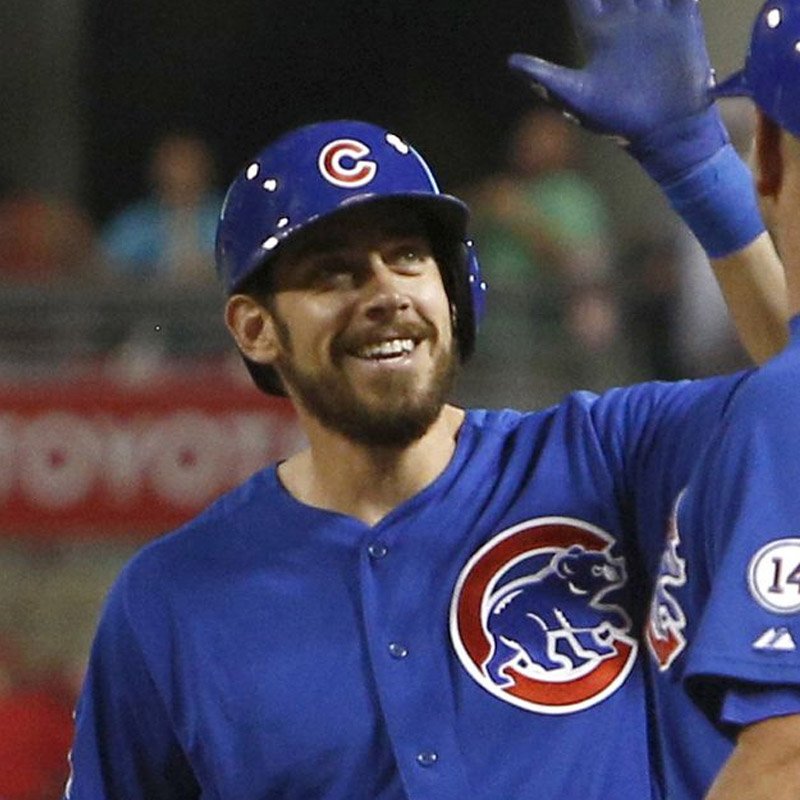
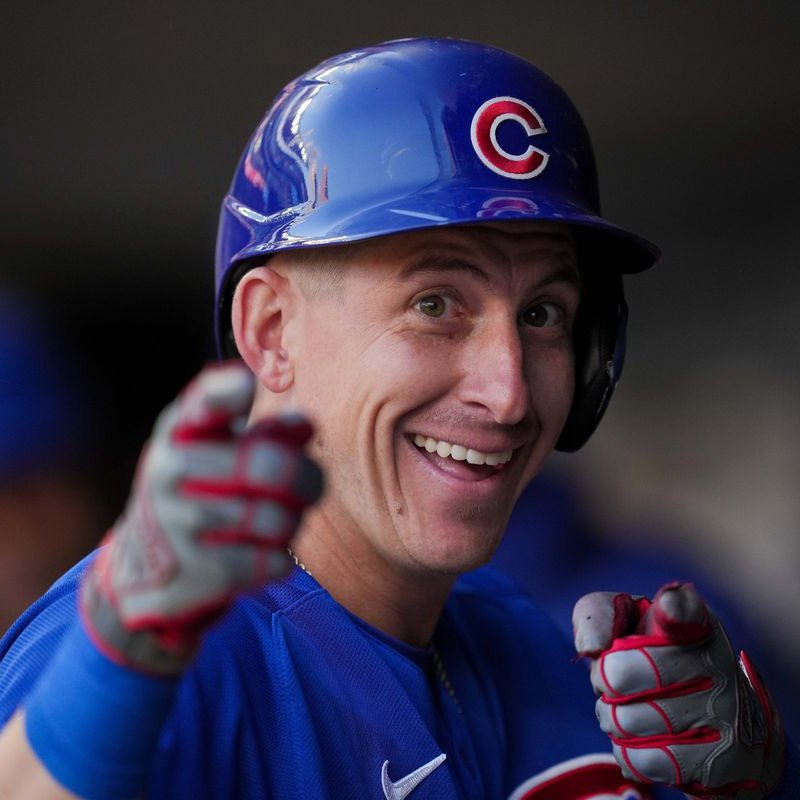 Frank "The Tank" Schwindel is a professional baseball player who played 145 games in the major leagues, though he spent two memorable years with the Chicago Cubs. It wasn't that long ago, so most fans around here probably remember just how bewildering the "Summer of Tank" was in 2021. Right after the Cubs had traded away their entire championship core at the trade deadline, including first baseman Anthony Rizzo, the vibes were not good, to put it mildly. It was clear the team was entering another rebuild, this time under Jed Hoyer's stewardship, and there were precious few fan favorites left in Chicago to root for. Enter: Frank Schwindel. Armed with an infectious smile and shockingly impressive power, Schwindel got his first real chance at extended major league action and ran with it after Rizzo was traded. Originally claimed by the Cubs off waivers on July 18, 2021, the first baseman was recalled on July 30 to fill impossible big shoes. And yet, against all odds, Schwindel didn't just fit the shoes, but his toes burst out of them and required new shoes a few sizes larger. In August, Schwindel slashed .344/.394/.635 (171 wRC+) with six home runs, winning NL Rookie of the Month honors (as a 29-year-old). Then, in September, he slashed .344/.388/.600 (162 wRC+) with seven home runs and won Rookie of the Month honors again! He also won Player of the Week honors in early September as part of a stretch when he drove in the game-winning run in four consecutive games. Per ESPN Stats & Info, Schwindel is the only MLB player with a go-ahead RBI in the 6th inning or later of four straight games over the last 40 years. In that two month stretch, which spanned just 56 games and 239 plate appearances, Schwindel accrued 1.8 bWAR and finished sixth in NL Rookie of the Year voting. Of course, it wasn't just his on-field success that made him so likable; he was a fan-favorite off the field too. Of course, all good things must come to an end, and Schwindel's Cinderella story petered out as quickly as it began. After just 96 plate appearances in which he hit .209 to open up the 2022 season, the first baseman was demoted back to Triple-A Iowa. He was recalled the next day, though an Injured List stint in mid-June all but sapped him of his effectiveness. By August 9, 2022, Schwindel was sent to the minors for good, and on September 17, he was designated for assignment. Prior to his time with the Cubs, Schwindel had spent time with the Royals, Tigers, and Athletics. He drew 35 at-bats between them (none for Detroit) and generally couldn't shed the dreaded Quadruple-A label. Though his success in Chicago was brief, his breakout story was a necessary burst of fun during an otherwise depressing time in Wrigleyville. In the years since he was DFA'd by the Cubs, he's played for the Orix Buffaloes of the NPB and the Long Island Ducks of the Atlantic League of Professional Baseball. He is currently unsigned for the 2025 season.
 -
Frank "The Tank" Schwindel is a professional baseball player who played 145 games in the major leagues, though he spent two memorable years with the Chicago Cubs. It wasn't that long ago, so most fans around here probably remember just how bewildering the "Summer of Tank" was in 2021. Right after the Cubs had traded away their entire championship core at the trade deadline, including first baseman Anthony Rizzo, the vibes were not good, to put it mildly. It was clear the team was entering another rebuild, this time under Jed Hoyer's stewardship, and there were precious few fan favorites left in Chicago to root for. Enter: Frank Schwindel. Armed with an infectious smile and shockingly impressive power, Schwindel got his first real chance at extended major league action and ran with it after Rizzo was traded. Originally claimed by the Cubs off waivers on July 18, 2021, the first baseman was recalled on July 30 to fill impossible big shoes. And yet, against all odds, Schwindel didn't just fit the shoes, but his toes burst out of them and required new shoes a few sizes larger. In August, Schwindel slashed .344/.394/.635 (171 wRC+) with six home runs, winning NL Rookie of the Month honors (as a 29-year-old). Then, in September, he slashed .344/.388/.600 (162 wRC+) with seven home runs and won Rookie of the Month honors again! He also won Player of the Week honors in early September as part of a stretch when he drove in the game-winning run in four consecutive games. Per ESPN Stats & Info, Schwindel is the only MLB player with a go-ahead RBI in the 6th inning or later of four straight games over the last 40 years. In that two month stretch, which spanned just 56 games and 239 plate appearances, Schwindel accrued 1.8 bWAR and finished sixth in NL Rookie of the Year voting. Of course, it wasn't just his on-field success that made him so likable; he was a fan-favorite off the field too. Of course, all good things must come to an end, and Schwindel's Cinderella story petered out as quickly as it began. After just 96 plate appearances in which he hit .209 to open up the 2022 season, the first baseman was demoted back to Triple-A Iowa. He was recalled the next day, though an Injured List stint in mid-June all but sapped him of his effectiveness. By August 9, 2022, Schwindel was sent to the minors for good, and on September 17, he was designated for assignment. Prior to his time with the Cubs, Schwindel had spent time with the Royals, Tigers, and Athletics. He drew 35 at-bats between them (none for Detroit) and generally couldn't shed the dreaded Quadruple-A label. Though his success in Chicago was brief, his breakout story was a necessary burst of fun during an otherwise depressing time in Wrigleyville. In the years since he was DFA'd by the Cubs, he's played for the Orix Buffaloes of the NPB and the Long Island Ducks of the Atlantic League of Professional Baseball. He is currently unsigned for the 2025 season. View full player
-
The Top 20 Chicago Cubs Player Assets of 2025: Part 3 (Nos. 6-10)
Brandon Glick posted an article in Cubs
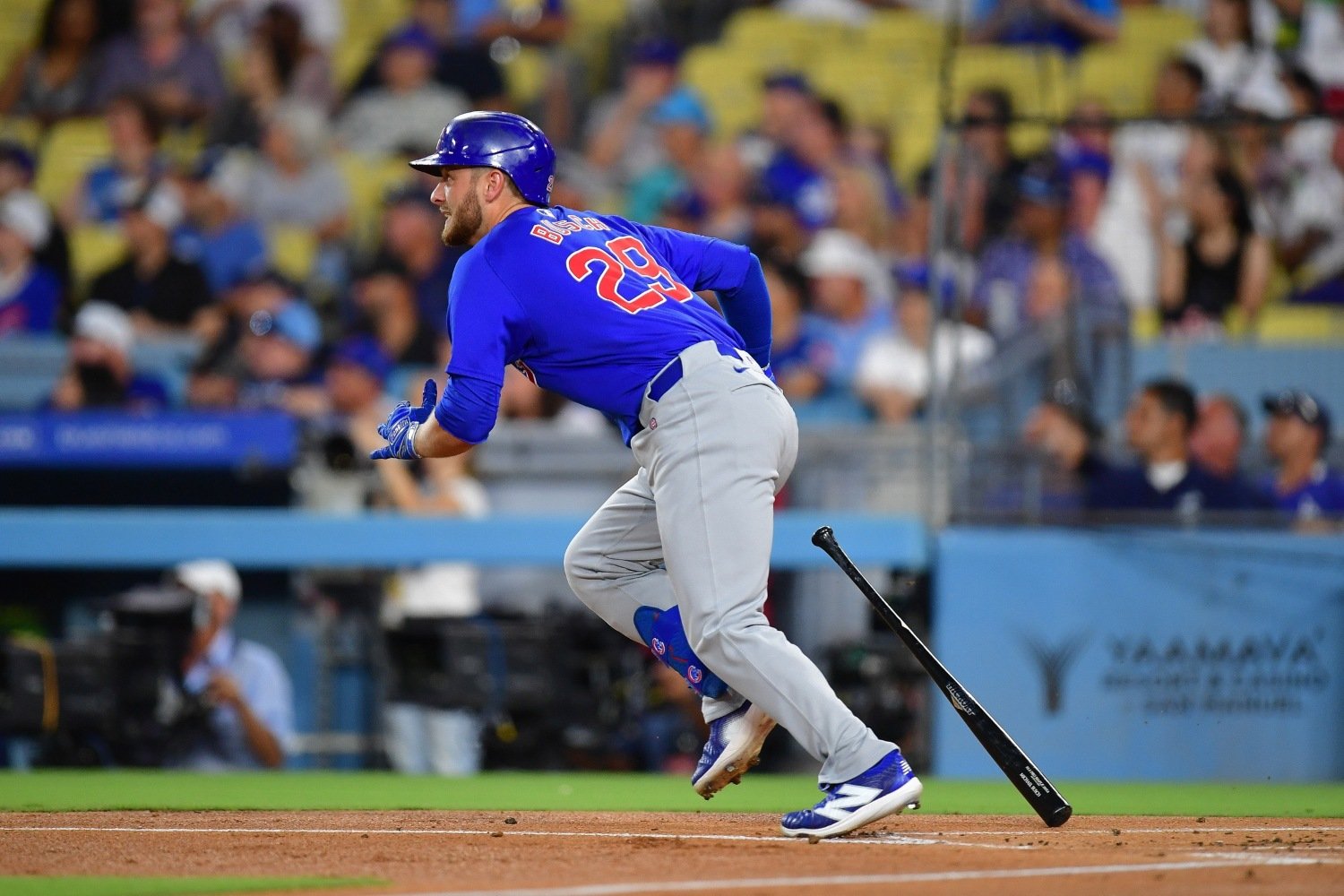 You can get a full explanation for the parameters used to develop this list in our introductory post, but the short version is this. We're answering the question: which current players in the organization are most indispensable to fulfilling the vision of building a champion? To rank Cubs players and prospects, I will be accounting for age, contract, controllability, upside, and more. I’ll remind everyone that, while the 2025 season matters for a Cubs team that should win their division, this ranking is about the future as much as it is the present. Players with advancing age or waning team control won’t get as much love here as they would in a narrower time frame. Here’s how the list has shaken out so far in Part 1 (16-20) and Part 2 (11-15): 20. Luke Little, RP 19. Jordan Wicks, SP 18. Miguel Amaya, C 17. James Triantos, 2B/3B 16. Kyle Tucker, RF 15. Ian Happ, LF 14. Nico Hoerner, 2B 13. Seiya Suzuki, RF/DH 12. Kevin Alcantara, OF 11. Ben Brown, SP Without further ado, let’s make our way into the top 10. 10. Dansby Swanson, Shortstop Opening Day Age: 31 Controlled Through: 2029 Contract Status: Seven Years, $177 Million At a luxury tax figure that exceeds $25 million for each of the next five seasons, Swanson surely holds a role of outsized importance on this roster, both in terms of cost and position. Let’s start with the good: Swanson is a World Series champion who has won two Gold Gloves at the most important spot on the infield, and he was worth 18 outs above average (OAA) in 2024 after accruing 20 in both 2022 and 2023. He’s also a very durable shortstop, having played in 147 or more games in four consecutive seasons, including all 162 games in 2022. He’s shown 25-plus home run power in the past, and his OPS hasn’t dipped below .700 since 2018. Swanson is a consistent threat at the plate and an excellent defender in the field, and that should remain true for the duration of his contract. Now for the bad: Swanson has declined offensively since coming to Chicago, posting a 105 wRC+ in 2023 and 98 wRC+ in 2024 after logging a 116 mark in his final season with the Braves. His batted-ball metrics are also declining, including worsening exit velocity and launch angle numbers. He’ll continue to rack up 4 WAR seasons thanks to his defense and well-rounded profile, but the truth is that in future iterations of these rankings, Swanson’s only place to go is down. 9. Jefferson Rojas, Shortstop Opening Day Age: 19 Controlled Through: N/A Contract Status: Minor Leagues By far the youngest player in these rankings, Rojas is a teenager who had a lot of prospect helium before struggling a bit in 2024. Playing exclusively at High-A South Bend last year, Rojas slashed .245/.310/.336 (88 wRC+) in 96 games. It was a noticeable dropoff from his impressive Stateside debut in 2023 (113 wRC+), though he did slash his strikeout rate by nearly five points while improving his walk rate. His plate approach is very advanced for a teenager and should only continue to improve as he gets more reps against pitchers in the higher levels of the minor leagues. In case you’re wondering just how highly the Cubs think of him, remember that he pushed Christian Hernandez off of shortstop after arriving in Myrtle Beach in 2023. Unlike nearly everyone else in this exercise, Rojas has no chance of being a big-league contributor in 2025. His placement here is purely an exercise in faith and excitement, and I’m of the belief that he is the long-term answer at shortstop once Swanson declines or moves on from the organization. (Of course, he could also help the 2025 Cubs by being traded for a needed upgrade at some point.) 8. Michael Busch, First Baseman Opening Day Age: 27 Controlled Through: 2029 Contract Status: Pre-Arbitration Busch is yet another member of the Cubs’ shockingly vaunted 2029 free-agent-to-be class, though he stands to have the best half-decade before then. After struggling to make headway with the Dodgers, Busch landed in Chicago as part of the trade that sent pitching prospect Jackson Ferris and outfield dynamo Zyhir Hope to Los Angeles. It wasn’t the most consistent season at the plate, but Busch finished with a .248/.335/.440 slash line (good for a 118 wRC+), with 21 home runs in 496 at-bats. He also supplied fine defense at the cold corner, accruing 2 OAA in 1,132 ⅓ innings in 2024. If he can cut back on his strikeout rate (28.6%) without losing his patience at the plate (11.1% walk rate), he can be a special hitter. Busch is on the older side for someone so early in their career after breaking out in his age-26 season, but the Cubs have him under wraps for the duration of his prime. After fiddling around with Frank Schwindel and Trey Mancini for a couple of years, the team finally has its Anthony Rizzo replacement. 7. Owen Caissie, Outfielder Opening Day Age: 22 Controlled Through: 2031 (At Least) Contract Status: Minor Leagues I have long been the biggest homer of Caissie in this subsection of Cubs fandom, ranking him as my top prospect in the organization over the likes of Cade Horton, Matt Shaw, and others over the past few seasons. Only Pete Crow-Armstrong ever topped the Canadian slugger in terms of my belief in Cubs outfield prospects. In 127 games last season, all with Triple-A Iowa, Caissie slashed .278/.375/.473 (121 wRC+) and hit 19 home runs in 549 plate appearances at just 21 years old. His power numbers were down a bit from his usual levels, but his walk rate remained impressive (12.9%) even as he cut down a little on his strikeout rate (31.1% in 2023, 28.4% in 2024). You can see just how impressive his bat is in the clip below; the sound is just different when he connects properly. His pop is his carrying tool, though he’s enough of an athlete that he should be a capable defender and baserunner. Blocked by the triumvirate of Ian Happ, Crow-Armstrong, and Kyle Tucker in the big leagues—not to mention Seiya Suzuki, Kevin Alcántara, and Alexander Canario—it may be a while before we see the Cubs fully unleash Caissie. When we do, it should be a sight to behold. 6. Shota Imanaga, Starting Pitcher Opening Day Age: 31 Controlled Through: 2028 (Club Option) Contract Status: Four Years, $53 Million, kind of Shota Imanaga is sort of the cut-off point for the top tier for me. Think of him as an honorary member of the top five. If he were a bit younger, he’d have a really strong case to be a few spots higher after a brilliant debut in 2024. First things first, let’s talk about his bizarre contract. He’s guaranteed $53 million over four years, though he technically can opt out after this season—if the Cubs don’t pick up a fifth-year option worth $17 million for the 2028 season. Assuming they do that, Imanaga is locked in with Chicago through 2028 at a reasonable luxury tax figure, making him one of the most valuable pitchers in the organization. In his debut Stateside season, Imanaga logged a 2.91 ERA (3.72 FIP) with a league-leading 6.21 strikeout-to-walk ratio. He was an All-Star who finished fifth in Cy Young voting despite it technically being his rookie season, and he got it all done effectively with two dominant pitches (his four-seam fastball and splitter). He limited free passes and induced swings on pitches outside the zone at elite rates last year, and if he can start to limit the damage done on some of his mistake pitches, Imanaga could be a serious contender for a Cy Young Award in the next few seasons. Check back tomorrow for the next installment, covering our picks for No. 1 through 5!
-
- 1
-

-
- shota imanaga
- jefferson rojas
- (and 3 more)
-
We continue with our list ranking the 20 most important players to the Cubs’ present and future. Today, we’ll tackle the back half of the top 10. Image courtesy of © Gary A. Vasquez-Imagn Images You can get a full explanation for the parameters used to develop this list in our introductory post, but the short version is this. We're answering the question: which current players in the organization are most indispensable to fulfilling the vision of building a champion? To rank Cubs players and prospects, I will be accounting for age, contract, controllability, upside, and more. I’ll remind everyone that, while the 2025 season matters for a Cubs team that should win their division, this ranking is about the future as much as it is the present. Players with advancing age or waning team control won’t get as much love here as they would in a narrower time frame. Here’s how the list has shaken out so far in Part 1 (16-20) and Part 2 (11-15): 20. Luke Little, RP 19. Jordan Wicks, SP 18. Miguel Amaya, C 17. James Triantos, 2B/3B 16. Kyle Tucker, RF 15. Ian Happ, LF 14. Nico Hoerner, 2B 13. Seiya Suzuki, RF/DH 12. Kevin Alcantara, OF 11. Ben Brown, SP Without further ado, let’s make our way into the top 10. 10. Dansby Swanson, Shortstop Opening Day Age: 31 Controlled Through: 2029 Contract Status: Seven Years, $177 Million At a luxury tax figure that exceeds $25 million for each of the next five seasons, Swanson surely holds a role of outsized importance on this roster, both in terms of cost and position. Let’s start with the good: Swanson is a World Series champion who has won two Gold Gloves at the most important spot on the infield, and he was worth 18 outs above average (OAA) in 2024 after accruing 20 in both 2022 and 2023. He’s also a very durable shortstop, having played in 147 or more games in four consecutive seasons, including all 162 games in 2022. He’s shown 25-plus home run power in the past, and his OPS hasn’t dipped below .700 since 2018. Swanson is a consistent threat at the plate and an excellent defender in the field, and that should remain true for the duration of his contract. Now for the bad: Swanson has declined offensively since coming to Chicago, posting a 105 wRC+ in 2023 and 98 wRC+ in 2024 after logging a 116 mark in his final season with the Braves. His batted-ball metrics are also declining, including worsening exit velocity and launch angle numbers. He’ll continue to rack up 4 WAR seasons thanks to his defense and well-rounded profile, but the truth is that in future iterations of these rankings, Swanson’s only place to go is down. 9. Jefferson Rojas, Shortstop Opening Day Age: 19 Controlled Through: N/A Contract Status: Minor Leagues By far the youngest player in these rankings, Rojas is a teenager who had a lot of prospect helium before struggling a bit in 2024. Playing exclusively at High-A South Bend last year, Rojas slashed .245/.310/.336 (88 wRC+) in 96 games. It was a noticeable dropoff from his impressive Stateside debut in 2023 (113 wRC+), though he did slash his strikeout rate by nearly five points while improving his walk rate. His plate approach is very advanced for a teenager and should only continue to improve as he gets more reps against pitchers in the higher levels of the minor leagues. In case you’re wondering just how highly the Cubs think of him, remember that he pushed Christian Hernandez off of shortstop after arriving in Myrtle Beach in 2023. Unlike nearly everyone else in this exercise, Rojas has no chance of being a big-league contributor in 2025. His placement here is purely an exercise in faith and excitement, and I’m of the belief that he is the long-term answer at shortstop once Swanson declines or moves on from the organization. (Of course, he could also help the 2025 Cubs by being traded for a needed upgrade at some point.) 8. Michael Busch, First Baseman Opening Day Age: 27 Controlled Through: 2029 Contract Status: Pre-Arbitration Busch is yet another member of the Cubs’ shockingly vaunted 2029 free-agent-to-be class, though he stands to have the best half-decade before then. After struggling to make headway with the Dodgers, Busch landed in Chicago as part of the trade that sent pitching prospect Jackson Ferris and outfield dynamo Zyhir Hope to Los Angeles. It wasn’t the most consistent season at the plate, but Busch finished with a .248/.335/.440 slash line (good for a 118 wRC+), with 21 home runs in 496 at-bats. He also supplied fine defense at the cold corner, accruing 2 OAA in 1,132 ⅓ innings in 2024. If he can cut back on his strikeout rate (28.6%) without losing his patience at the plate (11.1% walk rate), he can be a special hitter. Busch is on the older side for someone so early in their career after breaking out in his age-26 season, but the Cubs have him under wraps for the duration of his prime. After fiddling around with Frank Schwindel and Trey Mancini for a couple of years, the team finally has its Anthony Rizzo replacement. 7. Owen Caissie, Outfielder Opening Day Age: 22 Controlled Through: 2031 (At Least) Contract Status: Minor Leagues I have long been the biggest homer of Caissie in this subsection of Cubs fandom, ranking him as my top prospect in the organization over the likes of Cade Horton, Matt Shaw, and others over the past few seasons. Only Pete Crow-Armstrong ever topped the Canadian slugger in terms of my belief in Cubs outfield prospects. In 127 games last season, all with Triple-A Iowa, Caissie slashed .278/.375/.473 (121 wRC+) and hit 19 home runs in 549 plate appearances at just 21 years old. His power numbers were down a bit from his usual levels, but his walk rate remained impressive (12.9%) even as he cut down a little on his strikeout rate (31.1% in 2023, 28.4% in 2024). You can see just how impressive his bat is in the clip below; the sound is just different when he connects properly. His pop is his carrying tool, though he’s enough of an athlete that he should be a capable defender and baserunner. Blocked by the triumvirate of Ian Happ, Crow-Armstrong, and Kyle Tucker in the big leagues—not to mention Seiya Suzuki, Kevin Alcántara, and Alexander Canario—it may be a while before we see the Cubs fully unleash Caissie. When we do, it should be a sight to behold. 6. Shota Imanaga, Starting Pitcher Opening Day Age: 31 Controlled Through: 2028 (Club Option) Contract Status: Four Years, $53 Million, kind of Shota Imanaga is sort of the cut-off point for the top tier for me. Think of him as an honorary member of the top five. If he were a bit younger, he’d have a really strong case to be a few spots higher after a brilliant debut in 2024. First things first, let’s talk about his bizarre contract. He’s guaranteed $53 million over four years, though he technically can opt out after this season—if the Cubs don’t pick up a fifth-year option worth $17 million for the 2028 season. Assuming they do that, Imanaga is locked in with Chicago through 2028 at a reasonable luxury tax figure, making him one of the most valuable pitchers in the organization. In his debut Stateside season, Imanaga logged a 2.91 ERA (3.72 FIP) with a league-leading 6.21 strikeout-to-walk ratio. He was an All-Star who finished fifth in Cy Young voting despite it technically being his rookie season, and he got it all done effectively with two dominant pitches (his four-seam fastball and splitter). He limited free passes and induced swings on pitches outside the zone at elite rates last year, and if he can start to limit the damage done on some of his mistake pitches, Imanaga could be a serious contender for a Cy Young Award in the next few seasons. Check back tomorrow for the next installment, covering our picks for No. 1 through 5! View full article
-
The Top 20 Chicago Cubs Player Assets of 2025: Part 2 (Nos. 11-15)
Brandon Glick posted an article in Cubs
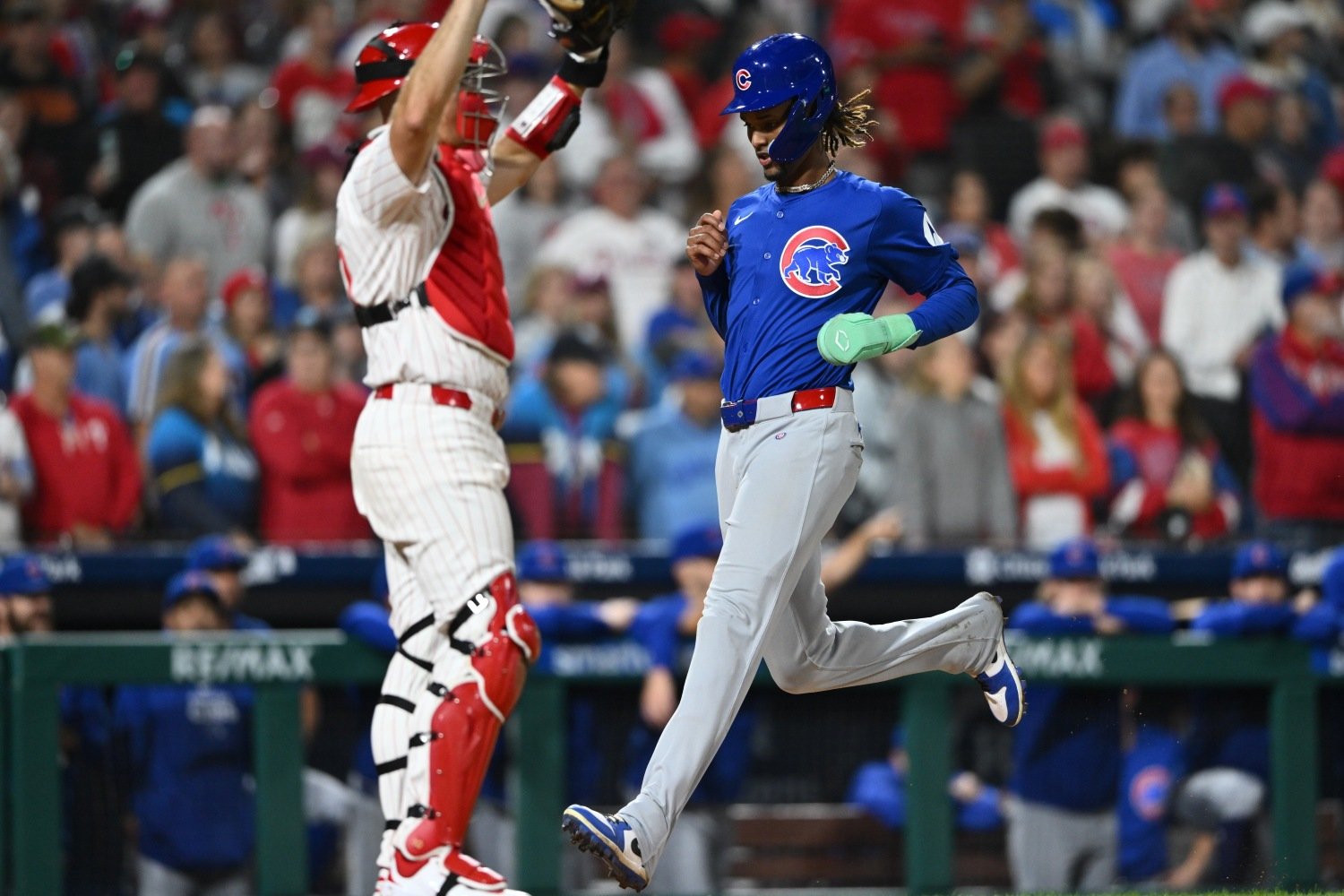 You can get a full explanation for the parameters used to develop this list in our intro post, but the short version is this. We're answering the question: which current players in the organization are most indispensable to fulfilling the vision of building a champion? To rank Cubs players and prospects, I will be accounting for age, contract, controllability, upside, and more. I’ll remind everyone that, while the 2025 season matters for a Cubs team that should win their division, this ranking is about the future as much as it is the present. Players with advancing age or waning team control won’t get as much love here as they would in a narrower time frame. Here’s how the list has shaken out so far in Part 1 (16-20): 20. Luke Little, RP 19. Jordan Wicks, SP 18. Miguel Amaya, C 17. James Triantos, 2B/3B 16. Kyle Tucker, RF Without further ado, let’s continue into the top 15 of our list. 15. Ian Happ, Left Fielder Opening Day Age: 30 Controlled Through: 2026 Contract Status: Three Years, $60 Million Over the last three seasons, there has been no player on the Cubs who has been more consistent than Happ. Yet, in that same time frame, it feels like Happ is the streakiest player on the team. Entrenched in left field as the surefire starter, Happ has developed into a three-time Gold Glove outfielder who produces consistent production at the plate. Since debuting in 2017, his OPS has never exceeded .898, nor has it finished below .757. His wRC+ in that time tells a similar story, bottoming out at 106 in 2018 and topping out at 132 in 2020. He’s also extremely durable, playing in 148-plus games in each of the past four seasons. Now on the wrong side of 30, Happ is closer to the end of his prime than the beginning of it, though his increasing exit velocity numbers (76th percentile in 2024) and above-average plate discipline (12.2% walk rate) paint the picture of a player who should age gracefully, especially in left field. He has just two years remaining on his current contract, though it wouldn’t shock me to see the Cubs reach another multi-year agreement with him next offseason to keep him in Chicago for the duration of his career. With or without another deal, though, Happ’s consistent, veteran presence in the lineup is a valuable asset for the team as it enters a key two-year stretch. 14. Nico Hoerner, Second Baseman Opening Day Age: 27 Controlled Through: 2026 Contract Status: Three Years, $35 Million Hoerner, much like Happ, has been a stalwart on the Cubs since making his big-league debut in 2019. They’re similarly valuable players, though Hoerner’s cheaper contract and youthful exuberance give him the edge over Happ in these rankings. The second baseman is as good as it gets defensively at the keystone position, and he should have more Gold Gloves in him before his career is over. His offensive upside is less than Happ’s, simply because he doesn’t have 20-plus home run power, but he offers more ways to contribute thanks to his excellent bat-to-ball skills and solidly above-average speed (71 steals over the past two seasons). It speaks to Hoerner’s well-rounded profile that his wRC+ has finished somewhere between 103 and 106 in every season since 2021, and yet he’s accumulated 14.2 bWAR in 480 games in that same time frame. Also like Happ, Hoerner is threatened by the presence of rising prospects in the Cubs’ farm system, including James Triantos and the gaggle of young shortstops at the lower levels of the minor leagues. Hoerner’s floor is as high as anyone in the organization’s, though the Cubs may opt for more ceiling when the likes of Jefferson Rojas or Fernando Cruz are ready. 13. Seiya Suzuki, Right Fielder/Designated Hitter Opening Day Age: 30 Controlled Through: 2026 Contract Status: Five Years, $85 Million Yet another veteran whose contract expires after 2026, Suzuki has the highest offensive upside between him, Hoerner, and Happ. His OPS and wRC+ have steadily increased in each of his three seasons Stateside, maxing out in 2024 at .848 and 138, respectively. Outside of a strikeout rate that climbed to 27.4% this past season, Suzuki has improved nearly every part of his game since first joining the Cubs. Case in point: his bWAR in 2024 was a career-high 3.5. That said, Suzuki hasn’t evolved into a true middle-of-the-order threat. He hit 21 home runs this past season over 132 games, which marked a new high point for him. And, unlike the previous two entrants on this list, Suzuki is not a sterling defender. He did win five NPB Golden Glove Awards, but he’s struggled in the cavernous right field depths of Wrigley Field and will spend most of his time as a designated hitter in 2025, with Kyle Tucker, Pete Crow-Armstrong, and Happ all penciled into starting outfield spots. Besides Tucker, there may be no hitter more important to the 2025 iteration of the Cubs. Beyond that, it’s hard to say how long Suzuki will be in Chicago, especially with his apparent displeasure over the role shift to DH. 12. Kevin Alcántara, Outfielder Opening Day Age: 22 Controlled Through: 2030 Contract Status: Pre-Arb Already on the 40-man roster and having made his MLB debut at the tail end of the 2024 season, Alcántara is the only prospect on today’s shortlist, but don’t mistake his greenness for a lack of talent. One of three star youngsters the Cubs have positioned to man the outfield in the long term (along with Crow-Armstrong and Owen Caissie), Alcántara is an athletic, 6’6” 22-year-old with true five-tool potential. In 111 games across Double-A Tennessee and Triple-A Iowa in 2024, he slashed .278/.353/.428 with 14 home runs and 14 stolen bases. His 29.2% strikeout rate is concerning, but someone with his long levers and lanky frame is always going to be prone to strikeouts. Barring another move by the front office, Alcántara and Alexander Canario are the next men up in the outfield should one of the starters get hurt. Suzuki can fill in in the corners, but Crow-Armstrong has no true backup on the 40-man except Alcántara. Early 2025 will likely see him split time between the big leagues and Triple A, but don’t forget that Alcántara is one of the most important pieces of the Cubs’ future. 11. Ben Brown, Starting Pitcher Opening Day Age: 25 Controlled Through: 2029 Contract Status: Pre-Arb You can never have enough pitching, which is why I’ve sort of surprised myself with a position player-heavy lineup in these first two installments of the 2025 asset rankings. That will surely change moving forward, and where better to start than with Ben Brown? Brown was an intriguing prospect from the moment the Cubs acquired him in exchange for David Robertson at the 2022 trade deadline. Armed with a lively fastball and hammer curveball, Brown has the arsenal and frame (6’6”, 210 lbs) needed to dominate at the highest level. In 2023, exclusively in the upper levels of the minor leagues (Double-A and Triple-A), Brown posted an impressive stat line: 26 G, 19 GS, 92.2 IP, 73 H, 57 BB, 130 K, 4.27 ERA, 1.40 WHIP. There was some clamoring for him to come up at the end of the year as a hard-throwing reliever, but a different injury muddled those hopes. The Cubs resisted the noise and kept stretching him out as a starting pitcher over the offseason. The choice was the right one, as Brown pitched to a 3.58 ERA in 55 ⅓ innings last season in the big leagues. If you toss away his awful debut in the season’s opening series against the Texas Rangers—when he allowed six earned runs in just 1 ⅔ innings—Brown was outright dominant in 2024, pitching to a 2.68 ERA and 2.80 FIP. He struck out 10.4 batters per nine innings, while only allowing 3.1 walks per nine. His ground-ball percentage of 38.7% was subpar, but he did a solid job of keeping the ball in the park (8.1% home run to fly ball ratio), and earned every bit of his 115 ERA+ (i.e., Brown was 15% better than the league average pitcher this season, adjusting for each stadium). Unfortunately, his season ended due to a neck injury suffered in June. If he’s healthy moving forward, he’s one the highest-upside arms in the entire organization, with the potential to be a solid No. 2 or excellent No. 3 starter if things break right. The Cubs have a lot of rotation depth heading into next season, but few of those starters possess Brown’s potential. Check back on Friday for the next installment, covering our picks for No. 6 through 10!
 -
We continue with our list ranking the 20 most important players to the Cubs’ present and future. Today, we’ll take a look at the players inside the top 15, but who fell just short of the top 10. Image courtesy of © Kyle Ross-Imagn Images You can get a full explanation for the parameters used to develop this list in our intro post, but the short version is this. We're answering the question: which current players in the organization are most indispensable to fulfilling the vision of building a champion? To rank Cubs players and prospects, I will be accounting for age, contract, controllability, upside, and more. I’ll remind everyone that, while the 2025 season matters for a Cubs team that should win their division, this ranking is about the future as much as it is the present. Players with advancing age or waning team control won’t get as much love here as they would in a narrower time frame. Here’s how the list has shaken out so far in Part 1 (16-20): 20. Luke Little, RP 19. Jordan Wicks, SP 18. Miguel Amaya, C 17. James Triantos, 2B/3B 16. Kyle Tucker, RF Without further ado, let’s continue into the top 15 of our list. 15. Ian Happ, Left Fielder Opening Day Age: 30 Controlled Through: 2026 Contract Status: Three Years, $60 Million Over the last three seasons, there has been no player on the Cubs who has been more consistent than Happ. Yet, in that same time frame, it feels like Happ is the streakiest player on the team. Entrenched in left field as the surefire starter, Happ has developed into a three-time Gold Glove outfielder who produces consistent production at the plate. Since debuting in 2017, his OPS has never exceeded .898, nor has it finished below .757. His wRC+ in that time tells a similar story, bottoming out at 106 in 2018 and topping out at 132 in 2020. He’s also extremely durable, playing in 148-plus games in each of the past four seasons. Now on the wrong side of 30, Happ is closer to the end of his prime than the beginning of it, though his increasing exit velocity numbers (76th percentile in 2024) and above-average plate discipline (12.2% walk rate) paint the picture of a player who should age gracefully, especially in left field. He has just two years remaining on his current contract, though it wouldn’t shock me to see the Cubs reach another multi-year agreement with him next offseason to keep him in Chicago for the duration of his career. With or without another deal, though, Happ’s consistent, veteran presence in the lineup is a valuable asset for the team as it enters a key two-year stretch. 14. Nico Hoerner, Second Baseman Opening Day Age: 27 Controlled Through: 2026 Contract Status: Three Years, $35 Million Hoerner, much like Happ, has been a stalwart on the Cubs since making his big-league debut in 2019. They’re similarly valuable players, though Hoerner’s cheaper contract and youthful exuberance give him the edge over Happ in these rankings. The second baseman is as good as it gets defensively at the keystone position, and he should have more Gold Gloves in him before his career is over. His offensive upside is less than Happ’s, simply because he doesn’t have 20-plus home run power, but he offers more ways to contribute thanks to his excellent bat-to-ball skills and solidly above-average speed (71 steals over the past two seasons). It speaks to Hoerner’s well-rounded profile that his wRC+ has finished somewhere between 103 and 106 in every season since 2021, and yet he’s accumulated 14.2 bWAR in 480 games in that same time frame. Also like Happ, Hoerner is threatened by the presence of rising prospects in the Cubs’ farm system, including James Triantos and the gaggle of young shortstops at the lower levels of the minor leagues. Hoerner’s floor is as high as anyone in the organization’s, though the Cubs may opt for more ceiling when the likes of Jefferson Rojas or Fernando Cruz are ready. 13. Seiya Suzuki, Right Fielder/Designated Hitter Opening Day Age: 30 Controlled Through: 2026 Contract Status: Five Years, $85 Million Yet another veteran whose contract expires after 2026, Suzuki has the highest offensive upside between him, Hoerner, and Happ. His OPS and wRC+ have steadily increased in each of his three seasons Stateside, maxing out in 2024 at .848 and 138, respectively. Outside of a strikeout rate that climbed to 27.4% this past season, Suzuki has improved nearly every part of his game since first joining the Cubs. Case in point: his bWAR in 2024 was a career-high 3.5. That said, Suzuki hasn’t evolved into a true middle-of-the-order threat. He hit 21 home runs this past season over 132 games, which marked a new high point for him. And, unlike the previous two entrants on this list, Suzuki is not a sterling defender. He did win five NPB Golden Glove Awards, but he’s struggled in the cavernous right field depths of Wrigley Field and will spend most of his time as a designated hitter in 2025, with Kyle Tucker, Pete Crow-Armstrong, and Happ all penciled into starting outfield spots. Besides Tucker, there may be no hitter more important to the 2025 iteration of the Cubs. Beyond that, it’s hard to say how long Suzuki will be in Chicago, especially with his apparent displeasure over the role shift to DH. 12. Kevin Alcántara, Outfielder Opening Day Age: 22 Controlled Through: 2030 Contract Status: Pre-Arb Already on the 40-man roster and having made his MLB debut at the tail end of the 2024 season, Alcántara is the only prospect on today’s shortlist, but don’t mistake his greenness for a lack of talent. One of three star youngsters the Cubs have positioned to man the outfield in the long term (along with Crow-Armstrong and Owen Caissie), Alcántara is an athletic, 6’6” 22-year-old with true five-tool potential. In 111 games across Double-A Tennessee and Triple-A Iowa in 2024, he slashed .278/.353/.428 with 14 home runs and 14 stolen bases. His 29.2% strikeout rate is concerning, but someone with his long levers and lanky frame is always going to be prone to strikeouts. Barring another move by the front office, Alcántara and Alexander Canario are the next men up in the outfield should one of the starters get hurt. Suzuki can fill in in the corners, but Crow-Armstrong has no true backup on the 40-man except Alcántara. Early 2025 will likely see him split time between the big leagues and Triple A, but don’t forget that Alcántara is one of the most important pieces of the Cubs’ future. 11. Ben Brown, Starting Pitcher Opening Day Age: 25 Controlled Through: 2029 Contract Status: Pre-Arb You can never have enough pitching, which is why I’ve sort of surprised myself with a position player-heavy lineup in these first two installments of the 2025 asset rankings. That will surely change moving forward, and where better to start than with Ben Brown? Brown was an intriguing prospect from the moment the Cubs acquired him in exchange for David Robertson at the 2022 trade deadline. Armed with a lively fastball and hammer curveball, Brown has the arsenal and frame (6’6”, 210 lbs) needed to dominate at the highest level. In 2023, exclusively in the upper levels of the minor leagues (Double-A and Triple-A), Brown posted an impressive stat line: 26 G, 19 GS, 92.2 IP, 73 H, 57 BB, 130 K, 4.27 ERA, 1.40 WHIP. There was some clamoring for him to come up at the end of the year as a hard-throwing reliever, but a different injury muddled those hopes. The Cubs resisted the noise and kept stretching him out as a starting pitcher over the offseason. The choice was the right one, as Brown pitched to a 3.58 ERA in 55 ⅓ innings last season in the big leagues. If you toss away his awful debut in the season’s opening series against the Texas Rangers—when he allowed six earned runs in just 1 ⅔ innings—Brown was outright dominant in 2024, pitching to a 2.68 ERA and 2.80 FIP. He struck out 10.4 batters per nine innings, while only allowing 3.1 walks per nine. His ground-ball percentage of 38.7% was subpar, but he did a solid job of keeping the ball in the park (8.1% home run to fly ball ratio), and earned every bit of his 115 ERA+ (i.e., Brown was 15% better than the league average pitcher this season, adjusting for each stadium). Unfortunately, his season ended due to a neck injury suffered in June. If he’s healthy moving forward, he’s one the highest-upside arms in the entire organization, with the potential to be a solid No. 2 or excellent No. 3 starter if things break right. The Cubs have a lot of rotation depth heading into next season, but few of those starters possess Brown’s potential. Check back on Friday for the next installment, covering our picks for No. 6 through 10! View full article
-
Richard "Goose" Gossage is a former professional baseball player who was inducted into the National Baseball Hall of Fame in 2008 for his work across 22 professional seasons, just one of which was spent with the Chicago Cubs. Were this another team's forum (like the White Sox or Yankees), there would be plenty to say about Gossage's legendary career. However, seeing as he played just one nondescript season on Chicago's North Side, we'll lay out a brief history of his career accomplishments prior to landing with the Cubs in 1988: Gossage was a nine-time All-Star who won the 1978 World Series with the New York Yankees. He appeared in 1,002 games in his career, just 37 of which were starts (all in the beginning of his career with the White Sox, most of which came during 1976 season when he started 29 games and pitched 224 innings). He finished in the top-six of Cy Young voting five times and the top-13 of MVP voting four times. He and those 1970s Yankees teams are credited with pioneering the modern day "closer" role, though in truth, he was more of a long-man. Gossage had 17 games where he recorded at least 10 outs in his first season as a closer, including three games where he went seven innings. He pitched over 130 innings as a reliever in three different seasons. In total, he pitched for eight teams in his MLB career, accruing 41.6 bWAR and logging a 3.01 ERA (3.18 FIP) in 1,809 1/3 innings. And, deep breath. Finally, after 16 brilliant seasons in the major leagues, Gossage was traded by the San Diego Padres to the Cubs (along with Ray Hayward) in exchange for Keith Moreland and Mike Brumley. 36 years old at the time, Gossage's best days were well behind him, and he tallied just 13 saves against nine blown saves while in a Cubs uniform. Fun fact: Gossage posted a positive WAR with seven of the teams he played for, and a negative WAR for just one. Making you guess which franchise is the latter would be derivative, since of course the Hall of Famer's least memorable tenure came with the 1980s Cubs. However, it is worth fondly noting that Gossage recorded his 300th career save with the Cubs, retiring Phillies left fielder Phil Bradley on a popup to second baseman Ryne Sandberg on August 6, 1988. Though he was under contract for the following season, the Cubs released the veteran reliever during spring training in 1989. After the Cubs, Gossage made cameos for a number of teams, including the Seattle Mariners and Fukuoka Daiei Hawks of the NPB. He officially retired after the 1994 season, and would be inducted into the Hall of Fame in 2008. In the years since, Gossage has become somewhat of a controversial figure, routinely criticizing Yankees ownership and management, as well as taking some outdated stances on important movements and making inflammatory political remarks. View full player
-
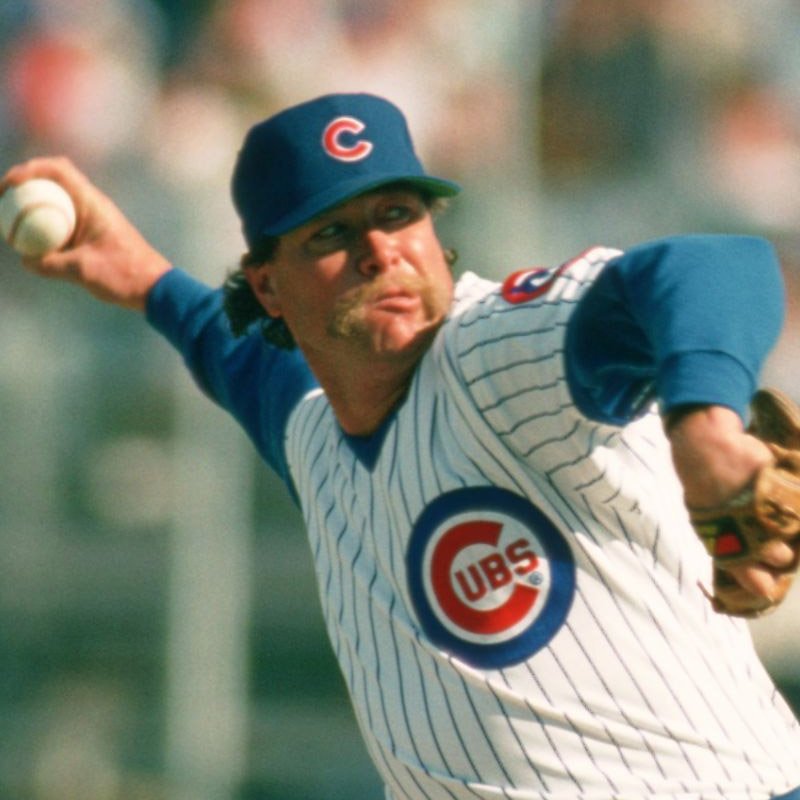 Richard "Goose" Gossage is a former professional baseball player who was inducted into the National Baseball Hall of Fame in 2008 for his work across 22 professional seasons, just one of which was spent with the Chicago Cubs. Were this another team's forum (like the White Sox or Yankees), there would be plenty to say about Gossage's legendary career. However, seeing as he played just one nondescript season on Chicago's North Side, we'll lay out a brief history of his career accomplishments prior to landing with the Cubs in 1988: Gossage was a nine-time All-Star who won the 1978 World Series with the New York Yankees. He appeared in 1,002 games in his career, just 37 of which were starts (all in the beginning of his career with the White Sox, most of which came during 1976 season when he started 29 games and pitched 224 innings). He finished in the top-six of Cy Young voting five times and the top-13 of MVP voting four times. He and those 1970s Yankees teams are credited with pioneering the modern day "closer" role, though in truth, he was more of a long-man. Gossage had 17 games where he recorded at least 10 outs in his first season as a closer, including three games where he went seven innings. He pitched over 130 innings as a reliever in three different seasons. In total, he pitched for eight teams in his MLB career, accruing 41.6 bWAR and logging a 3.01 ERA (3.18 FIP) in 1,809 1/3 innings. And, deep breath. Finally, after 16 brilliant seasons in the major leagues, Gossage was traded by the San Diego Padres to the Cubs (along with Ray Hayward) in exchange for Keith Moreland and Mike Brumley. 36 years old at the time, Gossage's best days were well behind him, and he tallied just 13 saves against nine blown saves while in a Cubs uniform. Fun fact: Gossage posted a positive WAR with seven of the teams he played for, and a negative WAR for just one. Making you guess which franchise is the latter would be derivative, since of course the Hall of Famer's least memorable tenure came with the 1980s Cubs. However, it is worth fondly noting that Gossage recorded his 300th career save with the Cubs, retiring Phillies left fielder Phil Bradley on a popup to second baseman Ryne Sandberg on August 6, 1988. Though he was under contract for the following season, the Cubs released the veteran reliever during spring training in 1989. After the Cubs, Gossage made cameos for a number of teams, including the Seattle Mariners and Fukuoka Daiei Hawks of the NPB. He officially retired after the 1994 season, and would be inducted into the Hall of Fame in 2008. In the years since, Gossage has become somewhat of a controversial figure, routinely criticizing Yankees ownership and management, as well as taking some outdated stances on important movements and making inflammatory political remarks.
 -
The Top 20 Chicago Cubs Player Assets of 2025: Part 1 (Nos. 20-16)
Brandon Glick posted an article in Cubs
 Over at our sister site Twins Daily, Nick Nelson did a similar write-up for the Twins (he’s been doing it every year since 2018). As our resident asset-ranking expert, I’ll allow him to explain the purpose and methodology behind this concept: Seeing as this is our first year putting together these rankings for the Cubs, we’ll be ranking these players on a clean slate, rather than updating any prior lists. It should be noted that I’ll be putting a lot of stock into things like “team control”, since the Cubs are allergic to handing out top-of-the-market contracts. Without further ado, let's kick off the list with an overview of my choices for the 16th-through-20th-most valuable player assets in the Cubs organization as of today. Check back over the next few days for further installments. 20. Luke Little, Relief Pitcher Opening Day Age: 24 Controlled Through: 2029 Contract Status: Pre-Arb Relievers aren’t going to get a lot of love on our list simply due to their volatility and to the fact that the Cubs are eerily good at piecing together good bullpens from the bargain bin of free agency, but Little absolutely deserves a shout-out here as the highest-upside reliever in the organization. Standing an intimidating 6’8” and armed with a high-octane fastball and sweeping slider, Little has all the makings of a truly elite closer. His stock dipped after a mediocre 2024 campaign in which he posted a 3.46 ERA (4.05 FIP) in 26 innings, which also came with a worrying 16.5% walk rate and troubling (for him) 25.7% strikeout rate. In 2023, across four levels (including the majors), Little struck out 117 of the 309 batters he faced (37.9%). If he can get his control to even a tick below average, Little has the profile to be one of the best relief pitchers in baseball, especially given his unreal penchant for limiting home runs. 19. Jordan Wicks, Starting Pitcher Opening Day Age: 25 Controlled Through: 2029 Contract Status: Pre-Arb Honestly, you could put any of the Cubs’ No. 5 starter options here, and you wouldn’t get much of an argument from me. Javier Assad and Brandon Birdsell have equally good cases, and for those of you who are fiends for veterans on overpriced contracts, I’m sure you could convince someone that Jameson Taillon or Matthew Boyd should be here. I maintain, at least for now, that Wicks is the best of the bunch. He struggled in a 46-inning sample in 2024 after a surprisingly effective debut down the stretch in 2023, but much of that can be chalked up to a recurrent oblique/rib injury that persistently nagged him throughout the last calendar year. Assuming he’s healthy heading into 2025, he should have a shot at one of the back-end rotation jobs, even if Boyd, Assad, and Colin Rea jumble up the proceedings. Wicks’s changeup is still one of the best pitches in the organization, and as a lefty starter with above-average strike-throwing capabilities and team control through the end of the decade, he should be viewed less as a luxury and more as an important piece of the next great Cubs team. 18. Miguel Amaya, Catcher Opening Day Age: 26 Controlled Through: 2029 Contract Status: Pre-Arb This is perhaps the most tenuous spot on the entire list, though Amaya’s designation as the starter at a key position with little depth gives him enough juice to make the back end of these rankings. Case in point: Carson Kelly was signed to a two-year deal to be Amaya’s backup, and he’s the only other catcher on the 40-man roster. Moises Ballesteros is one of the best prospects in baseball, but his long-term defensive home is still a question mark. Pablo Aliendo continues to impress as he gradually climbs the minor-league ranks. He could be the team’s catcher of the future if Amaya doesn’t bounce back in 2025, but he’s far from a sure thing behind the plate. Amaya was once the top prospect in the whole organization, though injuries and stalled development in the minor leagues have since dimmed his star. Last year was his first as the full-time starting catcher in the big leagues, and despite some early struggles at the plate, he finished just below the average mark for catchers (.680 OPS) with a .644 OPS. His defense continues to improve, and his work as a receiver and pitch-caller was the main reason behind his 1.9 bWAR last season. If he can improve upon his 34th-percentile exit velocity and put a few more balls in the air (42.7% ground-ball rate in 2024), there’s still enough in his profile to believe that Amaya can live up to his tantalizing potential. We've already seen a glimpse of the upside, after his mid-season change in swing mechanics, but now he has to prove he can sustain it. 17. James Triantos, Infielder Opening Day Age: 22 Controlled Through: 2031 Contract Status: Minor Leagues I find that I’m actually quite a bit higher on Triantos than most, but the presence of Nico Hoerner, Dansby Swanson, and Matt Shaw make him feel a bit superfluous, especially with other, higher-upside middle infielders like Jefferson Rojas and Derniche Valdez dotting the farm system. Nevertheless, Triantos, who will need to be put on the 40-man roster by next offseason (at the latest) to avoid the Rule 5 draft, is a talented prospect with an obvious carrying tool: his bat-to-ball skills. Across Double-A and Triple-A last season, the infielder slashed .300/.346/.427, adding 47 steals in 56 attempts. His floor is high, but his ceiling is capped by the lack of a true defensive home (second base appears to be the best fit) and under-developed power (seven home runs in 443 at-bats last season). A “better Nick Madrigal” isn’t a cataclysmic outcome, but producing more pop at the plate or flashing finer leather in the field are necessary developments if Triantos plans to be anything more than a utility bench player for the big league team. 16. Kyle Tucker, Right Fielder Opening Day Age: 28 Controlled Through: 2025 Contract Status: Arbitration Hold your horses. I know what this looks like. Ranking the Cubs’ newest star this low as a means to get fans riled up and all that jazz. But, if I can direct your attention back to the introduction to this piece, you’ll note that I specifically highlighted 1) that “team control” will take on outsized importance in these rankings, and 2) that outfielders are a position of strength in this organization. Make no mistake about it: Tucker is the best player on the Cubs right now. In Tucker’s tenure in Houston, his batting line was .274/.353/.516 (139 wRC+). He had three consecutive 5.0+ bWAR seasons before 2024, and even in that injury-shortened campaign, he was worth 4.7 wins in 78 games played. Of course, some of Tucker’s value also comes from his pristine glove in right field, where he’s totaled 8 Outs Above Average (OAA). As long as he’s healthy, there’s no one more important to this year’s iteration of the Cubs. However, he only has one year left under team control. And if the team’s willingness to head to arbitration with him over $2.5 million says anything (which, maybe it doesn't), it’s likely that this is going to be a one-year stint in Chicago for Tucker—if for no other reason than the fact that Seiya Suzuki is still under contract past this year, and Owen Caissie, Kevin Alcántara, and Alexander Canario are all knocking on the door of the big leagues. This will be an important season for the Cubs and for Tucker, but it’s hard to rank him any higher, assuming this marriage proves to be more of a summer fling. Check back on Thursday for the next installment, covering our picks for No. 11 through 15!
 -
A new year is upon us, and it’s time to start doing some accounting on the best and most important players in the Cubs organization. Today, we start with my picks for Nos. 16 through 20. Image courtesy of © Cody Scanlan/The Register / USA TODAY NETWORK Over at our sister site Twins Daily, Nick Nelson did a similar write-up for the Twins (he’s been doing it every year since 2018). As our resident asset-ranking expert, I’ll allow him to explain the purpose and methodology behind this concept: Seeing as this is our first year putting together these rankings for the Cubs, we’ll be ranking these players on a clean slate, rather than updating any prior lists. It should be noted that I’ll be putting a lot of stock into things like “team control”, since the Cubs are allergic to handing out top-of-the-market contracts. Without further ado, let's kick off the list with an overview of my choices for the 16th-through-20th-most valuable player assets in the Cubs organization as of today. Check back over the next few days for further installments. 20. Luke Little, Relief Pitcher Opening Day Age: 24 Controlled Through: 2029 Contract Status: Pre-Arb Relievers aren’t going to get a lot of love on our list simply due to their volatility and to the fact that the Cubs are eerily good at piecing together good bullpens from the bargain bin of free agency, but Little absolutely deserves a shout-out here as the highest-upside reliever in the organization. Standing an intimidating 6’8” and armed with a high-octane fastball and sweeping slider, Little has all the makings of a truly elite closer. His stock dipped after a mediocre 2024 campaign in which he posted a 3.46 ERA (4.05 FIP) in 26 innings, which also came with a worrying 16.5% walk rate and troubling (for him) 25.7% strikeout rate. In 2023, across four levels (including the majors), Little struck out 117 of the 309 batters he faced (37.9%). If he can get his control to even a tick below average, Little has the profile to be one of the best relief pitchers in baseball, especially given his unreal penchant for limiting home runs. 19. Jordan Wicks, Starting Pitcher Opening Day Age: 25 Controlled Through: 2029 Contract Status: Pre-Arb Honestly, you could put any of the Cubs’ No. 5 starter options here, and you wouldn’t get much of an argument from me. Javier Assad and Brandon Birdsell have equally good cases, and for those of you who are fiends for veterans on overpriced contracts, I’m sure you could convince someone that Jameson Taillon or Matthew Boyd should be here. I maintain, at least for now, that Wicks is the best of the bunch. He struggled in a 46-inning sample in 2024 after a surprisingly effective debut down the stretch in 2023, but much of that can be chalked up to a recurrent oblique/rib injury that persistently nagged him throughout the last calendar year. Assuming he’s healthy heading into 2025, he should have a shot at one of the back-end rotation jobs, even if Boyd, Assad, and Colin Rea jumble up the proceedings. Wicks’s changeup is still one of the best pitches in the organization, and as a lefty starter with above-average strike-throwing capabilities and team control through the end of the decade, he should be viewed less as a luxury and more as an important piece of the next great Cubs team. 18. Miguel Amaya, Catcher Opening Day Age: 26 Controlled Through: 2029 Contract Status: Pre-Arb This is perhaps the most tenuous spot on the entire list, though Amaya’s designation as the starter at a key position with little depth gives him enough juice to make the back end of these rankings. Case in point: Carson Kelly was signed to a two-year deal to be Amaya’s backup, and he’s the only other catcher on the 40-man roster. Moises Ballesteros is one of the best prospects in baseball, but his long-term defensive home is still a question mark. Pablo Aliendo continues to impress as he gradually climbs the minor-league ranks. He could be the team’s catcher of the future if Amaya doesn’t bounce back in 2025, but he’s far from a sure thing behind the plate. Amaya was once the top prospect in the whole organization, though injuries and stalled development in the minor leagues have since dimmed his star. Last year was his first as the full-time starting catcher in the big leagues, and despite some early struggles at the plate, he finished just below the average mark for catchers (.680 OPS) with a .644 OPS. His defense continues to improve, and his work as a receiver and pitch-caller was the main reason behind his 1.9 bWAR last season. If he can improve upon his 34th-percentile exit velocity and put a few more balls in the air (42.7% ground-ball rate in 2024), there’s still enough in his profile to believe that Amaya can live up to his tantalizing potential. We've already seen a glimpse of the upside, after his mid-season change in swing mechanics, but now he has to prove he can sustain it. 17. James Triantos, Infielder Opening Day Age: 22 Controlled Through: 2031 Contract Status: Minor Leagues I find that I’m actually quite a bit higher on Triantos than most, but the presence of Nico Hoerner, Dansby Swanson, and Matt Shaw make him feel a bit superfluous, especially with other, higher-upside middle infielders like Jefferson Rojas and Derniche Valdez dotting the farm system. Nevertheless, Triantos, who will need to be put on the 40-man roster by next offseason (at the latest) to avoid the Rule 5 draft, is a talented prospect with an obvious carrying tool: his bat-to-ball skills. Across Double-A and Triple-A last season, the infielder slashed .300/.346/.427, adding 47 steals in 56 attempts. His floor is high, but his ceiling is capped by the lack of a true defensive home (second base appears to be the best fit) and under-developed power (seven home runs in 443 at-bats last season). A “better Nick Madrigal” isn’t a cataclysmic outcome, but producing more pop at the plate or flashing finer leather in the field are necessary developments if Triantos plans to be anything more than a utility bench player for the big league team. 16. Kyle Tucker, Right Fielder Opening Day Age: 28 Controlled Through: 2025 Contract Status: Arbitration Hold your horses. I know what this looks like. Ranking the Cubs’ newest star this low as a means to get fans riled up and all that jazz. But, if I can direct your attention back to the introduction to this piece, you’ll note that I specifically highlighted 1) that “team control” will take on outsized importance in these rankings, and 2) that outfielders are a position of strength in this organization. Make no mistake about it: Tucker is the best player on the Cubs right now. In Tucker’s tenure in Houston, his batting line was .274/.353/.516 (139 wRC+). He had three consecutive 5.0+ bWAR seasons before 2024, and even in that injury-shortened campaign, he was worth 4.7 wins in 78 games played. Of course, some of Tucker’s value also comes from his pristine glove in right field, where he’s totaled 8 Outs Above Average (OAA). As long as he’s healthy, there’s no one more important to this year’s iteration of the Cubs. However, he only has one year left under team control. And if the team’s willingness to head to arbitration with him over $2.5 million says anything (which, maybe it doesn't), it’s likely that this is going to be a one-year stint in Chicago for Tucker—if for no other reason than the fact that Seiya Suzuki is still under contract past this year, and Owen Caissie, Kevin Alcántara, and Alexander Canario are all knocking on the door of the big leagues. This will be an important season for the Cubs and for Tucker, but it’s hard to rank him any higher, assuming this marriage proves to be more of a summer fling. Check back on Thursday for the next installment, covering our picks for No. 11 through 15! View full article
-
Taylor Hill Teagarden is a former professional baseball catcher who played in parts of eight MLB seasons, including eight games with the Chicago Cubs in 2015. Teagarden was a high school star before plying his trade at the University of Texas, where he won the 2005 National Championship as the Longhorns' starting catcher. He was subsequently drafted in the third round of the 2005 MLB Draft by the Texas Rangers, keeping him local after growing up in nearby Carrollton, Texas. By WAR, Teagarden's best season was his 47-at-bat cup of coffee with the Rangers in 2008, when he produced 1.0 WAR. His first major league hit was a home run off Scott Baker (then of the Minnesota Twins), and he set a major league record with 10 extra-base hits in his first 40 plate appearances (a record which has since been tied by Rowdy Tellez in 2018). The rest of the backstop's tenure in Texas was rather underwhelming, save for a 2008 cameo with the 2008 USA Summer Olympics Baseball Team and a bizarre situation in 2010 when he finished fourth among catchers in AL All-Star voting despite spending nearly the entire season (to that point) in the minor leagues. Following the 2011 season, Teagarden was traded to the Baltimore Orioles, and that would begin the nomadic second chapter of his MLB journey. He played in 45 games across two seasons with the Orioles before being DFA'ed, then drew 30 plate appearances for the New York Mets in 2014 after signing a minor league deal in the previous offseason. Finally, Teagarden signed a minor league deal with the Chicago Cubs on January 10, 2015, in what would prove to be the final stop of his career. The Cubs recalled Teagarden in early July of that season with a sudden need for catching depth behind starter Miguel Montero. His time with the team was relatively unremarkable, as he slashed a hilarious .200/.200/.200 in 15 at-bats with the team, which was good a -0.2 WAR and 11 OPS+ (2 wRC+). Notably, at a game yours truly was in attendance for, Teagarden — who was pinch-hitting for the pitcher's spot after a double-switch swapped out Chris Denorfia earlier in the game — hit a game-winning single off of prime Aroldis Chapman on July 22, 2015. Chapman hadn't allowed a run since June 8 and had 13 scoreless outings since then, and beyond that, no Cubs team had scored a run off Chapman in more than two years, since May 3, 2013 (and they lost that game anyway despite scoring three runs off Chapman). That had been a run of 15 consecutive scoreless outings for Chapman against the Cubs, until Teagarden's hit. That's where the good vibes ended for the catcher, though. After lasting just one month with the team, Teagarden was DFA'ed by the Cubs on August 2, 2015. Teagarden's playing days came to an end following that brief stint with the Cubs, though only after he was cited in the infamous Al Jazeera report that linked him directly to repeated PED usage. Teagarden was suspended for 80 games for violating the MLB's Joint Drug Prevention and Treatment Program, which would unceremoniously end his career. The catcher officially retired after the conclusion of the 2017 season. View full player
-
 Taylor Hill Teagarden is a former professional baseball catcher who played in parts of eight MLB seasons, including eight games with the Chicago Cubs in 2015. Teagarden was a high school star before plying his trade at the University of Texas, where he won the 2005 National Championship as the Longhorns' starting catcher. He was subsequently drafted in the third round of the 2005 MLB Draft by the Texas Rangers, keeping him local after growing up in nearby Carrollton, Texas. By WAR, Teagarden's best season was his 47-at-bat cup of coffee with the Rangers in 2008, when he produced 1.0 WAR. His first major league hit was a home run off Scott Baker (then of the Minnesota Twins), and he set a major league record with 10 extra-base hits in his first 40 plate appearances (a record which has since been tied by Rowdy Tellez in 2018). The rest of the backstop's tenure in Texas was rather underwhelming, save for a 2008 cameo with the 2008 USA Summer Olympics Baseball Team and a bizarre situation in 2010 when he finished fourth among catchers in AL All-Star voting despite spending nearly the entire season (to that point) in the minor leagues. Following the 2011 season, Teagarden was traded to the Baltimore Orioles, and that would begin the nomadic second chapter of his MLB journey. He played in 45 games across two seasons with the Orioles before being DFA'ed, then drew 30 plate appearances for the New York Mets in 2014 after signing a minor league deal in the previous offseason. Finally, Teagarden signed a minor league deal with the Chicago Cubs on January 10, 2015, in what would prove to be the final stop of his career. The Cubs recalled Teagarden in early July of that season with a sudden need for catching depth behind starter Miguel Montero. His time with the team was relatively unremarkable, as he slashed a hilarious .200/.200/.200 in 15 at-bats with the team, which was good a -0.2 WAR and 11 OPS+ (2 wRC+). Notably, at a game yours truly was in attendance for, Teagarden — who was pinch-hitting for the pitcher's spot after a double-switch swapped out Chris Denorfia earlier in the game — hit a game-winning single off of prime Aroldis Chapman on July 22, 2015. Chapman hadn't allowed a run since June 8 and had 13 scoreless outings since then, and beyond that, no Cubs team had scored a run off Chapman in more than two years, since May 3, 2013 (and they lost that game anyway despite scoring three runs off Chapman). That had been a run of 15 consecutive scoreless outings for Chapman against the Cubs, until Teagarden's hit. That's where the good vibes ended for the catcher, though. After lasting just one month with the team, Teagarden was DFA'ed by the Cubs on August 2, 2015. Teagarden's playing days came to an end following that brief stint with the Cubs, though only after he was cited in the infamous Al Jazeera report that linked him directly to repeated PED usage. Teagarden was suspended for 80 games for violating the MLB's Joint Drug Prevention and Treatment Program, which would unceremoniously end his career. The catcher officially retired after the conclusion of the 2017 season.
 -
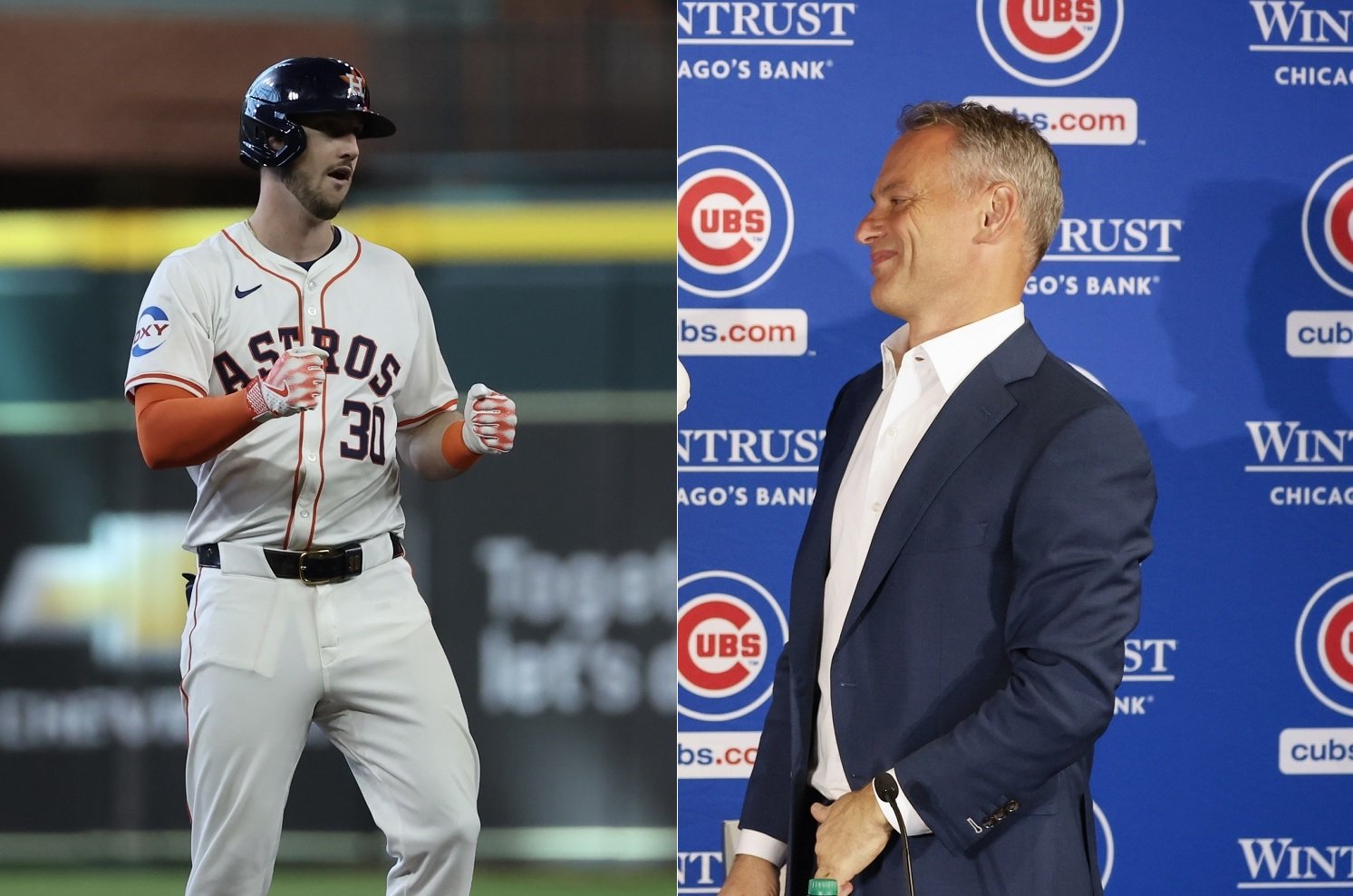 The Chicago Cubs were lauded for their willingness to go all-in on Kyle Tucker, resident superstar right fielder, in a trade with the Houston Astros that cost them top prospect Cam Smith. Tucker should prove to be the superstar the franchise has been longing for since dumping Kris Bryant, Anthony Rizzo, and Javier Baez at the 2021 trade deadline, and with any luck, it's possible the franchise can sign him to a lucrative extension before he hits free agency next winter. Well, those extension talks are sure to be progressing in the right direction now, following reports that the Cubs could not come to an agreement on a 2025 salary with Tucker. This likely means the Cubs will be headed to an arbitration hearing with Tucker, though a remote chance exists that the two parties could still agree to a contract for the 2025 season prior to that. I had a chance to speak with Jed Hoyer about the news, and though I tried to dance around the topic delicately, he was ecstatic that the Cubs might be able to save some money on their bottom-line this year. "This is a huge win for the Chicago Cubs organization," Hoyer boasted while trying to look for hidden microphones the Ricketts family may have placed in his office. "Kyle Tucker is an excellent addition to our ball club, and no one should mistake this news as us devaluing him. The $2.5 million we anticipate saving when we win the trial will absolutely be repurposed, likely in the form of us signing another No. 5 starter." The arbitration process, which involves teams and players making cases to a third-party that the monetary figure they offered is the correct one, is notorious for its awkwardness and messy consequences. Players routinely have cited bad-blood relationships with teams that began during arbitration hearings. The athletes, who are merely trying to defend their performance and earn some extra money, are forced to sit and listen to their own franchises denigrate their accomplishments and belittle them as players. Hoyer, now satisfied that the only ears in the room were his, mine, and perhaps [Seiya Suzuki's agent] Joel Wolfe's, said that he was excited to bash the team's new best player in front of an unfeeling, totally impartial third-party: "Look, to be honest with you, I don't like baseball players. Hate 'em. This job is the opposite of fun. You get lambasted online by people who think they can do this job better than you even though they dropped out of Northern Illinois after three semesters," he said, staring down into a glass of whisky he seemingly manifested out of thin air. "The one reprieve you get is just taking these greedy... things behind the woodshed and proverbially crushing them. Just making fun of them to their face, letting them know that, in my eyes, they'll never be good enough. God, what a rush." Asked whether he thought harping on Tucker's shortcomings in a private trial before the outfielder even plays a game with the franchise would hurt their chances of signing him to a long-term extension, Hoyer laughed hysterically for five minutes before handing me a laminated copy of Jason Heyward's contract.
 -
This is a work of satire. Please enjoy. Image courtesy of © Thomas Shea-Imagn Images (Tucker Photo), © Kamil Krzaczynski-Imagn Images (Hoyer photo) The Chicago Cubs were lauded for their willingness to go all-in on Kyle Tucker, resident superstar right fielder, in a trade with the Houston Astros that cost them top prospect Cam Smith. Tucker should prove to be the superstar the franchise has been longing for since dumping Kris Bryant, Anthony Rizzo, and Javier Baez at the 2021 trade deadline, and with any luck, it's possible the franchise can sign him to a lucrative extension before he hits free agency next winter. Well, those extension talks are sure to be progressing in the right direction now, following reports that the Cubs could not come to an agreement on a 2025 salary with Tucker. This likely means the Cubs will be headed to an arbitration hearing with Tucker, though a remote chance exists that the two parties could still agree to a contract for the 2025 season prior to that. I had a chance to speak with Jed Hoyer about the news, and though I tried to dance around the topic delicately, he was ecstatic that the Cubs might be able to save some money on their bottom-line this year. "This is a huge win for the Chicago Cubs organization," Hoyer boasted while trying to look for hidden microphones the Ricketts family may have placed in his office. "Kyle Tucker is an excellent addition to our ball club, and no one should mistake this news as us devaluing him. The $2.5 million we anticipate saving when we win the trial will absolutely be repurposed, likely in the form of us signing another No. 5 starter." The arbitration process, which involves teams and players making cases to a third-party that the monetary figure they offered is the correct one, is notorious for its awkwardness and messy consequences. Players routinely have cited bad-blood relationships with teams that began during arbitration hearings. The athletes, who are merely trying to defend their performance and earn some extra money, are forced to sit and listen to their own franchises denigrate their accomplishments and belittle them as players. Hoyer, now satisfied that the only ears in the room were his, mine, and perhaps [Seiya Suzuki's agent] Joel Wolfe's, said that he was excited to bash the team's new best player in front of an unfeeling, totally impartial third-party: "Look, to be honest with you, I don't like baseball players. Hate 'em. This job is the opposite of fun. You get lambasted online by people who think they can do this job better than you even though they dropped out of Northern Illinois after three semesters," he said, staring down into a glass of whisky he seemingly manifested out of thin air. "The one reprieve you get is just taking these greedy... things behind the woodshed and proverbially crushing them. Just making fun of them to their face, letting them know that, in my eyes, they'll never be good enough. God, what a rush." Asked whether he thought harping on Tucker's shortcomings in a private trial before the outfielder even plays a game with the franchise would hurt their chances of signing him to a long-term extension, Hoyer laughed hysterically for five minutes before handing me a laminated copy of Jason Heyward's contract. View full article
-
 Theodore Roosevelt Lilly III, known to baseball fans as Ted Lilly, pitched in parts of 15 MLB seasons, though his best four were spent with the Chicago Cubs. Lilly was drafted in the 13th round of the 1995 MLB Draft by the Toronto Blue Jays, though he opted to return to Fresno City College for his senior season. That decision didn't pan out as he hoped, as he slipped 10 rounds in the following year's draft before being selected by the Los Angeles Dodgers. Lilly was part of four(!) trades before making his way to Chicago. This is going to be a lot, so bear with me. After pitching two seasons in the Dodgers' farm system, Lilly was traded to the Montreal Expos (along with Peter Bergeron, Wilton Guerrero and Jonathan Tucker) to the Montreal Expos for Hiram Bocachica, Mark Grudzielanek and Carlos Pérez. He made his MLB debut in 1999 with the Expos, making nine appearances (three starts). Then, in spring training of 2000, he was dealt to the New York Yankees as the player to be named later from a trade in 1999 that sent Hideki Irabu to Montreal. He is (as far as I can tell) the only player to be traded across millennia. After two-and-a-half seasons in the Bronx, he was traded again to Oakland in a three-team deal that sent Jeff Weaver to New York and Jeremy Bonderman to the Detroit Tigers. Finally, following two playoff-bound seasons with the Athletics, Lilly was traded again to the Toronto Blue Jays in exchange for Bobby Kielty. Finally finding a modicum of stability in Toronto, Lilly produced multiple solid seasons, including earning his first All-Star nod in 2004. After three seasons with Toronto, Lilly rejected a four-year, $40 million deal from the Blue Jays before agreeing to an identical contract with the Cubs on the same day. The Cubs new manager at the time, Lou Piniella, offered his thoughts on Lilly in a way that only he could: Lilly more than lived up to Piniella's apt description of him, accruing 15.1 WAR in 113 starts with the Cubs, logging a 47-34 record, 3.70 ERA (4.14 FIP), 598 strikeouts, and 705 2/3 innings from 2007-10 in Chicago. He was the platonic ideal of an innings-eater, pitching 207.0 innings in 2007, 204 2/3 in 2008, 177.0 in 2009 (his second All-Star campaign), and 117.0 through July of 2010. While Lilly was remarkably consistent for the Cubs and had some brilliant performances, including a near-no-hitter on June 13, 2010, against the White Sox, the most interesting part of his Cubs career was his arrival. Chuck Wasserstrom, who was a member of the Cubs baseball operations staff in 2006 under then-general manager Jim Hendry, wrote the history of the Cubs at the Winter Meetings that year and how the Cubs signed Lilly. It's absolutely worth your time if you're interested in the behind-the-scenes action of baseball. As aforementioned, the Lilly refused an identical contract from the Blue Jays on the same day he signed in Chicago, but he also was garnering interest from the Yankees. Hendry was dealing with heart problems that week, and was advised by numerous doctors to go to the hospital. Once New York chose to focus their efforts on Andy Pettitte at the eleventh hour, Lilly's agent, Larry O'Brien, called Hendry to say they had a deal as Hendry was stretched out on a gurney with an EKG machine hooked up to him. Right after that, they put Hendry in an ambulance and rushed him to a different hospital where he had a procedure done that may have saved his life. With all the hoopla surrounding his arrival, Lilly's departure was far less adventurous. In the final trade of his career, the southpaw was dealt back to the Dodgers in a five-player deal that landed Ryan Theriot in L.A. and Blake DeWitt in Chicago. Lilly was brilliant in his half-season with the Dodgers and secured a three-year contract in free agency with them in the 2010-11 offseason, though injuries limited his effectiveness afterwards. Los Angeles ultimately DFA'ed Lilly in July 2013, and while he came close to signing a contract with the San Francisco Giants, the deal fell through due to persistent neck and shoulder injuries. Lilly officially retired professional baseball in November 2013. He later joined the Cubs' front office as a special assistant in March 2014.
 -
Theodore Roosevelt Lilly III, known to baseball fans as Ted Lilly, pitched in parts of 15 MLB seasons, though his best four were spent with the Chicago Cubs. Lilly was drafted in the 13th round of the 1995 MLB Draft by the Toronto Blue Jays, though he opted to return to Fresno City College for his senior season. That decision didn't pan out as he hoped, as he slipped 10 rounds in the following year's draft before being selected by the Los Angeles Dodgers. Lilly was part of four(!) trades before making his way to Chicago. This is going to be a lot, so bear with me. After pitching two seasons in the Dodgers' farm system, Lilly was traded to the Montreal Expos (along with Peter Bergeron, Wilton Guerrero and Jonathan Tucker) to the Montreal Expos for Hiram Bocachica, Mark Grudzielanek and Carlos Pérez. He made his MLB debut in 1999 with the Expos, making nine appearances (three starts). Then, in spring training of 2000, he was dealt to the New York Yankees as the player to be named later from a trade in 1999 that sent Hideki Irabu to Montreal. He is (as far as I can tell) the only player to be traded across millennia. After two-and-a-half seasons in the Bronx, he was traded again to Oakland in a three-team deal that sent Jeff Weaver to New York and Jeremy Bonderman to the Detroit Tigers. Finally, following two playoff-bound seasons with the Athletics, Lilly was traded again to the Toronto Blue Jays in exchange for Bobby Kielty. Finally finding a modicum of stability in Toronto, Lilly produced multiple solid seasons, including earning his first All-Star nod in 2004. After three seasons with Toronto, Lilly rejected a four-year, $40 million deal from the Blue Jays before agreeing to an identical contract with the Cubs on the same day. The Cubs new manager at the time, Lou Piniella, offered his thoughts on Lilly in a way that only he could: Lilly more than lived up to Piniella's apt description of him, accruing 15.1 WAR in 113 starts with the Cubs, logging a 47-34 record, 3.70 ERA (4.14 FIP), 598 strikeouts, and 705 2/3 innings from 2007-10 in Chicago. He was the platonic ideal of an innings-eater, pitching 207.0 innings in 2007, 204 2/3 in 2008, 177.0 in 2009 (his second All-Star campaign), and 117.0 through July of 2010. While Lilly was remarkably consistent for the Cubs and had some brilliant performances, including a near-no-hitter on June 13, 2010, against the White Sox, the most interesting part of his Cubs career was his arrival. Chuck Wasserstrom, who was a member of the Cubs baseball operations staff in 2006 under then-general manager Jim Hendry, wrote the history of the Cubs at the Winter Meetings that year and how the Cubs signed Lilly. It's absolutely worth your time if you're interested in the behind-the-scenes action of baseball. As aforementioned, the Lilly refused an identical contract from the Blue Jays on the same day he signed in Chicago, but he also was garnering interest from the Yankees. Hendry was dealing with heart problems that week, and was advised by numerous doctors to go to the hospital. Once New York chose to focus their efforts on Andy Pettitte at the eleventh hour, Lilly's agent, Larry O'Brien, called Hendry to say they had a deal as Hendry was stretched out on a gurney with an EKG machine hooked up to him. Right after that, they put Hendry in an ambulance and rushed him to a different hospital where he had a procedure done that may have saved his life. With all the hoopla surrounding his arrival, Lilly's departure was far less adventurous. In the final trade of his career, the southpaw was dealt back to the Dodgers in a five-player deal that landed Ryan Theriot in L.A. and Blake DeWitt in Chicago. Lilly was brilliant in his half-season with the Dodgers and secured a three-year contract in free agency with them in the 2010-11 offseason, though injuries limited his effectiveness afterwards. Los Angeles ultimately DFA'ed Lilly in July 2013, and while he came close to signing a contract with the San Francisco Giants, the deal fell through due to persistent neck and shoulder injuries. Lilly officially retired professional baseball in November 2013. He later joined the Cubs' front office as a special assistant in March 2014. View full player
-
Which players should the Cubs try to add in the next few months to put a bow on their strong offseason? View full video
-
Which players should the Cubs try to add in the next few months to put a bow on their strong offseason?
-
The Cubs have added star power and ancillary support to their roster this offseason. Does that make them the NL Central favorite heading into the 2025 season?
-
The Cubs have added star power and ancillary support to their roster this offseason. Does that make them the NL Central favorite heading into the 2025 season? View full video
-
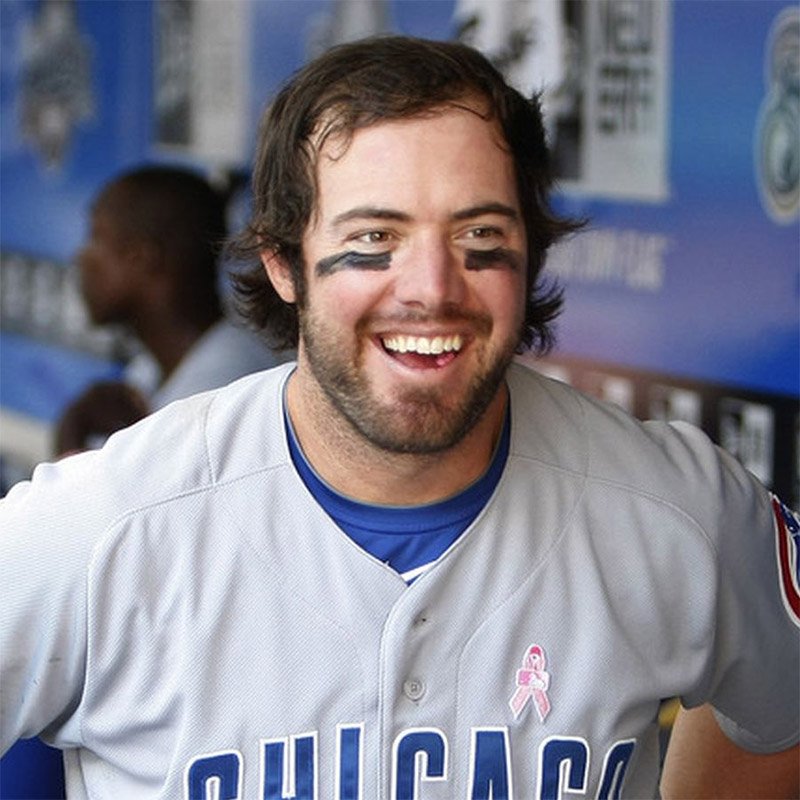 Ian Kenneth Stewart played parts of seven seasons in the MLB, with just one coming with the Chicago Cubs. Stewart was a first-round selection out of high school by the Colorado Rockies in the 2003 MLB Draft, and he performed brilliantly in his first few professional seasons in the minor leagues. Prior the 2005 season, he was rated as Baseball America's fourth-best prospect, and he would continue appearing on Top-100 lists prior to his MLB debut in 2007. Stewart's debut came on August 11, 2007, following an injury to infielder Jeff Baker. His first major league hit came the following day, against Kerry Wood and the Cubs. From that point on, Stewart's career in Colorado was a rollercoaster, as he interspersed strong seasons (like his 2.1 WAR campaign in 2010) with weak efforts (like when he was demoted to Triple-A for the majority of the 2011 season). He fell out of favor with the Rockies as he got further into arbitration, and eventually he found himself on the trading block. Following the 2011 season, Stewart (along with pitcher Casey Weathers, who never made it to the big leagues) was traded to the Chicago Cubs in exchange for outfielder Tyler Colvin and future batting champion DJ LeMahieu It was the very first trade executed by Theo Epstein with the Cubs following his takeover of the team's front office that year. Stewart spent a rather uneventful season with the Cubs in 2012 as their primary third baseman, slashing just .201/.292/.335 in 55 games. His year was cut short due to an injury that required wrist surgery in July of that year. Of course, Stewart's most memorable moment with the Cubs came after that point. The team re-signed him to a one-year, $2 million deal prior to the 2013 season, though he failed to make the 25-man roster out of camp. He batted just .168 in 40 games with the Iowa Cubs, and then proceeded to go on an infamous Twitter rant about the organization. Stewart was answering questions from fans online at the time and was asked whether he would return to the Cubs soon. He responded "probably never" before following up with: "I said that because the Cubs are done with me....there (sic) going to let me Rott (sic) in AAA all season and then non tender me after." There were other notable comments made by both Stewart and the organization, but the one that sticks with me is this incredible response by Theo Epstein: The team proceeded to suspend him for ten games, and ultimately wound up releasing him on June 25, 2013, after his agent, Larry Sanders, asked the club to release Stewart if he wasn't in their plans. With the suspension, Stewart became the first player since Milton Bradley in 2009 to be suspended by the organization. After his release from the Cubs, signed minor league deals with the Dodgers and Angels, eventually earning a bench job for the latter, though he appeared in just 24 games before being DFA'ed by the Angels in July of 2014. Stewart retired from professional baseball after being released by the Washington Nationals in June of 2015 after failing to make their big league roster in the first half of that season.
 -
Ian Kenneth Stewart played parts of seven seasons in the MLB, with just one coming with the Chicago Cubs. Stewart was a first-round selection out of high school by the Colorado Rockies in the 2003 MLB Draft, and he performed brilliantly in his first few professional seasons in the minor leagues. Prior the 2005 season, he was rated as Baseball America's fourth-best prospect, and he would continue appearing on Top-100 lists prior to his MLB debut in 2007. Stewart's debut came on August 11, 2007, following an injury to infielder Jeff Baker. His first major league hit came the following day, against Kerry Wood and the Cubs. From that point on, Stewart's career in Colorado was a rollercoaster, as he interspersed strong seasons (like his 2.1 WAR campaign in 2010) with weak efforts (like when he was demoted to Triple-A for the majority of the 2011 season). He fell out of favor with the Rockies as he got further into arbitration, and eventually he found himself on the trading block. Following the 2011 season, Stewart (along with pitcher Casey Weathers, who never made it to the big leagues) was traded to the Chicago Cubs in exchange for outfielder Tyler Colvin and future batting champion DJ LeMahieu It was the very first trade executed by Theo Epstein with the Cubs following his takeover of the team's front office that year. Stewart spent a rather uneventful season with the Cubs in 2012 as their primary third baseman, slashing just .201/.292/.335 in 55 games. His year was cut short due to an injury that required wrist surgery in July of that year. Of course, Stewart's most memorable moment with the Cubs came after that point. The team re-signed him to a one-year, $2 million deal prior to the 2013 season, though he failed to make the 25-man roster out of camp. He batted just .168 in 40 games with the Iowa Cubs, and then proceeded to go on an infamous Twitter rant about the organization. Stewart was answering questions from fans online at the time and was asked whether he would return to the Cubs soon. He responded "probably never" before following up with: "I said that because the Cubs are done with me....there (sic) going to let me Rott (sic) in AAA all season and then non tender me after." There were other notable comments made by both Stewart and the organization, but the one that sticks with me is this incredible response by Theo Epstein: The team proceeded to suspend him for ten games, and ultimately wound up releasing him on June 25, 2013, after his agent, Larry Sanders, asked the club to release Stewart if he wasn't in their plans. With the suspension, Stewart became the first player since Milton Bradley in 2009 to be suspended by the organization. After his release from the Cubs, signed minor league deals with the Dodgers and Angels, eventually earning a bench job for the latter, though he appeared in just 24 games before being DFA'ed by the Angels in July of 2014. Stewart retired from professional baseball after being released by the Washington Nationals in June of 2015 after failing to make their big league roster in the first half of that season. View full player
-
Tyler Eugene Colvin is a former MLB outfielder, who spent three of his six seasons in the major leagues with the Chicago Cubs. Colvin was a brilliant player in high school and college, starring at Clemson University and making numerous All-ACC teams. He was the the 13th overall pick in the 2006 MLB Draft, marking the fourth time a Clemson player was taken in that draft slot (joining Bill Spiers in 1987, Mike Paradis in 1999, and Khalil Greene in 2002). Colvin gradually worked his way up the team's farm system, earning Top-100 prospect status prior to the 2008 season. Colvin made his MLB debut on September 21, 2009, and he earned a full-time gig as a corner outfield on the Cubs following spring training in 2010. He hit 20 home runs and posted above-average metrics in most notable offensive categories, and his defense rated out solidly despite having never played the outfield prior to college. Colvin's breakout campaign positioned him as a potential replacement for aging corner outfielders Alfonso Soriano and Kosuke Fukudome. However, the most memorable moment of Colvin's career was also the scariest. In a game against the Marlins in September of 2010, Colvin was was headed to the plate from third base when catcher Wellington Castillo’s bat broke as he was hitting a double to left field. Colvin was struck by a shard of the bat in the upper chest, which punctured his lung. He was forced to miss the remainder of his rookie season, which he finished with an .816 OPS. He wasn't the same following the injury, as he batted just .150 in 80 games in 2011. Following the 2011 season, Colvin was traded to the Colorado Rockies (along with future batting champion DJ LeMahieu) for Casey Weathers and Ian Stewart. It was the first trade executed by Theo Epstein following his takeover of the team's front office that year. Colvin played two years for Colorado, alternating between the outfield and first base. His best season came in 2012, when he slashed .290/.327/.531 and accumulated 2.1 WAR. He was eventually DFA'ed by the Rockies prior to the end of the 2013 season, and he would make one final big league stop with the San Francisco Giants in 2014. Colvin officially retired following the 2018 season after minor league detours with the Marlins, White Sox, and Dodgers. View full player
-
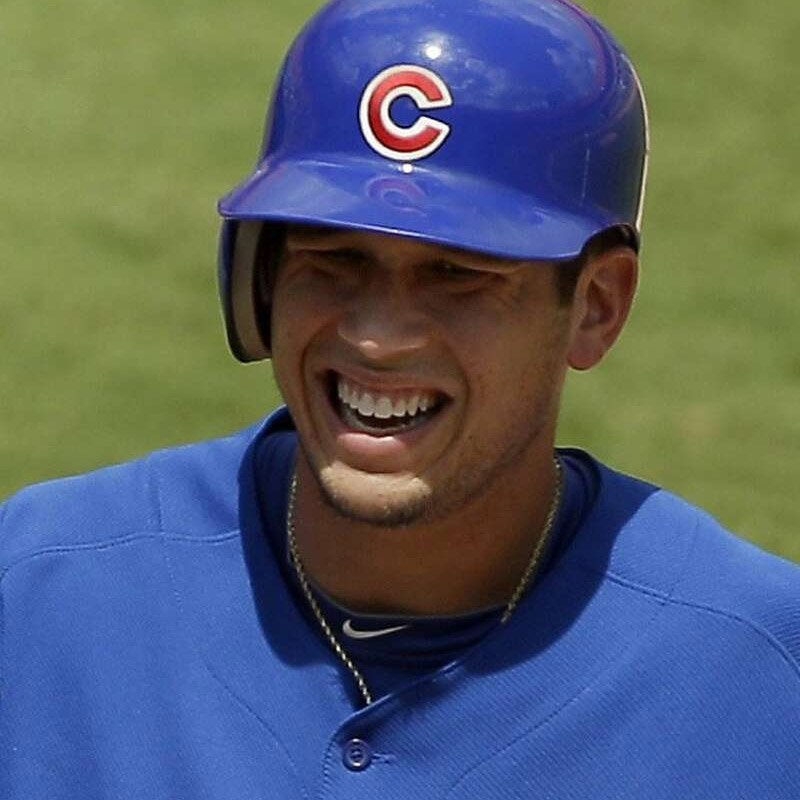 Tyler Eugene Colvin is a former MLB outfielder, who spent three of his six seasons in the major leagues with the Chicago Cubs. Colvin was a brilliant player in high school and college, starring at Clemson University and making numerous All-ACC teams. He was the the 13th overall pick in the 2006 MLB Draft, marking the fourth time a Clemson player was taken in that draft slot (joining Bill Spiers in 1987, Mike Paradis in 1999, and Khalil Greene in 2002). Colvin gradually worked his way up the team's farm system, earning Top-100 prospect status prior to the 2008 season. Colvin made his MLB debut on September 21, 2009, and he earned a full-time gig as a corner outfield on the Cubs following spring training in 2010. He hit 20 home runs and posted above-average metrics in most notable offensive categories, and his defense rated out solidly despite having never played the outfield prior to college. Colvin's breakout campaign positioned him as a potential replacement for aging corner outfielders Alfonso Soriano and Kosuke Fukudome. However, the most memorable moment of Colvin's career was also the scariest. In a game against the Marlins in September of 2010, Colvin was was headed to the plate from third base when catcher Wellington Castillo’s bat broke as he was hitting a double to left field. Colvin was struck by a shard of the bat in the upper chest, which punctured his lung. He was forced to miss the remainder of his rookie season, which he finished with an .816 OPS. He wasn't the same following the injury, as he batted just .150 in 80 games in 2011. Following the 2011 season, Colvin was traded to the Colorado Rockies (along with future batting champion DJ LeMahieu) for Casey Weathers and Ian Stewart. It was the first trade executed by Theo Epstein following his takeover of the team's front office that year. Colvin played two years for Colorado, alternating between the outfield and first base. His best season came in 2012, when he slashed .290/.327/.531 and accumulated 2.1 WAR. He was eventually DFA'ed by the Rockies prior to the end of the 2013 season, and he would make one final big league stop with the San Francisco Giants in 2014. Colvin officially retired following the 2018 season after minor league detours with the Marlins, White Sox, and Dodgers.