Brandon Glick
-
Posts
1,153 -
Joined
-
Last visited
Content Type
Profiles
Joomla Posts 1
Chicago Cubs Videos
Chicago Cubs Free Agent & Trade Rumors, Notes, & Tidbits
2026 Chicago Cubs Top Prospects Ranking
News
2023 Chicago Cubs Draft Picks
Guides & Resources
2024 Chicago Cubs Draft Picks
The Chicago Cubs Players Project
2025 Chicago Cubs Draft Pick Tracker
2026 Chicago Cubs Draft Tracker: Picks & Bonuses
Blogs
Events
Forums
Store
Gallery
Everything posted by Brandon Glick
-
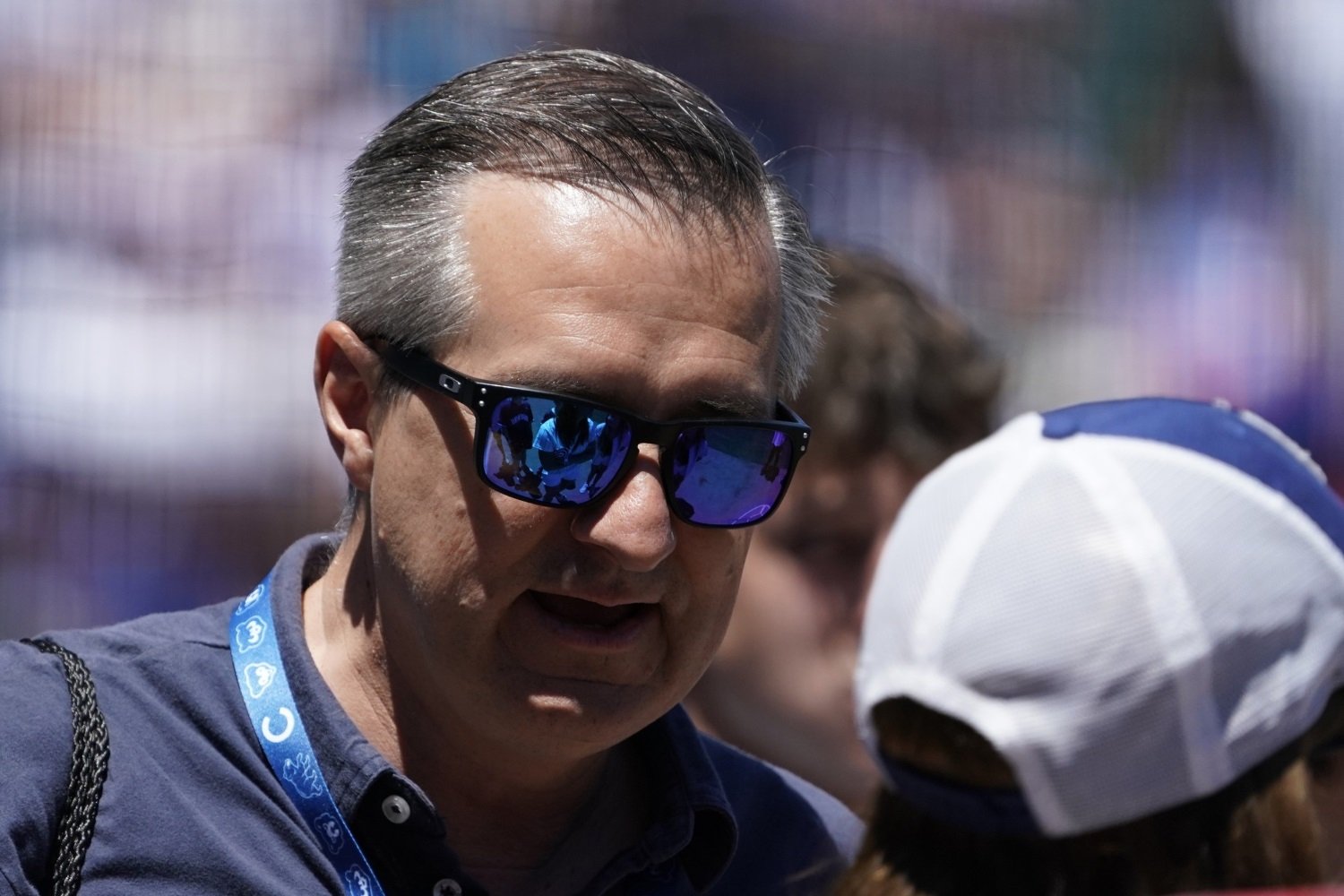 The Chicago Cubs will only be playing 79 home games next year, as opposed to the normal slate of 81. That’s because of the Tokyo Series games against the L.A. Dodgers that will kick off next season, which the Cubs are technically “hosting”. Don’t fret, though, season ticket holders! Just in case you thought that would mean that total prices would come down, the Ricketts family has you covered. We don’t need to belabor any doom-and-gloom points about the 2024 iteration of the Chicago Cubs. They’re not going to make the playoffs. They haven’t made the postseason since the pandemic-shortened 2020 season, when they barely won a non-competitive NL Central and got swept by the barely-.500 Miami Marlins in the first round of the expanded playoffs. They haven’t won a postseason game since falling to the Dodgers in the 2017 NLCS. Everything is getting more expensive in this world. Inflation exists, and the value of the dollar yesterday was more than the value of the dollar today. You don’t need a degree in economics to understand what’s going on, just like the Rickettses don’t need a degree in customer service to continue price gouging you for a mediocre team. These price increases will affect every ticket for next year, from the bleachers to the suites. No matter where in Wrigley you like to soak in the action, you’re going to have to cough up a few more bucks per game to do so in 2025. The more cynical take on this development is that this is the Ricketts family’s way of passing along the losses of passing the first threshold of the luxury tax along to the fans. Indeed, the team chose to spend on players (however unwisely), and despite their failure to make the playoffs, there are financial penalties to be paid for crossing the initial competitive balance tax line. Owning a team is a business, and as operating costs grow more expensive, so must the product, lest profits don’t continue setting records year after year. Alternatively, you can be a bit more optimistic. Perhaps these price hikes aren’t the consequence of a fluke spike in spending, but rather a sign that the spending will continue. Maybe the ownership group has informed Jed Hoyer and company that their jobs are on the line, and the team plans to loosen the purse strings in free agency this winter. Surely, anyone reasonable would pay a few more bucks for seats if it means Juan Soto is patrolling right field at the Friendly Confines for the next decade. If you take a grander landscape view of baseball, the Cubs were already one of the most expensive teams to see in the league. Using research from Money Geek, the average price for a family of four to see a Cubs game this year is $154 ($87 for tickets, $14 for parking, $53 for food and drinks). That’s above the MLB average of $140, and way above the Miami Marlins’ mark of $83, though the experience is more reasonably priced than seeing a Dodgers ($219) or Yankees ($161) game. Again, that’s for individual game tickets, so price increases will impact those tickets more severely than those of season ticket holders. Take this news how you will. There’s something to be said for the fact that it’s a better sign that tickets are getting more expensive rather than less, as that would portend another rebuild--which exactly zero Cubs fans want to sit through. Yet, there’s also an argument to be made for making the great game of baseball more accessible, rather than less so. For every effort Rob Manfred and the league office make to appeal to a more casual audience, the owners take another step in the opposite direction: cultivating a smaller number of customers willing to pony up many more dollars than those casual fans and working-class families. Whether it’s more expensive tickets, local game blackouts, streaming service exclusive games, or RSN bankruptcies, it feels like baseball will just never be able to get out of its own way. For those of us with an inelastic demand for baseball games, this financial hit isn’t going to push us away. It’ll make us cringe a bit when we look at our receipts, but it’s just the price of doing business with professional sports teams in 2024. We're the suckers the Ricketts family and their ilk are counting on. For those who are a little less serious about their fandom, though, the idea of going to a Cubs game just became less appealing.
 -
Chicago Cubs season ticket holders were informed of a price increase averaging 3 percent for the 2025 season this week. The sport continues to make itself less accessible to the general public. Image courtesy of © David Banks-Imagn Images The Chicago Cubs will only be playing 79 home games next year, as opposed to the normal slate of 81. That’s because of the Tokyo Series games against the L.A. Dodgers that will kick off next season, which the Cubs are technically “hosting”. Don’t fret, though, season ticket holders! Just in case you thought that would mean that total prices would come down, the Ricketts family has you covered. We don’t need to belabor any doom-and-gloom points about the 2024 iteration of the Chicago Cubs. They’re not going to make the playoffs. They haven’t made the postseason since the pandemic-shortened 2020 season, when they barely won a non-competitive NL Central and got swept by the barely-.500 Miami Marlins in the first round of the expanded playoffs. They haven’t won a postseason game since falling to the Dodgers in the 2017 NLCS. Everything is getting more expensive in this world. Inflation exists, and the value of the dollar yesterday was more than the value of the dollar today. You don’t need a degree in economics to understand what’s going on, just like the Rickettses don’t need a degree in customer service to continue price gouging you for a mediocre team. These price increases will affect every ticket for next year, from the bleachers to the suites. No matter where in Wrigley you like to soak in the action, you’re going to have to cough up a few more bucks per game to do so in 2025. The more cynical take on this development is that this is the Ricketts family’s way of passing along the losses of passing the first threshold of the luxury tax along to the fans. Indeed, the team chose to spend on players (however unwisely), and despite their failure to make the playoffs, there are financial penalties to be paid for crossing the initial competitive balance tax line. Owning a team is a business, and as operating costs grow more expensive, so must the product, lest profits don’t continue setting records year after year. Alternatively, you can be a bit more optimistic. Perhaps these price hikes aren’t the consequence of a fluke spike in spending, but rather a sign that the spending will continue. Maybe the ownership group has informed Jed Hoyer and company that their jobs are on the line, and the team plans to loosen the purse strings in free agency this winter. Surely, anyone reasonable would pay a few more bucks for seats if it means Juan Soto is patrolling right field at the Friendly Confines for the next decade. If you take a grander landscape view of baseball, the Cubs were already one of the most expensive teams to see in the league. Using research from Money Geek, the average price for a family of four to see a Cubs game this year is $154 ($87 for tickets, $14 for parking, $53 for food and drinks). That’s above the MLB average of $140, and way above the Miami Marlins’ mark of $83, though the experience is more reasonably priced than seeing a Dodgers ($219) or Yankees ($161) game. Again, that’s for individual game tickets, so price increases will impact those tickets more severely than those of season ticket holders. Take this news how you will. There’s something to be said for the fact that it’s a better sign that tickets are getting more expensive rather than less, as that would portend another rebuild--which exactly zero Cubs fans want to sit through. Yet, there’s also an argument to be made for making the great game of baseball more accessible, rather than less so. For every effort Rob Manfred and the league office make to appeal to a more casual audience, the owners take another step in the opposite direction: cultivating a smaller number of customers willing to pony up many more dollars than those casual fans and working-class families. Whether it’s more expensive tickets, local game blackouts, streaming service exclusive games, or RSN bankruptcies, it feels like baseball will just never be able to get out of its own way. For those of us with an inelastic demand for baseball games, this financial hit isn’t going to push us away. It’ll make us cringe a bit when we look at our receipts, but it’s just the price of doing business with professional sports teams in 2024. We're the suckers the Ricketts family and their ilk are counting on. For those who are a little less serious about their fandom, though, the idea of going to a Cubs game just became less appealing. View full article
-
The Cubs' offense averaged eight runs per game in Los Angeles, and the North Siders kept their season alive with a series win over the Dodgers.
-
The Cubs' offense averaged eight runs per game in Los Angeles, and the North Siders kept their season alive with a series win over the Dodgers. View full video
-
The Cubs are fighting with the Mets and Braves for the final Wild Card Slot. Can they make their move in the standings with just a few weeks left to go? View full video
-
The Cubs are fighting with the Mets and Braves for the final Wild Card Slot. Can they make their move in the standings with just a few weeks left to go?
-
Cody Bellinger can opt out of his contract at the end of this season. Should he? Should the Cubs let him walk if he does? View full video
-
Cody Bellinger can opt out of his contract at the end of this season. Should he? Should the Cubs let him walk if he does?
-
Imanaga, Porter Hodge, and Nate Pearson combined for the first Cubs no-hitter at Wrigley Field since 1972!
-
Imanaga, Porter Hodge, and Nate Pearson combined for the first Cubs no-hitter at Wrigley Field since 1972! View full video
-
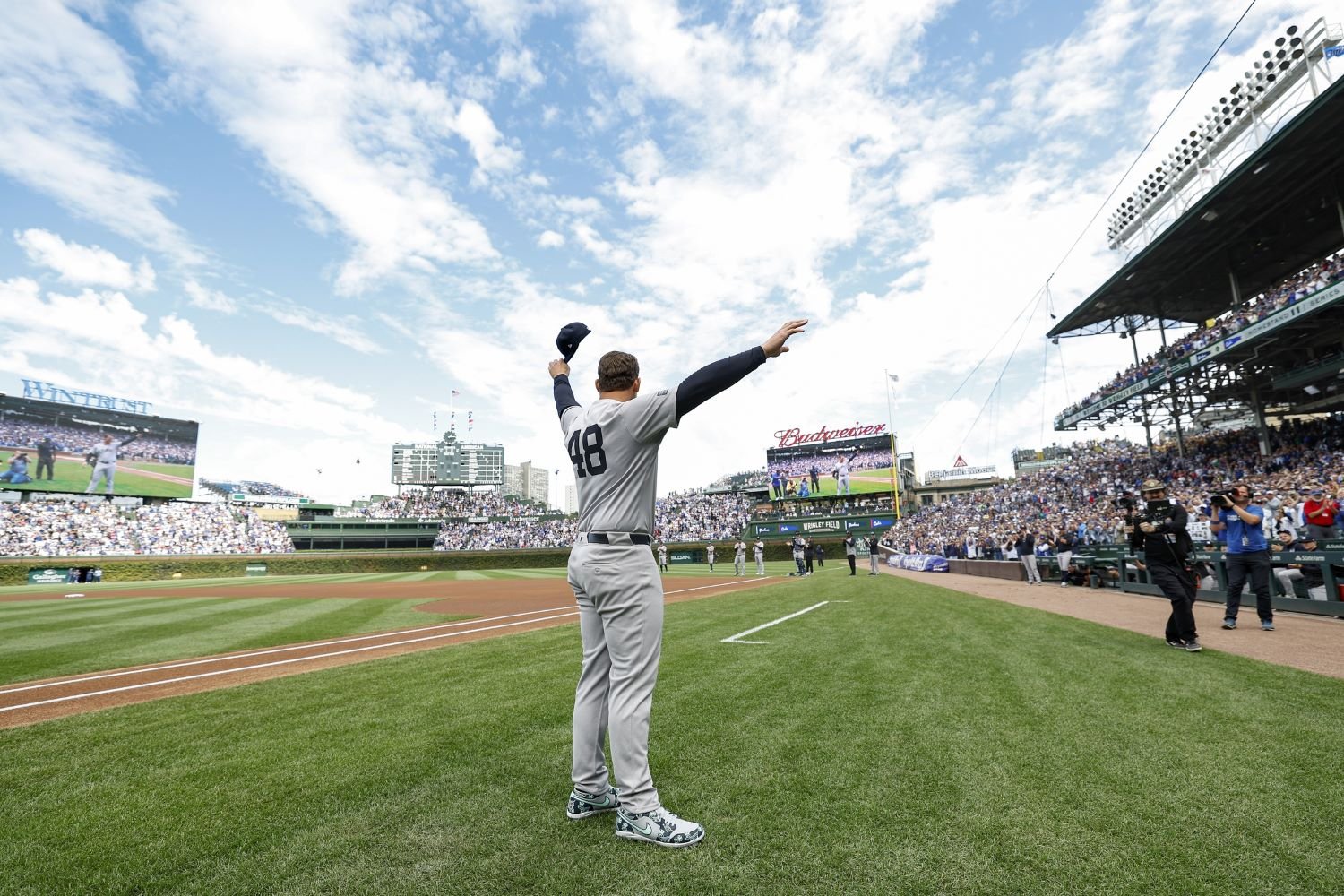 Remember when the Cubs were good? Like, not just “a few games above .500” good, but really, genuinely good? Good enough to win the division and 100 games in the regular season? Good enough to make it to the National League Championship Series year after year? Good enough, even, to win the one thing everyone who loves this sport truly wants? Moral victories exist in sports. Even the best franchises go through down seasons. Each of the stars the Cubs dealt in 2021 have failed to live up the lucrative contracts they signed in the ensuing years. Whatever platitude you whisper to yourself to sleep easier at night, though, there’s not many positives to take away from the weekend series against the New York Yankees. The Cubs salvaged a hunk of the three-game set with a 2-1 win on Sunday, but they fell further behind the Mets and Braves in the Wild Card race by dropping the first two games of the series. Now five games out of the final playoff spot and with the Los Angeles Dodgers and Philadelphia Phillies looming on the schedule, the season is down to its final gasp for Chicago. The Cubs’ “recovering” lineup averaged 0.67 runs per game against the Yankees. From Aug. 16 to Sept. 4, the Cubs went 13-5, culminating in the Shota Imanaga-led no hitter against the Pittsburgh Pirates. While that was a strong run, it wasn’t exactly impressive. Their opponents during that stretch, in order, were: the Blue Jays (last in the AL East), the Tigers (4th in the AL Central), the Marlins (last in the NL East), the Pirates (last in the NL Central), the Nationals (4th in the NL East), and the Pirates again. They took care of business, sure, but that 18-game window was bookended by a sweep against the Guardians (1st in the AL Central) and the series loss to the Yankees (1st in the AL East). When the Cubs chose to trade away their World Series heroes just over three years ago, it was under the guise of a more promising future. That core had run its course, and it was better to commit to rebuilding rather than trying to recapture the glory days. I’m not going to make a definitive statement on that. The farm system is loaded, and better times may be ahead. This is merely an obituary on a 2024 season that never really got off the ground. Things began according to plan, as the Cubs were 18-12 on May 1. They then went 21-34 during May and June, practically negating their 31-20 stretch during the dog days of July and August. Now, following a series loss to the very Yankees team Rizzo was dealt to, one thing has become increasingly obvious: the rebuild that began when Rizzo and his championship-winning brethren were traded away is still ongoing. You can argue that baseball - or anything in life, for that matter - doesn't exist on a binary scale; even in a sea of negatives, you can always find positive takeaways. And while that is true, what is also true is that these Cubs simply aren't built for the playoffs. They're not good enough to play with the top dogs of this sport we love so much. They weren't good enough last year, when they collapsed in September; and they weren't good enough this year, when they were so bad in May and June that a late-season collapse wasn't necessary. Rizzo went just 2-for-10 in the batter’s box this series. He’s been worth -0.5 WAR in what’s been a lost season. By every notable measure, he’s been worse than Cubs first baseman Michael Busch, who has cemented himself as the future at the cold corner. Keeping him, or Kris Bryant, or Javier Báez, or Yu Darvish, or Kyle Schwarber, or anyone from that team, probably wouldn’t have changed the team’s fate. In all likelihood, the Cubs are better off now, because they made the difficult decision to set dynamite at the feet of their waning championship roster. That doesn't change the fact that this season is all but over for the North Siders. Rizzo’s return to Wrigley was celebratory because of the sentimentality behind it. It was joyous to see the ostensible face of the franchise from the curse-busting roster finally come back home. But now, he’s left to go back to his new home in New York. Just like the last time he left for the Big Apple, the immediate feeling is the same: the Cubs’ season is over. All that’s changed is the names on the backs of the jerseys. And, of course, three years have passed the Cubs by.
 -
For the first time since the “Great Chicago Fire Sale of 2021”, Anthony Rizzo was in a dugout in Wrigley Field this weekend. Not much has changed since the last time he was here. Image courtesy of © Kamil Krzaczynski-Imagn Images Remember when the Cubs were good? Like, not just “a few games above .500” good, but really, genuinely good? Good enough to win the division and 100 games in the regular season? Good enough to make it to the National League Championship Series year after year? Good enough, even, to win the one thing everyone who loves this sport truly wants? Moral victories exist in sports. Even the best franchises go through down seasons. Each of the stars the Cubs dealt in 2021 have failed to live up the lucrative contracts they signed in the ensuing years. Whatever platitude you whisper to yourself to sleep easier at night, though, there’s not many positives to take away from the weekend series against the New York Yankees. The Cubs salvaged a hunk of the three-game set with a 2-1 win on Sunday, but they fell further behind the Mets and Braves in the Wild Card race by dropping the first two games of the series. Now five games out of the final playoff spot and with the Los Angeles Dodgers and Philadelphia Phillies looming on the schedule, the season is down to its final gasp for Chicago. The Cubs’ “recovering” lineup averaged 0.67 runs per game against the Yankees. From Aug. 16 to Sept. 4, the Cubs went 13-5, culminating in the Shota Imanaga-led no hitter against the Pittsburgh Pirates. While that was a strong run, it wasn’t exactly impressive. Their opponents during that stretch, in order, were: the Blue Jays (last in the AL East), the Tigers (4th in the AL Central), the Marlins (last in the NL East), the Pirates (last in the NL Central), the Nationals (4th in the NL East), and the Pirates again. They took care of business, sure, but that 18-game window was bookended by a sweep against the Guardians (1st in the AL Central) and the series loss to the Yankees (1st in the AL East). When the Cubs chose to trade away their World Series heroes just over three years ago, it was under the guise of a more promising future. That core had run its course, and it was better to commit to rebuilding rather than trying to recapture the glory days. I’m not going to make a definitive statement on that. The farm system is loaded, and better times may be ahead. This is merely an obituary on a 2024 season that never really got off the ground. Things began according to plan, as the Cubs were 18-12 on May 1. They then went 21-34 during May and June, practically negating their 31-20 stretch during the dog days of July and August. Now, following a series loss to the very Yankees team Rizzo was dealt to, one thing has become increasingly obvious: the rebuild that began when Rizzo and his championship-winning brethren were traded away is still ongoing. You can argue that baseball - or anything in life, for that matter - doesn't exist on a binary scale; even in a sea of negatives, you can always find positive takeaways. And while that is true, what is also true is that these Cubs simply aren't built for the playoffs. They're not good enough to play with the top dogs of this sport we love so much. They weren't good enough last year, when they collapsed in September; and they weren't good enough this year, when they were so bad in May and June that a late-season collapse wasn't necessary. Rizzo went just 2-for-10 in the batter’s box this series. He’s been worth -0.5 WAR in what’s been a lost season. By every notable measure, he’s been worse than Cubs first baseman Michael Busch, who has cemented himself as the future at the cold corner. Keeping him, or Kris Bryant, or Javier Báez, or Yu Darvish, or Kyle Schwarber, or anyone from that team, probably wouldn’t have changed the team’s fate. In all likelihood, the Cubs are better off now, because they made the difficult decision to set dynamite at the feet of their waning championship roster. That doesn't change the fact that this season is all but over for the North Siders. Rizzo’s return to Wrigley was celebratory because of the sentimentality behind it. It was joyous to see the ostensible face of the franchise from the curse-busting roster finally come back home. But now, he’s left to go back to his new home in New York. Just like the last time he left for the Big Apple, the immediate feeling is the same: the Cubs’ season is over. All that’s changed is the names on the backs of the jerseys. And, of course, three years have passed the Cubs by. View full article
-
The Cubs are above .500 again and making a push for the Wild Card. Are there chances of getting there improving?
-
The Cubs are above .500 again and making a push for the Wild Card. Are there chances of getting there improving? View full video
-
Miguel Amaya (and Christian Bethancourt) are hot at the plate right now. What does that mean for the Cubs' offseason plans?
-
Miguel Amaya (and Christian Bethancourt) are hot at the plate right now. What does that mean for the Cubs' offseason plans? View full video
-
A young righty with a lively fastball and a downright outrageous curveball, Ben Brown impressed when healthy this season. However, it appears that his rookie year is over. Image courtesy of © Jeff Hanisch-USA TODAY Sports Back on May 28, Ben Brown had the best start of his young career, throwing seven innings of no-hit baseball against the Milwaukee Brewers, punching out 10. His ERA dropped to 2.72 after that outing, and despite his rookie status, Brown was fast becoming a fixture in a surprisingly deep Chicago Cubs rotation. Unfortunately, that’s the last we would see of that version of Brown. He surrendered eight runs in nine innings in two June starts against the Cincinnati Reds, before getting shut down with a neck injury. In the months since he was put on the injured list, neither the player nor the team has achieved clarity about the problem, with the ailment being referred to as a “benign area of concern” at one point--a term that gorgeously illustrates the uncertainty involved. Fans have simply waited patiently for Brown’s return, or at least any subsequent updates. We finally got an update this week, though it wasn’t the one anybody had been hoping for. Manager Craig Counsell all but closed the door on the rookie’s season, barring a miraculous turn of events over the next four weeks. Assistant GM Jared Banner confirmed that plan in a weekend interview on 670 The Score. At this point, there isn’t much reason for the North Siders to rush Brown back, even in the middle of a fervent push for the last Wild Card spot in the National League. He’s simply too valuable to the team’s future, either as a starter or a reliever. Whatever potential benefits the team may receive from having an active but diminished Brown in the final month of this season are dwarfed by the risks of reinjury, or the righty sustaining something more serious. Last season, exclusively in the upper levels of the minor leagues (Double-A and Triple-A), Brown posted an impressive stat line: 26 G, 19 GS, 92.2 IP, 73 H, 57 BB, 130 K, 4.27 ERA, 1.40 WHIP. There was some clamoring for him to come up at the end of the year as a hard-throwing reliever, but a different injury muddled those hopes. The Cubs resisted the noise and kept stretching him out as a starting pitcher over the offseason. The choice was the right one, as Brown pitched to a 3.58 ERA in 55 ⅓ innings this season in the big leagues. Had it not been for his injury, there’s a reasonable chance Brown could have competed for the Rookie of the Year award (or at least second place, since Paul Skenes is practically the MLB equivalent of the Bogeyman on the mound). He was a versatile arm in his rookie season, appearing in 15 games, seven of which were starts. If you toss away his awful debut in the season’s opening series against the Texas Rangers - when he allowed six earned runs in just 1 ⅔ innings - Brown was outright dominant in 2024, pitching to a 2.68 ERA and 2.80 FIP. He struck out 10.4 batters per nine innings, while only allowing 3.1 walks per nine. His ground-ball percentage of 38.7% was subpar, but he did a solid job of keeping the ball in the park (8.1% home run to fly ball ratio), and earned every bit of his 115 ERA+ (i.e., Brown was 15% better than the league average pitcher this season, adjusting for each stadium). If there’s something he can work on moving forward, it’s limiting hard contact and adding a third pitch to his arsenal. Brown ranked in the 5th percentile or worse in average exit velocity allowed (91.8 mph, 1st percentile), Barrel % allowed (10.9%, 5th percentile), and hard-hit percentage allowed (51.4%, 1st percentile). Those are frighteningly bad marks that portend a significant drop-off in performance moving forward, but really, it’s just because his fastball, for all its velocity, is extremely predictable. Brown threw his famed knuckle-curve 303 times this year, yielding a ridiculous .141 batting average from opposing hitters. His fastball, on the other hand, was thrown 532 times and smacked to the tune of a .250 batting average and .352 slugging percentage. When hit, Brown’s fastball was really squared up, as hitters produced an average exit velocity of 92.2 miles per hour off of it. That, in turn, led to the pitch having an expected slugging against of .523, a 171 point difference between the actual slugging percentage mark it produced. The only other pitch Brown offered last year was a changeup. He threw it 14 times, half of which led to base hits. As such, you can expect him to ditch or heavily modify the pitch this offseason, if he’s healthy enough to work. His fastball has the velocity (average of 96.4 mph) to be successful, but he needs more in his arsenal to keep hitters guessing if he’s going to be a starter and face entire lineups more than once on a given day. If he’s ready to convert to being a reliever, he’ll make a pretty good living on his fastball-curveball combo. Assuming he’s healthy going forward and doesn’t suffer any long-term damage from his neck injury, Brown should be a lock for the Cubs’ pitching staff for the next half-decade. He’s got the stuff to compete at the highest level, and the improved control he showed in his rookie season proved that he’s growing as a pitcher. The 2025 season may seem far off right now, but it’s easy to salivate on Brown’s potential when next season begins. View full article
-
Injury Ends 2024 Season for Key Cubs Pitcher, But His Future Remains Bright
Brandon Glick posted an article in Cubs
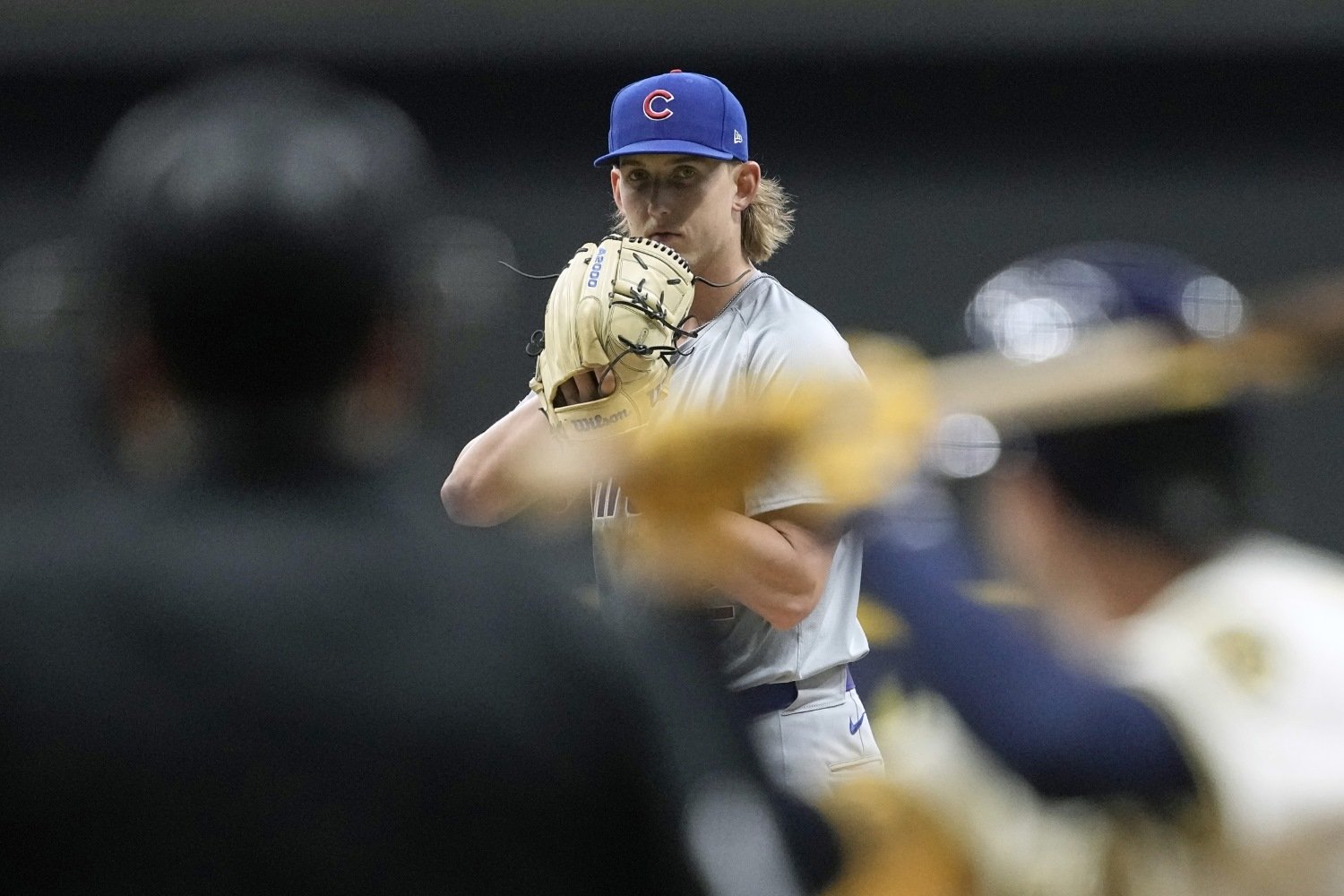 Back on May 28, Ben Brown had the best start of his young career, throwing seven innings of no-hit baseball against the Milwaukee Brewers, punching out 10. His ERA dropped to 2.72 after that outing, and despite his rookie status, Brown was fast becoming a fixture in a surprisingly deep Chicago Cubs rotation. Unfortunately, that’s the last we would see of that version of Brown. He surrendered eight runs in nine innings in two June starts against the Cincinnati Reds, before getting shut down with a neck injury. In the months since he was put on the injured list, neither the player nor the team has achieved clarity about the problem, with the ailment being referred to as a “benign area of concern” at one point--a term that gorgeously illustrates the uncertainty involved. Fans have simply waited patiently for Brown’s return, or at least any subsequent updates. We finally got an update this week, though it wasn’t the one anybody had been hoping for. Manager Craig Counsell all but closed the door on the rookie’s season, barring a miraculous turn of events over the next four weeks. Assistant GM Jared Banner confirmed that plan in a weekend interview on 670 The Score. At this point, there isn’t much reason for the North Siders to rush Brown back, even in the middle of a fervent push for the last Wild Card spot in the National League. He’s simply too valuable to the team’s future, either as a starter or a reliever. Whatever potential benefits the team may receive from having an active but diminished Brown in the final month of this season are dwarfed by the risks of reinjury, or the righty sustaining something more serious. Last season, exclusively in the upper levels of the minor leagues (Double-A and Triple-A), Brown posted an impressive stat line: 26 G, 19 GS, 92.2 IP, 73 H, 57 BB, 130 K, 4.27 ERA, 1.40 WHIP. There was some clamoring for him to come up at the end of the year as a hard-throwing reliever, but a different injury muddled those hopes. The Cubs resisted the noise and kept stretching him out as a starting pitcher over the offseason. The choice was the right one, as Brown pitched to a 3.58 ERA in 55 ⅓ innings this season in the big leagues. Had it not been for his injury, there’s a reasonable chance Brown could have competed for the Rookie of the Year award (or at least second place, since Paul Skenes is practically the MLB equivalent of the Bogeyman on the mound). He was a versatile arm in his rookie season, appearing in 15 games, seven of which were starts. If you toss away his awful debut in the season’s opening series against the Texas Rangers - when he allowed six earned runs in just 1 ⅔ innings - Brown was outright dominant in 2024, pitching to a 2.68 ERA and 2.80 FIP. He struck out 10.4 batters per nine innings, while only allowing 3.1 walks per nine. His ground-ball percentage of 38.7% was subpar, but he did a solid job of keeping the ball in the park (8.1% home run to fly ball ratio), and earned every bit of his 115 ERA+ (i.e., Brown was 15% better than the league average pitcher this season, adjusting for each stadium). If there’s something he can work on moving forward, it’s limiting hard contact and adding a third pitch to his arsenal. Brown ranked in the 5th percentile or worse in average exit velocity allowed (91.8 mph, 1st percentile), Barrel % allowed (10.9%, 5th percentile), and hard-hit percentage allowed (51.4%, 1st percentile). Those are frighteningly bad marks that portend a significant drop-off in performance moving forward, but really, it’s just because his fastball, for all its velocity, is extremely predictable. Brown threw his famed knuckle-curve 303 times this year, yielding a ridiculous .141 batting average from opposing hitters. His fastball, on the other hand, was thrown 532 times and smacked to the tune of a .250 batting average and .352 slugging percentage. When hit, Brown’s fastball was really squared up, as hitters produced an average exit velocity of 92.2 miles per hour off of it. That, in turn, led to the pitch having an expected slugging against of .523, a 171 point difference between the actual slugging percentage mark it produced. The only other pitch Brown offered last year was a changeup. He threw it 14 times, half of which led to base hits. As such, you can expect him to ditch or heavily modify the pitch this offseason, if he’s healthy enough to work. His fastball has the velocity (average of 96.4 mph) to be successful, but he needs more in his arsenal to keep hitters guessing if he’s going to be a starter and face entire lineups more than once on a given day. If he’s ready to convert to being a reliever, he’ll make a pretty good living on his fastball-curveball combo. Assuming he’s healthy going forward and doesn’t suffer any long-term damage from his neck injury, Brown should be a lock for the Cubs’ pitching staff for the next half-decade. He’s got the stuff to compete at the highest level, and the improved control he showed in his rookie season proved that he’s growing as a pitcher. The 2025 season may seem far off right now, but it’s easy to salivate on Brown’s potential when next season begins.
 -
It's why, for better or worse, Cubs fans are known as so fiercely loyal. Whether the team is winning or losing 100 games, the fans are in the stands.
-
It's very rare that they make mistakes like this, but when they do, they really f up. The Arozarena and Alcantara trades were also really bad for them.
-
Riding a three-game winning streak and seeking one final push to make the playoffs, the Cubs claimed a veteran righty off waivers from their biggest division rival. Image courtesy of © Katie Stratman-USA TODAY Sports The Cubs, now at 68-66, are still fighting for life ahead of the final month of the 2024 season. As @Matthew Trueblood pointed out earlier today, the Cubs still need some reinforcements in the bullpen as they look to make some noise in September. Though they didn’t elect to claim Taylor Rogers off waivers, they did follow Trueblood’s instructions, plucking right-handed reliever Shawn Armstrong off waivers from the division rival St. Louis Cardinals. Armstrong wasn’t designated for any performance-related reasons. Indeed, he was quite solid in his very brief stint in St. Louis, pitching to a 2.84 ERA in 12 and ⅔ innings with an impressive 12:2 strikeout-to-walk ratio. That represented a tangible improvement over the 5.40 ERA he authored in 46 and ⅔ innings with the Tampa Bay Rays earlier this year. It was just last month that the Cardinals sought out to help Armstrong achieve the exact kind of performance he’s had, trading away former top prospect Dylan Carlson at the trade deadline in order to acquire Armstrong, a half-year rental, for the remainder of the 2024 season. While the reliever has performed adequately, the Cardinals have not, dropping to 6.0 games out of the final wild card spot in the National League, slipping beneath both the Cubs and the New York Mets in the standings. Much like how the Los Angeles Angels dumped most of their prized deadline acquisitions a year ago in an effort to barely skirt the luxury tax, the Cardinals are doing the same now, essentially punting on the remainder of this season while trying to save some money. Beyond Armstrong, the team also designated Tommy Pham for assignment, another rental deadline acquisition. While the Cubs and Cardinals are separated by just one game in the standings at the time of the move, the teams are headed in different directions. The Cubs have a positive run differential of plus-36, compared to the Cardinals ugly -57 differential, giving Chicago an expected win-loss record of 71-63. The Cardinals’ expected record is just 61-73. Most importantly, though, the North Siders surprisingly passed the first luxury tax threshold willingly this season at the trade deadline, which gave them ample reason to claim a successful reliever for the stretch run. Unlike the Cardinals, who are trying to avoid penalties by waiving Pham and Armstrong, the Cubs are already mired in the first tier of overages. Bringing another major league contract aboard does them no harm, outside of the minor financial penalties they’ll face. The Cubs are assuming roughly $330k in salary commitments for the rest of the season (Armstrong’s pro-rated salary based on his $2.05 million arbitration figure), and as such they’ll incur about $66,000 in luxury tax penalties as well. Armstrong will be a free agent after this season. Expect him to be added to the major league roster in the next 24 hours, and it wouldn’t be a surprise to see Craig Counsell heavily deploy the veteran reliever who made the playoffs in each of the past two seasons. By claiming Armstrong on August 30, the right-hander will be eligible for the playoffs if he is added to the roster before September 1, should the Cubs make it to the postseason. View full article
-
Cubs Claim Relief Pitcher Shawn Armstrong From Division Rival
Brandon Glick posted an article in Cubs
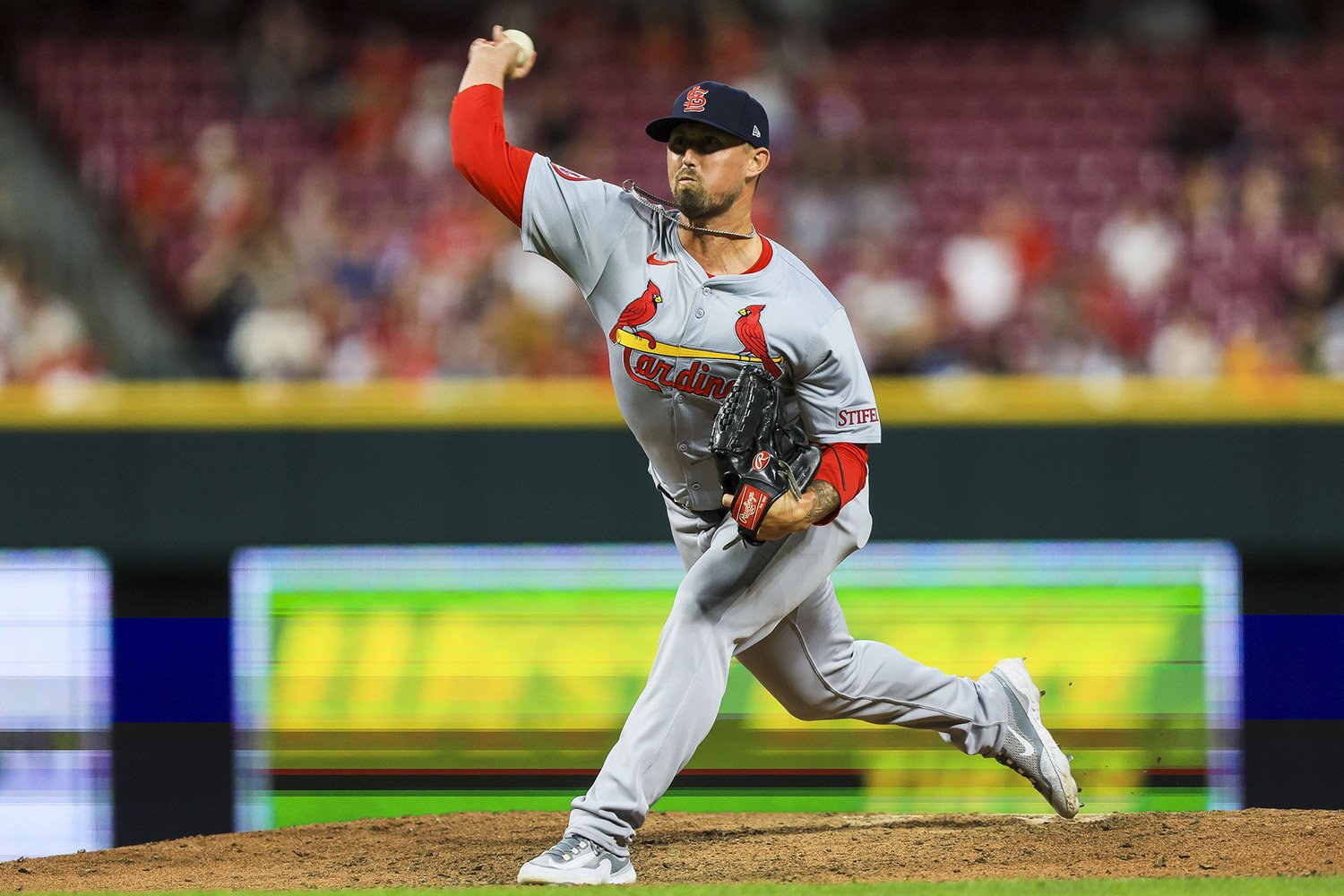 The Cubs, now at 68-66, are still fighting for life ahead of the final month of the 2024 season. As @Matthew Trueblood pointed out earlier today, the Cubs still need some reinforcements in the bullpen as they look to make some noise in September. Though they didn’t elect to claim Taylor Rogers off waivers, they did follow Trueblood’s instructions, plucking right-handed reliever Shawn Armstrong off waivers from the division rival St. Louis Cardinals. Armstrong wasn’t designated for any performance-related reasons. Indeed, he was quite solid in his very brief stint in St. Louis, pitching to a 2.84 ERA in 12 and ⅔ innings with an impressive 12:2 strikeout-to-walk ratio. That represented a tangible improvement over the 5.40 ERA he authored in 46 and ⅔ innings with the Tampa Bay Rays earlier this year. It was just last month that the Cardinals sought out to help Armstrong achieve the exact kind of performance he’s had, trading away former top prospect Dylan Carlson at the trade deadline in order to acquire Armstrong, a half-year rental, for the remainder of the 2024 season. While the reliever has performed adequately, the Cardinals have not, dropping to 6.0 games out of the final wild card spot in the National League, slipping beneath both the Cubs and the New York Mets in the standings. Much like how the Los Angeles Angels dumped most of their prized deadline acquisitions a year ago in an effort to barely skirt the luxury tax, the Cardinals are doing the same now, essentially punting on the remainder of this season while trying to save some money. Beyond Armstrong, the team also designated Tommy Pham for assignment, another rental deadline acquisition. While the Cubs and Cardinals are separated by just one game in the standings at the time of the move, the teams are headed in different directions. The Cubs have a positive run differential of plus-36, compared to the Cardinals ugly -57 differential, giving Chicago an expected win-loss record of 71-63. The Cardinals’ expected record is just 61-73. Most importantly, though, the North Siders surprisingly passed the first luxury tax threshold willingly this season at the trade deadline, which gave them ample reason to claim a successful reliever for the stretch run. Unlike the Cardinals, who are trying to avoid penalties by waiving Pham and Armstrong, the Cubs are already mired in the first tier of overages. Bringing another major league contract aboard does them no harm, outside of the minor financial penalties they’ll face. The Cubs are assuming roughly $330k in salary commitments for the rest of the season (Armstrong’s pro-rated salary based on his $2.05 million arbitration figure), and as such they’ll incur about $66,000 in luxury tax penalties as well. Armstrong will be a free agent after this season. Expect him to be added to the major league roster in the next 24 hours, and it wouldn’t be a surprise to see Craig Counsell heavily deploy the veteran reliever who made the playoffs in each of the past two seasons. By claiming Armstrong on August 30, the right-hander will be eligible for the playoffs if he is added to the roster before September 1, should the Cubs make it to the postseason.
 -
Trading with the Rays is a dangerous game, but rather than any sort of fleecing, the Paredes-for-Morel swap appears to be a lose-lose in the early going. Image courtesy of © David Richard-USA TODAY Sports Last month, ahead of the MLB trade deadline, the Chicago Cubs completed a rare major-leaguer for major-leaguer swap with the Tampa Bay Rays, sending Christopher Morel (and prospects Hunter Bigge and Ty Johnson) to Florida in exchange for third baseman and former Cubs prospect Isaac Paredes. The trade was met with lukewarm reception, as Morel was a homegrown talent who has shown prodigious power in the past, though he was a non-factor offensively for large swaths of time this season. Paredes, on the other hand, had a .245/.357/.435 slash line at the time of the deal, earning an All-Star appearance on the back of his power and strong defense at the hot corner. In 2023, he hit 31 homers and garnered some down-ballot MVP votes for his performance in the middle of a talented Tampa Bay lineup, and this year was proving to be more of the same--before he made his way to the Windy City. From the moment Paredes donned the Cubs’ pinstripes, he’s struggled mightily at the plate. From an aggregate perspective, it’s more of the same from an offense that has frustrated and disappointed fans all season, but it’s even more maddening when looking at the individual. In his first 92 plate appearances with the North Siders, Paredes is batting a paltry .146/.228/.268, and he’s been worth an astounding -0.7 WAR in just 23 games into his Cubs tenure. Perhaps worst of all, his usually steady defense has also been a disaster, as he’s accounted for -0.3 dWAR in just 185 innings at the hot corner thus far. Manager Craig Counsell spoke out about Paredes’ struggles a few days ago, citing the young third baseman’s work ethic and past success as reasons for believing this funk will end before the season does. “He just hasn’t got on track offensively, there’s no question about it. He’d tell you the same thing. And we certainly are taking note of it, and he’s working his tail off to fix it," Counsell said. "He’s a quiet, quiet kind of competitor, but he’s a really hard-working kid. And he cares a lot. It’s hard to see it sometimes. And so this is frustrating for him. There’s no question that this hurts him to not be playing well, but he will get there. He will. He will get there. He will get back on track. And we’ve got to help him do it. That’s our job.” For a guy who really needs some of his big swings to start working out, this is a disastrous early return on the trade for Jed Hoyer. Morel was a popular fixture in the clubhouse for both fans and teammates alike, and Bigge and Johnson have at least some value given their lively arms. When dealing with the Rays, you have to be sure that you know what you’re doing, lest you get hoodwinked into completing a trade that ends up being completely one-sided. Just ask the Twins. Or the Astros. Or the Pirates. Counsell is right, and Paredes will probably recover from this superslump, which began before the trade. That doesn't offer much solace at the moment, though. And yet, at least so far, the Rays have been struggling to get any positive value out of their end of the trade too. Morel has been every bit of the disaster that Paredes has been, slashing .188/.286/.325 in 91 plate appearances in Tampa Bay. While his .611 OPS looks a bit more tolerable next to Paredes’s ghastly .496 mark, Morel has already been worth the same -0.3 dWAR in just 108 innings. He’s also doing it at (arguably) a less valuable position, having switched over to second base since arriving in Florida. That probably doesn’t make you feel much better about the swap, but it’s at least nice to know the Cubs weren’t the sole reason for Morel’s season-long funk at the dish. The Cubs are hovering right around .500 right now, mired in the morass of the NL Central's also-rans. They’re still more than 10 games behind the Brewers, and they remain behind the Arizona Diamondbacks, San Diego Padres, Atlanta Braves, New York Mets, and San Francisco Giants in the Wild Card race. A turnaround at the plate and in the field from Paredes would go a long way toward helping the team make the sort of playoff push most thought was dead in the water after the Trade Deadline. In the bigger picture, though, the Cubs have to figure out why their top offensive contributors can’t seem to piece together consistent stretches of quality plate appearances. The nature of a 162-game season means even the best hitters will have hot and cold streaks, but no team can compete when half the lineup is perpetually hip-deep in the mud. Morel’s continued struggles in Tampa Bay notwithstanding, the Cubs have done a painfully poor job of helping their best offensive players develop throughout the course of a season. Seeing a switch flip for Paredes would be nice to see for the sake of relief, but it could also portend a fundamental change that the Cubs have needed for a long while. View full article
-
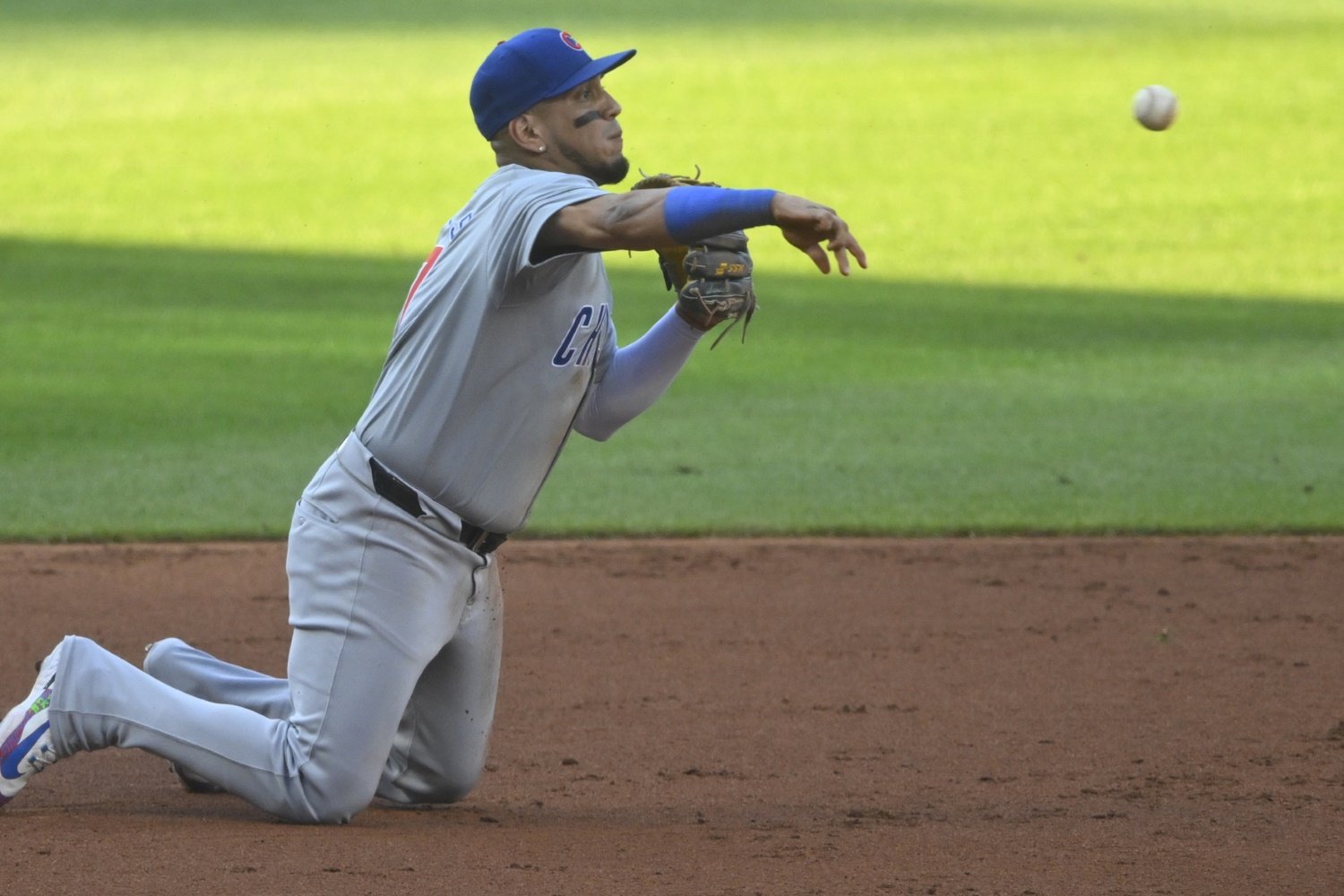 Last month, ahead of the MLB trade deadline, the Chicago Cubs completed a rare major-leaguer for major-leaguer swap with the Tampa Bay Rays, sending Christopher Morel (and prospects Hunter Bigge and Ty Johnson) to Florida in exchange for third baseman and former Cubs prospect Isaac Paredes. The trade was met with lukewarm reception, as Morel was a homegrown talent who has shown prodigious power in the past, though he was a non-factor offensively for large swaths of time this season. Paredes, on the other hand, had a .245/.357/.435 slash line at the time of the deal, earning an All-Star appearance on the back of his power and strong defense at the hot corner. In 2023, he hit 31 homers and garnered some down-ballot MVP votes for his performance in the middle of a talented Tampa Bay lineup, and this year was proving to be more of the same--before he made his way to the Windy City. From the moment Paredes donned the Cubs’ pinstripes, he’s struggled mightily at the plate. From an aggregate perspective, it’s more of the same from an offense that has frustrated and disappointed fans all season, but it’s even more maddening when looking at the individual. In his first 92 plate appearances with the North Siders, Paredes is batting a paltry .146/.228/.268, and he’s been worth an astounding -0.7 WAR in just 23 games into his Cubs tenure. Perhaps worst of all, his usually steady defense has also been a disaster, as he’s accounted for -0.3 dWAR in just 185 innings at the hot corner thus far. Manager Craig Counsell spoke out about Paredes’ struggles a few days ago, citing the young third baseman’s work ethic and past success as reasons for believing this funk will end before the season does. “He just hasn’t got on track offensively, there’s no question about it. He’d tell you the same thing. And we certainly are taking note of it, and he’s working his tail off to fix it," Counsell said. "He’s a quiet, quiet kind of competitor, but he’s a really hard-working kid. And he cares a lot. It’s hard to see it sometimes. And so this is frustrating for him. There’s no question that this hurts him to not be playing well, but he will get there. He will. He will get there. He will get back on track. And we’ve got to help him do it. That’s our job.” For a guy who really needs some of his big swings to start working out, this is a disastrous early return on the trade for Jed Hoyer. Morel was a popular fixture in the clubhouse for both fans and teammates alike, and Bigge and Johnson have at least some value given their lively arms. When dealing with the Rays, you have to be sure that you know what you’re doing, lest you get hoodwinked into completing a trade that ends up being completely one-sided. Just ask the Twins. Or the Astros. Or the Pirates. Counsell is right, and Paredes will probably recover from this superslump, which began before the trade. That doesn't offer much solace at the moment, though. And yet, at least so far, the Rays have been struggling to get any positive value out of their end of the trade too. Morel has been every bit of the disaster that Paredes has been, slashing .188/.286/.325 in 91 plate appearances in Tampa Bay. While his .611 OPS looks a bit more tolerable next to Paredes’s ghastly .496 mark, Morel has already been worth the same -0.3 dWAR in just 108 innings. He’s also doing it at (arguably) a less valuable position, having switched over to second base since arriving in Florida. That probably doesn’t make you feel much better about the swap, but it’s at least nice to know the Cubs weren’t the sole reason for Morel’s season-long funk at the dish. The Cubs are hovering right around .500 right now, mired in the morass of the NL Central's also-rans. They’re still more than 10 games behind the Brewers, and they remain behind the Arizona Diamondbacks, San Diego Padres, Atlanta Braves, New York Mets, and San Francisco Giants in the Wild Card race. A turnaround at the plate and in the field from Paredes would go a long way toward helping the team make the sort of playoff push most thought was dead in the water after the Trade Deadline. In the bigger picture, though, the Cubs have to figure out why their top offensive contributors can’t seem to piece together consistent stretches of quality plate appearances. The nature of a 162-game season means even the best hitters will have hot and cold streaks, but no team can compete when half the lineup is perpetually hip-deep in the mud. Morel’s continued struggles in Tampa Bay notwithstanding, the Cubs have done a painfully poor job of helping their best offensive players develop throughout the course of a season. Seeing a switch flip for Paredes would be nice to see for the sake of relief, but it could also portend a fundamental change that the Cubs have needed for a long while.
 -
Injuries are mounting in the minor leagues, though rumors regarding September call-ups have started to make the rounds.