


Cubs Video
I won’t belabor what’s going on with the Cubs right now. The team stinks. They’re the worst team in the NL Central, a whopping 13 games behind the division-leading Milwaukee Brewers and one of just three teams in the National League that has yet to reach the 40-win threshold.
If this were 2022, or even 2023, I could make the case that this prolonged midseason tank job was simply a necessary evil--a means to an end. The team, at some point, needed to reset after the Great Chicago Fire Sale of 2021, and losing massive heaps of games to get higher draft picks and trade veterans for prospects was just a (painful) part of the process.
This is 2024, though. That reset was supposed to have already happened. The Cubs bought at last year’s trade deadline, bringing in the since-departed Jeimer Candelario and the since-DFAed José Cuas. They went into September with playoff odds as high as 90%. What followed was a collapse that cost David Ross his job as manager, but the foundation was set for the team to exit “The Rebuild 2.0” and enter legitimate contention again for the first time since 2018.
The Jed Hoyer-led front office began the offseason with a bang, poaching manager Craig Counsell away from the rival Brewers in a move that showed the Cubs were ready to flex their financial muscles again. They simply bullied the small-market Brew Crew, signing Counsell to a record five-year, $40 million deal, and it appeared the Cubs were going to leverage the Chicago market and go big during a crucial offseason.
And then… crickets. By the time New Year's Day rolled around, the Cubs were the only team in the entire league to have added zero players to their major-league roster. They broke that pathetic streak by claiming catcher Brian Serven off waivers from the Colorado Rockies, but he was designated for assignment before January even ended. It was only when they signed international free agent Shota Imanaga and completed a trade for Michael Busch and Yency Almonte that the acrimonious bickering from fans quieted. Yet, instead of compounding those moves by signing one of the other remaining free agents, the Cubs fell silent again.
Eventually, the team would sign reliever Héctor Neris and finally end their winter standoff with Cody Bellinger, but the biggest moves were the ones the team didn’t make: third baseman Matt Chapman and starting pitchers Jordan Montgomery and Blake Snell were all available deep into the offseason. Despite having a need for each of those players, the Cubs sat out the proceedings because they wanted to stay beneath the luxury-tax threshold.
Again, none of those players individually would have salvaged this dismal 2024 season. Chapman has had a strong season, posting 3.0 WAR for the San Francisco Giants on the strength of his tremendous defense (which the Cubs are sorely lacking at the hot corner), though his OPS+ stands at just 111 through Jul. 3. Montgomery has pitched to a terrible 6.44 ERA in 65 2/3 innings for the Arizona Diamondbacks, and has actually been worth -1.2 WAR thus far. Snell has somehow been even worse, posting a 9.51 ERA in 23 2/3 innings while dealing with a series of injuries.
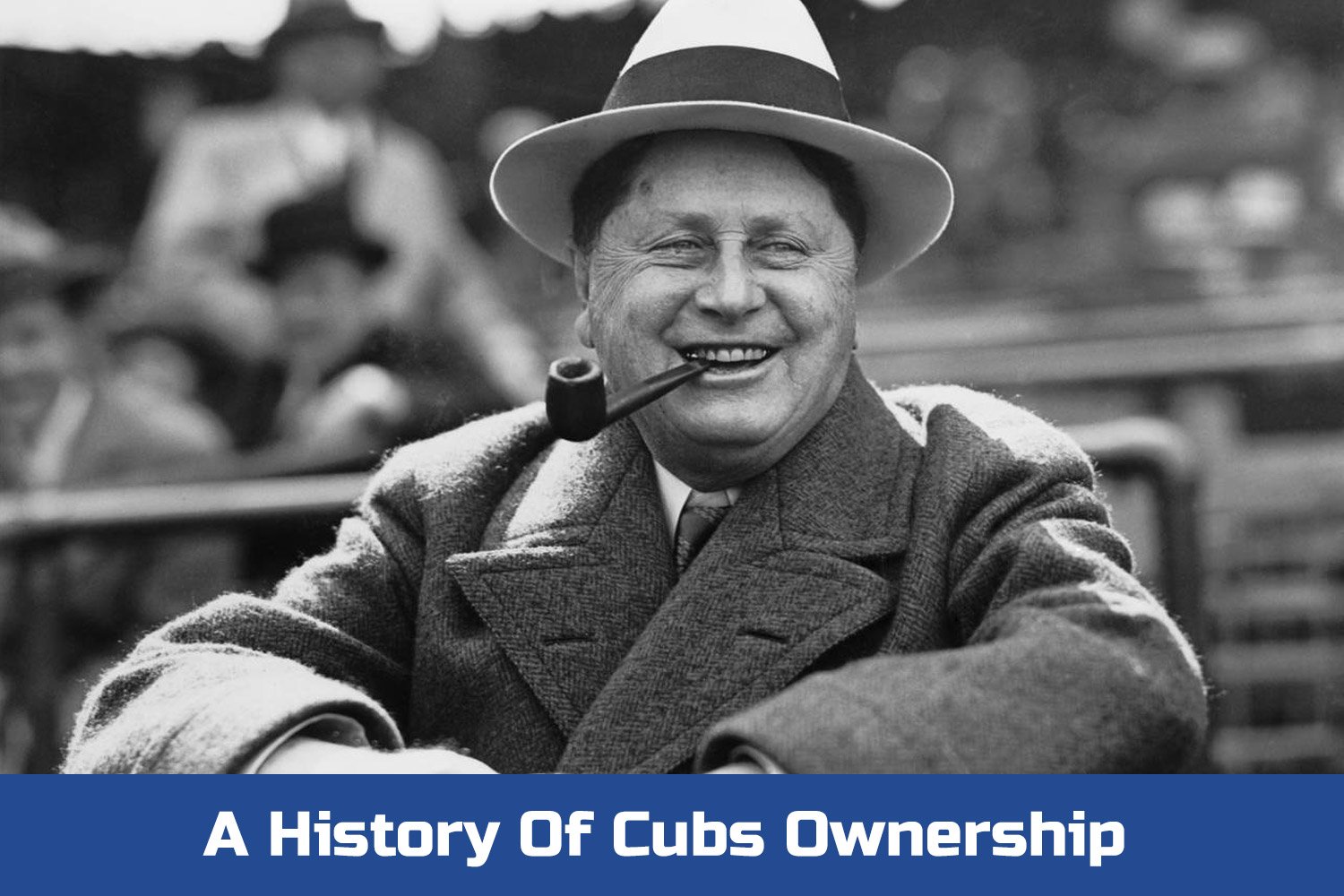
This isn’t some retrospective on a failed offseason in which the Cubs simply lacked the gusto to make the one move that fans were clamoring for. It is an indictment of Hoyer and the Rickettses, for failing to take advantage of the Cubs’ financial edge over their NL Central compatriots. It is a simple decree that Hoyer hasn’t gotten the job done since taking over for his mentor, Theo Epstein, in 2020, and that his seat should be as warm as any executive’s in the sport.
The Collective Bargaining Agreement is meant (in part) to act as a set of guardrails, to protect players, owners, and, ideally, the long-term parity of baseball. Within that lengthy legislation is a set of clauses specifically designed to level the playing field between the two prevailing classes of MLB franchises: the big-market teams and the small-market teams.
Dive into the nitty-gritty of the details if you like, but the most important thing to highlight is that small-market teams receive a collection of assets to help them compete with the (should-be) freer spenders of the league. Those assets include, but are not limited to: competitive-balance picks in the amateur draft, extra cap space in their international signing bonus pool, and revenue-sharing dollars.
Not all of the compensatory allowances are directly funneled into the baseball operations side of a franchise; there have been many reports of small-market owners simply pocketing their slice of the revenue-sharing pie. Regardless, the reason those teams get these accommodations in the first place is because of the hypothetical difference between their payrolls, and the payrolls of teams like the New York Yankees, Los Angeles Dodgers, and Cubs.
Spending doesn’t guarantee anything (the 2023 Mets and Padres could host a seminar on that topic), but it does create a floor. The more money allocated to the payroll, the better the players on the team will be. Inexpensive young talent will always be the lifeblood of the sport, but established veterans capable of producing at a consistent, All-Star level are required to navigate the tumult of an entire season, regardless of their cost.
Thus, small-market teams field competitive rosters by leveraging their additional resources on the prospect side of things, and big-market teams do so by spending money on players who have already established themselves. In effect, the Cubs are actively putting themselves at a disadvantage by not outspending their rivals to a degree commensurate with their financial advantages.
Some will be quick to point out that the Cubs do spend more than their rivals. Their payroll of roughly $227 million ranks seventh in MLB, and is more than $50 million more than the NL Central’s second-ranked team, the St. Louis Cardinals. The Brewers’ payroll is less than half of that of the Cubs, coming in at just $107.7 million.
And that’s where the Cubs have failed. That allocation of resources clearly has not been wise, but it’s the team’s willingness to spend up to the brink of the luxury tax ($237 million for the first apron) without exceeding it. The Ricketts have quite clearly set a mandate that the Cubs remain below that figure, and Hoyer has found himself hamstrung by poor financial decisions he’s made in the past.
The best big-market teams spend a lot of money on the best players. The Dodgers and Yankees are the obvious examples. Some big-market teams continue to just spend money until they get things right, like the Steve Cohen-era Mets have. And some big-market teams are simply content with pretending they belong in that exclusive club, like the Cubs are.
These Cubs are not lovable. They are just losers. And when they sell this month - fire sale or not - we’ll know why.




Recommended Comments
There are no comments to display.
Create an account or sign in to comment
You need to be a member in order to leave a comment
Create an account
Sign up for a new account in our community. It's easy!
Register a new accountSign in
Already have an account? Sign in here.
Sign In Now