Sam Caulder
-
Posts
131 -
Joined
-
Last visited
Content Type
Profiles
Joomla Posts 1
Chicago Cubs Videos
Chicago Cubs Free Agent & Trade Rumors, Notes, & Tidbits
2026 Chicago Cubs Top Prospects Ranking
News
2023 Chicago Cubs Draft Picks
Guides & Resources
2024 Chicago Cubs Draft Picks
The Chicago Cubs Players Project
2025 Chicago Cubs Draft Pick Tracker
2026 Chicago Cubs Draft Tracker: Picks & Bonuses
Blogs
Events
Forums
Store
Gallery
Everything posted by Sam Caulder
-
Image courtesy of Bob DeChiara-Imagn Images The Cubs’ season has come to an end, in disappointing fashion. Unfortunately, that word can also be used to describe the 2026 season of first baseman Michael Busch. After receiving MVP votes after an exceptional 2025 campaign, Busch took a step (or two) backward this season. There were some positives to take away from his year, but the overall numbers suggest the Cubs may have to start wondering whether last season was the beginning of something special, or simply an outlier. In 2025, Busch hit .261 with a .343 on-base percentage and a very strong .523 slugging average. He hit 34 home runs, which ranked sixth among all National League hitters. At the time, it looked like the Cubs had a star on their hands. But a lot can change in a year. This season, Busch’s batting average dropped to .242. His on-base percentage actually climbed to .352 (thanks in large part to a significant increase in his walk rate), but he slugged just .393. For a first baseman, that's anemic. A .745 OPS will certainly play, and with a 106 OPS+, he was still an above-average hitter this season. But it’s still a massive step backward from what Busch did a year ago, and some of the underlying numbers indicate that his production should have been even worse. Busch’s expected batting average was just .233, which puts him in the 23rd percentile among all big-league hitters. A year ago, there weren’t many hitters who punished baseballs quite like Busch did. His average exit velocity and barrel rate were both in the 90th percentile or higher, while his hard-hit rate was also in the top quartile of the league. When he got his bat on the ball, good things happened. That just wasn’t the case this season. His barrel rate dropped all the way to the 60th percentile, while both his average exit velocity and hard-hit rate fell below league-average marks. He went from consistently making some of the best contact in baseball to making relatively ordinary contact, and that difference showed up in the results. Someone like Busch, who doesn’t have the fastest bat in the world, needs to lean into his pull side to be as efficient as possible when it comes to producing power. That’s exactly what we saw from him in 2025, when both his fly-ball rate and pull rate reached career-high levels. When he was getting the ball in the air and pulling it, he was extremely dangerous. This year, though, he was getting on top of the ball more often, and his pull rate dropped to a career-low 40%. He still managed to hit 20 home runs, but it’s pretty clear when looking at the numbers that the decline in his pull-side power had a major impact on his overall production. I've done quite a bit of bashing so far in this article, so I feel like I should note that there were some positives, too. His walk rate jumped from 9.5% to 13%, which is a significant improvement—and something that could be especially valuable if he can pair it with the power production we saw in 2025. He also played strong defense at first base, giving the Cubs value on both sides of the ball. But offensively, his 2026 season lines up much more closely with his career numbers outside of that incredible 2025 campaign. Maybe 2025 was the real Michael Busch finally breaking out. Maybe this season was simply a down year for a player who still has plenty of room to grow. There’s really no way to know for sure right now. What we do know is that Busch showed us a very high ceiling last season. If he can get back to pulling the ball in the air like he did in 2025 while maintaining the double-digit walk rate he posted this year, there’s still "All-Star" written all over his offensive profile. But until we see him do that again, it’s fair to wonder if we’ve already seen Busch at his peak—and whether his decline phase is worthy of a locked-in lineup spot next year. View full article
-
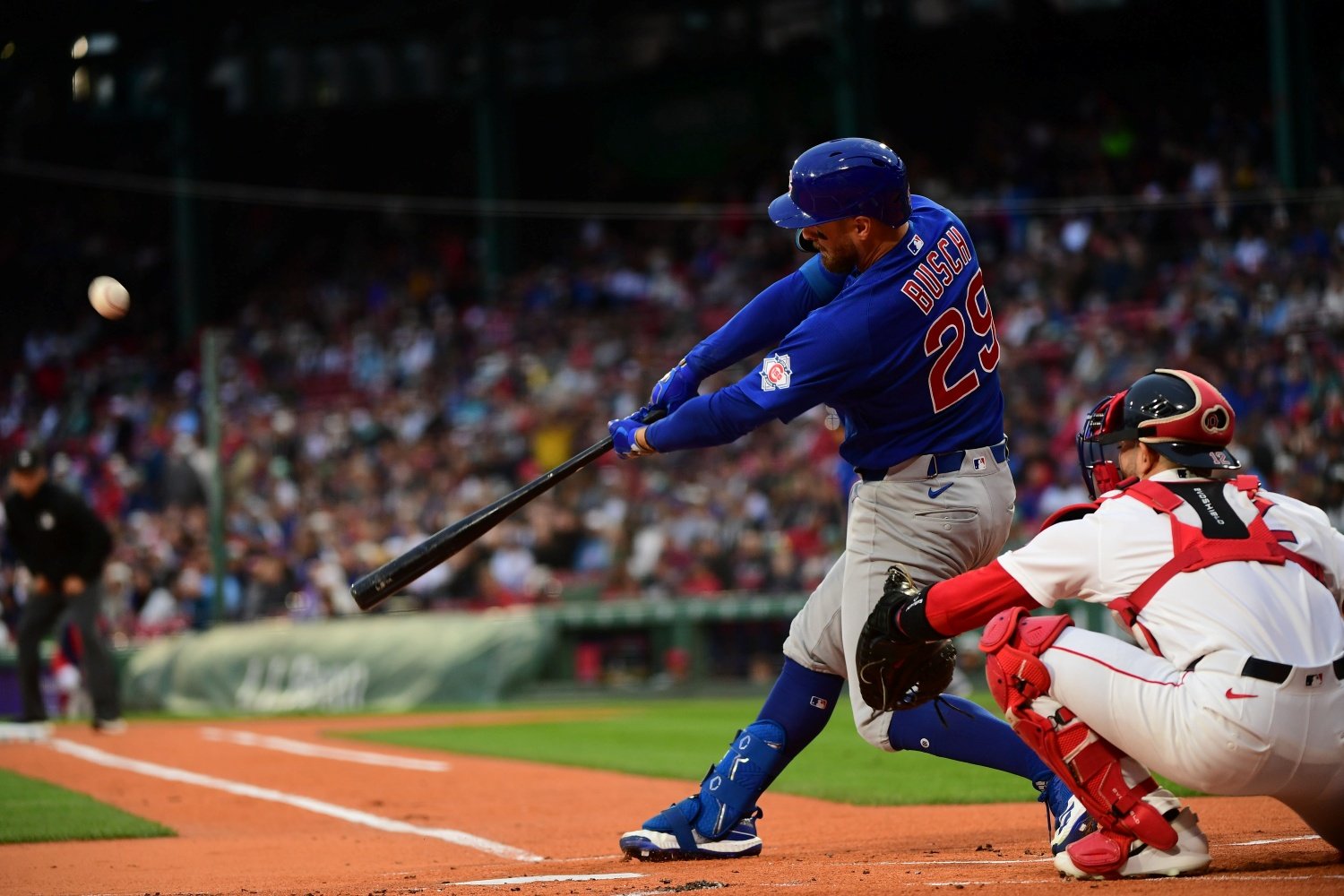 The Cubs’ season has come to an end, in disappointing fashion. Unfortunately, that word can also be used to describe the 2026 season of first baseman Michael Busch. After receiving MVP votes after an exceptional 2025 campaign, Busch took a step (or two) backward this season. There were some positives to take away from his year, but the overall numbers suggest the Cubs may have to start wondering whether last season was the beginning of something special, or simply an outlier. In 2025, Busch hit .261 with a .343 on-base percentage and a very strong .523 slugging average. He hit 34 home runs, which ranked sixth among all National League hitters. At the time, it looked like the Cubs had a star on their hands. But a lot can change in a year. This season, Busch’s batting average dropped to .242. His on-base percentage actually climbed to .352 (thanks in large part to a significant increase in his walk rate), but he slugged just .393. For a first baseman, that's anemic. A .745 OPS will certainly play, and with a 106 OPS+, he was still an above-average hitter this season. But it’s still a massive step backward from what Busch did a year ago, and some of the underlying numbers indicate that his production should have been even worse. Busch’s expected batting average was just .233, which puts him in the 23rd percentile among all big-league hitters. A year ago, there weren’t many hitters who punished baseballs quite like Busch did. His average exit velocity and barrel rate were both in the 90th percentile or higher, while his hard-hit rate was also in the top quartile of the league. When he got his bat on the ball, good things happened. That just wasn’t the case this season. His barrel rate dropped all the way to the 60th percentile, while both his average exit velocity and hard-hit rate fell below league-average marks. He went from consistently making some of the best contact in baseball to making relatively ordinary contact, and that difference showed up in the results. Someone like Busch, who doesn’t have the fastest bat in the world, needs to lean into his pull side to be as efficient as possible when it comes to producing power. That’s exactly what we saw from him in 2025, when both his fly-ball rate and pull rate reached career-high levels. When he was getting the ball in the air and pulling it, he was extremely dangerous. This year, though, he was getting on top of the ball more often, and his pull rate dropped to a career-low 40%. He still managed to hit 20 home runs, but it’s pretty clear when looking at the numbers that the decline in his pull-side power had a major impact on his overall production. I've done quite a bit of bashing so far in this article, so I feel like I should note that there were some positives, too. His walk rate jumped from 9.5% to 13%, which is a significant improvement—and something that could be especially valuable if he can pair it with the power production we saw in 2025. He also played strong defense at first base, giving the Cubs value on both sides of the ball. But offensively, his 2026 season lines up much more closely with his career numbers outside of that incredible 2025 campaign. Maybe 2025 was the real Michael Busch finally breaking out. Maybe this season was simply a down year for a player who still has plenty of room to grow. There’s really no way to know for sure right now. What we do know is that Busch showed us a very high ceiling last season. If he can get back to pulling the ball in the air like he did in 2025 while maintaining the double-digit walk rate he posted this year, there’s still "All-Star" written all over his offensive profile. But until we see him do that again, it’s fair to wonder if we’ve already seen Busch at his peak—and whether his decline phase is worthy of a locked-in lineup spot next year.
 -
Image courtesy of David Banks-Imagn Images Game 1 of the Wild Card Round is in the books. Let's just say I'm thankful that Game 2 is right around the corner. If the Chicago Cubs are going to force a Game 3 and remain alive in the Wild Card Round, they’re going to need a much more inspired performance than what we saw from them last night. Chicago was shut out, managed just six hard-hit balls, and struck out 11 times. Now, their season is officially on the line. So, with that in mind, here are a few specific things the Cubs will have to do differently tonight if they want to remain afloat and force a rubber match. Cubs Must Be More Aggressive Early In Game 2 For one, I think the Cubs need to be more aggressive early in counts. The Padres’ pitching staff, and Michael King specifically, was challenging hitters with a lot of fastballs during the first couple of pitches of at-bats. And Chicago didn’t offer at them. That’s not to say I don’t understand the approach. There’s certainly value in making the opposing starter work. Running up his pitch count and forcing the Padres to get into their bullpen earlier than they’d prefer can be a good strategy, especially in a playoff game. But that concept wound up failing as King took a no-hitter into the seventh inning, and the Cubs never really made him uncomfortable. Now, with their season on the line, they have to adjust. I’m looking for Chicago to be more aggressive early in counts tonight, especially if Padres starter Nick Pivetta gives them something to hit. And, frankly, with a fresh Padres bullpen regardless, running up Pivetta’s pitch count doesn’t matter nearly as much as it did coming into Game 1. This team needs to make something happen early in at-bats. Kevin Gausman Needs to Give Cubs Length Another thing that absolutely needs to happen is that the Cubs need to get a strong start out of Kevin Gausman. Matthew Boyd made it through just four innings in Game 1, forcing four different relievers to throw at least 16 pitches. Even with a deeper bullpen than they had during the regular season, Chicago can't afford to ask that group to cover another significant chunk of a game tonight. If Gausman can’t make it more than four innings, that’s a problem. Now, his workload could be monitored regardless; the right-hander is coming off a left shoulder injury he suffered last week, so the Cubs may have a limit in mind before he even takes the mound. But even if he’s capped at five or six innings, they need to be quality frames that limit chaos on the basepaths. There are still plenty of options available in the bullpen. Daniel Palencia and Ryan Zeferjahn are both available, and it wouldn’t shock me to see someone like Clay Holmes or Shota Imanaga work in relief in an elimination game. But those guys need a lead to work with. What Gausman gives the Cubs tonight will have a big part in determining whether they have one. Cubs Can't Let Nick Pivetta Get Settled And then, lastly, the Cubs need to jump on Nick Pivetta. I mean, my gosh. King was no-hitting this lineup through six innings last night, and the Padres’ pitching staff ultimately shut Chicago out. As I noted, the Cubs struck out 11 times as a team in Game 1, and just six of the 20 balls they put in play were hard-hit. That’s obviously not exactly a recipe for success, particularly against a Padres team just dying to get to the back end of their dominant bullpen. That last part is especially important because of what awaits Chicago if the game is close. San Diego has some fresh high-leverage arms available after Mason Miller, Adrián Morejón and Bradgley Rodriguez all avoided pitching in Game 1. That means the Cubs are likely to see at least a couple of those guys tonight. And if those relievers are entering the game with a lead, that’s not exactly promising for our hopes of extending the series. The Cubs need to create some separation before San Diego can turn things over to its best relievers. View full article
-
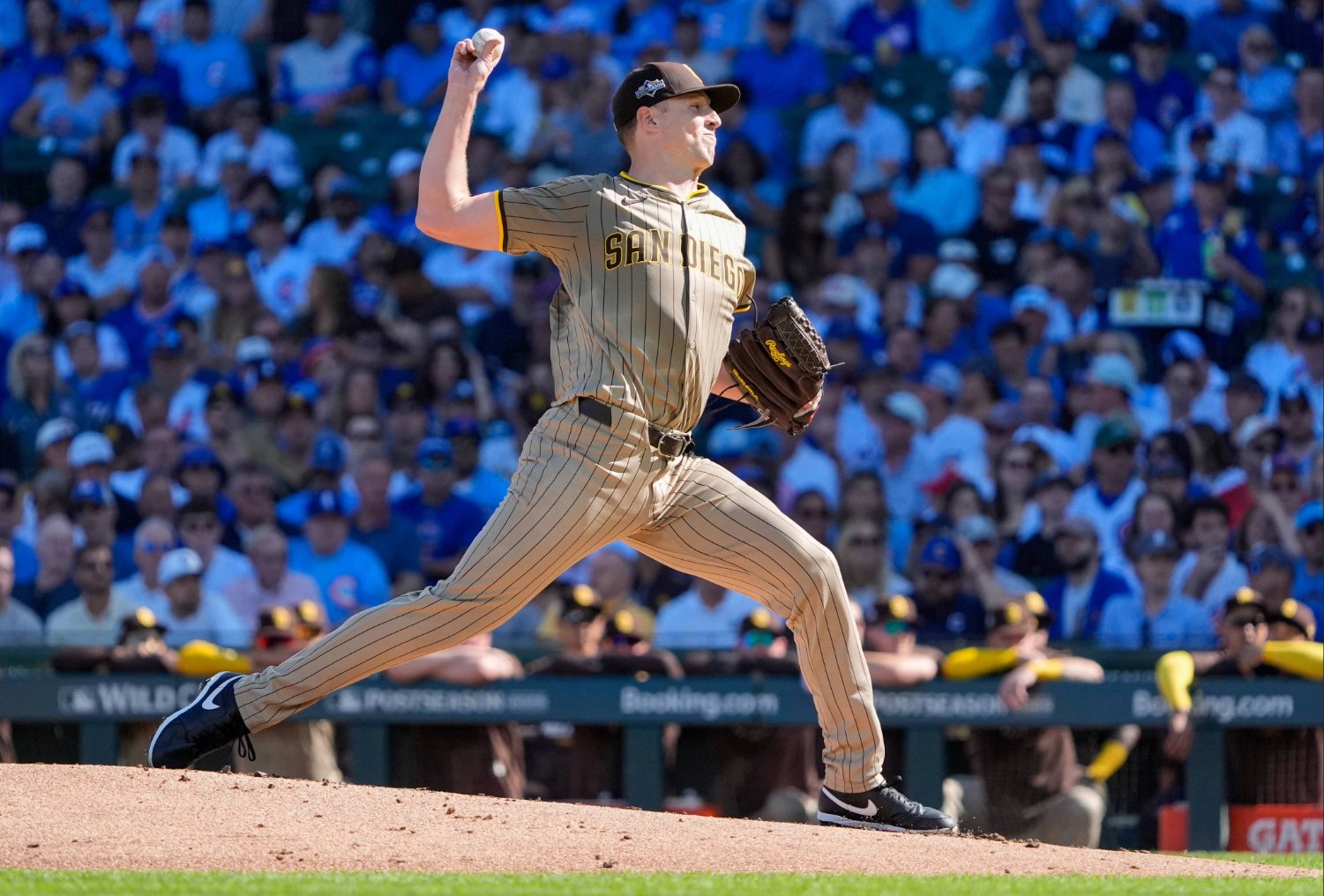 Game 1 of the Wild Card Round is in the books. Let's just say I'm thankful that Game 2 is right around the corner. If the Chicago Cubs are going to force a Game 3 and remain alive in the Wild Card Round, they’re going to need a much more inspired performance than what we saw from them last night. Chicago was shut out, managed just six hard-hit balls, and struck out 11 times. Now, their season is officially on the line. So, with that in mind, here are a few specific things the Cubs will have to do differently tonight if they want to remain afloat and force a rubber match. Cubs Must Be More Aggressive Early In Game 2 For one, I think the Cubs need to be more aggressive early in counts. The Padres’ pitching staff, and Michael King specifically, was challenging hitters with a lot of fastballs during the first couple of pitches of at-bats. And Chicago didn’t offer at them. That’s not to say I don’t understand the approach. There’s certainly value in making the opposing starter work. Running up his pitch count and forcing the Padres to get into their bullpen earlier than they’d prefer can be a good strategy, especially in a playoff game. But that concept wound up failing as King took a no-hitter into the seventh inning, and the Cubs never really made him uncomfortable. Now, with their season on the line, they have to adjust. I’m looking for Chicago to be more aggressive early in counts tonight, especially if Padres starter Nick Pivetta gives them something to hit. And, frankly, with a fresh Padres bullpen regardless, running up Pivetta’s pitch count doesn’t matter nearly as much as it did coming into Game 1. This team needs to make something happen early in at-bats. Kevin Gausman Needs to Give Cubs Length Another thing that absolutely needs to happen is that the Cubs need to get a strong start out of Kevin Gausman. Matthew Boyd made it through just four innings in Game 1, forcing four different relievers to throw at least 16 pitches. Even with a deeper bullpen than they had during the regular season, Chicago can't afford to ask that group to cover another significant chunk of a game tonight. If Gausman can’t make it more than four innings, that’s a problem. Now, his workload could be monitored regardless; the right-hander is coming off a left shoulder injury he suffered last week, so the Cubs may have a limit in mind before he even takes the mound. But even if he’s capped at five or six innings, they need to be quality frames that limit chaos on the basepaths. There are still plenty of options available in the bullpen. Daniel Palencia and Ryan Zeferjahn are both available, and it wouldn’t shock me to see someone like Clay Holmes or Shota Imanaga work in relief in an elimination game. But those guys need a lead to work with. What Gausman gives the Cubs tonight will have a big part in determining whether they have one. Cubs Can't Let Nick Pivetta Get Settled And then, lastly, the Cubs need to jump on Nick Pivetta. I mean, my gosh. King was no-hitting this lineup through six innings last night, and the Padres’ pitching staff ultimately shut Chicago out. As I noted, the Cubs struck out 11 times as a team in Game 1, and just six of the 20 balls they put in play were hard-hit. That’s obviously not exactly a recipe for success, particularly against a Padres team just dying to get to the back end of their dominant bullpen. That last part is especially important because of what awaits Chicago if the game is close. San Diego has some fresh high-leverage arms available after Mason Miller, Adrián Morejón and Bradgley Rodriguez all avoided pitching in Game 1. That means the Cubs are likely to see at least a couple of those guys tonight. And if those relievers are entering the game with a lead, that’s not exactly promising for our hopes of extending the series. The Cubs need to create some separation before San Diego can turn things over to its best relievers.
 -
The Cubs have several options for their biggest postseason bullpen moments, including Jacob Webb, Daniel Palencia, Aaron Civale, Ryan Rolison, and Ryan Zeferjahn. But who should get the ball when the game is on the line? View full video
-
The Cubs have several options for their biggest postseason bullpen moments, including Jacob Webb, Daniel Palencia, Aaron Civale, Ryan Rolison, and Ryan Zeferjahn. But who should get the ball when the game is on the line?
-
Ian Happ and Tyrone Taylor have very different offensive splits, but their strengths could complement each other perfectly. The Cubs may have an ideal left-field platoon for October. View full video
-
Ian Happ and Tyrone Taylor have very different offensive splits, but their strengths could complement each other perfectly. The Cubs may have an ideal left-field platoon for October.
-
Image courtesy of Gregory Fisher-Imagn Images There’s a common saying in the sports world: defense wins championships. And even in what’s been a down offensive year for him, Ian Happ has displayed no shortage of defensive prowess. As a matter of fact, this has been Happ’s best defensive season ever. His 81st percentile fielding run value is the highest mark he’s ever posted, and he’s been a quality defender in left field in terms of his range. He may not have a rocket launcher attached to his right arm, but he knows how to make the most with what he's got, as shown by his elite 97th percentile arm value. That’s actually a higher mark than Pete Crow-Armstrong, just to put that into some context. Because of Happ’s defense in left field, as well as his ability to hit from both sides of the plate, he has a textbook profile for an everyday role in the postseason. But I’m going to argue he should not have one for the Cubs this year. As I mentioned, it’s been a down year offensively for Happ, by his standards. He’s hitting just .221 with a .745 OPS, which certainly isn’t bad by any means, but a far cry from what we're used to. And with a 104 OPS+, he’s still an above league-average hitter. But that’s not really where the problem lies. It comes down to the massive difference in his splits. As a left-handed hitter against right-handed pitchers, Happ is hitting .242 with an .815 OPS; 46 of his 54 extra-base hits have come from the left side of the plate, and his walk rate as a lefty is all the way up at 14.4%. That’s something you’ll take all day long. The problem is what he’s doing on the other side. As a right-handed hitter against left-handed pitchers, Happ has been, to put it bluntly, completely dreadful. He’s hitting just .148 with an OPS below .500, and he’s striking out in 35% of his plate appearances from the right side. He has a 127 wRC+ as a left-handed hitter this season. As a right-handed hitter, that number is 39. That might as well be two completely different players, and in no world should Happ be starting against left-handed pitchers in the playoffs when the matchups matter the most. Fortunately for the Cubs, they made a move at the trade deadline for a guy who can help solve that problem. Tyrone Taylor, whom Chicago acquired alongside Clay Holmes, has only logged 75 plate appearances since joining the team in early August. That’s going to need to change once the playoffs roll around. Taylor is hitting .308 against left-handed pitching with an OPS north of .900, giving the Cubs exactly what they need when a tough southpaw takes the mound. And it’s not like the Cubs would be sacrificing much defensively by making the switch—Taylor has been maybe slightly worse than Happ in left field, but not enough to truly feel the difference. Happ’s defense is still a major strength, but Taylor is still more than capable of holding his own out there. Happ is at his best when he’s hitting left-handed against righties. Taylor, meanwhile, has been at his best against lefties. That should, in theory, make the decision pretty simple. The Cubs, no matter who they face off against, are going to see quality left-handed pitching in the postseason. Chris Sale, Cristopher Sánchez, Tarik Skubal, Blake Snell, and Jesús Luzardo are just a few of the potential names this team could see depending on how the playoff matchups shake out. And frankly, there’s no reason for Happ to be in the starting lineup in those matchups. If one of those names is on the mound, put Taylor in left field. Even if it’s a left-handed reliever coming into the game late, I’d much rather see Taylor come off the bench in a pinch-hit situation, and then take over in left the following inning. Neither Happ nor Taylor has a particularly strong playoff track record, which makes playing the matchups even more important. This isn’t a situation where one player has years of postseason dominance that demands an everyday role. Instead, the Cubs have two outfielders who complement each other extremely well. Having already soft-launched this platoon throughout most of September, it's clearly a plan worth investing in once the playoffs roll around. View full article
-
Ian Happ, Tyrone Taylor Are Forming Cubs’ Perfect Playoff Platoon
Sam Caulder posted an article in Cubs
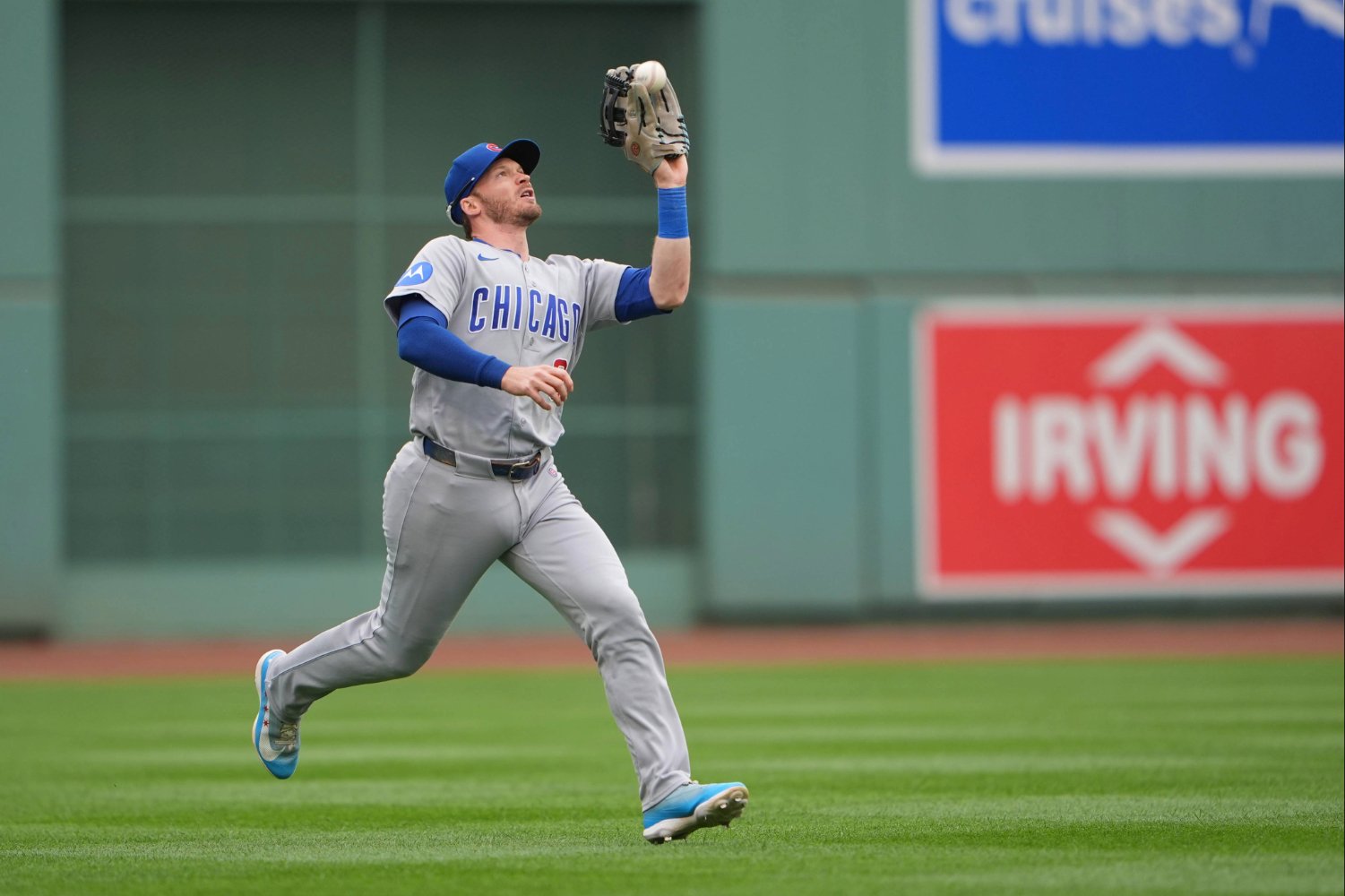 There’s a common saying in the sports world: defense wins championships. And even in what’s been a down offensive year for him, Ian Happ has displayed no shortage of defensive prowess. As a matter of fact, this has been Happ’s best defensive season ever. His 81st percentile fielding run value is the highest mark he’s ever posted, and he’s been a quality defender in left field in terms of his range. He may not have a rocket launcher attached to his right arm, but he knows how to make the most with what he's got, as shown by his elite 97th percentile arm value. That’s actually a higher mark than Pete Crow-Armstrong, just to put that into some context. Because of Happ’s defense in left field, as well as his ability to hit from both sides of the plate, he has a textbook profile for an everyday role in the postseason. But I’m going to argue he should not have one for the Cubs this year. As I mentioned, it’s been a down year offensively for Happ, by his standards. He’s hitting just .221 with a .745 OPS, which certainly isn’t bad by any means, but a far cry from what we're used to. And with a 104 OPS+, he’s still an above league-average hitter. But that’s not really where the problem lies. It comes down to the massive difference in his splits. As a left-handed hitter against right-handed pitchers, Happ is hitting .242 with an .815 OPS; 46 of his 54 extra-base hits have come from the left side of the plate, and his walk rate as a lefty is all the way up at 14.4%. That’s something you’ll take all day long. The problem is what he’s doing on the other side. As a right-handed hitter against left-handed pitchers, Happ has been, to put it bluntly, completely dreadful. He’s hitting just .148 with an OPS below .500, and he’s striking out in 35% of his plate appearances from the right side. He has a 127 wRC+ as a left-handed hitter this season. As a right-handed hitter, that number is 39. That might as well be two completely different players, and in no world should Happ be starting against left-handed pitchers in the playoffs when the matchups matter the most. Fortunately for the Cubs, they made a move at the trade deadline for a guy who can help solve that problem. Tyrone Taylor, whom Chicago acquired alongside Clay Holmes, has only logged 75 plate appearances since joining the team in early August. That’s going to need to change once the playoffs roll around. Taylor is hitting .308 against left-handed pitching with an OPS north of .900, giving the Cubs exactly what they need when a tough southpaw takes the mound. And it’s not like the Cubs would be sacrificing much defensively by making the switch—Taylor has been maybe slightly worse than Happ in left field, but not enough to truly feel the difference. Happ’s defense is still a major strength, but Taylor is still more than capable of holding his own out there. Happ is at his best when he’s hitting left-handed against righties. Taylor, meanwhile, has been at his best against lefties. That should, in theory, make the decision pretty simple. The Cubs, no matter who they face off against, are going to see quality left-handed pitching in the postseason. Chris Sale, Cristopher Sánchez, Tarik Skubal, Blake Snell, and Jesús Luzardo are just a few of the potential names this team could see depending on how the playoff matchups shake out. And frankly, there’s no reason for Happ to be in the starting lineup in those matchups. If one of those names is on the mound, put Taylor in left field. Even if it’s a left-handed reliever coming into the game late, I’d much rather see Taylor come off the bench in a pinch-hit situation, and then take over in left the following inning. Neither Happ nor Taylor has a particularly strong playoff track record, which makes playing the matchups even more important. This isn’t a situation where one player has years of postseason dominance that demands an everyday role. Instead, the Cubs have two outfielders who complement each other extremely well. Having already soft-launched this platoon throughout most of September, it's clearly a plan worth investing in once the playoffs roll around.
 -
Image courtesy of David Banks-Imagn Images The Chicago Cubs are less than a week away from playoff baseball. At this point in the season, you want to see your team playing at its peak level You want the things that have worked throughout the season to be clicking, and you certainly want to feel confident in the areas that are going to matter most in October. Unfortunately for the Cubs, their bullpen isn't quite where it needs to be. Chicago's late-game pitching has been a hot topic of discussion all season, and even with the bullpen as healthy as it has been in some time, the North Siders still haven't gotten enough consistency from the group. Over the last month, they've converted just five of their 12 save opportunities. While not every high-leverage situation in the playoffs will come in the ninth inning, that number is indicative of a larger question surrounding the team's late-game pitching. Jacob Webb is probably the biggest concern. Webb was brought in as more of a low-level, middle-relief option coming into the season, but injuries forced the Cubs to rely on him in much bigger situations. He's been their primary ninth-inning option for most of the season, but he's struggled mightily over the past month. He's sporting a 10.29 ERA during that span and hasn't recorded a save since Aug. 14, despite receiving plenty of opportunities to do so. In fact, Webb has blown four saves since his last conversion, with the long ball playing a major role in his struggles. His changeup and slider, which are his two primary secondary offerings, have been hit extremely hard recently, while the swing-and-miss that made him so effective earlier in the season simply hasn't been there. For a team about to enter the postseason, that's a significant problem. Webb wasn't necessarily supposed to be one of the Cubs' premier high-leverage arms coming into the year, but they've needed him to fill that role, and his recent performance hasn't exactly inspired confidence. The good news is that there are some positive developments elsewhere in the bullpen, starting with Daniel Palencia. The right-hander immediately struggled after returning from the injured list, allowing seven earned runs across just 4 1/3 innings, and more than half of the baserunners he's allowed since his return have come around to score. But he's looked like a completely different pitcher lately. In his last five outings, totaling 5 2/3 innings, he hasn't allowed a run or a hit. Even more impressively, he hasn't allowed a single baserunner over his last three appearances. His velocity and the shape of his fastball have also been improving, which is an extremely encouraging development for the Cubs. If Palencia can carry this recent stretch into October, he should be a major part of Craig Counsell's high-leverage plans. He's not the only pitcher trending in the right direction, either. Ryan Rolison and Ryan Zeferjahn have both been getting better lately, while Aaron Civale and Colin Rea have also looked sharp recently. Civale, in particular, seems like someone who could have a bigger role in the playoffs than he did over the course of the regular season. This isn't a case of the entire Cubs bullpen suddenly becoming unusable. There are plenty of capable arms in the group, and some of them are actually pitching better as the postseason approaches. The bigger issue is whether the organization has enough reliable options to get through the biggest moments of a playoff series. As a unit, the Cubs' bullpen ranks 19th among all 30 MLB teams with a 4.42 ERA over the last month. That's the worst mark among any National League playoff team, and the home run problem has been particularly glaring; Chicago's relievers have allowed 16 of them during that span. A team can survive giving up a couple of singles in an inning. A solo homer can change the complexion of a game, while a two- or three-run shot can erase an entire night's worth of work in one swing. And when you're heading into the postseason, you need to know who you can trust when those moments arrive. That's where the Cubs still have some questions to answer. If this were happening in June, there would be plenty of time to figure things out. If it were happening in July, the Cubs could add another arm or simply wait for some of their pitchers to find their form again. There isn't much time left now. They're less than a week away from the Wild Card Round, and they'll soon be playing games where one bad inning can end their season. The Cubs don't necessarily need their bullpen to become one of baseball's best overnight—they have the offense to survive a number of October tests. They just need enough reliable options for Craig Counsell to navigate the biggest moments. There are some encouraging signs, but with the postseason just days away, this group still feels like a potential problem waiting to happen. View full article
-
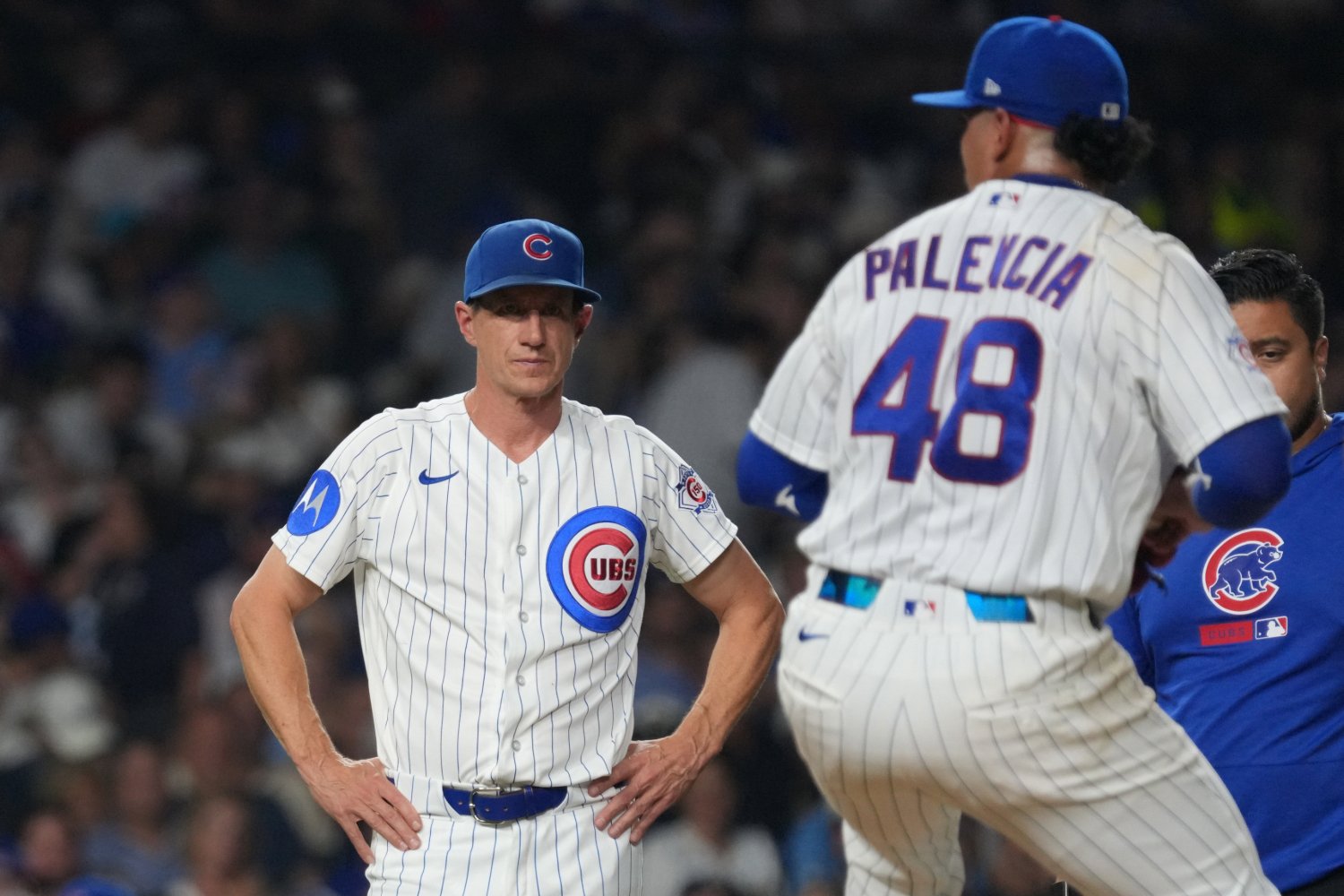 The Chicago Cubs are less than a week away from playoff baseball. At this point in the season, you want to see your team playing at its peak level You want the things that have worked throughout the season to be clicking, and you certainly want to feel confident in the areas that are going to matter most in October. Unfortunately for the Cubs, their bullpen isn't quite where it needs to be. Chicago's late-game pitching has been a hot topic of discussion all season, and even with the bullpen as healthy as it has been in some time, the North Siders still haven't gotten enough consistency from the group. Over the last month, they've converted just five of their 12 save opportunities. While not every high-leverage situation in the playoffs will come in the ninth inning, that number is indicative of a larger question surrounding the team's late-game pitching. Jacob Webb is probably the biggest concern. Webb was brought in as more of a low-level, middle-relief option coming into the season, but injuries forced the Cubs to rely on him in much bigger situations. He's been their primary ninth-inning option for most of the season, but he's struggled mightily over the past month. He's sporting a 10.29 ERA during that span and hasn't recorded a save since Aug. 14, despite receiving plenty of opportunities to do so. In fact, Webb has blown four saves since his last conversion, with the long ball playing a major role in his struggles. His changeup and slider, which are his two primary secondary offerings, have been hit extremely hard recently, while the swing-and-miss that made him so effective earlier in the season simply hasn't been there. For a team about to enter the postseason, that's a significant problem. Webb wasn't necessarily supposed to be one of the Cubs' premier high-leverage arms coming into the year, but they've needed him to fill that role, and his recent performance hasn't exactly inspired confidence. The good news is that there are some positive developments elsewhere in the bullpen, starting with Daniel Palencia. The right-hander immediately struggled after returning from the injured list, allowing seven earned runs across just 4 1/3 innings, and more than half of the baserunners he's allowed since his return have come around to score. But he's looked like a completely different pitcher lately. In his last five outings, totaling 5 2/3 innings, he hasn't allowed a run or a hit. Even more impressively, he hasn't allowed a single baserunner over his last three appearances. His velocity and the shape of his fastball have also been improving, which is an extremely encouraging development for the Cubs. If Palencia can carry this recent stretch into October, he should be a major part of Craig Counsell's high-leverage plans. He's not the only pitcher trending in the right direction, either. Ryan Rolison and Ryan Zeferjahn have both been getting better lately, while Aaron Civale and Colin Rea have also looked sharp recently. Civale, in particular, seems like someone who could have a bigger role in the playoffs than he did over the course of the regular season. This isn't a case of the entire Cubs bullpen suddenly becoming unusable. There are plenty of capable arms in the group, and some of them are actually pitching better as the postseason approaches. The bigger issue is whether the organization has enough reliable options to get through the biggest moments of a playoff series. As a unit, the Cubs' bullpen ranks 19th among all 30 MLB teams with a 4.42 ERA over the last month. That's the worst mark among any National League playoff team, and the home run problem has been particularly glaring; Chicago's relievers have allowed 16 of them during that span. A team can survive giving up a couple of singles in an inning. A solo homer can change the complexion of a game, while a two- or three-run shot can erase an entire night's worth of work in one swing. And when you're heading into the postseason, you need to know who you can trust when those moments arrive. That's where the Cubs still have some questions to answer. If this were happening in June, there would be plenty of time to figure things out. If it were happening in July, the Cubs could add another arm or simply wait for some of their pitchers to find their form again. There isn't much time left now. They're less than a week away from the Wild Card Round, and they'll soon be playing games where one bad inning can end their season. The Cubs don't necessarily need their bullpen to become one of baseball's best overnight—they have the offense to survive a number of October tests. They just need enough reliable options for Craig Counsell to navigate the biggest moments. There are some encouraging signs, but with the postseason just days away, this group still feels like a potential problem waiting to happen.
 -
The Cubs have several options for their biggest postseason bullpen moments, including Jacob Webb, Daniel Palencia, Aaron Civale, Ryan Rolison, and Ryan Zeferjahn. But who should get the ball when the game is on the line? View full video
-
The Cubs have several options for their biggest postseason bullpen moments, including Jacob Webb, Daniel Palencia, Aaron Civale, Ryan Rolison, and Ryan Zeferjahn. But who should get the ball when the game is on the line?
-
Image courtesy of Matt Marton-Imagn Images The Cubs’ pitching staff has dealt with more than their fair share of turmoil this season, particularly in the bullpen. Between injuries, inconsistency and a couple of trade deadline additions, this unit has constantly been adjusting throughout the season. With the Wild Card round of the playoffs right around the corner, though, Craig Counsell needs to know exactly whom he can trust when the biggest moments arrive. At this point, the season-long numbers don’t matter much. Right now, it’s about who’s hot, who’s not, and which pitchers can actually be trusted when the game is on the line. Given that premise, who should be the Cubs’ highest-leverage reliever once the postseason begins? For most of the year, that guy has been Jacob Webb. The Cubs haven’t really had a true, set closer since Dnaiel Palencia went down for the first time early this year, but Webb has led the team in both saves and save opportunities. He’s been the closest thing Chicago has had to a traditional ninth-inning option, and for much of the season, he handled that role pretty well. The problem is that Webb hasn’t exactly been trending in the right direction lately. His ERA over the last month sits at a whopping 11.42, while both his walk and strikeout rates have moved in the wrong direction. That's a pretty concerning combination heading into October, especially for a pitcher who has been asked to protect a lot of close leads over the course of the year. He'll probably make the postseason roster, but he can't be treated as a relief ace anymore. Counsell has already moved away from him. Then there’s Palencia, who opened the season with plenty of momentum. He was riding high after recording the save for Team Venezuela in the World Baseball Classic championship game, and dominating that tournament, in general. He looked locked into the closer's gig. Unfortunately, injuries completely derailed his season. Palencia missed most of April before returning in early May, only to go down again in June with a flexor strain. Since returning from that injury, he hasn’t recorded a save and hasn’t been used in many of the highest-leverage situations. That doesn’t necessarily mean the Cubs don’t trust him; they've just been easing Palencia back into things. If he can regain the form he showed earlier in the year, there’s certainly a path toward him reclaiming a late-inning role once the playoffs begin. But I’m not sure he should be the guy Counsell automatically turns to in the biggest spot. You could also make a case for a couple of other names, including Aaron Civale and Ryan Rolison. Both have pitched important innings for the Cubs, and there’s a legitimate argument that either could find themselves in a prominent postseason role. But if I had to pick one pitcher to handle the Cubs’ highest-leverage situations in October, I’d go with Ryan Zeferjahn. Zeferjahn came over at the trade deadline from the Angels in exchange for Moisés Ballesteros and pitching prospect Mason McGwire, and though it hasn't been pretty, it's getting easier to see the move panning out. He’s recorded a pair of saves since arriving in Chicago, but it’s some of his underlying numbers that really stand out. Across 17 1/3 innings in high-leverage situations, Zeferjahn has allowed 11 earned runs. But there’s more to the story. He’s allowed fewer than one baserunner per inning in those situations, while striking out 31.4% of the batters he's faced. His batting average, on-base percentage, and slugging percentage allowed are all better in high-leverage situations than they are in medium- or low-leverage spots. That’s exactly the kind of profile you want from a reliever who's going to be asked to pitch when the game is on the line. And recently, Zeferjahn has simply been better than the other candidates. Over the last month, he’s been far more effective than Webb, Palencia, and Rolison. The Cubs also didn’t trade for Zeferjahn without a reason. The stuff here is electric. He generates an insane amount of swing-and-miss, limits hard contact, and has already shown that he can handle high-leverage innings. Those are the traits that can make a reliever extremely valuable in October, when Counsell can deploy his bullpen based on the situation, rather than sticking to traditional roles. That last part is important, too. The Cubs don’t necessarily need a traditional closer. They need their best reliever available for their biggest moment. If that moment comes in the seventh inning against the heart of the opposing lineup, that’s when Zeferjahn should enter. If it comes in the ninth inning with a one-run lead, he should be the guy getting the ball there, too. Chicago spent most of the season trying to figure out their bullpen. With the playoffs almost here, it’s time to stop worrying about what these guys have done all year and start focusing on who can deliver when everything is on the line. If it were up to me, Ryan Zeferjahn would be that guy—even if that says more about the state of the pen than about Zeferjahn's reliability. View full article
-
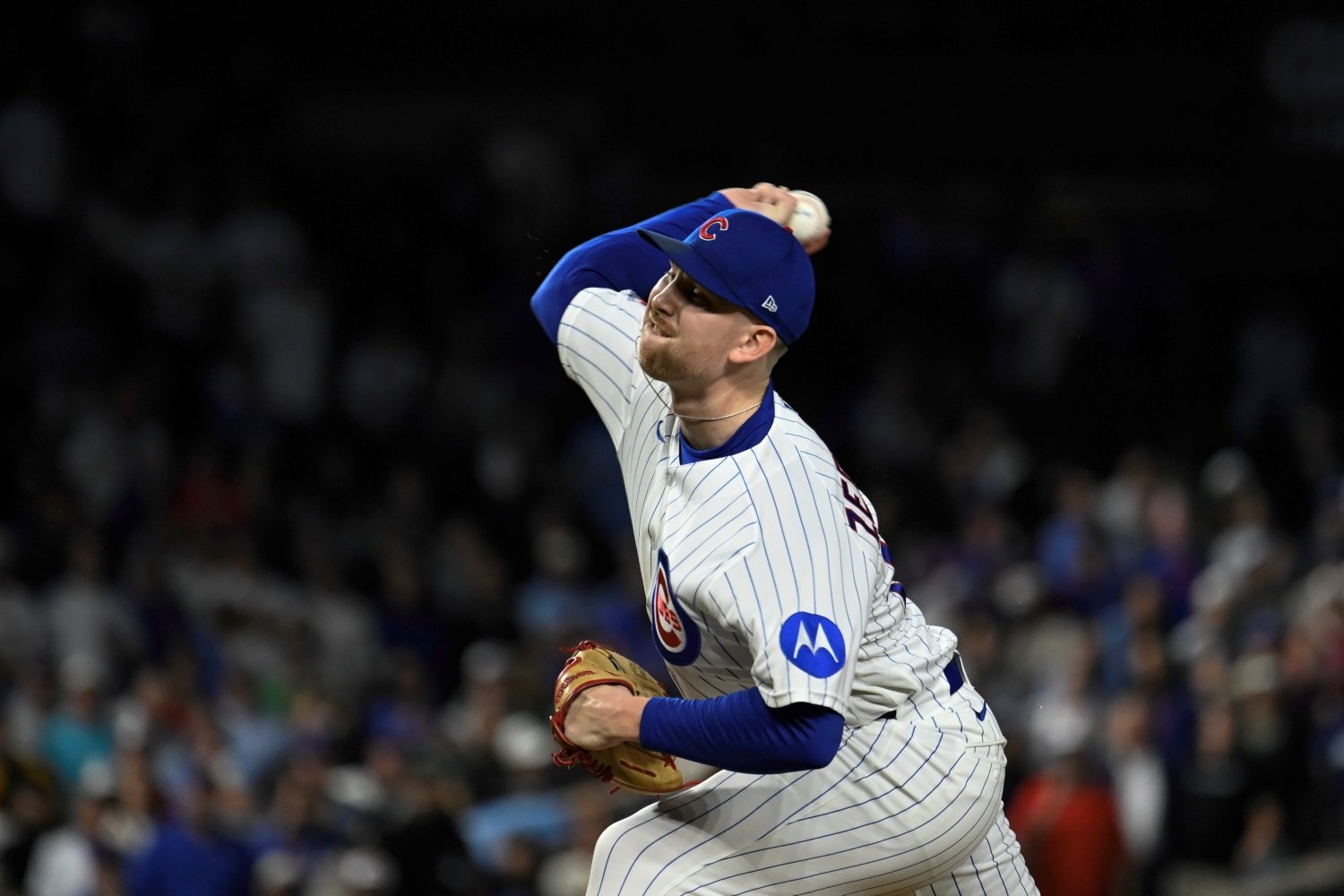 The Cubs’ pitching staff has dealt with more than their fair share of turmoil this season, particularly in the bullpen. Between injuries, inconsistency and a couple of trade deadline additions, this unit has constantly been adjusting throughout the season. With the Wild Card round of the playoffs right around the corner, though, Craig Counsell needs to know exactly whom he can trust when the biggest moments arrive. At this point, the season-long numbers don’t matter much. Right now, it’s about who’s hot, who’s not, and which pitchers can actually be trusted when the game is on the line. Given that premise, who should be the Cubs’ highest-leverage reliever once the postseason begins? For most of the year, that guy has been Jacob Webb. The Cubs haven’t really had a true, set closer since Dnaiel Palencia went down for the first time early this year, but Webb has led the team in both saves and save opportunities. He’s been the closest thing Chicago has had to a traditional ninth-inning option, and for much of the season, he handled that role pretty well. The problem is that Webb hasn’t exactly been trending in the right direction lately. His ERA over the last month sits at a whopping 11.42, while both his walk and strikeout rates have moved in the wrong direction. That's a pretty concerning combination heading into October, especially for a pitcher who has been asked to protect a lot of close leads over the course of the year. He'll probably make the postseason roster, but he can't be treated as a relief ace anymore. Counsell has already moved away from him. Then there’s Palencia, who opened the season with plenty of momentum. He was riding high after recording the save for Team Venezuela in the World Baseball Classic championship game, and dominating that tournament, in general. He looked locked into the closer's gig. Unfortunately, injuries completely derailed his season. Palencia missed most of April before returning in early May, only to go down again in June with a flexor strain. Since returning from that injury, he hasn’t recorded a save and hasn’t been used in many of the highest-leverage situations. That doesn’t necessarily mean the Cubs don’t trust him; they've just been easing Palencia back into things. If he can regain the form he showed earlier in the year, there’s certainly a path toward him reclaiming a late-inning role once the playoffs begin. But I’m not sure he should be the guy Counsell automatically turns to in the biggest spot. You could also make a case for a couple of other names, including Aaron Civale and Ryan Rolison. Both have pitched important innings for the Cubs, and there’s a legitimate argument that either could find themselves in a prominent postseason role. But if I had to pick one pitcher to handle the Cubs’ highest-leverage situations in October, I’d go with Ryan Zeferjahn. Zeferjahn came over at the trade deadline from the Angels in exchange for Moisés Ballesteros and pitching prospect Mason McGwire, and though it hasn't been pretty, it's getting easier to see the move panning out. He’s recorded a pair of saves since arriving in Chicago, but it’s some of his underlying numbers that really stand out. Across 17 1/3 innings in high-leverage situations, Zeferjahn has allowed 11 earned runs. But there’s more to the story. He’s allowed fewer than one baserunner per inning in those situations, while striking out 31.4% of the batters he's faced. His batting average, on-base percentage, and slugging percentage allowed are all better in high-leverage situations than they are in medium- or low-leverage spots. That’s exactly the kind of profile you want from a reliever who's going to be asked to pitch when the game is on the line. And recently, Zeferjahn has simply been better than the other candidates. Over the last month, he’s been far more effective than Webb, Palencia, and Rolison. The Cubs also didn’t trade for Zeferjahn without a reason. The stuff here is electric. He generates an insane amount of swing-and-miss, limits hard contact, and has already shown that he can handle high-leverage innings. Those are the traits that can make a reliever extremely valuable in October, when Counsell can deploy his bullpen based on the situation, rather than sticking to traditional roles. That last part is important, too. The Cubs don’t necessarily need a traditional closer. They need their best reliever available for their biggest moment. If that moment comes in the seventh inning against the heart of the opposing lineup, that’s when Zeferjahn should enter. If it comes in the ninth inning with a one-run lead, he should be the guy getting the ball there, too. Chicago spent most of the season trying to figure out their bullpen. With the playoffs almost here, it’s time to stop worrying about what these guys have done all year and start focusing on who can deliver when everything is on the line. If it were up to me, Ryan Zeferjahn would be that guy—even if that says more about the state of the pen than about Zeferjahn's reliability.
 -
Since returning to Chicago, Aaron Civale has been a completely different pitcher. With the postseason approaching, it may be time for the Cubs to give him a bigger role. View full video
-
Since returning to Chicago, Aaron Civale has been a completely different pitcher. With the postseason approaching, it may be time for the Cubs to give him a bigger role.
-
Image courtesy of USA TODAY Network via Reuters Connect One of the nice things about the MLB Draft is that every class has guys who don’t get picked particularly high, but still find a way to turn themselves into quality big leaguers. Guys like Albert Pujols, Nolan Ryan, and Mike Piazza are three of the most obvious examples. All three were later-round picks who went on to have Hall of Fame careers, proving that where a player gets drafted doesn't necessarily determine where his career is headed. Now, I’m certainly not suggesting that Chicago Cubs catcher prospect Owen Ayers is going to go down as one of the best players to ever do it. But after the year he has put together in the minors, it's becoming increasingly difficult to overlook the possibility that Ayers could eventually become a solid big league backstop. The Cubs selected Ayers in the 19th round of the 2024 MLB Draft, 572nd overall, out of Marshall University. Coming into the 2026 season, it seemed like he was probably destined to be nothing more than organizational depth. That may no longer be the case. Ayers started the year outside of North Side Baseball’s top-20 Cubs prospects. Now, he finds himself all the way up at No. 4. Obviously, there are some caveats here. He’s already 25 years old, making him older than most top prospects. But at the same time, what he has done this season simply is not normal for a catcher. Ayers began the year at High-A South Bend, where he absolutely tore the cover off the ball. He posted a ridiculous 1.341 OPS before earning a promotion to Double-A Knoxville, and he didn’t exactly slow down after moving up. Eventually, he made his way to Triple-A Iowa, where he spent the last two months of the season. That meteoric rise, especially at a position that is notoriously slow to develop, has certainly changed the tune around the Cubs' future plans at catcher. On the season as a whole, Ayers hit .289/.403/.526 with 25 home runs and 55 total extra-base hits while stealing 13 bases in 125 games. That’s an absurd offensive profile for a catcher. In fact, do you know how many MLB catchers have hit 20+ home runs with double-digit steals this season? None. He probably isn’t going to steal 13 bases every year if he reaches the major leagues. Catchers generally aren’t asked to run very much, and there is a good chance the Cubs would be more cautious with him if he’s behind the plate every day. Still, it’s worth pointing out that he’s gone 13-for-14 on steal attempts this season. When Ayers does run, he’s been extremely successful, and that could eventually give Craig Counsell another tool to work with in the lineup. If Ayers reaches the majors and proves he can consistently get on base, there’s at least a world where the Cubs could let him use his speed to set the table for the heart of the lineup. And the offensive versatility doesn’t stop there. He’s also a switch-hitter, which gives him another potential advantage as he works his way toward the major leagues. But notably, he’s been significantly better from the left side of the plate against right-handed pitching. Ayers has an OPS just under 1.000 as a left-handed hitter this season, compared to a .785 OPS from the right side. Even more impressive, 22 of his 25 home runs have come from the left side. If he can continue developing, there’s a path for him to eventually become the Cubs’ primary catcher while taking some starts at DH against right-handed pitching. That would give Chicago some additional flexibility without taking his bat out of the lineup completely. The one thing I would like to see Ayers polish up a little bit is his bat-to-ball ability. He’s a very smart hitter who rarely chases pitches outside of the zone, and that’s a really important part of his offensive profile. However, there’s still some swing-and-miss in his game. To me, that doesn’t seem like a huge deal, especially considering how many walks he takes and how much power he has shown. But cutting down on the strikeouts and making a little more consistent contact would go a long way toward making his offensive production more sustainable as he continues climbing the ladder. His bat was not necessarily the reason the Cubs selected him in the 19th round, either. His defense and arm behind the plate were his calling cards coming into professional baseball. Now, he has paired those defensive tools with an offensive breakout that has completely changed the way he should be viewed within the organization. It’s always cool to see a story like Ayers. A late-round draft pick at one of the most difficult positions in baseball has taken a massive step forward offensively and worked his way from High-A to Triple-A in the same season. There are still questions he will have to answer as an older prospect less than 50 games of experience at the highest level of the minor leagues. But after everything Ayers has accomplished in 2026, it’s no longer crazy to wonder if he could eventually become the Cubs’ catcher of the future. View full article
-
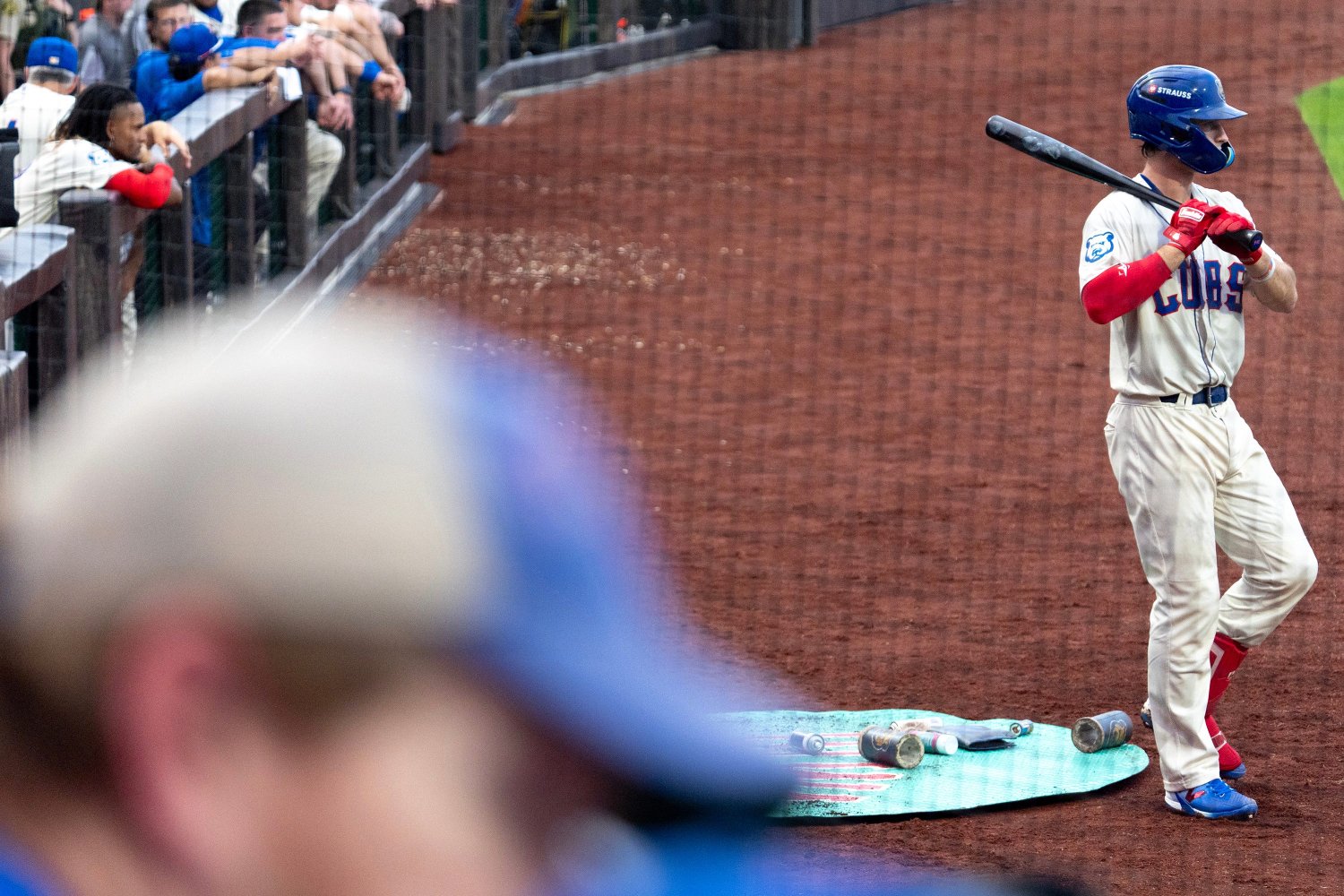 One of the nice things about the MLB Draft is that every class has guys who don’t get picked particularly high, but still find a way to turn themselves into quality big leaguers. Guys like Albert Pujols, Nolan Ryan, and Mike Piazza are three of the most obvious examples. All three were later-round picks who went on to have Hall of Fame careers, proving that where a player gets drafted doesn't necessarily determine where his career is headed. Now, I’m certainly not suggesting that Chicago Cubs catcher prospect Owen Ayers is going to go down as one of the best players to ever do it. But after the year he has put together in the minors, it's becoming increasingly difficult to overlook the possibility that Ayers could eventually become a solid big league backstop. The Cubs selected Ayers in the 19th round of the 2024 MLB Draft, 572nd overall, out of Marshall University. Coming into the 2026 season, it seemed like he was probably destined to be nothing more than organizational depth. That may no longer be the case. Ayers started the year outside of North Side Baseball’s top-20 Cubs prospects. Now, he finds himself all the way up at No. 4. Obviously, there are some caveats here. He’s already 25 years old, making him older than most top prospects. But at the same time, what he has done this season simply is not normal for a catcher. Ayers began the year at High-A South Bend, where he absolutely tore the cover off the ball. He posted a ridiculous 1.341 OPS before earning a promotion to Double-A Knoxville, and he didn’t exactly slow down after moving up. Eventually, he made his way to Triple-A Iowa, where he spent the last two months of the season. That meteoric rise, especially at a position that is notoriously slow to develop, has certainly changed the tune around the Cubs' future plans at catcher. On the season as a whole, Ayers hit .289/.403/.526 with 25 home runs and 55 total extra-base hits while stealing 13 bases in 125 games. That’s an absurd offensive profile for a catcher. In fact, do you know how many MLB catchers have hit 20+ home runs with double-digit steals this season? None. He probably isn’t going to steal 13 bases every year if he reaches the major leagues. Catchers generally aren’t asked to run very much, and there is a good chance the Cubs would be more cautious with him if he’s behind the plate every day. Still, it’s worth pointing out that he’s gone 13-for-14 on steal attempts this season. When Ayers does run, he’s been extremely successful, and that could eventually give Craig Counsell another tool to work with in the lineup. If Ayers reaches the majors and proves he can consistently get on base, there’s at least a world where the Cubs could let him use his speed to set the table for the heart of the lineup. And the offensive versatility doesn’t stop there. He’s also a switch-hitter, which gives him another potential advantage as he works his way toward the major leagues. But notably, he’s been significantly better from the left side of the plate against right-handed pitching. Ayers has an OPS just under 1.000 as a left-handed hitter this season, compared to a .785 OPS from the right side. Even more impressive, 22 of his 25 home runs have come from the left side. If he can continue developing, there’s a path for him to eventually become the Cubs’ primary catcher while taking some starts at DH against right-handed pitching. That would give Chicago some additional flexibility without taking his bat out of the lineup completely. The one thing I would like to see Ayers polish up a little bit is his bat-to-ball ability. He’s a very smart hitter who rarely chases pitches outside of the zone, and that’s a really important part of his offensive profile. However, there’s still some swing-and-miss in his game. To me, that doesn’t seem like a huge deal, especially considering how many walks he takes and how much power he has shown. But cutting down on the strikeouts and making a little more consistent contact would go a long way toward making his offensive production more sustainable as he continues climbing the ladder. His bat was not necessarily the reason the Cubs selected him in the 19th round, either. His defense and arm behind the plate were his calling cards coming into professional baseball. Now, he has paired those defensive tools with an offensive breakout that has completely changed the way he should be viewed within the organization. It’s always cool to see a story like Ayers. A late-round draft pick at one of the most difficult positions in baseball has taken a massive step forward offensively and worked his way from High-A to Triple-A in the same season. There are still questions he will have to answer as an older prospect less than 50 games of experience at the highest level of the minor leagues. But after everything Ayers has accomplished in 2026, it’s no longer crazy to wonder if he could eventually become the Cubs’ catcher of the future.
 -
Image courtesy of Joe Nicholson-Imagn Images It’s no secret that the Chicago Cubs’ offense has been elite this season. But as September nears its end and postseason baseball gets closer and closer, the importance of quality pitching gets magnified. Obviously, it’s a great thing to be able to score a ton of runs over the course of a 162-game season. But it’s another thing entirely to consistently prevent them when every game starts carrying significantly more weight. And compared to the other playoff teams in the National League, Chicago has allowed the most runs this season with 674. Of course, it doesn't help that the pitching staff has dealt with more than its fair share of injuries throughout the year, forcing Craig Counsell and the front office to constantly shuffle things around. But October baseball doesn’t care about injuries or bad luck from earlier in the season. The Cubs are going to need some arms to step up in the playoffs, and veteran right-hander Aaron Civale has a very strong case to be one of those guys. Civale had a really strong stint with the Cubs last season, so after leaving to sign with the A’s this offseason, a reunion made plenty of sense. Chicago eventually acquired him from Oakland in mid-to-late July, right around the trade deadline. Still, there wasn’t exactly a ton of excitement surrounding his encore. That’s understandable when you consider some of the other additions the Cubs made around the deadline. Kevin Gausman and Clay Holmes understandably received much more attention, while Civale felt more like a depth addition than somebody who would have a significant role in the postseason. Perhaps there should’ve been a little more excitement. Over the last month, Civale has allowed one singular earned run across 17 innings of work. He’s allowing fewer than one baserunner per inning on average while striking out a batter per inning as well. Clearly, the Cubs have been able to unlock something with Civale that other teams simply haven’t. Going back to his brief stint in Chicago last season, Civale posted a 2.08 ERA. Granted, that came over just 13 innings, so it’s obviously a small sample size. But it was still a drastic improvement from what he did elsewhere, as he posted a 5.37 ERA with the White Sox and a 4.91 ERA with the Brewers. Fast-forward to this season, and Civale is sporting a 1.42 ERA as a Cub compared to a 5.42 mark with the A’s. At this point, it’s difficult to chalk that up entirely to coincidence. He's been a much different pitcher with the Cubs than he has been elsewhere, and there’s a pretty obvious reason why: He’s been used out of the bullpen. For most of his career, Civale has been a starter. But Chicago has moved him into a relief role, and it appears to have been a pretty significant change for him. He can attack hitters more aggressively without having to worry about pacing himself through five or six innings, and the results have been pretty hard to argue with. Which brings up an interesting question heading into the postseason. How much should the Cubs trust Civale in the later innings of close games? Civale hasn’t been utilized much in high-leverage situations since joining Chicago, and on the surface, that might seem like a pretty obvious reason for Counsell to continue using him in more of a middle-relief role. After all, Civale has allowed six earned runs over six innings in high-leverage situations this season. But the underlying numbers tell a somewhat different story. Those six runs have come on just four hits and one walk, and his batting average, on-base percentage, and slugging percentage allowed in high-leverage spots are all lower than his marks in medium and low-leverage situations. Meanwhile, some of the pitchers Counsell has been relying on later in games haven’t exactly been at their sharpest recently (I’m looking at you, Jacob Webb). That doesn’t mean Civale suddenly needs to become Chicago’s closer. The Cubs have other options for the ninth inning, and Counsell has handled his bullpen with more intent than just "riding the hot hand" all year long. But the right-hander has earned an opportunity to be trusted in the later innings of tight games more than he has been to this point. The Cubs spent much of the season searching for reliable pitching, and they may have found one of their most intriguing bullpen pieces in a pitcher who was already familiar with the organization. Counsell and the Cubs obviously know more about their pitching staff than I do, and they’ll ultimately do whatever they feel gives them the best chance to win. But if it were up to me, Civale would absolutely be one of the late-inning options down the stretch. Because if the Cubs are going to make what they hope is a deep playoff run, they’re going to need more than just their offense to carry them. And right now, Civale looks like an arm worth trusting when the games matter most. View full article
-
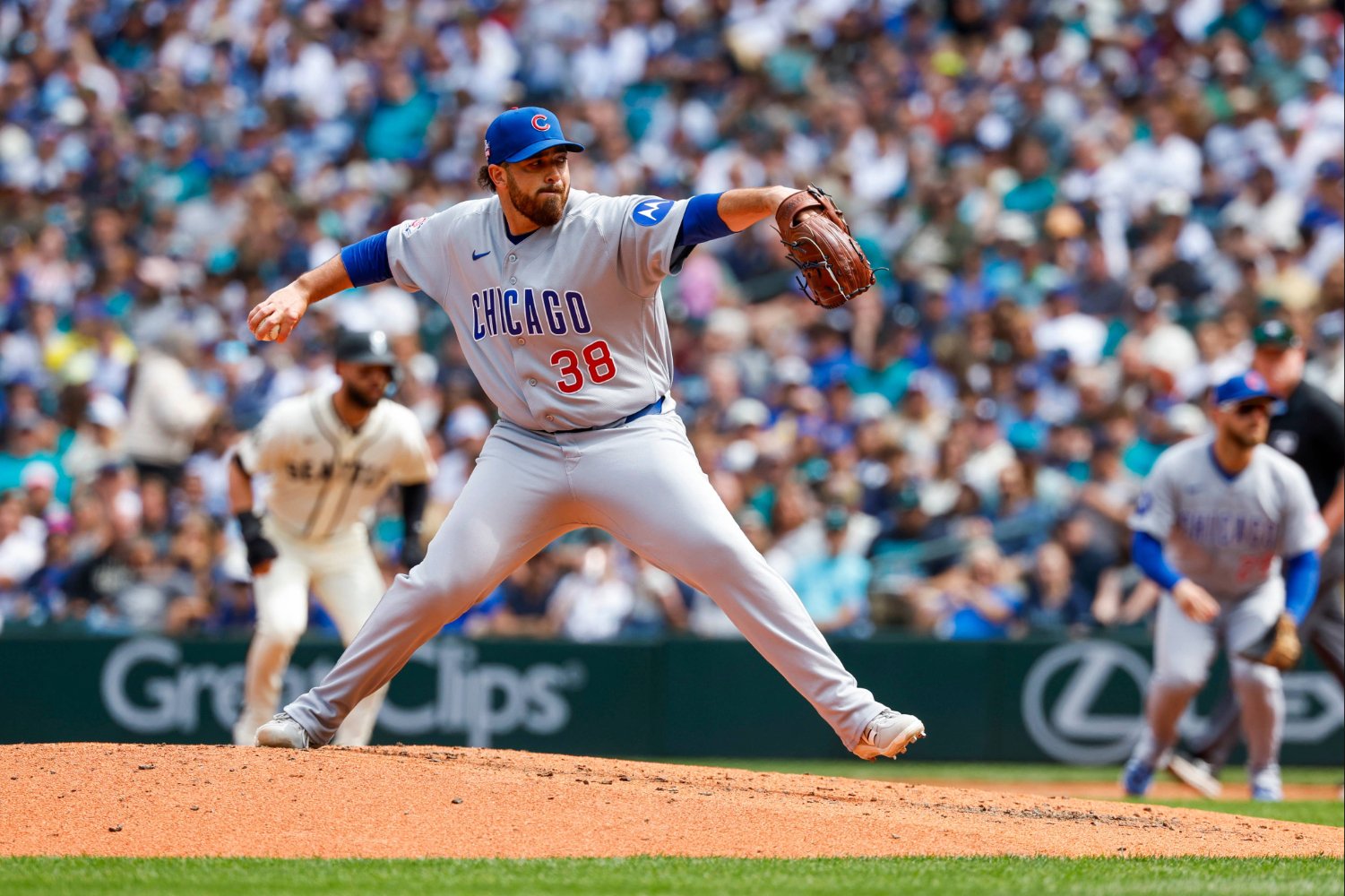 It’s no secret that the Chicago Cubs’ offense has been elite this season. But as September nears its end and postseason baseball gets closer and closer, the importance of quality pitching gets magnified. Obviously, it’s a great thing to be able to score a ton of runs over the course of a 162-game season. But it’s another thing entirely to consistently prevent them when every game starts carrying significantly more weight. And compared to the other playoff teams in the National League, Chicago has allowed the most runs this season with 674. Of course, it doesn't help that the pitching staff has dealt with more than its fair share of injuries throughout the year, forcing Craig Counsell and the front office to constantly shuffle things around. But October baseball doesn’t care about injuries or bad luck from earlier in the season. The Cubs are going to need some arms to step up in the playoffs, and veteran right-hander Aaron Civale has a very strong case to be one of those guys. Civale had a really strong stint with the Cubs last season, so after leaving to sign with the A’s this offseason, a reunion made plenty of sense. Chicago eventually acquired him from Oakland in mid-to-late July, right around the trade deadline. Still, there wasn’t exactly a ton of excitement surrounding his encore. That’s understandable when you consider some of the other additions the Cubs made around the deadline. Kevin Gausman and Clay Holmes understandably received much more attention, while Civale felt more like a depth addition than somebody who would have a significant role in the postseason. Perhaps there should’ve been a little more excitement. Over the last month, Civale has allowed one singular earned run across 17 innings of work. He’s allowing fewer than one baserunner per inning on average while striking out a batter per inning as well. Clearly, the Cubs have been able to unlock something with Civale that other teams simply haven’t. Going back to his brief stint in Chicago last season, Civale posted a 2.08 ERA. Granted, that came over just 13 innings, so it’s obviously a small sample size. But it was still a drastic improvement from what he did elsewhere, as he posted a 5.37 ERA with the White Sox and a 4.91 ERA with the Brewers. Fast-forward to this season, and Civale is sporting a 1.42 ERA as a Cub compared to a 5.42 mark with the A’s. At this point, it’s difficult to chalk that up entirely to coincidence. He's been a much different pitcher with the Cubs than he has been elsewhere, and there’s a pretty obvious reason why: He’s been used out of the bullpen. For most of his career, Civale has been a starter. But Chicago has moved him into a relief role, and it appears to have been a pretty significant change for him. He can attack hitters more aggressively without having to worry about pacing himself through five or six innings, and the results have been pretty hard to argue with. Which brings up an interesting question heading into the postseason. How much should the Cubs trust Civale in the later innings of close games? Civale hasn’t been utilized much in high-leverage situations since joining Chicago, and on the surface, that might seem like a pretty obvious reason for Counsell to continue using him in more of a middle-relief role. After all, Civale has allowed six earned runs over six innings in high-leverage situations this season. But the underlying numbers tell a somewhat different story. Those six runs have come on just four hits and one walk, and his batting average, on-base percentage, and slugging percentage allowed in high-leverage spots are all lower than his marks in medium and low-leverage situations. Meanwhile, some of the pitchers Counsell has been relying on later in games haven’t exactly been at their sharpest recently (I’m looking at you, Jacob Webb). That doesn’t mean Civale suddenly needs to become Chicago’s closer. The Cubs have other options for the ninth inning, and Counsell has handled his bullpen with more intent than just "riding the hot hand" all year long. But the right-hander has earned an opportunity to be trusted in the later innings of tight games more than he has been to this point. The Cubs spent much of the season searching for reliable pitching, and they may have found one of their most intriguing bullpen pieces in a pitcher who was already familiar with the organization. Counsell and the Cubs obviously know more about their pitching staff than I do, and they’ll ultimately do whatever they feel gives them the best chance to win. But if it were up to me, Civale would absolutely be one of the late-inning options down the stretch. Because if the Cubs are going to make what they hope is a deep playoff run, they’re going to need more than just their offense to carry them. And right now, Civale looks like an arm worth trusting when the games matter most.
 -
Owen Ayers was not on many people’s radar entering the 2026 season. After dominating his way through three levels of the minors, the Cubs have something special in their former 19th-round pick. View full video
-
Owen Ayers was not on many people’s radar entering the 2026 season. After dominating his way through three levels of the minors, the Cubs have something special in their former 19th-round pick.
-
The Biggest Winners and Losers in the Cubs’ Farm System in 2026
Sam Caulder posted an article in Minor Leagues
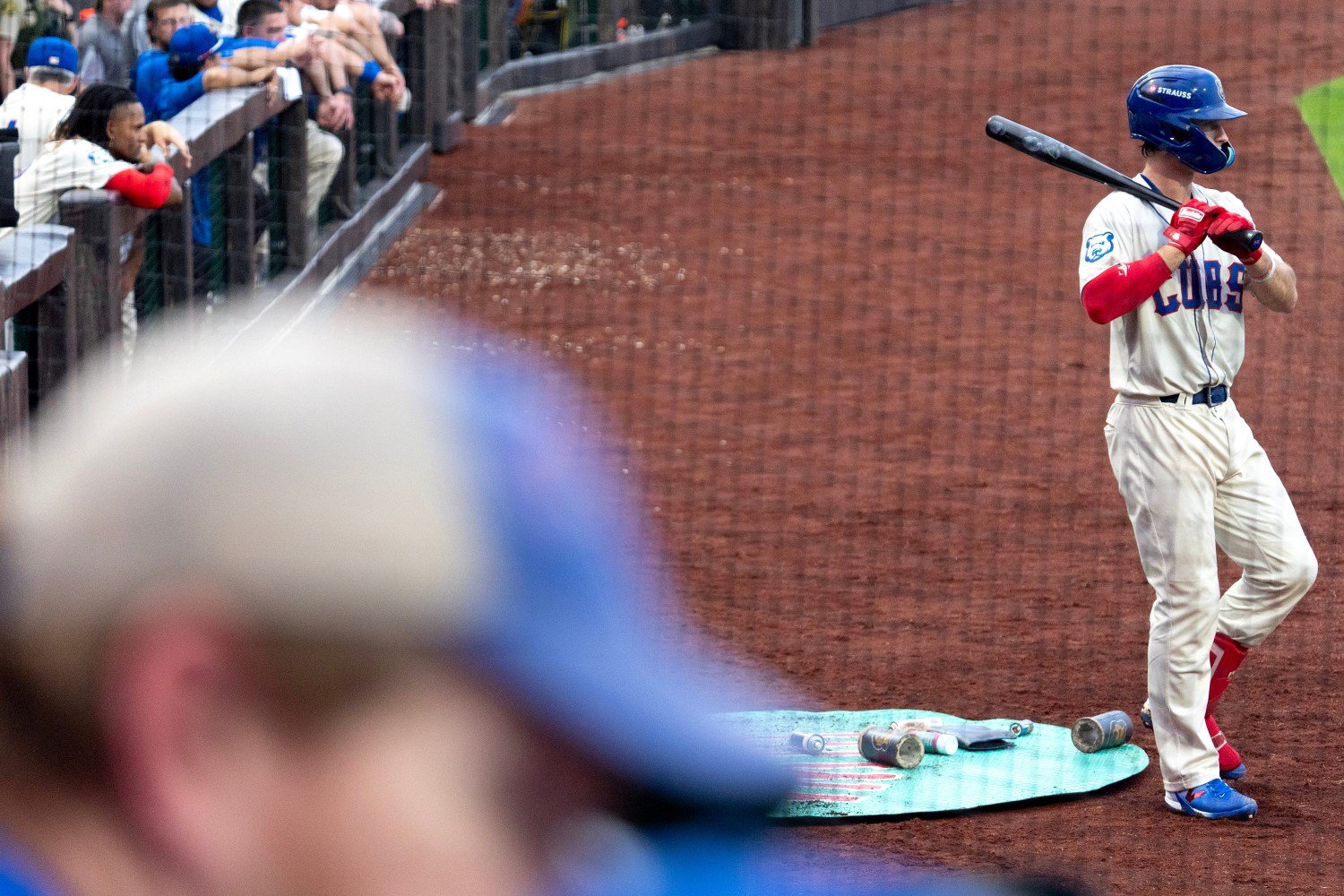 With the minor-league baseball season approaching its end, now feels like a good time to zoom out and look at the Chicago Cubs’ farm system as a whole. There was a lot of action across the organization this year, whether it was prospects making their way to the major leagues, players being moved at the trade deadline, or young players taking another step in their development. Some players and teams took advantage of their opportunities, while others struggled to find the consistency they were looking for. So with that, let’s take a look at some of the biggest winners and losers from the Cubs’ farm system this year, starting with the winners. The biggest winner, in my opinion, has to be the Cubs’ High-A affiliate, the South Bend Cubs. South Bend dominated over the first half of their season, finishing with a 39-23 record. That was good enough to win the Midwest League West Division and put the Cubs in position to make a run at a championship. Things continued to go pretty well for South Bend during the second half, although their season ultimately came to an end in the playoffs against the Kansas City Royals’ High-A affiliate, the Quad Cities River Bandits. Still, it was a very successful season for the Cubs, especially considering the amount of talent that came through the roster throughout the year. South Bend was led by top prospects Josiah Hartshorn and Ethan Conrad, giving Cubs fans plenty of reasons to be excited about what could be coming next. Minor league wins and losses obviously aren’t the most important thing when it comes to player development, but having a team like South Bend put together a season like this is still encouraging. That makes them an easy choice as one of the biggest winners in the Cubs’ farm system this year. The other big winner for me is catcher Owen Ayers. I honestly didn’t want to include Ayers here since I just talked about him in my biggest prospect risers and fallers piece, but his performance this season is worth mentioning again. Ayers started the year outside of North Side Baseball’s top 20 prospects, but he’ll end the season inside the top five and even has an outside chance of earning a September callup to Chicago. Across 121 games between High-A, Double-A and Triple-A, Ayers is slashing .295/.408/.539, good for a .947 OPS. He has also collected 54 extra-base hits and 13 stolen bases while showing a much more well-rounded offensive game than he had in previous seasons. That’s particularly impressive when you consider that Ayers’ calling card up to this point had been his defense. The bat has always been the biggest question surrounding his prospect status, and he answered a lot of those questions this year. No individual prospect improved their stock more than Ayers, and if this performance continues, we should be seeing him in Chicago very soon. As for the losers, we’re going with the Cubs’ Triple-A affiliate, the Iowa Cubs. While it certainly didn’t help that players like Pedro Ramirez and Kevin Alcantara weren’t with the team for a good chunk of the season, it’s still not a particularly encouraging sign when your Triple-A team finishes the year with a 59-81 record. Iowa finished just one game under .500 last season, so taking a major step backward this year is certainly disappointing. There was no shortage of talent on the roster, either, particularly on the pitching staff. Jaxon Wiggins, Will Sanders and trade deadline addition Braxton Garrett were among the pitchers who spent time with Iowa, giving the team plenty of intriguing names to work with. Unfortunately, the results simply weren’t there. There is obviously plenty of context that goes into a minor league team’s record, especially at the Triple-A level where rosters can change constantly. But when a team has that much talent and still struggles to put together a winning season, it’s hard not to view Iowa as one of the bigger losers in the Cubs’ farm system this year. And then the other loser I’ll mention is the Cubs’ Single-A affiliate, the Myrtle Beach Pelicans. Maybe I’m being overly critical by talking about the performance of a Single-A team, but the Pelicans finished the year with a 50-77 record, and it’s not as though they were lacking prospect talent. Kaleb Wing, Caden Sorrell, Juan Cabada, and other members of the Cubs’ top 20 prospects spent a good portion of their seasons with Myrtle Beach. Between injuries, poor performance, and promotions to higher levels, though, the Pelicans struggled to put everything together. Obviously, there’s plenty of development still to come for the players on this roster. Nobody on the Myrtle Beach roster is particularly close to making an impact at the major league level, and there’s no reason to make any sweeping conclusions based on one difficult Single-A season. Still, it does show that there’s some work to be done with a number of these young players. But those are my farm system winners and losers for the Cubs this season. Let me know in the comments who you would add or remove from this list!