


Sam Caulder
-
Posts
149 -
Joined
-
Last visited
Content Type
Profiles
Joomla Posts 1
Chicago Cubs Videos
Chicago Cubs Free Agent & Trade Rumors, Notes, & Tidbits
2026 Chicago Cubs Top Prospects Ranking
News
2023 Chicago Cubs Draft Picks
Guides & Resources
2024 Chicago Cubs Draft Picks
The Chicago Cubs Players Project
2025 Chicago Cubs Draft Pick Tracker
2026 Chicago Cubs Draft Tracker: Picks & Bonuses
Blogs
Events
Forums
Store
Gallery
Everything posted by Sam Caulder
-
Image courtesy of USA TODAY Network via Reuters Connect Following their embarassing sweep at the hands of the San Diego Padres in the Wild Card Round, the Chicago Cubs are in full offseason mode. They have several impending free agents, meaning this is a roster that could (and should) look fairly different in 2027. But in addition to free agency, the Cubs could look to their farm system to help bring in some proven big league talent. The prospect pipeline isn't in a great spot, but it's also far from dry. With the hope of competing again in 2027, here are three prospects who could wind up on the move this winter. All prospect rankings courtesy of North Side Baseball. Kane Kepley, OF Kepley ranks as the Cubs’ No. 5 prospect, and I think his higher floor would make him an attractive target for other teams looking to add young talent. Across 125 games between High-A and Double-A this season, Kepley posted a .422 on-base percentage and an .823 OPS. He drew 120 walks, good for a 20.2% walk rate, showing an impressive ability to work counts and get on base. And when he gets on, he’s going to run. He stole 70 bases this season, adding another valuable tool to his profile. Kepley also projects as a strong defender at the major-league level, giving him several ways to contribute even if he doesn’t have 25-homer upside laden in his bat. I’m certainly not suggesting the Cubs should move him for just anyone. His combination of on-base skills, speed, and defense gives him a legitimate chance to become a productive big-league player. But if Chicago can use him to land a quality starting pitcher or more immediate outfield help, it may be a move worth making. Ethan Conrad, OF Sticking with the young outfielders, Conrad ranks just behind Kepley as the organization’s No. 6 prospect. Like his fellow outfielder, he has a relatively high floor, with a combination of impressive bat-to-ball skills, quality defense, and athleticism that could appeal to other organizations. The biggest concern is his health. Conrad was limited to just 36 games this season due to injuries, which have been a bit of a recurring theme throughout his development. Still, the tools are there to make him an interesting trade asset. Conrad posted an impressive 86.2% overall contact rate with Low-A Myrtle Beach, where he spent most of the season. He also has the ability to drive the ball with authority, thanks in part to a smooth, repeatable swing from the left side. Defensively, he can handle all three outfield positions at a high level. He has the speed to be an asset on the bases, although we didn’t see much of that in 2026, likely due to his injuries. There really aren’t many glaring weaknesses in Conrad’s game aside from his ability to stay on the field. Assuming he’s healthy this offseason, his tools could make him an appealing buy-low candidate for a team willing to take a chance on his potential. For the Cubs, he could be a valuable piece in a package for a proven big league player. There’s certainly risk in moving a first-round prospect who has yet to get an extended opportunity, but the front office may be able to capitalize on his potential to address a more immediate need. Jaxon Wiggins, RHP While Kepley and Conrad could potentially get a deal done themselves (though perhaps more likely alongside another piece), Wiggins would undoubtedly have to be part of a package to bring back a proven major-league asset. He ranks as North Side Baseball’s No. 3 organizational prospect (for now—that ranking will drop in our offseason update) and entered the 2026 season as a top-100 prospect across baseball. The upside is absolutely there for him to become a quality big-league pitcher, but his performance this year raised some questions. Part of that could be attributed to the elbow inflammation that caused him to miss approximately three months. Still, Wiggins walked 31 batters over 33 1/3 innings with Triple-A Iowa, resulting in a 19.3% walk rate. He was also moved from the rotation to the bullpen. It was a massive step back after his huge breakout in 2025. Even so, Wiggins has some impressive stuff. His upper-90s fastball can reach triple digits and features truly elite run up in the zone. He also has an upper-80s to low-90s slider that generates plenty of swing-and-miss. The foundation for an impact arm in the majors is easy to see. But that won’t happen if he can’t find the strike zone. I could see another team taking a chance on Wiggins’ upside, particularly if the Cubs include him alongside another prospect in a deal for established talent. His combination of velocity and swing-and-miss stuff could be enticing for an organization that believes it can help him put everything together. View full article
-
Three Cubs Prospects Who Will Be Prime Trade Chips This Offseason
Sam Caulder posted an article in Minor Leagues
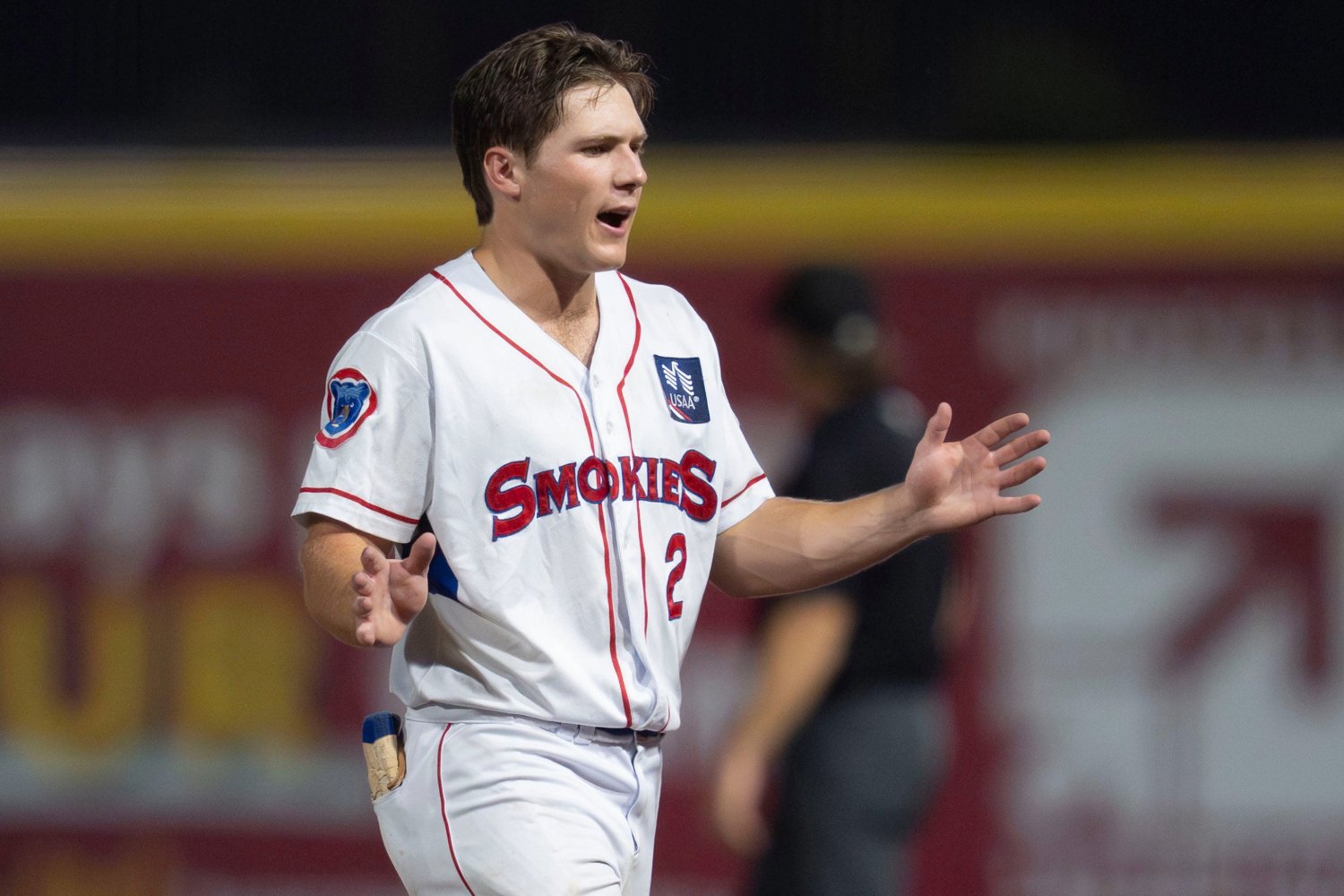 Following their embarassing sweep at the hands of the San Diego Padres in the Wild Card Round, the Chicago Cubs are in full offseason mode. They have several impending free agents, meaning this is a roster that could (and should) look fairly different in 2027. But in addition to free agency, the Cubs could look to their farm system to help bring in some proven big league talent. The prospect pipeline isn't in a great spot, but it's also far from dry. With the hope of competing again in 2027, here are three prospects who could wind up on the move this winter. All prospect rankings courtesy of North Side Baseball. Kane Kepley, OF Kepley ranks as the Cubs’ No. 5 prospect, and I think his higher floor would make him an attractive target for other teams looking to add young talent. Across 125 games between High-A and Double-A this season, Kepley posted a .422 on-base percentage and an .823 OPS. He drew 120 walks, good for a 20.2% walk rate, showing an impressive ability to work counts and get on base. And when he gets on, he’s going to run. He stole 70 bases this season, adding another valuable tool to his profile. Kepley also projects as a strong defender at the major-league level, giving him several ways to contribute even if he doesn’t have 25-homer upside laden in his bat. I’m certainly not suggesting the Cubs should move him for just anyone. His combination of on-base skills, speed, and defense gives him a legitimate chance to become a productive big-league player. But if Chicago can use him to land a quality starting pitcher or more immediate outfield help, it may be a move worth making. Ethan Conrad, OF Sticking with the young outfielders, Conrad ranks just behind Kepley as the organization’s No. 6 prospect. Like his fellow outfielder, he has a relatively high floor, with a combination of impressive bat-to-ball skills, quality defense, and athleticism that could appeal to other organizations. The biggest concern is his health. Conrad was limited to just 36 games this season due to injuries, which have been a bit of a recurring theme throughout his development. Still, the tools are there to make him an interesting trade asset. Conrad posted an impressive 86.2% overall contact rate with Low-A Myrtle Beach, where he spent most of the season. He also has the ability to drive the ball with authority, thanks in part to a smooth, repeatable swing from the left side. Defensively, he can handle all three outfield positions at a high level. He has the speed to be an asset on the bases, although we didn’t see much of that in 2026, likely due to his injuries. There really aren’t many glaring weaknesses in Conrad’s game aside from his ability to stay on the field. Assuming he’s healthy this offseason, his tools could make him an appealing buy-low candidate for a team willing to take a chance on his potential. For the Cubs, he could be a valuable piece in a package for a proven big league player. There’s certainly risk in moving a first-round prospect who has yet to get an extended opportunity, but the front office may be able to capitalize on his potential to address a more immediate need. Jaxon Wiggins, RHP While Kepley and Conrad could potentially get a deal done themselves (though perhaps more likely alongside another piece), Wiggins would undoubtedly have to be part of a package to bring back a proven major-league asset. He ranks as North Side Baseball’s No. 3 organizational prospect (for now—that ranking will drop in our offseason update) and entered the 2026 season as a top-100 prospect across baseball. The upside is absolutely there for him to become a quality big-league pitcher, but his performance this year raised some questions. Part of that could be attributed to the elbow inflammation that caused him to miss approximately three months. Still, Wiggins walked 31 batters over 33 1/3 innings with Triple-A Iowa, resulting in a 19.3% walk rate. He was also moved from the rotation to the bullpen. It was a massive step back after his huge breakout in 2025. Even so, Wiggins has some impressive stuff. His upper-90s fastball can reach triple digits and features truly elite run up in the zone. He also has an upper-80s to low-90s slider that generates plenty of swing-and-miss. The foundation for an impact arm in the majors is easy to see. But that won’t happen if he can’t find the strike zone. I could see another team taking a chance on Wiggins’ upside, particularly if the Cubs include him alongside another prospect in a deal for established talent. His combination of velocity and swing-and-miss stuff could be enticing for an organization that believes it can help him put everything together.
 -
The Cubs could look to their farm system for help this offseason, and Kane Kepley, Ethan Conrad, and Jaxon Wiggins are three names to watch. Could one of them help bring an established big leaguer to Chicago? View full video
-
The Cubs could look to their farm system for help this offseason, and Kane Kepley, Ethan Conrad, and Jaxon Wiggins are three names to watch. Could one of them help bring an established big leaguer to Chicago?
-
Image courtesy of USA TODAY Network via Reuters Connect Josiah Hartshorn wasn’t some premier, can’t-miss prospect in the run-up to the 2025 MLB Draft. He was Chicago’s sixth-round selection last summer, but he's since blossomed into the organization’s top prospect. That’s quite the jump in a short time, and it’s not hard to see why the Cubs are so excited about his future. He began the 2026 season with Low-A Myrtle Beach, where he posted an .884 OPS, while recording 15 extra-base hits and seven more walks (34) than strikeouts (27) in 39 games. Promptly, the Cubs promoted him to High-A South Bend, where he was even better. In 83 games in the Midwest League, he logged 39 extra-base hits and an outstanding .965 OPS. He also stole 12 bases, while recording 79 strikeouts and 54 walks, showcasing the well-rounded offensive game that makes him such an intriguing prospect. Oh, and he did all of that at just 19 years old. A lot of players that young aren’t even at that level, let alone putting up an OPS north of .900, but Hartshorn made it look easy, generating power to all fields and overpowering opponents athletically. He even got a brief opportunity to appear in a few Double-A games at the end of the season, giving him a taste of the next level. It’s clear that the Cubs are excited about what he could become, and it's hard to blame them. But what's made Hartshorn so successful, and why has he climbed the prospect rankings so quickly? For starters, Hartshorn hits the ball hard consistently from both sides of the plate, but he doesn’t have to sell out to generate that contact. His 25.3% line-drive rate is outstanding, giving him a strong foundation for continued success as he progresses through the minors. Line drives are the most sustainable form of batted balls for logging hits, and Hartshorn has shown an ability to produce enough of them to run a high batting average. If he can maintain that approach against increasingly advanced pitching, there’s reason to believe he can continue to find success at each level. His splits from each side of the plate are pretty interesting, and might be where a note of caution is worth sounding. As a left-handed hitter (against right-handed pitching), Hartshorn posted a .949 OPS. That was more than 150 points higher than his .795 OPS as a right-handed hitter. He posted a .462 on-base percentage from the right side of the plate, but that's because he drew a whopping 32 walks in 117 plate appearances. He hit 23 home runs on the year, but 22 of them came left-handed. Whatever version of him might someday thrive in the majors against lefties has yet to emerge; a passive walks-only approach won't cut it. Of course, Hartshorn brings more to the table than just his offensive ability. He also provides decent defense, although his long-term defensive profile adds little value. He appeared in 58 games at first base and another 58 games in the outfield this season. Of his 58 outfield appearances, 37 came in right field, while the other 21 came in center field. He might not be the twitchiest athlete on the field, but he has strong straight-line sprint speed. If nothing else, he has great size, and might soon be the best defensive option at first base in the organization. Then there’s his arm. Hartshorn pitched in high school, sitting in the low- to mid-90s on the mound. That arm strength has translated well to the outfield, where he recorded seven outfield assists this season. Seven assists from a part-time outfielder is pretty remarkable, and it gives the Cubs another reason to feel good about his defensive potential—although, in the minors, assists often come from reckless baserunning and/or shallow fences. Hartshorn has become Chicago’s top prospect in a short time for a reason. He’s a well-rounded hitter who combines contact, power potential and plate discipline. Defensively, he offers versatility and the arm strength to become a plus defender in a corner if things go especially well. He’s still very young, and there’s plenty of development ahead before he’s ready to contribute at the major-league level. Hartshorn will turn 20 next year, so a debut at Wrigley Field in 2027 might be asking a bit much. But 2028 is certainly a possibility, and the Cubs have plenty of reasons to be excited about what the future holds. Finding a player with this kind of potential in the sixth round is no easy task. Chicago appears to have done exactly that, and if Hartshorn continues developing at this pace, he could become a cornerstone for the club before the end of the decade. View full article
-
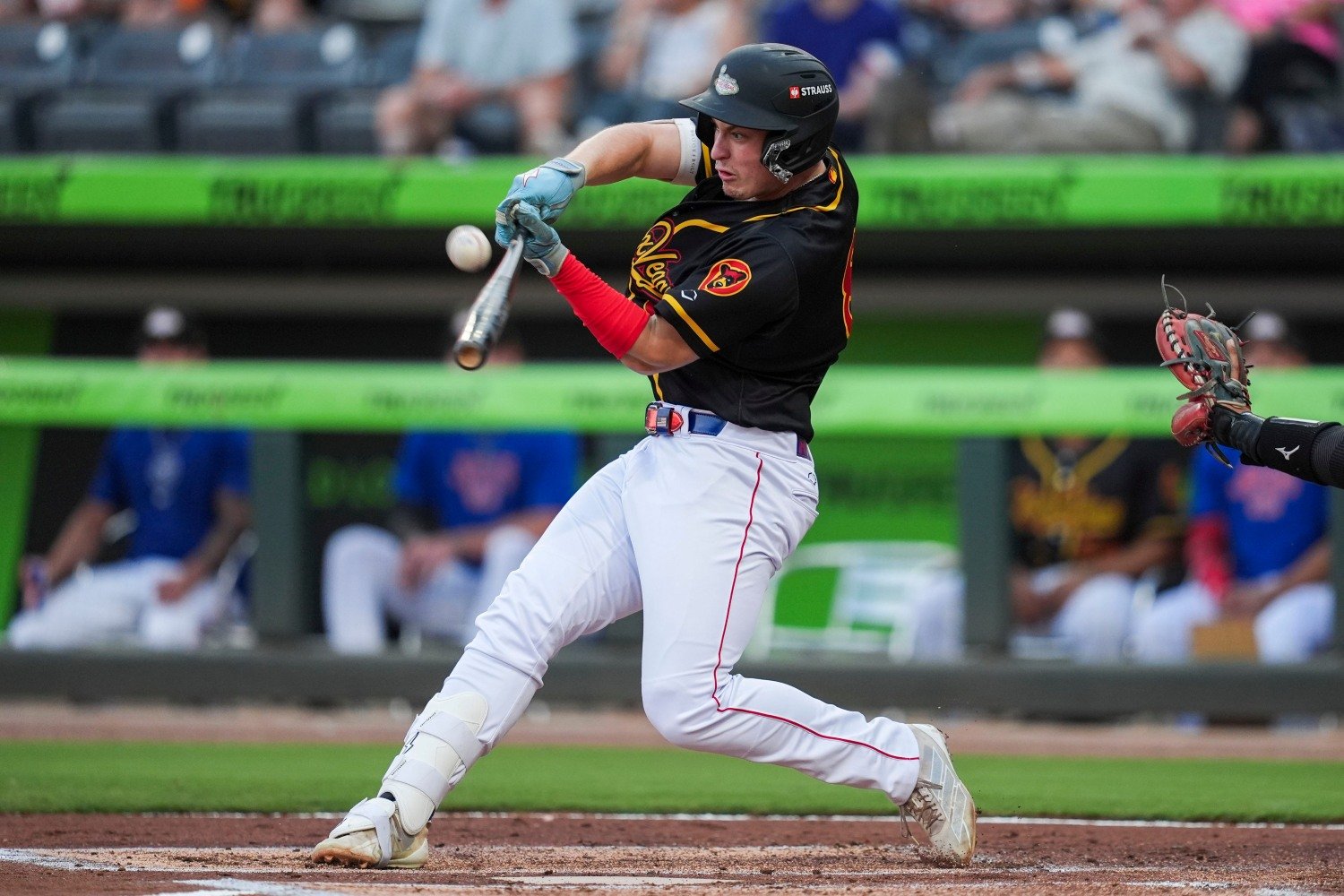 Josiah Hartshorn wasn’t some premier, can’t-miss prospect in the run-up to the 2025 MLB Draft. He was Chicago’s sixth-round selection last summer, but he's since blossomed into the organization’s top prospect. That’s quite the jump in a short time, and it’s not hard to see why the Cubs are so excited about his future. He began the 2026 season with Low-A Myrtle Beach, where he posted an .884 OPS, while recording 15 extra-base hits and seven more walks (34) than strikeouts (27) in 39 games. Promptly, the Cubs promoted him to High-A South Bend, where he was even better. In 83 games in the Midwest League, he logged 39 extra-base hits and an outstanding .965 OPS. He also stole 12 bases, while recording 79 strikeouts and 54 walks, showcasing the well-rounded offensive game that makes him such an intriguing prospect. Oh, and he did all of that at just 19 years old. A lot of players that young aren’t even at that level, let alone putting up an OPS north of .900, but Hartshorn made it look easy, generating power to all fields and overpowering opponents athletically. He even got a brief opportunity to appear in a few Double-A games at the end of the season, giving him a taste of the next level. It’s clear that the Cubs are excited about what he could become, and it's hard to blame them. But what's made Hartshorn so successful, and why has he climbed the prospect rankings so quickly? For starters, Hartshorn hits the ball hard consistently from both sides of the plate, but he doesn’t have to sell out to generate that contact. His 25.3% line-drive rate is outstanding, giving him a strong foundation for continued success as he progresses through the minors. Line drives are the most sustainable form of batted balls for logging hits, and Hartshorn has shown an ability to produce enough of them to run a high batting average. If he can maintain that approach against increasingly advanced pitching, there’s reason to believe he can continue to find success at each level. His splits from each side of the plate are pretty interesting, and might be where a note of caution is worth sounding. As a left-handed hitter (against right-handed pitching), Hartshorn posted a .949 OPS. That was more than 150 points higher than his .795 OPS as a right-handed hitter. He posted a .462 on-base percentage from the right side of the plate, but that's because he drew a whopping 32 walks in 117 plate appearances. He hit 23 home runs on the year, but 22 of them came left-handed. Whatever version of him might someday thrive in the majors against lefties has yet to emerge; a passive walks-only approach won't cut it. Of course, Hartshorn brings more to the table than just his offensive ability. He also provides decent defense, although his long-term defensive profile adds little value. He appeared in 58 games at first base and another 58 games in the outfield this season. Of his 58 outfield appearances, 37 came in right field, while the other 21 came in center field. He might not be the twitchiest athlete on the field, but he has strong straight-line sprint speed. If nothing else, he has great size, and might soon be the best defensive option at first base in the organization. Then there’s his arm. Hartshorn pitched in high school, sitting in the low- to mid-90s on the mound. That arm strength has translated well to the outfield, where he recorded seven outfield assists this season. Seven assists from a part-time outfielder is pretty remarkable, and it gives the Cubs another reason to feel good about his defensive potential—although, in the minors, assists often come from reckless baserunning and/or shallow fences. Hartshorn has become Chicago’s top prospect in a short time for a reason. He’s a well-rounded hitter who combines contact, power potential and plate discipline. Defensively, he offers versatility and the arm strength to become a plus defender in a corner if things go especially well. He’s still very young, and there’s plenty of development ahead before he’s ready to contribute at the major-league level. Hartshorn will turn 20 next year, so a debut at Wrigley Field in 2027 might be asking a bit much. But 2028 is certainly a possibility, and the Cubs have plenty of reasons to be excited about what the future holds. Finding a player with this kind of potential in the sixth round is no easy task. Chicago appears to have done exactly that, and if Hartshorn continues developing at this pace, he could become a cornerstone for the club before the end of the decade.
 -
Pedro Ramírez had his share of ups and downs during his rookie campaign, but the young infielder showed plenty of reasons for optimism. If he can build on his contact skills and unlock more power, there's another level to his game. View full video
-
Pedro Ramírez had his share of ups and downs during his rookie campaign, but the young infielder showed plenty of reasons for optimism. If he can build on his contact skills and unlock more power, there's another level to his game.
-
Matthew "Nominal Cubs Ace" Boyd's 2026 Season Was A Tale of Two Halves
Sam Caulder posted an article in Cubs
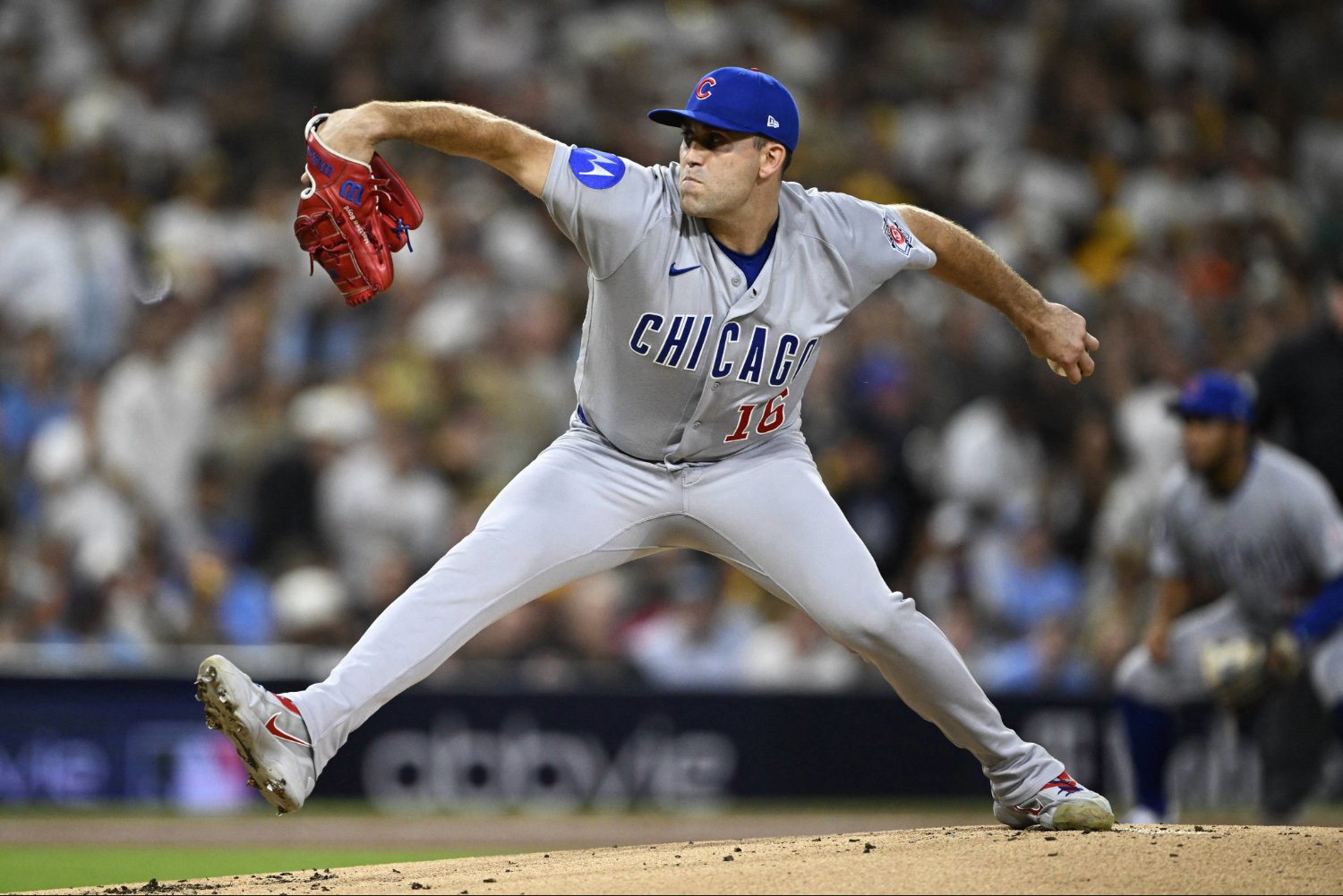 It was a year filled with injuries for the Chicago Cubs' pitching staff, and that included left-hander Matthew Boyd. The veteran starter had two separate stints on the injured list, first with a bicep strain in April and later with a torn meniscus that occurred while trying to sit down and play with his kids. Those injuries limited Boyd to just 126 2/3 innings this season, making it difficult to find much consistency throughout the year. And while his final numbers weren't necessarily bad, his 2026 campaign was a tale of two halves, albeit in a somewhat unexpected way. Boyd was limited to just 46 innings before the All-Star break, posting a 4.50 ERA during that stretch. After the break, he recorded a 3.57 ERA across 80 2/3 innings, resembling the pitcher we came to know throughout his breakout 2025 season. On the surface, it would be easy to attribute that improvement to Boyd getting healthier and finding his rhythm following his early-season injuries. And to some extent, that might be true. However, a closer look at the underlying numbers tells a much different story. Despite his first-half ERA being nearly a full run higher than his second-half mark, Boyd's first-half FIP was actually a full run lower. His strikeout rate dropped significantly after the All-Star break, going from 24% in the first half to an ugly 15.1% in the second half. Boyd also walked batters at a higher rate after the break. So, while he did a better job of keeping runs off the scoreboard, the underlying process behind those results was considerably worse. That's not to say the southpaw wasn't a useful piece of Chicago's rotation, but the difference between his ERA and FIP throughout the season suggests there might have been some good fortune involved in his second-half results. When looking at his season as a whole, he finished with a 3.91 ERA and a 4.21 FIP. Those numbers aren't terrible for a middle-of-the-rotation starter, especially one who missed time with multiple injuries. Still, several of his underlying metrics regressed from where they were in 2025. The most notable decline came in the swing-and-miss department. Neither Boyd's whiff rate nor his strikeout rate was particularly impressive last season, but both took another step backward in 2026. His whiff rate dropped from the 30th percentile to the 26th percentile, while his strikeout rate fell from the 41st percentile to the 23rd percentile. That decline is worth monitoring, particularly for a pitcher who doesn't necessarily overpower hitters with elite velocity. Speaking of which, part of the problem could be traced to Boyd's four-seam fastball, which averaged roughly half a mile per hour less than it did in 2025. That might not sound like a significant difference, but even a small drop in velocity can matter when a pitcher is already working on the margins. When hitters don't have to respect velocity as much, they can become more aggressive against other offerings. And for Boyd, that could have contributed to the struggles he experienced generating swings and misses. His changeup, which serves as his primary secondary offering, also wasn't as effective as it had been previously. Hitters put the pitch in play more frequently, and Boyd generated fewer swings and misses with it. Yet without the ability to keep the opposition more honest with a more threatening heater, the changeup may never recover its previous lethality. Of course, the injuries certainly played a role in these struggles, too. It's difficult to separate the effects of a disrupted season from a genuine decline in performance, especially when a pitcher spends time recovering and trying to regain his normal workload. Still, the Cubs will need to pay attention to those numbers when evaluating Boyd's future with the organization. Despite the decline in his swing-and-miss numbers, Boyd wasn't without areas of improvement. His quality-of-contact metrics were better than they were in 2025. His hard-hit rate declined slightly, while both his barrel rate and average exit velocity allowed went down as well. He also generated ground balls more frequently, giving him another way to limit opposing offenses when he wasn't missing bats. Those improvements don't erase the concerns surrounding his declining strikeout rate, but they do provide some reasons for optimism. Boyd still showed that he could be an effective major-league starter, even if his path to getting outs looked a little different this season. The question is whether those positive signs will be enough to offset the decline in his ability to miss bats moving forward. Boyd's future in Chicago will largely depend on how both sides approach his mutual option for the 2027 season. The option is valued at $15 million, although the effective cost for the Cubs would be closer to $13 million because $2 million is attached via a buyout if either side declines the option. For Chicago, that's a reasonable price for a proven middle-of-the-rotation starter. Even with the concerns surrounding Boyd's 2026 performance, finding a comparable arm on a one-year deal in free agency could prove difficult. The lefty, however, will likely decline his side of the option and test the free-agent market. Whether there's mutual interest in a reunion remains to be seen. The Cubs will have to determine how much they trust Boyd to remain healthy and whether his underlying performance suggests there's room for a bounce-back in the future. But if the 2026 season taught Chicago anything, it's that you can never have too many quality arms.
 -
Image courtesy of Denis Poroy-Imagn Images It was a year filled with injuries for the Chicago Cubs' pitching staff, and that included left-hander Matthew Boyd. The veteran starter had two separate stints on the injured list, first with a bicep strain in April and later with a torn meniscus that occurred while trying to sit down and play with his kids. Those injuries limited Boyd to just 126 2/3 innings this season, making it difficult to find much consistency throughout the year. And while his final numbers weren't necessarily bad, his 2026 campaign was a tale of two halves, albeit in a somewhat unexpected way. Boyd was limited to just 46 innings before the All-Star break, posting a 4.50 ERA during that stretch. After the break, he recorded a 3.57 ERA across 80 2/3 innings, resembling the pitcher we came to know throughout his breakout 2025 season. On the surface, it would be easy to attribute that improvement to Boyd getting healthier and finding his rhythm following his early-season injuries. And to some extent, that might be true. However, a closer look at the underlying numbers tells a much different story. Despite his first-half ERA being nearly a full run higher than his second-half mark, Boyd's first-half FIP was actually a full run lower. His strikeout rate dropped significantly after the All-Star break, going from 24% in the first half to an ugly 15.1% in the second half. Boyd also walked batters at a higher rate after the break. So, while he did a better job of keeping runs off the scoreboard, the underlying process behind those results was considerably worse. That's not to say the southpaw wasn't a useful piece of Chicago's rotation, but the difference between his ERA and FIP throughout the season suggests there might have been some good fortune involved in his second-half results. When looking at his season as a whole, he finished with a 3.91 ERA and a 4.21 FIP. Those numbers aren't terrible for a middle-of-the-rotation starter, especially one who missed time with multiple injuries. Still, several of his underlying metrics regressed from where they were in 2025. The most notable decline came in the swing-and-miss department. Neither Boyd's whiff rate nor his strikeout rate was particularly impressive last season, but both took another step backward in 2026. His whiff rate dropped from the 30th percentile to the 26th percentile, while his strikeout rate fell from the 41st percentile to the 23rd percentile. That decline is worth monitoring, particularly for a pitcher who doesn't necessarily overpower hitters with elite velocity. Speaking of which, part of the problem could be traced to Boyd's four-seam fastball, which averaged roughly half a mile per hour less than it did in 2025. That might not sound like a significant difference, but even a small drop in velocity can matter when a pitcher is already working on the margins. When hitters don't have to respect velocity as much, they can become more aggressive against other offerings. And for Boyd, that could have contributed to the struggles he experienced generating swings and misses. His changeup, which serves as his primary secondary offering, also wasn't as effective as it had been previously. Hitters put the pitch in play more frequently, and Boyd generated fewer swings and misses with it. Yet without the ability to keep the opposition more honest with a more threatening heater, the changeup may never recover its previous lethality. Of course, the injuries certainly played a role in these struggles, too. It's difficult to separate the effects of a disrupted season from a genuine decline in performance, especially when a pitcher spends time recovering and trying to regain his normal workload. Still, the Cubs will need to pay attention to those numbers when evaluating Boyd's future with the organization. Despite the decline in his swing-and-miss numbers, Boyd wasn't without areas of improvement. His quality-of-contact metrics were better than they were in 2025. His hard-hit rate declined slightly, while both his barrel rate and average exit velocity allowed went down as well. He also generated ground balls more frequently, giving him another way to limit opposing offenses when he wasn't missing bats. Those improvements don't erase the concerns surrounding his declining strikeout rate, but they do provide some reasons for optimism. Boyd still showed that he could be an effective major-league starter, even if his path to getting outs looked a little different this season. The question is whether those positive signs will be enough to offset the decline in his ability to miss bats moving forward. Boyd's future in Chicago will largely depend on how both sides approach his mutual option for the 2027 season. The option is valued at $15 million, although the effective cost for the Cubs would be closer to $13 million because $2 million is attached via a buyout if either side declines the option. For Chicago, that's a reasonable price for a proven middle-of-the-rotation starter. Even with the concerns surrounding Boyd's 2026 performance, finding a comparable arm on a one-year deal in free agency could prove difficult. The lefty, however, will likely decline his side of the option and test the free-agent market. Whether there's mutual interest in a reunion remains to be seen. The Cubs will have to determine how much they trust Boyd to remain healthy and whether his underlying performance suggests there's room for a bounce-back in the future. But if the 2026 season taught Chicago anything, it's that you can never have too many quality arms. View full article
-
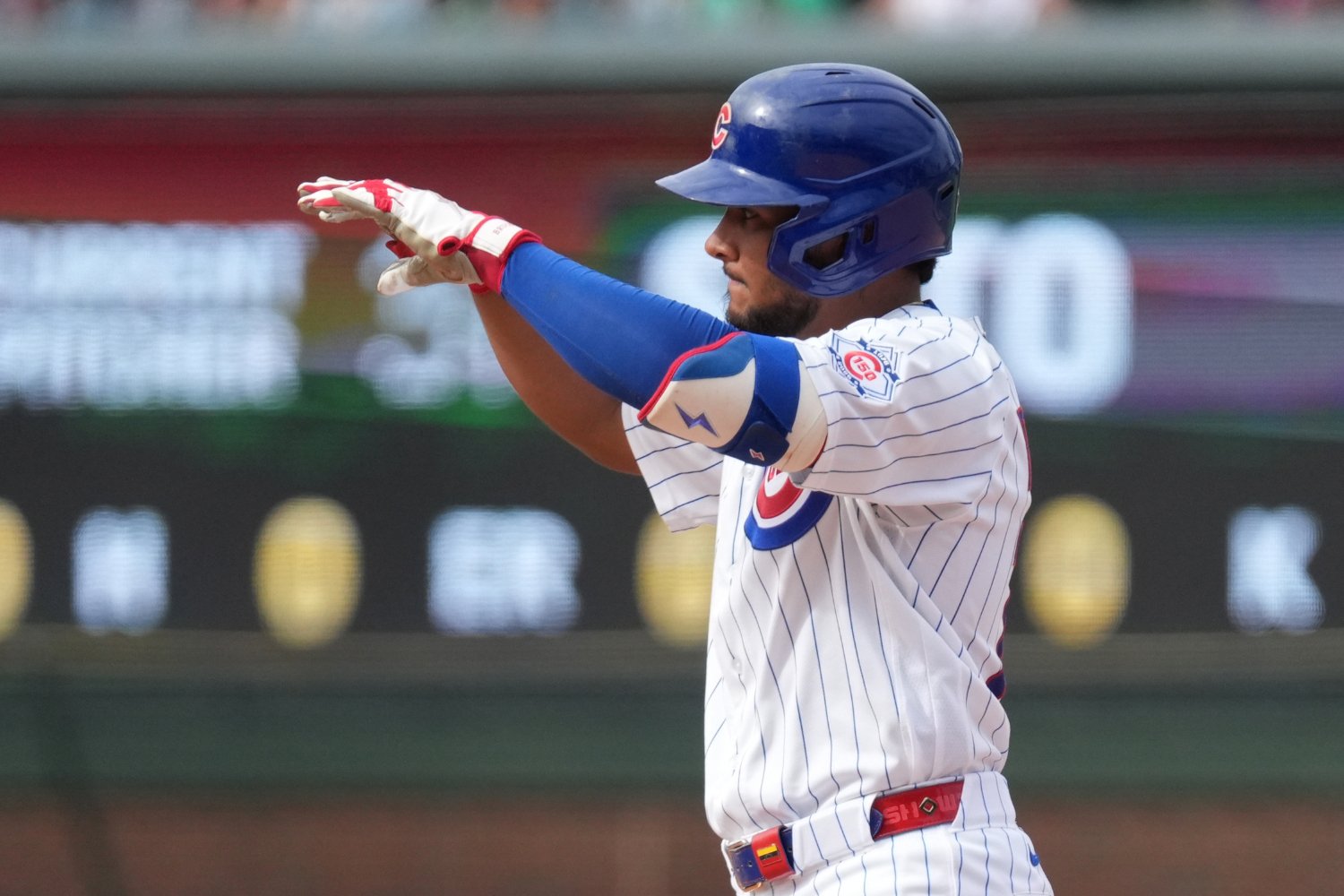 The Chicago Cubs experienced plenty of roster movement throughout the 2026 season, whether it was through trades, injuries, or major-league promotions. One of those call-ups was infielder Pedro Ramirez, who quickly went from a promising prospect to a regular contributor at the big-league level. Ramírez entered the season ranked as North Side Baseball's No. 7 prospect, but his strong start to the year quickly propelled him up to No. 3. His performance earned him a call-up to the majors in late May, giving him an opportunity to show what he could do against the highest level of pitching. He appeared in 80 games between his promotion and the end of the regular season, hitting .261 with a .321 on-base percentage and a .723 OPS. He also finished with a 100 wRC+, meaning he was essentially the blueprint for a league-average hitter when accounting for park and league factors. For a 22-year-old making his first extended appearance in the majors, that's a pretty solid starting point. However, Ramírez's rookie campaign was far from a linear progression, and there were some noticeable ups and downs along the way. After posting an 84 wRC+ in June, he broke out in July with a 169 mark, showcasing what he’s capable of when things are clicking. He followed that up with a slightly above-average month in August before struggling considerably in September. That type of inconsistency isn't particularly surprising for a young player adjusting to major-league pitching. There are going to be stretches where things click and others where the game speeds up a little, especially as the league gets more tape and begins to adjust to a young hitter. As such, when we take a step back and examine Ramírez's underlying numbers over the course of the season, they look like those of a young player who is still finding his footing. His expected batting average sat at just .242, while his expected slugging percentage was .342, roughly 60 points below his actual mark. Both his average exit velocity and hard-hit rate also finished slightly below league average, which isn't particularly surprising given that power has never been the primary selling point of his offensive profile. There’s certainly room for improvement in that department, but those numbers shouldn't overshadow what Ramírez accomplished during his first taste of the majors. For starters, he proved to be a quality defender at both second and third base. With Nico Hoerner and Alex Bregman occupying those positions for much of the season, Ramírez wasn't always able to find consistent playing time at either spot. Still, he showed that he could move around the infield and provide value where the Cubs needed him. Third base might not be his ideal long-term home, as his arm strength could limit his ability to handle the position every day. Second base appears to be the more likely landing spot moving forward, but his versatility is certainly an asset. Having a young infielder who can handle multiple positions gives Craig Counsell some additional flexibility when putting together his lineup and managing injuries throughout a long season. And while Ramírez still has some work to do offensively, the bat-to-ball skills that helped make him such a highly regarded prospect did translate to the major leagues. His in-zone contact rate sat at 90% and he avoided excessive whiffs and strikeouts, which is an important foundation for a hitter who doesn't necessarily need to rely on home runs to generate offensive value. Ramírez's chase rate did climb a fair amount after moving from Triple-A to the majors, however. Pitch recognition and patience will be key areas of development for him moving forward, since someone with meager bat speed and barrel rates won't be doing much damage on pitches outside the zone. One other development worth monitoring is how frequently he put the ball in the air during his rookie season. His fly-ball rate reached 39%, a notable increase from the 25% to 30% range he posted throughout the previous couple of seasons in the minors. That doesn't necessarily mean he's going to develop into a power hitter overnight, but it's an interesting change in his batted-ball profile. As he continues to get bigger and stronger, that increased fly ball rate could eventually translate into more extra-base hits and greater offensive production. And there's already some evidence that he can do damage in that area—Ramírez was routinely producing extra-base hits during his time with Triple-A Iowa, averaging roughly one every other game this season. Add it all up, and I think it's hard to consider Ramírez's first major-league season as anything other than a success. His overall numbers weren't spectacular, and the second half of the year showed that he still has plenty to learn. But he also demonstrated that he can hold his own against big-league pitching while providing the Cubs with a capable defender who can handle multiple infield positions. At just 22 years old, Ramírez has plenty of time to make the necessary adjustments. If his rookie season is any indication, the Cubs have unearthed another valuable young piece who can contribute to their lineup for years to come.
 -
Image courtesy of David Banks-Imagn Images The Chicago Cubs experienced plenty of roster movement throughout the 2026 season, whether it was through trades, injuries, or major-league promotions. One of those call-ups was infielder Pedro Ramirez, who quickly went from a promising prospect to a regular contributor at the big-league level. Ramírez entered the season ranked as North Side Baseball's No. 7 prospect, but his strong start to the year quickly propelled him up to No. 3. His performance earned him a call-up to the majors in late May, giving him an opportunity to show what he could do against the highest level of pitching. He appeared in 80 games between his promotion and the end of the regular season, hitting .261 with a .321 on-base percentage and a .723 OPS. He also finished with a 100 wRC+, meaning he was essentially the blueprint for a league-average hitter when accounting for park and league factors. For a 22-year-old making his first extended appearance in the majors, that's a pretty solid starting point. However, Ramírez's rookie campaign was far from a linear progression, and there were some noticeable ups and downs along the way. After posting an 84 wRC+ in June, he broke out in July with a 169 mark, showcasing what he’s capable of when things are clicking. He followed that up with a slightly above-average month in August before struggling considerably in September. That type of inconsistency isn't particularly surprising for a young player adjusting to major-league pitching. There are going to be stretches where things click and others where the game speeds up a little, especially as the league gets more tape and begins to adjust to a young hitter. As such, when we take a step back and examine Ramírez's underlying numbers over the course of the season, they look like those of a young player who is still finding his footing. His expected batting average sat at just .242, while his expected slugging percentage was .342, roughly 60 points below his actual mark. Both his average exit velocity and hard-hit rate also finished slightly below league average, which isn't particularly surprising given that power has never been the primary selling point of his offensive profile. There’s certainly room for improvement in that department, but those numbers shouldn't overshadow what Ramírez accomplished during his first taste of the majors. For starters, he proved to be a quality defender at both second and third base. With Nico Hoerner and Alex Bregman occupying those positions for much of the season, Ramírez wasn't always able to find consistent playing time at either spot. Still, he showed that he could move around the infield and provide value where the Cubs needed him. Third base might not be his ideal long-term home, as his arm strength could limit his ability to handle the position every day. Second base appears to be the more likely landing spot moving forward, but his versatility is certainly an asset. Having a young infielder who can handle multiple positions gives Craig Counsell some additional flexibility when putting together his lineup and managing injuries throughout a long season. And while Ramírez still has some work to do offensively, the bat-to-ball skills that helped make him such a highly regarded prospect did translate to the major leagues. His in-zone contact rate sat at 90% and he avoided excessive whiffs and strikeouts, which is an important foundation for a hitter who doesn't necessarily need to rely on home runs to generate offensive value. Ramírez's chase rate did climb a fair amount after moving from Triple-A to the majors, however. Pitch recognition and patience will be key areas of development for him moving forward, since someone with meager bat speed and barrel rates won't be doing much damage on pitches outside the zone. One other development worth monitoring is how frequently he put the ball in the air during his rookie season. His fly-ball rate reached 39%, a notable increase from the 25% to 30% range he posted throughout the previous couple of seasons in the minors. That doesn't necessarily mean he's going to develop into a power hitter overnight, but it's an interesting change in his batted-ball profile. As he continues to get bigger and stronger, that increased fly ball rate could eventually translate into more extra-base hits and greater offensive production. And there's already some evidence that he can do damage in that area—Ramírez was routinely producing extra-base hits during his time with Triple-A Iowa, averaging roughly one every other game this season. Add it all up, and I think it's hard to consider Ramírez's first major-league season as anything other than a success. His overall numbers weren't spectacular, and the second half of the year showed that he still has plenty to learn. But he also demonstrated that he can hold his own against big-league pitching while providing the Cubs with a capable defender who can handle multiple infield positions. At just 22 years old, Ramírez has plenty of time to make the necessary adjustments. If his rookie season is any indication, the Cubs have unearthed another valuable young piece who can contribute to their lineup for years to come. View full article
-
The Cubs have plenty of pitching prospects worth keeping an eye on, and Brooks Caple might be the most underrated. Here’s why his name should be on your radar. View full video
-
The Cubs have plenty of pitching prospects worth keeping an eye on, and Brooks Caple might be the most underrated. Here’s why his name should be on your radar.
-
Assessing the Cubs’ Pitching Pipeline Heading Into the Offseason
Sam Caulder posted an article in Minor Leagues
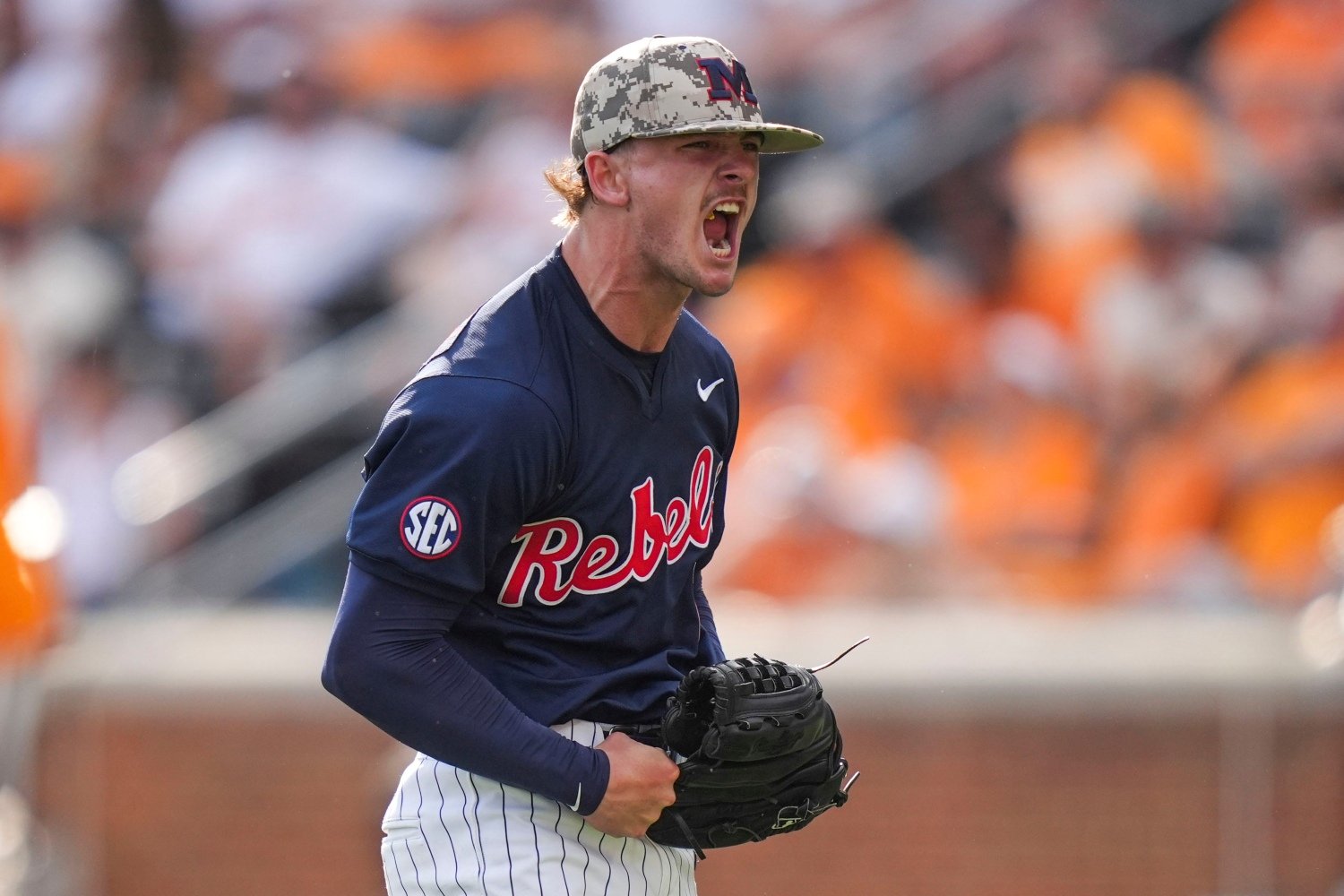 If 2026 was any indication, the importance of pitching depth cannot be overstated. The Cubs dealt with a litany of injuries throughout the season, both in the starting rotation and the bullpen. As a result, Chicago had to constantly adjust on the fly and find different ways to fill those holes. This year, a lot of that adjustment came through the trade market, rather than the Cubs’ pitching pipeline. But that’s at least partially because many of their young arms simply weren’t at the upper levels of the minors yet. So, what does the current state of the Cubs’ pitching pipeline look like? Let’s start at the top. Cade Townsend Chicago selected Townsend 23rd overall out of the University of Mississippi, and he currently ranks as the team’s top pitching prospect (and No. 2 overall prospect). He actually signed for about $850,000 below slot value at $3.1 million, but don’t let that fool you. Townsend struck out 32% of the batters he faced this year with the Rebels, compared to just an 8% walk rate. He also comes with a strong five-pitch mix, headlined by some very impressive breaking balls and a mid-to-upper-90s fastball. He didn’t pitch at all in the minors this summer, so it’s likely the Cubs will be patient with him as he gets his professional career underway. He dealt with a minor shoulder problem early in the spring. But there’s a lot to like about his long-term outlook, and he could very well turn into a front-line big-league starter down the road. Jaxon Wiggins Townsend ranks as the Cubs’ No. 2 prospect overall, and right behind him at No. 3 is fellow right-hander Jaxon Wiggins. The consensus, coming into the year, was that Wiggins would be ready to make an impact in the majors at some point this season. That never happened, as he missed a good chunk of the year with elbow inflammation, and his performance with the Iowa Cubs also raised some concerns. He finished with a 7.83 ERA across 33⅓ innings. Most concerning was the fact that he issued 31 walks during that span. The stuff is undoubtedly there. Wiggins has a high-90s fastball and a wicked low-90s slider, but he also walked 19.3% of all batters he faced this year. He gave up 34 hits, as well, although some of that was a mixture of bad luck and bad minor-league defense. Better batted-ball luck would have helped his numbers quite a bit, but the control still needs to improve. With a full offseason of health and refinement, Wiggins can still make an impact with the Cubs in 2027. His prospect status is much less clear, though, and his future might be in the bullpen—if it's in the majors, at all. Kaleb Wing Wing comes in as North Side Baseball’s No. 8 prospect, after being the Cubs’ fourth-round pick in 2025. The team paid well over slot value to sign him, and his pre-injury numbers this year were encouraging. He struck out 34% of the batters he faced between Rookie ball and Low-A. There are definitely some wrinkles to work through—most notably his 16.4% walk rate at Low-A—but it was still a good first taste of professional baseball. Unfortunately, Wing underwent Tommy John surgery in June and could wind up missing the entire 2027 season. That obviously puts a pause on his development, but he still has major-league starting pitcher upside down the road. Brooks Caple Caple also ranks inside the top 10 Cubs prospects, and 2026 was something of a breakout year for the 6-foot-6 right-hander. He made five strong starts at High-A South Bend before earning a promotion to Double-A Knoxville. He finished with a 3.24 ERA in 17 games there, while his swing-and-miss numbers took a significant step forward. After posting a 10% swinging-strike rate a year ago, Caple jumped all the way to 14.2% in 2026. He also did a very good job of limiting both walks and hard contact. He has a deep arsenal led by his fastball, which he can run up into the upper 90s. Given his massive frame and the shape of the pitch, it can be very difficult to square up, and that helps his breaking balls, changeup and cutter play off of it. Caple doesn’t generate as much buzz as guys like Townsend or Wiggins, but it’s entirely possible he reaches the majors in 2027. He has the potential to turn into a mid-rotation or back-end major-league starter. The Triple-A Arms Then there’s a trio of Triple-A arms, in right-handers Will Sanders, Grant Kipp and Brandon Birdsell. These three guys come in as the Cubs’ No. 12, 16 and 20 prospects, respectively, but they all have their fair share of question marks. Birdsell missed the entire season while recovering from Tommy John surgery, while Sanders and Kipp each finished the year with ERAs north of 5.00. However, Sanders, in particular, showcased an ability to miss bats at a strong clip this year. That will be a bigger question mark for Kipp and Birdsell (if and when he returns to the mound), although Kipp’s slurve-like breaking ball can exceed 3,000 RPM and gives him a foundation to work with. Next year will reveal a lot about the futures these three arms have within the Cubs’ organization. Jostin Florentino And lastly, there’s Jostin Florentino. The 21-year-old right-hander out of the Dominican Republic comes in as the Cubs’ No. 14 prospect. The numbers from this year don’t necessarily stand out, as he finished with a 4.71 ERA across 63 innings with High-A South Bend. But the underlying numbers offer some encouragement. Florentino struck out 28.1% of the batters he faced and finished with a strong 13% swinging-strike rate. A big reason for that was his slider, which only sits in the mid-70s but generated a lot of swing-and-miss. He doesn’t post gaudy numbers on the radar gun, and like many young arms, he’ll need to clean up the walks. If he can do that while adding a couple more miles per hour to his fastball, there’s some upside here. But, of course, doing both of those things is much easier said than done. There are several arms to keep an eye on within the Cubs’ organization. Not all of them will turn into major-league starters, and some will inevitably hit more roadblocks along the way. The pipeline isn't strong enough right now. These players, though, will be vital parts of the team's effort to fix that—which, in turn, will be vital to the team's efforts to go deeper into October over the next few seasons.
 -
Image courtesy of USA TODAY Network via Reuters Connect If 2026 was any indication, the importance of pitching depth cannot be overstated. The Cubs dealt with a litany of injuries throughout the season, both in the starting rotation and the bullpen. As a result, Chicago had to constantly adjust on the fly and find different ways to fill those holes. This year, a lot of that adjustment came through the trade market, rather than the Cubs’ pitching pipeline. But that’s at least partially because many of their young arms simply weren’t at the upper levels of the minors yet. So, what does the current state of the Cubs’ pitching pipeline look like? Let’s start at the top. Cade Townsend Chicago selected Townsend 23rd overall out of the University of Mississippi, and he currently ranks as the team’s top pitching prospect (and No. 2 overall prospect). He actually signed for about $850,000 below slot value at $3.1 million, but don’t let that fool you. Townsend struck out 32% of the batters he faced this year with the Rebels, compared to just an 8% walk rate. He also comes with a strong five-pitch mix, headlined by some very impressive breaking balls and a mid-to-upper-90s fastball. He didn’t pitch at all in the minors this summer, so it’s likely the Cubs will be patient with him as he gets his professional career underway. He dealt with a minor shoulder problem early in the spring. But there’s a lot to like about his long-term outlook, and he could very well turn into a front-line big-league starter down the road. Jaxon Wiggins Townsend ranks as the Cubs’ No. 2 prospect overall, and right behind him at No. 3 is fellow right-hander Jaxon Wiggins. The consensus, coming into the year, was that Wiggins would be ready to make an impact in the majors at some point this season. That never happened, as he missed a good chunk of the year with elbow inflammation, and his performance with the Iowa Cubs also raised some concerns. He finished with a 7.83 ERA across 33⅓ innings. Most concerning was the fact that he issued 31 walks during that span. The stuff is undoubtedly there. Wiggins has a high-90s fastball and a wicked low-90s slider, but he also walked 19.3% of all batters he faced this year. He gave up 34 hits, as well, although some of that was a mixture of bad luck and bad minor-league defense. Better batted-ball luck would have helped his numbers quite a bit, but the control still needs to improve. With a full offseason of health and refinement, Wiggins can still make an impact with the Cubs in 2027. His prospect status is much less clear, though, and his future might be in the bullpen—if it's in the majors, at all. Kaleb Wing Wing comes in as North Side Baseball’s No. 8 prospect, after being the Cubs’ fourth-round pick in 2025. The team paid well over slot value to sign him, and his pre-injury numbers this year were encouraging. He struck out 34% of the batters he faced between Rookie ball and Low-A. There are definitely some wrinkles to work through—most notably his 16.4% walk rate at Low-A—but it was still a good first taste of professional baseball. Unfortunately, Wing underwent Tommy John surgery in June and could wind up missing the entire 2027 season. That obviously puts a pause on his development, but he still has major-league starting pitcher upside down the road. Brooks Caple Caple also ranks inside the top 10 Cubs prospects, and 2026 was something of a breakout year for the 6-foot-6 right-hander. He made five strong starts at High-A South Bend before earning a promotion to Double-A Knoxville. He finished with a 3.24 ERA in 17 games there, while his swing-and-miss numbers took a significant step forward. After posting a 10% swinging-strike rate a year ago, Caple jumped all the way to 14.2% in 2026. He also did a very good job of limiting both walks and hard contact. He has a deep arsenal led by his fastball, which he can run up into the upper 90s. Given his massive frame and the shape of the pitch, it can be very difficult to square up, and that helps his breaking balls, changeup and cutter play off of it. Caple doesn’t generate as much buzz as guys like Townsend or Wiggins, but it’s entirely possible he reaches the majors in 2027. He has the potential to turn into a mid-rotation or back-end major-league starter. The Triple-A Arms Then there’s a trio of Triple-A arms, in right-handers Will Sanders, Grant Kipp and Brandon Birdsell. These three guys come in as the Cubs’ No. 12, 16 and 20 prospects, respectively, but they all have their fair share of question marks. Birdsell missed the entire season while recovering from Tommy John surgery, while Sanders and Kipp each finished the year with ERAs north of 5.00. However, Sanders, in particular, showcased an ability to miss bats at a strong clip this year. That will be a bigger question mark for Kipp and Birdsell (if and when he returns to the mound), although Kipp’s slurve-like breaking ball can exceed 3,000 RPM and gives him a foundation to work with. Next year will reveal a lot about the futures these three arms have within the Cubs’ organization. Jostin Florentino And lastly, there’s Jostin Florentino. The 21-year-old right-hander out of the Dominican Republic comes in as the Cubs’ No. 14 prospect. The numbers from this year don’t necessarily stand out, as he finished with a 4.71 ERA across 63 innings with High-A South Bend. But the underlying numbers offer some encouragement. Florentino struck out 28.1% of the batters he faced and finished with a strong 13% swinging-strike rate. A big reason for that was his slider, which only sits in the mid-70s but generated a lot of swing-and-miss. He doesn’t post gaudy numbers on the radar gun, and like many young arms, he’ll need to clean up the walks. If he can do that while adding a couple more miles per hour to his fastball, there’s some upside here. But, of course, doing both of those things is much easier said than done. There are several arms to keep an eye on within the Cubs’ organization. Not all of them will turn into major-league starters, and some will inevitably hit more roadblocks along the way. The pipeline isn't strong enough right now. These players, though, will be vital parts of the team's effort to fix that—which, in turn, will be vital to the team's efforts to go deeper into October over the next few seasons. View full article
-
Michael Busch looked like a potential star after his breakout 2025 season, but his production took a significant step backward this year. Now, the Cubs have to figure out whether 2026 was simply a down year or a sign that we’ve already seen his peak. View full video
-
Michael Busch looked like a potential star after his breakout 2025 season, but his production took a significant step backward this year. Now, the Cubs have to figure out whether 2026 was simply a down year or a sign that we’ve already seen his peak.
-
Image courtesy of Bob DeChiara-Imagn Images The Cubs’ season has come to an end, in disappointing fashion. Unfortunately, that word can also be used to describe the 2026 season of first baseman Michael Busch. After receiving MVP votes after an exceptional 2025 campaign, Busch took a step (or two) backward this season. There were some positives to take away from his year, but the overall numbers suggest the Cubs may have to start wondering whether last season was the beginning of something special, or simply an outlier. In 2025, Busch hit .261 with a .343 on-base percentage and a very strong .523 slugging average. He hit 34 home runs, which ranked sixth among all National League hitters. At the time, it looked like the Cubs had a star on their hands. But a lot can change in a year. This season, Busch’s batting average dropped to .242. His on-base percentage actually climbed to .352 (thanks in large part to a significant increase in his walk rate), but he slugged just .393. For a first baseman, that's anemic. A .745 OPS will certainly play, and with a 106 OPS+, he was still an above-average hitter this season. But it’s still a massive step backward from what Busch did a year ago, and some of the underlying numbers indicate that his production should have been even worse. Busch’s expected batting average was just .233, which puts him in the 23rd percentile among all big-league hitters. A year ago, there weren’t many hitters who punished baseballs quite like Busch did. His average exit velocity and barrel rate were both in the 90th percentile or higher, while his hard-hit rate was also in the top quartile of the league. When he got his bat on the ball, good things happened. That just wasn’t the case this season. His barrel rate dropped all the way to the 60th percentile, while both his average exit velocity and hard-hit rate fell below league-average marks. He went from consistently making some of the best contact in baseball to making relatively ordinary contact, and that difference showed up in the results. Someone like Busch, who doesn’t have the fastest bat in the world, needs to lean into his pull side to be as efficient as possible when it comes to producing power. That’s exactly what we saw from him in 2025, when both his fly-ball rate and pull rate reached career-high levels. When he was getting the ball in the air and pulling it, he was extremely dangerous. This year, though, he was getting on top of the ball more often, and his pull rate dropped to a career-low 40%. He still managed to hit 20 home runs, but it’s pretty clear when looking at the numbers that the decline in his pull-side power had a major impact on his overall production. I've done quite a bit of bashing so far in this article, so I feel like I should note that there were some positives, too. His walk rate jumped from 9.5% to 13%, which is a significant improvement—and something that could be especially valuable if he can pair it with the power production we saw in 2025. He also played strong defense at first base, giving the Cubs value on both sides of the ball. But offensively, his 2026 season lines up much more closely with his career numbers outside of that incredible 2025 campaign. Maybe 2025 was the real Michael Busch finally breaking out. Maybe this season was simply a down year for a player who still has plenty of room to grow. There’s really no way to know for sure right now. What we do know is that Busch showed us a very high ceiling last season. If he can get back to pulling the ball in the air like he did in 2025 while maintaining the double-digit walk rate he posted this year, there’s still "All-Star" written all over his offensive profile. But until we see him do that again, it’s fair to wonder if we’ve already seen Busch at his peak—and whether his decline phase is worthy of a locked-in lineup spot next year. View full article
-
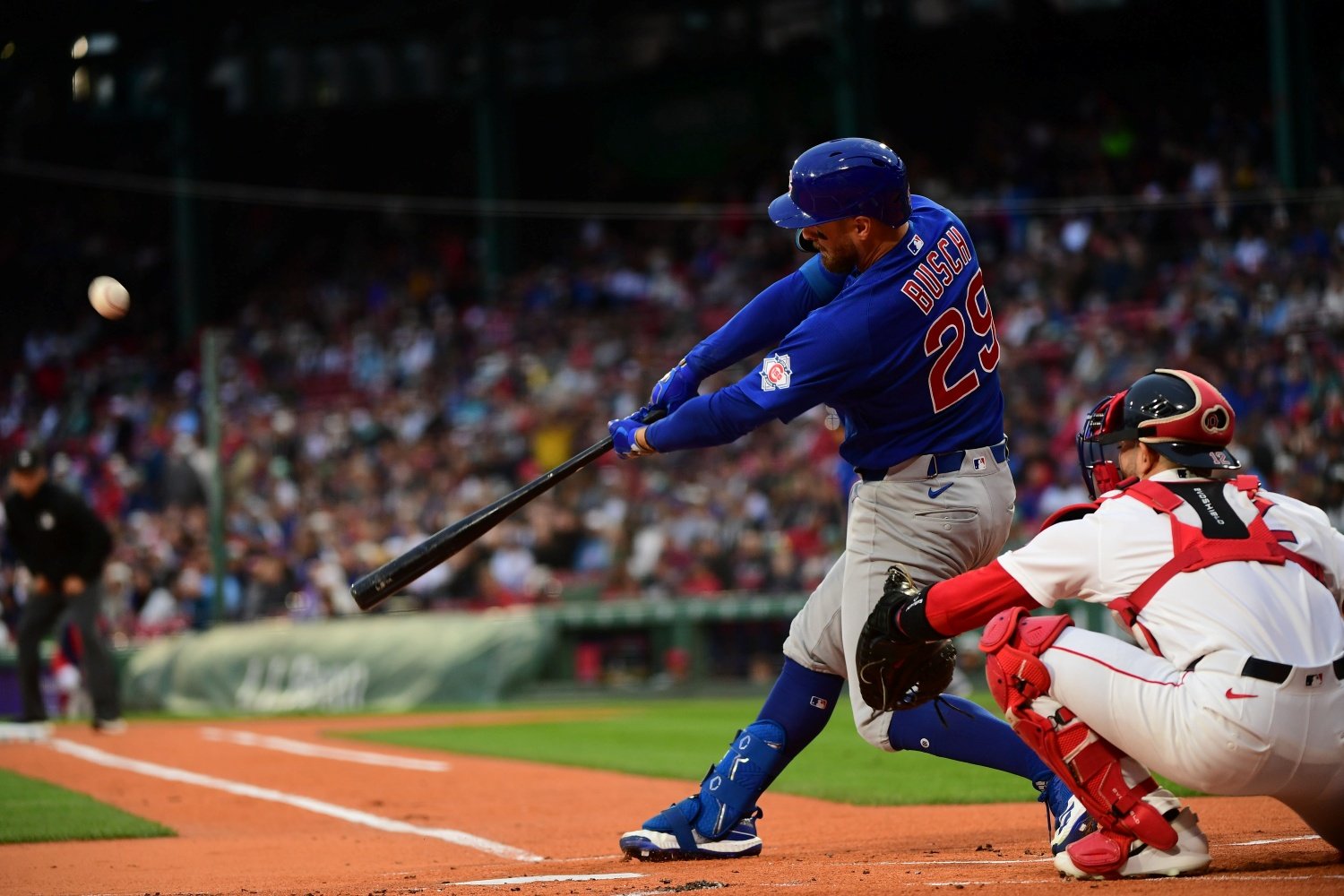 The Cubs’ season has come to an end, in disappointing fashion. Unfortunately, that word can also be used to describe the 2026 season of first baseman Michael Busch. After receiving MVP votes after an exceptional 2025 campaign, Busch took a step (or two) backward this season. There were some positives to take away from his year, but the overall numbers suggest the Cubs may have to start wondering whether last season was the beginning of something special, or simply an outlier. In 2025, Busch hit .261 with a .343 on-base percentage and a very strong .523 slugging average. He hit 34 home runs, which ranked sixth among all National League hitters. At the time, it looked like the Cubs had a star on their hands. But a lot can change in a year. This season, Busch’s batting average dropped to .242. His on-base percentage actually climbed to .352 (thanks in large part to a significant increase in his walk rate), but he slugged just .393. For a first baseman, that's anemic. A .745 OPS will certainly play, and with a 106 OPS+, he was still an above-average hitter this season. But it’s still a massive step backward from what Busch did a year ago, and some of the underlying numbers indicate that his production should have been even worse. Busch’s expected batting average was just .233, which puts him in the 23rd percentile among all big-league hitters. A year ago, there weren’t many hitters who punished baseballs quite like Busch did. His average exit velocity and barrel rate were both in the 90th percentile or higher, while his hard-hit rate was also in the top quartile of the league. When he got his bat on the ball, good things happened. That just wasn’t the case this season. His barrel rate dropped all the way to the 60th percentile, while both his average exit velocity and hard-hit rate fell below league-average marks. He went from consistently making some of the best contact in baseball to making relatively ordinary contact, and that difference showed up in the results. Someone like Busch, who doesn’t have the fastest bat in the world, needs to lean into his pull side to be as efficient as possible when it comes to producing power. That’s exactly what we saw from him in 2025, when both his fly-ball rate and pull rate reached career-high levels. When he was getting the ball in the air and pulling it, he was extremely dangerous. This year, though, he was getting on top of the ball more often, and his pull rate dropped to a career-low 40%. He still managed to hit 20 home runs, but it’s pretty clear when looking at the numbers that the decline in his pull-side power had a major impact on his overall production. I've done quite a bit of bashing so far in this article, so I feel like I should note that there were some positives, too. His walk rate jumped from 9.5% to 13%, which is a significant improvement—and something that could be especially valuable if he can pair it with the power production we saw in 2025. He also played strong defense at first base, giving the Cubs value on both sides of the ball. But offensively, his 2026 season lines up much more closely with his career numbers outside of that incredible 2025 campaign. Maybe 2025 was the real Michael Busch finally breaking out. Maybe this season was simply a down year for a player who still has plenty of room to grow. There’s really no way to know for sure right now. What we do know is that Busch showed us a very high ceiling last season. If he can get back to pulling the ball in the air like he did in 2025 while maintaining the double-digit walk rate he posted this year, there’s still "All-Star" written all over his offensive profile. But until we see him do that again, it’s fair to wonder if we’ve already seen Busch at his peak—and whether his decline phase is worthy of a locked-in lineup spot next year.
 -
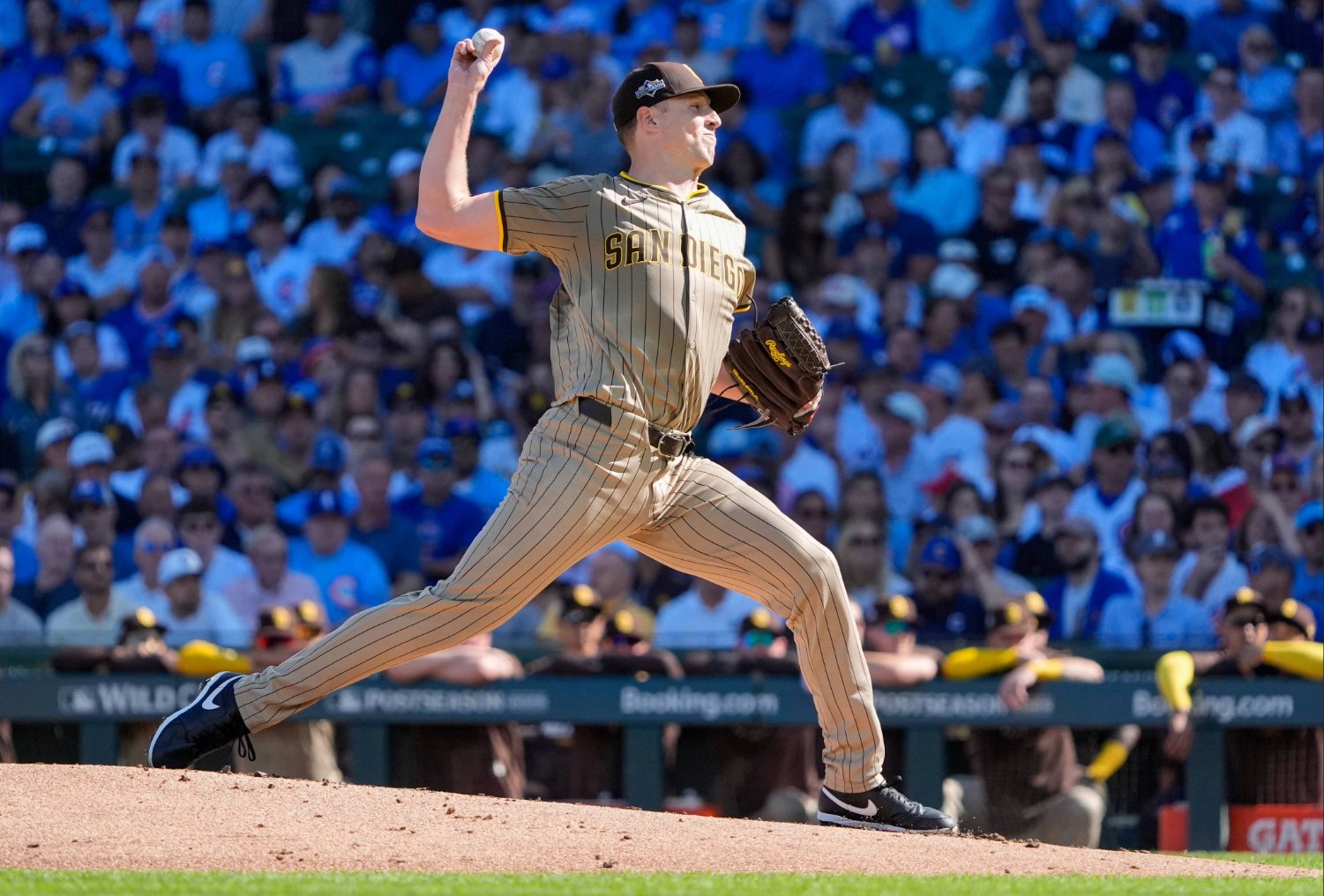 Game 1 of the Wild Card Round is in the books. Let's just say I'm thankful that Game 2 is right around the corner. If the Chicago Cubs are going to force a Game 3 and remain alive in the Wild Card Round, they’re going to need a much more inspired performance than what we saw from them last night. Chicago was shut out, managed just six hard-hit balls, and struck out 11 times. Now, their season is officially on the line. So, with that in mind, here are a few specific things the Cubs will have to do differently tonight if they want to remain afloat and force a rubber match. Cubs Must Be More Aggressive Early In Game 2 For one, I think the Cubs need to be more aggressive early in counts. The Padres’ pitching staff, and Michael King specifically, was challenging hitters with a lot of fastballs during the first couple of pitches of at-bats. And Chicago didn’t offer at them. That’s not to say I don’t understand the approach. There’s certainly value in making the opposing starter work. Running up his pitch count and forcing the Padres to get into their bullpen earlier than they’d prefer can be a good strategy, especially in a playoff game. But that concept wound up failing as King took a no-hitter into the seventh inning, and the Cubs never really made him uncomfortable. Now, with their season on the line, they have to adjust. I’m looking for Chicago to be more aggressive early in counts tonight, especially if Padres starter Nick Pivetta gives them something to hit. And, frankly, with a fresh Padres bullpen regardless, running up Pivetta’s pitch count doesn’t matter nearly as much as it did coming into Game 1. This team needs to make something happen early in at-bats. Kevin Gausman Needs to Give Cubs Length Another thing that absolutely needs to happen is that the Cubs need to get a strong start out of Kevin Gausman. Matthew Boyd made it through just four innings in Game 1, forcing four different relievers to throw at least 16 pitches. Even with a deeper bullpen than they had during the regular season, Chicago can't afford to ask that group to cover another significant chunk of a game tonight. If Gausman can’t make it more than four innings, that’s a problem. Now, his workload could be monitored regardless; the right-hander is coming off a left shoulder injury he suffered last week, so the Cubs may have a limit in mind before he even takes the mound. But even if he’s capped at five or six innings, they need to be quality frames that limit chaos on the basepaths. There are still plenty of options available in the bullpen. Daniel Palencia and Ryan Zeferjahn are both available, and it wouldn’t shock me to see someone like Clay Holmes or Shota Imanaga work in relief in an elimination game. But those guys need a lead to work with. What Gausman gives the Cubs tonight will have a big part in determining whether they have one. Cubs Can't Let Nick Pivetta Get Settled And then, lastly, the Cubs need to jump on Nick Pivetta. I mean, my gosh. King was no-hitting this lineup through six innings last night, and the Padres’ pitching staff ultimately shut Chicago out. As I noted, the Cubs struck out 11 times as a team in Game 1, and just six of the 20 balls they put in play were hard-hit. That’s obviously not exactly a recipe for success, particularly against a Padres team just dying to get to the back end of their dominant bullpen. That last part is especially important because of what awaits Chicago if the game is close. San Diego has some fresh high-leverage arms available after Mason Miller, Adrián Morejón and Bradgley Rodriguez all avoided pitching in Game 1. That means the Cubs are likely to see at least a couple of those guys tonight. And if those relievers are entering the game with a lead, that’s not exactly promising for our hopes of extending the series. The Cubs need to create some separation before San Diego can turn things over to its best relievers.
 -
Image courtesy of David Banks-Imagn Images Game 1 of the Wild Card Round is in the books. Let's just say I'm thankful that Game 2 is right around the corner. If the Chicago Cubs are going to force a Game 3 and remain alive in the Wild Card Round, they’re going to need a much more inspired performance than what we saw from them last night. Chicago was shut out, managed just six hard-hit balls, and struck out 11 times. Now, their season is officially on the line. So, with that in mind, here are a few specific things the Cubs will have to do differently tonight if they want to remain afloat and force a rubber match. Cubs Must Be More Aggressive Early In Game 2 For one, I think the Cubs need to be more aggressive early in counts. The Padres’ pitching staff, and Michael King specifically, was challenging hitters with a lot of fastballs during the first couple of pitches of at-bats. And Chicago didn’t offer at them. That’s not to say I don’t understand the approach. There’s certainly value in making the opposing starter work. Running up his pitch count and forcing the Padres to get into their bullpen earlier than they’d prefer can be a good strategy, especially in a playoff game. But that concept wound up failing as King took a no-hitter into the seventh inning, and the Cubs never really made him uncomfortable. Now, with their season on the line, they have to adjust. I’m looking for Chicago to be more aggressive early in counts tonight, especially if Padres starter Nick Pivetta gives them something to hit. And, frankly, with a fresh Padres bullpen regardless, running up Pivetta’s pitch count doesn’t matter nearly as much as it did coming into Game 1. This team needs to make something happen early in at-bats. Kevin Gausman Needs to Give Cubs Length Another thing that absolutely needs to happen is that the Cubs need to get a strong start out of Kevin Gausman. Matthew Boyd made it through just four innings in Game 1, forcing four different relievers to throw at least 16 pitches. Even with a deeper bullpen than they had during the regular season, Chicago can't afford to ask that group to cover another significant chunk of a game tonight. If Gausman can’t make it more than four innings, that’s a problem. Now, his workload could be monitored regardless; the right-hander is coming off a left shoulder injury he suffered last week, so the Cubs may have a limit in mind before he even takes the mound. But even if he’s capped at five or six innings, they need to be quality frames that limit chaos on the basepaths. There are still plenty of options available in the bullpen. Daniel Palencia and Ryan Zeferjahn are both available, and it wouldn’t shock me to see someone like Clay Holmes or Shota Imanaga work in relief in an elimination game. But those guys need a lead to work with. What Gausman gives the Cubs tonight will have a big part in determining whether they have one. Cubs Can't Let Nick Pivetta Get Settled And then, lastly, the Cubs need to jump on Nick Pivetta. I mean, my gosh. King was no-hitting this lineup through six innings last night, and the Padres’ pitching staff ultimately shut Chicago out. As I noted, the Cubs struck out 11 times as a team in Game 1, and just six of the 20 balls they put in play were hard-hit. That’s obviously not exactly a recipe for success, particularly against a Padres team just dying to get to the back end of their dominant bullpen. That last part is especially important because of what awaits Chicago if the game is close. San Diego has some fresh high-leverage arms available after Mason Miller, Adrián Morejón and Bradgley Rodriguez all avoided pitching in Game 1. That means the Cubs are likely to see at least a couple of those guys tonight. And if those relievers are entering the game with a lead, that’s not exactly promising for our hopes of extending the series. The Cubs need to create some separation before San Diego can turn things over to its best relievers. View full article
-
The Cubs have several options for their biggest postseason bullpen moments, including Jacob Webb, Daniel Palencia, Aaron Civale, Ryan Rolison, and Ryan Zeferjahn. But who should get the ball when the game is on the line? View full video
-
The Cubs have several options for their biggest postseason bullpen moments, including Jacob Webb, Daniel Palencia, Aaron Civale, Ryan Rolison, and Ryan Zeferjahn. But who should get the ball when the game is on the line?
-
Ian Happ and Tyrone Taylor have very different offensive splits, but their strengths could complement each other perfectly. The Cubs may have an ideal left-field platoon for October. View full video
