


Sam Caulder
-
Posts
151 -
Joined
-
Last visited
Content Type
Profiles
Chicago Cubs Videos
Chicago Cubs Trade & Free Agent Rumors
2026 Chicago Cubs Top Prospect Rankings
Chicago Cubs News, Rumors & Analysis
2023 Chicago Cubs Draft Picks & Signing Bonuses
Chicago Cubs Fan Guides & Resources
2024 Chicago Cubs Draft Picks & Signing Bonuses
2025 Chicago Cubs Draft Picks & Signing Bonuses
2026 Chicago Cubs Draft Picks & Signing Bonuses
Blogs
Events
Forums
Store
Gallery
Everything posted by Sam Caulder
-
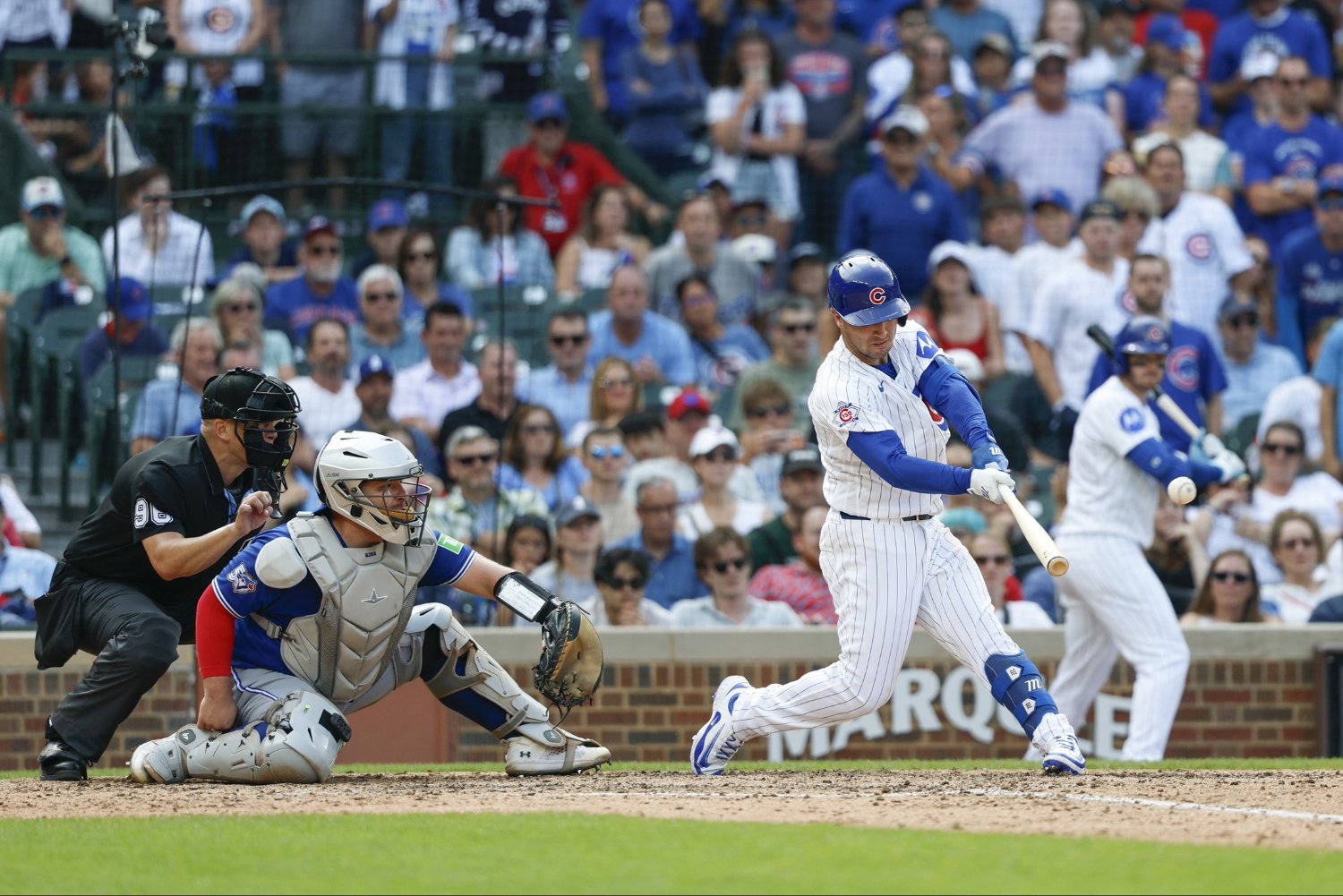 The Chicago Cubs knew exactly what they were getting when they signed Alex Bregman to a five-year, $175 million contract this winter: a proven veteran, an excellent defender, a consistent offensive contributor and, perhaps most importantly, someone who has already experienced the pressure of playing meaningful October baseball. Unfortunately for the Cubs, Bregman’s North Side career did not get off to the strongest of starts. Through the first half of the season, the third baseman was slashing just .241/.336/.359, which added up to a .696 OPS. With a 97 wRC+, he was actually a below-average hitter for the first three-and-a-half months of the year. For a player making $35 million, that obviously wasn't what the Cubs were hoping to see. Luckily, things appear to be trending in the right direction at exactly the right time. Across 86 plate appearances since the All-Star Break, Bregman has looked much more like the player Cubs fans expected to see when he signed his massive contract. He’s slashing .283/.347/.467, good for an .814 OPS and a 126 wRC+. That’s a pretty significant difference from what Bregman was doing earlier in the year. And perhaps even more encouragingly, there are some clear signs that his approach is changing. Bregman has been really leaning into his pull-side power lately; his pull-rate is above 50% in the second half thus far, including a huge 54.8% mark in August. This has always been his key to success, and it's a good sign that he's rediscovering it now. Despite the team's overall success throughout the year (even as Bregman has struggled), it's clear that the Cubs will need him at the peak of his power if they want to win in the playoffs. As the Cubs get closer to October baseball, Bregman has something that is incredibly difficult to find: an abundance of postseason experience. They have a firm hold of the top National League Wild Card spot and might even be able to make a run at the NL Central title. And after bolstering their pitching staff at the trade deadline with additions such as Kevin Gausman and Ryan Zeferjahn, it’s pretty clear what this team is trying to accomplish. The Cubs want to make a deep postseason run. Bregman knows a thing or two about doing exactly that. The veteran won two World Series championships during his time with the Houston Astros, and he wasn’t simply along for the ride. He was a crucial part of why Houston was able to bring home those championships. During the Astros’ 2017 championship run, Bregman recorded seven extra-base hits across 18 postseason games as a 23-year-old. Then, during Houston’s 2022 run, he posted an impressive .948 OPS throughout the playoffs. That experience matters. That was part of the appeal for Chicago when it signed him. Cubs president of baseball operations Jed Hoyer made that clear when discussing the decision to bring Bregman to Chicago during the introductory press conference: “He plays good defense. He makes great contact. He has power. He makes good decisions. On top of that, I think he provides a level of leadership to a team that's ready to win. I think that's really important. He wants to make other guys better. He wants to lead. And I think that there's not a lot of guys like that in the game that want that responsibility.” The Cubs have a roster capable of making a deep postseason run. Their offense has the talent, their pitching staff has been strengthened, and they’ve put themselves in a strong position to secure a playoff spot. What they didn’t necessarily have last year was a player with Bregman’s combination of postseason experience and proven leadership (and no, that's not a shot at Kyle Tucker). Now they do, and Bregman appears to be heating up at exactly the right time. His first half was disappointing, especially considering the expectations that came with his contract. But if this recent stretch is an indication of what’s to come, Chicago could be getting the version of Bregman they expected when they handed him $175 million.
-
Image courtesy of © Kamil Krzaczynski-Imagn Images The Chicago Cubs knew exactly what they were getting when they signed Alex Bregman to a five-year, $175 million contract this winter: a proven veteran, an excellent defender, a consistent offensive contributor and, perhaps most importantly, someone who has already experienced the pressure of playing meaningful October baseball. Unfortunately for the Cubs, Bregman’s North Side career did not get off to the strongest of starts. Through the first half of the season, the third baseman was slashing just .241/.336/.359, which added up to a .696 OPS. With a 97 wRC+, he was actually a below-average hitter for the first three-and-a-half months of the year. For a player making $35 million, that obviously wasn't what the Cubs were hoping to see. Luckily, things appear to be trending in the right direction at exactly the right time. Across 86 plate appearances since the All-Star Break, Bregman has looked much more like the player Cubs fans expected to see when he signed his massive contract. He’s slashing .283/.347/.467, good for an .814 OPS and a 126 wRC+. That’s a pretty significant difference from what Bregman was doing earlier in the year. And perhaps even more encouragingly, there are some clear signs that his approach is changing. Bregman has been really leaning into his pull-side power lately; his pull-rate is above 50% in the second half thus far, including a huge 54.8% mark in August. This has always been his key to success, and it's a good sign that he's rediscovering it now. Despite the team's overall success throughout the year (even as Bregman has struggled), it's clear that the Cubs will need him at the peak of his power if they want to win in the playoffs. As the Cubs get closer to October baseball, Bregman has something that is incredibly difficult to find: an abundance of postseason experience. They have a firm hold of the top National League Wild Card spot and might even be able to make a run at the NL Central title. And after bolstering their pitching staff at the trade deadline with additions such as Kevin Gausman and Ryan Zeferjahn, it’s pretty clear what this team is trying to accomplish. The Cubs want to make a deep postseason run. Bregman knows a thing or two about doing exactly that. The veteran won two World Series championships during his time with the Houston Astros, and he wasn’t simply along for the ride. He was a crucial part of why Houston was able to bring home those championships. During the Astros’ 2017 championship run, Bregman recorded seven extra-base hits across 18 postseason games as a 23-year-old. Then, during Houston’s 2022 run, he posted an impressive .948 OPS throughout the playoffs. That experience matters. That was part of the appeal for Chicago when it signed him. Cubs president of baseball operations Jed Hoyer made that clear when discussing the decision to bring Bregman to Chicago during the introductory press conference: “He plays good defense. He makes great contact. He has power. He makes good decisions. On top of that, I think he provides a level of leadership to a team that's ready to win. I think that's really important. He wants to make other guys better. He wants to lead. And I think that there's not a lot of guys like that in the game that want that responsibility.” The Cubs have a roster capable of making a deep postseason run. Their offense has the talent, their pitching staff has been strengthened, and they’ve put themselves in a strong position to secure a playoff spot. What they didn’t necessarily have last year was a player with Bregman’s combination of postseason experience and proven leadership (and no, that's not a shot at Kyle Tucker). Now they do, and Bregman appears to be heating up at exactly the right time. His first half was disappointing, especially considering the expectations that came with his contract. But if this recent stretch is an indication of what’s to come, Chicago could be getting the version of Bregman they expected when they handed him $175 million. View full article
-
Alex Bregman’s bat is heating up, but his value to the Cubs goes far beyond his numbers. As October approaches, his championship experience could become Chicago’s biggest advantage. View full video
-
Alex Bregman’s bat is heating up, but his value to the Cubs goes far beyond his numbers. As October approaches, his championship experience could become Chicago’s biggest advantage.
-
Josiah HartshornCade TownsendJaxon WigginsKane KepleyEthan ConradCaden SorrellOwen AyersBrooks CapleKaleb WingMyles BaileyJames TriantosWill SandersJuan CabadaJostin FlorentinoGrant KippAriel ArmasEli LovichDerniche ValdezRiley MartinBrandon Birdsell
-
Josiah HartshornCade TownsendJaxon WigginsKane KepleyEthan ConradCaden SorrellOwen AyersBrooks CapleKaleb WingMyles BaileyJames TriantosWill SandersJuan CabadaJostin FlorentinoGrant KippAriel ArmasEli LovichDerniche ValdezRiley MartinBrandon Birdsell
-
Pete Crow-Armstrong Has Entered Rare Cubs Company and Is Now Surpassing It
Sam Caulder posted an article in Cubs
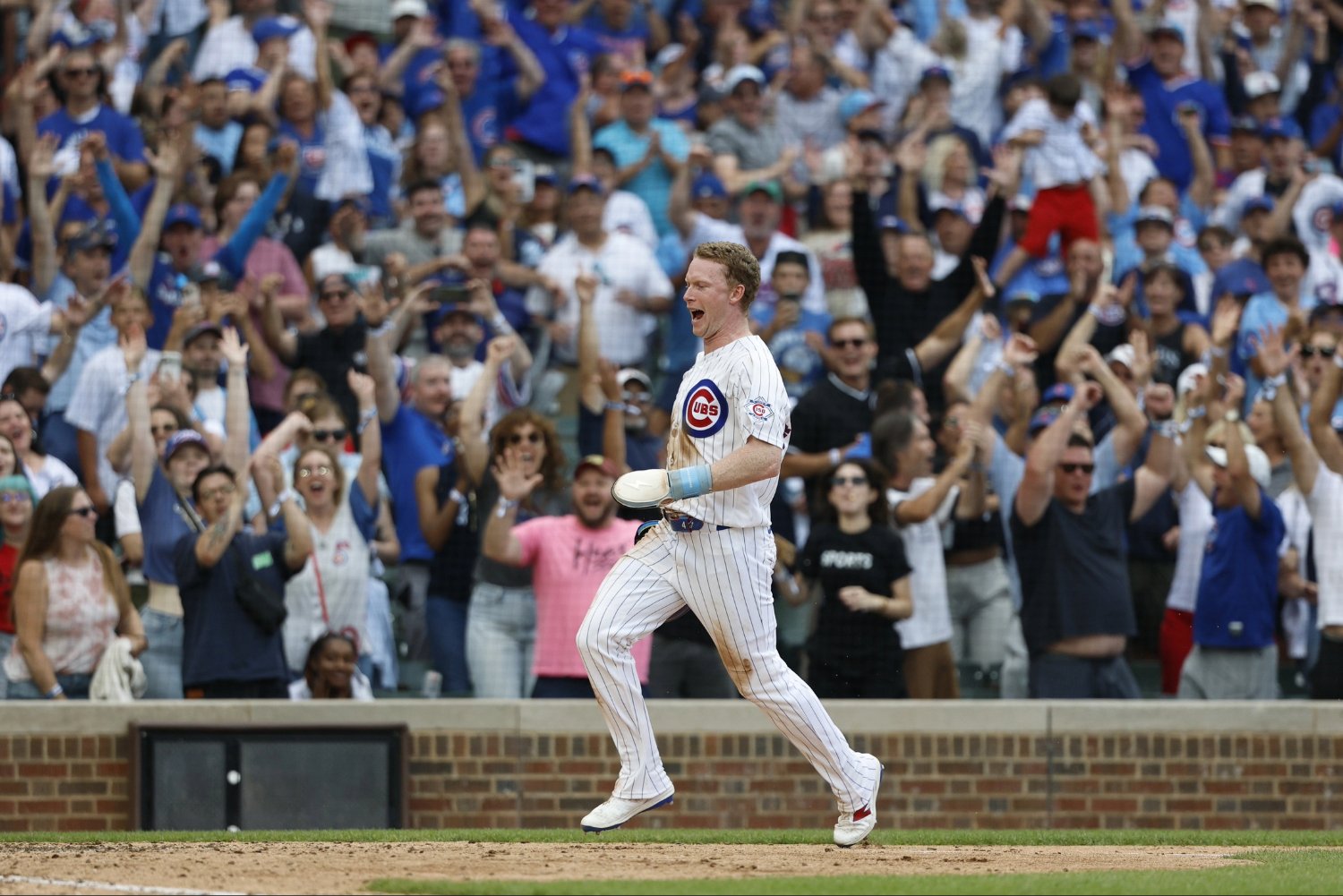 The 2025 season gave Chicago Cubs fans a glimpse of what Pete Crow-Armstrong is capable of doing. After all, the center fielder became just the second player in franchise history to post a 30-home run, 30-stolen base season, joining Sammy Sosa in an exclusive club. For a 24-year-old still scratching the surface of his potential, it felt like the beginning of something special. Fast-forward, and we now know it was. Crow-Armstrong hasn't simply built on last year's breakout campaign; he's taken another massive leap forward and established himself as one of the best players in all of baseball. Through 116 games in 2026, the man affectionately known as "PCA" is slashing .289/.386/.550 with 26 home runs and 29 stolen bases. Those numbers alone are impressive, but they're even more remarkable when compared to where he was just one year ago. For some perspective, his .289 batting average this season is actually higher than his entire on-base percentage from 2025. His .936 OPS is also a staggering 170 points higher than last year's mark, illustrating just how dramatically he's elevated every aspect of his offensive game. And with 26 home runs and 29 stolen bases already in the books, it seems all but inevitable that he'll become one of the few players in baseball to record back-to-back 30-30 seasons. His offensive growth has been incredible, and the defense has remained elite. Put the two together, and it's not surprising that Crow-Armstrong finds himself right in the middle of the National League MVP conversation alongside Shohei Ohtani. Of course, Ohtani is doing things that nobody in baseball history has ever done, making him a difficult player to compete with for any award. But if not for Ohtani's unicorn-like presence, Crow-Armstrong would have an awfully strong case to be the clear-cut MVP favorite. His defense alone is enough to separate him from almost every player in the sport. Crow-Armstrong currently grades out in the 100th percentile in Outs Above Average, making him arguably the best defensive outfielder in baseball regardless of position. Pair that with a 97th-percentile arm value and elite speed that allows him to track down balls few others can reach, and the Cubs have a center fielder who impacts the game every single inning he's on the field. The Cubs have seen MVP-caliber seasons before over the past decade. Kris Bryant took home the National League MVP award in 2016 while leading Chicago to its first World Series title in more than a century. Two years later, Javier Báez finished as the runner-up after putting together one of the most electric seasons of his career. So, how does Crow-Armstrong's 2026 stack up against those iconic campaigns? Turns out, pretty favorably. Let's start with Bryant. At this point in the 2016 season, Bryant owned a .282/.381/.543 slash line with a .924 OPS. He had also launched 26 home runs while driving in 65 runs and scoring 85 himself. Those are MVP numbers, and they're also incredibly similar to what Crow-Armstrong has produced this season. In fact, PCA's .936 OPS is 12 points higher than Bryant's was at the same point during his MVP campaign. He hasn't scored quite as many runs, but he's reached base at an even better clip while producing nearly identical power numbers. Then there's the speed. Bryant was an outstanding all-around player, but stolen bases were never a huge part of his game. With Crow-Armstrong already at 29 this season, giving him another dimension that Bryant simply didn't bring to the table. To put it bluntly, Pete Crow-Armstrong has been more productive at this point in the season than a literal MVP winner. That's pretty incredible. The comparison with Javier Báez tells a similar story. Báez did own a higher batting average and had driven in more runs at this point during his runner-up campaign in 2018. Beyond that, though, Crow-Armstrong has the edge almost across the board. PCA's OPS is 41 points higher than Báez's was through the same point in the season. While Báez added value with his legs, his 19 stolen bases don't come particularly close to Crow-Armstrong's current total. Báez was also widely viewed as one of baseball's premier defensive shortstops during his peak years, and deservedly so. But what Crow-Armstrong is doing in center field this season exists on another level. Elite defense at shortstop is enormously valuable. Historically elite defense in center field while producing MVP-level offense? That's a different conversation entirely. When comparing Pete Crow-Armstrong's 2026 campaign to Kris Bryant's 2016 MVP season and Javier Báez's 2018 runner-up finish, the numbers paint a remarkably clear picture. Offensively, he's right there with both of them—and in several key areas, he's actually been better. Defensively, he separates himself from both. That's an astonishing statement considering the seasons Bryant and Báez put together. Whether Crow-Armstrong ultimately wins the National League MVP Award may come down to whether anyone can overcome the historic standard Shohei Ohtani continues to set. But award or not, that shouldn't diminish what's unfolding on the North Side. At just 24 years old, Pete Crow-Armstrong isn't simply putting together another great Cubs season. He's putting together one of the greatest individual seasons the franchise has ever seen.
-
Image courtesy of © Kamil Krzaczynski-Imagn Images The 2025 season gave Chicago Cubs fans a glimpse of what Pete Crow-Armstrong is capable of doing. After all, the center fielder became just the second player in franchise history to post a 30-home run, 30-stolen base season, joining Sammy Sosa in an exclusive club. For a 24-year-old still scratching the surface of his potential, it felt like the beginning of something special. Fast-forward, and we now know it was. Crow-Armstrong hasn't simply built on last year's breakout campaign; he's taken another massive leap forward and established himself as one of the best players in all of baseball. Through 116 games in 2026, the man affectionately known as "PCA" is slashing .289/.386/.550 with 26 home runs and 29 stolen bases. Those numbers alone are impressive, but they're even more remarkable when compared to where he was just one year ago. For some perspective, his .289 batting average this season is actually higher than his entire on-base percentage from 2025. His .936 OPS is also a staggering 170 points higher than last year's mark, illustrating just how dramatically he's elevated every aspect of his offensive game. And with 26 home runs and 29 stolen bases already in the books, it seems all but inevitable that he'll become one of the few players in baseball to record back-to-back 30-30 seasons. His offensive growth has been incredible, and the defense has remained elite. Put the two together, and it's not surprising that Crow-Armstrong finds himself right in the middle of the National League MVP conversation alongside Shohei Ohtani. Of course, Ohtani is doing things that nobody in baseball history has ever done, making him a difficult player to compete with for any award. But if not for Ohtani's unicorn-like presence, Crow-Armstrong would have an awfully strong case to be the clear-cut MVP favorite. His defense alone is enough to separate him from almost every player in the sport. Crow-Armstrong currently grades out in the 100th percentile in Outs Above Average, making him arguably the best defensive outfielder in baseball regardless of position. Pair that with a 97th-percentile arm value and elite speed that allows him to track down balls few others can reach, and the Cubs have a center fielder who impacts the game every single inning he's on the field. The Cubs have seen MVP-caliber seasons before over the past decade. Kris Bryant took home the National League MVP award in 2016 while leading Chicago to its first World Series title in more than a century. Two years later, Javier Báez finished as the runner-up after putting together one of the most electric seasons of his career. So, how does Crow-Armstrong's 2026 stack up against those iconic campaigns? Turns out, pretty favorably. Let's start with Bryant. At this point in the 2016 season, Bryant owned a .282/.381/.543 slash line with a .924 OPS. He had also launched 26 home runs while driving in 65 runs and scoring 85 himself. Those are MVP numbers, and they're also incredibly similar to what Crow-Armstrong has produced this season. In fact, PCA's .936 OPS is 12 points higher than Bryant's was at the same point during his MVP campaign. He hasn't scored quite as many runs, but he's reached base at an even better clip while producing nearly identical power numbers. Then there's the speed. Bryant was an outstanding all-around player, but stolen bases were never a huge part of his game. With Crow-Armstrong already at 29 this season, giving him another dimension that Bryant simply didn't bring to the table. To put it bluntly, Pete Crow-Armstrong has been more productive at this point in the season than a literal MVP winner. That's pretty incredible. The comparison with Javier Báez tells a similar story. Báez did own a higher batting average and had driven in more runs at this point during his runner-up campaign in 2018. Beyond that, though, Crow-Armstrong has the edge almost across the board. PCA's OPS is 41 points higher than Báez's was through the same point in the season. While Báez added value with his legs, his 19 stolen bases don't come particularly close to Crow-Armstrong's current total. Báez was also widely viewed as one of baseball's premier defensive shortstops during his peak years, and deservedly so. But what Crow-Armstrong is doing in center field this season exists on another level. Elite defense at shortstop is enormously valuable. Historically elite defense in center field while producing MVP-level offense? That's a different conversation entirely. When comparing Pete Crow-Armstrong's 2026 campaign to Kris Bryant's 2016 MVP season and Javier Báez's 2018 runner-up finish, the numbers paint a remarkably clear picture. Offensively, he's right there with both of them—and in several key areas, he's actually been better. Defensively, he separates himself from both. That's an astonishing statement considering the seasons Bryant and Báez put together. Whether Crow-Armstrong ultimately wins the National League MVP Award may come down to whether anyone can overcome the historic standard Shohei Ohtani continues to set. But award or not, that shouldn't diminish what's unfolding on the North Side. At just 24 years old, Pete Crow-Armstrong isn't simply putting together another great Cubs season. He's putting together one of the greatest individual seasons the franchise has ever seen. View full article
-
Yeah I had heard that too. Hopefully it works out well for the Cubs and their opinion of Rojas turns out to be reality; it just feels like a dangerous move right now
-
I love the additions themselves, don't get me wrong. But the price they paid to get Holmes and Taylor in Jefferson Rojas drops them down a decent bit for me.
-
Cubs 2026 Trade Deadline Grades: Did Jed Hoyer Strike the Right Balance?
Sam Caulder posted an article in Cubs
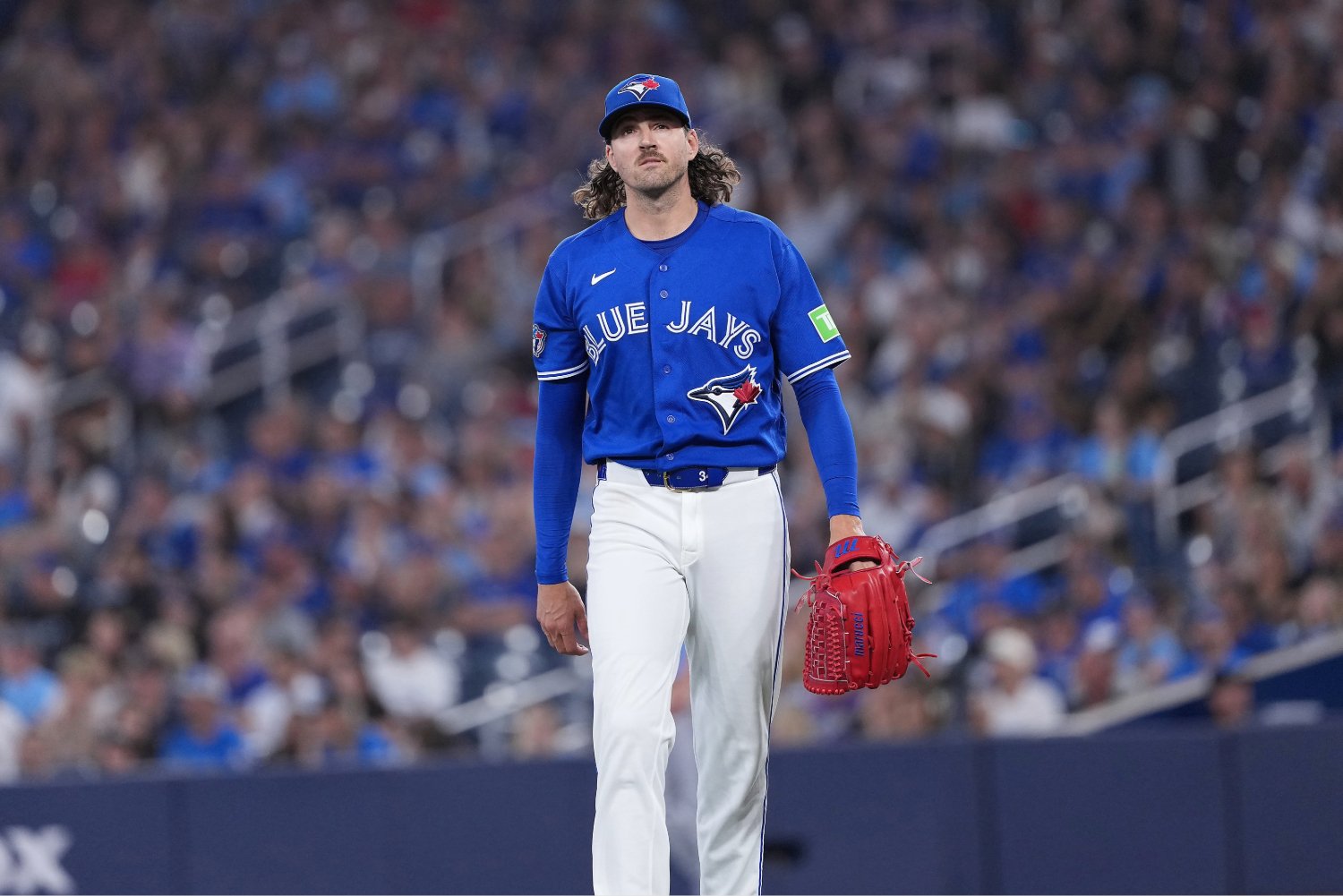 The 2026 MLB trade deadline has officially come and gone, and the Chicago Cubs were one of the busiest teams in baseball. It was no secret that pitching was this team's biggest need, and Jed Hoyer made sure to address it. The Cubs opened the deadline by landing one of the top starting pitchers available in Kevin Gausman, but they didn't stop there. They followed that up by acquiring a pair of additional starters in Clay Holmes and Braxton Garrett, added another late-inning bullpen arm in Ryan Zeferjahn, and even picked up some extra outfield depth with Tyrone Taylor. For a brief moment, it even looked like the Cubs were going to pull off an even bigger splash with Reid Detmers before that deal ultimately fell apart. Regardless, it was an incredibly active deadline for Chicago. That being said, I wasn't in love with every move they made. Let's hand out some grades. Kevin Gausman Trade Grade: A- Out of all the Cubs' deadline additions, this was easily my favorite. Kevin Gausman gives Chicago something it simply didn't have, even when the rotation was fully healthy: a proven, quality right-handed starting pitcher that can be trusted in big games. He's exactly the type of veteran arm the Cubs needed heading into the stretch run. Even better, the acquisition cost wasn't overwhelming. Chicago sent shortstop Ty Southisene, North Side Baseball's No. 15 Cubs prospect, along with outfielder Brett Bateman to Toronto. While both players have intriguing upside, neither represented the type of prospect you hesitate to move when a pitcher like Gausman becomes available. Yes, Gausman is on an expiring contract, but the Cubs didn't have to empty the farm system to get him. Considering what he projects to provide over the final two months and into October, I think this was an outstanding trade. Clay Holmes & Tyrone Taylor Trade Grade: C- Unfortunately, I can't say the same about the Cubs' deal with the Mets. Chicago acquired starting pitcher Clay Holmes and outfielder Tyrone Taylor in exchange for the organization's No. 1 prospect, shortstop Jefferson Rojas. For what it's worth, both players they brought in absolutely fill needs. Holmes should settle in nicely as a quality middle-to-back-of-the-rotation starter for the remainder of the season, and his $12 million player option for 2027 means there's at least a chance he sticks around beyond this year. Taylor also gives the Cubs a very strong short-side platoon bat in the outfield, adding another capable option against left-handed pitching. The problem isn't the players they acquired. The problem is the price they paid. You don't trade your No. 1 prospect for those two rentals, one of whom has been injured for months and the other is, at best, a bench bat. This wasn't the only talented young player the Cubs moved at the deadline, but this deal stands out as a significant overpay. I'm all for being aggressive when you believe your championship window is open, but we're grading the value here, too. Braxton Garrett Trade Grade: B- I'm actually a pretty big fan of this move. On the surface, Garrett's 2026 numbers aren't going to impress anybody, but I'm choosing to ignore those. He's only made two appearances since returning from Tommy John surgery, so it's far too early to judge what kind of pitcher he'll be moving forward. Instead, I think it's much more important to look at what he did from 2023 through 2025. During that stretch, Garrett consistently pounded the strike zone and did an excellent job keeping the ball on the ground. That's exactly the kind of profile that can thrive as a reliable back-of-the-rotation starter, and I think it'll translate well in Chicago. I don't love giving up Jonathan Long to make it happen, but controllable starting pitching was one of the Cubs' biggest needs entering the deadline. There is certainly some risk involved with Garrett coming off a major elbow injury, which is why I can't go much higher than a B-. Still, I like the upside here. Ryan Zeferjahn Trade Grade: B+ Last but certainly not least is the addition of reliever Ryan Zeferjahn. A lot of Cubs fans probably aren't thrilled about moving Moisés Ballesteros and Mason McGwire, and that's understandable. But Zeferjahn is another high-upside, controllable arm that has a chance to become a major piece of Chicago's bullpen. His 3.66 ERA might not immediately jump off the page, but the underlying metrics certainly do. A 96th-percentile whiff rate and a 97th-percentile strikeout rate tell the story of a pitcher with electric stuff, while his 2.95 expected ERA suggests there may be even more production ahead. He also brings a deep five-pitch arsenal, giving the Cubs another dependable late-inning option as they gear up for a postseason push. Moving Ballesteros and McGwire isn't ideal, but when you combine that trade with the Jefferson Rojas deal, it's obvious what message the Cubs are sending. They're all-in on winning over the next few years. Overall Trade Deadline Grade: B When everything is added together, I'm giving the Cubs a B for their 2026 trade deadline. Had the Reid Detmers trade actually crossed the finish line, this grade probably jumps closer to an A-. Even without that move, though, Chicago addressed its biggest weaknesses. They added multiple starting pitchers, strengthened the bullpen, improved their outfield depth, and made it abundantly clear that they're serious about competing—not just this season, but over the next few years as well. The biggest issue is that some of those upgrades came at an extremely steep prospect cost, particularly in the Holmes deal. Still, if these additions help the Cubs make a deep postseason run, few people will be complaining about the talent they gave up. What do you think of the Cubs' deadline? Which of these grades do you agree or disagree with? And which acquisition (or departure) surprised you the most?
-
The 2026 MLB trade deadline has officially come and gone, and the Chicago Cubs were one of the busiest teams in baseball. It was no secret that pitching was this team's biggest need, and Jed Hoyer made sure to address it. The Cubs opened the deadline by landing one of the top starting pitchers available in Kevin Gausman, but they didn't stop there. They followed that up by acquiring a pair of additional starters in Clay Holmes and Braxton Garrett, added another late-inning bullpen arm in Ryan Zeferjahn, and even picked up some extra outfield depth with Tyrone Taylor. For a brief moment, it even looked like the Cubs were going to pull off an even bigger splash with Reid Detmers before that deal ultimately fell apart. Regardless, it was an incredibly active deadline for Chicago. That being said, I wasn't in love with every move they made. Let's hand out some grades. Kevin Gausman Trade Grade: A- Out of all the Cubs' deadline additions, this was easily my favorite. Kevin Gausman gives Chicago something it simply didn't have, even when the rotation was fully healthy: a proven, quality right-handed starting pitcher that can be trusted in big games. He's exactly the type of veteran arm the Cubs needed heading into the stretch run. Even better, the acquisition cost wasn't overwhelming. Chicago sent shortstop Ty Southisene, North Side Baseball's No. 15 Cubs prospect, along with outfielder Brett Bateman to Toronto. While both players have intriguing upside, neither represented the type of prospect you hesitate to move when a pitcher like Gausman becomes available. Yes, Gausman is on an expiring contract, but the Cubs didn't have to empty the farm system to get him. Considering what he projects to provide over the final two months and into October, I think this was an outstanding trade. Clay Holmes & Tyrone Taylor Trade Grade: C- Unfortunately, I can't say the same about the Cubs' deal with the Mets. Chicago acquired starting pitcher Clay Holmes and outfielder Tyrone Taylor in exchange for the organization's No. 1 prospect, shortstop Jefferson Rojas. For what it's worth, both players they brought in absolutely fill needs. Holmes should settle in nicely as a quality middle-to-back-of-the-rotation starter for the remainder of the season, and his $12 million player option for 2027 means there's at least a chance he sticks around beyond this year. Taylor also gives the Cubs a very strong short-side platoon bat in the outfield, adding another capable option against left-handed pitching. The problem isn't the players they acquired. The problem is the price they paid. You don't trade your No. 1 prospect for those two rentals, one of whom has been injured for months and the other is, at best, a bench bat. This wasn't the only talented young player the Cubs moved at the deadline, but this deal stands out as a significant overpay. I'm all for being aggressive when you believe your championship window is open, but we're grading the value here, too. Braxton Garrett Trade Grade: B- I'm actually a pretty big fan of this move. On the surface, Garrett's 2026 numbers aren't going to impress anybody, but I'm choosing to ignore those. He's only made two appearances since returning from Tommy John surgery, so it's far too early to judge what kind of pitcher he'll be moving forward. Instead, I think it's much more important to look at what he did from 2023 through 2025. During that stretch, Garrett consistently pounded the strike zone and did an excellent job keeping the ball on the ground. That's exactly the kind of profile that can thrive as a reliable back-of-the-rotation starter, and I think it'll translate well in Chicago. I don't love giving up Jonathan Long to make it happen, but controllable starting pitching was one of the Cubs' biggest needs entering the deadline. There is certainly some risk involved with Garrett coming off a major elbow injury, which is why I can't go much higher than a B-. Still, I like the upside here. Ryan Zeferjahn Trade Grade: B+ Last but certainly not least is the addition of reliever Ryan Zeferjahn. A lot of Cubs fans probably aren't thrilled about moving Moisés Ballesteros and Mason McGwire, and that's understandable. But Zeferjahn is another high-upside, controllable arm that has a chance to become a major piece of Chicago's bullpen. His 3.66 ERA might not immediately jump off the page, but the underlying metrics certainly do. A 96th-percentile whiff rate and a 97th-percentile strikeout rate tell the story of a pitcher with electric stuff, while his 2.95 expected ERA suggests there may be even more production ahead. He also brings a deep five-pitch arsenal, giving the Cubs another dependable late-inning option as they gear up for a postseason push. Moving Ballesteros and McGwire isn't ideal, but when you combine that trade with the Jefferson Rojas deal, it's obvious what message the Cubs are sending. They're all-in on winning over the next few years. Overall Trade Deadline Grade: B When everything is added together, I'm giving the Cubs a B for their 2026 trade deadline. Had the Reid Detmers trade actually crossed the finish line, this grade probably jumps closer to an A-. Even without that move, though, Chicago addressed its biggest weaknesses. They added multiple starting pitchers, strengthened the bullpen, improved their outfield depth, and made it abundantly clear that they're serious about competing—not just this season, but over the next few years as well. The biggest issue is that some of those upgrades came at an extremely steep prospect cost, particularly in the Holmes deal. Still, if these additions help the Cubs make a deep postseason run, few people will be complaining about the talent they gave up. What do you think of the Cubs' deadline? Which of these grades do you agree or disagree with? And which acquisition (or departure) surprised you the most? Image courtesy of © Nick Turchiaro-Imagn Images View full article
-
The Cubs made it clear they're all-in after adding Kevin Gausman, Clay Holmes, Braxton Garrett, Ryan Zeferjahn and Tyrone Taylor at the deadline. But while some of those moves look like home runs, others came with a price that was far too steep. View full video
-
The Cubs made it clear they're all-in after adding Kevin Gausman, Clay Holmes, Braxton Garrett, Ryan Zeferjahn and Tyrone Taylor at the deadline. But while some of those moves look like home runs, others came with a price that was far too steep.
-
 The Cubs knew they needed to improve their pitching staff before the trade deadline, and they made one of the biggest splashes of the weekend by acquiring Kevin Gausman. Landing one of the best starting pitchers available immediately raises the level of Chicago's rotation as the club pushes toward what it hopes will be a deep postseason run. Gausman gives the team another proven veteran near the top of the rotation and forms a formidable trio alongside Matthew Boyd and Shota Imanaga. It's exactly the type of move contenders make. But if the Cubs truly believe they can win the World Series this season—especially after Tarik Skubal landed with the Dodgers—they can't afford to stop here. So what comes next for Chicago? For starters, don't rule out another addition to the rotation. Even after bringing in Gausman, there are still plenty of intriguing starting pitchers available. Rental starters Trevor Rogers and Casey Mize and controllable arms Reid Detmers and José Soriano all remain names to watch as the deadline approaches. Gausman undoubtedly makes the Cubs better, but he doesn't completely solve their biggest problem. October baseball is all about pitching depth. A memorable postseason run involves at least 10 games, and having only three healthy, reliable starters isn't usually enough. Whether it's another frontline arm or simply someone capable of giving quality innings every fifth day, another rotation addition would go a long way toward solidifying Chicago's chances. Just as important, though, is the bullpen. The Cubs' relief corps has been battered by injuries for much of the season, leaving coverage of the late innings as the biggest question mark on the roster. Even if everyone were healthy, bullpen help should still be near the top of the priority list. Pitching wins games in October, and one blown lead can be the difference between advancing to the next round and heading home for the winter. Championship-caliber teams rarely regret adding another dependable late-inning reliever, and the Cubs shouldn't be any different. Standing pat isn't a reasonable option. Fortunately for Chicago, the relief market remains loaded with talent. While it may not be the most likely outcome, Mason Miller (DiamondCentric’s top player available, though just how available he actually is is up for debate) could at least be worth checking in on. Even if Miller isn't ultimately the answer, there are still several impact relievers who could make sense. His teammate, Adrián Morejón, has been floated as a potential Cubs target for weeks and would immediately strengthen the bullpen with another high-leverage left-handed option. Luke Weaver, Drew Anderson, and Kenley Jansen are also among the recognizable names that could be available. Several other late-inning arms could realistically change teams before the deadline, giving Chicago plenty of opportunities to reinforce one of the few remaining weaknesses on its roster. It's also possible Jed Hoyer isn't finished making changes to the lineup. The Cubs have been connected to both buying and selling position players ahead of the deadline, or at least to creative trade ideas that could include swapping out one big-leaguer for another. Matt Shaw, currently sidelined by injury, appears likely to remain in Chicago, but Pedro Ramírez could be a big part of a trade package. Given how important he's become to the team's offense, such a move would force the team to at least consider adding a bat. Obviously, though, offense shouldn't be viewed as nearly the same priority as pitching. Michael Busch and Alex Bregman—who started finding his groove offensively in July—have formed a strong combination on the corners of the infield. Chicago already has proven production and solid defense throughout its outfield and defense-first stars in whom they've invested a ton on the middle infield. The only places where they can upgrade the lineup are at designated hitter and catcher, and even those would be difficult maneuvers. One intriguing possibility is Orioles outfielder Taylor Ward. Ward's power hasn't looked nearly the same after launching 36 home runs in 2025, but he's quietly been one of baseball's smartest hitters this season, consistently putting together quality plate appearances and getting on base. Defensively, he's been slightly below average this year, but Ward could slide into the designated hitter role on most days while also giving Ian Happ or Seiya Suzuki occasional starts off in the outfield. It's not the biggest need, but it would be another way for the Cubs to deepen an already talented lineup as they prepare for the stretch run. Whatever direction Chicago chooses before this afternoon's trade deadline, one thing feels abundantly clear: the Cubs shouldn't be done. Whether that's adding another starting pitcher, reinforcing the bullpen, bringing in another bat, or some combination of all three, Chicago is in a position to be aggressive. They've already made one statement by acquiring Gausman, but championship contenders rarely stop after addressing just one need. The front office has an opportunity to push even more chips to the center of the table, and how they choose to attack the final hours before the trade deadline could play a major role in determining just how far this team can go in October.
-
The Cubs knew they needed to improve their pitching staff before the trade deadline, and they made one of the biggest splashes of the weekend by acquiring Kevin Gausman. Landing one of the best starting pitchers available immediately raises the level of Chicago's rotation as the club pushes toward what it hopes will be a deep postseason run. Gausman gives the team another proven veteran near the top of the rotation and forms a formidable trio alongside Matthew Boyd and Shota Imanaga. It's exactly the type of move contenders make. But if the Cubs truly believe they can win the World Series this season—especially after Tarik Skubal landed with the Dodgers—they can't afford to stop here. So what comes next for Chicago? For starters, don't rule out another addition to the rotation. Even after bringing in Gausman, there are still plenty of intriguing starting pitchers available. Rental starters Trevor Rogers and Casey Mize and controllable arms Reid Detmers and José Soriano all remain names to watch as the deadline approaches. Gausman undoubtedly makes the Cubs better, but he doesn't completely solve their biggest problem. October baseball is all about pitching depth. A memorable postseason run involves at least 10 games, and having only three healthy, reliable starters isn't usually enough. Whether it's another frontline arm or simply someone capable of giving quality innings every fifth day, another rotation addition would go a long way toward solidifying Chicago's chances. Just as important, though, is the bullpen. The Cubs' relief corps has been battered by injuries for much of the season, leaving coverage of the late innings as the biggest question mark on the roster. Even if everyone were healthy, bullpen help should still be near the top of the priority list. Pitching wins games in October, and one blown lead can be the difference between advancing to the next round and heading home for the winter. Championship-caliber teams rarely regret adding another dependable late-inning reliever, and the Cubs shouldn't be any different. Standing pat isn't a reasonable option. Fortunately for Chicago, the relief market remains loaded with talent. While it may not be the most likely outcome, Mason Miller (DiamondCentric’s top player available, though just how available he actually is is up for debate) could at least be worth checking in on. Even if Miller isn't ultimately the answer, there are still several impact relievers who could make sense. His teammate, Adrián Morejón, has been floated as a potential Cubs target for weeks and would immediately strengthen the bullpen with another high-leverage left-handed option. Luke Weaver, Drew Anderson, and Kenley Jansen are also among the recognizable names that could be available. Several other late-inning arms could realistically change teams before the deadline, giving Chicago plenty of opportunities to reinforce one of the few remaining weaknesses on its roster. It's also possible Jed Hoyer isn't finished making changes to the lineup. The Cubs have been connected to both buying and selling position players ahead of the deadline, or at least to creative trade ideas that could include swapping out one big-leaguer for another. Matt Shaw, currently sidelined by injury, appears likely to remain in Chicago, but Pedro Ramírez could be a big part of a trade package. Given how important he's become to the team's offense, such a move would force the team to at least consider adding a bat. Obviously, though, offense shouldn't be viewed as nearly the same priority as pitching. Michael Busch and Alex Bregman—who started finding his groove offensively in July—have formed a strong combination on the corners of the infield. Chicago already has proven production and solid defense throughout its outfield and defense-first stars in whom they've invested a ton on the middle infield. The only places where they can upgrade the lineup are at designated hitter and catcher, and even those would be difficult maneuvers. One intriguing possibility is Orioles outfielder Taylor Ward. Ward's power hasn't looked nearly the same after launching 36 home runs in 2025, but he's quietly been one of baseball's smartest hitters this season, consistently putting together quality plate appearances and getting on base. Defensively, he's been slightly below average this year, but Ward could slide into the designated hitter role on most days while also giving Ian Happ or Seiya Suzuki occasional starts off in the outfield. It's not the biggest need, but it would be another way for the Cubs to deepen an already talented lineup as they prepare for the stretch run. Whatever direction Chicago chooses before this afternoon's trade deadline, one thing feels abundantly clear: the Cubs shouldn't be done. Whether that's adding another starting pitcher, reinforcing the bullpen, bringing in another bat, or some combination of all three, Chicago is in a position to be aggressive. They've already made one statement by acquiring Gausman, but championship contenders rarely stop after addressing just one need. The front office has an opportunity to push even more chips to the center of the table, and how they choose to attack the final hours before the trade deadline could play a major role in determining just how far this team can go in October. Image courtesy of Patrick Gorski-Imagn Images View full article
-
Cubs' Pre-Trade Deadline Quiet Could Be Setting Up Big Bullpen Splash
Sam Caulder posted an article in Cubs
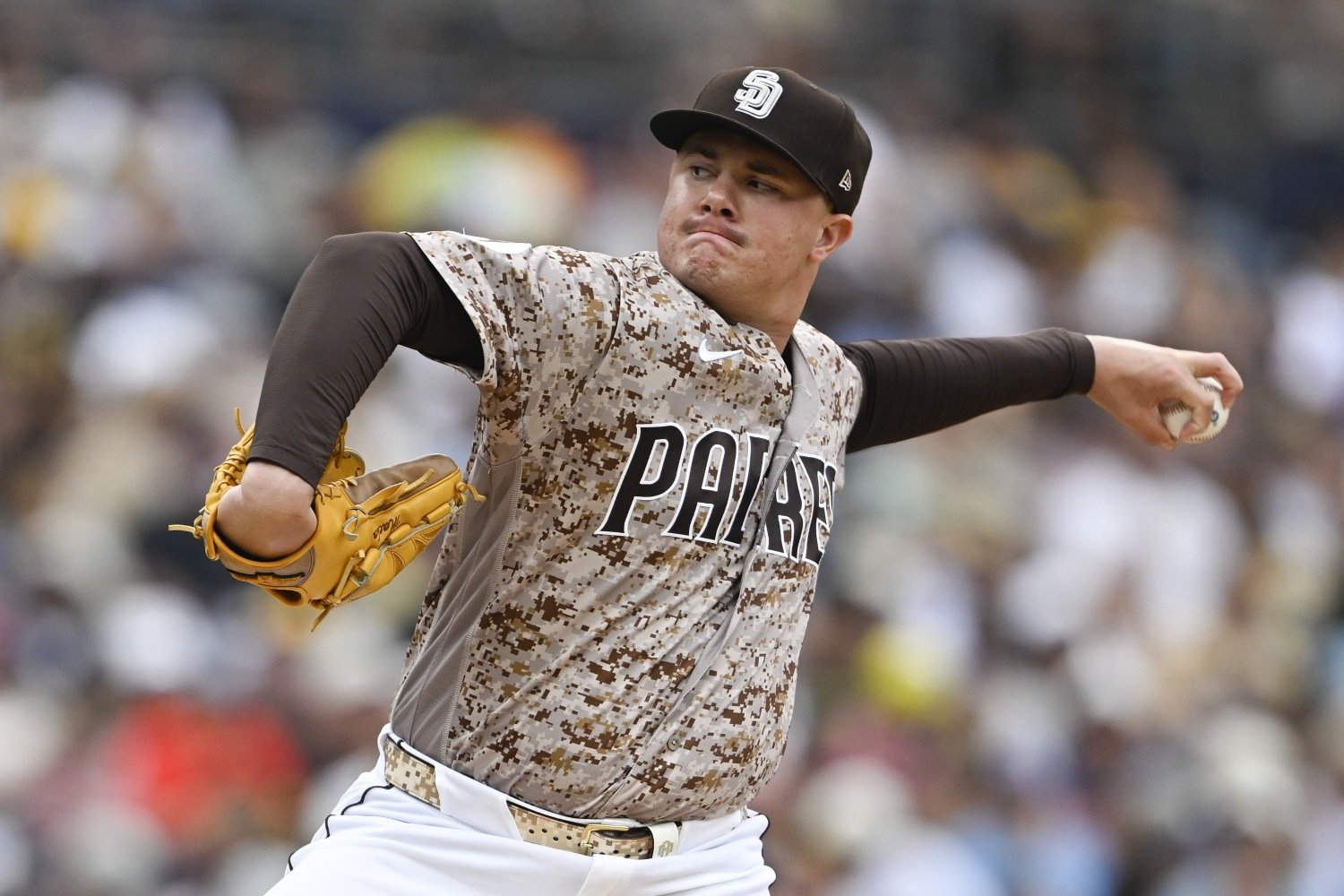 The Cubs, along with just about every other major-league club, have been quiet leading up to the MLB trade deadline, which is Monday at 5 PM CT. A huge number of teams are, as usual, clustered around the fringes of the playoff races in each league, so all parties are waiting as long as possible to see whether they should buy or sell—or which way that one team they really want to deal with is going to go. After a couple of minor moves by the Minnesota Twins rolling into the weekend, things are bound to pick up. When they do, the Cubs should be right in the middle of the action. Of the 24 teams who aren't currently leading their division, 18 sit within 5.5 games of a Wild Card spot. The Cubs don't need to wait and wonder the way many of those teams do, though. They've maintained a firm grip on the National League's top Wild Card spot and have every reason to be aggressive over the next few days. The San Diego Padres are a different story. San Diego enters the weekend at 56-54, just one game behind the spiraling Phillies for the final Wild Card spot. They're 14 games behind the Dodgers in the NL West, though, making a division title feel all but impossible. If the Padres decide their postseason odds aren't worth betting on, they suddenly become one of the more fascinating teams to watch. And one name should immediately jump to the top of the Cubs' wish list: Adrián Morejón. Morejón made his major-league debut in 2019 as a 20-year-old, but injuries kept him from becoming the impact arm many expected early in his career. However, he's since turned into one of the premier setup arms in baseball. Through 57 1/3 innings this season, Morejón owns a 3.14 ERA backed by an even better 2.56 expected ERA. He's also piled up 64 strikeouts, while issuing just 15 walks. The surface numbers are excellent; the underlying metrics are even better. His hard-hit rate, barrel rate and average exit velocity all rank in the 92nd percentile or better among major-league pitchers. He generates whiffs at an elite rate, gets hitters to chase pitches outside the zone frequently and ranks in the 99th percentile in ground-ball rate. Few pitchers in the game can throw 100-MPH sinkers. Even fewer can do it from the left side. Fewer still consistently pound the strike zone. That's what makes Morejón different. His sinker routinely reaches triple digits, but the velocity isn't the only thing that makes it special. He commands it exceptionally well, constantly forcing hitters into weak contact. His changeup might be even more impressive. Thrown around 92 MPH with devastating late drop, he gets whiffs on more than half of batter swings against it. Then there's the slider, which features an outstanding movement profile and gives hitters another completely different look. He'll even mix in an occasional four-seam fastball just to keep opponents from keying on the sinker. Morejón would immediately become one of the Cubs' most trusted late-inning relievers. He's entering free agency after the season, making him a true rental. Before then, though, he has the ability to completely change a postseason bullpen. If the Padres decide to sell, they'll almost certainly try to cash in now, rather than risk losing him for nothing a few months from now. For the Cubs, the fit is obvious. Even if Chicago's bullpen were fully healthy, adding Morejón would make perfect sense. Considering all of the injuries they've dealt with throughout the year, he feels like an even bigger priority. So what would it cost? The Padres already have plenty of talented young pitching throughout their organization, so position players would likely be the focus in any return. Luckily for the Cubs, that's where they have some real organizational depth. Jonathon Long stands out as a possible piece. Chicago's No. 9 prospect is slashing .282/.364/.449 at Triple-A Iowa, with 41 extra-base hits through 96 games. Long alone doesn't get a deal done, but he feels like a strong foundation. Another interesting possibility is Kane Kepley. The Cubs' No. 6 prospect and second-round pick in the 2025 MLB Draft has quickly established himself as one of the safest position-player prospects in the organization. Across 90 games this season, Kepley is slashing .258/.436/.413 while drawing an eye-popping 92 walks and stealing 49 bases. His hit tool, speed, and defense give him an incredibly high floor. He's never going to become a 25-home run hitter, but his athleticism and ability to get on base should allow him to impact games in plenty of other ways. It might be that San Diego decides to both buy and sell, spinning off Morejón as a hedge because of his impending free agency but looking to upgrade the big-league roster in some other area at the same time. In that case, they're likely to demand Pedro Ramírez, who feels like too much to give up for a half-season of Morejón's services. If the price tag is any lower than that, though, the Cubs shouldn't hesitate. It's incredibly difficult to find a left-handed reliever who throws 100 MPH, misses bats, limits hard contact, pounds the strike zone and keeps the ball on the ground. Morejón does all of it. If Chicago is serious about making a deep postseason run, this is exactly the kind of move contenders make.
-
The Cubs, along with just about every other major-league club, have been quiet leading up to the MLB trade deadline, which is Monday at 5 PM CT. A huge number of teams are, as usual, clustered around the fringes of the playoff races in each league, so all parties are waiting as long as possible to see whether they should buy or sell—or which way that one team they really want to deal with is going to go. After a couple of minor moves by the Minnesota Twins rolling into the weekend, things are bound to pick up. When they do, the Cubs should be right in the middle of the action. Of the 24 teams who aren't currently leading their division, 18 sit within 5.5 games of a Wild Card spot. The Cubs don't need to wait and wonder the way many of those teams do, though. They've maintained a firm grip on the National League's top Wild Card spot and have every reason to be aggressive over the next few days. The San Diego Padres are a different story. San Diego enters the weekend at 56-54, just one game behind the spiraling Phillies for the final Wild Card spot. They're 14 games behind the Dodgers in the NL West, though, making a division title feel all but impossible. If the Padres decide their postseason odds aren't worth betting on, they suddenly become one of the more fascinating teams to watch. And one name should immediately jump to the top of the Cubs' wish list: Adrián Morejón. Morejón made his major-league debut in 2019 as a 20-year-old, but injuries kept him from becoming the impact arm many expected early in his career. However, he's since turned into one of the premier setup arms in baseball. Through 57 1/3 innings this season, Morejón owns a 3.14 ERA backed by an even better 2.56 expected ERA. He's also piled up 64 strikeouts, while issuing just 15 walks. The surface numbers are excellent; the underlying metrics are even better. His hard-hit rate, barrel rate and average exit velocity all rank in the 92nd percentile or better among major-league pitchers. He generates whiffs at an elite rate, gets hitters to chase pitches outside the zone frequently and ranks in the 99th percentile in ground-ball rate. Few pitchers in the game can throw 100-MPH sinkers. Even fewer can do it from the left side. Fewer still consistently pound the strike zone. That's what makes Morejón different. His sinker routinely reaches triple digits, but the velocity isn't the only thing that makes it special. He commands it exceptionally well, constantly forcing hitters into weak contact. His changeup might be even more impressive. Thrown around 92 MPH with devastating late drop, he gets whiffs on more than half of batter swings against it. Then there's the slider, which features an outstanding movement profile and gives hitters another completely different look. He'll even mix in an occasional four-seam fastball just to keep opponents from keying on the sinker. Morejón would immediately become one of the Cubs' most trusted late-inning relievers. He's entering free agency after the season, making him a true rental. Before then, though, he has the ability to completely change a postseason bullpen. If the Padres decide to sell, they'll almost certainly try to cash in now, rather than risk losing him for nothing a few months from now. For the Cubs, the fit is obvious. Even if Chicago's bullpen were fully healthy, adding Morejón would make perfect sense. Considering all of the injuries they've dealt with throughout the year, he feels like an even bigger priority. So what would it cost? The Padres already have plenty of talented young pitching throughout their organization, so position players would likely be the focus in any return. Luckily for the Cubs, that's where they have some real organizational depth. Jonathon Long stands out as a possible piece. Chicago's No. 9 prospect is slashing .282/.364/.449 at Triple-A Iowa, with 41 extra-base hits through 96 games. Long alone doesn't get a deal done, but he feels like a strong foundation. Another interesting possibility is Kane Kepley. The Cubs' No. 6 prospect and second-round pick in the 2025 MLB Draft has quickly established himself as one of the safest position-player prospects in the organization. Across 90 games this season, Kepley is slashing .258/.436/.413 while drawing an eye-popping 92 walks and stealing 49 bases. His hit tool, speed, and defense give him an incredibly high floor. He's never going to become a 25-home run hitter, but his athleticism and ability to get on base should allow him to impact games in plenty of other ways. It might be that San Diego decides to both buy and sell, spinning off Morejón as a hedge because of his impending free agency but looking to upgrade the big-league roster in some other area at the same time. In that case, they're likely to demand Pedro Ramírez, who feels like too much to give up for a half-season of Morejón's services. If the price tag is any lower than that, though, the Cubs shouldn't hesitate. It's incredibly difficult to find a left-handed reliever who throws 100 MPH, misses bats, limits hard contact, pounds the strike zone and keeps the ball on the ground. Morejón does all of it. If Chicago is serious about making a deep postseason run, this is exactly the kind of move contenders make. Image courtesy of Denis Poroy-Imagn Images View full article
-
 If the MLB playoffs started today, the Chicago Cubs would hold the No. 4 seed in the National League. That's a pretty good place to be, and yet, they have spent much of the season proving they're a legitimate postseason contender. They've built a roster capable of making some noise in October, to be sure, but that's also exactly why they can't afford to stand pat. As we've known for quite some time now, this is a team that could desperately use some pitching help. The injuries have piled up all season long, particularly in the bullpen, but the starting rotation hasn't exactly been spared either. Chicago has managed to stay afloat despite the constant turnover, but expecting that to continue through October is asking a lot. Beyond the obvious, blockbuster types, one name that makes a lot of sense is Detroit Tigers right-hander Casey Mize. Mize, the first overall pick in the 2018 MLB Draft, has spent his entire professional career with the Tigers. He's had an up-and-down road to this point between injuries and inconsistency, but he's putting together arguably the best season of his career. Over 86 2/3 innings this season, he's posted a 2.70 ERA and a sparkling 0.99 WHIP while striking out 85 hitters compared to just 19 walks. And with Detroit currently sitting seven games below .500, this may be the perfect time for both sides to move on. He’s done an impressive job limiting hard contact all season long, with his hard-hit rate, barrel rate and average exit velocity all ranking better than league average. Mize attacks hitters with a five-pitch mix that allows him to keep both lefties and righties off balance, giving him multiple ways to navigate a lineup. He may not profile as a true ace, but he absolutely looks like the type of reliable middle-of-the-rotation starter every playoff team wants heading into October. He’s set to hit free agency after the season, making him an ideal rental candidate. If the Tigers don't believe they'll be able to retain him, it would make plenty of sense to see what kind of return they can get before the trade deadline. That's where the Cubs could come in. Not only do they need another starter, but they specifically need a quality right-handed one. Chicago's three best right-handed starters — Cade Horton, Ben Brown and Edward Cabrera — are all currently on the injured list. That's left the Cubs without a dependable right-handed presence toward the front half of the rotation, making that an obvious area to address before the deadline. Mize checks just about every box. Perhaps just as importantly, his status as a rental should keep the acquisition cost somewhat reasonable; really all an acquiring team has to do is surpass whatever value the Tigers would get from a declined qualifying offer. So, what could a trade actually look like? From Detroit's perspective, their offensive core is in a really good place. Between guys like Kevin McGonigle, Riley Greene and the recently promoted Max Clark, they have plenty of young position-player talent to build around for years to come. The bigger question lies on the pitching side. If Detroit is truly willing to listen to offers for both Casey Mize and Tarik Skubal, it's fair to assume they'll be looking to replenish their pitching pipeline. The organization simply doesn't have a ton of high-end pitching prospects waiting in the wings. Chicago almost certainly wouldn't want to move its top pitching prospect, Jaxon Wiggins, in a deal for a short-term rental. But someone like Brooks Caple is a much more realistic conversation. Caple has quietly put together a strong season at Double-A Knoxville, posting a 3.55 ERA across 55 2/3 innings. Since being drafted in 2024, his arsenal has taken a noticeable step forward, and one thing that's remained consistent throughout his development is his ability to throw strikes. He may never develop into a frontline starter, but there's a lot to like about his chances of becoming a dependable back-of-the-rotation arm at the major-league level. For a rebuilding team looking to add controllable pitching, that's exactly the type of prospect worth targeting. Another interesting name is Kaleb Wing. Wing is still just 19 years old, so there's a lot more projection involved than with Caple. He isn't nearly as polished, but the upside is intriguing. If Detroit's scouting department is especially high on Wing's long-term potential, it's not hard to envision him headlining a package alongside another lower-level prospect. Regardless of which prospect ultimately headlines a deal, the framework makes sense for both organizations. The Cubs get a proven major-league starter without sacrificing one of the very best pieces in their farm system. The Tigers acquire controllable pitching talent in exchange for a player who may only have a couple of months left with the organization anyway. It's the kind of trade deadline deal that benefits both sides.
-
If the MLB playoffs started today, the Chicago Cubs would hold the No. 4 seed in the National League. That's a pretty good place to be, and yet, they have spent much of the season proving they're a legitimate postseason contender. They've built a roster capable of making some noise in October, to be sure, but that's also exactly why they can't afford to stand pat. As we've known for quite some time now, this is a team that could desperately use some pitching help. The injuries have piled up all season long, particularly in the bullpen, but the starting rotation hasn't exactly been spared either. Chicago has managed to stay afloat despite the constant turnover, but expecting that to continue through October is asking a lot. Beyond the obvious, blockbuster types, one name that makes a lot of sense is Detroit Tigers right-hander Casey Mize. Mize, the first overall pick in the 2018 MLB Draft, has spent his entire professional career with the Tigers. He's had an up-and-down road to this point between injuries and inconsistency, but he's putting together arguably the best season of his career. Over 86 2/3 innings this season, he's posted a 2.70 ERA and a sparkling 0.99 WHIP while striking out 85 hitters compared to just 19 walks. And with Detroit currently sitting seven games below .500, this may be the perfect time for both sides to move on. He’s done an impressive job limiting hard contact all season long, with his hard-hit rate, barrel rate and average exit velocity all ranking better than league average. Mize attacks hitters with a five-pitch mix that allows him to keep both lefties and righties off balance, giving him multiple ways to navigate a lineup. He may not profile as a true ace, but he absolutely looks like the type of reliable middle-of-the-rotation starter every playoff team wants heading into October. He’s set to hit free agency after the season, making him an ideal rental candidate. If the Tigers don't believe they'll be able to retain him, it would make plenty of sense to see what kind of return they can get before the trade deadline. That's where the Cubs could come in. Not only do they need another starter, but they specifically need a quality right-handed one. Chicago's three best right-handed starters — Cade Horton, Ben Brown and Edward Cabrera — are all currently on the injured list. That's left the Cubs without a dependable right-handed presence toward the front half of the rotation, making that an obvious area to address before the deadline. Mize checks just about every box. Perhaps just as importantly, his status as a rental should keep the acquisition cost somewhat reasonable; really all an acquiring team has to do is surpass whatever value the Tigers would get from a declined qualifying offer. So, what could a trade actually look like? From Detroit's perspective, their offensive core is in a really good place. Between guys like Kevin McGonigle, Riley Greene and the recently promoted Max Clark, they have plenty of young position-player talent to build around for years to come. The bigger question lies on the pitching side. If Detroit is truly willing to listen to offers for both Casey Mize and Tarik Skubal, it's fair to assume they'll be looking to replenish their pitching pipeline. The organization simply doesn't have a ton of high-end pitching prospects waiting in the wings. Chicago almost certainly wouldn't want to move its top pitching prospect, Jaxon Wiggins, in a deal for a short-term rental. But someone like Brooks Caple is a much more realistic conversation. Caple has quietly put together a strong season at Double-A Knoxville, posting a 3.55 ERA across 55 2/3 innings. Since being drafted in 2024, his arsenal has taken a noticeable step forward, and one thing that's remained consistent throughout his development is his ability to throw strikes. He may never develop into a frontline starter, but there's a lot to like about his chances of becoming a dependable back-of-the-rotation arm at the major-league level. For a rebuilding team looking to add controllable pitching, that's exactly the type of prospect worth targeting. Another interesting name is Kaleb Wing. Wing is still just 19 years old, so there's a lot more projection involved than with Caple. He isn't nearly as polished, but the upside is intriguing. If Detroit's scouting department is especially high on Wing's long-term potential, it's not hard to envision him headlining a package alongside another lower-level prospect. Regardless of which prospect ultimately headlines a deal, the framework makes sense for both organizations. The Cubs get a proven major-league starter without sacrificing one of the very best pieces in their farm system. The Tigers acquire controllable pitching talent in exchange for a player who may only have a couple of months left with the organization anyway. It's the kind of trade deadline deal that benefits both sides. Image courtesy of © Raymond Carlin III-Imagn Images View full article
-
An intradivisional blockbuster involving Hunter Greene feels almost impossible. But if the Reds decide to listen, the Cubs may have exactly what it takes to make a deal happen. View full video
-
An intradivisional blockbuster involving Hunter Greene feels almost impossible. But if the Reds decide to listen, the Cubs may have exactly what it takes to make a deal happen.
-
Intradivisional Blockbusters Never Happen, But This One's Worth Dreaming On
Sam Caulder posted an article in Cubs
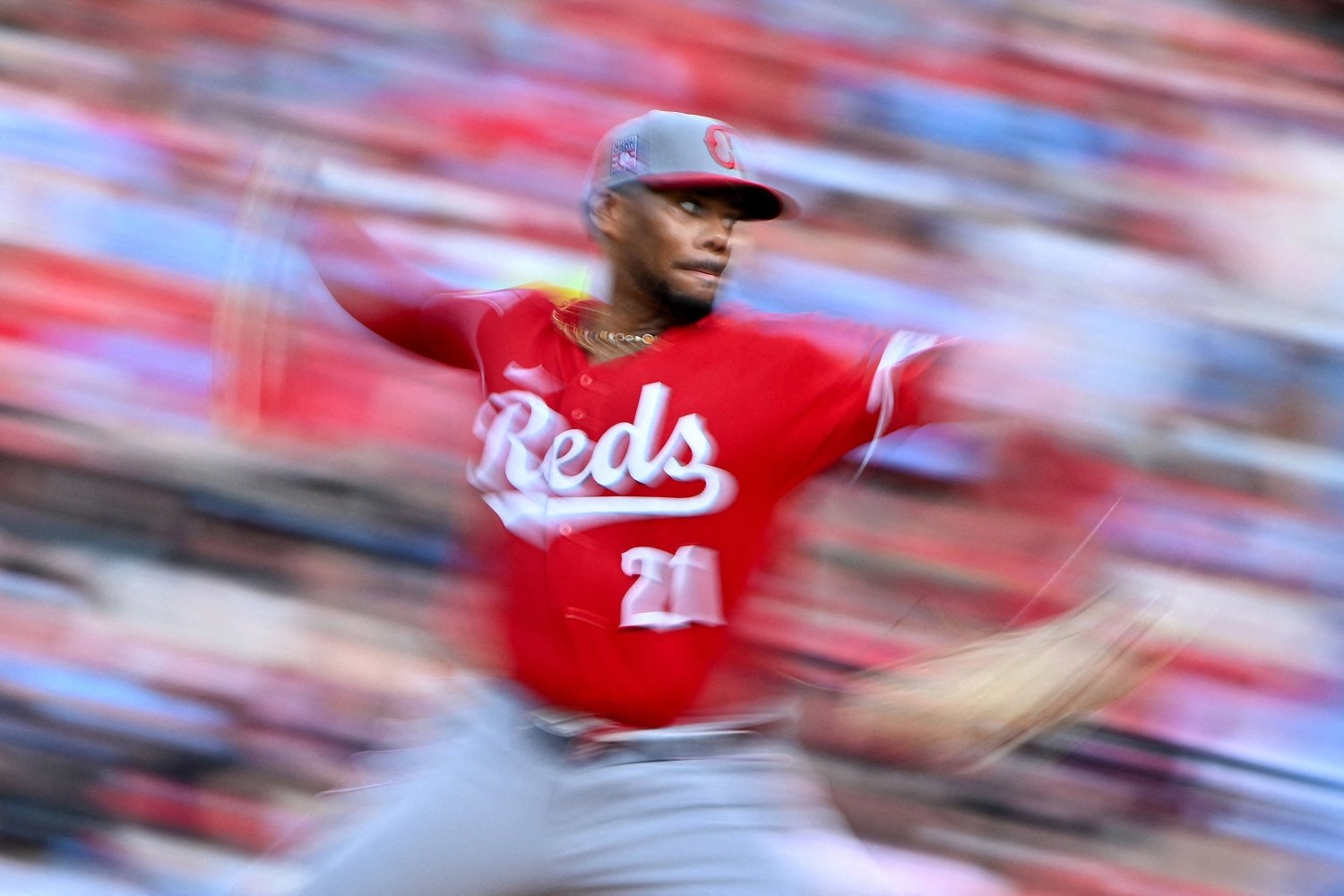 It’s no secret that, if the Cubs want to make a deep postseason run this October, they have to add some pitching before Monday's trade deadline. They have some depth, but when October rolls around, every contender wants as many top-of-the-rotation starters as possible. That's why names like Tarik Skubal and Joe Ryan have dominated the rumor mill over the past several weeks. But there's one name that almost nobody has mentioned. What if the Cubs made a run at Cincinnati Reds ace Hunter Greene? Now, before you race to the comments to tell me how crazy this is, it's worth acknowledging the obvious. Greene is only 26 years old, one of the most electric pitchers in baseball, and he's under team control well beyond this season. On top of that, trades between division rivals are uncommon, especially when they involve a player of Greene's caliber and who's under control for more than part of a season. There are plenty of reasons why this deal never gets off the ground. The Reds may have no interest in helping a division rival, even if they're willing to move Greene. If Cincinnati does decide to listen to offers, they might prefer sending him to an American League club, rather than keeping him in the NL. And because of Greene's age, talent, and remaining team control, the asking price would almost certainly be enormous. The Cubs would have to decide whether the upside of adding a true ace outweighs the risk of giving up multiple premium young players for a pitcher with an extensive injury history—and giving them, specifically, to a division foe. But even with all of those obstacles, the more you look at Cincinnati's situation, the more you can start to understand why the Cubs should at least pick up the phone. There's no questioning Greene's talent. When healthy, he's every bit the ace teams spend years trying to develop. His upper-90s fastball is among the best in baseball; he misses bats at an elite rate; and he's shown he can dominate the league's best lineups. The problem has never been ability; it's been availability. Despite debuting back in 2022, Greene has never thrown more than 150 innings in any season. Injuries have repeatedly interrupted what has otherwise looked like a career that should include a Cy Young Award or two. This season has been another reminder of that reality. Greene missed more than three months at the start of the year, after undergoing elbow surgery to remove bone spurs in his throwing arm. While the procedure isn't viewed the same way as Tommy John surgery (which he's also had), it adds another entry to an injury history that's becoming difficult to ignore. It's also far from the only issue he's dealt with. In addition to his arm injuries, he's dealt with a lengthy list of lower-body and other non-arm ailments that have limited his time on the mound. When Greene's healthy, he's one of the best pitchers in the National League. The problem is knowing how often you'll actually have him, and that's where things could become interesting for Cincinnati. The Reds certainly aren't one of baseball's biggest spenders, and Greene's contract is about to become considerably more expensive. He's owed roughly $32 million over the next two seasons, a more than reasonable number for an ace but a much more difficult commitment for a small-market club when that ace hasn't been able to stay on the field. Cincinnati has to ask a difficult question: Is it worth committing that kind of money to a pitcher whose biggest obstacle year after year is his own health? If the answer is no, Greene suddenly becomes a fascinating trade candidate. The Reds could capitalize on his immense value while avoiding the financial risk that comes with paying for his late-20s seasons. From the Cubs' perspective, it's exactly the kind of gamble a contender should be willing to make. If Greene stays healthy, he'd immediately give Chicago one of the better postseason rotations in baseball, while remaining under contract well beyond this year's playoff run. That's not something most of the other starters on the market can offer. The Cubs have the organizational depth to put together a compelling offer if the Reds ever became serious about moving Greene. It would take a significant package—arguably, so much so that it would leave the cupboard bare—but it's not impossible. A deal centered around Matt Shaw and Jaxon Wiggins would give Cincinnati a young, everyday outfielder and the Cubs' best pitching prospect, along with another player or two. Another possibility could feature Pedro Ramírez, Moisés Ballesteros and Wiggins, giving the Reds two young players on the verge of becoming everyday major-leaguers, along with a high-upside arm. If the Cubs were truly willing to push all of their chips to the middle, they could offer Shaw, Wiggins and Jefferson Rojas in a true blockbuster package. None of those returns would be easy to stomach, but that's the type of talent it would likely take to pry away a 26-year-old ace with multiple years of team control. Rental pitchers certainly have value, but acquiring someone like Greene would strengthen the Cubs' rotation for years, instead of months. That's a debate worth having, but it's also why Greene stands out from the rest of the market. Most trade targets come with limited upside or only a few months of team control. Greene offers something few pitchers can: legitimate ace potential for multiple seasons. Even if the odds of a deal remain slim, the Cubs should at least explore the possibility. Sometimes the best trade deadline moves are the ones nobody sees coming. If the Reds decide the injury concerns and future financial commitment outweigh the reward, Hunter Greene could become one of the most intriguing names available before the deadline. Even that's unlikely, but the more you hear the word 'creative' about them this week, the wider you can imagine that door opening.
-
It’s no secret that, if the Cubs want to make a deep postseason run this October, they have to add some pitching before Monday's trade deadline. They have some depth, but when October rolls around, every contender wants as many top-of-the-rotation starters as possible. That's why names like Tarik Skubal and Joe Ryan have dominated the rumor mill over the past several weeks. But there's one name that almost nobody has mentioned. What if the Cubs made a run at Cincinnati Reds ace Hunter Greene? Now, before you race to the comments to tell me how crazy this is, it's worth acknowledging the obvious. Greene is only 26 years old, one of the most electric pitchers in baseball, and he's under team control well beyond this season. On top of that, trades between division rivals are uncommon, especially when they involve a player of Greene's caliber and who's under control for more than part of a season. There are plenty of reasons why this deal never gets off the ground. The Reds may have no interest in helping a division rival, even if they're willing to move Greene. If Cincinnati does decide to listen to offers, they might prefer sending him to an American League club, rather than keeping him in the NL. And because of Greene's age, talent, and remaining team control, the asking price would almost certainly be enormous. The Cubs would have to decide whether the upside of adding a true ace outweighs the risk of giving up multiple premium young players for a pitcher with an extensive injury history—and giving them, specifically, to a division foe. But even with all of those obstacles, the more you look at Cincinnati's situation, the more you can start to understand why the Cubs should at least pick up the phone. There's no questioning Greene's talent. When healthy, he's every bit the ace teams spend years trying to develop. His upper-90s fastball is among the best in baseball; he misses bats at an elite rate; and he's shown he can dominate the league's best lineups. The problem has never been ability; it's been availability. Despite debuting back in 2022, Greene has never thrown more than 150 innings in any season. Injuries have repeatedly interrupted what has otherwise looked like a career that should include a Cy Young Award or two. This season has been another reminder of that reality. Greene missed more than three months at the start of the year, after undergoing elbow surgery to remove bone spurs in his throwing arm. While the procedure isn't viewed the same way as Tommy John surgery (which he's also had), it adds another entry to an injury history that's becoming difficult to ignore. It's also far from the only issue he's dealt with. In addition to his arm injuries, he's dealt with a lengthy list of lower-body and other non-arm ailments that have limited his time on the mound. When Greene's healthy, he's one of the best pitchers in the National League. The problem is knowing how often you'll actually have him, and that's where things could become interesting for Cincinnati. The Reds certainly aren't one of baseball's biggest spenders, and Greene's contract is about to become considerably more expensive. He's owed roughly $32 million over the next two seasons, a more than reasonable number for an ace but a much more difficult commitment for a small-market club when that ace hasn't been able to stay on the field. Cincinnati has to ask a difficult question: Is it worth committing that kind of money to a pitcher whose biggest obstacle year after year is his own health? If the answer is no, Greene suddenly becomes a fascinating trade candidate. The Reds could capitalize on his immense value while avoiding the financial risk that comes with paying for his late-20s seasons. From the Cubs' perspective, it's exactly the kind of gamble a contender should be willing to make. If Greene stays healthy, he'd immediately give Chicago one of the better postseason rotations in baseball, while remaining under contract well beyond this year's playoff run. That's not something most of the other starters on the market can offer. The Cubs have the organizational depth to put together a compelling offer if the Reds ever became serious about moving Greene. It would take a significant package—arguably, so much so that it would leave the cupboard bare—but it's not impossible. A deal centered around Matt Shaw and Jaxon Wiggins would give Cincinnati a young, everyday outfielder and the Cubs' best pitching prospect, along with another player or two. Another possibility could feature Pedro Ramírez, Moisés Ballesteros and Wiggins, giving the Reds two young players on the verge of becoming everyday major-leaguers, along with a high-upside arm. If the Cubs were truly willing to push all of their chips to the middle, they could offer Shaw, Wiggins and Jefferson Rojas in a true blockbuster package. None of those returns would be easy to stomach, but that's the type of talent it would likely take to pry away a 26-year-old ace with multiple years of team control. Rental pitchers certainly have value, but acquiring someone like Greene would strengthen the Cubs' rotation for years, instead of months. That's a debate worth having, but it's also why Greene stands out from the rest of the market. Most trade targets come with limited upside or only a few months of team control. Greene offers something few pitchers can: legitimate ace potential for multiple seasons. Even if the odds of a deal remain slim, the Cubs should at least explore the possibility. Sometimes the best trade deadline moves are the ones nobody sees coming. If the Reds decide the injury concerns and future financial commitment outweigh the reward, Hunter Greene could become one of the most intriguing names available before the deadline. Even that's unlikely, but the more you hear the word 'creative' about them this week, the wider you can imagine that door opening. Image courtesy of Jeff Curry-Imagn Images View full article
-
Chicago’s free agent situation is becoming impossible to ignore, and Seiya Suzuki could be the piece that fixes multiple problems. View full video

