


Sam Caulder
-
Posts
104 -
Joined
-
Last visited
Content Type
Profiles
Joomla Posts 1
Chicago Cubs Videos
Chicago Cubs Free Agent & Trade Rumors, Notes, & Tidbits
2026 Chicago Cubs Top Prospects Ranking
News
2023 Chicago Cubs Draft Picks
Guides & Resources
2024 Chicago Cubs Draft Picks
The Chicago Cubs Players Project
2025 Chicago Cubs Draft Pick Tracker
2026 Chicago Cubs Draft Tracker: Picks & Bonuses
Blogs
Events
Forums
Store
Gallery
Everything posted by Sam Caulder
-
Owen Ayers and Josiah Hartshorn emerged as two of the Cubs’ biggest prospect winners in 2026. Meanwhile, Brandon Birdsell and Jaxon Wiggins saw their stock take a hit in very different ways. View full video
-
Owen Ayers and Josiah Hartshorn emerged as two of the Cubs’ biggest prospect winners in 2026. Meanwhile, Brandon Birdsell and Jaxon Wiggins saw their stock take a hit in very different ways.
-
Image courtesy of © Patrick Gorski-Imagn Images The Chicago Cubs have spent much of this season searching for answers to their pitching problems. Injuries have forced Chicago to reshuffle its staff seemingly all year, and Ben Brown has been one of the more interesting examples of how much that situation has changed. Brown began the season in the bullpen, moved into the rotation when the Cubs desperately needed innings, and was pitching well in both roles before a neck injury shut him down in late June. He appeared to be making progress toward a return before Chicago recently made the decision to shut him down for the remainder of the season. According to manager Craig Counsell, the decision was ultimately about giving Brown more time to heal. “After consulting with doctors, it’s just more rest,” Counsell said. “There’s healing, but just not enough to allow the discomfort to go away. So, we just need to spend more time healing.” It’s undoubtedly a disappointing development for Brown, especially considering he had been sidelined since June with what was described as a stress reaction in his neck and had been on track to return before the end of the season. But while his 2026 campaign is officially over, the bigger question now becomes what his future looks like in Chicago. The good news is that Brown absolutely still has one. The Cubs may have spent much of this season dealing with injuries, but their pitching situation could look significantly different next year. Shota Imanaga and Kevin Gausman are both scheduled to reach free agency this offseason, potentially creating openings in the rotation. That could theoretically give Brown another opportunity to compete for a starting job when he returns. After all, he already proved this season that he can handle the role. Brown opened the year as a multi-inning reliever, working in two-to-three-inning bursts roughly twice a week. His first 12 appearances all came out of the bullpen, and he was extremely effective, allowing just six earned runs across 25 2/3 innings. Eventually, though, injuries to Matthew Boyd, Cade Horton and Edward Cabrera forced the Cubs to get creative. Chicago needed starting pitching, and Brown had already shown that he could provide length. The Cubs moved him into the rotation, and he responded by allowing just eight earned runs over eight starts. That stretch was important because it demonstrated that Brown isn't simply a reliever who occasionally provides multiple innings. He can start, he can handle a workload, and when healthy, he has shown flashes of being effective in either role. The problem is that staying healthy has become the biggest question. This isn't the first time Brown has dealt with an injury in his neck; a similar issue caused him to miss the final 96 games of the 2024 season. At some point, the Cubs have to start considering whether repeatedly asking Brown to prepare for and maintain a starter's workload is worth the risk. That doesn't mean he can't return as a starter. Depending on what happens with Imanaga and Gausman this offseason, Chicago may not have the luxury of immediately placing Brown in the bullpen. The Cubs could have an opening, and his experience starting this season should at least put him in the conversation. But long-term, relief may simply be the better decision. Brown's stuff has always looked like it could play extremely well out of the bullpen. His four-seam fastball sits around 96 mph and features plenty of life, and there's reason to believe that velocity could tick even higher if he isn't being asked to conserve energy for five or six innings every five days. A fastball that regularly reaches 97 or 98 mph is a completely different weapon coming out of the bullpen. His curveball is also capable of becoming a legitimate put-away pitch. Brown has leaned on his upper-80s knuckle curve throughout his career, and being able to attack hitters for an inning or two at a time could allow him to use both pitches more aggressively. And notably, the numbers suggest that his stuff simply played better in relief. Brown's hard-hit rate was just 34.2% as a reliever this season, roughly 14 percentage points lower than his mark as a starter. His average exit velocity was also two miles per hour lower, while he generated ground balls at a significantly higher rate. It's difficult to look at that kind of difference and completely dismiss it as a coincidence. Brown may have proven that he can make it as a big-league starter, but his profile appears to fit particularly well in a multi-inning relief role. The Cubs wouldn't necessarily need him to become a traditional one-inning reliever, either. His ability to provide two or three innings at a time would still give Counsell valuable flexibility. That may ultimately be where Brown's future becomes most interesting. Chicago has seen firsthand how quickly pitching depth can disappear, and having a pitcher who can work multiple innings out of the bullpen while also being capable of stepping into the rotation in an emergency is an extremely valuable luxury. Brown doesn't have to be locked into one role forever. He could become the type of pitcher who gives the Cubs options depending on what their staff needs at any given time. Still, after another extended absence because of the same area of his body, prioritizing his health should come before trying to turn him into a full-time starter. For now, though, none of that matters as much as getting him through this latest setback. The Cubs have made the right decision by shutting him down and allowing his neck more time to heal rather than rushing him back for a few appearances at the end of the season. Brown's future in Chicago hopefully won't be defined by this injury. He has shown too much ability for that. The question is how the Cubs can best maximize that talent moving forward. And while another opportunity in the rotation may be waiting for him next season, his long-term future may be much brighter coming out of the bullpen. View full article
-
Ben Brown's Neck Injury Could Change His Status In Cubs' Long-Term Plans
Sam Caulder posted an article in Cubs
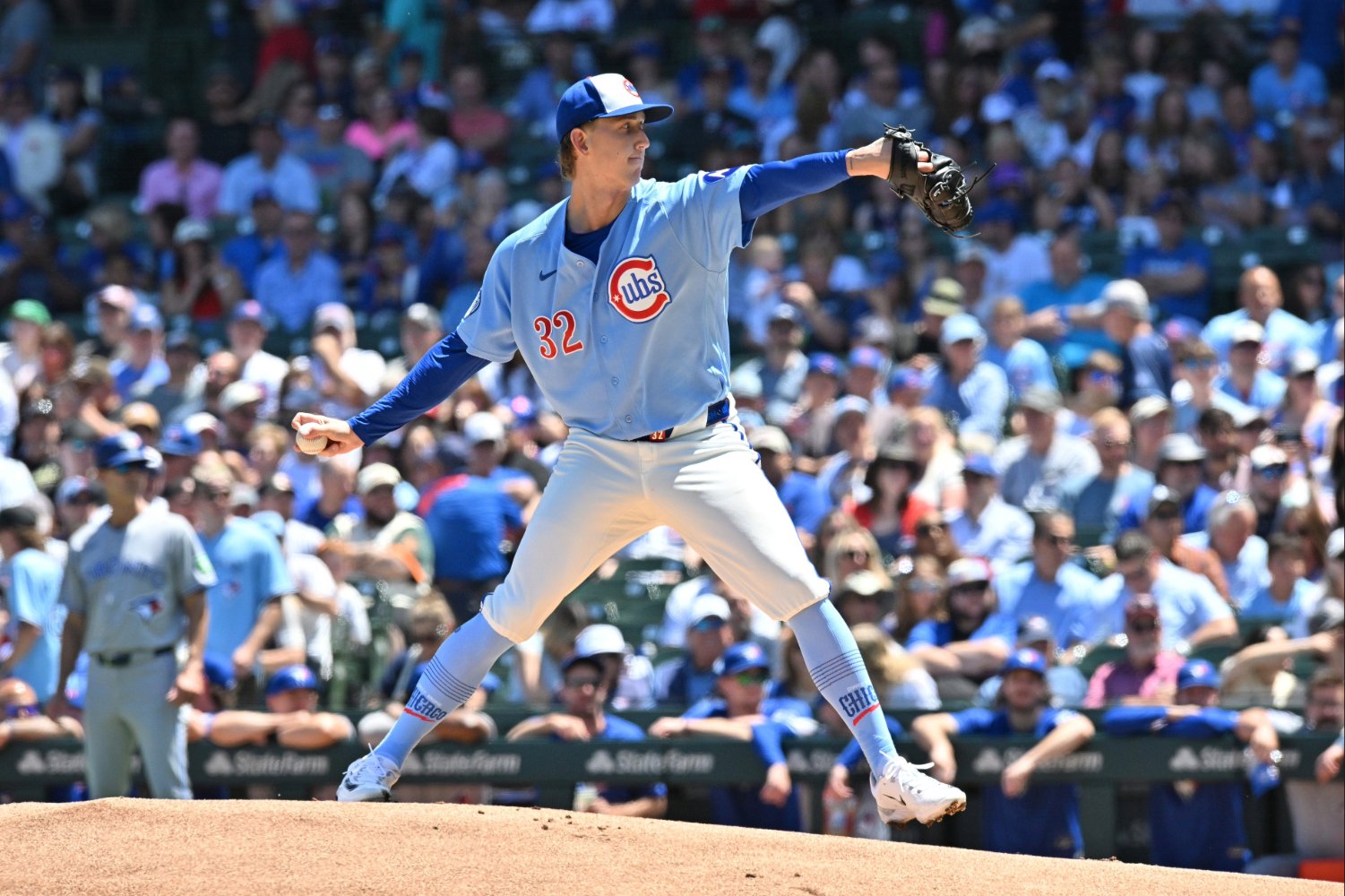 The Chicago Cubs have spent much of this season searching for answers to their pitching problems. Injuries have forced Chicago to reshuffle its staff seemingly all year, and Ben Brown has been one of the more interesting examples of how much that situation has changed. Brown began the season in the bullpen, moved into the rotation when the Cubs desperately needed innings, and was pitching well in both roles before a neck injury shut him down in late June. He appeared to be making progress toward a return before Chicago recently made the decision to shut him down for the remainder of the season. According to manager Craig Counsell, the decision was ultimately about giving Brown more time to heal. “After consulting with doctors, it’s just more rest,” Counsell said. “There’s healing, but just not enough to allow the discomfort to go away. So, we just need to spend more time healing.” It’s undoubtedly a disappointing development for Brown, especially considering he had been sidelined since June with what was described as a stress reaction in his neck and had been on track to return before the end of the season. But while his 2026 campaign is officially over, the bigger question now becomes what his future looks like in Chicago. The good news is that Brown absolutely still has one. The Cubs may have spent much of this season dealing with injuries, but their pitching situation could look significantly different next year. Shota Imanaga and Kevin Gausman are both scheduled to reach free agency this offseason, potentially creating openings in the rotation. That could theoretically give Brown another opportunity to compete for a starting job when he returns. After all, he already proved this season that he can handle the role. Brown opened the year as a multi-inning reliever, working in two-to-three-inning bursts roughly twice a week. His first 12 appearances all came out of the bullpen, and he was extremely effective, allowing just six earned runs across 25 2/3 innings. Eventually, though, injuries to Matthew Boyd, Cade Horton and Edward Cabrera forced the Cubs to get creative. Chicago needed starting pitching, and Brown had already shown that he could provide length. The Cubs moved him into the rotation, and he responded by allowing just eight earned runs over eight starts. That stretch was important because it demonstrated that Brown isn't simply a reliever who occasionally provides multiple innings. He can start, he can handle a workload, and when healthy, he has shown flashes of being effective in either role. The problem is that staying healthy has become the biggest question. This isn't the first time Brown has dealt with an injury in his neck; a similar issue caused him to miss the final 96 games of the 2024 season. At some point, the Cubs have to start considering whether repeatedly asking Brown to prepare for and maintain a starter's workload is worth the risk. That doesn't mean he can't return as a starter. Depending on what happens with Imanaga and Gausman this offseason, Chicago may not have the luxury of immediately placing Brown in the bullpen. The Cubs could have an opening, and his experience starting this season should at least put him in the conversation. But long-term, relief may simply be the better decision. Brown's stuff has always looked like it could play extremely well out of the bullpen. His four-seam fastball sits around 96 mph and features plenty of life, and there's reason to believe that velocity could tick even higher if he isn't being asked to conserve energy for five or six innings every five days. A fastball that regularly reaches 97 or 98 mph is a completely different weapon coming out of the bullpen. His curveball is also capable of becoming a legitimate put-away pitch. Brown has leaned on his upper-80s knuckle curve throughout his career, and being able to attack hitters for an inning or two at a time could allow him to use both pitches more aggressively. And notably, the numbers suggest that his stuff simply played better in relief. Brown's hard-hit rate was just 34.2% as a reliever this season, roughly 14 percentage points lower than his mark as a starter. His average exit velocity was also two miles per hour lower, while he generated ground balls at a significantly higher rate. It's difficult to look at that kind of difference and completely dismiss it as a coincidence. Brown may have proven that he can make it as a big-league starter, but his profile appears to fit particularly well in a multi-inning relief role. The Cubs wouldn't necessarily need him to become a traditional one-inning reliever, either. His ability to provide two or three innings at a time would still give Counsell valuable flexibility. That may ultimately be where Brown's future becomes most interesting. Chicago has seen firsthand how quickly pitching depth can disappear, and having a pitcher who can work multiple innings out of the bullpen while also being capable of stepping into the rotation in an emergency is an extremely valuable luxury. Brown doesn't have to be locked into one role forever. He could become the type of pitcher who gives the Cubs options depending on what their staff needs at any given time. Still, after another extended absence because of the same area of his body, prioritizing his health should come before trying to turn him into a full-time starter. For now, though, none of that matters as much as getting him through this latest setback. The Cubs have made the right decision by shutting him down and allowing his neck more time to heal rather than rushing him back for a few appearances at the end of the season. Brown's future in Chicago hopefully won't be defined by this injury. He has shown too much ability for that. The question is how the Cubs can best maximize that talent moving forward. And while another opportunity in the rotation may be waiting for him next season, his long-term future may be much brighter coming out of the bullpen.
 -
Image courtesy of © David Banks-Imagn Images Every year, there are certain players that just seem to come alive in the postseason. Last year, we saw guys like Trey Yesavage and Ernie Clement play meaningful roles for the Toronto Blue Jays despite not necessarily lighting up the regular season (the former had spent nearly the entire year in Triple-A). Yet both became important pieces during Toronto’s postseason run, helping the team come within one win of a World Series title. Odds are good there will be multiple players who fit that description in 2026. And I think Matt Shaw has the potential to be one of them for the Chicago Cubs. When he’s been on the field, it’s been a promising year for Shaw. He’s made some notable offensive improvements, raising his OPS from .690 last season to .751 this year while also walking more, striking out less, and showing slightly more power. The Cubs are very likely going to be a Wild Card team this year. That means they're likely going to have to navigate the Wild Card round, and based on the current standings, they could find themselves facing one of the Phillies, Diamondbacks or Braves. Interestingly enough, all three of those potential matchups could line up quite well for Shaw. He hasn’t been an everyday player for the Cubs this season; instead, he’s settled into more of a short-side platoon role against left-handed pitching while also serving as a pinch-hitter late in games. It hasn’t been the most prominent role on Chicago’s roster, but the postseason could give him a chance to make a much bigger impact. The starting rotations the Cubs could see in October feature a lot of talented left-handed pitchers. Take the Phillies, for example. In a potential three-game Wild Card series, Cristopher Sánchez and Jesús Luzardo would both be lined up to start. Both left-handers have plenty of swing-and-miss ability, and with Shaw’s improving bat-to-ball skills, he feels like someone who could find himself in the lineup against either (or both) of them. He doesn’t necessarily need to turn into a completely different hitter overnight. If he can continue making contact, limiting strikeouts and taking advantage of favorable matchups, he could become a valuable piece against some of the best left-handed pitching in the National League. The same goes for the Braves and Diamondbacks. Atlanta’s rotation is headlined by Chris Sale, while Arizona has Eduardo Rodríguez. Both are left-handed starters, and both would present situations where I’d expect Shaw to be in the lineup. Then, there’s the possibility of advancing beyond the Wild Card round. If the Cubs make it to the NLDS or NLCS, they could potentially run into teams like the Dodgers or Brewers. And even in those matchups, there are left-handed pitchers who could give Shaw an opportunity. Guys like Tarik Skubal, Blake Snell, and Kyle Harrison are all examples of left-handed arms this team could potentially see during a postseason run. If one of those guys is on the mound, I’d have Shaw in the lineup. Of course, he doesn’t necessarily have to start to make an impact. One of the most valuable things about the postseason is that a player can completely change the course of a game with one at-bat. A clutch pinch-hit late in a close game could be the difference between moving on and going home, and the Cubs don’t have to look very far for an example of that. Just ask Miguel Montero. Montero famously delivered a pinch-hit grand slam against the Dodgers in Game 1 of the 2016 NLCS, helping the Cubs take a series lead before eventually winning their first World Series in more than a century. That’s the type of moment that can turn a player into a postseason hero. And while it would be unfair to expect Shaw to have a moment of that magnitude, his skill set and defensive versatility could give him an opportunity to make a contribution off the bench. He won’t be asked to carry the Cubs’ offense, nor will he need to suddenly become a massive power hitter. He simply needs to take advantage of the opportunities that come his way. And if Chicago runs into a string of left-handed starters throughout October, those opportunities could come pretty frequently. View full article
-
Matt Shaw's Best Opportunity With Cubs Will Likely Come In October
Sam Caulder posted an article in Cubs
 Every year, there are certain players that just seem to come alive in the postseason. Last year, we saw guys like Trey Yesavage and Ernie Clement play meaningful roles for the Toronto Blue Jays despite not necessarily lighting up the regular season (the former had spent nearly the entire year in Triple-A). Yet both became important pieces during Toronto’s postseason run, helping the team come within one win of a World Series title. Odds are good there will be multiple players who fit that description in 2026. And I think Matt Shaw has the potential to be one of them for the Chicago Cubs. When he’s been on the field, it’s been a promising year for Shaw. He’s made some notable offensive improvements, raising his OPS from .690 last season to .751 this year while also walking more, striking out less, and showing slightly more power. The Cubs are very likely going to be a Wild Card team this year. That means they're likely going to have to navigate the Wild Card round, and based on the current standings, they could find themselves facing one of the Phillies, Diamondbacks or Braves. Interestingly enough, all three of those potential matchups could line up quite well for Shaw. He hasn’t been an everyday player for the Cubs this season; instead, he’s settled into more of a short-side platoon role against left-handed pitching while also serving as a pinch-hitter late in games. It hasn’t been the most prominent role on Chicago’s roster, but the postseason could give him a chance to make a much bigger impact. The starting rotations the Cubs could see in October feature a lot of talented left-handed pitchers. Take the Phillies, for example. In a potential three-game Wild Card series, Cristopher Sánchez and Jesús Luzardo would both be lined up to start. Both left-handers have plenty of swing-and-miss ability, and with Shaw’s improving bat-to-ball skills, he feels like someone who could find himself in the lineup against either (or both) of them. He doesn’t necessarily need to turn into a completely different hitter overnight. If he can continue making contact, limiting strikeouts and taking advantage of favorable matchups, he could become a valuable piece against some of the best left-handed pitching in the National League. The same goes for the Braves and Diamondbacks. Atlanta’s rotation is headlined by Chris Sale, while Arizona has Eduardo Rodríguez. Both are left-handed starters, and both would present situations where I’d expect Shaw to be in the lineup. Then, there’s the possibility of advancing beyond the Wild Card round. If the Cubs make it to the NLDS or NLCS, they could potentially run into teams like the Dodgers or Brewers. And even in those matchups, there are left-handed pitchers who could give Shaw an opportunity. Guys like Tarik Skubal, Blake Snell, and Kyle Harrison are all examples of left-handed arms this team could potentially see during a postseason run. If one of those guys is on the mound, I’d have Shaw in the lineup. Of course, he doesn’t necessarily have to start to make an impact. One of the most valuable things about the postseason is that a player can completely change the course of a game with one at-bat. A clutch pinch-hit late in a close game could be the difference between moving on and going home, and the Cubs don’t have to look very far for an example of that. Just ask Miguel Montero. Montero famously delivered a pinch-hit grand slam against the Dodgers in Game 1 of the 2016 NLCS, helping the Cubs take a series lead before eventually winning their first World Series in more than a century. That’s the type of moment that can turn a player into a postseason hero. And while it would be unfair to expect Shaw to have a moment of that magnitude, his skill set and defensive versatility could give him an opportunity to make a contribution off the bench. He won’t be asked to carry the Cubs’ offense, nor will he need to suddenly become a massive power hitter. He simply needs to take advantage of the opportunities that come his way. And if Chicago runs into a string of left-handed starters throughout October, those opportunities could come pretty frequently.
 -
Every postseason seems to produce an unexpected hero. Matt Shaw could be the Cubs’ candidate to fill that role this year. View full video
-
Every postseason seems to produce an unexpected hero. Matt Shaw could be the Cubs’ candidate to fill that role this year.
-
Image courtesy of Jeff Hanisch-Imagn Images We’re just a few short weeks away from the start of the MLB postseason. The Chicago Cubs currently hold a record of 81-66. Barring a catastrophic collapse over the final 15 games, they’ll be a playoff team. With the Brewers leading the NL Central by 10 games, though, Chicago will once again have to make its way through the Wild Card round. The Cubs were in that position last year, and they found success against the San Diego Padres. Chicago took two of three games in the series, and its pitching staff played a major role in getting the job done. They didn’t allow more than three runs in any of the three games. Their NLDS matchup with Milwaukee was a different story, as two of the three games Chicago lost in that series came when its pitching staff struggled to keep Milwaukee's offense in check. If the Cubs are going to make a deep run this time, their staff will have to be at its best. So what might Chicago’s postseason rotation actually look like? For starters, I think a lot of it depends on who the Cubs draw in the first round. If Chicago gets matched up with a team like the Philadelphia Phillies, Shota Imanaga and Matthew Boyd are probably going to be huge factors. The Phillies have plenty of powerful left-handed bats, including Kyle Schwarber and Bryce Harper, and Chicago could look to play those matchups as much as possible. In that scenario, we could see Boyd get the ball in Game 1, followed by Kevin Gausman in Game 2. That would put Gausman between the two lefties and give the Cubs a veteran right-hander in what could be an elimination game. Then, if necessary, Imanaga could take the ball in Game 3. The same can probably be said if the Cubs end up matched up with the Braves. A lineup featuring Michael Harris II, Matt Olson and Drake Baldwin as three of its top four hitters is not something any pitching staff should take lightly. Atlanta has the kind of left-handed talent that could make Boyd, Imanaga and David Peterson especially valuable, and I think playing the matchups as aggressively as possible would be the right move. It wouldn’t shock me if Gausman got pushed all the way to Game 3 in that situation. That would be an unconventional decision. Gausman is arguably the biggest name in Chicago’s rotation, and Clay Holmes has looked the best out of that group in recent weeks. That said, the postseason is all about winning the matchup in front of you. If the Cubs believe Boyd, Imanaga and/or Peterson give them a better chance against a particular lineup, there’s no reason not to lean into that. If the playoffs were to start today, Chicago would be taking on the Phillies. A lot can obviously happen between now and the end of the regular season, and the Wild Card standings can change quickly, but Philadelphia appears to be one of the more likely first-round opponents for the Cubs at the moment. If that matchup does end up happening, don't be surprised to see Chicago take a left-handed-heavy approach with its rotation. Gausman and Holmes could be starters, but hand off quickly to Peterson or Imanaga—or vice-versa, But that’s far from a sure thing. The Diamondbacks and Padres are both fighting for Wild Card positioning as well, and those lineups present a much different challenge. Both teams have plenty of dangerous right-handed bats, which could change how Chicago decides to construct its rotation. Against those teams, Gausman and Holmes would surely start Games 1 and 2, unless the team has to scramble just to reach the postseason and loses the ability to select their starters for those games. Should the Cubs make it out of the Wild Card round, I think they would rapidly switch to a more traditional rotation featuring Gausman, Boyd, Imanaga and Holmes. The order could obviously change depending on the opponent, but those four would give Chicago plenty of different looks. They'd need the length those four can provide to get through a five-game series. Gausman brings veteran experience and strikeout stuff. Boyd, Imanaga and Peterson give the Cubs two left-handed options who could be especially valuable against certain opponents, while Holmes is arguably the most versatile and high-ceiling (but also among the most volatile). The Cubs were aggressive at the deadline because they knew improving the rotation could be the difference between simply reaching the postseason and making a legitimate run once they got there. Now, with October almost here, they have the opportunity to use that depth in whatever way makes the most sense. Now, they have to hope that by the end of Game 162, there's any configuration that makes any at all. View full article
-
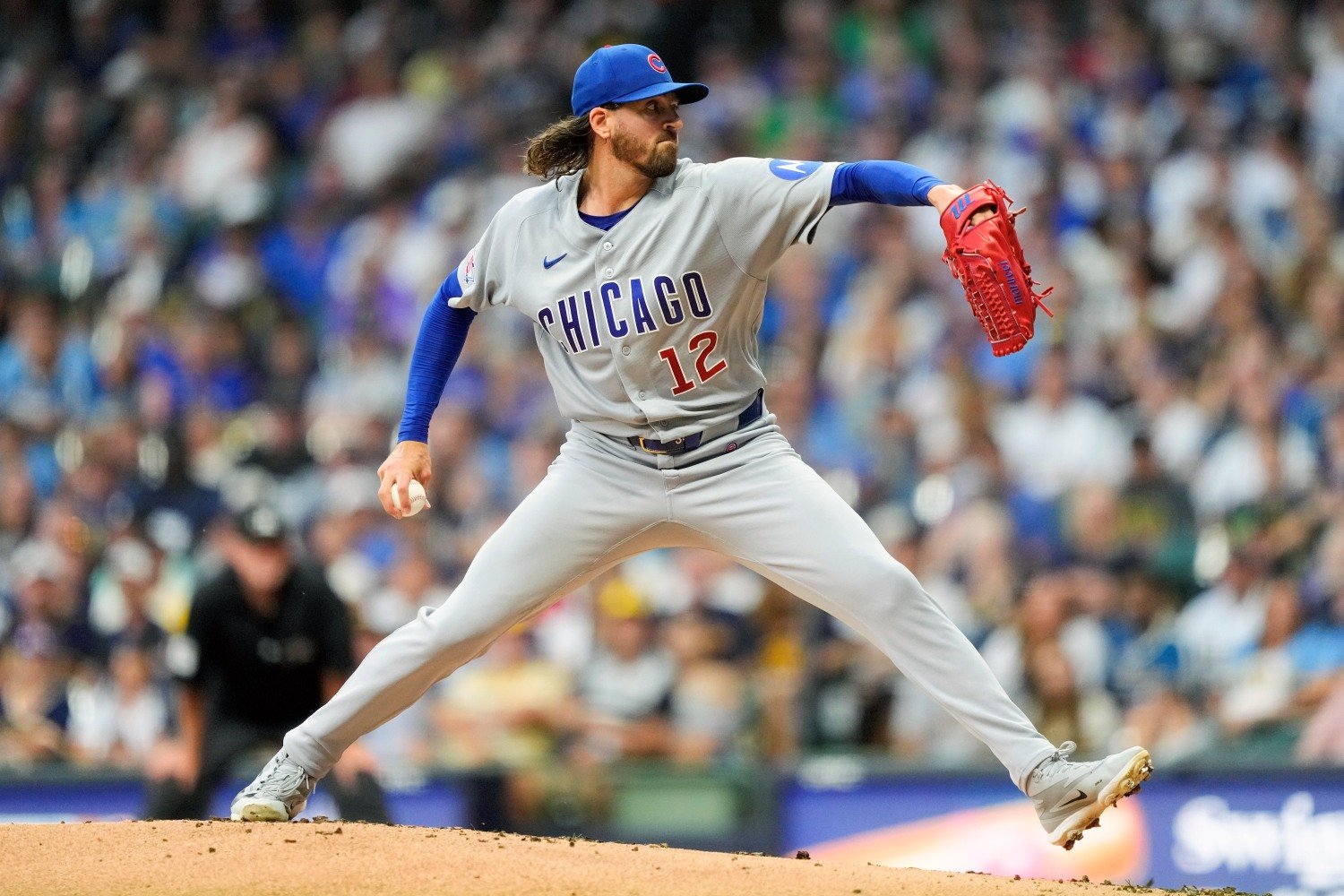 We’re just a few short weeks away from the start of the MLB postseason. The Chicago Cubs currently hold a record of 81-66. Barring a catastrophic collapse over the final 15 games, they’ll be a playoff team. With the Brewers leading the NL Central by 10 games, though, Chicago will once again have to make its way through the Wild Card round. The Cubs were in that position last year, and they found success against the San Diego Padres. Chicago took two of three games in the series, and its pitching staff played a major role in getting the job done. They didn’t allow more than three runs in any of the three games. Their NLDS matchup with Milwaukee was a different story, as two of the three games Chicago lost in that series came when its pitching staff struggled to keep Milwaukee's offense in check. If the Cubs are going to make a deep run this time, their staff will have to be at its best. So what might Chicago’s postseason rotation actually look like? For starters, I think a lot of it depends on who the Cubs draw in the first round. If Chicago gets matched up with a team like the Philadelphia Phillies, Shota Imanaga and Matthew Boyd are probably going to be huge factors. The Phillies have plenty of powerful left-handed bats, including Kyle Schwarber and Bryce Harper, and Chicago could look to play those matchups as much as possible. In that scenario, we could see Boyd get the ball in Game 1, followed by Kevin Gausman in Game 2. That would put Gausman between the two lefties and give the Cubs a veteran right-hander in what could be an elimination game. Then, if necessary, Imanaga could take the ball in Game 3. The same can probably be said if the Cubs end up matched up with the Braves. A lineup featuring Michael Harris II, Matt Olson and Drake Baldwin as three of its top four hitters is not something any pitching staff should take lightly. Atlanta has the kind of left-handed talent that could make Boyd, Imanaga and David Peterson especially valuable, and I think playing the matchups as aggressively as possible would be the right move. It wouldn’t shock me if Gausman got pushed all the way to Game 3 in that situation. That would be an unconventional decision. Gausman is arguably the biggest name in Chicago’s rotation, and Clay Holmes has looked the best out of that group in recent weeks. That said, the postseason is all about winning the matchup in front of you. If the Cubs believe Boyd, Imanaga and/or Peterson give them a better chance against a particular lineup, there’s no reason not to lean into that. If the playoffs were to start today, Chicago would be taking on the Phillies. A lot can obviously happen between now and the end of the regular season, and the Wild Card standings can change quickly, but Philadelphia appears to be one of the more likely first-round opponents for the Cubs at the moment. If that matchup does end up happening, don't be surprised to see Chicago take a left-handed-heavy approach with its rotation. Gausman and Holmes could be starters, but hand off quickly to Peterson or Imanaga—or vice-versa, But that’s far from a sure thing. The Diamondbacks and Padres are both fighting for Wild Card positioning as well, and those lineups present a much different challenge. Both teams have plenty of dangerous right-handed bats, which could change how Chicago decides to construct its rotation. Against those teams, Gausman and Holmes would surely start Games 1 and 2, unless the team has to scramble just to reach the postseason and loses the ability to select their starters for those games. Should the Cubs make it out of the Wild Card round, I think they would rapidly switch to a more traditional rotation featuring Gausman, Boyd, Imanaga and Holmes. The order could obviously change depending on the opponent, but those four would give Chicago plenty of different looks. They'd need the length those four can provide to get through a five-game series. Gausman brings veteran experience and strikeout stuff. Boyd, Imanaga and Peterson give the Cubs two left-handed options who could be especially valuable against certain opponents, while Holmes is arguably the most versatile and high-ceiling (but also among the most volatile). The Cubs were aggressive at the deadline because they knew improving the rotation could be the difference between simply reaching the postseason and making a legitimate run once they got there. Now, with October almost here, they have the opportunity to use that depth in whatever way makes the most sense. Now, they have to hope that by the end of Game 162, there's any configuration that makes any at all.
 -
Image courtesy of © Mark Hoffman/Milwaukee Journal Sentinel / USA TODAY NETWORK via Imagn Images Hard as it is to believe, the 2026 MLB campaign is coming to an end. The Chicago Cubs currently sit with a record of 81-64, meaning they only have 17 games remaining on their regular-season schedule. But despite the fact that October is right around the corner, there are still some very notable games left that all Cubs fans need to tune into. Some will impact the standings, while others will give Chicago a chance to measure itself against potential playoff opponents. Either way, these contests will determine the North Siders' aptitude ahead of the postseason. Ranking Cubs' Most Important Games Down the Stretch #5: September 22nd vs. Miami Marlins The Marlins are quietly hanging around in the mix for the final National League Wild Card spot, and since we’re still a couple of weeks away from this matchup, that makes it far too early to know exactly where Miami will sit in the standings. But regardless, this is going to be a good test for the Cubs before the postseason begins. The Marlins have some legitimate talent on their roster, particularly in their starting rotation. Guys like Sandy Alcántara and Eury Pérez are capable of completely taking over a game, and while it’s too early to know who will be pitching for either side, the Cubs could very easily find themselves facing one of Miami’s top arms. This game is also the first of a series, and getting it started with a win would go a long way. Especially this late in the season, every series against a playoff-caliber opponent feels important. And with the postseason right around the corner, this one has a chance to feel like October baseball. #4: September 25th at Boston Red Sox Boston is all but guaranteed a Wild Card spot in the American League and will be the last team the Cubs play during the regular season. The Red Sox have also been arguably one of the hottest teams in baseball throughout the second half, making this a very interesting series for Chicago. It’s the same thing I just said about the Marlins game—this one is going to feel like postseason baseball, only with the atmosphere of an electric Boston crowd. The Cubs will be playing at Fenway Park in what should be a hostile environment, and winning games on the road against quality teams is something they’re going to have to be able to do if they want to make a deep playoff run. Obviously, the Cubs won’t face the Red Sox again unless they reach the World Series. But that almost makes this series even more interesting. The regular season will be coming to an end; both teams will already be thinking about October, and the Cubs will have one final opportunity to test themselves against another legitimate playoff team before the games REALLY start to matter. #3: Wednesday (Sept. 9) at Milwaukee Brewers Not only are these two playoff teams. Not only are they division rivals. This is going to be a postseason pitching matchup. Kevin Gausman will take the mound for Chicago against Logan Henderson for Milwaukee, creating a really fun duel between two very different types of pitchers. Henderson has been a breakout for the Brewers as a rookie, establishing himself as another important piece of Milwaukee’s pitching staff. Meanwhile, the Cubs traded for Gausman specifically for games like this. Chicago didn’t bring him in just to help them beat struggling teams in August and September. They acquired him because they believed he could take the ball in big games and pitch like a frontline starter. And while this isn’t technically a playoff game, it might as well feel like one. The Cubs, I’m sure, would also love to have this game after Monday’s loss. There’s still plenty of baseball left to play, but bouncing back against a division rival and a quality starting pitcher would be a good sign for a team looking to build momentum heading into October. #2: Tuesday (Sept. 8 at Milwaukee Brewers) It’s game two of three between the Cubs and Brewers in Milwaukee, and this matchup is going to be a massive test for Chicago. David Peterson will take the mound for the Cubs, facing off against the virtual lock for the National League Cy Young Award in Jacob Misiorowski. And not to mention—it’s against their division rival currently sitting atop the NL Central. The Cubs currently sit eight games behind Milwaukee and likely won’t overtake them before the end of the season. So, this game isn’t necessarily about catching the Brewers in the standings. Rather, games like this show you what a team is made of; if the Cubs want to make a deep run in October, they’re probably going to have to go through Misiorowski and the Brewers at some point. And if they do, there’s a very real chance they’ll see a matchup similar to this one. Misiorowski’s combination of dominance and a 103 MPH fastball presents a challenge unlike almost anyone else in baseball. Facing him now gives the Cubs another opportunity to see exactly what that looks like before the postseason. And more importantly, beating him would give this team a massive confidence boost. #1: September 16th vs. Atlanta Braves This game stands out for a couple of reasons. For one, the Braves are a playoff team. They currently have the lead in the NL East, but even if they don’t win the division, they’ll almost certainly find themselves in the Wild Card picture. And if they’re a Wild Card team, there’s a legitimate chance they could be facing the Cubs in the No. 4 versus No. 5 matchup. That alone makes this game important. But there’s another reason this matchup stands out. Despite the fact that neither starting pitcher has officially been announced yet, the rotation lines up for Chris Sale to start for Atlanta. And if it wasn’t for Misiorowski and his 103 MPH fastball, Sale would probably be the National League Cy Young frontrunner. Seeing high-level pitching before the playoffs is incredibly valuable, especially if the Cubs wind up seeing Sale again. He’s exactly the type of pitcher Chicago will have to beat if it wants to make a deep run, and getting an opportunity to face him at Wrigley Field before October would be a valuable experience. Just like the rest of the games I’ve mentioned, this one is going to feel like postseason baseball came early. View full article
-
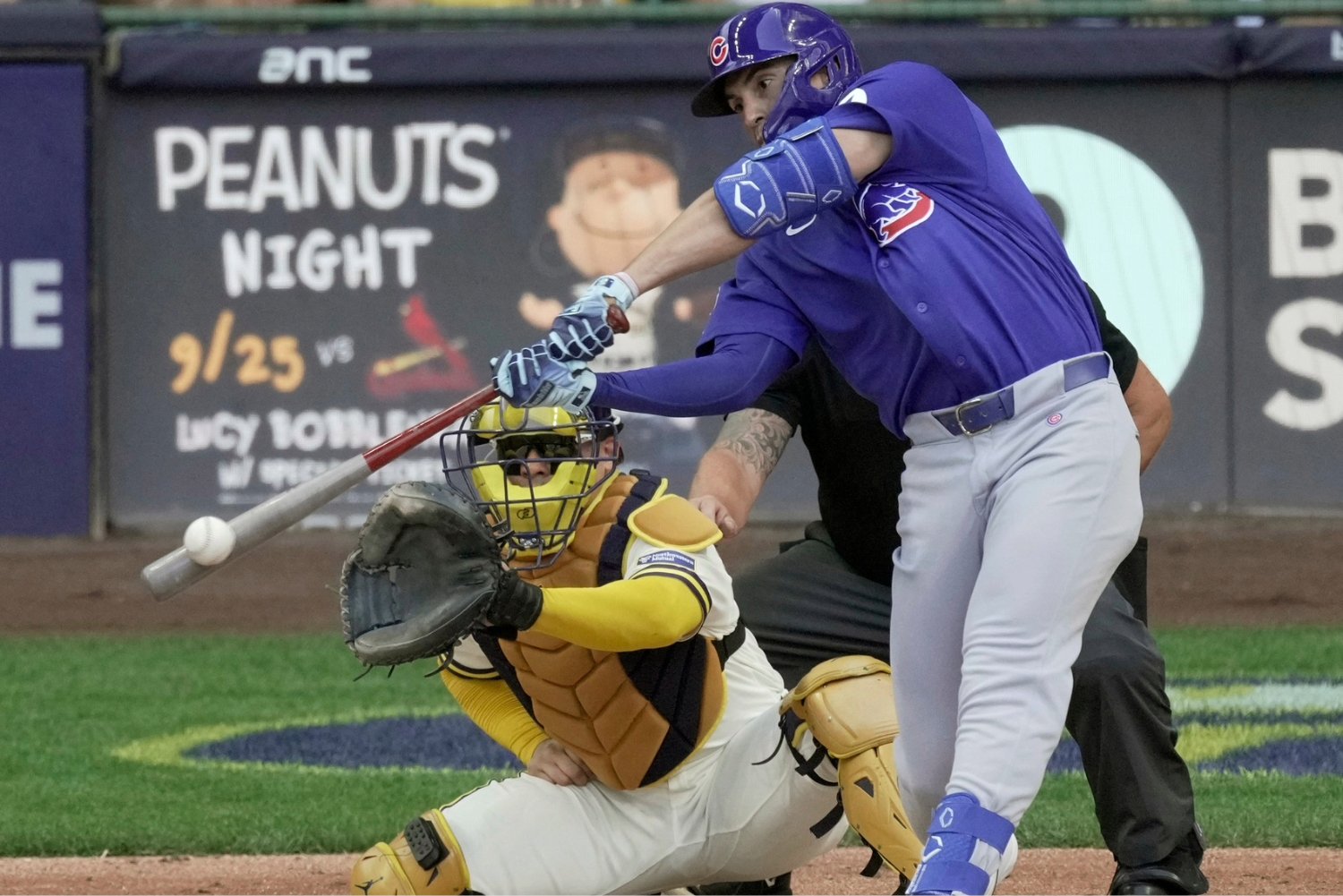 Hard as it is to believe, the 2026 MLB campaign is coming to an end. The Chicago Cubs currently sit with a record of 81-64, meaning they only have 17 games remaining on their regular-season schedule. But despite the fact that October is right around the corner, there are still some very notable games left that all Cubs fans need to tune into. Some will impact the standings, while others will give Chicago a chance to measure itself against potential playoff opponents. Either way, these contests will determine the North Siders' aptitude ahead of the postseason. Ranking Cubs' Most Important Games Down the Stretch #5: September 22nd vs. Miami Marlins The Marlins are quietly hanging around in the mix for the final National League Wild Card spot, and since we’re still a couple of weeks away from this matchup, that makes it far too early to know exactly where Miami will sit in the standings. But regardless, this is going to be a good test for the Cubs before the postseason begins. The Marlins have some legitimate talent on their roster, particularly in their starting rotation. Guys like Sandy Alcántara and Eury Pérez are capable of completely taking over a game, and while it’s too early to know who will be pitching for either side, the Cubs could very easily find themselves facing one of Miami’s top arms. This game is also the first of a series, and getting it started with a win would go a long way. Especially this late in the season, every series against a playoff-caliber opponent feels important. And with the postseason right around the corner, this one has a chance to feel like October baseball. #4: September 25th at Boston Red Sox Boston is all but guaranteed a Wild Card spot in the American League and will be the last team the Cubs play during the regular season. The Red Sox have also been arguably one of the hottest teams in baseball throughout the second half, making this a very interesting series for Chicago. It’s the same thing I just said about the Marlins game—this one is going to feel like postseason baseball, only with the atmosphere of an electric Boston crowd. The Cubs will be playing at Fenway Park in what should be a hostile environment, and winning games on the road against quality teams is something they’re going to have to be able to do if they want to make a deep playoff run. Obviously, the Cubs won’t face the Red Sox again unless they reach the World Series. But that almost makes this series even more interesting. The regular season will be coming to an end; both teams will already be thinking about October, and the Cubs will have one final opportunity to test themselves against another legitimate playoff team before the games REALLY start to matter. #3: Wednesday (Sept. 9) at Milwaukee Brewers Not only are these two playoff teams. Not only are they division rivals. This is going to be a postseason pitching matchup. Kevin Gausman will take the mound for Chicago against Logan Henderson for Milwaukee, creating a really fun duel between two very different types of pitchers. Henderson has been a breakout for the Brewers as a rookie, establishing himself as another important piece of Milwaukee’s pitching staff. Meanwhile, the Cubs traded for Gausman specifically for games like this. Chicago didn’t bring him in just to help them beat struggling teams in August and September. They acquired him because they believed he could take the ball in big games and pitch like a frontline starter. And while this isn’t technically a playoff game, it might as well feel like one. The Cubs, I’m sure, would also love to have this game after Monday’s loss. There’s still plenty of baseball left to play, but bouncing back against a division rival and a quality starting pitcher would be a good sign for a team looking to build momentum heading into October. #2: Tuesday (Sept. 8 at Milwaukee Brewers) It’s game two of three between the Cubs and Brewers in Milwaukee, and this matchup is going to be a massive test for Chicago. David Peterson will take the mound for the Cubs, facing off against the virtual lock for the National League Cy Young Award in Jacob Misiorowski. And not to mention—it’s against their division rival currently sitting atop the NL Central. The Cubs currently sit eight games behind Milwaukee and likely won’t overtake them before the end of the season. So, this game isn’t necessarily about catching the Brewers in the standings. Rather, games like this show you what a team is made of; if the Cubs want to make a deep run in October, they’re probably going to have to go through Misiorowski and the Brewers at some point. And if they do, there’s a very real chance they’ll see a matchup similar to this one. Misiorowski’s combination of dominance and a 103 MPH fastball presents a challenge unlike almost anyone else in baseball. Facing him now gives the Cubs another opportunity to see exactly what that looks like before the postseason. And more importantly, beating him would give this team a massive confidence boost. #1: September 16th vs. Atlanta Braves This game stands out for a couple of reasons. For one, the Braves are a playoff team. They currently have the lead in the NL East, but even if they don’t win the division, they’ll almost certainly find themselves in the Wild Card picture. And if they’re a Wild Card team, there’s a legitimate chance they could be facing the Cubs in the No. 4 versus No. 5 matchup. That alone makes this game important. But there’s another reason this matchup stands out. Despite the fact that neither starting pitcher has officially been announced yet, the rotation lines up for Chris Sale to start for Atlanta. And if it wasn’t for Misiorowski and his 103 MPH fastball, Sale would probably be the National League Cy Young frontrunner. Seeing high-level pitching before the playoffs is incredibly valuable, especially if the Cubs wind up seeing Sale again. He’s exactly the type of pitcher Chicago will have to beat if it wants to make a deep run, and getting an opportunity to face him at Wrigley Field before October would be a valuable experience. Just like the rest of the games I’ve mentioned, this one is going to feel like postseason baseball came early.
 -
October success isn't guaranteed just because you make the playoffs. Chicago's final stretch offers five opportunities to prove they can beat the teams and pitchers they may have to face again.
-
October success isn't guaranteed just because you make the playoffs. Chicago's final stretch offers five opportunities to prove they can beat the teams and pitchers they may have to face again. View full video
-
Pedro Ramírez’s rookie season has been a success, but the Cubs’ crowded roster could leave one of their best stories of the year watching from the sidelines in October. View full video
-
Pedro Ramírez’s rookie season has been a success, but the Cubs’ crowded roster could leave one of their best stories of the year watching from the sidelines in October.
-
Image courtesy of David Banks-Imagn Images Pedro Ramírez has been one of the cooler storylines for the Chicago Cubs this season. Just 21 years old when the season began, he has since turned himself into a valuable piece of Chicago’s lineup. In 191 plate appearances with the Cubs, Ramírez is hitting .285/.347/.436. For a bottom-of-the-order bat, that’s some pretty impressive production. Considering his age, there should be plenty of room for him to continue growing as a player. The Cubs appear to have found themselves a young player capable of contributing at the major-league level, which is never a bad thing. As good as Ramírez’s bat has been this season, though, there are some questions about his role once the postseason gets underway. Ramírez has spent time at second base recently, with Nico Hoerner currently occupying shortstop in the absence of Dansby Swanson. He’s also moonlighted at third base when Alex Bregman takes a day at designated hitter, but those days are few and far between. He's a much better third baseman than a second baseman, which is unfortunate for him, because the team's need is for a better second baseman. Although he has an outfielder's glove from his time in the minors, he's yet to crack that crowded picture for the parent club. When you start looking at the potential postseason roster, there simply may not be a lot of playing time available for him, assuming Dansby Swanson is activated from the IL before the Wild Card round. If Swanson remains sidelined when the postseason begins, this could become a completely different conversation. Ramírez would have a much clearer path to playing time, and the Cubs could continue using the versatility he's provided throughout the season. But if Swanson is healthy and ready to go before the end of the regular season (which seems likely, given the latest updates on his condition), Ramírez could end up being the odd man out. There might be some regression (or at least rebalancing) forthcoming for Ramírez, anyway. His production has been boosted by success against left-handed pitching, in a very small sample size. Ramírez has just 34 plate appearances against lefties this season, but he owns a .928 OPS in those opportunities. Against right-handed pitchers, that number drops all the way to .718. Scouts and underlying data agree, however, that he's actually a better hitter from the left side, facing righties. If the stronger side for him is one from which he's been a bit exposed, it might mean he's not ready to contribute at the plate this postseason. The Cubs are not going to bench Hoerner, Swanson or Bregman in favor of Ramírez in any game that matters down the stretch—not even once. Ian Happ, Seiya Suzuki, Tyrone Taylor and Pete Crow-Armstrong have the outfield covered, and Michael Conforto (the fifth Beatle of the group) means they can fill the grassy spots plus DH. Matt Shaw is back from his injury, and his skill set overlaps pretty substantially with that of Ramírez. When you zoom out and look at the entire roster, it looks like Ramírez's only role on this team once Swanson returns is as an emergency fill-in. Ramírez has done everything the Cubs could have reasonably asked from him during his rookie season. He's provided quality offensive production, gotten on base at a strong rate, and shown enough versatility to move around the diamond. There’s plenty to like about his long-term future in Chicago. But the postseason is a completely different situation. You’re no longer trying to develop young players or find out what they can become. Every roster decision is about putting the best possible group on the field to win that specific game. When you consider Ramírez’s defensive limitations, his modest production against right-handed pitching, and the sheer number of other options the Cubs have available, it becomes difficult to find a consistent role for him this fall. He might be shuffled to the bottom of the deck down the stretch—an ace in the hole, to be played when the chips are down and things are desperate or to be held for a bigger play next year. View full article
-
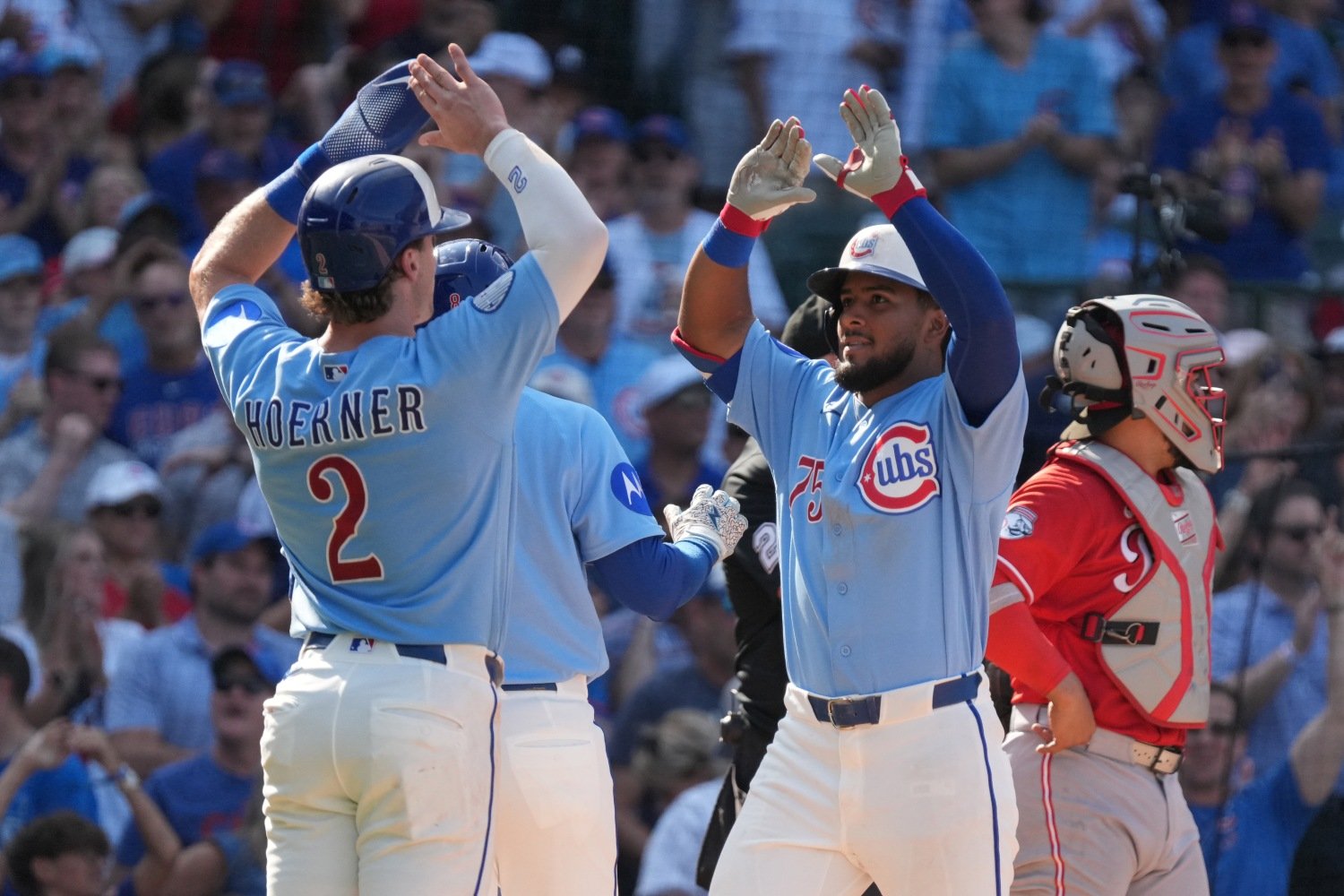 Pedro Ramírez has been one of the cooler storylines for the Chicago Cubs this season. Just 21 years old when the season began, he has since turned himself into a valuable piece of Chicago’s lineup. In 191 plate appearances with the Cubs, Ramírez is hitting .285/.347/.436. For a bottom-of-the-order bat, that’s some pretty impressive production. Considering his age, there should be plenty of room for him to continue growing as a player. The Cubs appear to have found themselves a young player capable of contributing at the major-league level, which is never a bad thing. As good as Ramírez’s bat has been this season, though, there are some questions about his role once the postseason gets underway. Ramírez has spent time at second base recently, with Nico Hoerner currently occupying shortstop in the absence of Dansby Swanson. He’s also moonlighted at third base when Alex Bregman takes a day at designated hitter, but those days are few and far between. He's a much better third baseman than a second baseman, which is unfortunate for him, because the team's need is for a better second baseman. Although he has an outfielder's glove from his time in the minors, he's yet to crack that crowded picture for the parent club. When you start looking at the potential postseason roster, there simply may not be a lot of playing time available for him, assuming Dansby Swanson is activated from the IL before the Wild Card round. If Swanson remains sidelined when the postseason begins, this could become a completely different conversation. Ramírez would have a much clearer path to playing time, and the Cubs could continue using the versatility he's provided throughout the season. But if Swanson is healthy and ready to go before the end of the regular season (which seems likely, given the latest updates on his condition), Ramírez could end up being the odd man out. There might be some regression (or at least rebalancing) forthcoming for Ramírez, anyway. His production has been boosted by success against left-handed pitching, in a very small sample size. Ramírez has just 34 plate appearances against lefties this season, but he owns a .928 OPS in those opportunities. Against right-handed pitchers, that number drops all the way to .718. Scouts and underlying data agree, however, that he's actually a better hitter from the left side, facing righties. If the stronger side for him is one from which he's been a bit exposed, it might mean he's not ready to contribute at the plate this postseason. The Cubs are not going to bench Hoerner, Swanson or Bregman in favor of Ramírez in any game that matters down the stretch—not even once. Ian Happ, Seiya Suzuki, Tyrone Taylor and Pete Crow-Armstrong have the outfield covered, and Michael Conforto (the fifth Beatle of the group) means they can fill the grassy spots plus DH. Matt Shaw is back from his injury, and his skill set overlaps pretty substantially with that of Ramírez. When you zoom out and look at the entire roster, it looks like Ramírez's only role on this team once Swanson returns is as an emergency fill-in. Ramírez has done everything the Cubs could have reasonably asked from him during his rookie season. He's provided quality offensive production, gotten on base at a strong rate, and shown enough versatility to move around the diamond. There’s plenty to like about his long-term future in Chicago. But the postseason is a completely different situation. You’re no longer trying to develop young players or find out what they can become. Every roster decision is about putting the best possible group on the field to win that specific game. When you consider Ramírez’s defensive limitations, his modest production against right-handed pitching, and the sheer number of other options the Cubs have available, it becomes difficult to find a consistent role for him this fall. He might be shuffled to the bottom of the deck down the stretch—an ace in the hole, to be played when the chips are down and things are desperate or to be held for a bigger play next year.
 -
Image courtesy of © David Banks-Imagn Images After being aggressive at the trade deadline earlier in the month, August turned into a strong month for the Chicago Cubs. They went 16-12 overall, and the offense was a major reason why. We saw a trio of three-homer games, several more multi-homer performances, and three games with 17 or more runs scored... all within the last week and a half of the month. It was a fun month of baseball on the North Side, and the Cubs appear to be getting hot at the right time. With that, here are the Cubs top hitters of the month for August. Ranking Cubs' Best Hitters in August 3rd: Seiya Suzuki .303/.397/.560, 164 wRC+, 16 XBH, 20 RBIs, 2 SB It's pretty nuts that a player with a 164 wRC+ can come in at No. 3 on this list, but here we are. Suzuki was outstanding at the plate in August, but the crazy part is that he's been doing this for three months now. He has posted an OPS of .938 or higher every month since June, quietly putting together one of the most impressive stretches of his Cubs career. Somewhat unfairly, his recent production has been overshadowed by what another player on this list has been doing. Suzuki absolutely deserves to be higher than third place after the month he had, but that's just how ridiculous the performances ahead of him were. The Cubs have needed Suzuki to be one of the middle-of-the-order anchors this season, and over the past three months, that's exactly what he's been. With October approaching, there aren't many better signs for Chicago than seeing one of its most talented hitters consistently putting up elite production. 2nd Place: Pete Crow-Armstrong .280/.366/.703, 185 wRC+, 21 XBH, 28 RBIs, 6 SB To be completely honest, it feels incredibly disrespectful to not put Crow-Armstrong atop this list. He hit 14 home runs in one month, including a three-homer game against the Reds, while posting an OPS near 1.100 and stealing six bases for good measure. That is an absolutely bonkers month, and it may have pushed him into the driver's seat for the National League MVP Award. Crow-Armstrong has been putting together one of the most remarkable seasons in baseball, and August was simply another example of how dangerous he has become offensively. The power has reached another level, while his ability to impact games on the bases continues to make him one of the most complete players in the sport. He enters the final month of the regular season with an outside chance at joining the 40-40 club. The center fielder needs just two more home runs and eight stolen bases, and while it certainly won't be easy, it's absolutely within reach. If he can get there, it would be the perfect cherry on top of what has already been an incredible season. 1st Place: Alex Bregman .296/.364/.661, 177 wRC+, 18 XBH, 1 SB Had this list been made on August 31, Crow-Armstrong would have been No. 1. Then, Bregman went out and capped off his August with his second three-homer performance of the month against Kyle Harrison and the Brewers. That was enough to push him over the top. Bregman finished the month with a 177 wRC+, 18 extra-base hits and a whopping 30 RBIs across 28 games. He was an offensive force throughout August, and he's starting to get extremely hot at exactly the right time for the Cubs. Chicago controls its own destiny this season, and after a relatively slow start, Bregman's bat is coming alive when the Cubs need it most. That's one of the beautiful things about baseball. Despite the talent level of every team not always being equal, sometimes it simply doesn't matter. Oftentimes, the teams that make the deepest runs aren't necessarily the ones with the most talent on paper—they're the teams that get hot at the right time. And right now, between Suzuki, Crow-Armstrong and Bregman, the Cubs have some of their biggest offensive stars heating up at the perfect time. If those three can continue producing anywhere close to the level they showed in August, Chicago's lineup is going to be an awfully difficult one to deal with over the final month of the regular season, and potentially well beyond it. View full article
-
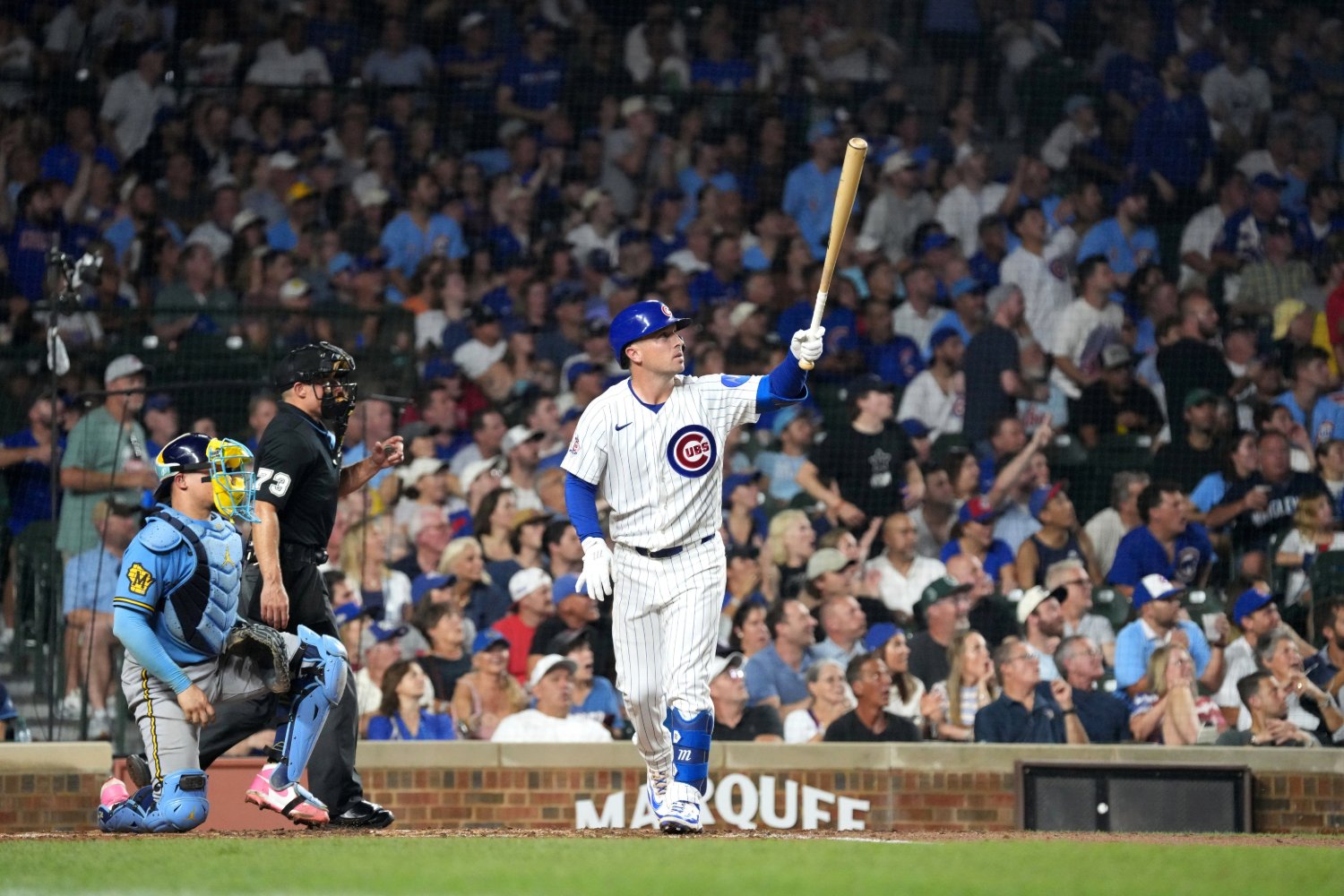 After being aggressive at the trade deadline earlier in the month, August turned into a strong month for the Chicago Cubs. They went 16-12 overall, and the offense was a major reason why. We saw a trio of three-homer games, several more multi-homer performances, and three games with 17 or more runs scored... all within the last week and a half of the month. It was a fun month of baseball on the North Side, and the Cubs appear to be getting hot at the right time. With that, here are the Cubs top hitters of the month for August. Ranking Cubs' Best Hitters in August 3rd: Seiya Suzuki .303/.397/.560, 164 wRC+, 16 XBH, 20 RBIs, 2 SB It's pretty nuts that a player with a 164 wRC+ can come in at No. 3 on this list, but here we are. Suzuki was outstanding at the plate in August, but the crazy part is that he's been doing this for three months now. He has posted an OPS of .938 or higher every month since June, quietly putting together one of the most impressive stretches of his Cubs career. Somewhat unfairly, his recent production has been overshadowed by what another player on this list has been doing. Suzuki absolutely deserves to be higher than third place after the month he had, but that's just how ridiculous the performances ahead of him were. The Cubs have needed Suzuki to be one of the middle-of-the-order anchors this season, and over the past three months, that's exactly what he's been. With October approaching, there aren't many better signs for Chicago than seeing one of its most talented hitters consistently putting up elite production. 2nd Place: Pete Crow-Armstrong .280/.366/.703, 185 wRC+, 21 XBH, 28 RBIs, 6 SB To be completely honest, it feels incredibly disrespectful to not put Crow-Armstrong atop this list. He hit 14 home runs in one month, including a three-homer game against the Reds, while posting an OPS near 1.100 and stealing six bases for good measure. That is an absolutely bonkers month, and it may have pushed him into the driver's seat for the National League MVP Award. Crow-Armstrong has been putting together one of the most remarkable seasons in baseball, and August was simply another example of how dangerous he has become offensively. The power has reached another level, while his ability to impact games on the bases continues to make him one of the most complete players in the sport. He enters the final month of the regular season with an outside chance at joining the 40-40 club. The center fielder needs just two more home runs and eight stolen bases, and while it certainly won't be easy, it's absolutely within reach. If he can get there, it would be the perfect cherry on top of what has already been an incredible season. 1st Place: Alex Bregman .296/.364/.661, 177 wRC+, 18 XBH, 1 SB Had this list been made on August 31, Crow-Armstrong would have been No. 1. Then, Bregman went out and capped off his August with his second three-homer performance of the month against Kyle Harrison and the Brewers. That was enough to push him over the top. Bregman finished the month with a 177 wRC+, 18 extra-base hits and a whopping 30 RBIs across 28 games. He was an offensive force throughout August, and he's starting to get extremely hot at exactly the right time for the Cubs. Chicago controls its own destiny this season, and after a relatively slow start, Bregman's bat is coming alive when the Cubs need it most. That's one of the beautiful things about baseball. Despite the talent level of every team not always being equal, sometimes it simply doesn't matter. Oftentimes, the teams that make the deepest runs aren't necessarily the ones with the most talent on paper—they're the teams that get hot at the right time. And right now, between Suzuki, Crow-Armstrong and Bregman, the Cubs have some of their biggest offensive stars heating up at the perfect time. If those three can continue producing anywhere close to the level they showed in August, Chicago's lineup is going to be an awfully difficult one to deal with over the final month of the regular season, and potentially well beyond it.
 -
Image courtesy of Patrick Gorski-Imagn Images We have officially reached September, which means postseason baseball is just around the corner. Despite a bit of a cold stretch recently, the Cubs still have firm control of their own destiny heading into the final few weeks of the regular season. With a record of 78-61, they’re right in the thick of the National League Wild Card race, and they’ve put themselves in a pretty good position to make a run in October. But while Chicago is set up well right now, a lot can change over the course of an entire month. So, where does the National League playoff picture stand at this very moment? For starters, it feels like the three division leaders have a pretty strong hold on their respective demesnes. The Braves have a three-game lead in the NL East; the Brewers lead the Cubs by eight games in the NL Central; and the Dodgers have a 9.5-game advantage over the Padres in the NL West. As I said, a lot can happen over this last month of the regular season. But the Brewers and Dodgers have comfortable leads, while Atlanta is playing some great baseball. The Phillies might have something to say about it, but the odds are pretty good that those will be your three division winners when it’s all said and done. That means the Wild Card is where things get really interesting. The Cubs are currently a game behind Philadelphia for the No. 4 seed in the National League, which would set up a Wild Card matchup between the two teams if the playoffs started today. With both Chicago and Philadelphia sitting a handful of games ahead of the current No. 6 seed, the strong odds are that the two teams will square off, one way or another. On paper, that’s a pretty daunting matchup. The Cubs have actually had plenty of success against Philadelphia this season, going 6-1. But that was a struggling team with a since-fired manager, who hadn't yet gotten Zack Wheeler back. This is a team with a star-studded core that can give any opponent problems in October. The Phillies have bats like Kyle Schwarber and Bryce Harper in the lineup, while their rotation features Cristopher Sánchez, Wheeler and Jesús Luzardo. And they’re starting to heat up at the right time. The Phillies are currently riding a six-game winning streak, which has helped them leapfrog the Cubs in the standings. They have the talent and postseason experience to make things very difficult, especially if the series takes place at Citizens Bank Park. After Philadelphia, there are a few other teams fighting for the opportunity to play October baseball. The Padres currently hold the final Wild Card spot, while both the Diamondbacks and Marlins are within three games. That means there’s still plenty of time for the Wild Card picture to shift, with multiple teams still within striking distance of that final spot. The good news for Chicago is that it has had quite a bit of success against those teams this season. They went 5-1 against the Padres and 4-2 against the Diamondbacks, while they haven’t played the Marlins yet. That will change this weekend, when Chicago finally gets its first look at Miami. It would require a full-fledged Cubs collapse (and a strong finish) for any of those three teams to catch Chicago, so any matchup they might have against them would be at Wrigley Field. Even the Phillies will have to come to Chicago if the two teams finish with the same record, which is crucial. During the Cubs’ 2025 postseason run, they went a collective 4-4. Their four wins all came at home; they lost just once at Wrigley. In three games in Milwaukee, though, they went 0-3. Obviously, that doesn’t mean the Cubs can’t win away from Wrigley Field, but it does go to show just how important home-field advantage can be once the postseason begins. We’re about to enter the most meaningful baseball of the season, and the Cubs are no exception. Every series, every game, and eventually every inning will carry a little more weight as the calendar moves deeper into September. If I had to make a bet today on how things will end up, I’d say the Cubs face off against the Phillies in the Wild Card round, with Chicago getting the fourth seed and Philadelphia getting the fifth. I’ll also say the Padres sneak into that final Wild Card spot, leaving the Diamondbacks just on the outside looking in. But that prediction could look completely different a week from now. A strong week can dramatically improve Chicago’s position, while a bad week can just as quickly put the Cubs in a much more precarious spot. The standings will change constantly over these final few weeks, and with so many teams still fighting for the same handful of postseason spots, there’s little room for complacency. With September officially here, they can’t let that position slip away. View full article
-
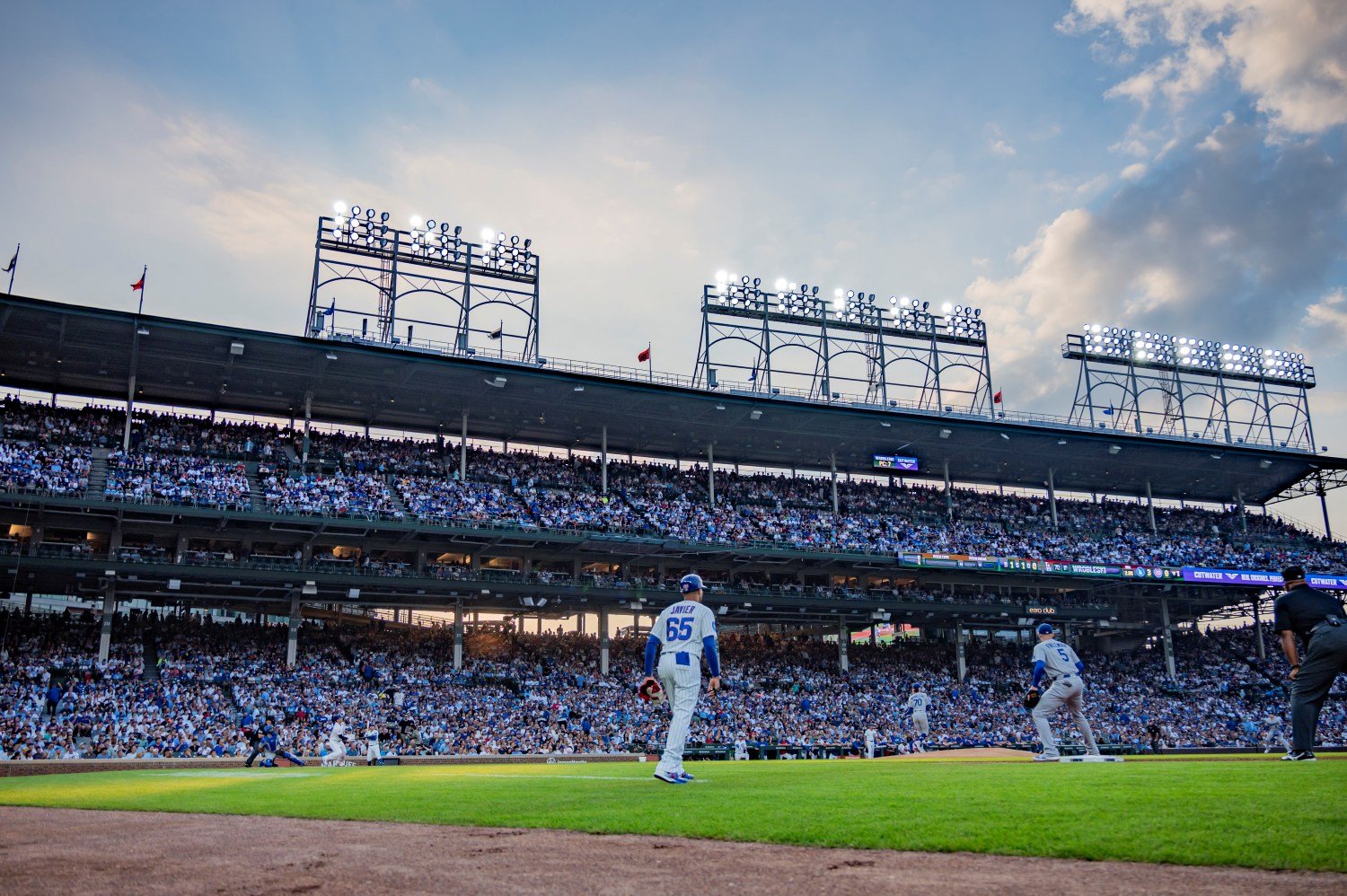 We have officially reached September, which means postseason baseball is just around the corner. Despite a bit of a cold stretch recently, the Cubs still have firm control of their own destiny heading into the final few weeks of the regular season. With a record of 78-61, they’re right in the thick of the National League Wild Card race, and they’ve put themselves in a pretty good position to make a run in October. But while Chicago is set up well right now, a lot can change over the course of an entire month. So, where does the National League playoff picture stand at this very moment? For starters, it feels like the three division leaders have a pretty strong hold on their respective demesnes. The Braves have a three-game lead in the NL East; the Brewers lead the Cubs by eight games in the NL Central; and the Dodgers have a 9.5-game advantage over the Padres in the NL West. As I said, a lot can happen over this last month of the regular season. But the Brewers and Dodgers have comfortable leads, while Atlanta is playing some great baseball. The Phillies might have something to say about it, but the odds are pretty good that those will be your three division winners when it’s all said and done. That means the Wild Card is where things get really interesting. The Cubs are currently a game behind Philadelphia for the No. 4 seed in the National League, which would set up a Wild Card matchup between the two teams if the playoffs started today. With both Chicago and Philadelphia sitting a handful of games ahead of the current No. 6 seed, the strong odds are that the two teams will square off, one way or another. On paper, that’s a pretty daunting matchup. The Cubs have actually had plenty of success against Philadelphia this season, going 6-1. But that was a struggling team with a since-fired manager, who hadn't yet gotten Zack Wheeler back. This is a team with a star-studded core that can give any opponent problems in October. The Phillies have bats like Kyle Schwarber and Bryce Harper in the lineup, while their rotation features Cristopher Sánchez, Wheeler and Jesús Luzardo. And they’re starting to heat up at the right time. The Phillies are currently riding a six-game winning streak, which has helped them leapfrog the Cubs in the standings. They have the talent and postseason experience to make things very difficult, especially if the series takes place at Citizens Bank Park. After Philadelphia, there are a few other teams fighting for the opportunity to play October baseball. The Padres currently hold the final Wild Card spot, while both the Diamondbacks and Marlins are within three games. That means there’s still plenty of time for the Wild Card picture to shift, with multiple teams still within striking distance of that final spot. The good news for Chicago is that it has had quite a bit of success against those teams this season. They went 5-1 against the Padres and 4-2 against the Diamondbacks, while they haven’t played the Marlins yet. That will change this weekend, when Chicago finally gets its first look at Miami. It would require a full-fledged Cubs collapse (and a strong finish) for any of those three teams to catch Chicago, so any matchup they might have against them would be at Wrigley Field. Even the Phillies will have to come to Chicago if the two teams finish with the same record, which is crucial. During the Cubs’ 2025 postseason run, they went a collective 4-4. Their four wins all came at home; they lost just once at Wrigley. In three games in Milwaukee, though, they went 0-3. Obviously, that doesn’t mean the Cubs can’t win away from Wrigley Field, but it does go to show just how important home-field advantage can be once the postseason begins. We’re about to enter the most meaningful baseball of the season, and the Cubs are no exception. Every series, every game, and eventually every inning will carry a little more weight as the calendar moves deeper into September. If I had to make a bet today on how things will end up, I’d say the Cubs face off against the Phillies in the Wild Card round, with Chicago getting the fourth seed and Philadelphia getting the fifth. I’ll also say the Padres sneak into that final Wild Card spot, leaving the Diamondbacks just on the outside looking in. But that prediction could look completely different a week from now. A strong week can dramatically improve Chicago’s position, while a bad week can just as quickly put the Cubs in a much more precarious spot. The standings will change constantly over these final few weeks, and with so many teams still fighting for the same handful of postseason spots, there’s little room for complacency. With September officially here, they can’t let that position slip away.
 -
Tyrone Taylor’s strong start has created an interesting Cubs outfield dilemma. With Matt Shaw nearing a return, what does that mean for Taylor, and could Kevin Alcántara once again be the odd man out?
-
Tyrone Taylor’s strong start has created an interesting Cubs outfield dilemma. With Matt Shaw nearing a return, what does that mean for Taylor, and could Kevin Alcántara once again be the odd man out? View full video
-
Tyrone Taylor’s strong start has created an interesting Cubs outfield dilemma. With Matt Shaw nearing a return, what does that mean for Taylor, and could Kevin Alcántara once again be the odd man out? View full video

