


Brandon Glick
-
Posts
1,153 -
Joined
-
Last visited
Content Type
Profiles
Joomla Posts 1
Chicago Cubs Videos
Chicago Cubs Free Agent & Trade Rumors, Notes, & Tidbits
2026 Chicago Cubs Top Prospects Ranking
News
2023 Chicago Cubs Draft Picks
Guides & Resources
2024 Chicago Cubs Draft Picks
The Chicago Cubs Players Project
2025 Chicago Cubs Draft Pick Tracker
2026 Chicago Cubs Draft Tracker: Picks & Bonuses
Blogs
Events
Forums
Store
Gallery
Everything posted by Brandon Glick
-
With Ian Happ entrenched as the starter in left field, do the 2024 Chicago Cubs have the necessary reinforcements to help him make it through the trials and tribulations of a 162-game schedule? Image courtesy of © Matt Kartozian-USA TODAY Sports Ian Happ has been the Cubs’ everyday starter in left field since mid-2021. He’s posted an above-average OPS+ in every season of his career, and his OPS has never fallen below .750. He’s as consistent as they come at the plate, and he’s improved dramatically as a switch-hitter over the last few seasons. In his career, Happ bats .244 as a righty, and .250 as a lefty. 2021: 148 G, 465 ABs, .226/.323/.434, 103 OPS+, 1.7 WAR, -2 DRS 2022: 158 G, 573 ABs, .271/.342/.440, 117 OPS+, 4.4 WAR, 14 DRS 2023: 158 G, 580 ABs, .248/.360/.431, 112 OPS+, 3.0 WAR, 2 DRS Happ has just two hits in 22 at-bats in the Cactus League this year, but fretting over his slow start isn’t worth our time. He’s been on the mend from a hamstring injury that manager Craig Counsell said won’t impact his status for Opening Day, and he returned to the lineup over the weekend looking fresh. And, for what it’s worth, Happ has a history of turning bad Spring Training performances into strong regular seasons: in 2022, he batted .190 in Arizona, and went on to earn his first All Star appearance a few months later. Beyond his impact at the plate, Happ has also turned himself into a premier defender. Though left field isn’t as demanding a position as most of the others on the diamond, Happ posted a career-high 14 Defensive Runs Saved in 2022 before following it up with a 2 DRS season last year. In both years, he was awarded with the NL Gold Glove Award for left fielders. Happ still presents some of the defensive versatility that defined his prospect profile, but the Cubs appear content to keep him stationed out in left field next to a pair of strong defenders, Cody Bellinger and Seiya Suzuki. The North Siders’ rotation this year, once again, is made up of hurlers who adopt a “pitch to contact” approach, and most of the starters are particularly adept at coaxing fly balls out of opposing hitters. Having a strong outfield defense is paramount to making the entire run-prevention operation work this year, and you’d be hard-pressed to find a better trio of gloves than the Cubs will run out beyond the infield on a daily basis. Happ’s strongest skill remains his on-base percentage. Last season, Happ finished first among all Cubs who had at least 350 at-bats with a .360 OBP, which followed up his second-place finish in 2022 (behind only Willson Contreras). Thanks to his blend of power and patience, he can be a credible option almost anywhere in the lineup, though Counsell has gone on record saying that Happ will bat ahead of the Cubs’ sluggers, namely Bellinger and Christopher Morel. It remains to be seen if that sticks for all of 2024, but No. 8 lengthens the lineup from any spot just by working counts and making pitchers labor during his plate appearances. Beyond Happ, the Cubs have Mike Tauchman currently slated as the fourth outfielder. He’s played 60-plus career games in each of the three outfield spots, including 134 in left field, his most of any position. He was worth 2.1 WAR in 401 plate appearances last year, including a perfectly average 100 OPS+. Tauchman is at his best as a reserve outfielder who can fill in at any of the three outfield spots on any given day, though he did fill in admirably in center field for Cody Bellinger in the middle of last season after Bellinger suffered a knee injury. The Cubs also have Miles Mastrobuoni and Morel, who are capable of playing the outfield corners in a pinch. Non-roster invitee David Peralta, who has appeared in 854 career games in left field, could be a quick Band-Aid in the event that Happ can’t gut it out for a few days. Even Garrett Cooper, who locked down the final bench spot on the Opening Day roster following Patrick Wisdom’s injury, has played 615 innings in the corners of the outfield. Nevertheless, should Happ be forced to miss significant time, the Cubs’ best bet for reinforcements lies in their farm system. Pete Crow-Armstrong is knocking on the door of Wrigley Field, and his arrival in the majors could push Bellinger to left field if the Cubs want to keep PCA’s speed and glove in center field. Also at Triple-A Iowa are Alexander Canario and Brennen Davis, who each have experience in left field and come equipped with very strong throwing arms. The 2024 Chicago Cubs will rely on Ian Happ to be a consistent contributor at the plate and in the field. He’s an on-base machine who’s capable of hitting well from both sides of the plate, and he also happens to be the National League’s reigning two-time Gold Glover in left field. That kind of presence might be hard to replace in an extended absence, but the Cubs are surprisingly well-equipped to handle a Happ-less period. Let's hope it doesn't come to that, anyway. View full article
-
Ethan and Brandon analyze the Cubs' three young starters and their trajectories after the Opening Day rotation announcement. View full video
-
Ethan and Brandon analyze the Cubs' three young starters and their trajectories after the Opening Day rotation announcement.
-
- 1
-

-
- javier assad
- jordan wicks
- (and 1 more)
-
Opening Day is around the corner. The Cubs look ready for what’s to come, in their most important season in years. Also, Samford was robbed, so was Shohei Ohtani, and Invincible is still a good show. Image courtesy of © Kirby Lee-USA TODAY Sports We’ll just jump right into the baseball side of things this week, since Spring Training is all but over now. As of today, Seiya Suzuki leads all Cubs on the 40-man roster with three home runs this Spring. We spoke about his terrific performance last week in this space, and it’s encouraging to see him look so tuned in after a scorching-hot final six weeks in 2023. However, do you know who leads all Cubs in home runs in Spring Training? Why, it’s none other than David Bote, he of the ill-fated five-year, $15 million extension. That contract with Bote ends this year, though he’s no longer on the 40-man roster. Since being designated for assignment at the end of the 2022 season, Bote’s been with the Cubs as a non-roster minor leaguer. He spent all of 2023 in Triple-A Iowa, and after being reassigned to minor-league camp earlier this week, odds are he’ll remain there until and unless major injury issues crop up on the major-league team. Owen Caissie’s torrid spring continued on Sunday against the Seattle Mariners, including a titanic blast off of Mauricio Llovera: Nick Madrigal also made his return to the lineup on Sunday, after dealing with a hamstring issue for most of camp. With so much time missed, the Cubs could send him to Triple-A Iowa to begin the year just to get him some more reps to help his timing at the plate, but it appears the organization prefers to have him available, all else equal. Ian Happ is dealing with a hamstring strain of his own--one that kept him out of the lineup for a few days even during this week of returning to action. According to manager Craig Counsell, it shouldn’t threaten his status for Opening Day. The final two bullpen spots look like they’ll come down to Luke Little, Hayden Wesneski, and José Cuas, now that Carl Edwards Jr. has opted out of his deal. For my money, I think the team would be smart to keep Little and Cuas, while giving Wesneski one more chance to figure it out as a starter in the minors. Little was tremendous in his cup of coffee last September, and Cuas has been among the team’s best relievers this spring. Of course, keeping Little is not a necessity, since it was announced that Drew Smyly would start the season in the bullpen as Jordan Wicks and Javier Assad won the 4th and 5th starter gigs (pending Jameson Taillon’s health). Now that Mark Leiter Jr.’s splitter appears to be functional again, the Cubs could have three guys that match up favorably against opposing left-handed batters. Dominic Smith also opted out of his contract earlier this week, which is a real shame considering just how dominant he was in the Cactus League. Alas, it never really looked like there was going to be an available bench spot for him. He’ll almost certainly latch on with another team soon. David Peralta, a late-offseason minor-league signing, will be sticking with the Cubs as he rehabs from an offseason surgery. We started previewing the Cubs’ NL Central competition this week, starting with the Cincinnati Reds. The Pittsburgh Pirates, Milwaukee Brewers, and St. Louis Cardinals will follow this upcoming week. According to USA Today, the Cubs and Los Angeles Dodgers will open the 2025 MLB season in Japan. It should be a fun series that draws a ton of international attention, even if the early morning start times here make it a pain to watch for American fans. Beyond the world of the Cubs, MLB is having no shortage of news stories recently. Before we get to that, though, there are a few administrative notes on the agenda this week: The volume of video content on the site will increase in spades once the season starts. If you have any ideas, requests, or suggestions for a format or topic for a video, let us know! We’ll be experimenting with different ideas over the next few months. Check out all the newest NSBB videos on the site’s homepage or videos tab. Go follow us on Twitter & Facebook (or “X” and “Meta” now, I suppose) for the latest updates, articles and general announcements at NSBB. It’s going to be a busy season, y’all! Lastly, our very own @Sean Chapin and @CandidCubs have started a podcast called “Bricks Behind the Ivy”. Go check it out! You may even be able win some free Cubs tickets… Now, elsewhere in the baseball world, there’s some major storylines going down: There’s been a ton of discontent in the MLBPA recently, with warring factions of players either defending current Executive Director Tony Clark or seeking his ouster. The last CBA negotiation led to an extended and arduous lockout, and with the current deal set to expire in 2026, it won’t be long until those talks start again. It isn’t surprising to hear that some sides want new leadership, but it is disheartening to hear how contentious the topic has become between players. Though “Opening Day” is technically on March 28th, the first two games of the season already happened between the Los Angeles Dodgers and San Diego Padres in the “Seoul Series”. They split the series 1-1, and the big stories were the Dodgers' two major offseason acquisitions, though not in the way L.A. hoped. The 325-Million Dollar Man, Yoshinobu Yamamoto, made his first MLB start in Game 2 of the series, and he was blown up in his sole inning of work: five earned runs, four hits and a walk. It was a bad debut for a supremely talented player. The big talk in the baseball world, though, was the breaking news story on Shohei Ohtani. Reportedly, his interpreter and best friend, Ippei Mizuhara, stole millions of dollars of funds from him for gambling debts. It’s a wild story that has changed multiple times since being initially leaked. There’s surely going to be more fallout than just Mizuhara being fired by the Dodgers (which has already happened), but the league has every incentive to protect its most popular player. It’ll be fascinating to see how it all plays out. Speaking of getting robbed (too soon?), March Madness began this week on Thursday. It’s the best weekend of the year, and Day One got off to a bang with some major upsets, highlighted by Oakland’s stunning victory over Kentucky. However, the biggest story was Samford’s 22-point comeback that wasn’t, because of an egregious blown foul call in the final minute of the game. That is just an outright whiff by the ref. In a game where it felt like there was a review every 20 seconds, the biggest call of the night stood, despite being obviously and hilariously incorrect. Some are comparing it to Jim Joyce’s botched call on Armando Galarraga’s non-perfect perfect game, and it does feel eerily similar, given the stakes and the clear sightline the ref had on the play. Other big first weekend upsets included Yale knocking off 4th-seeded Auburn (who was in my Final Four…) and Clemson over Baylor in the Round of 32. That’s about it for the big stories in sports right now. With the NFL Draft a month away and the NBA and NHL playoffs also not for another four weeks, all eyes will be on baseball with Opening Day right around the corner. Now, for some brief film and television discussion. Kung Fu Panda 4 (2024) came out a few weeks ago, and I’ve had a few weeks to mull it over. Yes, I saw it on opening night, and I admit that shamelessly. It doesn’t pander to kids under the age of ten as hard as Kung Fu Panda 3 (2016), but it hardly matches the mature tones and themes of the first two films. At the end of the day, it’s a mediocre film that doesn’t flop as hard as other recent Dreamworks projects, but it comes nowhere near the heights of Puss and Boots: The Last Wish (2022). However, the movie commits a heinous sin against prior entries in the series: it brings back characters from previous movies to serve as voiceless, hollow husks of the dynamic figures they once were. It’s a slap in the face to fans, fails in what it tries to be (fan service) and harms the plot and sincerity of the film. Also, for a franchise known for its sinister, introspective villains, the Chameleon is an incredibly flat, one-note antagonist. Elsewhere in the animation world, Amazon’s Invincible has returned for Season 2: Part 2, which… obviously, an eight-episode season does not need a fourth month-long mid-season break. It has tarnished the hype for a show that had so much momentum after its debut season. That being said, the second half of Season 2 has been excellent through two episodes, and the show appears to be finding its footing again after an underwhelming start to its second season. Hopefully, they can end the season on a high note and keep the momentum going in Season 3. Alright, we’ll wrap it up there, folks. The Cubs and Rangers will play the MLB “Opening Night” game, exclusively on ESPN, at 6:30 PM CST. The Rangers will hold their ring ceremony beforehand, so let’s hope the Cubs can spoil an otherwise festive and celebratory night in Arlington, Texas. Have a great week, everyone! Go, Cubs, Go! View full article
-
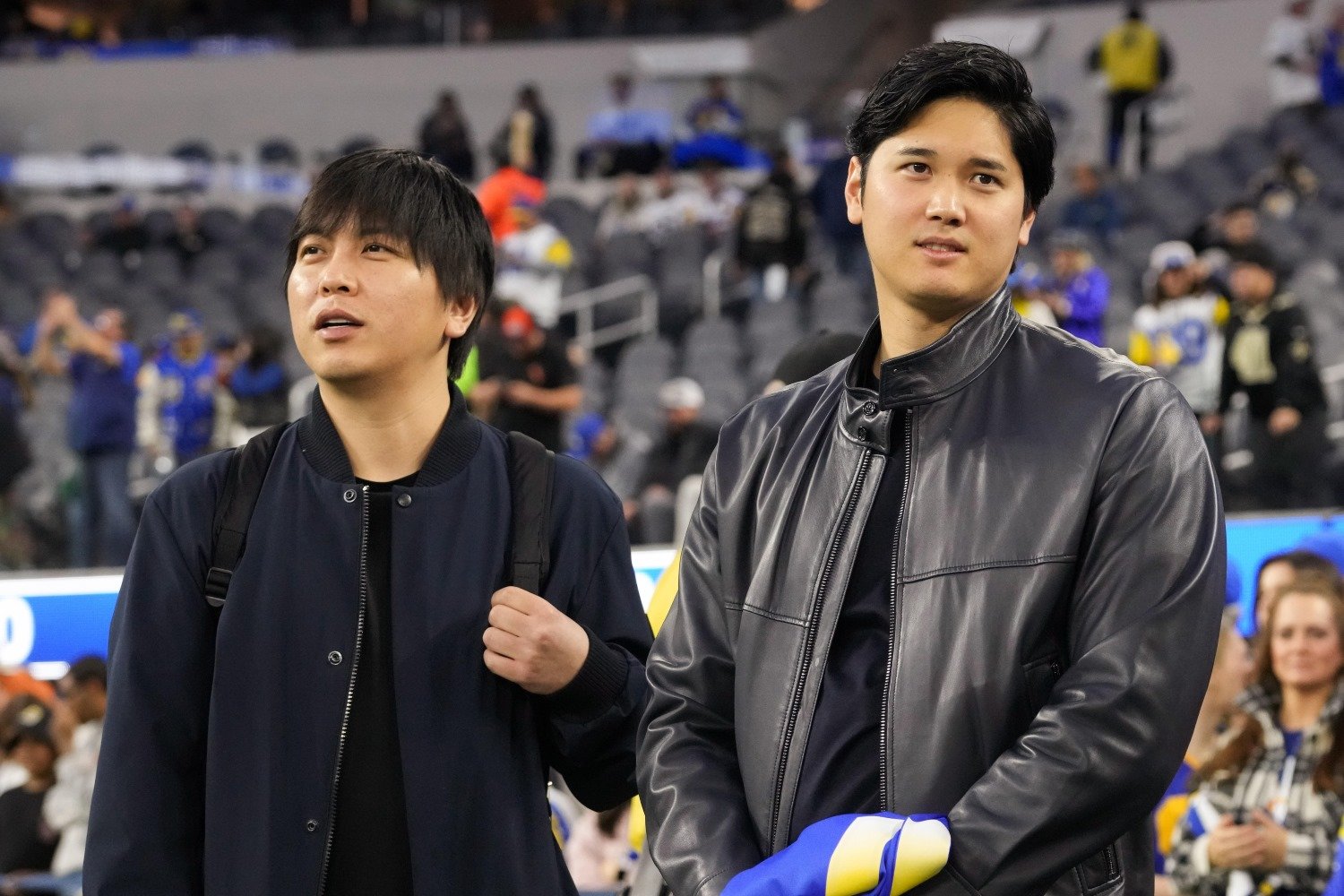 We’ll just jump right into the baseball side of things this week, since Spring Training is all but over now. As of today, Seiya Suzuki leads all Cubs on the 40-man roster with three home runs this Spring. We spoke about his terrific performance last week in this space, and it’s encouraging to see him look so tuned in after a scorching-hot final six weeks in 2023. However, do you know who leads all Cubs in home runs in Spring Training? Why, it’s none other than David Bote, he of the ill-fated five-year, $15 million extension. That contract with Bote ends this year, though he’s no longer on the 40-man roster. Since being designated for assignment at the end of the 2022 season, Bote’s been with the Cubs as a non-roster minor leaguer. He spent all of 2023 in Triple-A Iowa, and after being reassigned to minor-league camp earlier this week, odds are he’ll remain there until and unless major injury issues crop up on the major-league team. Owen Caissie’s torrid spring continued on Sunday against the Seattle Mariners, including a titanic blast off of Mauricio Llovera: Nick Madrigal also made his return to the lineup on Sunday, after dealing with a hamstring issue for most of camp. With so much time missed, the Cubs could send him to Triple-A Iowa to begin the year just to get him some more reps to help his timing at the plate, but it appears the organization prefers to have him available, all else equal. Ian Happ is dealing with a hamstring strain of his own--one that kept him out of the lineup for a few days even during this week of returning to action. According to manager Craig Counsell, it shouldn’t threaten his status for Opening Day. The final two bullpen spots look like they’ll come down to Luke Little, Hayden Wesneski, and José Cuas, now that Carl Edwards Jr. has opted out of his deal. For my money, I think the team would be smart to keep Little and Cuas, while giving Wesneski one more chance to figure it out as a starter in the minors. Little was tremendous in his cup of coffee last September, and Cuas has been among the team’s best relievers this spring. Of course, keeping Little is not a necessity, since it was announced that Drew Smyly would start the season in the bullpen as Jordan Wicks and Javier Assad won the 4th and 5th starter gigs (pending Jameson Taillon’s health). Now that Mark Leiter Jr.’s splitter appears to be functional again, the Cubs could have three guys that match up favorably against opposing left-handed batters. Dominic Smith also opted out of his contract earlier this week, which is a real shame considering just how dominant he was in the Cactus League. Alas, it never really looked like there was going to be an available bench spot for him. He’ll almost certainly latch on with another team soon. David Peralta, a late-offseason minor-league signing, will be sticking with the Cubs as he rehabs from an offseason surgery. We started previewing the Cubs’ NL Central competition this week, starting with the Cincinnati Reds. The Pittsburgh Pirates, Milwaukee Brewers, and St. Louis Cardinals will follow this upcoming week. According to USA Today, the Cubs and Los Angeles Dodgers will open the 2025 MLB season in Japan. It should be a fun series that draws a ton of international attention, even if the early morning start times here make it a pain to watch for American fans. Beyond the world of the Cubs, MLB is having no shortage of news stories recently. Before we get to that, though, there are a few administrative notes on the agenda this week: The volume of video content on the site will increase in spades once the season starts. If you have any ideas, requests, or suggestions for a format or topic for a video, let us know! We’ll be experimenting with different ideas over the next few months. Check out all the newest NSBB videos on the site’s homepage or videos tab. Go follow us on Twitter & Facebook (or “X” and “Meta” now, I suppose) for the latest updates, articles and general announcements at NSBB. It’s going to be a busy season, y’all! Lastly, our very own @Sean Chapin and @CandidCubs have started a podcast called “Bricks Behind the Ivy”. Go check it out! You may even be able win some free Cubs tickets… Now, elsewhere in the baseball world, there’s some major storylines going down: There’s been a ton of discontent in the MLBPA recently, with warring factions of players either defending current Executive Director Tony Clark or seeking his ouster. The last CBA negotiation led to an extended and arduous lockout, and with the current deal set to expire in 2026, it won’t be long until those talks start again. It isn’t surprising to hear that some sides want new leadership, but it is disheartening to hear how contentious the topic has become between players. Though “Opening Day” is technically on March 28th, the first two games of the season already happened between the Los Angeles Dodgers and San Diego Padres in the “Seoul Series”. They split the series 1-1, and the big stories were the Dodgers' two major offseason acquisitions, though not in the way L.A. hoped. The 325-Million Dollar Man, Yoshinobu Yamamoto, made his first MLB start in Game 2 of the series, and he was blown up in his sole inning of work: five earned runs, four hits and a walk. It was a bad debut for a supremely talented player. The big talk in the baseball world, though, was the breaking news story on Shohei Ohtani. Reportedly, his interpreter and best friend, Ippei Mizuhara, stole millions of dollars of funds from him for gambling debts. It’s a wild story that has changed multiple times since being initially leaked. There’s surely going to be more fallout than just Mizuhara being fired by the Dodgers (which has already happened), but the league has every incentive to protect its most popular player. It’ll be fascinating to see how it all plays out. Speaking of getting robbed (too soon?), March Madness began this week on Thursday. It’s the best weekend of the year, and Day One got off to a bang with some major upsets, highlighted by Oakland’s stunning victory over Kentucky. However, the biggest story was Samford’s 22-point comeback that wasn’t, because of an egregious blown foul call in the final minute of the game. That is just an outright whiff by the ref. In a game where it felt like there was a review every 20 seconds, the biggest call of the night stood, despite being obviously and hilariously incorrect. Some are comparing it to Jim Joyce’s botched call on Armando Galarraga’s non-perfect perfect game, and it does feel eerily similar, given the stakes and the clear sightline the ref had on the play. Other big first weekend upsets included Yale knocking off 4th-seeded Auburn (who was in my Final Four…) and Clemson over Baylor in the Round of 32. That’s about it for the big stories in sports right now. With the NFL Draft a month away and the NBA and NHL playoffs also not for another four weeks, all eyes will be on baseball with Opening Day right around the corner. Now, for some brief film and television discussion. Kung Fu Panda 4 (2024) came out a few weeks ago, and I’ve had a few weeks to mull it over. Yes, I saw it on opening night, and I admit that shamelessly. It doesn’t pander to kids under the age of ten as hard as Kung Fu Panda 3 (2016), but it hardly matches the mature tones and themes of the first two films. At the end of the day, it’s a mediocre film that doesn’t flop as hard as other recent Dreamworks projects, but it comes nowhere near the heights of Puss and Boots: The Last Wish (2022). However, the movie commits a heinous sin against prior entries in the series: it brings back characters from previous movies to serve as voiceless, hollow husks of the dynamic figures they once were. It’s a slap in the face to fans, fails in what it tries to be (fan service) and harms the plot and sincerity of the film. Also, for a franchise known for its sinister, introspective villains, the Chameleon is an incredibly flat, one-note antagonist. Elsewhere in the animation world, Amazon’s Invincible has returned for Season 2: Part 2, which… obviously, an eight-episode season does not need a fourth month-long mid-season break. It has tarnished the hype for a show that had so much momentum after its debut season. That being said, the second half of Season 2 has been excellent through two episodes, and the show appears to be finding its footing again after an underwhelming start to its second season. Hopefully, they can end the season on a high note and keep the momentum going in Season 3. Alright, we’ll wrap it up there, folks. The Cubs and Rangers will play the MLB “Opening Night” game, exclusively on ESPN, at 6:30 PM CST. The Rangers will hold their ring ceremony beforehand, so let’s hope the Cubs can spoil an otherwise festive and celebratory night in Arlington, Texas. Have a great week, everyone! Go, Cubs, Go!
- 2 comments
-
- 1
-
-
- nick madrigal
- ian happ
- (and 2 more)
-
Would like to think Hendricks still has some magic in him. He was up to ~90 last year for the first time since 2020, which makes all the difference for a guy like him. I just think I'd feel more confident in Hendricks if he was the team's 4th starter, rather than the no. 2.
-
I'm very happy with how productive (and, generally, healthy) the team has been in ST. I've always been high on Wicks, but I'm expecting huge things from him this year (perhaps a fallacy after Wesneski's smoke-and-mirrors show last Spring). The rotation definitely doesn't have a ton of swing-and-miss, and no Stroman means practically everyone is a fly-ball pitcher. It's a dangerous game to play, but at least the Cubs outfield defense is good, right?
-
Brandon & Ethan dive further into the stats and pitch mix of the Cubs’ newest starting pitcher. View full video
-
Brandon & Ethan dive further into the stats and pitch mix of the Cubs’ newest starting pitcher.
-
Another week of Chicago Cubs spring training is in the books. Seiya Suzuki looks ready for a breakout season. I finally saw Dune II. There’s so much to discuss. Image courtesy of © Rick Scuteri-USA TODAY Sports Welcome back to Volume II of the Monday Morning North Sider. If you missed last week’s edition, feel free to check it out for some introductions, Cubs chatter, and general administrative notes. Today, let’s just get right into the swing of things. The Cubs are up to 15-8 in Cactus League play. Technically, that’s the most wins in the league, but because of the wonky spring training schedules, the Los Angeles Dodgers and Colorado Rockies are ahead of them in the standings by percentage points. Seiya Suzuki is having a monster spring: he’s slashing .444/.483/.926, with three home runs. Perhaps even more importantly, he's struck out just four times in 29 plate appearances. If he can keep the strikeout rate below 20% in the regular season, watch out. Speaking of hot springs, have you all been keeping up with what Dominic Smith’s been doing? He’s up to a 1.029 OPS through 20 at-bats, and even as a non-roster invitee, he has a shot to make the Opening Day roster. (If he doesn't, he's at least auditioned well for other teams throughout the league, with whom he might latch on instead.) In 2019 and 2020, Smith finished with an OPS above .880. He hasn’t quite reached the same level of productivity since that pandemic-shortened season, but he did hit 34 extra-base hits in 153 games with the Washington Nationals last year. As a lefty bench bat who can play first base or the outfield corners in a pinch, he’d fit this iteration of the Cubs roster pretty well. Of course, if Smith does make it, two of Patrick Wisdom, Garrett Cooper and Miles Mastrobuoni won’t make the Opening Day roster. With Mike Tauchman already guaranteed the fourth outfielder gig by manager Craig Counsell, the Cubs may not have the appetite to hang onto too many more lefty hitters for their bench. The Cubs' bench is one of the few camp battles still ongoing. Check out a full primer on the situation from Sean Chapin this weekend. One of the bench spots that is locked in is for Yan Gomes, the Cubs’ backup catcher. I say backup, because the team appears prepared to put a much larger workload on Miguel Amaya’s plate as he heads into his sophomore season. Amaya is hitting just .231/.259/.346 in 26 at-bats this spring, though he won’t need to hit much better than that to be a league-average contributor at an offensively bereft position. He’s been lauded for his work behind the plate and with the pitching staff, and if he can introduce some more power, Amaya will immediately enter the higher echelons of the catcher ranks in MLB. The pitching side of things has seen a number of interesting developments this spring, though perhaps the most important is Jordan Wicks’ dominance. In a team-leading 17 1/3 innings, Wicks has pitched to a 2.60 ERA and 12/2 K/BB ratio. He’s looked the part this preseason, and at this point, he’s all but secured the fifth starter spot in the rotation. Speaking of the rotation, Kyle Hendricks hasn’t been great in the Cactus League this year. He’s posted a 6.00 ERA and he’s been uncharacteristically wild, giving up five walks in 12 innings pitched. With Jameson Taillon set to miss at least the first turn through the rotation with back troubles, the Cubs will need Hendricks to right the ship quickly. If things play out as expected, he’ll start game two of the regular season against the Texas Rangers on Mar. 30. A lot of Cubs pitchers on the cusp of the roster are struggling this preseason. Drew Smyly has a 7.71 ERA, Hayden Wesneski’s ERA is 8.00, Daniel Palencia is up to a 5.40 ERA, and Richard Lovelady has posted an unsightly 9.64 ERA. On the bright side, all of Ben Brown (0.90), Thomas Pannone (1.13), Cam Sanders (1.42), Luke Little (0.00), and Adbert Alzolay (0.00) have ERAs below 1.50 through March 17th. Lastly, if your fantasy baseball draft is coming up and you need to know which Cubs players are worth drafting, our Josh Illes has you covered. Okay, that’s it for the baseball chatter for now. Come discuss these points in further detail in the comments with me, or bring up something else that’s exciting or concerning you. Before we get into the entertainment section, a few bullets on the administrative side of things. If you missed it, Ethan Staple and I posted our first video for NSBB this week about Shota Imanaga. Part two is coming soon (it’s a more in-depth analysis on him as a pitcher). Feel free to keep checking the home page and/or videos tab to see new content as it’s uploaded! If you’ve been keeping track of who is writing the articles for NSBB, you’ve probably seen quite a few new names over the last month. There are too many contributors to list here, but the readership isn’t the only thing that’s growing! We’re very excited with the writers we have aboard, from old heads to the newbies. It’s going to be a great year of Cubs coverage around here! As promised, a brief administrative section. There’s a lot of happenings going on around North Side Baseball, both on the backend and the front page, so keep an eye out on the site and our socials for updates. Let’s get into a bit of general sports talk. I was DMed by multiple people about my failure to cover the NHL in last week’s column. Full disclosure: I don’t follow hockey until the Stanley Cup Playoffs. I will take a peek at the Blackhawks’ record though and… yikes. Uh, at least Connor Bedard crossed the 50 points threshold? The NBA churn continues as well, and the Bulls are as mediocre as ever. They’re currently ninth place in the lesser conference, and odds are they’ll bow out in the play-in. Speaking about the Bulls, if you were watching the broadcast on Saturday, you’d think Derrick Rose retired this weekend. Turns out, the announcers were duped by a fake tweet. It was hilarious and a little heart-palpitating. NFL free agency began this week, and the Bears made it as interesting as ever. There were some great moves (Kennan Allen for a fourth-round pick!) and some not-so-great moves (Justin Fields for a conditional sixth-round pick?). The Fields trade all but guarantees the Bears will select a quarterback with the first overall pick in April. The odds-on favorite is Caleb Williams (USC), but Jayden Daniels (LSU) is receiving some major prospect helium these days. That about covers it for the other major sports. TLDR: the Blackhawks stink, the Bulls can’t get off their mediocrity treadmill, and the Bears are making moves that make it seem like they’re straddling multiple timelines. So, all in all, pretty usual stuff for Chicago sports. Now, time for a brief discussion on the biggest movie of the year. I finally saw Dune II (2024). I’ll refrain from spoilers in this section, but you should know: it’s a pretty good movie. I’m not the biggest sci-fi fan on the planet, so these kinds of movies rarely sink their hooks into me. The performances are solid, the cinematography is stunning, and the score is brilliant. All the ingredients are in place for an excellent film, but I still came away with the sentiment that it’s just a “pretty good movie”. One thing I’ll note about the performances: Javier Bardem can do no wrong. He’s brilliant in everything he’s in - his performance as Anton Chigurh in No Country For Old Men (2007) remains one of the most exceptional acting displays ever - and he steals the show as Stilgar in Dune II. Unfortunately, Christopher Walken kinda phones in his role as one of the main baddies. I’m excited to see how they adapt the book in the finale to Dennis Villeneuve’s trilogy. I never actually read the novels (they’ve been on my list forever), so whatever happens will be fresh for my eyes, even if the genre as a whole remains as predictable as ever (yes, I realize the irony in calling Dune “by the book” when it is the book). Alright, we’ll wrap it up there, folks. One more full week of spring games before we get to the real deal on March 28th. I’m antsy and nervous for this season, but mostly just excited to get back to watching Cubs baseball. I imagine most of you feel the same way. Have a great week, everyone! Go, Cubs, Go! View full article
- 5 replies
-
- 1
-
-
- seiya suzuki
- jordan wicks
- (and 1 more)
-
Monday Morning North Sider: Suzuki, Amaya, Wicks, Dune II, and More
Brandon Glick posted an article in Cubs
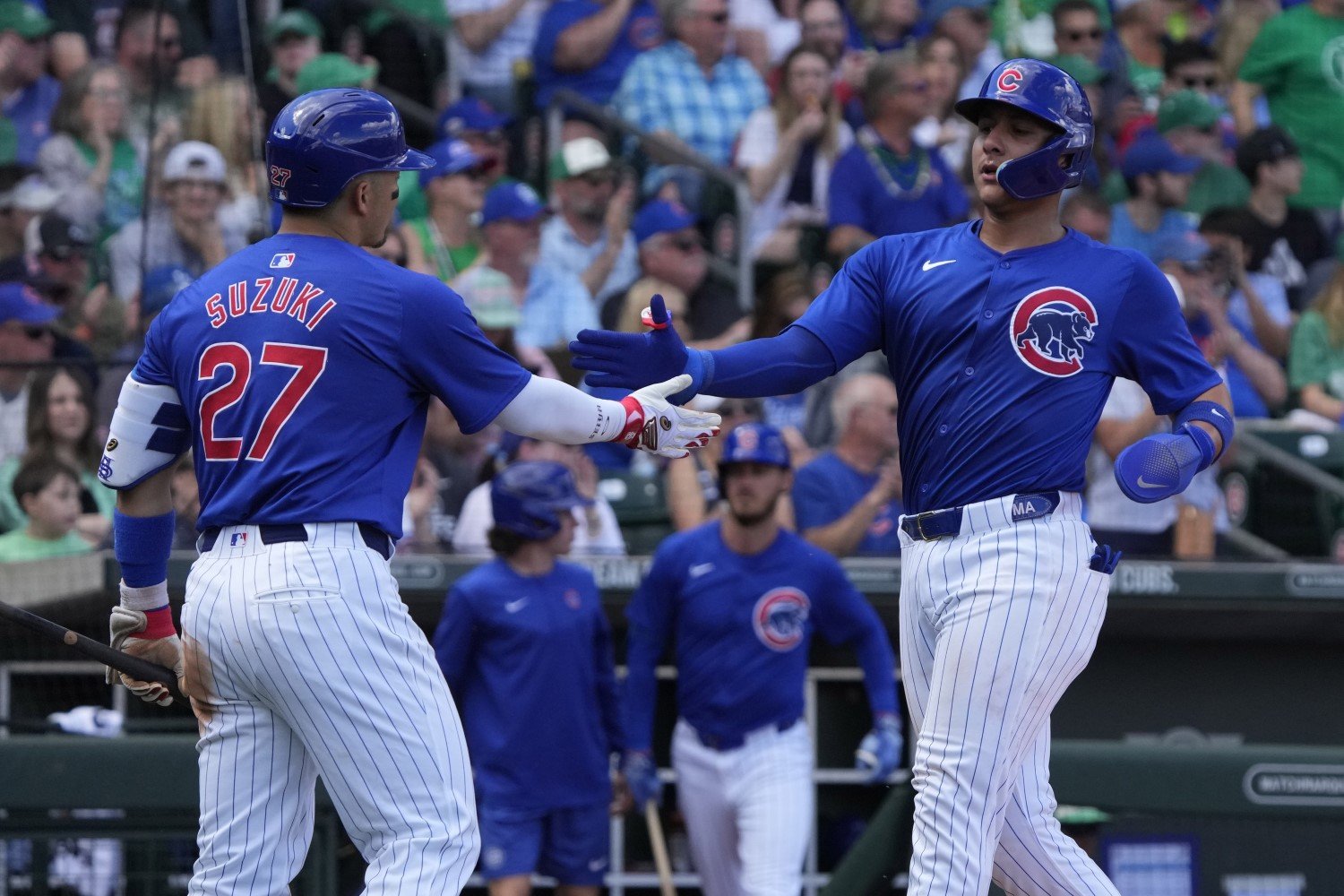 Welcome back to Volume II of the Monday Morning North Sider. If you missed last week’s edition, feel free to check it out for some introductions, Cubs chatter, and general administrative notes. Today, let’s just get right into the swing of things. The Cubs are up to 15-8 in Cactus League play. Technically, that’s the most wins in the league, but because of the wonky spring training schedules, the Los Angeles Dodgers and Colorado Rockies are ahead of them in the standings by percentage points. Seiya Suzuki is having a monster spring: he’s slashing .444/.483/.926, with three home runs. Perhaps even more importantly, he's struck out just four times in 29 plate appearances. If he can keep the strikeout rate below 20% in the regular season, watch out. Speaking of hot springs, have you all been keeping up with what Dominic Smith’s been doing? He’s up to a 1.029 OPS through 20 at-bats, and even as a non-roster invitee, he has a shot to make the Opening Day roster. (If he doesn't, he's at least auditioned well for other teams throughout the league, with whom he might latch on instead.) In 2019 and 2020, Smith finished with an OPS above .880. He hasn’t quite reached the same level of productivity since that pandemic-shortened season, but he did hit 34 extra-base hits in 153 games with the Washington Nationals last year. As a lefty bench bat who can play first base or the outfield corners in a pinch, he’d fit this iteration of the Cubs roster pretty well. Of course, if Smith does make it, two of Patrick Wisdom, Garrett Cooper and Miles Mastrobuoni won’t make the Opening Day roster. With Mike Tauchman already guaranteed the fourth outfielder gig by manager Craig Counsell, the Cubs may not have the appetite to hang onto too many more lefty hitters for their bench. The Cubs' bench is one of the few camp battles still ongoing. Check out a full primer on the situation from Sean Chapin this weekend. One of the bench spots that is locked in is for Yan Gomes, the Cubs’ backup catcher. I say backup, because the team appears prepared to put a much larger workload on Miguel Amaya’s plate as he heads into his sophomore season. Amaya is hitting just .231/.259/.346 in 26 at-bats this spring, though he won’t need to hit much better than that to be a league-average contributor at an offensively bereft position. He’s been lauded for his work behind the plate and with the pitching staff, and if he can introduce some more power, Amaya will immediately enter the higher echelons of the catcher ranks in MLB. The pitching side of things has seen a number of interesting developments this spring, though perhaps the most important is Jordan Wicks’ dominance. In a team-leading 17 1/3 innings, Wicks has pitched to a 2.60 ERA and 12/2 K/BB ratio. He’s looked the part this preseason, and at this point, he’s all but secured the fifth starter spot in the rotation. Speaking of the rotation, Kyle Hendricks hasn’t been great in the Cactus League this year. He’s posted a 6.00 ERA and he’s been uncharacteristically wild, giving up five walks in 12 innings pitched. With Jameson Taillon set to miss at least the first turn through the rotation with back troubles, the Cubs will need Hendricks to right the ship quickly. If things play out as expected, he’ll start game two of the regular season against the Texas Rangers on Mar. 30. A lot of Cubs pitchers on the cusp of the roster are struggling this preseason. Drew Smyly has a 7.71 ERA, Hayden Wesneski’s ERA is 8.00, Daniel Palencia is up to a 5.40 ERA, and Richard Lovelady has posted an unsightly 9.64 ERA. On the bright side, all of Ben Brown (0.90), Thomas Pannone (1.13), Cam Sanders (1.42), Luke Little (0.00), and Adbert Alzolay (0.00) have ERAs below 1.50 through March 17th. Lastly, if your fantasy baseball draft is coming up and you need to know which Cubs players are worth drafting, our Josh Illes has you covered. Okay, that’s it for the baseball chatter for now. Come discuss these points in further detail in the comments with me, or bring up something else that’s exciting or concerning you. Before we get into the entertainment section, a few bullets on the administrative side of things. If you missed it, Ethan Staple and I posted our first video for NSBB this week about Shota Imanaga. Part two is coming soon (it’s a more in-depth analysis on him as a pitcher). Feel free to keep checking the home page and/or videos tab to see new content as it’s uploaded! If you’ve been keeping track of who is writing the articles for NSBB, you’ve probably seen quite a few new names over the last month. There are too many contributors to list here, but the readership isn’t the only thing that’s growing! We’re very excited with the writers we have aboard, from old heads to the newbies. It’s going to be a great year of Cubs coverage around here! As promised, a brief administrative section. There’s a lot of happenings going on around North Side Baseball, both on the backend and the front page, so keep an eye out on the site and our socials for updates. Let’s get into a bit of general sports talk. I was DMed by multiple people about my failure to cover the NHL in last week’s column. Full disclosure: I don’t follow hockey until the Stanley Cup Playoffs. I will take a peek at the Blackhawks’ record though and… yikes. Uh, at least Connor Bedard crossed the 50 points threshold? The NBA churn continues as well, and the Bulls are as mediocre as ever. They’re currently ninth place in the lesser conference, and odds are they’ll bow out in the play-in. Speaking about the Bulls, if you were watching the broadcast on Saturday, you’d think Derrick Rose retired this weekend. Turns out, the announcers were duped by a fake tweet. It was hilarious and a little heart-palpitating. NFL free agency began this week, and the Bears made it as interesting as ever. There were some great moves (Kennan Allen for a fourth-round pick!) and some not-so-great moves (Justin Fields for a conditional sixth-round pick?). The Fields trade all but guarantees the Bears will select a quarterback with the first overall pick in April. The odds-on favorite is Caleb Williams (USC), but Jayden Daniels (LSU) is receiving some major prospect helium these days. That about covers it for the other major sports. TLDR: the Blackhawks stink, the Bulls can’t get off their mediocrity treadmill, and the Bears are making moves that make it seem like they’re straddling multiple timelines. So, all in all, pretty usual stuff for Chicago sports. Now, time for a brief discussion on the biggest movie of the year. I finally saw Dune II (2024). I’ll refrain from spoilers in this section, but you should know: it’s a pretty good movie. I’m not the biggest sci-fi fan on the planet, so these kinds of movies rarely sink their hooks into me. The performances are solid, the cinematography is stunning, and the score is brilliant. All the ingredients are in place for an excellent film, but I still came away with the sentiment that it’s just a “pretty good movie”. One thing I’ll note about the performances: Javier Bardem can do no wrong. He’s brilliant in everything he’s in - his performance as Anton Chigurh in No Country For Old Men (2007) remains one of the most exceptional acting displays ever - and he steals the show as Stilgar in Dune II. Unfortunately, Christopher Walken kinda phones in his role as one of the main baddies. I’m excited to see how they adapt the book in the finale to Dennis Villeneuve’s trilogy. I never actually read the novels (they’ve been on my list forever), so whatever happens will be fresh for my eyes, even if the genre as a whole remains as predictable as ever (yes, I realize the irony in calling Dune “by the book” when it is the book). Alright, we’ll wrap it up there, folks. One more full week of spring games before we get to the real deal on March 28th. I’m antsy and nervous for this season, but mostly just excited to get back to watching Cubs baseball. I imagine most of you feel the same way. Have a great week, everyone! Go, Cubs, Go!
- 5 comments
-
- 1
-

-
- seiya suzuki
- jordan wicks
- (and 1 more)
-
Yea I've heard enough. #TruebloodforCubshittingcoach.
- 7 replies
-
- 1
-

-
- patrick wisdom
- josh gibson
- (and 1 more)
-
In their first Spring Training video, Brandon & Ethan break down the Cubs’ biggest offseason acquisition, Shota Imanaga.
-
In their first Spring Training video, Brandon & Ethan break down the Cubs’ biggest offseason acquisition, Shota Imanaga. View full video
-
A new weekly series at North Side Baseball begins! Let’s take a look at the Cubs’ past week (and some other fun topics). Image courtesy of © Mark J. Rebilas-USA TODAY Sports I hope this will be the genesis of a weekly column here at North Side Baseball. Peter King - he of Monday Morning Quarterback fame - just retired from doing his weekly column at NBC. He was a huge inspiration to me, and his tightrope act of informal tidbits and excessively niche insider information was and still is unlike anything else in the sports journalism space. Now, these columns won’t be the same as King’s: I do not have the necessary connections to discuss the game of baseball at the level King spoke about the NFL, nor do I have the time to pump out 10,000+ words a week in this space. I imagine that’s just dandy with most of you since 1,500 or so words of my rambling tend to be enough in most cases. I will use the Spring Training period to trial-and-err precisely what I want this column to look like so that when Opening Day hits, we can go right at it. I hope this becomes a collaborative environment, and I’ll try to implement the feedback I get from the editors and the readers (you) throughout the year. I can’t promise this will be the best Cubs-related blog out there, but I’ll try to ensure the weekly articles provide some value or nugget of knowledge that makes it worth reading. As a first go, I will start with bullet-point formatting since that seems the easiest way to rattle off scatterbrained thoughts in a rapid-fire manner. Generally, the column will begin with a discussion of the Cubs’ previous week at the top, followed by any administrative news/announcements, and we’ll conclude with some other entertainment-related topics (other sports, movies/television shows, music, etc.). Sound good? Let’s dive right into it. Discuss the Cubs and their Spring Training performance. The North Siders are currently 9-7-2 (tied with the Reds twice), good for sixth in the Cactus League. Owen Caissie has been the best hitter in Cubs camp all Spring, as he’s now slashing .440/.517/.680 through 25 at-bats. He’s flown a little under the radar due to Pete Crow-Armstrong’s proximity to the big leagues and the Cubs’ suddenly burgeoning farm system around him, but Caissie is a legitimate top prospect. Don’t be surprised if he’s batting between Nico Hoerner and Christopher Morel at some point in 2025. I was working on a Brennen Davis piece after his scorching start to the Spring, and then he went and suffered yet another fluke injury, this time a concussion after being hit by a pitch in the head. It’s frustrating to see Davis routinely miss time with these bogus injury issues. It wasn’t too long ago that he was considered the top prospect in the farm system, and most outlets had him among the top 25 prospects in all of baseball. His long-term spot in Chicago is now a giant question mark, with Pete Crow-Armstrong knocking on the door of Wrigley Field, but Davis is still a wildly talented player when he is healthy. Speaking of wildly talented players, Christopher Morel plays third base daily and has been in Spring Training. It’s been hit-and-miss, but the team is ready to ride it out with his mistakes. The 5th starter competition is in full swing, with Jordan Wicks seemingly jumping out in front on the back of his 2.25 ERA through eight innings. He hasn’t been striking anyone out (just three Ks so far), but he isn’t walking anyone (just one BB). It looks like Wicks will get the first crack at being the fifth starter, but don’t be surprised if the Cubs let Javier Assad assume some of the workload after his terrific performance down the stretch in 2023. If you missed it, Kris Bryant interviewed with The Athletic a few weeks ago. Bryant offers some pretty introspective insight into the pressures of being “The Chosen One” in Chicago and why he went to Colorado, even going so far as admitting that he misjudged the Rockies’ proximity to "contender" status. It’s a worthwhile read on a Cubs player's most jarring rise and fall in recent memory. It's time for some administrative fun (I can hear your cheers through the screen). As some of you know, this March marks the one-year anniversary of North Side Baseball’s relaunch. We’re now part of the same club as Brewer Fanatic and Twins Daily, which have grown tremendously in the last few years. Because the new NSBB is so… new, it’s hard to accurately compare the site’s performance to previous years. That being said, as I’m sure most of you have realized, there have been a ton of new users joining us recently. It makes for a better and more lively community, and hopefully, that trend will continue throughout the 2024 season. If you frequent BF or TD, you’ve likely seen a lot of video content from various writers and creators. At NSBB, that video content has been infrequent at best. With that in mind, I’m thrilled and excited to announce that I, in partnership with Maryland PBS Associate Producer Ethan Staple, will be taking over as the predominant video creator for North Side Baseball. Ethan’s credentials are obvious from his previous work. For those of you who don’t know, I’m a writer, director, and producer in the film world when I’m not writing about sports. Here’s a teaser for my directorial debut, which is coming out later this year. None of that means Ethan and I will automatically be good at producing Cubs-related video content, but hopefully, it isn’t a total train wreck. We’ll post videos on the NSBB homepage sporadically throughout March before getting into a consistent schedule (i.e., two or three videos a week) when the regular season starts. Lastly, if you happen to be perusing NSBB socials on the weekends, feel free to say hi… the admin and I are pretty tight. I will keep this entertainment section short this week since there were numerous administrative bullet points, but I want to jam out this part of the column in the coming months. By the time you’re reading this, NFL Free Agency has begun (at least the legal tampering period has). Many exciting things are happening in the football hemisphere, especially in the Bears’ world. That first overall pick will be the subject of A LOT of rumors over the next ~six weeks. And as I’m typing this out, the Bears just signed safety Kevin Byard. He struggled last year after a midseason swap from the Titans to the Eagles, but he is a multi-time All-Pro who’s long been one of the best cover safeties in the league. The NBA and NHL’s regular seasons are continuing in earnest. I have no idea how anyone will beat the Celtics in a seven-game series in the East, and I have zero clue how they will beat Nikola Jokic in a seven-game series in the NBA Finals. I haven’t seen Dune 2 (2024) yet (no spoilers in the comments, please!), but I did get to see Christopher Nolan’s Tenet (2020) in 70mm IMAX, which was re-released in theaters after initially being dropped during the height of the pandemic in 2020. My basic thoughts: what an insane movie. The rules and guidelines around the fragile, temporal loops in the movie’s universe are left purposefully ambiguous, and Nolan’s tergiversative attitude serves the plot well. However, the editing, performances, and writing are all as sloppy as any film in Nolan’s filmography. No wonder he cleaned up his act for Oppenheimer (2023). The 2024 Oscars just wrapped up. It mainly went to chalk, though Emma Stone's beating out Lily Gladstone for Best Actress was a surprise. Also, Oppenheimer practically swept every category it was nominated for, following in the footsteps of last year’s tour de force, Everything Everywhere All At Once (2022). If you want to discuss movies in greater detail, hang out with me on Letterboxd. Alright, folks. I think that’s where we’ll call it a wrap for now. Like I said, this space's content and formatting will change as I get feedback. Hopefully, these first few attempts at a weekly column will tide us over until I can get it in a place we all are happy with. Have a great week, everyone! Go, Cubs, Go! View full article
-
- 1
-
-
- monday morning northsider
- jordan wicks
- (and 3 more)
-
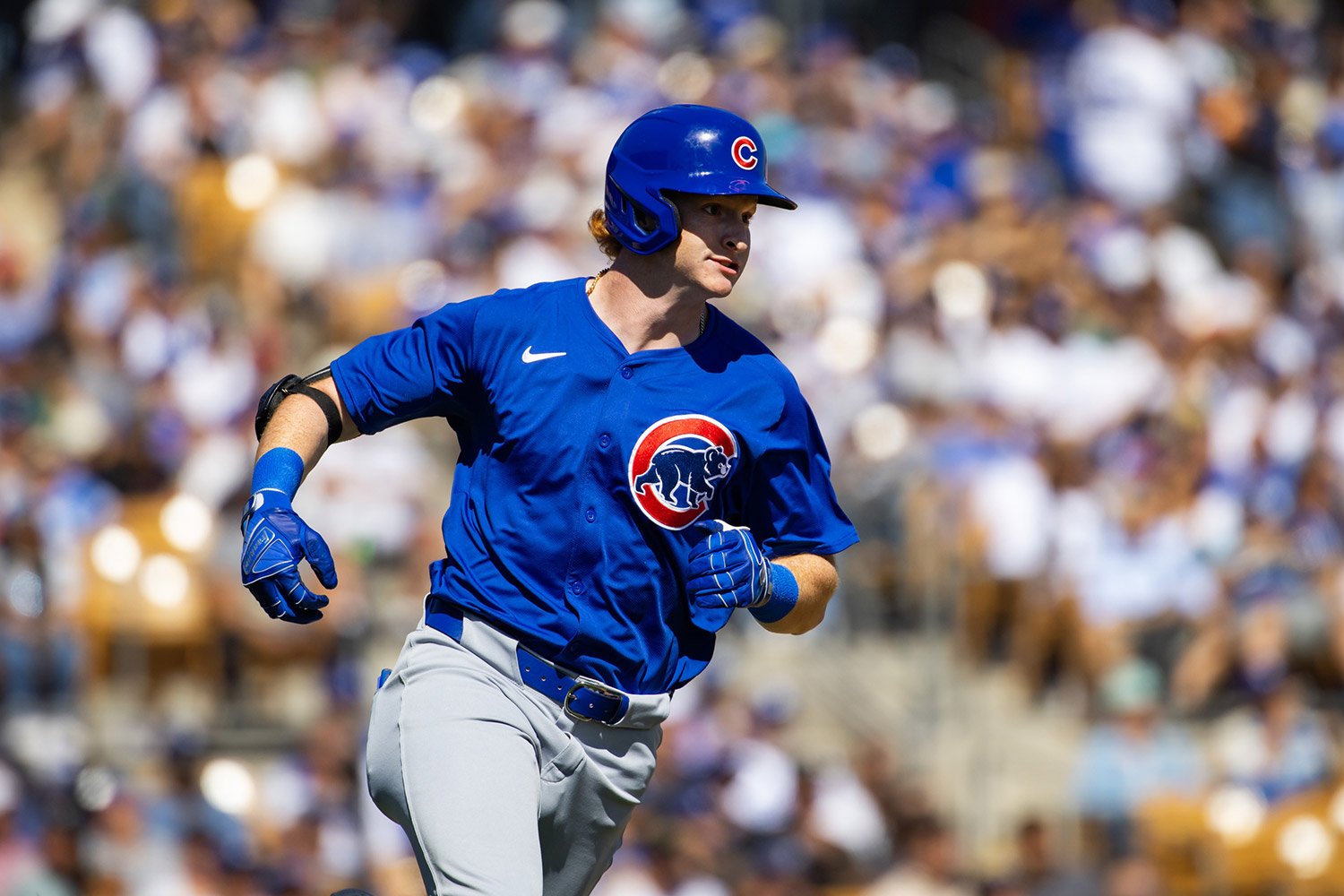 I hope this will be the genesis of a weekly column here at North Side Baseball. Peter King - he of Monday Morning Quarterback fame - just retired from doing his weekly column at NBC. He was a huge inspiration to me, and his tightrope act of informal tidbits and excessively niche insider information was and still is unlike anything else in the sports journalism space. Now, these columns won’t be the same as King’s: I do not have the necessary connections to discuss the game of baseball at the level King spoke about the NFL, nor do I have the time to pump out 10,000+ words a week in this space. I imagine that’s just dandy with most of you since 1,500 or so words of my rambling tend to be enough in most cases. I will use the Spring Training period to trial-and-err precisely what I want this column to look like so that when Opening Day hits, we can go right at it. I hope this becomes a collaborative environment, and I’ll try to implement the feedback I get from the editors and the readers (you) throughout the year. I can’t promise this will be the best Cubs-related blog out there, but I’ll try to ensure the weekly articles provide some value or nugget of knowledge that makes it worth reading. As a first go, I will start with bullet-point formatting since that seems the easiest way to rattle off scatterbrained thoughts in a rapid-fire manner. Generally, the column will begin with a discussion of the Cubs’ previous week at the top, followed by any administrative news/announcements, and we’ll conclude with some other entertainment-related topics (other sports, movies/television shows, music, etc.). Sound good? Let’s dive right into it. Discuss the Cubs and their Spring Training performance. The North Siders are currently 9-7-2 (tied with the Reds twice), good for sixth in the Cactus League. Owen Caissie has been the best hitter in Cubs camp all Spring, as he’s now slashing .440/.517/.680 through 25 at-bats. He’s flown a little under the radar due to Pete Crow-Armstrong’s proximity to the big leagues and the Cubs’ suddenly burgeoning farm system around him, but Caissie is a legitimate top prospect. Don’t be surprised if he’s batting between Nico Hoerner and Christopher Morel at some point in 2025. I was working on a Brennen Davis piece after his scorching start to the Spring, and then he went and suffered yet another fluke injury, this time a concussion after being hit by a pitch in the head. It’s frustrating to see Davis routinely miss time with these bogus injury issues. It wasn’t too long ago that he was considered the top prospect in the farm system, and most outlets had him among the top 25 prospects in all of baseball. His long-term spot in Chicago is now a giant question mark, with Pete Crow-Armstrong knocking on the door of Wrigley Field, but Davis is still a wildly talented player when he is healthy. Speaking of wildly talented players, Christopher Morel plays third base daily and has been in Spring Training. It’s been hit-and-miss, but the team is ready to ride it out with his mistakes. The 5th starter competition is in full swing, with Jordan Wicks seemingly jumping out in front on the back of his 2.25 ERA through eight innings. He hasn’t been striking anyone out (just three Ks so far), but he isn’t walking anyone (just one BB). It looks like Wicks will get the first crack at being the fifth starter, but don’t be surprised if the Cubs let Javier Assad assume some of the workload after his terrific performance down the stretch in 2023. If you missed it, Kris Bryant interviewed with The Athletic a few weeks ago. Bryant offers some pretty introspective insight into the pressures of being “The Chosen One” in Chicago and why he went to Colorado, even going so far as admitting that he misjudged the Rockies’ proximity to "contender" status. It’s a worthwhile read on a Cubs player's most jarring rise and fall in recent memory. It's time for some administrative fun (I can hear your cheers through the screen). As some of you know, this March marks the one-year anniversary of North Side Baseball’s relaunch. We’re now part of the same club as Brewer Fanatic and Twins Daily, which have grown tremendously in the last few years. Because the new NSBB is so… new, it’s hard to accurately compare the site’s performance to previous years. That being said, as I’m sure most of you have realized, there have been a ton of new users joining us recently. It makes for a better and more lively community, and hopefully, that trend will continue throughout the 2024 season. If you frequent BF or TD, you’ve likely seen a lot of video content from various writers and creators. At NSBB, that video content has been infrequent at best. With that in mind, I’m thrilled and excited to announce that I, in partnership with Maryland PBS Associate Producer Ethan Staple, will be taking over as the predominant video creator for North Side Baseball. Ethan’s credentials are obvious from his previous work. For those of you who don’t know, I’m a writer, director, and producer in the film world when I’m not writing about sports. Here’s a teaser for my directorial debut, which is coming out later this year. None of that means Ethan and I will automatically be good at producing Cubs-related video content, but hopefully, it isn’t a total train wreck. We’ll post videos on the NSBB homepage sporadically throughout March before getting into a consistent schedule (i.e., two or three videos a week) when the regular season starts. Lastly, if you happen to be perusing NSBB socials on the weekends, feel free to say hi… the admin and I are pretty tight. I will keep this entertainment section short this week since there were numerous administrative bullet points, but I want to jam out this part of the column in the coming months. By the time you’re reading this, NFL Free Agency has begun (at least the legal tampering period has). Many exciting things are happening in the football hemisphere, especially in the Bears’ world. That first overall pick will be the subject of A LOT of rumors over the next ~six weeks. And as I’m typing this out, the Bears just signed safety Kevin Byard. He struggled last year after a midseason swap from the Titans to the Eagles, but he is a multi-time All-Pro who’s long been one of the best cover safeties in the league. The NBA and NHL’s regular seasons are continuing in earnest. I have no idea how anyone will beat the Celtics in a seven-game series in the East, and I have zero clue how they will beat Nikola Jokic in a seven-game series in the NBA Finals. I haven’t seen Dune 2 (2024) yet (no spoilers in the comments, please!), but I did get to see Christopher Nolan’s Tenet (2020) in 70mm IMAX, which was re-released in theaters after initially being dropped during the height of the pandemic in 2020. My basic thoughts: what an insane movie. The rules and guidelines around the fragile, temporal loops in the movie’s universe are left purposefully ambiguous, and Nolan’s tergiversative attitude serves the plot well. However, the editing, performances, and writing are all as sloppy as any film in Nolan’s filmography. No wonder he cleaned up his act for Oppenheimer (2023). The 2024 Oscars just wrapped up. It mainly went to chalk, though Emma Stone's beating out Lily Gladstone for Best Actress was a surprise. Also, Oppenheimer practically swept every category it was nominated for, following in the footsteps of last year’s tour de force, Everything Everywhere All At Once (2022). If you want to discuss movies in greater detail, hang out with me on Letterboxd. Alright, folks. I think that’s where we’ll call it a wrap for now. Like I said, this space's content and formatting will change as I get feedback. Hopefully, these first few attempts at a weekly column will tide us over until I can get it in a place we all are happy with. Have a great week, everyone! Go, Cubs, Go!
-
- 1
-
-
- monday morning northsider
- jordan wicks
- (and 3 more)
-
Once the Cubs’ most reliable reliever, Keegan Thompson has quickly fallen out of favor in Chicago. Does he have any hope of reclaiming his past glory? Image courtesy of © Sam Greene/The Enquirer / USA TODAY NETWORK A third-round pick in the 2017 MLB Draft, Keegan Thompson initially moved quickly through the Cubs’ farm system, reaching Double-A Tennessee as a starter before the COVID-19 pandemic wiped out the 2020 minor-league season. The Cubs still added the young righthander to the 40-man roster before the 2021 season, and he would eventually debut as a reliever against the Cincinnati Reds on May 2 of that year. It was in 2022 that Thompson really took off. He started in 17 games and pitched in 12 others, accumulating 115 innings in 29 total appearances. His 3.76 ERA was loosely corroborated by a 4.40 FIP, and he was 11% better than league average by ERA+. By the end of the season, he and Brandon Hughes were then-manager David Ross’s preferred options out of the pen. Both of those pitchers entered 2023 with high expectations, with roster spots and roles guaranteed at the commencement of spring training. Then, things went awry. Hughes showed up to camp with lower body issues and fatigue, and his season never got off the ground. He’s now in the Arizona Diamondbacks organization. Thompson had a similarly slow start to camp, though he made the Opening Day roster in 2023. Unfortunately, he was largely ineffective, pitching to a 2-2 record with a 4.22 ERA, 14 walks and 16 strikeouts in 15 relief appearances. The lack of command was startling after the gains he made in 2022 (3.4 BB/9). As such, the Cubs wanted to give him a chance to work out his kinks after a delayed start to the campaign. He was optioned to Triple-A Iowa on May 19, with many speculating about a hidden injury or a lingering dead arm. In 16 outings with the Iowa Cubs, he went 2-0 with a 9.36 ERA, with his command still presenting an issue. Thompson went on to finish the season with the major-league Cubs, giving up five runs in seven innings in four (mostly) mop-up appearances. It was a precipitous fall from grace, and his roster spot is a giant question mark heading into the upcoming season. For one thing, the Cubs bullpen is mostly settled already: Adbert Alzolay, Héctor Neris, Julian Merryweather, and Mark Leiter Jr. are well established as the team’s late-inning arms. Beyond them, Yency Almonte is a recent trade addition with a few good seasons under his belt and no minor league options remaining. Luke Little and Daniel Palencia are young, power arms who finished 2023 with the major-league team after meteoric rises through the farm system. Drew Smyly, Hayden Wesneski and Javier Assad are all long relief options (assuming Jordan Wicks claims the fifth starter role in the rotation) who’ve had success throwing multiple innings in the past. That’s 10 guys for eight spots, and it doesn't include Thompson, José Cuas, and non-roster invitees Carl Edwards Jr., Richard Lovelady, Thomas Pannone, and Edwin Escobar, among others. The team also has a wave of prospects with lively arms - Ben Brown, Cam Sanders, and Riley Thompson chief among them - that could make a case for a relief role sooner, rather than later. The roster crowding is becoming untenable, and Thompson’s 40-man spot was just proven exceptionally valuable when the Cubs traded Bailey Horn for Matt Thompson to clear space for the addition of Cody Bellinger. Thompson has always had the makings of a big-league reliever, as he’s comfortable throwing all three of his main pitches (four-seam fastball, cutter, and curveball) to both left and right-handed hitters. In 2022, Thompson threw 891 fastballs (449 to righties, 442 to lefties); 404 cutters (227 to righties, 177 to lefties); and 329 curveballs (161 to righties, 168 to lefties). As a result, he’s generally been split-neutral throughout his career, though lefties hit him well last year after he mostly abandoned his changeup. The key to Thompson’s success is throwing the fastball high and the cutter inside, which allows him to tunnel his curveball down in the zone. At this point, all bets on Thompson are off. No one should be counting on him being a major contributor this season, and he’s just as likely to find himself off the 40-man roster entirely as he is to be in Chicago to open the 2024 season. That being said, it was just two years ago that he was the Cubs’ most reliable arm in the bullpen. If he’s over the injuries and fatigue that cost him a portion of last year, there’s a possibility he returns to form as a multi-inning arm. And make no mistake about it, that version of Thompson is a valuable thing, even for a Cubs team overloaded with long-relief options. Expect Thompson to begin the year in Iowa’s bullpen as a depth arm, waiting for a need to arise on the major-league roster and tries to prove he's worthy of the opportunity to fill it. However, if he gets his chance to reestablish himself in manager Craig Counsell’s circle of trust, don’t be shocked if Thompson is pitching in key games down the stretch for a team with high expectations for this upcoming season. View full article
-
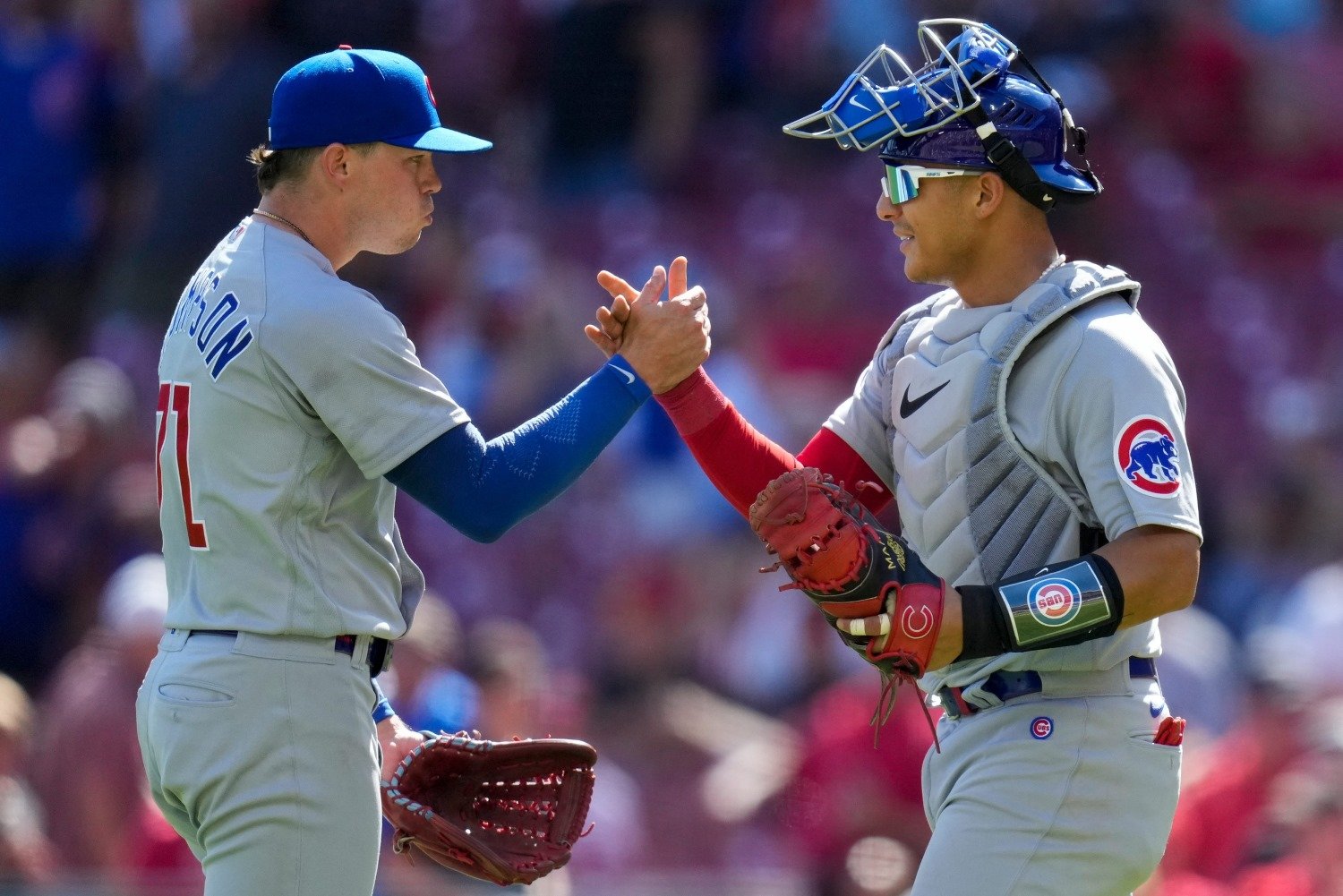 A third-round pick in the 2017 MLB Draft, Keegan Thompson initially moved quickly through the Cubs’ farm system, reaching Double-A Tennessee as a starter before the COVID-19 pandemic wiped out the 2020 minor-league season. The Cubs still added the young righthander to the 40-man roster before the 2021 season, and he would eventually debut as a reliever against the Cincinnati Reds on May 2 of that year. It was in 2022 that Thompson really took off. He started in 17 games and pitched in 12 others, accumulating 115 innings in 29 total appearances. His 3.76 ERA was loosely corroborated by a 4.40 FIP, and he was 11% better than league average by ERA+. By the end of the season, he and Brandon Hughes were then-manager David Ross’s preferred options out of the pen. Both of those pitchers entered 2023 with high expectations, with roster spots and roles guaranteed at the commencement of spring training. Then, things went awry. Hughes showed up to camp with lower body issues and fatigue, and his season never got off the ground. He’s now in the Arizona Diamondbacks organization. Thompson had a similarly slow start to camp, though he made the Opening Day roster in 2023. Unfortunately, he was largely ineffective, pitching to a 2-2 record with a 4.22 ERA, 14 walks and 16 strikeouts in 15 relief appearances. The lack of command was startling after the gains he made in 2022 (3.4 BB/9). As such, the Cubs wanted to give him a chance to work out his kinks after a delayed start to the campaign. He was optioned to Triple-A Iowa on May 19, with many speculating about a hidden injury or a lingering dead arm. In 16 outings with the Iowa Cubs, he went 2-0 with a 9.36 ERA, with his command still presenting an issue. Thompson went on to finish the season with the major-league Cubs, giving up five runs in seven innings in four (mostly) mop-up appearances. It was a precipitous fall from grace, and his roster spot is a giant question mark heading into the upcoming season. For one thing, the Cubs bullpen is mostly settled already: Adbert Alzolay, Héctor Neris, Julian Merryweather, and Mark Leiter Jr. are well established as the team’s late-inning arms. Beyond them, Yency Almonte is a recent trade addition with a few good seasons under his belt and no minor league options remaining. Luke Little and Daniel Palencia are young, power arms who finished 2023 with the major-league team after meteoric rises through the farm system. Drew Smyly, Hayden Wesneski and Javier Assad are all long relief options (assuming Jordan Wicks claims the fifth starter role in the rotation) who’ve had success throwing multiple innings in the past. That’s 10 guys for eight spots, and it doesn't include Thompson, José Cuas, and non-roster invitees Carl Edwards Jr., Richard Lovelady, Thomas Pannone, and Edwin Escobar, among others. The team also has a wave of prospects with lively arms - Ben Brown, Cam Sanders, and Riley Thompson chief among them - that could make a case for a relief role sooner, rather than later. The roster crowding is becoming untenable, and Thompson’s 40-man spot was just proven exceptionally valuable when the Cubs traded Bailey Horn for Matt Thompson to clear space for the addition of Cody Bellinger. Thompson has always had the makings of a big-league reliever, as he’s comfortable throwing all three of his main pitches (four-seam fastball, cutter, and curveball) to both left and right-handed hitters. In 2022, Thompson threw 891 fastballs (449 to righties, 442 to lefties); 404 cutters (227 to righties, 177 to lefties); and 329 curveballs (161 to righties, 168 to lefties). As a result, he’s generally been split-neutral throughout his career, though lefties hit him well last year after he mostly abandoned his changeup. The key to Thompson’s success is throwing the fastball high and the cutter inside, which allows him to tunnel his curveball down in the zone. At this point, all bets on Thompson are off. No one should be counting on him being a major contributor this season, and he’s just as likely to find himself off the 40-man roster entirely as he is to be in Chicago to open the 2024 season. That being said, it was just two years ago that he was the Cubs’ most reliable arm in the bullpen. If he’s over the injuries and fatigue that cost him a portion of last year, there’s a possibility he returns to form as a multi-inning arm. And make no mistake about it, that version of Thompson is a valuable thing, even for a Cubs team overloaded with long-relief options. Expect Thompson to begin the year in Iowa’s bullpen as a depth arm, waiting for a need to arise on the major-league roster and tries to prove he's worthy of the opportunity to fill it. However, if he gets his chance to reestablish himself in manager Craig Counsell’s circle of trust, don’t be shocked if Thompson is pitching in key games down the stretch for a team with high expectations for this upcoming season.
 -
I'm sure the Cubs will take advantage of resting guys with that DH spot if they can. It's also nice having the luxury of multiple gold glovers (Happ, Belli, Hoerner, Swanson, and even Suzuki won some in Japan) all over the diamond. They can rest any of them on any given day and not lose a step. All the more important that Morel finds his home - the versatility it'll give the Cubs on an everyday basis is huge.
-
Morel, of course, has plenty of incentive to find a position. He has a lot more value (to everyone, not just the Cubs), if he can prove himself adequate at third base or left field or wherever. The Cubs' incentive to find him a home is that they need his power. How many legitimate 30+ homer threats are on the roster right now (besides Morel)? One (Suzuki), maybe two (Bellinger) if you're being really generous? If Morel gets consistent playing time at third, he gets 500+ at-bats, and the Cubs can use their DH spot on another hitter. Put another way, if Morel handles third, the Cubs lineup includes Morel at third, plus PCA in center, Belli at first and Busch at DH. If Morel has to DH (and, say, Madrigal plays third), one of Busch, Belli or PCA is dropped from the lineup (or Morel).
-
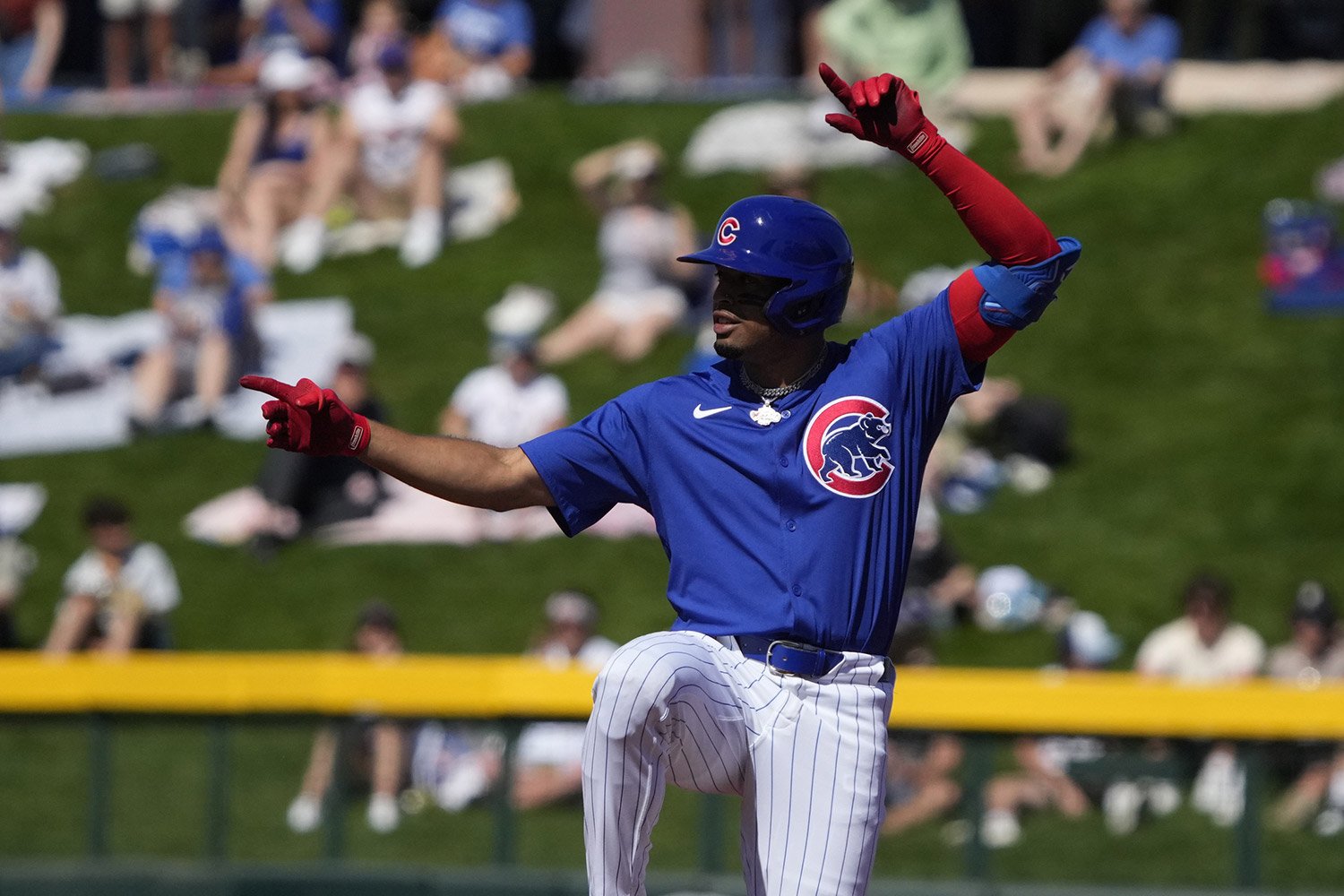 Christopher Morel is a known quantity with his bat. He proved his major league bona fides by posting an .826 OPS in 429 at-bats last year, a big improvement on his already-impressive .741 OPS from his rookie season. By OPS+, he was 16% better than the league average hitter, and his 26 home runs tied for the team lead with Cody Bellinger. He’s as important to the Cubs’ lineup as anyone else on the roster, so manager Craig Counsell aims to bat him in the top half of the order daily. Despite his power-hitting prowess, Morel hasn’t fully established himself as an everyday player, and fans are well-versed in why by now: the 24-year-old can’t find a defensive home. Throughout his time in the minor league, Morel played primarily at second base, though he moonlighted at a handful of other positions. With Nico Hoerner entrenched at the keystone for the Cubs, Morel has shifted around the diamond frequently, playing every single position besides first base and catcher during his time in Chicago. Despite his versatility, he hasn’t settled in anywhere, and he ended up playing more than half (61 of 107) of his games as the designated hitter last year. Of course, Morel has the bat to keep pace with some of the league’s better hitters at DH, but that isn’t the issue. The problem is the Cubs have a hyper-athletic 24-year-old who can’t stick at one position despite, according to Statcast, landing in the 82nd percentile in sprint speed and 99th percentile (!) in arm strength. The Cubs have determined they’ll give Morel the first crack at locking down third base long-term. It’s bound to be a competition - the team has Nick Madrigal, Patrick Wisdom, Michael Busch, and Miles Mastrobuoni as third base-capable options on the 40-man roster (and top prospect Matt Shaw is already banging down the door to Triple-A Iowa after getting drafted in the first round last year). However, Counsell has thrown his weight behind Morel, telling reporters at camp: “Let’s evaluate that as we go but let’s give him a chance at third base; let’s give him some consistency at third base. ‘See where we’re at roster-wise at some point in camp and then go forward from there." Morel’s predominant issue is his range and instincts; last year, he posted a well-below-average -7 Outs Above Average despite limited playing time in the field. As such, the Cubs have been working with him to improve his first step, and they’ll adjust his positioning relative to the bag to account for his arm strength and shortstop Dansby Swanson’s gold glove range (i.e., they’ll let Morel play closer to the foul line since he can make throws from that distance to first base with ease). Early in Spring Training, Morel has gotten a lot of action at third base, serving as the Cubs’ definitive starter for single-squad games. Some of the results of his hard work have been impressive: Other times, he’s still producing multiple gaffes in the same game, fumbling routine grounders, or air-mailing basic throws across the diamond: https://www.mlb.com/video/christopher-morel-s-intersting-day-at-3rd-base Even with his errors, the Cubs have stuck by Morel, consistently starting him at third and letting him work through his issues. “Hopefully, frankly, [there are] mistakes,” Counsell told reporters after the game against the Los Angeles Angels. “I want mistakes because you learn from mistakes. I want action — balls hit to you. That’s what I’m rooting for in the game. Let’s hit a lot of balls to Christopher Morel. You want that. From that perspective, he’s on the field every morning and getting that accomplished. We’re in good shape.” It will likely be third base or bust for Morel this season in the field. Hoerner and Swanson, respectively, lock down second base and shortstop, and the outfield triumvirate of Ian Happ, Cody Bellinger, and Seiya Suzuki will be patrolling left, center, and right field as long as they’re all healthy and well-rested. It’s true that, eventually, Pete Crow-Armstrong could push Bellinger back to first base, which could have a domino effect with Michael Busch and Morel, but that’s a conversation best saved for another time. For now, expect Morel to be the Cubs’ starting third baseman on Opening Day. Only time will tell how long their leash is with him at the hot corner, but they’re going to get bat in the lineup, one way or another. Madrigal's defensive performance at third last year has given fans hope that Morel can acclimate himself similarly rapidly, though even if his glove never lives up to its potential, the young slugger will remain a key cog in the team’s plans for contention.
 -
As one of the best bats in the Cubs’ lineup, the team has every incentive to find Morel a permanent defensive home during the 2024 season. Image courtesy of © Rick Scuteri-USA TODAY Sports Christopher Morel is a known quantity with his bat. He proved his major league bona fides by posting an .826 OPS in 429 at-bats last year, a big improvement on his already-impressive .741 OPS from his rookie season. By OPS+, he was 16% better than the league average hitter, and his 26 home runs tied for the team lead with Cody Bellinger. He’s as important to the Cubs’ lineup as anyone else on the roster, so manager Craig Counsell aims to bat him in the top half of the order daily. Despite his power-hitting prowess, Morel hasn’t fully established himself as an everyday player, and fans are well-versed in why by now: the 24-year-old can’t find a defensive home. Throughout his time in the minor league, Morel played primarily at second base, though he moonlighted at a handful of other positions. With Nico Hoerner entrenched at the keystone for the Cubs, Morel has shifted around the diamond frequently, playing every single position besides first base and catcher during his time in Chicago. Despite his versatility, he hasn’t settled in anywhere, and he ended up playing more than half (61 of 107) of his games as the designated hitter last year. Of course, Morel has the bat to keep pace with some of the league’s better hitters at DH, but that isn’t the issue. The problem is the Cubs have a hyper-athletic 24-year-old who can’t stick at one position despite, according to Statcast, landing in the 82nd percentile in sprint speed and 99th percentile (!) in arm strength. The Cubs have determined they’ll give Morel the first crack at locking down third base long-term. It’s bound to be a competition - the team has Nick Madrigal, Patrick Wisdom, Michael Busch, and Miles Mastrobuoni as third base-capable options on the 40-man roster (and top prospect Matt Shaw is already banging down the door to Triple-A Iowa after getting drafted in the first round last year). However, Counsell has thrown his weight behind Morel, telling reporters at camp: “Let’s evaluate that as we go but let’s give him a chance at third base; let’s give him some consistency at third base. ‘See where we’re at roster-wise at some point in camp and then go forward from there." Morel’s predominant issue is his range and instincts; last year, he posted a well-below-average -7 Outs Above Average despite limited playing time in the field. As such, the Cubs have been working with him to improve his first step, and they’ll adjust his positioning relative to the bag to account for his arm strength and shortstop Dansby Swanson’s gold glove range (i.e., they’ll let Morel play closer to the foul line since he can make throws from that distance to first base with ease). Early in Spring Training, Morel has gotten a lot of action at third base, serving as the Cubs’ definitive starter for single-squad games. Some of the results of his hard work have been impressive: Other times, he’s still producing multiple gaffes in the same game, fumbling routine grounders, or air-mailing basic throws across the diamond: https://www.mlb.com/video/christopher-morel-s-intersting-day-at-3rd-base Even with his errors, the Cubs have stuck by Morel, consistently starting him at third and letting him work through his issues. “Hopefully, frankly, [there are] mistakes,” Counsell told reporters after the game against the Los Angeles Angels. “I want mistakes because you learn from mistakes. I want action — balls hit to you. That’s what I’m rooting for in the game. Let’s hit a lot of balls to Christopher Morel. You want that. From that perspective, he’s on the field every morning and getting that accomplished. We’re in good shape.” It will likely be third base or bust for Morel this season in the field. Hoerner and Swanson, respectively, lock down second base and shortstop, and the outfield triumvirate of Ian Happ, Cody Bellinger, and Seiya Suzuki will be patrolling left, center, and right field as long as they’re all healthy and well-rested. It’s true that, eventually, Pete Crow-Armstrong could push Bellinger back to first base, which could have a domino effect with Michael Busch and Morel, but that’s a conversation best saved for another time. For now, expect Morel to be the Cubs’ starting third baseman on Opening Day. Only time will tell how long their leash is with him at the hot corner, but they’re going to get bat in the lineup, one way or another. Madrigal's defensive performance at third last year has given fans hope that Morel can acclimate himself similarly rapidly, though even if his glove never lives up to its potential, the young slugger will remain a key cog in the team’s plans for contention. View full article
-
If the competition committee limits the number of pitchers on the major league roster to 12, how will the league (and the Chicago Cubs) respond to the restrictions on their arms? Image courtesy of © Rick Scuteri-USA TODAY Sports Over the last few seasons, the MLB Competition Committee have instituted a number of rule changes designed to get the game feeling more akin to the sport of old again. Bigger bases were placed on the diamond to incentivize more stolen-base attempts. All pitchers are now forced to face a minimum of three hitters, in order to limit the amount of matchup-hunting managers can do. Pitching mound visits and batter timeouts were given finite limits, to minimize downtime during innings. Perhaps most infamously, the pitch clock was adopted last year, in an effort to shrink overall game times and keep the action flowing smoothly. None of the changes have been met with universal applause - be it from fans, players, or pundits - but the general consensus is that the league has made important strides in keeping fans engaged throughout the entire nine-inning drama of a game. Now, the league is discussing another rule that would restore some of the old game’s charm. With the intention of seeing starting pitchers pitch deeper into games, there have been rumors that MLB may limit teams to 12 pitchers on the major-league roster (down from the current 13). As you might expect, that news has been met with plenty of praise and pushback from both sides of the aisle. On one hand, you have pitchers like Max Scherzer--a luminary of the modern era--who are staunch supporters of seeing pitchers push themselves and carry their teams: “"I became a better pitcher once I went through three times in the lineup and was failing on that third time through the lineup," the 39-year-old Scherzer said. "That's every young pitcher's struggle, is learning how to pitch three times through a lineup. ... We’re so scared now to let guys fail." Current Cub Jameson Taillon also took the affirmative on the potential rule change, though he argued about the benefits of it from the fans’ perspective: "I grew up a fan of the game, and me and my dad used to pick Astros games based on when Roy Oswalt was pitching. We would look at pitching matchups, that's what we would do. Nowadays, I feel like that allure is gone a little bit." Both pitchers’ analysis of the situation is valid, and if there’s anyone out there currently suited to say whether the league should implement a roster restriction policy of this nature, it’s current MLB players. That being said, both Scherzer and Taillon admitted the 12-pitcher limit is a bad idea, and there’s a reason teams and front offices are defending the current roster makeup so vehemently. Having more pitchers available gives more opportunities for rest for relievers, and it also allows teams to present opposing offense with a greater variety of pitching angles, repertoires and velocities. This rule change would all but negate the possibility of the six-man rotation that’s been experimented with by a few teams in recent years. Seven relievers is the bare minimum teams feel they can get by with, especially when considering the recent rise in popularity in the Keegan Thompson/Javier Assad type of long reliever who pitches three to four innings once or twice every turn through the rotation. On top of needing a closer, a few late-inning setup men, and a few arms for matchup duty, this new rule would decimate the dwindling class of middle relievers that still exist. As I examined last week, the Cubs have four starters in place for the 2024 season: Justin Steele, Shota Imanaga, Kyle Hendricks, and Taillon. They’re having a fierce competition for the fifth starter spot, which includes Assad and Jordan Wicks (the presumptive favorites), as well as Drew Smyly and Hayden Wesneski, who broke camp last year with places in the rotation. This hypothetical, artificial limit of the number of rosterable relievers wouldn’t crush the Cubs as much as other teams with fewer starting pitcher options, but it would have a great effect on the composition of the roster. Having only 12 pitchers available means that optionable pitchers become that much more valuable. In a sense, under these rumored restrictions, José Cuas would become more valuable than Yency Almonte, since the former can be shuttled up and down between the minor and major leagues this season. (Almonte cannot.) Optionable relievers would allow teams to bring in fresher arms from the minors while the pitchers who just pitched take a few rest days in the minor leagues (and thus, while not on the 26-man roster). The rule would also likely force a few teams’ hands with using the “phantom IL” when in desperate need of a fresh arm, though former New York Mets general manager Billy Eppler was just slammed with major repercussions for abusing the system during his time in New York. Wanting starting pitchers to pitch deeper into games is a noble cause worth pursuing for the Competition Committee. Even if it means ERAs would balloon as starters went through lineups for the third and fourth time, that would only help with another recent mission statement of increasing offense. There would also be less changeover during innings, as managers would have one fewer bullet to use to put out fires during innings. Alas, the game is evolving in the other direction. Analytics, sabermetrics and Statcast data are tremendous tools that have given never-before-seen insight to decision-makers like managers and front office personnel. With knowledge comes liability. Teams won’t simply ignore the data and encourage pitchers to pitch a third time through the order when they have a fireballing, opposite-handed reliever waiting in the bullpen. It’s true that individual teams wouldn’t be able to veto this rule being instituted, but it’s more than likely most would be very upset by it (not to mention a potential grievance filed on behalf on the Major League Baseball Players Association, who would all but certainly argue that further roster constrictions on pitchers is unfair and unjust treatment of primary relievers). The game of baseball is meant to be entertainment, and at the end of the day, baseball is more entertaining when starting pitchers adopt a workhorse mentality. There’s a reason Madison Bumgarner is an October legend and Wade Davis is not, despite the fact that both pitchers were the most valuable arms (by fWAR) on their respective rosters during their teams’ runs to the World Series title. How baseball attempts to incentivize teams to get more out of their starters remains to be seen, but it’s safe to say that any solution will be met with resistance, on multiple fronts. View full article
-
How Well Could the Cubs Handle MLB's Proposed Pitching Mandate?
Brandon Glick posted an article in Cubs
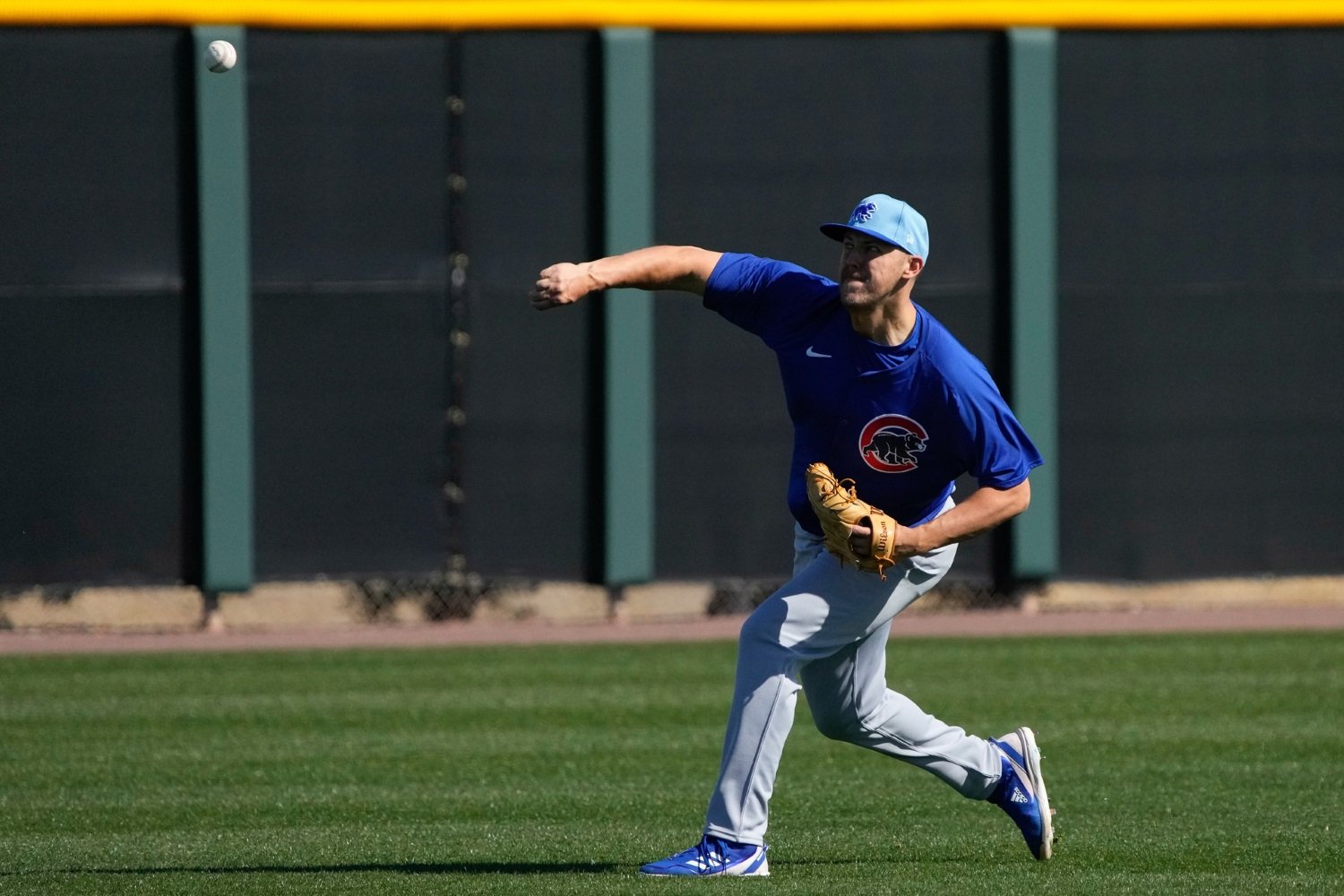 Over the last few seasons, the MLB Competition Committee have instituted a number of rule changes designed to get the game feeling more akin to the sport of old again. Bigger bases were placed on the diamond to incentivize more stolen-base attempts. All pitchers are now forced to face a minimum of three hitters, in order to limit the amount of matchup-hunting managers can do. Pitching mound visits and batter timeouts were given finite limits, to minimize downtime during innings. Perhaps most infamously, the pitch clock was adopted last year, in an effort to shrink overall game times and keep the action flowing smoothly. None of the changes have been met with universal applause - be it from fans, players, or pundits - but the general consensus is that the league has made important strides in keeping fans engaged throughout the entire nine-inning drama of a game. Now, the league is discussing another rule that would restore some of the old game’s charm. With the intention of seeing starting pitchers pitch deeper into games, there have been rumors that MLB may limit teams to 12 pitchers on the major-league roster (down from the current 13). As you might expect, that news has been met with plenty of praise and pushback from both sides of the aisle. On one hand, you have pitchers like Max Scherzer--a luminary of the modern era--who are staunch supporters of seeing pitchers push themselves and carry their teams: “"I became a better pitcher once I went through three times in the lineup and was failing on that third time through the lineup," the 39-year-old Scherzer said. "That's every young pitcher's struggle, is learning how to pitch three times through a lineup. ... We’re so scared now to let guys fail." Current Cub Jameson Taillon also took the affirmative on the potential rule change, though he argued about the benefits of it from the fans’ perspective: "I grew up a fan of the game, and me and my dad used to pick Astros games based on when Roy Oswalt was pitching. We would look at pitching matchups, that's what we would do. Nowadays, I feel like that allure is gone a little bit." Both pitchers’ analysis of the situation is valid, and if there’s anyone out there currently suited to say whether the league should implement a roster restriction policy of this nature, it’s current MLB players. That being said, both Scherzer and Taillon admitted the 12-pitcher limit is a bad idea, and there’s a reason teams and front offices are defending the current roster makeup so vehemently. Having more pitchers available gives more opportunities for rest for relievers, and it also allows teams to present opposing offense with a greater variety of pitching angles, repertoires and velocities. This rule change would all but negate the possibility of the six-man rotation that’s been experimented with by a few teams in recent years. Seven relievers is the bare minimum teams feel they can get by with, especially when considering the recent rise in popularity in the Keegan Thompson/Javier Assad type of long reliever who pitches three to four innings once or twice every turn through the rotation. On top of needing a closer, a few late-inning setup men, and a few arms for matchup duty, this new rule would decimate the dwindling class of middle relievers that still exist. As I examined last week, the Cubs have four starters in place for the 2024 season: Justin Steele, Shota Imanaga, Kyle Hendricks, and Taillon. They’re having a fierce competition for the fifth starter spot, which includes Assad and Jordan Wicks (the presumptive favorites), as well as Drew Smyly and Hayden Wesneski, who broke camp last year with places in the rotation. This hypothetical, artificial limit of the number of rosterable relievers wouldn’t crush the Cubs as much as other teams with fewer starting pitcher options, but it would have a great effect on the composition of the roster. Having only 12 pitchers available means that optionable pitchers become that much more valuable. In a sense, under these rumored restrictions, José Cuas would become more valuable than Yency Almonte, since the former can be shuttled up and down between the minor and major leagues this season. (Almonte cannot.) Optionable relievers would allow teams to bring in fresher arms from the minors while the pitchers who just pitched take a few rest days in the minor leagues (and thus, while not on the 26-man roster). The rule would also likely force a few teams’ hands with using the “phantom IL” when in desperate need of a fresh arm, though former New York Mets general manager Billy Eppler was just slammed with major repercussions for abusing the system during his time in New York. Wanting starting pitchers to pitch deeper into games is a noble cause worth pursuing for the Competition Committee. Even if it means ERAs would balloon as starters went through lineups for the third and fourth time, that would only help with another recent mission statement of increasing offense. There would also be less changeover during innings, as managers would have one fewer bullet to use to put out fires during innings. Alas, the game is evolving in the other direction. Analytics, sabermetrics and Statcast data are tremendous tools that have given never-before-seen insight to decision-makers like managers and front office personnel. With knowledge comes liability. Teams won’t simply ignore the data and encourage pitchers to pitch a third time through the order when they have a fireballing, opposite-handed reliever waiting in the bullpen. It’s true that individual teams wouldn’t be able to veto this rule being instituted, but it’s more than likely most would be very upset by it (not to mention a potential grievance filed on behalf on the Major League Baseball Players Association, who would all but certainly argue that further roster constrictions on pitchers is unfair and unjust treatment of primary relievers). The game of baseball is meant to be entertainment, and at the end of the day, baseball is more entertaining when starting pitchers adopt a workhorse mentality. There’s a reason Madison Bumgarner is an October legend and Wade Davis is not, despite the fact that both pitchers were the most valuable arms (by fWAR) on their respective rosters during their teams’ runs to the World Series title. How baseball attempts to incentivize teams to get more out of their starters remains to be seen, but it’s safe to say that any solution will be met with resistance, on multiple fronts.
-
- 1
-
-
- justin steele
- keegan thompson
- (and 1 more)
-
In Hindsight, the Chicago Cubs Made the Right Move at 2023 Trade Deadline
Brandon Glick posted an article in Cubs
 Eight years ago Monday, the Chicago Cubs made a similar move to this one, re-signing beloved center fielder Dexter Fowler for the 2016 season and reintroducing him to the team--to much fanfare--at camp in Mesa. Though the Cody Bellinger extension may not lead to the same results that Fowler’s did - 2016 was a pretty special season, in case you forgot - it’s still a vitally important move that should make the Cubs the presumptive NL Central favorites heading into the 2024 season. The roster implications are enormous, as the Cubs can now give Pete Crow-Armstrong more time to develop in the minors while taking pressure off Michael Busch and Christopher Morel to be lineup-carrying bats as they attempt to find permanent defensive homes. The team had to bid adieu to promising left-handed reliever Bailey Horn to clear a 40-man roster spot for Bellinger, and they'll assume a $30 million hit to their CBT, but whatever downsides are present are mitigated by the team-friendly aspects of his three-year, $80-million contract, including player options after the first and second seasons. The contract is, of course, a huge win by Jed Hoyer and the front office in their staredown with agent Scott Boras. The Cubs got to bring last year’s team MVP back on their own terms, all while not handing out a long-term contract that would’ve hindered their financial and personnel flexibility. That isn’t the only reason they won with this deal, though. The brain trust also retained a clubhouse and fan favorite who should help galvanize a club with serious expectations in 2024. Beyond even that, though, the front office also received massive vindication for their decision to go for it at the trade deadline last summer. Once Bellinger hurt his knee in Houston in May, rumors swirled for months that the Cubs would, for the third year in a row, sell at the deadline. Instead, Hoyer and company made the bold call to swing for the fences, bringing in rental bat Jeimer Candelario (for prospects Kevin Made and DJ Herz) and reliever José Cuas (for outfielder Nelson Velázquez) ahead of the stretch run of the regular season. By all accounts, those moves failed to accomplish their ultimate goal, as the Cubs collapsed in September and missed out on the final Wild Card spot by one game in the standings. It’s easy to say, with hindsight in hand, that the Cubs should have sold, unloading assets like Bellinger for a few extra prospects. They missed the playoffs anyway, and by choosing to sell, they’d have a higher draft pick and more prospects in hand right now. From a pure roster construction standpoint, selling was the right path to take. However, ignoring the importance of just bringing competitive baseball back to Chicago, that choice to retain Bellinger finally received its ultimate payoff over the weekend. Make no mistake about it: Had the Cubs traded Bellinger away, there is very little chance he would agree to this contract with the team. There is precedent for trading away rentals only to re-sign them - the Yankees did it with the Cubs back in 2016, when they traded Aroldis Chapman to Chicago before re-signing him during the offseason, and the Cubs had done it right before that, with Jason Hammel - but those occasions are rare and often require special circumstances. The Yankees had to hand Chapman the largest-ever (at the time) reliever contract to lure him back to New York. If Bellinger had made the playoffs with an acquiring team, or if he had merely loved their city or clubhouse or fans, odds are he would’ve stuck around with them rather than wait out an entire offseason for the Cubs to capitulate on his contract demands. He'd also have been more expensive and less willing to sign a short-term deal. Because of the hypothetical trade, he'd have been ineligible to receive a qualifying offer in November, and if he'd signed the kind of deal he's now signed, he'd have had to consider having draft compensation attached to him if he opted out in the future. Bellinger might’ve fetched a relative haul at the deadline last summer--certainly more than Candelario cost the Cubs in terms of prospect talent. Yet, somehow, the Cubs improved for 2024 by choosing to buy short-term assets in 2023. Bellinger is back, for this upcoming season at least, and the North Siders are all the better for it. Whatever happens this season, Jed Hoyer has bought himself some much-needed goodwill and patience with Cubs fans.
