


matto1233
-
Posts
319 -
Joined
-
Last visited
Content Type
Profiles
Joomla Posts 1
Chicago Cubs Videos
Chicago Cubs Free Agent & Trade Rumors, Notes, & Tidbits
2026 Chicago Cubs Top Prospects Ranking
News
2023 Chicago Cubs Draft Picks
Guides & Resources
2024 Chicago Cubs Draft Picks
The Chicago Cubs Players Project
2025 Chicago Cubs Draft Pick Tracker
2026 Chicago Cubs Draft Tracker: Picks & Bonuses
Blogs
Events
Forums
Store
Gallery
Everything posted by matto1233
-
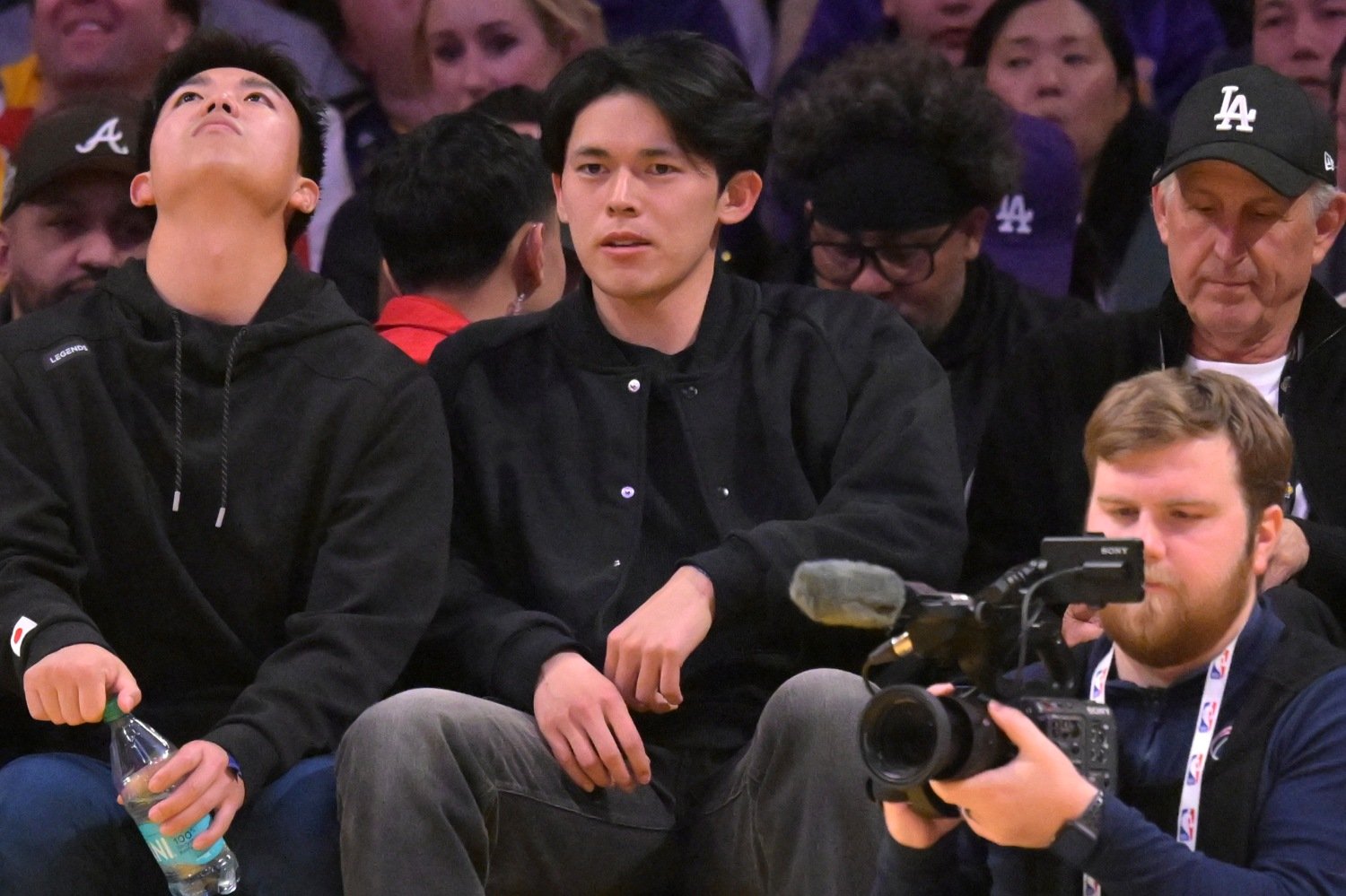 In case you missed it, Roki Sasaki is headed to the Los Angeles Dodgers. This news came out just a few days after it was reported that the Cubs were not on the final list of contenders for the Japanese ace. As a Cubs fan, or even just as a baseball fan, this stings. And it should. The rich get richer, and this time, the Dodgers didn’t even have to hand out a historic contract in order to get there. Consider that an insult, added to our injury. For those unfamiliar, because Sasaki was posted to MLB prior to his 25th birthday, he was considered an international amateur free agent, meaning he will make the rookie salary for 2025 and be under team control for six seasons. He will receive a $6.5 million signing bonus. However, just about any other team could have, and probably would have, matched that signing bonus. Basically, his decision had nothing to do with money, and everything to do with, well, everything else. Sasaki going to the Dodgers felt like a fait accompli as soon as it was reported that he would be posted. Episode 2272 of the fantastic podcast Effectively Wild did a good job stating some of the reasons why. In the episode, hosts Ben Lindbergh and Meg Rowley were discussing Sasaki going to the Dodgers, and Rowley articulated something that I had been pondering, so I’ll quote her here: “It goes to show that money can help to secure talent, but it doesn’t just end with the individual player that it helps you sign. It creates an understanding of your want as an organization. What do [the Dodgers] want? They want to go win a World Series. Again. They are not satisfied with one.” In addition to the fantastic players (like Freddie Freeman, Yoshinobu Yamamoto, and Shohei Ohtani) whom you typically get to roster by spending big in free agency, you also signal to everyone else that you’re serious about contending for the World Series every single season. The fact of the matter is that the Cubs have not been signaling this of late. Following a 2020 season in which they won the NL Central, the Cubs trimmed payroll by non-tendering fan favorite Kyle Schwarber and trading Yu Darvish. They went from third in payroll, to 14th, according to Spotrac. Team performance, unsurprisingly, also suffered. The team has not been back in the playoffs since. The payroll didn’t bounce back up into the top 10 until this past season, but currently, the Cubs sit 12th in projected 2025 payroll. The Dodgers, on the other hand, have consistently invested resources to maintain a very good baseball team. Following a World Series in 2020, they signed Cy Young winner Trevor Bauer to try and fortify their rotation. That, of course, didn’t work out, but that was no sweat for them (at least from a baseball perspective). They traded for Max Scherzer and Trea Turner at the 2021 trade deadline, then (following a disappointing showing in the playoffs) signed Freeman that offseason. Last offseason, of course, they brought in Ohtani, Yamamoto, Tyle Glasnow, and others, and they have maintained a similar level of aggressiveness this offseason, despite now coming off of two World Series championships in the past five seasons. They signed Blake Snell and Michael Conforto. They brought back Teoscar Hernández. They were serious players for Juan Soto. The Cubs, meanwhile, did not even engage the superstar right fielder, and seem continually content to play in the middle tier of free agents. They’ve opted for guys like Marcus Stroman instead of Kevin Gausman. Dansby Swanson instead of Trea Turner. Jameson Taillon instead of Kodai Senga. Shota Imanaga instead of Yoshinobu Yamamoto. Some of those have worked out for the Cubs, but I’d argue the other options still offer a higher ceiling. Also consider for one second what the consistent, year-in and year-out yearning for value contracts from a big-market team communicates to players and agents: that you’re willing to win, but not at the expense of giving a player what you deem to be too expensive of a contract. This doesn’t even touch on the developmental gap between the Dodgers and the Cubs. Our own Matthew Trueblood recently touched on the necessity for the Cubs to get everything possible out of their players at the major league level. Recall Ryan Brasier, Anthony Banda, and Evan Phillips. None were drafted by the Dodgers, and all were acquired for basically nothing. They combined to pitch 23 ⅔ innings in the playoffs this past season (over 16 percent of the total innings that the Dodgers played in), and did so to the tune of a 2.28 ERA. Last offseason, the Cubs landed Michael Busch from the Dodgers in exchange for Jackson Ferris and Zyhir Hope. Both Ferris and Hope have seen their prospect status explode since entering the Dodgers organization. I am not here to relitigate that trade. The Cubs acquired someone to fill a position of need, and Busch had a very good rookie season for them. With that said, Ferris had some terrifying quotes about the difference in coaching between the two organizations. “I just feel like coaching is a big thing. You wouldn’t expect coaching to be too different in the minor leagues or big leagues with teams, but it is a big difference," Ferris said. "When I first got traded over to the Dodgers, just kind of critique and fine-tuning little things with my mechanics even when I was younger. Which the Cubs didn’t want to mess with, since I was young. Now that we got to fine-tune some of those things, it really let me take off throughout the year.” While he stops short of completely calling out the Cubs, I don’t think it takes much to read between the lines there: a former Cubs prospect feels he is getting much better coaching in his new organization. That is concerning. On paper, it feels like the Cubs were a decent fit for Sasaki. They play in a big market. They currently employ Imanaga and Seiya Suzuki, two notable Japanese players. They would have employed him for very cheap, which is right up their alley. You know they were all-in. Unfortunately, with contract offers all being equal, why wouldn’t a player want to play for an organization that has shown that it takes winning seriously, and is willing to continually invest resources to ensure a winning product is on the field? An organization that always seems to get the most out of all of their players? I’d certainly pick the Dodgers. Wouldn’t you?
 -
In lots of cases, a free agent might eschew slightly more money to sign with one team instead of another. Usually, they do it because they love to win. But to prove they're a place where players can come to win, the Cubs also need to spend more money. Image courtesy of © Jayne Kamin-Oncea-Imagn Images In case you missed it, Roki Sasaki is headed to the Los Angeles Dodgers. This news came out just a few days after it was reported that the Cubs were not on the final list of contenders for the Japanese ace. As a Cubs fan, or even just as a baseball fan, this stings. And it should. The rich get richer, and this time, the Dodgers didn’t even have to hand out a historic contract in order to get there. Consider that an insult, added to our injury. For those unfamiliar, because Sasaki was posted to MLB prior to his 25th birthday, he was considered an international amateur free agent, meaning he will make the rookie salary for 2025 and be under team control for six seasons. He will receive a $6.5 million signing bonus. However, just about any other team could have, and probably would have, matched that signing bonus. Basically, his decision had nothing to do with money, and everything to do with, well, everything else. Sasaki going to the Dodgers felt like a fait accompli as soon as it was reported that he would be posted. Episode 2272 of the fantastic podcast Effectively Wild did a good job stating some of the reasons why. In the episode, hosts Ben Lindbergh and Meg Rowley were discussing Sasaki going to the Dodgers, and Rowley articulated something that I had been pondering, so I’ll quote her here: “It goes to show that money can help to secure talent, but it doesn’t just end with the individual player that it helps you sign. It creates an understanding of your want as an organization. What do [the Dodgers] want? They want to go win a World Series. Again. They are not satisfied with one.” In addition to the fantastic players (like Freddie Freeman, Yoshinobu Yamamoto, and Shohei Ohtani) whom you typically get to roster by spending big in free agency, you also signal to everyone else that you’re serious about contending for the World Series every single season. The fact of the matter is that the Cubs have not been signaling this of late. Following a 2020 season in which they won the NL Central, the Cubs trimmed payroll by non-tendering fan favorite Kyle Schwarber and trading Yu Darvish. They went from third in payroll, to 14th, according to Spotrac. Team performance, unsurprisingly, also suffered. The team has not been back in the playoffs since. The payroll didn’t bounce back up into the top 10 until this past season, but currently, the Cubs sit 12th in projected 2025 payroll. The Dodgers, on the other hand, have consistently invested resources to maintain a very good baseball team. Following a World Series in 2020, they signed Cy Young winner Trevor Bauer to try and fortify their rotation. That, of course, didn’t work out, but that was no sweat for them (at least from a baseball perspective). They traded for Max Scherzer and Trea Turner at the 2021 trade deadline, then (following a disappointing showing in the playoffs) signed Freeman that offseason. Last offseason, of course, they brought in Ohtani, Yamamoto, Tyle Glasnow, and others, and they have maintained a similar level of aggressiveness this offseason, despite now coming off of two World Series championships in the past five seasons. They signed Blake Snell and Michael Conforto. They brought back Teoscar Hernández. They were serious players for Juan Soto. The Cubs, meanwhile, did not even engage the superstar right fielder, and seem continually content to play in the middle tier of free agents. They’ve opted for guys like Marcus Stroman instead of Kevin Gausman. Dansby Swanson instead of Trea Turner. Jameson Taillon instead of Kodai Senga. Shota Imanaga instead of Yoshinobu Yamamoto. Some of those have worked out for the Cubs, but I’d argue the other options still offer a higher ceiling. Also consider for one second what the consistent, year-in and year-out yearning for value contracts from a big-market team communicates to players and agents: that you’re willing to win, but not at the expense of giving a player what you deem to be too expensive of a contract. This doesn’t even touch on the developmental gap between the Dodgers and the Cubs. Our own Matthew Trueblood recently touched on the necessity for the Cubs to get everything possible out of their players at the major league level. Recall Ryan Brasier, Anthony Banda, and Evan Phillips. None were drafted by the Dodgers, and all were acquired for basically nothing. They combined to pitch 23 ⅔ innings in the playoffs this past season (over 16 percent of the total innings that the Dodgers played in), and did so to the tune of a 2.28 ERA. Last offseason, the Cubs landed Michael Busch from the Dodgers in exchange for Jackson Ferris and Zyhir Hope. Both Ferris and Hope have seen their prospect status explode since entering the Dodgers organization. I am not here to relitigate that trade. The Cubs acquired someone to fill a position of need, and Busch had a very good rookie season for them. With that said, Ferris had some terrifying quotes about the difference in coaching between the two organizations. “I just feel like coaching is a big thing. You wouldn’t expect coaching to be too different in the minor leagues or big leagues with teams, but it is a big difference," Ferris said. "When I first got traded over to the Dodgers, just kind of critique and fine-tuning little things with my mechanics even when I was younger. Which the Cubs didn’t want to mess with, since I was young. Now that we got to fine-tune some of those things, it really let me take off throughout the year.” While he stops short of completely calling out the Cubs, I don’t think it takes much to read between the lines there: a former Cubs prospect feels he is getting much better coaching in his new organization. That is concerning. On paper, it feels like the Cubs were a decent fit for Sasaki. They play in a big market. They currently employ Imanaga and Seiya Suzuki, two notable Japanese players. They would have employed him for very cheap, which is right up their alley. You know they were all-in. Unfortunately, with contract offers all being equal, why wouldn’t a player want to play for an organization that has shown that it takes winning seriously, and is willing to continually invest resources to ensure a winning product is on the field? An organization that always seems to get the most out of all of their players? I’d certainly pick the Dodgers. Wouldn’t you? View full article
-
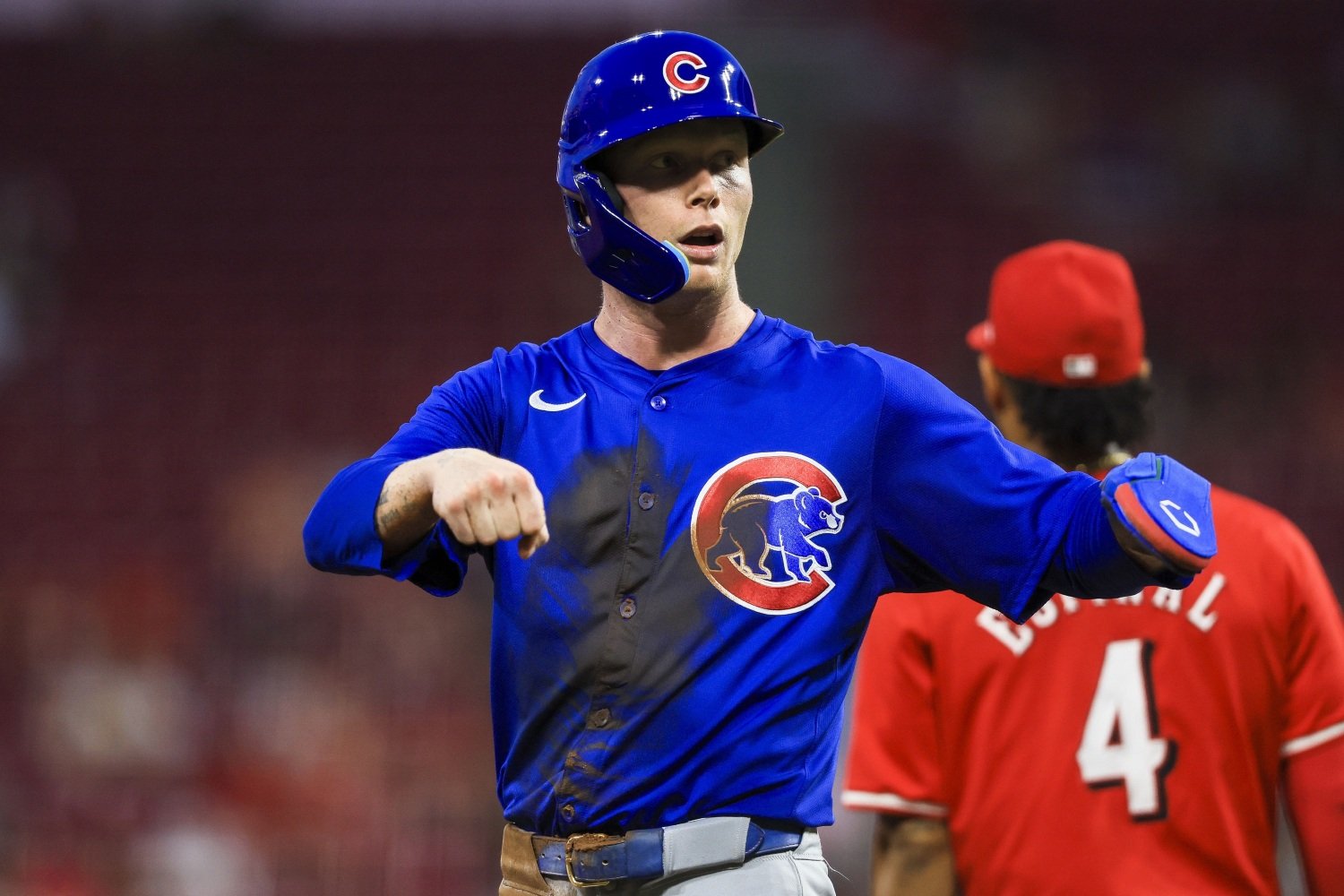 Released just last month, Baseball Savant now has what they are calling the Baserunning Run Value Leaderboard. The headliner within this leaderboard is the Baserunning Runs metric, which combines both runs added via stolen bases and those added via extra bases taken, to give us one all-encompassing metric for how many runs a player’s baserunning was worth. There are several Cubs-related nuggets within this leaderboard, and I don’t think any should be all that surprising. Nico Hoerner and Dansby Swanson are both very good baserunners. They fall among the top 30 in baseball in Baserunning Runs. The North Siders don’t really employ any poor baserunners, outside the catcher's spot, with Michael Busch and Seiya Suzuki being the only two Cubs to have a negative number (and just barely so): the two of them were each worth -1 baserunning runs in 2024. Then, there’s Pete Crow-Armstrong. He ranked as the ninth-most valuable baserunner in baseball, adding 6 Baserunning Runs. Six of the eight players in front of him had significantly more plate appearances than did Crow-Armstrong, thus giving them more of opportunities to accumulate that value. Any way you slice it, he is already one of the best baserunners in baseball. There are a couple more interesting and fun nuggets regarding the rookie’s baserunning within this leaderboard. The shocking headline here is: Crow-Armstrong might still have room to improve. As previously mentioned, the Baserunning Runs framework adds your runs via extra bases taken on balls in play to your runs via stolen bases and advancements on balks. Baseball Savant allows you to see the split. Crow-Armstrong was worth four runs via stolen bases, which was eighth-best in baseball; and one run via extra bases taken, which put him 59th, pretty low for a speedster. Corbin Carroll led MLB in runs via extra bases taken, with nine. That put him three runs ahead of the next-best player, which was Jarren Duran. According to sprint speed, Crow-Armstrong is just as fast as (if not faster than) Carroll. We can see that the Diamondbacks’ star tried to advance on 53 percent of his opportunities, when the average runner would have tried to advance 34 percent of the time. Crow-Armstrong tried to advance 44 percent of the time, when the average runner would have tried to advance 32 percent of the time. He only made one out on those attempts, and it was a situation where his third base coach sent him, and it still took a pretty perfect throw to get him out: WmVCYkdfVjBZQUhRPT1fQkFoV0FnWUZVZ1lBRFZzQVVBQUFWQWRVQUFBQ1ZRQUFCbElNQVFNQlVGVURCbEZm.mp4 Arguably, there is room for the young speedster to be more aggressive when it comes to advancing an extra base on hits and other batted balls. With that being said: He is incredibly aggressive when it comes to stealing bases. We all know Crow-Armstrong was incredibly effective at stealing bases in 2024, going 27 for 30. It’s fascinating that we now can see why he was so effective. One additional inclusion on these leaderboards tells us how large (or small) a runner’s lead was. Pete Crow-Armstrong led all of baseball in his average distance from a base on any plausible stolen base attempt, at a pitcher’s first move. He was, on average, 14 feet away from the base. At a pitcher’s release, he was (on average) 18.7 feet from the base, which was second in baseball behind only Mookie Betts. Look at how he dances away from the base on this steal from May, getting such a bold jump that the catcher had no chance to get him. RFhQa3FfWGw0TUFRPT1fVlZRRlZWUlZYZ01BQVZWUlV3QUFBUUJXQUZsUVZGVUFCRkVNQ1FNTkJsZGNWVkVF.mp4 Basically, he gets the largest leads in baseball. When you combine Crow-Armstrong’s speed with the ability to get such a great head start on his way to the next base, you get a fantastic base stealer. For much of the season, he looked essentially unstoppable on the bases, and with the Cubs' reshuffled baserunning instruction group teaching him the art of the "momentum lead," he could become even more lethal in 2025. Not for nothing did they hire the man who created the website stealbases.com. Feel free to dig into the leaderboards yourself. What sticks out?
 -
Pete Crow-Armstrong’s ability on the basepaths is incredibly valuable. Now, thanks to Baseball Savant, we have an easier way to quantify exactly how valuable it is, and precisely where that value is coming from. Image courtesy of © Katie Stratman-Imagn Images Released just last month, Baseball Savant now has what they are calling the Baserunning Run Value Leaderboard. The headliner within this leaderboard is the Baserunning Runs metric, which combines both runs added via stolen bases and those added via extra bases taken, to give us one all-encompassing metric for how many runs a player’s baserunning was worth. There are several Cubs-related nuggets within this leaderboard, and I don’t think any should be all that surprising. Nico Hoerner and Dansby Swanson are both very good baserunners. They fall among the top 30 in baseball in Baserunning Runs. The North Siders don’t really employ any poor baserunners, outside the catcher's spot, with Michael Busch and Seiya Suzuki being the only two Cubs to have a negative number (and just barely so): the two of them were each worth -1 baserunning runs in 2024. Then, there’s Pete Crow-Armstrong. He ranked as the ninth-most valuable baserunner in baseball, adding 6 Baserunning Runs. Six of the eight players in front of him had significantly more plate appearances than did Crow-Armstrong, thus giving them more of opportunities to accumulate that value. Any way you slice it, he is already one of the best baserunners in baseball. There are a couple more interesting and fun nuggets regarding the rookie’s baserunning within this leaderboard. The shocking headline here is: Crow-Armstrong might still have room to improve. As previously mentioned, the Baserunning Runs framework adds your runs via extra bases taken on balls in play to your runs via stolen bases and advancements on balks. Baseball Savant allows you to see the split. Crow-Armstrong was worth four runs via stolen bases, which was eighth-best in baseball; and one run via extra bases taken, which put him 59th, pretty low for a speedster. Corbin Carroll led MLB in runs via extra bases taken, with nine. That put him three runs ahead of the next-best player, which was Jarren Duran. According to sprint speed, Crow-Armstrong is just as fast as (if not faster than) Carroll. We can see that the Diamondbacks’ star tried to advance on 53 percent of his opportunities, when the average runner would have tried to advance 34 percent of the time. Crow-Armstrong tried to advance 44 percent of the time, when the average runner would have tried to advance 32 percent of the time. He only made one out on those attempts, and it was a situation where his third base coach sent him, and it still took a pretty perfect throw to get him out: WmVCYkdfVjBZQUhRPT1fQkFoV0FnWUZVZ1lBRFZzQVVBQUFWQWRVQUFBQ1ZRQUFCbElNQVFNQlVGVURCbEZm.mp4 Arguably, there is room for the young speedster to be more aggressive when it comes to advancing an extra base on hits and other batted balls. With that being said: He is incredibly aggressive when it comes to stealing bases. We all know Crow-Armstrong was incredibly effective at stealing bases in 2024, going 27 for 30. It’s fascinating that we now can see why he was so effective. One additional inclusion on these leaderboards tells us how large (or small) a runner’s lead was. Pete Crow-Armstrong led all of baseball in his average distance from a base on any plausible stolen base attempt, at a pitcher’s first move. He was, on average, 14 feet away from the base. At a pitcher’s release, he was (on average) 18.7 feet from the base, which was second in baseball behind only Mookie Betts. Look at how he dances away from the base on this steal from May, getting such a bold jump that the catcher had no chance to get him. RFhQa3FfWGw0TUFRPT1fVlZRRlZWUlZYZ01BQVZWUlV3QUFBUUJXQUZsUVZGVUFCRkVNQ1FNTkJsZGNWVkVF.mp4 Basically, he gets the largest leads in baseball. When you combine Crow-Armstrong’s speed with the ability to get such a great head start on his way to the next base, you get a fantastic base stealer. For much of the season, he looked essentially unstoppable on the bases, and with the Cubs' reshuffled baserunning instruction group teaching him the art of the "momentum lead," he could become even more lethal in 2025. Not for nothing did they hire the man who created the website stealbases.com. Feel free to dig into the leaderboards yourself. What sticks out? View full article
-
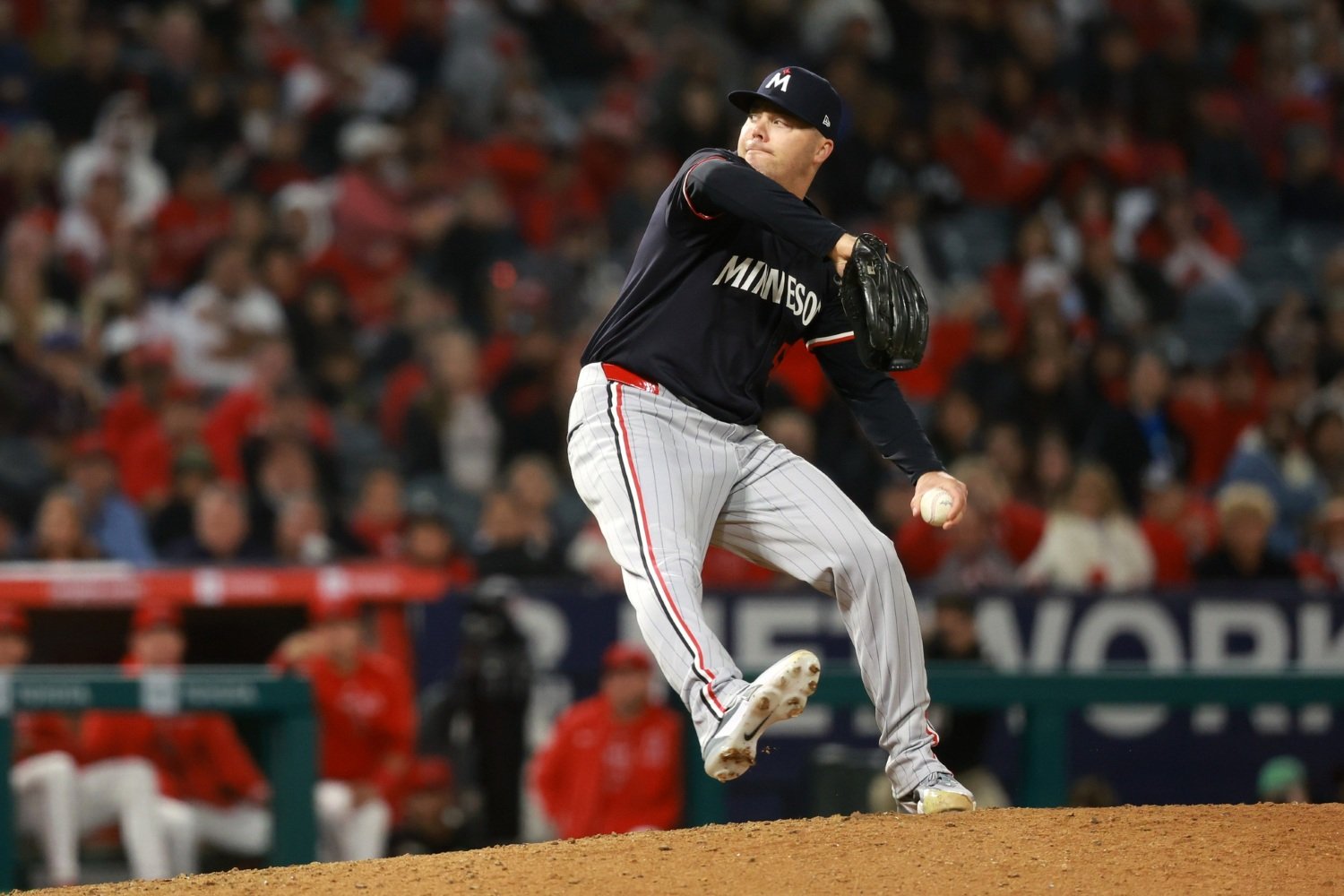 You might not have noticed it as you celebrated the holidays, but last week, the Cubs signed Caleb Thielbar to a one-year deal worth $2.75 million. This didn’t generate many headlines, but it addresses something that the team struggled with after the trade deadline. On Jul. 30, 2024, the Cubs traded Mark Leiter Jr. to the New York Yankees. Just three weeks later, they officially cut ties with Héctor Neris. Though getting rid of both pitchers made sense, the two veteran relievers were first and second on the team in left-handed batters faced out of the bullpen. They were both effective when they faced lefties, too. Left-handed hitters posted a .241 wOBA against Leiter, and a .307 wOBA against Neris. As a reminder, a wOBA of about .320 is considered average. Sure enough, the bullpen’s performance against lefties struggled without the presence of Leiter and Neris. From the beginning of the season through Jul. 31, lefties posted a .290 wOBA against Cubs relievers, good for eighth in baseball. After that, they had a .333 wOBA, 22nd-best. Looking at a list of Cubs relievers who faced more than 15 lefties from August onward is not promising, either. Player Lefties Faced wOBA allowed Nate Pearson 49 .223 Drew Smyly 43 .336 Ethan Roberts 38 .373 Porter Hodge 37 .259 Tyson Miller 34 .270 Keegan Thompson 29 .337 Jorge López 24 .310 Julian Merryweather 22 .417 Héctor Neris 15 .386 Shawn Armstrong 15 .306 Pearson, Hodge, and Miller were good, but those guys were good against almost everyone and are probably bookmarked for higher-leverage usage, rather than exclusively against pockets of lefties. Everyone else was either bad against lefties or (in the cases of Jorge López and Shawn Armstrong) is no longer with the team. The Cubs have tried hard to make Luke Little happen, but he needs to show he can find the strike zone often enough before anyone counts on him for much of anything. Even more than that, perhaps, he has to prove he can stay healthy enough to contribute; he missed the entire second half with a shoulder strain. There just isn’t a reliable left-handed pitcher out of the bullpen on this team. That’s where Thielbar comes in, and I am convinced that is why they took a flier on Rob Zastryzny as well. Both of them are, of course, southpaws. Here are both of their career numbers against lefties: Player Lefties Faced wOBA allowed Rob Zastryzny 113 .264 Caleb Thielbar 554 .261 Thielbar is the much more reliable of the two, which is why he got a modest but significant guarantee in free agency. He has held his own against righties for his career, as they have a .307 wOBA against him. Zastryzny has allowed a .353 wOBA to righties, and Thielbar’s presence on the roster probably makes Zastryzny's moot. I imagine the Cubs will try to sneak him through waivers as soon as they require a spot on the 40-man roster. In short, Caleb Thielbar is not the bullpen ace we were all hoping for. Even so, he fortifies a major weakness in the relief corps. He’s a lefty who can reliably get left-handed hitters out. Assuming Jed Hoyer isn’t done adding to this group, this was a really good get.
 -
Though the team's latest free-agent move was low-profile, it could be high-impact. Caleb Thielbar addresses an area of somewhat urgent need for the Cubs. Image courtesy of © Kiyoshi Mio-Imagn Images You might not have noticed it as you celebrated the holidays, but last week, the Cubs signed Caleb Thielbar to a one-year deal worth $2.75 million. This didn’t generate many headlines, but it addresses something that the team struggled with after the trade deadline. On Jul. 30, 2024, the Cubs traded Mark Leiter Jr. to the New York Yankees. Just three weeks later, they officially cut ties with Héctor Neris. Though getting rid of both pitchers made sense, the two veteran relievers were first and second on the team in left-handed batters faced out of the bullpen. They were both effective when they faced lefties, too. Left-handed hitters posted a .241 wOBA against Leiter, and a .307 wOBA against Neris. As a reminder, a wOBA of about .320 is considered average. Sure enough, the bullpen’s performance against lefties struggled without the presence of Leiter and Neris. From the beginning of the season through Jul. 31, lefties posted a .290 wOBA against Cubs relievers, good for eighth in baseball. After that, they had a .333 wOBA, 22nd-best. Looking at a list of Cubs relievers who faced more than 15 lefties from August onward is not promising, either. Player Lefties Faced wOBA allowed Nate Pearson 49 .223 Drew Smyly 43 .336 Ethan Roberts 38 .373 Porter Hodge 37 .259 Tyson Miller 34 .270 Keegan Thompson 29 .337 Jorge López 24 .310 Julian Merryweather 22 .417 Héctor Neris 15 .386 Shawn Armstrong 15 .306 Pearson, Hodge, and Miller were good, but those guys were good against almost everyone and are probably bookmarked for higher-leverage usage, rather than exclusively against pockets of lefties. Everyone else was either bad against lefties or (in the cases of Jorge López and Shawn Armstrong) is no longer with the team. The Cubs have tried hard to make Luke Little happen, but he needs to show he can find the strike zone often enough before anyone counts on him for much of anything. Even more than that, perhaps, he has to prove he can stay healthy enough to contribute; he missed the entire second half with a shoulder strain. There just isn’t a reliable left-handed pitcher out of the bullpen on this team. That’s where Thielbar comes in, and I am convinced that is why they took a flier on Rob Zastryzny as well. Both of them are, of course, southpaws. Here are both of their career numbers against lefties: Player Lefties Faced wOBA allowed Rob Zastryzny 113 .264 Caleb Thielbar 554 .261 Thielbar is the much more reliable of the two, which is why he got a modest but significant guarantee in free agency. He has held his own against righties for his career, as they have a .307 wOBA against him. Zastryzny has allowed a .353 wOBA to righties, and Thielbar’s presence on the roster probably makes Zastryzny's moot. I imagine the Cubs will try to sneak him through waivers as soon as they require a spot on the 40-man roster. In short, Caleb Thielbar is not the bullpen ace we were all hoping for. Even so, he fortifies a major weakness in the relief corps. He’s a lefty who can reliably get left-handed hitters out. Assuming Jed Hoyer isn’t done adding to this group, this was a really good get. View full article
-
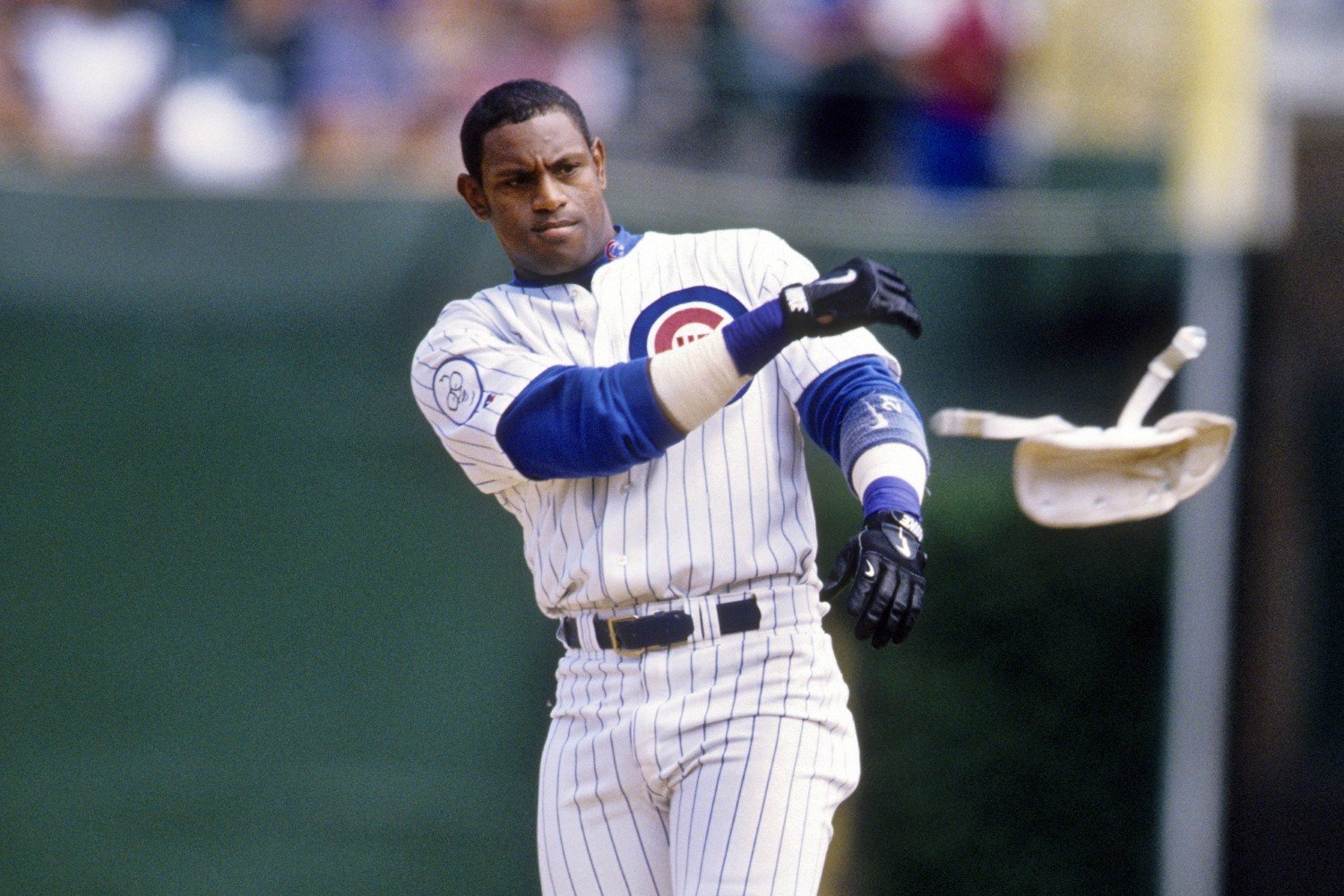 In case you missed it, Sammy Sosa issued a public apology for his steroid use last week. In response, team Chairman Tom Ricketts released a statement stating that he planned on inviting Sosa to this offseason’s Cubs Convention. As someone who was born in the 1990s, I sincerely hope that this is the beginning of a time where we can celebrate the memories that Sosa gave to all of us. In so many ways, Sosa is the reason that I became a Cubs fan and, therefore, a baseball fan. I don’t think I recall any of the magical 1998 home run chase between him and Mark McGwire. Nor do I recall any of the team’s run to the playoffs that season. What I do recall is that I owned this CD, and that I listened to that thing front to back during summer days, probably until something like 2007. Chock-full of Sosa home run calls by the great Pat Hughes, that CD was to me what the latest Beatles album would have been to most children growing up in the 1960s. Almost all of my pre-2003 Cubs memories are exclusively of Sosa. I don’t specifically recall the first baseball game I ever attended. I can’t say that I ever had the poetic experience of smelling the freshly cut grass or anything. I do specifically recall attending one game when Sosa was on the team, though. My uncle took me. They were playing the Cardinals. I don’t recall whether the Cubs won or lost, or how Sammy even did that day. But I made a sign for him. “Go Sammy” was all that it said. I think just being able to see him in person was all I really cared about. I’m sure the home runs helped, but he also had such an aura about him. He sprinted out to right field before every inning. Growing up playing baseball, I sprinted out to my position in the field every inning. Because Sammy did it. In the era before bat flips, the way he hopped out of the batter’s box when he knew he hit a home run was loaded with charisma. I wouldn’t have dared try that one growing up, for risk of hearing about it from my dad. I didn’t hit home runs anyway, so it didn’t matter much. But you best bet I dreamed about doing it. At some point along the way, I acquired his autobiography, and devoured it almost nightly. As something like a six-year-old at the time, I don’t think I comprehended a single word in there. It didn’t matter. It had Sammy Sosa on the cover. Sammy was so intertwined with my identity at such a young age that I even remember grown adults asking me about him. “Hey Matt, how did Sammy Sosa do today?” Of course, I always knew the answer. I can recall the 2003 playoff run with, I think, pretty good detail. One hallmark memory I will always have is of Sammy’s game-tying home run in the ninth inning of Game 1 of the NLCS. I was jumping around the living room with my brothers. The game was now tied, but this was undoubtedly different because Sammy hit it. The anticipation of the plate appearance culminating in the exact thing my eight-year-old brain was dreaming he would do made it all the more exciting. What’s funny is that I constantly have to remind myself that the Cubs went on to lose that game. I can recall this home run with clear detail, but not even the result of the game: Sosa was and is an imperfect human being, and that is a part of the legacy, too. He played during an imperfect period in baseball history—ne that I hope won’t be entirely forgotten or distorted, but that’s another conversation. Barry Bonds and Mark McGwire both coached in MLB after their careers. Álex Rodríguez is part of baseball media. It’s not unprecedented for the water to flow under the bridge. Fandom is irrational. We all remember the way every one of his home runs made us feel. All 545 of them. They did happen, whether Tom Ricketts likes it or not. They were, for better or worse, my childhood, and my birth as a Cubs fan. Not acknowledging them in any form or fashion is, to put it mildly, insulting to those of us who were there for them. The Cubs welcoming him back is, I hope, the first step in all of us being able to reminisce about those days more freely, and to eventually lose the need for our preambles and caveats—not because they'll cease to matter, but because we'll all know them well enough to understand that they aren't the point of every Sosa conversation. Today, my wife is pregnant with our first child. If I’m lucky, the kid will like baseball. Without a doubt, the first stories I’ll share with them will be of Anthony Rizzo, Kris Bryant, Kyle Hendricks, Jon Lester, and the rest of the 2016 team. Immediately after that, though, will be Slammin’ Sammy.
 -
After 20 years of weirdly pretending that one of the best players in franchise history doesn’t exist, it’s about time the Chicago Cubs, and Sammy Sosa, begin to right this wrong. Image courtesy of © RVR Photos-Imagn Images In case you missed it, Sammy Sosa issued a public apology for his steroid use last week. In response, team Chairman Tom Ricketts released a statement stating that he planned on inviting Sosa to this offseason’s Cubs Convention. As someone who was born in the 1990s, I sincerely hope that this is the beginning of a time where we can celebrate the memories that Sosa gave to all of us. In so many ways, Sosa is the reason that I became a Cubs fan and, therefore, a baseball fan. I don’t think I recall any of the magical 1998 home run chase between him and Mark McGwire. Nor do I recall any of the team’s run to the playoffs that season. What I do recall is that I owned this CD, and that I listened to that thing front to back during summer days, probably until something like 2007. Chock-full of Sosa home run calls by the great Pat Hughes, that CD was to me what the latest Beatles album would have been to most children growing up in the 1960s. Almost all of my pre-2003 Cubs memories are exclusively of Sosa. I don’t specifically recall the first baseball game I ever attended. I can’t say that I ever had the poetic experience of smelling the freshly cut grass or anything. I do specifically recall attending one game when Sosa was on the team, though. My uncle took me. They were playing the Cardinals. I don’t recall whether the Cubs won or lost, or how Sammy even did that day. But I made a sign for him. “Go Sammy” was all that it said. I think just being able to see him in person was all I really cared about. I’m sure the home runs helped, but he also had such an aura about him. He sprinted out to right field before every inning. Growing up playing baseball, I sprinted out to my position in the field every inning. Because Sammy did it. In the era before bat flips, the way he hopped out of the batter’s box when he knew he hit a home run was loaded with charisma. I wouldn’t have dared try that one growing up, for risk of hearing about it from my dad. I didn’t hit home runs anyway, so it didn’t matter much. But you best bet I dreamed about doing it. At some point along the way, I acquired his autobiography, and devoured it almost nightly. As something like a six-year-old at the time, I don’t think I comprehended a single word in there. It didn’t matter. It had Sammy Sosa on the cover. Sammy was so intertwined with my identity at such a young age that I even remember grown adults asking me about him. “Hey Matt, how did Sammy Sosa do today?” Of course, I always knew the answer. I can recall the 2003 playoff run with, I think, pretty good detail. One hallmark memory I will always have is of Sammy’s game-tying home run in the ninth inning of Game 1 of the NLCS. I was jumping around the living room with my brothers. The game was now tied, but this was undoubtedly different because Sammy hit it. The anticipation of the plate appearance culminating in the exact thing my eight-year-old brain was dreaming he would do made it all the more exciting. What’s funny is that I constantly have to remind myself that the Cubs went on to lose that game. I can recall this home run with clear detail, but not even the result of the game: Sosa was and is an imperfect human being, and that is a part of the legacy, too. He played during an imperfect period in baseball history—ne that I hope won’t be entirely forgotten or distorted, but that’s another conversation. Barry Bonds and Mark McGwire both coached in MLB after their careers. Álex Rodríguez is part of baseball media. It’s not unprecedented for the water to flow under the bridge. Fandom is irrational. We all remember the way every one of his home runs made us feel. All 545 of them. They did happen, whether Tom Ricketts likes it or not. They were, for better or worse, my childhood, and my birth as a Cubs fan. Not acknowledging them in any form or fashion is, to put it mildly, insulting to those of us who were there for them. The Cubs welcoming him back is, I hope, the first step in all of us being able to reminisce about those days more freely, and to eventually lose the need for our preambles and caveats—not because they'll cease to matter, but because we'll all know them well enough to understand that they aren't the point of every Sosa conversation. Today, my wife is pregnant with our first child. If I’m lucky, the kid will like baseball. Without a doubt, the first stories I’ll share with them will be of Anthony Rizzo, Kris Bryant, Kyle Hendricks, Jon Lester, and the rest of the 2016 team. Immediately after that, though, will be Slammin’ Sammy. View full article
-
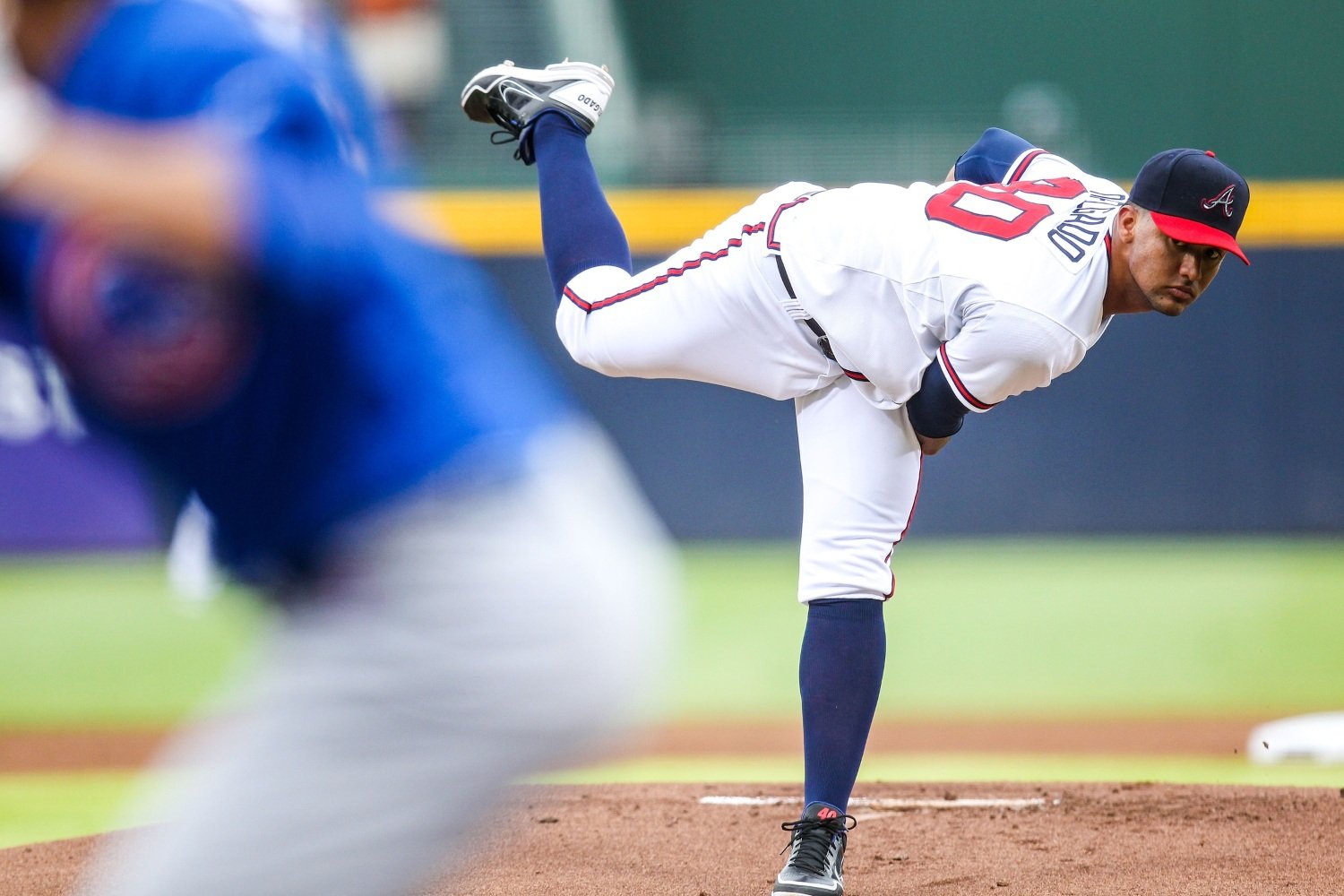 Exploring different "what-if" scenarios is not a unique idea, but this was somewhat inspired by the Disney+ series that explores the ripple effects of small decisions or actions within the Marvel Cinematic Universe. Of course, in this series, we’ll be looking at small decisions or actions in Chicago Cubs history, and how it might have drastically changed a future outcome for the team. I don’t have as good of a voice as Jeffrey Wright, who narrates the Marvel series for Disney, so you’ll just have to deal with my writing instead. My approach with each counterfactual will be to explore the few years right afterward, to get us all into the right frame of mind, then pose some questions about the continued ramifications of a decision. For some of these (today's included), I could write 50,000 words on the continuing effects of something, so I’ll have to cut it off somewhere. Feel free to let me know if you have any future ideas for the series, what you think of the format, or if you loved or hated it, in the comments. The date is Jul. 23, 2012. Ryan Dempster, having pitched to a 2.25 ERA in 104 innings to that point in that first year, is one of the hottest starting pitchers available on the trade market. Keith Law reported that Dempster was headed to the Atlanta Braves in exchange for Randall Delgado, who was a top-100 prospect in baseball before that season. Dempster blocked the trade with his 10-and-five rights, which allow any player with at least 10 years of service time and five uninterrupted years of tenure with their current club to block any trade. Check out an entire recounting of that day, and everything that was reported, at Bleacher Nation. Dempster, for his part, later denied that was the case. Regardless, though, the damage was done. Dempster was dealt to the Texas Rangers later that month. In return, the Cubs received fringe top-100 prospect Christian Villanueva and a little-known minor-league pitcher by the name of Kyle Hendricks. We all know what happened after that. But what if Dempster never vetoed the trade to the Braves? Let’s explore that world for a bit. The Cubs gave Randall Delgado a long runway to succeed as a starting pitcher through the rest of 2012 and for the entirety of the 2013 season. It just wasn’t working out. After posting a 4.99 FIP and -0.1 fWAR in 116 ⅓ innings in 2013, the team slotted him into the bullpen for the 2014 season, where he finally found a decent home for himself. His fastball velocity ticked up, and so did his ability to miss bats. Still, this wasn’t the value that the team hoped they’d get for Dempster. Heading into the 2015 season, the Cubs were desperate for starting pitching help. Jake Arrieta slotted in as the ace after an impressive 2014 season. The team signed Jon Lester and Jason Hammel to fortify the rotation, but beyond those three, the North Siders were banking on Travis Wood bouncing back and Tsuyoshi Wada continuing a strong showing, after he pitched to the tune of a 3.25 ERA in 13 starts to close the 2014 season. Wada and Wood both pitched admirably, but failed to give the team much length. The Cubs made the playoffs with 93 wins, but were dispatched by the New York Mets in the NLCS when the pitching staff ran out of gas. Heading into that offseason, Theo Epstein was clear about where he needed to fortify the team: the starting rotation. Lester, Arrieta, and Hammel were a decent front three, and Wada and Wood performed admirably behind them. However, there wasn’t a ton of depth there. He signed John Lackey to a short-term deal, two years and $32 million. He knew he could rely on him, and had a good relationship with him dating back to their days together in Boston. Epstein also knew he couldn’t let Dexter Fowler go. He was unsure of Kyle Schwarber and Jorge Soler in left and right field, respectively, so he needed someone he could rely on, and he needed to lock them up ASAP. The Cubs agreed to a 3-year, $55-million deal with Fowler early in free agency, as well as a 4-year, $56-million deal with Ben Zobrist to provide veteran leadership. There was still some room in the budget for an ace, and while David Price and Zack Greinke were out of the team’s price range, there was common ground to be found with Johnny Cueto, with whom Zobrist had just won a World Series with in Kansas City. The Cubs and Cueto agreed to a six-year, $145-million deal. The Cubs' outfield depth was tested early on with an injury to Schwarber, but plate appearances from the likes of Javier Báez, Matt Sczcur, and Chris Coghlan were good enough, given the excellence of the rest of the lineup. Cueto was rock solid for the Cubs in Year One, earning down-ballot Cy Young votes with a 2.79 ERA and 4.9 fWAR. Behind him, a great season from Lester, and a worse but still effective Arrieta, the Cubs cruised to the NL Central crown and an MLB-best 101 regular-season wins. To the playoffs they went… From here, it’s really hard to continue to estimate the ramifications of this decision. Cueto accumulated 4.9 fWAR in 2016, which, believe it or not, was better than Hendricks’s mark of 4.2. By this logic, the Cubs would have been slightly better on that side of things. I would argue that not having Jason Heyward would have hurt more than his 1 fWAR would suggest, given the early-season injury to Schwarber and the frequent unavailability of Soler. As ineffective as he was that season, an available, major-league-caliber body helped tremendously. Obviously, too, Heyward would not have been available to give his legendary speech during Game 7 of the 2016 World Series. Would the Cubs still have won it all? Without a doubt, beyond 2016, the Cubs would have been worse. Cueto accumulated 3.5 fWAR through the remainder of his contract with the Giants, which ended in 2021. For the purposes of this exercise, I assumed the Cubs also would have given him six years. It would have been just as much of an albatross as Heyward’s contract, who was worth 6.8 fWAR from 2017-2021, though the Cubs gave him an eight-year deal, two years more than the term for Cueto. Hendricks was worth 13 fWAR during that same time frame. As bad as we all thought the state of the Cubs’ starting rotation was during the 2018 and 2019 seasons, it would have been considerably worse. The team’s run of success, which really only lasted through one more season, probably comes to an end even sooner. This all dates back to Ryan Dempster’s decision to veto a trade to Atlanta that, at the time, seemed like a better return than the trade with Texas. While the Cubs may have still won that World Series in 2016, we already know that they did win the World Series 2016 in this timeline. I’m comfortable with that. As they say, sometimes, it’s better to be lucky than good.
 -
As we all wait for the Cubs to make a move to acquire some more pitching depth, the doldrums of the offseason approach. We’re going to try a new series to get us through some of the slower baseball news periods of the year. Image courtesy of © Daniel Shirey-Imagn Images Exploring different "what-if" scenarios is not a unique idea, but this was somewhat inspired by the Disney+ series that explores the ripple effects of small decisions or actions within the Marvel Cinematic Universe. Of course, in this series, we’ll be looking at small decisions or actions in Chicago Cubs history, and how it might have drastically changed a future outcome for the team. I don’t have as good of a voice as Jeffrey Wright, who narrates the Marvel series for Disney, so you’ll just have to deal with my writing instead. My approach with each counterfactual will be to explore the few years right afterward, to get us all into the right frame of mind, then pose some questions about the continued ramifications of a decision. For some of these (today's included), I could write 50,000 words on the continuing effects of something, so I’ll have to cut it off somewhere. Feel free to let me know if you have any future ideas for the series, what you think of the format, or if you loved or hated it, in the comments. The date is Jul. 23, 2012. Ryan Dempster, having pitched to a 2.25 ERA in 104 innings to that point in that first year, is one of the hottest starting pitchers available on the trade market. Keith Law reported that Dempster was headed to the Atlanta Braves in exchange for Randall Delgado, who was a top-100 prospect in baseball before that season. Dempster blocked the trade with his 10-and-five rights, which allow any player with at least 10 years of service time and five uninterrupted years of tenure with their current club to block any trade. Check out an entire recounting of that day, and everything that was reported, at Bleacher Nation. Dempster, for his part, later denied that was the case. Regardless, though, the damage was done. Dempster was dealt to the Texas Rangers later that month. In return, the Cubs received fringe top-100 prospect Christian Villanueva and a little-known minor-league pitcher by the name of Kyle Hendricks. We all know what happened after that. But what if Dempster never vetoed the trade to the Braves? Let’s explore that world for a bit. The Cubs gave Randall Delgado a long runway to succeed as a starting pitcher through the rest of 2012 and for the entirety of the 2013 season. It just wasn’t working out. After posting a 4.99 FIP and -0.1 fWAR in 116 ⅓ innings in 2013, the team slotted him into the bullpen for the 2014 season, where he finally found a decent home for himself. His fastball velocity ticked up, and so did his ability to miss bats. Still, this wasn’t the value that the team hoped they’d get for Dempster. Heading into the 2015 season, the Cubs were desperate for starting pitching help. Jake Arrieta slotted in as the ace after an impressive 2014 season. The team signed Jon Lester and Jason Hammel to fortify the rotation, but beyond those three, the North Siders were banking on Travis Wood bouncing back and Tsuyoshi Wada continuing a strong showing, after he pitched to the tune of a 3.25 ERA in 13 starts to close the 2014 season. Wada and Wood both pitched admirably, but failed to give the team much length. The Cubs made the playoffs with 93 wins, but were dispatched by the New York Mets in the NLCS when the pitching staff ran out of gas. Heading into that offseason, Theo Epstein was clear about where he needed to fortify the team: the starting rotation. Lester, Arrieta, and Hammel were a decent front three, and Wada and Wood performed admirably behind them. However, there wasn’t a ton of depth there. He signed John Lackey to a short-term deal, two years and $32 million. He knew he could rely on him, and had a good relationship with him dating back to their days together in Boston. Epstein also knew he couldn’t let Dexter Fowler go. He was unsure of Kyle Schwarber and Jorge Soler in left and right field, respectively, so he needed someone he could rely on, and he needed to lock them up ASAP. The Cubs agreed to a 3-year, $55-million deal with Fowler early in free agency, as well as a 4-year, $56-million deal with Ben Zobrist to provide veteran leadership. There was still some room in the budget for an ace, and while David Price and Zack Greinke were out of the team’s price range, there was common ground to be found with Johnny Cueto, with whom Zobrist had just won a World Series with in Kansas City. The Cubs and Cueto agreed to a six-year, $145-million deal. The Cubs' outfield depth was tested early on with an injury to Schwarber, but plate appearances from the likes of Javier Báez, Matt Sczcur, and Chris Coghlan were good enough, given the excellence of the rest of the lineup. Cueto was rock solid for the Cubs in Year One, earning down-ballot Cy Young votes with a 2.79 ERA and 4.9 fWAR. Behind him, a great season from Lester, and a worse but still effective Arrieta, the Cubs cruised to the NL Central crown and an MLB-best 101 regular-season wins. To the playoffs they went… From here, it’s really hard to continue to estimate the ramifications of this decision. Cueto accumulated 4.9 fWAR in 2016, which, believe it or not, was better than Hendricks’s mark of 4.2. By this logic, the Cubs would have been slightly better on that side of things. I would argue that not having Jason Heyward would have hurt more than his 1 fWAR would suggest, given the early-season injury to Schwarber and the frequent unavailability of Soler. As ineffective as he was that season, an available, major-league-caliber body helped tremendously. Obviously, too, Heyward would not have been available to give his legendary speech during Game 7 of the 2016 World Series. Would the Cubs still have won it all? Without a doubt, beyond 2016, the Cubs would have been worse. Cueto accumulated 3.5 fWAR through the remainder of his contract with the Giants, which ended in 2021. For the purposes of this exercise, I assumed the Cubs also would have given him six years. It would have been just as much of an albatross as Heyward’s contract, who was worth 6.8 fWAR from 2017-2021, though the Cubs gave him an eight-year deal, two years more than the term for Cueto. Hendricks was worth 13 fWAR during that same time frame. As bad as we all thought the state of the Cubs’ starting rotation was during the 2018 and 2019 seasons, it would have been considerably worse. The team’s run of success, which really only lasted through one more season, probably comes to an end even sooner. This all dates back to Ryan Dempster’s decision to veto a trade to Atlanta that, at the time, seemed like a better return than the trade with Texas. While the Cubs may have still won that World Series in 2016, we already know that they did win the World Series 2016 in this timeline. I’m comfortable with that. As they say, sometimes, it’s better to be lucky than good. View full article
-
.png.883843910a27fa362f1d17dc5b2b14e2.png) Jed Hoyer and the Chicago Cubs have finally done it. After several years of accumulating prospects and patiently sitting out free-agent bidding for certain sluggers, some chips have finally been placed into the middle of the table with the trade acquisition of Kyle Tucker. Let’s give credit where it’s due. While the move for Tucker was a no-brainer, getting to that point involved a series of shrewd moves from Hoyer’s front office. I am sure you’re familiar with the terms of the deal by now, but just in case: the Cubs received their new right fielder from the Houston Astros in exchange for Isaac Paredes, Hayden Wesneski, and Cam Smith. Paredes, it should be noted, wasn’t even a Cub five months back, and frankly, I really don’t think this deal gets done without his presence in it. Rewinding a bit, I am sure you’re familiar with the Paredes trade, too. On Jul. 24, the Cubs traded Christoper Morel, Ty Johnson, and Hunter Bigge to the Tampa Bay Rays for Paredes. At the time, this was a controversial trade, and it might still be to some. Morel is oozing with potential, with a lightning-quick bat and high exit velocities. Beyond that, he was a fan favorite. Every one of his plate appearances begged for your attention. He excited Cubs fans in ways they hadn’t been excited since the 2021 trade of Javier Báez. The sad reality, though, is that Morel just wasn’t all that productive a player. According to FanGraphs, he finished his career on the North Side with a 108 wRC+ and 3.1 WAR in 1,275 plate appearances. That comes out to about 1.5 WAR per 162 games. He had no defensive position and was an absolute disaster at third base when the Cubs tried him there full-time. While he was able to notch the high exit velocities mentioned above, it typically came with a high strikeout rate. Though he did cut back on the strikeouts a bit in 2024, a drop in those noted exit velocities came along with it. All of that said, Morel has potential, but it was clear he was never going to reach it with the Cubs. If they were serious about contending this year, they couldn’t afford to keep letting him work through his mistakes at third base while also posting a below-average batting line. Hoyer did the sensible thing and traded him for a better player, in Paredes. It has since been reported that the Astros were pushing hard to trade for Paredes at the deadline, as well. Whether Hoyer knew it or not, not only would Paredes give the Cubs more security at third base in 2025, but he would also have more value to other teams in an attempt to trade for a star player. This trade does not happen if the Cubs are offering Morel instead of Paredes, who is an absolutely perfect fit to pull a million (rough estimate) fly-ball home runs into the Crawford Boxes in Houston. The inclusion of Bigge and Johnson is not nothing. It should be noted that Bigge was effective in 14 innings of work with Tampa Bay after the trade, and Johnson is a legitimate (though not a top) prospect. But if that is the cost of upgrading from Morel to Paredes, I am doing that every time. This brings me to Wesneski. The Cubs got the Texas native from the Yankees in exchange for Scott Effross at the trade deadline in 2022. While Wesneski hasn’t quite developed into the pitcher many had hoped after his brief debut with the Cubs in 2022, he can still be a decent innings eater for a lot of teams. The thing with the Cubs is that they have a team full of guys who can be decent innings eaters, and a lot of them have shown more ability than Wesneski already. I still have no clue if Javier Assad is good, but he now has almost 300 innings of outperforming his FIP under his belt. Jordan Wicks and Ben Brown both have more prospect pedigree. Clearly, the Cubs see something in Matthew Boyd and Nate Pearson. This is all before factoring in other moves to be made this offseason, where the Cubs are apparently still trying to acquire another starting pitcher. Much ss Morel could yet blossom into a solid regular, Wesneski could turn into a decent pitcher. If he can figure out a way to get lefties out, his slider is good enough to keep taking care of righties. But the innings just weren’t going to be there for him on the Cubs. Effross, it should be noted, has thrown 16 innings in three injury-riddled seasons with the Yankees. As with Morel and Paredes, I don’t think the Astros are doing this deal if it’s Effross and not Wesneski. To wrap this up, if you trace back far enough, the Cubs essentially traded Christopher Morel, Ty Johnson, Hunter Bigge, Scott Effross, and Cam Smith for Kyle Tucker. They were able to do that because Hoyer pulled the trigger on preceding deals at the correct moments. Many people, myself included, have been critical of Hoyer for a lot of reasons. For this, he deserves props.
Jed Hoyer and the Chicago Cubs have finally done it. After several years of accumulating prospects and patiently sitting out free-agent bidding for certain sluggers, some chips have finally been placed into the middle of the table with the trade acquisition of Kyle Tucker. Let’s give credit where it’s due. While the move for Tucker was a no-brainer, getting to that point involved a series of shrewd moves from Hoyer’s front office. I am sure you’re familiar with the terms of the deal by now, but just in case: the Cubs received their new right fielder from the Houston Astros in exchange for Isaac Paredes, Hayden Wesneski, and Cam Smith. Paredes, it should be noted, wasn’t even a Cub five months back, and frankly, I really don’t think this deal gets done without his presence in it. Rewinding a bit, I am sure you’re familiar with the Paredes trade, too. On Jul. 24, the Cubs traded Christoper Morel, Ty Johnson, and Hunter Bigge to the Tampa Bay Rays for Paredes. At the time, this was a controversial trade, and it might still be to some. Morel is oozing with potential, with a lightning-quick bat and high exit velocities. Beyond that, he was a fan favorite. Every one of his plate appearances begged for your attention. He excited Cubs fans in ways they hadn’t been excited since the 2021 trade of Javier Báez. The sad reality, though, is that Morel just wasn’t all that productive a player. According to FanGraphs, he finished his career on the North Side with a 108 wRC+ and 3.1 WAR in 1,275 plate appearances. That comes out to about 1.5 WAR per 162 games. He had no defensive position and was an absolute disaster at third base when the Cubs tried him there full-time. While he was able to notch the high exit velocities mentioned above, it typically came with a high strikeout rate. Though he did cut back on the strikeouts a bit in 2024, a drop in those noted exit velocities came along with it. All of that said, Morel has potential, but it was clear he was never going to reach it with the Cubs. If they were serious about contending this year, they couldn’t afford to keep letting him work through his mistakes at third base while also posting a below-average batting line. Hoyer did the sensible thing and traded him for a better player, in Paredes. It has since been reported that the Astros were pushing hard to trade for Paredes at the deadline, as well. Whether Hoyer knew it or not, not only would Paredes give the Cubs more security at third base in 2025, but he would also have more value to other teams in an attempt to trade for a star player. This trade does not happen if the Cubs are offering Morel instead of Paredes, who is an absolutely perfect fit to pull a million (rough estimate) fly-ball home runs into the Crawford Boxes in Houston. The inclusion of Bigge and Johnson is not nothing. It should be noted that Bigge was effective in 14 innings of work with Tampa Bay after the trade, and Johnson is a legitimate (though not a top) prospect. But if that is the cost of upgrading from Morel to Paredes, I am doing that every time. This brings me to Wesneski. The Cubs got the Texas native from the Yankees in exchange for Scott Effross at the trade deadline in 2022. While Wesneski hasn’t quite developed into the pitcher many had hoped after his brief debut with the Cubs in 2022, he can still be a decent innings eater for a lot of teams. The thing with the Cubs is that they have a team full of guys who can be decent innings eaters, and a lot of them have shown more ability than Wesneski already. I still have no clue if Javier Assad is good, but he now has almost 300 innings of outperforming his FIP under his belt. Jordan Wicks and Ben Brown both have more prospect pedigree. Clearly, the Cubs see something in Matthew Boyd and Nate Pearson. This is all before factoring in other moves to be made this offseason, where the Cubs are apparently still trying to acquire another starting pitcher. Much ss Morel could yet blossom into a solid regular, Wesneski could turn into a decent pitcher. If he can figure out a way to get lefties out, his slider is good enough to keep taking care of righties. But the innings just weren’t going to be there for him on the Cubs. Effross, it should be noted, has thrown 16 innings in three injury-riddled seasons with the Yankees. As with Morel and Paredes, I don’t think the Astros are doing this deal if it’s Effross and not Wesneski. To wrap this up, if you trace back far enough, the Cubs essentially traded Christopher Morel, Ty Johnson, Hunter Bigge, Scott Effross, and Cam Smith for Kyle Tucker. They were able to do that because Hoyer pulled the trigger on preceding deals at the correct moments. Many people, myself included, have been critical of Hoyer for a lot of reasons. For this, he deserves props. -
This deal did not fall out of a coconut tree. It exists in the context of all in which it lives, and what came before it. Image courtesy of © Jonathan Dyer-Imagn Images Jed Hoyer and the Chicago Cubs have finally done it. After several years of accumulating prospects and patiently sitting out free-agent bidding for certain sluggers, some chips have finally been placed into the middle of the table with the trade acquisition of Kyle Tucker. Let’s give credit where it’s due. While the move for Tucker was a no-brainer, getting to that point involved a series of shrewd moves from Hoyer’s front office. I am sure you’re familiar with the terms of the deal by now, but just in case: the Cubs received their new right fielder from the Houston Astros in exchange for Isaac Paredes, Hayden Wesneski, and Cam Smith. Paredes, it should be noted, wasn’t even a Cub five months back, and frankly, I really don’t think this deal gets done without his presence in it. Rewinding a bit, I am sure you’re familiar with the Paredes trade, too. On Jul. 24, the Cubs traded Christoper Morel, Ty Johnson, and Hunter Bigge to the Tampa Bay Rays for Paredes. At the time, this was a controversial trade, and it might still be to some. Morel is oozing with potential, with a lightning-quick bat and high exit velocities. Beyond that, he was a fan favorite. Every one of his plate appearances begged for your attention. He excited Cubs fans in ways they hadn’t been excited since the 2021 trade of Javier Báez. The sad reality, though, is that Morel just wasn’t all that productive a player. According to FanGraphs, he finished his career on the North Side with a 108 wRC+ and 3.1 WAR in 1,275 plate appearances. That comes out to about 1.5 WAR per 162 games. He had no defensive position and was an absolute disaster at third base when the Cubs tried him there full-time. While he was able to notch the high exit velocities mentioned above, it typically came with a high strikeout rate. Though he did cut back on the strikeouts a bit in 2024, a drop in those noted exit velocities came along with it. All of that said, Morel has potential, but it was clear he was never going to reach it with the Cubs. If they were serious about contending this year, they couldn’t afford to keep letting him work through his mistakes at third base while also posting a below-average batting line. Hoyer did the sensible thing and traded him for a better player, in Paredes. It has since been reported that the Astros were pushing hard to trade for Paredes at the deadline, as well. Whether Hoyer knew it or not, not only would Paredes give the Cubs more security at third base in 2025, but he would also have more value to other teams in an attempt to trade for a star player. This trade does not happen if the Cubs are offering Morel instead of Paredes, who is an absolutely perfect fit to pull a million (rough estimate) fly-ball home runs into the Crawford Boxes in Houston. The inclusion of Bigge and Johnson is not nothing. It should be noted that Bigge was effective in 14 innings of work with Tampa Bay after the trade, and Johnson is a legitimate (though not a top) prospect. But if that is the cost of upgrading from Morel to Paredes, I am doing that every time. This brings me to Wesneski. The Cubs got the Texas native from the Yankees in exchange for Scott Effross at the trade deadline in 2022. While Wesneski hasn’t quite developed into the pitcher many had hoped after his brief debut with the Cubs in 2022, he can still be a decent innings eater for a lot of teams. The thing with the Cubs is that they have a team full of guys who can be decent innings eaters, and a lot of them have shown more ability than Wesneski already. I still have no clue if Javier Assad is good, but he now has almost 300 innings of outperforming his FIP under his belt. Jordan Wicks and Ben Brown both have more prospect pedigree. Clearly, the Cubs see something in Matthew Boyd and Nate Pearson. This is all before factoring in other moves to be made this offseason, where the Cubs are apparently still trying to acquire another starting pitcher. Much ss Morel could yet blossom into a solid regular, Wesneski could turn into a decent pitcher. If he can figure out a way to get lefties out, his slider is good enough to keep taking care of righties. But the innings just weren’t going to be there for him on the Cubs. Effross, it should be noted, has thrown 16 innings in three injury-riddled seasons with the Yankees. As with Morel and Paredes, I don’t think the Astros are doing this deal if it’s Effross and not Wesneski. To wrap this up, if you trace back far enough, the Cubs essentially traded Christopher Morel, Ty Johnson, Hunter Bigge, Scott Effross, and Cam Smith for Kyle Tucker. They were able to do that because Hoyer pulled the trigger on preceding deals at the correct moments. Many people, myself included, have been critical of Hoyer for a lot of reasons. For this, he deserves props. View full article
-
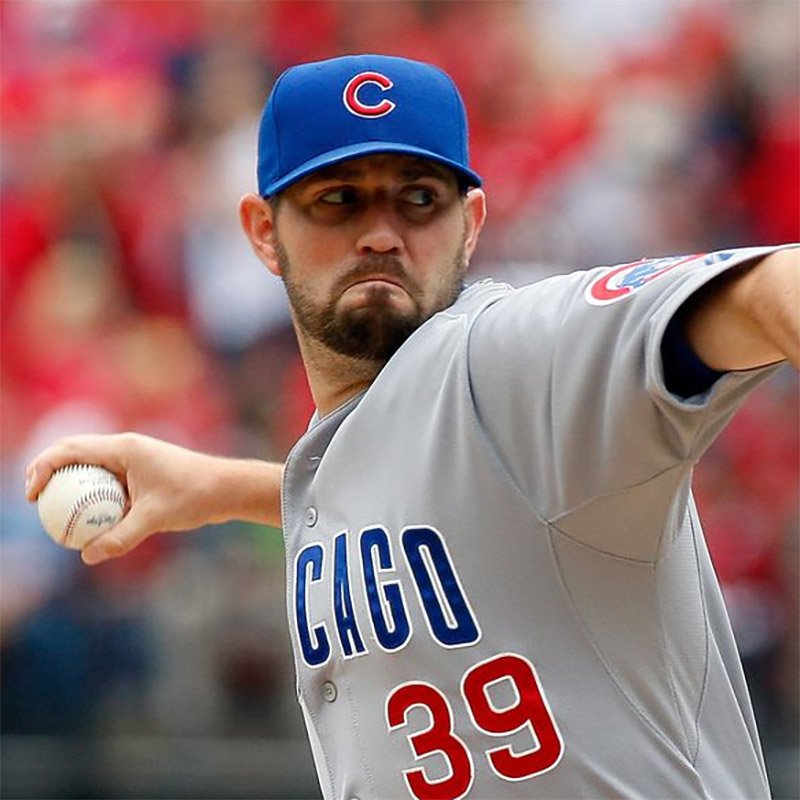 What four starting pitchers each started at least 30 games for the Cubs in both 2015 and 2016? Of course, most will probably get Jake Arrieta, Jon Lester, and Kyle Hendricks right off the bat. While I did manage to get the fourth pitcher, it took me a beat or two longer than the other three. Jason Hammel started 31 games for the Cubs in 2015 and followed that up by starting 30 games in 2016. That trivia question spurred a few thoughts. First, those mid-2010s Cubs teams were incredibly fortunate to have as few injuries as they did, particularly on the pitching side. While we are in a slightly different era of pitching usage, Justin Steele is the only Cub to start 30 games for the team in any of the past three seasons, and that was in 2023 when he started exactly 30 games. The second thought is that Jason Hammel quickly became a forgettable member of the 2016 Cubs. This is likely because he did not appear in a single game during the team's 2016 World Series run. Despite that, I thought it was a good opportunity to pay respect to what he brought to the Cubs during his time with the club. Before signing with the Cubs before the 2014 season, Hammel had a 4.80 ERA from his debut season in 2006 until his 2013 season with the Orioles, with a stop in Colorado between. He was brought in on a one-year, $6 million contract to eat innings on a team desperately in need of a reliable veteran. Hammel was more than reliable for the Cubs in 2014. After pitching to the tune of a 2.98 ERA and 3.19 FIP in 108 ⅔ innings, he was traded to the Oakland Athletics, along with Jeff Samardzija, on July 5 of that season. In return, the Cubs netted Billy McKinney, Dan Straily, and Addison Russell. Both the Cubs and Hammel enjoyed their time together so much that they decided to run it back. The two sides agreed to a two-year, $20 million contract before the 2015 season. The right-hander continued to provide stability behind the incredibly solid front three of Arrieta, Lester, and Hendricks. In the 2015 season, he posted a 3.74 ERA, 3.68 FIP, and 2.3 FanGraphs WAR. For his career, Hammel was not a strikeout artist, but for this one season, he was. He posted a career-high 172 strikeouts in 2015, and his strikeout rate of 24.2 percent was 17 percent higher than the league average, according to FanGraphs, and far higher than his career rate of 18.2 percent. Not only was it incredibly satisfying to make John Lackey lose his mind like that (although that was not hard to do), but many will probably also recall the plate appearance that Hammel’s single led to: a Javier Baez thee-run home run. Of course, the Cubs would go on to win that game, clinching a spot in the NLCS. Good times. If you watched that clip above and recall Hammel being surprisingly competent at the plate, that’s because he was. Relative to other pitchers, at least. From 2015 to 2016, his 19 wRC+ was 23rd among 111 pitchers that took at least 30 plate appearances. Let this be a reminder that while it was fun and memorable when a pitcher notched a big hit like the one above, they were also really bad at hitting. The designated hitter being added to the National League is absolutely a plus for the sport as a whole. After the 2015 season, the Cubs signed John Lackey, which effectively bumped Hammel to the fifth spot in the pitching rotation for the 2016 season. Despite putting up an almost identical 3.83 ERA that season, his 4.48 FIP was much higher, and the strikeout rate dropped back down closer to his career average. Because of this, and as previously mentioned, he did not make an appearance in the 2016 playoffs en route to the Cubs’ first World Series win in 108 years. After the Cubs declined Hammel’s team option for the 2017 season, he signed a two-year, $16 million contract with the Kansas City Royals, where he pitched two, mostly ineffective seasons before retiring just before the start of the 2019 season. It’s been almost 10 years since that magical 2016 season for the Cubs, and while Jason Hammel didn’t play a huge role in the playoffs that year, he was still an integral part of the 2015 and 2016 regular seasons, where the Cubs won 200 games combined. He helped form an incredibly reliable pitching rotation in 2016, combining with Lester, Arrieta, Hendricks, and Lackey to make 152 starts. In the modern game, this is absolutely unheard of. So today, let’s remember Jason Hammel. Reliable, durable, and unsung. Yet still an important member of what is still, and probably forever will be, the most memorable sports season of my lifetime.
 -
What four starting pitchers each started at least 30 games for the Cubs in both 2015 and 2016? Of course, most will probably get Jake Arrieta, Jon Lester, and Kyle Hendricks right off the bat. While I did manage to get the fourth pitcher, it took me a beat or two longer than the other three. Jason Hammel started 31 games for the Cubs in 2015 and followed that up by starting 30 games in 2016. That trivia question spurred a few thoughts. First, those mid-2010s Cubs teams were incredibly fortunate to have as few injuries as they did, particularly on the pitching side. While we are in a slightly different era of pitching usage, Justin Steele is the only Cub to start 30 games for the team in any of the past three seasons, and that was in 2023 when he started exactly 30 games. The second thought is that Jason Hammel quickly became a forgettable member of the 2016 Cubs. This is likely because he did not appear in a single game during the team's 2016 World Series run. Despite that, I thought it was a good opportunity to pay respect to what he brought to the Cubs during his time with the club. Before signing with the Cubs before the 2014 season, Hammel had a 4.80 ERA from his debut season in 2006 until his 2013 season with the Orioles, with a stop in Colorado between. He was brought in on a one-year, $6 million contract to eat innings on a team desperately in need of a reliable veteran. Hammel was more than reliable for the Cubs in 2014. After pitching to the tune of a 2.98 ERA and 3.19 FIP in 108 ⅔ innings, he was traded to the Oakland Athletics, along with Jeff Samardzija, on July 5 of that season. In return, the Cubs netted Billy McKinney, Dan Straily, and Addison Russell. Both the Cubs and Hammel enjoyed their time together so much that they decided to run it back. The two sides agreed to a two-year, $20 million contract before the 2015 season. The right-hander continued to provide stability behind the incredibly solid front three of Arrieta, Lester, and Hendricks. In the 2015 season, he posted a 3.74 ERA, 3.68 FIP, and 2.3 FanGraphs WAR. For his career, Hammel was not a strikeout artist, but for this one season, he was. He posted a career-high 172 strikeouts in 2015, and his strikeout rate of 24.2 percent was 17 percent higher than the league average, according to FanGraphs, and far higher than his career rate of 18.2 percent. Not only was it incredibly satisfying to make John Lackey lose his mind like that (although that was not hard to do), but many will probably also recall the plate appearance that Hammel’s single led to: a Javier Baez thee-run home run. Of course, the Cubs would go on to win that game, clinching a spot in the NLCS. Good times. If you watched that clip above and recall Hammel being surprisingly competent at the plate, that’s because he was. Relative to other pitchers, at least. From 2015 to 2016, his 19 wRC+ was 23rd among 111 pitchers that took at least 30 plate appearances. Let this be a reminder that while it was fun and memorable when a pitcher notched a big hit like the one above, they were also really bad at hitting. The designated hitter being added to the National League is absolutely a plus for the sport as a whole. After the 2015 season, the Cubs signed John Lackey, which effectively bumped Hammel to the fifth spot in the pitching rotation for the 2016 season. Despite putting up an almost identical 3.83 ERA that season, his 4.48 FIP was much higher, and the strikeout rate dropped back down closer to his career average. Because of this, and as previously mentioned, he did not make an appearance in the 2016 playoffs en route to the Cubs’ first World Series win in 108 years. After the Cubs declined Hammel’s team option for the 2017 season, he signed a two-year, $16 million contract with the Kansas City Royals, where he pitched two, mostly ineffective seasons before retiring just before the start of the 2019 season. It’s been almost 10 years since that magical 2016 season for the Cubs, and while Jason Hammel didn’t play a huge role in the playoffs that year, he was still an integral part of the 2015 and 2016 regular seasons, where the Cubs won 200 games combined. He helped form an incredibly reliable pitching rotation in 2016, combining with Lester, Arrieta, Hendricks, and Lackey to make 152 starts. In the modern game, this is absolutely unheard of. So today, let’s remember Jason Hammel. Reliable, durable, and unsung. Yet still an important member of what is still, and probably forever will be, the most memorable sports season of my lifetime. View full player
-
 Of course, most will probably get Jake Arrieta, Jon Lester, and Kyle Hendricks right off the bat. While I did manage to get the fourth pitcher, it took me a beat or two longer than the other three. Jason Hammel started 31 games for the Cubs in 2015 and followed that up by starting 30 games in 2016. That trivia question spurred a few thoughts. First, those mid-2010s Cubs teams were incredibly fortunate to have as few injuries as they did, particularly on the pitching side. While we are in a slightly different era of pitching usage, Justin Steele is the only Cub to start 30 games for the team in any of the past three seasons, and that was in 2023 when he started exactly 30 games. The second thought is that Jason Hammel quickly became a forgettable member of the 2016 Cubs. This is likely because he did not appear in a single game during the team's 2016 World Series run. Despite that, I thought it was a good opportunity to pay respect to what he brought to the Cubs during his time with the club. Before signing with the Cubs before the 2014 season, Hammel had a 4.80 ERA from his debut season in 2006 until his 2013 season with the Orioles, with a stop in Colorado between. He was brought in on a one-year, $6 million contract to eat innings on a team desperately in need of a reliable veteran. Hammel was more than reliable for the Cubs in 2014. After pitching to the tune of a 2.98 ERA and 3.19 FIP in 108 ⅔ innings, he was traded to the Oakland Athletics, along with Jeff Samardzija, on July 5 of that season. In return, the Cubs netted Billy McKinney, Dan Straily, and Addison Russell. Both the Cubs and Hammel enjoyed their time together so much that they decided to run it back. The two sides agreed to a two-year, $20 million contract before the 2015 season. The right-hander continued to provide stability behind the incredibly solid front three of Arrieta, Lester, and Hendricks. In the 2015 season, he posted a 3.74 ERA, 3.68 FIP, and 2.3 FanGraphs WAR. For his career, Hammel was not a strikeout artist, but for this one season, he was. He posted a career-high 172 strikeouts in 2015, and his strikeout rate of 24.2 percent was 17 percent higher than the league average, according to FanGraphs, and far higher than his career rate of 18.2 percent. He did pitch two games for the Cubs that postseason, though one was much more memorable than the other. In game four of the 2015 NLDS, he allowed two earned runs across three innings of work, though it was his plate appearance in the bottom of the second that I will always remember: Not only was it incredibly satisfying to make John Lackey lose his mind like that (although that was not hard to do), but many will probably also recall the plate appearance that Hammel’s single led to: Of course, the Cubs would go on to win that game, clinching a spot in the NLCS. Good times. If you watched that clip above and recall Hammel being surprisingly competent at the plate, that’s because he was. Relative to other pitchers, at least. From 2015 to 2016, his 19 wRC+ was 23rd among 111 pitchers that took at least 30 plate appearances. Let this be a reminder that while it was fun and memorable when a pitcher notched a big hit like the one above, they were also really bad at hitting. The designated hitter being added to the National League is absolutely a plus for the sport as a whole. I digress. After the 2015 season, the Cubs signed John Lackey, which effectively bumped Hammel to the fifth spot in the pitching rotation for the 2016 season. Despite putting up an almost identical 3.83 ERA that season, his 4.48 FIP was much higher, and the strikeout rate dropped back down closer to his career average. Because of this, and as previously mentioned, he did not make an appearance in the 2016 playoffs en route to the Cubs’ first World Series win in 108 years. After the Cubs declined Hammel’s team option for the 2017 season, he signed a two-year, $16 million contract with the Kansas City Royals, where he pitched two, mostly ineffective seasons before retiring just before the start of the 2019 season. It’s been almost 10 years since that magical 2016 season for the Cubs, and while Jason Hammel didn’t play a huge role in the playoffs that year, he was still an integral part of the 2015 and 2016 regular seasons, where the Cubs won 200 games combined. He helped form an incredibly reliable pitching rotation in 2016, combining with Lester, Arrieta, Hendricks, and Lackey to make 152 starts. In the modern game, this is absolutely unheard of. So today, let’s remember Jason Hammel. Reliable, durable, and unsung. Yet still an important member of what is still, and probably forever will be, the most memorable sports season of my lifetime.
 -
As I flipped my Chicago Cubs calendar to a new day earlier this week, I was greeted with a trivia question. What four starting pitchers each started at least 30 games for the Cubs in both 2015 and 2016? Image courtesy of © Dennis Wierzbicki-Imagn Images Of course, most will probably get Jake Arrieta, Jon Lester, and Kyle Hendricks right off the bat. While I did manage to get the fourth pitcher, it took me a beat or two longer than the other three. Jason Hammel started 31 games for the Cubs in 2015 and followed that up by starting 30 games in 2016. That trivia question spurred a few thoughts. First, those mid-2010s Cubs teams were incredibly fortunate to have as few injuries as they did, particularly on the pitching side. While we are in a slightly different era of pitching usage, Justin Steele is the only Cub to start 30 games for the team in any of the past three seasons, and that was in 2023 when he started exactly 30 games. The second thought is that Jason Hammel quickly became a forgettable member of the 2016 Cubs. This is likely because he did not appear in a single game during the team's 2016 World Series run. Despite that, I thought it was a good opportunity to pay respect to what he brought to the Cubs during his time with the club. Before signing with the Cubs before the 2014 season, Hammel had a 4.80 ERA from his debut season in 2006 until his 2013 season with the Orioles, with a stop in Colorado between. He was brought in on a one-year, $6 million contract to eat innings on a team desperately in need of a reliable veteran. Hammel was more than reliable for the Cubs in 2014. After pitching to the tune of a 2.98 ERA and 3.19 FIP in 108 ⅔ innings, he was traded to the Oakland Athletics, along with Jeff Samardzija, on July 5 of that season. In return, the Cubs netted Billy McKinney, Dan Straily, and Addison Russell. Both the Cubs and Hammel enjoyed their time together so much that they decided to run it back. The two sides agreed to a two-year, $20 million contract before the 2015 season. The right-hander continued to provide stability behind the incredibly solid front three of Arrieta, Lester, and Hendricks. In the 2015 season, he posted a 3.74 ERA, 3.68 FIP, and 2.3 FanGraphs WAR. For his career, Hammel was not a strikeout artist, but for this one season, he was. He posted a career-high 172 strikeouts in 2015, and his strikeout rate of 24.2 percent was 17 percent higher than the league average, according to FanGraphs, and far higher than his career rate of 18.2 percent. He did pitch two games for the Cubs that postseason, though one was much more memorable than the other. In game four of the 2015 NLDS, he allowed two earned runs across three innings of work, though it was his plate appearance in the bottom of the second that I will always remember: Not only was it incredibly satisfying to make John Lackey lose his mind like that (although that was not hard to do), but many will probably also recall the plate appearance that Hammel’s single led to: Of course, the Cubs would go on to win that game, clinching a spot in the NLCS. Good times. If you watched that clip above and recall Hammel being surprisingly competent at the plate, that’s because he was. Relative to other pitchers, at least. From 2015 to 2016, his 19 wRC+ was 23rd among 111 pitchers that took at least 30 plate appearances. Let this be a reminder that while it was fun and memorable when a pitcher notched a big hit like the one above, they were also really bad at hitting. The designated hitter being added to the National League is absolutely a plus for the sport as a whole. I digress. After the 2015 season, the Cubs signed John Lackey, which effectively bumped Hammel to the fifth spot in the pitching rotation for the 2016 season. Despite putting up an almost identical 3.83 ERA that season, his 4.48 FIP was much higher, and the strikeout rate dropped back down closer to his career average. Because of this, and as previously mentioned, he did not make an appearance in the 2016 playoffs en route to the Cubs’ first World Series win in 108 years. After the Cubs declined Hammel’s team option for the 2017 season, he signed a two-year, $16 million contract with the Kansas City Royals, where he pitched two, mostly ineffective seasons before retiring just before the start of the 2019 season. It’s been almost 10 years since that magical 2016 season for the Cubs, and while Jason Hammel didn’t play a huge role in the playoffs that year, he was still an integral part of the 2015 and 2016 regular seasons, where the Cubs won 200 games combined. He helped form an incredibly reliable pitching rotation in 2016, combining with Lester, Arrieta, Hendricks, and Lackey to make 152 starts. In the modern game, this is absolutely unheard of. So today, let’s remember Jason Hammel. Reliable, durable, and unsung. Yet still an important member of what is still, and probably forever will be, the most memorable sports season of my lifetime. View full article
-
We will go in the way back machine to kick off this offseason’s Remember Some Cubs series. So far back, we can rename the series to Remember Some White Stockings for today. We’re going to talk about Ross Barnes and his season for the 1876 Chicago White Stockings. Charles Roscoe Barnes was born on May 8, 1850, in Mount Morris, New York, about 60 miles east of Buffalo. At 18, he started playing baseball with the Rockford Forest Citys. Barnes officially became a professional in 1871 when the Boston Red Stockings signed him to play. This was the inaugural season of the National Association, which is widely considered the first professional baseball league, as far back as FanGraphs logs stats. In his five years with the Red Stockings, Barnes led all position players in FanGraphs WAR (20.8), batting average (.390), wRC+ (159), runs (459), and stolen bases (73). His signing with the Chicago White Stockings after the 1875 season prompted the formation of the National League. In the 1876 season, the second baseman had his best season. Barnes led all position players in fWAR with 6.6. The next closest player, teammate Cap Anson, was at 4.0. He led the league in batting average, hitting .429, while the next closest person, George Hall, hit .366. He scored 126 runs, which, of course, led the league. George Wright finished second, and he scored 72 runs. According to a 2022 article by Jayson Stark in The Athletic, only four players in baseball history have led their league by 30 or more runs: Aaron Judge, Rickey Henderson, Babe Ruth, and Ross Barnes. Barnes' 54-run lead remains a record. The White Stockings, of course, won the first-ever National League pennant. To avoid regurgitating his fantastic work, you should check out what Nate Silver wrote about Barnes in 2007. Silver created a method to examine how good a player’s sustained peak was, then compared that to the next best player in baseball at the time. Barnes was the best player in baseball for four of the top six seasons, and the gap between the best player and their next closest competitor was the largest. How was Barnes so successful? According to his SABR profile, Barnes mastered the art of what is called the “fair-foul” hit. Back then, baseball had different rules, including that if a ball landed fair, no matter where on the field it landed, and then rolled into playing territory, it was a fair ball. Barnes was great at using this to his advantage to rack up hits. This fact has caused some dispute over Barnes’ true baseball skill. The National League banned the fair-foul hit in 1877, and his batting average plummeted from .438 in 1876 to .272 in 1877 in just 99 plate appearances. His lack of playing time stemmed from, it would seem, an illness. The SABR profile quotes a Chicago Tribune article from May 19 that said Barnes was so sick that he was “physically incapable of exertion.” Rumors also surfaced via the Chicago Times that he was lying about the illness. Regardless, he was never the same. He didn’t play the 1878 season before signing with the Cincinnati Reds for the 1879 season and posting a .266 batting average. He then took another season off before rejoining the Red Stockings in 1881, where he hit .271. Illness or not, he was just never the same player. Barnes still should be remembered whether or not he was overly reliant on the fair-foul hit. The hit was legal during his six-year run as the best player in baseball, and nobody else was able to utilize the success that he did despite everyone being free to do so. I’m confident that Ross Barnes is the best player I never even knew existed. View full player
-
 We will go in the way back machine to kick off this offseason’s Remember Some Cubs series. So far back, we can rename the series to Remember Some White Stockings for today. We’re going to talk about Ross Barnes and his season for the 1876 Chicago White Stockings. Charles Roscoe Barnes was born on May 8, 1850, in Mount Morris, New York, about 60 miles east of Buffalo. At 18, he started playing baseball with the Rockford Forest Citys. Barnes officially became a professional in 1871 when the Boston Red Stockings signed him to play. This was the inaugural season of the National Association, which is widely considered the first professional baseball league, as far back as FanGraphs logs stats. In his five years with the Red Stockings, Barnes led all position players in FanGraphs WAR (20.8), batting average (.390), wRC+ (159), runs (459), and stolen bases (73). His signing with the Chicago White Stockings after the 1875 season prompted the formation of the National League. In the 1876 season, the second baseman had his best season. Barnes led all position players in fWAR with 6.6. The next closest player, teammate Cap Anson, was at 4.0. He led the league in batting average, hitting .429, while the next closest person, George Hall, hit .366. He scored 126 runs, which, of course, led the league. George Wright finished second, and he scored 72 runs. According to a 2022 article by Jayson Stark in The Athletic, only four players in baseball history have led their league by 30 or more runs: Aaron Judge, Rickey Henderson, Babe Ruth, and Ross Barnes. Barnes' 54-run lead remains a record. The White Stockings, of course, won the first-ever National League pennant. To avoid regurgitating his fantastic work, you should check out what Nate Silver wrote about Barnes in 2007. Silver created a method to examine how good a player’s sustained peak was, then compared that to the next best player in baseball at the time. Barnes was the best player in baseball for four of the top six seasons, and the gap between the best player and their next closest competitor was the largest. How was Barnes so successful? According to his SABR profile, Barnes mastered the art of what is called the “fair-foul” hit. Back then, baseball had different rules, including that if a ball landed fair, no matter where on the field it landed, and then rolled into playing territory, it was a fair ball. Barnes was great at using this to his advantage to rack up hits. This fact has caused some dispute over Barnes’ true baseball skill. The National League banned the fair-foul hit in 1877, and his batting average plummeted from .438 in 1876 to .272 in 1877 in just 99 plate appearances. His lack of playing time stemmed from, it would seem, an illness. The SABR profile quotes a Chicago Tribune article from May 19 that said Barnes was so sick that he was “physically incapable of exertion.” Rumors also surfaced via the Chicago Times that he was lying about the illness. Regardless, he was never the same. He didn’t play the 1878 season before signing with the Cincinnati Reds for the 1879 season and posting a .266 batting average. He then took another season off before rejoining the Red Stockings in 1881, where he hit .271. Illness or not, he was just never the same player. Barnes still should be remembered whether or not he was overly reliant on the fair-foul hit. The hit was legal during his six-year run as the best player in baseball, and nobody else was able to utilize the success that he did despite everyone being free to do so. I’m confident that Ross Barnes is the best player I never even knew existed.
 -
To that point in the season, Marmol had a 6.00 ERA, and had just given up four runs to the Arizona Diamondbacks in a disastrous outing a few days prior. After walking the first two hitters he faced, Marmol then struck out the next three in a row, putting out the fire that he had started. This was the essence of Carlos Marmol: enter a game, walk a bunch of guys, then strike a bunch of guys out. Rinse and repeat. His appearances were never smooth, and while I don’t think anybody ever felt like the game was securely in hand when he took the mound, he almost always got the job done at the end of the day. I feel like, due to the rocky nature of his outings, Marmol has become forgotten in Cubs history. However, he just may be one of the greatest relievers that this franchise has ever seen. Marmol signed with the Cubs as a 16-year-old catcher and outfielder in July, 1999. After hitting only one home run and posting a .559 OPS in the minor leagues in the 2002 season, Marmol officially converted to become a pitcher that offseason. Following a steady rise through the minors as a starting pitcher, Marmol made his major-league debut in 2006, at age 23. He ended the year with 19 mostly unsuccessful appearances (13 starts and six out of the bullpen), as he had a 6.08 ERA and an even 1.00 strikeout-to-walk ratio. The right-handed pitcher made his 2007 debut on May 19, with a scoreless inning of relief, and thus began his reign of chaotic dominance. He would finish the season with a 1.43 ERA, third among all relievers, and his strikeout rate of 33.7% was second. His walk rate, while bad (12.3%), was 18th-worst. (Remember Some Cubs bonus: future Cub Brandon Morrow had the worst walk rate among relievers that year, at 17.3%.) I would be remiss to discuss Marmol’s strikeouts and walks without mentioning the culprit for his effective wildness: his slider. Nobody, Marmol included, had any idea where that thing was going to end up when he threw it, but man, was it nasty. Batters hit only .167 against him in 2007, which was fourth-lowest in MLB. If he was capable of getting the slider anywhere near the plate, hitters were either swinging and missing, or hitting very soft contact somewhere. The wild relief pitcher followed up his 2007 season with an equally good 2008 season. Then, he really started to lose control of where he was throwing the baseball. The 2009 season saw his strikeout rate drop to a still-good 27.8%, but coupled with a rise in walk rate (to a major league-leading 19.4%), the slippage made him (for that one season) a good, but not great, pitcher. Which brings us to 2010. That strikeout rate jumped right back up, and Marmol led all qualified relief pitchers with 2.7 WAR. He set the all-time record for the best K/9 ratio for a pitcher (minimum 50 innings) with 15.99 strikeouts per nine frames. (Another Remember Some Cubs bonus: In our current era of strikeout mania, this has since been broken several times, with Aroldis Chapman currently holding the record at 17.67 K/9 in his 2014 season. Marmol’s 2010 season remains a Cubs record, though.) Marmol’s 6.7 WAR from 2007 to 2010 was eighth among all relievers in baseball. His 33.9% strikeout rate led all relievers, and his 14.9% walk rate was fifth-worst. He hit 30 batters, which also led all relief pitchers and further compounded the issue. But still: to underscore just how unhittable he was, and to add to the list of things he led relievers in, hitters hit only .152 against him. His slider was worth 53 runs above average, according to Statcast, which made it the third-most valuable pitch for a reliever across those four seasons. For those curious: Heath Bell’s fastball was worth 55.6 runs above average, and, of course, Mariano Rivera’s cutter was worth 54 runs above average. Make no mistake about it: Despite the walks, during his four-year peak, Marmol was elite. Then started a downward trend: he continued walking and striking everybody out in the 2011 and 2012 seasons, but his slider went from completely unhittable to somewhat hittable, which inflated his ERA to 3.76 across those two campaigns. He was designated for assignment by the Cubs in June of 2013, in the wake of a really rough start to the season. He would go on to throw 21 ⅓ innings for the Dodgers to finish 2013, and then 13 ⅓ innings for the Marlins the following season, and would never appear in a major-league game again after that. For his Cubs career, Marmol ended up with 6.8 WAR, per FanGraphs. That’s third all-time for Cubs relievers. Bruce Sutter and Lee Smith are well ahead of him, with 16.1 and 14.9 WAR, respectively. Passing two Hall of Famers is tough to do, though, so coming third on this list is nothing to sneeze at. He was far from perfect as a pitcher, but that is also what made him so fun to watch. Watching him walk the bases loaded was never fun in real time, but it only made it so much more fun when he’d strike out the side immediately after that. View full player
-
- 1
-

-
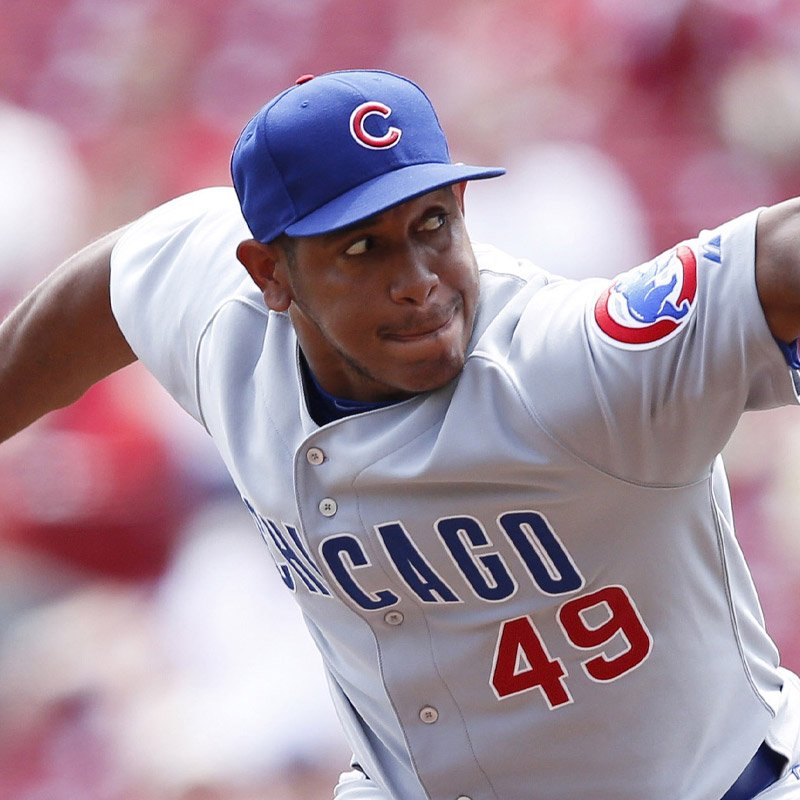 To that point in the season, Marmol had a 6.00 ERA, and had just given up four runs to the Arizona Diamondbacks in a disastrous outing a few days prior. After walking the first two hitters he faced, Marmol then struck out the next three in a row, putting out the fire that he had started. This was the essence of Carlos Marmol: enter a game, walk a bunch of guys, then strike a bunch of guys out. Rinse and repeat. His appearances were never smooth, and while I don’t think anybody ever felt like the game was securely in hand when he took the mound, he almost always got the job done at the end of the day. I feel like, due to the rocky nature of his outings, Marmol has become forgotten in Cubs history. However, he just may be one of the greatest relievers that this franchise has ever seen. Marmol signed with the Cubs as a 16-year-old catcher and outfielder in July, 1999. After hitting only one home run and posting a .559 OPS in the minor leagues in the 2002 season, Marmol officially converted to become a pitcher that offseason. Following a steady rise through the minors as a starting pitcher, Marmol made his major-league debut in 2006, at age 23. He ended the year with 19 mostly unsuccessful appearances (13 starts and six out of the bullpen), as he had a 6.08 ERA and an even 1.00 strikeout-to-walk ratio. The right-handed pitcher made his 2007 debut on May 19, with a scoreless inning of relief, and thus began his reign of chaotic dominance. He would finish the season with a 1.43 ERA, third among all relievers, and his strikeout rate of 33.7% was second. His walk rate, while bad (12.3%), was 18th-worst. (Remember Some Cubs bonus: future Cub Brandon Morrow had the worst walk rate among relievers that year, at 17.3%.) I would be remiss to discuss Marmol’s strikeouts and walks without mentioning the culprit for his effective wildness: his slider. Nobody, Marmol included, had any idea where that thing was going to end up when he threw it, but man, was it nasty. Batters hit only .167 against him in 2007, which was fourth-lowest in MLB. If he was capable of getting the slider anywhere near the plate, hitters were either swinging and missing, or hitting very soft contact somewhere. The wild relief pitcher followed up his 2007 season with an equally good 2008 season. Then, he really started to lose control of where he was throwing the baseball. The 2009 season saw his strikeout rate drop to a still-good 27.8%, but coupled with a rise in walk rate (to a major league-leading 19.4%), the slippage made him (for that one season) a good, but not great, pitcher. Which brings us to 2010. That strikeout rate jumped right back up, and Marmol led all qualified relief pitchers with 2.7 WAR. He set the all-time record for the best K/9 ratio for a pitcher (minimum 50 innings) with 15.99 strikeouts per nine frames. (Another Remember Some Cubs bonus: In our current era of strikeout mania, this has since been broken several times, with Aroldis Chapman currently holding the record at 17.67 K/9 in his 2014 season. Marmol’s 2010 season remains a Cubs record, though.) Marmol’s 6.7 WAR from 2007 to 2010 was eighth among all relievers in baseball. His 33.9% strikeout rate led all relievers, and his 14.9% walk rate was fifth-worst. He hit 30 batters, which also led all relief pitchers and further compounded the issue. But still: to underscore just how unhittable he was, and to add to the list of things he led relievers in, hitters hit only .152 against him. His slider was worth 53 runs above average, according to Statcast, which made it the third-most valuable pitch for a reliever across those four seasons. For those curious: Heath Bell’s fastball was worth 55.6 runs above average, and, of course, Mariano Rivera’s cutter was worth 54 runs above average. Make no mistake about it: Despite the walks, during his four-year peak, Marmol was elite. Then started a downward trend: he continued walking and striking everybody out in the 2011 and 2012 seasons, but his slider went from completely unhittable to somewhat hittable, which inflated his ERA to 3.76 across those two campaigns. He was designated for assignment by the Cubs in June of 2013, in the wake of a really rough start to the season. He would go on to throw 21 ⅓ innings for the Dodgers to finish 2013, and then 13 ⅓ innings for the Marlins the following season, and would never appear in a major-league game again after that. For his Cubs career, Marmol ended up with 6.8 WAR, per FanGraphs. That’s third all-time for Cubs relievers. Bruce Sutter and Lee Smith are well ahead of him, with 16.1 and 14.9 WAR, respectively. Passing two Hall of Famers is tough to do, though, so coming third on this list is nothing to sneeze at. He was far from perfect as a pitcher, but that is also what made him so fun to watch. Watching him walk the bases loaded was never fun in real time, but it only made it so much more fun when he’d strike out the side immediately after that.
 -
Despite no major moves being made, it was still a jam-packed first week of the offseason for the Chicago Cubs and Major League Baseball as a whole. Image courtesy of © Mark J. Rebilas-Imagn Images Cody Bellinger will be back with the North Siders for the 2025 season. Kyle Hendricks is now an Angel. Roki Sasaki will be posted and made available to MLB teams. Those all generated fairly major headlines. However, if you blinked, you might have missed this news, courtesy of Sahadev Sharma and Patrick Mooney at The Athletic: the Cubs will be making major structural changes to their scouting department. I’d recommend reading the whole article, but I’ll list some notable quotes here—the first being areas the Cubs will be expanding. That, at face value, is good! This is something that good teams do. The Cleveland Guardians, Milwaukee Brewers, and Tampa Bay Rays are all known as heavy analytics teams, and they have all had much more success than the Cubs since 2016. But, of course, there is a trade-off. This comes pretty close to confirming a Bob Nightengale report from a couple of months back that “the Cubs told their scouting department that they no longer will scout games at any level except the complex league and the Dominican Summer League.” Yikes! On one hand, I get it. Many teams feel that technology can fill the role in baseball that scouting has done for years. Why do I need a scout to tell me that Aaron Judge hits the ball hard when Statcast can just definitively tell me that he hit the ball harder, on average, than any other major leaguer this season? On the other hand, though, this doesn’t feel like a decision that the big-market Chicago Cubs, the fourth most valuable team in Major League Baseball, should have to make. Two more lines from Sharma and Mooney’s article particularly bug me: Newsflash: the aftermath of 2016 has not been particularly successful! The Cubs had a disappointing regular season in 2017, which was salvaged by a run to the NLCS. They have since made the playoffs only twice, no times in the past four seasons, and are 0-3 in those two playoff appearances. They consistently chase the small-market Milwaukee Brewers in the NL Central standings. To be clear, this is no dirt on Sharma and Mooney, who do great work. They even mention skepticism about this strategy, given the lack of results so far. Let me get this straight: We acknowledge that the Yankees and Dodgers, who just played each other in the World Series, combine analytics and scouting. For some reason, the Cubs are not striving for that. Instead, they admire the Cleveland Guardians—the same small-market Cleveland Guardians that consistently run a payroll half that of the Cubs and have a valuation between three and four times less than the Cubs'. I recently had the pleasure of reading Future Value by Eric Longenhagen and Kiley McDaniel. Ironically, I finished it the night before this article by Sharma and Mooney was published. It is a fantastic read, and I would suggest that any hardcore baseball fan check it out. They blend scouting stories with information on how the job is done and ultimately make a compelling case for keeping scouts around on some level. There is one quote from late in the book that I want to focus on in regards to so many MLB teams trimming their scouting staffs in favor of technology and analytics: Not only are the Cubs trying desperately to imitate teams like Cleveland or zagging while everyone else is zagging, but they’re most likely late in doing so anyway. In the same way, if someone tells you that there is some stock that you should invest in, you’ve most likely already lost your chance to make money on that stock. I’m sure the Guardians are constantly innovating and finding new ways to improve their models. I worry that by the time the Cubs even catch up, the Guardians will already be on to something new. Which isn’t to say that the Cubs shouldn’t even try. You have to start somewhere. But for a big market team that has money to spend, cutting your scouting department to save a buck feels like a really bad sign. Instead of cutting costs, the Cubs should look for ways to implement their resources and utilize a vigorous scouting staff and a full analytics department. Go out and create something better than Cleveland has; don’t imitate it. Because you’re the Chicago Cubs. Not the Cleveland Guardians. View full article
-
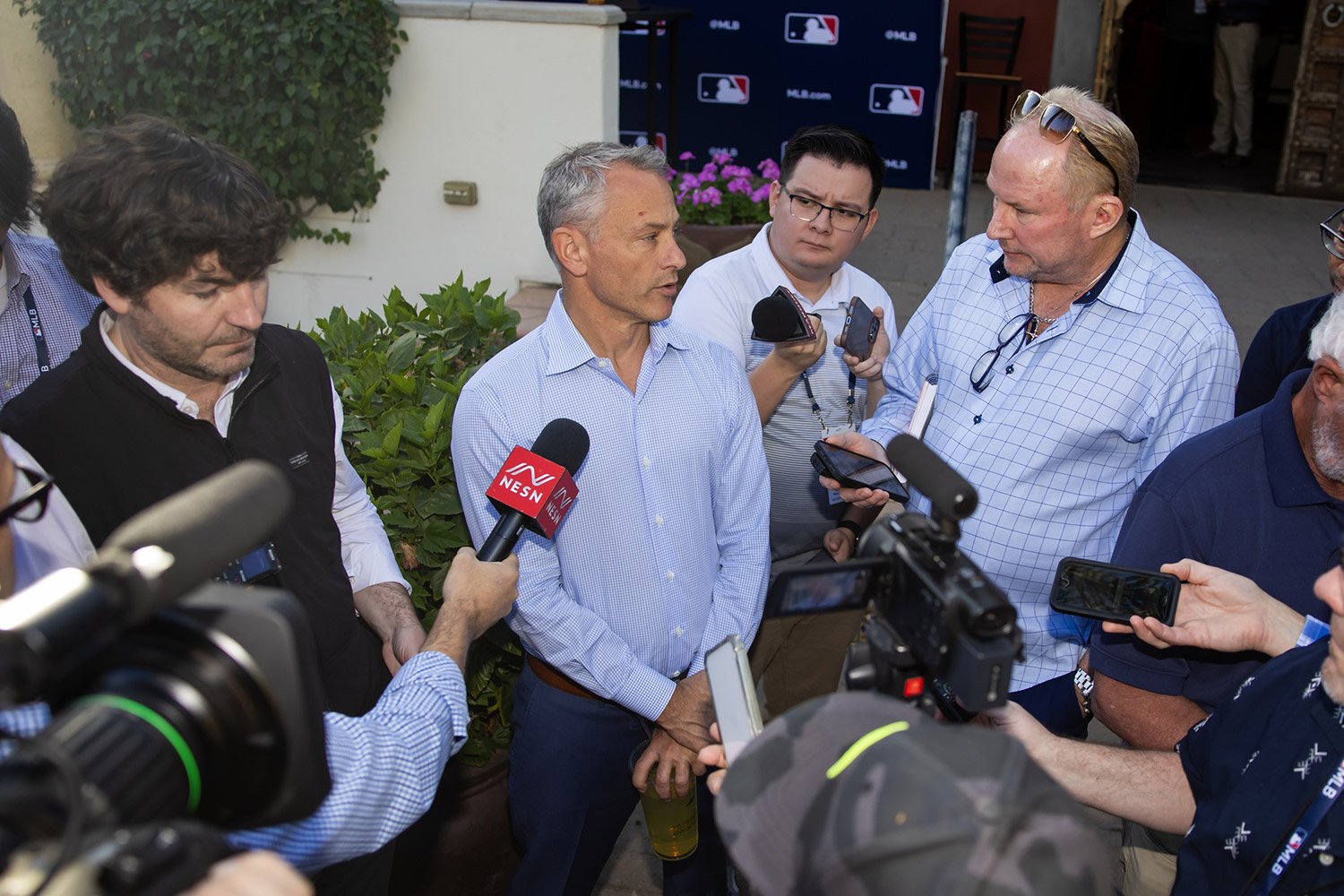 Cody Bellinger will be back with the North Siders for the 2025 season. Kyle Hendricks is now an Angel. Roki Sasaki will be posted and made available to MLB teams. Those all generated fairly major headlines. However, if you blinked, you might have missed this news, courtesy of Sahadev Sharma and Patrick Mooney at The Athletic: the Cubs will be making major structural changes to their scouting department. I’d recommend reading the whole article, but I’ll list some notable quotes here—the first being areas the Cubs will be expanding. That, at face value, is good! This is something that good teams do. The Cleveland Guardians, Milwaukee Brewers, and Tampa Bay Rays are all known as heavy analytics teams, and they have all had much more success than the Cubs since 2016. But, of course, there is a trade-off. This comes pretty close to confirming a Bob Nightengale report from a couple of months back that “the Cubs told their scouting department that they no longer will scout games at any level except the complex league and the Dominican Summer League.” Yikes! On one hand, I get it. Many teams feel that technology can fill the role in baseball that scouting has done for years. Why do I need a scout to tell me that Aaron Judge hits the ball hard when Statcast can just definitively tell me that he hit the ball harder, on average, than any other major leaguer this season? On the other hand, though, this doesn’t feel like a decision that the big-market Chicago Cubs, the fourth most valuable team in Major League Baseball, should have to make. Two more lines from Sharma and Mooney’s article particularly bug me: Newsflash: the aftermath of 2016 has not been particularly successful! The Cubs had a disappointing regular season in 2017, which was salvaged by a run to the NLCS. They have since made the playoffs only twice, no times in the past four seasons, and are 0-3 in those two playoff appearances. They consistently chase the small-market Milwaukee Brewers in the NL Central standings. To be clear, this is no dirt on Sharma and Mooney, who do great work. They even mention skepticism about this strategy, given the lack of results so far. Let me get this straight: We acknowledge that the Yankees and Dodgers, who just played each other in the World Series, combine analytics and scouting. For some reason, the Cubs are not striving for that. Instead, they admire the Cleveland Guardians—the same small-market Cleveland Guardians that consistently run a payroll half that of the Cubs and have a valuation between three and four times less than the Cubs'. I recently had the pleasure of reading Future Value by Eric Longenhagen and Kiley McDaniel. Ironically, I finished it the night before this article by Sharma and Mooney was published. It is a fantastic read, and I would suggest that any hardcore baseball fan check it out. They blend scouting stories with information on how the job is done and ultimately make a compelling case for keeping scouts around on some level. There is one quote from late in the book that I want to focus on in regards to so many MLB teams trimming their scouting staffs in favor of technology and analytics: Not only are the Cubs trying desperately to imitate teams like Cleveland or zagging while everyone else is zagging, but they’re most likely late in doing so anyway. In the same way, if someone tells you that there is some stock that you should invest in, you’ve most likely already lost your chance to make money on that stock. I’m sure the Guardians are constantly innovating and finding new ways to improve their models. I worry that by the time the Cubs even catch up, the Guardians will already be on to something new. Which isn’t to say that the Cubs shouldn’t even try. You have to start somewhere. But for a big market team that has money to spend, cutting your scouting department to save a buck feels like a really bad sign. Instead of cutting costs, the Cubs should look for ways to implement their resources and utilize a vigorous scouting staff and a full analytics department. Go out and create something better than Cleveland has; don’t imitate it. Because you’re the Chicago Cubs. Not the Cleveland Guardians.
 -
The date was August 29, 2002, and the Cubs were in Milwaukee for what was, essentially, a battle for last place in the National League Central. Mark Bellhorn stepped to the plate in the top of the fourth inning, facing lefthander Andrew Lorraine. Bellhorn, hitting right-handed, hit a home run to deep left-center field, plating Alex Gonzalez and staking the Cubs to a lead. But the rally didn’t stop there. Lorraine was chased from the game just six hitters later, replaced by the right-handed Jose Cabrera. Thus, Bellhorn came back up to the plate, with two outs and two on, in the same inning. Being a switch-hitter, he took this plate appearance from the left side of the plate. Miraculously, Bellhorn did it again, hitting a home run to deep right field, giving the Cubs a nine-run lead and making baseball history at the same time. There have been many instances in baseball history in which a player has hit two home runs in the same inning. It has happened 60 times, to be precise. On this day, however, Bellhorn became just the second player ever to hit a home run from each side of the plate in the same inning, joining Carlos Baerga, who did so in 1993. Kendrys Morales has since done the same feat, and they are still the only three players to accomplish that feat. This is both the beauty of Mark Bellhorn, and the beauty of baseball: On any random day, in any random game between two teams that are a combined 61 games below .500, you can witness history, from a player that would only go on to hit 69 home runs for his entire career. It's a nice thing. Bellhorn was drafted out of Auburn University by the Oakland Athletics in the second round of the 1997 MLB Draft. Despite performing well in most of his minor-league action, he hit only .198/.296/.316 in sporadic playing time at the major-league level from 1997-2001. He was unceremoniously traded to the Cubs on November 2, 2001, for a young minor leaguer named Adam Morrissey, who would never appear in the major leagues. He started the 2002 season with the Cubs at the big-league level, and thanks to his ability to play multiple positions, he found himself filling in as a utility player for much of the early season. The versatile defender appeared in games at all infield positions, as well as two innings in left-field, for the Cubs that season. Bellhorn really seized his opportunity to become a full-time player, with home runs on back-to-back days on April 11 and 12, and never looked back. His .258/.374/.512 batting line was good for a 135 wRC+ on the season, a figure that was second on the Cubs behind Sammy Sosa and 31st in all of baseball, according to FanGraphs. Unfortunately for Cubs fans, Bellhorn failed to live up to his 2002 season the following year. His power cratered and he hit only .209/.341/.317 in 173 plate appearances, before being traded to the Rockies. He eventually ended up with the Boston Red Sox for the 2004 season, where he regained his old form and became a postseason legend, helping the hungry Red Sox end their 86 year World Series Championship drought with clutch home runs in both the ALCS and World Series. Afterward, following three very unsuccessful seasons for the Red Sox, Yankees, Padres, and Reds, Bellhorn returned to the minors for good, before eventually retiring in 2009. In some ways, Bellhorn was a bit before his time. From 2002 to 2004, his 27.4-percent strikeout rate was second-worst in baseball. On the flip side, though, his 14.7-percent walk rate was 15th, and when you factor in the home runs, his 45.3-percent three-true-outcome rate was fifth. If Bellhorn was around today, maybe he would have been appreciated just a little bit more. Even at the time, though, he was a cult favorite in the Windy City. View full player
-
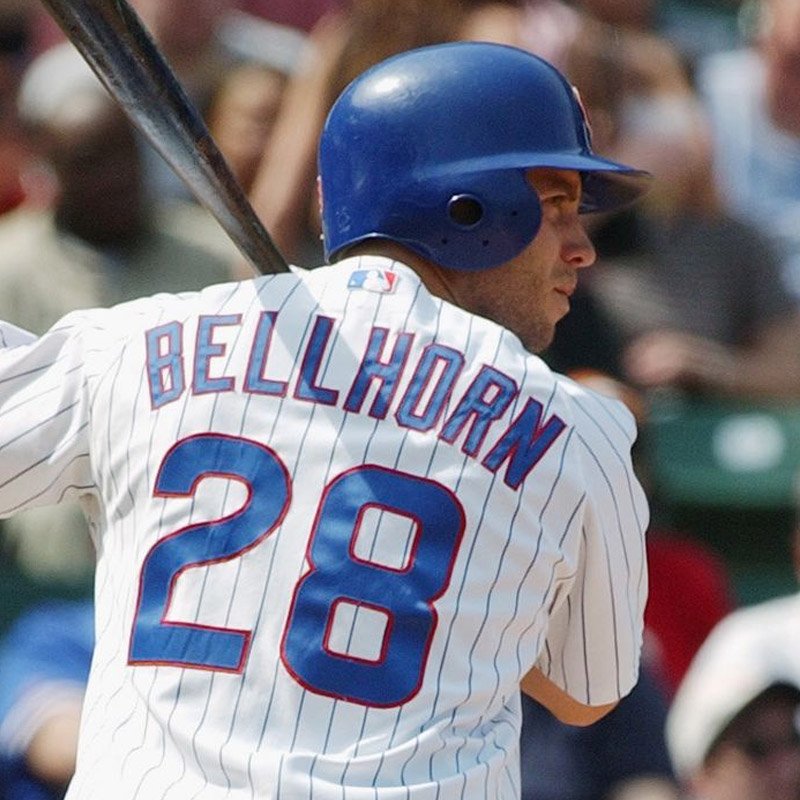 The date was August 29, 2002, and the Cubs were in Milwaukee for what was, essentially, a battle for last place in the National League Central. Mark Bellhorn stepped to the plate in the top of the fourth inning, facing lefthander Andrew Lorraine. Bellhorn, hitting right-handed, hit a home run to deep left-center field, plating Alex Gonzalez and staking the Cubs to a lead. But the rally didn’t stop there. Lorraine was chased from the game just six hitters later, replaced by the right-handed Jose Cabrera. Thus, Bellhorn came back up to the plate, with two outs and two on, in the same inning. Being a switch-hitter, he took this plate appearance from the left side of the plate. Miraculously, Bellhorn did it again, hitting a home run to deep right field, giving the Cubs a nine-run lead and making baseball history at the same time. There have been many instances in baseball history in which a player has hit two home runs in the same inning. It has happened 60 times, to be precise. On this day, however, Bellhorn became just the second player ever to hit a home run from each side of the plate in the same inning, joining Carlos Baerga, who did so in 1993. Kendrys Morales has since done the same feat, and they are still the only three players to accomplish that feat. This is both the beauty of Mark Bellhorn, and the beauty of baseball: On any random day, in any random game between two teams that are a combined 61 games below .500, you can witness history, from a player that would only go on to hit 69 home runs for his entire career. It's a nice thing. Bellhorn was drafted out of Auburn University by the Oakland Athletics in the second round of the 1997 MLB Draft. Despite performing well in most of his minor-league action, he hit only .198/.296/.316 in sporadic playing time at the major-league level from 1997-2001. He was unceremoniously traded to the Cubs on November 2, 2001, for a young minor leaguer named Adam Morrissey, who would never appear in the major leagues. He started the 2002 season with the Cubs at the big-league level, and thanks to his ability to play multiple positions, he found himself filling in as a utility player for much of the early season. The versatile defender appeared in games at all infield positions, as well as two innings in left-field, for the Cubs that season. Bellhorn really seized his opportunity to become a full-time player, with home runs on back-to-back days on April 11 and 12, and never looked back. His .258/.374/.512 batting line was good for a 135 wRC+ on the season, a figure that was second on the Cubs behind Sammy Sosa and 31st in all of baseball, according to FanGraphs. Unfortunately for Cubs fans, Bellhorn failed to live up to his 2002 season the following year. His power cratered and he hit only .209/.341/.317 in 173 plate appearances, before being traded to the Rockies. He eventually ended up with the Boston Red Sox for the 2004 season, where he regained his old form and became a postseason legend, helping the hungry Red Sox end their 86 year World Series Championship drought with clutch home runs in both the ALCS and World Series. Afterward, following three very unsuccessful seasons for the Red Sox, Yankees, Padres, and Reds, Bellhorn returned to the minors for good, before eventually retiring in 2009. In some ways, Bellhorn was a bit before his time. From 2002 to 2004, his 27.4-percent strikeout rate was second-worst in baseball. On the flip side, though, his 14.7-percent walk rate was 15th, and when you factor in the home runs, his 45.3-percent three-true-outcome rate was fifth. If Bellhorn was around today, maybe he would have been appreciated just a little bit more. Even at the time, though, he was a cult favorite in the Windy City.
 -
With so much buzz around Shohei Ohtani and Yoshinobu Yamamoto this offseason, the continued globalization of baseball has been obvious. Ohtani and Yamamoto, who came to MLB via Japan’s professional baseball league, Nippon Professional Baseball (NPB), are joined in free agency by Shōta Imanaga, who is also hoping to become an MLB star. Most probably remember Matt Murton for his sensational MLB debut season in 2005, or for his fiery red hair. What many may not know, or have forgotten, is that after his MLB career fizzled in 2009, Murton made the jump to NPB and became a star in Japan. Matthew Henry Murton was born on October 3, 1981, and was drafted into Major League Baseball by the Boston Red Sox in the supplemental portion of the first round of the 2003 draft. After steady production in his first year or so in the minor leagues, the outfielder was traded to the Cubs in the 2004 deal that is, perhaps, more famously known as the Nomar Garciaparra trade. What is funny in retrospect about the Garciaparra trade is that Murton actually produced more than double the WAR that Garciaparra did for the Cubs, according to both FanGraphs and Baseball Reference. [Ed. note: I'm glad you can laugh about this. "Funny" is not the word this 1989 baby would use for that turn of events.] Murton got the call to the big leagues in July 2005, after hitting for a .343 average across the two highest levels of the minors to that point in the season. He continued hitting for a high average with the Cubs, as he went on to hit .441 that July, and he finished the year with a .321/.386/.531 slash line. His emergence earned him the everyday job in left field for the 2006 season. He continued his steady performance, to the tune of a .297/.365/.444 slash line, and his 2.8 WAR was actually good for third among the position players for what was an otherwise dismal Cubs team, according to FanGraphs. With the additions of Cliff Floyd and Alfonso Soriano heading into the 2007 season, Murton was relegated to part-time duty, and was sent down to Triple A after not producing much for the first few months.. However, upon his recall in July, he hit .310/.375/.543 to close out the year, and proved to be a valuable platoon partner with the left-handed hitting Floyd in right field for a division-winning team. In a crucial late-season game against the Brewers, he hit a huge home run. Alas, that was about it for Murton in a Cubs uniform. With Kosuke Fukudome heading to the Cubs the following season, and the completely random emergence of Reed Johnson and Jim Edmonds, Murton didn’t see the field much in 2008, and was a throw-in to a July trade with the Oakland Athletics for Rich Harden. Murton only got 31 plate appearances the rest of that year for the Athletics, and made his way to the Colorado Rockies for the 2009 season, where he again saw very little playing time. This led him to the Hanshin Tigers of NPB, where he became a legend. Not only was Murton one of the best players in NPB during his first season over there in 2010, he broke the single-season hits record, previously held by Ichiro. He finished his first season there with 214 hits and a .349 batting average. Shogo Akiyama has since broken this record, with 216 hits in the 2015 season. The outfielder enjoyed five more fruitful seasons in Japan after 2010, before attempting an unsuccessful MLB comeback with the Cubs in 2016, and then the Tigers in 2017. After that, Murton called it quits for good. Murton was a high-contact player in his time in MLB, as he struck out in just 14.1 percent of his plate appearances for his career. That can be a valuable player, but Murton didn’t add a ton of power, and for someone who was relegated to a corner outfield spot, power hitting is a must. Thus, he struggled to make a major impact in MLB. But through perseverance and a willingness to give it a go somewhere else, Murton was still able to make an impact on baseball somewhere else in the world. That is a great and noteworthy accomplishment. [Ed. note: As was that homer in 2007. I was at that game. It was nuts.] View full player
.png.883843910a27fa362f1d17dc5b2b14e2.png)
