-
Posts
336 -
Joined
-
Last visited
2 Followers


Matt Ostrowski's Achievements





-
 Image courtesy of Denis Poroy-Imagn Images In a manner that felt so similar to Tuesday night’s debacle, the Chicago Cubs were immediately thrown into an overwhelming situation in Wednesday night’s Game 2 against the San Diego Padres. Following a first-pitch ball, Pete Crow-Armstrong missed two very hittable four-seam fastballs in the middle of the zone. Ahead in the count 1-2, Nick Pivetta came back with a curveball that, to anyone watching the broadcast, appeared to clearly clip the inside corner of the plate: Now, it’s easy for me to say that that pitch was clearly a strike. I am watching at home, with the benefit of the strike zone overlayed on my television screen. This is, surely, much harder in real time. In Crow-Armstrong’s defense, there have certainly been more egregious challenges this season. The challenge system, though, isn’t always about being right or wrong so much as it is challenging at the correct times. The star center fielder was correct on 50 percent of his challenges this season, slightly above the average rate for a hitter of 49 percent, according to Baseball Savant. Fielders, though, notch an overturn 58 percent of the time, and Carson Kelly, the Cubs’ catcher last night, won 69 percent of his challenges. Suddenly, the Cubs were not only down an out, but a challenge as well. That might feel like a small thing, and it is, but every one of those little small things matters in the playoffs. The real concern might have been what that challenge said at that moment: the Cubs were pressing. This didn’t seem like the presumptive MVP issuing a challenge because he thought that the pitch was a ball; it felt like he was grasping at straws, and hoping that the pitch was a ball, when deep down, he knew that it wasn’t. Let’s fast-forward a couple of innings to the top of the third. After a leadoff walk to Matt Shaw and a line drive single from Carson Kelly, the Cubs were mounting what was their first real offensive threat of the entire series. Dansby Swanson was in the driver’s seat, ahead in the count 3-1. Given that Swanson is a fastball hitter, and Pivetta a fastball pitcher, this felt like an opportunity for the Cubs to truly do some damage. The Cubs’ shortstop, then, swung at this pitch: To twist the knife on that, here is a contour map of Swanson’s slugging percentages against four-seam fastballs this season, via FanGraphs: Given that he was ahead in the count 3-1, Swanson had zero need to chase a pitch outside of the strike zone. He should have been looking for a fastball out over the plate, in that big red, and even blue, area of the chart above. Under no circumstances should you be swinging at fastballs off of the outside corner. Still, the count was now 3-2. The shortstop was still breathing in a meaningful way. There was another pitch yet to come: Yikes. The 3-1 pitch was, at least, in the vicinity of the strike zone. You could convince me it was close to being a strike, and I can assign some benefit of the doubt on that. That 3-2 pitch, though, was never close. It was low enough to be in what is considered the chase zone, and typically, you get chases down there on breaking balls, not fastballs. Fastballs, much more typically, get chases up and out of the zone. In fact, this season, pitchers threw 6,655 four-seam fastballs in the chase zone below the strike zone. Only 295 of those generated swings, according to Baseball Savant. That’s a swing rate of just 4.4 percent. Swanson himself saw 11 of those pitches, and didn’t swing at any of them. Until Wednesday night. This, it should be noted, is pretty atypical of Swanson. While not exactly Juan Soto in terms of patience, he chases pitches outside of the strike zone less often than the average hitter. Looking at where the Padres’ catcher, Ethan Salas, is set up prior to the pitch, it seems that Pivetta was willing to challenge Swanson with the fastball. A walk there would have loaded the bases with nobody out and Crow-Armstrong coming to the plate, followed by Alex Bregman. Pivetta didn’t execute his pitch. Swanson, in turn, also didn’t execute. He was simply way too over-aggressive. I am going to be cliché for a moment and reference one of the most famous baseball movies of all time, The Sandlot. When Benny first brings Smalls to play baseball with his friends, they all learn pretty quickly that Smalls can’t catch the ball. Benny, in a pep talk to Smalls, lays things out pretty clearly to the baseball newbie. “Man, this is baseball. You gotta stop thinking. Just have fun. If you were having fun, you would have caught that ball.” I cannot recall a baseball team making the playoffs look less fun than the 2026 Chicago Cubs. You might argue that the Houston Astros outdid them just a few hours earlier; I’d argue right back that that Astros team, at 81-81 and being the worst team by record to ever make the postseason, had no legitimate expectations. This Cubs team did. They looked like a team that was pressing. They looked like a team that was trying too hard. Baseball simply isn’t a sport conducive to that. It’s a sport where you just have to make a bunch of really small, correct decisions consecutively. Sometimes, they might not pay off, but in the long run, they usually do. The beauty and the agony of playoff baseball is that those small decisions don’t always pay off in such a small sample size; the Cubs, though, can’t even claim themselves victims of small sample size. They simply didn’t make many of those decisions correctly. In a different world, we might be talking about how Pivetta lost control in the third inning, and the Cubs took advantage to force a Game 3. In the real world, however, the Cubs didn’t make those small decisions correctly. The Padres, on the other hand, sure looked like a team that was having fun. From the first pitch that Fernando Tatis Jr. saw on Tuesday night, to Joe Musgrove serving as a human victory cigar, to Mason Miller shutting the door on the series, they played loose. They played with exuberance and joy. The Cubs now face a long and cold offseason about what could have been. View full article
 -
Cubs Get Stern Reminder About What It's Like To Play Baseball Without Joy
Matt Ostrowski posted an article in Cubs
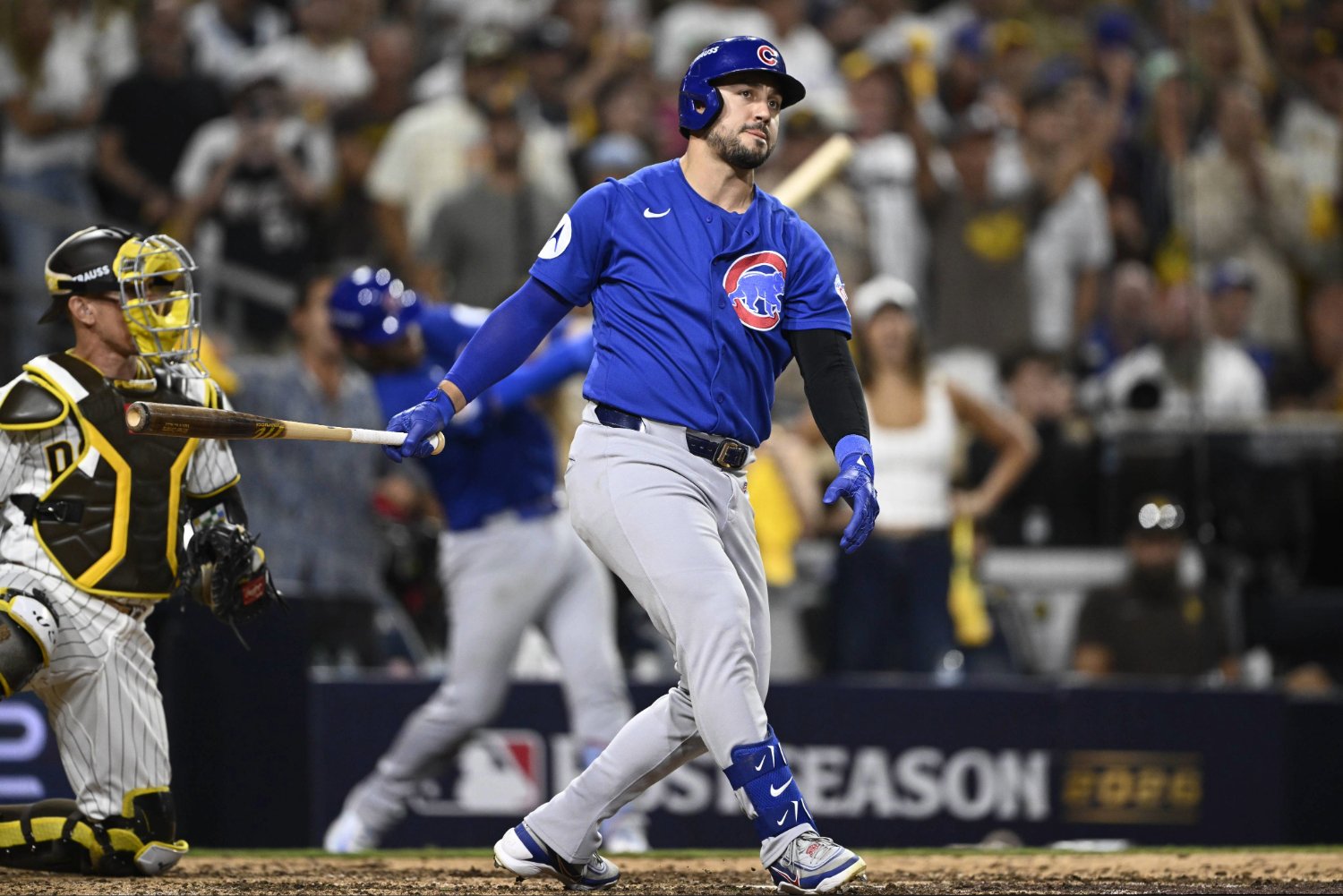 In a manner that felt so similar to Tuesday night’s debacle, the Chicago Cubs were immediately thrown into an overwhelming situation in Wednesday night’s Game 2 against the San Diego Padres. Following a first-pitch ball, Pete Crow-Armstrong missed two very hittable four-seam fastballs in the middle of the zone. Ahead in the count 1-2, Nick Pivetta came back with a curveball that, to anyone watching the broadcast, appeared to clearly clip the inside corner of the plate: Now, it’s easy for me to say that that pitch was clearly a strike. I am watching at home, with the benefit of the strike zone overlayed on my television screen. This is, surely, much harder in real time. In Crow-Armstrong’s defense, there have certainly been more egregious challenges this season. The challenge system, though, isn’t always about being right or wrong so much as it is challenging at the correct times. The star center fielder was correct on 50 percent of his challenges this season, slightly above the average rate for a hitter of 49 percent, according to Baseball Savant. Fielders, though, notch an overturn 58 percent of the time, and Carson Kelly, the Cubs’ catcher last night, won 69 percent of his challenges. Suddenly, the Cubs were not only down an out, but a challenge as well. That might feel like a small thing, and it is, but every one of those little small things matters in the playoffs. The real concern might have been what that challenge said at that moment: the Cubs were pressing. This didn’t seem like the presumptive MVP issuing a challenge because he thought that the pitch was a ball; it felt like he was grasping at straws, and hoping that the pitch was a ball, when deep down, he knew that it wasn’t. Let’s fast-forward a couple of innings to the top of the third. After a leadoff walk to Matt Shaw and a line drive single from Carson Kelly, the Cubs were mounting what was their first real offensive threat of the entire series. Dansby Swanson was in the driver’s seat, ahead in the count 3-1. Given that Swanson is a fastball hitter, and Pivetta a fastball pitcher, this felt like an opportunity for the Cubs to truly do some damage. The Cubs’ shortstop, then, swung at this pitch: To twist the knife on that, here is a contour map of Swanson’s slugging percentages against four-seam fastballs this season, via FanGraphs: Given that he was ahead in the count 3-1, Swanson had zero need to chase a pitch outside of the strike zone. He should have been looking for a fastball out over the plate, in that big red, and even blue, area of the chart above. Under no circumstances should you be swinging at fastballs off of the outside corner. Still, the count was now 3-2. The shortstop was still breathing in a meaningful way. There was another pitch yet to come: Yikes. The 3-1 pitch was, at least, in the vicinity of the strike zone. You could convince me it was close to being a strike, and I can assign some benefit of the doubt on that. That 3-2 pitch, though, was never close. It was low enough to be in what is considered the chase zone, and typically, you get chases down there on breaking balls, not fastballs. Fastballs, much more typically, get chases up and out of the zone. In fact, this season, pitchers threw 6,655 four-seam fastballs in the chase zone below the strike zone. Only 295 of those generated swings, according to Baseball Savant. That’s a swing rate of just 4.4 percent. Swanson himself saw 11 of those pitches, and didn’t swing at any of them. Until Wednesday night. This, it should be noted, is pretty atypical of Swanson. While not exactly Juan Soto in terms of patience, he chases pitches outside of the strike zone less often than the average hitter. Looking at where the Padres’ catcher, Ethan Salas, is set up prior to the pitch, it seems that Pivetta was willing to challenge Swanson with the fastball. A walk there would have loaded the bases with nobody out and Crow-Armstrong coming to the plate, followed by Alex Bregman. Pivetta didn’t execute his pitch. Swanson, in turn, also didn’t execute. He was simply way too over-aggressive. I am going to be cliché for a moment and reference one of the most famous baseball movies of all time, The Sandlot. When Benny first brings Smalls to play baseball with his friends, they all learn pretty quickly that Smalls can’t catch the ball. Benny, in a pep talk to Smalls, lays things out pretty clearly to the baseball newbie. “Man, this is baseball. You gotta stop thinking. Just have fun. If you were having fun, you would have caught that ball.” I cannot recall a baseball team making the playoffs look less fun than the 2026 Chicago Cubs. You might argue that the Houston Astros outdid them just a few hours earlier; I’d argue right back that that Astros team, at 81-81 and being the worst team by record to ever make the postseason, had no legitimate expectations. This Cubs team did. They looked like a team that was pressing. They looked like a team that was trying too hard. Baseball simply isn’t a sport conducive to that. It’s a sport where you just have to make a bunch of really small, correct decisions consecutively. Sometimes, they might not pay off, but in the long run, they usually do. The beauty and the agony of playoff baseball is that those small decisions don’t always pay off in such a small sample size; the Cubs, though, can’t even claim themselves victims of small sample size. They simply didn’t make many of those decisions correctly. In a different world, we might be talking about how Pivetta lost control in the third inning, and the Cubs took advantage to force a Game 3. In the real world, however, the Cubs didn’t make those small decisions correctly. The Padres, on the other hand, sure looked like a team that was having fun. From the first pitch that Fernando Tatis Jr. saw on Tuesday night, to Joe Musgrove serving as a human victory cigar, to Mason Miller shutting the door on the series, they played loose. They played with exuberance and joy. The Cubs now face a long and cold offseason about what could have been.
 -
Dansby Swanson is Back, and the Numbers Show How Much Cubs Missed Him
Matt Ostrowski posted an article in Cubs
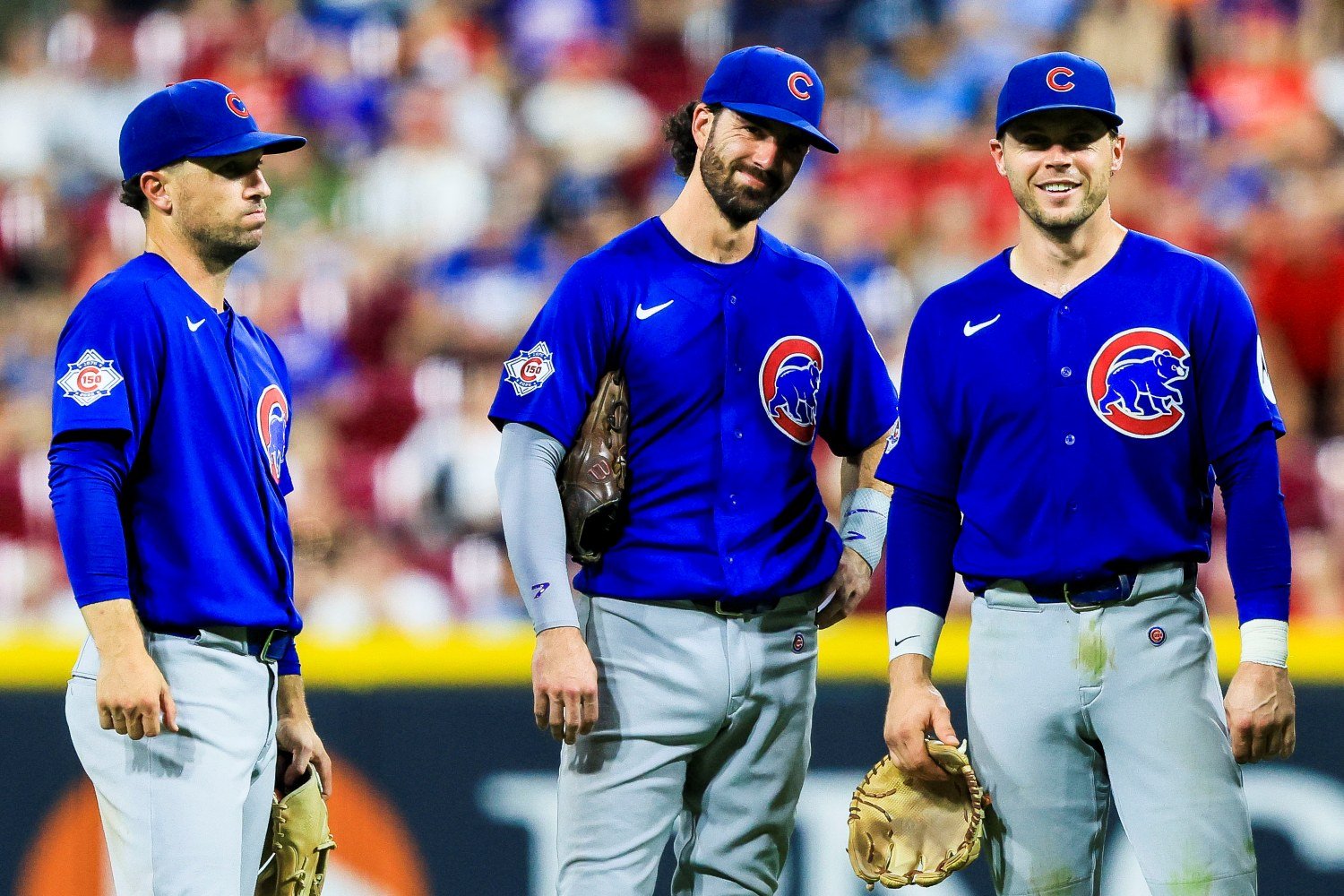 Just in time for a potential postseason run, Dansby Swanson is back. The Cubs’ starting shortstop and defensive stalwart returned to the lineup on Friday in Cincinnati after missing roughly one month with an oblique injury. The Cubs should be incredibly grateful he made a return so quickly. When he went down with his injury, our own Matthew Trueblood wrote that “although Swanson has been his inconsistent self at the plate this year, his value as a defender at shortstop is virtually unparalleled.” It wasn't hard to see that value (or, rather, the lack thereof) during his absence. Exactly how much did his one month on the injured list end up hurting the North Siders? We can reach a rough approximation of this using the Fielding Run Value stat at Baseball Savant. In the 125 games that they played prior to Swanson’s injury, the Cubs led all of baseball in this statistic, having saved 61 runs above average. That was a whopping 23 runs more than the second-place Cardinals. In their 27 games without him, they saved seven runs above average, just eighth-best in baseball. They went from saving almost half of a run per game (above average) to about a quarter of a run. That feels like a significant drop. Defense, much like baseball as a whole, is very much a team endeavor, even though it's often perceived as individual effort. Shortstop is certainly one of the most important defensive positions out there, though there are still eight other guys that all have a job to do. Is it fair to pin this entire defensive drop off on the absence of Swanson? Position FRV/game with Swanson FRV/game without Swanson C 0 -0.04 1B 0.02 -0.04 2B 0.06 0 SS 0.09 0.07 3B 0.03 0.04 LF 0.02 0.15 CF 0.21 0.15 RF 0.06 0 The void that Swanson leaves at shortstop isn’t felt quite as acutely as the downstream effects are. The Cubs were fifth in FRV from their shortstops prior to Swanson going down, and in the month since, they only dropped to eighth. It’s the slide of Nico Hoerner from second base to short that really hurts. Pedro Ramírez has had a fine rookie season, and he filled in admirably in Hoerner’s stead, but the Cubs went from eighth in FRV at second base when Hoerner was the primary player at the keystone, all the way down to 18th with Ramírez as the primary guy. One way we can attempt to further isolate this is by seeing how often the Cubs defense turned groundballs into outs. According to FanGraphs, the Cubs allowed a .219 batting average on groundballs with Swanson in the fold, and that jumped to .229 in the month that he was on the injured list. That doesn't capture the value that also leaked away due to more errors (Hoerner committed three while playing shortstop; Swanson has only committed seven in about five times the playing time) or due to double plays not being turned, but it gives us some inkling. Defense is really hard to measure, especially in such small sample sizes, but I come away from this with two takeaways: The Cubs should be very grateful to have Nico Hoerner. He accepted his shift to second base four years ago without blinking. The shift from the left side of the infield to the right side is something we’ve seen lesser shortstops create drama over. Not this one, and as a result, the Cubs have essentially a shortstop at each middle infield position. When one goes down, the other can move over. The Cubs should also be extremely glad to have Dansby Swanson back. There was a noticeable decline in how this group graded out without their shortstop. It might feel marginal, and it is. However, playoff games are won on the margins. Their pitching depth is still in doubt, and they might yet have to play the Wild Card Series on the road. Positionally, though, the Cubs are back to full strength, and the difference between being without Swanson and having him back can't be overstated.
 -
Image courtesy of Katie Stratman-Imagn Images Just in time for a potential postseason run, Dansby Swanson is back. The Cubs’ starting shortstop and defensive stalwart returned to the lineup on Friday in Cincinnati after missing roughly one month with an oblique injury. The Cubs should be incredibly grateful he made a return so quickly. When he went down with his injury, our own Matthew Trueblood wrote that “although Swanson has been his inconsistent self at the plate this year, his value as a defender at shortstop is virtually unparalleled.” It wasn't hard to see that value (or, rather, the lack thereof) during his absence. Exactly how much did his one month on the injured list end up hurting the North Siders? We can reach a rough approximation of this using the Fielding Run Value stat at Baseball Savant. In the 125 games that they played prior to Swanson’s injury, the Cubs led all of baseball in this statistic, having saved 61 runs above average. That was a whopping 23 runs more than the second-place Cardinals. In their 27 games without him, they saved seven runs above average, just eighth-best in baseball. They went from saving almost half of a run per game (above average) to about a quarter of a run. That feels like a significant drop. Defense, much like baseball as a whole, is very much a team endeavor, even though it's often perceived as individual effort. Shortstop is certainly one of the most important defensive positions out there, though there are still eight other guys that all have a job to do. Is it fair to pin this entire defensive drop off on the absence of Swanson? Position FRV/game with Swanson FRV/game without Swanson C 0 -0.04 1B 0.02 -0.04 2B 0.06 0 SS 0.09 0.07 3B 0.03 0.04 LF 0.02 0.15 CF 0.21 0.15 RF 0.06 0 The void that Swanson leaves at shortstop isn’t felt quite as acutely as the downstream effects are. The Cubs were fifth in FRV from their shortstops prior to Swanson going down, and in the month since, they only dropped to eighth. It’s the slide of Nico Hoerner from second base to short that really hurts. Pedro Ramírez has had a fine rookie season, and he filled in admirably in Hoerner’s stead, but the Cubs went from eighth in FRV at second base when Hoerner was the primary player at the keystone, all the way down to 18th with Ramírez as the primary guy. One way we can attempt to further isolate this is by seeing how often the Cubs defense turned groundballs into outs. According to FanGraphs, the Cubs allowed a .219 batting average on groundballs with Swanson in the fold, and that jumped to .229 in the month that he was on the injured list. That doesn't capture the value that also leaked away due to more errors (Hoerner committed three while playing shortstop; Swanson has only committed seven in about five times the playing time) or due to double plays not being turned, but it gives us some inkling. Defense is really hard to measure, especially in such small sample sizes, but I come away from this with two takeaways: The Cubs should be very grateful to have Nico Hoerner. He accepted his shift to second base four years ago without blinking. The shift from the left side of the infield to the right side is something we’ve seen lesser shortstops create drama over. Not this one, and as a result, the Cubs have essentially a shortstop at each middle infield position. When one goes down, the other can move over. The Cubs should also be extremely glad to have Dansby Swanson back. There was a noticeable decline in how this group graded out without their shortstop. It might feel marginal, and it is. However, playoff games are won on the margins. Their pitching depth is still in doubt, and they might yet have to play the Wild Card Series on the road. Positionally, though, the Cubs are back to full strength, and the difference between being without Swanson and having him back can't be overstated. View full article
-
Image courtesy of USA TODAY Network via Reuters Connect The Cubs aren’t as good a baserunning team this season as they were last season. In fact, in all likelihood, they are going to post their worst season on the bases since 2021, according to the baserunning runs statistic at Baseball Savant. By that framework's reckoning, they've been worth 5 baserunning runs this season, which is seventh in baseball. Last season, their 8 baserunning runs was fifth in MLB, and they were third in 2024, having been worth 14 runs on the bases. We’re not talking about a massive difference. In fact, it's well worth noting that Baseball Reference (which uses slightly different methods to measure baserunning) has them at 10 baserunning runs this year, leading the league and exceeding their 4 from last year. Still, I thought this was somewhat curious, given that the Cubs have had mostly the same personnel for those three seasons. One thing on which the metrics agree is that this year's team is downright pedestrian, except for Pete Crow-Armstrong, so someone else on the roster must be slipping a bit. The culprit behind the decrease this season has been Seiya Suzuki, among other players. Last season, the Japanese outfielder was worth -1 runs on the bases. This year, he is down to -3, which is 11th-worst among qualified players. I first noticed this stat on Tuesday night, probably an hour or so before this happened: akR3T1dfVjBZQUhRPT1fQjFSV1VsTlFYMUFBREFGUkJRQUhCUWRSQUFNTlZWY0FBRkZXVXdkUVZRQUVVbEJV.mp4 Suzuki beat the throw to the base, but was out because he overslid the bag. Did that feel a little familiar to anybody else? It should. This also happened, just last month: WERaOFhfV0ZRVkV3dEdEUT09X0JnWUhBRjBOVndzQUNRQlFCd0FIVndVQ0FBTlVWMWNBQVZNRkNBb0ZVQVZjQ1ZZRQ==.mp4 That safe call was challenged by the Yankees, and of course, the call was overturned. Suzuki slid off the base. Does anyone else remember this play from June? TDY1cWJfVjBZQUhRPT1fRGdJREFBWlJVUWNBQVFZQkJRQUhVZ0pXQUFNQ1dnY0FBQVFHQjFZQ0FBc0VWbFpW.mp4 I think there was a case to be made for just running through home plate, and it doesn’t look like anyone is directing Suzuki on where to slide from behind the plate. (Right at the end of the clip, Nico Hoerner appears in the bottom right corner. He was the on-deck batter, and it's likely he was giving Suzuki direction from offscreen, given where he'd placed himself. The position wasn't perfect for reading the play or communicating to his teammate, though.) Even so, I can’t help but think that a well-executed headfirst slide would have resulted in him being safe. A dive to the outside of the base would have forced the catcher to bring the tag down into the runner, rather than just applying the tag at the level at which he caught the ball, and that just might have bought Suzuki the extra quarter-second or so that he needed to get in there. Those three plays, alone, are responsible for a majority of Suzuki’s negative baserunning value this season. It feels like all three could have been avoided with a headfirst slide, or even just a better feetfirst slide. At first, I wondered if he's always been bad at this, and I had just never noticed. Then, I remembered that he missed the start of the season after sustaining an injury in the World Baseball Classic. The injury was on this play: There’s a headfirst slide! I don’t want to presume to know his mind, but it’s very possible that this has informed the way they he has slid (or hasn’t) this season. So, I went back into some old footage to see if he used to be any better at this. You be the judge: S3JrMEJfWGw0TUFRPT1fVndFSEIxSldVQUlBQVFFRVhnQUFBMVFEQUZrQlVWa0FCbElBQTFaWEFBUlJBd3BU.mp4 There he is sliding off the base way back in 2022. And here’s one more, for good measure, from last season. He slid feetfirst, and was eventually called out on the replay because Xander Bogaerts tagged him on his helmet. Despite sliding feet first, Suzuki only first contacted the base with his hands, when his feet were well past the base, on the right-hand side. Seems to me like another instance where a better slide might have generated a better result: TkFkVkJfWGw0TUFRPT1fVndoU0JWQUFVMUFBREZkUUJRQUhVZzRFQUZoUUJ3SUFCQU5UQ0FjTUFsWUdWQVZV.mp4 I’m not sure that Suzuki is nervous to slide headfirst, so much as he's just not very good at sliding in general. I can’t prove this. I’d have to go through a lot of other mundane baserunning footage to do so, and the evidence would surely be muddled, anyway. But it sure feels like he's out as a result of a poor slide more often than anyone else on the Cubs. This season, at least, it's cost the team dearly on three separate occasions. To pay homage to Dr. Doofenshmirtz from Phineas and Ferb, that might not feel like a lot, but it is weird that it’s happened thrice. What we can quantify is that those three times have resulted in Suzuki grading out as one of the least valuable baserunners in baseball. Sliding is hard, and it can be dangerous! He’s experienced both of those things in just one season. I sympathize with that. But it sure can be frustrating to watch sometimes. View full article
-
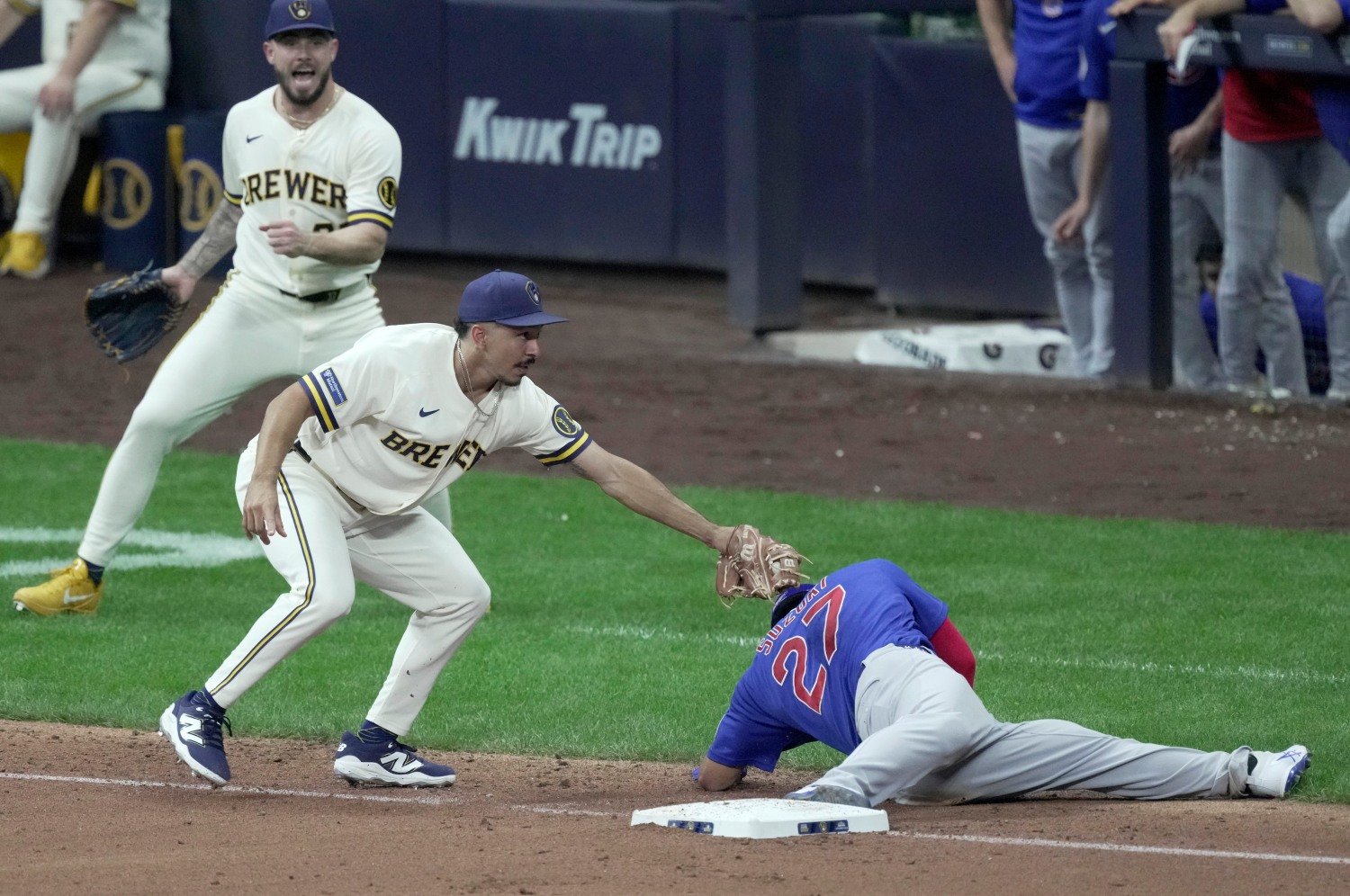 The Cubs aren’t as good a baserunning team this season as they were last season. In fact, in all likelihood, they are going to post their worst season on the bases since 2021, according to the baserunning runs statistic at Baseball Savant. By that framework's reckoning, they've been worth 5 baserunning runs this season, which is seventh in baseball. Last season, their 8 baserunning runs was fifth in MLB, and they were third in 2024, having been worth 14 runs on the bases. We’re not talking about a massive difference. In fact, it's well worth noting that Baseball Reference (which uses slightly different methods to measure baserunning) has them at 10 baserunning runs this year, leading the league and exceeding their 4 from last year. Still, I thought this was somewhat curious, given that the Cubs have had mostly the same personnel for those three seasons. One thing on which the metrics agree is that this year's team is downright pedestrian, except for Pete Crow-Armstrong, so someone else on the roster must be slipping a bit. The culprit behind the decrease this season has been Seiya Suzuki, among other players. Last season, the Japanese outfielder was worth -1 runs on the bases. This year, he is down to -3, which is 11th-worst among qualified players. I first noticed this stat on Tuesday night, probably an hour or so before this happened: akR3T1dfVjBZQUhRPT1fQjFSV1VsTlFYMUFBREFGUkJRQUhCUWRSQUFNTlZWY0FBRkZXVXdkUVZRQUVVbEJV.mp4 Suzuki beat the throw to the base, but was out because he overslid the bag. Did that feel a little familiar to anybody else? It should. This also happened, just last month: WERaOFhfV0ZRVkV3dEdEUT09X0JnWUhBRjBOVndzQUNRQlFCd0FIVndVQ0FBTlVWMWNBQVZNRkNBb0ZVQVZjQ1ZZRQ==.mp4 That safe call was challenged by the Yankees, and of course, the call was overturned. Suzuki slid off the base. Does anyone else remember this play from June? TDY1cWJfVjBZQUhRPT1fRGdJREFBWlJVUWNBQVFZQkJRQUhVZ0pXQUFNQ1dnY0FBQVFHQjFZQ0FBc0VWbFpW.mp4 I think there was a case to be made for just running through home plate, and it doesn’t look like anyone is directing Suzuki on where to slide from behind the plate. (Right at the end of the clip, Nico Hoerner appears in the bottom right corner. He was the on-deck batter, and it's likely he was giving Suzuki direction from offscreen, given where he'd placed himself. The position wasn't perfect for reading the play or communicating to his teammate, though.) Even so, I can’t help but think that a well-executed headfirst slide would have resulted in him being safe. A dive to the outside of the base would have forced the catcher to bring the tag down into the runner, rather than just applying the tag at the level at which he caught the ball, and that just might have bought Suzuki the extra quarter-second or so that he needed to get in there. Those three plays, alone, are responsible for a majority of Suzuki’s negative baserunning value this season. It feels like all three could have been avoided with a headfirst slide, or even just a better feetfirst slide. At first, I wondered if he's always been bad at this, and I had just never noticed. Then, I remembered that he missed the start of the season after sustaining an injury in the World Baseball Classic. The injury was on this play: There’s a headfirst slide! I don’t want to presume to know his mind, but it’s very possible that this has informed the way they he has slid (or hasn’t) this season. So, I went back into some old footage to see if he used to be any better at this. You be the judge: S3JrMEJfWGw0TUFRPT1fVndFSEIxSldVQUlBQVFFRVhnQUFBMVFEQUZrQlVWa0FCbElBQTFaWEFBUlJBd3BU.mp4 There he is sliding off the base way back in 2022. And here’s one more, for good measure, from last season. He slid feetfirst, and was eventually called out on the replay because Xander Bogaerts tagged him on his helmet. Despite sliding feet first, Suzuki only first contacted the base with his hands, when his feet were well past the base, on the right-hand side. Seems to me like another instance where a better slide might have generated a better result: TkFkVkJfWGw0TUFRPT1fVndoU0JWQUFVMUFBREZkUUJRQUhVZzRFQUZoUUJ3SUFCQU5UQ0FjTUFsWUdWQVZV.mp4 I’m not sure that Suzuki is nervous to slide headfirst, so much as he's just not very good at sliding in general. I can’t prove this. I’d have to go through a lot of other mundane baserunning footage to do so, and the evidence would surely be muddled, anyway. But it sure feels like he's out as a result of a poor slide more often than anyone else on the Cubs. This season, at least, it's cost the team dearly on three separate occasions. To pay homage to Dr. Doofenshmirtz from Phineas and Ferb, that might not feel like a lot, but it is weird that it’s happened thrice. What we can quantify is that those three times have resulted in Suzuki grading out as one of the least valuable baserunners in baseball. Sliding is hard, and it can be dangerous! He’s experienced both of those things in just one season. I sympathize with that. But it sure can be frustrating to watch sometimes.
 -
Image courtesy of © Joe Nicholson-Imagn Images You could hear a collective groan throughout Wrigley Field last Wednesday night when Chicago Cubs closer Jacob Webb took a line drive from Christian Yelich right off of his throwing arm and had to exit the game. A bullpen that has had a rough past couple of weeks or so suddenly felt like it might be losing a guy that had been their most dependable bullpen arm this season. Thankfully, Webb is going to be okay, and will even be able to avoid a stint on the injured list. However, the closer has been part of the reason for the struggles in the bullpen at large, blowing back-to-back saves against the Mariners and Diamondbacks. Is this a case of a pitcher coming back down to earth, or just a blip on the radar of an otherwise excellent season? To answer our question, let’s first get a sense for how Webb likes to attack hitters. To start the season, he was primarily a two-pitch pitcher, utilizing his four-seam fastball and his changeup to attack both left and right-handed hitters. This led to a pretty profound platoon split for the reliever: prior to June 21, righties hit a robust .333/.375/.549 against him, while he held lefties to just a .218/.274/.333 batting line, according to FanGraphs. A reverse platoon split like that is rare, but not unheard of, especially for someone who features a changeup as his out-pitch. Earlier this year, Webb was clearly tinkering to find a better pitch to get righties out, experimenting with a slider, sweeper, and curveball, to middling results. Since late June, though, he has dialed in his slider, and he now confidently features his fastball and his slider against right-handed hitters. All stats courtesy of Baseball Savant: Timeframe Four-Seamer Changeup Slider Sweeper Curveball Start of season-June 20 52.3% 22.5% 9.6% 8.3% 7.3% June 24-August 21 42.4% 13.2% 43.1% 0% 1.4% This helped the veteran righty kick off a run of 24 straight scoreless appearances from June 24 through August 2. During that stretch, righties hit a paltry .094/.189/.094 against the Cubs’ closer. Then, he threw this pitch: Webb1.mp4 Then, just three days later, the Cubs lost a game on this pitch: Webb2.mp4 Sorry for making you rewatch that, but it doesn’t take any sort of advanced eye to see why those were significant. That was basically the same pitch, a slider, both thrown to right-handed hitters, almost to the exact same part of the strike zone, that were hit for walk-off home runs. Of course, that is most certainly not where Webb wanted to throw those pitches. Ideally, he would break the slider outside, just off the edge of the strike zone, so the batter swings through it. Those were both mistakes. He has only thrown seven sliders to that lower-middle portion of the strike zone this year, per Baseball Savant. The other five were harmless. Two foul balls, a swinging strike, a ground out, and a called strike. Mistakes aren’t always taken advantage of, but it sure makes it much more noticeable when they are. Webb himself seems to have noticed. He has only taken the mound twice since allowing the walk-off in Arizona, and he has only faced three right-handed hitters: Tyler Stephenson, Sal Stewart, and Dane Myers. In those three plate appearances, Web threw just one slider, instead opting for his changeup and his four-seam fastball, utilizing those 56.3 and 31.3 percent of the time, respectively. Personally, I think that Jacob Webb is going to be fine. He made two mistakes in two consecutive games, and both happened to cost him in the worst way. I am more worried that the juxtaposition of those two results have caused him to lose confidence in his slider, which is part of what got him here in the first place. Taking that line drive from Yelich off of his arm was not a good thing. Now that we know he is okay, though, I am wondering if the few days off that it mandated might have been good for him—a mental reset of sorts. The Cubs badly need him to be the guy he was for the middle portion of the summer if they’re going to have success in the fall. View full article
-
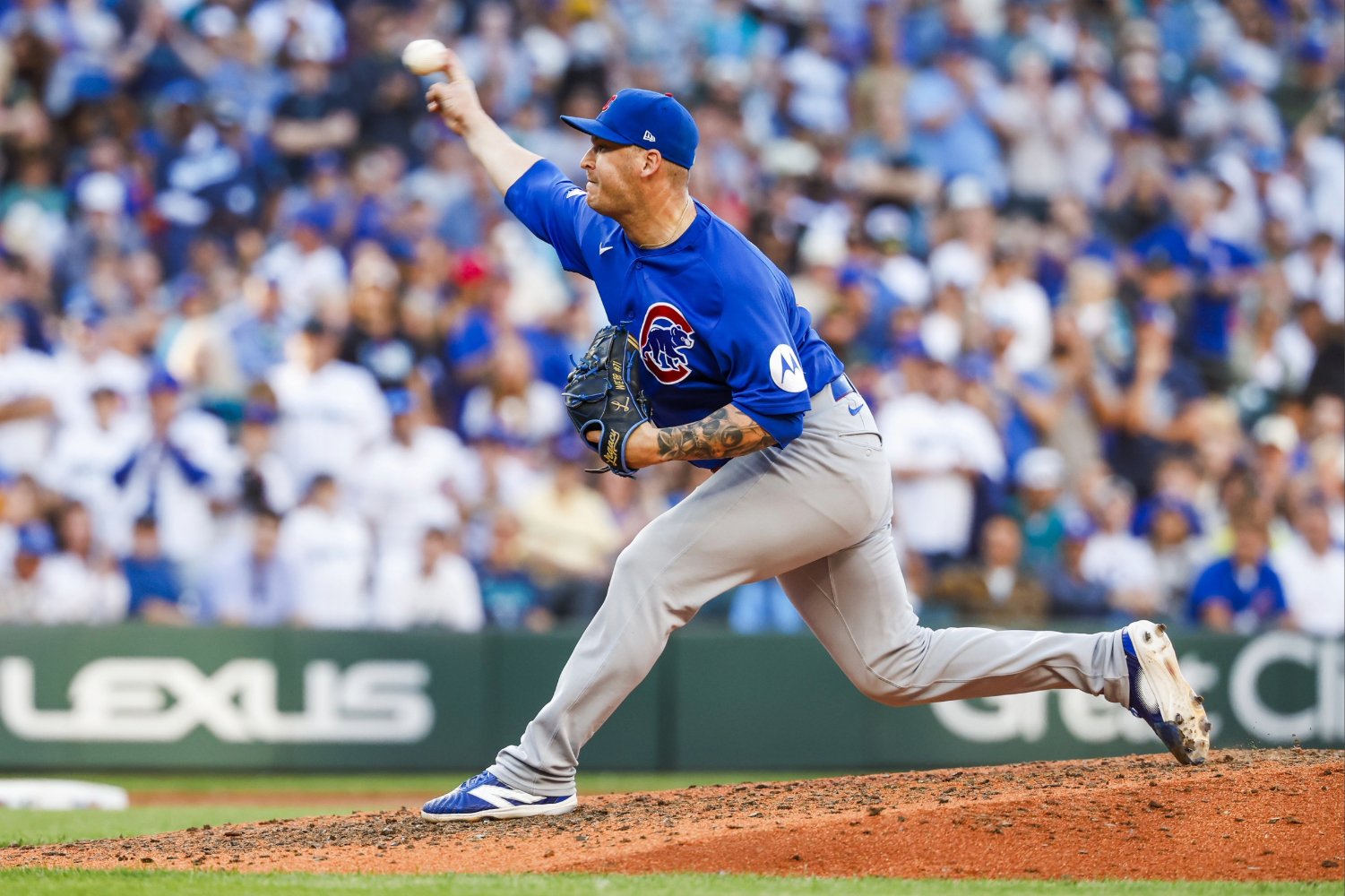 You could hear a collective groan throughout Wrigley Field last Wednesday night when Chicago Cubs closer Jacob Webb took a line drive from Christian Yelich right off of his throwing arm and had to exit the game. A bullpen that has had a rough past couple of weeks or so suddenly felt like it might be losing a guy that had been their most dependable bullpen arm this season. Thankfully, Webb is going to be okay, and will even be able to avoid a stint on the injured list. However, the closer has been part of the reason for the struggles in the bullpen at large, blowing back-to-back saves against the Mariners and Diamondbacks. Is this a case of a pitcher coming back down to earth, or just a blip on the radar of an otherwise excellent season? To answer our question, let’s first get a sense for how Webb likes to attack hitters. To start the season, he was primarily a two-pitch pitcher, utilizing his four-seam fastball and his changeup to attack both left and right-handed hitters. This led to a pretty profound platoon split for the reliever: prior to June 21, righties hit a robust .333/.375/.549 against him, while he held lefties to just a .218/.274/.333 batting line, according to FanGraphs. A reverse platoon split like that is rare, but not unheard of, especially for someone who features a changeup as his out-pitch. Earlier this year, Webb was clearly tinkering to find a better pitch to get righties out, experimenting with a slider, sweeper, and curveball, to middling results. Since late June, though, he has dialed in his slider, and he now confidently features his fastball and his slider against right-handed hitters. All stats courtesy of Baseball Savant: Timeframe Four-Seamer Changeup Slider Sweeper Curveball Start of season-June 20 52.3% 22.5% 9.6% 8.3% 7.3% June 24-August 21 42.4% 13.2% 43.1% 0% 1.4% This helped the veteran righty kick off a run of 24 straight scoreless appearances from June 24 through August 2. During that stretch, righties hit a paltry .094/.189/.094 against the Cubs’ closer. Then, he threw this pitch: Webb1.mp4 Then, just three days later, the Cubs lost a game on this pitch: Webb2.mp4 Sorry for making you rewatch that, but it doesn’t take any sort of advanced eye to see why those were significant. That was basically the same pitch, a slider, both thrown to right-handed hitters, almost to the exact same part of the strike zone, that were hit for walk-off home runs. Of course, that is most certainly not where Webb wanted to throw those pitches. Ideally, he would break the slider outside, just off the edge of the strike zone, so the batter swings through it. Those were both mistakes. He has only thrown seven sliders to that lower-middle portion of the strike zone this year, per Baseball Savant. The other five were harmless. Two foul balls, a swinging strike, a ground out, and a called strike. Mistakes aren’t always taken advantage of, but it sure makes it much more noticeable when they are. Webb himself seems to have noticed. He has only taken the mound twice since allowing the walk-off in Arizona, and he has only faced three right-handed hitters: Tyler Stephenson, Sal Stewart, and Dane Myers. In those three plate appearances, Web threw just one slider, instead opting for his changeup and his four-seam fastball, utilizing those 56.3 and 31.3 percent of the time, respectively. Personally, I think that Jacob Webb is going to be fine. He made two mistakes in two consecutive games, and both happened to cost him in the worst way. I am more worried that the juxtaposition of those two results have caused him to lose confidence in his slider, which is part of what got him here in the first place. Taking that line drive from Yelich off of his arm was not a good thing. Now that we know he is okay, though, I am wondering if the few days off that it mandated might have been good for him—a mental reset of sorts. The Cubs badly need him to be the guy he was for the middle portion of the summer if they’re going to have success in the fall.
 -
Touché! I hope you are correct.
-
Image courtesy of © David Banks-Imagn Images It was only fitting that on the very day the Chicago Cubs honored their 150th anniversary team, Pete Crow-Armstrong had his own crowning moment. With multiple franchise legends in attendance, Crow-Armstrong blasted a leadoff home run into the right field bleachers (a feat he accomplished on Sunday as well). His second time up, he lined another home run off of the right field foul pole. Then, for good measure, he put the game away his fifth time up to bat, sending a home run into the left-center field bleachers, somewhere he rarely hits home runs these days. For many, that would be seen as the final touch on a career day at the plate. For this center fielder, though, it simply capped the latest in a series of installments, all of which could be referred to as “the Pete Crow-Armstrong game.” Yes, he doesn’t have any other three home run games this season. However, by win probability added, Saturday’s game wasn’t even one of his 11 most valuable performances this season, according to Baseball Reference. That stat perfectly encapsulates the numerous times this year that Crow-Armstrong has taken over a game all by his lonesome, deciding that the Cubs weren’t going to lose. You most likely already know this: Crow-Armstrong leads all of baseball in FanGraphs WAR. After Saturday’s performance, which was worth 0.5 fWAR, he is up to 9.1 fWAR, which is quite a ways ahead of Shohei Ohtani, who sits at second place with 6.9 fWAR. With a whole month to go in the season, Crow-Armstrong’s 9.1 fWAR puts him into pretty elite company in Cubs history. It’s already the fifth most valuable season by a position player in the history of the franchise: Player, Year Games Played fWAR fWAR/Game Rogers Hornsby, 1929 156 11.0 0.071 Sammy Sosa, 2001 160 9.9 0.062 Ernie Banks, 1959 155 9.7 0.063 Ron Santo, 1967 161 9.5 0.059 Pete Crow-Armstrong, 2026 136 9.1 0.067 The Cubs have 25 games remaining, following Sunday night’s tilt. At his current pace, that would put Crow-Armstrong at 10.8 fWAR at the conclusion of the regular season, which would far surpass everyone other than Hornsby on this list. You might remember that the true hype surrounding the Los Angeles native didn’t start until June or so. That’s because he had a slow start to the season. Entering June, he had “just” a 101 wRC+ and 1.9 fWAR. At some point in May, he started walking a whole lot more and his offensive numbers skyrocketed. His monthly splits since then suggest he has a legitimate shot at catching Hornsby: Month Games Played wRC+ fWAR June 26 236 3.1 July 24 172 1.8 August 26 182 2.3 The MVP candidate has averaged 2.4 fWAR per month since his mid-May turnaround. Pete Crow-Armstrong having the single greatest season by FanGraphs WAR in the history of the Chicago Cubs is very much in play as the team heads down the stretch of the season. I have spent a lot of time thinking about fandom as an adult. As a kid, you’re naive enough to think your favorite team has a chance to win the championship every single season until they are mathematically eliminated. As an adult, you get a nice big dose of reality: only one team gets to do that each season, and in all likelihood, it won’t be the one that you root for. So, in all likelihood, the Cubs won’t win the World Series this season. Even in a season where they have arguably the best offense in the game and will finish with something like the fifth-best record in baseball, FanGraphs gives them just a 5.1 percent chance of winning the whole thing entering this week’s action. Still, we all tune in almost every day. One of those reasons is because of hope. The Cubs probably won’t win the World Series this year, but they could. In a similar fashion, the Cubs probably weren’t trading Javier Baez and Trevor Williams to the Mets for a prospect that would go on to win the National League MVP award. But it was possible, and now here we are, and we can all say that we were there for every step of that journey. We also tune in to witness special moments and players. In the same way that I was enamored with stories about Santo and Banks growing up, neither of whom won a World Series, it should be noted, I will almost surely be regaling my children about the summer that Pete Crow-Armstrong completely electrified Wrigley Field. I’ll be sharing stories about how it felt like he would catch every single ball hit to him in center field, and about how it felt like every time he came up to bat, something special was going to happen. I’ll tell them about when he hit for the cycle, when he hit both a leadoff and walk off home run in the same game, and about his three-homer game in front of the Cubs’ 150th anniversary team, a metaphorical passing of the torch moment. World Series or not, 2026 has been one heck of a memorable season, and that is because we all get to watch Pete Crow-Armstrong jog out to center field every single day. How lucky are we? View full article
-
Pete Crow-Armstrong Is Actually On Pace for the Greatest Cubs Season Ever
Matt Ostrowski posted an article in Cubs
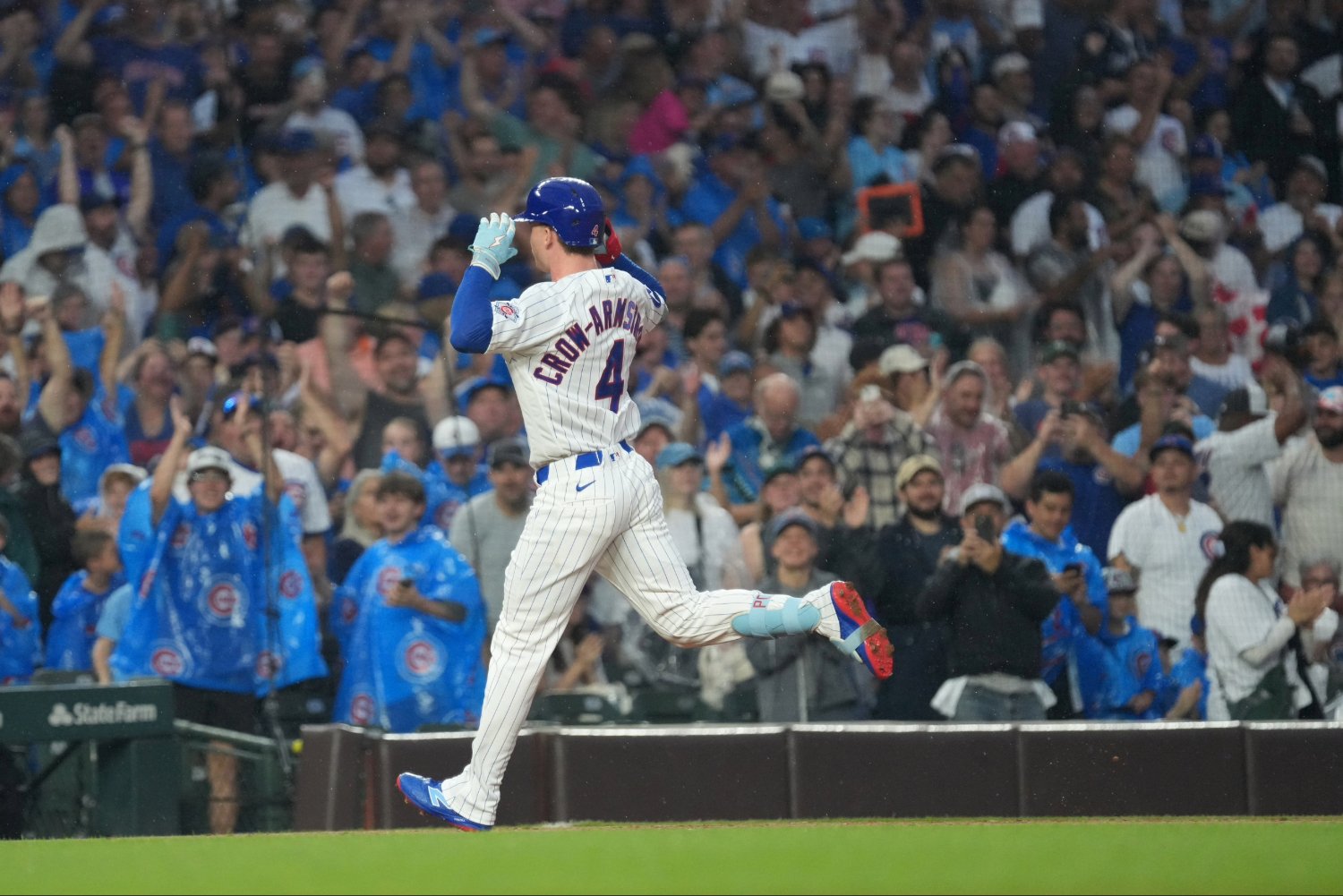 It was only fitting that on the very day the Chicago Cubs honored their 150th anniversary team, Pete Crow-Armstrong had his own crowning moment. With multiple franchise legends in attendance, Crow-Armstrong blasted a leadoff home run into the right field bleachers (a feat he accomplished on Sunday as well). His second time up, he lined another home run off of the right field foul pole. Then, for good measure, he put the game away his fifth time up to bat, sending a home run into the left-center field bleachers, somewhere he rarely hits home runs these days. For many, that would be seen as the final touch on a career day at the plate. For this center fielder, though, it simply capped the latest in a series of installments, all of which could be referred to as “the Pete Crow-Armstrong game.” Yes, he doesn’t have any other three home run games this season. However, by win probability added, Saturday’s game wasn’t even one of his 11 most valuable performances this season, according to Baseball Reference. That stat perfectly encapsulates the numerous times this year that Crow-Armstrong has taken over a game all by his lonesome, deciding that the Cubs weren’t going to lose. You most likely already know this: Crow-Armstrong leads all of baseball in FanGraphs WAR. After Saturday’s performance, which was worth 0.5 fWAR, he is up to 9.1 fWAR, which is quite a ways ahead of Shohei Ohtani, who sits at second place with 6.9 fWAR. With a whole month to go in the season, Crow-Armstrong’s 9.1 fWAR puts him into pretty elite company in Cubs history. It’s already the fifth most valuable season by a position player in the history of the franchise: Player, Year Games Played fWAR fWAR/Game Rogers Hornsby, 1929 156 11.0 0.071 Sammy Sosa, 2001 160 9.9 0.062 Ernie Banks, 1959 155 9.7 0.063 Ron Santo, 1967 161 9.5 0.059 Pete Crow-Armstrong, 2026 136 9.1 0.067 The Cubs have 25 games remaining, following Sunday night’s tilt. At his current pace, that would put Crow-Armstrong at 10.8 fWAR at the conclusion of the regular season, which would far surpass everyone other than Hornsby on this list. You might remember that the true hype surrounding the Los Angeles native didn’t start until June or so. That’s because he had a slow start to the season. Entering June, he had “just” a 101 wRC+ and 1.9 fWAR. At some point in May, he started walking a whole lot more and his offensive numbers skyrocketed. His monthly splits since then suggest he has a legitimate shot at catching Hornsby: Month Games Played wRC+ fWAR June 26 236 3.1 July 24 172 1.8 August 26 182 2.3 The MVP candidate has averaged 2.4 fWAR per month since his mid-May turnaround. Pete Crow-Armstrong having the single greatest season by FanGraphs WAR in the history of the Chicago Cubs is very much in play as the team heads down the stretch of the season. I have spent a lot of time thinking about fandom as an adult. As a kid, you’re naive enough to think your favorite team has a chance to win the championship every single season until they are mathematically eliminated. As an adult, you get a nice big dose of reality: only one team gets to do that each season, and in all likelihood, it won’t be the one that you root for. So, in all likelihood, the Cubs won’t win the World Series this season. Even in a season where they have arguably the best offense in the game and will finish with something like the fifth-best record in baseball, FanGraphs gives them just a 5.1 percent chance of winning the whole thing entering this week’s action. Still, we all tune in almost every day. One of those reasons is because of hope. The Cubs probably won’t win the World Series this year, but they could. In a similar fashion, the Cubs probably weren’t trading Javier Baez and Trevor Williams to the Mets for a prospect that would go on to win the National League MVP award. But it was possible, and now here we are, and we can all say that we were there for every step of that journey. We also tune in to witness special moments and players. In the same way that I was enamored with stories about Santo and Banks growing up, neither of whom won a World Series, it should be noted, I will almost surely be regaling my children about the summer that Pete Crow-Armstrong completely electrified Wrigley Field. I’ll be sharing stories about how it felt like he would catch every single ball hit to him in center field, and about how it felt like every time he came up to bat, something special was going to happen. I’ll tell them about when he hit for the cycle, when he hit both a leadoff and walk off home run in the same game, and about his three-homer game in front of the Cubs’ 150th anniversary team, a metaphorical passing of the torch moment. World Series or not, 2026 has been one heck of a memorable season, and that is because we all get to watch Pete Crow-Armstrong jog out to center field every single day. How lucky are we?
 -
Image courtesy of © Patrick Gorski-Imagn Images After seven strong innings from the new, nominal ace of the Chicago Cubs, Kevin Gausman, Craig Counsell turned to Caleb Thielbar in the eighth inning of Friday night’s game to protect a 6-2 lead. Four hitters later, the score was 6-3, and the Kansas City Royals had runners on second and third with just one out. Thankfully, Trent Thornton then entered the game and put out the fire, allowing just one more run to score in a game that the Cubs would go on to win 6-4. No harm, no foul, right? Friday was the third straight game that Thielbar worked out of the bullpen. Clearly, Counsell thought the veteran could handle it after throwing 19 pitches on Wednesday, and just 12 on Thursday. After all, this is a taxed bullpen that was working their 15th game in 15 days. The flip side of the coin, though, is that Thielbar gave up four runs to the Dodgers in his outing on Wednesday. Frankly, the left-hander has been outright bad since returning from an injury on May 19: he has a 6.00 ERA in 27 innings since then. Was he really the best option for the Cubs on Friday night? The easiest place to start with Thielbar’s struggles is with his performance against left-handed hitters. As a left-handed relief pitcher, getting lefty hitters out is a must. Thielbar has made a career out of this. Until, basically, now. All stats courtesy of FanGraphs: Year Split Batting Average Against On-Base Percentage Against Slugging Percentage Against 2026 vs. LHH .281 .317 .526 2026 vs. RHH .229 .312 .482 2025 vs. LHH .161 .211 .276 2025 vs. RHH .205 .248 .342 By almost any measure, Thielbar has actually performed worse against lefties this season than righties, which is bad when, again, retiring left-handed hitters is his primary job as a southpaw out of the bullpen. Thielbar attacks lefties with four pitches: his four-seam fastball, a slider, a sweeper, and a curveball. When a pitcher shows signs of decline, particularly a 39-year-old pitcher, my first assumption is that he is losing velocity. That’s not the case here: he is actually throwing his fastball and curveball a tad bit harder, while his slider and sweeper are down about a tick or so, according to Baseball Savant. Let’s take a look at his results on his three primary pitches, the four-seamer, sweeper, and slider, against lefty hitters. All stats courtesy of Baseball Savant: Pitch Batting Average Against Slugging Percentage Against Four Seamer .182 .455 Sweeper .182 .727 Slider .471 .529 Despite the slugging percentage against the sweeper, it’s the slider that I really want to hone in on. He’s upped his usage of it against lefties, throwing it 27.6 percent of the time compared to 17.5 percent last season. One look at his pitch locations, and it’s easy to see what the issue is: That red zone just off the plate and away from the left-handed batter that occupies so much of the 2025 graphic is all but gone on the 2026 version. In 2025, 56.1 percent of the southpaw’s sliders to lefties were in that shadow or chase zone away from lefties. In 2026, that has plummeted to 27.9 percent. That means a whole lot less of this: Thielbar 1.mp4 And a whole lot more of this: THielbar 2.mp4 With baseball, and pitchers in particular, it is hardly ever just one thing. All four home runs Thielbar has allowed against lefties have come against the fastball and the sweeper. Still, it’s easier to sit on those pitches when the slider is either an easy take way off of the plate, or a meatball right down broadway. This doesn’t even get us into his struggles against righties, either. The more I think about it, the more I wonder if Thielbar being used three days in a row was a bit of a last gasp. A chance for him to show that he still belongs, and an opportunity for the Cubs to get as many innings out of him as they can while he is here. Hoby Milner and Daniel Palencia are both due back soon and will need roster spots. Tyler Ferguson has at least shown that he deserves some more chances. A roster crunch is coming soon, and if Caleb Thielbar can’t even get lefties out, he just might find himself on the outside looking in. View full article
-
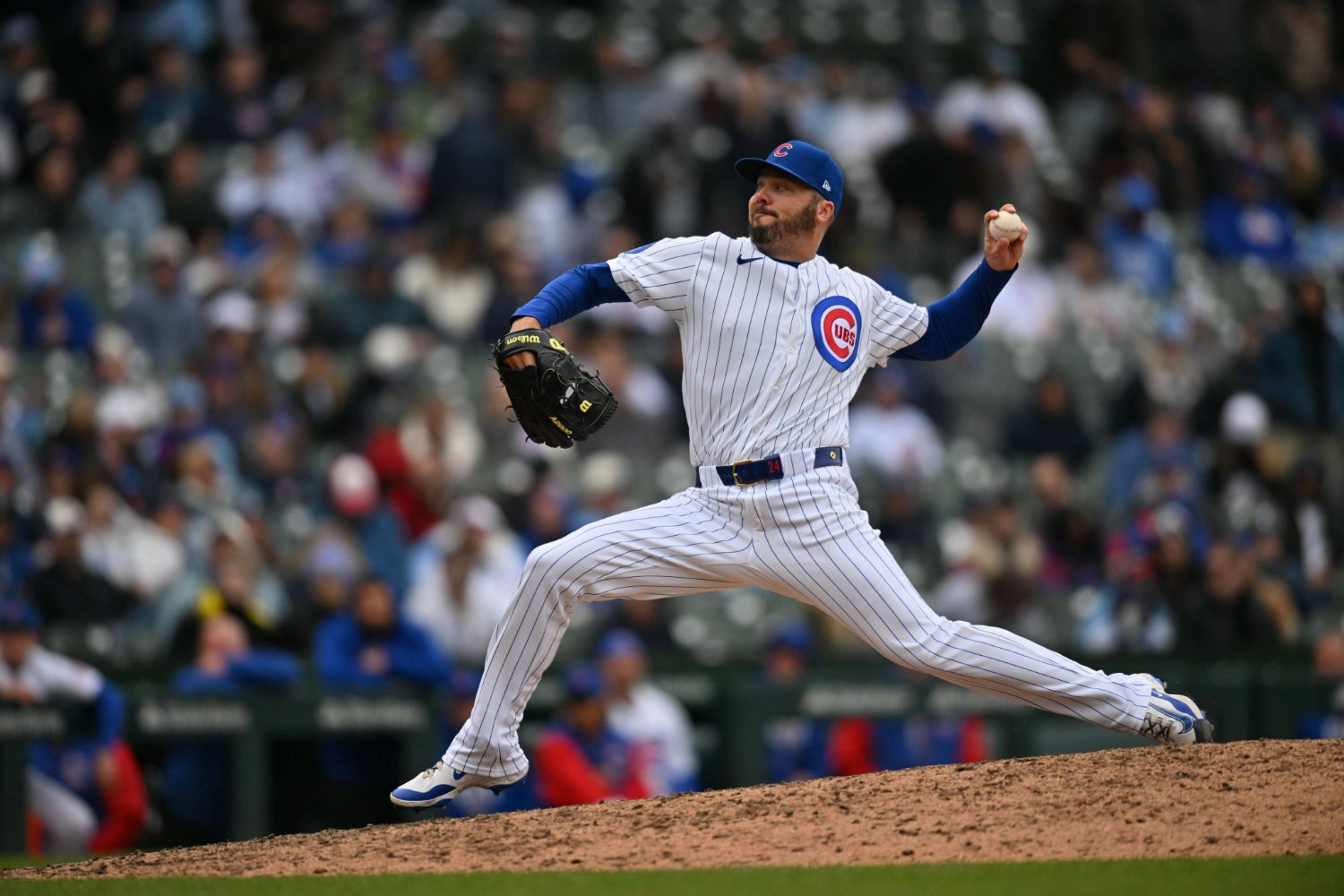 After seven strong innings from the new, nominal ace of the Chicago Cubs, Kevin Gausman, Craig Counsell turned to Caleb Thielbar in the eighth inning of Friday night’s game to protect a 6-2 lead. Four hitters later, the score was 6-3, and the Kansas City Royals had runners on second and third with just one out. Thankfully, Trent Thornton then entered the game and put out the fire, allowing just one more run to score in a game that the Cubs would go on to win 6-4. No harm, no foul, right? Friday was the third straight game that Thielbar worked out of the bullpen. Clearly, Counsell thought the veteran could handle it after throwing 19 pitches on Wednesday, and just 12 on Thursday. After all, this is a taxed bullpen that was working their 15th game in 15 days. The flip side of the coin, though, is that Thielbar gave up four runs to the Dodgers in his outing on Wednesday. Frankly, the left-hander has been outright bad since returning from an injury on May 19: he has a 6.00 ERA in 27 innings since then. Was he really the best option for the Cubs on Friday night? The easiest place to start with Thielbar’s struggles is with his performance against left-handed hitters. As a left-handed relief pitcher, getting lefty hitters out is a must. Thielbar has made a career out of this. Until, basically, now. All stats courtesy of FanGraphs: Year Split Batting Average Against On-Base Percentage Against Slugging Percentage Against 2026 vs. LHH .281 .317 .526 2026 vs. RHH .229 .312 .482 2025 vs. LHH .161 .211 .276 2025 vs. RHH .205 .248 .342 By almost any measure, Thielbar has actually performed worse against lefties this season than righties, which is bad when, again, retiring left-handed hitters is his primary job as a southpaw out of the bullpen. Thielbar attacks lefties with four pitches: his four-seam fastball, a slider, a sweeper, and a curveball. When a pitcher shows signs of decline, particularly a 39-year-old pitcher, my first assumption is that he is losing velocity. That’s not the case here: he is actually throwing his fastball and curveball a tad bit harder, while his slider and sweeper are down about a tick or so, according to Baseball Savant. Let’s take a look at his results on his three primary pitches, the four-seamer, sweeper, and slider, against lefty hitters. All stats courtesy of Baseball Savant: Pitch Batting Average Against Slugging Percentage Against Four Seamer .182 .455 Sweeper .182 .727 Slider .471 .529 Despite the slugging percentage against the sweeper, it’s the slider that I really want to hone in on. He’s upped his usage of it against lefties, throwing it 27.6 percent of the time compared to 17.5 percent last season. One look at his pitch locations, and it’s easy to see what the issue is: That red zone just off the plate and away from the left-handed batter that occupies so much of the 2025 graphic is all but gone on the 2026 version. In 2025, 56.1 percent of the southpaw’s sliders to lefties were in that shadow or chase zone away from lefties. In 2026, that has plummeted to 27.9 percent. That means a whole lot less of this: Thielbar 1.mp4 And a whole lot more of this: THielbar 2.mp4 With baseball, and pitchers in particular, it is hardly ever just one thing. All four home runs Thielbar has allowed against lefties have come against the fastball and the sweeper. Still, it’s easier to sit on those pitches when the slider is either an easy take way off of the plate, or a meatball right down broadway. This doesn’t even get us into his struggles against righties, either. The more I think about it, the more I wonder if Thielbar being used three days in a row was a bit of a last gasp. A chance for him to show that he still belongs, and an opportunity for the Cubs to get as many innings out of him as they can while he is here. Hoby Milner and Daniel Palencia are both due back soon and will need roster spots. Tyler Ferguson has at least shown that he deserves some more chances. A roster crunch is coming soon, and if Caleb Thielbar can’t even get lefties out, he just might find himself on the outside looking in.
 -
Image courtesy of © Charles LeClaire-Imagn Images Four years and $68 million. That is what it took for the Chicago Cubs to sign Jameson Taillon prior to the 2023 season. After more than 3.5 seasons with the club, he has now been designated for assignment. In all likelihood, he has pitched his last game for the North Siders. How did it end up like this? Taillon signed with the Cubs during an offseason that had a healthy middle tier of starting pitching options: Kodai Senga was coming over to MLB from NPB, and Taijuan Walker, Chris Bassitt, Zach Eflin, and Tyler Anderson all also switched teams via free agency. If we compare the results of each of those guys, who all received somewhat similar contracts, since then, it seems that Taillon’s output was about right on the mark. Player Innings Pitched K% ERA FIP FanGraphs WAR Contract Bassitt 597 2/3 21.6% 4.02 4.19 7.6 3yr/$63m Eflin 418 22.0% 3.94 3.77 7.5 3yr/$40m Senga 325 2/3 26.5% 3.73 4.21 4.3 5yr/$75m Taillon 525 1/3 19.8% 4.21 4.71 3.9 4yr/$68m Anderson 456 2/3 18.3% 4.53 5.02 2.7 3yr/$39m Walker 402 2/3 16.9% 5.13 5.38 1.3 4yr/$72m Taillon ranks fourth out of six on this list in ERA, FIP, and fWAR, while coming in second in innings pitched. His 525 ⅓ innings pitched by far led the Cubs during this timeframe, and his 3.9 fWAR ranked fifth. The Cubs needed a reliable innings eater, and they got a reliable innings eater. Accidentally, I have stated the actual problem at hand here. Make no mistake, the Jameson Taillon contract wasn’t ideal. It never was. But the contract itself wasn’t the issue. The issue was that the Cubs needed to make that deal. The issue was that they needed a reliable innings eater via free agency because they have done such a lackluster job at developing pitching themselves. This has been a known issue for the Cubs for some time now. From 2023-2026, 15 pitchers have started at least five games for the Cubs. Only five of them did so on arbitration or pre-arbitration salaries: Player Innings Pitched K% ERA FIP FanGraphs WAR Justin Steele 330 2/3 24.4% 3.18 3.24 7.9 Javier Assad 277 1/3 18.3% 3.60 4.74 1.8 Ben Brown 157 25.1% 4.30 3.66 3.0 Cade Horton 121 1/3 19.8% 2.52 3.61 2.2 Jordan Wicks 83 2/3 18.4% 5.92 5.08 0.2 Consider what Justin Wrobleski is giving the Dodgers this season. Or what Emmet Sheehan gave them last season. Or what Shane Drohan is giving the Brewers right now. Each of those guys has offered extremely reliable innings at pre-arbitration salaries. The Cubs have failed to consistently produce that. Hopes are still high for four of the five guys on the list above; the list simply needs to be longer than four names. In my opinion, the real issue with the pitching development in the organization hasn’t been the lack of top-tier pitching prospects. Those guys are few and far between, and the Cubs have so rarely taken pitching in the first round of the draft over the past decade anyway. Rather, it’s been the complete lack of consistently developing guys that can piece together Jameson Taillon level production at those inexpensive, early-career salaries. This allows you to avoid these types of contracts for mid-tier free agent starting pitchers. The past four seasons, the Cubs needed Jameson Taillon to do exactly what he did: prevent runs at a league-average rate, and do so over a lot of innings. If they can start producing more pitchers that are capable of doing that themselves, then hopefully we can stop watching contracts reach unsatisfying conclusions like this one did. View full article
-
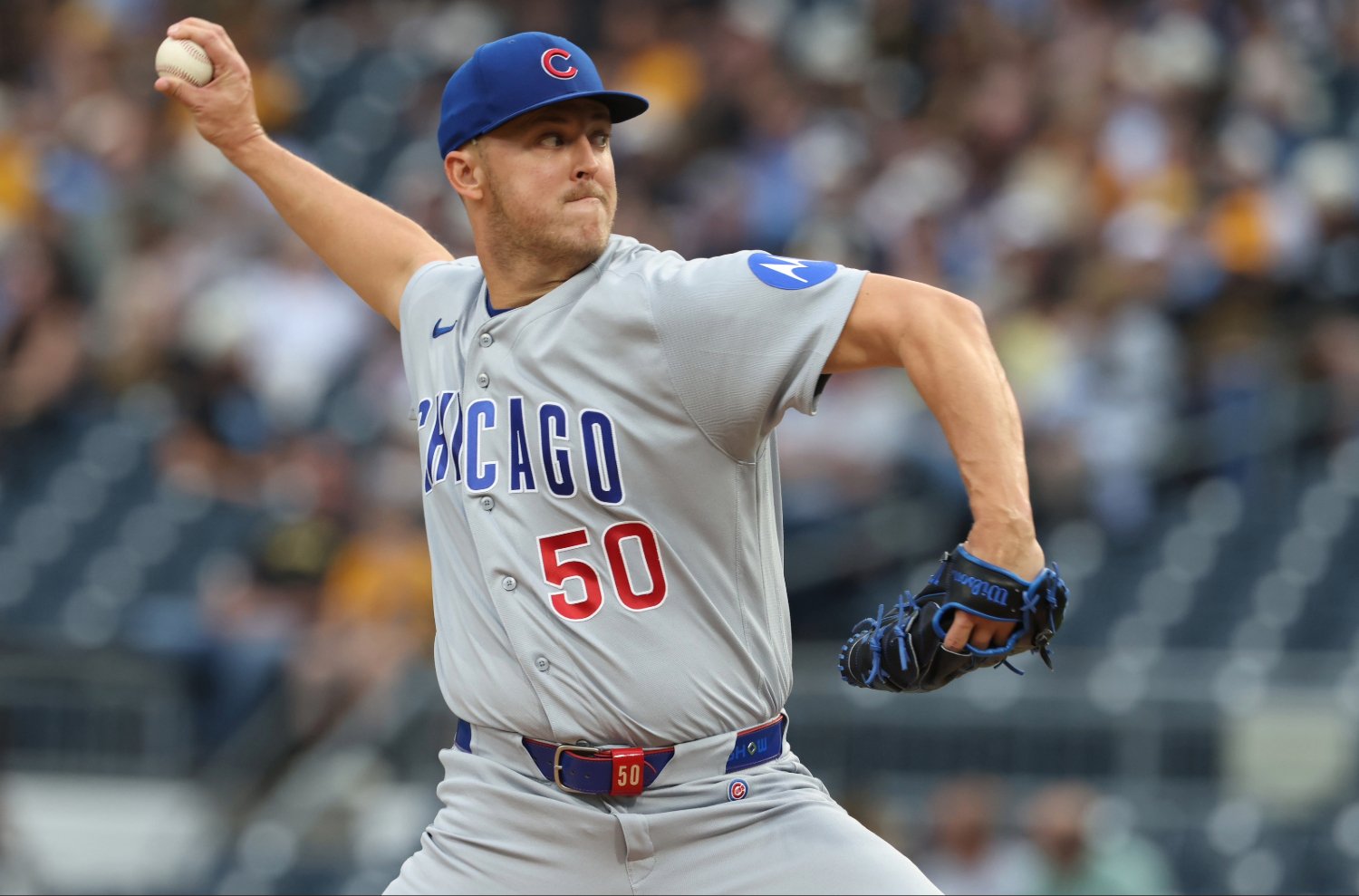 Four years and $68 million. That is what it took for the Chicago Cubs to sign Jameson Taillon prior to the 2023 season. After more than 3.5 seasons with the club, he has now been designated for assignment. In all likelihood, he has pitched his last game for the North Siders. How did it end up like this? Taillon signed with the Cubs during an offseason that had a healthy middle tier of starting pitching options: Kodai Senga was coming over to MLB from NPB, and Taijuan Walker, Chris Bassitt, Zach Eflin, and Tyler Anderson all also switched teams via free agency. If we compare the results of each of those guys, who all received somewhat similar contracts, since then, it seems that Taillon’s output was about right on the mark. Player Innings Pitched K% ERA FIP FanGraphs WAR Contract Bassitt 597 2/3 21.6% 4.02 4.19 7.6 3yr/$63m Eflin 418 22.0% 3.94 3.77 7.5 3yr/$40m Senga 325 2/3 26.5% 3.73 4.21 4.3 5yr/$75m Taillon 525 1/3 19.8% 4.21 4.71 3.9 4yr/$68m Anderson 456 2/3 18.3% 4.53 5.02 2.7 3yr/$39m Walker 402 2/3 16.9% 5.13 5.38 1.3 4yr/$72m Taillon ranks fourth out of six on this list in ERA, FIP, and fWAR, while coming in second in innings pitched. His 525 ⅓ innings pitched by far led the Cubs during this timeframe, and his 3.9 fWAR ranked fifth. The Cubs needed a reliable innings eater, and they got a reliable innings eater. Accidentally, I have stated the actual problem at hand here. Make no mistake, the Jameson Taillon contract wasn’t ideal. It never was. But the contract itself wasn’t the issue. The issue was that the Cubs needed to make that deal. The issue was that they needed a reliable innings eater via free agency because they have done such a lackluster job at developing pitching themselves. This has been a known issue for the Cubs for some time now. From 2023-2026, 15 pitchers have started at least five games for the Cubs. Only five of them did so on arbitration or pre-arbitration salaries: Player Innings Pitched K% ERA FIP FanGraphs WAR Justin Steele 330 2/3 24.4% 3.18 3.24 7.9 Javier Assad 277 1/3 18.3% 3.60 4.74 1.8 Ben Brown 157 25.1% 4.30 3.66 3.0 Cade Horton 121 1/3 19.8% 2.52 3.61 2.2 Jordan Wicks 83 2/3 18.4% 5.92 5.08 0.2 Consider what Justin Wrobleski is giving the Dodgers this season. Or what Emmet Sheehan gave them last season. Or what Shane Drohan is giving the Brewers right now. Each of those guys has offered extremely reliable innings at pre-arbitration salaries. The Cubs have failed to consistently produce that. Hopes are still high for four of the five guys on the list above; the list simply needs to be longer than four names. In my opinion, the real issue with the pitching development in the organization hasn’t been the lack of top-tier pitching prospects. Those guys are few and far between, and the Cubs have so rarely taken pitching in the first round of the draft over the past decade anyway. Rather, it’s been the complete lack of consistently developing guys that can piece together Jameson Taillon level production at those inexpensive, early-career salaries. This allows you to avoid these types of contracts for mid-tier free agent starting pitchers. The past four seasons, the Cubs needed Jameson Taillon to do exactly what he did: prevent runs at a league-average rate, and do so over a lot of innings. If they can start producing more pitchers that are capable of doing that themselves, then hopefully we can stop watching contracts reach unsatisfying conclusions like this one did.