


matto1233
-
Posts
328 -
Joined
-
Last visited
Content Type
Profiles
Joomla Posts 1
Chicago Cubs Videos
Chicago Cubs Free Agent & Trade Rumors, Notes, & Tidbits
2026 Chicago Cubs Top Prospects Ranking
News
2023 Chicago Cubs Draft Picks
Guides & Resources
2024 Chicago Cubs Draft Picks
The Chicago Cubs Players Project
2025 Chicago Cubs Draft Pick Tracker
2026 Chicago Cubs Draft Tracker: Picks & Bonuses
Blogs
Events
Forums
Store
Gallery
Everything posted by matto1233
-
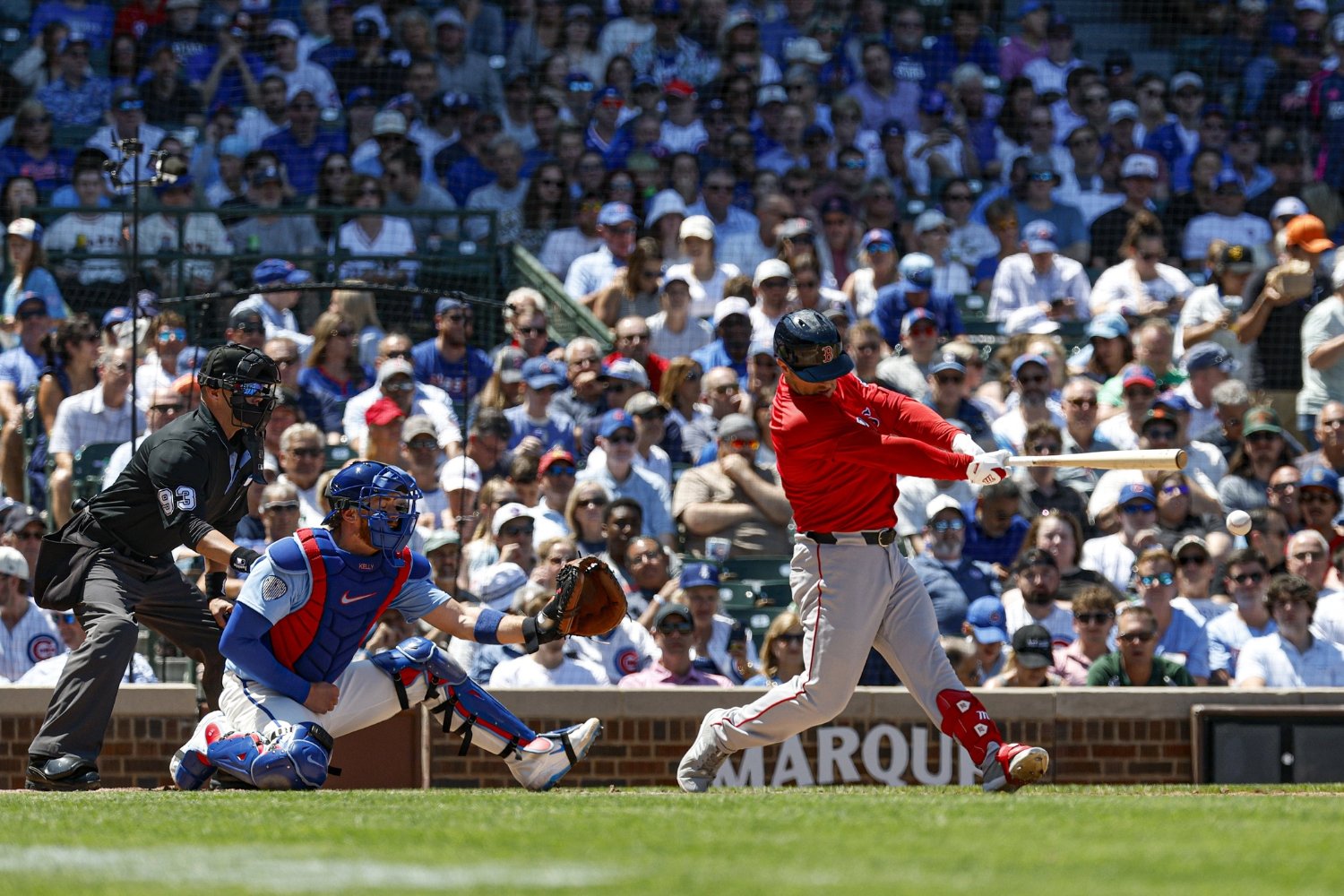 Thousands at Soldier Field on Saturday night gathered and cheered to celebrate the biggest news in Chicago sports: the Cubs signed Alex Bregman to a five-year, $175 million deal. I have since discovered that there was also something else going on at the time that resulted in that celebration at Soldier Field, but hey, I am sure this was a nice cherry on top for some. This marks what could be a huge turning point for the Cubs and their front office. For one, Bregman just received the largest average annual value on a contract in team history. Second, a Jed Hoyer-led front office went out and outbid other teams for a guy that they wanted. Finally, they flexed some financial might. It’s not just the use of financial resources that is encouraging, either. Per Mark Feinsand, the Cubs are deferring $70 million of the contract, which will bring the average annual value for luxury tax purposes down slightly. This could help the Cubs stay below the competitive balance tax for this coming season, and finally signals a willingness from the club to take advantage of a modern, club-friendly free agency tactic in deferrals. What makes Bregman the guy that the Cubs were finally willing to do all of this for? It was reported by Patrick Mooney of The Athletic that “although he will be 32 in March, Bregman still lit up the front office’s projection systems as a Gold Glove defender and an elite right-handed hitter.” There are reasons to think that the third-baseman has the type of profile that could age well. Clearly, the Cubs’ would agree. For starters, plate discipline is one of Bregman’s premier skills, and this is a skill that a player typically retains as they age. Perhaps more importantly, a recent blog post at Driveline Baseball concluded that pull-air percentage is one of the skills that ages the best in an offensive player. Pulling the ball in the air has long been a hallmark of the former Astro's game, including a 24.4 percent pull-air percentage just last year, which ranked 37th in baseball, per Baseball Savant. If Bregman can continue doing that, you have to feel pretty good about this contract. On the flip side, swing speed and exit velocity, two skills that don’t typically age well, have never been highlight skills for Bregman. As noted by Davy Andrews at FanGraphs, he has never hit a ball 110 mph, which 308 MLB players did last season. One could look at that and conclude that the veteran is walking a thin line. If he loses even any bat speed, he’s toast. You could also argue that he already knows how to succeed without bat speed, or that he has no bat speed to lose. Clearly, and as reported above, we know where the Cubs’ projection systems stand on that debate. As for the validity of the Cubs’ projection systems, well, let me go ahead and defend those. In the offseason after the 2022 season, the Cubs needed a shortstop, and all four of Carlos Correa, Dansby Swanson, Trea Turner, and Xander Bogaerts were available. The Cubs, of course, signed Swanson. He received the least amount of total money amongst the four shortstops by a good bit. He’s also been worth 2.5 more FanGraphs WAR than Bogaerts since that offseason, and 3.8 more fWAR than Correa. Trea Turner is the only one that has outperformed him since the Great Winter of the Shortstop™. Tying Bregman to Swanson brings me to the second thing the Cubs likely identified with Bregman: leadership and intangibles. According to Jen McCaffrey at The Athletic, last offseason, Bregman was heavily invested in the Red Sox winning, and went on to become a major leader in the clubhouse. “A year ago, Bregman grilled the Red Sox front office with a 16-page document filled with questions on the direction of the organization, the development plan for the club’s top prospects and how Boston planned to invest and spend to bring the organization back to the postseason.” McCaffrey went on to write that “Bregman took a strong interest in mentoring the club’s top prospects like [Roman] Anthony and [Marcelo] Mayer, but he also offered insight to veteran hitters going through slumps and even to pitchers, suggesting how he’d attack them as an opponent to help them better game plan.” Sound familiar? When Dansby Swanson signed with the Cubs, Jed Hoyer reported a similar concern with the direction of the club. “The thing that really stood out to me was that it felt like he was interviewing us. How are you guys gonna win? What’s your plan? What’s your philosophy? What players are you going to surround me with? Who are the prospects that are coming? It was very clear winning was the priority.” After Swanson officially left the Braves and signed with the Cubs, Jeff Schultz of The Athletic noted that “Swanson exerted a lot of influence in the clubhouse, especially with younger players like [Vaughn] Grissom and Michael Harris II.” It’s clear that the Cubs heavily value the leadership qualities that they see in Swanson and Bregman. They also, most likely, project him to age quite gracefully. Age aside, this is still a guy that posted 3.5 fWAR in only 114 games last season. He had a 125 wRC+, meaning he was a 25 percent above the league-average hitter. This is a productive player now. Whether or not you agree with the Cubs’ rationale, whether or not you agree with the importance of Bregman’s apparent leadership abilities, and whether or not you think the contract will age well, the Cubs spent money to make the team better for this season. They identified a guy that they wanted and were willing to outbid others for him. That is not something they have done particularly often under Jed Hoyer, and I think we can all commend them for that.
 -
Image courtesy of Patrick Flahive Welcome to part five of North Side Baseball’s offseason series covering the 1918 Chicago Cubs. You can find the first four parts here: Part 1 Part 2 Part 3 Part 4 Today, we’ll be taking a look at the life and career of Les Mann. Mann was an outfielder for the Cubs from the 1916 season until he was dealt to the Boston Braves during the 1919 season. Coming off of an epic championship game in 2023 that pitted Mike Trout against Shohei Ohtani in the ninth inning, the 2026 World Baseball Classic is starting to gather a lot of hype. The United States will be bringing arguably their best collection of talent ever in an effort to avenge their loss in that 2023 final game to Japan. And that fails to mention the stacked lineup that the Dominican Republic may field. The World Baseball Classic is sanctioned by the World Baseball Softball Confederation, which was created from a merger earlier this century between the International Baseball Federation and the International Softball Federation. The International Baseball Federation was created in 1938, thanks in large part to the work of Leslie Mann. Mann was born in Lincoln, Nebraska on November 18, 1892. He attended the Y.M.C.A. College in Springfield, Massachusetts. It was there where he would begin an illustrious career in athletics. In November of 1916, The Pittsburgh Press declared Mann as “one of the best football players the training school ever had.” According to his Society for American Baseball Research biography, with Mann being so close by, the Boston Braves took note of his athletic prowess and signed him to a contract that would pay him $150 per month. After a rough first couple of seasons with the Braves, Mann signed with the Chicago Whales of the Federal League, where he helped them win the 1915 pennant. After the Federal League disbanded, the outfielder found himself with the Cubs. Mann was serviceable, but not great, in his three plus seasons with the Cubs, with his best season coming in 1918. He posted a .288/.342/.384 batting line, which was 18 percent above league average, according to wRC+ at FanGraphs. His 2.3 FanGraphs WAR for that season was a major-league career high. He also put up 2.3 fWAR in the 1921 season with the St. Louis Cardinals, and while he did manage a 4.3 fWAR season in 1915, that was during his lone season in the Federal League. In 1922, Mann was with the Cardinals. They found themselves in a battle for first place with the New York Giants when Mann received a letter from his old 1918 Cubs teammate, Phil Douglas. Douglas, who did not get along with his manager, John McGraw, told Mann to “send a man over here with the goods and I will leave for home on the next train.” Rather than taking Douglas up on his offer, Mann turned his former teammate in. Douglas was banned from baseball for life until he was posthumously reinstated last May. In total, Mann finished his career with 1,332 hits, however, it is his post-playing career that is truly remarkable. As reported by SABR, the Nebraska native had a passion for youth sports, and even organized a baseball school. At the Leslie Mann Coaching System, he was one of the first adopters of film to enhance baseball teaching. He invented the Mannscope, which was a patented device that could stop film on a specific frame to allow for teaching. The Mannscope, which the National Baseball Hall of Fame is currently in possession of, sounds to me like the earliest form of an edgertronic camera. As stated in the patent for the device, and as listed on the Hall of Fame’s website, the camera allows for “plenty of time to thoroughly explain each play or movement shown on the screen before passing to the next one.” Being a huge advocate for making baseball international, Mann was determined to make baseball an Olympic sport. His efforts led to an exhibition at the 1936 Olympic Games in Berlin, and Mann even convinced the International Olympic Committee to make baseball an official Olympic sport at the 1940 Games. Those Games, though, were cancelled due to World War II. The World Baseball Softball Confederation, which sanctions the aforementioned World Baseball Classic and is the governing body for baseball and softball internationally, credits Mann as the “father of international baseball” on their website, as well as with proposing and launching the original International Baseball Federation, where he was the inaugural president. A lot of baseball’s worldwide popularity now is thanks to Les Mann’s efforts back in the first half of the 1900s. View full article
-
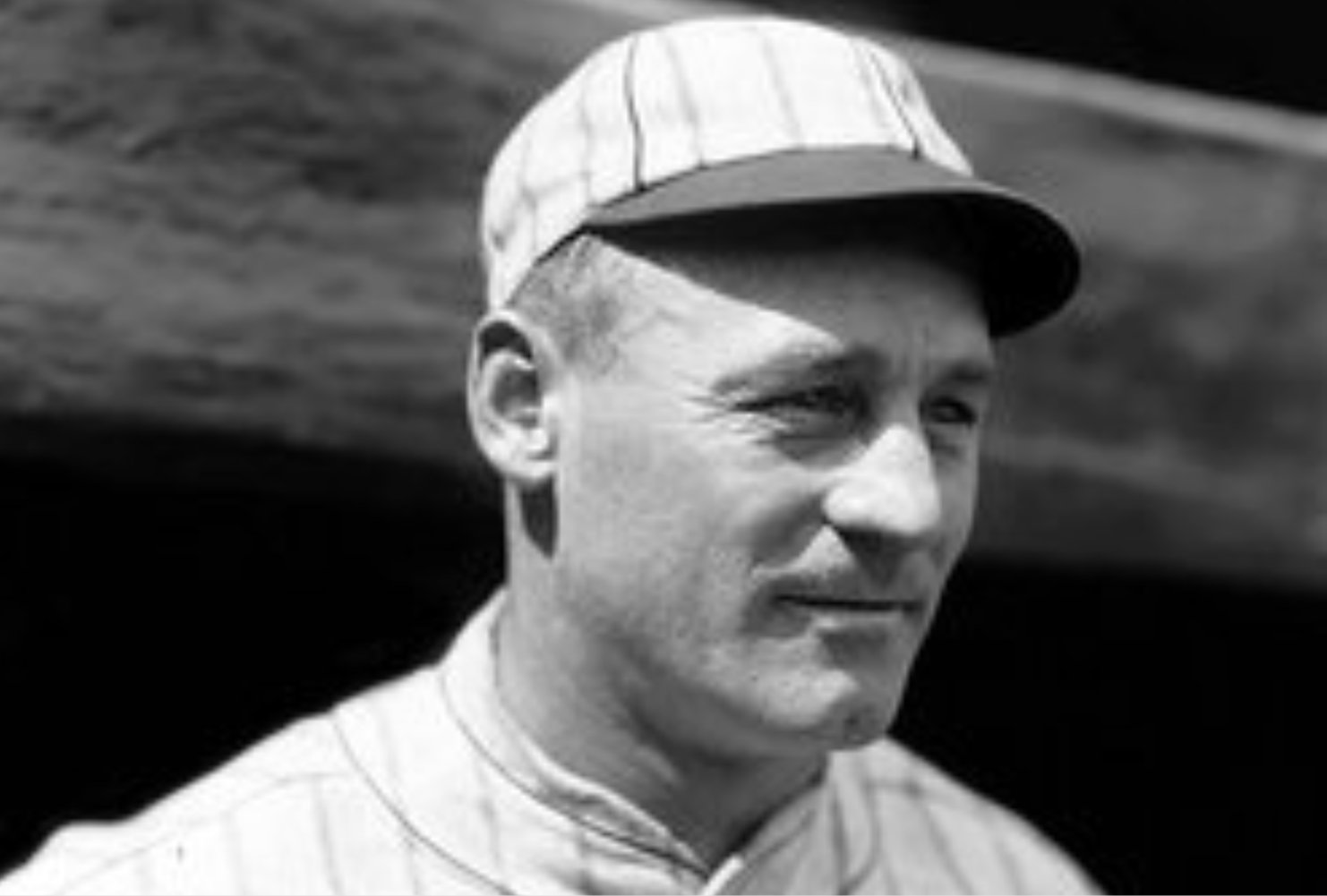 Welcome to part five of North Side Baseball’s offseason series covering the 1918 Chicago Cubs. You can find the first four parts here: Part 1 Part 2 Part 3 Part 4 Today, we’ll be taking a look at the life and career of Les Mann. Mann was an outfielder for the Cubs from the 1916 season until he was dealt to the Boston Braves during the 1919 season. Coming off of an epic championship game in 2023 that pitted Mike Trout against Shohei Ohtani in the ninth inning, the 2026 World Baseball Classic is starting to gather a lot of hype. The United States will be bringing arguably their best collection of talent ever in an effort to avenge their loss in that 2023 final game to Japan. And that fails to mention the stacked lineup that the Dominican Republic may field. The World Baseball Classic is sanctioned by the World Baseball Softball Confederation, which was created from a merger earlier this century between the International Baseball Federation and the International Softball Federation. The International Baseball Federation was created in 1938, thanks in large part to the work of Leslie Mann. Mann was born in Lincoln, Nebraska on November 18, 1892. He attended the Y.M.C.A. College in Springfield, Massachusetts. It was there where he would begin an illustrious career in athletics. In November of 1916, The Pittsburgh Press declared Mann as “one of the best football players the training school ever had.” According to his Society for American Baseball Research biography, with Mann being so close by, the Boston Braves took note of his athletic prowess and signed him to a contract that would pay him $150 per month. After a rough first couple of seasons with the Braves, Mann signed with the Chicago Whales of the Federal League, where he helped them win the 1915 pennant. After the Federal League disbanded, the outfielder found himself with the Cubs. Mann was serviceable, but not great, in his three plus seasons with the Cubs, with his best season coming in 1918. He posted a .288/.342/.384 batting line, which was 18 percent above league average, according to wRC+ at FanGraphs. His 2.3 FanGraphs WAR for that season was a major-league career high. He also put up 2.3 fWAR in the 1921 season with the St. Louis Cardinals, and while he did manage a 4.3 fWAR season in 1915, that was during his lone season in the Federal League. In 1922, Mann was with the Cardinals. They found themselves in a battle for first place with the New York Giants when Mann received a letter from his old 1918 Cubs teammate, Phil Douglas. Douglas, who did not get along with his manager, John McGraw, told Mann to “send a man over here with the goods and I will leave for home on the next train.” Rather than taking Douglas up on his offer, Mann turned his former teammate in. Douglas was banned from baseball for life until he was posthumously reinstated last May. In total, Mann finished his career with 1,332 hits, however, it is his post-playing career that is truly remarkable. As reported by SABR, the Nebraska native had a passion for youth sports, and even organized a baseball school. At the Leslie Mann Coaching System, he was one of the first adopters of film to enhance baseball teaching. He invented the Mannscope, which was a patented device that could stop film on a specific frame to allow for teaching. The Mannscope, which the National Baseball Hall of Fame is currently in possession of, sounds to me like the earliest form of an edgertronic camera. As stated in the patent for the device, and as listed on the Hall of Fame’s website, the camera allows for “plenty of time to thoroughly explain each play or movement shown on the screen before passing to the next one.” Being a huge advocate for making baseball international, Mann was determined to make baseball an Olympic sport. His efforts led to an exhibition at the 1936 Olympic Games in Berlin, and Mann even convinced the International Olympic Committee to make baseball an official Olympic sport at the 1940 Games. Those Games, though, were cancelled due to World War II. The World Baseball Softball Confederation, which sanctions the aforementioned World Baseball Classic and is the governing body for baseball and softball internationally, credits Mann as the “father of international baseball” on their website, as well as with proposing and launching the original International Baseball Federation, where he was the inaugural president. A lot of baseball’s worldwide popularity now is thanks to Les Mann’s efforts back in the first half of the 1900s.
 -
Image courtesy of Baseball History Comes Alive (SABR/Don Stokes) Welcome to part four of our offseason series covering the 1918 Chicago Cubs. Here are parts one through three so you can catch yourself up on everything covered to this point: Part 1: Introduction Part 2: The Start of the Season Part 3: Charlie Hollocher In part four, we’ll look into how the Cubs performed in the month of June. Another Winning Streak At the start of the month, the Cubs found themselves 1.5 games behind the New York Giants in the National League standings. Fresh off of a win in their last game in the month of May, the Cubs continued on to win their first four games of June. This set up the debut of Phil Douglas on June 6. Douglas, who was one of the Cubs’ best pitchers in 1917, suffered appendicitis in February that kept him out until now. Coming off of a season in which he pitched to a 2.55 ERA, expectations were high for the veteran. Behind a complete game shutout from Douglas and home runs from Dode Paskert and Charlie Deal, the Cubs defeated the Philadelphia Phillies 3-0. With that win, and a New York Giants loss to the St. Louis Cardinals, the Cubs were officially in first place in the National League. The Cubs would win their next two games, extending their win streak to eight games, and their lead in the NL to 1.5 games. This created quite a bit of buzz around their upcoming four-game series against the Giants. According to the New York Times, the Cubs were “the sensation of the league, and the Giants face the hardest ordeal of the season in this coming series.” A Huge Series As reported by the Times, game one of the series against the Giants, with Claude Hendrix and Jeff Tesreau set to be the starting pitchers, was Bat and Ball Day, where 25 percent of the gate receipts was donated to baseball equipment for WWI soldiers in France. This fundraiser, which was created by Clark Griffith, was a huge success. Per Griffith’s Society for American Baseball Research biography, over $7,500 had been raised by July.. Unfortunately, the first shipment was struck down by a German U-boat. Griffith persisted, however, and would end up creating another campaign that successfully sent baseball supplies, as well as copies of The Sporting News so soldiers were up-to-date on happenings around baseball, to the troops. Back to the series against the Giants, the Cubs were able to take game one to extend their winning streak to nine games. Down 3-2 in the ninth inning, the Cubs took a 5-3 lead via clutch hits from Fred Merkle, Charlie Deal, and Bill Killefer. “The impulsiveness of their scrappy attack carried the Giants off their feet,” the Times said in their recap the next morning. That same article continued: “How manager Fred Mitchell has enticed this collection of ancient and youthful players to play winning ball is something of a mystery. Such familiar relics as Rollie Zelder, Dode Paskert, and Fred Merkle perform as if they had discovered some kind of a tonic which laughs at the advancing years. This young Charlie Hollocher, the former caddie boy of St. Louis, is all that they have said about him at shortstop, and is a whirlwind with his hands and feet. Charley Deal, who is no Spring chicken, manages to insert hits at the proper time, and Claude Hendrix blooms forth into a better pitching commodity than he has been for half a dozen years. The conjurer behind it all must be Mitchell, for the Cubs are the scrappiest bunch that has hit the Harlem meadow this year.” Game two pitted Lefty Tyler against Pol Perritt. With two outs in the first inning, George Burns of the Giants stepped to the plate. According to the Times, Burns hit a ball all the way to the fence that Max Flack fell while pursuing, which allowed Burns to circle the bases for an inside-the-park home run: ”Just as the ball was about to flirt with the fence, Flack made a grab for it, but slipped in the mud and sat down suddenly. All this time George Burns was making tracks around the muddy base paths. Great hunks of mud were flying up from his spikes as he tore around the bases. Burns hasn’t run quite as fast as he did yesterday since he hustled to catch the train out of Utica to come to New York.” Perritt would make that stick, pitching all nine innings and allowing just six hits and two walks. The Cubs lost 1-0, and the winning streak was over. But the Cubs would bounce back the next day behind three hits each from Flack, Hollocher, and Merkle. After all of that, though, the series would end up in a 2-2 split. Hippo Vaughn gave up five runs in the first inning of game four en route to a 7-0 loss. This dropped the Cubs to 32-14 and their lead in the National League to 1.5 games. Another Win Streak to Close the Month Strong After going 3-3 in their next six games after the Giants series, the Cubs would start up another win streak. With a victory over the Pittsburgh Pirates, a four-game sweep of the Cardinals, and a couple of wins against the Cincinnati Reds, the Cubs had won another seven in a row before closing the month with a loss and then a tie. In the month of June, the Cubs went 19-6-1, and went from one game back of the Giants for first place in the National League to 1.5 games up on them. The offense fell off a tad, hitting for just a .262 batting average after a sterling .295 in May. It was the pitching that really carried them. The Cubs’ team ERA in June of 1918 was just 1.95. The addition of Douglas was huge, as he had just a 0.94 ERA to that point. With Vaughn and Tyler continuing to do their part at the top of the rotation, the pitching was leading the way for the first-place Cubs. View full article
-
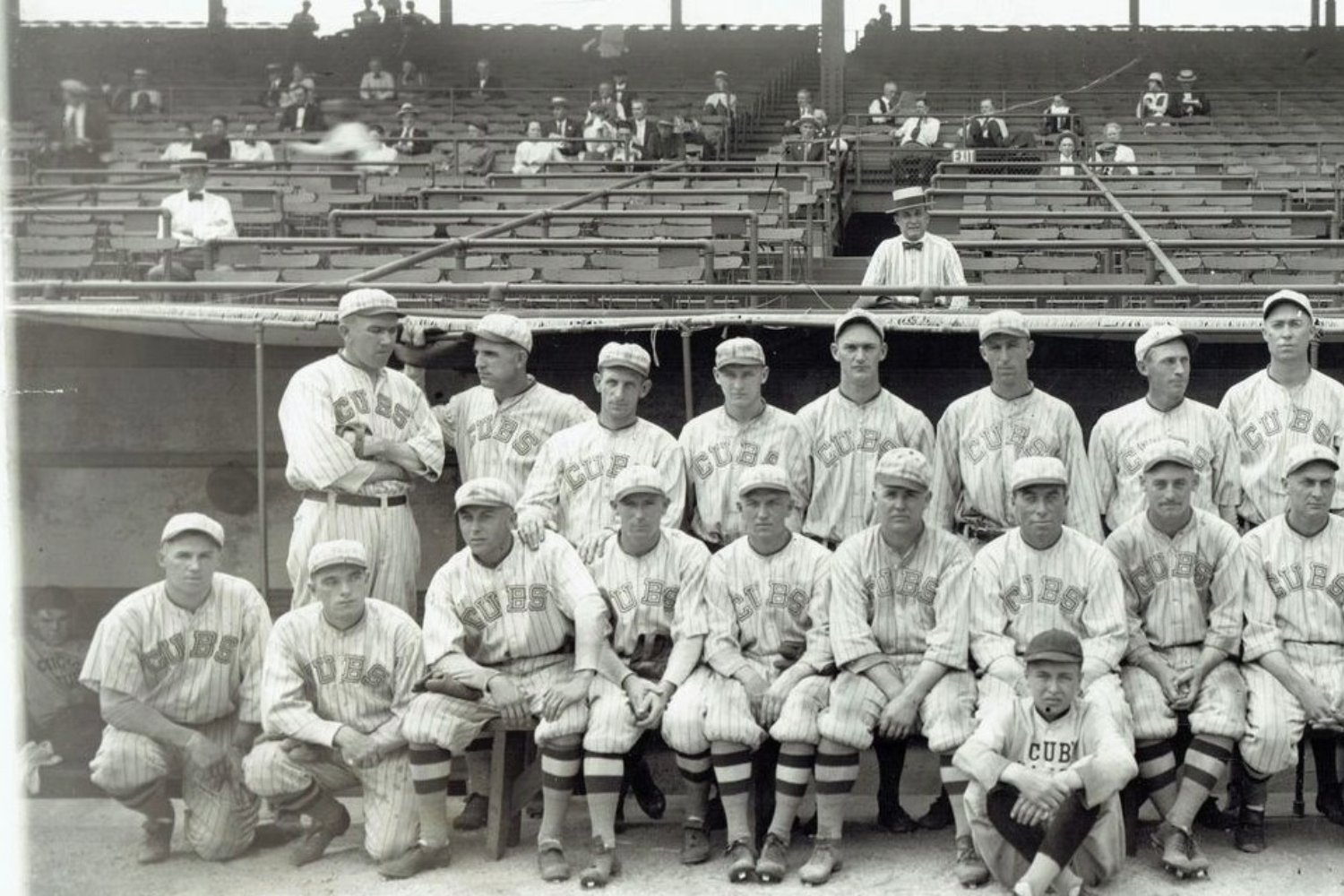 Welcome to part four of our offseason series covering the 1918 Chicago Cubs. Here are parts one through three so you can catch yourself up on everything covered to this point: Part 1: Introduction Part 2: The Start of the Season Part 3: Charlie Hollocher In part four, we’ll look into how the Cubs performed in the month of June. Another Winning Streak At the start of the month, the Cubs found themselves 1.5 games behind the New York Giants in the National League standings. Fresh off of a win in their last game in the month of May, the Cubs continued on to win their first four games of June. This set up the debut of Phil Douglas on June 6. Douglas, who was one of the Cubs’ best pitchers in 1917, suffered appendicitis in February that kept him out until now. Coming off of a season in which he pitched to a 2.55 ERA, expectations were high for the veteran. Behind a complete game shutout from Douglas and home runs from Dode Paskert and Charlie Deal, the Cubs defeated the Philadelphia Phillies 3-0. With that win, and a New York Giants loss to the St. Louis Cardinals, the Cubs were officially in first place in the National League. The Cubs would win their next two games, extending their win streak to eight games, and their lead in the NL to 1.5 games. This created quite a bit of buzz around their upcoming four-game series against the Giants. According to the New York Times, the Cubs were “the sensation of the league, and the Giants face the hardest ordeal of the season in this coming series.” A Huge Series As reported by the Times, game one of the series against the Giants, with Claude Hendrix and Jeff Tesreau set to be the starting pitchers, was Bat and Ball Day, where 25 percent of the gate receipts was donated to baseball equipment for WWI soldiers in France. This fundraiser, which was created by Clark Griffith, was a huge success. Per Griffith’s Society for American Baseball Research biography, over $7,500 had been raised by July.. Unfortunately, the first shipment was struck down by a German U-boat. Griffith persisted, however, and would end up creating another campaign that successfully sent baseball supplies, as well as copies of The Sporting News so soldiers were up-to-date on happenings around baseball, to the troops. Back to the series against the Giants, the Cubs were able to take game one to extend their winning streak to nine games. Down 3-2 in the ninth inning, the Cubs took a 5-3 lead via clutch hits from Fred Merkle, Charlie Deal, and Bill Killefer. “The impulsiveness of their scrappy attack carried the Giants off their feet,” the Times said in their recap the next morning. That same article continued: “How manager Fred Mitchell has enticed this collection of ancient and youthful players to play winning ball is something of a mystery. Such familiar relics as Rollie Zelder, Dode Paskert, and Fred Merkle perform as if they had discovered some kind of a tonic which laughs at the advancing years. This young Charlie Hollocher, the former caddie boy of St. Louis, is all that they have said about him at shortstop, and is a whirlwind with his hands and feet. Charley Deal, who is no Spring chicken, manages to insert hits at the proper time, and Claude Hendrix blooms forth into a better pitching commodity than he has been for half a dozen years. The conjurer behind it all must be Mitchell, for the Cubs are the scrappiest bunch that has hit the Harlem meadow this year.” Game two pitted Lefty Tyler against Pol Perritt. With two outs in the first inning, George Burns of the Giants stepped to the plate. According to the Times, Burns hit a ball all the way to the fence that Max Flack fell while pursuing, which allowed Burns to circle the bases for an inside-the-park home run: ”Just as the ball was about to flirt with the fence, Flack made a grab for it, but slipped in the mud and sat down suddenly. All this time George Burns was making tracks around the muddy base paths. Great hunks of mud were flying up from his spikes as he tore around the bases. Burns hasn’t run quite as fast as he did yesterday since he hustled to catch the train out of Utica to come to New York.” Perritt would make that stick, pitching all nine innings and allowing just six hits and two walks. The Cubs lost 1-0, and the winning streak was over. But the Cubs would bounce back the next day behind three hits each from Flack, Hollocher, and Merkle. After all of that, though, the series would end up in a 2-2 split. Hippo Vaughn gave up five runs in the first inning of game four en route to a 7-0 loss. This dropped the Cubs to 32-14 and their lead in the National League to 1.5 games. Another Win Streak to Close the Month Strong After going 3-3 in their next six games after the Giants series, the Cubs would start up another win streak. With a victory over the Pittsburgh Pirates, a four-game sweep of the Cardinals, and a couple of wins against the Cincinnati Reds, the Cubs had won another seven in a row before closing the month with a loss and then a tie. In the month of June, the Cubs went 19-6-1, and went from one game back of the Giants for first place in the National League to 1.5 games up on them. The offense fell off a tad, hitting for just a .262 batting average after a sterling .295 in May. It was the pitching that really carried them. The Cubs’ team ERA in June of 1918 was just 1.95. The addition of Douglas was huge, as he had just a 0.94 ERA to that point. With Vaughn and Tyler continuing to do their part at the top of the rotation, the pitching was leading the way for the first-place Cubs.
 -
Image courtesy of Society for American Baseball Research Welcome to part three of North Side Baseball's offseason series covering the 1918 Chicago Cubs. You can find part one here and part two here. Last time we checked in, in part two, the Cubs were chasing the New York Giants in the standings through the end of May, but were making up ground quickly. Even though they lost Grover Cleveland Alexander to the military, the pitching staff was rolling behind Hippo Vaughn. The offense was doing their part, thanks to sterling performances from Fred Merkle, Les Mann, Dode Paskert, and rookie shortstop Charlie Hollocher. In today’s piece, we’ll take a look at the career and life of Hollocher. [Please be warned that this piece will discuss topics like mental illness and suicide. I tried to present these events as they reportedly happened in a way to shed light on the tragic tale of Charlie Hollocher, while paying homage to the person and player that he was.] Charles Jacob Hollocher was born on June 11, 1896, in St. Louis, MO. According to his Society for American Baseball Research biography, Hollocher learned the game from sportswriter John B. Sheridan. This led Hollocher to the minor leagues, where his contract was eventually purchased by the Cubs before the 1918 season. Reportedly, the Cubs were trying to deal the young shortstop for Rogers Hornsby to no avail. That would be a blessing in disguise, as he would go on to hit a team-leading .316 in the 1918 season. His 5.5 FanGraphs WAR was fourth in all of baseball. Unfortunately for Hollocher and the Cubs, that 1918 season, when he was just 22 years old, was close to his peak. His average dropped to .270 in the 1919 season. Then came the health issues. According to The Capital Times, on June 9, 1920, he was pulled from the lineup with what doctors called ptomaine poisoning, or as it is now more commonly known, food poisoning. He would go on to hit .383 in 33 games following his return to the lineup, until the same thing would happen again. Hollocher was absent from the lineup from July 14 through July 24, with the Springfield News Sun reporting on July 21 that he lost 15 pounds during another bout with ptomaine poisoning. He returned to the lineup on July 24 and 25, however, that would be the end of Hollocher’s season. Per his SABR biography, it was announced on August 15 that he was hospitalized, and then on August 17 that he was released. He finished the season with a .319 batting average, but only managed to play in 80 games and notch 369 plate appearances. Despite all of that, Hollocher would, again, rebound. He hit .315 for the Cubs across the 1921 and 1922 seasons. Unfortunately, the star shortstop fell ill again before the 1923 season, with the Chicago Tribune reporting on February 16 that he was “down with a mild attack of flu.” On March 31, the Tribune followed up that Hollocher was “confined to bed at his home here, ushering from after effects of an attack of influenza last February.” This would delay the shortstop’s 1923 season debut until May 11, where he showed no signs of being hampered, sporting the typical high batting average that fans had come to expect from Charlie Hollocher. He was hitting .342 with a .410 on-base percentage on July 23. Alas, that was the last we’d see of Hollocher in 1923. The Associated Press quoted Hollocher on August 4 as saying that he was “feeling pretty rotten and have made up my mind to go home, take a rest, and forget baseball for the rest of this year.” It was reported in the Tribune in November of that year that “stories immediately started that Hollocher’s real purpose in ‘jumping’ the team was to force a trade that would send him to the Cardinals.” It was clear that people were becoming frustrated and speculating about the star shortstop’s consistent absence. Hollocher would again rejoin the Cubs for the 1924 season after a brief contract holdout, amidst reports that he was finally fully healthy. Despite those reports, he was not his typical self. He was hitting for just a .245 batting average through August 20 before he went missing from the lineup again. The Tribune followed up with the following on September 5, while expressing doubt that he would ever play again: ”Hollocher is a sick young man, and his failure to play regularly for the last couple months was due to that and nothing else. Several weeks ago he requested that he be excused for the balance of the season, but was urged to stay until the club could get a utility shortstop.” This was, indeed, the last time anyone would see Charlie Hollocher on a professional baseball field, despite several attempts at a comeback. It is reported in his SABR biography that Hollocher returned home to St. Louis where he operated a tavern, worked as an investigator for the prosecuting attorney’s office, and also worked as a watchman at a drive-in movie theater. This all, unfortunately, led to tragedy on August 14, 1940. According to multiple reports at that time, Charlie Hollocher was found dead, in his car, with a gun wound and a 16-gauge shotgun lying beneath one of his arms. There was a note on the dashboard to call his wife. He was 44 years old. According to his SABR biography, his wife said he was recently complaining of severe abdominal pains. It is also quoted that the Chicago Herald-American wrote the following: ”The death of Charley Hollocher at his own hand came as no surprise to baseball folks who knew the one-time Cub shortstop when he was rated the top man at his position in the big leagues. Even when he was breaking in at Portland, Oregon, Hollocher was a moody, neurotic boy.” There are multiple layers to the tragedy that was Charlie Hollocher. It would seem, through multiple reports, that the young man was suffering from some sort of chronic illness in his stomach, and not everybody took that particularly seriously. We’ll never truly know what happened, but it’s easy to imagine that the illness itself, never finding a true diagnosis, and not always being taken in earnest, took a toll on him mentally. Through it all, Hollocher’s .304 career batting average is 18th all-time in the history of the Chicago Cubs among players that had at least 1,000 plate appearances. His 23.7 fWAR in just seven seasons, some of which were shortened due to the illness, is 32nd. A lot of this has been lost to history. Personally, I had never heard of Hollocher until researching this series. It’s hard not to imagine what could have been. We are all fortunate to live in a time when both physical and mental health are given much more care, though it is still not taken seriously enough. Let the story of Charlie Hollocher serve as a reminder that you never know what another human being is going through. Be kind to each other. View full article
-
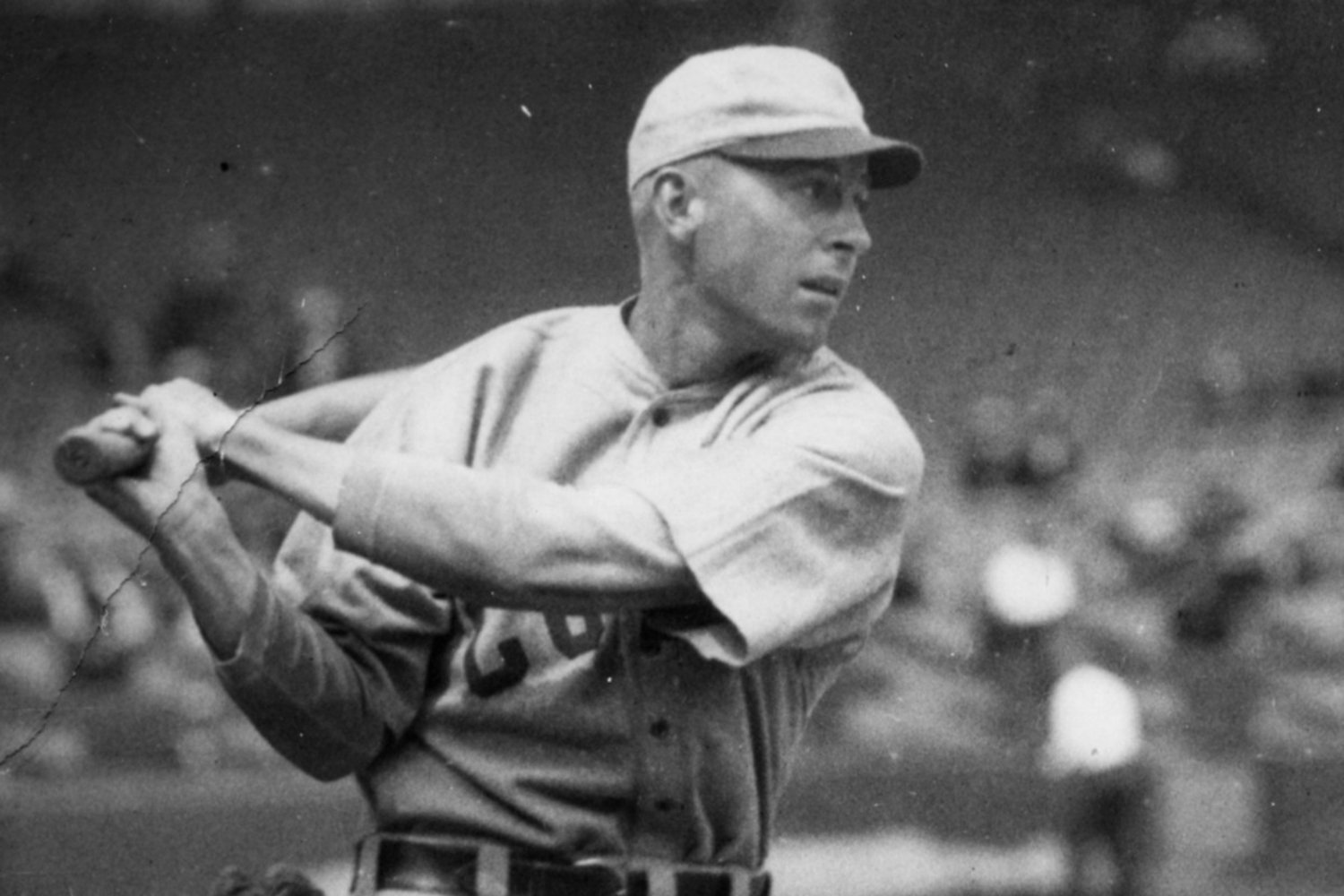 Welcome to part three of North Side Baseball's offseason series covering the 1918 Chicago Cubs. You can find part one here and part two here. Last time we checked in, in part two, the Cubs were chasing the New York Giants in the standings through the end of May, but were making up ground quickly. Even though they lost Grover Cleveland Alexander to the military, the pitching staff was rolling behind Hippo Vaughn. The offense was doing their part, thanks to sterling performances from Fred Merkle, Les Mann, Dode Paskert, and rookie shortstop Charlie Hollocher. In today’s piece, we’ll take a look at the career and life of Hollocher. [Please be warned that this piece will discuss topics like mental illness and suicide. I tried to present these events as they reportedly happened in a way to shed light on the tragic tale of Charlie Hollocher, while paying homage to the person and player that he was.] Charles Jacob Hollocher was born on June 11, 1896, in St. Louis, MO. According to his Society for American Baseball Research biography, Hollocher learned the game from sportswriter John B. Sheridan. This led Hollocher to the minor leagues, where his contract was eventually purchased by the Cubs before the 1918 season. Reportedly, the Cubs were trying to deal the young shortstop for Rogers Hornsby to no avail. That would be a blessing in disguise, as he would go on to hit a team-leading .316 in the 1918 season. His 5.5 FanGraphs WAR was fourth in all of baseball. Unfortunately for Hollocher and the Cubs, that 1918 season, when he was just 22 years old, was close to his peak. His average dropped to .270 in the 1919 season. Then came the health issues. According to The Capital Times, on June 9, 1920, he was pulled from the lineup with what doctors called ptomaine poisoning, or as it is now more commonly known, food poisoning. He would go on to hit .383 in 33 games following his return to the lineup, until the same thing would happen again. Hollocher was absent from the lineup from July 14 through July 24, with the Springfield News Sun reporting on July 21 that he lost 15 pounds during another bout with ptomaine poisoning. He returned to the lineup on July 24 and 25, however, that would be the end of Hollocher’s season. Per his SABR biography, it was announced on August 15 that he was hospitalized, and then on August 17 that he was released. He finished the season with a .319 batting average, but only managed to play in 80 games and notch 369 plate appearances. Despite all of that, Hollocher would, again, rebound. He hit .315 for the Cubs across the 1921 and 1922 seasons. Unfortunately, the star shortstop fell ill again before the 1923 season, with the Chicago Tribune reporting on February 16 that he was “down with a mild attack of flu.” On March 31, the Tribune followed up that Hollocher was “confined to bed at his home here, ushering from after effects of an attack of influenza last February.” This would delay the shortstop’s 1923 season debut until May 11, where he showed no signs of being hampered, sporting the typical high batting average that fans had come to expect from Charlie Hollocher. He was hitting .342 with a .410 on-base percentage on July 23. Alas, that was the last we’d see of Hollocher in 1923. The Associated Press quoted Hollocher on August 4 as saying that he was “feeling pretty rotten and have made up my mind to go home, take a rest, and forget baseball for the rest of this year.” It was reported in the Tribune in November of that year that “stories immediately started that Hollocher’s real purpose in ‘jumping’ the team was to force a trade that would send him to the Cardinals.” It was clear that people were becoming frustrated and speculating about the star shortstop’s consistent absence. Hollocher would again rejoin the Cubs for the 1924 season after a brief contract holdout, amidst reports that he was finally fully healthy. Despite those reports, he was not his typical self. He was hitting for just a .245 batting average through August 20 before he went missing from the lineup again. The Tribune followed up with the following on September 5, while expressing doubt that he would ever play again: ”Hollocher is a sick young man, and his failure to play regularly for the last couple months was due to that and nothing else. Several weeks ago he requested that he be excused for the balance of the season, but was urged to stay until the club could get a utility shortstop.” This was, indeed, the last time anyone would see Charlie Hollocher on a professional baseball field, despite several attempts at a comeback. It is reported in his SABR biography that Hollocher returned home to St. Louis where he operated a tavern, worked as an investigator for the prosecuting attorney’s office, and also worked as a watchman at a drive-in movie theater. This all, unfortunately, led to tragedy on August 14, 1940. According to multiple reports at that time, Charlie Hollocher was found dead, in his car, with a gun wound and a 16-gauge shotgun lying beneath one of his arms. There was a note on the dashboard to call his wife. He was 44 years old. According to his SABR biography, his wife said he was recently complaining of severe abdominal pains. It is also quoted that the Chicago Herald-American wrote the following: ”The death of Charley Hollocher at his own hand came as no surprise to baseball folks who knew the one-time Cub shortstop when he was rated the top man at his position in the big leagues. Even when he was breaking in at Portland, Oregon, Hollocher was a moody, neurotic boy.” There are multiple layers to the tragedy that was Charlie Hollocher. It would seem, through multiple reports, that the young man was suffering from some sort of chronic illness in his stomach, and not everybody took that particularly seriously. We’ll never truly know what happened, but it’s easy to imagine that the illness itself, never finding a true diagnosis, and not always being taken in earnest, took a toll on him mentally. Through it all, Hollocher’s .304 career batting average is 18th all-time in the history of the Chicago Cubs among players that had at least 1,000 plate appearances. His 23.7 fWAR in just seven seasons, some of which were shortened due to the illness, is 32nd. A lot of this has been lost to history. Personally, I had never heard of Hollocher until researching this series. It’s hard not to imagine what could have been. We are all fortunate to live in a time when both physical and mental health are given much more care, though it is still not taken seriously enough. Let the story of Charlie Hollocher serve as a reminder that you never know what another human being is going through. Be kind to each other.
 -
Image courtesy of © Michael McLoone-Imagn Images As the Chicago Cubs firmly enter offseason mode, they’ll explore all avenues in an attempt to make the team better for 2026. One of those avenues is via trade, which can sometimes involve pieces at the minor-league level, and can sometimes involve players at the big-league level, like the recent Marcus Semien for Brandon Nimmo trade. In this article, we’ll take a look at the Cubs’ 10 most important players at the big league level, and consider their overall likelihood of being traded this winter. You can find part one of this series, where we looked at the back half of the Cubs’ top 10 players, here. Today, we’ll take a peek at the top five. 5 - Dansby Swanson Pros: Dansby Swanson is an incredibly productive player. Since signing with the Cubs before the 2023 season, his 12.4 FanGraphs WAR is 25th-best in baseball, ahead of names like Alex Bregman, Bryce Harper, Rafael Devers, Manny Machado, and Vladimir Guerrero Jr. Since 2020, the shortstop is 13th in fWAR. Cons: So much of Swanson’s value is in his defense, and he just had his worst defensive season since 2021. According to Baseball Savant, he was worth just three runs above average in the field in 2025. That is still a good number, though it is a concerning drop from being worth 12 runs above average in 2024. The bat has never been anything other than average to slightly above average. Defense, and the ability to defend at a premium position like shortstop, is his carrying tool. He’ll be 32 on Opening Day of next season, so it is fair to wonder how much longer he’ll be an above-average shortstop. Not to mention, he still has another four years and $109m left on his contract. Trade Likelihood: Low The contact is just too much for a player that has most likely hit his decline phase. If the Cubs do look to explore a deal here, it’ll most likely be to get off of the money, rather than to make the team better. Dansby Swanson, while an imperfect player, is still a good one, and he can still help them win in 2026. 4 - Nico Hoerner Pros: I could wax poetic about Nico Hoerner for more than just the one paragraph that I have here. He is 18th in baseball in fWAR since his first fully healthy season on the North Side in 2022. According to a recent article from Bruce Levine, Cubs officials view him as a leader. He moved from shortstop to second base with no complaints and has gone on to win two Gold Gloves at his new position. Cons: The Gold Glover will turn 29 next season, and while that isn’t exactly old, it is fair to wonder how much of his profile will age particularly well. He is a speed and glove-first player whose offensive profile walks a razor-thin line. He offers very little slugging and relies on a lot of groundballs and line drives to find space for singles. Trade Likelihood: Medium I, personally, would be heartbroken if the Cubs traded Hoerner, but I am also willing to concede that it might make sense. He’ll be a free agent after the 2026 season, and if the Cubs won’t give him another contract, they could look to recoup some of his value by dealing him for pitching help. 3 - Cade Horton Pros: The rookie was an absolute horse for the Cubs in the second half, pitching to a 1.03 ERA in 61 1/3 innings. His absence in the postseason was very much felt, and given that it was just his first year in the big leagues, the Cubs will have control of him for a while. Cons: His absence in the postseason, for one. The 2025 campaign was the first season of his professional career where he eclipsed 100 innings pitched. Injuries seem to be a recurring theme for the former Oklahoma Sooner. His second-half production took a unique shape, as well. Nobody has the true talent of a 1.03 ERA pitcher; his 2.79 FIP suggested some room for regression, and his strikeout rate of 23.5 percent was simply good, not great. Trade Likelihood: Low Horton, for better or worse, is the Cubs’ guy. They took a slight risk by taking him in the first round of the 2022 MLB Draft, and in 2025, it looked like a great decision. So much of the Cubs’ success in 2026 will depend on the young right-hander. You can pencil him into the front half of the starting rotation for next season and beyond. 2 - Michael Busch Pros: Busch took a huge step forward in the power department in 2025, going from 21 home runs in 2024 to 34 this past season. His strikeout rate went from one of the worst in the league to simply a little bit below average, and as a result of those two things, he went from a 118 wRC+ to a 140 wRC+. Cons: Michael Busch plays first base, and simply put, he’ll have to consistently post seasons with a 140 wRC+ to truly be a very valuable player. By wRC+, he was the ninth-best hitter in baseball, however, by fWAR, he was just the 45th-most valuable. At 28, he’s also old for someone entering his third full season in the big leagues. He’s still a great player, but the reason to be skeptical with Busch is the same reason why teams have been hesitant to give a big contract to Pete Alonso. Trade Likelihood: Low-to-Medium While Busch had a really good profile at the plate in 2025, if the Cubs don’t believe he is truly a 140 wRC+ type of hitter, they could look to cash in on the young first baseman now. I’d still be shocked if it happened, but for someone so obsessed with value, I can see Jed Hoyer deciding to deal Busch at a time when his value will most likely never be higher. 1 - Pete Crow-Armstrong Pros: Crow-Armstrong was in the MVP discussion after a sterling first half of the season that saw him put up a batting line of .265/.302/.544. Combine that with his defensive value and blazing speed on the basepaths, and he was one of the best players in baseball. Cons: He was one of the worst offensive players in the second half of the season, with a batting line of .216/.262/.372. He still gives value because of the defense and speed, but this is a guy that just looked completely hopeless at the plate at times. Trade Likelihood: Low The error bars on Pete Crow-Armstrong’s career are very wide. Is he the guy who carried the Cubs in the first half? Or the one that contributed to so much of their struggles in the second half? Either way, he’ll always give value because of the defense. I imagine if the Cubs did look to deal him, though, they’d find all sorts of differing opinions on what his value really is. Combine that with the fact that he is a fan favorite, and I just can’t see a trade that sends him out of town happening. The potential is way too tantalizing. View full article
-
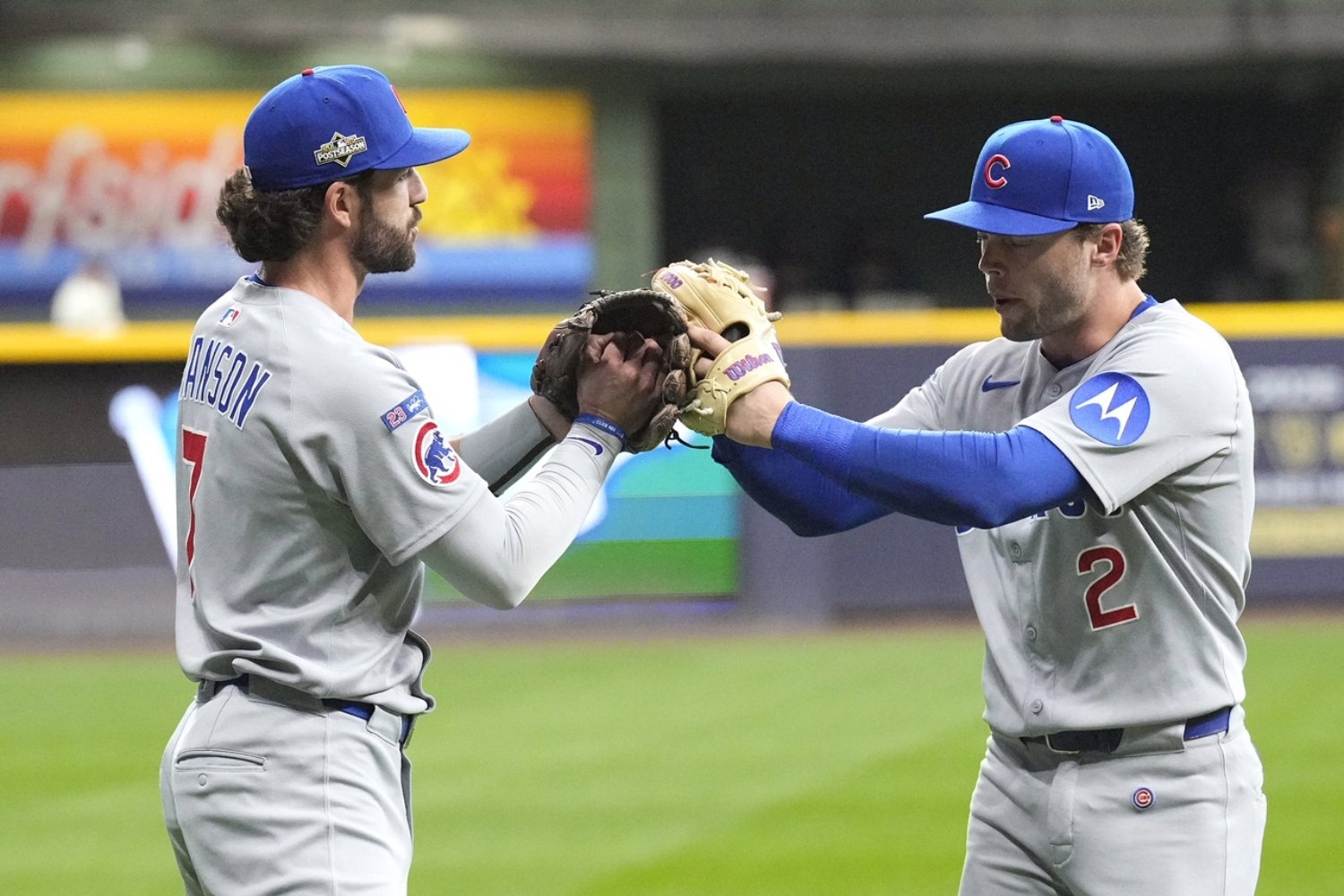 As the Chicago Cubs firmly enter offseason mode, they’ll explore all avenues in an attempt to make the team better for 2026. One of those avenues is via trade, which can sometimes involve pieces at the minor-league level, and can sometimes involve players at the big-league level, like the recent Marcus Semien for Brandon Nimmo trade. In this article, we’ll take a look at the Cubs’ 10 most important players at the big league level, and consider their overall likelihood of being traded this winter. You can find part one of this series, where we looked at the back half of the Cubs’ top 10 players, here. Today, we’ll take a peek at the top five. 5 - Dansby Swanson Pros: Dansby Swanson is an incredibly productive player. Since signing with the Cubs before the 2023 season, his 12.4 FanGraphs WAR is 25th-best in baseball, ahead of names like Alex Bregman, Bryce Harper, Rafael Devers, Manny Machado, and Vladimir Guerrero Jr. Since 2020, the shortstop is 13th in fWAR. Cons: So much of Swanson’s value is in his defense, and he just had his worst defensive season since 2021. According to Baseball Savant, he was worth just three runs above average in the field in 2025. That is still a good number, though it is a concerning drop from being worth 12 runs above average in 2024. The bat has never been anything other than average to slightly above average. Defense, and the ability to defend at a premium position like shortstop, is his carrying tool. He’ll be 32 on Opening Day of next season, so it is fair to wonder how much longer he’ll be an above-average shortstop. Not to mention, he still has another four years and $109m left on his contract. Trade Likelihood: Low The contact is just too much for a player that has most likely hit his decline phase. If the Cubs do look to explore a deal here, it’ll most likely be to get off of the money, rather than to make the team better. Dansby Swanson, while an imperfect player, is still a good one, and he can still help them win in 2026. 4 - Nico Hoerner Pros: I could wax poetic about Nico Hoerner for more than just the one paragraph that I have here. He is 18th in baseball in fWAR since his first fully healthy season on the North Side in 2022. According to a recent article from Bruce Levine, Cubs officials view him as a leader. He moved from shortstop to second base with no complaints and has gone on to win two Gold Gloves at his new position. Cons: The Gold Glover will turn 29 next season, and while that isn’t exactly old, it is fair to wonder how much of his profile will age particularly well. He is a speed and glove-first player whose offensive profile walks a razor-thin line. He offers very little slugging and relies on a lot of groundballs and line drives to find space for singles. Trade Likelihood: Medium I, personally, would be heartbroken if the Cubs traded Hoerner, but I am also willing to concede that it might make sense. He’ll be a free agent after the 2026 season, and if the Cubs won’t give him another contract, they could look to recoup some of his value by dealing him for pitching help. 3 - Cade Horton Pros: The rookie was an absolute horse for the Cubs in the second half, pitching to a 1.03 ERA in 61 1/3 innings. His absence in the postseason was very much felt, and given that it was just his first year in the big leagues, the Cubs will have control of him for a while. Cons: His absence in the postseason, for one. The 2025 campaign was the first season of his professional career where he eclipsed 100 innings pitched. Injuries seem to be a recurring theme for the former Oklahoma Sooner. His second-half production took a unique shape, as well. Nobody has the true talent of a 1.03 ERA pitcher; his 2.79 FIP suggested some room for regression, and his strikeout rate of 23.5 percent was simply good, not great. Trade Likelihood: Low Horton, for better or worse, is the Cubs’ guy. They took a slight risk by taking him in the first round of the 2022 MLB Draft, and in 2025, it looked like a great decision. So much of the Cubs’ success in 2026 will depend on the young right-hander. You can pencil him into the front half of the starting rotation for next season and beyond. 2 - Michael Busch Pros: Busch took a huge step forward in the power department in 2025, going from 21 home runs in 2024 to 34 this past season. His strikeout rate went from one of the worst in the league to simply a little bit below average, and as a result of those two things, he went from a 118 wRC+ to a 140 wRC+. Cons: Michael Busch plays first base, and simply put, he’ll have to consistently post seasons with a 140 wRC+ to truly be a very valuable player. By wRC+, he was the ninth-best hitter in baseball, however, by fWAR, he was just the 45th-most valuable. At 28, he’s also old for someone entering his third full season in the big leagues. He’s still a great player, but the reason to be skeptical with Busch is the same reason why teams have been hesitant to give a big contract to Pete Alonso. Trade Likelihood: Low-to-Medium While Busch had a really good profile at the plate in 2025, if the Cubs don’t believe he is truly a 140 wRC+ type of hitter, they could look to cash in on the young first baseman now. I’d still be shocked if it happened, but for someone so obsessed with value, I can see Jed Hoyer deciding to deal Busch at a time when his value will most likely never be higher. 1 - Pete Crow-Armstrong Pros: Crow-Armstrong was in the MVP discussion after a sterling first half of the season that saw him put up a batting line of .265/.302/.544. Combine that with his defensive value and blazing speed on the basepaths, and he was one of the best players in baseball. Cons: He was one of the worst offensive players in the second half of the season, with a batting line of .216/.262/.372. He still gives value because of the defense and speed, but this is a guy that just looked completely hopeless at the plate at times. Trade Likelihood: Low The error bars on Pete Crow-Armstrong’s career are very wide. Is he the guy who carried the Cubs in the first half? Or the one that contributed to so much of their struggles in the second half? Either way, he’ll always give value because of the defense. I imagine if the Cubs did look to deal him, though, they’d find all sorts of differing opinions on what his value really is. Combine that with the fact that he is a fan favorite, and I just can’t see a trade that sends him out of town happening. The potential is way too tantalizing.
 -
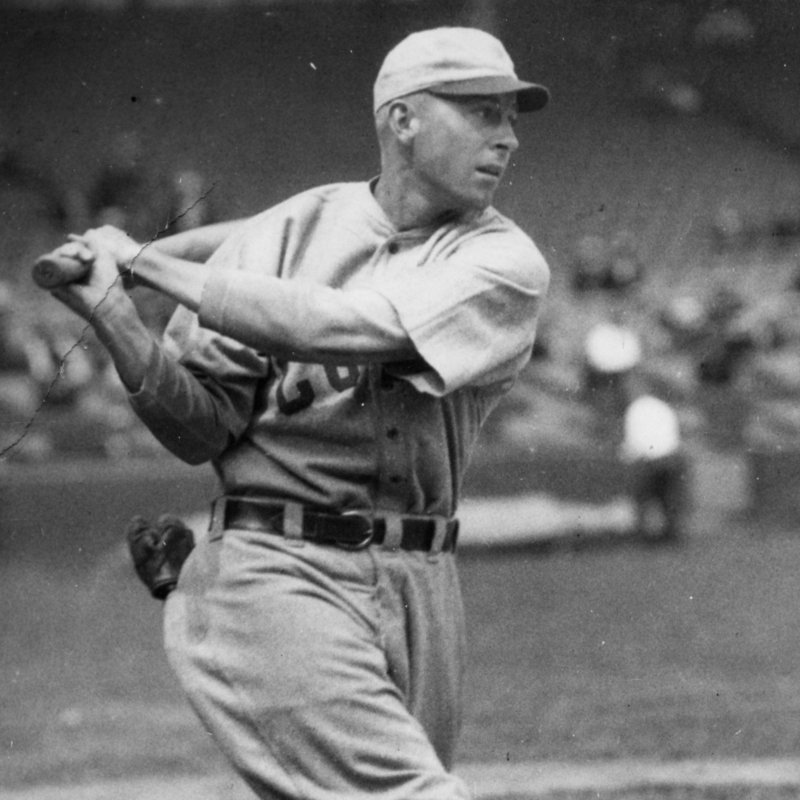 Charles Jacob Hollocher was born on June 11, 1896, in St. Louis, MO. According to his Society for American Baseball Research biography, Hollocher learned the game from sportswriter John B. Sheridan. This led Hollocher to the minor leagues, where his contract was eventually purchased by the Cubs before the 1918 season. Reportedly, the Cubs were trying to deal the young shortstop for Rogers Hornsby to no avail. That would be a blessing in disguise, as he would go on to hit a team-leading .316 in the 1918 season. His 5.5 FanGraphs WAR was fourth in all of baseball. Unfortunately for Hollocher and the Cubs, that 1918 season, when he was just 22 years old, was close to his peak. His average dropped to .270 in the 1919 season. Then came the health issues. According to The Capital Times, on June 9, 1920, he was pulled from the lineup with what doctors called ptomaine poisoning, or as it is now more commonly known, food poisoning. He would go on to hit .383 in 33 games following his return to the lineup, until the same thing would happen again. Hollocher was absent from the lineup from July 14 through July 24, with the Springfield News Sun reporting on July 21 that he lost 15 pounds during another bout with ptomaine poisoning. He returned to the lineup on July 24 and 25, however, that would be the end of Hollocher’s season. Per his SABR biography, it was announced on August 15 that he was hospitalized, and then on August 17 that he was released. He finished the season with a .319 batting average, but only managed to play in 80 games and notch 369 plate appearances. Despite all of that, Hollocher would, again, rebound. He hit .315 for the Cubs across the 1921 and 1922 seasons. Unfortunately, the star shortstop fell ill again before the 1923 season, with the Chicago Tribune reporting on February 16 that he was “down with a mild attack of flu.” On March 31, the Tribune followed up that Hollocher was “confined to bed at his home here, ushering from after effects of an attack of influenza last February.” This would delay the shortstop’s 1923 season debut until May 11, where he showed no signs of being hampered, sporting the typical high batting average that fans had come to expect from Charlie Hollocher. He was hitting .342 with a .410 on-base percentage on July 23. Alas, that was the last we’d see of Hollocher in 1923. The Associated Press quoted Hollocher on August 4 as saying that he was “feeling pretty rotten and have made up my mind to go home, take a rest, and forget baseball for the rest of this year.” It was reported in the Tribune in November of that year that “stories immediately started that Hollocher’s real purpose in ‘jumping’ the team was to force a trade that would send him to the Cardinals.” It was clear that people were becoming frustrated and speculating about the star shortstop’s consistent absence. Hollocher would again rejoin the Cubs for the 1924 season after a brief contract holdout, amidst reports that he was finally fully healthy. Despite those reports, he was not his typical self. He was hitting for just a .245 batting average through August 20 before he went missing from the lineup again. The Tribune followed up with the following on September 5, while expressing doubt that he would ever play again: ”Hollocher is a sick young man, and his failure to play regularly for the last couple months was due to that and nothing else. Several weeks ago he requested that he be excused for the balance of the season, but was urged to stay until the club could get a utility shortstop.” This was, indeed, the last time anyone would see Charlie Hollocher on a professional baseball field, despite several attempts at a comeback. It is reported in his SABR biography that Hollocher returned home to St. Louis where he operated a tavern, worked as an investigator for the prosecuting attorney’s office, and also worked as a watchman at a drive-in movie theater. This all, unfortunately, led to tragedy on August 14, 1940. According to multiple reports at that time, Charlie Hollocher was found dead, in his car, with a gun wound and a 16-gauge shotgun lying beneath one of his arms. There was a note on the dashboard to call his wife. He was 44 years old. According to his SABR biography, his wife said he was recently complaining of severe abdominal pains. It is also quoted that the Chicago Herald-American wrote the following: ”The death of Charley Hollocher at his own hand came as no surprise to baseball folks who knew the one-time Cub shortstop when he was rated the top man at his position in the big leagues. Even when he was breaking in at Portland, Oregon, Hollocher was a moody, neurotic boy.” There are multiple layers to the tragedy that was Charlie Hollocher. It would seem, through multiple reports, that the young man was suffering from some sort of chronic illness in his stomach, and not everybody took that particularly seriously. We’ll never truly know what happened, but it’s easy to imagine that the illness itself, never finding a true diagnosis, and not always being taken in earnest, took a toll on him mentally. Through it all, Hollocher’s .304 career batting average is 18th all-time in the history of the Chicago Cubs among players that had at least 1,000 plate appearances. His 23.7 fWAR in just seven seasons, some of which were shortened due to the illness, is 32nd. A lot of this has been lost to history. Personally, I had never heard of Hollocher until researching this series. It’s hard not to imagine what could have been. We are all fortunate to live in a time when both physical and mental health are given much more care, though it is still not taken seriously enough. Let the story of Charlie Hollocher serve as a reminder that you never know what another human being is going through. Be kind to each other.
 -
Charles Jacob Hollocher was born on June 11, 1896, in St. Louis, MO. According to his Society for American Baseball Research biography, Hollocher learned the game from sportswriter John B. Sheridan. This led Hollocher to the minor leagues, where his contract was eventually purchased by the Cubs before the 1918 season. Reportedly, the Cubs were trying to deal the young shortstop for Rogers Hornsby to no avail. That would be a blessing in disguise, as he would go on to hit a team-leading .316 in the 1918 season. His 5.5 FanGraphs WAR was fourth in all of baseball. Unfortunately for Hollocher and the Cubs, that 1918 season, when he was just 22 years old, was close to his peak. His average dropped to .270 in the 1919 season. Then came the health issues. According to The Capital Times, on June 9, 1920, he was pulled from the lineup with what doctors called ptomaine poisoning, or as it is now more commonly known, food poisoning. He would go on to hit .383 in 33 games following his return to the lineup, until the same thing would happen again. Hollocher was absent from the lineup from July 14 through July 24, with the Springfield News Sun reporting on July 21 that he lost 15 pounds during another bout with ptomaine poisoning. He returned to the lineup on July 24 and 25, however, that would be the end of Hollocher’s season. Per his SABR biography, it was announced on August 15 that he was hospitalized, and then on August 17 that he was released. He finished the season with a .319 batting average, but only managed to play in 80 games and notch 369 plate appearances. Despite all of that, Hollocher would, again, rebound. He hit .315 for the Cubs across the 1921 and 1922 seasons. Unfortunately, the star shortstop fell ill again before the 1923 season, with the Chicago Tribune reporting on February 16 that he was “down with a mild attack of flu.” On March 31, the Tribune followed up that Hollocher was “confined to bed at his home here, ushering from after effects of an attack of influenza last February.” This would delay the shortstop’s 1923 season debut until May 11, where he showed no signs of being hampered, sporting the typical high batting average that fans had come to expect from Charlie Hollocher. He was hitting .342 with a .410 on-base percentage on July 23. Alas, that was the last we’d see of Hollocher in 1923. The Associated Press quoted Hollocher on August 4 as saying that he was “feeling pretty rotten and have made up my mind to go home, take a rest, and forget baseball for the rest of this year.” It was reported in the Tribune in November of that year that “stories immediately started that Hollocher’s real purpose in ‘jumping’ the team was to force a trade that would send him to the Cardinals.” It was clear that people were becoming frustrated and speculating about the star shortstop’s consistent absence. Hollocher would again rejoin the Cubs for the 1924 season after a brief contract holdout, amidst reports that he was finally fully healthy. Despite those reports, he was not his typical self. He was hitting for just a .245 batting average through August 20 before he went missing from the lineup again. The Tribune followed up with the following on September 5, while expressing doubt that he would ever play again: ”Hollocher is a sick young man, and his failure to play regularly for the last couple months was due to that and nothing else. Several weeks ago he requested that he be excused for the balance of the season, but was urged to stay until the club could get a utility shortstop.” This was, indeed, the last time anyone would see Charlie Hollocher on a professional baseball field, despite several attempts at a comeback. It is reported in his SABR biography that Hollocher returned home to St. Louis where he operated a tavern, worked as an investigator for the prosecuting attorney’s office, and also worked as a watchman at a drive-in movie theater. This all, unfortunately, led to tragedy on August 14, 1940. According to multiple reports at that time, Charlie Hollocher was found dead, in his car, with a gun wound and a 16-gauge shotgun lying beneath one of his arms. There was a note on the dashboard to call his wife. He was 44 years old. According to his SABR biography, his wife said he was recently complaining of severe abdominal pains. It is also quoted that the Chicago Herald-American wrote the following: ”The death of Charley Hollocher at his own hand came as no surprise to baseball folks who knew the one-time Cub shortstop when he was rated the top man at his position in the big leagues. Even when he was breaking in at Portland, Oregon, Hollocher was a moody, neurotic boy.” There are multiple layers to the tragedy that was Charlie Hollocher. It would seem, through multiple reports, that the young man was suffering from some sort of chronic illness in his stomach, and not everybody took that particularly seriously. We’ll never truly know what happened, but it’s easy to imagine that the illness itself, never finding a true diagnosis, and not always being taken in earnest, took a toll on him mentally. Through it all, Hollocher’s .304 career batting average is 18th all-time in the history of the Chicago Cubs among players that had at least 1,000 plate appearances. His 23.7 fWAR in just seven seasons, some of which were shortened due to the illness, is 32nd. A lot of this has been lost to history. Personally, I had never heard of Hollocher until researching this series. It’s hard not to imagine what could have been. We are all fortunate to live in a time when both physical and mental health are given much more care, though it is still not taken seriously enough. Let the story of Charlie Hollocher serve as a reminder that you never know what another human being is going through. Be kind to each other. View full player
-
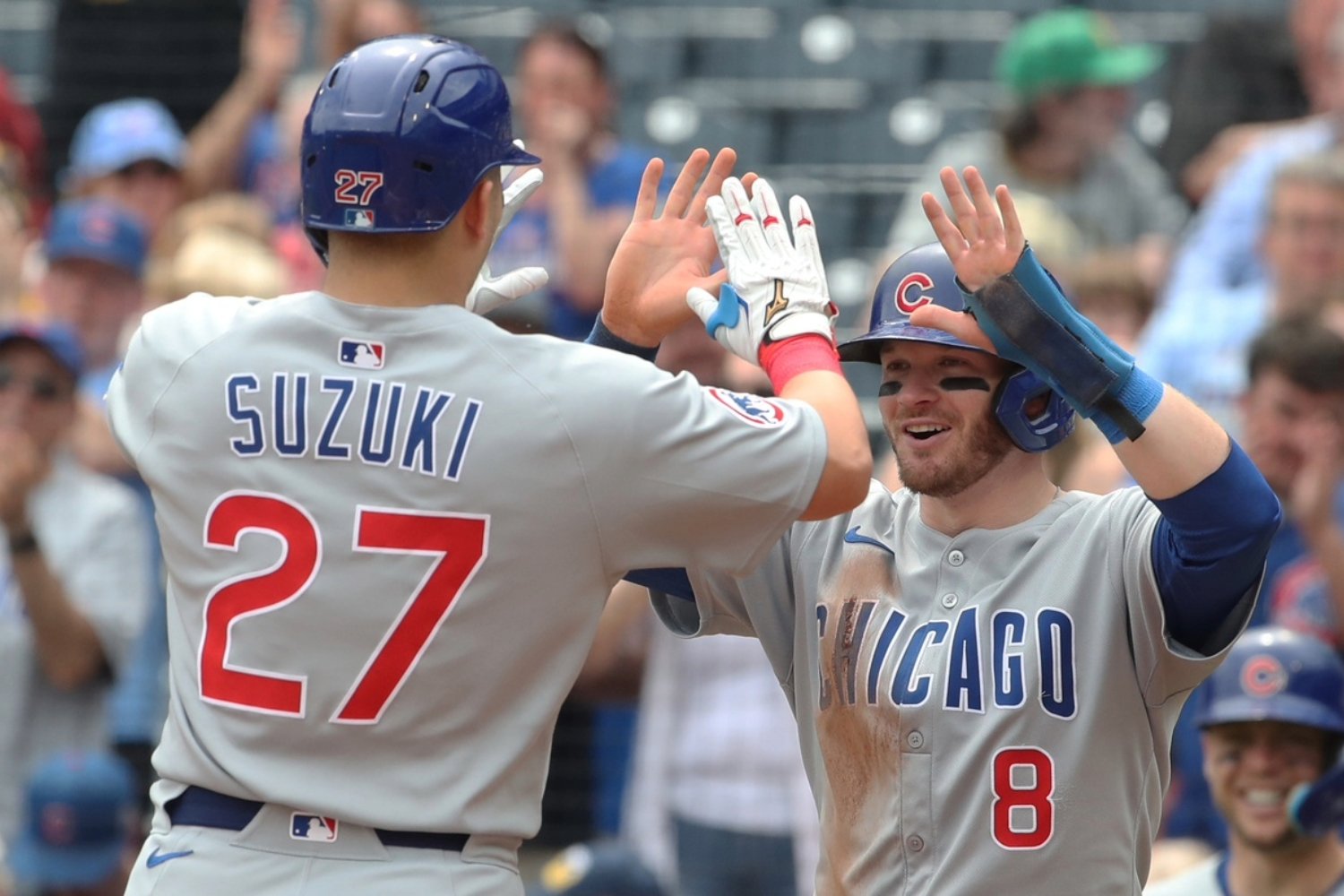 As the Chicago Cubs firmly enter offseason mode, they’ll explore all avenues in an attempt to make the team better for 2026. One of those avenues is via trade, which can sometimes involve pieces at the minor-league level, and can sometimes involve players at the big-league level, like the recent Marcus Semien for Brandon Nimmo trade. In this article, we’ll take a look at the Cubs’ 10 most important players on the major-league roster and consider their overall likelihood of being traded this winter. 10 - Seiya Suzuki Pros: Since his arrival in MLB, Suzuki has been one of the most productive offensive players around. Believe it or not, he has a 127 wRC+ since his MLB debut in 2022, which is 32nd in all of baseball. He’s ahead of players with much bigger names like Alex Bregman, William Contreras, Corbin Carroll, Austin Riley, and Fernando Tatis Jr. Cons: The obvious difference between Suzuki and each of those players named above is that all of those other guys play premium defensive positions, or at the very least, play a less-premium position very well. In 2024, Suzuki was worth -3 runs in the field, according to Baseball Savant’s Fielding Run Value, and thus shifted to designated hitter full time in 2025, which also brings his value down considerably. That, plus an unproductive second half of this past season, might leave a bad taste in some people’s mouths. Trade Likelihood: Low The Cubs don’t figure to be bringing Kyle Tucker back, and will probably be investing whatever money they have in the budget into the pitching staff. They’ll need Suzuki to cover right field full time again in 2026 (or DH, if Owen Caissie's glove is better suited for the field). 9 - Matt Shaw Pros: Shaw showed some potential of being an above-average everyday player in 2025, posting a 130 wRC+ after the All-Star break, to go along with 11 home runs. His fly ball rate and pull percentage all increased significantly, and that is basically what it boils down to: When he can get out in front of the ball and get it in the air, he’ll be a productive player. He showed significant progress towards being a viable every day third baseman in the field as the season progressed as well. Cons: When it was bad, it was really bad, and that came to fruition in the playoffs as Shaw went just 2-17 with seven strikeouts. He struggled against velocity all season, posting just a .281 wOBA and .195 batting average against pitches over 95mph, per Baseball Savant, which is a pretty standard offering from most pitchers in this day and age. Trade likelihood: Low It’s been reported that teams asked for Shaw at the trade deadline, and the Cubs balked at that request, so it would seem to me that they value Shaw a bit differently than the rest of the league. Value aside, the Cubs don’t really have anyone else in house to replace Shaw should they deal him, and as mentioned earlier, I’d expect most of their resources to be funneled towards pitching. I anticipate the former Maryland Terrapin to be at third base on Opening Day in 2026. 8 - Ian Happ Pros: Happ is the longest tenured Cub, and while I am certain front offices don’t value that much, I do! He has also been as consistent as it gets, putting up a batting line between 16 and 22 percent above league average, according to wRC+, and a FanGraphs WAR between 2.8 and 3.7 in each of the past four seasons. The veteran certainly isn’t a top-level player in baseball, but he is still a guy who the Cubs should be happy to pencil into their lineup every day going forward. Not to mention, he has a relatively affordable salary of $19m in 2026. Cons: It was already mentioned: Happ isn’t an elite hitter, and he doesn’t play a particularly valuable defensive position. He just is who he is at this point. At 31 years old, you probably wouldn’t expect him to improve a whole lot going forward. Trade likelihood: Low Point blank, Happ has a no-trade clause. Which is unfortunate, because if there is a position player that makes the most sense to deal, it’s probably the veteran left fielder. The Cubs have both Owen Caissie and Kevin Alcantara looking for big-league playing time, and Happ might be a desirable target for any team looking for reliable help in left field. I won’t complain about having to keep a guy like Happ around, but were it not for the no-trade clause, it might make sense from a team-building standpoint. 7 - Matthew Boyd Pros: Boyd was hands down the Cubs’ best pitcher in 2025, putting up a 3.21 ERA, a 3.65 FIP, and 3.4 fWAR en route to his first All-Star appearance. He was a major player in getting the Cubs back to the postseason for the first time since 2020. Cons: The veteran lefty, who eclipsed 100 innings for the first time since 2019, broke down a bit towards the end of the season. His ERA jumped from 2.34 in the first half to 4.63 in the second half, including an ugly 5.31 mark in September. A rough start in Game 1 of the NLDS likely sticks in a lot of people’s minds, though he did rebound for a good start to send the Cubs to Game 5 later in that series. Trade likelihood: Medium The Cubs already have the following starting pitchers on their 40-man roster: Boyd, Justin Steele, Jameson Taillon, Cade Horton, Shota Imanaga, Colin Rea, Javier Assad, Ben Brown, and Jordan Wicks. Jed Hoyer has been clear he would like to add starting pitching this winter, and if he manages to add a couple of names to that group, it’s entirely possible that the Cubs could look to deal Boyd while his value is high. 6 - Justin Steele Pros: From 2022 to 2024, Steele had the 15th-best fWAR in baseball and ninth-best ERA. He was a reliable top-of-the-rotation starter for three seasons. Cons: Even at his best, Steele has never been a big-time bat-misser, certainly not the level of some of the other top starters in baseball. That alone takes some shine off. Couple that with the fact that he is coming off of another elbow surgery, and we just have no idea what we can really expect from the southpaw in 2026. Trade likelihood: Low… for now The Cubs have had success working with Steele, and I’d imagine they’d want to try to bring his value back up in 2026 before looking to deal him. If things go well for him, but poorly for the Cubs, I wouldn’t be surprised if a deal is explored at the trade deadline in July, or at the very least, next offseason.
 -
Image courtesy of © Charles LeClaire-Imagn Images As the Chicago Cubs firmly enter offseason mode, they’ll explore all avenues in an attempt to make the team better for 2026. One of those avenues is via trade, which can sometimes involve pieces at the minor-league level, and can sometimes involve players at the big-league level, like the recent Marcus Semien for Brandon Nimmo trade. In this article, we’ll take a look at the Cubs’ 10 most important players on the major-league roster and consider their overall likelihood of being traded this winter. 10 - Seiya Suzuki Pros: Since his arrival in MLB, Suzuki has been one of the most productive offensive players around. Believe it or not, he has a 127 wRC+ since his MLB debut in 2022, which is 32nd in all of baseball. He’s ahead of players with much bigger names like Alex Bregman, William Contreras, Corbin Carroll, Austin Riley, and Fernando Tatis Jr. Cons: The obvious difference between Suzuki and each of those players named above is that all of those other guys play premium defensive positions, or at the very least, play a less-premium position very well. In 2024, Suzuki was worth -3 runs in the field, according to Baseball Savant’s Fielding Run Value, and thus shifted to designated hitter full time in 2025, which also brings his value down considerably. That, plus an unproductive second half of this past season, might leave a bad taste in some people’s mouths. Trade Likelihood: Low The Cubs don’t figure to be bringing Kyle Tucker back, and will probably be investing whatever money they have in the budget into the pitching staff. They’ll need Suzuki to cover right field full time again in 2026 (or DH, if Owen Caissie's glove is better suited for the field). 9 - Matt Shaw Pros: Shaw showed some potential of being an above-average everyday player in 2025, posting a 130 wRC+ after the All-Star break, to go along with 11 home runs. His fly ball rate and pull percentage all increased significantly, and that is basically what it boils down to: When he can get out in front of the ball and get it in the air, he’ll be a productive player. He showed significant progress towards being a viable every day third baseman in the field as the season progressed as well. Cons: When it was bad, it was really bad, and that came to fruition in the playoffs as Shaw went just 2-17 with seven strikeouts. He struggled against velocity all season, posting just a .281 wOBA and .195 batting average against pitches over 95mph, per Baseball Savant, which is a pretty standard offering from most pitchers in this day and age. Trade likelihood: Low It’s been reported that teams asked for Shaw at the trade deadline, and the Cubs balked at that request, so it would seem to me that they value Shaw a bit differently than the rest of the league. Value aside, the Cubs don’t really have anyone else in house to replace Shaw should they deal him, and as mentioned earlier, I’d expect most of their resources to be funneled towards pitching. I anticipate the former Maryland Terrapin to be at third base on Opening Day in 2026. 8 - Ian Happ Pros: Happ is the longest tenured Cub, and while I am certain front offices don’t value that much, I do! He has also been as consistent as it gets, putting up a batting line between 16 and 22 percent above league average, according to wRC+, and a FanGraphs WAR between 2.8 and 3.7 in each of the past four seasons. The veteran certainly isn’t a top-level player in baseball, but he is still a guy who the Cubs should be happy to pencil into their lineup every day going forward. Not to mention, he has a relatively affordable salary of $19m in 2026. Cons: It was already mentioned: Happ isn’t an elite hitter, and he doesn’t play a particularly valuable defensive position. He just is who he is at this point. At 31 years old, you probably wouldn’t expect him to improve a whole lot going forward. Trade likelihood: Low Point blank, Happ has a no-trade clause. Which is unfortunate, because if there is a position player that makes the most sense to deal, it’s probably the veteran left fielder. The Cubs have both Owen Caissie and Kevin Alcantara looking for big-league playing time, and Happ might be a desirable target for any team looking for reliable help in left field. I won’t complain about having to keep a guy like Happ around, but were it not for the no-trade clause, it might make sense from a team-building standpoint. 7 - Matthew Boyd Pros: Boyd was hands down the Cubs’ best pitcher in 2025, putting up a 3.21 ERA, a 3.65 FIP, and 3.4 fWAR en route to his first All-Star appearance. He was a major player in getting the Cubs back to the postseason for the first time since 2020. Cons: The veteran lefty, who eclipsed 100 innings for the first time since 2019, broke down a bit towards the end of the season. His ERA jumped from 2.34 in the first half to 4.63 in the second half, including an ugly 5.31 mark in September. A rough start in Game 1 of the NLDS likely sticks in a lot of people’s minds, though he did rebound for a good start to send the Cubs to Game 5 later in that series. Trade likelihood: Medium The Cubs already have the following starting pitchers on their 40-man roster: Boyd, Justin Steele, Jameson Taillon, Cade Horton, Shota Imanaga, Colin Rea, Javier Assad, Ben Brown, and Jordan Wicks. Jed Hoyer has been clear he would like to add starting pitching this winter, and if he manages to add a couple of names to that group, it’s entirely possible that the Cubs could look to deal Boyd while his value is high. 6 - Justin Steele Pros: From 2022 to 2024, Steele had the 15th-best fWAR in baseball and ninth-best ERA. He was a reliable top-of-the-rotation starter for three seasons. Cons: Even at his best, Steele has never been a big-time bat-misser, certainly not the level of some of the other top starters in baseball. That alone takes some shine off. Couple that with the fact that he is coming off of another elbow surgery, and we just have no idea what we can really expect from the southpaw in 2026. Trade likelihood: Low… for now The Cubs have had success working with Steele, and I’d imagine they’d want to try to bring his value back up in 2026 before looking to deal him. If things go well for him, but poorly for the Cubs, I wouldn’t be surprised if a deal is explored at the trade deadline in July, or at the very least, next offseason. View full article
-
Image courtesy of National Baseball Hall of Fame Photo Archives Welcome to part two of our offseason series covering the 1918 Chicago Cubs. In part one, we briefly recapped the 1917 season, examined the influence that World War 1 was potentially going to have on the 1918 season, and took a look at some of the big personnel changes the Cubs made. You can check that out here. Today, we’ll kick-off the season by checking in with the Cubs’ early results in both April and May. A Slow Start and a Major Loss The Cubs won their last four games of April to recover from a 2-3 start and finish the month at 6-3. Despite that hot streak, they were looking up in the standings at the 11-1 New York Giants, who scored 80 runs in those 12 games. The 6-3 start was of little concern when Grover Cleveland Alexander’s name was called in the draft. Alexander, who figured to be the team’s best starting pitcher, was set to serve in the United States Army and fight in World War I. According to the New York Times, he left to report to Camp Funston in Kansas on April 30. The star pitcher’s loss had a tremendous impact on the Cubs. He was only able to make three starts, posting a 1.73 ERA in limited duty.. However, I want to take a second to acknowledge the human impact this had on Alexander. He would not make his way back to the United States until almost exactly one year later, in April of 1919, when, according to the New York Times, he wanted to spend two weeks with his mother, and then two weeks to rest. Remarkably, Alexander was able to return to form following his reintroduction to baseball en route to his eventual Hall of Fame induction. He managed to collect 181 of his 373 career wins following his year in service, though he never managed to strike out as many guys as he did previously. This is particularly incredible when you consider this passage from the Hall of Famer’s Society for American Baseball Research (SABR) biography: ”Alexander spent seven weeks at the front under relentless bombardment that left him deaf in his left ear. Pulling the lanyard to fire the howitzers caused muscle damage in his right arm. He caught some shrapnel in his outer right ear, an injury thought not serious at the time, but which may have been the progenitor of cancer almost thirty years later. He was shell-shocked. Worst of all, the man who used to have a round or two with the guys and call it a day became alcoholic and epileptic, a condition possibly caused by the skulling he’d received in Galesburg. Alex tried to cover up his epilepsy using alcohol in the mistaken belief that it would alleviate the condition. Living in a world that believed epileptics to be touched by the devil, he knew it was more socially acceptable to be drunk.” Harrowing and disturbingly human, no? Some things truly are bigger than baseball. The 1918 Cubs thus had to move on without their best starting pitcher, but that impact simply pales in comparison to the impact that was felt by Grover Cleveland Alexander himself. A Win Streak and a Productive May The Cubs, who had Claude Hendrix starting games in place of Alexander, won their first five games of May, giving them a nine-game win streak, and an 11-3 record. Hendrix, however, struggled. After a two-run complete game to end April, he allowed six runs in each of his first two starts in May. He would settle down after a brief stint in the bullpen to finish the month with a 3.13 ERA. It all felt for naught. The New York Giants persisted, with the New York Times writing on May 6, 1918 that “the runaway race which the Giants are making the National League has the other clubs worried, and as each day passes it looks more and more as if there was no club East or West which would be able to stop McGraw’s juggernaut.” They enjoyed a 18-1 start to the season and a 4.5- game lead over the second-place Cubs on May 9. To make matters worse, Larry Doyle, who the Cubs had traded for Lefty Tyler that offseason, was a major factor in the Giants’ success. He posted a .426/.483/.722 batting line with two home runs through May 4. Unfortunately, he fell ill not long after, with the New York Times reporting on May 16 that he had to have surgery for an intestinal issue. Doyle wouldn’t play again until July 2. Having lost one of their most productive hitters up to that point, the Giants would lose five of six, and the Cubs had ample opportunity to cut into their deficit when they hosted the Giants for three games at Weeghman Park at the end of May. The Cubs went on to sweep that three-game set by the final scores of 7-4, 5-1, and 7-3. The team enjoyed four RBIs from new outfielder Dode Paskert in the opening contest, a complete game from Hippo Vaughn in the second game, and a four-hit game from Les Mann in the finale. This put the Cubs in a much better position to end the month of May. At 23-12, they were still 1.5 games behind the Giants, but that number seemed small compared to the 4.5-game lead it was just a few weeks earlier. Charlie Hollocher, Fred Merkle, Mann, and Paskert all had batting averages above .300. Vaughn was providing stability to a starting rotation that sorely needed it, posting a 1.34 ERA through the month of May. Led by Merkle, Mann, Paskert, and Hollocher, the offense was rolling, and despite the loss of Grover Cleveland Alexander, the pitching staff had allowed just 104 runs, which was second-lowest in baseball behind the Giants at 103. They were also due for some reinforcements. According to his SABR biography, Phil Douglas, who had pitched to a 2.55 ERA in 1917, missed the first couple of months of the season with appendicitis, but was due to return to pitching for the Cubs in June. There was plenty of reason for optimism going forward. View full article
-
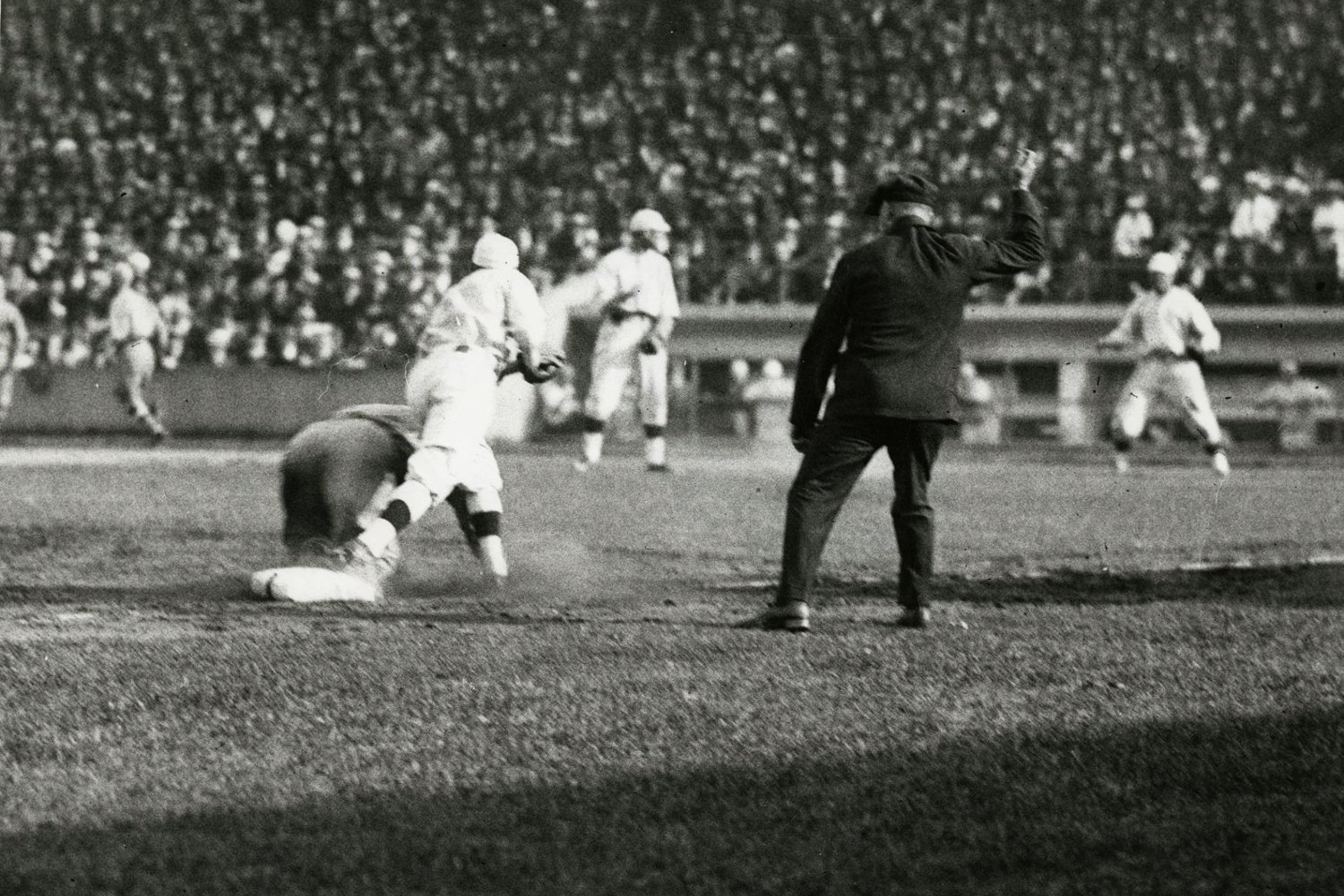 Welcome to part two of our offseason series covering the 1918 Chicago Cubs. In part one, we briefly recapped the 1917 season, examined the influence that World War 1 was potentially going to have on the 1918 season, and took a look at some of the big personnel changes the Cubs made. You can check that out here. Today, we’ll kick-off the season by checking in with the Cubs’ early results in both April and May. A Slow Start and a Major Loss The Cubs won their last four games of April to recover from a 2-3 start and finish the month at 6-3. Despite that hot streak, they were looking up in the standings at the 11-1 New York Giants, who scored 80 runs in those 12 games. The 6-3 start was of little concern when Grover Cleveland Alexander’s name was called in the draft. Alexander, who figured to be the team’s best starting pitcher, was set to serve in the United States Army and fight in World War I. According to the New York Times, he left to report to Camp Funston in Kansas on April 30. The star pitcher’s loss had a tremendous impact on the Cubs. He was only able to make three starts, posting a 1.73 ERA in limited duty.. However, I want to take a second to acknowledge the human impact this had on Alexander. He would not make his way back to the United States until almost exactly one year later, in April of 1919, when, according to the New York Times, he wanted to spend two weeks with his mother, and then two weeks to rest. Remarkably, Alexander was able to return to form following his reintroduction to baseball en route to his eventual Hall of Fame induction. He managed to collect 181 of his 373 career wins following his year in service, though he never managed to strike out as many guys as he did previously. This is particularly incredible when you consider this passage from the Hall of Famer’s Society for American Baseball Research (SABR) biography: ”Alexander spent seven weeks at the front under relentless bombardment that left him deaf in his left ear. Pulling the lanyard to fire the howitzers caused muscle damage in his right arm. He caught some shrapnel in his outer right ear, an injury thought not serious at the time, but which may have been the progenitor of cancer almost thirty years later. He was shell-shocked. Worst of all, the man who used to have a round or two with the guys and call it a day became alcoholic and epileptic, a condition possibly caused by the skulling he’d received in Galesburg. Alex tried to cover up his epilepsy using alcohol in the mistaken belief that it would alleviate the condition. Living in a world that believed epileptics to be touched by the devil, he knew it was more socially acceptable to be drunk.” Harrowing and disturbingly human, no? Some things truly are bigger than baseball. The 1918 Cubs thus had to move on without their best starting pitcher, but that impact simply pales in comparison to the impact that was felt by Grover Cleveland Alexander himself. A Win Streak and a Productive May The Cubs, who had Claude Hendrix starting games in place of Alexander, won their first five games of May, giving them a nine-game win streak, and an 11-3 record. Hendrix, however, struggled. After a two-run complete game to end April, he allowed six runs in each of his first two starts in May. He would settle down after a brief stint in the bullpen to finish the month with a 3.13 ERA. It all felt for naught. The New York Giants persisted, with the New York Times writing on May 6, 1918 that “the runaway race which the Giants are making the National League has the other clubs worried, and as each day passes it looks more and more as if there was no club East or West which would be able to stop McGraw’s juggernaut.” They enjoyed a 18-1 start to the season and a 4.5- game lead over the second-place Cubs on May 9. To make matters worse, Larry Doyle, who the Cubs had traded for Lefty Tyler that offseason, was a major factor in the Giants’ success. He posted a .426/.483/.722 batting line with two home runs through May 4. Unfortunately, he fell ill not long after, with the New York Times reporting on May 16 that he had to have surgery for an intestinal issue. Doyle wouldn’t play again until July 2. Having lost one of their most productive hitters up to that point, the Giants would lose five of six, and the Cubs had ample opportunity to cut into their deficit when they hosted the Giants for three games at Weeghman Park at the end of May. The Cubs went on to sweep that three-game set by the final scores of 7-4, 5-1, and 7-3. The team enjoyed four RBIs from new outfielder Dode Paskert in the opening contest, a complete game from Hippo Vaughn in the second game, and a four-hit game from Les Mann in the finale. This put the Cubs in a much better position to end the month of May. At 23-12, they were still 1.5 games behind the Giants, but that number seemed small compared to the 4.5-game lead it was just a few weeks earlier. Charlie Hollocher, Fred Merkle, Mann, and Paskert all had batting averages above .300. Vaughn was providing stability to a starting rotation that sorely needed it, posting a 1.34 ERA through the month of May. Led by Merkle, Mann, Paskert, and Hollocher, the offense was rolling, and despite the loss of Grover Cleveland Alexander, the pitching staff had allowed just 104 runs, which was second-lowest in baseball behind the Giants at 103. They were also due for some reinforcements. According to his SABR biography, Phil Douglas, who had pitched to a 2.55 ERA in 1917, missed the first couple of months of the season with appendicitis, but was due to return to pitching for the Cubs in June. There was plenty of reason for optimism going forward.
 -
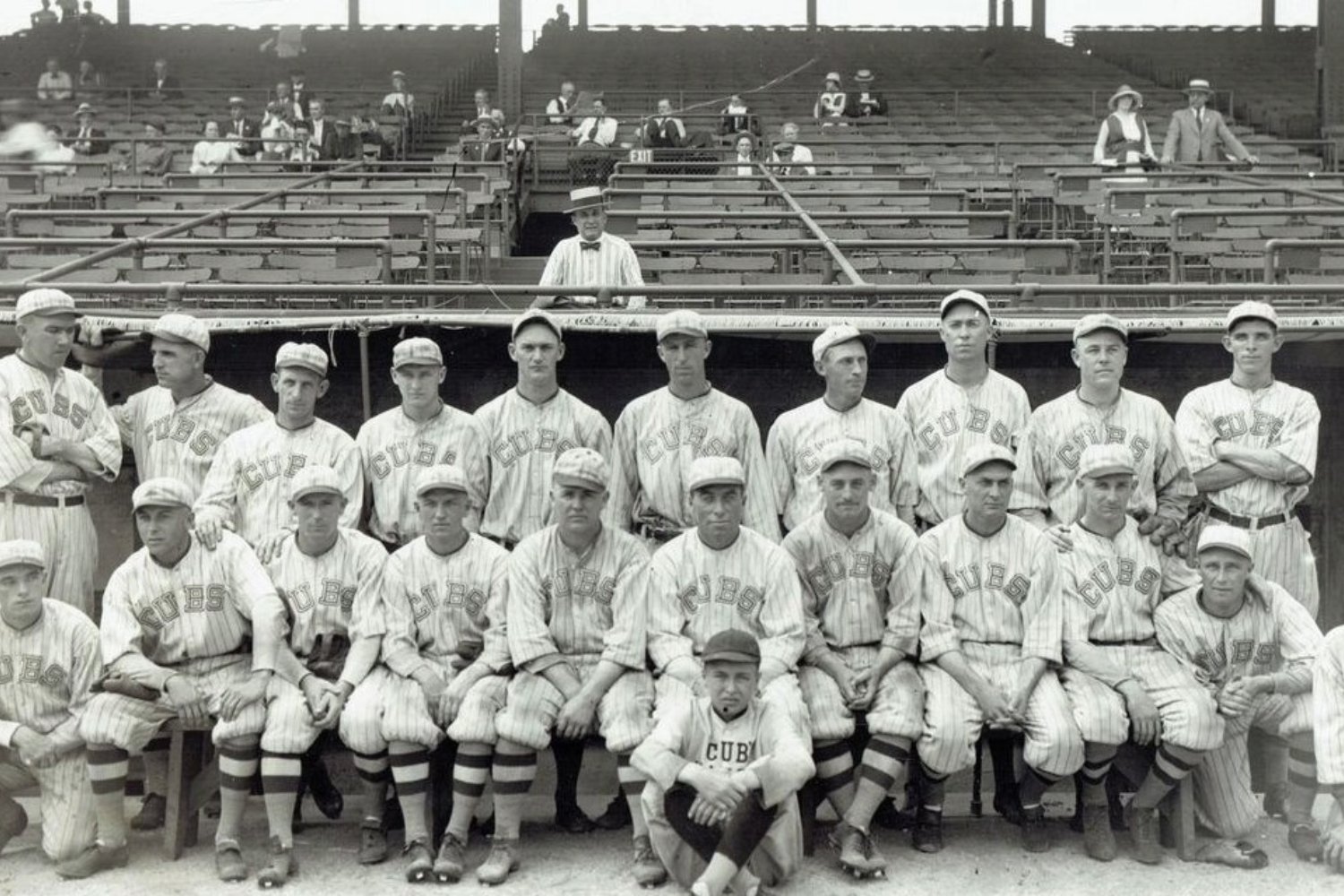 This offseason, we’re going to get in a time machine back to 1918. I’ll be doing a series of articles examining the 1918 Chicago Cubs. I’ll have game recaps, player profiles, summaries of major events, and all sorts of stuff in between. I plan on doing these chronologically, so you can feel like you are following along in real time. Today is the introduction—the pilot, if you will. I’ll briefly summarize the 1917 season for the Cubs, I’ll take a look at the state of baseball, and more importantly, the world, at that point in time, and I’ll run down some of the bigger offseason happenings for the Cubs. Huge shoutout to Baseball Reference and FanGraphs for all sorts of statistics and transaction history, and of course, the Society for American Baseball Research, which I will cite continuously in these pieces for their ability to track down and summarize all sorts of baseball history. Chicago Cubs' 1917 Season Recap The 1917 campaign was a frustrating season for the Cubs, as they went just 74-80-3 and failed to qualify for the postseason, which back then was just the World Series. This was despite holding a 25-16 record through the month of May. The team managed to score 552 runs, which was eighth among 16 teams, though their .239 batting average, which was a much more important statistic for baseball back then, was all the way down at 14th-best. Fred Merkle, Larry Doyle, and Les Mann were their only three full-time hitters to log above-average batting lines, according to wRC+ at FanGraphs. Pitching was perhaps a slightly different story, as their 2.62 ERA was seventh-best. The staff was anchored by Hippo Vaughn, who was one of the best pitchers in baseball at that time. His 2.01 ERA was 11th-best among qualified pitchers, and his 16.0 percent strikeout rate led all of baseball. Imagine that? Most famously, Vaughn pitched a game in 1917 where both he and his counterpart, Fred Toney of the Cincinnati Reds, threw no-hitters through the first nine innings of baseball. The Reds would inch ahead 1-0 in the tenth inning after breaking up Vaughn’s no-hit bid, and Toney would go on to complete his for the Cincinnati victory. The State of Baseball and the World If you know anything about history, you might already know that this time in history was a pretty significant time for the world. Way bigger than baseball, in fact. World War I officially began in 1914, and continued all the way until almost the end of 1918. The United States of America didn’t officially join until April of 1917, and while the war didn’t have a huge effect on that season, it was a large point of discussion in the months preceding the 1918 season. It would end up being a whole lot of discussion for very few resolutions, with the Sporting News reporting at the time that the two leagues “made no departures from previous regulations whatever, so far as was disclosed to the public.” The season would proceed as normal. There would be a tax implemented on ticket prices, though that was something that was mandated by the federal government. Ten percent of admission prices would go towards the war effort, but this actually increased ticket prices by more than 10 percent. You see, if a 25 cent ticket was only increased by 10 percent, that would make it a 28-cent ticket, and, according to the New York Times in January of 1918, “The baseball committee in Washington last Monday explained to the officials that if pennies were handled at the turnstiles at the baseball parks, hopeless confusion would result and it would be an impossible task to handle the big crowds which flock to the parks on Saturdays, holidays, and on double-header days.” Thus, a 25-cent ticket became 30 cents, a 75-cent ticket became 85 cents, and so on. Regardless, baseball would go on as scheduled, with many owners arguing that the public needed a distraction from the events that were happening overseas. The Cubs' Offseason In what is regarded as one of the most lopsided trades in baseball history, the Cubs dealt Pickles Dillhoefer, Mike Prendergast, and money to the Philadelphia Phillies for Bill Kiillefer and star pitcher Grover Alexander. Killefer would take over at catcher in 1918, and Alexander was pencilled into the starting rotation. The Cubs were also on the wrong end of a bad trade, though maybe not a historically bad one. They flipped Cy Williams for Dode Paskert, also of the Phillies. Williams would go on to club 217 home runs for the Phillies from 1918 to 1930, which might not feel like a lot nowadays, but it certainly was back then. That was third in all of baseball in that time frame, per FanGraphs, even if it was a far cry from Babe Ruth’s league-leading 556 home runs over that same stretch. Paskert would take over in center field for the 1918 Cubs coming off of a 1917 season in which he hit a robust .251/.331/.363, which was above average for the time. The aforementioned Merkle and Mann were both back to reassume their positions at first base and left field, respectively. Max Flack also returned to play right field despite hitting just .248/.325/.320 in 1917. In addition, 22-year-old Charlie Hollocher’s contract was purchased from the minor leagues. He was brought in to play shortstop, a position that badly needed fortification. Vaughn returned to front the rotation, and of course, had Alexander alongside him now. The Cubs also acquired Lefty Tyler in a trade with the Braves. Tyler’s 2.52 ERA in the 1917 season ranked 32nd among 73 qualified pitchers. Those three, plus returnees Claude Hendrix and Phil Douglas, who both pitched to ERAs in the mid-2s in 1917, figured to make up a strong pitching staff. Overall, a solid group of returning players from a team that had started the previous season off well, plus the acquisition of players like Alexander, gave the Cubs and their fans reason for hope heading into opening day of 1918. This series will continue in Part II!
 -
Image courtesy of Baseball History Comes Alive (SABR/Don Stokes) This offseason, we’re going to get in a time machine back to 1918. I’ll be doing a series of articles examining the 1918 Chicago Cubs. I’ll have game recaps, player profiles, summaries of major events, and all sorts of stuff in between. I plan on doing these chronologically, so you can feel like you are following along in real time. Today is the introduction—the pilot, if you will. I’ll briefly summarize the 1917 season for the Cubs, I’ll take a look at the state of baseball, and more importantly, the world, at that point in time, and I’ll run down some of the bigger offseason happenings for the Cubs. Huge shoutout to Baseball Reference and FanGraphs for all sorts of statistics and transaction history, and of course, the Society for American Baseball Research, which I will cite continuously in these pieces for their ability to track down and summarize all sorts of baseball history. Chicago Cubs' 1917 Season Recap The 1917 campaign was a frustrating season for the Cubs, as they went just 74-80-3 and failed to qualify for the postseason, which back then was just the World Series. This was despite holding a 25-16 record through the month of May. The team managed to score 552 runs, which was eighth among 16 teams, though their .239 batting average, which was a much more important statistic for baseball back then, was all the way down at 14th-best. Fred Merkle, Larry Doyle, and Les Mann were their only three full-time hitters to log above-average batting lines, according to wRC+ at FanGraphs. Pitching was perhaps a slightly different story, as their 2.62 ERA was seventh-best. The staff was anchored by Hippo Vaughn, who was one of the best pitchers in baseball at that time. His 2.01 ERA was 11th-best among qualified pitchers, and his 16.0 percent strikeout rate led all of baseball. Imagine that? Most famously, Vaughn pitched a game in 1917 where both he and his counterpart, Fred Toney of the Cincinnati Reds, threw no-hitters through the first nine innings of baseball. The Reds would inch ahead 1-0 in the tenth inning after breaking up Vaughn’s no-hit bid, and Toney would go on to complete his for the Cincinnati victory. The State of Baseball and the World If you know anything about history, you might already know that this time in history was a pretty significant time for the world. Way bigger than baseball, in fact. World War I officially began in 1914, and continued all the way until almost the end of 1918. The United States of America didn’t officially join until April of 1917, and while the war didn’t have a huge effect on that season, it was a large point of discussion in the months preceding the 1918 season. It would end up being a whole lot of discussion for very few resolutions, with the Sporting News reporting at the time that the two leagues “made no departures from previous regulations whatever, so far as was disclosed to the public.” The season would proceed as normal. There would be a tax implemented on ticket prices, though that was something that was mandated by the federal government. Ten percent of admission prices would go towards the war effort, but this actually increased ticket prices by more than 10 percent. You see, if a 25 cent ticket was only increased by 10 percent, that would make it a 28-cent ticket, and, according to the New York Times in January of 1918, “The baseball committee in Washington last Monday explained to the officials that if pennies were handled at the turnstiles at the baseball parks, hopeless confusion would result and it would be an impossible task to handle the big crowds which flock to the parks on Saturdays, holidays, and on double-header days.” Thus, a 25-cent ticket became 30 cents, a 75-cent ticket became 85 cents, and so on. Regardless, baseball would go on as scheduled, with many owners arguing that the public needed a distraction from the events that were happening overseas. The Cubs' Offseason In what is regarded as one of the most lopsided trades in baseball history, the Cubs dealt Pickles Dillhoefer, Mike Prendergast, and money to the Philadelphia Phillies for Bill Kiillefer and star pitcher Grover Alexander. Killefer would take over at catcher in 1918, and Alexander was pencilled into the starting rotation. The Cubs were also on the wrong end of a bad trade, though maybe not a historically bad one. They flipped Cy Williams for Dode Paskert, also of the Phillies. Williams would go on to club 217 home runs for the Phillies from 1918 to 1930, which might not feel like a lot nowadays, but it certainly was back then. That was third in all of baseball in that time frame, per FanGraphs, even if it was a far cry from Babe Ruth’s league-leading 556 home runs over that same stretch. Paskert would take over in center field for the 1918 Cubs coming off of a 1917 season in which he hit a robust .251/.331/.363, which was above average for the time. The aforementioned Merkle and Mann were both back to reassume their positions at first base and left field, respectively. Max Flack also returned to play right field despite hitting just .248/.325/.320 in 1917. In addition, 22-year-old Charlie Hollocher’s contract was purchased from the minor leagues. He was brought in to play shortstop, a position that badly needed fortification. Vaughn returned to front the rotation, and of course, had Alexander alongside him now. The Cubs also acquired Lefty Tyler in a trade with the Braves. Tyler’s 2.52 ERA in the 1917 season ranked 32nd among 73 qualified pitchers. Those three, plus returnees Claude Hendrix and Phil Douglas, who both pitched to ERAs in the mid-2s in 1917, figured to make up a strong pitching staff. Overall, a solid group of returning players from a team that had started the previous season off well, plus the acquisition of players like Alexander, gave the Cubs and their fans reason for hope heading into opening day of 1918. This series will continue in Part II! View full article
-
If you’re anything like me, you’ve been watching a lot of playoff baseball. Whether the Cubs are involved or not, it’s just something I do every October, like clockwork. Something I really enjoy doing, while watching, is trying to spot the small things that the two World Series teams are doing that other teams might try to emulate going forward. The most obvious one for this year's edition featuring the Los Angeles Dodgers and Toronto Blue Jays is to spend money. Both teams are in the top five in payroll, and will pay the luxury tax. I could wrap this piece up in three paragraphs. The Cubs need to spend more money. We all already knew that, though. We also know, in all likelihood, that it probably won’t happen—at least not to the extent that we want it to. So what else is there? If you’ve been watching the World Series to this point, you might have noticed that there are a whole lot of splitters being thrown. This is likely due to the starting pitchers who happened to be throwing in Games 1 and 2 of the series. Of the four pitchers who have started to this point, three (Trey Yesavage, Kevin Gausman, and Yoshinobu Yamamoto) heavily feature a splitter. With Max Scherzer and Tyler Glasnow set to start Game 3, you’ll probably be seeing fewer of them in the immediate future, but the trend prevails. According to Statcast, at 9.3% of their total pitches, the Blue Jays threw the most splitters in the regular season. The Dodgers, at 7.1%, were third. They’ve both doubled down on that in the postseason, too. The Blue Jays have upped their splitter usage to 15.4% in the playoffs, which is mostly a factor of the aforementioned Yesavage playing a greater role. The Dodgers have upped it to 9.4%, mostly thanks to increased splitter usage by Shohei Ohtani. Some of this is probably happenstance. Gausman, Yamamoto, Ohtani, and Yesavage are all good pitchers who happen to throw splitters. The former three all were throwing splitters before their current teams awarded them with big contracts. Yesavage credits his college pitching coach, Austin Knight, with teaching him a splitter, and was made a first-round pick last year partially because of the success of the pitch. This isn’t necessarily a case of the Blue Jays and Dodgers teaching guys how to throw a splitter better than everyone else. With that said, it’s hard to watch these guys use the pitch so effectively on the biggest stage in baseball and not wonder what the Cubs can do to better utilize the pitch among their staff. After all, the presence of the pitch has been slowly rising across baseball the past few years. All stats courtesy of FanGraphs: Year Splitter % 2025 3.3% 2024 3.0% 2023 2.2% 2021 1.6% The Cubs, for what it’s worth, were eighth in splitters thrown this season, with 4.9% of their pitches being splitters. That is mostly thanks to Shota Imanaga: 31.4% of his pitches this season were splitters. 12.1% of Colin Rea’s pitches were also splitters. No other Cub who worked more than 15 innings this year threw the pitch more than five percent of the time, and neither of those pitchers are guaranteed to be with the team for next season. There’s some recent history with the Cubs and trying to teach players a splitter. Just two years ago, they taught one to Jeremiah Estrada. According to an ESPN article by Alden Gonzalez, he never got comfortable with the pitch and came up with his own grip. Unfortunately, he wasn’t with the Cubs long enough for them to benefit from it. He was picked up by the San Diego Padres and has blossomed into one of the best relievers in baseball over the past two seasons, in large part due to his splitter. For those unaware, a splitter is typically thrown with your fingers “splitting” the baseball. You place the baseball in between two of your fingers, typically your index and middle finger. This allows the pitch to look like a fastball out of your hand until it drops suddenly at the last second because there’s so little spin on the ball. Here’s an example of a well-thrown splitter from Gausman on Saturday night: TDZYZE1fV0ZRVkV3dEdEUT09X0JnZ0RWMXdEVjFNQUNGQUtWUUFIQWxBSEFBQUhVVkVBVjFkUkNWSURDVkJUQWxOZg==.mp4 The pitch is typically effective against opposite-handed hitters. If anyone remembers, this is why the Cubs used to bring the splitter-heavy Mark Leiter Jr. in to face left-handed hitters. Can you think of anyone on the Cubs who has struggled against opposite-handed hitters and could use a new pitch? Of course. That would be Ben Brown. I’m aware it’s much more complicated than that, and there are just so many factors at play with whether or not a pitcher learns to throw a pitch effectively enough to get major-league hitters out with it. Regardless, as you watch all of these pitchers continue to dazzle with their splitters in the World Series, keep this tucked in the back of your brain throughout the offseason. Splitters have been slowly proliferating over the past several seasons, and with them taking the spotlight in the World Series, it wouldn’t shock me if a Cubs player shows up to Spring Training in February with a fancy new splitter. View full article
-
 If you’re anything like me, you’ve been watching a lot of playoff baseball. Whether the Cubs are involved or not, it’s just something I do every October, like clockwork. Something I really enjoy doing, while watching, is trying to spot the small things that the two World Series teams are doing that other teams might try to emulate going forward. The most obvious one for this year's edition featuring the Los Angeles Dodgers and Toronto Blue Jays is to spend money. Both teams are in the top five in payroll, and will pay the luxury tax. I could wrap this piece up in three paragraphs. The Cubs need to spend more money. We all already knew that, though. We also know, in all likelihood, that it probably won’t happen—at least not to the extent that we want it to. So what else is there? If you’ve been watching the World Series to this point, you might have noticed that there are a whole lot of splitters being thrown. This is likely due to the starting pitchers who happened to be throwing in Games 1 and 2 of the series. Of the four pitchers who have started to this point, three (Trey Yesavage, Kevin Gausman, and Yoshinobu Yamamoto) heavily feature a splitter. With Max Scherzer and Tyler Glasnow set to start Game 3, you’ll probably be seeing fewer of them in the immediate future, but the trend prevails. According to Statcast, at 9.3% of their total pitches, the Blue Jays threw the most splitters in the regular season. The Dodgers, at 7.1%, were third. They’ve both doubled down on that in the postseason, too. The Blue Jays have upped their splitter usage to 15.4% in the playoffs, which is mostly a factor of the aforementioned Yesavage playing a greater role. The Dodgers have upped it to 9.4%, mostly thanks to increased splitter usage by Shohei Ohtani. Some of this is probably happenstance. Gausman, Yamamoto, Ohtani, and Yesavage are all good pitchers who happen to throw splitters. The former three all were throwing splitters before their current teams awarded them with big contracts. Yesavage credits his college pitching coach, Austin Knight, with teaching him a splitter, and was made a first-round pick last year partially because of the success of the pitch. This isn’t necessarily a case of the Blue Jays and Dodgers teaching guys how to throw a splitter better than everyone else. With that said, it’s hard to watch these guys use the pitch so effectively on the biggest stage in baseball and not wonder what the Cubs can do to better utilize the pitch among their staff. After all, the presence of the pitch has been slowly rising across baseball the past few years. All stats courtesy of FanGraphs: Year Splitter % 2025 3.3% 2024 3.0% 2023 2.2% 2021 1.6% The Cubs, for what it’s worth, were eighth in splitters thrown this season, with 4.9% of their pitches being splitters. That is mostly thanks to Shota Imanaga: 31.4% of his pitches this season were splitters. 12.1% of Colin Rea’s pitches were also splitters. No other Cub who worked more than 15 innings this year threw the pitch more than five percent of the time, and neither of those pitchers are guaranteed to be with the team for next season. There’s some recent history with the Cubs and trying to teach players a splitter. Just two years ago, they taught one to Jeremiah Estrada. According to an ESPN article by Alden Gonzalez, he never got comfortable with the pitch and came up with his own grip. Unfortunately, he wasn’t with the Cubs long enough for them to benefit from it. He was picked up by the San Diego Padres and has blossomed into one of the best relievers in baseball over the past two seasons, in large part due to his splitter. For those unaware, a splitter is typically thrown with your fingers “splitting” the baseball. You place the baseball in between two of your fingers, typically your index and middle finger. This allows the pitch to look like a fastball out of your hand until it drops suddenly at the last second because there’s so little spin on the ball. Here’s an example of a well-thrown splitter from Gausman on Saturday night: TDZYZE1fV0ZRVkV3dEdEUT09X0JnZ0RWMXdEVjFNQUNGQUtWUUFIQWxBSEFBQUhVVkVBVjFkUkNWSURDVkJUQWxOZg==.mp4 The pitch is typically effective against opposite-handed hitters. If anyone remembers, this is why the Cubs used to bring the splitter-heavy Mark Leiter Jr. in to face left-handed hitters. Can you think of anyone on the Cubs who has struggled against opposite-handed hitters and could use a new pitch? Of course. That would be Ben Brown. I’m aware it’s much more complicated than that, and there are just so many factors at play with whether or not a pitcher learns to throw a pitch effectively enough to get major-league hitters out with it. Regardless, as you watch all of these pitchers continue to dazzle with their splitters in the World Series, keep this tucked in the back of your brain throughout the offseason. Splitters have been slowly proliferating over the past several seasons, and with them taking the spotlight in the World Series, it wouldn’t shock me if a Cubs player shows up to Spring Training in February with a fancy new splitter.
 -
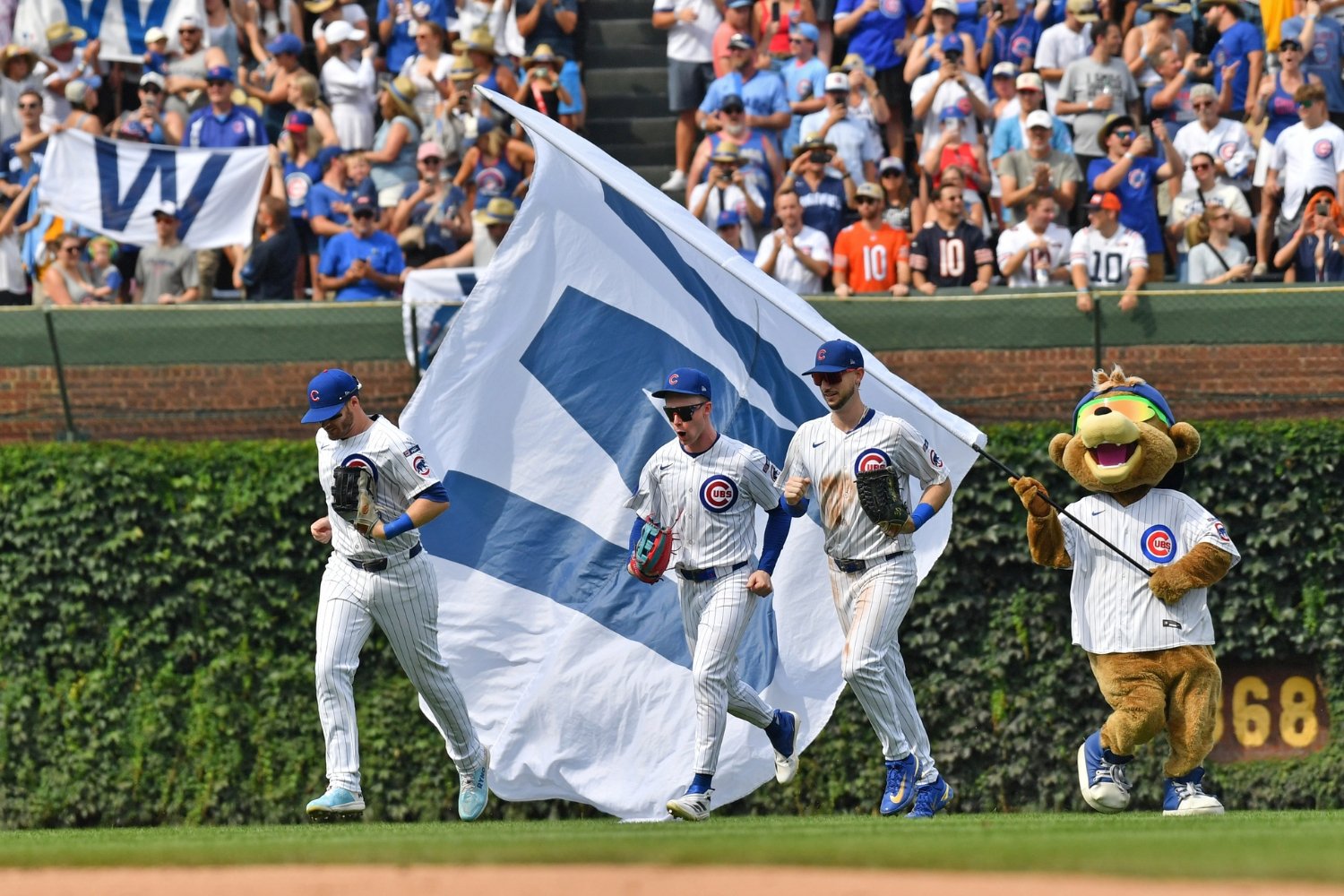 The outfield figured to be the Chicago Cubs’ strongest position group coming into the season, and believe it or not, they did perform as such. The group’s 122 wRC+ was second in baseball behind the Yankees, and they posted 14.3 WAR, which was third, according to FanGraphs. It makes sense. They added Kyle Tucker to the fold in hopes of bolstering the lineup with a superstar-level player. They were going to get a full season of Pete Crow-Armstrong, and while there were several questions with the bat, there was no doubt he was going to help defensively. Ian Happ has been as consistent as they come. That doesn’t even factor in Seiya Suzuki, who was hoping to continue improving into one of the league’s best hitters this season. It ended up being a bit of an up-and-down campaign for this group, but nonetheless, a successful one. Let’s take a look at how each player performed this season: Ian Happ: C I have no choice but to grade each player based on their expectations, and thus, I have no choice but to give Ian Happ a C. The veteran has been as consistent as it gets over the past four seasons, posting metronomic wRC+ numbers: 122, 118, 121, and 116. Unfortunately for the Cubs and Happ, 116 is the low figure, and that number was produced this season. Combine that with a weird decline in baserunning, and he put together 2.8 fWAR after three straight seasons of producing at least three wins. That’s still good, of course. While nobody gets overly excited about a three-WAR player, that’s still a player that everyone will take on their team every day. As I continue to watch postseason baseball, I have found myself wondering what the national perception is of Happ vs. Randy Arozarena. Happ has outproduced Arozarena over the past four years, per fWAR, but it feels like Arozarena gets a little bit more national attention because of some of his big playoff moments. Happ had one playoff moment this year. Let’s hope for more to come. Pete Crow-Armstrong: B I really struggled with this grade, and I am sure it’ll be the most polarizing. Crow-Armstrong had what I am now referring to as a Game of Thrones season (potential spoilers coming!). He had an elite first half of the season, with a 131 wRC+ and 4.6 fWAR, and was a legitimate threat to steal the National League MVP award from Shohei Ohtani. We all knew it was probably unlikely to happen, but it wasn’t completely insane to think. Then, he kind of forgot about the Iron Fleet (this is a joke for at least one person) and put up a 72 wRC+ and 0.8 WAR in the second half. He wasn’t much better in the playoffs, either. He failed at the most recent, and most crucial, part of the season, and that’s going to leave a bad taste in a lot of fans’ mouths this offseason. The landing wasn’t stuck. That doesn’t negate what he did in the first half, though, just like the last couple of seasons of GoT don’t negate all the awesome moments that preceded it. We still have Hardhome, and we still have the grand slam in May against the Reds, among many other highlights. If you’d had told any Cubs fan prior to this season that the young center fielder would put up a 109 wRC+ and 5.4 fWAR for the full season, they would have taken that in a heartbeat. So, I have no choice but to give a good grade here. Besides, Game of Thrones is still one of the best rated television shows on IMDb. Kyle Tucker: C Both Tucker and the next player on this list had similar seasons to Crow-Armstrong, except the highs weren’t quite as high, and the lows weren’t quite as low. Despite everything that feels so incomplete about Tucker’s season—the injuries, the slow second half, etc.—he was still a top-30 offensive player in baseball by fWAR, and a top-20 hitter. Tucker ended up right back where he was in Houston during his 2021, 2022, and 2023 seasons. Rightly or wrongly, fans in Chicago expected a bit more. After all, he did post a 179 wRC+ in an injury-shortened season just last year, and that dropped to 136 this season. Was 179 ever realistic? Probably not, but it gave us all reason to believe this was a potential super superstar, and not someone who is just going to consistently post really good seasons. Not that that is even a bad thing. Also, only 22 home runs on his stat line this season sticks out like a sore thumb. All in all, it almost feels as if Tucker’s first, and likely lone, season with the Cubs was incomplete. It wasn’t bad by any stretch of the imagination, but it also hasn’t left Cubs fans clamoring for the team to re-sign him. For what it’s worth, I’d still pay him in free agency; consistently elite bats are hard to find, even if Tucker's ceiling never again goes beyond that. Seiya Suzuki: C This is another one that I really struggled with. Suzuki had an incredibly productive first half of the season, slugging 25 home runs, however, a lot of those home runs came at the expense of his ability to get on base, both with a walk, or with any hit other than a home run. Then, when the home runs stopped coming as often in the second half, things crumbled for Suzuki for a good long while before he finally righted himself at the best possible time. I upped the grade from a D to a C because he proved to be one of the Cubs’ few reliable hitters in the playoffs, along with Michael Busch and Nico Hoerner. With that said, it’s still hard not to view this season as a disappointment for the Japanese star. After steadily increasing his wRC+ in each of his first three seasons in the United States, his 123 wRC+ this year was his lowest since his rookie campaign. If we want positives for next season, it should be noted that Suzuki posted a 152 wRC+ when he played the field this year, compared to a 109 wRC+ when he was the designated hitter. I’m not convinced that is anything other than a coincidence, though it at least bears monitoring if the Cubs let Tucker walk and reinstall Suzuki as their full-time right fielder again in 2026. Bench: Incomplete Outside of those four players, the Cubs only gave 102 plate appearances to any other player at an outfield position. Willi Castro led the way with 62 plate appearances, followed up by Owen Caissie with 19, Kevin Alcantara with 12, and Vidal Brujan with 9. None of them, save for Caissie, were particularly productive with that time. It was also so few and far between that it doesn’t feel fair to give them a poor grade. If the Cubs have one smaller thing to accomplish this offseason, it’s making sure they have a backup center fielder on the roster that they are comfortable starting for Pete Crow-Armstrong on days where there are tough lefties on the mound. It’s hard to take his defense out of the game, but it was clear by the end of the season that he could have used an extra couple of days off every month or so throughout the regular season. He can always be installed for defense later in the game. In the end, the Cubs' lack of outfield depth didn't come back to bite them too bad in 2025, and with Caissie ready for a full-time gig at the MLB level, there isn't a pressing need to overhaul the position group, even with Tucker set to leave. It was mostly a ho-hum season for the outfield corps, but given how high expectations were coming into the season, merely meeting them is an achievement itself.
 -
Image courtesy of © Patrick Gorski-Imagn Images The outfield figured to be the Chicago Cubs’ strongest position group coming into the season, and believe it or not, they did perform as such. The group’s 122 wRC+ was second in baseball behind the Yankees, and they posted 14.3 WAR, which was third, according to FanGraphs. It makes sense. They added Kyle Tucker to the fold in hopes of bolstering the lineup with a superstar-level player. They were going to get a full season of Pete Crow-Armstrong, and while there were several questions with the bat, there was no doubt he was going to help defensively. Ian Happ has been as consistent as they come. That doesn’t even factor in Seiya Suzuki, who was hoping to continue improving into one of the league’s best hitters this season. It ended up being a bit of an up-and-down campaign for this group, but nonetheless, a successful one. Let’s take a look at how each player performed this season: Ian Happ: C I have no choice but to grade each player based on their expectations, and thus, I have no choice but to give Ian Happ a C. The veteran has been as consistent as it gets over the past four seasons, posting metronomic wRC+ numbers: 122, 118, 121, and 116. Unfortunately for the Cubs and Happ, 116 is the low figure, and that number was produced this season. Combine that with a weird decline in baserunning, and he put together 2.8 fWAR after three straight seasons of producing at least three wins. That’s still good, of course. While nobody gets overly excited about a three-WAR player, that’s still a player that everyone will take on their team every day. As I continue to watch postseason baseball, I have found myself wondering what the national perception is of Happ vs. Randy Arozarena. Happ has outproduced Arozarena over the past four years, per fWAR, but it feels like Arozarena gets a little bit more national attention because of some of his big playoff moments. Happ had one playoff moment this year. Let’s hope for more to come. Pete Crow-Armstrong: B I really struggled with this grade, and I am sure it’ll be the most polarizing. Crow-Armstrong had what I am now referring to as a Game of Thrones season (potential spoilers coming!). He had an elite first half of the season, with a 131 wRC+ and 4.6 fWAR, and was a legitimate threat to steal the National League MVP award from Shohei Ohtani. We all knew it was probably unlikely to happen, but it wasn’t completely insane to think. Then, he kind of forgot about the Iron Fleet (this is a joke for at least one person) and put up a 72 wRC+ and 0.8 WAR in the second half. He wasn’t much better in the playoffs, either. He failed at the most recent, and most crucial, part of the season, and that’s going to leave a bad taste in a lot of fans’ mouths this offseason. The landing wasn’t stuck. That doesn’t negate what he did in the first half, though, just like the last couple of seasons of GoT don’t negate all the awesome moments that preceded it. We still have Hardhome, and we still have the grand slam in May against the Reds, among many other highlights. If you’d had told any Cubs fan prior to this season that the young center fielder would put up a 109 wRC+ and 5.4 fWAR for the full season, they would have taken that in a heartbeat. So, I have no choice but to give a good grade here. Besides, Game of Thrones is still one of the best rated television shows on IMDb. Kyle Tucker: C Both Tucker and the next player on this list had similar seasons to Crow-Armstrong, except the highs weren’t quite as high, and the lows weren’t quite as low. Despite everything that feels so incomplete about Tucker’s season—the injuries, the slow second half, etc.—he was still a top-30 offensive player in baseball by fWAR, and a top-20 hitter. Tucker ended up right back where he was in Houston during his 2021, 2022, and 2023 seasons. Rightly or wrongly, fans in Chicago expected a bit more. After all, he did post a 179 wRC+ in an injury-shortened season just last year, and that dropped to 136 this season. Was 179 ever realistic? Probably not, but it gave us all reason to believe this was a potential super superstar, and not someone who is just going to consistently post really good seasons. Not that that is even a bad thing. Also, only 22 home runs on his stat line this season sticks out like a sore thumb. All in all, it almost feels as if Tucker’s first, and likely lone, season with the Cubs was incomplete. It wasn’t bad by any stretch of the imagination, but it also hasn’t left Cubs fans clamoring for the team to re-sign him. For what it’s worth, I’d still pay him in free agency; consistently elite bats are hard to find, even if Tucker's ceiling never again goes beyond that. Seiya Suzuki: C This is another one that I really struggled with. Suzuki had an incredibly productive first half of the season, slugging 25 home runs, however, a lot of those home runs came at the expense of his ability to get on base, both with a walk, or with any hit other than a home run. Then, when the home runs stopped coming as often in the second half, things crumbled for Suzuki for a good long while before he finally righted himself at the best possible time. I upped the grade from a D to a C because he proved to be one of the Cubs’ few reliable hitters in the playoffs, along with Michael Busch and Nico Hoerner. With that said, it’s still hard not to view this season as a disappointment for the Japanese star. After steadily increasing his wRC+ in each of his first three seasons in the United States, his 123 wRC+ this year was his lowest since his rookie campaign. If we want positives for next season, it should be noted that Suzuki posted a 152 wRC+ when he played the field this year, compared to a 109 wRC+ when he was the designated hitter. I’m not convinced that is anything other than a coincidence, though it at least bears monitoring if the Cubs let Tucker walk and reinstall Suzuki as their full-time right fielder again in 2026. Bench: Incomplete Outside of those four players, the Cubs only gave 102 plate appearances to any other player at an outfield position. Willi Castro led the way with 62 plate appearances, followed up by Owen Caissie with 19, Kevin Alcantara with 12, and Vidal Brujan with 9. None of them, save for Caissie, were particularly productive with that time. It was also so few and far between that it doesn’t feel fair to give them a poor grade. If the Cubs have one smaller thing to accomplish this offseason, it’s making sure they have a backup center fielder on the roster that they are comfortable starting for Pete Crow-Armstrong on days where there are tough lefties on the mound. It’s hard to take his defense out of the game, but it was clear by the end of the season that he could have used an extra couple of days off every month or so throughout the regular season. He can always be installed for defense later in the game. In the end, the Cubs' lack of outfield depth didn't come back to bite them too bad in 2025, and with Caissie ready for a full-time gig at the MLB level, there isn't a pressing need to overhaul the position group, even with Tucker set to leave. It was mostly a ho-hum season for the outfield corps, but given how high expectations were coming into the season, merely meeting them is an achievement itself. View full article
-
Image courtesy of © Matt Marton-Imagn Images The Chicago Cubs immediately put themselves in the driver’s seat of Wednesday’s season-saving victory over the Milwaukee Brewers with a big, four-run first inning. In the process, they broke the team’s streak of scoring three or fewer runs in 13 consecutive playoff games, and we all better thank our lucky stars for that. They needed every one of those four runs, and they can’t score after the first inning, for some reason. Pete Crow-Armstrong was arguably the most important cog in that first-inning rally. The young center fielder stepped to the plate with the bases loaded and two outs. This felt even bigger than that, though, given that Carson Kelly struck out just before Crow-Armstrong came to the plate. Had the Cubs come away from that rally with only one run (and that one, really, disconnected from the rally itself, because it came on a Michael Busch leadoff homer), it would have been devastating. It certainly felt like they should have had more. If you want to follow along with this by rewatching the whole at-bat, you can do so here, via MLB's YouTube channel. Quinn Priester started Crow-Armstrong with a slider that began in the strike zone, and broke just below it. Predictably, being the swing-happy player that he is, Crow-Armstrong swung through the pitch for strike one: This is nothing new. Crow-Armstrong swung at pitches outside of the strike zone 41.9 percent of the time this year, according to FanGraphs. That was the third-highest rate in baseball. In the playoffs, coming into this game, that number was up to 46.8%. If you execute a breaking ball just below the zone, you’re going to get a swing and a miss much of the time. From there, Priester went even lower, opting for an 0-1 slider in the dirt, and then a 1-1 sinker at about the same spot. These might seem egregiously low, like you or I could lay off these pitches. However, in this postseason, Crow-Armstrong had swung at three of nine pitches in the waste zone, per Baseball Savant. Heck, he struck out on a pitch down there later in this very game, and here he is striking out on a very similar pitch just last game: NXlkRFBfV0ZRVkV3dEdEUT09X1ZRQUFCZ2NDVWxFQVhWTUVCQUFIVlZWVEFGbFdVZ0FBVkYwRFZRZFFCQUZUVmdOUw==.mp4 It’s called the waste zone because it’s typically where pitchers waste pitches, to get the hitter thinking about something else. You might get a swing out of a particularly aggressive hitter, or on a particularly nasty pitch, but not in most cases. The big problem with Crow-Armstrong lately has been that he's that hitter who gets himself out for you much of the time. In this huge moment, however, he managed not to expand, twice in a row. So now, Crow-Armstrong is right back in this plate appearance after chasing a ball on the first pitch. He laid off two pitches that have been kryptonite for him so far in these playoffs. You likely know what happened next: He got a 2-1 slider that hung over the middle of the plate, and he lined it into right field for a big two-out hit. He was patient, waited for his pitch, got it, and did damage with it. After that, he took off to steal second base, and William Contreras, in his haste to attempt to throw Crow-Armstrong out, let the ball pass him by, which allowed Ian Happ to score the Cubs’ fourth run of the inning—the run that ultimately guaranteed they’d win the game. It hasn’t always been pretty for Crow-Armstrong in these playoffs. Really, since start of the second half of the season, it's all been ugly. Even the good has been ugly. Watching him adjust in real time, lock in, and produce a big hit for the Cubs in such a huge moment was really rewarding, though, and without it, I am confident in saying that I’d currently be writing about the end of the Cubs’ season. Instead, we have a Game 4 to look forward to. View full article
-
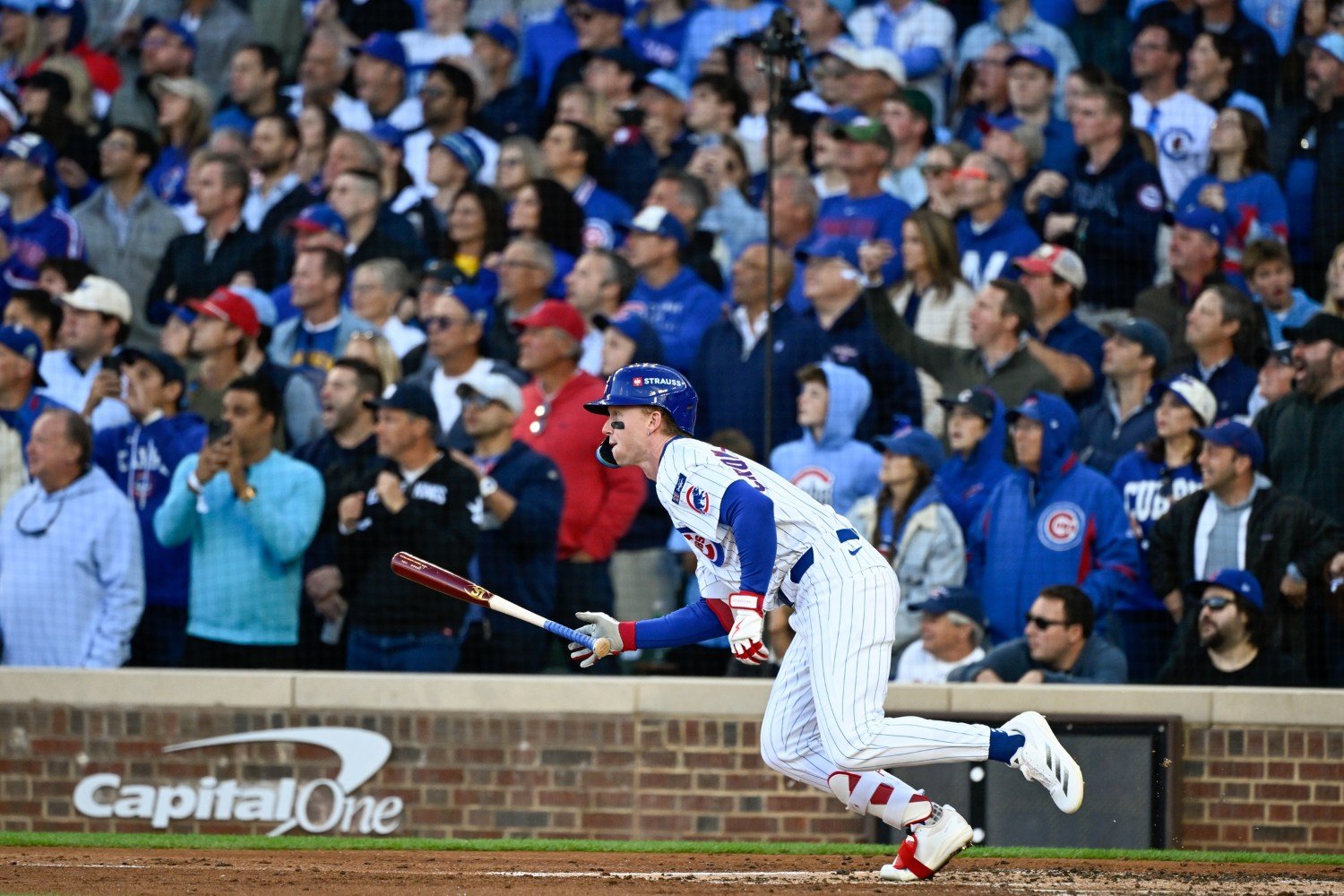 The Chicago Cubs immediately put themselves in the driver’s seat of Wednesday’s season-saving victory over the Milwaukee Brewers with a big, four-run first inning. In the process, they broke the team’s streak of scoring three or fewer runs in 13 consecutive playoff games, and we all better thank our lucky stars for that. They needed every one of those four runs, and they can’t score after the first inning, for some reason. Pete Crow-Armstrong was arguably the most important cog in that first-inning rally. The young center fielder stepped to the plate with the bases loaded and two outs. This felt even bigger than that, though, given that Carson Kelly struck out just before Crow-Armstrong came to the plate. Had the Cubs come away from that rally with only one run (and that one, really, disconnected from the rally itself, because it came on a Michael Busch leadoff homer), it would have been devastating. It certainly felt like they should have had more. If you want to follow along with this by rewatching the whole at-bat, you can do so here, via MLB's YouTube channel. Quinn Priester started Crow-Armstrong with a slider that began in the strike zone, and broke just below it. Predictably, being the swing-happy player that he is, Crow-Armstrong swung through the pitch for strike one: This is nothing new. Crow-Armstrong swung at pitches outside of the strike zone 41.9 percent of the time this year, according to FanGraphs. That was the third-highest rate in baseball. In the playoffs, coming into this game, that number was up to 46.8%. If you execute a breaking ball just below the zone, you’re going to get a swing and a miss much of the time. From there, Priester went even lower, opting for an 0-1 slider in the dirt, and then a 1-1 sinker at about the same spot. These might seem egregiously low, like you or I could lay off these pitches. However, in this postseason, Crow-Armstrong had swung at three of nine pitches in the waste zone, per Baseball Savant. Heck, he struck out on a pitch down there later in this very game, and here he is striking out on a very similar pitch just last game: NXlkRFBfV0ZRVkV3dEdEUT09X1ZRQUFCZ2NDVWxFQVhWTUVCQUFIVlZWVEFGbFdVZ0FBVkYwRFZRZFFCQUZUVmdOUw==.mp4 It’s called the waste zone because it’s typically where pitchers waste pitches, to get the hitter thinking about something else. You might get a swing out of a particularly aggressive hitter, or on a particularly nasty pitch, but not in most cases. The big problem with Crow-Armstrong lately has been that he's that hitter who gets himself out for you much of the time. In this huge moment, however, he managed not to expand, twice in a row. So now, Crow-Armstrong is right back in this plate appearance after chasing a ball on the first pitch. He laid off two pitches that have been kryptonite for him so far in these playoffs. You likely know what happened next: He got a 2-1 slider that hung over the middle of the plate, and he lined it into right field for a big two-out hit. He was patient, waited for his pitch, got it, and did damage with it. After that, he took off to steal second base, and William Contreras, in his haste to attempt to throw Crow-Armstrong out, let the ball pass him by, which allowed Ian Happ to score the Cubs’ fourth run of the inning—the run that ultimately guaranteed they’d win the game. It hasn’t always been pretty for Crow-Armstrong in these playoffs. Really, since start of the second half of the season, it's all been ugly. Even the good has been ugly. Watching him adjust in real time, lock in, and produce a big hit for the Cubs in such a huge moment was really rewarding, though, and without it, I am confident in saying that I’d currently be writing about the end of the Cubs’ season. Instead, we have a Game 4 to look forward to.
 -
 Just yesterday, I wrote about how Jameson Taillon was a decent matchup for the San Diego Padres in Game 3 of the wild card series. I also called Taillon as a Game 3 playoff starter “underwhelming,” and threw some criticism at Jed Hoyer for not having a better contingency plan. I stand by that, despite the role that Taillon’s four shutout innings played in the series clinching win (seriously, how awesome was he?). Cade Horton has thrown more innings than he ever has in his professional career, and he has a fairly substantial injury history to boot. Matthew Boyd eclipsed 180 innings this week, the most he has thrown since he was a young and spry 28-year-old. Point being, we knew at the trade deadline it was unlikely both would be available in the playoffs. Yet, nothing was done to really address that, and thus, we had Jameson Taillon starting Game 3. That’s on Hoyer. Period. And yet, I am actually here to send some praise Hoyer’s way. Look through my post history, and you’ll find both some approval and some condemnation heaped towards Hoyer. That’s exactly how things should be with a baseball executive who is somewhere in the middle. I believe Hoyer is something like the 10th or 12th best executive in baseball. He does a good job with what he is given, though his passivity has a tendency to drive me insane. That’s all for another day, though. We’re here to celebrate. The Cubs won the wild card series over the Padres by allowing only five runs. The bullpen pitched 14 ⅔ innings and gave up just two runs. They came in in the fifth inning of Game 1, held the score at 1-0, then shut the door once the Cubs grabbed the lead. They came in in the fifth inning of Game 3 with a two-run lead and shut the door on the Padres again, though things got unnecessarily complicated in the ninth. (NOTE: I am considering Imanaga’s four innings on Wednesday as starter’s innings, and Kittredge’s one inning as a bullpen inning, since Imanaga was effectively the starter.) Here are the bullpen guys the Cubs used to shut the door in their two victories: Daniel Palencia, Drew Pomeranz, Andrew Kittredge, Brad Keller, and Caleb Thielbar. That’s it. That’s Craig Counsell’s tight circle of trust, and that is clearly who he is going to lean on as the playoffs continue this weekend. How did they acquire each of those guys? Player How were they acquired? Palencia 2021 - midseason trade with Athletics for Andrew Chafin Pomeranz 2025 - preseason trade with Mariners for cash Kittredge 2025 - midseason trade with Orioles for Wilfri De La Cruz Keller 2025 - preseason minor league contract Thielbar 2025 - signed in offseason for $2.75m We’ll exclude Palencia, since he took several years of seasoning by the Cubs before finding his stride this year. The other four were all acquired this year, and the total cost of acquiring those guys, if you factor in each of their salaries, was a low-end prospect and something like $4 million. Anyone could have had these guys. But Jed Hoyer identified them and brought them in, and it’s paying dividends for the Cubs. We were all kicking ourselves in the offseason when both Tanner Scott and Kirby Yates signed with the Dodgers instead of the Cubs. Those guys have a 4.74 and 5.23 ERA, respectively, and cost a combined $29 million. The bullpen is a huge area of concern for the Dodgers in these playoffs. It’s not for the Cubs precisely because Jed Hoyer did a fantastic job working in the bargain bin and continually tinkered with the bullpen as the season progressed. For once, let’s all praise him for that.
 -
Image courtesy of © Charles LeClaire-Imagn Images Just yesterday, I wrote about how Jameson Taillon was a decent matchup for the San Diego Padres in Game 3 of the wild card series. I also called Taillon as a Game 3 playoff starter “underwhelming,” and threw some criticism at Jed Hoyer for not having a better contingency plan. I stand by that, despite the role that Taillon’s four shutout innings played in the series clinching win (seriously, how awesome was he?). Cade Horton has thrown more innings than he ever has in his professional career, and he has a fairly substantial injury history to boot. Matthew Boyd eclipsed 180 innings this week, the most he has thrown since he was a young and spry 28-year-old. Point being, we knew at the trade deadline it was unlikely both would be available in the playoffs. Yet, nothing was done to really address that, and thus, we had Jameson Taillon starting Game 3. That’s on Hoyer. Period. And yet, I am actually here to send some praise Hoyer’s way. Look through my post history, and you’ll find both some approval and some condemnation heaped towards Hoyer. That’s exactly how things should be with a baseball executive who is somewhere in the middle. I believe Hoyer is something like the 10th or 12th best executive in baseball. He does a good job with what he is given, though his passivity has a tendency to drive me insane. That’s all for another day, though. We’re here to celebrate. The Cubs won the wild card series over the Padres by allowing only five runs. The bullpen pitched 14 ⅔ innings and gave up just two runs. They came in in the fifth inning of Game 1, held the score at 1-0, then shut the door once the Cubs grabbed the lead. They came in in the fifth inning of Game 3 with a two-run lead and shut the door on the Padres again, though things got unnecessarily complicated in the ninth. (NOTE: I am considering Imanaga’s four innings on Wednesday as starter’s innings, and Kittredge’s one inning as a bullpen inning, since Imanaga was effectively the starter.) Here are the bullpen guys the Cubs used to shut the door in their two victories: Daniel Palencia, Drew Pomeranz, Andrew Kittredge, Brad Keller, and Caleb Thielbar. That’s it. That’s Craig Counsell’s tight circle of trust, and that is clearly who he is going to lean on as the playoffs continue this weekend. How did they acquire each of those guys? Player How were they acquired? Palencia 2021 - midseason trade with Athletics for Andrew Chafin Pomeranz 2025 - preseason trade with Mariners for cash Kittredge 2025 - midseason trade with Orioles for Wilfri De La Cruz Keller 2025 - preseason minor league contract Thielbar 2025 - signed in offseason for $2.75m We’ll exclude Palencia, since he took several years of seasoning by the Cubs before finding his stride this year. The other four were all acquired this year, and the total cost of acquiring those guys, if you factor in each of their salaries, was a low-end prospect and something like $4 million. Anyone could have had these guys. But Jed Hoyer identified them and brought them in, and it’s paying dividends for the Cubs. We were all kicking ourselves in the offseason when both Tanner Scott and Kirby Yates signed with the Dodgers instead of the Cubs. Those guys have a 4.74 and 5.23 ERA, respectively, and cost a combined $29 million. The bullpen is a huge area of concern for the Dodgers in these playoffs. It’s not for the Cubs precisely because Jed Hoyer did a fantastic job working in the bargain bin and continually tinkered with the bullpen as the season progressed. For once, let’s all praise him for that. View full article

