matto1233
-
Posts
328 -
Joined
-
Last visited
Content Type
Profiles
Joomla Posts 1
Chicago Cubs Videos
Chicago Cubs Free Agent & Trade Rumors, Notes, & Tidbits
2026 Chicago Cubs Top Prospects Ranking
News
2023 Chicago Cubs Draft Picks
Guides & Resources
2024 Chicago Cubs Draft Picks
The Chicago Cubs Players Project
2025 Chicago Cubs Draft Pick Tracker
2026 Chicago Cubs Draft Tracker: Picks & Bonuses
Blogs
Events
Forums
Store
Gallery
Everything posted by matto1233
-
Back in April, the Cubs were fresh off of a three-game sweep of the Oakland Athletics, and had started the season 11-6. I was on vacation with my family in Florida, and specifically recall remarking to my brother while sitting on the beach that I only wanted to see the Cubs play meaningful games in September again. That, alone, would make me happy. Image courtesy of © Benny Sieu-USA TODAY Sports He simply laughed and told me that he would remind me of this when the Cubs lose some crushing games while in the middle of a playoff race in September. Fortunately for me, he has either forgotten that this conversation happened, or just decided to be nice about it. By my early April expectations, it would be very easy to shrug our shoulders, tell ourselves that while the past few weeks of baseball stunk, the Cubs exceeded expectations anyway, and that it was still a good season. It might even make us all feel better. The issue with that is that it completely ignores the context under which the Cubs were playing baseball in September. At the time of my comment, Eric Hosmer was their starting first baseman, which should be enough to lower anyone’s expectations. Consider each of the following: Nico Hoerner and Dansby Swanson are both among the top 30 position players in baseball, according to FanGraphs’s WAR. Cody Bellinger has a 134 wRC+. Ian Happ is continuing to perform as he did in his career-best 2022 campaign. Seiya Suzuki, while he did struggle at times, has a 126 wRC+, and has shown the ability to be one of the best hitters in baseball. Mike Tauchman came up and played his way into an everyday role and is a valuable contributor. Christopher Morel took a step forward, for the second year in a row. Nick Madrigal proved to be a capable everyday third baseman. Miguel Amaya proved he is, at least, a valuable backup catcher at the big-league level. They added the best available rental bat at the trade deadline, in Jeimer Candelario. Justin Steele will get Cy Young votes. Kyle Hendricks got healthy and posted almost a three-win season, by FanGraphs WAR. Javier Assad and Jordan Wicks contributed in very meaningful ways. The Cubs have the fourth-best run differential in the National League. Entering play on September 7, the Cubs had an 89.8-percent chance of making the playoffs, and had a 3.5-game cushion in the Wild Card standings. Had I known each and every one of those things in April, do you think that I still would have said meaningful baseball in September would have been enough? Probably not. Did some other things go wrong? Of course. Marcus Stroman was either injured or completely ineffective for the entire second half of the season. Jameson Taillon did not have a great first season with the Cubs. The team got almost no contributions from Keegan Thompson, Brad Boxberger, or Brandon Hughes, who all figured to be valuable contributors out of the bullpen. Oh, the bullpen. Sure, the bullpen was running on absolute fumes for the final month, without Adbert Alzolay and Michael Fulmer. However, the Marlins played a good chunk of September without Eury Perez and Sandy Alcantara, two of their best pitchers. Everyone is tired and deals with injuries at this point in the season. Besides, the bullpen was the one area this front office could hang their hat on, after the way it performed the past few seasons. This year, it completely failed them. But that is a conversation for another time. The bottom line is that way more went right than wrong, and it’s so important to take advantage of that. What if any one of Swanson, Happ, Hoerner, or Steele gets injured for a good chunk of next season? What if they can’t replace Bellinger’s production, or they bring him back and he isn’t as productive? The Cubs got favorable, healthy outcomes from a majority of their most important players, and they failed to capitalize on that and make the playoffs. Regardless of preseason expectations, what their run differential was, or what their record was in one-run games, that makes the season a failure. View full article
-
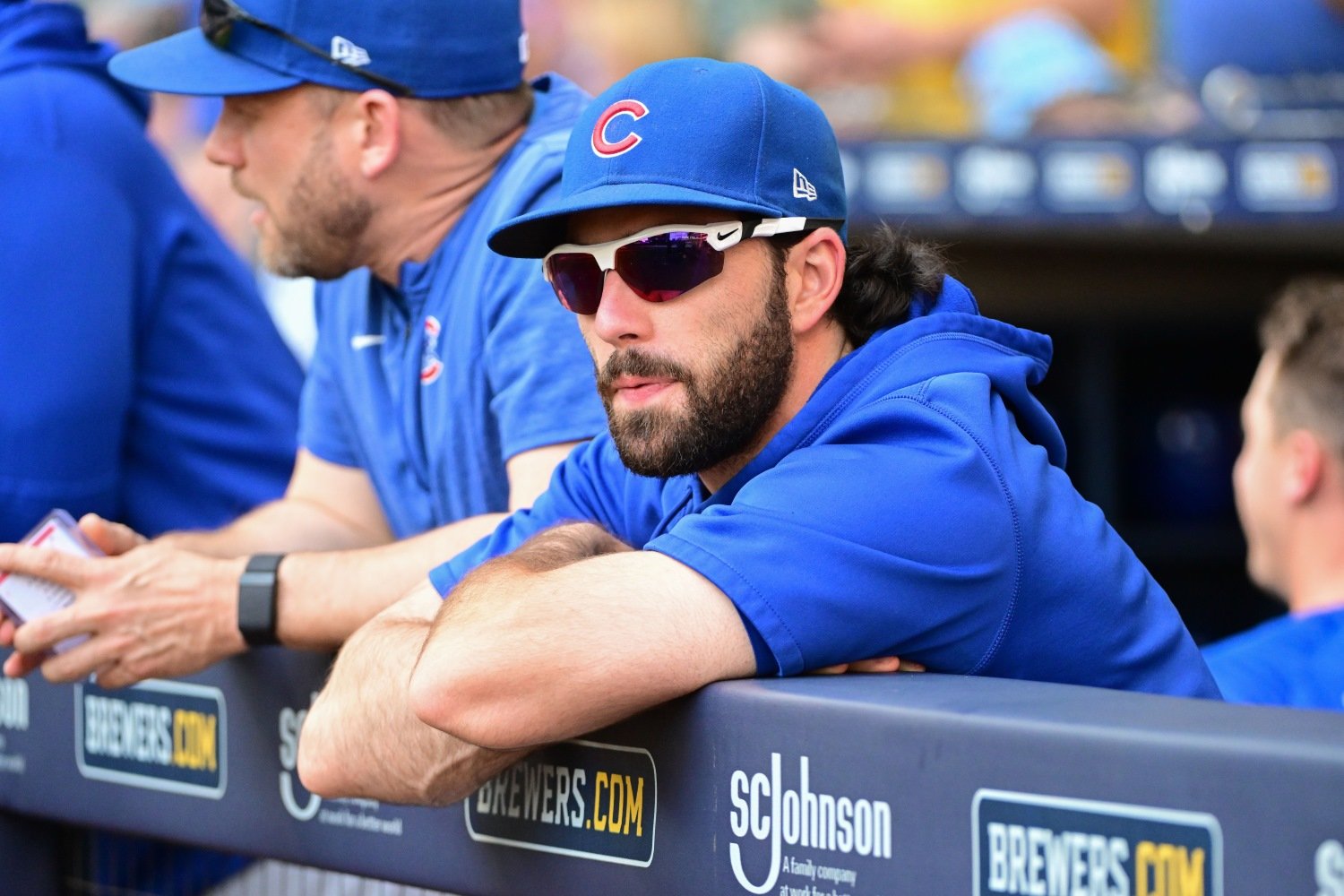 He simply laughed and told me that he would remind me of this when the Cubs lose some crushing games while in the middle of a playoff race in September. Fortunately for me, he has either forgotten that this conversation happened, or just decided to be nice about it. By my early April expectations, it would be very easy to shrug our shoulders, tell ourselves that while the past few weeks of baseball stunk, the Cubs exceeded expectations anyway, and that it was still a good season. It might even make us all feel better. The issue with that is that it completely ignores the context under which the Cubs were playing baseball in September. At the time of my comment, Eric Hosmer was their starting first baseman, which should be enough to lower anyone’s expectations. Consider each of the following: Nico Hoerner and Dansby Swanson are both among the top 30 position players in baseball, according to FanGraphs’s WAR. Cody Bellinger has a 134 wRC+. Ian Happ is continuing to perform as he did in his career-best 2022 campaign. Seiya Suzuki, while he did struggle at times, has a 126 wRC+, and has shown the ability to be one of the best hitters in baseball. Mike Tauchman came up and played his way into an everyday role and is a valuable contributor. Christopher Morel took a step forward, for the second year in a row. Nick Madrigal proved to be a capable everyday third baseman. Miguel Amaya proved he is, at least, a valuable backup catcher at the big-league level. They added the best available rental bat at the trade deadline, in Jeimer Candelario. Justin Steele will get Cy Young votes. Kyle Hendricks got healthy and posted almost a three-win season, by FanGraphs WAR. Javier Assad and Jordan Wicks contributed in very meaningful ways. The Cubs have the fourth-best run differential in the National League. Entering play on September 7, the Cubs had an 89.8-percent chance of making the playoffs, and had a 3.5-game cushion in the Wild Card standings. Had I known each and every one of those things in April, do you think that I still would have said meaningful baseball in September would have been enough? Probably not. Did some other things go wrong? Of course. Marcus Stroman was either injured or completely ineffective for the entire second half of the season. Jameson Taillon did not have a great first season with the Cubs. The team got almost no contributions from Keegan Thompson, Brad Boxberger, or Brandon Hughes, who all figured to be valuable contributors out of the bullpen. Oh, the bullpen. Sure, the bullpen was running on absolute fumes for the final month, without Adbert Alzolay and Michael Fulmer. However, the Marlins played a good chunk of September without Eury Perez and Sandy Alcantara, two of their best pitchers. Everyone is tired and deals with injuries at this point in the season. Besides, the bullpen was the one area this front office could hang their hat on, after the way it performed the past few seasons. This year, it completely failed them. But that is a conversation for another time. The bottom line is that way more went right than wrong, and it’s so important to take advantage of that. What if any one of Swanson, Happ, Hoerner, or Steele gets injured for a good chunk of next season? What if they can’t replace Bellinger’s production, or they bring him back and he isn’t as productive? The Cubs got favorable, healthy outcomes from a majority of their most important players, and they failed to capitalize on that and make the playoffs. Regardless of preseason expectations, what their run differential was, or what their record was in one-run games, that makes the season a failure.
 -
The Cubs' offensive sparkplug and most fiery leader has been very good this season, especially in the second half. Still, there's room for improvement on what he delivers at the plate. Image courtesy of © Matt Marton-USA TODAY Sports Nico Hoerner has, undeniably, had a fantastic year for the Chicago Cubs. His .285/.349/.388 batting line is slightly better than league-average, and when you combine that with his elite defense and baserunning, you have a player who is worth 4.7 WAR, according to FanGraphs, which ranks 19th in baseball. The fact that Hoerner rates that highly by WAR already makes him unique. It is exceedingly rare for a player who provides so little slug to be so valuable in baseball in 2023. Hoerner has hit nine home runs this year. Nobody else in the top 30 has hit fewer than 17. After watching Hoerner play almost every day for the Cubs for two seasons in a row, it’s safe to say most of us have a pretty good idea of who he is at the plate by now. He manages a higher batting average thanks to a strategy that basically boils down to “slap the ball somewhere on the field and then run fast.” He has recorded a Barrel, by Baseball Savant’s definition, in only 1.5 percent of his plate appearances, which is seventh-worst in MLB this season. Aaron Judge, he is not. However, if Hoerner does have one great skill as a hitter, it is his ability to put the bat on the baseball. He makes contact on 88.8 percent of swings, third-highest in baseball, according to FanGraphs. Put the ball in play, and sometimes, even the weakest contact ends up going for a hit. Perhaps because he is always putting the ball in play and he strikes out so infrequently, I always thought of Hoerner as an aggressive hitter. Thus, I was a bit surprised when I found him down at 94th of 135 players in swing rate this season on Fangraphs. For context, Ian Happ, who is generally thought of as one of the more patient hitters on the team, is only right behind him at 100th. The issue here is that Hoerner isn’t swinging at any of the pitches he should be swinging at. He has only swung at 61 percent of pitches in the strike zone this season, according to FanGraphs, 14th-lowest in all of baseball. He is near some of the most patient players in baseball–guys like Juan Soto, Kyle Schwarber, and Max Muncy. Now, I don’t think I need to explain to you the difference between Hoerner and those three guys, but just in case: those guys are going to combine for about 120 home runs this year. Hoerner probably won’t hit that number for his career. The other thing is that those three players, along with everyone else that swings at strikes as infrequently as Hoerner does, swing at fewer pitches outside of the strike zone. Hoerner’s 33.1 percent swing rate at pitches outside of the strike zone is 50th in baseball. I also don’t think I need to explain this to you, but here goes again: swinging at pitches in the strike zone is generally a good thing. Swinging at pitches outside of the strike zone is generally a bad thing! And the numbers back this up. According to Baseball Savant, Hoerner is hitting .324 and slugging .451 on pitches in the strike zone. He is only hitting .185 with a .226 slugging percentage on pitches outside of the strike zone. Of course, it’s not quite as easy as “swing at fewer balls and more strikes.” If it was, I’d guess Hoerner would be doing so already. To his credit, the decreased aggression in the strike zone has potentially led to some deeper counts. He has an almost league-average walk rate of 7.2 percent and a .349 on base percentage this year, both improvements on last season. At the same time, it just feels like there is a better balance to be struck. He makes contact with 80.5 percent of pitches outside of the strike zone. That’s the third-highest mark in baseball. For a player that is going to put the ball in play so often, it is imperative that they swing at pitches that they can actually do damage on. Nico Hoerner will never be a big slugger or a feared hitter. He has been a slightly above-average hitter for over two seasons now. That’s a great baseline for a player who brings so many other skills to the table. I think there still might be a little bit more potential in that bat, however. He just needs to make better swing decisions. View full article
-
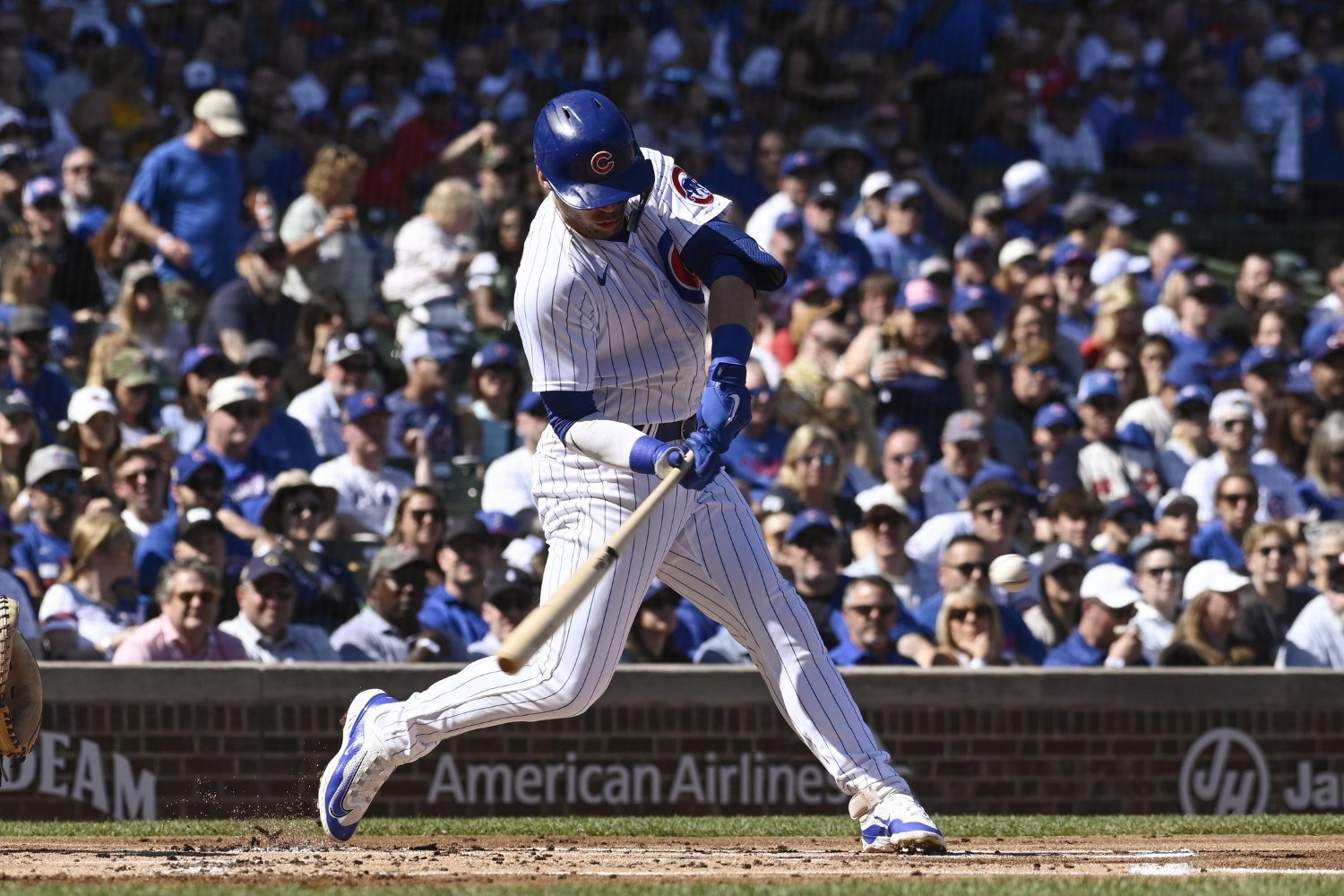 Nico Hoerner has, undeniably, had a fantastic year for the Chicago Cubs. His .285/.349/.388 batting line is slightly better than league-average, and when you combine that with his elite defense and baserunning, you have a player who is worth 4.7 WAR, according to FanGraphs, which ranks 19th in baseball. The fact that Hoerner rates that highly by WAR already makes him unique. It is exceedingly rare for a player who provides so little slug to be so valuable in baseball in 2023. Hoerner has hit nine home runs this year. Nobody else in the top 30 has hit fewer than 17. After watching Hoerner play almost every day for the Cubs for two seasons in a row, it’s safe to say most of us have a pretty good idea of who he is at the plate by now. He manages a higher batting average thanks to a strategy that basically boils down to “slap the ball somewhere on the field and then run fast.” He has recorded a Barrel, by Baseball Savant’s definition, in only 1.5 percent of his plate appearances, which is seventh-worst in MLB this season. Aaron Judge, he is not. However, if Hoerner does have one great skill as a hitter, it is his ability to put the bat on the baseball. He makes contact on 88.8 percent of swings, third-highest in baseball, according to FanGraphs. Put the ball in play, and sometimes, even the weakest contact ends up going for a hit. Perhaps because he is always putting the ball in play and he strikes out so infrequently, I always thought of Hoerner as an aggressive hitter. Thus, I was a bit surprised when I found him down at 94th of 135 players in swing rate this season on Fangraphs. For context, Ian Happ, who is generally thought of as one of the more patient hitters on the team, is only right behind him at 100th. The issue here is that Hoerner isn’t swinging at any of the pitches he should be swinging at. He has only swung at 61 percent of pitches in the strike zone this season, according to FanGraphs, 14th-lowest in all of baseball. He is near some of the most patient players in baseball–guys like Juan Soto, Kyle Schwarber, and Max Muncy. Now, I don’t think I need to explain to you the difference between Hoerner and those three guys, but just in case: those guys are going to combine for about 120 home runs this year. Hoerner probably won’t hit that number for his career. The other thing is that those three players, along with everyone else that swings at strikes as infrequently as Hoerner does, swing at fewer pitches outside of the strike zone. Hoerner’s 33.1 percent swing rate at pitches outside of the strike zone is 50th in baseball. I also don’t think I need to explain this to you, but here goes again: swinging at pitches in the strike zone is generally a good thing. Swinging at pitches outside of the strike zone is generally a bad thing! And the numbers back this up. According to Baseball Savant, Hoerner is hitting .324 and slugging .451 on pitches in the strike zone. He is only hitting .185 with a .226 slugging percentage on pitches outside of the strike zone. Of course, it’s not quite as easy as “swing at fewer balls and more strikes.” If it was, I’d guess Hoerner would be doing so already. To his credit, the decreased aggression in the strike zone has potentially led to some deeper counts. He has an almost league-average walk rate of 7.2 percent and a .349 on base percentage this year, both improvements on last season. At the same time, it just feels like there is a better balance to be struck. He makes contact with 80.5 percent of pitches outside of the strike zone. That’s the third-highest mark in baseball. For a player that is going to put the ball in play so often, it is imperative that they swing at pitches that they can actually do damage on. Nico Hoerner will never be a big slugger or a feared hitter. He has been a slightly above-average hitter for over two seasons now. That’s a great baseline for a player who brings so many other skills to the table. I think there still might be a little bit more potential in that bat, however. He just needs to make better swing decisions.
 -
There's hardly any good news in Cubdom right now, but (despite some ghastly mistakes that contributed to their brutal road trip) it's good to remind ourselves that good, aggressive baserunning has been a critical component of the Cubs' success this season. Image courtesy of © Matt Marton-USA TODAY Sports The frustration was palpable for the Chicago Cubs this week as they lost two of three to the lowly Colorado Rockies. Despite pounding out 33 hits, the Cubs scored just 12 runs, in part because of all of the outs that were made on the bases. Seiya Suzuki was thrown out at home plate. Pete Crow-Armstrong and Nico Hoerner were thrown out stealing. Nick Madrigal was thrown out trying to turn a double into a triple. Cody Bellinger was thrown out trying to turn a single into a double. None of those events, in a vacuum, is a big deal. They happen. But when they all happen during a series loss to one of the worst teams in baseball while in the middle of a playoff race, those mistakes are suddenly viewed under a microscope and talked about for much longer than usual. FanGraphs measures baserunning value through their BsR stat. This stat takes all base running plays–stolen bases, caught stealing, taking extra bases, et cetera–and rolls them into one handy number to tell you how many runs above (or below) average a team or player has been worth on the bases. The thing is, by that one metric, the Cubs have actually been the best baserunning team in baseball this season. BsR currently has them as having been worth 15.5 runs above average, which is 0.9 runs above second-place Tampa Bay. Using the calculation that roughly every 10 or so runs is worth one win, the Cubs have added well over one win to their total this year with their performance on the bases. Funnily enough, this week’s opponent, the Colorado Rockies, rank last here, as they have been 18 runs below average on the bases, costing them almost two wins. The team’s high standing in BsR is thanks to having a few elite baserunners, without any major minuses on the basepaths. Nico Hoerner himself has been worth almost an entire win on the bases alone. He has been worth 8.6 runs above average; that is fifth in all of baseball. Dansby Swanson is 22nd with four runs above average, and Cody Bellinger is right behind him with 3.8 runs above average. Ian Happ also finds himself on the fringes of the top 30. He’s 35th in baseball with 2.9 runs above average. As a side note, since these two are inextricably linked in my mind thanks to both being a part of the 2022 free agent shortstop class: Carlos Correa has been worth 9.2 runs below average, according to BsR, and that is last in all of baseball. So in addition to performing better than Correa in the field and at the plate, Dansby Swanson has been well over one win better than Correa on the bases. On the flip side, the Cubs’ worst baserunner has been Seiya Suzuki. He has been 2.1 runs below average this year. Yan Gomes has been 1.6 runs below average, but that is (mostly) to be expected from a catcher. The only other players that are still on the team that have been below-average base runners are Nick Madrigal and Patrick Wisdom, but neither has been worse than one run below average. Pete Crow-Armstrong has actually been worth 0.4 runs below average already, but due to small sample size and the fact that most are confident he will add value in this area, I am willing to excuse that one. To be clear, this shouldn’t make any of the losses this past week any less frustrating. Simply put, you have to take care of business when you’re playing one of the worst teams in baseball in the middle of a playoff race. However, maybe it makes the baserunning mistakes a bit more palatable, to understand that the team might not have come this far at all if not for good baserunning throughout the season. The Cubs probably should have been less aggressive on the basepaths in Colorado. On the other hand, they were aggressive on the bases, as they have been all year, and it just didn’t work out. Clearly, over a larger sample size, it has worked out. Sometimes, that is just how baseball works. View full article
-
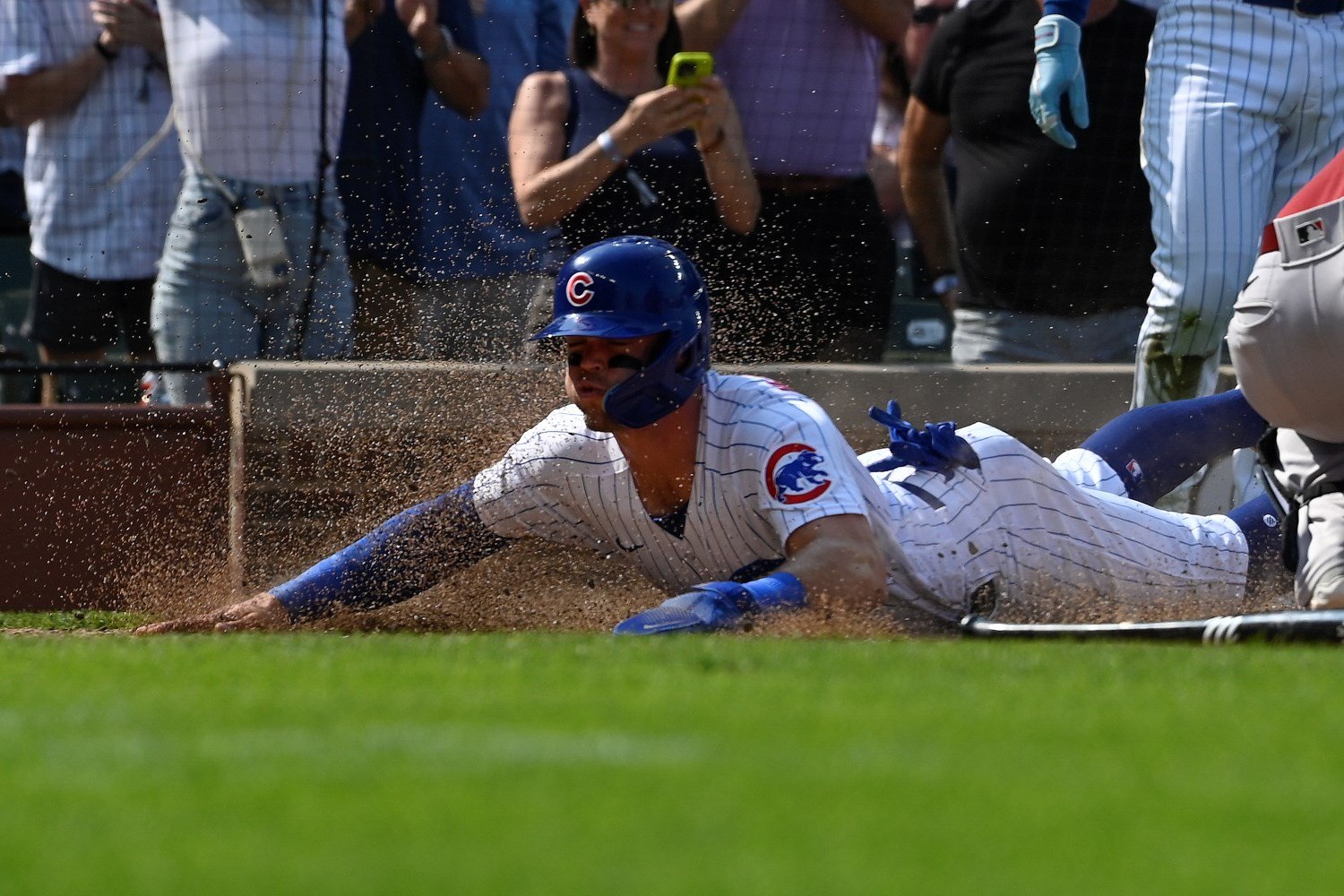 The frustration was palpable for the Chicago Cubs this week as they lost two of three to the lowly Colorado Rockies. Despite pounding out 33 hits, the Cubs scored just 12 runs, in part because of all of the outs that were made on the bases. Seiya Suzuki was thrown out at home plate. Pete Crow-Armstrong and Nico Hoerner were thrown out stealing. Nick Madrigal was thrown out trying to turn a double into a triple. Cody Bellinger was thrown out trying to turn a single into a double. None of those events, in a vacuum, is a big deal. They happen. But when they all happen during a series loss to one of the worst teams in baseball while in the middle of a playoff race, those mistakes are suddenly viewed under a microscope and talked about for much longer than usual. FanGraphs measures baserunning value through their BsR stat. This stat takes all base running plays–stolen bases, caught stealing, taking extra bases, et cetera–and rolls them into one handy number to tell you how many runs above (or below) average a team or player has been worth on the bases. The thing is, by that one metric, the Cubs have actually been the best baserunning team in baseball this season. BsR currently has them as having been worth 15.5 runs above average, which is 0.9 runs above second-place Tampa Bay. Using the calculation that roughly every 10 or so runs is worth one win, the Cubs have added well over one win to their total this year with their performance on the bases. Funnily enough, this week’s opponent, the Colorado Rockies, rank last here, as they have been 18 runs below average on the bases, costing them almost two wins. The team’s high standing in BsR is thanks to having a few elite baserunners, without any major minuses on the basepaths. Nico Hoerner himself has been worth almost an entire win on the bases alone. He has been worth 8.6 runs above average; that is fifth in all of baseball. Dansby Swanson is 22nd with four runs above average, and Cody Bellinger is right behind him with 3.8 runs above average. Ian Happ also finds himself on the fringes of the top 30. He’s 35th in baseball with 2.9 runs above average. As a side note, since these two are inextricably linked in my mind thanks to both being a part of the 2022 free agent shortstop class: Carlos Correa has been worth 9.2 runs below average, according to BsR, and that is last in all of baseball. So in addition to performing better than Correa in the field and at the plate, Dansby Swanson has been well over one win better than Correa on the bases. On the flip side, the Cubs’ worst baserunner has been Seiya Suzuki. He has been 2.1 runs below average this year. Yan Gomes has been 1.6 runs below average, but that is (mostly) to be expected from a catcher. The only other players that are still on the team that have been below-average base runners are Nick Madrigal and Patrick Wisdom, but neither has been worse than one run below average. Pete Crow-Armstrong has actually been worth 0.4 runs below average already, but due to small sample size and the fact that most are confident he will add value in this area, I am willing to excuse that one. To be clear, this shouldn’t make any of the losses this past week any less frustrating. Simply put, you have to take care of business when you’re playing one of the worst teams in baseball in the middle of a playoff race. However, maybe it makes the baserunning mistakes a bit more palatable, to understand that the team might not have come this far at all if not for good baserunning throughout the season. The Cubs probably should have been less aggressive on the basepaths in Colorado. On the other hand, they were aggressive on the bases, as they have been all year, and it just didn’t work out. Clearly, over a larger sample size, it has worked out. Sometimes, that is just how baseball works.
 -
I considered getting into this but ultimately decided not to. Fangraphs does measure this. Steele is the only starting pitcher in the positive with a positive 1 run gained. . Hendricks is the worst offender, they estimate he’s cost the Cubs -3 runs with his inability to hold runners on. Which is kinda crazy to think about because he used to have such a good pickoff move. Everyone else slots between those two.
-
Not for 30 years has the running game been as important a part of baseball as it is in 2023. After a series that exposed the Cubs' deficiencies there, it's worth asking: How much is the inability to stop opposing runners hurting them? Image courtesy of © Katie Stratman-USA TODAY Sports When the Chicago Cubs decided to go a different direction with the catcher position and let Willson Contreras walk in free agency this past offseason, it became clear that there were skills that they valued at the catcher position that Contreras did not offer. Framing, game-calling, and an ability to work with a pitching staff on a strategic and an emotional level were just a few of the things that were mentioned often. I’ll be honest: I thought this would be something that was discussed significantly more throughout the course of this season than it has been, particularly with Contreras now playing for the St. Louis Cardinals. However, between the way Yan Gomes has played and the emergence of Miguel Amaya, I haven’t been thinking about this nearly as much as I thought I would be. That was true, at least, until this past series against the Arizona Diamondbacks. Through Saturday’s loss, the Diamondbacks racked up 10 stolen bases in three games, to just two for the Cubs. Combine that with the fact that the Cubs were also caught stealing two times and the Diamondbacks only once, and I have definitely found myself thinking back on Contreras. Don’t get me wrong: it seems like the Cubs made the correct decision with Contreras, all things considered. However, if there was one thing Contreras was good at defensively, it was his ability to control the running game. With the Cubs losing two straight one-run games to a team that is so clearly better at this than they are, it has been frustrating to watch as a fan. Thankfully, we have stats to quantify this. Baseball Savant estimates how many runs a catcher gains or loses for his team with Catcher Stealing Runs. The Cubs, of course, have primarily used three catchers this season: Yan Gomes, Miguel Amaya, and Tucker Barnhart. All of those catchers have been worth -1 Catcher Stealing Run, meaning they have combined to cost the Cubs three runs this season with their ability (or, rather, minor inability) to control the running game. The stark contrast that has been on display this weekend is mostly thanks to the guy catching for the other team, Gabriel Moreno. Moreno, according to this stat, is the best catcher in baseball when it comes to throwing out runners trying to steal. He has been worth six runs, which is two more than the next guys on the list in Connor Wong and Shea Langeliers. To complete the overall comparison, old friend Willson Contreras has been worth 3 Catcher Stealing Runs. So we have essentially been watching two guys for the Cubs who are slightly below average when it comes to preventing steals against a guy for the Diamondbacks who is the best in baseball. Of course that is going to make Gomes and Amaya look bad, comparatively. How much does this matter? Converting runs to wins varies according to the run-scoring environment. FanGraphs estimates that nine or 10 marginal runs usually equate to a marginal win in the standings by the end of the year. So to this point in the season, if the three Cubs catchers have combined to cost them three runs, that has only cost the Cubs about a third of a win. The dropoff from Contreras to Gomes, Amaya, and Barnhart has cost the Cubs about two-thirds of a win. Lastly, the difference between Moreno and the catching trio for the Cubs has been worth about one additional win for the Diamondbacks over the 140ish games that have been played to this point. To wrap this up with a nice bow, the Cubs are definitely worse at controlling the running game than they would have been with Contreras behind the plate. This has definitely been on display this weekend. Although most catchers would look bad when compared to Moreno, over the course of the season, this has likely only cost the Cubs a few fractions of a win. While that would certainly be nice to have in the middle of a playoff chase, there are plenty of other positives that both Gomes and Amaya bring to the table to forgive them for being slightly below-average in this one area. View full article
-
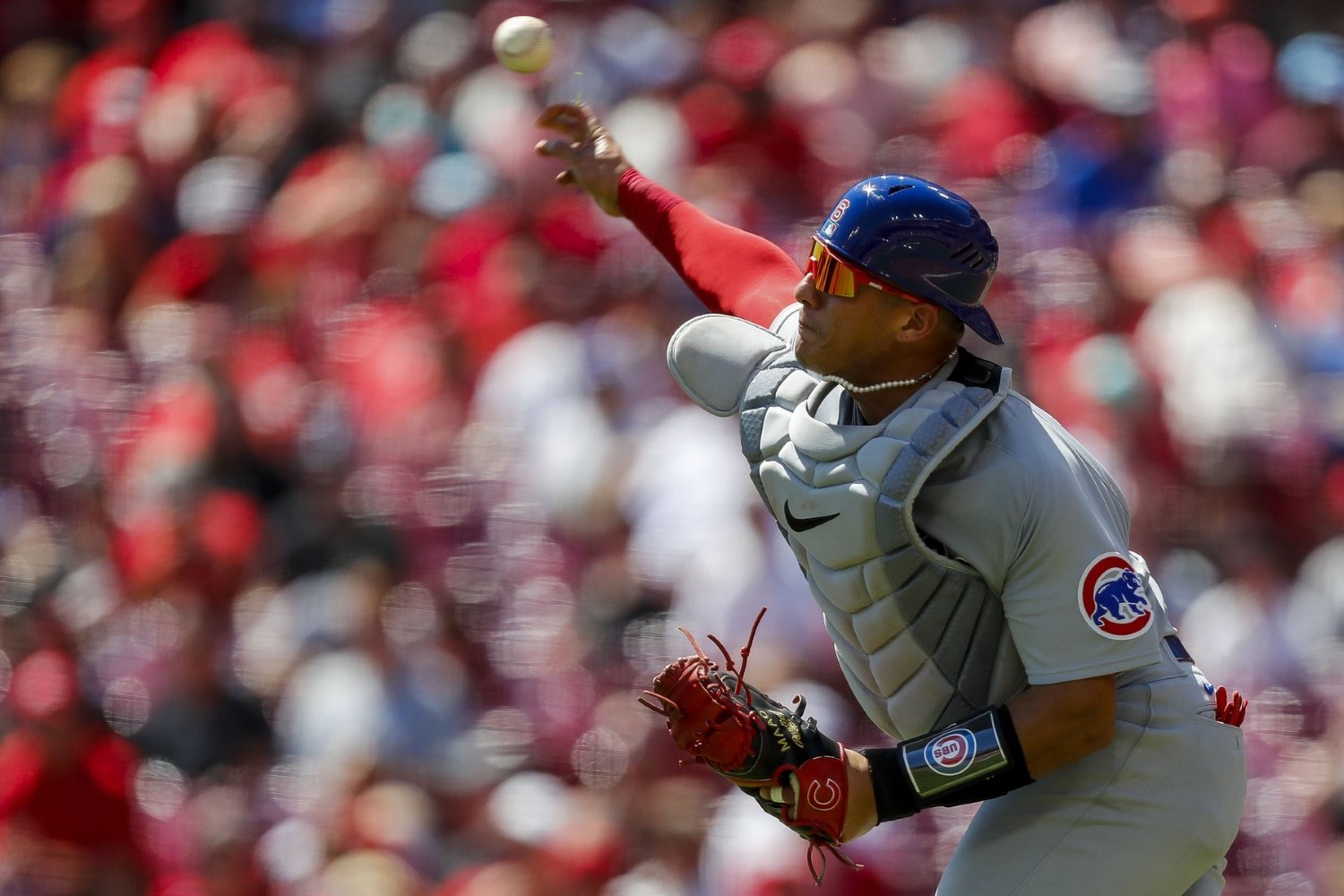 When the Chicago Cubs decided to go a different direction with the catcher position and let Willson Contreras walk in free agency this past offseason, it became clear that there were skills that they valued at the catcher position that Contreras did not offer. Framing, game-calling, and an ability to work with a pitching staff on a strategic and an emotional level were just a few of the things that were mentioned often. I’ll be honest: I thought this would be something that was discussed significantly more throughout the course of this season than it has been, particularly with Contreras now playing for the St. Louis Cardinals. However, between the way Yan Gomes has played and the emergence of Miguel Amaya, I haven’t been thinking about this nearly as much as I thought I would be. That was true, at least, until this past series against the Arizona Diamondbacks. Through Saturday’s loss, the Diamondbacks racked up 10 stolen bases in three games, to just two for the Cubs. Combine that with the fact that the Cubs were also caught stealing two times and the Diamondbacks only once, and I have definitely found myself thinking back on Contreras. Don’t get me wrong: it seems like the Cubs made the correct decision with Contreras, all things considered. However, if there was one thing Contreras was good at defensively, it was his ability to control the running game. With the Cubs losing two straight one-run games to a team that is so clearly better at this than they are, it has been frustrating to watch as a fan. Thankfully, we have stats to quantify this. Baseball Savant estimates how many runs a catcher gains or loses for his team with Catcher Stealing Runs. The Cubs, of course, have primarily used three catchers this season: Yan Gomes, Miguel Amaya, and Tucker Barnhart. All of those catchers have been worth -1 Catcher Stealing Run, meaning they have combined to cost the Cubs three runs this season with their ability (or, rather, minor inability) to control the running game. The stark contrast that has been on display this weekend is mostly thanks to the guy catching for the other team, Gabriel Moreno. Moreno, according to this stat, is the best catcher in baseball when it comes to throwing out runners trying to steal. He has been worth six runs, which is two more than the next guys on the list in Connor Wong and Shea Langeliers. To complete the overall comparison, old friend Willson Contreras has been worth 3 Catcher Stealing Runs. So we have essentially been watching two guys for the Cubs who are slightly below average when it comes to preventing steals against a guy for the Diamondbacks who is the best in baseball. Of course that is going to make Gomes and Amaya look bad, comparatively. How much does this matter? Converting runs to wins varies according to the run-scoring environment. FanGraphs estimates that nine or 10 marginal runs usually equate to a marginal win in the standings by the end of the year. So to this point in the season, if the three Cubs catchers have combined to cost them three runs, that has only cost the Cubs about a third of a win. The dropoff from Contreras to Gomes, Amaya, and Barnhart has cost the Cubs about two-thirds of a win. Lastly, the difference between Moreno and the catching trio for the Cubs has been worth about one additional win for the Diamondbacks over the 140ish games that have been played to this point. To wrap this up with a nice bow, the Cubs are definitely worse at controlling the running game than they would have been with Contreras behind the plate. This has definitely been on display this weekend. Although most catchers would look bad when compared to Moreno, over the course of the season, this has likely only cost the Cubs a few fractions of a win. While that would certainly be nice to have in the middle of a playoff chase, there are plenty of other positives that both Gomes and Amaya bring to the table to forgive them for being slightly below-average in this one area.
 -
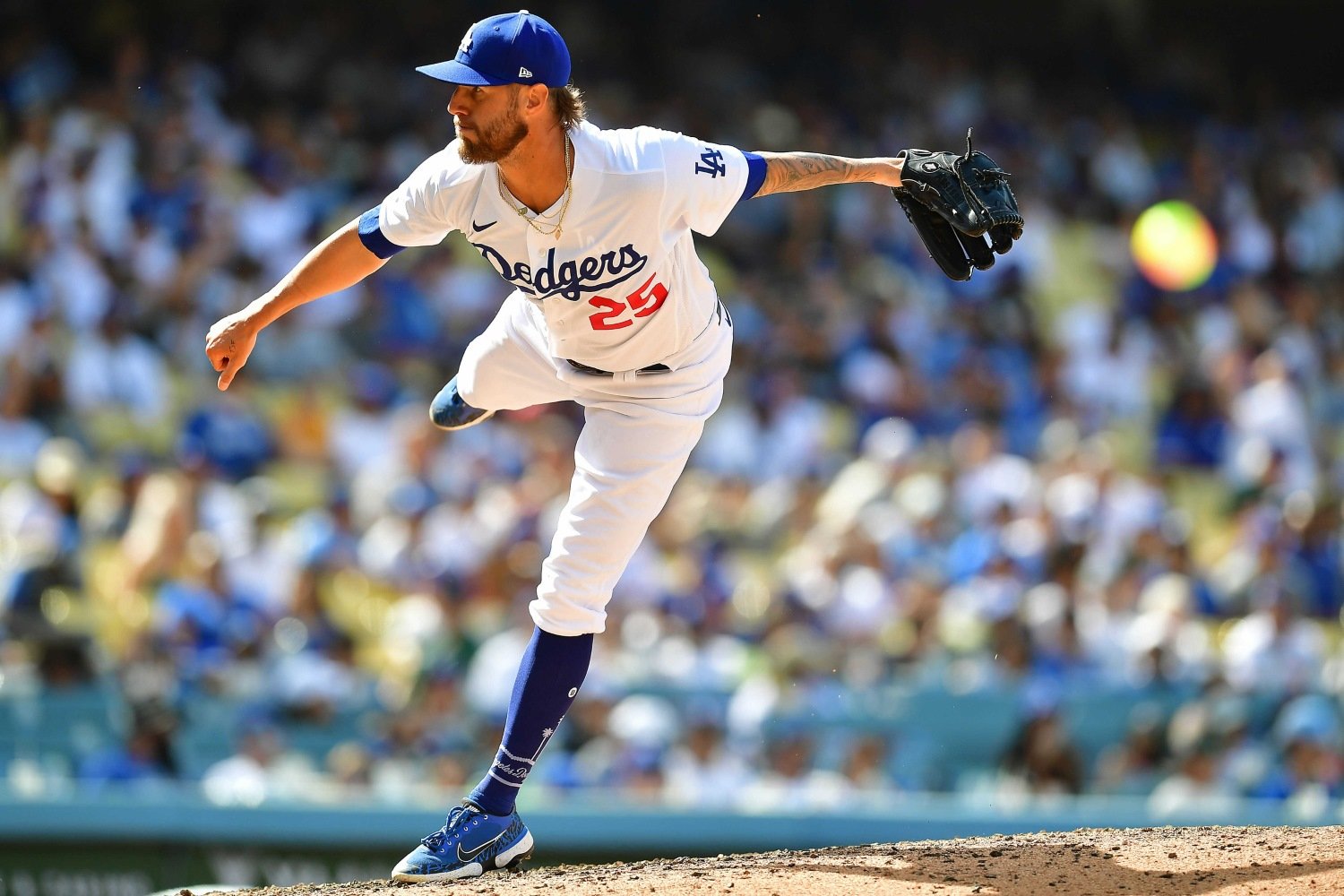 With four games in three days this weekend in Cincinnati, and with rosters expanding at the same time, it was inevitable that the Cubs were going to call up some reinforcements from the minor leagues. That’s not to mention the fact that, given the way the pitching staff has struggled since the All-Star break, some fresh arms are pretty desperately needed. All eyes were on Luke Little, who has pitched to a 1.62 ERA and has struck out 40.8 percent of hitters since getting the call to Triple A, or Ben Brown, one of the team’s best pitching prospects who is making his way back from a minor injury. However, instead of those two, the Cubs opted to bring up Shane Greene, according to Jesse Rogers of ESPN. The Cubs signed Greene, 34, to a minor-league contract back in June. After posting a 3.25 ERA in 221 ⅓ relief innings from 2017 to 2020, Greene pitched to a 7.09 ERA in just 26 ⅔ innings over the past two seasons. The interesting thing about Greene is that he has been starting games in Iowa. He hasn’t started a big league game since 2016, and was most recently a one-inning matchup guy at that level, but he’ll either start or work a starter-like number of innings Friday against the Reds. Greene has a 2.16 ERA in 16 ⅔ innings with the I-Cubs, and he hasn’t allowed an earned run over nine innings in his last two starts. He is striking out 10.9 batters per nine innings, and walking 4.9. He has a 3.77 FIP and a 4.87 xFIP. The even more interesting thing about Greene, to me, is what he and his major-league performance will indicate about the pitching infrastructure that the Cubs have. Clearly, the Cubs see something in Greene. Signing a previously successful veteran reliever to see if he has anything left in the tank is not unusual. Deciding you’re going to stretch him out to start games, which he hasn’t done in seven years, is so. We’ve heard about the revamped pitching infrastructure, the pitch lab, and all the money that has been funneled into that area of player development. Now, it’s time for the Cubs to show the results of that. The emergence of Javier Assad has been a great start. Bringing up Jordan Wicks and having him contribute immediately is also a great sign. Reinforcements from the minor leagues and scrap-heap players contributing for good Cubs teams almost never happened during the last contention window. That is why it stalled out so quickly. I am not saying I have especially high expectations for Greene. Admittedly, I am not crazy about debuting someone who had a 25.6-percent ground ball rate in the minors at the home run haven that is Great American Ballpark. Yet, the Cubs need pitching help so badly that Greene doesn’t need to be anything more than average to be a godsend for this team. Justin Steele, Julian Merryweather, and Adbert Alzolay can’t pitch every single game, even though I am sure we would all like them to. The bottom line is that this is what good organizations do. They identify players available almost for free, get them into their player development system, and get useful contributions out of them. The Cubs have talked the talk about their pitcher development. With Shane Green coming up in the middle of a playoff race, it is time for them to walk the walk.
 -
The Cubs are on a bit of a hot streak when it comes to bringing along pitchers, of all ages and ability levels. Friday, they're going to throw up a Kyle Korver-level heat check. Image courtesy of © Gary A. Vasquez-USA TODAY Sports With four games in three days this weekend in Cincinnati, and with rosters expanding at the same time, it was inevitable that the Cubs were going to call up some reinforcements from the minor leagues. That’s not to mention the fact that, given the way the pitching staff has struggled since the All-Star break, some fresh arms are pretty desperately needed. All eyes were on Luke Little, who has pitched to a 1.62 ERA and has struck out 40.8 percent of hitters since getting the call to Triple A, or Ben Brown, one of the team’s best pitching prospects who is making his way back from a minor injury. However, instead of those two, the Cubs opted to bring up Shane Greene, according to Jesse Rogers of ESPN. The Cubs signed Greene, 34, to a minor-league contract back in June. After posting a 3.25 ERA in 221 ⅓ relief innings from 2017 to 2020, Greene pitched to a 7.09 ERA in just 26 ⅔ innings over the past two seasons. The interesting thing about Greene is that he has been starting games in Iowa. He hasn’t started a big league game since 2016, and was most recently a one-inning matchup guy at that level, but he’ll either start or work a starter-like number of innings Friday against the Reds. Greene has a 2.16 ERA in 16 ⅔ innings with the I-Cubs, and he hasn’t allowed an earned run over nine innings in his last two starts. He is striking out 10.9 batters per nine innings, and walking 4.9. He has a 3.77 FIP and a 4.87 xFIP. The even more interesting thing about Greene, to me, is what he and his major-league performance will indicate about the pitching infrastructure that the Cubs have. Clearly, the Cubs see something in Greene. Signing a previously successful veteran reliever to see if he has anything left in the tank is not unusual. Deciding you’re going to stretch him out to start games, which he hasn’t done in seven years, is so. We’ve heard about the revamped pitching infrastructure, the pitch lab, and all the money that has been funneled into that area of player development. Now, it’s time for the Cubs to show the results of that. The emergence of Javier Assad has been a great start. Bringing up Jordan Wicks and having him contribute immediately is also a great sign. Reinforcements from the minor leagues and scrap-heap players contributing for good Cubs teams almost never happened during the last contention window. That is why it stalled out so quickly. I am not saying I have especially high expectations for Greene. Admittedly, I am not crazy about debuting someone who had a 25.6-percent ground ball rate in the minors at the home run haven that is Great American Ballpark. Yet, the Cubs need pitching help so badly that Greene doesn’t need to be anything more than average to be a godsend for this team. Justin Steele, Julian Merryweather, and Adbert Alzolay can’t pitch every single game, even though I am sure we would all like them to. The bottom line is that this is what good organizations do. They identify players available almost for free, get them into their player development system, and get useful contributions out of them. The Cubs have talked the talk about their pitcher development. With Shane Green coming up in the middle of a playoff race, it is time for them to walk the walk. View full article
-
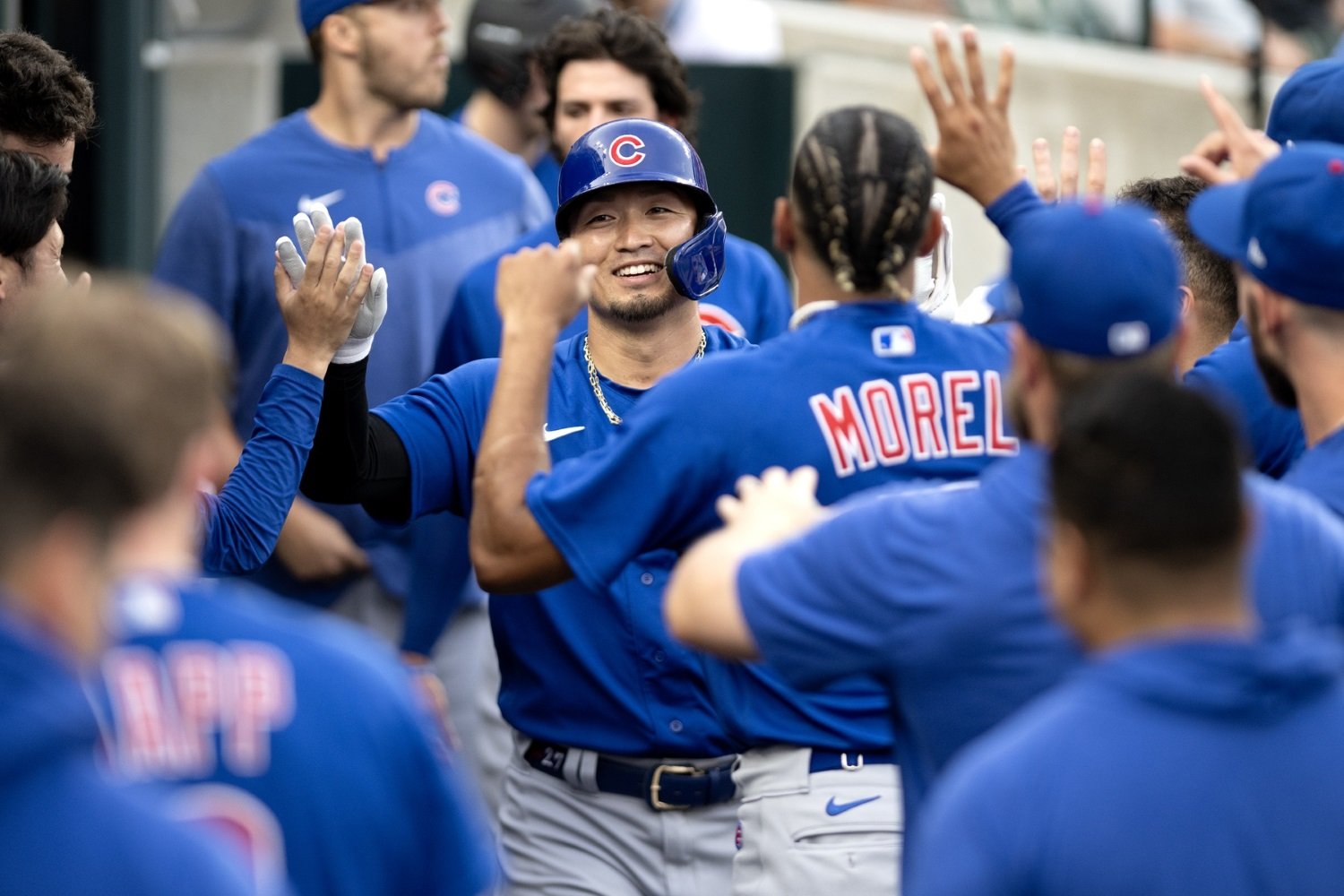 When the Chicago Cubs traded for Jeimer Candelario in late July, it became immediately clear that someone was going to have to accept less playing time going forward. While Candelario slotted in nicely at both infield corners, the Cubs also had a healthy and well-performing Nick Madrigal, and were often shifting Cody Bellinger to first base in order to play Mike Tauchman in center field. Having hit just .212/.282/.296 from the start of June to the end of July, Seiya Suzuki was the most logical person to bench. From August 1 to 8, Suzuki only started two games and took nine total plate appearances. On August 9, he got the start in New York against the Mets, and since then, we have seen a completely different version of Suzuki. Suzuki has hit .390/.431/.763 (with four home runs) in 14 starts in the stretch of games beginning on August 9. Last we checked in with him in early July, he was hitting the ball incredibly hard, but into the ground way too often. Suzuki’s average launch angle in that June-to-early-August stretch was 9.1 degrees, according to FanGraphs. Since then? It’s 11.4 degrees. That 2.3 degrees of difference matters, sure, but that jump would take him from something like 115th in baseball in average launch angle, to about 90th, where he sits now, according to Baseball Savant. He certainly isn’t a Max Muncy-level launch angle king now. Nor can we look at that increase in average launch angle and consider that to be the reason why his production has exploded in the past few weeks. In his bad stretch, Suzuki ran a ground ball rate of 55.3 percent on hard-hit balls, or balls that were hit with an exit velocity of 95 mph or higher, per FanGraphs. Since his resurgence in New York, though, just 16.7 percent of his hard-hit baseballs are on the ground. A whopping 66.7 percent of them have been fly balls. Obviously, hard-hit balls can do significantly more damage in the air than they can on the ground. Now we’re cooking with gas! With significantly more of his fly balls being hit hard, Suzuki has a 182 wRC+ on fly balls during this hot stretch, compared to just a 93 wRC+ on fly balls this season prior to that. He is now running the highest swing rate of his entire career, as he is swinging at 48.9 percent of pitches, up from 40 percent prior to August 9. His highest swing rate over any 15-game stretch prior to this was last August, at 47.6 percent. Suzuki has become more aggressive in seeking out pitches that he can drive in the air, rather than either trying to work a walk, or waiting for an absolutely perfect pitch that was never coming. He has reallocated his hard contact to being in the air rather than on the ground, and is reaping the rewards of that. As always, the question is whether it will continue or not. Suzuki’s added aggression has caused his walk rate to drop, though he’s certainly still accepted them when pitchers have treated him cautiously. I’d venture to guess that pitchers will nibble increasingly often against him, to see if he can combine his new, aggressive approach, with his previously-demonstrated ability to draw walks at an above-average rate. But for a team in the playoff race, you have to ride the hot hand while you have one, and the Cubs are certainly doing that. Suzuki probably won’t continue with an 1.194 OPS. At the same time, this is also one of the better stretches of his career, and is very encouraging for his long-term projection. If you’ve never seen the 2002 movie Signs, well, then, it’s my opinion that you’re not missing much. The relevancy here is that it is a major plot point to the movie that Joaquin Phoenix’s character, Merrill, needs to swing away. This also seems to have been the Cubs suggestion to Seiya Suzuki. Swing away, Seiya!
 -
There are two muffins in an oven. One says to the other, "Holy crap, it's hot in here." The other one says, "Yeah, that's radiation from Seiya Suzuki." Image courtesy of © Lon Horwedel-USA TODAY Sports When the Chicago Cubs traded for Jeimer Candelario in late July, it became immediately clear that someone was going to have to accept less playing time going forward. While Candelario slotted in nicely at both infield corners, the Cubs also had a healthy and well-performing Nick Madrigal, and were often shifting Cody Bellinger to first base in order to play Mike Tauchman in center field. Having hit just .212/.282/.296 from the start of June to the end of July, Seiya Suzuki was the most logical person to bench. From August 1 to 8, Suzuki only started two games and took nine total plate appearances. On August 9, he got the start in New York against the Mets, and since then, we have seen a completely different version of Suzuki. Suzuki has hit .390/.431/.763 (with four home runs) in 14 starts in the stretch of games beginning on August 9. Last we checked in with him in early July, he was hitting the ball incredibly hard, but into the ground way too often. Suzuki’s average launch angle in that June-to-early-August stretch was 9.1 degrees, according to FanGraphs. Since then? It’s 11.4 degrees. That 2.3 degrees of difference matters, sure, but that jump would take him from something like 115th in baseball in average launch angle, to about 90th, where he sits now, according to Baseball Savant. He certainly isn’t a Max Muncy-level launch angle king now. Nor can we look at that increase in average launch angle and consider that to be the reason why his production has exploded in the past few weeks. In his bad stretch, Suzuki ran a ground ball rate of 55.3 percent on hard-hit balls, or balls that were hit with an exit velocity of 95 mph or higher, per FanGraphs. Since his resurgence in New York, though, just 16.7 percent of his hard-hit baseballs are on the ground. A whopping 66.7 percent of them have been fly balls. Obviously, hard-hit balls can do significantly more damage in the air than they can on the ground. Now we’re cooking with gas! With significantly more of his fly balls being hit hard, Suzuki has a 182 wRC+ on fly balls during this hot stretch, compared to just a 93 wRC+ on fly balls this season prior to that. He is now running the highest swing rate of his entire career, as he is swinging at 48.9 percent of pitches, up from 40 percent prior to August 9. His highest swing rate over any 15-game stretch prior to this was last August, at 47.6 percent. Suzuki has become more aggressive in seeking out pitches that he can drive in the air, rather than either trying to work a walk, or waiting for an absolutely perfect pitch that was never coming. He has reallocated his hard contact to being in the air rather than on the ground, and is reaping the rewards of that. As always, the question is whether it will continue or not. Suzuki’s added aggression has caused his walk rate to drop, though he’s certainly still accepted them when pitchers have treated him cautiously. I’d venture to guess that pitchers will nibble increasingly often against him, to see if he can combine his new, aggressive approach, with his previously-demonstrated ability to draw walks at an above-average rate. But for a team in the playoff race, you have to ride the hot hand while you have one, and the Cubs are certainly doing that. Suzuki probably won’t continue with an 1.194 OPS. At the same time, this is also one of the better stretches of his career, and is very encouraging for his long-term projection. If you’ve never seen the 2002 movie Signs, well, then, it’s my opinion that you’re not missing much. The relevancy here is that it is a major plot point to the movie that Joaquin Phoenix’s character, Merrill, needs to swing away. This also seems to have been the Cubs suggestion to Seiya Suzuki. Swing away, Seiya! View full article
-
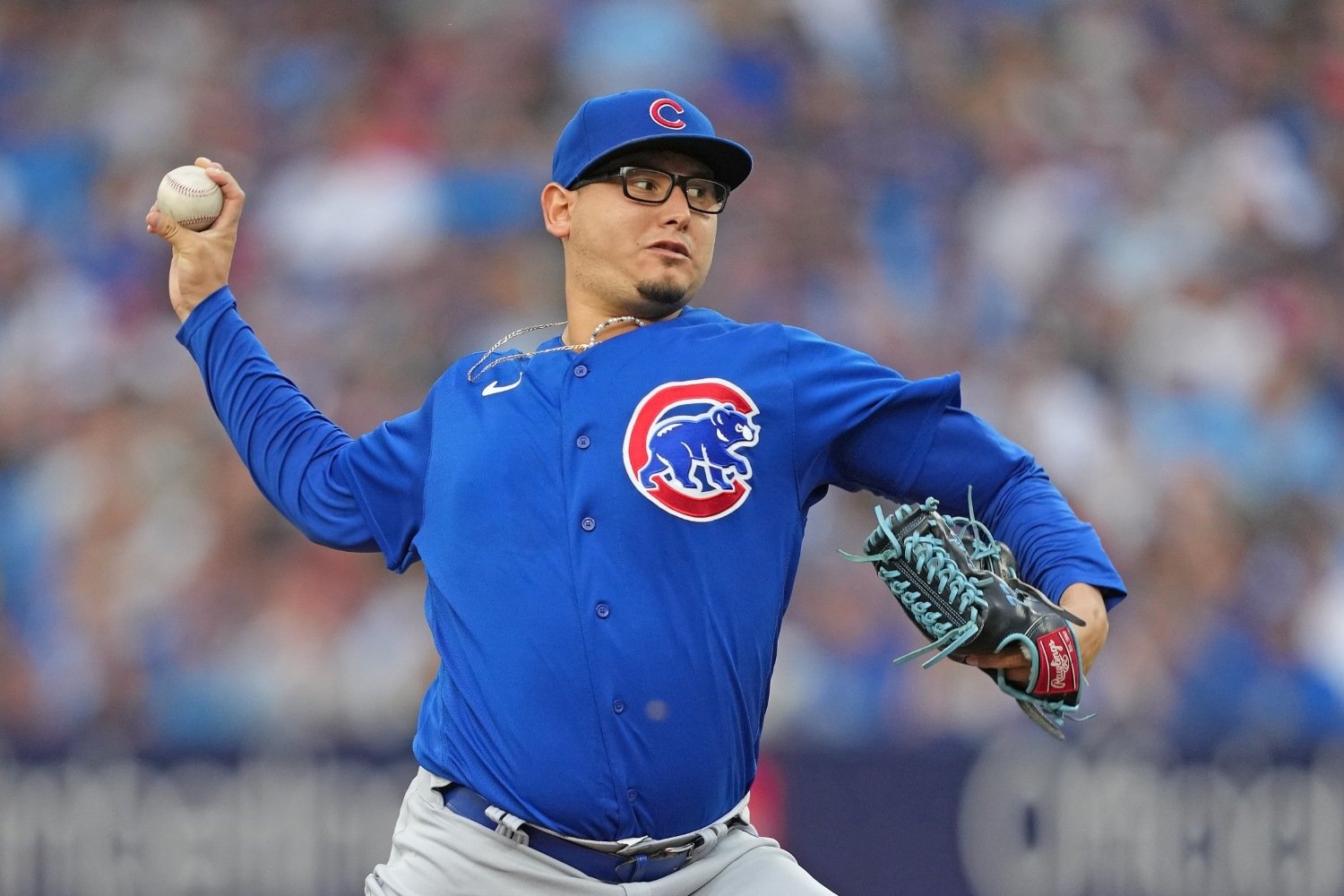 The Chicago Cubs’ starting rotation has hit a rough patch. After a strong first half in which they had a 4.01 ERA (good for 10th-best in baseball, according to FanGraphs), the production has fallen dramatically in the second half. Entering Tuesday, their 5.54 ERA from starters since the All-Star break was third-worst in baseball. Thankfully, this has been relatively little-discussed, because the offense is scoring almost 6.5 runs per game in the second half, and the team has been winning. However, I don’t think the offense can keep performing at this level, and with the Cubs fighting for their playoff lives, they need all of the help that they can get on the pitching side. Enter: Javier Assad. The 25-year-old had pitched to a 0.47 ERA in 19 ⅓ innings from July 1 onward before being inserted into the starting rotation for an injured Marcus Stroman earlier this month. After posting a 2.53 ERA across 10 ⅔ innings in his two starts since, Assad has a very secure place in the starting crew, with Drew Smyly relegated to relief work and Marcus Stroman still shelved while he unkinks the right side of his kinetic chain. The unimpressive thing about Assad is that he doesn’t miss bats. Since July 1, his 6.8-percent whiff rate is 157th of 161 pitchers who have thrown at least 20 innings, per FanGraphs. His 22.1-percent strikeout rate is slightly more respectable, though, at 84th. How does he manage that? Hitters facing Assad have a 63.8-percent in-zone swing rate in that period of time, and that is 19th-lowest in baseball. When you aren’t going to miss bats, you have to manage contact quality. If hitters are taking a lot of strikes against Assad, this tells me that he is doing a good job of keeping them guessing and off-balance. For comparison, Kyle Hendricks, who is the gold standard at managing contact quality, is nearby on that leaderboard, with a 62.6-percent zone swing rate, and for his career, that figure sits at 62.1 percent. Assad’s 87.6-MPH average exit velocity is 34th-lowest in baseball since July 1, and his 29.9-percent hard-hit rate is 49th-lowest. By these measures, he has been good, but not elite, at managing contact quality. Where he has been elite is that only 29.9 percent of balls in play against him since July 1 have been pulled. That is third-best in baseball during that time frame. Why is this important? MLB hitters as a whole have a 169 wRC+ on balls that are pulled, according to FanGraphs. On balls hit to the center or opposite fields, they have a 115 wRC+. Sixty-three percent of homeruns hit this year have been to the pull side. Assad succeeds by staying away from a hitter's power. This is backed up by two other stats: Assad’s home runs allowed per nine innings (0.89) this year is 26th in baseball, among the 162 pitchers who have thrown at least 60 innings. This could be luck, sure, but over the entire season, his expected isolated power against is 96th of 366 pitchers who have faced at least 150 hitters this season, per Baseball Savant. Will he continue to prevent runs at the rate that he has? Probably not. Since he pitches to contact, he is going to give up more base hits than he has been recently. Baseball Savant still gives him a 4.53 expected ERA, and he also walks way too many hitters. Not to keep making this comparison, but the counterargument to Assad’s expected numbers would be that Kyle Hendricks has always far outperformed his expected ERA. So, while Assad will likely regress to the mean somewhat, it’s not insane to think he might just be an average to slightly above-average pitcher. At this point, it is clear that he at least deserves a shot to prove that.
 -
Don't let the glasses fool you. Lately, Javier Assad is pitching more like Super Man than like Clark Kent. Image courtesy of © Nick Turchiaro-USA TODAY Sports The Chicago Cubs’ starting rotation has hit a rough patch. After a strong first half in which they had a 4.01 ERA (good for 10th-best in baseball, according to FanGraphs), the production has fallen dramatically in the second half. Entering Tuesday, their 5.54 ERA from starters since the All-Star break was third-worst in baseball. Thankfully, this has been relatively little-discussed, because the offense is scoring almost 6.5 runs per game in the second half, and the team has been winning. However, I don’t think the offense can keep performing at this level, and with the Cubs fighting for their playoff lives, they need all of the help that they can get on the pitching side. Enter: Javier Assad. The 25-year-old had pitched to a 0.47 ERA in 19 ⅓ innings from July 1 onward before being inserted into the starting rotation for an injured Marcus Stroman earlier this month. After posting a 2.53 ERA across 10 ⅔ innings in his two starts since, Assad has a very secure place in the starting crew, with Drew Smyly relegated to relief work and Marcus Stroman still shelved while he unkinks the right side of his kinetic chain. The unimpressive thing about Assad is that he doesn’t miss bats. Since July 1, his 6.8-percent whiff rate is 157th of 161 pitchers who have thrown at least 20 innings, per FanGraphs. His 22.1-percent strikeout rate is slightly more respectable, though, at 84th. How does he manage that? Hitters facing Assad have a 63.8-percent in-zone swing rate in that period of time, and that is 19th-lowest in baseball. When you aren’t going to miss bats, you have to manage contact quality. If hitters are taking a lot of strikes against Assad, this tells me that he is doing a good job of keeping them guessing and off-balance. For comparison, Kyle Hendricks, who is the gold standard at managing contact quality, is nearby on that leaderboard, with a 62.6-percent zone swing rate, and for his career, that figure sits at 62.1 percent. Assad’s 87.6-MPH average exit velocity is 34th-lowest in baseball since July 1, and his 29.9-percent hard-hit rate is 49th-lowest. By these measures, he has been good, but not elite, at managing contact quality. Where he has been elite is that only 29.9 percent of balls in play against him since July 1 have been pulled. That is third-best in baseball during that time frame. Why is this important? MLB hitters as a whole have a 169 wRC+ on balls that are pulled, according to FanGraphs. On balls hit to the center or opposite fields, they have a 115 wRC+. Sixty-three percent of homeruns hit this year have been to the pull side. Assad succeeds by staying away from a hitter's power. This is backed up by two other stats: Assad’s home runs allowed per nine innings (0.89) this year is 26th in baseball, among the 162 pitchers who have thrown at least 60 innings. This could be luck, sure, but over the entire season, his expected isolated power against is 96th of 366 pitchers who have faced at least 150 hitters this season, per Baseball Savant. Will he continue to prevent runs at the rate that he has? Probably not. Since he pitches to contact, he is going to give up more base hits than he has been recently. Baseball Savant still gives him a 4.53 expected ERA, and he also walks way too many hitters. Not to keep making this comparison, but the counterargument to Assad’s expected numbers would be that Kyle Hendricks has always far outperformed his expected ERA. So, while Assad will likely regress to the mean somewhat, it’s not insane to think he might just be an average to slightly above-average pitcher. At this point, it is clear that he at least deserves a shot to prove that. View full article
-
Are we 100% certain he wouldn’t be a more productive LF or RF than Happ or Suzuki if he was dropped in there full-time? Not saying the Cubs should be doing that but I don’t think Morel is the guy that should be immediately written off here.
-
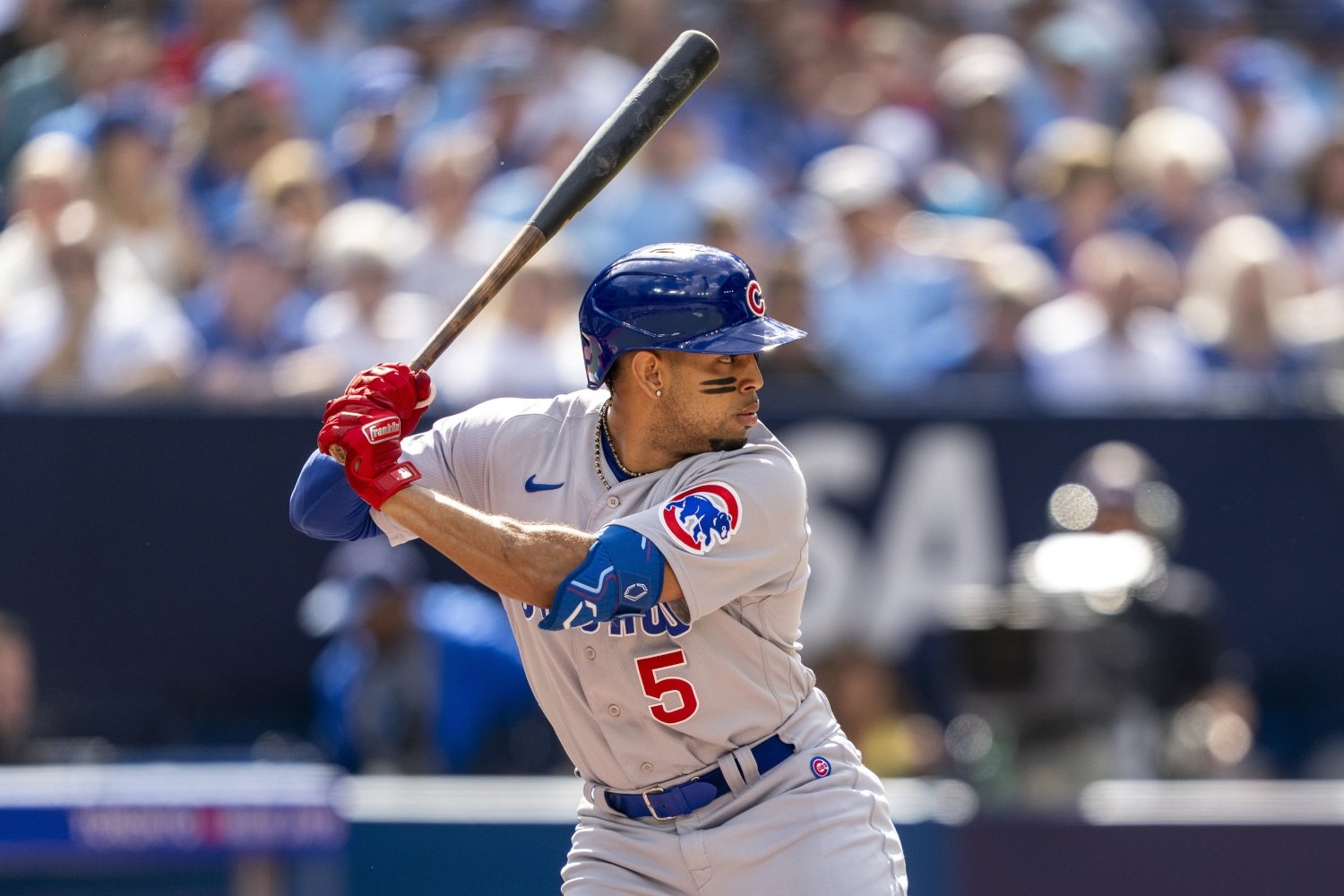 Christopher Morel stepped to the plate on Wednesday night with the game on the line. With runners on second and third, one out, and a one-run deficit in the ninth inning, the Chicago Cubs just needed some decent contact in order to at least extend the game against the New York Mets. Unfortunately for the Cubs, other than Patrick Wisdom, I am not sure there is a worse player to have coming to the plate when all you need is contact. Morel’s 33% strikeout rate is third-worst among rostered Cubs, behind Wisdom’s 37.5% (yikes) and the seldom-used Tucker Barnhart, at 33.1%. That is exactly how the at-bat played out. After swinging through two fastballs to fall behind 0-2, Morel took another fastball for a ball; fouled off another; and then took a fifth straight fastball right down the middle for strike three. With a player like Morel, you learn to take the good with the bad. Thankfully, Cubs fans have recent experience with that, after having Javier Baez on the team for several years. Despite the high strikeout rate, Morel’s wRC+ of 129 is third on the Cubs, behind Cody Bellinger and just one point behind newcomer Jeimer Candelario, according to FanGraphs. Morel’s 91.9 miles-per-hour average exit velocity is second to Wisdom, and his .257 isolated power also trails Wisdom for the team lead. All of this is to say that, despite the strikeouts, Morel is a very productive hitter. It was the way that Morel struck out that was particularly frustrating for Cubs fans. It was a straight fastball! Right down the middle! It struck me, while watching the game, that it feels like that happens to Morel more than any player I consistently watch. As a matter of fact, it had happened to him just two innings prior! Per FanGraphs, he is swinging at 68.2 percent of fastballs in the strike zone. For reference, Yan Gomes, one of the more aggressive hitters on the team, swings at 71 percent of fastballs in the zone, which is a decent but not significant difference. So, maybe there is nothing to this. Or, maybe there is. Morel’s 44.4% swing-and-miss rate against four-seam fastballs is ninth-worst in baseball, according to Baseball Savant. His 45.1% strikeout rate against four-seamers is 17th-worst. Obviously, hitters typically hit fastballs well, and struggle against offspeed pitches. While Morel just swings and misses a lot in general, and his 45.7% swing-and-miss rate against sliders is still bad, it is only 43rd-worst in baseball. His 24.4% strikeout rate against sliders is all the way down at 304th-worst in baseball. That section of the leaderboard is populated by contact hitters like Nolan Arenado, Tommy Edman, and Nico Hoerner–not somewhere you’d expect to find someone like Morel. So what gives? Per Baseball Savant, Morel is slugging .925 against sliders this year, first in all of baseball. His peripherals back that up as well, as his expected slugging percentage of .725 is fourth in baseball. His in-zone swing percentage against sliders is up about seven percentage points from last year to this year, according to FanGraphs, a fairly significant difference. He is also crushing cutters, which is the closest relative to a slider as far as pitch shape. Is he sitting on pitches that he thinks will break a certain way, causing him to take more straight fastballs for strike three? Maybe it’s all just statistical noise. His performance against these pitches last year was not nearly as impressive as it is this year, and he is still struggling against curveballs and sweepers. And he did jump a first-pitch sinker for a lead off home run earlier in the same game. Tellingly, in clinching a .500 road trip for the team on Saturday, he stroked a go-ahead double in a clutch ninth-inning moment, when Blue Jays reliever Jordan Hicks threw him a slider. In the modern version of MLB, there are worse approaches than going up there sitting on a slider and knowing when it will end up in the zone. Or maybe it is something. His improvement from last year to this year is at least evident in his peripherals. “Let Christopher be Christopher” doesn’t nearly have the same ring to it as “let Javy be Javy” did. But as frustrating as that ninth-inning at-bat in Queens was, maybe that’s just the best approach as a fan: Take the good with the bad, and enjoy the ride.
 -
In two telling plate appearances late in games this week, we saw what the Cubs' most compelling young hitter still needs to work on--and what he's already doing at an exceptional level. Image courtesy of © Kevin Sousa-USA TODAY Sports Christopher Morel stepped to the plate on Wednesday night with the game on the line. With runners on second and third, one out, and a one-run deficit in the ninth inning, the Chicago Cubs just needed some decent contact in order to at least extend the game against the New York Mets. Unfortunately for the Cubs, other than Patrick Wisdom, I am not sure there is a worse player to have coming to the plate when all you need is contact. Morel’s 33% strikeout rate is third-worst among rostered Cubs, behind Wisdom’s 37.5% (yikes) and the seldom-used Tucker Barnhart, at 33.1%. That is exactly how the at-bat played out. After swinging through two fastballs to fall behind 0-2, Morel took another fastball for a ball; fouled off another; and then took a fifth straight fastball right down the middle for strike three. With a player like Morel, you learn to take the good with the bad. Thankfully, Cubs fans have recent experience with that, after having Javier Baez on the team for several years. Despite the high strikeout rate, Morel’s wRC+ of 129 is third on the Cubs, behind Cody Bellinger and just one point behind newcomer Jeimer Candelario, according to FanGraphs. Morel’s 91.9 miles-per-hour average exit velocity is second to Wisdom, and his .257 isolated power also trails Wisdom for the team lead. All of this is to say that, despite the strikeouts, Morel is a very productive hitter. It was the way that Morel struck out that was particularly frustrating for Cubs fans. It was a straight fastball! Right down the middle! It struck me, while watching the game, that it feels like that happens to Morel more than any player I consistently watch. As a matter of fact, it had happened to him just two innings prior! Per FanGraphs, he is swinging at 68.2 percent of fastballs in the strike zone. For reference, Yan Gomes, one of the more aggressive hitters on the team, swings at 71 percent of fastballs in the zone, which is a decent but not significant difference. So, maybe there is nothing to this. Or, maybe there is. Morel’s 44.4% swing-and-miss rate against four-seam fastballs is ninth-worst in baseball, according to Baseball Savant. His 45.1% strikeout rate against four-seamers is 17th-worst. Obviously, hitters typically hit fastballs well, and struggle against offspeed pitches. While Morel just swings and misses a lot in general, and his 45.7% swing-and-miss rate against sliders is still bad, it is only 43rd-worst in baseball. His 24.4% strikeout rate against sliders is all the way down at 304th-worst in baseball. That section of the leaderboard is populated by contact hitters like Nolan Arenado, Tommy Edman, and Nico Hoerner–not somewhere you’d expect to find someone like Morel. So what gives? Per Baseball Savant, Morel is slugging .925 against sliders this year, first in all of baseball. His peripherals back that up as well, as his expected slugging percentage of .725 is fourth in baseball. His in-zone swing percentage against sliders is up about seven percentage points from last year to this year, according to FanGraphs, a fairly significant difference. He is also crushing cutters, which is the closest relative to a slider as far as pitch shape. Is he sitting on pitches that he thinks will break a certain way, causing him to take more straight fastballs for strike three? Maybe it’s all just statistical noise. His performance against these pitches last year was not nearly as impressive as it is this year, and he is still struggling against curveballs and sweepers. And he did jump a first-pitch sinker for a lead off home run earlier in the same game. Tellingly, in clinching a .500 road trip for the team on Saturday, he stroked a go-ahead double in a clutch ninth-inning moment, when Blue Jays reliever Jordan Hicks threw him a slider. In the modern version of MLB, there are worse approaches than going up there sitting on a slider and knowing when it will end up in the zone. Or maybe it is something. His improvement from last year to this year is at least evident in his peripherals. “Let Christopher be Christopher” doesn’t nearly have the same ring to it as “let Javy be Javy” did. But as frustrating as that ninth-inning at-bat in Queens was, maybe that’s just the best approach as a fan: Take the good with the bad, and enjoy the ride. View full article
-
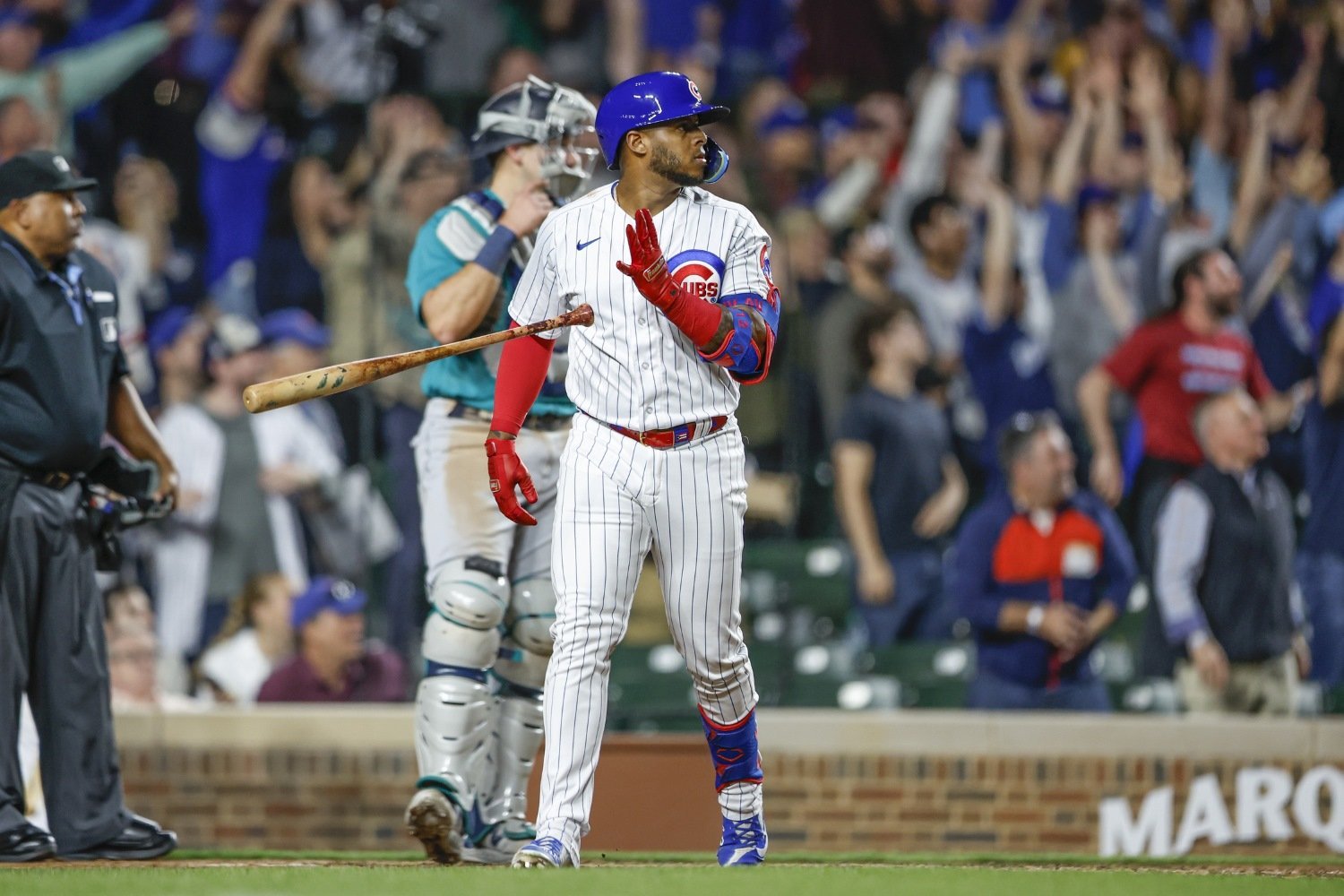 The Chicago Cubs were busy leading up to the MLB trade deadline on Tuesday. They made minor moves, trading for pitchers Jose Cuas (from the Kansas City Royals) and Josh Roberson (from the Tampa Bay Rays). The big move, however, was acquiring Jeimer Candelario from the Washington Nationals. It was refreshing to see this front office go out and get some help for a team that is within a stone’s throw of a playoff berth. However, the cost wasn’t nothing. Let’s take a look at who the Cubs gave up, and what they might be missing today and going forward. DJ Herz, LHP If there is one traded player who is most likely to come back to bite the Cubs, it’s Herz, who was starting games for Double-A Tennessee before being dealt. He’s striking out over 13 batters per 9 innings so far in his minor-league career, so the stuff is there. On the flip side, he is also walking over 5 hitters per 9 innings as a starter, and command issues often indicate that a player might be better-suited to relief work in the long term. If he is ever able to fix those command issues, his ceiling could be much higher. Fangraphs lists Herz at 40+ future value, which means he projects as something like a lower-tier bullpen guy. The Cubs have four other pitchers in that tier at Fangraphs, so they likely felt like they could deal from a position of strength here. Kevin Made, SS Made, the other player the Cubs gave up for Candelario, was playing shortstop for the High-A South Bend Cubs prior to the trade. He has increased his walk rate from 2.5 percent in his first season in A ball in 2021 to 10 percent this year. However, he has slugged just .366 in almost 1,000 career minor-league plate appearances. Fangraphs also has Made in the 40+ future value tier, meaning he projects as a bench player long-term. If he can continue to improve with the bat as he has, he could have legitimate value going forward. One important note on Made and Herz is that they are both eligible for the Rule 5 draft this offseason, according to Arizona Phil at the Cubs Reporter. This means that if the Cubs were not going to add them to their 40-man roster, they would have been available to any other team via the Rule 5 draft. Whether or not another team would have taken them, since in order to retain a Rule 5 draftee you have to leave them on your major league roster for the entire season, remains to be seen. But the Cubs likely traded two players on whom they were going to have to make a difficult decision this offseason anyway. Nelson Velazquez, OF I am honestly a little sad to see Velazquez go, even if only for the good memory he gave us all with his go-ahead grand slam against the Mariners earlier this season. He is a major league-ready outfielder who just wasn’t going to see any significant playing time with the Cubs, who have both their right and left fielders locked up for the foreseeable future. Velazquez struggled in his cup of coffee with the big-league team last year, posting just an 87 wRC+, according to Fangraphs, and despite the memorable moment mentioned above, he still hasn’t shown consistent ability to produce above AA, as he has just a 95 wRC+ with AAA Iowa this season. The 24-year-old is striking out over 30 percent of the time in his minor-league career, and if he can manage to trim that figure considerably, he could have a long major-league career because of the power in his bat. As mentioned before, though, the Cubs just aren’t the team to get him those valuable reps. Manny Rodriguez, RHP Rodriguez, who turns 27 in a month, pitched 13 2/3 innings in the majors last year and managed a 3.29 ERA. His peripherals were much less kind, as his 4.87 FIP suggested he was a bit lucky. He hasn’t made it back to the big-league team yet this year, but he has struck out over 13 batters per 9 innings in Des Moines, and his 2.93 FIP suggests he should be preventing runs at a much better rate than his 4.42 ERA. He’s got good stuff, and certainly could carve out a career in a major-league bullpen somewhere, but he wasn’t on the Cubs 40-man roster, and if they weren’t going to add him, he would have been a minor-league free agent this offseason anyway, as this is his sixth season in the minors with the Cubs. Adrian Sampson, RHP Sampson, who was a valuable member of the 2022 Cubs rotation, never quite found his footing in 2023. He has been injured for much of it, as he had surgery on a torn meniscus in May, but even when he has pitched, he’s pitched to a 9.32 ERA in 28 minor-league innings. If Sampson can return to his 2022 form, the Cubs could end up regretting this, and if there is any organization that can get him back to that form, it’s the Rays. Given that he is 31 years old and coming off of knee surgery, though, I would imagine the Cubs have reason and data points to believe that his days as an effective pitcher are done. Trey Mancini, 1B As tough as it is to say for someone who is so easy to root for for so many reasons, it was about time for the Cubs to cut bait with Trey Mancini, and they did just that on Tuesday afternoon, as they designated him for assignment. All numbers on Mancini for this season suggest he is cooked. His 74 wRC+ on FanGraphs means he was 26 percent worse than a league-average hitter, and that poor performance is supported by his batted-ball data. His expected slugging percentage and batting average on Baseball Savant are both in the bottom 10 percent of the league. Poor performance at the plate plus poor defense combined to make Mancini worth -0.8 WAR on FanGraphs. He has more recently been deployed exclusively against left-handed pitching, but even then, he was hitting just .223/.306/.351 against southpaws, and his career numbers don’t suggest he has ever been someone to hit left-handed pitching much better than right-handed pitching. I’d love to see Mancini extend his career a bit here, but the Cubs just can’t afford to be giving him plate appearances anymore. With the acquisition of Candelario, they needed a roster spot, and Mancini was the logical subtraction. Candelario and Cody Bellinger will take all of the playing time at first now, and between Candelario, Patrick Wisdom, Nick Madrigal, Miguel Amaya, and Yan Gomes, the Cubs have significantly better options at both third base and designated hitter against left-handed pitching, as well. Conclusion The Cubs certainly lost some value with all of their moves, but they are definitely palatable losses. Mancini and Sampson are, in my opinion, unlikely to be around the big leagues for much longer. Rodriguez and Velazquez both have potential, but were unlikely to hit that potential with the Cubs. While Herz and Made both have lots of development to go, and are interesting prospects, the Cubs cleared a potential 40-man roster logjam, and neither of them were in the top tier of the Cubs farm system.
 -
There Is No Such Thing As A Free Playoff Odds Bump, economists always say. Image courtesy of © Kamil Krzaczynski-USA TODAY Sports The Chicago Cubs were busy leading up to the MLB trade deadline on Tuesday. They made minor moves, trading for pitchers Jose Cuas (from the Kansas City Royals) and Josh Roberson (from the Tampa Bay Rays). The big move, however, was acquiring Jeimer Candelario from the Washington Nationals. It was refreshing to see this front office go out and get some help for a team that is within a stone’s throw of a playoff berth. However, the cost wasn’t nothing. Let’s take a look at who the Cubs gave up, and what they might be missing today and going forward. DJ Herz, LHP If there is one traded player who is most likely to come back to bite the Cubs, it’s Herz, who was starting games for Double-A Tennessee before being dealt. He’s striking out over 13 batters per 9 innings so far in his minor-league career, so the stuff is there. On the flip side, he is also walking over 5 hitters per 9 innings as a starter, and command issues often indicate that a player might be better-suited to relief work in the long term. If he is ever able to fix those command issues, his ceiling could be much higher. Fangraphs lists Herz at 40+ future value, which means he projects as something like a lower-tier bullpen guy. The Cubs have four other pitchers in that tier at Fangraphs, so they likely felt like they could deal from a position of strength here. Kevin Made, SS Made, the other player the Cubs gave up for Candelario, was playing shortstop for the High-A South Bend Cubs prior to the trade. He has increased his walk rate from 2.5 percent in his first season in A ball in 2021 to 10 percent this year. However, he has slugged just .366 in almost 1,000 career minor-league plate appearances. Fangraphs also has Made in the 40+ future value tier, meaning he projects as a bench player long-term. If he can continue to improve with the bat as he has, he could have legitimate value going forward. One important note on Made and Herz is that they are both eligible for the Rule 5 draft this offseason, according to Arizona Phil at the Cubs Reporter. This means that if the Cubs were not going to add them to their 40-man roster, they would have been available to any other team via the Rule 5 draft. Whether or not another team would have taken them, since in order to retain a Rule 5 draftee you have to leave them on your major league roster for the entire season, remains to be seen. But the Cubs likely traded two players on whom they were going to have to make a difficult decision this offseason anyway. Nelson Velazquez, OF I am honestly a little sad to see Velazquez go, even if only for the good memory he gave us all with his go-ahead grand slam against the Mariners earlier this season. He is a major league-ready outfielder who just wasn’t going to see any significant playing time with the Cubs, who have both their right and left fielders locked up for the foreseeable future. Velazquez struggled in his cup of coffee with the big-league team last year, posting just an 87 wRC+, according to Fangraphs, and despite the memorable moment mentioned above, he still hasn’t shown consistent ability to produce above AA, as he has just a 95 wRC+ with AAA Iowa this season. The 24-year-old is striking out over 30 percent of the time in his minor-league career, and if he can manage to trim that figure considerably, he could have a long major-league career because of the power in his bat. As mentioned before, though, the Cubs just aren’t the team to get him those valuable reps. Manny Rodriguez, RHP Rodriguez, who turns 27 in a month, pitched 13 2/3 innings in the majors last year and managed a 3.29 ERA. His peripherals were much less kind, as his 4.87 FIP suggested he was a bit lucky. He hasn’t made it back to the big-league team yet this year, but he has struck out over 13 batters per 9 innings in Des Moines, and his 2.93 FIP suggests he should be preventing runs at a much better rate than his 4.42 ERA. He’s got good stuff, and certainly could carve out a career in a major-league bullpen somewhere, but he wasn’t on the Cubs 40-man roster, and if they weren’t going to add him, he would have been a minor-league free agent this offseason anyway, as this is his sixth season in the minors with the Cubs. Adrian Sampson, RHP Sampson, who was a valuable member of the 2022 Cubs rotation, never quite found his footing in 2023. He has been injured for much of it, as he had surgery on a torn meniscus in May, but even when he has pitched, he’s pitched to a 9.32 ERA in 28 minor-league innings. If Sampson can return to his 2022 form, the Cubs could end up regretting this, and if there is any organization that can get him back to that form, it’s the Rays. Given that he is 31 years old and coming off of knee surgery, though, I would imagine the Cubs have reason and data points to believe that his days as an effective pitcher are done. Trey Mancini, 1B As tough as it is to say for someone who is so easy to root for for so many reasons, it was about time for the Cubs to cut bait with Trey Mancini, and they did just that on Tuesday afternoon, as they designated him for assignment. All numbers on Mancini for this season suggest he is cooked. His 74 wRC+ on FanGraphs means he was 26 percent worse than a league-average hitter, and that poor performance is supported by his batted-ball data. His expected slugging percentage and batting average on Baseball Savant are both in the bottom 10 percent of the league. Poor performance at the plate plus poor defense combined to make Mancini worth -0.8 WAR on FanGraphs. He has more recently been deployed exclusively against left-handed pitching, but even then, he was hitting just .223/.306/.351 against southpaws, and his career numbers don’t suggest he has ever been someone to hit left-handed pitching much better than right-handed pitching. I’d love to see Mancini extend his career a bit here, but the Cubs just can’t afford to be giving him plate appearances anymore. With the acquisition of Candelario, they needed a roster spot, and Mancini was the logical subtraction. Candelario and Cody Bellinger will take all of the playing time at first now, and between Candelario, Patrick Wisdom, Nick Madrigal, Miguel Amaya, and Yan Gomes, the Cubs have significantly better options at both third base and designated hitter against left-handed pitching, as well. Conclusion The Cubs certainly lost some value with all of their moves, but they are definitely palatable losses. Mancini and Sampson are, in my opinion, unlikely to be around the big leagues for much longer. Rodriguez and Velazquez both have potential, but were unlikely to hit that potential with the Cubs. While Herz and Made both have lots of development to go, and are interesting prospects, the Cubs cleared a potential 40-man roster logjam, and neither of them were in the top tier of the Cubs farm system. View full article
-
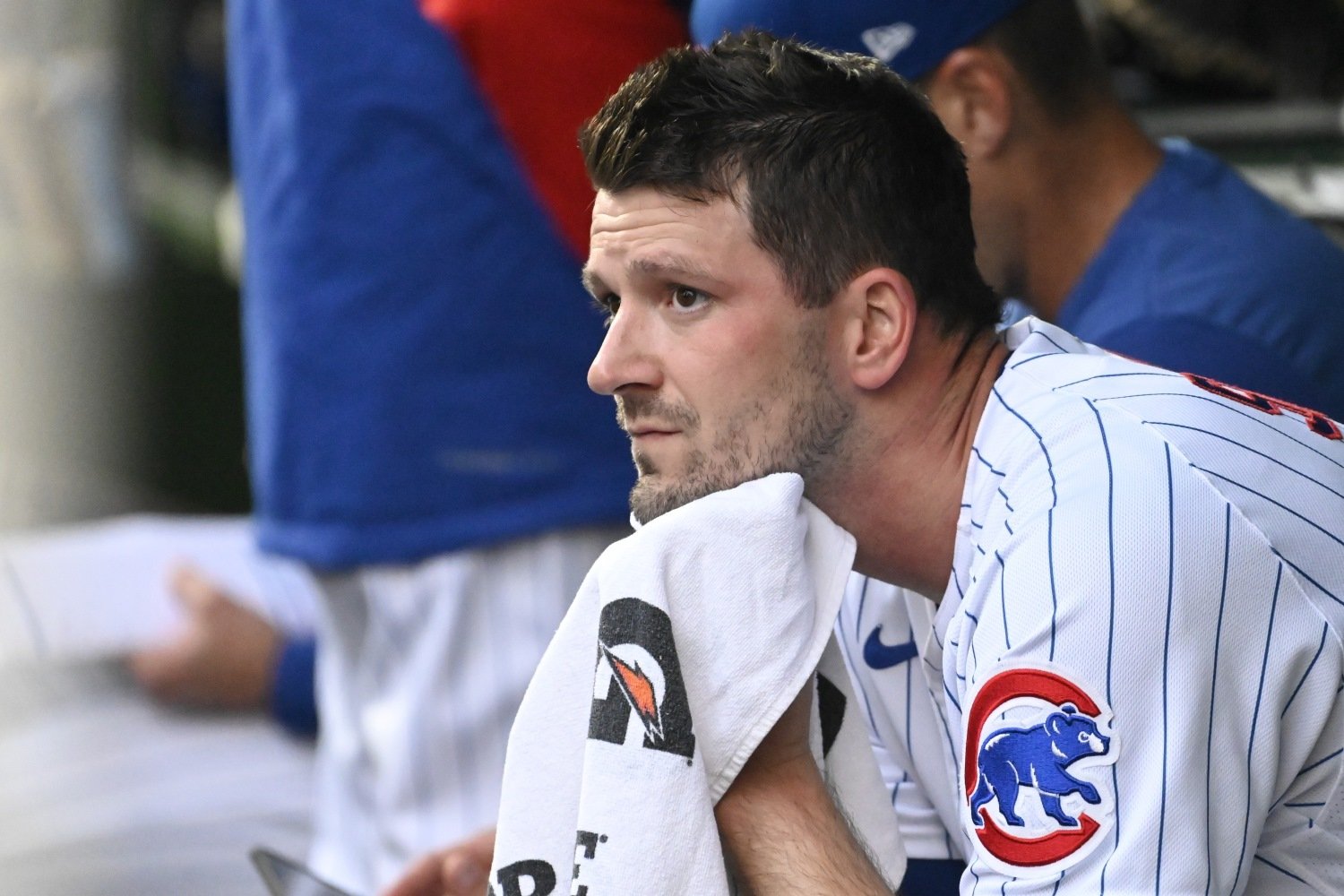 With two outs and the bases loaded in the top of the fifth inning Saturday, Drew Smyly started his showdown against the Cardinals’ Jordan Walker with two straight cutters on the inside part of the plate. Walker fouled off both pitches, and just like that, Smyly was ahead in the count 0-2. With Walker having seen a couple of pitches on the inside part of the plate, Smyly executed a perfect curveball in the dirt and on the outside part of the plate. Walker swung and missed, ending the Cardinals’ scoring threat, and keeping the Cubs within two runs, in a game they would eventually win 8-6. For a team that needs every win they can possibly get to keep their very small playoff hopes alive, this was a very important strikeout. What is also very important is for the Cubs to get Drew Smyly back to the player he was for the first two months of this season. Through his first 10 starts of the season, Smyly was one of the most valuable pitchers in baseball. His 1.3 WAR on Fangraphs was 19th, and his 2.60 ERA was 12th among qualified pitchers. The Cubs were 7-3 in those games. In his 10 appearances since, Smyly has a 7.08 ERA, which is sixth-worst among pitchers with at least 40 innings pitched in that time frame. His -0.3 WAR is third-worst. The Cubs are 3-7 in those games. His 3.62 FIP and 4.31 xFIP in his first 10 starts suggested some regression was coming, but I don’t think anyone expected it to be this extreme. What was the significance of his at-bat against Jordan Walker? In Smyly’s first 10 appearances, when he was successful, he was mostly a two-pitch pitcher. Per FanGraphs, he threw his fastball 42.4 percent of the time, his curveball 49.2 percent of the time, and his cutter 8.3 percent of the time. Since then, he has almost doubled his cutter usage, throwing it 15.1 percent of the time, with his fastball being thrown 39.4 percent of the time and his curveball 45.5 percent of the time. If we want to get even more recent than that, his cutter usage is up to 20.3 percent in his past six outings. If throwing the cutter less often worked for him earlier this season, why the progressive change in pitch usage? Smyly’s putaway pitch, his curveball, is not getting the results that it did to start the season, or even the results that it did last season. From last season through Smyly’s 10th appearance this year, his curveball was worth 0.88 runs/100 pitches, according to FanGraphs. For reference, that would have made it the 10th-best curveball in all of baseball in that time frame, had he thrown enough innings to qualify. Since then? It has been worth -2.52 runs/100 pitches, making it one of the least effective curveballs in baseball. For a pitcher like Smyly, this is a huge issue. He has never generated a ton of value with his other pitches, mostly using them to set up his curveball. If his curveball isn’t effective, he just doesn’t have any other pitch that can consistently get guys out. The good news, if there is any, is that Stuff+, an all-encompassing pitch modeling stat that takes velocity, spin rate, spin axis, movement, and release point into account, doesn’t see a huge difference with the curveball from his first 10 appearances to the second 10 appearances. My best guess is that, since Smyly was basically a two-pitch pitcher for the first half of his season, hitters started sitting on the curveball. Smyly is in the midst of making an adjustment back to throwing the cutter more often. The results haven’t been there yet, but in order for the Cubs to keep clawing back into the playoff race, Smyly is going to have to at least start performing like a league-average pitcher. With Jameson Taillon still struggling to find his groove, they are essentially starting 40 percent of their games in a hole, just because of who is pitching for them. Perhaps Taillon is now emerging from that funk; Smyly needs to follow him toward the light at the end of that tunnel.
 -
Though they've been superficially solid, the Cubs' starting rotation has really been a tale of two seasons. Early on, they were dominant. Over the last two months, though, there have been two weak links in the chain. Is that wound beginning to heal? Image courtesy of © Matt Marton-USA TODAY Sports With two outs and the bases loaded in the top of the fifth inning Saturday, Drew Smyly started his showdown against the Cardinals’ Jordan Walker with two straight cutters on the inside part of the plate. Walker fouled off both pitches, and just like that, Smyly was ahead in the count 0-2. With Walker having seen a couple of pitches on the inside part of the plate, Smyly executed a perfect curveball in the dirt and on the outside part of the plate. Walker swung and missed, ending the Cardinals’ scoring threat, and keeping the Cubs within two runs, in a game they would eventually win 8-6. For a team that needs every win they can possibly get to keep their very small playoff hopes alive, this was a very important strikeout. What is also very important is for the Cubs to get Drew Smyly back to the player he was for the first two months of this season. Through his first 10 starts of the season, Smyly was one of the most valuable pitchers in baseball. His 1.3 WAR on Fangraphs was 19th, and his 2.60 ERA was 12th among qualified pitchers. The Cubs were 7-3 in those games. In his 10 appearances since, Smyly has a 7.08 ERA, which is sixth-worst among pitchers with at least 40 innings pitched in that time frame. His -0.3 WAR is third-worst. The Cubs are 3-7 in those games. His 3.62 FIP and 4.31 xFIP in his first 10 starts suggested some regression was coming, but I don’t think anyone expected it to be this extreme. What was the significance of his at-bat against Jordan Walker? In Smyly’s first 10 appearances, when he was successful, he was mostly a two-pitch pitcher. Per FanGraphs, he threw his fastball 42.4 percent of the time, his curveball 49.2 percent of the time, and his cutter 8.3 percent of the time. Since then, he has almost doubled his cutter usage, throwing it 15.1 percent of the time, with his fastball being thrown 39.4 percent of the time and his curveball 45.5 percent of the time. If we want to get even more recent than that, his cutter usage is up to 20.3 percent in his past six outings. If throwing the cutter less often worked for him earlier this season, why the progressive change in pitch usage? Smyly’s putaway pitch, his curveball, is not getting the results that it did to start the season, or even the results that it did last season. From last season through Smyly’s 10th appearance this year, his curveball was worth 0.88 runs/100 pitches, according to FanGraphs. For reference, that would have made it the 10th-best curveball in all of baseball in that time frame, had he thrown enough innings to qualify. Since then? It has been worth -2.52 runs/100 pitches, making it one of the least effective curveballs in baseball. For a pitcher like Smyly, this is a huge issue. He has never generated a ton of value with his other pitches, mostly using them to set up his curveball. If his curveball isn’t effective, he just doesn’t have any other pitch that can consistently get guys out. The good news, if there is any, is that Stuff+, an all-encompassing pitch modeling stat that takes velocity, spin rate, spin axis, movement, and release point into account, doesn’t see a huge difference with the curveball from his first 10 appearances to the second 10 appearances. My best guess is that, since Smyly was basically a two-pitch pitcher for the first half of his season, hitters started sitting on the curveball. Smyly is in the midst of making an adjustment back to throwing the cutter more often. The results haven’t been there yet, but in order for the Cubs to keep clawing back into the playoff race, Smyly is going to have to at least start performing like a league-average pitcher. With Jameson Taillon still struggling to find his groove, they are essentially starting 40 percent of their games in a hole, just because of who is pitching for them. Perhaps Taillon is now emerging from that funk; Smyly needs to follow him toward the light at the end of that tunnel. View full article
-
As the Cubs offense continues to sputter, and as their season continues to circle the drain, fan frustrations with Seiya Suzuki only seem to grow more heated. Is that fair? Image courtesy of © Wendell Cruz-USA TODAY Sports When the Cubs invested $85 million in Seiya Suzuki during the 2021-2022 offseason, it was seen as a smart gamble by most. Suzuki had the potential to develop into a middle-of-the-order presence for the Cubs, while also maintaining a high floor as a player thanks to a keen batting eye. According to Frangraphs, Suzuki has been worth about $21.8 million thus far as a Cub, which is right on par with the roughly $20.5 million that he has been compensated, thanks to his contract being slightly backloaded. There are many cries from Cubs fans out there saying that Suzuki is drastically overpaid, and has been a disappointment, but the fact of the matter is that an average annual salary of $17 million is just not that much in Major League Baseball in 2023. Clearly, I try to remain reasonable. Yet I also, like many, find that Suzuki still leaves much to be desired. Per Baseball Savant, Suzuki is 19th among qualified hitters in average exit velocity. He hits the ball as hard as Mike Trout, and harder than Kyle Schwarber. Why, then, has Suzuki been roughly a league-average hitter in his two seasons with the Cubs? Among that group, Suzuki’s expected slugging percentage of .390 is one of the worst. The only player in baseball in the top 50 in exit velocity with a worse expected slugging percentage is Brandon Marsh. The issue? Suzuki hits ground balls at 93.1 miles per hour. He also hits balls in the air at 93.1 miles per hour. His average exit velocity on ground balls is 3rd in baseball, behind ground ball enthusiast Yandy Diaz and Aaron Judge, who hits everything hard. His average exit velocity on balls in the air, though, is 141st in baseball, and his 10.6 degree average launch angle is 191st. Suzuki is adept at hitting the ball hard, but he is just not doing any damage in doing so because so much of that loud contact is on the ground, leading to few home runs and lots of groundouts. Baseball Savant also estimates that Suzuki has been worth -15 runs on pitches over the heart of the strike zone, which is 8th-worst in all of baseball. Granted, most players don’t generate positive value on those pitches, but -15 runs is just not good enough for someone who was brought in to be a starting right fielder. He grades out at average to above-average value on pitches in the shadow, chase, and waste zones, but he just doesn’t do any significant damage on pitches over the heart of the plate: The backbone of a good hitter is here. Suzuki has the ability to hit the ball hard, and combines that with a 75th-percentile walk rate. He just doesn’t hit enough of those balls in the air. As he’s currently going, he is still a valuable player, but I totally understand the frustration that some fans have with him. If he can start hitting the ball in the air consistently, he could turn into one of the better hitters in baseball. View full article
-
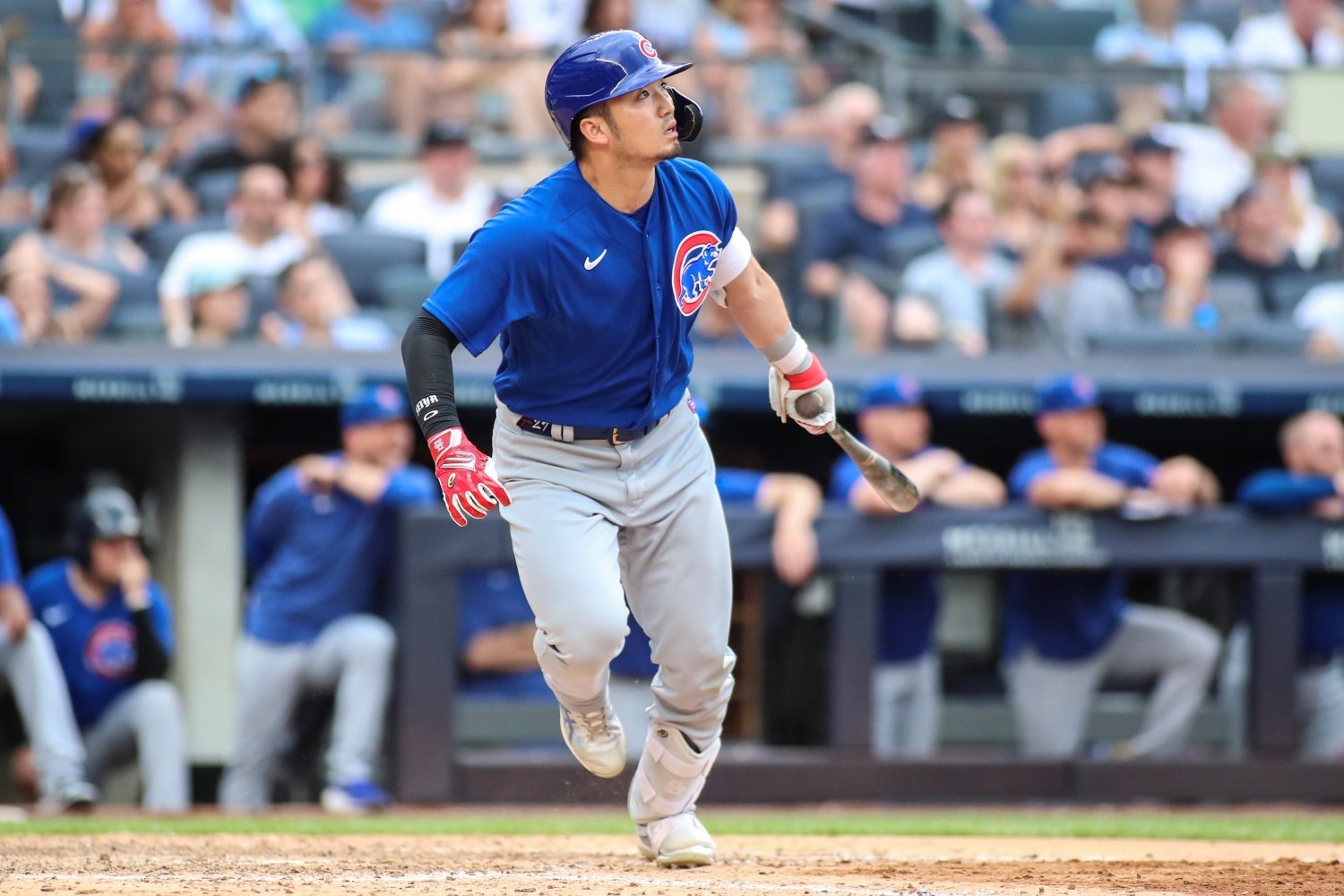 When the Cubs invested $85 million in Seiya Suzuki during the 2021-2022 offseason, it was seen as a smart gamble by most. Suzuki had the potential to develop into a middle-of-the-order presence for the Cubs, while also maintaining a high floor as a player thanks to a keen batting eye. According to Frangraphs, Suzuki has been worth about $21.8 million thus far as a Cub, which is right on par with the roughly $20.5 million that he has been compensated, thanks to his contract being slightly backloaded. There are many cries from Cubs fans out there saying that Suzuki is drastically overpaid, and has been a disappointment, but the fact of the matter is that an average annual salary of $17 million is just not that much in Major League Baseball in 2023. Clearly, I try to remain reasonable. Yet I also, like many, find that Suzuki still leaves much to be desired. Per Baseball Savant, Suzuki is 19th among qualified hitters in average exit velocity. He hits the ball as hard as Mike Trout, and harder than Kyle Schwarber. Why, then, has Suzuki been roughly a league-average hitter in his two seasons with the Cubs? Among that group, Suzuki’s expected slugging percentage of .390 is one of the worst. The only player in baseball in the top 50 in exit velocity with a worse expected slugging percentage is Brandon Marsh. The issue? Suzuki hits ground balls at 93.1 miles per hour. He also hits balls in the air at 93.1 miles per hour. His average exit velocity on ground balls is 3rd in baseball, behind ground ball enthusiast Yandy Diaz and Aaron Judge, who hits everything hard. His average exit velocity on balls in the air, though, is 141st in baseball, and his 10.6 degree average launch angle is 191st. Suzuki is adept at hitting the ball hard, but he is just not doing any damage in doing so because so much of that loud contact is on the ground, leading to few home runs and lots of groundouts. Baseball Savant also estimates that Suzuki has been worth -15 runs on pitches over the heart of the strike zone, which is 8th-worst in all of baseball. Granted, most players don’t generate positive value on those pitches, but -15 runs is just not good enough for someone who was brought in to be a starting right fielder. He grades out at average to above-average value on pitches in the shadow, chase, and waste zones, but he just doesn’t do any significant damage on pitches over the heart of the plate: The backbone of a good hitter is here. Suzuki has the ability to hit the ball hard, and combines that with a 75th-percentile walk rate. He just doesn’t hit enough of those balls in the air. As he’s currently going, he is still a valuable player, but I totally understand the frustration that some fans have with him. If he can start hitting the ball in the air consistently, he could turn into one of the better hitters in baseball.
 -
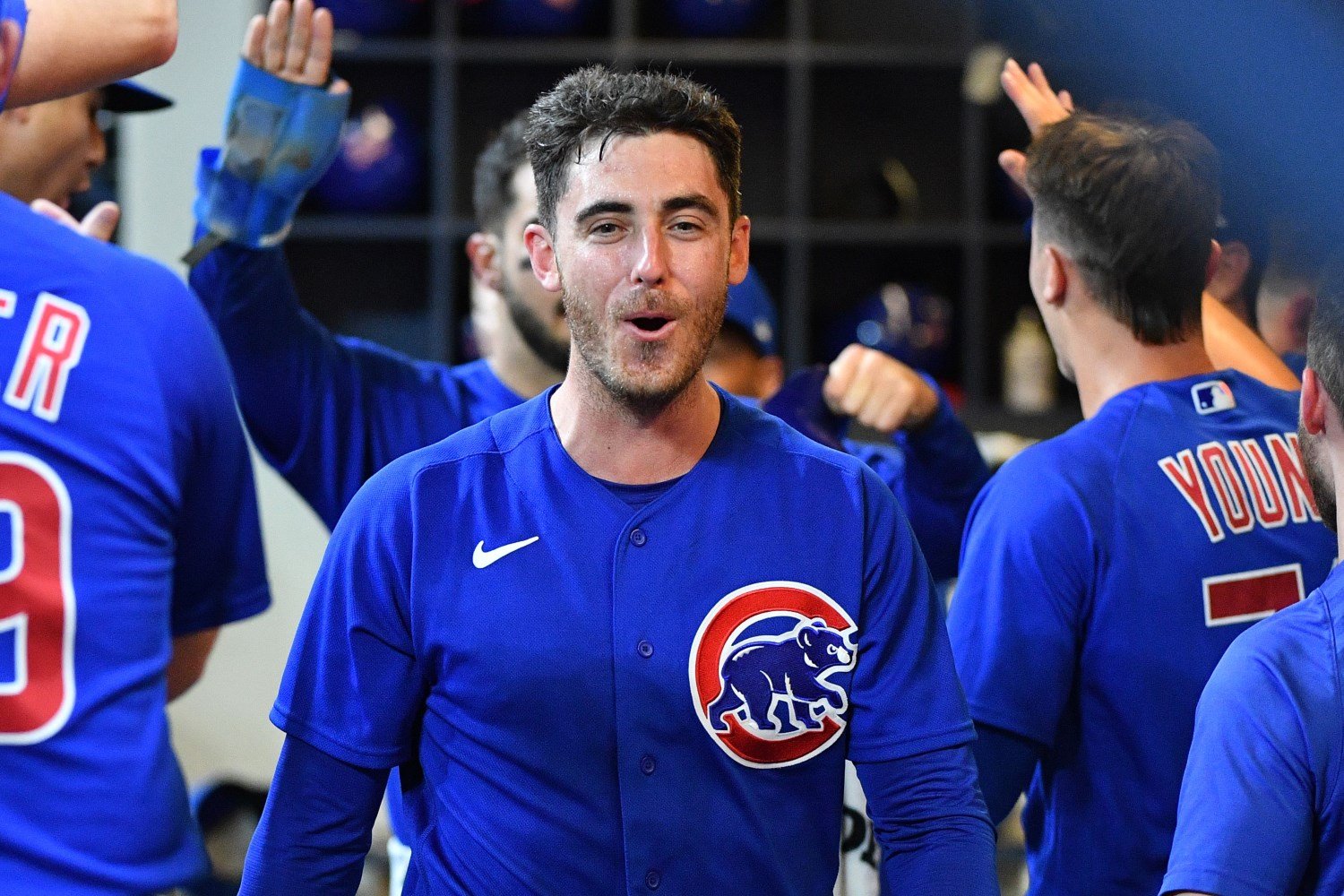 The thinking went that, if the Cubs could turn Cody Bellinger back into an above-average offensive player, they would either deal him at the trade deadline for prospects, or he would be a key player for a playoff contender. If Bellinger was still the below-average offensive player that he was for the previous two seasons, he would still provide value defensively, and the two parties could move on after the season, or at the trade deadline. No harm, no foul. Fast forward to July, and most Cubs fans would tell you that they are more than happy with Bellinger’s performance. His .303/.359/.502 slash line is 29 percent better than average, according to wRC+ on Fangraphs. Despite missing a month with a knee injury, his 2.0 WAR is 3rd on the team among position players, behind only Dansby Swanson and Nico Hoerner. Dig a little bit deeper into the numbers, however, and there are several causes for concerns regarding Bellinger’s performance. Baseball Savant calculates expected batting average and expected slugging percentage based on batted-ball data (exit velocity, launch angle, etc.) for each player. Bellinger is fifth among players with at least 150 plate appearances with a .052 difference between his batting average and expected batting average, and fourth with a .105 difference between his real and expected slugging averages. He has an expected batting average of .251, and an expected slugging of .397. Basically, he has been one of the luckiest players in baseball to this point. What is the reason for his poor expected performance? Bellinger’s average exit velocity of 86.5 miles per hour is the lowest of his career, as is his 5.2-percent Barrel rate–even lower than each of his past two seasons, when he was one of the worst offensive players in baseball. In good news, he has cut his strikeout percentage from about 27 percent over the past two seasons to 17.7 percent this year, so it’s reasonable to expect some jump in batting average. But given the poorer quality of his batted balls, the jump shouldn't be as great as it has been, especially given that Bellinger is not someone who historically outperforms his expected statistics. With home runs Thursday and Friday, Bellinger might be hitting a stride he didn’t have a chance to hit earlier this season, thanks to the cold weather of April and the knee injury in May. His expected slugging percentage has been above-average over his past 50 plate appearances: This all combines to make Bellinger one of the most interesting Cubs to follow going forward. At this point, it’s clear he will likely never recover his MVP form. He just doesn’t hit the ball with the same authority that he once did. Are his numbers this year for real, or has he just had some very fortunate batted-ball luck? If the Cubs decide to trade him, what kind of value would they receive? Can he maintain his recent hot stretch and carry the Cubs’ offense for a bit? There is likely not another player on the Cubs whose results could vary so wildly going forward. How Bellinger performs will likely determine either if the Cubs can get back into the playoff race, or if they have a successful trade deadline, should they decide to sell.