


Jeremy Nygaard
-
Posts
190 -
Joined
-
Last visited
Content Type
Profiles
Joomla Posts 1
Chicago Cubs Videos
Chicago Cubs Free Agent & Trade Rumors, Notes, & Tidbits
2026 Chicago Cubs Top Prospects Ranking
News
2023 Chicago Cubs Draft Picks
Guides & Resources
2024 Chicago Cubs Draft Picks
The Chicago Cubs Players Project
2025 Chicago Cubs Draft Pick Tracker
2026 Chicago Cubs Draft Tracker: Picks & Bonuses
Blogs
Events
Forums
Store
Gallery
Everything posted by Jeremy Nygaard
-
Let's take a look at some rumored targets for the Cubs at pick #13. There's been a pretty popular name connected to them, but things could really be wide open.
-
Horton was drafted on the heels of throwing 53 innings and being a two-way guy. With Lowder what you see is likely what you get. I'm a big fan of both and they could form an awesome 1-2 (or 2-3) punch.
-
I think Shaw will get a shot at shortstop, but probably wouldn't be his best long-term fit. The more I dig on these college guys, the more I like Shaw compared to the rest. I don't think you're getting a slam-dunk shortstop with any of them and he's got a power/speed combo that I really like. Plus, he's a Big Ten guy... so he's played in weather that isn't perfect.
-
.jpg.deb964daf027f18b2e6ab2422fd1fe07.jpg) Over the next two weeks, we're going to be providing you with profiles of 10 players the Cubs could take with the 13th overall pick in the 2023 MLB Draft. Who is He? Matt Shaw started at shortstop for the past two years for Maryland after splitting time between second base and third base as a freshman. He’s demonstrated quite a bit of power for the Terrapins the last two seasons and posted career numbers in the 2023 season with 90 hits, 20 doubles, 24 home runs, 80 runs scored, 69 runs driven in, a .341 batting average, .445 on-base percentage, and .697 slugging percentage. It goes without saying that his 1.142 OPS was also a career-high. He also posted more walks (43) than strikeouts (42). This all came on the heels of being named the Cape Cod League MVP in the summer of 2022 with a slash line of .360/.432/.574 (1.006). That certainly helped teams take notice and he continued to improve his stock with his 2023 season. Why the Cubs Will Draft Him If the Cubs are in the market for a middle infielder, Matt Shaw has been one of the more impressive infield bats over the previous year. He may not have come into the season with the same accolades as Jacob Gonzalez. He may not have put up the numbers that Tommy Troy has. Or be as well known as Brayden Taylor. But if you’re looking for the complete package of production, potential and positional value, Shaw could rise to the top. He also has above-average speed, which is another positive as teams are attempting to steal bases at such a high rate. Why the Cubs Won't Draft Him As mentioned above, there are a number of potential college middle infielders in the same general area as Shaw. That’s not to mention the high school players in the same area or the pitchers who could potentially be available too. Shaw doesn’t do anything that is going to set himself apart from the entire group. He’s a solid option for any team, for sure. But if you’re looking for something specific - power, speed, whatever it is - there is probably going to be a better option. What do you think of Matt Shaw as a prospect? How would you feel about him being the Cubs pick at 13th overall? Join the discussion in the comments. Previous Draft Articles and Profiles Aidan Miller Rhett Lowder Enrique Bradfield, Jr Jacob Gonzalez Tommy Troy Nygaard Mock Draft v.2 Consensus Big Board Profiles: 26-50 Consensus Big Board Profiles: 1-25
Over the next two weeks, we're going to be providing you with profiles of 10 players the Cubs could take with the 13th overall pick in the 2023 MLB Draft. Who is He? Matt Shaw started at shortstop for the past two years for Maryland after splitting time between second base and third base as a freshman. He’s demonstrated quite a bit of power for the Terrapins the last two seasons and posted career numbers in the 2023 season with 90 hits, 20 doubles, 24 home runs, 80 runs scored, 69 runs driven in, a .341 batting average, .445 on-base percentage, and .697 slugging percentage. It goes without saying that his 1.142 OPS was also a career-high. He also posted more walks (43) than strikeouts (42). This all came on the heels of being named the Cape Cod League MVP in the summer of 2022 with a slash line of .360/.432/.574 (1.006). That certainly helped teams take notice and he continued to improve his stock with his 2023 season. Why the Cubs Will Draft Him If the Cubs are in the market for a middle infielder, Matt Shaw has been one of the more impressive infield bats over the previous year. He may not have come into the season with the same accolades as Jacob Gonzalez. He may not have put up the numbers that Tommy Troy has. Or be as well known as Brayden Taylor. But if you’re looking for the complete package of production, potential and positional value, Shaw could rise to the top. He also has above-average speed, which is another positive as teams are attempting to steal bases at such a high rate. Why the Cubs Won't Draft Him As mentioned above, there are a number of potential college middle infielders in the same general area as Shaw. That’s not to mention the high school players in the same area or the pitchers who could potentially be available too. Shaw doesn’t do anything that is going to set himself apart from the entire group. He’s a solid option for any team, for sure. But if you’re looking for something specific - power, speed, whatever it is - there is probably going to be a better option. What do you think of Matt Shaw as a prospect? How would you feel about him being the Cubs pick at 13th overall? Join the discussion in the comments. Previous Draft Articles and Profiles Aidan Miller Rhett Lowder Enrique Bradfield, Jr Jacob Gonzalez Tommy Troy Nygaard Mock Draft v.2 Consensus Big Board Profiles: 26-50 Consensus Big Board Profiles: 1-25 -
Matt Shaw is a middle infield prospect from Maryland. He possesses a very solid bat that projects to be above-average in both the “hit” and “power” categories. On the most recent Consensus Big Board update, Shaw checked in at 14th overall. Image courtesy of Joseph Cress/Iowa City Press-Citizen Over the next two weeks, we're going to be providing you with profiles of 10 players the Cubs could take with the 13th overall pick in the 2023 MLB Draft. Who is He? Matt Shaw started at shortstop for the past two years for Maryland after splitting time between second base and third base as a freshman. He’s demonstrated quite a bit of power for the Terrapins the last two seasons and posted career numbers in the 2023 season with 90 hits, 20 doubles, 24 home runs, 80 runs scored, 69 runs driven in, a .341 batting average, .445 on-base percentage, and .697 slugging percentage. It goes without saying that his 1.142 OPS was also a career-high. He also posted more walks (43) than strikeouts (42). This all came on the heels of being named the Cape Cod League MVP in the summer of 2022 with a slash line of .360/.432/.574 (1.006). That certainly helped teams take notice and he continued to improve his stock with his 2023 season. Why the Cubs Will Draft Him If the Cubs are in the market for a middle infielder, Matt Shaw has been one of the more impressive infield bats over the previous year. He may not have come into the season with the same accolades as Jacob Gonzalez. He may not have put up the numbers that Tommy Troy has. Or be as well known as Brayden Taylor. But if you’re looking for the complete package of production, potential and positional value, Shaw could rise to the top. He also has above-average speed, which is another positive as teams are attempting to steal bases at such a high rate. Why the Cubs Won't Draft Him As mentioned above, there are a number of potential college middle infielders in the same general area as Shaw. That’s not to mention the high school players in the same area or the pitchers who could potentially be available too. Shaw doesn’t do anything that is going to set himself apart from the entire group. He’s a solid option for any team, for sure. But if you’re looking for something specific - power, speed, whatever it is - there is probably going to be a better option. What do you think of Matt Shaw as a prospect? How would you feel about him being the Cubs pick at 13th overall? Join the discussion in the comments. Previous Draft Articles and Profiles Aidan Miller Rhett Lowder Enrique Bradfield, Jr Jacob Gonzalez Tommy Troy Nygaard Mock Draft v.2 Consensus Big Board Profiles: 26-50 Consensus Big Board Profiles: 1-25 View full article
-
Aidan Miller is a prep third baseman from the Sunshine State but is committed to play college ball for Arkansas. Miller possesses both the bat - including above-average power - and the arm to successfully man the hot corner. Image courtesy of Mark J. Rebilas/USA TODAY Sports Over the next two weeks, we're going to be providing you with profiles of 10 players the Cubs could take with the 13th overall pick in the 2023 MLB Draft. Who is He? Aidan Miller is the younger brother of Jackson Miller, a catcher in the Reds system who was drafted in the second round of the 2020 COVID-shortened draft. Ranked 17th overall on the upcoming update to the Consensus Big Board, Aidan suffered a hamate injury this season and missed the majority of his final high school season, but not before impressing scouts last summer. He was the MVP of the All-American game and was gaining steam as a potential top-ten selection before the hand injury. Why the Cubs Will Draft Him Miller has the type of bat you dream about. Swinging from the right side, Miller generates easy power and strong exit velocities. His overall hit tool projects to be at least average as well. For all intents and purposes, Miller is your prototypical third-base prospect. There is no such thing as having too many excellent hitters in your lineup and Miller could provide excellent value to the Cubs because of his injury and teams not being able to get a fair, sustained look at him over the course of the spring. It’s entirely possible that Miller would have cemented himself as a top-ten pick had he just been healthy enough to compete. Why the Cubs Won't Draft Him The value of this potential first-round pick is almost entirely tied to his bat. While most scouts believe Miller will be able to stick at third base (at least early in his career), there are others who question the body enough to think that he’s destined to be a first baseman. He’s listed as 6’ 2”, 205 and nothing is too concerning about that, but he appears to have a frame that might outgrow those dimensions. At this point in his career, he would be more likely to get reps at shortstop than first base. But that will become a different story by the time he starts knocking on the big league door. Miller also has already turned 19, which doesn’t look as good in data-driven models. Older prospects get dinged. And it’s hard to ignore the lack of his senior season. Regardless of how much the Cubs - or any team has seen Miller - they’ve seen him a lot less over the last four months than a normal high school prospect. What do you think of Aidan Miller as a prospect? How would you feel about him being the Cubs pick at 13th overall? Join the discussion in the comments. View full article
-
.jpg.37dcf0a4d8664094244187cbc05108e8.jpg) Over the next two weeks, we're going to be providing you with profiles of 10 players the Cubs could take with the 13th overall pick in the 2023 MLB Draft. Who is He? Aidan Miller is the younger brother of Jackson Miller, a catcher in the Reds system who was drafted in the second round of the 2020 COVID-shortened draft. Ranked 17th overall on the upcoming update to the Consensus Big Board, Aidan suffered a hamate injury this season and missed the majority of his final high school season, but not before impressing scouts last summer. He was the MVP of the All-American game and was gaining steam as a potential top-ten selection before the hand injury. Why the Cubs Will Draft Him Miller has the type of bat you dream about. Swinging from the right side, Miller generates easy power and strong exit velocities. His overall hit tool projects to be at least average as well. For all intents and purposes, Miller is your prototypical third-base prospect. There is no such thing as having too many excellent hitters in your lineup and Miller could provide excellent value to the Cubs because of his injury and teams not being able to get a fair, sustained look at him over the course of the spring. It’s entirely possible that Miller would have cemented himself as a top-ten pick had he just been healthy enough to compete. Why the Cubs Won't Draft Him The value of this potential first-round pick is almost entirely tied to his bat. While most scouts believe Miller will be able to stick at third base (at least early in his career), there are others who question the body enough to think that he’s destined to be a first baseman. He’s listed as 6’ 2”, 205 and nothing is too concerning about that, but he appears to have a frame that might outgrow those dimensions. At this point in his career, he would be more likely to get reps at shortstop than first base. But that will become a different story by the time he starts knocking on the big league door. Miller also has already turned 19, which doesn’t look as good in data-driven models. Older prospects get dinged. And it’s hard to ignore the lack of his senior season. Regardless of how much the Cubs - or any team has seen Miller - they’ve seen him a lot less over the last four months than a normal high school prospect. What do you think of Aidan Miller as a prospect? How would you feel about him being the Cubs pick at 13th overall? Join the discussion in the comments.
Over the next two weeks, we're going to be providing you with profiles of 10 players the Cubs could take with the 13th overall pick in the 2023 MLB Draft. Who is He? Aidan Miller is the younger brother of Jackson Miller, a catcher in the Reds system who was drafted in the second round of the 2020 COVID-shortened draft. Ranked 17th overall on the upcoming update to the Consensus Big Board, Aidan suffered a hamate injury this season and missed the majority of his final high school season, but not before impressing scouts last summer. He was the MVP of the All-American game and was gaining steam as a potential top-ten selection before the hand injury. Why the Cubs Will Draft Him Miller has the type of bat you dream about. Swinging from the right side, Miller generates easy power and strong exit velocities. His overall hit tool projects to be at least average as well. For all intents and purposes, Miller is your prototypical third-base prospect. There is no such thing as having too many excellent hitters in your lineup and Miller could provide excellent value to the Cubs because of his injury and teams not being able to get a fair, sustained look at him over the course of the spring. It’s entirely possible that Miller would have cemented himself as a top-ten pick had he just been healthy enough to compete. Why the Cubs Won't Draft Him The value of this potential first-round pick is almost entirely tied to his bat. While most scouts believe Miller will be able to stick at third base (at least early in his career), there are others who question the body enough to think that he’s destined to be a first baseman. He’s listed as 6’ 2”, 205 and nothing is too concerning about that, but he appears to have a frame that might outgrow those dimensions. At this point in his career, he would be more likely to get reps at shortstop than first base. But that will become a different story by the time he starts knocking on the big league door. Miller also has already turned 19, which doesn’t look as good in data-driven models. Older prospects get dinged. And it’s hard to ignore the lack of his senior season. Regardless of how much the Cubs - or any team has seen Miller - they’ve seen him a lot less over the last four months than a normal high school prospect. What do you think of Aidan Miller as a prospect? How would you feel about him being the Cubs pick at 13th overall? Join the discussion in the comments. -
We are only nine days away from the beginning of the 2023 MLB draft and will finally start to get answers to the many questions that are being asked. Will the Pirates take Crews first overall? Do the "top five" all go in the top five? Which team will make the first big shocking pick? Will any team play the money game and try to push another player to a later pick? It's been about a month since my first attempt at a mock draft and Jamie Cameron and I also tried a dual mock draft last week. There will be one final mock draft the day before the draft begins. Without further talk about how much fun mock drafts are to both do and pick apart, here is version 2.0: 1.) Pirates – Dylan Crews, OF, LSU - We’ve legitimately reached a point in time where Paul Skenes is the more popular choice for the Pirates. Sure, Skenes is more than deserving and there are rumors that Scott Boras is doing his best to push Crews to Washington. But when it comes down to it, Crews is the best prospect and the Pirates should take the best prospect. Previous: no change 2.) Nationals – Paul Skenes, RHP, LSU - While it’s a possibility that Skenes goes first and also possible that the Pirates go with someone different, the Nationals will take Crews if he’s available and Skenes if Crews is gone. In the scenario, Skenes becomes the best Nationals pitching prospect since Stephen Strasburg. Previous: no change 3.) Tigers – Wyatt Langford, OF, Florida - Wyatt Langford should be a 1-1 candidate, but is overshadowed by Crews. Wyatt Langford is a future all-start and a player Tigers fans will love. Previous: Walker Jenkins 4.) Rangers - Walker Jenkins, OF, North Carolina prep - Rumors have it that the Rangers are most focused on Jenkins and Max Clark. We’ll lean toward Jenkins as the Rangers have worked very closely with his agency in the recent past. Previous: Wyatt Langford 5.) Twins – Kyle Teel, C, Virginia - Ok, I’ll bite. The Twins don’t seem to believe as strongly in the “this is a five-man draft” as the media seems to. Recent reports suggest that the Twins prefer Max Clark to Jenkins and would take Clark here, but not Jenkins. But earlier reports suggest they aren’t super high on Clark either. Most rumors point towards college hitters over prep hitters. Jacob Gonzalez is a popular name, but Kyle Teel comes from the same tier (not the first) and also provides the organization with their best-catching prospect since Joe Mauer. Previous: Max Clark 6.) A’s – Jacob Wilson, SS, Grand Canyon - Too early to take Wilson in my opinion, but this is a connection that’s been made in multiple places. Nothing that the A’s do will surprise me. Previous: Enrique Bradfield 7.) Reds – Rhett Lowder, RHP, Wake Forest - Cincinnati could definitely end Max Clark’s fall, but the chance to add Lowder to an up-and-coming team wins. Aside from Skenes, Lowder might have the best chance to be the first from this draft class to debut in the big leagues. Previous: Kyle Teel 8.) Royals - Thomas White, LHP, Massachusetts prep - Looking at previous drafts, the Royals lead the league in making selections that make me raise my eyebrows. And, most recently, it is because they take a left-handed pitcher way too early. This isn’t White’s fault, he’s the best lefty available. Previous: Rhett Lowder 9.) Rockies – Hurston Waldrep, RHP, Florida - The best chance for the Rockies to add pitching is through the draft, even though I felt like this would be a great place to end Clark’s slide. Previous: Chase Dollander 10.) Marlins – Max Clark, OF, Indiana prep - The slide had to end somewhere and the Marlins are in a great position to add the best prospect on the board and put a centerfielder in center field. Previous: Jacob Gonzalez 11.) Angels – Jacob Gonzalez, SS, Mississippi - Gonzalez has been slipping on (media) boards and the preseason Top 5 pick finds himself out of the Top 10. Previous: Jacob Wilson 12.) Diamondbacks – Chase Dollander, RHP, Tennessee - Who knows where Dollander ends up. He could be the second pitcher off the board. He could be the 6th or 7th if prep pitchers start to go. His stuff is off the charts… he just couldn’t put it all together this season. Previous: Arjun Nimmala 13.) Cubs – Arjun Nimmala, SS, Florida prep - There are a plethora of infielders who could go here, but the Cubs pass up the college hitters for a prep one. Previous: Tommy Troy 14.) Red Sox – Matt Shaw, SS, Maryland - There’s going to be a run on infielders in the middle of the first round and it’s going to be heavy with college guys. Previous: Colin Houck 15.) White Sox – Tommy Troy, SS, Stanford - Probably would have gone with any of the top four college arms here, but they were all gone. So the infield run continues. Previous: Hurston Waldrep 16.) Giants– Enrique Bradfield Jr., OF, Vanderbilt - Bradfield will go to someone who recognizes speed as the new market inefficiency. I’m not sure it’s the Giants, but he can’t slide forever. Previous: Bryce Eldridge 17.) Orioles – Colin Houck, SS, Georgia prep - I actually really like the idea of the Orioles taking Noble Meyer. But when it comes down to it, the Orioles have had success with upside prep bats and Houck represents that demographic well. Previous: Noble Meyer 18.) Brewers - Brayden Taylor, 3B, TCU - Taylor is one of many college bats that could be considered here. Previous: Matt Shaw 19.) Rays – Noble Meyer, RHP, Oregon prep - Nothing makes more sense than the Rays selecting my favorite prep pitcher. Previous: Thomas White 20.) Blue Jays – Chase Davis, OF, Arizona Previous: Brayden Taylor 21.) Cardinals – Aidan Miller, 3B, Florida prep Previous: Kevin McGonigle 22.) Mariners – Nolan Schanuel, 1B, Florida Atlantic Previous: Blake Mitchell 23.) Guardians – Colt Emerson, SS, Ohio prep Previous: Jack Hurley 24.) Braves – Dillon Head, OF, Illinois prep Previous: Brock Wilken 25.) Padres - Bryce Eldridge, 1B/RHP, Virginia prep Previous: Aidan Miller 26.) Yankees – Sammy Stafura, SS, New York prep Previous: George Lombard Jr. 27.) Phillies – Charlee Soto, RHP, Florida prep Previous: Colt Emerson 28.) Astros - Jack Hurley, OF, Virginia Tech Previous: Chase Davis 29.) Mariners – Blake Mitchell, C, Texas prep Previous: Nolan Schanuel 30.) Mariners – Kevin McGonigle, SS, Pennsylvania prep Previous: Colton Ledbetter What do you think? Who goes too high? Who goes too low? Post your own mock in your blog! View full article
-
 It's been about a month since my first attempt at a mock draft and Jamie Cameron and I also tried a dual mock draft last week. There will be one final mock draft the day before the draft begins. Without further talk about how much fun mock drafts are to both do and pick apart, here is version 2.0: 1.) Pirates – Dylan Crews, OF, LSU - We’ve legitimately reached a point in time where Paul Skenes is the more popular choice for the Pirates. Sure, Skenes is more than deserving and there are rumors that Scott Boras is doing his best to push Crews to Washington. But when it comes down to it, Crews is the best prospect and the Pirates should take the best prospect. Previous: no change 2.) Nationals – Paul Skenes, RHP, LSU - While it’s a possibility that Skenes goes first and also possible that the Pirates go with someone different, the Nationals will take Crews if he’s available and Skenes if Crews is gone. In the scenario, Skenes becomes the best Nationals pitching prospect since Stephen Strasburg. Previous: no change 3.) Tigers – Wyatt Langford, OF, Florida - Wyatt Langford should be a 1-1 candidate, but is overshadowed by Crews. Wyatt Langford is a future all-start and a player Tigers fans will love. Previous: Walker Jenkins 4.) Rangers - Walker Jenkins, OF, North Carolina prep - Rumors have it that the Rangers are most focused on Jenkins and Max Clark. We’ll lean toward Jenkins as the Rangers have worked very closely with his agency in the recent past. Previous: Wyatt Langford 5.) Twins – Kyle Teel, C, Virginia - Ok, I’ll bite. The Twins don’t seem to believe as strongly in the “this is a five-man draft” as the media seems to. Recent reports suggest that the Twins prefer Max Clark to Jenkins and would take Clark here, but not Jenkins. But earlier reports suggest they aren’t super high on Clark either. Most rumors point towards college hitters over prep hitters. Jacob Gonzalez is a popular name, but Kyle Teel comes from the same tier (not the first) and also provides the organization with their best-catching prospect since Joe Mauer. Previous: Max Clark 6.) A’s – Jacob Wilson, SS, Grand Canyon - Too early to take Wilson in my opinion, but this is a connection that’s been made in multiple places. Nothing that the A’s do will surprise me. Previous: Enrique Bradfield 7.) Reds – Rhett Lowder, RHP, Wake Forest - Cincinnati could definitely end Max Clark’s fall, but the chance to add Lowder to an up-and-coming team wins. Aside from Skenes, Lowder might have the best chance to be the first from this draft class to debut in the big leagues. Previous: Kyle Teel 8.) Royals - Thomas White, LHP, Massachusetts prep - Looking at previous drafts, the Royals lead the league in making selections that make me raise my eyebrows. And, most recently, it is because they take a left-handed pitcher way too early. This isn’t White’s fault, he’s the best lefty available. Previous: Rhett Lowder 9.) Rockies – Hurston Waldrep, RHP, Florida - The best chance for the Rockies to add pitching is through the draft, even though I felt like this would be a great place to end Clark’s slide. Previous: Chase Dollander 10.) Marlins – Max Clark, OF, Indiana prep - The slide had to end somewhere and the Marlins are in a great position to add the best prospect on the board and put a centerfielder in center field. Previous: Jacob Gonzalez 11.) Angels – Jacob Gonzalez, SS, Mississippi - Gonzalez has been slipping on (media) boards and the preseason Top 5 pick finds himself out of the Top 10. Previous: Jacob Wilson 12.) Diamondbacks – Chase Dollander, RHP, Tennessee - Who knows where Dollander ends up. He could be the second pitcher off the board. He could be the 6th or 7th if prep pitchers start to go. His stuff is off the charts… he just couldn’t put it all together this season. Previous: Arjun Nimmala 13.) Cubs – Arjun Nimmala, SS, Florida prep - There are a plethora of infielders who could go here, but the Cubs pass up the college hitters for a prep one. Previous: Tommy Troy 14.) Red Sox – Matt Shaw, SS, Maryland - There’s going to be a run on infielders in the middle of the first round and it’s going to be heavy with college guys. Previous: Colin Houck 15.) White Sox – Tommy Troy, SS, Stanford - Probably would have gone with any of the top four college arms here, but they were all gone. So the infield run continues. Previous: Hurston Waldrep 16.) Giants– Enrique Bradfield Jr., OF, Vanderbilt - Bradfield will go to someone who recognizes speed as the new market inefficiency. I’m not sure it’s the Giants, but he can’t slide forever. Previous: Bryce Eldridge 17.) Orioles – Colin Houck, SS, Georgia prep - I actually really like the idea of the Orioles taking Noble Meyer. But when it comes down to it, the Orioles have had success with upside prep bats and Houck represents that demographic well. Previous: Noble Meyer 18.) Brewers - Brayden Taylor, 3B, TCU - Taylor is one of many college bats that could be considered here. Previous: Matt Shaw 19.) Rays – Noble Meyer, RHP, Oregon prep - Nothing makes more sense than the Rays selecting my favorite prep pitcher. Previous: Thomas White 20.) Blue Jays – Chase Davis, OF, Arizona Previous: Brayden Taylor 21.) Cardinals – Aidan Miller, 3B, Florida prep Previous: Kevin McGonigle 22.) Mariners – Nolan Schanuel, 1B, Florida Atlantic Previous: Blake Mitchell 23.) Guardians – Colt Emerson, SS, Ohio prep Previous: Jack Hurley 24.) Braves – Dillon Head, OF, Illinois prep Previous: Brock Wilken 25.) Padres - Bryce Eldridge, 1B/RHP, Virginia prep Previous: Aidan Miller 26.) Yankees – Sammy Stafura, SS, New York prep Previous: George Lombard Jr. 27.) Phillies – Charlee Soto, RHP, Florida prep Previous: Colt Emerson 28.) Astros - Jack Hurley, OF, Virginia Tech Previous: Chase Davis 29.) Mariners – Blake Mitchell, C, Texas prep Previous: Nolan Schanuel 30.) Mariners – Kevin McGonigle, SS, Pennsylvania prep Previous: Colton Ledbetter What do you think? Who goes too high? Who goes too low? Post your own mock in your blog!
 -
Rhett Lowder is a right-handed pitcher from Wake Forest. He currently ranks 15th on the Consensus Big Board, but after his performance in the College World Series may see his stock rise. Along with Chase Dollander and Hurston Waldrep, Lowder is solidly in the second tier of college pitchers (behind the tier that includes only Paul Skenes). Image courtesy of Steven Branscombe/USA TODAY Sports Over the next two weeks, we're going to be providing you with profiles of 10 players the Cubs could take with the 13th overall pick in the 2023 MLB Draft. Who is He? Rhett Lowder is a three-year starter for Wake Forest who put up impressive numbers over his three-year career and his 2023 season would have been talked about it even more if it wasn’t for what Skenes did at LSU. Over three seasons, Lowder was 30-5 with a 3.29 ERA, a 1.155 WHIP, and a K/9 of 10.2. As impressive as that is over three years, Lowder put up an otherworldly 2023 for a Wake Forest team that entered the NCAA Tournament as the #1 overall seed, won the most games in the nation, and didn’t lose back-to-back games. He was 15-0 with a 1.87 ERA, a 0.947 WHIP, and a 10.7 K/9. He went pitch for pitch in the showdown with Skenes in Omaha. Why the Cubs Will Draft Him Remember when Cade Horton came out of nowhere, pitched really well for Oklahoma in the College World Series, and was drafted by the Cubs seventh overall last year? Of course you do! Rhett Lowder is a more proven (though lower-ceiling) version of Cade Horton. Lowder has a plus change-up, potentially the best in the draft. Additionally, his fastball is in the mid-90s and he has a usable slider, though it needs improvement. There isn’t much more to ask for - which also limits his upside - so any team who drafts Lowder may have a mid-rotation starter they can place on the fast track to the big leagues. With the development of the slider, he could be more than that. Why the Cubs Won't Draft Him The rumblings are that the Cubs - like many other teams - are more focused on college hitters. There’s depth in that class and the Cubs will likely get the chance to draft someone at #13 that wouldn’t be available at #13 in most drafts. If it is pitching the Cubs are focused on, they could potentially look for upside - like they did with Horton - and choose someone like Noble Meyer or Chase Dollander . It might be picking nits, but there’s some concern with his delivery that may eventually necessitate a move to the bullpen. He threw a lot of innings for Wake Forest, but was very well protected by the coaching staff, only throwing 100 or more pitches two times. What do you think of Rhett Lowder as a prospect? How would you feel about him being the Cubs pick at 13th overall? Join the discussion in the comments. View full article
-
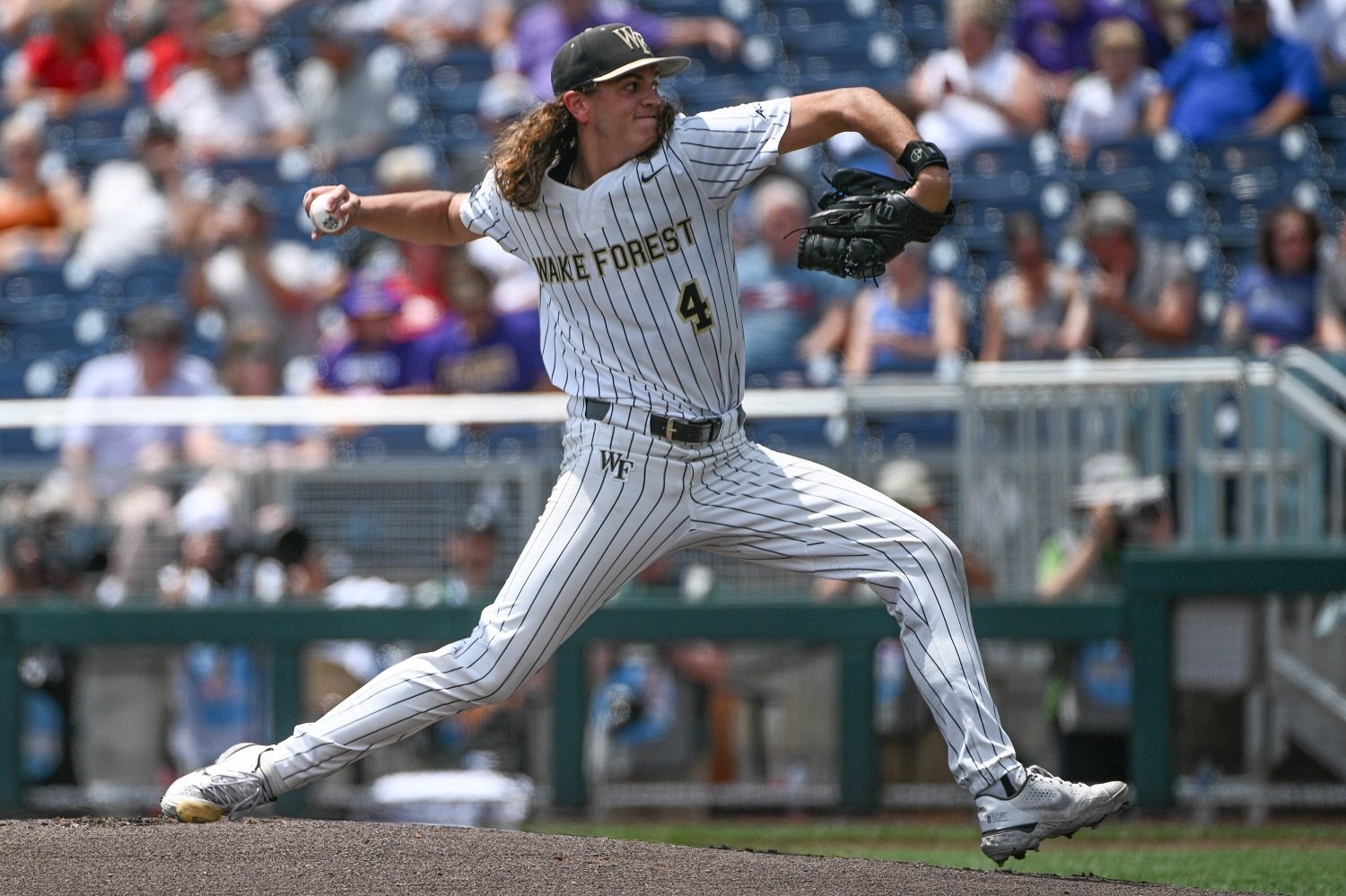 Over the next two weeks, we're going to be providing you with profiles of 10 players the Cubs could take with the 13th overall pick in the 2023 MLB Draft. Who is He? Rhett Lowder is a three-year starter for Wake Forest who put up impressive numbers over his three-year career and his 2023 season would have been talked about it even more if it wasn’t for what Skenes did at LSU. Over three seasons, Lowder was 30-5 with a 3.29 ERA, a 1.155 WHIP, and a K/9 of 10.2. As impressive as that is over three years, Lowder put up an otherworldly 2023 for a Wake Forest team that entered the NCAA Tournament as the #1 overall seed, won the most games in the nation, and didn’t lose back-to-back games. He was 15-0 with a 1.87 ERA, a 0.947 WHIP, and a 10.7 K/9. He went pitch for pitch in the showdown with Skenes in Omaha. Why the Cubs Will Draft Him Remember when Cade Horton came out of nowhere, pitched really well for Oklahoma in the College World Series, and was drafted by the Cubs seventh overall last year? Of course you do! Rhett Lowder is a more proven (though lower-ceiling) version of Cade Horton. Lowder has a plus change-up, potentially the best in the draft. Additionally, his fastball is in the mid-90s and he has a usable slider, though it needs improvement. There isn’t much more to ask for - which also limits his upside - so any team who drafts Lowder may have a mid-rotation starter they can place on the fast track to the big leagues. With the development of the slider, he could be more than that. Why the Cubs Won't Draft Him The rumblings are that the Cubs - like many other teams - are more focused on college hitters. There’s depth in that class and the Cubs will likely get the chance to draft someone at #13 that wouldn’t be available at #13 in most drafts. If it is pitching the Cubs are focused on, they could potentially look for upside - like they did with Horton - and choose someone like Noble Meyer or Chase Dollander . It might be picking nits, but there’s some concern with his delivery that may eventually necessitate a move to the bullpen. He threw a lot of innings for Wake Forest, but was very well protected by the coaching staff, only throwing 100 or more pitches two times. What do you think of Rhett Lowder as a prospect? How would you feel about him being the Cubs pick at 13th overall? Join the discussion in the comments.
 -
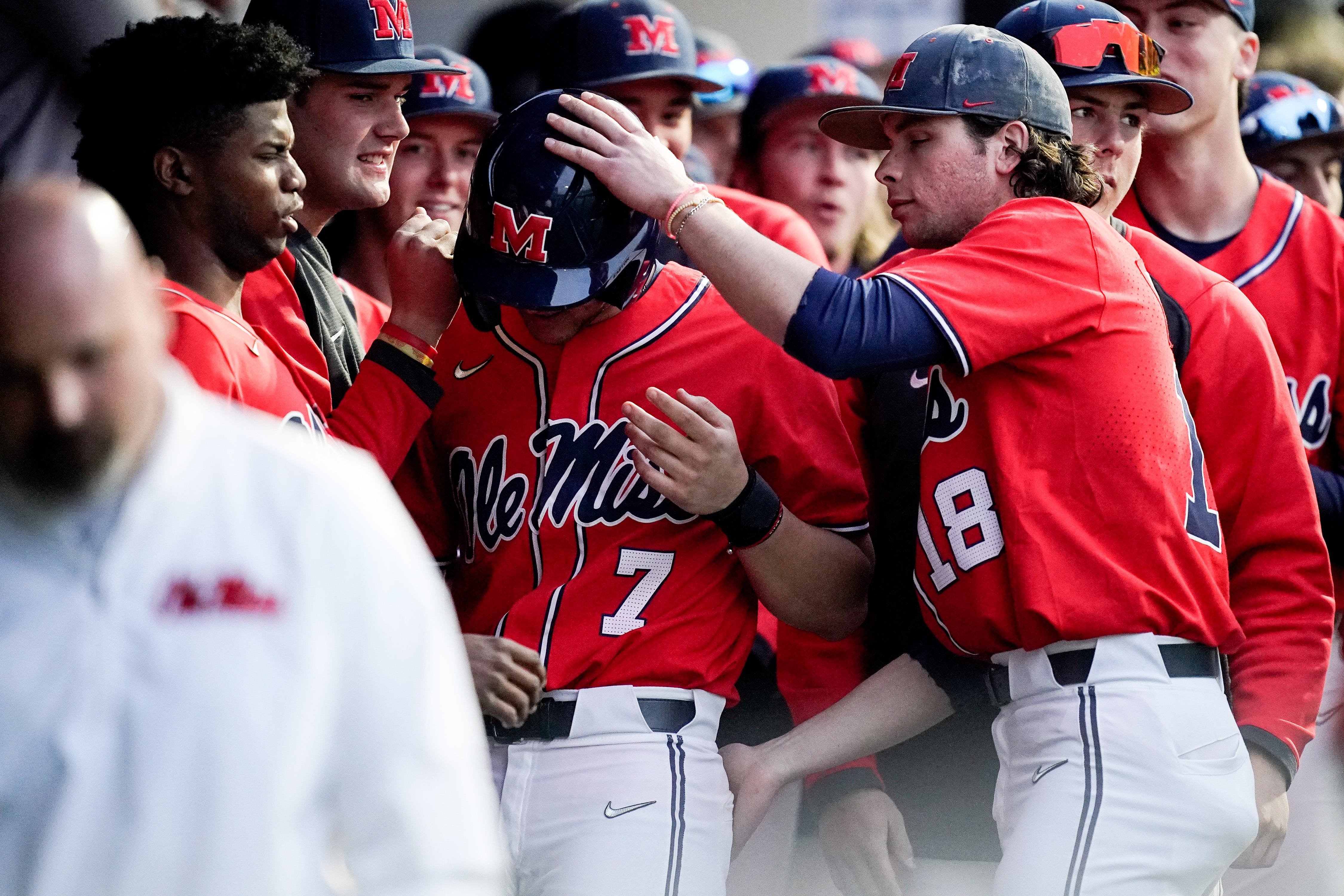 Over the next two weeks, we're going to be providing you with profiles of 10 players the Cubs could take with the 13th overall pick in the 2023 MLB Draft. Who is He? Jacob Gonzalez is a three-year starter at shortstop for Ole Miss and helped bring the school their first-ever national championship in 2019, hitting .355 with an OPS slightly above 1.000. Currently sitting at 6th overall on the Consensus Board, Gonzalez hasn’t had the banner year that people expected - his home run production has dropped (18 last year, 10 this year) and he seems to have slowed down as well (no triples or stolen bases this year after three and four, respectively, last year). But despite all of that, he’s still a special hitter, posting a .999 OPS with a career-high .564 slugging percentage even though the homers and triples have fallen off. Why the Cubs Will Draft Him You could do worse than drafting a player who can possibly play the most difficult position on the field and have both an above-average hit tool and above-average power. Gonzalez will be a solid player, a first-division regular who probably bats second, third, or sixth in a competitive lineup. If Gonzalez is still on the board at 13, the Cubs would have to consider drafting him as he’s likely the best player available. Gonzalez would immediately jump into the team’s top five prospects and be the highest-rated infielder in the system. Why the Cubs Won't Draft Him There is a good chance that Gonzalez will be off the board before the Cubs come on the clock. There’s also a chance that due to the abundance of middle infield prospects, the Cubs could simply prefer one of the other middle infielders that is still available, some of which we will write about right here over the next ten days. Additionally, the Cubs have avoided the college hitter demographic with their first pick since drafting Nico Hoerner 24th overall in the 2018 draft. Since then they have drafted three college pitchers and a high school hitter. The club may simply pass on all college hitters. What do you think of Jacob Gonzalez as a prospect? How would you feel about him being the Cubs pick at 13th overall? Join the discussion in the comments.
 -
Jacob Gonzalez is a college shortstop, former national freshman of the year, College World Series champion, and member of the U.S. Collegiate National Team. He may not be a shortstop long-term, but it’s not the glove you’re buying here. Image courtesy of Andrew Nellis/The Tennessean Over the next two weeks, we're going to be providing you with profiles of 10 players the Cubs could take with the 13th overall pick in the 2023 MLB Draft. Who is He? Jacob Gonzalez is a three-year starter at shortstop for Ole Miss and helped bring the school their first-ever national championship in 2019, hitting .355 with an OPS slightly above 1.000. Currently sitting at 6th overall on the Consensus Board, Gonzalez hasn’t had the banner year that people expected - his home run production has dropped (18 last year, 10 this year) and he seems to have slowed down as well (no triples or stolen bases this year after three and four, respectively, last year). But despite all of that, he’s still a special hitter, posting a .999 OPS with a career-high .564 slugging percentage even though the homers and triples have fallen off. Why the Cubs Will Draft Him You could do worse than drafting a player who can possibly play the most difficult position on the field and have both an above-average hit tool and above-average power. Gonzalez will be a solid player, a first-division regular who probably bats second, third, or sixth in a competitive lineup. If Gonzalez is still on the board at 13, the Cubs would have to consider drafting him as he’s likely the best player available. Gonzalez would immediately jump into the team’s top five prospects and be the highest-rated infielder in the system. Why the Cubs Won't Draft Him There is a good chance that Gonzalez will be off the board before the Cubs come on the clock. There’s also a chance that due to the abundance of middle infield prospects, the Cubs could simply prefer one of the other middle infielders that is still available, some of which we will write about right here over the next ten days. Additionally, the Cubs have avoided the college hitter demographic with their first pick since drafting Nico Hoerner 24th overall in the 2018 draft. Since then they have drafted three college pitchers and a high school hitter. The club may simply pass on all college hitters. What do you think of Jacob Gonzalez as a prospect? How would you feel about him being the Cubs pick at 13th overall? Join the discussion in the comments. View full article
-
The latest mock featured here is a dual mock draft done by Jamie Cameron and me. We alternated back and forth for the Top 39 selections in the upcoming draft. Our inaugural attempt was met with minimal success. We didn't strike out, though; you can check it out for yourself here. Additionally, you'll notice an uptick in draft coverage beginning Monday with potential draftees' profiles. 1. Pirates (JN) - Dylan Crews, OF, LSU Crews is simply too good to consider playing money games with any other prospect. Slam-dunk, open-and-shut. Crews to the Pirates and straight to the Top 10 prospects in all of baseball. 2. Nationals (JC) - Paul Skenes, RHP, LSU Skenes is the best pitching prospect since Stephen Strasburg. He’s had a historical season and represents an incredibly rare opportunity to draft an ace. Mike Rizzo likely won’t pass up the chance to draft a generational pitching talent. 3. Tigers (JN) - Wyatt Langford, OF, Florida If it wasn’t for the giant shadow that Crews casts, Langford would have a great shot to hear his name called first overall. A boon for the Tigers. Langford will immediately be their #1 prospect. 4. Rangers (JC) - Walker Jenkins, OF, South Brunswick HS, NC The Rangers, who don’t have a ton of financial flexibility coming into this draft, have been all over Jenkins this spring. Jenkins and Clark form an impressive prep tandem at the top of this class. It’s simply a matter of what your preferred profile is. 5. Twins (JN) - Max Clark, OF, Franklin HS, IN All indications suggest the Twins aren’t going to simply take whoever remains from the “top 5,” but Clark is the top prospect available and, aside from overthinking it, should be a relatively easy choice for the Twins. 6. Athletics (JC) - Kyle Teel, C, Virginia The Athletics are surely hoping one of the consensus top-five drops to them at six. That’s not what happens in this scenario, so they target someone from the next group of college bats. Teel showed development in all aspects of his game this spring. A left-handed hitting catcher with a great offensive profile is hard to find. 7. Reds (JN) - Rhett Lowder, RHP, Wake Forest After going pitch-for-pitch with Paul Skenes, Lowder has elevated his profile enough to the point where he seems like the definite second college pitcher off the board and a Top 10 pick. 8. Royals (JC) - Arjen Nimmala, SS, Strawberry Crest HS, FL The Royals are miles away from competing and have shown a propensity to the highly productive prep shortstop demographic in the past. Nimmala fits the dual profile of ‘incredible tools with a high ceiling’. The Royals have time to let him develop. 9. Rockies (JN) - Hurston Waldrep, RHP, Florida The Rockies went the college pitching route last year when it didn’t seem like the obvious move. Fortunately, even after seeing two college pitchers come off the board early, they still have a choice between Waldrep and Dollander. 10. Marlins (JC) - Chase Davis, OF, Arizona I think Davis will be this year’s Kumar Rocker. The Marlins have a stable of excellent young starting pitching talent but have struggled to develop bats. Davis is one of the best upside plays in the draft, with underlying numbers that rival Crews and Langford. 11. Angels (JN) - Matt Shaw, SS, Maryland After hitting on Zach Neto last year, the Angels are focused on college hitters. Enrique Bradfield is another name to consider, but Shaw can be a quick-moving hitter who become Neto’s double-play partner in the near future. 12. Diamondbacks (JC) - Aidan Miller, 3B, Mitchell HS, FL Miller has been ‘out of sight out of mind’ a little this spring due to injury, but he’s one of the most physical, highest-upside preps in the class. An injury-free Miller would easily have been a top-ten pick in this loaded draft class. 13. Cubs (JN) - Colin Houck, SS, Parkview HS, FL Would be a natural stopping point for Dollander’s fall or a place to consider Noble Meyer. But all indications are that the Cubs are focused on a hitter. Shaw and Miller may both be higher on their board, but Houck is an excellent consolation prize. 14. Red Sox (JC) - Chase Dollander, RHP, Tennessee The slide stops here. It’s hard to predict where Dollander will end up after an uneven 2023, but the middle of the first feels like the floor. He’s shown front-of-the-rotation potential and lots of the buzz on his 2023 season has been that his issues are mechanical. This pick could end up a steal. 15. White Sox (JN) - Enrique Bradfield, OF, Vanderbilt Bradfield hasn’t been linked to the White Sox much, but the value of an 80-grade runner and defender is too much to pass up at this point in the first round. 16. Giants (JC) - Tommy Troy, 2B, Stanford Troy is the eighth overall player on the Consensus Board, so this is both a value play and a logical fit. The Giants have been linked to college bats all spring, and Troy has a solid all-around profile and a high floor. 17. Orioles (JN) - Bryce Eldridge, 1B/RHP, James Madison HS, VA The Orioles are loaded and can take somewhat of a gamble on a potential two-way player in Eldridge. There’s a lot of smoke behind this pairing. 18. Brewers (JC) - Jacob Gonzalez, SS, Mississippi Once a consensus top-five prospect in the class, Gonzalez’s stock has been hurt by a 2023 season in which Ole Miss failed to qualify for the postseason and his power production was down from 2022. There’s a ton to like here, excellent bat-to-ball skills and a good approach. This is great value at 18. 19. Rays (JN) - Brayden Taylor, 3B, TCU Taylor’s stock was much higher before the season, then fell off… before rebounding after a strong close to this season. He may be off the board by this point, but the Rays are getting great value if he drops to them. 20. Blue Jays (JC) - Noble Meyer, Jesuit HS, OR The Blue Jays have been linked with both prep and college players. After drafting Brandon Barriera with their first pick in 2023, they land comfortably the best prep arm in the 2023 class. Meyer has nasty stuff and a ton of upside. 21. Cardinals (JN) - Nolan Schanuel, 1B, Florida Atlantic The Cardinals have been a giant disappointment this season and maybe be sellers at the deadline. Schanuel isn’t going to help immediately but may be the first baseman of the future in the post-Goldy era… which is coming sooner than anyone expected. 22. Mariners (JC) - Jacob Wilson, SS, Grand Canyon The Mariners control the latter end of the first round, with 3 picks in quick succession. Wilson is a unique talent with elite bat-to-ball skills (he struck out 12 times over two seasons for Grand Canyon). The Mariners are another team that has developed pitching well but needs more bats in the system and Wilson is great value here. 23. Guardians (JN) - Thomas White, LHP, Phillips Academy, MA Whenever I have to choose for Cleveland, I look for a pitcher I would want my favorite team to pick. There wasn’t a great college option in my opinion, so I was torn between White and Charlee Soto. When in doubt, go with the southpaw. 24. Braves (JC) - George Lombard Jr, 3B, Gulliver Prep HS, FL The Braves have been linked to a bunch of prep hitters. Lombard is one of the best of the bunch. He should develop excellent power and stick at a corner infield spot. 25. Padres (JN) - Blake Mitchell, C, Sinton HS, TX There is no high-profile injured pitcher to take, so it’s the highest-upside hitter. Mitchell could go much higher; Preller will stop the fall. 26. Yankees (JC) - Kevin McGonigle, SS, Monsignor Bonner HS, PA The Yankees have been linked with all kinds of players this spring, particularly prep hitters. This is a sweet spot in the draft for that demographic. Lombard and Walker Martin would also be good fits here. McGonigle has a great hit tool to build on. 27. Phillies (JN) - Charlee Soto, RHP, Reborn Christian HS, FL Philadelphia always seems to have pitchers fall into their laps. I’m not sure which pitcher they prefer of the next wave available, but Soto has the potential to be very good. 28. Astros (JC) - Brock Wilken, 3B, Wake Forest The Astros went with a good value college hitter in 2022 with Stillwater’s Drew Gilbert. Wilken has had an outstanding 2023, matching his power output with newfound patience at the plate. He’s a great fit coming from an analytically friendly college program. 29. Mariners (JN) Prospect Promotion Incentive Pick - Dillon Head, OF, Homewood-Flossmoor HS, IL Wanted to pair Seattle with a tumbling prep pitcher with their added picks and money, but sniped myself with White and Soto. Head is the top prep still available. Competitive Balance Round A 30. Mariners (JC) - Walker Martin, SS, Eaton HS, CO The Mariners have a huge bonus pool available and are in a position to pick back-to-back from the prep-rich bats portion of the draft. Martin is an incredibly talented shortstop prospect who developed prodigious power in 2022. 31. Rays (JN) - Yohandy Morales, 3B, Miami Doubling up on college third basemen may seem redundant, but it’s the Rays and they have a special way of going about things. 32. Mets (JC) - Roch Cholowsky, SS, Chandler HS, AZ The hard luck Mets finally got a pick. Cholowsky is an impressive two-sport athlete who might be a tough sign away from UCLA. He does everything in the infield well and put up some gaudy numbers at the combine. 33. Brewers (JN) - Steven Echavarria, RHP, Millburn HS, NJ There are a number of arms that could come off the board in this range and finding the right prep pitcher is going to be very dependent on price tags. The Brewers would have to keep Echavarria from a Florida commitment, but there is a high upside here. 34. Twins (JC) - Colton Ledbetter, OF, Mississippi State A strong floored college bat makes sense for the Twins at 34. Ledbetter has an elite approach at the plate and burgeoning power after transferring to the SEC in 2023. He has some of the best analytical markers of any college bat in the class. 35. Marlins (JN) - Cole Carrigg, C/SS/OF, San Diego State The Marlins are reaping the benefits of having hitters without defined (or - you could argue - strong) defensive positions. Carrigg had a strong combine and can provide both a bat and strong defense at multiple positions. 36. Dodgers (JC) - Sammy Stafura, SS, Walter Panas HS, NY Stafura is a helium cold-weather shortstop who does everything well. He’s gone from anonymous to a borderline first-round prospect in a matter of months and the Dodgers' player development is second to none. 37. Tigers (JN) - Travis Sykora, RHP, Round Rock HS, TX Sykora is a big, strapping, explosive pitcher with enormous upside. Allowed to pick a safe pick in Langford earlier, the Tigers can take a big swing with the young Texan. 38. Reds (JC) - Joe Whitman, LHP, Kent State Whitman is another prospect who has zoomed up draft boards in the late spring. After struggling at Purdue he transferred to Kent State and dominated before a promising start on the Cape. Hard-throwing left-handed college pitchers are a sought-after demographic and Whitman has overtaken Hunter Owen as the best in the class. 39. Athletics (JN) - Jack Hurley, OF, Virginia Tech After drafting Teel in the first round, the A’s get another strong college bat (among other tools as well) in Hurley. He has had success in front of big crowds - something he’ll hopefully get to play in front of again someday. What do you think of our mock draft of the first round? Who will get more selections correct? Which picks are most wrong? Discuss in the COMMENTS today. View full article
-
 Our inaugural attempt was met with minimal success. We didn't strike out, though; you can check it out for yourself here. Additionally, you'll notice an uptick in draft coverage beginning Monday with potential draftees' profiles. 1. Pirates (JN) - Dylan Crews, OF, LSU Crews is simply too good to consider playing money games with any other prospect. Slam-dunk, open-and-shut. Crews to the Pirates and straight to the Top 10 prospects in all of baseball. 2. Nationals (JC) - Paul Skenes, RHP, LSU Skenes is the best pitching prospect since Stephen Strasburg. He’s had a historical season and represents an incredibly rare opportunity to draft an ace. Mike Rizzo likely won’t pass up the chance to draft a generational pitching talent. 3. Tigers (JN) - Wyatt Langford, OF, Florida If it wasn’t for the giant shadow that Crews casts, Langford would have a great shot to hear his name called first overall. A boon for the Tigers. Langford will immediately be their #1 prospect. 4. Rangers (JC) - Walker Jenkins, OF, South Brunswick HS, NC The Rangers, who don’t have a ton of financial flexibility coming into this draft, have been all over Jenkins this spring. Jenkins and Clark form an impressive prep tandem at the top of this class. It’s simply a matter of what your preferred profile is. 5. Twins (JN) - Max Clark, OF, Franklin HS, IN All indications suggest the Twins aren’t going to simply take whoever remains from the “top 5,” but Clark is the top prospect available and, aside from overthinking it, should be a relatively easy choice for the Twins. 6. Athletics (JC) - Kyle Teel, C, Virginia The Athletics are surely hoping one of the consensus top-five drops to them at six. That’s not what happens in this scenario, so they target someone from the next group of college bats. Teel showed development in all aspects of his game this spring. A left-handed hitting catcher with a great offensive profile is hard to find. 7. Reds (JN) - Rhett Lowder, RHP, Wake Forest After going pitch-for-pitch with Paul Skenes, Lowder has elevated his profile enough to the point where he seems like the definite second college pitcher off the board and a Top 10 pick. 8. Royals (JC) - Arjen Nimmala, SS, Strawberry Crest HS, FL The Royals are miles away from competing and have shown a propensity to the highly productive prep shortstop demographic in the past. Nimmala fits the dual profile of ‘incredible tools with a high ceiling’. The Royals have time to let him develop. 9. Rockies (JN) - Hurston Waldrep, RHP, Florida The Rockies went the college pitching route last year when it didn’t seem like the obvious move. Fortunately, even after seeing two college pitchers come off the board early, they still have a choice between Waldrep and Dollander. 10. Marlins (JC) - Chase Davis, OF, Arizona I think Davis will be this year’s Kumar Rocker. The Marlins have a stable of excellent young starting pitching talent but have struggled to develop bats. Davis is one of the best upside plays in the draft, with underlying numbers that rival Crews and Langford. 11. Angels (JN) - Matt Shaw, SS, Maryland After hitting on Zach Neto last year, the Angels are focused on college hitters. Enrique Bradfield is another name to consider, but Shaw can be a quick-moving hitter who become Neto’s double-play partner in the near future. 12. Diamondbacks (JC) - Aidan Miller, 3B, Mitchell HS, FL Miller has been ‘out of sight out of mind’ a little this spring due to injury, but he’s one of the most physical, highest-upside preps in the class. An injury-free Miller would easily have been a top-ten pick in this loaded draft class. 13. Cubs (JN) - Colin Houck, SS, Parkview HS, FL Would be a natural stopping point for Dollander’s fall or a place to consider Noble Meyer. But all indications are that the Cubs are focused on a hitter. Shaw and Miller may both be higher on their board, but Houck is an excellent consolation prize. 14. Red Sox (JC) - Chase Dollander, RHP, Tennessee The slide stops here. It’s hard to predict where Dollander will end up after an uneven 2023, but the middle of the first feels like the floor. He’s shown front-of-the-rotation potential and lots of the buzz on his 2023 season has been that his issues are mechanical. This pick could end up a steal. 15. White Sox (JN) - Enrique Bradfield, OF, Vanderbilt Bradfield hasn’t been linked to the White Sox much, but the value of an 80-grade runner and defender is too much to pass up at this point in the first round. 16. Giants (JC) - Tommy Troy, 2B, Stanford Troy is the eighth overall player on the Consensus Board, so this is both a value play and a logical fit. The Giants have been linked to college bats all spring, and Troy has a solid all-around profile and a high floor. 17. Orioles (JN) - Bryce Eldridge, 1B/RHP, James Madison HS, VA The Orioles are loaded and can take somewhat of a gamble on a potential two-way player in Eldridge. There’s a lot of smoke behind this pairing. 18. Brewers (JC) - Jacob Gonzalez, SS, Mississippi Once a consensus top-five prospect in the class, Gonzalez’s stock has been hurt by a 2023 season in which Ole Miss failed to qualify for the postseason and his power production was down from 2022. There’s a ton to like here, excellent bat-to-ball skills and a good approach. This is great value at 18. 19. Rays (JN) - Brayden Taylor, 3B, TCU Taylor’s stock was much higher before the season, then fell off… before rebounding after a strong close to this season. He may be off the board by this point, but the Rays are getting great value if he drops to them. 20. Blue Jays (JC) - Noble Meyer, Jesuit HS, OR The Blue Jays have been linked with both prep and college players. After drafting Brandon Barriera with their first pick in 2023, they land comfortably the best prep arm in the 2023 class. Meyer has nasty stuff and a ton of upside. 21. Cardinals (JN) - Nolan Schanuel, 1B, Florida Atlantic The Cardinals have been a giant disappointment this season and maybe be sellers at the deadline. Schanuel isn’t going to help immediately but may be the first baseman of the future in the post-Goldy era… which is coming sooner than anyone expected. 22. Mariners (JC) - Jacob Wilson, SS, Grand Canyon The Mariners control the latter end of the first round, with 3 picks in quick succession. Wilson is a unique talent with elite bat-to-ball skills (he struck out 12 times over two seasons for Grand Canyon). The Mariners are another team that has developed pitching well but needs more bats in the system and Wilson is great value here. 23. Guardians (JN) - Thomas White, LHP, Phillips Academy, MA Whenever I have to choose for Cleveland, I look for a pitcher I would want my favorite team to pick. There wasn’t a great college option in my opinion, so I was torn between White and Charlee Soto. When in doubt, go with the southpaw. 24. Braves (JC) - George Lombard Jr, 3B, Gulliver Prep HS, FL The Braves have been linked to a bunch of prep hitters. Lombard is one of the best of the bunch. He should develop excellent power and stick at a corner infield spot. 25. Padres (JN) - Blake Mitchell, C, Sinton HS, TX There is no high-profile injured pitcher to take, so it’s the highest-upside hitter. Mitchell could go much higher; Preller will stop the fall. 26. Yankees (JC) - Kevin McGonigle, SS, Monsignor Bonner HS, PA The Yankees have been linked with all kinds of players this spring, particularly prep hitters. This is a sweet spot in the draft for that demographic. Lombard and Walker Martin would also be good fits here. McGonigle has a great hit tool to build on. 27. Phillies (JN) - Charlee Soto, RHP, Reborn Christian HS, FL Philadelphia always seems to have pitchers fall into their laps. I’m not sure which pitcher they prefer of the next wave available, but Soto has the potential to be very good. 28. Astros (JC) - Brock Wilken, 3B, Wake Forest The Astros went with a good value college hitter in 2022 with Stillwater’s Drew Gilbert. Wilken has had an outstanding 2023, matching his power output with newfound patience at the plate. He’s a great fit coming from an analytically friendly college program. 29. Mariners (JN) Prospect Promotion Incentive Pick - Dillon Head, OF, Homewood-Flossmoor HS, IL Wanted to pair Seattle with a tumbling prep pitcher with their added picks and money, but sniped myself with White and Soto. Head is the top prep still available. Competitive Balance Round A 30. Mariners (JC) - Walker Martin, SS, Eaton HS, CO The Mariners have a huge bonus pool available and are in a position to pick back-to-back from the prep-rich bats portion of the draft. Martin is an incredibly talented shortstop prospect who developed prodigious power in 2022. 31. Rays (JN) - Yohandy Morales, 3B, Miami Doubling up on college third basemen may seem redundant, but it’s the Rays and they have a special way of going about things. 32. Mets (JC) - Roch Cholowsky, SS, Chandler HS, AZ The hard luck Mets finally got a pick. Cholowsky is an impressive two-sport athlete who might be a tough sign away from UCLA. He does everything in the infield well and put up some gaudy numbers at the combine. 33. Brewers (JN) - Steven Echavarria, RHP, Millburn HS, NJ There are a number of arms that could come off the board in this range and finding the right prep pitcher is going to be very dependent on price tags. The Brewers would have to keep Echavarria from a Florida commitment, but there is a high upside here. 34. Twins (JC) - Colton Ledbetter, OF, Mississippi State A strong floored college bat makes sense for the Twins at 34. Ledbetter has an elite approach at the plate and burgeoning power after transferring to the SEC in 2023. He has some of the best analytical markers of any college bat in the class. 35. Marlins (JN) - Cole Carrigg, C/SS/OF, San Diego State The Marlins are reaping the benefits of having hitters without defined (or - you could argue - strong) defensive positions. Carrigg had a strong combine and can provide both a bat and strong defense at multiple positions. 36. Dodgers (JC) - Sammy Stafura, SS, Walter Panas HS, NY Stafura is a helium cold-weather shortstop who does everything well. He’s gone from anonymous to a borderline first-round prospect in a matter of months and the Dodgers' player development is second to none. 37. Tigers (JN) - Travis Sykora, RHP, Round Rock HS, TX Sykora is a big, strapping, explosive pitcher with enormous upside. Allowed to pick a safe pick in Langford earlier, the Tigers can take a big swing with the young Texan. 38. Reds (JC) - Joe Whitman, LHP, Kent State Whitman is another prospect who has zoomed up draft boards in the late spring. After struggling at Purdue he transferred to Kent State and dominated before a promising start on the Cape. Hard-throwing left-handed college pitchers are a sought-after demographic and Whitman has overtaken Hunter Owen as the best in the class. 39. Athletics (JN) - Jack Hurley, OF, Virginia Tech After drafting Teel in the first round, the A’s get another strong college bat (among other tools as well) in Hurley. He has had success in front of big crowds - something he’ll hopefully get to play in front of again someday. What do you think of our mock draft of the first round? Who will get more selections correct? Which picks are most wrong? Discuss in the COMMENTS today.
 -
 The term “personal cheeseball” (better represented by #personalcheeseball) originated over twenty years ago in the Baseball America offices when former writer and current Twins scout John Manuel started using it as “shorthand for a personal favorite that does not reflect the popular consensus.” And, again, as a warning, my radar isn’t reflective of any single team’s preferences or draft board. It’s pretty amazing that 10 of the 12 top active pitchers in career bWAR were first-round draft picks. Clayton Kershaw (7th overall), Justin Verlander (2nd), Zack Greinke (6th), Max Scherzer (11th), Cole Hamels (still active? Hmmm; 17th), Adam Wainwright (29th), Chris Sale (13th), Madison Bumgarner (10th), Gerrit Cole (1st) and Stephen Strasburg (1st) all went in the first round. Amazingly, all but two went in the top 13 picks. A vast majority of the elite pitchers in the game today never even had the opportunity to be drafted by most teams. There are only two others - Corey Kluber (4th round) and Jacob deGrom (9th round) - who are outliers to that trend. When teams draft a pitcher (or any player really) on the second day of the draft, they’d love to find someone who will eventually contribute at the big league level. Most don’t. And very few become stars at the major league level. But that doesn’t means teams don’t try. Today, we’ll look at five pitchers expected to go either late on Day 1 or on Day 2. Will any of them make a major league impact? That’s a question we won’t be able to answer for many years. Charlee Soto, Florida prep (committed to Central Florida): Soto has been trending up, so much so that he’s likely to be drafted on the first day, if not the first round. A long, young dude with a big arm, it’s easy to dream about Soto being at the front of a rotation in the future. Soto could be a prime candidate to “fall” to a team who just happens to have some extra money banked up. Zander Mueth, Illinois prep (committed to Mississippi): It would be easy to say many of the same things about Mueth, who is also a big, young right-hander with electric stuff. Mueth trends a little lower as he battles control, but should hear his name called early on Day 2. At some point after that, he’d likely honor his college commitment and re-enter the 2026 draft. Would the Cubs have an interest in keeping one of their local products close to home? Sean Sullivan, Wake Forest: Sullivan will be pitching in the upcoming College World Series, so the lefty still has some time to make an impact on his draft stock. His stuff doesn’t jump out at you, but his results do as he has a K/9 of over 15 on the season. Some may consider him the best college lefty in the draft, while others don’t have him in the Top 100. For my money, he’d be a steal if he falls to the fourth round. Connor O’Halloran, Michigan: Another lefty who doesn’t have eye-popping stuff, but gets results, O’Halloran will probably come off the board during the second half of Day 2. I think there might be more in the tank, though, and with the right development, you could see a mid-rotation starter. And if not, he’s a serviceable bullpen arm. Lebarron Johnson, Texas: Johnson has the ideal pitcher build and a repertoire to support it. His mid-to-high 90s fastball works well with his low-90s slider. But there are enough other question marks to push Johnson to the second day. Some team is going to hope to develop him into a starter, knowing that even if that doesn’t pan out, the fastball/slider combo is playable. There are plenty of others that could have been listed here. This isn’t to say anyone is or isn’t going to be a good draft or baseball prospect. If you have your own local #personalcheeseball, leave it in the comments!
 -
This will be the final installment in the #PersonalCheeseball series as we look at five pitchers who should expect to be off the board in the Top 10 rounds. Could any of these five pitchers exceed expectations and lead a rotation in the future? The term “personal cheeseball” (better represented by #personalcheeseball) originated over twenty years ago in the Baseball America offices when former writer and current Twins scout John Manuel started using it as “shorthand for a personal favorite that does not reflect the popular consensus.” And, again, as a warning, my radar isn’t reflective of any single team’s preferences or draft board. It’s pretty amazing that 10 of the 12 top active pitchers in career bWAR were first-round draft picks. Clayton Kershaw (7th overall), Justin Verlander (2nd), Zack Greinke (6th), Max Scherzer (11th), Cole Hamels (still active? Hmmm; 17th), Adam Wainwright (29th), Chris Sale (13th), Madison Bumgarner (10th), Gerrit Cole (1st) and Stephen Strasburg (1st) all went in the first round. Amazingly, all but two went in the top 13 picks. A vast majority of the elite pitchers in the game today never even had the opportunity to be drafted by most teams. There are only two others - Corey Kluber (4th round) and Jacob deGrom (9th round) - who are outliers to that trend. When teams draft a pitcher (or any player really) on the second day of the draft, they’d love to find someone who will eventually contribute at the big league level. Most don’t. And very few become stars at the major league level. But that doesn’t means teams don’t try. Today, we’ll look at five pitchers expected to go either late on Day 1 or on Day 2. Will any of them make a major league impact? That’s a question we won’t be able to answer for many years. Charlee Soto, Florida prep (committed to Central Florida): Soto has been trending up, so much so that he’s likely to be drafted on the first day, if not the first round. A long, young dude with a big arm, it’s easy to dream about Soto being at the front of a rotation in the future. Soto could be a prime candidate to “fall” to a team who just happens to have some extra money banked up. Zander Mueth, Illinois prep (committed to Mississippi): It would be easy to say many of the same things about Mueth, who is also a big, young right-hander with electric stuff. Mueth trends a little lower as he battles control, but should hear his name called early on Day 2. At some point after that, he’d likely honor his college commitment and re-enter the 2026 draft. Would the Cubs have an interest in keeping one of their local products close to home? Sean Sullivan, Wake Forest: Sullivan will be pitching in the upcoming College World Series, so the lefty still has some time to make an impact on his draft stock. His stuff doesn’t jump out at you, but his results do as he has a K/9 of over 15 on the season. Some may consider him the best college lefty in the draft, while others don’t have him in the Top 100. For my money, he’d be a steal if he falls to the fourth round. Connor O’Halloran, Michigan: Another lefty who doesn’t have eye-popping stuff, but gets results, O’Halloran will probably come off the board during the second half of Day 2. I think there might be more in the tank, though, and with the right development, you could see a mid-rotation starter. And if not, he’s a serviceable bullpen arm. Lebarron Johnson, Texas: Johnson has the ideal pitcher build and a repertoire to support it. His mid-to-high 90s fastball works well with his low-90s slider. But there are enough other question marks to push Johnson to the second day. Some team is going to hope to develop him into a starter, knowing that even if that doesn’t pan out, the fastball/slider combo is playable. There are plenty of others that could have been listed here. This isn’t to say anyone is or isn’t going to be a good draft or baseball prospect. If you have your own local #personalcheeseball, leave it in the comments! View full article
-
- 1
-

-
We’ve covered all the positions in this series, so we’re going to circle back and look at three under-the-radar outfielders as well as two outfielders that are very much on the radar. The term “personal cheeseball” (better represented by #personalcheeseball) originated over twenty years ago in the Baseball America offices when former writer and current Twins scout John Manuel started using it as “shorthand for a personal favorite that does not reflect the popular consensus.” And, again, as a warning, my radar isn’t reflective of any single team’s preferences or draft board. Chase Davis, Arizona: Davis being projected as a late first-round pick or comp round pick is baffling to me. He put up ridiculous numbers with in-game power while walking more than he struck out. Even the behind-the-curtain numbers are really good. He may be a victim of a strong draft, but if a team gets him after #20 it will be an absolute steal. Duce Robinson, Arizona prep (committed to USC): But it’s a lot more complicated than that. Robinson isn’t committed to playing baseball at USC. He’s going to be a Trojan tight end. But he does sound committed to playing pro baseball… too. Whatever team drafts him - if he signs - will only have Robinson from spring training through July. He’ll then spend the rest of the year being a college football player. He hasn’t played a ton of baseball, but when he has he’s impressed. There’s certainly enough there for a team to take a risk, because there’s high-reward upside. Wyatt Langford, Florida: Langford is clearly an on-the-radar player in this draft. But probably underrated in that everything he does is in the shadow of Dylan Crews. This is an extremely strong draft and in a normal year, Langford has a strong debate to go first overall. There’s been so much talk about Crews and Paul Skenes that Langford hasn’t gotten the pub he deserves. Unfortunately, he’s probably gone before your favorite team drafts at #13. Over the past twenty years, teams have tried to find value in skills that other teams don’t. It was the basis for Moneyball. It’s been analytic-driven, for sure. From on-base percentage to exit velocities and spin rates. I suggested many years ago that I thought speed and stolen bases would become the next “market deficiency.” It hasn’t come to full fruition yet, but we’ve seen an uptick in teams stealing bases and I expect that trend to continue. Enrique Bradfield, Vanderbilt: I’ve written about Bradfield a few times and for good reason. He offers 80 speed and can be the catalyst for the next trendy idea to take the league by storm: super speed. Bradfield is not a power/speed combination player, so there will be plenty of opportunities to steal second (and third) base… assuming he can reach base. He’s a better-fielding version of Billy Hamilton as a floor and even as he ages - and Hamilton has - his speed should be a weapon for a long time. Tampa Bay has stolen 14 more bases than any other team, but doesn’t draft until nineteenth overall. I expect Bradfield to be long gone by then. I think the A’s (#6) and Reds (#7) to the Diamondbacks (#12) are the sweet spot for Bradfield. Zyhir Hope, Virginia prep (committed to North Carolina): Hope has elite speed. But the rest is, well… a lot of hope. I’d imagine teams are trying to get Hope in for private workouts to get a better gauge on him as a player and if someone believes enough in the bat, they may be willing to buy him out of what’s expected to be a strong commitment to the Tar Heels. Next week will be the final installment of the series. We’ll look at some pitchers who have raised their stock. There are plenty of others that could have been listed here. This isn’t to say anyone is or isn’t going to be a good draft or baseball prospect. If you have your own local #personalcheeseball, leave in the comments! View full article
-
- 1
-
-
- mlb draft 2023
- north side baseball mlb draft
- (and 1 more)
-
 The term “personal cheeseball” (better represented by #personalcheeseball) originated over twenty years ago in the Baseball America offices when former writer and current Twins scout John Manuel started using it as “shorthand for a personal favorite that does not reflect the popular consensus.” And, again, as a warning, my radar isn’t reflective of any single team’s preferences or draft board. Chase Davis, Arizona: Davis being projected as a late first-round pick or comp round pick is baffling to me. He put up ridiculous numbers with in-game power while walking more than he struck out. Even the behind-the-curtain numbers are really good. He may be a victim of a strong draft, but if a team gets him after #20 it will be an absolute steal. Duce Robinson, Arizona prep (committed to USC): But it’s a lot more complicated than that. Robinson isn’t committed to playing baseball at USC. He’s going to be a Trojan tight end. But he does sound committed to playing pro baseball… too. Whatever team drafts him - if he signs - will only have Robinson from spring training through July. He’ll then spend the rest of the year being a college football player. He hasn’t played a ton of baseball, but when he has he’s impressed. There’s certainly enough there for a team to take a risk, because there’s high-reward upside. Wyatt Langford, Florida: Langford is clearly an on-the-radar player in this draft. But probably underrated in that everything he does is in the shadow of Dylan Crews. This is an extremely strong draft and in a normal year, Langford has a strong debate to go first overall. There’s been so much talk about Crews and Paul Skenes that Langford hasn’t gotten the pub he deserves. Unfortunately, he’s probably gone before your favorite team drafts at #13. Over the past twenty years, teams have tried to find value in skills that other teams don’t. It was the basis for Moneyball. It’s been analytic-driven, for sure. From on-base percentage to exit velocities and spin rates. I suggested many years ago that I thought speed and stolen bases would become the next “market deficiency.” It hasn’t come to full fruition yet, but we’ve seen an uptick in teams stealing bases and I expect that trend to continue. Enrique Bradfield, Vanderbilt: I’ve written about Bradfield a few times and for good reason. He offers 80 speed and can be the catalyst for the next trendy idea to take the league by storm: super speed. Bradfield is not a power/speed combination player, so there will be plenty of opportunities to steal second (and third) base… assuming he can reach base. He’s a better-fielding version of Billy Hamilton as a floor and even as he ages - and Hamilton has - his speed should be a weapon for a long time. Tampa Bay has stolen 14 more bases than any other team, but doesn’t draft until nineteenth overall. I expect Bradfield to be long gone by then. I think the A’s (#6) and Reds (#7) to the Diamondbacks (#12) are the sweet spot for Bradfield. Zyhir Hope, Virginia prep (committed to North Carolina): Hope has elite speed. But the rest is, well… a lot of hope. I’d imagine teams are trying to get Hope in for private workouts to get a better gauge on him as a player and if someone believes enough in the bat, they may be willing to buy him out of what’s expected to be a strong commitment to the Tar Heels. Next week will be the final installment of the series. We’ll look at some pitchers who have raised their stock. There are plenty of others that could have been listed here. This isn’t to say anyone is or isn’t going to be a good draft or baseball prospect. If you have your own local #personalcheeseball, leave in the comments!
 -
After taking a week off of the Personal Cheeseball series to post our first mock draft of the season, we’re back to look at some first basemen. Drafting a first baseman - especially early - can be one of the most polarizing decisions in all of sports. It’s not that it never works out. It’s that it almost never works out. Prince Fielder (7th overall in 2002) is an exception. Adrian Gonzalez (1st overall in 2000) is an exception. Beyond that, it’s been pretty brutal. Matt LaPorta, the 7th overall pick in 2007, was a complete bust. Eric Hosmer (3rd overall in 2008) helped the Royals win a ring in 2015, but has always been attached to a terrible contract since. Michael Aubrey, Justin Smoak, Allan Dykstra are other examples of first-round busts. The latest wave of Spencer Torkelson and Andrew Vaughn, who went 1st and 3rd overall, has been disappointing so far. When the bat doesn’t play as expected, what’s left? Well, maybe that has teams viewing players differently. Let’s take a look at some of my favorite first basemen this year. -- The term “personal cheeseball” (better represented by #personalcheeseball) originated over twenty years ago in the Baseball America offices when former writer and current Twins scout John Manuel started using it as “shorthand for a personal favorite that does not reflect the popular consensus.” We’ve covered almost every position so far in this series. And, again, as a warning, my radar isn’t reflective of any single team’s preferences or draft board. Tre’ Morgan, LSU: If you’ve watched any LSU baseball this year, you’ve definitely noticed Morgan. And that’s probably because of the long curly bleached-blonde hair that can’t be contained by his hat. He’s also nothing like a typical first baseman. He’s sleek and athletic and likely has the ability to play other places around the diamond. There isn’t the power in the bat to play first, but he’s so good defensively that it works. It will be very interesting to see where he’s deployed at the professional level. Morgan probably comes off the board early on Day 2. Nolan Schanuel, Florida Atlantic: Schanuel will be the first pure first baseman to get drafted, but will he sneak into Round 1? At this point, it appears so. Schanuel profiles as more of an all-around hitter than power hitter despite putting up good power numbers. Teams that buy into analytics will appreciate him and his ability to put up impressive exit velocities. Brock Vradenburg, Michigan State: Vradenburg is sort of the opposite of Schanuel. He’s not going to be put up silly exit velocities, but his almost 1.300 OPS this season is an indication of how much power he has in his bat and his ability to work the zone. Vradenburg will likely go in the middle third of the second day. Drew Williamson, Alabama: The back half of the second day is going to be littered with seniors and that almost assuredly is where Williamson goes. He’ll save the signing team six figures and in return they’ll get a powerful first baseman who has a good eye and the potential to be more than organizational filler. He won’t have time on his side as he’ll make his pro debut as a 23-year-old, but there is potential here. Sam Harris, Iowa prep (committed to Duke): Harris will likely make it to campus and be a high pick in three years. He’s got the power profile and depending on how he develops may be able to spend some time in the outfield. If a team can bank up some money to throw at an early Day 3 pick, Harris would be a good option. Next week we will look at some more outfielders who didn’t make the first list. There are plenty of others that could have been listed here. This isn’t to say anyone is or isn’t going to be a good draft or baseball prospect. If you have your own local #personalcheeseball, leave in the comments! View full article
-
 It’s not that it never works out. It’s that it almost never works out. Prince Fielder (7th overall in 2002) is an exception. Adrian Gonzalez (1st overall in 2000) is an exception. Beyond that, it’s been pretty brutal. Matt LaPorta, the 7th overall pick in 2007, was a complete bust. Eric Hosmer (3rd overall in 2008) helped the Royals win a ring in 2015, but has always been attached to a terrible contract since. Michael Aubrey, Justin Smoak, Allan Dykstra are other examples of first-round busts. The latest wave of Spencer Torkelson and Andrew Vaughn, who went 1st and 3rd overall, has been disappointing so far. When the bat doesn’t play as expected, what’s left? Well, maybe that has teams viewing players differently. Let’s take a look at some of my favorite first basemen this year. -- The term “personal cheeseball” (better represented by #personalcheeseball) originated over twenty years ago in the Baseball America offices when former writer and current Twins scout John Manuel started using it as “shorthand for a personal favorite that does not reflect the popular consensus.” We’ve covered almost every position so far in this series. And, again, as a warning, my radar isn’t reflective of any single team’s preferences or draft board. Tre’ Morgan, LSU: If you’ve watched any LSU baseball this year, you’ve definitely noticed Morgan. And that’s probably because of the long curly bleached-blonde hair that can’t be contained by his hat. He’s also nothing like a typical first baseman. He’s sleek and athletic and likely has the ability to play other places around the diamond. There isn’t the power in the bat to play first, but he’s so good defensively that it works. It will be very interesting to see where he’s deployed at the professional level. Morgan probably comes off the board early on Day 2. Nolan Schanuel, Florida Atlantic: Schanuel will be the first pure first baseman to get drafted, but will he sneak into Round 1? At this point, it appears so. Schanuel profiles as more of an all-around hitter than power hitter despite putting up good power numbers. Teams that buy into analytics will appreciate him and his ability to put up impressive exit velocities. Brock Vradenburg, Michigan State: Vradenburg is sort of the opposite of Schanuel. He’s not going to be put up silly exit velocities, but his almost 1.300 OPS this season is an indication of how much power he has in his bat and his ability to work the zone. Vradenburg will likely go in the middle third of the second day. Drew Williamson, Alabama: The back half of the second day is going to be littered with seniors and that almost assuredly is where Williamson goes. He’ll save the signing team six figures and in return they’ll get a powerful first baseman who has a good eye and the potential to be more than organizational filler. He won’t have time on his side as he’ll make his pro debut as a 23-year-old, but there is potential here. Sam Harris, Iowa prep (committed to Duke): Harris will likely make it to campus and be a high pick in three years. He’s got the power profile and depending on how he develops may be able to spend some time in the outfield. If a team can bank up some money to throw at an early Day 3 pick, Harris would be a good option. Next week we will look at some more outfielders who didn’t make the first list. There are plenty of others that could have been listed here. This isn’t to say anyone is or isn’t going to be a good draft or baseball prospect. If you have your own local #personalcheeseball, leave in the comments!
 -
The first mock of the season was posted earlier. Here are some additional thoughts as to why players went where they did.
-
The first mock of the season was posted earlier. Here are some additional thoughts as to why players went where they did. View full video
-
I don't disagree with the boring feel at all. Loud tools are always more exciting! That's kind of how I viewed Neto last year and he's been amazing. Counterpoint: when the loud tool is power - which doesn't always translate - you're left with someone far less usable than going the productive college shortstop route. I don't know if Stewart to the Mariners is a good match, but that feels like the area where he should come off the board. Houck will be interesting because football is definitely an option and I'd have to believe the money is better as a college (and then potentially professional) QB.
-
Mock Draft Season is upon us. We're still a solid seven weeks from having any clarity, but it's always fun to start to speculate. Last year's draft got crazy early. Even crazier than normal when you consider two pitchers went in the Top 7 and barely anyone saw a pitcher going in the Top 15. Other players fell to teams who were elated to take someone they never thought they'd have a chance to select. 1.) Pirates – Dylan Crews, OF, LSU - Arguably the best hitting prospect since Bryce Harper, Crews should be a no-doubt pick for Pittsburgh. 2.) Nationals – Paul Skenes, RHP, LSU - This is the highest Washington has drafted since having back-to-back first overall picks in 2009 and 2010. Skenes is the best pitcher available by a relatively wind margin and the Nationals would be wise to add such a highly regarded prospect. 3.) Tigers – Walker Jenkins, OF, North Carolina prep - Remarkably, this is going to be the fifth year out of the last six that the Tigers have had a top five pick. And they have very little to show for it. They’ve missed on both high school and college pitchers. They’ve had a little more success recently with prep hitters and Jenkins is the highest-ceiling hitter available. 4.) Rangers – Wyatt Langford, OF, Florida - The Rangers have went the collegiate route the last four years and the SEC in three of those four years. Langford fits the bill and is more than deserving of being picked here… or higher. 5.) Twins – Max Clark, OF, Indiana prep - There are certainly reasons and rumblings why the Twins would go a different direction here. But, at this point, it’s more of a “just make the easy choice” and that’s whichever of these top five names are available. The Twins have definitely been a college-bat lean recently. Langford would likely be preferred. Is this too early for Teel? Gut says yes (in late May anyway). 6.) A’s – Enrique Bradfield Jr., OF, Vanderbilt - The A’s are a mess and a team I’ve never been able to peg down - which is ok because they’ve struggled to hit on first-round picks. Bradfield has game-changing speed and the A’s have the third most stolen-base attempts in the league. Bradfield can help with that. 7.) Reds – Kyle Teel, C, Virginia - With the exception of Nick Lodolo in 2019, the Reds have gone hitter each year dating back to Hunter Greene in 2017. Either Chase Dollander or Rhett Lowder would make sense here too. 8.) Royals – Rhett Lowder, RHP, Wake Forest - It’s hard to really see a trend with the Royals. They’ve taken from each of the four demographics in the first round the last four years. Lowder has done well for himself and is the second college pitcher drafted here. 9.) Rockies – Chase Dollander, RHP, Tennessee - I’ve long believed the Rockies best chances to add difference-making pitchers come in the draft. Dollander hasn’t lived up to the preseason hype, but he’s still a Top 10 pick. 10.) Marlins – Jacob Gonzalez, SS, Mississippi - The Jacob Berry selection last year was a head-scratcher to me. This would be a chance to get it right. 11.) Angels – Jacob Wilson, SS, Grand Canyon - A small-school hitter is one of the few things the Angels have done well in identifying in the draft lately. 12.) Diamondbacks – Arjun Nimmala, SS, Florida prep - Consider me someone who thinks Nimmala breaks into the Top 10. Arizona has gone the prep route in four of the last five years. 13.) Cubs – Tommy Troy, SS, Stanford - Maybe he doesn’t stick at shortstop, but the bat plays at second base. There’s a mix of players here would could go anywhere in the next 20 picks so it’s going to be a lot of mixing team preference with price tags. 14.) Red Sox – Colin Houck, SS, Georgia prep - Houck seems to be doing well for himself as the draft gets closer. And the Red Sox have gone this route recently. 15.) White Sox – Hurston Waldrep, RHP, Florida - It seems like it’s always college pitchers for the White Sox. 16.) Giants – Bryce Eldridge, 1B/RHP, Virginia prep - Maybe too high for Eldridge, but they may have reached for Reggie Crawford last year too. 17.) Orioles – Noble Meyer, RHP, Oregon prep - The Orioles are in a good position to add to their depth of prospects and here the top-rated prep pitcher falls into their lap. 18.) Brewers – Matt Shaw, SS, Maryland - The profile of a hitter who probably can’t stick at shortstop and his last name is Shaw. Sure seems to fit with the Brewers. At this point in time it becomes a “here are some other guys I think go in the first round.” 19.) Rays – Thomas White, LHP, Massachusetts prep 20.) Blue Jays – Brayden Taylor, 3B, TCU 21.) Cardinals – Kevin McGonigle, SS, Pennsylvania prep 22.) Mariners – Blake Mitchell, C, Texas prep 23.) Guardians – Jack Hurley, OF, Virginia Tech 24.) Braves – Brock Wilken, 2B, Wake Forest 25.) Padres – Aidan Miller, 3B, Florida prep 26.) Yankees – George Lombard Jr., SS, Florida prep 27.) Phillies – Colt Emerson, SS, Ohio prep 28.) Astros – Chase Davis, OF, Arizona 29.) Mariners – Nolan Schanuel, 1B, Florida Atlantic 30.) Mariners – Colton Ledbetter, OF, Mississippi State View full article
.jpg.deb964daf027f18b2e6ab2422fd1fe07.jpg)
.jpg.37dcf0a4d8664094244187cbc05108e8.jpg)
