Matthew Trueblood
-
Posts
2,477 -
Joined
-
Last visited
-
Days Won
2
Content Type
Profiles
Joomla Posts 1
Chicago Cubs Videos
Chicago Cubs Free Agent & Trade Rumors, Notes, & Tidbits
2026 Chicago Cubs Top Prospects Ranking
News
2023 Chicago Cubs Draft Picks
Guides & Resources
2024 Chicago Cubs Draft Picks
The Chicago Cubs Players Project
2025 Chicago Cubs Draft Pick Tracker
2026 Chicago Cubs Draft Tracker: Picks & Bonuses
Blogs
Events
Forums
Store
Gallery
Everything posted by Matthew Trueblood
-
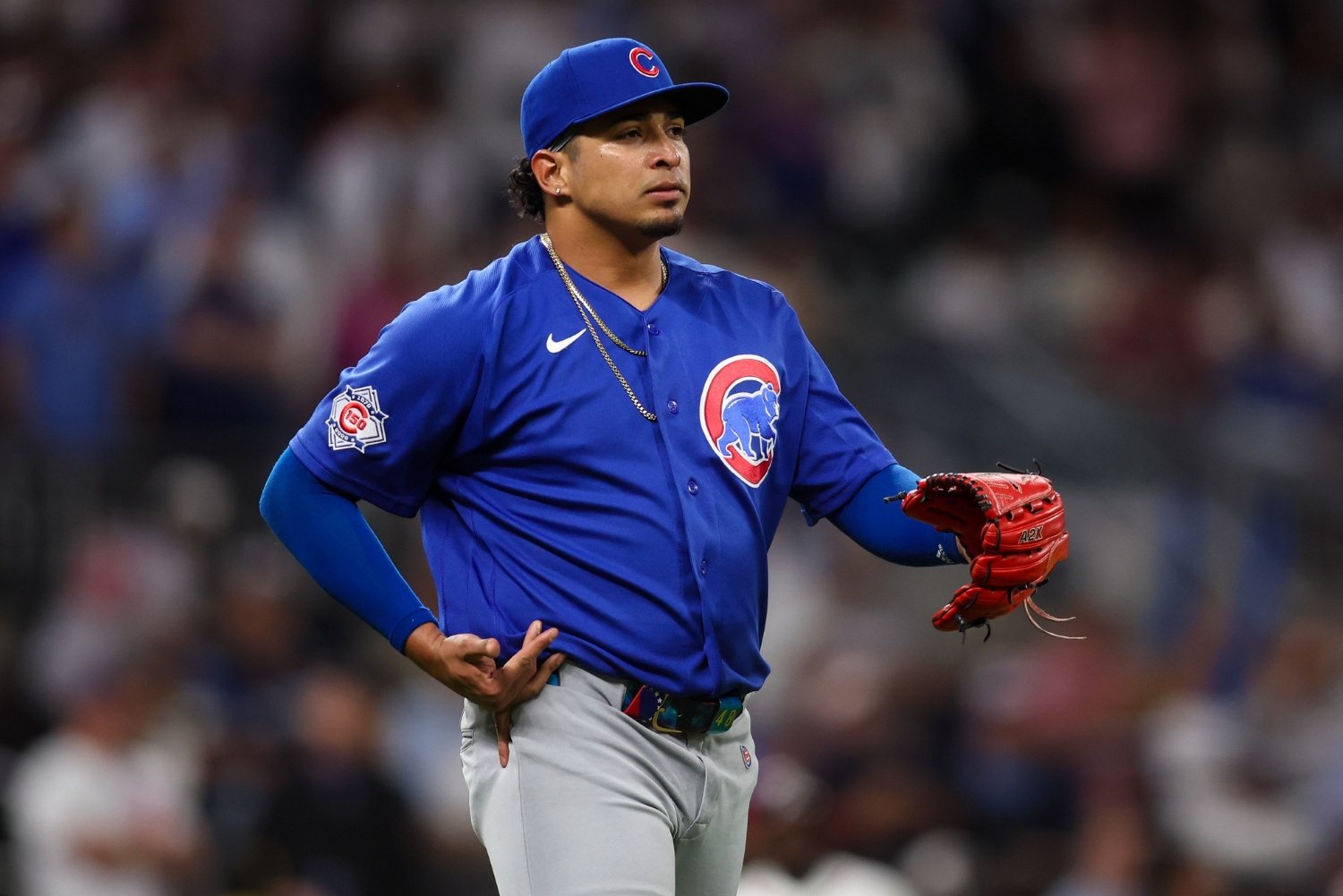 Daniel Palencia understands how much is on the line right now—how fragile things really are in Wrigleyville. That's why he shook off a twinge in his elbow Monday night to pitch to the end of a scoreless top of the ninth inning, setting up the Cubs' walkoff win to open a homestand. It couldn't be ignored any longer than that, though, and now, Palencia is back on the injured list for the second time this season. Last time, he had a lat strain. This time, it's elbow inflammation. Expect a longer absence than the fortnight he missed in April—and expect, therefore, a real scramble to cover the innings for a team trying to stay in contention. That will only be worsened if Edward Cabrera follows Palencia to the injured list, for what would also be his second stint this season. Cabrera wasn't effective Tuesday night, anyway, but he left in the fifth inning because of a cramp in his right hand, adding injury to insult. Cabrera's previous trip to the shelf was prompted by a blister, which proved a minor problem, and this could be a similar situation. The bigger problem is that Cabrera hasn't been able to rediscover his form from the first handful of starts this year—although, if the cramping turns out to be linked to any other problem farther up the kinetic chain, that could become the main issue in a hurry. Matthew Boyd is, once again, heading out on a rehab assignment, so the Cubs anticipate some relief in their rotation soon. For the moment, though, this team is limping around, hampered by a series of injuries that have been far too damaging for their thin organizational depth to withstand—and by the failures of Colin Rea and Shota Imanaga to keep the ball in the park of late. It's not at all clear what the team can do about this, though. Jaxon Wiggins has a great arm, but is hurt. Brandon Birdsell has had his career utterly derailed by injuries, and hasn't pitched at all in 2026. Brody McCullough is on the injured list for Triple-A Iowa, too. The best healthy starters the team's top farm team could offer them right now are Jordan Wicks (which the team has already tried, despite the experiment obviously being doomed to failure), Will Sanders, Connor Noland and Ty Blach. None of those three guys has an ERA under 5.00, and that's against Triple-A hitters. The Cubs do have six healthy relievers currently on optional assignment with Iowa, even after recalling Gavin Hollowell to replace Palencia on the roster. But the upside in that group is incredibly thin. Ditto for the handful of non-roster relievers also waiting for a chance. With Phil Maton seemingly having a lost season and Hunter Harvey nowhere near a return to the mound, a Palencia-less Cubs pen is as weak as their injury-ravaged rotation. Light on farm system depth, the Cubs will have few options for making a splashy trade over the next month and a half. Instead, they'll have to ride this out and try to find a little bit of help—to stabilize this roster and try to sneak into the postseason, rather than to make any serious challenge to the Brewers for the NL Central crown. There are plenty of problems on the position-player front, but all of those could be survived. The pitching injury crisis, by contrast, is reaching a critical level that looks like it will torpedo the team's season. They don't develop pitching well enough to win without a bit of luck on the health front. Right now, they're getting no such luck.
 -
Image courtesy of © Brett Davis-Imagn Images Daniel Palencia understands how much is on the line right now—how fragile things really are in Wrigleyville. That's why he shook off a twinge in his elbow Monday night to pitch to the end of a scoreless top of the ninth inning, setting up the Cubs' walkoff win to open a homestand. It couldn't be ignored any longer than that, though, and now, Palencia is back on the injured list for the second time this season. Last time, he had a lat strain. This time, it's elbow inflammation. Expect a longer absence than the fortnight he missed in April—and expect, therefore, a real scramble to cover the innings for a team trying to stay in contention. That will only be worsened if Edward Cabrera follows Palencia to the injured list, for what would also be his second stint this season. Cabrera wasn't effective Tuesday night, anyway, but he left in the fifth inning because of a cramp in his right hand, adding injury to insult. Cabrera's previous trip to the shelf was prompted by a blister, which proved a minor problem, and this could be a similar situation. The bigger problem is that Cabrera hasn't been able to rediscover his form from the first handful of starts this year—although, if the cramping turns out to be linked to any other problem farther up the kinetic chain, that could become the main issue in a hurry. Matthew Boyd is, once again, heading out on a rehab assignment, so the Cubs anticipate some relief in their rotation soon. For the moment, though, this team is limping around, hampered by a series of injuries that have been far too damaging for their thin organizational depth to withstand—and by the failures of Colin Rea and Shota Imanaga to keep the ball in the park of late. It's not at all clear what the team can do about this, though. Jaxon Wiggins has a great arm, but is hurt. Brandon Birdsell has had his career utterly derailed by injuries, and hasn't pitched at all in 2026. Brody McCullough is on the injured list for Triple-A Iowa, too. The best healthy starters the team's top farm team could offer them right now are Jordan Wicks (which the team has already tried, despite the experiment obviously being doomed to failure), Will Sanders, Connor Noland and Ty Blach. None of those three guys has an ERA under 5.00, and that's against Triple-A hitters. The Cubs do have six healthy relievers currently on optional assignment with Iowa, even after recalling Gavin Hollowell to replace Palencia on the roster. But the upside in that group is incredibly thin. Ditto for the handful of non-roster relievers also waiting for a chance. With Phil Maton seemingly having a lost season and Hunter Harvey nowhere near a return to the mound, a Palencia-less Cubs pen is as weak as their injury-ravaged rotation. Light on farm system depth, the Cubs will have few options for making a splashy trade over the next month and a half. Instead, they'll have to ride this out and try to find a little bit of help—to stabilize this roster and try to sneak into the postseason, rather than to make any serious challenge to the Brewers for the NL Central crown. There are plenty of problems on the position-player front, but all of those could be survived. The pitching injury crisis, by contrast, is reaching a critical level that looks like it will torpedo the team's season. They don't develop pitching well enough to win without a bit of luck on the health front. Right now, they're getting no such luck. View full article
-
Image courtesy of © David Banks-Imagn Images Pete Crow-Armstrong had one of the best offensive performances in recent Cubs history Monday night. He hit for the cycle, with a leadoff home run, a third-inning triple, a fifth-inning double and a seventh-inning single. He also delivered a sacrifice fly on a hard-hit liner in the eighth. His moment of triumph was slightly marred when, immediately after accomplishing the cycle in the bottom of the seventh, he was picked off first base, but his RBI in the eighth set up a two-run, walkoff rally in the ninth. In the process, Crow-Armstrong became just the second Cubs batter in the Statcast Era to hit five balls with an exit velocity of at least 98 miles per hour in one game, joining Willson Contreras in a meaningless contest at the end of 2021. He delivered the first cycle by a Cubs batter playing in a full-time big-league stadium since 1993. He also made a highlight-reel defensive play. Normally, we'd call this The PCA Game, or something similarly majestic (if unimaginative). Here's the problem: If you mention The PCA Game to someone in the next few weeks, they won't know which you mean. Was it Monday's cycle? Or was it nine days earlier, when he also had four hits—two of them game-tying homers—in what became a walkoff win over the Giants? What about June 4, when he had a stolen base, a home run in the sixth inning, and the walkoff hit himself in the bottom of the 9th? Or how about May 30, when his four hits included a 444-foot homer and he made a sliding catch in the gap to seal the win—all on national TV, against the Cardinals in St. Louis? Suddenly, Crow-Armstrong is taking over games so frequently that what would be once-in-a-career heroics for some players feel routine. We've been readying you for this and walking you through it since before the baseball gods laid their wreath on Crow-Armstrong's head. When he signed a long-term extension with the team at the beginning of the season, I wrote about his development into a power hitter by lifting the ball to the pull field in such an excellent and reliable way. I also asked, as he started to show signs of improved plate discipline, how much less he really needed to swing in order to ascend to superstardom. In mid-April, I documented his surging bat speed (but also the temporary problems it caused). If there was intrigue in April, there was outright chaos in May. I wrote about Crow-Armstrong's real chance to lay claim to the greatest defensive season of all time, but also how he began to play out of control when the Cubs started struggling, and about how uncomfortably Crow-Armstrong-centric the team has become of late. After he used a day off between series on May 21 to lock in some changes to his setup and his plan, though, he exploded. He simply exploded, into an elite offensive player who can't help but take up most of the oxygen around a team, even if that player weren't also an elite defender with a big personality. All of this should sound familiar, whether you're old enough to actually remember it or not. The famous number attached to Sammy Sosa's 1998 power binge is the 20 home runs he hit in June, but his hot streak didn't wait until the calendar flipped. Through May 21, Sosa was having a strong season, with a .929 OPS. However, starting May 22, he went completely nuclear. He batted .321/.349/.879 from May 22 through the end of June, before "cooling" to a .986 OPS for the balance of the season. That stretch during which he went from an All-Star to a superstar lasted about six full weeks. We're not even that far along with Crow-Armstrong, but he's almost exactly that hot, since the same square on a different calendar. Since May 22, he's come to the plate 106 times. He's batting .380/.443/.761, with eight homers. Juan Soto he ain't, but he's even drawing walks at a decent clip. He's not going to hit 20 homers this month, but in his whole nutty hot streak, Sosa only had 28 extra-base hits. It's just that 25 of them cleared the fence. With half of June left, Crow-Armstrong has 17 extra-base hits in his own personal crucible of brilliance. It's fair to remain concerned about the erraticism of his play, fueled as it seems to be by the intensity of his personality. However, at the plate, Crow-Armstrong has become a lethal tactician, cool and locked-in. He's swinging ferociously, and finding the barrel efficiently. He's still making plays in the outfield and on the bases. Sosa holds the Cubs record for games in a season in which a batter delivered at least 2.00 runs more than an average hitter would in the same number of plate appearances—not with his 1998 campaign, but with his 2001 one, in which he did that 24 times. It's rare, to be worth two full runs on your own. In the last two decades, the most such games by any Cub was Anthony Rizzo's 17 in 2017. Crow-Armstrong now has six such games, though, with five of them coming in the last 24 days. He's taking over games at a rate no one born since 1990 can ever remember a Cubs hitter matching. Enjoy the show. View full article
-
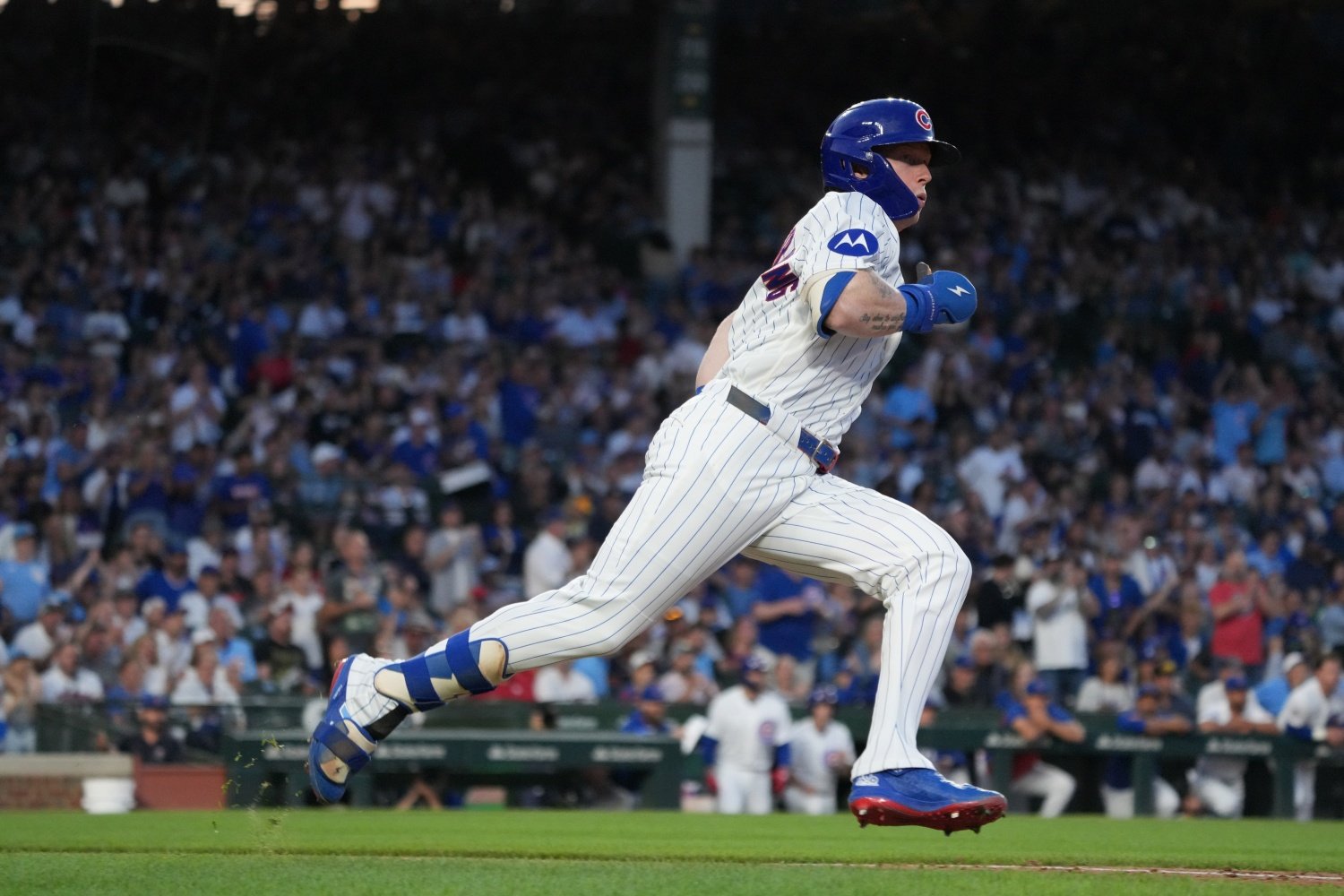 Pete Crow-Armstrong had one of the best offensive performances in recent Cubs history Monday night. He hit for the cycle, with a leadoff home run, a third-inning triple, a fifth-inning double and a seventh-inning single. He also delivered a sacrifice fly on a hard-hit liner in the eighth. His moment of triumph was slightly marred when, immediately after accomplishing the cycle in the bottom of the seventh, he was picked off first base, but his RBI in the eighth set up a two-run, walkoff rally in the ninth. In the process, Crow-Armstrong became just the second Cubs batter in the Statcast Era to hit five balls with an exit velocity of at least 98 miles per hour in one game, joining Willson Contreras in a meaningless contest at the end of 2021. He delivered the first cycle by a Cubs batter playing in a full-time big-league stadium since 1993. He also made a highlight-reel defensive play. Normally, we'd call this The PCA Game, or something similarly majestic (if unimaginative). Here's the problem: If you mention The PCA Game to someone in the next few weeks, they won't know which you mean. Was it Monday's cycle? Or was it nine days earlier, when he also had four hits—two of them game-tying homers—in what became a walkoff win over the Giants? What about June 4, when he had a stolen base, a home run in the sixth inning, and the walkoff hit himself in the bottom of the 9th? Or how about May 30, when his four hits included a 444-foot homer and he made a sliding catch in the gap to seal the win—all on national TV, against the Cardinals in St. Louis? Suddenly, Crow-Armstrong is taking over games so frequently that what would be once-in-a-career heroics for some players feel routine. We've been readying you for this and walking you through it since before the baseball gods laid their wreath on Crow-Armstrong's head. When he signed a long-term extension with the team at the beginning of the season, I wrote about his development into a power hitter by lifting the ball to the pull field in such an excellent and reliable way. I also asked, as he started to show signs of improved plate discipline, how much less he really needed to swing in order to ascend to superstardom. In mid-April, I documented his surging bat speed (but also the temporary problems it caused). If there was intrigue in April, there was outright chaos in May. I wrote about Crow-Armstrong's real chance to lay claim to the greatest defensive season of all time, but also how he began to play out of control when the Cubs started struggling, and about how uncomfortably Crow-Armstrong-centric the team has become of late. After he used a day off between series on May 21 to lock in some changes to his setup and his plan, though, he exploded. He simply exploded, into an elite offensive player who can't help but take up most of the oxygen around a team, even if that player weren't also an elite defender with a big personality. All of this should sound familiar, whether you're old enough to actually remember it or not. The famous number attached to Sammy Sosa's 1998 power binge is the 20 home runs he hit in June, but his hot streak didn't wait until the calendar flipped. Through May 21, Sosa was having a strong season, with a .929 OPS. However, starting May 22, he went completely nuclear. He batted .321/.349/.879 from May 22 through the end of June, before "cooling" to a .986 OPS for the balance of the season. That stretch during which he went from an All-Star to a superstar lasted about six full weeks. We're not even that far along with Crow-Armstrong, but he's almost exactly that hot, since the same square on a different calendar. Since May 22, he's come to the plate 106 times. He's batting .380/.443/.761, with eight homers. Juan Soto he ain't, but he's even drawing walks at a decent clip. He's not going to hit 20 homers this month, but in his whole nutty hot streak, Sosa only had 28 extra-base hits. It's just that 25 of them cleared the fence. With half of June left, Crow-Armstrong has 17 extra-base hits in his own personal crucible of brilliance. It's fair to remain concerned about the erraticism of his play, fueled as it seems to be by the intensity of his personality. However, at the plate, Crow-Armstrong has become a lethal tactician, cool and locked-in. He's swinging ferociously, and finding the barrel efficiently. He's still making plays in the outfield and on the bases. Sosa holds the Cubs record for games in a season in which a batter delivered at least 2.00 runs more than an average hitter would in the same number of plate appearances—not with his 1998 campaign, but with his 2001 one, in which he did that 24 times. It's rare, to be worth two full runs on your own. In the last two decades, the most such games by any Cub was Anthony Rizzo's 17 in 2017. Crow-Armstrong now has six such games, though, with five of them coming in the last 24 days. He's taking over games at a rate no one born since 1990 can ever remember a Cubs hitter matching. Enjoy the show.
 -
Geez. What I get for writing too early.
-
Image courtesy of © Matt Marton-Imagn Images The Cubs are in some trouble. You already knew that. They escaped the ignominy of dropping below .500 when they salvaged one game on their trip to Colorado, but they're 35-34, with a +4 run differential. Just five weeks ago, they peaked at 27-12. Even if they get back to business now, that 7-22 stretch will haunt them. It's essentially torpedoed their chances of winning the NL Central. It might even be what keeps them out of the playoffs. Since the creation of the postseason in 1969, only four teams—the 1982 Atlanta club, the 2003 Twins, the 2005 Astros and the 2023 Diamondbacks—have made the playoffs in a season in which they lost at least 22 of 29. The playoffs are bigger now than they've ever been before, but still, the Cubs face some real precarity now. Much of the trouble during that awful month of play has come from an unproductive lineup, but the pitching staff has done too little to help matters. Coming into this season, the Cubs thought they were finally pushing back toward the top of the league in terms of overpowering opponents on the mound. Instead, for a variety of reasons, the power is being inflicted on them. Through 69 games, Cubs hurlers have surrendered 102 home runs, four more than any other team in baseball. They're getting shelled. Losing Cade Horton hurt, of course, but it wasn't supposed to be this way, even after he went down. Edward Cabrera has been homer-prone. So has Colin Rea. Everyone knew homers would be a problem for Jameson Taillon and Shota Imanaga, but somehow, each has been even worse than expected, at times. One culprit—not the primary one, but a worrisome one, since it's beyond the team's control—is a livelier baseball. Last season, the average drag on the ball was as high as it had been in a decade, league-wide. That kept homers under control and subtly favored teams like the Cubs, whose pitching staffs don't blow hitters away and whose offenses run more on OBP than slugging average. Early this year, it looked like we were getting more of the same. Not anymore. These are the daily average drag values for each season since 2021. I've added the red line right around the center of the graph, at the .340 drag coefficient level. Any day on which the average drag is below that is likely to be one on which you find yourself remarking to a seatmate, "Man, the ball is really carrying today." Plenty of factors other than drag, or which influence drag unpredictably—wind, temperature, humidity, elevation, the bounciness of the ball, etc.—can also influence ball flight, but to hit something a long way, you want air to slow it down as little as possible. When the drag coefficient drops below .340, in baseball, you notice the air letting the ball sail through a little smoother. We didn't have even one day last season in which the coefficient dropped that low. In 2024, there were about 40 such days. In 2022, there were fewer than 10. That season, the league hit 1.07 homers per team game. In 2021 and 2023 (which, as you can see, featured much livelier balls, on average), the average was over 1.20 homers per team game. The league has only slugged .410 or higher twice in these five-plus seasons; those years were 2021 and 2023. Not until the last day of April did we see average drag fall to .340 this year. Since May 17, though, we've seen it happen 11 more times. The ball is lively right now; it's aerodynamic. The league's isolated power (ISO) was .150 in April and .151 in May, but so far in June, it's .173. The ball is carrying, and not just because the weather is warming. This is brutal news for Cubs pitchers. A staff already struggling to keep the ball in the yard is bound to have even more trouble doing so when it's flying farther for everyone. There's no conspiracy theory here; the league almost certainly didn't try to make this change. But the Cubs are now being victimized by the long ball left and right, partially because it's harder to keep a fly ball on the right side of the fence. Matthew Boyd should help the team a bit on this front, as he returns to the starting rotation this weekend in San Francisco. (EDIT: Gulp. Never mind. Boyd had a setback in his rehab and his return is on hold due to a shoulder issue.) For that matter, it's a good time to be going to San Francisco, anyway. That park is tough on power hitters even at the best of times. But the Cubs will need to seek a sturdier solution than hope and a few games at pitchers' havens. They need to miss more bats, and they need to find more ways to avoid barrels. These days, it's getting dangerous to let hitters hit it, even with one of the best defenses in baseball behind you. View full article
-
Can This Cubs Pitching Staff Survive a Return of the Lively Ball?
Matthew Trueblood posted an article in Cubs
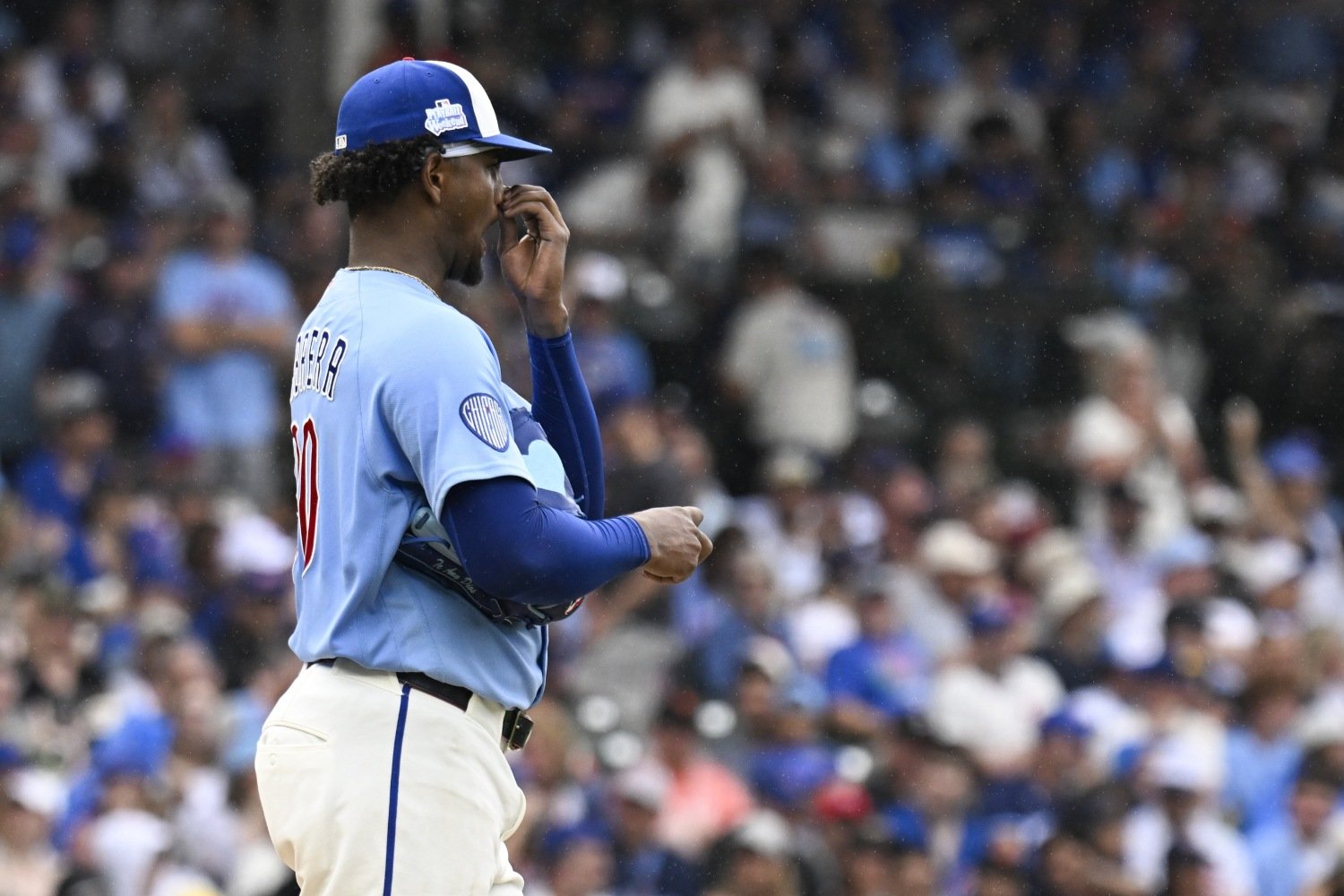 The Cubs are in some trouble. You already knew that. They escaped the ignominy of dropping below .500 when they salvaged one game on their trip to Colorado, but they're 35-34, with a +4 run differential. Just five weeks ago, they peaked at 27-12. Even if they get back to business now, that 7-22 stretch will haunt them. It's essentially torpedoed their chances of winning the NL Central. It might even be what keeps them out of the playoffs. Since the creation of the postseason in 1969, only four teams—the 1982 Atlanta club, the 2003 Twins, the 2005 Astros and the 2023 Diamondbacks—have made the playoffs in a season in which they lost at least 22 of 29. The playoffs are bigger now than they've ever been before, but still, the Cubs face some real precarity now. Much of the trouble during that awful month of play has come from an unproductive lineup, but the pitching staff has done too little to help matters. Coming into this season, the Cubs thought they were finally pushing back toward the top of the league in terms of overpowering opponents on the mound. Instead, for a variety of reasons, the power is being inflicted on them. Through 69 games, Cubs hurlers have surrendered 102 home runs, four more than any other team in baseball. They're getting shelled. Losing Cade Horton hurt, of course, but it wasn't supposed to be this way, even after he went down. Edward Cabrera has been homer-prone. So has Colin Rea. Everyone knew homers would be a problem for Jameson Taillon and Shota Imanaga, but somehow, each has been even worse than expected, at times. One culprit—not the primary one, but a worrisome one, since it's beyond the team's control—is a livelier baseball. Last season, the average drag on the ball was as high as it had been in a decade, league-wide. That kept homers under control and subtly favored teams like the Cubs, whose pitching staffs don't blow hitters away and whose offenses run more on OBP than slugging average. Early this year, it looked like we were getting more of the same. Not anymore. These are the daily average drag values for each season since 2021. I've added the red line right around the center of the graph, at the .340 drag coefficient level. Any day on which the average drag is below that is likely to be one on which you find yourself remarking to a seatmate, "Man, the ball is really carrying today." Plenty of factors other than drag, or which influence drag unpredictably—wind, temperature, humidity, elevation, the bounciness of the ball, etc.—can also influence ball flight, but to hit something a long way, you want air to slow it down as little as possible. When the drag coefficient drops below .340, in baseball, you notice the air letting the ball sail through a little smoother. We didn't have even one day last season in which the coefficient dropped that low. In 2024, there were about 40 such days. In 2022, there were fewer than 10. That season, the league hit 1.07 homers per team game. In 2021 and 2023 (which, as you can see, featured much livelier balls, on average), the average was over 1.20 homers per team game. The league has only slugged .410 or higher twice in these five-plus seasons; those years were 2021 and 2023. Not until the last day of April did we see average drag fall to .340 this year. Since May 17, though, we've seen it happen 11 more times. The ball is lively right now; it's aerodynamic. The league's isolated power (ISO) was .150 in April and .151 in May, but so far in June, it's .173. The ball is carrying, and not just because the weather is warming. This is brutal news for Cubs pitchers. A staff already struggling to keep the ball in the yard is bound to have even more trouble doing so when it's flying farther for everyone. There's no conspiracy theory here; the league almost certainly didn't try to make this change. But the Cubs are now being victimized by the long ball left and right, partially because it's harder to keep a fly ball on the right side of the fence. Matthew Boyd should help the team a bit on this front, as he returns to the starting rotation this weekend in San Francisco. (EDIT: Gulp. Never mind. Boyd had a setback in his rehab and his return is on hold due to a shoulder issue.) For that matter, it's a good time to be going to San Francisco, anyway. That park is tough on power hitters even at the best of times. But the Cubs will need to seek a sturdier solution than hope and a few games at pitchers' havens. They need to miss more bats, and they need to find more ways to avoid barrels. These days, it's getting dangerous to let hitters hit it, even with one of the best defenses in baseball behind you.
 -
Image courtesy of © Kamil Krzaczynski-Imagn Images Seiya Suzuki hardly ever gets a clear runway to start the season. He's dealt with oblique strains (in March 2023 and April 2024), and this spring, he suffered a knee sprain on a slide at second base during the World Baseball Classic. That delayed his 2026 debut until April 10, but it didn't slow him down much at all. He burst from the gate with a .328/.430/.567 stretch to end April, and was in the thick of the Cubs' blazing run of 20 wins in 23 games. Then: thud. He (and the Cubs' offense, as a whole) hit the cellar floor like a sack of flour. In May, Suzuki's OPS was barely over .550, some 200 points off what the team hopes to get from its bat-first right fielder. The slump was the worse of his career, and it threatened to derail the entire season—not on its own, of course, but in tandem with the similar funks into which Nico Hoerner, Dansby Swanson and other Cubs hitters plunged at the same time. For a solid month, Suzuki looked thoroughly lost, in a way that he'd never looked for more than a week or two before. That's all over now. On Thursday, Suzuki launched a cathartic grand slam in the top of the fourth inning in Denver, giving the Cubs the lead in a game in which they faced a real risk of falling below .500 for the first time since before the midpoint of April. It wasn't really a slump-buster, though, because Suzuki has been pulling out of his nosedive for over a week, now. The homer was his third of June, and he's flirting with a 1.000 OPS in that short span. He's hit in eight straight games—and that's not a coincidence. One of the great benefits of the new Statcast data providing swing timing details for batters will be slump analysis. Teams have already been using this, behind the scenes, but now, fans can see it, too. Here, for instance, is the distribution of swing timings for Suzuki against fastballs this season, split by month. In this image, you can think of orange and green as 'good Suzuki' and red as 'bad Suzuki'; we got a bit lucky in the way his slump confined itself (mostly) to one calendar page. Three things stand out about May, relative to the other two months, when it comes to the way Suzuki timed up the fastball: He mostly centered the ball on his barrel, but not perfectly; his most frequent horizontal intercept point was just off the sweet spot, toward the label. He was late more often. That's a big one. Hitters talk endlessly about the importance of being on time for the fastball, and in May, Suzuki was late on it too often—22% of the time, versus 18% of the time in April and 15% of the time so far in June. He was under the fastball more often, too. That's related to being late on it, but distinct, and Suzuki had both problems going against him last month. In June, he's much more on the ball. His most frequent horizontal intercept point on heaters has moved to the sweet spot, or a hair off toward the end of the bat. He's late much less often, but still in the later half of the on-time window. And he's squaring it up most of the time, vertically, neither hitting the top of the ball nor clipping underneath it. Ah, but Suzuki's huge homer Thursday came not on a fastball, but on a Ryan Feltner slider. Does the above really apply then? Well, look, you know a rhetorical question when you see one. Yes, it does. Here's the same set of monthly timing distributions, but for breaking balls, which Suzuki (like most Cubs hitters) has seen tons of recently. At first, these look so noisy as to be analytically void, but there's a good bit of signal in there—including in what looks like noise, itself. Note the fact that he's rarely missing the sweet spot of the barrel by just a little, this month; that's what was happening to him in May. Now, he's either squaring up the breaking ball, or whiffing on it entirely, way off the end of his bat. The latter sounds like a bad thing, but not all whiffs are failures. Sometimes, you'd rather swing and miss than mishit the ball and make an easy out. Now, move to the middle image. Suzuki has been early much less often on breaking stuff this month. That's huge, and it's where we see the value of his adjustment on the fastball. For his swing, the sweet spot, timing-wise, is to be very slightly late on the heater. When he can consistently be that way, he can also be on time for slower offerings. He couldn't stay in that happy zone in May, and got eaten alive by spin. In June, he's back in the groove. Finally, note the right-hand image. Whereas he was often swinging over breaking pitches (slightly or significantly) in May, he's now under them more often than over them, and on plane with them plenty of the time. That, too, is a result of having his swing well-timed to the fastball, in a way that can cover other pitches, too. These data really expose the fragility of great hitting. Suzuki could start getting out of rhythm again tomorrow and be back in a slump next week. Right now, though, he's on time for the heater—and, because he's willing to be slightly late on it when needed, on time for other stuff, too. He might even be just in time to save the Cubs' season. View full article
-
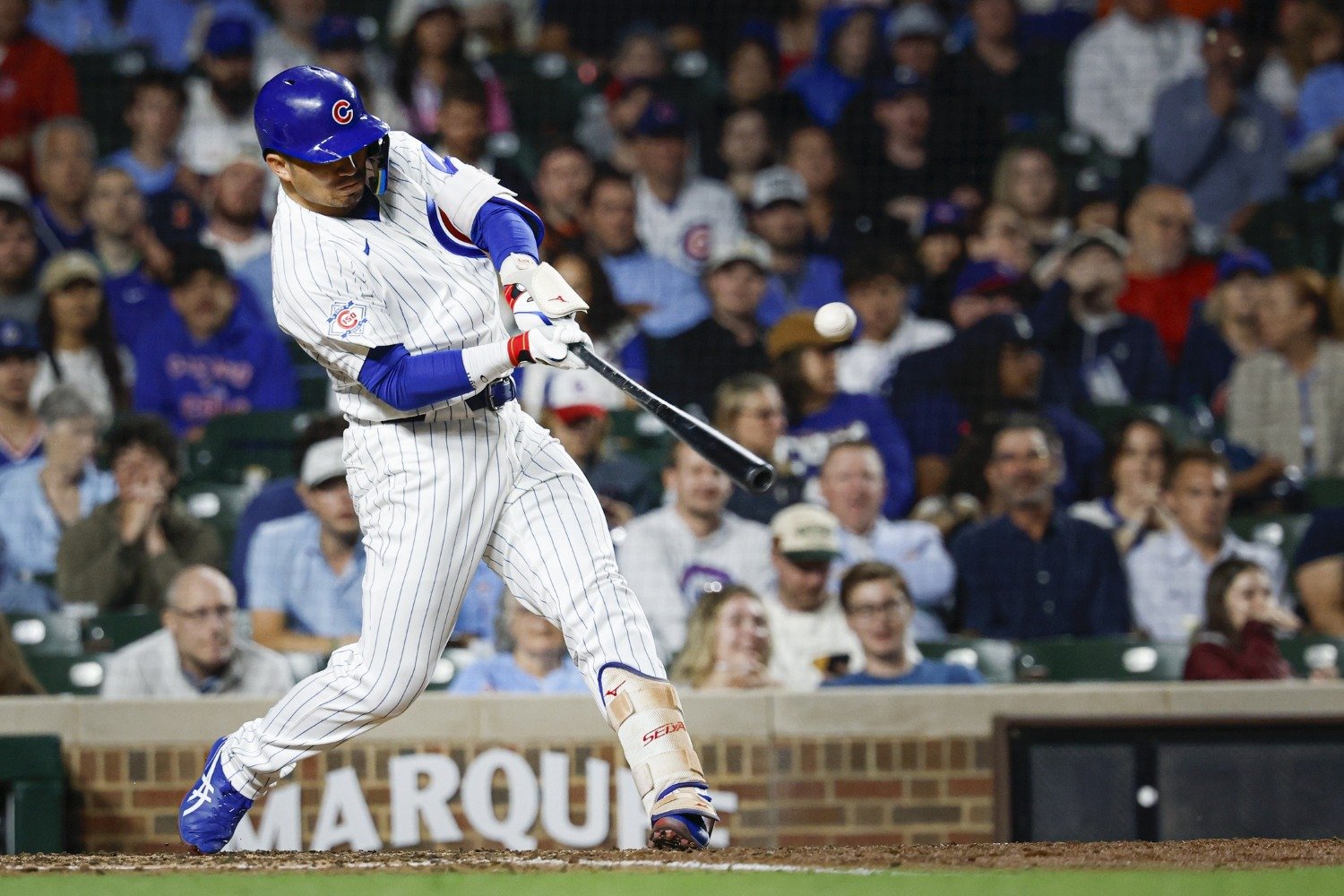 Seiya Suzuki hardly ever gets a clear runway to start the season. He's dealt with oblique strains (in March 2023 and April 2024), and this spring, he suffered a knee sprain on a slide at second base during the World Baseball Classic. That delayed his 2026 debut until April 10, but it didn't slow him down much at all. He burst from the gate with a .328/.430/.567 stretch to end April, and was in the thick of the Cubs' blazing run of 20 wins in 23 games. Then: thud. He (and the Cubs' offense, as a whole) hit the cellar floor like a sack of flour. In May, Suzuki's OPS was barely over .550, some 200 points off what the team hopes to get from its bat-first right fielder. The slump was the worse of his career, and it threatened to derail the entire season—not on its own, of course, but in tandem with the similar funks into which Nico Hoerner, Dansby Swanson and other Cubs hitters plunged at the same time. For a solid month, Suzuki looked thoroughly lost, in a way that he'd never looked for more than a week or two before. That's all over now. On Thursday, Suzuki launched a cathartic grand slam in the top of the fourth inning in Denver, giving the Cubs the lead in a game in which they faced a real risk of falling below .500 for the first time since before the midpoint of April. It wasn't really a slump-buster, though, because Suzuki has been pulling out of his nosedive for over a week, now. The homer was his third of June, and he's flirting with a 1.000 OPS in that short span. He's hit in eight straight games—and that's not a coincidence. One of the great benefits of the new Statcast data providing swing timing details for batters will be slump analysis. Teams have already been using this, behind the scenes, but now, fans can see it, too. Here, for instance, is the distribution of swing timings for Suzuki against fastballs this season, split by month. In this image, you can think of orange and green as 'good Suzuki' and red as 'bad Suzuki'; we got a bit lucky in the way his slump confined itself (mostly) to one calendar page. Three things stand out about May, relative to the other two months, when it comes to the way Suzuki timed up the fastball: He mostly centered the ball on his barrel, but not perfectly; his most frequent horizontal intercept point was just off the sweet spot, toward the label. He was late more often. That's a big one. Hitters talk endlessly about the importance of being on time for the fastball, and in May, Suzuki was late on it too often—22% of the time, versus 18% of the time in April and 15% of the time so far in June. He was under the fastball more often, too. That's related to being late on it, but distinct, and Suzuki had both problems going against him last month. In June, he's much more on the ball. His most frequent horizontal intercept point on heaters has moved to the sweet spot, or a hair off toward the end of the bat. He's late much less often, but still in the later half of the on-time window. And he's squaring it up most of the time, vertically, neither hitting the top of the ball nor clipping underneath it. Ah, but Suzuki's huge homer Thursday came not on a fastball, but on a Ryan Feltner slider. Does the above really apply then? Well, look, you know a rhetorical question when you see one. Yes, it does. Here's the same set of monthly timing distributions, but for breaking balls, which Suzuki (like most Cubs hitters) has seen tons of recently. At first, these look so noisy as to be analytically void, but there's a good bit of signal in there—including in what looks like noise, itself. Note the fact that he's rarely missing the sweet spot of the barrel by just a little, this month; that's what was happening to him in May. Now, he's either squaring up the breaking ball, or whiffing on it entirely, way off the end of his bat. The latter sounds like a bad thing, but not all whiffs are failures. Sometimes, you'd rather swing and miss than mishit the ball and make an easy out. Now, move to the middle image. Suzuki has been early much less often on breaking stuff this month. That's huge, and it's where we see the value of his adjustment on the fastball. For his swing, the sweet spot, timing-wise, is to be very slightly late on the heater. When he can consistently be that way, he can also be on time for slower offerings. He couldn't stay in that happy zone in May, and got eaten alive by spin. In June, he's back in the groove. Finally, note the right-hand image. Whereas he was often swinging over breaking pitches (slightly or significantly) in May, he's now under them more often than over them, and on plane with them plenty of the time. That, too, is a result of having his swing well-timed to the fastball, in a way that can cover other pitches, too. These data really expose the fragility of great hitting. Suzuki could start getting out of rhythm again tomorrow and be back in a slump next week. Right now, though, he's on time for the heater—and, because he's willing to be slightly late on it when needed, on time for other stuff, too. He might even be just in time to save the Cubs' season.
 -
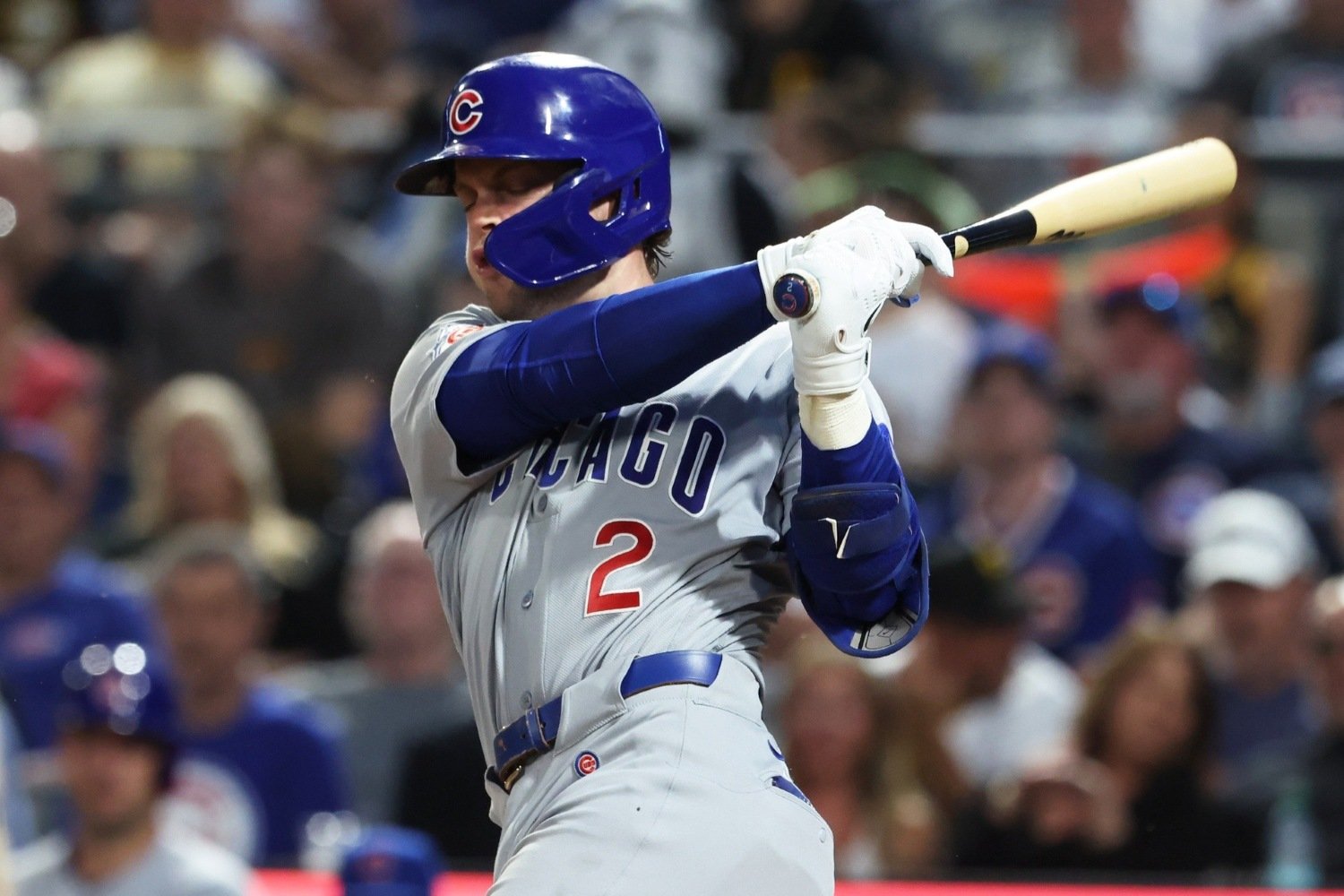 It's not fair, really. In baseball, they usually just ask you to hit the ball hard, and Nico Hoerner is doing that—doing it, anyway, as much as can be expected from a player whose game really isn't centered on power. He's the best hitter in baseball at hitting the ball in the middle of his bat, according to new data out this week from Statcast. Your eyes haven't been lying to you; he has a feel for squaring the ball up that no one can top. Unfortunately, because of Hoerner's below- average bat speed, that's not good enough. In fact, it's part of his problem right now. After a hot April, he got really locked in during May, getting on time with his swing more consistently. Instead of improving, though, his numbers got much, much worse. At the end of April, he was batting .291/.370/.449, with eight doubles and four homers. Since the start of May, he's at .206/.292/.250. In 154 plate appearances over the last six weeks, he's managed six doubles and no homers. He's making great swing decisions (at least in a vacuum), leading to 17 walks and just six punchouts in that long span. He's squaring the ball up, at least vertically. What, then, is wrong? The answer lies here. The differences here look tiny, and in a way, they are. After all, Hoerner is making contact at an elite rate, and he's hitting the ball harder lately than he did early in the year. I've isolated the pitches on which he got the barrel lined up with the ball, vertically, so we're throwing out the swings on which he was too high or too low by enough to produce a whiff on that basis. We shouldn't expect to see some glaring difference. This is one of those times when a great hitter and a maddeningly unproductive one are separated by mere millimeters, or milliseconds. It just happens to be the same hitter, this time. Early in the season, Hoerner was, on average, a bit more likely to swing slightly too early when he also caught the ball correctly in a vertical dimension, and to get the ball significantly out on the end of his bat. He was, on average, hitting very slightly higher on the bat (or lower on the ball) than he has since the calendar turned to May. This level of granularity is a great way to show this, because the differences between good and bad for him are so small, but it's not quite necessary, either. Now that we know what happens when he has the ball squared up vertically and should be producing line drives, we can look at where batted balls hit well (88+ MPH, for these purposes) and in a good launch-angle range (8-32°, which Statcast labels the launch angle sweet spot) went for Hoerner through the end of April: And where they've gone since the start of May: All of the balls Hoerner hit out of the park early in the year (and a handful of hard, line-drive singles to left field, too) are gone. In their place lie more frustrating flyouts to center field. Many of these are not only well-struck, but relatively low liners. They're just right at the center fielder. b0d3OWxfWGw0TUFRPT1fVWdSUUJWVldCUWNBVzFZR0F3QUhBQUVFQUFNTUJnTUFCbFVCQTFBQUNBRUJBd1JX.mp4 Hoerner is on time for most of these balls; that's why they're hit hard to center field. He's getting some of them just off the handle or the end of the bat, but the main problem is directional. For Hoerner to produce value with his caliber of power, those hard-hit air balls have to go to the gaps, or down the line. They can't go out to center. He will never have the juice to find grass or clear fences out there, against modern defenses. Being so on time is, in a sense, a curse for Hoerner right now. He has to find a way to be early more often, again. He also has to get the sweet spot on the bat, horizontally, better than he's done lately. The key to that, as it turns out, is probably swing decisions. He'll simply have to learn to let pitchers work the outer edge against him a bit more, and then attack when they try to come back inside at all. Through the end of April, he was living on balls in the heart of the zone: But hurlers have adjusted, slowly asking him to chase pitches on the outer third, where he's more likely to hit that impressive but harmless liner to center. He's obliging. Most of the pitches he's swinging at are still strikes, but he has to have a bit more faith in his contact skills. He has to be willing to wait and work for the pitch with more of the plate, so he can get around it and put the sweet spot of the bat on it. He has to get the bat head out there a little bit more, risk a few more whiffs—those, he can afford more than most hitters—and rediscover the pull field. We could (and did) spot this issue without the new data Statcast offers. Seeing just how fine the margins are and how good he still is at timing pitchers up and hitting it squarely is a beneficial insight, though. Hoerner might need to be even more patient for a bit, and get into a right-field mindset once there are two strikes, so he can drive the ball the other way. He certainly needs to get back to living a little ahead of many pitches, where he can be early in a good way and hammer the ball to left. Until that happens, his slump will continue. Because he's such a gifted hitter (and because we can see just how tiny the adjustments necessary really are), though, you can feel fairly confident that a rebound is coming.
 -
Image courtesy of © Charles LeClaire-Imagn Images It's not fair, really. In baseball, they usually just ask you to hit the ball hard, and Nico Hoerner is doing that—doing it, anyway, as much as can be expected from a player whose game really isn't centered on power. He's the best hitter in baseball at hitting the ball in the middle of his bat, according to new data out this week from Statcast. Your eyes haven't been lying to you; he has a feel for squaring the ball up that no one can top. Unfortunately, because of Hoerner's below- average bat speed, that's not good enough. In fact, it's part of his problem right now. After a hot April, he got really locked in during May, getting on time with his swing more consistently. Instead of improving, though, his numbers got much, much worse. At the end of April, he was batting .291/.370/.449, with eight doubles and four homers. Since the start of May, he's at .206/.292/.250. In 154 plate appearances over the last six weeks, he's managed six doubles and no homers. He's making great swing decisions (at least in a vacuum), leading to 17 walks and just six punchouts in that long span. He's squaring the ball up, at least vertically. What, then, is wrong? The answer lies here. The differences here look tiny, and in a way, they are. After all, Hoerner is making contact at an elite rate, and he's hitting the ball harder lately than he did early in the year. I've isolated the pitches on which he got the barrel lined up with the ball, vertically, so we're throwing out the swings on which he was too high or too low by enough to produce a whiff on that basis. We shouldn't expect to see some glaring difference. This is one of those times when a great hitter and a maddeningly unproductive one are separated by mere millimeters, or milliseconds. It just happens to be the same hitter, this time. Early in the season, Hoerner was, on average, a bit more likely to swing slightly too early when he also caught the ball correctly in a vertical dimension, and to get the ball significantly out on the end of his bat. He was, on average, hitting very slightly higher on the bat (or lower on the ball) than he has since the calendar turned to May. This level of granularity is a great way to show this, because the differences between good and bad for him are so small, but it's not quite necessary, either. Now that we know what happens when he has the ball squared up vertically and should be producing line drives, we can look at where batted balls hit well (88+ MPH, for these purposes) and in a good launch-angle range (8-32°, which Statcast labels the launch angle sweet spot) went for Hoerner through the end of April: And where they've gone since the start of May: All of the balls Hoerner hit out of the park early in the year (and a handful of hard, line-drive singles to left field, too) are gone. In their place lie more frustrating flyouts to center field. Many of these are not only well-struck, but relatively low liners. They're just right at the center fielder. b0d3OWxfWGw0TUFRPT1fVWdSUUJWVldCUWNBVzFZR0F3QUhBQUVFQUFNTUJnTUFCbFVCQTFBQUNBRUJBd1JX.mp4 Hoerner is on time for most of these balls; that's why they're hit hard to center field. He's getting some of them just off the handle or the end of the bat, but the main problem is directional. For Hoerner to produce value with his caliber of power, those hard-hit air balls have to go to the gaps, or down the line. They can't go out to center. He will never have the juice to find grass or clear fences out there, against modern defenses. Being so on time is, in a sense, a curse for Hoerner right now. He has to find a way to be early more often, again. He also has to get the sweet spot on the bat, horizontally, better than he's done lately. The key to that, as it turns out, is probably swing decisions. He'll simply have to learn to let pitchers work the outer edge against him a bit more, and then attack when they try to come back inside at all. Through the end of April, he was living on balls in the heart of the zone: But hurlers have adjusted, slowly asking him to chase pitches on the outer third, where he's more likely to hit that impressive but harmless liner to center. He's obliging. Most of the pitches he's swinging at are still strikes, but he has to have a bit more faith in his contact skills. He has to be willing to wait and work for the pitch with more of the plate, so he can get around it and put the sweet spot of the bat on it. He has to get the bat head out there a little bit more, risk a few more whiffs—those, he can afford more than most hitters—and rediscover the pull field. We could (and did) spot this issue without the new data Statcast offers. Seeing just how fine the margins are and how good he still is at timing pitchers up and hitting it squarely is a beneficial insight, though. Hoerner might need to be even more patient for a bit, and get into a right-field mindset once there are two strikes, so he can drive the ball the other way. He certainly needs to get back to living a little ahead of many pitches, where he can be early in a good way and hammer the ball to left. Until that happens, his slump will continue. Because he's such a gifted hitter (and because we can see just how tiny the adjustments necessary really are), though, you can feel fairly confident that a rebound is coming. View full article
-
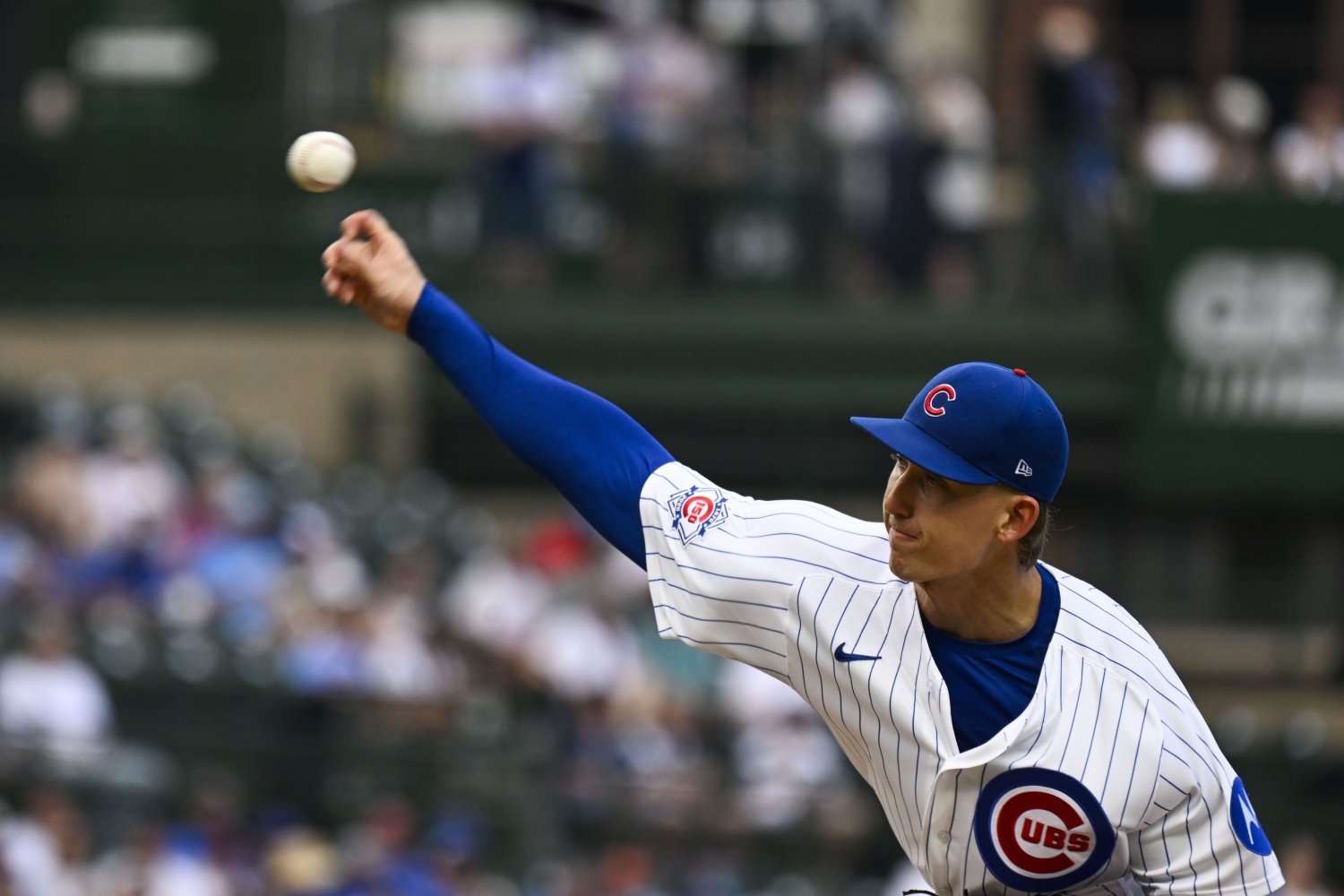 Hitting is hard, unless a pitcher makes it easy for you. That's a fundamental truth of baseball; it's why batters who hit .300 make All-Star teams. The pitcher has all kinds of advantages in their showdown with the batter, up to and including the literal high ground. They also have a defense working as a team behind them. Most of the time, to produce a valuable result, a batter has to hit the ball squarely and get at least a little lucky. They have to make an almost superhuman ballistic assessment of the pitch coming their way, adjust well and connect cleanly. They have to hit the right spot on the barrel of the bat, without hitting the top or bottom of the ball instead of the center, and they have to be on time to hit it in a good direction. All a pitcher has to do is disrupt one of those three aspects to win most of their battles. Pitchers get paid incredibly well, though, so if pitching were as easy as all that, everyone would do it. In practice, the above often proves hard to do. Pitchers have to aim for a relatively small space from a relatively significant distance, and throwing the ball past the best hitters in the world while working in and near that square-shaped strike zone isn't as easy as it sounds. To produce enough speed to make a hitter's adjustments difficult, most pitchers must sacrifice some movement or command. To produce enough movement to fool them, most must give up some speed or command. To demonstrate sufficient command... look, you get it. Each side has to make tradeoffs. Last season, Ben Brown mostly made the wrong tradeoffs. In fairness to him, though, he spent much of the season in a role to which he was not well-suited. Fifteen of Brown's 25 appearances for the 2025 Cubs came as a starter, but at the time, he was a two-pitch pitcher with little wiggle on his fastball. He needed to consistently wreck hitters' timing to succeed, either by overpowering them with his heater or by catching them hunting that pitch and throwing them his sharp curveball instead. At times, that did work, and his strikeout rate was a robust 25.6%. He didn't put batters on base for free very often, either, with a very good 6.8% walk rate. However, pacing himself for full outings meant he didn't throw as hard as he needed to to beat hitters with the fastball most of the time, because his four-seam fastball doesn't have an especially good shape and is more reliant on speed than that of most starters. In just over 106 innings, he gave up 18 home runs. His ERA was 5.92, which is almost impossibly bad for a pitcher with such good strikeout and walk numbers. Batters simply found the barrel on him too often. Even when the ball wasn't clearing the fence, it zipped off the bat. He yielded a 91.2-MPH average exit velocity, and a lot of that contact was line drives. What's changed this year? Well, you know about his new sinker, and his slightly increased faith in a changeup. If you hang out around here, you also know that he's lowered his arm slot this season, with delightfully beneficial effects. His strikeout and walk rates haven't improved at all. Can those small changes really explain the drop from an opponents' batting line of .279/.333/.467 last year to .170/.236/.205, and Brown's sparkling 1.74 ERA? Thanks to new data from Statcast, the answer to that is 'yes'. What Brown is doing differently this year is responsible for much of the improvement in his numbers, even if some positive regression was inevitable, and even if he's been a bit lucky this spring. Here's what we're talking about. Last season, righties were able to put up surprisingly competitive at-bats against Brown. A guy with a high-90s fastball and such a hard curve usually does very well against same-handed batters, but right-handed hitters had a .728 OPS off Brown in 2025. This year, that figure is .369. To understand why, first, look at these visuals from the new swing timing and miss distance leaderboard at Baseball Savant. This is Brown's profile against righties last year. As you would guess, Brown's curveball (in blue) often got hitters out to (or beyond) the end of their bat, as seen in the left-hand image. It often forced them to be early (center image), and they often swung over the top of it (right-hand image). Those are all related, of course. A hitter sees the pitch, thinks it's the fastball they're trying to time their swing for, and attacks it. They're wrong, so their swing leaves the hitting zone too early, with the ball still out beyond the end of their flailing lumber. Usually, they've also misjudged where the pitch will end up, because they thought fastball and got the biting breaker. However, notice how well hitters usually stayed on the sweet spot of their bat against his fastball (in red). The distribution in the left-hand image shows that Brown got to the handle or to the end of opponents' bats much less than some pitchers do with that four-seamer last year. He did sometimes force the batter to be late and to swing beneath the ball, but he wasn't exceptionally good at either thing. Plenty of times, righties were getting off a swing that made them on time, caught the good part of the bat and did it in the center of the baseball. That's why Brown got hit so hard. Here's the same set of images for 2026, again against righties. The introduction of the sinker (in orange) and the small change in his arm angle has changed everything. In the left-hand image, you can see that the sinker is producing more batted balls on which the hitter is tied up or jammed, where Brown got in on their hands. The four-seamer, both because batters are now trying to cover that sinker more and because adding the sinker has allowed him to focus on attacking the outer edge with the four-seamer, is getting to the ends of bats a bit more often. In the center image, look how much more often batters are late on his heater this year, as they try to discern between the sinker and the four-seamer and still get to whichever it is on time. The four-seamer is above bats more often, for the same reason. The sinker has gotten below them consistently, yielding some whiffs but even more help in the ground-ball department. Hitters have, perhaps out of self-preservation, looked for the curve a bit more often this year. They're not early on it or swinging over it as much as they were in 2025. That's why the whiff rate on that pitch hasn't climbed at all. However, they're getting it off the end of the bat, when they do hit it, so the quality of contact is lower. Again, having the sinker to keep hitters honest on the inner third is helping a pitch that's usually going to the outer third. Many of the same trends show up for lefties. He's throwing the curve more against them this year, and they've adjusted to that, so they're on time for that pitch as much as ever. It's not enough to make them effective against it, though. On the contrary, his whiff rate is still just under 50% on the curve to lefties. As he's thrown it more and they've tried to be ready for it, they've also been late and off the barrel on the four-seamer much more often. Brown won't carry a sub-2.00 ERA all season. The changes he made this winter and spring, however, have turned him into a legitimate front-of-the-rotation starter. If he can continue to locate the sinker and work from an arm slot that gives his whole arsenal a bit more adaptability, he'll continue to dominate opponents—not just with whiffs, but by limiting hard contact better than he has in the past.
 -
Image courtesy of © Matt Marton-Imagn Images Hitting is hard, unless a pitcher makes it easy for you. That's a fundamental truth of baseball; it's why batters who hit .300 make All-Star teams. The pitcher has all kinds of advantages in their showdown with the batter, up to and including the literal high ground. They also have a defense working as a team behind them. Most of the time, to produce a valuable result, a batter has to hit the ball squarely and get at least a little lucky. They have to make an almost superhuman ballistic assessment of the pitch coming their way, adjust well and connect cleanly. They have to hit the right spot on the barrel of the bat, without hitting the top or bottom of the ball instead of the center, and they have to be on time to hit it in a good direction. All a pitcher has to do is disrupt one of those three aspects to win most of their battles. Pitchers get paid incredibly well, though, so if pitching were as easy as all that, everyone would do it. In practice, the above often proves hard to do. Pitchers have to aim for a relatively small space from a relatively significant distance, and throwing the ball past the best hitters in the world while working in and near that square-shaped strike zone isn't as easy as it sounds. To produce enough speed to make a hitter's adjustments difficult, most pitchers must sacrifice some movement or command. To produce enough movement to fool them, most must give up some speed or command. To demonstrate sufficient command... look, you get it. Each side has to make tradeoffs. Last season, Ben Brown mostly made the wrong tradeoffs. In fairness to him, though, he spent much of the season in a role to which he was not well-suited. Fifteen of Brown's 25 appearances for the 2025 Cubs came as a starter, but at the time, he was a two-pitch pitcher with little wiggle on his fastball. He needed to consistently wreck hitters' timing to succeed, either by overpowering them with his heater or by catching them hunting that pitch and throwing them his sharp curveball instead. At times, that did work, and his strikeout rate was a robust 25.6%. He didn't put batters on base for free very often, either, with a very good 6.8% walk rate. However, pacing himself for full outings meant he didn't throw as hard as he needed to to beat hitters with the fastball most of the time, because his four-seam fastball doesn't have an especially good shape and is more reliant on speed than that of most starters. In just over 106 innings, he gave up 18 home runs. His ERA was 5.92, which is almost impossibly bad for a pitcher with such good strikeout and walk numbers. Batters simply found the barrel on him too often. Even when the ball wasn't clearing the fence, it zipped off the bat. He yielded a 91.2-MPH average exit velocity, and a lot of that contact was line drives. What's changed this year? Well, you know about his new sinker, and his slightly increased faith in a changeup. If you hang out around here, you also know that he's lowered his arm slot this season, with delightfully beneficial effects. His strikeout and walk rates haven't improved at all. Can those small changes really explain the drop from an opponents' batting line of .279/.333/.467 last year to .170/.236/.205, and Brown's sparkling 1.74 ERA? Thanks to new data from Statcast, the answer to that is 'yes'. What Brown is doing differently this year is responsible for much of the improvement in his numbers, even if some positive regression was inevitable, and even if he's been a bit lucky this spring. Here's what we're talking about. Last season, righties were able to put up surprisingly competitive at-bats against Brown. A guy with a high-90s fastball and such a hard curve usually does very well against same-handed batters, but right-handed hitters had a .728 OPS off Brown in 2025. This year, that figure is .369. To understand why, first, look at these visuals from the new swing timing and miss distance leaderboard at Baseball Savant. This is Brown's profile against righties last year. As you would guess, Brown's curveball (in blue) often got hitters out to (or beyond) the end of their bat, as seen in the left-hand image. It often forced them to be early (center image), and they often swung over the top of it (right-hand image). Those are all related, of course. A hitter sees the pitch, thinks it's the fastball they're trying to time their swing for, and attacks it. They're wrong, so their swing leaves the hitting zone too early, with the ball still out beyond the end of their flailing lumber. Usually, they've also misjudged where the pitch will end up, because they thought fastball and got the biting breaker. However, notice how well hitters usually stayed on the sweet spot of their bat against his fastball (in red). The distribution in the left-hand image shows that Brown got to the handle or to the end of opponents' bats much less than some pitchers do with that four-seamer last year. He did sometimes force the batter to be late and to swing beneath the ball, but he wasn't exceptionally good at either thing. Plenty of times, righties were getting off a swing that made them on time, caught the good part of the bat and did it in the center of the baseball. That's why Brown got hit so hard. Here's the same set of images for 2026, again against righties. The introduction of the sinker (in orange) and the small change in his arm angle has changed everything. In the left-hand image, you can see that the sinker is producing more batted balls on which the hitter is tied up or jammed, where Brown got in on their hands. The four-seamer, both because batters are now trying to cover that sinker more and because adding the sinker has allowed him to focus on attacking the outer edge with the four-seamer, is getting to the ends of bats a bit more often. In the center image, look how much more often batters are late on his heater this year, as they try to discern between the sinker and the four-seamer and still get to whichever it is on time. The four-seamer is above bats more often, for the same reason. The sinker has gotten below them consistently, yielding some whiffs but even more help in the ground-ball department. Hitters have, perhaps out of self-preservation, looked for the curve a bit more often this year. They're not early on it or swinging over it as much as they were in 2025. That's why the whiff rate on that pitch hasn't climbed at all. However, they're getting it off the end of the bat, when they do hit it, so the quality of contact is lower. Again, having the sinker to keep hitters honest on the inner third is helping a pitch that's usually going to the outer third. Many of the same trends show up for lefties. He's throwing the curve more against them this year, and they've adjusted to that, so they're on time for that pitch as much as ever. It's not enough to make them effective against it, though. On the contrary, his whiff rate is still just under 50% on the curve to lefties. As he's thrown it more and they've tried to be ready for it, they've also been late and off the barrel on the four-seamer much more often. Brown won't carry a sub-2.00 ERA all season. The changes he made this winter and spring, however, have turned him into a legitimate front-of-the-rotation starter. If he can continue to locate the sinker and work from an arm slot that gives his whole arsenal a bit more adaptability, he'll continue to dominate opponents—not just with whiffs, but by limiting hard contact better than he has in the past. View full article
-
Whose golden boy? And who would deny that? And what point does that observation serve?
-
Image courtesy of © Matt Marton-Imagn Images Talking about the Chicago Cubs right now is hard. You have to talk about the many ways in which they could and should have (but haven't) methodically built a roster that can compete with the Milwaukee Brewers. You have to acknowledge the real streakiness that is part of their identity, without giving in to old saws about the nature of consistency and volatility in baseball. You have to talk about the many important players slumping or declining or trying to solve major problems. But it also feels ludicrous—absurd—to talk about anything but Pete Crow-Armstrong. I grew up in Northeast Wisconsin, as a Bulls, Cubs and Packers fan. I watched the final three years of Michael Jordan's career; the halcyon decade of Sammy Sosa's time with the Cubs; and 25 years worth of Brett Favre and Aaron Rodgers in Green Bay. I know from cults of personality within sports teams, is what I'm trying to say. It's my normal. It's what I grew up with. It's been a long time, though, since I saw a baseball team as dominated by one player's talent and personality—one player's greatness and their terribleness; their scintillations and their calamities—as the current Cubs are by Crow-Armstrong. If anyone (at least, anyone who spends much time online) tells you this has been a fun ride, they're a dangerous lunatic or a liar. What's happening around the Cubs right now is a steady and inexorable rise in background toxicity, like there's an unreported leak into the water supply or a poorly contained radiation event nearby. Crow-Armstrong, who seemed so unusually authentic and self-assured at this time last year, has gone through a disastrous slump to end 2025; a winter of cement setting on his stardom; and a spring loaded with great new opportunities but lots of extra expectations, and he's handling it all terribly. He's also having an incredible season that could end with him in the thick of the MVP conversation. In the field, Crow-Armstrong burst out of the gate this spring playing center field as well as anyone has done it since Willie Mays. His anticipation, explosiveness and ability to field the ball cleanly at top speed are unmatched. His arm is a rocket, and he uses extraordinary footwork to make the most of it, most of the time. He's also had five or six of the worst, dumbest mistakes you'll see an outfielder make. The universe seems to be against him, too. He lost a Shea Langeliers fly ball in the bright, impossible sky Thursday night, leading to an inside-the-park homer on what should have been a routine flyout. He made the initial mistake of misreading the ball off the bat, but the particular hues of sunset sky in which the ball hung while he searched for it in desperation are expert concealers. No player could have found that ball, once it was lost up there. On evenings like that, you only get the initial moment to draw your bead; there's no recovery opportunity. Crow-Armstrong was, in that sense, unlucky. All year, though, there's been what's happened to Crow-Armstrong (and to his team), and how he's reacted to it. What happens can only make a baseball season hard. How you react to it—by hurling abuse at a fan in the heat of a play, or by trying to do way too much, or by needing to be corralled after trying to get a look at some heckler after a frightful mistake—can make one truly miserable. Of course, there's also another distinction: how you react, in terms of visible emotional displays, and how you react, in terms of playing the game. After losing that ball (and then standing flat-footed to watch the rest of the play, and then being ready to take issue with fans), Crow-Armstrong delivered two huge swings that turned the game around. He hit a blistered solo home run in the bottom of the same inning, at 110 MPH off the bat. He hit the walk-off single that won the game after his teammates' spirited rally in the bottom of the ninth, capping an insane night with a cathartic roar. Several times this season, Crow-Armstrong's on-field response to a bad mistake has been a display of such ferocious brilliance that it's made up for that mistake, and then some. This was something Sosa also often did—and Favre, too, for that matter. In baseball, one player can't get an outsize share of the chances and become the sole focus of a game, the way a quarterback or a basketball player can. But if you do everything with sufficient intensity, you can fill up the box score, both literally and metaphorically. Crow-Armstrong is perfecting the art of taking over a baseball game, even though he'll sometimes give away the game, too. This can be a recipe for a championship. Teams have been led to glory by players who sucked up all the media attention and all the oxygen in the room. It's just not going to be fun, or easy, or comfortable—and it might get very ugly. Any teammate or reporter can tell you, even if many fans cannot, that it was often unpleasant to be around Sosa, Jordan and Favre, for lots of reasons. The most fun teams to follow and to be a part of are the ones with diffuse leadership and a team ethos, on and off the field. Ironically, the Cubs have worked hard to cultivate that, including by bringing in a manager who believes as fervently in having 26 leaders on a 26-man roster as anyone in the game. They've eschewed the pursuit of incandescent superstars via trade or free agency, not only for budgetary reasons, but for philosophical ones. Too bad. Crow-Armstrong is such a forceful personality—there's so much charisma in his presence on the field, and so much volatility in his interactions with everyone surrounding it—that he's changing all of that, whether anyone likes it or not. Even he doesn't necessarily seem to like it, but he doesn't have the self-control to stop it. This is a team out of control, It's a player out of control. It's a situation that makes you hear a high-pitched ringing you can't place. That ringing is the song of the blade. It's the universe drawing its bow across a string pulled so taut the note is above the top of the scale, just like Crow-Armstrong's fielding ability, his newfound bat speed, and his unreserved aggressiveness. It is, in a word, danger. The 2023 Cubs won 83 games. The 2024 team won the same number. The 2025 team got to 92 wins, but still felt stuck in the middle. If you're sick of that averageness, I have great news. It's over. Despite their current record, the Cubs are destined either for greatness or destruction this year. They're at the mercy of a player whose talent can turn being badly jammed by a 99-MPH fastball into a game-winning muscle single (because he swung the bat at 87.4 MPH, so the ball got up the handle, but he was already around on it), and who can catch anything—but who can also absolutely blow it sometimes, and whose intensity has begotten angry outbursts that are no longer directed only at himself. He can pull a team of slightly declining veterans all the way to the World Series. If he explodes, though—if all this volatility slips even further beyond his control, as it has for so many players with a similar combination of potential and insecurity—everything and everyone else around the Cubs will go kaput with him. So, keep tuning in. This is HBO stuff. It's high drama with high stakes and all the nastiness you love—the stuff they won't show you on basic cable. It's scary, and not exactly in a good way. There's a real risk you're going to learn all the wrong lessons from it. Irrefutably, though, it's entertaining as hell. View full article
-
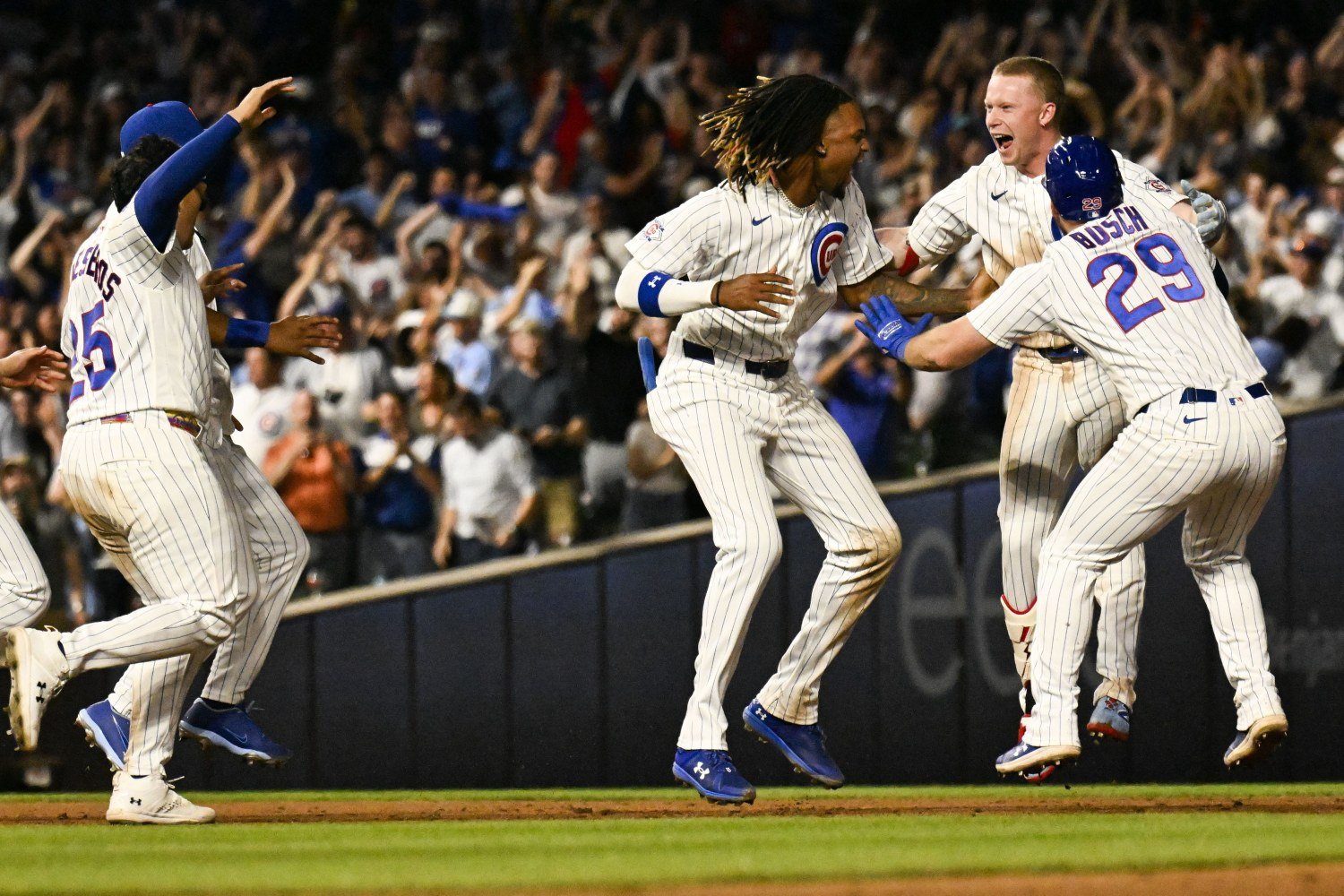 Talking about the Chicago Cubs right now is hard. You have to talk about the many ways in which they could and should have (but haven't) methodically built a roster that can compete with the Milwaukee Brewers. You have to acknowledge the real streakiness that is part of their identity, without giving in to old saws about the nature of consistency and volatility in baseball. You have to talk about the many important players slumping or declining or trying to solve major problems. But it also feels ludicrous—absurd—to talk about anything but Pete Crow-Armstrong. I grew up in Northeast Wisconsin, as a Bulls, Cubs and Packers fan. I watched the final three years of Michael Jordan's career; the halcyon decade of Sammy Sosa's time with the Cubs; and 25 years worth of Brett Favre and Aaron Rodgers in Green Bay. I know from cults of personality within sports teams, is what I'm trying to say. It's my normal. It's what I grew up with. It's been a long time, though, since I saw a baseball team as dominated by one player's talent and personality—one player's greatness and their terribleness; their scintillations and their calamities—as the current Cubs are by Crow-Armstrong. If anyone (at least, anyone who spends much time online) tells you this has been a fun ride, they're a dangerous lunatic or a liar. What's happening around the Cubs right now is a steady and inexorable rise in background toxicity, like there's an unreported leak into the water supply or a poorly contained radiation event nearby. Crow-Armstrong, who seemed so unusually authentic and self-assured at this time last year, has gone through a disastrous slump to end 2025; a winter of cement setting on his stardom; and a spring loaded with great new opportunities but lots of extra expectations, and he's handling it all terribly. He's also having an incredible season that could end with him in the thick of the MVP conversation. In the field, Crow-Armstrong burst out of the gate this spring playing center field as well as anyone has done it since Willie Mays. His anticipation, explosiveness and ability to field the ball cleanly at top speed are unmatched. His arm is a rocket, and he uses extraordinary footwork to make the most of it, most of the time. He's also had five or six of the worst, dumbest mistakes you'll see an outfielder make. The universe seems to be against him, too. He lost a Shea Langeliers fly ball in the bright, impossible sky Thursday night, leading to an inside-the-park homer on what should have been a routine flyout. He made the initial mistake of misreading the ball off the bat, but the particular hues of sunset sky in which the ball hung while he searched for it in desperation are expert concealers. No player could have found that ball, once it was lost up there. On evenings like that, you only get the initial moment to draw your bead; there's no recovery opportunity. Crow-Armstrong was, in that sense, unlucky. All year, though, there's been what's happened to Crow-Armstrong (and to his team), and how he's reacted to it. What happens can only make a baseball season hard. How you react to it—by hurling abuse at a fan in the heat of a play, or by trying to do way too much, or by needing to be corralled after trying to get a look at some heckler after a frightful mistake—can make one truly miserable. Of course, there's also another distinction: how you react, in terms of visible emotional displays, and how you react, in terms of playing the game. After losing that ball (and then standing flat-footed to watch the rest of the play, and then being ready to take issue with fans), Crow-Armstrong delivered two huge swings that turned the game around. He hit a blistered solo home run in the bottom of the same inning, at 110 MPH off the bat. He hit the walk-off single that won the game after his teammates' spirited rally in the bottom of the ninth, capping an insane night with a cathartic roar. Several times this season, Crow-Armstrong's on-field response to a bad mistake has been a display of such ferocious brilliance that it's made up for that mistake, and then some. This was something Sosa also often did—and Favre, too, for that matter. In baseball, one player can't get an outsize share of the chances and become the sole focus of a game, the way a quarterback or a basketball player can. But if you do everything with sufficient intensity, you can fill up the box score, both literally and metaphorically. Crow-Armstrong is perfecting the art of taking over a baseball game, even though he'll sometimes give away the game, too. This can be a recipe for a championship. Teams have been led to glory by players who sucked up all the media attention and all the oxygen in the room. It's just not going to be fun, or easy, or comfortable—and it might get very ugly. Any teammate or reporter can tell you, even if many fans cannot, that it was often unpleasant to be around Sosa, Jordan and Favre, for lots of reasons. The most fun teams to follow and to be a part of are the ones with diffuse leadership and a team ethos, on and off the field. Ironically, the Cubs have worked hard to cultivate that, including by bringing in a manager who believes as fervently in having 26 leaders on a 26-man roster as anyone in the game. They've eschewed the pursuit of incandescent superstars via trade or free agency, not only for budgetary reasons, but for philosophical ones. Too bad. Crow-Armstrong is such a forceful personality—there's so much charisma in his presence on the field, and so much volatility in his interactions with everyone surrounding it—that he's changing all of that, whether anyone likes it or not. Even he doesn't necessarily seem to like it, but he doesn't have the self-control to stop it. This is a team out of control, It's a player out of control. It's a situation that makes you hear a high-pitched ringing you can't place. That ringing is the song of the blade. It's the universe drawing its bow across a string pulled so taut the note is above the top of the scale, just like Crow-Armstrong's fielding ability, his newfound bat speed, and his unreserved aggressiveness. It is, in a word, danger. The 2023 Cubs won 83 games. The 2024 team won the same number. The 2025 team got to 92 wins, but still felt stuck in the middle. If you're sick of that averageness, I have great news. It's over. Despite their current record, the Cubs are destined either for greatness or destruction this year. They're at the mercy of a player whose talent can turn being badly jammed by a 99-MPH fastball into a game-winning muscle single (because he swung the bat at 87.4 MPH, so the ball got up the handle, but he was already around on it), and who can catch anything—but who can also absolutely blow it sometimes, and whose intensity has begotten angry outbursts that are no longer directed only at himself. He can pull a team of slightly declining veterans all the way to the World Series. If he explodes, though—if all this volatility slips even further beyond his control, as it has for so many players with a similar combination of potential and insecurity—everything and everyone else around the Cubs will go kaput with him. So, keep tuning in. This is HBO stuff. It's high drama with high stakes and all the nastiness you love—the stuff they won't show you on basic cable. It's scary, and not exactly in a good way. There's a real risk you're going to learn all the wrong lessons from it. Irrefutably, though, it's entertaining as hell.
 -
 The 2026 Cubs have played 62 games. Their star closer, Daniel Palencia, has entered in a traditional save situation just twice. Palencia spent a few weeks on the injured list with a mild strain in his lat, but he's made 15 total appearances. He's just not getting chances to close games, because the Cubs rarely win, and when they do, they have an odd knack for winning in big, cathartic ways. All three times he's had a chance to save a game, Palencia has done it. However, the first such occasion didn't come until the team's eighth game of the season. It would be more than a month until the second, which wasn't even a normal save; he came on to get the final out of an 8-3 win against the Reds on May 7. A week after that, he got his third save (and second typical one) of the season. It's now been three full weeks since, without a fourth opportunity arising. Craig Counsell has therefore had to find times to use his closer, just to give him work, but even those games have been relatively thin on the ground. After Palencia's stint on the IL, the Cubs are using him carefully on purpose, a plan that makes a ton of sense for a tight, muscular athlete who throws this hard—but which gets very complicated when the usual chances to pitch aren't coming. Until Counsell used him in each of the first two games of the team's current series against the Athletics, Palencia hadn't worked on fewer than two days' rest since May 7. He's had five days between healthy appearances as many times as he's appeared on back-to-back days this year: twice each. It's been maddening, for the team and for its fans, to watch a pitcher who became an international star in March with a dominant run for the World Baseball Classic champion Team Venezuela have almost no impact on their season to date. Palencia hasn't been idle, though. He's only getting better, even if he's had to wait and wait and wait for chances to prove it. The samples are, alas, too small to jump to conclusions about whether Palencia's improvement in avoiding hard contact is sustainable. He's been prone to getting hit hard at times in the past, despite (or because of) his exceptional velocity. This year, barely over 26% of the batted balls he's allowed have been hit 95 MPH or harder, down from a career rate over 45% entering this season. He's also keeping his walk rate very low, for a late-inning reliever who throws so hard. That's all great, but it's impossible to say whether it's permanent, given how little he's worked. However, there are other things we can study that lend some credence to those improvements in results. Here's Palencia throwing a slider to the Brewers' Brice Turang during the NLDS last year: TkE0MjdfV0ZRVkV3dEdEUT09X0JnZ0FWMUpXQTFRQVcxVlFBd0FIVXdSZkFBQlJVd01BQWwxVEFWY0ZCd3BjVTFkWA==.mp4 And here's him throwing one to Christian Yelich, last month: b0d3OWxfWGw0TUFRPT1fVWdSWEIxUlNCMVFBWEZWUlh3QUhCZ1JlQUFBRkJnTUFBbEVGQndGWFZBY0JCZ1JV.mp4 If you can, ignore the results of the two offerings. Watch Palencia pitch. Can you spot the important differences? There are two. Firstly, his lower half gives him more power and direction. His stride is longer down the mound, which gets him into his legs more and helps him get over his front leg as he releases the ball. Second, his arm slot is higher. His average arm angle is up about 4° on his slider and 3° on his fastball this year. That sounds small, and isn't necessarily a sign of a conscious change in the way he's moving, but it makes a difference. Here's Palencia's spin profile for 2025, with the distribution of spin directions out of the hand for each pitch type on the left and the actual movement of the pitches on the right: Here's the same pair of images for 2026: Changing his delivery a little bit has dramatically improved the consistency with which Palencia executes his slider, giving it a shape he can tweak a bit but which seems to be devastating in whatever form he chooses for it. On average, he's also throwing it about 2 MPH harder (despite his fastball sitting right where it was last year), but that's because he's found ways to turn it into more of a cutterish offering at times, then increasing its depth (and giving back that extra velocity) at others. Palencia's extension at release is up significantly this year. That's created half a tick of increased perceived velocity even on a fastball technically traveling the same speed, according to Statcast. His whole arsenal plays up because of that. The Palencia we saw in March is still here; he just hasn't had enough chances to save the day for his domestic club. Hopefully, that will change soon, because the wasted outings by an elite reliever are getting hard to stomach.
 -
Image courtesy of © Jeff Le-Imagn Images The 2026 Cubs have played 62 games. Their star closer, Daniel Palencia, has entered in a traditional save situation just twice. Palencia spent a few weeks on the injured list with a mild strain in his lat, but he's made 15 total appearances. He's just not getting chances to close games, because the Cubs rarely win, and when they do, they have an odd knack for winning in big, cathartic ways. All three times he's had a chance to save a game, Palencia has done it. However, the first such occasion didn't come until the team's eighth game of the season. It would be more than a month until the second, which wasn't even a normal save; he came on to get the final out of an 8-3 win against the Reds on May 7. A week after that, he got his third save (and second typical one) of the season. It's now been three full weeks since, without a fourth opportunity arising. Craig Counsell has therefore had to find times to use his closer, just to give him work, but even those games have been relatively thin on the ground. After Palencia's stint on the IL, the Cubs are using him carefully on purpose, a plan that makes a ton of sense for a tight, muscular athlete who throws this hard—but which gets very complicated when the usual chances to pitch aren't coming. Until Counsell used him in each of the first two games of the team's current series against the Athletics, Palencia hadn't worked on fewer than two days' rest since May 7. He's had five days between healthy appearances as many times as he's appeared on back-to-back days this year: twice each. It's been maddening, for the team and for its fans, to watch a pitcher who became an international star in March with a dominant run for the World Baseball Classic champion Team Venezuela have almost no impact on their season to date. Palencia hasn't been idle, though. He's only getting better, even if he's had to wait and wait and wait for chances to prove it. The samples are, alas, too small to jump to conclusions about whether Palencia's improvement in avoiding hard contact is sustainable. He's been prone to getting hit hard at times in the past, despite (or because of) his exceptional velocity. This year, barely over 26% of the batted balls he's allowed have been hit 95 MPH or harder, down from a career rate over 45% entering this season. He's also keeping his walk rate very low, for a late-inning reliever who throws so hard. That's all great, but it's impossible to say whether it's permanent, given how little he's worked. However, there are other things we can study that lend some credence to those improvements in results. Here's Palencia throwing a slider to the Brewers' Brice Turang during the NLDS last year: TkE0MjdfV0ZRVkV3dEdEUT09X0JnZ0FWMUpXQTFRQVcxVlFBd0FIVXdSZkFBQlJVd01BQWwxVEFWY0ZCd3BjVTFkWA==.mp4 And here's him throwing one to Christian Yelich, last month: b0d3OWxfWGw0TUFRPT1fVWdSWEIxUlNCMVFBWEZWUlh3QUhCZ1JlQUFBRkJnTUFBbEVGQndGWFZBY0JCZ1JV.mp4 If you can, ignore the results of the two offerings. Watch Palencia pitch. Can you spot the important differences? There are two. Firstly, his lower half gives him more power and direction. His stride is longer down the mound, which gets him into his legs more and helps him get over his front leg as he releases the ball. Second, his arm slot is higher. His average arm angle is up about 4° on his slider and 3° on his fastball this year. That sounds small, and isn't necessarily a sign of a conscious change in the way he's moving, but it makes a difference. Here's Palencia's spin profile for 2025, with the distribution of spin directions out of the hand for each pitch type on the left and the actual movement of the pitches on the right: Here's the same pair of images for 2026: Changing his delivery a little bit has dramatically improved the consistency with which Palencia executes his slider, giving it a shape he can tweak a bit but which seems to be devastating in whatever form he chooses for it. On average, he's also throwing it about 2 MPH harder (despite his fastball sitting right where it was last year), but that's because he's found ways to turn it into more of a cutterish offering at times, then increasing its depth (and giving back that extra velocity) at others. Palencia's extension at release is up significantly this year. That's created half a tick of increased perceived velocity even on a fastball technically traveling the same speed, according to Statcast. His whole arsenal plays up because of that. The Palencia we saw in March is still here; he just hasn't had enough chances to save the day for his domestic club. Hopefully, that will change soon, because the wasted outings by an elite reliever are getting hard to stomach. View full article
-
Image courtesy of © Jeff Le-Imagn Images This site is, I hope, the epicenter of Pete Crow-Armstrong swing talk. If it isn't, it ought to be, and we're gonna work even harder to make it so. Crow-Armstrong is the most interesting thing happening in Chicago baseball, in ways both good and bad, and that doesn't just include his sensational but sometimes erratic fielding or his massive star power and the difficulty he's had in managing the attention and expectations. It also includes his swing. We're going to take more about that swing today, but rather than get all wordy, I mostly want to talk this through visually. So, first, check out his rolling expected weighted on-base average (xwOBA) over 100-plate appearance samples, throughout his career. I would guess it doesn't feel quite this way—not yet—but Crow-Armstrong has gone to a new level since the middle of May. I don't mean 'new' relative to his very slow start or his tough finish to last season, either. I mean he's never produced more expected value at the plate than he's currently yielding, even at the peak of his blazing hot streak in the first half of last year. The first thing you need to know about his ascent toward what will (if this continues; more later on that) be full-shine superstardom is that he started swinging considerably less as May went on. We all knew that swinging less would be key to him getting more good pitches to hit, and thus to him becoming his best self. He finally found some ways to start doing it. That's not the only important thing that has changed recently, though. Crow-Armstrong started making changes to his approach, and the results began to improve—but he was still exploitable. He was still off-balance a bit too often, mostly because his swing is a complicated thing. So, he (slightly) simplified it. I'm going to show you four pictures, three times. These are four moments in the progress of a pitch to Crow-Armstrong, first from May 18; then from May 23; and then from Saturday. The four moments are labeled, but to clarify those labels, they are: Setup: Crow-Armstrong's stance in the box, as the pitcher prepares to begin their delivery; High Point: The moment at which, after executing his toe tap and lifting his foot a second time, Crow-Armstrong's front leg reaches the highest point of his leg kick, before the foot starts to head downward; Pitch Release: Just what it sounds like; and Foot Down: The moment when Crow-Armstrong's front foot lands, and his swing can begin in earnest. Ok, here goes. May 18, against the Brewers' Shane Drohan: May 23, against the Astros, after a day off between the two home series of that week: And Saturday in St. Louis, the pitch that became the hardest-hit ball of Crow-Armstrong's career and a 444-foot homer: In the setup, note how he gets more upright and less spread-out in the box. Note, too, the more relaxed placement of his bat on his shoulder, and the angle of it going from flat over his back shoulder to more like 40°. At the high point of his leg kick, notice how he's crunching more into a stable but explosive position with his core. At the release of the pitch, notice how he's more balanced and how his front foot is closer to landing. And when that foot does land, look at how much more work he's already doing with his upper half, and how much more open his front hip is, without the front shoulder following it too closely. These changes all emanate from that change in setup, which is visible in the data, too. Here are Crow-Armstrong's average stance and stride positions for this year, broken down into pre- and post-May 21. He's moved closer to the plate. His feet start closer together, as a result of standing taller. He's striding a bit farther, but that stride is more of a controlled, violent forward flash of energy, and less of a lurch, because he started more upright and isn't leaking forward until he gets past that high point, now. The changes in stance and mechanics have produced a different set of swing data for Crow-Armstrong over the last two weeks or so: Through May 20: 74.3 MPH bat speed, 35° tilt, 14° attack angle, 5° pull attack direction, intercept point 37.1 inches in front of his center of mass Since May 22: 75.4 MPH, 34° tilt, 18° attack angle, 9° pull attack direction, intercept point 39.4 inches in front of his center of mass Already, the bat speed Crow-Armstrong had added since last year had given him a boost in power upside, if he could consistently access that pop. Now, he's positively thrumming with danger in the box. In fact, did that setup from the St. Louis pitch remind you of someone? Perhaps someone else who famously hits lasers to right field, in much the same way—albeit with a much more patient baseline approach? Here's the Crow-Armstrong homer: OTdQOXdfV0ZRVkV3dEdEUT09X1VsSlhYUWRTQndJQVcxY0NCUUFIQmdWVEFBQUJBRklBVkFGUUFnY0dVMUJTVVZNSA==.mp4 And here's a guy who could be a fascinating new comp for him: N3l6eDZfWGw0TUFRPT1fVUFnREFGRUhWRmNBWGxJRVh3QUhCd05VQUFCV0FRY0FVRlpYVVFZTkFnWlNBbFJV.mp4 Make no mistake about it: If Crow-Armstrong keeps swinging like this, he's going to strike out more than he has in the past. He might continue to improve his plate discipline, but he'll almost certainly never walk as much as Kyle Schwarber. He doesn't swing quite as hard (or get off that 'A' swing quite as consistently) as Schwarber does, either. At least, that's been true so far. But the version of Crow-Armstrong who hit the homer above, and who also hit a similar one the previous weekend against the Astros, is an honest-to-God threat to hit 40 homers a year. Coming into this season, we talked a lot about the way Crow-Armstrong had engineered his swing to get high-level power outcomes out of merely average-plus bat speed. Suddenly, the latter no longer applies. This version of Crow-Armstrong—the specific version we've seen the last two weeks, who will still have to prove he can avoid being perpetually early and who has to manage to stay healthy while creating this much torque, so you never know how long we'll have him—swings as fast as Austin Riley and Matt Wallner, but with both a better plan to get the head out and catch the barrel with an elevated pitch to the pull field, and more sheer bat control. Of Crow-Armstrong's last 50 batted balls, 23 have been in the launch angle sweet spot, according to Statcast. The lack of that concentration of batted balls in the sweet spot was precisely the problem we talked about him needing to solve in the middle of last month, and he seems to have solved it just days later. This will be terrifically hard to sustain. Crow-Armstrong is working with a contact point way out in front of his frame, and though the numbers exaggerate that circumstance slightly because of the changed pattern of his stride and balance of his body, it still spells some whiffs. Pitchers will start forcing him to prove he can stay back on non-fastballs, and his plate discipline—even more vulnerable to the entropy of the game than most players'—will have to hold. At this moment, though, Crow-Armstrong is the best he's ever been at bat, and one of the dozen best hitters in baseball. That's the new upside he's established, and when you pair that run production in the box with his speed and defense, you get the MVP candidate the Cubs so delighted in having for the first half of last year—only more so. View full article
-
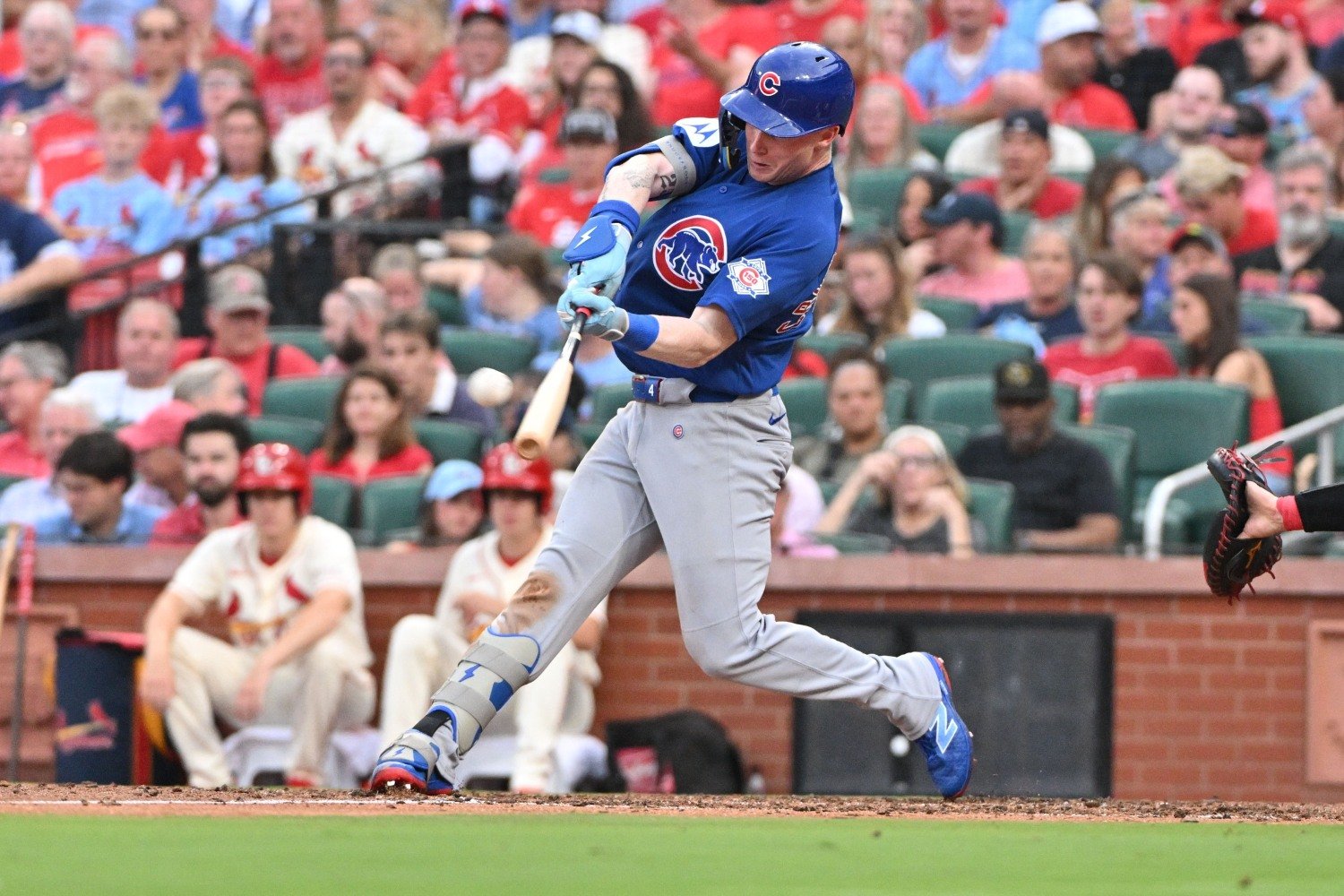 This site is, I hope, the epicenter of Pete Crow-Armstrong swing talk. If it isn't, it ought to be, and we're gonna work even harder to make it so. Crow-Armstrong is the most interesting thing happening in Chicago baseball, in ways both good and bad, and that doesn't just include his sensational but sometimes erratic fielding or his massive star power and the difficulty he's had in managing the attention and expectations. It also includes his swing. We're going to take more about that swing today, but rather than get all wordy, I mostly want to talk this through visually. So, first, check out his rolling expected weighted on-base average (xwOBA) over 100-plate appearance samples, throughout his career. I would guess it doesn't feel quite this way—not yet—but Crow-Armstrong has gone to a new level since the middle of May. I don't mean 'new' relative to his very slow start or his tough finish to last season, either. I mean he's never produced more expected value at the plate than he's currently yielding, even at the peak of his blazing hot streak in the first half of last year. The first thing you need to know about his ascent toward what will (if this continues; more later on that) be full-shine superstardom is that he started swinging considerably less as May went on. We all knew that swinging less would be key to him getting more good pitches to hit, and thus to him becoming his best self. He finally found some ways to start doing it. That's not the only important thing that has changed recently, though. Crow-Armstrong started making changes to his approach, and the results began to improve—but he was still exploitable. He was still off-balance a bit too often, mostly because his swing is a complicated thing. So, he (slightly) simplified it. I'm going to show you four pictures, three times. These are four moments in the progress of a pitch to Crow-Armstrong, first from May 18; then from May 23; and then from Saturday. The four moments are labeled, but to clarify those labels, they are: Setup: Crow-Armstrong's stance in the box, as the pitcher prepares to begin their delivery; High Point: The moment at which, after executing his toe tap and lifting his foot a second time, Crow-Armstrong's front leg reaches the highest point of his leg kick, before the foot starts to head downward; Pitch Release: Just what it sounds like; and Foot Down: The moment when Crow-Armstrong's front foot lands, and his swing can begin in earnest. Ok, here goes. May 18, against the Brewers' Shane Drohan: May 23, against the Astros, after a day off between the two home series of that week: And Saturday in St. Louis, the pitch that became the hardest-hit ball of Crow-Armstrong's career and a 444-foot homer: In the setup, note how he gets more upright and less spread-out in the box. Note, too, the more relaxed placement of his bat on his shoulder, and the angle of it going from flat over his back shoulder to more like 40°. At the high point of his leg kick, notice how he's crunching more into a stable but explosive position with his core. At the release of the pitch, notice how he's more balanced and how his front foot is closer to landing. And when that foot does land, look at how much more work he's already doing with his upper half, and how much more open his front hip is, without the front shoulder following it too closely. These changes all emanate from that change in setup, which is visible in the data, too. Here are Crow-Armstrong's average stance and stride positions for this year, broken down into pre- and post-May 21. He's moved closer to the plate. His feet start closer together, as a result of standing taller. He's striding a bit farther, but that stride is more of a controlled, violent forward flash of energy, and less of a lurch, because he started more upright and isn't leaking forward until he gets past that high point, now. The changes in stance and mechanics have produced a different set of swing data for Crow-Armstrong over the last two weeks or so: Through May 20: 74.3 MPH bat speed, 35° tilt, 14° attack angle, 5° pull attack direction, intercept point 37.1 inches in front of his center of mass Since May 22: 75.4 MPH, 34° tilt, 18° attack angle, 9° pull attack direction, intercept point 39.4 inches in front of his center of mass Already, the bat speed Crow-Armstrong had added since last year had given him a boost in power upside, if he could consistently access that pop. Now, he's positively thrumming with danger in the box. In fact, did that setup from the St. Louis pitch remind you of someone? Perhaps someone else who famously hits lasers to right field, in much the same way—albeit with a much more patient baseline approach? Here's the Crow-Armstrong homer: OTdQOXdfV0ZRVkV3dEdEUT09X1VsSlhYUWRTQndJQVcxY0NCUUFIQmdWVEFBQUJBRklBVkFGUUFnY0dVMUJTVVZNSA==.mp4 And here's a guy who could be a fascinating new comp for him: N3l6eDZfWGw0TUFRPT1fVUFnREFGRUhWRmNBWGxJRVh3QUhCd05VQUFCV0FRY0FVRlpYVVFZTkFnWlNBbFJV.mp4 Make no mistake about it: If Crow-Armstrong keeps swinging like this, he's going to strike out more than he has in the past. He might continue to improve his plate discipline, but he'll almost certainly never walk as much as Kyle Schwarber. He doesn't swing quite as hard (or get off that 'A' swing quite as consistently) as Schwarber does, either. At least, that's been true so far. But the version of Crow-Armstrong who hit the homer above, and who also hit a similar one the previous weekend against the Astros, is an honest-to-God threat to hit 40 homers a year. Coming into this season, we talked a lot about the way Crow-Armstrong had engineered his swing to get high-level power outcomes out of merely average-plus bat speed. Suddenly, the latter no longer applies. This version of Crow-Armstrong—the specific version we've seen the last two weeks, who will still have to prove he can avoid being perpetually early and who has to manage to stay healthy while creating this much torque, so you never know how long we'll have him—swings as fast as Austin Riley and Matt Wallner, but with both a better plan to get the head out and catch the barrel with an elevated pitch to the pull field, and more sheer bat control. Of Crow-Armstrong's last 50 batted balls, 23 have been in the launch angle sweet spot, according to Statcast. The lack of that concentration of batted balls in the sweet spot was precisely the problem we talked about him needing to solve in the middle of last month, and he seems to have solved it just days later. This will be terrifically hard to sustain. Crow-Armstrong is working with a contact point way out in front of his frame, and though the numbers exaggerate that circumstance slightly because of the changed pattern of his stride and balance of his body, it still spells some whiffs. Pitchers will start forcing him to prove he can stay back on non-fastballs, and his plate discipline—even more vulnerable to the entropy of the game than most players'—will have to hold. At this moment, though, Crow-Armstrong is the best he's ever been at bat, and one of the dozen best hitters in baseball. That's the new upside he's established, and when you pair that run production in the box with his speed and defense, you get the MVP candidate the Cubs so delighted in having for the first half of last year—only more so.
 -
Don't worry. The way things are going, White Sox fans will make sure it's emblazoned on your brain and everyone else's, soon enough.
-
FWIW: I don't *think* it was the Cubs' idea. And it wasn't the goal when Wicks made those changes. He thought he'd be able to change his body and his delivery and add good things, without losing the strengths he already had. Some pitchers succeed at that! Unfortunately, he didn't—which does have to fall at least partly at the feet of the Cubs.
-
It's easy to forget, but the guy they drafted definitely had a plus changeup. In remaking his delivery to get to more velocity and to throw four-seamers instead of sinkers, he both started getting hurt a lot and lost that change, I think. But yeah, it's a pretty clear mistake. Taken within six picks, right after him: Gavin Williams, Colson Montgomery, Jackson Merrill. The Cubs flubbed that one.
-
Image courtesy of © Jeff Curry-Imagn Images Matthew Boyd can't come back too soon. The veteran lefty is on the rehab trail, and threw 63 pitches in four innings in a rehab start for Triple-A Iowa Sunday afternoon. He wasn't exceptionally effective, but the Cubs didn't need to see him dominate minor-league batters to know they want him back in their starting rotation. Boyd averaged 93 miles per hour on his fastball, and if his surgically repaired knee responds well over the first two days of this week, Boyd could certainly make his next start with the parent club over the weekend. Edward Cabrera might not be far behind Boyd. Sidelined since May 20 by a blister, Cabrera should be back with the team in the first half of this month, though he won't even be eligible to return until the end of the week. Even before he landed on the IL, he was less effective and less impressive than he'd been at the beginning of the season, and the team will want to make sure the blister has time to fully resolve before reinstating him. At the same time, last week made it appallingly clear: the Cubs can't afford to wait any longer than is absolutely necessary. In a 3-4 week against two division rivals, Chicago gave away two games by sending out starter Jordan Wicks to take Cabrera's turns in the rotation. They weren't expecting a miracle; they weren't expecting anything. The Cubs don't believe in Wicks, at this point, any more than you or I do—and I don't quite know about you, but I don't believe in Wicks at all. He's a pitcher whose ceiling was always low, and for whom an attempt to reengineer his mechanics and tap into more intense stuff only brought on a series of injuries that have dropped the floor out from under him. He could have a big-league future; he has no meaningful future with the Cubs. Unfortunately, with Boyd (twice), Cabrera and Cade Horton already having been shelved this year, the team had few alternatives to giving Wicks another shot. They've already pulled Colin Rea and Ben Brown back from bullpen assignments into the rotation. Javier Assad got a shot, too, but he's been so unable to make his kitchen-sink magic work this spring that even when the Cubs could have recalled him to replace Cabrera on the roster, they elected not to do so. Assad is now eligible to return to the majors for non-injury reasons, but he might not be back any time soon, anyway; he's just gone backward as a pitcher. Brown (with his lower arm angle and newfound sinker-heavy approach against righties) has taken wonderfully to the rotation. He, Shota Imanaga, Jameson Taillon and Rea look locked into the starting group for now, with Boyd likely to take the next turn that would otherwise go to Wicks. When Cabrera returns, Rea might get shoved back into the pen, rather than Brown, but that (perhaps too hopefully) assumes no one else is hurt and that Taillon and Imanaga are able to keep the ball in the park a bit better in the next couple of starts. A fan in a summery mood could have sat down late in the winter and sketched a dream-like summer rotation for this team: Boyd, Horton, Cabrera, Imanaga, and Justin Steele all at their best, with Taillon, Rea, Brown and Assad as mere reinforcements. Instead, this team has no ace unless Brown proves this burst to be sustainable (which is unlikely), and very shaky depth. Suddenly but urgently, and at a rough time of year for it, they need pitching depth, badly. Over the weekend, the Twins designated right-handed starter Simeon Woods Richardson for assignment. Richardson is young and relatively controllable. He has a fastball that can touch the mid-90s and a slider and a splitter that each flash above-average. However, he also has an 0-7 record and a 7.74 ERA this season, and he can't be optioned to the minors. Fixing him is probably a bigger project than the team can handle in the time and space provided. Sunday saw the Pirates place righty Carmen Mlodzinski on the restricted list, after he (more or less) refused a reassignment to the bullpen. Mlodzinski is easy to underrate, but he's a six-pitch guy with a fastball that sits 95 and a 3.37 career ERA. If the Pirates are overflowing with starters (or, as is more accurate, just believe more in a couple of guys yet to prove as much as Mlodzinski has, in Bubba Chandler and Jared Jones), the Cubs could try to swoop in and take the disgruntled one they've displaced off their hands. That would work much better, of course, were the Cubs and Pirates not both in the NL Central. In all likelihood, even if the Pirates do trade Mlodzinski, they'll ship him far from home, to some team in the American League. Besides, disgruntled or not, Mlodzinski has three-plus years of team control remaining and can probably slot fourth into most big-league rotations. The Cubs don't have whatever Pittsburgh would demand in return for Mlodzinski—or, if they do, they can't afford to trade it. For the moment, the team is stuck. Whatever positive momentum they could have created this week was wasted by Wicks surrendering 11 runs while getting just 19 outs, leaving his team no chance to win in two of their seven games. Boyd might be able to slap a Band-Aid on this problem, but Jed Hoyer has been given his wakeup call. The Cubs need to make a move, and not in two months. They need help right now, or they can kiss their dreams of a first true division title since 2017 goodbye. View full article
-
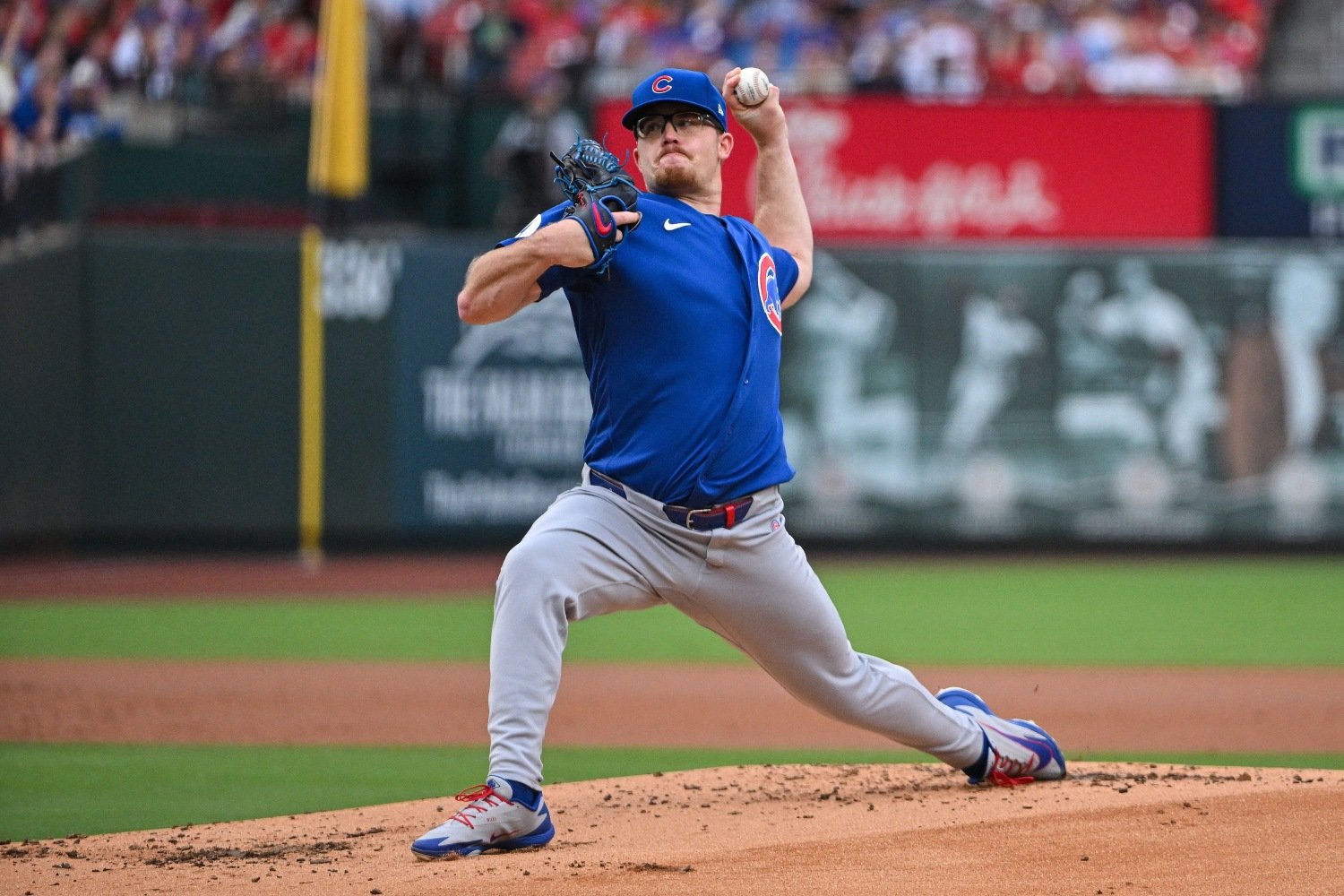 Matthew Boyd can't come back too soon. The veteran lefty is on the rehab trail, and threw 63 pitches in four innings in a rehab start for Triple-A Iowa Sunday afternoon. He wasn't exceptionally effective, but the Cubs didn't need to see him dominate minor-league batters to know they want him back in their starting rotation. Boyd averaged 93 miles per hour on his fastball, and if his surgically repaired knee responds well over the first two days of this week, Boyd could certainly make his next start with the parent club over the weekend. Edward Cabrera might not be far behind Boyd. Sidelined since May 20 by a blister, Cabrera should be back with the team in the first half of this month, though he won't even be eligible to return until the end of the week. Even before he landed on the IL, he was less effective and less impressive than he'd been at the beginning of the season, and the team will want to make sure the blister has time to fully resolve before reinstating him. At the same time, last week made it appallingly clear: the Cubs can't afford to wait any longer than is absolutely necessary. In a 3-4 week against two division rivals, Chicago gave away two games by sending out starter Jordan Wicks to take Cabrera's turns in the rotation. They weren't expecting a miracle; they weren't expecting anything. The Cubs don't believe in Wicks, at this point, any more than you or I do—and I don't quite know about you, but I don't believe in Wicks at all. He's a pitcher whose ceiling was always low, and for whom an attempt to reengineer his mechanics and tap into more intense stuff only brought on a series of injuries that have dropped the floor out from under him. He could have a big-league future; he has no meaningful future with the Cubs. Unfortunately, with Boyd (twice), Cabrera and Cade Horton already having been shelved this year, the team had few alternatives to giving Wicks another shot. They've already pulled Colin Rea and Ben Brown back from bullpen assignments into the rotation. Javier Assad got a shot, too, but he's been so unable to make his kitchen-sink magic work this spring that even when the Cubs could have recalled him to replace Cabrera on the roster, they elected not to do so. Assad is now eligible to return to the majors for non-injury reasons, but he might not be back any time soon, anyway; he's just gone backward as a pitcher. Brown (with his lower arm angle and newfound sinker-heavy approach against righties) has taken wonderfully to the rotation. He, Shota Imanaga, Jameson Taillon and Rea look locked into the starting group for now, with Boyd likely to take the next turn that would otherwise go to Wicks. When Cabrera returns, Rea might get shoved back into the pen, rather than Brown, but that (perhaps too hopefully) assumes no one else is hurt and that Taillon and Imanaga are able to keep the ball in the park a bit better in the next couple of starts. A fan in a summery mood could have sat down late in the winter and sketched a dream-like summer rotation for this team: Boyd, Horton, Cabrera, Imanaga, and Justin Steele all at their best, with Taillon, Rea, Brown and Assad as mere reinforcements. Instead, this team has no ace unless Brown proves this burst to be sustainable (which is unlikely), and very shaky depth. Suddenly but urgently, and at a rough time of year for it, they need pitching depth, badly. Over the weekend, the Twins designated right-handed starter Simeon Woods Richardson for assignment. Richardson is young and relatively controllable. He has a fastball that can touch the mid-90s and a slider and a splitter that each flash above-average. However, he also has an 0-7 record and a 7.74 ERA this season, and he can't be optioned to the minors. Fixing him is probably a bigger project than the team can handle in the time and space provided. Sunday saw the Pirates place righty Carmen Mlodzinski on the restricted list, after he (more or less) refused a reassignment to the bullpen. Mlodzinski is easy to underrate, but he's a six-pitch guy with a fastball that sits 95 and a 3.37 career ERA. If the Pirates are overflowing with starters (or, as is more accurate, just believe more in a couple of guys yet to prove as much as Mlodzinski has, in Bubba Chandler and Jared Jones), the Cubs could try to swoop in and take the disgruntled one they've displaced off their hands. That would work much better, of course, were the Cubs and Pirates not both in the NL Central. In all likelihood, even if the Pirates do trade Mlodzinski, they'll ship him far from home, to some team in the American League. Besides, disgruntled or not, Mlodzinski has three-plus years of team control remaining and can probably slot fourth into most big-league rotations. The Cubs don't have whatever Pittsburgh would demand in return for Mlodzinski—or, if they do, they can't afford to trade it. For the moment, the team is stuck. Whatever positive momentum they could have created this week was wasted by Wicks surrendering 11 runs while getting just 19 outs, leaving his team no chance to win in two of their seven games. Boyd might be able to slap a Band-Aid on this problem, but Jed Hoyer has been given his wakeup call. The Cubs need to make a move, and not in two months. They need help right now, or they can kiss their dreams of a first true division title since 2017 goodbye.