.png.396d29669b786f3e4cefa11ecc4b9eac.png)

Brian Kelder
-
Posts
291 -
Joined
-
Last visited
Content Type
Profiles
Joomla Posts 1
Chicago Cubs Videos
Chicago Cubs Free Agent & Trade Rumors, Notes, & Tidbits
2026 Chicago Cubs Top Prospects Ranking
News
2023 Chicago Cubs Draft Picks
Guides & Resources
2024 Chicago Cubs Draft Picks
The Chicago Cubs Players Project
2025 Chicago Cubs Draft Pick Tracker
2026 Chicago Cubs Draft Tracker: Picks & Bonuses
Blogs
Events
Forums
Store
Gallery
Everything posted by Brian Kelder
-
The Cubs are off to a tremendous, exciting start, and the bench players have been integral to it. Gone are the days of flailing tiny infielders and large men with contact issues. In their stead are guys with game-changing speed, impressive beards, or both. Here's the latest edition of Bench Guys Aura Rankings. Image courtesy of © Matt Marton-Imagn Images 1. Jon Berti: After the Monday night game, can there be anyone else in the top spot? Berti scored a run by himself. He was hit by a pitch, stole second, stole third, and scored ahead of Jake Burger's throw against a drawn-in infield. That's truly game-changing stuff. Berti can play every infield position (besides shortstop) at a passable level and has manned left field in the past. Currently, his on-base percentage is at .333. Players like Berti are the unsung heroes and occasional backbones of playoff teams. Monday night, we saw a glimpse of how impactful such a player can be. He was a great, under-the-radar signing by Jed Hoyer. 2. Justin Turner: Turner was initially ranked first, but you can't do this and keep your spot. To be honest, I'm not nearly as bullish on Turner as I was early on. He's taking at-bats from Michael Busch and providing very little value. He's just 4-for-18 on the season, with all the hits being singles. This has some Eric Hosmer vibes, though at least Turner is drawing walks to go with his hits. 3. Gage Workman: His middle name is Tater. He's a tall, strapping, bearded lad. The defense, in theory, is good. However, he's 0-6 with five strikeouts. Watching him hit, this is not going very well. Maybe the Cubs can offer something back to Detroit to keep him around, because he clearly isn't ready for the majors. Vidal Bruján will be healthy soon and should take this spot. Note that Carson Kelly is not included, because he's not a backup. For this purpose, Miguel Amaya and he are considered co-starters. Each has played seven games so far. Possible Additions to the Bench to Replace Workman If you want a longer rundown, we have it here. These are 40-man players and how they're starting off through seven games in Iowa. Owen Caissie: .905 OPS, but a sprained ankle. He's likely to get called up for an injury to a corner outfielder, if he's healthy whenever that happens. Kevin Alcantara: Off to a slow start for the third consecutive season, sporting a .486 OPS. He is streaky. A better defender than Caissie, he'll get the call if something happens to Pete Crow-Armstrong. Ben Cowles: He's off to a hot start. This is from the linked article by Jason Ross: There you go! If needed immediately, Cowles is probably ahead of James Triantos (.214 AVG, .517 OPS for a guy with a hit tool that needs to carry). Do you guys enjoy this format? Am I way off base? Let me know below. I'm a middle school teacher in real life; there's no way I can be sensitive anymore. View full article
-
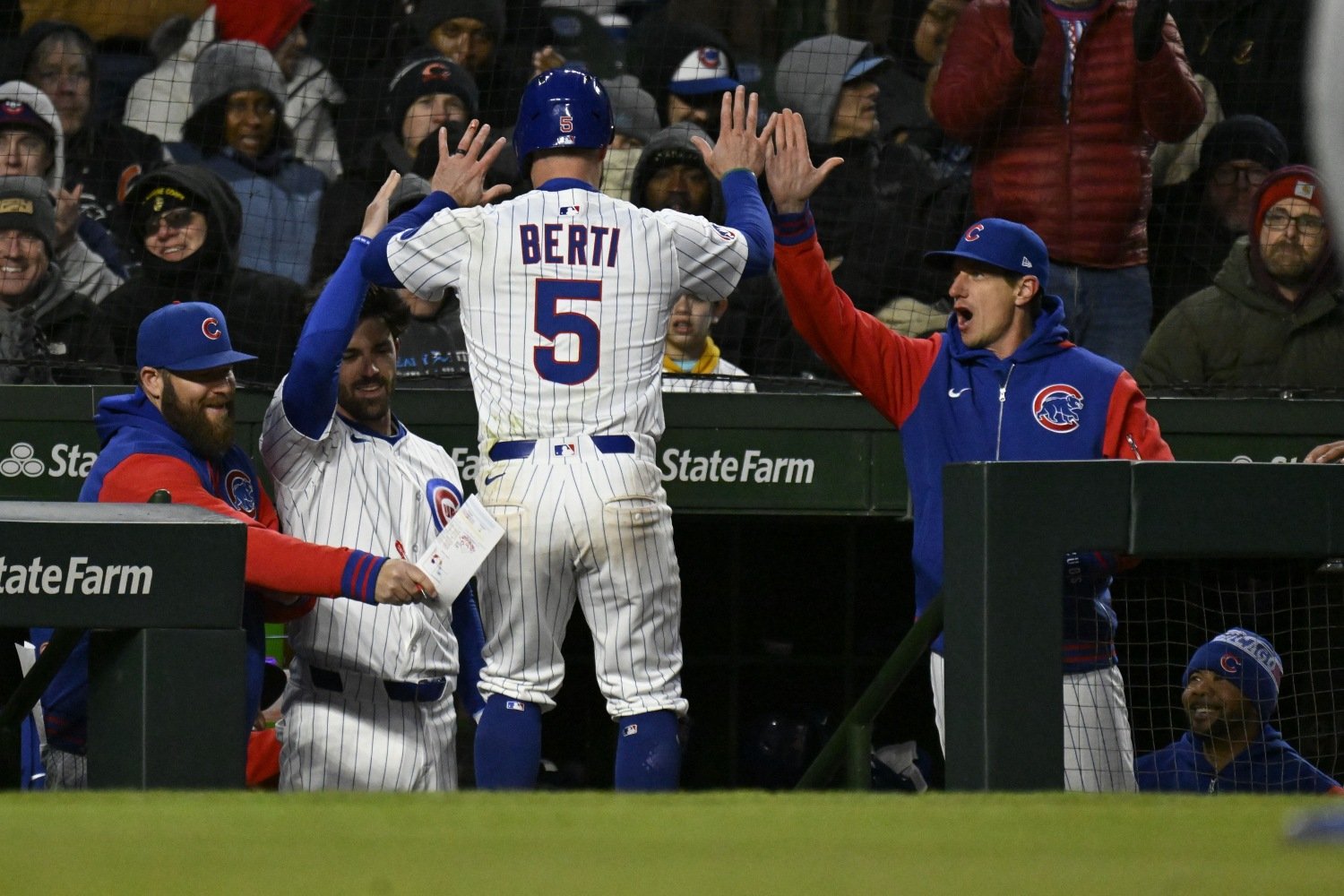 1. Jon Berti: After the Monday night game, can there be anyone else in the top spot? Berti scored a run by himself. He was hit by a pitch, stole second, stole third, and scored ahead of Jake Burger's throw against a drawn-in infield. That's truly game-changing stuff. Berti can play every infield position (besides shortstop) at a passable level and has manned left field in the past. Currently, his on-base percentage is at .333. Players like Berti are the unsung heroes and occasional backbones of playoff teams. Monday night, we saw a glimpse of how impactful such a player can be. He was a great, under-the-radar signing by Jed Hoyer. 2. Justin Turner: Turner was initially ranked first, but you can't do this and keep your spot. To be honest, I'm not nearly as bullish on Turner as I was early on. He's taking at-bats from Michael Busch and providing very little value. He's just 4-for-18 on the season, with all the hits being singles. This has some Eric Hosmer vibes, though at least Turner is drawing walks to go with his hits. 3. Gage Workman: His middle name is Tater. He's a tall, strapping, bearded lad. The defense, in theory, is good. However, he's 0-6 with five strikeouts. Watching him hit, this is not going very well. Maybe the Cubs can offer something back to Detroit to keep him around, because he clearly isn't ready for the majors. Vidal Bruján will be healthy soon and should take this spot. Note that Carson Kelly is not included, because he's not a backup. For this purpose, Miguel Amaya and he are considered co-starters. Each has played seven games so far. Possible Additions to the Bench to Replace Workman If you want a longer rundown, we have it here. These are 40-man players and how they're starting off through seven games in Iowa. Owen Caissie: .905 OPS, but a sprained ankle. He's likely to get called up for an injury to a corner outfielder, if he's healthy whenever that happens. Kevin Alcantara: Off to a slow start for the third consecutive season, sporting a .486 OPS. He is streaky. A better defender than Caissie, he'll get the call if something happens to Pete Crow-Armstrong. Ben Cowles: He's off to a hot start. This is from the linked article by Jason Ross: There you go! If needed immediately, Cowles is probably ahead of James Triantos (.214 AVG, .517 OPS for a guy with a hit tool that needs to carry). Do you guys enjoy this format? Am I way off base? Let me know below. I'm a middle school teacher in real life; there's no way I can be sensitive anymore.
 -
The Cubs are a typical small-sample hodgepodge, as are most teams. Some things matter; some things do not. That certainly doesn't mean that we can't try to spot and savor the former, though. Let's look at some early trends. Image courtesy of © Joe Camporeale-Imagn Images Dansby Swanson Sprint Speed 2024: 63rd percentile 2025: 89th percentile Dansby Swanson is healthy to start the season. Watching his speed on plays like this and his agility on double plays shows just how much his knee and core muscle problems were affecting him last season. When sprint speed is measured, it becomes clear. Swanson is feeling great, and he's playing tremendous, exciting defense. The bat doesn't seem to be majorly different. Maybe his torpedo bat will help with the sweet spot percentages, and perhaps the power will come back to 2022 levels for a summer. Regardless of the offensive production, however, it's good to see Swanson at full speed. Takeaway: Enjoy watching Swanson play. He's a great player and fully healthy. Kyle Tucker I was just starting to dig in here, and then remembered Matt Trueblood did a thing, so just read that one! Pete Crow Armstrong Plate Approach This is one to track as the season goes on. Current Slash Line: .148/.233/.222, but those are results. How's the process? Chase Rate: 41.4%, 2nd percentile in 2024; 38.0%, 16th percentile thus far in 2025 That's good! He's chasing pitches less often than last year. He's not ever going to have Juan Soto's approach, but so far, he has been incrementally more disciplined in his swings. He's still not very disciplined compared to others. We will see if this skill continues to develop, but it's a positive sign. Walk Rate: 2024: 5% 2025: 10% That's doubled! Crow-Armstrong is going to play virtually every day, due to his fully realized defensive potential. The plate approach seems to be tweaked and some patience is being reflected. Last year, Christopher Morel famously attempted to do something similar, and when the results lagged, the approach dissipated. Crow-Armstrong needs to stay the course; the results will come. Takeaway: Promising, but progression will be small steps not large gains Miguel Amaya I'm less bullish about Amaya sustaining his current .313 batting average. His whiff percentage is actually higher than last year. Where he's been an outlier is the sweet spot percentage. A 53% rate of hitting the ball at the most productive launch angles puts him in the top four percent of all hitters in baseball. The launch angle is only 6.7 degrees, though—down from 11 last year. Discouragingly, he's yet to draw a walk. Amaya needs to walk more, in order to effectively hit when his barrel rate drops from its unsustainable current level. Takeaway: He'll be decent, still, but this is not likely to be a full-fledged breakout. Is Justin Steele Unlucky? Most fans would not expect Justin Steele to have an ERA of 8.00 in his first two starts. K Rate: 2024 24.3%; 2025 18% Barrel Rate: 2024 4.2%; 2025 13%, which is 32nd percentile Along with these, the whiffs are slightly down, and the hard hits are slightly up. If this is a season-long trend, feel free to panic. As it stands, however, Steele's first start was against a great team in a weird venue, and his second was against an Arizona team that has a solid lineup. He also has thrown only four changeups this season. They were all promptly returned to him at over 100 mph of exit velocity, for a batting average of 1.000. To this point, Steele has been a fastball-and-slider pitcher, nearly abandoning his sinker and change. He's thrown 144 total pitches to this point; 17% were not fastballs or sliders. Apparently, he has lost his feel or confidence in these pitches. That doesn't mean he won't rediscover it, though. Takeaway: We aren't discussing an ace pitcher here, but he needs to be solid and reliable for the Cubs. These metrics can be reversed with one single good start. Once he settles in, things will be fine. Thanks for taking the time to read this and I hope you found some of this information interesting! Any other analytics you guys would like to see, put it in the comments. View full article
-
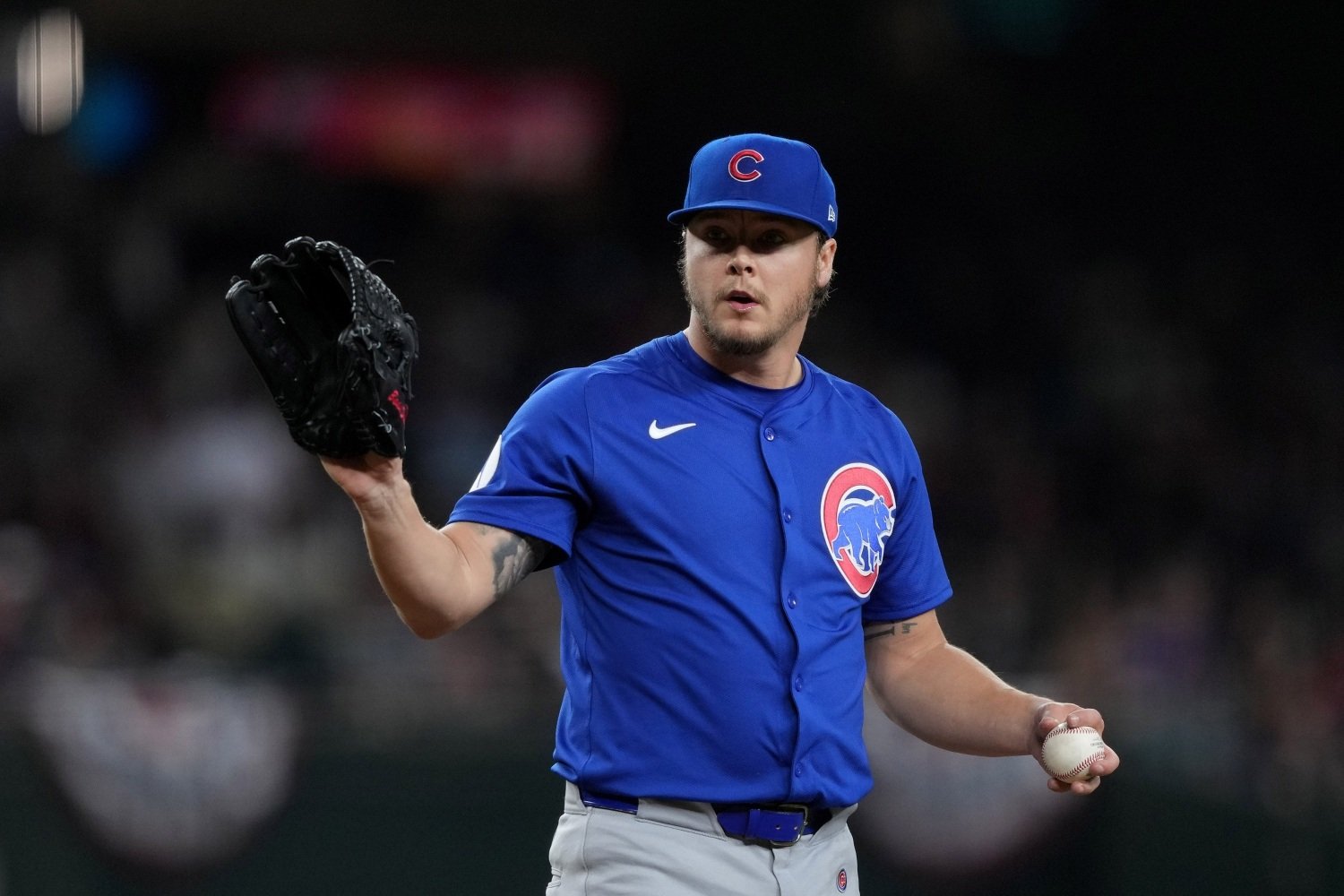 Dansby Swanson Sprint Speed 2024: 63rd percentile 2025: 89th percentile Dansby Swanson is healthy to start the season. Watching his speed on plays like this and his agility on double plays shows just how much his knee and core muscle problems were affecting him last season. When sprint speed is measured, it becomes clear. Swanson is feeling great, and he's playing tremendous, exciting defense. The bat doesn't seem to be majorly different. Maybe his torpedo bat will help with the sweet spot percentages, and perhaps the power will come back to 2022 levels for a summer. Regardless of the offensive production, however, it's good to see Swanson at full speed. Takeaway: Enjoy watching Swanson play. He's a great player and fully healthy. Kyle Tucker I was just starting to dig in here, and then remembered Matt Trueblood did a thing, so just read that one! Pete Crow Armstrong Plate Approach This is one to track as the season goes on. Current Slash Line: .148/.233/.222, but those are results. How's the process? Chase Rate: 41.4%, 2nd percentile in 2024; 38.0%, 16th percentile thus far in 2025 That's good! He's chasing pitches less often than last year. He's not ever going to have Juan Soto's approach, but so far, he has been incrementally more disciplined in his swings. He's still not very disciplined compared to others. We will see if this skill continues to develop, but it's a positive sign. Walk Rate: 2024: 5% 2025: 10% That's doubled! Crow-Armstrong is going to play virtually every day, due to his fully realized defensive potential. The plate approach seems to be tweaked and some patience is being reflected. Last year, Christopher Morel famously attempted to do something similar, and when the results lagged, the approach dissipated. Crow-Armstrong needs to stay the course; the results will come. Takeaway: Promising, but progression will be small steps not large gains Miguel Amaya I'm less bullish about Amaya sustaining his current .313 batting average. His whiff percentage is actually higher than last year. Where he's been an outlier is the sweet spot percentage. A 53% rate of hitting the ball at the most productive launch angles puts him in the top four percent of all hitters in baseball. The launch angle is only 6.7 degrees, though—down from 11 last year. Discouragingly, he's yet to draw a walk. Amaya needs to walk more, in order to effectively hit when his barrel rate drops from its unsustainable current level. Takeaway: He'll be decent, still, but this is not likely to be a full-fledged breakout. Is Justin Steele Unlucky? Most fans would not expect Justin Steele to have an ERA of 8.00 in his first two starts. K Rate: 2024 24.3%; 2025 18% Barrel Rate: 2024 4.2%; 2025 13%, which is 32nd percentile Along with these, the whiffs are slightly down, and the hard hits are slightly up. If this is a season-long trend, feel free to panic. As it stands, however, Steele's first start was against a great team in a weird venue, and his second was against an Arizona team that has a solid lineup. He also has thrown only four changeups this season. They were all promptly returned to him at over 100 mph of exit velocity, for a batting average of 1.000. To this point, Steele has been a fastball-and-slider pitcher, nearly abandoning his sinker and change. He's thrown 144 total pitches to this point; 17% were not fastballs or sliders. Apparently, he has lost his feel or confidence in these pitches. That doesn't mean he won't rediscover it, though. Takeaway: We aren't discussing an ace pitcher here, but he needs to be solid and reliable for the Cubs. These metrics can be reversed with one single good start. Once he settles in, things will be fine. Thanks for taking the time to read this and I hope you found some of this information interesting! Any other analytics you guys would like to see, put it in the comments.
 -
The Cubs cut bait at an early date on the swingman they acquired in exchange for the lefty bat who helped anchor their lineup the last two years. Did they botch that entire string of transactions? Image courtesy of © Mark J. Rebilas-Imagn Images Are you old enough to remember the word "boof?" It was a baseball term when I played growing up, used in the context of messing up an easy play. If you "boofed" it, you let a grounder hit your glove, dropped an easy fly, or something similar. It's not a compliment. Jed Hoyer and the Cubs might have boofed the Cody Bellinger salary dump. If they didn't care what the return for Bellinger was at all, that's a mistake. They should have gotten more than some sort of low-level flier. If Cody Poteet was at all part of their plans, they clearly didn't scout the Yankees system well at all. There's really no defending the return, even if a case can be made for the initial trade. "I feel like for us, we don’t have a lot of margin for error," Hoyer said in a recent interview with The Athletic. "We need guys to improve, we need to stay healthy, we need to play clean baseball. I think that the way this team is built—we have a really good defensive team, we should run the bases well—we need to do all those things really well. We don’t have the ability to sort of muddle through and just show up and make the postseason. We have to have a really good season to do that." The Cubs have to have a good season on the margins, on the field. This quote, though, also applies to the front office. If they were forced to dump Bellinger, getting Poteet and designating him for assignment just three months later feels akin to a throwing error. It's possible that they're just trying to sneak him through waivers and keep him without the expenditure of a 40-man roster spot; there's no better time of year than now to try that. It's also possible that Poteet just didn't come as advertised, from either a stuff or a makeup perspective. Either way, though, there's at least a chance that the Cubs end up with nothing at all to show for trading Bellinger. It's better to widen the lens and see the whole field, when it comes to that move. The Cubs, effectively, traded Bellinger, Cam Smith, Isaac Paredes, and Hayden Wesneski for Kyle Tucker and Poteet, plus considerable salary relief. Since they failed in their efforts to spend the savings they realized on the likes of Alex Bregman or Tanner Scott, though, that aspect of the bundled trades now feels a bit wasted—and so might Poteet be. It all puts more pressure on Tucker to be great, and the fact that the Cubs' chances of signing him to a long-term deal are slim further sharpens the point. Hoyer has done his best to give us a solid product on the field, but he is correct in saying they have to play well on the fundamental aspects of the game in order to have success. He needs to hold himself to that same standard, and the evidence that he can do so is mixed. The Cubs' front office, much like the players, cannot muddle around and make October. The Poteet move does not engender confidence in the process. View full article
-
Cubs Designate Cody Poteet for Assignment, Leaving Some Big Questions
Brian Kelder posted an article in Cubs
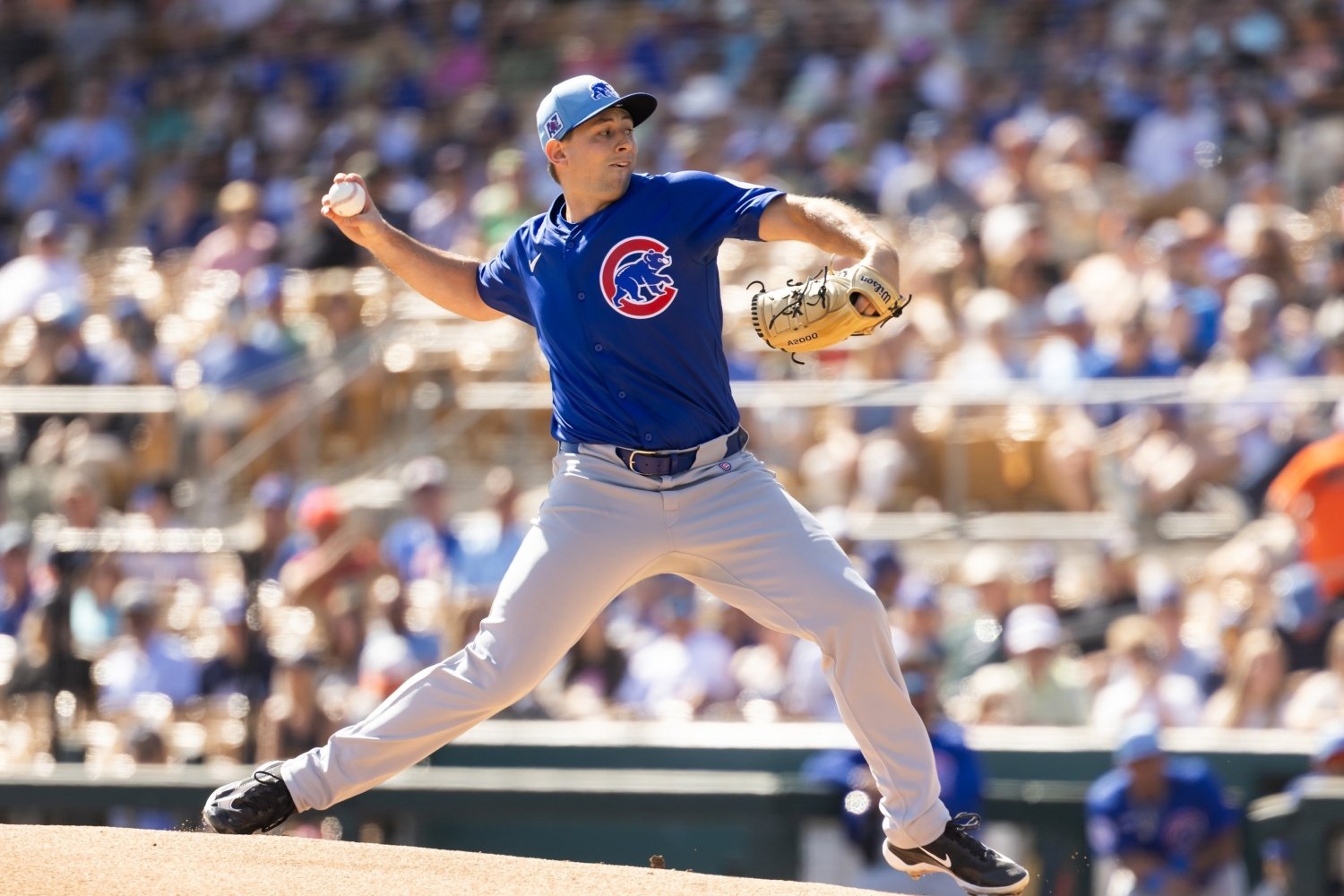 Are you old enough to remember the word "boof?" It was a baseball term when I played growing up, used in the context of messing up an easy play. If you "boofed" it, you let a grounder hit your glove, dropped an easy fly, or something similar. It's not a compliment. Jed Hoyer and the Cubs might have boofed the Cody Bellinger salary dump. If they didn't care what the return for Bellinger was at all, that's a mistake. They should have gotten more than some sort of low-level flier. If Cody Poteet was at all part of their plans, they clearly didn't scout the Yankees system well at all. There's really no defending the return, even if a case can be made for the initial trade. "I feel like for us, we don’t have a lot of margin for error," Hoyer said in a recent interview with The Athletic. "We need guys to improve, we need to stay healthy, we need to play clean baseball. I think that the way this team is built—we have a really good defensive team, we should run the bases well—we need to do all those things really well. We don’t have the ability to sort of muddle through and just show up and make the postseason. We have to have a really good season to do that." The Cubs have to have a good season on the margins, on the field. This quote, though, also applies to the front office. If they were forced to dump Bellinger, getting Poteet and designating him for assignment just three months later feels akin to a throwing error. It's possible that they're just trying to sneak him through waivers and keep him without the expenditure of a 40-man roster spot; there's no better time of year than now to try that. It's also possible that Poteet just didn't come as advertised, from either a stuff or a makeup perspective. Either way, though, there's at least a chance that the Cubs end up with nothing at all to show for trading Bellinger. It's better to widen the lens and see the whole field, when it comes to that move. The Cubs, effectively, traded Bellinger, Cam Smith, Isaac Paredes, and Hayden Wesneski for Kyle Tucker and Poteet, plus considerable salary relief. Since they failed in their efforts to spend the savings they realized on the likes of Alex Bregman or Tanner Scott, though, that aspect of the bundled trades now feels a bit wasted—and so might Poteet be. It all puts more pressure on Tucker to be great, and the fact that the Cubs' chances of signing him to a long-term deal are slim further sharpens the point. Hoyer has done his best to give us a solid product on the field, but he is correct in saying they have to play well on the fundamental aspects of the game in order to have success. He needs to hold himself to that same standard, and the evidence that he can do so is mixed. The Cubs' front office, much like the players, cannot muddle around and make October. The Poteet move does not engender confidence in the process.
 -
There's a civil war brewing in Cubdom. Cam Smith has made the Houston Astros' Opening Day roster. As usual, the internet has several different takes, all of which are valid (in a way). Here is an attempt to be nuanced—and, of course, the most correct take on the internet. Image courtesy of © Darren Yamashita-Imagn Images Cam Smith, who was dealt (along with Isaac Paredes and Hayden Wesneski) for Kyle Tucker in December, burst onto the spring training scene. A .342/.419/.711 slash line with four home runs will garner attention for any prospect, even in the Grapefruit League. His callup was tear-inducing, and his teammates are calling him a 60-home run guy in the future. The Astros, clearly, are excited about their new toy. Cubs fans should also be excited about Kyle Tucker! He is the legitimate star bat that has been clamored for. With the team feeling pressure after a teardown and an underwhelming 2024, they made this move to get exactly the type of player the Cubs needed to be division contenders in 2025. That does need to be factored in. It's important to recognize where Smith would have fit in the Cubs organization as it currently stands. Matt Shaw was penciled in as the third baseman this year as soon as Paredes was dealt. Every spot in the outfield is occupied, with Ian Happ and Seiya Suzuki under contract through 2026 and Pete Crow-Armstrong under team control through 2030. Taking an aggregate of the major prospect-ranking outlets, Smith is roughly the 42nd-best prospect in the minors. He would not be under consideration for the Cubs' Opening Day roster even if he were still in the organization; he likely would have been ticketed for Knoxville to start the season. For this year, there really needs to be no consternation about the trade. Tucker is going to be a great player in Chicago. Smith will almost surely struggle, be it right out of the gate or after going around the league once. It's not out of the realm of possibility that he returns to the minors at some point. When looked at under that lens, it's difficult to see an issue with the trade. Unfortunately, and possibly unhealthily for fans, the team's spending habits are a large part of the reaction to the trade. Given Tom Ricketts's history (and his hilariously implausible comments about lack of revenue), pessimism about Tucker sticking around past 2025 is warranted. This would be perfectly fine in a normal world. However, Cubs prospect hounds have told us for years to be patient. They said the prospects are real, and they are spectacular. Now, Smith—a noted prospect who just plays and looks like a ballplayer—is dealt? Why did they switch their plan? It was not wise to deal a great prospect for one year of anyone given their plan and financial situation, says that segment of the fan base. To get a homegrown star, it's necessary to have many bites at that apple. Crow-Armstrong has that type of potential. Kevin Alcántara seems to, as well. Smith does have tremendous potential, and Houston feels like that future will arrive now. Making the Astros is a huge deal, and it's absolutely fair to question if other teams scout the Cubs better than they scout themselves. The prospects sent to the Dodgers for Michael Busch are also rising quickly, though Busch himself had a great first season in Chicago. After the trade, the Cubs famously dumped Cody Bellinger's contract. Despite multiple efforts, they didn't spend as much money thereafter as fans (rightly) demanded. Some of the optimism from the trade—the hope that this signaled a new era—was torpedoed by the parade of aging reclamation projects for the bullpen and bench. If they had truly been all-in, as the Tucker acquisition implied, we wouldn't be looking at oft-injured veteran Matthew Boyd as the main rotation addition and Ryan Pressly as the new closer. They did make big offers to Tanner Scott and Alex Bregman, and a trade for Jesús Luzardo died at the medical review stage, but the effect was the same as if they had simply stopped attempting to swing big. The offseason peaked with Tucker, and the anticlimax thereafter was frustrating. This will be a fun season, and the Cubs will push for 90 wins. Long-term, though, the implications of this trade are less than ideal. If the Cubs won't sign a player like Kyle Tucker at market value, they should have just sat it out and maintained their plan (which was working). Smith being dealt wasn't the main problem; the main issue is a failure to go all-in on 2025-27, or to commit to signing Tucker. Of course, we won't know for months whether Tucker will actually be a one-and-done guy in Cubs pinstripes. However, If this is truly the case, they would have been better served to let the process in place play out. View full article
-
.png.8f719cc8b8eca9491c63b9108731fec5.png) Cam Smith, who was dealt (along with Isaac Paredes and Hayden Wesneski) for Kyle Tucker in December, burst onto the spring training scene. A .342/.419/.711 slash line with four home runs will garner attention for any prospect, even in the Grapefruit League. His callup was tear-inducing, and his teammates are calling him a 60-home run guy in the future. The Astros, clearly, are excited about their new toy. Cubs fans should also be excited about Kyle Tucker! He is the legitimate star bat that has been clamored for. With the team feeling pressure after a teardown and an underwhelming 2024, they made this move to get exactly the type of player the Cubs needed to be division contenders in 2025. That does need to be factored in. It's important to recognize where Smith would have fit in the Cubs organization as it currently stands. Matt Shaw was penciled in as the third baseman this year as soon as Paredes was dealt. Every spot in the outfield is occupied, with Ian Happ and Seiya Suzuki under contract through 2026 and Pete Crow-Armstrong under team control through 2030. Taking an aggregate of the major prospect-ranking outlets, Smith is roughly the 42nd-best prospect in the minors. He would not be under consideration for the Cubs' Opening Day roster even if he were still in the organization; he likely would have been ticketed for Knoxville to start the season. For this year, there really needs to be no consternation about the trade. Tucker is going to be a great player in Chicago. Smith will almost surely struggle, be it right out of the gate or after going around the league once. It's not out of the realm of possibility that he returns to the minors at some point. When looked at under that lens, it's difficult to see an issue with the trade. Unfortunately, and possibly unhealthily for fans, the team's spending habits are a large part of the reaction to the trade. Given Tom Ricketts's history (and his hilariously implausible comments about lack of revenue), pessimism about Tucker sticking around past 2025 is warranted. This would be perfectly fine in a normal world. However, Cubs prospect hounds have told us for years to be patient. They said the prospects are real, and they are spectacular. Now, Smith—a noted prospect who just plays and looks like a ballplayer—is dealt? Why did they switch their plan? It was not wise to deal a great prospect for one year of anyone given their plan and financial situation, says that segment of the fan base. To get a homegrown star, it's necessary to have many bites at that apple. Crow-Armstrong has that type of potential. Kevin Alcántara seems to, as well. Smith does have tremendous potential, and Houston feels like that future will arrive now. Making the Astros is a huge deal, and it's absolutely fair to question if other teams scout the Cubs better than they scout themselves. The prospects sent to the Dodgers for Michael Busch are also rising quickly, though Busch himself had a great first season in Chicago. After the trade, the Cubs famously dumped Cody Bellinger's contract. Despite multiple efforts, they didn't spend as much money thereafter as fans (rightly) demanded. Some of the optimism from the trade—the hope that this signaled a new era—was torpedoed by the parade of aging reclamation projects for the bullpen and bench. If they had truly been all-in, as the Tucker acquisition implied, we wouldn't be looking at oft-injured veteran Matthew Boyd as the main rotation addition and Ryan Pressly as the new closer. They did make big offers to Tanner Scott and Alex Bregman, and a trade for Jesús Luzardo died at the medical review stage, but the effect was the same as if they had simply stopped attempting to swing big. The offseason peaked with Tucker, and the anticlimax thereafter was frustrating. This will be a fun season, and the Cubs will push for 90 wins. Long-term, though, the implications of this trade are less than ideal. If the Cubs won't sign a player like Kyle Tucker at market value, they should have just sat it out and maintained their plan (which was working). Smith being dealt wasn't the main problem; the main issue is a failure to go all-in on 2025-27, or to commit to signing Tucker. Of course, we won't know for months whether Tucker will actually be a one-and-done guy in Cubs pinstripes. However, If this is truly the case, they would have been better served to let the process in place play out.
Cam Smith, who was dealt (along with Isaac Paredes and Hayden Wesneski) for Kyle Tucker in December, burst onto the spring training scene. A .342/.419/.711 slash line with four home runs will garner attention for any prospect, even in the Grapefruit League. His callup was tear-inducing, and his teammates are calling him a 60-home run guy in the future. The Astros, clearly, are excited about their new toy. Cubs fans should also be excited about Kyle Tucker! He is the legitimate star bat that has been clamored for. With the team feeling pressure after a teardown and an underwhelming 2024, they made this move to get exactly the type of player the Cubs needed to be division contenders in 2025. That does need to be factored in. It's important to recognize where Smith would have fit in the Cubs organization as it currently stands. Matt Shaw was penciled in as the third baseman this year as soon as Paredes was dealt. Every spot in the outfield is occupied, with Ian Happ and Seiya Suzuki under contract through 2026 and Pete Crow-Armstrong under team control through 2030. Taking an aggregate of the major prospect-ranking outlets, Smith is roughly the 42nd-best prospect in the minors. He would not be under consideration for the Cubs' Opening Day roster even if he were still in the organization; he likely would have been ticketed for Knoxville to start the season. For this year, there really needs to be no consternation about the trade. Tucker is going to be a great player in Chicago. Smith will almost surely struggle, be it right out of the gate or after going around the league once. It's not out of the realm of possibility that he returns to the minors at some point. When looked at under that lens, it's difficult to see an issue with the trade. Unfortunately, and possibly unhealthily for fans, the team's spending habits are a large part of the reaction to the trade. Given Tom Ricketts's history (and his hilariously implausible comments about lack of revenue), pessimism about Tucker sticking around past 2025 is warranted. This would be perfectly fine in a normal world. However, Cubs prospect hounds have told us for years to be patient. They said the prospects are real, and they are spectacular. Now, Smith—a noted prospect who just plays and looks like a ballplayer—is dealt? Why did they switch their plan? It was not wise to deal a great prospect for one year of anyone given their plan and financial situation, says that segment of the fan base. To get a homegrown star, it's necessary to have many bites at that apple. Crow-Armstrong has that type of potential. Kevin Alcántara seems to, as well. Smith does have tremendous potential, and Houston feels like that future will arrive now. Making the Astros is a huge deal, and it's absolutely fair to question if other teams scout the Cubs better than they scout themselves. The prospects sent to the Dodgers for Michael Busch are also rising quickly, though Busch himself had a great first season in Chicago. After the trade, the Cubs famously dumped Cody Bellinger's contract. Despite multiple efforts, they didn't spend as much money thereafter as fans (rightly) demanded. Some of the optimism from the trade—the hope that this signaled a new era—was torpedoed by the parade of aging reclamation projects for the bullpen and bench. If they had truly been all-in, as the Tucker acquisition implied, we wouldn't be looking at oft-injured veteran Matthew Boyd as the main rotation addition and Ryan Pressly as the new closer. They did make big offers to Tanner Scott and Alex Bregman, and a trade for Jesús Luzardo died at the medical review stage, but the effect was the same as if they had simply stopped attempting to swing big. The offseason peaked with Tucker, and the anticlimax thereafter was frustrating. This will be a fun season, and the Cubs will push for 90 wins. Long-term, though, the implications of this trade are less than ideal. If the Cubs won't sign a player like Kyle Tucker at market value, they should have just sat it out and maintained their plan (which was working). Smith being dealt wasn't the main problem; the main issue is a failure to go all-in on 2025-27, or to commit to signing Tucker. Of course, we won't know for months whether Tucker will actually be a one-and-done guy in Cubs pinstripes. However, If this is truly the case, they would have been better served to let the process in place play out. -
It's been well chronicled that Jed Hoyer might be on his last gasp as a Cub after 13 seasons of gainful employment. While he was tasked with an unpopular teardown and complete rebuild, the results have not been there. Even if the team makes the playoffs as a division champion, there are little mistakes that deserve a closer look before signs an extension. Image courtesy of © Jon Durr-Imagn Images The first margin Jed Hoyer struggles to fill is which prospects to trade. In obtaining Kyle Tucker, he traded Cam Smith, one of the few prospects in the system with true star potential. Smith is competing this preseason for a starting job in Houston less than a year after being drafted. If Tucker is not retained, this trade will haunt the Cubs for years. Michael Busch was another key acquisition but came at a steep prospect cost: Zyhir Hope and Jackson Ferris are both now top 100 prospects. Hope has particular helium as one of the top ten guys in some publications. These trades have value for the big league team, but Hoyer has not correctly identified which prospects to keep and which to dangle in trades. If Zyhir Hope and Cam Smith reach their pedigree, this could be like the Astros dealing Jeff Bagwell for Larry Anderson or (gasp) the Cubs dealing Lou Brock for Ernie Broglio. Other teams seem to have scouted the Cubs more effectively than the Cubs have self-scouted. Of course, we'll have to see how it plays out, but prospect rankings have not been kind to the Cubs' decision-making process. The bullpen is another area the Cubs have not done well on the cheap. Jed has followed the same blueprint this offseason: cheap arms on short deals. At this point, the closer is Ryan Pressly, who has declining metrics; Porter Hodge, who somehow found control after struggling with walks in the minors; reclamation former prospect Nate Pearson, fringe reliever Eli Morgan; senior citizens Ryan Brasier and Caleb Thielbar; and a bunch of prospects who throw hard but have no idea where it's going (Luke Little, Daniel Palencia, etc.) The question is if the bullpen is truly deeper than 2024. It is not. There are more arms, sure. The arms are just not high-quality ones. Once again, the Cubs will throw relievers at the wall and see which ones stick. This is fraught with risk, and a repeat performance of 2023 and 2024 is not just possible; it could be seen as probable. Jed's strategy of building a bullpen is hazardous and not sustainable year to year. We can only hope this year is an on year for the Cub's stable of unproven relievers. On the bench, Hoyer once again is taking chances. Justin Turner, on paper, is a good signing, but at age 40, we need to remember that Father Time will be knocking on the door sooner rather than later. Gage Workman would be a cost-effective infield backup if his bat can translate from Double-A to the majors. Vidal Brujan is another cheap but uninspiring option. For years, the Cubs have struggled to identify quality bench players. They may have enough this season, but it certainly is a risk. Another area of the Cubs to monitor is this group. It has the makings of a solid group, but based on Jed's record, confidence from this vantage point is low (Tre Mancini, Eric Hosmer, Patrick Wisdom, Miles Mastrobuoni, and Nick Madrigal come to mind). Jed Hoyer is not terrible at his job. To this point, he has not hit on the moves that his reduced budget requires him to make. If this trend turns around, we're in for a fun season in Wrigley Field. If not, we can look forward to a revamped front office when the season ends. View full article
-
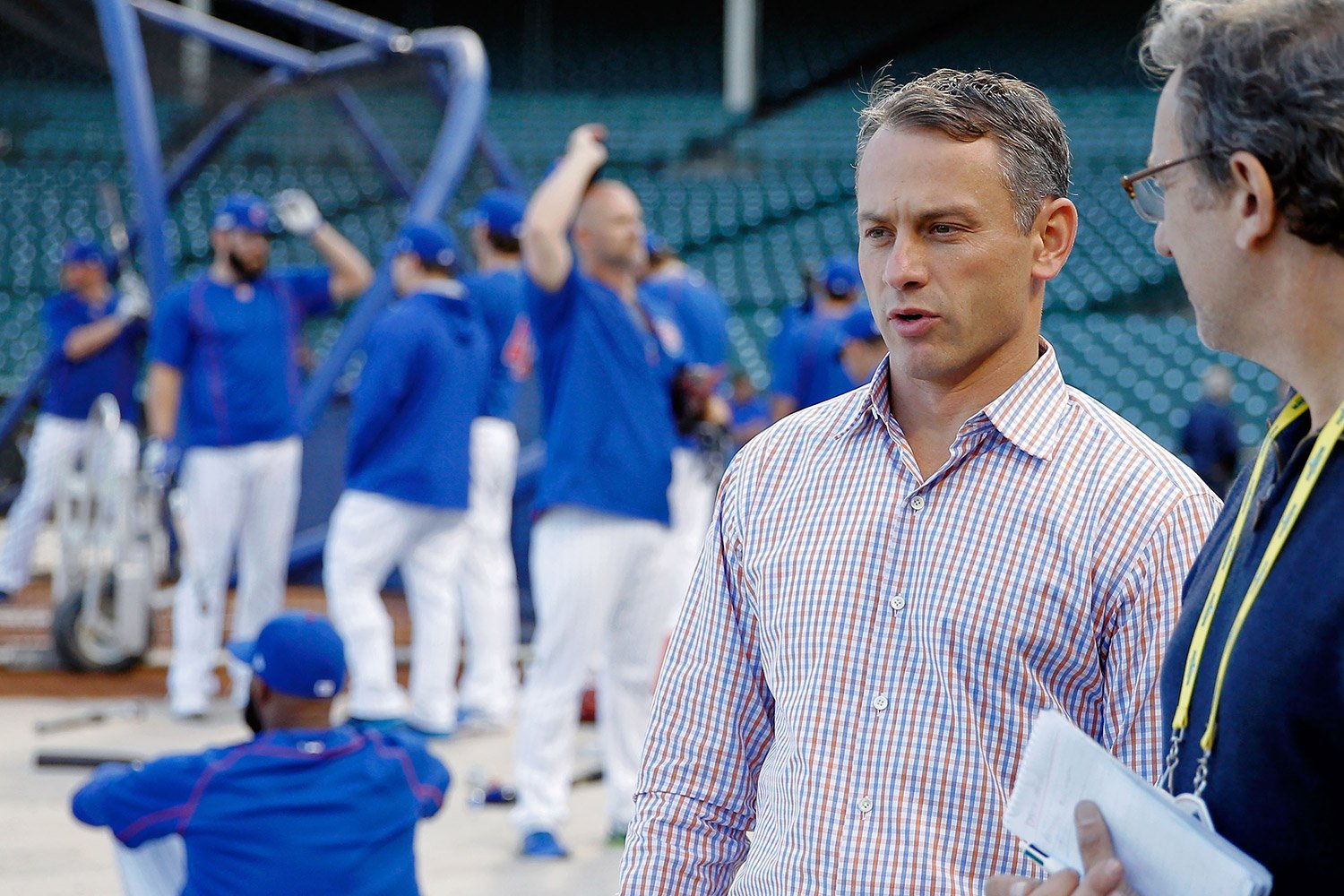 The first margin Jed Hoyer struggles to fill is which prospects to trade. In obtaining Kyle Tucker, he traded Cam Smith, one of the few prospects in the system with true star potential. Smith is competing this preseason for a starting job in Houston less than a year after being drafted. If Tucker is not retained, this trade will haunt the Cubs for years. Michael Busch was another key acquisition but came at a steep prospect cost: Zyhir Hope and Jackson Ferris are both now top 100 prospects. Hope has particular helium as one of the top ten guys in some publications. These trades have value for the big league team, but Hoyer has not correctly identified which prospects to keep and which to dangle in trades. If Zyhir Hope and Cam Smith reach their pedigree, this could be like the Astros dealing Jeff Bagwell for Larry Anderson or (gasp) the Cubs dealing Lou Brock for Ernie Broglio. Other teams seem to have scouted the Cubs more effectively than the Cubs have self-scouted. Of course, we'll have to see how it plays out, but prospect rankings have not been kind to the Cubs' decision-making process. The bullpen is another area the Cubs have not done well on the cheap. Jed has followed the same blueprint this offseason: cheap arms on short deals. At this point, the closer is Ryan Pressly, who has declining metrics; Porter Hodge, who somehow found control after struggling with walks in the minors; reclamation former prospect Nate Pearson, fringe reliever Eli Morgan; senior citizens Ryan Brasier and Caleb Thielbar; and a bunch of prospects who throw hard but have no idea where it's going (Luke Little, Daniel Palencia, etc.) The question is if the bullpen is truly deeper than 2024. It is not. There are more arms, sure. The arms are just not high-quality ones. Once again, the Cubs will throw relievers at the wall and see which ones stick. This is fraught with risk, and a repeat performance of 2023 and 2024 is not just possible; it could be seen as probable. Jed's strategy of building a bullpen is hazardous and not sustainable year to year. We can only hope this year is an on year for the Cub's stable of unproven relievers. On the bench, Hoyer once again is taking chances. Justin Turner, on paper, is a good signing, but at age 40, we need to remember that Father Time will be knocking on the door sooner rather than later. Gage Workman would be a cost-effective infield backup if his bat can translate from Double-A to the majors. Vidal Brujan is another cheap but uninspiring option. For years, the Cubs have struggled to identify quality bench players. They may have enough this season, but it certainly is a risk. Another area of the Cubs to monitor is this group. It has the makings of a solid group, but based on Jed's record, confidence from this vantage point is low (Tre Mancini, Eric Hosmer, Patrick Wisdom, Miles Mastrobuoni, and Nick Madrigal come to mind). Jed Hoyer is not terrible at his job. To this point, he has not hit on the moves that his reduced budget requires him to make. If this trend turns around, we're in for a fun season in Wrigley Field. If not, we can look forward to a revamped front office when the season ends.
 -
There is a narrow path to the Cubs building the elusive, Craig Counsell-endorsed 90-win team. There are certain numbers and benchmarks to be watched for as the season goes forward if the Cubs wish to reach that threshold. Image courtesy of AP Photo/Nick Wass 30 and 6: This is the number of starts Justin Steele needs to make for the season and in September, respectively. Steele has been a very good pitcher when he takes the mound. Unfortunately, he has not been healthy enough to make more than 30 starts in a season. Compounding this, his Septembers have contributed to the Cubs' lack of playoff berths. In 2022 and 2024, he was injured for all or most of the final month. In 2023, with the Cubs falling one game short of the playoffs, he struggled to the tune of a 4.91 September ERA. Justin Steele needs to be able to maintain his stellar summer production for an entire season for the Cubs to make the leap to 90 wins. 40: Pete Crow-Armstrong's stolen bases need to be plentiful. Getting to this number means that he's certainly been on base over 30% of the time. If he does this, we have a possible All-Star center fielder on our hands. 30 is also the number of home runs someone needs to hit. Kyle Tucker should be a lock for this; Seiya Suzuki or Michael Busch would be the most likely candidates thereafter. Eight of the top ten home run hitting teams made the playoffs in 2024. The Cubs, even when acknowledging the addition of Tucker, really need someone to level up this season in the power department. Keep an eye on the middle of the order to see if a leap can be made. .776: Dansby Swanson needs to reach this OPS in 2025. With the Cubs behaving like a mid-market team all winter, they absolutely need their biggest investment to not hover around a 100 wRC+. Swanson, as highlighted on Locked On Cubs, simply cannot be a negative offensive asset at the amount of salary he's commanding. Swanson probably won't have post anything above a .330 OBP (his career high was .345 back in 2020), so to do this, his slugging percentage has to rise. His 2024 mark of .390 simply isn't acceptable, no matter how steady he is on defense. If he can replicate his 2022 campaign (32 doubles, 25 home runs), the Cubs' offense may be deep enough to compete with anyone. 25: Someone on the roster needs to take control of the ninth inning and total 25 or more saves. Maybe Ryan Pressly can stave off Father Time for one more season. Perhaps Porter Hodge can continue his momentum from the past two seasons. It doesn't matter who does it. The Cubs need stability like this at the back-end of the bullpen. 0: This would be the number of bench players with a WAR below zero. No more Patrick Wisdom, Miles Mastrobuoni, or Nick Madrigal in sight. Justin Turner, Jon Berti, and eventually Kevin Alcantara will be needed at some point. With better injury luck this season, as well as able-bodied replacements to sub in, the Cubs could be talking an extra two or three wins thanks to their improved depth alone. These five things address all of the shortcomings from last season's 83 win team. A reliable bullpen would flip some of the blown saves to wins. Dansby Swanson being a reliable bat should help add another win or so. The rotation depth is helped here, and bench bats can be utilized more effectively. This is the blueprint. This is the way. View full article
-
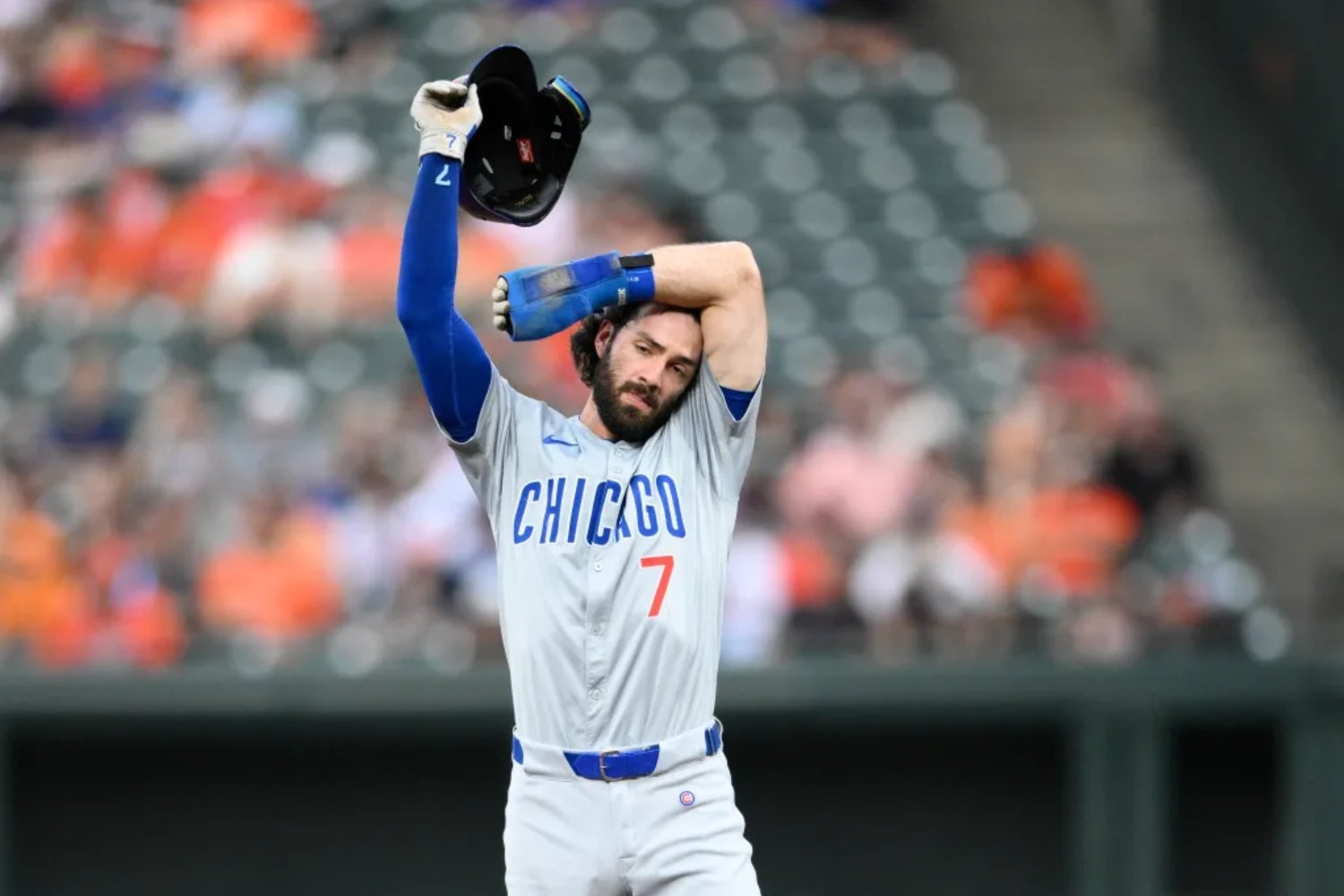 30 and 6: This is the number of starts Justin Steele needs to make for the season and in September, respectively. Steele has been a very good pitcher when he takes the mound. Unfortunately, he has not been healthy enough to make more than 30 starts in a season. Compounding this, his Septembers have contributed to the Cubs' lack of playoff berths. In 2022 and 2024, he was injured for all or most of the final month. In 2023, with the Cubs falling one game short of the playoffs, he struggled to the tune of a 4.91 September ERA. Justin Steele needs to be able to maintain his stellar summer production for an entire season for the Cubs to make the leap to 90 wins. 40: Pete Crow-Armstrong's stolen bases need to be plentiful. Getting to this number means that he's certainly been on base over 30% of the time. If he does this, we have a possible All-Star center fielder on our hands. 30 is also the number of home runs someone needs to hit. Kyle Tucker should be a lock for this; Seiya Suzuki or Michael Busch would be the most likely candidates thereafter. Eight of the top ten home run hitting teams made the playoffs in 2024. The Cubs, even when acknowledging the addition of Tucker, really need someone to level up this season in the power department. Keep an eye on the middle of the order to see if a leap can be made. .776: Dansby Swanson needs to reach this OPS in 2025. With the Cubs behaving like a mid-market team all winter, they absolutely need their biggest investment to not hover around a 100 wRC+. Swanson, as highlighted on Locked On Cubs, simply cannot be a negative offensive asset at the amount of salary he's commanding. Swanson probably won't have post anything above a .330 OBP (his career high was .345 back in 2020), so to do this, his slugging percentage has to rise. His 2024 mark of .390 simply isn't acceptable, no matter how steady he is on defense. If he can replicate his 2022 campaign (32 doubles, 25 home runs), the Cubs' offense may be deep enough to compete with anyone. 25: Someone on the roster needs to take control of the ninth inning and total 25 or more saves. Maybe Ryan Pressly can stave off Father Time for one more season. Perhaps Porter Hodge can continue his momentum from the past two seasons. It doesn't matter who does it. The Cubs need stability like this at the back-end of the bullpen. 0: This would be the number of bench players with a WAR below zero. No more Patrick Wisdom, Miles Mastrobuoni, or Nick Madrigal in sight. Justin Turner, Jon Berti, and eventually Kevin Alcantara will be needed at some point. With better injury luck this season, as well as able-bodied replacements to sub in, the Cubs could be talking an extra two or three wins thanks to their improved depth alone. These five things address all of the shortcomings from last season's 83 win team. A reliable bullpen would flip some of the blown saves to wins. Dansby Swanson being a reliable bat should help add another win or so. The rotation depth is helped here, and bench bats can be utilized more effectively. This is the blueprint. This is the way.
 -
This will shock nobody who has followed the Cubs at all since 2020. Left Field is not a position battle. We all know Ian Happ will patrol the position for over 150 games per year as he has done the past three seasons. There it is, no need to read the rest! Image courtesy of © Allan Henry-Imagn Images Left field is in capable hands with Ian Happ. He's averaged 3.7 WAR in his past three seasons and won a Gold Glove award in each of them. His power numbers are consistent; his OPS has also been between .780 and .790 yearly. He regularly scores and drives in over 80 runs per season. There's not much to discuss here. Statcast shows an elite plate approach with Happ in the 94th percentile for walk rate. Hard-hit metrics are all solidly above league average, buoyed by a low chase rate. Ian Happ has a solid grasp of who he is as a hitter and does not deviate from this approach. Strikeouts will always be part of his profile, as it is for many players with a low chase rate. While not the aircraft carrier type, Happ can be a valuable player in the proper context. On the rare days when Ian Happ needs an off day, Kyle Tucker or Seiya Suzuki will slide over to fill the position. Vidal Brujan is around for now anyway and could also log some innings in left. This is a drama-free, projectable position. So why does a sizeable contingent of Cub fans want Happ replaced? He's a perfectly fine player and is entering his ninth season on the squad. Noted lifelong Cub legends Mark Grace and Sammy Sosa played thirteen seasons in Chicago. Happ will reach ten next season and will likely pursue an extension to finish his career in Wrigley. Here are a couple of thoughts on why fans haven't embraced Ian Happ as much as other legends of yore. Reason 1: He's the last remaining guy from the Good Seasons. There's an undercurrent of "Why is Ian Happ still here when _____ is gone?" Anthony Rizzo was dealt. Javier Baez was as well. Kyle Schwarber was let go. So, the last man remaining from the last playoff victory is Ian Happ. He's never been at the level of the guys now gone. Reason 2: The streakiness. He does tend to have streaks, like most players. His cold streaks seem to be especially badly timed, with the Cubs team struggling simultaneously. Last season, he had a 110 at-bat stretch where he batted .170 in April and May, right when the Cubs were also dealing with injuries to Dansby Swanson, Seiya Suzuki, and Cody Bellinger. In 2023, the Cubs and Happ had a June swoon, following the same pattern. It certainly didn't help the Cubs that Happ was struggling with the rest of the team and could give the appearance that his struggles led to the team's. The streaky nature of Happ was more pronounced earlier in his career, and he does still have explosive hot streaks like his five home runs in 8 games this past summer. Just look at his Baseball Reference monthly stats from last year. Months Split G GS PA AB R H 2B 3B HR RBI SB CS BB SO BA OBP SLG OPS TB GDP HBP SH SF IBB ROE BAbip tOPS+ sOPS+ April/March 27 27 120 102 16 22 5 1 1 12 0 0 17 29 .216 .333 .314 .647 32 3 1 0 0 0 0 .292 69 88 May 26 25 104 91 13 21 6 0 5 12 2 1 11 31 .231 .317 .462 .779 42 1 1 0 1 0 1 .286 98 122 June 26 26 106 86 14 21 7 0 5 20 5 1 17 29 .244 .387 .500 .887 43 2 3 0 0 1 0 .308 127 147 July 25 25 103 91 16 23 6 0 6 18 0 0 11 24 .253 .330 .517 .847 47 0 0 0 1 0 0 .274 114 128 August 25 25 113 99 18 26 9 0 6 14 4 0 14 34 .263 .354 .535 .889 53 0 0 0 0 0 1 .339 125 142 Sept/Oct 24 24 111 100 12 25 1 1 2 10 2 0 10 21 .250 .324 .340 .664 34 1 1 0 0 0 0 .299 72 93 Provided by Baseball-Reference.com: View Original Table Generated 3/5/2025. This is actually very consistent month to month. No, he doesn't go one for four every single game. But in the aggregate, Ian Happ has become almost metronome like in his statistical production. Reason 3: Preconceived Notions When a player is on a team that has not won a playoff game for the entire time he's been a regular player, fans assume that he's part of the problem, not the solution. This is partially true. He is not the type of player that elevates the overall level of a team. He's not being paid as such. The Cubs just have not had a lineup with higher end batters, which Happ is not. He's simply good. If this year's lineup can go from average to good, his value can be recalibrated among fans leading to more appreciation. While I won't go so far as to say the Cubs are lucky to have Ian Happ in left field, it certainly could be much worse, and he does provide legitimate value. He's a solid all around player. Left field is in capable hands with Happ for the next two seasons. View full article
-
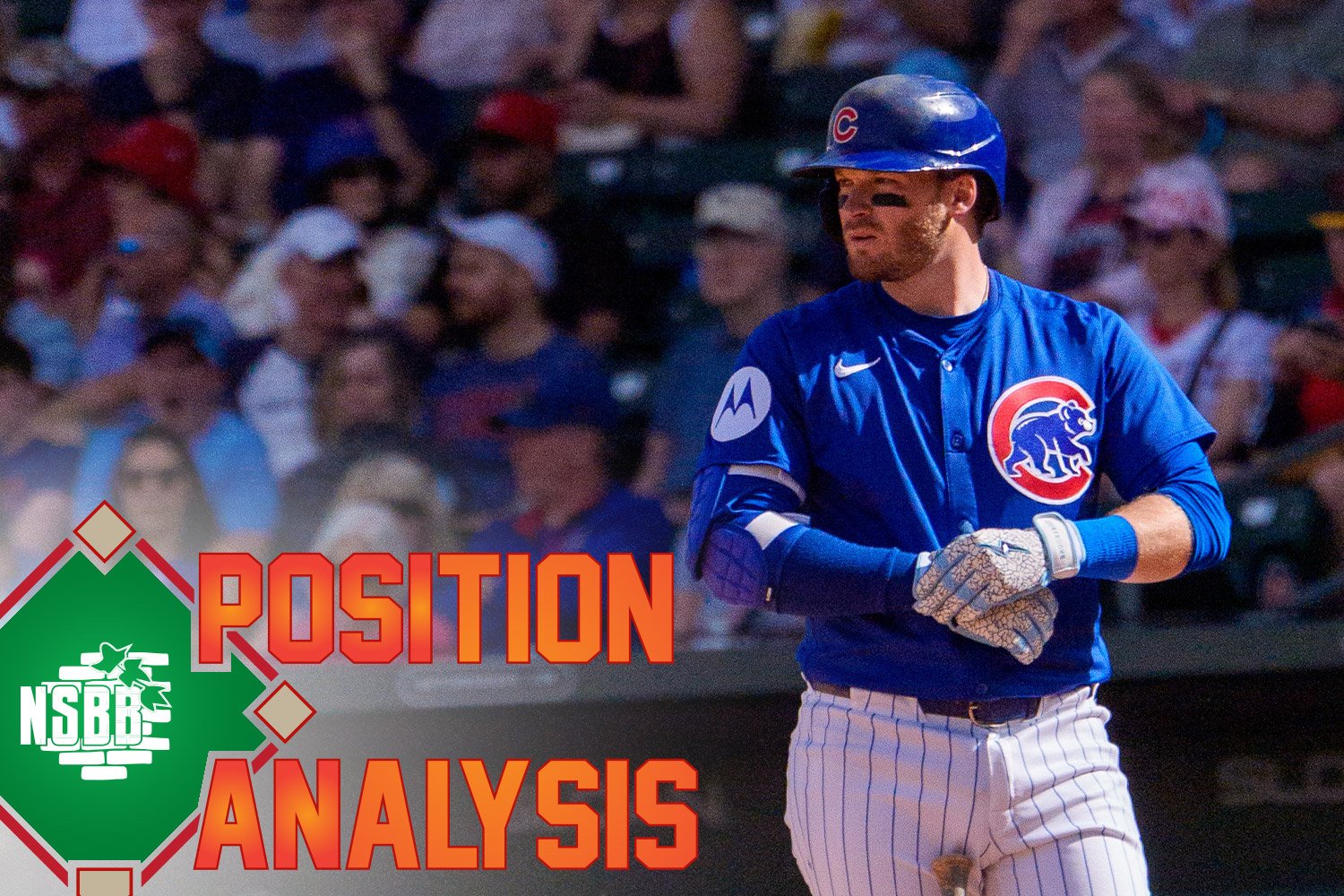 Left field is in capable hands with Ian Happ. He's averaged 3.7 WAR in his past three seasons and won a Gold Glove award in each of them. His power numbers are consistent; his OPS has also been between .780 and .790 yearly. He regularly scores and drives in over 80 runs per season. There's not much to discuss here. Statcast shows an elite plate approach with Happ in the 94th percentile for walk rate. Hard-hit metrics are all solidly above league average, buoyed by a low chase rate. Ian Happ has a solid grasp of who he is as a hitter and does not deviate from this approach. Strikeouts will always be part of his profile, as it is for many players with a low chase rate. While not the aircraft carrier type, Happ can be a valuable player in the proper context. On the rare days when Ian Happ needs an off day, Kyle Tucker or Seiya Suzuki will slide over to fill the position. Vidal Brujan is around for now anyway and could also log some innings in left. This is a drama-free, projectable position. So why does a sizeable contingent of Cub fans want Happ replaced? He's a perfectly fine player and is entering his ninth season on the squad. Noted lifelong Cub legends Mark Grace and Sammy Sosa played thirteen seasons in Chicago. Happ will reach ten next season and will likely pursue an extension to finish his career in Wrigley. Here are a couple of thoughts on why fans haven't embraced Ian Happ as much as other legends of yore. Reason 1: He's the last remaining guy from the Good Seasons. There's an undercurrent of "Why is Ian Happ still here when _____ is gone?" Anthony Rizzo was dealt. Javier Baez was as well. Kyle Schwarber was let go. So, the last man remaining from the last playoff victory is Ian Happ. He's never been at the level of the guys now gone. Reason 2: The streakiness. He does tend to have streaks, like most players. His cold streaks seem to be especially badly timed, with the Cubs team struggling simultaneously. Last season, he had a 110 at-bat stretch where he batted .170 in April and May, right when the Cubs were also dealing with injuries to Dansby Swanson, Seiya Suzuki, and Cody Bellinger. In 2023, the Cubs and Happ had a June swoon, following the same pattern. It certainly didn't help the Cubs that Happ was struggling with the rest of the team and could give the appearance that his struggles led to the team's. The streaky nature of Happ was more pronounced earlier in his career, and he does still have explosive hot streaks like his five home runs in 8 games this past summer. Just look at his Baseball Reference monthly stats from last year. Months Split G GS PA AB R H 2B 3B HR RBI SB CS BB SO BA OBP SLG OPS TB GDP HBP SH SF IBB ROE BAbip tOPS+ sOPS+ April/March 27 27 120 102 16 22 5 1 1 12 0 0 17 29 .216 .333 .314 .647 32 3 1 0 0 0 0 .292 69 88 May 26 25 104 91 13 21 6 0 5 12 2 1 11 31 .231 .317 .462 .779 42 1 1 0 1 0 1 .286 98 122 June 26 26 106 86 14 21 7 0 5 20 5 1 17 29 .244 .387 .500 .887 43 2 3 0 0 1 0 .308 127 147 July 25 25 103 91 16 23 6 0 6 18 0 0 11 24 .253 .330 .517 .847 47 0 0 0 1 0 0 .274 114 128 August 25 25 113 99 18 26 9 0 6 14 4 0 14 34 .263 .354 .535 .889 53 0 0 0 0 0 1 .339 125 142 Sept/Oct 24 24 111 100 12 25 1 1 2 10 2 0 10 21 .250 .324 .340 .664 34 1 1 0 0 0 0 .299 72 93 Provided by Baseball-Reference.com: View Original Table Generated 3/5/2025. This is actually very consistent month to month. No, he doesn't go one for four every single game. But in the aggregate, Ian Happ has become almost metronome like in his statistical production. Reason 3: Preconceived Notions When a player is on a team that has not won a playoff game for the entire time he's been a regular player, fans assume that he's part of the problem, not the solution. This is partially true. He is not the type of player that elevates the overall level of a team. He's not being paid as such. The Cubs just have not had a lineup with higher end batters, which Happ is not. He's simply good. If this year's lineup can go from average to good, his value can be recalibrated among fans leading to more appreciation. While I won't go so far as to say the Cubs are lucky to have Ian Happ in left field, it certainly could be much worse, and he does provide legitimate value. He's a solid all around player. Left field is in capable hands with Happ for the next two seasons.
 -
The Cubs are filled with sunshine and good vibes as spring training chugs along. With the starting lineup pretty well set, the bench has come into focus as the games begin. It's actually a pretty exciting group. So here it is: introducing the Cubs Bench Power Rankings. Image courtesy of © Rick Scuteri-Imagn Images Before we dig in, this bench needs a nickname. The Bench Mob? The Squad? The Bearded Men? The Splendid Splinters? Might need to be a poll! This is intended to be power rankings. Since we have no games (that count) to go by, though, the aura of the player will be the sole determinant. Spring training results just mislead anyway. Justin Turner The 40-year-old bearded redhead has had a long, successful career and is a World Series champion. While he's probably only an emergency option anywhere on the field but first base, the steady presence he'll provide will come in handy. I'm sure he'll have an impact on several games this season. Kevin Alcántara The Jaguar has successfully given himself a really cool nickname. He's also a blast to watch. Alcántara won't start the season as a backup in the majors; he'll receive at-bats in Iowa until his services are needed. He's the first man up in case of an extended absence, though. Jon Berti Fans are going to love his speed and hustle-based game. Berti might actually be in line to start in Japan, due to Matt Shaw's Dreaded Oblique (they played one of the small stages at Lolla back in 2013, I think). Along with his speed, Berti's versatility will make him an important piece for the 2025 Cubs. Vidal Bruján He's a pretty flashy player on defense, and could be another chess piece for Craig Counsell to play with. He's on here because I watched him play in Durham as a Rays prospect and found him to be a likable player. He could, of course, fall off the rankings entirely if he becomes a non-Cub, which is somewhat unlikely right now as he's listed as the primary backup at all the outfield positions. Gage Workman His middle name is literally Tater. Unfortunately, since he's never played above Double A, he may be a defense-only piece with versatility. Not sure the roster has enough space for all the versatile guys here. For now, Bruján has the edge, due to his ability to cover the outfield. Tater has played a bit in the grass this spring, but he doesn't have much experience anywhere but the left side of the infield. Owen Caissie Sidelined by an injury, and a previous core injury has been revealed, so we probably won't see Caissie in Chicago until later this season—if at all. Obviously, these rankings exclude backup catcher Carson Kelly, and they might be expanded to include Travis Jankowski, Greg Allen, Nicky Lopez, and/or James Triantos in future iterations. For now, though, this is the definitive list. If you have a good suggestion for a nickname for this group, as it comes together, feel free to throw it out. Best submission gets the smallest amount of internet-famous in recorded history. View full article
-
- 1
-

-
- jon berti
- gage workman
- (and 4 more)
-
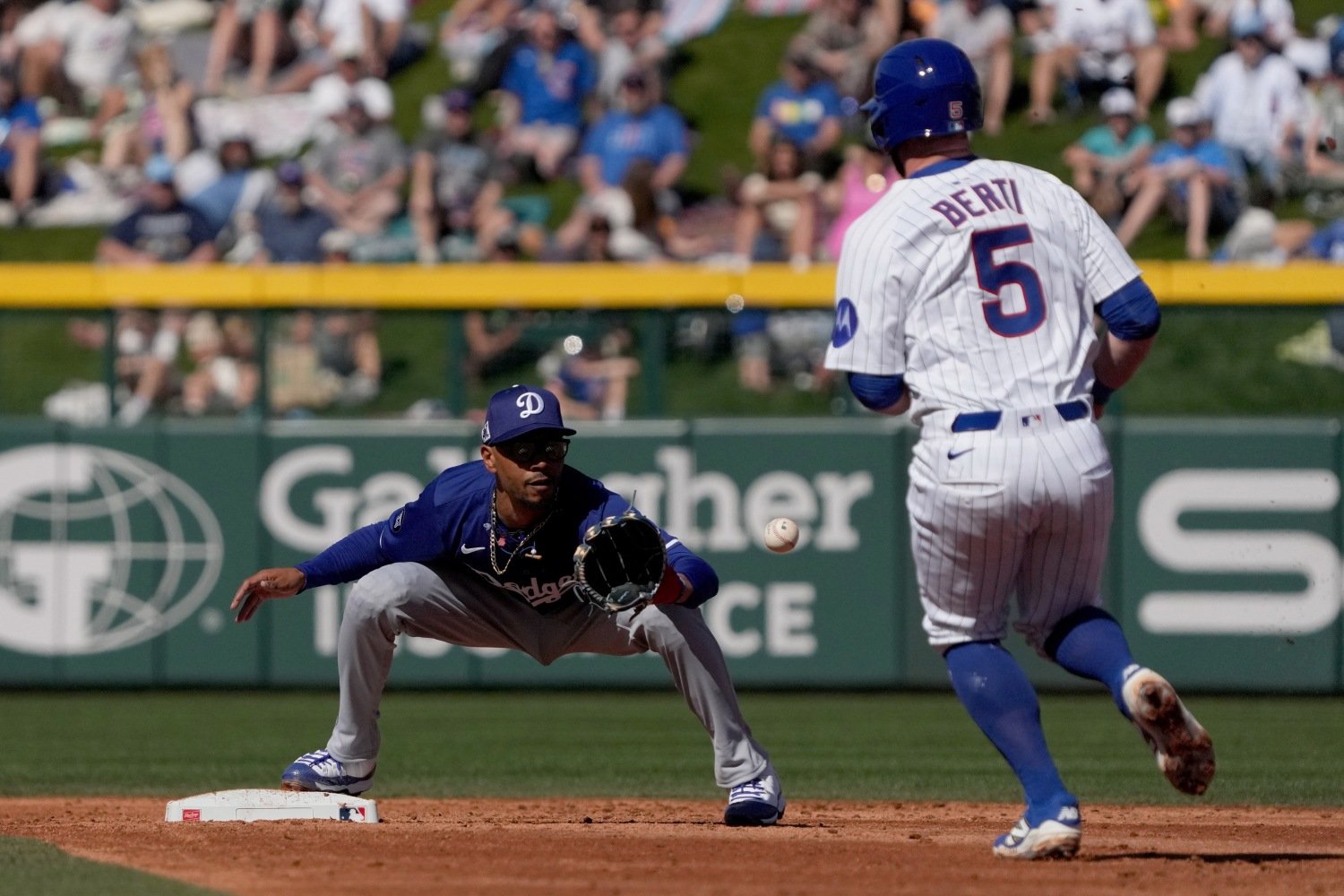 Before we dig in, this bench needs a nickname. The Bench Mob? The Squad? The Bearded Men? The Splendid Splinters? Might need to be a poll! This is intended to be power rankings. Since we have no games (that count) to go by, though, the aura of the player will be the sole determinant. Spring training results just mislead anyway. Justin Turner The 40-year-old bearded redhead has had a long, successful career and is a World Series champion. While he's probably only an emergency option anywhere on the field but first base, the steady presence he'll provide will come in handy. I'm sure he'll have an impact on several games this season. Kevin Alcántara The Jaguar has successfully given himself a really cool nickname. He's also a blast to watch. Alcántara won't start the season as a backup in the majors; he'll receive at-bats in Iowa until his services are needed. He's the first man up in case of an extended absence, though. Jon Berti Fans are going to love his speed and hustle-based game. Berti might actually be in line to start in Japan, due to Matt Shaw's Dreaded Oblique (they played one of the small stages at Lolla back in 2013, I think). Along with his speed, Berti's versatility will make him an important piece for the 2025 Cubs. Vidal Bruján He's a pretty flashy player on defense, and could be another chess piece for Craig Counsell to play with. He's on here because I watched him play in Durham as a Rays prospect and found him to be a likable player. He could, of course, fall off the rankings entirely if he becomes a non-Cub, which is somewhat unlikely right now as he's listed as the primary backup at all the outfield positions. Gage Workman His middle name is literally Tater. Unfortunately, since he's never played above Double A, he may be a defense-only piece with versatility. Not sure the roster has enough space for all the versatile guys here. For now, Bruján has the edge, due to his ability to cover the outfield. Tater has played a bit in the grass this spring, but he doesn't have much experience anywhere but the left side of the infield. Owen Caissie Sidelined by an injury, and a previous core injury has been revealed, so we probably won't see Caissie in Chicago until later this season—if at all. Obviously, these rankings exclude backup catcher Carson Kelly, and they might be expanded to include Travis Jankowski, Greg Allen, Nicky Lopez, and/or James Triantos in future iterations. For now, though, this is the definitive list. If you have a good suggestion for a nickname for this group, as it comes together, feel free to throw it out. Best submission gets the smallest amount of internet-famous in recorded history.
 -
With all of the Alex Bregman rumors, the debate on Nico Hoerner's worth, and all of the other drama in this never-ending offseason, Jon Berti may have gone unnoticed. Nevertheless, the utility-infielder will be key to whatever it is the Cubs will do this season. Image courtesy of Eric Espada/Getty Images Jon Berti signed a one-year, $2 million deal to don the pinstripes, or the guitar-themed powder blue uniforms if that's your style. Injuries marred his 2024 season. Leg ailments shelved him from June into September, and after making his way on the Yankees' postseason roster, he suffered a hip flexor. That ultimately ended his season with only 66 at-bats in 25 games. So why did the Cubs target Berti? Defensive versatility is reason number one. In his 2023 season with the Miami Marlins, the versatile defender logged innings at second base, third base, shortstop, and left field. Quality depth was an issue last season. If Berti is healthy, he can serve as insurance for projected third baseman Matt Shaw, and play at least passable defense around the infield when the starters need a breather. Statcast gave him an 88th percentile ranking for range during that 2023 campaign. If Berti can remain healthy, he's the Swiss Army knife that Miles Mastrobuoni was purported to be. On the offensive side of the ball, we can see that Berti flies. In 2022, he led all of baseball with 41 stolen bases, and in 2023 he swiped 16 bags. Even in last year's injury-plagued season, his sprint speed was faster than 91% of the league. An added value to his roster position is pinch-running. At the plate, do not expect much in the form of slugging; Patrick Wisdom, he is not. His xSlug and exit velocity confirm the type of batter he is: a singles hitter with speed. Wherever his slash line ends up, the slugging percentage will probably begin with the number 3. The plate approach is solid, but does not result in walks. He's more of a player who has good swing decisions. The whiff and chase percentages are consistently in the top 20% of the league. Contact and speed, somewhat akin to Nico Hoerner , are Berti's game. Advanced metrics will not treat Berti well. According to Fangraphs, Berti's wRC+ only reached 101 in that 2023 season. Projections on the same site are in the 80s for 2025. But these analytics don't measure the value of a bench player like Berti. These metrics don't adequately value depth pieces. Situational backups can be incredibly valuable to a team. While he won't get the headlines of Kyle Tucker, for example, there are a plethora of advantages Berti can give the Cubs. The first major advantage of Berti is the aforementioned multi-positional dimension. A second benefit is injury insurance. Berti, while not at an elite level, has shown the ability to contribute with the bat (minus power), on the bases, and with range in the field. Perhaps if he were in the fold last season, Dansby Swanson wouldn't have played two weeks on an injured knee. Similarly, Berti could have given Nico Hoerner a chance to go the IL route after being plunked on the hand. Perhaps he could be the first base backup instead of Alexander Canario. Even prospects like Kevin Alcantara could marinate further in Iowa if an outfielder is needed. Berti checks a lot of boxes. Don't stress the advanced metrics. A player with an 88 WRC+ who can play five positions is very valuable to a roster. Jon Berti will be rostered for his flexibility, not as a potential All-Star contributor. Any offensive contribution is a bonus, not an expected result. Hopefully, unlike Patrick Wisdom, he can thrive in a more sporadic role. The Cubs have failed along the margins the past two seasons, and a lack of depth is partially the culprit. A player like Berti can help the team steal a game or two during the season; he is an underrated X-factor for the 2025 season. Health is his only obstacle. Kudos to Jed Hoyer for this fun little bit of roster construction. View full article
-
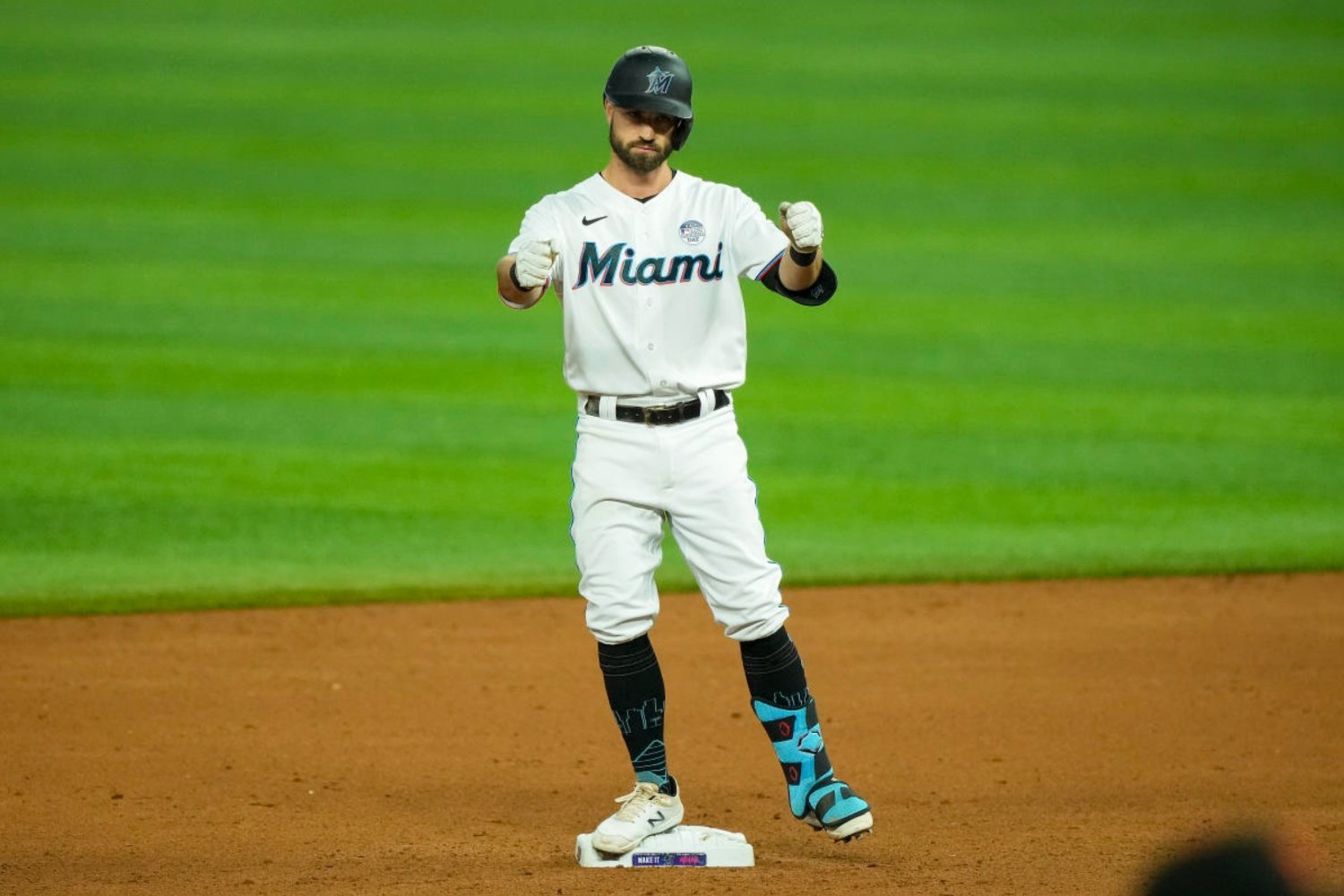 Jon Berti signed a one-year, $2 million deal to don the pinstripes, or the guitar-themed powder blue uniforms if that's your style. Injuries marred his 2024 season. Leg ailments shelved him from June into September, and after making his way on the Yankees' postseason roster, he suffered a hip flexor. That ultimately ended his season with only 66 at-bats in 25 games. So why did the Cubs target Berti? Defensive versatility is reason number one. In his 2023 season with the Miami Marlins, the versatile defender logged innings at second base, third base, shortstop, and left field. Quality depth was an issue last season. If Berti is healthy, he can serve as insurance for projected third baseman Matt Shaw, and play at least passable defense around the infield when the starters need a breather. Statcast gave him an 88th percentile ranking for range during that 2023 campaign. If Berti can remain healthy, he's the Swiss Army knife that Miles Mastrobuoni was purported to be. On the offensive side of the ball, we can see that Berti flies. In 2022, he led all of baseball with 41 stolen bases, and in 2023 he swiped 16 bags. Even in last year's injury-plagued season, his sprint speed was faster than 91% of the league. An added value to his roster position is pinch-running. At the plate, do not expect much in the form of slugging; Patrick Wisdom, he is not. His xSlug and exit velocity confirm the type of batter he is: a singles hitter with speed. Wherever his slash line ends up, the slugging percentage will probably begin with the number 3. The plate approach is solid, but does not result in walks. He's more of a player who has good swing decisions. The whiff and chase percentages are consistently in the top 20% of the league. Contact and speed, somewhat akin to Nico Hoerner , are Berti's game. Advanced metrics will not treat Berti well. According to Fangraphs, Berti's wRC+ only reached 101 in that 2023 season. Projections on the same site are in the 80s for 2025. But these analytics don't measure the value of a bench player like Berti. These metrics don't adequately value depth pieces. Situational backups can be incredibly valuable to a team. While he won't get the headlines of Kyle Tucker, for example, there are a plethora of advantages Berti can give the Cubs. The first major advantage of Berti is the aforementioned multi-positional dimension. A second benefit is injury insurance. Berti, while not at an elite level, has shown the ability to contribute with the bat (minus power), on the bases, and with range in the field. Perhaps if he were in the fold last season, Dansby Swanson wouldn't have played two weeks on an injured knee. Similarly, Berti could have given Nico Hoerner a chance to go the IL route after being plunked on the hand. Perhaps he could be the first base backup instead of Alexander Canario. Even prospects like Kevin Alcantara could marinate further in Iowa if an outfielder is needed. Berti checks a lot of boxes. Don't stress the advanced metrics. A player with an 88 WRC+ who can play five positions is very valuable to a roster. Jon Berti will be rostered for his flexibility, not as a potential All-Star contributor. Any offensive contribution is a bonus, not an expected result. Hopefully, unlike Patrick Wisdom, he can thrive in a more sporadic role. The Cubs have failed along the margins the past two seasons, and a lack of depth is partially the culprit. A player like Berti can help the team steal a game or two during the season; he is an underrated X-factor for the 2025 season. Health is his only obstacle. Kudos to Jed Hoyer for this fun little bit of roster construction.
 -
Is Alex Bregman Really Worth It?
Brian Kelder replied to Brian Kelder's topic in North Side Baseball Front Page News
Great comment. Ever thought about writing??? -
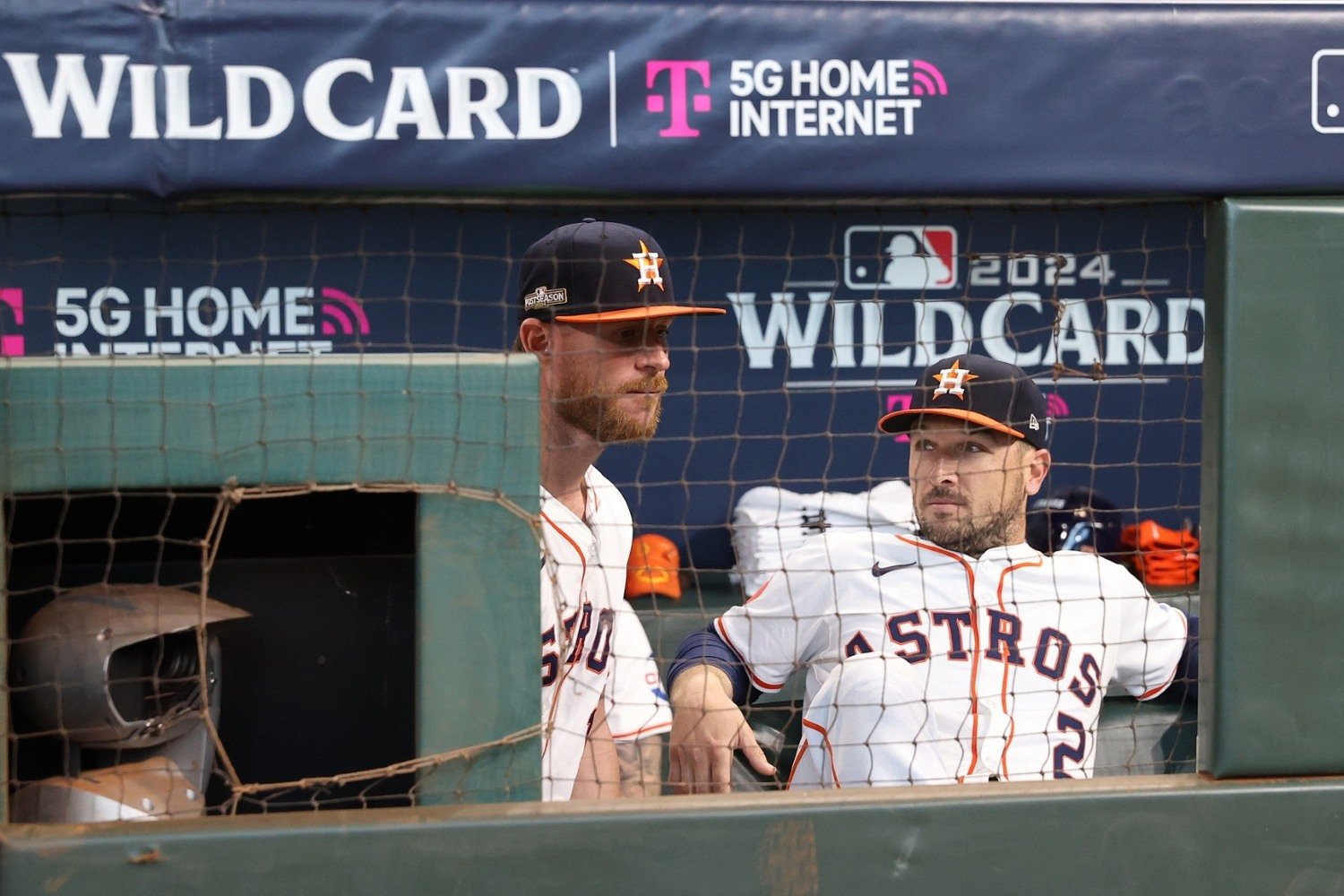 Alex Bregman has had a long and productive career with the Houston Astros. He peaked in 2019, with 8.7 wins above replacement and a 167 wRC+. Without factoring in the sign-stealing scandal in which he admits to having played a part, there has been a decline offensively in the past three years. His wRC+ has gone from 137 to 126 to 118 since 2022. His 2024 walk rate plunge was particularly concerning. It could be a one-year outlier, but it did crater as he geared up for free agency. The main issue with adding Bregman would be the cost. Rumors are that he has a six-year offer that would total over $160 million. The Cubs, given their aversion to spending over the luxury tax, really cannot afford another infielder on a high-dollar deal that might not age well. So, if they were to sign Bregman to a (shorter, perhaps richer on a per-year basis) deal, what would happen next? The Internet's Favorite Option: Sign Bregman, trade Nico Hoerner to balance out the payroll, Matt Shaw starts at second WAR-wise, this is net neutral. The decrease in defensive value theoretically would be balanced out by the added power Bregman would provide. Matt Shaw, in this hypothetical, would man second base, which many scouts believe is his best long-term position anyway. Hoerner would net some trade return, to balance out the lost long-term value of surrendering draft picks to sign Bregman. The Case For: The Cubs' lineup is really not a deep one, especially in terms of power. Bregman would address this and slot somewhere in the top four spots in the lineup. Nico would command some type of value, perhaps an arm or two to lengthen the pitching staff. Matt Shaw is ready, and slots more ably into the spot Hoerner would vacate than into the one for which he's currently projected. This is a somewhat compelling argument. When you look at the OPS for Nico vs. Bregman (.722 to .856), the increase in pop would be massive. Matt Shaw is smothered in hype, and recently was given a top-20 global prospect ranking by MLB.com. He does deserve a chance to get at-bats at the major-league level. The Case Against: This risks overpaying for Bregman's decline years, complete with worsening defense, and could leave the team overly reliant on Shaw. Bregman already is showing signs of decline. Paying a premium price for his early and mid-30s doesn't seem to be how the Cubs should operate, given their budget. Shaw also is no sure thing; his floor is sub-replacement level. With Pete Crow-Armstrong's bat still in question, Michael Busch's scary projections for 2025, the catcher position, and the ever-present question of whether Dansby Swanson can recapture his 117 wRC+ from before he arrived on the North Side, the Cubs can ill afford another iffy proposition in the lineup. An Unintended Consequence: Even if we charitably assume Bregman signs for $25 million per year, that locks up $52 million in payroll on two infielders who are over 30. Their age suggests that simply living up to that spending is the best we can expect from Bregman and Swanson. Over 20% of the team's self-imposed salary cap would be taken by two players. Kyle Tucker needs to be the only priority here. The Cubs have their linchpin, their star, the elite bat fans have been clamoring for since 2021. Any move that lowers the probability of his return needs to simply not happen. Tom Ricketts, he of the instantly infamous "break even" line, said in a recent interview that dollars aren't as big an issue to him as years. Assuming Tucker nets $40 million per season, there's no way the front office will be allowed to tie up $90 million dollars on three players. So Bregman on a long-term deal would be like Hubba Bubba: satisfying for a bit, but with a flavor that will fade as Tucker moves to greener pastures. The flexibility is necessary for the Cubs, if they want any chance of retaining Tucker in the deep green environs of Wrigley Field for the next decade and change. Option 2: The Ricketts Operate Their Team the Way They Actually Should This one is simple: sign Bregman, and do not trade salary to offset his addition. You then have the best infield defense in the game. Shaw plays the Javier Báez role from 2016, filling in when a day off is needed. All players get needed rest days, and Shaw gets needed developmental reps. Tucker's potential extension is not affected by these payroll constraints, and the Cubs commit to spending into the luxury tax. (Fans can dream, right?) If Bregman does sign in Chicago, we can anticipate multiple opt-outs being involved. Those save the team extra years and/or dollars committed, but the added cost is increased risk associated with Bregman having any kind of decline, and eschewing his opt-outs while taking up payroll and roster space and returning too little value. We just saw a tepid result on this kind of deal, with Cody Bellinger in 2024. In the end, the Cubs are not likely to land Alex Bregman. In that case, this pursuit will be but a footnote in the next book Joe Posnanski writes. This isn't a bad thing, long-term, for the Cubs. They should save their cash and go all-in on a Tucker extension. (Of course, there's no guarantee that Tucker is even open to such a deal, let alone willing to consider one at a price point that matches the Cubs' comfort zone. But that should be the goal.) Bregman isn't worth the risk and the amount of payroll space he will take up. Just let Shaw and Hoerner play, save some space for Tucker, and go over the tax for one season in 2026. With the amounts of salary falling off the books after that season, a tax reset would be simple. Bregman is a fine player, but not at the price he wants or the cost of another solid player, like Hoerner. The Cubs have more pressing needs than the marginal upgrade Bregman would bring. Let's not bang the trash can for him any longer.
 -
The rumors are flying. There's no question that the front office means business. Clearly, there is at least some interest here. But the Cubs should not pursue the top remaining free agent unless they are willing to pay the luxury tax. Image courtesy of © Troy Taormina-Imagn Images Alex Bregman has had a long and productive career with the Houston Astros. He peaked in 2019, with 8.7 wins above replacement and a 167 wRC+. Without factoring in the sign-stealing scandal in which he admits to having played a part, there has been a decline offensively in the past three years. His wRC+ has gone from 137 to 126 to 118 since 2022. His 2024 walk rate plunge was particularly concerning. It could be a one-year outlier, but it did crater as he geared up for free agency. The main issue with adding Bregman would be the cost. Rumors are that he has a six-year offer that would total over $160 million. The Cubs, given their aversion to spending over the luxury tax, really cannot afford another infielder on a high-dollar deal that might not age well. So, if they were to sign Bregman to a (shorter, perhaps richer on a per-year basis) deal, what would happen next? The Internet's Favorite Option: Sign Bregman, trade Nico Hoerner to balance out the payroll, Matt Shaw starts at second WAR-wise, this is net neutral. The decrease in defensive value theoretically would be balanced out by the added power Bregman would provide. Matt Shaw, in this hypothetical, would man second base, which many scouts believe is his best long-term position anyway. Hoerner would net some trade return, to balance out the lost long-term value of surrendering draft picks to sign Bregman. The Case For: The Cubs' lineup is really not a deep one, especially in terms of power. Bregman would address this and slot somewhere in the top four spots in the lineup. Nico would command some type of value, perhaps an arm or two to lengthen the pitching staff. Matt Shaw is ready, and slots more ably into the spot Hoerner would vacate than into the one for which he's currently projected. This is a somewhat compelling argument. When you look at the OPS for Nico vs. Bregman (.722 to .856), the increase in pop would be massive. Matt Shaw is smothered in hype, and recently was given a top-20 global prospect ranking by MLB.com. He does deserve a chance to get at-bats at the major-league level. The Case Against: This risks overpaying for Bregman's decline years, complete with worsening defense, and could leave the team overly reliant on Shaw. Bregman already is showing signs of decline. Paying a premium price for his early and mid-30s doesn't seem to be how the Cubs should operate, given their budget. Shaw also is no sure thing; his floor is sub-replacement level. With Pete Crow-Armstrong's bat still in question, Michael Busch's scary projections for 2025, the catcher position, and the ever-present question of whether Dansby Swanson can recapture his 117 wRC+ from before he arrived on the North Side, the Cubs can ill afford another iffy proposition in the lineup. An Unintended Consequence: Even if we charitably assume Bregman signs for $25 million per year, that locks up $52 million in payroll on two infielders who are over 30. Their age suggests that simply living up to that spending is the best we can expect from Bregman and Swanson. Over 20% of the team's self-imposed salary cap would be taken by two players. Kyle Tucker needs to be the only priority here. The Cubs have their linchpin, their star, the elite bat fans have been clamoring for since 2021. Any move that lowers the probability of his return needs to simply not happen. Tom Ricketts, he of the instantly infamous "break even" line, said in a recent interview that dollars aren't as big an issue to him as years. Assuming Tucker nets $40 million per season, there's no way the front office will be allowed to tie up $90 million dollars on three players. So Bregman on a long-term deal would be like Hubba Bubba: satisfying for a bit, but with a flavor that will fade as Tucker moves to greener pastures. The flexibility is necessary for the Cubs, if they want any chance of retaining Tucker in the deep green environs of Wrigley Field for the next decade and change. Option 2: The Ricketts Operate Their Team the Way They Actually Should This one is simple: sign Bregman, and do not trade salary to offset his addition. You then have the best infield defense in the game. Shaw plays the Javier Báez role from 2016, filling in when a day off is needed. All players get needed rest days, and Shaw gets needed developmental reps. Tucker's potential extension is not affected by these payroll constraints, and the Cubs commit to spending into the luxury tax. (Fans can dream, right?) If Bregman does sign in Chicago, we can anticipate multiple opt-outs being involved. Those save the team extra years and/or dollars committed, but the added cost is increased risk associated with Bregman having any kind of decline, and eschewing his opt-outs while taking up payroll and roster space and returning too little value. We just saw a tepid result on this kind of deal, with Cody Bellinger in 2024. In the end, the Cubs are not likely to land Alex Bregman. In that case, this pursuit will be but a footnote in the next book Joe Posnanski writes. This isn't a bad thing, long-term, for the Cubs. They should save their cash and go all-in on a Tucker extension. (Of course, there's no guarantee that Tucker is even open to such a deal, let alone willing to consider one at a price point that matches the Cubs' comfort zone. But that should be the goal.) Bregman isn't worth the risk and the amount of payroll space he will take up. Just let Shaw and Hoerner play, save some space for Tucker, and go over the tax for one season in 2026. With the amounts of salary falling off the books after that season, a tax reset would be simple. Bregman is a fine player, but not at the price he wants or the cost of another solid player, like Hoerner. The Cubs have more pressing needs than the marginal upgrade Bregman would bring. Let's not bang the trash can for him any longer. View full article
-
Why is Kevin Alcántara Sliding in Prospect Rankings?
Brian Kelder posted an article in Minor Leagues
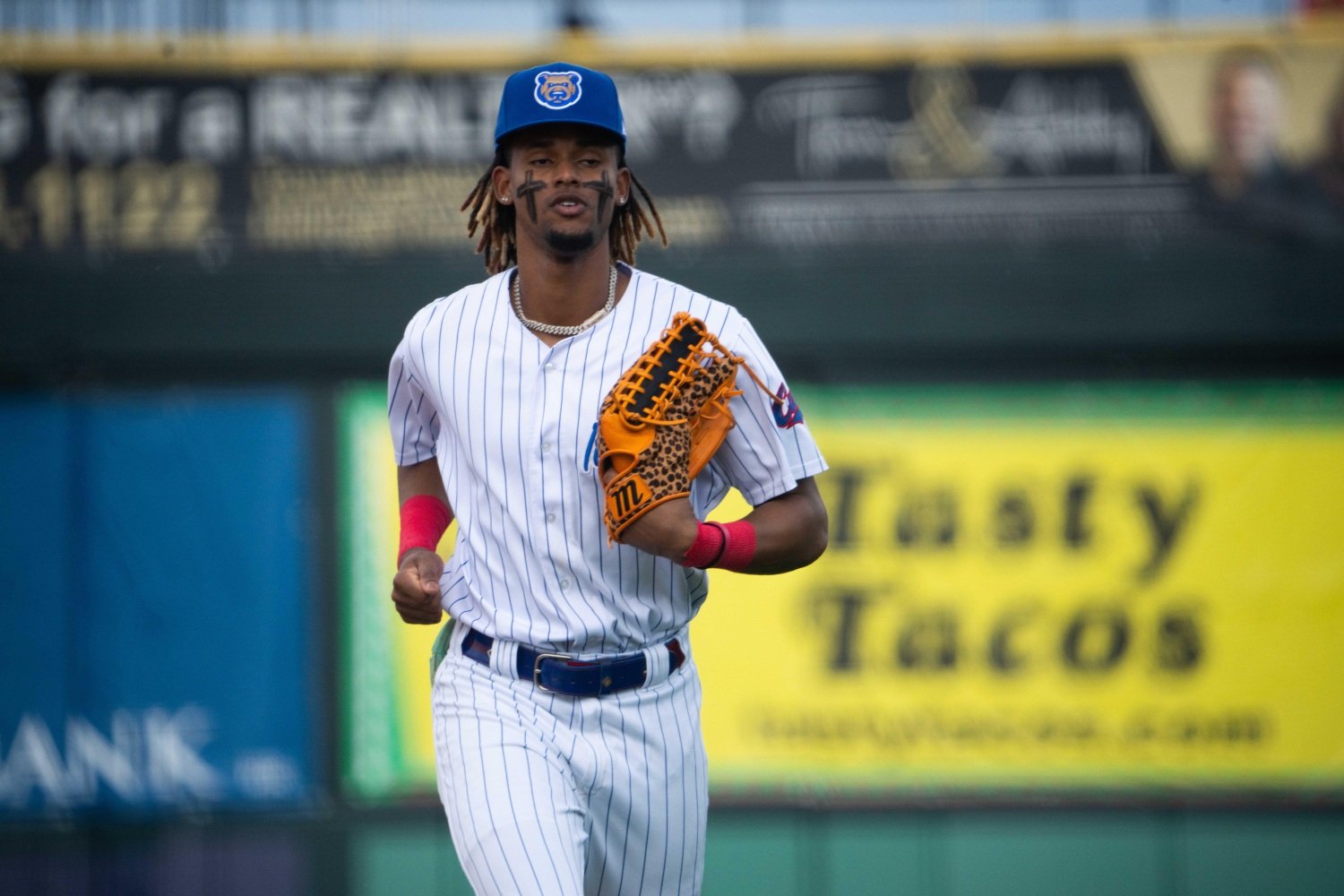 Keith Law of The Athletic (paywalled) is the high man on Kevin Alcántara, ranking him as his 33rd prospect overall. Baseball America (S) listed him 71st and MLB.com placed him 90th, but Baseball Prospectus (S) omitted him from the list altogether. FanGraphs does place a 50 future value on him, projecting him as an average regular. Clearly, some of his shine has worn off. These are not catastrophic drops in value, just some dips and possibly-minor blips. Let's take a look at what's causing these adjustments by rankers, and what Alcántara can do to regain his prospect mojo. It's a critical year for the Cubs and him, given that it's his last option year for the minors. In other words, time for the slender would-be slugger to give an answer on how much of the future he can be, before he ends up in the same boat Nelson Velázquez was in a couple of years ago, and that Alexander Canario will be in for 2025. Alcántara has been playing center field for the bulk of his pro career, to this point. His physical profile projects to get heavier eventually, meaning he may have to shift to a corner spot. If he stays in Chicago, center field is occupied (you know, maybe), necessitating a move to a spot where the offensive standard is higher. He is projected to be a plus defender (60 grade on FanGraphs) wherever he lands. The bat is the real question. Kevin Alcantara has speed (60 grade) and power (projected 60 grade). His hit tool lags behind, though, netting a 30 on the FanGraphs scale at present. It's rather obvious what he needs to do in order to reach his power and allow his speed to play on the bases. The strikeout rate is a glaring issue. Striking out at nearly a 30% rate in the minors does not bode well for a smooth transition to the major leagues. Cubs fans will remember similarly sized Jason Heyward's years-long battle with his long levers, although Heyward's feel for contact was much better. He struggled with... Well, screw it. FanGraphs said it better than me. The last sentence is fascinating, and Alcántara has shown signs of varying performance even within seasons. Highs and lows are the hallmark of the Alcántara experience. Look at these monthly slash lines from his 2024 in Double A: April: .232/.274..435 May: .295/.343/.389 June: .179/.289/.205 July: .365/.417/.581 See what I mean? When Alcántara clicks, he absolutely rakes. Look at that July, in an environment that suppressed offense league-wide. But when his approach wavers, the stats (yes, I know it's a slash line, but that's all we plebeians get for the minors) also wobble. Those are the perils of a tall, lanky frame, and has always been the risk here. It's playing out in the minors, and his evaluation and upside have to be analyzed in light of these statistics. Prospect fatigue can affect a player like Alcántara in scouts' eyes. At the tender age of 22, he's been on the 40-man roster for two seasons, taking up valuable spots from middle-aged relief options. He's been on a slow burn, spending extended time in the minors with less statistical production than some of his peers. At the Triple-A level, production matters, and his has not been there at the level of other players who are ranked higher. Tools are good. At this point, though, the production has to match the projection. Enough with the platitudes, right? Let's get nerdy. These are all concerning metrics from 2024: 28.7% strikeout rate 32% chase rate .320 OBP (not terrible, but this was against worse pitching than the majors) 51.7% ground-ball rate If he can get those naturally long levers to work together, the Cubs could have a superstar. That's not even hyperbole! That 60-grade power is legitimate (I've watched his batting practice, it was epic), and he maxed out with a 112-MPH exit velocity with an average velocity of 91. Those are more than solid numbers. When he does make contact, the contact is loud. Raw power like this is highly sought after and worth cultivating. So why doesn't he have larger power numbers? An elevated ground ball rate is the culprit. Those nagging ground balls have a way of not clearing fences. But changing the swing to get more lift may give rise to more contact issues than he already has, and as already noted, it wouldn't behoove him if that rate increased. The good news is, given the way FanGraphs described his swing and its components, you could picture a reorganized approach that leads to more loft without more whiffs. It's a riddle wrapped in a conundrum, and a puzzle the Cubs will have to put together. Alcántara is an easy guy to root for. He's flashy, fast, and has light-tower power potential. Coaches and teammates rave over his makeup, enthusiasm for baseball, and willingness and work ethic to make changes. The payoff could be enormous if the Cubs, (or a possible trade partner) can be patient with him. It could be a bumpy ride whenever he gets the call, though, and a contending team will have to balance development against current effectiveness with this player. The Jaguar has heard his name growled in trade rumors for years now, and it wouldn't be surprising to see him be dealt. He's already in rumors for Michael King. The Cubs have a great asset on their hands, and how they utilize it will resonate for years to come. If the youngster can somehow solve the long levers and inconsistency to make more contact, the Cubs' corner outfield will be in good hands for years to come.
 -
The main trade return in the Anthony Rizzo deal has seen his star dim among the consensus prospect world. The 6-foot-6 outfielder has a lot of hopes attached to him. His tools do pop, and his self-given nickname of "The Jaguar" has some aura to it. So what's behind this slight dip? Image courtesy of © Cody Scanlan/The Register / USA TODAY NETWORK Keith Law of The Athletic (paywalled) is the high man on Kevin Alcántara, ranking him as his 33rd prospect overall. Baseball America (S) listed him 71st and MLB.com placed him 90th, but Baseball Prospectus (S) omitted him from the list altogether. FanGraphs does place a 50 future value on him, projecting him as an average regular. Clearly, some of his shine has worn off. These are not catastrophic drops in value, just some dips and possibly-minor blips. Let's take a look at what's causing these adjustments by rankers, and what Alcántara can do to regain his prospect mojo. It's a critical year for the Cubs and him, given that it's his last option year for the minors. In other words, time for the slender would-be slugger to give an answer on how much of the future he can be, before he ends up in the same boat Nelson Velázquez was in a couple of years ago, and that Alexander Canario will be in for 2025. Alcántara has been playing center field for the bulk of his pro career, to this point. His physical profile projects to get heavier eventually, meaning he may have to shift to a corner spot. If he stays in Chicago, center field is occupied (you know, maybe), necessitating a move to a spot where the offensive standard is higher. He is projected to be a plus defender (60 grade on FanGraphs) wherever he lands. The bat is the real question. Kevin Alcantara has speed (60 grade) and power (projected 60 grade). His hit tool lags behind, though, netting a 30 on the FanGraphs scale at present. It's rather obvious what he needs to do in order to reach his power and allow his speed to play on the bases. The strikeout rate is a glaring issue. Striking out at nearly a 30% rate in the minors does not bode well for a smooth transition to the major leagues. Cubs fans will remember similarly sized Jason Heyward's years-long battle with his long levers, although Heyward's feel for contact was much better. He struggled with... Well, screw it. FanGraphs said it better than me. The last sentence is fascinating, and Alcántara has shown signs of varying performance even within seasons. Highs and lows are the hallmark of the Alcántara experience. Look at these monthly slash lines from his 2024 in Double A: April: .232/.274..435 May: .295/.343/.389 June: .179/.289/.205 July: .365/.417/.581 See what I mean? When Alcántara clicks, he absolutely rakes. Look at that July, in an environment that suppressed offense league-wide. But when his approach wavers, the stats (yes, I know it's a slash line, but that's all we plebeians get for the minors) also wobble. Those are the perils of a tall, lanky frame, and has always been the risk here. It's playing out in the minors, and his evaluation and upside have to be analyzed in light of these statistics. Prospect fatigue can affect a player like Alcántara in scouts' eyes. At the tender age of 22, he's been on the 40-man roster for two seasons, taking up valuable spots from middle-aged relief options. He's been on a slow burn, spending extended time in the minors with less statistical production than some of his peers. At the Triple-A level, production matters, and his has not been there at the level of other players who are ranked higher. Tools are good. At this point, though, the production has to match the projection. Enough with the platitudes, right? Let's get nerdy. These are all concerning metrics from 2024: 28.7% strikeout rate 32% chase rate .320 OBP (not terrible, but this was against worse pitching than the majors) 51.7% ground-ball rate If he can get those naturally long levers to work together, the Cubs could have a superstar. That's not even hyperbole! That 60-grade power is legitimate (I've watched his batting practice, it was epic), and he maxed out with a 112-MPH exit velocity with an average velocity of 91. Those are more than solid numbers. When he does make contact, the contact is loud. Raw power like this is highly sought after and worth cultivating. So why doesn't he have larger power numbers? An elevated ground ball rate is the culprit. Those nagging ground balls have a way of not clearing fences. But changing the swing to get more lift may give rise to more contact issues than he already has, and as already noted, it wouldn't behoove him if that rate increased. The good news is, given the way FanGraphs described his swing and its components, you could picture a reorganized approach that leads to more loft without more whiffs. It's a riddle wrapped in a conundrum, and a puzzle the Cubs will have to put together. Alcántara is an easy guy to root for. He's flashy, fast, and has light-tower power potential. Coaches and teammates rave over his makeup, enthusiasm for baseball, and willingness and work ethic to make changes. The payoff could be enormous if the Cubs, (or a possible trade partner) can be patient with him. It could be a bumpy ride whenever he gets the call, though, and a contending team will have to balance development against current effectiveness with this player. The Jaguar has heard his name growled in trade rumors for years now, and it wouldn't be surprising to see him be dealt. He's already in rumors for Michael King. The Cubs have a great asset on their hands, and how they utilize it will resonate for years to come. If the youngster can somehow solve the long levers and inconsistency to make more contact, the Cubs' corner outfield will be in good hands for years to come. View full article
-
4 Players Who Could Outperform Projections for the Chicago Cubs in 2025
Brian Kelder posted an article in Cubs
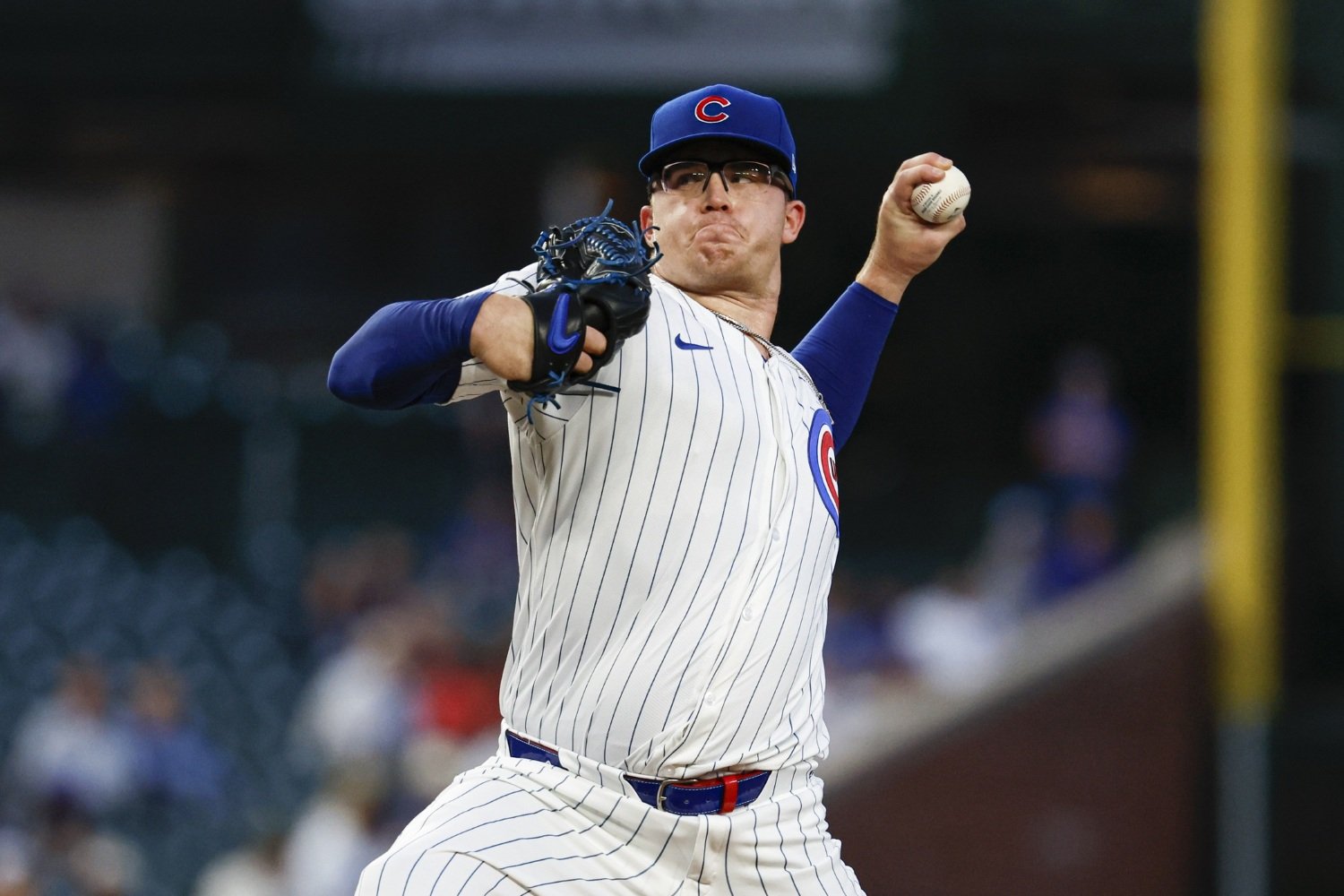 First of all, Hoyer wasn't wrong when he said that. It just wasn't well said. It was poorly said, actually. If he had used the word "breakout," then everything's fine and dandy. All contending teams have guys who break out and perform at a higher level than expected. So let's identify the breakout candidates, as it were, instead of getting lost in the projection sauce. Candidate 1: Michael Busch Busch projects for a .236/.322/.416 slash with 22 home runs. He was higher last season, particularly with a .440 slugging average. Now, projections are always going to be lower on an inexperienced player like Busch, but is it simply hopium to think he'll improve at age 27? Busch has a great plate approach and controls the strike zone well. His 11% walk rate for 2024 was in the 85th percentile in the majors. Clearly, he will take a pitch, always a good thing to do when trying to break out. His swing decisions, though, led to a 28% strikeout rate. He's not chasing; he's only in the 28th percentile for his whiff percentage. Busch needs to make more contact in the zone in order to beat his projections, and maybe get more aggressive in the process. He's always been a higher BABIP guy, because when he does make contact, he catches the launch-angle sweet spot 75% of the time. There's a 30-homer, .260 average with an .800 OPS to unlock here. Basically, he needs to continue to control the strike zone as he has, but make more contact within the zone. Increasing his bat speed is the key here. He's in the bottom quarter of the league in this metric. Doing this (and thus increasing the number of times wood strikes rawhide) would make Busch a borderline All-Star. Candidate 2: Cade Horton In 2023, I had tickets to a Myrtle Beach Pelicans game where a certain first-round pick was scheduled to debut. Unfortunately, the rain came, and I missed the chance to see Cade Horton's first start in the pros. You probably don't care about that. What you should care about is this: Horton seems to be healthy heading into the season. Steamer projects a whopping one inning in the major leagues for the prospect, whose star dimmed a bit due to his lost 2024. You already know about the fastball that sits 96 and one of the top-rated sliders in the minor leagues. The pedigree and potential are well established. How successfully his health rebounds (and how he's utilized) will determine whether and by how much he exceeds those projections. If he's healthy, we could be looking at a rookie season similar to the Mariners' George Kirby's in 2022. While Horton probably won't hit 130 innings, if he can have 15 starts at five innings apiece while missing bats against big-league batters, the Cubs would be adding a playoff-level starter for the stretch run. Seeing news like this and this makes this prospect doubter just a little aflutter with excitement for the possibilities that Horton flashed in 2023. The Cubs clearly believe in him. It's up to the shoulder and arm to avoid barking, to allow Horton to be the dawg the Cubs need him to be. Candidate 3: Vidal Bruján Look, he has not been a great hitter. He also might not stick on the team. But if Bruján (he of the former top-100 prospect pedigree and blazing speed that maybe, just maybe, might come back, and defensive versatility) can tap into his talent, this would be a big deal. The cost is so low, and the projections so lousy, that if he can shake off the Marlins Musk, he could become a positive contributor for years at a cheap cost. He can play outfield and almost anywhere on the infield. I don't buy it either. Let's just move on. Candidate 4: Jordan Wicks Wicks wasn't bad in the beginning of last season. In seven starts, he struck out 19.8% of opposing batters and ran a 4.70 ERA. Of his first five starts, in just one did he give up more than two runs. This was right around the level of production he flashed in 2023. After an oblique injury, he lost some velocity and was not the same pitcher, resulting in an unsightly ERA and many fans eliminating him from their minds as an option moving forward. This would be a mistake. Don't look at his Statcast; it's a sea of blue (red is good, blue not-so-good). Last year, he lost the ability to generate soft contact. Wicks' soft contact rate was cut in half from 2023 to last season. Projections do have him as a high-3s or low-4s ERA guy for this season. If Wicks can exceed this and become a reliable fourth starter, the Cubs have yet another cromulent rotation piece. This is not a stats-based prediction. It's meatbally and narrative-based. Pitchers don't develop in an orderly, linear progression. Maybe Wicks can find a fastball that works, at long last, after a couple of false starts in terms of blending shape and speed with the ability to reliably execute. Perhaps his new fitness level (seriously, dude got CUT this offseason) will cause the velocity to tick back up more easily. Don't sleep on a former top-100 prospect who was drafted in the first round. He could reach his ceiling this year. So there's four guys, any of whom (if they do better than what FanGraphs projects) would be of huge benefit to the Cubs. They might not click; projections tend to be better than our fan-shaded hearts. But these are four guys to watch to see if Jed Hoyer has been right all along.
 -
Tom Ricketts has spoken. The Cubs are going for the division title, and it's a glorious thing. Of course, there's the payroll limitations (which are Ricketts's choice) and Jed Hoyer's now-infamous "overperforming projections" statement. So who on the Cubs can pull this fabled overperformance off? Image courtesy of © Kamil Krzaczynski-Imagn Images First of all, Hoyer wasn't wrong when he said that. It just wasn't well said. It was poorly said, actually. If he had used the word "breakout," then everything's fine and dandy. All contending teams have guys who break out and perform at a higher level than expected. So let's identify the breakout candidates, as it were, instead of getting lost in the projection sauce. Candidate 1: Michael Busch Busch projects for a .236/.322/.416 slash with 22 home runs. He was higher last season, particularly with a .440 slugging average. Now, projections are always going to be lower on an inexperienced player like Busch, but is it simply hopium to think he'll improve at age 27? Busch has a great plate approach and controls the strike zone well. His 11% walk rate for 2024 was in the 85th percentile in the majors. Clearly, he will take a pitch, always a good thing to do when trying to break out. His swing decisions, though, led to a 28% strikeout rate. He's not chasing; he's only in the 28th percentile for his whiff percentage. Busch needs to make more contact in the zone in order to beat his projections, and maybe get more aggressive in the process. He's always been a higher BABIP guy, because when he does make contact, he catches the launch-angle sweet spot 75% of the time. There's a 30-homer, .260 average with an .800 OPS to unlock here. Basically, he needs to continue to control the strike zone as he has, but make more contact within the zone. Increasing his bat speed is the key here. He's in the bottom quarter of the league in this metric. Doing this (and thus increasing the number of times wood strikes rawhide) would make Busch a borderline All-Star. Candidate 2: Cade Horton In 2023, I had tickets to a Myrtle Beach Pelicans game where a certain first-round pick was scheduled to debut. Unfortunately, the rain came, and I missed the chance to see Cade Horton's first start in the pros. You probably don't care about that. What you should care about is this: Horton seems to be healthy heading into the season. Steamer projects a whopping one inning in the major leagues for the prospect, whose star dimmed a bit due to his lost 2024. You already know about the fastball that sits 96 and one of the top-rated sliders in the minor leagues. The pedigree and potential are well established. How successfully his health rebounds (and how he's utilized) will determine whether and by how much he exceeds those projections. If he's healthy, we could be looking at a rookie season similar to the Mariners' George Kirby's in 2022. While Horton probably won't hit 130 innings, if he can have 15 starts at five innings apiece while missing bats against big-league batters, the Cubs would be adding a playoff-level starter for the stretch run. Seeing news like this and this makes this prospect doubter just a little aflutter with excitement for the possibilities that Horton flashed in 2023. The Cubs clearly believe in him. It's up to the shoulder and arm to avoid barking, to allow Horton to be the dawg the Cubs need him to be. Candidate 3: Vidal Bruján Look, he has not been a great hitter. He also might not stick on the team. But if Bruján (he of the former top-100 prospect pedigree and blazing speed that maybe, just maybe, might come back, and defensive versatility) can tap into his talent, this would be a big deal. The cost is so low, and the projections so lousy, that if he can shake off the Marlins Musk, he could become a positive contributor for years at a cheap cost. He can play outfield and almost anywhere on the infield. I don't buy it either. Let's just move on. Candidate 4: Jordan Wicks Wicks wasn't bad in the beginning of last season. In seven starts, he struck out 19.8% of opposing batters and ran a 4.70 ERA. Of his first five starts, in just one did he give up more than two runs. This was right around the level of production he flashed in 2023. After an oblique injury, he lost some velocity and was not the same pitcher, resulting in an unsightly ERA and many fans eliminating him from their minds as an option moving forward. This would be a mistake. Don't look at his Statcast; it's a sea of blue (red is good, blue not-so-good). Last year, he lost the ability to generate soft contact. Wicks' soft contact rate was cut in half from 2023 to last season. Projections do have him as a high-3s or low-4s ERA guy for this season. If Wicks can exceed this and become a reliable fourth starter, the Cubs have yet another cromulent rotation piece. This is not a stats-based prediction. It's meatbally and narrative-based. Pitchers don't develop in an orderly, linear progression. Maybe Wicks can find a fastball that works, at long last, after a couple of false starts in terms of blending shape and speed with the ability to reliably execute. Perhaps his new fitness level (seriously, dude got CUT this offseason) will cause the velocity to tick back up more easily. Don't sleep on a former top-100 prospect who was drafted in the first round. He could reach his ceiling this year. So there's four guys, any of whom (if they do better than what FanGraphs projects) would be of huge benefit to the Cubs. They might not click; projections tend to be better than our fan-shaded hearts. But these are four guys to watch to see if Jed Hoyer has been right all along. View full article
.png.8f719cc8b8eca9491c63b9108731fec5.png)