

.png.396d29669b786f3e4cefa11ecc4b9eac.png)

Brian Kelder
-
Posts
291 -
Joined
-
Last visited
Content Type
Profiles
Joomla Posts 1
Chicago Cubs Videos
Chicago Cubs Free Agent & Trade Rumors, Notes, & Tidbits
2026 Chicago Cubs Top Prospects Ranking
News
2023 Chicago Cubs Draft Picks
Guides & Resources
2024 Chicago Cubs Draft Picks
The Chicago Cubs Players Project
2025 Chicago Cubs Draft Pick Tracker
2026 Chicago Cubs Draft Tracker: Picks & Bonuses
Blogs
Events
Forums
Store
Gallery
Everything posted by Brian Kelder
-
Image courtesy of © Matt Marton-Imagn Images Through 10 games, the Cubs aren't just a disappointing 4-6, but an anemic 4-6. Their lineup has been lousy, and their best hitter from 2025 is one reason for the shortfall. Michael Busch batted .261/.343/.523 last year; he's off to a .176/.310/.235 start this spring. It's early, and Busch is being exposed to left-handed pitchers more often, but still: this is an issue. He's not hitting the ball hard or on a line as often. The culprit? Bat speed. Busch, never a hard swinger, is down to 67.6 mph in average swing speed this year. This could be due to cold weather, or he could simply not be fully loosened up yet. What we know for sure, though, is that it’s come along with being pitched to differently—and that he's failing the league's latest test. A staggering 69.2% of pitches to the slugger have been fastballs this year. Busch has only hit .167 on these pitches. He has simply been overwhelmed by velocity. This was the opposite last year; Busch hit .269 with a .535 slugging average on fastballs. This could be because he's seeing more lefties; he's on pace for well over twice as many left-on-left plate appearances as he had in 2025. Pitchers do much better with their fastballs against same-handed hitters, and are usually more willing to throw them. It could just be that Busch's timing is a bit off, too. Either way, we should note that seeing more heaters is part of the reason why we're getting a lower reading on his swing speeds, too. Statcast reports that number based on the momentary velocity of the barrel at the hitter's contact point on each swing. Naturally, hitters catch fastballs deeper in the zone, which usually means the bat is still going slightly slower. Busch's bat speed is down even if we isolate fastballs, though, so that's not the full story. However, we can also note that he's significantly shortened his swing this year, which nearly always results in less sheer bat speed and which might simply be Busch nursing an injury or dealing with the cold. If he'd lost bat speed despite the pitch mix against him being the same and/or without a concomitant reduction in swing length, it would be more alarming, but as it is, these factors should be somewhat reassuring. We haven’t been told a reason for Busch’s slower swing, and might not find one. What we do know is the Cubs need a better version of their first baseman than the first 10 games have seen. Hopefully, the swing can get to a speed where he can do damage again. The other metrics support a Busch rebound. The plate approach is sublime; he’s making sound swing decisions. Better bat speed would yield better results for a Cub team off to a subpar start, but Busch might also find success with this shorter swing, or the swing might quicken as the weather warms and the arrythmia of the early season gives way to the routine players love. It's not too early to note this, but it's certainly too soon to panic about it. View full article
-
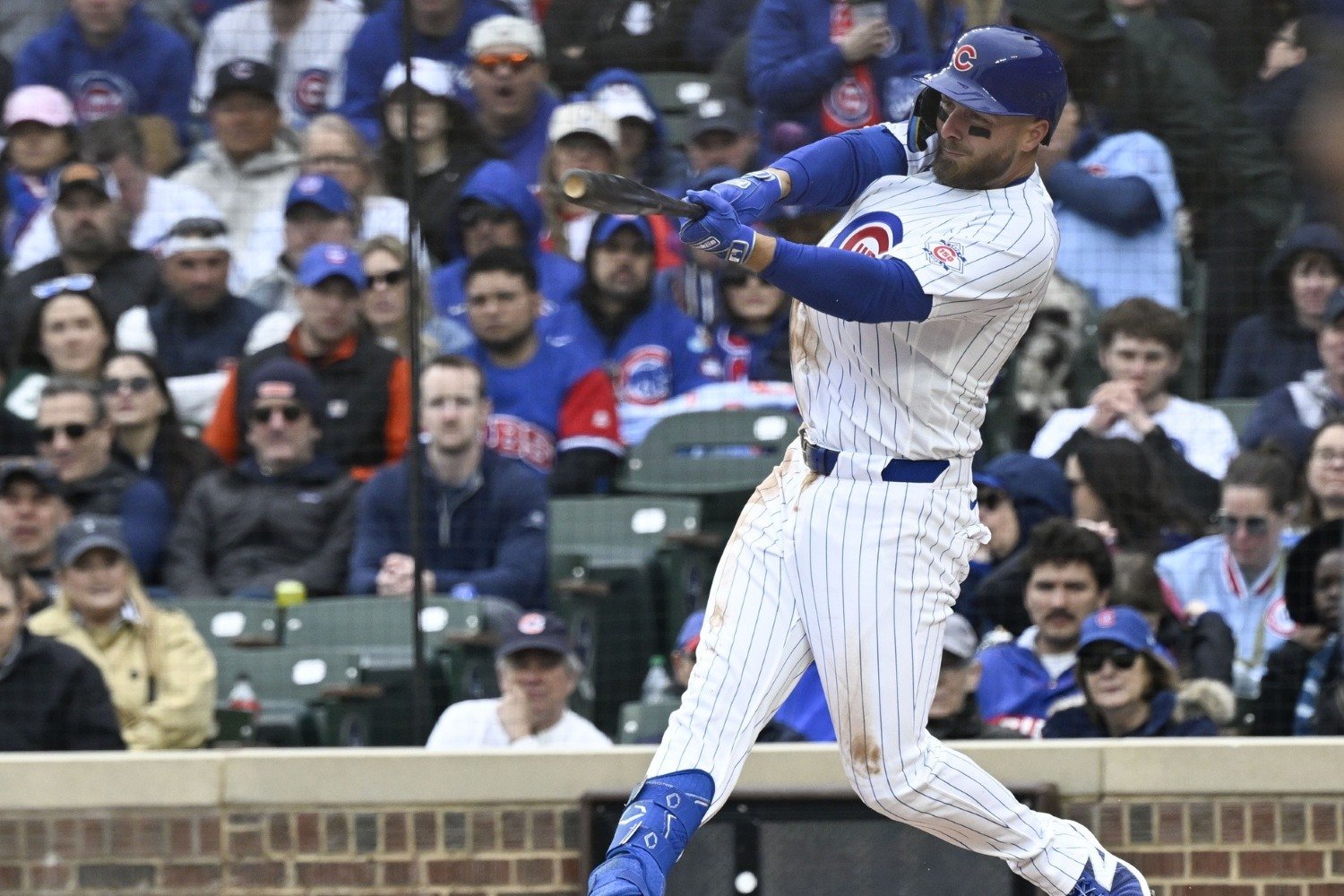 Through 10 games, the Cubs aren't just a disappointing 4-6, but an anemic 4-6. Their lineup has been lousy, and their best hitter from 2025 is one reason for the shortfall. Michael Busch batted .261/.343/.523 last year; he's off to a .176/.310/.235 start this spring. It's early, and Busch is being exposed to left-handed pitchers more often, but still: this is an issue. He's not hitting the ball hard or on a line as often. The culprit? Bat speed. Busch, never a hard swinger, is down to 67.6 mph in average swing speed this year. This could be due to cold weather, or he could simply not be fully loosened up yet. What we know for sure, though, is that it’s come along with being pitched to differently—and that he's failing the league's latest test. A staggering 69.2% of pitches to the slugger have been fastballs this year. Busch has only hit .167 on these pitches. He has simply been overwhelmed by velocity. This was the opposite last year; Busch hit .269 with a .535 slugging average on fastballs. This could be because he's seeing more lefties; he's on pace for well over twice as many left-on-left plate appearances as he had in 2025. Pitchers do much better with their fastballs against same-handed hitters, and are usually more willing to throw them. It could just be that Busch's timing is a bit off, too. Either way, we should note that seeing more heaters is part of the reason why we're getting a lower reading on his swing speeds, too. Statcast reports that number based on the momentary velocity of the barrel at the hitter's contact point on each swing. Naturally, hitters catch fastballs deeper in the zone, which usually means the bat is still going slightly slower. Busch's bat speed is down even if we isolate fastballs, though, so that's not the full story. However, we can also note that he's significantly shortened his swing this year, which nearly always results in less sheer bat speed and which might simply be Busch nursing an injury or dealing with the cold. If he'd lost bat speed despite the pitch mix against him being the same and/or without a concomitant reduction in swing length, it would be more alarming, but as it is, these factors should be somewhat reassuring. We haven’t been told a reason for Busch’s slower swing, and might not find one. What we do know is the Cubs need a better version of their first baseman than the first 10 games have seen. Hopefully, the swing can get to a speed where he can do damage again. The other metrics support a Busch rebound. The plate approach is sublime; he’s making sound swing decisions. Better bat speed would yield better results for a Cub team off to a subpar start, but Busch might also find success with this shorter swing, or the swing might quicken as the weather warms and the arrythmia of the early season gives way to the routine players love. It's not too early to note this, but it's certainly too soon to panic about it.
 -
Image courtesy of © Patrick Gorski-Imagn Images It wasn't a dazzling first week for Cubs designated hitter Moisés Ballesteros. The rookie only batted .167 during the team's season-opening homestand, with two walks but no extra-base hits. He looked great in limited playing time last year, so it would make no sense to jump to conclusions based on this, but big-league pitchers will adjust as they get a longer look at the young could-be slugger. The main difference in pitcher attack toward Ballesteros is an increased amount of breaking pitches. Last year, he saw fastballs 53% of the time, and breaking balls 18%. This year, however, pitchers are dealing with him differently, throwing an equal number of breaking pitches and fastballs (37%). He's only 1-for-9 on breaking pitches in the early going. It also seems the youngster is making an effort to elevate the ball more, tapping into previously unseen power. His fly ball rate, pull rate, and especially balls pulled in the air (20%, up from 4% last year) point to those efforts. However, the balls hit in the air are not at a high velocity, leading to routine flies, pop outs, and happy pitchers. The samples are all tiny; we have to be cautious. But so far, he's not getting the juice, despite his firmer squeeze. This is a major shift from what Ballesteros showed in the minors. He was an extreme line-drive hitter, capable of hitting the ball to all fields with occasional power. In the minors, he never exceeded 19 home runs. There has been a subtle change in the tilt of his swing (2°), but we can't yet evaluate that datum. It's a slight adjustment, not an overhaul, and it might just be a response to the way he's being pitched. The swing is just a little bit longer as well. It seems, in this minuscule sample, that he's made changes to improve his power production. Ballesteros has seen an uptick in whiff rate, chase rate and strikeout rate. With more experience (and more reps—again, sample size is an obstacle to analysis here), this should work itself out. There was no issue with these things in the minor leagues, even though he was consistently young for his level. There's not enough data to support concern about his pitch recognition, especially when the conditions were far less than ideal for most of the games this week. Manager Craig Counsell went to the team's hitting coaches this spring with a simple instruction when it comes to Ballesteros: "Leave him alone." Presumably, they'll hold to that advice. There should be no need for a swing change. Most of his changes are subtle, and it's far too early to make sense of the data noise. The leash for Ballesteros will be long, but it's not infinite. Seiya Suzuki's return looms in the next couple of weeks, and though the plan will be for him to play right field most of the time, some of his at-bats could come as the DH, reducing the playing time available to Ballesteros. He could, in turn, pick up the occasional start at catcher, but the Cubs have two other backstops on the roster and have yet to deploy Ballesteros there in the regular season. It's early, and the adjustments could pay off in the end. It's just been one week. Ballesteros is in no imminent danger of being optioned to Iowa, but if he doesn't hit at all over the next week or two, they could reconsider on that front once Suzuki returns. Time in Iowa would mean reps at catcher, which could finish off Ballesteros's development at that position. For now, just monitor his work. The team is invested in and dedicated to Ballesteros emerging as a regular, and they're unlikely to give up on him easily—but the right confluence of performances by him and a few teammates could still result in a sojourn in Des Moines later this month. View full article
-
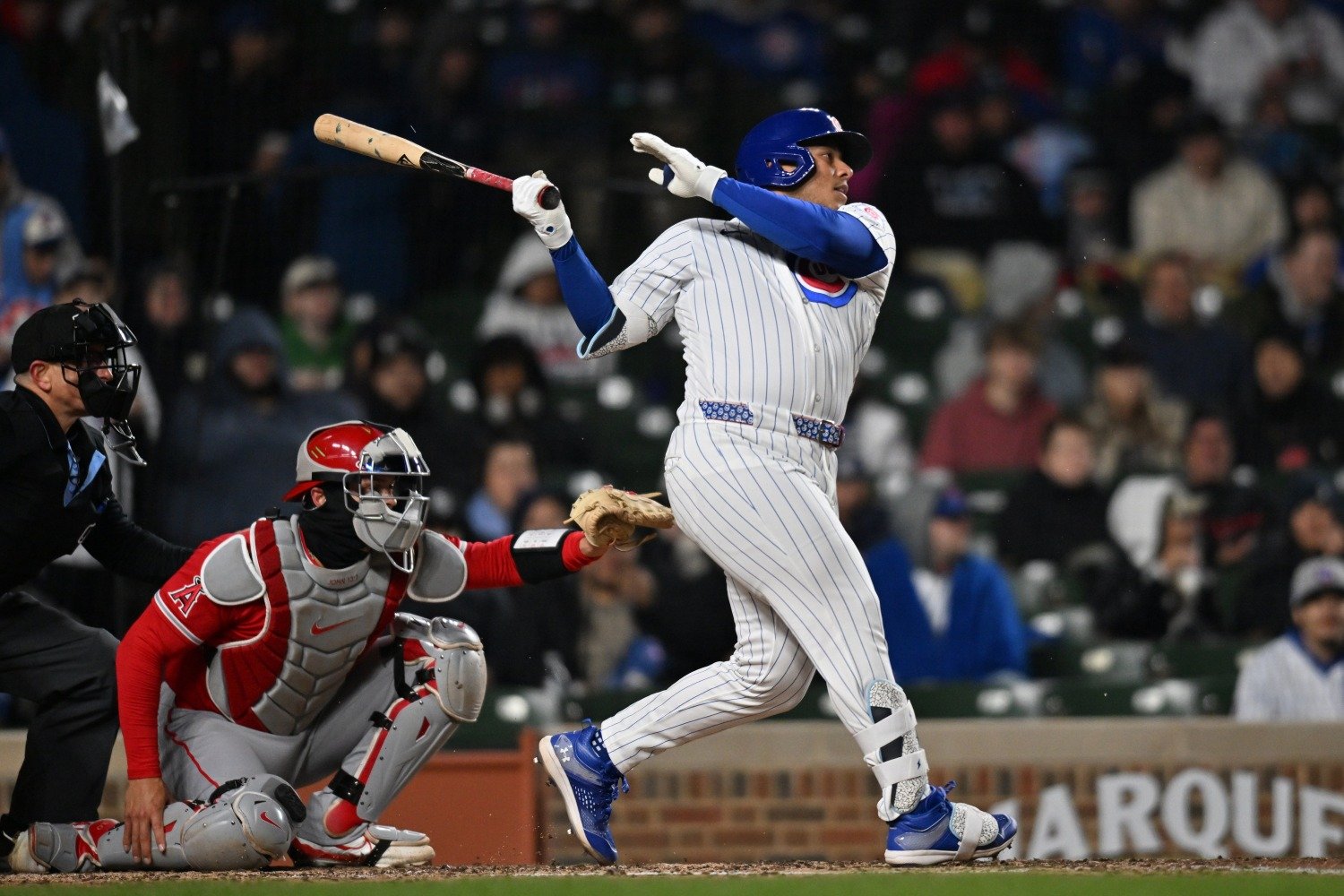 It wasn't a dazzling first week for Cubs designated hitter Moisés Ballesteros. The rookie only batted .167 during the team's season-opening homestand, with two walks but no extra-base hits. He looked great in limited playing time last year, so it would make no sense to jump to conclusions based on this, but big-league pitchers will adjust as they get a longer look at the young could-be slugger. The main difference in pitcher attack toward Ballesteros is an increased amount of breaking pitches. Last year, he saw fastballs 53% of the time, and breaking balls 18%. This year, however, pitchers are dealing with him differently, throwing an equal number of breaking pitches and fastballs (37%). He's only 1-for-9 on breaking pitches in the early going. It also seems the youngster is making an effort to elevate the ball more, tapping into previously unseen power. His fly ball rate, pull rate, and especially balls pulled in the air (20%, up from 4% last year) point to those efforts. However, the balls hit in the air are not at a high velocity, leading to routine flies, pop outs, and happy pitchers. The samples are all tiny; we have to be cautious. But so far, he's not getting the juice, despite his firmer squeeze. This is a major shift from what Ballesteros showed in the minors. He was an extreme line-drive hitter, capable of hitting the ball to all fields with occasional power. In the minors, he never exceeded 19 home runs. There has been a subtle change in the tilt of his swing (2°), but we can't yet evaluate that datum. It's a slight adjustment, not an overhaul, and it might just be a response to the way he's being pitched. The swing is just a little bit longer as well. It seems, in this minuscule sample, that he's made changes to improve his power production. Ballesteros has seen an uptick in whiff rate, chase rate and strikeout rate. With more experience (and more reps—again, sample size is an obstacle to analysis here), this should work itself out. There was no issue with these things in the minor leagues, even though he was consistently young for his level. There's not enough data to support concern about his pitch recognition, especially when the conditions were far less than ideal for most of the games this week. Manager Craig Counsell went to the team's hitting coaches this spring with a simple instruction when it comes to Ballesteros: "Leave him alone." Presumably, they'll hold to that advice. There should be no need for a swing change. Most of his changes are subtle, and it's far too early to make sense of the data noise. The leash for Ballesteros will be long, but it's not infinite. Seiya Suzuki's return looms in the next couple of weeks, and though the plan will be for him to play right field most of the time, some of his at-bats could come as the DH, reducing the playing time available to Ballesteros. He could, in turn, pick up the occasional start at catcher, but the Cubs have two other backstops on the roster and have yet to deploy Ballesteros there in the regular season. It's early, and the adjustments could pay off in the end. It's just been one week. Ballesteros is in no imminent danger of being optioned to Iowa, but if he doesn't hit at all over the next week or two, they could reconsider on that front once Suzuki returns. Time in Iowa would mean reps at catcher, which could finish off Ballesteros's development at that position. For now, just monitor his work. The team is invested in and dedicated to Ballesteros emerging as a regular, and they're unlikely to give up on him easily—but the right confluence of performances by him and a few teammates could still result in a sojourn in Des Moines later this month.
 -
Image courtesy of © Matt Marton-Imagn Images Maybe some apologies are due to Jed Hoyer. After 2021, fans rightfully doubted the team's willingness to spend. All of the franchise's pillars were gone, and the team had to rebuild from scratch. Clearly, the Cubs were going to behave like a mid-market franchise going forward. That skepticism turned out to be unwarranted. The Cubs and Tom Ricketts opened up their checkbooks, locking up Pete Crow-Armstrong and Nico Hoerner for the next six seasons. They're actively extending a window of contention. Who would have guessed that five years ago? Takeaway 1: The Cubs are Channeling the 1970s Dodgers. Steve Garvey. Ron Cey. Davey Lopes. Bill Russell. This group took the field for the Dodgers on Jun. 23, 1973 and went unchanged until after the World Series in 1981. It was eight and a half years of the same players. Michael Busch. Alex Bregman. Nico Hoerner. Dansby Swanson. The Cubs' group mirrors the Dodgers' era. Jed Hoyer has locked this group up through at least 2029. Cubs fans can look forward to an outstanding defensive infield for this time frame, and the front office moves forward with some cost certainty. In an era marked by roster churn, the Cubs are banking on continuity to maintain their playoff status. It's a bet on health and the infield aging gracefully, and if not, they have the financial wiggle room to pivot. Admittedly, it won't be quite the same as what the Dodgers did, or even as the glory days of Ron Santo, Ernie Banks and Billy Williams, who started over 1,300 games together for the Cubs. By modern standards, though, it's not that far off. Takeaway 2: The Bank is Open Fine, Tom. You've proved yourself. The Cubs spent at an insanely high level this offseason. In total, they splashed $30 million on the bullpen. They spent $22 million to bring back Shota Imanaga. They shelled out $175 million in guaranteed cash to Alex Bregman. Six-year extensions to Crow-Armstrong and Hoerner put the capstone on it all. This isn't just selective spending. This was a cash outlay to address specific needs. The roster is, on paper, a top-to-bottom contender. Hoyer identified what needed to be done, balanced the present with the future, and aggressively pursued his targets. In retrospect, there were signs. The Cubs have added major pieces every season since 2022, when Seiya Suzuki was brought into the fold. Based on this offseason and last (bringing in Kyle Tucker), Hoyer is well on his way to shedding his conservative reputation. What's Happ-ening next? The last time Hoerner signed an extension, Ian Happ was announced at around the same time. With his contract up at the end of the year, the switch-hitting left fielder is the next logical extension. Thanks to the Owen Caissie-for-Edward Cabrera trade, the Cubs don't have a replacement waiting in the minor leagues, and if Happ and fellow free agent-to-be Seiya Suzuki leave, the outfield is uncertain. Happ also fits the clubhouse ethos and in many ways is a leader of the team. The contract wouldn't require a six-year deal, and he's already taken a team-friendly approach to negotiations based on his ties to the area. Would another three-year deal satisfy him? If not, he's probably gone, but if so, something could be hammered out. If the Cubs are serious about maintaining this window, Happ is the next step to take. For now, though, we have to admit it: Hoyer did what we thought was beyond him. View full article
-
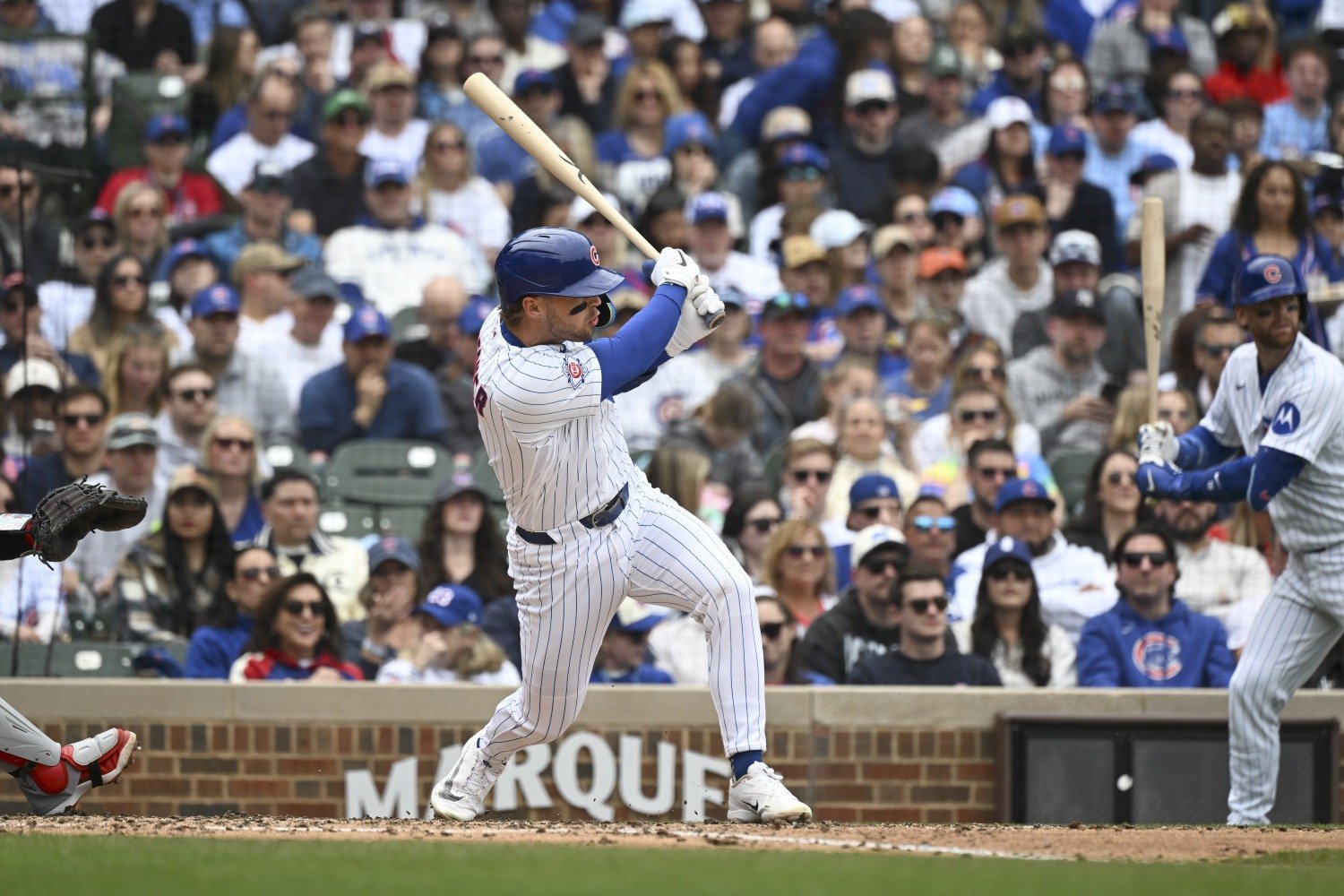 Maybe some apologies are due to Jed Hoyer. After 2021, fans rightfully doubted the team's willingness to spend. All of the franchise's pillars were gone, and the team had to rebuild from scratch. Clearly, the Cubs were going to behave like a mid-market franchise going forward. That skepticism turned out to be unwarranted. The Cubs and Tom Ricketts opened up their checkbooks, locking up Pete Crow-Armstrong and Nico Hoerner for the next six seasons. They're actively extending a window of contention. Who would have guessed that five years ago? Takeaway 1: The Cubs are Channeling the 1970s Dodgers. Steve Garvey. Ron Cey. Davey Lopes. Bill Russell. This group took the field for the Dodgers on Jun. 23, 1973 and went unchanged until after the World Series in 1981. It was eight and a half years of the same players. Michael Busch. Alex Bregman. Nico Hoerner. Dansby Swanson. The Cubs' group mirrors the Dodgers' era. Jed Hoyer has locked this group up through at least 2029. Cubs fans can look forward to an outstanding defensive infield for this time frame, and the front office moves forward with some cost certainty. In an era marked by roster churn, the Cubs are banking on continuity to maintain their playoff status. It's a bet on health and the infield aging gracefully, and if not, they have the financial wiggle room to pivot. Admittedly, it won't be quite the same as what the Dodgers did, or even as the glory days of Ron Santo, Ernie Banks and Billy Williams, who started over 1,300 games together for the Cubs. By modern standards, though, it's not that far off. Takeaway 2: The Bank is Open Fine, Tom. You've proved yourself. The Cubs spent at an insanely high level this offseason. In total, they splashed $30 million on the bullpen. They spent $22 million to bring back Shota Imanaga. They shelled out $175 million in guaranteed cash to Alex Bregman. Six-year extensions to Crow-Armstrong and Hoerner put the capstone on it all. This isn't just selective spending. This was a cash outlay to address specific needs. The roster is, on paper, a top-to-bottom contender. Hoyer identified what needed to be done, balanced the present with the future, and aggressively pursued his targets. In retrospect, there were signs. The Cubs have added major pieces every season since 2022, when Seiya Suzuki was brought into the fold. Based on this offseason and last (bringing in Kyle Tucker), Hoyer is well on his way to shedding his conservative reputation. What's Happ-ening next? The last time Hoerner signed an extension, Ian Happ was announced at around the same time. With his contract up at the end of the year, the switch-hitting left fielder is the next logical extension. Thanks to the Owen Caissie-for-Edward Cabrera trade, the Cubs don't have a replacement waiting in the minor leagues, and if Happ and fellow free agent-to-be Seiya Suzuki leave, the outfield is uncertain. Happ also fits the clubhouse ethos and in many ways is a leader of the team. The contract wouldn't require a six-year deal, and he's already taken a team-friendly approach to negotiations based on his ties to the area. Would another three-year deal satisfy him? If not, he's probably gone, but if so, something could be hammered out. If the Cubs are serious about maintaining this window, Happ is the next step to take. For now, though, we have to admit it: Hoyer did what we thought was beyond him.
-
- 1
-

-
- nico hoerner
- pete crow armstrong
- (and 1 more)
-
Image courtesy of © Rick Scuteri-Imagn Images With Opening Day hurtling toward us, Nico Hoerner enters his eighth (and possibly final) season as a Cub. The impending free agent will look to have a great season, to set himself up for a lucrative contract—barring an extension with the Cubs yet this spring. This year, though, his defense and unique plate approach will continue to make him a fan favorite and a valuable player. Cubs Second Basemen at a Glance Starter: Nico Hoerner Backup: Matt Shaw Depth Options: Ben Cowles, Scott Kingery Prospects: James Triantos, Ty Southisene, Eziquiel Pena, Juan Capada Cubs fWAR ranking in 2025: 5th Cubs fWAR projection in 2026: 3rd The Good After an uneven, oft-injured start to his career, Hoerner has found his groove the last three years. He's played at least 150 games in each of the last three seasons, and in 2025, he was his best self. He's a bit of an anachronism, harkening back to the days when 100 strikeouts was considered an insulting figure. He only struck out 49 times last year, protecting the plate as well as virtually any player in baseball. Hoerner doesn't walk at a high rate, but makes up for that with a 99th-percentile contact rate. He slashed .297/.345/.394 in 2025. Hoerner's defense is his calling card, though. In his third season as keystone partner with Dansby Swanson, the Cubs were fifth in double plays at their positions, with 75. He doesn't have the rotational explosiveness of high-end left-side infielders, but has learned to use his straight-line quickness and brilliant instincts well enough to make up for that. Matt Shaw will capably back up the position, including taking over when Hoerner is in the lineup but Swanson isn't, sliding Hortner to shortstop. Second base will be just one position where Shaw finds time this year, though, and if Hoerner stays healthy, it won't be a place he gets to play much. Should Hoerner leave via free agency this coming winter, Shaw is a fair bet to take over the position, and would be a fine replacement. The Bad Unless Hoerner does get hurt and Shaw takes over amid a highly successful sophomore season, the Cubs will be light on power from their second baseman again. It's just not Hoerner's game to hit for power; it never will be. It feels like picking nits, but it's the key thing that separates him from superstardom. He does virtually everything else well. He's gotten a bit less efficient in stealing bases over the last two seasons, too; that's been part of his aging process. The Bottom Line Enjoy Hoerner in full this spring, summer and fall. He could leave in the winter, forcing the Cubs to scramble a bit to backfill the position. For this year, though, they can still count on a tough, smart, tenacious, charismatic and talented player who has emerged as both a dynamic two-way force on the field and a leader in the clubhouse. View full article
-
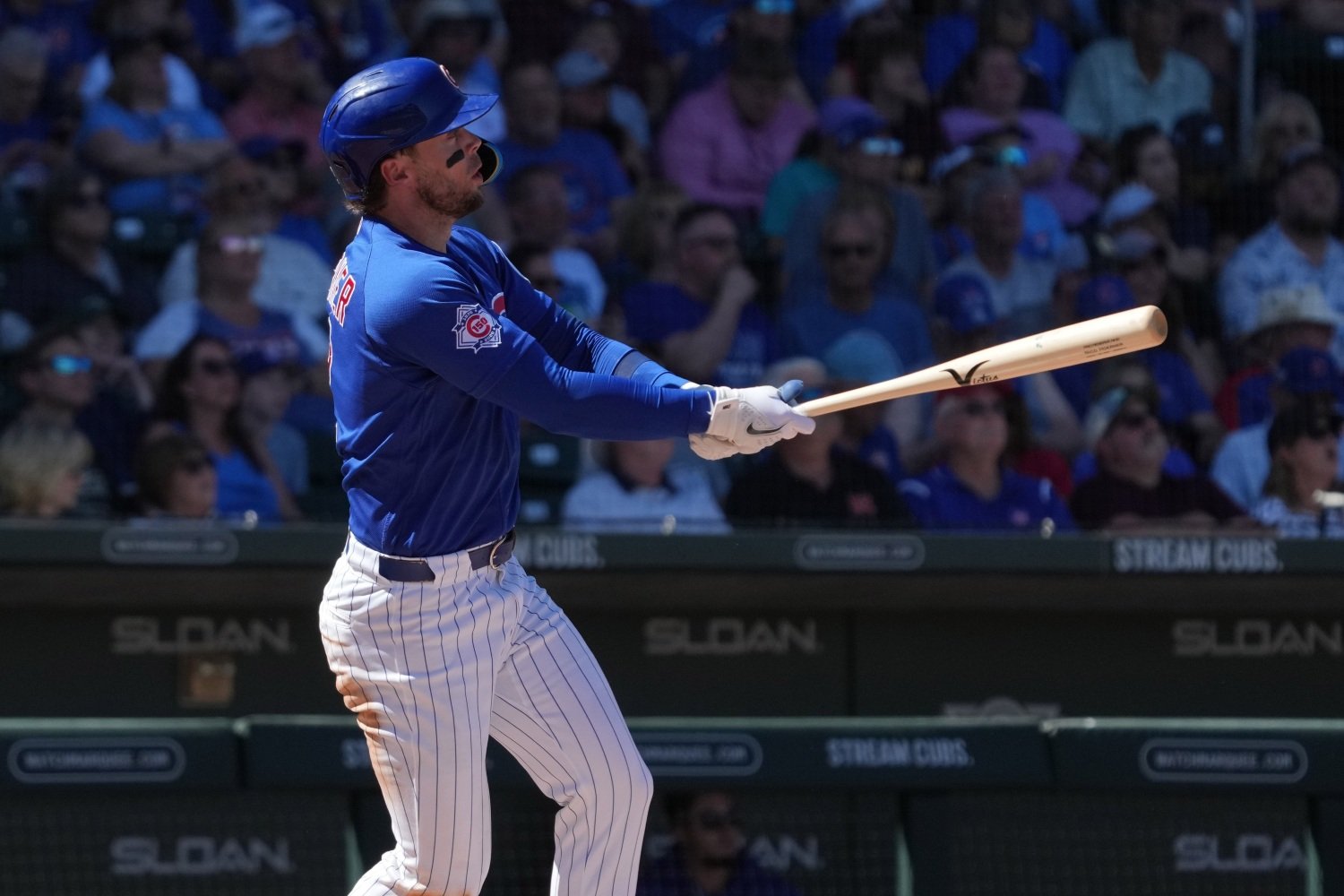 With Opening Day hurtling toward us, Nico Hoerner enters his eighth (and possibly final) season as a Cub. The impending free agent will look to have a great season, to set himself up for a lucrative contract—barring an extension with the Cubs yet this spring. This year, though, his defense and unique plate approach will continue to make him a fan favorite and a valuable player. Cubs Second Basemen at a Glance Starter: Nico Hoerner Backup: Matt Shaw Depth Options: Ben Cowles, Scott Kingery Prospects: James Triantos, Ty Southisene, Eziquiel Pena, Juan Capada Cubs fWAR ranking in 2025: 5th Cubs fWAR projection in 2026: 3rd The Good After an uneven, oft-injured start to his career, Hoerner has found his groove the last three years. He's played at least 150 games in each of the last three seasons, and in 2025, he was his best self. He's a bit of an anachronism, harkening back to the days when 100 strikeouts was considered an insulting figure. He only struck out 49 times last year, protecting the plate as well as virtually any player in baseball. Hoerner doesn't walk at a high rate, but makes up for that with a 99th-percentile contact rate. He slashed .297/.345/.394 in 2025. Hoerner's defense is his calling card, though. In his third season as keystone partner with Dansby Swanson, the Cubs were fifth in double plays at their positions, with 75. He doesn't have the rotational explosiveness of high-end left-side infielders, but has learned to use his straight-line quickness and brilliant instincts well enough to make up for that. Matt Shaw will capably back up the position, including taking over when Hoerner is in the lineup but Swanson isn't, sliding Hortner to shortstop. Second base will be just one position where Shaw finds time this year, though, and if Hoerner stays healthy, it won't be a place he gets to play much. Should Hoerner leave via free agency this coming winter, Shaw is a fair bet to take over the position, and would be a fine replacement. The Bad Unless Hoerner does get hurt and Shaw takes over amid a highly successful sophomore season, the Cubs will be light on power from their second baseman again. It's just not Hoerner's game to hit for power; it never will be. It feels like picking nits, but it's the key thing that separates him from superstardom. He does virtually everything else well. He's gotten a bit less efficient in stealing bases over the last two seasons, too; that's been part of his aging process. The Bottom Line Enjoy Hoerner in full this spring, summer and fall. He could leave in the winter, forcing the Cubs to scramble a bit to backfill the position. For this year, though, they can still count on a tough, smart, tenacious, charismatic and talented player who has emerged as both a dynamic two-way force on the field and a leader in the clubhouse.
 -
Image courtesy of © Kamil Krzaczynski-Imagn Images Nobody in baseball quaked when the Cubs signed Tyler Austin, bringing him back to the States after a half-decade in Japan. The 34-year-old did have some impressive stats (.287/.372/.554, in 1,796 plate appearances), but he hasn't been tested by the deeper staffs of power arms in the U.S. since 2019. He could be a piece of a contender, or he could just disappear. Does Austin have a stable role on the 2026 Cubs? Fans were understandably underwhelmed when news of the signing broke. At the time, it was conceivable that he was a major part of the plan to replace the departed Kyle Tucker. Alex Bregman changed things; Austin is now a semi-expendable bench piece. Projections for Austin are strong, with projection systems at FanGraphs showing a 105-110 WRC+ for 2026. He's historically been much stronger against left-handed pitching (.884 OPS Stateside), and Michael Busch is not a strong bat against them. Austin also topped out at a 197 WRC+ in Japan in 2024. The guy does have talent at the plate. The question is in Austin's role. Counsell has a history of underutilizing veteran bench pieces, preferring to lean on a trusted set of everyday guys unless he can identify a clear opportunity for a full-fledged platoon. In 2023, Brian Anderson went almost six weeks between games played. There was no announcement, no dramatic benching. Anderson just occupied space on the roster, biding his time until the Brewers front office furnished someone more to Counsell's liking. Unless he gets off to a hot start, Austin might become a footnote in whatever book is written about the 2026 Cubs. How Austin Could Carve Out a Role 1. Michael Busch continues to struggle against left-handed pitching This is the most obvious option, and feels downright likely. Busch only posted a .642 OPS against southpaws even in his breakout 2025, compared to a .910 against right-handed pitching. Counsell told a crowd at Cubs Convention that he intends to play Busch every day in 2026. If he can hold his own there, Austin is out. But managers say a lot of things in January, and the difference between Austin and Busch against lefties is pretty glaring. It's hard to imagine Busch actually getting as much playing time as Counsell is promising, and easy to envision Austin becoming the de facto platoon first baseman. 2. Moisés Ballesteros or Matt Shaw flames out Both of these players are in line for a substantial number of at-bats. At the moment, Ballesteros is penciled in as the regular DH, with Seiya Suzuki likely to play right field most of the time. The upside of Ballesteros and Shaw is tantalizing. We do need to acknowledge the floor, however. In a contending season, there may not be time to let them work through their struggles, and we've already seen enough to know that each comes with a risk of not hitting enough to be regulars. Austin could fill DH at-bats, particularly as a platoon option opposite Ballesteros. 3. Tyler Austin simply rakes A 197 wRC+ in Japan just two years ago is an impressive number. Even in a part-time role, Austin could be an impactful bat. Steve Pearce would be a template. While he didn't play daily, he did see the field in 102 games for the playoff-bound Baltimore Orioles in 2014. Pearce slashed .327/.405/.704 from the strong side of a platoon that season. He posted a 161 wRC+. If Austin can do something like this, he'll not only carve out a spot in the lineup, but he'll be a Cub cult hero, like Pearce was in Baltimore—and later in Boston, as a key cog in the 2018 Red Sox's World Series run. This feels least likely of the three scenarios, but it's possible, and the fact that Ballesteros is the only obstacle to him being the full-time DH is telling. A version of Austin that goes on a tear for two-plus months could easily wrest the regular gig away from the younger guys, even if they're scraping by. In all likelihood, he'll be a bench piece, pinch-hitting often and starting rarely. It will be worth watching, though, because Counsell's neglect or an emergent need could swing him a good distance either way from that median outcome. View full article
-
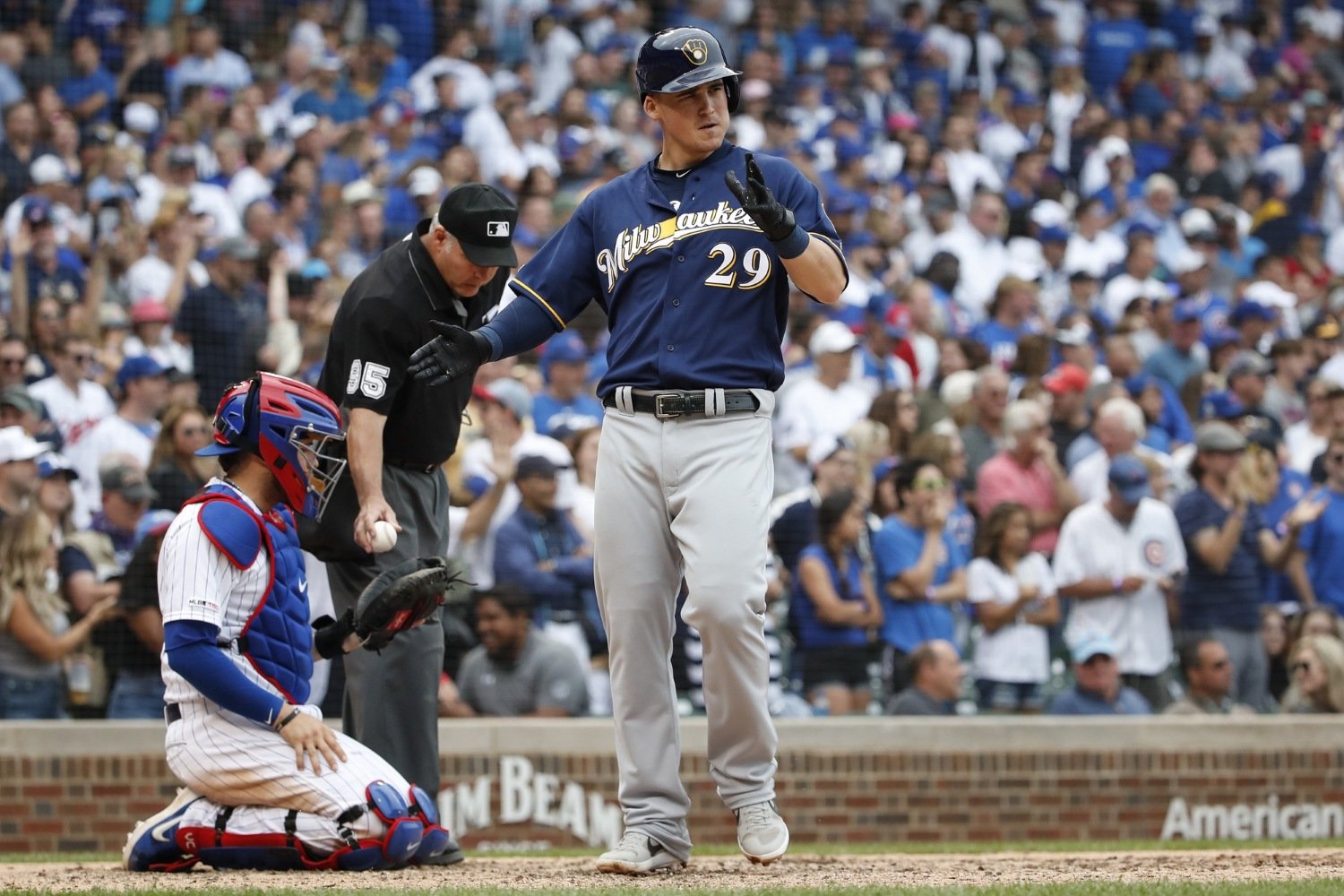 Nobody in baseball quaked when the Cubs signed Tyler Austin, bringing him back to the States after a half-decade in Japan. The 34-year-old did have some impressive stats (.287/.372/.554, in 1,796 plate appearances), but he hasn't been tested by the deeper staffs of power arms in the U.S. since 2019. He could be a piece of a contender, or he could just disappear. Does Austin have a stable role on the 2026 Cubs? Fans were understandably underwhelmed when news of the signing broke. At the time, it was conceivable that he was a major part of the plan to replace the departed Kyle Tucker. Alex Bregman changed things; Austin is now a semi-expendable bench piece. Projections for Austin are strong, with projection systems at FanGraphs showing a 105-110 WRC+ for 2026. He's historically been much stronger against left-handed pitching (.884 OPS Stateside), and Michael Busch is not a strong bat against them. Austin also topped out at a 197 WRC+ in Japan in 2024. The guy does have talent at the plate. The question is in Austin's role. Counsell has a history of underutilizing veteran bench pieces, preferring to lean on a trusted set of everyday guys unless he can identify a clear opportunity for a full-fledged platoon. In 2023, Brian Anderson went almost six weeks between games played. There was no announcement, no dramatic benching. Anderson just occupied space on the roster, biding his time until the Brewers front office furnished someone more to Counsell's liking. Unless he gets off to a hot start, Austin might become a footnote in whatever book is written about the 2026 Cubs. How Austin Could Carve Out a Role 1. Michael Busch continues to struggle against left-handed pitching This is the most obvious option, and feels downright likely. Busch only posted a .642 OPS against southpaws even in his breakout 2025, compared to a .910 against right-handed pitching. Counsell told a crowd at Cubs Convention that he intends to play Busch every day in 2026. If he can hold his own there, Austin is out. But managers say a lot of things in January, and the difference between Austin and Busch against lefties is pretty glaring. It's hard to imagine Busch actually getting as much playing time as Counsell is promising, and easy to envision Austin becoming the de facto platoon first baseman. 2. Moisés Ballesteros or Matt Shaw flames out Both of these players are in line for a substantial number of at-bats. At the moment, Ballesteros is penciled in as the regular DH, with Seiya Suzuki likely to play right field most of the time. The upside of Ballesteros and Shaw is tantalizing. We do need to acknowledge the floor, however. In a contending season, there may not be time to let them work through their struggles, and we've already seen enough to know that each comes with a risk of not hitting enough to be regulars. Austin could fill DH at-bats, particularly as a platoon option opposite Ballesteros. 3. Tyler Austin simply rakes A 197 wRC+ in Japan just two years ago is an impressive number. Even in a part-time role, Austin could be an impactful bat. Steve Pearce would be a template. While he didn't play daily, he did see the field in 102 games for the playoff-bound Baltimore Orioles in 2014. Pearce slashed .327/.405/.704 from the strong side of a platoon that season. He posted a 161 wRC+. If Austin can do something like this, he'll not only carve out a spot in the lineup, but he'll be a Cub cult hero, like Pearce was in Baltimore—and later in Boston, as a key cog in the 2018 Red Sox's World Series run. This feels least likely of the three scenarios, but it's possible, and the fact that Ballesteros is the only obstacle to him being the full-time DH is telling. A version of Austin that goes on a tear for two-plus months could easily wrest the regular gig away from the younger guys, even if they're scraping by. In all likelihood, he'll be a bench piece, pinch-hitting often and starting rarely. It will be worth watching, though, because Counsell's neglect or an emergent need could swing him a good distance either way from that median outcome.
 -
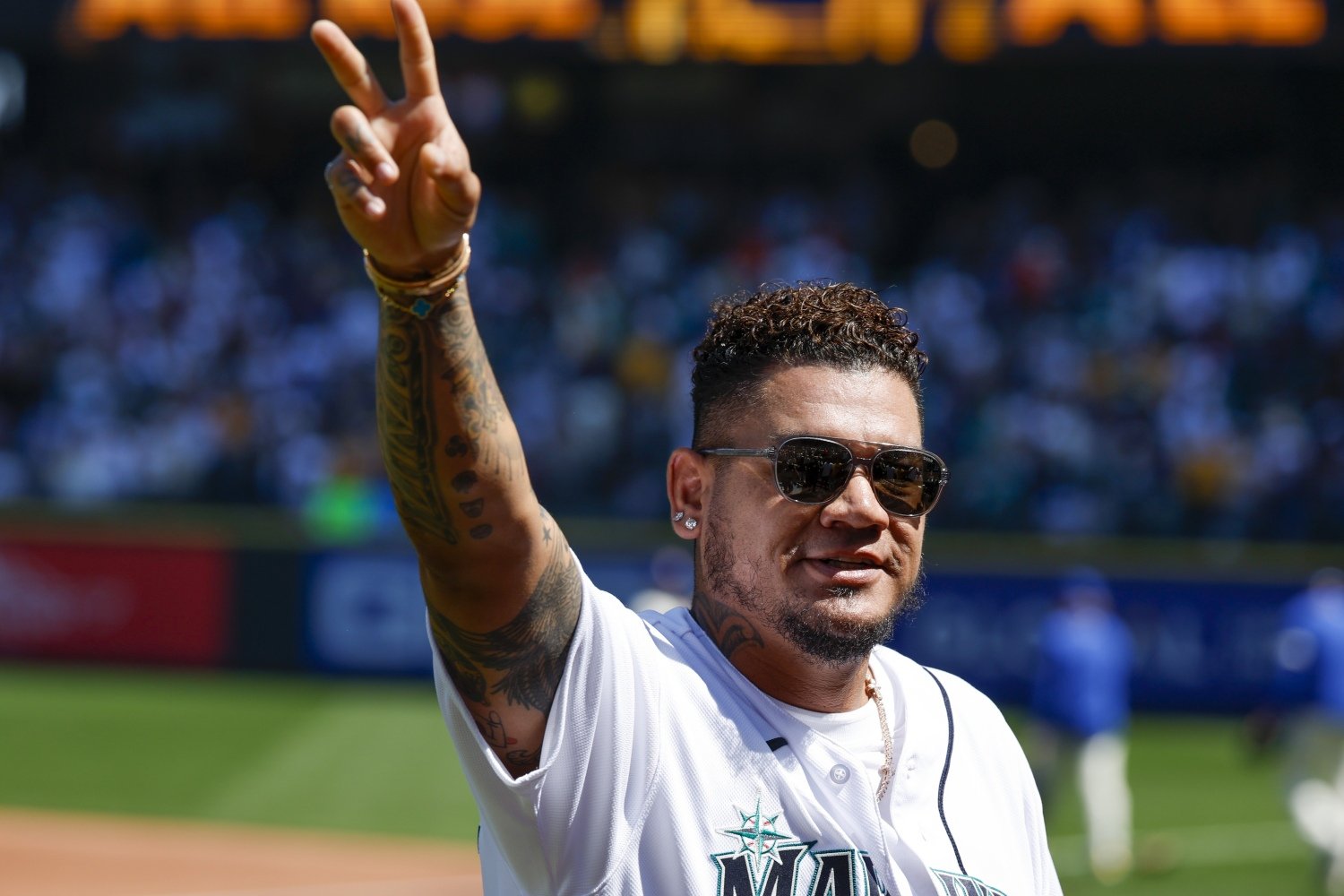 Since visiting the Hall of Fame in Cooperstown, it's been a small hobby of mine to track the balloting, predicting who will get in, and seeing how accurate the predictions are. With the holidays upon us and activity slowing to a trickle, it seems a good time to tackle the thought exercise of building my own proposed ballot. This is a fairly lean year for worthy candidates. Really, the only addition who has a chance is pitcher Cole Hamels. He doesn't get my vote because his peak was too low, and his career stats not impressive enough to make up for it. Sorry, too, to Nick Markakis, Howie Kendrick, Shin-Soo Choo, and Ryan Braun. All of them had solid careers; they can make the Hall of Solid. Vote 1: Carlos Beltrán Beltrán was a versatile, well-rounded player for his 20-year career. While he was never crowned MVP, he did make nine All-Star teams and win three Gold Gloves. Winning was his strong suit; he led five different franchises to the playoffs. Only seven other players have reached his 300-home run and 300-stolen base status. All of these make him worthy of enshrinement in his fourth year of eligibility. In his seven postseasons, Beltrán played at an extremely high level. His playoff slash line was .307/.412/.609 in 256 plate appearances. Through no fault of his own, Beltrán was eliminated short of a championship every year until his age-40 season, winning in 2017 as a mercenary for Houston. (Of course, he might already be in if not for the cheating he facilitated on that final team.) Anecdotally, the Puerto Rican center fielder was consistently thought of as a top player in the game, a truly graceful outfielder on both offense and defense. He's the most obvious vote on this shallow ballot. Vote 2: Félix Hernández Hernández did not have a long peak. He did have a seven-year stretch where he was a Cy Young candidate, winning the award in 2010. That year was indicative of his absolute dominance: 2.27 ERA, 7.2 WAR, 232 strikeouts in 246 innings. In that brief but brilliant span, he never had an ERA over 3.04, and consistently started over 30 games. Hernández won the Cy Young in a year when his won loss record was just 13-12. Voters for the award had to change their traditional voting pattern. In that same vein, pitching voters can now value peak over longevity. For a long stretch, he was the best pitcher in baseball, or at least on the short list of them. Injuries prevented him from sustaining this, but the peak gets him my vote here. Vote 3: Andruw Jones Cubs fans of the moment can appreciate elite center-field defense, after watching Pete Crow-Armstrong. Jones delivered that same level of defense for a decade—plus a 111 wRC+ bat. Jones had over 30 home runs seven times, peaking with 51 and 41 in 2005 and 2006. Also, not insignificantly, Jones won 10 Gold Gloves, although he played at a time when three center fielders could (and often did) win each year in the outfield. Anecdotally, Jones was a key part of the Atlanta Braves' impressive 1990s run. When you factor his team success, his prominence on the team, the all time great defense and solid bat, this is another guy worthy of the plaque. It's important to remember that he comes with significant off-field baggage. He was arrested and charged in a domestic violence incident in 2012, after a Christmas Eve altercation in which he choked his wife. Whether that should be disqualifying, though, is up to each reader and thinker; the incident occurred after his playing career was over and there are (sadly) many people who did similarly heinous things to their partners in the Hall already. Close, but nope: Dustin Pedroia, David Wright and Chase Utley: Great players, but injuries keep them just below the line. Bobby Abreu: Better than many remember, and modern stats love him, but defense and lack of elite elite numbers put him just short. It's a high bar, guys! Manny Ramírez/Alex Rodriguez: Numbers worthy, but too many steroid things. Precedent matters here. Since Barry Bonds and Roger Clemens failed to be enshrined for 10 years and recently were rejected by the Veteran's Committee, and they are better than Ramírez and Rodriguez, the vote still has to be a no. What do you guys think? Should Omar Vizquel get in, despite serious allegations that he was mistreating people even during his career? Andy Pettitte? Torii Hunter, a poor man's Jones? Thanks for reading. Enjoy your holidays, and your debates.
 -
Since visiting the Hall of Fame in Cooperstown, it's been a small hobby of mine to track the balloting, predicting who will get in, and seeing how accurate the predictions are. With this possibly being the most boring intro paragraph of all time, let's get into my (imaginary but super important) votes: This is a fairly lean year for worthy candidates. Really, the only first year addition who has a chance is pitcher Cole Hamels. He doesn't get my vote because his peak was too low, and his career stats not impressive enough to make up for it. So, sorry to Nick Markakis, Howie Kendrick, Sin-Soo Choo, and Ryan Braun. All of them had great careers; you guys can make the Hall of Solid. Vote 1: Carlos Beltran Beltran was a versatile player for his 20 year career. While he was never crowned MVP, he did make 9 all-star teams and 3 Gold Gloves. Winning was his strong suit; he led five different franchises to the playoffs. Only seven other players have reached his 300 home run and 300 stolen bases status. All of these make him worthy of enshrinement in his fourth year of eligibility. In his 7 playoffs seasons, Beltran statistically played at a high level. His playoff slash line was .307/.412/.609 in 256 plate appearances. By no fault of his play, Beltran was eliminated short of a championship every year until his age 40 season, winning in 2017 as a mercenary for Houston. Anecdotally, the Puerto Rican center fielder was consistently thought of as a top player in the game, a true graceful outfielder on both offense and defense. He's the most obvious vote in this season. Vote 2: Felix Hernandez Hernandez did not have a long peak. He did have a seven year stretch where he was a Cy Young candidate, winning the award in 2010. This year was indicative of his absolute dominance for his span: 2.27 ERA, 7.2 WAR, 232 strikeouts in 246 innings. In the span he never had an ERA over 3.04, and consistently started over 30 games. Hernandez won the Cy Young in a year when his won loss record was just 13-12. Voters for the award had to change their traditional voting pattern. In that same vein, pitching voters can value peak over longevity. Felix for a long stretch was the best pitcher in baseball, or at least on the short list. Injuries prevented him from sustaining this, but the peak gets his vote here. Vote 3: Andruw Jones Cubs fans can appreciate elite center-field defense after watching Pete Crow-Armstrong. Andruw Jones delivered that same level of defense for a decade — plus a 111 wRC+ bat. Jones had over 30 home runs seven times, peaking with 51 and 41 in 2005-2006. Also, not insignificantly, Jones won ten Gold Gloves at center field, the most premier position in the outfield. Anecdotally, Jones was a key part of the Atlanta Braves impressive 1990s run. When you factor his team success, his prominence on the team, the all time great defense and solid bat, this is another guy worthy of the plaque. Close but nope: Dustin Pedroia, David Wright and Chase Utley: Great players, but injuries keep them just below the line. Bobby Abreu: Better than remembered and modern stats love him, but defense and lack of elite elite numbers put him just short. It's a high bar guys! Manny Ramirez/Alex Rodriguez: Numbers worthy, but too many steroid things. Precedent matters here. Since Barry Bonds and Roger Clemens failed to be enshrined for ten years and recently were rejected by the Veteran's Committee, and they are better than Manny and Rodriguez, the vote still has to be a no. What do you guys think? Should Omar Vizquel get in despite serious allegations? Andy Pettitte? Torii Hunter, since Jones is in why not a similar defender? Thanks for reading, have a good one! View full article
-
Craig Counsell Hints at Cubs' Plans as Front Office Works Behind Scenes
Brian Kelder posted an article in Cubs
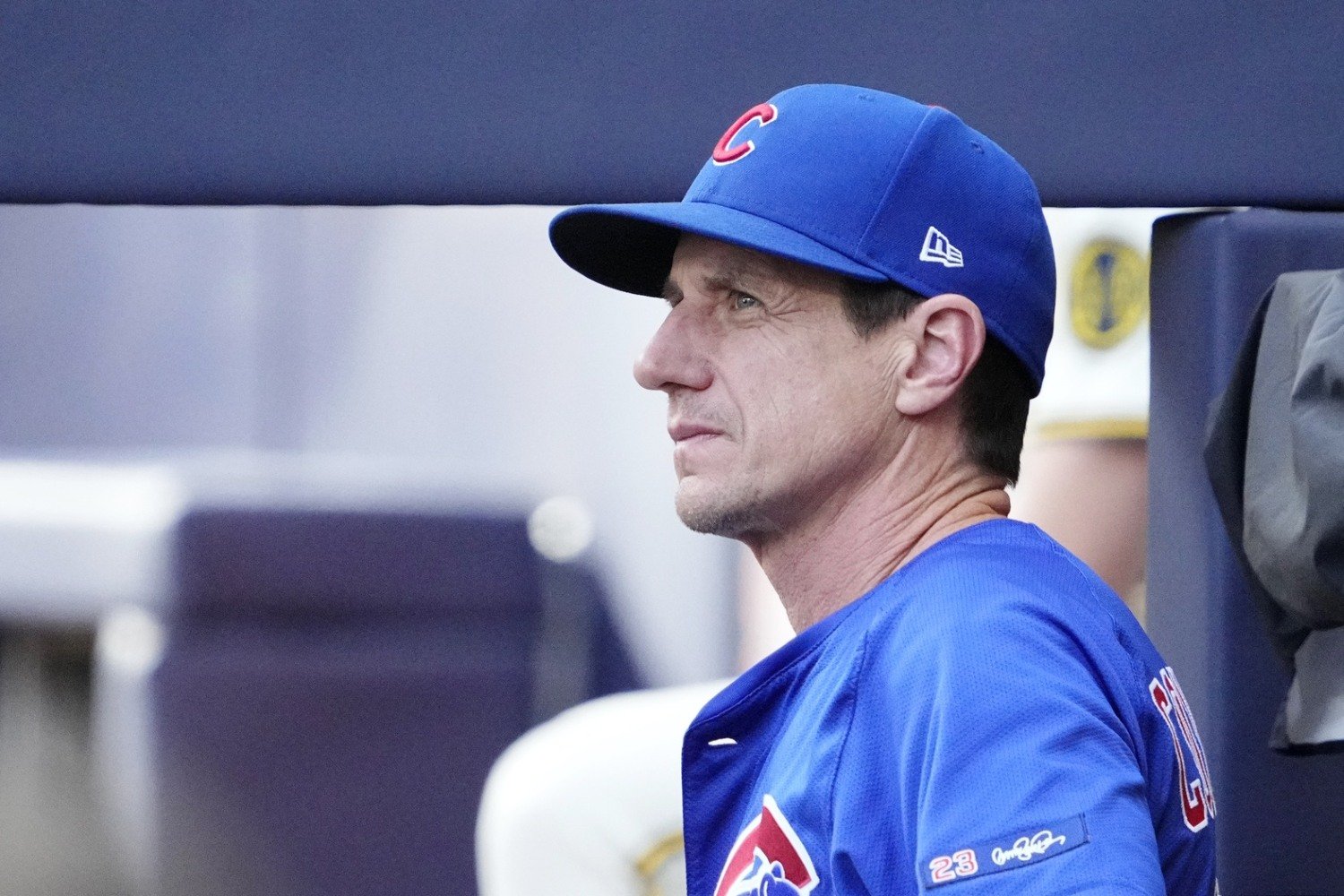 In a sit down at the Winter Meetings attended by North Side Baseball, Craig Counsell may have tipped the Cubs' hand regarding their offseason plans. Of course, he didn't spell their plans out; that would not be the Cubs way. We can learn much by mining his key quotes, though, to see what nuggets can be gleaned. THE CUBS WON'T PAY MARKET PRICE FOR A NEW BAT Quote 1, from Counsell: "From a position-player standpoint, the loss right now is [Kyle Tucker], obviously. The rest of the group is back and likely with us. We did have young players that did contribute in a big way. I thought [Moisés Ballesteros] in September played like—he gave us the offensive production of Tucker, essentially, in the month of September. Between him and [Owen Caissie], who was unfortunately hurt for most of that month, those are two important players as we sit right now. There's not much to think about there." And later in the session: "But every young player is a contending team, too. Young players get, they have to get chances. They have to get chances. And the game, look around the league. I think that's one thing, that you have to give your young players opportunities. Your team is better for giving your young players opportunities." Takeaway: It seems clear that the Cubs are going to give opportunities to their in-house pieces. Counsell did acknowledge Kyle Tucker, his production, and the need to replace it. He also mentioned how Ballesteros basically put up Tucker numbers (.999 OPS, 2 home runs in 46 plate appearances) in September. Counsell's lament about Caissie's concussion in September echoed a talking point from Jed Hoyer this week; the Cubs want people to know that they were eager to see more of Caissie than they got to see in 2025. The Cubs do have budget constraints, and its not likely they will spend large amounts of it on a bat. They believe in their young guys, and Counsell will give them the room they need—or at least, he has the rationale for that course locked and loaded, should things break that way. So, Alex Bregman? Well, here's what Counsell had to say: "[Matt Shaw] is going to play a big part on this team. No question he'll have a big role and a big place on this team." This was part of his first question answered. He expanded, saying Shaw had a great second half and was a plus third baseman defensively by the end of the year. These comments don't lend themselves to the Cubs actively seeking upgrades, though again, there's an element of smokescreen to even a manager's remarks. THE CUBS WILL SPEND MORE HEAVILY ON PITCHING "We ended up pitching pretty well. But I think at the start of the season, it maybe wasn't the guys we expected to do it. It just shows—I think it's, get a bunch of good arms and kind of see what happens and have enough abilities to pivot when you have to during the season." " I think that's an important part of the season. But it's also something for us to just consider, is that the starting pitching injuries, it's significant. They can be very significant, and there's very few position player injuries that keep you out for the season. And it happens more on the starting pitcher side." As you can see, Counsell is mainly concerned with getting large amounts of quality arms to get through the season. This does make sense, for reasons we've exhaustively documented, and it's a very managerly thing to say. No one benefits more from a deep pitching staff than the skipper, who can avoid getting a hard time for overusing his trusted arms and knows he has many paths from Out No. 1 to Out No/ 27 each day. Look for the Cubs to allocate significant funds (or, perhaps, prospect capital) to the rotation and bullpen. It could be addressed by trade or free-agent signing. Either way, the team knows where it fell short last season, and is planning to address it. According to reporting, the Cubs have between $50 million and $60 million to burn this offseason. When you factor in Counsell's interview, it seems like pitching and depth pieces will be the focus—at least financially, and first.
 -
Image courtesy of © Michael McLoone-Imagn Images In a sit down at the Winter Meetings attended by North Side Baseball, Craig Counsell may have tipped the Cubs' hand regarding their offseason plans. Of course, he didn't spell their plans out; that would not be the Cubs way. We can learn much by mining his key quotes, though, to see what nuggets can be gleaned. THE CUBS WON'T PAY MARKET PRICE FOR A NEW BAT Quote 1, from Counsell: "From a position-player standpoint, the loss right now is [Kyle Tucker], obviously. The rest of the group is back and likely with us. We did have young players that did contribute in a big way. I thought [Moisés Ballesteros] in September played like—he gave us the offensive production of Tucker, essentially, in the month of September. Between him and [Owen Caissie], who was unfortunately hurt for most of that month, those are two important players as we sit right now. There's not much to think about there." And later in the session: "But every young player is a contending team, too. Young players get, they have to get chances. They have to get chances. And the game, look around the league. I think that's one thing, that you have to give your young players opportunities. Your team is better for giving your young players opportunities." Takeaway: It seems clear that the Cubs are going to give opportunities to their in-house pieces. Counsell did acknowledge Kyle Tucker, his production, and the need to replace it. He also mentioned how Ballesteros basically put up Tucker numbers (.999 OPS, 2 home runs in 46 plate appearances) in September. Counsell's lament about Caissie's concussion in September echoed a talking point from Jed Hoyer this week; the Cubs want people to know that they were eager to see more of Caissie than they got to see in 2025. The Cubs do have budget constraints, and its not likely they will spend large amounts of it on a bat. They believe in their young guys, and Counsell will give them the room they need—or at least, he has the rationale for that course locked and loaded, should things break that way. So, Alex Bregman? Well, here's what Counsell had to say: "[Matt Shaw] is going to play a big part on this team. No question he'll have a big role and a big place on this team." This was part of his first question answered. He expanded, saying Shaw had a great second half and was a plus third baseman defensively by the end of the year. These comments don't lend themselves to the Cubs actively seeking upgrades, though again, there's an element of smokescreen to even a manager's remarks. THE CUBS WILL SPEND MORE HEAVILY ON PITCHING "We ended up pitching pretty well. But I think at the start of the season, it maybe wasn't the guys we expected to do it. It just shows—I think it's, get a bunch of good arms and kind of see what happens and have enough abilities to pivot when you have to during the season." " I think that's an important part of the season. But it's also something for us to just consider, is that the starting pitching injuries, it's significant. They can be very significant, and there's very few position player injuries that keep you out for the season. And it happens more on the starting pitcher side." As you can see, Counsell is mainly concerned with getting large amounts of quality arms to get through the season. This does make sense, for reasons we've exhaustively documented, and it's a very managerly thing to say. No one benefits more from a deep pitching staff than the skipper, who can avoid getting a hard time for overusing his trusted arms and knows he has many paths from Out No. 1 to Out No/ 27 each day. Look for the Cubs to allocate significant funds (or, perhaps, prospect capital) to the rotation and bullpen. It could be addressed by trade or free-agent signing. Either way, the team knows where it fell short last season, and is planning to address it. According to reporting, the Cubs have between $50 million and $60 million to burn this offseason. When you factor in Counsell's interview, it seems like pitching and depth pieces will be the focus—at least financially, and first. View full article
-
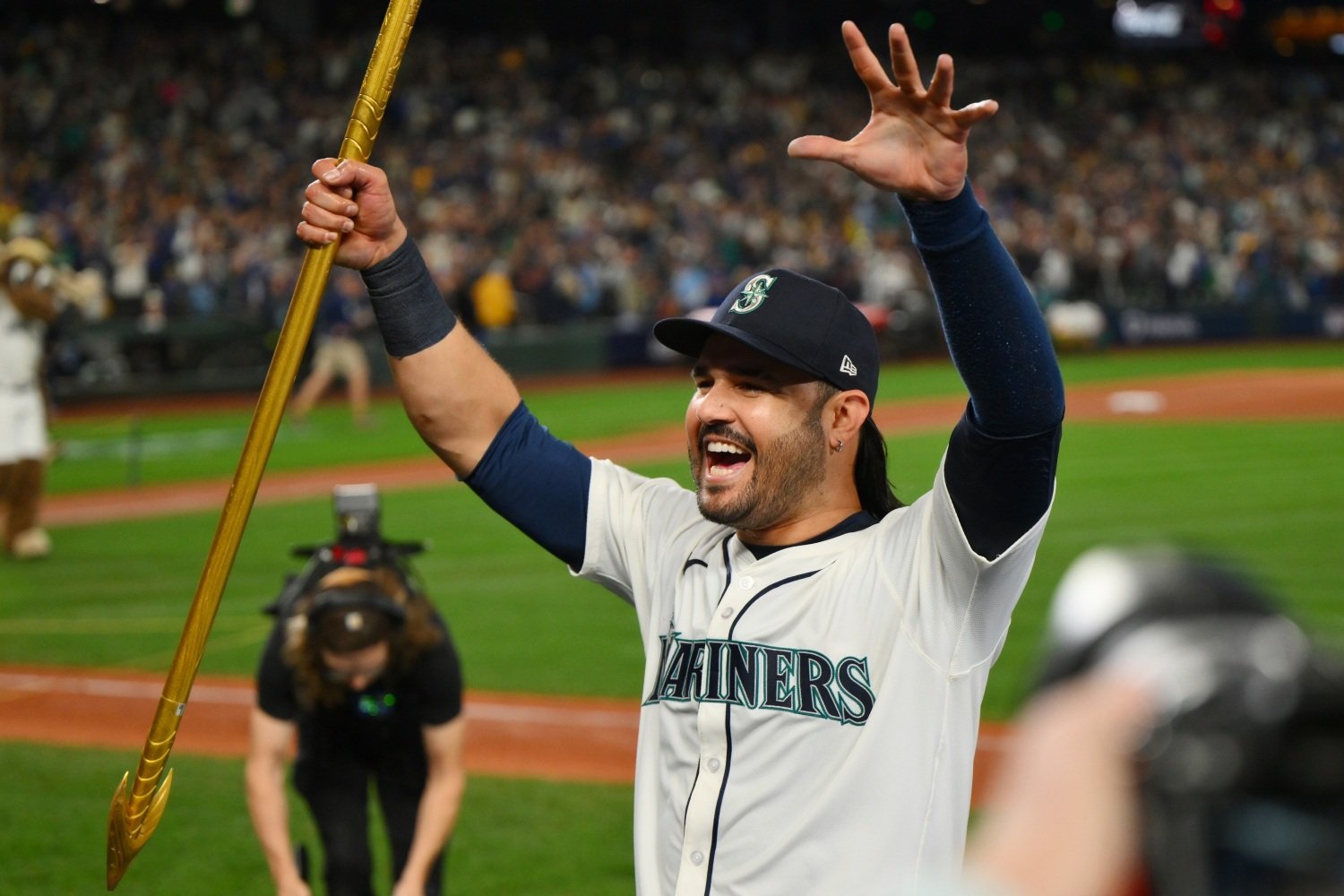 Rumors are swirling at the Winter Meetings, regarding possible Cubs interest in Eugenio Suárez. The powerful infielder, who is projected to receive a 3-year, $55-million contract by DiamondCentric, would add pop to the Cubs lineup. However, the team should refrain from allocating precious dollars from their budget to this player. If the Cubs’ budget were higher, of course they should sign Suárez. He would make the team better. However, given the reality of the team's payroll—namely, that they're probably capped somewhere south of $250 million and that Suárez would account for perhaps 30% of the money they'll be authorized to spend this offseason—they should choose a different course. FLAWS IN THE PROFILE Suárez is 34 years old, so a three-year deal would employ his services for his age-34, age-35, and age-36 seasons. We should not expect him to improve or, in Jed parlance, exceed projections, based on his age. STEAMER projects Suárez to post a 108 wRC+ next season, according to FanGraphs. Nearly all his offensive value comes from hitting home runs. Statcast data reflected a .212 expected batting average for him in 2025, and he had merely average bat speed (72.1 mph). He's one of the most strikeout-prone hitters in the league, and it's not because he works such deep counts. Another age-related factor is defense. Suárez has sometimes rated well at the hot corner, but in 2025, Statcast's Outs Above Average put him at -3, which is discouraging. When you also see his negative baserunning value, a picture is painted. Suárez is a one-trick pony. It’s a great trick—hitting home runs—but the Cubs need all-around contributors for the money they would be spending on him. Even if he spent some of his time at DH, rather than third, he'd be a bit too low in OBP to rank among the best in the game at that position. THE STREAKINESS As a team, the Cubs have had long stretches of below-average offense in each of their last three seasons, even while ranking well in overall seasonal production. Suárez does not help with that. In fact, his profile shows extreme valleys. While acknowledging that his peaks are quite high, the Cubs need to factor this into their equation. Last season (albeit after being traded to the worst park for hitters in baseball, in Seattle), Suárez could only tally a .189/.255/.428 line after the trade deadline. The ability to get that cold is a problem, especially for a team that already lacks consistency in their offensive core. This was just one season, and as previously mentioned, he was dealt to a team that plays its home games at T-Mobile Park. But in 2024, the streakiness was also a huge part of Suárez's narrative. His first half in that season was weak, with a mere .216/.302/.366 slash line and 10 home runs. The second half was better, but not as thrilling as the heater he had in the first half of 2025. WHO INSTEAD, THEN? That's simple. Keep Matt Shaw at third base. In his rookie season, Shaw posted an .839 OPS in the second half. This included a .522 slugging percentage. If he can get more consistent in his own right (a fairer expectation from a guy just entering his mid-20s), he could provide power himself. Any improvement from his 107 wRC+ projection from Steamer ("outperform projections," anyone?) would firmly place him in the top 10 third basemen in the league. Suárez wouldn't be a full-time third baseman for Chicago. He would likely fill time at first base and DH, as well. Moisés Ballesteros projects for a 108 wRC+, just as Suárez does. Chicago's internal options don't look much worse than the expensive outside hire that is Suárez. COUNTERPOINT: To be fair, hitting 49 home runs last year is an impressive feat. Suárez's last five homer totals go 31-31-22-30-49. In his stint in Arizona, he slugged an incredible .576. It's possible that he's found his true ceiling. He's known to be a solid locker room influence, as well. It's also a safer option than counting on youngsters like Shaw and Ballesteros. With the Cubs coming off a 92-win season, safety in projections would be a solid idea. Suárez's floor is certainly higher than the youngsters’. Suárez would be a flashy addition, but out of character for how the Cubs have operated under Jed Hoyer. It would be surprising for the Cubs to sign him, and ultimately, it would be detrimental to the roster as a whole. Let someone else pay a premium for the decline years.
 -
Image courtesy of © Steven Bisig-Imagn Images Rumors are swirling at the Winter Meetings, regarding possible Cubs interest in Eugenio Suárez. The powerful infielder, who is projected to receive a 3-year, $55-million contract by DiamondCentric, would add pop to the Cubs lineup. However, the team should refrain from allocating precious dollars from their budget to this player. If the Cubs’ budget were higher, of course they should sign Suárez. He would make the team better. However, given the reality of the team's payroll—namely, that they're probably capped somewhere south of $250 million and that Suárez would account for perhaps 30% of the money they'll be authorized to spend this offseason—they should choose a different course. FLAWS IN THE PROFILE Suárez is 34 years old, so a three-year deal would employ his services for his age-34, age-35, and age-36 seasons. We should not expect him to improve or, in Jed parlance, exceed projections, based on his age. STEAMER projects Suárez to post a 108 wRC+ next season, according to FanGraphs. Nearly all his offensive value comes from hitting home runs. Statcast data reflected a .212 expected batting average for him in 2025, and he had merely average bat speed (72.1 mph). He's one of the most strikeout-prone hitters in the league, and it's not because he works such deep counts. Another age-related factor is defense. Suárez has sometimes rated well at the hot corner, but in 2025, Statcast's Outs Above Average put him at -3, which is discouraging. When you also see his negative baserunning value, a picture is painted. Suárez is a one-trick pony. It’s a great trick—hitting home runs—but the Cubs need all-around contributors for the money they would be spending on him. Even if he spent some of his time at DH, rather than third, he'd be a bit too low in OBP to rank among the best in the game at that position. THE STREAKINESS As a team, the Cubs have had long stretches of below-average offense in each of their last three seasons, even while ranking well in overall seasonal production. Suárez does not help with that. In fact, his profile shows extreme valleys. While acknowledging that his peaks are quite high, the Cubs need to factor this into their equation. Last season (albeit after being traded to the worst park for hitters in baseball, in Seattle), Suárez could only tally a .189/.255/.428 line after the trade deadline. The ability to get that cold is a problem, especially for a team that already lacks consistency in their offensive core. This was just one season, and as previously mentioned, he was dealt to a team that plays its home games at T-Mobile Park. But in 2024, the streakiness was also a huge part of Suárez's narrative. His first half in that season was weak, with a mere .216/.302/.366 slash line and 10 home runs. The second half was better, but not as thrilling as the heater he had in the first half of 2025. WHO INSTEAD, THEN? That's simple. Keep Matt Shaw at third base. In his rookie season, Shaw posted an .839 OPS in the second half. This included a .522 slugging percentage. If he can get more consistent in his own right (a fairer expectation from a guy just entering his mid-20s), he could provide power himself. Any improvement from his 107 wRC+ projection from Steamer ("outperform projections," anyone?) would firmly place him in the top 10 third basemen in the league. Suárez wouldn't be a full-time third baseman for Chicago. He would likely fill time at first base and DH, as well. Moisés Ballesteros projects for a 108 wRC+, just as Suárez does. Chicago's internal options don't look much worse than the expensive outside hire that is Suárez. COUNTERPOINT: To be fair, hitting 49 home runs last year is an impressive feat. Suárez's last five homer totals go 31-31-22-30-49. In his stint in Arizona, he slugged an incredible .576. It's possible that he's found his true ceiling. He's known to be a solid locker room influence, as well. It's also a safer option than counting on youngsters like Shaw and Ballesteros. With the Cubs coming off a 92-win season, safety in projections would be a solid idea. Suárez's floor is certainly higher than the youngsters’. Suárez would be a flashy addition, but out of character for how the Cubs have operated under Jed Hoyer. It would be surprising for the Cubs to sign him, and ultimately, it would be detrimental to the roster as a whole. Let someone else pay a premium for the decline years. View full article
-
Image courtesy of © Patrick Gorski-Imagn Images Information surrounding Justin Steele has been sparse since his elbow surgery in April. We know he's back to throwing, but it's hard to predict whether he'll be back on a big-league mound by the end of April or only after the All-Star break. That leaves the Cubs with a lot of uncertainty to navigate as they try to improve their starting rotation. WHERE THE CUBS STAND Let's sketch out the Cubs' 2026 rotation, as it stands right now. Here are the likely starters, with estimates of the starts we can expect them to make Shota Imanaga:25 Jameson Taillon: 25 Cade Horton: 25 Matthew Boyd: 25 Justin Steele: 15 That's 115 starts, with 47 left to fill. The Cubs have over $50 million to spend to get to the luxury tax threshold. Keep in mind, though, that they also have only two key returning relief pitchers (three trustworthy guys, perhaps, after signing Phil Maton) and need to address the bench. The Cubs do have internal options, each with varying degrees of excitement. Javier Assad endured an injury-plagued 2025, but was recently tendered a deal. Jordan Wicks struggled in the major leagues in 2025, with a 6.28 ERA in just 15 innings, but still maintains a first-round draft pedigree and the potential to earn innings. Jaxon Wiggins, MLB.com's 67th ranked prospect, touched Triple A after torching the low minors (2.17 ERA across three levels, 97 strikeouts in 78 innings). The fifth starter, in a best-case scenario, would be Steele. He did start throwing on October 20: That gives Steele, who was projected on a 12-18 month recovery timeline, at least a chance to be ready opening day. In all probability, it will be at least a few weeks later than that, but the early returns are good. Given that he wasn't the most durable starter before the elbow finally gave way, the workload will need to be managed. The X-factor is Colin Rea, whom the team proactively brought back for 2026 and over whom they now have control for 2027, too. Rea is as unsexy as they come, but he also made 27 starts and sported a 3.95 ERA in 2025. He's a nice floor-setter for the bottom end of the rotation, and with Imanaga returning, Rea's presence might be enough to keep the team from feeling undue urgency to act. Between Steele's health, Assad's injury-wrecked 2025, Wicks's wobbliness, and Wiggins himself having had to be managed while recovering from his own Tommy John surgery, some of the younger internal options are risky. They could be seen as palatable, though, given the salary constraints the Cubs usually place upon themselves. With needs in the lineup and an entire bullpen to rebuild, the rotation could very well be set. WHAT DO THE CUBS NEED? That's really the crux of the issue for the Cubs. They need more innings to be covered. Horton, Boyd, Imanaga, and Taillon have had their issues with injury, and while none will need to be handled carefully in any specific way in 2026, it seems unlikely that they'll each stay healthy all year. The front office knows this; all offseason messaging has been about the pursuit of pitching. How many innings Steele will be able to contribute is a variable the Cubs can only loosely control or predict. They will, however, try to plan around it. WHO IS AVAILABLE? HOW MUCH MONEY DO THE CUBS HAVE? Most offseason reports have the Cubs with around $50 million to spend for their entire offseason. If most of this will go to the rotation, using the top 50 free agent tool on our umbrella site can be instructive. Here are some free agent targets the Cubs have been mentioned as being interested in, and their projected contracts: Dylan Cease: 6 years, $198 million: He's the big fish, and would take some sort of commitment by the Cubs to exceed the luxury tax for this season. He would be the ideal fit, though. Cease has taken the ball every turn in the rotation since he came up in 2019. This would be a big step to mitigate the workload concerns, and he gets swings and misses, too. Michael King: 4 years, $75 million: With an extensive injury history, he would be another risky arm to mix in with the rest. He's been an above-average starter for most of the last two and a half seasons, except that he missed significant time even in 2025. The third option might be to sign another player in the same bracket as Rea: a get-you-there guy, rather than someone who would actually start in October. Rea himself could be that guy, too, and then slide into the bullpen if and when the club reaches the postseason. If the Cubs can deploy a four-man playoff rotation of Horton, Steele, Boyd, and Imanaga—all at full health and performing at their best—they can be competitive even against the other top teams in the National League, though they would be underdogs. Signing arms like Chris Bassitt, Lucas Giolito, or Cody Ponce (the latter returning, this winter, from a career-altering stint in the Korean Baseball Organization) wouldn't excite fans, but they could chew through innings from March through September and then (as Bassitt did for the 2025 Blue Jays) become important out of the bullpen come October. The floor would be raised, but not the ceiling. Arguably, adding a high-priced starter would plug one hole, but open up another. Daniel Palencia and Maton are the only guys you can fully trust in the current bullpen, although Rea, Assad and/or Wicks could be utilized in relief roles at various points in 2026. They're losing (underwhelming) bench bats Justin Turner and Willi Castro and (whelming) middle-of-the-order bat Kyle Tucker via free agency. Much like a family with teenagers going to the grocery store, the budget can only withstand so much. Steele has to be treated as possible icing for a more substantial cake next year. The Cubs recognize a failure from last season: they ran out of capable arms in October. Only time will tell if they can fix this, and still address the rest of the roster with the money Tom Ricketts allocates. If they properly understand their rehabbing erstwhile ace, though, they'll at least buttress their rotation with someone who takes pressure off his recovery process. View full article
-
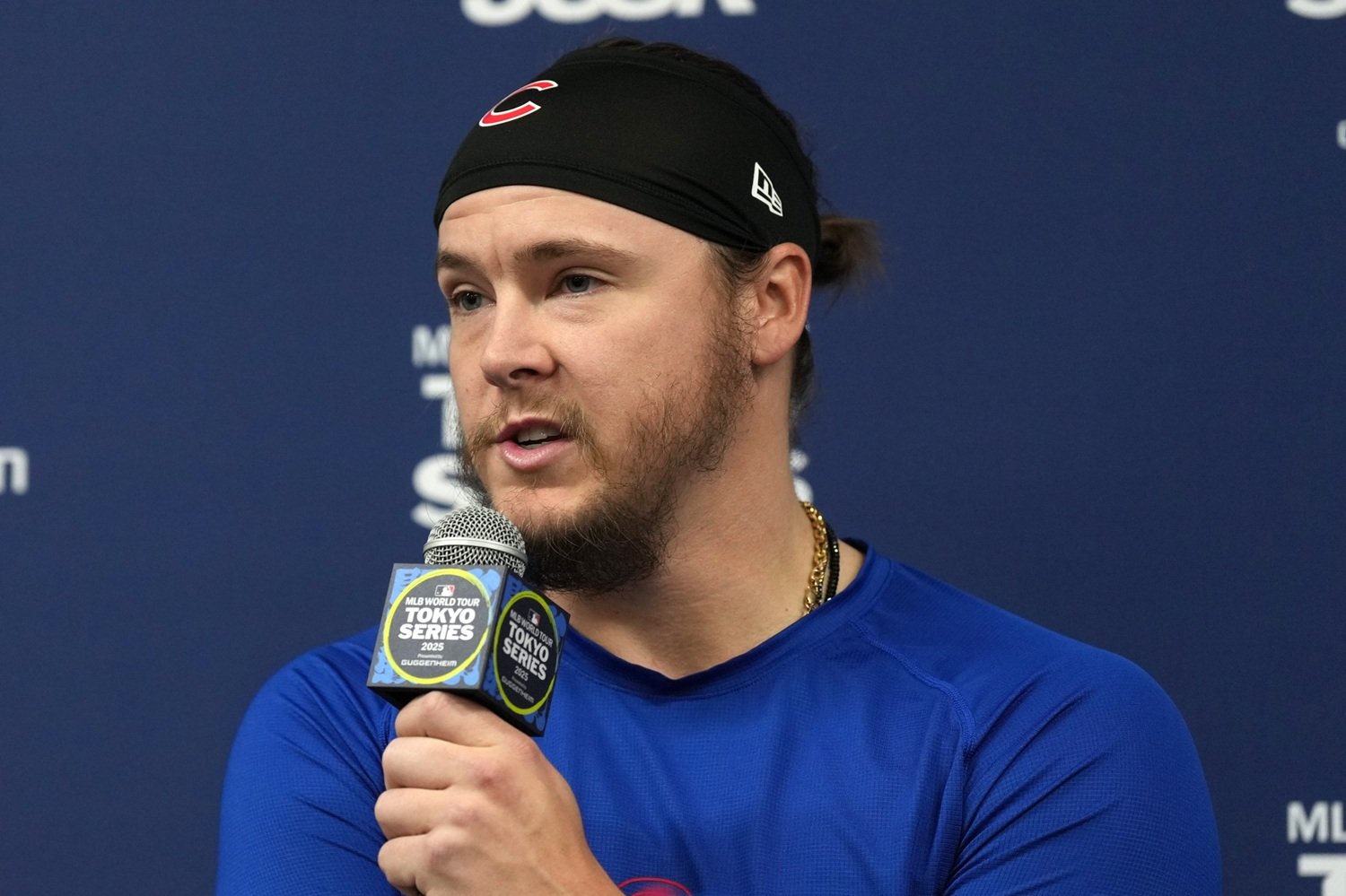 Information surrounding Justin Steele has been sparse since his elbow surgery in April. We know he's back to throwing, but it's hard to predict whether he'll be back on a big-league mound by the end of April or only after the All-Star break. That leaves the Cubs with a lot of uncertainty to navigate as they try to improve their starting rotation. WHERE THE CUBS STAND Let's sketch out the Cubs' 2026 rotation, as it stands right now. Here are the likely starters, with estimates of the starts we can expect them to make Shota Imanaga:25 Jameson Taillon: 25 Cade Horton: 25 Matthew Boyd: 25 Justin Steele: 15 That's 115 starts, with 47 left to fill. The Cubs have over $50 million to spend to get to the luxury tax threshold. Keep in mind, though, that they also have only two key returning relief pitchers (three trustworthy guys, perhaps, after signing Phil Maton) and need to address the bench. The Cubs do have internal options, each with varying degrees of excitement. Javier Assad endured an injury-plagued 2025, but was recently tendered a deal. Jordan Wicks struggled in the major leagues in 2025, with a 6.28 ERA in just 15 innings, but still maintains a first-round draft pedigree and the potential to earn innings. Jaxon Wiggins, MLB.com's 67th ranked prospect, touched Triple A after torching the low minors (2.17 ERA across three levels, 97 strikeouts in 78 innings). The fifth starter, in a best-case scenario, would be Steele. He did start throwing on October 20: That gives Steele, who was projected on a 12-18 month recovery timeline, at least a chance to be ready opening day. In all probability, it will be at least a few weeks later than that, but the early returns are good. Given that he wasn't the most durable starter before the elbow finally gave way, the workload will need to be managed. The X-factor is Colin Rea, whom the team proactively brought back for 2026 and over whom they now have control for 2027, too. Rea is as unsexy as they come, but he also made 27 starts and sported a 3.95 ERA in 2025. He's a nice floor-setter for the bottom end of the rotation, and with Imanaga returning, Rea's presence might be enough to keep the team from feeling undue urgency to act. Between Steele's health, Assad's injury-wrecked 2025, Wicks's wobbliness, and Wiggins himself having had to be managed while recovering from his own Tommy John surgery, some of the younger internal options are risky. They could be seen as palatable, though, given the salary constraints the Cubs usually place upon themselves. With needs in the lineup and an entire bullpen to rebuild, the rotation could very well be set. WHAT DO THE CUBS NEED? That's really the crux of the issue for the Cubs. They need more innings to be covered. Horton, Boyd, Imanaga, and Taillon have had their issues with injury, and while none will need to be handled carefully in any specific way in 2026, it seems unlikely that they'll each stay healthy all year. The front office knows this; all offseason messaging has been about the pursuit of pitching. How many innings Steele will be able to contribute is a variable the Cubs can only loosely control or predict. They will, however, try to plan around it. WHO IS AVAILABLE? HOW MUCH MONEY DO THE CUBS HAVE? Most offseason reports have the Cubs with around $50 million to spend for their entire offseason. If most of this will go to the rotation, using the top 50 free agent tool on our umbrella site can be instructive. Here are some free agent targets the Cubs have been mentioned as being interested in, and their projected contracts: Dylan Cease: 6 years, $198 million: He's the big fish, and would take some sort of commitment by the Cubs to exceed the luxury tax for this season. He would be the ideal fit, though. Cease has taken the ball every turn in the rotation since he came up in 2019. This would be a big step to mitigate the workload concerns, and he gets swings and misses, too. Michael King: 4 years, $75 million: With an extensive injury history, he would be another risky arm to mix in with the rest. He's been an above-average starter for most of the last two and a half seasons, except that he missed significant time even in 2025. The third option might be to sign another player in the same bracket as Rea: a get-you-there guy, rather than someone who would actually start in October. Rea himself could be that guy, too, and then slide into the bullpen if and when the club reaches the postseason. If the Cubs can deploy a four-man playoff rotation of Horton, Steele, Boyd, and Imanaga—all at full health and performing at their best—they can be competitive even against the other top teams in the National League, though they would be underdogs. Signing arms like Chris Bassitt, Lucas Giolito, or Cody Ponce (the latter returning, this winter, from a career-altering stint in the Korean Baseball Organization) wouldn't excite fans, but they could chew through innings from March through September and then (as Bassitt did for the 2025 Blue Jays) become important out of the bullpen come October. The floor would be raised, but not the ceiling. Arguably, adding a high-priced starter would plug one hole, but open up another. Daniel Palencia and Maton are the only guys you can fully trust in the current bullpen, although Rea, Assad and/or Wicks could be utilized in relief roles at various points in 2026. They're losing (underwhelming) bench bats Justin Turner and Willi Castro and (whelming) middle-of-the-order bat Kyle Tucker via free agency. Much like a family with teenagers going to the grocery store, the budget can only withstand so much. Steele has to be treated as possible icing for a more substantial cake next year. The Cubs recognize a failure from last season: they ran out of capable arms in October. Only time will tell if they can fix this, and still address the rest of the roster with the money Tom Ricketts allocates. If they properly understand their rehabbing erstwhile ace, though, they'll at least buttress their rotation with someone who takes pressure off his recovery process.
 -
Image courtesy of © Robert Edwards-Imagn Images For the Chicago Cubs, when it comes to first base, Michael Busch will start for the next five years, health and skills permitting. After a tremendous 34-homer, 94-RBI season, we should expect him to man the position for the foreseeable future. The only nit to pick is his stats against left-handed pitching: a .207/.274/.368 batting line with only four home runs in 95 plate appearances. The recently-jettisoned clubhouse favorite Justin Turner sopped up some of those at-bats against southpaws in 2025 to varying degrees of effectiveness. With him now (likely) out of the picture, Cubs seem like a good fit for a right-handed bat who will be content playing on the short side of a platoon, but the opportunity to be creative is here if the Cubs want to upgrade in multiple areas. Note that we'll be using MLB Trade Rumors' expert predictions for each player's projected contract on this list. THE PERFECT FIT Paul Goldschmidt, Yankees: Projected contract of one-year, $8 million The 38-year-old veteran fits the lefty masher profile. He did, in fact, mash lefties last season to the tune of .336/.411/.570 line while a member of the Yankees. At his age, the market will not yield a major contract for him in years or dollars; he played last year on a one-year deal for just $12 million. After losing time to Ben Rice in New York, Goldschmidt reportedly wants a cleaner path to playing time in 2026 and is amenable to a short-term deal. The Cubs would be the perfect landing spot for him. There would be plenty of opportunities at the cold corner when Busch sits, as well as potential turns at DH from time to time. Goldschmidt would also be a perfect Justin Turner replacement in the clubhouse. All one has to do is Google the phrase "Paul Goldschmidt teammate" and page upon page of results pop up, all of them reflecting a positive impact. He would theoretically be the perfect fit for the Cubs roster on a one-year deal. Verdict: A perfect fit for what the Cubs would be looking for at this position in 2026. OTHER POSSIBLE FITS Kazuma Okamoto, Japan: Projected contract of four-years, $64 million Okamoto can play third or first and would be a theoretical fit that was already discussed on this fine website. His Cubs candidacy is tricky, especially because he'd be getting starter money for a utility or bench role. It's unclear is if he would be willing to come play in a non-full-time role; Matt Shaw seems established at third for now, and of course Busch is entrenched at first. Verdict: A great fit who would raise the talent in the lineup and add depth to the bench. Highly unlikely due to price tag and role questions. Josh Bell, Nationals: Projected contract of one-year, $5 million Bell is somewhat of a poor fit for the Cubs' needs. He only hit .151 against left-handed pitching this past season—at that number, Busch is a better option. Still only 33 years old, Bell may also be looking for a more consistent starting role like the one he had in Washington this year. If the Cubs are looking for Busch to get a breather and DH insurance for Moises Ballesteros, Bell could fit the bill. He's been known to have nuclear months at the plate as well. In September, for example, he slashed posted a 145 wRC+ with six home runs. He'd add another streaky layer to an already-streaky offense, but there's a lot of talent in his bat. Of course, streakiness can go both ways. In April 2025, Bell posted a .503 OPS. If such a stretch were to happen for the Cubs in, say, August of this year, the streak issue would be amplified. Defensively, Bell adds nothing of value. Verdict: Bell is the type of player Jed Hoyer signs only if the terms are in the Cubs' favor and other options fall flat. Not a likely player to target, but one that could fall to Chicago if the price is right. UNLIKELY OPTIONS Ryan O'Hearn, Padres: Projected contract of two-years, $26 million Historically a bat that is platooned against left-handed pitching, similar to Michael Busch. O'Hearn would be redundant, although he could fill in a corner outfield spot as well. Luis Arraez, Padres: Projected contract of two-years, $24 million Arraez simply doesn't fit the Cubs' analytic model on offense. It would be fun to watch him and Nico Hoerner in a home run derby though. THE SHOCKER Pete Alonso, Mets: Projected contract of four-years, $110 million Slugging from the right-hand side of the plate is a need. Extreme power is a need for every franchise. Pete Alonso fits both of these needs, but can only play first base. No, let's not start the Michael Busch to second base narrative again, but Alonso could make sense with some creativity. In 2025, Alonso hit for a higher average than the past two seasons, batting .278 after a few poor efforts prior seasons. The power has not fluctuated, though. Since 2021, he's totaled between 34 and 46 home runs every season. He's not a plate approach genius (53rd percentile walk rate), but not a whiff king either (40th percentile for strikeout rate). The Cubs do sorely need power, which Alonso would provide. The question is, of course, how they will value the profile of an aging first baseman. Alonso is represented by Scott Boras and is reported to be seeking a seven-year deal. With him entering his 30s, the question will be how hard the aging curve strikes. He's already a negative defender and baserunner; if the bat and power wanes over time, the decline phase would be a real burden at his proposed cost. It does not seem like the type of profile Hoyer tends to gamble on. Alonso would also make Michael Busch redundant and force one of them to DH more often than either would like, which is an issue with a roster that already has Seiya Suzuki and Moises Ballesteros. Verdict: Would be a fun, exciting signing, but unlikely given the risk and cost. Ultimately, Busch has earned the runway to start at first base. This front office, though, values optionality over pretty much anything else procedure wise. A veteran southpaw masher fits their needs. Anything more would be an interesting pivot for a team that has bigger holes to fill elsewhere on the roster. View full article
-
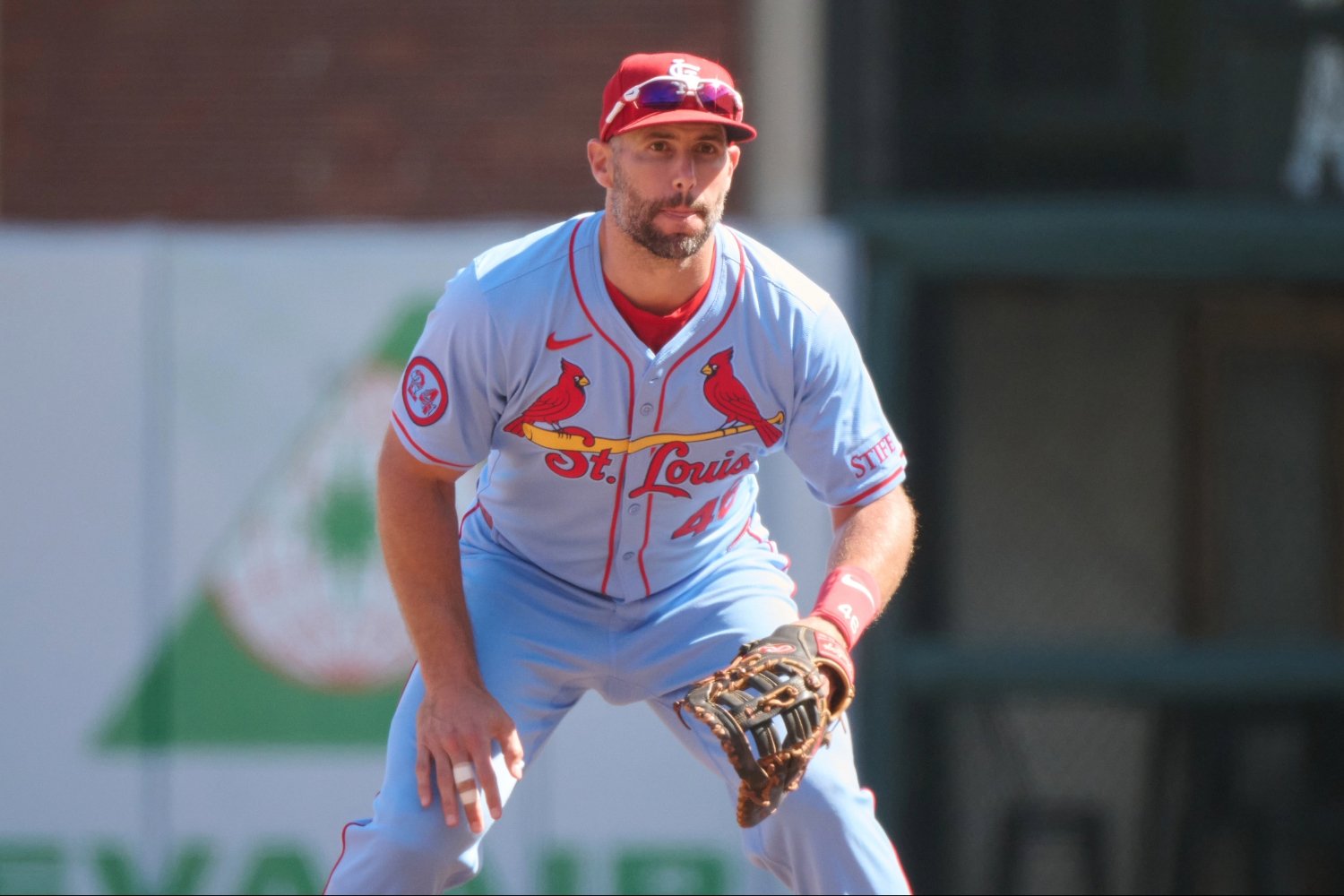 For the Chicago Cubs, when it comes to first base, Michael Busch will start for the next five years, health and skills permitting. After a tremendous 34-homer, 94-RBI season, we should expect him to man the position for the foreseeable future. The only nit to pick is his stats against left-handed pitching: a .207/.274/.368 batting line with only four home runs in 95 plate appearances. The recently-jettisoned clubhouse favorite Justin Turner sopped up some of those at-bats against southpaws in 2025 to varying degrees of effectiveness. With him now (likely) out of the picture, Cubs seem like a good fit for a right-handed bat who will be content playing on the short side of a platoon, but the opportunity to be creative is here if the Cubs want to upgrade in multiple areas. Note that we'll be using MLB Trade Rumors' expert predictions for each player's projected contract on this list. THE PERFECT FIT Paul Goldschmidt, Yankees: Projected contract of one-year, $8 million The 38-year-old veteran fits the lefty masher profile. He did, in fact, mash lefties last season to the tune of .336/.411/.570 line while a member of the Yankees. At his age, the market will not yield a major contract for him in years or dollars; he played last year on a one-year deal for just $12 million. After losing time to Ben Rice in New York, Goldschmidt reportedly wants a cleaner path to playing time in 2026 and is amenable to a short-term deal. The Cubs would be the perfect landing spot for him. There would be plenty of opportunities at the cold corner when Busch sits, as well as potential turns at DH from time to time. Goldschmidt would also be a perfect Justin Turner replacement in the clubhouse. All one has to do is Google the phrase "Paul Goldschmidt teammate" and page upon page of results pop up, all of them reflecting a positive impact. He would theoretically be the perfect fit for the Cubs roster on a one-year deal. Verdict: A perfect fit for what the Cubs would be looking for at this position in 2026. OTHER POSSIBLE FITS Kazuma Okamoto, Japan: Projected contract of four-years, $64 million Okamoto can play third or first and would be a theoretical fit that was already discussed on this fine website. His Cubs candidacy is tricky, especially because he'd be getting starter money for a utility or bench role. It's unclear is if he would be willing to come play in a non-full-time role; Matt Shaw seems established at third for now, and of course Busch is entrenched at first. Verdict: A great fit who would raise the talent in the lineup and add depth to the bench. Highly unlikely due to price tag and role questions. Josh Bell, Nationals: Projected contract of one-year, $5 million Bell is somewhat of a poor fit for the Cubs' needs. He only hit .151 against left-handed pitching this past season—at that number, Busch is a better option. Still only 33 years old, Bell may also be looking for a more consistent starting role like the one he had in Washington this year. If the Cubs are looking for Busch to get a breather and DH insurance for Moises Ballesteros, Bell could fit the bill. He's been known to have nuclear months at the plate as well. In September, for example, he slashed posted a 145 wRC+ with six home runs. He'd add another streaky layer to an already-streaky offense, but there's a lot of talent in his bat. Of course, streakiness can go both ways. In April 2025, Bell posted a .503 OPS. If such a stretch were to happen for the Cubs in, say, August of this year, the streak issue would be amplified. Defensively, Bell adds nothing of value. Verdict: Bell is the type of player Jed Hoyer signs only if the terms are in the Cubs' favor and other options fall flat. Not a likely player to target, but one that could fall to Chicago if the price is right. UNLIKELY OPTIONS Ryan O'Hearn, Padres: Projected contract of two-years, $26 million Historically a bat that is platooned against left-handed pitching, similar to Michael Busch. O'Hearn would be redundant, although he could fill in a corner outfield spot as well. Luis Arraez, Padres: Projected contract of two-years, $24 million Arraez simply doesn't fit the Cubs' analytic model on offense. It would be fun to watch him and Nico Hoerner in a home run derby though. THE SHOCKER Pete Alonso, Mets: Projected contract of four-years, $110 million Slugging from the right-hand side of the plate is a need. Extreme power is a need for every franchise. Pete Alonso fits both of these needs, but can only play first base. No, let's not start the Michael Busch to second base narrative again, but Alonso could make sense with some creativity. In 2025, Alonso hit for a higher average than the past two seasons, batting .278 after a few poor efforts prior seasons. The power has not fluctuated, though. Since 2021, he's totaled between 34 and 46 home runs every season. He's not a plate approach genius (53rd percentile walk rate), but not a whiff king either (40th percentile for strikeout rate). The Cubs do sorely need power, which Alonso would provide. The question is, of course, how they will value the profile of an aging first baseman. Alonso is represented by Scott Boras and is reported to be seeking a seven-year deal. With him entering his 30s, the question will be how hard the aging curve strikes. He's already a negative defender and baserunner; if the bat and power wanes over time, the decline phase would be a real burden at his proposed cost. It does not seem like the type of profile Hoyer tends to gamble on. Alonso would also make Michael Busch redundant and force one of them to DH more often than either would like, which is an issue with a roster that already has Seiya Suzuki and Moises Ballesteros. Verdict: Would be a fun, exciting signing, but unlikely given the risk and cost. Ultimately, Busch has earned the runway to start at first base. This front office, though, values optionality over pretty much anything else procedure wise. A veteran southpaw masher fits their needs. Anything more would be an interesting pivot for a team that has bigger holes to fill elsewhere on the roster.
 -
Cubs' Love of Flexibility Is Equal Parts Understandable and Maddening
Brian Kelder posted an article in Cubs
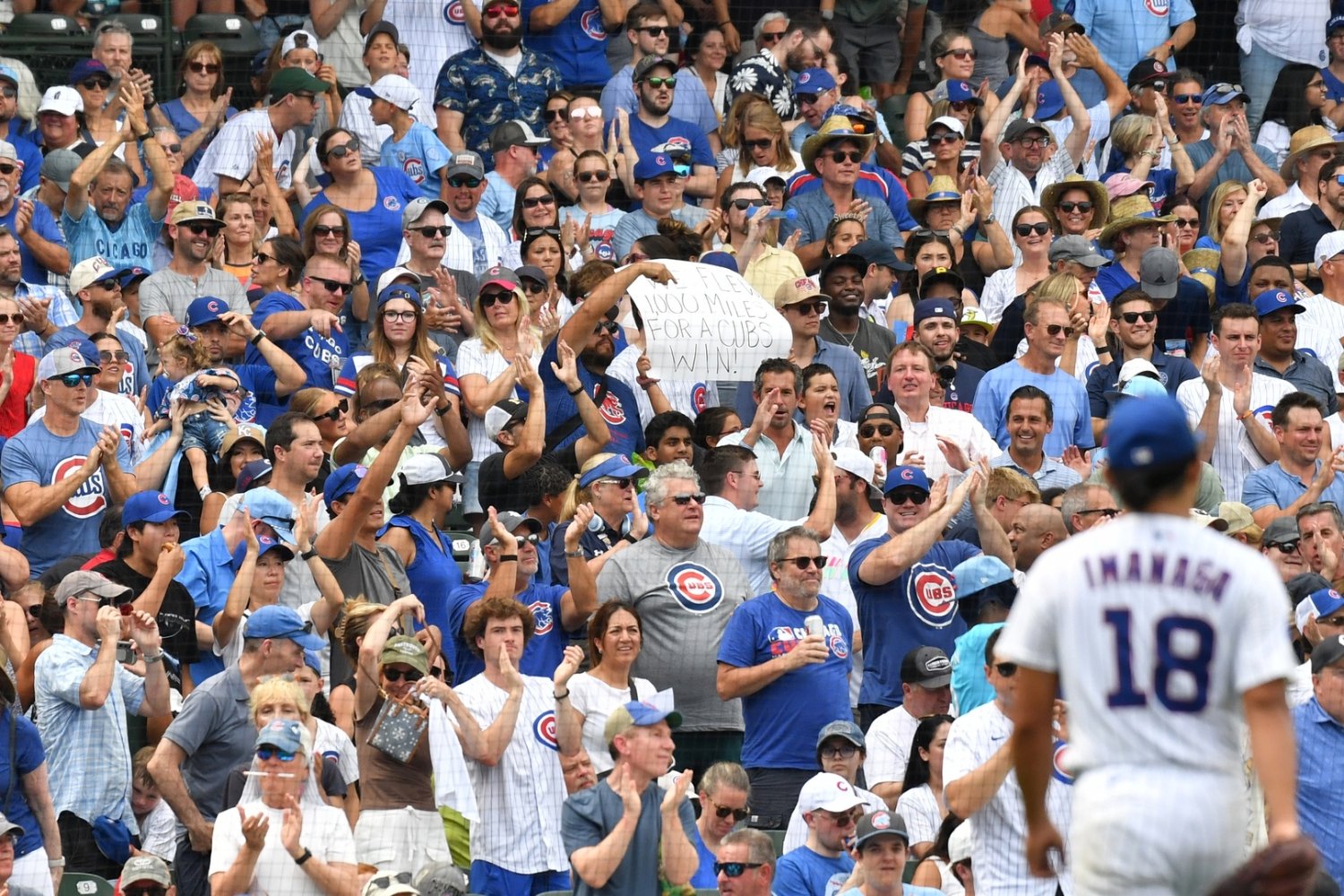 This week, Shota Imanaga and the Chicago Cubs both declined their respective offer sheets on his contract option(s). What was unthinkable going into the season became a reality on November 4. Imanaga, at this time, is a free agent. The Cubs likely are telegraphing their plan for this offseason with this move. To make a long story short, they have been avoiding long-term deals (i.e., contracts that go beyond the 2026 season) for some time. Excluding Dansby Swanson and pre-arbitration players like Pete Crow-Armstrong and Matt Shaw, the Cubs are nearly bare of veterans after 2026. Using Spotrac's salary tracker page, only Swanson is signed after 2027. Ian Happ, Seiya Suzuki, Nico Hoerner, Jameson Taillon, and Colin Rea are free agents after this next season. Carson Kelly and Matthew Boyd have team options for next season; they also can depart after 2026. The Cubs clearly are not going to make any long -erm commitments to players until they know what salary structure they will be dealing with in the wake of a new Collective Bargaining Agreement. Keeping Imanaga around after his wobbly finish to the season for three more years doesn't track with Jed Hoyer's typical modus operandi. For jaded Cub fans, the question has to be asked: Where are we going with all of this excess payroll space? Is this just a salary dump, like Cody Bellinger? Will they repurpose this money at all? What can we expect this offseason? Well, they won't stand pat. Players will be added to this team. But the big splash, another move like Kyle Tucker, may not be in the cards. The Cubs don't pay that high of a salary to free agents, and they lack the prospects to pull such a blockbuster trade off. Don't expect a multi-year, high-dollar, flashy signing out of the front office this winter. They will seek to find value in the market as they typically do. This year, that resulted in now-staff-ace Matthew Boyd, but also in Jon Berti and Vidal Bruján, as an example of the downside of the strategy. They aren't averse to paying market value in the right circumstance and especially love finding shorter-term deals. This offseason looks to be one ripe for finding good players on one-year contracts, even at raised salaries. So, Imanaga's money will be redeployed in an effort to build a bullpen nearly from scratch (again) and finding rotation depth on the cheap (again). Think short-term, high-upside deals that mitigate the downside of long-running contracts. The front office values flexibility over blockbuster spending. Bigger deals that run the risk of serious damage to roster and payroll flexibility after the new CBA is put in place don't seem to be on the menu. The Cubs are designed to maximize optionality; develop and use prospects internally, strategically sign free agents that won't break the future budget, and manufacture a payroll that can easily be adjusted up or down as the need arises. It's reassuring and maddening at the same time. The glass-half-full view of this is that we probably won't see a team locked into a bad contract, hamstringing spending in the future. It's frustrating, though, as well, because ever since 2017, it feels like the Cubs never seem to be committed to putting the best product on the field no matter what. Instead, it seems the plan is to ensure profit margins while having a pretty good squad year after year. It's technically a solid way to build a team, but it certainly is more tedious. Fandom doesn't typically fall in love with values; we fall in love with players. Andre Dawson signing in 1987 is still remembered fondly today not because he gave the Cubs a tremendous discount, but because he brought "The Hawk" (and a MVP award) to Chicago. Ultimately, this is the hand Cubs fans have been dealt. The franchise has telegraphed their moves and plans to to be as flexible as possible in 2027 and beyond. The question is: Is flexibility really a plan, or the absence of one?
 -
Image courtesy of © Patrick Gorski-Imagn Images This week, Shota Imanaga and the Chicago Cubs both declined their respective offer sheets on his contract option(s). What was unthinkable going into the season became a reality on November 4. Imanaga, at this time, is a free agent. The Cubs likely are telegraphing their plan for this offseason with this move. To make a long story short, they have been avoiding long-term deals (i.e., contracts that go beyond the 2026 season) for some time. Excluding Dansby Swanson and pre-arbitration players like Pete Crow-Armstrong and Matt Shaw, the Cubs are nearly bare of veterans after 2026. Using Spotrac's salary tracker page, only Swanson is signed after 2027. Ian Happ, Seiya Suzuki, Nico Hoerner, Jameson Taillon, and Colin Rea are free agents after this next season. Carson Kelly and Matthew Boyd have team options for next season; they also can depart after 2026. The Cubs clearly are not going to make any long -erm commitments to players until they know what salary structure they will be dealing with in the wake of a new Collective Bargaining Agreement. Keeping Imanaga around after his wobbly finish to the season for three more years doesn't track with Jed Hoyer's typical modus operandi. For jaded Cub fans, the question has to be asked: Where are we going with all of this excess payroll space? Is this just a salary dump, like Cody Bellinger? Will they repurpose this money at all? What can we expect this offseason? Well, they won't stand pat. Players will be added to this team. But the big splash, another move like Kyle Tucker, may not be in the cards. The Cubs don't pay that high of a salary to free agents, and they lack the prospects to pull such a blockbuster trade off. Don't expect a multi-year, high-dollar, flashy signing out of the front office this winter. They will seek to find value in the market as they typically do. This year, that resulted in now-staff-ace Matthew Boyd, but also in Jon Berti and Vidal Bruján, as an example of the downside of the strategy. They aren't averse to paying market value in the right circumstance and especially love finding shorter-term deals. This offseason looks to be one ripe for finding good players on one-year contracts, even at raised salaries. So, Imanaga's money will be redeployed in an effort to build a bullpen nearly from scratch (again) and finding rotation depth on the cheap (again). Think short-term, high-upside deals that mitigate the downside of long-running contracts. The front office values flexibility over blockbuster spending. Bigger deals that run the risk of serious damage to roster and payroll flexibility after the new CBA is put in place don't seem to be on the menu. The Cubs are designed to maximize optionality; develop and use prospects internally, strategically sign free agents that won't break the future budget, and manufacture a payroll that can easily be adjusted up or down as the need arises. It's reassuring and maddening at the same time. The glass-half-full view of this is that we probably won't see a team locked into a bad contract, hamstringing spending in the future. It's frustrating, though, as well, because ever since 2017, it feels like the Cubs never seem to be committed to putting the best product on the field no matter what. Instead, it seems the plan is to ensure profit margins while having a pretty good squad year after year. It's technically a solid way to build a team, but it certainly is more tedious. Fandom doesn't typically fall in love with values; we fall in love with players. Andre Dawson signing in 1987 is still remembered fondly today not because he gave the Cubs a tremendous discount, but because he brought "The Hawk" (and a MVP award) to Chicago. Ultimately, this is the hand Cubs fans have been dealt. The franchise has telegraphed their moves and plans to to be as flexible as possible in 2027 and beyond. The question is: Is flexibility really a plan, or the absence of one? View full article
-
 In a previous article (read it here!) we discussed the Chicago Cubs' pitching staff from 1984 to 1985, and what lessons the modern Cubs could take away from those 40-year-old mistakes. This piece will focus on the bats. Larry Bowa was a fill-in shortstop in 1984 and into 1985. The Cubs were waiting for superstar prospect Shawon Dunston to be ready. Dunston, a shortstop chosen first overall by Chicago in 1982, hit .790 with ten home runs his high school senior season in Brooklyn, New York. Blessed with a rocket arm, it was just a matter of time before he reached his own expectations of becoming a Hall of Fame player. Of course, Dunston did become enshrined in the Hall of Fame, but not in Cooperstown. He had a long career and was solid by statistical measures, was an All-Star and starter for the 1989 playoffs team. But he was not a difference-maker in 1985. That year, he had a .698 OPS and an 89 WRC+, 11 percent below league average. It wasn't until 1992 that he exceeded league average in that metric, after six seasons in the big leagues. He topped out in his career with 1.5 WAR, primarily due to offensive struggles. So, what does that have to do the current Cubs? Well, they are about to let Kyle Tucker and his production walk out of the door. The offseason is not here yet—time remains for them to add a veteran to replace him (or just outright retain Tucker). But the most likely scenario is youngsters like Owen Caissie and Moises Ballesteros absorbing those at-bats. Dunston, who was a higher level prospect than either one of the current ones, never had a major impact on the team until later in his career. The Cubs run the risk of betting their fortunes on young players who have a long learning ahead of them. And it doesn't stop with Caissie and Ballesteros. Pete Crow-Armstrong is no cinch to be a 30-30 guy ever again unless he fixes his plate discipline. Matt Shaw also had an uninspiring season in totality. Trusting young players to bolster playoff hopes is a large risk-one that backfired in 1985 (though not one hurt the championship team in 2016, admittedly). In the 1980s, the Cubs also ran back nearly the entire lineup. But look at their 1985 ages: Gary Matthews: 34 Ron Cey: 37 Keith Moreland: 31 Bob Dernier: 28 Jody Davis: 28 (old in catcher years) Now, look at some ages of the 2025 Cubs who are projected to return: Nico Hoerner: 29 Ian Happ: 31 Dansby Swanson: 32 Seiya Suzuki: 31 Carson Kelly: 31 This is an uncomfortable position the Cubs find themselves in. In 1985, Matthews, Cey, and Jody Davis could not replicate their 1984 efforts, contributing to their demise. Bob Dernier also fell victim to the BABIP gods and was not the same leadoff force. Playing guys into their thirties is risky. Look at that lineup for the modern Cubs; they could all be fine, but they also could age quickly. Father Time continues to be undefeated. I'm not smart enough to predict the future, but it is likely that a decline will hit players as they hit their 30s. Going into this season, and then extending them, runs the risk of the 1985-type cliff. This is a risky proposition to write, by the way. This could be horribly wrong. Caissie and Ballesteros could be awesome and nobody declines, leading to a special 2026. None of the players on the current Cubs listed are especially likely to decline, but the room for internal improvement among those veterans is also shoddy. There's no reason to expect this team to not make the playoffs in 2026, but it's hard to see them improving on their 2025 finish. Extending too many of these guys is the risk here. With Dansby Swanson locked up for three more seasons, the Cubs could become an old, lethargic lineup quickly. Long time fans will remember Ron Cey not as the solid defender he was in the 1970s with the Dodgers, but as a guy with a cool nickname (The Penguin) but no range and a declining bat. Keith Moreland was aging out of positions he could play and Larry Bowa hit 39 both in age and nearly his WRC (54 in 1985). The Cubs are in a tenuous position. They can't just let everyone go; there's just not enough in the system to replace them. But they can't simply stand pat and cross their fingers, especially seeing as so many guys (Hoerner, Crow-Armstrong, Kelly, etc.) may have just peaked. Jed Hoyer has a lot of tough decisions to make in this offseason and the next. If he chooses the wrong ones, we could be looking at another (smaller) teardown next summer as expiring contracts are dealt. If he presses the right buttons, Cub fans will be able to further trust him in the future. As it was in 1984 it is today, though. After you make a big jump, the second jump is even harder to make than the first one. The Cubs made that jump this past season; they need to be creative and smart (and probably spend lots of cash) to avoid the 1985 team's fate. They are nearing the runway. Can they stick the landing?
 -
Image courtesy of © David Banks-Imagn Images In a previous article (read it here!) we discussed the Chicago Cubs' pitching staff from 1984 to 1985, and what lessons the modern Cubs could take away from those 40-year-old mistakes. This piece will focus on the bats. Larry Bowa was a fill-in shortstop in 1984 and into 1985. The Cubs were waiting for superstar prospect Shawon Dunston to be ready. Dunston, a shortstop chosen first overall by Chicago in 1982, hit .790 with ten home runs his high school senior season in Brooklyn, New York. Blessed with a rocket arm, it was just a matter of time before he reached his own expectations of becoming a Hall of Fame player. Of course, Dunston did become enshrined in the Hall of Fame, but not in Cooperstown. He had a long career and was solid by statistical measures, was an All-Star and starter for the 1989 playoffs team. But he was not a difference-maker in 1985. That year, he had a .698 OPS and an 89 WRC+, 11 percent below league average. It wasn't until 1992 that he exceeded league average in that metric, after six seasons in the big leagues. He topped out in his career with 1.5 WAR, primarily due to offensive struggles. So, what does that have to do the current Cubs? Well, they are about to let Kyle Tucker and his production walk out of the door. The offseason is not here yet—time remains for them to add a veteran to replace him (or just outright retain Tucker). But the most likely scenario is youngsters like Owen Caissie and Moises Ballesteros absorbing those at-bats. Dunston, who was a higher level prospect than either one of the current ones, never had a major impact on the team until later in his career. The Cubs run the risk of betting their fortunes on young players who have a long learning ahead of them. And it doesn't stop with Caissie and Ballesteros. Pete Crow-Armstrong is no cinch to be a 30-30 guy ever again unless he fixes his plate discipline. Matt Shaw also had an uninspiring season in totality. Trusting young players to bolster playoff hopes is a large risk-one that backfired in 1985 (though not one hurt the championship team in 2016, admittedly). In the 1980s, the Cubs also ran back nearly the entire lineup. But look at their 1985 ages: Gary Matthews: 34 Ron Cey: 37 Keith Moreland: 31 Bob Dernier: 28 Jody Davis: 28 (old in catcher years) Now, look at some ages of the 2025 Cubs who are projected to return: Nico Hoerner: 29 Ian Happ: 31 Dansby Swanson: 32 Seiya Suzuki: 31 Carson Kelly: 31 This is an uncomfortable position the Cubs find themselves in. In 1985, Matthews, Cey, and Jody Davis could not replicate their 1984 efforts, contributing to their demise. Bob Dernier also fell victim to the BABIP gods and was not the same leadoff force. Playing guys into their thirties is risky. Look at that lineup for the modern Cubs; they could all be fine, but they also could age quickly. Father Time continues to be undefeated. I'm not smart enough to predict the future, but it is likely that a decline will hit players as they hit their 30s. Going into this season, and then extending them, runs the risk of the 1985-type cliff. This is a risky proposition to write, by the way. This could be horribly wrong. Caissie and Ballesteros could be awesome and nobody declines, leading to a special 2026. None of the players on the current Cubs listed are especially likely to decline, but the room for internal improvement among those veterans is also shoddy. There's no reason to expect this team to not make the playoffs in 2026, but it's hard to see them improving on their 2025 finish. Extending too many of these guys is the risk here. With Dansby Swanson locked up for three more seasons, the Cubs could become an old, lethargic lineup quickly. Long time fans will remember Ron Cey not as the solid defender he was in the 1970s with the Dodgers, but as a guy with a cool nickname (The Penguin) but no range and a declining bat. Keith Moreland was aging out of positions he could play and Larry Bowa hit 39 both in age and nearly his WRC (54 in 1985). The Cubs are in a tenuous position. They can't just let everyone go; there's just not enough in the system to replace them. But they can't simply stand pat and cross their fingers, especially seeing as so many guys (Hoerner, Crow-Armstrong, Kelly, etc.) may have just peaked. Jed Hoyer has a lot of tough decisions to make in this offseason and the next. If he chooses the wrong ones, we could be looking at another (smaller) teardown next summer as expiring contracts are dealt. If he presses the right buttons, Cub fans will be able to further trust him in the future. As it was in 1984 it is today, though. After you make a big jump, the second jump is even harder to make than the first one. The Cubs made that jump this past season; they need to be creative and smart (and probably spend lots of cash) to avoid the 1985 team's fate. They are nearing the runway. Can they stick the landing? View full article
-
 It's an old sports adage that the final leap to true contention is the hardest to make. It's one thing to improve, like the 2025 Chicago Cubs, from 83 wins to 92. The next season is the key. Making the final leap is the most difficult one. For a (not so fun) example, let's look back 40 years into the past. The 1984 Cubs were flying high; 96 wins, an MVP season from young superstar Ryne Sandberg, and young prospects coming up like Shawon Dunston seemed to portend success. The entire rotation was brought back for the following year, including Cy Young Award winner Rick Sutcliffe (currently an announcer for ESPN) and future Hall of Fame righties Dennis Eckersley and closer Lee Smith. Wrigley was rocking, and surely this was the start of something special. Then, 1985 hit. While not an awful team, the '85 squad could only muster 77 wins, good for a fourth-place finish. A 13-game losing streak and a separate seven-game skid was too much to overcome. During that big losing streak, the entire five man pitching rotation was on the disabled list. Starting guys like 37-year-old Larry Gura and someone named Derek Botelho, the Cubs just could not build on 1984. Crowds by September were back in the 6,000 range and the excitement had fled. So, what can we learn from then? What did the 1985 Cubs do that the current front office can avoid? For starters, the 1984 Cubs featured Lee Smith in the bullpen, who remained a stalwart throughout his career. Beyond him, 31-year-old Tim Stoddard, 29-year-old George Frazier, and 32-year-old Warren Brusstar had solid years as well in 1984. In the offseason, Brusstar and Frazier were retained, while Tim Stoddard was allowed to walk to San Diego, the team that eliminated Chicago in 1984. The 1985 bullpen could not replicate their success. Frazier's ERA ballooned from 4.10 to 6.39 the following season. Brusstar's decline was even more pronounced; he almost doubled ERA his from 3.11 to 6.05. Stoddard, who regressed back to a 4.65 ERA in San Diego, was replaced by Lary Sorenson, who checked in with a 4.26 ERA. What does this mean for the current Cubs? Well, they can't count on aging pitchers with track records of spotty success to replicate career seasons. Caleb Theilbar is 38 years old; he's more likely to have a season like his 2024 (5.32 ERA) than continue a late career renaissance. Andrew Kittredge has a nine million dollar option that should arguably be picked up, but relying on him to be a late-inning fireman is probably a fool's errand. The bullpen can't be counted on to replicate these outlier performances. Jed Hoyer has long been great at putting together solid relief corps with minimal investment, but part of that formula has been excessive change year over year. I don't see a reason to mess with that concept for 2026. What else plagued those Cubs of 40 years ago? The rotation was beset by injury, and really, it was not easy to expect that. Sutcliffe had three consecutive 200-inning seasons before a hamstring tear the next season. Dennis Eckersley had ten seasons of over 150 before shoulder issues in 1985, and Steve Trout had no injury history to speak of until an ulnar nerve issue that season. Scott Sanderson was the only Cub with an injury riddled past, but he had a long career beyond that campaign. Looking at this past team and comparing it to this year's Cubs team is a difficult task. The 1985 Cubs were built around a solid staff who they thought would last through the season; the 2025 Cubs were built similarly. But Justin Steele broke, Shota Imanaga was hurt and never came back to full strength, and Jameson Taillon missed time. They were saved by Matthew Boyd and Cade Horton, both of whom carry their own injury history question marks. The Cubs need to be careful and not enter their season with the aforementioned players as their only options in the five-man rotation. There are higher-than-comfortable probabilities that all five miss time to injury. Cade Horton, for example, just pitched more innings than he has in his career, and has two major injuries in his recent past. Matthew Boyd similarly had an innings spike and was less effective as the year went along. It's not breaking news that the Cubs need to address their depth on the rotation. They will not have 30 starts from these five starters; they will need to supplement somewhere. The Cubs already are putting a ton of hope in Cade Horton's basket; some risk mitigation and additions would be beneficial. Even if it doesn't come in the form of an ace like Tarik Skubal or Hunter Greene, some more middle-of-the-rotation depth (á la Colin Rea) should be treated as a necessity, not a luxury. As you can see, there are some parallels between what the current and 1985 Cubs would try to do in the pitching staff. The bullpen will be a greater challenge to rebuild in numbers; the rotation will be a task in how to upgrade in quality and risk mitigation. As always, the rotation can make or break a season. It's up to Jed Hoyer to learn from the past and make the decisions that will make for a special future. While the names and eras change, the lessons are timeless.
