


matto1233
-
Posts
313 -
Joined
-
Last visited
Content Type
Profiles
Joomla Posts 1
Chicago Cubs Videos
Chicago Cubs Free Agent & Trade Rumors, Notes, & Tidbits
2026 Chicago Cubs Top Prospects Ranking
News
2023 Chicago Cubs Draft Picks
Guides & Resources
2024 Chicago Cubs Draft Picks
The Chicago Cubs Players Project
2025 Chicago Cubs Draft Pick Tracker
2026 Chicago Cubs Draft Pick Tracker
Blogs
Events
Forums
Store
Gallery
Everything posted by matto1233
-
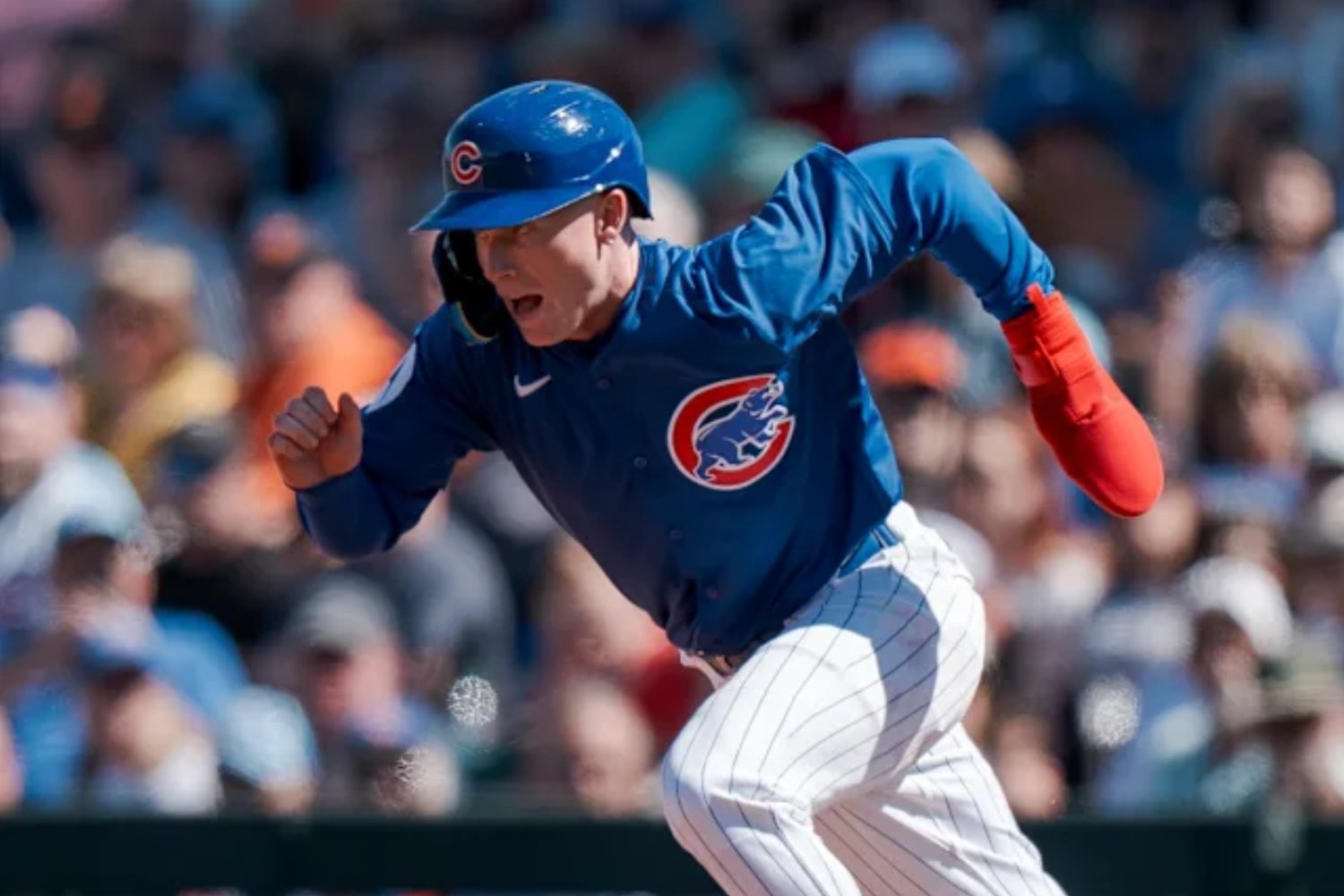 The Cubs have been a good baserunning team for quite a while now. Two seasons ago, they ranked eighth in baseball in FanGraphs’ baserunning runs above average metric (or BsR, for short). Last year, they were fifth. This past offseason, the Cubs hired Quintin Berry away from the Milwaukee Brewers to serve as their first-base coach. Our own Matthew Trueblood wrote about this at the time, theorizing that this might have a huge influence on the already good defense and baserunning of the Cubs. I am not sure if we want to call it the Quintin Berry Effect, or call it a new organizational philosophy. Regardless, it’s paying off handsomely. By stolen bases and the aforementioned BsR stat at FanGraphs, the Cubs are one of the best baserunning teams not just this season, but of all time. Let’s start with this season. The Cubs lead baseball with 44 steals. The next highest is the Milwaukee Brewers with 36. The Cubs have only been caught six times, too, so it’s not as if they’re accumulating steals due to reckless aggression. Arguably, they should be stealing more often given that success rate. They also lead baseball with 5.0 BsR. The next highest is the Mets at 3.6 BsR. The Cubs also lead in Baseball Savant’s baserunning run value. Any way you slice it, this is the best baserunning team in baseball. So, how does this compare to the best teams ever on the base paths? Having stolen 44 bases through 27 games heading into Saturday’s contest, the team is stealing 1.63 bases, on average, per game. Over a 162-game season, that would come out to 264 steals. The franchise record of 382 by the 1897 Colts, led by Bill Lange, who stole 73 bases, is likely out of reach. Fun fact about Lange: he went on to retire from baseball because his father-in-law would not allow his daughter to marry a professional baseball player. Back to the topic at hand, should the Cubs continue their pace and steal 264 bases this year, that would be the most in a season for the franchise since 1906. As a matter of fact, no team in the past 100 years of the franchise has even eclipsed 200 steals in a season. Their pace could slow considerably and the Cubs would still set the modern franchise record for steals in a season. As for BsR, prior to 2002, it was only based on stolen bases and times caught stealing, so FanGraphs cautions against using the stat prior to then. You can read more about the metric here. Having been worth five runs in 27 games, the team has accumulated 0.19 runs on the bases per game. Over 162 games, that comes out to 30 BsR for the season. That would obliterate the franchise high since 2002, which is 15.1 BsR by the Kris Bryant-led 2015 team. Only one MLB team has eclipsed 30 BsR in a season since 2002, and that was Carl Crawford’s 2010 Rays, who put up 37.6 BsR. The next highest is the 2008 Phillies with 23.6 BsR. Again, they could fall behind the pace that they have set and still end up being the second-best baserunning team by BsR since 2002. It’s worth acknowledging that the baserunning environment is different across baseball. Stolen base attempts are up over the past few seasons due to a limit on pitcher disengagements and larger bases, thus shrinking the distance between each base. The Cubs, with players like Pete Crow-Armstrong, Nico Hoerner, and Kyle Tucker, are uniquely built to take advantage of this. Can they keep up this rapid early season pace? Will they be considered one of the best baserunning teams of all time? I look forward to following this for the rest of the season. History or not, I will surely continue to enjoy the baserunning exploits of the mad-dashing 2025 Chicago Cubs.
 -
The Chicago Cubs are off to a historic start to the season on the base paths. Exactly how historic are we talking? Image courtesy of Matt Dirksen/Chicago Cubs/Getty Images The Cubs have been a good baserunning team for quite a while now. Two seasons ago, they ranked eighth in baseball in FanGraphs’ baserunning runs above average metric (or BsR, for short). Last year, they were fifth. This past offseason, the Cubs hired Quintin Berry away from the Milwaukee Brewers to serve as their first-base coach. Our own Matthew Trueblood wrote about this at the time, theorizing that this might have a huge influence on the already good defense and baserunning of the Cubs. I am not sure if we want to call it the Quintin Berry Effect, or call it a new organizational philosophy. Regardless, it’s paying off handsomely. By stolen bases and the aforementioned BsR stat at FanGraphs, the Cubs are one of the best baserunning teams not just this season, but of all time. Let’s start with this season. The Cubs lead baseball with 44 steals. The next highest is the Milwaukee Brewers with 36. The Cubs have only been caught six times, too, so it’s not as if they’re accumulating steals due to reckless aggression. Arguably, they should be stealing more often given that success rate. They also lead baseball with 5.0 BsR. The next highest is the Mets at 3.6 BsR. The Cubs also lead in Baseball Savant’s baserunning run value. Any way you slice it, this is the best baserunning team in baseball. So, how does this compare to the best teams ever on the base paths? Having stolen 44 bases through 27 games heading into Saturday’s contest, the team is stealing 1.63 bases, on average, per game. Over a 162-game season, that would come out to 264 steals. The franchise record of 382 by the 1897 Colts, led by Bill Lange, who stole 73 bases, is likely out of reach. Fun fact about Lange: he went on to retire from baseball because his father-in-law would not allow his daughter to marry a professional baseball player. Back to the topic at hand, should the Cubs continue their pace and steal 264 bases this year, that would be the most in a season for the franchise since 1906. As a matter of fact, no team in the past 100 years of the franchise has even eclipsed 200 steals in a season. Their pace could slow considerably and the Cubs would still set the modern franchise record for steals in a season. As for BsR, prior to 2002, it was only based on stolen bases and times caught stealing, so FanGraphs cautions against using the stat prior to then. You can read more about the metric here. Having been worth five runs in 27 games, the team has accumulated 0.19 runs on the bases per game. Over 162 games, that comes out to 30 BsR for the season. That would obliterate the franchise high since 2002, which is 15.1 BsR by the Kris Bryant-led 2015 team. Only one MLB team has eclipsed 30 BsR in a season since 2002, and that was Carl Crawford’s 2010 Rays, who put up 37.6 BsR. The next highest is the 2008 Phillies with 23.6 BsR. Again, they could fall behind the pace that they have set and still end up being the second-best baserunning team by BsR since 2002. It’s worth acknowledging that the baserunning environment is different across baseball. Stolen base attempts are up over the past few seasons due to a limit on pitcher disengagements and larger bases, thus shrinking the distance between each base. The Cubs, with players like Pete Crow-Armstrong, Nico Hoerner, and Kyle Tucker, are uniquely built to take advantage of this. Can they keep up this rapid early season pace? Will they be considered one of the best baserunning teams of all time? I look forward to following this for the rest of the season. History or not, I will surely continue to enjoy the baserunning exploits of the mad-dashing 2025 Chicago Cubs. View full article
-
I think the point you (and Jason) are making re: Morgan and Pearson is a fair and comforting one. HOWEVER, those were two guys Hoyer had identified that can help the team, and they have done exactly the opposite. One hallmark, in my opinion, of Hoyer’s bullpens is that they do, eventually, wind up being halfway decent. The road to getting there is always super bumpy, though, and in the case of 2023 and 2024, was the difference between them making and missing the postseason: 2023 first half ERA: 4.01 2023 second half ERA: 3.67 2024 first half ERA: 4.01 2024 second half ERA: 3.51
-
 If you don’t think too hard, the early season bullpen blow-ups between this year and last start to blend together a bit. There was one in Arizona this year. There was one in Arizona last year, too. There was one in San Diego both this season and last, as well—and they all came in April. While we were all complaining to each other in the North Side Baseball Slack group during the Diamondbacks’ 10-run inning the other day, Brandon Glick wondered when the last time the Cubs even had a good bullpen was. Well, the answer is that it’s been a while! Just how long? Take a look at this table, with all stats courtesy of FanGraphs: Year ERA (MLB rank) FIP (MLB rank) fWAR (MLB rank) 2025 5.58 (29) 4.58 (24) -0.1 (24) 2024 3.81 (12) 3.94 (17) 2.9 (20) 2023 3.85 (13) 4.05 (12) 4.0 (17) 2022 4.12 (21) 4.32 (28) 0.6 (28) 2021 4.39 (21) 4.48 (22) 1.9 (21) 2020 4.38 (13) 4.45 (15) 0.7 (19) 2019 3.98 (8) 4.54 (16) 1.3 (20) 2018 3.35 (2) 3.88 (9) 4.5 (11) 2017 3.80 (6) 4.08 (13) 4.4 (11) 2016 3.56 (8) 3.87 (14) 2.7 (21) 2015 3.38 (8) 3.37 (1) 4.6 (5) That’s a whole lot of Tums. While the bullpen hasn’t been terrible for the past two seasons, it certainly hasn’t been reliable. The previous two campaigns were pretty dreadful, and this year has been a train wreck to this point. During the club’s last competitive window, from 2015-2019, the bullpens were generally good. As you might recall, those teams were known for their defense, and the disparity between the bullpen ERA and bullpen FIPs would suggest a bit of overperformance there. However you slice it, though, it's been a while since this team's relief corps was consistently excellent over a full season. The Cubs have not had a top-10 bullpen, by ERA, since 2019. They have not had a top-15 bullpen, by FIP, since 2018. They have not had a top-10 bullpen, by Fangraphs WAR, since 2015. Notably, Jed Hoyer took over for Theo Epstein as president of baseball operations after the 2020 season. In the four-plus seasons since, the Cubs have not fielded a bullpen in the top 10 in any of these metrics, despite attempting to be competitive for (arguably) all but one of those seasons. From 2021 through 2025, the Cubs’ bullpen is 16th in ERA, 22nd in FIP, and 24th in WAR. I knew it was bad, but I didn’t realize it was quite this bad. Every fan thinks their team’s bullpen stinks. We have a tendency to remember the games that are lost in the late innings, when victory was oh-so close. By contrast, we gloss over early leads that were simply preserved. It's not in your head this time, though. Cubs relief units have been mid for several years. I think, by now, it’s fair to wonder: is this something that Jed Hoyer is capable of addressing? Should he be making a greater point to sign higher-leverage arms in free agency? Has this regime not been good enough at identifying talent to pitch the late innings? It seems as though the organization has done a poor job, at the very least, of developing the young, hard-throwing hurlers who power so many of the pens that outperform them. One thing is for certain: it needs to be better.
 -
The Cubs bullpen is going to be better this year. Right? Image courtesy of © Denis Poroy-Imagn Images If you don’t think too hard, the early season bullpen blow-ups between this year and last start to blend together a bit. There was one in Arizona this year. There was one in Arizona last year, too. There was one in San Diego both this season and last, as well—and they all came in April. While we were all complaining to each other in the North Side Baseball Slack group during the Diamondbacks’ 10-run inning the other day, Brandon Glick wondered when the last time the Cubs even had a good bullpen was. Well, the answer is that it’s been a while! Just how long? Take a look at this table, with all stats courtesy of FanGraphs: Year ERA (MLB rank) FIP (MLB rank) fWAR (MLB rank) 2025 5.58 (29) 4.58 (24) -0.1 (24) 2024 3.81 (12) 3.94 (17) 2.9 (20) 2023 3.85 (13) 4.05 (12) 4.0 (17) 2022 4.12 (21) 4.32 (28) 0.6 (28) 2021 4.39 (21) 4.48 (22) 1.9 (21) 2020 4.38 (13) 4.45 (15) 0.7 (19) 2019 3.98 (8) 4.54 (16) 1.3 (20) 2018 3.35 (2) 3.88 (9) 4.5 (11) 2017 3.80 (6) 4.08 (13) 4.4 (11) 2016 3.56 (8) 3.87 (14) 2.7 (21) 2015 3.38 (8) 3.37 (1) 4.6 (5) That’s a whole lot of Tums. While the bullpen hasn’t been terrible for the past two seasons, it certainly hasn’t been reliable. The previous two campaigns were pretty dreadful, and this year has been a train wreck to this point. During the club’s last competitive window, from 2015-2019, the bullpens were generally good. As you might recall, those teams were known for their defense, and the disparity between the bullpen ERA and bullpen FIPs would suggest a bit of overperformance there. However you slice it, though, it's been a while since this team's relief corps was consistently excellent over a full season. The Cubs have not had a top-10 bullpen, by ERA, since 2019. They have not had a top-15 bullpen, by FIP, since 2018. They have not had a top-10 bullpen, by Fangraphs WAR, since 2015. Notably, Jed Hoyer took over for Theo Epstein as president of baseball operations after the 2020 season. In the four-plus seasons since, the Cubs have not fielded a bullpen in the top 10 in any of these metrics, despite attempting to be competitive for (arguably) all but one of those seasons. From 2021 through 2025, the Cubs’ bullpen is 16th in ERA, 22nd in FIP, and 24th in WAR. I knew it was bad, but I didn’t realize it was quite this bad. Every fan thinks their team’s bullpen stinks. We have a tendency to remember the games that are lost in the late innings, when victory was oh-so close. By contrast, we gloss over early leads that were simply preserved. It's not in your head this time, though. Cubs relief units have been mid for several years. I think, by now, it’s fair to wonder: is this something that Jed Hoyer is capable of addressing? Should he be making a greater point to sign higher-leverage arms in free agency? Has this regime not been good enough at identifying talent to pitch the late innings? It seems as though the organization has done a poor job, at the very least, of developing the young, hard-throwing hurlers who power so many of the pens that outperform them. One thing is for certain: it needs to be better. View full article
-
The Cubs have avoided worst case scenario-type injuries for a while. Now, it’s time to find out what they’re made of. Image courtesy of © Jerome Miron-USA TODAY Sports In case you were in a week long slumber, you likely know by now that Justin Steele will miss the rest of the season after undergoing elbow surgery. While not officially the dreaded Tommy John surgery, the Cubs did describe the surgery as a revision repair of the left ulnar collateral ligament, according to Jordan Bastian. In case you were in an even longer slumber, pitching injuries as a whole have increased dramatically over the past 20 years or so. Per a report published by Major League Baseball after last season, Tommy John surgeries among major and minor league players increased from 104 in 2010 to 314 in 2020 and 281 in 2024. In 2005, pitchers spent 3,940 days on the injured list due to elbow injuries and 2,634 days due to shoulder injuries. Those numbers were 12,185 and 5,445 in 2024, respectively. While the Cubs haven’t been immune to starting pitcher injuries over the past five years, they have certainly managed to avoid it more so than almost any other team. In fact, according to Roster Resource’s injury report on Fangraphs, the Cubs are one of three teams, along with the Angels and Phillies, to have no recorded Tommy John surgeries to major league starting pitchers since 2020. To be clear, the Cubs haven’t avoided long-term starting pitcher injuries entirely. Notably, they lost Kyle Hendricks to shoulder surgery in 2022, lost Marcus Stroman for six key weeks in 2023, and were without Ben Brown and Jordan Wicks for long stretches of last season. Even with those, they were one of five teams to have five starting pitchers make 20 starts in 2024. They were one of seven teams to do so in 2023. They are the only team to do it in both seasons. For the most part, the Cubs have completely avoided major injuries to key members of their starting rotation. This is a feature of the fact that the Cubs have consistently fielded a starting rotation of, mostly, soft tossers. Intentionally so, I believe, to limit injuries like this. According to Fangraphs, starting pitchers for the North Siders have thrown fastballs at an average of 92.1 mph from 2023 to 2025. That is last in baseball. This isn’t just the Kyle Hendricks effect, either. The team is 28th this season. That same MLB study from above also concluded that velocity is a large factor in the uptick of pitcher injuries. The bug is that it has limited the ceiling of that group just a tad. While the Cubs have gotten good results out of their rotation, they’re just 26th in strikeout rate from 2023 to 2025. They’ve relied a lot on solid up-the-middle defense from Dansby Swanson, Nico Hoerner, and company. The other bug is that we haven’t seen how Jed Hoyer responds to a back-breaking injury like Steele’s. He’s never had to replace a starting pitcher like that, on the fly, in the middle of a season where the team fully expects to, and frankly, should, make the playoffs. It should be noted, this type of thing doesn’t cripple good organizations. It would take me several more paragraphs to rattle off the number of starting pitchers the Dodgers have lost to injury over the past few seasons. The Brewers have been without Brandon Woodruff for much of the past two seasons and still managed to win the division in both years. Plan A is officially out for the season. It’s finally time to evaluate Jed Hoyer’s plan B. View full article
-
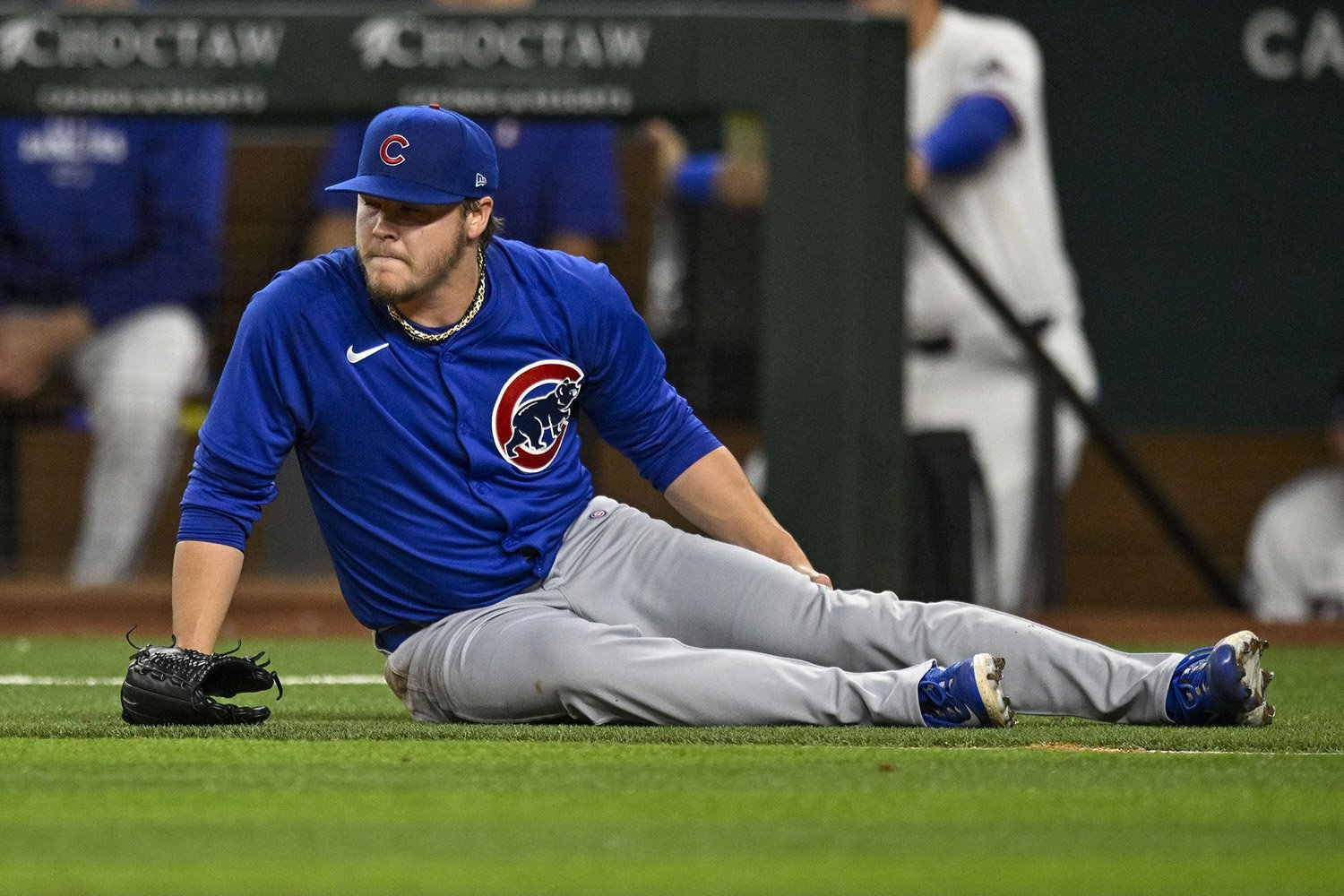 In case you were in a week long slumber, you likely know by now that Justin Steele will miss the rest of the season after undergoing elbow surgery. While not officially the dreaded Tommy John surgery, the Cubs did describe the surgery as a revision repair of the left ulnar collateral ligament, according to Jordan Bastian. In case you were in an even longer slumber, pitching injuries as a whole have increased dramatically over the past 20 years or so. Per a report published by Major League Baseball after last season, Tommy John surgeries among major and minor league players increased from 104 in 2010 to 314 in 2020 and 281 in 2024. In 2005, pitchers spent 3,940 days on the injured list due to elbow injuries and 2,634 days due to shoulder injuries. Those numbers were 12,185 and 5,445 in 2024, respectively. While the Cubs haven’t been immune to starting pitcher injuries over the past five years, they have certainly managed to avoid it more so than almost any other team. In fact, according to Roster Resource’s injury report on Fangraphs, the Cubs are one of three teams, along with the Angels and Phillies, to have no recorded Tommy John surgeries to major league starting pitchers since 2020. To be clear, the Cubs haven’t avoided long-term starting pitcher injuries entirely. Notably, they lost Kyle Hendricks to shoulder surgery in 2022, lost Marcus Stroman for six key weeks in 2023, and were without Ben Brown and Jordan Wicks for long stretches of last season. Even with those, they were one of five teams to have five starting pitchers make 20 starts in 2024. They were one of seven teams to do so in 2023. They are the only team to do it in both seasons. For the most part, the Cubs have completely avoided major injuries to key members of their starting rotation. This is a feature of the fact that the Cubs have consistently fielded a starting rotation of, mostly, soft tossers. Intentionally so, I believe, to limit injuries like this. According to Fangraphs, starting pitchers for the North Siders have thrown fastballs at an average of 92.1 mph from 2023 to 2025. That is last in baseball. This isn’t just the Kyle Hendricks effect, either. The team is 28th this season. That same MLB study from above also concluded that velocity is a large factor in the uptick of pitcher injuries. The bug is that it has limited the ceiling of that group just a tad. While the Cubs have gotten good results out of their rotation, they’re just 26th in strikeout rate from 2023 to 2025. They’ve relied a lot on solid up-the-middle defense from Dansby Swanson, Nico Hoerner, and company. The other bug is that we haven’t seen how Jed Hoyer responds to a back-breaking injury like Steele’s. He’s never had to replace a starting pitcher like that, on the fly, in the middle of a season where the team fully expects to, and frankly, should, make the playoffs. It should be noted, this type of thing doesn’t cripple good organizations. It would take me several more paragraphs to rattle off the number of starting pitchers the Dodgers have lost to injury over the past few seasons. The Brewers have been without Brandon Woodruff for much of the past two seasons and still managed to win the division in both years. Plan A is officially out for the season. It’s finally time to evaluate Jed Hoyer’s plan B.
 -
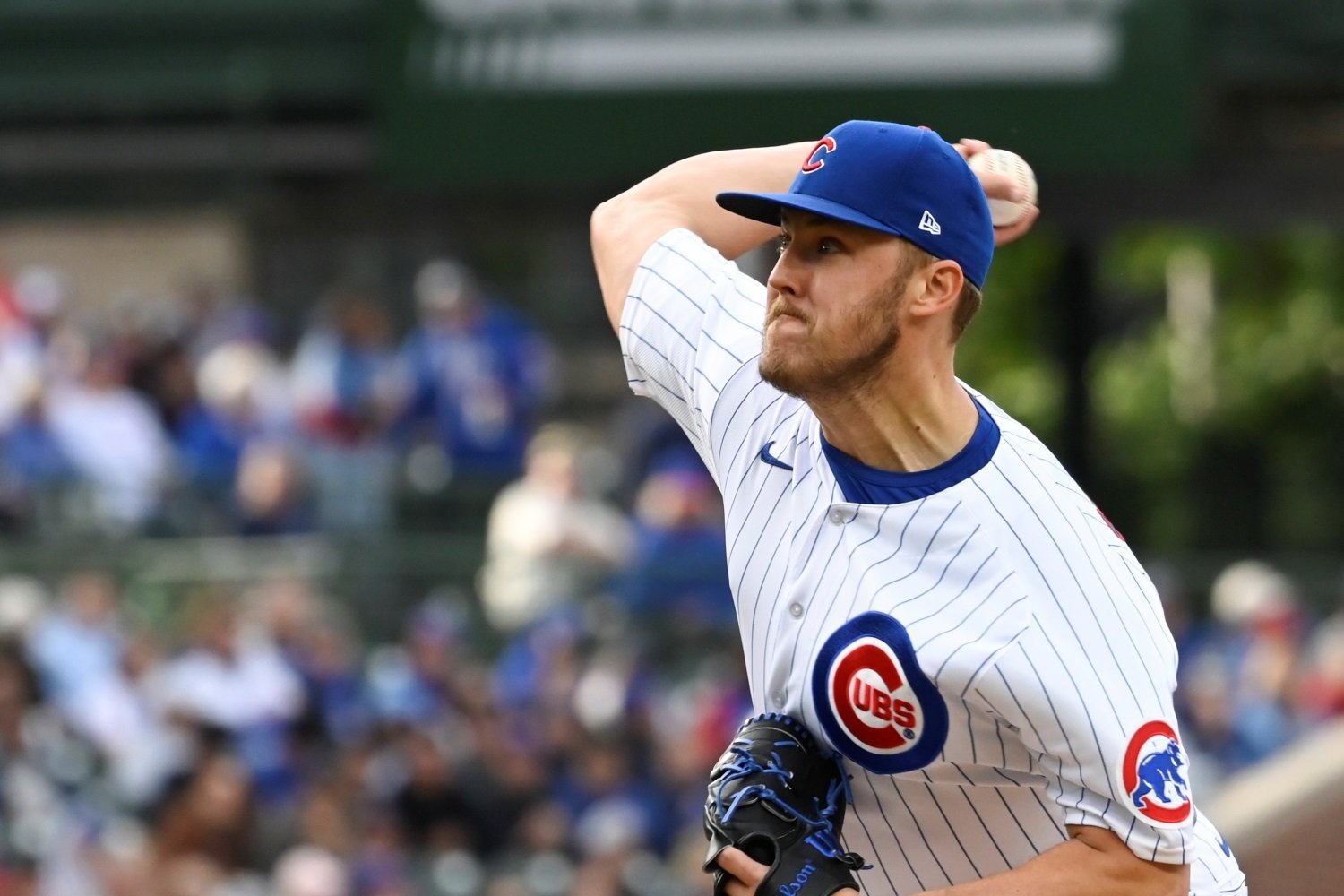 An early season peak at some of Jameson Taillon’s pitch data suggests a different, more effective pitcher. His overall Stuff+, a metric that evaluates the quality of a pitch based on its physical characteristics like velocity and movement, has bumped from 93 to 97, with 100 being average, according to Fangraphs. A four-point increase might not seem like a lot. But his Location+, which measures a pitcher’s ability to put pitches in the “correct” place, also rose from 107 in 2024 to 112 this year. These two numbers in conjunction form Pitching+, an overall evaluation of a pitcher’s raw pitch characteristics and execution. That has jumped from 100 in 2024 to 110 in the young 2025 season, with 100, again, being average. Here’s Taillon’s Stuff+ ratings, by pitch, in the 2024 season vs. the 2025 season. All stats courtesy of Fangraphs: Year Stuff+ Fastball Stuff+ Sinker Stuff+ Cutter Stuff+ Slider Stuff+ Curveball Stuff+ Changeup 2024 80 80 95 119 103 81 2025 94 97 96 116 93 99 We see a meaningful bump in three pitches: the fastball, the sinker, and the changeup. In short, I do believe that the veteran right-hander has made meaningful changes to each of those pitches. For the sake of this article, though, we’re going to focus on the changeup. Why the changeup? Because the kick change, that’s why. Eno Sarris specifically referenced Taillon throwing the kick change in his article on the topic last week. I made note to pay close attention to this in his start against the Athletics last week, and sure enough, after spinning one off to the very first batter of the game, Lawrence Butler, it was pointed out by Boog Sciambi that Taillon was throwing the kick change this year. What is the kick change? It’s a variation of the changeup where the pitcher essentially spikes the right side of the ball upon release rather than spiking straight down or coming on top of the ball. I’d recommend reading Sarris’ piece above, or watching this video if you have six minutes of time: Side note: you will notice that the video is from Tread Athletics. Remember that the Cubs hired Tyler Zombro, who had previously worked for Tread, as a special assistant this offseason to help with their pitching development. To this point of the season, Taillon has thrown only 15 changeups, but he threw seven against the Athletics after throwing four against the Diamondbacks in his first start this season (a number he matched in his start against the Rangers), so this could be something he is slowly gaining comfort with. Looking into Taillon’s pitch movement on the changeup last season vs. this season—it’s clear to see that the pitch is different. All stats courtesy of Baseball Savant: Year Vertical Drop Horizontal Break 2024 27.0” 14.2” arm-side 2025 30.0” 15.5” arm-side Added vertical drop is typically what you see when someone implements a kick change. In addition to the three inches of drop that Taillon is getting there, he is also getting an additional inch-plus of arm-side run on the pitch. Here is a Taillon changeup from his final start of last season. This one had 27” of vertical drop and 14” of arm-side break, a perfectly average changeup by movement for him last season: https://baseballsavant.mlb.com/sporty-videos?playId=70eff18c-47e7-4229-84cf-a824953a6d60 And here is one from last week’s start against the Athletics that had 31” of vertical drop and 21” of arm-side run, movement numbers he rarely ever came close to in 2024, and it induced a ground-ball double play. This perfectly illustrates the potential of the pitch: https://baseballsavant.mlb.com/sporty-videos?playId=c4992c61-45a5-3336-9b5e-85ccad042478 For those that don’t remember, Taillon struggled mightily against lefties in his first season with the Cubs. They hit him for a .363 wOBA. He dialed it back a bit last year, but left-handers still managed a roughly league-average .317 wOBA against him. This year, he has faced 29 lefties and held them to just a .279 wOBA. It’s actually righties that have hurt him this year, though I am confident that will even out in time. I am not saying this is purely a result of the changeup, but I am sure that it is a factor. Changeups tend to be effective pitches against opposite-handed hitters. Early season stats can always be a bit wonky, sure. They can also give us things to watch for going forward. Next time Jameson Taillon takes the mound, pay close attention to the changeup. How much is it moving? Will he start throwing it more often as he gets more comfortable with it? Or is this simply an early season fad?
 -
A few years ago, the sweeper took MLB by storm. Last year, it was the death ball. Now, the kick change is all the rage. Image courtesy of © Matt Marton-USA TODAY Sports An early season peak at some of Jameson Taillon’s pitch data suggests a different, more effective pitcher. His overall Stuff+, a metric that evaluates the quality of a pitch based on its physical characteristics like velocity and movement, has bumped from 93 to 97, with 100 being average, according to Fangraphs. A four-point increase might not seem like a lot. But his Location+, which measures a pitcher’s ability to put pitches in the “correct” place, also rose from 107 in 2024 to 112 this year. These two numbers in conjunction form Pitching+, an overall evaluation of a pitcher’s raw pitch characteristics and execution. That has jumped from 100 in 2024 to 110 in the young 2025 season, with 100, again, being average. Here’s Taillon’s Stuff+ ratings, by pitch, in the 2024 season vs. the 2025 season. All stats courtesy of Fangraphs: Year Stuff+ Fastball Stuff+ Sinker Stuff+ Cutter Stuff+ Slider Stuff+ Curveball Stuff+ Changeup 2024 80 80 95 119 103 81 2025 94 97 96 116 93 99 We see a meaningful bump in three pitches: the fastball, the sinker, and the changeup. In short, I do believe that the veteran right-hander has made meaningful changes to each of those pitches. For the sake of this article, though, we’re going to focus on the changeup. Why the changeup? Because the kick change, that’s why. Eno Sarris specifically referenced Taillon throwing the kick change in his article on the topic last week. I made note to pay close attention to this in his start against the Athletics last week, and sure enough, after spinning one off to the very first batter of the game, Lawrence Butler, it was pointed out by Boog Sciambi that Taillon was throwing the kick change this year. What is the kick change? It’s a variation of the changeup where the pitcher essentially spikes the right side of the ball upon release rather than spiking straight down or coming on top of the ball. I’d recommend reading Sarris’ piece above, or watching this video if you have six minutes of time: Side note: you will notice that the video is from Tread Athletics. Remember that the Cubs hired Tyler Zombro, who had previously worked for Tread, as a special assistant this offseason to help with their pitching development. To this point of the season, Taillon has thrown only 15 changeups, but he threw seven against the Athletics after throwing four against the Diamondbacks in his first start this season (a number he matched in his start against the Rangers), so this could be something he is slowly gaining comfort with. Looking into Taillon’s pitch movement on the changeup last season vs. this season—it’s clear to see that the pitch is different. All stats courtesy of Baseball Savant: Year Vertical Drop Horizontal Break 2024 27.0” 14.2” arm-side 2025 30.0” 15.5” arm-side Added vertical drop is typically what you see when someone implements a kick change. In addition to the three inches of drop that Taillon is getting there, he is also getting an additional inch-plus of arm-side run on the pitch. Here is a Taillon changeup from his final start of last season. This one had 27” of vertical drop and 14” of arm-side break, a perfectly average changeup by movement for him last season: https://baseballsavant.mlb.com/sporty-videos?playId=70eff18c-47e7-4229-84cf-a824953a6d60 And here is one from last week’s start against the Athletics that had 31” of vertical drop and 21” of arm-side run, movement numbers he rarely ever came close to in 2024, and it induced a ground-ball double play. This perfectly illustrates the potential of the pitch: https://baseballsavant.mlb.com/sporty-videos?playId=c4992c61-45a5-3336-9b5e-85ccad042478 For those that don’t remember, Taillon struggled mightily against lefties in his first season with the Cubs. They hit him for a .363 wOBA. He dialed it back a bit last year, but left-handers still managed a roughly league-average .317 wOBA against him. This year, he has faced 29 lefties and held them to just a .279 wOBA. It’s actually righties that have hurt him this year, though I am confident that will even out in time. I am not saying this is purely a result of the changeup, but I am sure that it is a factor. Changeups tend to be effective pitches against opposite-handed hitters. Early season stats can always be a bit wonky, sure. They can also give us things to watch for going forward. Next time Jameson Taillon takes the mound, pay close attention to the changeup. How much is it moving? Will he start throwing it more often as he gets more comfortable with it? Or is this simply an early season fad? View full article
-
There's a new craze sweeping the baseball nation. Get the weight closer to your hands, boys. The future is here, and it's shaped like a bowling pin. Image courtesy of © Allan Henry-Imagn Images The New York Yankees made headlines this weekend after they hit 15 home runs in their opening series against the Milwaukee Brewers. The headlines were both because those dingers tied the record for the most in a team’s first three games in MLB history, and because some of them were hit using new, torpedo-shaped bats. It turns out that the Cubs just might be using them, as well. I was fortunate enough to miss the Cubs’ bullpen meltdown on Sunday afternoon, though I did, for whatever reason, subject myself to the highlights later that night. When watching the highlights, I noticed that Dansby Swanson’s bat certainly looked to have that same, slightly different shape that we saw in some of the Yankees' pieces of lumber over the weekend: For reference, here is Swanson’s bat from a game from last season: It was all but confirmed Monday, when an article in The Athletic chronicled the rise of this new weapon in the war between pitchers and hitters: ”’It seems to be like it’s making its way around MLB,’ said Los Angeles Angels infielder Nicky Lopez, who spent spring training with the Chicago Cubs, where he said they utilized the bats as well.” What’s the big deal with these bats? Instead of the thickest part of the bat being up toward the end of the bat, the thickest part is slightly closer to the handle, where certain hitters tend to make contact with the ball most often. Here is a picture of a torpedo bat above a more standard bat: The Athletic did some further reporting, and discovered that these bats were the idea of Aaron Leanhardt, a former MIT physicist who worked for the Yankees before taking a job with the Miami Marlins for this season. They also reported that these bats are legal, under the league's (surprisingly lax, for some) rules about the dimensions and shape of the bat. One would think the results of something like this would show up in a statistic like exit velocity, but unfortunately for Swanson, that has not been the case so far. His 88.1 mph average exit velocity so far this season is slightly down from 89.4 mph last season, and his 41.2% hard-hit rate is a tick down from 42.7% last season. Still, it’s way too early to measure the results. It looked like Swanson wasn't even using the tapered stick when he hit his home run Monday night, but maybe that was just an adjustment based on what type of stuff he expected to see from each pitcher he faced. Personally, I think that something like this would make a negligible difference, and if the difference does turn out to be that great, everyone will be swinging these bats within a couple of months, anyway. Either way, it’s nice to see the Cubs being an early adopter of something that could help them win baseball games. Their bats, in whatever shape, delivered plenty of loud contact Monday night in West Sacramento. View full article
-
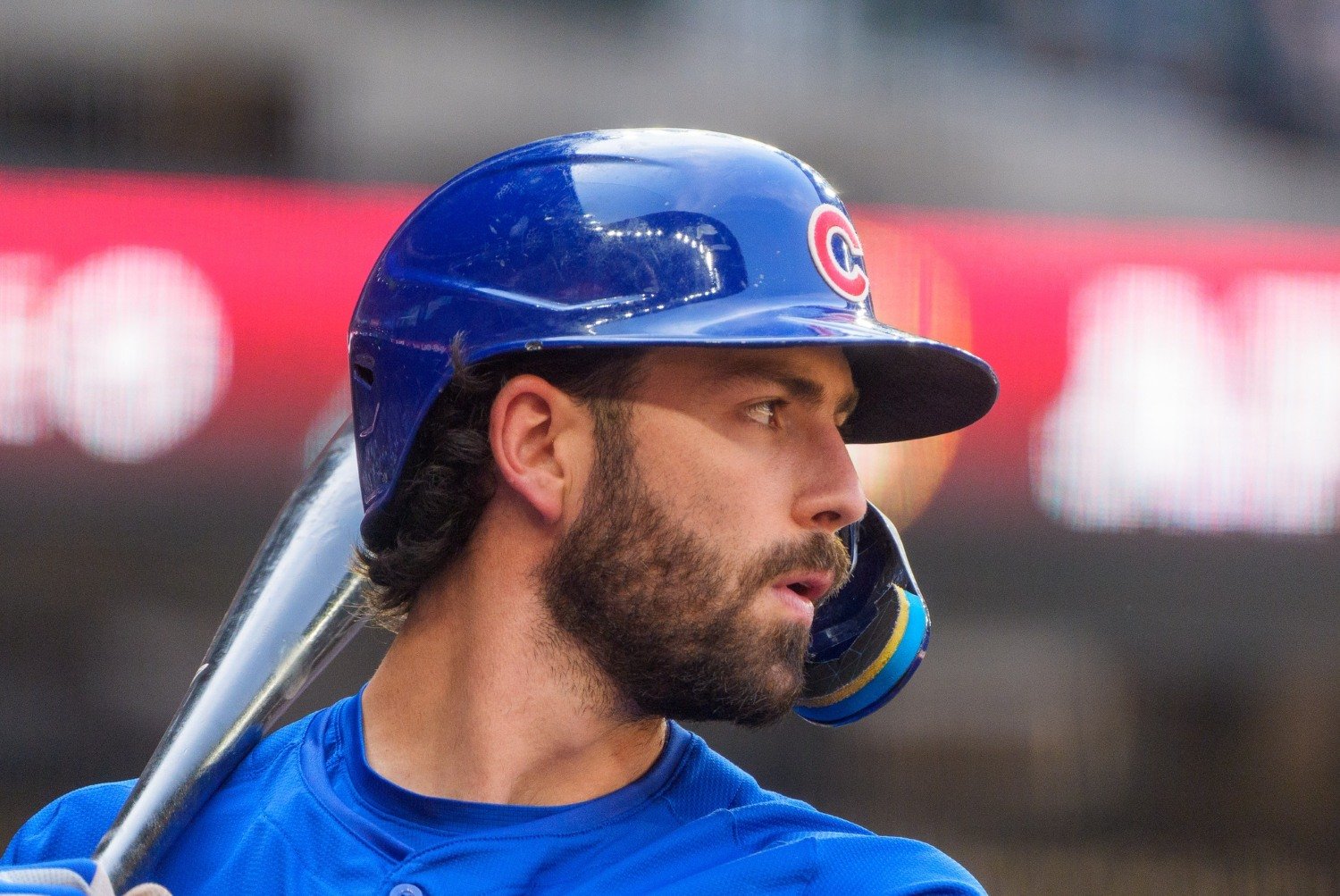 The New York Yankees made headlines this weekend after they hit 15 home runs in their opening series against the Milwaukee Brewers. The headlines were both because those dingers tied the record for the most in a team’s first three games in MLB history, and because some of them were hit using new, torpedo-shaped bats. It turns out that the Cubs just might be using them, as well. I was fortunate enough to miss the Cubs’ bullpen meltdown on Sunday afternoon, though I did, for whatever reason, subject myself to the highlights later that night. When watching the highlights, I noticed that Dansby Swanson’s bat certainly looked to have that same, slightly different shape that we saw in some of the Yankees' pieces of lumber over the weekend: For reference, here is Swanson’s bat from a game from last season: It was all but confirmed Monday, when an article in The Athletic chronicled the rise of this new weapon in the war between pitchers and hitters: ”’It seems to be like it’s making its way around MLB,’ said Los Angeles Angels infielder Nicky Lopez, who spent spring training with the Chicago Cubs, where he said they utilized the bats as well.” What’s the big deal with these bats? Instead of the thickest part of the bat being up toward the end of the bat, the thickest part is slightly closer to the handle, where certain hitters tend to make contact with the ball most often. Here is a picture of a torpedo bat above a more standard bat: The Athletic did some further reporting, and discovered that these bats were the idea of Aaron Leanhardt, a former MIT physicist who worked for the Yankees before taking a job with the Miami Marlins for this season. They also reported that these bats are legal, under the league's (surprisingly lax, for some) rules about the dimensions and shape of the bat. One would think the results of something like this would show up in a statistic like exit velocity, but unfortunately for Swanson, that has not been the case so far. His 88.1 mph average exit velocity so far this season is slightly down from 89.4 mph last season, and his 41.2% hard-hit rate is a tick down from 42.7% last season. Still, it’s way too early to measure the results. It looked like Swanson wasn't even using the tapered stick when he hit his home run Monday night, but maybe that was just an adjustment based on what type of stuff he expected to see from each pitcher he faced. Personally, I think that something like this would make a negligible difference, and if the difference does turn out to be that great, everyone will be swinging these bats within a couple of months, anyway. Either way, it’s nice to see the Cubs being an early adopter of something that could help them win baseball games. Their bats, in whatever shape, delivered plenty of loud contact Monday night in West Sacramento.
 -
There’s nothing baseball fans love more than overreacting to some small piece of data from early in the season. So, let’s do just that! Image courtesy of © Rick Scuteri-Imagn Images There can be some value in early season statistics. Certain numbers can portend future success, or failure. Kyle Tucker only had two hits in his first 19 plate appearances? That stinks. I also don’t care. I won’t pretend to know for sure what kind of season Tucker will have, however, I am certain that he will finish with a higher batting average than .125. As Billie Joe Armstrong once sang, wake me up when September ends—or, in this case, when April does. Tucker busted right out of his pseudo-funk Saturday, anyway. To me, one figure that is worth monitoring at this point is swing speed. Most everyday players for the Cubs have upwards of 20 competitive swings logged. Swing speed is not a statistic that allows outliers the ability to drag a player’s average swing speed down. Baseball Savant measures this by looking at the top 90 percent of a hitter’s swing speeds. If you look at swing speeds by month for the Cubs last season, almost all players' best and worst months, by swing speed, were within roughly 1 mph of each other. This seems to stay pretty consistent, which is what you'd expect. It's a lot like a pitcher's velocity. If it didn't stabilize quickly, that would be weird. I mention this because Pete Crow-Armstrong is not only leading the Cubs in average swing speed, but increased his average swing speed from 70.6 mph in 2024 to 74.3 mph so far in 2025. His average exit velocity and hard-hit rate have followed suit. All stats courtesy of Baseball Savant: Year Average Bat Speed Fast Swing Rate Hard Hit Rate Average Exit Velocity 2024 70.6 mph 8.0% 36.8% 88.9mph 2025 74.3 mph 38.9% 53.8% 94.0mph Crow-Armstrong did have considerably more variance in his swings last season than most players. His fastest swing speed month was March/April, when he averaged 71.9 mph. His slowest was September/October, when he averaged 69.0 mph. Neither figure touches 74.3 mph, though, and even last April, his fast swing rate was all the way down at 17.5%. Last year, the young center fielder’s average swing speed of 70.6 mph placed him 169th of 214 qualified players. An average swing speed of 74.3 mph would have bumped him up to 28th, alongside players like Bobby Witt, Fernando Tatis, and William Contreras. Why is this important? The returns on exit velocity are well-known at this point. When you hit the ball harder, it goes farther and has a better chance of being a hit. This all starts with swing speed. Swing the bat harder, the ball comes off the bat at a faster speed. For reference, Statcast's definition of a fast swing is any swing that is over 75 mph. According to Mike Petriello in his writeup about this last season, swings over 75 mph produced a .306 batting average and a .603 slugging percentage. Swings slower than that, taken together, produced a .247 batting average and a .371 slugging percentage. This uptick is (potentially) a huge development for a guy the Cubs really need to break out. On the other side of the coin, Seiya Suzuki has an average swing speed of 71.2 mph, which is down from 73.0 mph last season. This, to me, is incredibly concerning, for someone who has suffered from injured obliques, a muscle that is very important to a hitter’s swing, at the beginning of the past two seasons. His average swing speed in March and April of last season (before his injury) was 72.1 mph, which was his lowest month of the season, but still a far cry from the 71.2 mph that it currently sits at. The gap is smaller here, though, and he's trending in the right direction over the last couple of games. Perhaps Suzuki is a guy who really needs some time to warm up. Maybe he isn’t seeing the ball well and isn’t getting off good swings yet. Or maybe PCA stole his powers, like the Monstars in Space Jam. Either way, keep a close eye on the swings that these two get off in the next couple of weeks. Will Crow-Armstrong keep the quicker swings up, and will his performance take off as a result? Will Suzuki’s swings get back up to a more normal pace for him, or will his performance suffer? View full article
-
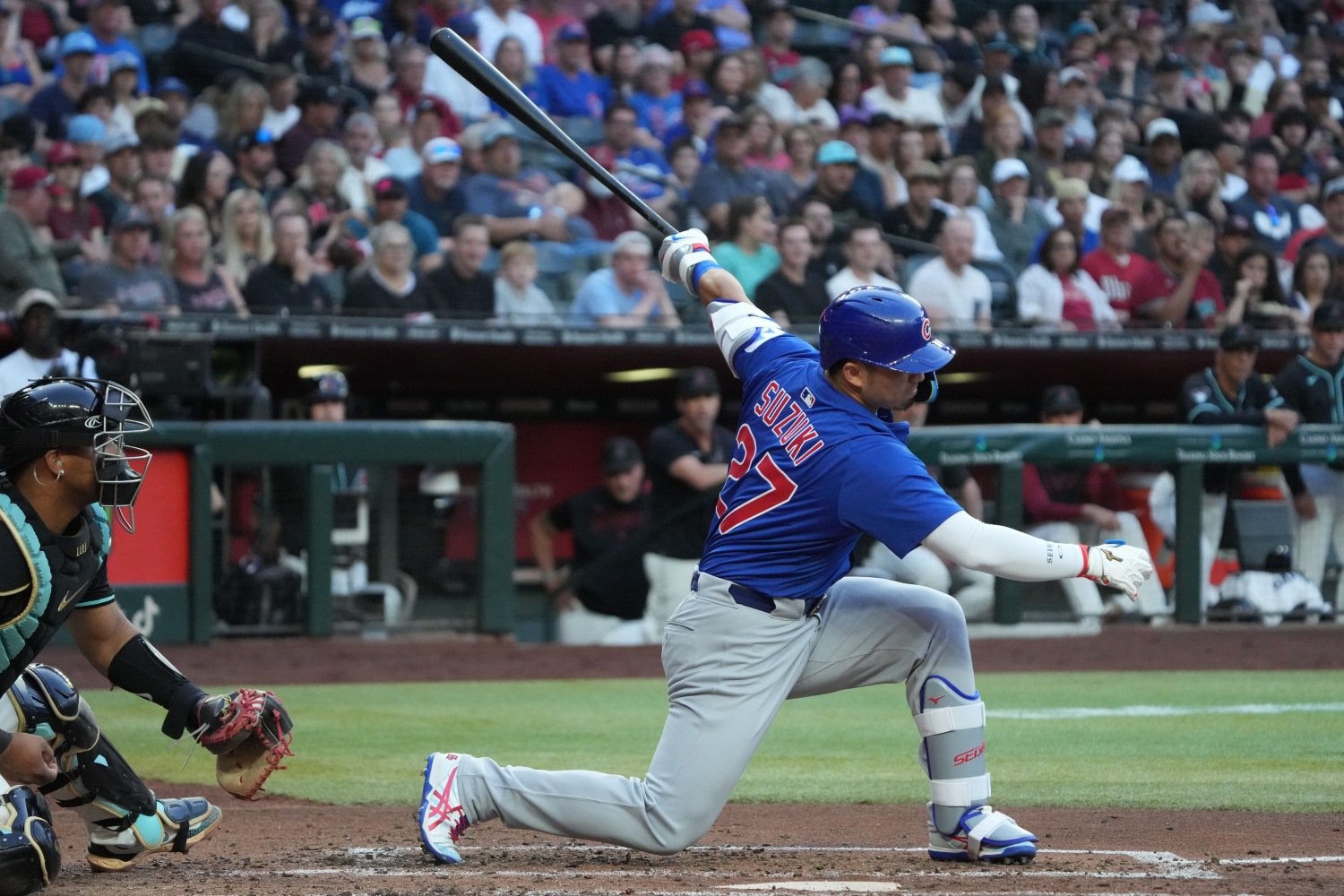 There can be some value in early season statistics. Certain numbers can portend future success, or failure. Kyle Tucker only had two hits in his first 19 plate appearances? That stinks. I also don’t care. I won’t pretend to know for sure what kind of season Tucker will have, however, I am certain that he will finish with a higher batting average than .125. As Billie Joe Armstrong once sang, wake me up when September ends—or, in this case, when April does. Tucker busted right out of his pseudo-funk Saturday, anyway. To me, one figure that is worth monitoring at this point is swing speed. Most everyday players for the Cubs have upwards of 20 competitive swings logged. Swing speed is not a statistic that allows outliers the ability to drag a player’s average swing speed down. Baseball Savant measures this by looking at the top 90 percent of a hitter’s swing speeds. If you look at swing speeds by month for the Cubs last season, almost all players' best and worst months, by swing speed, were within roughly 1 mph of each other. This seems to stay pretty consistent, which is what you'd expect. It's a lot like a pitcher's velocity. If it didn't stabilize quickly, that would be weird. I mention this because Pete Crow-Armstrong is not only leading the Cubs in average swing speed, but increased his average swing speed from 70.6 mph in 2024 to 74.3 mph so far in 2025. His average exit velocity and hard-hit rate have followed suit. All stats courtesy of Baseball Savant: Year Average Bat Speed Fast Swing Rate Hard Hit Rate Average Exit Velocity 2024 70.6 mph 8.0% 36.8% 88.9mph 2025 74.3 mph 38.9% 53.8% 94.0mph Crow-Armstrong did have considerably more variance in his swings last season than most players. His fastest swing speed month was March/April, when he averaged 71.9 mph. His slowest was September/October, when he averaged 69.0 mph. Neither figure touches 74.3 mph, though, and even last April, his fast swing rate was all the way down at 17.5%. Last year, the young center fielder’s average swing speed of 70.6 mph placed him 169th of 214 qualified players. An average swing speed of 74.3 mph would have bumped him up to 28th, alongside players like Bobby Witt, Fernando Tatis, and William Contreras. Why is this important? The returns on exit velocity are well-known at this point. When you hit the ball harder, it goes farther and has a better chance of being a hit. This all starts with swing speed. Swing the bat harder, the ball comes off the bat at a faster speed. For reference, Statcast's definition of a fast swing is any swing that is over 75 mph. According to Mike Petriello in his writeup about this last season, swings over 75 mph produced a .306 batting average and a .603 slugging percentage. Swings slower than that, taken together, produced a .247 batting average and a .371 slugging percentage. This uptick is (potentially) a huge development for a guy the Cubs really need to break out. On the other side of the coin, Seiya Suzuki has an average swing speed of 71.2 mph, which is down from 73.0 mph last season. This, to me, is incredibly concerning, for someone who has suffered from injured obliques, a muscle that is very important to a hitter’s swing, at the beginning of the past two seasons. His average swing speed in March and April of last season (before his injury) was 72.1 mph, which was his lowest month of the season, but still a far cry from the 71.2 mph that it currently sits at. The gap is smaller here, though, and he's trending in the right direction over the last couple of games. Perhaps Suzuki is a guy who really needs some time to warm up. Maybe he isn’t seeing the ball well and isn’t getting off good swings yet. Or maybe PCA stole his powers, like the Monstars in Space Jam. Either way, keep a close eye on the swings that these two get off in the next couple of weeks. Will Crow-Armstrong keep the quicker swings up, and will his performance take off as a result? Will Suzuki’s swings get back up to a more normal pace for him, or will his performance suffer?
 -
The Cubs enter the season with more answers than questions at designated hitter for the first time since its permanent introduction to the National League in 2022. Image courtesy of © Rick Scuteri-Imagn Images I am offering a virtual high five to anyone who can name the Cubs’ Opening Day starter at designated hitter in the first three seasons since the National League adopted the position full-time in 2022. Any takers? You might have gotten 2024 correct. It was Christopher Morel, with Nick Madrigal starting at third base. In 2023, it was Trey Mancini. Remember that disaster? 2022 was Rafael Ortega. This is to say that not only did the Cubs’ acquisition of Kyle Tucker improve the team in right field, but bumping Seiya Suzuki to the presumptive everyday designated hitter, it also improved the team there. The Cubs got a lot of production out of that lineup spot since Suzuki moved over there in the middle of last season, and now enter the season with one of the rosiest projections at that position that they have ever had. Cubs Designated Hitters At A Glance Starter: Seiya Suzuki Backup: Justin Turner Depth: any hitter that Craig Counsell wants to remain in the lineup but wants to give them a day off from playing in the field Cubs fWAR Ranking Last Year: 9th out of 30 Cubs fWAR Projection This Year: 7th out of 30 The Good The good boils down to one person: Suzuki. The Japanese standout has improved in his three seasons in MLB, going from 118 wRC+ in 2022 to 128 in 2023 to 138 this past season. He was always able to hit the ball hard. Baseball Savant said his 91.7 average exit velocity was in the 87th percentile. Last season, he could finally hit the ball in the air much more consistently. His ground ball rate went from 40 percent and 43.1 percent in 2022 and 2023, respectively, to 33.7 percent in 2024. His fly ball rate jumped from 34.4 percent in 2023 to 46.9 percent this past season. Given that he produced a 163 wRC+ and all 21 home runs on fly balls, this was a profitable change for Suzuki. A 138 wRC+ is asking a lot of anyone; however, if he can continue elevating the ball, there’s no reason he can’t be one of the most productive designated hitters in baseball, solidly in the group of guys slotted just behind Shohei Ohtani and Yordan Alvarez. Justin Turner figures to come second in the pecking order after Suzuki. He’ll see plenty of time at DH on days the Cubs want to give any one of Kyle Tucker, Pete Crow-Armstrong, or Ian Happ a day off and slot Suzuki into the outfield somewhere. He’s had an above-average batting line in every season since 2014 and has also taken plenty of plate appearances as a designated hitter lately, so he should be used to it. The Bad Will Suzuki accept the role full-time? His agent, Joel Wolfe, insinuated earlier this offseason that Suzuki was not thrilled with only being a designated hitter. Patrick Mooney of The Athletic has since reported that Craig Counsell and Suzuki have been working through some communication barriers and that Suzuki is ready to do whatever the team needs of him. “My job is to give it my all, so if it is to DH, if it is to play the field, I’ll give it my best.” Will Suzuki play the field enough to remain happy? Will it affect his performance at the plate if he is primarily a designated hitter? The Bottom Line The Cubs are as well positioned at designated hitter as ever. The team combined for -0.8 Fangraphs WAR and a below-league-average batting line from the position in 2022 and 2023. They finally turned it into a position of strength last season when Suzuki started playing there every day, and on top of that, they have another guy in Turner, who should be an above-average hitter to back him up. I am an optimist; I am not particularly worried about how Suzuki will adapt to being a DH daily. He only played 73 games in the outfield last season, and his offensive performance did not suffer. Injuries and days off will happen. There’s no reason he can’t be rotated into left or right field every week to keep Tucker or Happ off their feet. Suzuki even played center field in an exhibition game this week, which our own Matthew Trueblood is optimistic about. Suzuki can continue to do what he has done since coming to MLB: designated hitter figures to finally be a position of strength for the Cubs, rather than a position where they roll the dice on a particular matchup they feel good about on any given day. View full article
-
 I am offering a virtual high five to anyone who can name the Cubs’ Opening Day starter at designated hitter in the first three seasons since the National League adopted the position full-time in 2022. Any takers? You might have gotten 2024 correct. It was Christopher Morel, with Nick Madrigal starting at third base. In 2023, it was Trey Mancini. Remember that disaster? 2022 was Rafael Ortega. This is to say that not only did the Cubs’ acquisition of Kyle Tucker improve the team in right field, but bumping Seiya Suzuki to the presumptive everyday designated hitter, it also improved the team there. The Cubs got a lot of production out of that lineup spot since Suzuki moved over there in the middle of last season, and now enter the season with one of the rosiest projections at that position that they have ever had. Cubs Designated Hitters At A Glance Starter: Seiya Suzuki Backup: Justin Turner Depth: any hitter that Craig Counsell wants to remain in the lineup but wants to give them a day off from playing in the field Cubs fWAR Ranking Last Year: 9th out of 30 Cubs fWAR Projection This Year: 7th out of 30 The Good The good boils down to one person: Suzuki. The Japanese standout has improved in his three seasons in MLB, going from 118 wRC+ in 2022 to 128 in 2023 to 138 this past season. He was always able to hit the ball hard. Baseball Savant said his 91.7 average exit velocity was in the 87th percentile. Last season, he could finally hit the ball in the air much more consistently. His ground ball rate went from 40 percent and 43.1 percent in 2022 and 2023, respectively, to 33.7 percent in 2024. His fly ball rate jumped from 34.4 percent in 2023 to 46.9 percent this past season. Given that he produced a 163 wRC+ and all 21 home runs on fly balls, this was a profitable change for Suzuki. A 138 wRC+ is asking a lot of anyone; however, if he can continue elevating the ball, there’s no reason he can’t be one of the most productive designated hitters in baseball, solidly in the group of guys slotted just behind Shohei Ohtani and Yordan Alvarez. Justin Turner figures to come second in the pecking order after Suzuki. He’ll see plenty of time at DH on days the Cubs want to give any one of Kyle Tucker, Pete Crow-Armstrong, or Ian Happ a day off and slot Suzuki into the outfield somewhere. He’s had an above-average batting line in every season since 2014 and has also taken plenty of plate appearances as a designated hitter lately, so he should be used to it. The Bad Will Suzuki accept the role full-time? His agent, Joel Wolfe, insinuated earlier this offseason that Suzuki was not thrilled with only being a designated hitter. Patrick Mooney of The Athletic has since reported that Craig Counsell and Suzuki have been working through some communication barriers and that Suzuki is ready to do whatever the team needs of him. “My job is to give it my all, so if it is to DH, if it is to play the field, I’ll give it my best.” Will Suzuki play the field enough to remain happy? Will it affect his performance at the plate if he is primarily a designated hitter? The Bottom Line The Cubs are as well positioned at designated hitter as ever. The team combined for -0.8 Fangraphs WAR and a below-league-average batting line from the position in 2022 and 2023. They finally turned it into a position of strength last season when Suzuki started playing there every day, and on top of that, they have another guy in Turner, who should be an above-average hitter to back him up. I am an optimist; I am not particularly worried about how Suzuki will adapt to being a DH daily. He only played 73 games in the outfield last season, and his offensive performance did not suffer. Injuries and days off will happen. There’s no reason he can’t be rotated into left or right field every week to keep Tucker or Happ off their feet. Suzuki even played center field in an exhibition game this week, which our own Matthew Trueblood is optimistic about. Suzuki can continue to do what he has done since coming to MLB: designated hitter figures to finally be a position of strength for the Cubs, rather than a position where they roll the dice on a particular matchup they feel good about on any given day.
 -
The 2025 Chicago Cubs have a lot of candidates to break camp as the team’s fifth starter. Who’s the current favorite? Who can seize the spot with a strong spring? The fifth spot in the Cubs’ rotation was a huge weak spot in the 2024 season. Despite an encouraging 2023 season, a second decline came fast for Kyle Hendricks just one season later. In 24 starts, he posted a 6.27 ERA. Those 24 starts (and the fistful that went to other hurlers as the team scrambled to solve the problem) were low-hanging fruit for Jed Hoyer to pluck and improve the team in 2025. He’s certainly given himself options. Shota Imanaga, Justin Steele, and Jameson Taillon all return to provide stability at the front of the rotation. All signs point to Matthew Boyd being the fourth starter, with Craig Counsell recently saying that they are “preparing for 32 starts” from him, according to The Athletic—even if that number is obviously a bit optimistic. This leaves an abundance of candidates (some of whom successfully started games for the Cubs last season) to take that fifth spot. Of course, it might take all of these dudes to get through 162 starts, but we cannot project that. For now, let’s take a look at each one and what they can do to start the season in the rotation. The Favorites Javier Assad He will be the team’s fifth starter because… he has been there and done that with the Cubs. Assad made 29 starts with the Cubs last season and posted a 3.73 ERA. He made 10 starts in 2023 and posted a 3.02 ERA. What’s the catch? He also posted a 4.64 FIP in 2024 and 4.29 mark in 2023, suggesting that some regression is coming. Personally, I still have no idea what to make of Assad. Is he the type of guy who can consistently beat his FIP by over a run? Or is he a ticking time bomb waiting to explode? Regardless, I think he’s earned the right to keep showing what he can do. He won’t be the team’s fifth starter because… he’s injured. He came down with an oblique strain early in camp. According to Maddie Lee of the Chicago Sun-Times, he has resumed throwing. The delay is still enough to put his status for Opening Day in doubt. What to watch for this spring… will he see game action? Is he healthy? Colin Rea He will be the team’s fifth starter because… he has to start the season on the big-league roster. Unlike Assad and many of the other pitchers we will be naming later, Rea cannot be optioned to Triple-A Iowa. Unless he’s hurt, Rea will be on the big-league roster, either as a long man in the bullpen or in the rotation. He won’t be the team’s fifth starter because… he has the lowest ceiling of any of their options. We know what Rea is. He’ll reliably give you five innings (while allowing two or three runs) just about every time he toes the rubber. There’s value in that. The Cubs certainly would have taken that from Hendricks last season. He’s also 34 and, unlike other options, probably doesn’t have a future with the Cubs past this year. He was signed, specifically, to be a depth piece, while a lot of these other options continue to develop. What to watch for this spring… will he start or come out of the bullpen? I am not sure I’d put too much stock into either, but it might give us a clue into what role the team envisions for him off the bat. The Prospects Jordan Wicks He will be the team’s fifth starter because… he gets back to what he does well. Marquee Sports Network’s Andy Martinez reports that Wicks spent the offseason working on his conditioning, rather than his strength. This comes after a season when his velocity was up, but he struggled to remain healthy. He won’t be the team’s fifth starter because… he still has work to do. Wicks still needs to figure out who he is as a pitcher. Is he going to chase more velocity and strikeouts, like he did last season, or is he going to be a guy who pitches to contact, but limits hard contact? What to watch for this spring… pitch development beyond the changeup. For more on Wicks, read Brandon Glick’s piece on him from last week. Ben Brown He will be the team’s fifth starter because… he has the highest ceiling. Brown dazzled in eight starts last season, putting up a 3.23 ERA and a 28.3% strikeout rate. He might have the best raw stuff in the organization, among those with an iota of a chance to start. He won’t be the team’s fifth starter because… he needs a third pitch. Brown features a fastball that he throws at 96 mph and beyond, and a curveball (or death ball, if you will) that is as devastating as any. Few pitchers can succeed as starters with only two pitches. Can Brown? Can he find a third pitch to mix in? Or is he a shutdown reliever, rather than a starter? What to watch for this spring… did he spend the offseason developing a third pitch? The Longshots Caleb Kilian Kilian, the only remaining piece from the Kris Bryant trade, has struggled to combine the ability to miss bats with the ability to consistently find the strike zone. If he makes any starts for the Cubs this year, it’s either a bad sign for the team, or a sign that he has made a huge, unexpected stride in his development, both physically and mentally. Cody Poteet Poteet, the return for Cody Bellinger, saw his strikeout rate jump in the minor leagues for the Yankees last season. Can that continue, or is he a guy who will have to pitch to contact? He has two option years remaining, so he likely starts the season in Iowa. His first spring outing did, at least, show an intriguing uptick in velocity. Cade Horton Horton, the team’s top pitching prospect, is not starting the season with the big-league team, so stop dreaming. He has one objective this season: stay healthy. If he does so, he'll eventually turn up in Chicago. Brad Keller and Chris Flexen There is a non-zero chance one of these guys gets named the fifth starter, even if it be extremely remote. If either particularly impresses in spring training and the Cubs don’t want to risk losing them to another team, they might have to be assigned to the 40-man roster and make the team for Opening Day. Otherwise, they’ll have the right to opt out (at some point; minor-league deals vary in when and how many times a player has that chance) and test free agency. Both have previously found success in their big-league careers, but both are several years removed from it. That's nine names for one job—or two, if the team uses a six-man rotation. It's wonderful to have that degree of depth, even if in a perfect world, they would have more strength above this group. If the spring doesn't involve significantly more attrition (already, they've seen Assad delayed and Brandon Birdsell sidelined, so don't get too hopeful just yet), they should enter the regular season with ample options to manage the long grind of the 162-game campaign. View full article
-
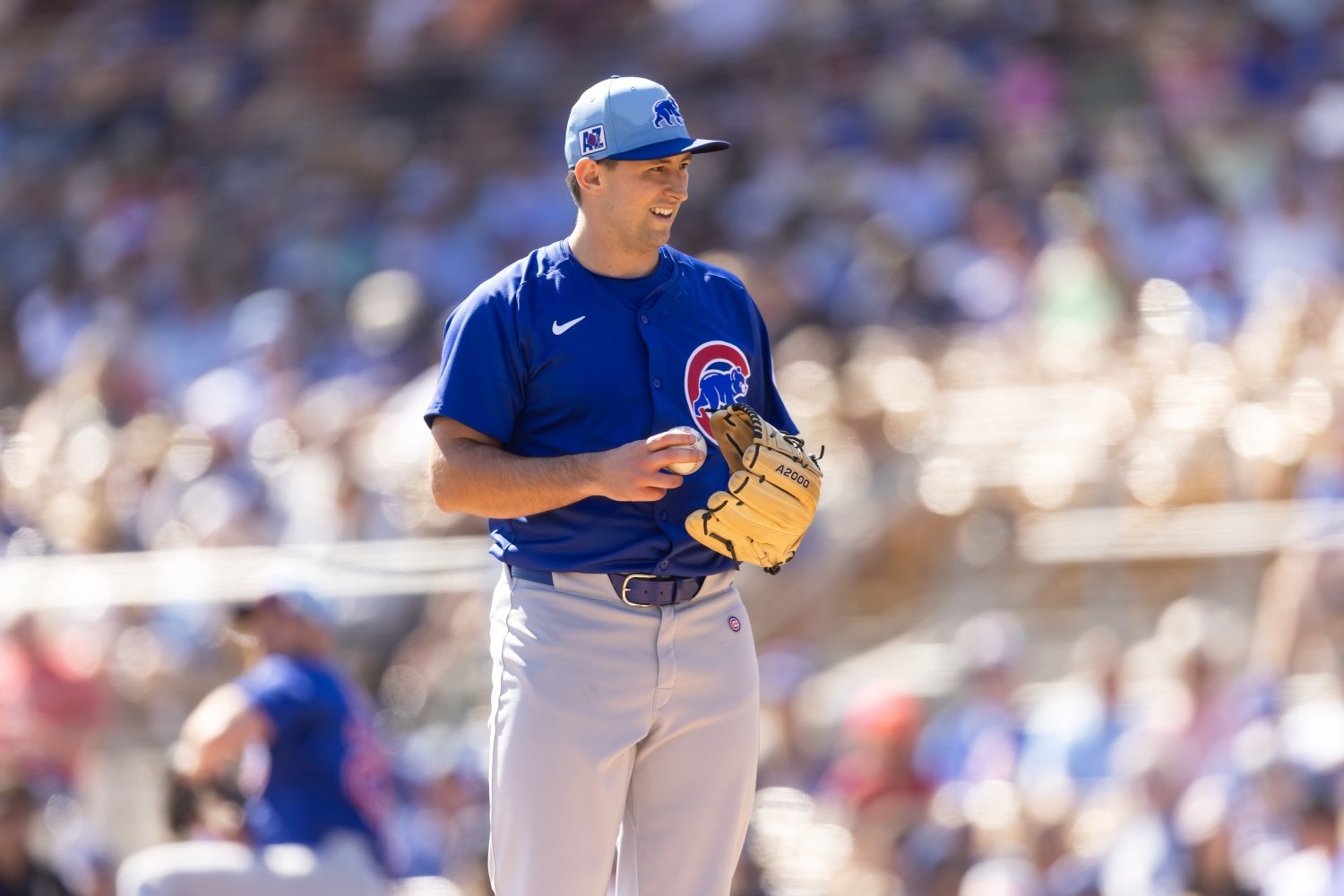 The fifth spot in the Cubs’ rotation was a huge weak spot in the 2024 season. Despite an encouraging 2023 season, a second decline came fast for Kyle Hendricks just one season later. In 24 starts, he posted a 6.27 ERA. Those 24 starts (and the fistful that went to other hurlers as the team scrambled to solve the problem) were low-hanging fruit for Jed Hoyer to pluck and improve the team in 2025. He’s certainly given himself options. Shota Imanaga, Justin Steele, and Jameson Taillon all return to provide stability at the front of the rotation. All signs point to Matthew Boyd being the fourth starter, with Craig Counsell recently saying that they are “preparing for 32 starts” from him, according to The Athletic—even if that number is obviously a bit optimistic. This leaves an abundance of candidates (some of whom successfully started games for the Cubs last season) to take that fifth spot. Of course, it might take all of these dudes to get through 162 starts, but we cannot project that. For now, let’s take a look at each one and what they can do to start the season in the rotation. The Favorites Javier Assad He will be the team’s fifth starter because… he has been there and done that with the Cubs. Assad made 29 starts with the Cubs last season and posted a 3.73 ERA. He made 10 starts in 2023 and posted a 3.02 ERA. What’s the catch? He also posted a 4.64 FIP in 2024 and 4.29 mark in 2023, suggesting that some regression is coming. Personally, I still have no idea what to make of Assad. Is he the type of guy who can consistently beat his FIP by over a run? Or is he a ticking time bomb waiting to explode? Regardless, I think he’s earned the right to keep showing what he can do. He won’t be the team’s fifth starter because… he’s injured. He came down with an oblique strain early in camp. According to Maddie Lee of the Chicago Sun-Times, he has resumed throwing. The delay is still enough to put his status for Opening Day in doubt. What to watch for this spring… will he see game action? Is he healthy? Colin Rea He will be the team’s fifth starter because… he has to start the season on the big-league roster. Unlike Assad and many of the other pitchers we will be naming later, Rea cannot be optioned to Triple-A Iowa. Unless he’s hurt, Rea will be on the big-league roster, either as a long man in the bullpen or in the rotation. He won’t be the team’s fifth starter because… he has the lowest ceiling of any of their options. We know what Rea is. He’ll reliably give you five innings (while allowing two or three runs) just about every time he toes the rubber. There’s value in that. The Cubs certainly would have taken that from Hendricks last season. He’s also 34 and, unlike other options, probably doesn’t have a future with the Cubs past this year. He was signed, specifically, to be a depth piece, while a lot of these other options continue to develop. What to watch for this spring… will he start or come out of the bullpen? I am not sure I’d put too much stock into either, but it might give us a clue into what role the team envisions for him off the bat. The Prospects Jordan Wicks He will be the team’s fifth starter because… he gets back to what he does well. Marquee Sports Network’s Andy Martinez reports that Wicks spent the offseason working on his conditioning, rather than his strength. This comes after a season when his velocity was up, but he struggled to remain healthy. He won’t be the team’s fifth starter because… he still has work to do. Wicks still needs to figure out who he is as a pitcher. Is he going to chase more velocity and strikeouts, like he did last season, or is he going to be a guy who pitches to contact, but limits hard contact? What to watch for this spring… pitch development beyond the changeup. For more on Wicks, read Brandon Glick’s piece on him from last week. Ben Brown He will be the team’s fifth starter because… he has the highest ceiling. Brown dazzled in eight starts last season, putting up a 3.23 ERA and a 28.3% strikeout rate. He might have the best raw stuff in the organization, among those with an iota of a chance to start. He won’t be the team’s fifth starter because… he needs a third pitch. Brown features a fastball that he throws at 96 mph and beyond, and a curveball (or death ball, if you will) that is as devastating as any. Few pitchers can succeed as starters with only two pitches. Can Brown? Can he find a third pitch to mix in? Or is he a shutdown reliever, rather than a starter? What to watch for this spring… did he spend the offseason developing a third pitch? The Longshots Caleb Kilian Kilian, the only remaining piece from the Kris Bryant trade, has struggled to combine the ability to miss bats with the ability to consistently find the strike zone. If he makes any starts for the Cubs this year, it’s either a bad sign for the team, or a sign that he has made a huge, unexpected stride in his development, both physically and mentally. Cody Poteet Poteet, the return for Cody Bellinger, saw his strikeout rate jump in the minor leagues for the Yankees last season. Can that continue, or is he a guy who will have to pitch to contact? He has two option years remaining, so he likely starts the season in Iowa. His first spring outing did, at least, show an intriguing uptick in velocity. Cade Horton Horton, the team’s top pitching prospect, is not starting the season with the big-league team, so stop dreaming. He has one objective this season: stay healthy. If he does so, he'll eventually turn up in Chicago. Brad Keller and Chris Flexen There is a non-zero chance one of these guys gets named the fifth starter, even if it be extremely remote. If either particularly impresses in spring training and the Cubs don’t want to risk losing them to another team, they might have to be assigned to the 40-man roster and make the team for Opening Day. Otherwise, they’ll have the right to opt out (at some point; minor-league deals vary in when and how many times a player has that chance) and test free agency. Both have previously found success in their big-league careers, but both are several years removed from it. That's nine names for one job—or two, if the team uses a six-man rotation. It's wonderful to have that degree of depth, even if in a perfect world, they would have more strength above this group. If the spring doesn't involve significantly more attrition (already, they've seen Assad delayed and Brandon Birdsell sidelined, so don't get too hopeful just yet), they should enter the regular season with ample options to manage the long grind of the 162-game campaign.
 -
The Cubs' run prevention has been strange and uneven over the last four years. But there might be signs of a corner being turned. Image courtesy of © David Richard-Imagn Images While browsing through some stats the other day, I came across something I found interesting. Allow me to rattle off six teams, and I’ll let you decide what they all have in common: Los Angeles Dodgers, Houston Astros, Milwaukee Brewers, Cleveland Guardians, New York Yankees, and Seattle Mariners. You maybe haven’t thought of the one specific thing that they have in common, but I’d bet you thought something about how all of those teams have typically had pretty good pitching staffs lately—and you’d be correct. While those aren’t necessarily the six best pitching staffs in MLB, you have five teams who have routinely shown they can cobble a bullpen together, plus the Mariners, who have a tree of young starting pitchers that they somehow continue to pluck and eat richly from. Those are also the six teams that have most outperformed their FIP from the 2021 season through the 2024 season, according to FanGraphs. I bring this up because right after the Mariners on that list are the Chicago Cubs: Team FIP ERA FIP-ERA LAD 3.85 3.45 0.40 HOU 3.94 3.60 0.34 MIL 4.01 3.68 0.33 CLE 4.09 3.84 0.25 NYY 3.94 3.70 0.24 SEA 3.94 3.78 0.16 CHC 4.35 4.19 0.16 TOR 4.13 3.97 0.16 TBR 3.83 3.69 0.14 SDP 3.98 3.87 0.11 There are a few other things to note when reviewing the full chart above. One is that, while the Cubs do make this top 10, there is a significant drop off following the first team, the third team, and then the fifth team. The Cubs come in seventh, but the Dodgers have still outperformed their FIP by more than double what the Cubs have done. Second is that the Cubs have the highest ERA and FIP of this group, by quite a bit. They have the lowest strikeout rate, too, which surely hasn’t helped. This relates to the third thing, which is that all of these teams have made the playoffs (in most cases, more than once) in our timeframe—except for the Cubs. Defense is likely partly the cause for this, but not all of it. FIP assumes batted balls turn into outs at an average rate. A good defense will turn them into outs at an above-average rate, naturally. The Mariners have not necessarily rated as a particularly good defensive team during the period of this study, though. The Texas Rangers have been rated as one of the best defensive teams and have actually underperformed their FIP. While good defense can help, I don’t think it’s our only variable here. The other thought that popped into my head was whether or not this was just the Javier Assad effect. Here’s a list of the eight Cubs pitchers who have surpassed 200 total innings in the last four seasons, and you’ll notice that though Assad is doing lots of heavy lifting, he’s certainly not the only suspect: Player FIP ERA FIP-ERA Kyle Hendricks 4.62 4.80 -0.18 Justin Steele 3.42 3.24 0.18 Jameson Taillon 4.25 4.03 0.23 Drew Smyly 4.70 4.25 0.45 Javier Assad 4.49 3.40 1.19 Marcus Stroman 3.67 3.73 -0.06 Keegan Thompson 4.51 3.64 0.87 Adbert Alzolay 4.23 3.96 0.27 I subscribe to the belief that data should mostly tell you what you already think it will. If I look at a random hitting metric and it tells me that Ian Happ, a good hitter but certainly not best in baseball territory, is number one, I’ll know it might not correlate perfectly with overall offensive production. If it tells me that Aaron Judge, Shohei Ohtani, and Juan Soto are the best at a certain thing, then I’ll know it’s probably pretty important to being a good hitter. When the Dodgers, Brewers, and Astros flow to the top of a list, this tells me that there might be something to being able to consistently outperform your FIP as a team. This is mostly a list of teams that maximize the pitchers they have in-house. This isn’t to say that there can’t be surprises. The Cubs would qualify as a surprise here, at least to me. I am not nearly qualified enough to dig super deep into the data and figure out why, specifically, each of these teams is listed here, though I may try at a later date with more time. All of that said, given the teams that the Cubs are listed with here, I believe it shows that they are doing something right with their pitching development. It frustrates me that they haven’t turned it into more team success, like every other team listed there has. It frustrates me that they can’t marry the ability to turn batted balls into outs with the ability to run a high strikeout rate. That would certainly lower that team ERA into the same range as the rest of the group. It also encourages me. These four seasons encompass the Jed Hoyer era, and they come just a couple of years after the pitch lab officially opened, marking an increased emphasis on internal development. Or, maybe they have just been getting very lucky. Either way, this will be something to watch during the 2025 season. View full article
-
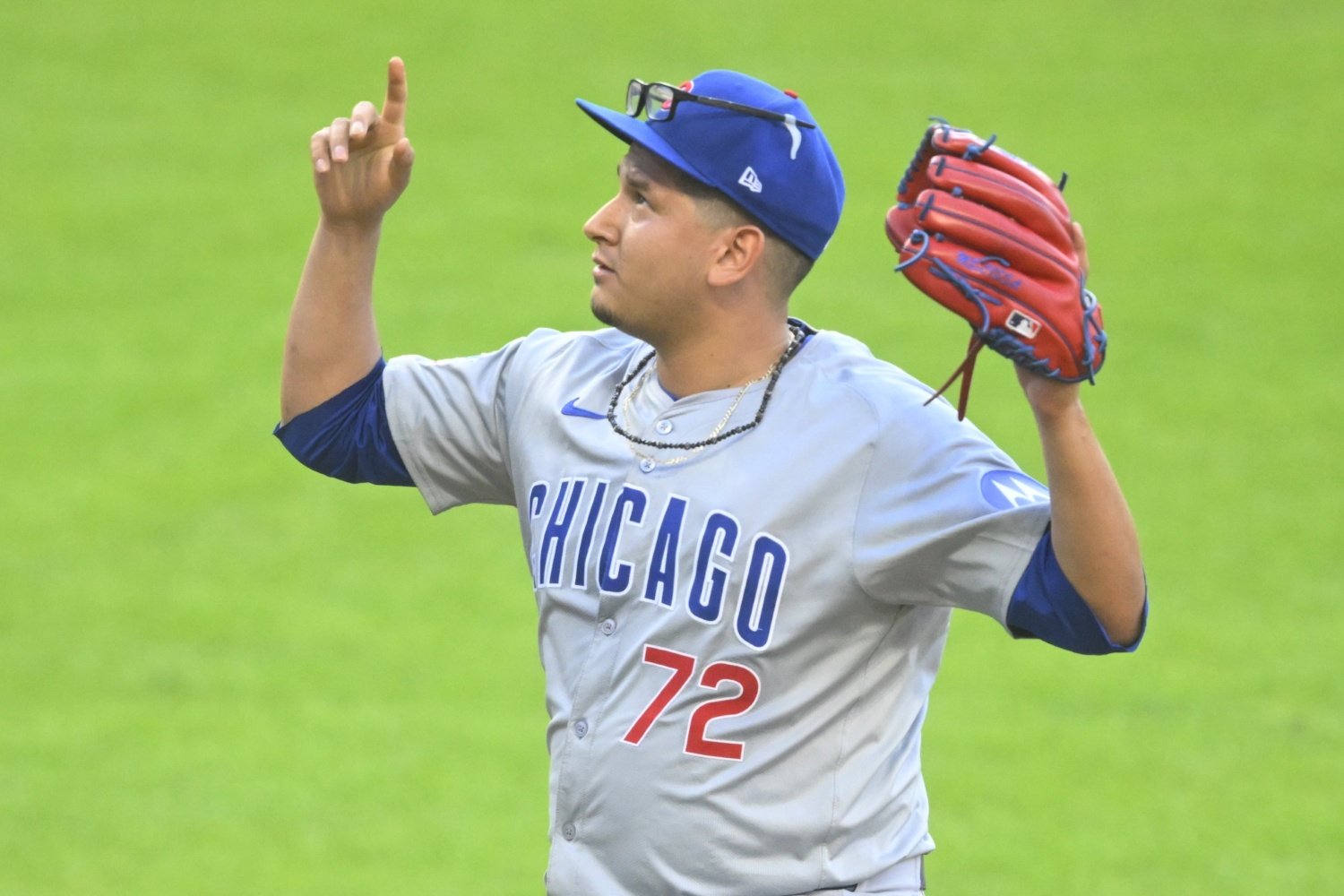 While browsing through some stats the other day, I came across something I found interesting. Allow me to rattle off six teams, and I’ll let you decide what they all have in common: Los Angeles Dodgers, Houston Astros, Milwaukee Brewers, Cleveland Guardians, New York Yankees, and Seattle Mariners. You maybe haven’t thought of the one specific thing that they have in common, but I’d bet you thought something about how all of those teams have typically had pretty good pitching staffs lately—and you’d be correct. While those aren’t necessarily the six best pitching staffs in MLB, you have five teams who have routinely shown they can cobble a bullpen together, plus the Mariners, who have a tree of young starting pitchers that they somehow continue to pluck and eat richly from. Those are also the six teams that have most outperformed their FIP from the 2021 season through the 2024 season, according to FanGraphs. I bring this up because right after the Mariners on that list are the Chicago Cubs: Team FIP ERA FIP-ERA LAD 3.85 3.45 0.40 HOU 3.94 3.60 0.34 MIL 4.01 3.68 0.33 CLE 4.09 3.84 0.25 NYY 3.94 3.70 0.24 SEA 3.94 3.78 0.16 CHC 4.35 4.19 0.16 TOR 4.13 3.97 0.16 TBR 3.83 3.69 0.14 SDP 3.98 3.87 0.11 There are a few other things to note when reviewing the full chart above. One is that, while the Cubs do make this top 10, there is a significant drop off following the first team, the third team, and then the fifth team. The Cubs come in seventh, but the Dodgers have still outperformed their FIP by more than double what the Cubs have done. Second is that the Cubs have the highest ERA and FIP of this group, by quite a bit. They have the lowest strikeout rate, too, which surely hasn’t helped. This relates to the third thing, which is that all of these teams have made the playoffs (in most cases, more than once) in our timeframe—except for the Cubs. Defense is likely partly the cause for this, but not all of it. FIP assumes batted balls turn into outs at an average rate. A good defense will turn them into outs at an above-average rate, naturally. The Mariners have not necessarily rated as a particularly good defensive team during the period of this study, though. The Texas Rangers have been rated as one of the best defensive teams and have actually underperformed their FIP. While good defense can help, I don’t think it’s our only variable here. The other thought that popped into my head was whether or not this was just the Javier Assad effect. Here’s a list of the eight Cubs pitchers who have surpassed 200 total innings in the last four seasons, and you’ll notice that though Assad is doing lots of heavy lifting, he’s certainly not the only suspect: Player FIP ERA FIP-ERA Kyle Hendricks 4.62 4.80 -0.18 Justin Steele 3.42 3.24 0.18 Jameson Taillon 4.25 4.03 0.23 Drew Smyly 4.70 4.25 0.45 Javier Assad 4.49 3.40 1.19 Marcus Stroman 3.67 3.73 -0.06 Keegan Thompson 4.51 3.64 0.87 Adbert Alzolay 4.23 3.96 0.27 I subscribe to the belief that data should mostly tell you what you already think it will. If I look at a random hitting metric and it tells me that Ian Happ, a good hitter but certainly not best in baseball territory, is number one, I’ll know it might not correlate perfectly with overall offensive production. If it tells me that Aaron Judge, Shohei Ohtani, and Juan Soto are the best at a certain thing, then I’ll know it’s probably pretty important to being a good hitter. When the Dodgers, Brewers, and Astros flow to the top of a list, this tells me that there might be something to being able to consistently outperform your FIP as a team. This is mostly a list of teams that maximize the pitchers they have in-house. This isn’t to say that there can’t be surprises. The Cubs would qualify as a surprise here, at least to me. I am not nearly qualified enough to dig super deep into the data and figure out why, specifically, each of these teams is listed here, though I may try at a later date with more time. All of that said, given the teams that the Cubs are listed with here, I believe it shows that they are doing something right with their pitching development. It frustrates me that they haven’t turned it into more team success, like every other team listed there has. It frustrates me that they can’t marry the ability to turn batted balls into outs with the ability to run a high strikeout rate. That would certainly lower that team ERA into the same range as the rest of the group. It also encourages me. These four seasons encompass the Jed Hoyer era, and they come just a couple of years after the pitch lab officially opened, marking an increased emphasis on internal development. Or, maybe they have just been getting very lucky. Either way, this will be something to watch during the 2025 season.
 -
 In case you missed it, Roki Sasaki is headed to the Los Angeles Dodgers. This news came out just a few days after it was reported that the Cubs were not on the final list of contenders for the Japanese ace. As a Cubs fan, or even just as a baseball fan, this stings. And it should. The rich get richer, and this time, the Dodgers didn’t even have to hand out a historic contract in order to get there. Consider that an insult, added to our injury. For those unfamiliar, because Sasaki was posted to MLB prior to his 25th birthday, he was considered an international amateur free agent, meaning he will make the rookie salary for 2025 and be under team control for six seasons. He will receive a $6.5 million signing bonus. However, just about any other team could have, and probably would have, matched that signing bonus. Basically, his decision had nothing to do with money, and everything to do with, well, everything else. Sasaki going to the Dodgers felt like a fait accompli as soon as it was reported that he would be posted. Episode 2272 of the fantastic podcast Effectively Wild did a good job stating some of the reasons why. In the episode, hosts Ben Lindbergh and Meg Rowley were discussing Sasaki going to the Dodgers, and Rowley articulated something that I had been pondering, so I’ll quote her here: “It goes to show that money can help to secure talent, but it doesn’t just end with the individual player that it helps you sign. It creates an understanding of your want as an organization. What do [the Dodgers] want? They want to go win a World Series. Again. They are not satisfied with one.” In addition to the fantastic players (like Freddie Freeman, Yoshinobu Yamamoto, and Shohei Ohtani) whom you typically get to roster by spending big in free agency, you also signal to everyone else that you’re serious about contending for the World Series every single season. The fact of the matter is that the Cubs have not been signaling this of late. Following a 2020 season in which they won the NL Central, the Cubs trimmed payroll by non-tendering fan favorite Kyle Schwarber and trading Yu Darvish. They went from third in payroll, to 14th, according to Spotrac. Team performance, unsurprisingly, also suffered. The team has not been back in the playoffs since. The payroll didn’t bounce back up into the top 10 until this past season, but currently, the Cubs sit 12th in projected 2025 payroll. The Dodgers, on the other hand, have consistently invested resources to maintain a very good baseball team. Following a World Series in 2020, they signed Cy Young winner Trevor Bauer to try and fortify their rotation. That, of course, didn’t work out, but that was no sweat for them (at least from a baseball perspective). They traded for Max Scherzer and Trea Turner at the 2021 trade deadline, then (following a disappointing showing in the playoffs) signed Freeman that offseason. Last offseason, of course, they brought in Ohtani, Yamamoto, Tyle Glasnow, and others, and they have maintained a similar level of aggressiveness this offseason, despite now coming off of two World Series championships in the past five seasons. They signed Blake Snell and Michael Conforto. They brought back Teoscar Hernández. They were serious players for Juan Soto. The Cubs, meanwhile, did not even engage the superstar right fielder, and seem continually content to play in the middle tier of free agents. They’ve opted for guys like Marcus Stroman instead of Kevin Gausman. Dansby Swanson instead of Trea Turner. Jameson Taillon instead of Kodai Senga. Shota Imanaga instead of Yoshinobu Yamamoto. Some of those have worked out for the Cubs, but I’d argue the other options still offer a higher ceiling. Also consider for one second what the consistent, year-in and year-out yearning for value contracts from a big-market team communicates to players and agents: that you’re willing to win, but not at the expense of giving a player what you deem to be too expensive of a contract. This doesn’t even touch on the developmental gap between the Dodgers and the Cubs. Our own Matthew Trueblood recently touched on the necessity for the Cubs to get everything possible out of their players at the major league level. Recall Ryan Brasier, Anthony Banda, and Evan Phillips. None were drafted by the Dodgers, and all were acquired for basically nothing. They combined to pitch 23 ⅔ innings in the playoffs this past season (over 16 percent of the total innings that the Dodgers played in), and did so to the tune of a 2.28 ERA. Last offseason, the Cubs landed Michael Busch from the Dodgers in exchange for Jackson Ferris and Zyhir Hope. Both Ferris and Hope have seen their prospect status explode since entering the Dodgers organization. I am not here to relitigate that trade. The Cubs acquired someone to fill a position of need, and Busch had a very good rookie season for them. With that said, Ferris had some terrifying quotes about the difference in coaching between the two organizations. “I just feel like coaching is a big thing. You wouldn’t expect coaching to be too different in the minor leagues or big leagues with teams, but it is a big difference," Ferris said. "When I first got traded over to the Dodgers, just kind of critique and fine-tuning little things with my mechanics even when I was younger. Which the Cubs didn’t want to mess with, since I was young. Now that we got to fine-tune some of those things, it really let me take off throughout the year.” While he stops short of completely calling out the Cubs, I don’t think it takes much to read between the lines there: a former Cubs prospect feels he is getting much better coaching in his new organization. That is concerning. On paper, it feels like the Cubs were a decent fit for Sasaki. They play in a big market. They currently employ Imanaga and Seiya Suzuki, two notable Japanese players. They would have employed him for very cheap, which is right up their alley. You know they were all-in. Unfortunately, with contract offers all being equal, why wouldn’t a player want to play for an organization that has shown that it takes winning seriously, and is willing to continually invest resources to ensure a winning product is on the field? An organization that always seems to get the most out of all of their players? I’d certainly pick the Dodgers. Wouldn’t you?
 -
In lots of cases, a free agent might eschew slightly more money to sign with one team instead of another. Usually, they do it because they love to win. But to prove they're a place where players can come to win, the Cubs also need to spend more money. Image courtesy of © Jayne Kamin-Oncea-Imagn Images In case you missed it, Roki Sasaki is headed to the Los Angeles Dodgers. This news came out just a few days after it was reported that the Cubs were not on the final list of contenders for the Japanese ace. As a Cubs fan, or even just as a baseball fan, this stings. And it should. The rich get richer, and this time, the Dodgers didn’t even have to hand out a historic contract in order to get there. Consider that an insult, added to our injury. For those unfamiliar, because Sasaki was posted to MLB prior to his 25th birthday, he was considered an international amateur free agent, meaning he will make the rookie salary for 2025 and be under team control for six seasons. He will receive a $6.5 million signing bonus. However, just about any other team could have, and probably would have, matched that signing bonus. Basically, his decision had nothing to do with money, and everything to do with, well, everything else. Sasaki going to the Dodgers felt like a fait accompli as soon as it was reported that he would be posted. Episode 2272 of the fantastic podcast Effectively Wild did a good job stating some of the reasons why. In the episode, hosts Ben Lindbergh and Meg Rowley were discussing Sasaki going to the Dodgers, and Rowley articulated something that I had been pondering, so I’ll quote her here: “It goes to show that money can help to secure talent, but it doesn’t just end with the individual player that it helps you sign. It creates an understanding of your want as an organization. What do [the Dodgers] want? They want to go win a World Series. Again. They are not satisfied with one.” In addition to the fantastic players (like Freddie Freeman, Yoshinobu Yamamoto, and Shohei Ohtani) whom you typically get to roster by spending big in free agency, you also signal to everyone else that you’re serious about contending for the World Series every single season. The fact of the matter is that the Cubs have not been signaling this of late. Following a 2020 season in which they won the NL Central, the Cubs trimmed payroll by non-tendering fan favorite Kyle Schwarber and trading Yu Darvish. They went from third in payroll, to 14th, according to Spotrac. Team performance, unsurprisingly, also suffered. The team has not been back in the playoffs since. The payroll didn’t bounce back up into the top 10 until this past season, but currently, the Cubs sit 12th in projected 2025 payroll. The Dodgers, on the other hand, have consistently invested resources to maintain a very good baseball team. Following a World Series in 2020, they signed Cy Young winner Trevor Bauer to try and fortify their rotation. That, of course, didn’t work out, but that was no sweat for them (at least from a baseball perspective). They traded for Max Scherzer and Trea Turner at the 2021 trade deadline, then (following a disappointing showing in the playoffs) signed Freeman that offseason. Last offseason, of course, they brought in Ohtani, Yamamoto, Tyle Glasnow, and others, and they have maintained a similar level of aggressiveness this offseason, despite now coming off of two World Series championships in the past five seasons. They signed Blake Snell and Michael Conforto. They brought back Teoscar Hernández. They were serious players for Juan Soto. The Cubs, meanwhile, did not even engage the superstar right fielder, and seem continually content to play in the middle tier of free agents. They’ve opted for guys like Marcus Stroman instead of Kevin Gausman. Dansby Swanson instead of Trea Turner. Jameson Taillon instead of Kodai Senga. Shota Imanaga instead of Yoshinobu Yamamoto. Some of those have worked out for the Cubs, but I’d argue the other options still offer a higher ceiling. Also consider for one second what the consistent, year-in and year-out yearning for value contracts from a big-market team communicates to players and agents: that you’re willing to win, but not at the expense of giving a player what you deem to be too expensive of a contract. This doesn’t even touch on the developmental gap between the Dodgers and the Cubs. Our own Matthew Trueblood recently touched on the necessity for the Cubs to get everything possible out of their players at the major league level. Recall Ryan Brasier, Anthony Banda, and Evan Phillips. None were drafted by the Dodgers, and all were acquired for basically nothing. They combined to pitch 23 ⅔ innings in the playoffs this past season (over 16 percent of the total innings that the Dodgers played in), and did so to the tune of a 2.28 ERA. Last offseason, the Cubs landed Michael Busch from the Dodgers in exchange for Jackson Ferris and Zyhir Hope. Both Ferris and Hope have seen their prospect status explode since entering the Dodgers organization. I am not here to relitigate that trade. The Cubs acquired someone to fill a position of need, and Busch had a very good rookie season for them. With that said, Ferris had some terrifying quotes about the difference in coaching between the two organizations. “I just feel like coaching is a big thing. You wouldn’t expect coaching to be too different in the minor leagues or big leagues with teams, but it is a big difference," Ferris said. "When I first got traded over to the Dodgers, just kind of critique and fine-tuning little things with my mechanics even when I was younger. Which the Cubs didn’t want to mess with, since I was young. Now that we got to fine-tune some of those things, it really let me take off throughout the year.” While he stops short of completely calling out the Cubs, I don’t think it takes much to read between the lines there: a former Cubs prospect feels he is getting much better coaching in his new organization. That is concerning. On paper, it feels like the Cubs were a decent fit for Sasaki. They play in a big market. They currently employ Imanaga and Seiya Suzuki, two notable Japanese players. They would have employed him for very cheap, which is right up their alley. You know they were all-in. Unfortunately, with contract offers all being equal, why wouldn’t a player want to play for an organization that has shown that it takes winning seriously, and is willing to continually invest resources to ensure a winning product is on the field? An organization that always seems to get the most out of all of their players? I’d certainly pick the Dodgers. Wouldn’t you? View full article
-
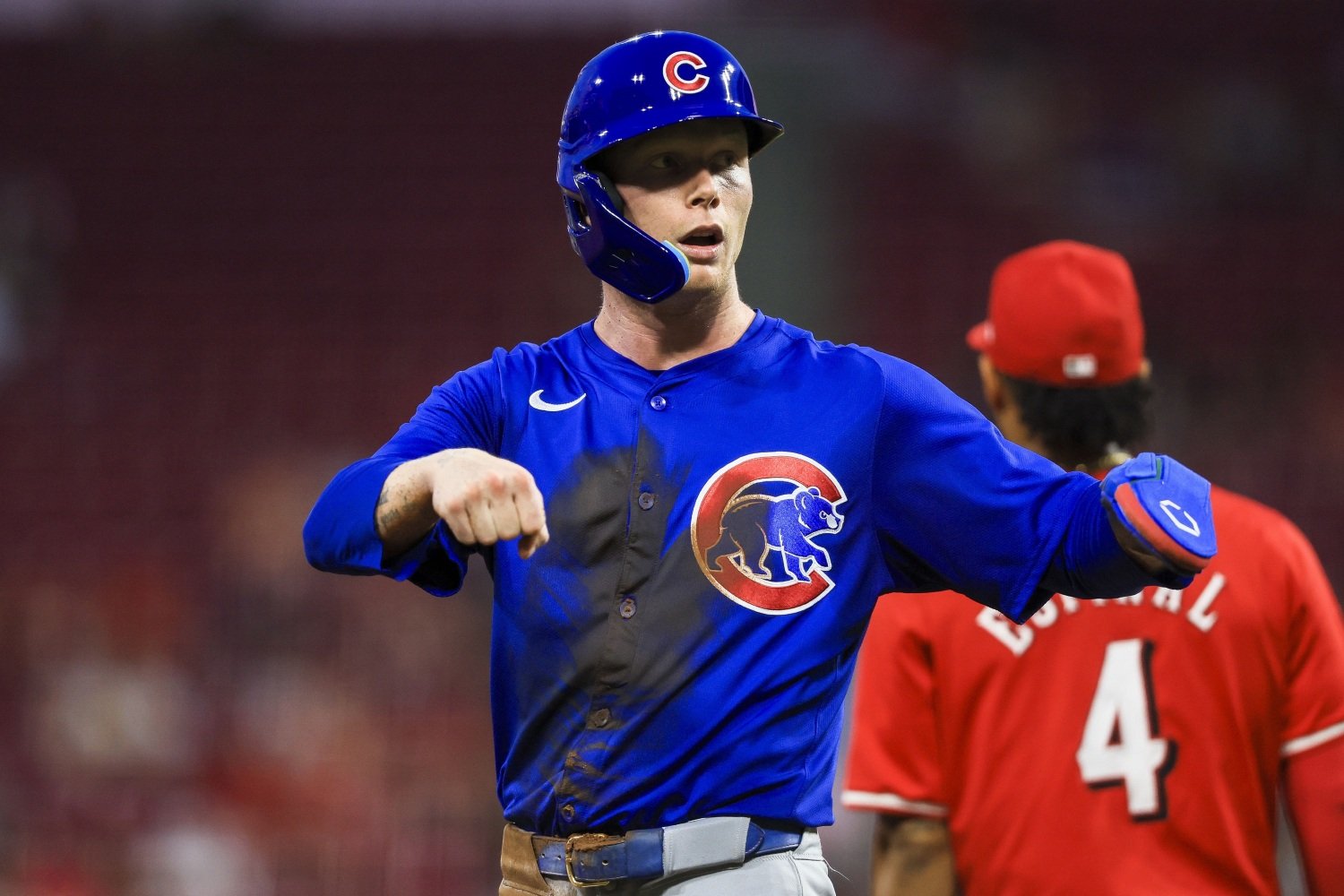 Released just last month, Baseball Savant now has what they are calling the Baserunning Run Value Leaderboard. The headliner within this leaderboard is the Baserunning Runs metric, which combines both runs added via stolen bases and those added via extra bases taken, to give us one all-encompassing metric for how many runs a player’s baserunning was worth. There are several Cubs-related nuggets within this leaderboard, and I don’t think any should be all that surprising. Nico Hoerner and Dansby Swanson are both very good baserunners. They fall among the top 30 in baseball in Baserunning Runs. The North Siders don’t really employ any poor baserunners, outside the catcher's spot, with Michael Busch and Seiya Suzuki being the only two Cubs to have a negative number (and just barely so): the two of them were each worth -1 baserunning runs in 2024. Then, there’s Pete Crow-Armstrong. He ranked as the ninth-most valuable baserunner in baseball, adding 6 Baserunning Runs. Six of the eight players in front of him had significantly more plate appearances than did Crow-Armstrong, thus giving them more of opportunities to accumulate that value. Any way you slice it, he is already one of the best baserunners in baseball. There are a couple more interesting and fun nuggets regarding the rookie’s baserunning within this leaderboard. The shocking headline here is: Crow-Armstrong might still have room to improve. As previously mentioned, the Baserunning Runs framework adds your runs via extra bases taken on balls in play to your runs via stolen bases and advancements on balks. Baseball Savant allows you to see the split. Crow-Armstrong was worth four runs via stolen bases, which was eighth-best in baseball; and one run via extra bases taken, which put him 59th, pretty low for a speedster. Corbin Carroll led MLB in runs via extra bases taken, with nine. That put him three runs ahead of the next-best player, which was Jarren Duran. According to sprint speed, Crow-Armstrong is just as fast as (if not faster than) Carroll. We can see that the Diamondbacks’ star tried to advance on 53 percent of his opportunities, when the average runner would have tried to advance 34 percent of the time. Crow-Armstrong tried to advance 44 percent of the time, when the average runner would have tried to advance 32 percent of the time. He only made one out on those attempts, and it was a situation where his third base coach sent him, and it still took a pretty perfect throw to get him out: WmVCYkdfVjBZQUhRPT1fQkFoV0FnWUZVZ1lBRFZzQVVBQUFWQWRVQUFBQ1ZRQUFCbElNQVFNQlVGVURCbEZm.mp4 Arguably, there is room for the young speedster to be more aggressive when it comes to advancing an extra base on hits and other batted balls. With that being said: He is incredibly aggressive when it comes to stealing bases. We all know Crow-Armstrong was incredibly effective at stealing bases in 2024, going 27 for 30. It’s fascinating that we now can see why he was so effective. One additional inclusion on these leaderboards tells us how large (or small) a runner’s lead was. Pete Crow-Armstrong led all of baseball in his average distance from a base on any plausible stolen base attempt, at a pitcher’s first move. He was, on average, 14 feet away from the base. At a pitcher’s release, he was (on average) 18.7 feet from the base, which was second in baseball behind only Mookie Betts. Look at how he dances away from the base on this steal from May, getting such a bold jump that the catcher had no chance to get him. RFhQa3FfWGw0TUFRPT1fVlZRRlZWUlZYZ01BQVZWUlV3QUFBUUJXQUZsUVZGVUFCRkVNQ1FNTkJsZGNWVkVF.mp4 Basically, he gets the largest leads in baseball. When you combine Crow-Armstrong’s speed with the ability to get such a great head start on his way to the next base, you get a fantastic base stealer. For much of the season, he looked essentially unstoppable on the bases, and with the Cubs' reshuffled baserunning instruction group teaching him the art of the "momentum lead," he could become even more lethal in 2025. Not for nothing did they hire the man who created the website stealbases.com. Feel free to dig into the leaderboards yourself. What sticks out?
 -
Pete Crow-Armstrong’s ability on the basepaths is incredibly valuable. Now, thanks to Baseball Savant, we have an easier way to quantify exactly how valuable it is, and precisely where that value is coming from. Image courtesy of © Katie Stratman-Imagn Images Released just last month, Baseball Savant now has what they are calling the Baserunning Run Value Leaderboard. The headliner within this leaderboard is the Baserunning Runs metric, which combines both runs added via stolen bases and those added via extra bases taken, to give us one all-encompassing metric for how many runs a player’s baserunning was worth. There are several Cubs-related nuggets within this leaderboard, and I don’t think any should be all that surprising. Nico Hoerner and Dansby Swanson are both very good baserunners. They fall among the top 30 in baseball in Baserunning Runs. The North Siders don’t really employ any poor baserunners, outside the catcher's spot, with Michael Busch and Seiya Suzuki being the only two Cubs to have a negative number (and just barely so): the two of them were each worth -1 baserunning runs in 2024. Then, there’s Pete Crow-Armstrong. He ranked as the ninth-most valuable baserunner in baseball, adding 6 Baserunning Runs. Six of the eight players in front of him had significantly more plate appearances than did Crow-Armstrong, thus giving them more of opportunities to accumulate that value. Any way you slice it, he is already one of the best baserunners in baseball. There are a couple more interesting and fun nuggets regarding the rookie’s baserunning within this leaderboard. The shocking headline here is: Crow-Armstrong might still have room to improve. As previously mentioned, the Baserunning Runs framework adds your runs via extra bases taken on balls in play to your runs via stolen bases and advancements on balks. Baseball Savant allows you to see the split. Crow-Armstrong was worth four runs via stolen bases, which was eighth-best in baseball; and one run via extra bases taken, which put him 59th, pretty low for a speedster. Corbin Carroll led MLB in runs via extra bases taken, with nine. That put him three runs ahead of the next-best player, which was Jarren Duran. According to sprint speed, Crow-Armstrong is just as fast as (if not faster than) Carroll. We can see that the Diamondbacks’ star tried to advance on 53 percent of his opportunities, when the average runner would have tried to advance 34 percent of the time. Crow-Armstrong tried to advance 44 percent of the time, when the average runner would have tried to advance 32 percent of the time. He only made one out on those attempts, and it was a situation where his third base coach sent him, and it still took a pretty perfect throw to get him out: WmVCYkdfVjBZQUhRPT1fQkFoV0FnWUZVZ1lBRFZzQVVBQUFWQWRVQUFBQ1ZRQUFCbElNQVFNQlVGVURCbEZm.mp4 Arguably, there is room for the young speedster to be more aggressive when it comes to advancing an extra base on hits and other batted balls. With that being said: He is incredibly aggressive when it comes to stealing bases. We all know Crow-Armstrong was incredibly effective at stealing bases in 2024, going 27 for 30. It’s fascinating that we now can see why he was so effective. One additional inclusion on these leaderboards tells us how large (or small) a runner’s lead was. Pete Crow-Armstrong led all of baseball in his average distance from a base on any plausible stolen base attempt, at a pitcher’s first move. He was, on average, 14 feet away from the base. At a pitcher’s release, he was (on average) 18.7 feet from the base, which was second in baseball behind only Mookie Betts. Look at how he dances away from the base on this steal from May, getting such a bold jump that the catcher had no chance to get him. RFhQa3FfWGw0TUFRPT1fVlZRRlZWUlZYZ01BQVZWUlV3QUFBUUJXQUZsUVZGVUFCRkVNQ1FNTkJsZGNWVkVF.mp4 Basically, he gets the largest leads in baseball. When you combine Crow-Armstrong’s speed with the ability to get such a great head start on his way to the next base, you get a fantastic base stealer. For much of the season, he looked essentially unstoppable on the bases, and with the Cubs' reshuffled baserunning instruction group teaching him the art of the "momentum lead," he could become even more lethal in 2025. Not for nothing did they hire the man who created the website stealbases.com. Feel free to dig into the leaderboards yourself. What sticks out? View full article
-
 You might not have noticed it as you celebrated the holidays, but last week, the Cubs signed Caleb Thielbar to a one-year deal worth $2.75 million. This didn’t generate many headlines, but it addresses something that the team struggled with after the trade deadline. On Jul. 30, 2024, the Cubs traded Mark Leiter Jr. to the New York Yankees. Just three weeks later, they officially cut ties with Héctor Neris. Though getting rid of both pitchers made sense, the two veteran relievers were first and second on the team in left-handed batters faced out of the bullpen. They were both effective when they faced lefties, too. Left-handed hitters posted a .241 wOBA against Leiter, and a .307 wOBA against Neris. As a reminder, a wOBA of about .320 is considered average. Sure enough, the bullpen’s performance against lefties struggled without the presence of Leiter and Neris. From the beginning of the season through Jul. 31, lefties posted a .290 wOBA against Cubs relievers, good for eighth in baseball. After that, they had a .333 wOBA, 22nd-best. Looking at a list of Cubs relievers who faced more than 15 lefties from August onward is not promising, either. Player Lefties Faced wOBA allowed Nate Pearson 49 .223 Drew Smyly 43 .336 Ethan Roberts 38 .373 Porter Hodge 37 .259 Tyson Miller 34 .270 Keegan Thompson 29 .337 Jorge López 24 .310 Julian Merryweather 22 .417 Héctor Neris 15 .386 Shawn Armstrong 15 .306 Pearson, Hodge, and Miller were good, but those guys were good against almost everyone and are probably bookmarked for higher-leverage usage, rather than exclusively against pockets of lefties. Everyone else was either bad against lefties or (in the cases of Jorge López and Shawn Armstrong) is no longer with the team. The Cubs have tried hard to make Luke Little happen, but he needs to show he can find the strike zone often enough before anyone counts on him for much of anything. Even more than that, perhaps, he has to prove he can stay healthy enough to contribute; he missed the entire second half with a shoulder strain. There just isn’t a reliable left-handed pitcher out of the bullpen on this team. That’s where Thielbar comes in, and I am convinced that is why they took a flier on Rob Zastryzny as well. Both of them are, of course, southpaws. Here are both of their career numbers against lefties: Player Lefties Faced wOBA allowed Rob Zastryzny 113 .264 Caleb Thielbar 554 .261 Thielbar is the much more reliable of the two, which is why he got a modest but significant guarantee in free agency. He has held his own against righties for his career, as they have a .307 wOBA against him. Zastryzny has allowed a .353 wOBA to righties, and Thielbar’s presence on the roster probably makes Zastryzny's moot. I imagine the Cubs will try to sneak him through waivers as soon as they require a spot on the 40-man roster. In short, Caleb Thielbar is not the bullpen ace we were all hoping for. Even so, he fortifies a major weakness in the relief corps. He’s a lefty who can reliably get left-handed hitters out. Assuming Jed Hoyer isn’t done adding to this group, this was a really good get.
 -
Though the team's latest free-agent move was low-profile, it could be high-impact. Caleb Thielbar addresses an area of somewhat urgent need for the Cubs. Image courtesy of © Kiyoshi Mio-Imagn Images You might not have noticed it as you celebrated the holidays, but last week, the Cubs signed Caleb Thielbar to a one-year deal worth $2.75 million. This didn’t generate many headlines, but it addresses something that the team struggled with after the trade deadline. On Jul. 30, 2024, the Cubs traded Mark Leiter Jr. to the New York Yankees. Just three weeks later, they officially cut ties with Héctor Neris. Though getting rid of both pitchers made sense, the two veteran relievers were first and second on the team in left-handed batters faced out of the bullpen. They were both effective when they faced lefties, too. Left-handed hitters posted a .241 wOBA against Leiter, and a .307 wOBA against Neris. As a reminder, a wOBA of about .320 is considered average. Sure enough, the bullpen’s performance against lefties struggled without the presence of Leiter and Neris. From the beginning of the season through Jul. 31, lefties posted a .290 wOBA against Cubs relievers, good for eighth in baseball. After that, they had a .333 wOBA, 22nd-best. Looking at a list of Cubs relievers who faced more than 15 lefties from August onward is not promising, either. Player Lefties Faced wOBA allowed Nate Pearson 49 .223 Drew Smyly 43 .336 Ethan Roberts 38 .373 Porter Hodge 37 .259 Tyson Miller 34 .270 Keegan Thompson 29 .337 Jorge López 24 .310 Julian Merryweather 22 .417 Héctor Neris 15 .386 Shawn Armstrong 15 .306 Pearson, Hodge, and Miller were good, but those guys were good against almost everyone and are probably bookmarked for higher-leverage usage, rather than exclusively against pockets of lefties. Everyone else was either bad against lefties or (in the cases of Jorge López and Shawn Armstrong) is no longer with the team. The Cubs have tried hard to make Luke Little happen, but he needs to show he can find the strike zone often enough before anyone counts on him for much of anything. Even more than that, perhaps, he has to prove he can stay healthy enough to contribute; he missed the entire second half with a shoulder strain. There just isn’t a reliable left-handed pitcher out of the bullpen on this team. That’s where Thielbar comes in, and I am convinced that is why they took a flier on Rob Zastryzny as well. Both of them are, of course, southpaws. Here are both of their career numbers against lefties: Player Lefties Faced wOBA allowed Rob Zastryzny 113 .264 Caleb Thielbar 554 .261 Thielbar is the much more reliable of the two, which is why he got a modest but significant guarantee in free agency. He has held his own against righties for his career, as they have a .307 wOBA against him. Zastryzny has allowed a .353 wOBA to righties, and Thielbar’s presence on the roster probably makes Zastryzny's moot. I imagine the Cubs will try to sneak him through waivers as soon as they require a spot on the 40-man roster. In short, Caleb Thielbar is not the bullpen ace we were all hoping for. Even so, he fortifies a major weakness in the relief corps. He’s a lefty who can reliably get left-handed hitters out. Assuming Jed Hoyer isn’t done adding to this group, this was a really good get. View full article


