


Cubs Video
The Cubs hoped Matthew Boyd would be their third starter most of the time this year. They entered the campaign with Cade Horton penciled in as the ace, and hopes were high for the electric arm of Edward Cabrera. Ideally, Justin Steele would have returned around this time, slotting back into his old place near the front of the rotation. Ben Brown emerged as a top-tier starter this spring. As good as Boyd was in 2025, the plan was to have him surrounded by hurlers of similar or higher caliber.
Plainly, that's not how things have turned out. Horton had Tommy John surgery. Steele had a setback (or two), and is unlikely to pitch in the majors this season. Cabrera sproinged two leg muscles on one stretch at the first-base bag and could be out until September. Brown suffered a recurrence of a previous neck issue, and he, too, might return only near the end of the season. At this point, Boyd is the unquestioned leader of this group, and barring a major acquisition before August 3, he'll be that guy for a while.
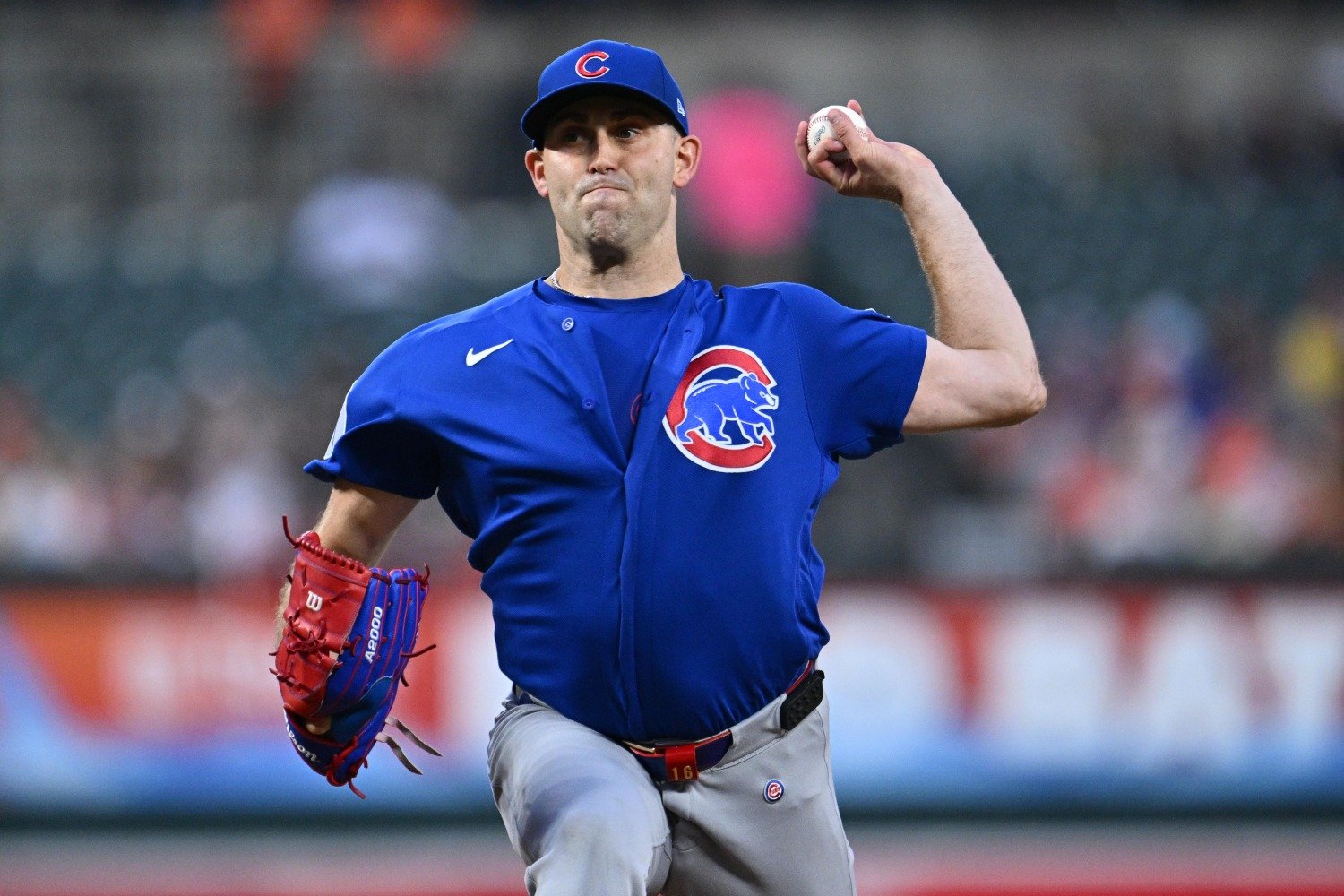
That makes his outing Tuesday night in Baltimore especially important. Boyd fanned seven and allowed just five baserunners in six shutout innings, as the Cubs won 5-2 to keep pace in the NL playoff race. It was, by far, the best outing of Boyd's oft-interrupted, uneven season. It was also a reminder that he's capable of turning in starts like this on a regular basis.
On Monday at Baseball Prospectus, I introduced a metric that uses Statcast's new swing timing and miss distance data to rate pitchers on their ability to disrupt swings. The stat is called Swing Disruption+ (I'm not good at branding), and it contains three components.
- Off Barrel+: How well a pitcher stays off the center of hitters' barrels, limiting damage on contact
- Upset Timing+: How well the hurler induces hitters to swing either too early or too late.
- Changed Eye Levels+: How well the pitcher uses vertical movement and deception to get above or below bats, maximizing swing-and-miss.
These correlate, of course, to Statcast's data itself, which breaks down swings into being centered, off the end of the bat or up the handle; being on time, early or late; and being lined up, over or under the ball. By weighing each of the components appropriately and making a few adjustments that reflect the asymmetrical value of inducing errors in the two potential directions in each dimension, I turned them into Swing Disruption+, which correlates as well with overall performance as you could hope, given that it only measures the skill of manipulating swings and leaves out the question of the strike zone.
Of the 368 pitchers who had 200 or more swings against them entering Sunday's games, Boyd ranked 10th in Swing DIsruption+, at 123, where 100 is average and higher is better. He's elite at upsetting timing (148), and above-average at both moving off the center of the barrel (116) and getting above or below bats (109). He doesn't do it in the most conventional way, but Boyd is elite at messing with swings.
After multiple stints on the injured list, Boyd is finally finding a rhythm this year. If he can maintain it and stay healthy the rest of the way, yes, he can be a frontline starter for a playoff team. He showed how dominant he can be Tuesday night, and we have better insight than ever into what he does to flummox opposing batters. The Cubs need more help, but Boyd is good enough to be the ace of this team, under the circumstances.





Recommended Comments
Create an account or sign in to comment
You need to be a member in order to leave a comment
Create an account
Sign up for a new account in our community. It's easy!
Register a new accountSign in
Already have an account? Sign in here.
Sign In Now