


Cubs Video
As so many Cubs seasons do, the 2026 campaign seems to have hit a nadir during a trip to Colorado. The road-tripping North Siders dropped the first two games of a three-game stay at Coors Field in early June, the second of which brought them down to .500, at 34-34. They'd been in a long downward spiral even before getting to Denver, and losing two of three to the worst team in the National League seemed to make things clear. This team was going nowhere.
And then, as they'd already done once this year, they got blazing-hot. It hasn't quite matched the 20-3 stretch they enjoyed in April and early May, but since losing that second game to the Rockies, Chicago is 18-6. They've won or split seven of their last eight series, including their series win in Baltimore to start this week. They're back in the catbird seat in the NL Wild Card race, even if catching the Brewers in the NL Central remains a pipe dream. They're buyers. They were almost always going to be buyers, given what they have invested in this season, but this hot streak was enough to seal the deal.
Plainly, though, they're not a juggarnaut. Even this run of three wins every four games has felt rough-edged and dangerous. They've gotten thinner in the pitching department even while racking up victories. They also don't have a great, deep farm system from which to make trades, the way (for instance) the Brewers and Dodgers do. The question of whether to improve is now settled, but a tougher one now rises: How should they improve? What are their options, and how can they best choose between them?
There's a case to be made for bolstering the team's shaky bullpen, above all else. The relief corps has been decimated by injuries, and by the need to use several players whom they'd hoped to deploy mostly in relief (Colin Rea, Ben Brown, Javier Assad) as starters, instead. It helps that relievers are usually the cheapest thing to acquire each July. However, this team has issues too profound to permit them to focus solely on this year—and their pitching issues run much deeper than a thinness in the pen. For today, let's consider three options they could pursue instead, each of whom are controllable starting pitchers, rather than rentals or one-inning relievers. I'll introduce each using the capsule on our DiamondCentric Top Trade Candidates list, and then get into why each is an interesting fit for Chicago.
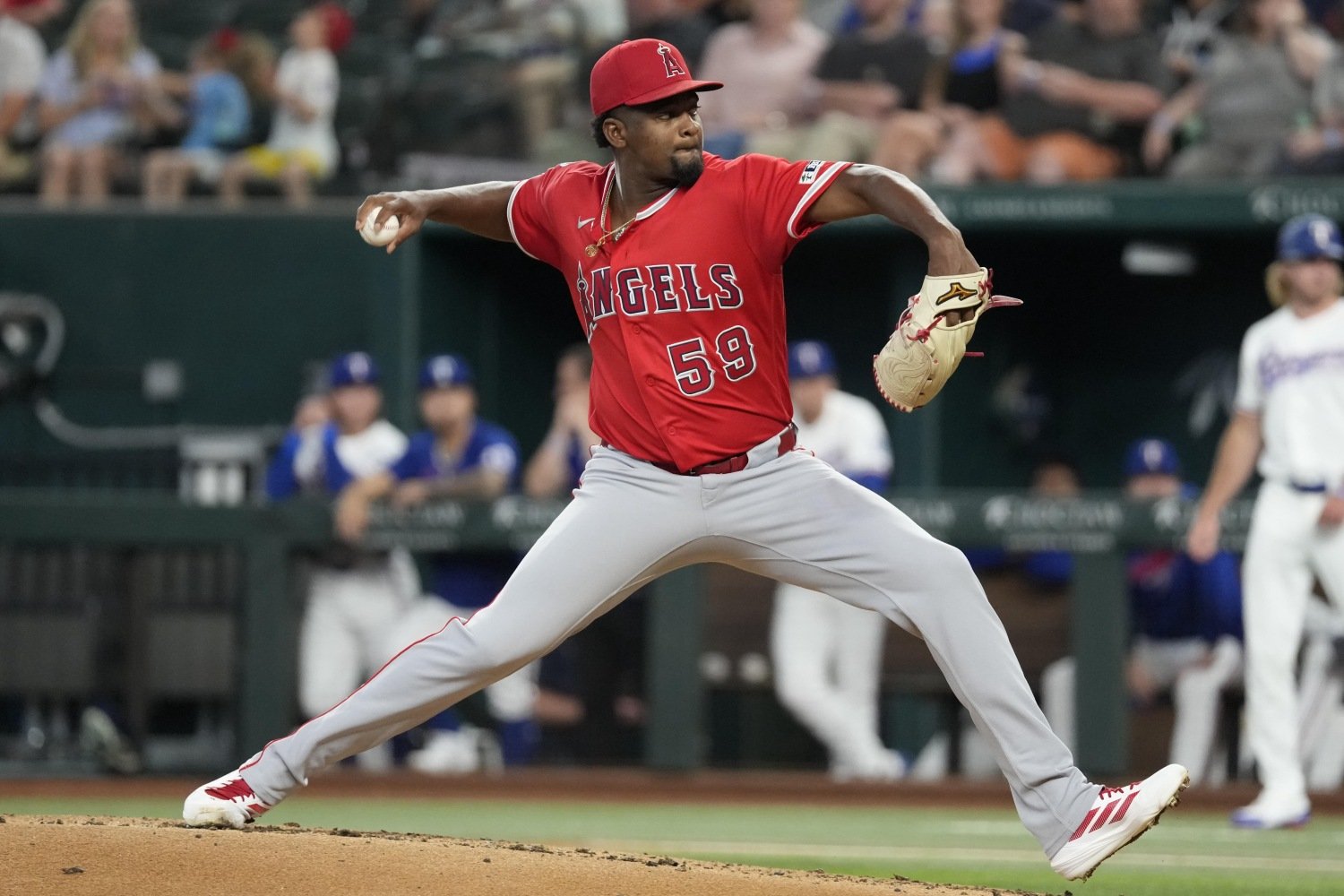
QuoteRHP Age: 27 FA: Nov 2028 Sal: $2.9mOne of the hardest-throwing starters in the game, Soriano also gets tons of ground balls, because that triple-digit heater (the main one, anyway) is a very heavy sinker. He occasionally shows command of a plus splitter and a plus knuckle-curve, which allows him to strike out hitters at a healthy clip, in addition to the grounders and the sheer power of his profile. That’s the good news. The bad news is, he’s going to walk people, and you can’t be sure how well he’ll hold up to his current workload. He threw 169 innings last season, but that more than doubled his career total, and he’s on pace for over 180 in 2026. He started the season like gangbusters but has struggled of late. The list of guys with a higher ceiling who might be dealt this summer is very short. The list of guys with a better chance of being useful for a pennant contender is longer.
Ok, the Edward Cabrera thing hasn't worked out as hoped. But the worst thing Jed Hoyer and company could do would be to learn the wrong lesson from that misstep. They haven't done a great job with Cabrera, and now, he's hurt, but it's not an arm injury that has him on the shelf, and there were glimpses of greatness early on from him. Rather than shy away from acquiring another guy with stuff ahead of command, they should try again. Soriano is a name they bandied about with the Angels last summer, and he'd be a perfect fit for the team's stellar infield defense. He's also a bat-missing flamethrower with two more years of team control beyond 2026. He would cost a pretty penny in prospect capital (think Jefferson Rojas), but he has a chance to start Game 1 in a playoff series for you this year, or next, or the one after. That upside is not to be dismissed lightly.
QuoteLHP Age: 26 FA: Nov 2028 Sal: $2.63mAfter a one-season sojourn to the bullpen, Detmers is back in the starting rotation and better than ever. He’s become one of the game’s elite speed-changers, with a fastball at 94 MPH, a changeup at 84, and a curveball at 73, with a sinker and slider mixed in for good measure. The change and curve are particularly effective; he’s just taking the sting out of hitters’ bats by making them cover a huge range of speeds and shapes. With two years of team control left after this year, he’s the kind of arm you could try to build a rotation around, and there’s a chance that the Angels will hold onto him. It’s hard to say whether that chance rose or fell when the team fired GM Perry Minasian. But these are the Angels, and if they keep Detmers beyond this year, he’ll start to get expensive. He’s never likely to have more trade value than he does this summer. You do the math.
Detmers ranks higher on our trade candidates list, because he's been pitching better than Soriano lately. As a lefty with more finesse and less power, he's also a bit more Cubs-y than Soriano is. If the price is the same, I would rather have Soriano, but in reality, the price on Soriano might be substantially higher. In that case, staying in their lane might make more sense for the Cubs, who would get a controllable starter with frontline upside, either way.
QuoteRHP Age: 27 FA: Nov 2029 Sal: $807kThere’s no truth to the rumor that, after each of Bubba Chandler’s NL-leading 52 walks through the end of the 4th of July weekend, Mlodzinski leaned toward a teammate and said in a stage whisper out of the side of his mouth, “I could have done that!” It’s not a whole lot better than that between the Pirates and their least famous first-round pick-turned-homegrown starter, though. Mlodzinski was unofficially suspended for a day earlier this season for initially refusing a move to the bullpen. He’s strung together several scoreless multi-inning appearances in relief since accepting the change in role, but that doesn’t mean he’s happy about it. He has a starter’s arsenal and a starter’s mindset, and his career numbers mark him as a credible back-end starter even on a contending team. It wouldn’t be surprising at all to see Pittsburgh cash him in for something with more long-term utility, and Mlodzinski is the rare player who should appeal heavily even to teams without 2026 playoff hopes.
The layers of complexity on this one might be too much to overcome, but again, here's a player with ample team control, upside and an obvious fit with the Cubs, in terms of pitching philosophy and the need for a plus defense. Intradivisional trades only get harder to make when the centerpiece will be in their new prospective home for multiple seasons, and harder still when one side is having a massively disappointing season that forces them to rethink what they hoped would be their emerging core. The Pirates might not make an amenable trade partner right now, but Mlodzinski could help the Cubs immediately in the bullpen or be stretched out gradually to start for them late in the season.
This is the kind of target Hoyer should aim for over the balance of the month. The Cubs shouldn't be all-in on 2026; they're not good enough for that. They have clear and urgent needs, though, and they need to avoid the colossal failure that would be missing the playoffs. Adding a pitcher who can patch the holes that will be left by the departures of Shota Imanaga, Jameson Taillon and Matthew Boyd (and more, perhaps) this winter while also boosting the team's chances down the stretch is the best possible course. It's just not going to be easy.





Recommended Comments
Create an account or sign in to comment
You need to be a member in order to leave a comment
Create an account
Sign up for a new account in our community. It's easy!
Register a new accountSign in
Already have an account? Sign in here.
Sign In Now