


Oscar Gamble Bio
Cubs Video
The trade of Oscar Gamble from the Chicago Cubs to the Philadelphia Phillies on Nov. 17, 1969, was influenced by the historical context of Chicago's color line, which had implications for the team's management decisions and player dynamics.
In mid-20th century Chicago, the color line represented a social and physical barrier that enforced racial segregation and influenced various aspects of life, including sports. This environment created a backdrop of racial sentiments that sometimes affected how players were perceived and treated within the Cubs organization.
Oscar Gamble was a promising young player who had shown potential during his time in the Cubs' minor-league system and had briefly played in the majors. However, the Cubs made the questionable decision to trade him without acquiring a legitimate center fielder in return after his rookie season. That raised questions about their management strategy, and possibly reflected the racial dynamics at play.
Few remember that Gamble, drafted directly out of high school, became a notable prospect while playing center field for the Cubs during their infamous 1969 season. The Cubs drafted Gamble as a teenager on Jun. 7, 1968, signed him less than two weeks later, and sent him out to the farm.
Gamble had an outstanding 1969 minor-league season with the San Antonio Missions, in the Texas League. He led the league in doubles and triples and ended the season with an impressive .298 batting average, a .362 on-base percentage, and a .421 slugging percentage over 119 games, earning him a late-season promotion to the Cubs.
Gamble became the everyday center fielder for the Cubs for the remainder of the year. Although the 19-year-old Gamble batted only .225 during his brief time in the major leagues, he was expected to be the starting center fielder in 1970.
The Cubs had few alternatives for center field. Don Young played 94 games in center in 1969 but struggled with lackluster performance, achieving a .239/.343/.371 slash line. He also had more errors (five) than assists (four) in center. The only other Cubs players who spent considerable time at the position during that season were Jim Qualls (35 games) and Adolfo Phillips (24 games). Eventually, the trio were all traded in separate deals and never played for the Cubs again.
Thus, Gamble was expected to be the starting center fielder in 1970. Those expectations ended on Nov. 17, though, when the Cubs traded Gamble and Dick Selma to the Philadelphia Phillies for Johnny Callison and Larry Colton.
Why would the Cubs consider trading a promising 19-year-old center fielder like Gamble, without securing a legitimate candidate to replace him? Perhaps the trade was impacted by the color line, as Cubs management was displeased with Gamble’s proclivity for dating white women. That, at least, was the gist of one report from the Chicago Sun-Times. Moreover, it is alleged that Cubs manager Leo Durocher appealed to Gamble to cease interracial dating, which Gamble refused.
After the trade, Durocher indicated that Callison might take over in center. Callison, who turned 31 in spring 1970 and hadn't played center since five games there in 1962, quickly pointed out his lack of range for the position, which led to a strained relationship with Durocher. Callison later expressed that he enjoyed playing in Chicago but disliked playing for Durocher. During the rest of the offseason, the Cubs struggled to adequately fill the center field position, relying on players with limited experience.
Potential center fielders Boots Day and Cleo James were acquired after the Gamble trade. Before the deal, the pair logged a total of 21 major-league games in center throughout their careers—the same total Callison had. Day only played six games in center during the 1970 season, before being traded to the Montreal Expos. James took on a larger role in 1970, playing 83 games as a spot starter and defensive replacement.
Jim Hickman, 33 at the time, was inserted as the starting center fielder for the 1970 season. Hickman faced a challenging season, having played only 41 games in center since 1966.
Due to injuries to Ernie Banks, the Cubs relied more on James than anticipated. Alongside hitting his 500th home run in May, Banks battled knee issues, playing only 72 games and landing on the disabled list for the first time in his career. Thus, Hickman was shifted to first base, and James was installed as the center fielder.
It wasn’t until late July that the Cubs fans gained hope for their center field woes, after acquiring Joe Pepitone despite his previous conflicts with Houston Astros manager Harry Walker. Pepitone stabilized the position for the rest of the season, appearing in 56 games with a fielding percentage of .992 and a respectable slash line of .268/.313/.498. Unfortunately, this adjustment came too late, as the Cubs finished disappointingly in second place, five games out of first.
Another impact of the Gamble-Callison deal on the 1970 season was the inclusion of Selma, a reliable fourth starter for the 1969 Cubs. He had a 10-8 record with a 3.63 ERA that year. Until a midseason trade for Milt Pappas, the 1970 Cubs tried three pitchers to fill the fourth starter role: Joe Decker, Jim Coburn, and Larry Gura. The bulk of the starts were made by Decker (17), who registered a 4.53 ERA as a starter.
Another impact was that Cubs closer Phil Regan endured a terrible year in 1970, with a 5-9 record and a 4.76 ERA. Regan's uncharacteristic off year included more hits than innings pitched (81 in 75 2/3) and more walks than strikeouts (32-31), and he only registered 12 saves in 23 opportunities. Regan's ineffectiveness led to the late-season acquisitions of Hoyt Wilhelm and Juan Pizarro to stabilize the leaky bullpen.
Meanwhile, Selma was stellar in 1970 for the Phillies. He moved to the bullpen and enjoyed the best year of his career, appearing in 73 games and notching an 8-9 record with a 2.75 ERA. He recorded 22 saves, the fifth-most in the National League.
The effects of the Gamble-Callison trade extended beyond the 1970 season, impacting the Cubs for years. After his time with the Cubs in the 1969 stretch run, Gamble spent 16 more years in the league, hitting 200 home runs with 666 RBIs and a career slash line of .265/.356/.454. He played in the postseason three times with the New York Yankees, including twice in the World Series, and he maintained a batting average of .286 in the postseason. Ironically, Gamble had his best year with the White Sox, hitting 31 home runs in 1977 for the South Side Hitmen. In contrast, Callison had a mediocre two-year tenure with the Cubs, hitting just 27 home runs with 106 RBIs and a slash line of .244/.329/.403 in 250 games.
To sum up this unfortunate trade, Gamble later commented on the puzzling inclusion of Selma in the deal, questioning whether he was traded for "messin’ with some Black girl."
Gamble's comment suggests that he believed the trade was motivated by racial factors. This implication adds a disturbing layer to the trade, and would be unfortunately consistent with the team's modus operandi in the 1960s. Many believe that the Cubs (and other teams) maintained a quota system for racial inclusion in that decade, perhaps leading to the much more infamous Lou Brock trade.
Durocher, by that late stage of his managerial career, was infamous for moves that reflected an outdated understanding of rosters and player utility. He'd come up in the coaching ranks with the Dodgers, who believed in fitting players to team positional needs, rather than seeking only those who suited the obvious needs. His track record on both racial tolerance and dating was mixed, but not altogether backward. More broadly, the organization was not especially competent at the time, and it's plausible that the team foolishly but honestly believed Callison would be a sufficiently valuable addition to offset the losses of Gamble and Selma.
There are reasons to believe the team made the Gamble trade mostly for baseball reasons. Nonetheless, it inarguably backfired, and the well-founded suspicion that any degree of racism intruded on the process of making it only deepens the frustration for fans who reflect on that time in the team's history.
-
Wikipedia
Oscar Gamble - Wikipedia


Oscar Gamble Statistics
| Season | Age | Team | Lg | WAR | G | PA | AB | R | H | 2B | 3B | HR | RBI | SB | CS | BB | SO | BA | OBP | SLG | OPS | OPS+ | rOBA | Rbat+ | TB | GIDP | HBP | SH | SF | IBB | Pos | Awards |
|---|---|---|---|---|---|---|---|---|---|---|---|---|---|---|---|---|---|---|---|---|---|---|---|---|---|---|---|---|---|---|---|---|
| 1969 | 19 | CHC | NL | -0.8 | 24 | 81 | 71 | 6 | 16 | 1 | 1 | 1 | 5 | 0 | 2 | 10 | 12 | .225 | .321 | .310 | .631 | 69 | .293 | 65 | 22 | 1 | 0 | 0 | 0 | 1 | 8/7H | |
| 1970 | 20 | PHI | NL | -1.3 | 88 | 305 | 275 | 31 | 72 | 12 | 4 | 1 | 19 | 5 | 4 | 27 | 37 | .262 | .330 | .345 | .675 | 84 | .314 | 82 | 95 | 8 | 1 | 2 | 0 | 3 | 89H | |
| 1971 | 21 | PHI | NL | -0.6 | 92 | 309 | 280 | 24 | 62 | 11 | 1 | 6 | 23 | 5 | 2 | 21 | 35 | .221 | .275 | .332 | .607 | 72 | .286 | 65 | 93 | 1 | 1 | 3 | 4 | 2 | 79H/8 | |
| 1972 | 22 | PHI | NL | 0.0 | 74 | 157 | 135 | 17 | 32 | 5 | 2 | 1 | 13 | 0 | 1 | 19 | 16 | .237 | .331 | .326 | .657 | 86 | .310 | 85 | 44 | 4 | 1 | 0 | 2 | 0 | H9 | |
| 1973 | 23 | CLE | AL | 2.1 | 113 | 432 | 390 | 56 | 104 | 11 | 3 | 20 | 44 | 3 | 4 | 34 | 37 | .267 | .329 | .464 | .793 | 120 | .370 | 123 | 181 | 4 | 3 | 3 | 2 | 1 | D9H/78 | |
| 1974 | 24 | CLE | AL | 3.0 | 135 | 509 | 454 | 74 | 132 | 16 | 4 | 19 | 59 | 5 | 6 | 48 | 51 | .291 | .363 | .469 | .833 | 140 | .386 | 143 | 213 | 7 | 5 | 0 | 2 | 10 | *D7H/9 | |
| 1975 | 25 | CLE | AL | 1.9 | 121 | 405 | 348 | 60 | 91 | 16 | 3 | 15 | 45 | 11 | 5 | 53 | 39 | .261 | .361 | .454 | .815 | 131 | .378 | 129 | 158 | 8 | 2 | 1 | 1 | 4 | 7DH/9 | |
| 1976 | 26 | NYY | AL | 2.8 | 110 | 384 | 340 | 43 | 79 | 13 | 1 | 17 | 57 | 5 | 3 | 38 | 38 | .232 | .317 | .426 | .743 | 118 | .356 | 122 | 145 | 4 | 4 | 2 | 0 | 4 | 9H/D | |
| 1977 | 27 | CHW | AL | 3.5 | 137 | 470 | 408 | 75 | 121 | 22 | 2 | 31 | 83 | 1 | 2 | 54 | 54 | .297 | .386 | .588 | .974 | 162 | .425 | 161 | 240 | 3 | 6 | 1 | 1 | 2 | D9H/87 | MVP-29 |
| 1978 | 28 | SDP | NL | 1.8 | 126 | 437 | 375 | 46 | 103 | 15 | 3 | 7 | 47 | 1 | 2 | 51 | 45 | .275 | .366 | .387 | .753 | 120 | .358 | 129 | 145 | 2 | 6 | 0 | 5 | 11 | 97H | |
| 1979 | 29 | 2TM | AL | 4.1 | 100 | 327 | 274 | 48 | 98 | 10 | 1 | 19 | 64 | 2 | 1 | 50 | 28 | .358 | .456 | .609 | 1.065 | 188 | .461 | 186 | 167 | 7 | 1 | 0 | 2 | 12 | D7H9 | |
| 1979 | 29 | TEX | AL | 2.2 | 64 | 201 | 161 | 27 | 54 | 6 | 0 | 8 | 32 | 2 | 1 | 37 | 15 | .335 | .458 | .522 | .979 | 167 | .426 | 163 | 84 | 6 | 1 | 0 | 2 | 11 | D9H | |
| 1979 | 29 | NYY | AL | 1.9 | 36 | 126 | 113 | 21 | 44 | 4 | 1 | 11 | 32 | 0 | 0 | 13 | 13 | .389 | .452 | .735 | 1.187 | 218 | .515 | 222 | 83 | 1 | 0 | 0 | 0 | 1 | 7/HD | |
| 1980 | 30 | NYY | AL | 1.9 | 78 | 229 | 194 | 40 | 54 | 10 | 2 | 14 | 50 | 2 | 0 | 28 | 21 | .278 | .376 | .567 | .943 | 158 | .416 | 155 | 110 | 2 | 4 | 0 | 3 | 4 | 7HD9 | |
| 1981 | 31 | NYY | AL | 1.3 | 80 | 227 | 189 | 24 | 45 | 8 | 0 | 10 | 27 | 0 | 2 | 35 | 23 | .238 | .357 | .439 | .796 | 131 | .362 | 130 | 83 | 4 | 1 | 0 | 2 | 2 | DH97 | |
| 1982 | 32 | NYY | AL | 2.7 | 108 | 382 | 316 | 49 | 86 | 21 | 2 | 18 | 57 | 6 | 3 | 58 | 47 | .272 | .387 | .522 | .910 | 150 | .410 | 154 | 165 | 4 | 4 | 0 | 4 | 2 | D9H/7 | |
| 1983 | 33 | NYY | AL | 0.6 | 74 | 208 | 180 | 26 | 47 | 10 | 2 | 7 | 26 | 0 | 0 | 25 | 23 | .261 | .361 | .456 | .816 | 128 | .373 | 130 | 82 | 3 | 3 | 0 | 0 | 1 | 9HD/7 | |
| 1984 | 34 | NYY | AL | 0.2 | 54 | 151 | 125 | 17 | 23 | 2 | 0 | 10 | 27 | 1 | 0 | 25 | 18 | .184 | .318 | .440 | .758 | 112 | .347 | 111 | 55 | 1 | 0 | 0 | 1 | 0 | DH9 | |
| 1985 | 35 | CHW | AL | -0.2 | 70 | 184 | 148 | 20 | 30 | 5 | 0 | 4 | 20 | 0 | 0 | 34 | 22 | .203 | .353 | .318 | .671 | 83 | .321 | 86 | 47 | 1 | 1 | 0 | 1 | 3 | DH | |
| 17 Yrs | 22.9 | 1584 | 5197 | 4502 | 656 | 1195 | 188 | 31 | 200 | 666 | 47 | 37 | 610 | 546 | .265 | .356 | .454 | .811 | 127 | .372 | 129 | 2045 | 64 | 43 | 12 | 30 | 62 | D9H78 | ||||
| 162 Game Avg | 2.3 | 162 | 532 | 460 | 67 | 122 | 19 | 3 | 20 | 68 | 5 | 4 | 62 | 56 | .265 | .356 | .454 | .811 | 127 | .372 | 129 | 209 | 7 | 4 | 1 | 3 | 6 | |||||
| NYY (7 Yrs) | 11.3 | 540 | 1707 | 1457 | 220 | 378 | 68 | 8 | 87 | 276 | 14 | 8 | 222 | 183 | .259 | .361 | .496 | .858 | 141 | .390 | 143 | 723 | 19 | 16 | 2 | 10 | 14 | 9DH7 | ||||
| CLE (3 Yrs) | 7.0 | 369 | 1346 | 1192 | 190 | 327 | 43 | 10 | 54 | 148 | 19 | 15 | 135 | 127 | .274 | .352 | .463 | .815 | 131 | .379 | 132 | 552 | 19 | 10 | 4 | 5 | 15 | D7H9/8 | ||||
| PHI (3 Yrs) | -2.0 | 254 | 771 | 690 | 72 | 166 | 28 | 7 | 8 | 55 | 10 | 7 | 67 | 88 | .241 | .308 | .336 | .644 | 80 | .302 | 76 | 232 | 13 | 3 | 5 | 6 | 5 | 9H78 | ||||
| CHW (2 Yrs) | 3.4 | 207 | 654 | 556 | 95 | 151 | 27 | 2 | 35 | 103 | 1 | 2 | 88 | 76 | .272 | .377 | .516 | .893 | 141 | .396 | 140 | 287 | 4 | 7 | 1 | 2 | 5 | DH9/87 | ||||
| SDP (1 Yr) | 1.8 | 126 | 437 | 375 | 46 | 103 | 15 | 3 | 7 | 47 | 1 | 2 | 51 | 45 | .275 | .366 | .387 | .753 | 120 | .358 | 129 | 145 | 2 | 6 | 0 | 5 | 11 | 97H | ||||
| TEX (1 Yr) | 2.2 | 64 | 201 | 161 | 27 | 54 | 6 | 0 | 8 | 32 | 2 | 1 | 37 | 15 | .335 | .458 | .522 | .979 | 167 | .426 | 163 | 84 | 6 | 1 | 0 | 2 | 11 | D9H | ||||
| CHC (1 Yr) | -0.8 | 24 | 81 | 71 | 6 | 16 | 1 | 1 | 1 | 5 | 0 | 2 | 10 | 12 | .225 | .321 | .310 | .631 | 69 | .293 | 65 | 22 | 1 | 0 | 0 | 0 | 1 | 8/7H | ||||
| AL (12 Yrs) | 23.8 | 1180 | 3908 | 3366 | 532 | 910 | 144 | 20 | 184 | 559 | 36 | 26 | 482 | 401 | .270 | .366 | .489 | .855 | 139 | .389 | 140 | 1646 | 48 | 34 | 7 | 19 | 45 | D9H7/8 | ||||
| NL (5 Yrs) | -0.9 | 404 | 1289 | 1136 | 124 | 285 | 44 | 11 | 16 | 107 | 11 | 11 | 128 | 145 | .251 | .329 | .351 | .680 | 92 | .320 | 93 | 399 | 16 | 9 | 5 | 11 | 17 | 9H78 | ||||
See all » Oscar Gamble Articles
Oscar Gamble Should Have Had a Longer, Stronger Cubs Legacy
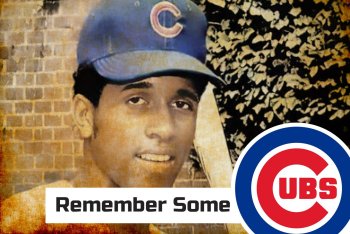
The trade of Oscar Gamble from the Chicago Cubs to the Philadelphia Phillies on Nov. 17, 1969, was influenced by the historical context of Chicago's color line, which had implications for the team's management decisions and player dynamics.
See all » Oscar Gamble Videos
No videos for this player found
See all blogs » See all topics » Community Topics & Blogs
Page Creator:

By Greg Gomez
Other Contributors:





Recommended Comments
Create an account or sign in to comment
You need to be a member in order to leave a comment
Create an account
Sign up for a new account in our community. It's easy!
Register a new accountSign in
Already have an account? Sign in here.
Sign In Now